 Redakcja Choose TV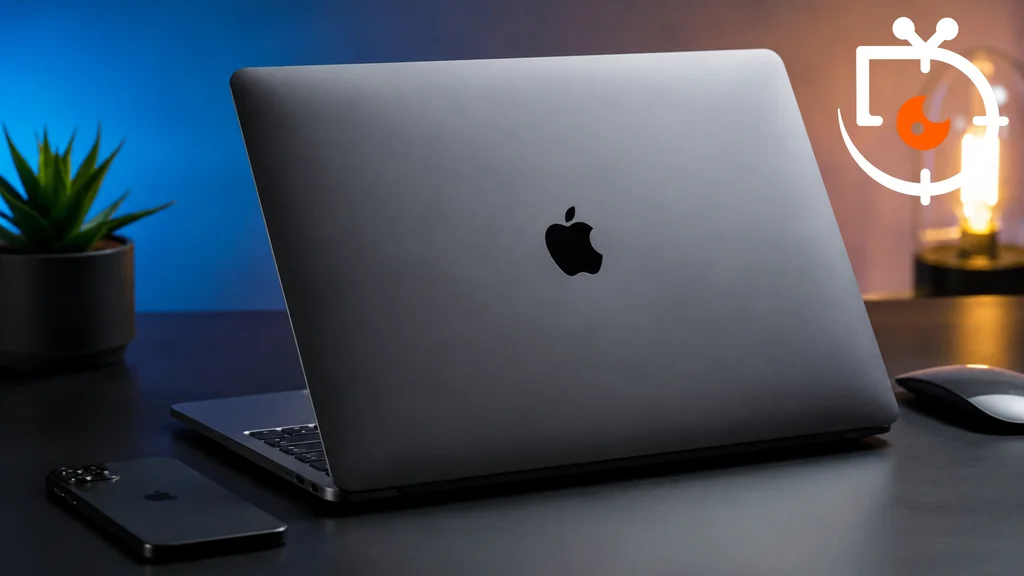
Apple has long been criticised for the high prices of memory and SSD upgrades in its Macs. The latest price hikes, however, have many users talking about record-high prices for certain configurations. The manufacturer attributes the changes to rising memory costs and a global crisis in the components market. For customers, though, this means an even higher purchase price for new computers. Those planning to buy more advanced MacBook Pro configurations will feel it most.
Apple has raised memory upgrade prices by as much as 100 per cent
The latest changes in the MacBook Pro configurator show that Apple has significantly increased the prices for additional RAM. Before the increases, upgrading from 48 GB to 64 GB cost US$200. The same configuration now requires an extra US$400. Even larger differences are visible at the top-end options. Upgrading a machine to 128 GB of RAM previously cost US$1,000, whereas Apple now prices it at US$2,000. That amounts to a near-doubling of prices in a single price update. The company cites a sharp rise in the cost of memory chips and SSDs on the global market. A shortage of memory chips is indeed affecting the whole electronics industry, but many users point out that Apple has long applied significantly higher margins than most computer makers. The latest hikes have only made that gap more apparent. The issue applies not only to Macs but also to some iPad models and other Apple devices that have been included in the new price list. The biggest concerns, however, are around machines aimed at professionals, where memory upgrades are especially important.
Customers have virtually no alternative
The situation is further complicated by the design of modern Apple computers. RAM and SSDs are integrated into the motherboard and cannot be replaced after purchasing the device. This means the user has to decide on the final configuration when placing the order. If after a few years it turns out the computer needs more memory, upgrading it will not be possible. That is why many customers opt for more expensive configurations from the start. According to available analyses, even before the price hikes Apple charged significantly higher fees for additional memory and drives than the value of comparable components on the market. After the recent changes the gap has become even larger. The company argues it uses its own unified memory architecture and integrated components that cannot be directly compared to traditional RAM modules. Nevertheless, many users believe current prices are exceptionally high. Rising global memory costs may mean similar price increases will appear among other computer manufacturers as well. For now, however, it is Apple that has found itself at the centre of the discussion about ever more expensive premium hardware configurations.
Apple has significantly increased the prices of RAM upgrades in Mac computers. In some cases the additional charges have risen by as much as 100 per cent, further driving up the cost of professional MacBook configurations and other computers from the manufacturer.
source: Digital Trends