 Redakcja Choose TV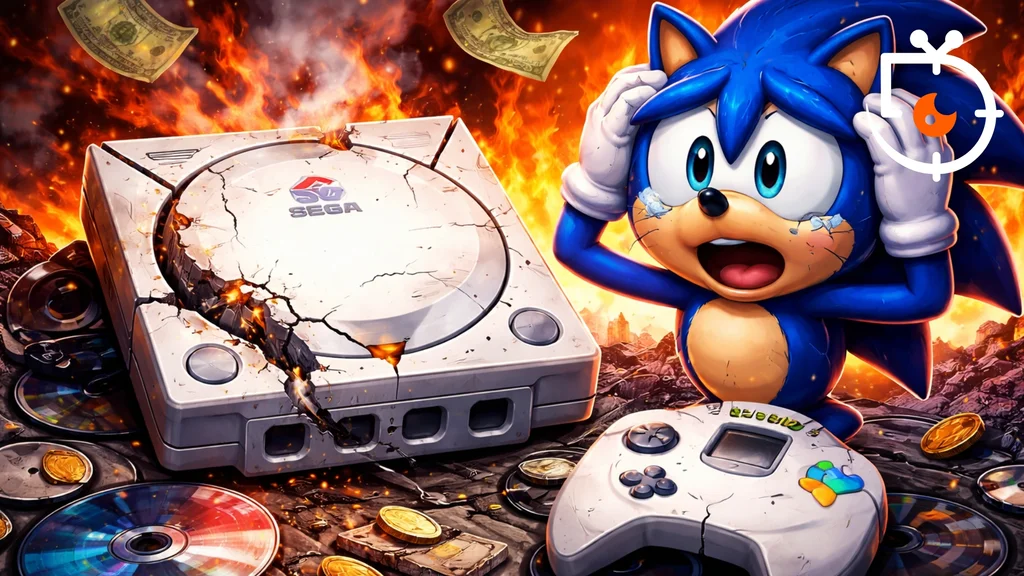
In the 90s, Sega was one of the most important console manufacturers in the world. Its hardware directly competed with platforms from Nintendo and Sony. However, after the release of the Sega Dreamcast, the company unexpectedly withdrew from the hardware market. Since then, Sega has mainly operated as a publisher and game developer. What led to such a turnaround?
Era sukcesu
Sega Mega Drive (known in the USA as Genesis) was one of the biggest successes of the company. The console gained immense popularity in the 90s, mainly due to the dynamic games and the iconic Sonic the Hedgehog series. During this time, Sega was a real competitor to Nintendo and fought for dominance in the console market. However, the company's subsequent decisions began to gradually weaken its position.
In the mid-90s, Sega released several different devices that caused confusion among players: Sega Saturn, hardware add-ons like Sega CD and 32X. Frequent changes in strategy caused many players and developers to lose trust in the company. At the same time, the first PlayStation console entered the market, which quickly gained enormous popularity. Saturn sold significantly worse than expected, which seriously weakened Sega's finances.
Dreamcast
In 1998, Sega tried to regain the market with the Sega Dreamcast console. The hardware was very modern for its time, offering, among other things: a built-in modem for online gaming, very good graphics, and innovative controllers. Dreamcast gained many fans and had great games, such as Shenmue and Jet Set Radio. However, the problem was that soon the PlayStation 2 appeared on the market, which attracted a huge amount of attention from gamers.
The Sony console had one huge advantage: it was not only a gaming platform but also a DVD player, which was very attractive to users at that time. Additionally, Sony gained enormous support from developers, who began creating games primarily for the PlayStation 2. As a result, Dreamcast sold significantly worse than expected. In 2001, Sega announced that it was ending production of the Dreamcast and withdrawing from the console market. The company decided to focus on creating games for other manufacturers' platforms, including PlayStation, Xbox, and Nintendo. Because of this, Sega still exists in the gaming market and is responsible for many popular franchises.
Today, Sega mainly operates as a game publisher and owner of many well-known brands, such as: Sonic the Hedgehog, Yakuza, Total War. Although the company no longer produces consoles, it still has a huge impact on the gaming industry. Sega stopped creating consoles for several reasons – poor business decisions in the 90s, weak sales of some devices, and fierce competition from Sony and PlayStation 2. Although the Dreamcast was a very successful console, it appeared at a difficult time for the company. However, the decision to exit the hardware market allowed Sega to survive and focus on game production.
Source: industry materials