 Redakcja Choose TV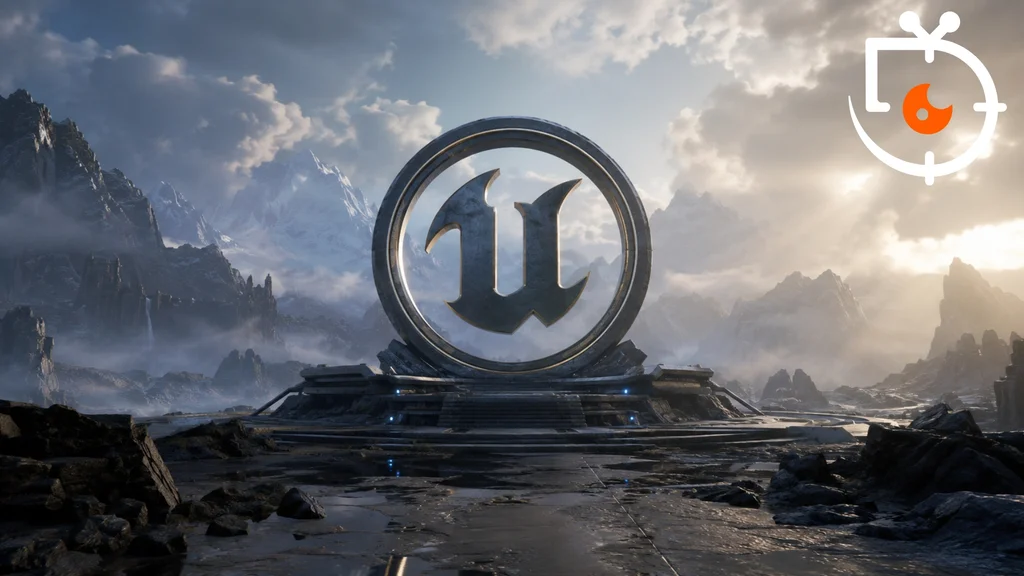
Unreal Engine has remained one of the most important engines in the entire gaming industry for years and powers a huge portion of modern AAA productions. Epic Games has officially begun promoting Unreal Engine 6, which is set to be the next big step for developers and creators. One of the first high-profile examples of these changes is Rocket League, which after many years is set to transition to more modern technology. The problem, however, is that many players are increasingly less excited about the graphics and technological marketing buzzwords. The community today often complains about stuttering, poor optimization, and the massive hardware requirements of new games. Therefore, some people fear that UE6 may once again focus more on visual effects than on the actual comfort of playing.
Players are increasingly concerned about the performance of new games built on Unreal Engine
Unreal Engine 5 initially looked like a true revolution for the gaming industry. The Nanite and Lumen technologies made a huge impression and promised a new generation of graphics. The problem is that as UE5 developed, so did the increasing performance issues. Many players today regularly complain about shader stutter, unstable frame pacing, and very high hardware requirements of modern AAA games. Technologies like DLSS, FSR, and frame generation are also becoming more standard. For some of the community, they have ceased to be an addition and have started to serve as a mandatory solution to performance problems. That is why the announcement of Unreal Engine 6 simultaneously raises excitement and considerable skepticism. Many players believe that the industry, instead of optimizing games, simply demands increasingly powerful hardware. There are also concerns that UE6 will focus more on integrating the Epic Games ecosystem, Fortnite, and creator tools rather than improving the performance of the games themselves. Especially since Epic is increasingly talking about shared worlds, creator economies, and the expansion of its own platform. However, for average players, stable framerate and smooth operation remain much more important.
Rocket League will get a new engine, but players want specific changes instead of marketing slogans
One of the most surprising elements of the UE6 presentation was the use of Rocket League as one of the examples of the new technology. The game has been running on the very old Unreal Engine 3 for years, and the community has long been asking for an upgrade of the entire production. The teaser for the new version generated significant interest and clearly showcased better visual fidelity. However, many players are approaching the situation cautiously. After the experiences with UE5, some members of the community no longer want more technological showcases and flashy trailers. Instead, players primarily expect improvements in optimization, lower CPU load, and a reduction in stuttering issues. There is also an increasing fatigue with the constant raising of hardware requirements for new games. Particularly on PC, players are beginning to feel that new productions are being developed more for upscaling technologies than for native performance. Epic Games will therefore need to prove that Unreal Engine 6 actually addresses some of the current problems and does not just add more flashy visual features.
Unreal Engine 6 officially begins a new stage in the development of Epic Games technology, but many players are still approaching it with great caution. The community increasingly expects improvements in optimization and performance instead of further graphical showcases of the engine's capabilities.
source: digitaltrends