 Redakcja Choose TV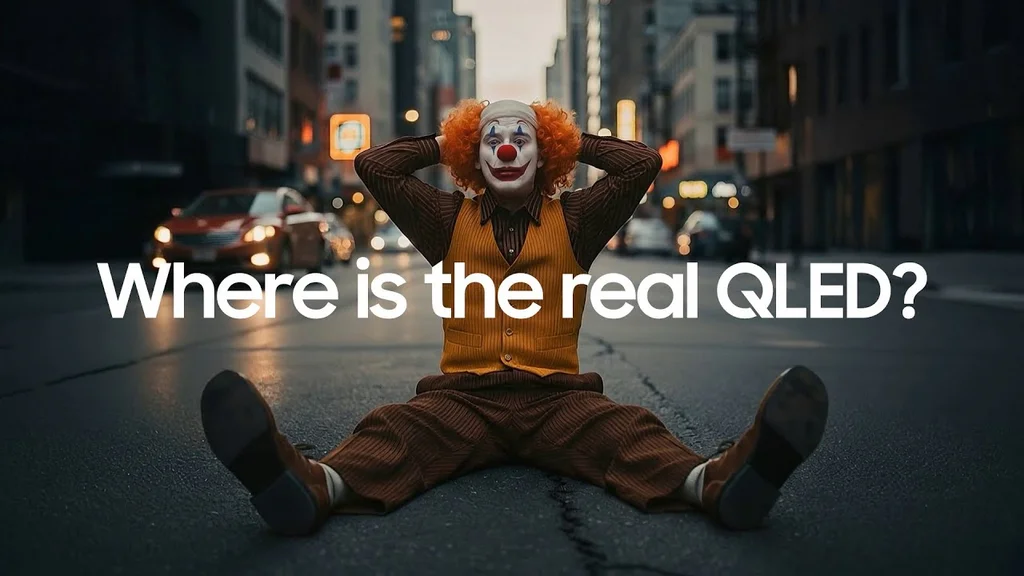
The District Court in Munich issued a ruling that could shake the television market across Europe. The judges sided with the lawsuit from Samsung Electronics, stating that TCL employed unfair market practices. The Chinese manufacturer promoted selected models as QLED televisions, despite their design not providing measurable benefits from quantum dot technology.
No measurable improvement in image
The court found that models such as QLED870 were advertised in a way that could mislead consumers. Although QLED technology – according to the definition of the International Electrotechnical Commission (IEC) – should be based on a layer of quantum dots improving brightness and color reproduction, in the case of the disputed TCL models, the effect of these materials on image quality was insignificant. Expert assessments showed that the manufacturer used only trace amounts of Quantum Dot materials, which did not translate into a reliable improvement in color reproduction. As a result, the use of the label "QLED" was considered a violation of the German Act Against Unfair Competition.
PFS vs. Quantum Dot: Where's the Difference?
The main point of contention is the backlighting technology. While classic QLED televisions use blue LEDs and a special film with quantum dots that generate pure primary colors when excited, TCL in the disputed models has opted for cheaper PFS filters mainly based on phosphorus.
You can see this in our measurements in the TV tests. In the "Matrix Details" section:
Although in our tests the differences in color reproduction or coverage of the color palette (DCI-P3) between the two technologies are often marginal and difficult to detect with the naked eye, for specialists and regulatory bodies, the difference is essential. According to industry experts, screens based on quantum dots differ from phosphor filters not only in their impact on image quality but also in the way raw materials are extracted, disposal, or better effects on living organisms.
This is not the only war between Samsung and TCL
The ruling regarding QLED is not TCL's only problem. A German court also ordered the withdrawal of the trade name “NXT Frame”, ruling that it too closely resembles Samsung's registered trademark The Frame. As a result, TCL had to change the naming of these screens to NXT Vision.
For some time, Samsung has been conducting an aggressive campaign aimed at Chinese competitors. At the end of last year, the company released a video entitled “Real QLED: The Clown Behind It All | Samsung,” in which it openly questions the technological reliability of its rivals' products.
Source: own, koreaherald