 Redakcja Choose TV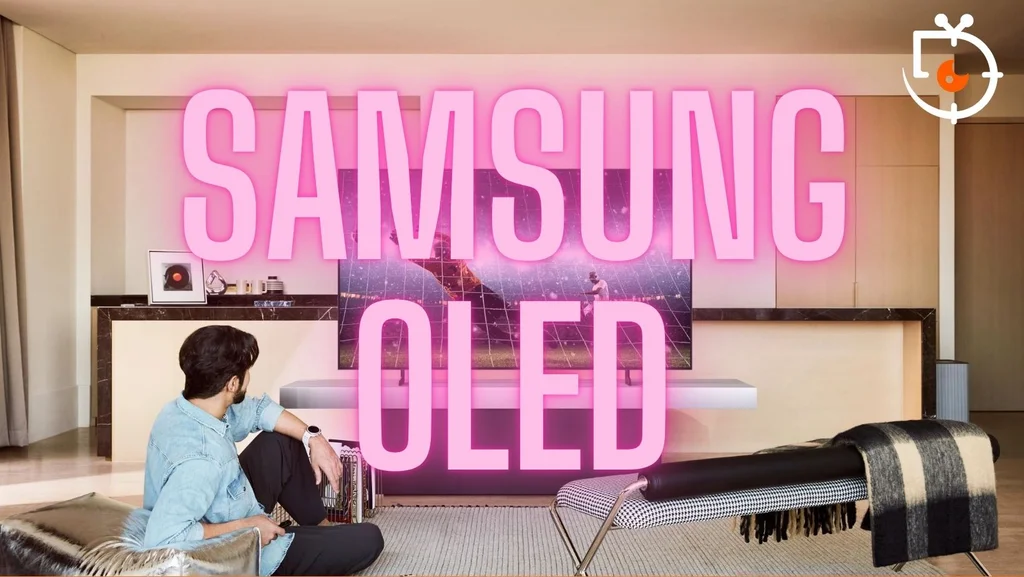
Do you remember how Samsung claimed for years that OLED in televisions was a dead end? That there were burn-ins, that costs were higher, that their QLED was better? Well, the year 2026 brought definitive proof that the Koreans just hit themselves on the chest. And it was the best business decision in their history.
Samsung sold more OLEDs than expected
The results for 2025 (according to Omdia) leave no doubt: selling 2 million OLED TVs, which is an increase of 38.1% compared to 2024, is for Samsung a "matter of life or death" as the leader in TV sales. At a time when the TV market has stalled, it is the premium segment that has allowed the Koreans to maintain their leading position. The math is straightforward: even with a comparable number of total TV units sold compared to last year, the high margin from OLEDs creates a financial advantage over the chasing competition.
OLED > Neo QLED
Inside the company, a historic reshuffle has occurred. Starting in 2024, OLED TVs are selling better than the models QLED MiniLED (Neo QLED) that have been promoted for years. Consumers have ultimately chosen perfect contrast and deep black, abandoning the pursuit of mere brightness of LCD panels. It’s hard to blame them; modern OLED screens are already bright enough that their former limitations or fears of burn-in have become relics of the past.
This entire return to roots from 2012, when Samsung announced its first OLED TV, would not have been possible without Samsung Display. It is thanks to the display division and their QD-OLED technology that Samsung Electronics was able to launch its first affordable model S95B on its own panel. The production of QD-OLED panels has ended LG's decade-long dominance in TV panel supply. Today, it is clear that this was the only right move to avoid ceding ground to rivals.
Interested in Samsung's OLED TVs? Check out our video on the upcoming news for 2026!
Why only now?
This is a response to the expansion of brands from China, such as TCL. Chinese manufacturers have dominated the market for cheap LCD televisions with their mass low-cost production. Instead of fighting for every unit sold at the lowest prices, Samsung focused on building value in super premium televisions like the matte OLED S95F. Although the competition from China is quantitatively getting closer, Samsung has maintained its leadership position thanks to high margins on premium models. OLED has become a tool for the company to maintain financial dominance in the global market.
Samsung admitted its mistake in the best possible way: by making billions of dollars off that mistake and pushing the development of OLED technology like never before. Although they lost a decade resisting organic technology, it is precisely this technology that is saving them today from losing their throne to the Chinese tigers.
Sources: own, OMDIA, ETNews, flatpanelshd