 Redakcja Choose TV
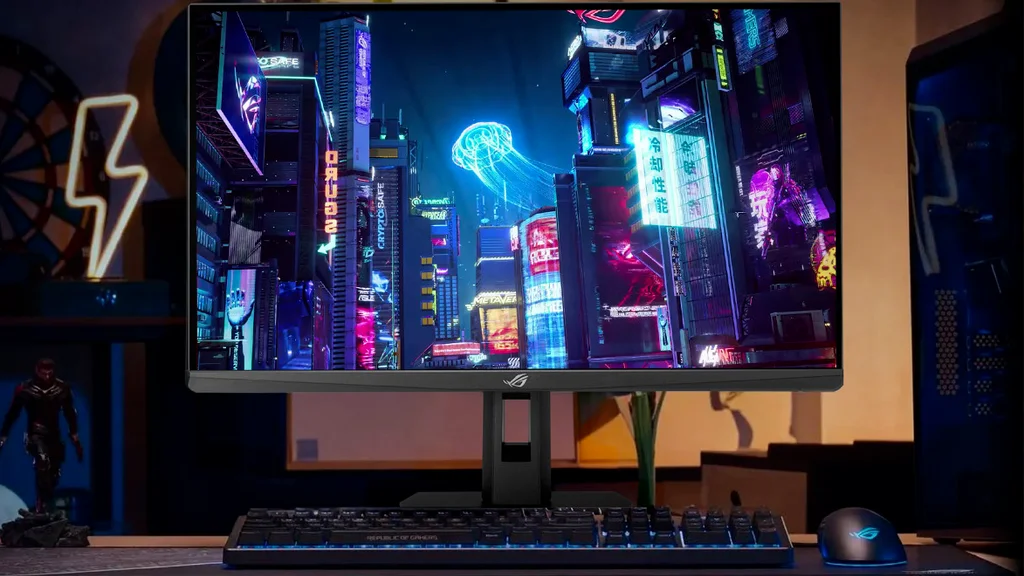
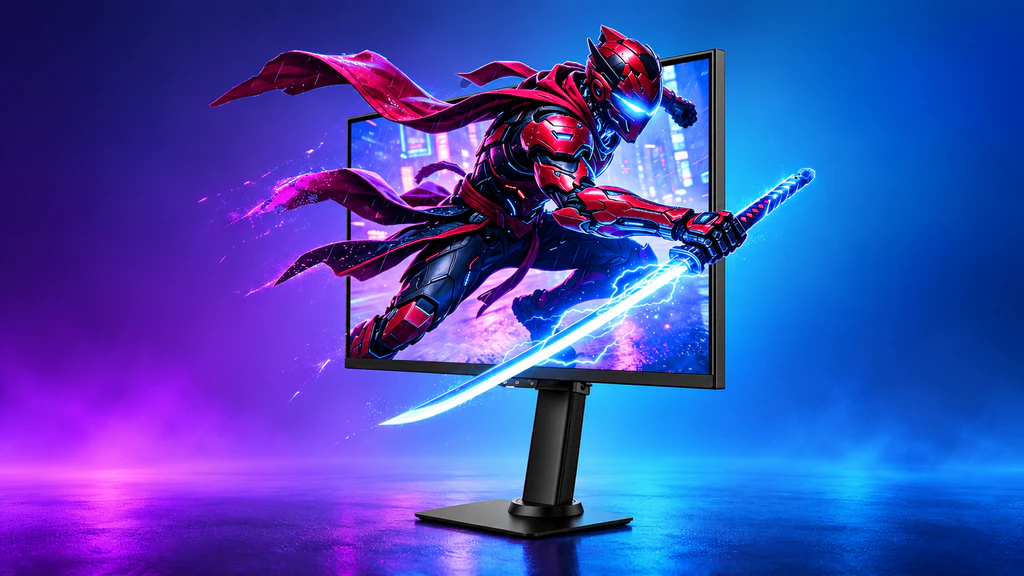
Samsung Display is starting to deploy QD-OLED Edge panels more widely, which should help lower the prices of OLED monitors. For years the technology was mainly associated with expensive high-end models, but the new lineup should allow manufacturers to offer more affordable options. The panels retain the key advantages of QD-OLED, including per-pixel control of brightness and color. At the same time, they are less bright and slower than Samsung's newer panel generations. 27-inch models are already on the market, and the lineup is now expanding to include 32-inch 4K models.
QD-OLED Edge reaches an increasing number of monitors
The first QD-OLED Edge panel in Samsung’s lineup is a 27-inch panel with a 2560 × 1440 resolution and a 240 Hz refresh rate. It offers 200 nits full-screen brightness and up to 400 nits peak. The design corresponds to third-generation QD-OLED technology from 2024. Samsung Display did not limit the panel’s availability to its own monitors, however, because many manufacturers are already using it. Those include Gigabyte, AOC, Dell, Samsung Electronics, Asus, MSI, Acer, ViewSonic and ASRock. The next step is a 32-inch QD-OLED Edge panel with 4K resolution and a 180 Hz refresh rate. It also delivers 200 nits full-screen brightness and 400 nits peak. In this case Samsung uses fourth-generation QD-OLED technology from 2025. Neither of the panels uses an RGB stripe pixel layout, though. That matters mainly for text rendering, where sharpness can be reduced as a result. QD-OLED Edge panels are therefore aimed primarily at people who use their monitor for gaming and multimedia.
Cheaper OLED could speed up the technology's adoption
The new panels aren't aimed at users expecting the highest possible brightness or flashy HDR. Even so, they still offer advantages over typical LCD monitors in terms of image quality. That includes contrast, black levels, color, response time and viewing angles. The most important change, however, is price: QD-OLED Edge monitors are already available in the US and Europe at roughly $300 to $350, depending on the manufacturer. That's a price point that could make it easier for more users to switch from LCD to OLED. Among the available and upcoming designs are both 27-inch 1440p 240 Hz models and 32-inch 4K 180 Hz monitors. In the QD-OLED Edge segment there are products from companies including Acer, AOC, Asus, BenQ, Dell, Gigabyte, MSI, Samsung and ViewSonic. At the same time, falling prices could increase competition in the OLED panel market. The source also hopes for a similar response from LG Display, with the company introducing a more affordable line of WOLED panels. For now, QD-OLED Edge is therefore one of the most important ways to improve OLED monitor availability. For consumers, that means more choice and a chance to buy an OLED monitor without having to go for the most expensive models.
Samsung Display is developing QD-OLED Edge as a more affordable alternative to its latest panels. The technology delivers high image quality but falls short of the more expensive generations in brightness and speed. 27-inch 1440p 240 Hz models are already on sale, and manufacturers are also introducing 32-inch 4K 180 Hz designs. If the trend continues, cheaper QD-OLED panels could speed up the adoption of OLED monitors.
source: flatpanelshd