 Redakcja Choose TV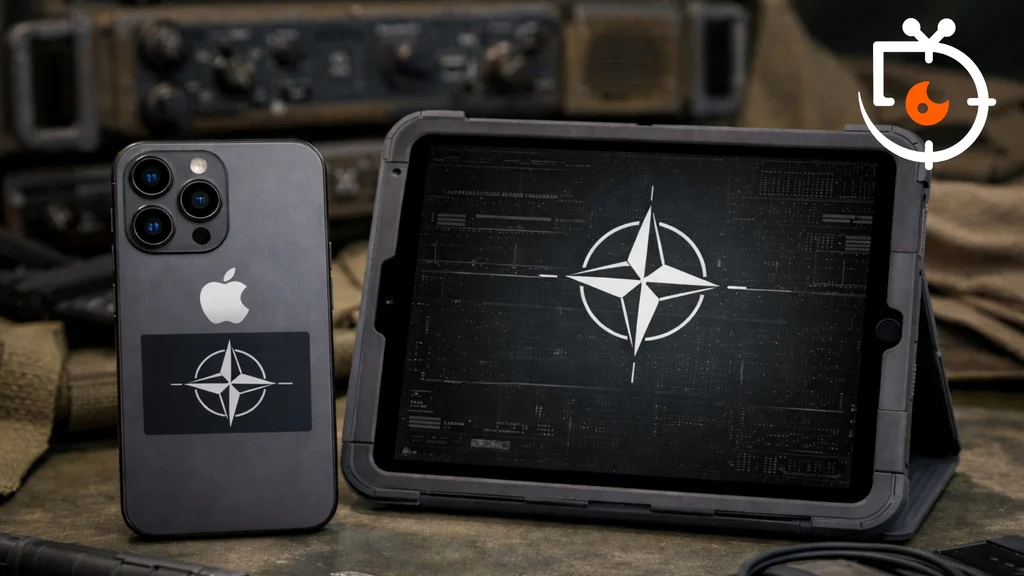
Apple announced that the iPhone and iPad have become the first consumer mobile devices approved for processing classified information at the "NATO Restricted" level. The certification was awarded after rigorous testing conducted by the German Federal Office for Information Security (BSI). This is a breakthrough moment; until now, similar standards have only been met by specialized, costly government and corporate solutions.
NATO Certification and the Role of the German BSI
The approval process included detailed technical audits, security tests, and an analysis of the architecture of iOS 26 and iPadOS 26 systems. The German BSI confirmed that the built-in protective mechanisms meet the stringent requirements in place in NATO countries. As a result of this decision, the iPhone and iPad have been added to the NATO Information Assurance Products Catalogue. This means they can be used to store and process classified information without the need to install additional specialized security software.
What is behind the decision? Security "from the ground up"
Apple has long emphasized that security measures are designed in parallel with hardware and software. Among the key elements mentioned are:
full data encryption,
biometric authentication via Face ID,
memory integrity protection (Memory Integrity Enforcement),
process isolation at the level of Apple Silicon chips.
According to company representatives, it is the integration of hardware, system, and security architecture that has allowed them to meet government requirements without having to modify devices for specific implementations.
NATO certification for the iPhone and iPad is an important signal that the line between consumer devices and government security solutions is beginning to blur. If the decision translates into real implementations in public administration and international structures, Apple could further strengthen its position as a provider of secure mobile platforms.
Source: apple.com