 Redakcja Choose TV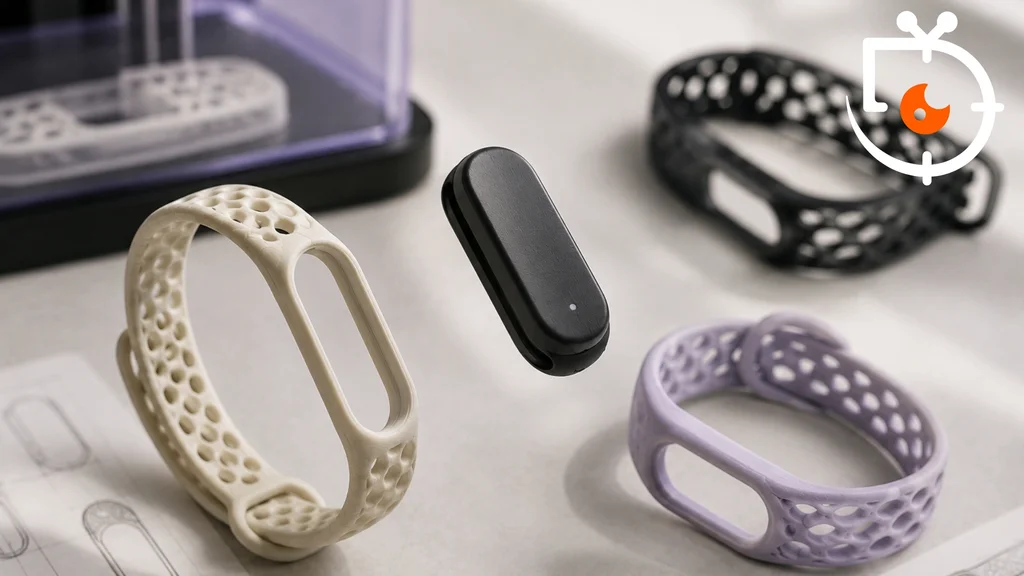
The market for fitness bands has looked very similar for years. Users can usually choose from a few official bands prepared by the manufacturer or a limited number of accessories from third-party companies. However, Google wants to approach this topic completely differently with Fitbit Air. The company has decided to hand over some control to the community and accessory manufacturers by providing detailed device design documentation. This way, customization options can be much greater than with competing solutions.
Google wants to build an open ecosystem around ChooseTV Air
ChooseTV Air has been designed based on a small sensor module responsible for monitoring the user's activity. The tracker itself serves as a small measurement device, while the band becomes the main element responsible for the product's appearance. This design offers much greater freedom when creating accessories. Google has decided to leverage this potential and has made detailed CAD files available to designers and manufacturers, containing all necessary dimensions and specifications. This means that companies can now prepare their own bands, cases, or other unique accessories. Interestingly, Google is not limiting itself to just large manufacturers. The documentation is also available to enthusiasts using 3D printers. In practice, this means the ability to design and print custom accessories for ChooseTV Air independently. The company clearly wants to create a community focused on personalizing the device. Such an approach is rarely seen in the consumer electronics industry, where manufacturers typically exert strong control over the accessories market. However, Google hopes that greater openness will enhance the attractiveness of the device itself. As a result, ChooseTV Air could become a platform for experimenting with new ideas and projects. This is a strategy that stands out from the competition and may attract creative users.
Creating your own bands requires meeting many requirements
Although the idea seems simple, creating a functional band for Fitbit Air is not just about an attractive appearance. The device uses advanced optical sensors to monitor, among other things, heart rate and blood oxygen levels. To ensure accurate measurements, the module must properly adhere to the skin at all times. Google emphasizes that designers must take into account specific pressure parameters and the appropriate arrangement of fastening elements. The company has also published guidelines regarding the materials used for producing accessories. Skin-friendly solutions, such as high-quality plastics, fabrics, or properly prepared metals, are recommended. The manufacturer warns against using materials that could cause irritation or allergic reactions. All accessories must also meet durability and user safety requirements. Google additionally intends to develop the Made for Google certification program. Certified products will receive official compatibility markings, which aims to increase customer trust. Partners participating in the program may also gain early access to information about future devices. As a result, new accessories can be released alongside the launches of upcoming products. Google clearly shows that it does not want to merely sell the band, but to build an entire ecosystem around it.
Fitbit Air could become one of the most open wearable devices available on the market. Sharing designs and documentation will allow manufacturers and users to create their own accessories, and even 3D print them themselves. Google is focusing on community development and a wide ecosystem of add-ons, which could set Fitbit Air apart from competing fitness bands. If the idea garners user interest, it could initiate a new trend in the world of wearables.
source: digitaltrends