- Matching (Score) |
- Our verdict |
- Competing TVs |
- TV appearance |
- Where to buy |
- Contrast and black detail |
- HDR effect quality |
- Factory color reproduction |
- Color reproduction after calibration |
- Smoothness of tonal transitions |
- Image scaling and smoothness of tonal transitions |
- Blur and motion smoothness |
- Console compatibility and gaming features |
- Input lag |
- Compatibility with PC |
- Viewing angles |
- Daytime performance |
- TV features |
- Apps |
- Playing files from USB |
- Sound |
- Panel details
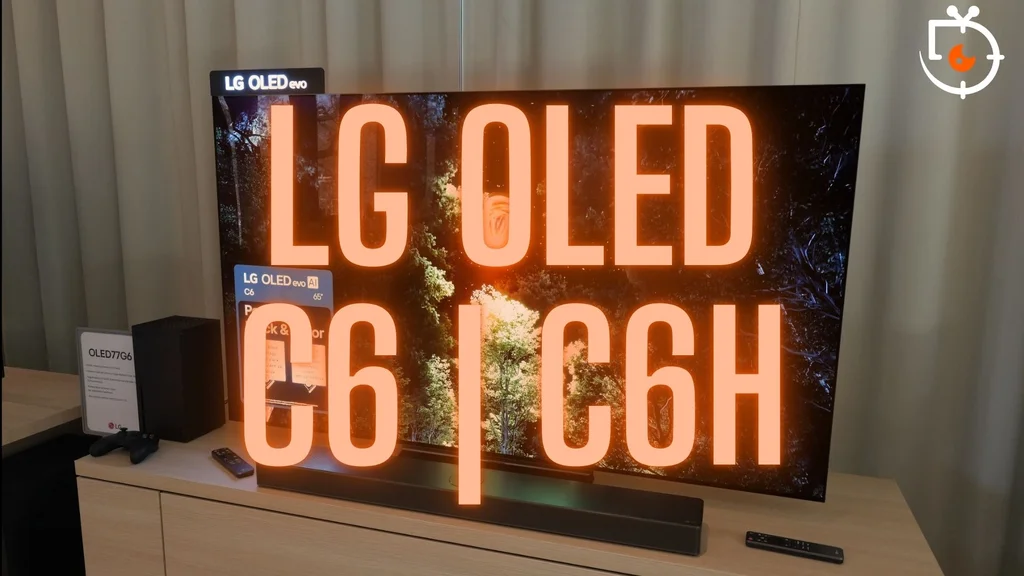
LG OLED C6H (TANDEM OLED) Review
C6 / C64 / C6E / C6H / C61

Available screen sizes:
Diagonal with a different matrix: , , ,
Complete the survey to find out the result
Panel type: WRGB OLED Refresh rate: 165Hz Brand: LG Resolution: 3840x2160 System: WebOS Model year: 2026
This review is an English translation of the Polish original. Read the original on Wybierz.tv.
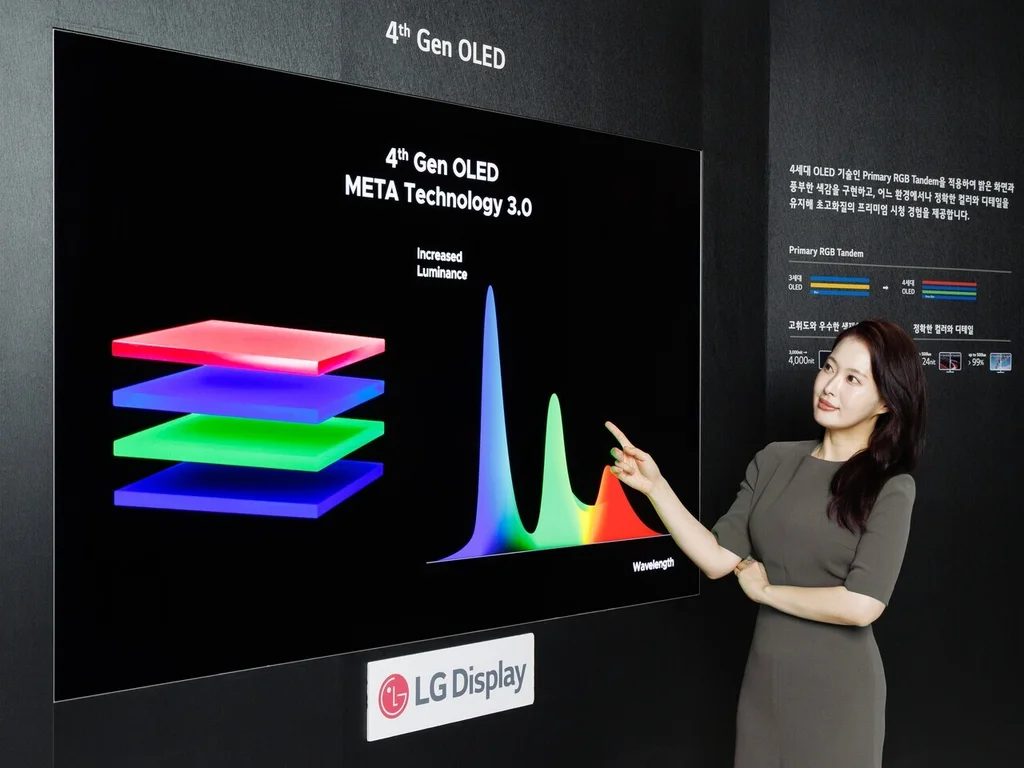
LG's C series has for years been one of the most popular choices for people looking for a good OLED without paying flagship-level prices. You usually get most of the key features, very good options for gamers and higher brightness than the basic B series. In 2026 things got a bit more interesting, because not every LG C6 is the same. The 77- and 83-inch models labelled Hyper (C6H in the USA) received a better Tandem OLED panel, very similar to the one LG used last year in its flagship G5 series. That already suggests, on paper, higher brightness and greater imaging capabilities than the smaller C6 models, so we decided this variant deserved a separate review. The only question is whether, in practice, it's actually that close to last year's flagship and whether it's worth paying extra for the C6H.
LG C6H - Our verdict
8.4
Overall rating
The C6H is an even more interesting TV, because the use of a Tandem OLED panel means the C series is starting to move into territory previously reserved for much more expensive models. You still get all the advantages of the regular C6, but the panel’s capabilities are on a completely different level. HDR shows this best. In many scenes we measured around 2,000 nits, and at times even 2,300 nits, results until now seen in flagship TV ranges. There’s also a wider BT.2020 colour gamut and, above all, much stronger colours at high brightness. In that respect it’s hard to call this a typical mid-range OLED. What’s more, the rest of the TV keeps up with the panel. You get excellent image processing, 165 Hz, a full suite of gaming features and the user-friendly webOS with the Magic Remote. If we judged the C6H solely on its capabilities and specifications, it could easily be placed alongside much more expensive top-tier TVs. Unfortunately the spell is somewhat broken when evening comes and you want to watch a film. Around black our C6H sample showed noticeable dithering and an irritating flicker. It was most visible in difficult, very dark scenes, and it’s the kind of flaw that’s hard to ignore in an OLED TV. After all, part of the reason you buy such a panel is to enjoy perfect blacks during an evening viewing. It’s all the more a shame because otherwise the C6H is a truly excellent TV. Everything also indicates this isn’t a limitation of the panel itself but a software problem, similar to what we observed in the LG G6. We therefore hope LG will fix it with an update, as it has done in some overseas markets. For now this one issue prevents us from fully recommending the C6H. Until LG fixes it, the safer choice is the regular C6 or a competing OLED that doesn’t struggle with this near-black behaviour. However, if an update does indeed resolve the problem, the C6 with Tandem technology would immediately become one of the most interesting OLEDs of 2026.
Advantages

Remarkable brightness: over 2,000 nits in HDR
Perfect blacks and OLED contrast
Excellent picture quality in HDR films, including Dolby Vision
Very good image processing and upscaling
165 Hz panel and virtually zero motion blur
Great package for gamers: VRR, G-Sync, HGiG, Dolby Vision Gaming
Very low input lag, about 5 ms at 120 Hz
Wider colour gamut than other WOLED screens: 99% DCI-P3 and about 83% BT.2020
Intuitive and modern webOS system
Convenient control with the Magic remote featuring a gyroscope
Disadvantages

Strong dithering and flickering in near-black areas
Different versions of the remote depending on the C6 variant, so it's hard to be certain which Magic Remote will be included before purchase
Average reflection suppression, so in a very bright living room strong reflections may be visible
No DTS:X support; that format will require an external AV receiver or player
 Movies and series in UHD quality
8.4
 Classic TV, YouTube
8.6
 Sports broadcasts (TV and apps)
8.6
 Gaming on console
9.5
 TV as a computer monitor
8.6
 Watching in bright light
7.6
 Utility functions
8.4
 Apps
Apps9.1
 Sound quality
7.0
Complete the survey to find out what fits your preferences
LG C6H - Competing TVs in this price range
LG C6H - TV appearance
HDMI inputs: 0 x HDMI 2.0, 4 x HDMI 2.1 (48Gbps) Other inputs: IR (remote) Outputs: Toslink (Optical audio), eARC (HDMI), ARC (HDMI) Network Interfaces: Wi-Fi 2.4GHz, Wi-Fi 5GHz, Ethernet (LAN) 100Mbps
Build quality: Premium
Stand type: Central
Bezel color: Silver


Stand: Fixed
Flat design: No
Accessories: Stand
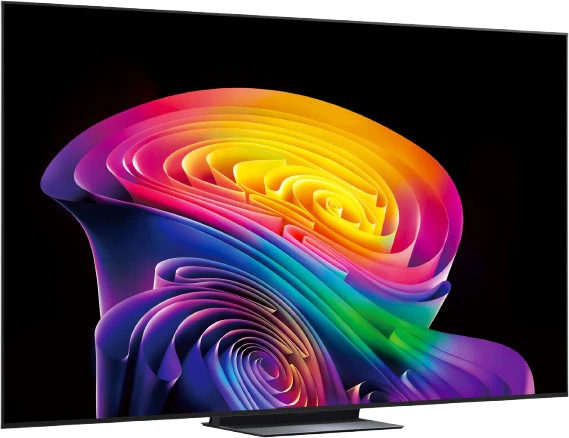
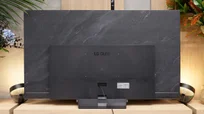
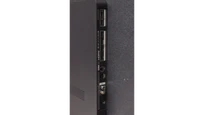
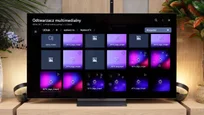
As for appearance, the larger C6 with a Tandem OLED panel brings no major surprises. For several generations LG has stuck to virtually the same C-series design, and that is hard to see as a drawback. The TV still looks very good, with very slim bezels and a metal trim around the screen. Its colour may vary slightly depending on the specific variant and region. As befits an OLED, the top of the screen is very slim. Lower down there is a much thicker section housing the electronics, so the C6 does not sit as flush against the wall as, for example, the G series. On the back you again find LG’s characteristic plastic finish with a stone- or marble-like texture. Its shade can also differ slightly depending on the specific unit. The TV stands on a central stand made from a combination of metal and plastic. It looks elegant, is stable and does not require a wide piece of furniture, which is especially important for the large variant we tested. It is a pity that LG still has not done more to address cable management. There are no proper covers or channels to route cables, so after connecting several devices they can be visible at the side of the TV. In summary, using a Tandem OLED panel has not changed the C6’s construction. From the outside it remains the well-known C-series design: simple, slim and very well built.
Buy at the best price
Select size:

LG C6H - Contrast and black detail
10/10


Result
∞:1

Result
∞:1

Result
∞:1

Result
∞:1

Result
∞:1

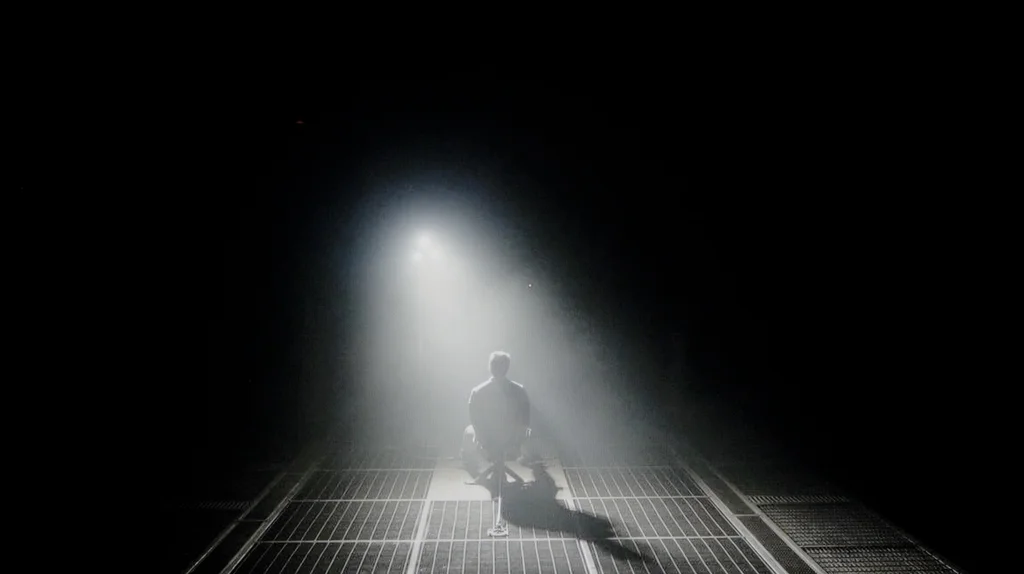
The Tandem OLED panel gives the C6 noticeably greater capabilities in several areas of the picture, but when it comes to black levels there was nothing that needed changing. As with any OLED, individual pixels can be completely switched off, allowing the TV to deliver perfect black and virtually infinite contrast. It therefore makes no difference whether bright subtitles appear on a black background, tiny stars or small light sources. You won't see the glow typical of LCDs around them, and transitions between bright and dark areas are very precise. In terms of black level alone the Tandem OLED version has no advantage over the standard C6, because both panels can switch off pixels on a per-pixel basis. Differences between them only appear with brightness and colour. However, if we look solely at contrast and black level, both variants offer the same reference-level performance.
NOTE: In the helicopter scene from the film Sicario 2 we noticed grain and flickering in the darkest parts of the image. This looks like a software bug that LG should address with an update. On the Tandem OLED version the effect is even more noticeable, and we observed similar behaviour on the flagship LG G6.
Halo effect and black detail visibility:
LG C6H - HDR effect quality
8.8/10
Supported formats: HDR10, Dolby Vision, Dolby Vision IQ, HLG
Luminance measurements in HDR:

Result
2133 nit

Result
1900 nit

Result
2300 nit

Result
1964 nit

Result
1648 nit
And it is with HDR that the Tandem OLED panel shows its greatest advantage. The C6H’s brightness is simply very high and in our measurements it hovered around 1900–2300 nits in most film scenes. That’s already a level at which bright highlights, the sun or small light sources can look truly spectacular. The biggest impression, however, was made by the fifth scene from the film The Meg. It is exceptionally demanding for OLEDs because almost the entire screen is very bright. Even so, the C6H reached about 1650 nits in that scene. By comparison, the regular C6 with a classic WOLED panel recorded around 600–700 nits at the same point. So we’re talking about more than double the brightness, and in places the difference even approaches three times. And that is probably the best example of what Tandem OLED delivers here. It’s not just a higher result on a small test patch. The C6H can maintain very high brightness even when much more of the screen is lit. As a result HDR has significantly greater dynamism, and in this respect the C6H is much closer to flagship OLEDs than to typical mid-range models.
Colours
Tandem OLED also brings an improvement in colours. DCI-P3 coverage remains practically complete at about 99%, while in the much wider BT.2020 colour space we measured around 82–83%. That’s roughly seven percentage points more than the regular C6. In everyday use this won’t be a difference visible in every scene, because most films do not use such a wide gamut. However, when very highly saturated colours appear, the C6H already has noticeably greater capability, especially in reds. Reds benefit the most, becoming deeper and more saturated. This still isn’t at the level of the best QD-OLED panels or SQD TVs, but for a WOLED panel the performance is really very good.
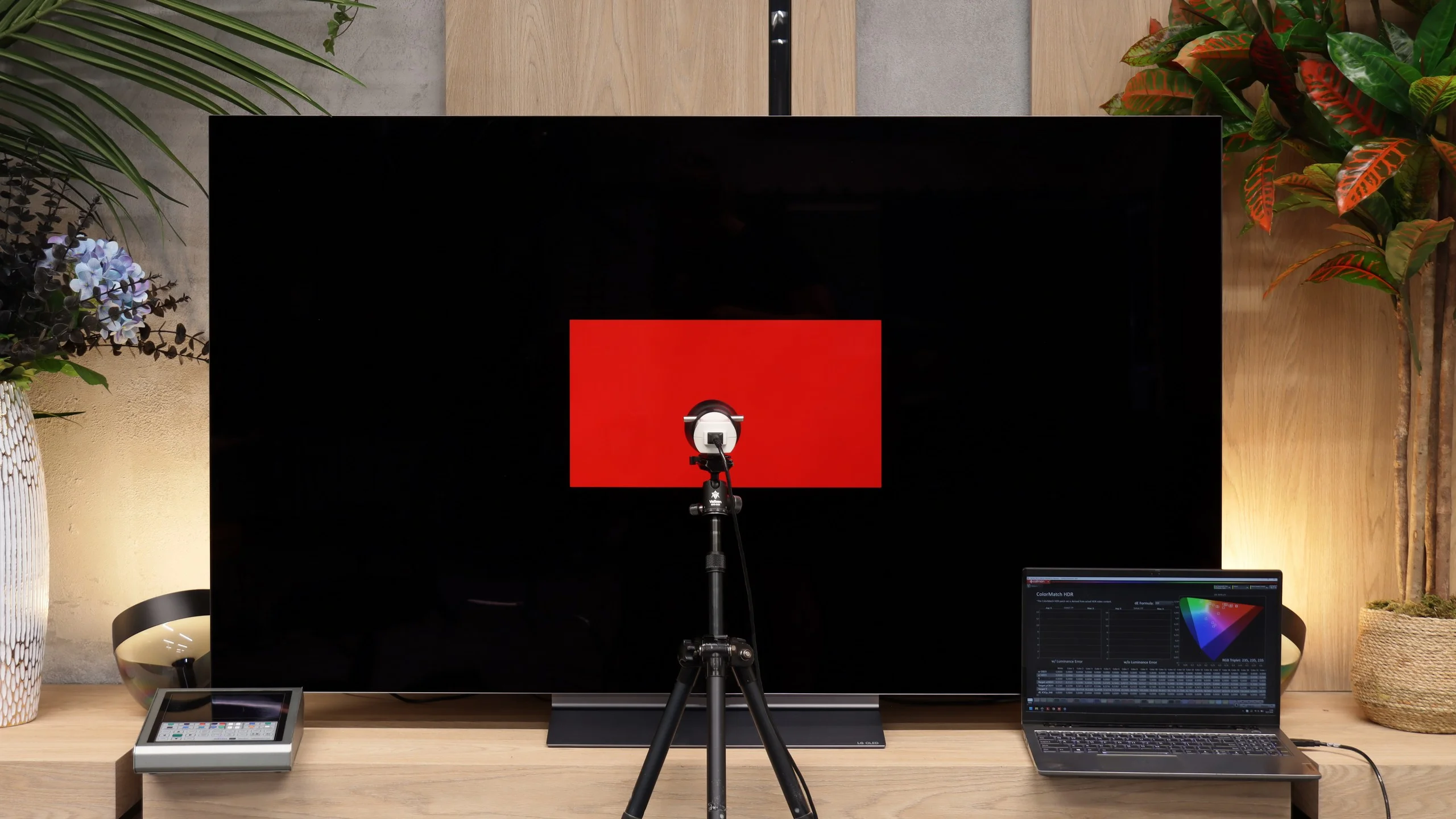
BT.2020 color gamut coverage and primary color luminance
| Data set | BT.2020 | P3 | R | G | B |
|---|---|---|---|---|---|
| Synthetic patterns | 82.6% | 99.3% | 59% | 65% | 74% |
| Film measurements | 82.2% | 99.2% | 82% | 85% | 87% |
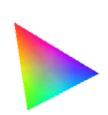 BT.2020
 BT.2020 and P3 – average color gamut coverage (percent of the target gamut).
R, G, B – average primary color luminance relative to target (percent).
Scene from the movie “Pan” (about 2800 nits)

Scene from the movie “Billy Lynn” (about 1100 nits)

With the C6H the situation is a little different, because the additional capabilities of the Tandem OLED panel are most visible only in truly demanding material. In most HDR films and series the difference compared with the regular C6 will not be large. If the content has been prepared for around 1000 nits, both TVs already have enough brightness to show it practically without major compromises. The advantage of the C6H becomes apparent when you reach for more demanding films, such as Pan. Here the much higher brightness of the Tandem OLED panel allows strong light sources to be shown with greater intensity, and the whole picture simply has more dynamic range. The C6H less often has to resort to tone mapping, because it can display a much larger portion of the information encoded in the content directly.
An even bigger difference is visible in very bright scenes that occupy a large part of the screen. This is precisely where regular OLEDs usually limit brightness the most, while the C6H can retain a lot of it. In such moments the Tandem OLED shows its greatest advantage and HDR can look truly impressive. That does not mean every film on the C6H will look completely different to how it does on the regular C6. In most content both will perform very well. Only the most demanding scenes reveal what you are actually paying extra for in the Tandem OLED-panel version.
HDR luminance chart:
The situation is much the same with the Tandem OLED panel. The LG C6 supports all the main HDR formats: HDR10, HLG and Dolby Vision. It does not include HDR10+, but with Dolby Vision present that's hard to regard as a major loss. Dolby Vision itself performs very well and, with more demanding material, can demonstrate an advantage over standard HDR10. In our test scene you can see, above all, more information in the brightest parts of the image: snow and bright backgrounds show more detail and do not wash out into a uniform white as much. However, with the C6's Tandem OLED the difference is not huge, since the panel is already bright enough to handle such scenes very well even with HDR10.
Static HDR10

Dynamic: Dolby Vision

Factory color reproduction
7.8/10
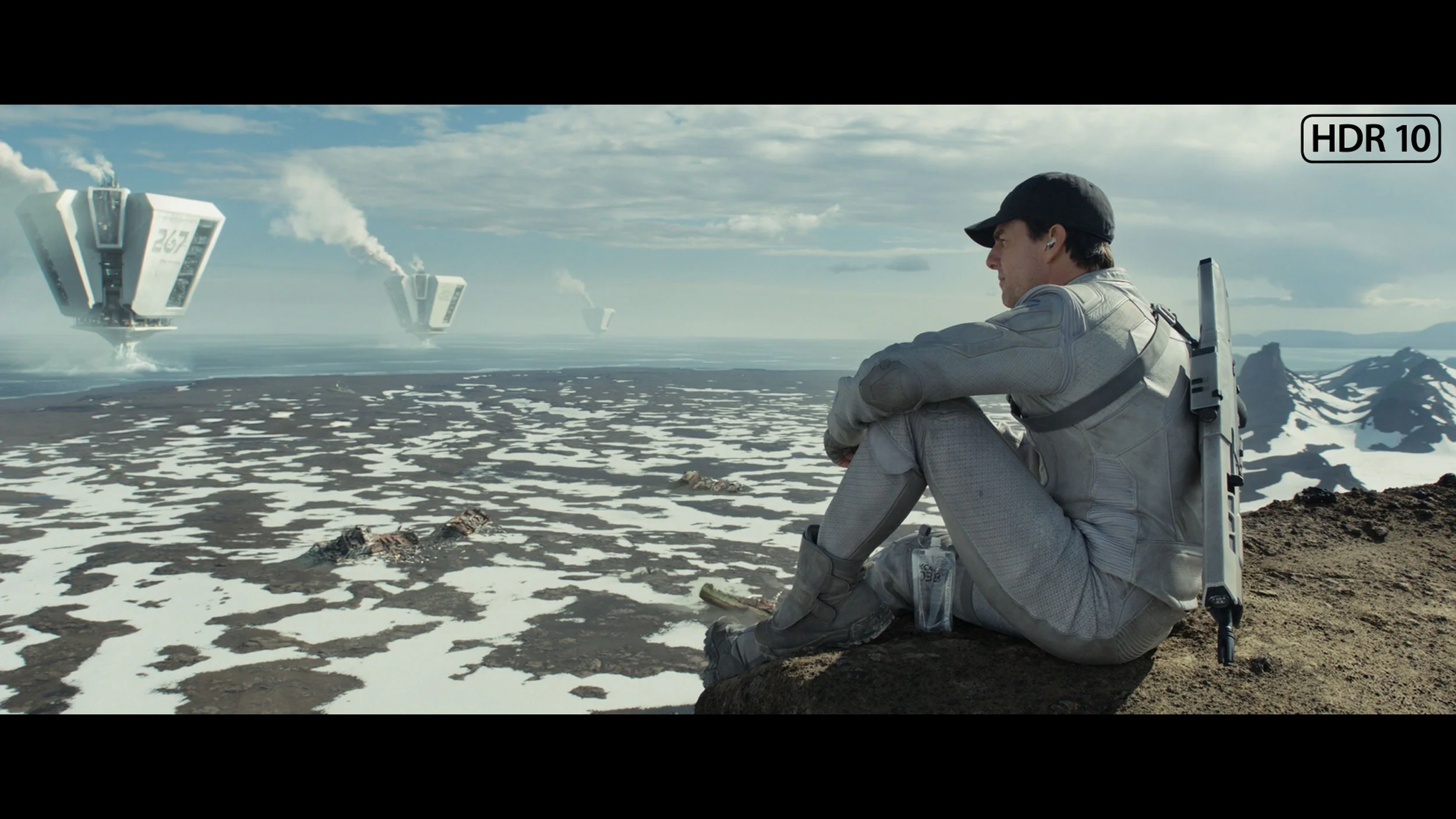
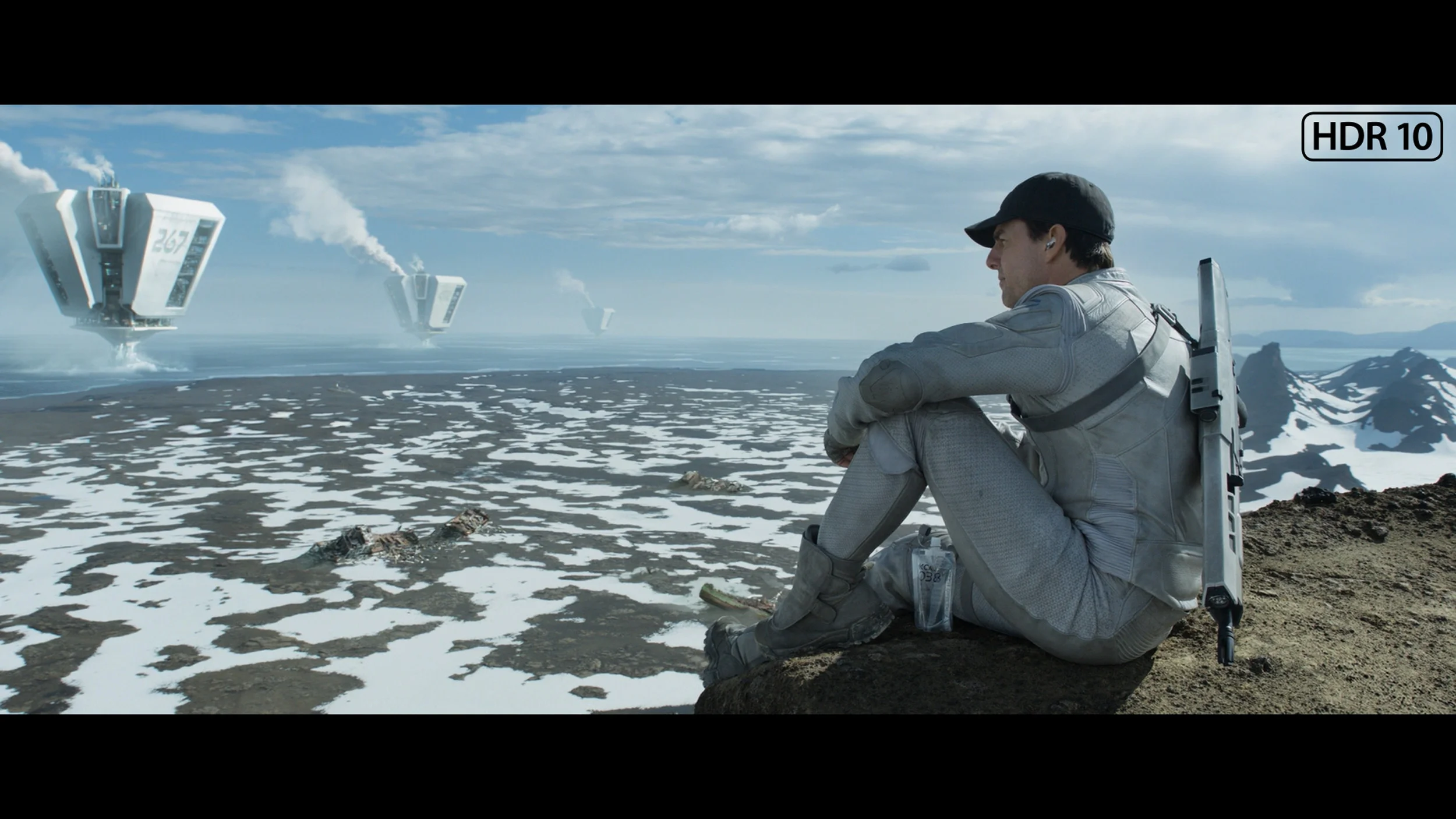
Straight out of the box the LG C6 is fairly well set up, especially if you select the Filmmaker mode. In SDR content the white balance is decent, although as brightness increases it shows a slight deficiency in red. The image therefore becomes a little cooler, but not enough for the difference to be very noticeable during normal viewing. More is happening in the brightness response. Gamma is a bit low and, instead of holding at 2.4, it sits closer to 2.1–2.2 across much of the range. In practice the C6 slightly brightens midtones. Shadow detail is therefore more readable, but the picture loses some depth compared with how it should look in a darkened room.
In HDR the situation is a bit more interesting. The lower end of the greyscale performs very well, but from roughly 20–30% brightness the white balance starts to drift increasingly. As brightness rises there is more red, while blue becomes noticeably deficient. In the brightest scenes the difference is already substantial and also affects the reproduction of some colours. The EOTF itself is, however, fairly well tracked across most of the range. The C6 merely tends to slightly brighten the image, which we already saw in our film comparisons. The largest deviation appears in the very brightest areas, where the TV begins to adapt the signal to the panel’s capabilities.
The factory Filmmaker setting in HDR is therefore not perfect, but overall it performs well. The biggest room for improvement is the white balance, particularly at high brightness.
Color reproduction after calibration
9.1/10
LG TVs have long been very receptive to calibration and the C6 is no exception. After adjustment the white balance could be set almost perfectly, and most colour errors fell below 3, often even down to around 2. In practice this means very accurate colour reproduction in both SDR and HDR. An interesting detail only emerged when we looked at the HDR luminance response. On a classic EOTF plot everything looks almost ideal and at first glance it would be hard to find fault. Only when we measured the TV's behaviour on filters based on real film scenes did it become apparent that the C6 has a slight tendency to artificially boost image brightness.
It is not a huge difference and many people may even welcome it because HDR looks a bit more striking as a result. From the point of view of fidelity to the source material this is not ideal behaviour though – some scenes are simply a touch brighter than the filmmaker intended. Interestingly, this is rather unusual for LG. In previous generations the brand's TVs typically stuck closely to the reference picture characteristic after calibration. With the C6 we are still very close to the standard, but this subtle brightness 'boost' can indeed be noticed in films and series.


LG C6H - Smoothness of tonal transitions
5/10
In terms of tonal transitions alone, the C6H performs really well. Gradients are smooth, colours do not break up into obvious bands, and in both bright and dark scenes it is hard to find significant posterisation issues. In most material the image looks very clean in this respect.
Note: The issue of dithering in near-black areas looks much worse, however. In very dark parts of the image you can notice distinct flickering and grain, which can be quite pronounced when viewed up close. The Tandem OLED panel version exhibits the effect noticeably more than the regular C6. It's a shame, because the tonal transitions themselves are at a very high level. It is precisely the behaviour of the image just above black that is the main reason we cannot rate this category higher.
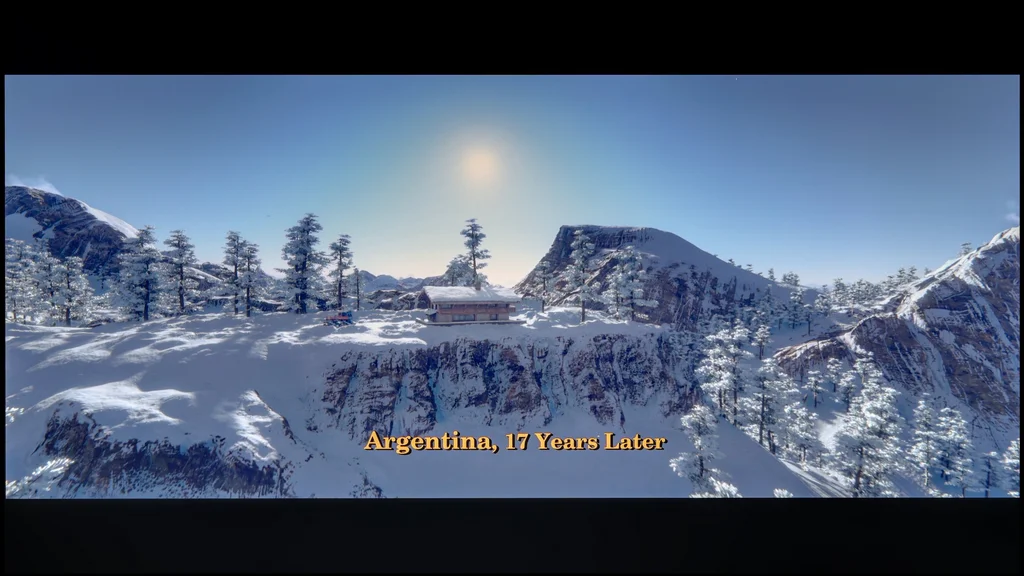

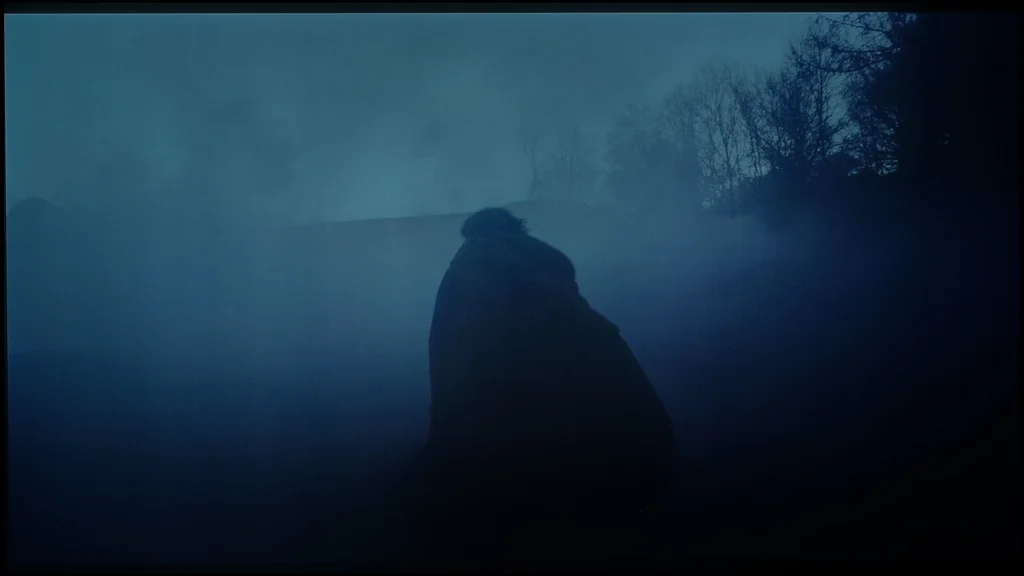

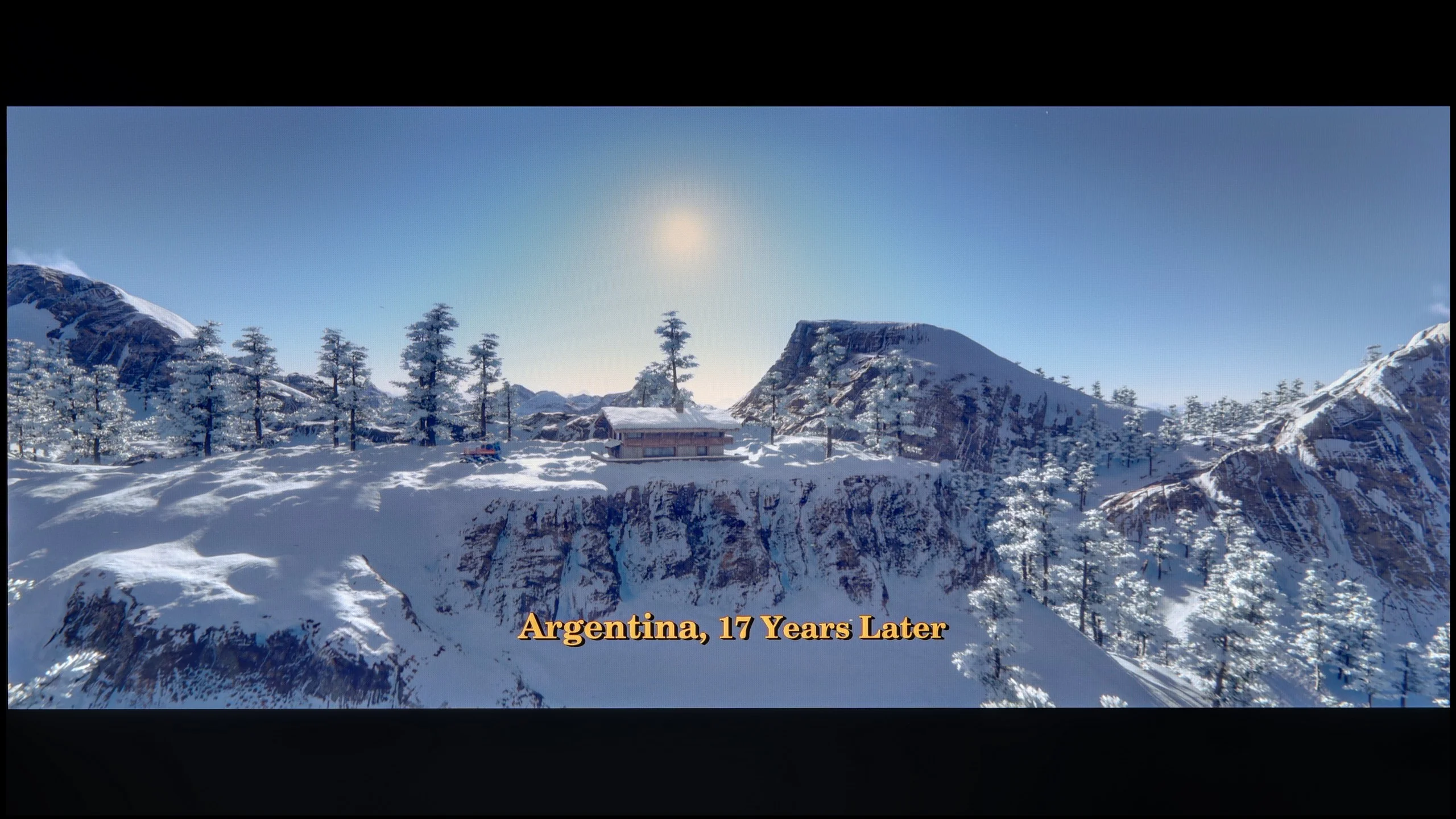

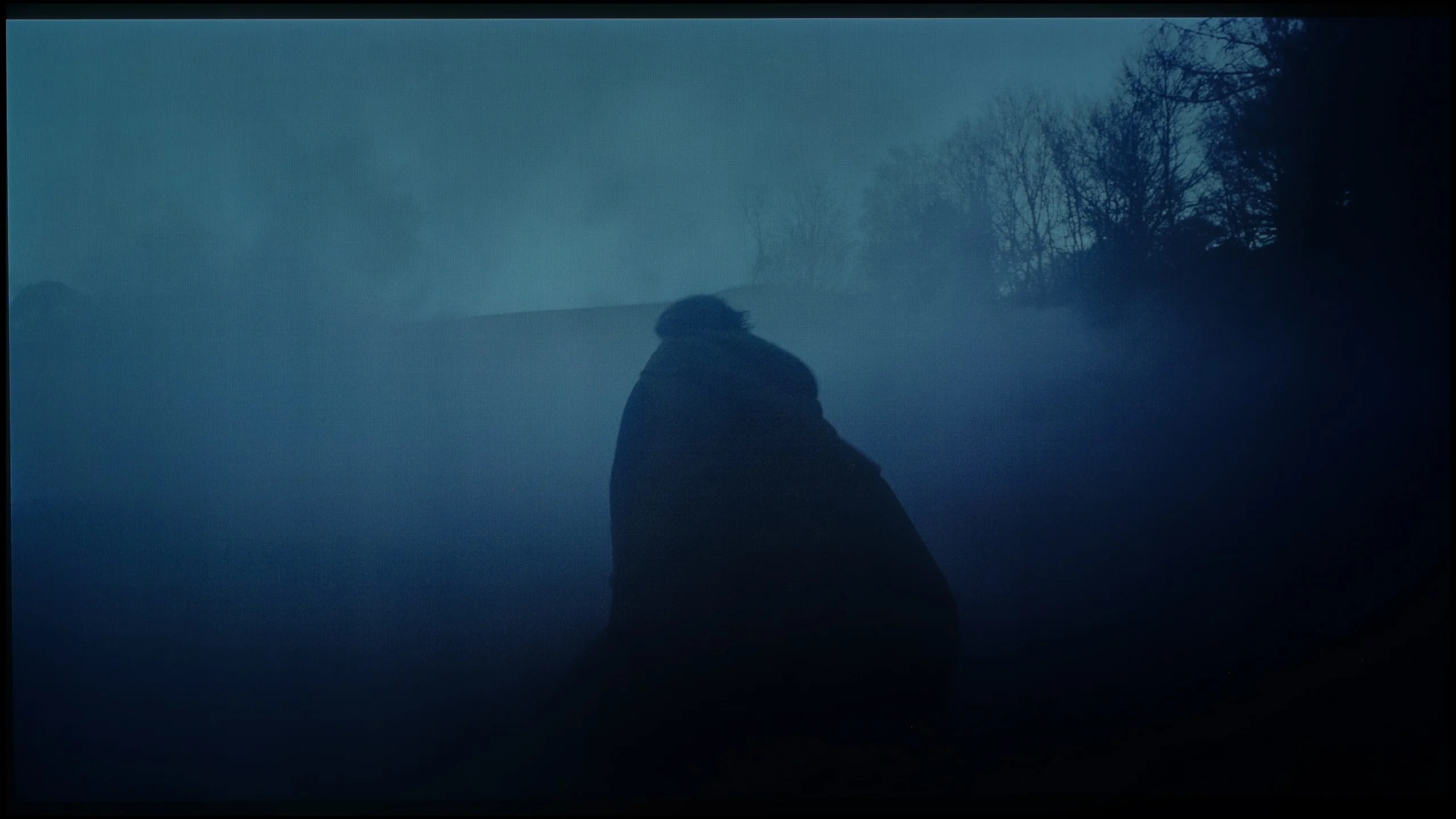

Image scaling and smoothness of tonal transitions
8.5/10
 Smooth transition function
Image without overscan on the SD signal

Here the LG C6 has taken a really big step forward. The TV uses the same processor found in the flagship G6, and in terms of image processing the two models are very similar. That's a considerable plus, because this year's LG processor excels in that area. The "Smooth Gradation" function works particularly well. With heavily compressed footage it can effectively hide ugly banding and artefacts that often occur, for instance in lower-quality streaming. It's best to leave it on the "Low" setting. Then the improvement is noticeable, while the TV does not yet start to blur fine detail. Higher levels smooth the picture more, but can already remove some of the natural texture of objects on screen. Upscaling itself also performs very well. Lower-resolution material is sharpened correctly, edges look clean, and the processor quite effectively reconstructs fine detail. In this respect the C6 is already very close to LG's best TVs and the differences compared with the G6 are small.
LG C6H - Blur and motion smoothness
8.5/10
Maximum refresh rate of the panel: 165Hz
Film motion smoothing option: Yes
Blur reduction option: Yes
BFI function 60Hz: Yes, 60Hz (image flickers)
BFI function 120Hz: No
Brightness drop with BFI: 48%
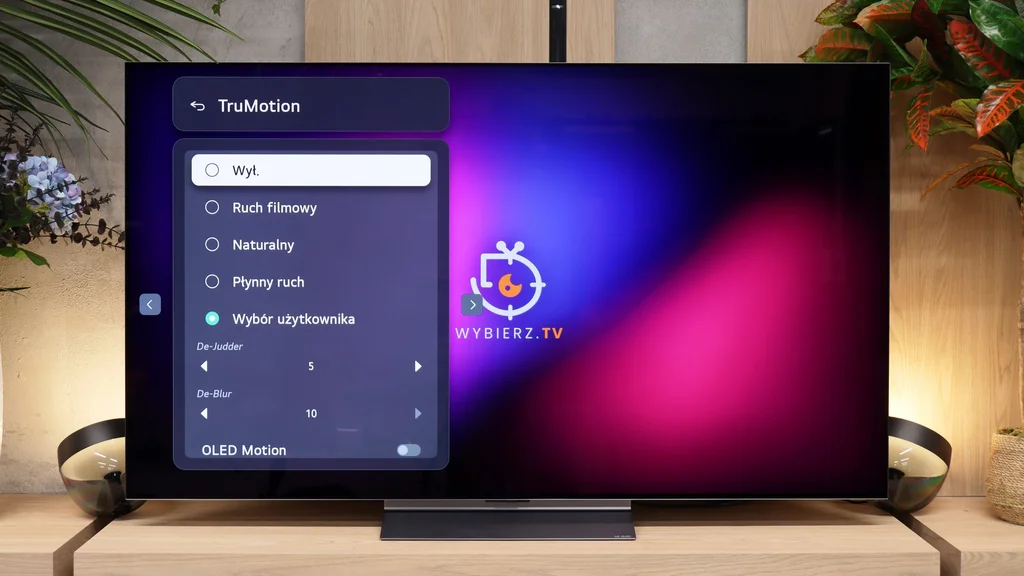
The C6H with a Tandem OLED panel can also operate at refresh rates of up to 165 Hz. PC gamers will naturally get the most out of this, because for consoles, films or sport we're still looking at a maximum of 120 Hz. The panel itself is excellent when it comes to motion. OLED pixels respond virtually instantly, so even with fast-moving objects you don't see the typical motion blur. The picture remains clean whether you're watching sport or playing fast-paced games.
If you prioritise smoothness over motion clarity, TruMotion is available. LG lets you adjust two parameters separately. De-Judder mainly works with films and series shot at 24 fps and helps reduce the judder that's characteristic of them. De-Blur, meanwhile, is intended for 50/60 fps content, so it's particularly useful when watching sport or television.
Blur (native resolution, maximum refresh rate):



Blur (BFI function enabled):
Image flickers in this mode



Blur (4K@165Hz):



C6H also has an OLED Motion feature, which works similarly to classic BFI. Its purpose is to improve motion sharpness by blanking the picture between consecutive frames. In practice, however, we don't see much reason to use it. The picture begins to flicker noticeably, brightness can drop significantly, and the motion improvement itself is minimal. In this case it's definitely better to stick with the standard 120/165 Hz and, if necessary, tweak TruMotion to suit your preferences.
LG C6H - Console compatibility and gaming features
10/10
- ALLM:
Yes
- VRR:
Yes
- VRR range:
40 - 165Hz
- Dolby Vision Game Mode:
Yes
- Correct implementation of HGIG:
Yes
- 1080p@120Hz:
Yes
- 1440p@120Hz:
Yes
- 4K@120Hz:
Yes
- Game bar:
Yes
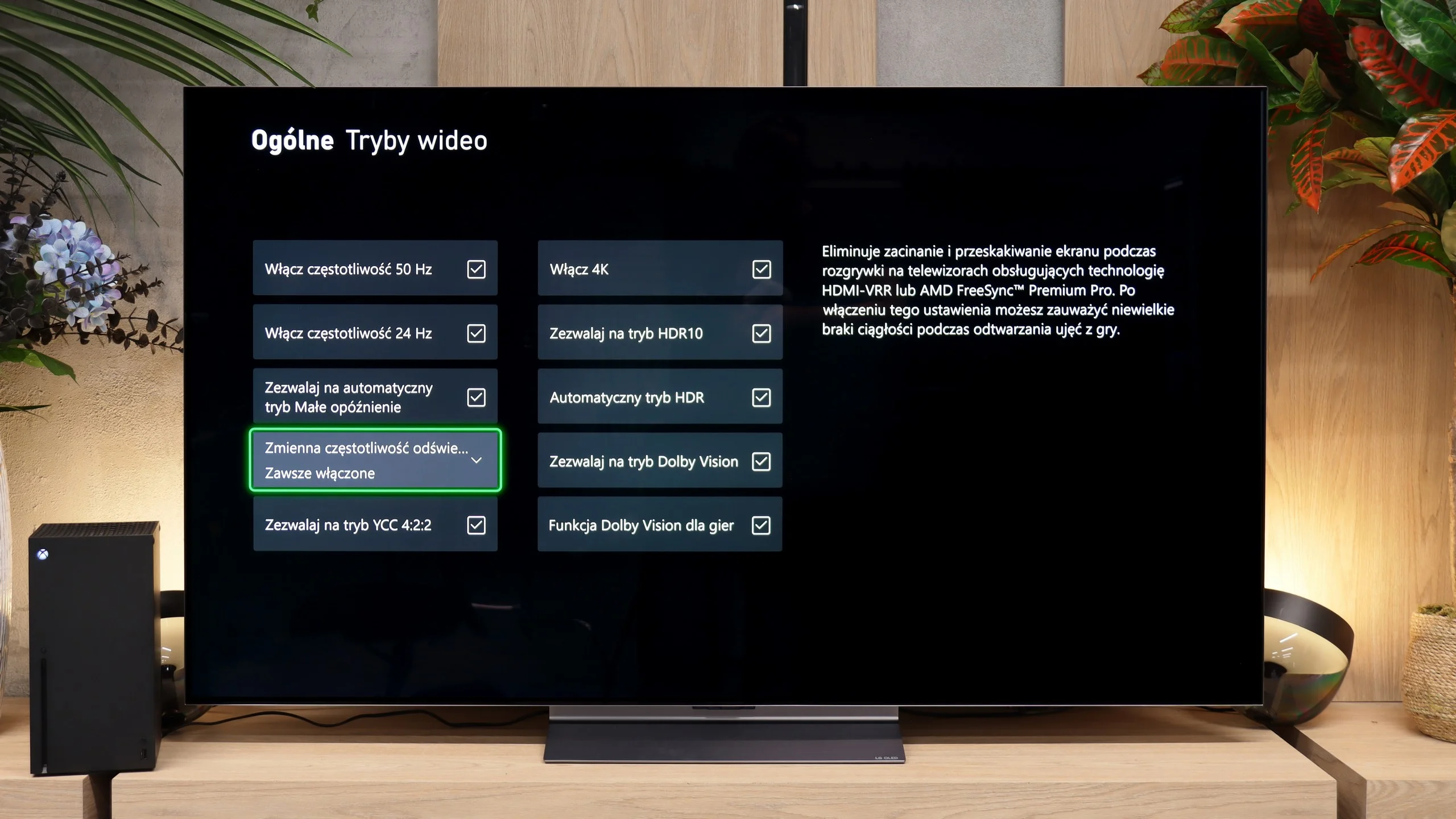
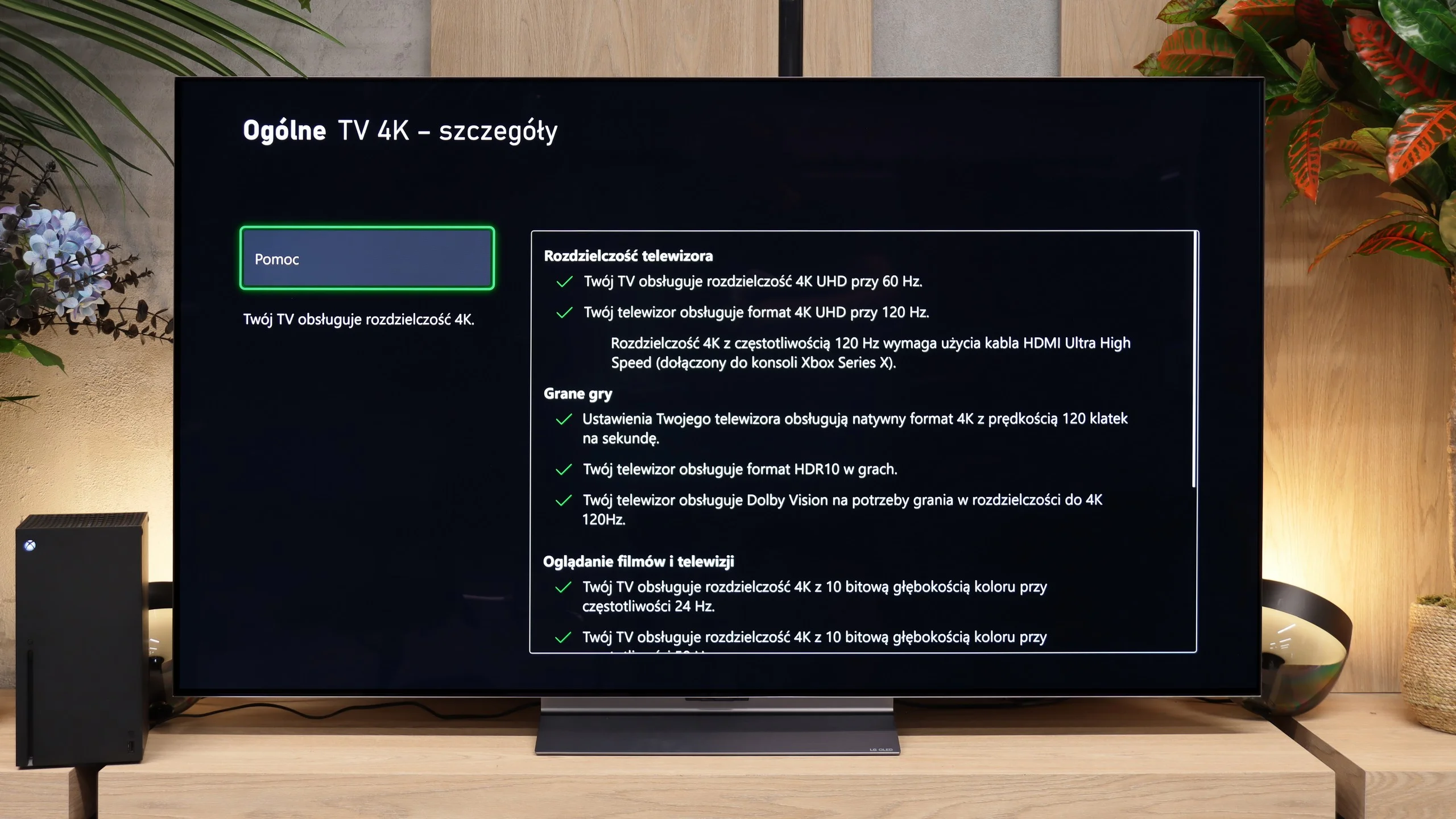
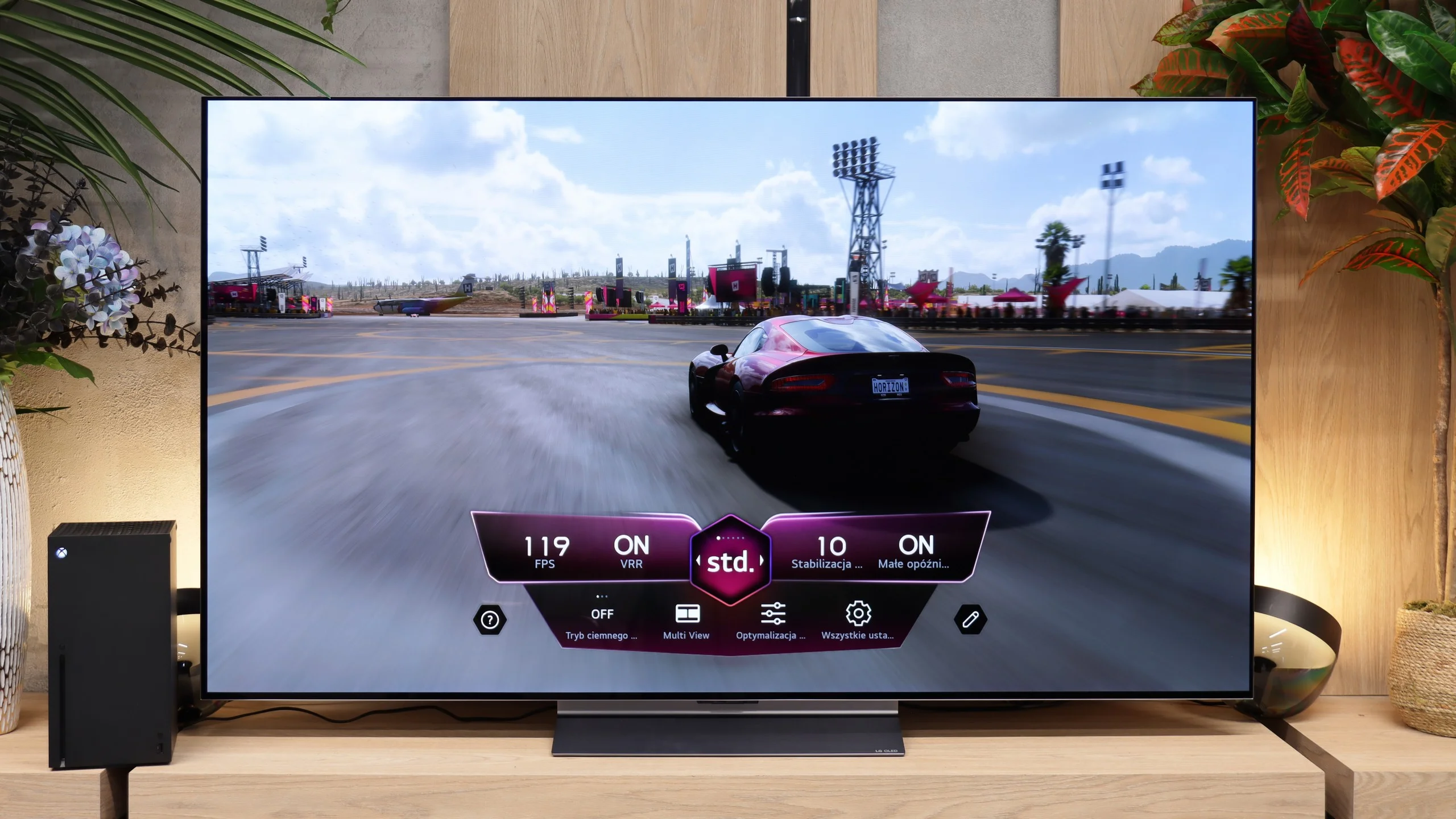
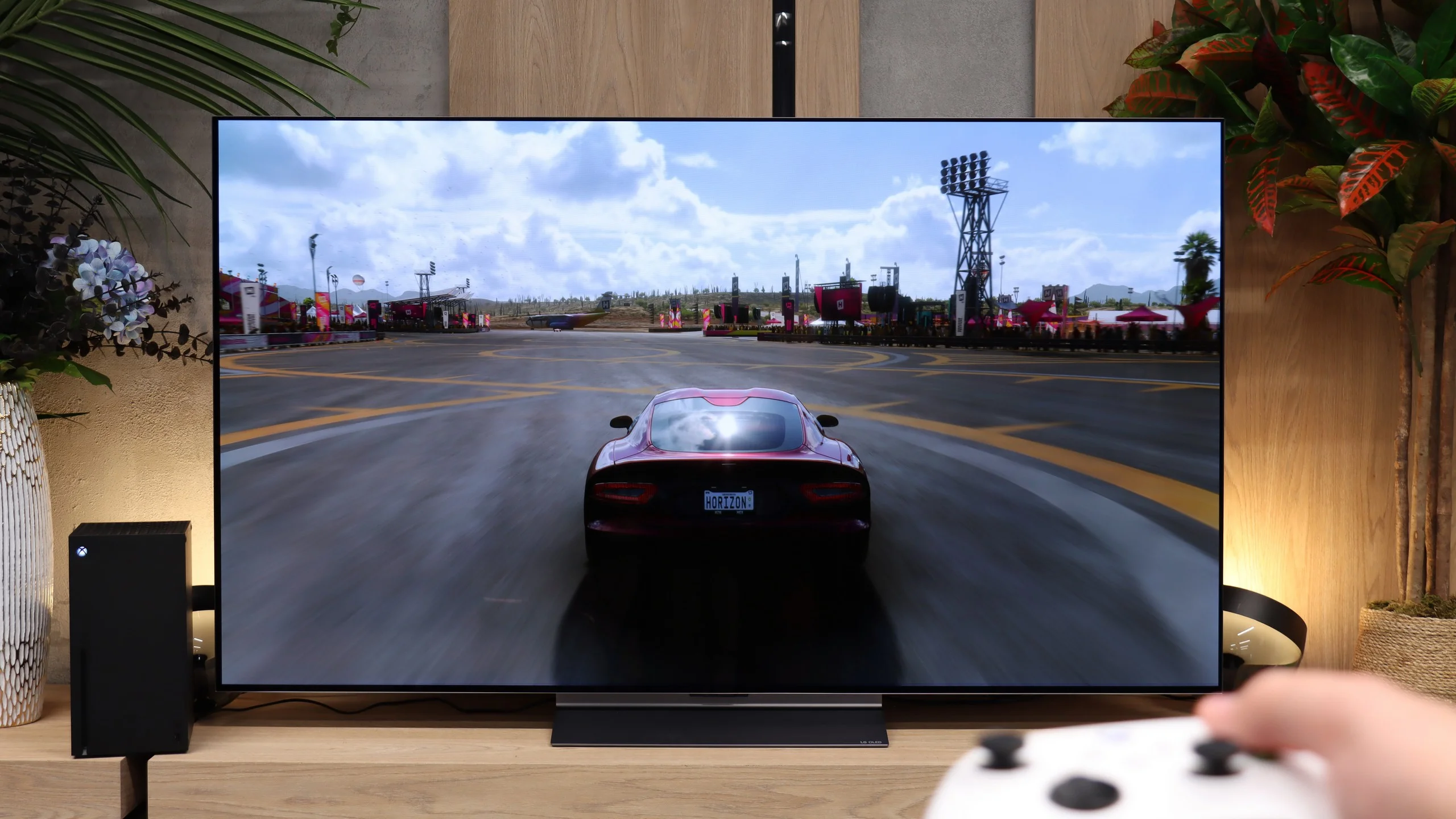
The C6H offers practically the full suite of gaming features. On consoles you can easily use 4K at 120 Hz, while PC users can push the refresh rate up to 165 Hz. The TV also supports VRR from 40 to 165 Hz, ALLM and a proper implementation of HGiG. Dolby Vision is also available in game mode, which remains a major advantage for Xbox owners. All key information can be viewed in the Game Bar, which provides quick access to VRR settings and the current signal’s parameters. The OLED implementation therefore does not alter the feature set available to gamers, but with such high panel brightness HDR games can make an even stronger impression. Functionally, the C6H is simply a very complete TV for console and PC gaming.

LG C6H - Input lag
9.9/10
In terms of input lag the C6 performs as a good gaming TV should. At 120 Hz we measured around 5 ms, so the response to the controller is practically instantaneous. At 60 Hz the result rises to around 14 ms, but those are still good figures. Latency is slightly higher with Dolby Vision. At 120 Hz it's around 14 ms, and at 60 Hz about 22 ms. In practice, if you play normally on an Xbox, it's unlikely to be something that will actually bother you.
| SDR | HDR | Dolby Vision |
|---|---|---|
| 1080p60: 14 ms | 2160p60: 14 ms | 2160p60 DV: 22 ms |
| 1080p120: 5 ms | 2160p120: 5 ms | 2160p120 DV: 14 ms |
| 2160p60: 14 ms | ||
| 2160p120: 5 ms |

LG C6H - Compatibility with PC
8.6/10
Chroma 444 (max. resolution and refresh rate): Yes
Font clarity: Good
Readability of dark text and shapes: Very Good
Input lag in PC mode (4K, max. refresh rate): 5ms
Matrix subpixel arrangement: RWBG
Max refresh rate: 165Hz
G-Sync: Yes
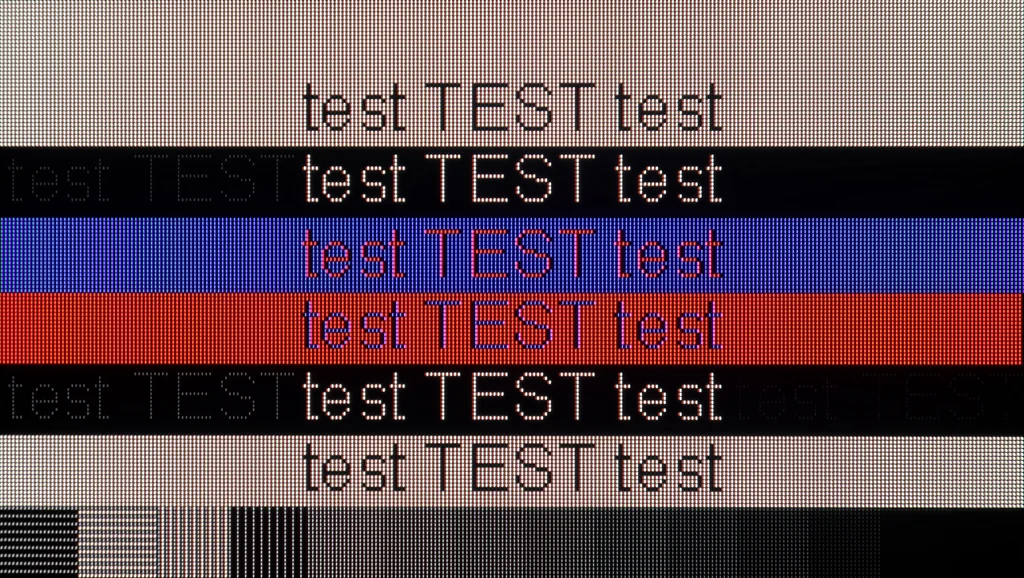
The C6H with a Tandem OLED panel also works very well as a computer display. When working with text the most important thing is that the TV correctly handles 4:4:4 chroma subsampling, so small fonts, icons and interface elements are rendered clearly. The only thing you might notice from very close up is slight coloured fringes caused by the unusual subpixel layout. At a normal viewing distance for such a large screen that practically stops being an issue and everyday text is very legible. The C6H performs even better when the computer is used for gaming. The TV can run at refresh rates of up to 165 Hz, supports G-Sync and VRR, and input lag at the maximum refresh rate is about 5 ms. Combined with the very fast response time of the OLED panel this provides excellent conditions for PC gaming. There is no smearing, the image is very smooth and controls respond almost instantly. In that respect the C6H can easily be treated not only as a TV but also as a very large gaming monitor. You just need to remember that at 77 or 83 inches arranging a desk sensibly can be quite a challenge. 😉
LG C6H - Viewing angles
7.3/10
Brightness drop at an angle of 45 degrees: 30%
The C6H with a Tandem OLED panel also offers very wide viewing angles. You can watch the TV well off to the side and the image still retains high contrast and saturated colours. As you would expect from an OLED, it’s one of those screens where you don’t have to fight for the seat right in the middle of the sofa. Only TVs with QD-OLED panels from Samsung Display perform slightly better in this respect. The C6H’s marginally lower score comes from our unit having a slightly greater tendency to shift toward a greenish tint when viewed at really extreme angles. This is, however, a subtle difference that we noticed mainly during direct comparisons. In normal viewing, most people are unlikely to notice it.
LG C6H - Daytime performance
7.6/10
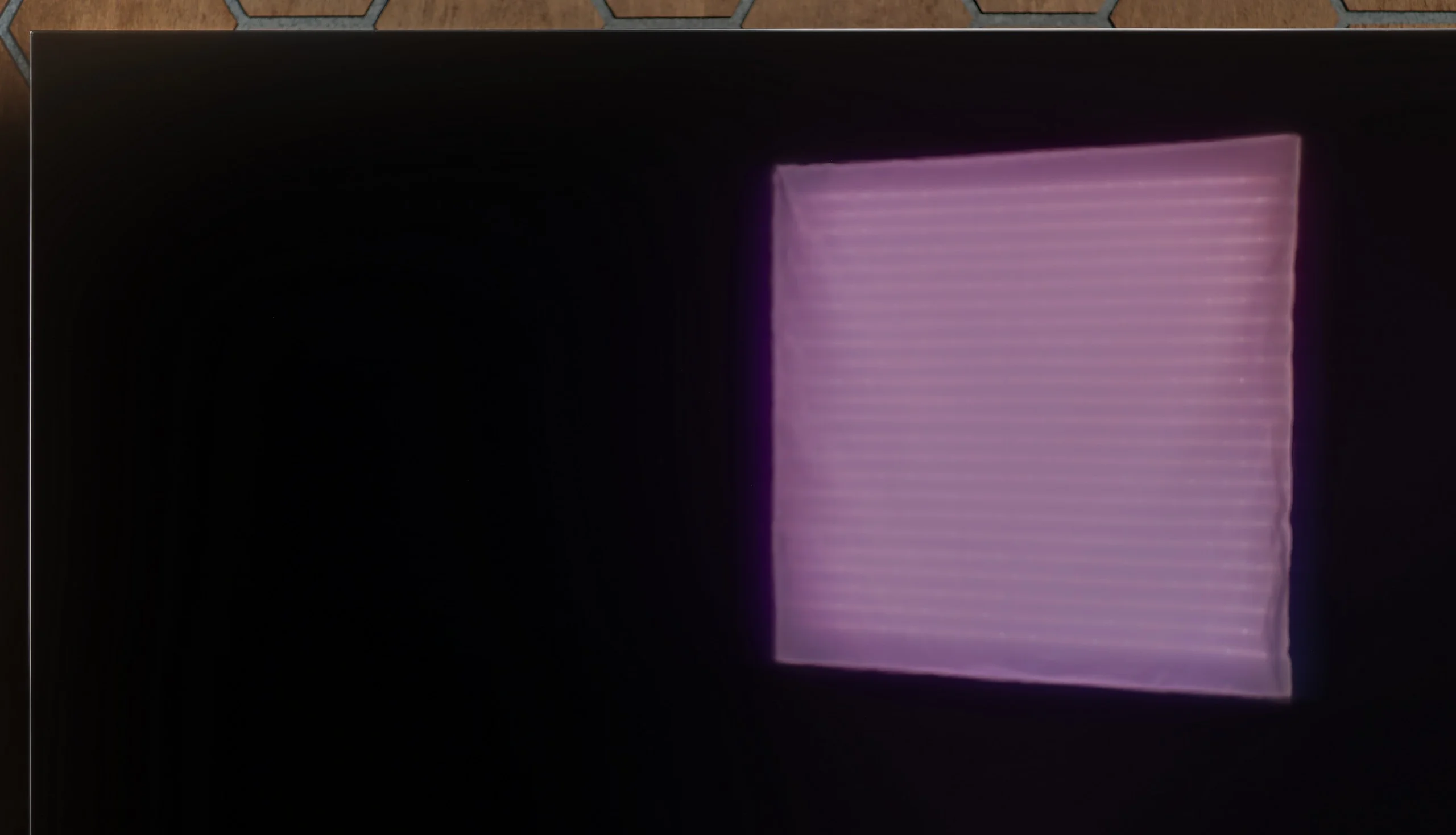
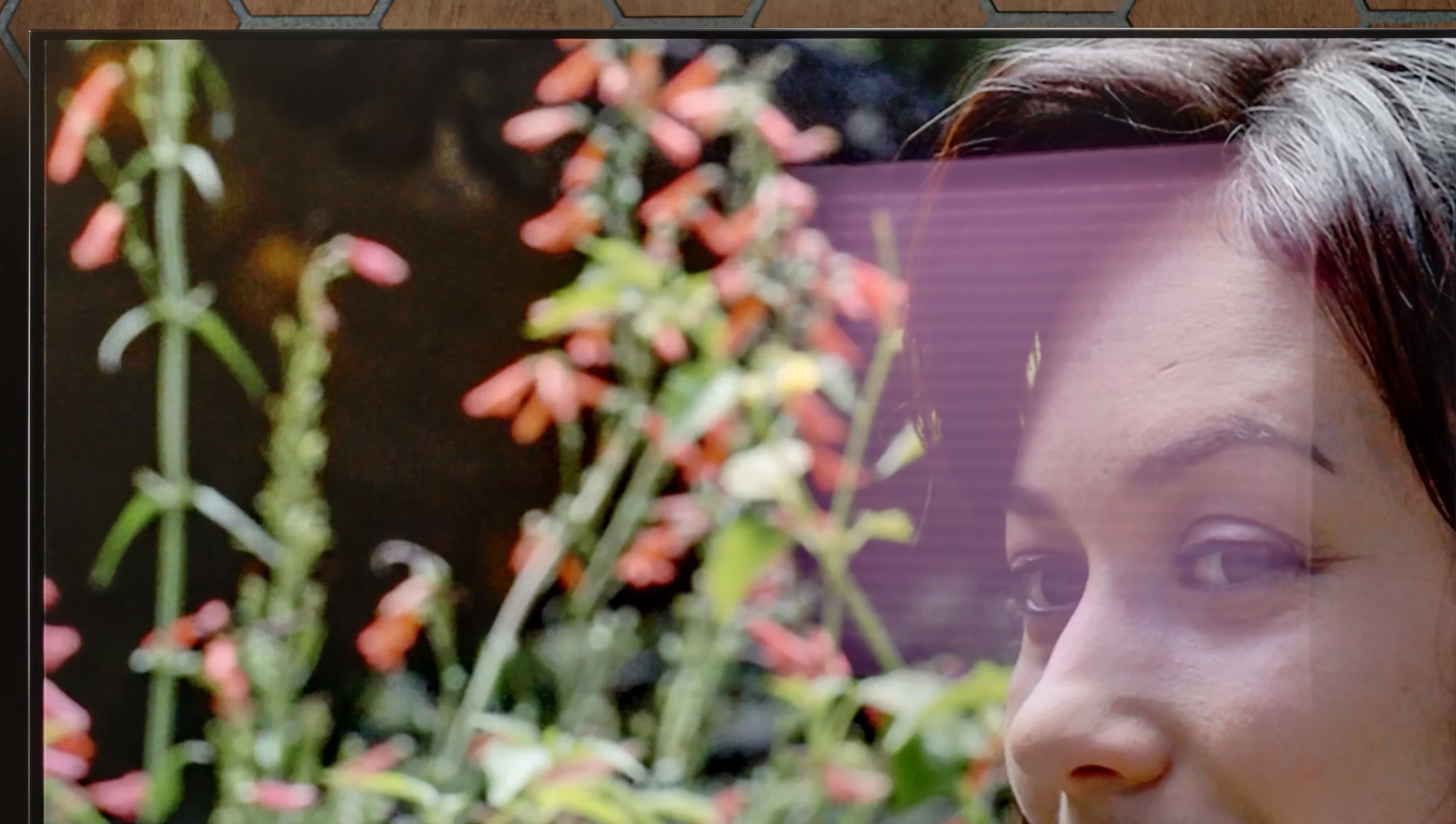
Panel finish: Glare
Reflection suppression: Decent
Black levels during daytime: Very Good
The Tandem OLED panel performs noticeably better in daylight. The screen coating itself behaves very similarly: it is glossy, does a decent job of suppressing reflections and maintains deep blacks with the lights on. A bright window or lamp will still be visible on the screen, but the image does not lose much of its depth. The biggest difference, of course, is brightness. In typical SDR content the C6H reaches around 690 nits, noticeably more than the standard C6. In a bright living room you can really tell the difference; the image has more punch and cuts through the light entering the room much better. Tandem OLED also handles scenes with many bright elements better, although brightness still drops at near‑full white. So they have not entirely removed one of the typical OLED characteristics, but the limitation is far less pronounced here. If the TV is going to be used often in a bright living room, this is one of those C6H advantages over the regular C6 that you will actually notice in everyday use.
Panel brightness
LG OLED C6H (TANDEM OLED): 690 cd/m2
LG C6H - TV features
8.4/10
System: WebOS
System performance: Very good
- HDMI inputs: 0 x HDMI 2.0, 4 x HDMI 2.1 48Gbps
- Other inputs: IR (remote)
- Outputs: Toslink (Optical audio), eARC (HDMI), ARC (HDMI)
- Network Interfaces: Wi-Fi 2.4GHz, Wi-Fi 5GHz, Ethernet (LAN) 100Mbps
- TV reception: DVB-T, DVB-T2, DVB-S, DVB-S2, DVB-C
Classic features:
- Recording to USB (terrestrial TV): Yes
- Recording programming: Yes
 Picture in Picture (PiP): No
 - RF remote control (no need to aim): RF
- Backlit remote control: No
- Teletext: Yes
- Audio only mode: Yes
- Bluetooth headphones support: Yes
- Simultaneous Bluetooth headphones & TV audio: Yes
Smart features:
- AirPlay: Yes
- Screen mirroring (Windows Miracast): Yes
- Voice search: Yes
- Voice search in native language: Yes
- Ability to connect a keyboard and mouse: Yes
Smart TV: webOS
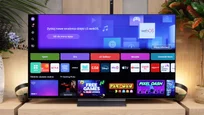
Regardless of which C6 variant you get, the feature set remains the same. At the heart of the TV is webOS, the system LG has been developing for many years. It runs quickly, is well optimised and above all offers access to virtually all popular apps. Netflix, Disney+, Prime Video, YouTube, Max and other streaming services — in that respect it’s hard to find any major gaps. The system also provides a lot of additional options. You get AirPlay, easy screen casting from a smartphone, smart home device control and the ability to personalise the home screen. LG has expanded webOS significantly over several generations and at times the number of available tabs and recommendations can feel a bit overwhelming (especially with background ads), but once you get used to it the system is convenient and, above all, works smoothly.
Classic TV features
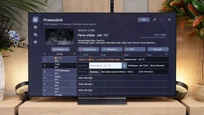
The C6 also handles being used as a regular TV very well, not just as a screen for Netflix. Terrestrial TV reception, the programme guide and channel switching all work smoothly and it’s hard to have major complaints. LG still offers the ability to record programmes to USB, so in terms of classic features the kit is really comprehensive. Basically, we’re missing only two things. The first is PiP, the ability to display two video sources simultaneously. The second is a backlight on the remote, which would be especially useful when watching in the evening. Apart from that, the C6 has pretty much everything you can expect from a modern television.
Magic Remote: DIFFERENT VERSIONS
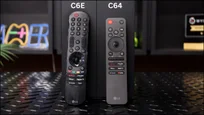
When buying a C6 it’s worth paying attention to the remote, because LG has created a little confusion here. During our tests we had, among others, the C64 variant, found in large retail chains. The box contained the new, much smaller Magic Remote Slim. It has fewer buttons and looks decidedly more modern, but still retains the two most characteristic features of LG remotes: the scroll wheel and cursor control via motion. Meanwhile, the C6E we tested was equipped with the older, larger version of the Magic Remote. It works pretty much the same, but has a classic numeric keypad and many more physical buttons. It looks less modern, but some people, especially those used to traditional remotes, may find it more comfortable. So there’s no single answer as to which remote is better. The new one is smaller, simpler and definitely more contemporary. The older one, however, gives quicker access to a larger number of functions without having to click through menus. It’s worth knowing that depending on the C6 designation, the box may contain either variant.
Sound connection options
HDMI audio:
Other audio outputs:
- Toslink: Yes
Wireless audio:
- Bluetooth: Yes
- Atmos Flex Connect: Yes
Supported audio formats (external HDMI eARC audio):
- Dolby Digital Plus 7.1: Yes
- Dolby True HD 7.1: Yes
- Dolby Atmos in Dolby Digital Plus (JOC): Yes
- Dolby Atmos in Dolby True HD: Yes
- DTS:X in DTS-HD MA: No
- DTS-HD Master Audio: No
Senior accessibility
- Numeric keyboard on TV: No
- Font size adjustment: No
- Audio description: Yes
LG C6H - Apps
9.1/10






















LG C6H - Playing files from USB
9.2/10
| Maximum photo resolution: | Supported photo formats: |
|---|---|
| 4 Mpix | JPEG |
| 6 Mpix | HEIC |
| 8 Mpix | PNG |
| 10 Mpix | GIF |
| 12 Mpix | WebP |
| 16 Mpix | TIFF |
| 20 Mpix | BMP |
| 24 Mpix | SVG |
| 28 Mpix | |
| 32 Mpix |
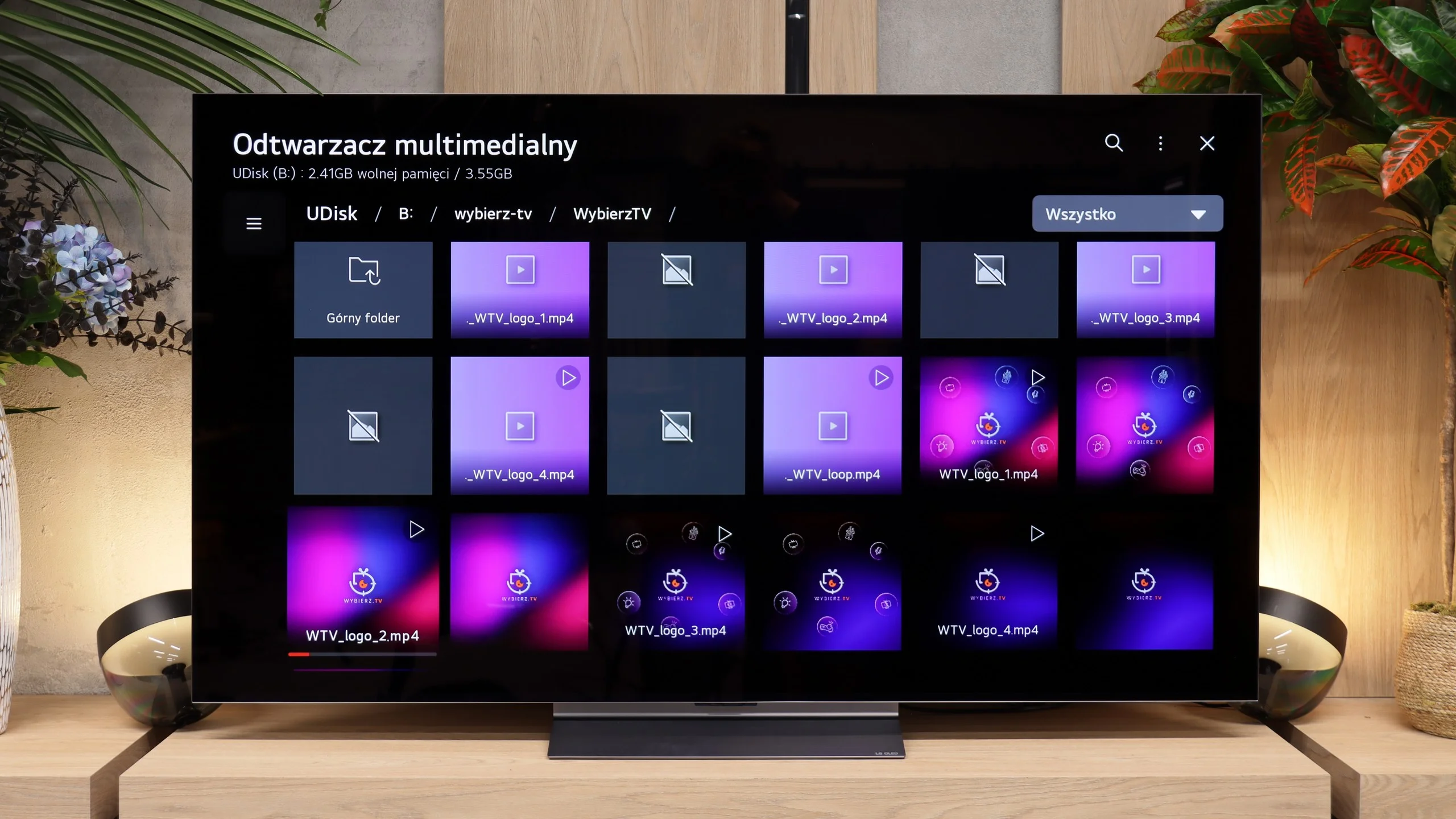
During our tests the TV easily handled virtually all the most popular video formats we put on a USB stick. There were no problems with high bitrates, subtitles or more demanding files, so it’s hard to fault it in that respect. The only exception was files with a DTS audio track. That’s no surprise, because the TV simply doesn’t support that codec. Otherwise the built-in player is good enough that most users won’t need to install external apps or connect an external player.
LG C6H - Sound
7/10
88dB
Maximum volume

Supported codecs (TV speakers)
Dolby Digital Plus 7.1
Dolby True HD 7.1
Dolby Atmos in Dolby Digital Plus (JOC)
Dolby Atmos in Dolby True HD
DTS:X in DTS-HD MA
DTS-HD Master Audio
Sound Quality Test:
Acoustic Measurements
88dBC (Max)
75dBC
LG C6H - Panel details
Software version during testing: 43.11.73
Panel uniformity and thermal imaging:

Backlight Type: WRGB TANDEM OLED

Founder and originator of the "ChooseTV" portal

Journalist, reviewer, and columnist for the "ChooseTV" portal

michal-woloszyn-title
Reader comments
Comments are provided by the external service Disqus (Zeta Global). Once loaded, Disqus may set cookies and process data about your activity.
We will remember your choice on this device. Provider's privacy policy
See articles related to LG OLED C6H (TANDEM OLED):
 12/22/2025

12/22/2025