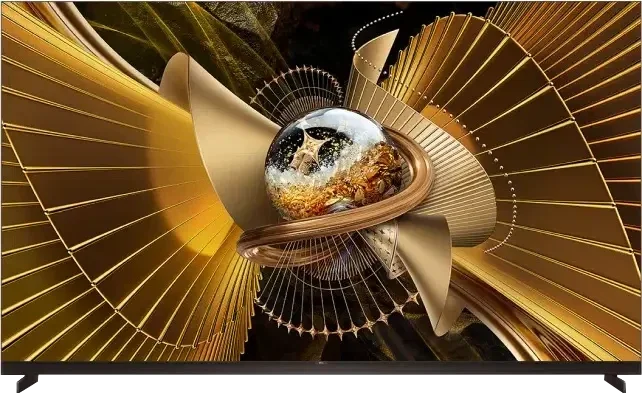
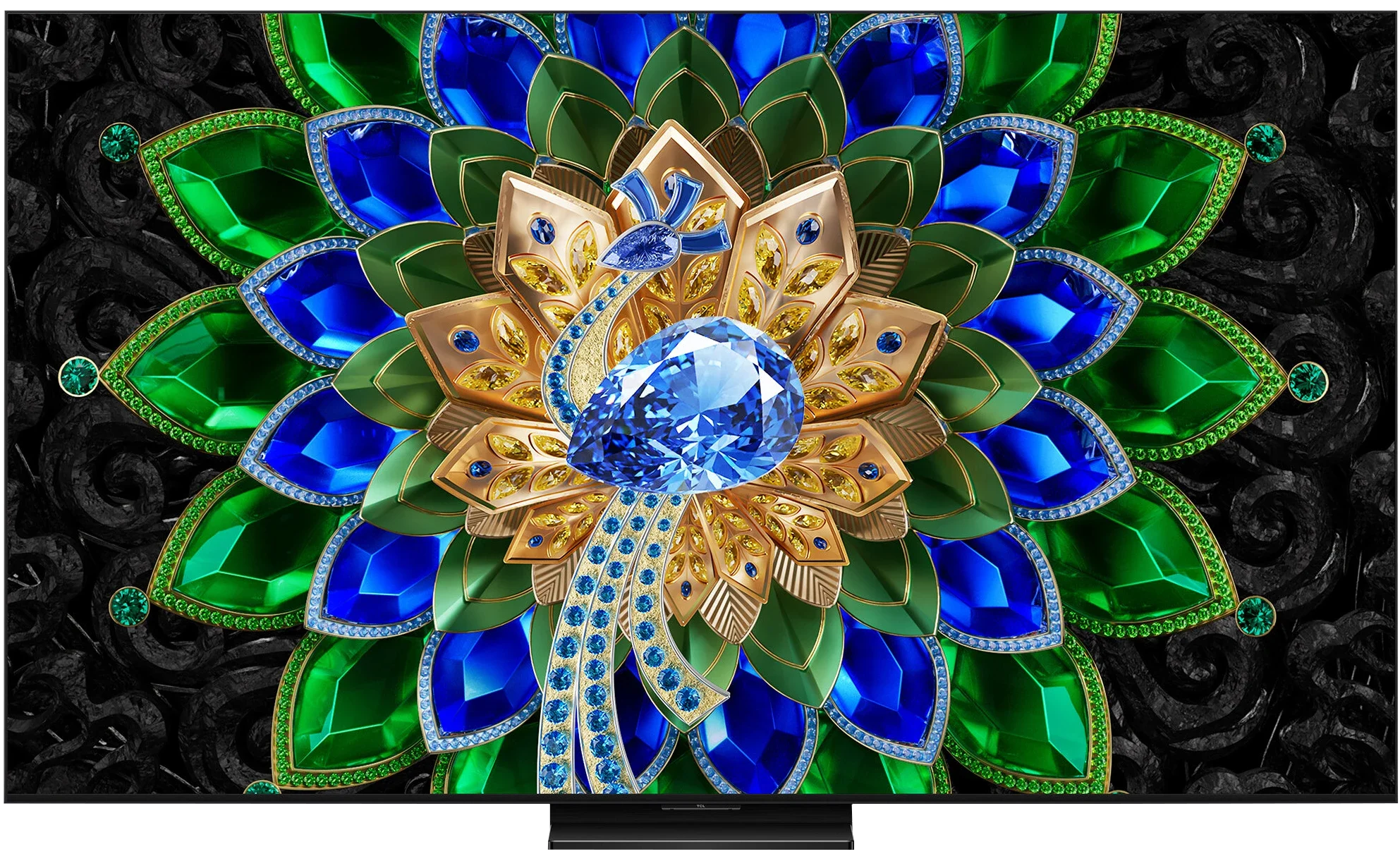
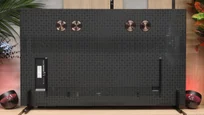
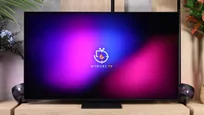
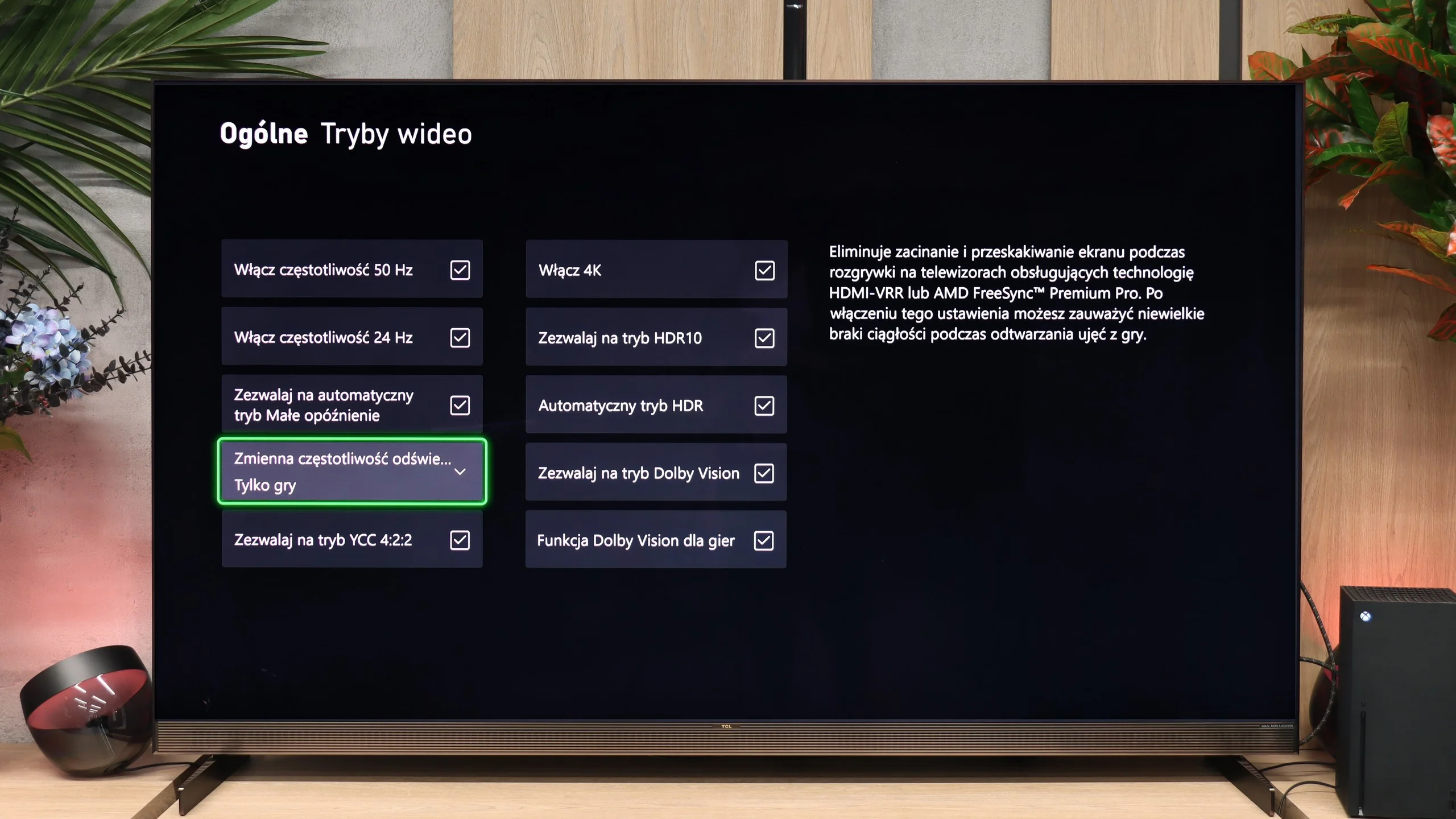
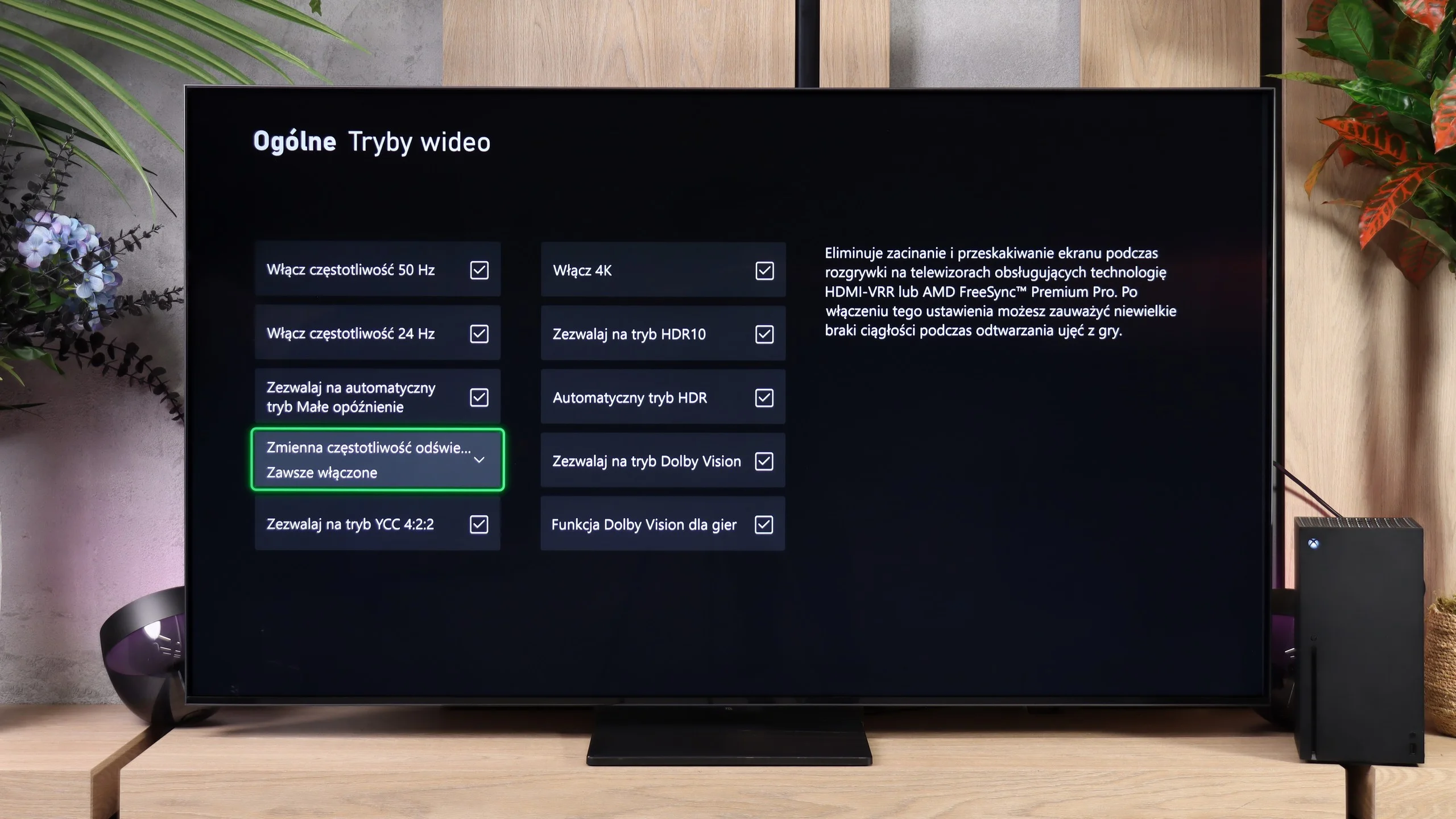
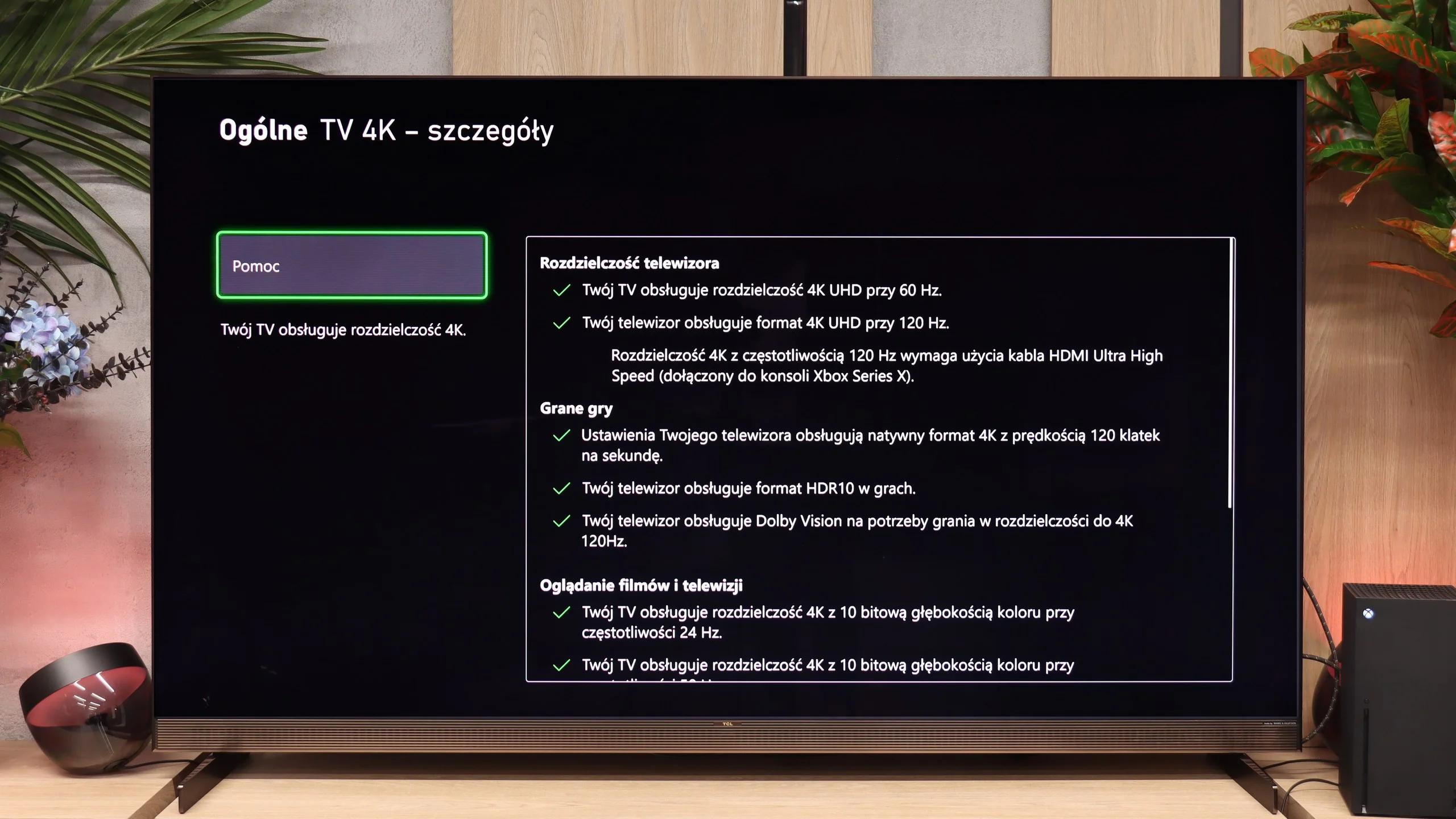
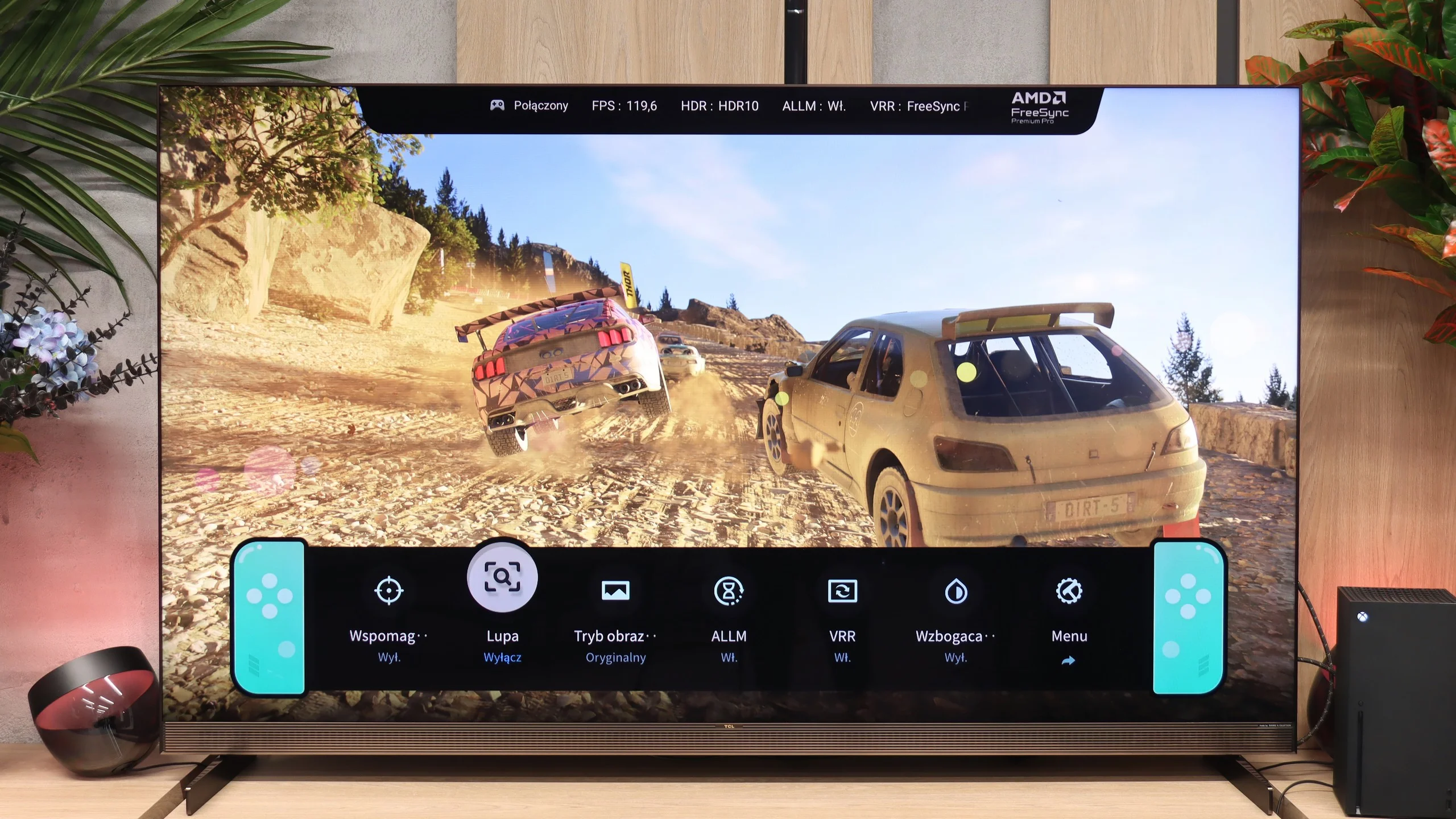
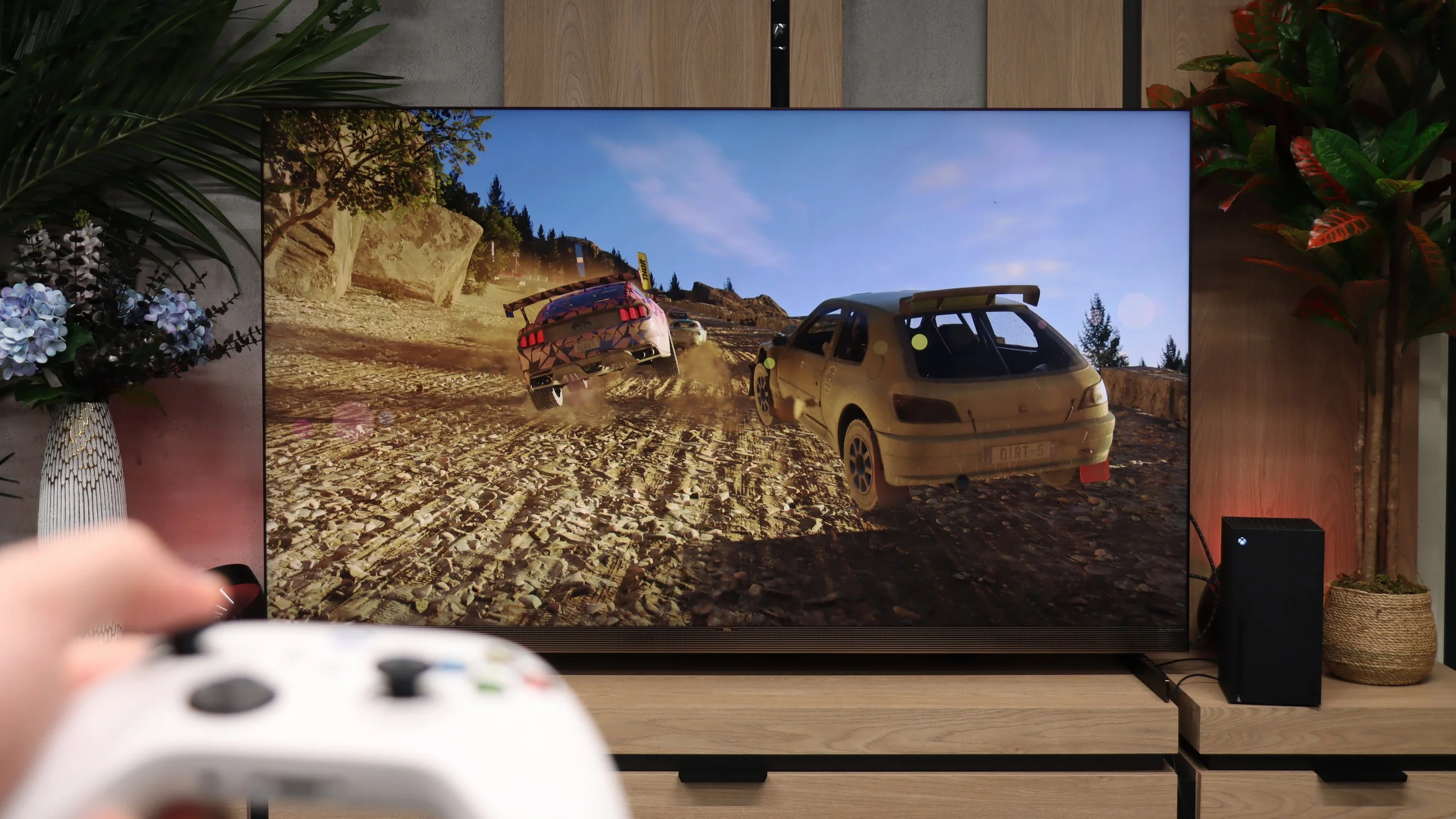
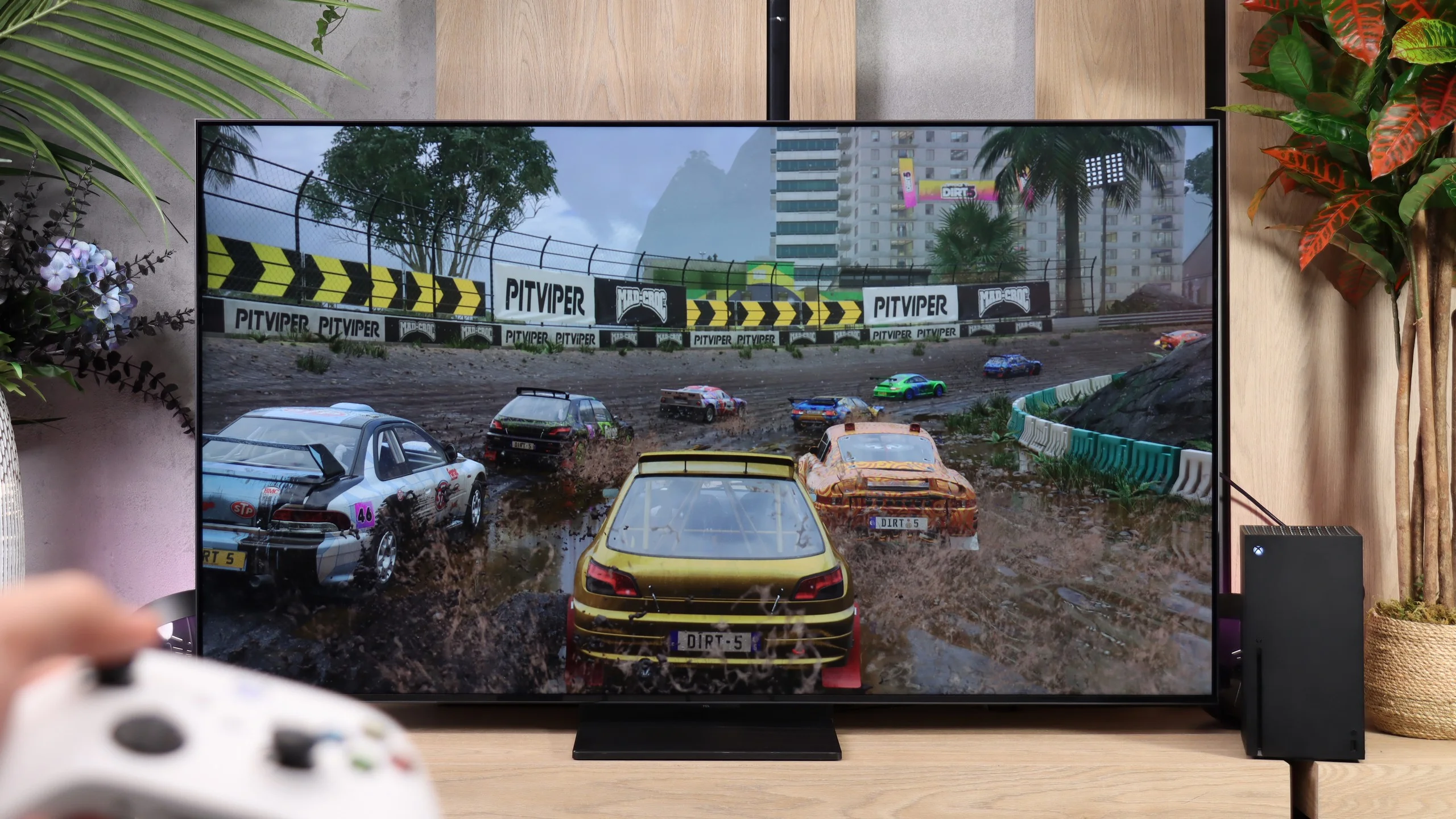
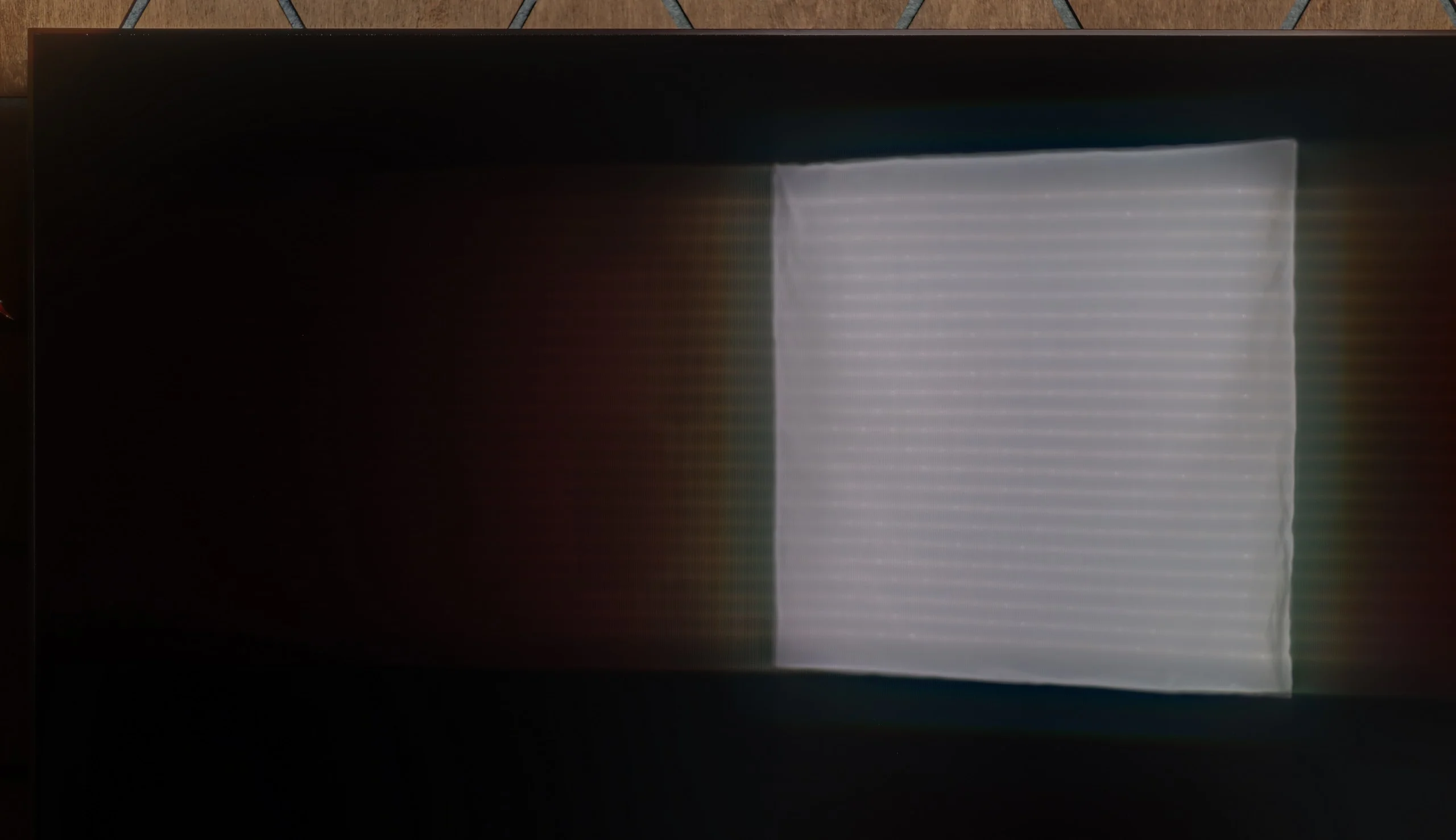
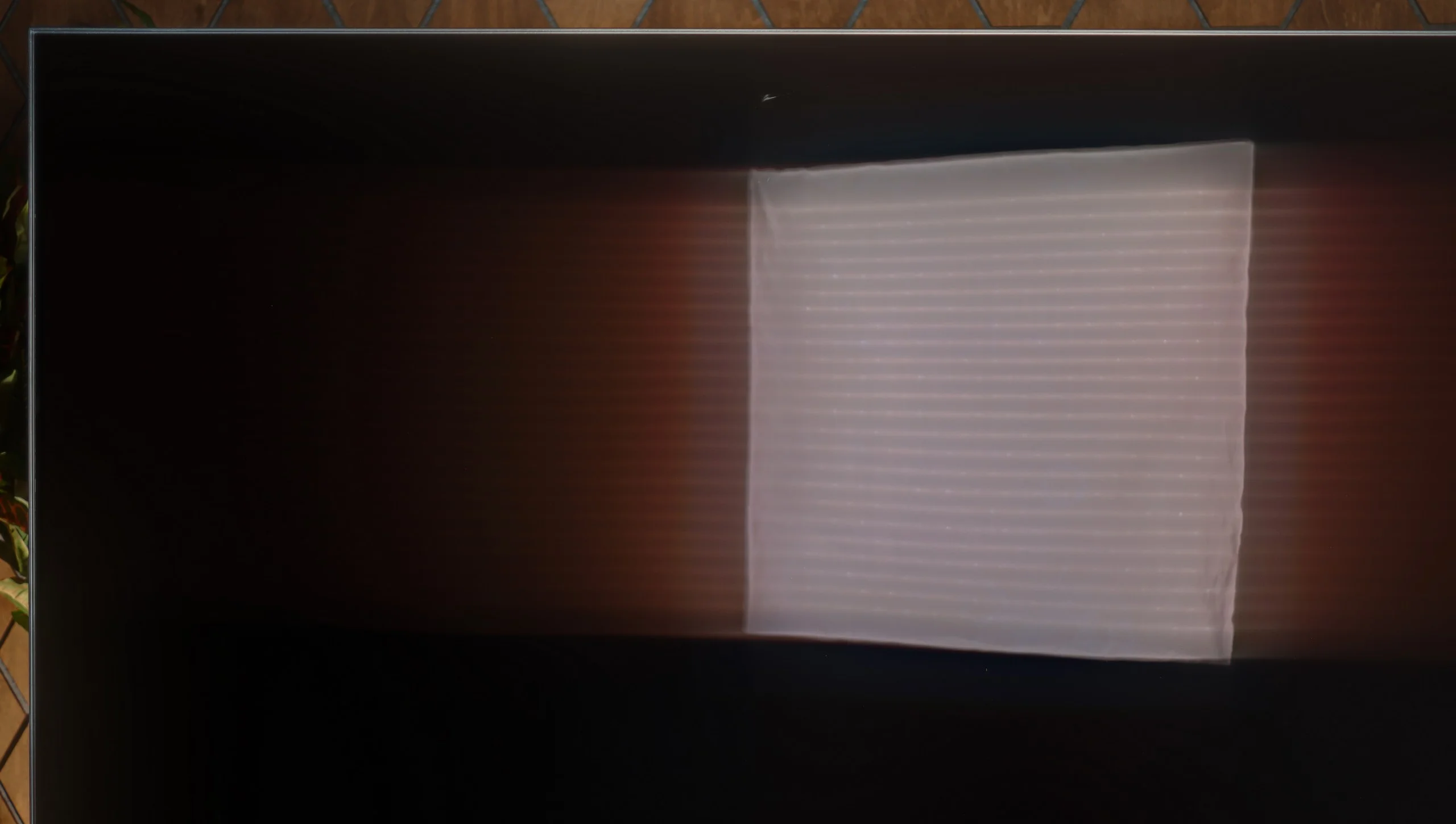
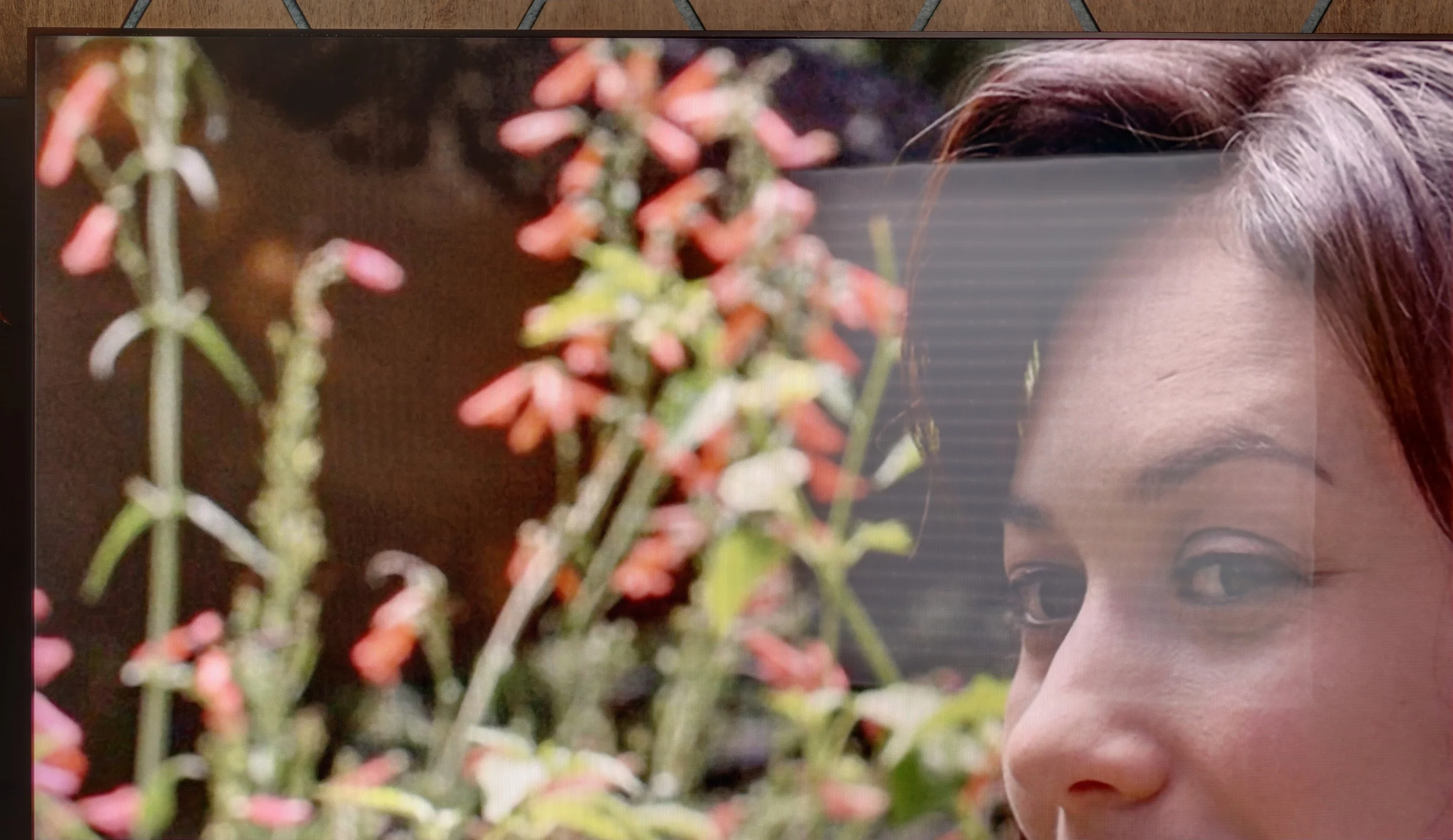
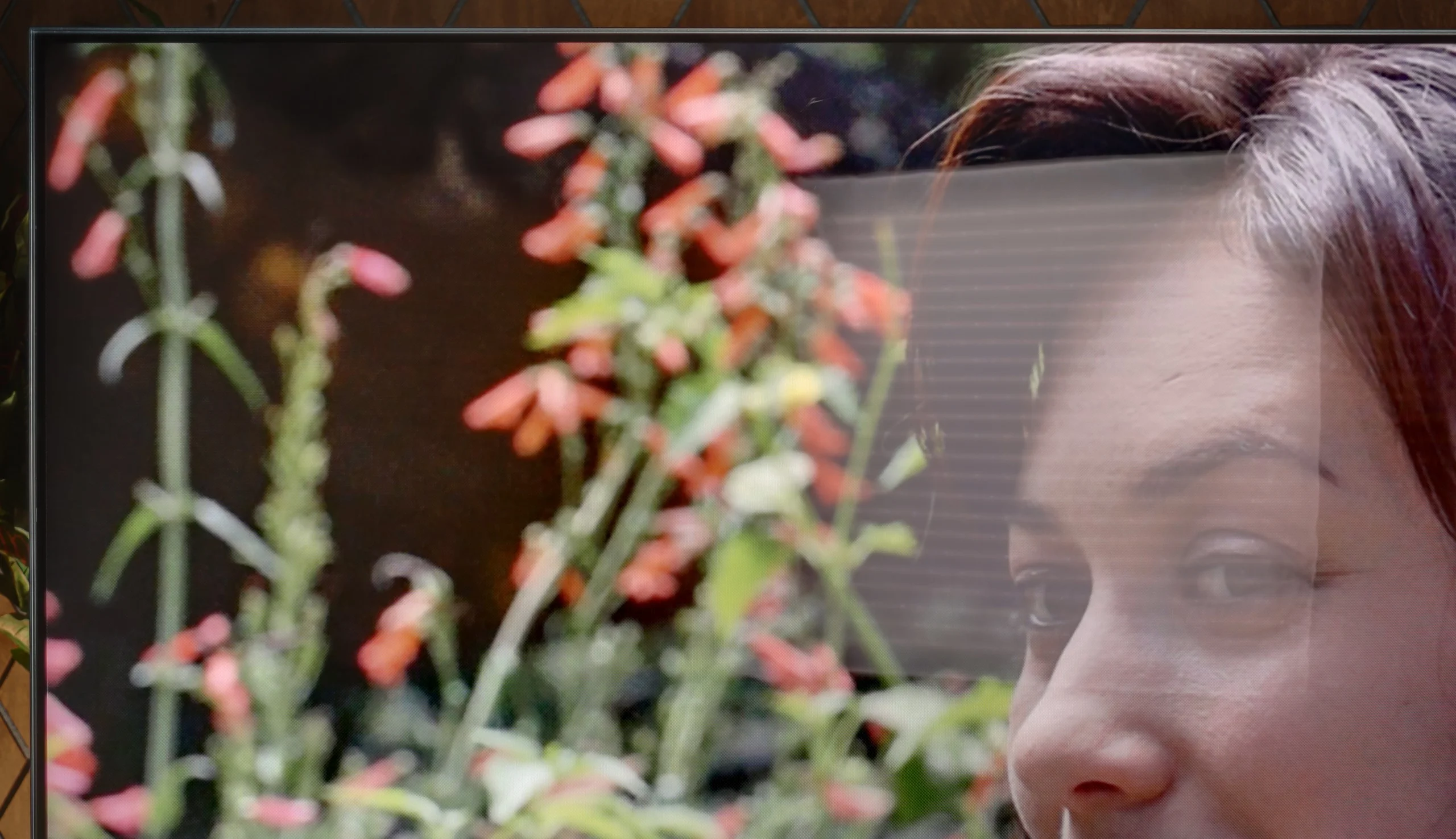
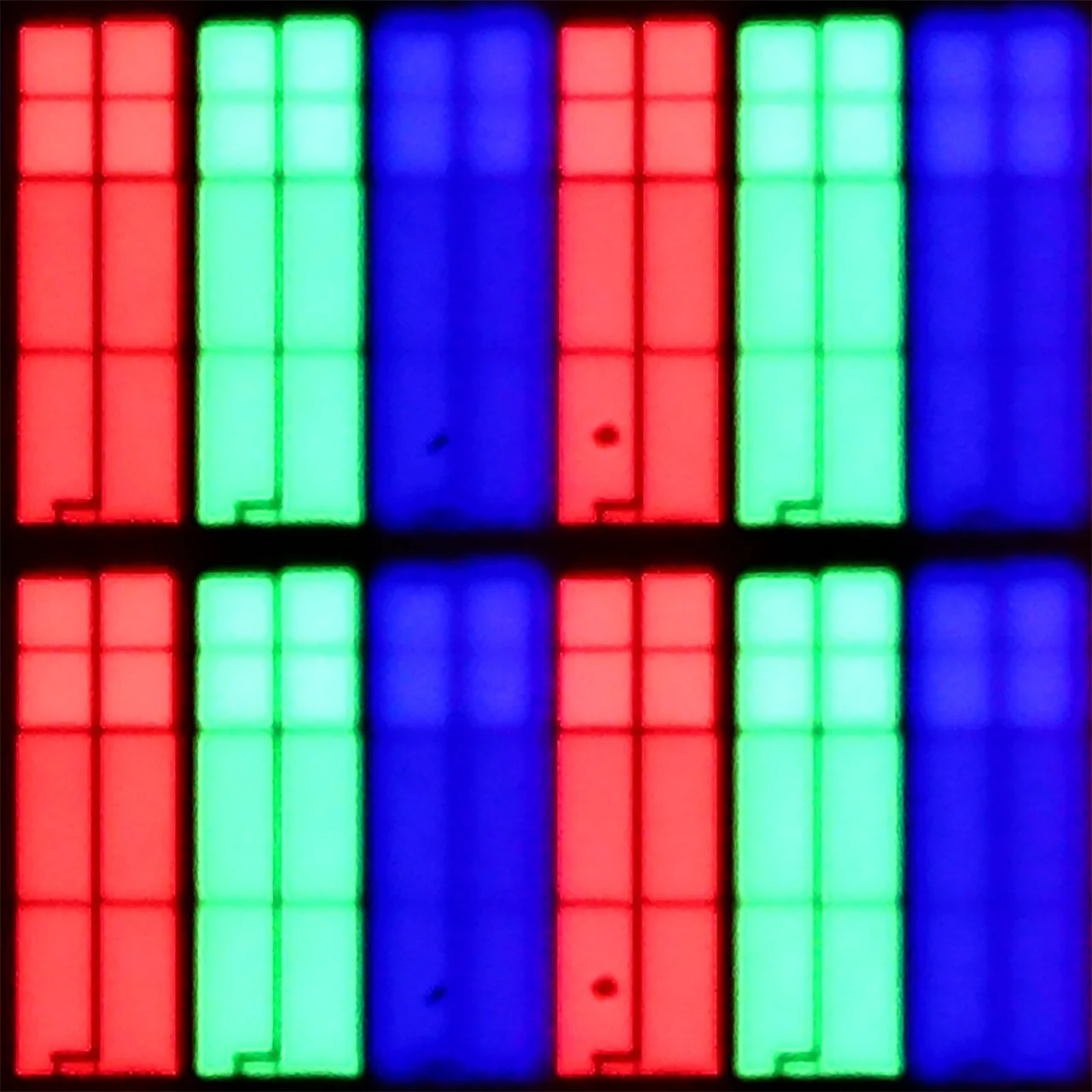
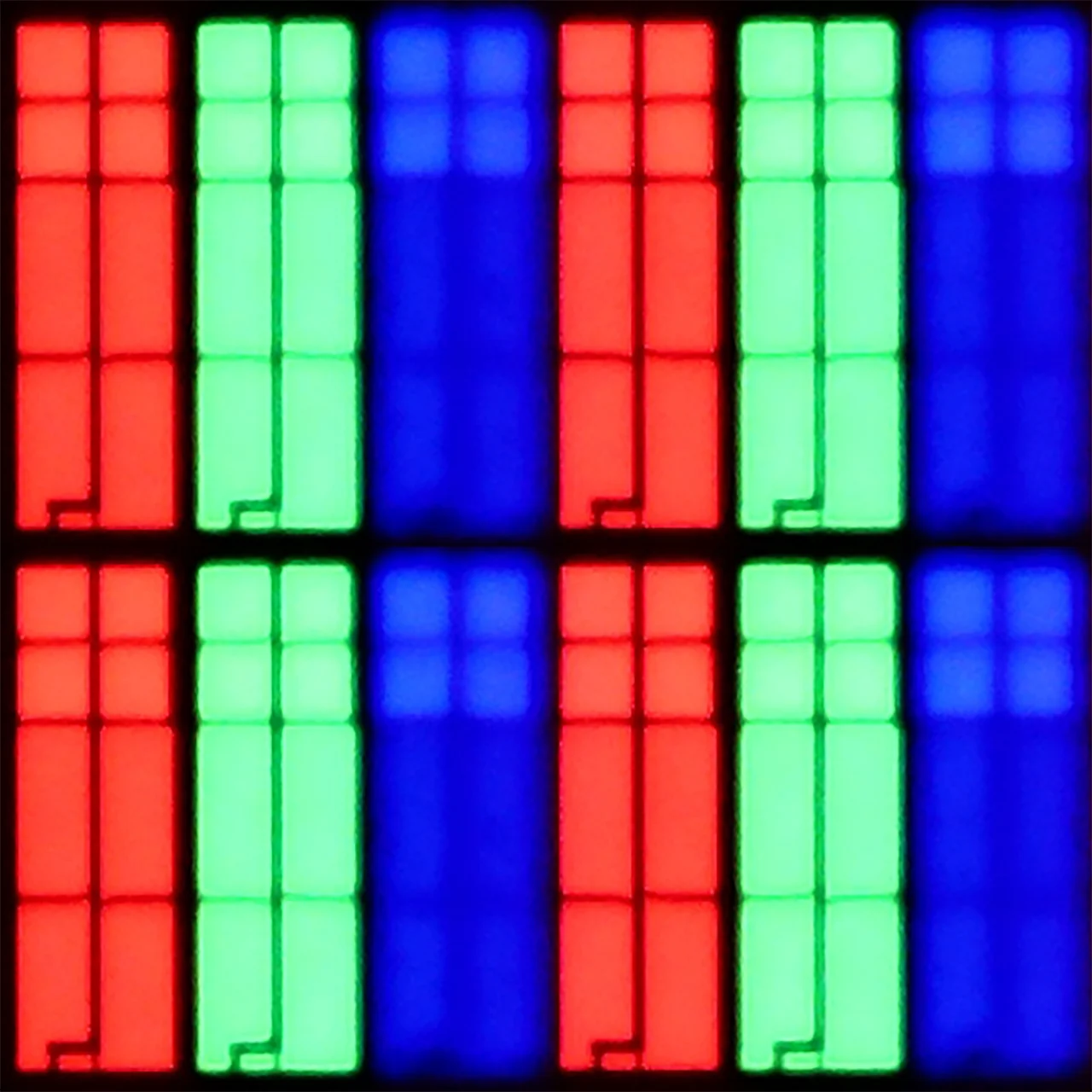
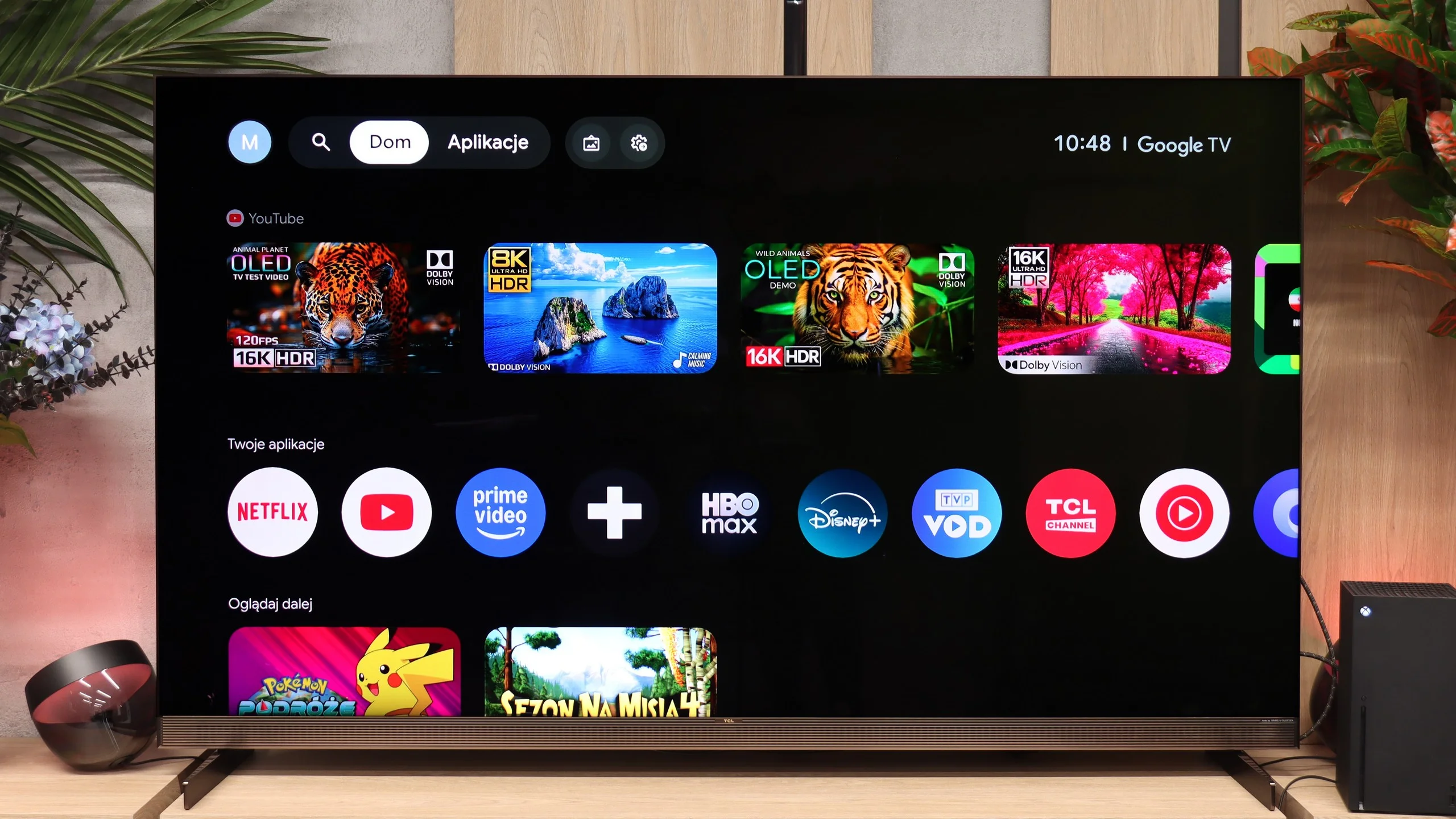
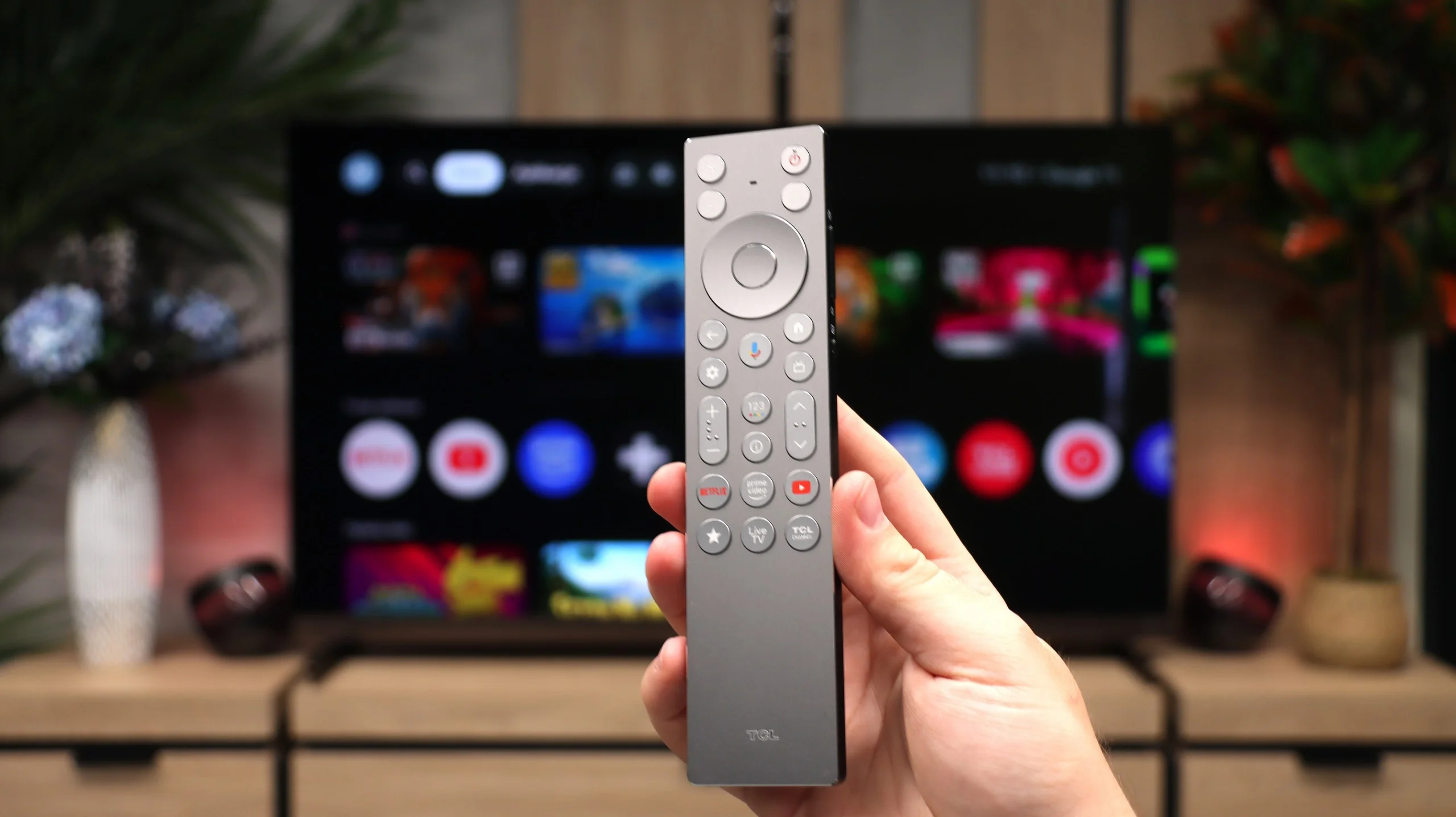
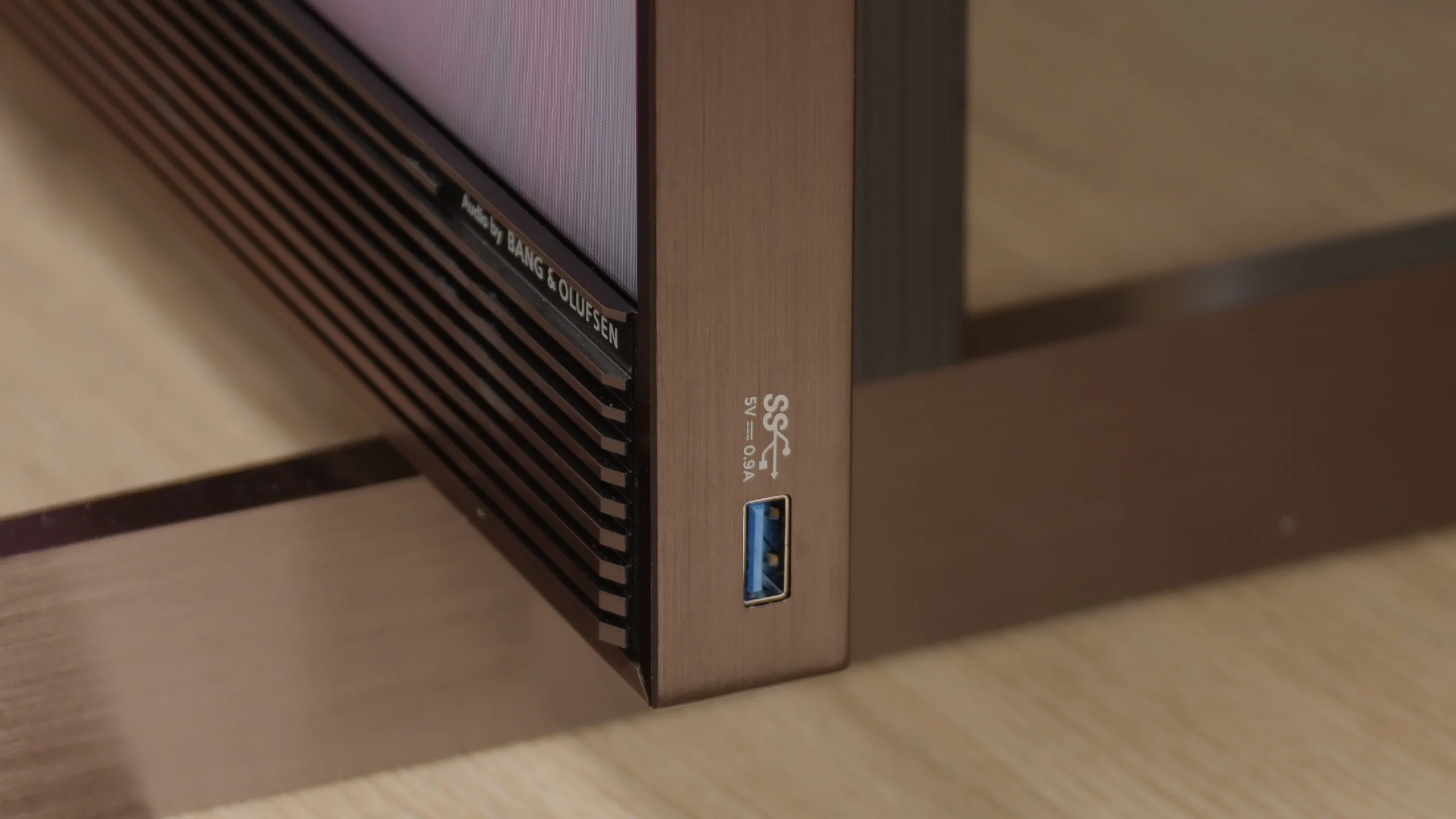
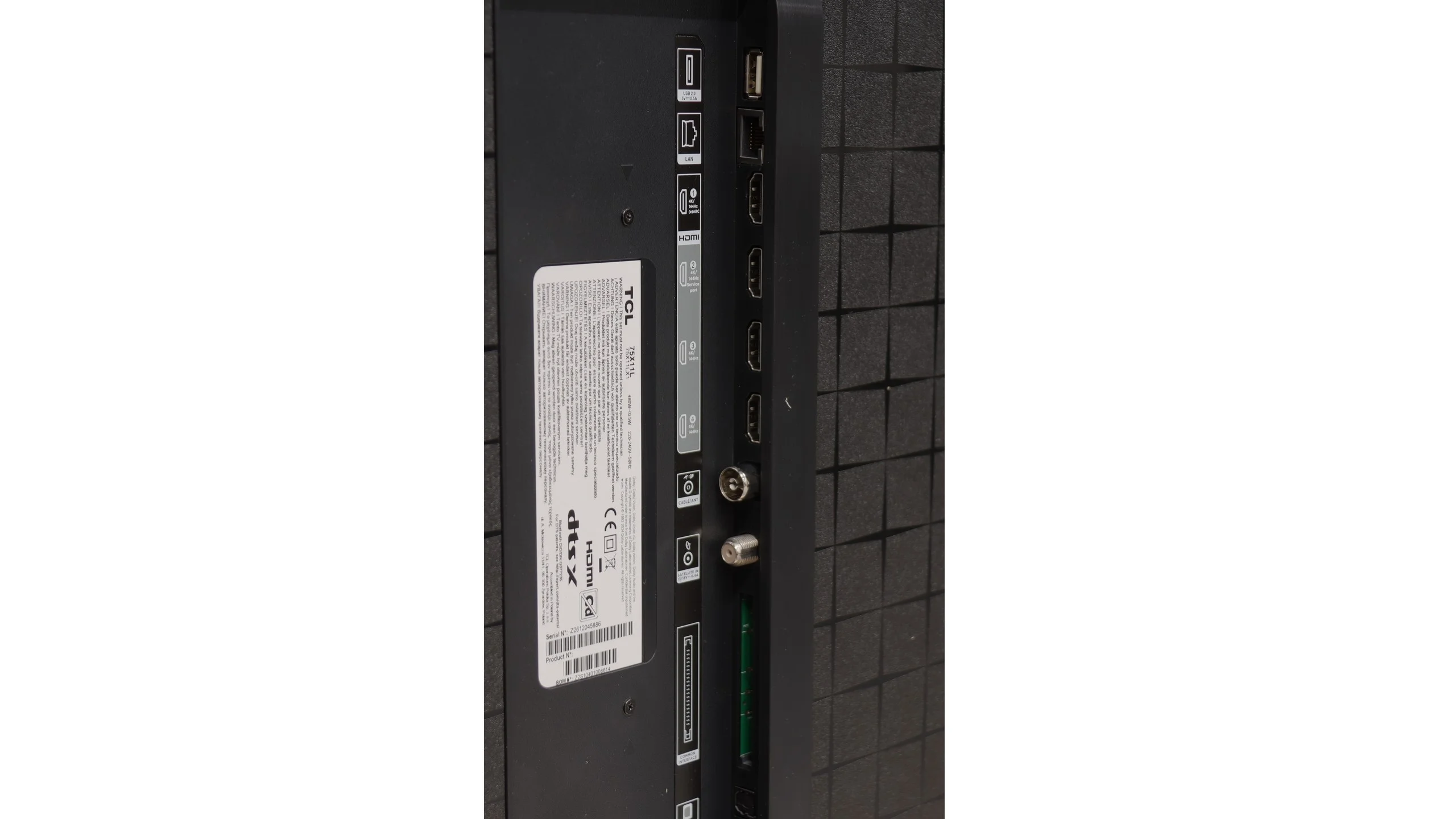
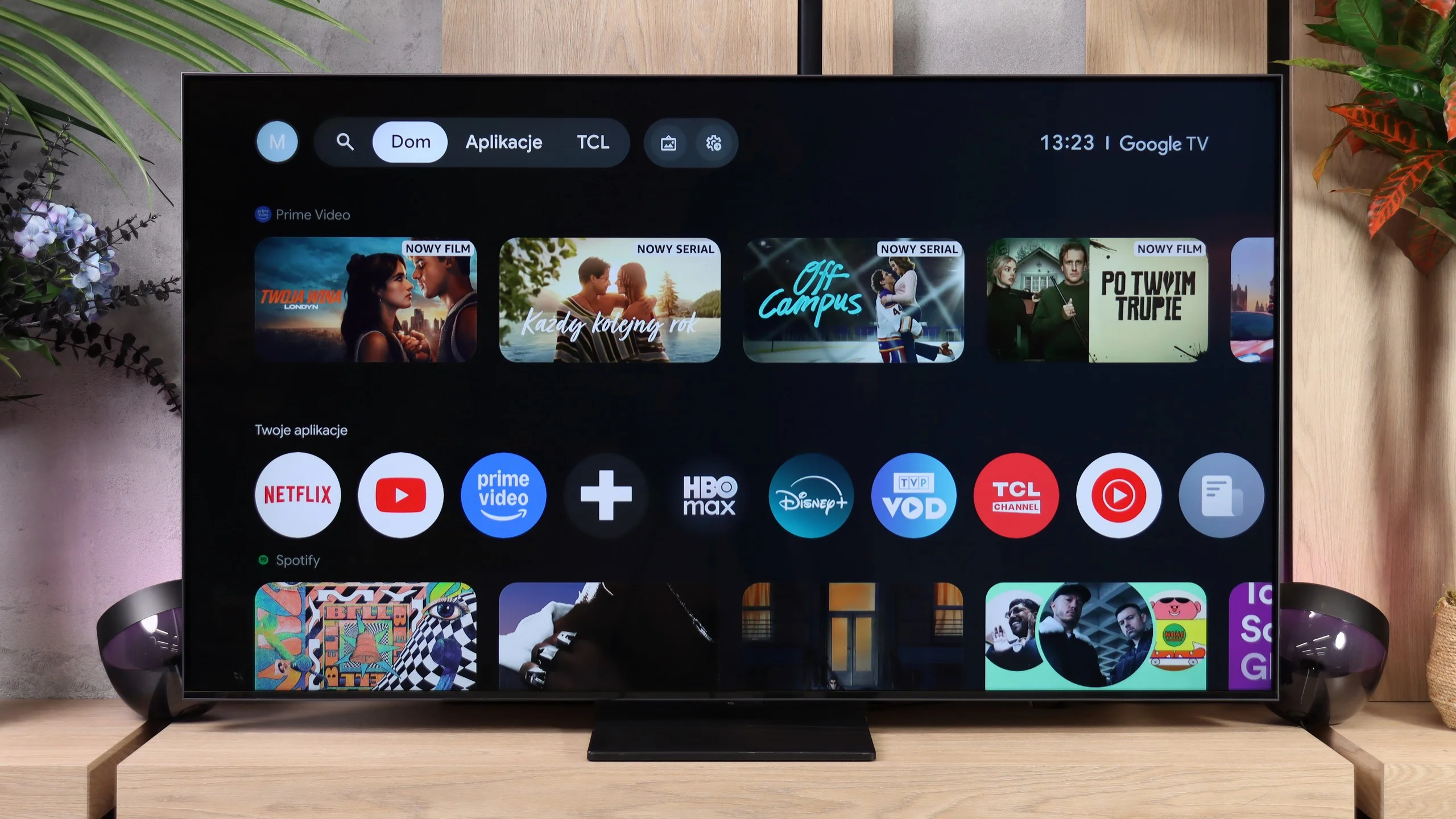
TCL X11L is, without a doubt, a powerful showcase of the manufacturer's capabilities and a TV that impresses in many areas. It’s clear the engineers focused on what matters most: maximum brightness, blacks and contrast. The new quantum dots with an SQD filter do such a job that colour saturation is hardly any different from the top new RGB panels. And what about the blacks? The X11L can easily be placed alongside an OLED and doesn't lose that fight by much, which is a real feat in the world of Mini-LEDs. On top of that there’s a whole host of features surrounding the screen. The new MediaTek Pentonic 800 processor has completely eliminated TCL’s old issues; image processing, upscaling and the smoothness of tonal transitions finally look as good as the competition from Korea or Japan. There is nothing to be ashamed of anymore. Gamers will be delighted too: four full HDMI 2.1 ports, refresh rates up to 288 Hz, a console-inspired Game Bar and Dolby Vision with no noticeable input lag. All of this is tied together by a very smooth Google TV system. Sounds like a recipe for the best Mini-LED of 2026, right? It would be perfect if not for one irritating quirk that stems directly from TCL’s stubborn image-tuning “philosophy”. This TV can simply ignore the director’s intent and, in HDR formats, arbitrarily and artificially brighten entire scenes. The effect? The picture can be too bright at times, sometimes even blown-out. The worst part is that the software offers no option to fix it; even during professional calibration we couldn’t fully correct this fault. For a screen at this price that aspires to be “the best of the best”, such wilfulness is simply unacceptable, especially when we’re talking about Filmmaker mode.
Still, if you couldn’t care less about perfect, studio-accurate fidelity and are after a picture that is above all maximally spectacular, showy and very bright in daylight, the X11L is a true beast. It’s the first Mini-LED to come so close to OLED black levels, and in brightness it simply crushes it. The only real brake here is the price. The sum you’ll have to pay for this model (regardless of size) is a serious outlay. Is it worth spending that much? We’ll leave that to your judgement. One thing must be conceded: it’s currently one of the best Mini-LEDs we’ve tested so far.
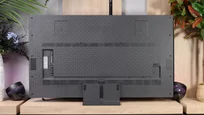
Is it worth buying the TCL A400U? Yes, because it’s one of those TVs where paying extra for a higher series doesn’t always make sense. In films you get what you normally expect from a good TV: very good blacks, a strong HDR effect and a natural picture, especially after calibration. Brightness won’t be lacking during the day either, although because of the glossy panel it’s better not to position it opposite a large window. The whole package is completed by a slim, well-made casing. The A400U doesn’t mimic a picture-on-the-wall as convincingly as some “wallpaper” TVs, but as an elegant living-room model it looks very good.
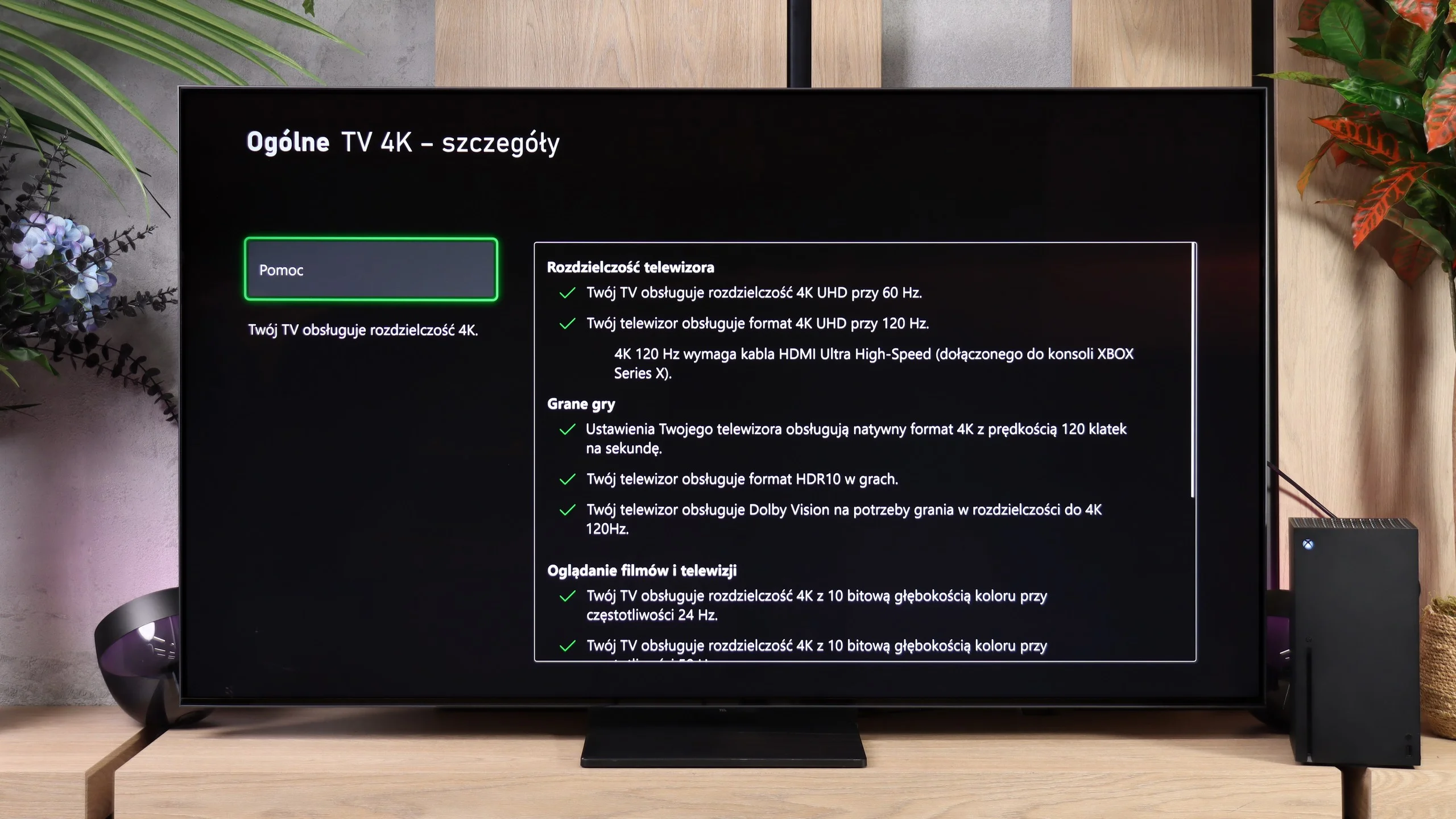
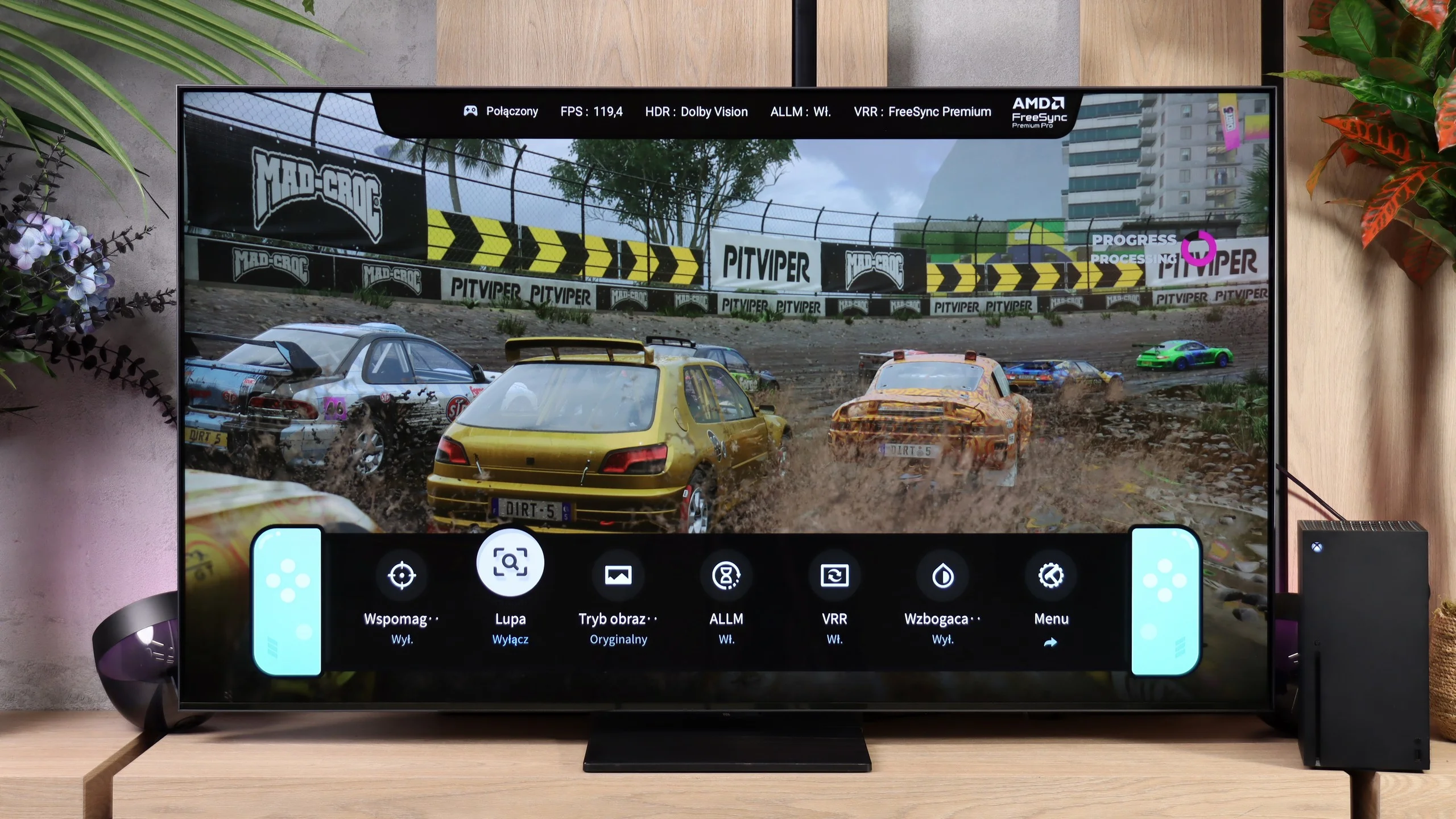
Buying it, you don’t have to choose between a TV for films and a screen for gaming. The A400U supports 4K at 120 Hz, including in Dolby Vision, and low input lag keeps controls quick and responsive. With a PC you can even use 144 Hz at 4K or 288 Hz in Full HD. That’s a level of capability at which it’s hard to justify paying more for a pricier model purely for gaming features. In everyday use the TV doesn’t disappoint either. Google TV runs smoothly, apps launch without annoying delays, and using the device is simply convenient.
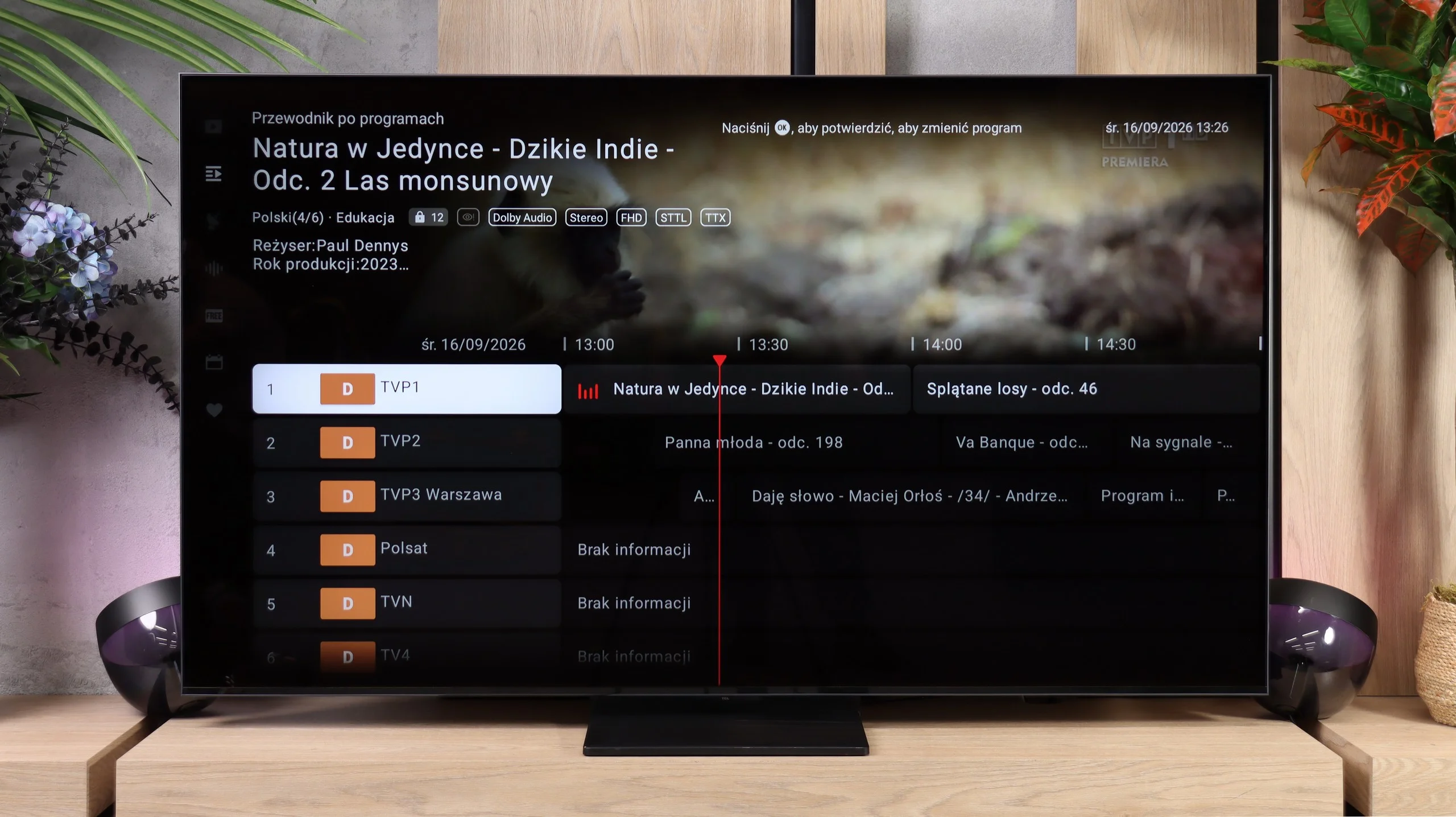
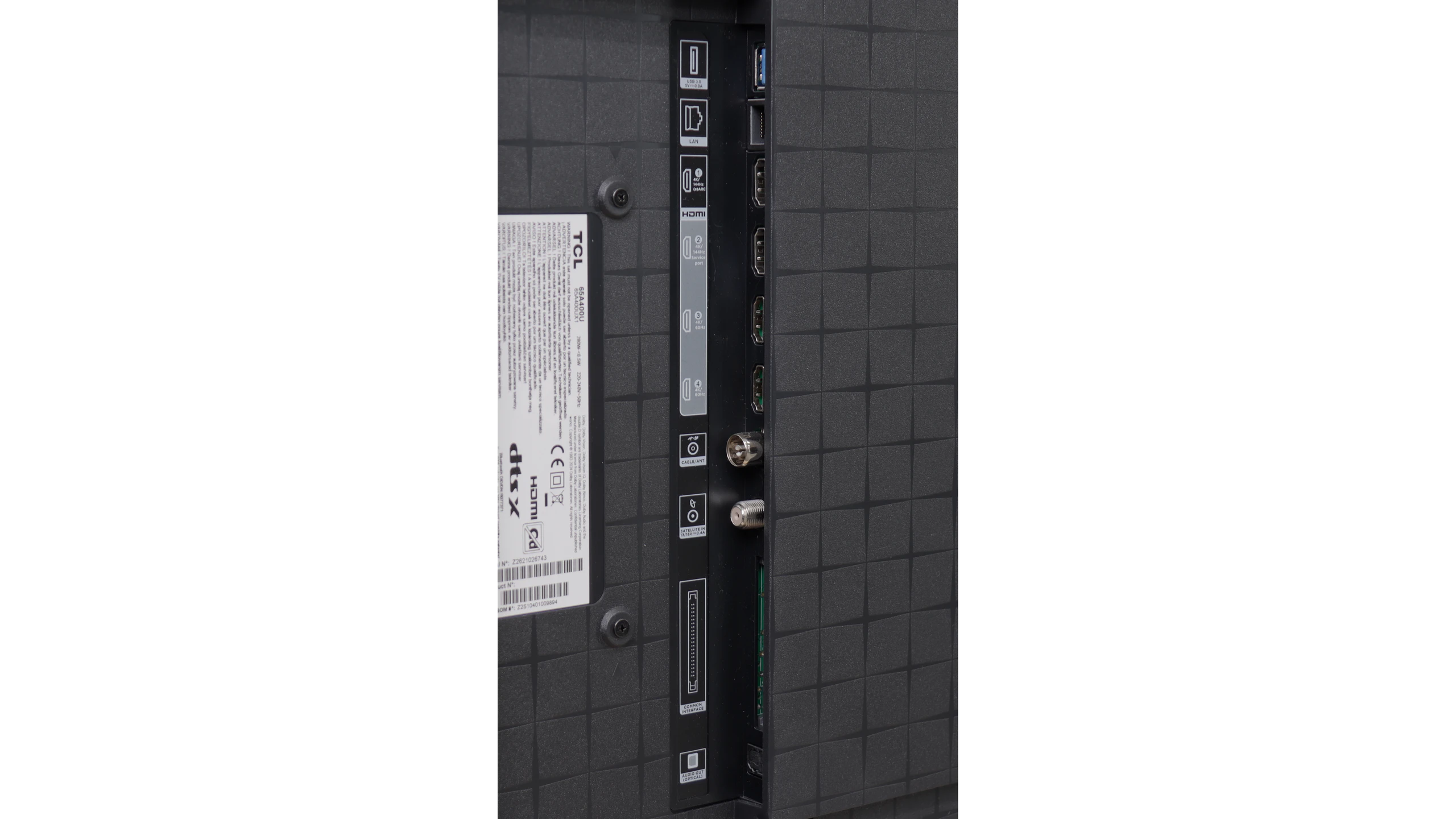
That doesn’t mean the A400U will suit every home. If you often watch broadcast TV or other lower-quality material, the Pentonic 700 processor won’t always improve it as much as you might expect. The slightly more expensive C7L has a similar limitation, so only moving up to a clearly higher series, such as the C8L, brings a noticeable change in this regard. Before buying it’s also worth checking how many devices you want to connect. Two HDMI 2.1 inputs, one of which is taken by eARC, may prove insufficient if you have two consoles and a soundbar. It’s sensible to include a soundbar in the budget anyway, because the built-in speakers clearly don’t match the capabilities of the picture.
However, if you’re mainly after a TV for films, streaming and gaming, the TCL A400U is one of the most convincing mid-range buys of 2026. More expensive models can do more, but not every one of those advantages will matter during everyday viewing. Here you get a very good picture, extensive features and excellent build quality, without having to pay for functions you may never see. That’s why the TCL A400U is, in our view, one of the most cost-effective TVs of 2026.
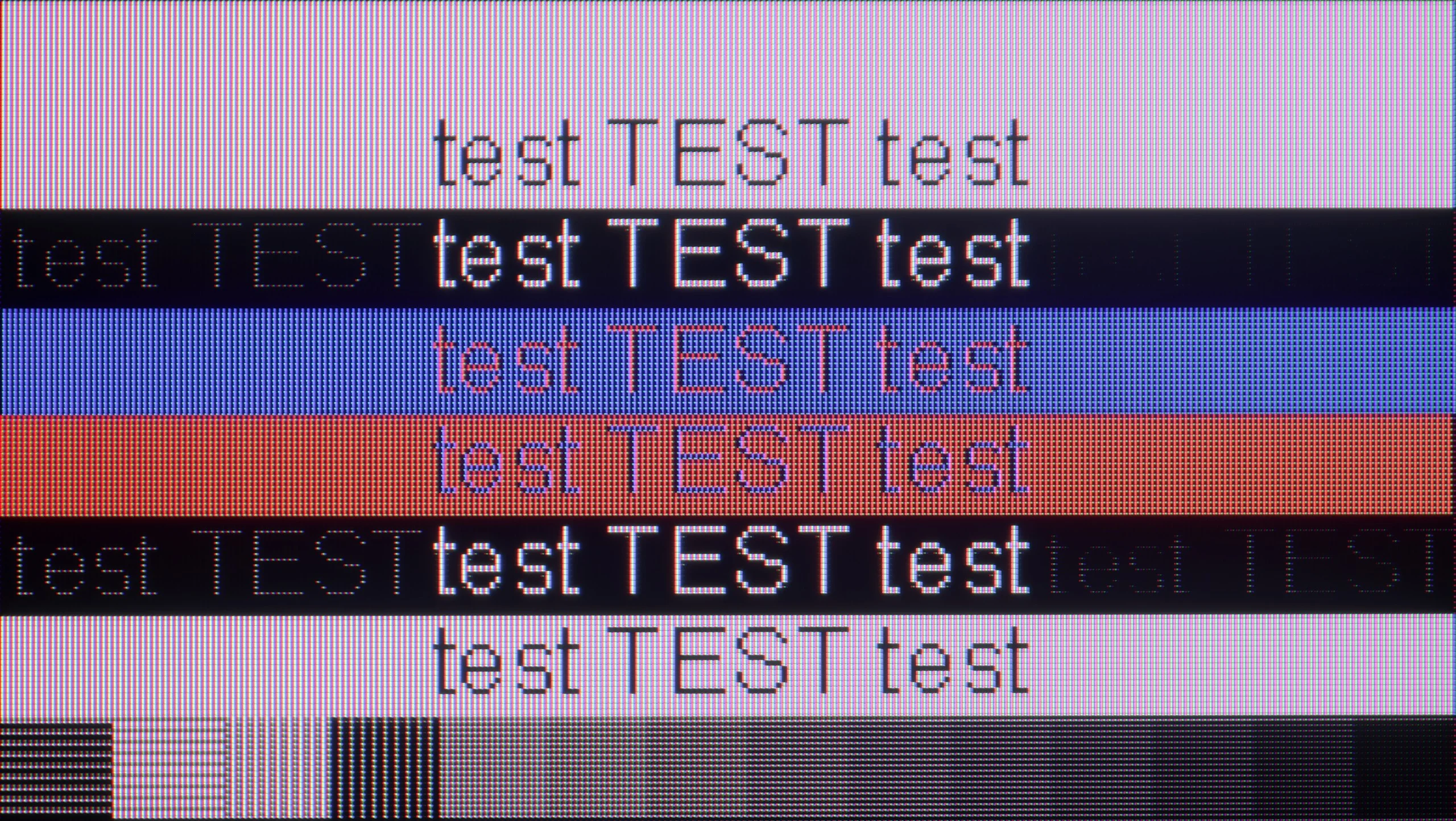
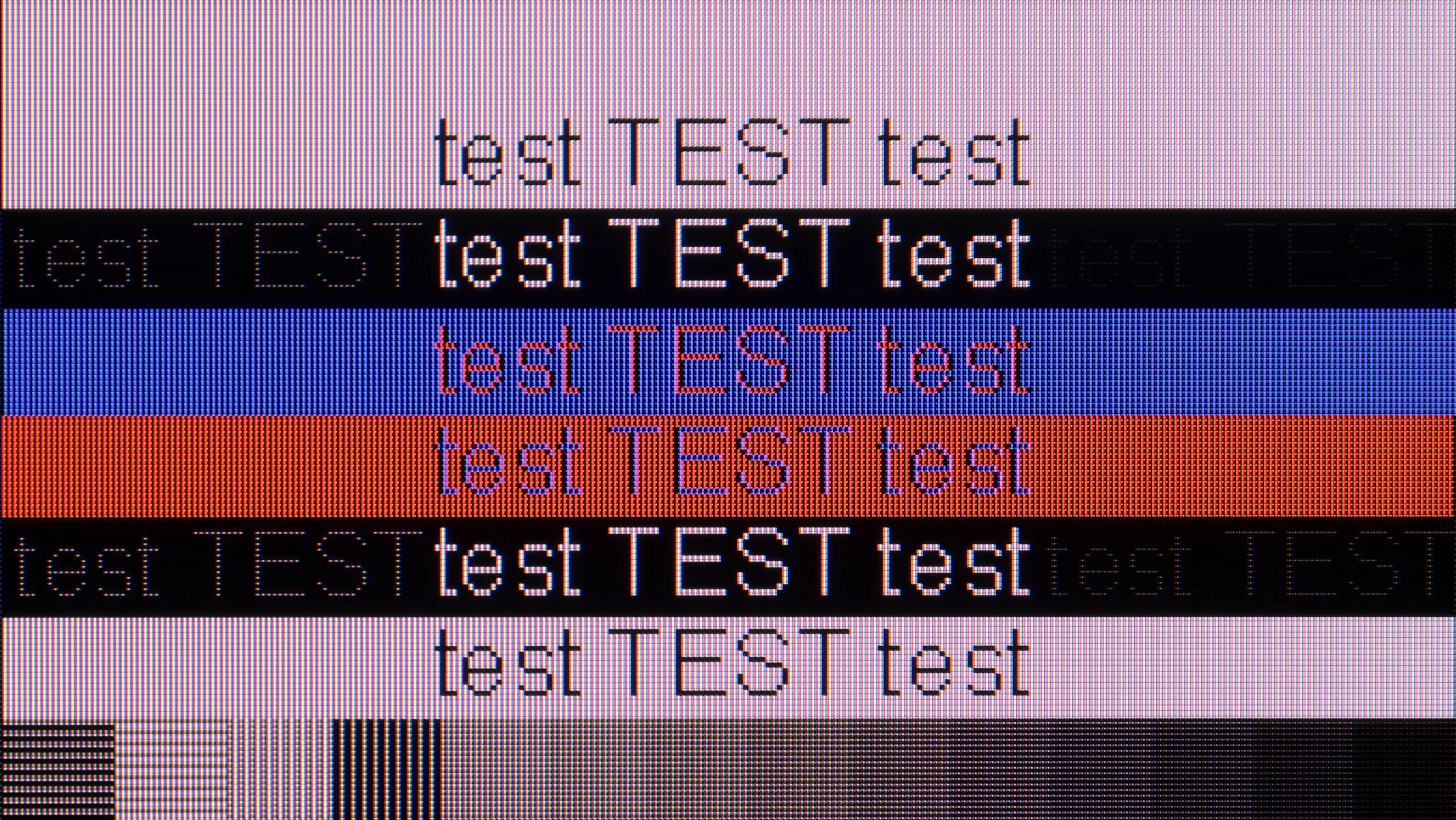
 Direct comparison