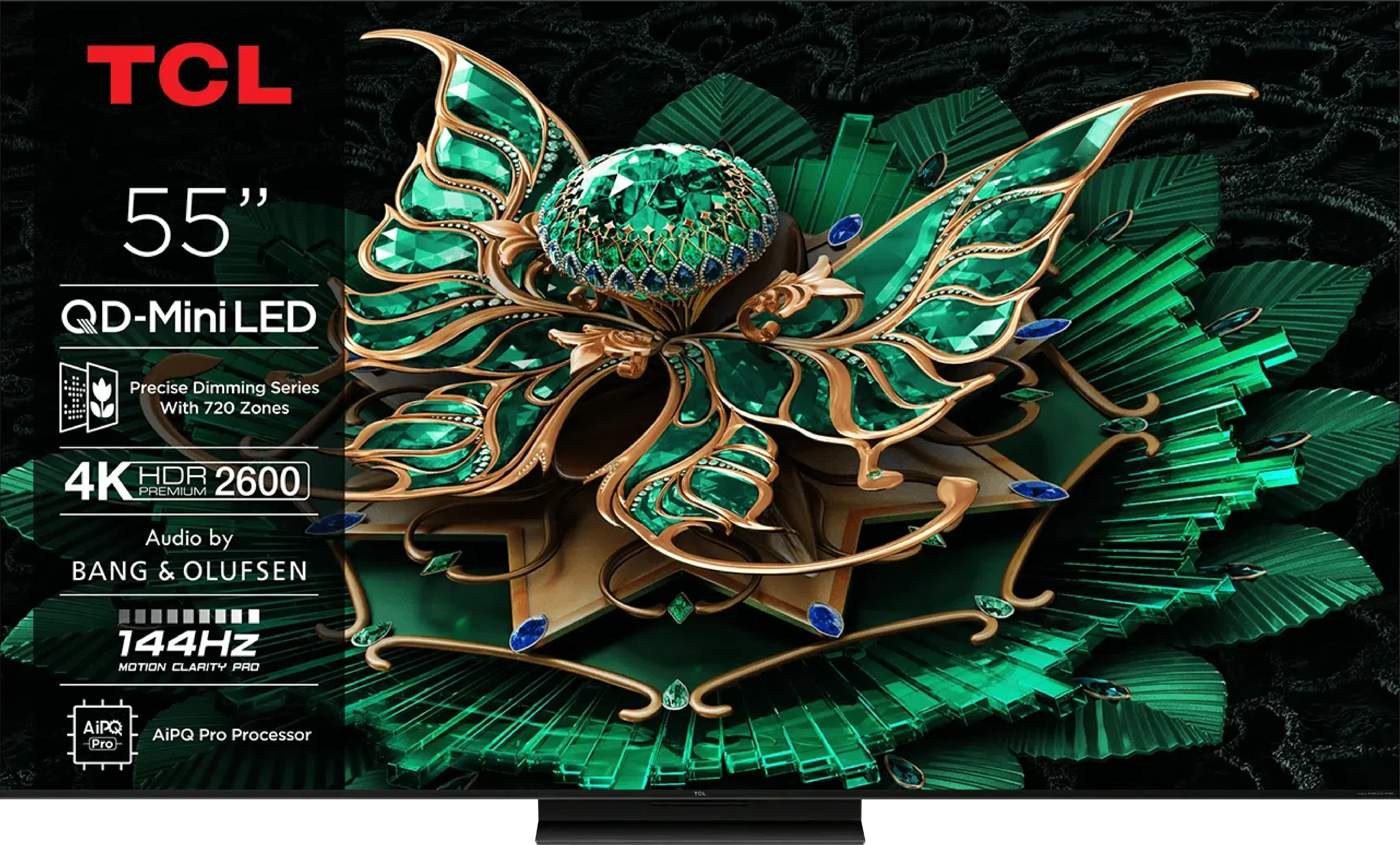
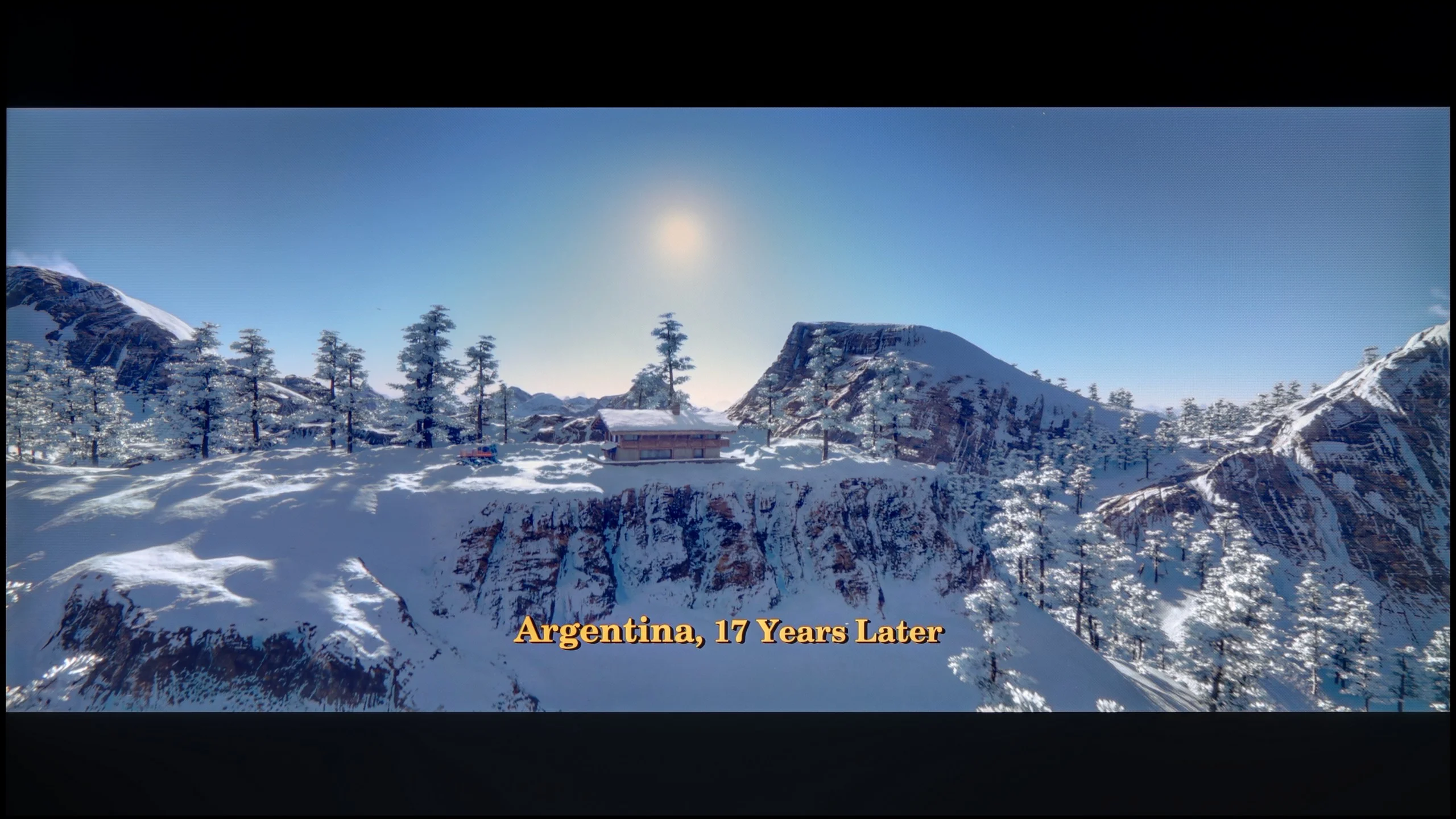
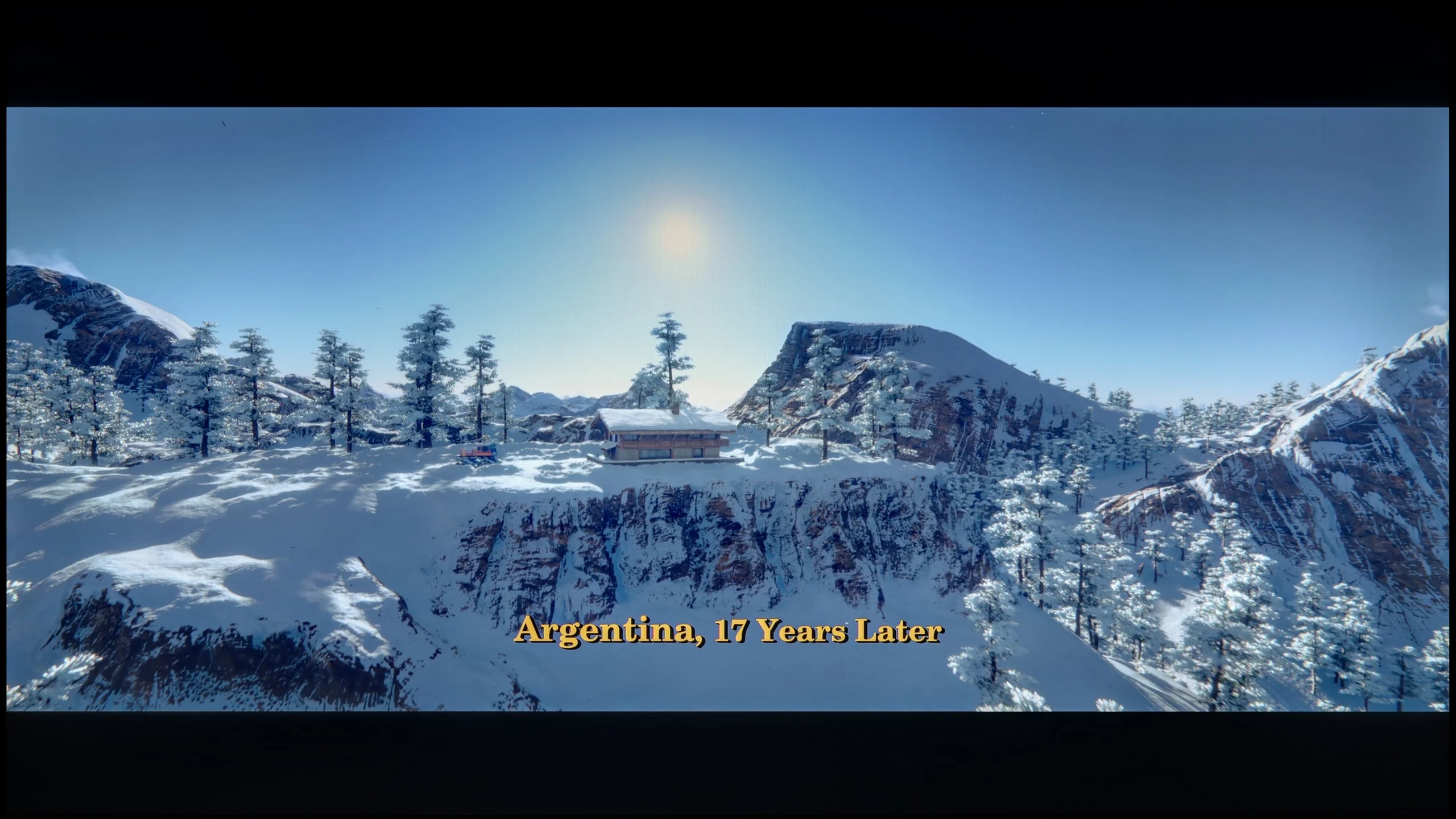
In terms of brightness, the models ranging from 55 to 85 inches in the C7K series are truly impressive. Under the best testing conditions, the 65-inch screen reached over 1200 nits, which in practice means that the brightest scenes can shine with almost cinematic brilliance. These are not just dry numbers from measurements – during viewings, the white skies, explosions or reflections of light on water looked extraordinarily striking, often giving the impression that the television exceeded its price class. This is particularly effective in scenes with large areas of brightness, where the screen is filled with intense light – such as in sunlit shots or during dynamic action sequences. Viewers seeking strong HDR will definitely be satisfied.
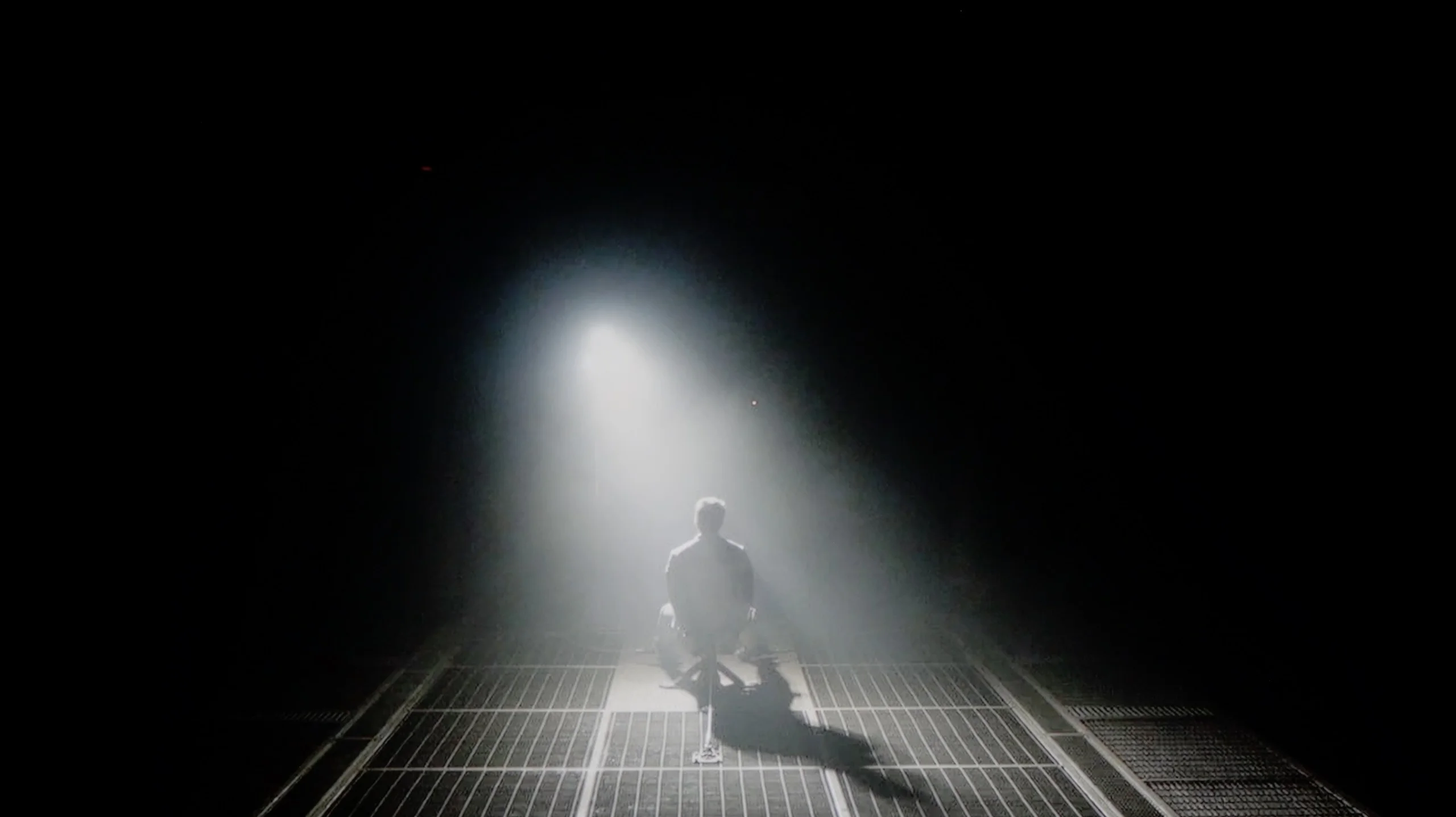
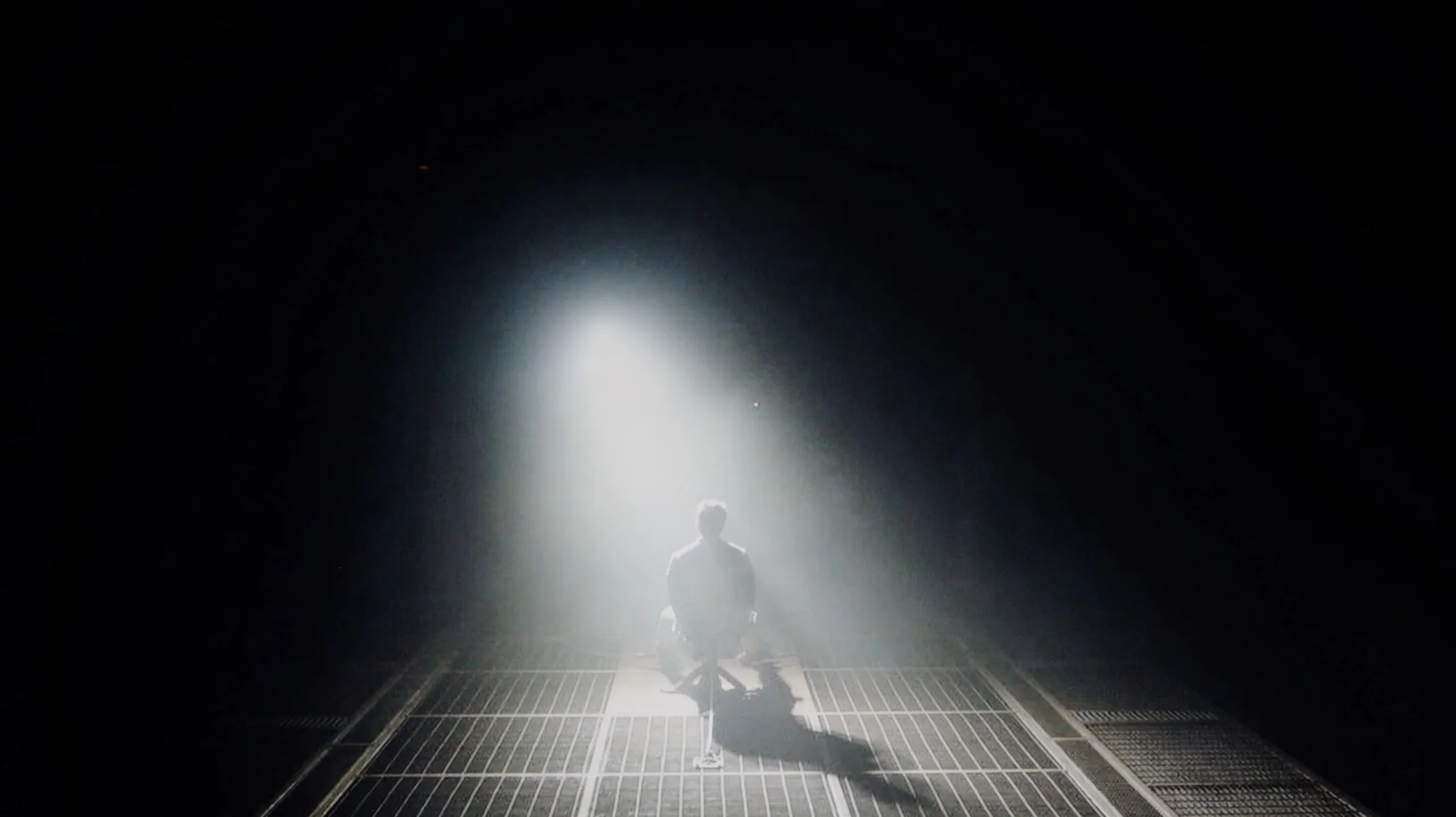
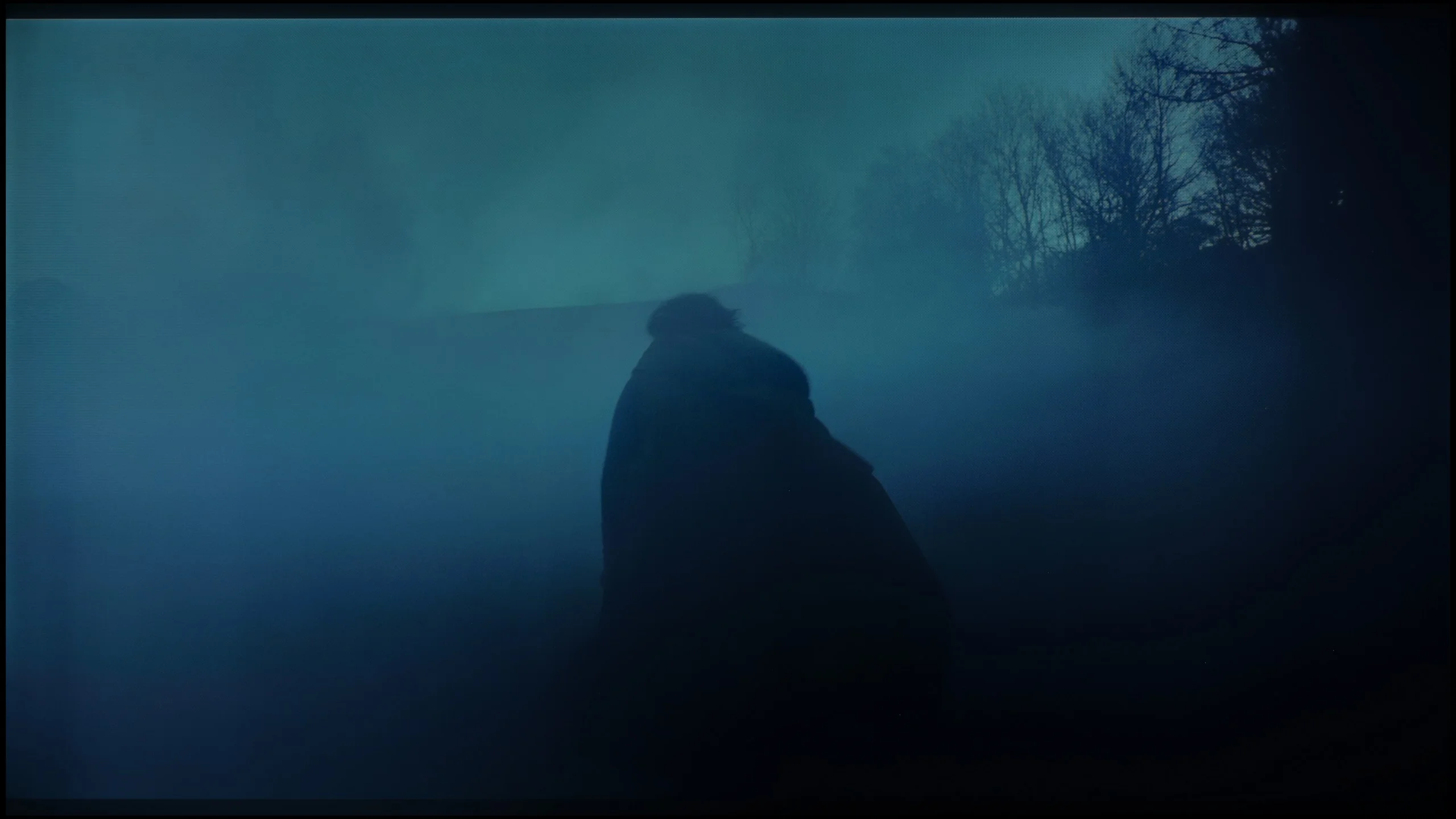
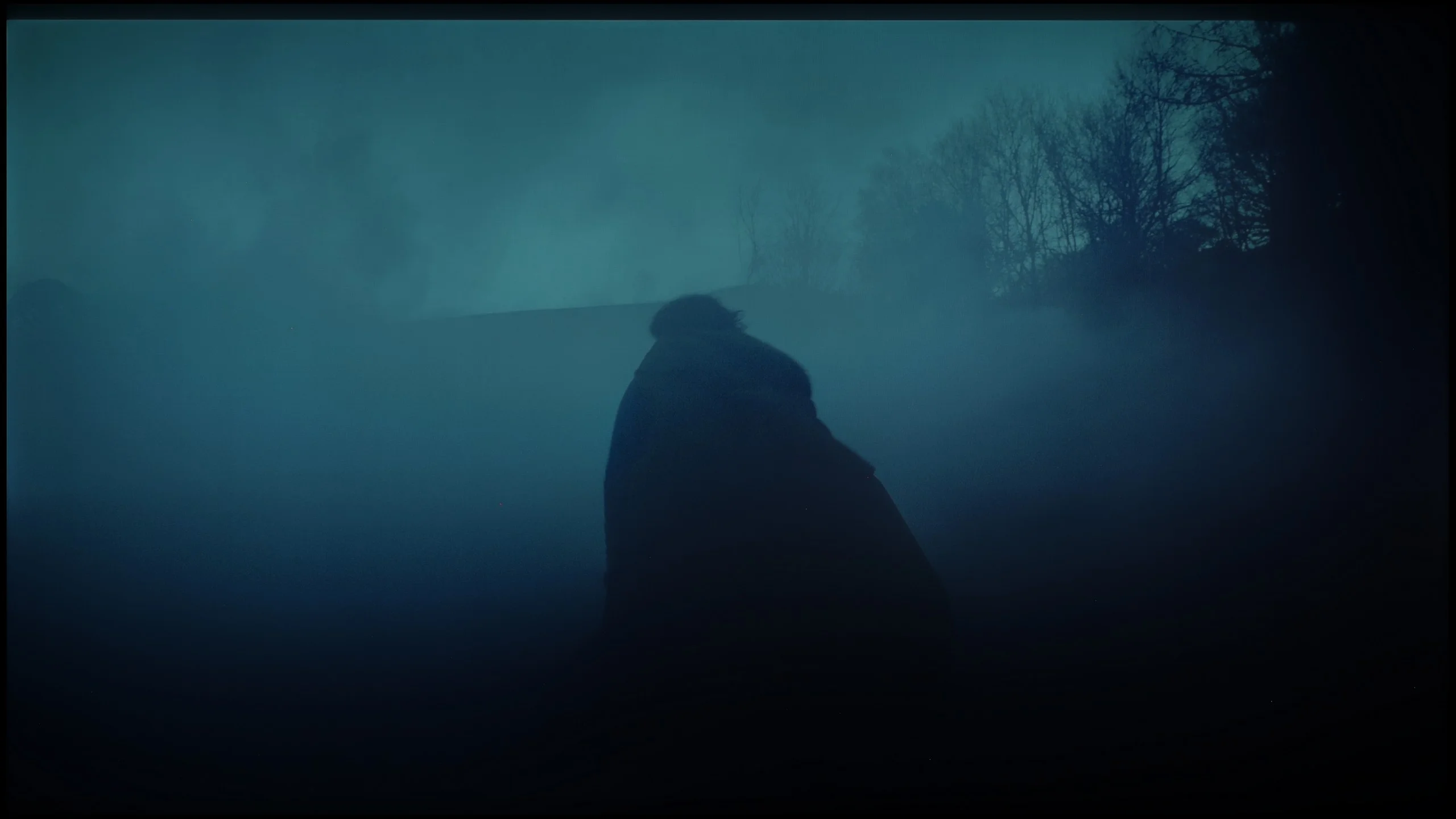
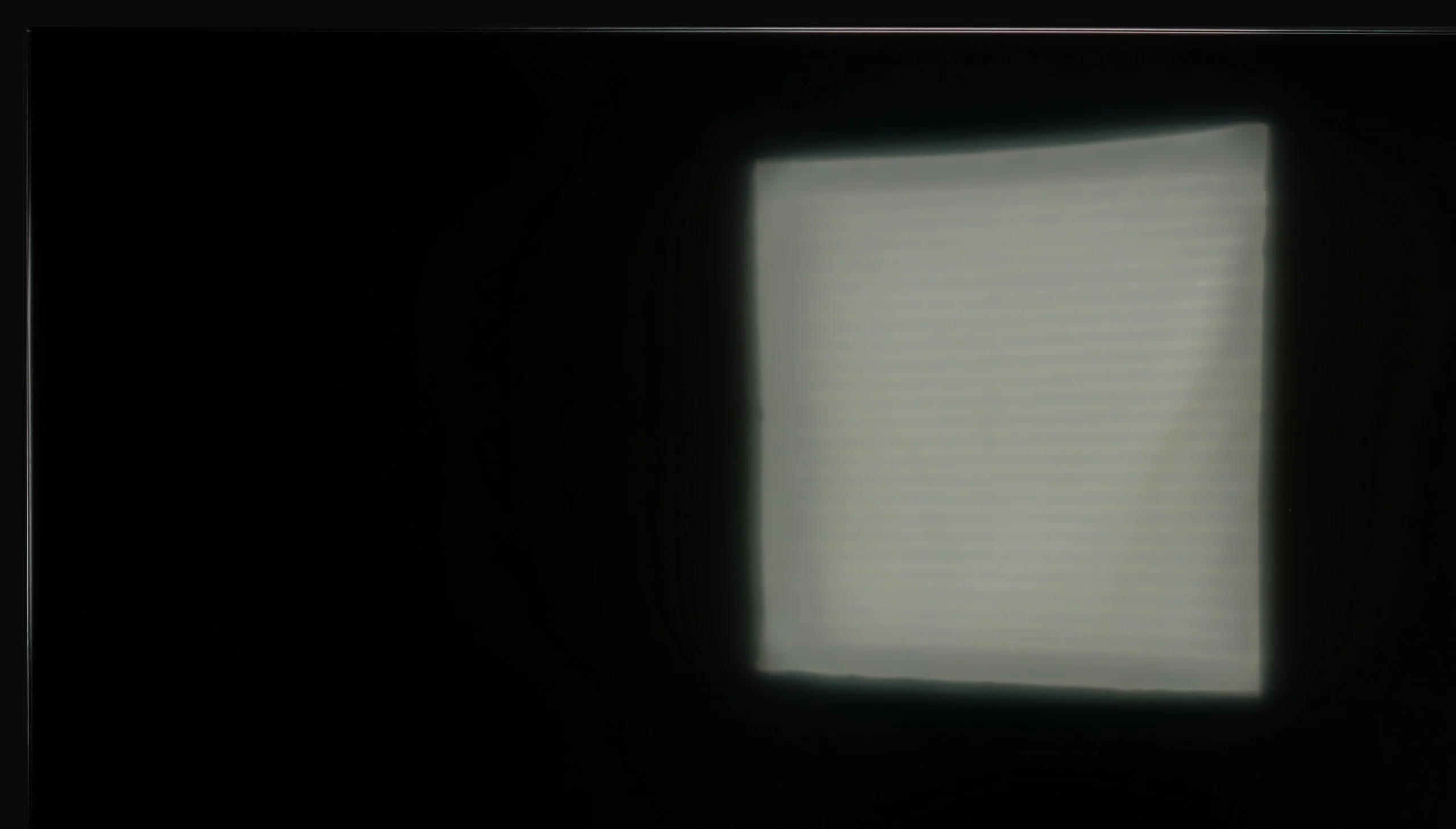
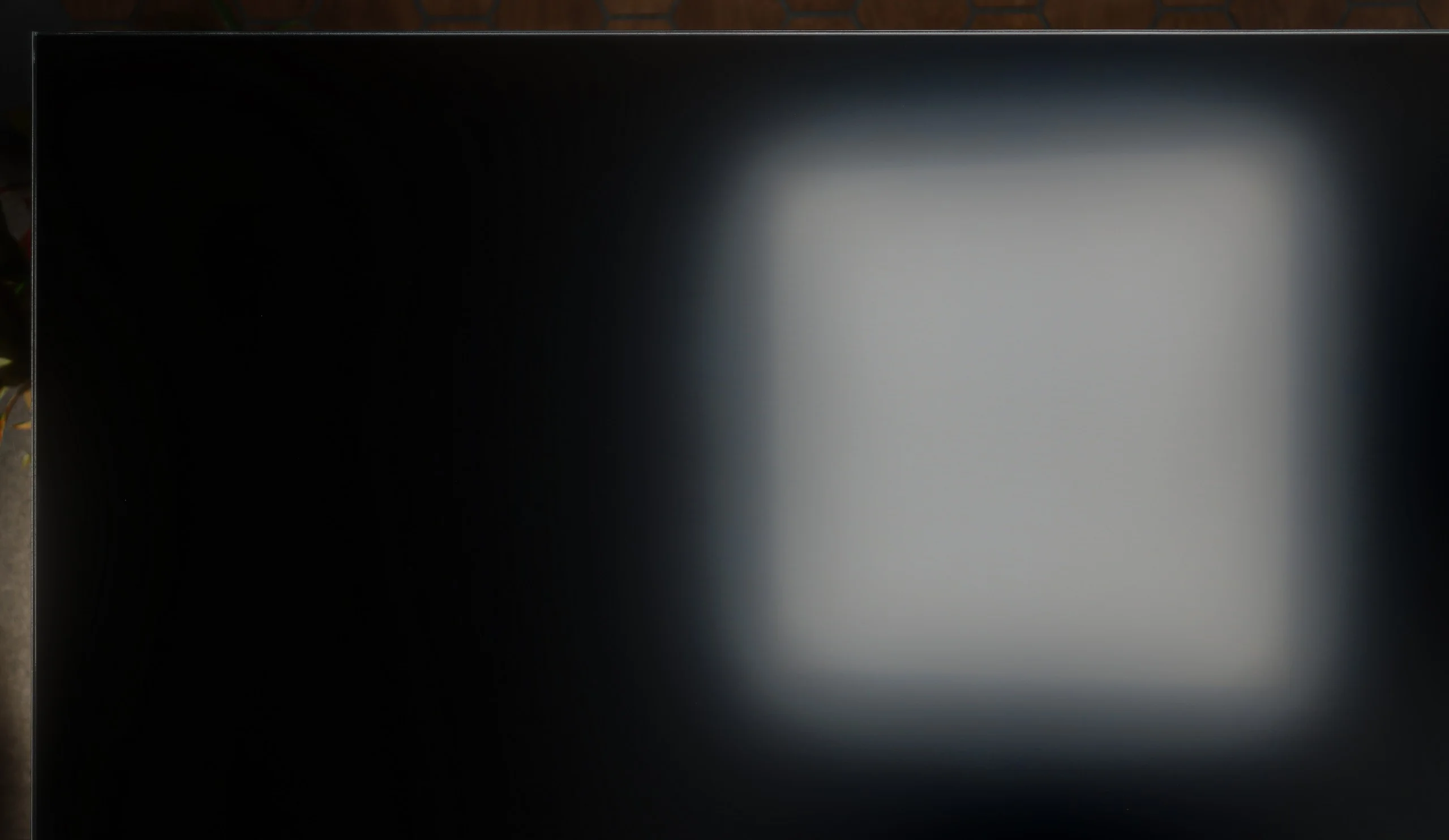
However, scenes that require precise control of the backlighting – with small points of light on a dark background – prove to be more challenging. Here, the C7K, despite having over a thousand zones, still dims the brightness to maintain deep blacks. The effect is that in films like Sicario 2 or Life of Pi, some details, like a distant lantern or single reflections, can be less distinct or blend into the surroundings. This is a compromise inherent in MiniLED technology – it provides excellent image depth and blacks at a level that ordinary LCDs do not offer, but this comes at the cost of limited visibility of the finest lights.
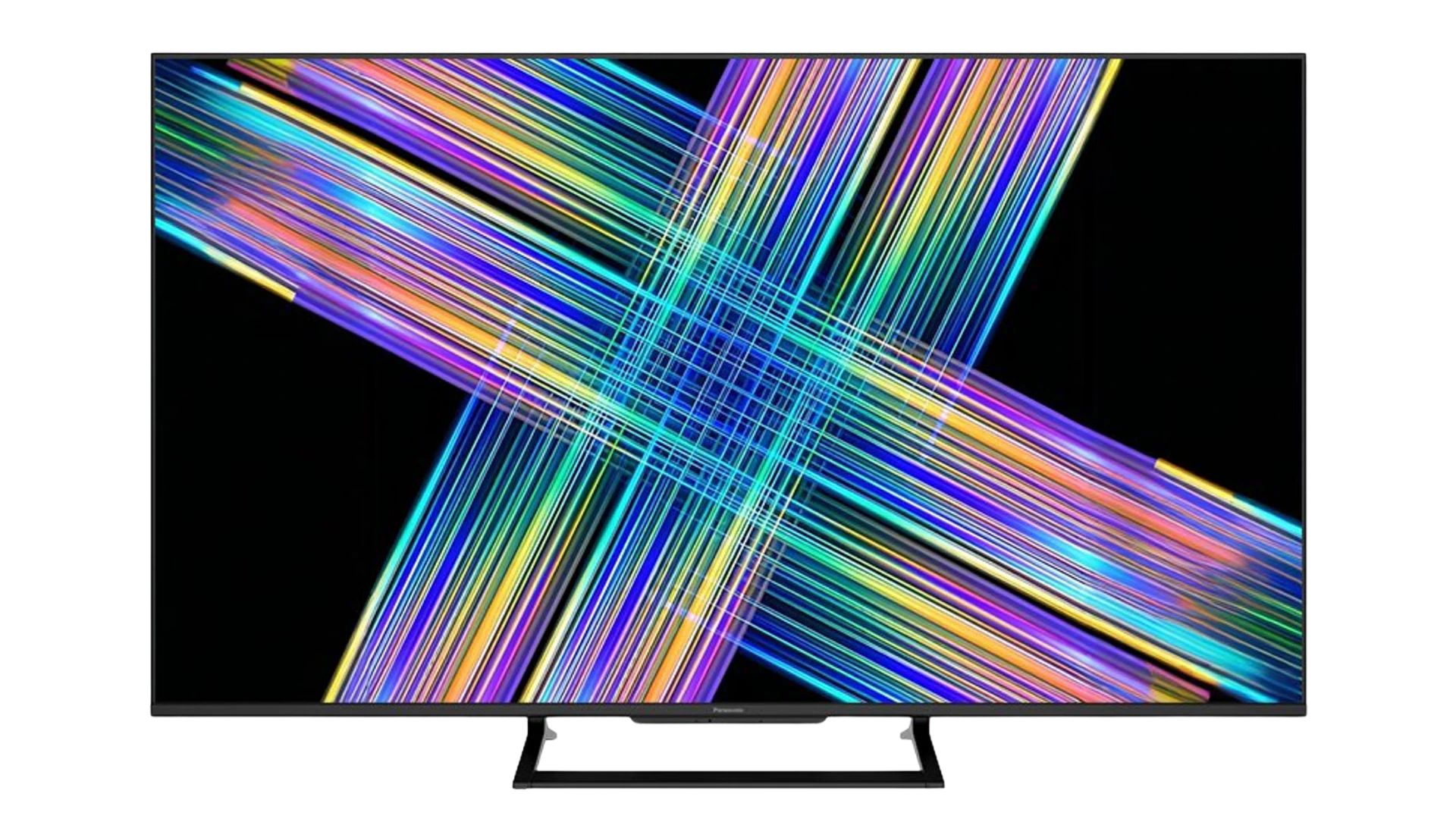
The Panasonic W92C reaches a peak of around 750 nits with local dimming set to High. That brightness is enough to show a clear HDR effect, but in films the TV does not always make full use of it. In brighter scenes we get about 500 nits, while small highlights on a dark background can fall to just 160 to 250 nits. In practice this means the sun in a bright shot looks fairly convincing, but a torch or small flares in a night scene lose punch. This is a further cost of local dimming, which with a limited number of zones also dims bright elements to preserve the black around them.
During testing we also noticed a strange software bug. When switching to HDR the TV would automatically change the backlight level, setting it for example to 53 or 81 instead of the maximum. This made the picture darker than the panel is capable of. All measurements presented were made after manually restoring the backlight to maximum.
Colours
The wide colour gamut in the Panasonic W92C is due to a PFS phosphor, which produces an effect similar to the quantum dots used in QLED screens. We measured DCI-P3 coverage at around 94% and 74% of the wider BT.2020 gamut. Importantly, results on film material were practically identical to those on test charts. That's a good result, enabling HDR films to show richer, more saturated colours than on a standard LCD panel.
The brightness of the colours themselves is slightly weaker. In our measurements red reached about 58% of the target value, while green and blue were around 66 to 67%. So the TV can display a wide range of colours, but the brightest, highly saturated parts of the image do not have the same punch as on RGB-based screens.
 Direct comparison