 Direct comparison
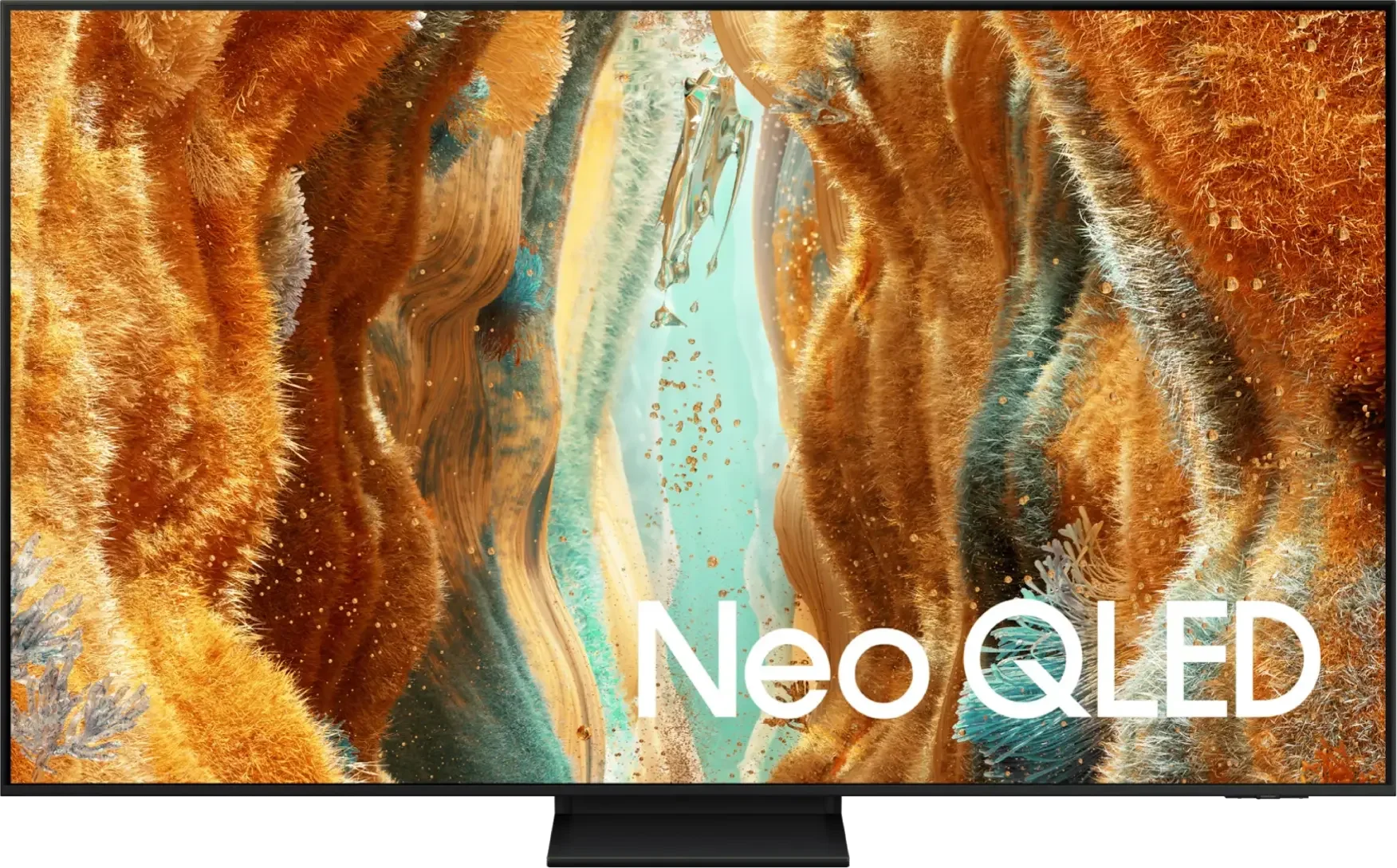
Samsung QN70F is quite a decent television from the mid-range segment. Its strongest point is definitely the smoothness of the picture – thanks to the 144 Hz panel, low input lag, and a plethora of gaming features, we have here a recipe for an almost perfect gaming screen. It also performs well for sports fans – the picture is fast, clear, and there are no tears. In terms of picture quality – it’s really not bad at all. The VA panel provides good blacks, brightness is above average, and colours look great after calibration. Samsung advertises the QN70F as Neo QLED, meaning Mini LED, and in a sense, you can view it that way – but only partially. The backlighting is edge-lit, so it is far from being a full-fledged Mini LED with local dimming. It’s a shame, as marketing has its influence, and the user may feel somewhat misled. Additionally, there are minor shortcomings – no USB recording, no DTS support. But despite everything, the QN70F leaves a really good impression. It may not be a “true” Mini LED, but for its price, it is a solid piece of television – especially for gamers and those who enjoy fast, dynamic content.
- Matching (Score) |
- Our verdict |
- TV appearance |
- Where to buy |
- Contrast and black detail |
- HDR effect quality |
- Factory color reproduction |
- Color reproduction after calibration |
- Smoothness of tonal transitions |
- Image scaling and smoothness of tonal transitions |
- Blur and motion smoothness |
- Console compatibility and gaming features |
- Input lag |
- Compatibility with PC |
- Viewing angles |
- Daytime performance |
- Panel details |
- TV features |
- Apps |
- Playing files from USB |
- Sound

Check the best price offer:
Samsung Neo QLED QN70F / QN74F / QN77F(paid link)QN70F / QN74F / QN77F

U7S / U77S
Panel type: LCD VA
Resolution: 3840x2160
System: Tizen
Model year: 2025
Complete the survey to find out the result
Panel type: LCD VA
Resolution: 3840x2160
System: VIDAA
Model year: 2026
Complete the survey to find out the result
Overall rating
7.1
7.3
 Movies and series in UHD quality
6.7
6.9
 Classic TV, YouTube
6.6
6.9
 Sports broadcasts (TV and apps)
6.7
6.4
 Gaming on console
8.5
8.2
 TV as a computer monitor
8.2
8.2
 Watching in bright light
6.3
7.0
 Utility functions
7.2
8.9
 Apps
8.7
8.3
 Sound quality
6.4
7.2
Complete the survey to find out what fits your preferences
Advantages

Nice black and contrast
Above average panel brightness
High refresh rate of 144Hz
Many features for gamers: ALLM, VRR, Game Bar etc.
Low input lag
4 HDMI 2.1 ports
Advanced and smooth Tizen operating system
Super slim design
Good black levels thanks to MINI-LED backlighting + VA panel
Bright, clear picture even during the day
Natural colours after calibration when watching standard TV and SDR films
Plenty of options for PC and console gamers
Low input lag
Feature-rich VIDAA system
Support for multiple audio/video formats, including Dolby Vision | Atmos and DTS
Pleasant sound with light bass
Disadvantages

No USB recording function
No DTS format
Symbolic local dimming (Is this really MINI-LED?)
Severe smearing on the VA panel
HDR image excessively brightened, clearly deviating from the creators' intent
Incorrect HGiG implementation making HDR configuration in games difficult
Poor viewing angles
Some apps missing from the VIDAA system
Our verdict
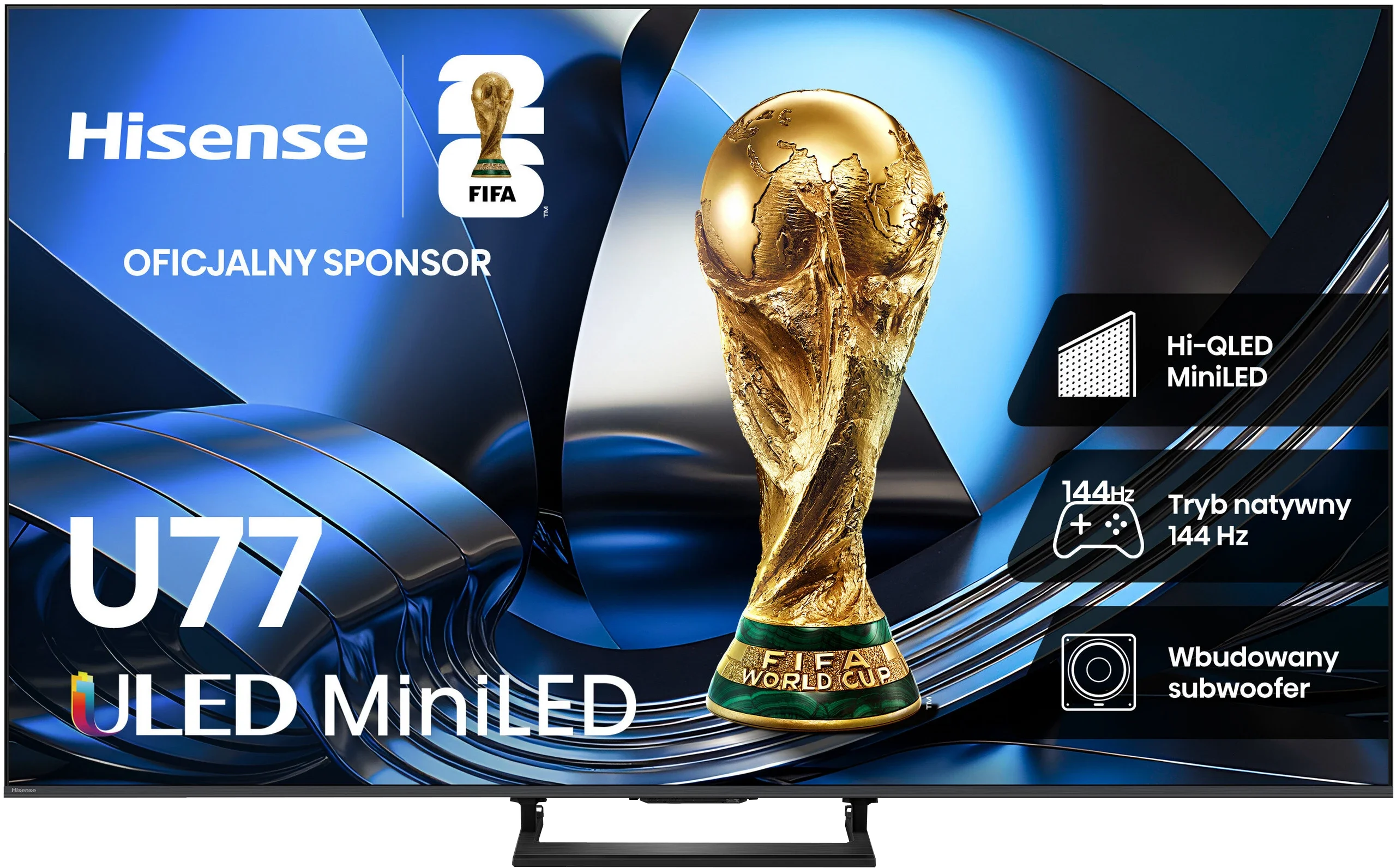
Hisense U7S is the latest iteration of the U7 series, whose biggest advantage remains its price-to-quality ratio. You get a Mini LED TV with local dimming, which really improves black levels and gives the picture depth for evening viewing. During the day, the generous brightness headroom is useful, so you don't have to immediately cover the windows. It's not a device without compromises, but as an everyday TV it makes a lot of sense. Gamers benefit a lot as well. The U7S supports high refresh rates from consoles and PCs, has an extensive set of gaming features, and responds very quickly to controller input. Pleasingly, the low input lag is preserved in Dolby Vision too. Add in the smoothly running VIDAA, which offers both Smart features and handy extras for regular TV, and the package is fairly versatile, though compared with last year's U7Q it's hard to call it a big step forward. Unfortunately there are also things that clearly bother us. The first is motion blur. The panel has a high refresh rate, but its pixels don't always keep up, so visible trails follow moving objects. Fans of sports and fast-paced games will notice this especially. The second issue is HDR, which the TV shows somewhat "its own way." Instead of sticking to the brightness encoded in the content, it strongly brightens parts of the image. That was probably meant to look more impressive, but it often has the opposite effect: the scene becomes over-bright, loses depth, and clearly departs from the creators' intent. It's a shame this behavior can't be effectively corrected even during calibration. Despite these remarks, the U7S remains an interesting choice if you're looking to get as much as possible for a reasonable price. Compared with basic LCDs without local dimming, which you can still find at a similar price, it primarily offers much better blacks. And that's exactly its greatest strength. You don't have to reach for an expensive model to get a Mini LED whose advantages are actually noticeable when watching. If you accept its flaws, the Hisense U7S can above all be a cost-effective purchase.
TV appearance
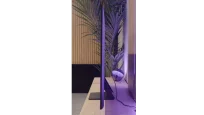
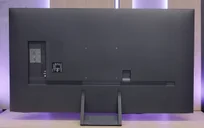
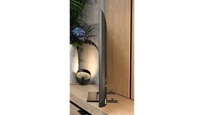

Contrast and black detail
6.2/10
8/10
Local dimming function: Yes, number of zones: 20 (1 x 20)
Local dimming function: Yes, number of zones: 192 (8 x 24)
Contrast:


Result
9,200:1

Result
7,000:1

Result
5,350:1

Result
5,700:1

Result
5,300:1
Result
507,800:1
Result
51,250:1
Result
30,900:1
Result
21,250:1
Result
5,650:1
Halo effect and black detail visibility:
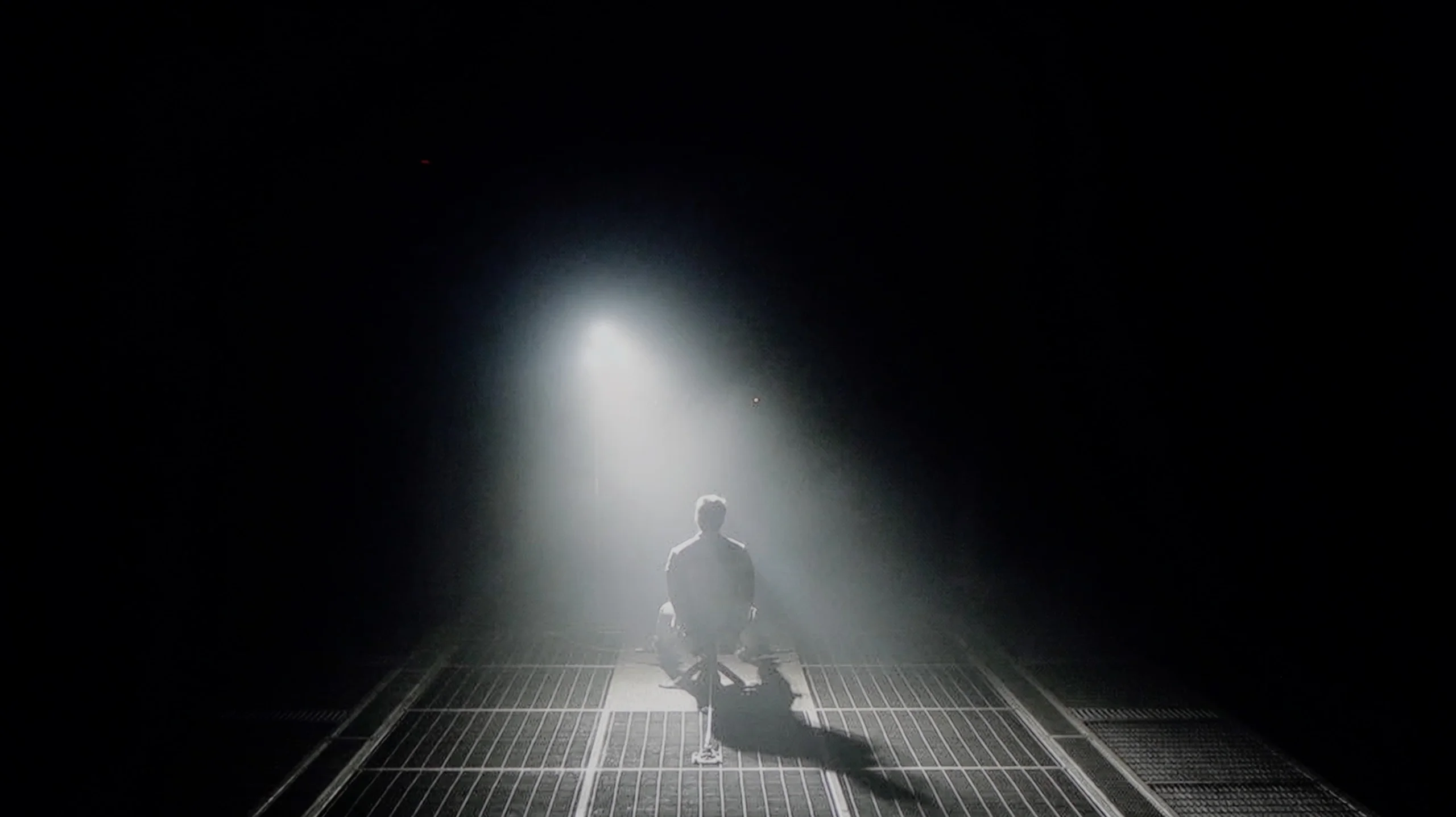
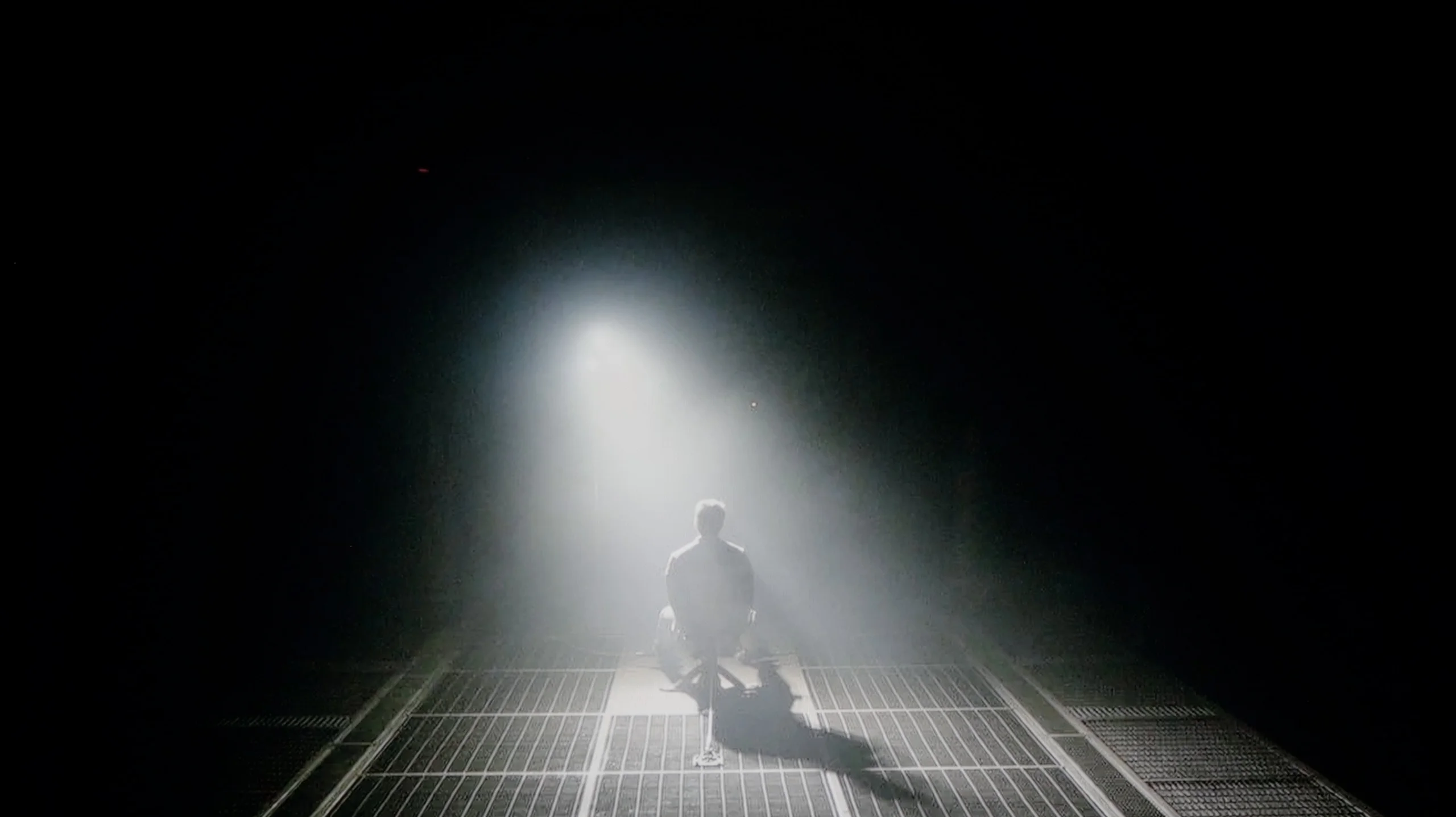
Check the visibility of bright lights on a dark background. Mini-LEDs often struggle with this. The photo does not compare black levels – that’s what the video below is for.
The video accurately shows differences in contrast and black levels between TVs, as well as potential issues: halo around bright objects or Mini-LED zone operation visible as brightness jumps.
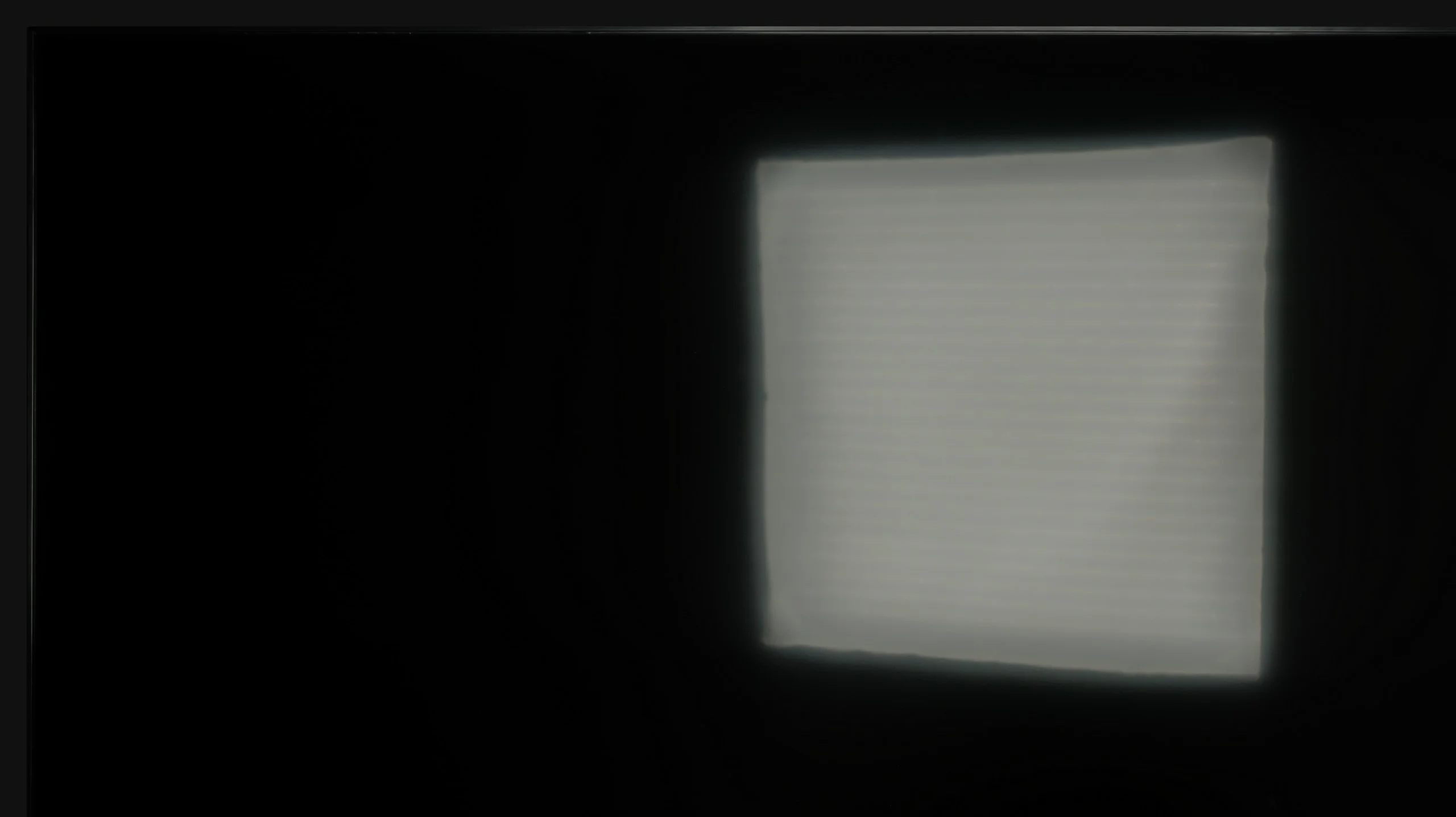
The QN70F is equipped with a VA panel that offers a high native contrast – this is already a good starting point for black levels, especially during evening viewing. However, its capabilities do not theoretically end there. The television is branded as Neo QLED, which indicates the presence of Mini LED technology and a local dimming system. And indeed – the QN70F has this function. The problem is that we are not talking about classic local dimming with LEDs positioned directly behind the panel. Instead, edge lighting has been implemented with an overall dimming mechanism known as global dimming. The effect of this is that instead of selective brightness control in individual zones, the entire screen is slightly dimmed when a dark scene appears. In practice, this means that the contrast is average compared to Mini LED models that offer true local dimming. The black levels are not bad – thanks to the VA panel itself – but one cannot speak of precise light control like that provided by advanced systems with multiple zones. This raises the question: is the QN70F series really a Mini LED television, or just a marketing variation on the Q70 series? Looking at the technical aspects – it is hard to consider this model a full-fledged representative of this technology. But in everyday use, the black levels appear decent and for many people may be fully satisfactory.
Hisense U7S delivers good black levels, especially for an entry-level Mini LED model. The 55-inch sample we tested uses 192 local dimming zones, which work well with the VA panel. In most of our scenes contrast ranged from about 21,000:1 to over 51,000:1, and in one it even exceeded 500,000:1. In many films you can clearly see the difference. Dark scenes have depth and blacks don't look grey like on many cheaper LCDs without local dimming.
It gets worse when the screen shows a lot of small bright objects on a dark background (for example the scene shown below). There are too few zones to light each of them separately, so small objects have a bright ring around them. This so-called halo effect is most noticeable when watching in a dark room. In the most demanding shot the contrast fell to around 5,650:1 and here the backlight limitations are already apparent. Even so, given the class of the television, it is hard to call this a flaw, because many Mini LED televisions in a similar price range will have comparable problems.
HDR effect quality
5.6/10
5.5/10
Luminance measurements in HDR:

Result
619 nit

Result
449 nit

Result
500 nit

Result
422 nit

Result
483 nit
Result
700 nit
Result
297 nit
Result
640 nit
Result
154 nit
Result
745 nit
Scene from the movie “Pan” (about 2800 nits)


Scene from the movie “Billy Lynn” (about 1100 nits)


The photos show two HDR10 movies. 'Pan' is one of the brightest productions ever made, while 'Billy Lynn' (soldier) has brightness typical of streaming (Netflix, Prime, HBO MAX). Notice the intensity of effects and detail in whites.
Static HDR10


The photos present the visibility of white details in various HDR formats. They do not show brightness differences between TVs (these can be compared in the previous gallery).
Dynamic: HDR10+
Dynamic: Dolby Vision


The photos present the visibility of white details in various HDR formats. They do not show brightness differences between TVs (these can be compared in the previous gallery).
HDR luminance chart:
Hisense U7S / U77SE
Samsung Neo QLED QN70F / QN74F / QN77F
The QN70F is a television that can pleasantly surprise when it comes to brightness. In ideal testing conditions, it reaches up to 800 nits, which – for this price range – is a really solid figure. Of course, this result comes from measurement charts, so we decided to check how it performs in practice, with real films. Here, the television somewhat tempers its capabilities. In most tested scenes – for example, in "The Meg" – the actual HDR brightness hovered around 500 nits. This is still a decent result, allowing for enjoyment of HDR effects, although it is far from perfect. On the other hand, we have a QLED screen with a layer of quantum dots, which means very good colour reproduction capabilities. The colours are vibrant and saturated. The QN70F covers about 94% of the DCI-P3 colour space, and in the wider BT.2020 palette, it exceeds 75%, so in this respect, there is nothing to be ashamed of.
The Hisense U7S has considerable potential for HDR display, but it cannot exploit that potential in every scene. On a test pattern it reaches around 1,100 nits, so the backlight itself is very strong. In our brighter film scenes we measured about 640 to 745 nits. That is still plenty for the sun or bright highlights to have a clear bloom and to show an advantage over SDR material. When the TV needs to brighten a larger portion of the image, it handles it fairly well.
The problem appears with small highlights on a dark background. Each of the 192 zones covers an area much larger than a tiny point on the screen. If the TV were to light that whole zone strongly, it would also brighten the area around the highlight. Hisense tries to avoid that and dims the entire zone. This makes blacks look better, but a small bright object that should attract the eye also loses intensity. That is why in two more demanding scenes we recorded only 297 and 154 nits. The difference is large: in one shot HDR can impress, and in the next small highlights are noticeably muted. The U7S therefore prioritises preserving deep blacks, even at the expense of bright details. With that number of zones it is an understandable compromise, but worth bearing in mind — the peak 1,100 nits tells us about the backlight’s capability, not how brightly the TV will show every element of a film.
Colours
Hisense describes the U7S as ULED, but that is a marketing name, and it is a PFS phosphor backlight that expands the colour palette here. In our measurements the TV covered about 91% of the DCI-P3 colour space and 71% of BT.2020. Those are good results, though they fall short of the best screens on the market. The largest shortfall is in green — the TV does not even reach the DCI-P3 boundary here, so the most intense shades will be less saturated than they should be. Most colours in HDR films and series still look suitably vibrant. A positive is the repeatability of the results. Gamut coverage on test patterns and in film scenes is practically identical.
Factory color reproduction
7/10
5.8/10


This gallery shows how colors change after professional TV calibration. If you notice the difference, we recommend ordering this service at SkalibrujTV.com.
Factory Mode
After calibration


This gallery shows how colors change after professional TV calibration. If you notice the difference, we recommend ordering this service at SkalibrujTV.com.
Factory Mode
After calibration
We tested the QN70F in its best default picture mode, which is Filmmaker Mode. I must admit that in this particular test unit, the factory settings performed quite well. The image was calm, natural, and despite minor deviations – pleasant to watch. The biggest flaw was a slight dominance of red in the white balance, which caused a slight pinkish hue across the entire scene. However, this was not a glaring defect – rather subtle and only noticeable when directly compared to a properly calibrated screen. A somewhat larger issue arose in the brightness characteristic. The television tends to underestimate the brightness of parts of the image that should be displayed more brightly. As a result, some details can appear slightly muted – not so much lost completely, but not resonating as clearly as they should. Nonetheless, as far as televisions in this category and in these settings are concerned – we consider the result a good starting point for further calibration.
Out-of-the-box colours on the Hisense U7S are decent, but there are a few areas to improve. In SDR there is a red bias in the white balance, which makes the picture too warm and, in places, slightly pink. You can notice this on faces and on bright, neutral surfaces. The gamma also runs below the target, so the TV brightens the image, particularly in darker areas. That makes shadow detail easier to see, but the scene loses some of its depth.
In HDR the white balance is somewhat more even, but not entirely neutral, with a shortage of blue in the mid-tones and a lack of red in the brightest parts. A bigger issue is how brightness is rendered. The EOTF curve shows a large portion of the mid-tones being lifted, causing the picture to look brighter than the source intends. Color Checker measurements are also weaker than in SDR: many errors are around 3 to 4, and some reach as high as 8. Colours can therefore look attractive, but they are not always faithful to what we should see. There is room for improvement here and we will see how much can be corrected through calibration.
Color reproduction after calibration
8.5/10
7.5/10
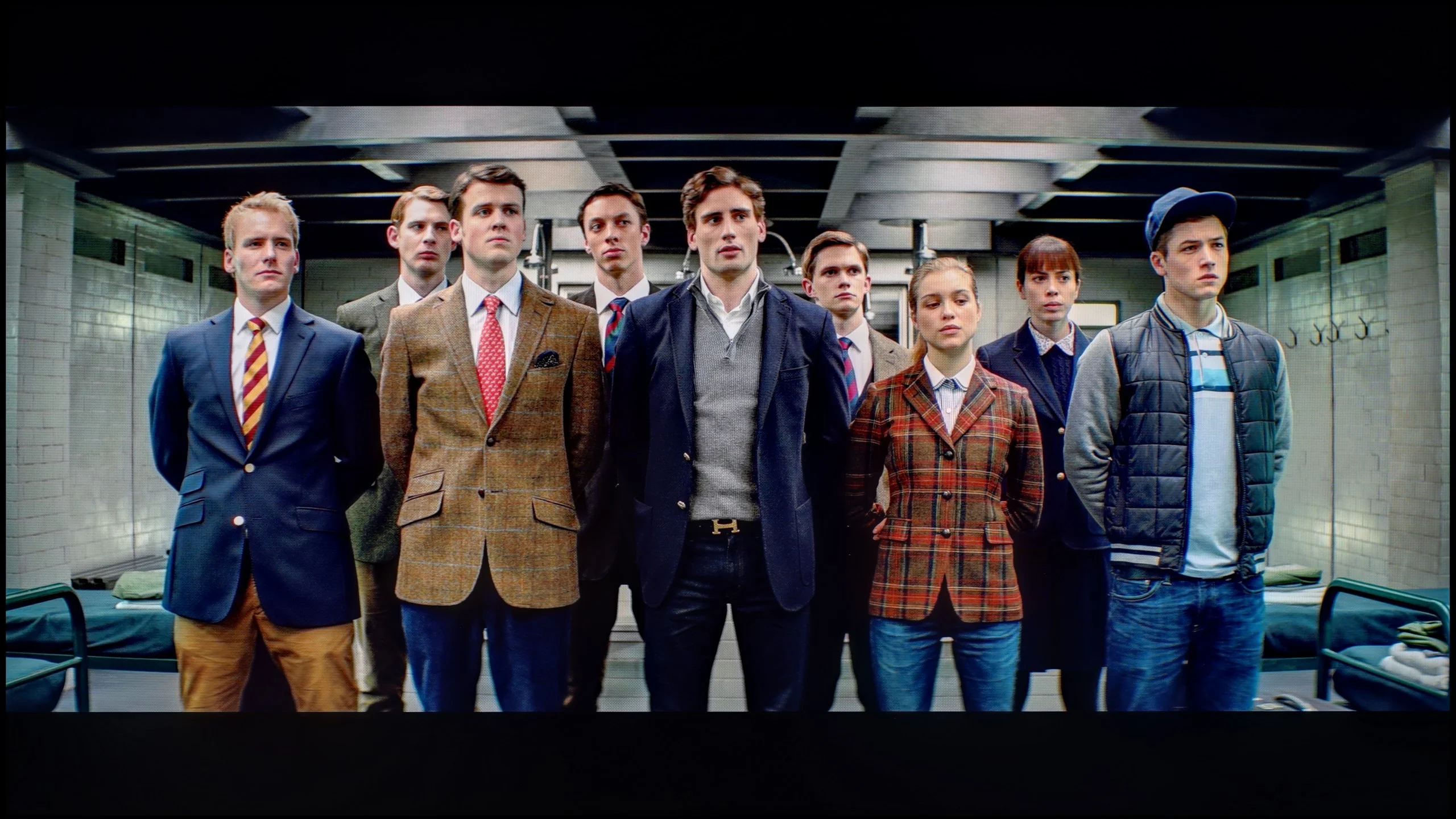
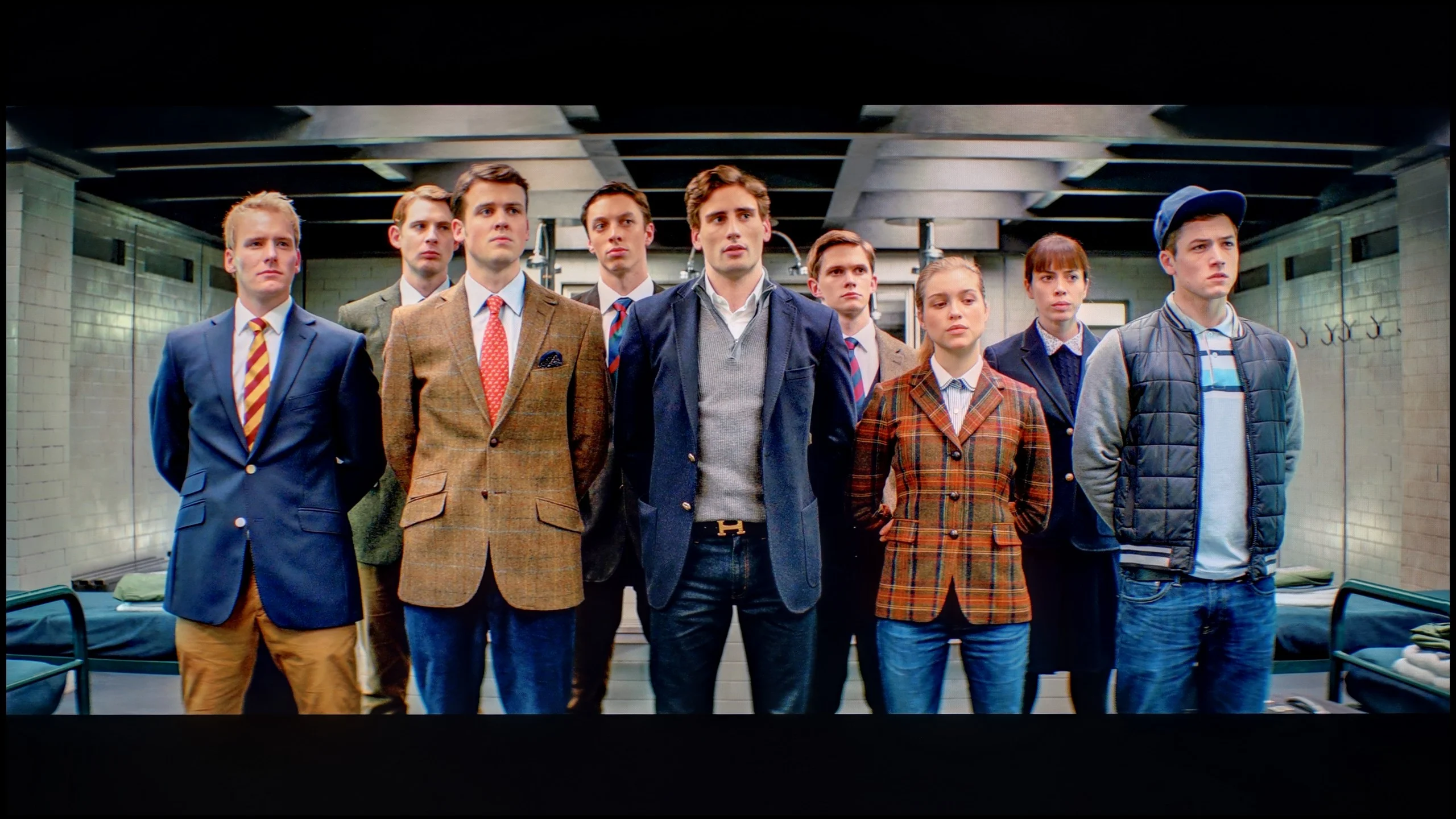
The photos show how movies look on the TV. Pay attention to black detail visibility, colors, and shadow tint.


The photos show how movies look on the TV. Pay attention to black detail visibility, colors, and shadow tint.
After calibration, the QN70F shows that it can offer a truly high level of colour reproduction. The white balance was nearly perfectly aligned, and the values in the Color Checker test dropped below level 3 – meaning below the threshold at which the average eye can perceive differences. The image looks natural, and the colours are faithfully rendered, without excessive saturation or the coolness known from factory settings. It must be admitted that Samsung provides very extensive calibration options – not only for enthusiasts but also for professionals. The QN70F takes advantage of this potential and, after proper adjustment, can come close to significantly more expensive models in terms of colour accuracy. The only thing that can still be nitpicked is the brightness characteristic. There is still a tendency to lighten the smallest areas of the image – particularly those that should remain darker. However, this is a design feature of this model, not a calibration error. Despite this, the final effect definitely deserves recognition.
Calibration of the Hisense U7S brought the biggest improvements with SDR material. We managed to even out the white balance, so the previous warm tint has gone and whites and greys now look neutral. Gamma is also now very close to the reference, and the TV no longer brightens the picture unnecessarily, so darker scenes have regained depth. Color Checker measurements confirm the improvement: most errors are below 2. That means the picture is very well set up for watching regular TV and SDR films. It wasn't as smooth in HDR. There is no effective way to correct the EOTF curve, so the TV still interprets a film's brightness somewhat on its own. It brightens parts of the picture and can dim the brightest elements depending on the scene and the behaviour of the local dimming. Calibration could not eliminate this. This is also reflected in the Color Checker results, where many errors remain around 3–4 and a few exceed 7. So the result in SDR is really very good, but in HDR we must accept that the TV adds its own interpretation of brightness to the image.
Smoothness of tonal transitions
9/10
8.5/10
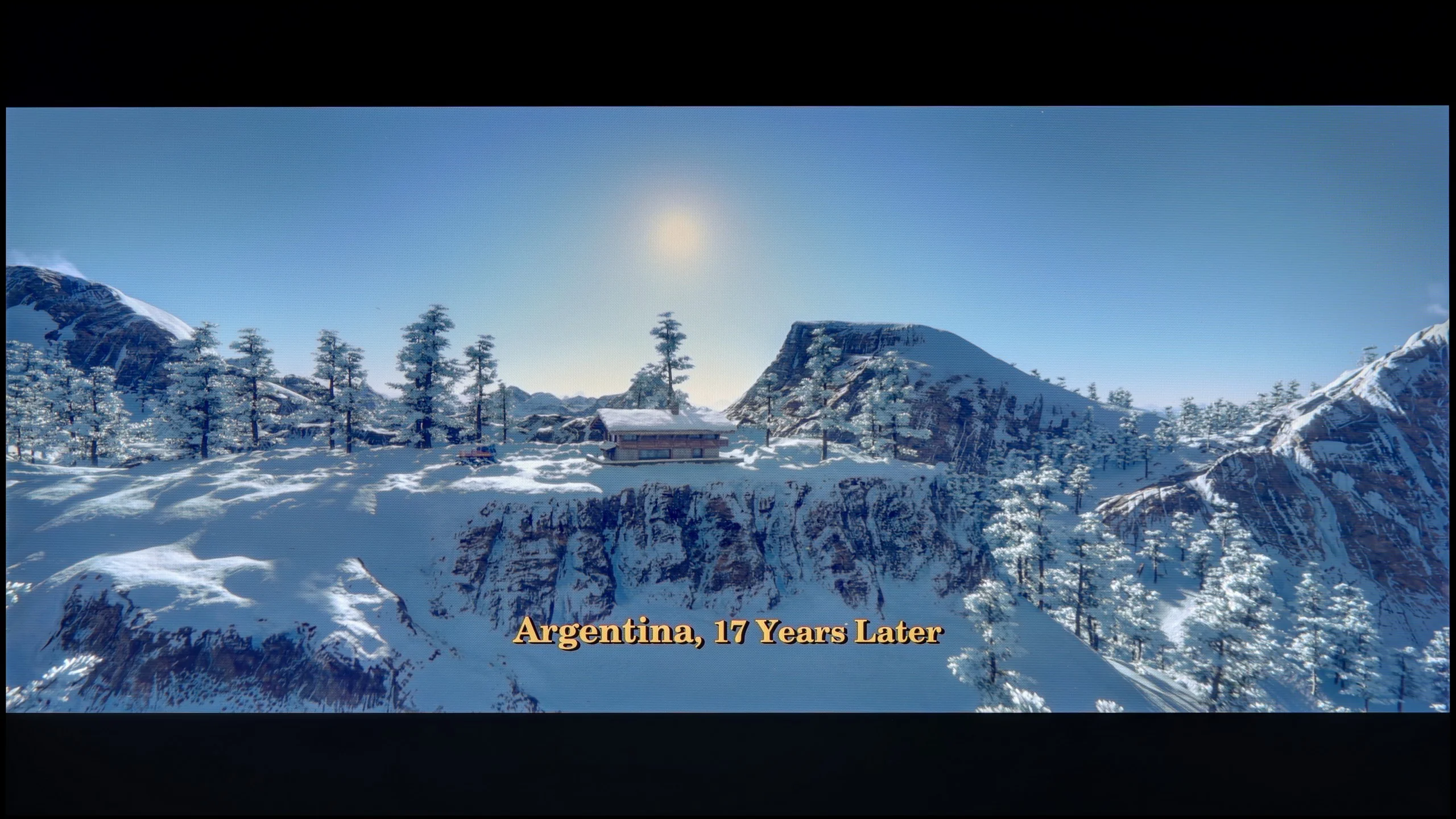

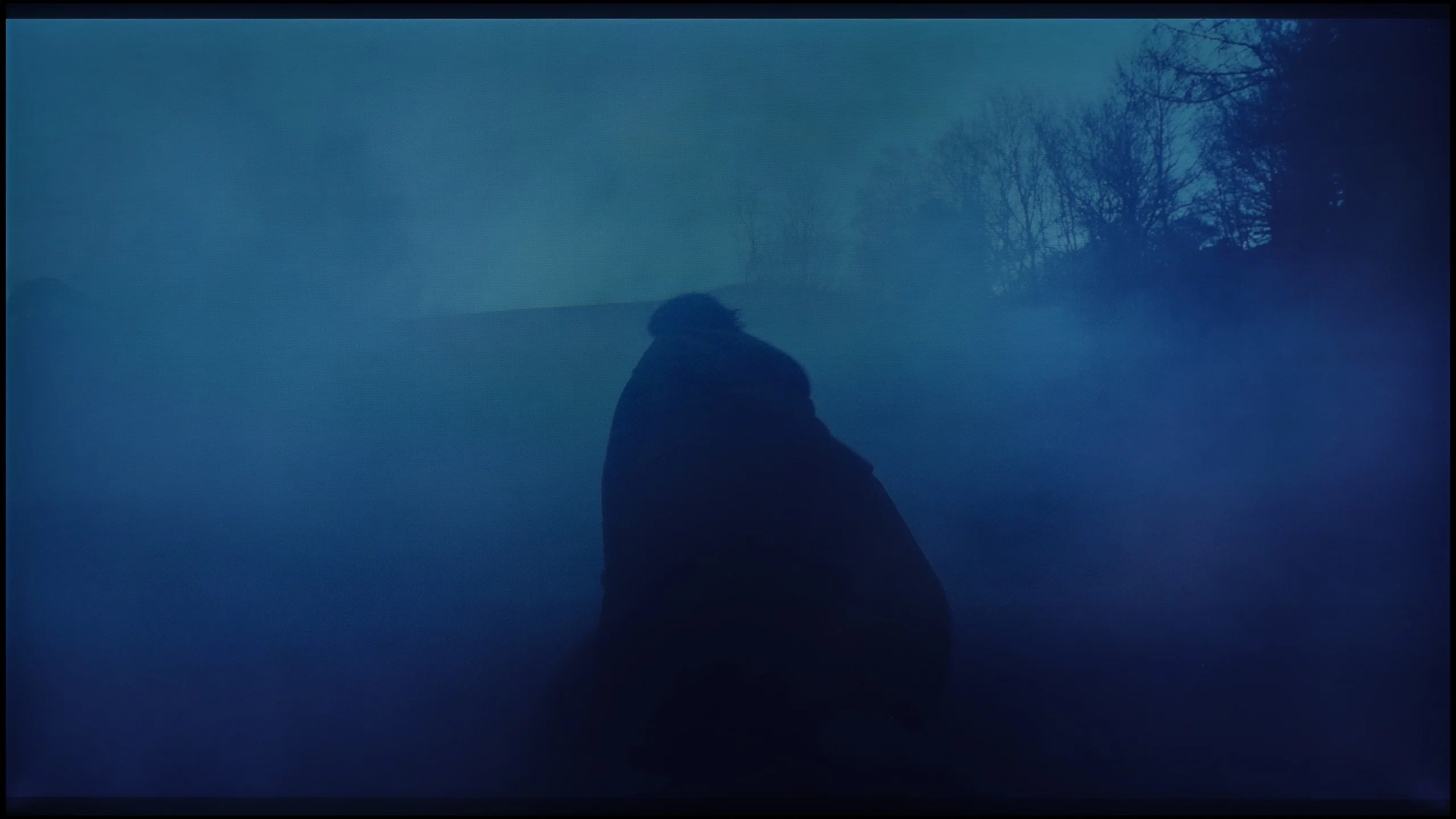
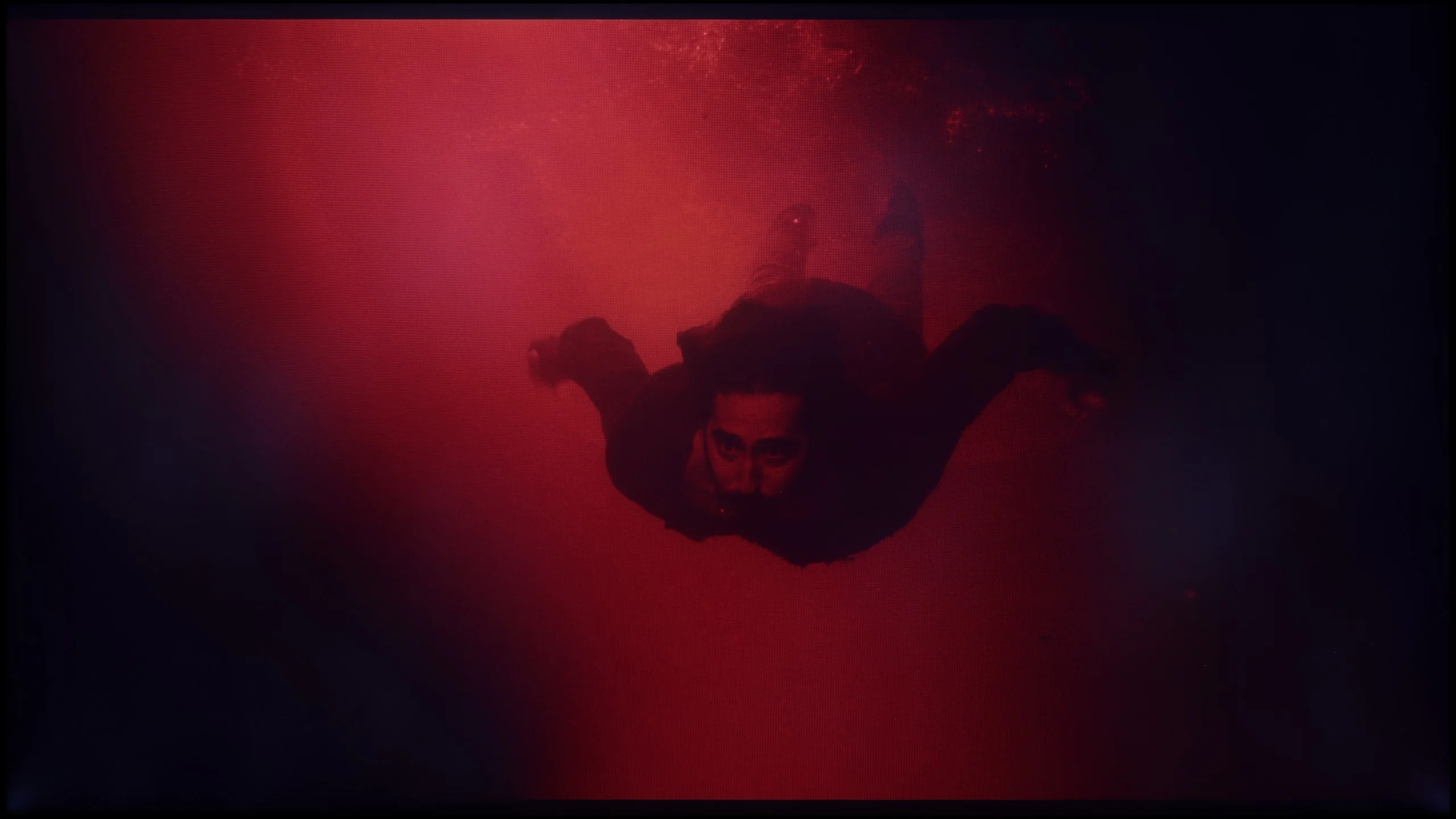
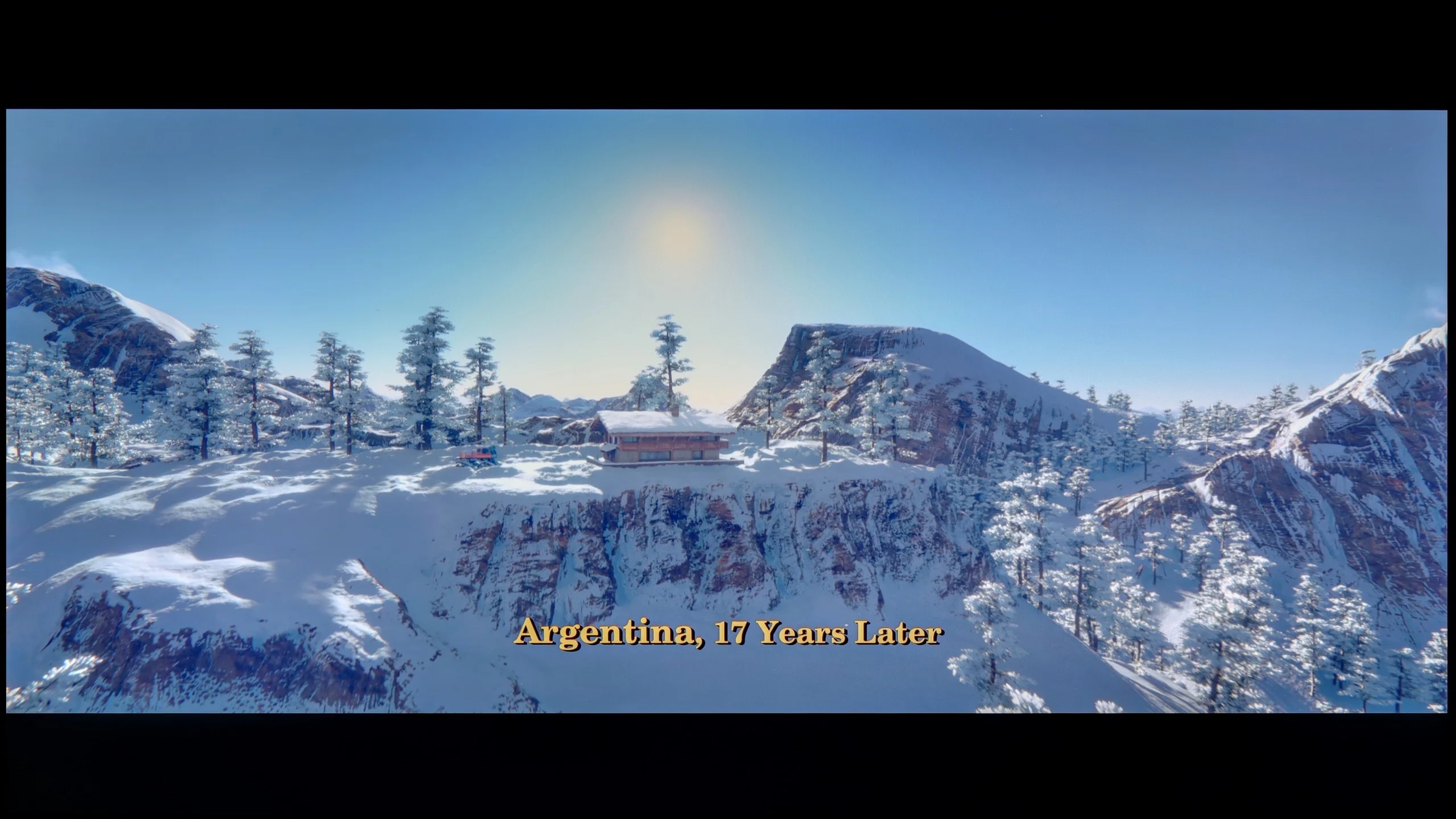
These are selected scenes that show smooth tonal transitions from one color to another. If you see distinct banding, it’s the TV panel’s fault.

These are selected scenes that show smooth tonal transitions from one color to another. If you see distinct banding, it’s the TV panel’s fault.
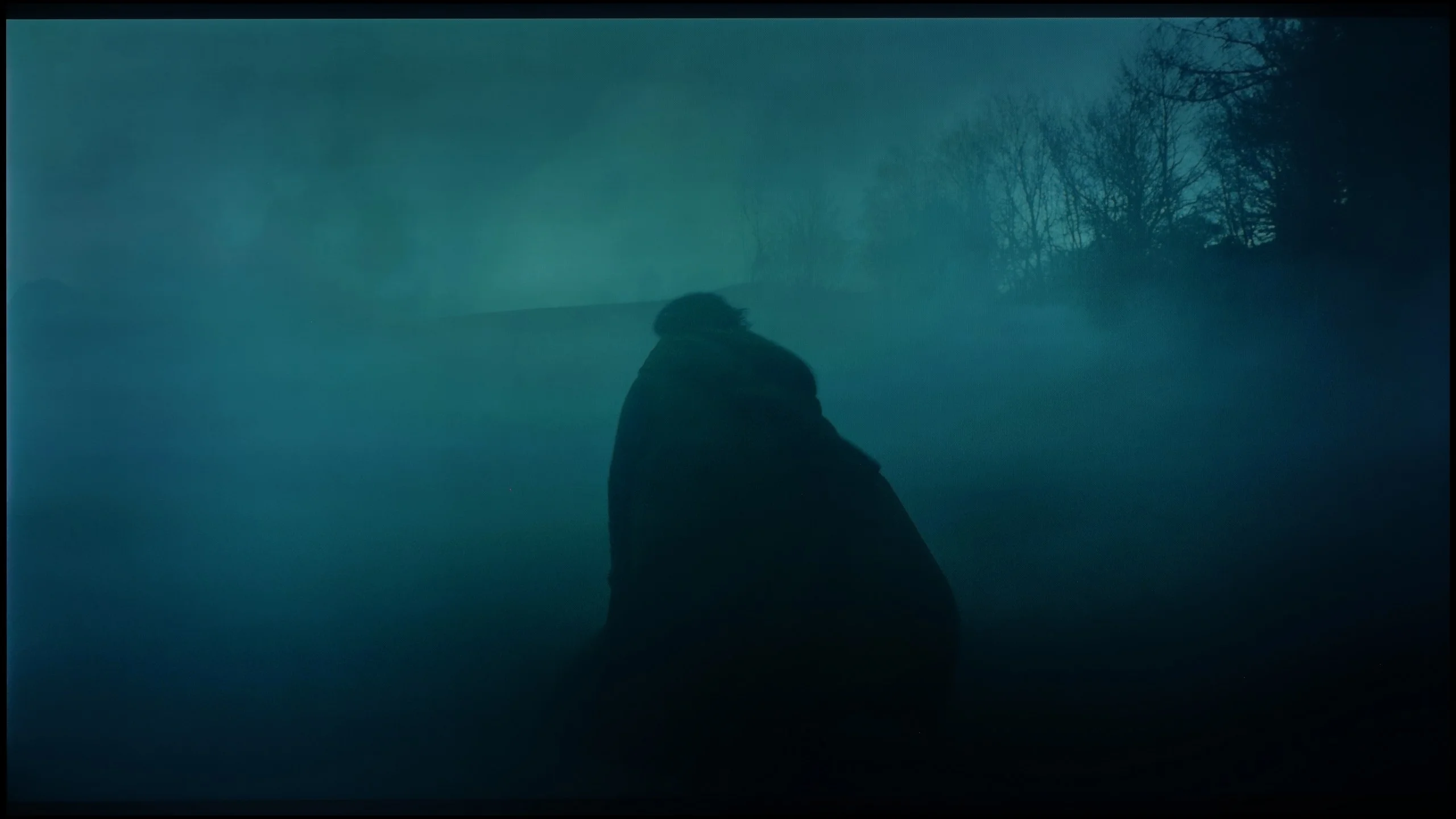
These are selected scenes that show smooth tonal transitions from one color to another. If you see distinct banding, it’s the TV panel’s fault.
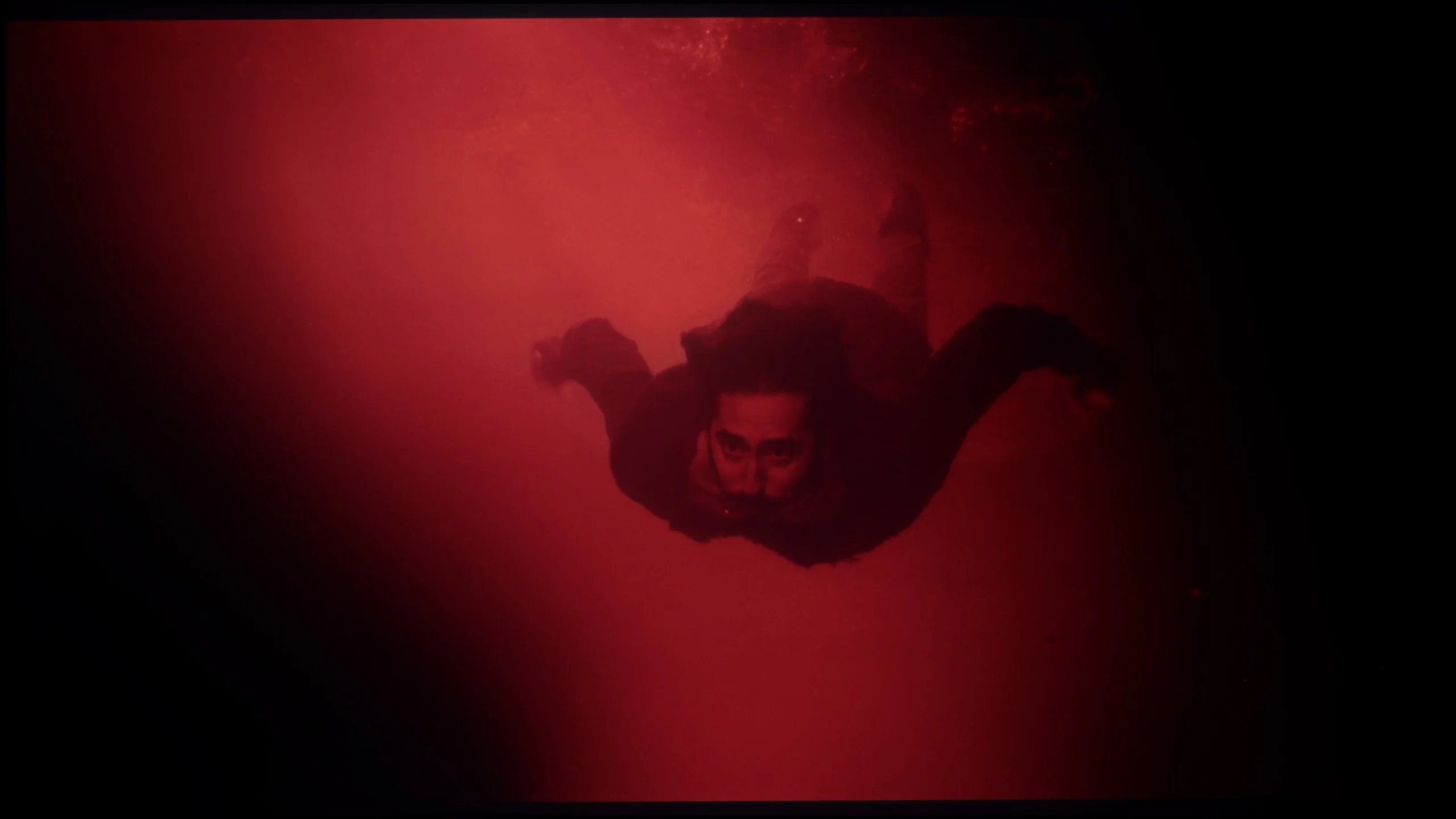
These are selected scenes that show smooth tonal transitions from one color to another. If you see distinct banding, it’s the TV panel’s fault.
In terms of the fluidity of tonal transitions, the QN70F performs really well. Gradients are smooth, and colours blend into each other without obvious thresholds or banding. Even in more difficult movie scenes – particularly those that are very dark – any possible imperfections are minimal and you really have to make an effort to notice them. In regular viewing, most users should not encounter any issues with colour merging. The image looks clean and coherent, without artificial smoothing or distortions. This is another aspect in which the QN70F pleasantly surprises.
Smoothness of tonal transitions is one of the strengths of the Hisense U7S. HDR10 content performs particularly well, with colours blending gently from one to another without obvious banding. Even in dark scenes it is hard to find significant issues. Minor colour banding becomes visible only in brighter shots, but during normal viewing it is hardly noticeable. It is slightly worse in Dolby Vision, where the boundaries between tones can be more apparent. For that reason Hisense loses some points with us, although overall this remains a very good result and one of the better performers in its class.
Image scaling and smoothness of tonal transitions
6.9/10
6/10


Smooth transition function
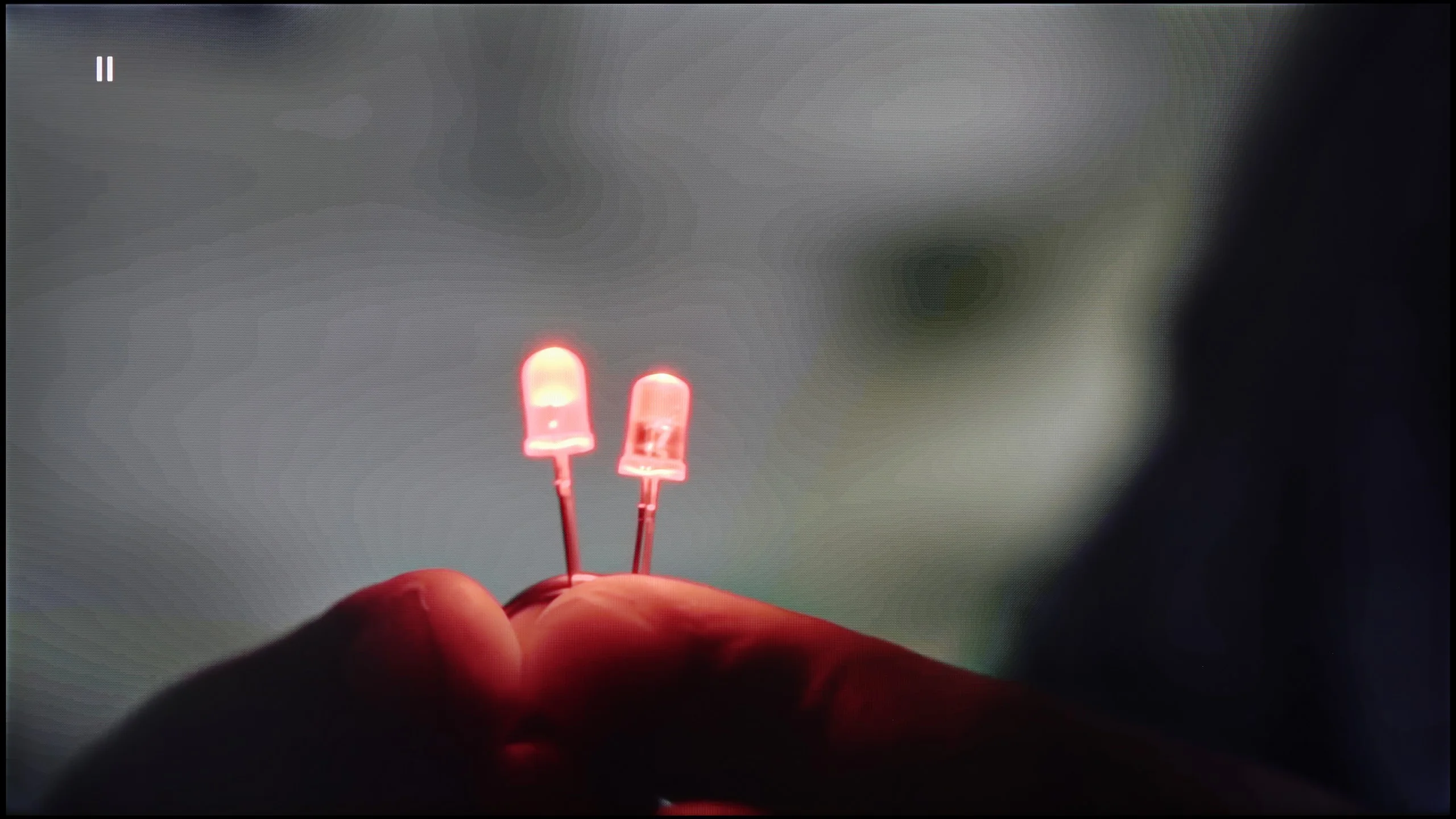
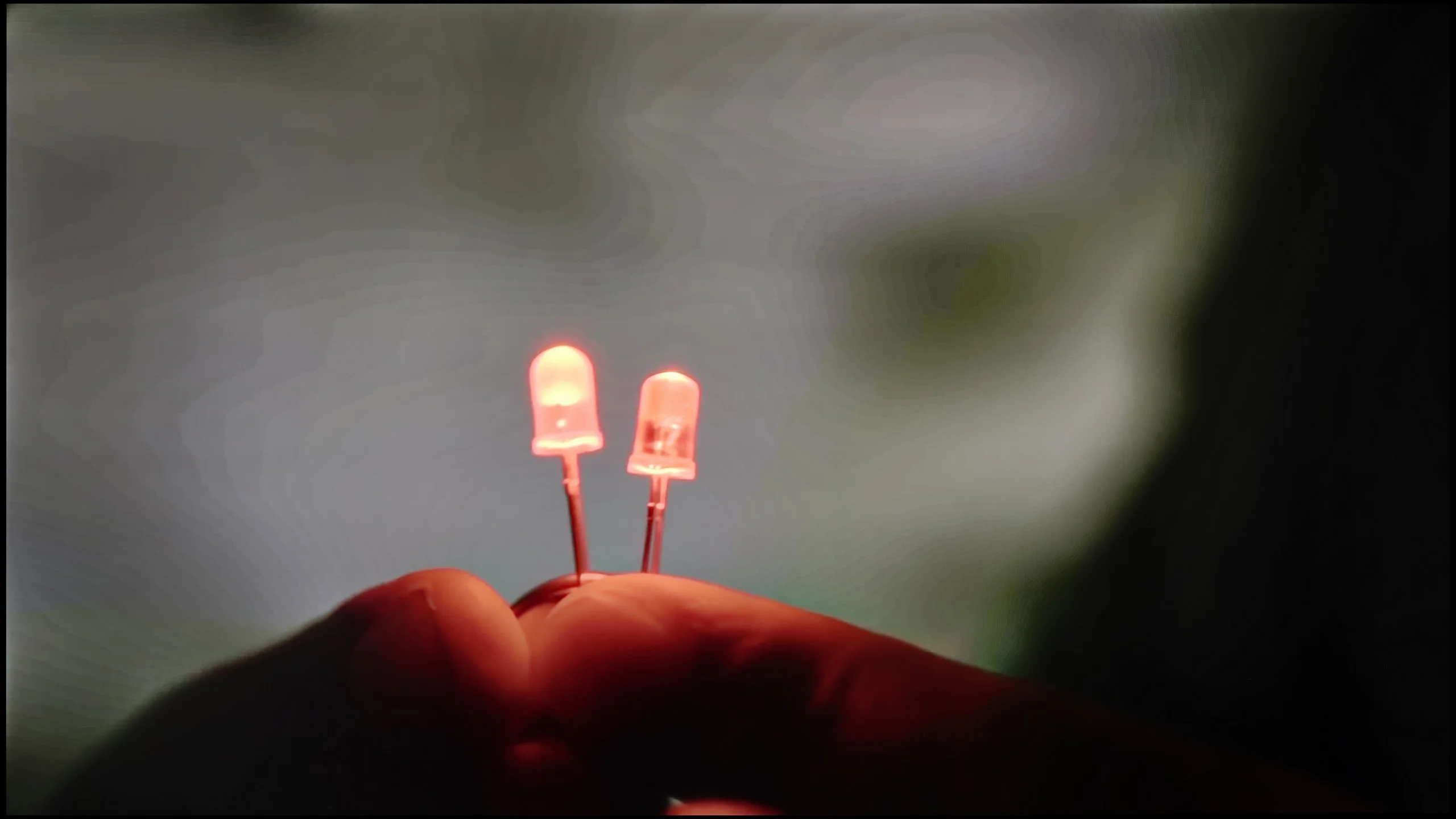
The match photo shows how the TV smooths weak tonal transitions in low-quality video.
Image scaling SD (576i)


The model photo shows how it handles upscaling of SD material.
Samsung QN70F offers a distortion reduction feature that enhances the smoothness of tonal transitions. In "Standard" mode, it works quite well – it smooths out problematic transitions without significantly interfering with the structure of the image. Film grain is somewhat reduced, but details such as texture and skin structure remain visible. The "High" mode is much more aggressive. The smoothing is stronger, but it comes at the cost of a noticeable loss of detail. Therefore, in practice, we recommend sticking with the "Standard" setting or completely turning this function off. The improvement in gradation may be less spectacular, but the image retains more naturalness.
When it comes to scaling low-quality content, the QN70F performs very well. Tests with lower resolution images were really very good. Despite slight edge ringing, everything looks clean and clear, even if the original content was very poor. It’s just a pity that the television has an issue with overscan, which cannot be completely turned off. As a result, images with very low resolution may be slightly cropped, which is mainly noticeable on subtitles or interfaces.
The handling of lower-quality material is fairly mediocre on the Hisense U7S. The Pentonic 700 chipset used here does not cope particularly well with strong compression artefacts. The menu includes a "Smooth and Gradient Image" function, but its performance leaves much to be desired. At the low setting tonal transitions show little improvement, although at least the image does not suffer. The medium and high settings still do not remove obvious banding between shades, and they begin to blur details; in our test material even parts of characters' faces disappeared. Interestingly, film grain remains untouched at every level. If you do use this feature, stick to the low setting. Its current behaviour needs refinement, but that is mainly down to the chipset used here.
Upscaling to 4K performs much better. Lower-resolution content gains in legibility, edges are well reproduced, and fine elements look sharp. That does not mean it recovers details that were never in the recording, but the TV makes good use of what it receives from the source. Another plus is that it does not crop the image edges, even with an SD signal.
Blur and motion smoothness
7.5/10
7/10
Blur (native resolution, maximum refresh rate):


Blur (BFI function enabled):
Image flickers in this mode


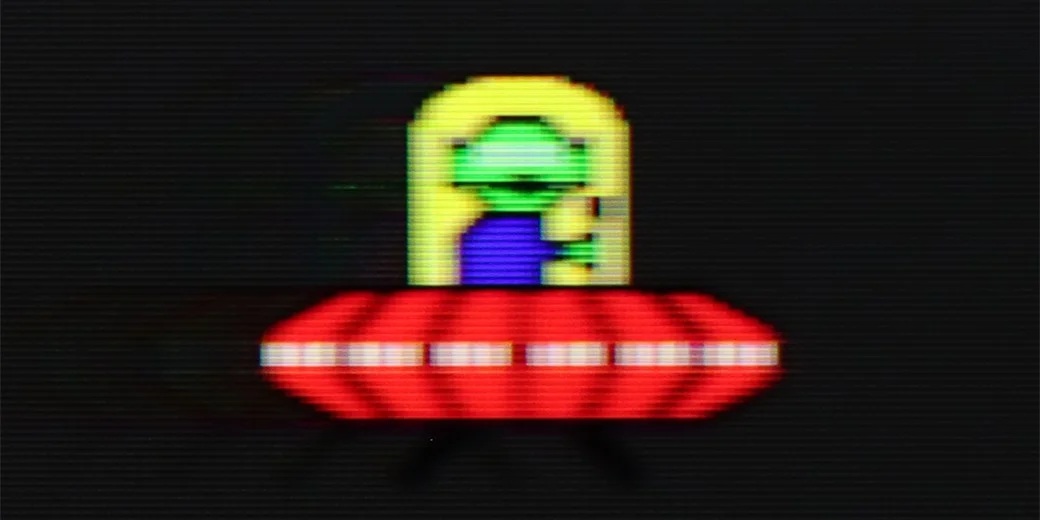


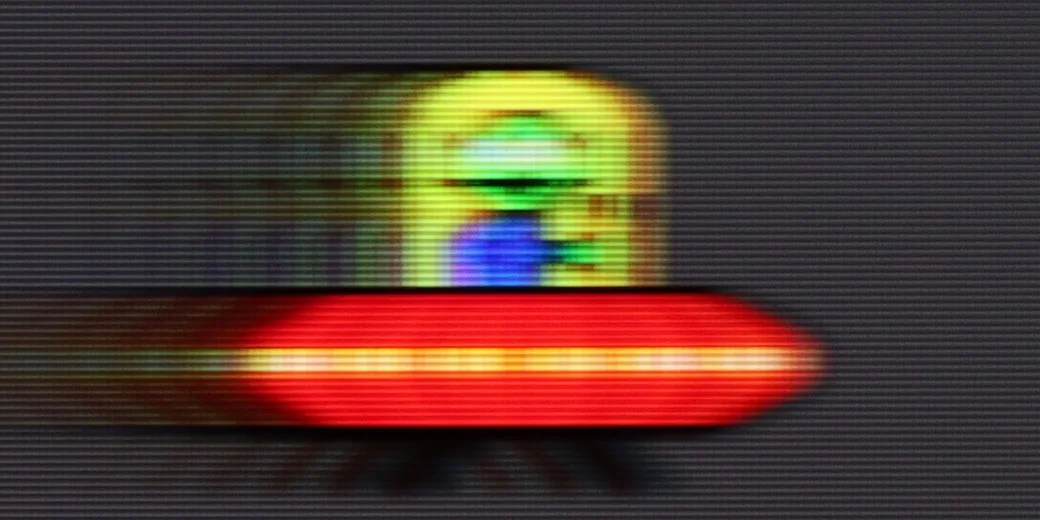
Blur (4K 144Hz):

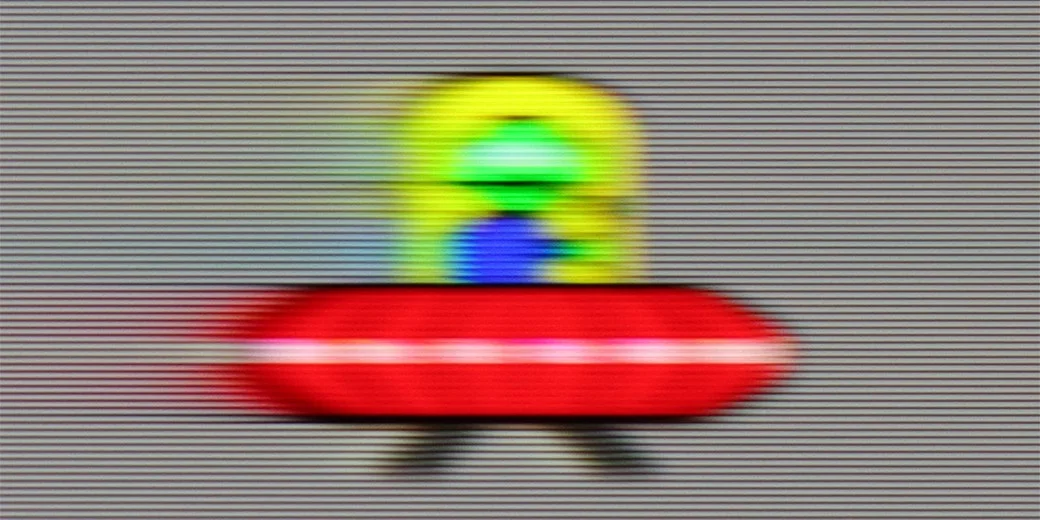
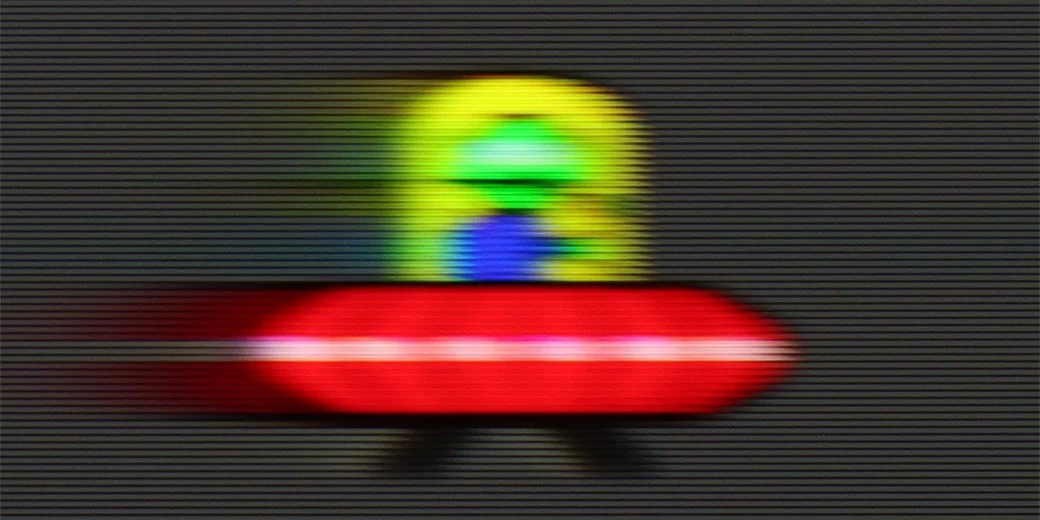
Blur (1080p@240Hz):


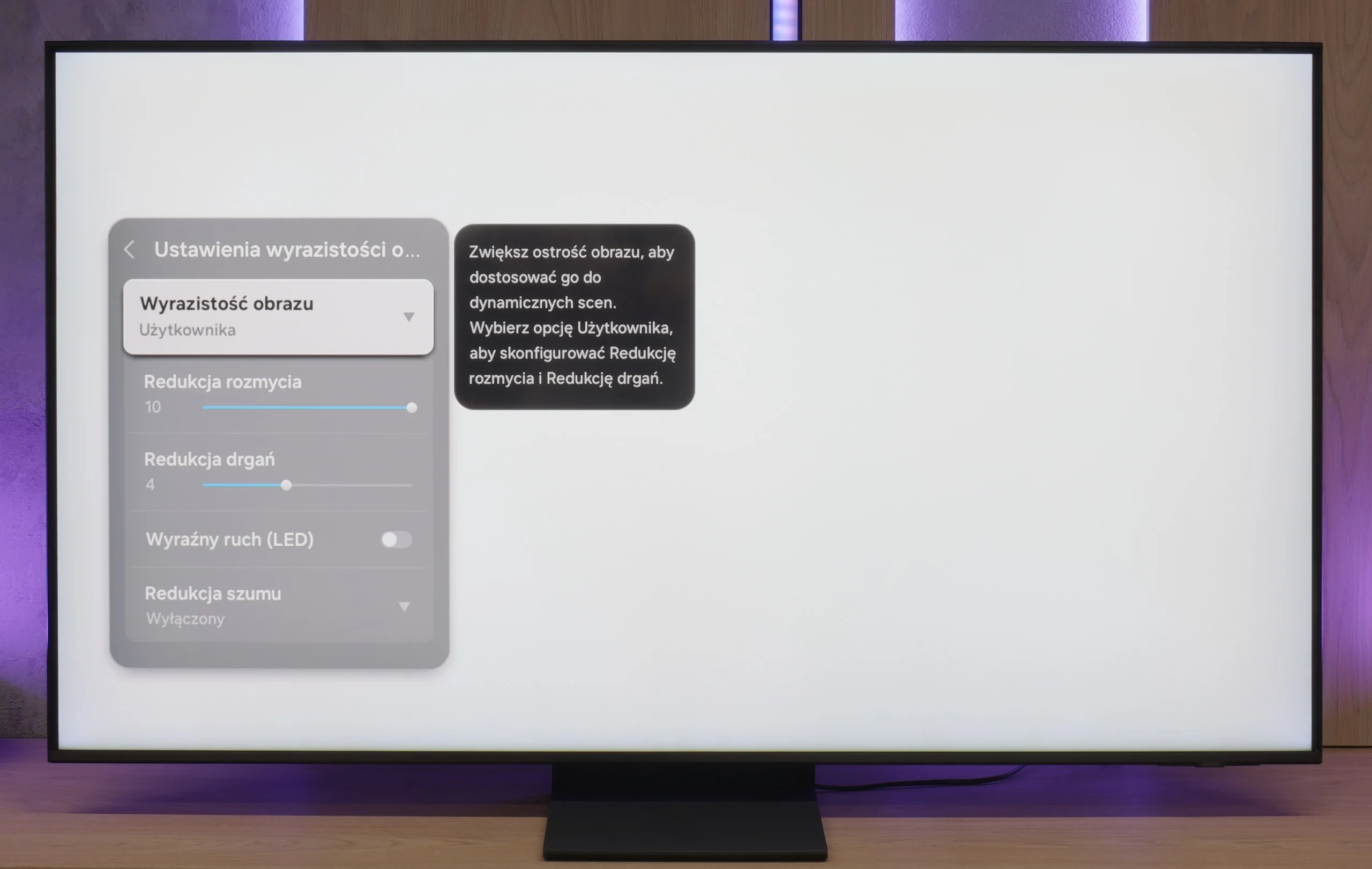
The QN70F is a television with a refresh rate of 144 Hz, which in itself places it among the top when it comes to image fluidity. Whether we are watching dynamic sports broadcasts or playing on a console – the picture looks very good. There is no sense of stuttering, choppiness, or the typical "tearing" associated with weaker models during fast motion. Samsung also allows you to adjust the fluidity to your own preferences. In the picture clarity settings, we find options such as blur reduction and judder reduction – each of which we can adjust independently. This is especially useful when watching content with a lower frame rate and wanting to give it a smoother, more theatrical character – or conversely, to maintain the natural cinematic "feel" of 24 frames.
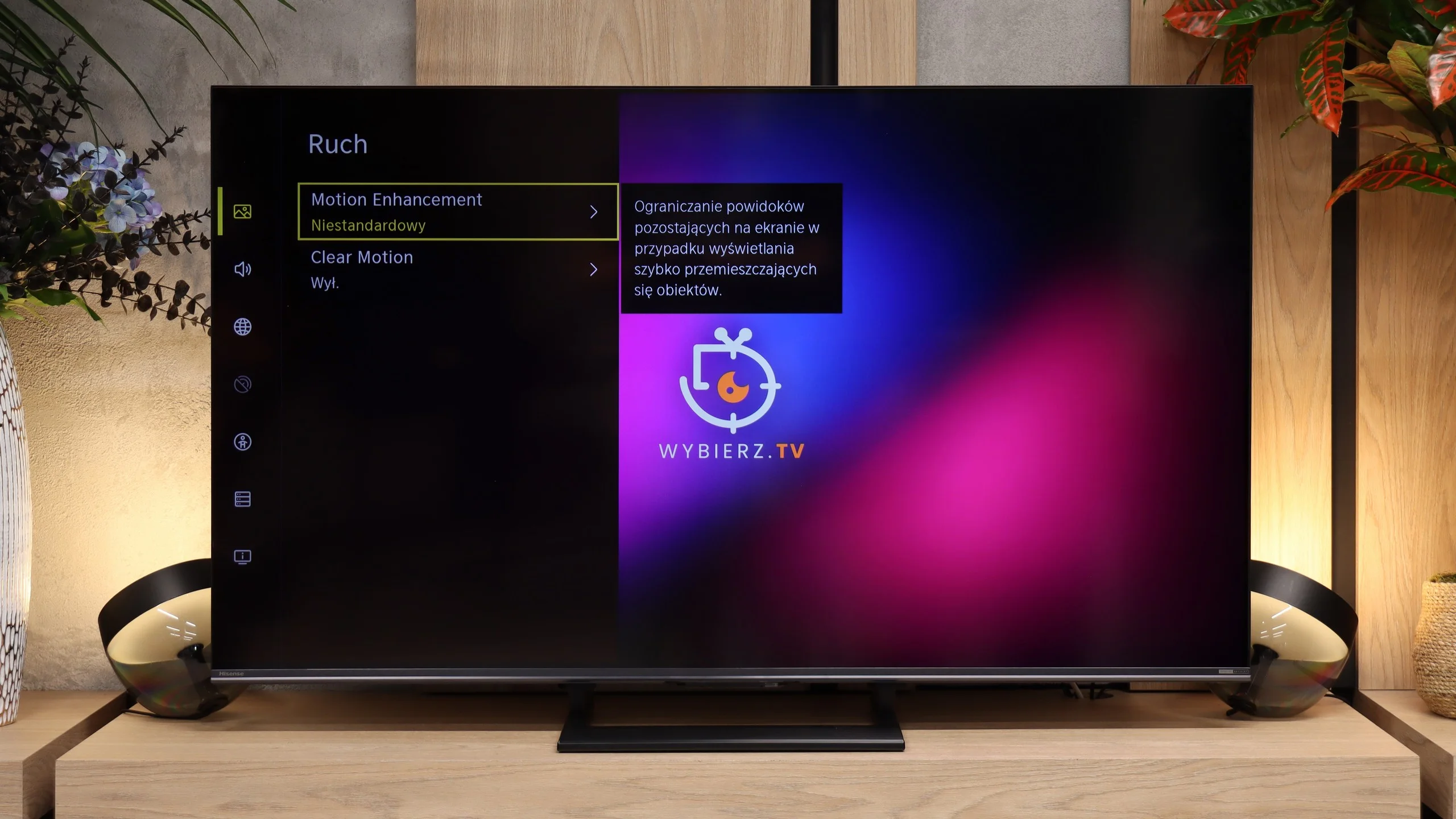
Motion handling on the Hisense U7S is decent thanks to the 144 Hz refresh rate. For films there is also a motion smoother with adjustable judder and blur reduction. You can therefore keep a more cinematic motion or increase smoothness if jerky camera pans bother you. The high refresh rate is also useful for sports and gaming, but unfortunately it does not solve the panel's biggest problem.
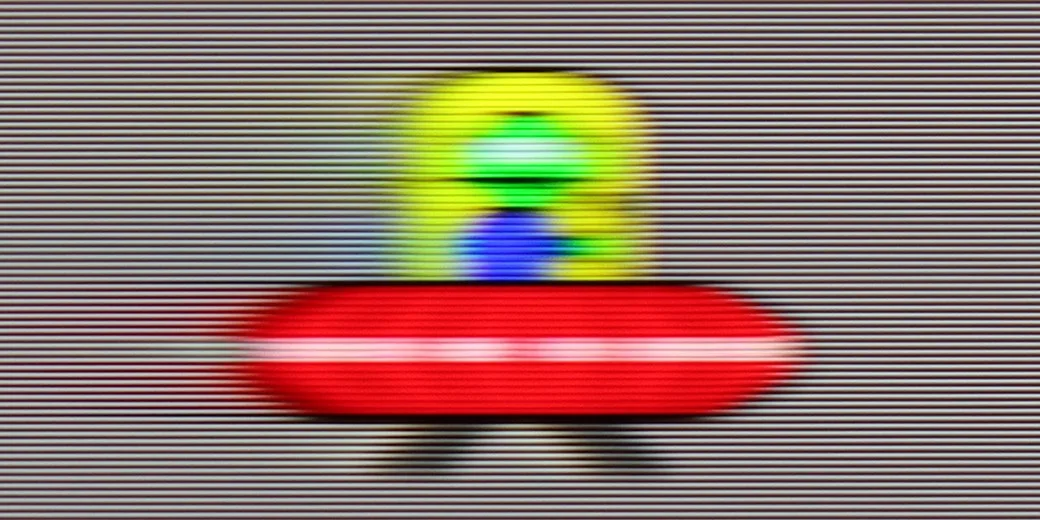
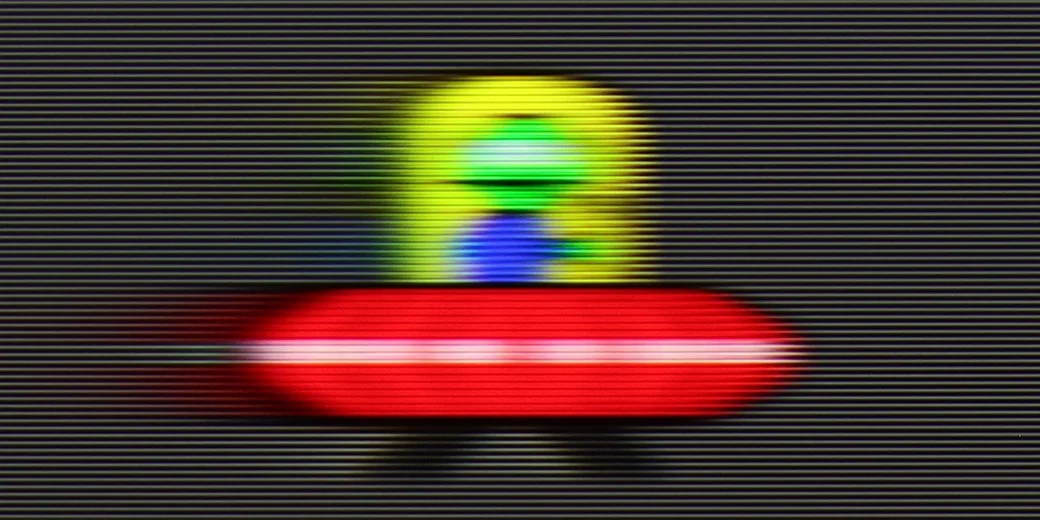
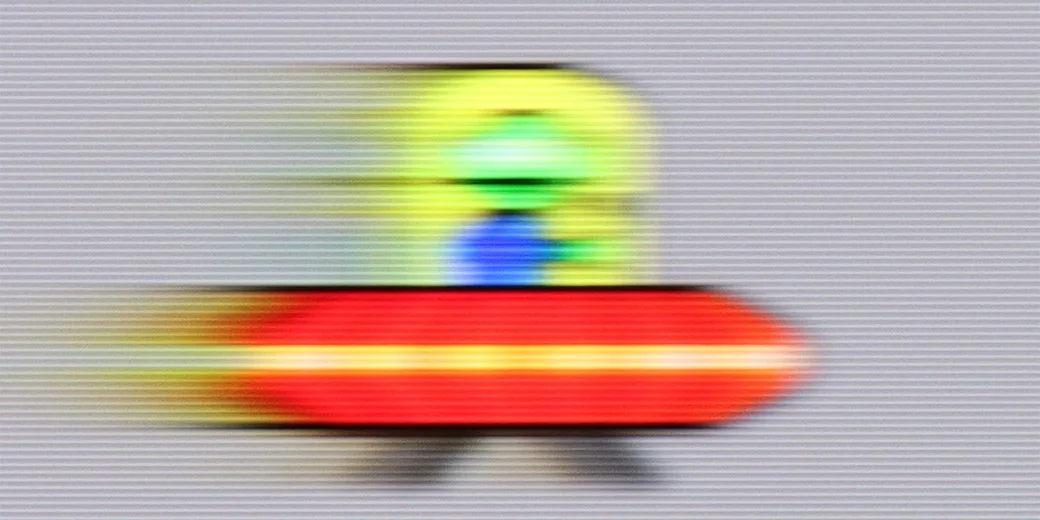
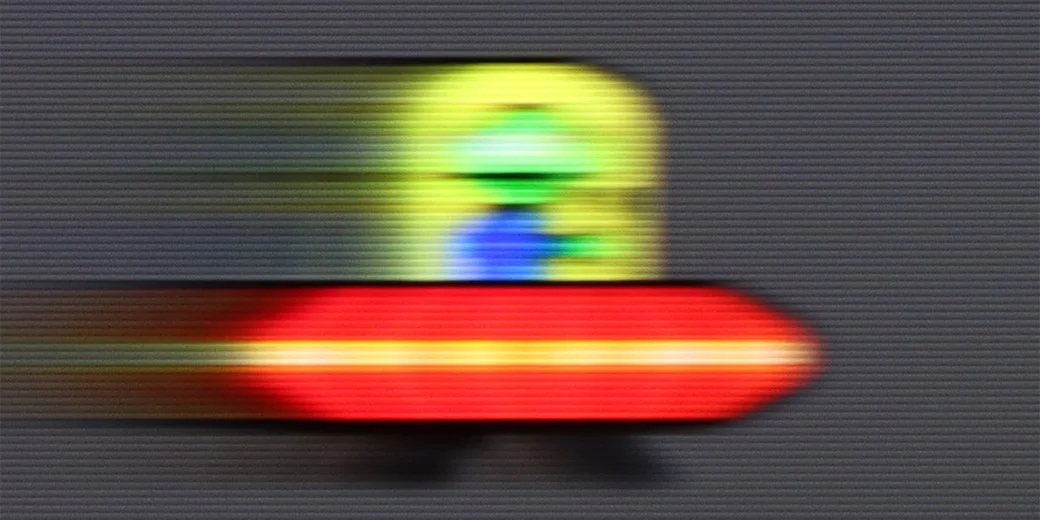
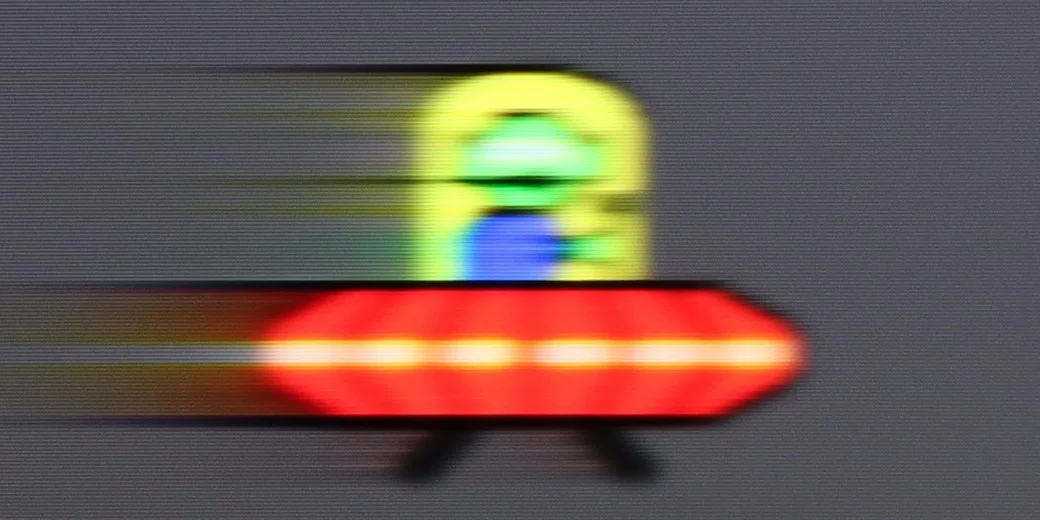
That problem is pixel response time. Fast-moving objects leave long, clearly visible trails, as our UFO test shows. It looks worst on dark backgrounds, where the trail behind the object is particularly pronounced. So motion can be smooth, but the moving object itself loses sharpness, and that difference on the U7S is fairly easy to notice.
Console compatibility and gaming features
8.2/10
8.5/10
- ALLM
- VRR
- VRR range48 - 144Hz48 - 240Hz
- Dolby Vision Game Mode
- Correct implementation of HGIG
- 1080p@120Hz
- 1440p@120Hz
- 4K@120Hz
- Game bar
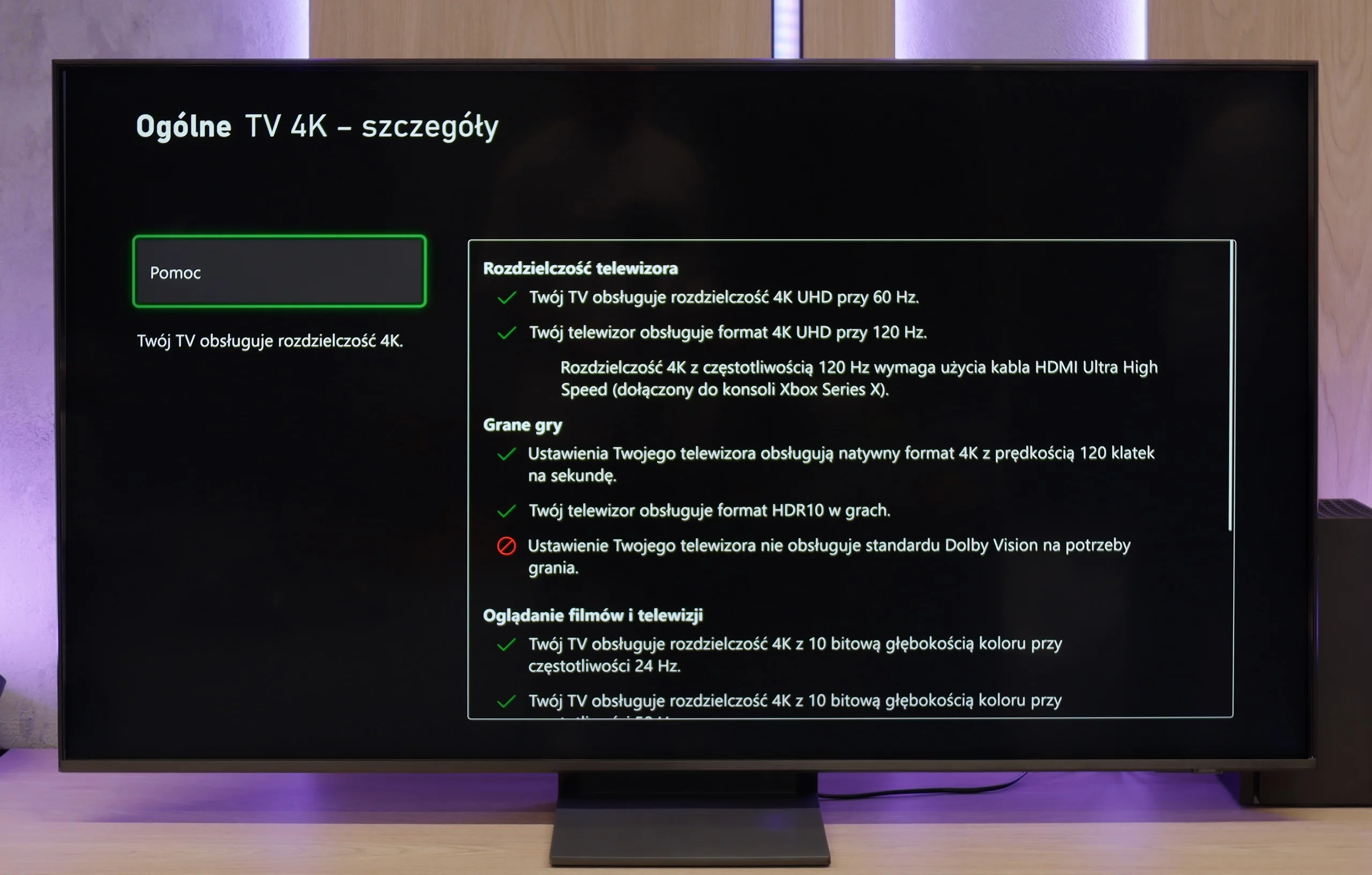
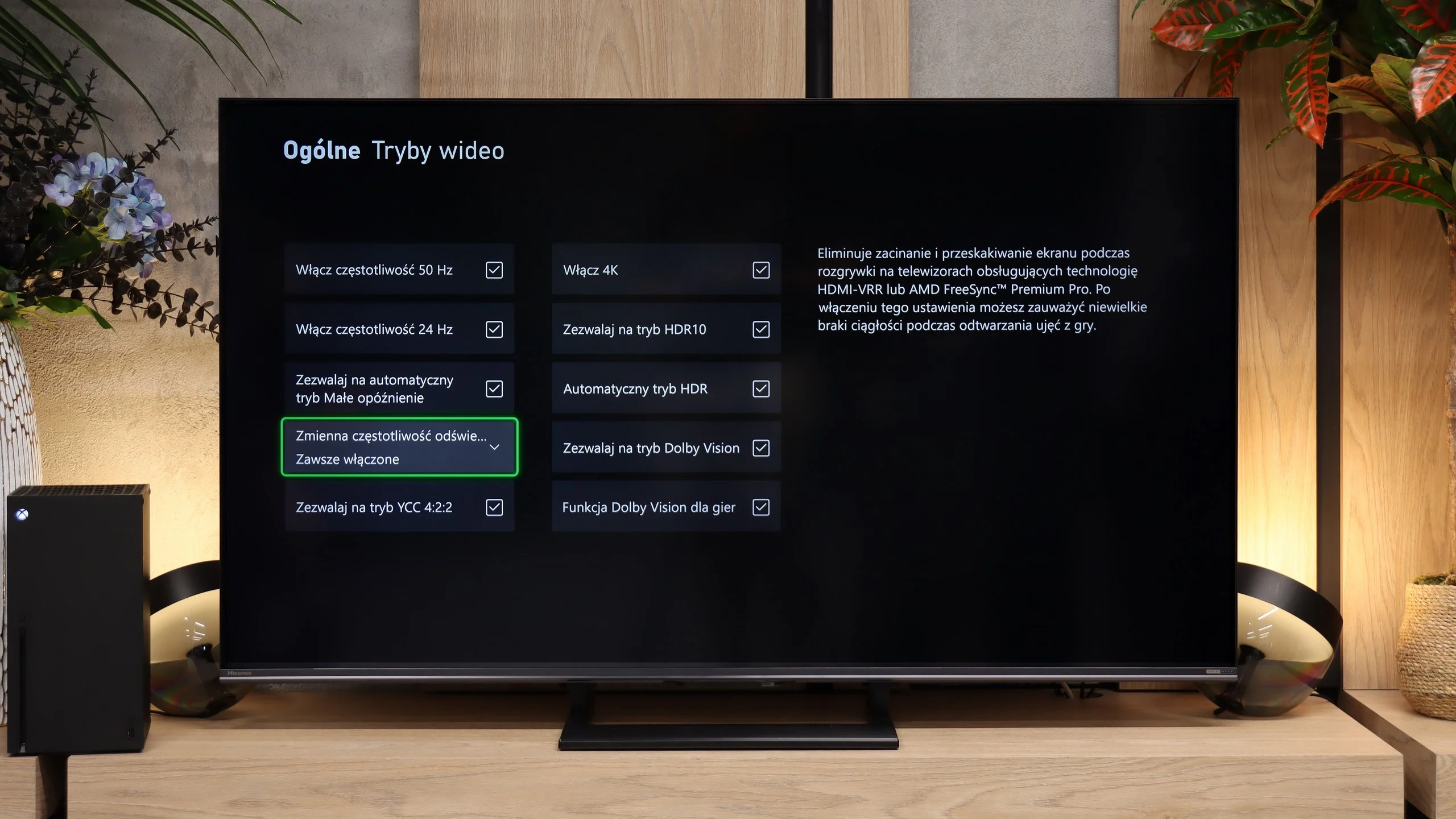
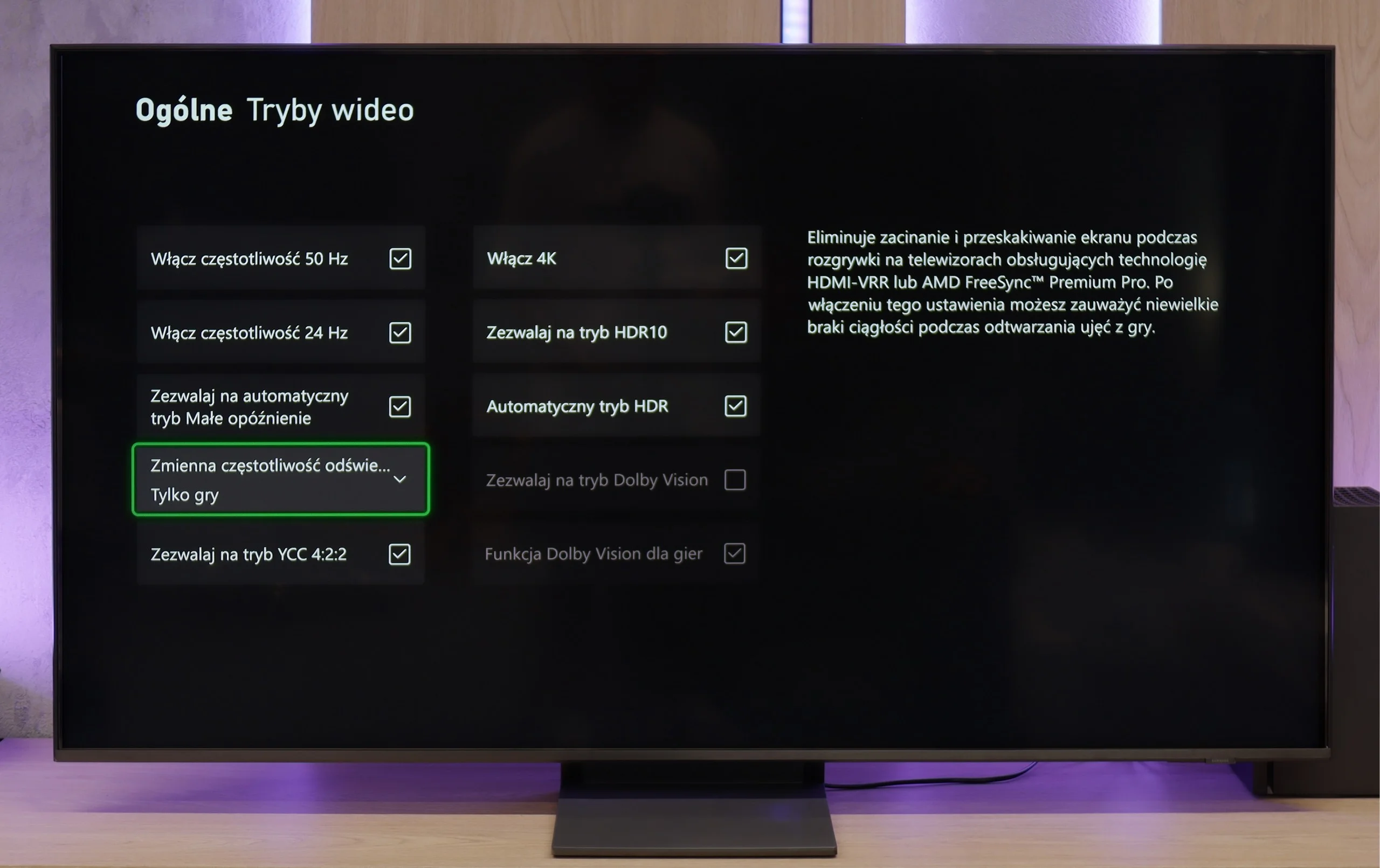
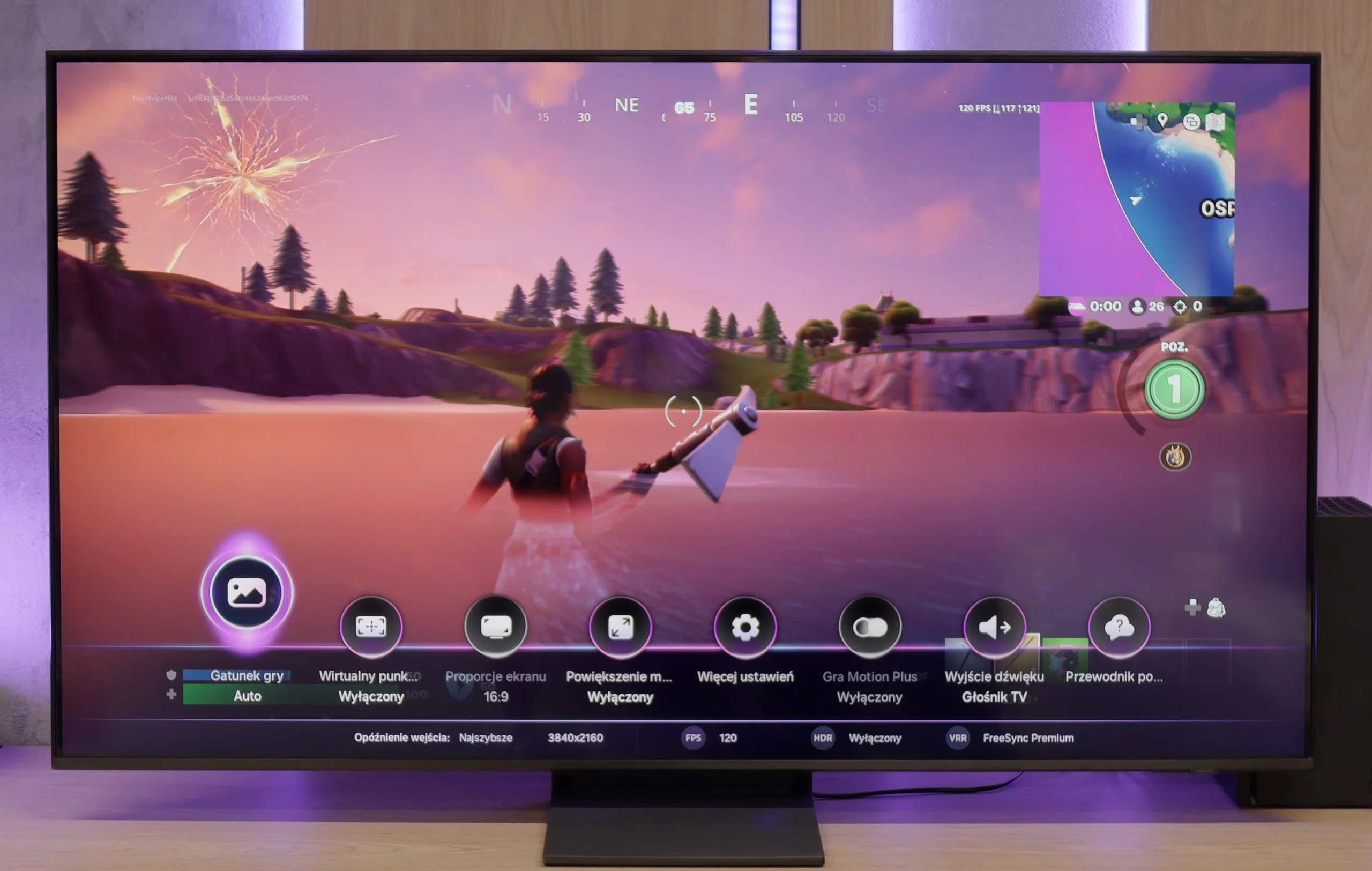
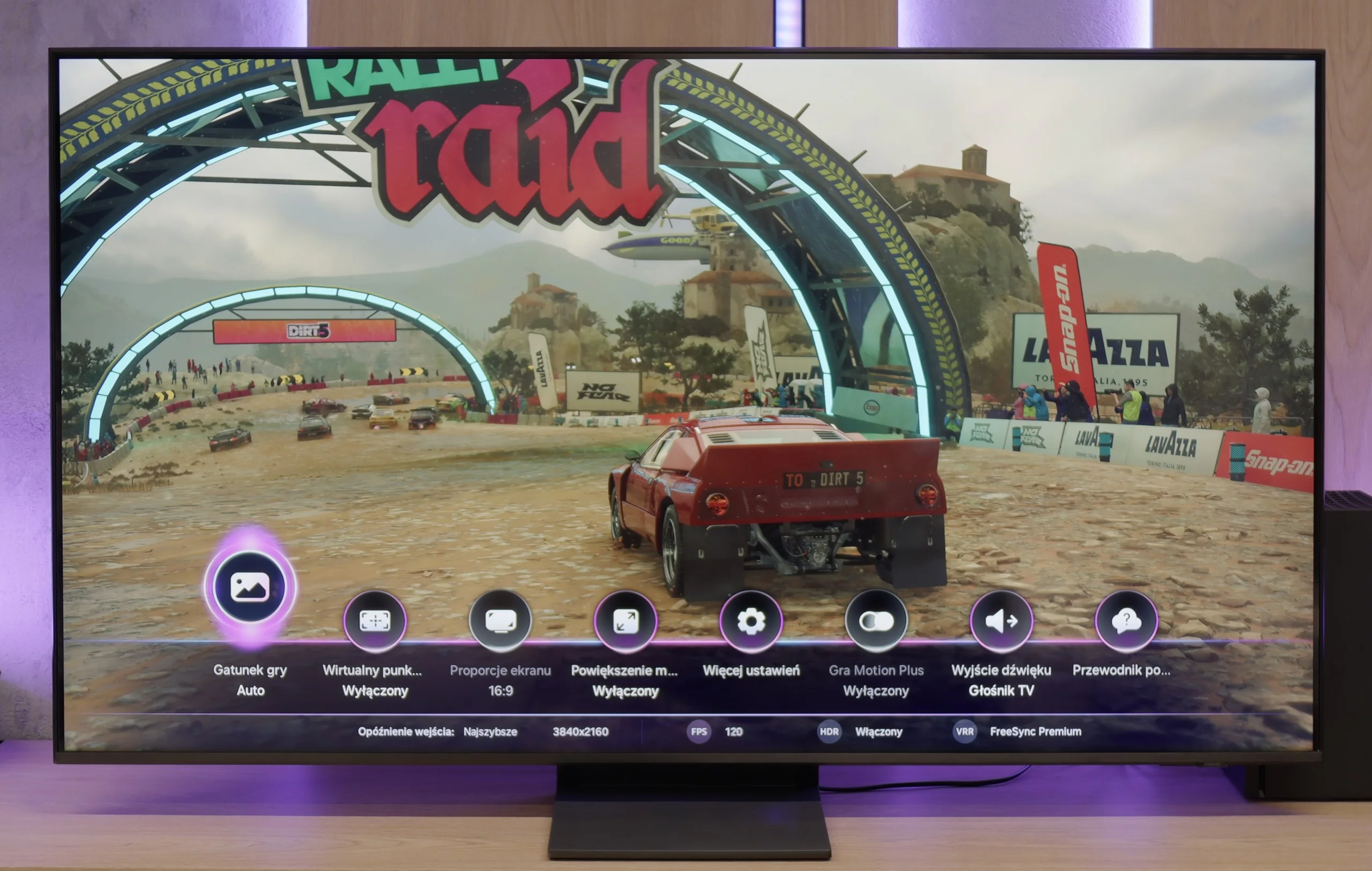
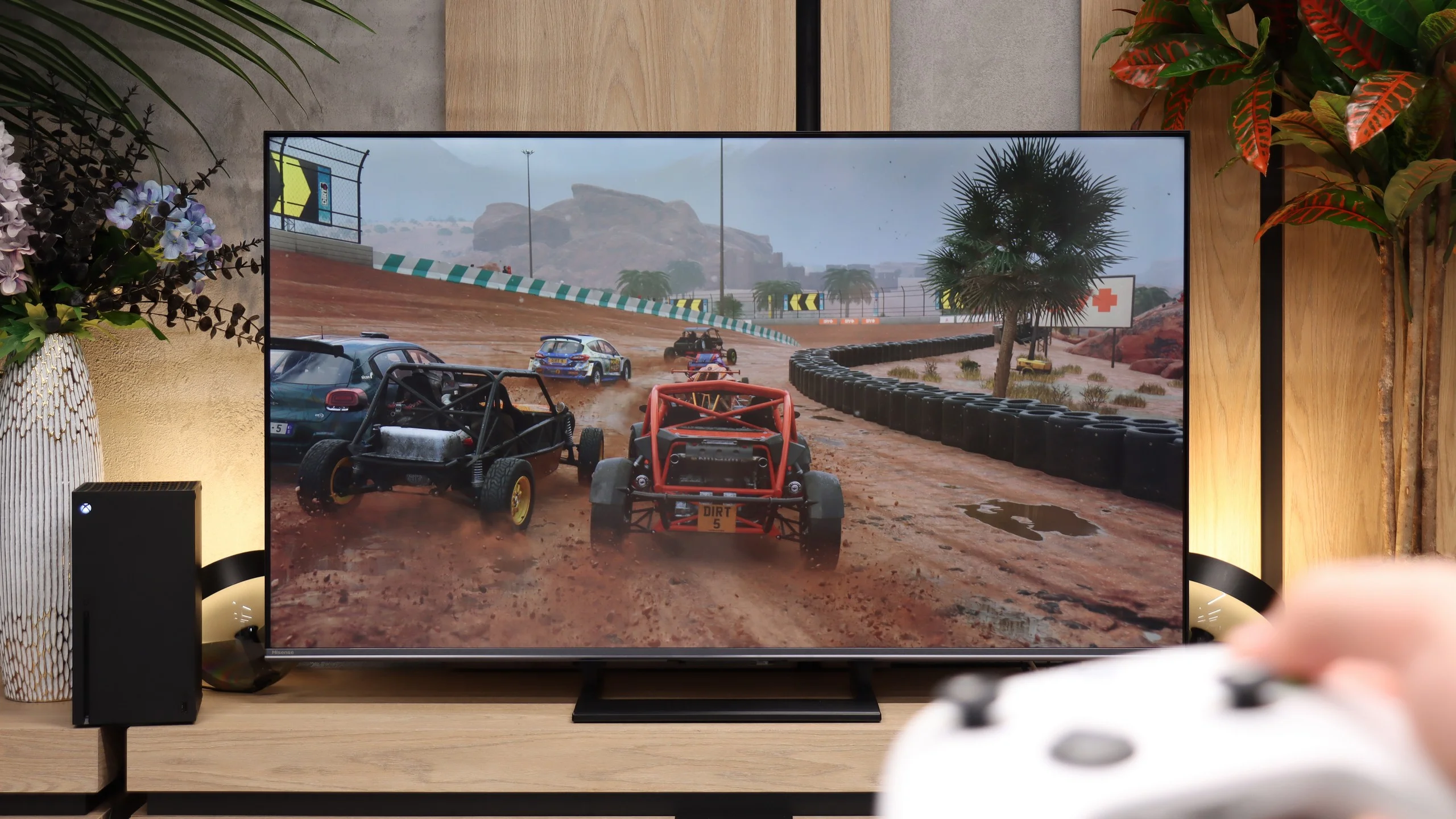
Samsung QN70F is truly a solid choice for gamers. Here we have as many as four HDMI 2.1 ports with full bandwidth of 48 Gbps, which means full support for gaming in 4K at a refresh rate of 144 Hz. Additionally, we have all the essential features we expect today: automatic game mode (ALLM), variable refresh rate (VRR), and a very well-designed, intuitive Game Bar that provides information on mode, resolution, and frame rate. Also noteworthy is the Game Motion Plus feature, which allows for the addition of artificial frames to games running at 60 fps or lower. It works surprisingly well and improves the smoothness of gameplay in many titles – especially those where consoles struggle to maintain a stable frame rate – without significant lag.
[UPDATE] We have updated our tests of Samsung televisions from the 2025 model year due to the release of software version 1131, which restored the crucial gaming feature HGiG.
Unfortunately, there are also some drawbacks. The lack of support for Dolby Vision mode is not surprising – that is a standard at Samsung. But the absence of the HGiG feature is much more disappointing. What's worse, it was removed by a software update, which may come as a shock to users who previously relied on it. Without HGiG, it is impossible to manually set the maximum HDR brightness from the console, resulting in some games appearing slightly washed out – especially if the television misinterprets the tonal range. Why did Samsung, a brand that has set the standards for gaming features for years, choose to take such a step? It's hard to say. At the time of writing this review, the tested television was running on software version 1110 – and to be honest, if you care about full support for gamers, it’s better to temporarily refrain from updates.
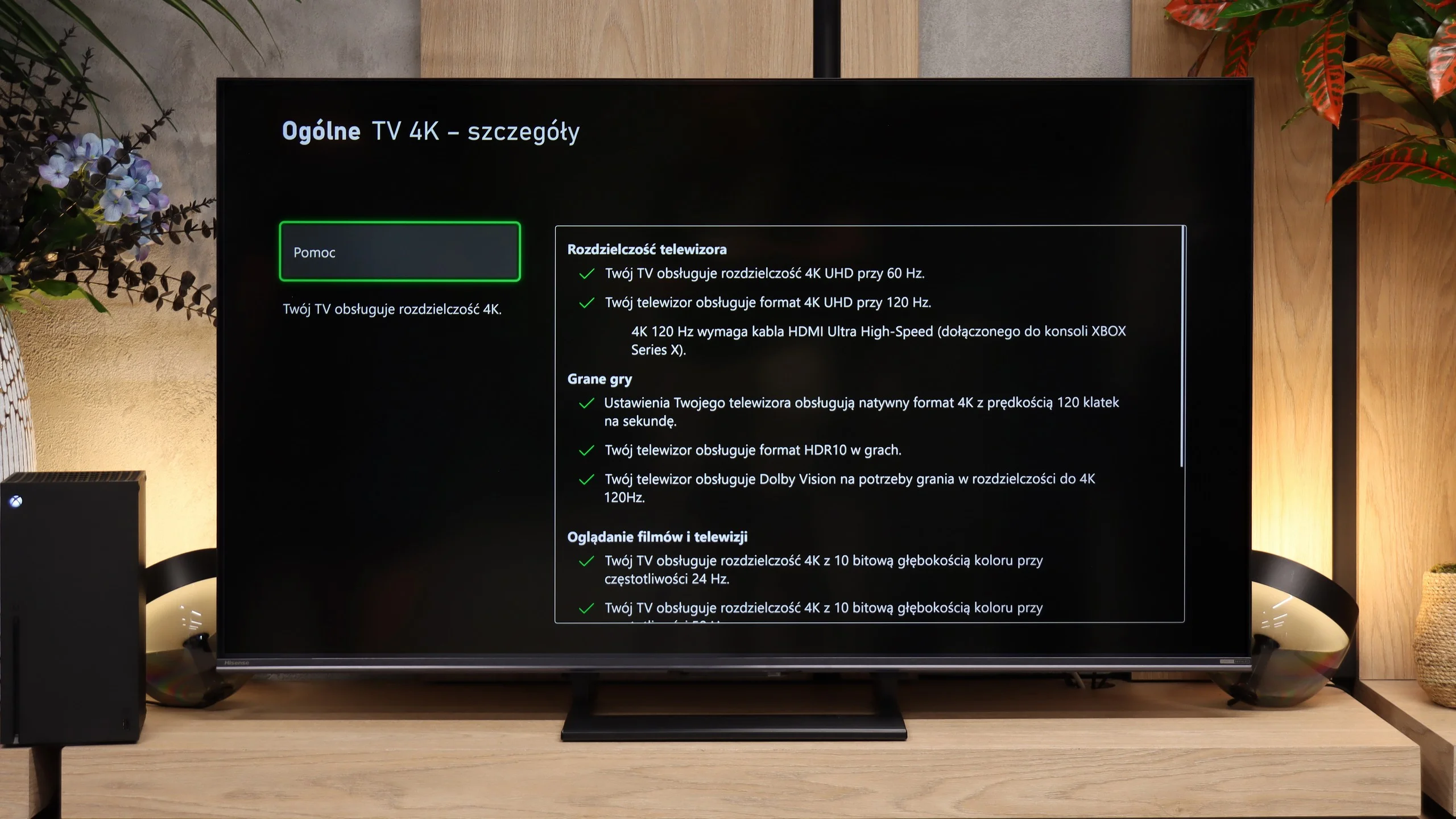
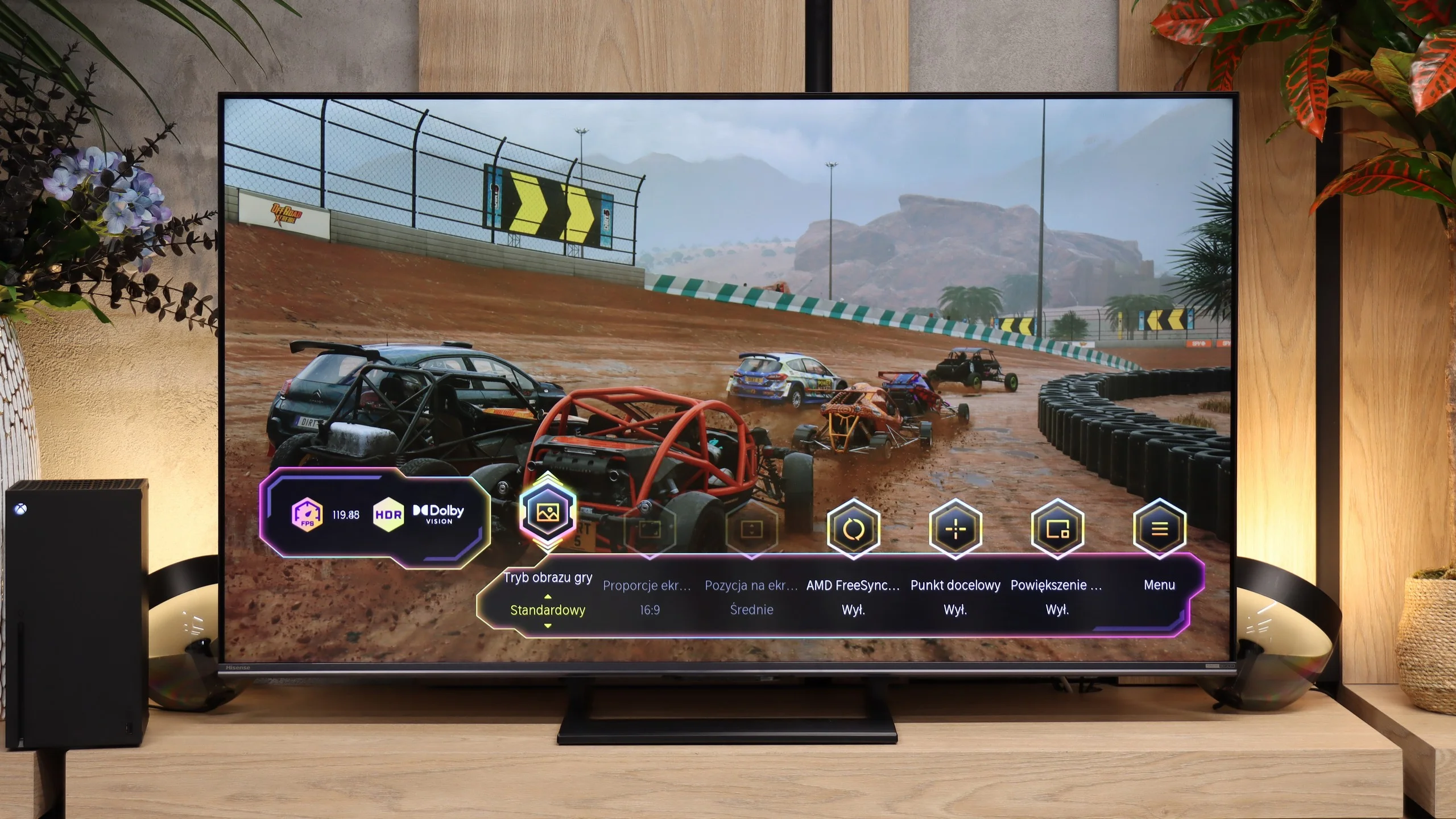
The Hisense U7S has a lot to offer gamers. You get two HDMI 2.1 ports and support for 120 Hz at Full HD, 1440p, and 4K, so modern consoles’ capabilities are well used. When connected to a PC you can use 144 Hz at 4K or switch the resolution to Full HD and run 240 Hz. So there’s a wide choice, although it’s worth remembering the motion smearing mentioned earlier, which the high refresh rate does not eliminate. VRR and ALLM are also present. The first helps prevent tearing when frame rates in a game change. The second automatically switches the TV into game mode, so you don’t have to dig through the menu each time. VRR works from 48 to 240 Hz, with the highest refresh rate available in Full HD. Xbox users can also play in Dolby Vision, including at 120 Hz. Importantly, this format does not introduce significant input lag here. The Game Bar also looks very good. It’s easy to read, visually appealing, and lets you quickly check what signal the TV is receiving. There are also handy gaming settings at your fingertips, including shadow brightening. If it’s hard to spot an opponent in a dark game, you can improve visibility without digging through the entire menu.
Our biggest complaints concern HGiG. Hisense continues to do its own tone mapping, which makes setting HDR on the console confusing. You adjust a checkerboard test pattern and the TV continuously adapts how it looks. As a result, the moment the pattern disappears does not correctly indicate the screen’s brightness limit, and it’s easy to set the value too high. For this model it’s better to set the target HDR peak brightness on the console to about 900 to 1000 nits, rather than relying on the configurator.
Input lag
10/10
9.9/10
SDR
HDR
Dolby Vision
QN70F does not disappoint in terms of response time either. For 120 Hz materials, the input lag hovers around 8 ms, which can be considered a very good result – especially in the context of online competition or dynamic action games. The screen responds to the movements of the controller almost instantaneously, with no noticeable delay. As a result, the gameplay is smooth and comfortable, even in more demanding titles. In this category, Samsung still maintains a high standard, and it is hard to find anything that could raise objections.
In terms of input lag, the Hisense U7S performs excellently. At 60 Hz we measured 14 to 16 ms, and at 120 Hz just 9 to 10 ms. The controls are responsive and even in fast-paced games the TV doesn't add any noticeable delay. Importantly, Dolby Vision performs just as well: 14 ms at 60 Hz and 9 ms at 120 Hz mean you don't have to give up the format for fear of added latency. The motion blur described earlier is a separate issue: the screen reacts quickly to inputs, but the pixels do not always keep up with changes in colour.
Compatibility with PC
8.2/10
8.2/10
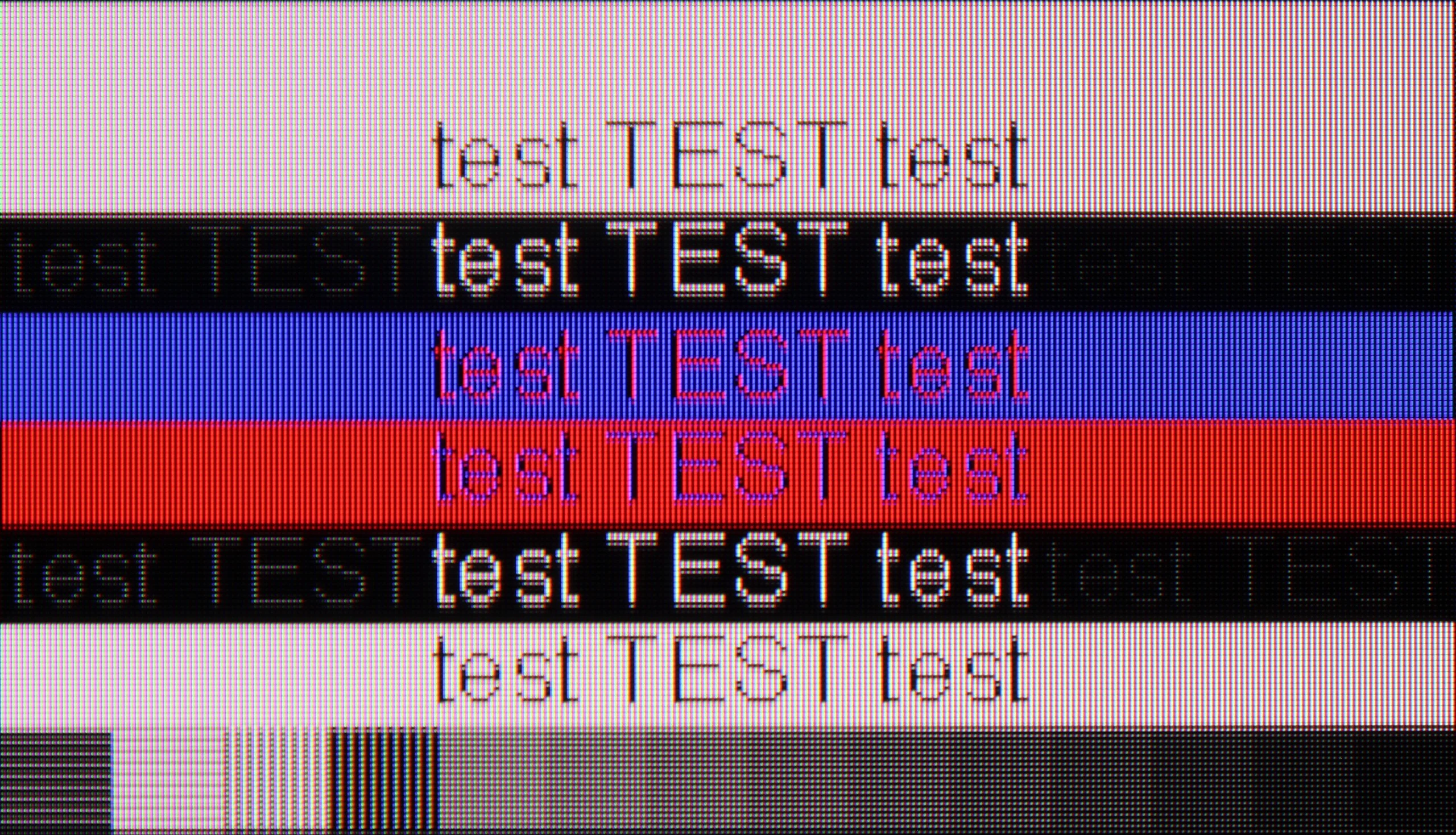
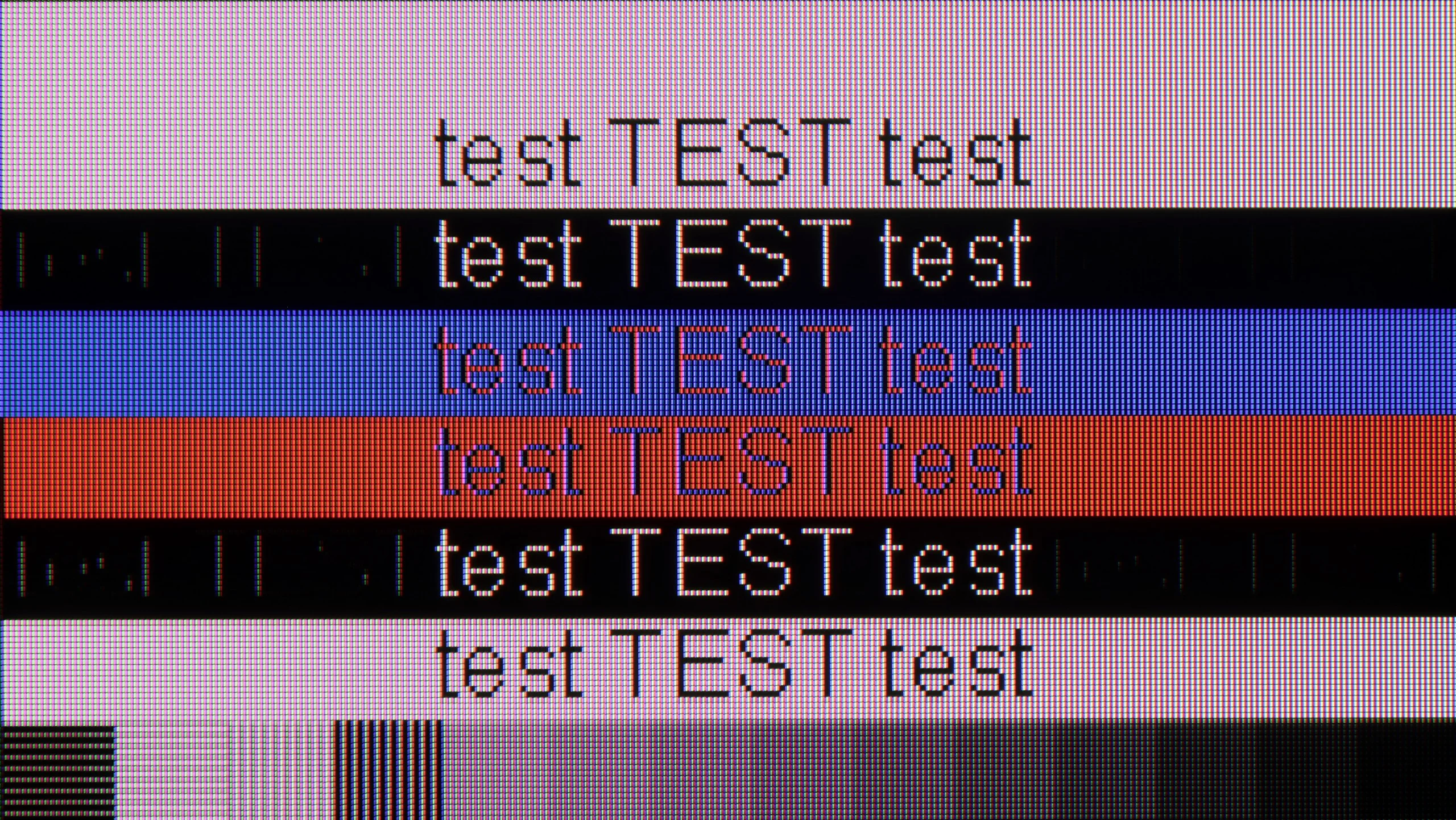
The photo shows the legibility of small fonts. Ideally, lines should be the same thickness on both light and dark text, with minimal pixel gaps.
Let's start with the best aspect of connecting the QN70F to a computer – gaming. A refresh rate of 144 Hz, support for G-Sync compatible VRR, and very low input lag create the perfect recipe for an almost ideal screen for PC gamers. In this role, the QN70F truly does not disappoint – games look smooth, responsiveness is at a very high level, and everything runs stably.
However, the performance regarding text work is somewhat lacking. At a resolution of 4K and a refresh rate of 144 Hz, there is a noticeable blurriness in the font contours – text may appear slightly smeared, with a slight “layering” of the contours. This is not a problem that undermines the usability of the QN70F as a monitor, but individuals planning to do office work or text editing on this screen should keep this in mind.
When connected to a PC you can run 4K at 144 Hz, with G-Sync enabled and input lag of around 10 ms. It's a good setup for gaming, although panel smearing is still noticeable in fast-moving scenes. 4:4:4 chroma subsampling also works correctly, even at the maximum refresh rate, so coloured text and small desktop elements remain legible.
For web browsing or occasional work the U7S is quite suitable, but not all fonts look equally sharp. Our main complaint is small, dark text: thin strokes of letters can disappear and characters look uneven. It's hard to notice that from the sofa, but when working up close, especially with text or spreadsheets, it can become distracting.
Viewing angles
3.1/10
3.1/10
As for the VA panel, the viewing angles on the QN70F are typical – meaning rather average. The image quickly loses contrast and saturation when we start looking at the screen from a greater angle. Compared to IPS panels, it performs significantly worse. On the other hand – thanks to this panel, we gain better blacks and higher contrast when viewing straight on, which will be more important for many users than wide visibility from the sides.
Viewing angles are unfortunately a weak point of the Hisense U7S. Even after shifting to the side, colours lose saturation, blacks become lighter and the picture looks washed out. At a 45-degree angle we measured as much as a 74% drop in brightness, so the difference compared with watching head-on is really significant. This is a typical limitation of VA panels. When seated centrally you can appreciate its good contrast, but people at the far ends of a wide sofa will see a noticeably poorer picture. The U7S is therefore best suited to setups where seating is positioned as directly in front of the screen as possible.
Daytime performance
6.3/10
7/10
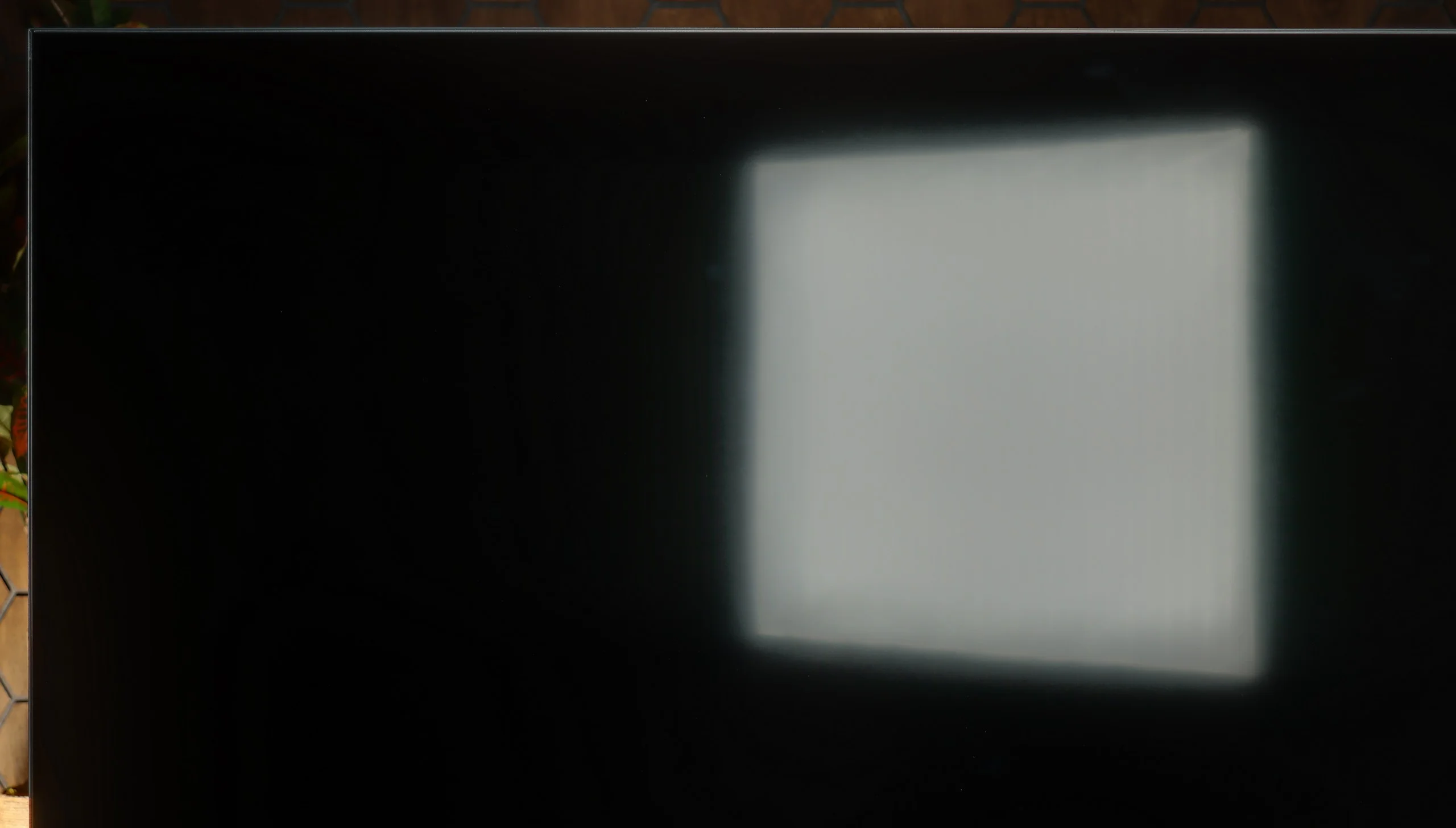
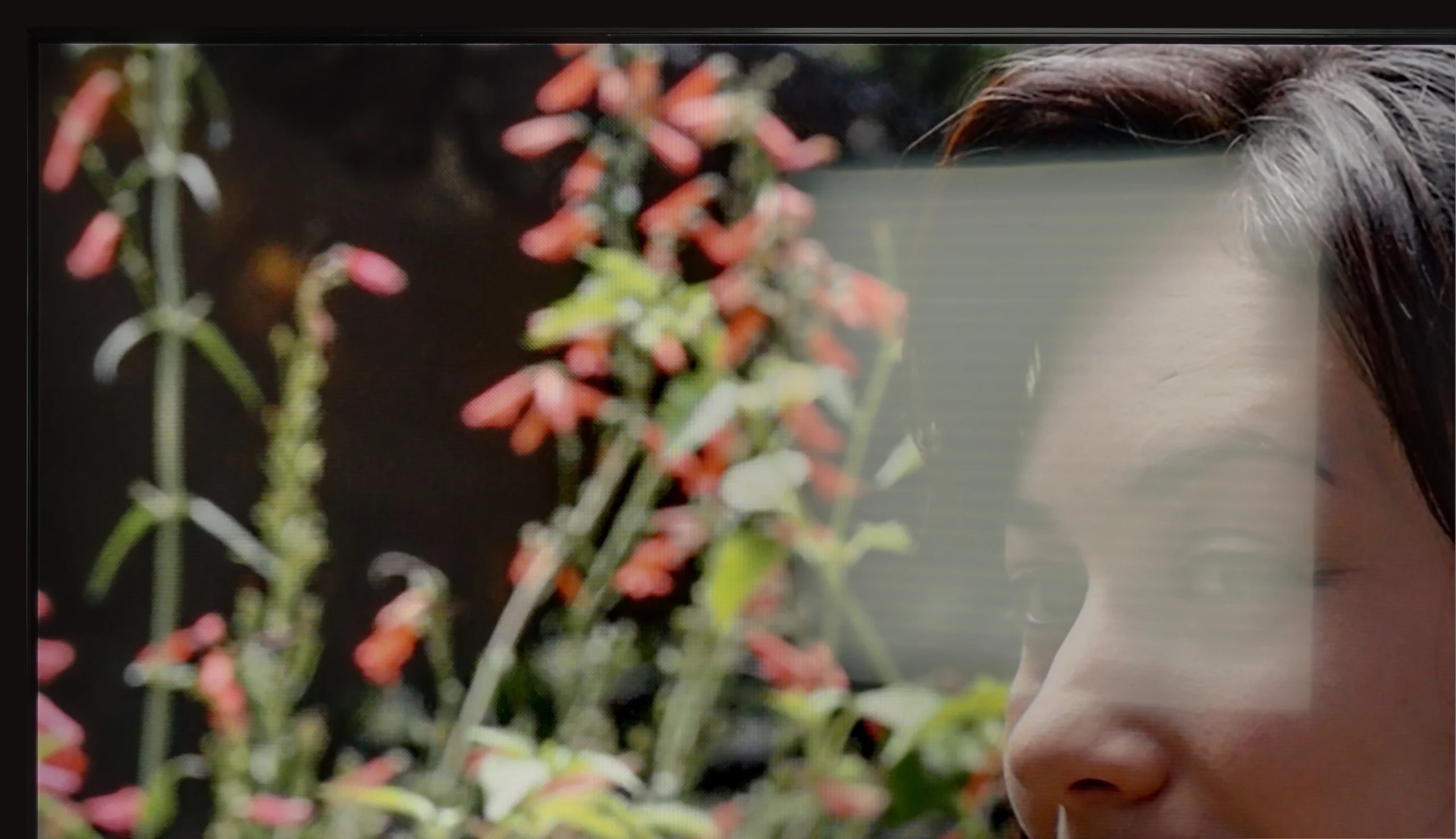
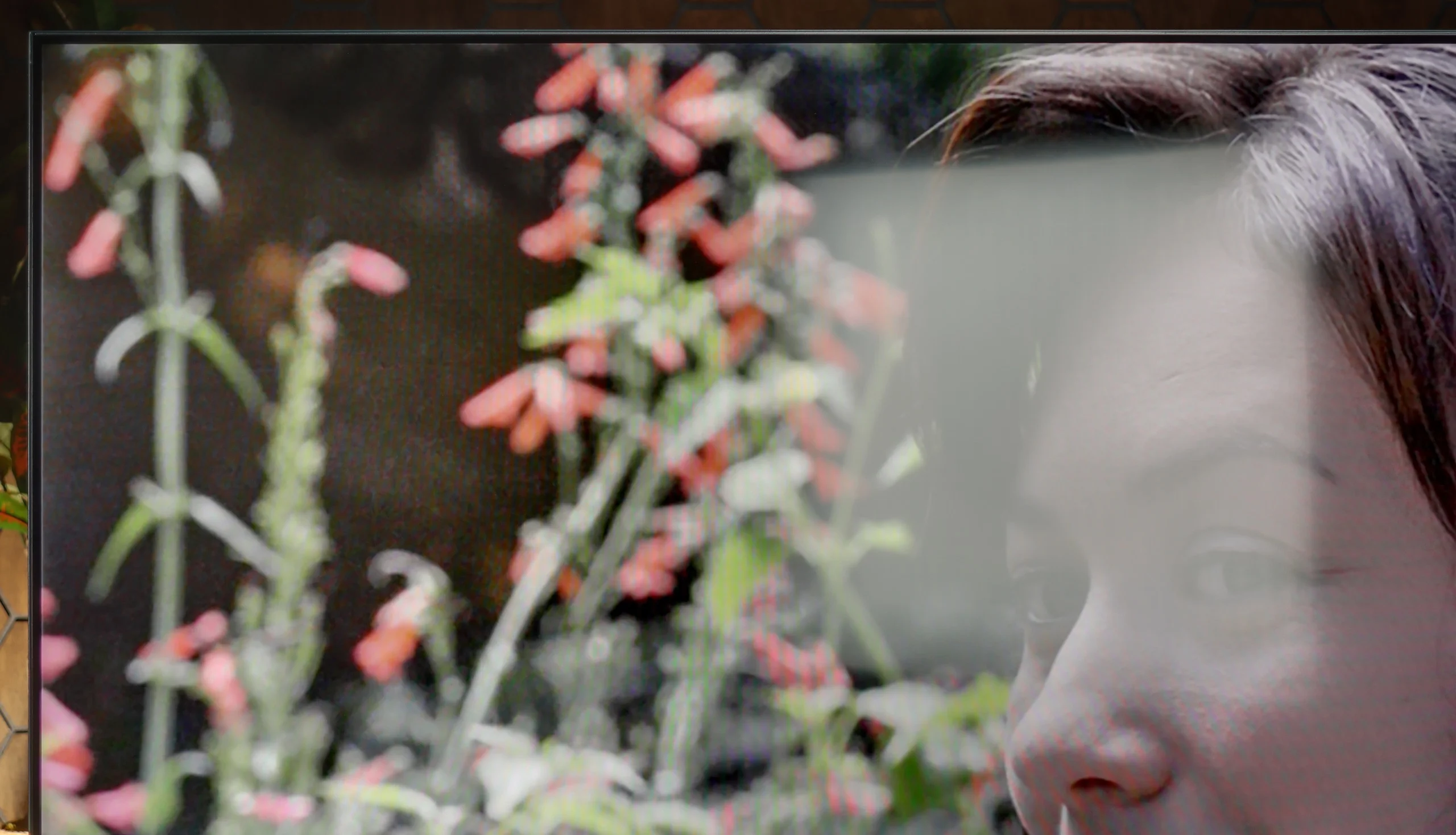
Panel brightness
Hisense U7S / U77SE: 664 cd/m2
Samsung Neo QLED QN70F / QN74F / QN77F: 492 cd/m2
The QN70F handles a bright living room without any issues. The screen has a satin finish that effectively suppresses reflections, so there's no need to immediately draw the curtains to see anything. Even when there's plenty of light in the room – for example, with a window to the side – the picture still looks clear and vibrant. The brightness is also at a solid level. In SDR mode, the television averages around 500 nits, which is more than sufficient for daytime viewing. While it may not reach the levels of top models, in practice – for everyday television watching, sports, or YouTube – it performs very well.
The Hisense U7S handles daytime viewing well. In SDR we measured an average of around 664 nits, and depending on the screen content brightness ranged roughly between 500 and 800 nits. Even with an all-white image it stays above 500 nits, so a sports broadcast or a bright TV programme does not suddenly look dimmed. That is plenty of headroom for comfortable viewing in most living rooms. The satin coating does a decent job suppressing reflections, but a window opposite the TV will still be visible. In the photo it is clear that its reflection can obscure part of the picture, so high brightness alone does not solve everything. A plus is the handling of blacks and colours in daylight, which do not become overly grey. Overall the U7S performs well in a bright room, though you should position it to avoid direct reflections from windows.
Panel details
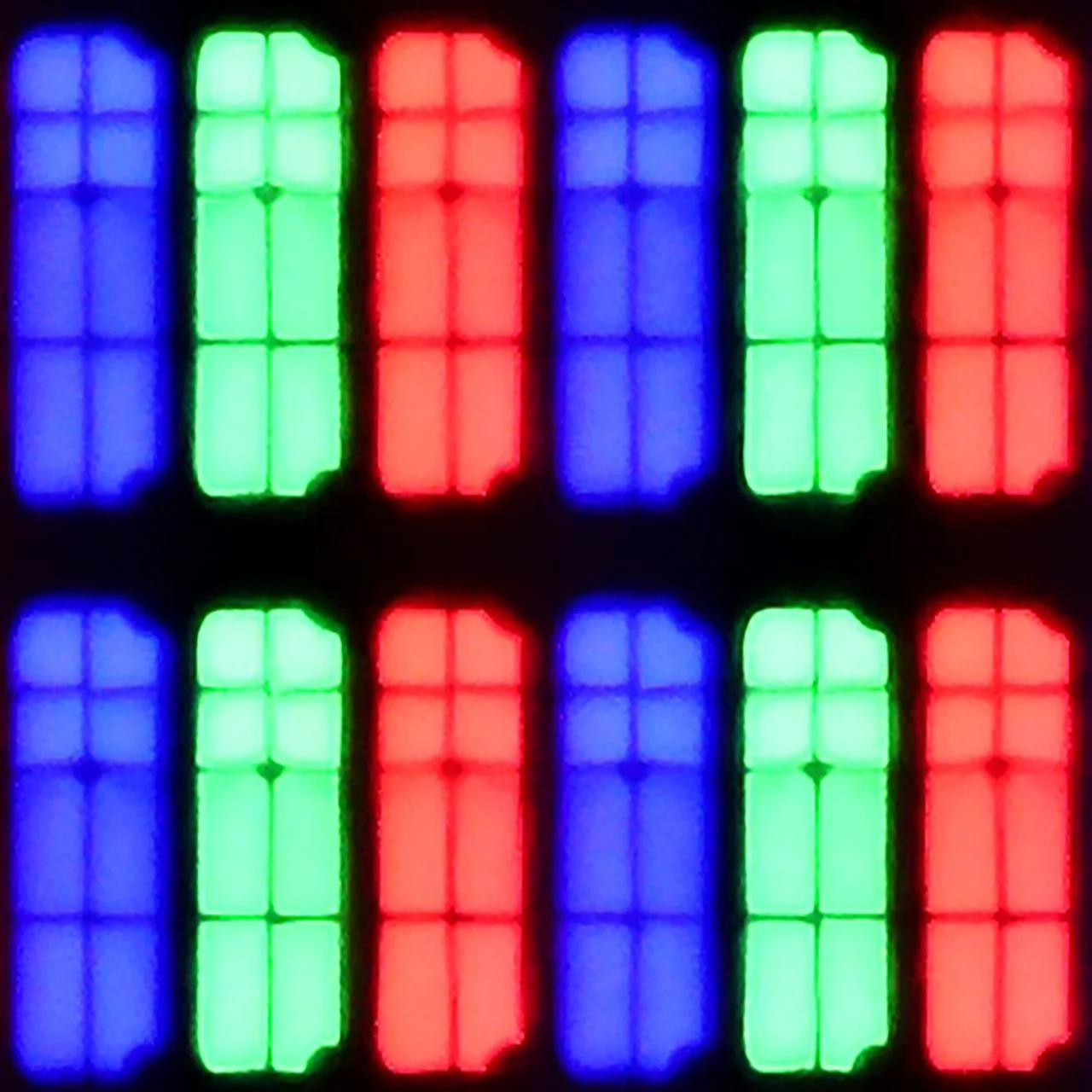
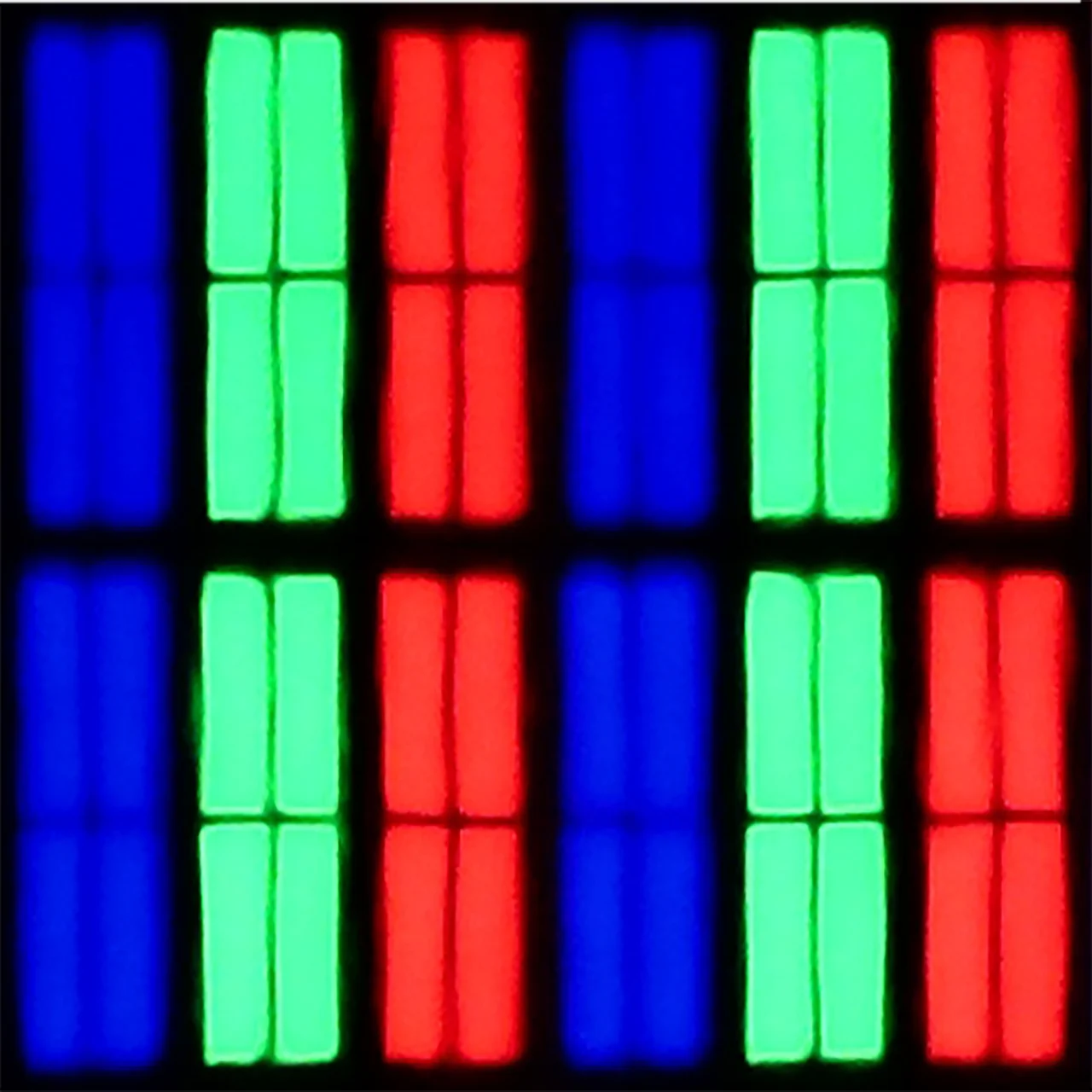
Subpixel Structure:
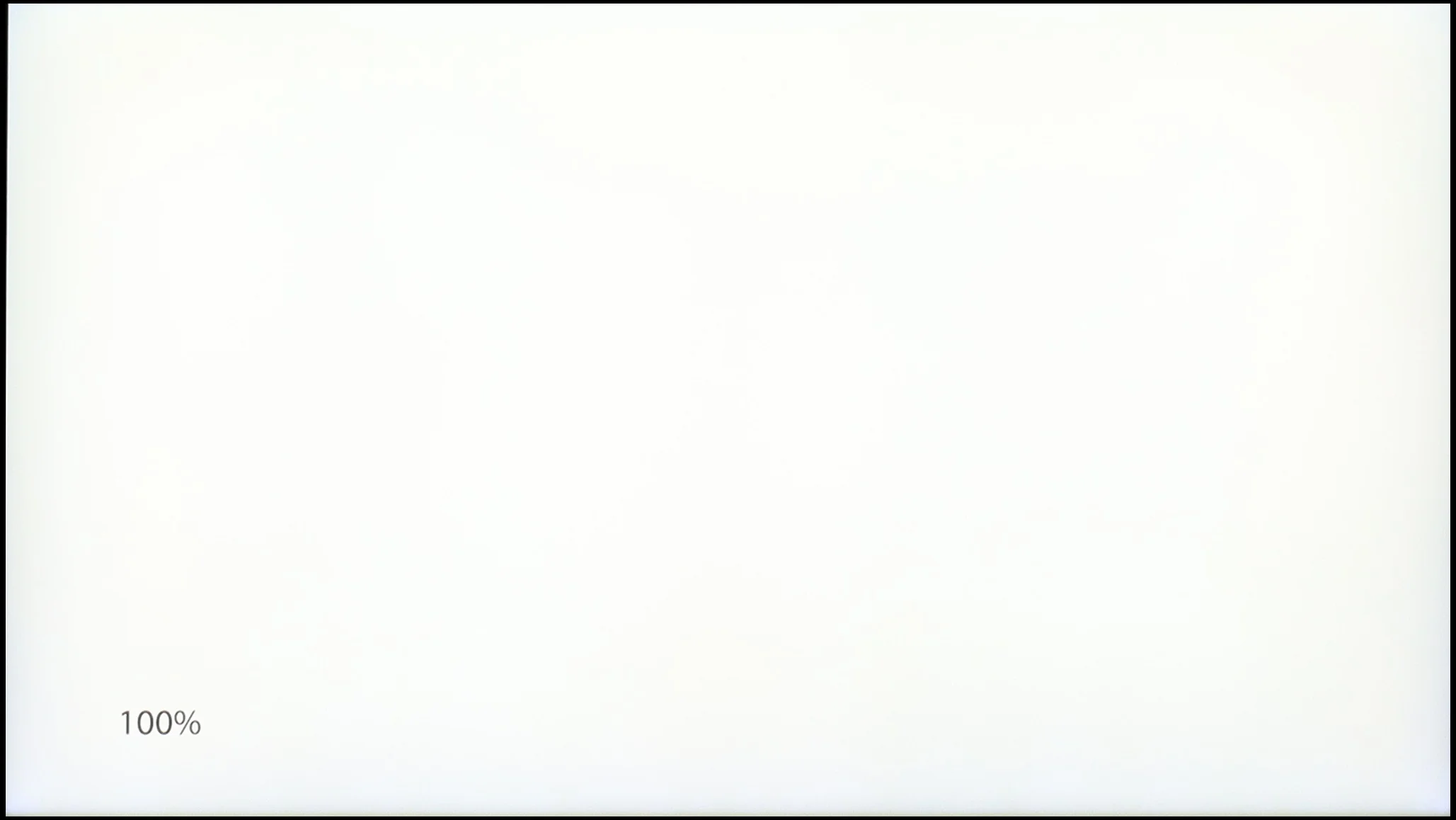
Panel uniformity and thermal imaging:

Samsung Neo QLED QN70F / QN74F / QN77F
Hisense U7S / U77SE
TV features
7.2/10
8.9/10
- SystemTizenVIDAA
- System performanceGoodGood
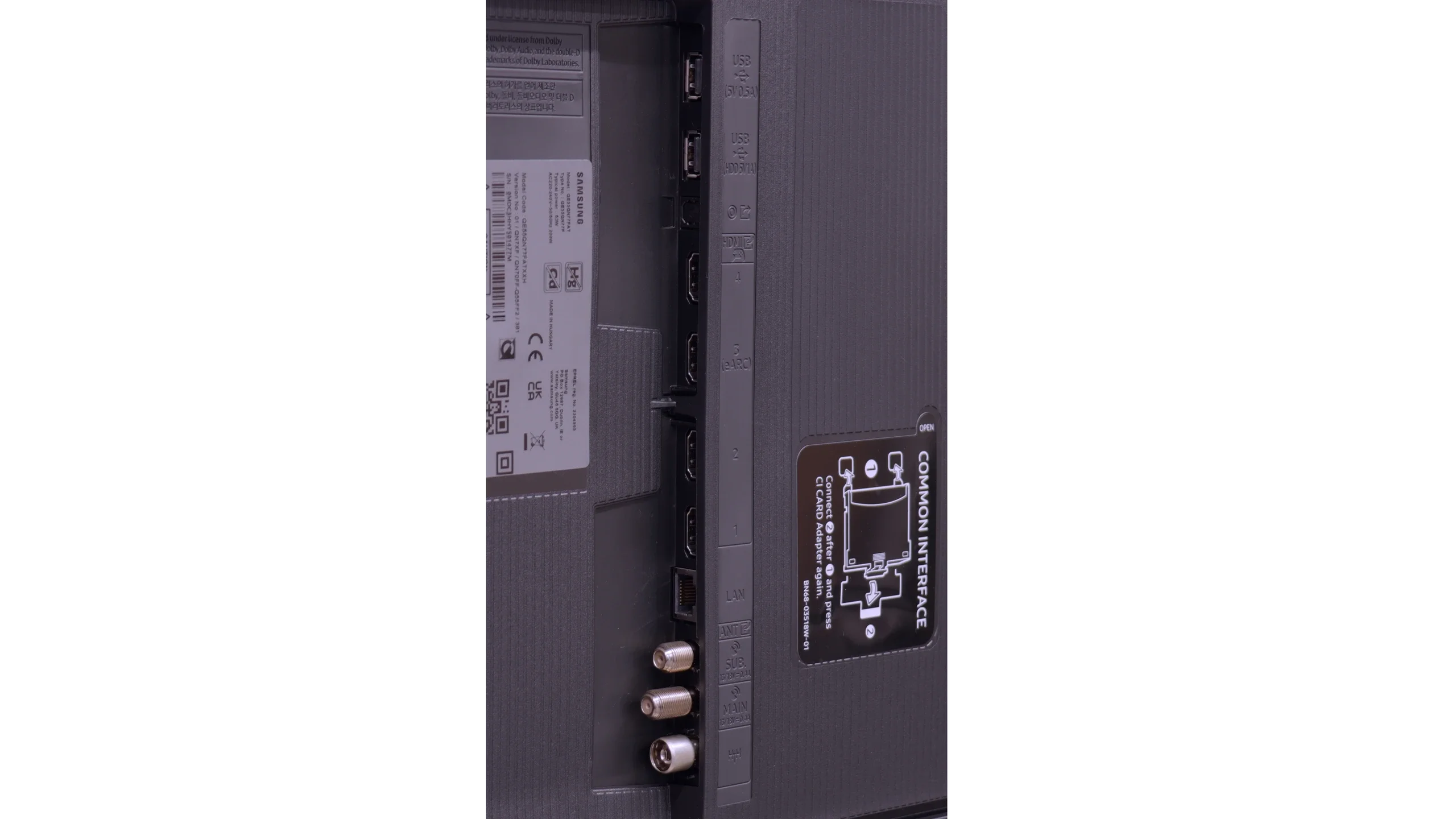
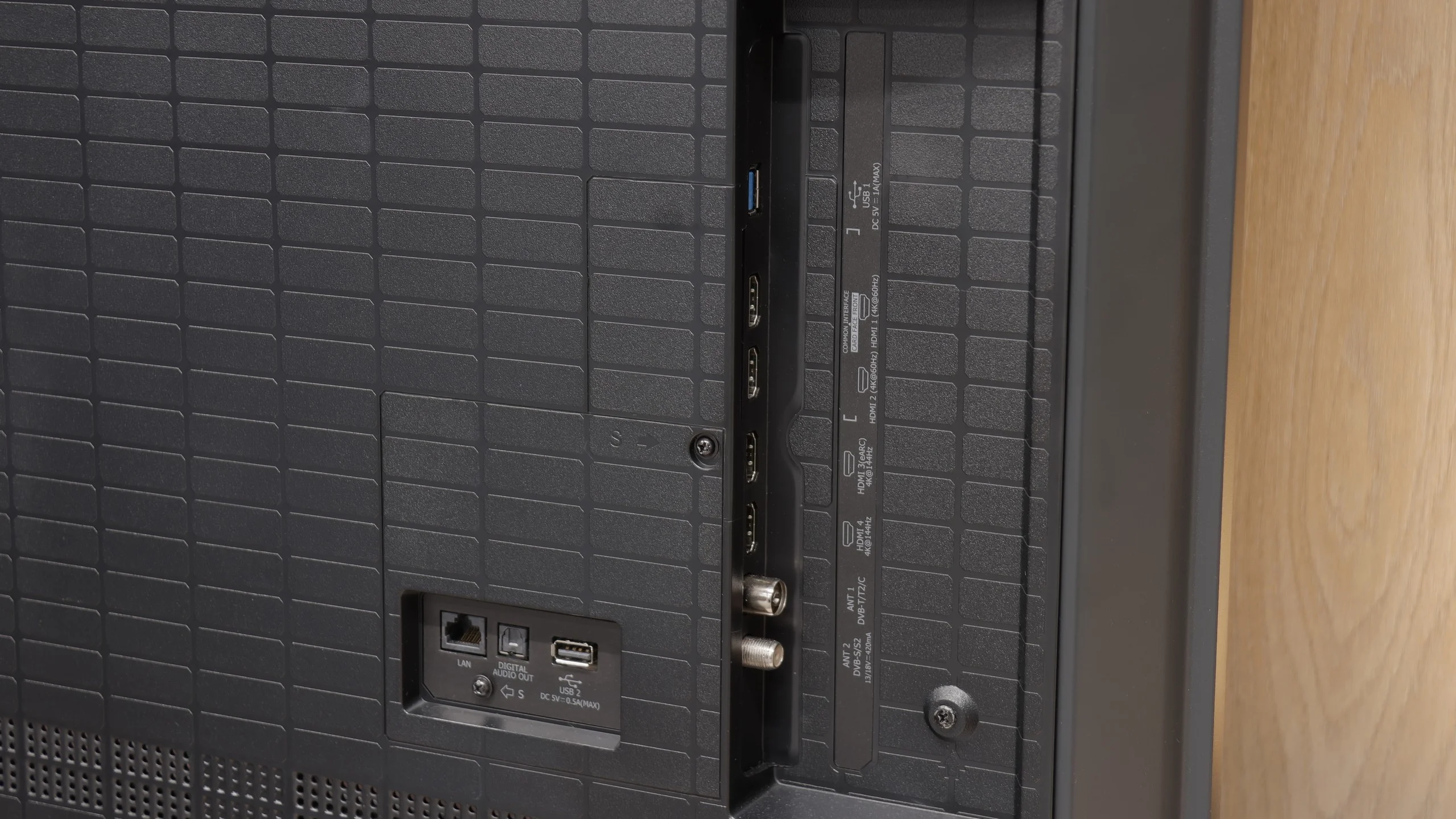
- HDMI inputs0 x HDMI 2.0, 4 x HDMI 2.1 48Gbps2 x HDMI 2.0, 2 x HDMI 2.1 48Gbps
- OutputsToslink (Optical audio), eARC (HDMI), ARC (HDMI)Toslink (Optical audio), eARC (HDMI), ARC (HDMI)
- Network InterfacesWi-Fi 2.4GHz, Wi-Fi 5GHz, Ethernet (LAN) 100MbpsWi-Fi 2.4GHz, Wi-Fi 5GHz, Ethernet (LAN) 100Mbps
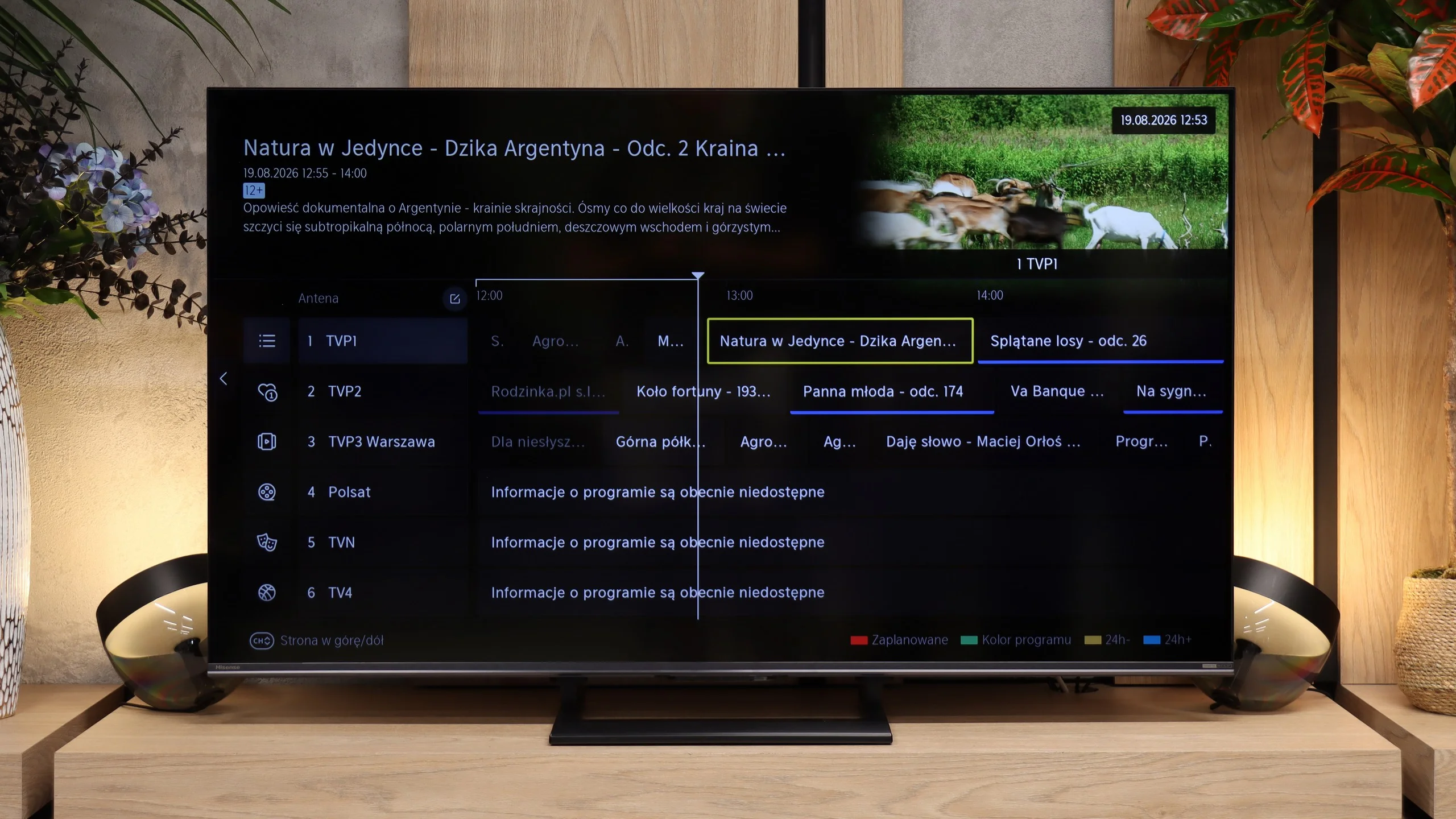
- TV receptionDVB-T, DVB-T2, DVB-S, DVB-S2, DVB-CDVB-T, DVB-T2, DVB-S, DVB-S2, DVB-C
Classic features:
- Recording to USB (terrestrial TV)
- Recording programming
- Picture in Picture (PiP)
- RF remote control (no need to aim)
- Backlit remote control
- Teletext
- Audio only mode
- Bluetooth headphones support
- Simultaneous Bluetooth headphones & TV audio
Smart features:
- AirPlay
- Screen mirroring (Windows Miracast)
- Voice search
- Voice search in native language
- Ability to connect a keyboard and mouse
Sound connection options
- HDMI audioeARC (HDMI), ARC (HDMI)eARC (HDMI), ARC (HDMI)
- Other audio outputsToslink (Optical audio)Toslink (Optical audio)
- Wireless audioBluetoothBluetooth
Supported audio formats (external HDMI eARC audio):
- Dolby Digital Plus 7.1
- Dolby True HD 7.1
- Dolby Atmos in Dolby Digital Plus (JOC)
- Dolby Atmos in Dolby True HD
- DTS:X in DTS-HD MA
- DTS-HD Master Audio
Senior accessibility
- Numeric keyboard on TV
- Font size adjustment
- Audio description
Television Features
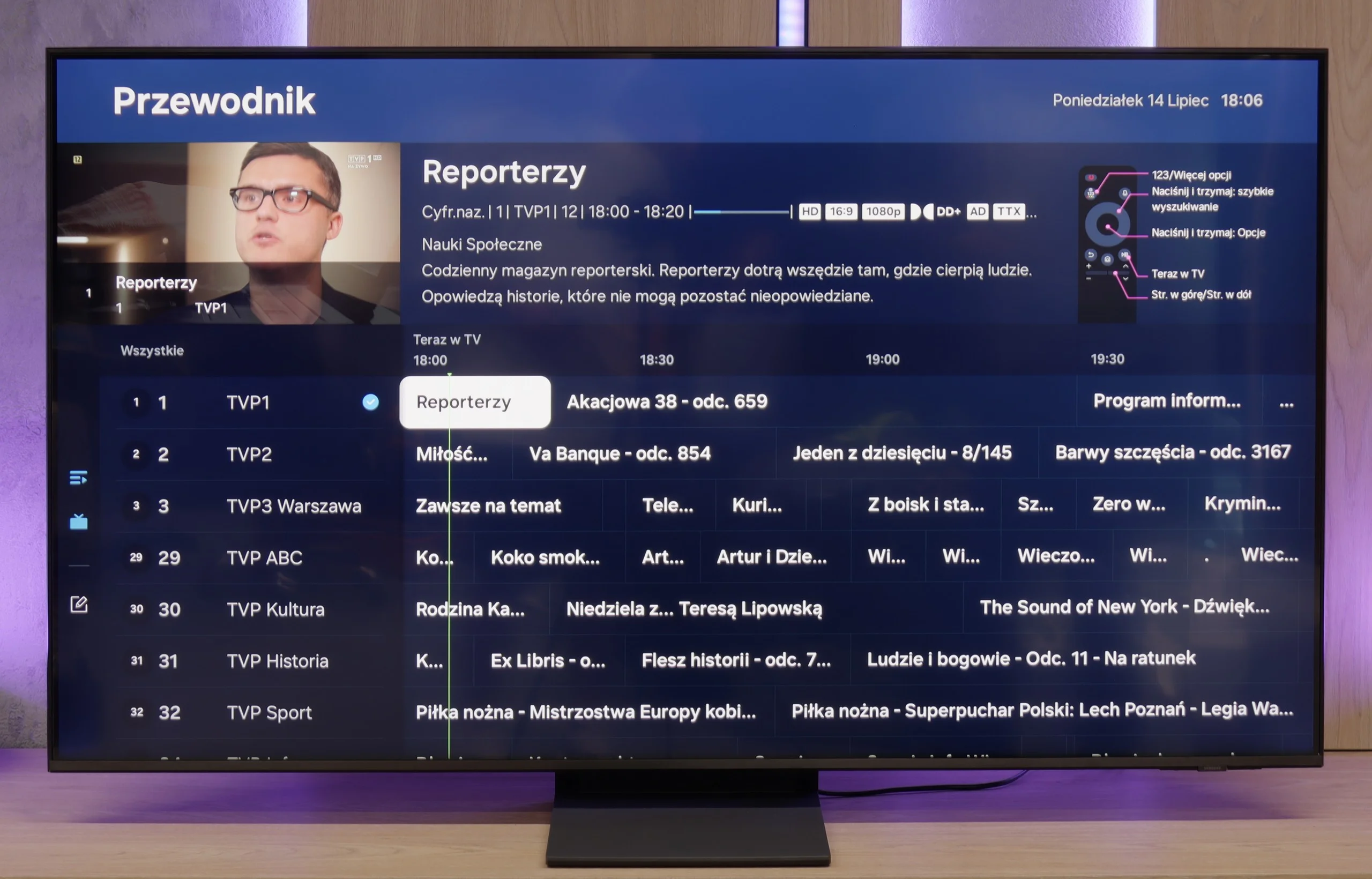
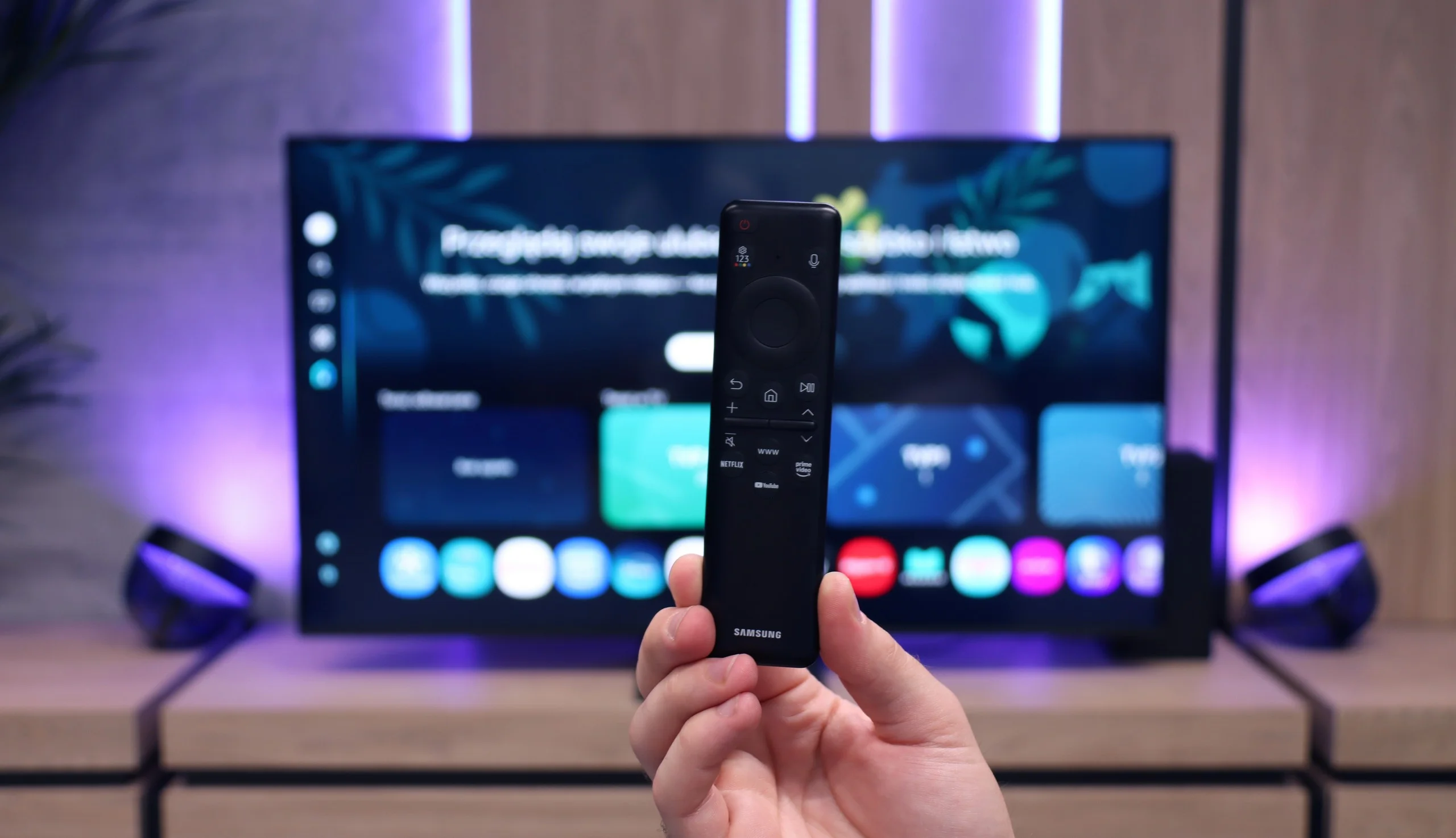
The QN70F doesn't forget classic features that still matter to many users. On board, we find, among other things, picture-in-picture (PiP) mode, enabled by the presence of two tuners, teletext, and a "Sound Only" mode – perfect if we want to use the television like a radio. We can easily pair it with headphones or a soundbar via Bluetooth, and the remote control – despite the absence of a numeric keypad – works reliably, allowing us to operate other devices and additionally does not require us to aim at the screen. However, it should be noted that like all new Samsung models, we will not find USB recording functionality here. This is a system limitation that the brand clearly adheres to consistently.
Smart TV QN70F – Tizen
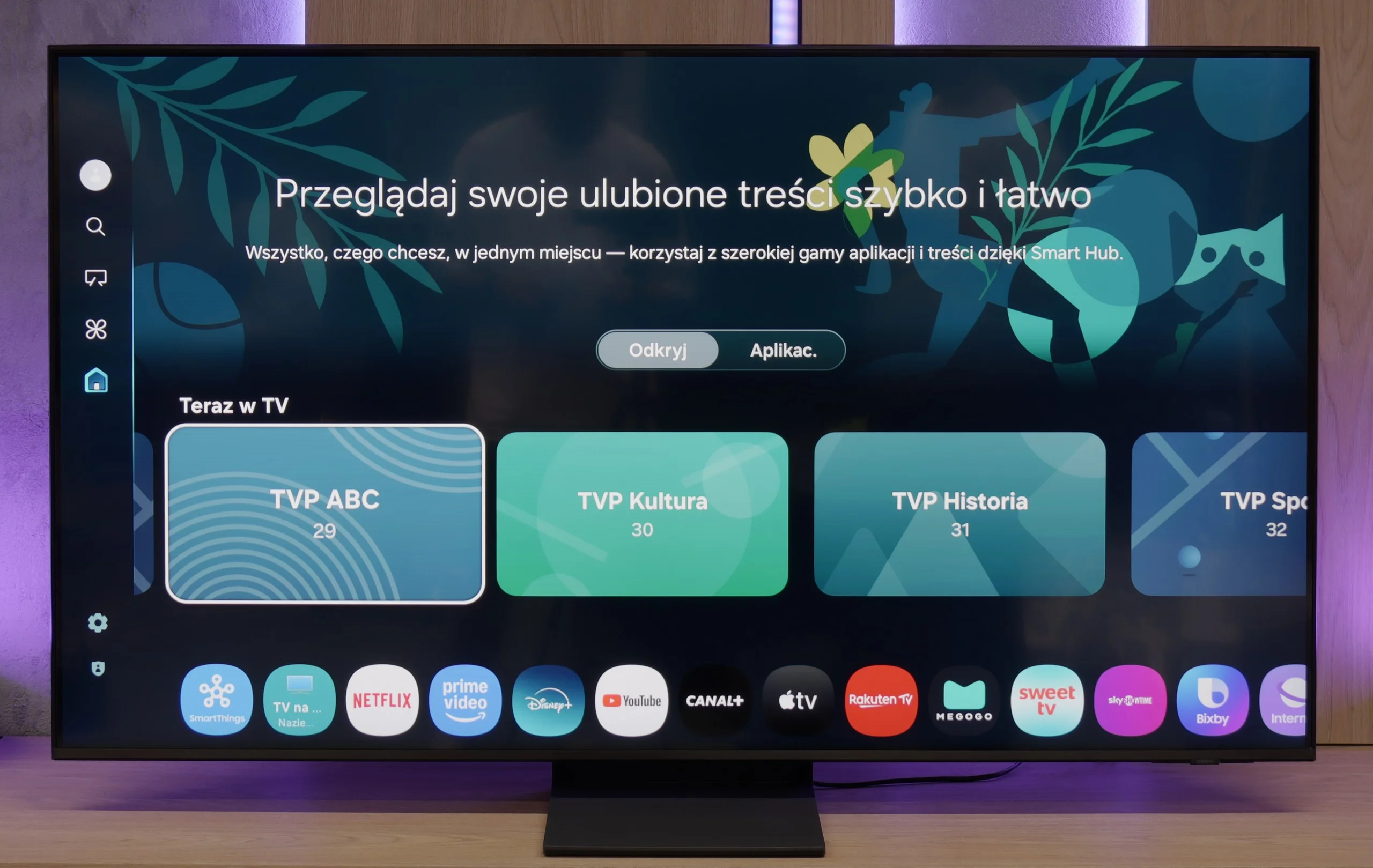
The Tizen system, developed by Samsung for years, is one of the most refined Smart TV interfaces. It is fast, intuitive, and feature-rich. The QN70F supports voice search (also in Polish), wireless screen mirroring from a phone (both via AirPlay and Miracast), as well as integration with watches and other devices in the Samsung ecosystem. All of this is connected by the SmartThings app, which allows you to control hardware, automate tasks, and connect devices in one network. (Not only Samsung brand devices). However, it is not perfect. Tizen is a closed system, so the selection of apps can be somewhat limited – especially in comparison to Google TV. All the major streaming services are in place, but if you use less popular services, it's worth checking before purchasing if they are available in the Samsung store.
Smart TV: VIDAA
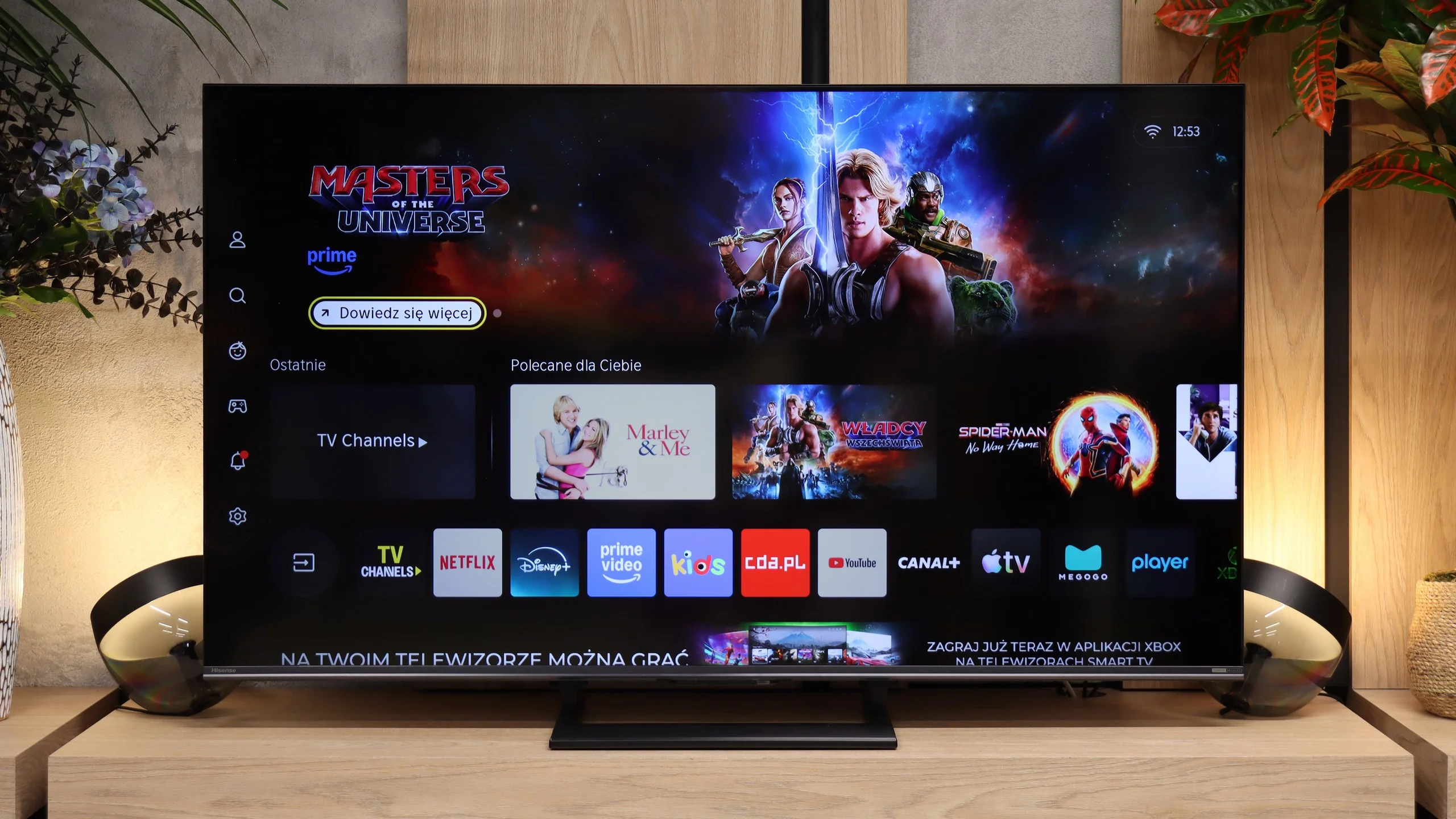
VIDAA HOME OS on the Hisense U7S is feature-rich, yet runs quickly and does not complicate everyday use. Besides apps there is AirPlay for streaming from Apple devices and Miracast, which lets you mirror a computer’s screen. There is also voice search in Polish, so instead of typing a film title with the remote you can simply say it. You can also connect a keyboard and mouse. So there is little to complain about in terms of smart features, although before buying it is worth checking the availability of specific apps you use, because it is not as extensive as on competing systems.
Conventional features and the remote
Hisense has not forgotten people who watch regular TV. The U7S lets you record programmes from terrestrial TV to USB and schedule recordings for later. There is teletext, the ability to listen to audio with the screen turned off, and support for Bluetooth headphones. Usefully, headphones can work at the same time as the TV speakers, so one person can use them, for example a senior, while others continue to listen normally. One notable omission is picture-in-picture, or PiP.
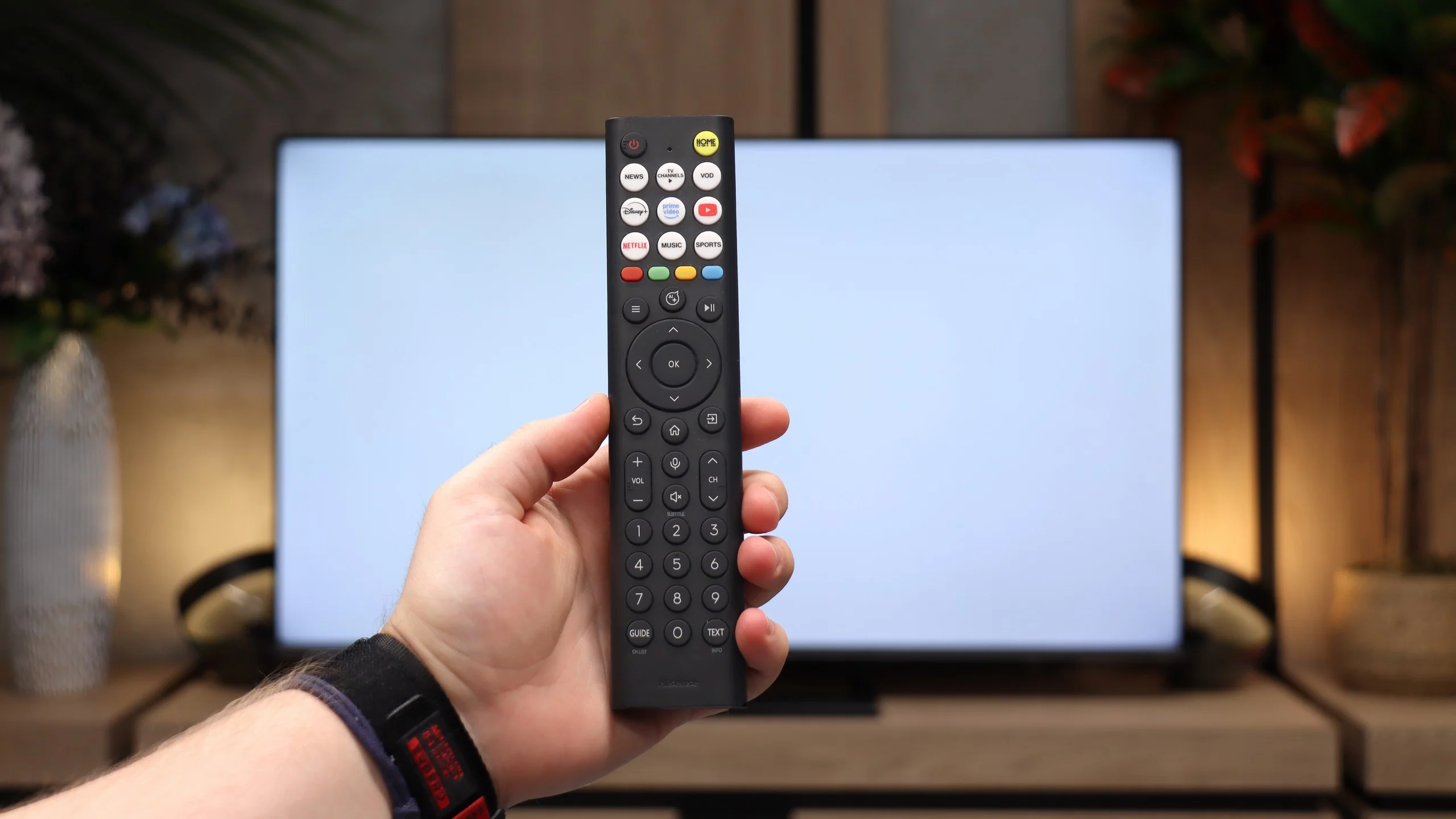
We were not fond of the remote itself. It feels very plastic and looks rather cheap, but it does its job well. It has a full numeric keypad, plenty of shortcuts and operates via radio, so you do not need to point it at the screen. It is a shame the buttons are not backlit. Hisense reserves more stylish versions of the remote for higher-end models, such as the U7S Pro.
Apps
8.7/10
8.3/10






















Playing files from USB
9/10
8.4/10
Supported photo formats:
Maximum photo resolution:
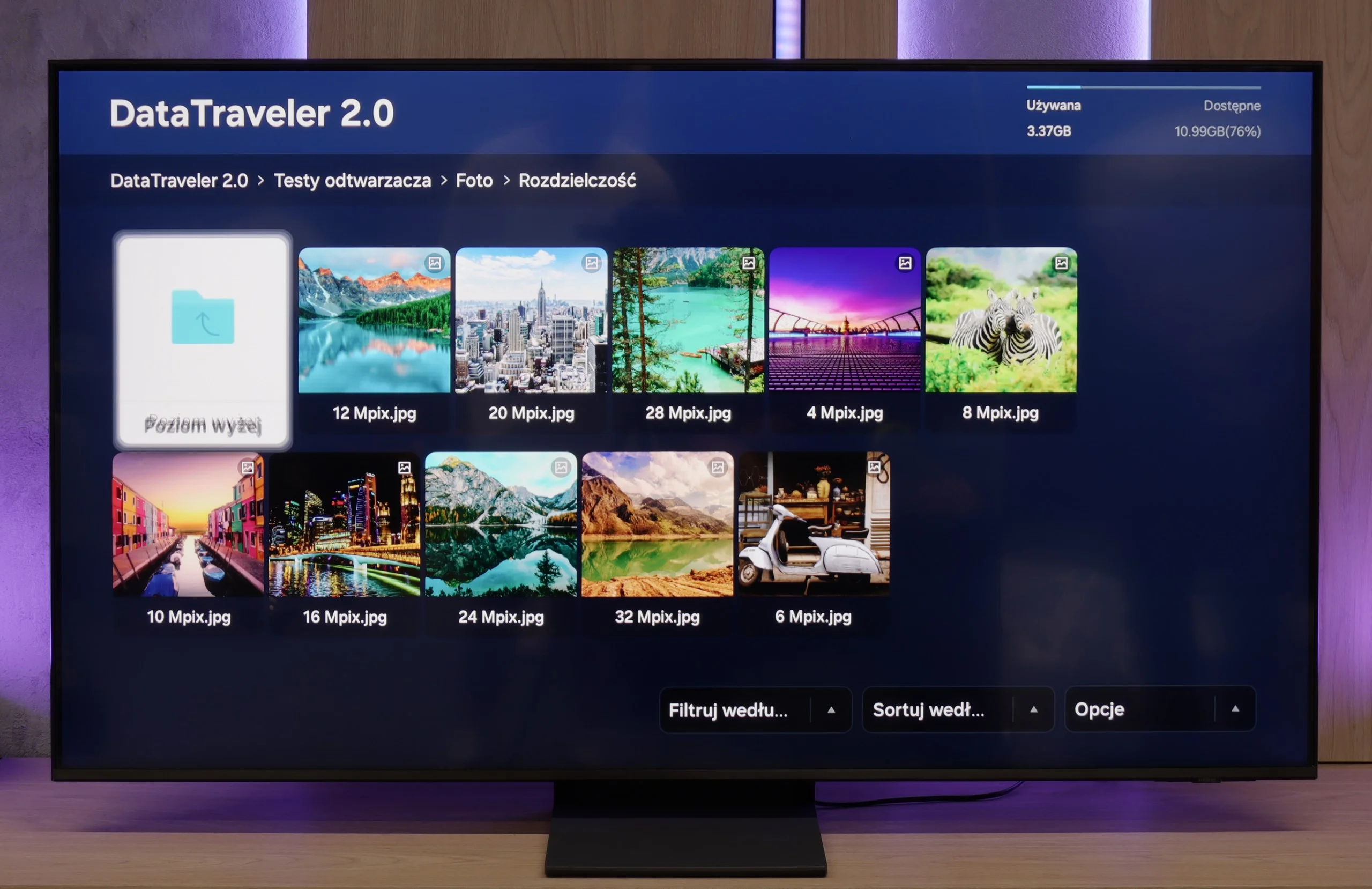
Samsung QN70F performs well with media playback – it easily runs photos, music, and videos in the most commonly used formats. During tests, it effortlessly opened JPG files, MP4, and subtitles in TXT format, so for most people, this will simply be sufficient. However, there were instances where a few files – despite having the correct extensions – would not play. It may be an issue with a specific version of the system, and the problem might disappear after future updates.
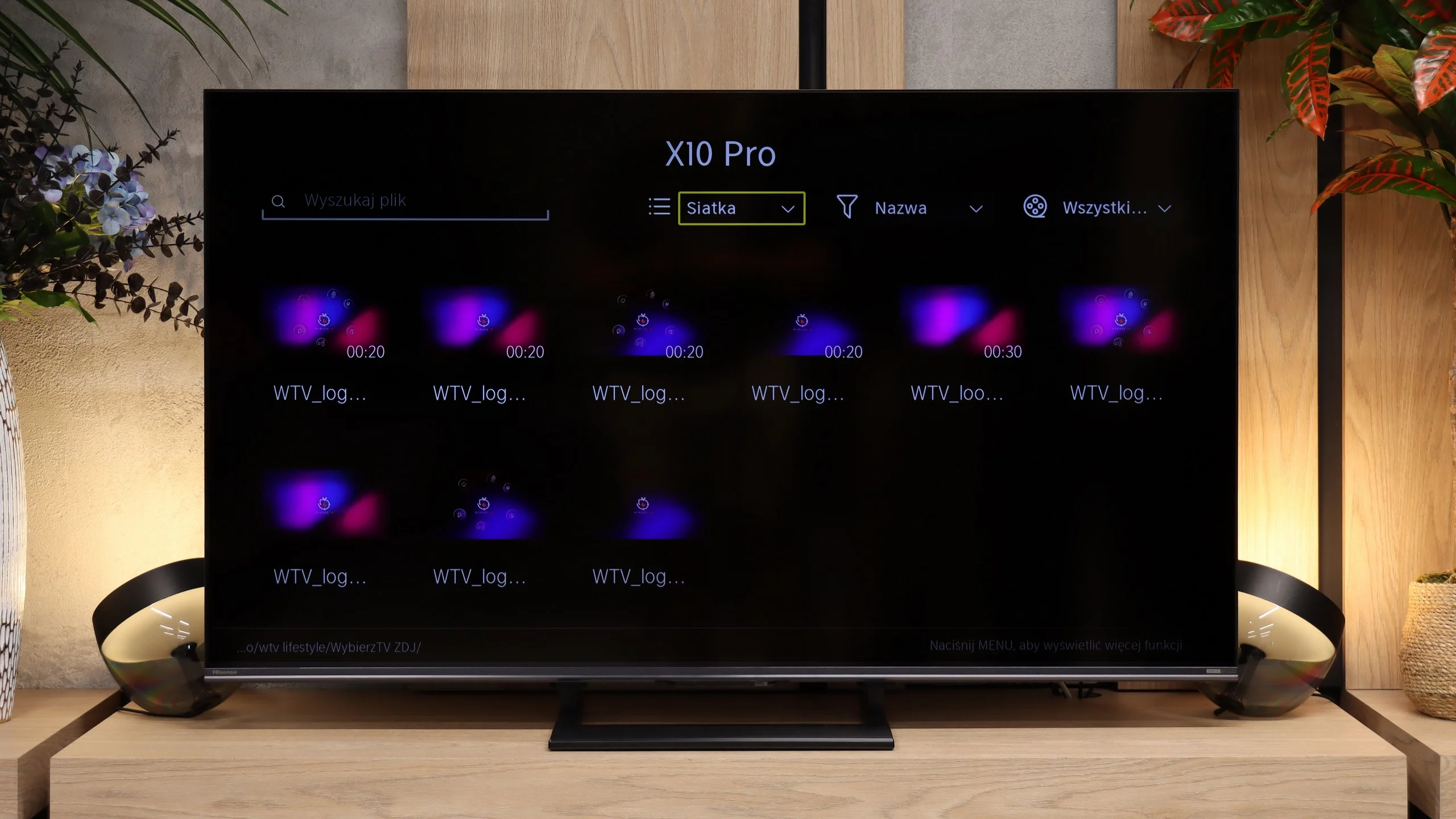
The USB player in the Hisense U7S handles most common file types. It played our H.264 and H.265 material without problems, including high-bitrate 4K clips and a Dolby Vision test file. SRT and SUB subtitles work, including Polish characters and changes to font colour. Not everything ran, though. AV1 and H.266 VVC files did not play, nor did ASS and TXT subtitles. Audio performance is good, from ordinary MP3s to FLAC 96 kHz/24-bit, although AIFF and DSD are not supported.
Our biggest reservations concern photos. The range of supported formats is broad — besides JPEG and PNG, WebP and TIFF also work, but HEIC won’t open. Resolution handling is odd. The TV displayed 4, 6, 8, 16 and 32 Mpix images but couldn’t cope with 10, 12 or 24 Mpix files. So this isn’t a simple image-size limitation. The player is perfectly adequate for movies and music, but when showing holiday photos you may find you need to convert some files beforehand.
Sound
6.4/10
7.2/10
- Maximum volume84dB88dB
- Dolby Digital Plus 7.1
- Dolby True HD 7.1
- Dolby Atmos in Dolby Digital Plus (JOC)
- Dolby Atmos in Dolby True HD
- DTS:X in DTS-HD MA
- DTS-HD Master Audio
The Samsung QN70F performs quite mediocrely in terms of sound, which shouldn't come as a surprise considering the exceptionally slim design of the television. The built-in speakers will manage perfectly well during everyday viewing of news or simpler content, but it's hard to talk about any depth or spaciousness of sound here. It's simply a compromise one has to accept when choosing an elegant and thin design over a bulkier casing with a better audio system.
The USB player in the Hisense U7S handles most common video and music files well. It supports 4K content, including a Dolby Vision file we tested, and displays Polish characters correctly in subtitles. It should therefore be sufficient for everyday use with a USB stick, although there are problems with less common formats. Our main reservations concern photos. The TV handles photo resolutions rather inconsistently and can open a larger image but refuse to display a smaller one. That can be irritating when browsing a holiday album, as you cannot be sure that all photos will work. Some will require prior preparation on a computer.
Sound Quality Test
Acoustic Measurements
84dBC (Max)
75dBC
88dBC (Max)
75dBC
Reader comments
Comments are provided by the external service Disqus (Zeta Global). Once loaded, Disqus may set cookies and process data about your activity.
We will remember your choice on this device. Provider's privacy policy