 Direct comparison
Philips OLED 809 is a quite versatile television that appeals to a wide range of viewers. Its greatest distinguishing feature among all the television models on the market is the multicolour Ambilight backlighting. This often allows for an even greater immersion and engagement in the world of film. What is most important in televisions, namely contrast, black levels, and colour reproduction, is at a high level, and this is something that will always impress in OLED televisions. The tested television, although it performed quite well in our test, has some shortcomings worth noting. These include the quality of tonal transitions and the abrupt operation of the dynamic tone mapping function. In some cases, these may slightly irritate sensitive eyes. However, Philips OLED 809 excels in other respects, particularly in two areas: gaming performance and motion smoothing. The former stands out particularly strongly, as each of the implemented functions operates without the slightest hesitation, allowing for an even more immersive gaming experience. As for motion fluidity, it is at a similarly high level as the gaming support. Thanks to two sliders, whose effects are noticeable at each position, every user can find the best degree of smoothing for themselves. It’s also worth mentioning the Google TV system, which operates very smoothly and during the tests there were no "stutters".
- Matching (Score) |
- Our verdict |
- TV appearance |
- Where to buy |
- Contrast and black detail |
- HDR effect quality |
- Factory color reproduction |
- Color reproduction after calibration |
- Smoothness of tonal transitions |
- Image scaling and smoothness of tonal transitions |
- Blur and motion smoothness |
- Console compatibility and gaming features |
- Input lag |
- Compatibility with PC |
- Viewing angles |
- Daytime performance |
- Panel details |
- TV features |
- Apps |
- Playing files from USB |
- Sound
OLED809 / OLED819 / AMIBLIGHT TV

PQS9011 / PQS9001 / the one 2026
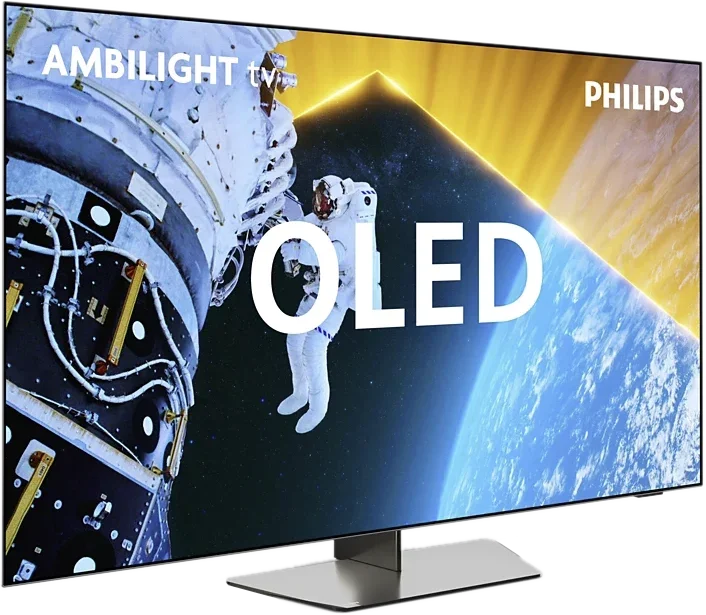
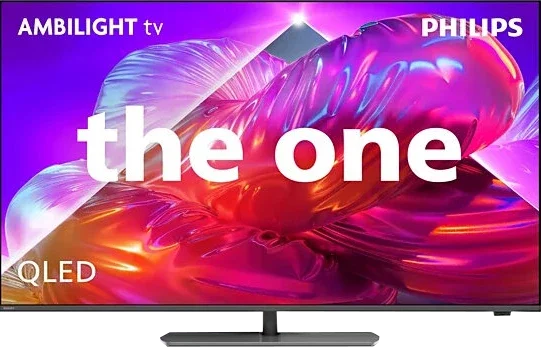
Panel type: WRGB OLED
Resolution: 3840x2160
System: Google TV
Model year: 2024
Panel type: LCD VA
Resolution: 3840x2160
System: Titan OS
Model year: 2026
Check how well they match your needs
Take the surveyOverall rating
7.6
6.8
 Movies and series in UHD quality
7.3
6.4
 Classic TV, YouTube
7.9
6.3
 Sports broadcasts (TV and apps)
8.2
6.8
 Gaming on console
9.2
7.4
 TV as a computer monitor
6.4
8.6
 Watching in bright light
5.5
6.1
 Utility functions
7.9
7.6
 Apps
9.6
7.2
 Sound quality
7.1
6.9
Complete the survey to find out what fits your preferences
Advantages

Advanced Google TV system with good app support
Very good cooperation with the console
Good image fluidity, and an advanced system for its improvement
Multicoloured Ambilight backlighting
Ambilight, which gives evening viewing sessions a distinctive atmosphere and improves the perceived native contrast of the VA panel
Excellent panel response time: minimal motion blur of moving objects
Many gaming features: four HDMI 2.1 ports, VRR, ALLM, HGiG
144 Hz refresh at 4K and 240 Hz at Full HD from a PC
Good coverage of a wide colour gamut: PFS LED
Dolby Vision, which genuinely helps the TV with HDR content
Respectable brightness of around 500 nits, useful for daytime viewing
Swivelling base
Disadvantages

Poor factory colour rendering (can be fixed through calibration)
Strongly contrasting tonal transitions
Average readability of fonts when connected to a computer
No local dimming: average blacks in the evening and limited HDR effect
Smaller app library than the competition
Poor viewing angles (can be mitigated with a swivel stand)
Very high input lag in games with Dolby Vision
Significant errors in HDR colour reproduction (no CMS adjustment available)
Infrared remote requiring direct aiming
Our verdict
The idea behind The One has hardly changed over the years and with the Philips PQS9001 this is both a strength and its biggest drawback. You still get a versatile mid-range television whose main distinguishing feature is Ambilight. The light that follows the picture can change the atmosphere of an evening viewing and for many people will be the main reason to buy it. It's easy to see why: once you like that effect, you often don't want to go back to watching without it. The picture quality itself is good, but a very similar level has been seen in this series in previous years. The VA panel delivers decent blacks, colours are nicely saturated and the brightness is sufficient for comfortable viewing in a typical living room. It's a pity, though, that Philips didn't take another step and at least implement some form of local dimming. In a dark room you can see a navy-black rather than true black, and HDR, though noticeable, is less impressive as a result. After so many years of The One on the market we'd expect more.
There is a clear step forward in Titan OS. Compared with last year, and especially the version from two years ago, the system has become much more pleasant to use. A few apps have been added, many small functions improved and the annoying bugs we complained about before have been fixed. Overall it runs respectably, although we're again bothered by a remote that has to be pointed at the television. Philips stubbornly sticks with infrared for basic control, even though voice control uses radio connectivity. That makes it harder to understand why radio wasn't also used for menu navigation. The One also has a lot to offer gamers. Four HDMI 2.1 ports and extensive features are one thing, but what impressed us most was the panel's response time. Our unit showed virtually no smearing, even on dark backgrounds, which is rare for LCD TVs with a VA panel. That deserves considerable praise. The ability to play in 4K at 144 Hz or in Full HD at 240 Hz further encourages connecting a PC. Unfortunately there's an unfinished element here too: Dolby Vision when gaming on Xbox incurs very high input lag.
The PQS9000 therefore leaves mixed impressions. It can surprise with excellent motion handling and shows that Philips has worked on the system, but the image quality lacks a similar step forward. This is a television we can recommend primarily to Ambilight fans. If that lighting is what convinces you to choose Philips, buying The One makes a lot of sense. It's worth checking, though, whether you can't find a Mini LED model with good local dimming at a similar price, which would offer deeper blacks and more striking HDR. Then you need to decide what matters more to you: the ambience created by Ambilight or better image quality itself.
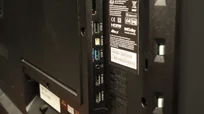
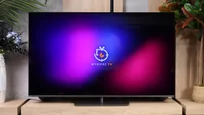
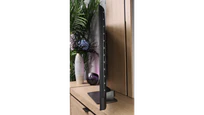
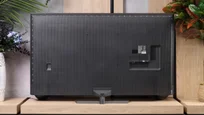
TV appearance

Contrast and black detail
10/10
5.8/10
Local dimming function: No
Contrast:


Result
∞:1

Result
∞:1

Result
∞:1

Result
∞:1

Result
∞:1
Result
5,500:1
Result
3,950:1
Result
5,600:1
Result
5,750:1
Result
4,500:1
Halo effect and black detail visibility:
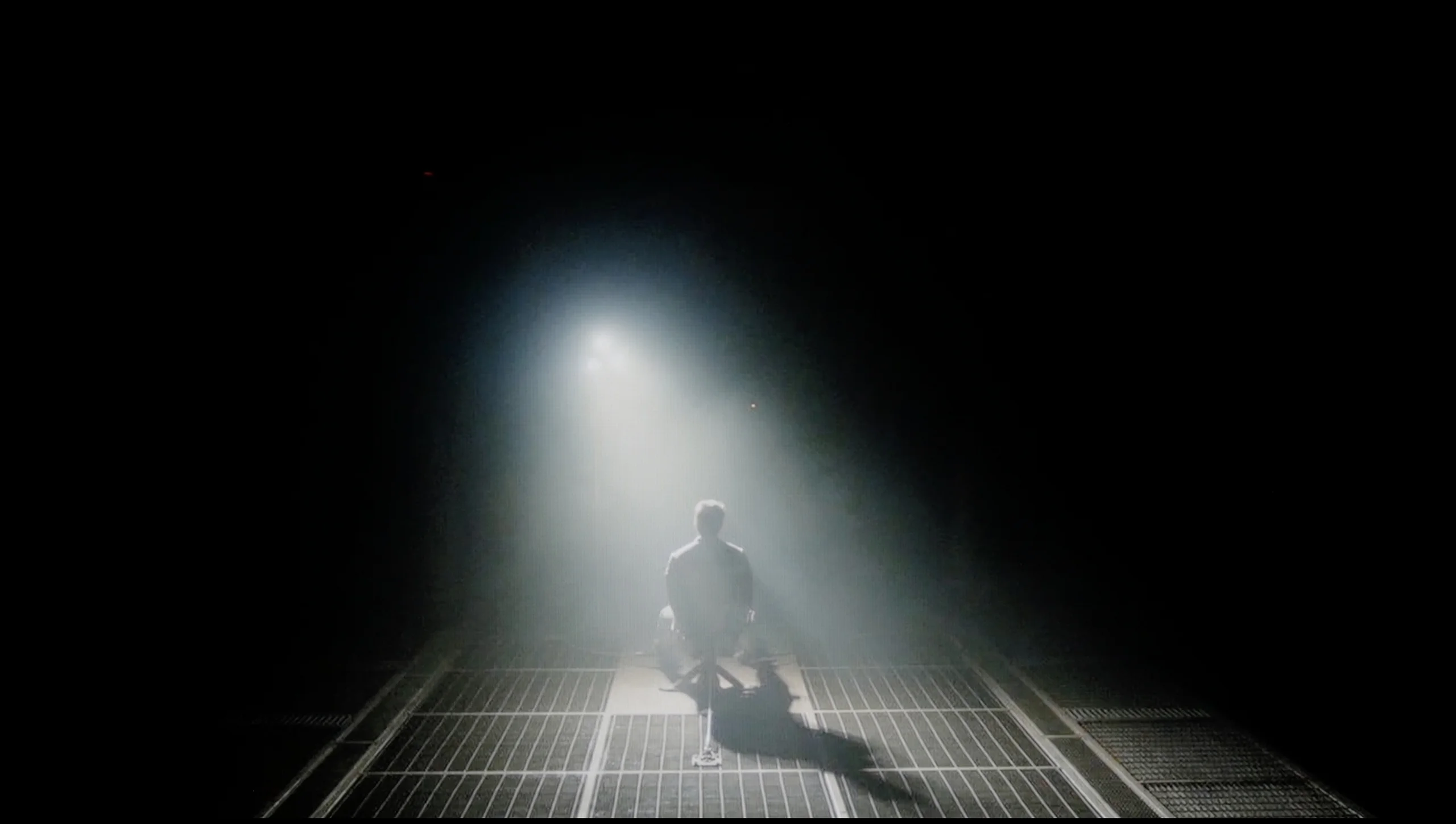
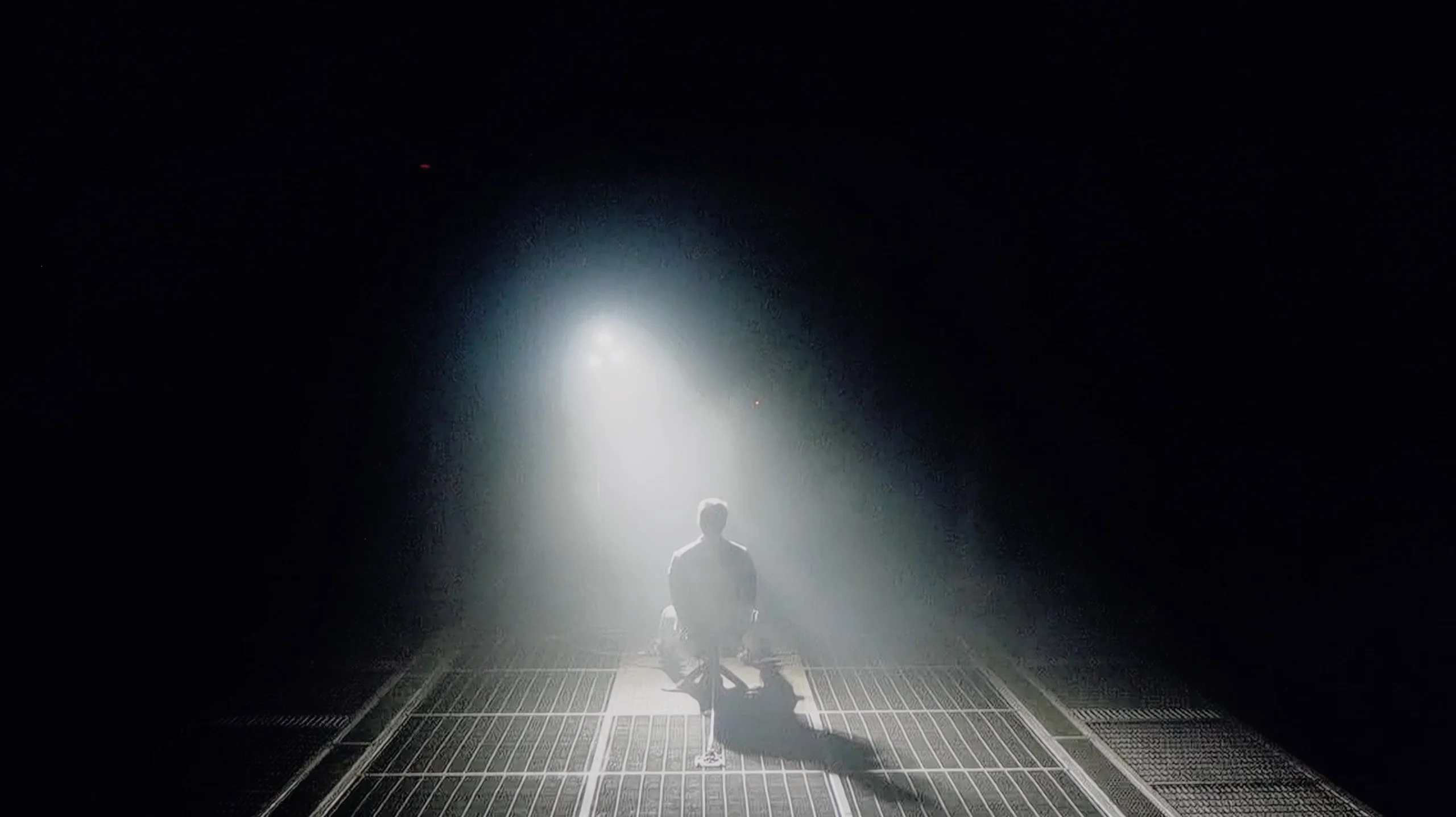
Check the visibility of bright lights on a dark background. Mini-LEDs often struggle with this. The photo does not compare black levels – that’s what the video below is for.
The video accurately shows differences in contrast and black levels between TVs, as well as potential issues: halo around bright objects or Mini-LED zone operation visible as brightness jumps.
Philips OLED 809, as the name suggests, uses an organic matrix. Like the vast majority of manufacturers, it comes from the LG Displays factory, which is not surprising, as other leading manufacturers like Sony and Panasonic also use them. The application of this type of panel allows for achieving an ideal result in the contrast and black testing procedure. Thanks to such results, the image is incredibly vivid and free of any blooming effect from bright text on a dark background, which is already an indispensable element of televisions with local dimming. This is made possible by the very construction of the panel, which is not made up of many layers of filters, but from conductive organic polymers, controlled by electrical impulses. Thus, if we want to achieve black, the pixel dims to a value of 0, rather than being obscured. The lights present in the test image are perfectly separated from each other, which is extremely difficult, and often impossible, for LCD televisions. One of the strongest advantages of Philips OLED 809 is its ability to render contrasts. The Philips OLED809 test showed that the television excels at separating bright elements, such as headlights, from dark backgrounds.
Black levels and contrast on the Philips PQS9000 are decent for an LCD TV without local dimming. That's mainly thanks to the VA panel; in our film scenes contrast often exceeded 5000:1, and in weaker results dropped to around 4000:1. That delivers an image with quite good depth and a clear advantage over typical IPS panels, where blacks are much more prone to looking grey. Unfortunately that's basically where the panel's strengths end. The TV has no local dimming, so it can't dim dark areas separately while retaining strong highlights elsewhere on the screen. All it has is global dimming, which brightens or dims the entire backlight at once. In a completely dark room these limitations become apparent: blacks take on a dark navy hue, and shadowy scenes lack the depth of a good screen with local dimming. Fortunately Ambilight helps here. The light on the wall makes the on-screen blacks appear deeper and slightly masks the panel's glow. That doesn't change the TV's actual contrast, but it affects how our eyes perceive it. In this case Ambilight is therefore not just decorative, as it can also make evening viewing more pleasant.
HDR effect quality
6.9/10
5.5/10
Luminance measurements in HDR:

Result
921 nit

Result
970 nit

Result
1039 nit

Result
1022 nit

Result
425 nit
Result
449 nit
Result
467 nit
Result
487 nit
Result
486 nit
Result
507 nit
Scene from the movie “Pan” (about 2800 nits)


Scene from the movie “Billy Lynn” (about 1100 nits)

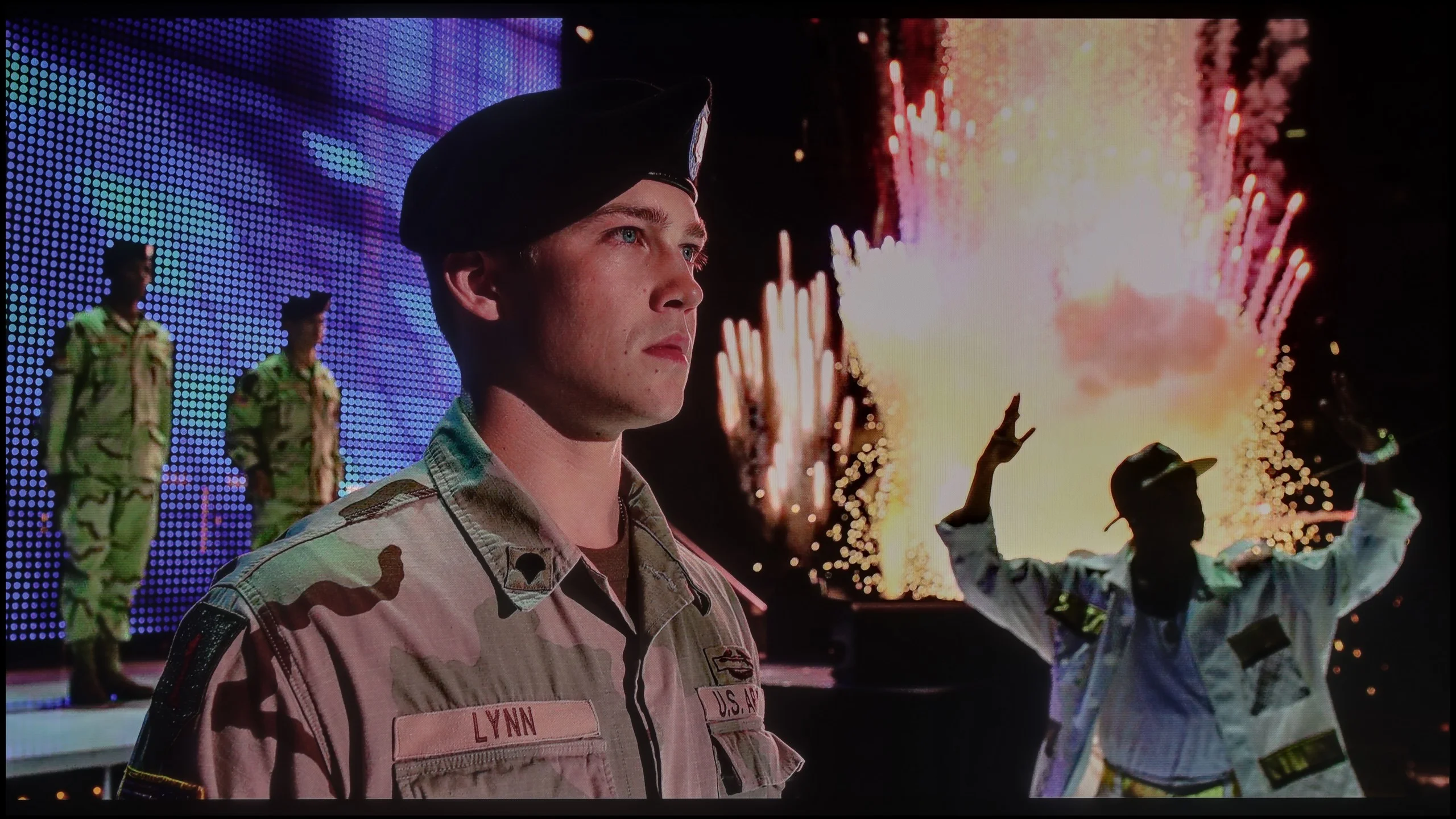
The photos show two HDR10 movies. 'Pan' is one of the brightest productions ever made, while 'Billy Lynn' (soldier) has brightness typical of streaming (Netflix, Prime, HBO MAX). Notice the intensity of effects and detail in whites.
Static HDR10


The photos present the visibility of white details in various HDR formats. They do not show brightness differences between TVs (these can be compared in the previous gallery).
Dynamic: Dolby Vision
Dynamic: Dolby Vision


The photos present the visibility of white details in various HDR formats. They do not show brightness differences between TVs (these can be compared in the previous gallery).
HDR luminance chart:
Philips PQS9011 / PQS9001 (The One 2026)
Philips OLED809/819
Luminance of RGB colors
Philips OLED 809 delivers a more than satisfying HDR effect. The television is capable of generating brightness exceeding 900 nits in almost every scene, and sometimes even over 1000. This result allows for a full experience of content with a wide tonal range. The only moment when Philips OLED 809 is unable to generate higher brightness is in a scene from the movie “The Meg,” which features a large amount of bright white across a significant portion of the screen. However, this cannot be regarded as a poor result, as it represents a considerable improvement over its predecessor. Generally speaking, such values for OLED panels produced by LG Display, which do not feature MLA technology, are very, very good. When combined with high coverage of the DCI-P3 colour gamut, they allow for an exceptional HDR experience. The Philips OLED 809 test showed that this television supports popular HDR formats such as Dolby Vision and HDR10+.
Philips PQS9000 is a moderately bright TV. In our HDR scenes it reached roughly 450 to just over 500 nits. That's enough to notice a difference compared with SDR. Reflections of the sun, lamps or flares have a bit more sparkle than on basic TVs, whose brightness often tops out around 300 nits. However, it is not a level at which bright elements make a particularly strong impression. The biggest limitation remains contrast. Without local dimming, when the TV brightens a bright object it also raises the black level around it. There is therefore no clear separation of strong highlights from a dark background, and it is that contrast that can show what HDR can do. The PQS9000 offers more than the cheapest models, but despite decent brightness the effect remains fairly basic.
Colours
Philips deserves praise for the colours. Although the manufacturer calls this model QLED, in reality a PFS phosphor is used here instead of quantum dots. That choice does not prevent the TV from achieving good results. On both test patterns and in measurements of film scenes we recorded about 94% coverage of DCI-P3 and 75% of BT.2020. For this class of TV that is really good. In practice this means that the vast majority of colours used in HDR films and series will have appropriate saturation. Vibrant green or intense red are not much of an issue and add appeal to the picture. Limitations are easier to notice in some games and in rarer content that use the most saturated shades of the wide BT.2020 gamut. In such situations, displays with wider colour coverage, such as SQD or RGB LED, can show more. In its price bracket, however, the PQS9000 has nothing to be ashamed of.
Factory color reproduction
5.1/10
5.1/10

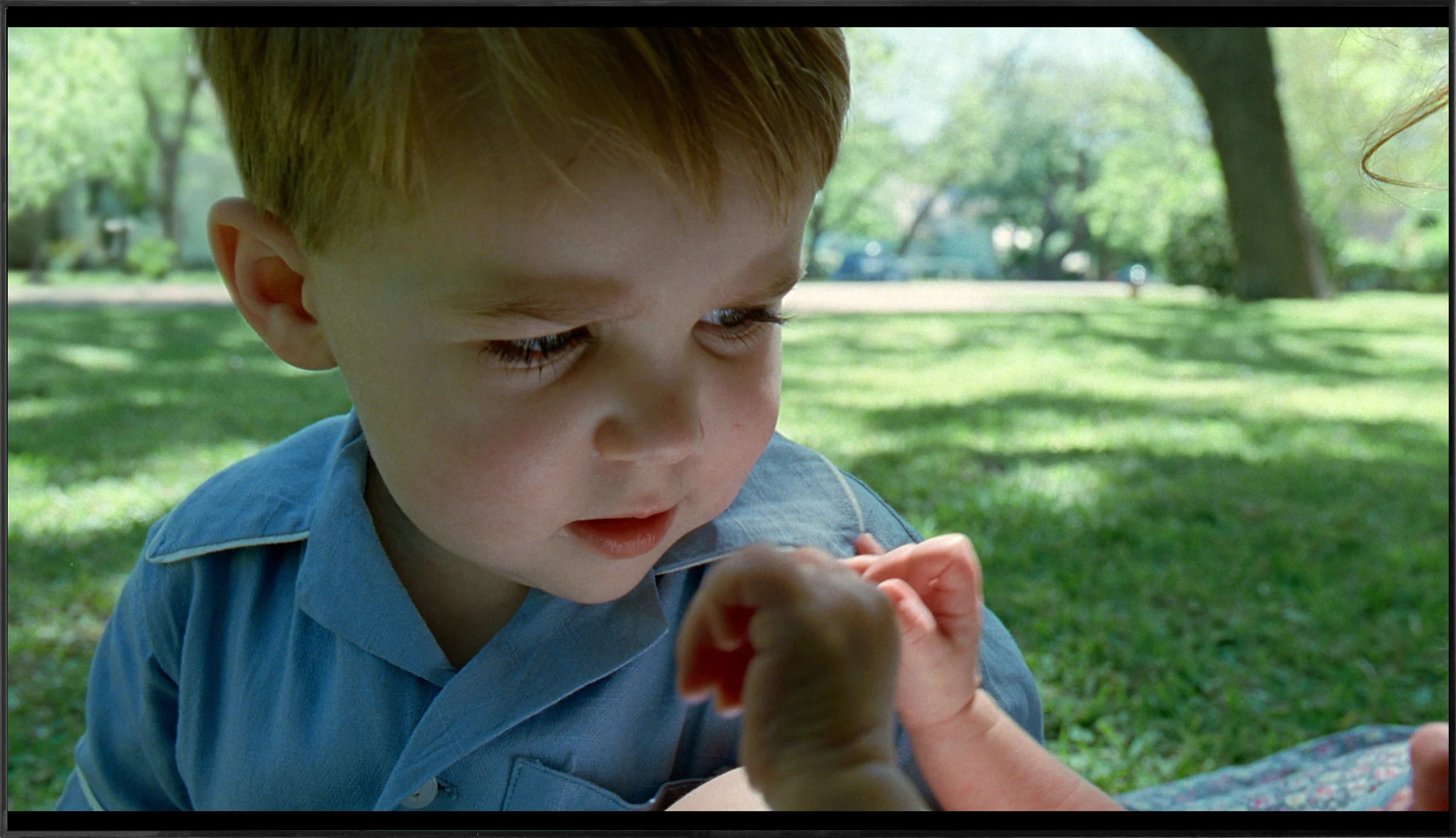
This illustrative image shows how colors change after professional calibration. If you can see the difference, you can order it from SkalibrujTV – it's our own service.
Factory mode
After calibration


This illustrative image shows how colors change after professional calibration. If you can see the difference, you can order it from SkalibrujTV – it's our own service.
Factory mode
After calibration
The best factory mode in which we conducted all our tests was "Filmmaker", which has become rather standard in televisions from this manufacturer. However, let's check what its characteristics were before we began the calibration process. The first aspect we will examine is white balance, as despite appearing unassuming, it determines whether the image will be free from any kind of tint. The graph clearly shows that both in SDR and HDR materials, there was a dominant presence of two colours: red and green, which resulted in a strong yellow tint that was ubiquitous across the entire image. This is perfectly visible on the "ColourChecker" palette, where all hues shifted towards their warmer counterparts. The second thing we will scrutinise is, in our opinion, the two most important graphs regarding image quality assessment: gamma and the EOTF curve. Both aim to maintain adequate brightness and contrast. The first one serves to describe the brightness level in SDR materials, while the second shows the rate of luminance increase. Analyzing the first one, we can observe that it was extremely lowered compared to the reference value marked by the orange line. This situation resulted primarily in a sharp increase in brightness and a significant reduction in contrast, almost reminiscent of that in OLED televisions. The EOTF curve exhibited greater "moderation" and only slightly brightened the entire image to 50% of the maximum brightness.
Unfortunately, the factory picture settings for Film mode on the PQS9000 need refinement. In SDR the most noticeable problem is an excess of red in the white balance, which makes whites, greys and skin tones too warm, sometimes even slightly pinkish. On top of that the gamma runs below the reference across most of the range. The TV therefore brightens midtones and highlights, making the overall image look flatter than it should.
In HDR the white balance itself is much better. Apart from minor deviations the RGB components track closely, so there is no pronounced colour cast as in SDR. However, the EOTF curve shows a slight brightening of parts of the image, and the biggest issue appears in measurements of the wide colour gamut. Many hues deviate significantly from the target, with errors reaching levels of 8–9. The good gamut coverage we praised earlier therefore does not mean the TV hits specific colours equally well. It can display a wide colour range, but out of the box it does not use it very precisely.
Color reproduction after calibration
9/10
7.7/10


The photos show how movies look on the TV. Pay attention to black detail visibility, colors, and shadow tint.


The photos show how movies look on the TV. Pay attention to black detail visibility, colors, and shadow tint.
Philips, like most leading manufacturers, has been providing advanced tools for calibration processes for years. Here we will find both 2- and 20-point grey scale adjustments, as well as an advanced CMS (Colour Management System). As you can observe, this has brought about extremely beneficial results and profoundly changed the perceived image. Practically every one of the elements mentioned above has undergone a transformation and has been brought back to its natural state. This is particularly evident on the "ColourChecker" palette, where the measured samples are harmoniously in place. It must be said that the white balance has turned out exceptionally well, allowing us to enjoy a clean image free from any tint in both SDR and HDR materials. The biggest issue of OLED809, namely gamma, has been properly modelled and only shows minor errors here and there, which will not affect the overall picture. The EOTF curve, on the other hand, has been rid of that subtle brightening and now presents itself as reference-level.
Calibration brought a significant improvement, especially in SDR material. We managed to even out the white balance and remove the previous colour cast, and the Color Checker measurements now look really very good. Colours are much closer to what should be on screen, so with ordinary TV or SDR films we can be satisfied with the outcome. Unfortunately HDR somewhat spoils that result. On the one hand it is limited by the panel itself, because calibration won't improve contrast or replace local dimming. On the other hand there remain colour errors that we couldn't correct because the CMS settings, that is the colour management controls, were greyed out and inactive. That costs Philips points with us. The white balance can be fine‑tuned, but without access to wide‑gamut adjustments it's not possible to order HDR colours equally well. It's a shame, because the SDR results show the potential is there, but we weren't allowed to make full use of it everywhere.
Smoothness of tonal transitions
2.4/10
8.6/10
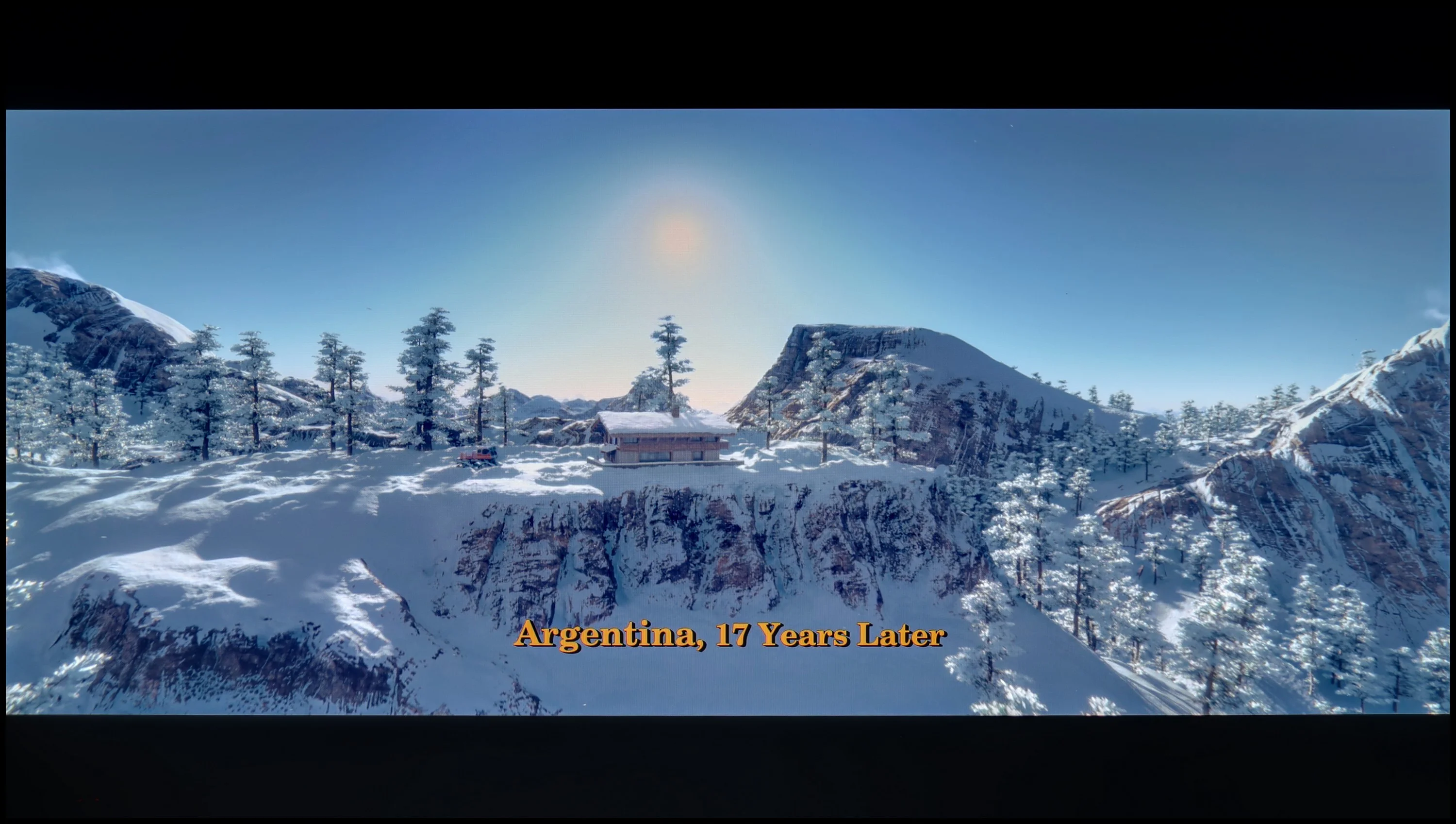

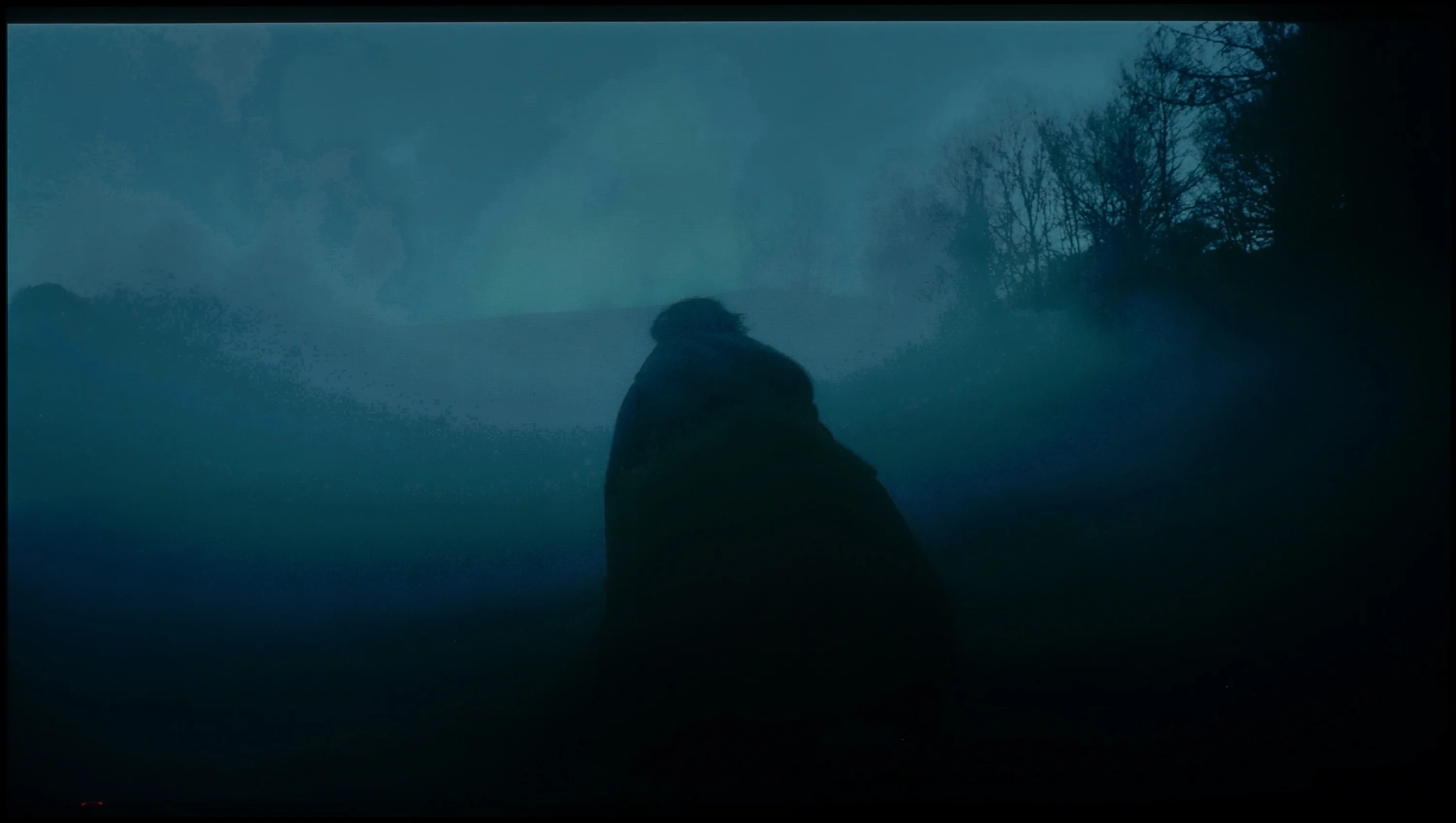
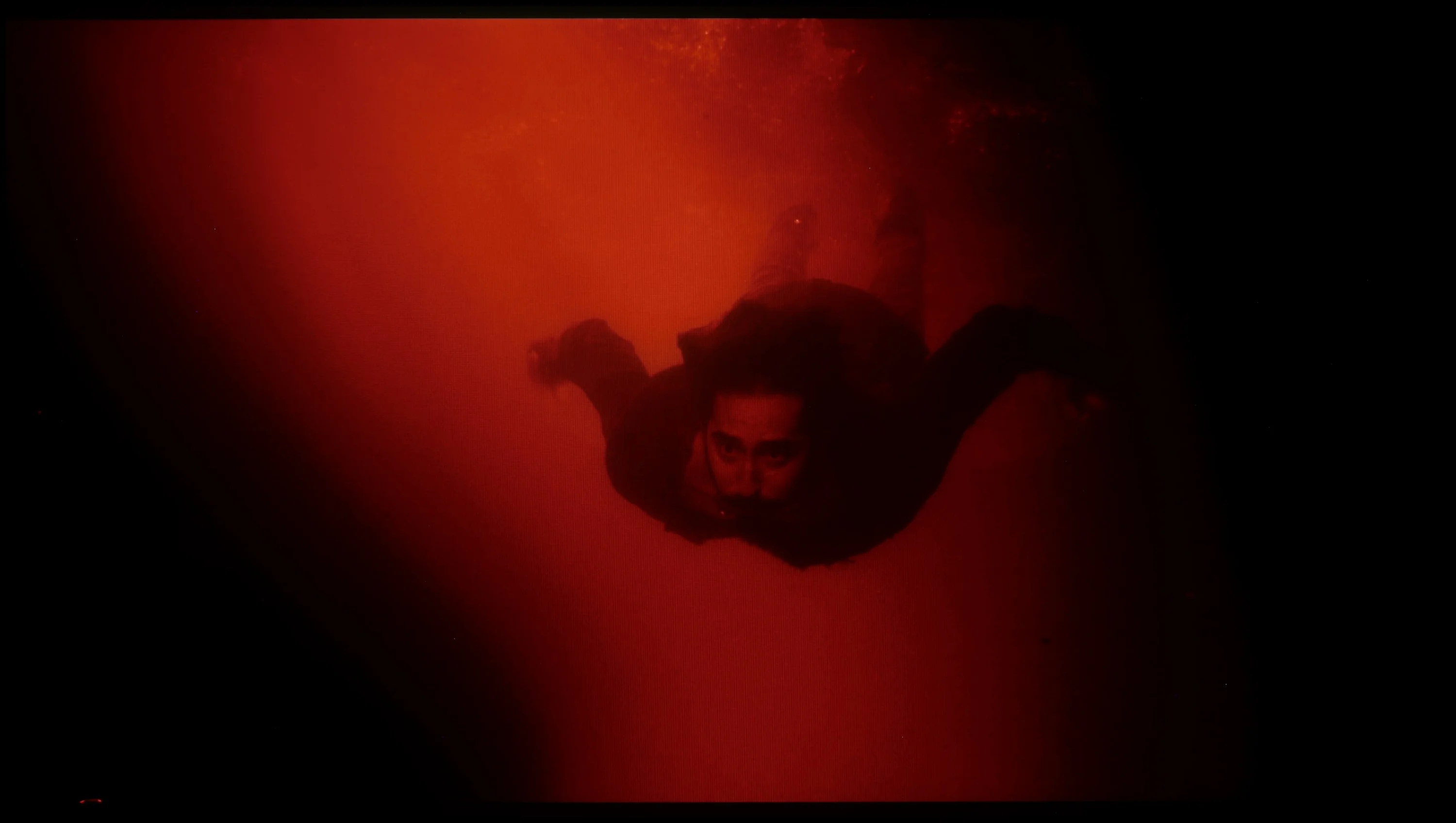

These are selected scenes that show smooth tonal transitions from one color to another. If you see distinct banding, it’s the TV panel’s fault.

These are selected scenes that show smooth tonal transitions from one color to another. If you see distinct banding, it’s the TV panel’s fault.
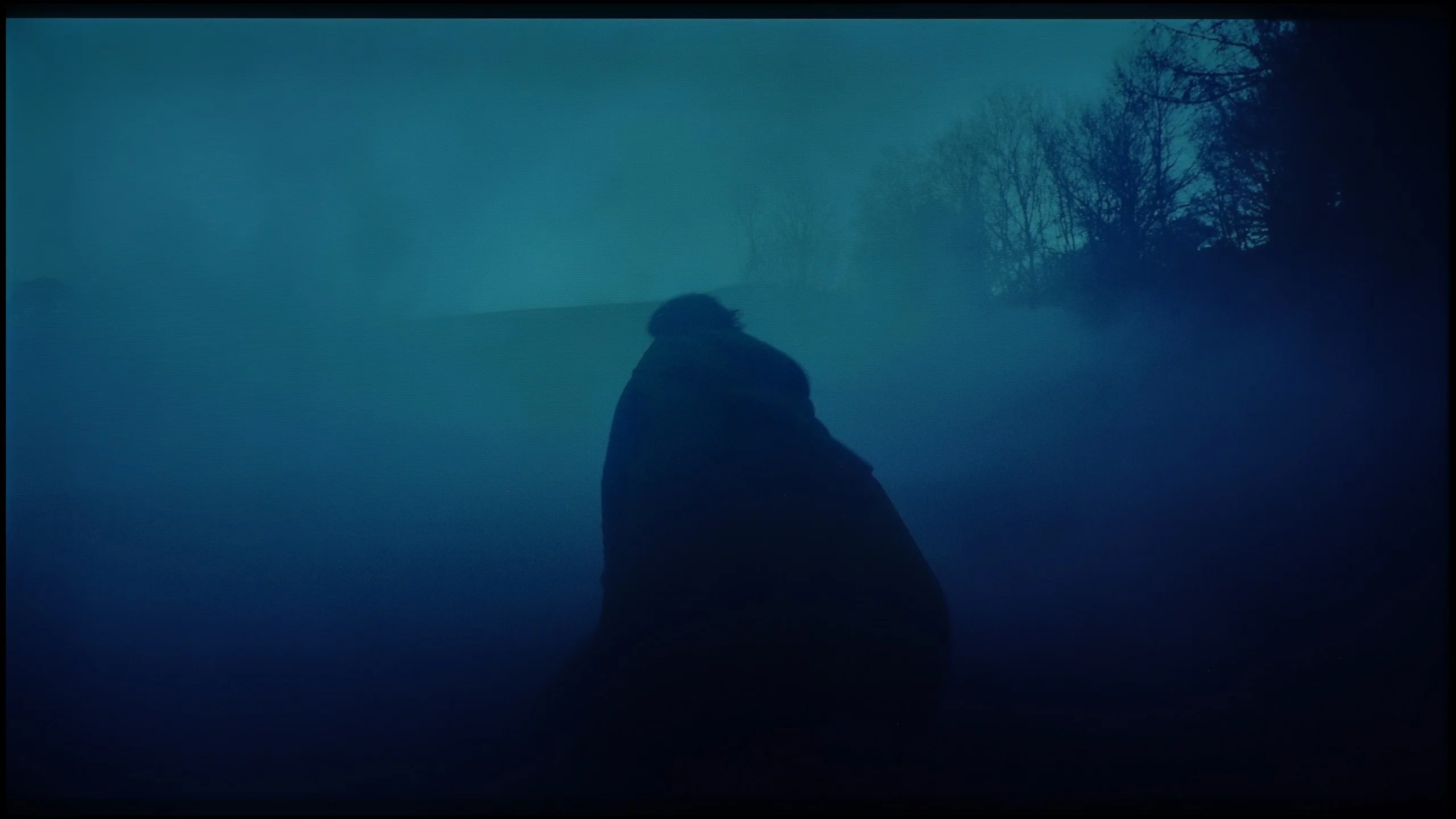
These are selected scenes that show smooth tonal transitions from one color to another. If you see distinct banding, it’s the TV panel’s fault.
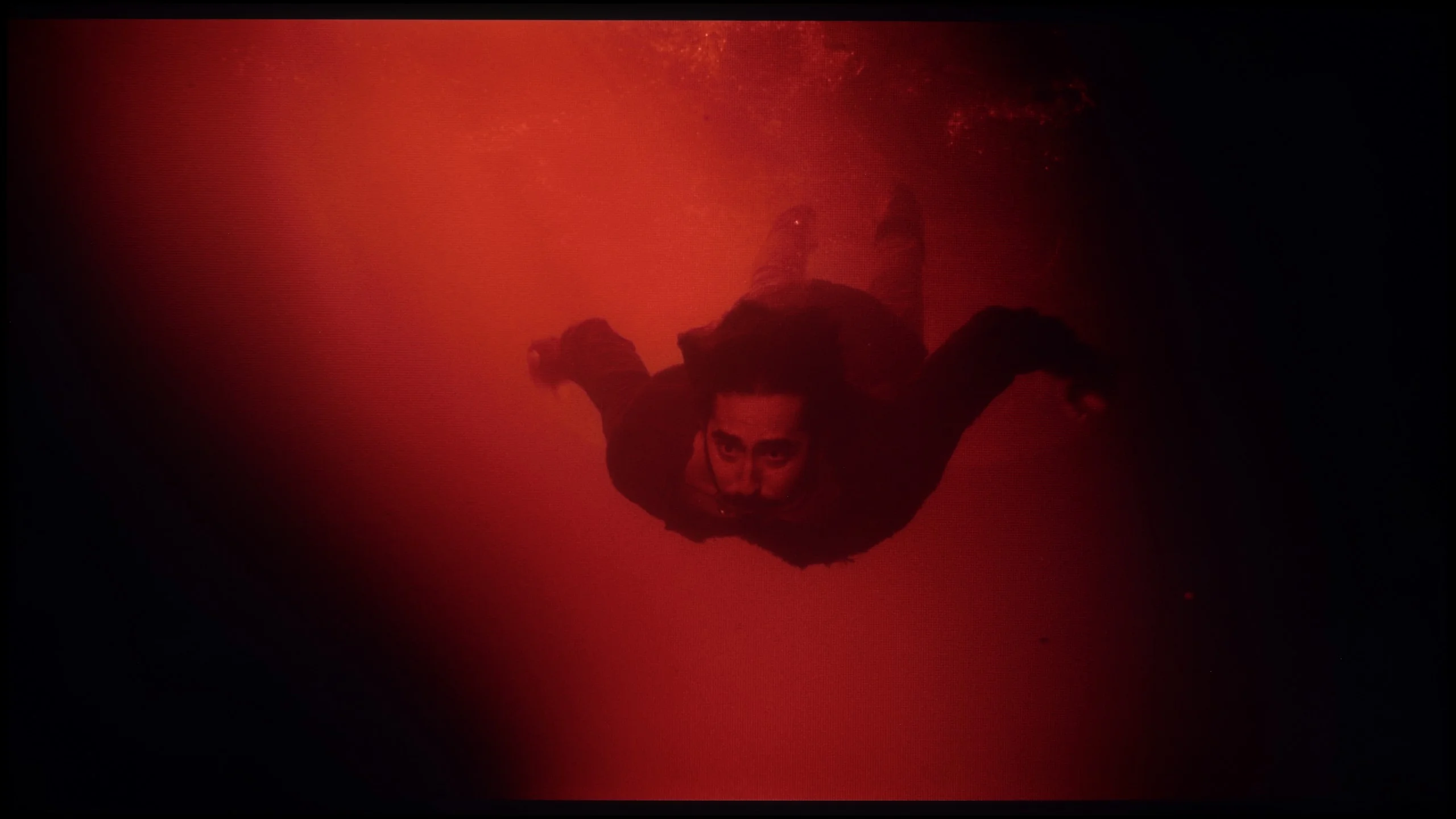
These are selected scenes that show smooth tonal transitions from one color to another. If you see distinct banding, it’s the TV panel’s fault.
Equally important as colours, blackness and contrast in the context of the image quality assessment process is its purity. This category can also include the quality of tonal transitions. How many of you have experienced the effect of "banding" of colours on your older receivers? It is extremely bothersome and often effectively hinders immersion in the series or film being watched. Philips OLED 809 unfortunately has one of those qualities that are better left unspoken. However, out of editorial duty, we should take a look at them and evaluate, which will be quite simple given their lack of complexity. As you can see, practically every scene demonstrated a lack of fluidity between colours. And just as in the film "Kingsman" this is still acceptable, in other productions it is really impossible to leave them with a clean conscience, especially when looking at "The Green Knight." There, the dense fog has practically been converted into horizontal stripes and vaguely defined geometric shapes. There are televisions that can manage tonal transitions perfectly, but Philips OLED 809 unfortunately does not belong to this group. During the tests, we could observe the colour banding effect, particularly in demanding scenes, which negatively impacts the reception of the film. Philips OLED 809 test indicates that even options for removing posterization do not help sufficiently, which can be considered a serious flaw.
The Philips PQS9000 handles tonal transitions very well. This is especially evident in dark scenes, where shades flow smoothly into one another without visible banding or distinct boundaries between colours. As a result, even on large, uniform areas the image looks smooth. Minor imperfections only appear in lighter tones, but you have to look closely to notice them. During normal viewing they are unlikely to distract from the film. In this category Philips performs really well.
Image scaling and smoothness of tonal transitions
5.5/10
7/10


Smooth transition function
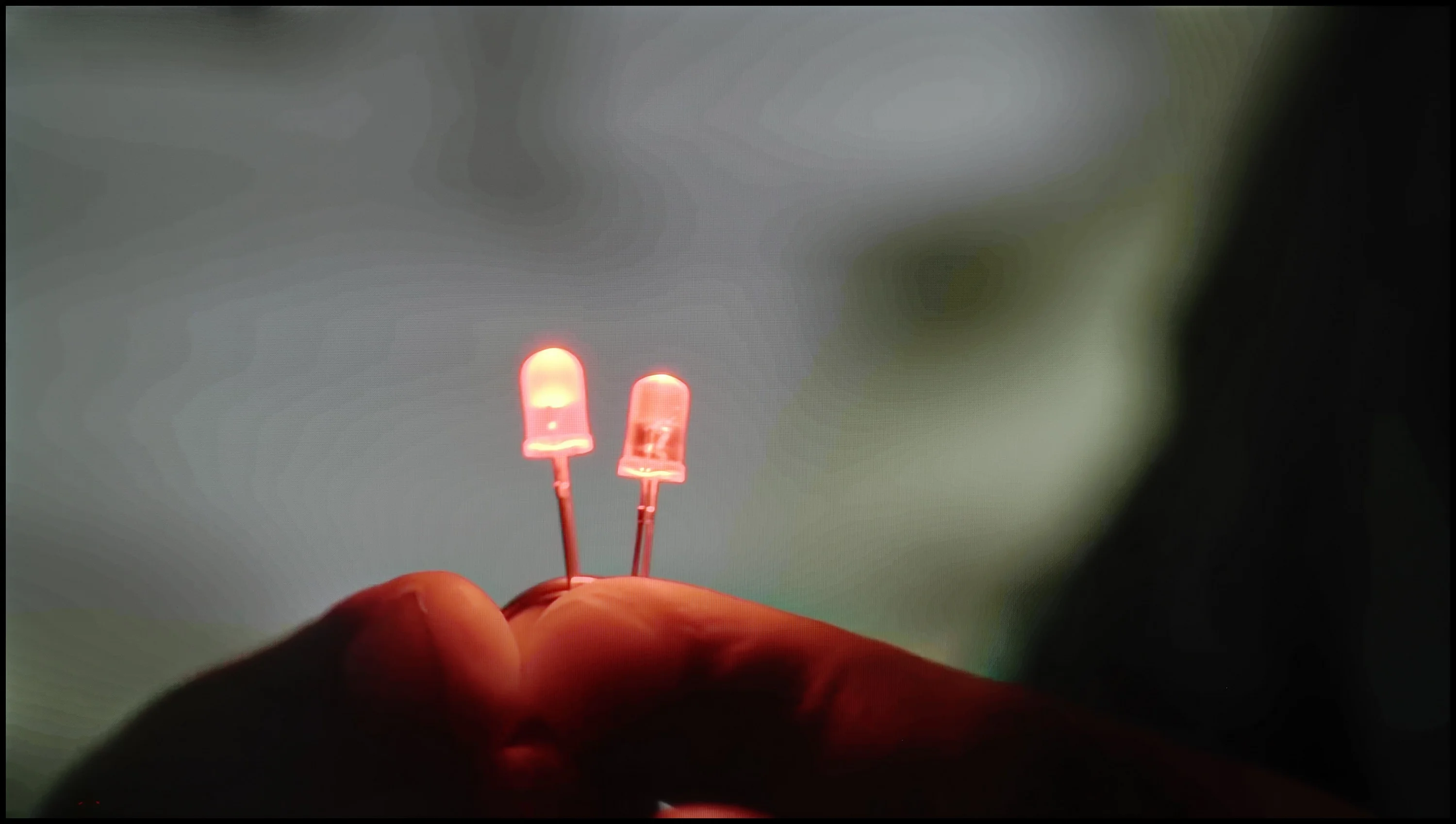
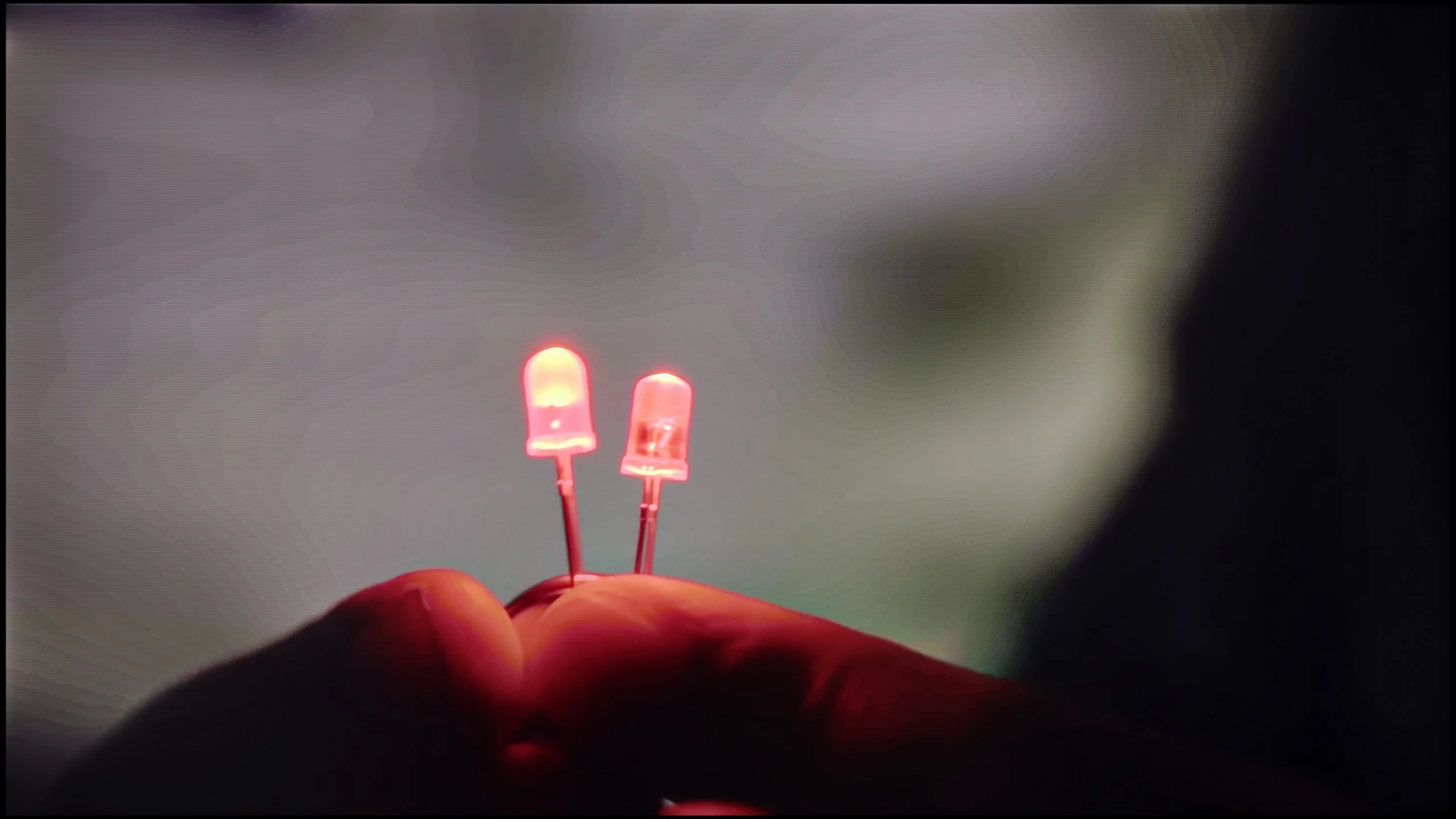
The match photo shows how the TV smooths weak tonal transitions in low-quality video.
Image scaling SD (576i)


The model photo shows how it handles upscaling of SD material.
Philips OLED 809 did not perform particularly well in the test of tonal transition fluidity. Moving on to the part of the test where we assess the behaviour of the television's algorithms, we will once again check the function responsible for removing posterization. Indeed, such a function exists in the menu and has several available options. As you can see in the picture on the left, although its presence has been confirmed by us, it is not useful. Only at the highest setting does it effectively remove stuttering; however, it blurs the entire image in the process. Therefore, it is completely useless.
It happens more than once or twice that you and we watch lower quality materials. In this case, the quality of the image upscaling algorithms can have a beneficial effect. We must admit that those implemented in OLED 809 work quite efficiently and improve image quality without visible artifacts. You can only notice slight edge fringing; however, it is unlikely to be visible during normal viewing.
Digital picture processing in the Philips PQS9000 performs well, though we have a few reservations. The "Distortion Reduction" function helps to smooth tonal transitions in lower-quality material, but it works rather unevenly. It can improve one part of the image, only to seem to lose its effect a moment later, still in the same scene, and show banding between shades again. A plus is that it doesn't remove film grain or fine noise, so the image retains its texture. We found the 'Medium' setting worked best and we recommend it. The upscaling to 4K itself is acceptable, although the image is very soft. Edges are heavily smoothed, which may leave some viewers feeling the picture lacks definition. In that case, it's worth slightly increasing the sharpness in the TV's menu, as this will make edges appear more defined. However, don't overdo the sharpening slider, otherwise artificial halos may appear instead of an improvement.
Blur and motion smoothness
8.5/10
8.1/10
Blur (native resolution, maximum refresh rate):






Blur ():
Blur (1080p@240Hz):


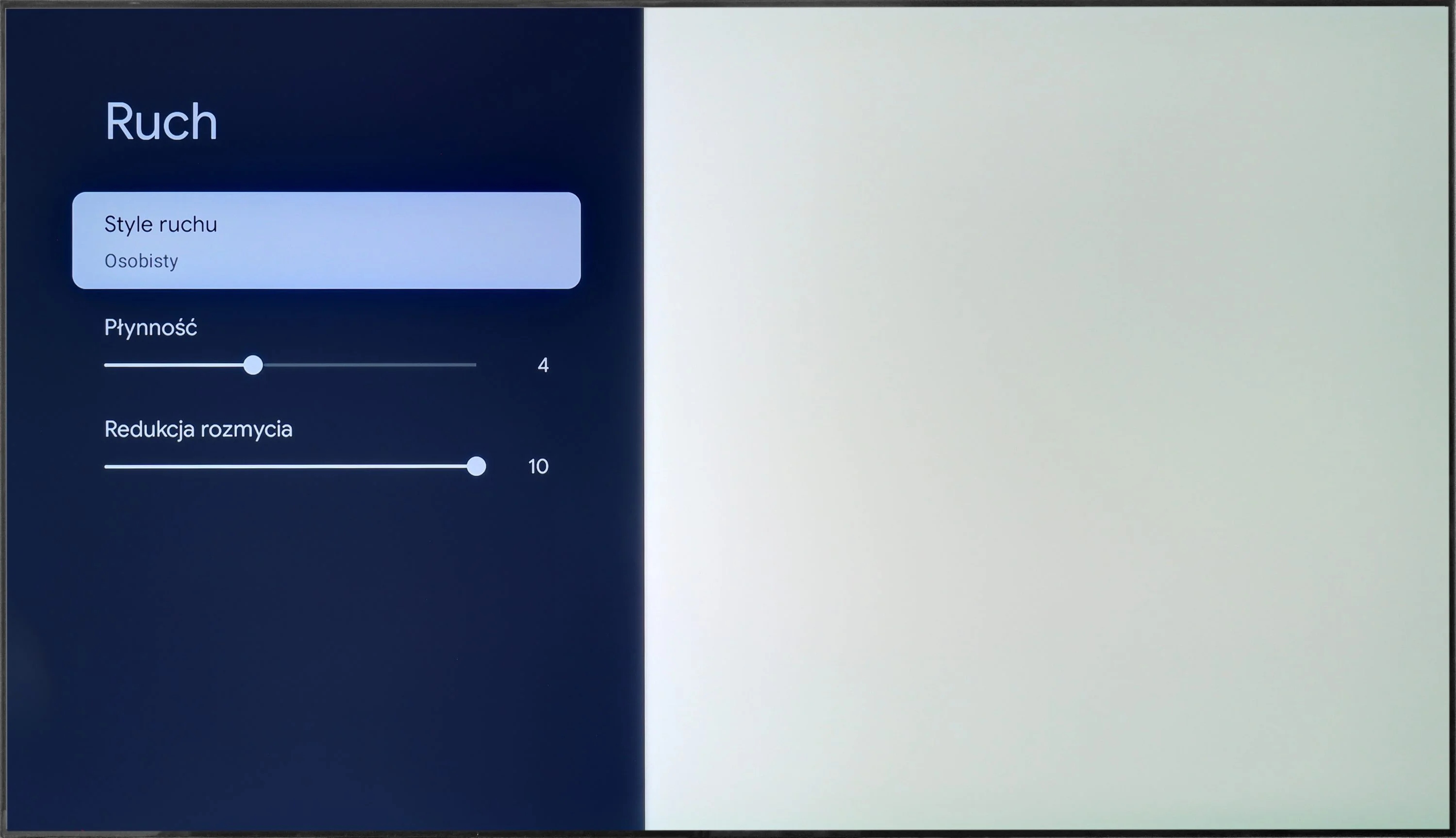
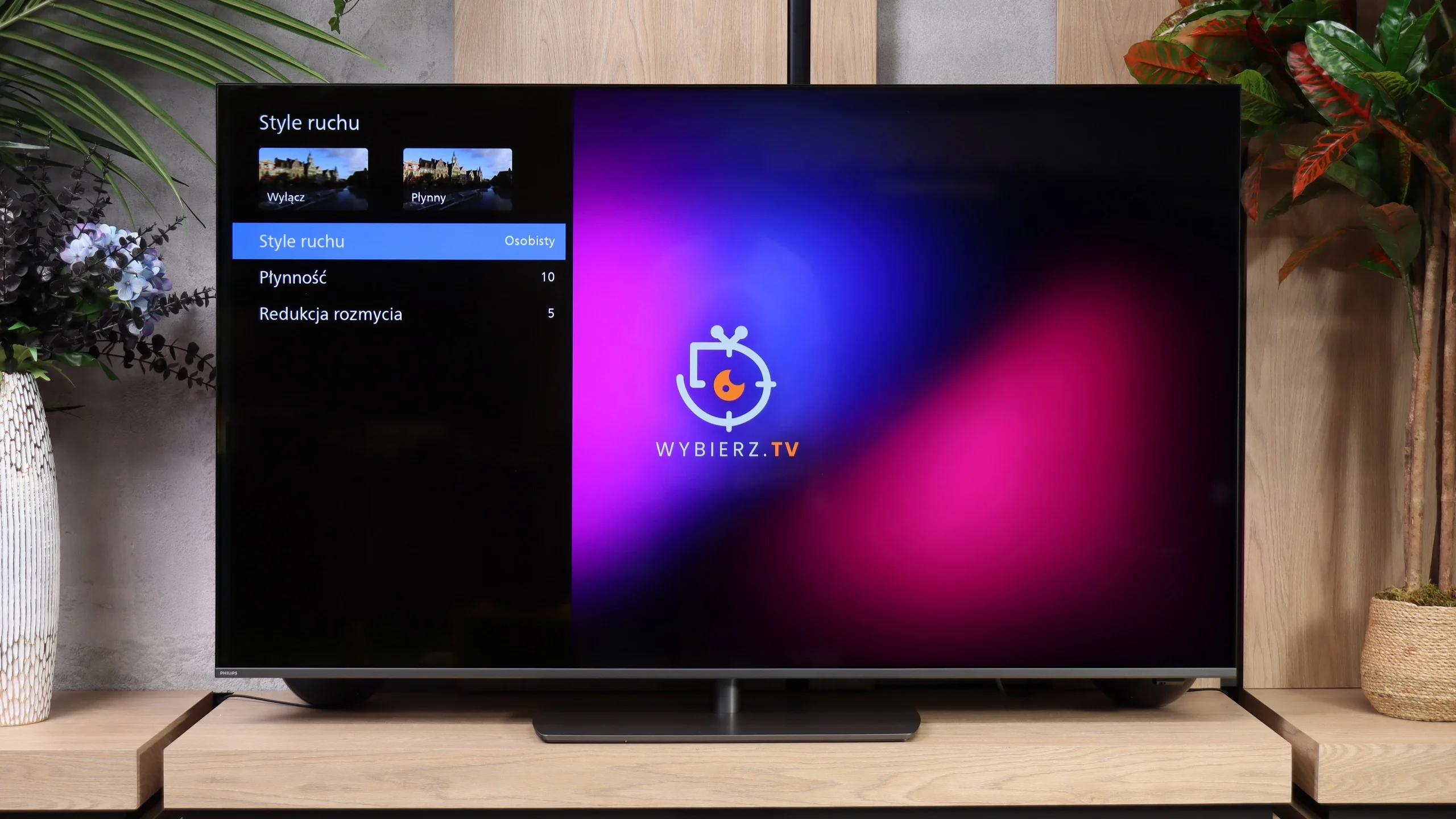
The maximum refresh rate we can set on the tested television is 144 Hz. This value can be achieved by connecting it to a really powerful PC. In the case of consoles or television, everything remains the same. For those who require high smoothness of motion or dislike the characteristic stuttering of films recorded at 24 fps, the manufacturer has prepared a fairly extensive motion smoothing system. In the dedicated tab, we will find a slider for “Smoothness” that is responsible for eliminating stutter, and “Motion Blur Reduction,” which helps increase the sharpness of dynamic elements. The function works very well and granularly, meaning that each setting has a real impact on the perception of motion. We also mention that it works at a refresh rate of 120 Hz, as it operates on multiples of film or television materials. With such an extensive set of options, every user will find their golden mean. In the picture, we present our choice, which is slight smoothing without the soap opera effect.
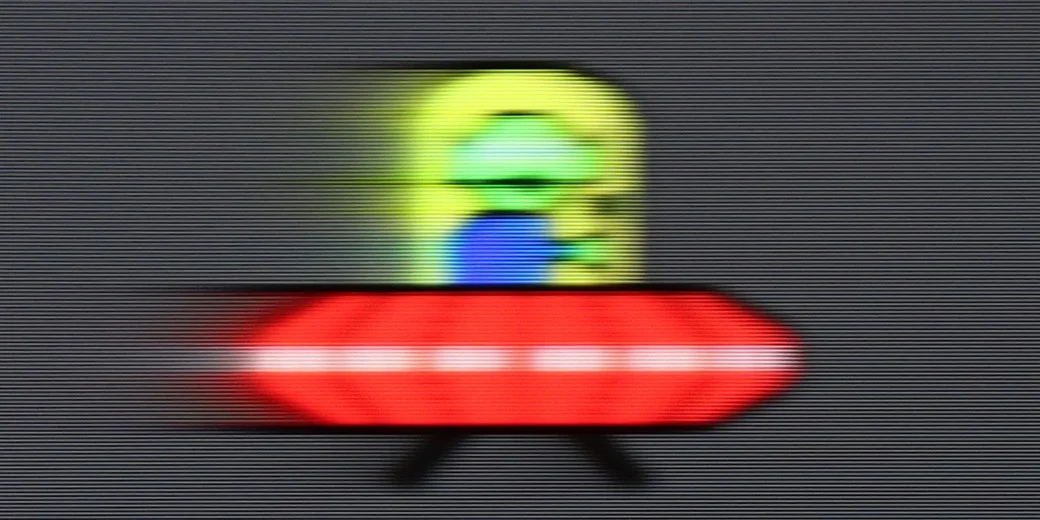
Motion is influenced not only by settings on the television but also by the response time of the panel itself. OLED televisions feature the best response time on the market, which in the case of 809 is about 0.1 ms. There are no IPS/ADS or especially VA panels that come close to the results of organic panels.
In terms of motion handling the Philips PQS9000 performs exceptionally well for an LCD TV. It's not just the 144 Hz refresh rate, but above all how quickly the panel itself responds. At 120 Hz there are virtually no typical trailing smears behind moving objects. What is particularly pleasing is that this also applies to darker scenes, where many VA panels clearly struggle. Here motion remains clear and, in this respect, Philips pleasantly surprised us.
The "Motion Styles" feature lets you adjust how motion is displayed. It includes two sliders: "Smoothness" and "Blur Reduction", allowing you to tailor the effect to the content you're watching and your own preferences. Our suggested settings are shown in the photo. Treat them as a starting point and try to find the level of smoothing that suits you best.
Console compatibility and gaming features
10/10
9.5/10
- ALLM
- VRR
- VRR range40 - 144Hz48 - 240Hz
- Dolby Vision Game Mode
 Yes, high input lag
- Correct implementation of HGIG
- 1080p@120Hz
- 1440p@120Hz
- 4K@120Hz
- Game bar
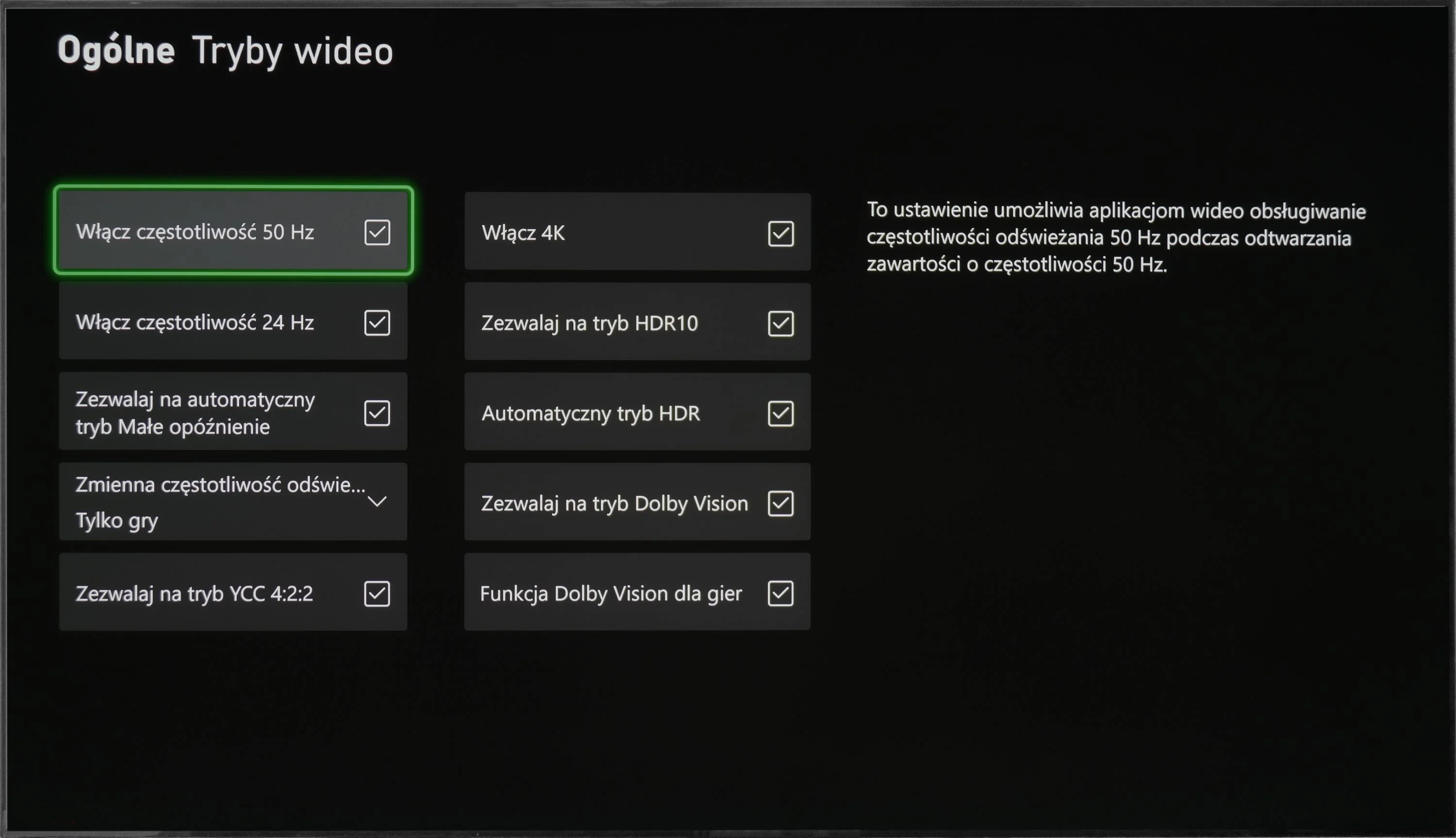
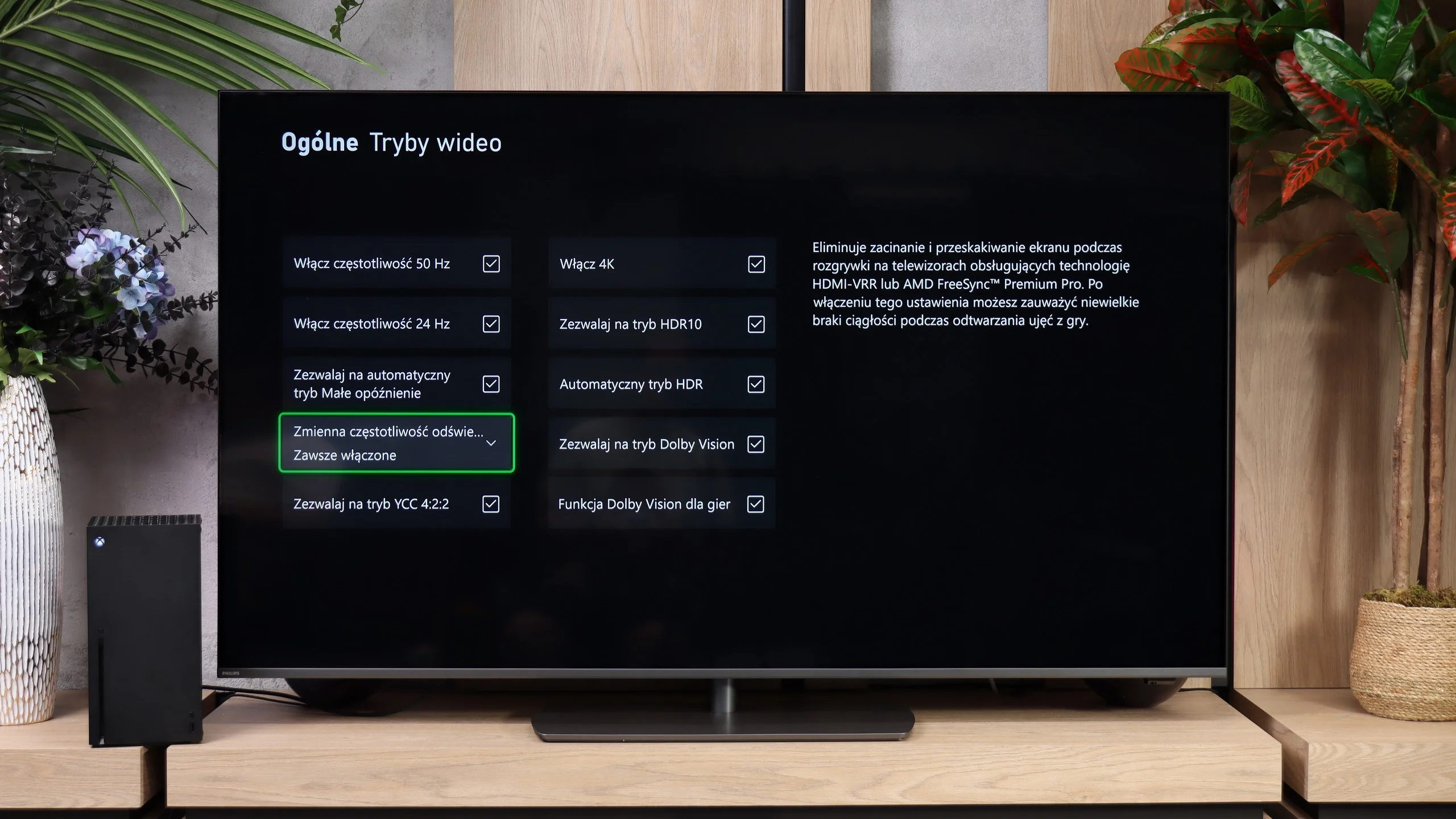
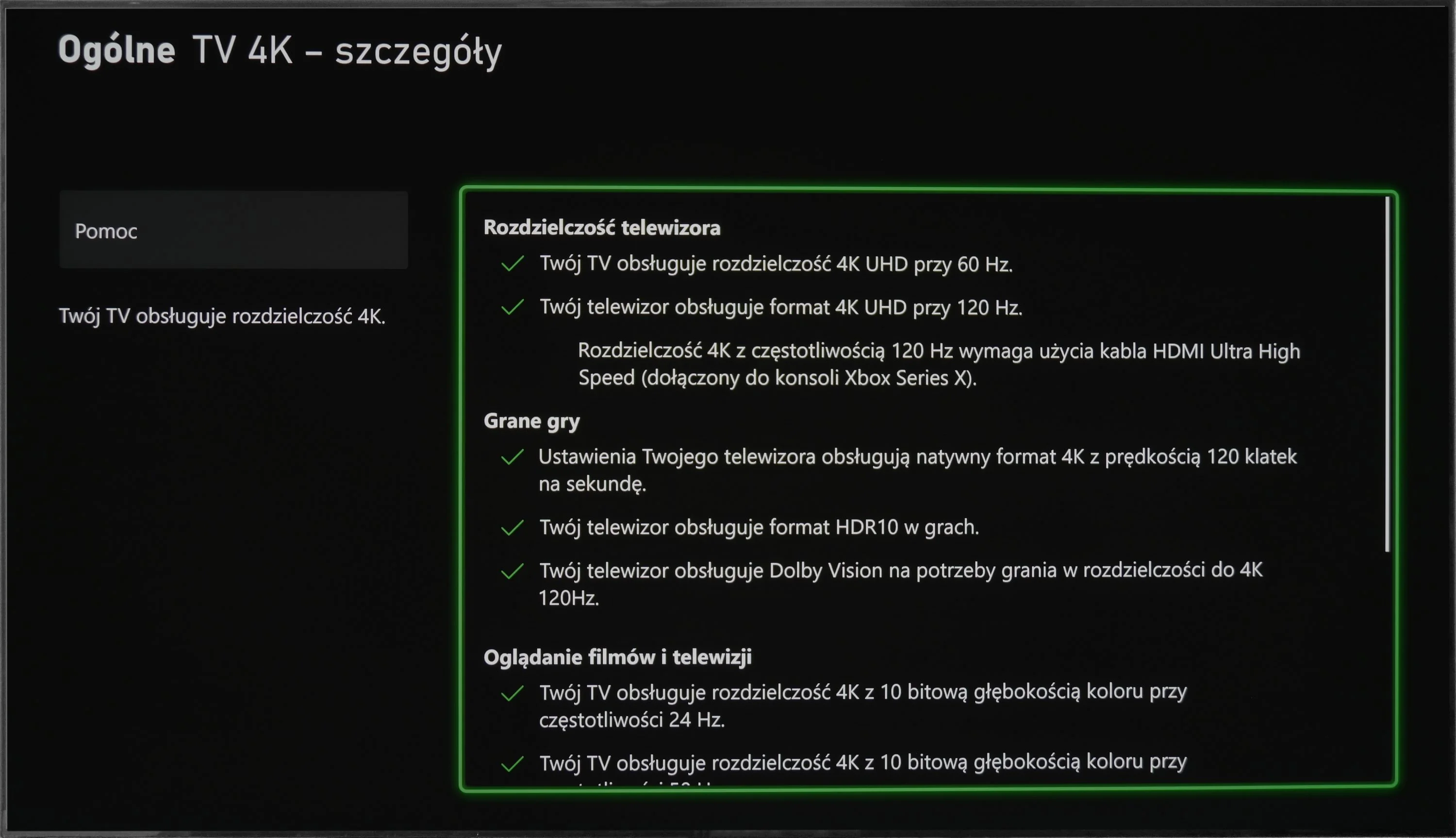
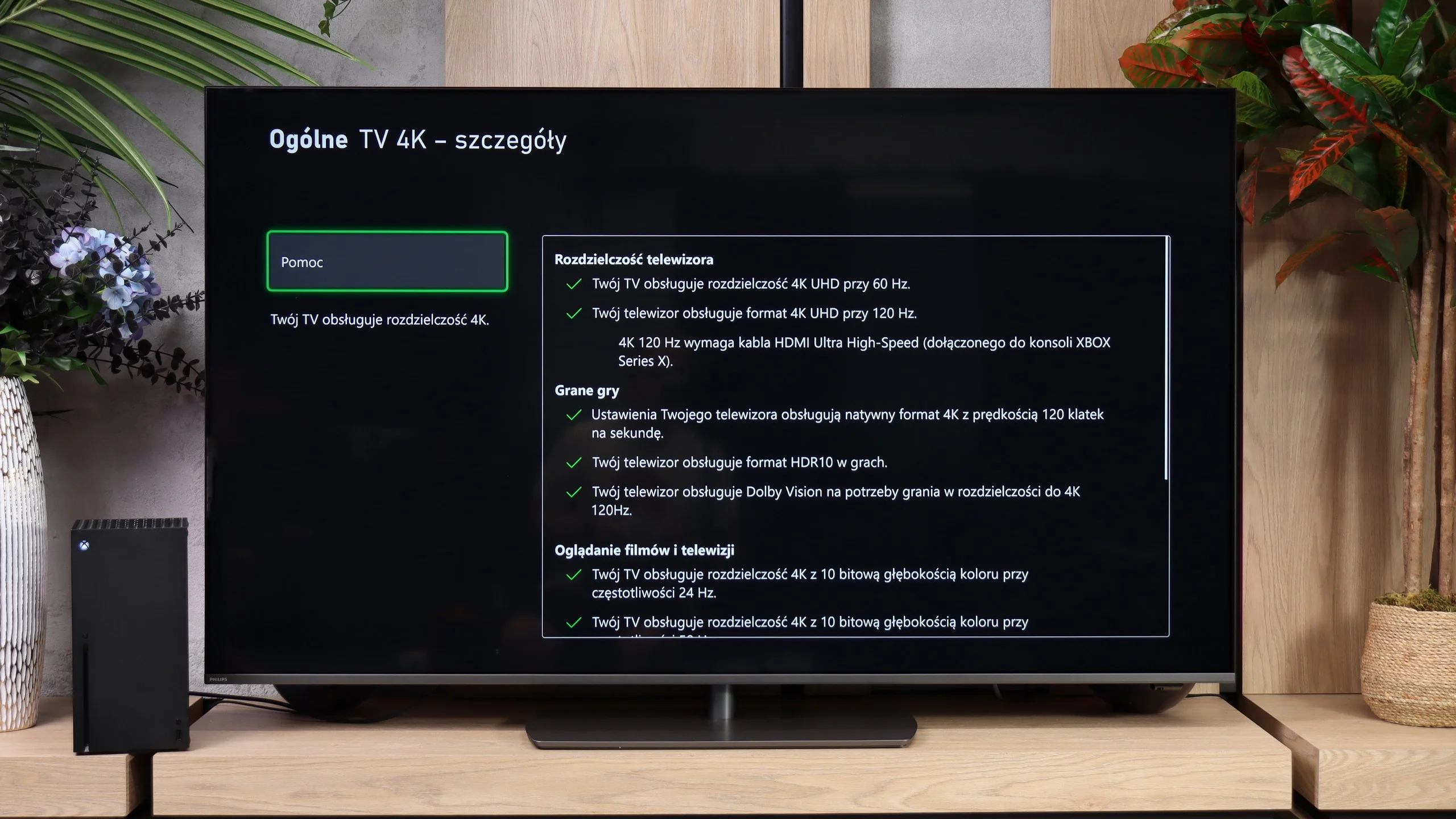
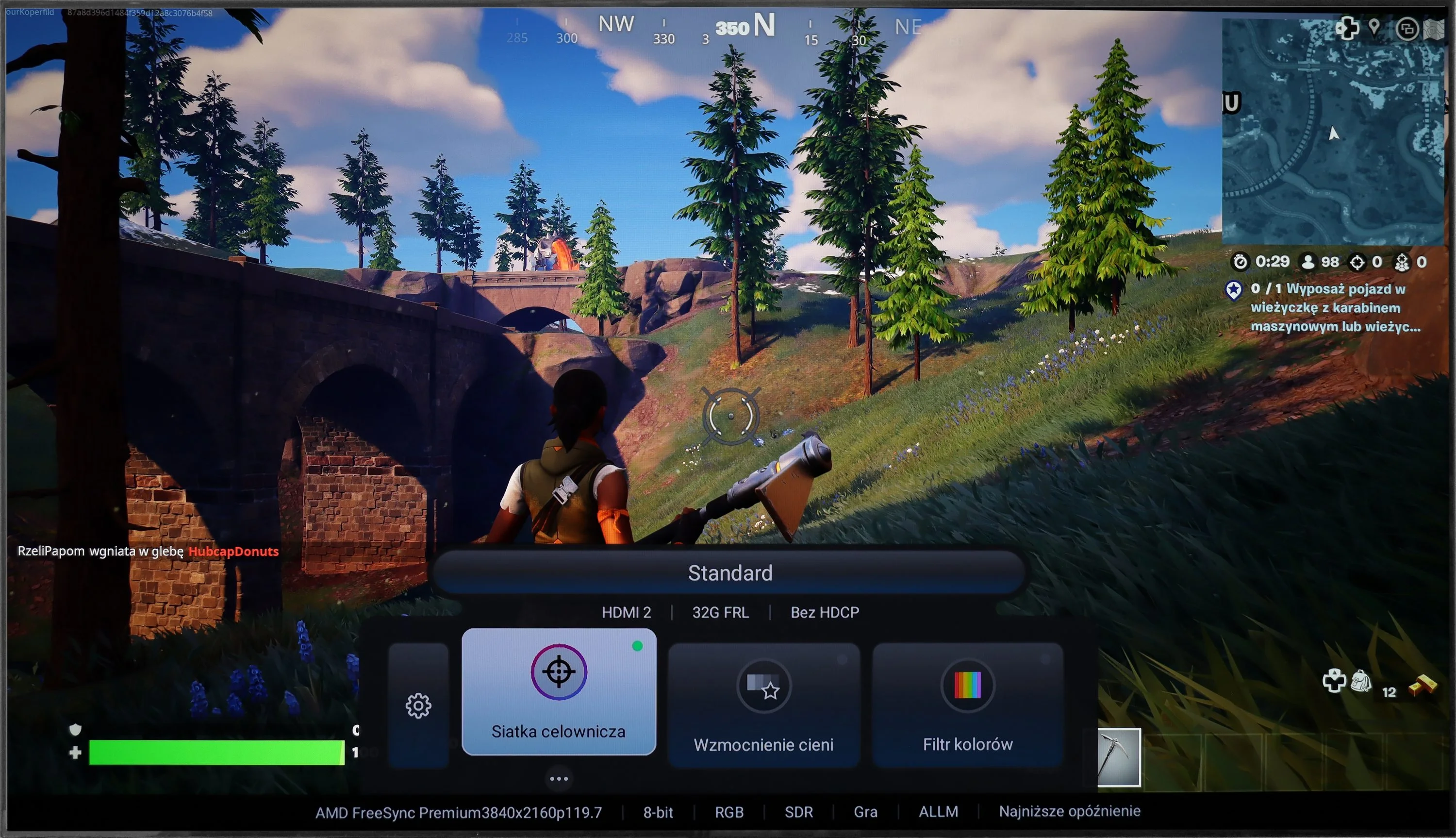
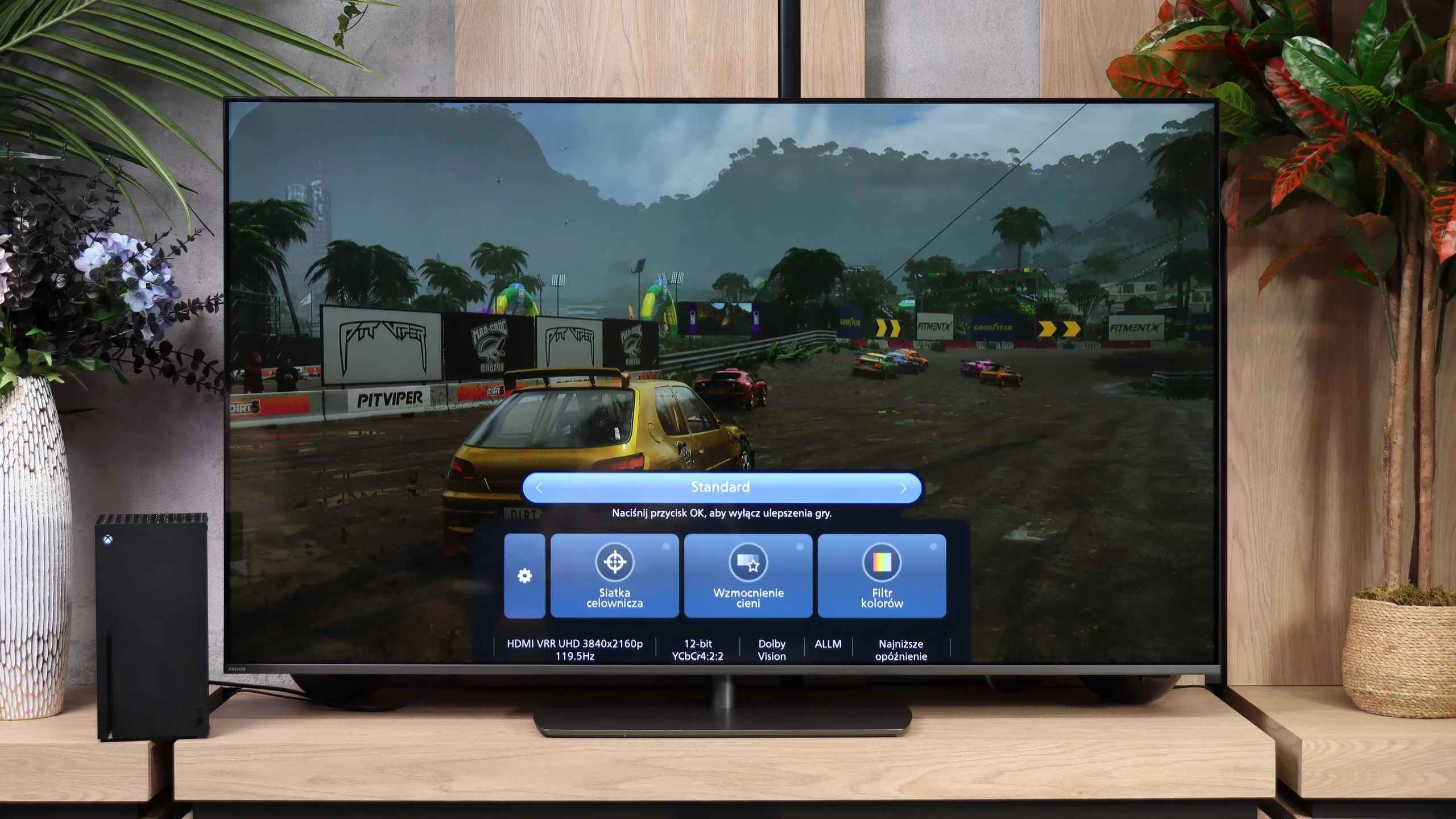
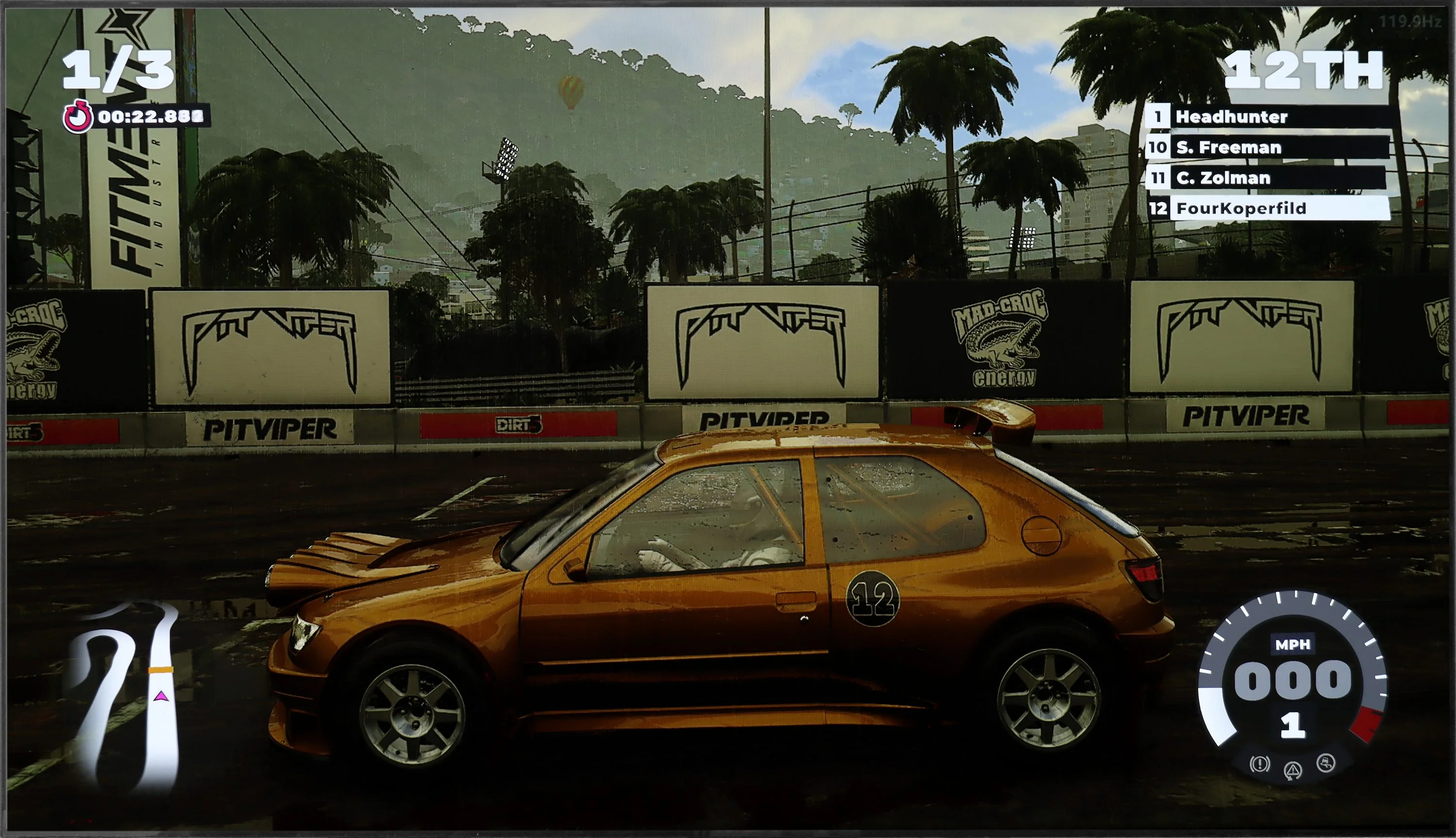
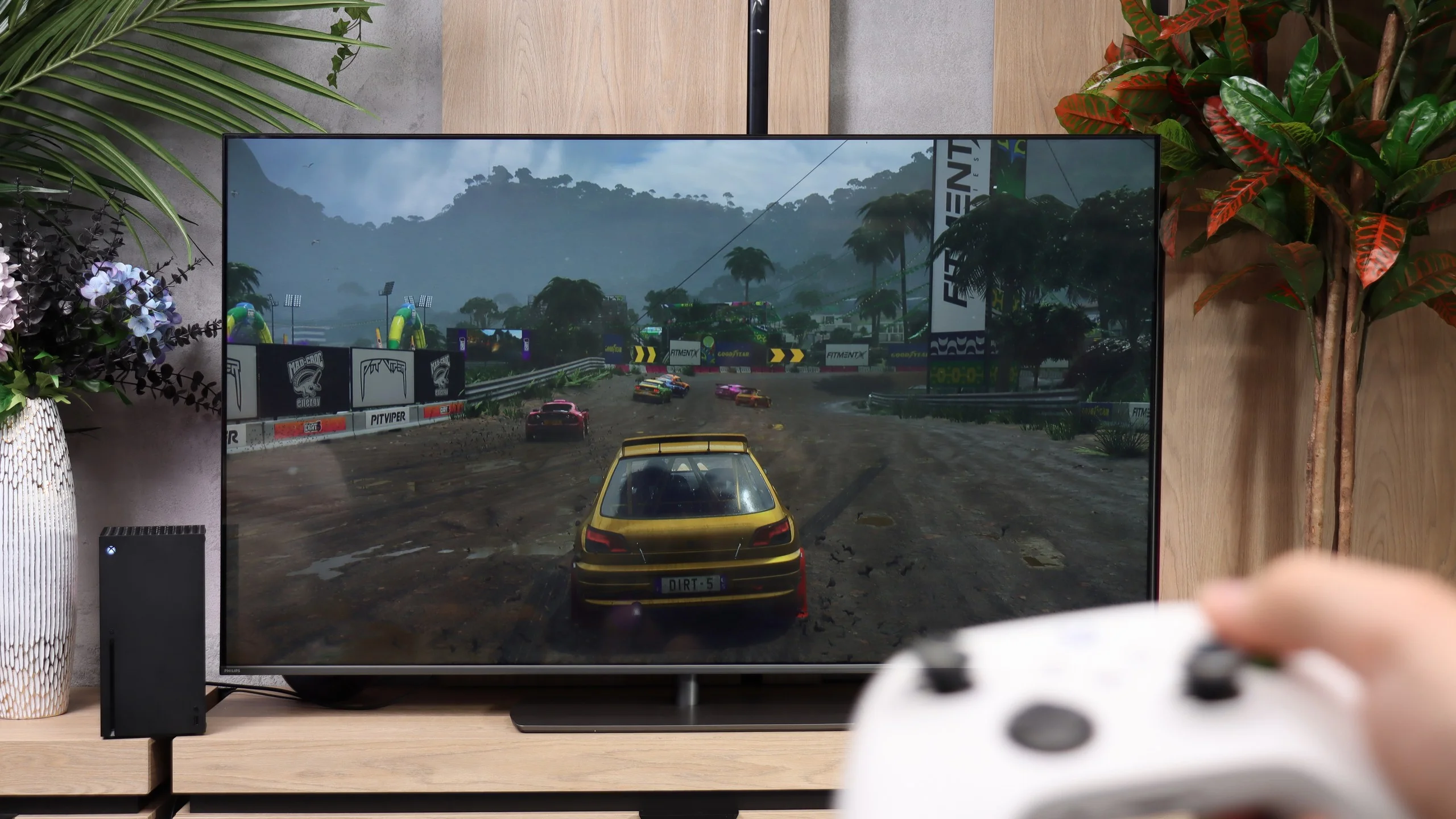
The Philips OLED 809 television supports all technologies included in the HDMI 2.1 standard, and during our testing, each one activated without any problems. Therefore, we must state that this television is perfectly suited for all gamers, whether they are using a console or a computer. It is worth mentioning that the manufacturer has opted to implement the HGIG mode, which provides a great alternative to Dolby Vision, which unfortunately in the OLED809 is unplayable due to very high input lag.
A nod to gamers is also the inclusion of a dedicated GameBar, which allows for monitoring current gameplay parameters and quick changes to settings. We will also find a function to enable a crosshair, which will be very useful when shooting with a sniper rifle, but from the so-called hip. Additionally, we can also find a shadow enhancement function for better visibility in shadows and a colour filter for gamers with visual impairments.
In summary, the OLED 809 is a very good and versatile device for gamers. Anyone who purchases this television for gaming does not need to worry about anything, as it is simply made for gaming. Especially since features such as VRR, ALLM, G-Sync, FreeSync, or HDR Dolby Vision gameplay will allow for an even greater immersion in their favourite title. Lastly, we will add that the only downside of the television in game mode is the artificial image sharpening, regardless of the settings, and it cannot be 'softened'.
Gaming features
In terms of gaming features, the Philips PQS9000 has a lot to offer. Four HDMI 2.1 ports let you connect several devices without having to choose which one gets the full-capability port. Consoles can use 120 Hz at Full HD, 1440p and 4K, while a PC can also make use of 144 Hz at 4K or 240 Hz if you drop to Full HD. There's also VRR, which matches the refresh rate to the frame rate and prevents screen tearing. Its range is 48 to 240 Hz, with the upper limit applying in Full HD mode.
ALLM is present, so the TV automatically switches to game mode, and HGiG works properly, which is useful when setting HDR on a console. There's also a Game Bar for quick access to settings and signal information. The list even includes Dolby Vision gaming, but it's hard to enjoy this option because of very high input lag. Aside from that caveat, the feature set is really solid.
Input lag
9.5/10
7.2/10
SDR
HDR
Dolby Vision
The results of input lag measurements in the Philips OLED 809 are at a high level, regardless of the signal or resolution. All gamers will certainly appreciate the manufacturer's efforts, which mean that a game running at 4K120Hz with HDR has only 5 ms of lag, which is practically unnoticeable even in online games. One should not forget the proper implementation of the gaming mode with Dolby Vision, which deserves praise for a similar reaction time of 13 ms. In this case, the Philips OLED 809 receives our highest rating.
Input lag is already less impressive than the gaming features themselves. At 60 Hz we measured 32 ms, both in SDR and HDR. That result is fine for more relaxed games, but in fast-paced shooters you can feel a slight lag. At 120 Hz the delay drops to 16 ms and gaming is noticeably more enjoyable, though the competition can respond even faster.
The biggest problem appears when Dolby Vision is enabled. At 60 Hz the delay is as much as 213 ms, and at 120 Hz it reaches 106 ms. The response to controller input is then clearly delayed, which seriously disrupts gameplay. Therefore, on the PQS9000 it is definitely better to stick with HDR10. Dolby Vision is supported for games, but its practical usefulness remains limited.
Compatibility with PC
6.4/10
8.6/10
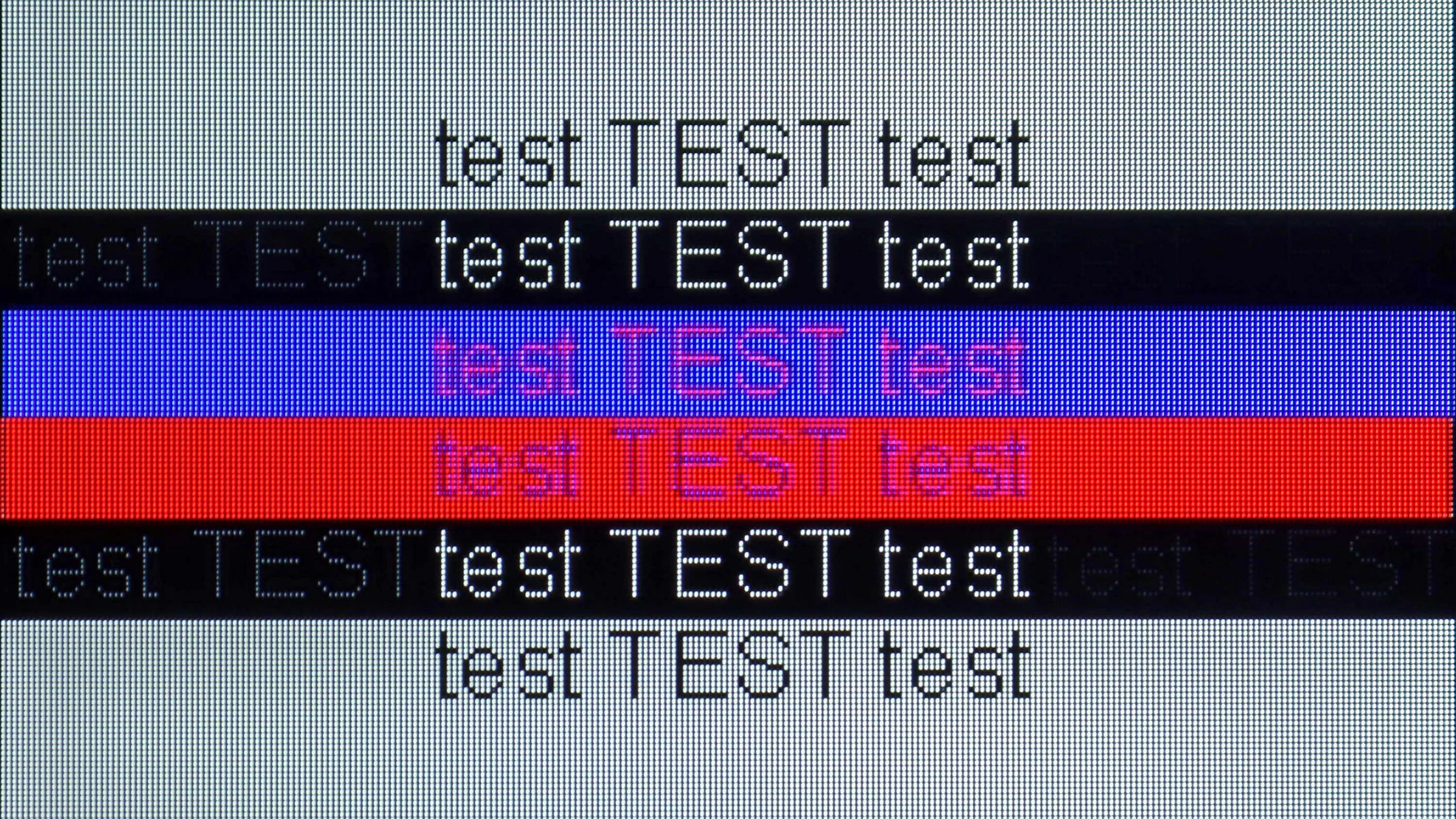
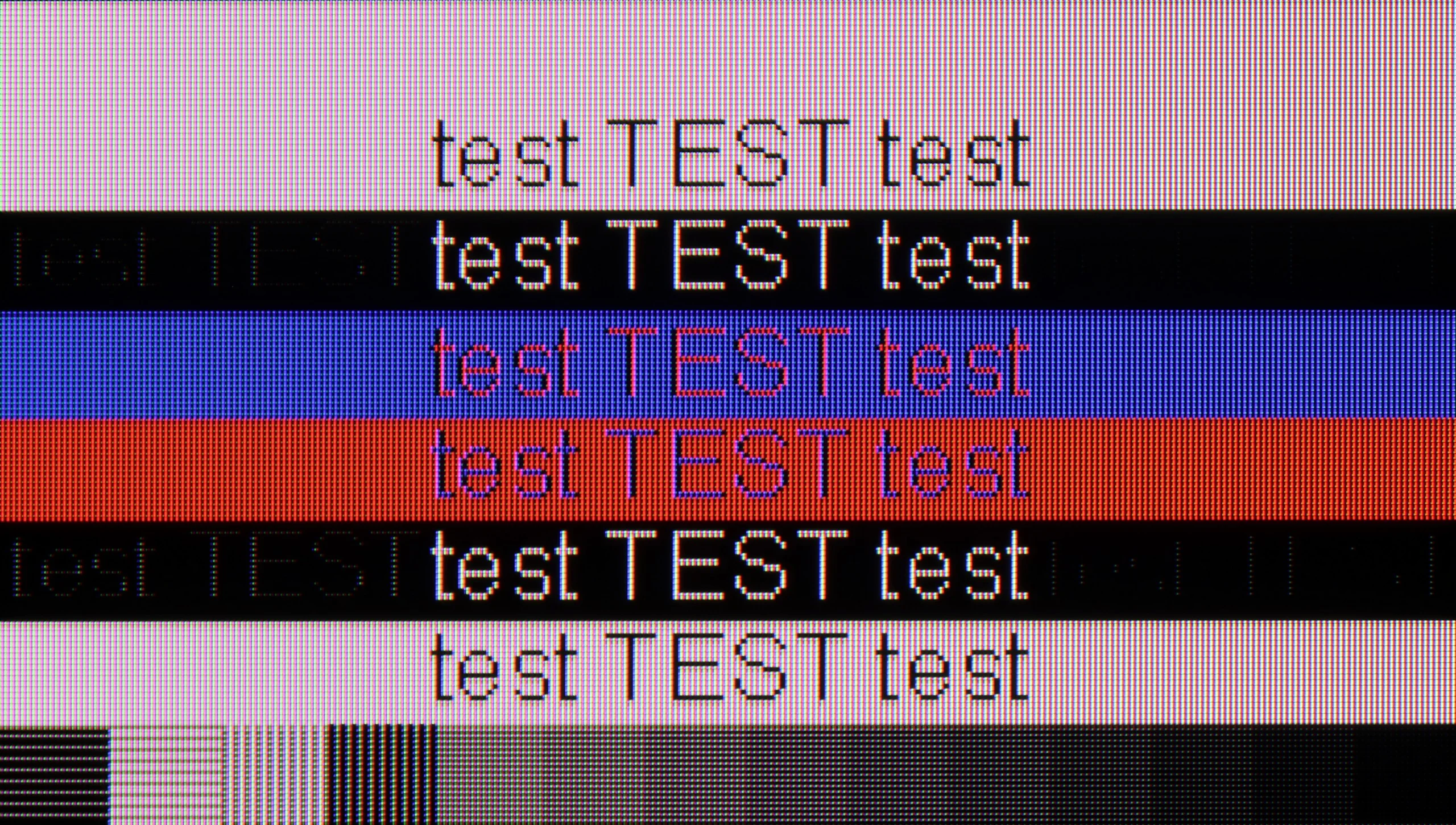
The photo shows the legibility of small fonts. Ideally, lines should be the same thickness on both light and dark text, with minimal pixel gaps.
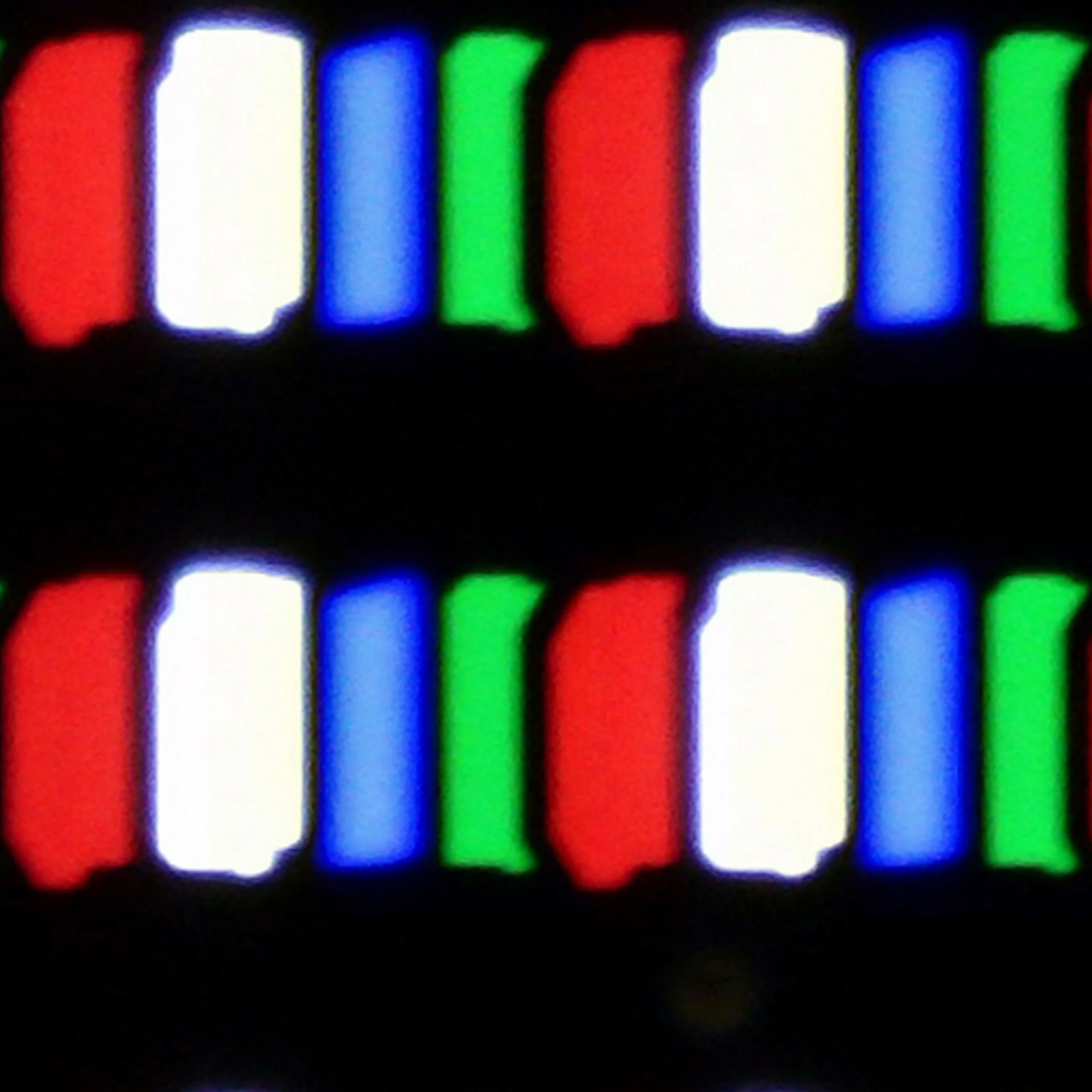
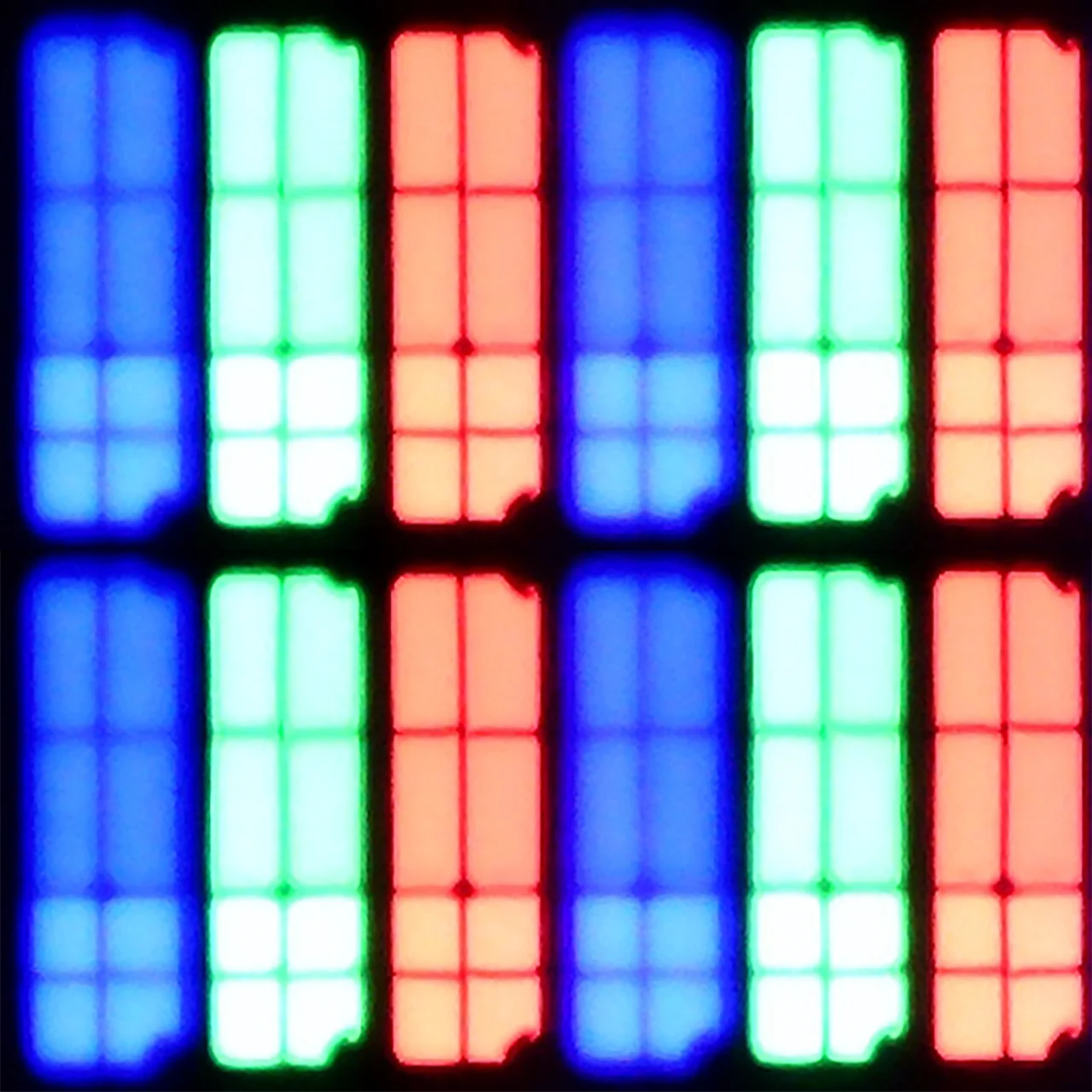
Just like in games, the tested television performs excellently, but in everyday work with text, it doesn't do so well. Although its latency is very low, the problem lies elsewhere. The television does not support chroma 4:4:4, which results in unpleasant font blurring, regardless of the provided refresh rate. While this is not usually a problem in games, it can be quite bothersome during text work due to poor readability. Additionally, the pixel arrangement in WOLED panels does not make things easier for it.
The PQS9000 scores highly for PC compatibility, mainly thanks to its gaming capabilities. A 144 Hz refresh rate at 4K and support for G-Sync Compatible and AMD FreeSync Premium Pro allow frame-rate synchronisation on compatible NVIDIA and AMD cards. Working with text is also good. Regular fonts are sharp and legible, and thanks to proper 4:4:4 chroma handling coloured letters, icons and small desktop elements retain their clarity. The main reservation concerns very small, dark text: the horizontal strokes of letters are noticeably darker than the verticals, which makes some characters look uneven. You probably won't notice this from the sofa, but if someone plans to put The One on a desk and work up close, this flaw may become annoying.
Viewing angles
7.7/10
3.2/10
A widely known advantage of OLED matrices is their performance when viewed even at sharp angles. We do not experience a drop in contrast or colour saturation. However, a characteristic feature of panels produced by LG Display, which are not used in top models, is a tint in shades of sea or cyan when viewed at large angles.
Viewing angles are one of the weakest points of the Philips PQS9001. Simply moving to the side is enough for the colours to lose saturation noticeably, and for the picture to look washed out and less contrasty. When watching with several people, seats directly in front of the screen will therefore be by far the best.
Unfortunately this is a typical characteristic of VA panels, where good contrast when viewed head-on comes at the cost of poorer off-axis performance. Most TVs with such a panel suffer the same problem and The One is no exception. The swivelling stand helps a little, allowing you to angle the screen towards the viewer, but it won't solve the issue when seats are widely spaced.
Daytime performance
5.5/10
6.1/10
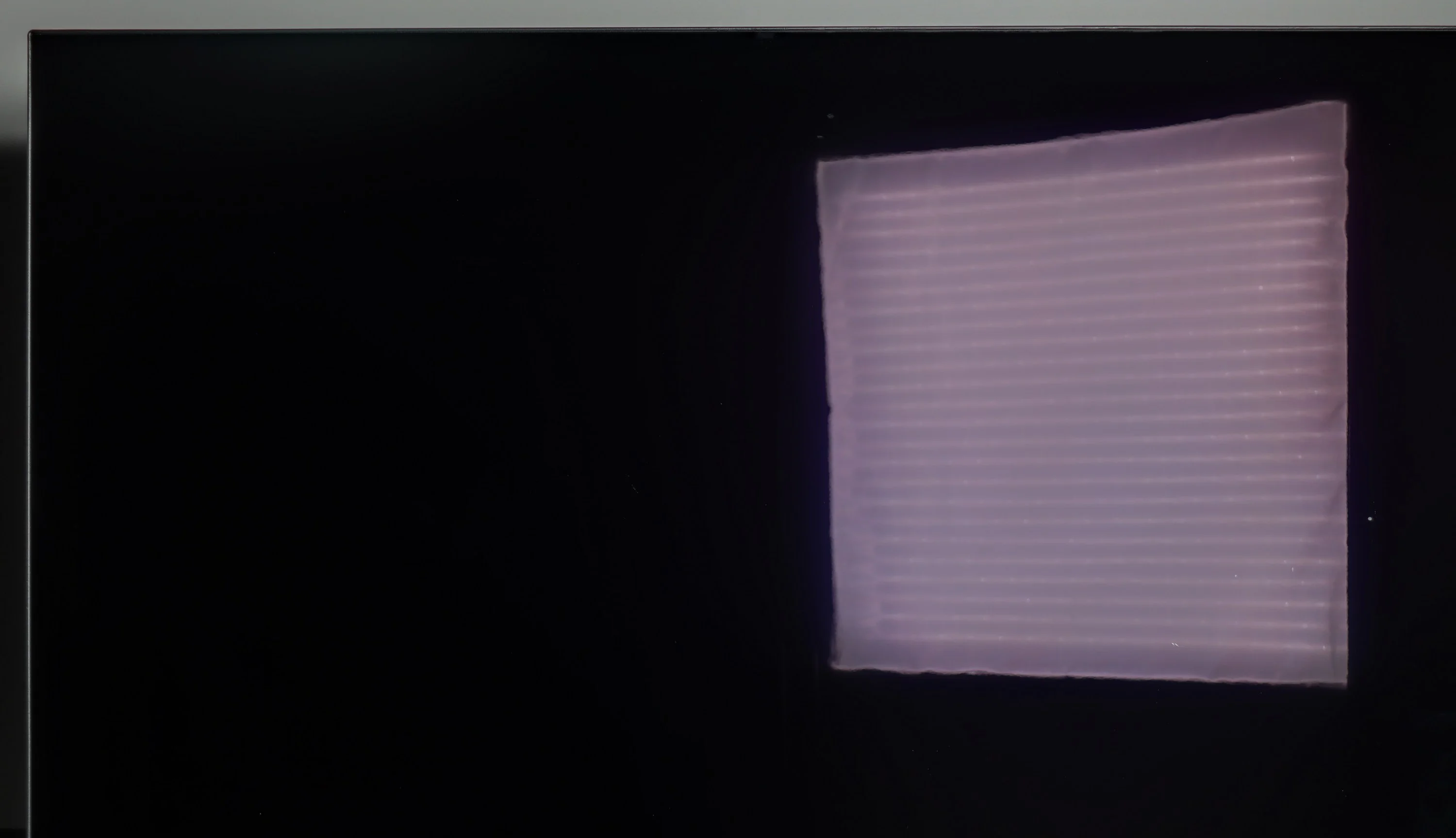
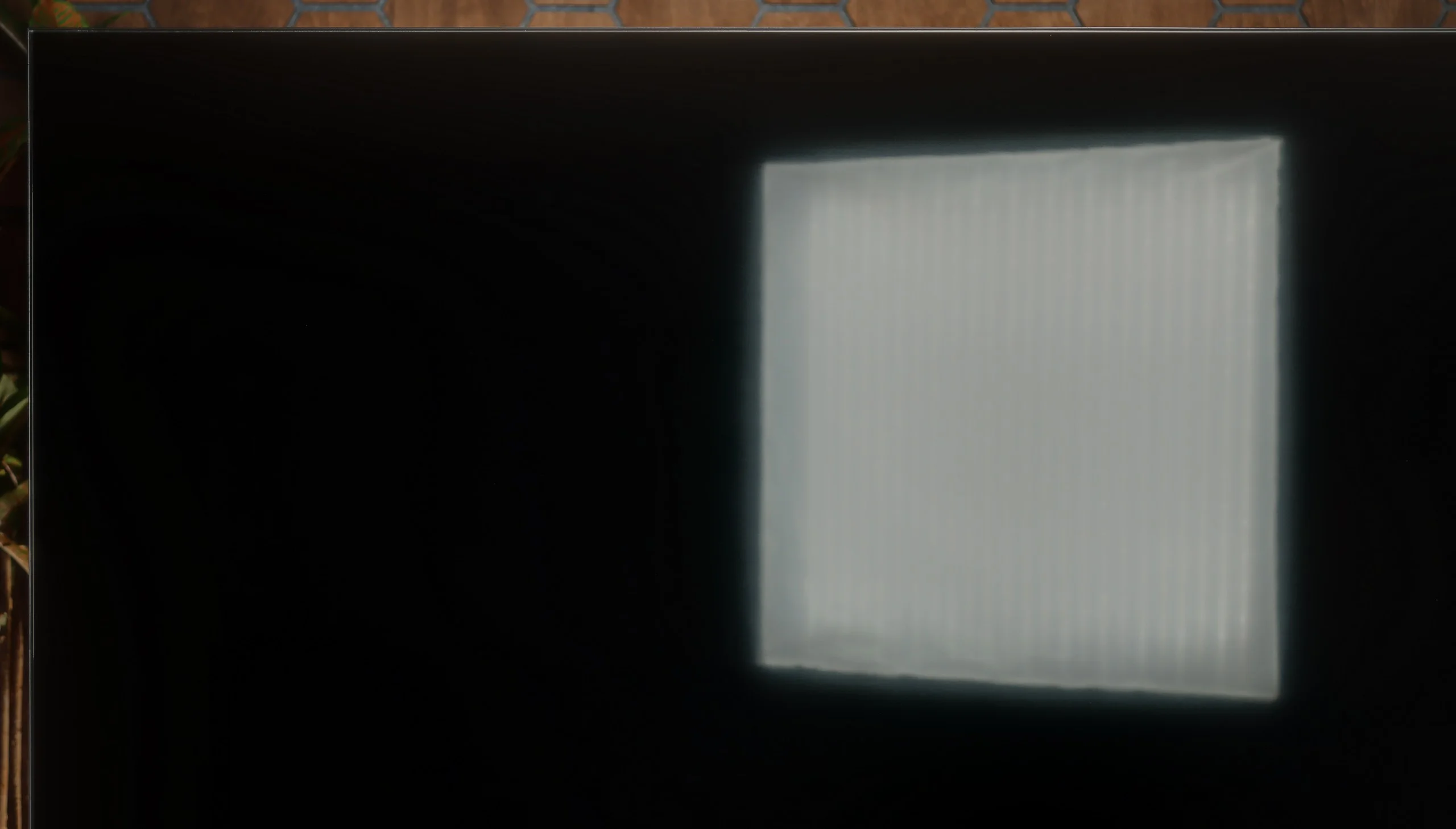
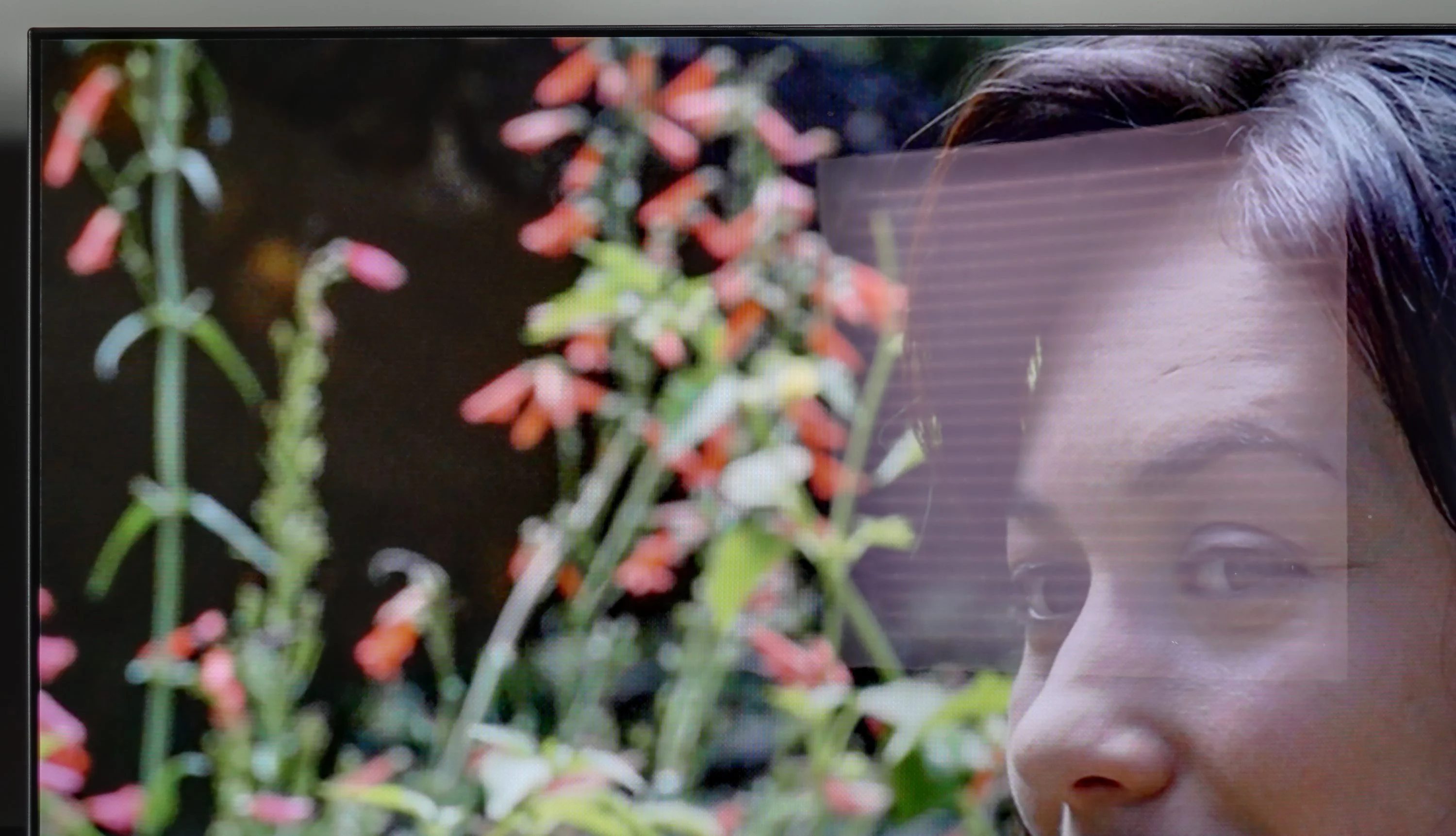
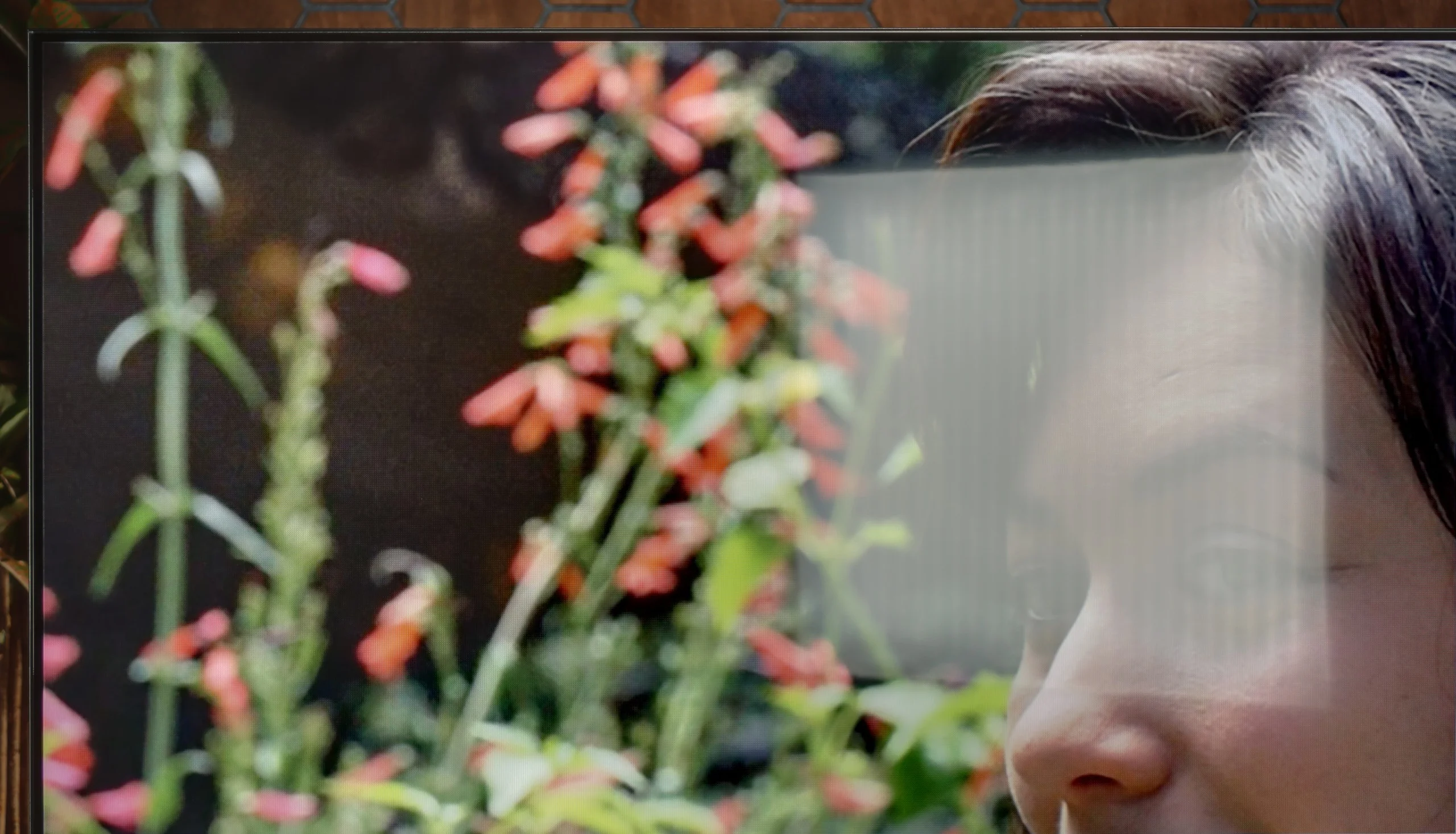
Panel brightness
Philips PQS9011 / PQS9001 (The One 2026): 502 cd/m2
Philips OLED809/819: 322 cd/m2
For many years, the issue raised regarding OLED televisions has been their performance during the day. Many people still believe that these are not receivers intended for such use. They are probably right, except when it comes to screens from a few good years back. Technology advances, and currently there are no objections to recommending such a television for today. Admittedly, a glossy panel does not sound like something that would substantiate this claim; however, it is hard to stand against the images that you can see for yourselves. Another point we indicate to pay attention to is contrast during daytime use. This, unlike QD-OLED panels, and even OLEDs equipped with MLA technology, is higher. The reason for this situation is the lack of excited quantum dots and micro-lenses.
The Philips PQS9001 performs quite well for daytime viewing. The main advantage is a stable brightness of around 500 nits, regardless of how many bright elements appear on the screen. Even when watching winter sports or a scene full of white, the image does not dim. In a typical living room that level is more than enough to watch television comfortably without having to draw the curtains.
The satin finish does a decent job of suppressing reflections, though it does not eliminate them completely. A window opposite the screen will be visible and can be distracting, especially in darker scenes. Black holds up well in daylight, so the picture does not become overly washed out. For everyday viewing, it's therefore quite good, as long as the sun is not shining directly on the screen.
Panel details
Subpixel Structure:
Panel uniformity and thermal imaging:
Philips OLED809/819
Philips PQS9011 / PQS9001 (The One 2026)
TV features
7.9/10
7.6/10
- SystemGoogle TVTitan OS
- System performanceGoodDecent
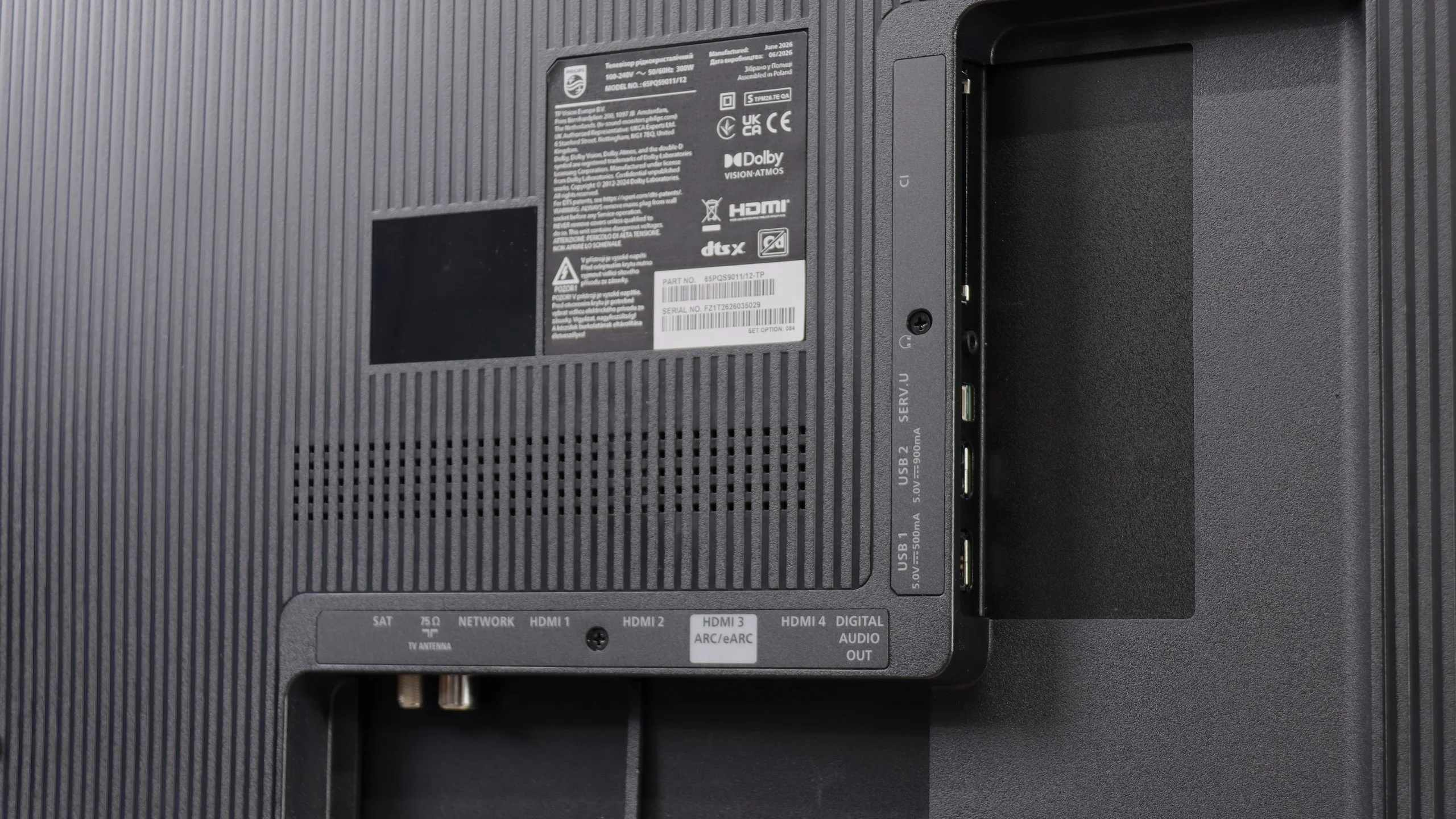
- HDMI inputs2 x HDMI 2.0, 2 x HDMI 2.1 48Gbps0 x HDMI 2.0, 4 x HDMI 2.1 48Gbps
- OutputsToslink (Optical audio), eARC (HDMI), ARC (HDMI)Toslink (Optical audio), eARC (HDMI), ARC (HDMI), Mini-Jack (Headphones)
- Network InterfacesWi-Fi 2.4GHz, Wi-Fi 5GHz, Ethernet (LAN) 100MbpsWi-Fi 2.4GHz, Wi-Fi 5GHz, Ethernet (LAN) 100Mbps
- TV receptionDVB-T, DVB-T2, DVB-S, DVB-S2, DVB-CDVB-T, DVB-T2, DVB-S, DVB-S2, DVB-C
Classic features:
- Recording to USB (terrestrial TV)
- Recording programming
- Picture in Picture (PiP)
- RF remote control (no need to aim)
- Backlit remote control
- Teletext
- Audio only mode
- Bluetooth headphones support
- Simultaneous Bluetooth headphones & TV audio
Smart features:
- AirPlay
- Screen mirroring (Windows Miracast)
- Voice search
- Voice search in native language
- Ability to connect a keyboard and mouse
Sound connection options
- HDMI audioeARC (HDMI), ARC (HDMI)eARC (HDMI), ARC (HDMI)
- Other audio outputsToslink (Optical audio)Toslink (Optical audio), Mini-Jack (Headphones)
- Wireless audioBluetoothBluetooth
Supported audio formats (external HDMI eARC audio):
- Dolby Digital Plus 7.1
- Dolby True HD 7.1
- Dolby Atmos in Dolby Digital Plus (JOC)
- Dolby Atmos in Dolby True HD
- DTS:X in DTS-HD MA
- DTS-HD Master Audio
Senior accessibility
- Numeric keyboard on TV
- Font size adjustment
- Audio description
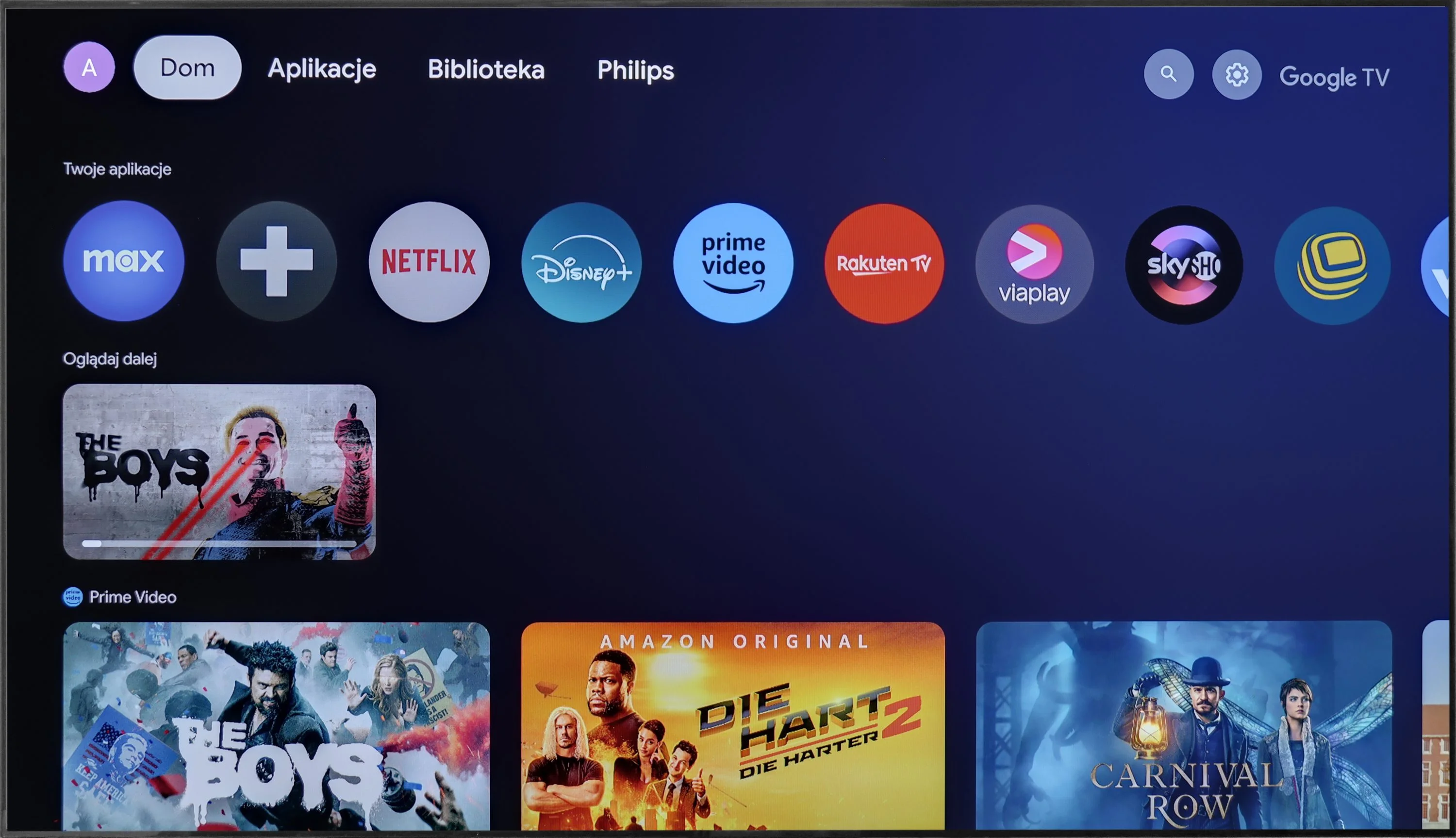
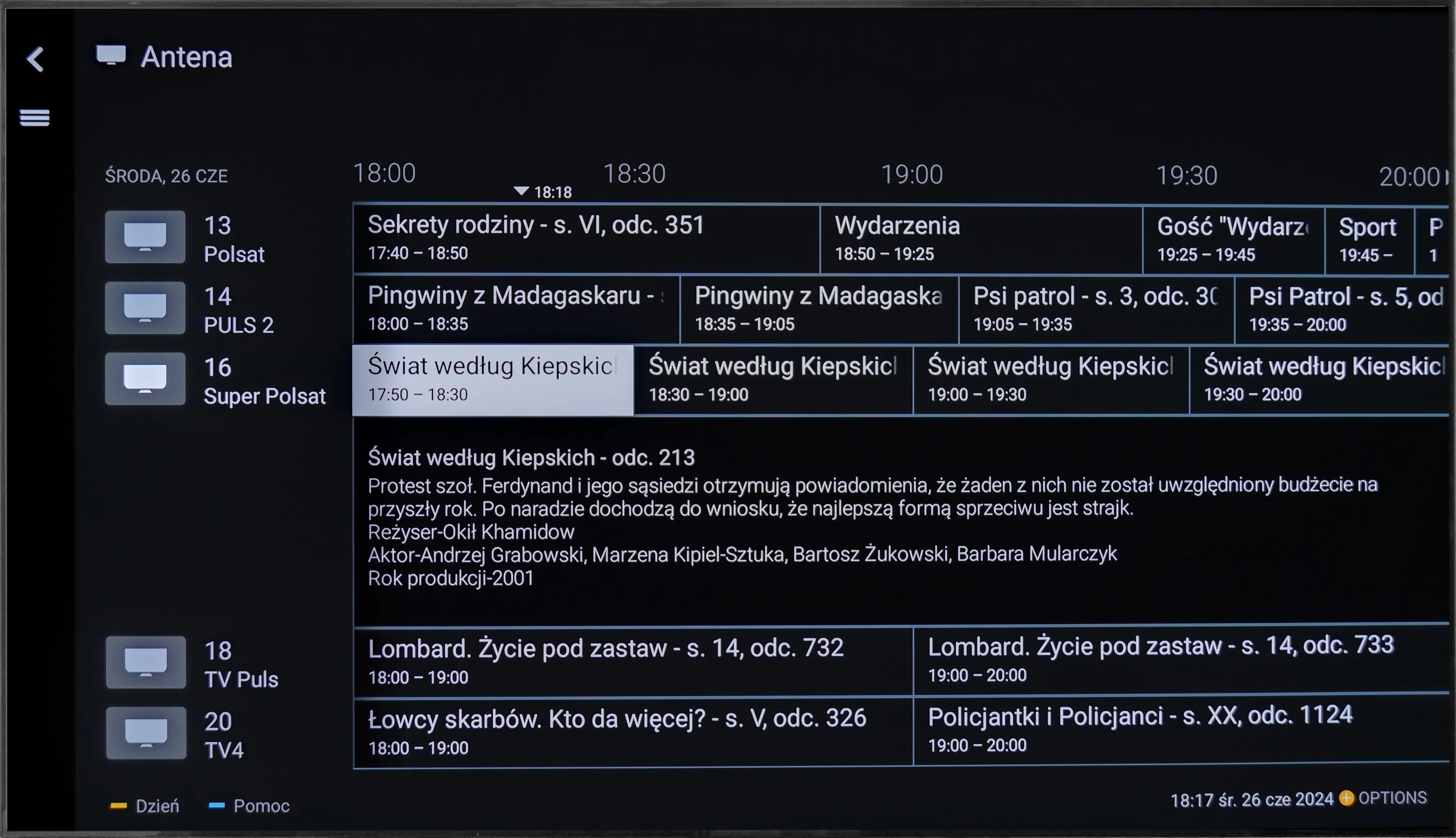
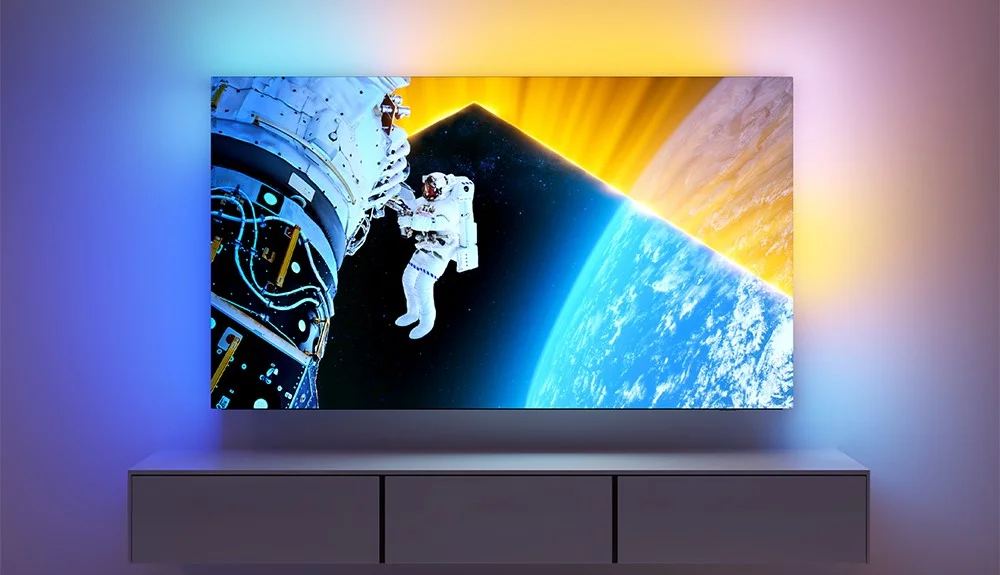
Before we move on to the software that controls the television, it is impossible not to mention the manufacturer's biggest differentiator. We are, of course, talking about the multicoloured Ambilight backlighting, which placed on the back of the device displays colours adjusted to what is happening on the screen, often allowing for an even greater immersion experience. The Philips OLED 809 is powered by the Google TV system. This is an undeniable advantage compared to some other models from the manufacturer that use the proprietary TitanOS system, which is significantly more closed and limited in terms of available applications. With Google TV, we can install almost any application, both from the store and directly from online repositories via an APK file.
The Google TV system also offers many conveniences related to control. We can easily connect a keyboard with a touchpad, which significantly facilitates typing queries and navigation. Additionally, thanks to integration with Google, we can issue voice commands using the remote, which are quickly and accurately interpreted by the system.
In summary: Google TV is currently one of the most popular systems on the market. Thanks to the use of a powerful CPU, it operates very smoothly and stably, without freezing or experiencing lags during tests. It is definitely the best option for those who want to make the most of their television's capabilities and appreciate the openness and versatility of the system.
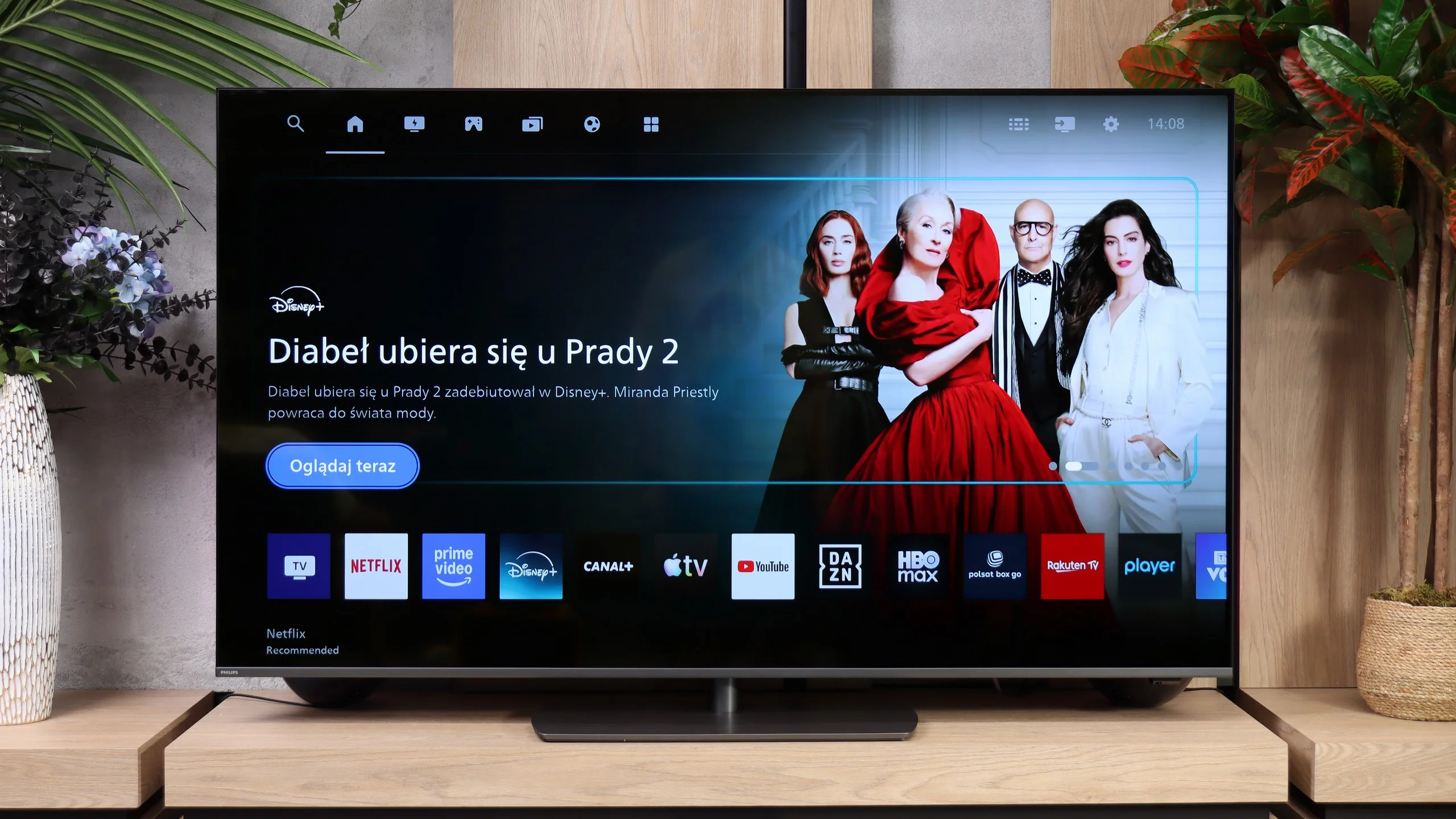
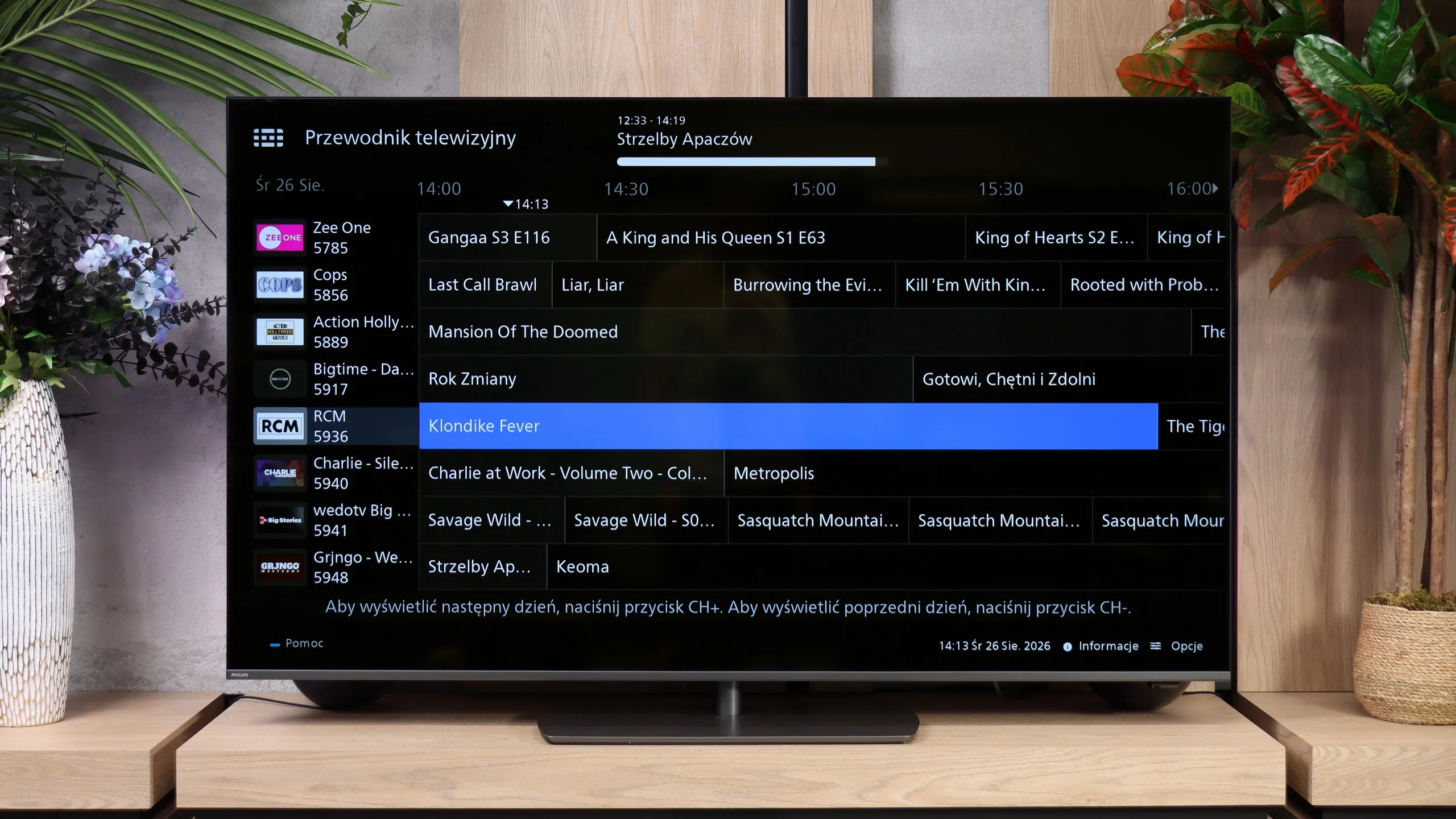
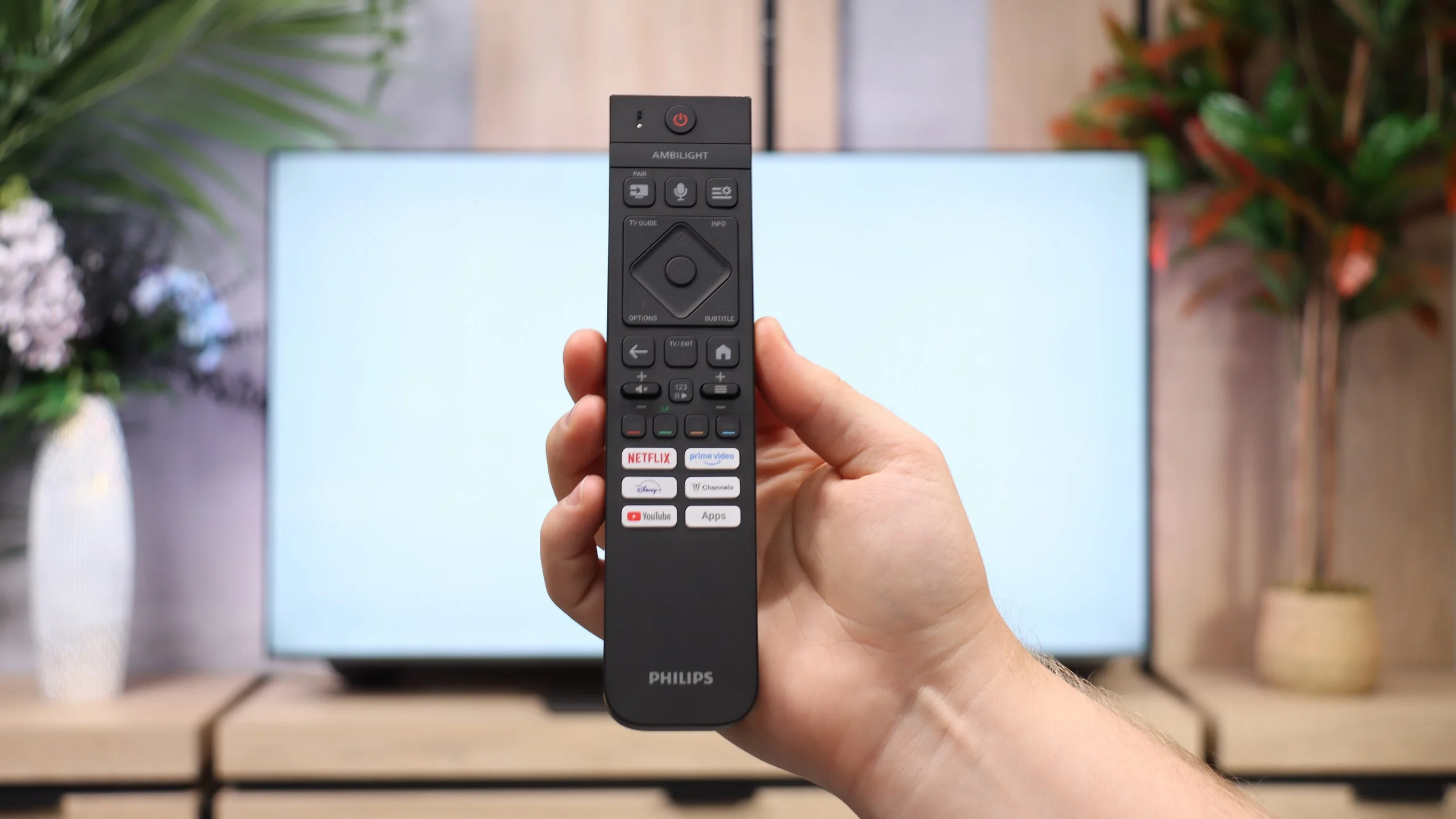
Titan OS in this year’s The One shows that Philips has worked on its system. Compared with last year’s version many small details and functions that previously did not behave as they should have been fixed. Now you can use AirPlay without problems, stream the picture from a computer via Miracast or search for something by voice in Polish. The system itself runs decently, though it is certainly not among the fastest. The app library has also grown, with Netflix, Prime Video, Disney+, CANAL+, Apple TV and YouTube available. The selection is still smaller than on Google TV, but when using popular services Titan gives fewer reasons to complain. Everyday convenience has improved in the basic features as well. You can connect Bluetooth headphones and listen through them at the same time as the TV’s speakers, and there is a mode that lets you switch the screen off and leave only the audio playing. USB recording and picture-in-picture (PiP) are missing. What’s most disappointing is the remote — despite its backlit buttons it still controls the TV via infrared, so you have to point it at the screen. The system has gained many useful tweaks, but that part of the operation has stayed the same and can be irritating in daily use.
Apps
9.6/10
7.2/10






















Playing files from USB
9.5/10
8.6/10
Supported photo formats:
Maximum photo resolution:
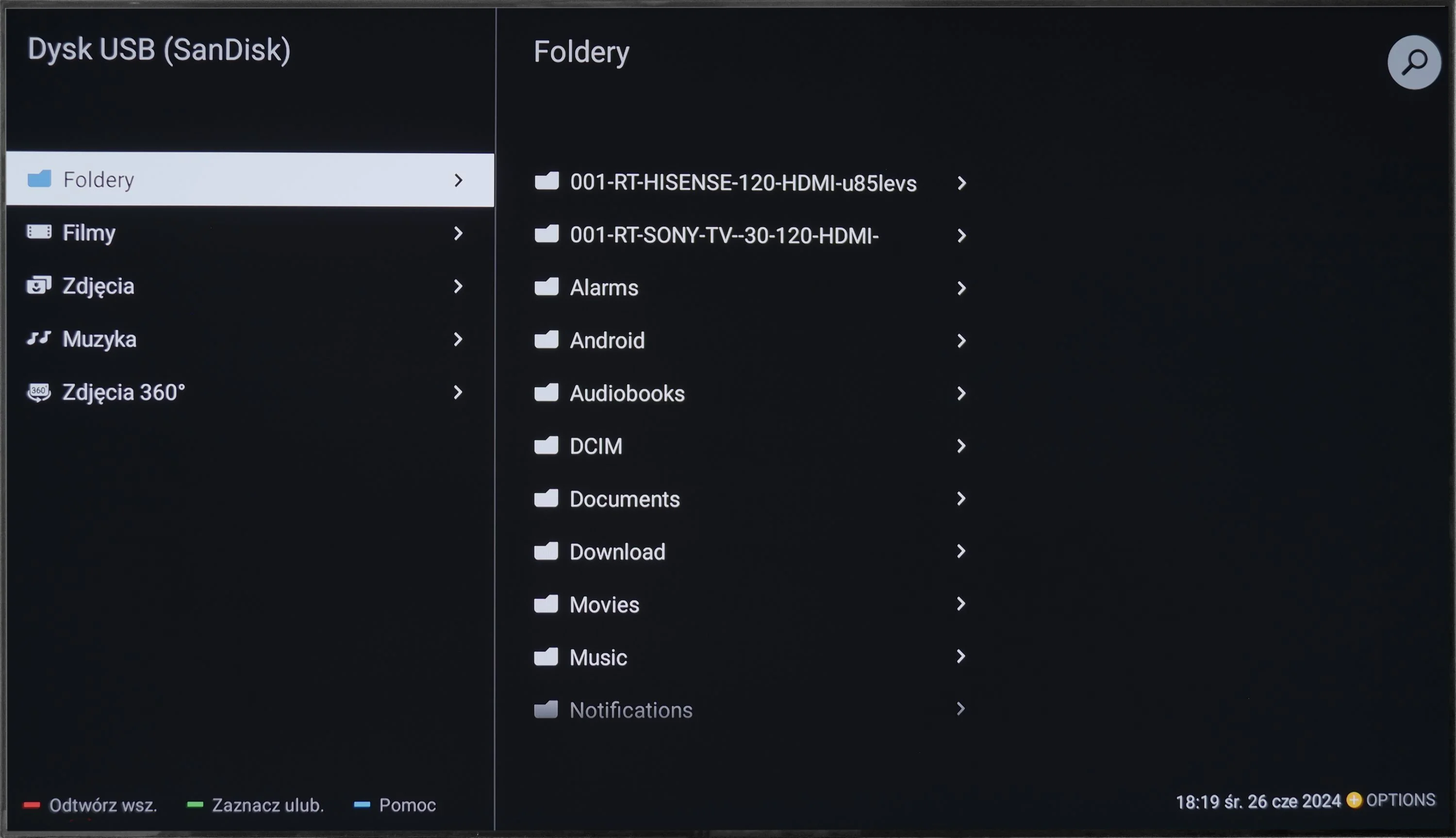
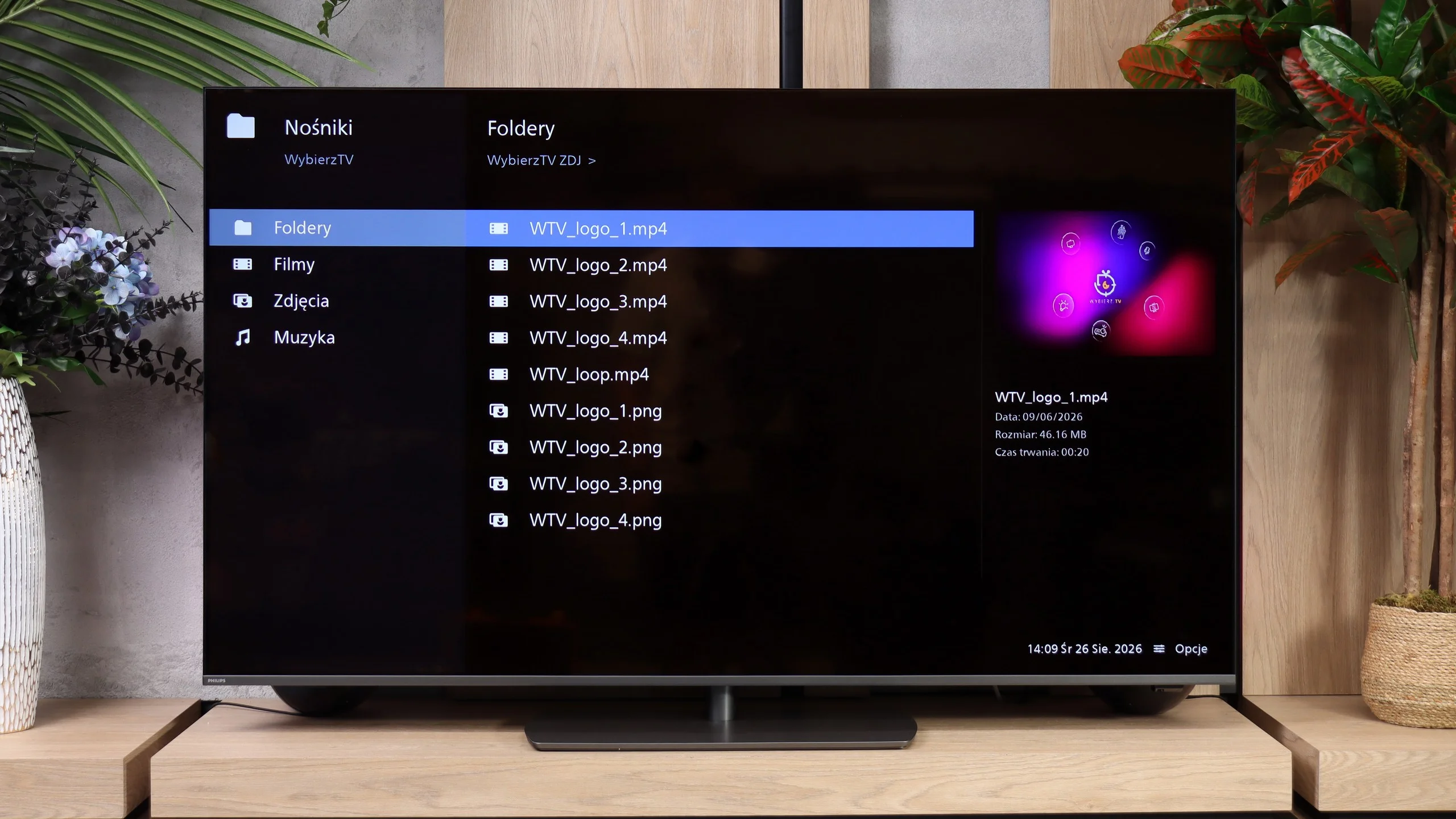
The default media player in Philips OLED 809 is of a fairly high standard, although it is not without its flaws. It performs excellently in playing various types of video files, except for two less popular ones. The presence of all checkboxes confirming playback of different subtitle formats deserves a big plus. The television handles every resolution of images, making it an excellent screen for viewing family albums or studio photos. The rest, including supported photo and audio formats, is satisfactory, and those that the television cannot play are either uncommon or becoming obsolete. Anyway, this is not a problem, as we can download a program from the app store that will resolve these issues.
The built-in USB player works quickly and smoothly and handles most of the files we tested without a problem. Music playback is good, from popular MP3s to FLAC files, including 96 kHz/24-bit. It's perfectly adequate for everyday playback of media from a USB stick. However, our main reservations again concern photo handling. The player is rather selective about image resolution: it opened our 8, 16 and 32 MP files, but failed with, among others, 4, 12 and 24 MP files. It's hard to see the logic in that when a larger photo works but a smaller one doesn't. That can be irritating when browsing holiday photos.
Sound
7.1/10
6.9/10
- Maximum volume-96dB
- Dolby Digital Plus 7.1
- Dolby True HD 7.1
- Dolby Atmos in Dolby Digital Plus (JOC)
- Dolby Atmos in Dolby True HD
- DTS:X in DTS-HD MA
- DTS-HD Master Audio
At the outset of this paragraph, it should be noted that sound quality is always subjective. In our opinion, the audio system that the manufacturer has equipped the Philips OLED 809 with is of a fairly high standard. The bass is well-defined, but at the same time, it does not overshadow the mid and high tones. Looking at it from another angle, when opting for a television at this price point, we will likely already have a separate audio system. In this context, the tested television will certainly not disappoint, as it supports virtually every important standard, including Dolby Atmos and, more importantly, DTS-HD Master Audio.
The Philips PQS9001 has a 2.0 audio system with a total power output of 40 W, which is two 10 W drivers on each side. It performs quite well and noticeably better than most budget TVs. There's plenty of volume, but the sound itself lacks depth. The biggest issue is the lack of low bass, so explosions in films and the heavier parts of music don't have the proper weight.
Higher frequencies aren't reproduced evenly either. Measurements show a clear dip around 2 kHz, a boost at 6-7 kHz and a drop above roughly 8 kHz. This can emphasise sibilant consonants and give the sound an edge, despite the roll-off of the highest treble. It's adequate for everyday viewing, but for films and music it's worth considering additional audio equipment, all the more so given that the TV supports surround sound formats, including Dolby Atmos and DTS. A compatible soundbar or AV receiver will make better use of those formats than the built-in speakers.
Sound Quality Test
No sound test video
Acoustic Measurements
No acoustic data
96dBC (Max)
75dBC
Reader comments
Comments are provided by the external service Disqus (Zeta Global). Once loaded, Disqus may set cookies and process data about your activity.
We will remember your choice on this device. Provider's privacy policy