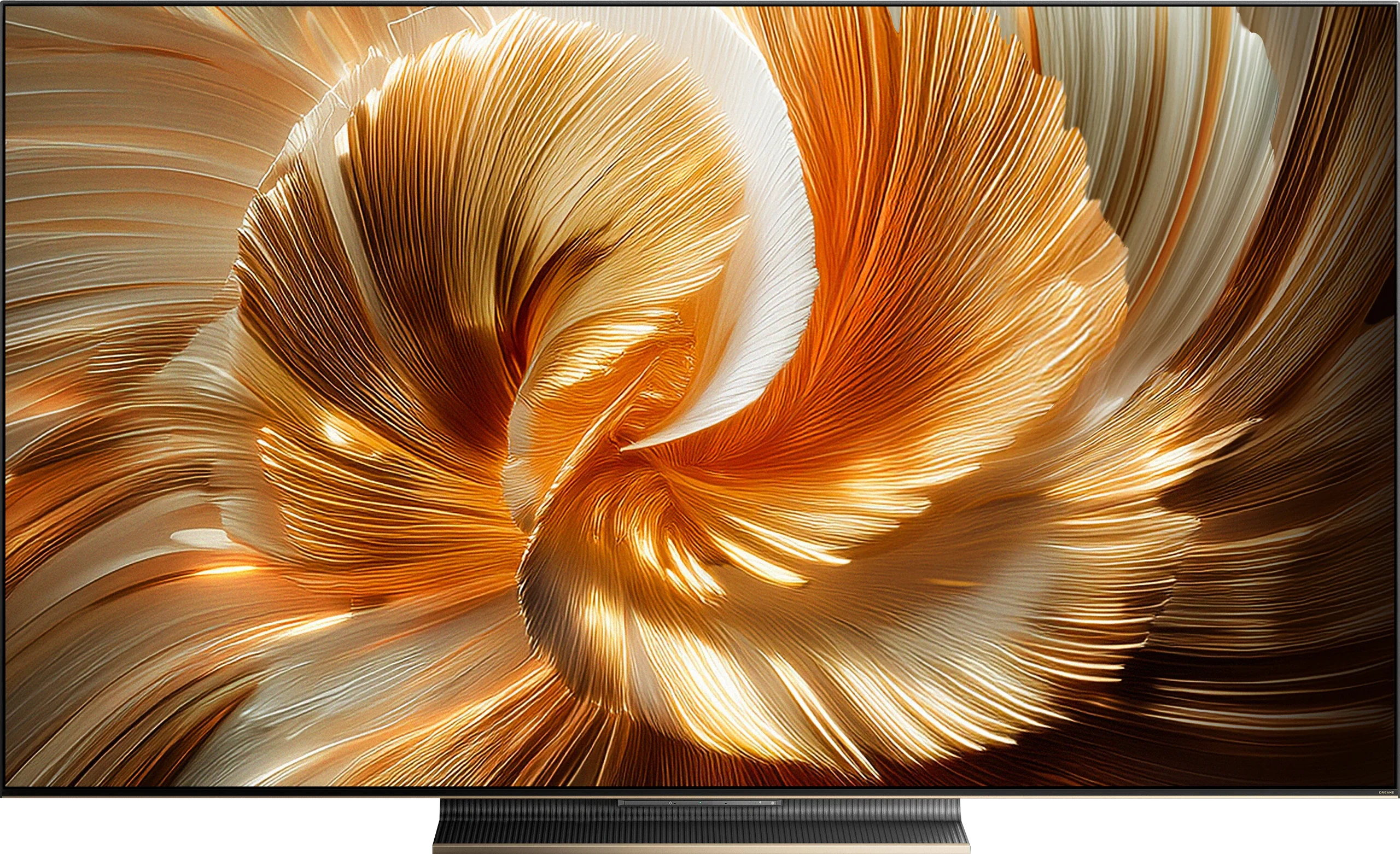
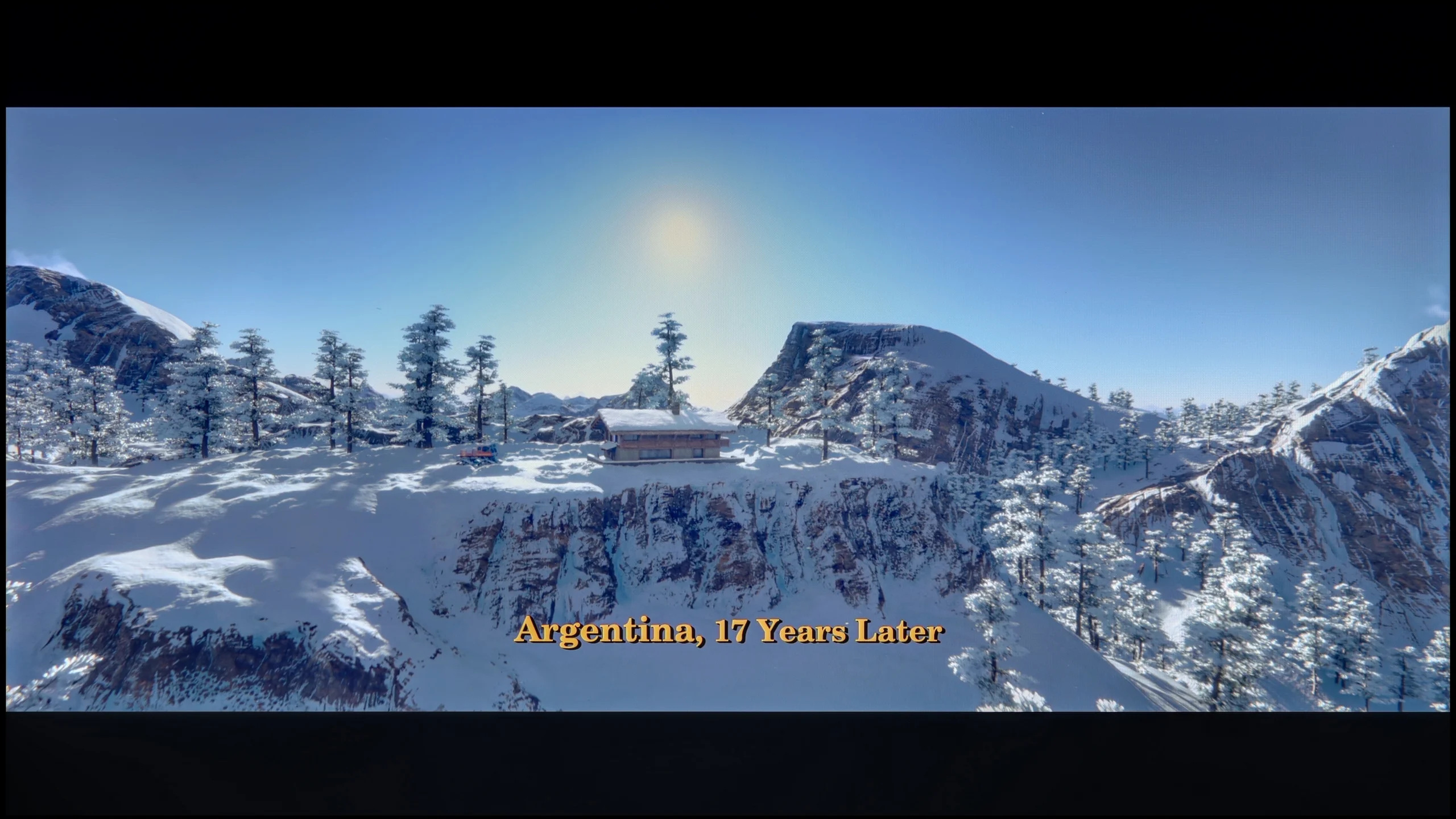
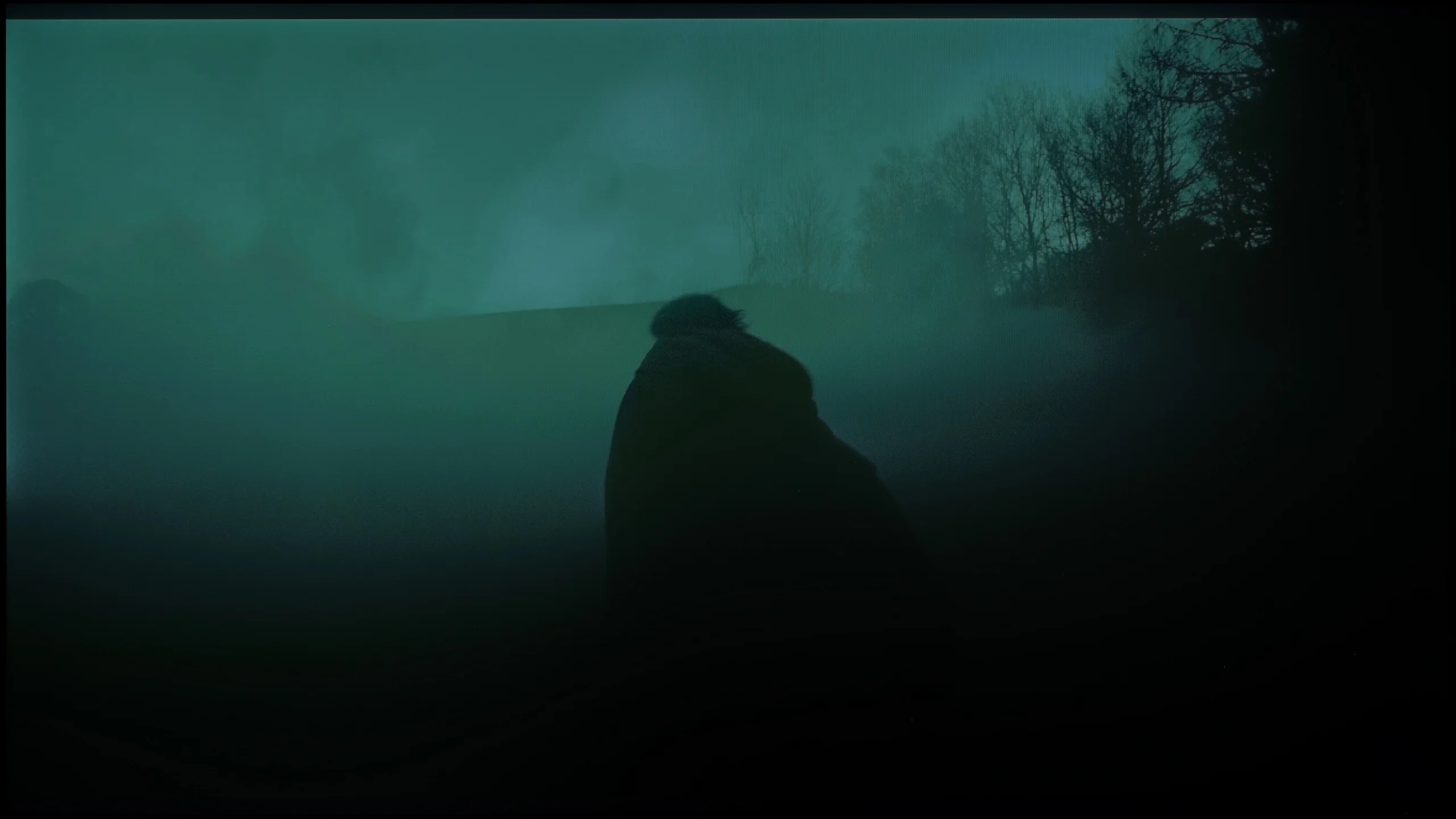
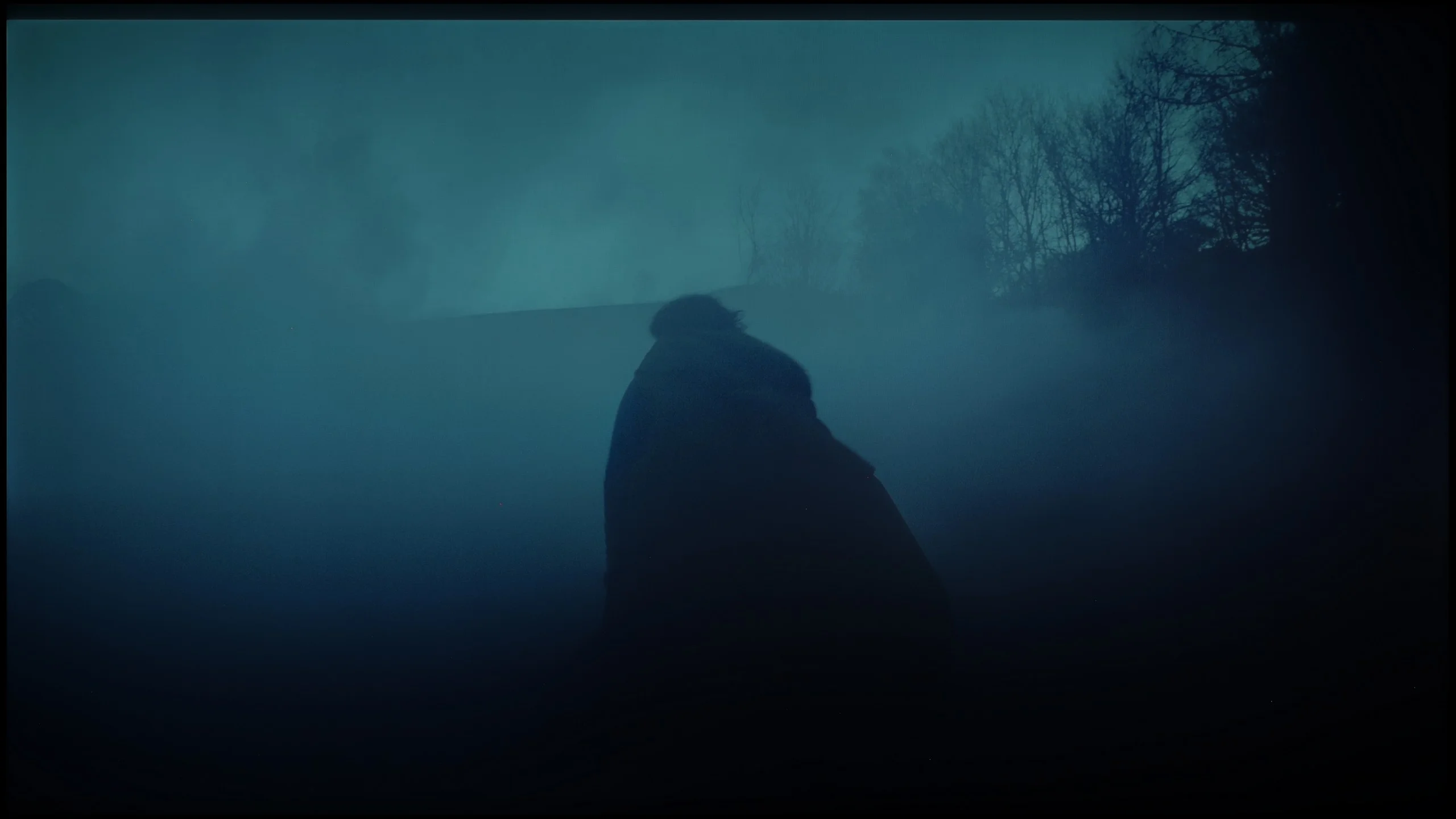
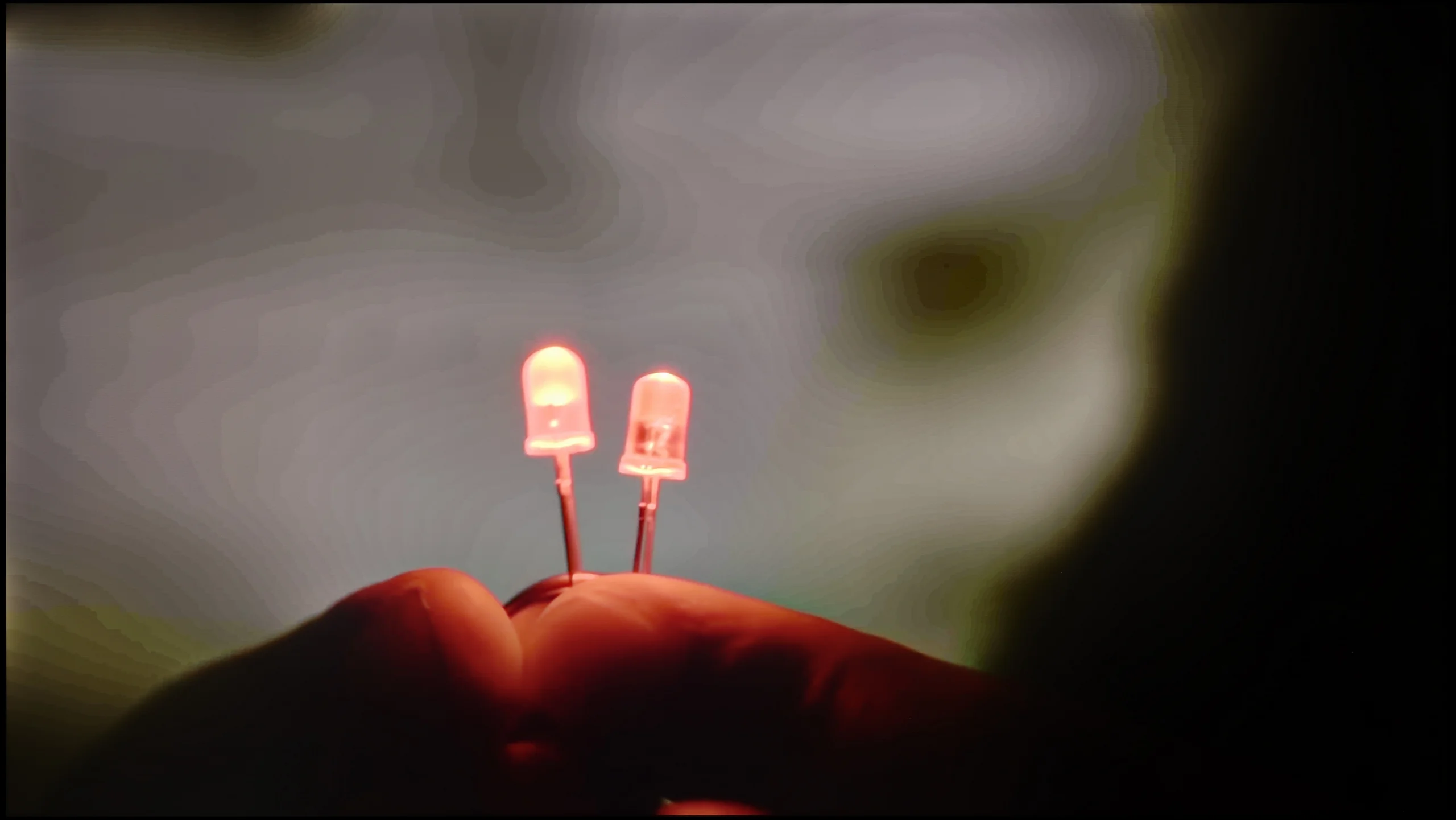
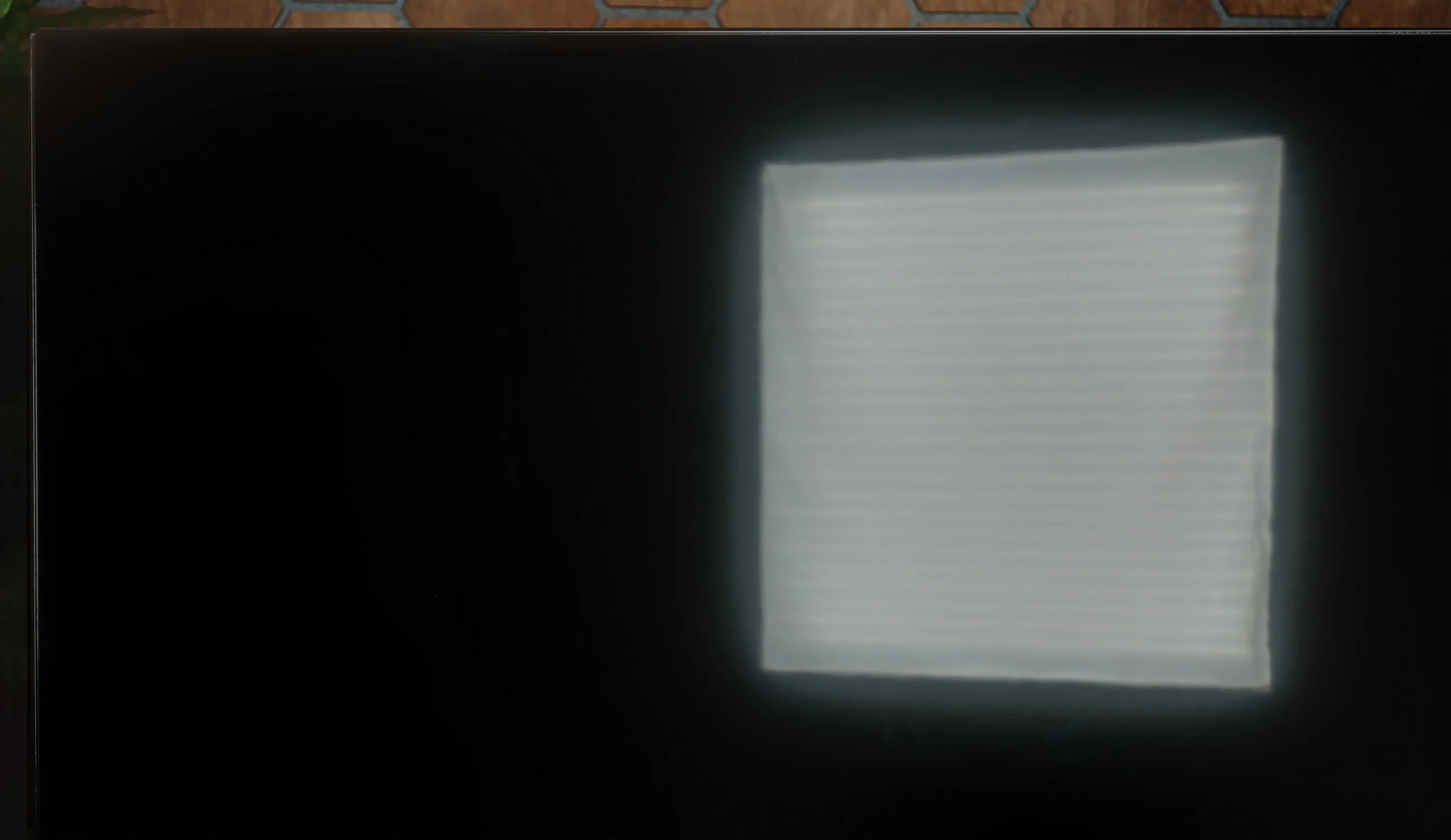
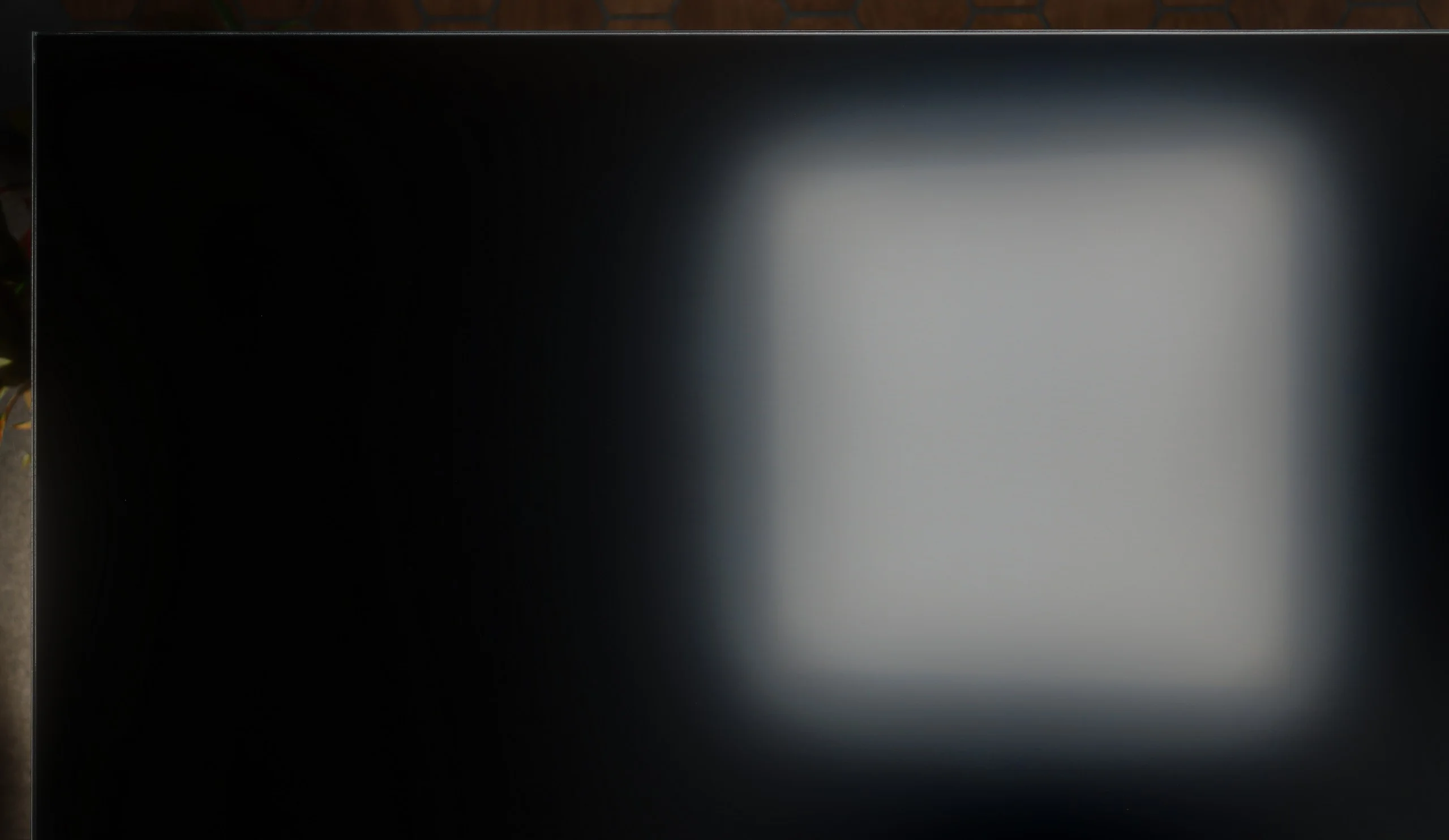
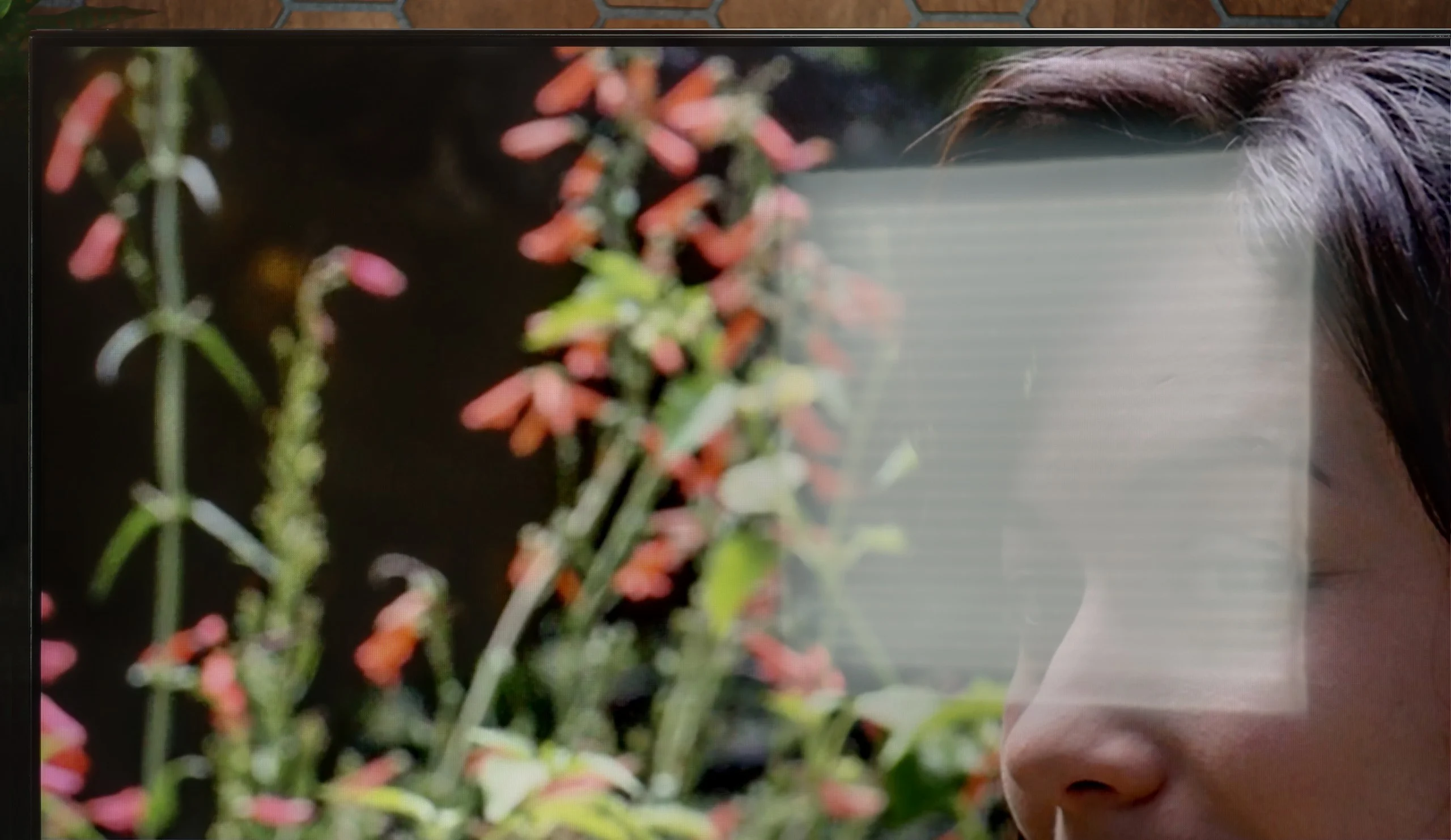
The Dreame S100 is a relatively bright television. In movie mode, the brightness we measured reached around 600 nits. This is a really good result, although not the highest when considering the competition at this price point. In fullscreen scenes, it is evident that the television can produce an image that impresses with its brightness. Unfortunately, when more complex scenes appeared on the screen, the local dimming algorithm in this model primarily focused on maintaining the deepest blacks. However, this came at the expense of HDR performance – and in a drastic manner. In such scenes, the brightness of bright elements dropped below 100 nits, which is a frankly tragic result, far from any HDR effect. One can improve this aspect, but not without a "however." It is simply necessary to change the local dimming setting in the television's menu, but then the blacks in such scenes simply become grey. It's a pity that Dreame couldn't better refine the local dimming algorithms, and the S100 is another example that the sheer number of local dimming zones does not always translate to a better image. As a consolation, it is worth adding that the Dreame S100 is advertised as a "QLED" type television, although in reality it uses a PFS LED filter. As a result, the colours are appropriately saturated, and the colour gamut coverage of DCI-P3 we measured exceeded 94%.
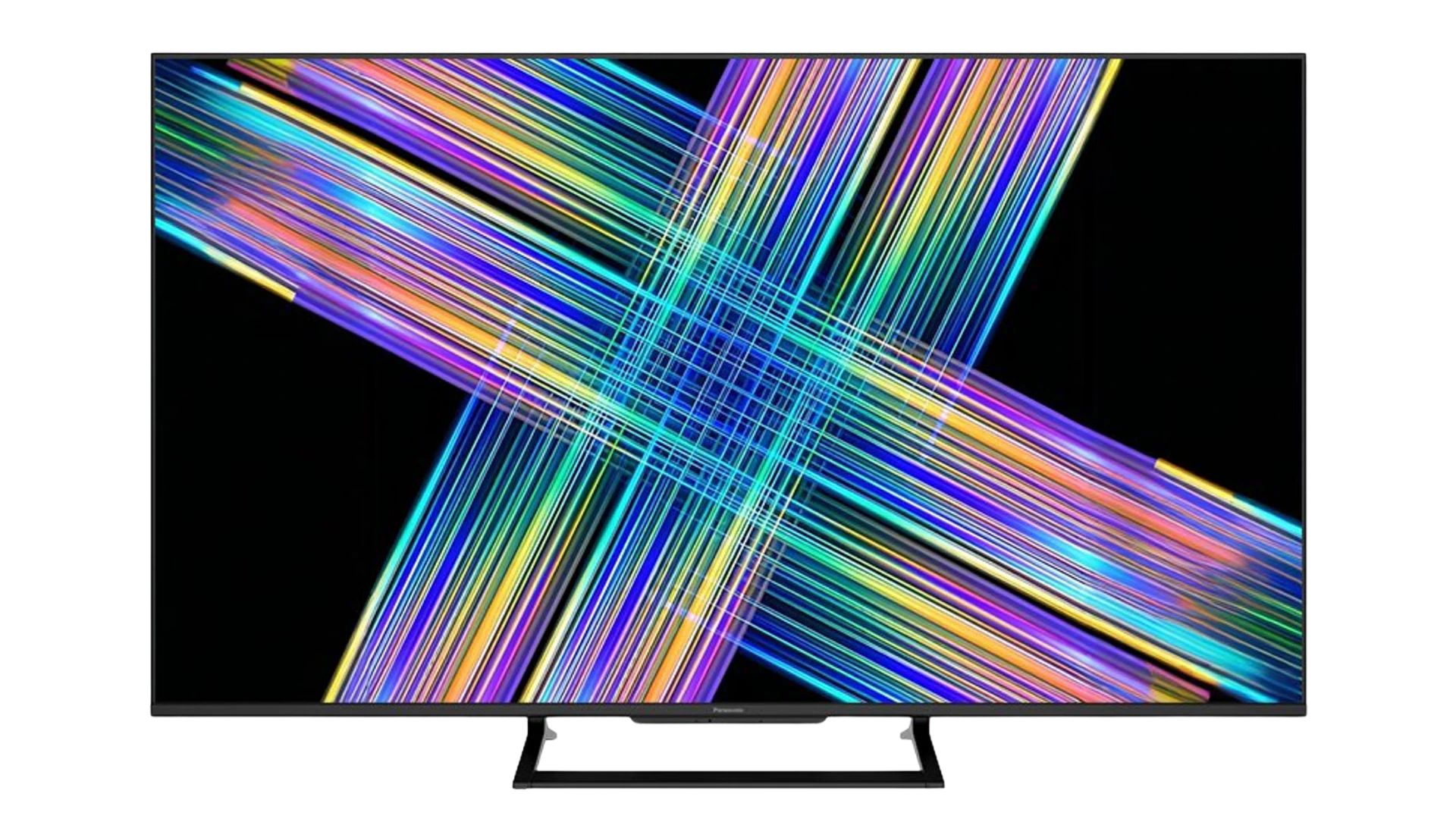
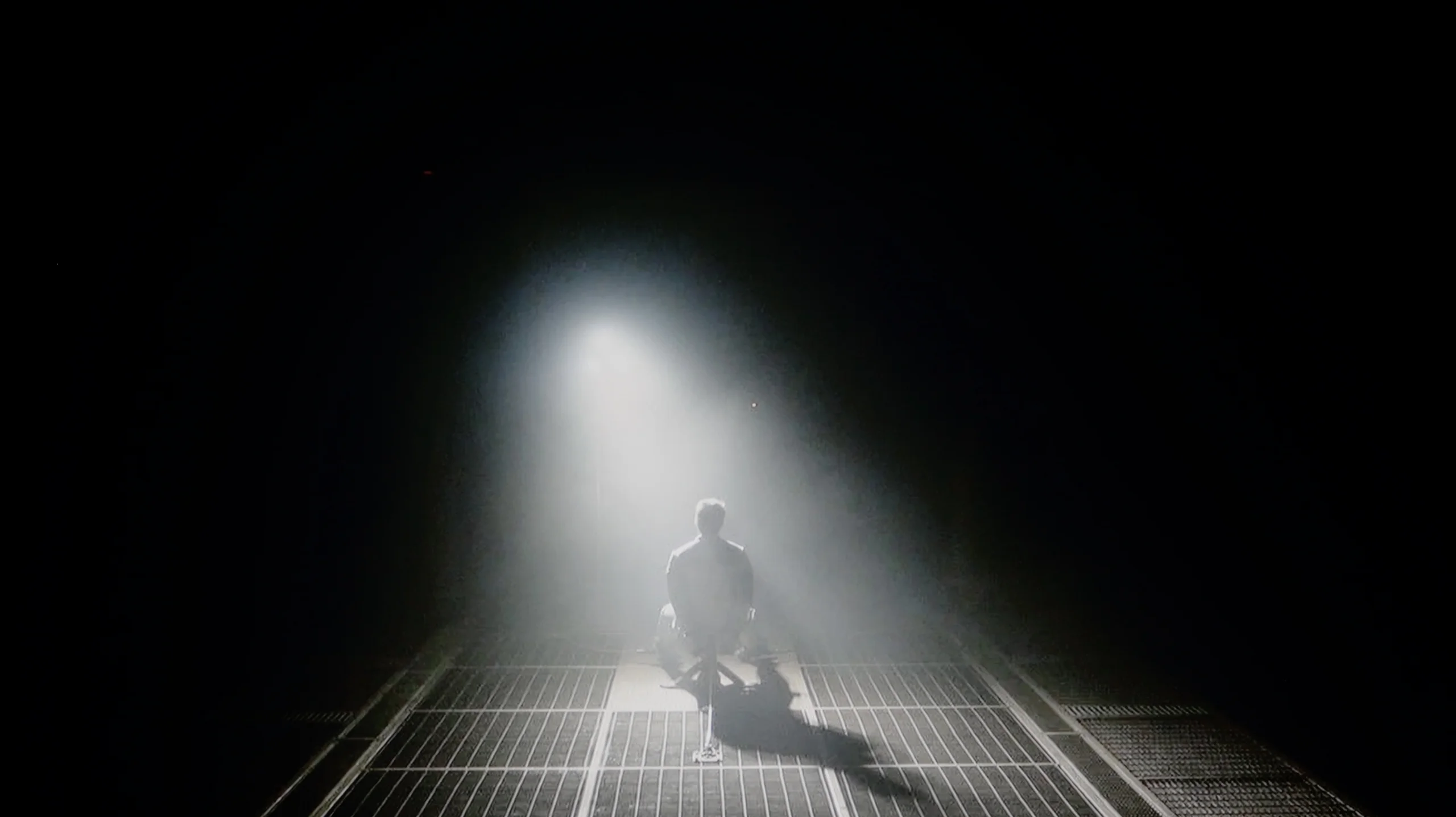
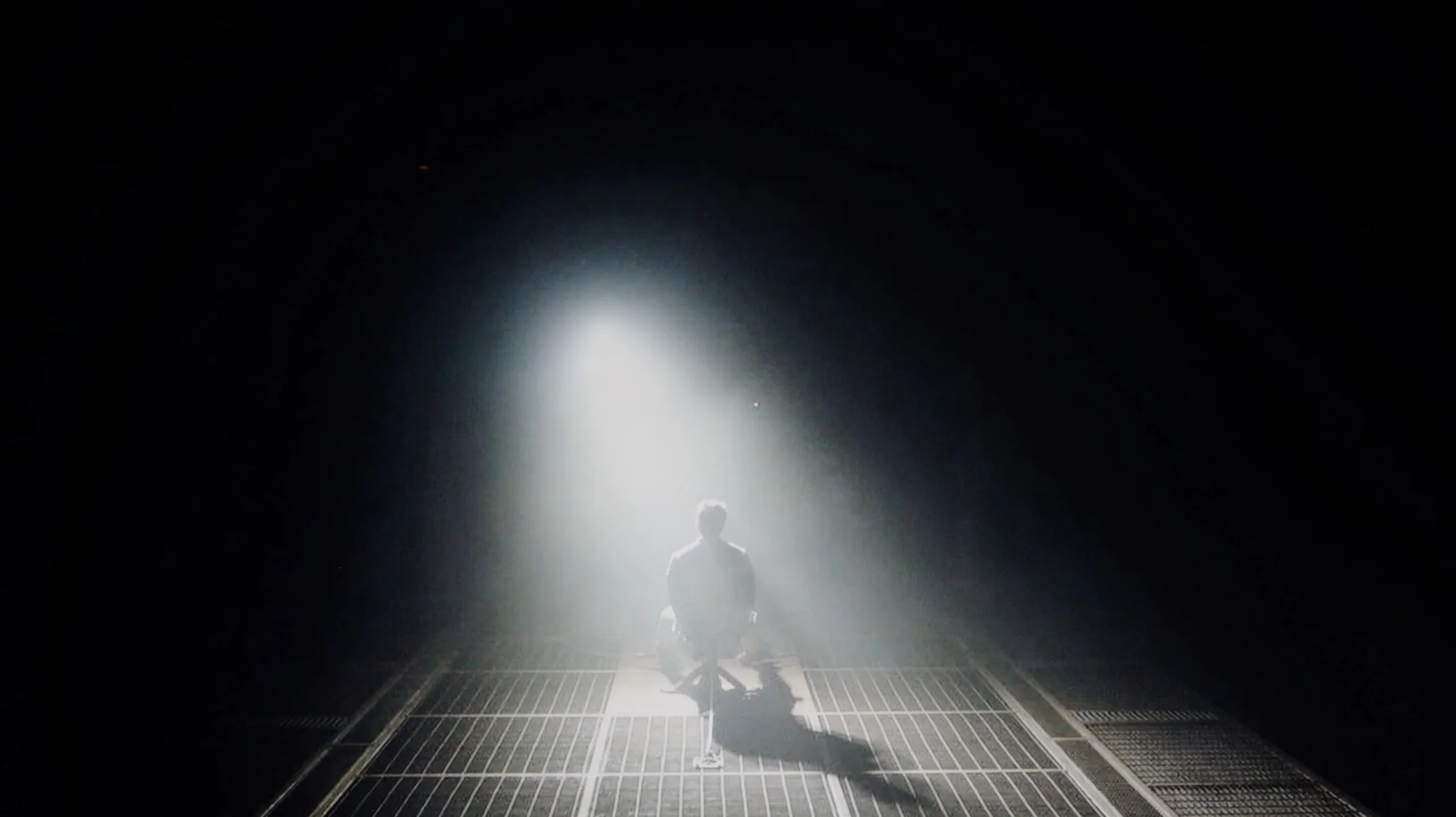
The Panasonic W92C reaches a peak of around 750 nits with local dimming set to High. That brightness is enough to show a clear HDR effect, but in films the TV does not always make full use of it. In brighter scenes we get about 500 nits, while small highlights on a dark background can fall to just 160 to 250 nits. In practice this means the sun in a bright shot looks fairly convincing, but a torch or small flares in a night scene lose punch. This is a further cost of local dimming, which with a limited number of zones also dims bright elements to preserve the black around them.
During testing we also noticed a strange software bug. When switching to HDR the TV would automatically change the backlight level, setting it for example to 53 or 81 instead of the maximum. This made the picture darker than the panel is capable of. All measurements presented were made after manually restoring the backlight to maximum.
Colours
The wide colour gamut in the Panasonic W92C is due to a PFS phosphor, which produces an effect similar to the quantum dots used in QLED screens. We measured DCI-P3 coverage at around 94% and 74% of the wider BT.2020 gamut. Importantly, results on film material were practically identical to those on test charts. That's a good result, enabling HDR films to show richer, more saturated colours than on a standard LCD panel.
The brightness of the colours themselves is slightly weaker. In our measurements red reached about 58% of the target value, while green and blue were around 66 to 67%. So the TV can display a wide range of colours, but the brightest, highly saturated parts of the image do not have the same punch as on RGB-based screens.
 Direct comparison