 Redakcja Choose TV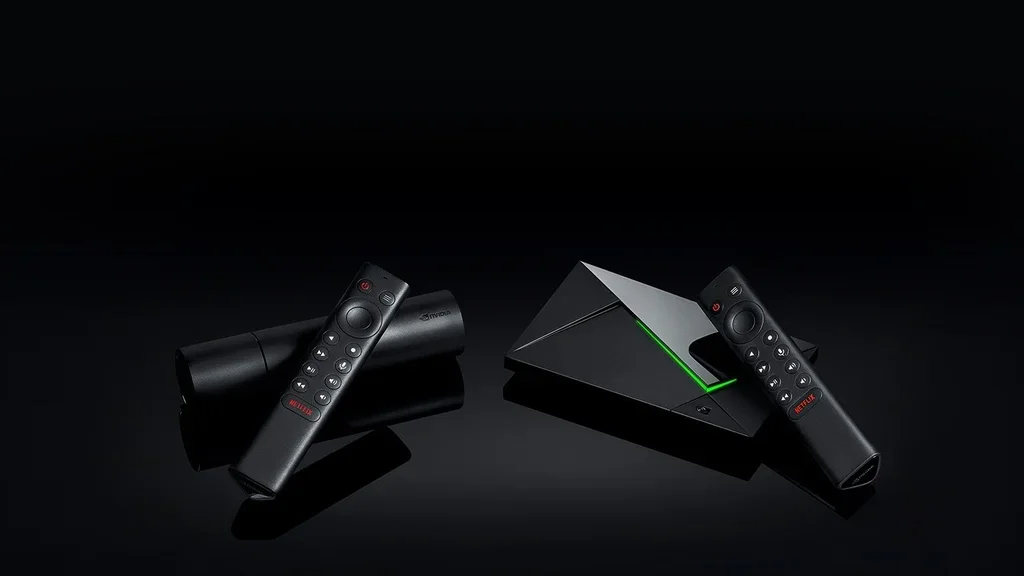
Generally electronic equipment gets cheaper over the years. Nvidia has decided to go in a completely different direction. The price of the Shield TV Pro, which debuted back in 2019, has increased by as much as 50%. Interestingly, the device has not received any major hardware upgrades in seven years. So where does such a large price rise come from?
Since 2 October the Nvidia Shield TV Pro costs $299.99 in the United States, instead of the previous $199.99. A similar change has affected the European market, where the list price rose from about €220 to €330.
We are talking about a device whose specification has hardly changed since its launch. The Shield TV Pro still uses the Tegra X1+ processor, 3 GB of RAM and 16 GB of storage. However, it offers features that still make it an interesting proposition for home cinema fans, such as Dolby Vision, Dolby Atmos, AI upscaling to 4K and the ability to act as a Plex server.
The AI boom hits consumers' wallets
Where does such a drastic price rise come from? Nvidia explains the decision by a significant increase in component costs, above all memory. The market situation is worsened by huge demand for parts used in data centres and artificial intelligence systems.
The whole situation is all the more interesting because Nvidia itself is among the biggest beneficiaries of the AI boom, supplying chips used to train and run advanced models. But that's not the end of the changes. The manufacturer has also ended sales of the cheaper, basic Shield TV, which launched at $149.99. Only the more expensive Pro variant remains on offer, although its availability in shops is currently limited.
The price rise shows that rising component prices are already affecting not only the newest devices. Even a seven-year-old media player can now cost considerably more than on the day it was released. The only question is whether it's still as attractive a purchase at $300.
Sources: FlatpanelsHD, Ars Technica