 Paweł Koper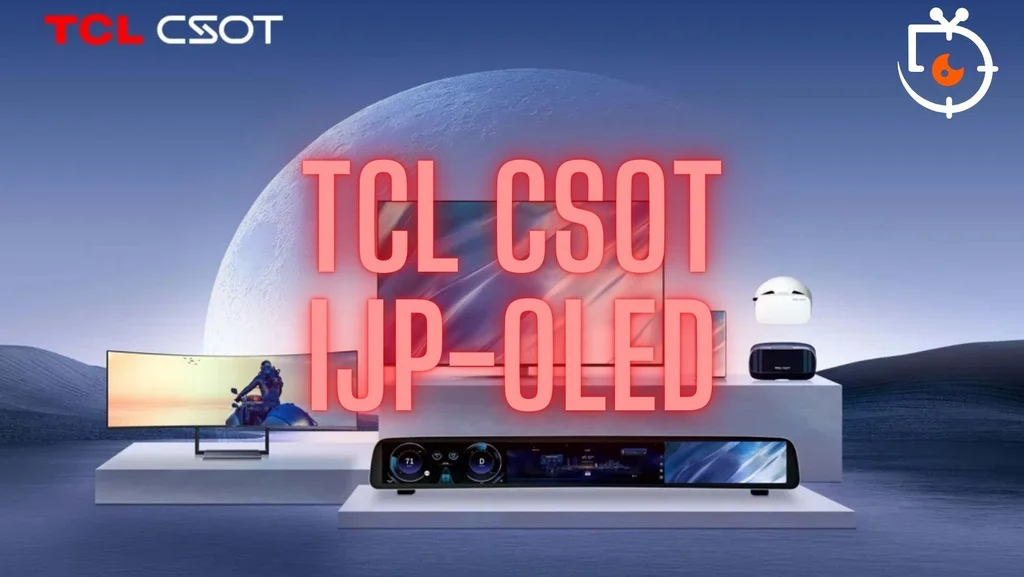
According to the OLED-INFO service, TCL CSOT has developed breakthrough materials for inkjet printing of OLED panels, allowing for the application of colour filters directly on the encapsulation layer (COE architecture). This solution eliminates the need for traditional polarizers, paving the way for the production of cheaper and more efficient OLED screens.
COE: Thinner, Brighter, More Economical
The application of COE architecture in the inkjet printing process allows for significant streamlining of the panel construction. According to data provided by OLED-info, TCL CSOT has already tested samples with a density of 326 PPI, which have shown:
A 30% reduction in power consumption compared to panels with a polariser.
A light reflectance rate of just 6.41%, which translates to better readability in bright surroundings.
Higher material efficiency, which in the long term drastically lowers production costs (by even 15-20% compared to vacuum deposition methods).
Fight Against Dominant Korea
The new production method is to be a direct response to WOLED (LG Display) and QD-OLED (Samsung Display) panels. TCL CSOT intends to first fight for the market of medium-sized screens, such as:
Premium tablets and laptops,
Monitors for gamers and professionals,
Or even medical displays
At the recent CES 2026 trade show, however, the company demonstrated that its ambitions reach further. Thanks to the flexibility of inkjet printing, these screens may soon find their way into car cockpits, offering shapes never seen before.
Despite the status of a "development project," the rapid progress of TCL CSOT suggests that commercial products based on IJP-OLED may soon become a market reality.
Source: OLED-info