 Katarzyna Petru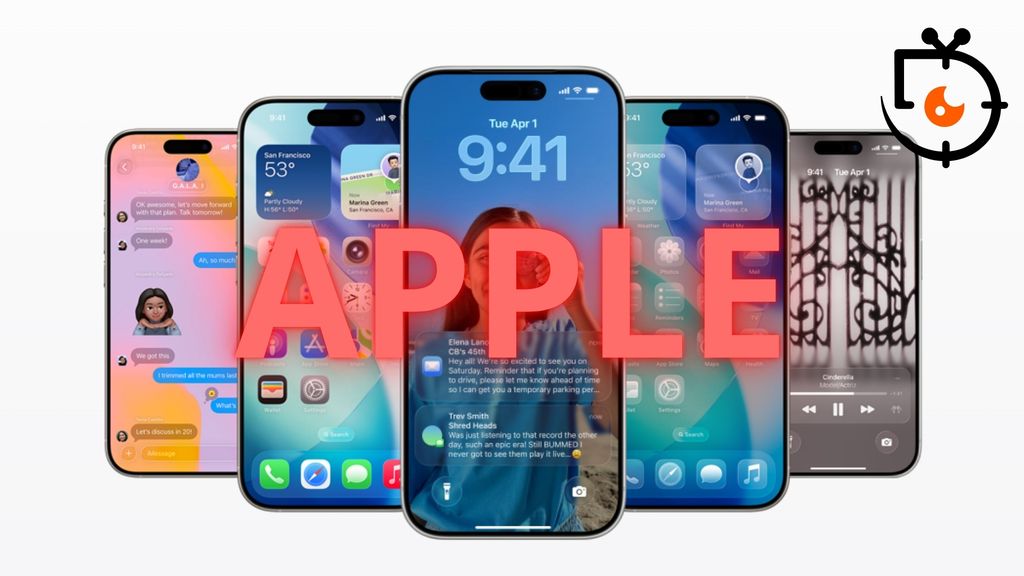
Apple has released the iOS 26.3 update, which primarily focuses on bug fixes and security improvements, but it has introduced features that clearly go beyond the previous philosophy of a closed ecosystem. The biggest novelty is the easier transfer of data from iPhone to Android. There is also support for forwarding notifications to third-party devices and new options related to location privacy. The update does not bring a visual revolution, but it changes Apple's approach to interoperability. This is a step that may have greater strategic significance than technical.
Easier migration to Android
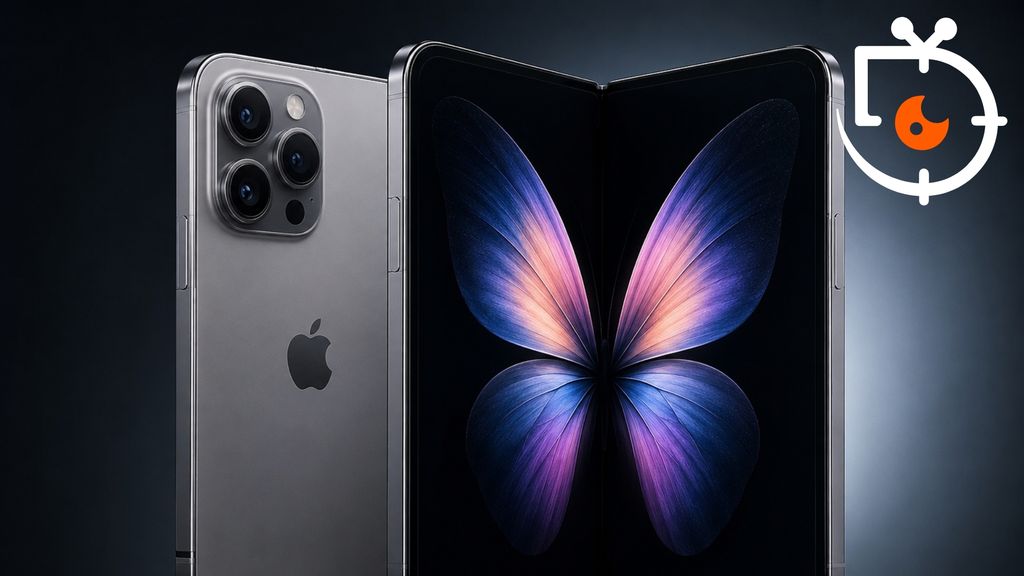
The most notable change is the “transfer to Android” feature, allowing the transfer of photos, messages, notes, apps, and phone numbers to an Android smartphone. However, Apple does not allow the export of sensitive data, such as information from the Health app or Bluetooth pairing details. The mechanism is based on the AppMigrationKit framework, which enables apps to export and import data between platforms. On the Android side, support for the Data Transfer API in Android 16 is required, which means that the availability of the feature also depends on device manufacturers.
Notifications go beyond the Apple ecosystem
A new feature, particularly significant in the context of EU regulations, is “notification forwarding”. This function allows notifications to be forwarded from an iPhone to third-party accessories, including Wear OS watches from Google. The user can choose which applications are allowed to send alerts to the external device. However, the system currently only allows notifications to be sent to one device at a time, which excludes simultaneous use with the Apple Watch.
New Location Privacy Option
In selected models, a switch has been introduced for “limit precise location”, which restricts the accuracy of location data transmitted to the mobile operator. This feature works on devices with Apple C1 and C1X modems, such as the iPhone Air and iPhone 16e. In the USA, it is currently supported exclusively by the Boost Mobile network. Older models with Qualcomm or Intel modems do not offer this option.
The rest of the systems without major changes
Updates for macOS 26 Tahoe, watchOS 26.3, tvOS 26.3, visionOS 26.3, and HomePod software are primarily focused on stability and performance improvements. The beta versions indicate future support for the M5 Max and M5 Ultra chips, which may herald new Mac computers. More significant changes are expected to arrive with iOS 26.4, where the debut of a new Siri based on Gemini models is anticipated.
iOS 26.3 is a calm update visually, but significant strategically. Apple is starting to more clearly open its system to collaboration with devices outside its own ecosystem, facilitating migration to Android and integration with accessories from other manufacturers. This is a signal that interoperability is becoming as important as control over the platform. Greater innovations will likely come with the next version of the system.
source: apple