 Redakcja Choose TV
In recent years the prices of electronic components have risen sharply, yet the cost of buying new TVs has not changed as much as was expected. According to analysts at Omdia, manufacturers have found a new way to increase their revenues. Ads shown on Smart TV platforms and the data collected about how people use their TVs are becoming increasingly important. This lets companies sell hardware with lower margins and then earn profits for many years after the device is purchased. That business model is developing particularly rapidly in the US market. Experts predict, however, that similar solutions will be seen more and more often in Europe.
Ads are becoming a bigger source of revenue than TV sales
An Omdia report shows that TV manufacturers' business model is clearly changing. A few years ago the main source of income was selling the device itself. Today ads shown on Smart TV home screens and sponsored content recommendations play an increasingly important role. Manufacturers also profit from analysing how people use their TVs and their preferences. That data lets them better target ads, which increases their value to advertisers. Thanks to these additional revenues, companies can keep TV prices competitive despite rising memory and other component costs. According to data for the first quarter of 2026, TV sales rose by 6% compared with the same period the previous year. Analysts say this was driven in part by stable prices and the approaching FIFA World Cup. Even premium TVs use the same operating systems as cheaper models, so they also display ads and can collect user data. For manufacturers, this means a steady revenue stream for the lifetime of the device.
Europe is following the lead of the US, but users still have a choice
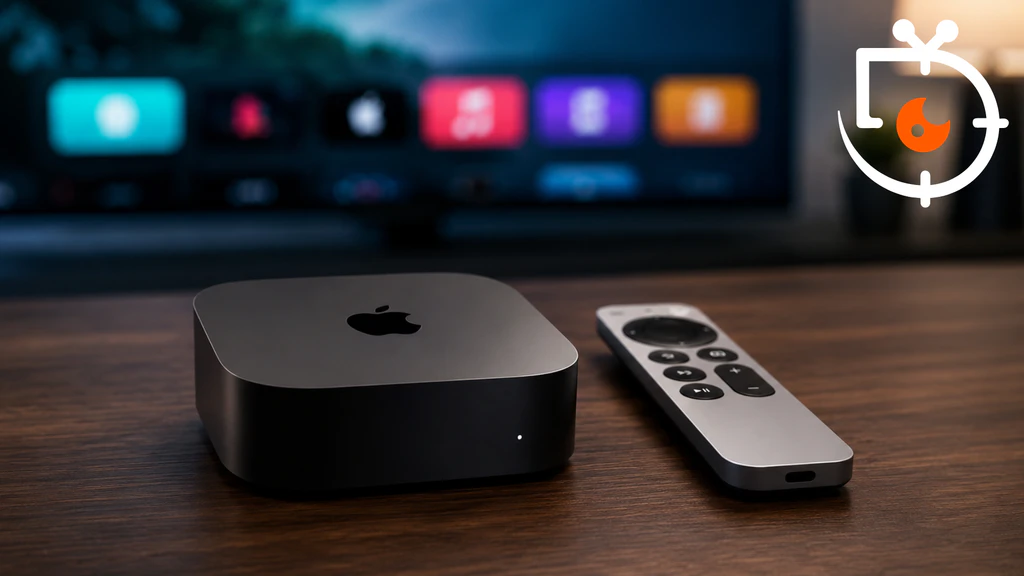
The most advanced advertising model currently operates in the United States. Platforms like Roku and Amazon Fire TV have for years funded part of their operations through advertising and by analysing user data. Walmart is also a good example: it acquired the Vizio brand to combine data from TVs with customers' purchase information in its stores. According to Omdia, the same trend will become increasingly visible in Europe. New Smart TV platforms such as Vidaa, Titan OS and TiVo OS are growing rapidly and rely heavily on advertising and online services. Analysts predict their market share will rise significantly by 2030. However, that doesn't mean users are completely without choice. People who don't want to watch ads or share data about their habits can simply avoid connecting the TV to the internet. In that case a Smart TV works like a traditional screen, and all multimedia features can be handled via an external player such as Apple TV, Chromecast or a games console. This setup lets you avoid both ads and data collection by the TV maker.
TV manufacturers are increasingly making money not from selling hardware but from advertising and services available in Smart TV systems. This keeps device prices attractive despite rising production costs. A trend that has dominated the US for years is gradually spreading to Europe, though users can still limit ads and protect their privacy by choosing not to connect their TV to the internet.
source: flatpanelshd