 Michał Wołoszyn
If you were counting on Sony drowning us in new OLEDs and powerful successors to the MiniLED series in 2026, I've got a bucket of cold water for you. The Japanese manufacturer has apparently decided that what it showcased in previous years is good enough that it doesn’t need refreshing. As a result, flagship models like the Bravia 9, 7, or OLEDs from the 8 series won’t see their successors this year. However, Sony has decided to target a completely different group of customers – those with a slightly “lighter wallet”. Instead of a fight over the flagship nitty-gritty, we have an offensive in the budget segment. The only new additions to this year's TV lineup are two models: Bravia 2 II and Bravia 3 II.
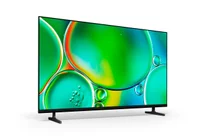
Sony Bravia 3 II: A Budget Model with Flagship Aspirations?
The most noticeable change on paper is the refresh rate of the panel. The new Bravia 3 II will be equipped with a 120 Hz panel, rather than the 60 Hz seen in the model from two years ago. This is great news for gamers looking for a Sony product, but who didn't necessarily want to spend a fortune on top-of-the-line Mini-LED models. Unfortunately, the Bravia 3 II model does not feature Mini-LED technology or any form of local dimming.
Four HDMI 2.1 Ports – Finally!
Another good piece of news for console owners is the inclusion of as many as four HDMI 2.1 ports in the Bravia 3 II. It seems that MediaTek has finally released processors that allow manufacturers to support the full standard across all connections, which has been a pain point even for more expensive models until now. Have they used the Pentonic 800 model, known from last year's Chinese flagship devices? We don’t know that yet, but what’s certain is that the heart of the television will be a new, improved chip from MediaTek, which finally solves the issue of limited ports.
XR Processor in Affordable Bravia
In terms of image processing, something almost unheard of for Sony is happening. The Bravia 3 II will feature a proprietary XR processor. This is a huge leap, as its predecessor used a much simpler X1 chip. Therefore, we can expect that in this relatively affordable Sony model, we'll find image processing akin to the most expensive series, such as Bravia 5, 7, 8, or even 9. We have high hopes that this will be the case, although we will have to wait for our initial, comprehensive lab tests for final conclusions.
Bravia 3 II in 100 inches!
Sony, which has so far taken a rather cautious approach to giant screen sizes, is now going all in. The new Bravia 3 II will be available in a size of 100 inches! This is a clear signal that the Japanese have had enough of watching from the sidelines as Chinese manufacturers brazenly take a huge slice of the pie in the "SUPER BIG TV" segment. Until now, if you were looking for a 100-inch screen and didn’t want to spend a fortune on it, your gaze would automatically drift towards Chinese brands. It seems that Sony wants to change that.
Appearance and Functional Base
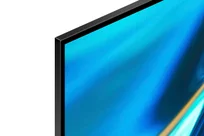
When it comes to the design, Sony hasn’t changed anything compared to its predecessor. We still have sleek black bezels around the screen that look stylish and modern.
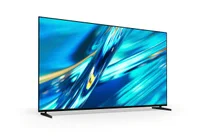
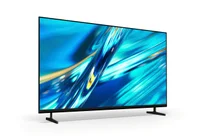
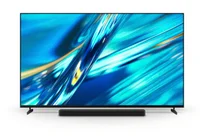
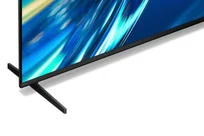
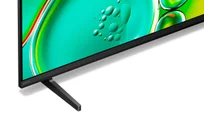
It's very pleasing that the manufacturer has thought about ergonomics. The Bravia 3 II has the ability to be adjusted in four different settings:
Narrow: for people with smaller TV cabinets.
Wide: for maximum stability.
High or low: the legs can be mounted higher to easily fit a soundbar under the screen or lower for a more modern look.
Sony Bravia 2 II: a debut we've... already seen?
For those of you who regularly check what's happening in the TV market, this model might sound familiar. The Sony Bravia 2 II debuted in the United States back in 2025, and now it's arriving in European stores as an option for those looking for the Sony logo at the lowest possible price. To be honest, looking at the specifications, it's hard to spot any spectacular differences compared to the basic Bravia 3 model from last year.
X1 under the hood and verified Google TV
Unlike the higher model Bravia 3 II, here we do not find the XR processor. Sony has opted for the older X1 known from the classic Bravia 3 model. The whole thing is of course built on the Google TV system, which will give you access to all the most important streaming apps.
Surround sound and wide size range
Even though this is a budget model, the Bravia 2 II can easily handle Dolby Atmos and DTS:X formats, which means that even a simple audio setup can provide an immersive sound experience. When it comes to size options, this model will be available in variants from 43 to 75 inches.

Sony 2026: Where Have the Flagships Gone?
Summarising what we've seen regarding Japanese screens, it must be said openly: Sony is entering 2026 in an exceptionally cautious manner, especially when we compare their offering with what the competition is showcasing. While other manufacturers flex their muscles and bombard us with Micro RGB technologies or second-generation Tandem OLED panels, Sony seems to be taking a deep breath and focusing on refining what we already know, rather than pursuing a revolution at all costs.
When is the new MiniLED RGB "ChooseTV 10"?
It's just a pity that this "breath" means a lack of specifics on topics that many of us were counting on. In the corridors and on forums, there has been a buzz for months about a new Mini RGB (Micro RGB) technology that has even acquired the working name ChooseTV 10. Fans of the brand were hoping that this working-named model would debut in 2026. However, at this moment, this project remains in the realm of internet legends. And that's a shame, because the presentation of this technology in Sony's version took place a year ago.
The biggest disappointment, however, is the fact that series such as Bravia 9 and Bravia 7 have not seen successors with "II" in their names this year. Despite numerous rumours and leaks suggesting updates to these models, Sony apparently decided that their current form is solid enough to compete with new offerings from other brands for another season. It’s a bold move, as the market does not tolerate a vacuum. Customers looking for the "latest and greatest" might simply bypass Sony's offerings due to the age of the devices, even if their TVs are refined enough to perform well in rankings.
It seems that any rumours of spectacular launches were cut short by the decision to establish a new company between Sony and TCL, which will be responsible for creating TVs in the Bravia series from 2027.
However, if you’re feeling a bit disappointed by the news about the televisions, I have something to sweeten the deal. Sony has apparently redirected all production forces to another department. The Japanese have announced as many as five new products in the audio category, which you can read about in the article below.