 Redakcja Choose TV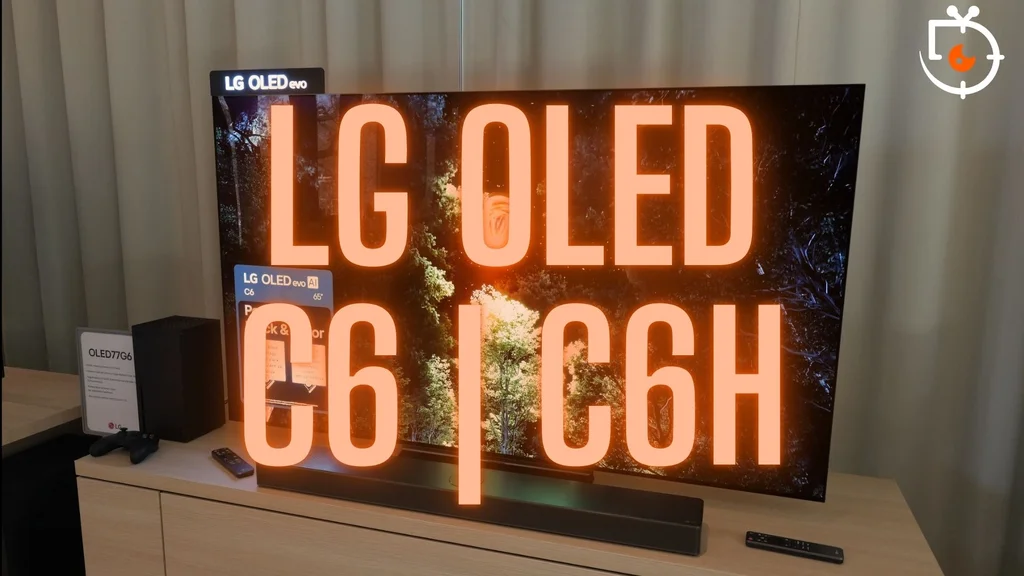
We have seen and conducted the first tests for you of probably the most popular OLED TV of the year (2026) – LG OLED C6. We measured the brightness for you, we'll take a closer look at the in-depth changes related to image processing, and we also have some other tasty bits. Ready for the first impressions? Then we invite you to our mini-review.
LG OLED C6 Appearance. Copy-paste from last year
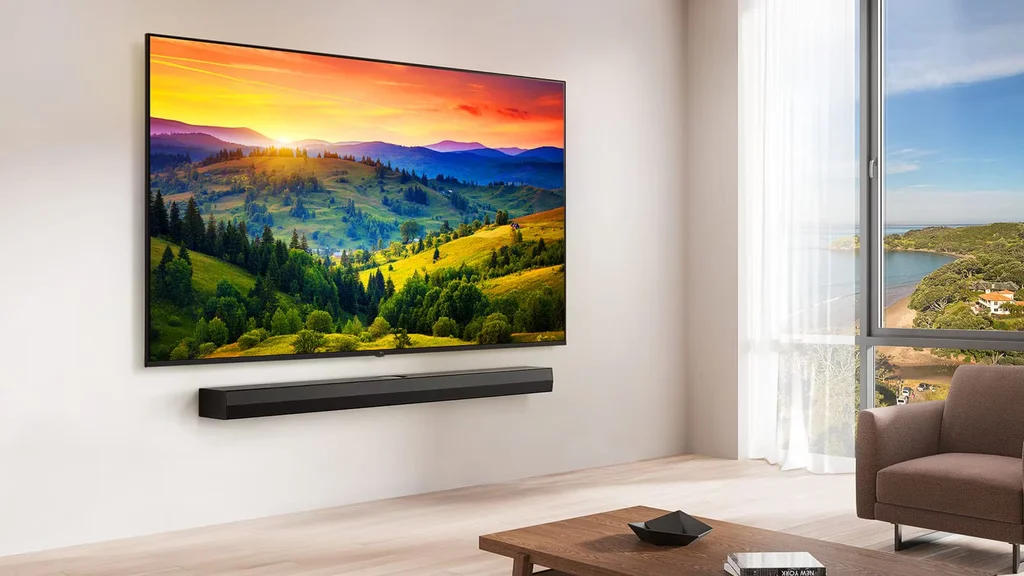
Let’s start with what’s visible at first glance, which is… nothing new. In terms of appearance, LG hasn’t changed a thing here. The C6 looks exactly the same as it has for the past two years – just like the C4 and C5 models. We apologise to some, but we’re running out of words for all these new shades of black and grey on the back of the C series. Nonetheless, it must be acknowledged that the C6’s appearance is timeless and it’s hard to find any faults here. After all, you can’t reinvent the wheel. 😉
LG C6: Significant brightness upgrade vs C5
Standard sizes, namely 55 and 65 inches, will be brighter, attention... by about 400 nits in movie scenes! That's over 50% more than the previous C5 series. Our colleagues from the lab tested this on test patterns and although the measurements were done a bit "on the fly" in demonstration conditions, the results are unequivocal. This is no longer light cosmetics; it's a huge leap in brightness that makes the C series start to close in on the flagship models from previous years. Of course, this takes into consideration that these tests are preliminary results of what (hopefully) we can expect. For full tests, some will have to wait a bit longer.
Synthetic Tests: SDR is Also on the Rise
For the sake of order, we also checked the synthetic tests and here too, a clear improvement is evident. You know well that we are not fans of conducting "white tile" tests and using them as the main argument for or against a television. Moreover, our test results on film materials vs results from other foreign publications (which measure only black-and-white patterns) best illustrate why we have this approach.
Despite this, we perform such measurements for reference to measure the overall brightness in the SDR test. So, for the curious – in the L20 panel (that is, the white square occupying 10% of the screen area), the brightness reached over 700 nits. That’s about 100 nits more in SDR content than in the C5 model. This is a great sign, as the new C series will therefore perform even better during the day, as a typical "everyday" television for a bright living room.
C6H: Tandem OLED hits the market
The real standout is the C6 Hyper, which is the C6 variant in 77 and 83 inches. We received confirmation (unfortunately, it wasn't present at the presentation 😞) that these powerful screens in Poland will utilise the Tandem OLED panel. This technology is directly transferred from last year's flagship, the G5. It seems that the C6H could be the most cost-effective large TV of 2026. By purchasing a large C-series, you get premium quality picture without paying extra for the G or W series. We just hope that LG doesn't dull the strengths of this model.
Alpha 11 Processor and Better Tone Mapping
The biggest novelty in the upcoming W6, G6 but also C6 is not the brightness itself, but the new Alpha 11 processor with native 13-bit colour processing. For those not in the know: WOLED TVs have always had issues with what's known as posterisation. These are the ugly, banded stripes in the sky during sunsets. Thanks to the new processor, the banding issue has significantly improved. The difference is enormous! On top of that, there's better tone mapping, which allows the TV to handle details in white by itself in HDR10 without the help of Dynamic Tone Mapping or Dolby Vision.
Is it worth waiting for the LG OLED C6 and C6H?
The LG C6 and C6H are shaping up to be devices that could make buying more expensive models obsolete by 2026. A jump of 500 nits in HDR is an unassailable argument for the classic C version, and the announcement of the Hyper version with even greater brightness only fuels the desire to pre-order it. So is it worth doing? We would recommend waiting for a show of strength from the competition, which is also not resting. However, everything suggests that the C6 could be a driving force for mid-range OLEDs. And we’ve been waiting for such development for years.