 Redakcja Choose TV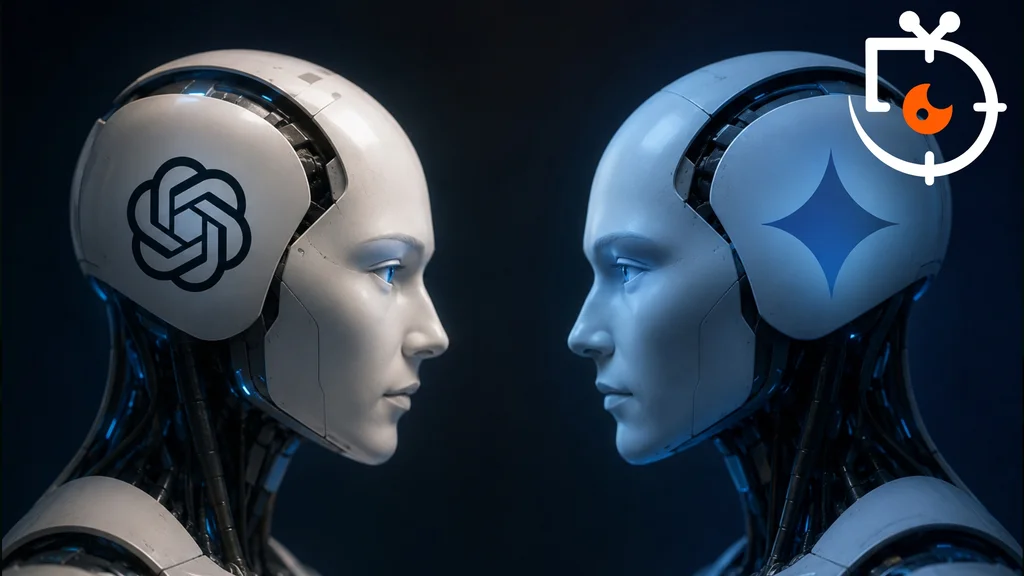
In the world of artificial intelligence, there's often talk about which model is smarter or more technologically advanced. Less attention is paid to how AI communicates with the user. Meanwhile, the way a conversation is conducted can have a significant impact on the perception of the entire system. A journalist from TechRadar decided to conduct a simple experiment to see if ChatGPT could mimic the style of Google Gemini. One well-constructed prompt was all it took. The results showed that the personality of AI can be just as important as its actual capabilities.
One prompt changed the character of ChatGPT
The experiment's author instructed ChatGPT to respond more like Gemini. The model was meant to be more analytical, organised, and restrained, while being less emotional and less conversational. The effects were immediate. Responses that previously resembled a chat with a helpful advisor began to sound much more formal and academic. ChatGPT started using balanced formulations more often, analysing various scenarios, and avoiding emotional language. In many cases, the responses were very similar to those generated by Gemini.
The style of conversation is of great importance
The experiment showed that users often evaluate AI models not only through the lens of knowledge or quality of responses. The way information is presented is equally significant. ChatGPT usually comes across as more human and engaged in the conversation. In contrast, Gemini tends to favour a cool analysis and structured explanations. After changing the communication style, the author noticed that he began to perceive the same model differently, even though its capabilities remained identical. This suggests that user preferences may stem more from the character of the conversation than from actual technological differences.
A simple experiment showed that the personality of artificial intelligence has a huge impact on user experience. ChatGPT was able to effectively mimic the style of Gemini, which proves that we often do not compare the AI models themselves but rather the way they communicate with us.
source: techradar