 Redakcja Choose TV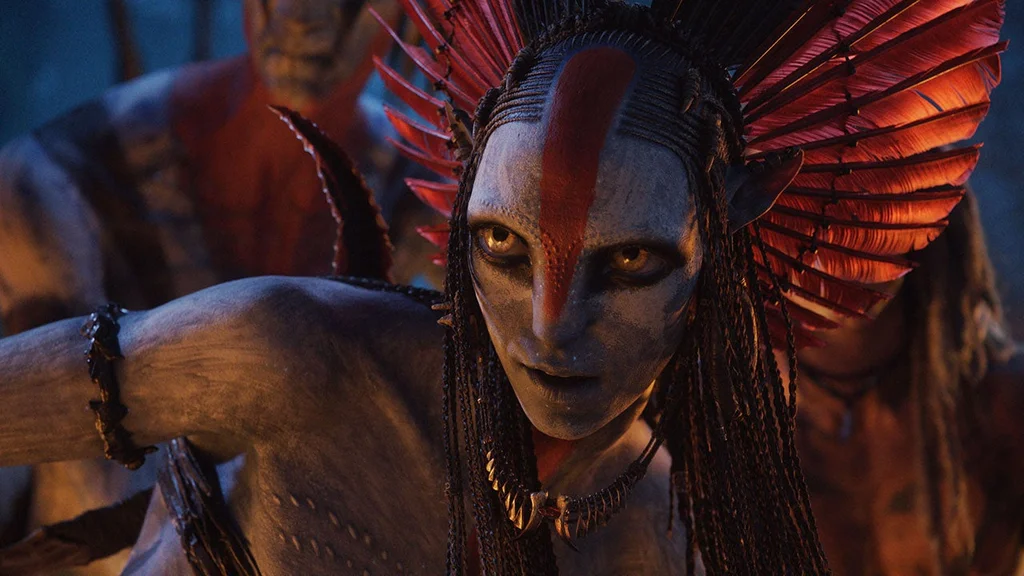
The third part of James Cameron's saga about Pandora and the Na’vi debuts this week worldwide. Avatar: Fire and Ash has once again been created with 3D and High Frame Rate 48 fps in mind, but not every cinema screening will present the film in this format. The choice of cinema is crucial here.
The previous installment – Avatar: The Way of Water – was a massive success, largely due to the combination of a spectacular story with technology that genuinely elevated the level of immersion. Cameron is taking the same path this time as well. The production budget for Avatar: Fire and Ash is estimated to be around $400 million, making it one of the most expensive films in cinema history once again.
3D and 48 fps HFR – not the whole film, but key scenes
The vast majority of films are still made at 24 fps – a standard that is increasingly showing its age with the development of image technology and displays. Similar to The Way of Water, Avatar: Fire and Ash was largely created in 3D and at double the frame rate – 48 fps, meaning High Frame Rate. The result is significantly smoother motion, clearer details in dynamic scenes, and reduced motion blur.
James Cameron confirmed that about 40% of the film is presented in 48 fps. The remaining scenes – mainly dialogue – remain at 24 fps. Technically, the entire film is placed in a “container” of 48 fps, and the frames in the 24 fps scenes are simply duplicated. The film is also motion graded – the level of motion blur and fluidity is adjusted scene by scene in post-production. This is intended to prevent the “soap opera effect,” which was criticized in The Hobbit when shown in 48 fps.
Avatar: The Way of Water was motion graded using TrueCut Motion technology. The company Pixelworks, which developed it, declined to comment on the use of this technology in Fire and Ash.
Premium cinemas – big screen, but without true HDR
Avatar: Fire and Ash was created with PLF (Premium Large Format) theatres in mind. Cameron has been pressuring cinemas for years to upgrade their projection systems, particularly in terms of 3D quality.
The problem is that even the best projector cinemas today have serious limitations. No projector can deliver true HDR or Dolby Vision standards with the required brightness and colour range that the world of Pandora demands. Among projector solutions, Cameron has previously pointed to Dolby Cinema as the best compromise. However, true HDR in cinemas is only possible on LED screens – and those are still rare.
On the other hand, large theatres offer something that cannot be replicated at home – a massive screen and Dolby Atmos spatial sound, which plays a key role in Avatar.
What format to choose at the cinema?
The film is released in cinemas in many versions:
2D
2D HFR
3D
3D HFR
IMAX 3D
IMAX 3D HFR
4DX and other special formats
If you care about the experience closest to Cameron's vision, look for screenings marked as 3D HFR. It is in this version that you will see the smoothness of 48 frames per second where it matters most.
The best version? Paradoxically – at home
What may be surprising is the fact that the most complete possible experience of “Avatar” is not available in cinemas today, but in home conditions – specifically on the Apple Vision Pro set. It is there that Avatar: The Way of Water can be viewed in a configuration that combines all of James Cameron's vision elements at once: 4K picture, full HDR, 48 fps HFR, 3D, and Dolby Atmos sound. On top of that, there's the feeling of a screen size surpassing even the largest IMAX cinemas, without the compromises typical of cinematic projections.
Everything suggests that this same scenario will repeat for Avatar: Fire and Ash. The cinema premiere will offer a massive screen and powerful sound, but only the home release will allow viewers to see the film in a complete, technologically “ uncompromising” form. However, that version will have to wait – at the earliest until March or April next year.
What’s next for the series?
If the third part proves to be a box office success – and everything suggests it will – Disney and James Cameron will commence production on:
Avatar 4 – scheduled for release in December 2029
Avatar 5 – scheduled for release in December 2031
Pandora will be with us for a long time to come.