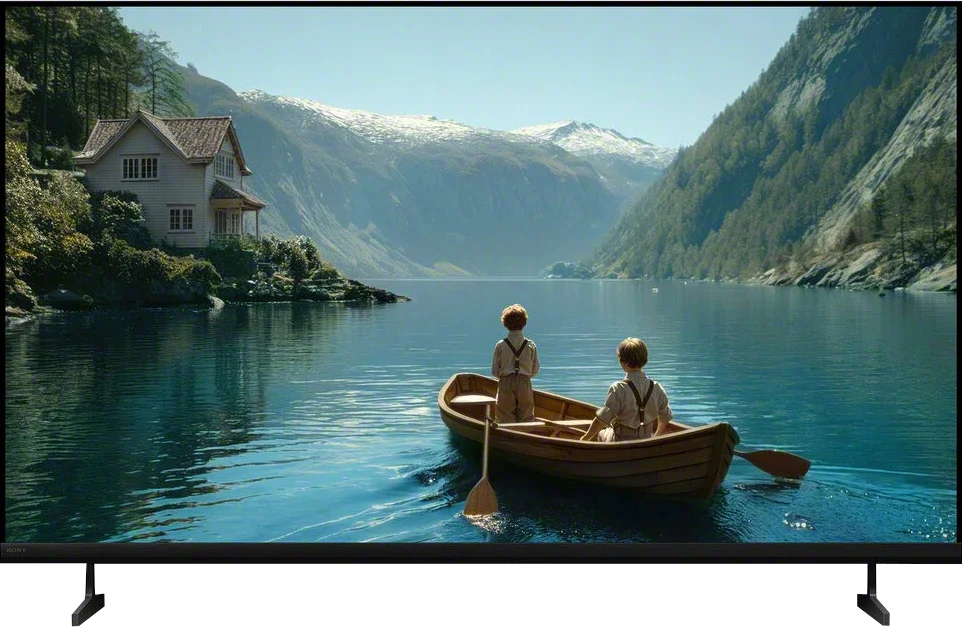
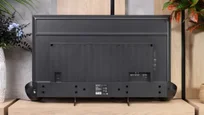
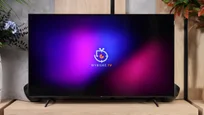
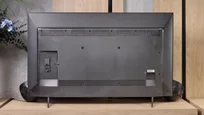
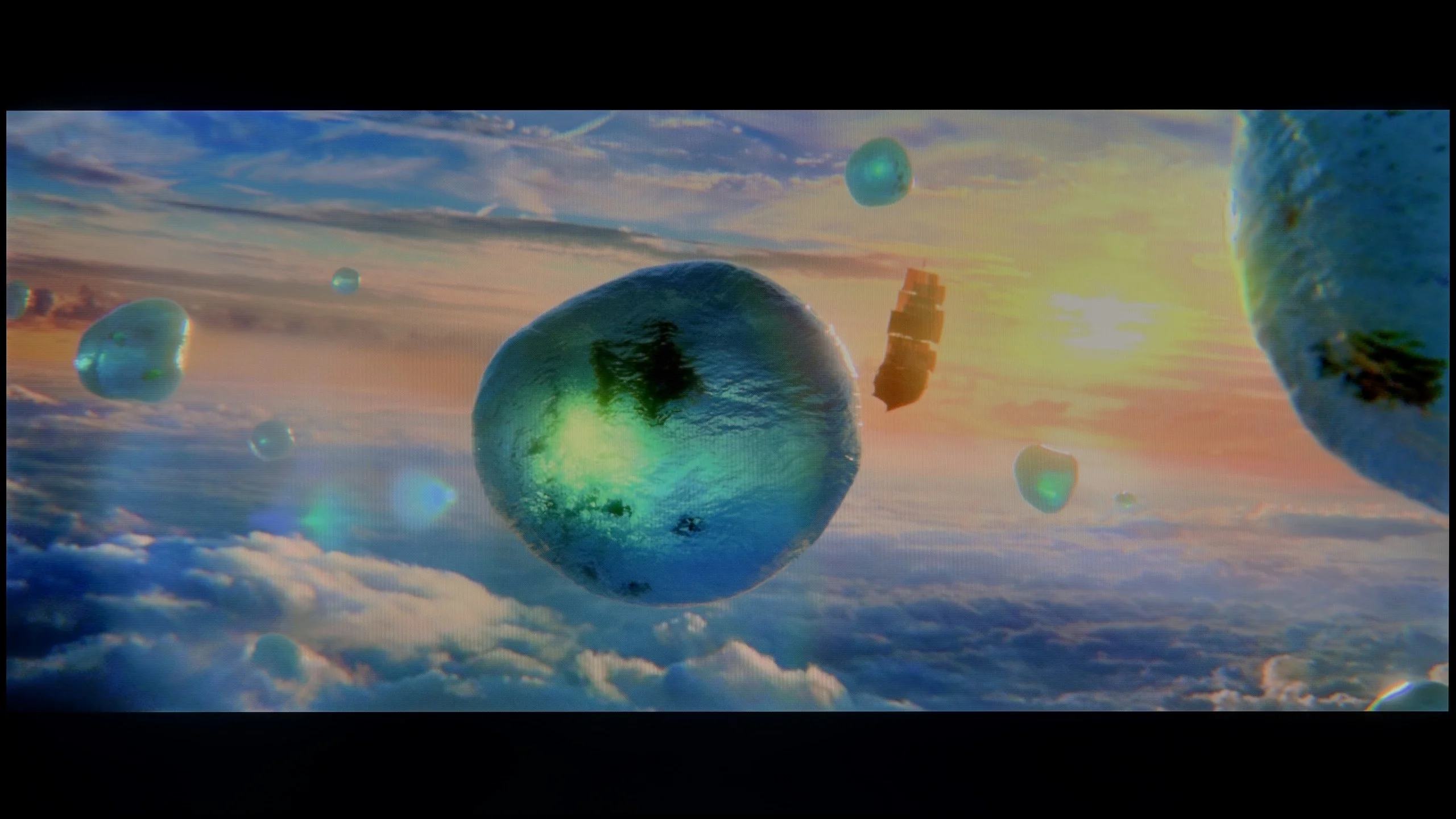
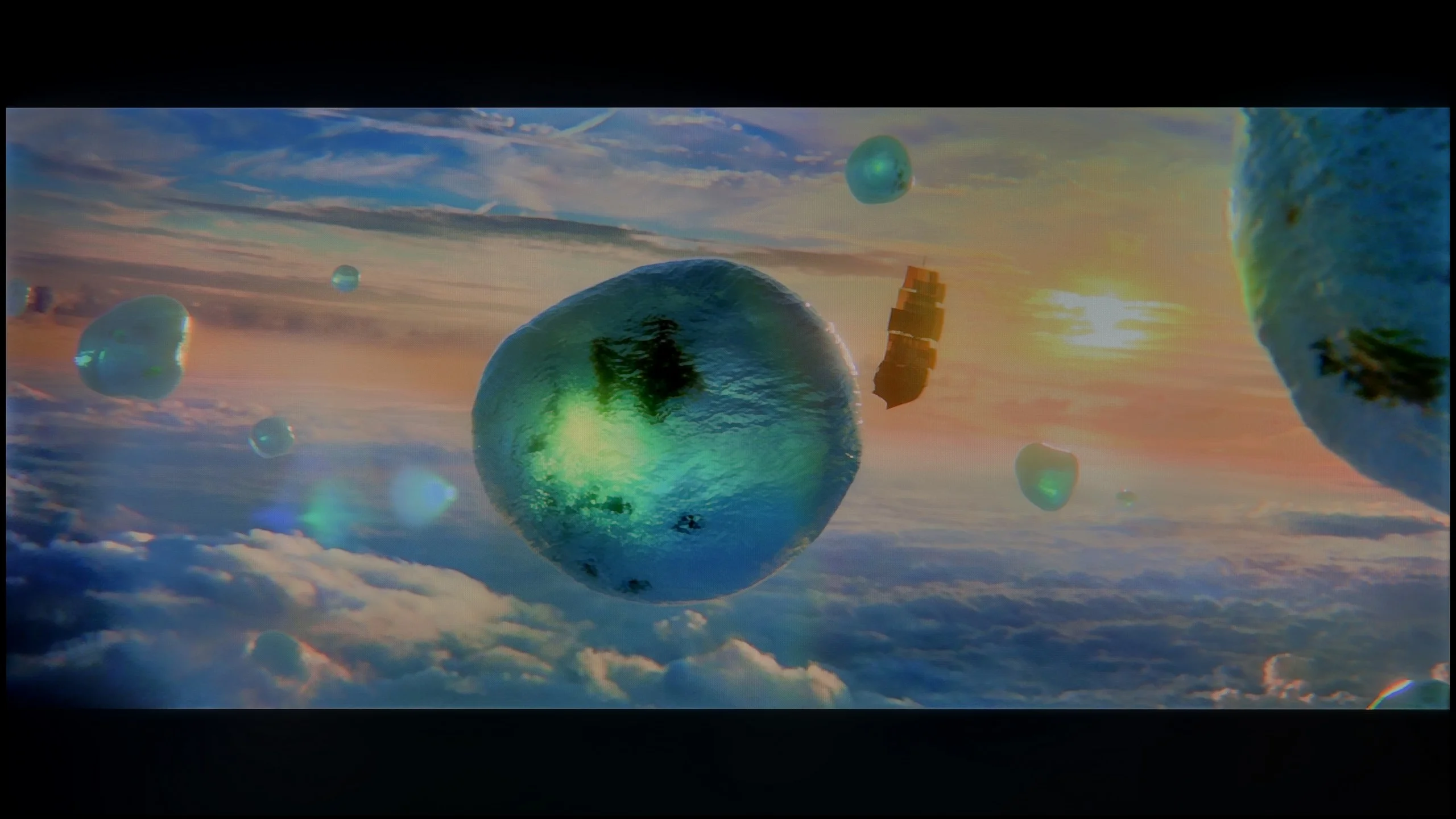
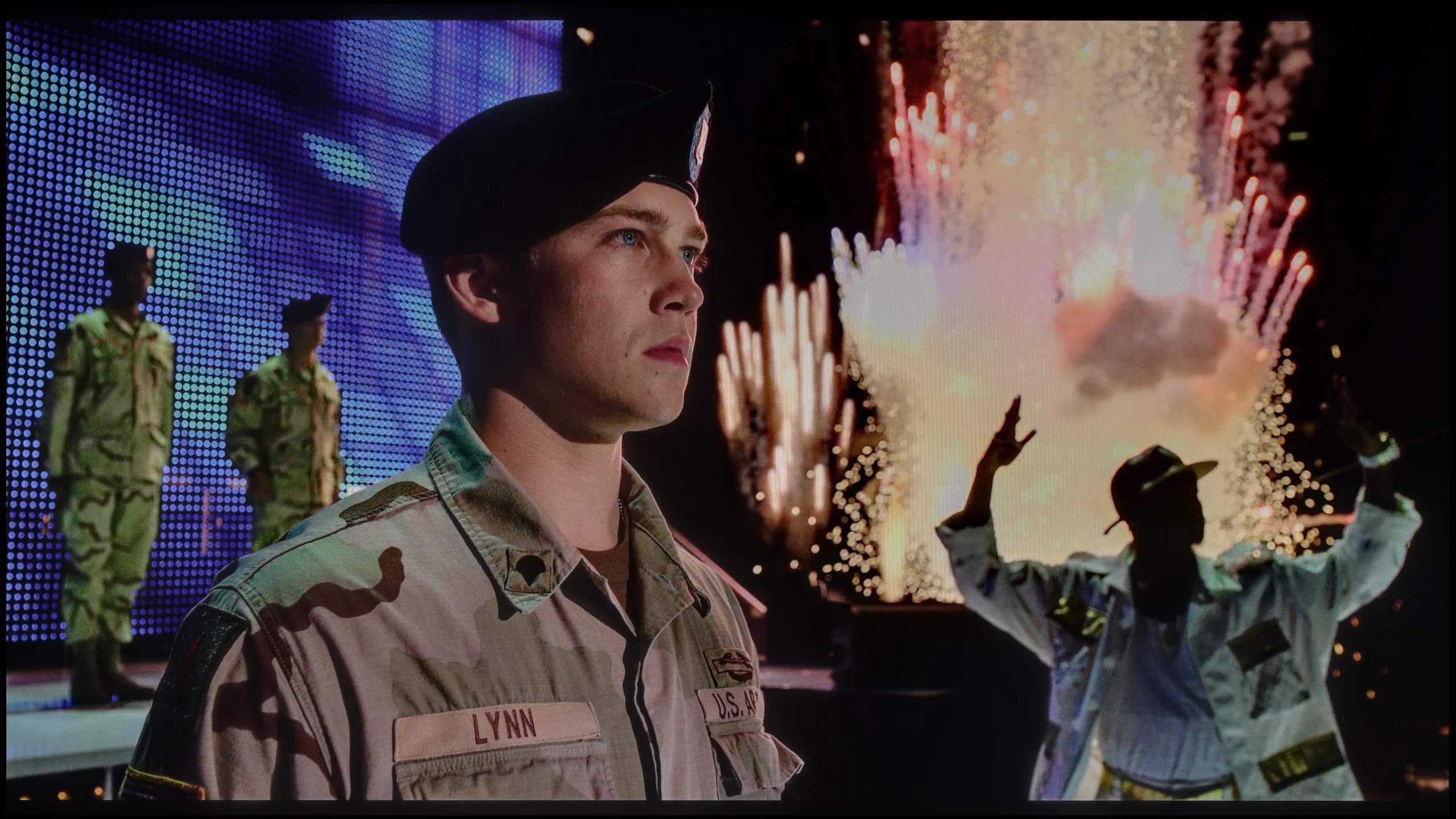
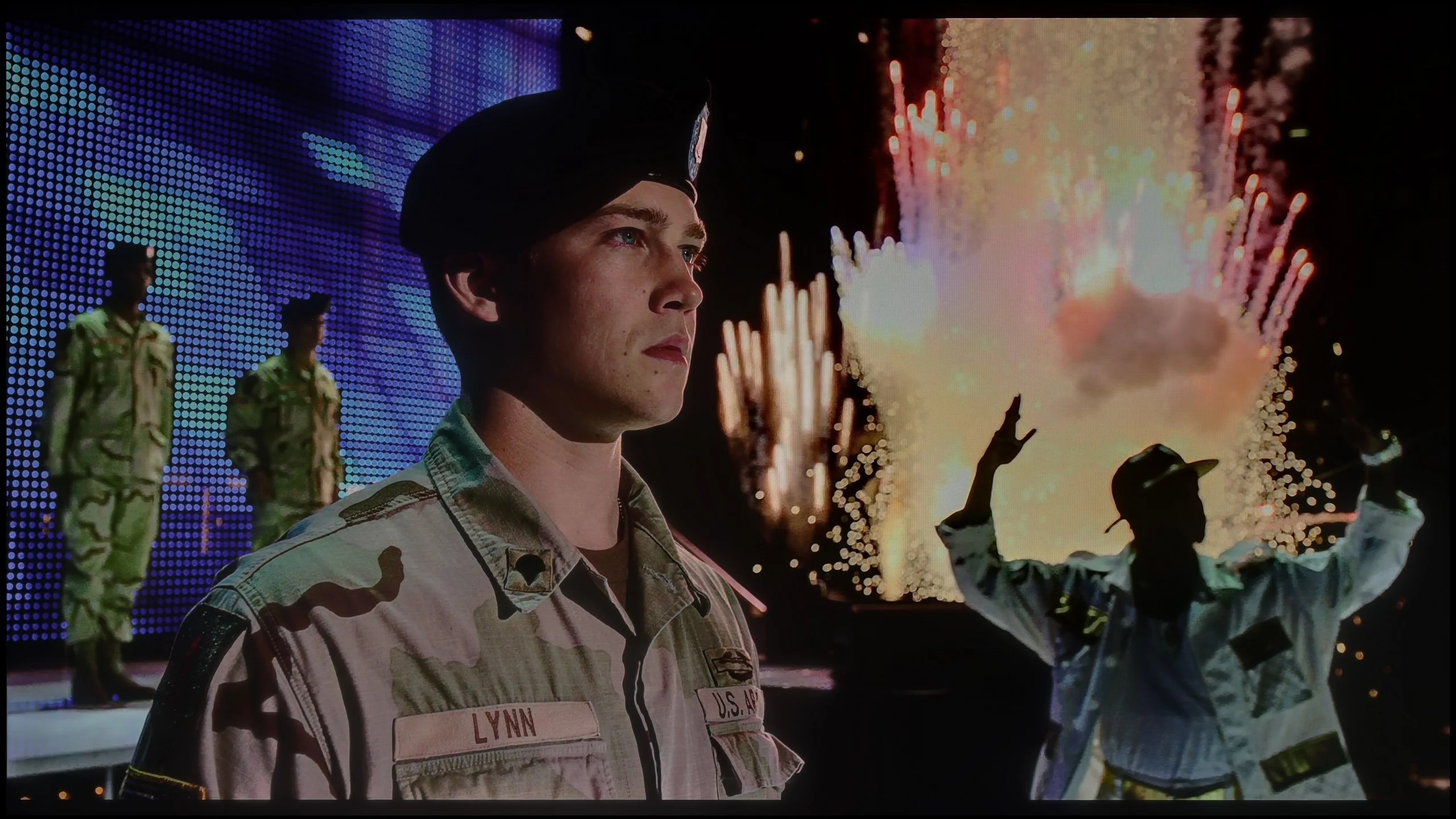
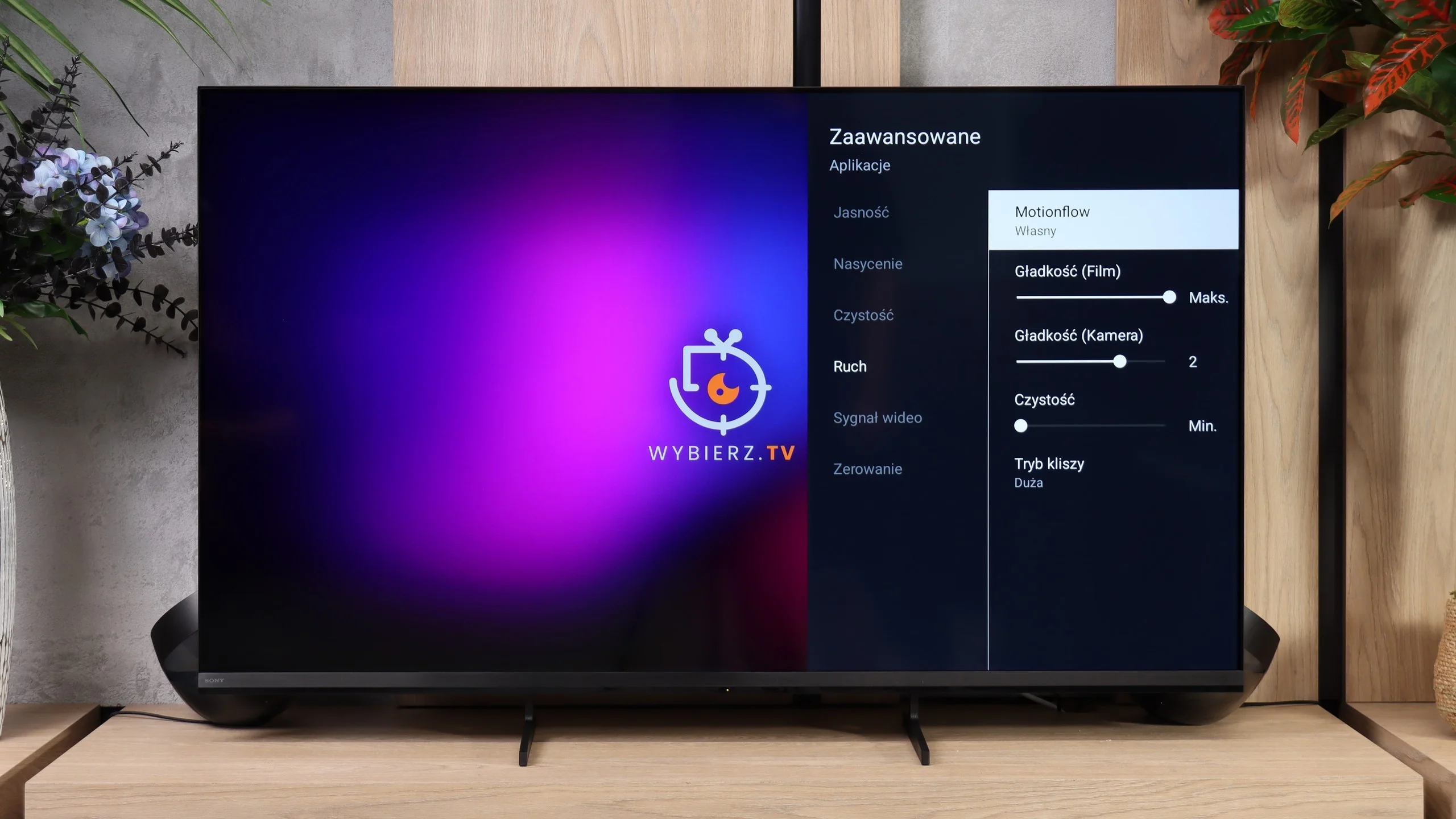
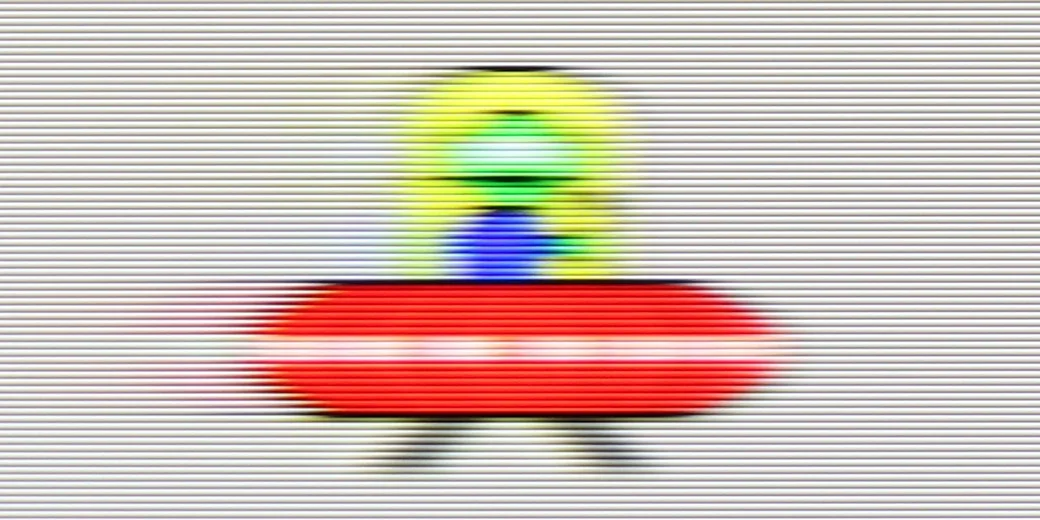
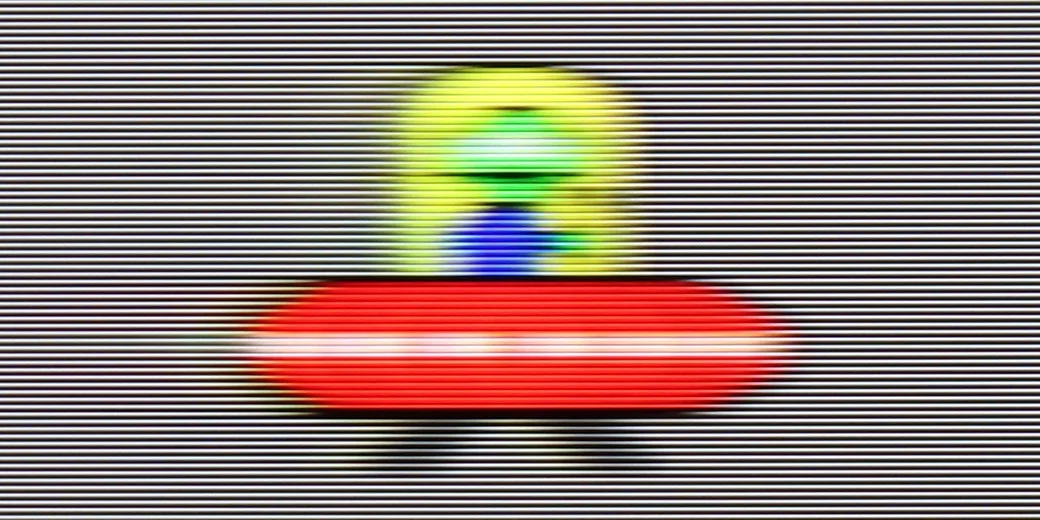
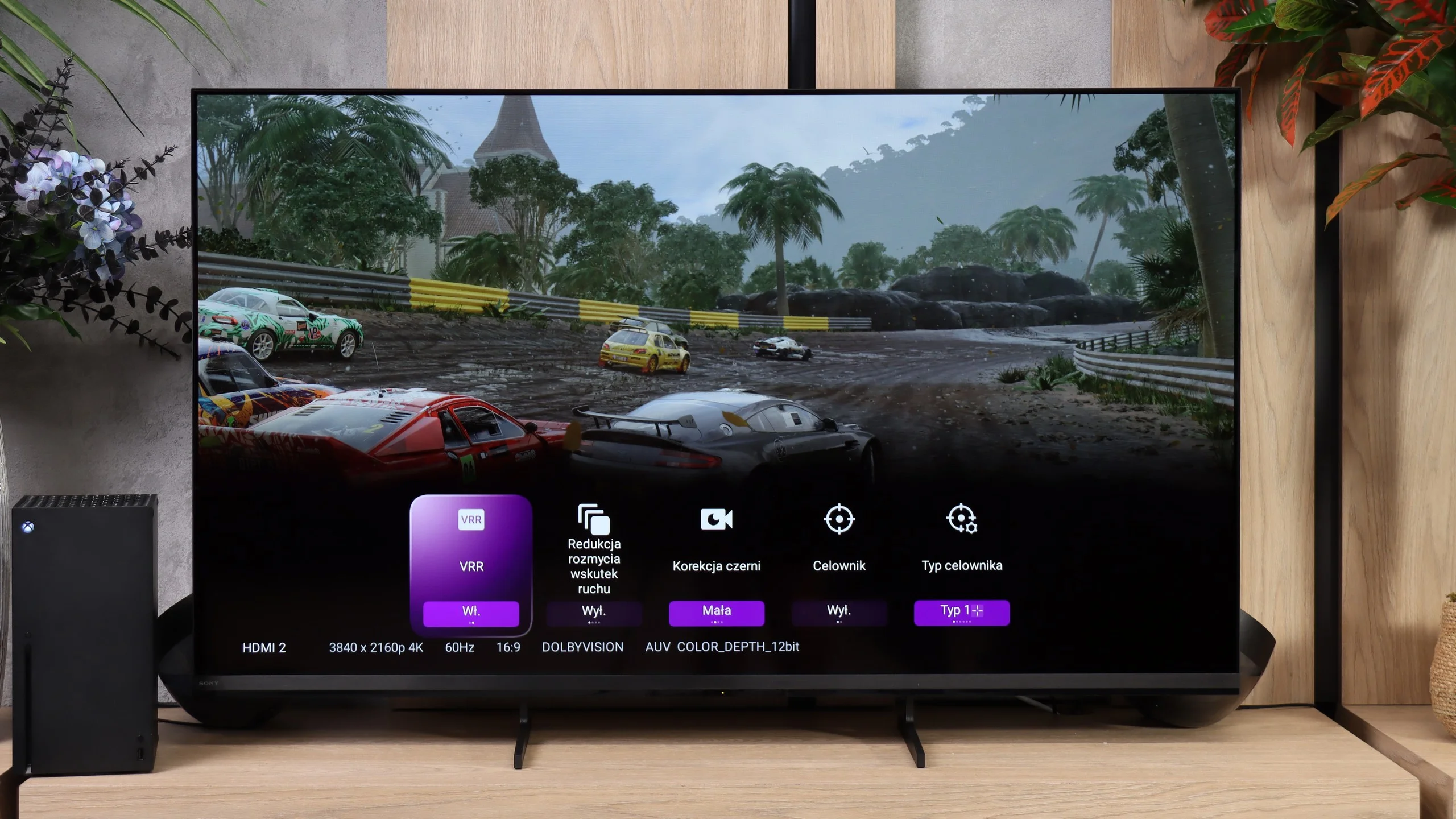
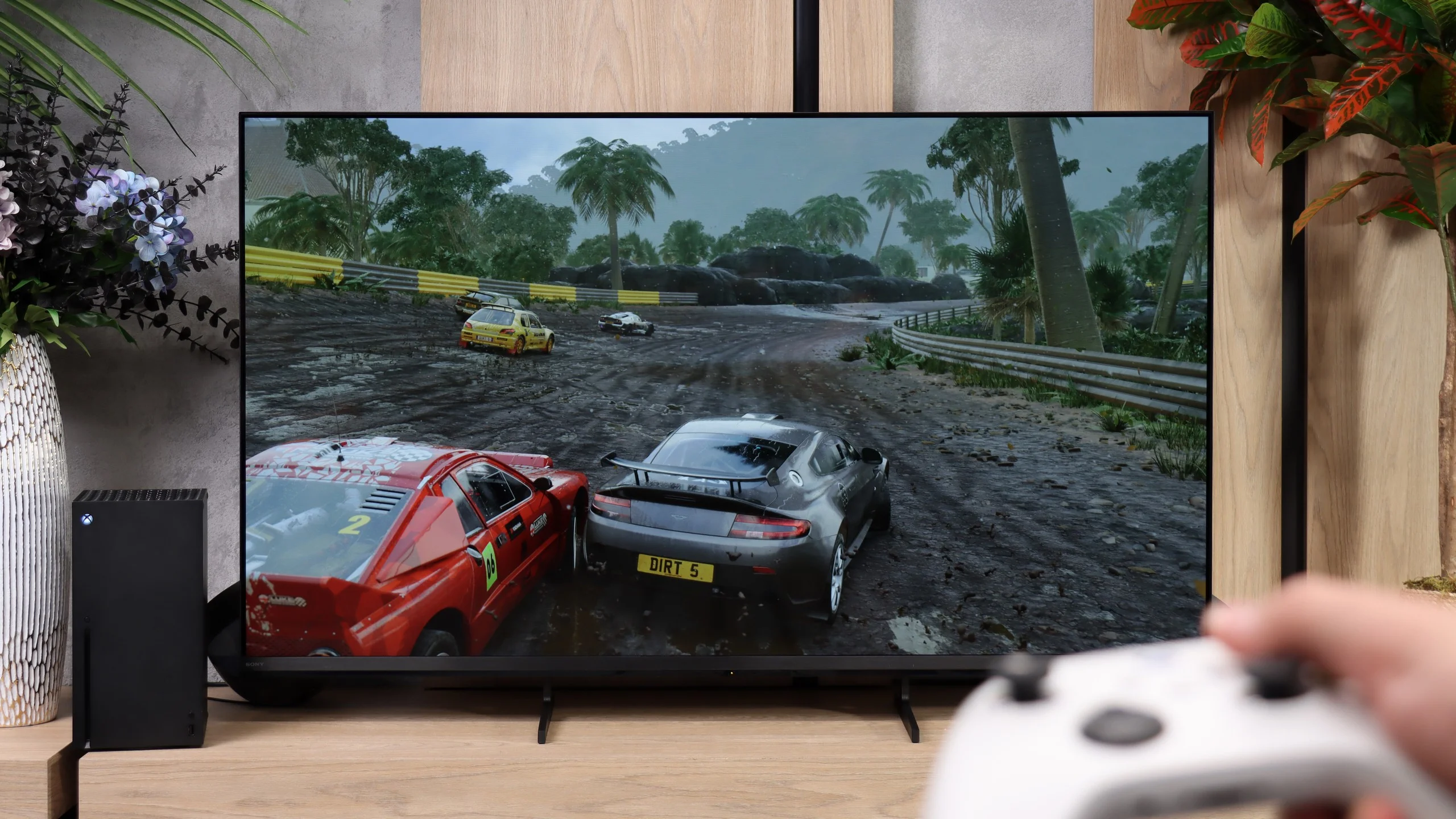
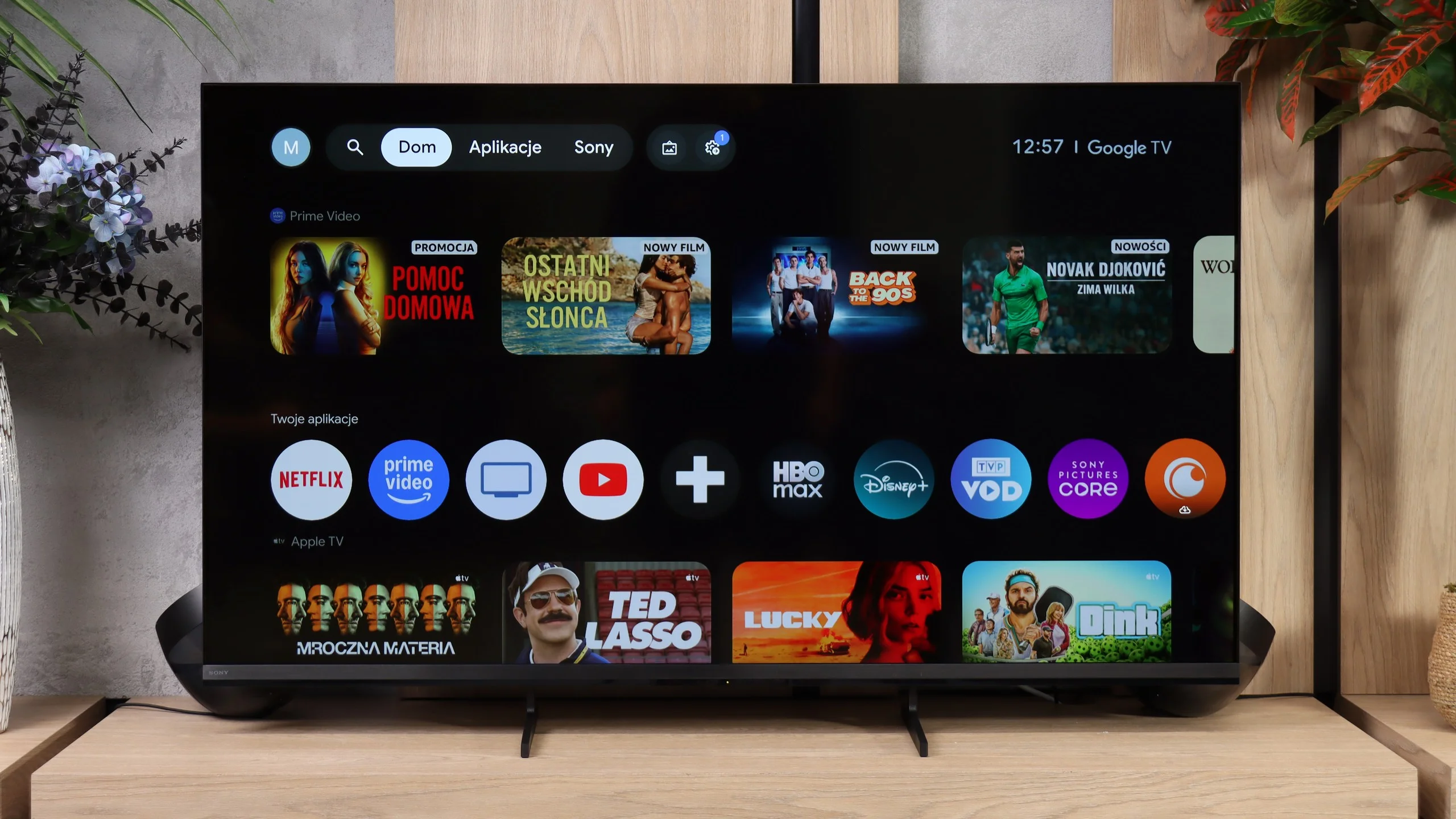
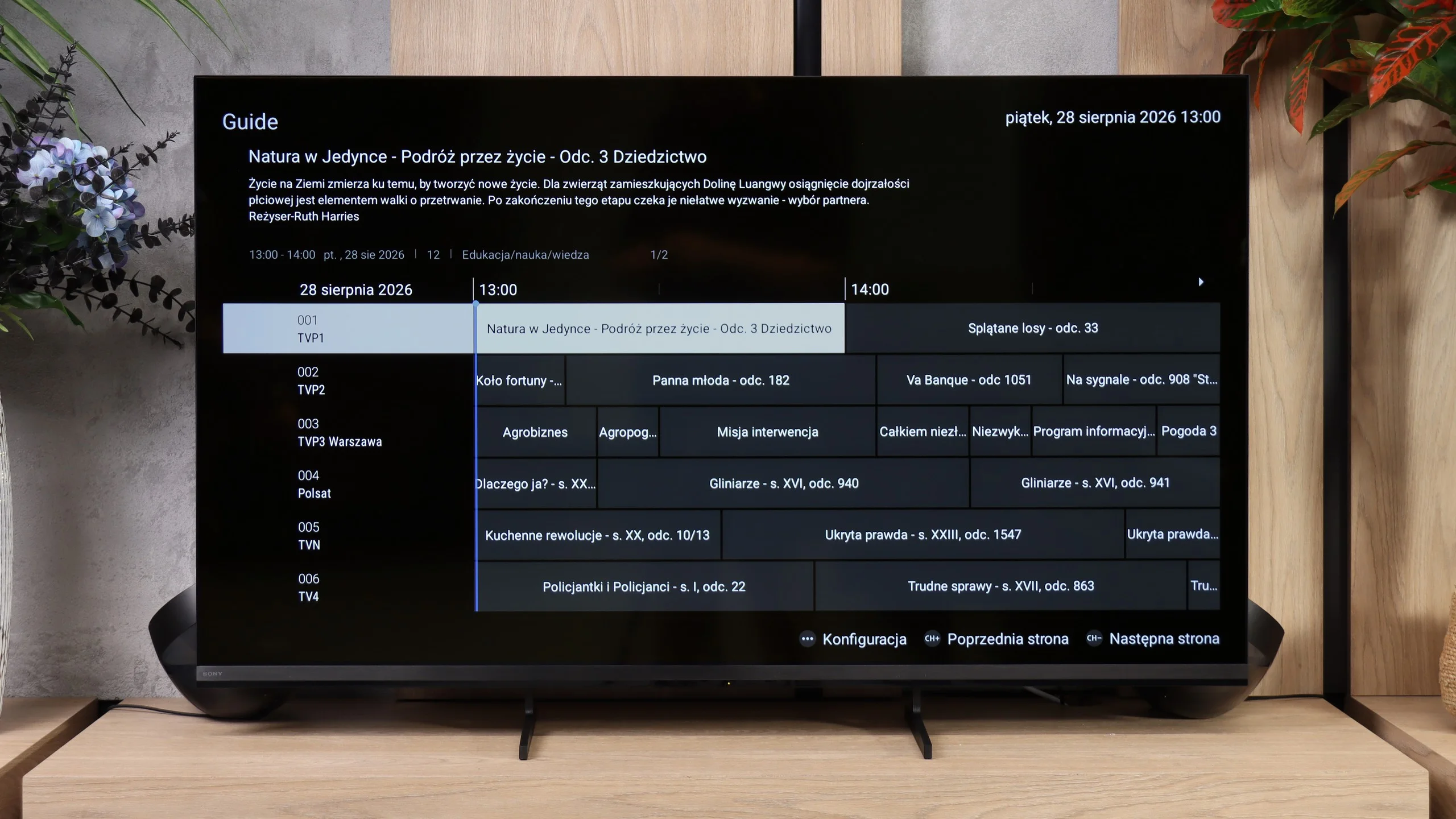
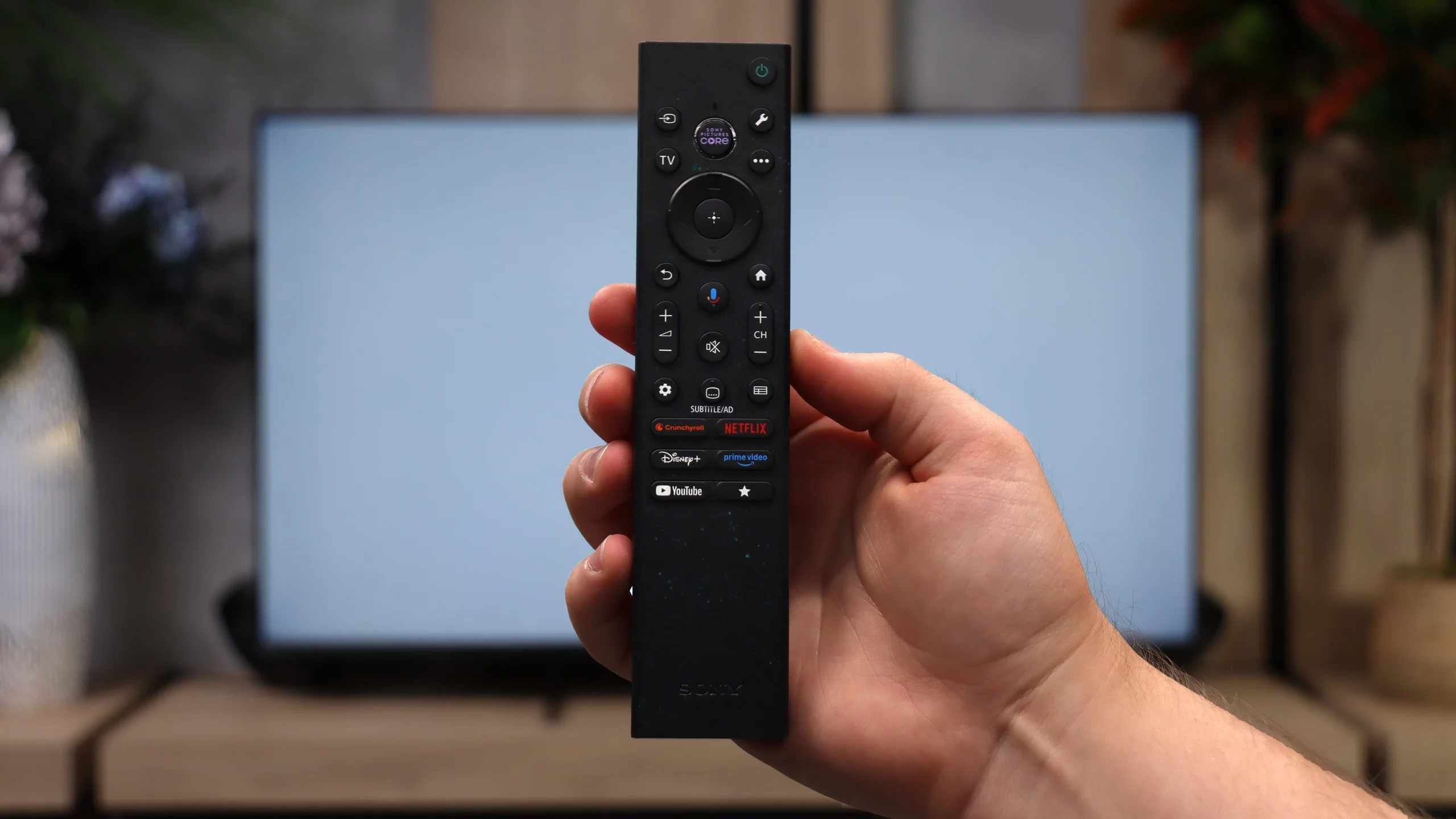
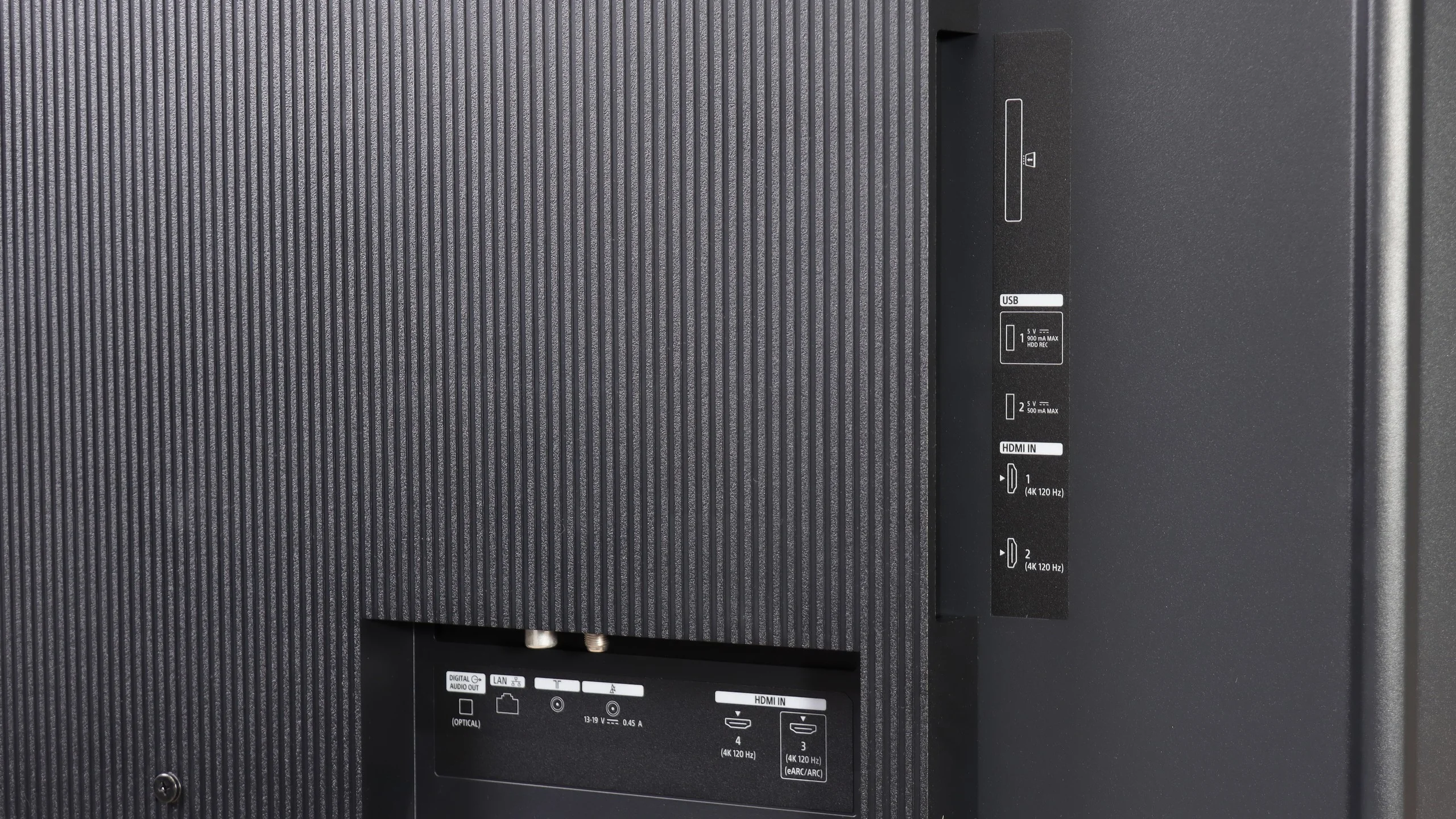
The Sony Bravia 3 II is a TV that quickly reveals what the manufacturer had in mind for this model. It's meant above all to be a sensible Bravia for gaming, and in that respect the changes are substantial. After all, Sony fixed one of the biggest complaints about its TVs: having only two full HDMI 2.1 ports. Here there are four, and that alone makes the Bravia 3 II a much more convenient choice for anyone who wants to hook up a lot of gaming gear. Fortunately it doesn't stop at gaming. The 120 Hz panel performs very well in terms of motion, motion blur is minimal, and the motion-enhancing systems work surprisingly effectively, sometimes even better than on Sony's top TVs. That's why sports are another use where the Bravia 3 II feels right at home. Add Google TV with its full suite of apps and features, and in terms of everyday use it's the Sony we've known for years.
The biggest problem with this model, however, isn't the TV itself but its current price. The Bravia 3 II is today priced dangerously close to the Bravia 5, and when the premium for the higher model is only a few percent, choosing the lower series starts to lose its point. The Bravia 5 already offers full Mini-LED backlighting with local dimming, exactly what the Bravia 3 II most lacks for evening viewing and in HDR. That's why we look at this model through the lens of price. The Bravia 3 II is a genuinely successful lower midrange TV and, at the right price, could easily be one of the more interesting choices for a gamer or sports fan. However, if the gap to the Bravia 5 remains small, it will be hard to recommend it with full conviction.
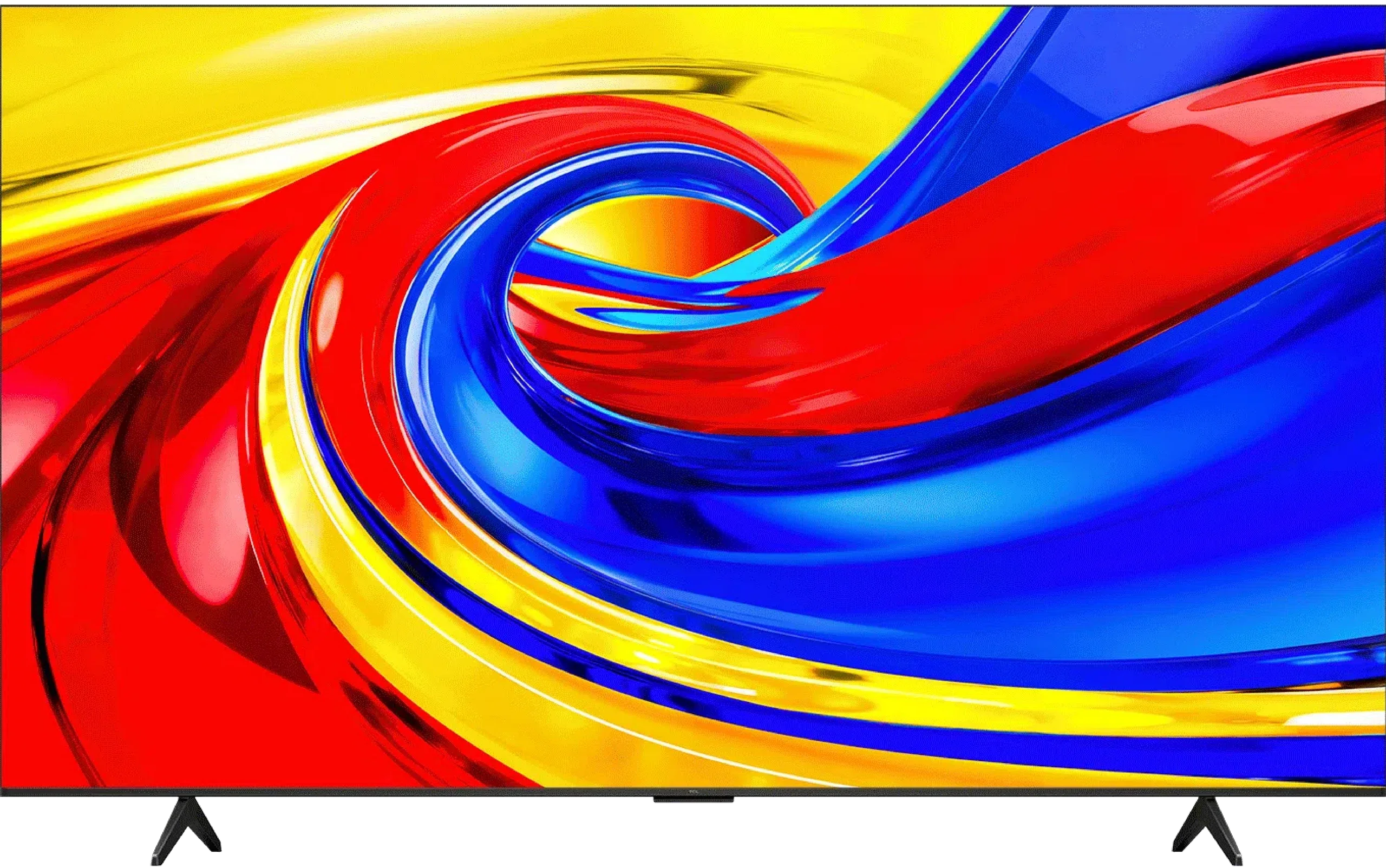
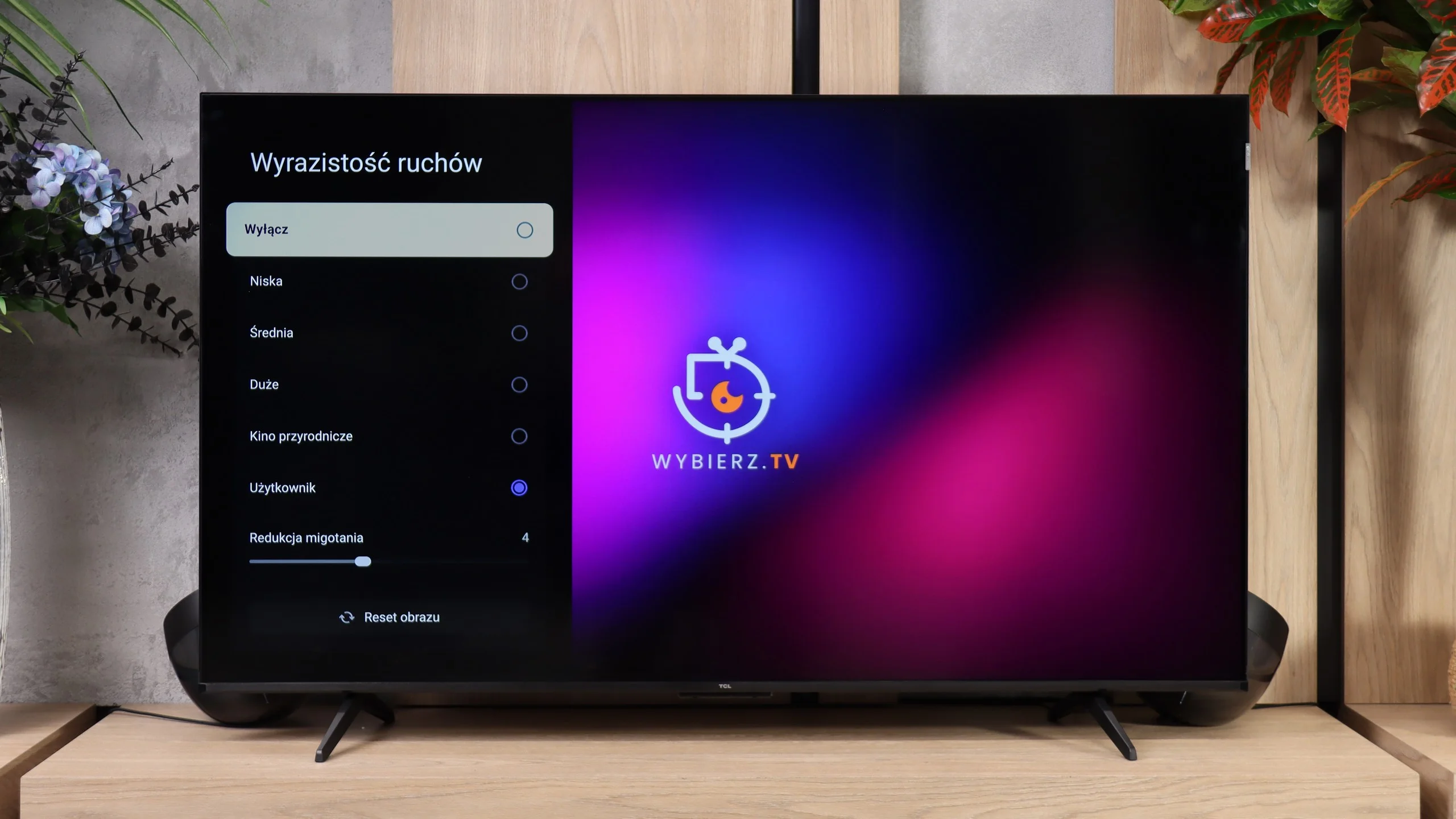
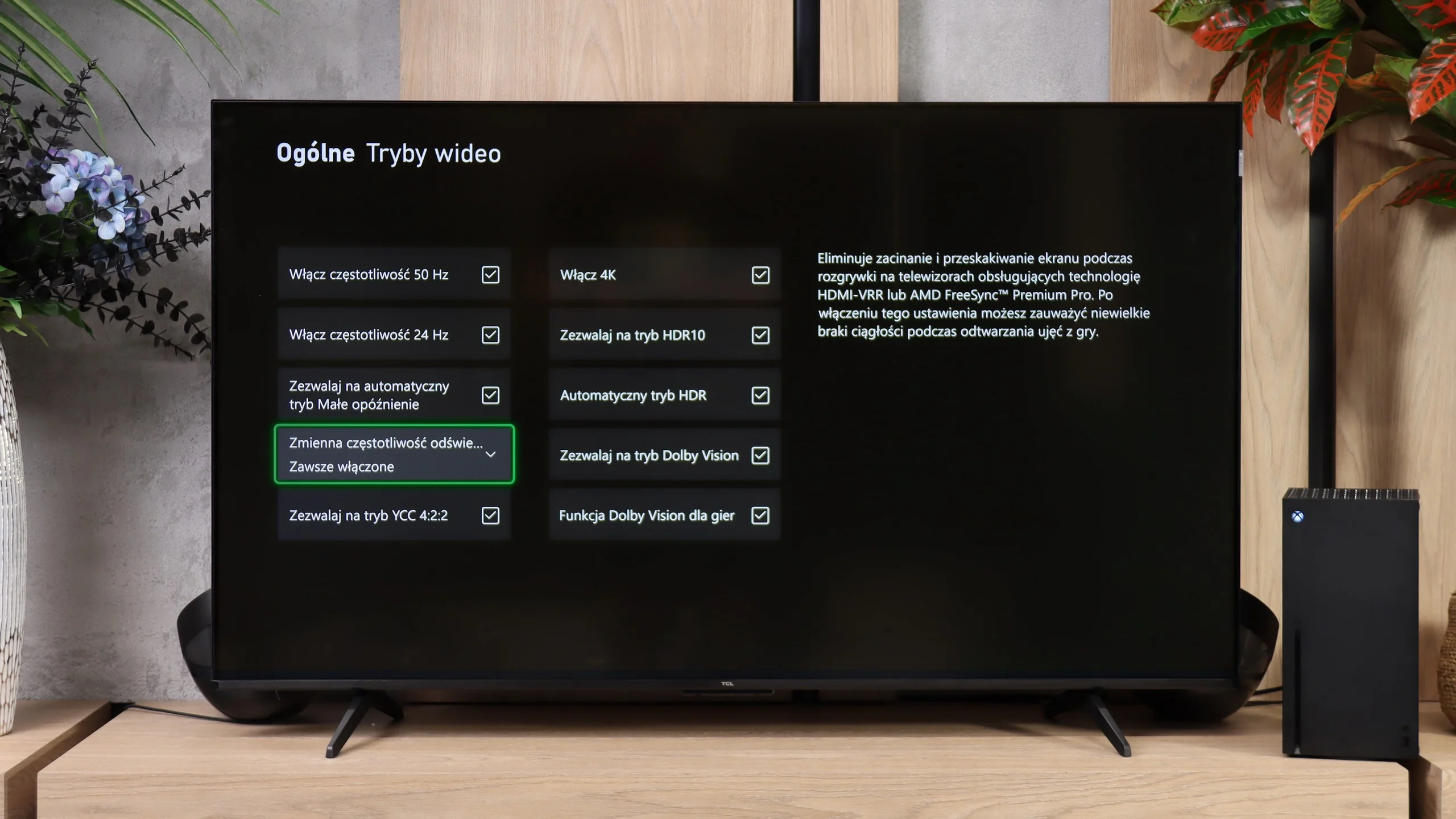
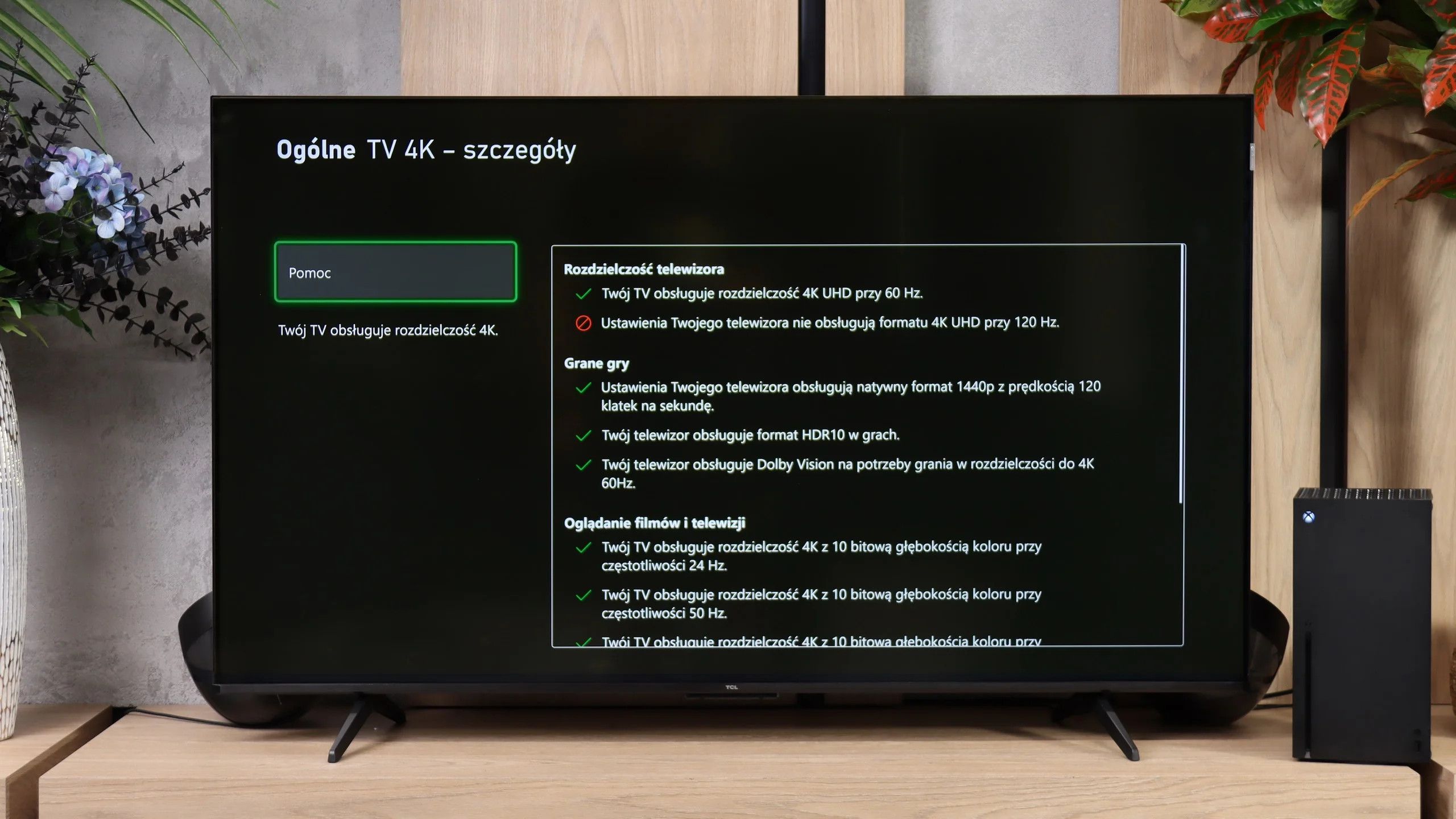
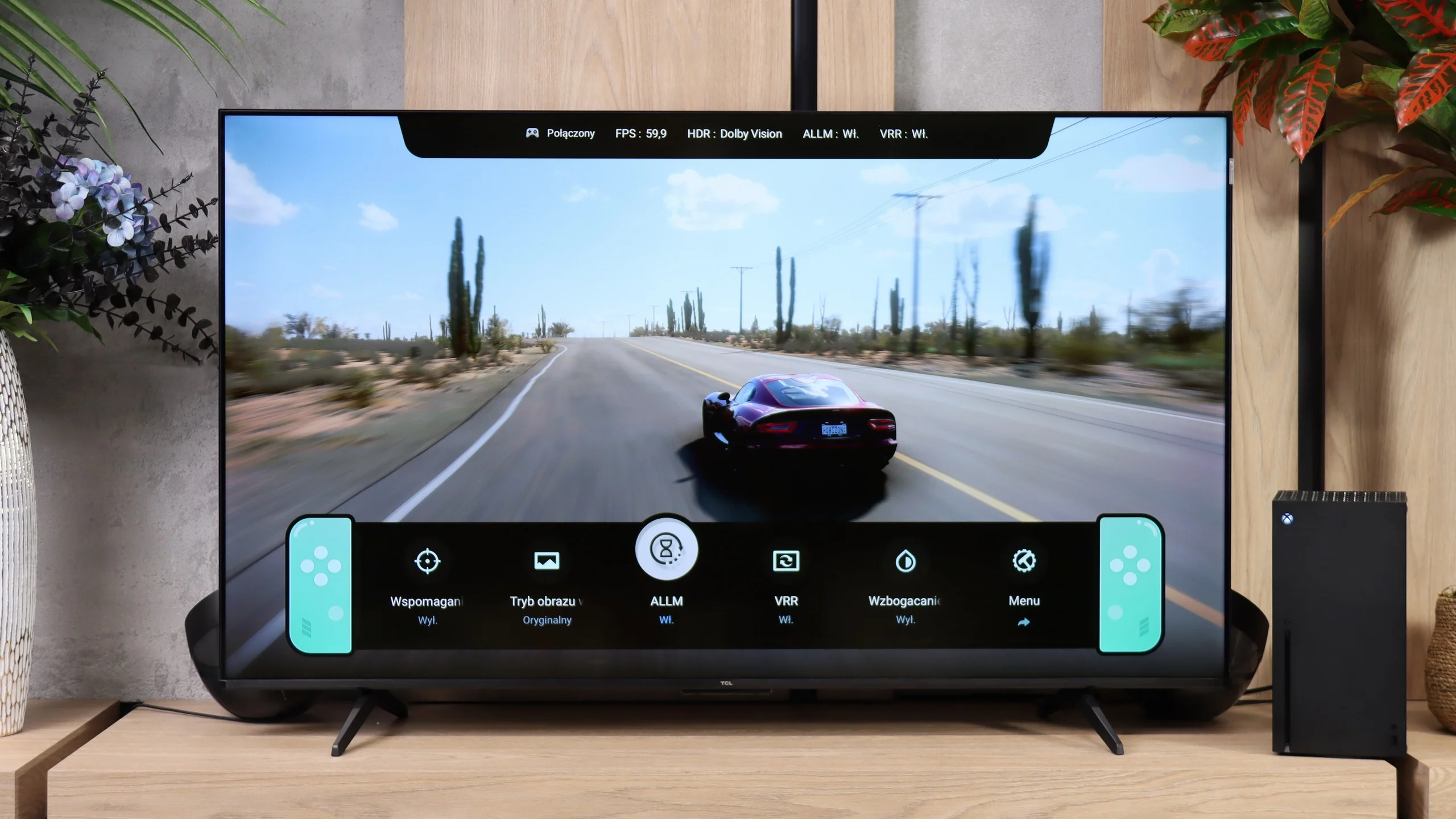
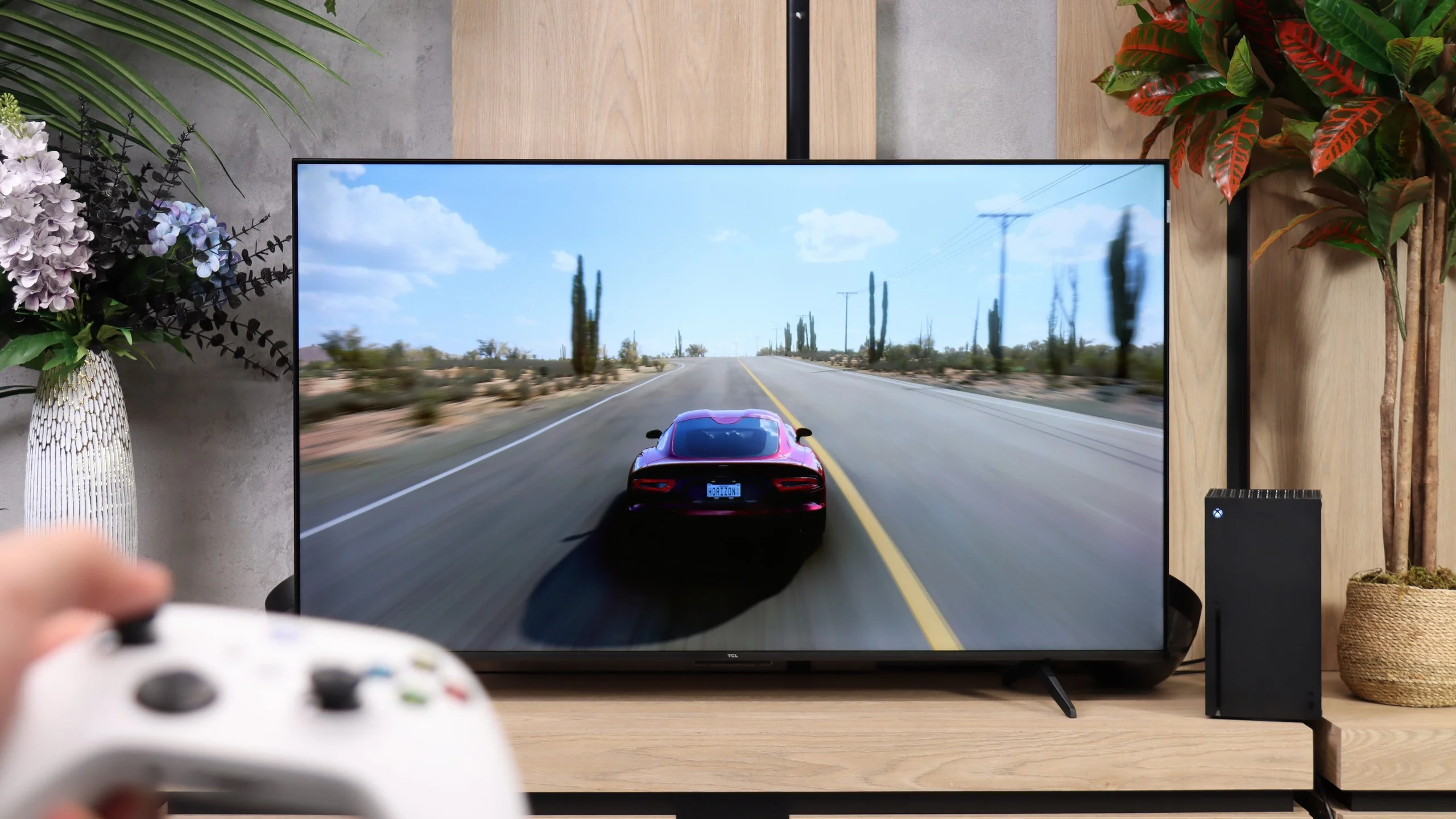
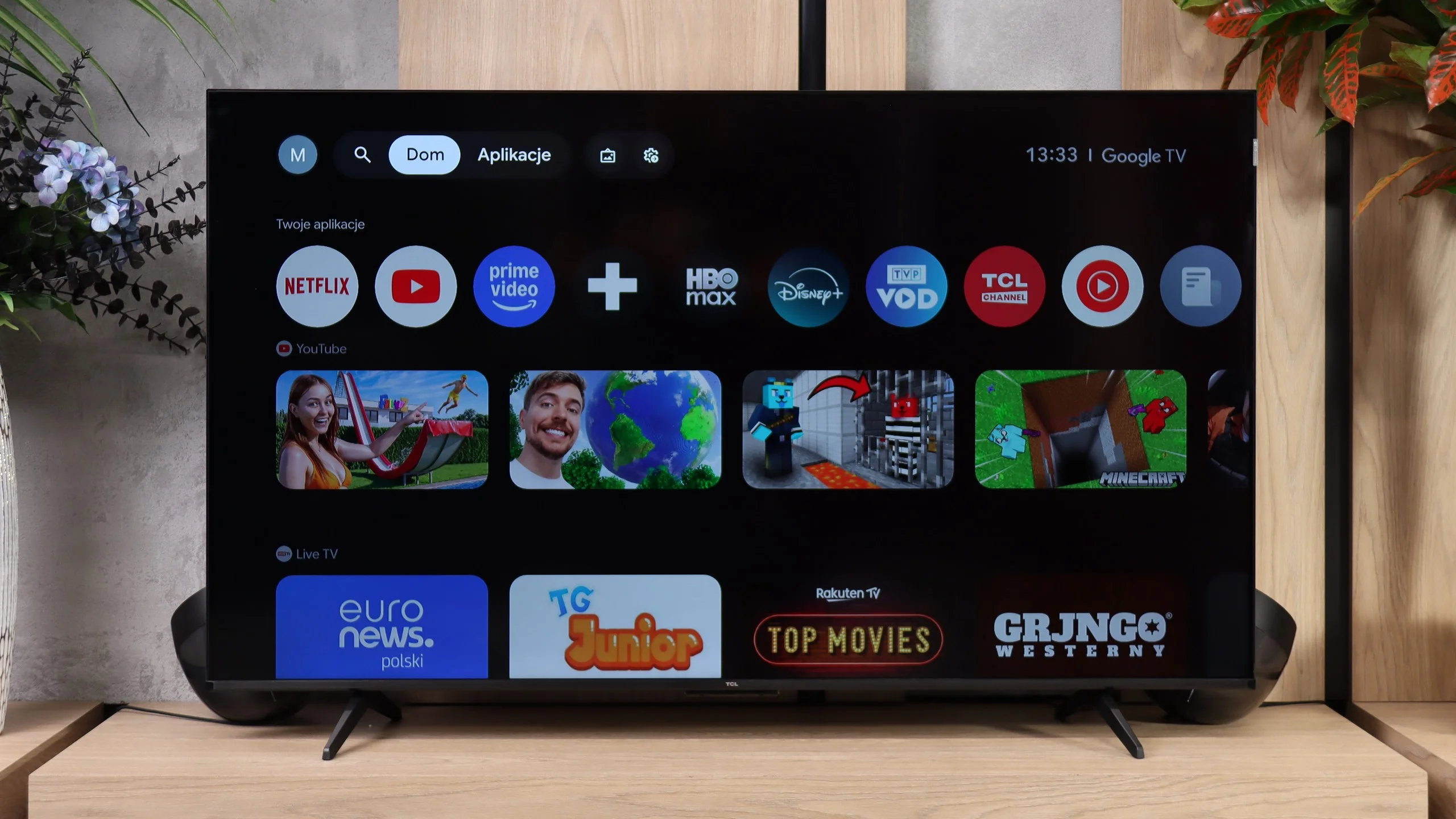
The TCL P7L is a successful budget TV that shows you can get more than just a basic screen for not much money. It doesn't match pricier Mini LEDs or OLEDs, but in its class it has a lot to offer. The VA panel delivers decent black levels and contrast, so during evening viewing the picture doesn't look as flat as on many cheap IPS models. Colors also perform well after calibration. For watching movies and TV shows it's a solid foundation, and Google TV provides access to a wide range of apps and streaming services. The biggest surprise is its gaming capabilities. The P7L responds quickly to controller input, supports VRR and automatically switches to game mode. It even offers Dolby Vision Gaming and a Game Bar with settings at hand. What's more, by lowering the resolution to 1080p or 1440p you can play at 120 Hz. In 4K you’re limited to 60 Hz, so you have to choose between more detail and smoother motion, but it's good that at this price you even have that option.
TCL also handles lower-quality sources quite well. Lower-resolution content looks acceptable, and the gradient-smoothing feature actually helps reduce visible banding between shades. The way it displays HDR is also commendable. The TV sensibly adapts content to its capabilities and tries to preserve detail in bright areas instead of turning them into blown-out white patches. Dolby Vision helps here, often producing noticeably better results than HDR10. That doesn't mean the HDR effect itself is breathtaking. The P7L's biggest limitation is brightness. Small highlights and reflections don't have the same punch you'd see on pricier screens, even if their detail remains visible. For the same reason the TV fares worse in a very sunlit living room. It performs much better in a moderately lit room.
So the P7L has its limits, but it's hard to argue with its value for money. It's suitable for everyday viewing, doesn't limit app choice, and offers surprising freedom for gaming. If you're looking for an affordable TV and can accept its flaws, the TCL P7L is a model worth considering.
 Direct comparison