Philips PUS8359 in 50" is a straightforward television, but offers sufficient features to satisfy many consumers. Its most notable feature, which is common across the brand, is the Ambilight backlighting. At this price point, this addition is certainly valuable and may be a deciding factor for many buyers. While it’s unrealistic to expect a flawless picture in this price range, some models offer more, and in our view, this television is one of them.
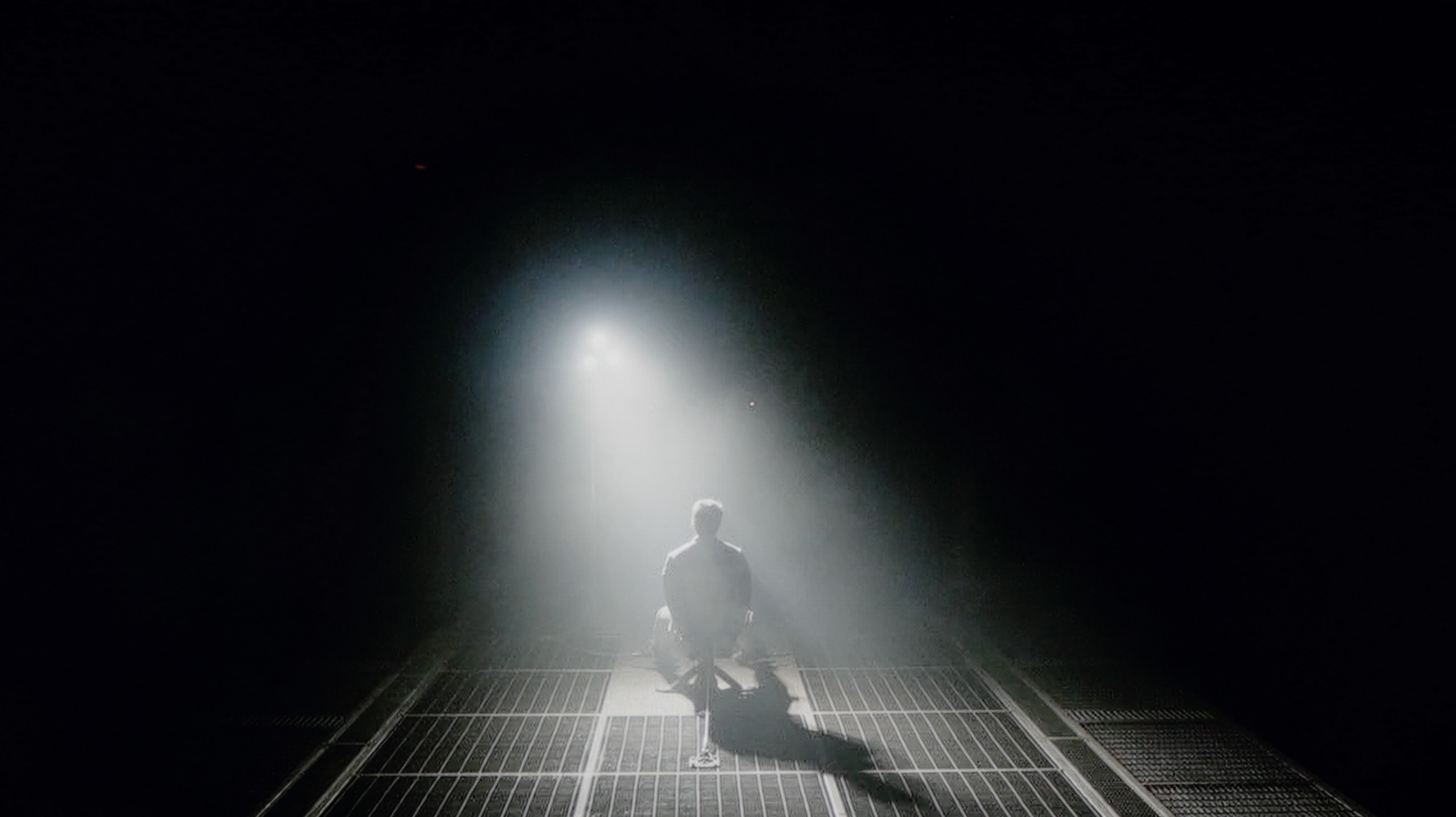
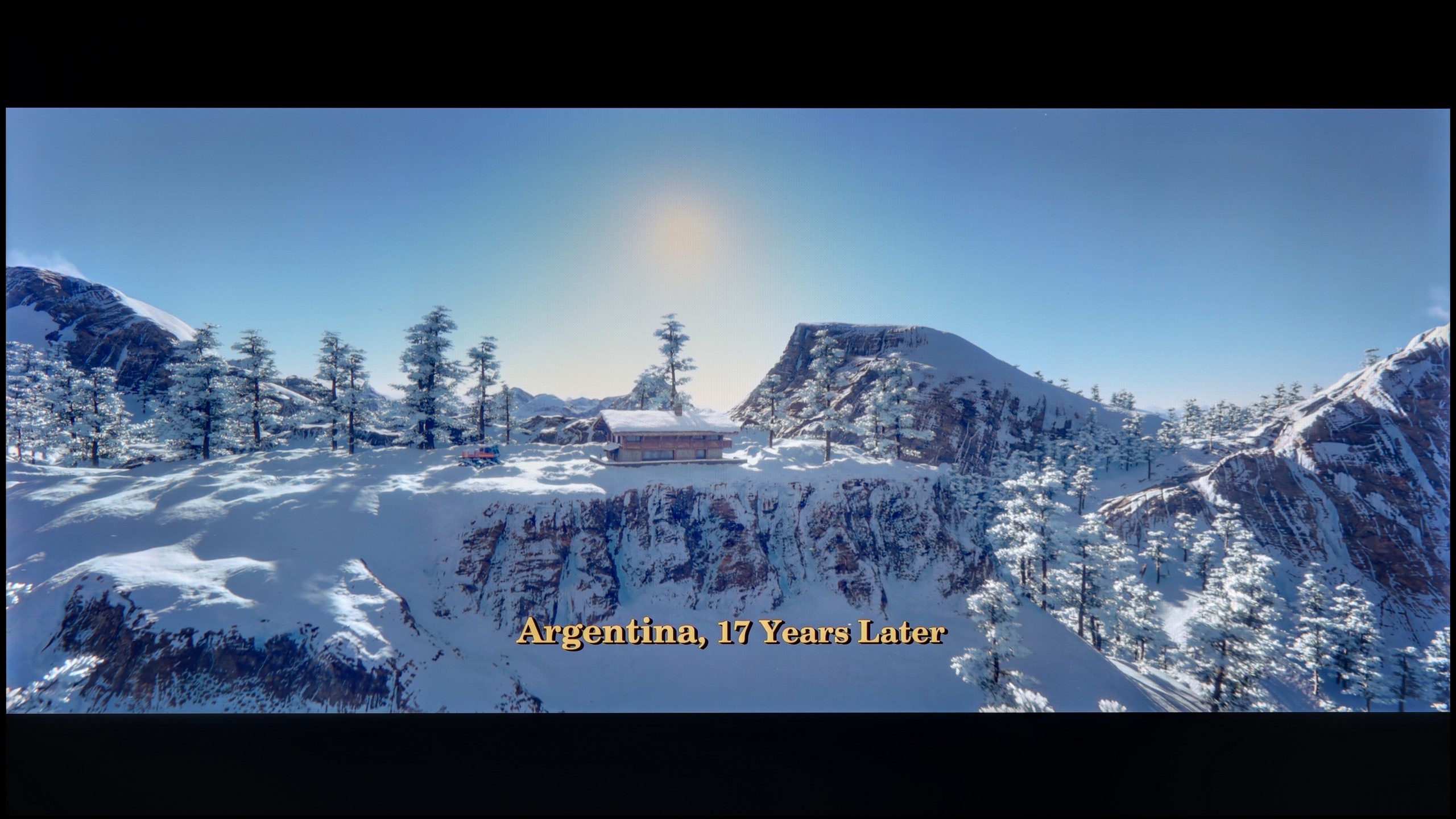
In particular, the quality of tonal transitions, colour reproduction after calibration, and performance when connected to a computer stand out. With low input lag, casual gaming is quite enjoyable. However, the unit does have its drawbacks. The low luminance in HDR content and limited DCI-P3 colour gamut coverage are noteworthy issues. That said, the dynamic tone mapping feature works efficiently.
While the contrast and black levels are not exceptional, they are certainly better than those found in units with IPS/ADS panels. The operating system is one of the better ones, though it is still being developed and lacks many features, which we will address in a dedicated section. Additionally, it doesn’t offer as broad an app library as its competitors, though this should change soon.
Who is the PUS8359 for? It is suited for anyone seeking a balance between quality and price.
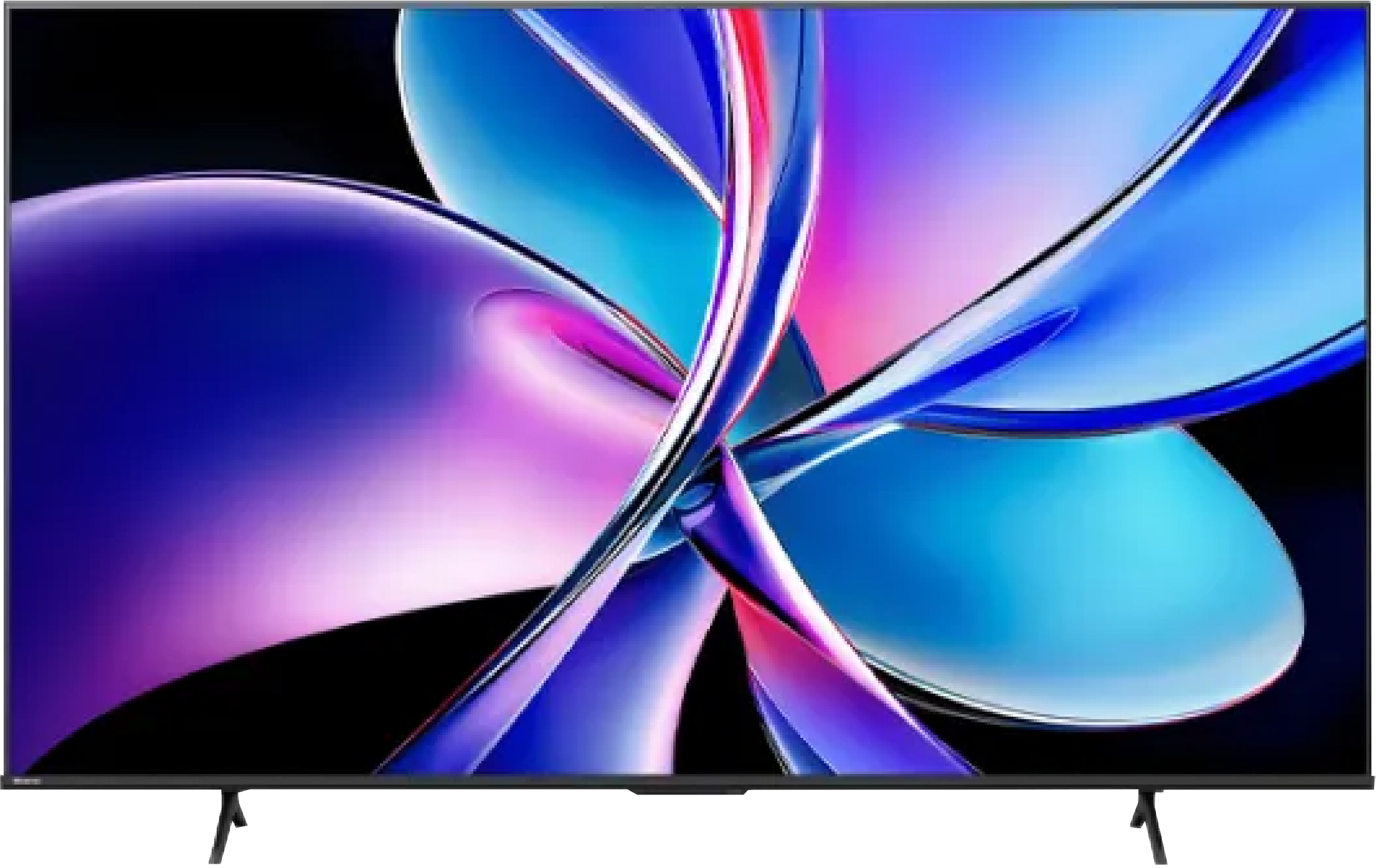
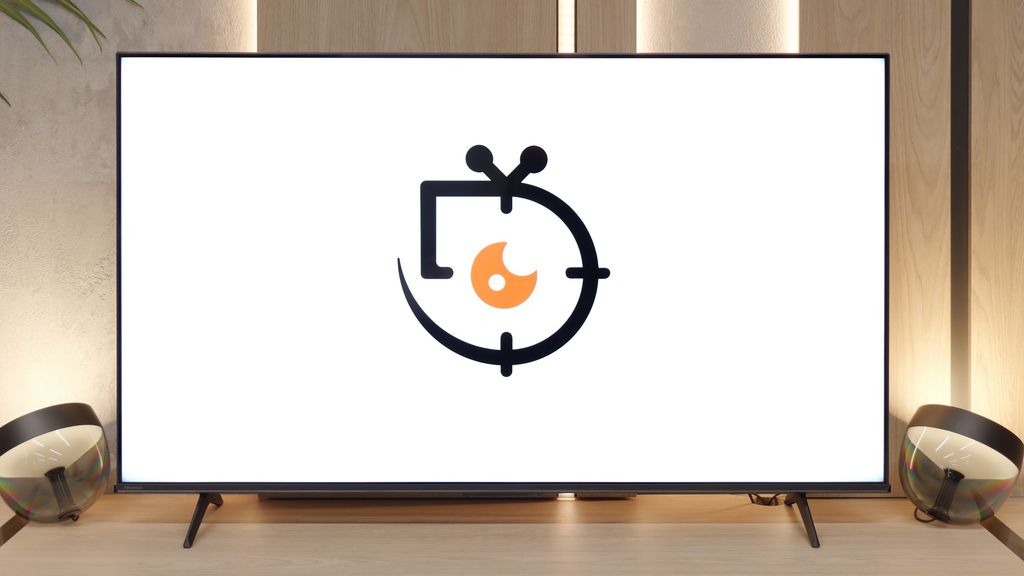
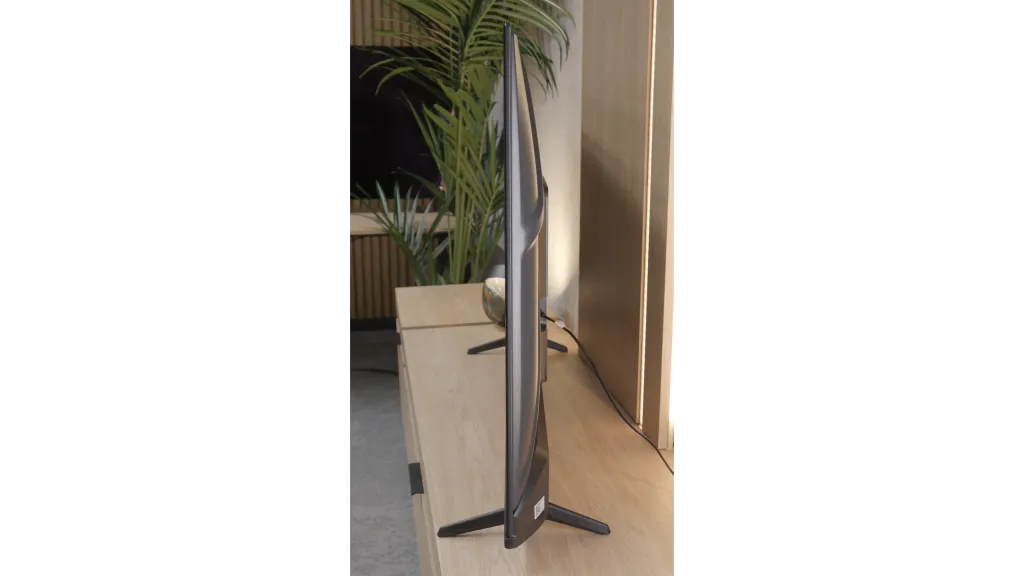
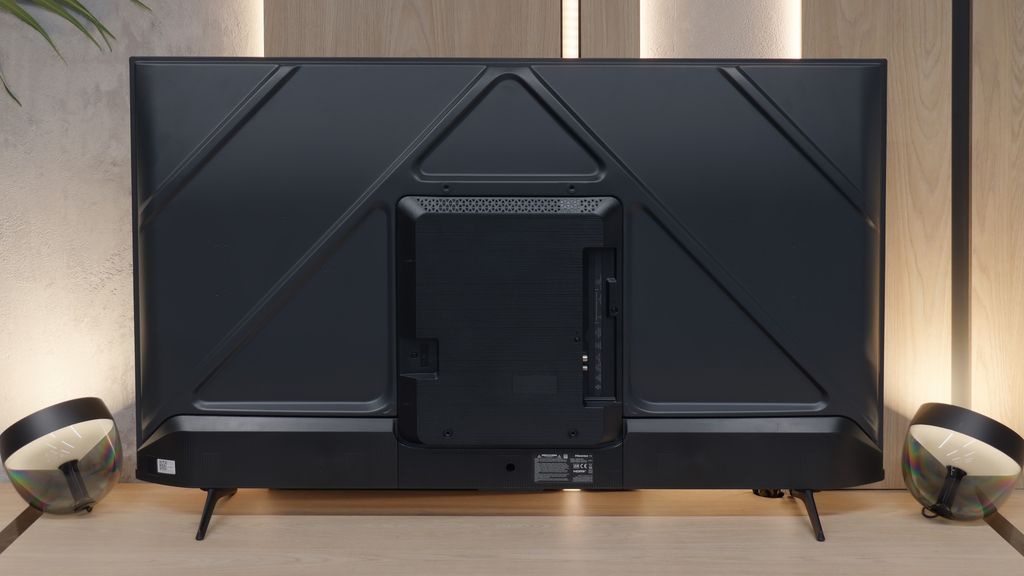
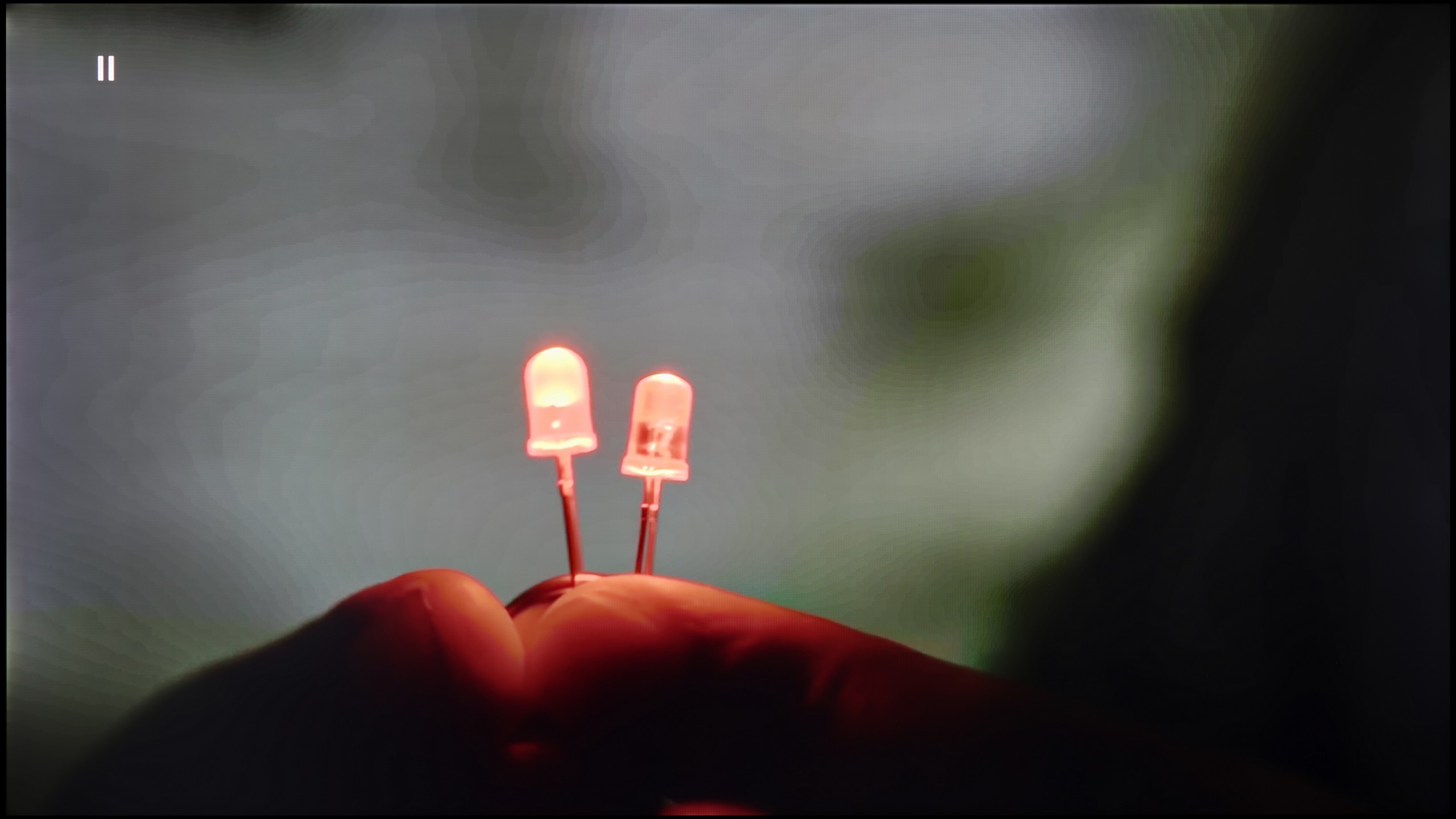
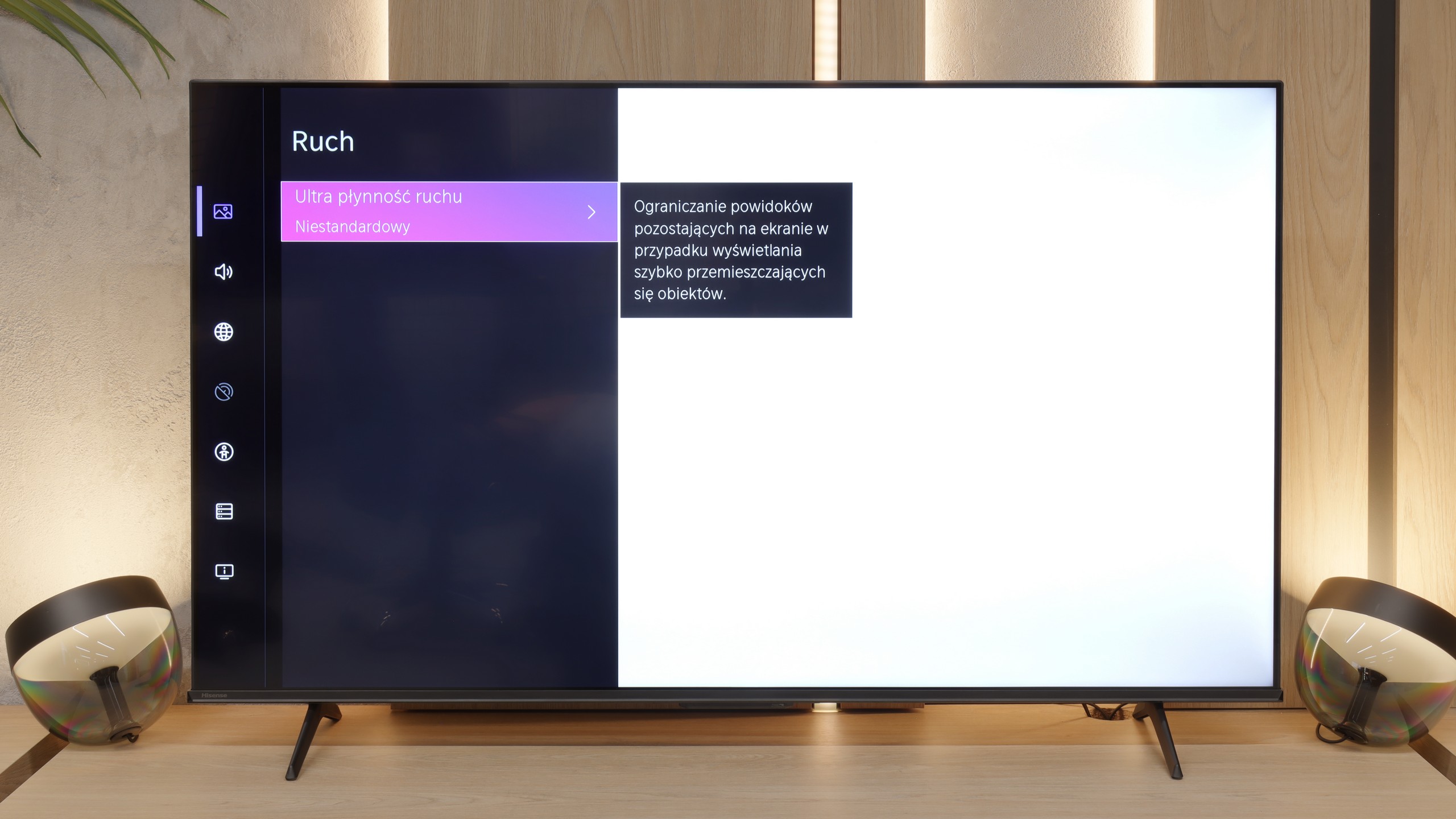
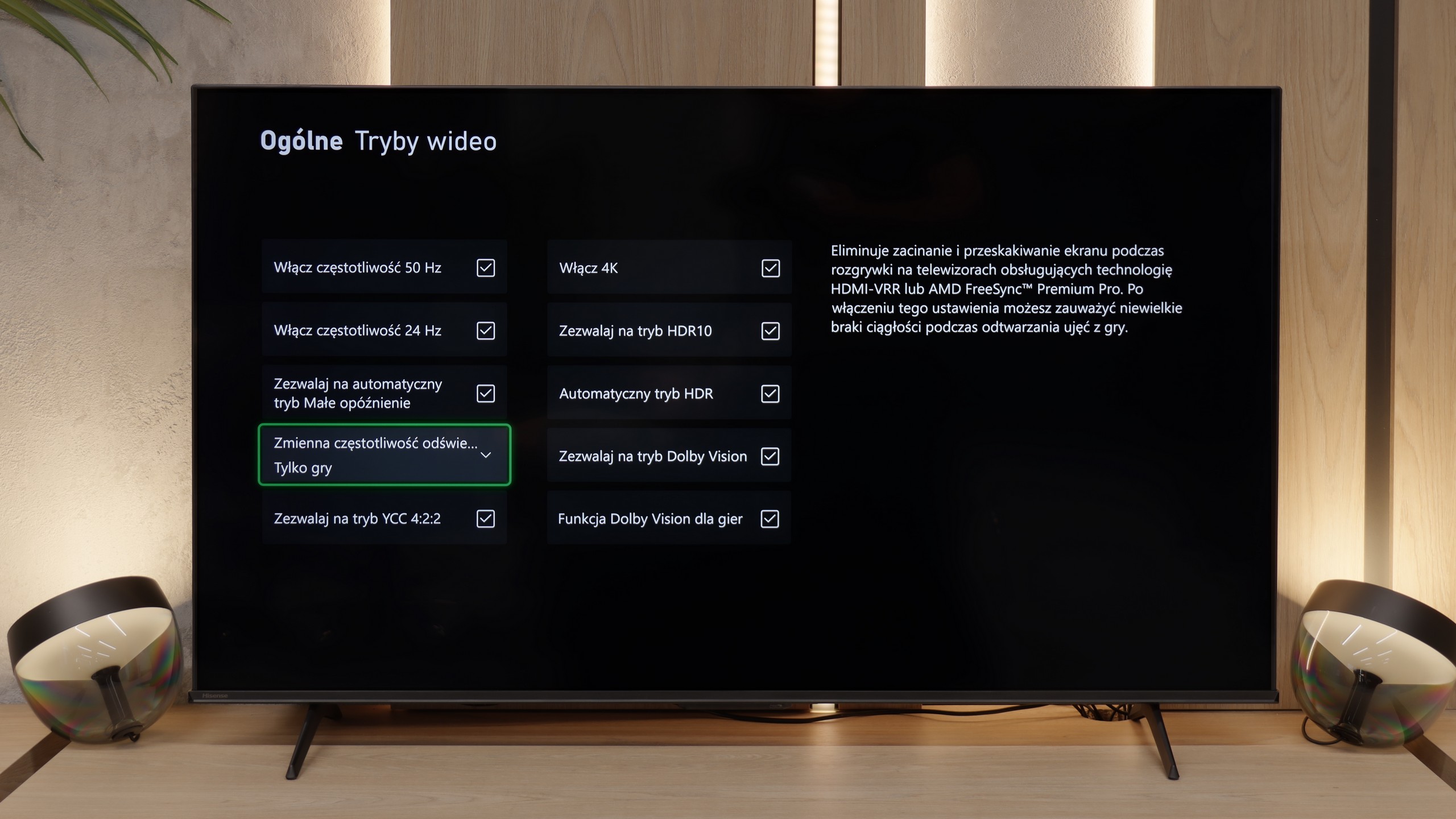
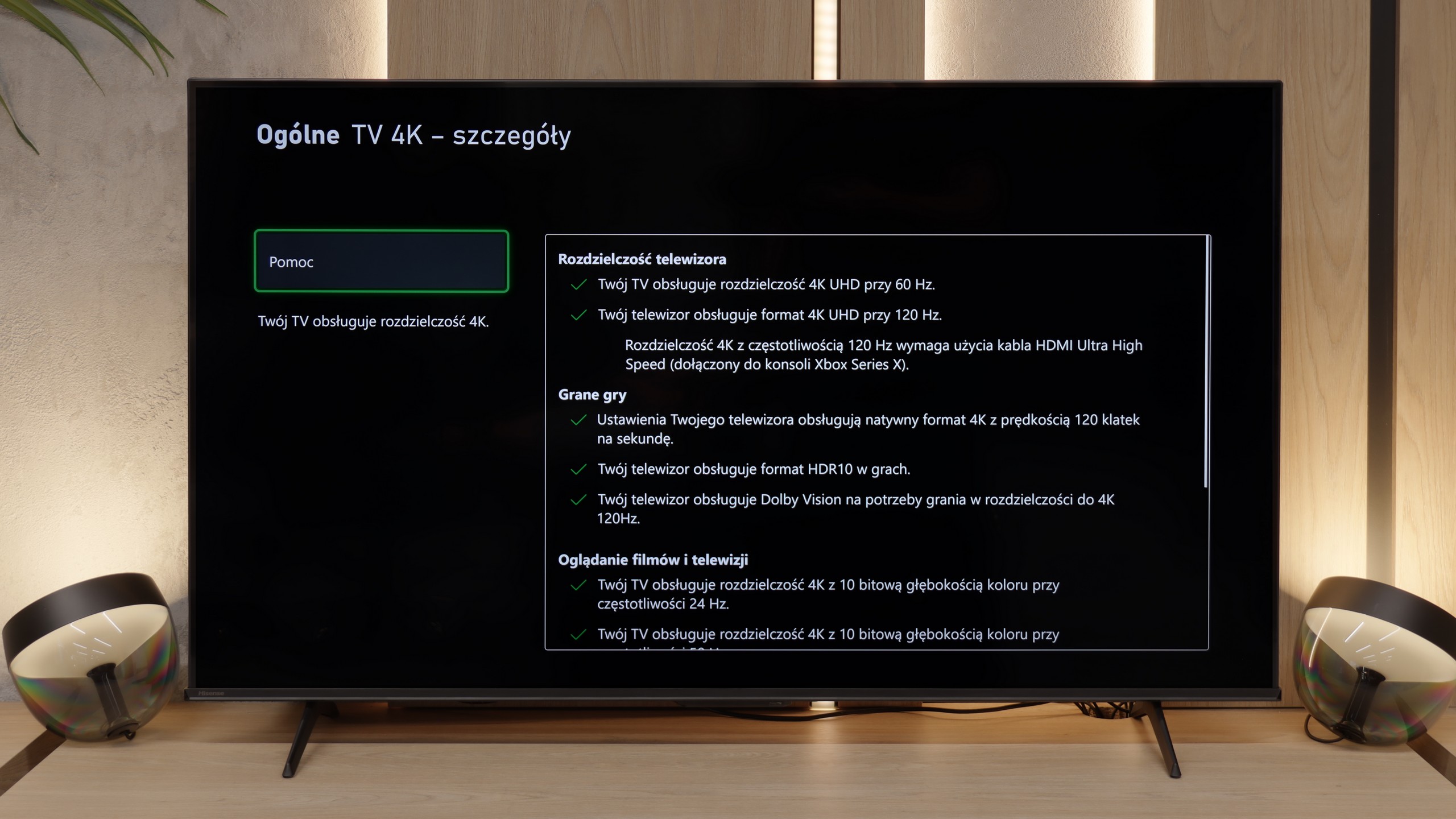
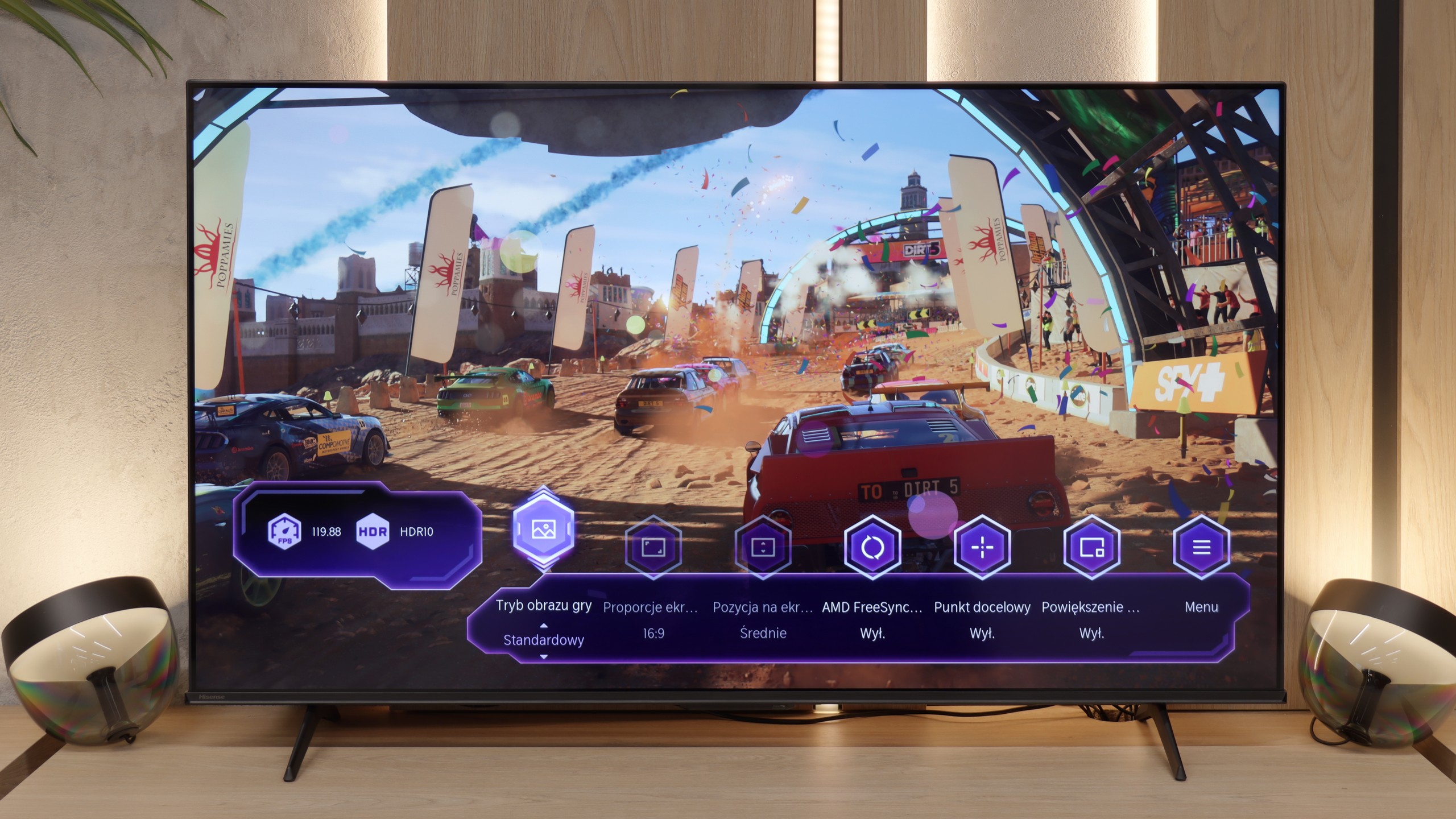
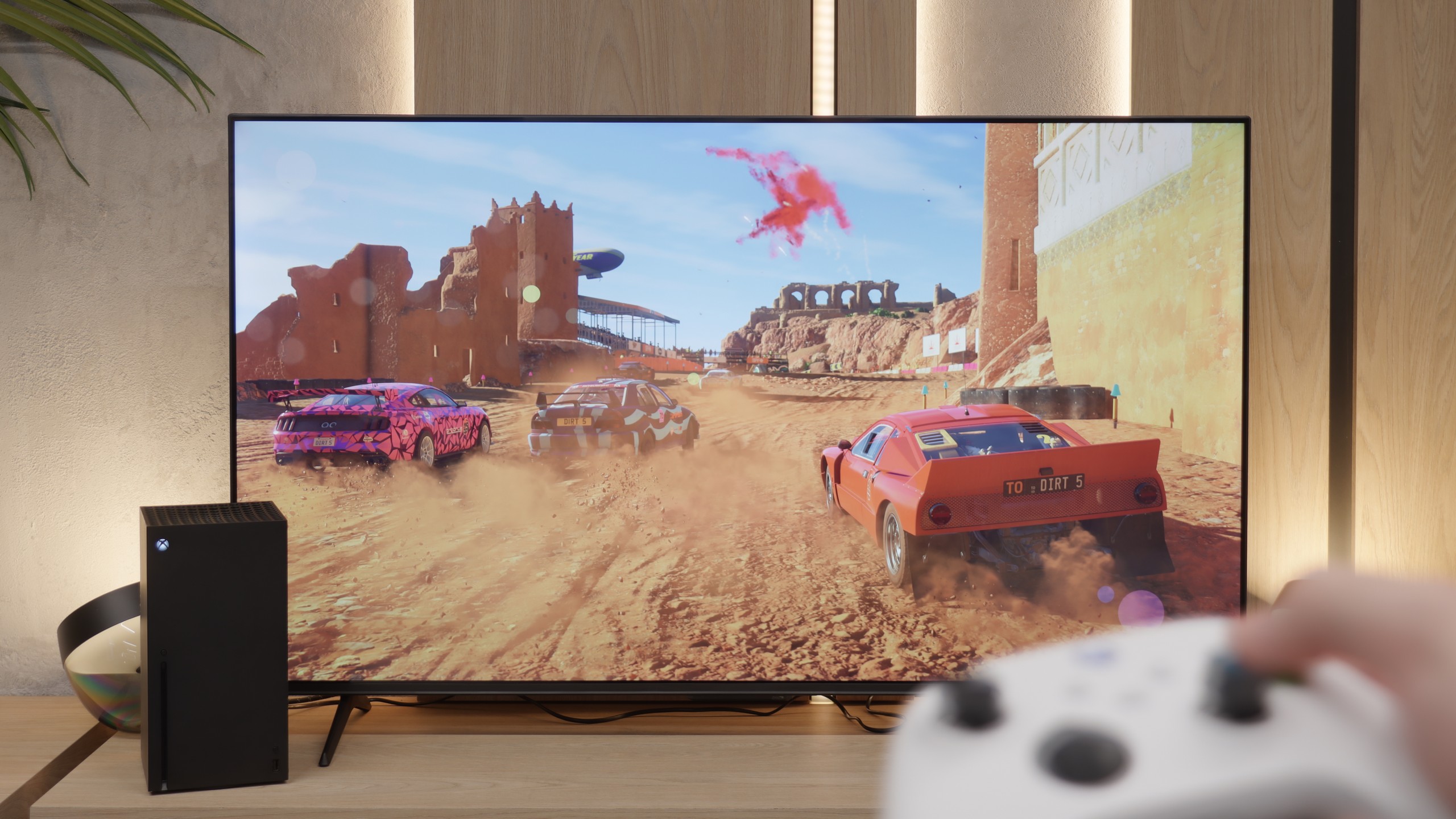
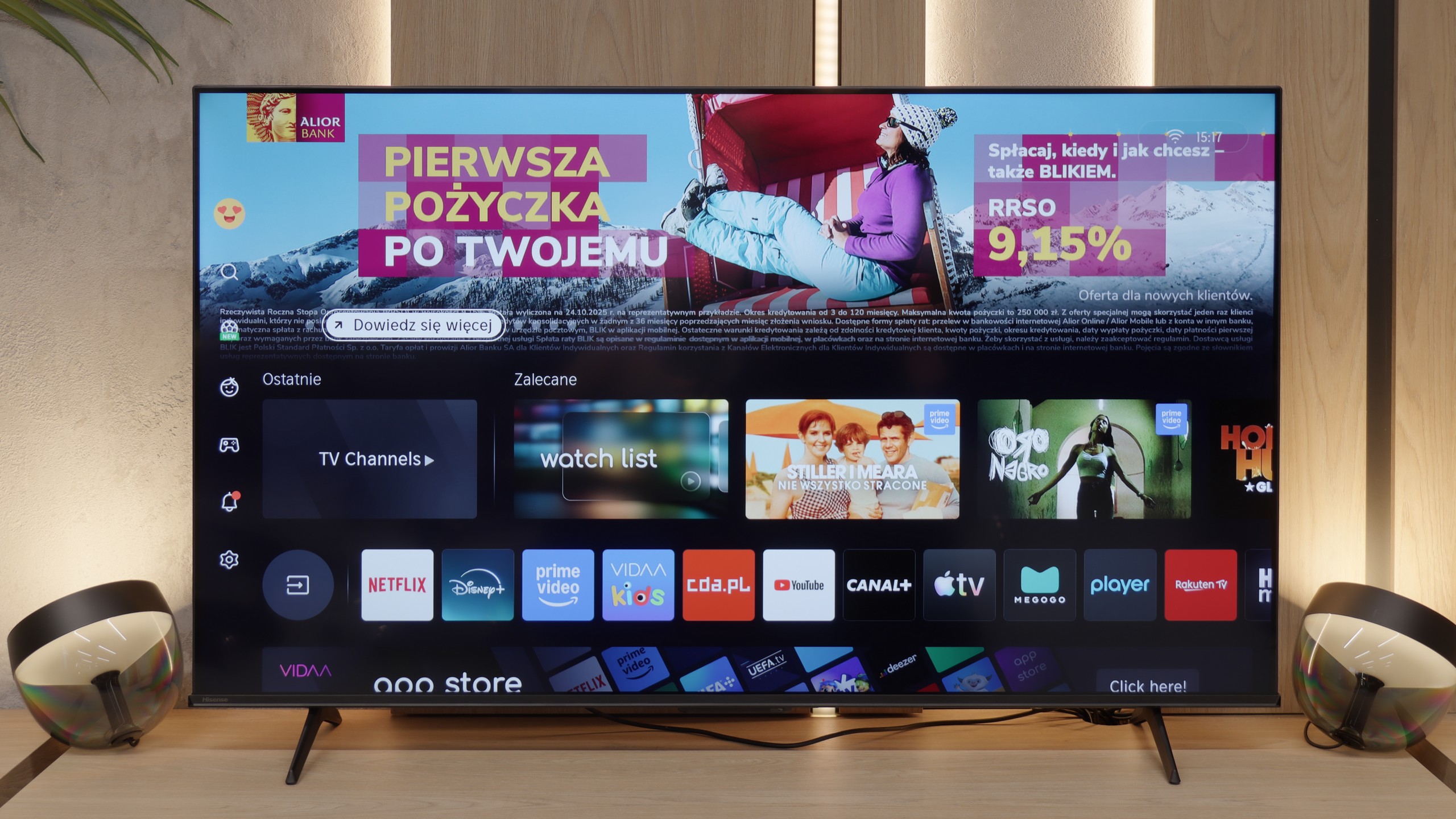
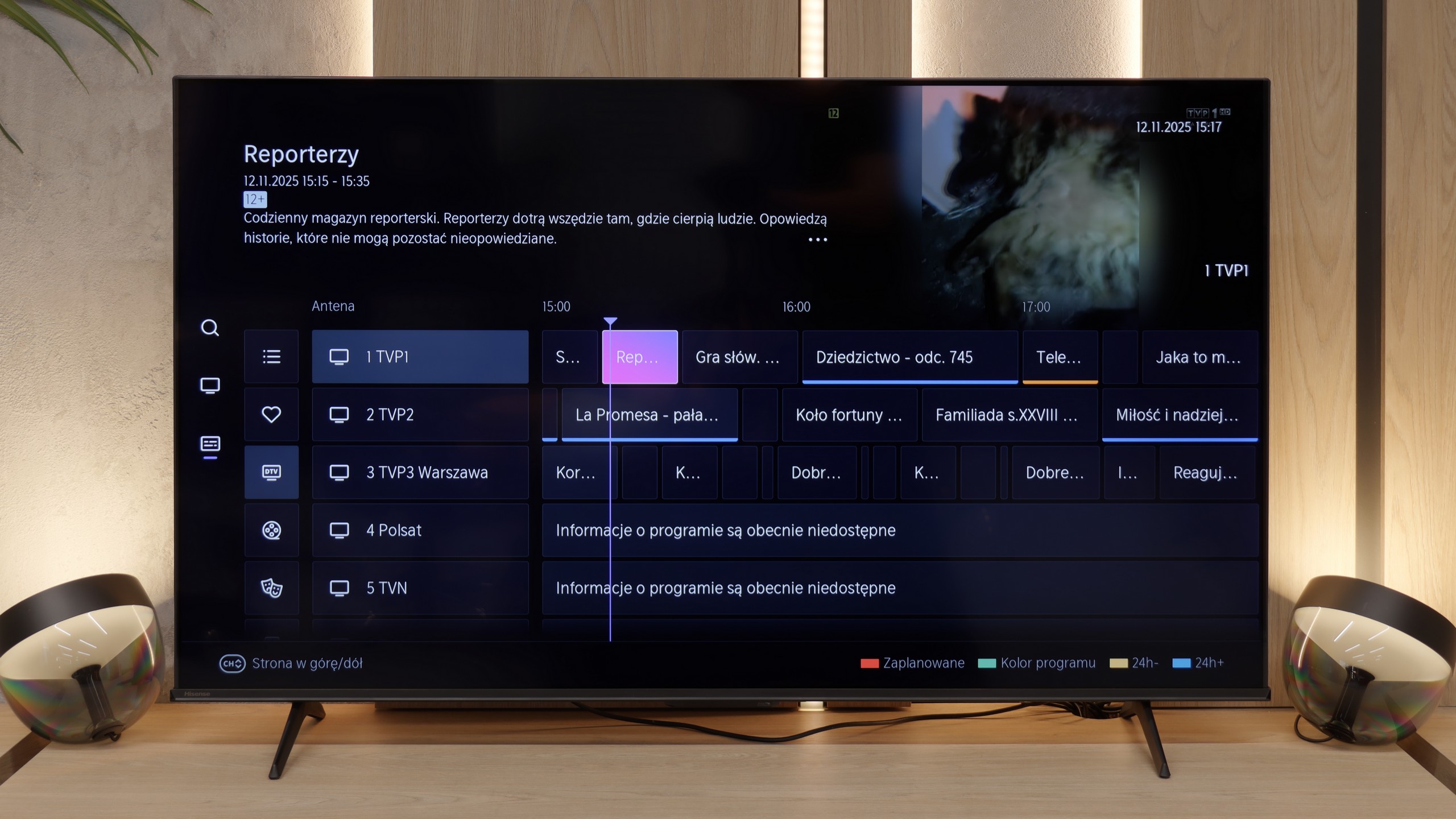
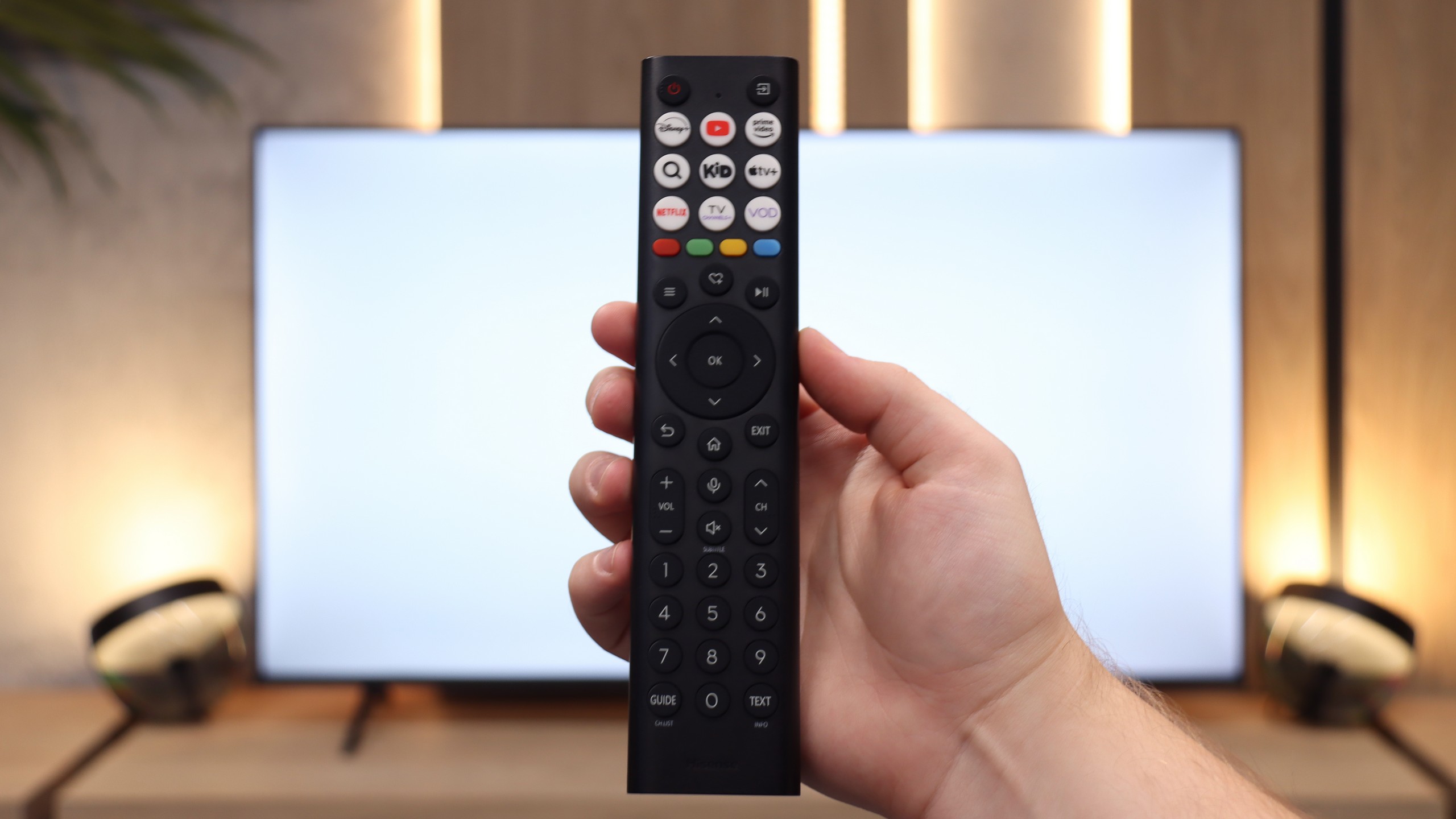
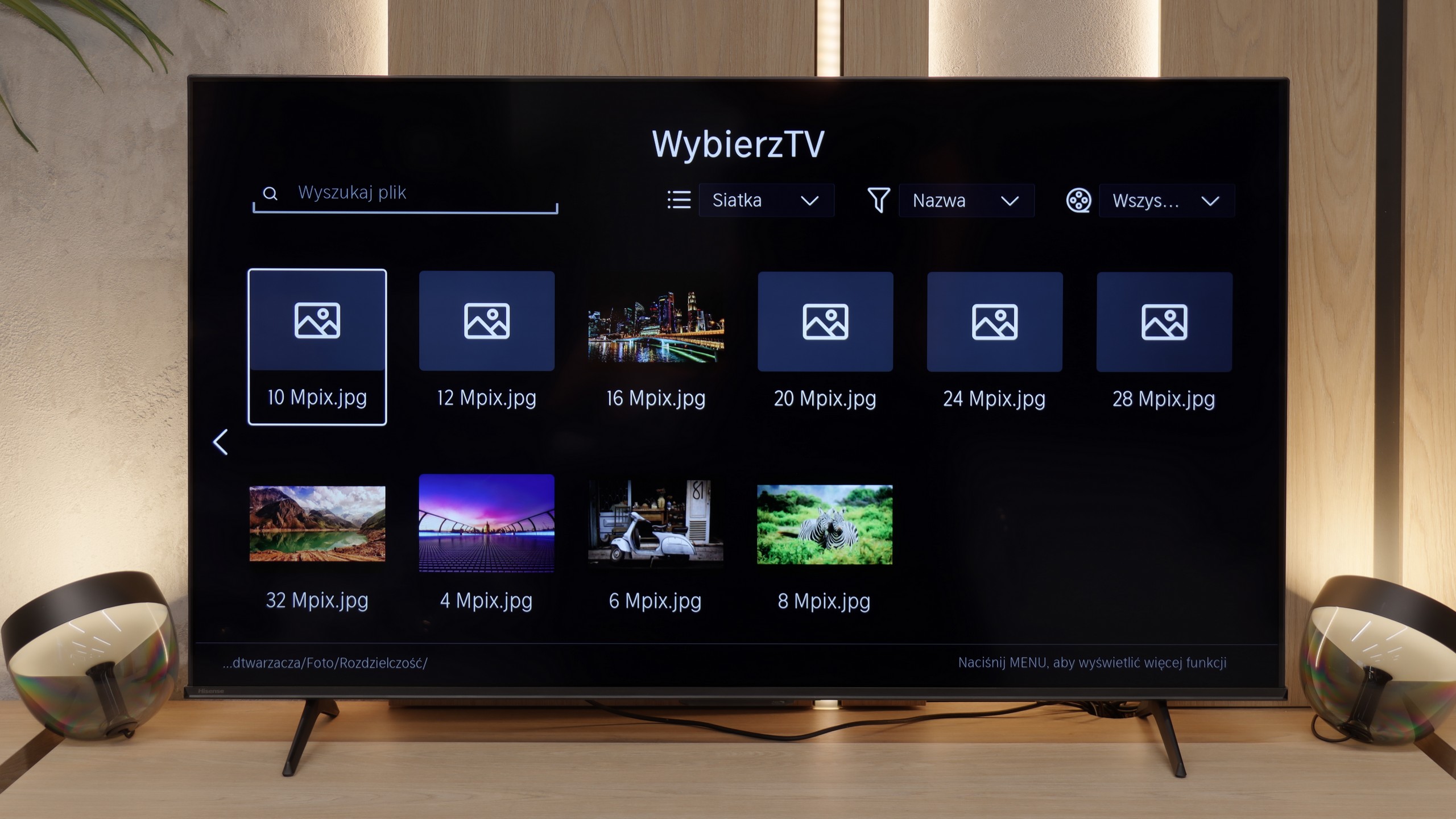
The Hisense E7Q PRO is a television that clearly shows where the manufacturer has set its priorities. It is not a model focused on impressive HDR or cinematic fireworks in a dark living room. This is equipment tailored for universal use, with a strong emphasis on gaming and everyday streaming content viewing at a very attractive price. The biggest disappointment remains the abandonment of local dimming compared to the 2024 model. This is a decision that realistically affects the perception of black levels and contrast. On the other hand, the VA panel with high native contrast does everything it can to mask this loss, and in most everyday applications, it does quite well. The E7Q PRO shines where it is most expected today: in gaming. A 120 Hz panel, 144 Hz mode for PC, HDMI 2.1, variable refresh rate, low input lag, and a very good Game Bar make it one of the more interesting gaming choices in its price segment. Additionally, there is a reliably working VIDAA system, fast menu, and a sensible set of smart functions. It is not a perfect television. HDR brightness is clearly limited, motion blur is average, and viewing angles are typically poor for VA. However, if someone is looking for a television available in various sizes, whether for gaming, series, or everyday viewing, and is aware of its limitations, the E7Q PRO can provide a lot of satisfaction. It is not a step forward compared to its predecessor in any category. Rather, it is a different, more budget-friendly direction. Less cinematic, but cheap and very gaming-oriented. If this is what you're looking for, the Hisense E7Q PRO makes a lot of sense.
 Direct comparison