 Redakcja Choose TV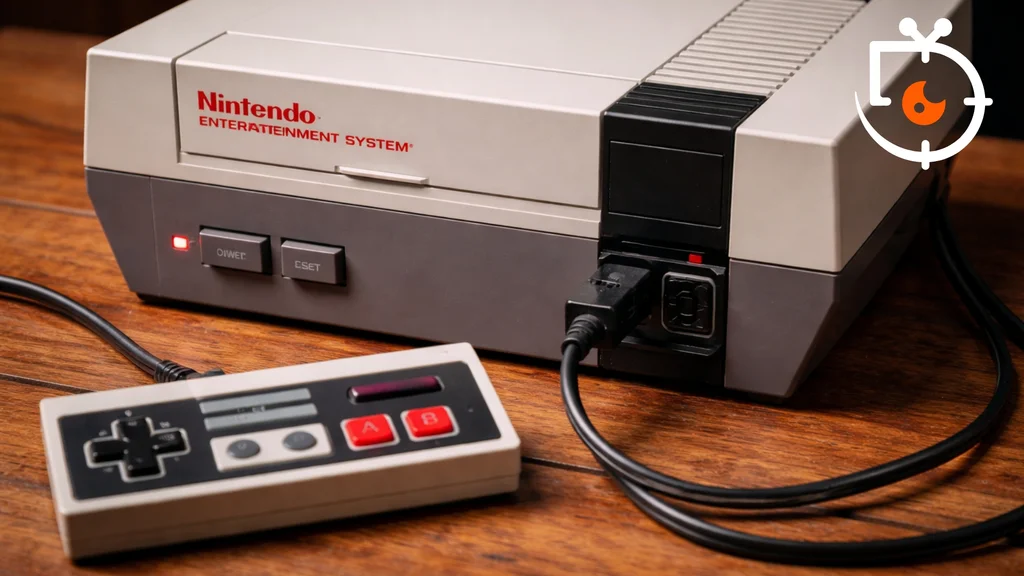
Nintendo has joined thousands of companies demanding a refund from the United States government for tariffs collected in recent years on imported goods. This issue is related to a decision by the U.S. Supreme Court, which invalidated part of the so-called “reciprocal tariffs” previously implemented under the trade policy of the Donald Trump administration. As a result, technology companies have begun filing lawsuits to recover money paid on imported products. According to available information, Nintendo has also filed a claim and is demanding a refund of its share from the huge pool of tariffs that the U.S. government collected from importers.
The company wants more than just a refund
Nintendo is not limited to just recovering the fees themselves. In the lawsuit, the company also demands the payment of interest on previously paid tariffs, which are calculated from the moment they were collected. The case against Nintendo is just one of many – according to law firms in the United States, there have already been over two thousand similar lawsuits filed. The scale of the problem is so significant that the U.S. Customs agency has asked the court for additional time to prepare the return processing system. It is estimated that the interest on the money owed to companies could increase the total amount of government liabilities by as much as hundreds of millions of dollars a month.
Although companies may recover some money, this does not automatically mean lower prices for consumers. In practice, it is very difficult to determine which products were subject to specific tariffs and whether their costs were actually passed on to customers. For this reason, even if Nintendo and other companies receive refunds, there is no guarantee that the prices of hardware or games will be reduced. In many cases, companies may consider the recovered funds as compensation for previous production and logistics costs.
Technologies Continue to Get More Expensive
Additionally, the technology market continues to face many factors that keep equipment prices at a high level. One of them is the global increase in demand for computer memory used in artificial intelligence systems. Another problem is the rising costs of transportation and energy. The increase in oil prices directly affects the production and distribution costs of electronics, which may further hinder a drop in device prices.
Nintendo is fighting to recover the money paid under controversial tariffs in the United States. While technology companies may expect significant returns, consumers should not count on quick price drops for devices or games. In the current market situation, many indications suggest that electronics prices are likely to remain high for the foreseeable future.
Source: TechRadar