 Redakcja Choose TV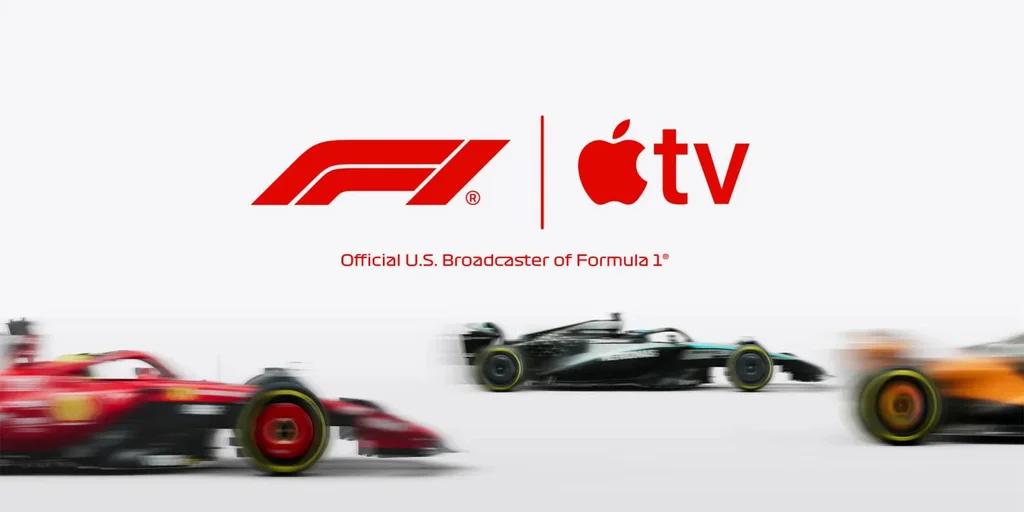
The historic weekend in Melbourne brought motorsport fans something more than just the roar of engines (or, one might say, batteries). With the start of the 2026 season, Apple TV officially took the helm of Formula 1 broadcasts in the United States, giving fans a technological leap that others can only dream of. For the first time in history, every Grand Prix race is broadcast in 4K Dolby Vision with 5.1 surround sound. Eddy Cue from Apple does not hide his pride, emphasizing that this is a "new era" that aims to fully harness the potential of the ecosystem of the Cupertino giant and respond to the massive rise in the popularity of F1 across the ocean.
30 additional cameras
What distinguishes Apple's offer from those of other broadcasters in other countries is unprecedented interactivity. Thanks to the Multiview feature, viewers can follow the competition from multiple perspectives simultaneously, with as many as 30 additional live channels available. Among them stands out the Driver Tracker – a bird's-eye view that allows real-time monitoring of each driver's position on the track.
Interestingly, Apple decided to make an unusual alliance with Netflix: within a single subscription, fans gain access to season 8 of "Drive to Survive," and the May Grand Prix of Canada will be broadcast simultaneously on both platforms.
IMAX and the Untapped Potential of Vision Pro
Despite the technological showcase, the debut was not without controversy in the VR community. Although races can be viewed in the super expensive Apple Vision Pro goggles, they are only available in the form of a "flat" 4K image, which many consider to be a missed opportunity to create a fully immersive experience, for example, from the driver's cockpit. On the other hand, Apple is heavily investing in the traditional big screen – as many as five races this season will hit over 50 IMAX theaters across the United States.
Stefano Domenicali, the head of F1, assesses this opening as the perfect moment to welcome Apple into the family of broadcasters, especially in light of the debut of new teams and engines. Although in Europe the rights still belong to local players such as our Eleven Sports or British Sky, American Apple clearly shows the direction in which the future of sports broadcasting is headed: it is to be sharp, multi-channel, and uncompromising in terms of quality.
Source: flatpanelshd