 Redakcja Choose TV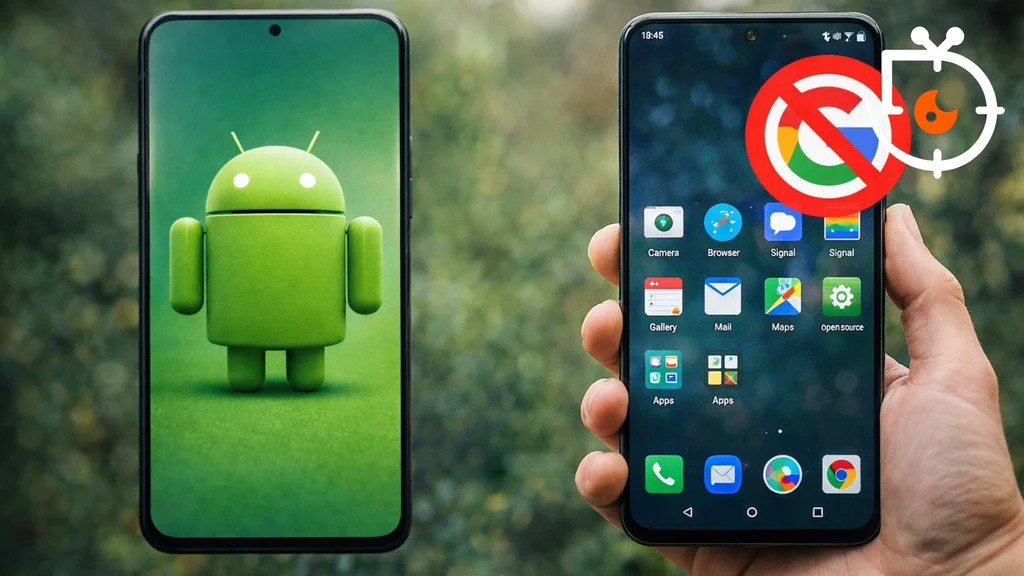
At the MWC 2026 in Barcelona, Motorola announced a strategic partnership with GrapheneOS Foundation. The result? The upcoming smartphone from the manufacturer is set to be released with the pre-installed GrapheneOS Android system devoid of Google services, known for its uncompromising approach to privacy. This is the first instance where GrapheneOS officially steps outside the Pixel ecosystem and reaches another manufacturer in the form of factory installation.
GrapheneOS beyond Pixels is a big change
So far, GrapheneOS has only worked on Google Pixel smartphones. The system is based on the Android Open Source Project, but it removes Google services and adds its own memory protection mechanisms, sandboxing, and advanced permission controls. Motorola has announced a device designed to meet the project's rigorous security requirements. This is significant because the creators of GrapheneOS have previously criticized existing Moto models for not meeting the appropriate hardware standards. This means that the new phone will need to offer a higher level of security, possibly also dedicated solutions at the firmware level and component isolation. At this moment, the manufacturer has not disclosed the specifications, price, or release date.
Movement Towards Privacy and Business
For Motorola, this is a strategic step in two directions. First, the brand wants to reach users tired of the increasing integration of Google services with Android. A phone without Google Play Services, without default synchronization with a Google account, and without pre-installed applications from the Mountain View giant could be a real alternative for those looking for greater control over their data. Second, it is a clear signal towards the enterprise sector. Companies are increasingly demanding devices that provide a high level of security, minimize the risk of data leakage, and offer transparent control over software. Motorola emphasizes that the collaboration is long-term and involves joint research and the development of new security features. It is possible that some solutions from GrapheneOS will also be implemented in other devices from the manufacturer.
A New Chapter for the "De-Googled" Android?
One of the biggest limitations of GrapheneOS has been the hardware availability; to use the system, one had to buy a Google phone. The partnership with Motorola may change this and open up a segment of more accessible privacy-focused devices. If the project is successful, Android without Google will stop being a niche curiosity for enthusiasts and will become a real market alternative.
Source: Information announced during MWC 2026