 Direct comparison
In the smaller screen sizes (55 to 75 inches) the Xiaomi S Mini 2026 makes a really good impression, provided you judge it from the outset in the context of its price. Mini LED technology does exactly what we expect from it: it delivers strong contrast and produces HDR brightness high enough that watching films feels much more dynamic than on conventional TVs in this price bracket. Add Google TV to that and you simply get a device that’s easy to use for everyday entertainment. The catch is that how you evaluate this model depends heavily on how you plan to use it. The 55-, 65- and 75-inch versions use a 60 Hz panel, which automatically puts them in a very different position compared with the larger variants. If you’re looking for a screen specifically for sport or want to get the most out of a new console in 4K at 120 frames per second, this TV will simply fall short of expectations. A separate issue is Xiaomi’s policy, because the naming confusion can be very misleading. The 85- and 98-inch variants are actually completely different TVs in terms of construction and capabilities. A buyer is perfectly entitled to assume that by choosing a smaller size they are only sacrificing inches and perhaps the number of local dimming zones, whereas in practice they end up with kit from a completely different technological tier. Looking at the 55 to 75-inch model itself, if your benchmark is obtaining the best possible picture quality on a very low budget, the S Mini 2026 can more than hold its own.
- Matching (Score) |
- Our verdict |
- TV appearance |
- Where to buy |
- Contrast and black detail |
- HDR effect quality |
- Factory color reproduction |
- Color reproduction after calibration |
- Smoothness of tonal transitions |
- Image scaling and smoothness of tonal transitions |
- Blur and motion smoothness |
- Console compatibility and gaming features |
- Input lag |
- Compatibility with PC |
- Viewing angles |
- Daytime performance |
- Panel details |
- TV features |
- Apps |
- Playing files from USB |
- Sound
S Mini 2026
Q100
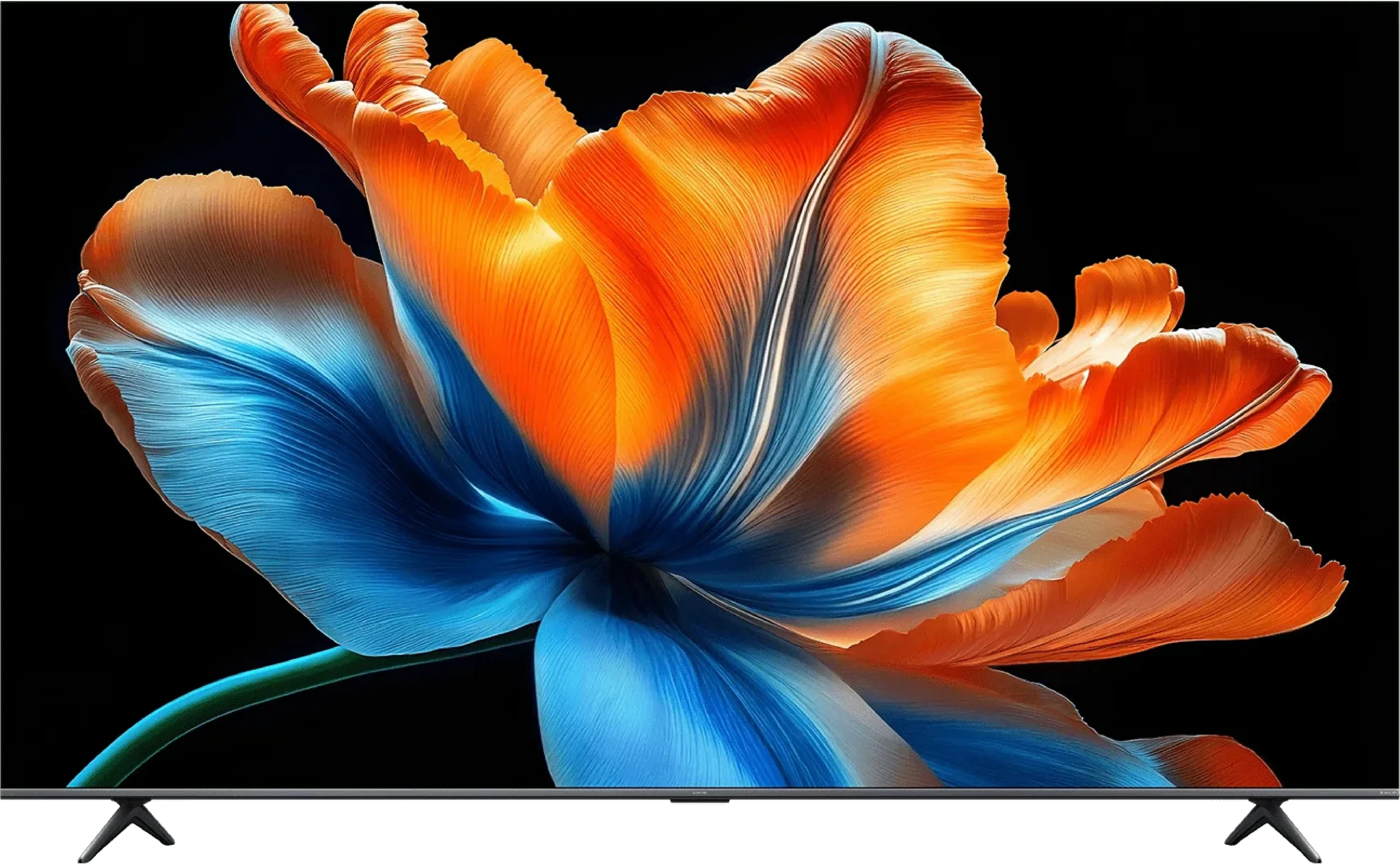
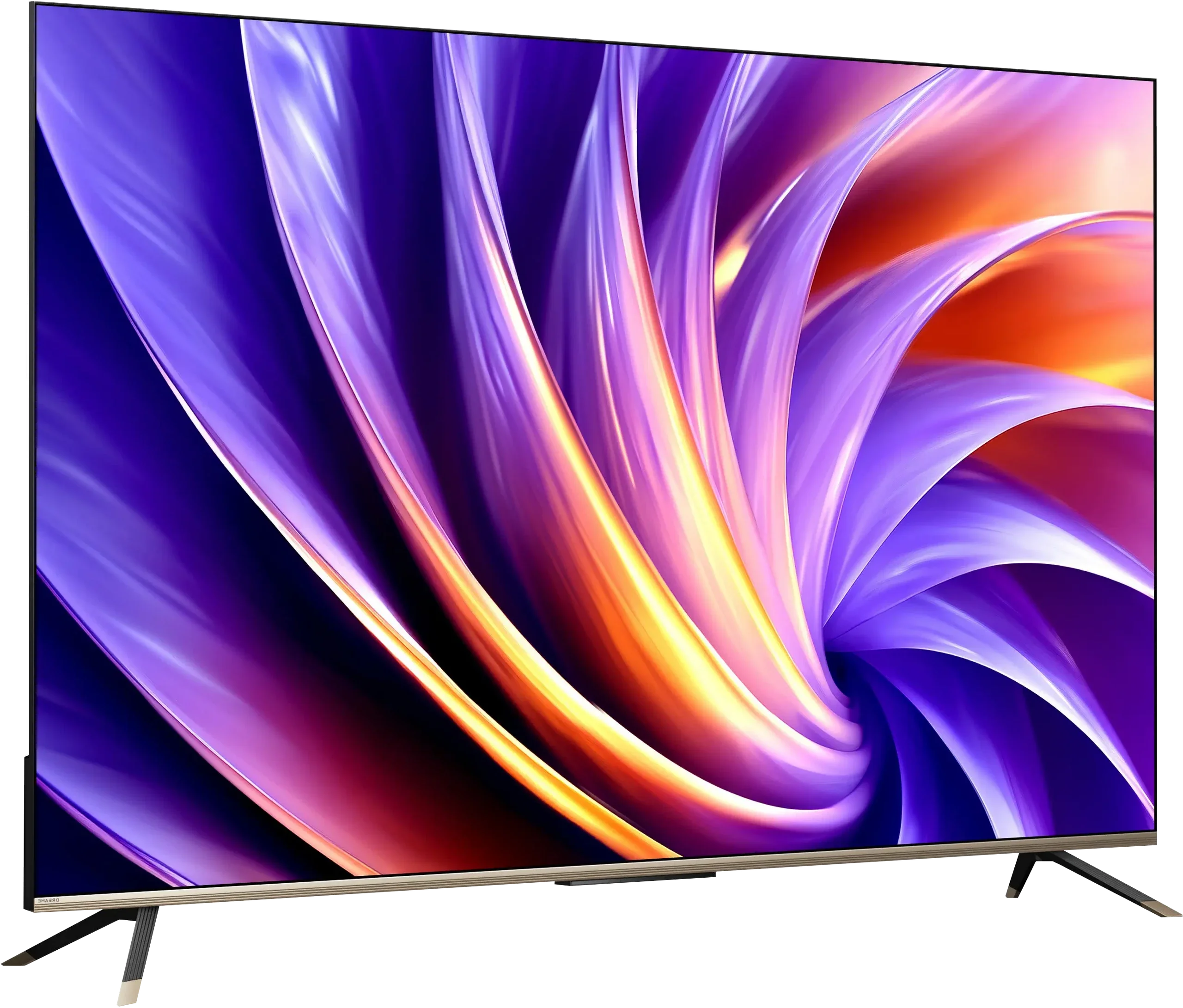
Panel type: LCD VA
Resolution: 3840x2160
System: Google TV
Model year: 2026
Panel type: LCD VA
Resolution: 3840x2160
System: Google TV
Model year: 2026
Check how well they match your needs
Take the surveyOverall rating
6.2
5.6
 Movies and series in UHD quality
6.2
5.8
 Classic TV, YouTube
6.0
5.4
 Sports broadcasts (TV and apps)
5.0
4.6
 Gaming on console
6.9
7.0
 TV as a computer monitor
5.6
4.0
 Watching in bright light
6.3
4.4
 Utility functions
6.7
5.2
 Apps
9.6
9.6
 Sound quality
5.0
5.0
Complete the survey to find out what fits your preferences
Advantages

Very good contrast: MiniLED + VA
High brightness
Wide colour gamut
Low input lag
120 Hz mode at 1080p/1440p
Google TV with a wide selection of apps
Good results after calibration
Google TV with a large selection of apps
Support for Dolby Vision
Wide colour gamut (QLED PFS filter)
Solid contrast from the VA panel
Smooth tonal transitions
Gaming features: VRR and ALLM
120 Hz in Full HD
Game Bar
Low input lag
Disadvantages

Panel limited to 60 Hz
Poor viewing angles
Poor image processing
Visible posterisation
Flat sound, little bass
Low brightness, around 300 nits
Poor HDR performance
Average image processing
No AirPlay
Average audio
Our verdict
The Dreame Q100 is the manufacturer's entry-level model, and its price alone hints at what to expect. This is not a TV that tries to win on picture quality. Its strengths lie elsewhere: it has Google TV, surprisingly many features for gamers and costs relatively little. In terms of image, the Q100 performs similarly to many other sets in this segment. The VA panel provides decent contrast, colours are quite acceptable thanks to the QLED (PFS) filter, but around 300 nits of brightness soon becomes a limitation. That is especially true in HDR, where it simply lacks the necessary punch. It is good that Dreame has not abandoned Dolby Vision, because with a TV like this that format really comes in handy. Films and series from streaming platforms are better matched to the screen's capabilities and can look quite good as a result. The Q100 therefore makes most sense when you are looking for an inexpensive TV for casual viewing, Netflix, YouTube or the occasional console connection. There are no major surprises in terms of picture quality, but it would be unreasonable to expect them from one of the cheapest models in the line-up. For Dreame's first foray into this part of the market, the Q100 is a rather interesting start, all the more so given that until recently the brand name was more often associated with a vacuum cleaner than a television.
TV appearance
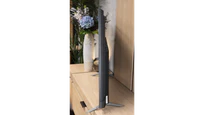

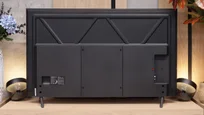
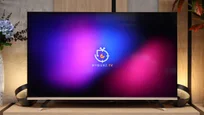
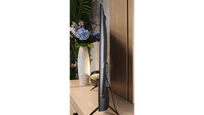

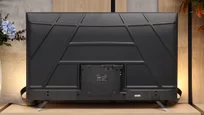

Contrast and black detail
7.8/10
5.3/10
Local dimming function: Yes, number of zones: 308 (22 x 14)
Local dimming function: No
Contrast:


Result
458,550:1

Result
27,450:1

Result
25,200:1

Result
10,950:1

Result
6,650:1
Result
4,350:1
Result
3,850:1
Result
4,100:1
Result
4,450:1
Result
3,400:1
Halo effect and black detail visibility:
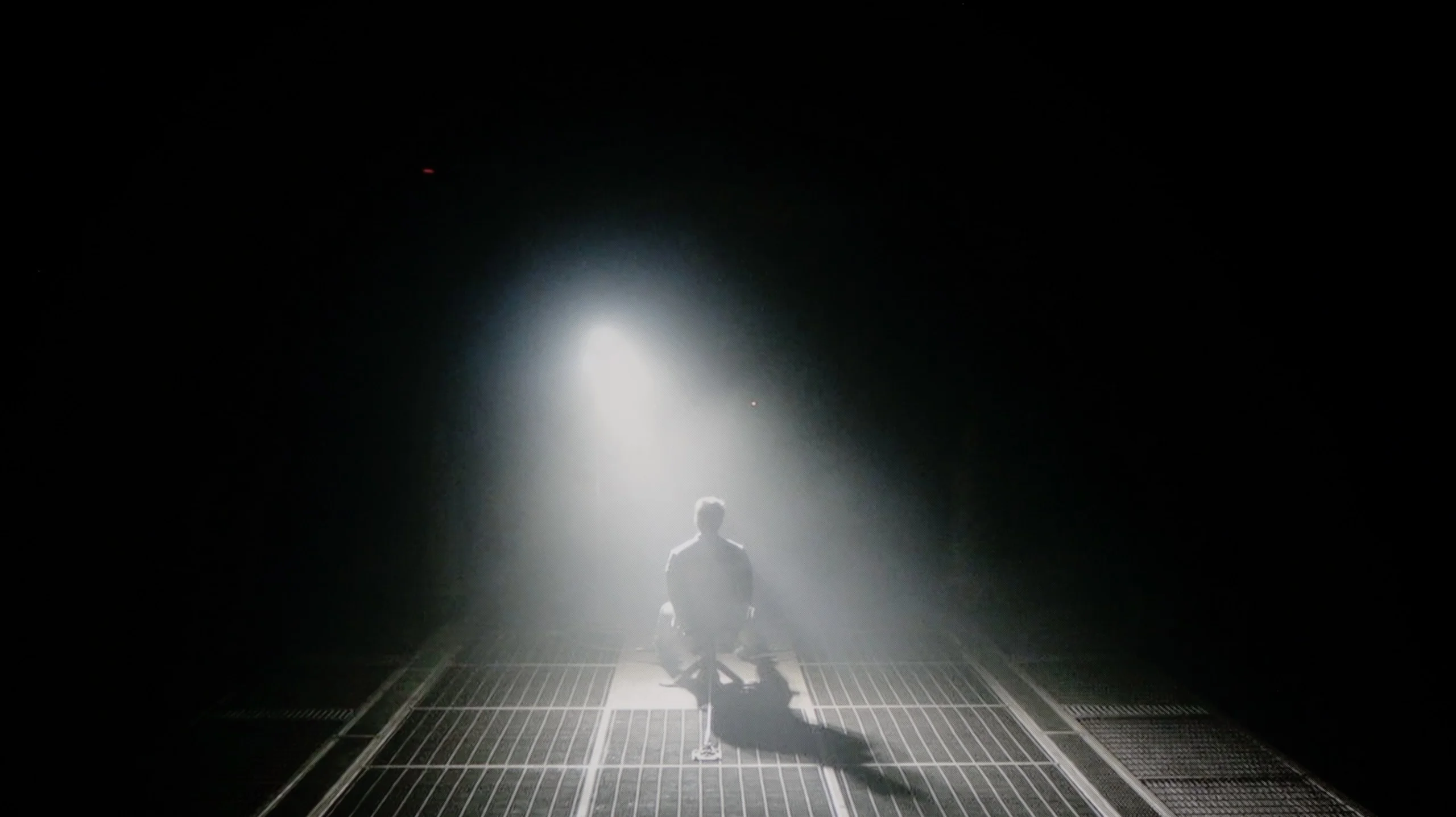
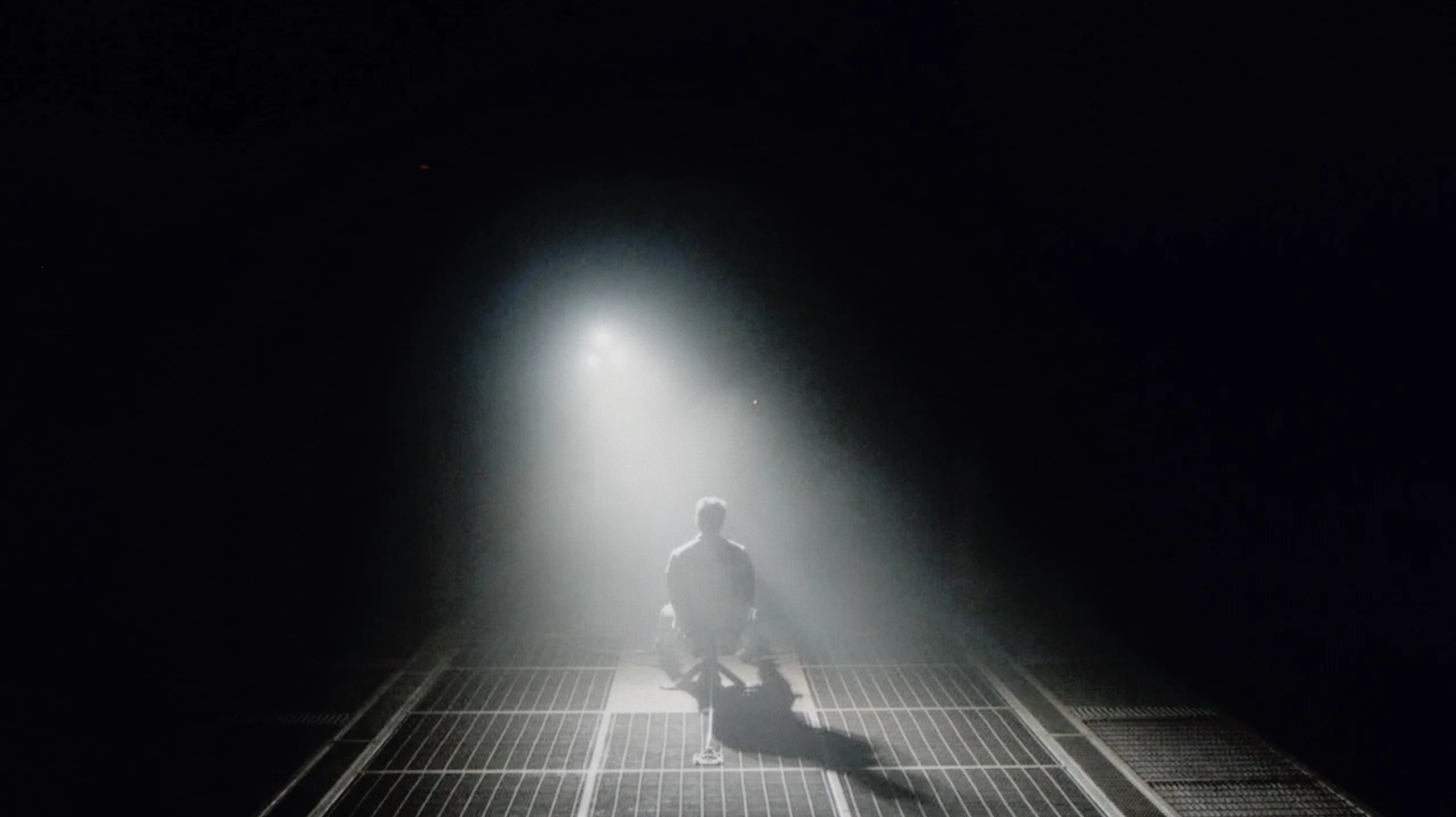
Check the visibility of bright lights on a dark background. Mini-LEDs often struggle with this. The photo does not compare black levels – that’s what the video below is for.
The video accurately shows differences in contrast and black levels between TVs, as well as potential issues: halo around bright objects or Mini-LED zone operation visible as brightness jumps.
In terms of contrast the Xiaomi S Mini 2026 performs really well. The TV uses a VA panel and Mini LED backlighting with 308 local dimming zones in the 55-inch model. Although on paper the number of zones is not as impressive as in more expensive models, in practice the set handles dark scenes very well. In shots where small bright objects appear against a black background, it can effectively dim the remaining parts of the image. As a result blacks are deep and the contrast in many films can resemble what we know from OLED TVs.
Of course not every scene is equally easy for the local dimming system. When there are more bright elements or they are positioned close together, a faint halo can appear around them. That is a typical limitation of Mini LED TVs and Xiaomi is no exception. The backlight control algorithm itself is commendable. Compared with the previous generation it operates much more stably, so while watching you won't see annoying flicker or sudden changes in brightness between consecutive shots.
The Dreame Q100 is a simple LCD TV, so its black level and contrast performance depend mainly on the panel itself. It uses a VA panel that achieves a native contrast of about 4500:1. For this class of device that's a fairly good result. In practice this mainly means noticeably deeper blacks than similarly priced TVs with IPS or ADS panels. The difference is especially obvious in the evening, when dark scenes have more depth and do not look quite so grey.
However, bear in mind that the Q100 has no local dimming. The entire backlight therefore operates continuously, with no ability to dim specific parts of the image. In a very dark room the black thus begins to take on a navy tint and is a long way from what better Mini LEDs, and even more so OLEDs, can achieve in this respect. That said, this is not surprising, as a similar limitation affects most simple LCD TVs in this price bracket.
HDR effect quality
5/10
4.2/10
Luminance measurements in HDR:

Result
993 nit

Result
166 nit

Result
641 nit

Result
157 nit

Result
898 nit
Result
230 nit
Result
252 nit
Result
285 nit
Result
298 nit
Result
298 nit
Scene from the movie “Pan” (about 2800 nits)


Scene from the movie “Billy Lynn” (about 1100 nits)


The photos show two HDR10 movies. 'Pan' is one of the brightest productions ever made, while 'Billy Lynn' (soldier) has brightness typical of streaming (Netflix, Prime, HBO MAX). Notice the intensity of effects and detail in whites.
Static HDR10


The photos present the visibility of white details in various HDR formats. They do not show brightness differences between TVs (these can be compared in the previous gallery).
Dynamic: HDR10+
Dynamic: Dolby Vision


The photos present the visibility of white details in various HDR formats. They do not show brightness differences between TVs (these can be compared in the previous gallery).
HDR luminance chart:
Dreame Q100
XIAOMI S Mini 2026 (55"-75") 60Hz
When it comes to HDR, the capabilities of the Xiaomi S Mini 2026 are really good, especially given the segment this model belongs to. The TV reaches around 1,000 nits of brightness without much trouble, allowing it to show a very pronounced HDR effect in bright scenes. The sun, reflections and brightly lit parts of the image can be really intense and at times almost striking in their brightness. It is a bit different in dark scenes, though. Very small light sources surrounded by black are displayed at much lower brightness, so they lack that pinpoint intensity seen on the best TVs. That said, this is not unusual for a Mini LED. The local dimming algorithm reduces the backlight to preserve the deepest possible blacks, which in such scenes matter more than a few extra nits.
HDR colours
Colour reproduction also performs well. Xiaomi markets the S Mini 2026 as a QLED TV, although the solution used here is effectively based on a PFS phosphor. The result is what matters, and it's quite good. Our measured coverage of the DCI-P3 gamut was about 94%, while in the much wider BT.2020 colour space it was about 74%. This means the TV can reproduce most colours used in HDR films with suitably high saturation. Its limitations are most visible with very intense shades of green, where the colour gamut starts to run out.
Unfortunately the Dreame Q100 is too simple, and above all too dim, a television to talk about a true HDR effect. The peak brightness we measured reaches at most about 300 nits, which is clearly too little for bright elements of the image to actually 'pop' with light. In fact, this is a level we more often associate with SDR material than with HDR. It therefore lacks the brightness headroom offered by more expensive televisions that makes highlights, reflections and the sun look noticeably more striking.
HDR colours
Fortunately the Q100 makes up for this a little elsewhere. The manufacturer markets it as a QLED television, although in practice a PFS filter is responsible for widening the colour palette. The DCI-P3 colour space we measured is covered at roughly 92%, and BT.2020 at about 67%. These are not top-tier figures, but still clearly better than simple LCD televisions without an additional gamut-expanding layer. As a result, HDR material can at least offer more saturated and varied colours, even if the brightness itself does not yet allow us to speak of a fully fledged HDR effect.
Factory color reproduction
5/10
6.5/10


This illustrative image shows how colors change after professional calibration. If you can see the difference, you can order it from SkalibrujTV – it's our own service.
Factory mode
After calibration


This illustrative image shows how colors change after professional calibration. If you can see the difference, you can order it from SkalibrujTV – it's our own service.
Factory mode
After calibration
We tested the Xiaomi S Mini 2026 in sizes from 55 to 75 inches in Film mode, which offered the most accurate colours compared with the other presets. That did not mean the picture was correctly set up straight away. In our sample the white balance was clearly shifted towards warmer tones. There was too little blue and too much red, so whites and greys had a slightly warm tint. The TV also tended to brighten darker parts of the image too much. This was due to the gamma, which instead of staying around 2.4 dropped in places to about 2.0. As a result there was more detail visible in the shadows, but the image lost some depth. The factory settings were therefore not bad, but there was still some way to go to achieve accurate image reproduction.
We chose the "Film" mode for testing and, in our opinion, it is by far the best of the available presets. There are none of the heavily boosted, unnatural colours you can see, for example, in the Vivid/Dynamic mode. The picture looks quite reasonable straight away, although it falls a little short of perfect. In SDR material the most noticeable issue was a slight warming of the image. The white balance had too much red, which made whites lean towards a warmer hue, and a similar tint was visible in shades of grey. In HDR the situation was a little different. Here blue had a slight advantage, making the picture a touch cooler. These are not major faults, though. For such an inexpensive TV, the factory settings on our unit were fairly decent, and the "Film" mode already delivers a relatively natural image without much fiddling with the settings.
Color reproduction after calibration
7.5/10
7/10

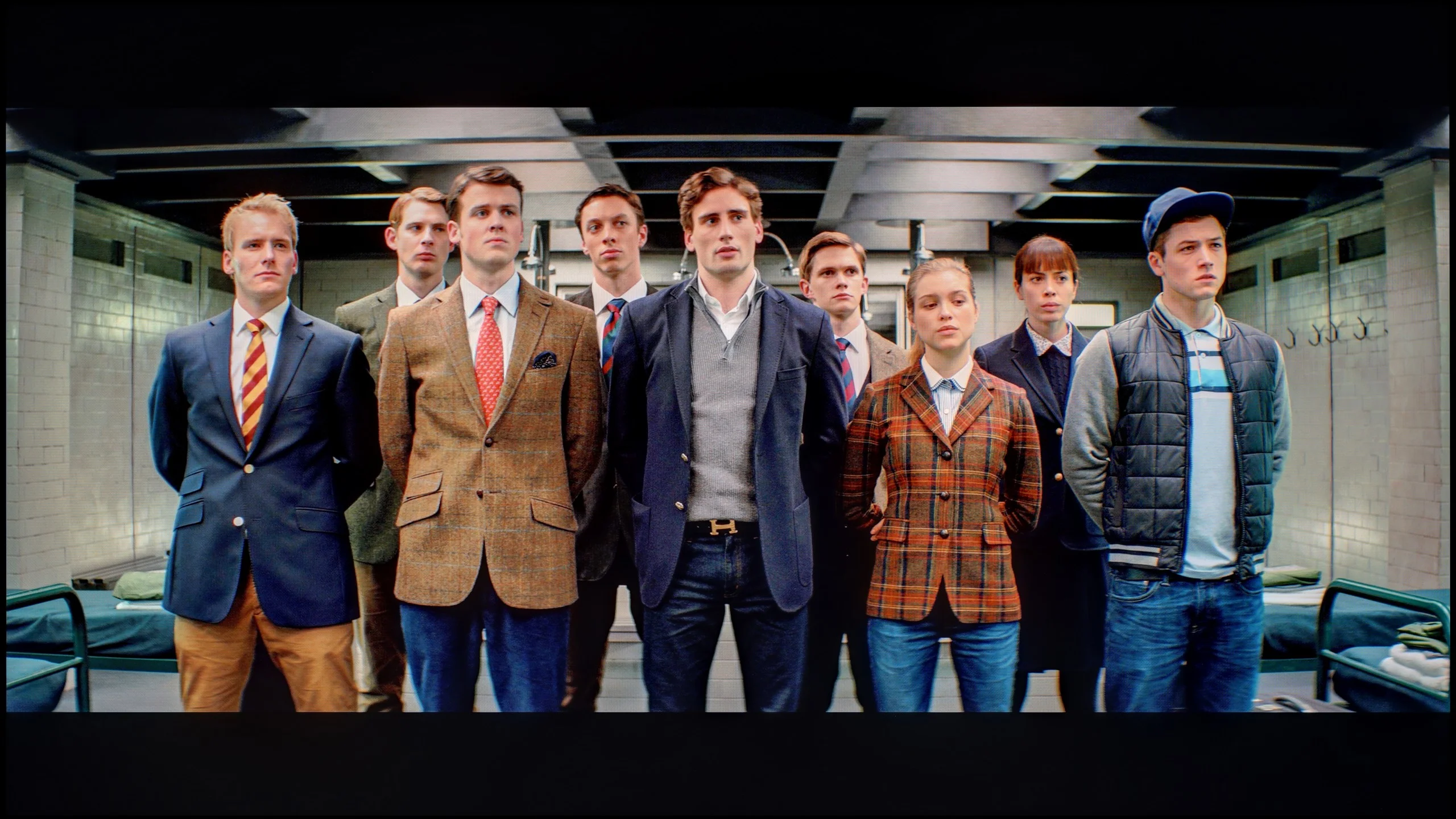
The photos show how movies look on the TV. Pay attention to black detail visibility, colors, and shadow tint.
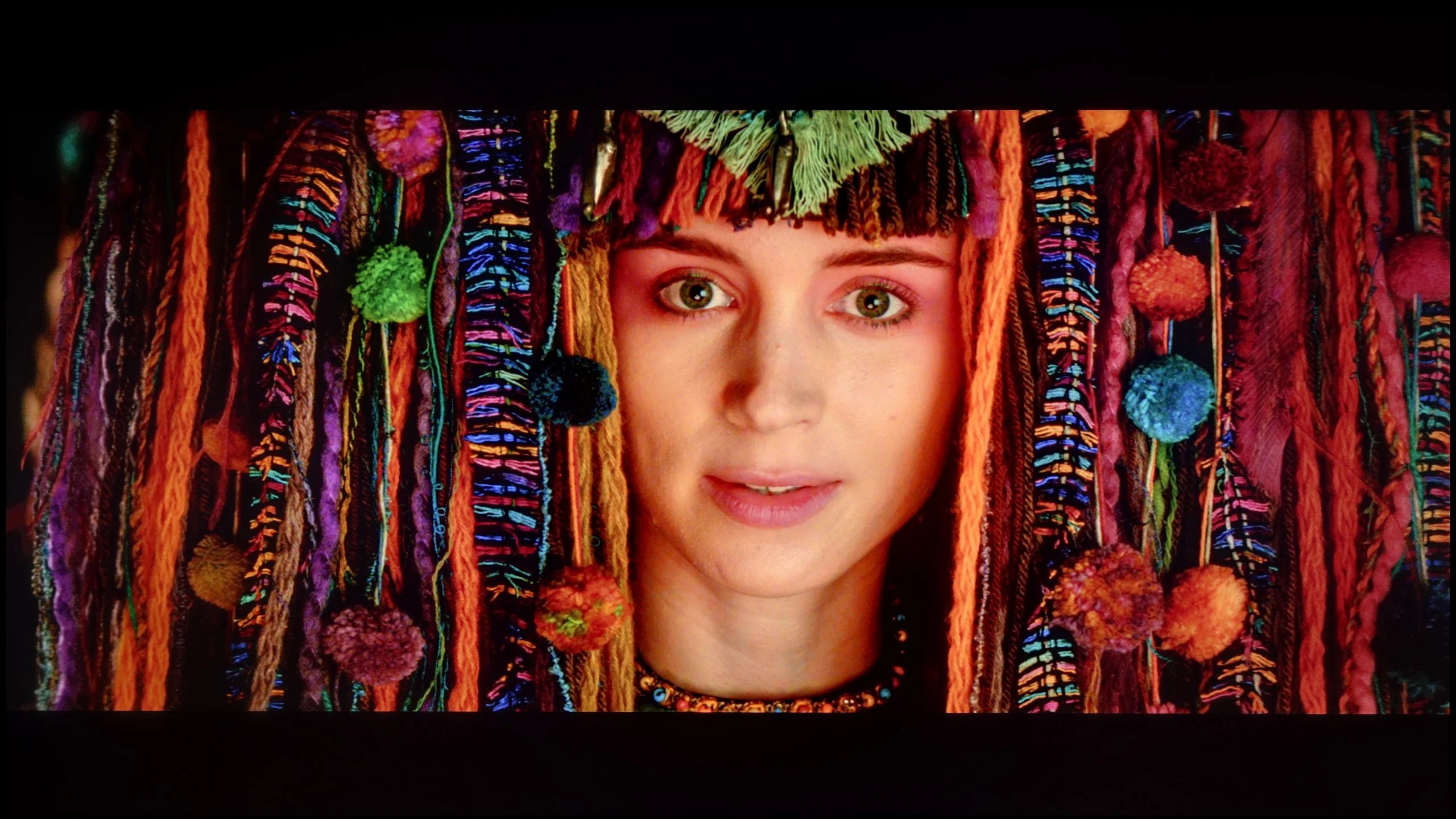

The photos show how movies look on the TV. Pay attention to black detail visibility, colors, and shadow tint.
Contrary to appearances, the Xiaomi S Mini 2026 responds quite well to calibration. After our adjustments the white balance was noticeably improved and the picture stopped leaning towards overly warm tones. With SDR material the effect is really good, and the TV can render such content very accurately; it is hard to fault it on colour reproduction. We applied similar corrections for HDR, though not everything could be fixed there. Colours look better than on the factory settings, but the TV still tends to display the image a little brighter than it should. This is visible in the EOTF curve, which sits above the reference value. In practice this means some HDR scenes are brighter than the creators intended. It is a quirk of this TV and we have no influence over it.
Contrary to appearances, the Dreame Q100 is quite well prepared for image calibration. The menu contains quite a few advanced picture settings that allow its characteristics to be adjusted fairly precisely. In our case the most work was required on the white balance, both in SDR and HDR. After correction SDR content looked very good. We managed to achieve a practically neutral white balance and natural colours, with the main remaining limitation being the black level itself, stemming from the panel construction and the lack of local dimming.
In HDR we also managed to improve white balance and colour reproduction, but here the limitations of the TV's electronics become apparent more quickly. Even after very precise adjustment of the EOTF curve, the Q100 does not always follow it correctly during actual scenes. In some content it can also brighten the image further, causing some parts to look brighter than they should, and in bright areas some details can be lost as a result.
Smoothness of tonal transitions
5.5/10
9/10
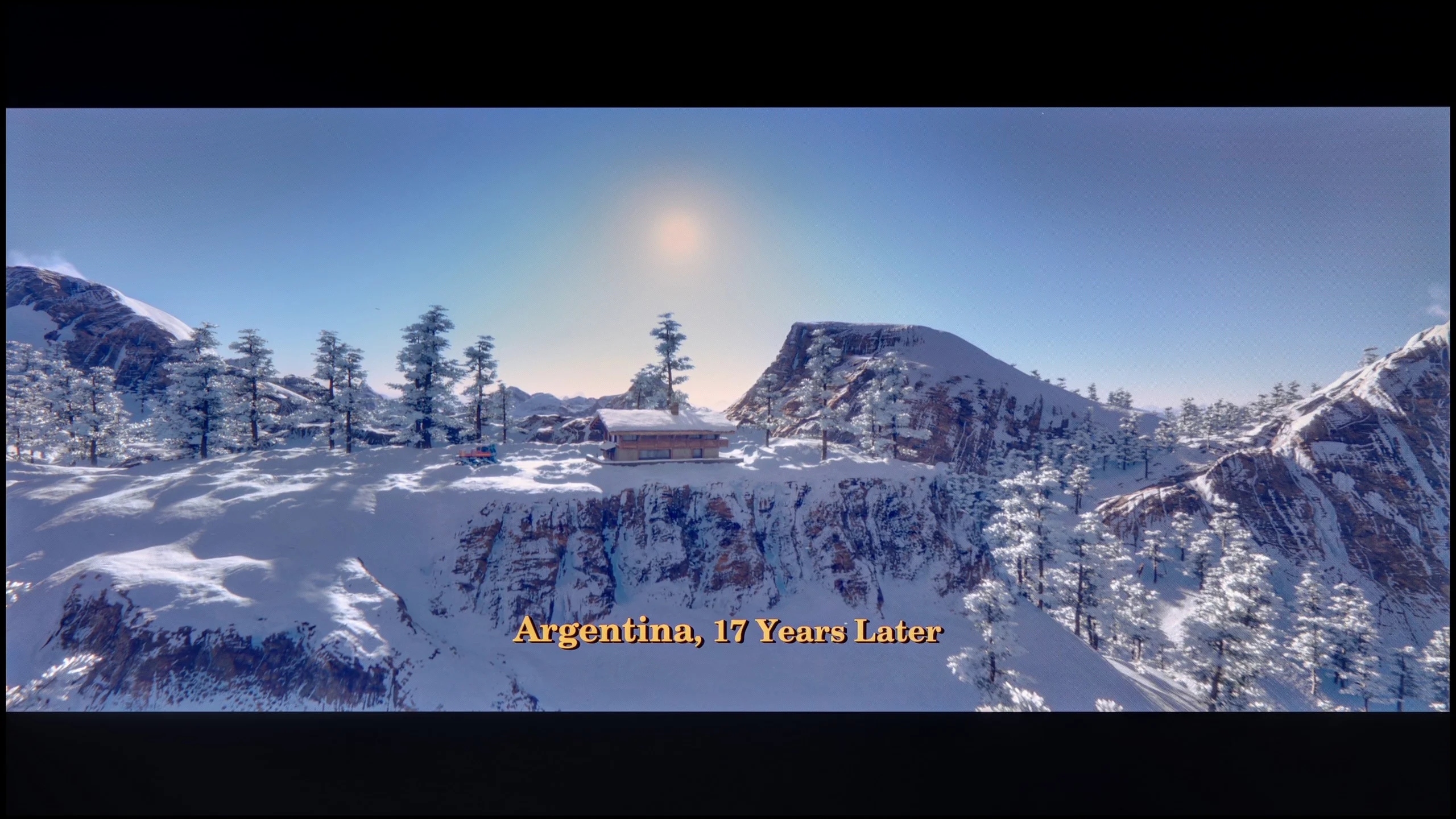


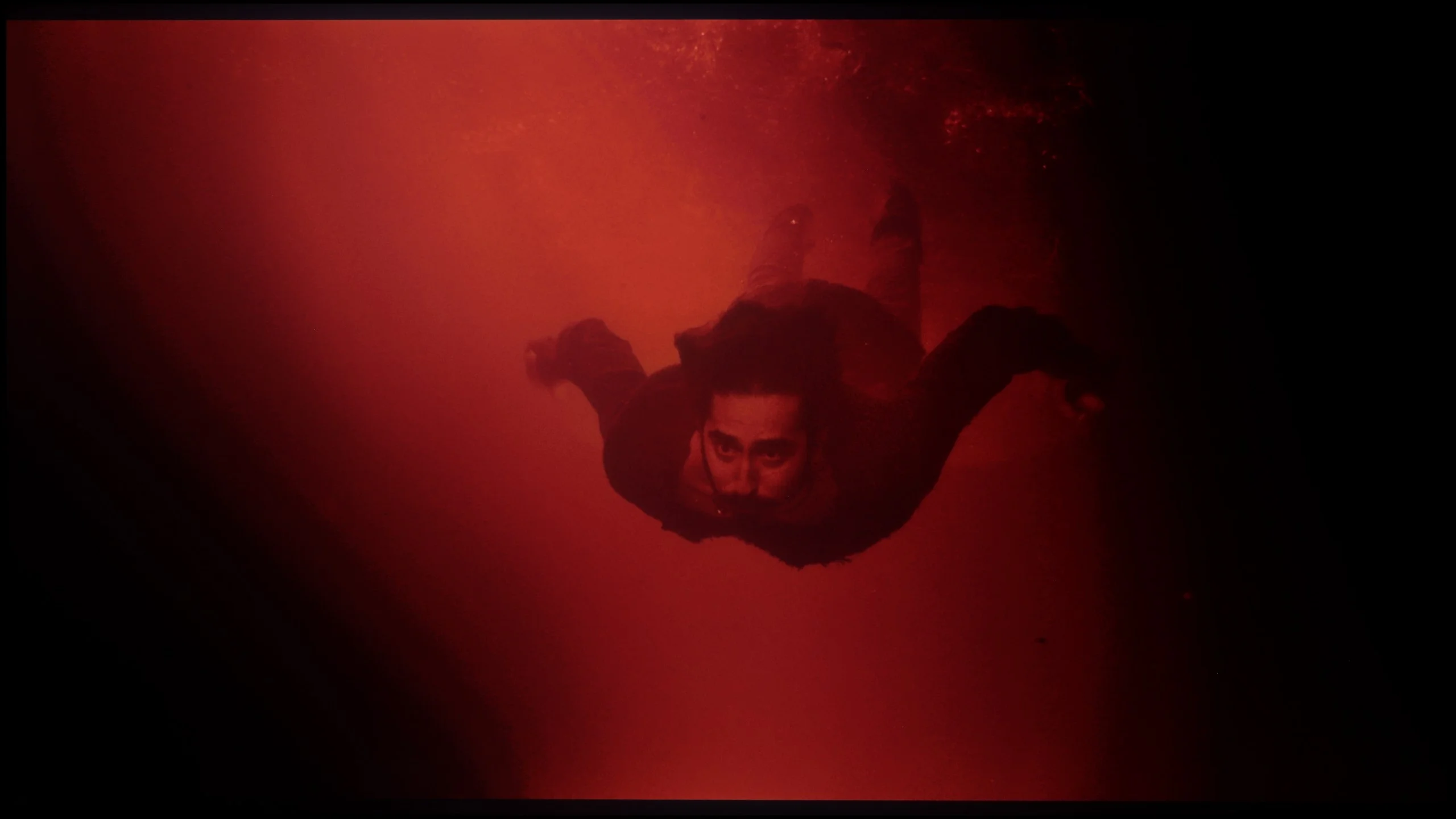
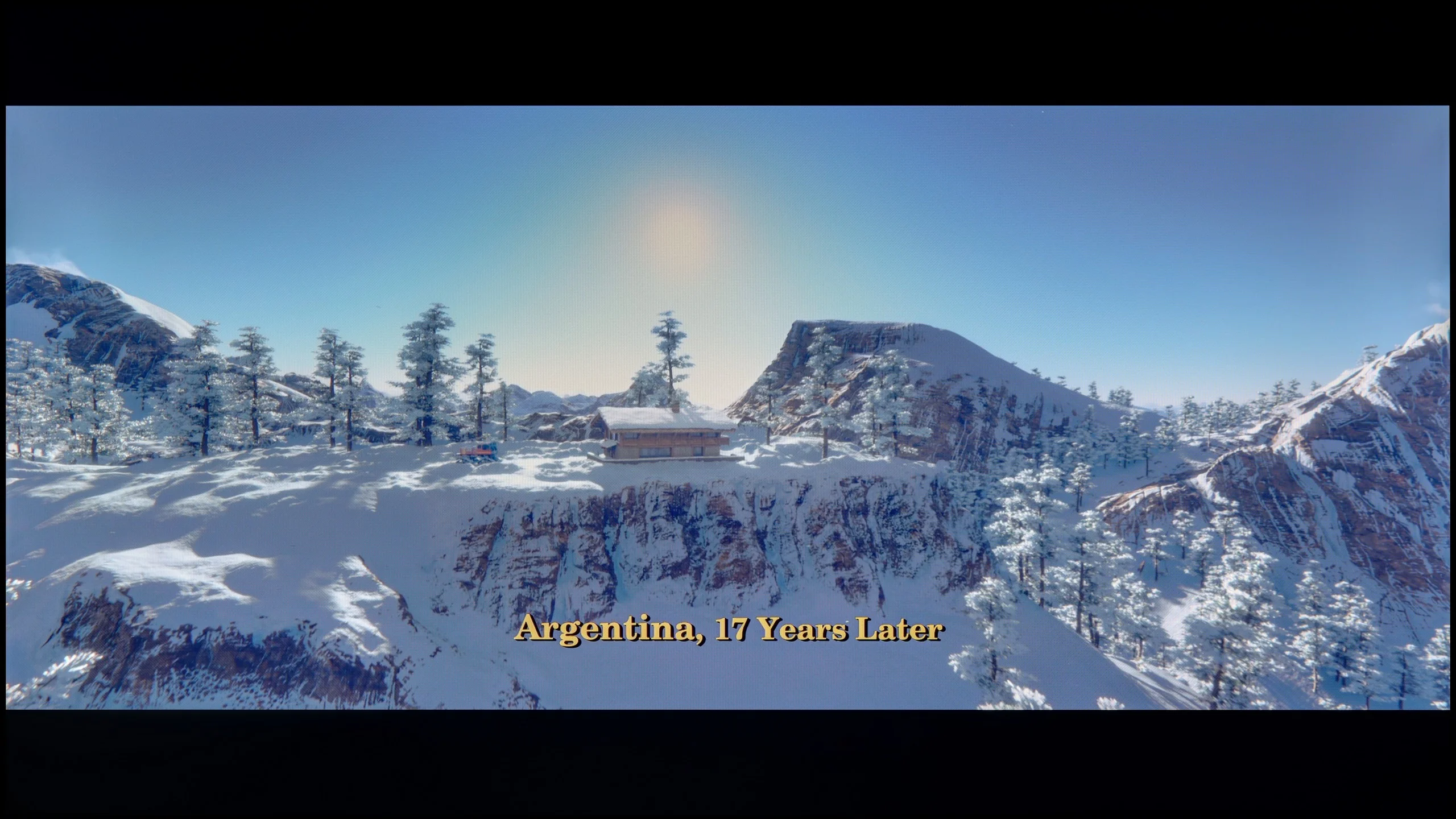
These are selected scenes that show smooth tonal transitions from one color to another. If you see distinct banding, it’s the TV panel’s fault.

These are selected scenes that show smooth tonal transitions from one color to another. If you see distinct banding, it’s the TV panel’s fault.
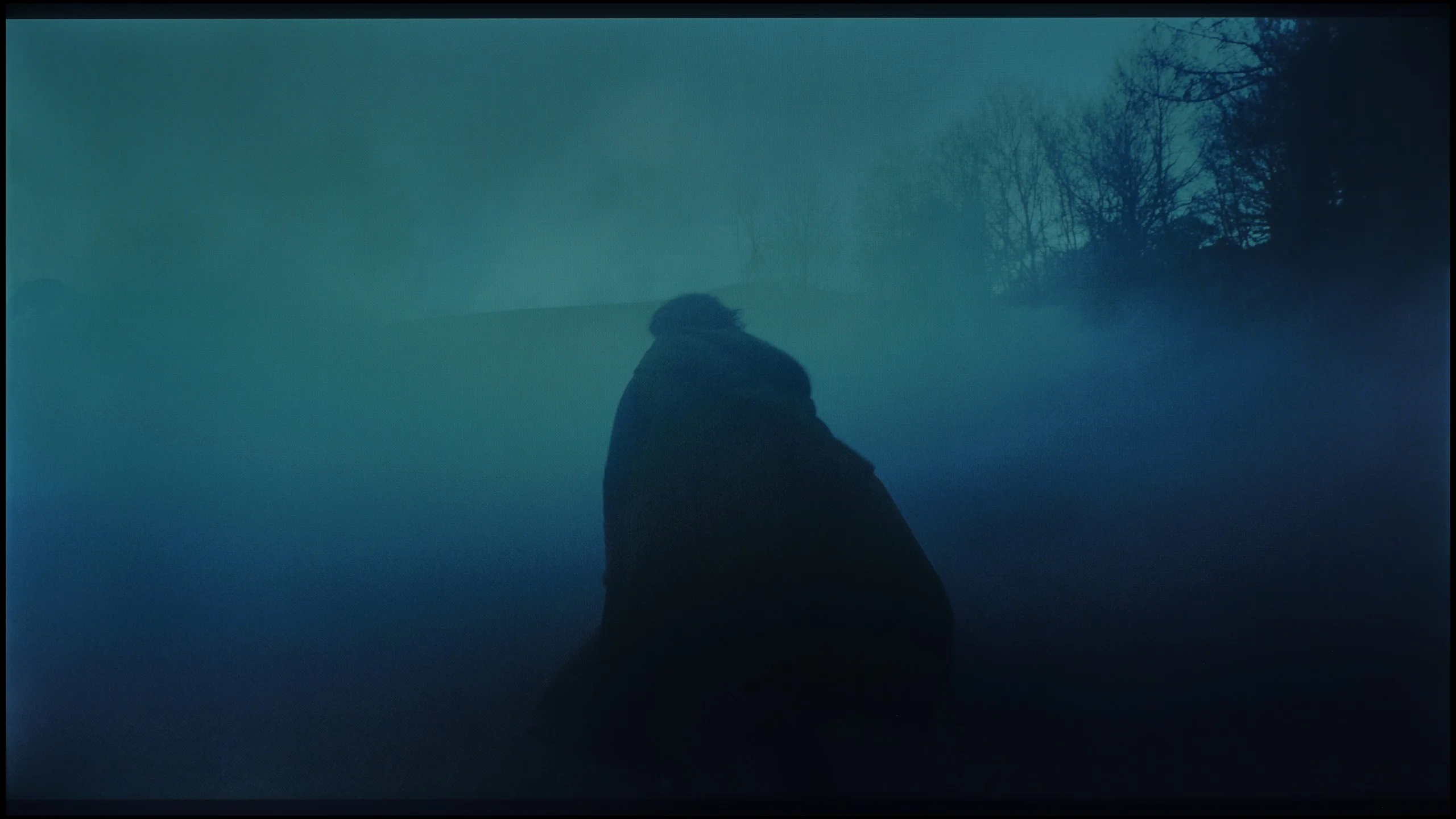
These are selected scenes that show smooth tonal transitions from one color to another. If you see distinct banding, it’s the TV panel’s fault.

These are selected scenes that show smooth tonal transitions from one color to another. If you see distinct banding, it’s the TV panel’s fault.
The smoothness of tonal transitions in the smaller variants of the Xiaomi S Mini 2026 is noticeably worse than in the larger versions. This is most apparent in dark scenes, where posterisation (visible bands between similar shades) appears quite often. In some shots this can be clearly distracting. Fortunately, the problem mainly affects the darker parts of the image. In bright scenes, colour transitions are usually smooth and there is little to criticise here.
Dreame Q100 handles the smoothness of tonal transitions very well. In most scenes the gradients are smooth, and the transitions between lighter and darker tones look natural, without noticeable banding or posterization. Minor imperfections may only appear in particularly demanding scenes, but these are situations that even much more expensive televisions can struggle with. Overall, in this respect the Q100 performs very well.
Image scaling and smoothness of tonal transitions
3/10
3/10

Smooth transition function
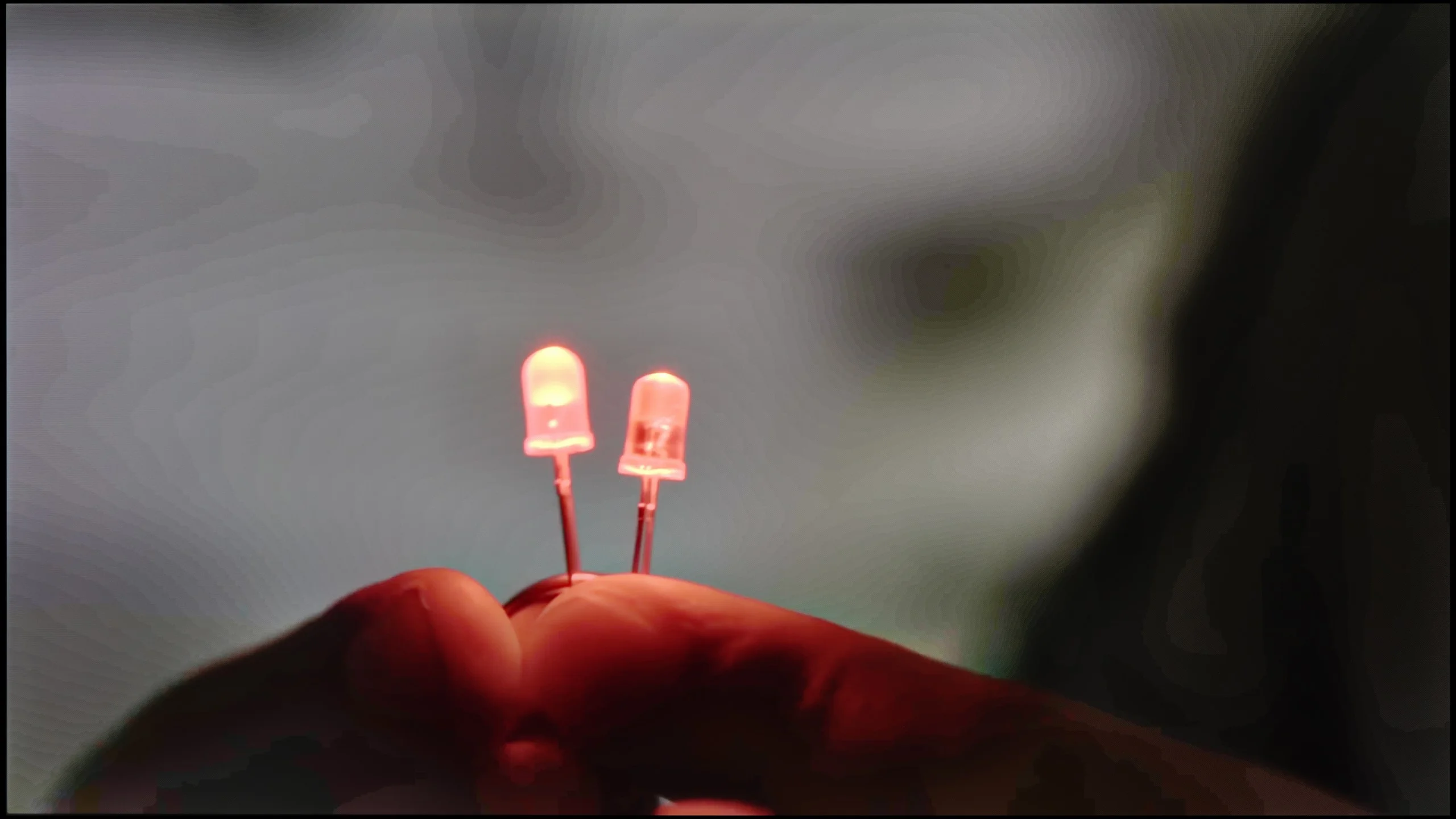
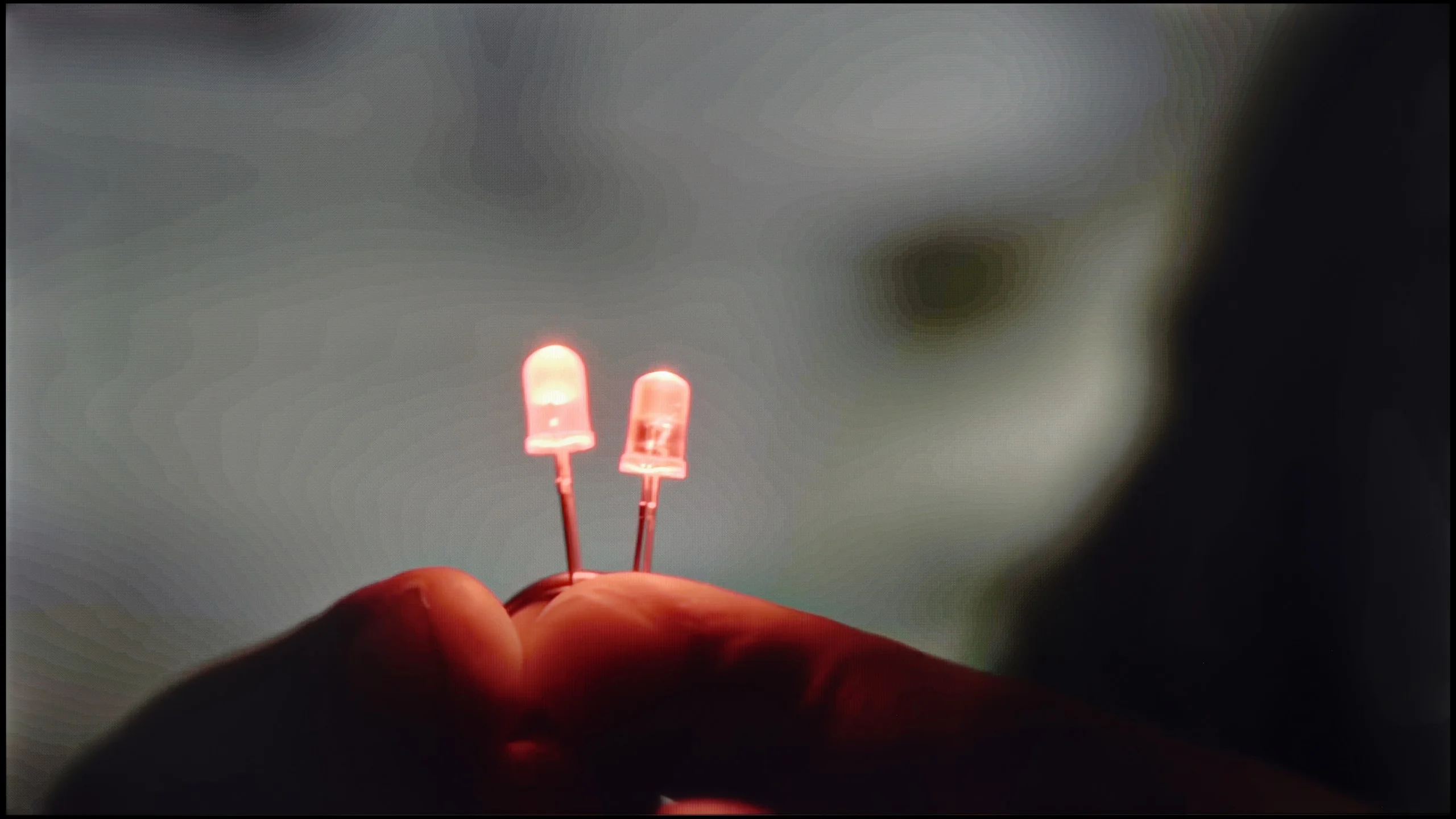
The match photo shows how the TV smooths weak tonal transitions in low-quality video.
Image scaling SD (576i)


The model photo shows how it handles upscaling of SD material.
Digital image processing in the Xiaomi S Mini 2026 is handled by the MT5896 processor. Unfortunately, in this respect the TV is rather mediocre. Low-resolution content is not scaled very well, and its limitations quickly become apparent on a large screen. The picture looks quite digital, and the TV cannot bring out many extra details. Additionally, overscan cannot be turned off for low-resolution content. The situation is even worse when it comes to smoothing posterisation. On the smaller models there is not even a dedicated setting to reduce visible banding between similar shades. So if such imperfections are already present in the source material, Xiaomi essentially does not mask them.
The weakest point of the Dreame Q100 is its digital image processing capabilities. The processor used copes only moderately well with enhancing weaker sources, and the menu lacks any function that effectively smooths unsightly tonal transitions or reduces visible posterisation. Upscaling itself is also unimpressive. With low-resolution material the image is fairly soft and lacks faithful detail reproduction. Additionally, the Q100 tends to overscan, slightly cropping the edges of the image with very poor sources, such as 480p material. In everyday viewing of HD or 4K content this won't be a major problem, but with older recordings the processor's limitations become clearly visible.
Blur and motion smoothness
4.6/10
4.6/10

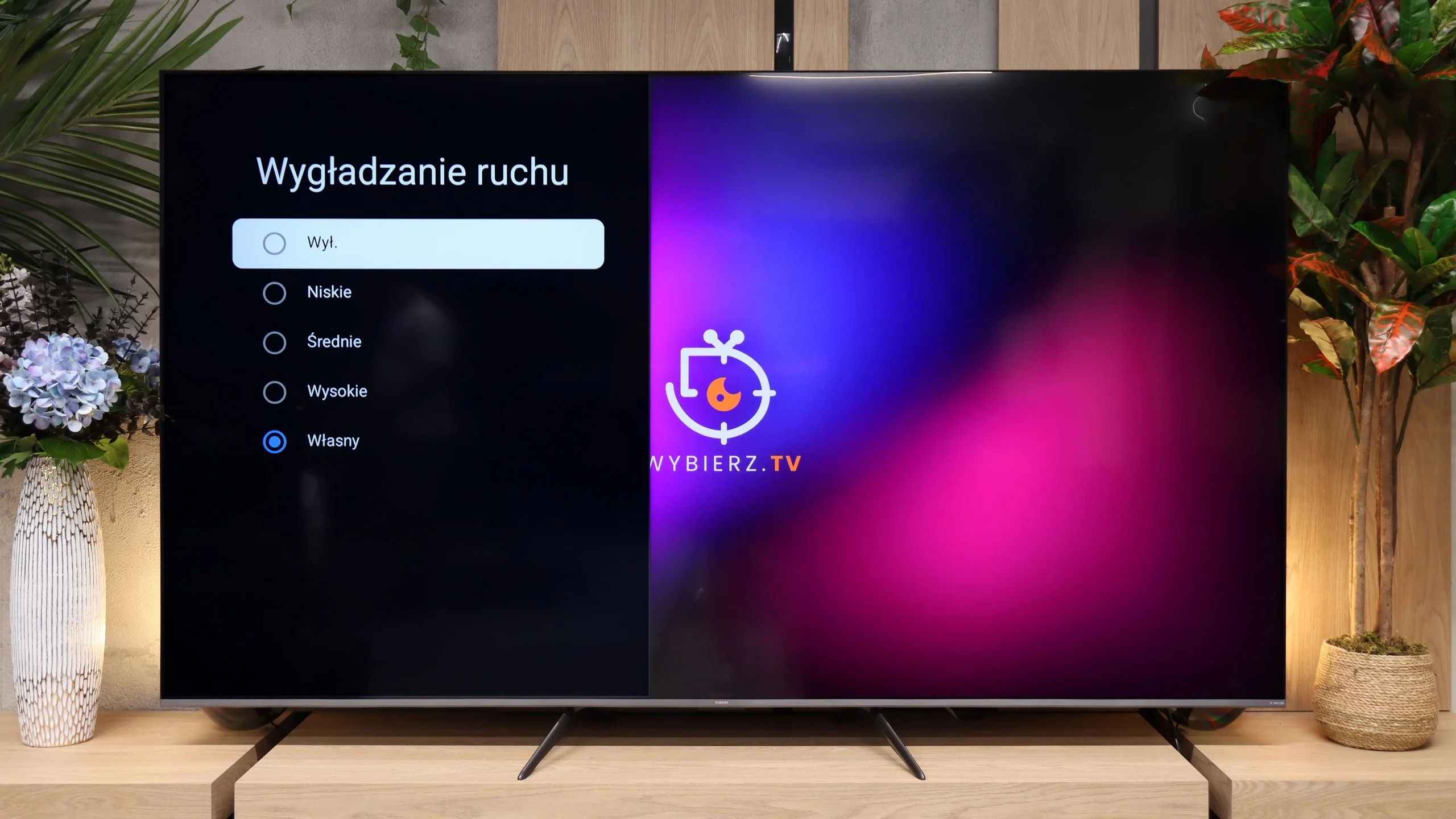
Blur (native resolution, maximum refresh rate):



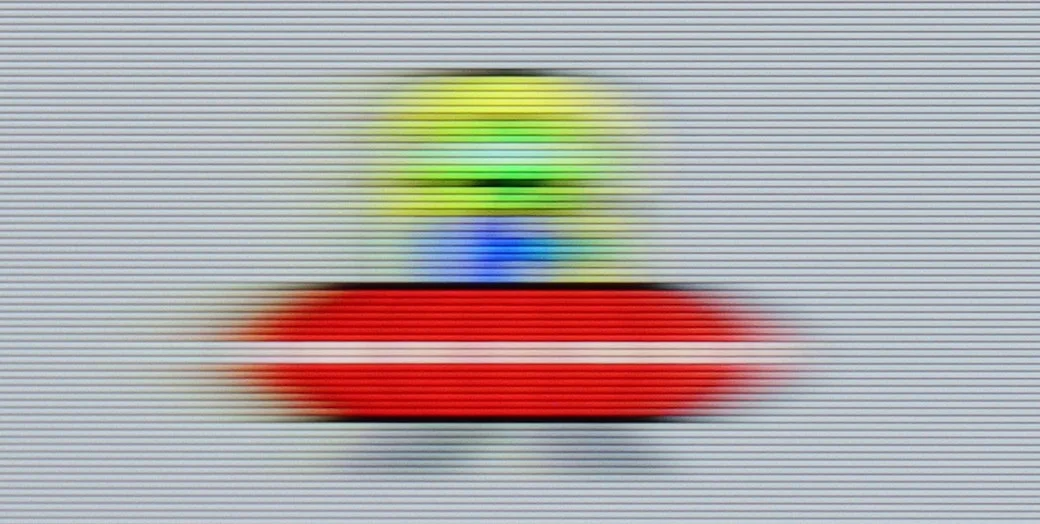
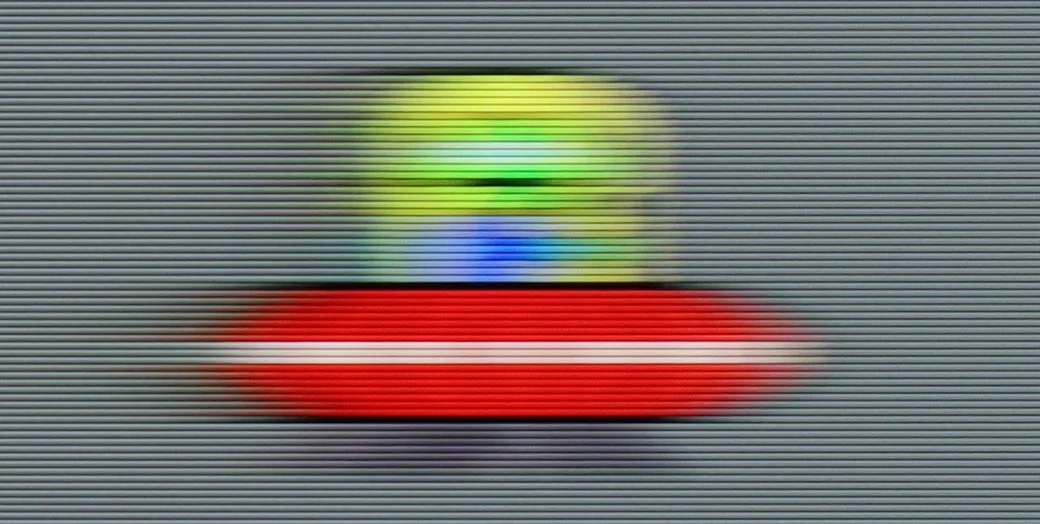
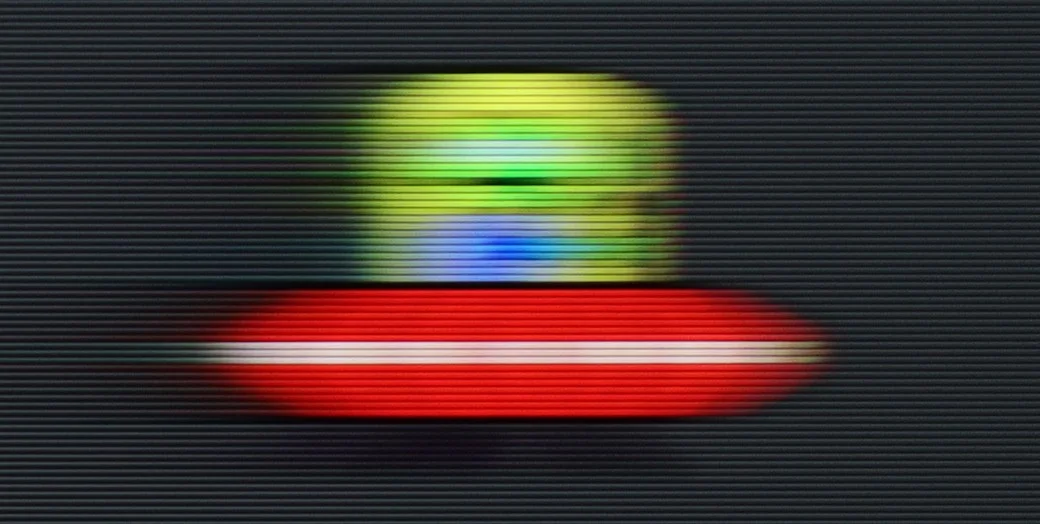
Blur ():
Blur (1080p@120Hz):

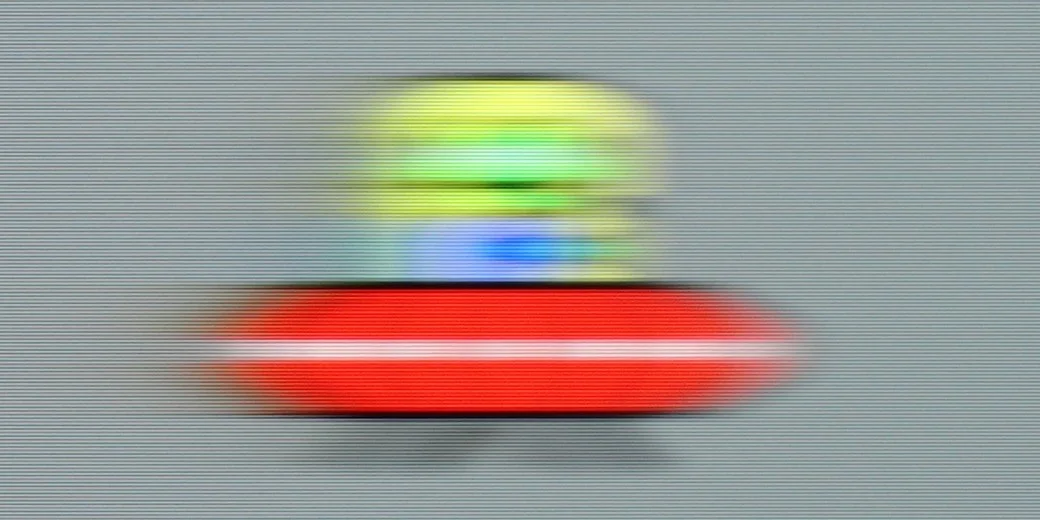
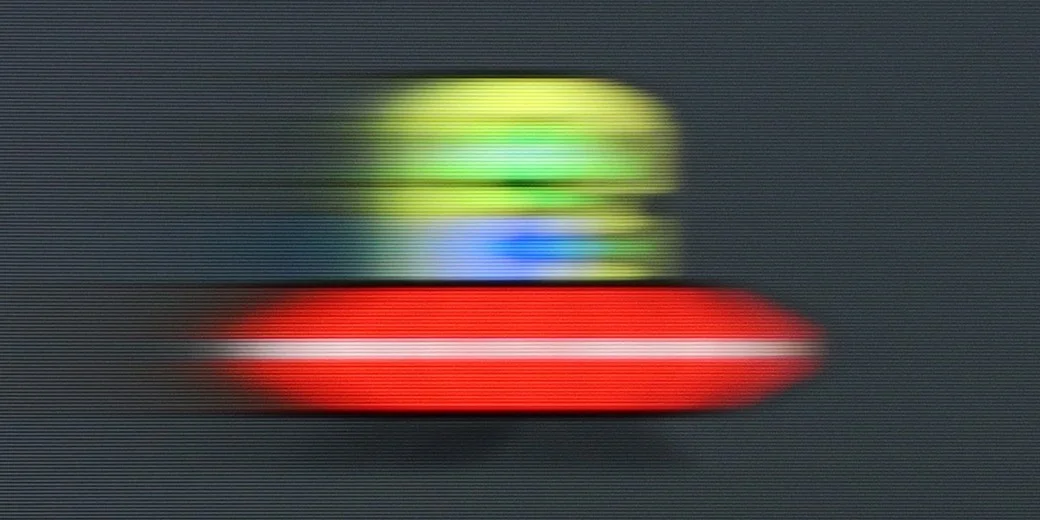
The smaller variants of the Xiaomi S Mini 2026 use a 60 Hz panel, and that is their biggest limitation when it comes to motion. For films and series this is not yet a major issue, because the TV has a classic motion interpolation for 24/30 fps material. So we can reduce the characteristic judder and adjust the motion settings to our own preferences. Sports and other 50/60 Hz content fare worse, because there is no additional function to improve smoothness. In such material we are therefore limited by the panel's capabilities.
In terms of motion blur the TV performs quite typically for a VA panel. Most trailing is visible behind objects moving on a dark background, while in brighter scenes the effect is noticeably reduced. It is not at a level that completely ruins the perception of motion, but in dynamic scenes you can tell the panel is not among the fastest.
The VA panel used in the Dreame Q100 has a native 60 Hz refresh rate, so from the outset this is not a TV designed for the most demanding sports fans or gamers. The manufacturer does mention the ability to run at 120 Hz, and that option is indeed available, but it mainly applies to a mode intended for gamers. In everyday use the Q100 should therefore be treated as a conventional 60 Hz TV. For fast-paced sports broadcasts or rapid gameplay this means less smooth motion than in models with 120 Hz panels or higher. On the plus side, the panel’s response time is worth noting. The VA panel does not exhibit excessive smearing, so motion remains quite clear and does not leave strong, blurred trails behind moving objects. For films you can also use a simple motion-smoothing system. The manufacturer has prepared several ready-made presets that help reduce the characteristic judder in material shot at 24 frames per second.
Console compatibility and gaming features
4.6/10
6.3/10
- ALLM
- VRR
- VRR range 48 - 120Hz
- Dolby Vision Game Mode
- Correct implementation of HGIG
- 1080p@120Hz
- 1440p@120Hz
- 4K@120Hz
- Game bar
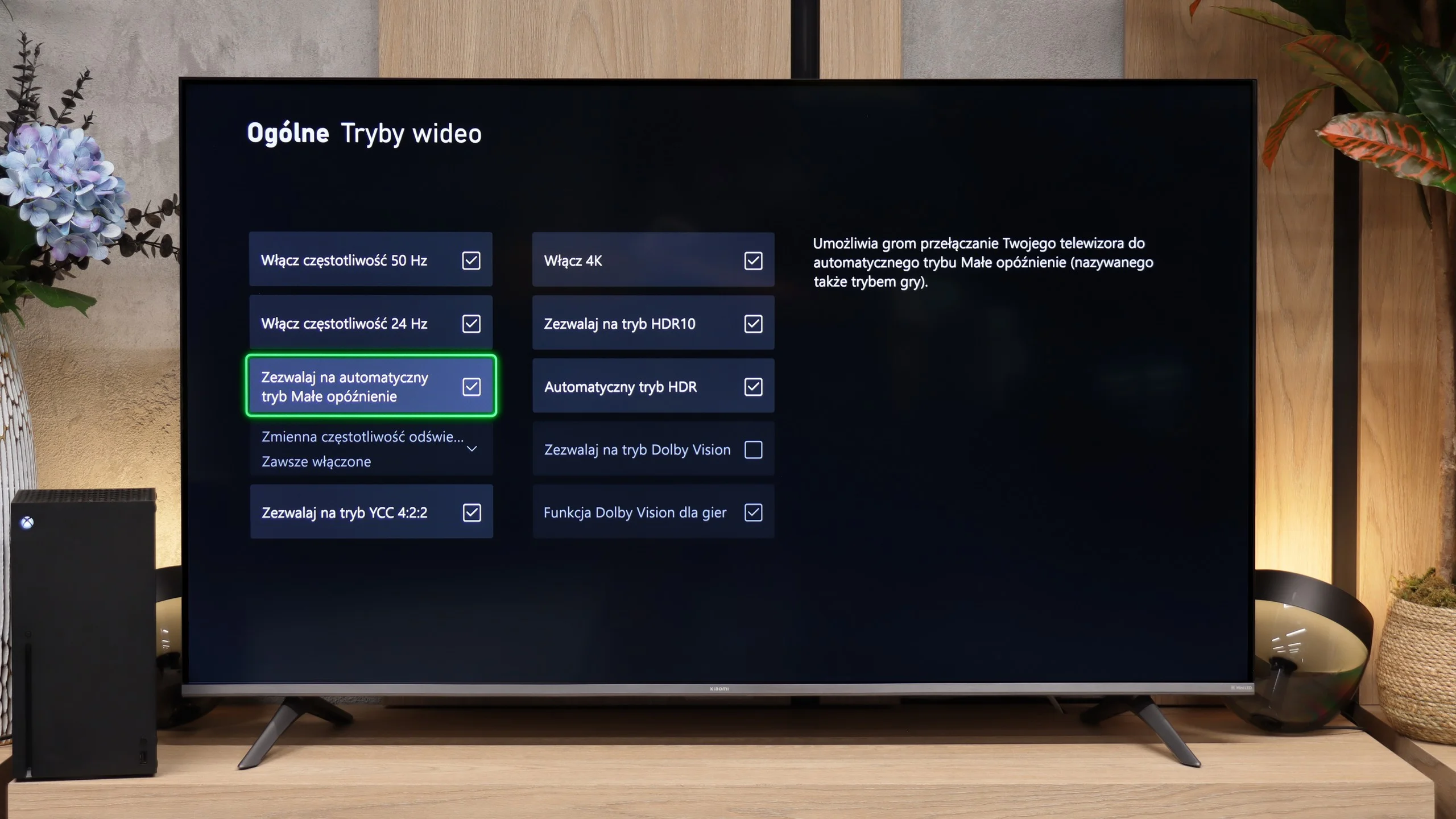
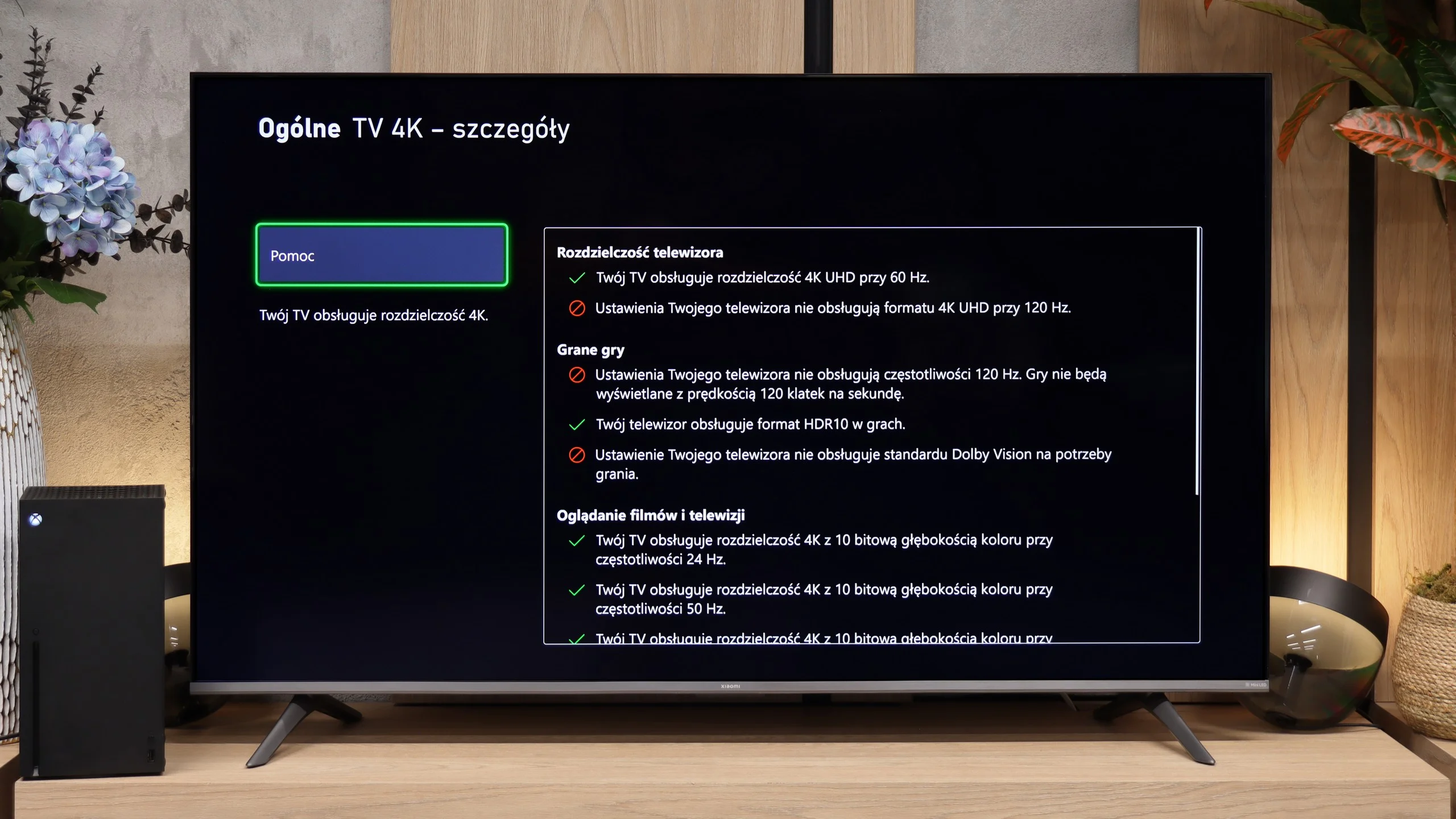
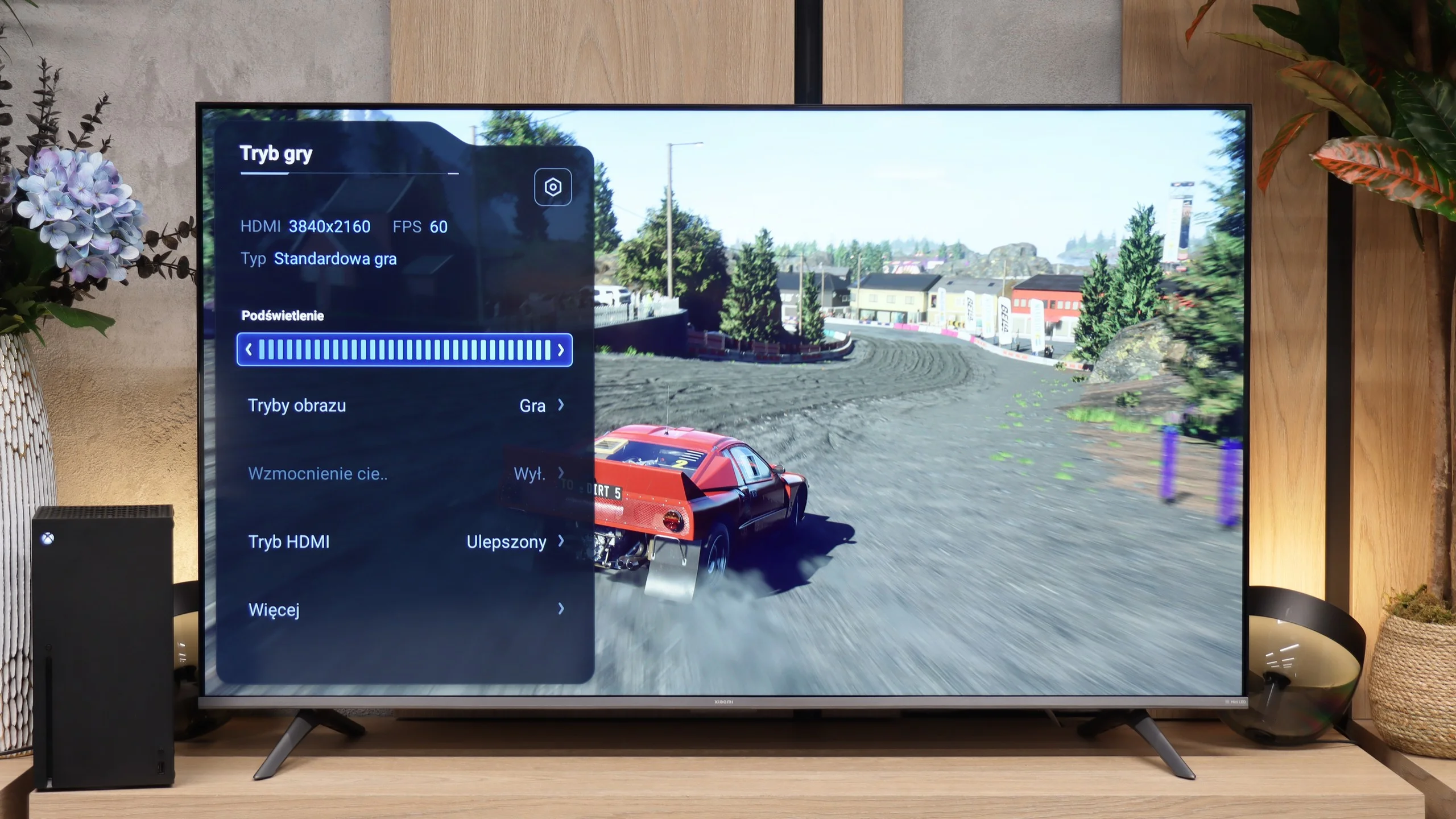
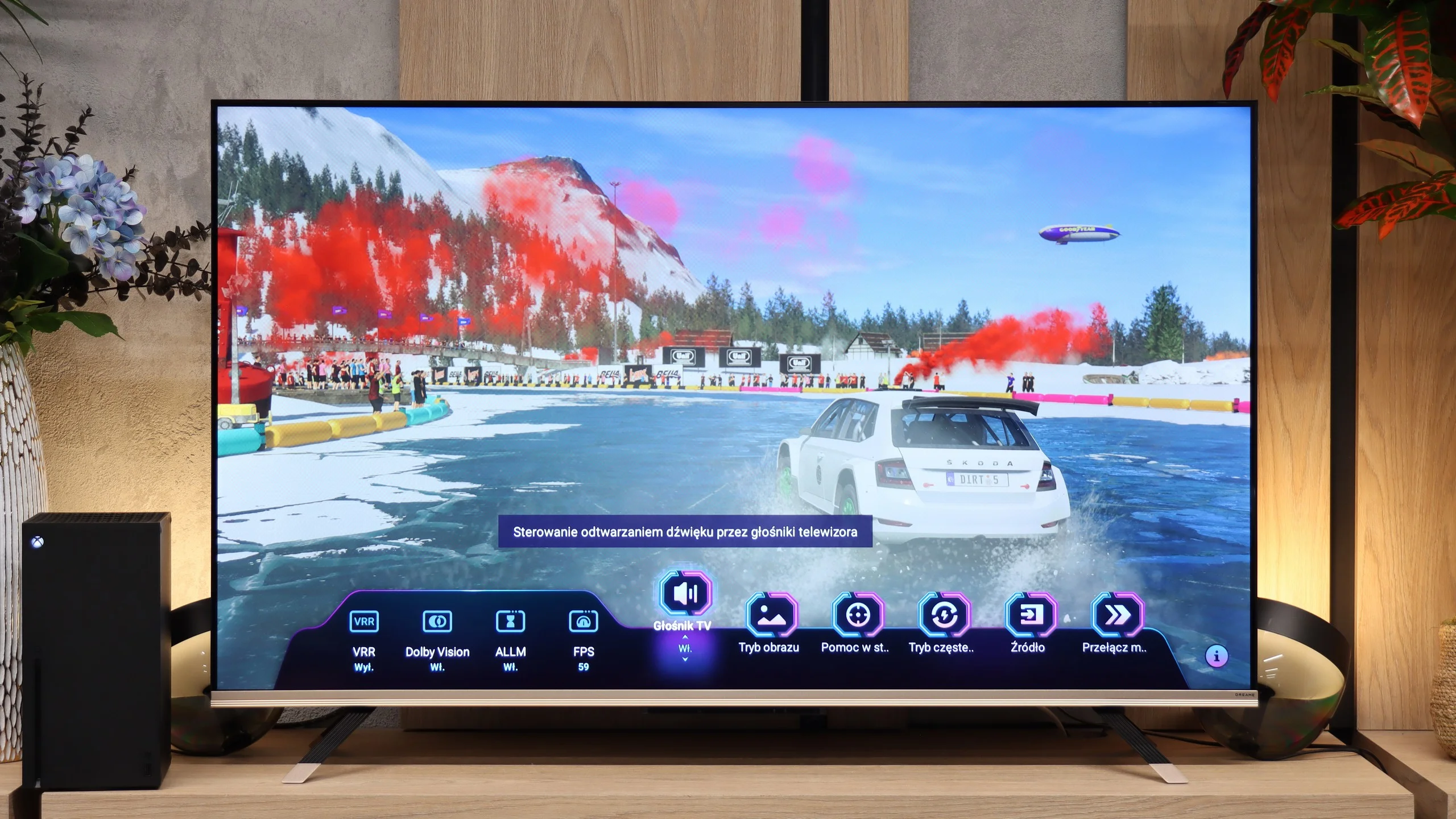
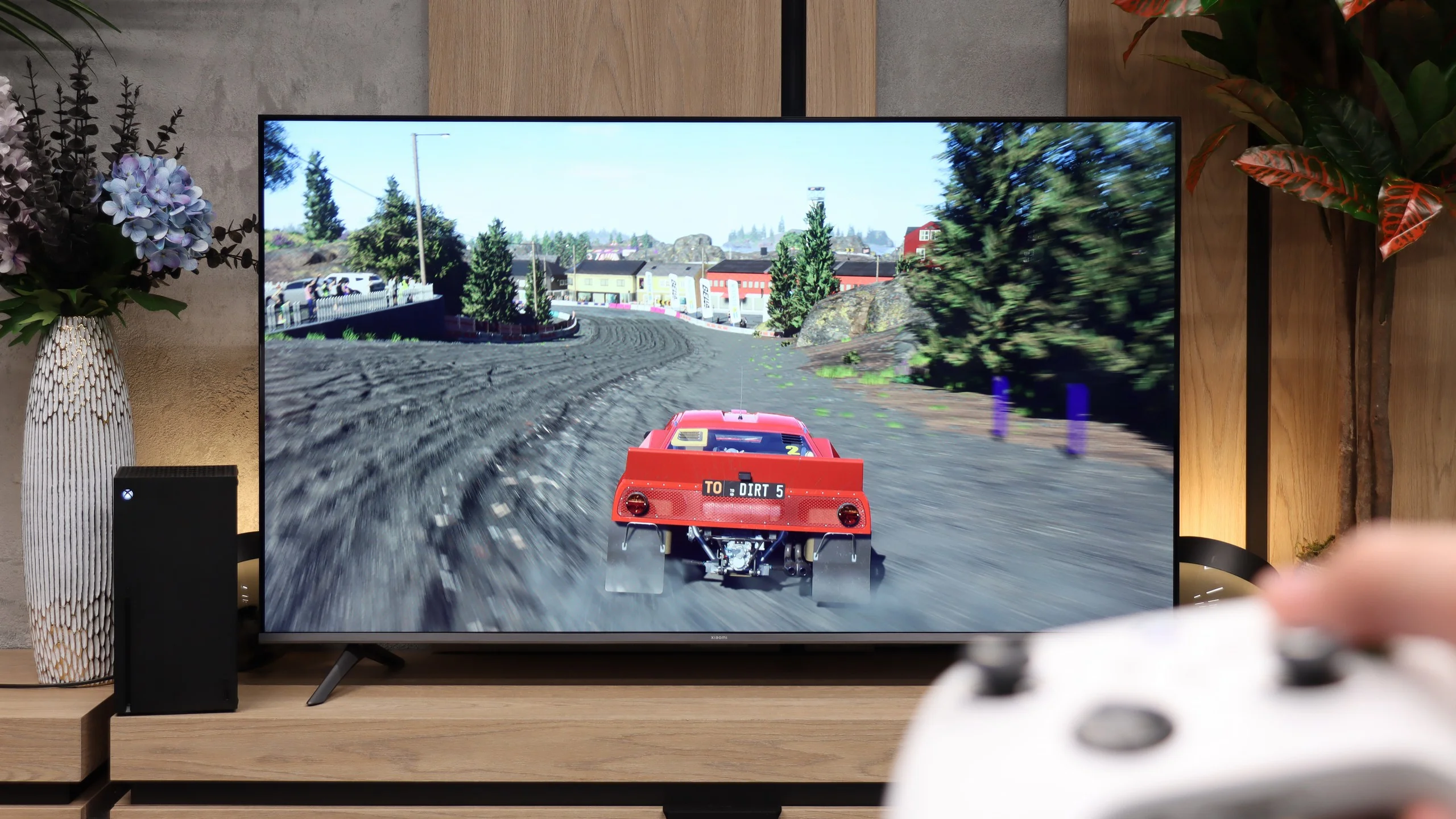
In larger sizes the Xiaomi S Mini 2026 is a much more interesting proposition for gamers. The panel natively runs at up to 144 Hz, so when connected to a PC you can use the high refresh rate even in 4K. At lower resolutions the TV can go even further, reaching up to 288 Hz. It also supports ALLM, automatic switching to game mode, and a Game Bar with the most important settings to hand. Of course, the TV has two full-bandwidth HDMI 2.1 ports. In terms of smoothness the difference compared with the 55 to 75-inch versions is therefore significant and especially noticeable with a PC or console. Not everything works perfectly, though. As with the smaller variants, we have reservations about the implementation of HGiG. The HDR setup screens on the PS5 and Xbox do not accurately match the TV's real capabilities, so if you set your console according to those prompts the brightest parts of the image can be blown out and lose some detail.
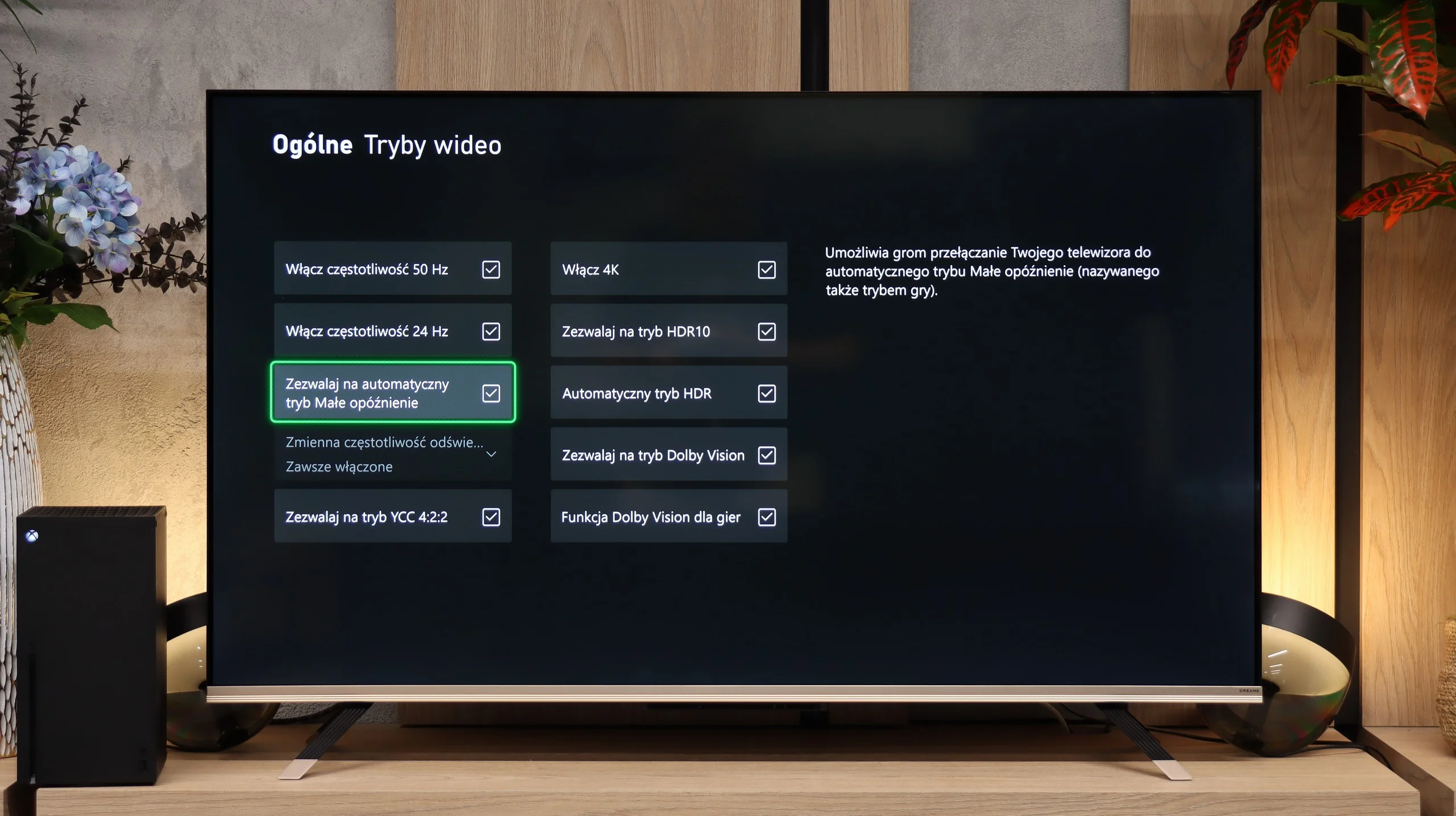
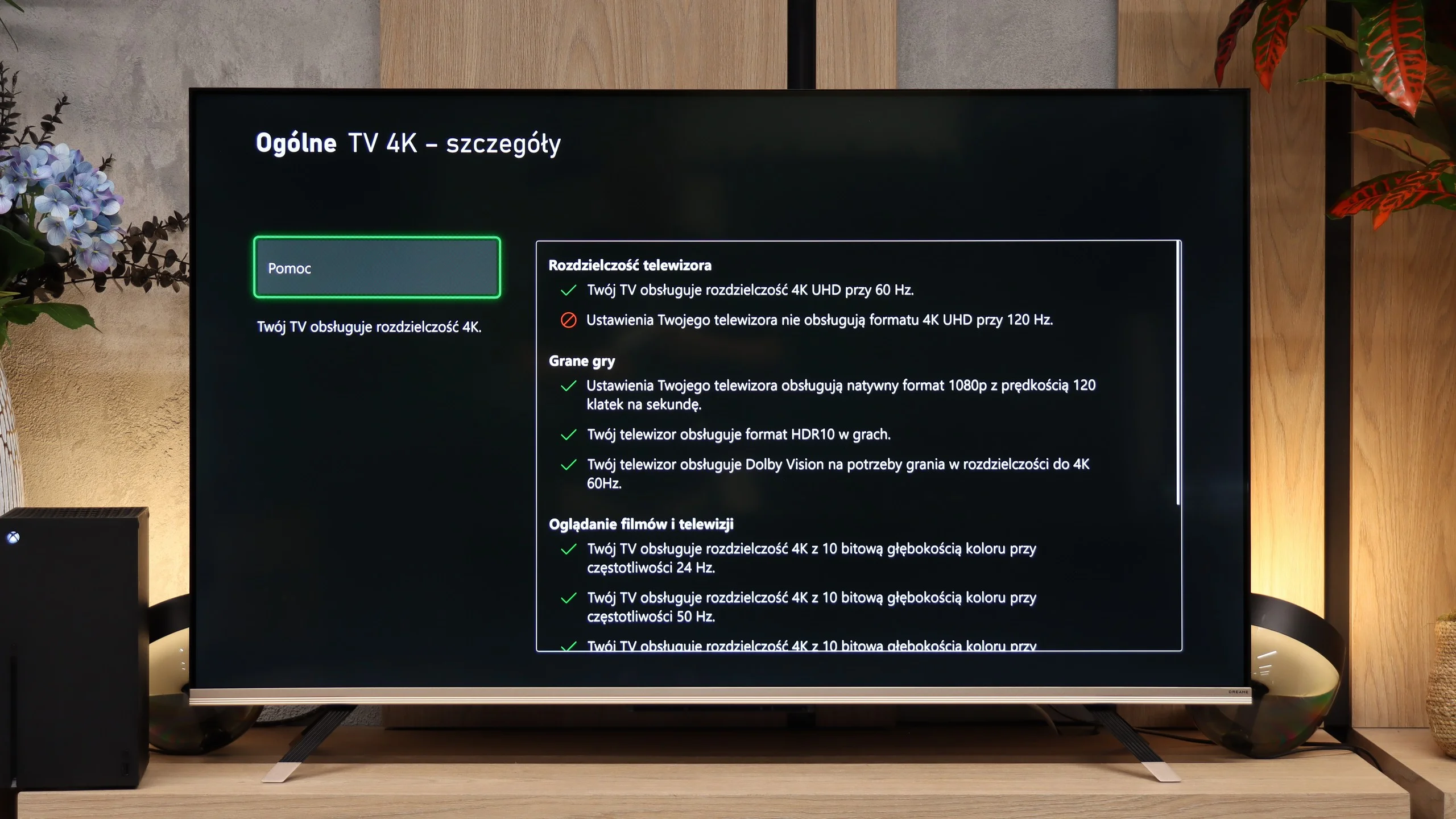
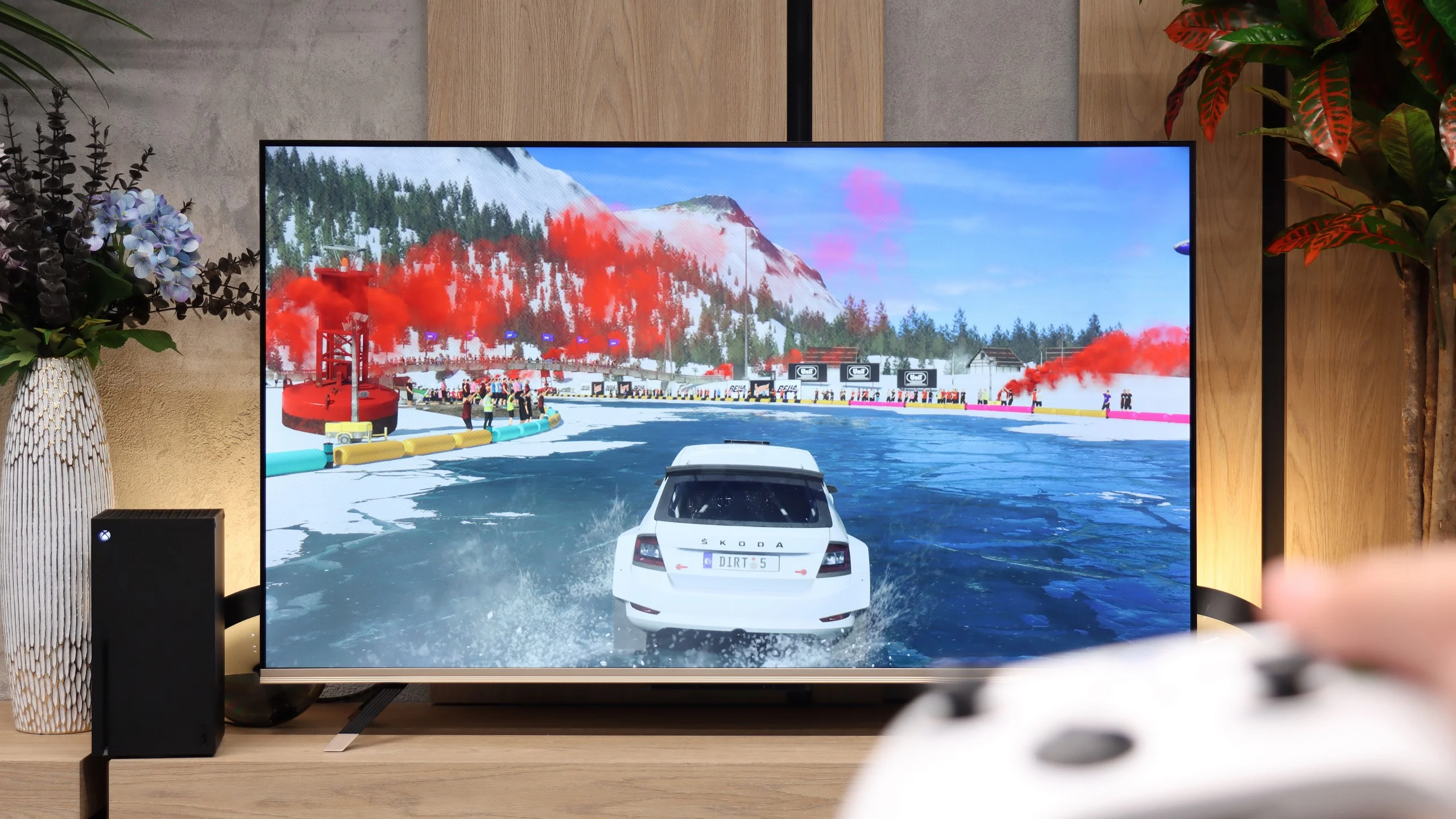
The Dreame Q100 is not a strictly gaming device, but for console use it offers a reasonable package. It provides VRR to eliminate screen tearing and ALLM, which automatically switches the TV to a low-latency mode when it detects a console signal. An interesting compromise is support for a 120 Hz mode. The panel won’t achieve that refresh rate in 4K, but dropping to 1080p lets you play at 120 frames per second. If a given title prioritises smoothness over high resolution (and the game offers such a mode), it’s worth using this option. There’s also a handy Game Bar on board, allowing you to quickly change display settings, switch the refresh mode or add a virtual crosshair. Admittedly the HGiG implementation is weak here, but it earns points for supporting Dolby Vision Gaming on Xbox Series X and S. This is not a panel for technological purists, but for casual console gaming it performs flawlessly, especially when you opt to trade 4K for a smoother Full HD.
Input lag
9.9/10
10/10
SDR
HDR
Dolby Vision
There is no major problem with input lag here. Around 10 ms at 120 Hz and 15 ms at 60 Hz are figures that easily suffice for console or PC gaming.
The measured input lag is low enough that it should not be an issue when gaming. In 60 Hz mode the latency stays below 15 ms, while switching to 120 Hz reduces it to under 10 ms. These low values ensure highly responsive gameplay.
Compatibility with PC
5.6/10
4/10
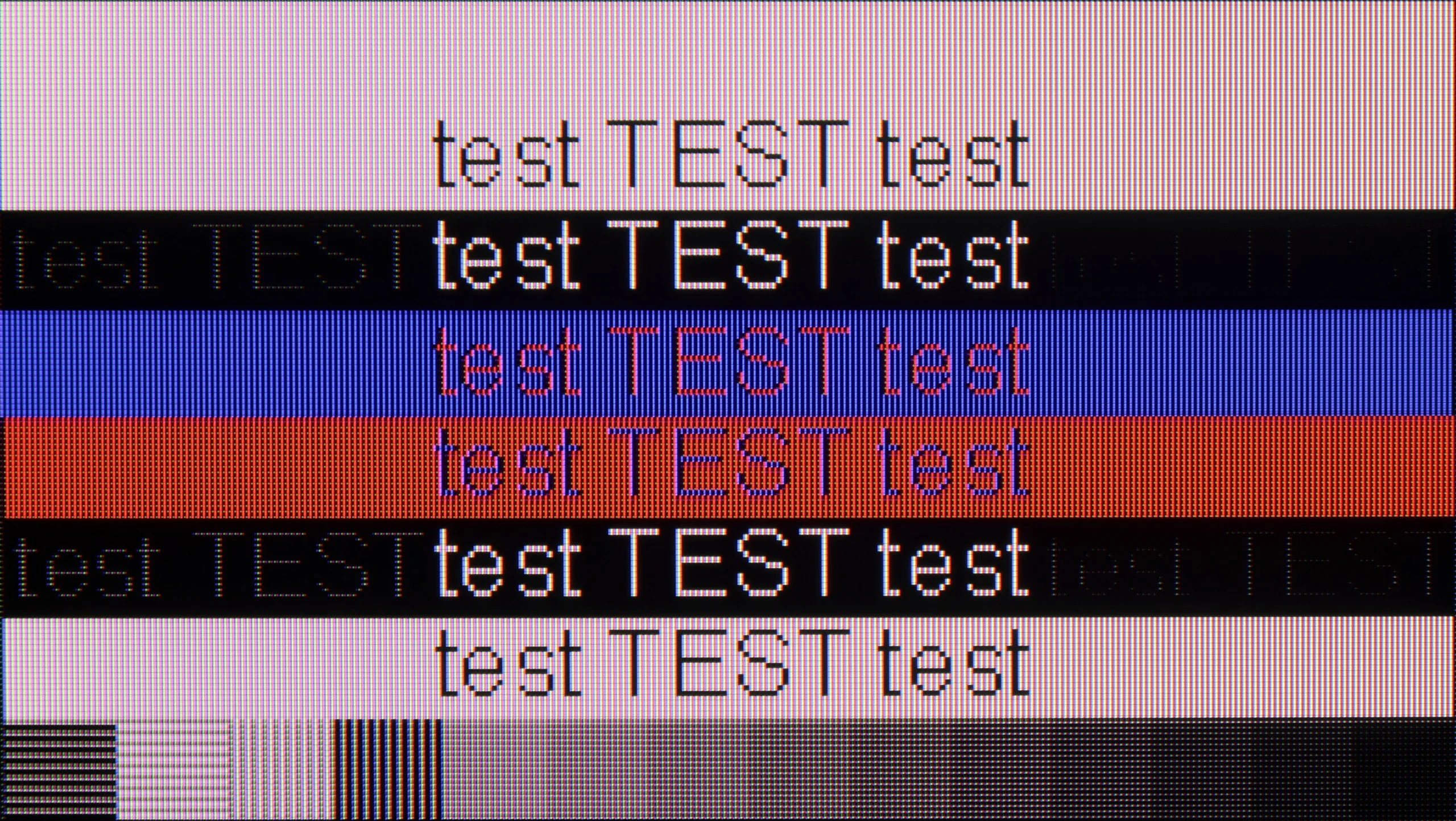
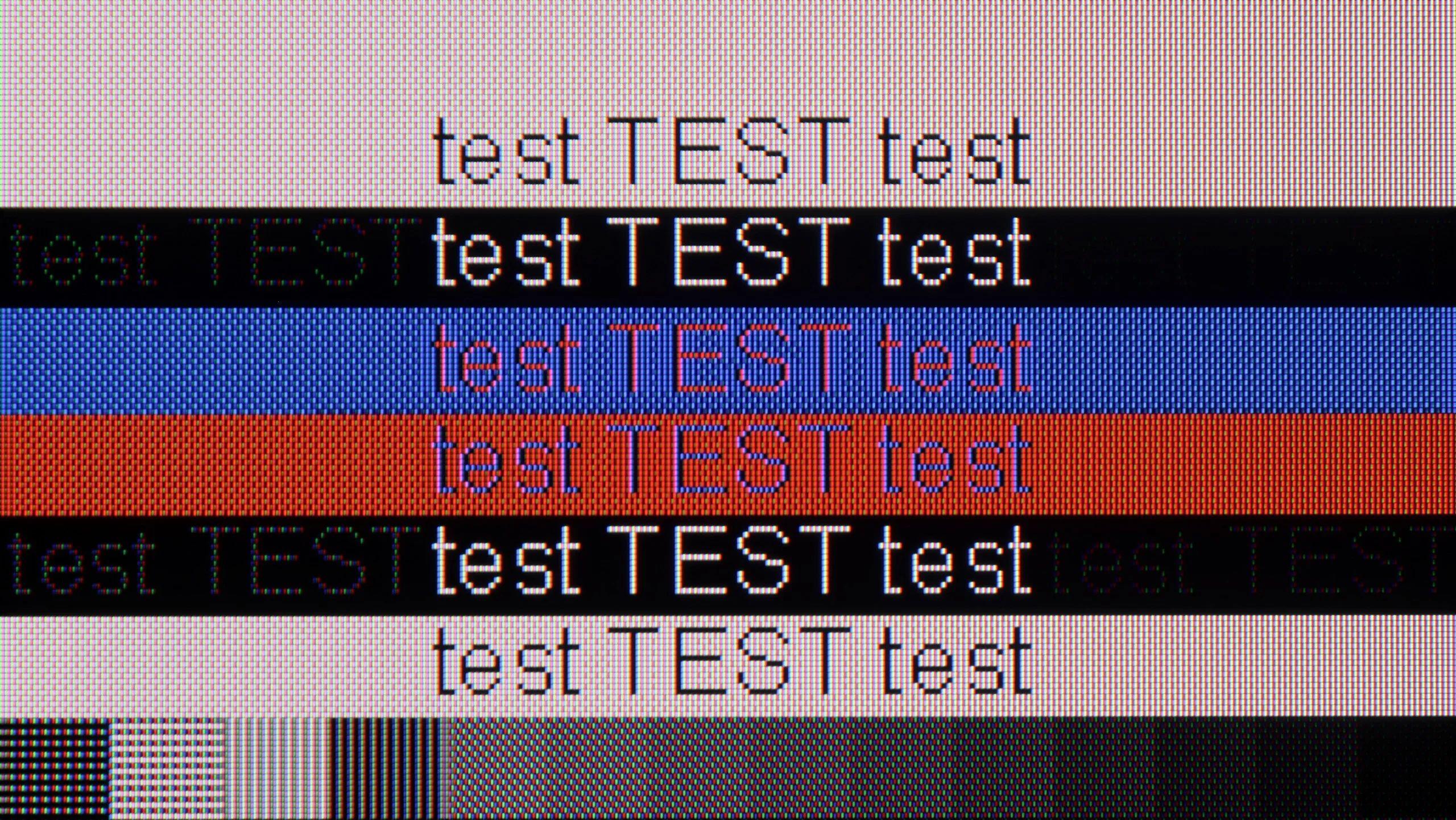
The photo shows the legibility of small fonts. Ideally, lines should be the same thickness on both light and dark text, with minimal pixel gaps.
Working with a computer is not the strong suit of the smaller variants of the Xiaomi S Mini 2026. The TV does not display chroma 4:4:4 correctly, so some small interface elements, icons and coloured text may look worse than they should. Plain black text on a light background is still fairly readable, but it's hard to regard this model as a particularly good monitor for typical computer work. A plus is the ability to obtain a higher refresh rate by lowering the resolution. Instead of 4K at 60 Hz, you can switch to 1080p or 1440p and use 120 Hz, which for PC gaming can be far more useful than full resolution.
The Dreame Q100 can occasionally serve as a large screen connected to a computer, but it fares much worse as a monitor. First of all, the TV does not display chroma 4:4:4 correctly, so coloured text and fine interface elements are not as sharp and legible as they should be. Black text on a light background looks much better, but during normal computer use this limitation quickly becomes apparent. There is also the matter of refresh rate. The Q100 can run at 120 Hz, but only after lowering the resolution to Full HD. At native 4K we remain at 60 Hz. It is fine for occasional connection of a laptop or PC, but we would not recommend it as a permanent monitor.
Viewing angles
3/10
2.9/10
The viewing angles on the smaller variants of the Xiaomi S Mini 2026 are unfortunately poor. It's a typical trait of VA panels, but here the effect is quite pronounced. Simply move a little off centre and the image begins to noticeably fade and lose colour saturation. The brightness itself doesn't drop that much, but colours quickly become washed out. If the TV is to be watched by several people seated well to either side, this should be taken into account.
One of the typical limitations of VA panels is viewing angles, and the Dreame Q100 is no exception. Sit noticeably to one side and the image will start to lose saturation and the colours will become paler. In that respect IPS or ADS panels perform considerably better. However, it is a compromise, and in return the VA panel offers much better contrast and deeper blacks when watching the TV straight on.
Daytime performance
6.3/10
4.4/10
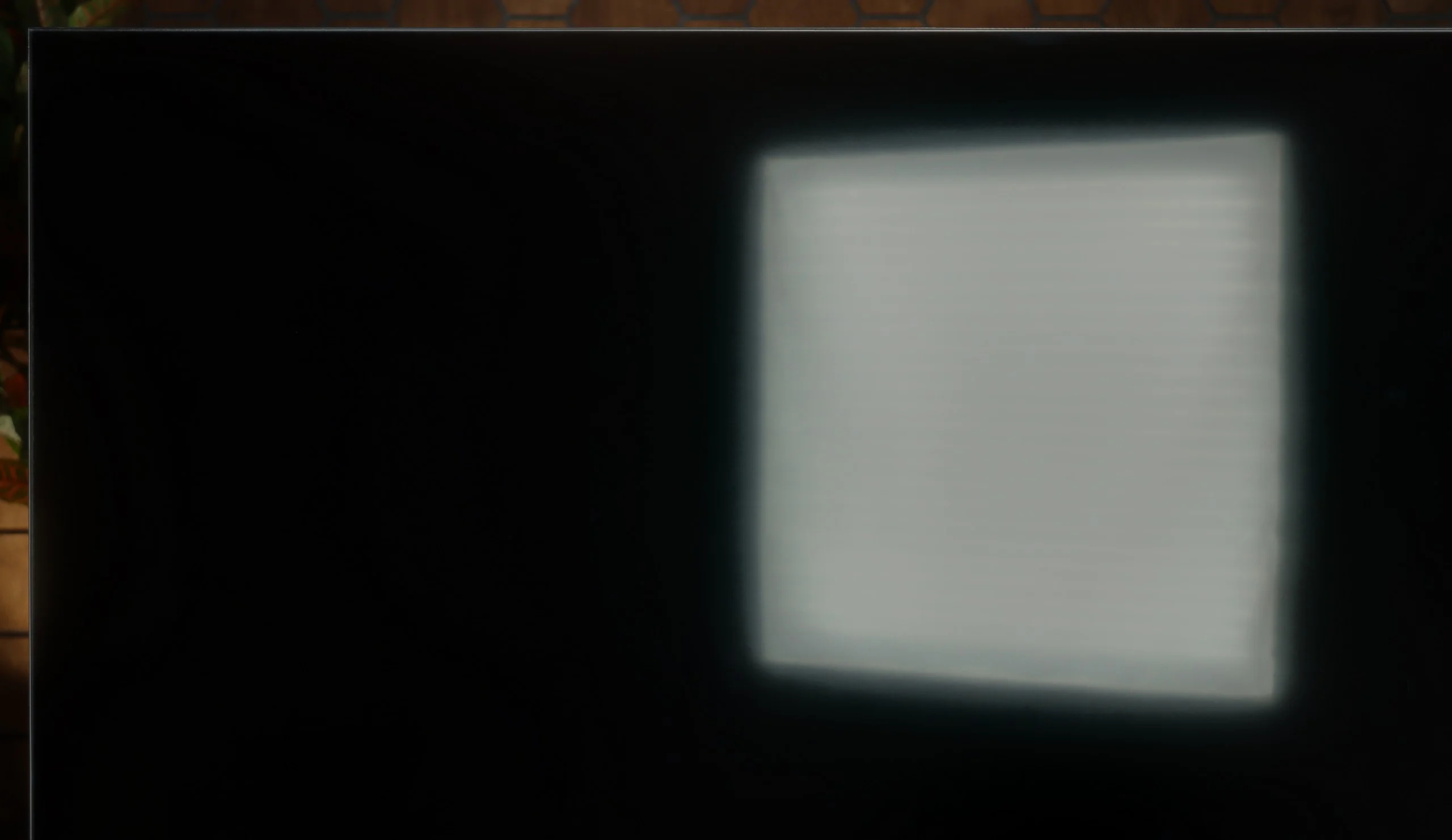
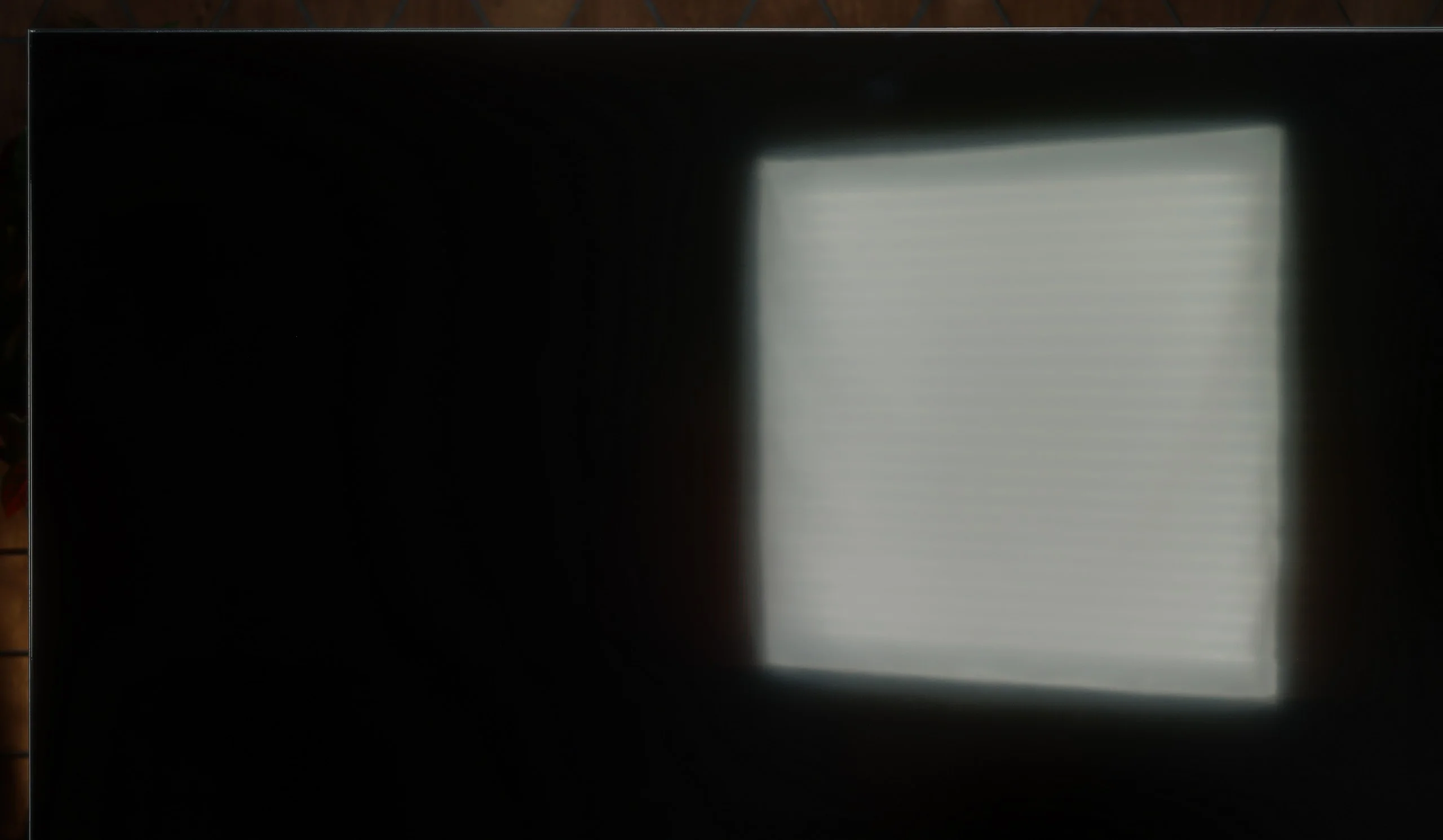
Panel brightness
Dreame Q100: 282 cd/m2
XIAOMI S Mini 2026 (55"-75") 60Hz : 569 cd/m2
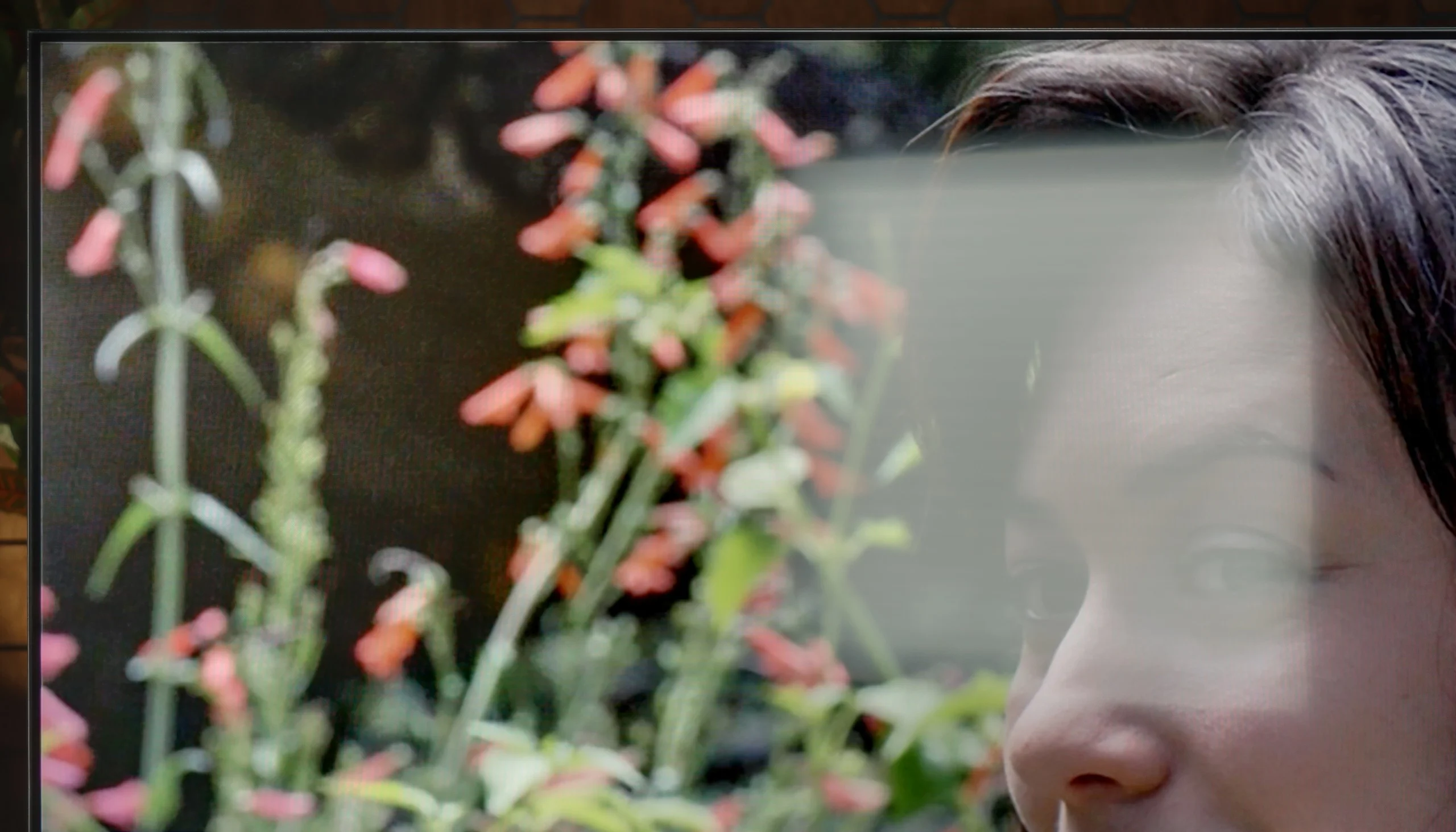
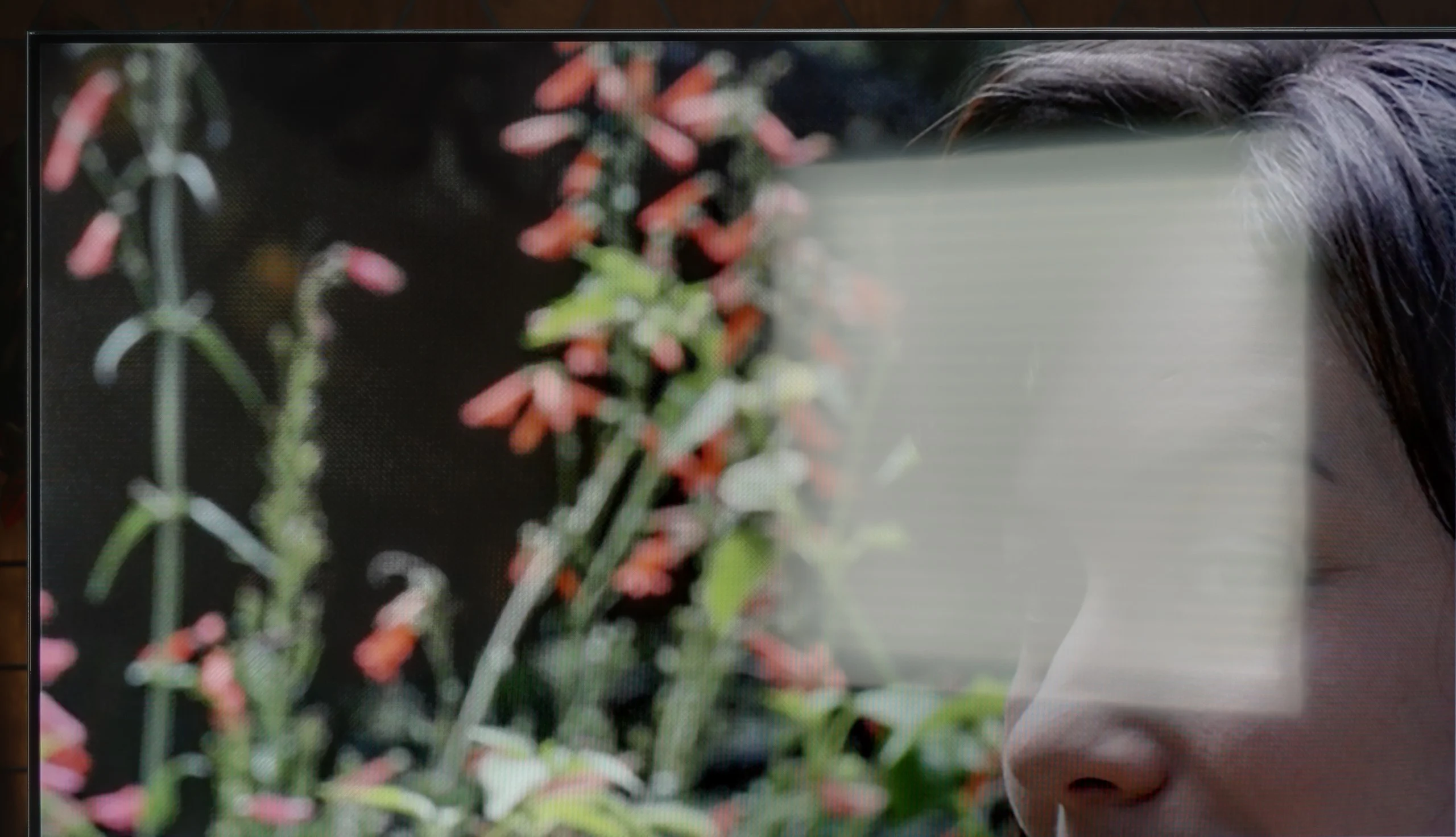
The smaller variants of the Xiaomi S Mini 2026 handle daytime viewing well. In SDR the TV averages around 570 nits, so it has enough brightness that the picture doesn’t look washed out even in a fairly brightly lit living room. The screen coating performs worse. It has a satin finish, but it doesn’t suppress direct reflections particularly effectively. If there’s a large window or a strong lamp opposite the TV, the reflection will be clearly visible. The brightness helps to mitigate this somewhat, but in terms of reflection suppression this isn’t the model’s strongest suit.
The Dreame Q100 is not a TV designed for very bright rooms. About 300 nits of brightness is too little for the image to remain clearly visible in a strongly sunlit living room, especially during the day. The situation is not helped by the satin screen coating, which copes rather poorly with direct reflections. With a lamp or window opposite the TV, reflections can be clearly visible. In a typical, moderately lit room the Q100 will manage adequately, but for a really bright living room it's worth looking for something with higher brightness and a better anti-reflective coating.
Panel details
Subpixel Structure:
Panel uniformity and thermal imaging:


XIAOMI S Mini 2026 (55"-75") 60Hz
Dreame Q100
TV features
6.7/10
5.2/10
- SystemGoogle TVGoogle TV
- System performancePoorAverage
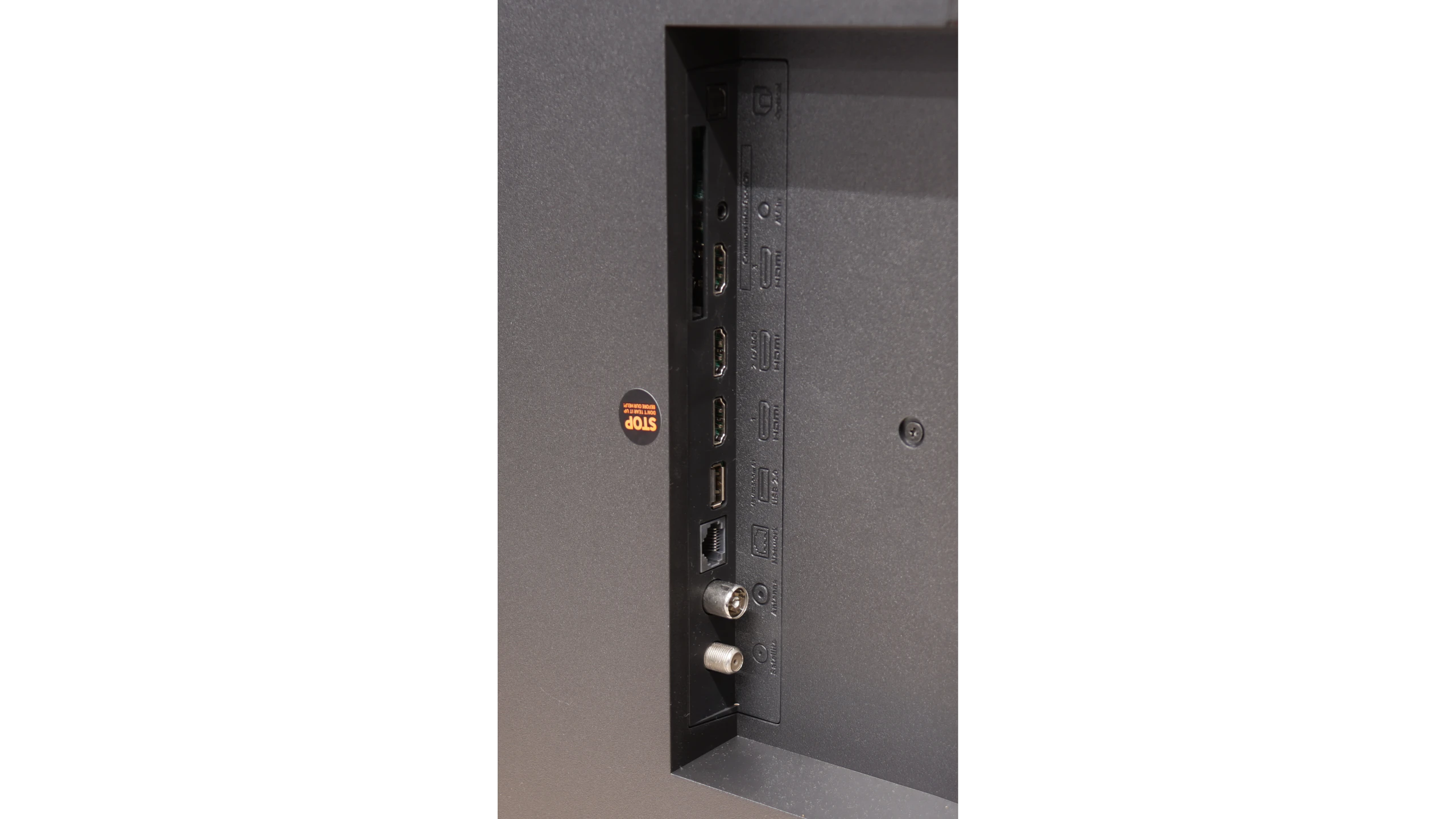
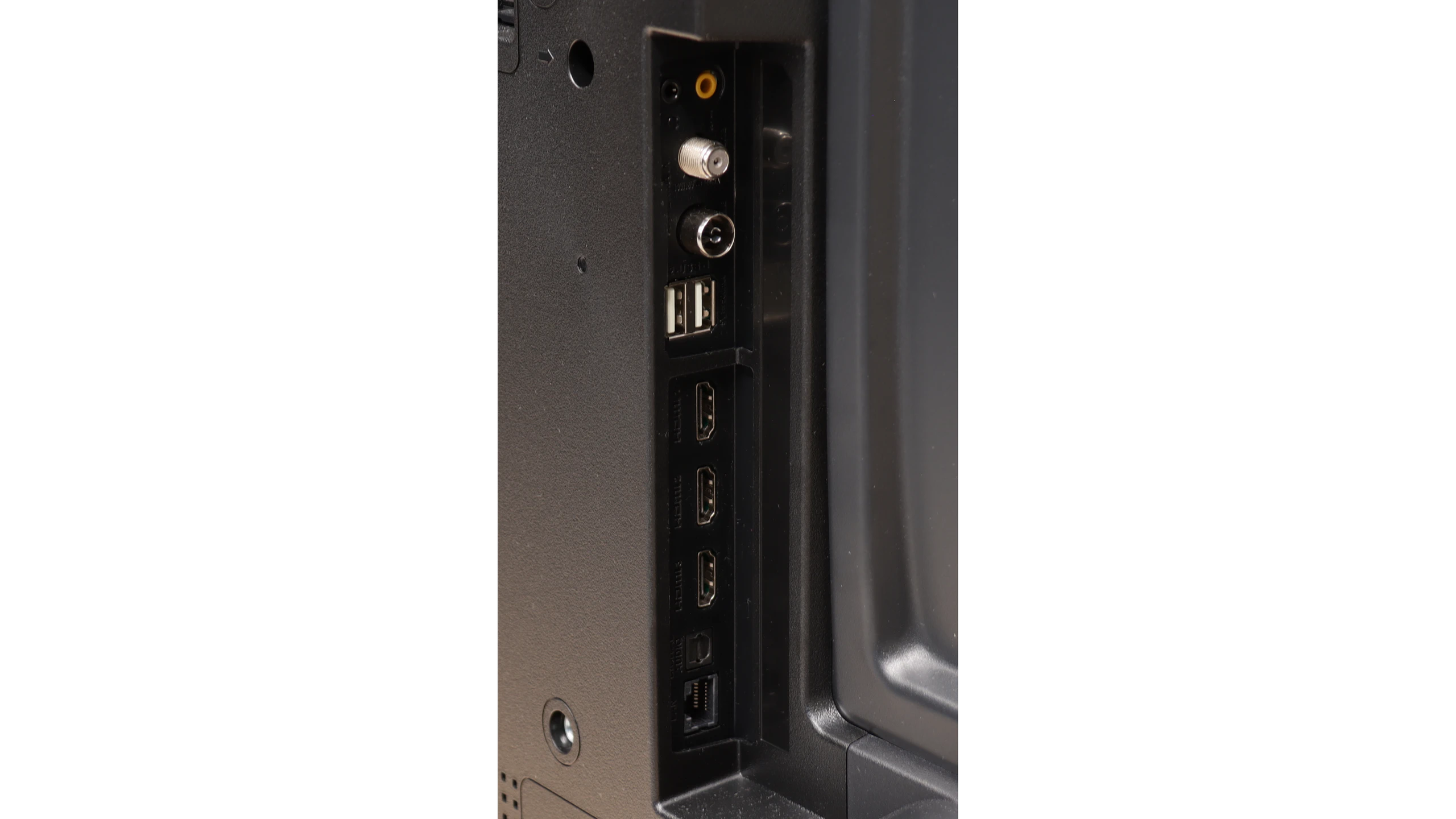
- HDMI inputs3 x HDMI 2.0, 0 x HDMI 2.13 x HDMI 2.0, 0 x HDMI 2.1
- Other inputsRCA (Chinch)
- OutputsToslink (Optical audio), eARC (HDMI), ARC (HDMI), Mini-Jack (Headphones)SPDIF (Coaxial audio), eARC (HDMI), ARC (HDMI), Mini-Jack (Headphones)
- Network InterfacesWi-Fi 2.4GHz, Wi-Fi 5GHz, Ethernet (LAN) 100MbpsWi-Fi 2.4GHz, Wi-Fi 5GHz, Ethernet (LAN) 100Mbps
- TV receptionDVB-T, DVB-T2, DVB-S, DVB-S2, DVB-CDVB-T, DVB-T2, DVB-S, DVB-S2, DVB-C
Classic features:
- Recording to USB (terrestrial TV)
- Recording programming
- Picture in Picture (PiP)
- RF remote control (no need to aim)
- Backlit remote control
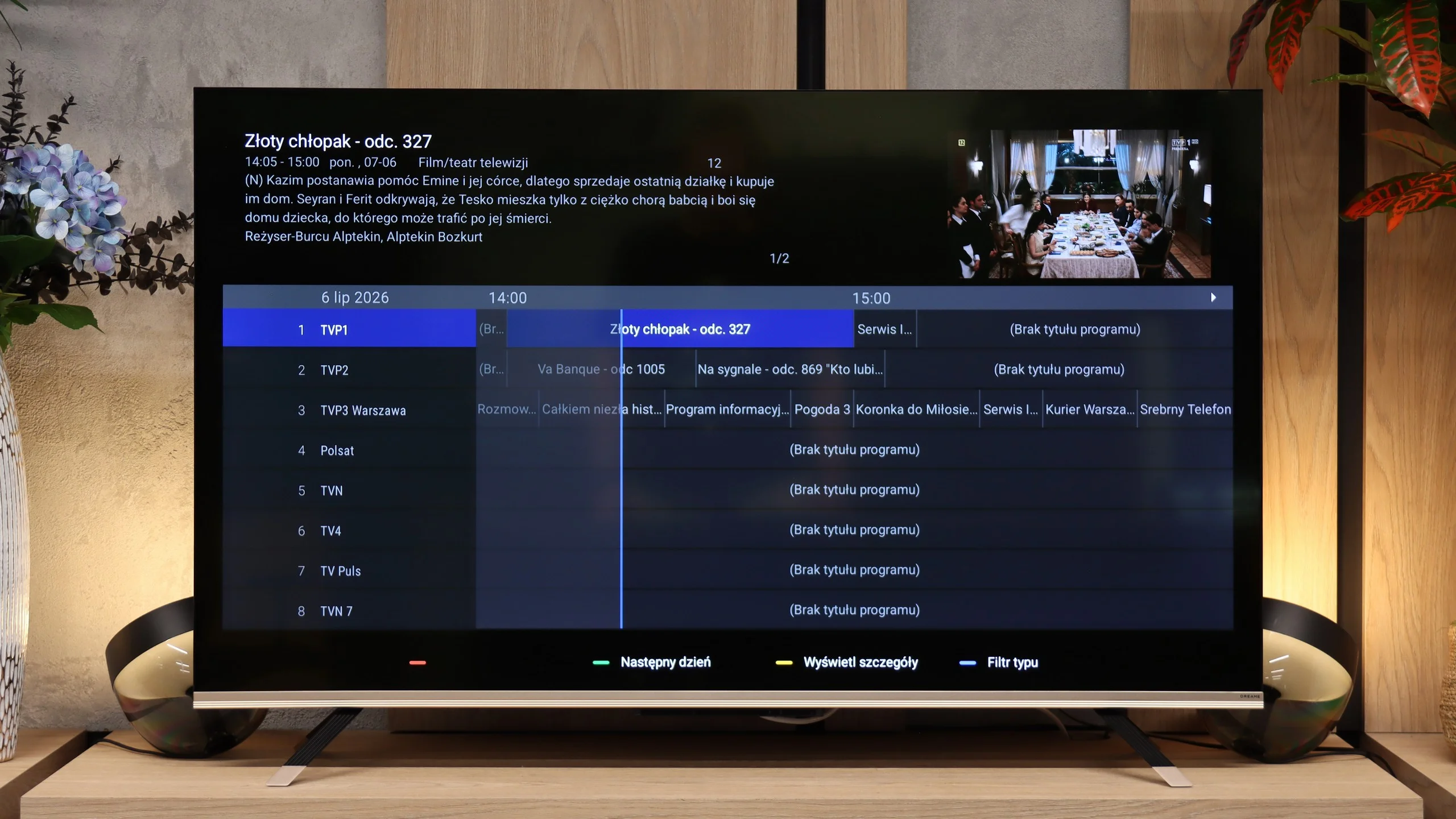
- Teletext
- Audio only mode
- Bluetooth headphones support
- Simultaneous Bluetooth headphones & TV audio
Smart features:
- AirPlay
- Screen mirroring (Windows Miracast)
- Voice search
- Voice search in native language
- Ability to connect a keyboard and mouse
Sound connection options
- HDMI audioeARC (HDMI), ARC (HDMI)eARC (HDMI), ARC (HDMI)
- Other audio outputsToslink (Optical audio), Mini-Jack (Headphones)AuxiliaryOutput-SPDIF (Coaxial audio), Mini-Jack (Headphones)
- Wireless audioBluetoothBluetooth
Supported audio formats (external HDMI eARC audio):
- Dolby Digital Plus 7.1
- Dolby True HD 7.1
- Dolby Atmos in Dolby Digital Plus (JOC)
- Dolby Atmos in Dolby True HD
- DTS:X in DTS-HD MA
- DTS-HD Master Audio
Senior accessibility
- Numeric keyboard on TV
- Font size adjustment
- Audio description
Google TV
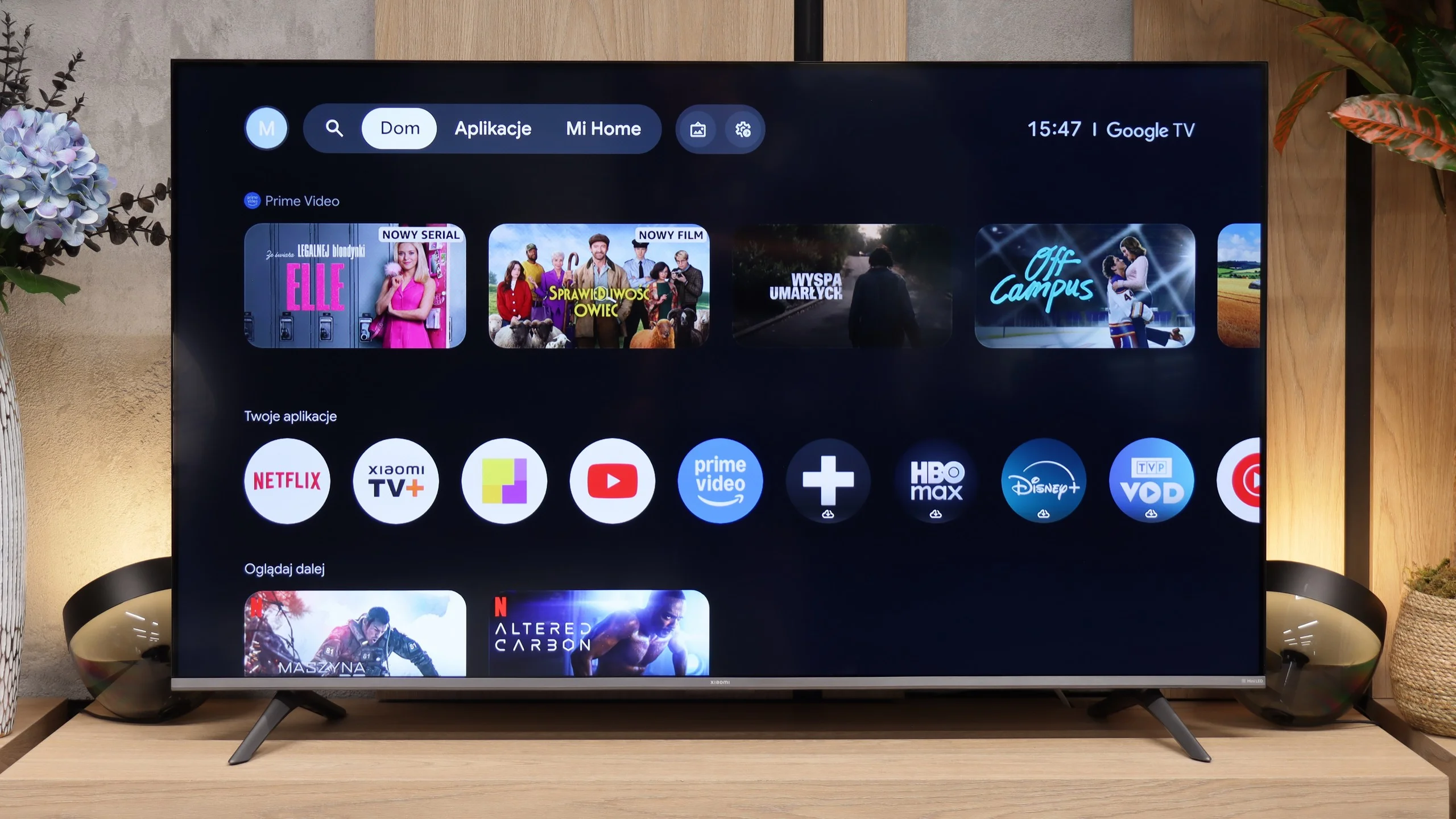
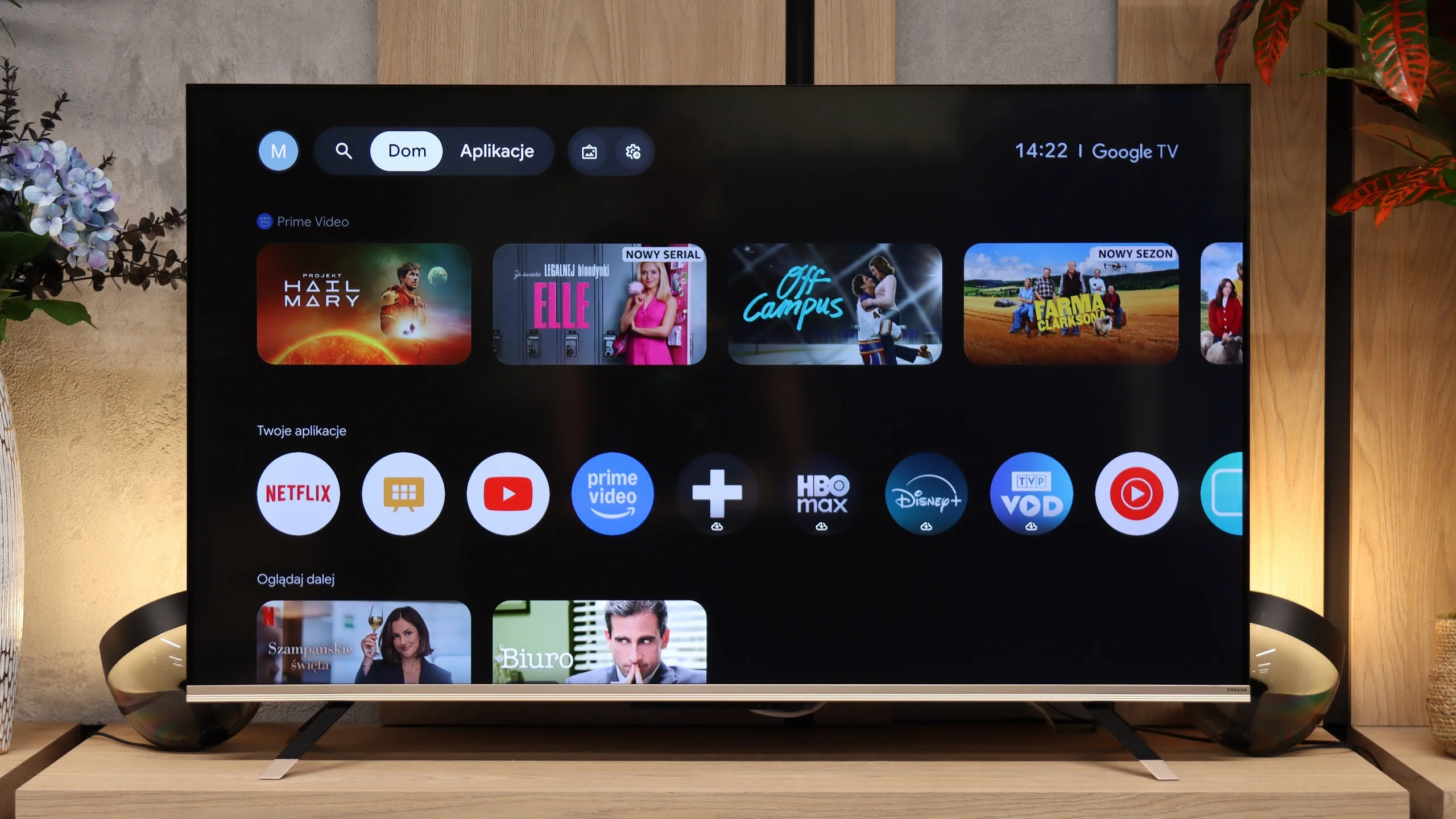
The Xiaomi S Mini 2026 runs on Google TV, which remains one of the most comprehensive Smart TV platforms. It includes virtually all the most popular apps, such as Netflix, YouTube, Prime Video, Disney+, HBO Max or Canal+, and thanks to the Google Play store you can install many other apps as well. It also supports Google Assistant, Chromecast and the ability to control the TV from your smartphone.
Unfortunately, on the smaller models the system does not run as smoothly as we would expect. Switching between apps or navigating the menu can take a moment, and the interface sometimes responds with a slight delay. It’s not to a degree that prevents using the TV, but compared with the competition it’s clear this isn’t the fastest Google TV release on the market.
Classic features
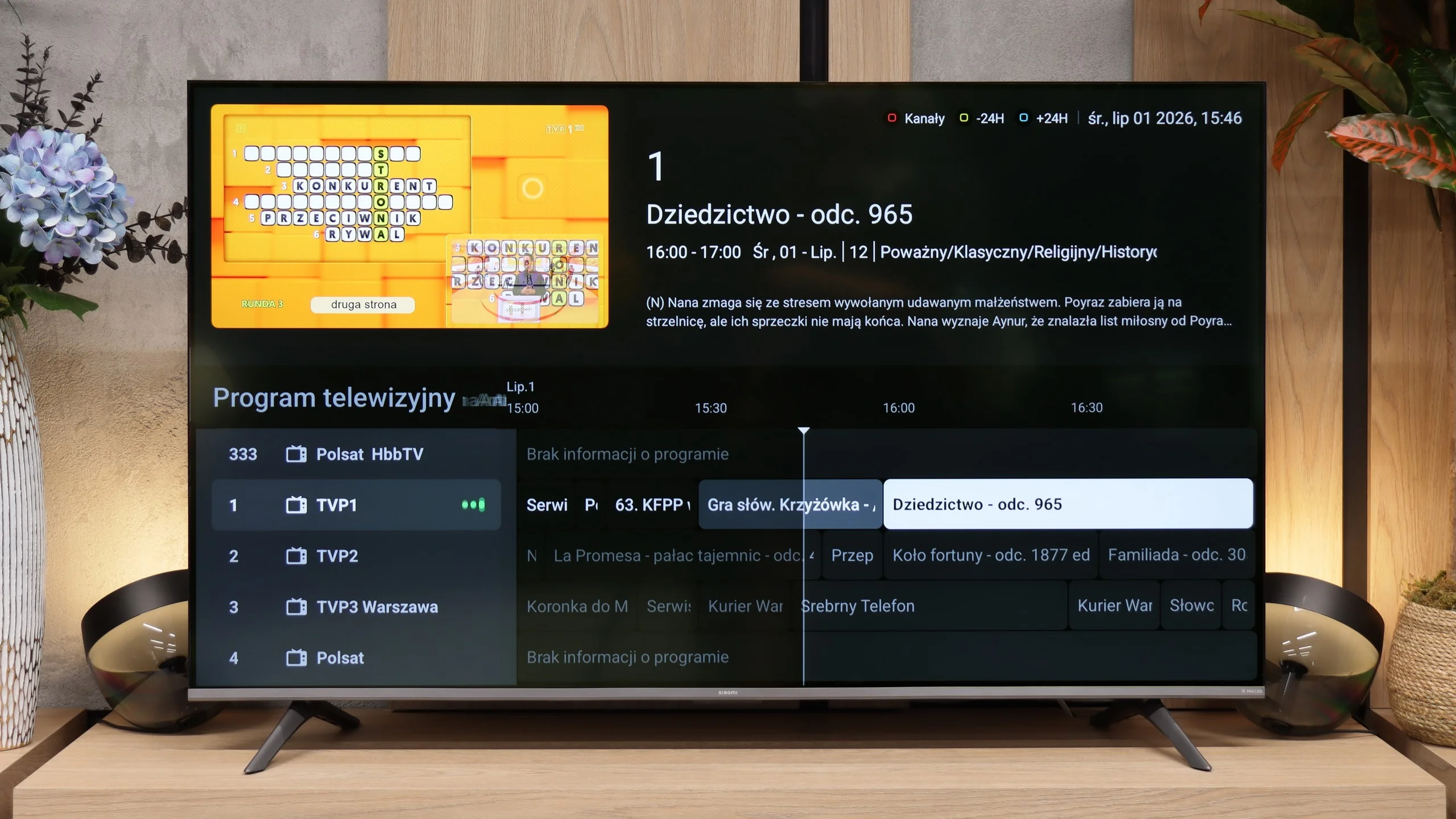
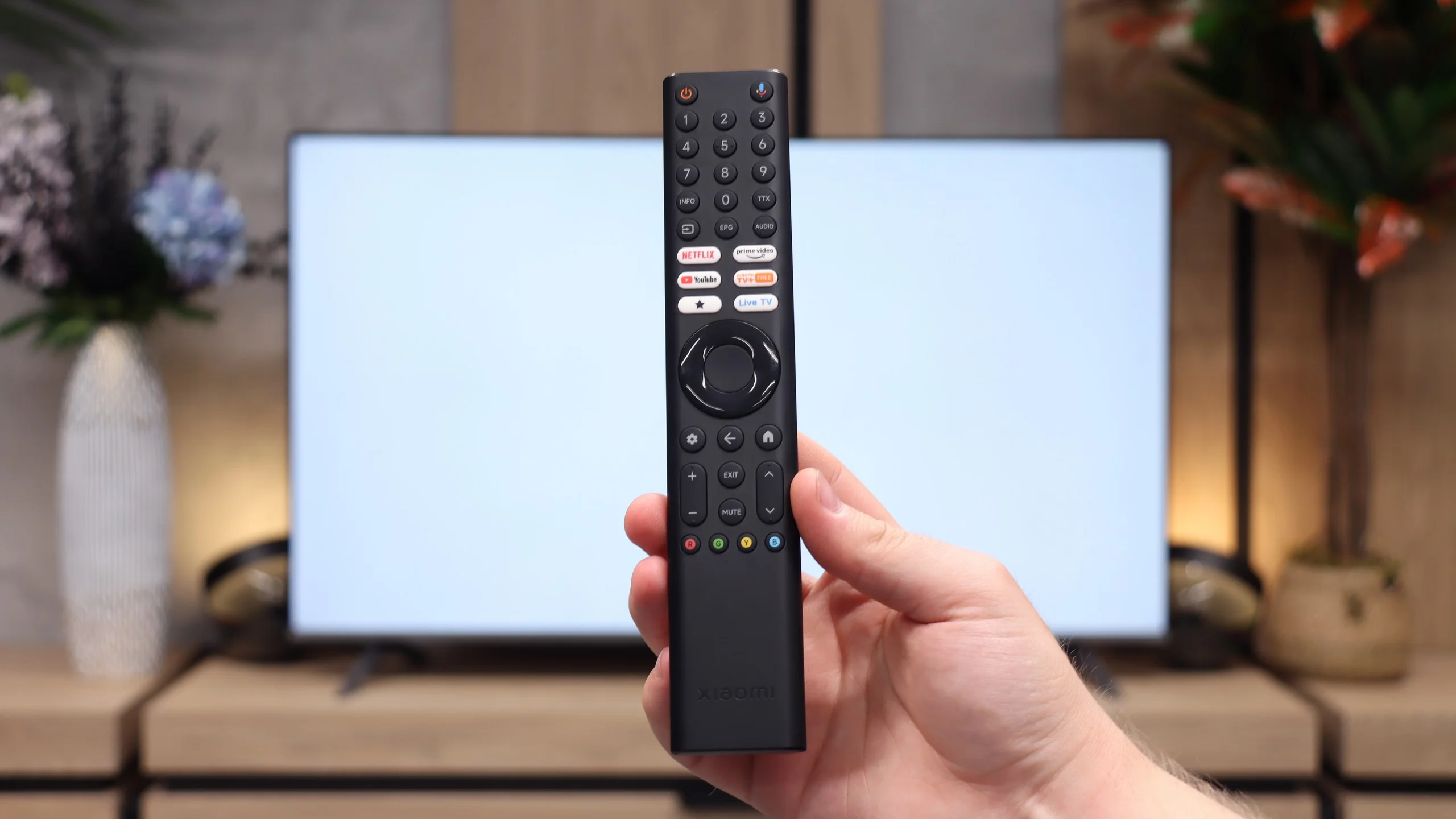
If you mainly use conventional television, Xiaomi doesn’t offer anything beyond what you’d expect from a modern TV. There is an electronic programme guide and teletext. The manufacturer also includes a remote with a traditional numeric keypad, which is increasingly rare these days, but for many people will still be a convenient way to change channels.
Worth noting is the presence of an analogue headphone output (mini-jack). This is an element that is disappearing from TVs year by year, giving way to exclusively digital audio outputs. Thanks to it you can easily connect older wired headphones or speakers without needing additional adapters.
Google TV
The Dreame Q100 uses Google TV, so it is hard to fault when it comes to app access. You get all the most popular streaming services, the ability to install additional apps from the Google Play store and support for a Google account. The system therefore offers similar capabilities to many much more expensive televisions. During our tests we were unable to connect to the TV using an iPhone, so AirPlay is considered unavailable on this model.
Classic features
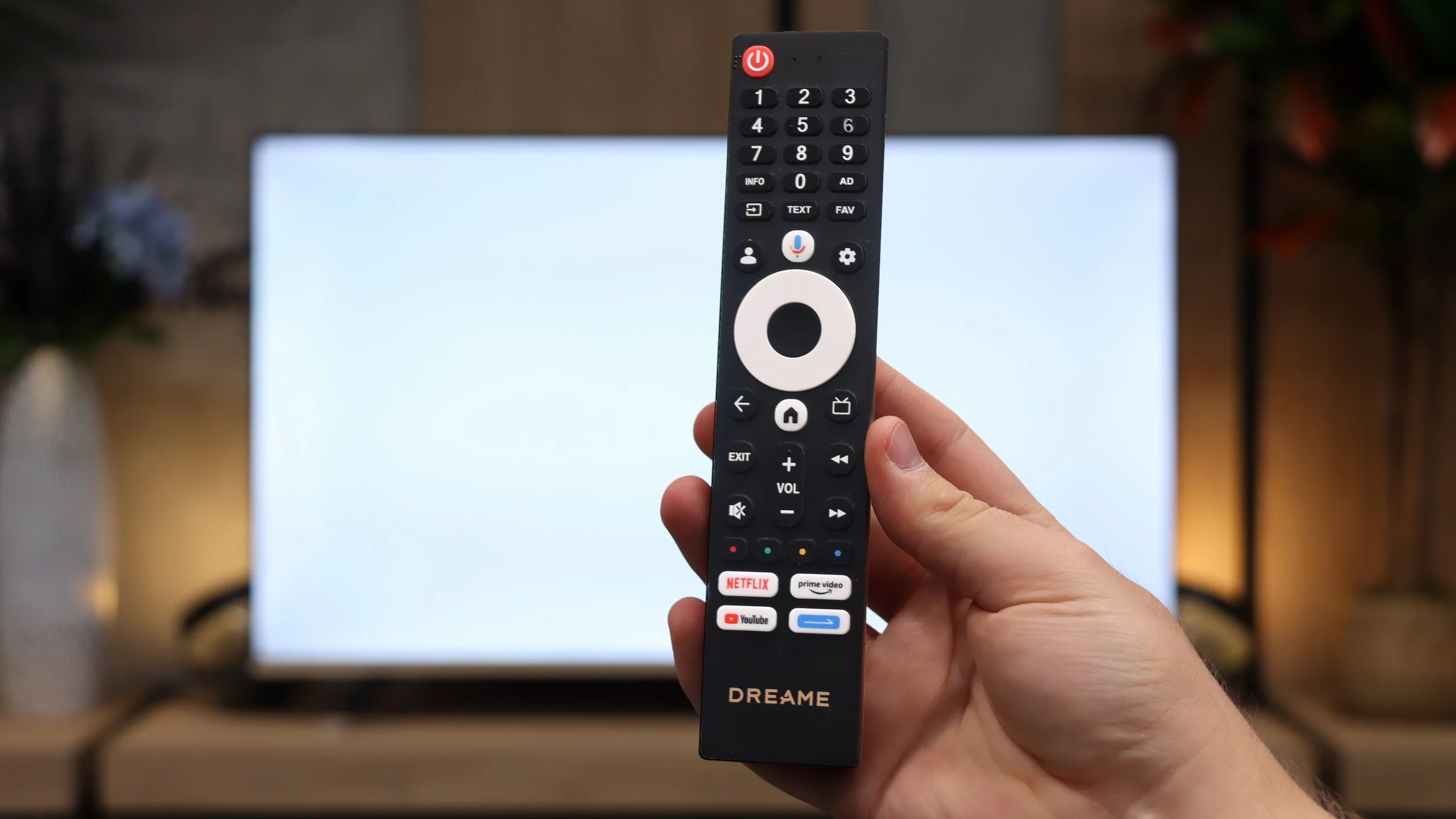
For regular TV viewing the Q100 performs without any major problems, but it is quite basic in terms of extra features. There is no option to record programmes to USB or to schedule such recordings. It also lacks more advanced functions found on pricier models, such as viewing from two tuners at once or PiP mode. Control is via a rather mediocre remote, but fortunately the manufacturer has kept a full numeric keypad on it, which is still very convenient for traditional television. On the plus side, the presence of analogue connectors is worth noting. The Q100 even has a classic mini-jack headphone socket, which we see less and less of in new TVs today.
Apps
9.6/10
9.6/10






















Playing files from USB
6.5/10
8.9/10
Supported photo formats:
Maximum photo resolution:
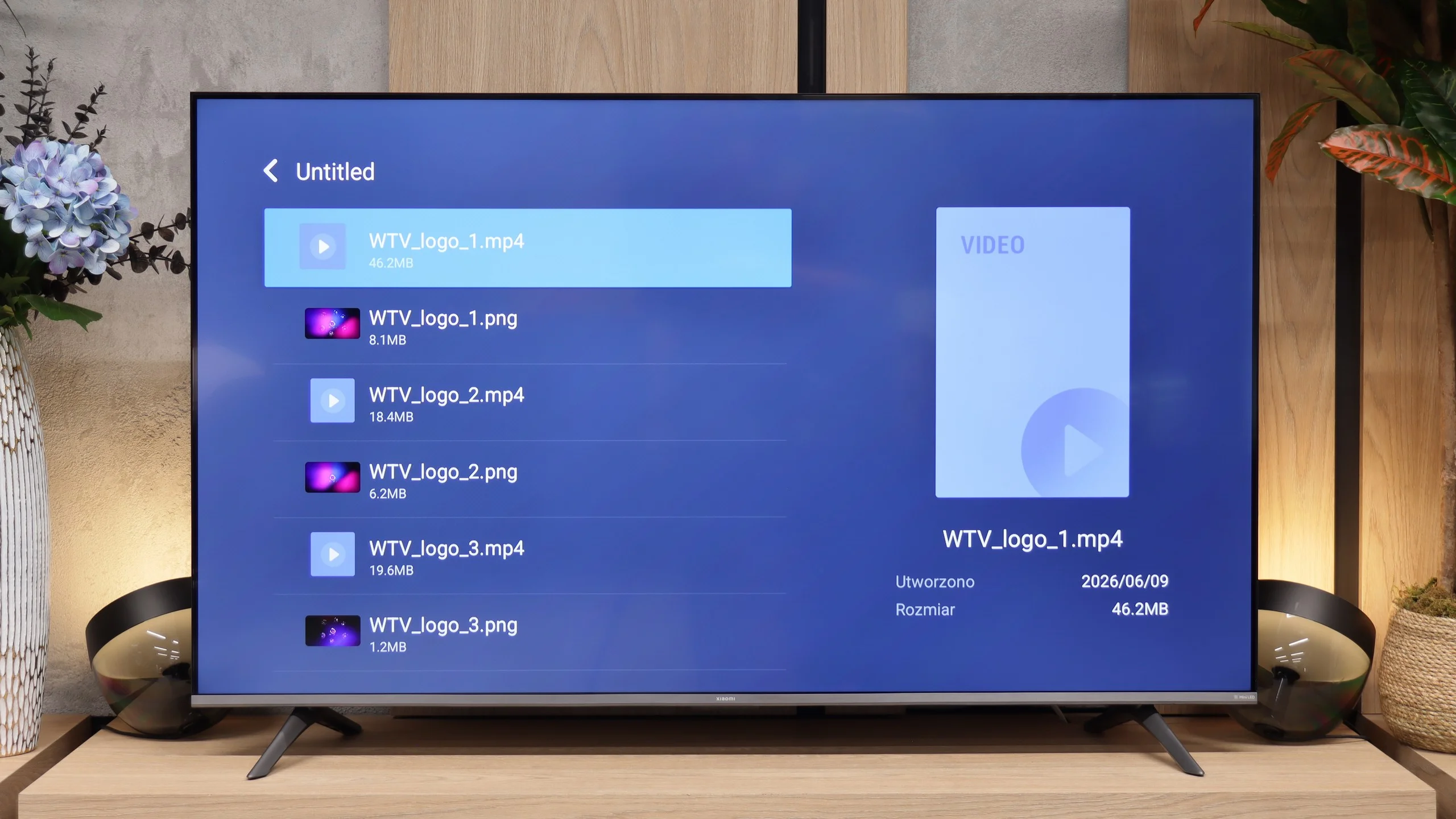
The built-in USB media player performs quite well and opens most common formats without any problem. However, if you come across a file it doesn't support, Google TV makes it easy to install another player, e.g. VLC. Our main concern is subtitles. The stock app doesn't handle some characters outside the basic alphabet correctly, which can cause problems with Polish letters. If you frequently watch films from a USB drive, it's better to use an external app.
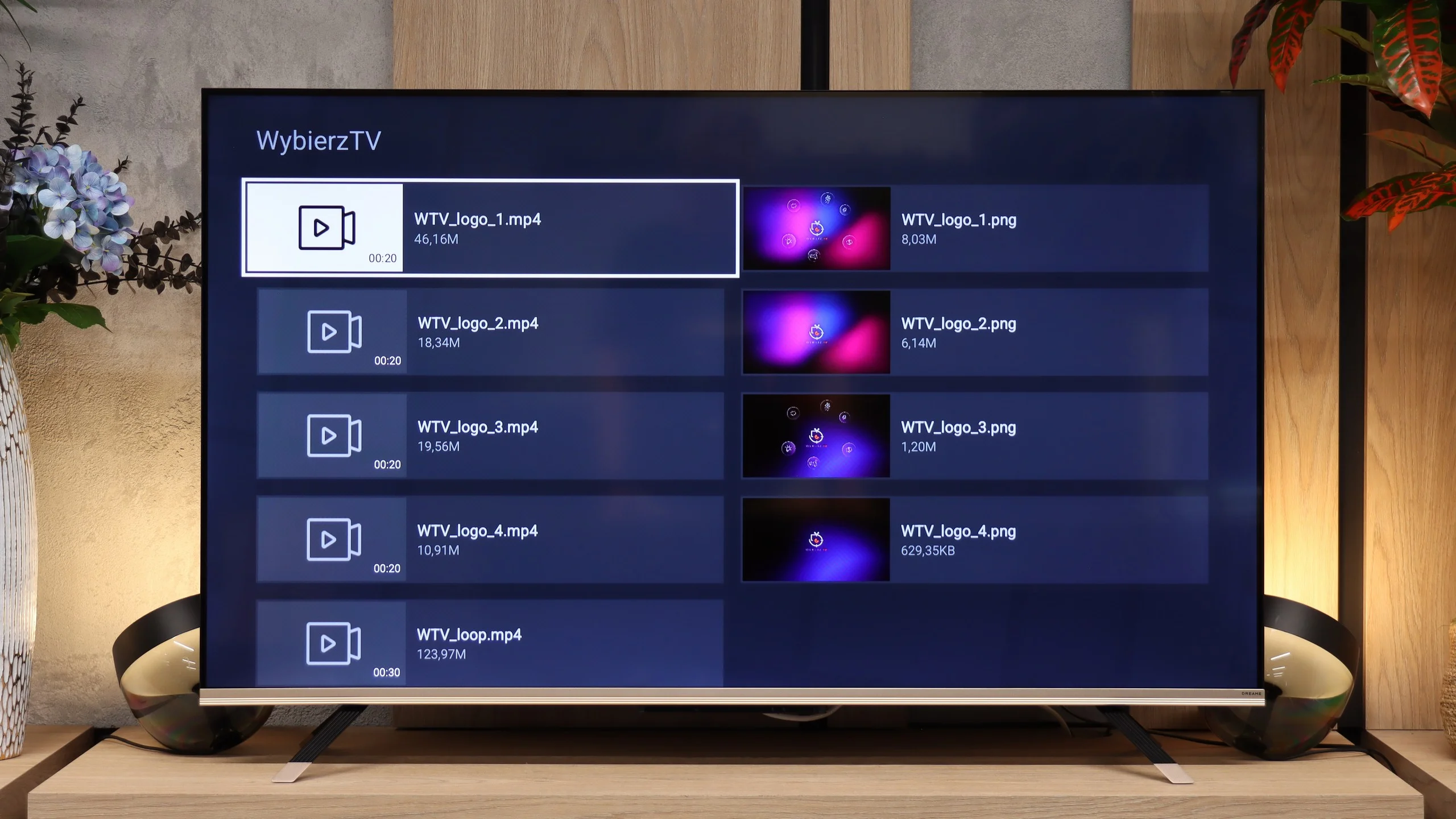
The Dreame Q100 is very good at playing files from a USB drive. During testing it handled the majority of popular video and audio formats without major problems. The only limitations concerned subtitles. The TV would not play some formats, such as .SUB or .TXT.
Sound
5/10
5/10
- Maximum volume89dB87dB
- Dolby Digital Plus 7.1
- Dolby True HD 7.1
- Dolby Atmos in Dolby Digital Plus (JOC)
- Dolby Atmos in Dolby True HD
- DTS:X in DTS-HD MA
- DTS-HD Master Audio
In terms of sound, the Xiaomi S Mini 2026 doesn't stand out. The speakers are perfectly adequate for regular TV viewing, but during films or concerts their limitations quickly become apparent. They particularly lack bass, which makes the overall sound rather flat. If better sound matters to you, it's worth considering a soundbar.
The sound in the Dreame Q100 is simply average. It most noticeably lacks bass, which makes the overall sound fairly flat and gives little sense of space. Fortunately, even at higher volumes there are no unpleasant crackles, squeaks or resonances from the TV's plastic housing. One positive is Dolby Atmos support, although the TV's built-in speakers cannot demonstrate what the format is capable of. If you want better spatial sound, you're unlikely to manage without a soundbar or a home cinema system.
Sound Quality Test
Acoustic Measurements
89dBC (Max)
75dBC
87dBC (Max)
75dBC
Reader comments
Comments are provided by the external service Disqus (Zeta Global). Once loaded, Disqus may set cookies and process data about your activity.
We will remember your choice on this device. Provider's privacy policy