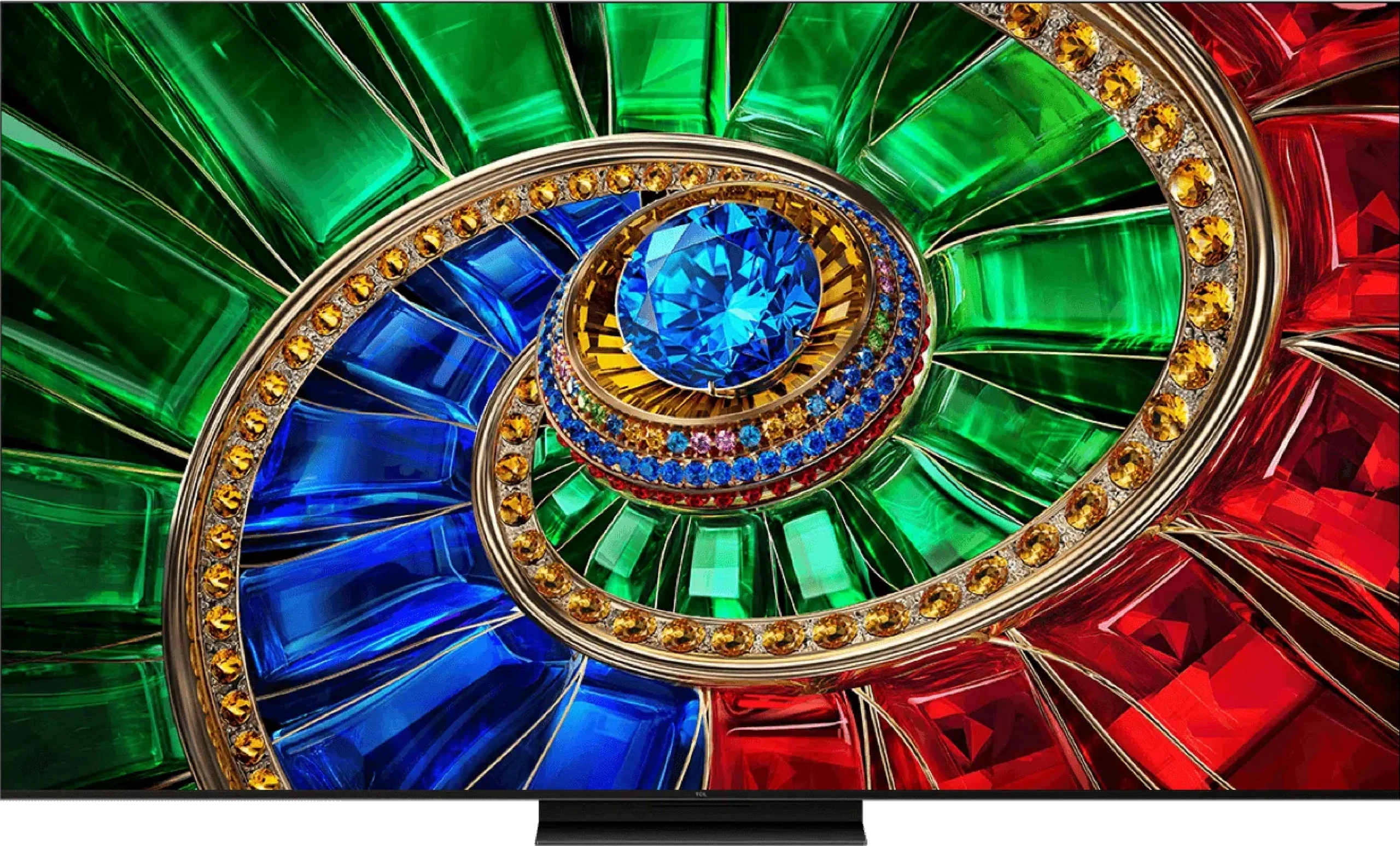
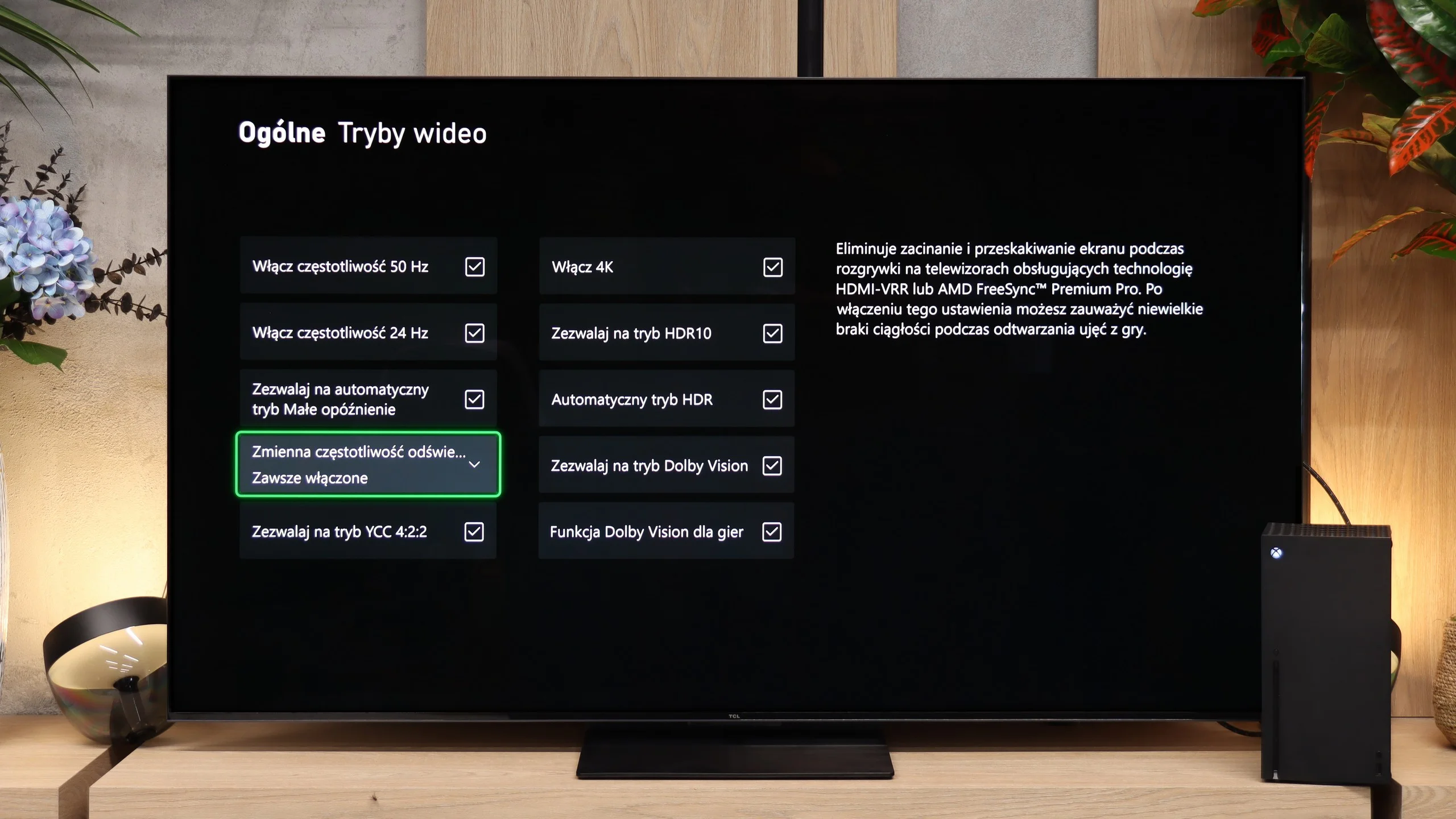
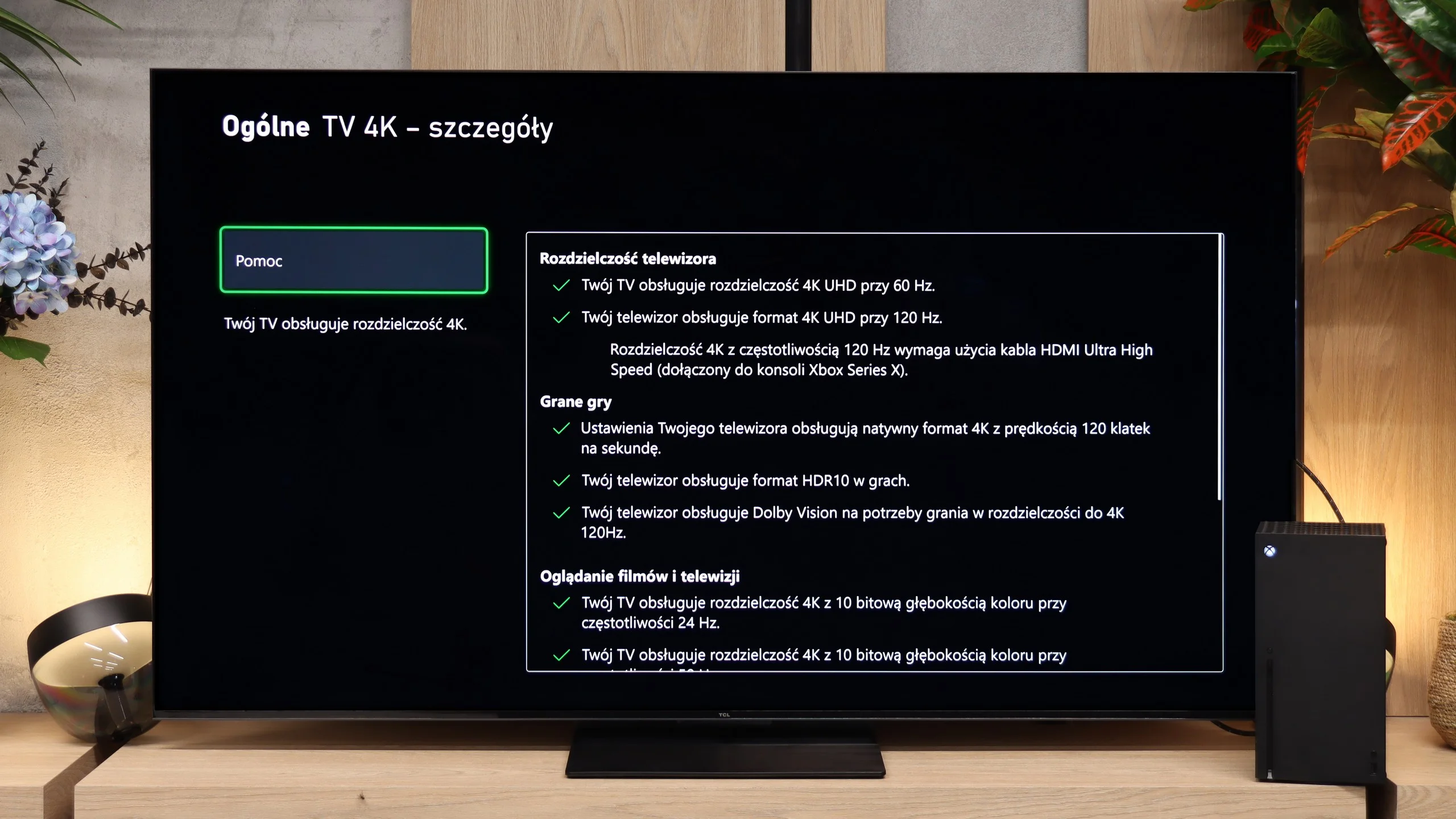
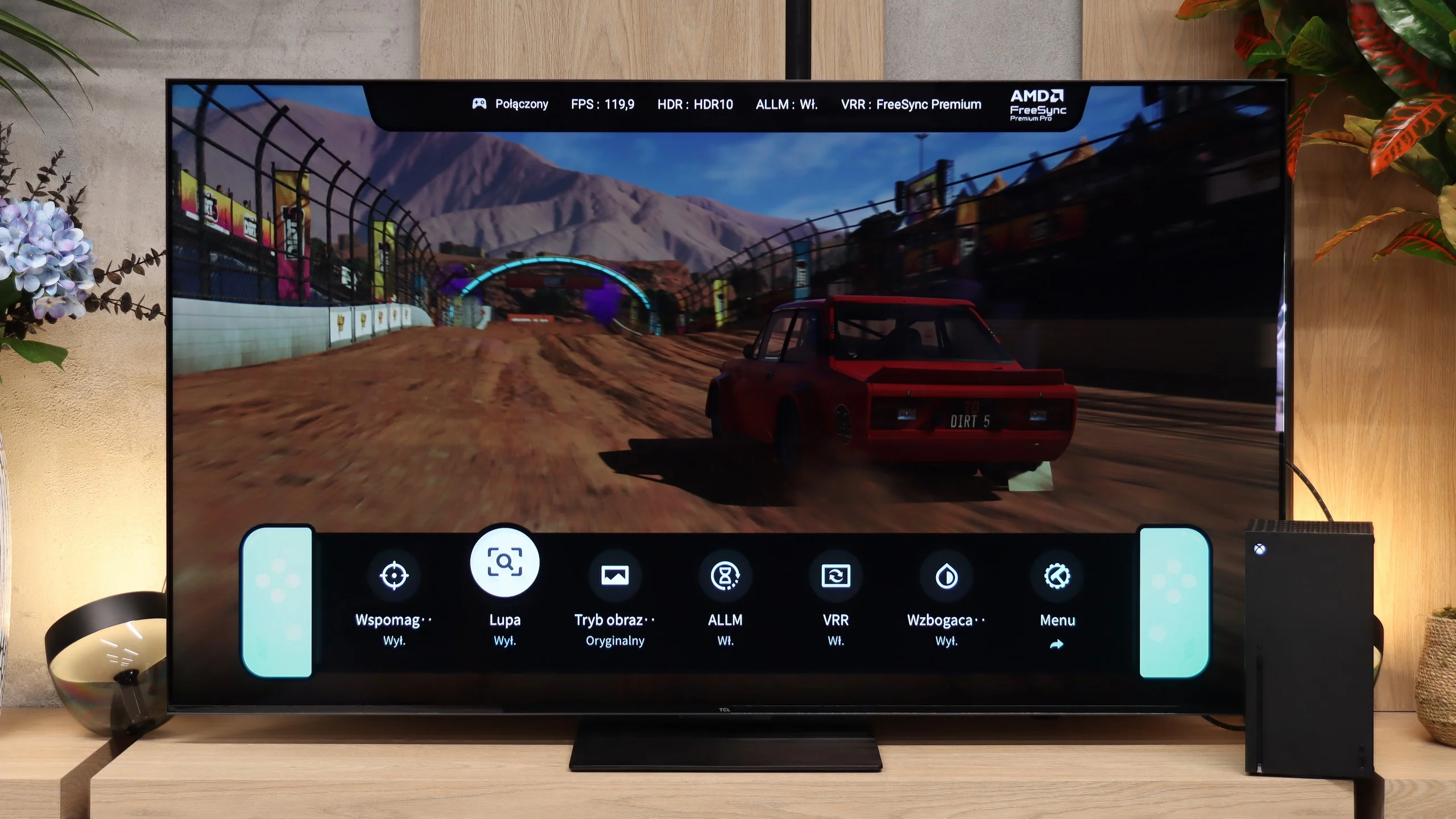
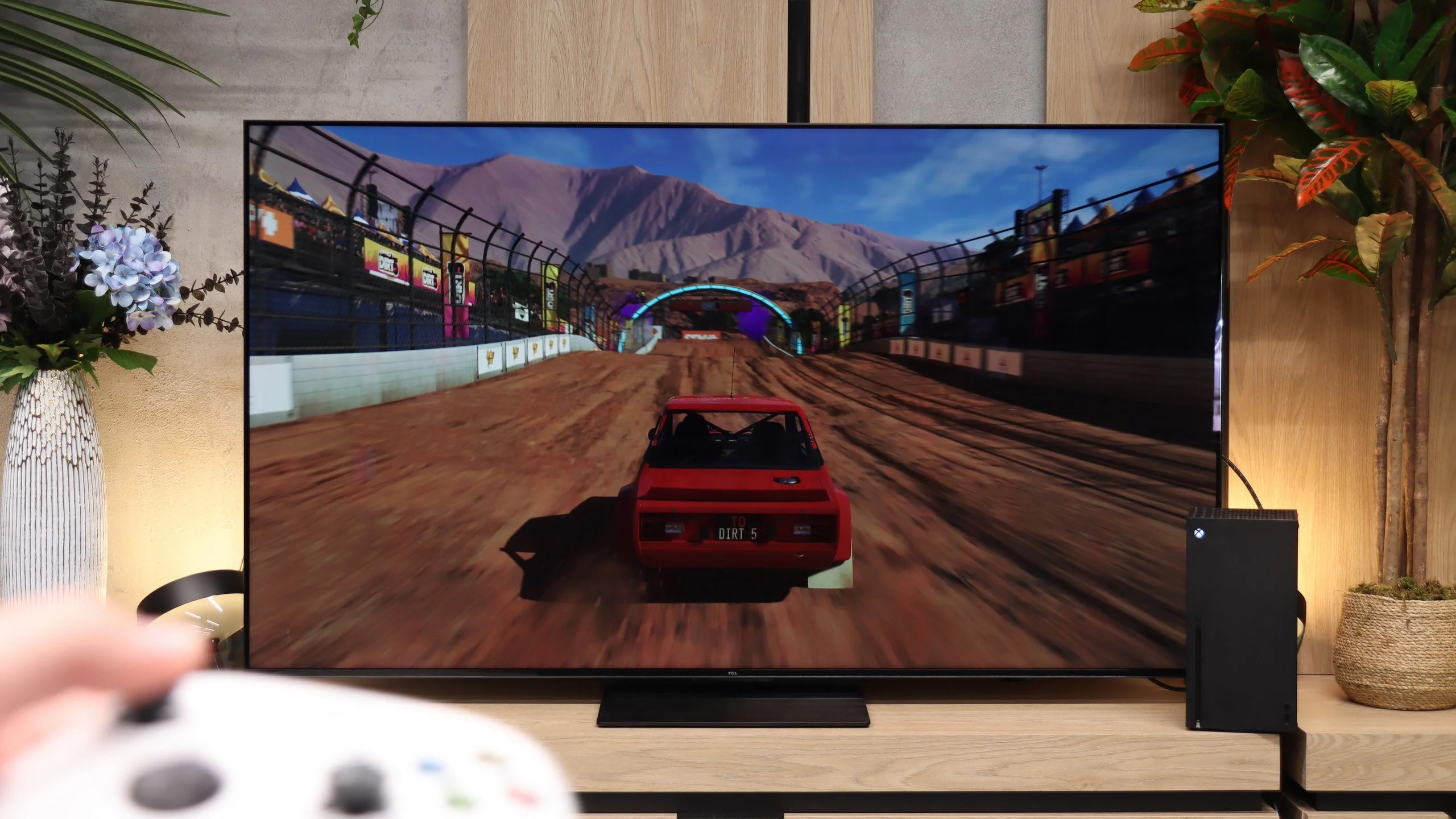
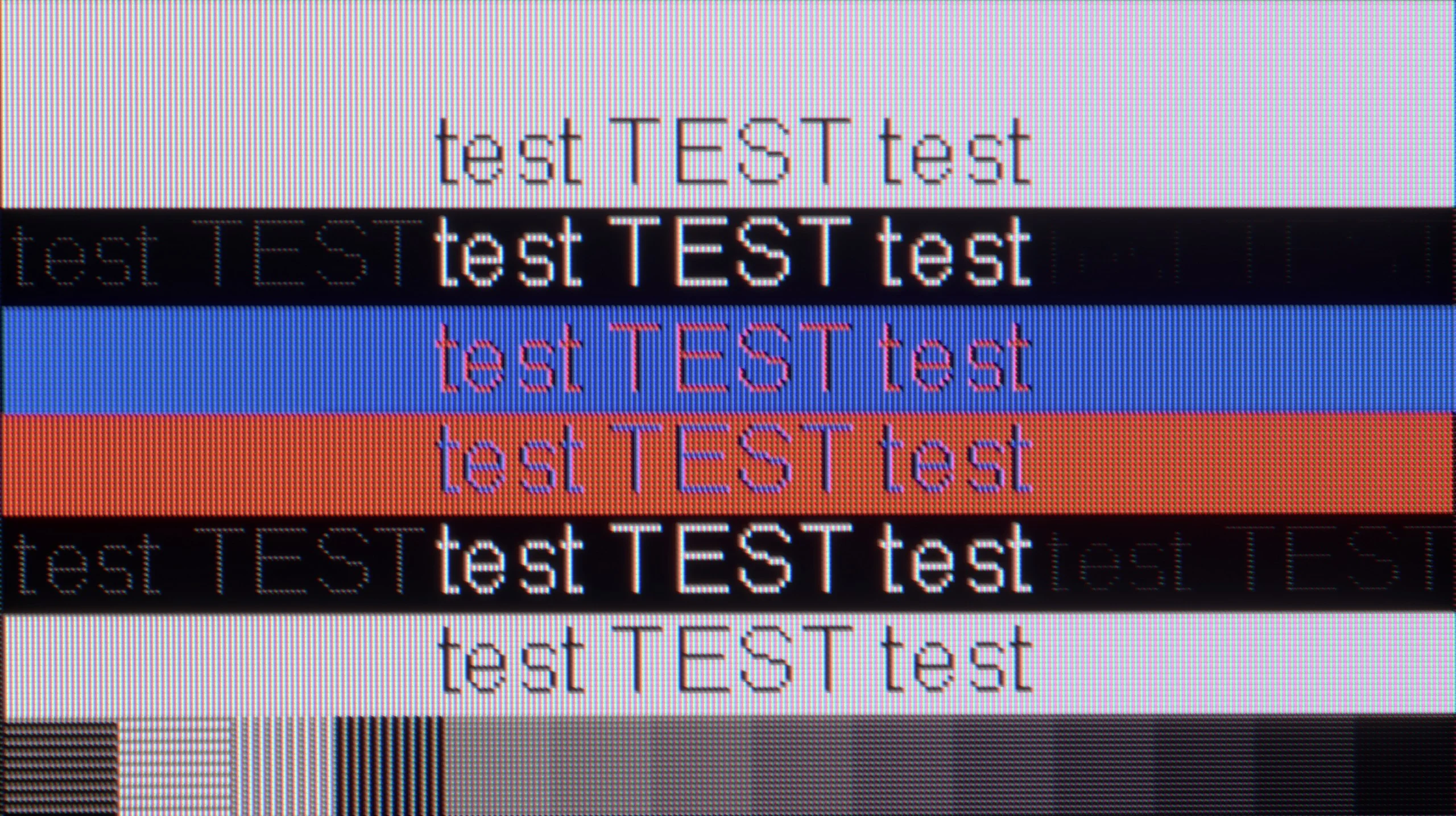
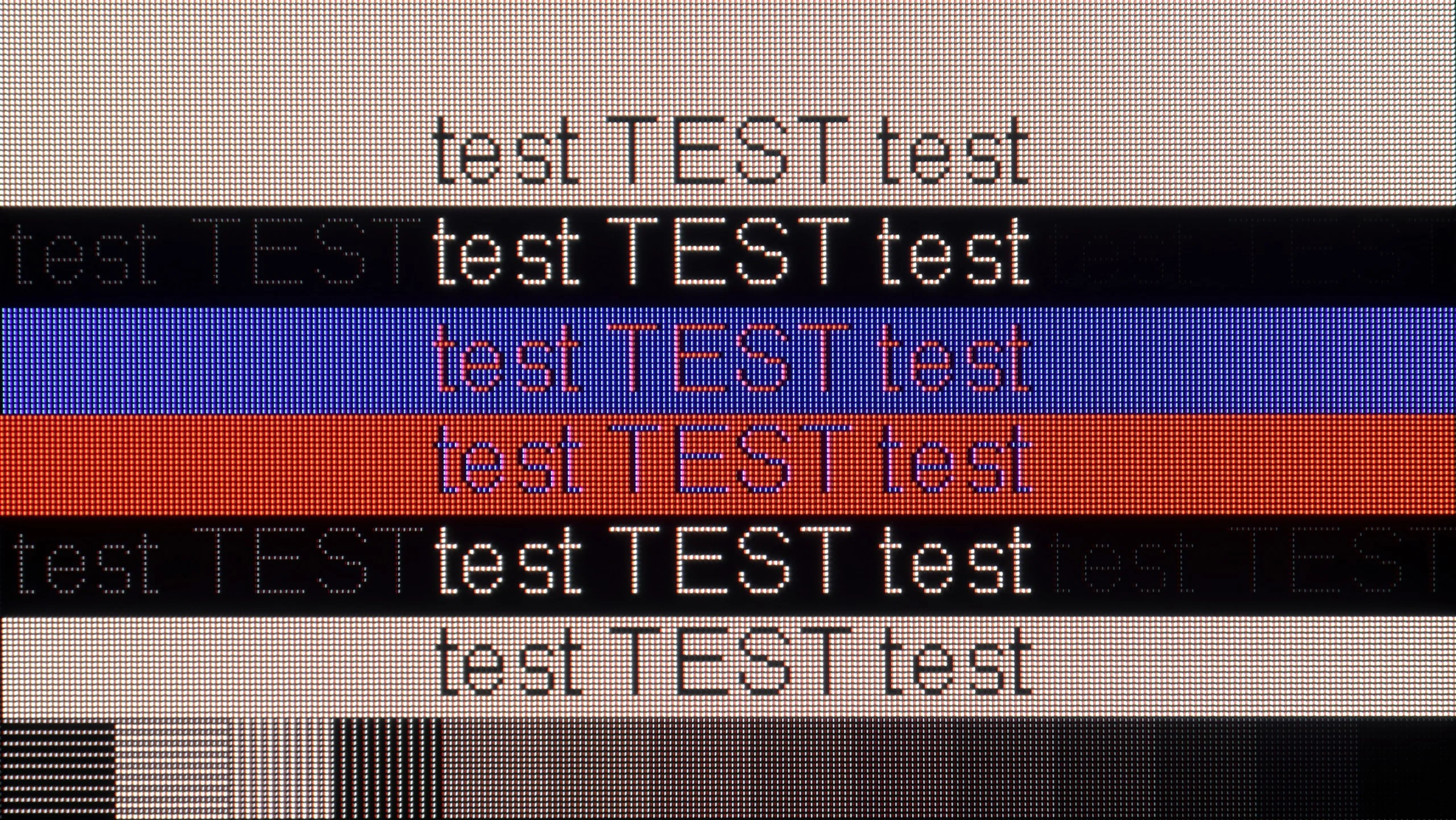
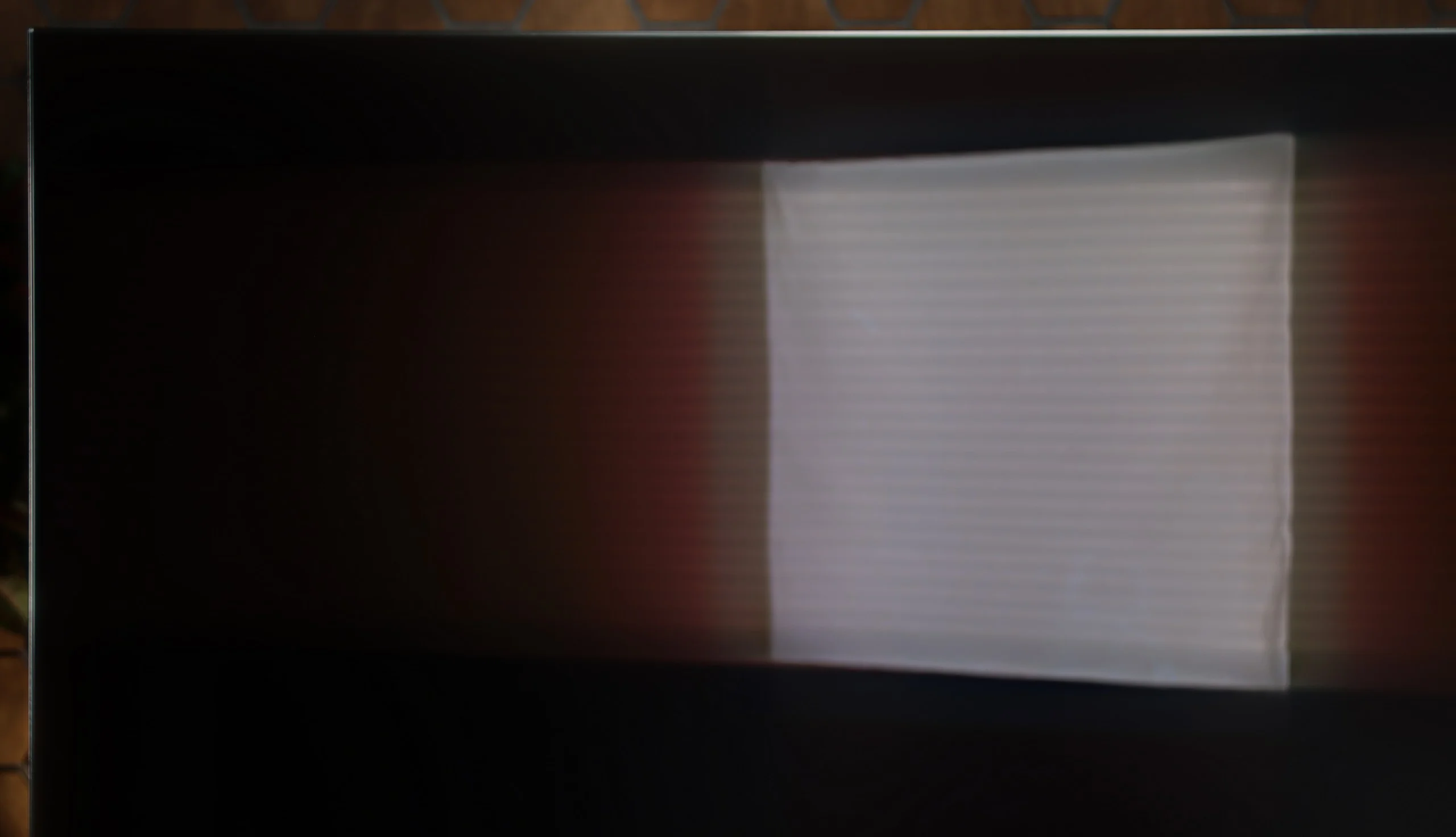
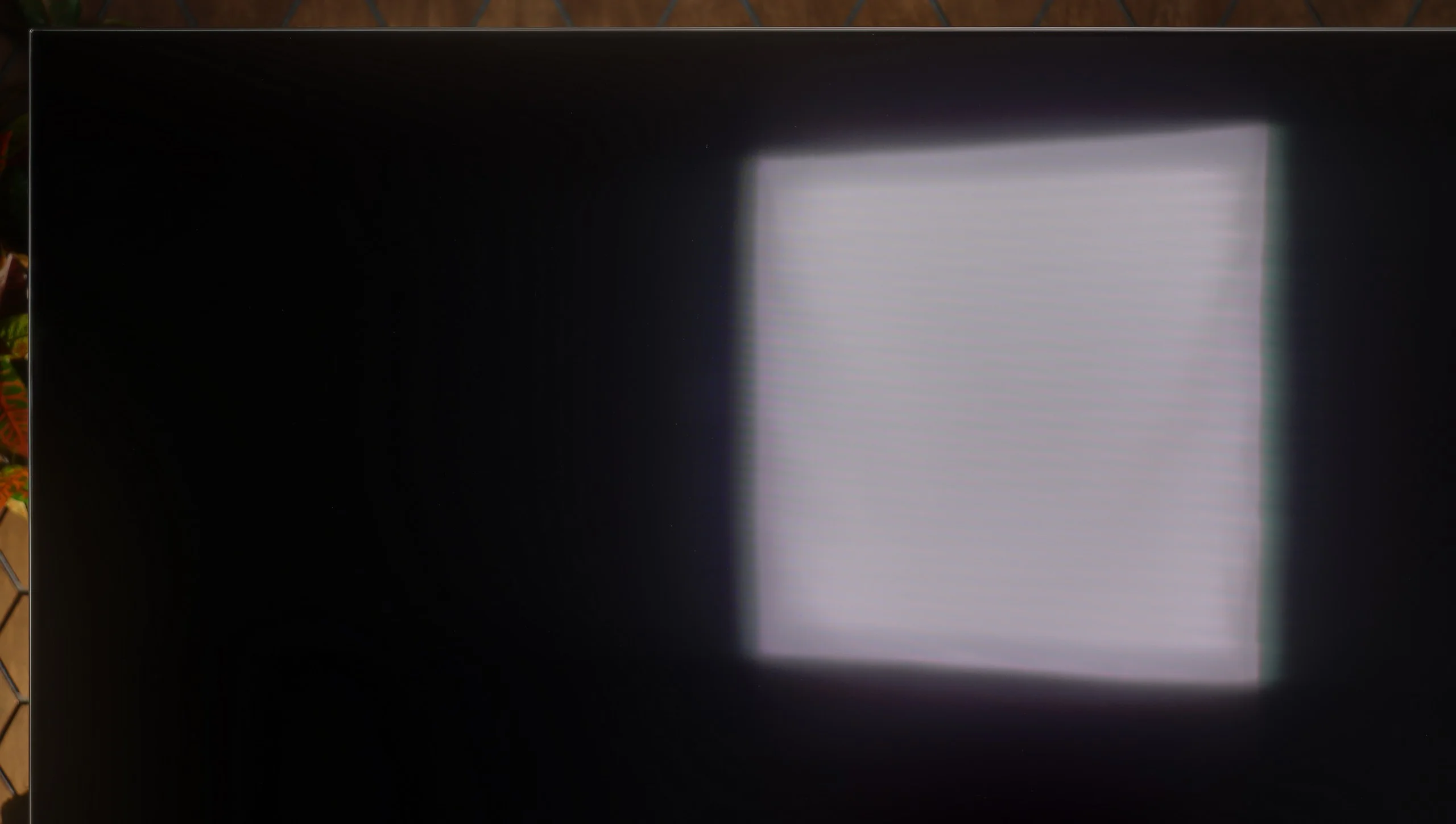
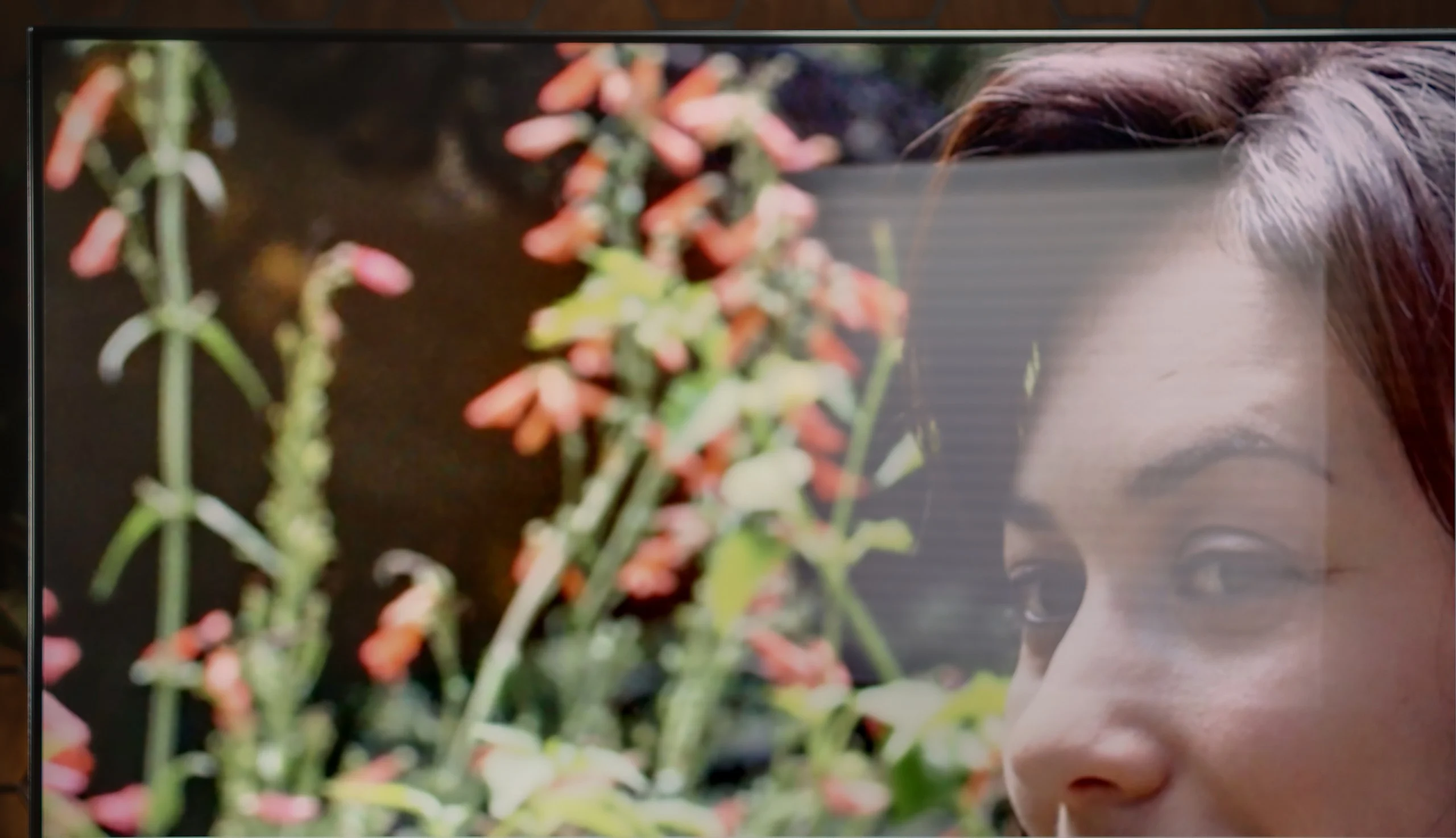
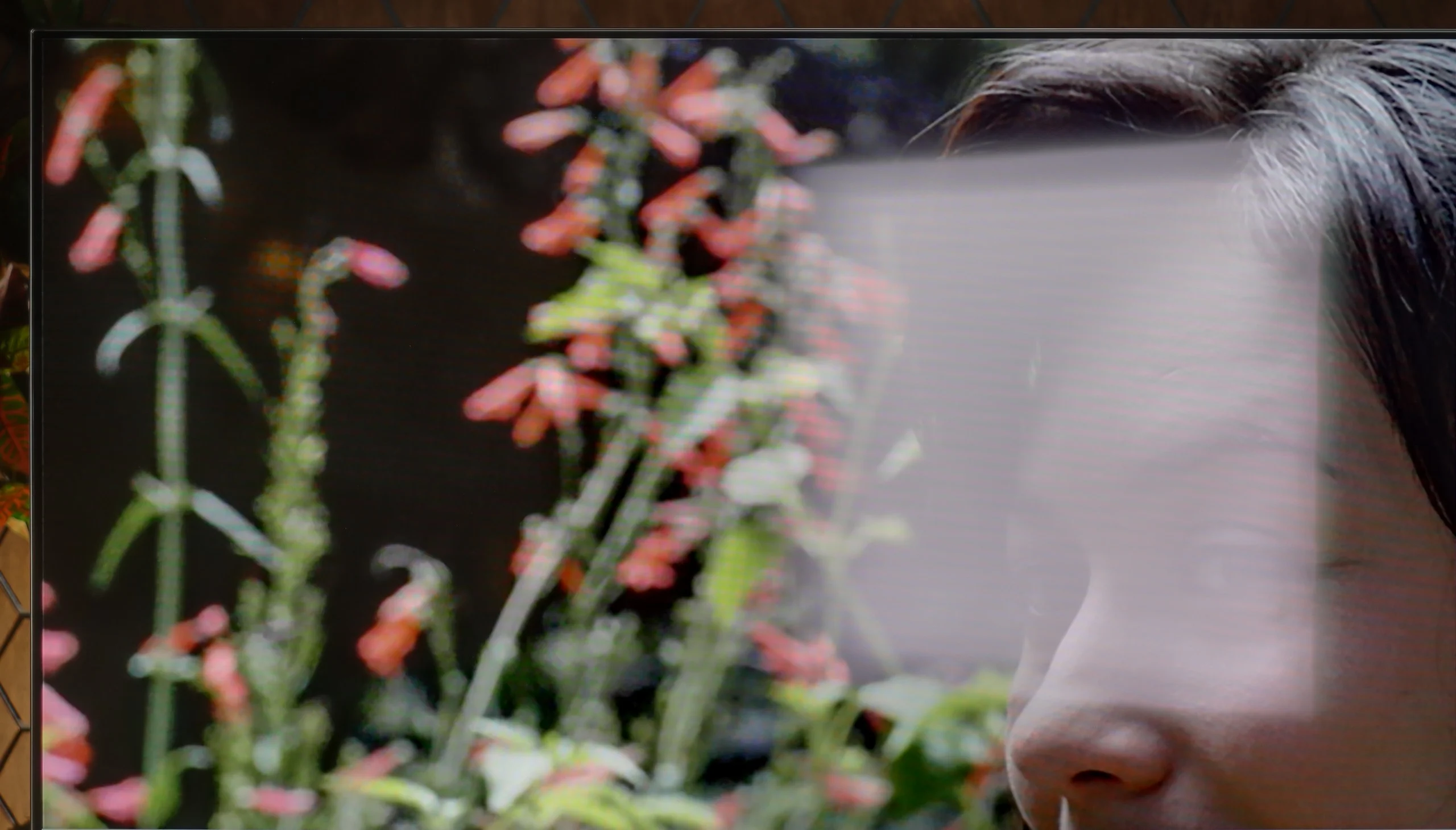
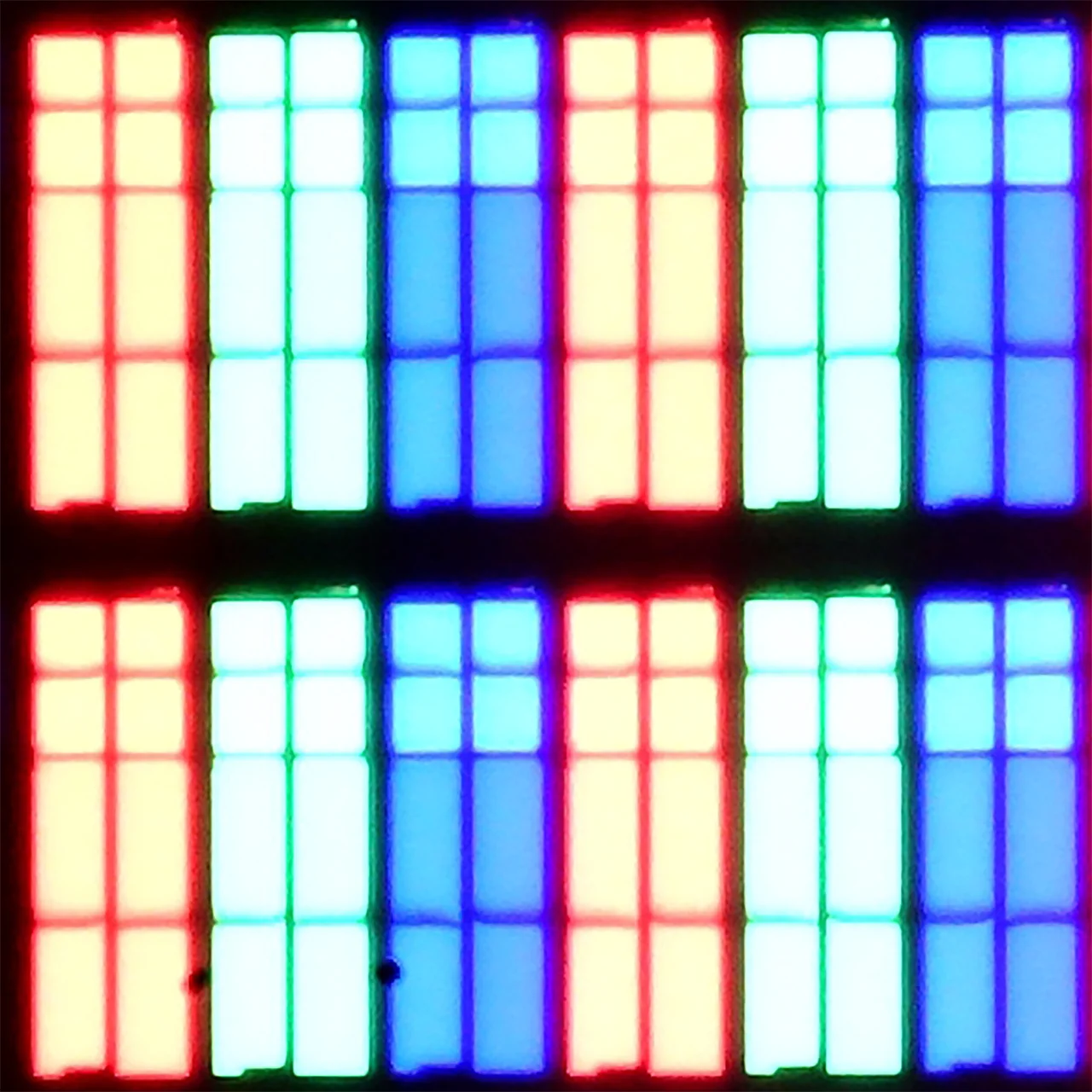
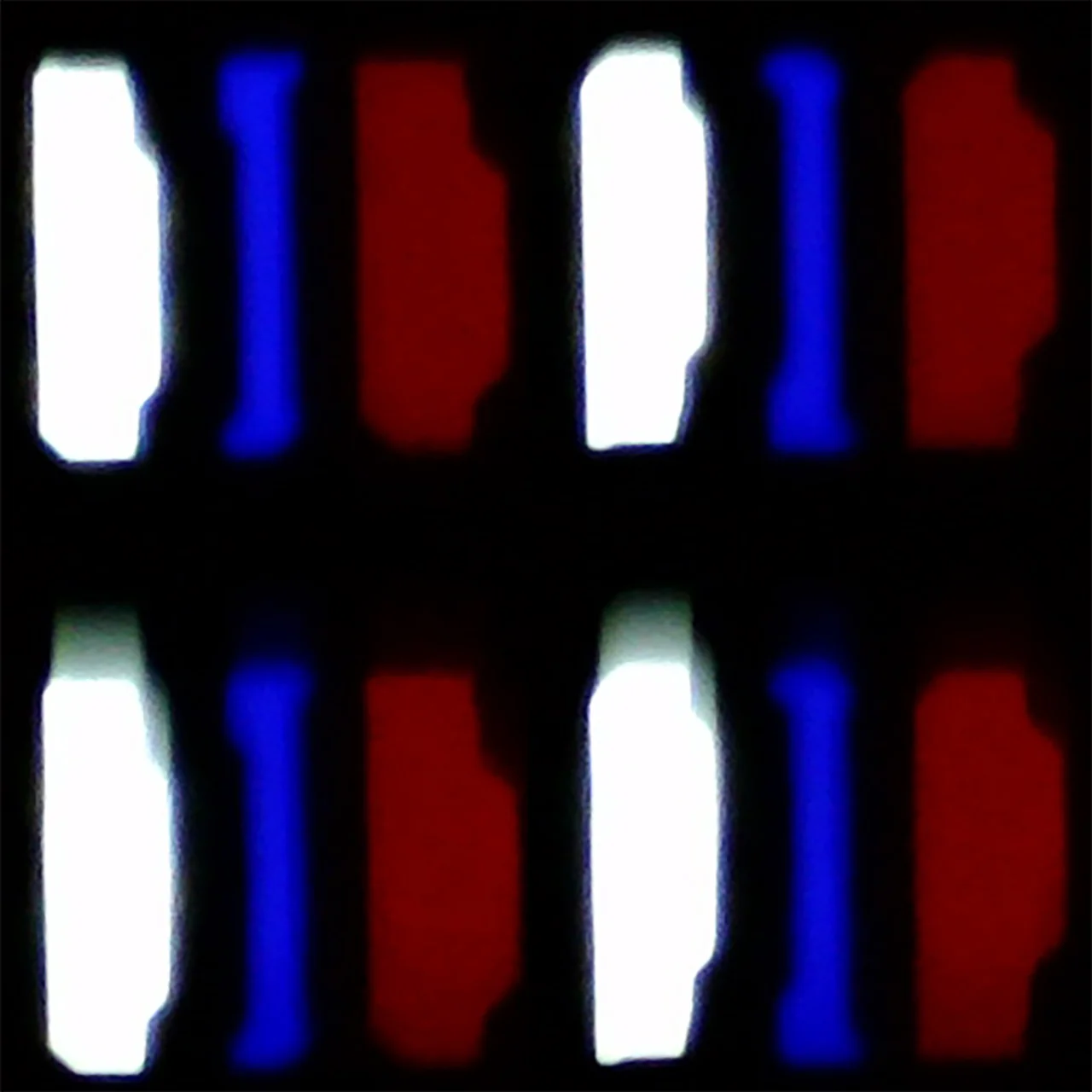
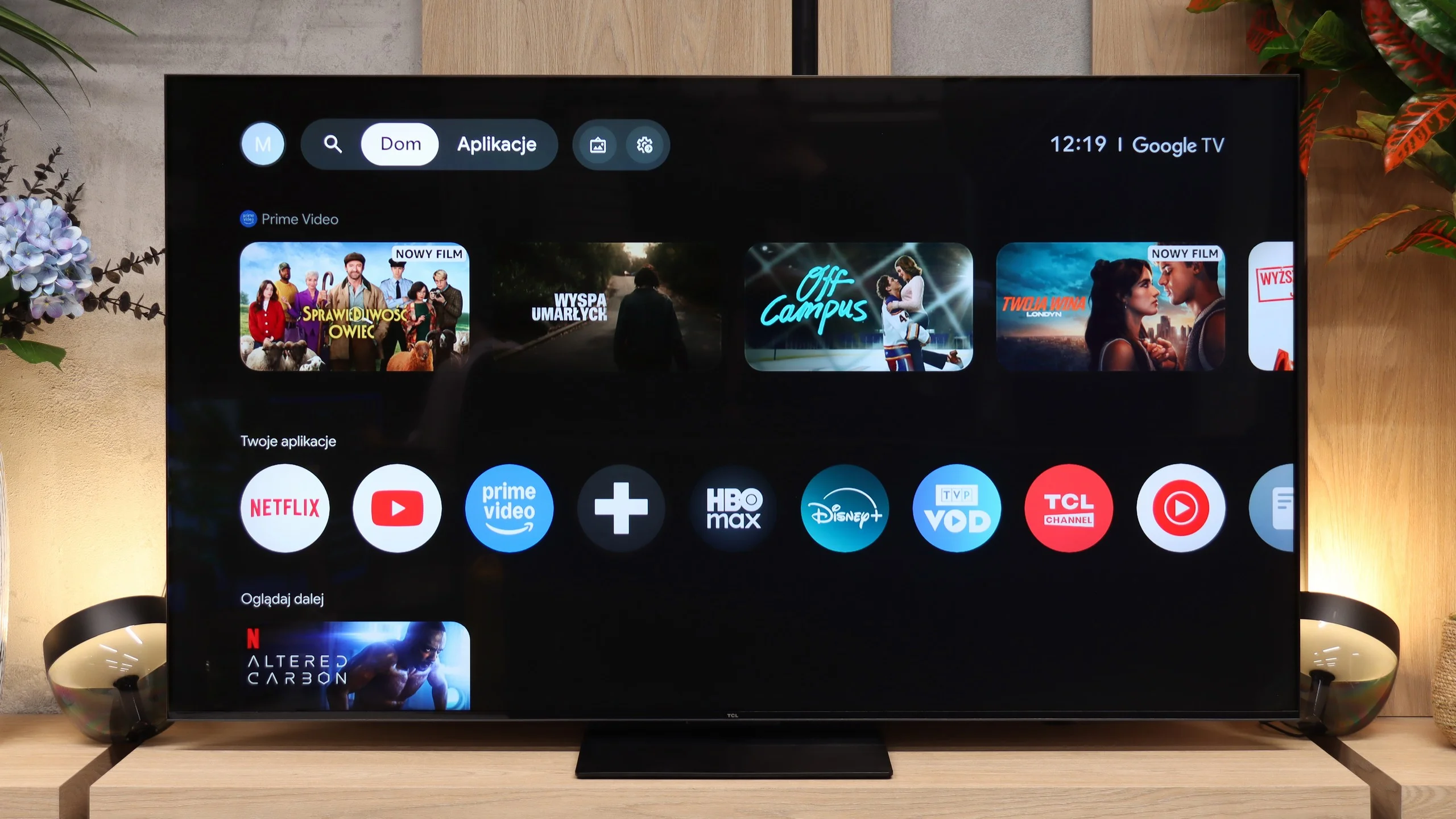
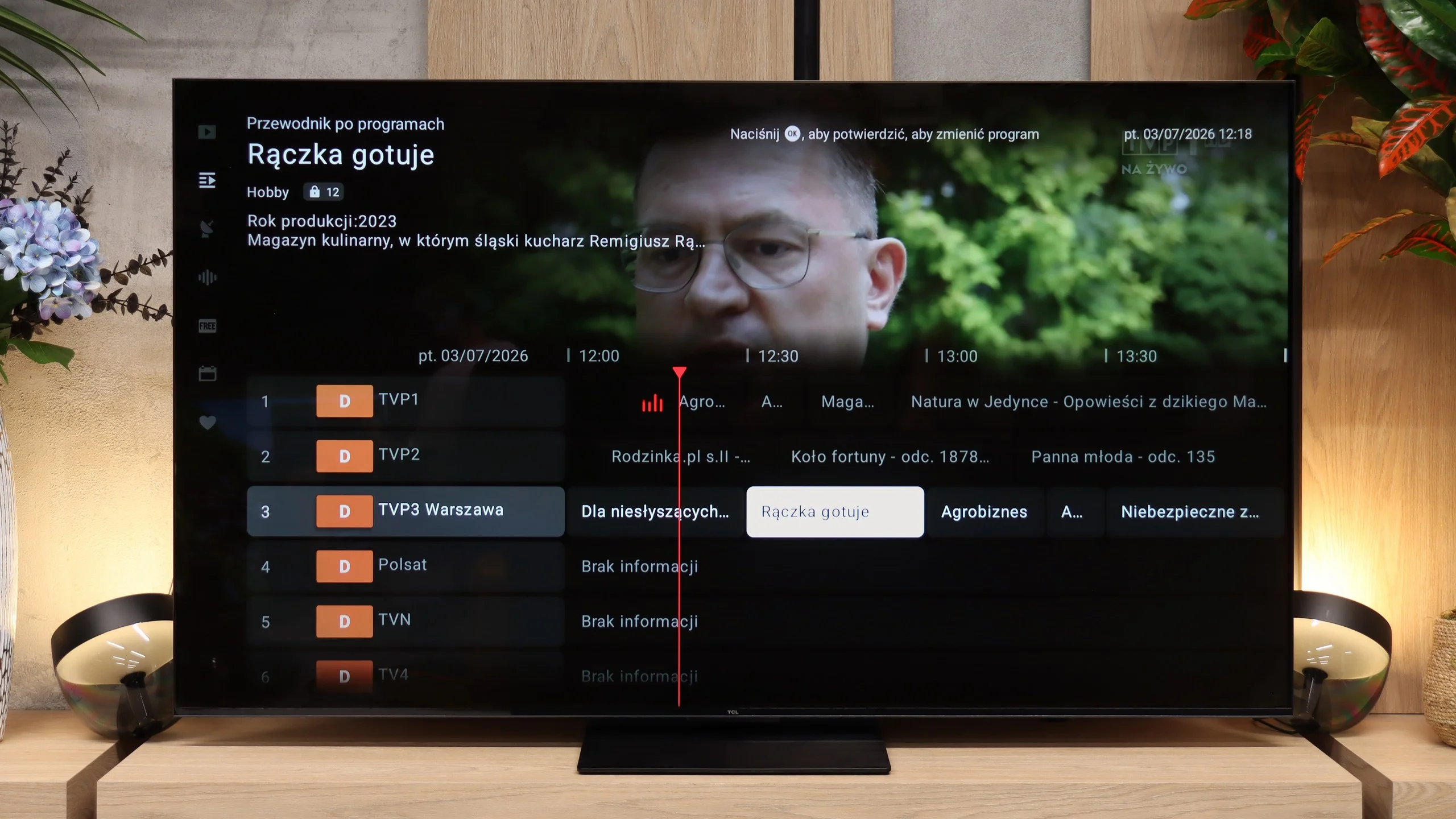
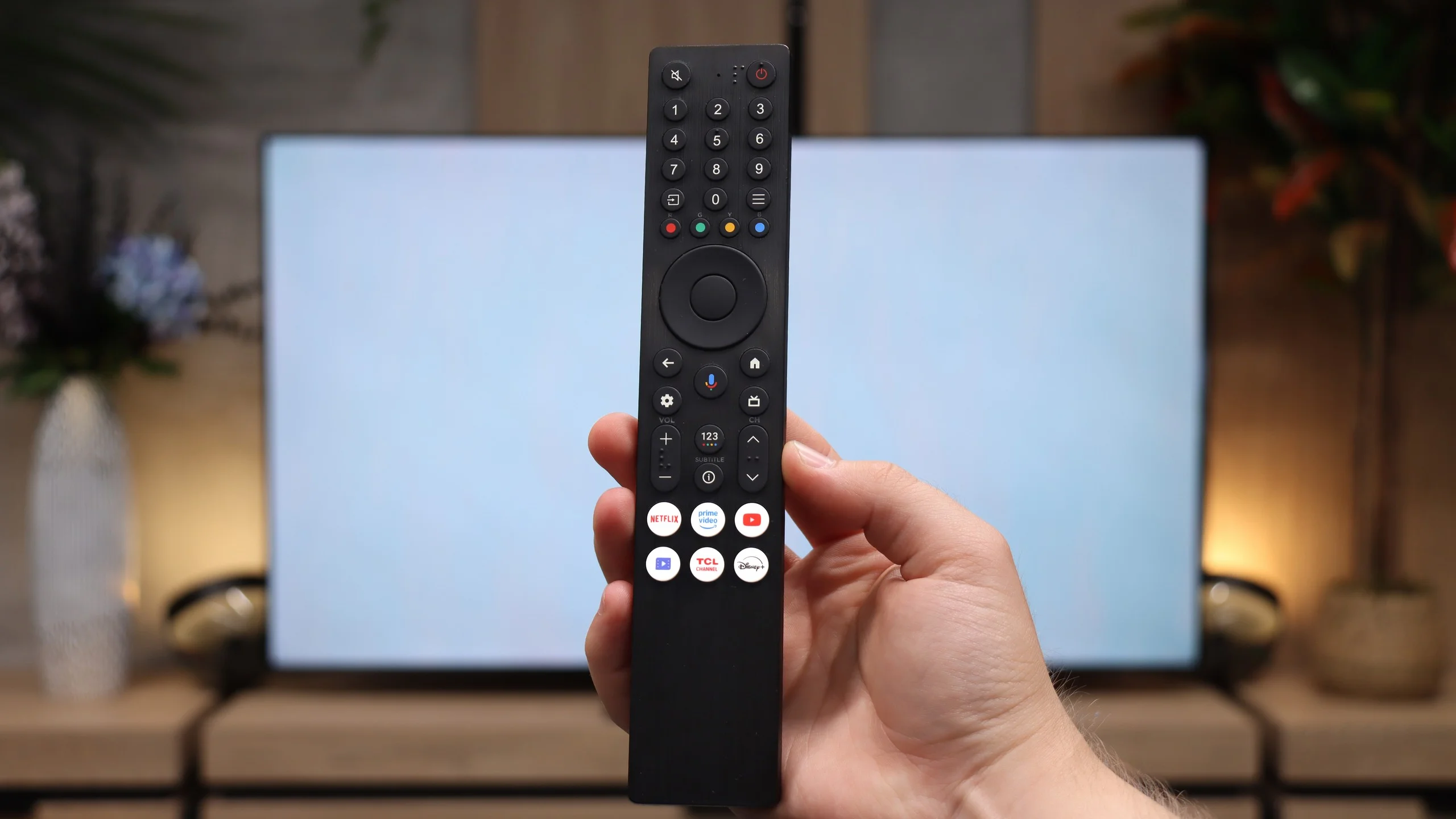
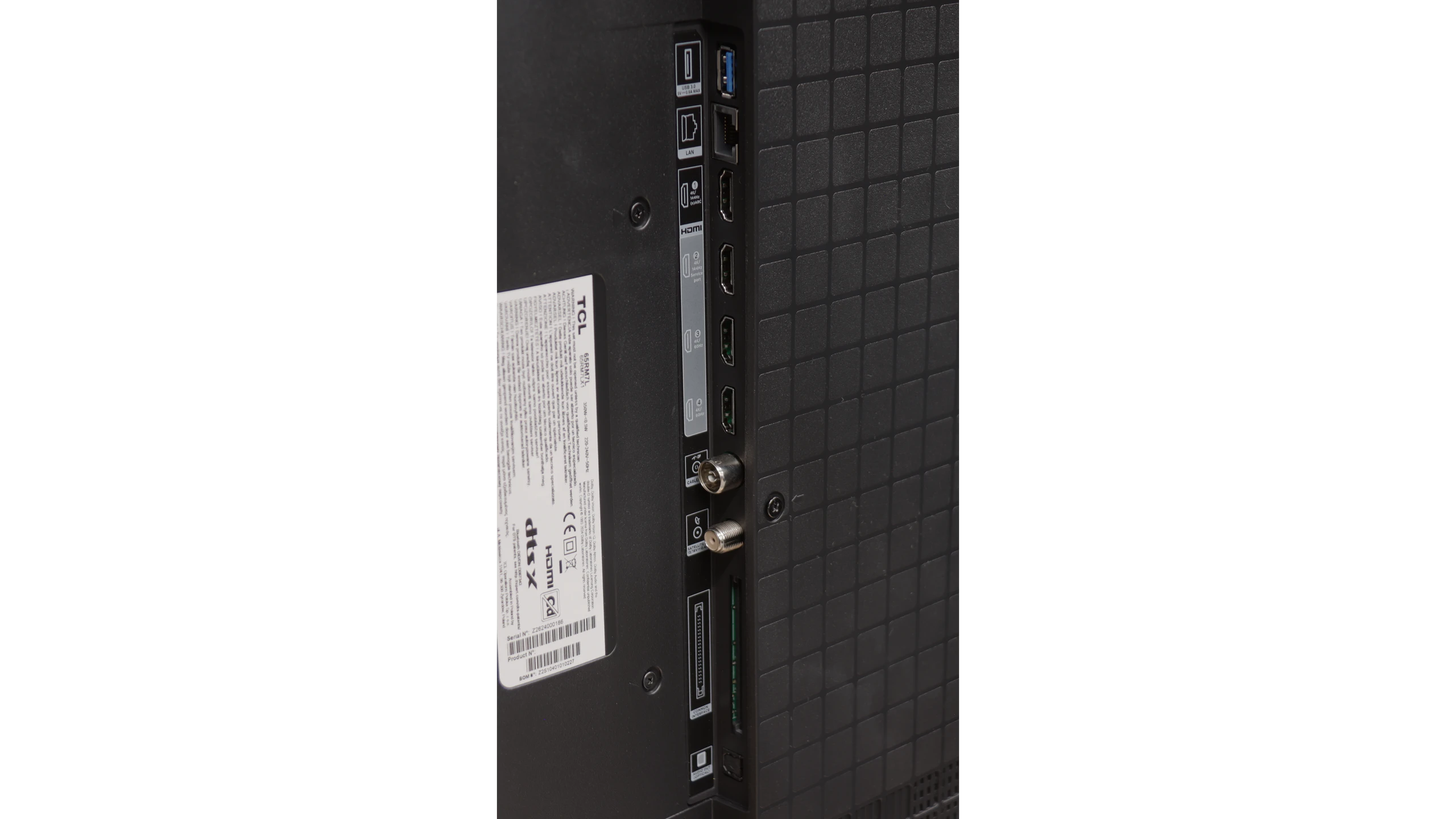
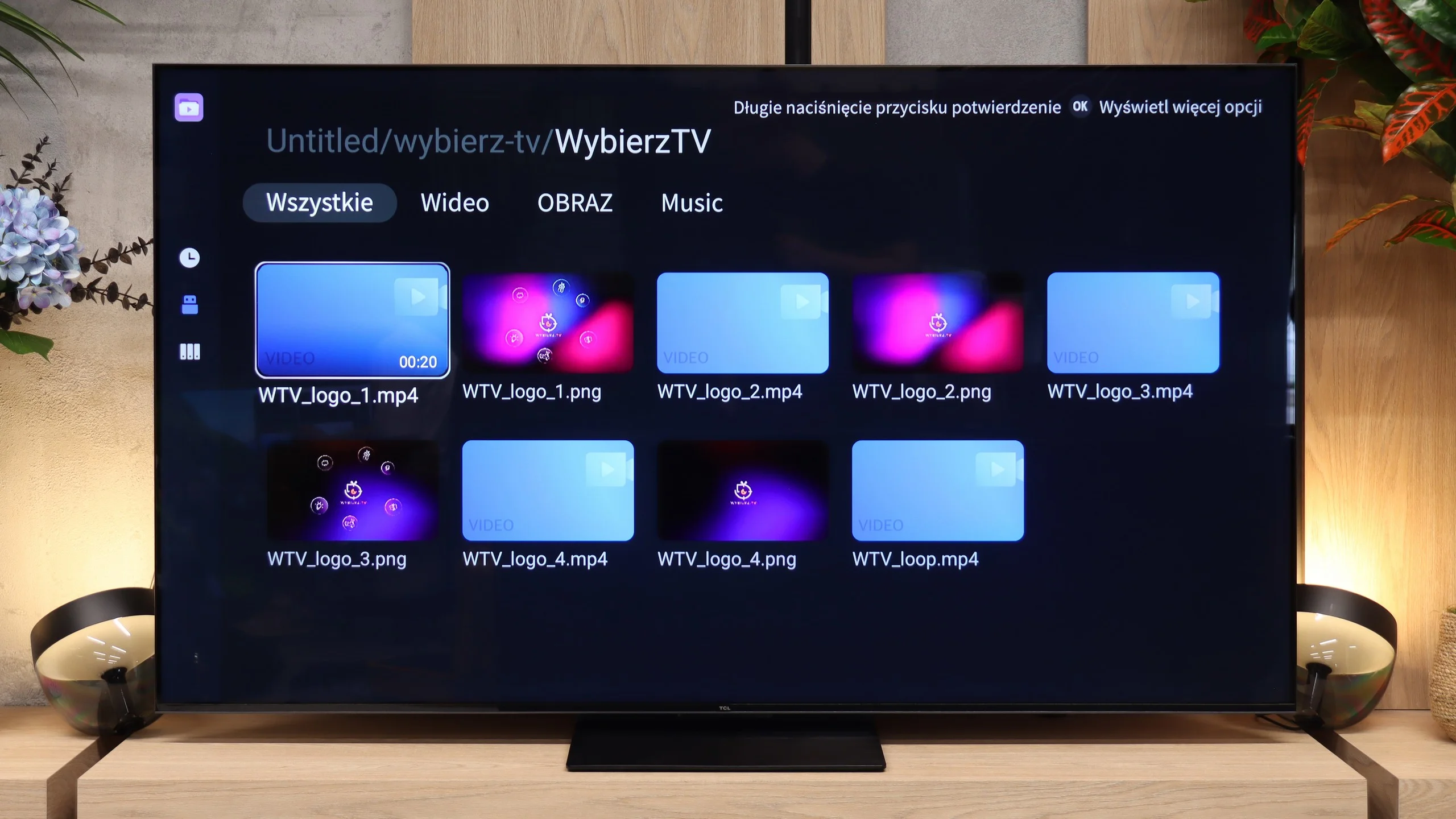
The TCL RM7L is a TV that can't be fairly assessed by measurements and charts alone. Although it isn't uncompromising kit, it more than holds its own in everyday use. It delivers a bright, dynamic and richly saturated picture, which makes it great for HDR content, gaming and fast-paced films. The RM7L doesn't chase perfect "reference-level" accuracy. Instead, it serves up an image that simply pleases the eye. In daily use there's little to fault. Google TV runs smoothly and provides access to a full suite of apps, and the generous set of gaming features means the TV performs just as well when connected to a console or PC as it does during an evening on the sofa. It's simply a versatile piece of kit that will suit most home uses. The most interesting aspect, though, is TCL's approach to backlighting. Rather than chasing numbers and inflating dimming zone counts, as with the C7L, they opted for RGB Mini-LED technology. The effect is genuinely intriguing. Although blacks and contrast are very good, in the most demanding scenes, with bright objects on a dark background, the halo can be slightly more noticeable than on the rival from the same stable. Interestingly, the glow itself takes on the colour of the displayed element, which makes it look much more natural and less distracting than on classic Mini-LED screens.
And that is where the dilemma appears. Placing the RM7L next to the TCL C7L, it's hard to deliver a clear, objective verdict. Both models cost almost the same, but represent two completely different backlight design philosophies. The C7L wins on dimming precision thanks to a larger number of zones, while the RM7L makes up for it with the distinctive, extremely pleasing-to-the-eye character of its RGB panel. Until recently the choice boiled down to a simple zone count; today, as TCL shows, the matter is much more interesting. If we had to choose between the two, the scales would tip slightly towards the C7L because of the higher zone count and equally impressive, saturated colours, but the final decision always depends on what an individual expects from their equipment.
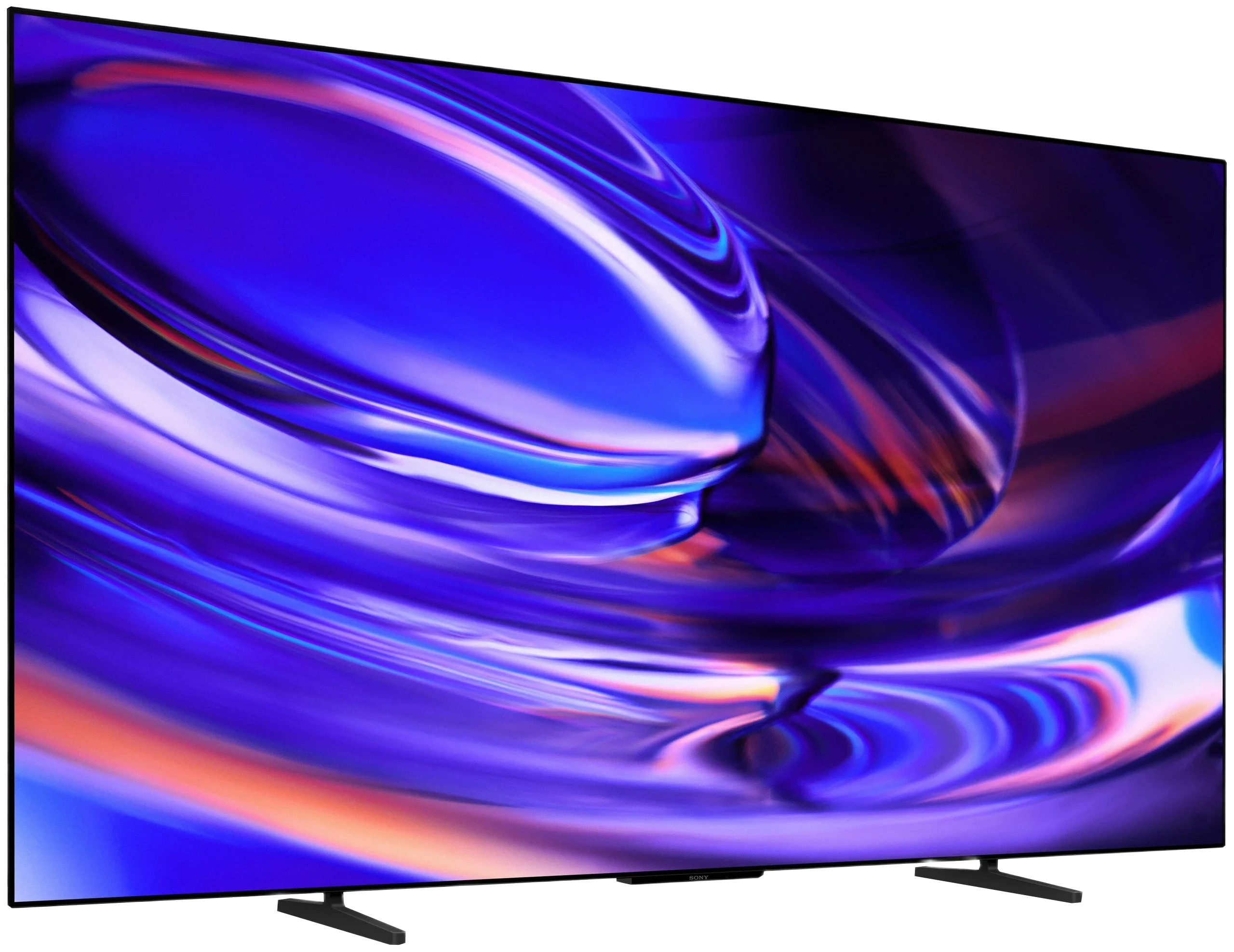
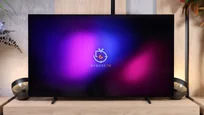
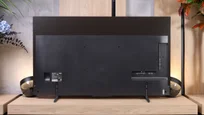
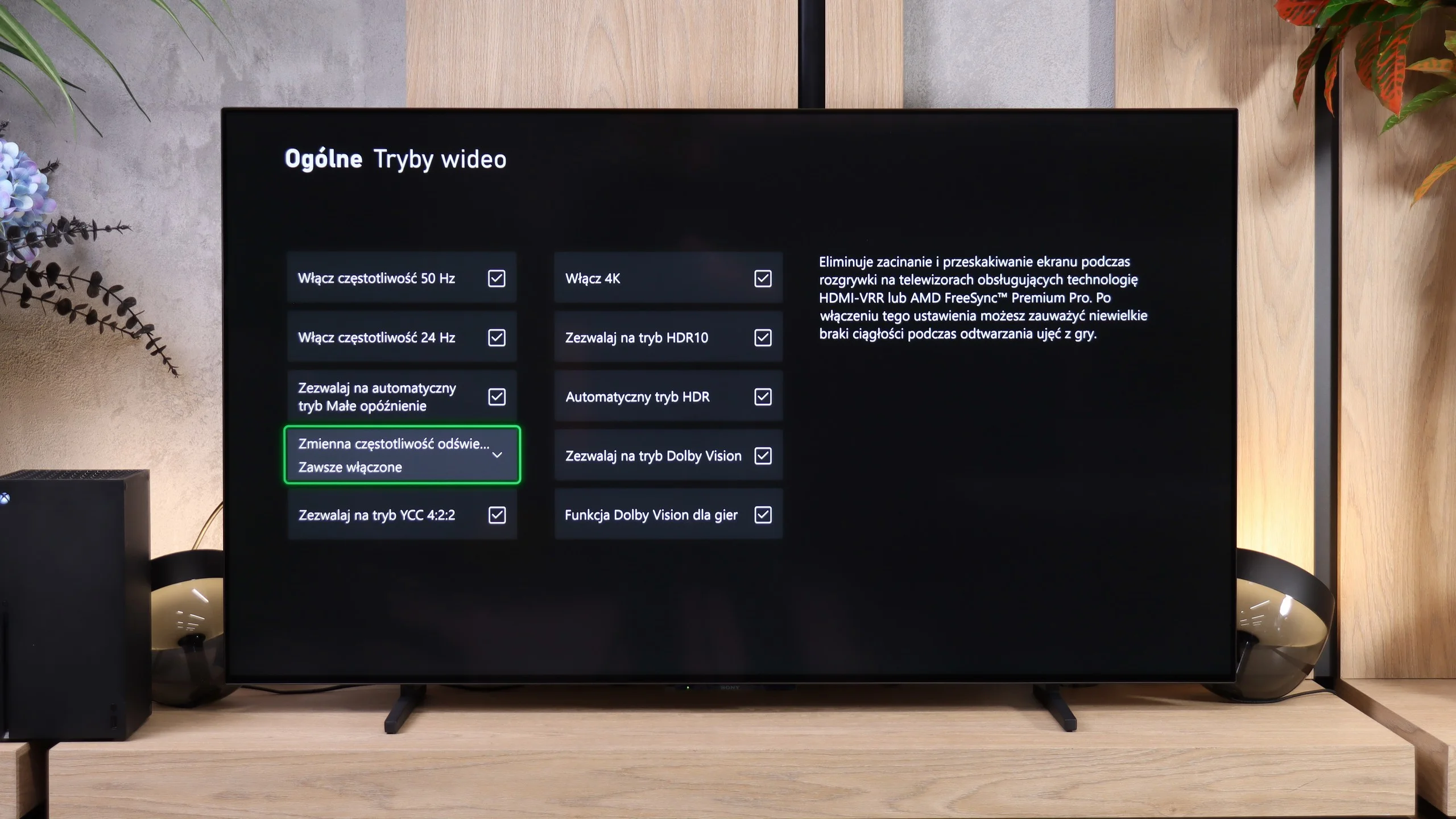
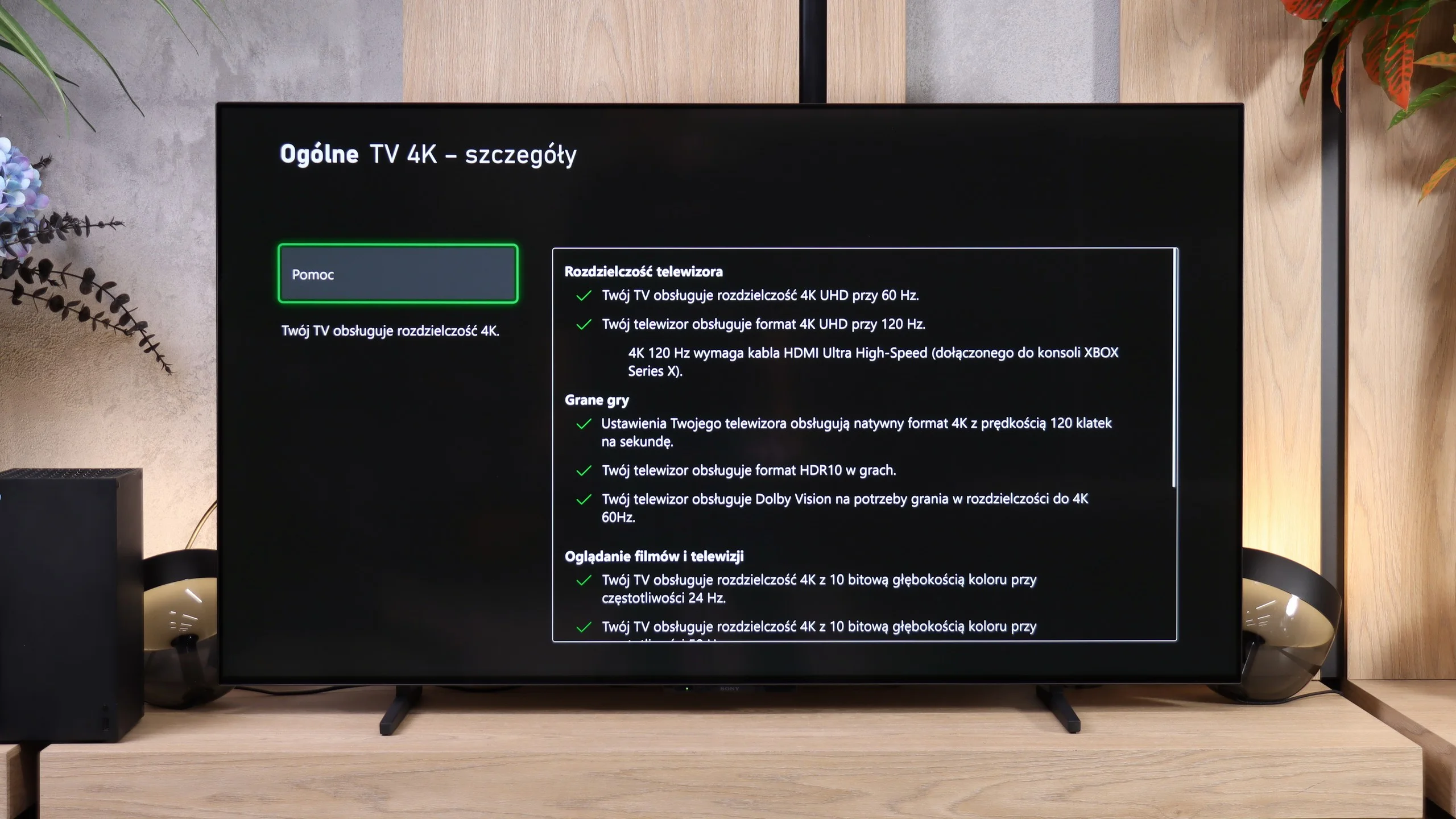
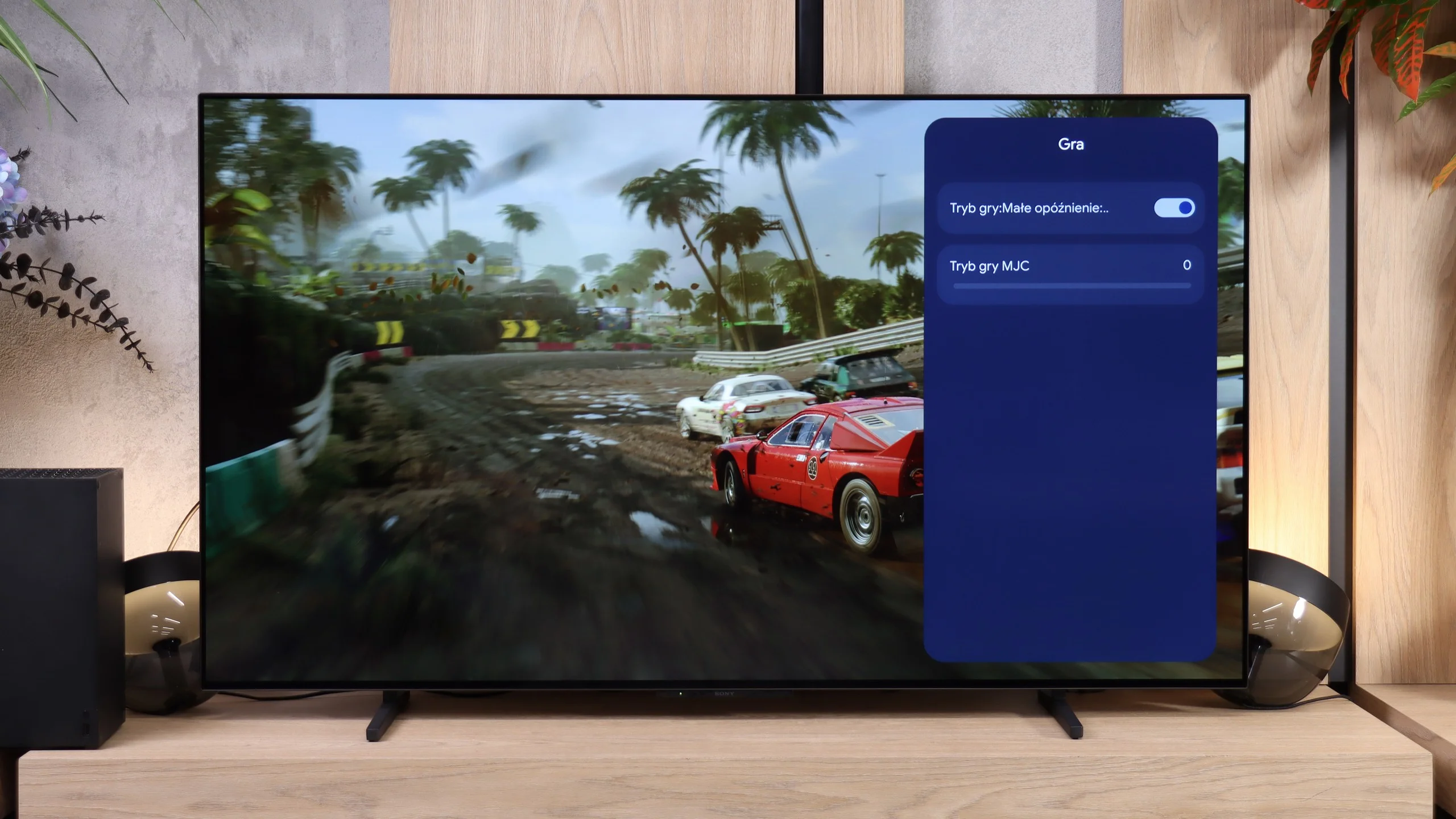
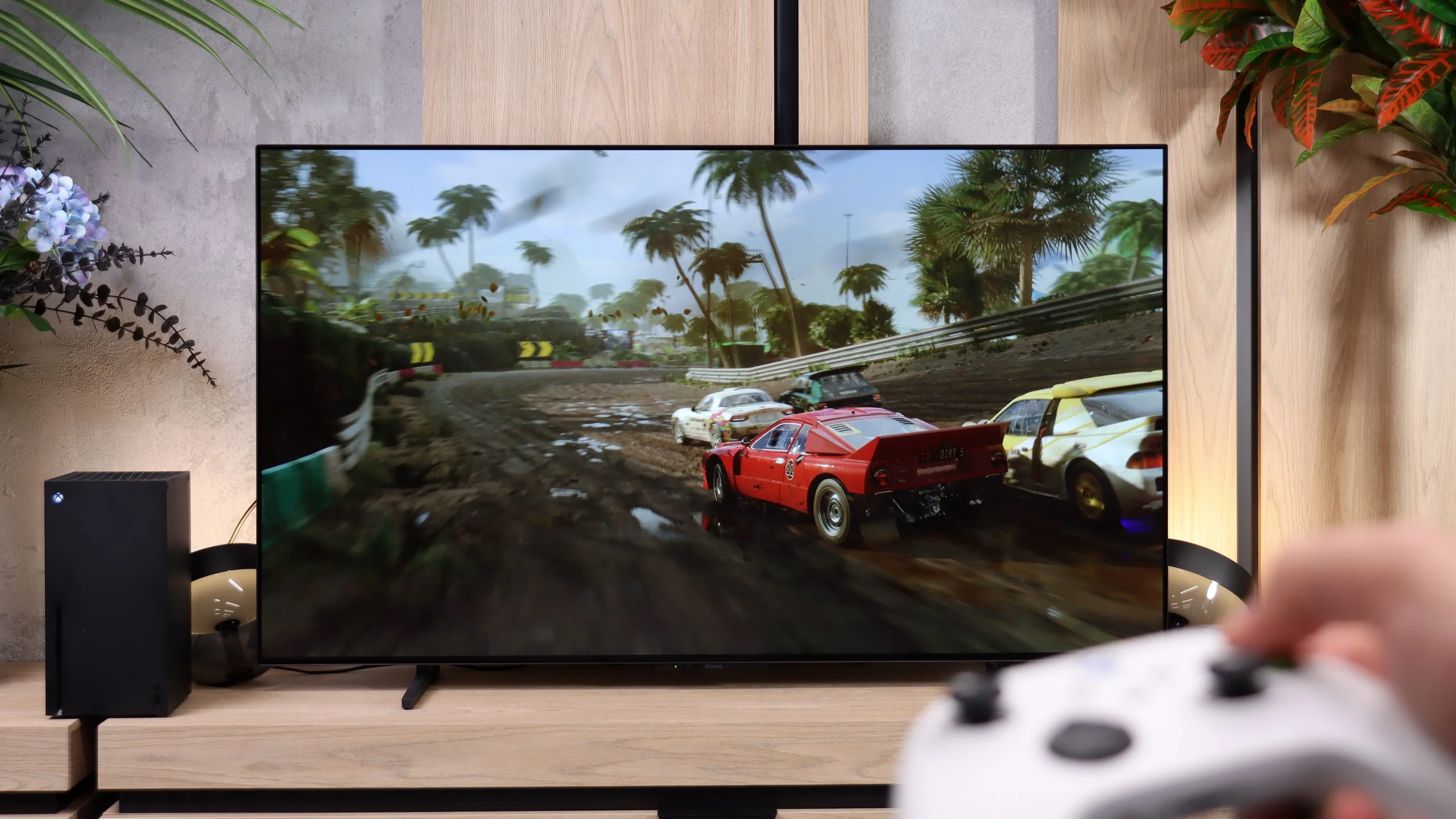
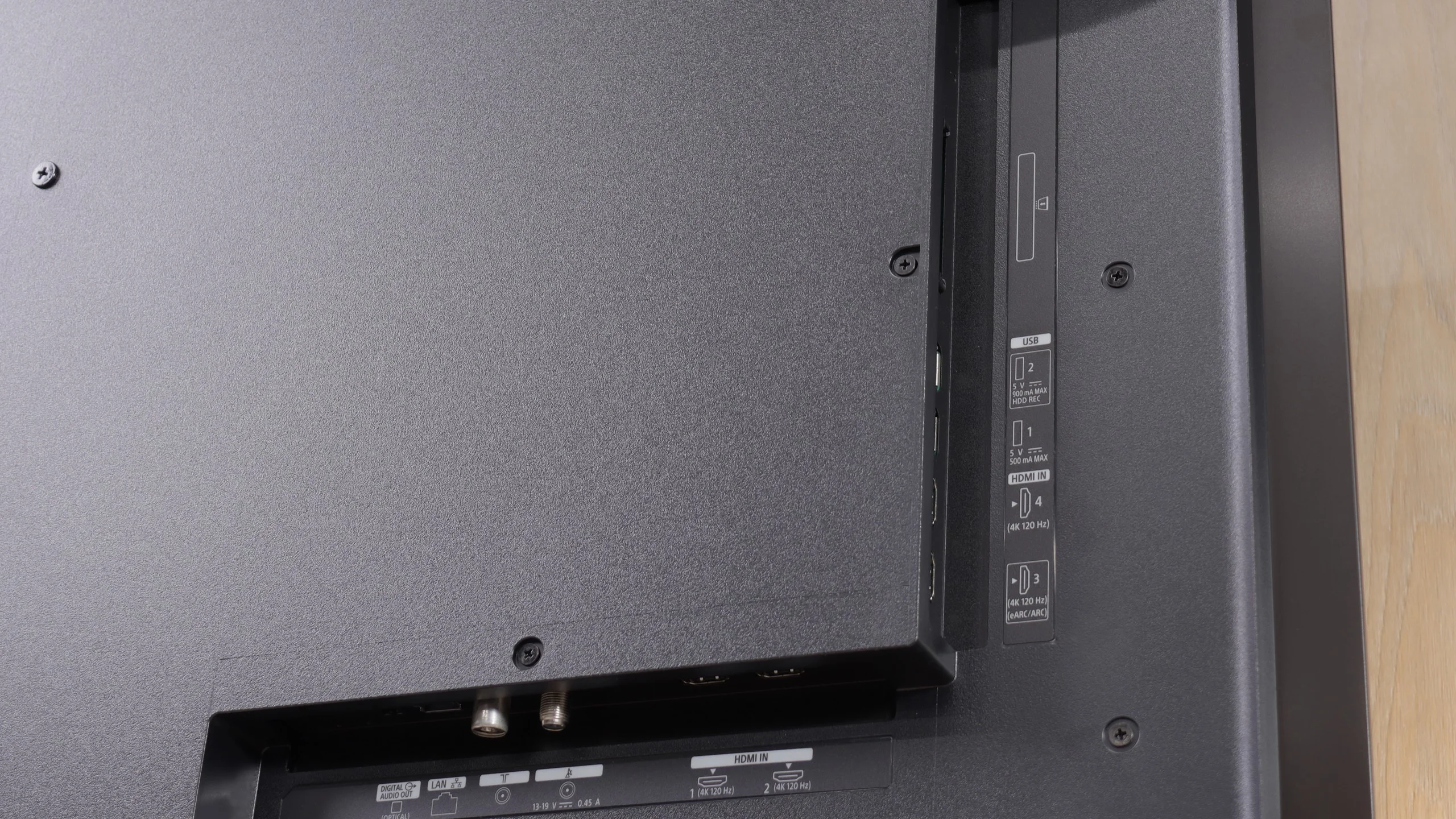
The BRAVIA 6 can provide a lot of viewing pleasure, especially in the evening when the strengths of the OLED panel are most apparent. Deep blacks, good contrast and natural colours after calibration mean that, with the right material, its picture is easy to appreciate. It also performs well with a console: it delivers smooth motion and responds quickly to controller inputs. It's pleasing to see four full HDMI 2.1 ports, which Sony has finally included. Thanks to them, connecting several devices is less of a problem than even with some more expensive models from the brand. The whole package is rounded off by solid build quality and an attractive design.
However, that's not enough to make it stand out among competing OLEDs. We've generally paid extra for Sony TVs, in part for better image processing, but it's hard to spot an advantage in that area with the BRAVIA 6. Weaker recordings look average, and in demanding HDR scenes details are lost in the bright parts of the picture. Dolby Vision helps a little, but it doesn't change the overall impression: you get an image that can be pleasing, yet it doesn't give a clear reason to choose Sony over another entry-level OLED.
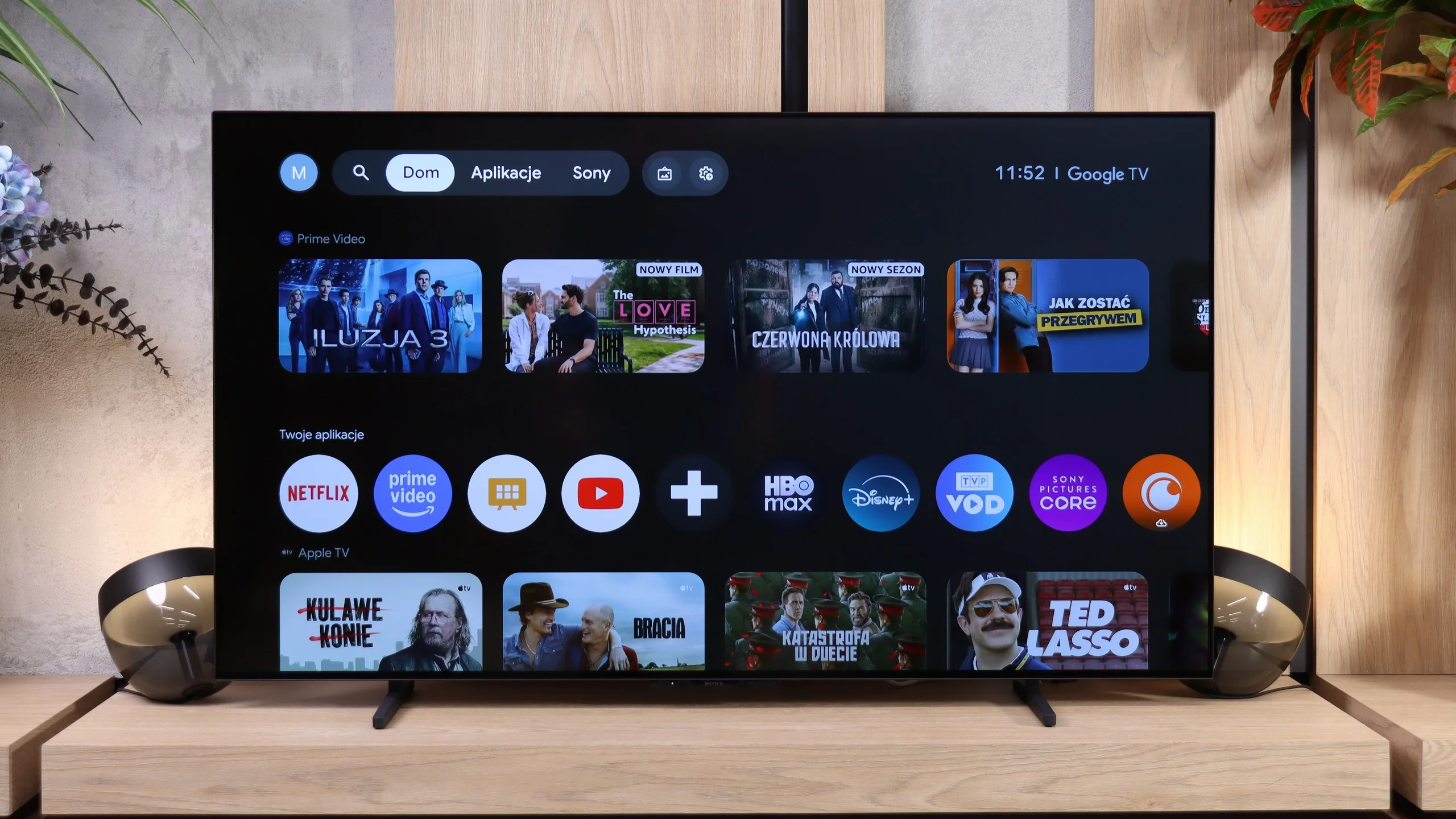
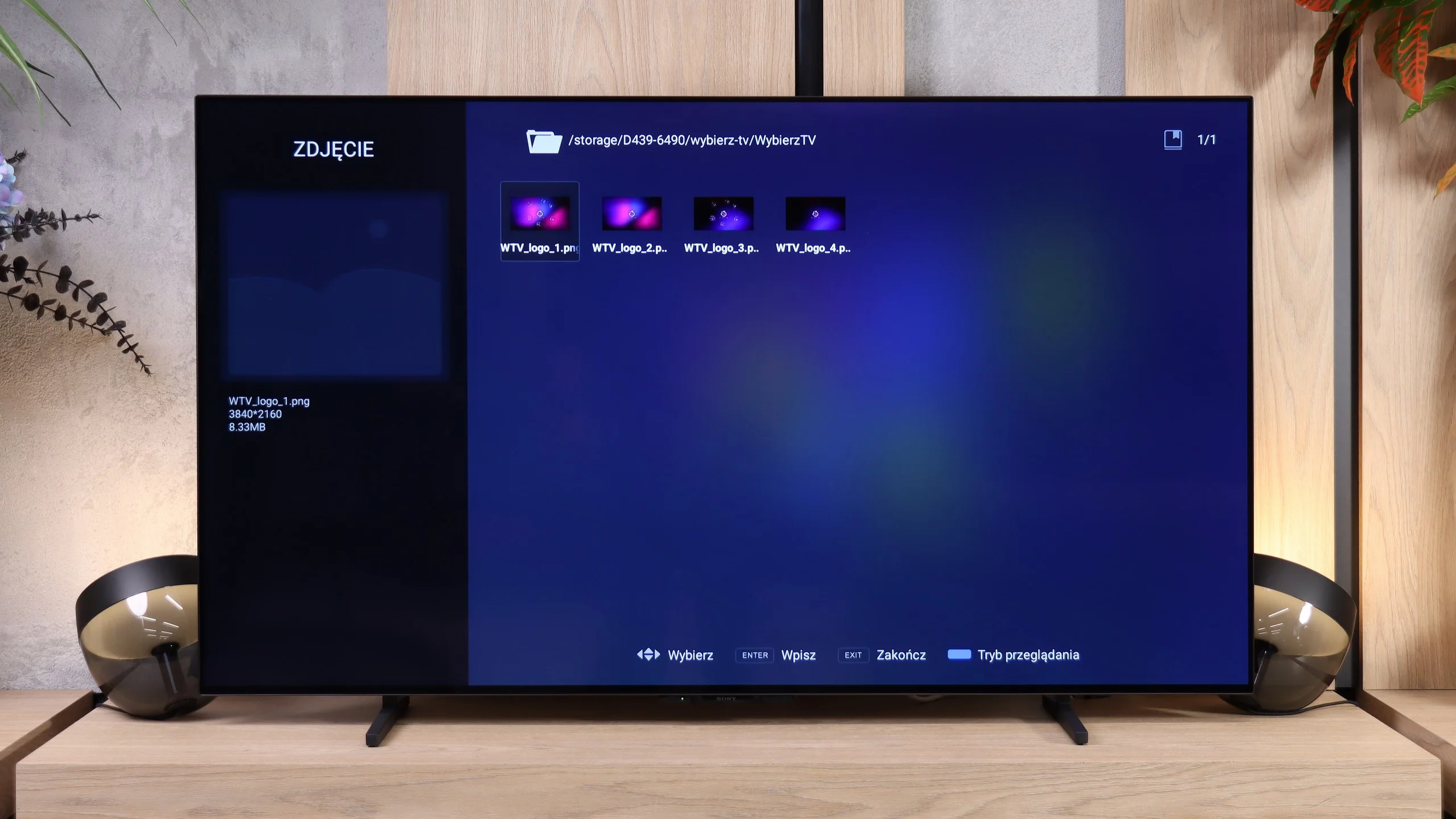
While the lack of such an advantage can be tolerated with a suitably low price, it's much harder to overlook problems in everyday use. Google TV offers a wide range of apps, but during our tests using the TV too often ended with having to... unplug it. Even playing a film from a USB stick could be problematic. It was at moments like these that we felt there was little... Sony in this BRAVIA. It lacks the refinement that used to be one of the reasons to pay more for a Sony TV.
In the end the BRAVIA 6 leaves a fair amount of disappointment. The OLED panel gives it a solid foundation, but the pleasure of watching too often gives way to frustration with operation. For that reason, in its current state we find it hard to recommend, even though it's one of the cheapest OLEDs on the market. An attractive price can make up for some image limitations, but it's hard to see that as a sufficient argument when basic functions fail. So before we can consider whether it's worth buying the BRAVIA 6, Sony needs to deliver the level of polish we expect.
 Direct comparison