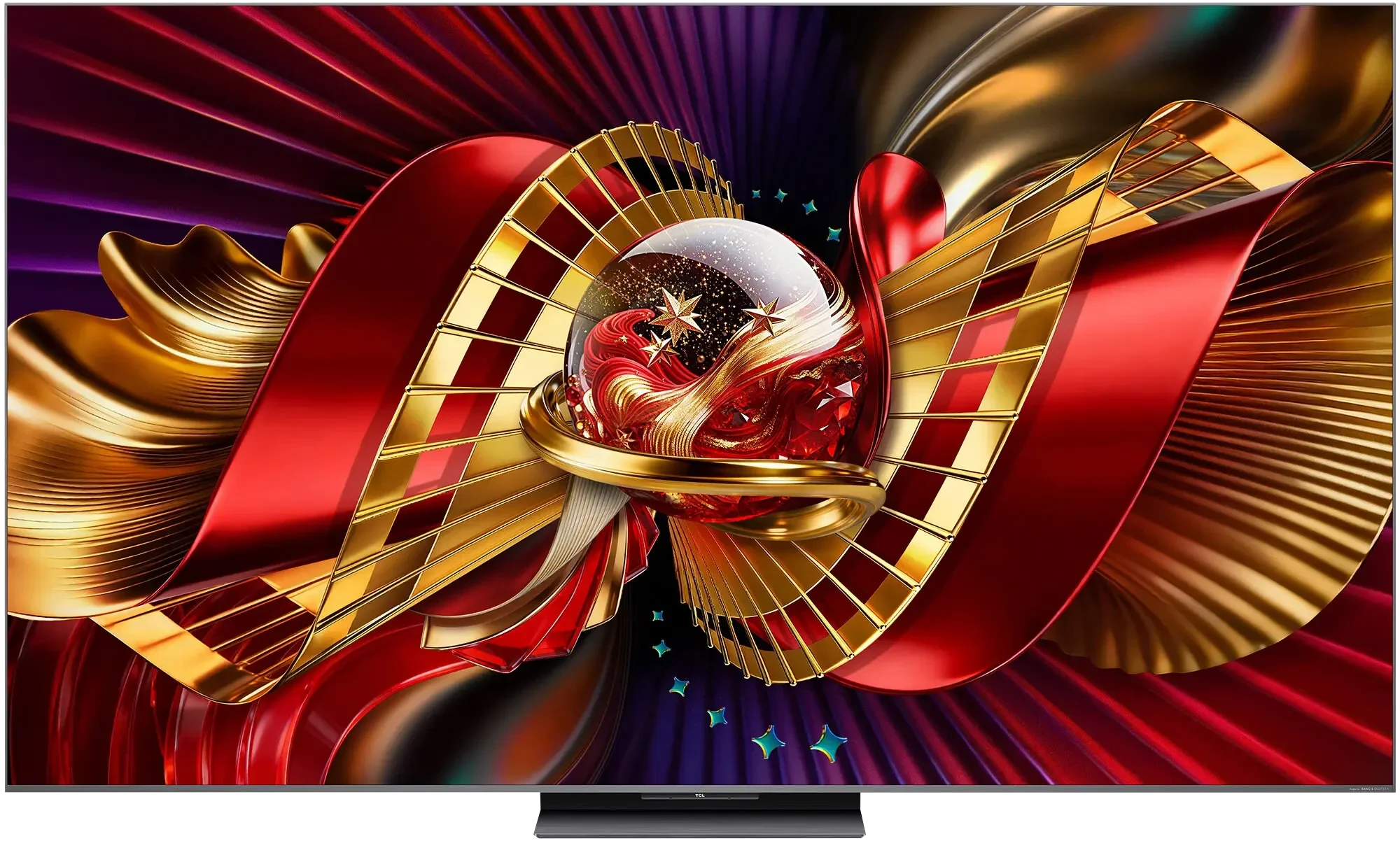
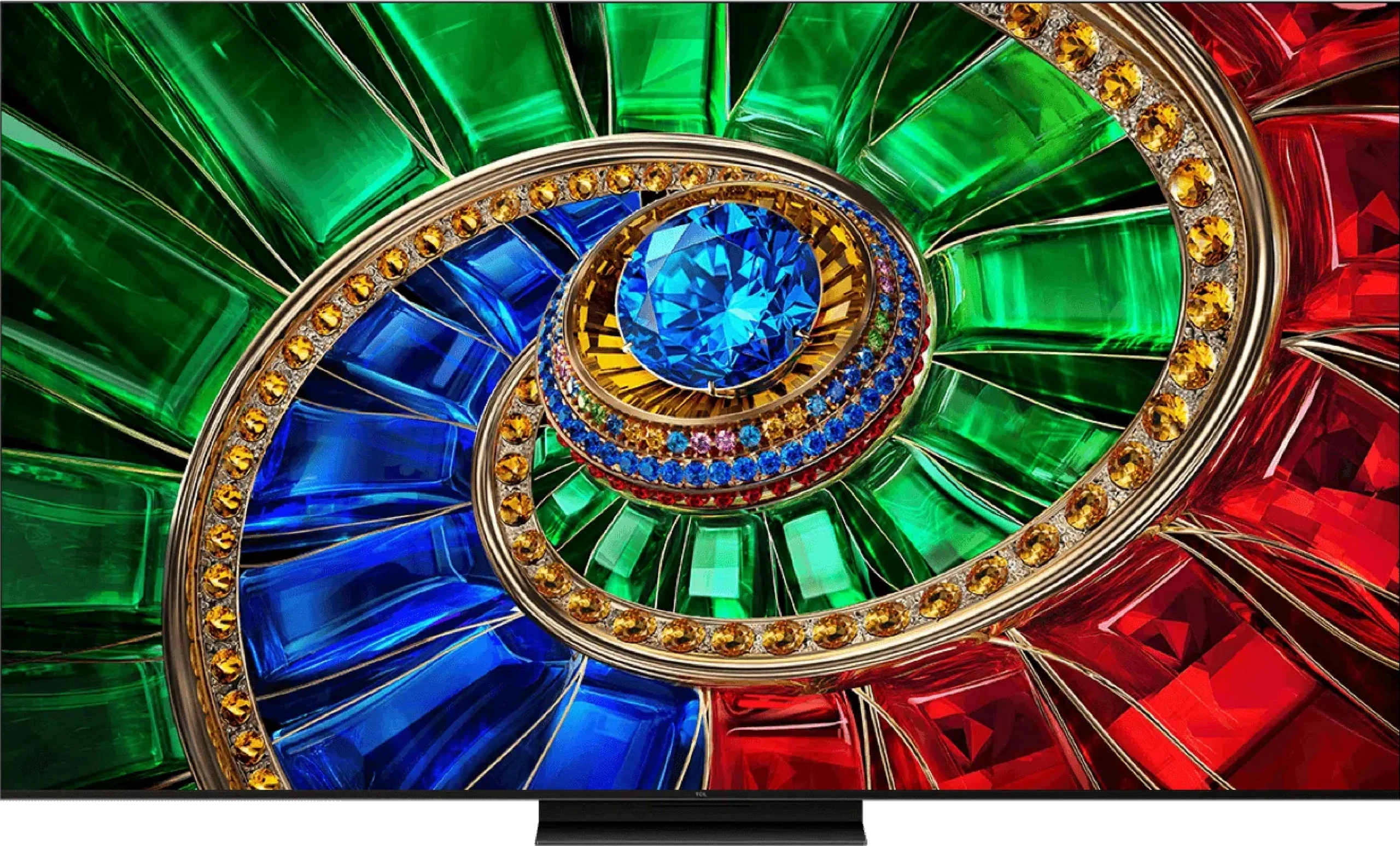
TCL C8L / QM8L vs TCL RM7L

Direct comparison

C8L / QM8L

Info

Available screen sizes: 55”65”75”85”98”

Available screen sizes: 65”75”85”98”

Review TCL C8L / QM8L  Main photo
Review TCL RM7L Main photo

Panel type: LCD VA

Resolution: 3840x2160

System: Google TV

Model year: 2026

Complete the survey to find out the result

Panel type: LCD VA

Resolution: 3840x2160

System: Google TV

Model year: 2026

Complete the survey to find out the result

Overall rating

8.3

7.8

  • Movies and series in UHD quality

    7.7

    7.4

  • Classic TV, YouTube

    7.5

    7.1

  • Sports broadcasts (TV and apps)

    7.2

    6.9

  • Gaming on console

    8.9

    8.8

  • TV as a computer monitor

    8.6

    8.4

  • Watching in bright light

    10.0

    7.8

  • Utility functions

    8.3

    7.8

  • Apps

    9.6

    9.6

  • Sound quality

    8.1

    7.8

Advantages

  • Very good black levels: Mini-LED backlighting

  • High peak brightness: results reaching nearly 5000 nits

  • Excellent daytime performance: the powerful backlight easily cuts through reflections on the panel

  • Very good colours: new SQD quantum dots

  • Pentonic 800 processor: a noticeable quality leap in upscaling and the performance of digital features

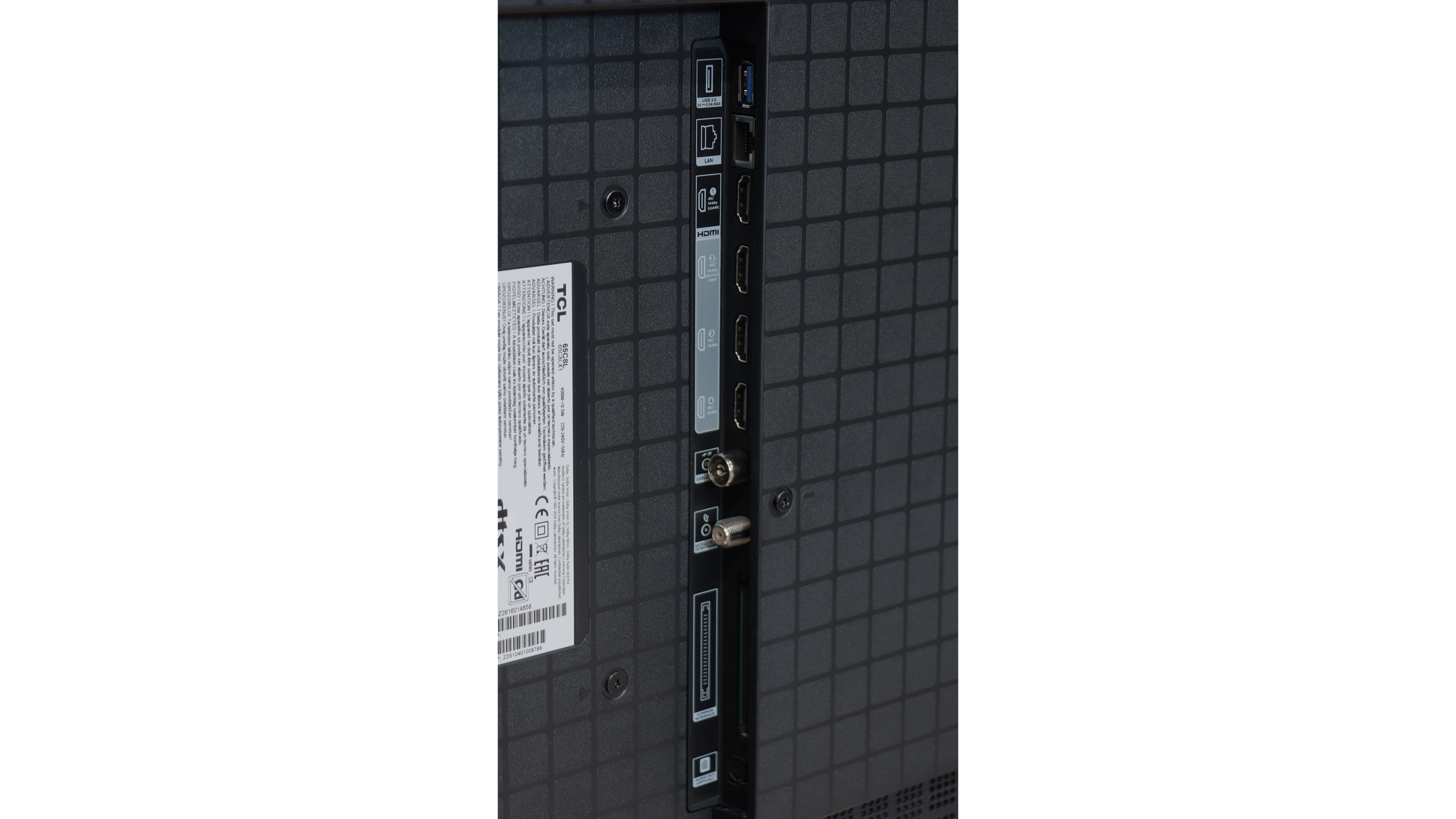
  • Four full HDMI 2.1 ports

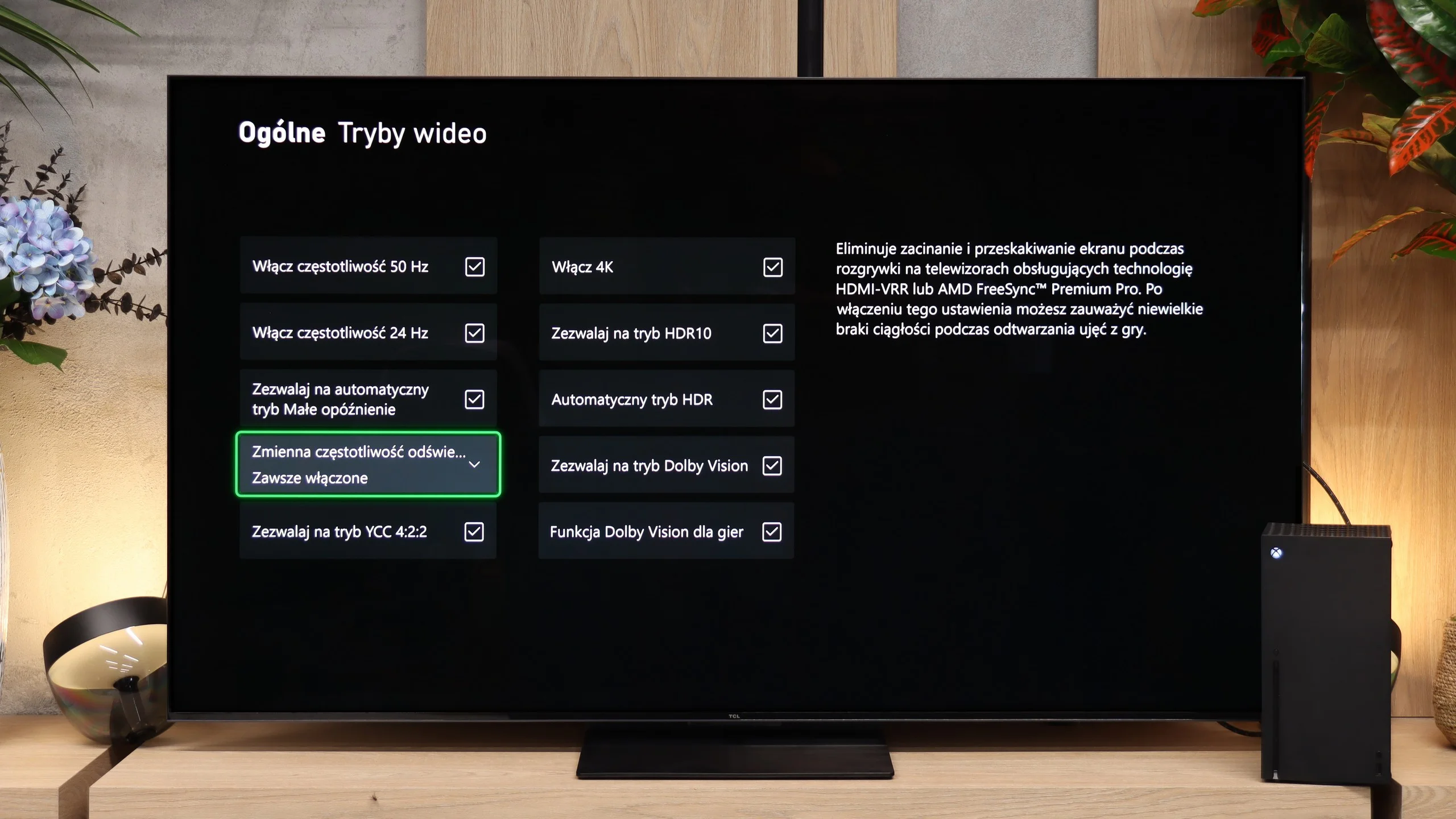
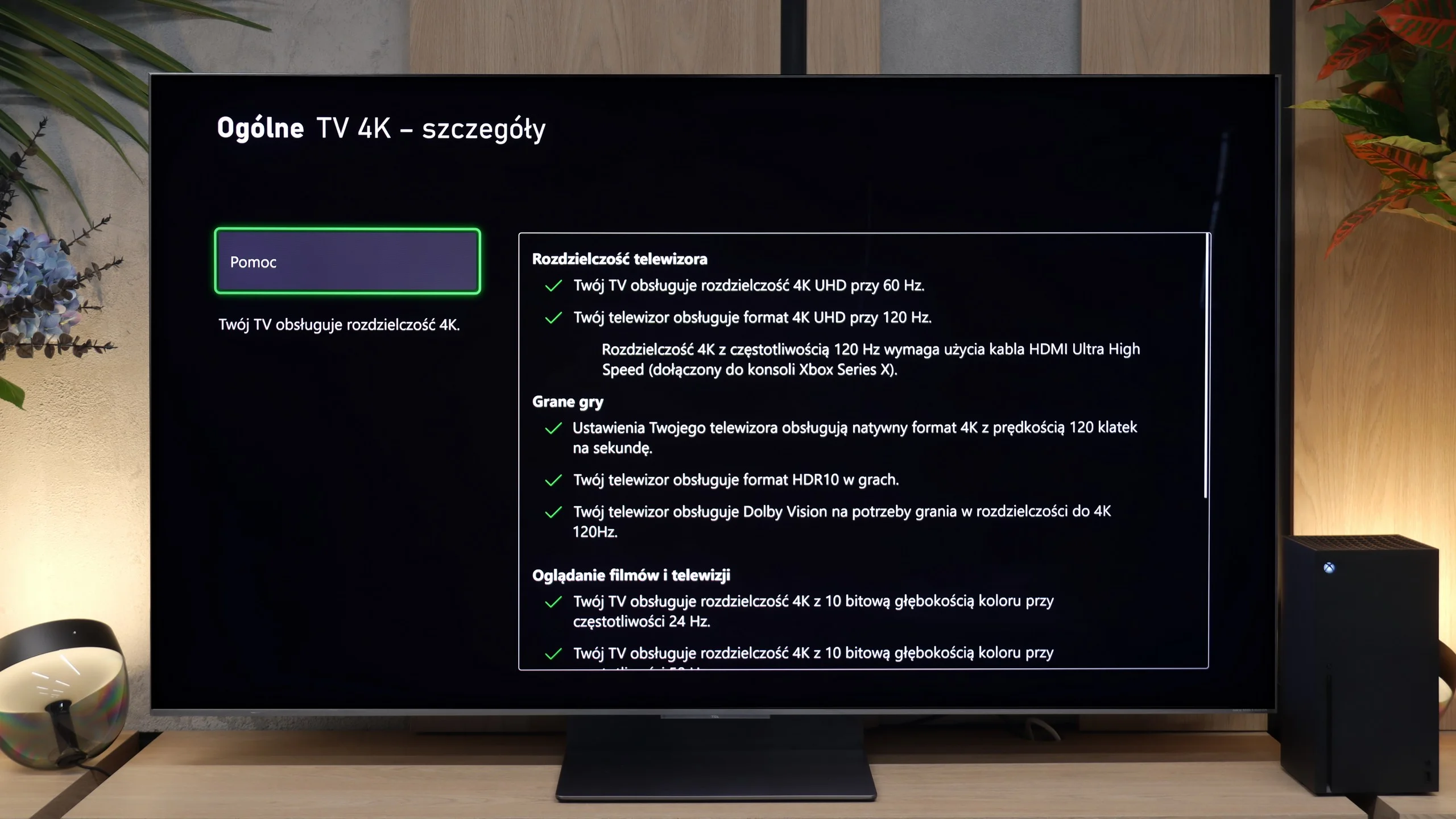
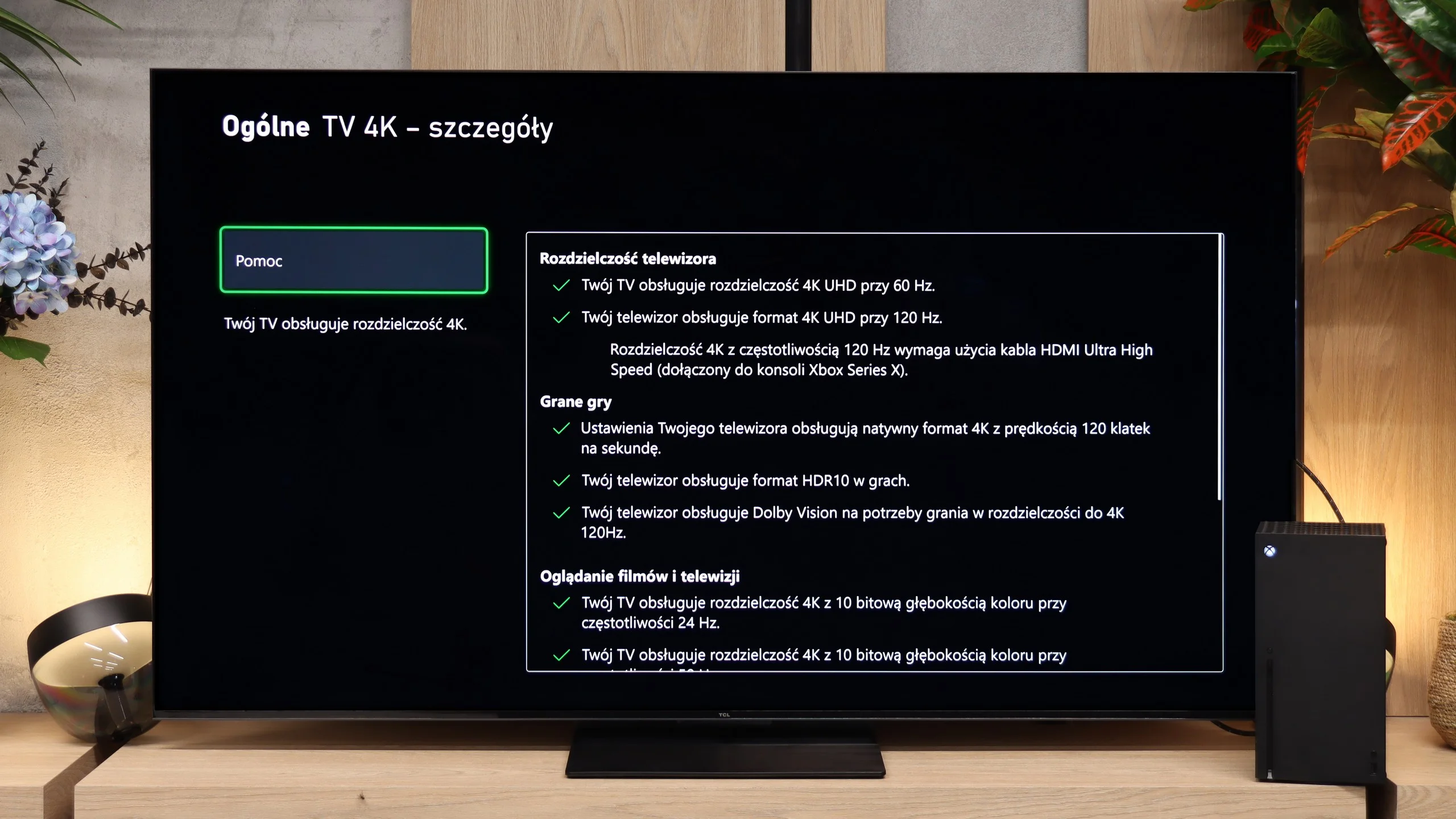
  • Excellent specs for gamers: exceptionally low input lag (below 10 ms), refresh rates up to 288 Hz with VRR, and support for HGiG and Dolby Vision Gaming

  • Google TV: the system runs quickly and allows installation of a large number of apps

  • Good sound: audio branded by premium Bang & Olufsen

  • Very high HDR and SDR brightness

  • Good black levels and contrast (VA panel + mini-LED)

  • Full support for HDR formats, including Dolby Vision and HDR10+

  • Extensive gaming features (VRR, ALLM, HGiG)

  • Good motion clarity with low blur (up to 288Hz)

  • Google TV operating system (many apps, Gemini voice assistant)

Disadvantages

No like
  • Not faithful to the creator's intent: the TV tends to boost brightness

  • Slight smearing

  • Poor digital image processing due to the use of the older MediaTek Pentonic 700 processor

  • The glossy screen coating does little to reduce reflections

  • Only two HDMI 2.1 ports

  • Less stable colours, dependent on the dimming algorithm (a characteristic of RGB panels)

Our verdict

TCL C8L is undoubtedly one of the most intriguing Mini-LED televisions that has entered our laboratory this year. This model stands out primarily due to its excellent price-to-performance ratio. TCL has already accustomed us to aggressive pricing for its screens, but in the case of the C8 series, the manufacturer has managed to push the boundaries even further. For the amount that often only allows the purchase of mid-range models or two such models like C8K in the competitive market, here we receive equipment and specifications equal to top models. The new image processor, four full HDMI 2.1 ports, support for extreme refresh rates, and powerful peak brightness thanks to a vast number of dimming zones are arguments that are hard to overlook.

However, analysing the whole picture, one must honestly summarise the character of this television. The C8L is equipment designed more for displaying “spectacular” images rather than rigorously faithful ones. What do we mean by this? The software and algorithms managing the Mini-LED backlight zones have been tuned to favour visual appeal – the image is meant to be bright, contrasty, and striking in saturation. And what does this mean? The television has a tendency to autonomously interpret images instead of adhering to certain studio standards. For most users looking for “greater” emotions in films or games, this effect will likely be an advantage. On the other hand, purists and fans of perfectly natural images (such as us 😉) may find this behaviour too aggressive and not in line with the director's intent. Hence, we leave the final assessment on this matter to you.

Generally speaking, despite this specificity, the TCL C8L is a television that we can, and indeed must, wholeheartedly recommend. It is primarily a premium-class product, doing literally everything right... to a fault. Certain imperfections we would simply treat as features of this device rather than flaws – mainly due to the technological limitations that all Mini-LED televisions from any manufacturer on the market have accustomed us to. Ultimately, the software refinement has brought a lot to the new model, resulting in a mature, confident, and nearly complete piece of equipment.
The TCL RM7L is a TV that can't be fairly assessed by measurements and charts alone. Although it isn't uncompromising kit, it more than holds its own in everyday use. It delivers a bright, dynamic and richly saturated picture, which makes it great for HDR content, gaming and fast-paced films. The RM7L doesn't chase perfect "reference-level" accuracy. Instead, it serves up an image that simply pleases the eye. In daily use there's little to fault. Google TV runs smoothly and provides access to a full suite of apps, and the generous set of gaming features means the TV performs just as well when connected to a console or PC as it does during an evening on the sofa. It's simply a versatile piece of kit that will suit most home uses. The most interesting aspect, though, is TCL's approach to backlighting. Rather than chasing numbers and inflating dimming zone counts, as with the C7L, they opted for RGB Mini-LED technology. The effect is genuinely intriguing. Although blacks and contrast are very good, in the most demanding scenes, with bright objects on a dark background, the halo can be slightly more noticeable than on the rival from the same stable. Interestingly, the glow itself takes on the colour of the displayed element, which makes it look much more natural and less distracting than on classic Mini-LED screens.

And that is where the dilemma appears. Placing the RM7L next to the TCL C7L, it's hard to deliver a clear, objective verdict. Both models cost almost the same, but represent two completely different backlight design philosophies. The C7L wins on dimming precision thanks to a larger number of zones, while the RM7L makes up for it with the distinctive, extremely pleasing-to-the-eye character of its RGB panel. Until recently the choice boiled down to a simple zone count; today, as TCL shows, the matter is much more interesting. If we had to choose between the two, the scales would tip slightly towards the C7L because of the higher zone count and equally impressive, saturated colours, but the final decision always depends on what an individual expects from their equipment.
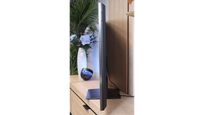
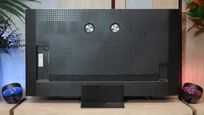
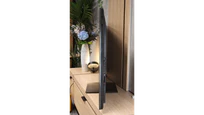
TV appearance

HDMI inputs
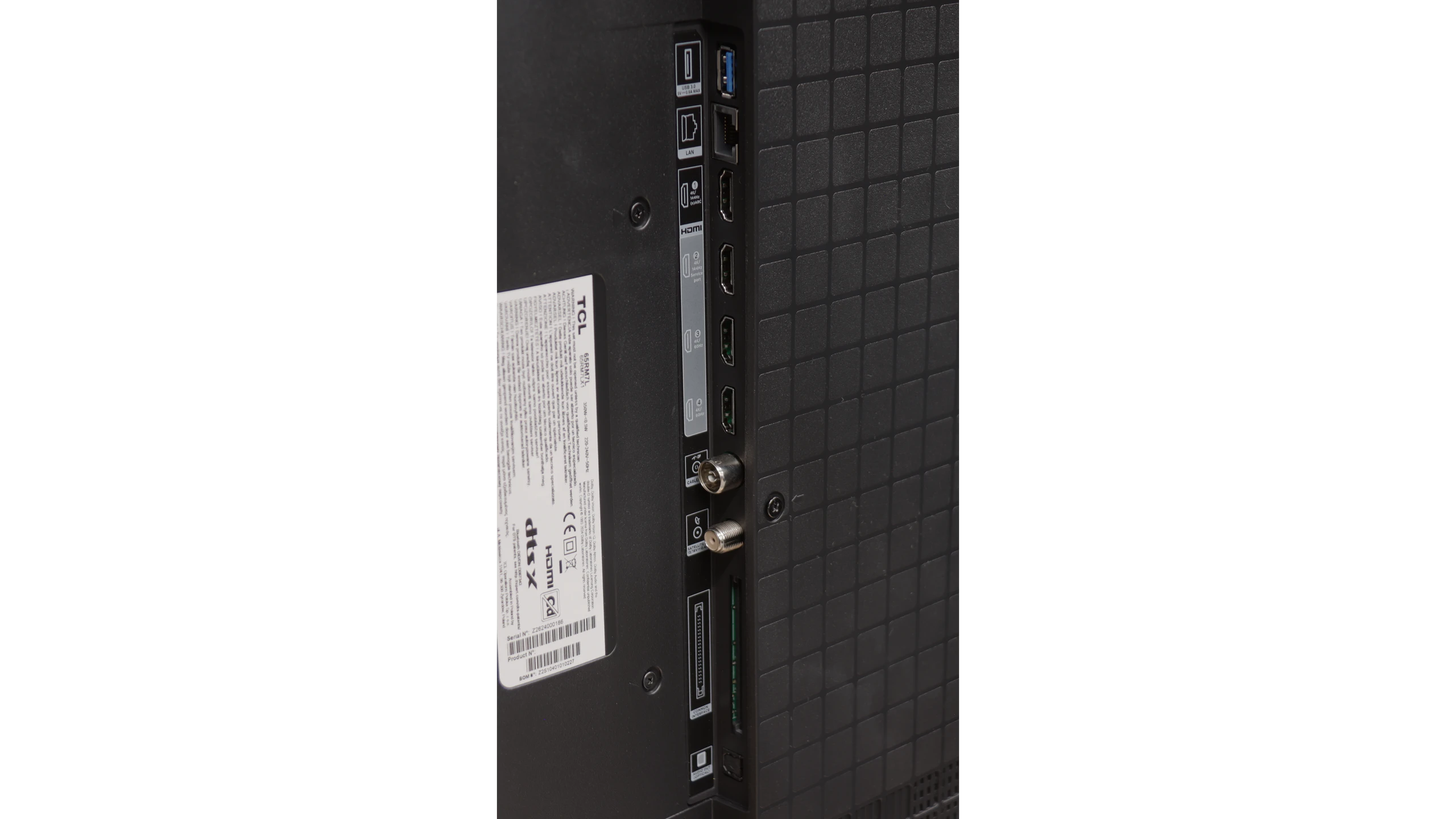
0 x HDMI 2.0, 4 x HDMI 2.1 (48Gbps)
2 x HDMI 2.0, 2 x HDMI 2.1 (48Gbps)
Other inputs
Outputs
Toslink (Optical audio), eARC (HDMI), ARC (HDMI)
Network Interfaces
Wi-Fi 2.4GHz, Wi-Fi 5GHz, Ethernet (LAN) 100Mbps
Build quality
Premium
Good
Stand type
Central
Central
Bezel color
Silver
Graphite
Stand
Height adjustment
Height adjustment
Accessories
Stand
Stand

Contrast and black detail

8/10

7.7/10

Local dimming function: Yes, number of zones: 2040 (34 x 60)

Local dimming function: Yes, number of zones: 448 (16 x 28)

Contrast:

Review TCL C8L / QM8L  Contrast and black detail

Result

156,600:1

Review TCL C8L / QM8L  Contrast and black detail

Result

59,250:1

Review TCL C8L / QM8L  Contrast and black detail

Result

17,400:1

Review TCL C8L / QM8L  Contrast and black detail

Result

23,650:1

Review TCL C8L / QM8L  Contrast and black detail

Result

9,250:1

Review TCL RM7L Contrast and black detail

Result

258,450:1

Review TCL RM7L Contrast and black detail

Result

41,400:1

Review TCL RM7L Contrast and black detail

Result

18,800:1

Review TCL RM7L Contrast and black detail

Result

15,650:1

Review TCL RM7L Contrast and black detail

Result

8,350:1

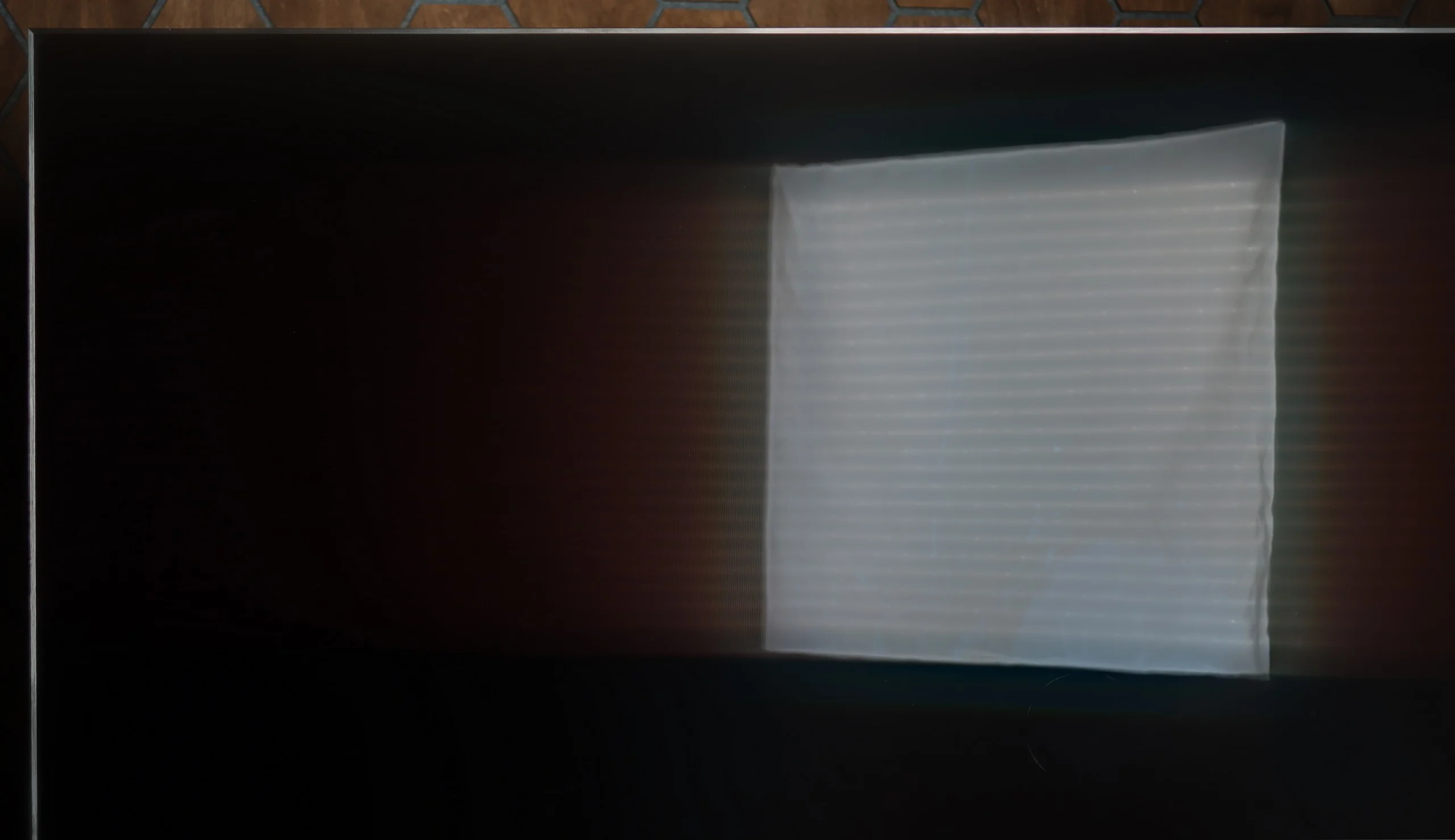
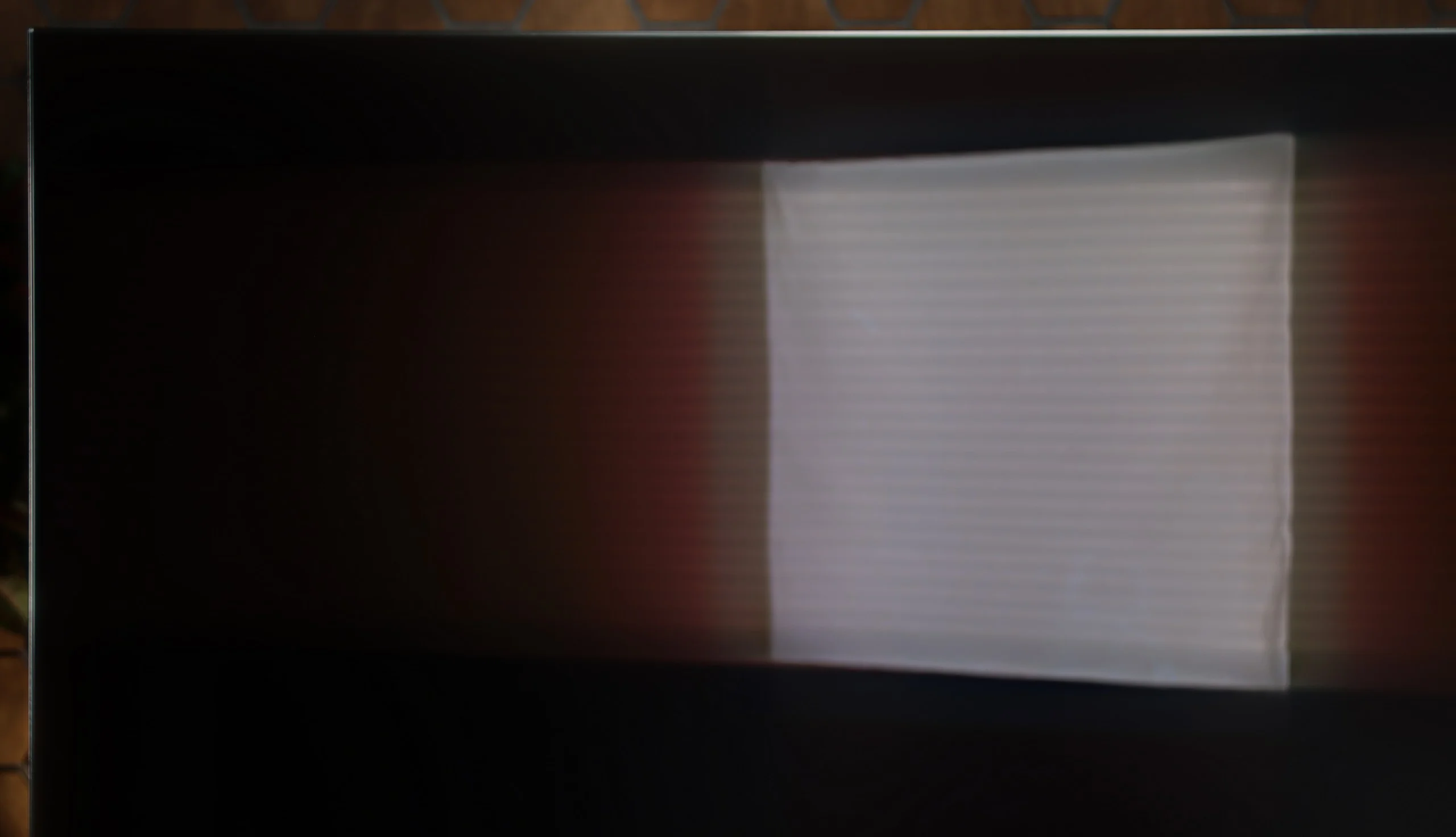
Halo effect and black detail visibility:

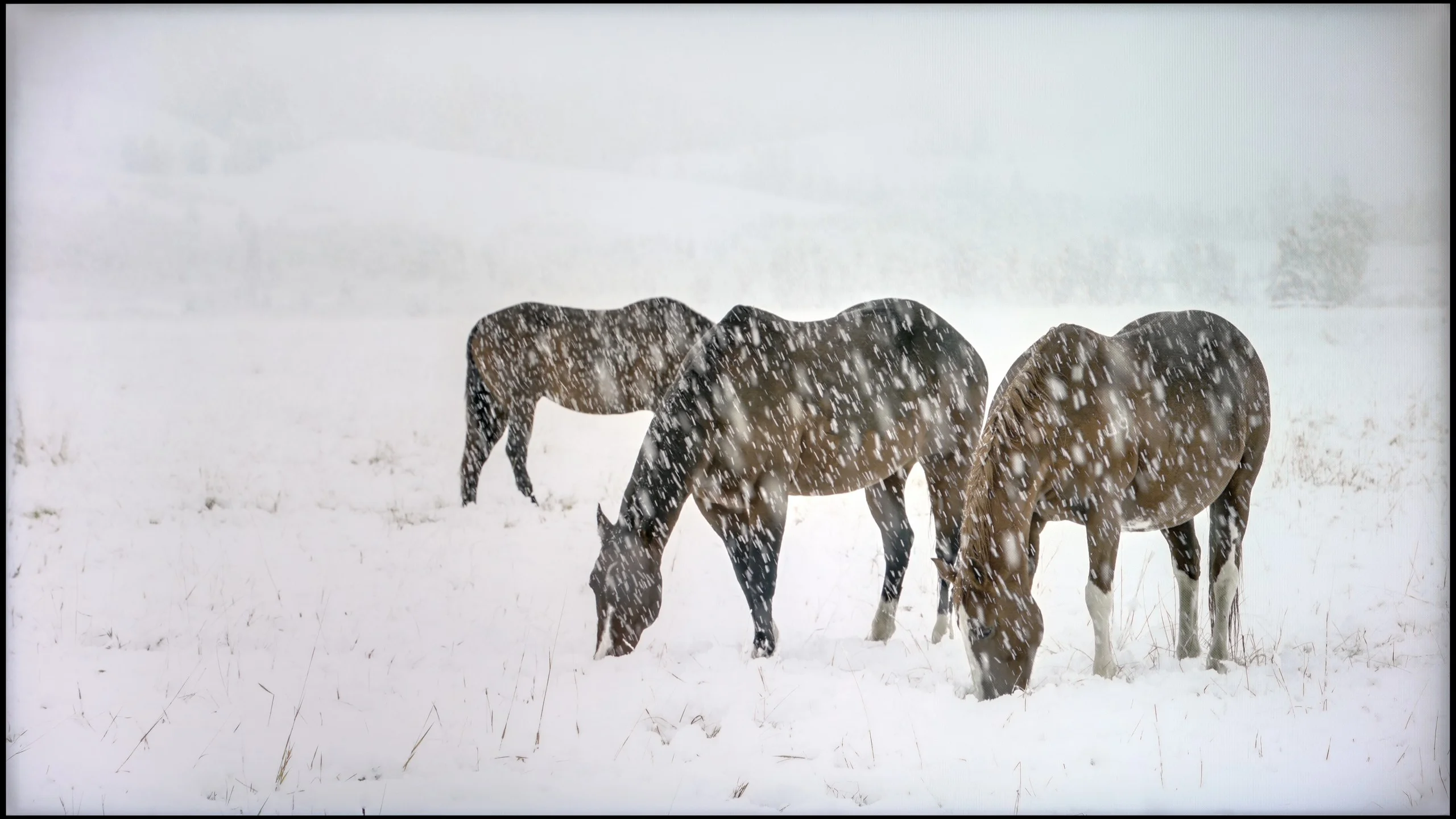
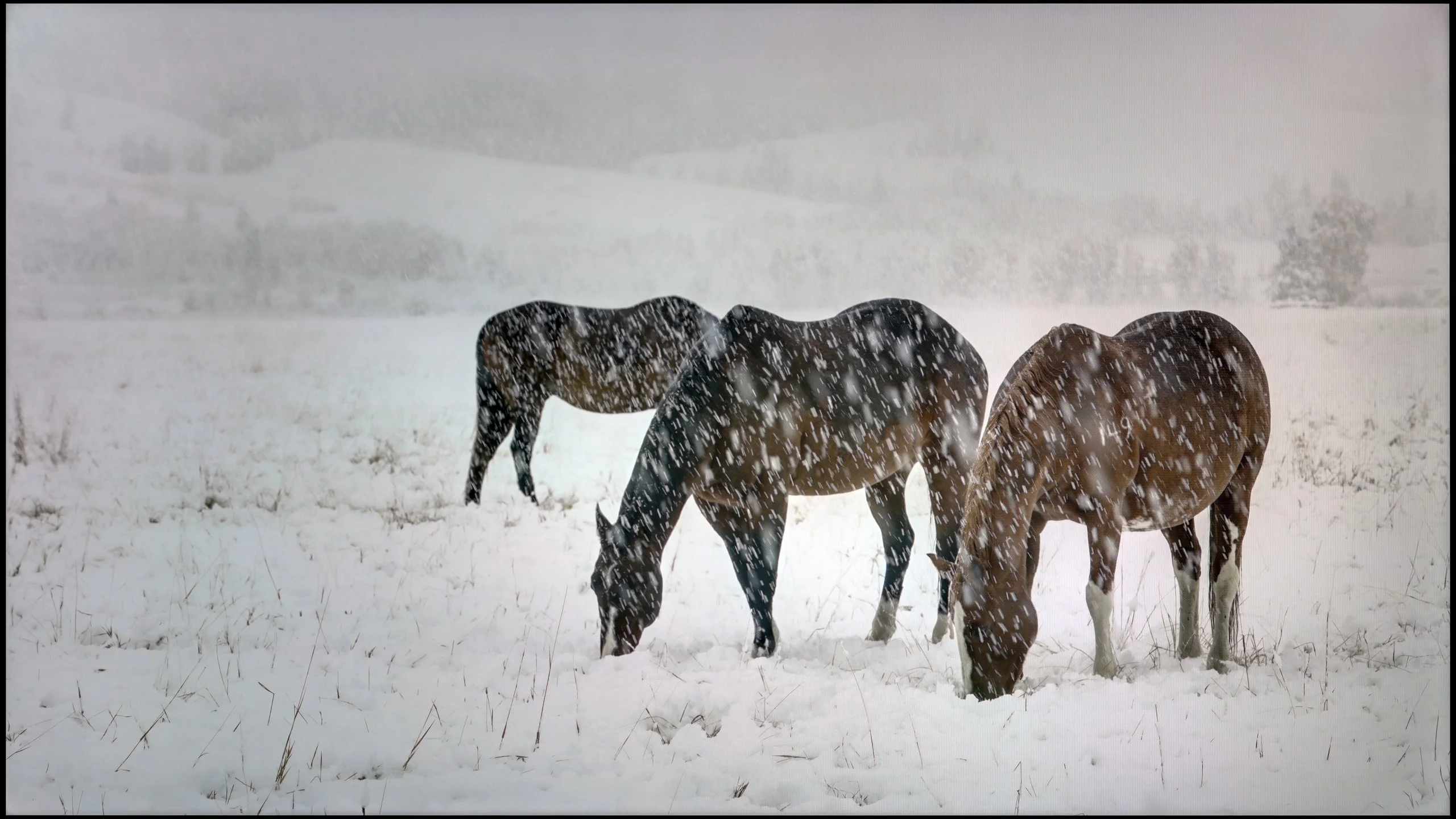
Check the visibility of bright lights on a dark background. Mini-LEDs often struggle with this. The photo does not compare black levels – that’s what the video below is for.

The video accurately shows differences in contrast and black levels between TVs, as well as potential issues: halo around bright objects or Mini-LED zone operation visible as brightness jumps.

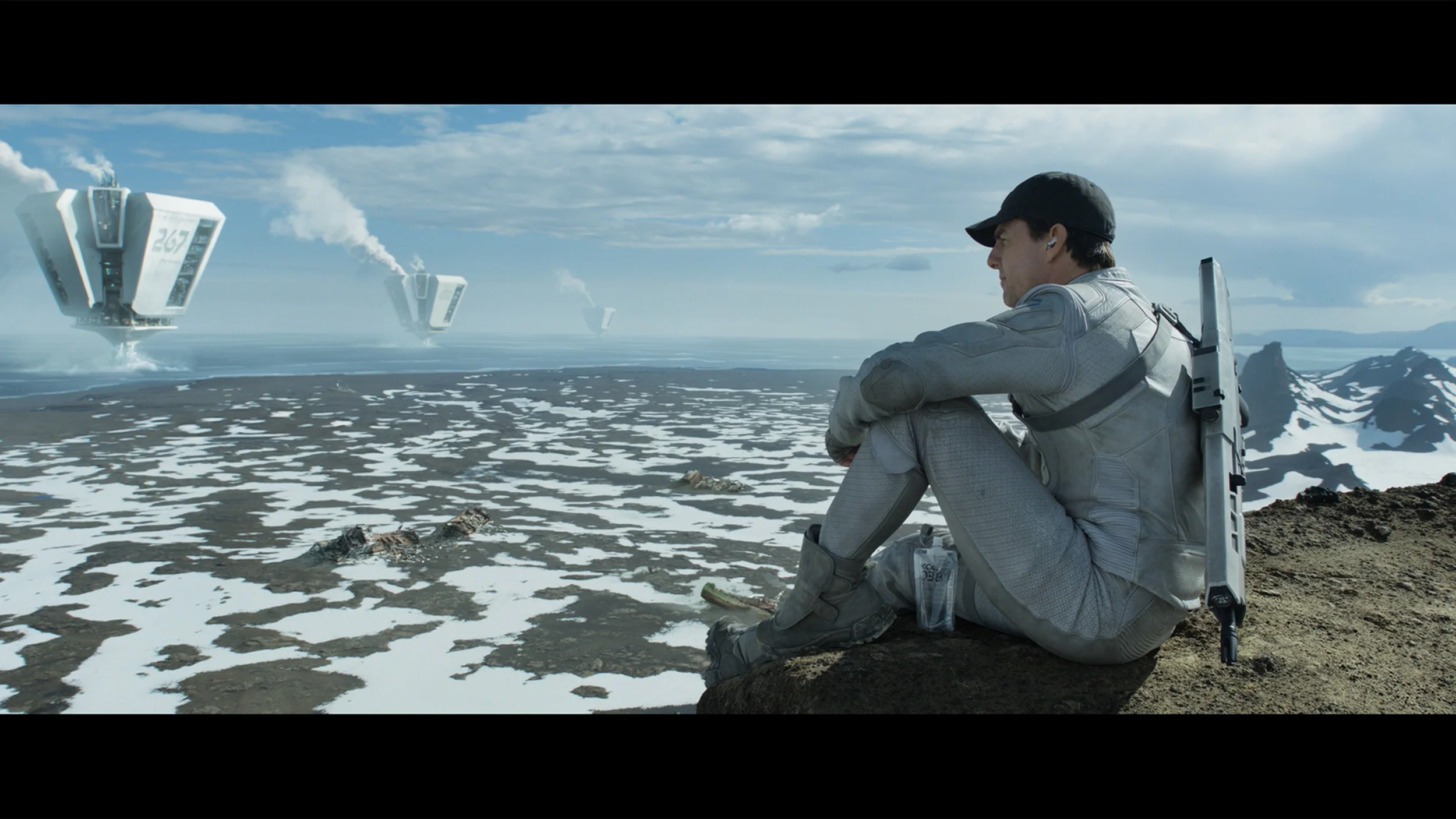
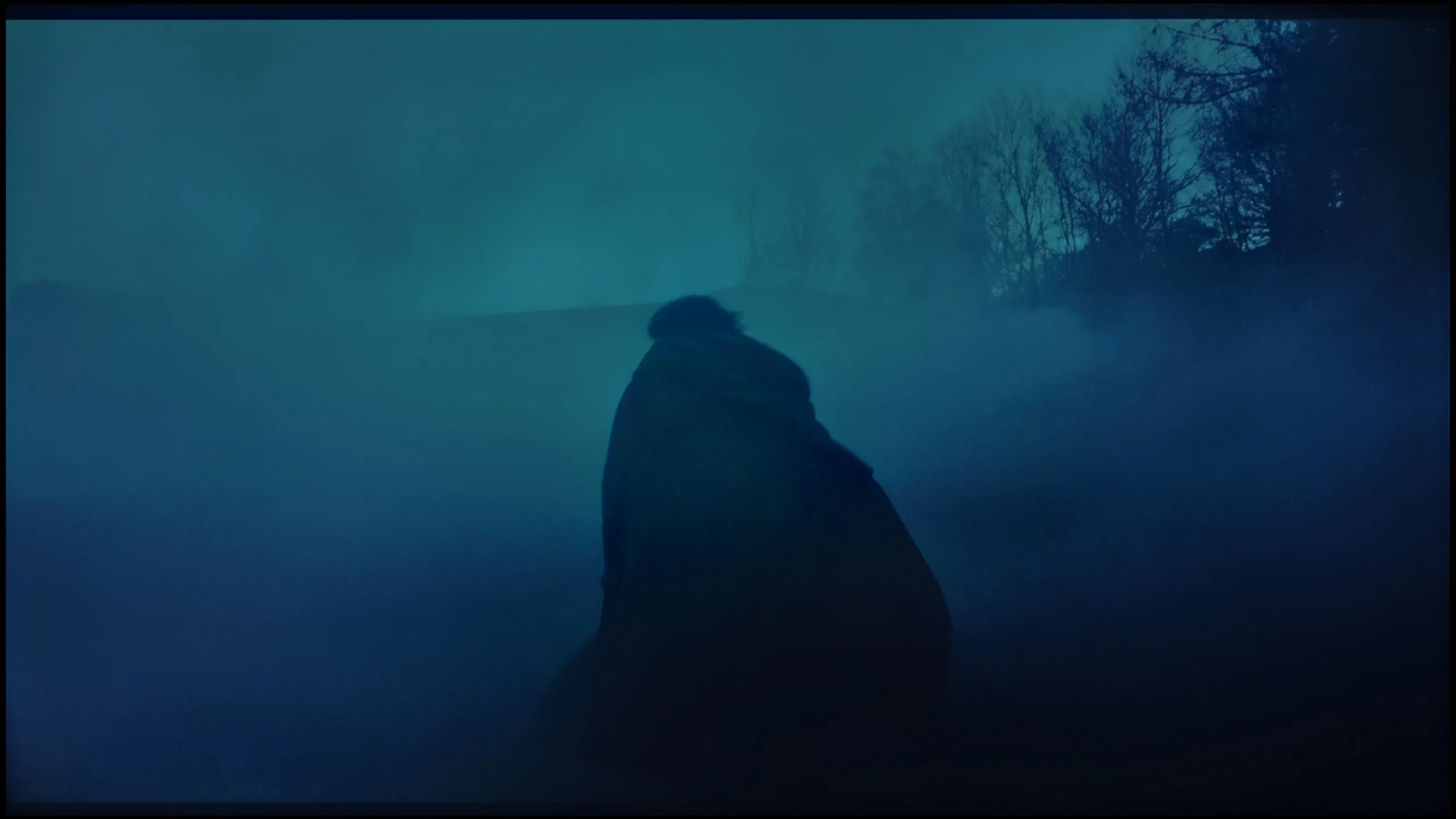
The C8L model certainly cannot be denied one thing: an impressive specification. In the 65-inch variant we tested: the manufacturer packed in as many as 2040 independent local dimming zones (this number, of course, increases or decreases with the screen diagonal). Such a dense packing of light points has a direct impact on the depth of black. The contrast measured by us in film scenes reached impressive five- and six-digit values to one, which is a remarkable result in the LCD world. Is the algorithm perfect? Not entirely. On small, bright elements displayed against a dark background, the trained eye can still discern a slight halo effect and moments when the zones come to life, which is a natural feature of Mini-LED technology. Interestingly, in our test scene with a helicopter, the background was noticeably brighter than on competing screens. Unfortunately, TCL manipulates the brightness curve in a specific way, artificially boosting certain plans, over which we do not have full control from the device's menu. This is an evident weakness of this model that needs to be taken into account. That said, the black levels on this model will be more than satisfactory for most viewers.

Black performance on the TCL RM7L is really good. The combination of a high-contrast VA panel with a zone-based RGB Mini-LED backlight allows the TV to achieve very high contrast figures. In most of the scenes we measured, the results were good enough that dark parts of the image looked deep and convincing. The RM7L performs best in less demanding shots where black occupies a large portion of the screen and bright elements are relatively small. In such conditions contrast can reach six-figure values. As scene complexity increases, results gradually fall off, but that is a natural characteristic of any LCD TV using local dimming.

However, the RM7L has noticeably fewer zones than its counterpart using an SQD Mini-LED backlight. In the 65-inch version the difference is more than twofold, so you more often see more pronounced blooming around bright elements on a dark background. In terms of pure dimming precision, the RM7L is therefore not as accurate as the C7L. RGB Mini-LED has its own advantage here though. The bloom is not simply white, it takes on the color of the displayed element. A good example is the helicopter cockpit scene from Sicario 2, where a greenish bloom appears around the green lights instead of the typical bright halo known from conventional Mini-LED TVs. The halo effect is still visible, but because its color matches the image it is less distracting and looks more natural.
Ultimately we rate the RM7L and C7L similarly for black-level performance. The C7L controls the backlight better thanks to a larger number of zones, while the RM7L makes up for it with the character of its bloom. The bloom is somewhat larger, but its color blends better with the displayed image.

NOTE: Naturally, as the TV size increases the number of zones grows, yet we expect similar contrast results across RM7L sizes. It’s also worth adding that TCL lists the number of "color zones" in its product brochures, not the actual dimming zones. Since each color zone consists of three RGB channels, the advertised number should be divided by three. Therefore 1,344 color zones in the 65-inch unit we tested mean 448 actual dimming zones.

Size

Dimming zones (actual)

Color zones

65"

448

1344

75"

600

1800

85"

720

2160

98"

960

2880

HDR effect quality

7.3/10

6.6/10

Supported formats
HDR10, HDR10+, Dolby Vision, Dolby Vision IQ, HLG
Color gamut coverage
DCI P3: 97.4%, BT.2020: 90.3%
DCI P3: 96.6%, BT.2020: 88.7%

Luminance measurements in HDR:

Review TCL C8L / QM8L  Brightness measurement

Result

1637 nit

Review TCL C8L / QM8L  Brightness measurement

Result

701 nit

Review TCL C8L / QM8L  Brightness measurement

Result

1428 nit

Review TCL C8L / QM8L  Brightness measurement

Result

405 nit

Review TCL C8L / QM8L  Brightness measurement

Result

1728 nit

Review TCL RM7L Brightness measurement

Result

914 nit

Review TCL RM7L Brightness measurement

Result

538 nit

Review TCL RM7L Brightness measurement

Result

653 nit

Review TCL RM7L Brightness measurement

Result

494 nit

Review TCL RM7L Brightness measurement

Result

1413 nit

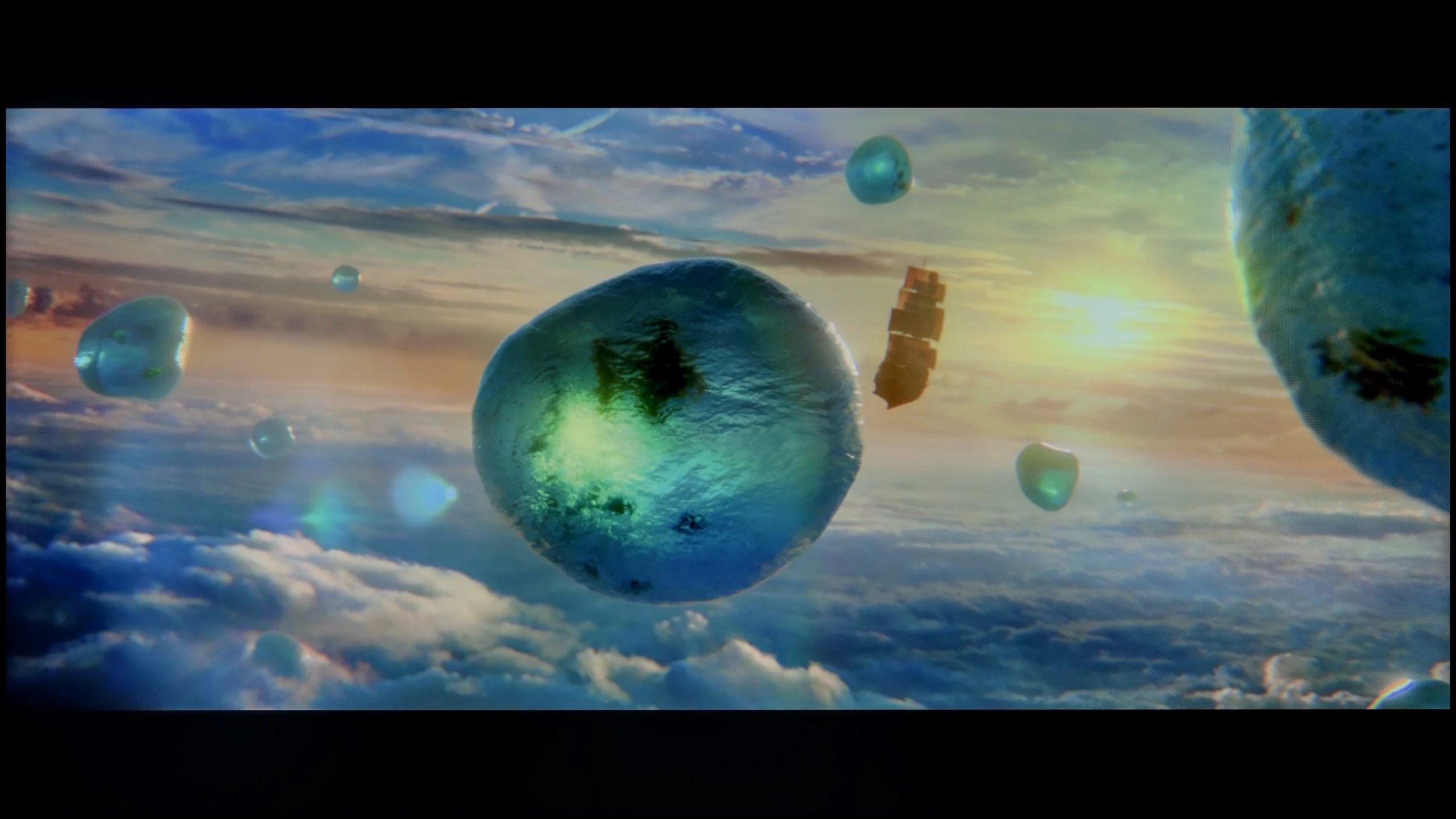
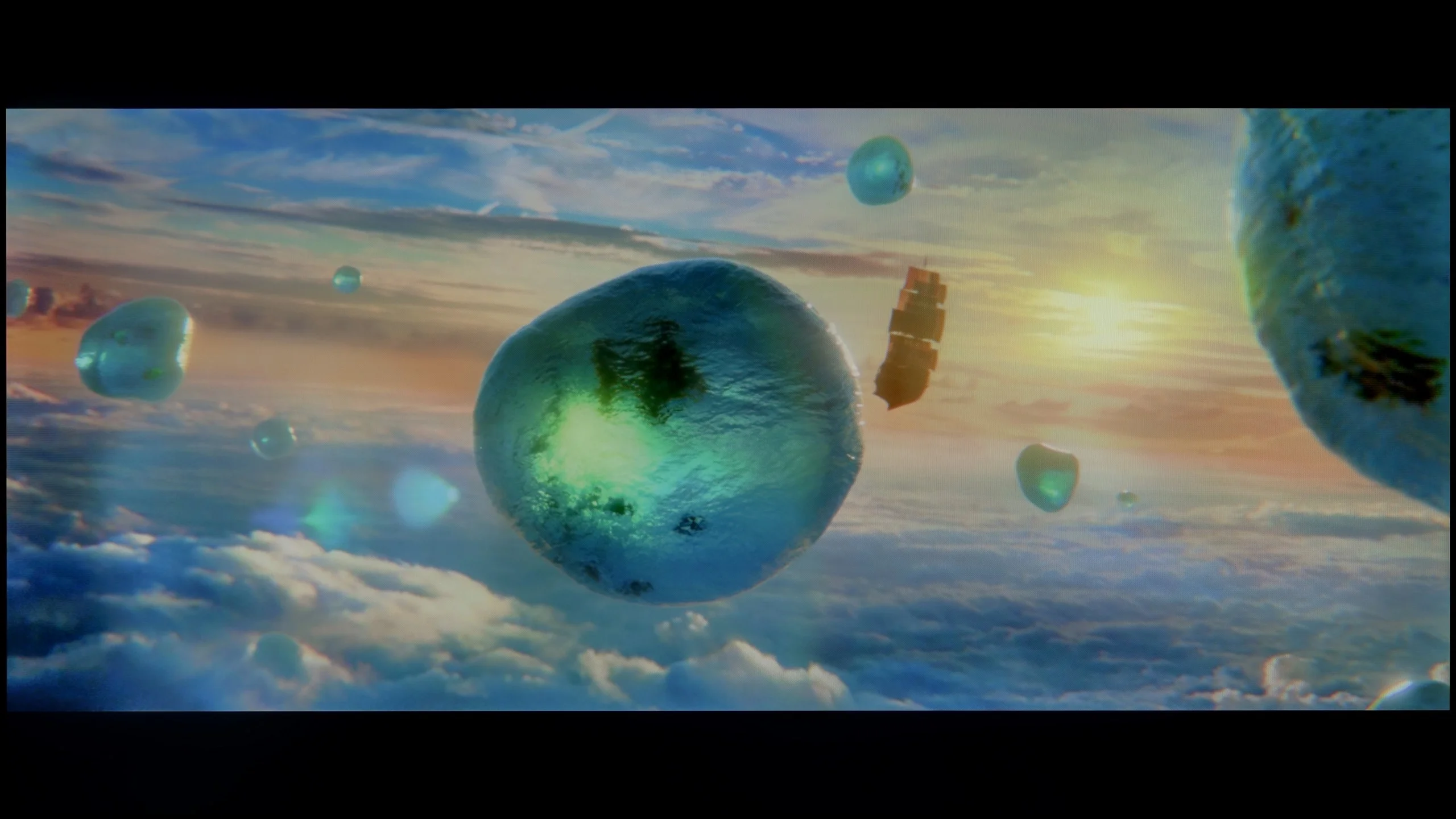
Scene from the movie “Pan” (about 2800 nits)

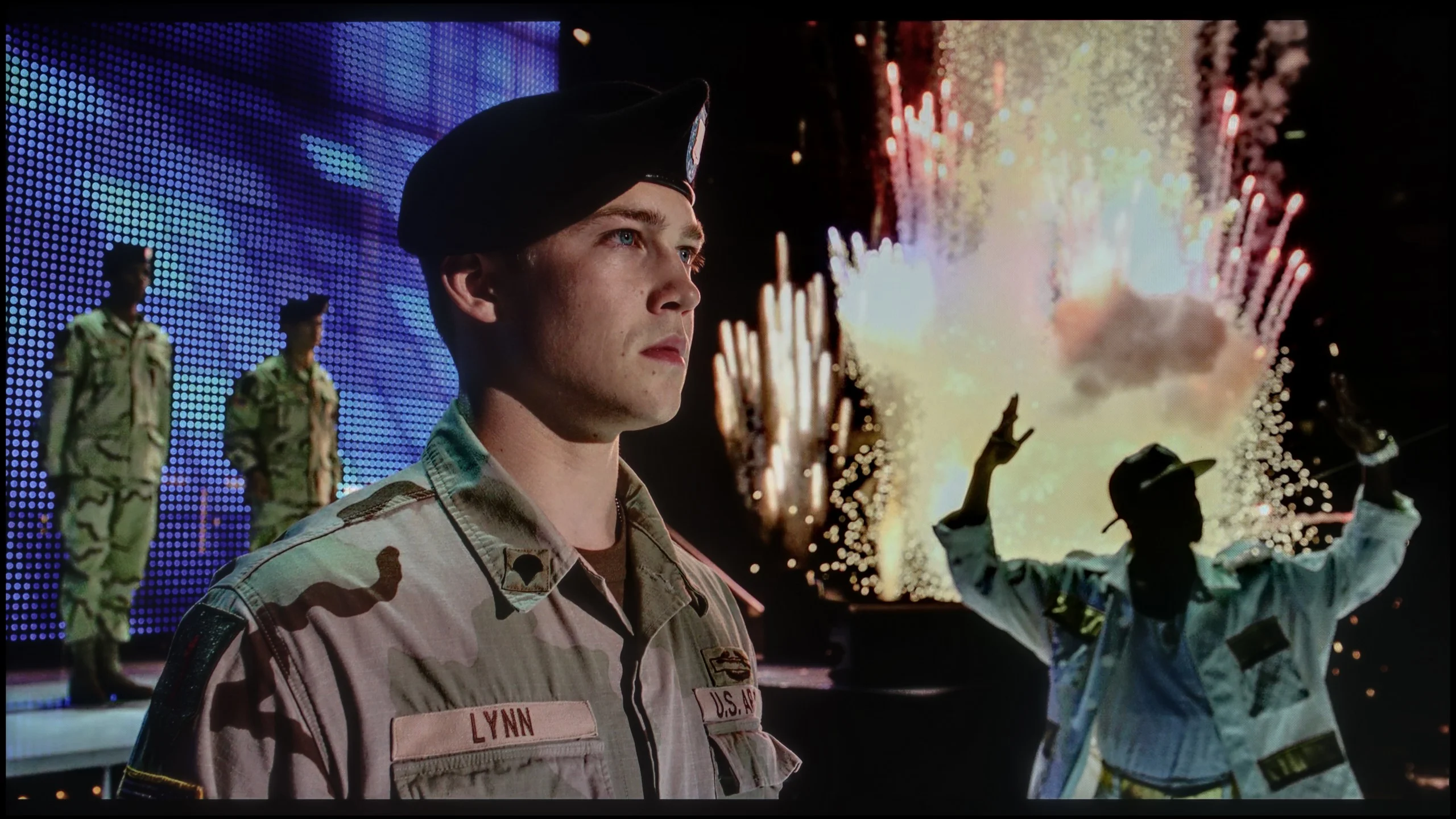
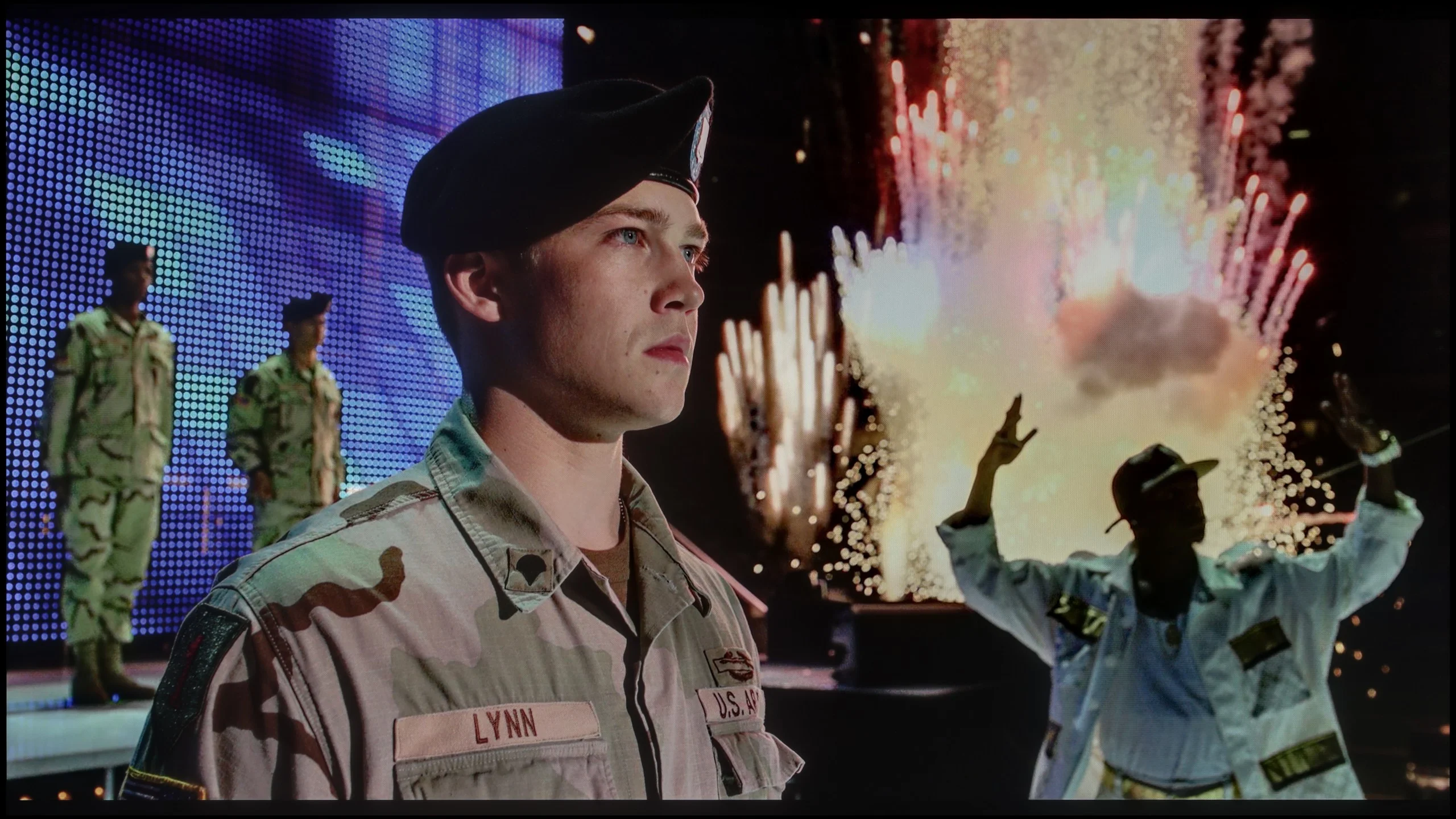
Scene from the movie “Billy Lynn” (about 1100 nits)

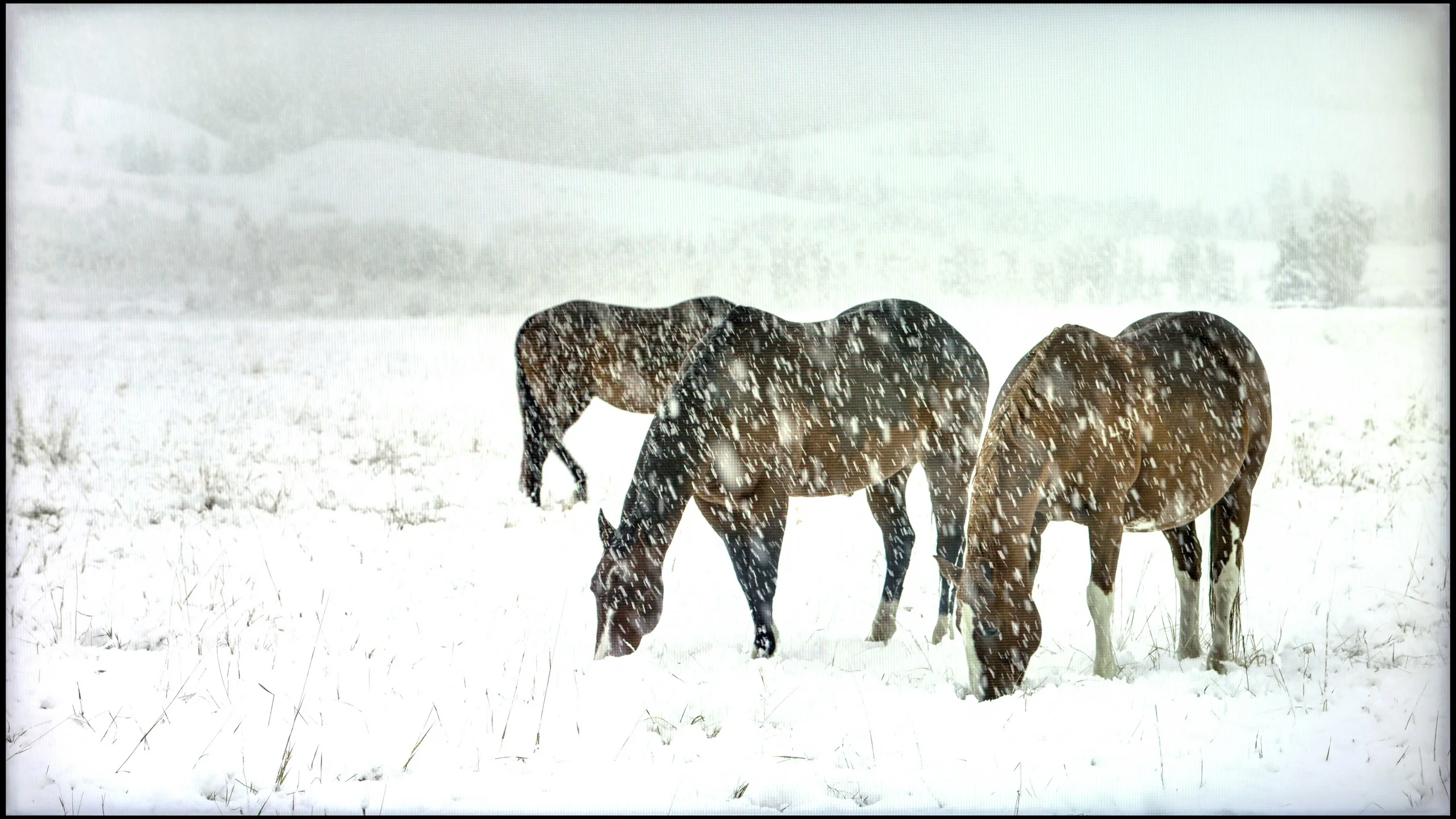
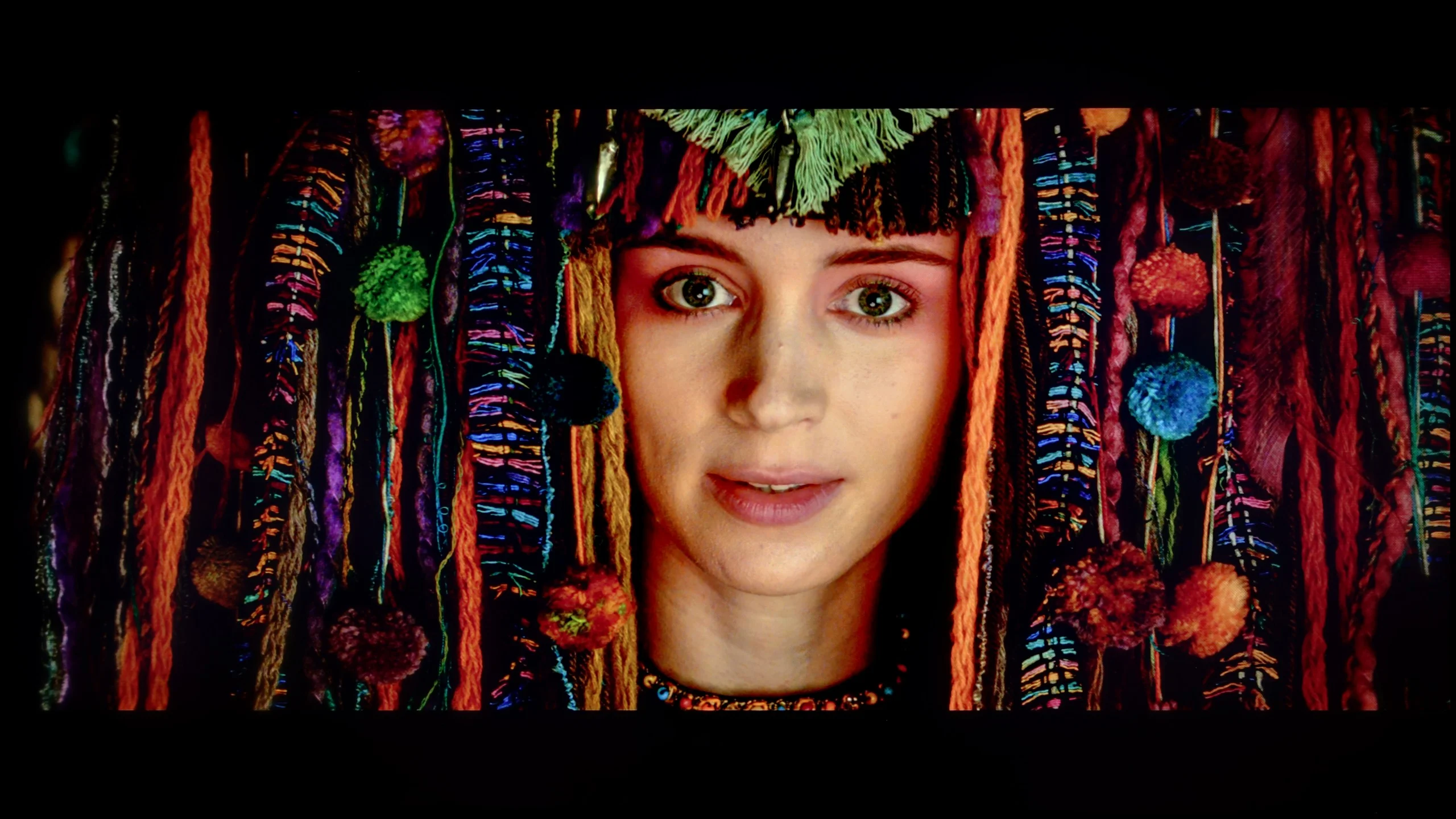
The photos show two HDR10 movies. 'Pan' is one of the brightest productions ever made, while 'Billy Lynn' (soldier) has brightness typical of streaming (Netflix, Prime, HBO MAX). Notice the intensity of effects and detail in whites.

Static HDR10

The photos present the visibility of white details in various HDR formats. They do not show brightness differences between TVs (these can be compared in the previous gallery).

Dynamic: Dolby Vision

Dynamic: Dolby Vision

The photos present the visibility of white details in various HDR formats. They do not show brightness differences between TVs (these can be compared in the previous gallery).

HDR luminance chart:

TCL RM7L

TCL C8L / QM8L

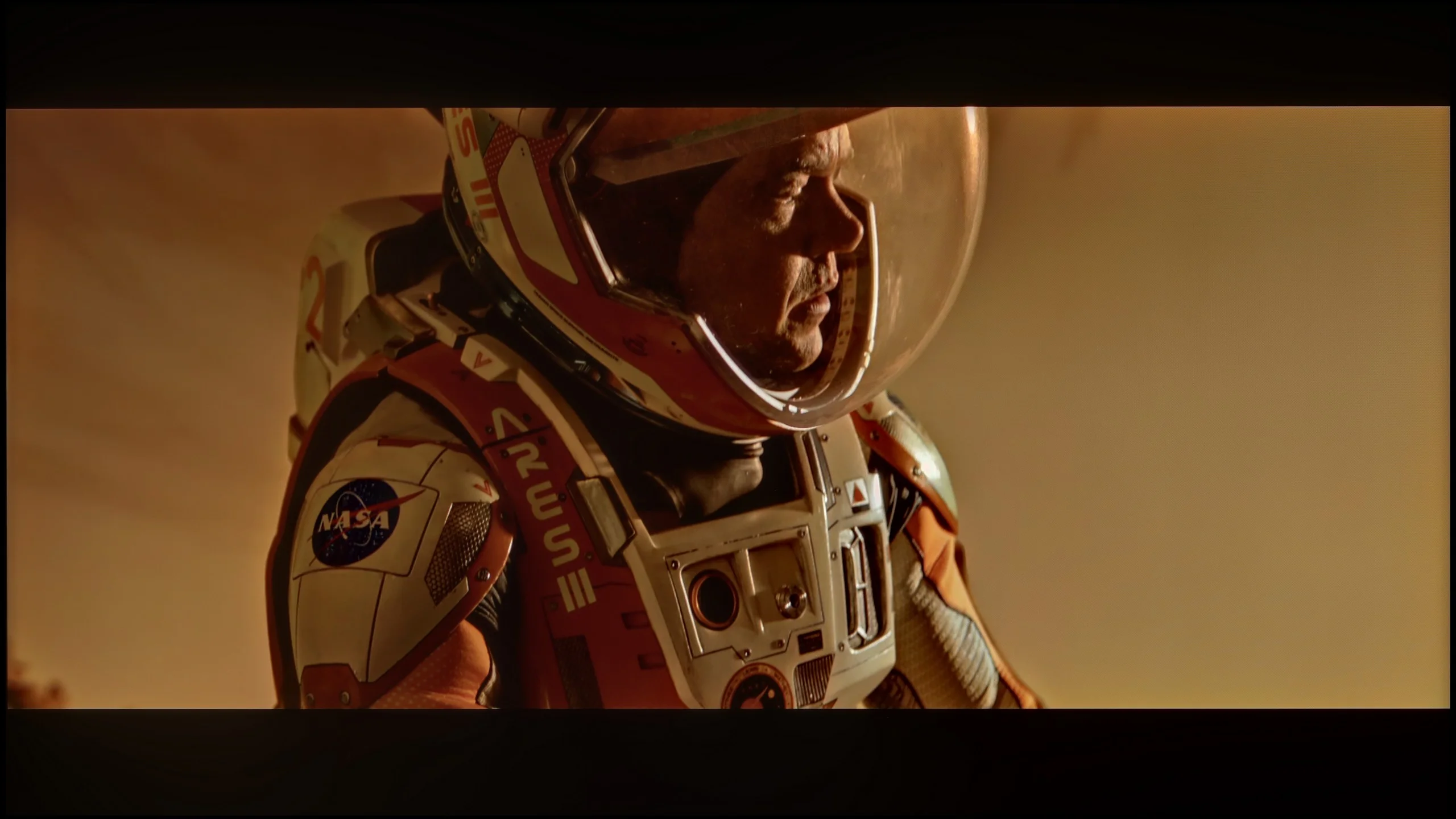
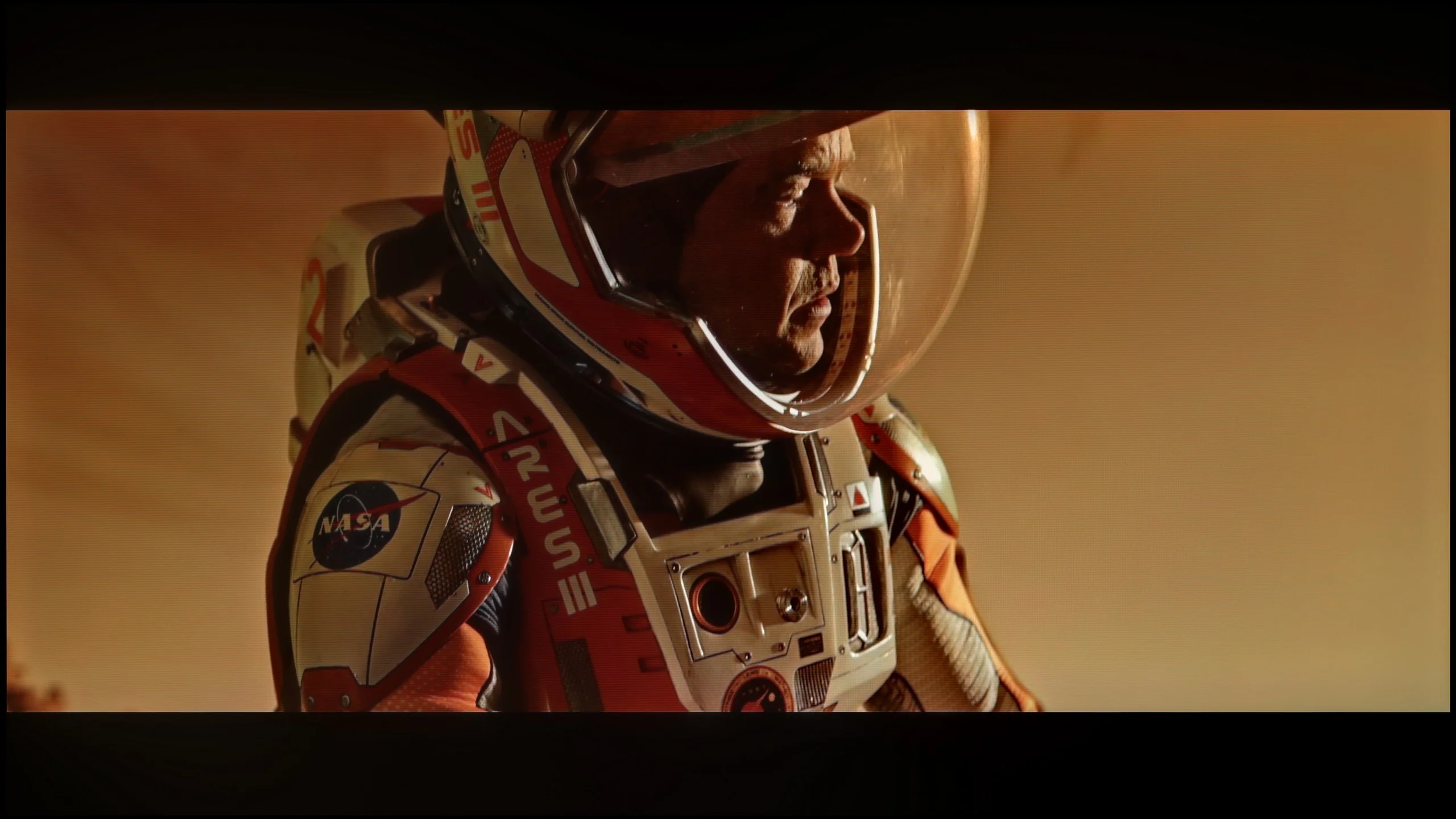
In terms of HDR, the TCL C8L turns out to be a hellishly bright television – quite literally. On a synthetic test pattern sized at 5%, our measurement equipment indicated a result exceeding 4500 nits. This is a truly astronomical result, considering that reference monitors used by directors, which we often refer to in our materials, typically operate around 4000 nits. Does this mean that the C8L breaks barriers and climbs to the technological peak of Mini-LED? Not quite. Dry synthetic tests are one thing, while real cinematic images are another. In real, varied scenes, the C8L peaks at around 1600 nits. This is still a very good result, ensuring a very high level of HDR dynamics, but it is also clearly lower than what the manufacturer boasts in the specifications. The problems begin with very small bursts of light – at that point, brightness can drastically drop to around 600 nits. The algorithm tries at all costs to maintain deep blacks and minimise the halo effect, but this comes at the expense of HDR impact. This is perfect evidence that laboratory test patterns rarely align with what we ultimately see on the screen.

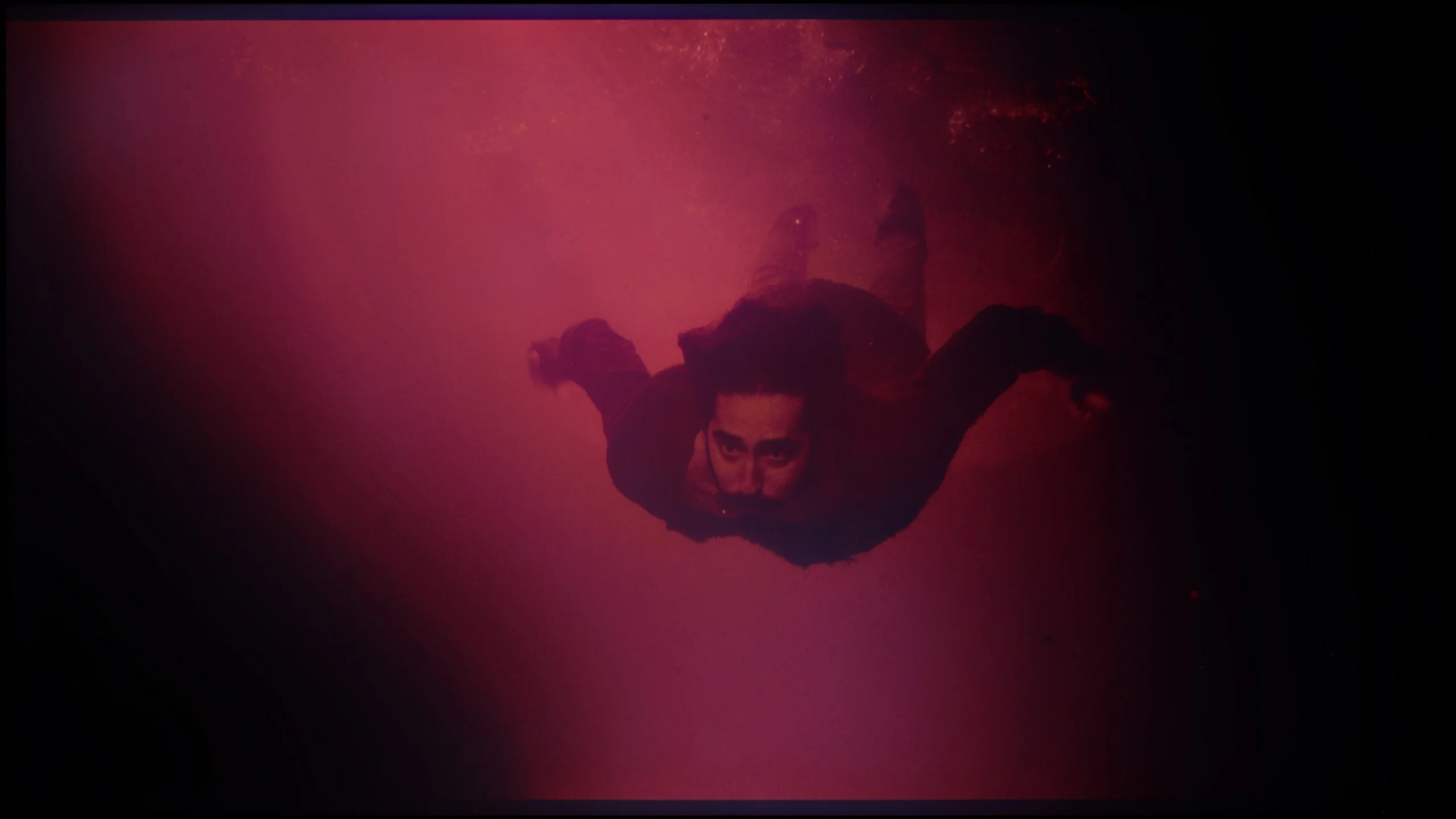
However, huge praise is due for colour reproduction, thanks to the new generation of SQD (Super Quantum Dot) quantum dots. The DCI-P3 colour gamut coverage reaches 97%, but the truly jaw-dropping measurements come from the extremely demanding BT.2020 space. The C8L achieves an impressive 90% in this space, placing it alongside today's top screens equipped with RGB backlighting. Importantly, unlike some screens with Micro/Mini RGB backlighting, this effect is stable regardless of the scene displayed. Of course, it’s worth remembering that content mastered for such a wide gamut in films or series is still rare. However, the very fact that the panel has such a "colour reserve" deserves tremendous admiration.

TCL RM7L is a bright TV. In our measurements its peak brightness hovered around 1600 nits. That is clearly less than the C7L, which can approach 2600 nits, but in real film scenes the difference between the models is not that large. In less demanding shots with many bright elements, the RM7L can sustain about 1000 nits, and sometimes even a little more, getting close to 1500 nits. It performs worse in dark scenes with small points of light, where their brightness can fall to around 500 nits. This is not random behaviour. The TV intentionally dims fine details to better control the backlight and preserve higher contrast. That comes at the expense of their intensity, but it is typical behaviour for TVs with local dimming in a similar price bracket.

Colour gamut coverage

In HDR not only brightness matters but also colour. And here the RM7L has plenty to show. Colours are highly saturated and a wide colour gamut is one of its major strengths. In our DCI-P3 measurements it reached about 96%, and BT.2020 around 83%. It is worth remembering that on a TV with this kind of backlight the result can vary depending on the scene. On test patterns colours look best, while in films their saturation is sometimes a little lower than on SQD Mini LED or QD-OLED TVs. The construction of the backlight itself is also interesting. The RM7L does not use the classic red, green and blue LED set. TCL used two green LEDs and one blue, with the red produced by a PFS phosphor. This shows up in spectrometer measurements, but it does not have a major impact on the picture. Colours are still rendered correctly.

Factory color reproduction

5.3/10

5.8/10

This gallery shows how colors change after professional TV calibration. If you notice the difference, we recommend ordering this service at SkalibrujTV.com.

Factory Mode

After calibration

This gallery shows how colors change after professional TV calibration. If you notice the difference, we recommend ordering this service at SkalibrujTV.com.

Factory Mode

After calibration

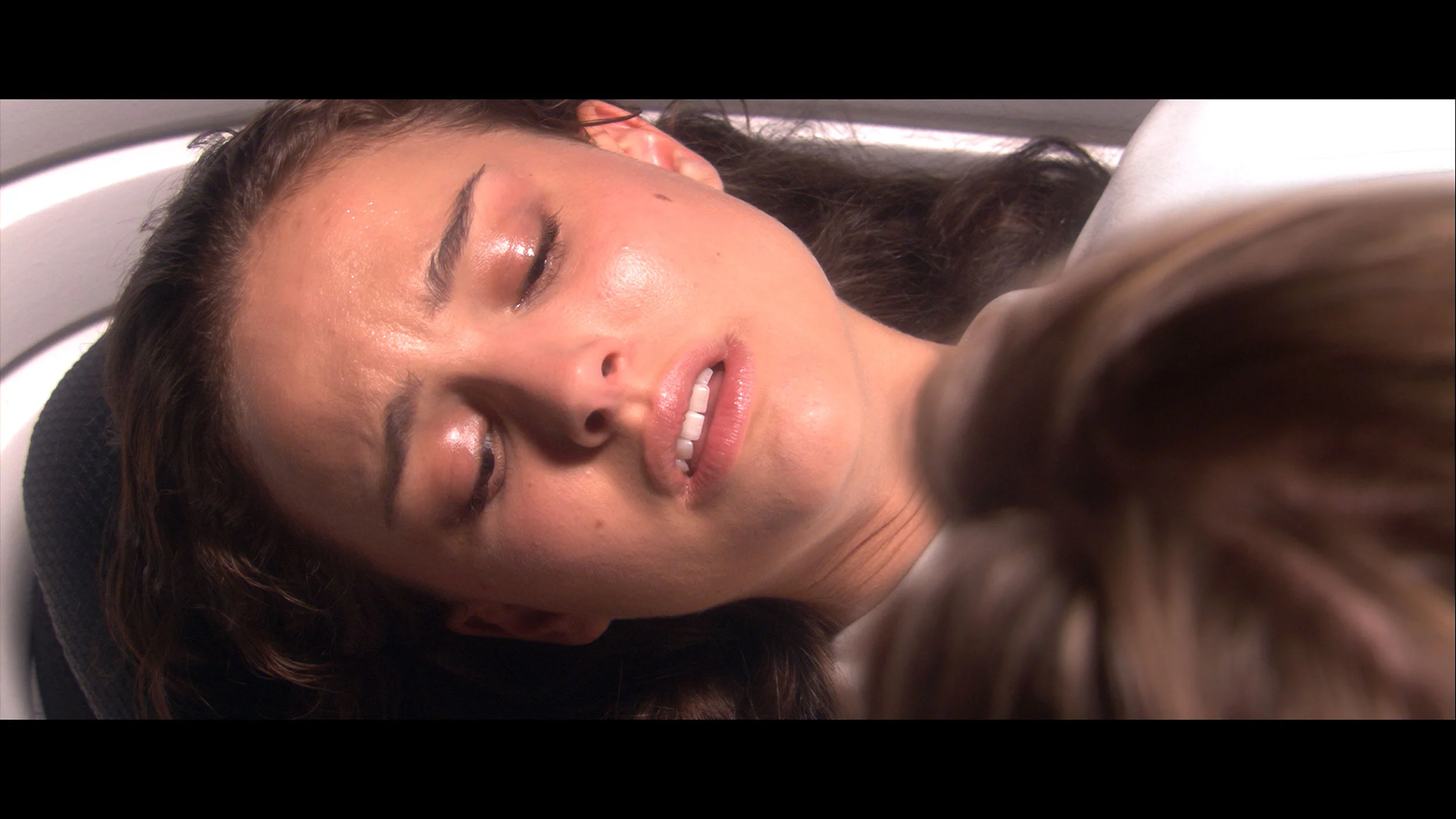
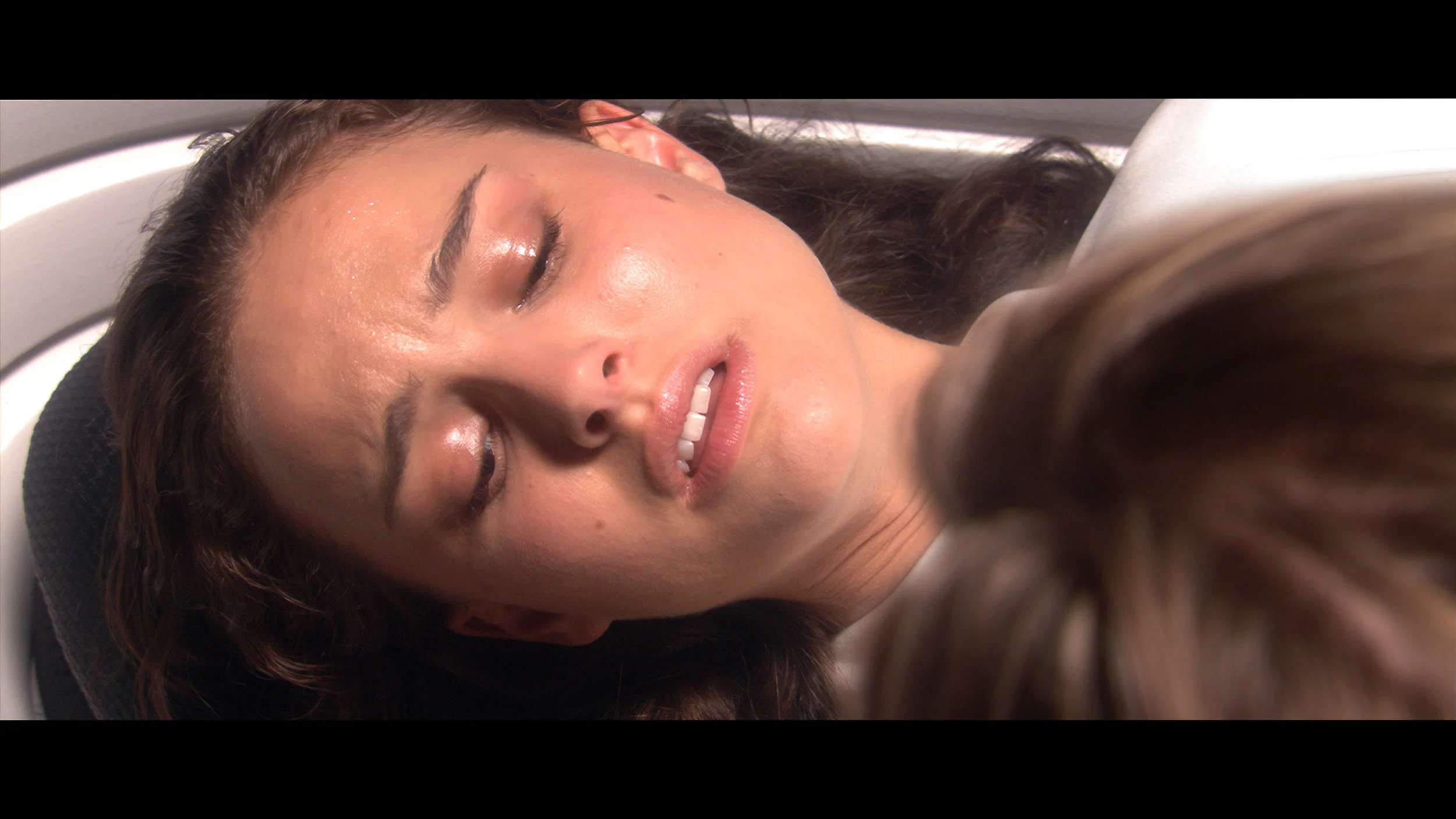
We tested the TCL C8L in the best factory mode available in the TV’s menu for image fidelity. That’s of course Filmmaker Mode, which only arrived in this brand’s software relatively recently (a year ago in the "K" series). It allows the average user to achieve quite decent colour reproduction straight out of the box, though it is certainly not perfectly tuned. Looking at the unit’s out-of-the-box white balance — in both SDR and HDR material — the red component was clearly lacking, which made the image noticeably cooler and slightly shift towards blue‑green tints. The issue of brightness management also looks ambiguous, as we mentioned earlier. While the gamma linearity in SDR content is really good and stays steadily at the reference value of 2.4, the situation in HDR is much worse. Tracking the EOTF curve clearly shows the TV has a noticeably boosted brightness across the entire range, so the final image can be excessively bright and inconsistent with the creators’ intent, and this is in a mode that by definition should avoid that. Of course, as with every sample in our lab, we subjected this one to professional calibration, and you can find the results below.

We checked the out-of-the-box colours in Filmmaker Mode, the best picture setting available to the user. TCL has been using it in its TVs for two years, and its aim is to reproduce the image as faithfully as possible in line with the creators' intent. On the RM7L it was indeed the most accurately set mode, although it was not without flaws. The biggest problem was the white balance. Too much red and blue made the image shift towards slightly pink tones. This was visible in both SDR and HDR. On top of that the brightness response was slightly boosted, making the picture appear a little brighter but at the same time less contrasty than it should be.
Color reproduction after calibration

7.5/10

8/10

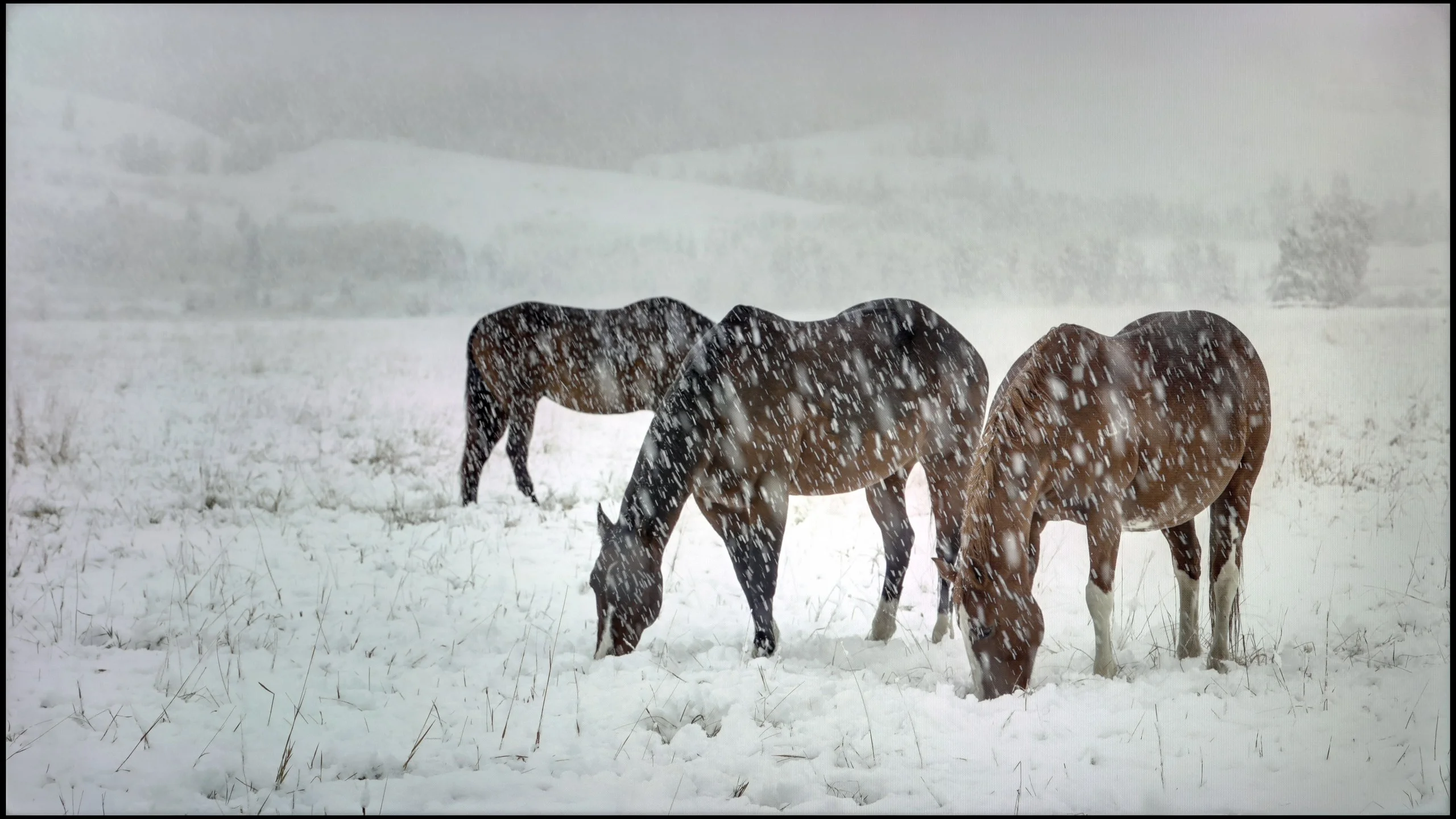
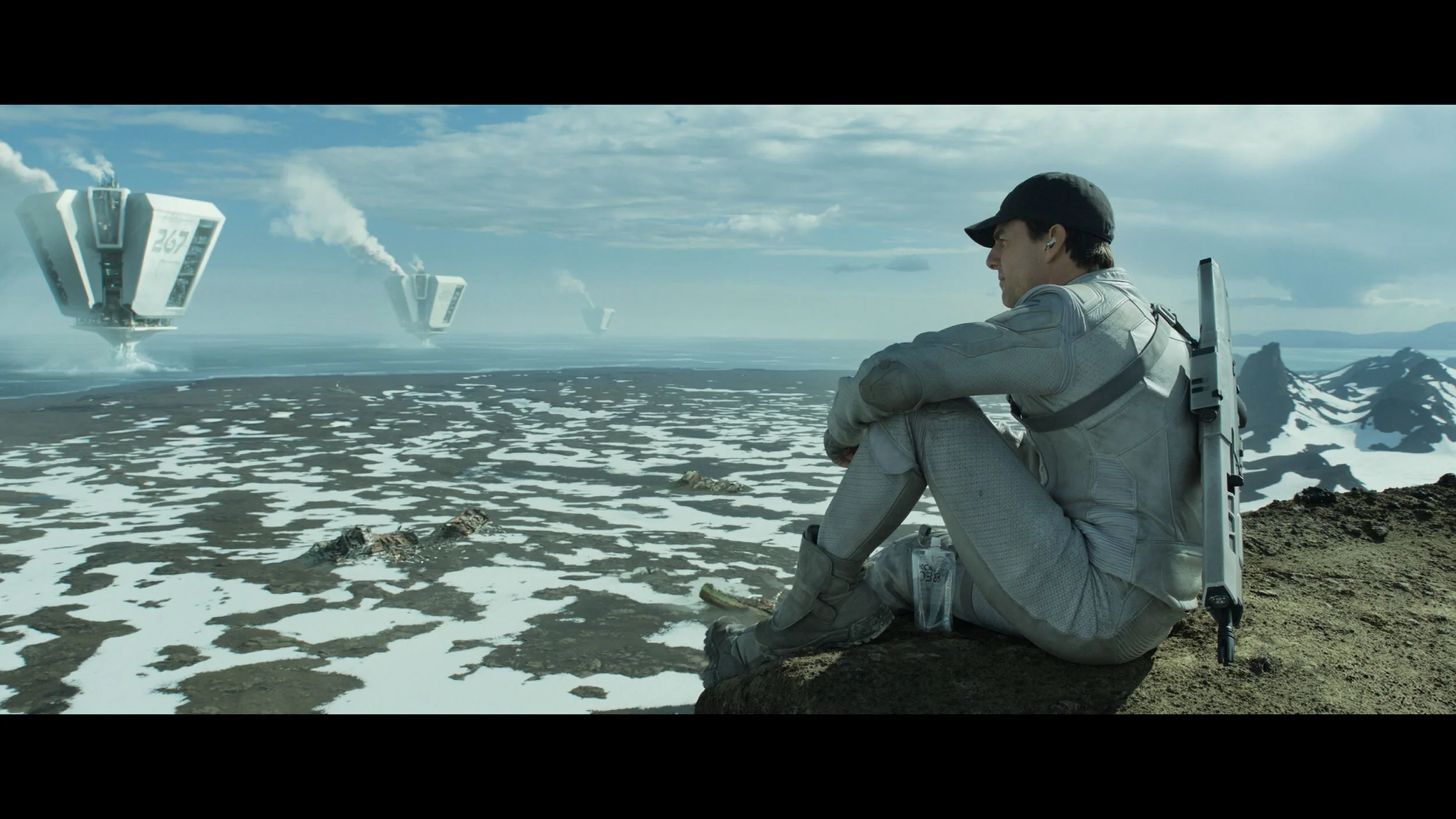
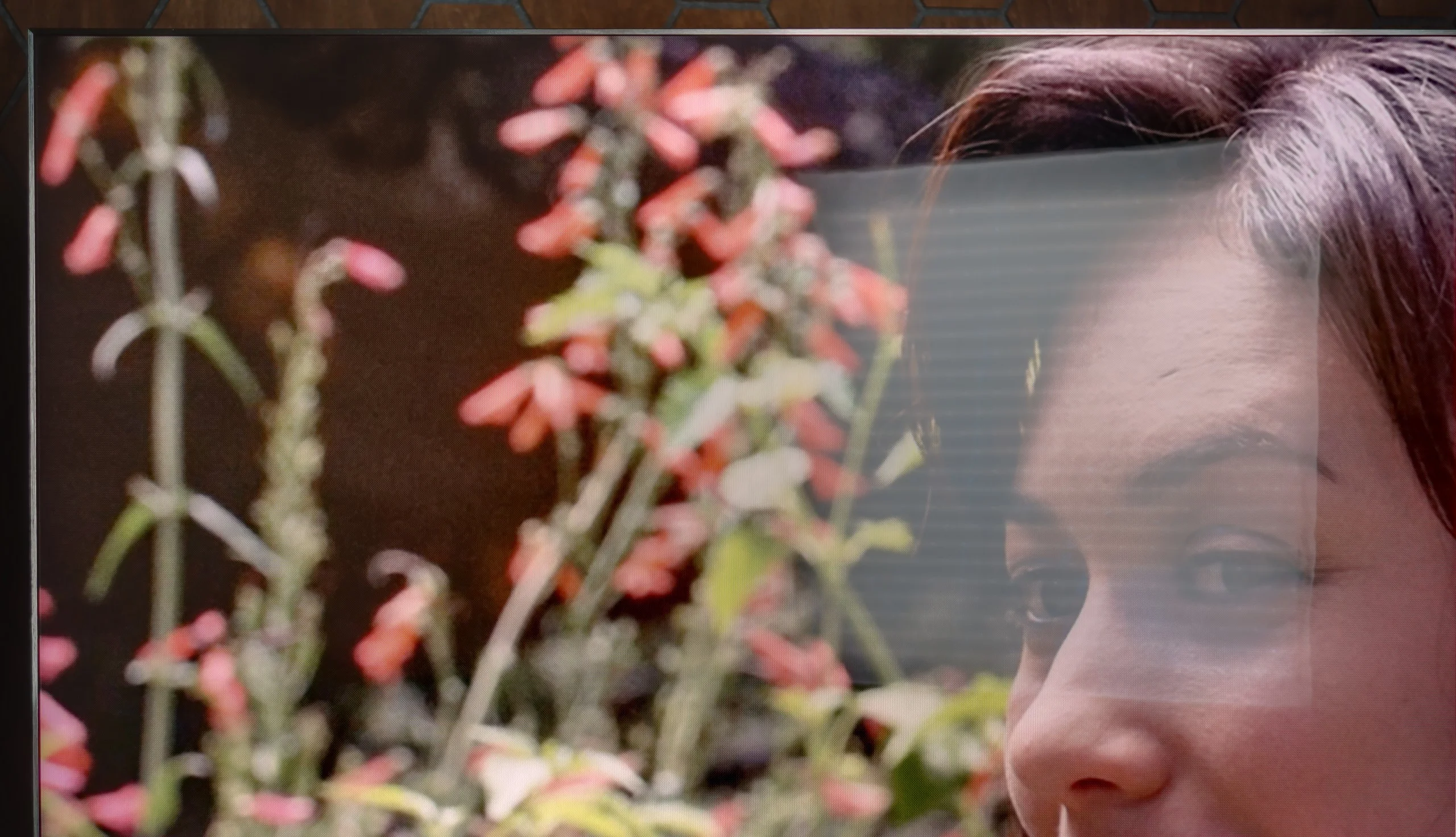
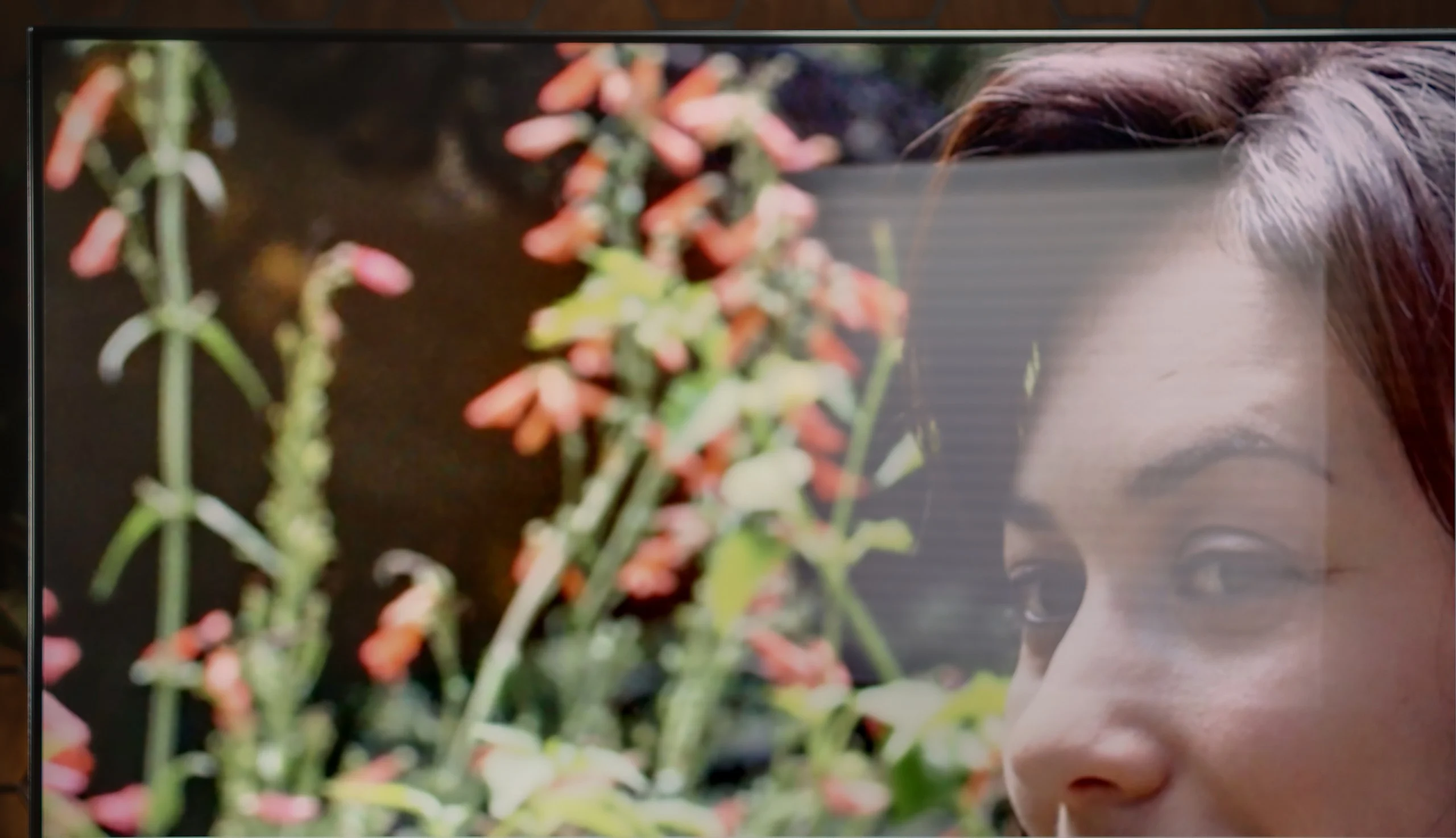
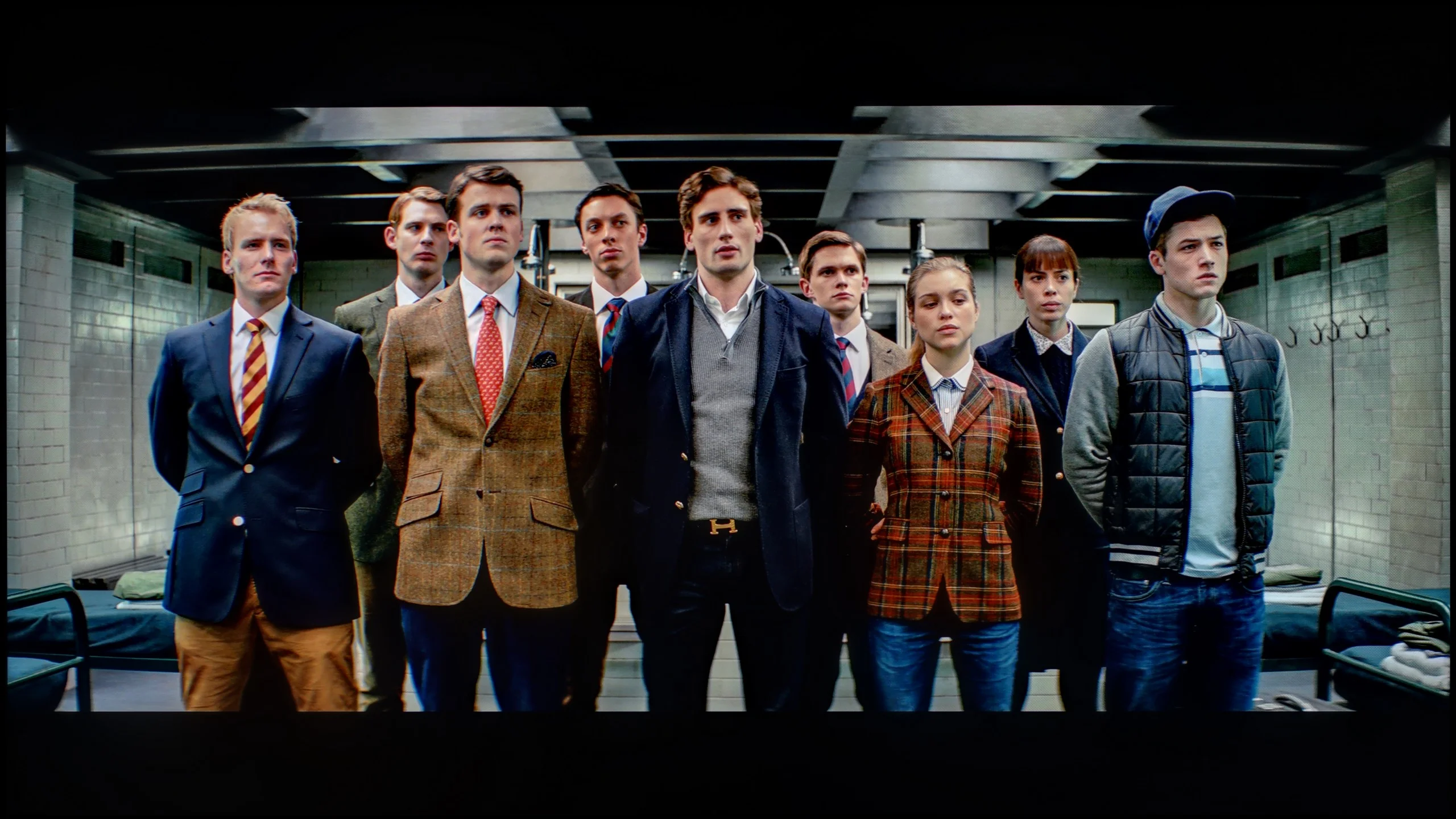
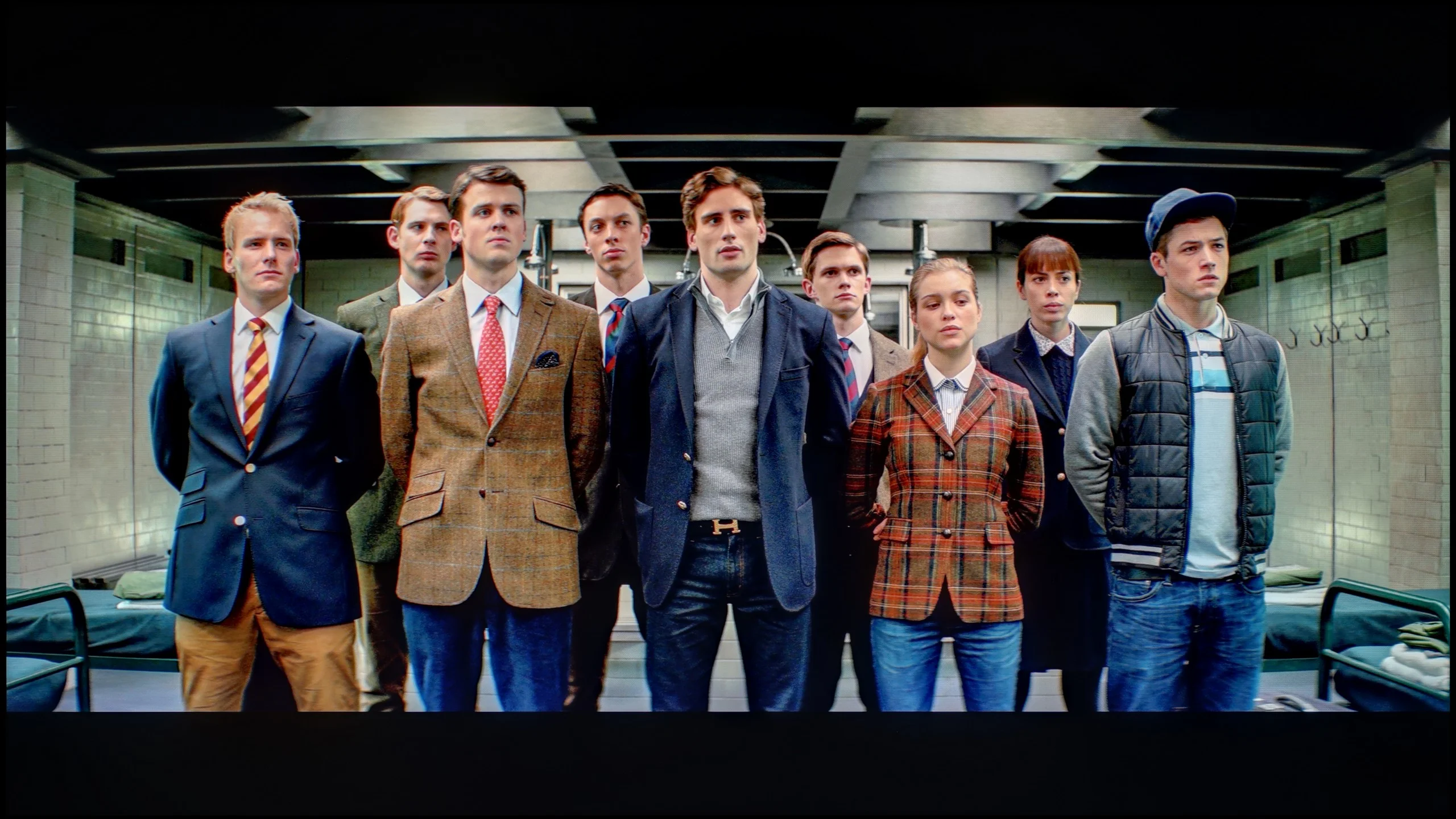
The photos show how movies look on the TV. Pay attention to black detail visibility, colors, and shadow tint.
The photos show how movies look on the TV. Pay attention to black detail visibility, colors, and shadow tint.
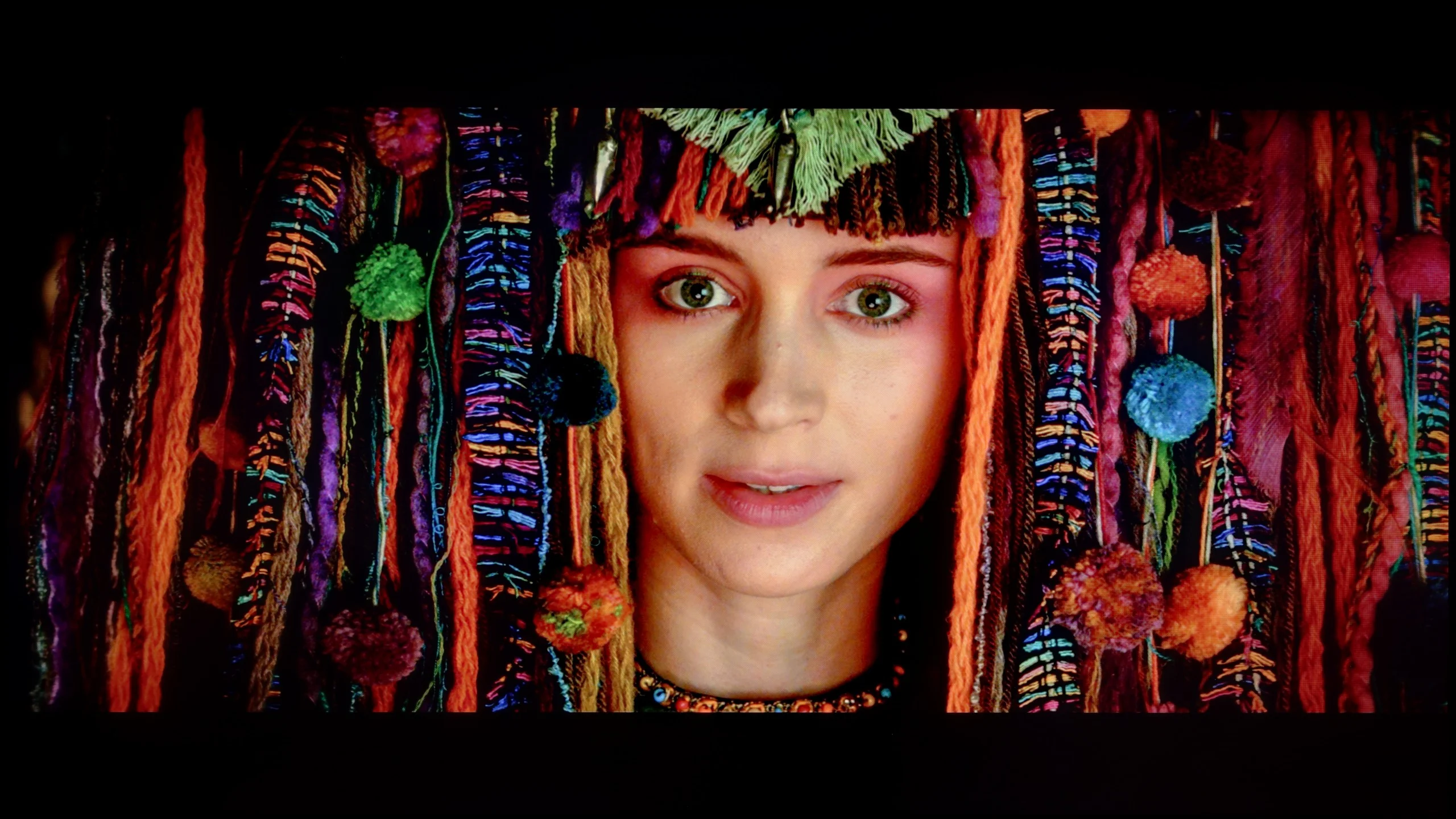
As you can see, the results of a professional calibration of the TCL C8L are truly promising, thanks to the comprehensive calibration controls the manufacturer has provided in the menu. Above all, we managed to fully correct the white balance, eliminating the red deficiency, so the image finally stopped drifting into unwanted cool tones. After that adjustment, the errors in the ColorChecker test fell to near-reference values, consistently sitting below a Delta E threshold of 2, i.e. below the visibility threshold for the human eye.
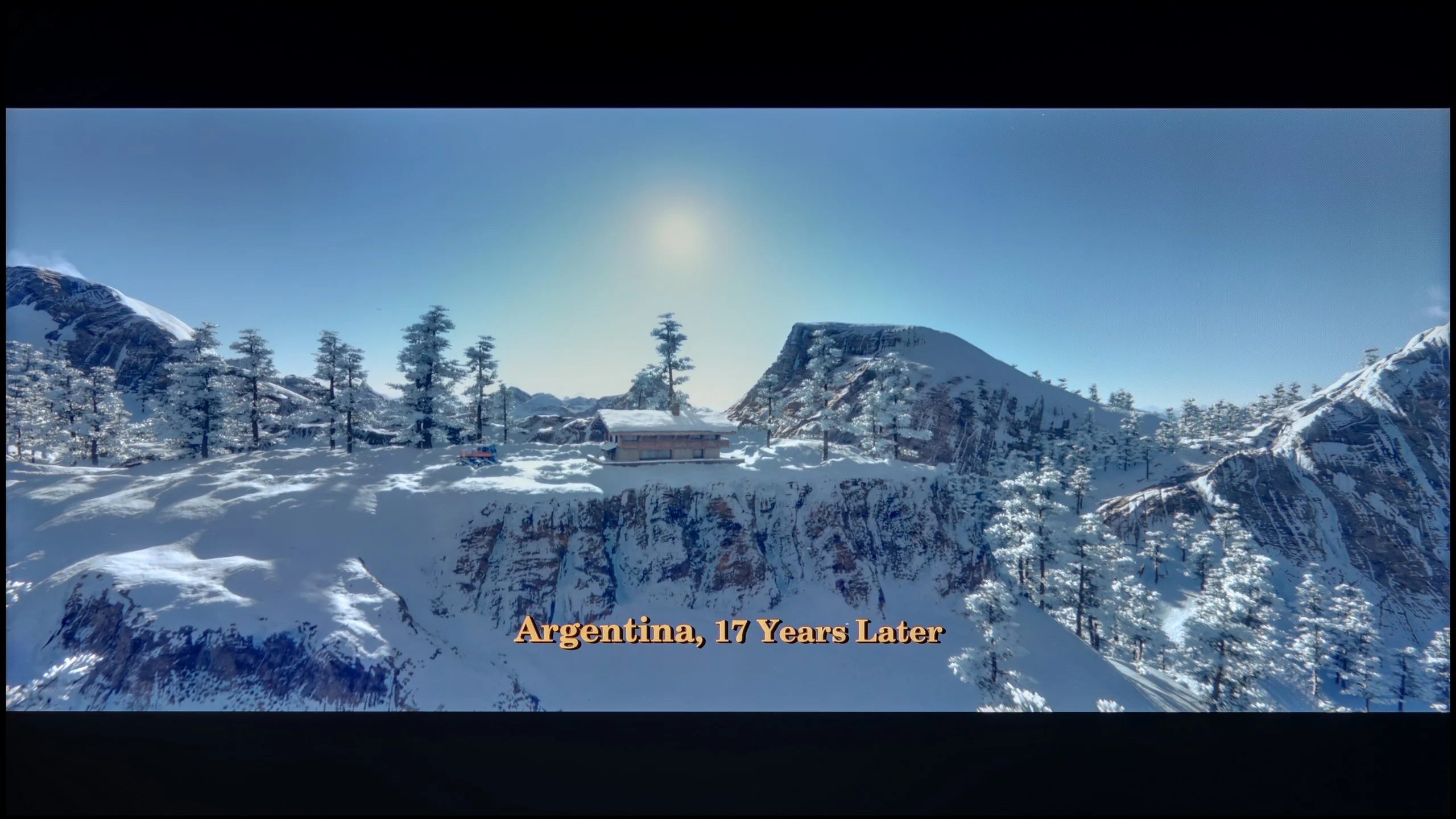
If test patterns look so perfect, you may ask us why the final score in this category is lower. The answer lies in the brightness management described earlier. Although the menu includes sliders that let you precisely straighten the EOTF curve on synthetic signals, when faced with real film material (I recommend enabling the EOTF filter when watching films), it becomes clear that the TV, in most scenarios, still responds to HDR metadata in its own way. As a result, the picture can be slightly over-bright and not faithful to the filmmakers' intent, and it is precisely for this lack of consistency with real films that we had to take a few points off the C8L's score.

Thanks to the fairly extensive calibration menu we were able to correct the vast majority of the previously described issues. The biggest change concerned the white balance. After calibration it now looks very good, so the picture shed its pinkish tint and became much more neutral. The luminance response has also improved. Both the SDR gamma and the HDR EOTF curve are now much closer to the reference values. The picture is no longer unnecessarily brightened, and darker areas look more natural and have greater depth. Better luminance accuracy also affected the colours, which after calibration are noticeably more accurate. Not everything could, however, be set perfectly. With HDR material the RM7L still interprets part of the signal in its own way and does not always follow the reference curve precisely. This is most apparent in some darker scenes, where the TV can either slightly lift the shadows or darken them completely. That is where the earlier impression of a slightly brightened, less contrasty picture came from. Despite this, the calibration delivers a very good result. It removes the most visible errors and, above all, makes the picture much closer to how it should look.

Smoothness of tonal transitions

9/10

8.9/10

These are selected scenes that show smooth tonal transitions from one color to another. If you see distinct banding, it’s the TV panel’s fault.

These are selected scenes that show smooth tonal transitions from one color to another. If you see distinct banding, it’s the TV panel’s fault.

These are selected scenes that show smooth tonal transitions from one color to another. If you see distinct banding, it’s the TV panel’s fault.

These are selected scenes that show smooth tonal transitions from one color to another. If you see distinct banding, it’s the TV panel’s fault.

We judge the tonal transitions in the C8L to be almost exemplary. The well-tuned panel and accompanying algorithms mean the TV handles posterization, the ugly, stepped separation of individual shades, very well. Subtle, minimal errors and slight inconsistencies in tone gradation are noticeable only in extremely dark, demanding scenes. Overall, however, when watching good-quality content at native resolution, the transitions between colours are exceptionally smooth and natural-looking.

The smoothness of tonal transitions on the RM7L is very good. In both bright and dark scenes the gradients are smooth and there is no visible colour banding. Minor issues only appear with exceptionally demanding material, such as our fourth test pattern featuring red water transitioning into black. It should be noted, however, that most televisions struggle to reproduce this scene perfectly. Therefore, in everyday use this should not pose a significant problem.

Image scaling and smoothness of tonal transitions

8/10

5.5/10

Image without overscan on the SD signal
OK
OK
Smooth transition function
OK
OK

Smooth transition function

The match photo shows how the TV smooths weak tonal transitions in low-quality video.

Image scaling SD (576i)

The model photo shows how it handles upscaling of SD material.

This year the C8 series and the higher-end models have probably received the biggest and most eagerly awaited upgrade in TCL’s history, and it concerns digital picture processing. The C8L is the entry-level model in the manufacturer's line-up that has been equipped with the latest flagship chip MediaTek Pentonic 800 (listed in the menu as MT9655). It is thanks to its computing power that the feature called "Gradual Smoothing" finally works as it should. The algorithm effectively removes unwanted posterization (ugly tonal transitions / colour banding) from the image, doing so intelligently enough that it does not degrade the sharpness of other details.

The processor also handles upscaling lower-resolution content to 4K very well. Although assessing this element can be largely academic, because the differences between today’s TVs in this class are very subtle. The most important takeaway is that TCL finally has nothing to be ashamed of compared with the competition.

Upscaling and digital image processing are not the RM7L's strong suit. TCL has used the MediaTek Pentonic 700 chipset here, designated MT5896, which is not among the best processors when it comes to handling lower-quality source material. The biggest problems appear with heavily compressed content from YouTube or standard broadcast TV. The processor cannot effectively hide posterization and the characteristic banding between tones. The feature intended to smooth these issues does little to help, and can also interfere with the image too much, smoothing, for example, faces or fine textures. For that reason it is best simply not to use it.

Standard upscaling to 4K looks better. Lower-quality content is sufficiently sharp and retains an adequate amount of detail. It is not on a par with the best processors on the market, but for everyday viewing the result is entirely acceptable.

Blur and motion smoothness

7.7/10

7.8/10

Maximum refresh rate of the panel
144Hz
144Hz
Film motion smoothing option
OK
OK
Blur reduction option
OK
OK
BFI function 60Hz
Yes, 120Hz (double contours)
BFI function 120Hz
Yes, 240Hz (double contours)
Brightness drop with BFI
32%
44%

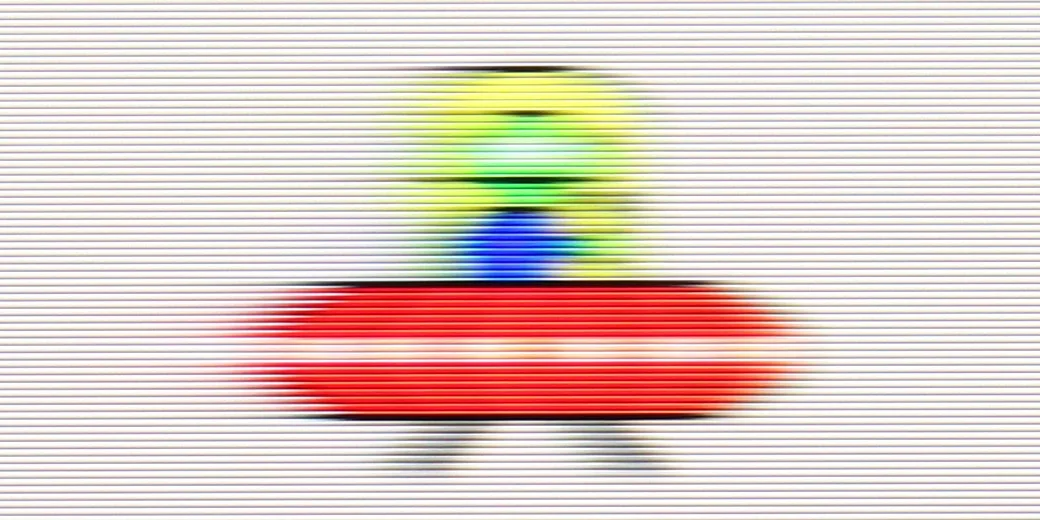
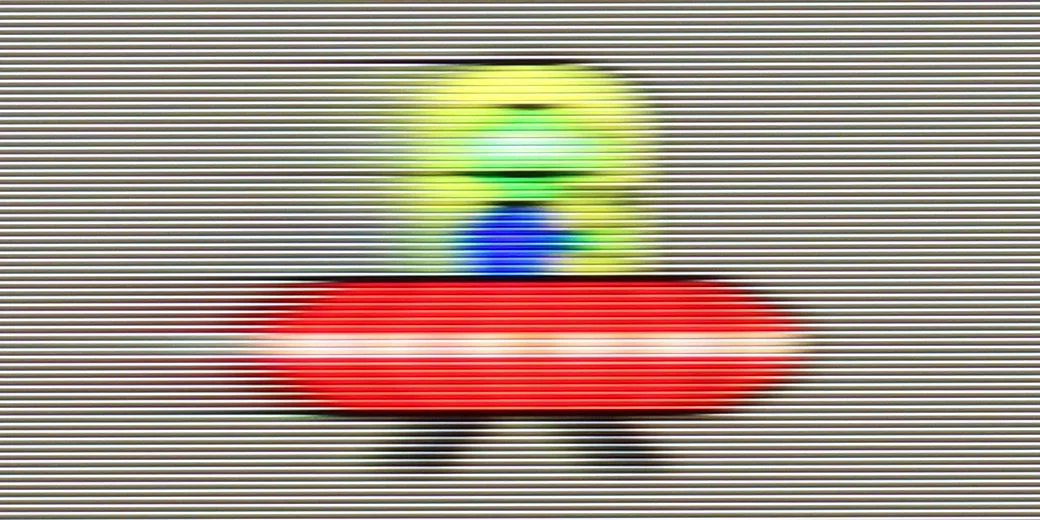
Blur (native resolution, maximum refresh rate):

Blur (BFI function enabled):

Blur (1080p@288Hz):

Blur (4K@144Hz ):

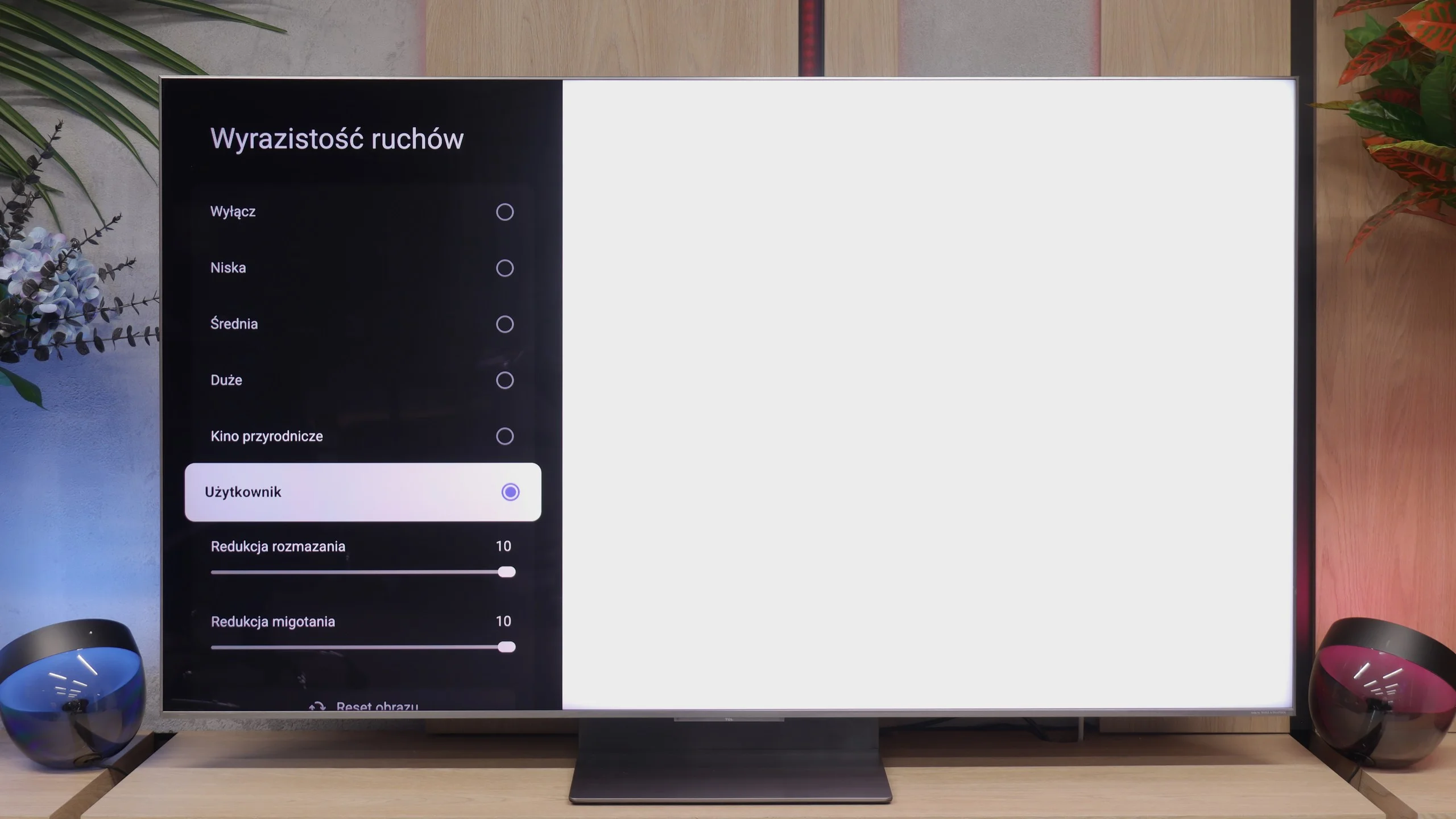
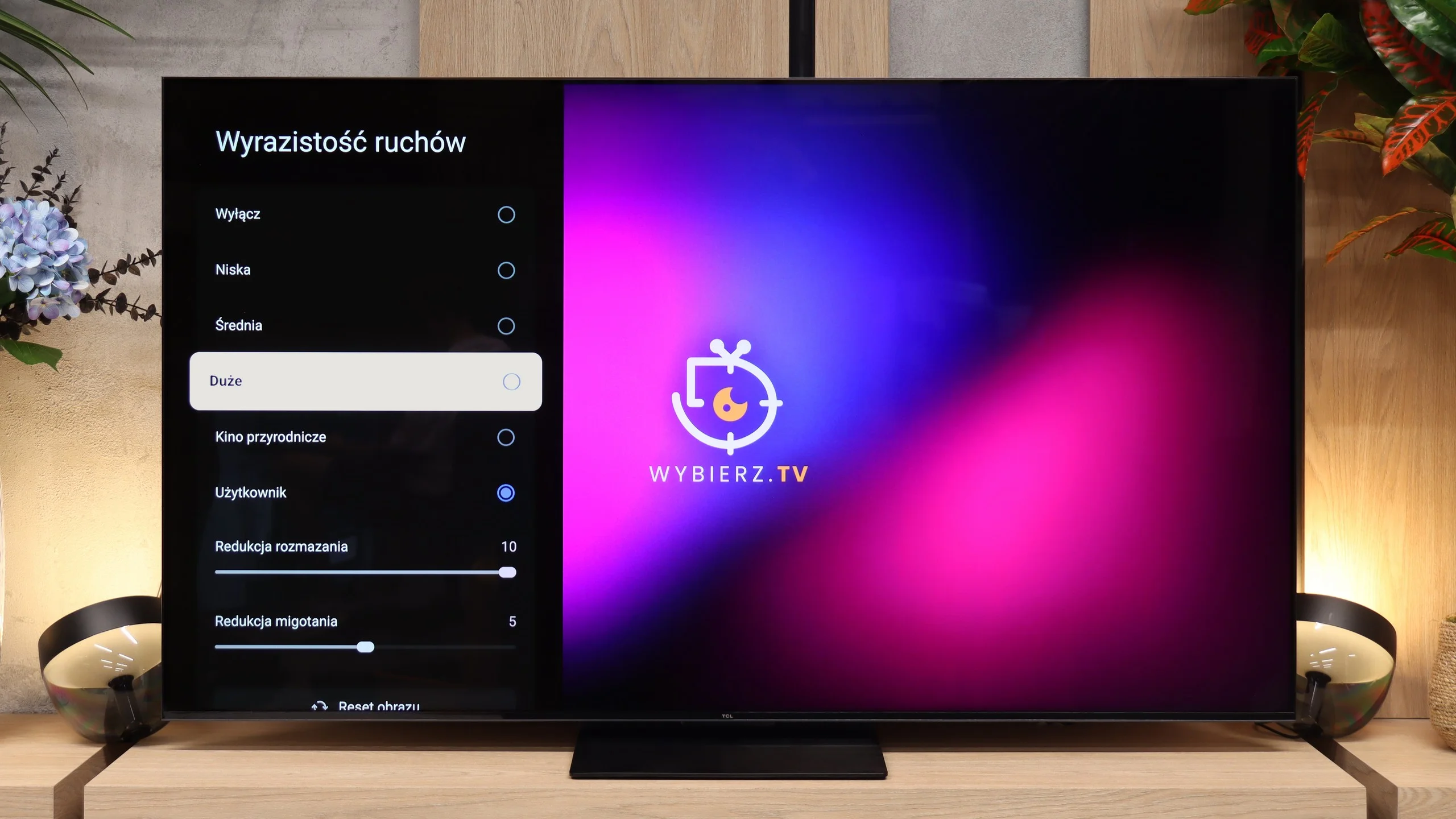
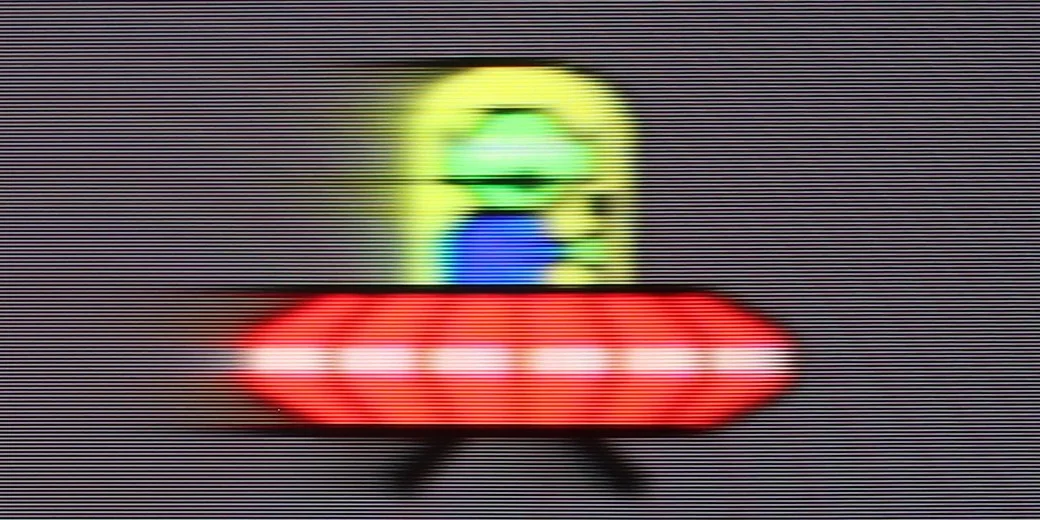
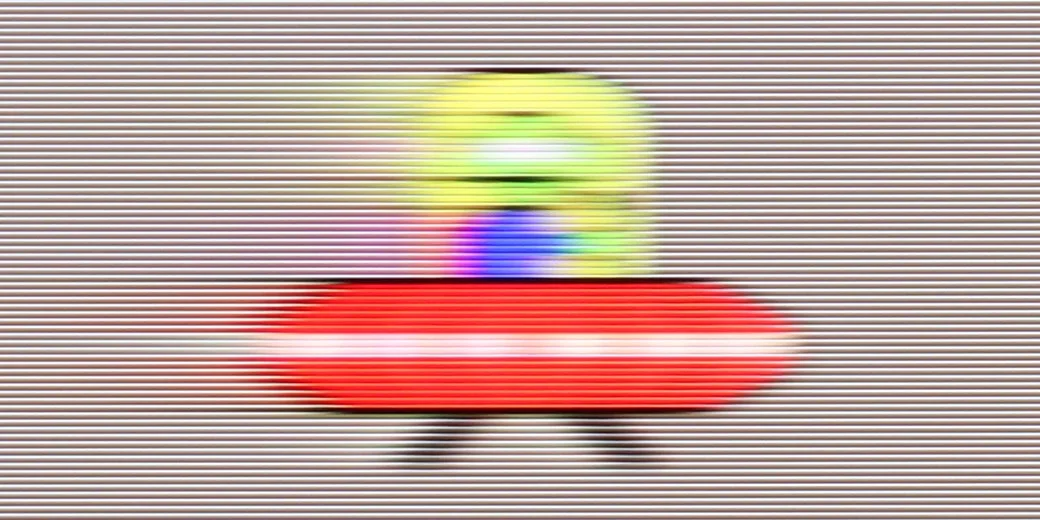
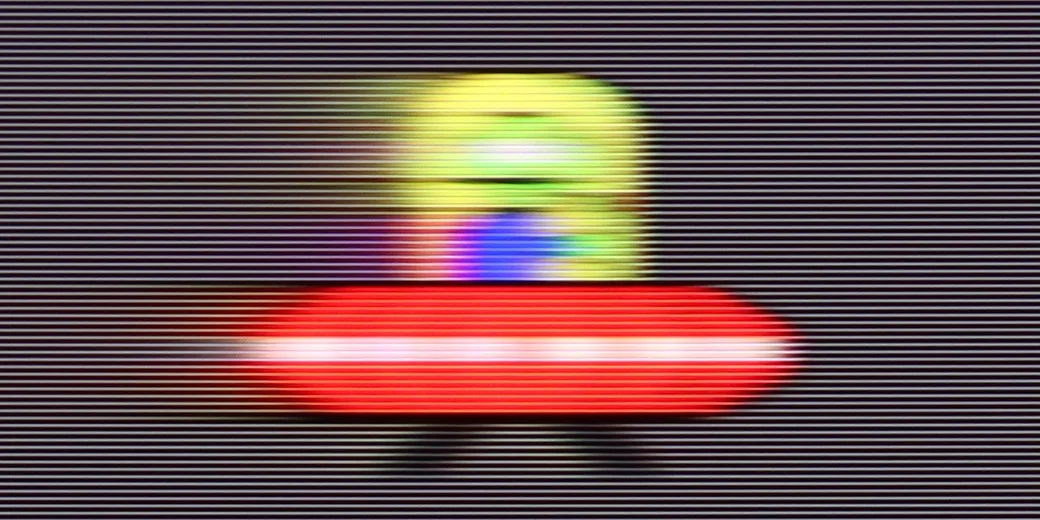
The TCL C8L is equipped with a fast panel with a native refresh rate of 144 Hz. This specification will be most appreciated by demanding PC gamers, while most users, who rely on consoles or TV broadcasts, will make use of a stable 120 Hz. It is at 120 Hz that the motion-processing algorithms take care of image processing (in films, series and sports). In the TV menu you'll find a "Motion Clarity" tab that allows you to tailor the motion smoothing to your own preferences. The algorithms cope well with both cinematic productions at 24 or 30 frames per second and with fast-paced sports broadcasts at 50 or 60 frames per second, ensuring appropriate smoothness.

The RM7L features a 144 Hz VA panel, so from the outset it is well suited to sports, gaming and other fast-paced content. The high refresh rate also gives the motion interpolation more scope, allowing it to generate additional frames. On the RM7L it works well and, with the right settings, can noticeably improve motion smoothness without an excessive soap opera effect.
Console compatibility and gaming features

9.8/10

9.8/10

  • ALLM
    Yes
    Yes
  • VRR
    Yes
    Yes
  • VRR range
    48 - 288Hz
    48 - 288Hz
  • Dolby Vision Game Mode
    Yes
    Yes
  • Correct implementation of HGIG
    Yes
    Yes
  • 1080p@120Hz
    Yes
    Yes
  • 1440p@120Hz
    Yes
    Yes
  • 4K@120Hz
    Yes
    Yes
  • Game bar
    Yes
    Yes

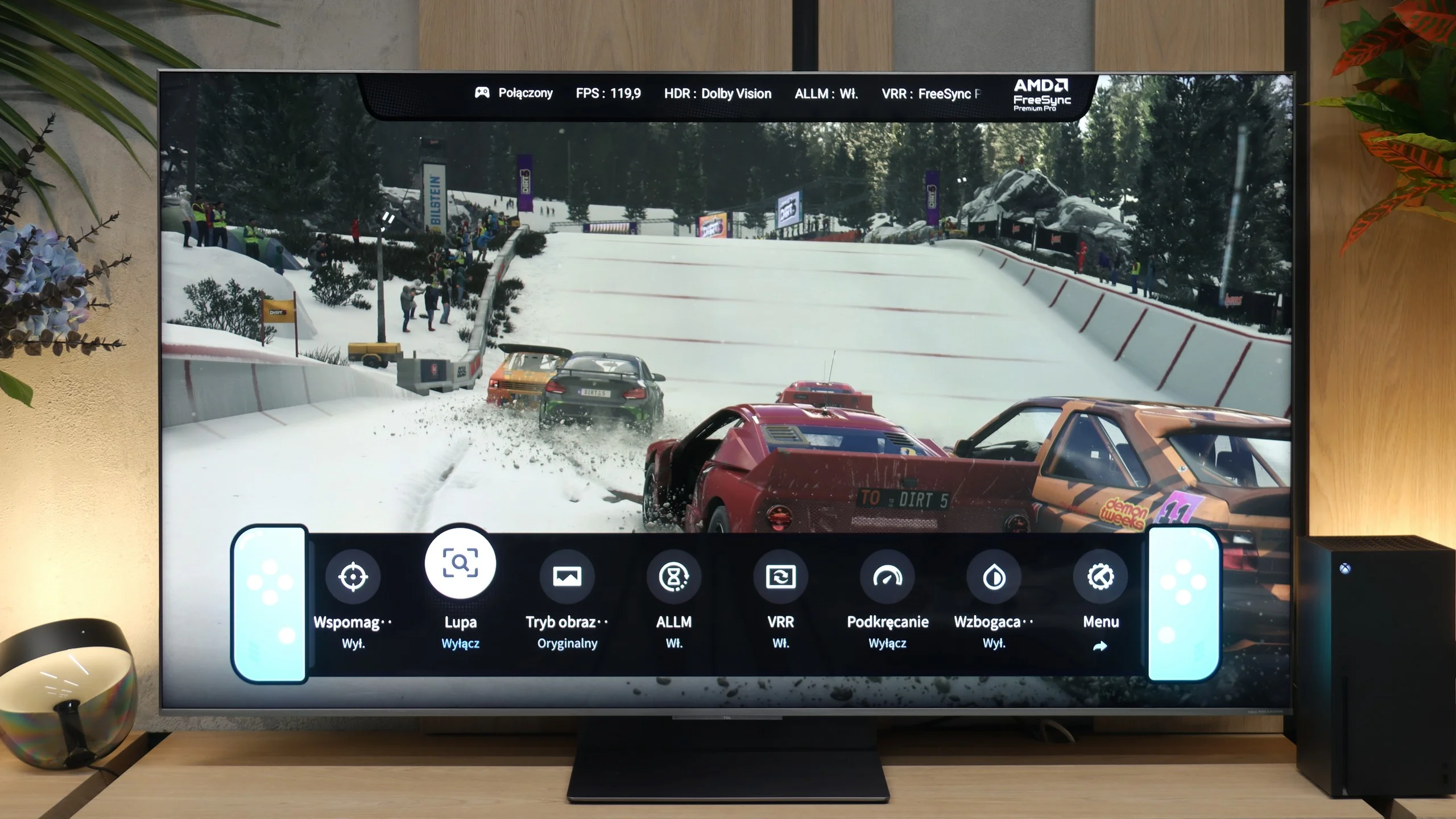
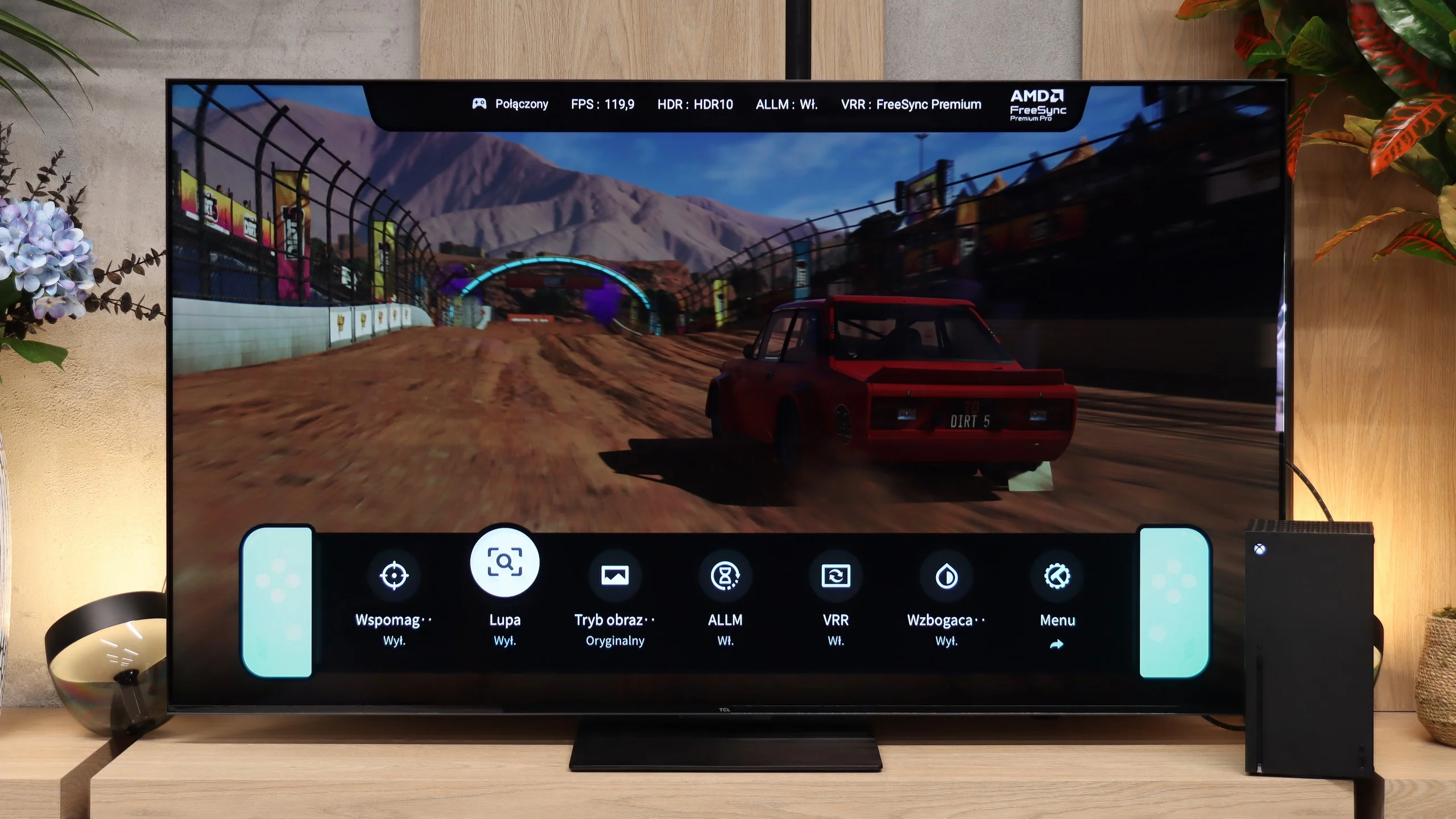
For gamers – and especially for owners of powerful PCs and several consoles simultaneously – the TCL C8L is a true monster. It is the first model in this manufacturer's lineup to feature as many as four full HDMI 2.1 ports with a maximum bandwidth of 48 Gbps. This is directly attributable to the use of the new Pentonic 800 processor, which we discussed earlier. Additionally, the television seamlessly supports practically every gaming feature. We have an automatic game mode (ALLM) that reduces latency to minimal levels, and full frame synchronization (VRR) operating in an impressive range of up to 288 Hz. There's also talk of standards such as G-Sync or FreeSync from Nvidia and AMD. When it comes to display standards, there are no compromises either: the C8L offers complete support for HDR formats in games, including gaming Dolby Vision and the HGiG profile. We can conveniently manage all of these features from a very readable player bar (Game Bar), which we can personalise to our own preferences. From a purely gaming perspective, there's really nothing to fault the C8L on – well, maybe aside from the previously mentioned slight blurring. But other than that? It's a no-nonsense machine for gamers.

The RM7L earns almost nothing but praise when it comes to features for gamers. The TV supports ALLM, VRR and Dolby Vision Gaming and works properly with HGiG, so it’s hard to point to any major omissions in that regard. In practice this means automatic switching to a low-latency mode, smoother motion at variable frame rates and accurate brightness reproduction in HDR games. There’s also a very useful Game Bar. From it you can quickly check frame rate, VRR status, signal format or aspect ratio, and change the key settings without leaving the game. TCL has also added a few extra options, such as a crosshair overlay and brightening of dark image areas, which can be handy in some titles. The biggest drawback stems from the use of the Pentonic 700 processor. Only two of the four HDMI ports support the full HDMI 2.1 standard. That won’t matter much with a single console, but if you connect two consoles and a PC you may run out of ports, especially since one of those ports may be needed for eARC and a soundbar.

Input lag

10/10

9.9/10

SDR

1080p60
14 ms
14 ms
1080p120
8 ms
9 ms
2160p60
13 ms
14 ms
2160p120
8 ms
9 ms

HDR

2160p60
13 ms
14 ms
2160p120
8 ms
9 ms
4320p60

Dolby Vision

2160p60 DV
13 ms
14 ms
2160p120 DV
8 ms
9 ms

In our laboratory tests we measured Input Lag of below 10 ms. For a gamer this means a completely imperceptible delay. Importantly, this result can be improved further by forcing the PC to use a refresh rate above 120 Hz. A big plus is the Dolby Vision Game mode; latency there is just as low as in standard SDR and HDR10 modes.

Input lag on the RM7L is low. With a 120 Hz signal it drops below 10 ms, and at 60 Hz it is just under 15 ms. In practice the response to input is instantaneous, and even the lower figures known from OLEDs do not provide a clear advantage here. Dolby Vision Gaming also performs well. Input lag in this mode remains at the same level as in the other gaming modes, which still isn't standard on every TV.

Compatibility with PC

8.6/10

8.4/10

Chroma 444 (max. resolution and refresh rate)
Yes
Yes
Font clarity
Good
Good
Readability of dark text and shapes
Good
Good
Input lag in PC mode (4K, max. refresh rate)
7ms
8ms
Matrix subpixel arrangement
RGB
RGB
Max refresh rate
144Hz
144Hz
G-Sync
Yes
Yes

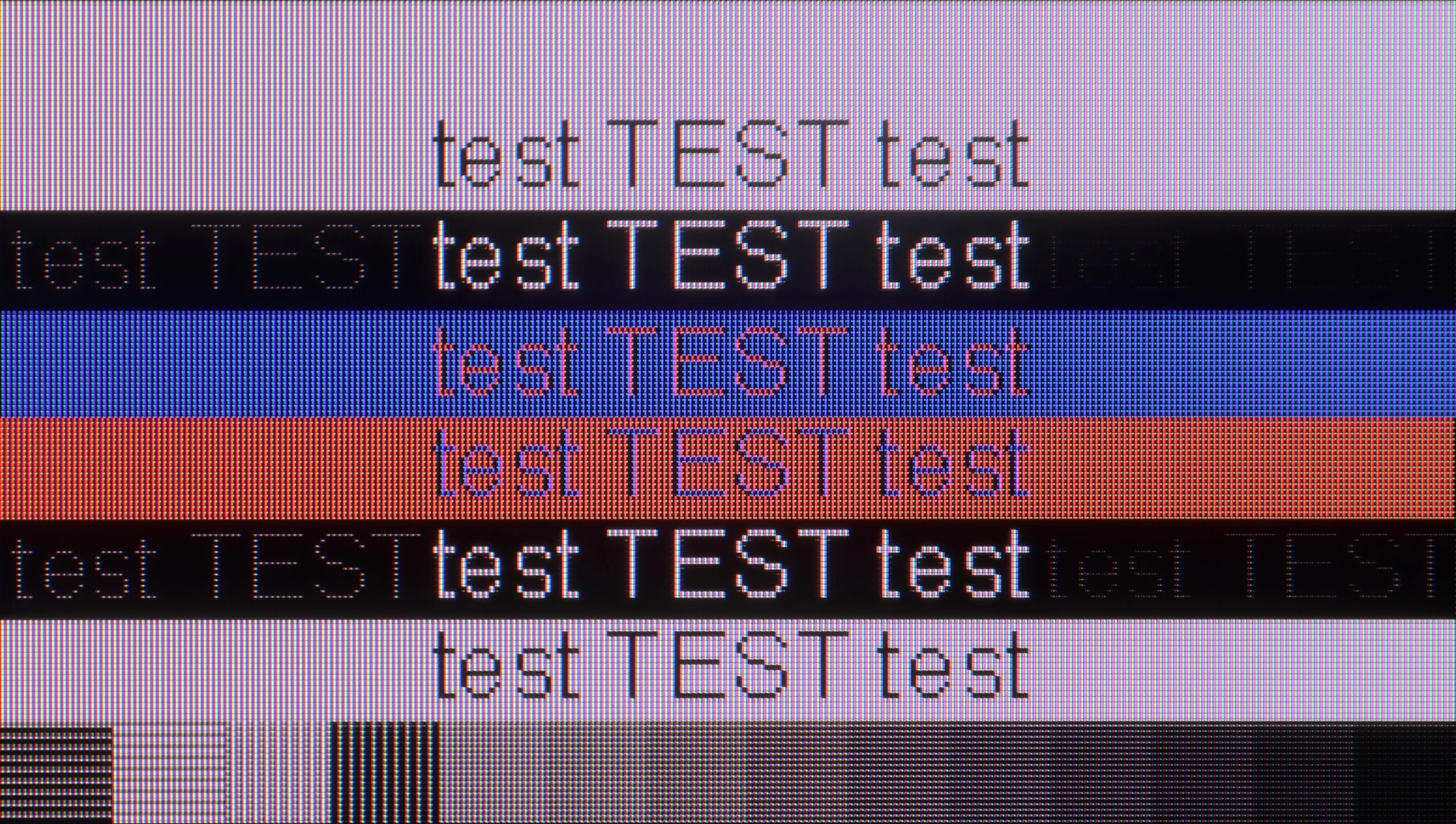
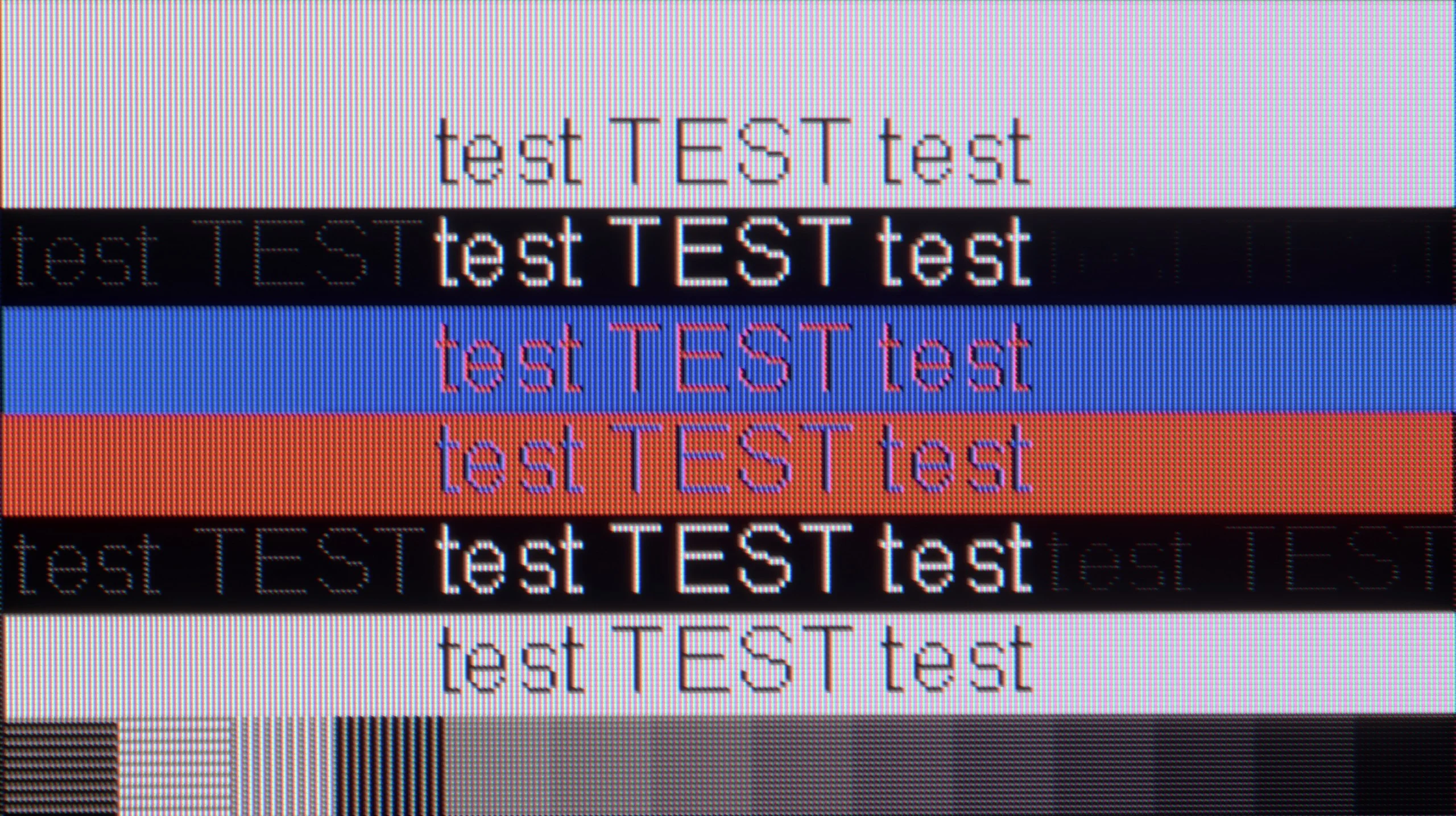
The photo shows the legibility of small fonts. Ideally, lines should be the same thickness on both light and dark text, with minimal pixel gaps.

The TCL C8L is very well suited to use as a large-format monitor. The TV supports refresh rates up to 288 Hz at Full HD resolution, which will be appreciated by fans of e-sports titles and by owners of less powerful graphics cards in AAA games. The TV also works seamlessly with frame synchronisation systems AMD FreeSync and NVIDIA G-Sync. Importantly for text work, the C8L renders most fonts correctly and legibly. Up close you can notice minor errors in the rendering of letter edges and a slight grain around them, but the issue largely disappears (or rather becomes less noticeable) when you sit at a normal, recommended distance from the screen.

Using the RM7L with a computer performs very well, especially if you treat it as a gaming display. The TV supports 4K at 144 Hz, and dropping to Full HD can raise the refresh rate to as much as 288 Hz. It also supports G-Sync and FreeSync, so there's little to criticise in terms of smoothness. Text handling is a bit poorer. At the maximum refresh rate, letters viewed from very close are not perfectly sharp and you can notice a faint shadow behind them. Switching to 120 Hz improves matters, though they're still not perfect. However, it's hard to regard this as a serious flaw, because given the sizes in which the RM7L is available, it's unlikely to be used on a desk as a monitor for document work.

Viewing angles

4.5/10

4.5/10

Brightness drop at an angle of 45 degrees
74%
81%

TCL C8L uses a VA-type panel, which by nature is not known for wide viewing angles. In this case, however, the manufacturer used a proprietary WHVA 2.0 panel from TCL CSOT. Therefore the viewing angles are decidedly better than in average VA panels, which is undoubtedly a plus. Colours and contrast do not degrade as drastically when moving slightly off-axis as is the case with most LCD screens. Overall, it is still at a lower level than IPS panels, and even more so OLED screens, but for a VA LCD panel the improvement is fairly noticeable.

Viewing angles on the RM7L are quite good and among the better ones you will find in TVs with VA panels. Even when looking at the screen from the side, colours do not shift as much as in many conventional VA designs. In that respect the RM7L can be compared to the better WHVA panels used in higher TCL ranges such as the C8L or X11L. There is, however, one clear downside. As the viewing angle increases, image brightness falls off very quickly. Colours and the overall character of the image remain relatively intact, but the screen itself becomes noticeably darker. At very large off axis angles the difference is already enough that the picture can simply look too dark. For that reason the RM7L is best viewed as close to the centre of the screen as possible.

Daytime performance

10/10

7.8/10

Panel finish
Glare
Glare
Reflection suppression
Decent
Poor
Black levels during daytime
Very Good
Very Good

Panel brightness

TCL RM7L: 959 cd/m2

TCL C8L / QM8L : 1651 cd/m2

The TCL C8L is one of the brightest TVs we’ve tested so far. As you can see from the brightness chart (or rather, you might not) its peak brightness reaches an astronomical 5,000 nits (exactly 4,862). Although that falls to around 600 nits with a full-screen white field, the TV’s overall daytime performance means you can confidently call it practically ideal for very bright, sunlit living rooms. While the glossy panel used here does not suppress reflections as aggressively as matte screens, the screen’s sheer output can cut through most unwanted reflections coming from windows or other artificial light sources such as lamps.

The RM7L should perform well in a bright living room, primarily thanks to its high SDR brightness. With everyday content the television averages around 1000 nits, so it can easily cut through ambient light entering the room and maintain a clear image even during the day. A weak point is the panel's glossy coating. Direct reflections are quite noticeable, and stronger light sources can also spread across the screen surface. For that reason it's best not to position the television opposite a window or a lamp. With correct placement, however, the RM7L will still be a very good choice for a brightly sunlit room.

Panel details

Backlight Type
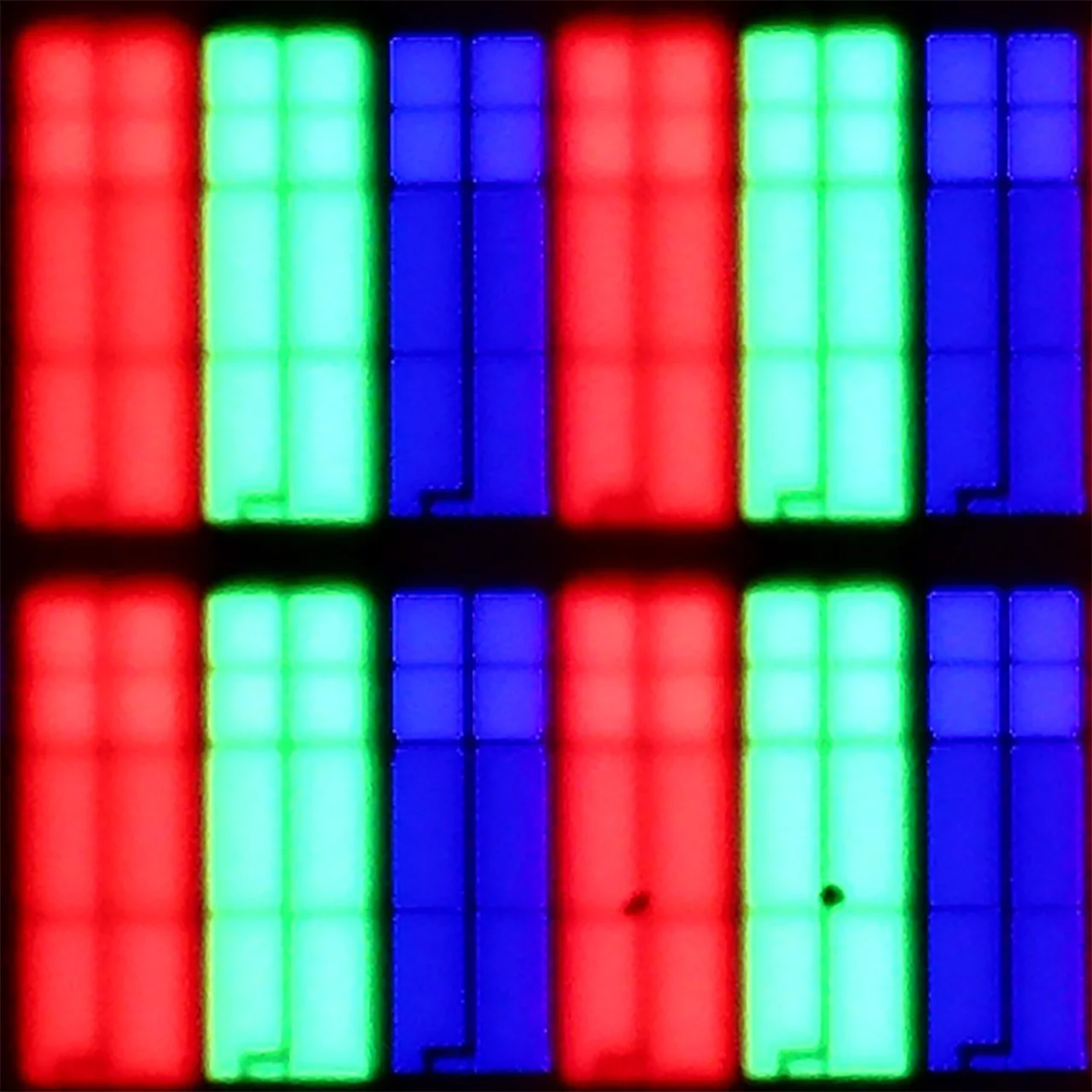
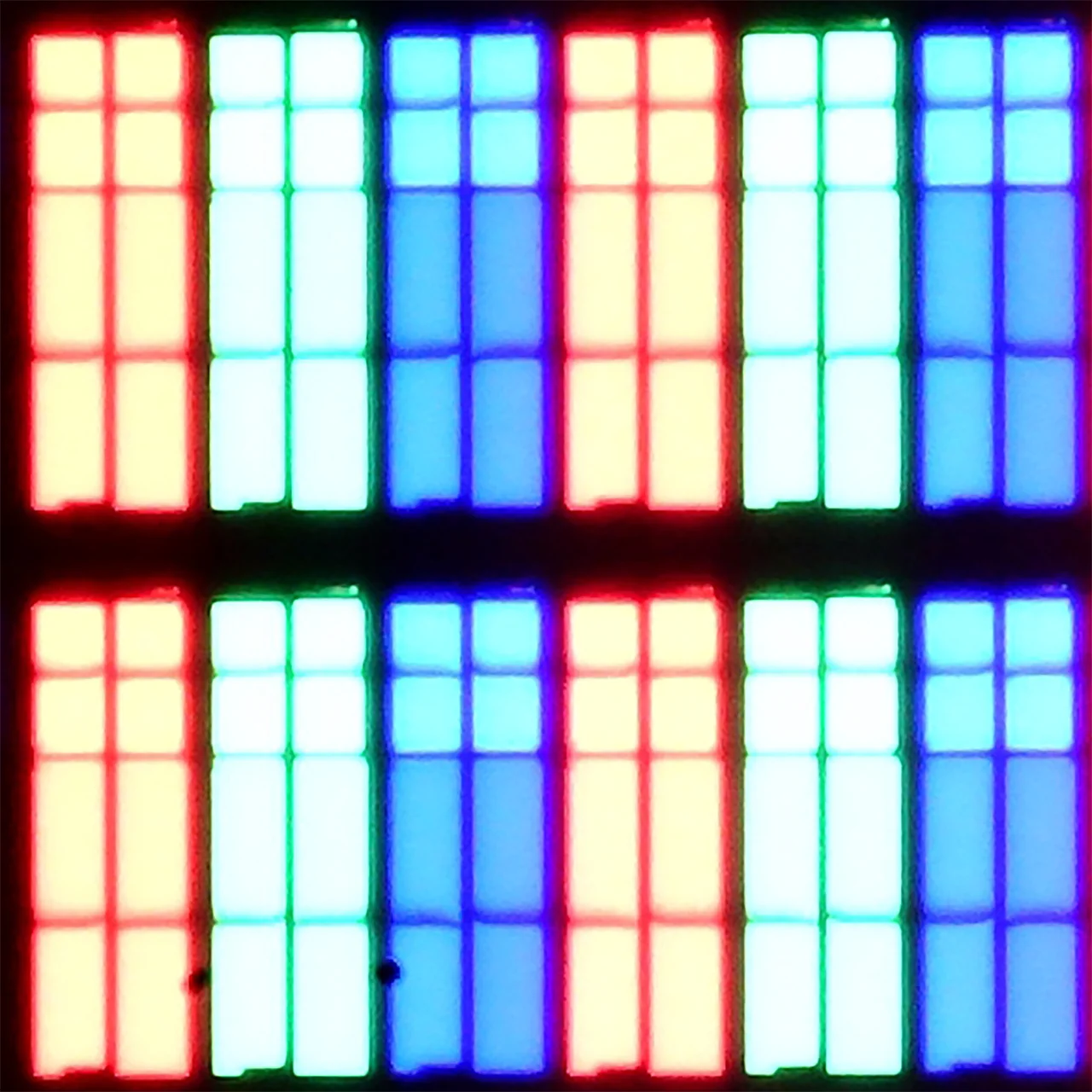
Mini-LED Super QLED (SQD)
Mini-LED RGB + PFS
Software version during testing
V8-0015T01-LF1V080.000644
V8-0012T01-LF1V641.003171
Image processor
mt9655 2,5GB RAM
MT5896 2,5GB RAM

Subpixel Structure:

Panel uniformity and thermal imaging:

Review TCL C8L / QM8L TV Panel details
Review TCL RM7L TV Panel details

TCL C8L / QM8L

TCL RM7L

TV features

8.3/10

7.8/10

  • System
    Google TV
    Google TV
  • System performance
    Very good
    Good
  • HDMI inputs
    0 x HDMI 2.0, 4 x HDMI 2.1 48Gbps
    2 x HDMI 2.0, 2 x HDMI 2.1 48Gbps
  • Outputs
    Toslink (Optical audio), eARC (HDMI), ARC (HDMI)
    Toslink (Optical audio), eARC (HDMI), ARC (HDMI)
  • Network Interfaces
    Wi-Fi 2.4GHz, Wi-Fi 5GHz, Ethernet (LAN) 100Mbps
    Wi-Fi 2.4GHz, Wi-Fi 5GHz, Ethernet (LAN) 100Mbps
  • TV reception
    DVB-T, DVB-T2, DVB-S, DVB-S2, DVB-C
    DVB-T, DVB-T2, DVB-S, DVB-S2, DVB-C

Classic features:

  • Recording to USB (terrestrial TV)
    No
    No
  • Recording programming
    No
    No
  • Picture in Picture (PiP)
    No
    No
  • RF remote control (no need to aim)
    Yes
    Yes
  • Backlit remote control
    Yes
    No
  • Teletext
    Yes
    Yes
  • Audio only mode
    Yes
    Yes
  • Bluetooth headphones support
    Yes
    Yes
  • Simultaneous Bluetooth headphones & TV audio
    Yes
    Yes

Smart features:

  • AirPlay
    Yes
    Yes
  • Screen mirroring (Windows Miracast)
    Yes
    Yes
  • Voice search
    Yes
    Yes
  • Voice search in native language
    Yes
    Yes
  • Ability to connect a keyboard and mouse
    Yes
    Yes
Review TCL C8L / QM8L  TV features
Review TCL RM7L TV features

Sound connection options

  • HDMI audio
    eARC (HDMI), ARC (HDMI)
    eARC (HDMI), ARC (HDMI)
  • Other audio outputs
    Toslink (Optical audio)
    Toslink (Optical audio)
  • Wireless audio
    Bluetooth
    Bluetooth

Supported audio formats (external HDMI eARC audio):

  • Dolby Digital Plus 7.1
    Yes
    Yes
  • Dolby True HD 7.1
    Yes
    Yes
  • Dolby Atmos in Dolby Digital Plus (JOC)
    Yes
    Yes
  • Dolby Atmos in Dolby True HD
    Yes
    Yes
  • DTS:X in DTS-HD MA
    Yes
    Yes
  • DTS-HD Master Audio
    Yes
    Yes

Senior accessibility

  • Numeric keyboard on TV
    No
    Yes
  • Font size adjustment
    Yes
    Yes
  • Audio description
    Yes
    Yes

Smart TV: Google TV

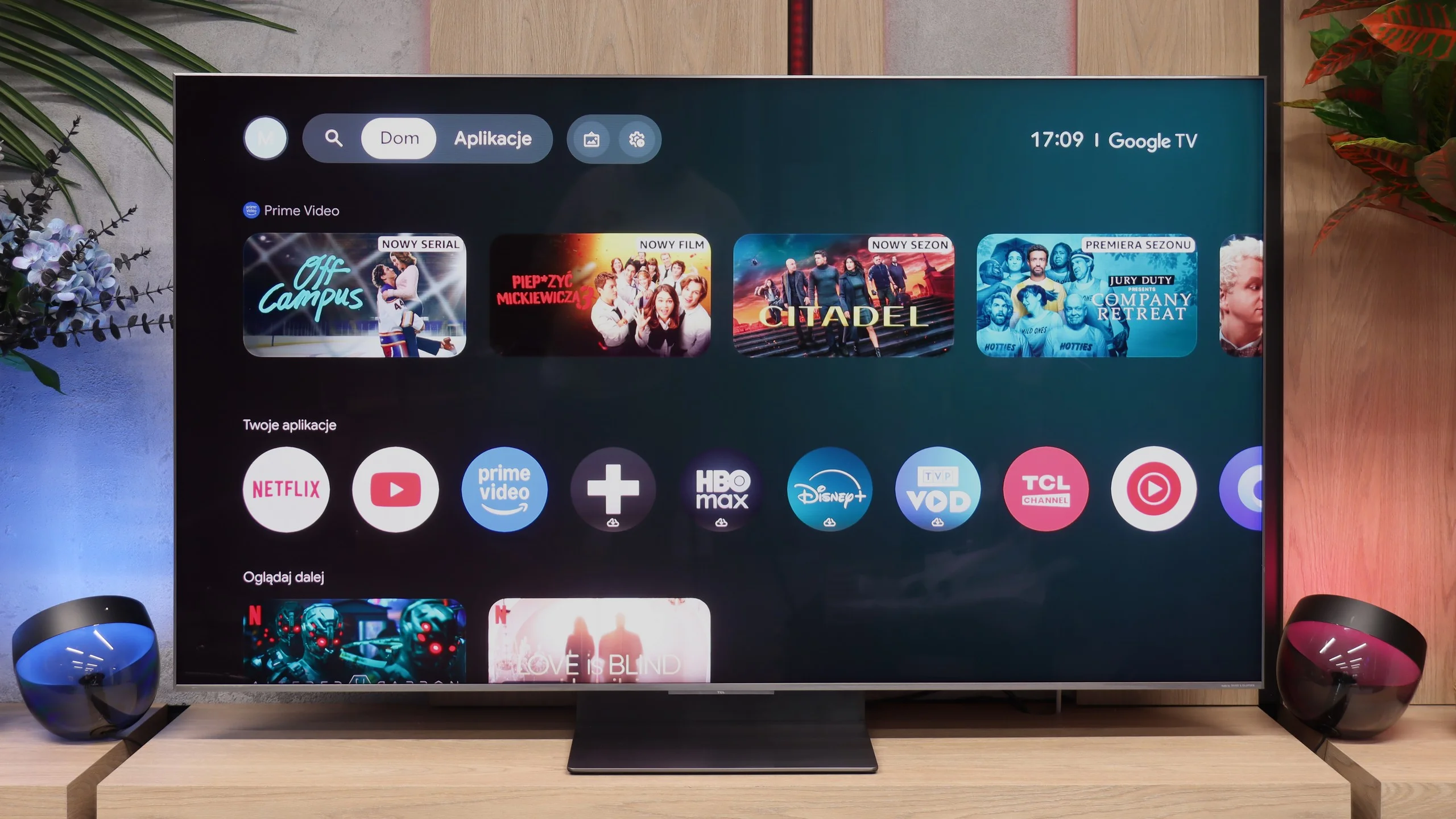
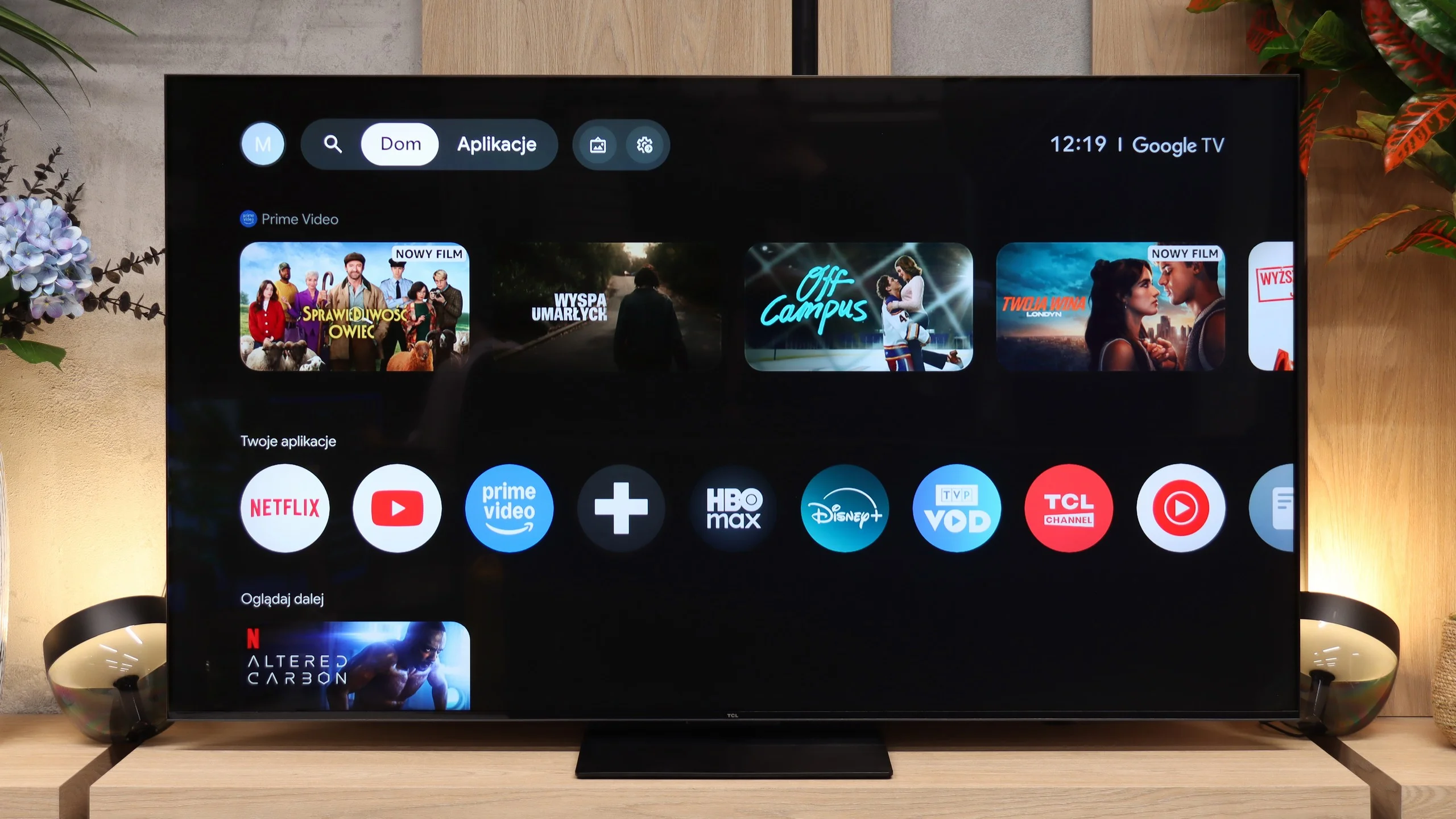
On the internet you can still come across older opinions about the TCL brand where users complained about sluggish performance or occasional freezes of the Google TV interface. In the case of the C8L model, however, there is a significant step forward. Thanks to the new processor and certain stability fixes, Google TV's responsiveness and speed are at a very high level. We can easily compare this system's level of polish with closed systems such as Tizen or webOS found in rival flagship models. The set comes with a full suite of features, led by the updated Gemini voice system.

Television features

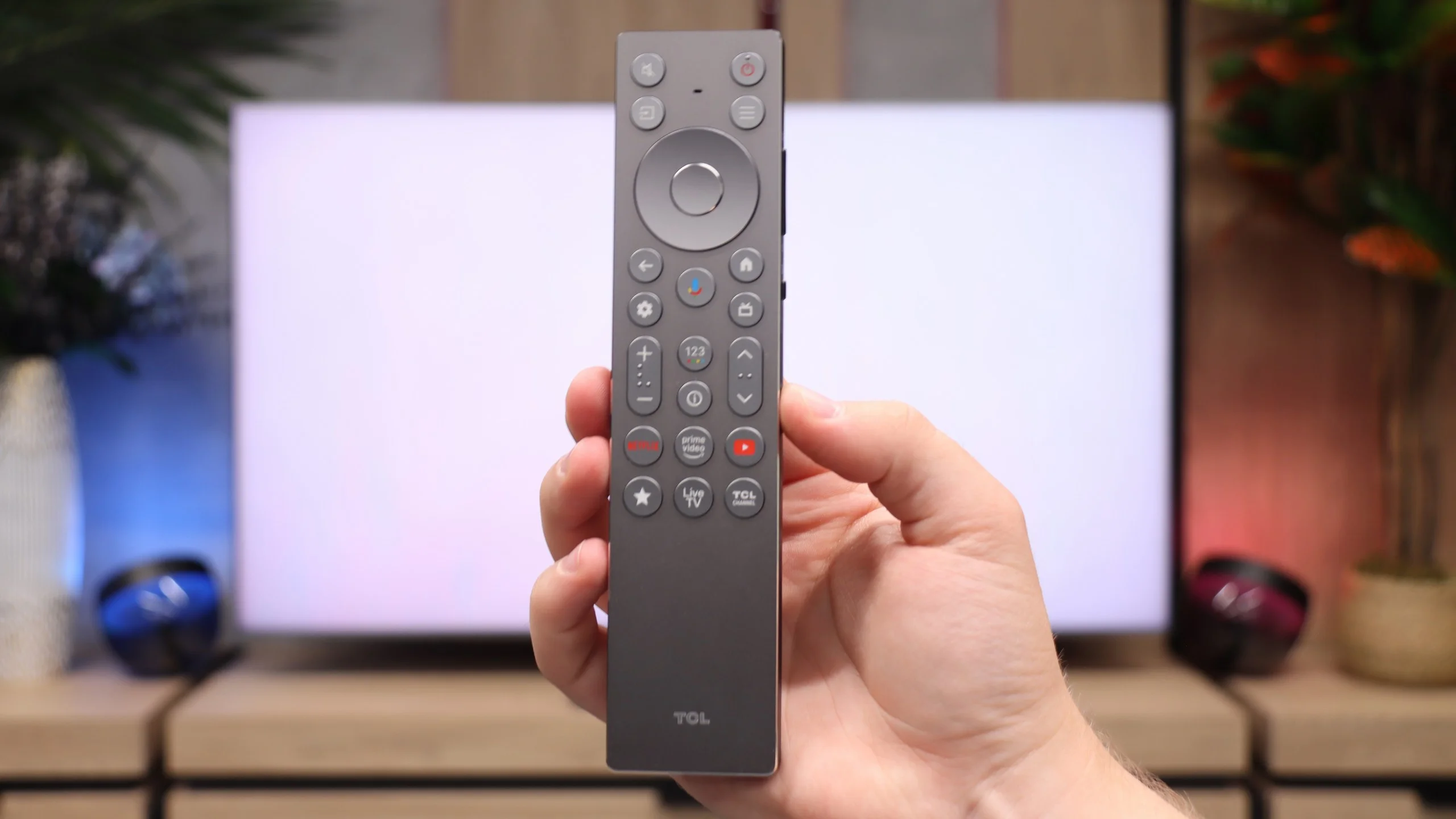
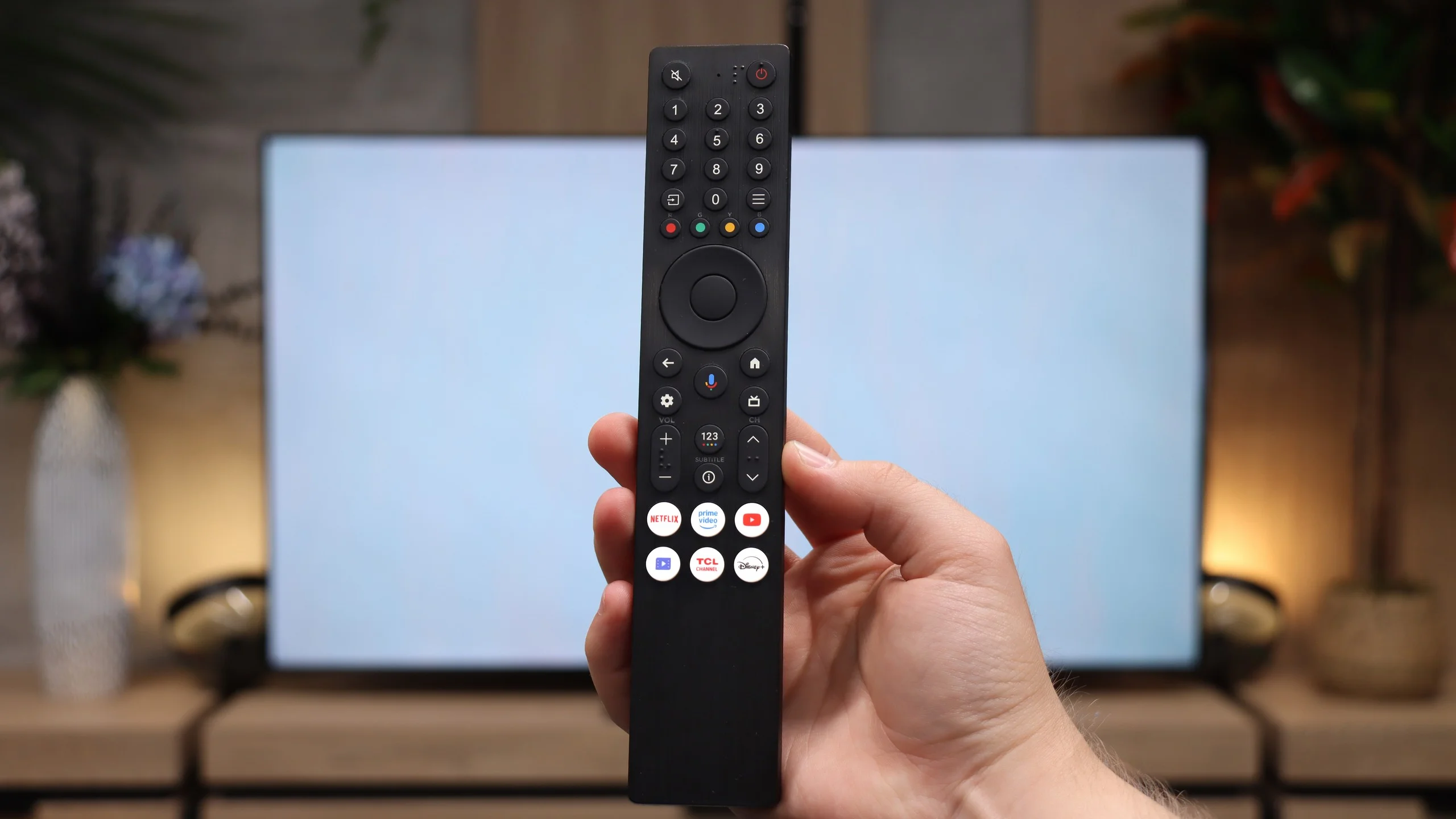
On strictly TV matters the C8L simply does its job reliably as a television 😉. You'll find the usual standard features, such as a Bluetooth module for quick pairing of wireless headphones and the still-present teletext for use with the built-in tuners. It is, however, clearly designed primarily for modern streaming platforms. This is evident from the minimalist, modern remote control, which, unlike the cheaper C7L, does not feature a traditional numeric keypad.

Smart TV features

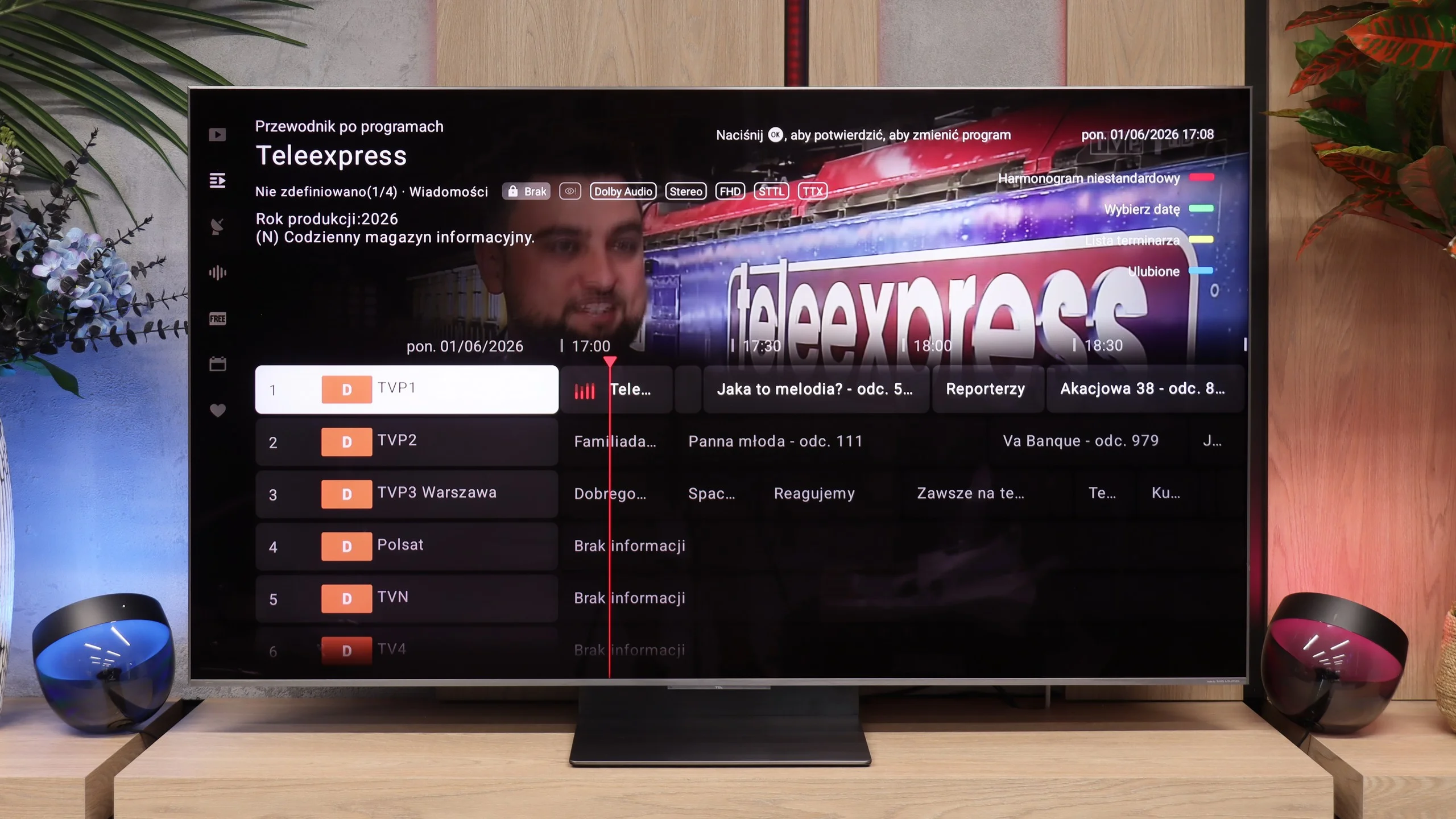
The RM7L runs on Google TV, which is great news, because it’s one of the most polished systems on the market today. The store has pretty much everything: from the major streaming platforms to lesser-known apps, so you really don’t need to worry about a lack of content. There are also the classics on board, Chromecast and AirPlay, which make it easy to cast from your phone to the big screen. An interesting change is that the previous Google Assistant has been replaced by Gemini. The new "artificial brain" understands natural speech better and can answer questions much more sensibly. Everything runs smoothly and delivers exactly what we expect from a TV today.
Traditional TV

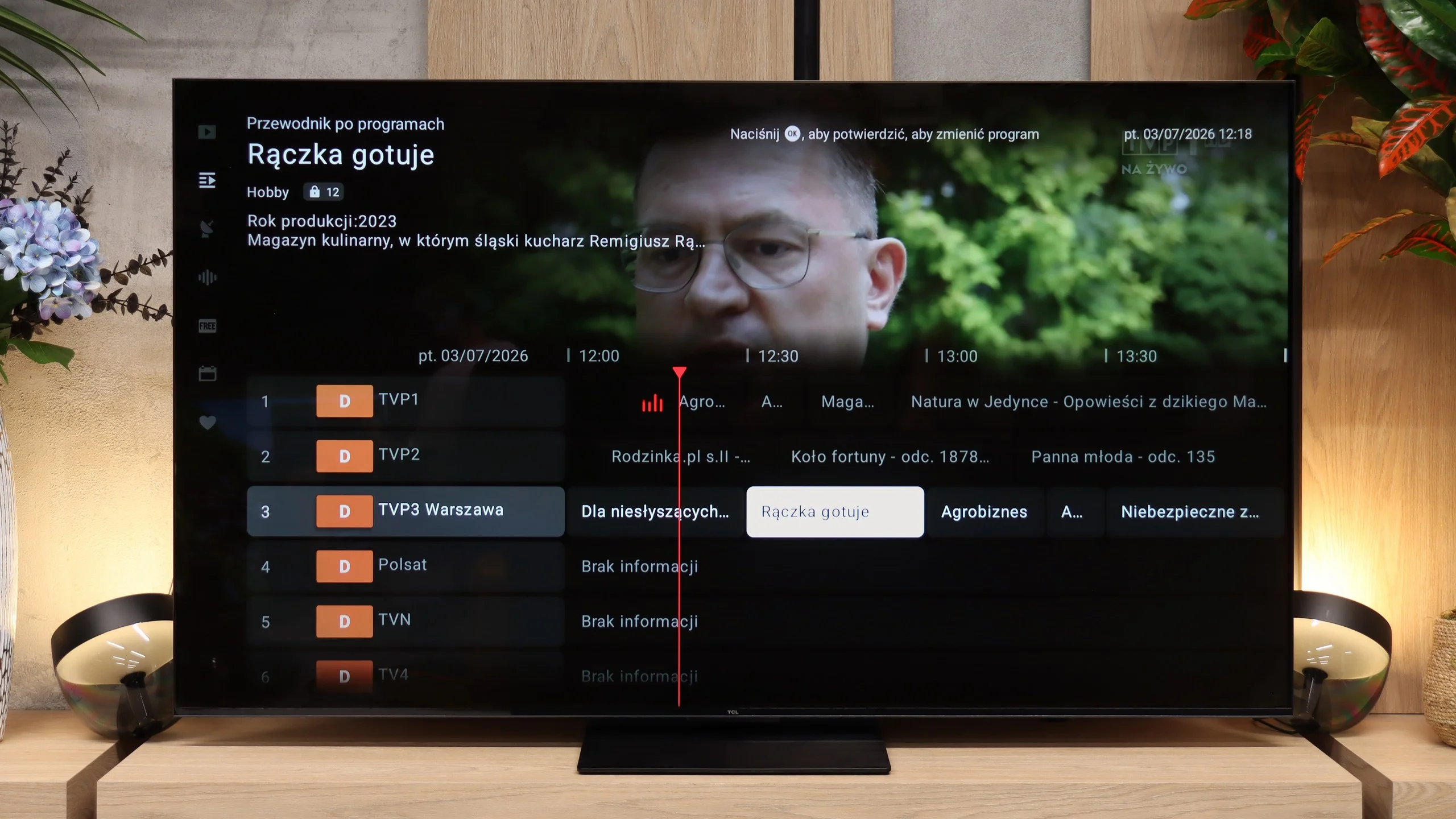
If someone prefers channel surfing to streaming, they’ll be pleased with the traditional remote control. It has a full numeric keypad and plenty of physical buttons, so operating the TV is quite straightforward, without having to wade through on‑screen menus. In terms of TV features it’s simply solid. The electronic programme guide (EPG) and channel switching work flawlessly, although you won’t find additional features like PiP or PVR.

Apps

9.6/10

9.6/10

OK
Disney_Plus
OK
Amazon_Prime_Video
OK
Player_TVN
OK
Polsat_Box_Go
OK
Canal_Plus_Online
OK
TVP_VOD
OK
Apple_TV_Plus
OK
SkyShowtime
OK
Rakuten
OK
CDA_Premium_Browser
OK
Spotify
OK
Tidal
OK
Netflix
OK
YouTube
OK
HBO_MAX
OK
Kodi
No
Apple_music
OK
Eleven_sports
No
Xbox Game Pass
OK
GeForce NOW
No
Amazon Luna
OK
Boosteroid
OK
Steam Link
OK
Disney_Plus
OK
Amazon_Prime_Video
OK
Player_TVN
OK
Polsat_Box_Go
OK
Canal_Plus_Online
OK
TVP_VOD
OK
Apple_TV_Plus
OK
SkyShowtime
OK
Rakuten
OK
CDA_Premium_Browser
OK
Spotify
OK
Tidal
OK
Netflix
OK
YouTube
OK
HBO_MAX
OK
Kodi
No
Apple_music
OK
Eleven_sports
No
Xbox Game Pass
OK
GeForce NOW
No
Amazon Luna
OK
Boosteroid
OK
Steam Link

Playing files from USB

9.4/10

9.4/10

Supported photo formats:

JPEG
Yes
Yes
HEIC
Yes
Yes
PNG
Yes
Yes
GIF
Yes
Yes
WebP
Yes
Yes
TIFF
No
No
BMP
Yes
Yes
SVG
No
No

Maximum photo resolution:

4 Mpix
Yes
Yes
6 Mpix
Yes
Yes
8 Mpix
Yes
Yes
10 Mpix
Yes
Yes
12 Mpix
Yes
Yes
16 Mpix
Yes
Yes
20 Mpix
Yes
Yes
24 Mpix
Yes
Yes
28 Mpix
Yes
Yes
32 Mpix
Yes
Yes

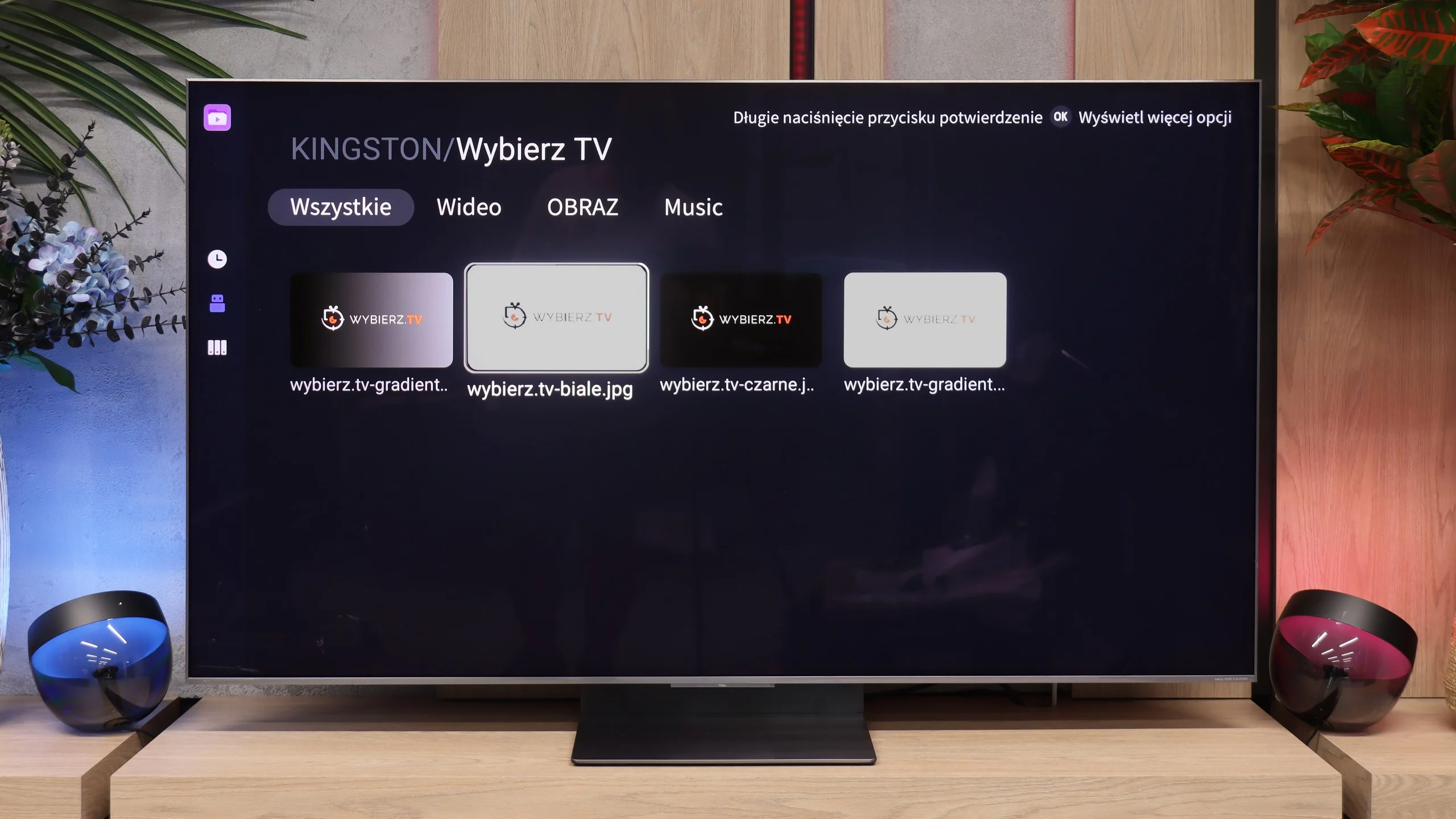
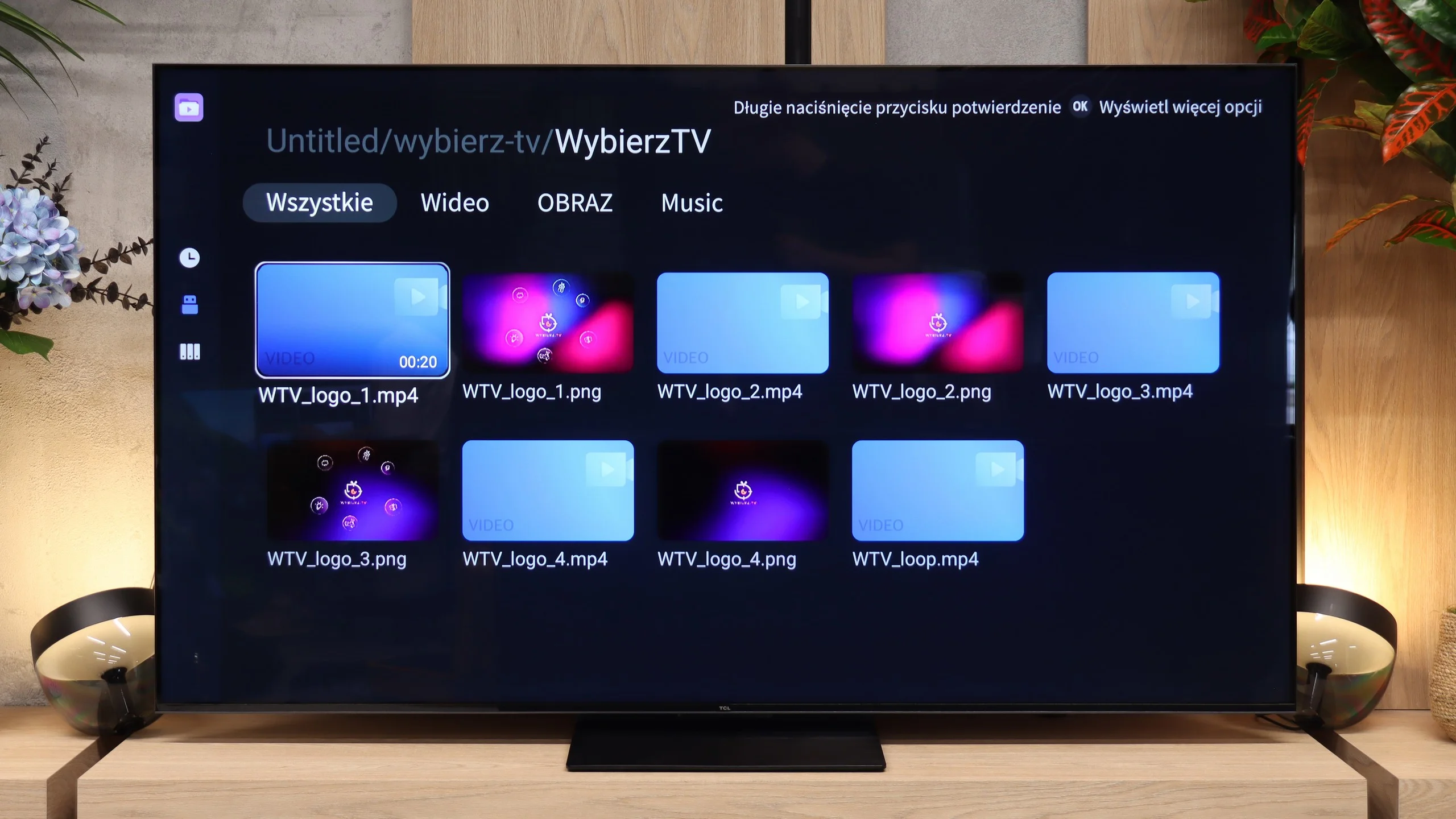
The built-in USB media player handles our everyday tests with no problems. It's good to see that the TV natively and smoothly opens even less common image formats, such as Apple's HEIC. We did encounter a few formats that the built-in app couldn't cope with, but with Google TV that's no obstacle. A major advantage of this platform is the ability to install any third-party player (for example VLC) directly from the Google Play store, which often completely solves file compatibility issues.

The built-in media player in the RM7L performs very well. The TV handled most of our test material with ease, whether films, photos or music. Shortcomings do occur, of course, but they mostly affect less common formats. In practice most people will get by without installing an additional player.

Sound

8.1/10

7.8/10

  • Maximum volume
    78dB
    88dB
  • Dolby Digital Plus 7.1
    Yes
    Yes
  • Dolby True HD 7.1
    No
    No
  • Dolby Atmos in Dolby Digital Plus (JOC)
    Yes
    Yes
  • Dolby Atmos in Dolby True HD
    No
    No
  • DTS:X in DTS-HD MA
    Yes
    Yes
  • DTS-HD Master Audio
    Yes
    Yes

It might seem that in terms of sound the TCL C8L will perform exactly the same as last year's C8K. After all, it again features a Bang & Olufsen audio system in a 6.2.2 configuration, with the same power and the same system features, namely Beosonic technology. Nothing could be further from the truth. The new generation sounded noticeably better in our listening tests. Why is that? To be honest, from a purely hardware point of view we don't know, but it's clear on the graphs from our measurements. Perhaps TCL has simply managed to improve the speakers' behaviour with a firmware update and better speaker tuning.

But as we always say, they are still the TV's speakers. We believe anyone who wants to fully enjoy this TV's potential will still have to buy a good soundbar or a home cinema system. The C8L offers full support for audio codecs such as Dolby Atmos and the niche DTS. Only by connecting an external audio setup will you be able to squeeze real, spatial sound from films or games and complete what you see on this TV.

Unlike the higher C7L, C8L or X11L series, the RM7L does not feature an audio system branded by Bang & Olufsen. TCL has opted here for an Onkyo speaker array supported by "Ultra Bass" technology. The difference is also visible in the build. Instead of metal covers, simpler plastic grilles have been used. Does that affect sound quality? In our view, not as much as you might think. The RM7L simply sounds good, with a slightly different character to the C7L. Dialogue is clean and clear, and the TV can easily fill a larger living room. The amount of low end is also a plus. For a TV in this class there is quite a bit of bass and it does not come across as completely flat. Our measurements confirm this. Maximum volume reaches around 88 dB, which is a very good result, and the frequency response remains relatively even. Only above roughly 7-8 kHz is there a more noticeable drop in efficiency, so the highest frequencies are no longer as well exposed. That said, for a TV of this class the RM7L offers a surprisingly pleasant sound and most users will have no cause for complaint.
Sound Quality Test

Acoustic Measurements

78dBC (Max)

75dBC

88dBC (Max)

75dBC

Reader comments

Comments are provided by the external service Disqus (Zeta Global). Once loaded, Disqus may set cookies and process data about your activity.

We will remember your choice on this device. Provider's privacy policy