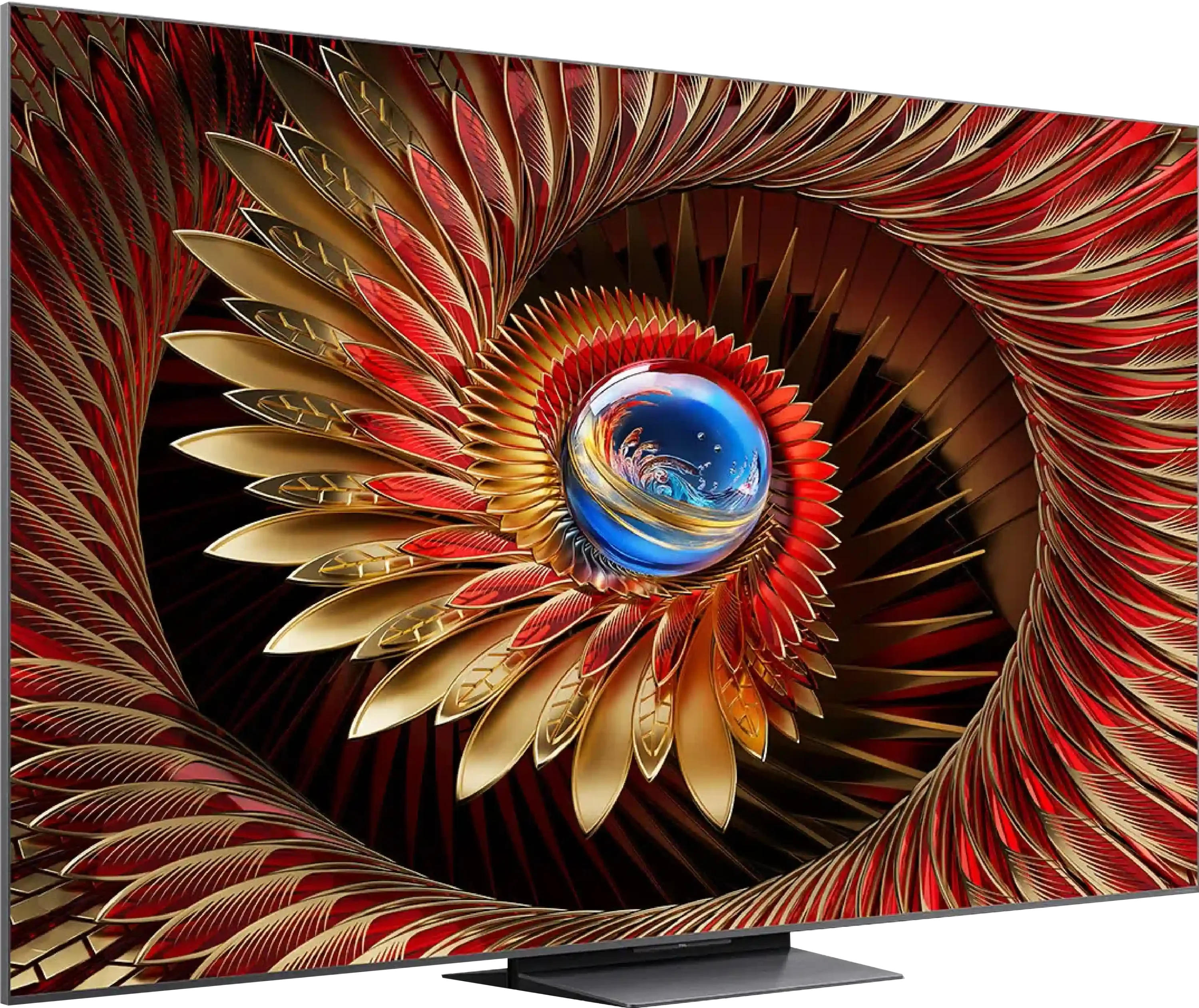
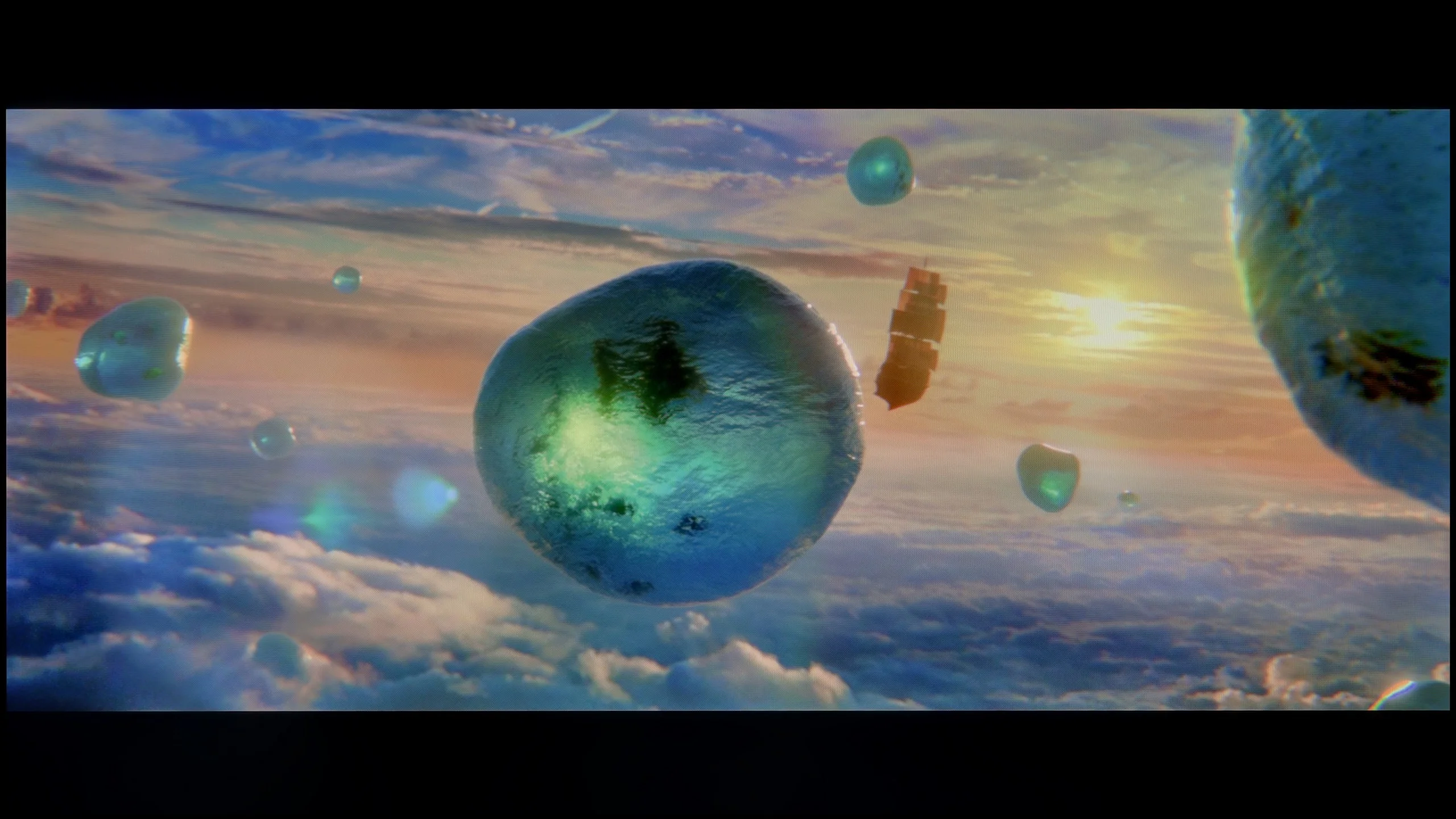
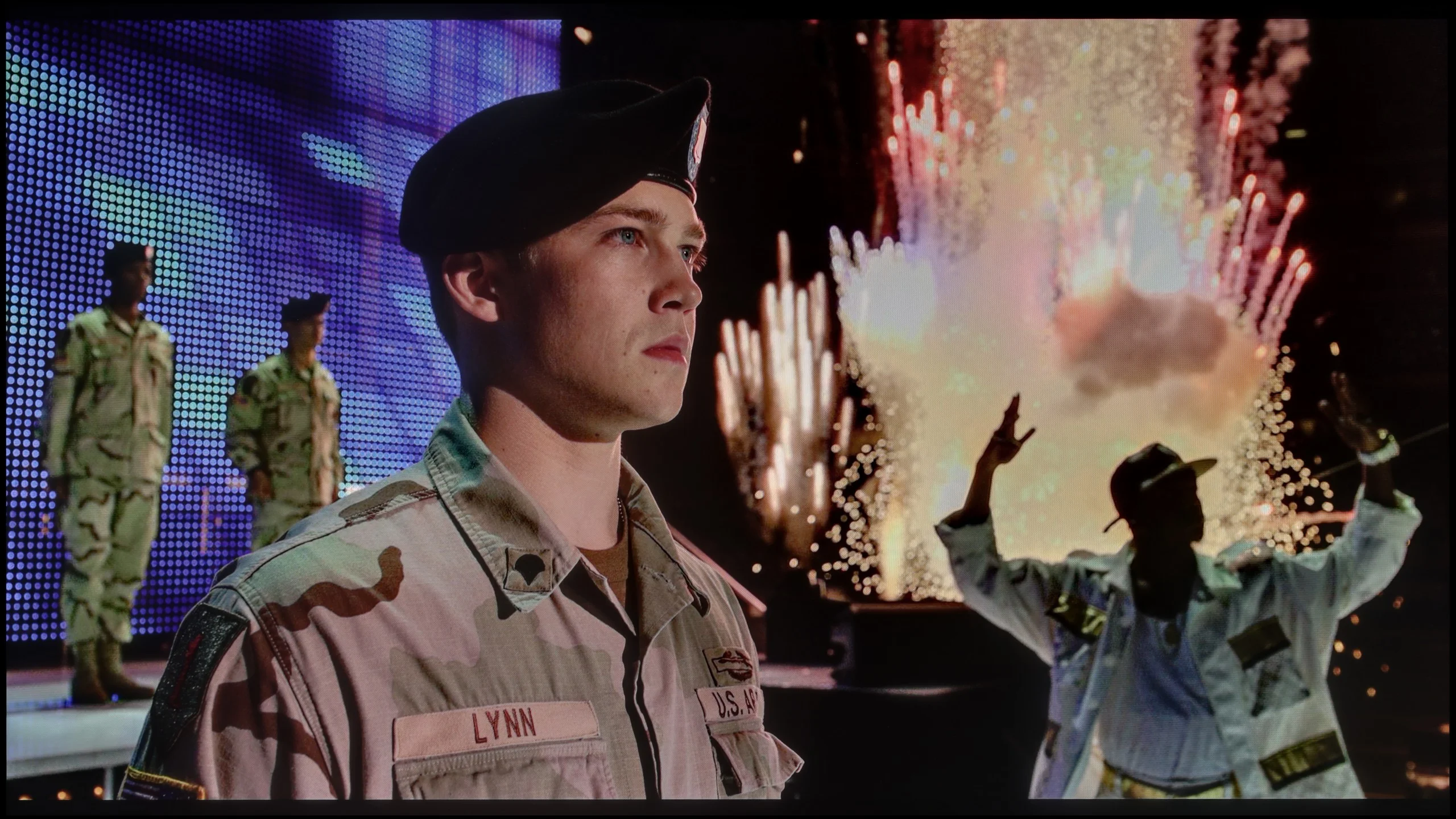
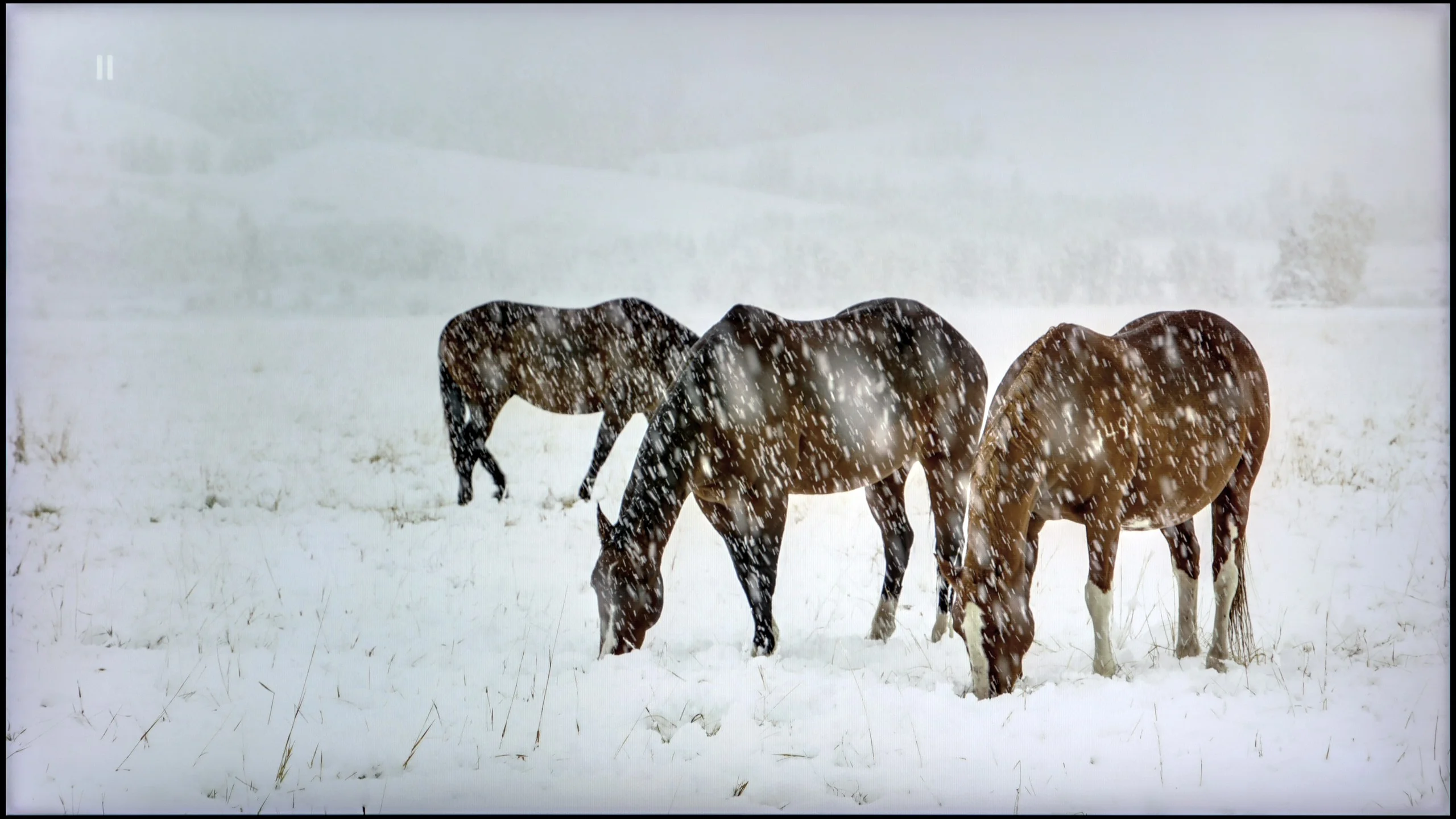
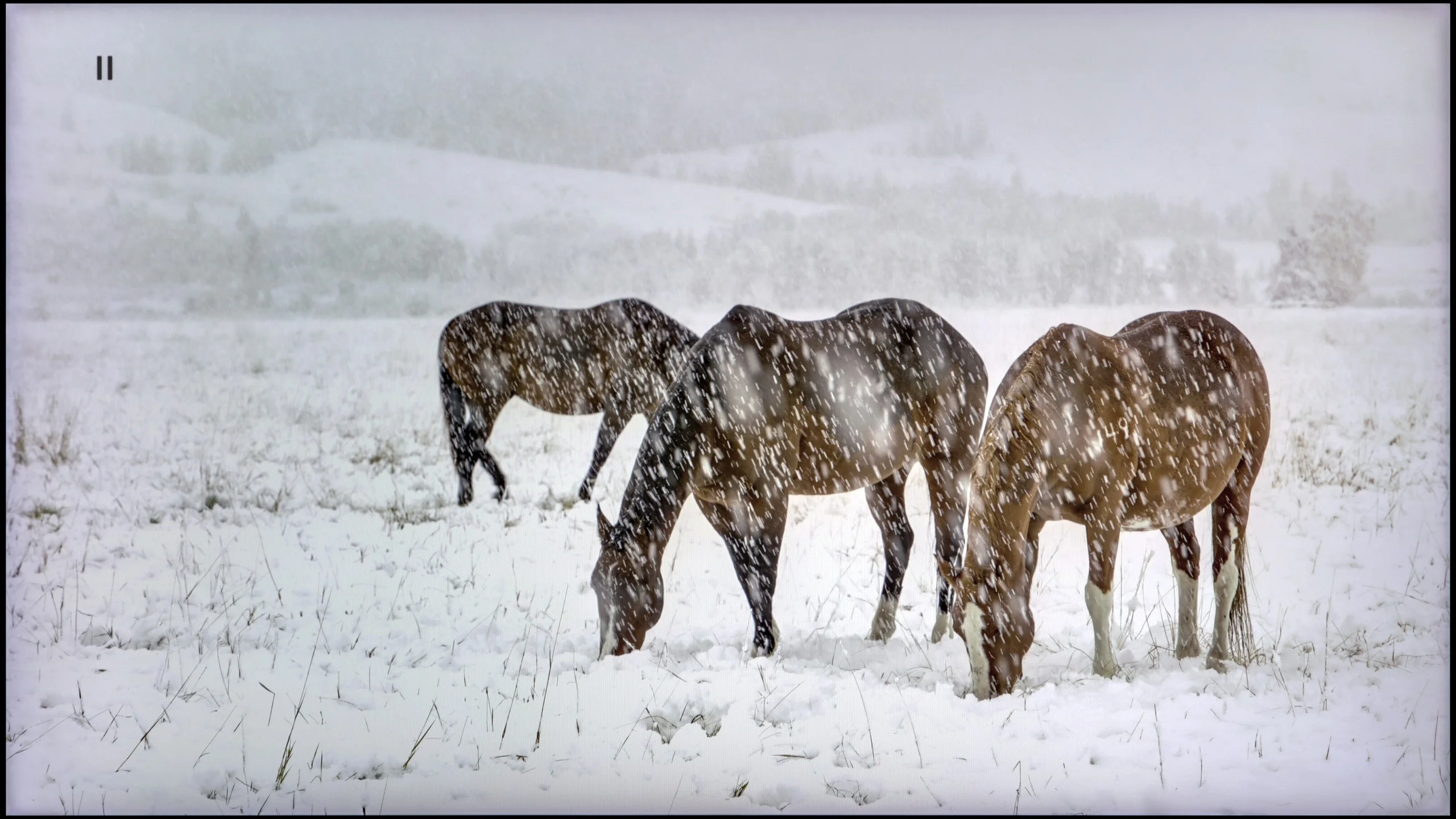
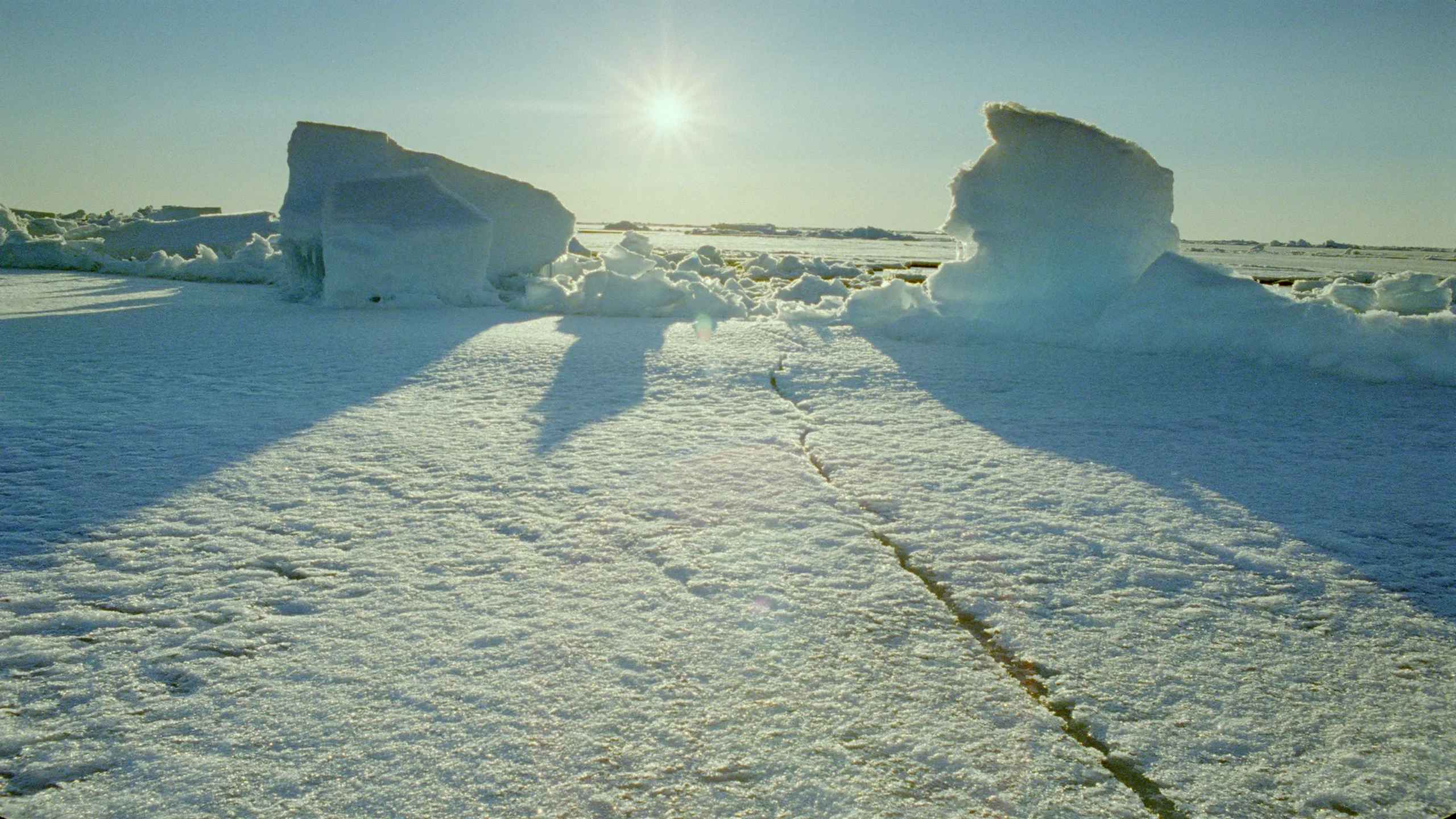
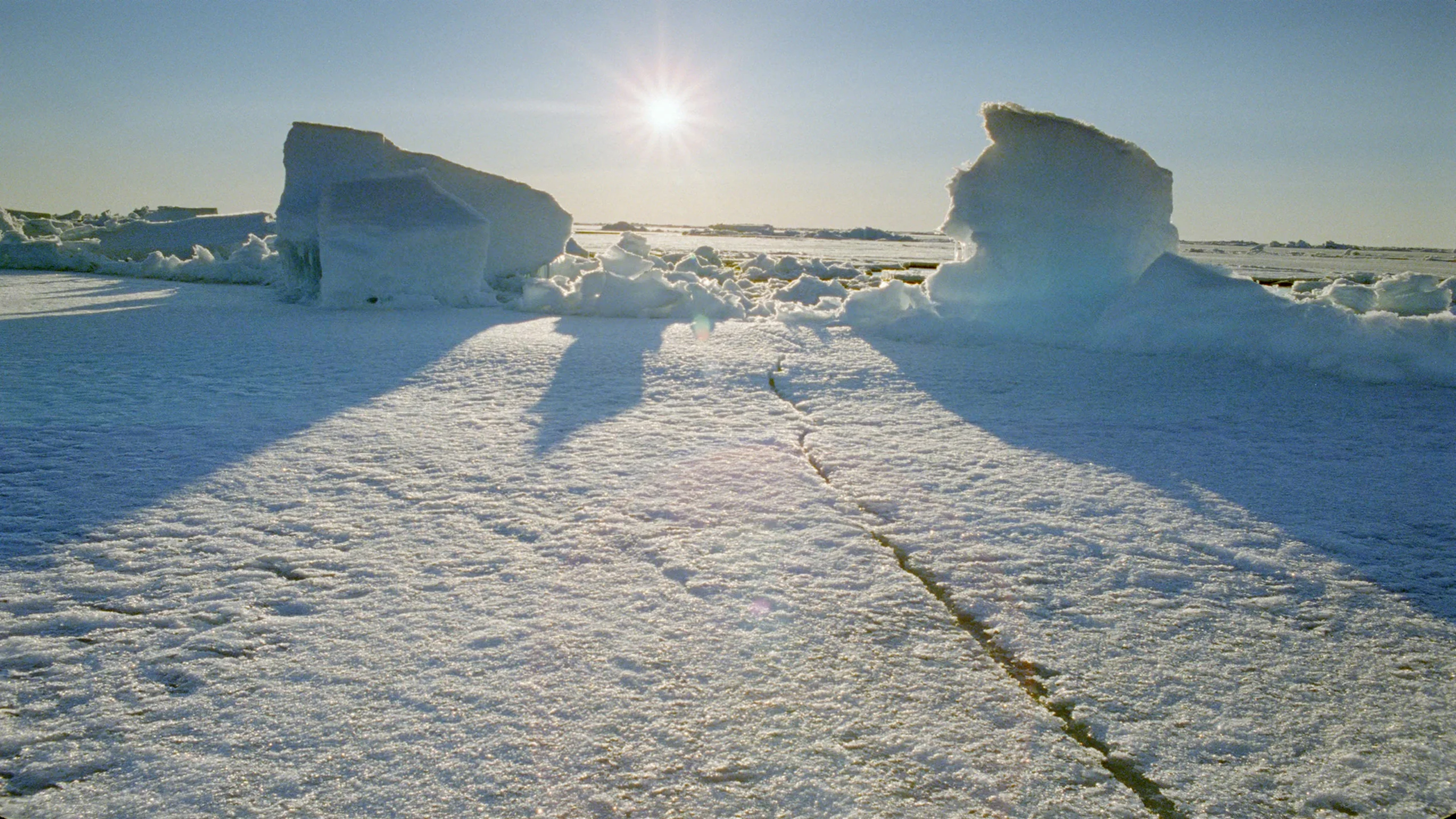
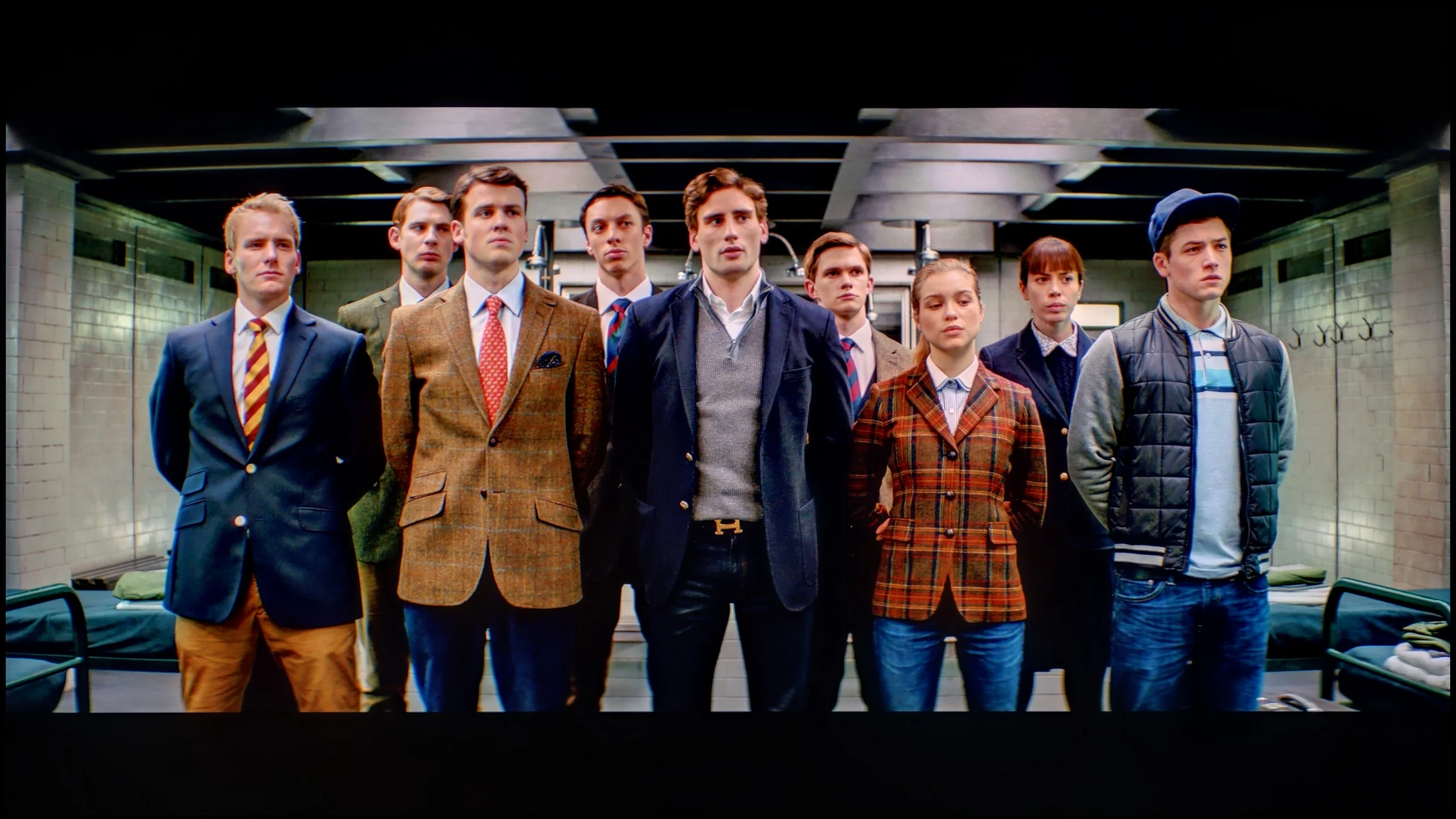
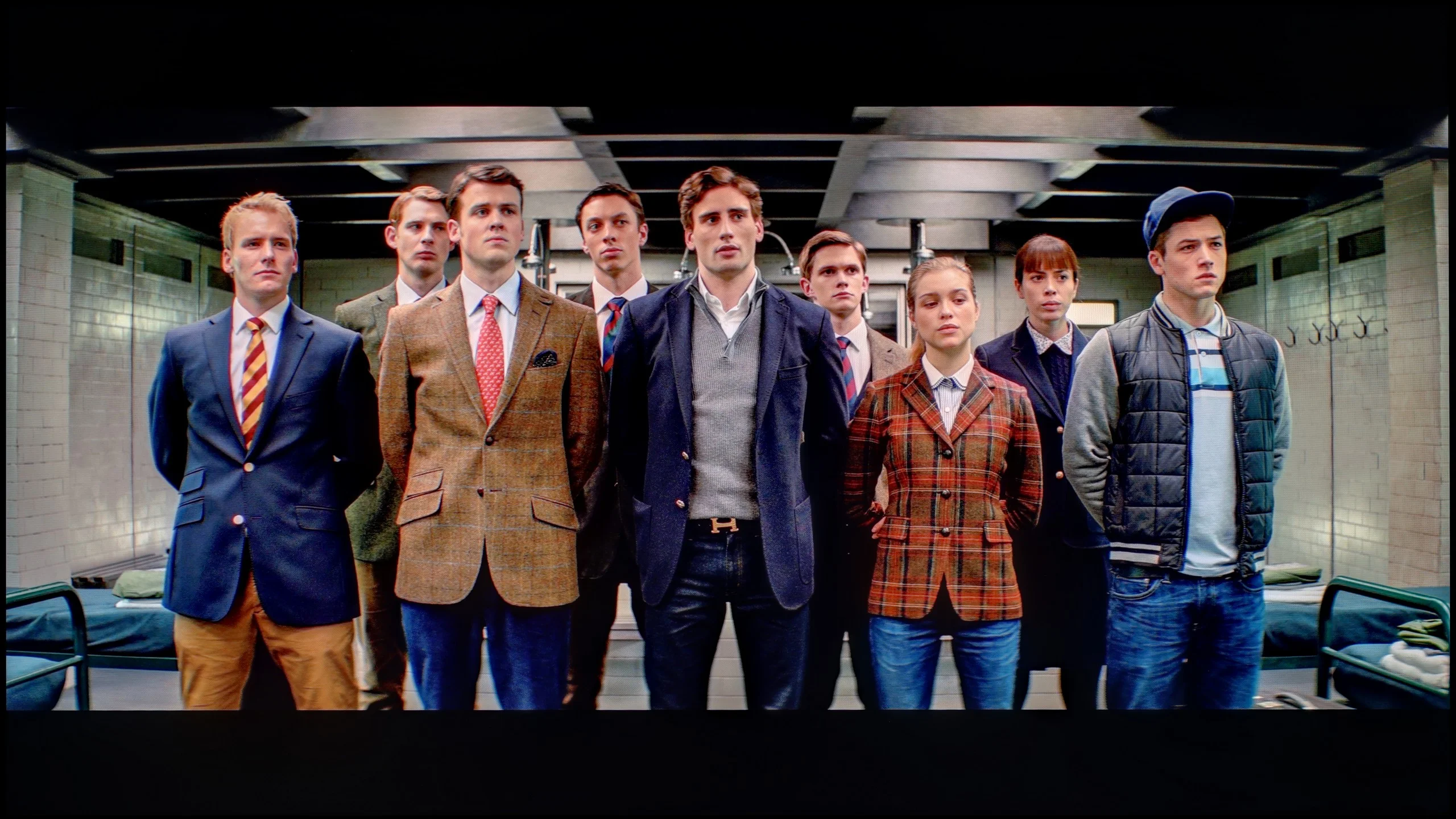
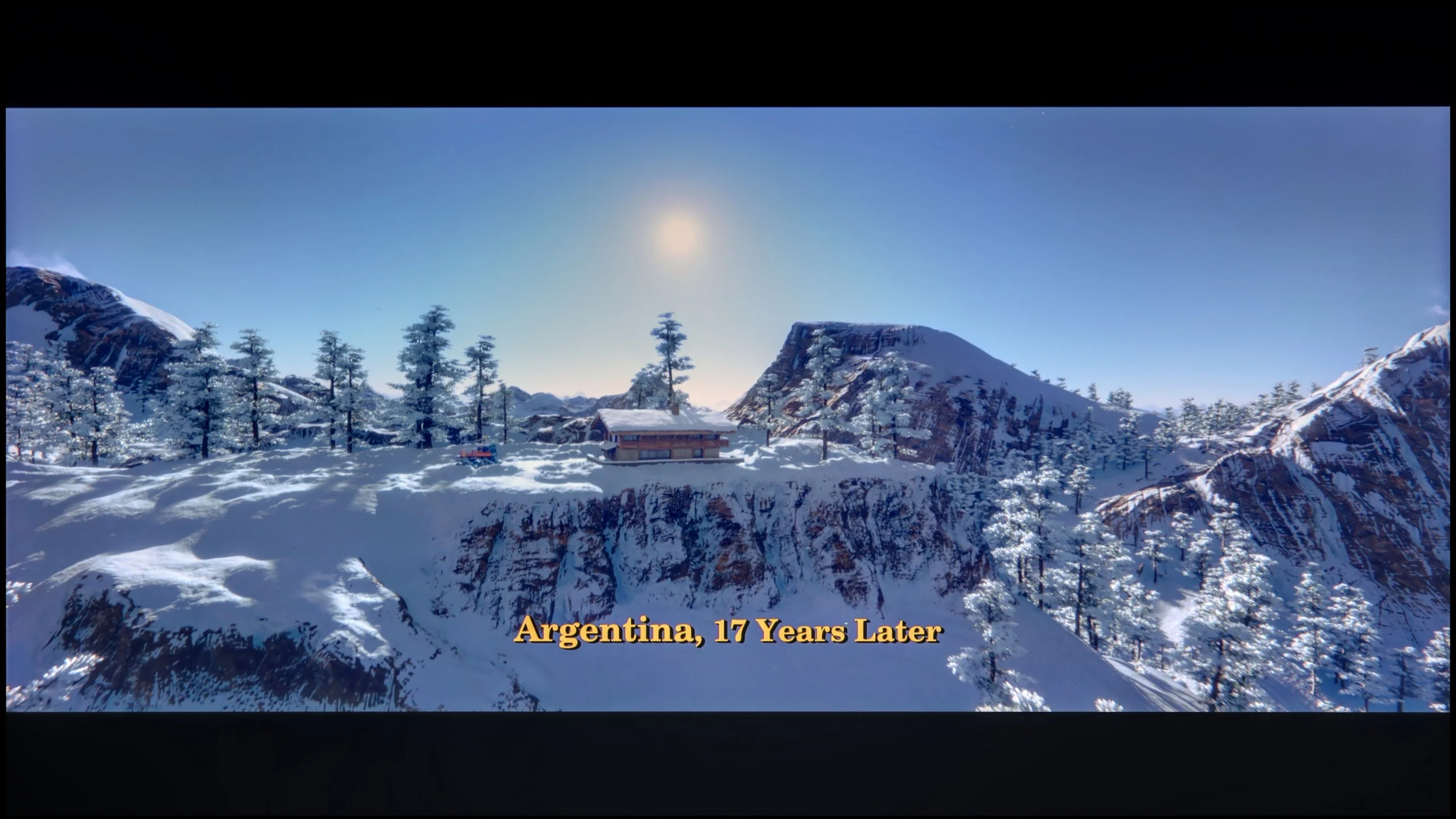
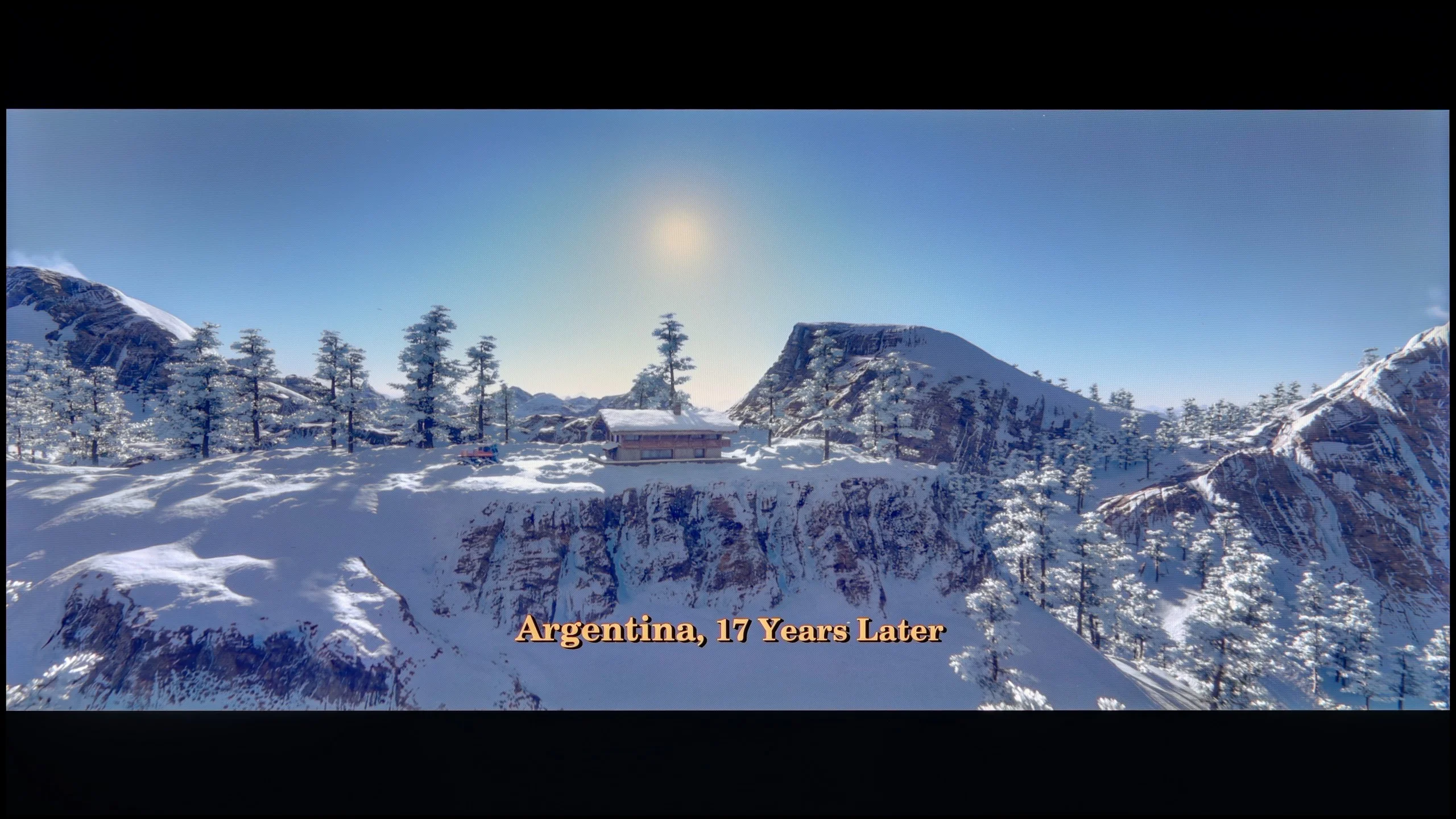
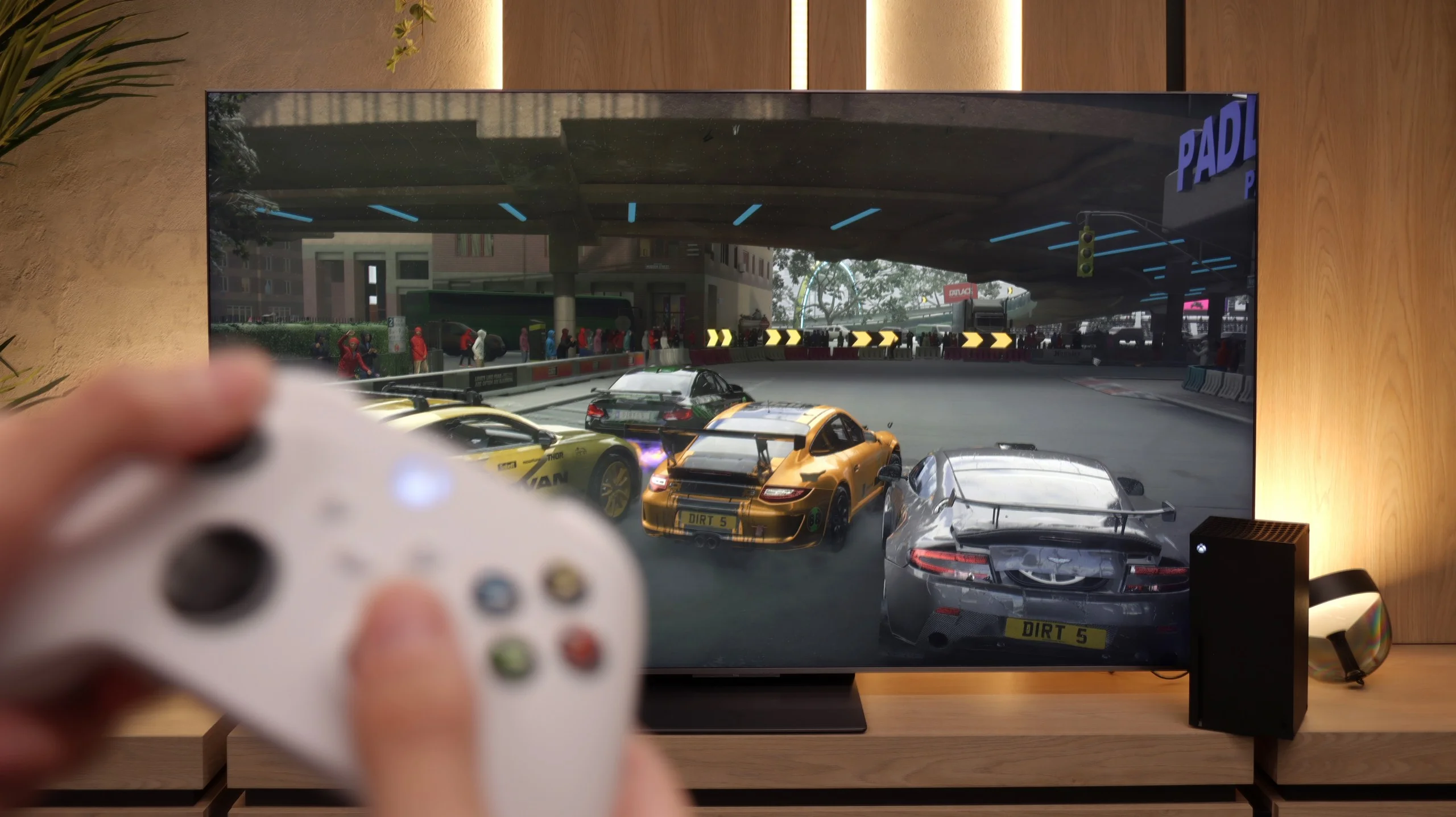
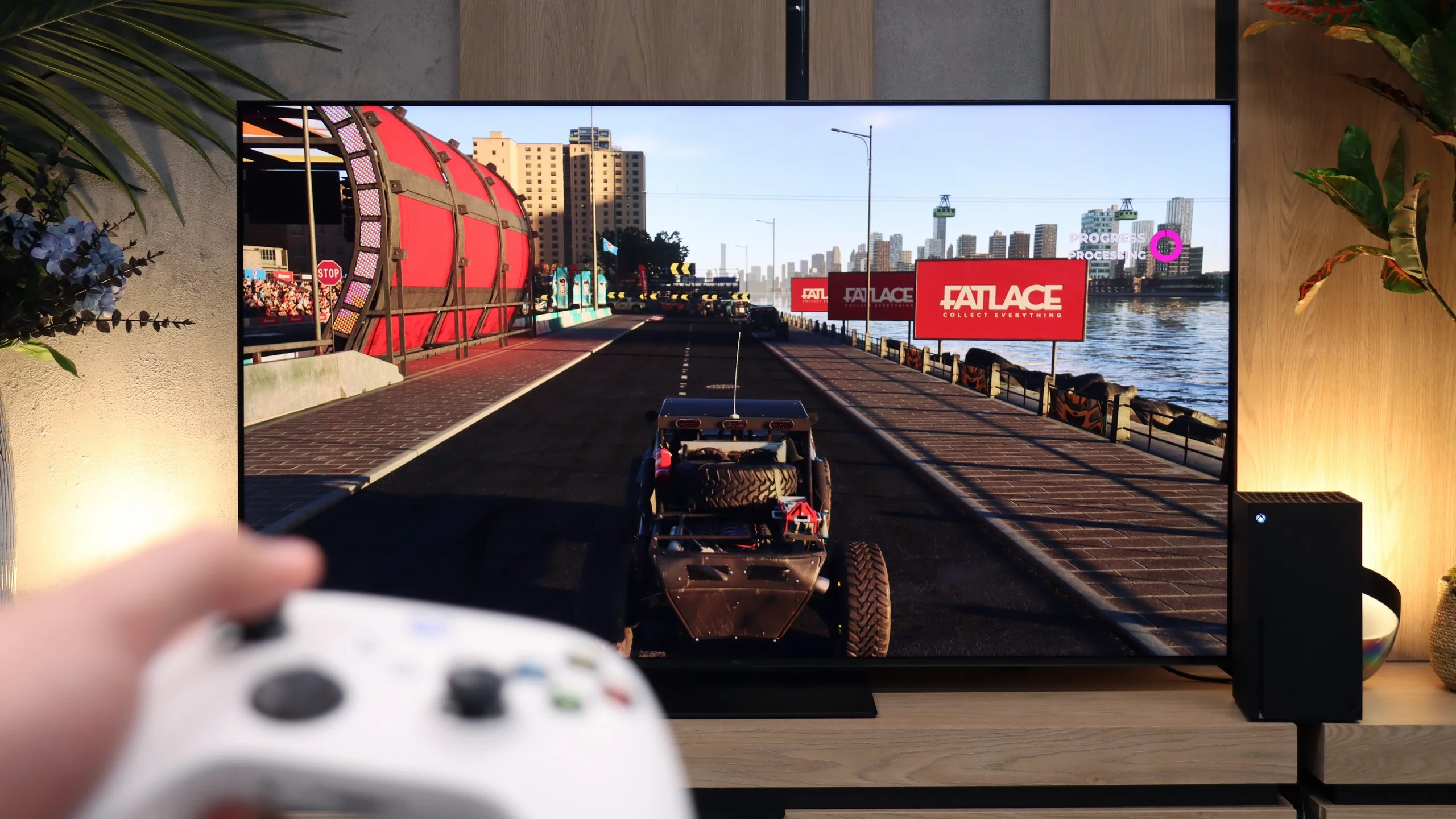
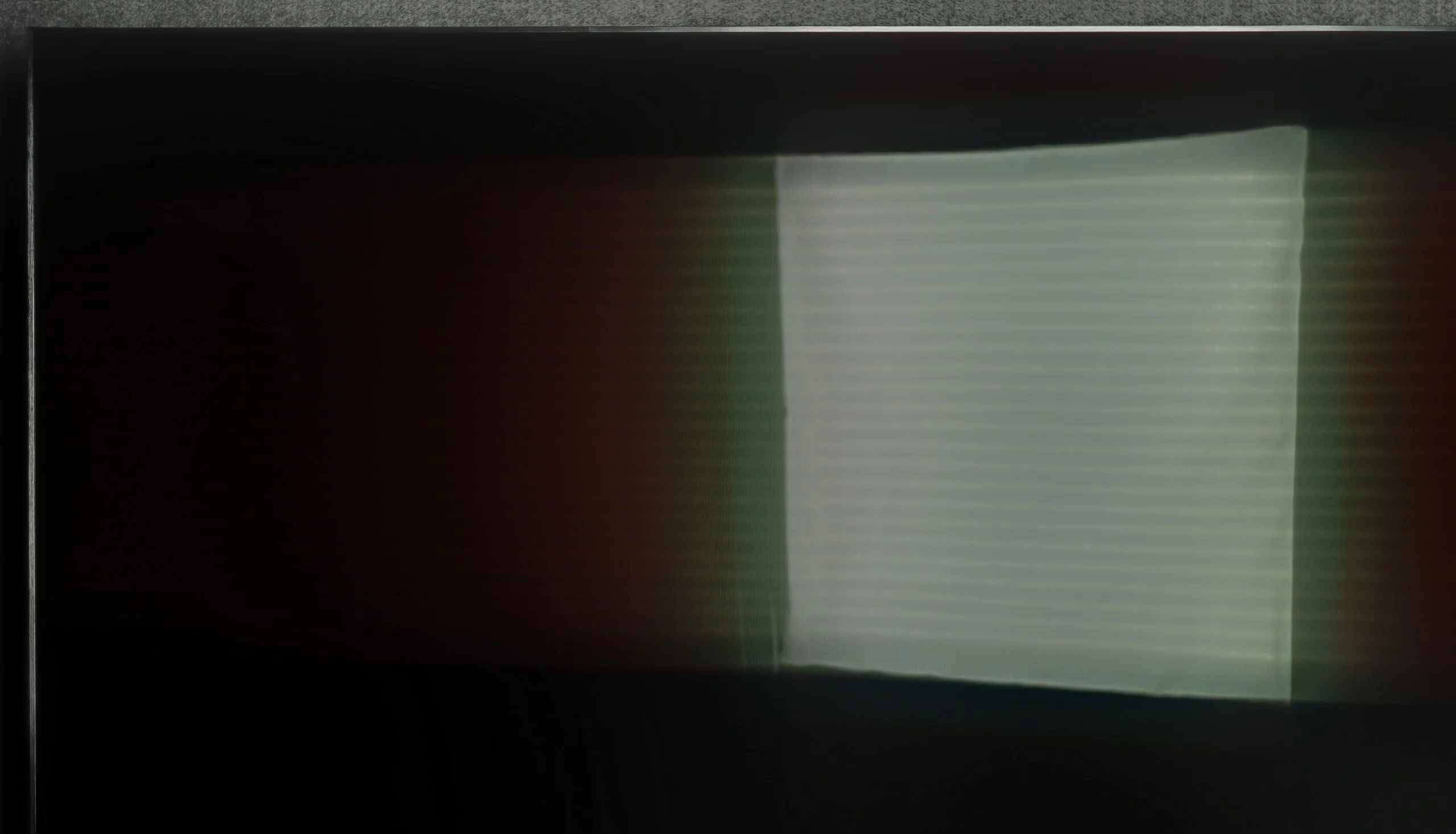
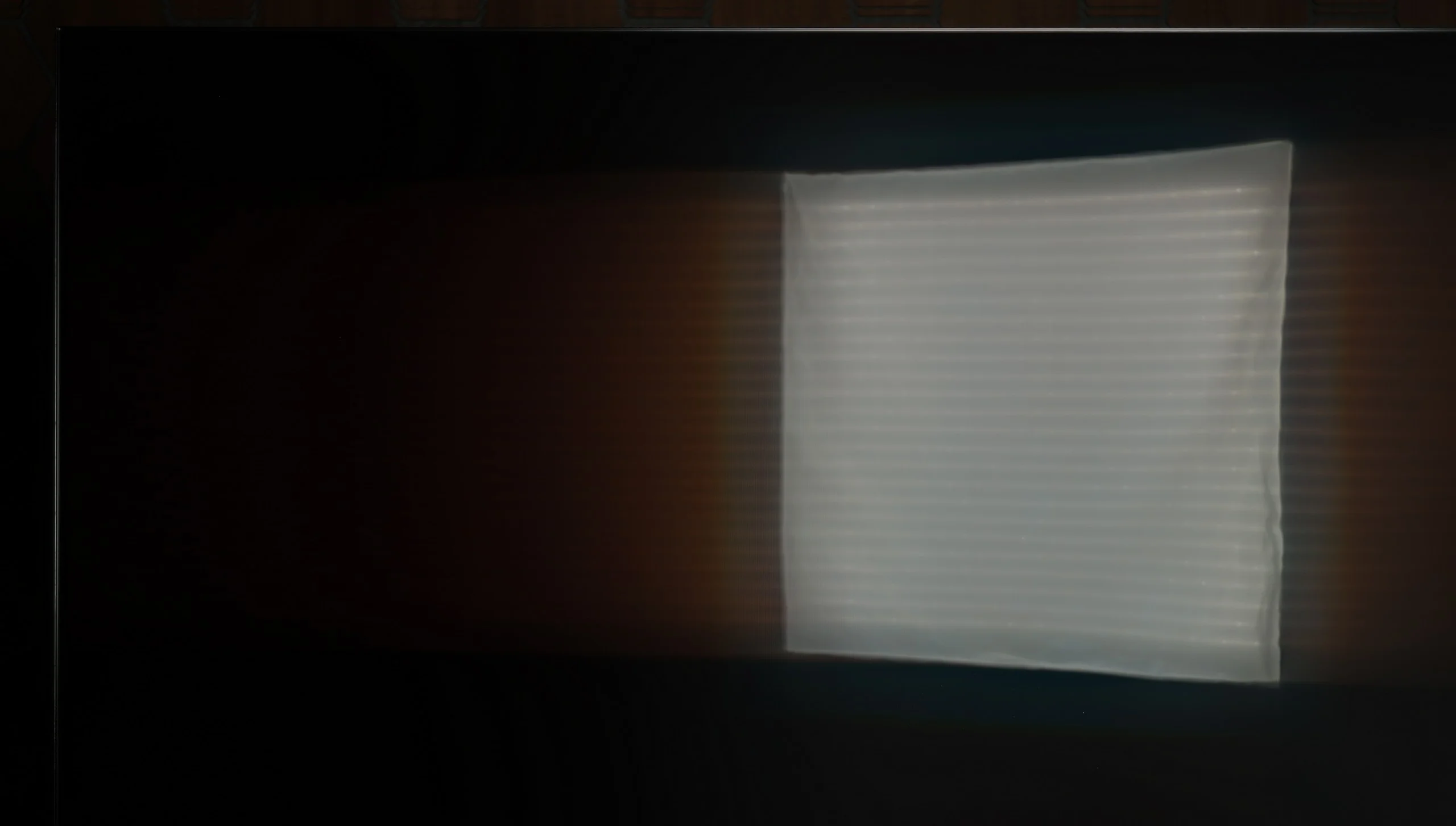
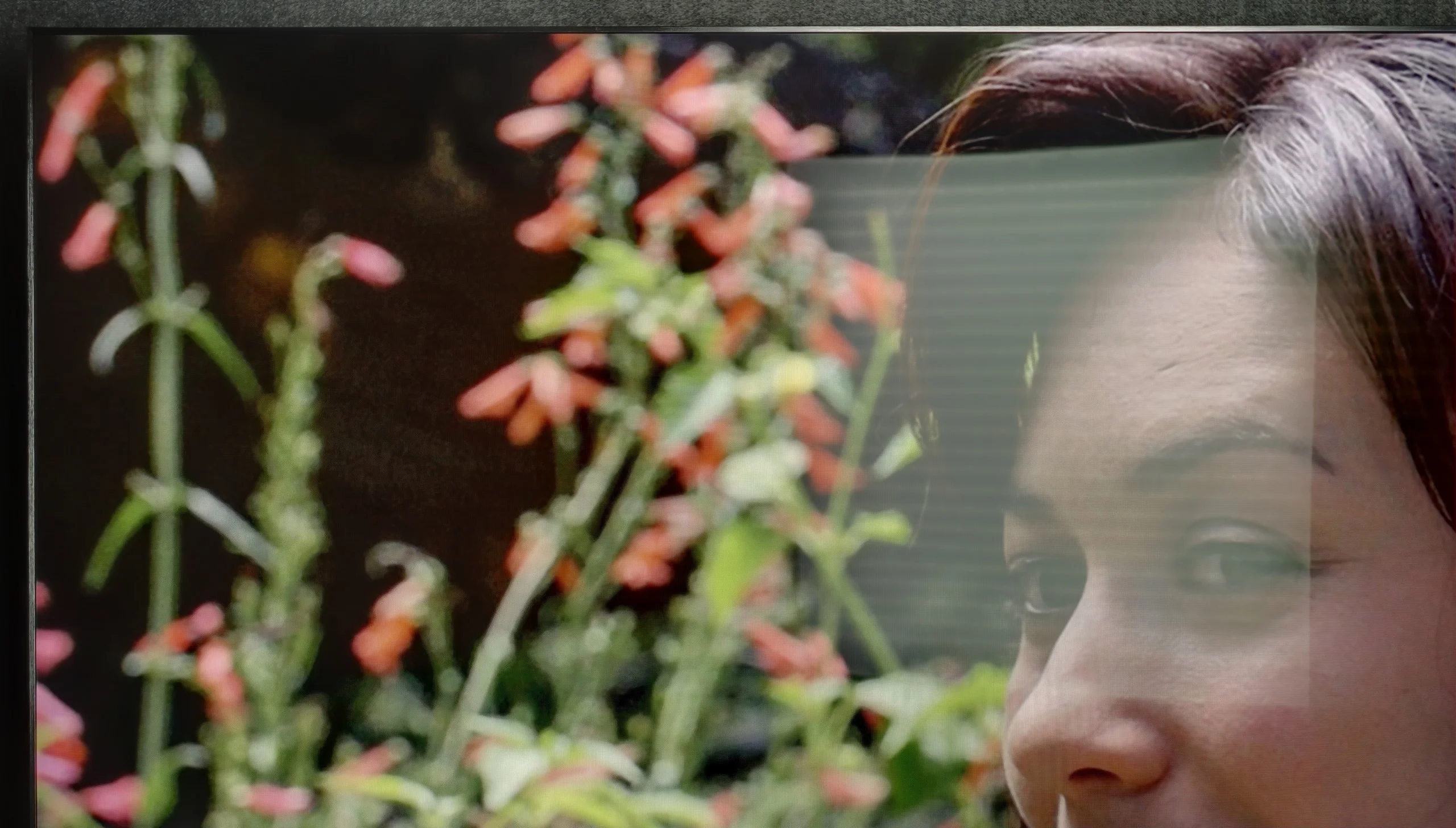
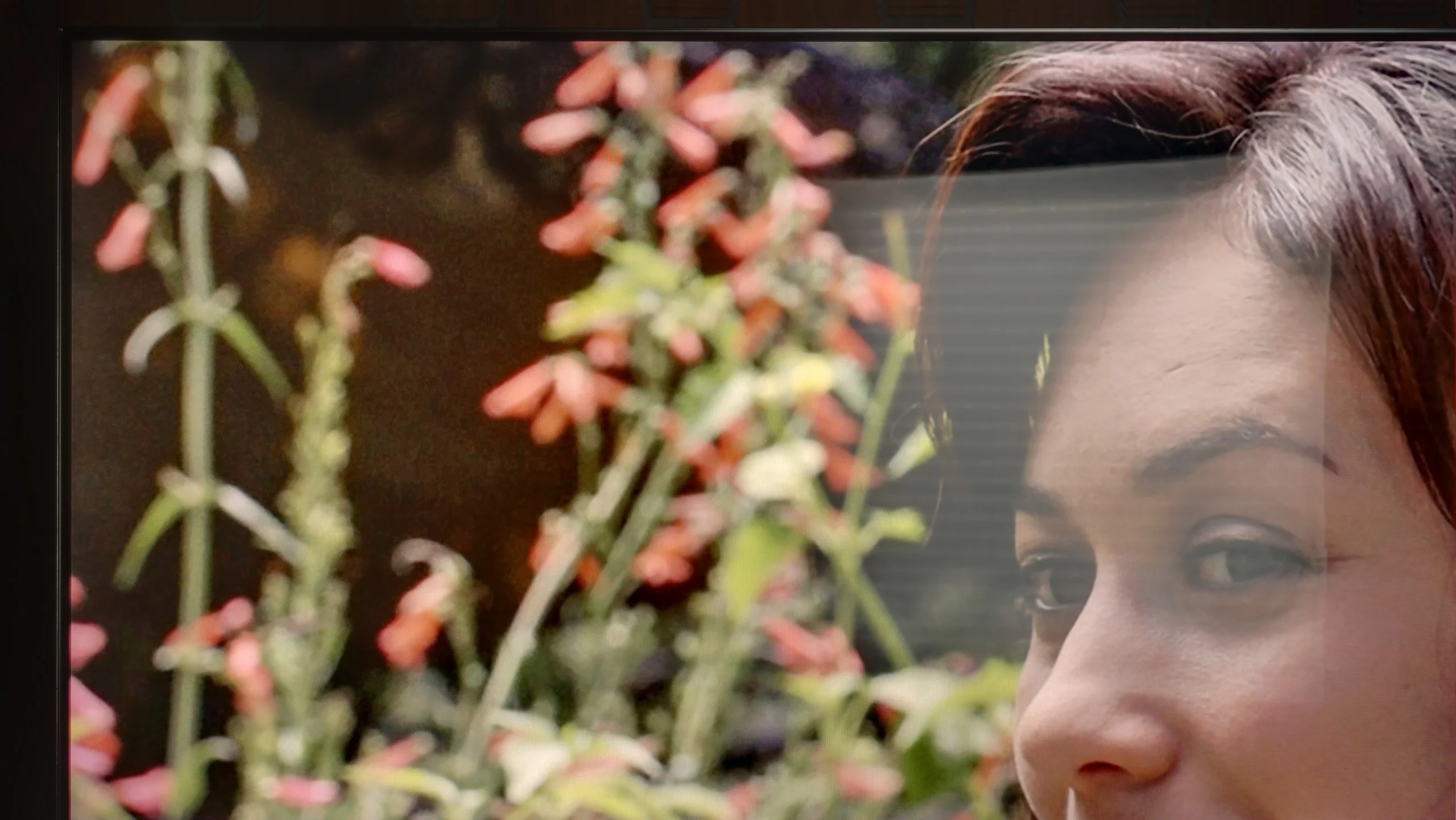
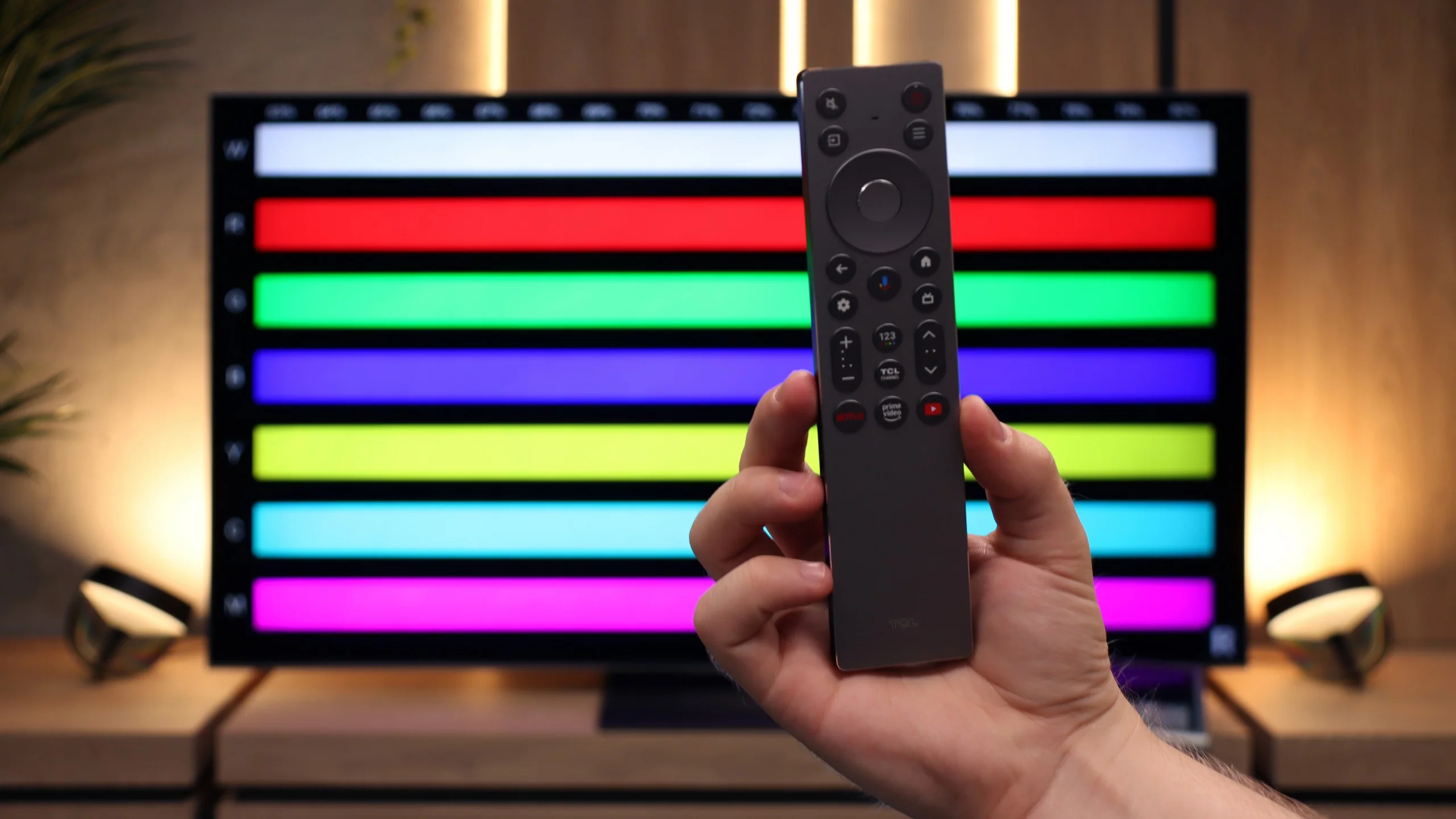
The TCL C8K is a truly bright television. In synthetic conditions – that is, during brightness test patterns – it was able to achieve even 3500 nits of peak brightness in movie mode. This is an impressive result that brings the C8K close to the market leaders, at least in terms of panel brightness. More importantly – these are not just numbers on paper. In films with a lot of bright scenes, such as Life of Pi or The Meg, the brightness clearly exceeds 1000 nits, providing a real sense of HDR effect. The picture in such moments looks very dynamic, colours are vibrant thanks to excellent colour gamut coverage, and lights are spot-on and intense. Just as it should be.
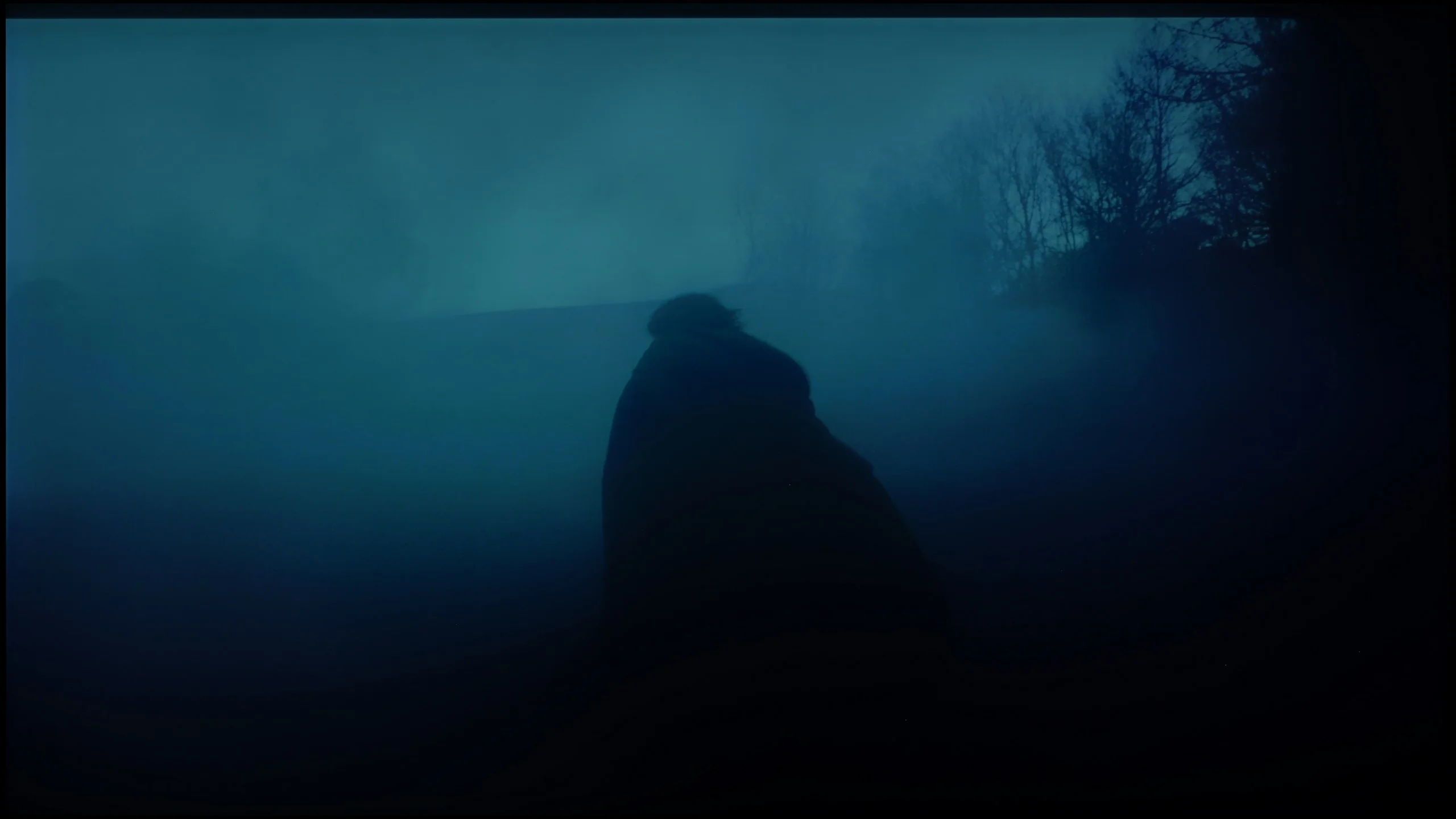
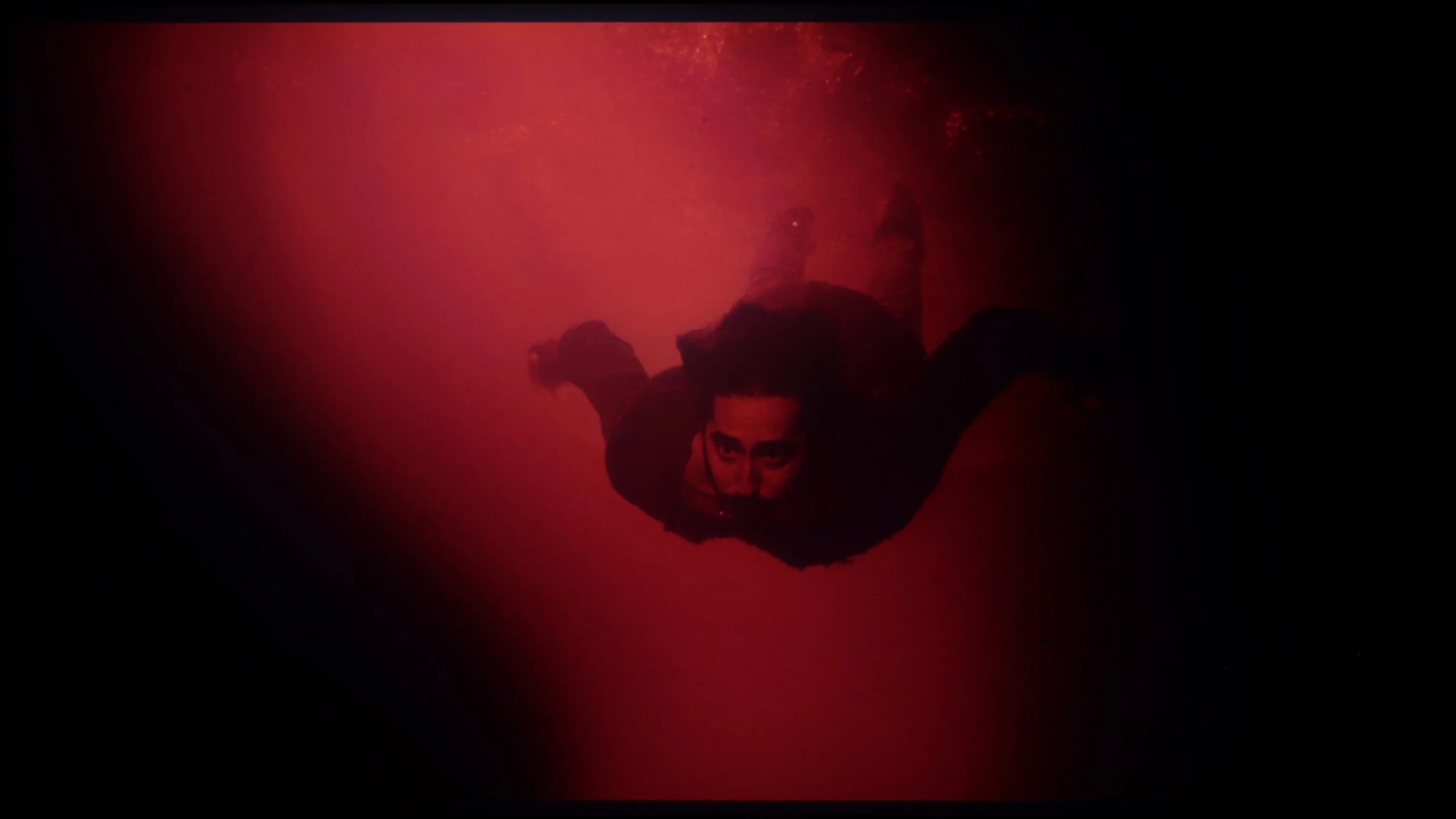
However, this does not mean that everything is perfect. Similar to the contrast tests, compromises also arise here in more demanding scenes. In sequences with very fine light elements – such as stars in the night sky or reflections in dark rooms – the local dimming algorithm can… get confused. Instead of bringing those details up, the television sometimes decides to significantly dim them – to a level of around 300 nits – to maintain blacks. On one hand, this is quite a reasonable approach (better deep blacks than a grey/blue screen), but on the other hand – there may be moments when certain elements of the picture become hardly visible or even disappear into darkness.
TEST UPDATE (20/08/2025) : The brightness control algorithm in this model is quite problematic – an attempt to calibrate the picture so that it does not drastically overexpose the brightest scenes results in unnatural shifts: an improvement in one area of the picture leads to a deterioration in another. The television may achieve slightly higher brightness measurements, but in practice, this comes with a highly oversaturated image that looks very unnatural!
For the sake of order, we provide the brightness values without this adjustment:
1463 nits
640 nits
1368 nits
468 nits
1025 nits
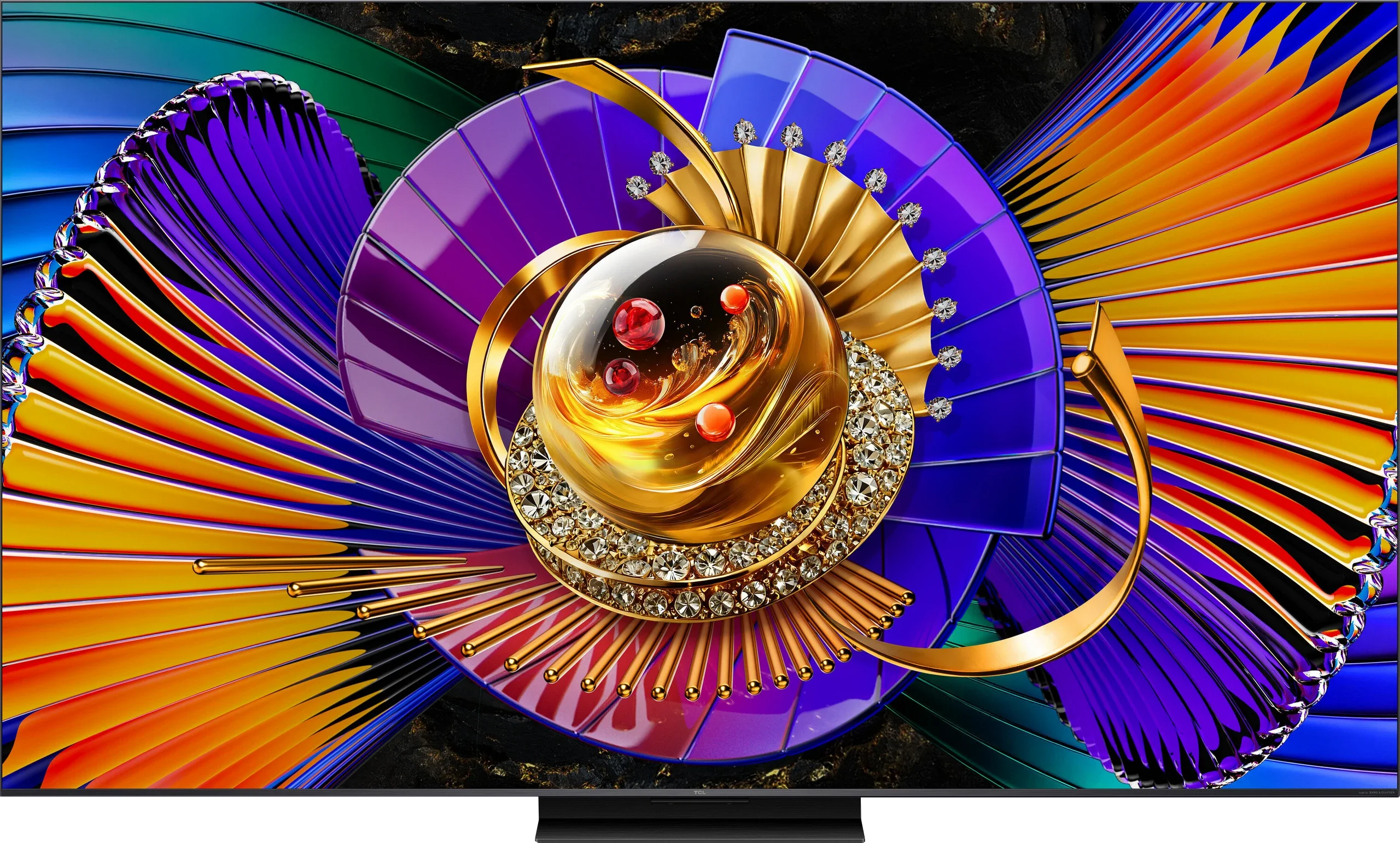
The TCL C7L is, without doubt, an extremely bright TV. In synthetic tests using static test patterns it can reach peak brightness of around 2800 nits. That's a truly phenomenal result, given the price bracket it occupies. Unfortunately, measurements with real film scenes are not as spectacular as the white-square tests. Brightness in real HDR footage on the C7L falls to around 1200 nits. That's still very good, because the vast majority of modern films are graded to that level. However, when small, pinpoint elements appear on screen, the brightness of those details drops dramatically, even to around 400 nits, which reduces the HDR impact. The TV does this deliberately to preserve black levels and avoid excessive blooming. This is somewhat understandable, but it also shows that Mini LED technology is not completely without compromises in this respect. As for the HDR effect itself, alongside brightness the key factor is, of course, colour. Thanks to the use of new 'super' quantum dots, the colours are simply superb and among the best on the market. The TV is able to achieve very wide coverage of the BT.2020 and DCI-P3 colour gamuts, matching the best RGB Mini-LED screens with ease. Best of all, the C7L can maintain such high colour saturation regardless of the scene being displayed, which is often problematic in competing RGB Mini-LED TVs.
 Direct comparison