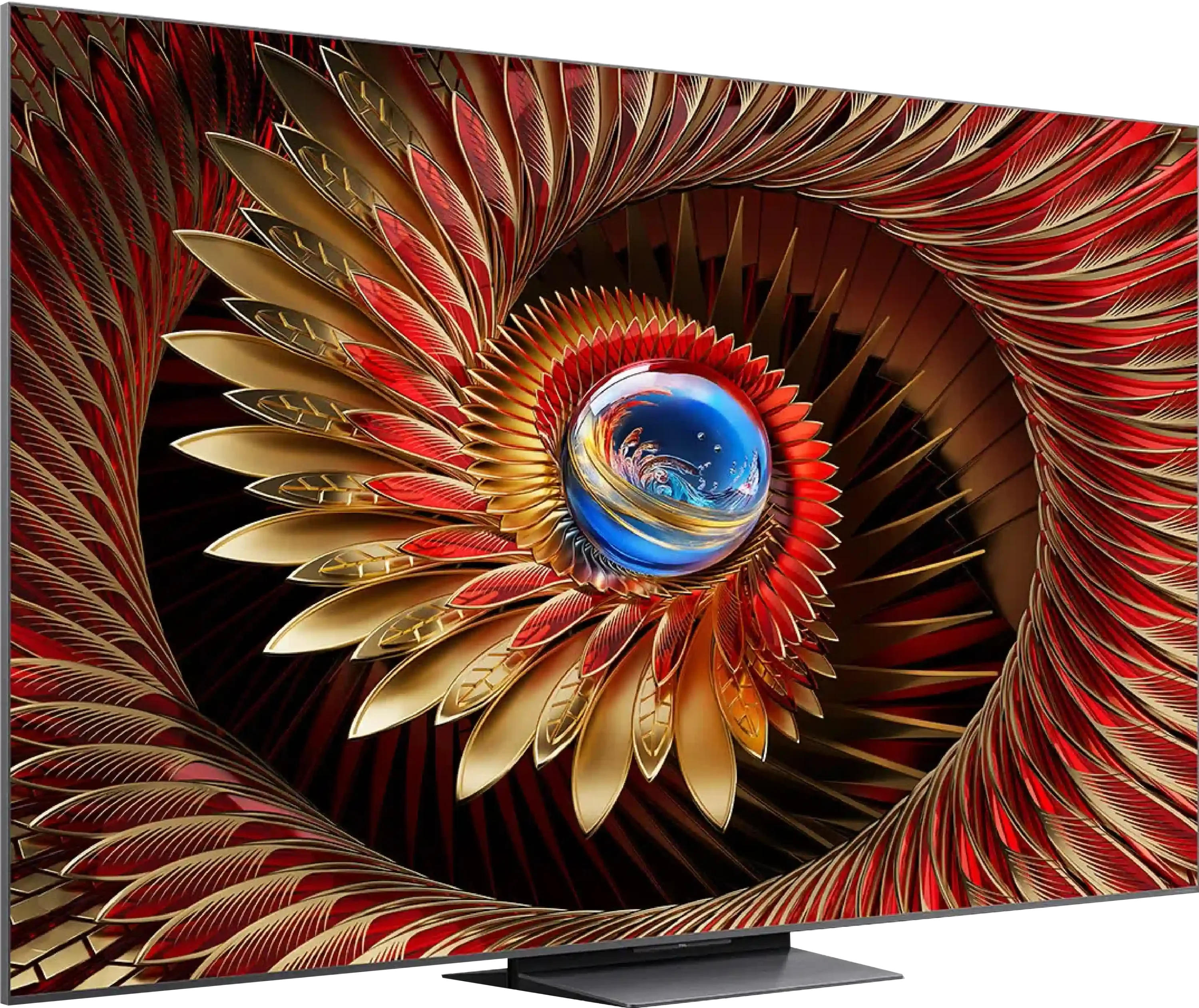
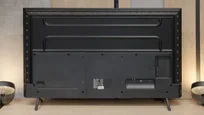
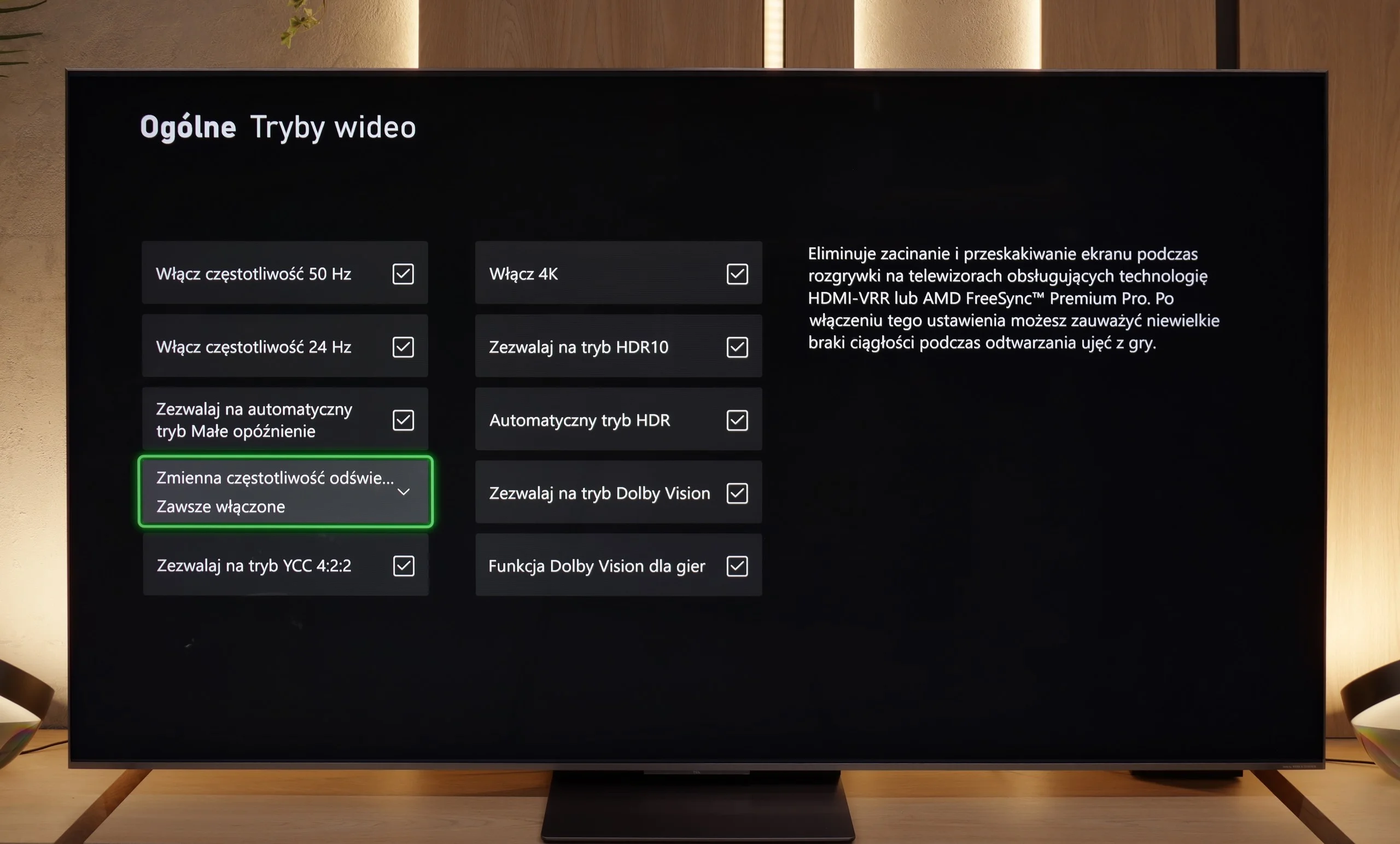
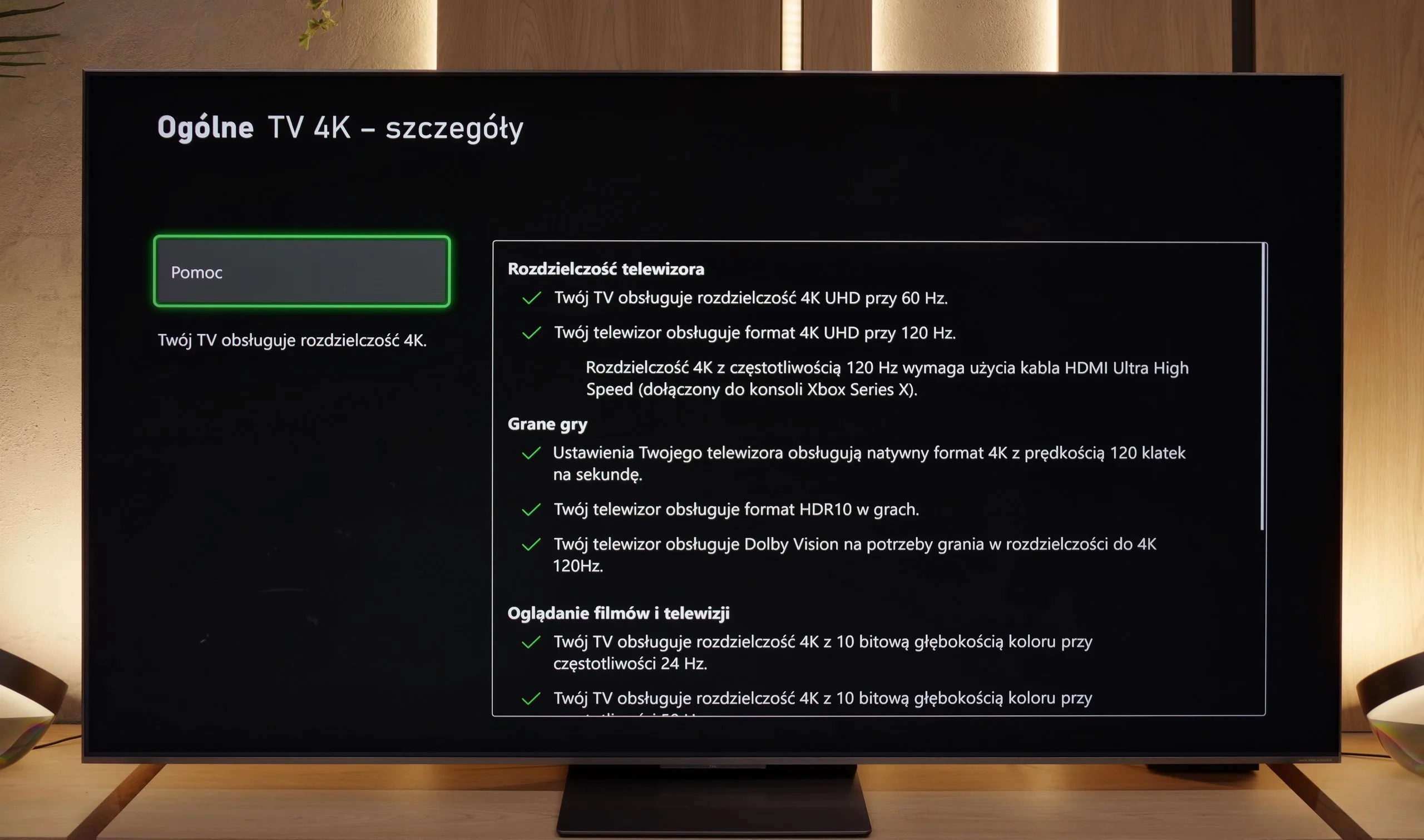
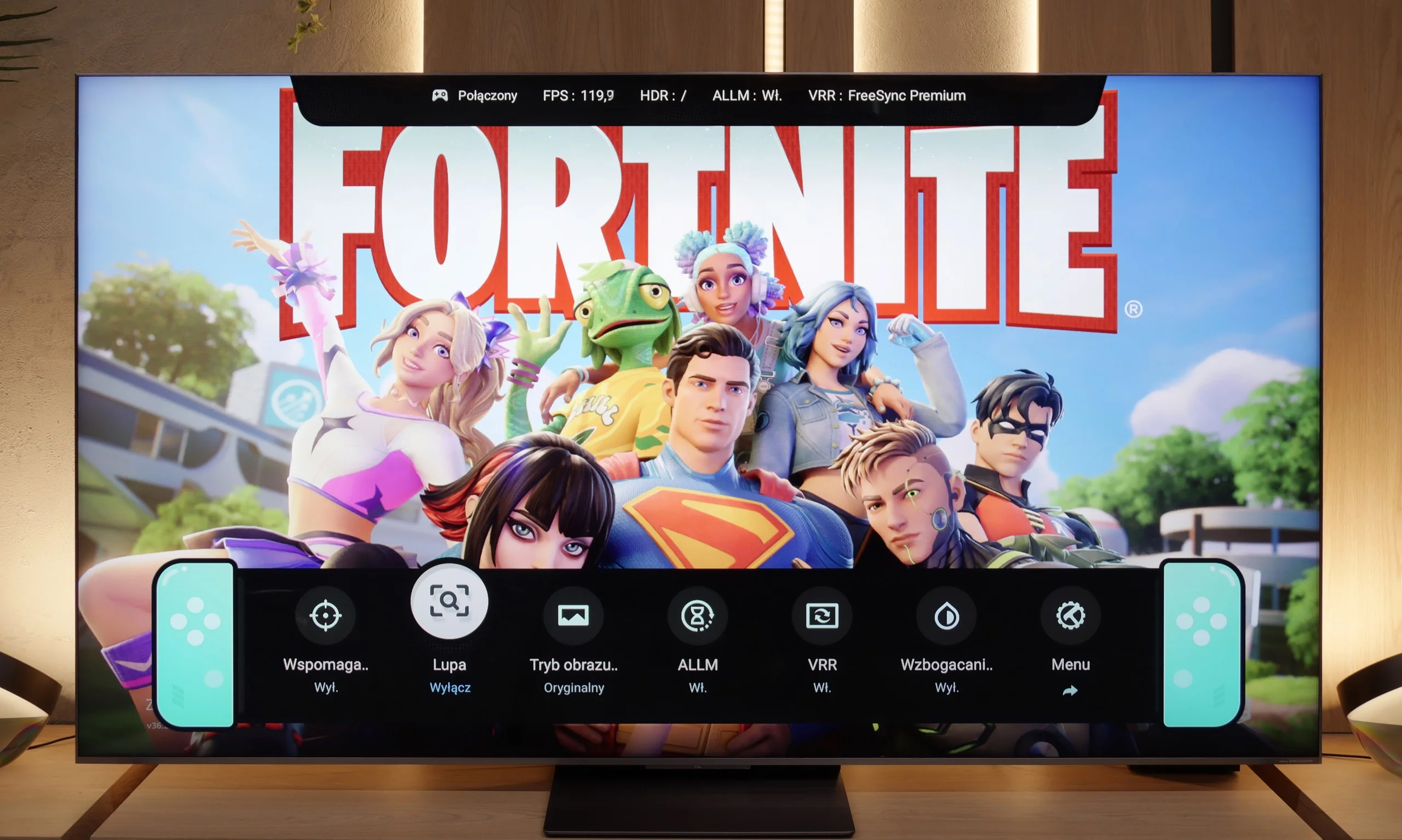
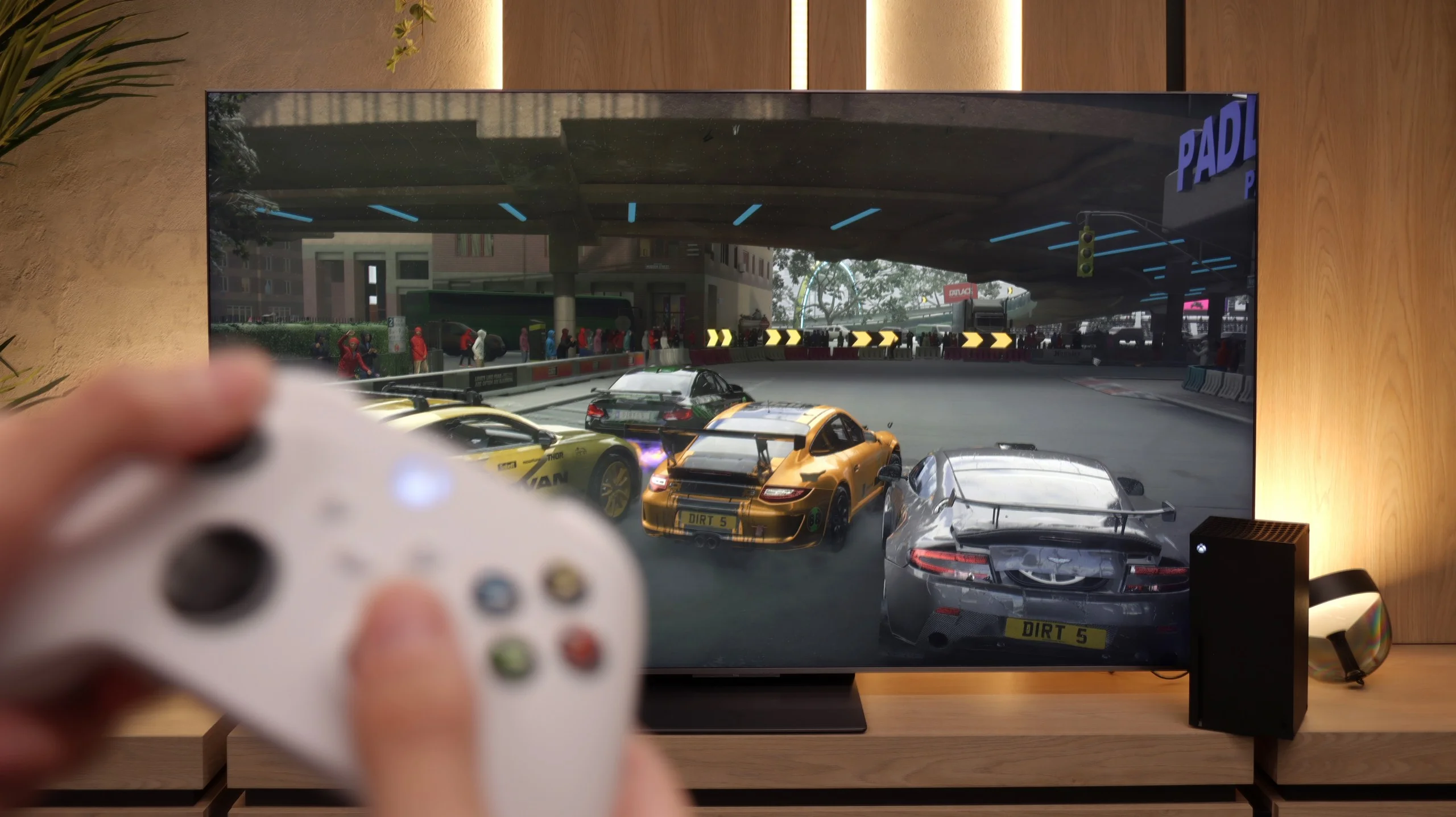
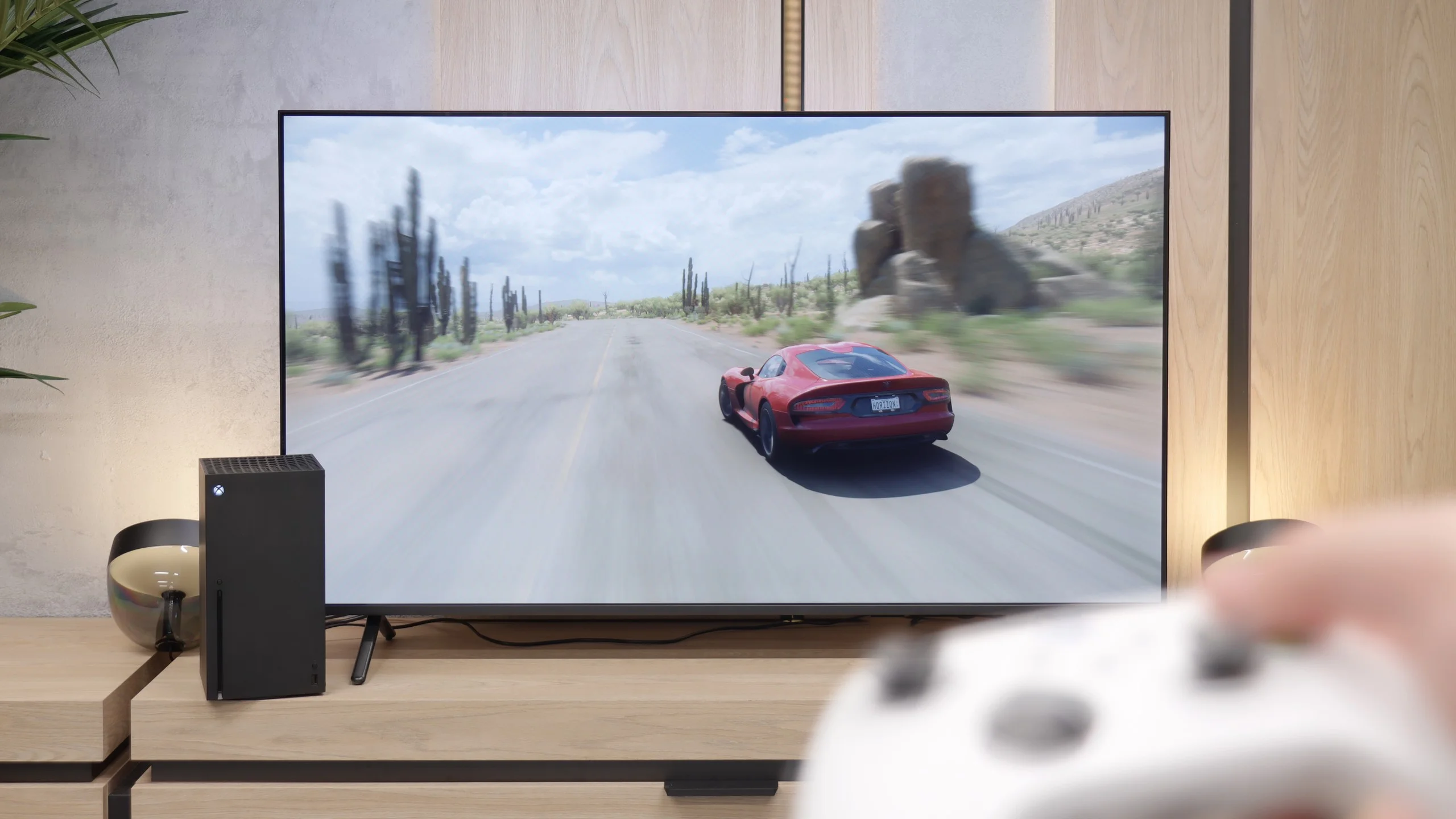
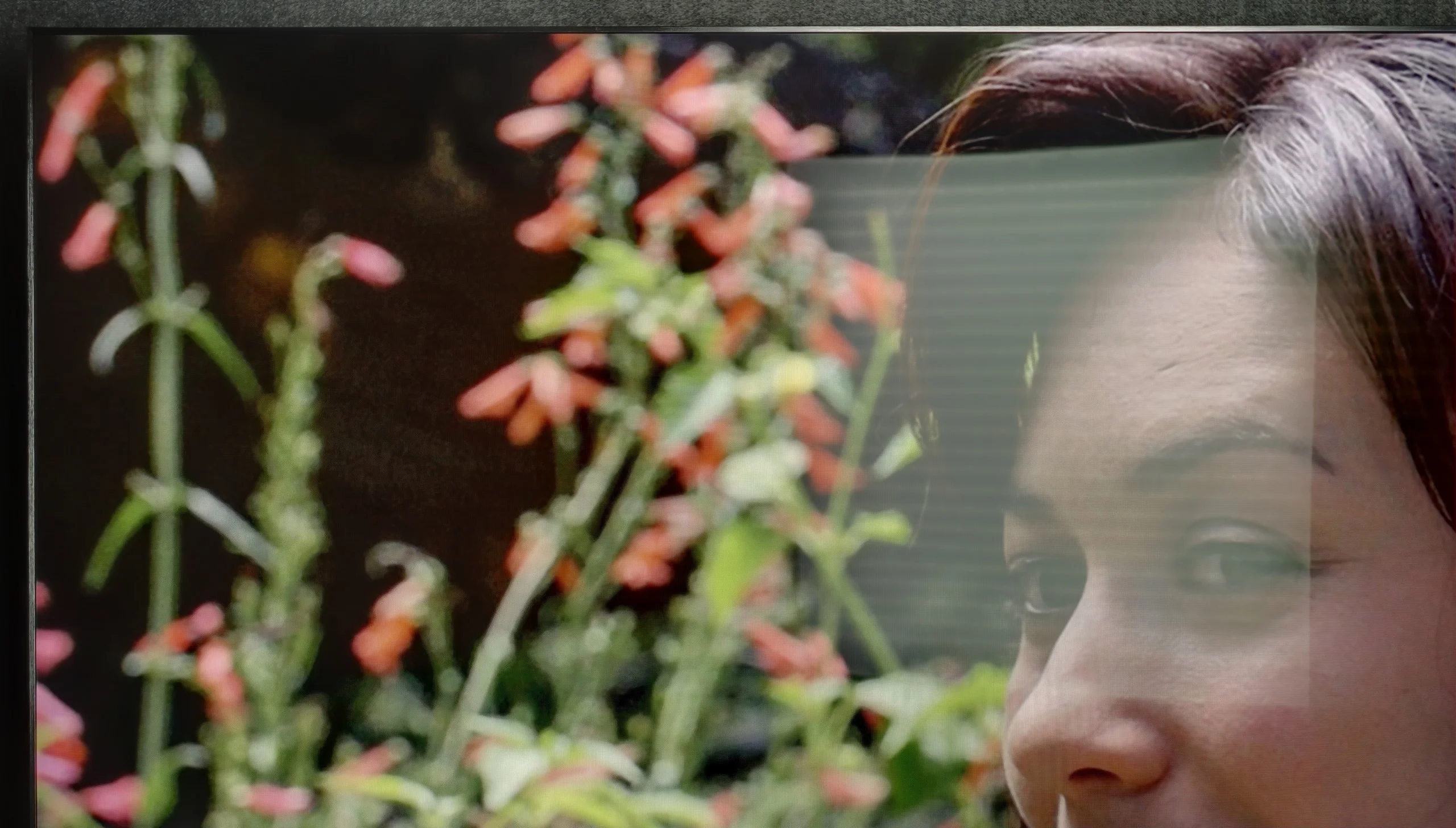
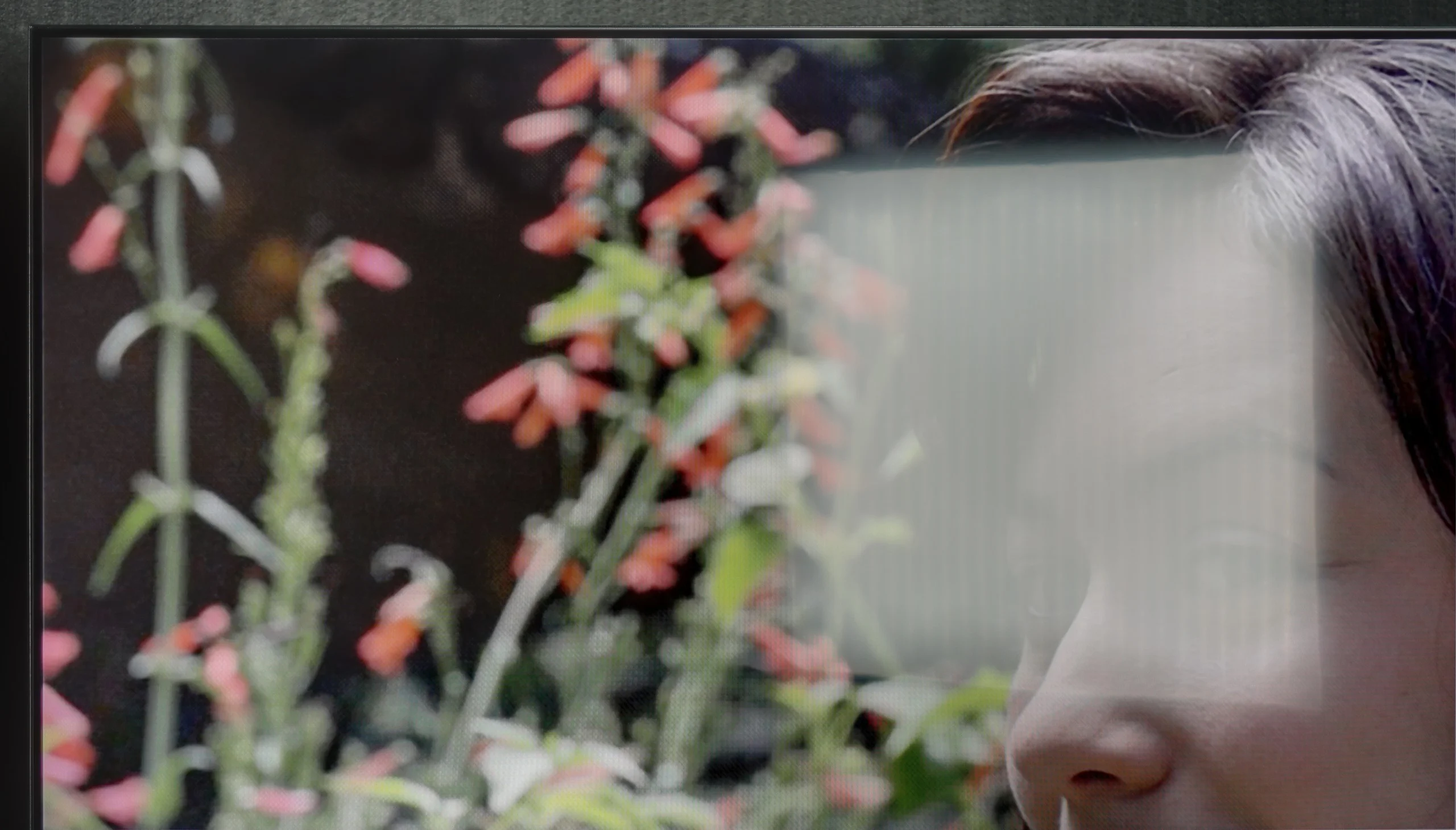
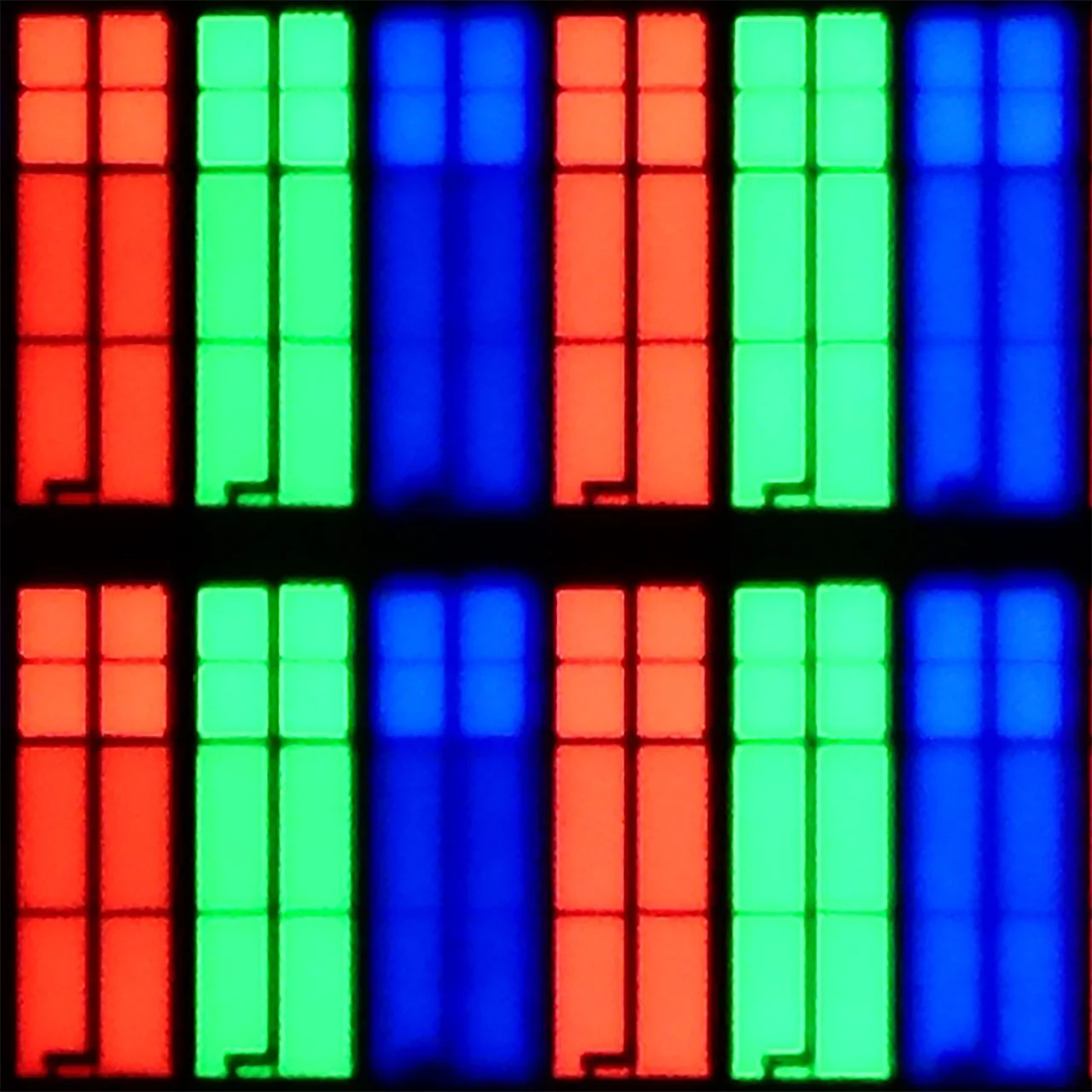
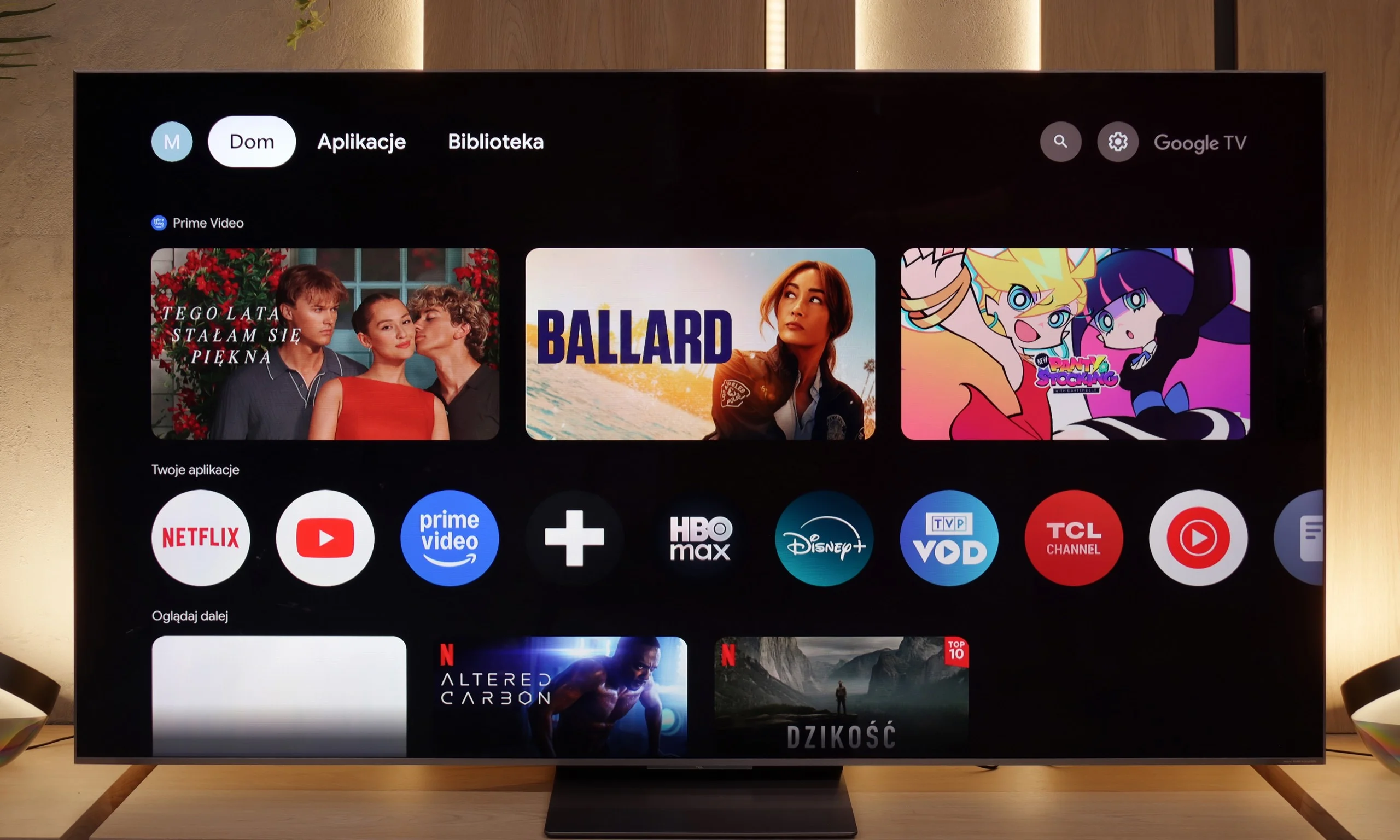
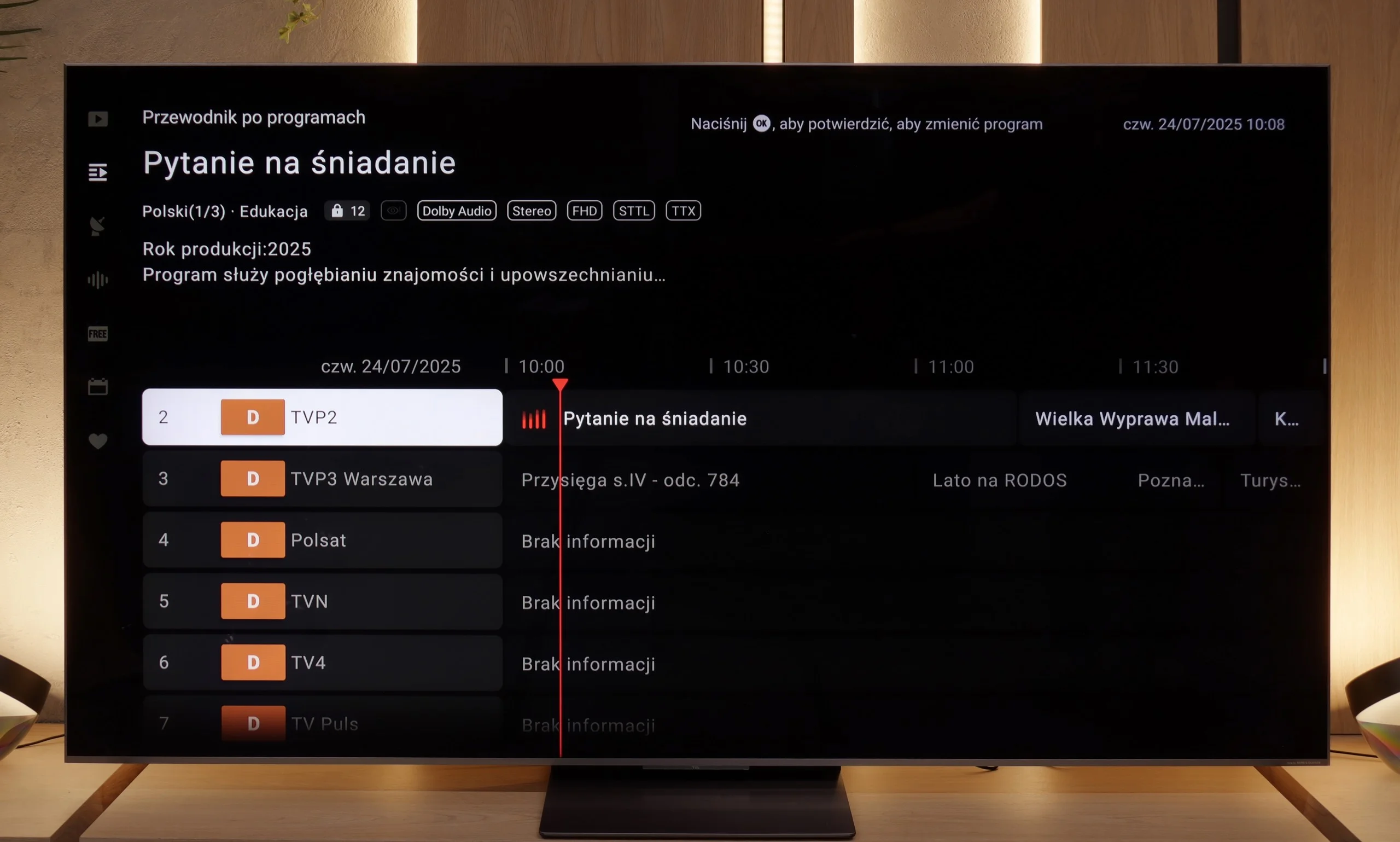
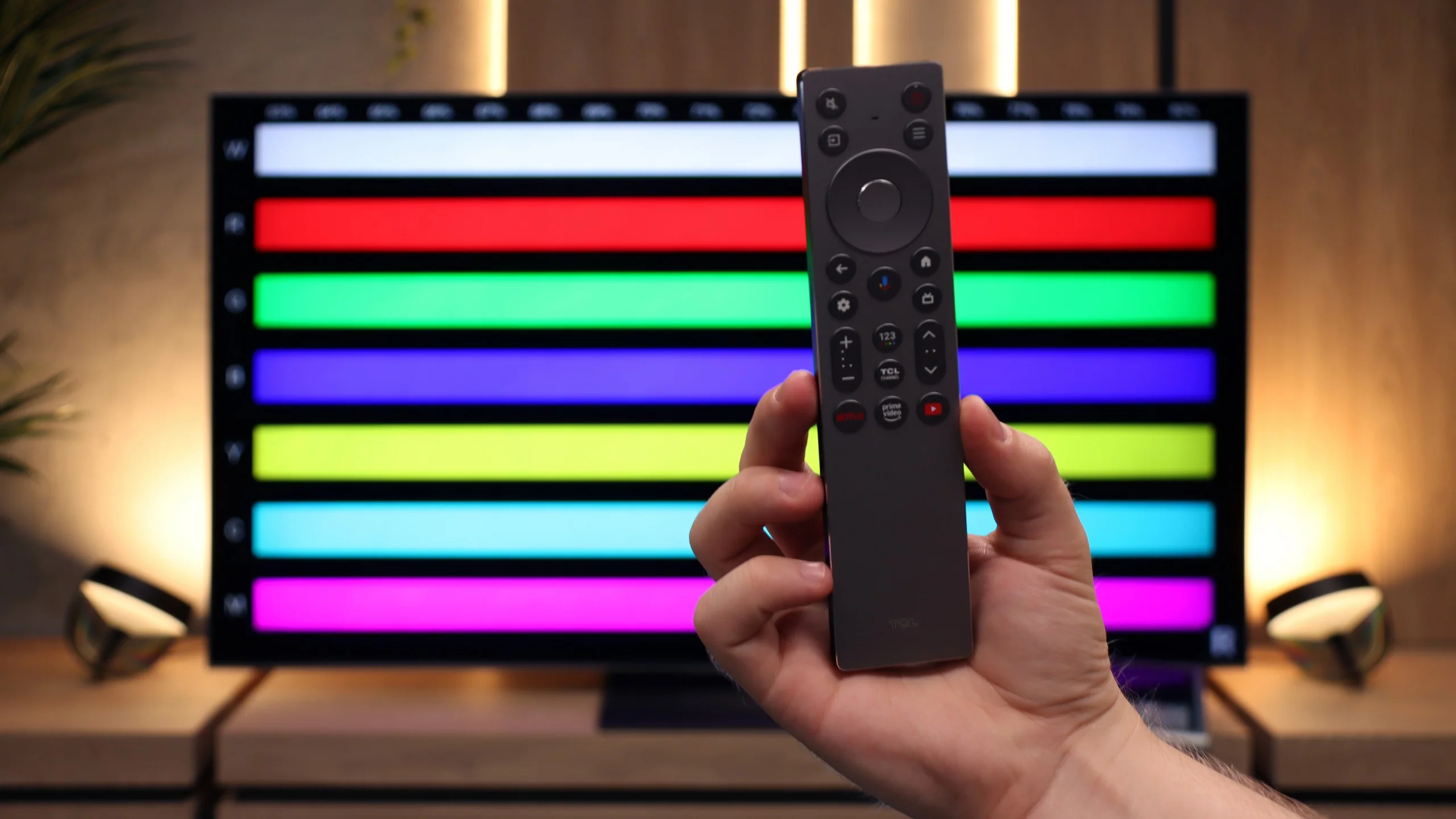
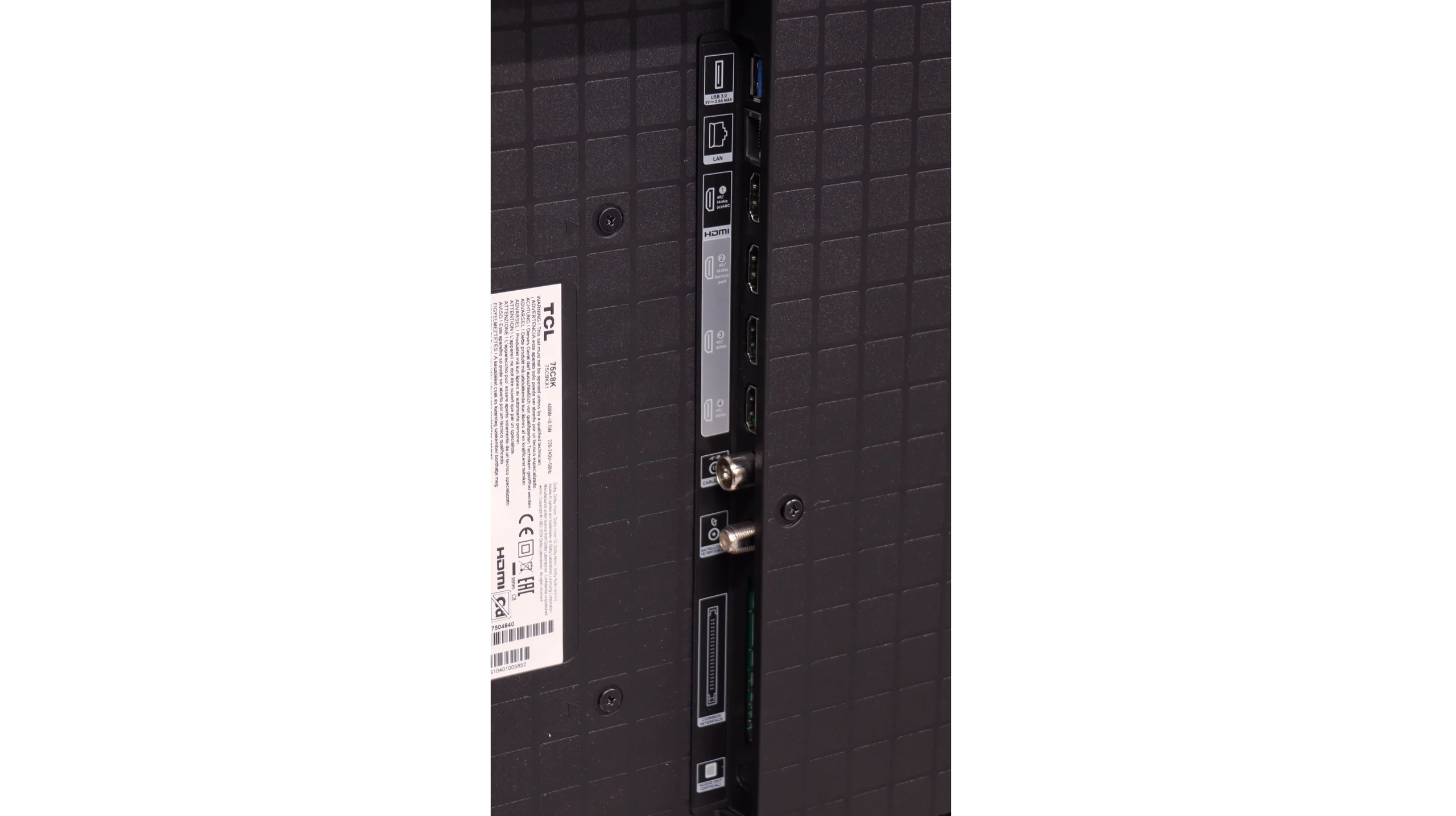
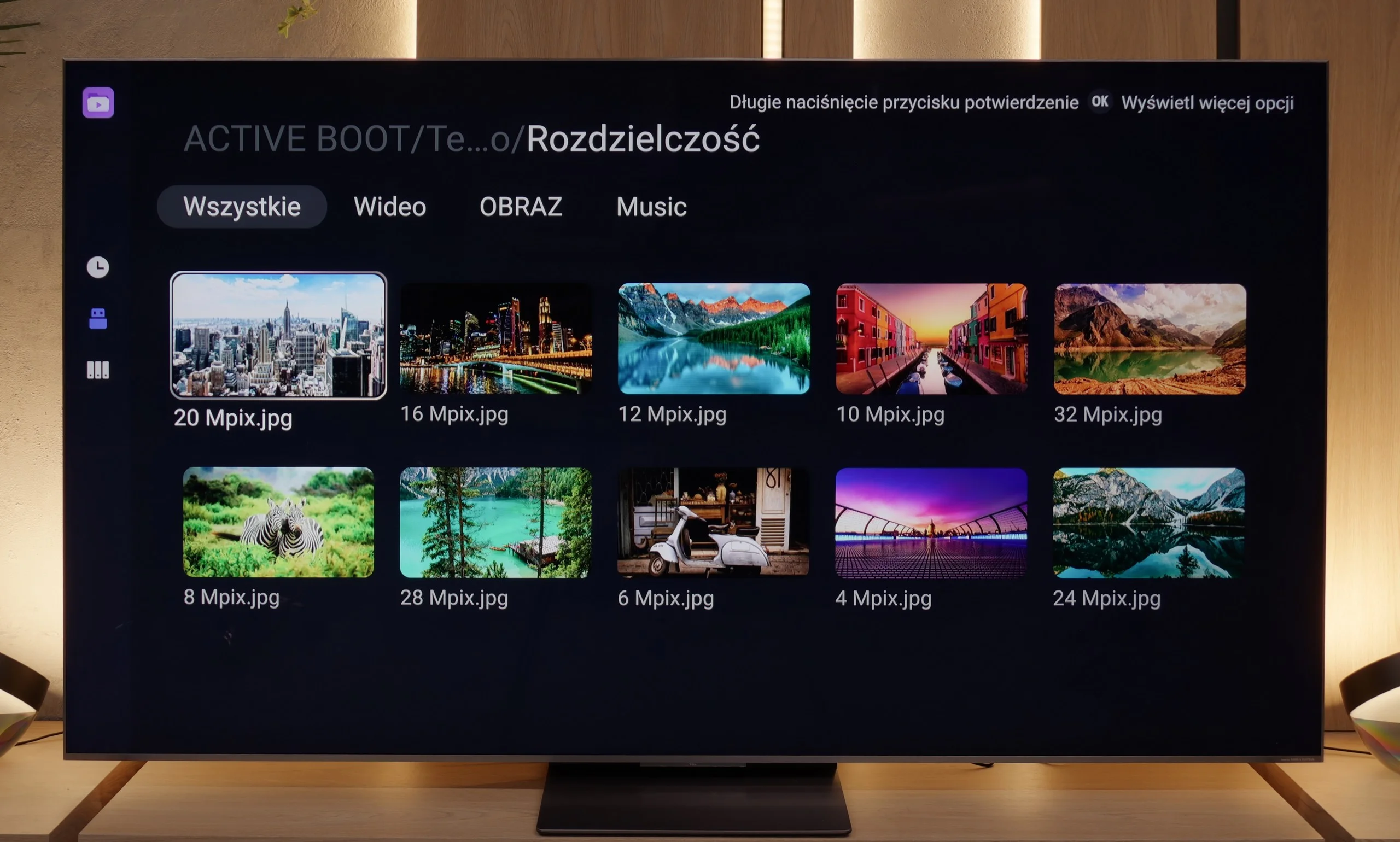
The C8K is proof that premium Mini LED technology does not have to cost as much as a premium product. With a high number of dimming zones and a new WHVA panel, the television offers excellent contrast, deep blacks, and very high brightness – everything we expect from a good viewing experience in the living room. The improved viewing angles are also surprising, finally allowing us to enjoy watching even when sitting outside the centre of the frame. The C8K also excels in the gaming world – 144 Hz, support for 288 Hz in Full HD, a complete set of gaming features, very low input lag, and sensible compatibility with PCs make it hard to tear ourselves away from it with a controller or keyboard in hand. Onboard, we also have Google TV – currently the most advanced and versatile Smart TV platform. There is access to all key applications, excellent voice control, and an intuitive interface. It may lack some classic TV features like USB recording from built-in tuners or picture-in-picture (PiP), but most users won't even notice that. On top of all this, there is very decent sound – a new collaboration with Bang & Olufsen.
Of course, it is not a screen without flaws. HDR, although impressive, still carries some 'mini LED' traits – bright scenes can be overly bright or dimmed, and the system lacks a few classic features known from other brands. But when we look at its price compared to the competition, it’s hard not to ask ourselves – why pay more?
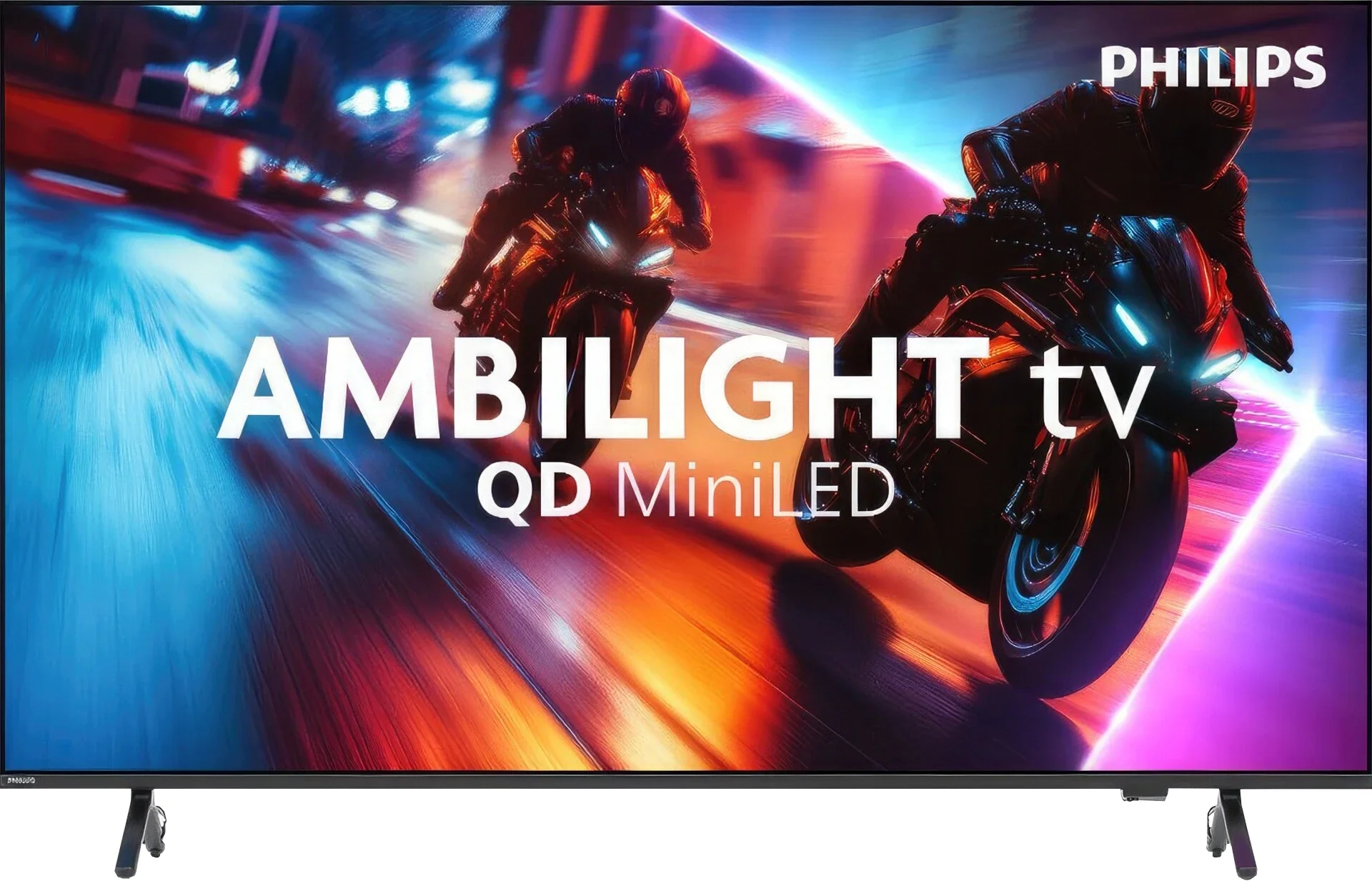
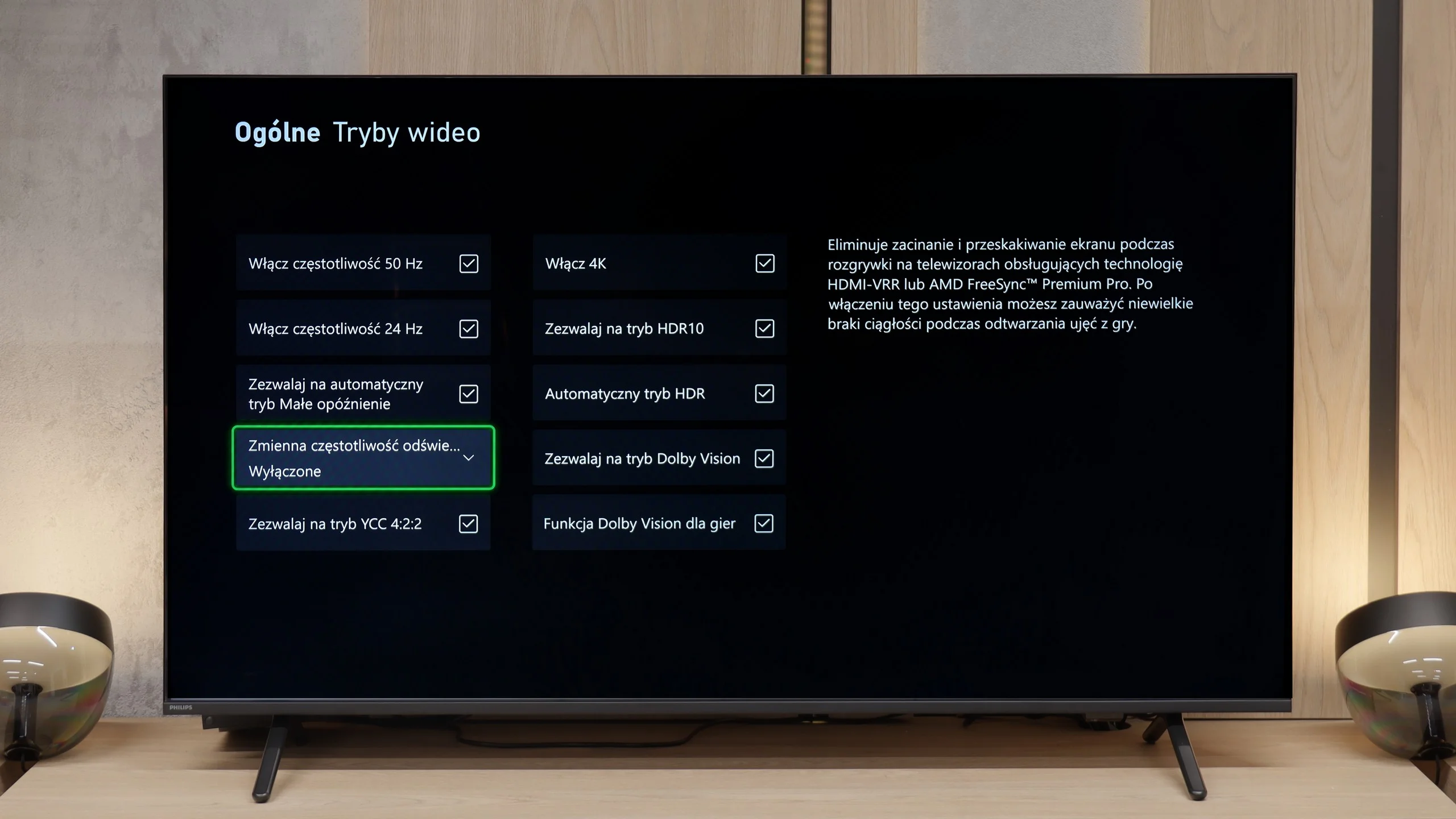
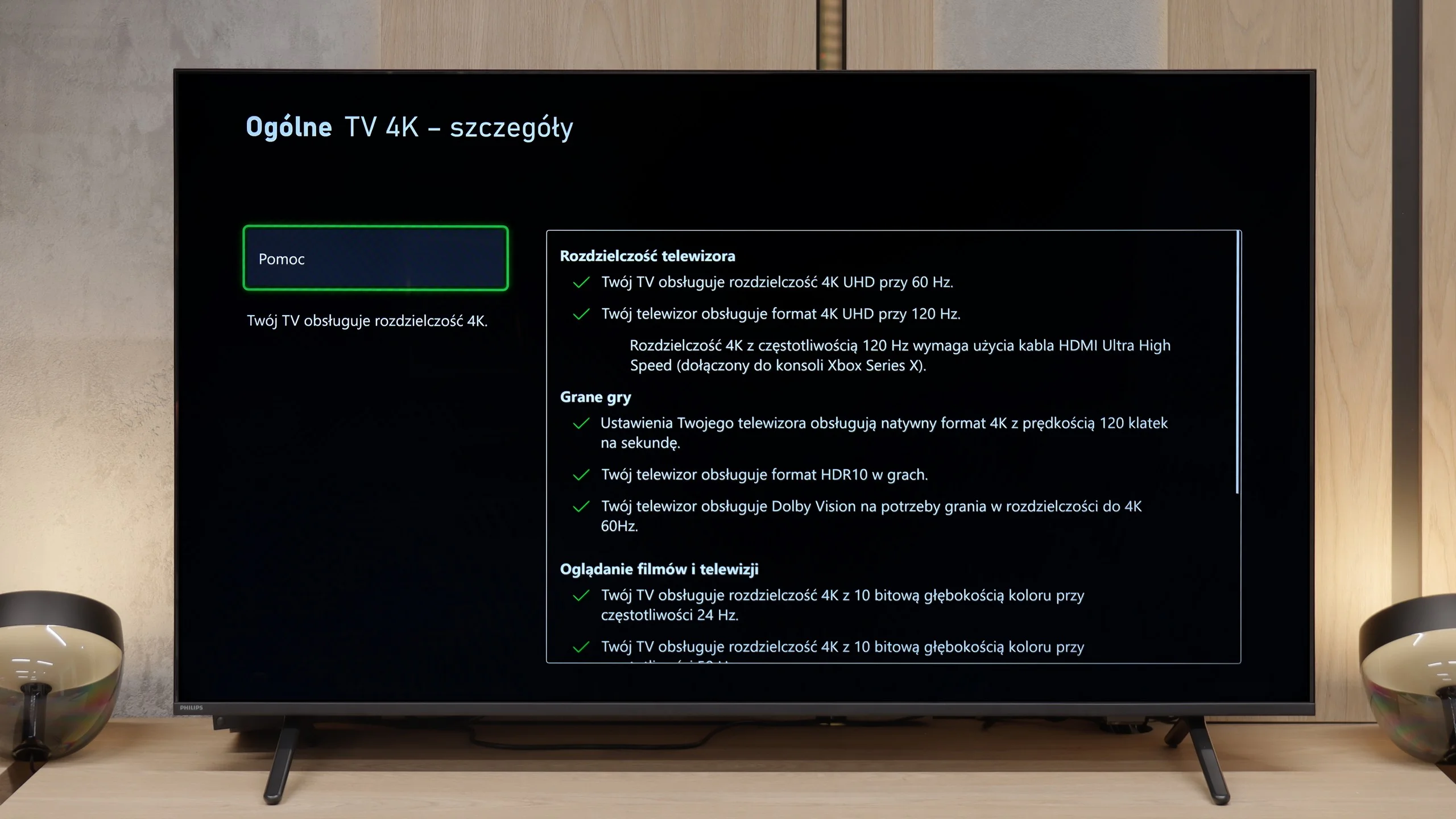
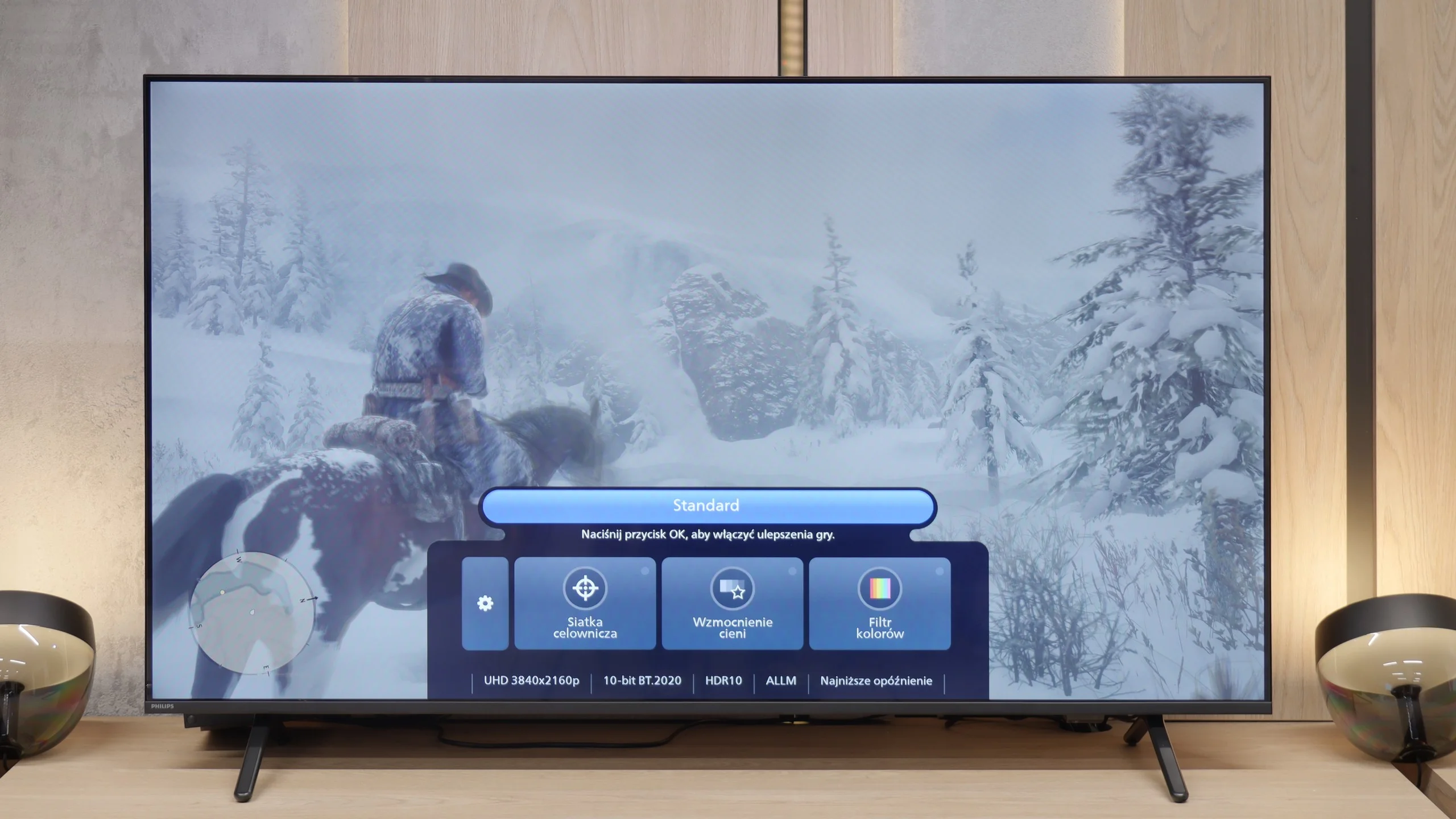
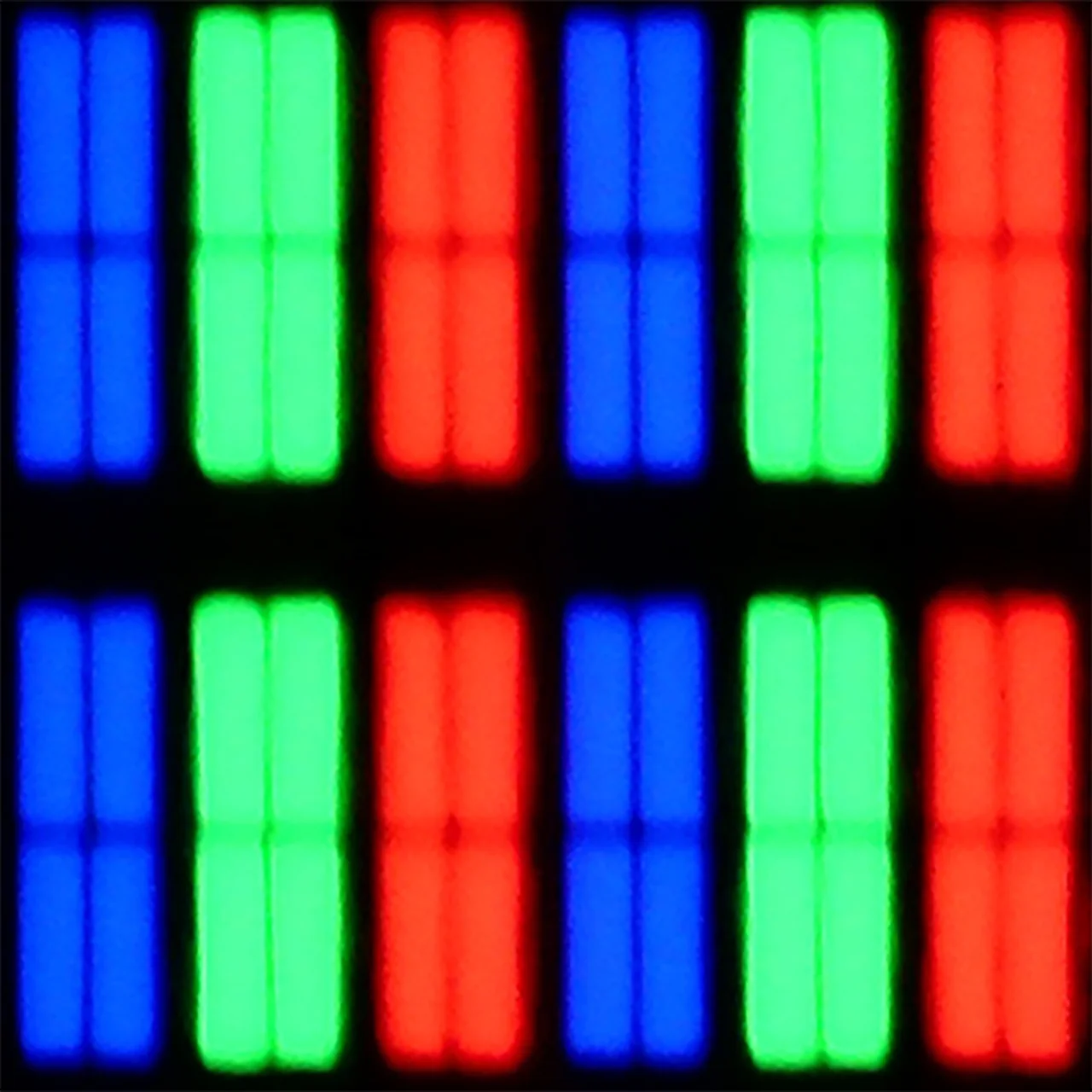
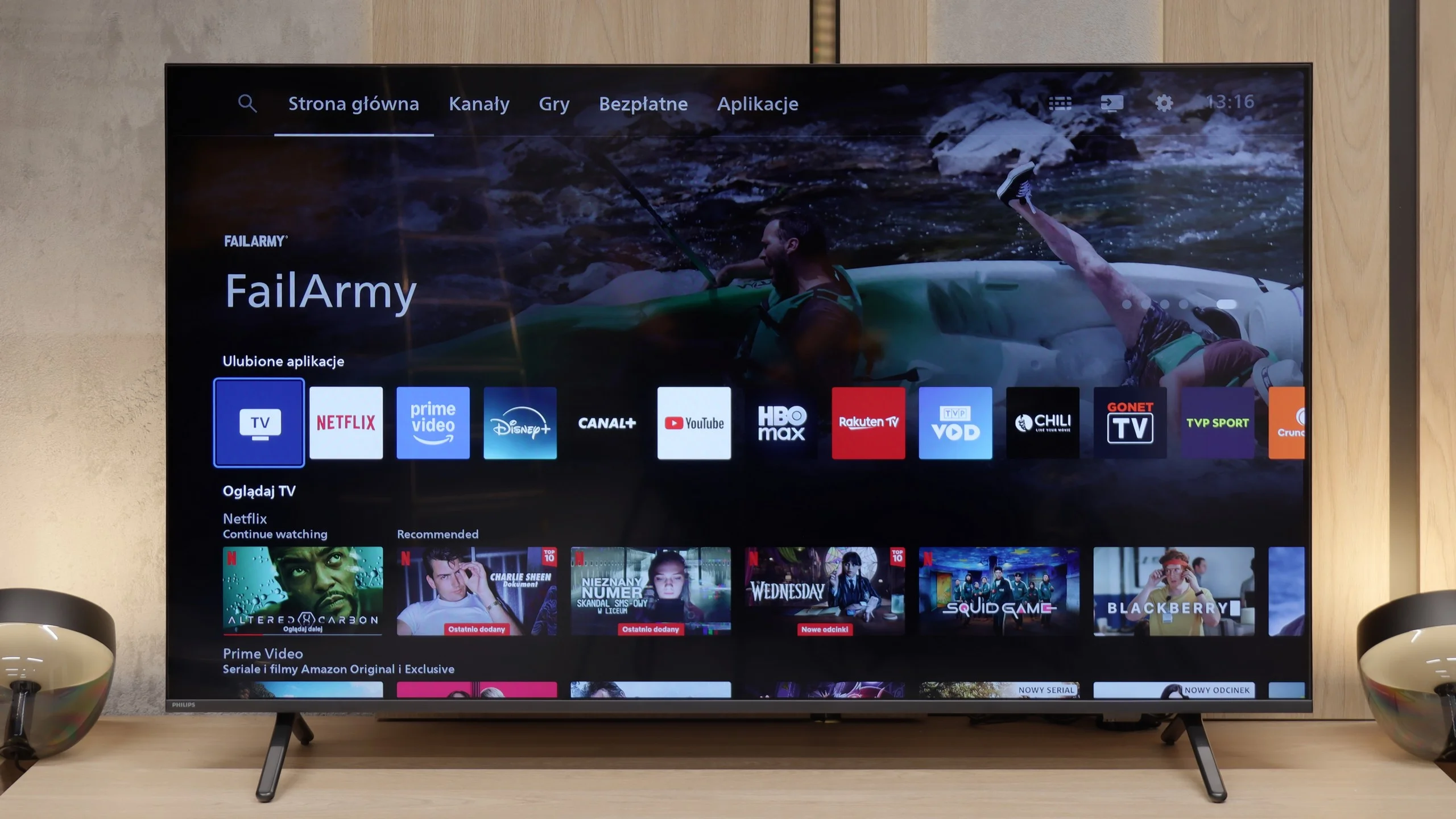
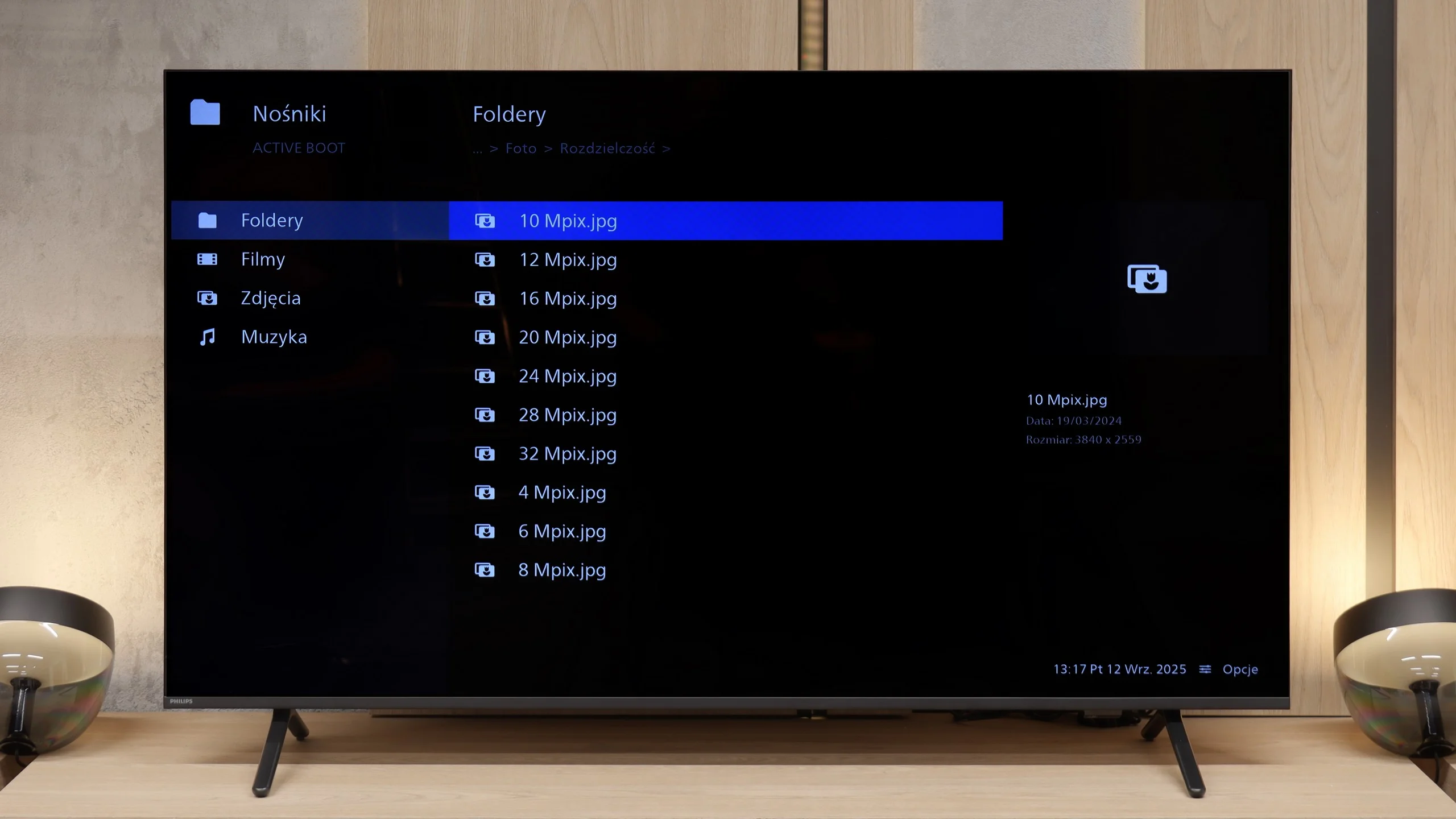
The Philips MLED920 is a natural continuation of last year's model PML9000, but it is not a repetition of the past. It is clear that the manufacturer has done their homework – primarily, the local dimming algorithms have been improved, which last year could significantly ruin the viewing experience. Now, blacks and contrast look much better, and with Dolby Vision present here, even HDR content appears quite decent. The picture can sometimes shine where it should, without straining the eyes during difficult scenes. Undoubtedly, the biggest asset of the MLED920 is its unique Ambilight system. The three-sided backlighting can give films and games a completely new atmosphere – the screen seems to extend beyond its borders, and the entire room becomes part of the viewing experience. This is something that not only cinema enthusiasts will appreciate but also gamers, who, alongside the lights, receive a full set of features typical for modern gaming TVs: 144 Hz, VRR, ALLM, and Dolby Vision Gaming. In this regard, Philips has a lot to offer. However. Indeed, there is a significant however – here we reach the most difficult part of this verdict – it is still a dual-purpose device. On one hand, we have a strong picture and a unique Ambilight feature, while on the other, there are hardware limitations that are hard to ignore. Titan OS in its current form is a considerable hindrance, full of bugs and deficiencies, which cause the television to lag behind the competition. On top of that, the price is not low at all given the offered capabilities. Therefore, it is difficult to recommend it unambiguously to everyone. However, if you are looking for the brightest Philips screen at a reasonable price, with Ambilight, a full set of gamer features, and basic applications – the MLED920 will be quite a suitable choice.
 Direct comparison