 Direct comparison
There are televisions that come for testing, and you immediately think: “oh, just another average one, probably like many others.” And basically… that’s true. The TCL C7K doesn’t try to dethrone OLEDs, nor does it shout from the box “revolution!” Yet, after a few days of testing, it’s hard not to think: “wow, this is really good equipment.” And that’s exactly what the C7K is. The biggest asset of the C7K is its decent picture at a reasonable price – MiniLED and quantum dots do their job here. The colours are vibrant, the brightness satisfactory, the contrast impressive, and with the right settings, you can truly enjoy viewing in the best quality. The second strong point is the smoothness of motion – both in sports and games. Support for HDMI 2.1, variable refresh rates, 144 Hz, and a whole host of other features make gaming on this TV a pure joy. Then there’s Google TV, which – despite some minor shortcomings – provides access to nearly an endless library of applications. Voice control, quick access to YouTube, Netflix, AirPlay support – it has everything you need for everyday use. Are there downsides? Of course. The Google TV system can have moments of “hesitation,” and MiniLED – being MiniLED – can stumble on very complex film scenes. But these are details. After all, the C7K is a mid-range model – and in this class, it performs simply excellently. So if you are looking for a reasonably priced, modern television with Google TV that looks good, works well, and plays quite decently without ruining your budget – the TCL C7K definitely deserves your attention.
- Matching (Score) |
- Our verdict |
- TV appearance |
- Where to buy |
- Contrast and black detail |
- HDR effect quality |
- Factory color reproduction |
- Color reproduction after calibration |
- Smoothness of tonal transitions |
- Image scaling and smoothness of tonal transitions |
- Blur and motion smoothness |
- Console compatibility and gaming features |
- Input lag |
- Compatibility with PC |
- Viewing angles |
- Daytime performance |
- Panel details |
- TV features |
- Apps |
- Playing files from USB |
- Sound
C7K / Q7C / MQLED85K / C79K / C71K / QM7K

BRAVIA 6 / A65
Available screen sizes: 50”
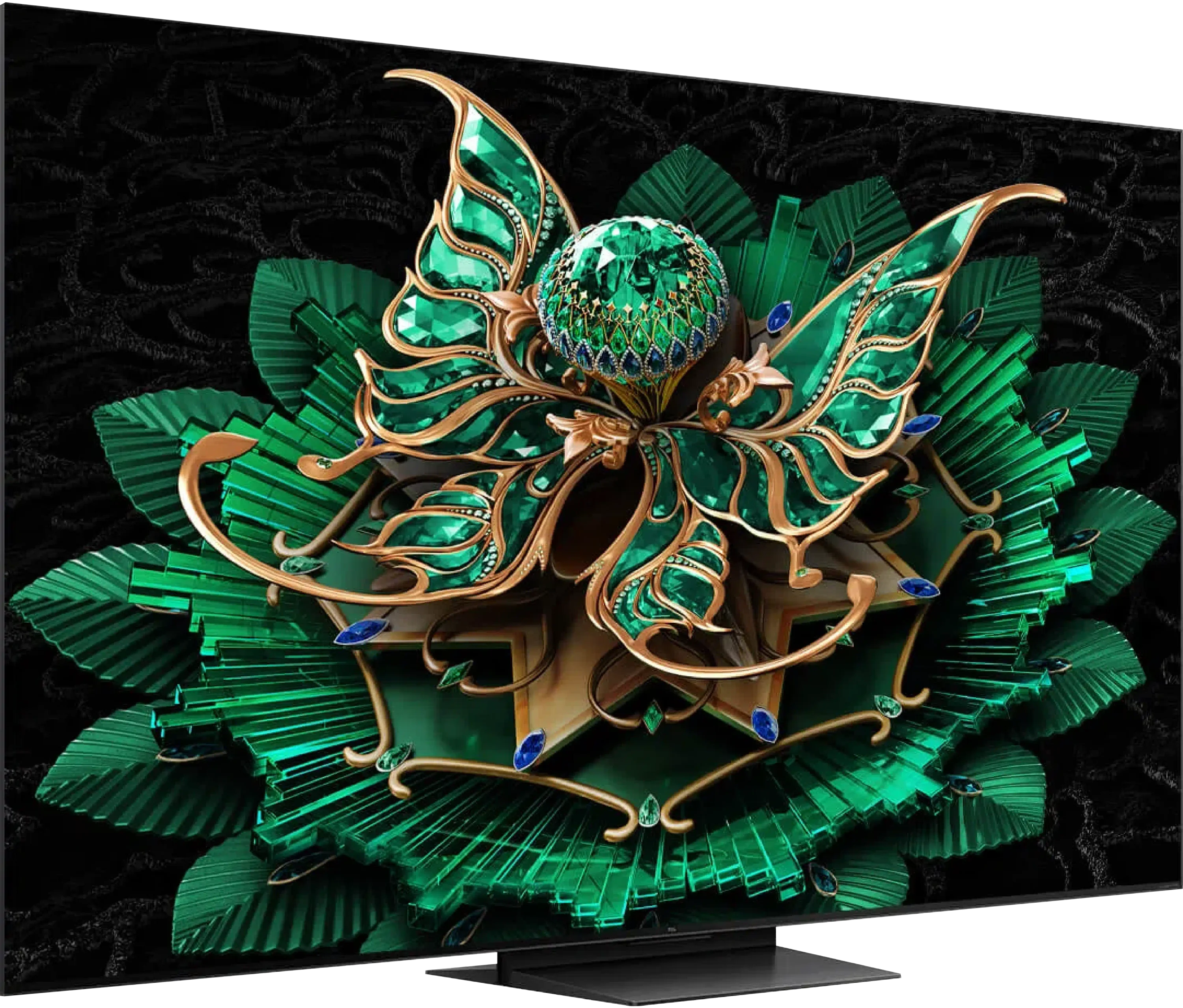
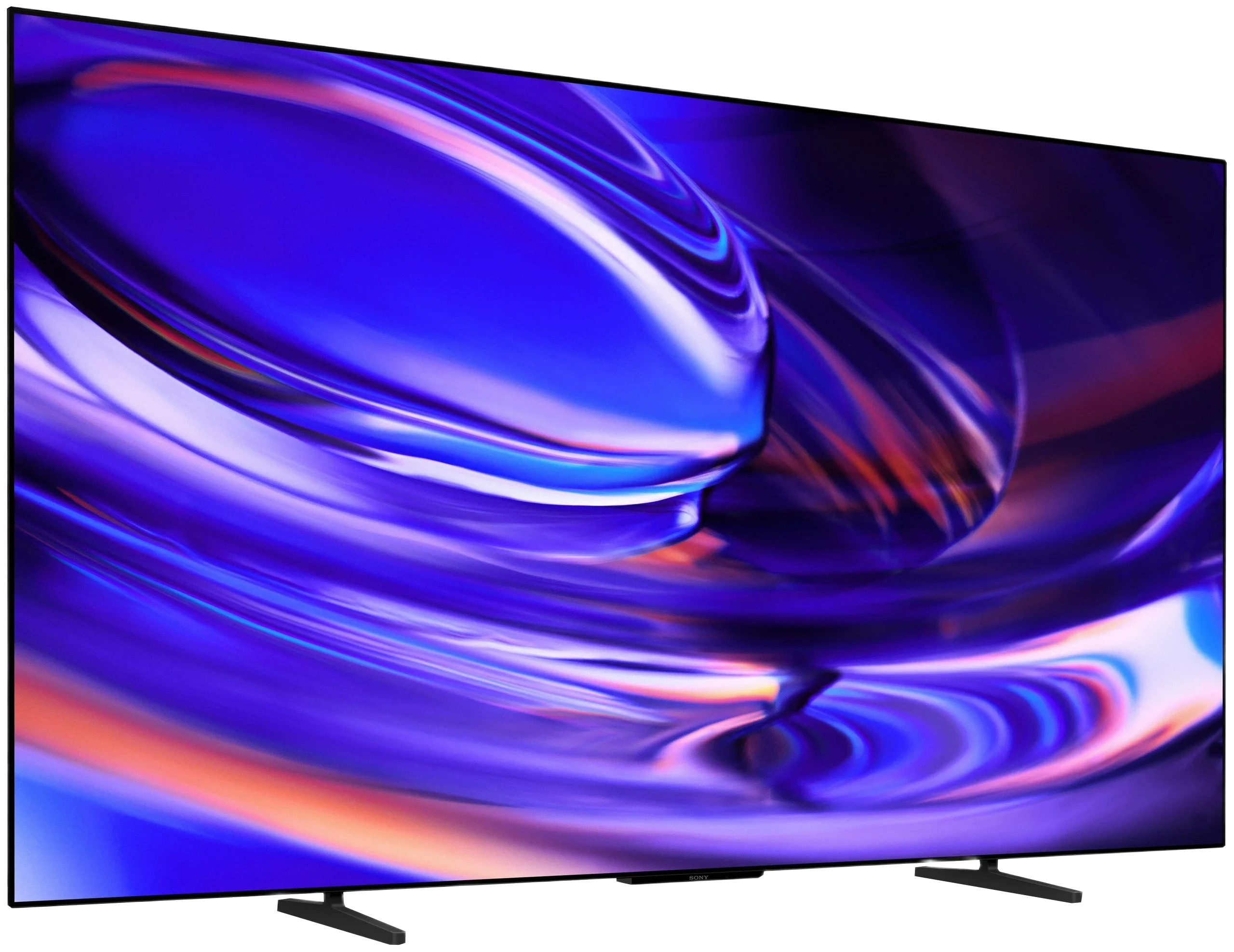
Panel type: LCD VA
Resolution: 3840x2160
System: Google TV
Model year: 2025
Panel type: WRGB OLED
Resolution: 3840x2160
System: Google TV
Model year: 2026
Check how well they match your needs
Take the surveyOverall rating
7.2
7.4
 Movies and series in UHD quality
6.7
7.5
 Classic TV, YouTube
6.5
8.1
 Sports broadcasts (TV and apps)
6.7
8.1
 Gaming on console
8.5
8.5
 TV as a computer monitor
8.4
7.6
 Watching in bright light
6.1
4.6
 Utility functions
7.3
6.6
 Apps
9.6
9.6
 Sound quality
7.0
7.0
Complete the survey to find out what fits your preferences
Advantages

Very good black - VA panel with a large number of Mini-LED zones
High brightness in HDR - over 1000 nits
Excellent for gamers - HDMI 2.1, low input lag, VRR, ALLM, etc.
Good motion smoothness - 144Hz panel
Supports multiple HDR formats: HDR10, HDR10+, Dolby Vision
Google TV operating system with access to a vast array of applications
Pleasant sound from built-in speakers
Perfect blacks and infinite contrast of the OLED panel
Natural colours after calibration, especially in SDR
120 Hz panel with near-instant pixel response
Four full HDMI 2.1 inputs with 48 Gb/s bandwidth
Very low input lag, including with Dolby Vision at 120 Hz
Support for premium formats: Dolby Vision, Dolby Atmos and DTS
Google TV with a wide selection of apps
Wide viewing angles
Solid build with a height-adjustable stand
Disadvantages

Google TV can operate with minor stutters
No USB recording and PiP functionality
Quite a few system errors
Low brightness and average reflection handling, making daytime viewing difficult (OLED SE)
Average tonal gradation and poor smoothing of tonal transitions
Limited calibration options
Missing several features for gamers: HGIG, Game Bar and support for 120Hz at 1440p
Our verdict
The BRAVIA 6 can provide a lot of viewing pleasure, especially in the evening when the strengths of the OLED panel are most apparent. Deep blacks, good contrast and natural colours after calibration mean that, with the right material, its picture is easy to appreciate. It also performs well with a console: it delivers smooth motion and responds quickly to controller inputs. It's pleasing to see four full HDMI 2.1 ports, which Sony has finally included. Thanks to them, connecting several devices is less of a problem than even with some more expensive models from the brand. The whole package is rounded off by solid build quality and an attractive design.
However, that's not enough to make it stand out among competing OLEDs. We've generally paid extra for Sony TVs, in part for better image processing, but it's hard to spot an advantage in that area with the BRAVIA 6. Weaker recordings look average, and in demanding HDR scenes details are lost in the bright parts of the picture. Dolby Vision helps a little, but it doesn't change the overall impression: you get an image that can be pleasing, yet it doesn't give a clear reason to choose Sony over another entry-level OLED.
While the lack of such an advantage can be tolerated with a suitably low price, it's much harder to overlook problems in everyday use. Google TV offers a wide range of apps, but during our tests using the TV too often ended with having to... unplug it. Even playing a film from a USB stick could be problematic. It was at moments like these that we felt there was little... Sony in this BRAVIA. It lacks the refinement that used to be one of the reasons to pay more for a Sony TV.
In the end the BRAVIA 6 leaves a fair amount of disappointment. The OLED panel gives it a solid foundation, but the pleasure of watching too often gives way to frustration with operation. For that reason, in its current state we find it hard to recommend, even though it's one of the cheapest OLEDs on the market. An attractive price can make up for some image limitations, but it's hard to see that as a sufficient argument when basic functions fail. So before we can consider whether it's worth buying the BRAVIA 6, Sony needs to deliver the level of polish we expect.
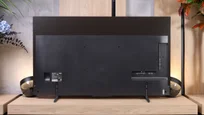
TV appearance
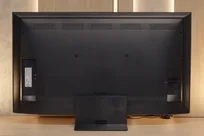
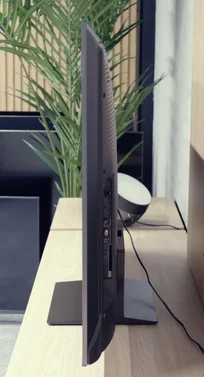
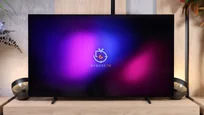

Contrast and black detail
7.1/10
10/10
Local dimming function: Yes, number of zones: 336 (14 x 24)
Contrast:


Result
161,000:1

Result
18,750:1

Result
13,150:1

Result
6,300:1

Result
4,200:1
Result
∞:1
Result
∞:1
Result
∞:1
Result
∞:1
Result
∞:1
Halo effect and black detail visibility:
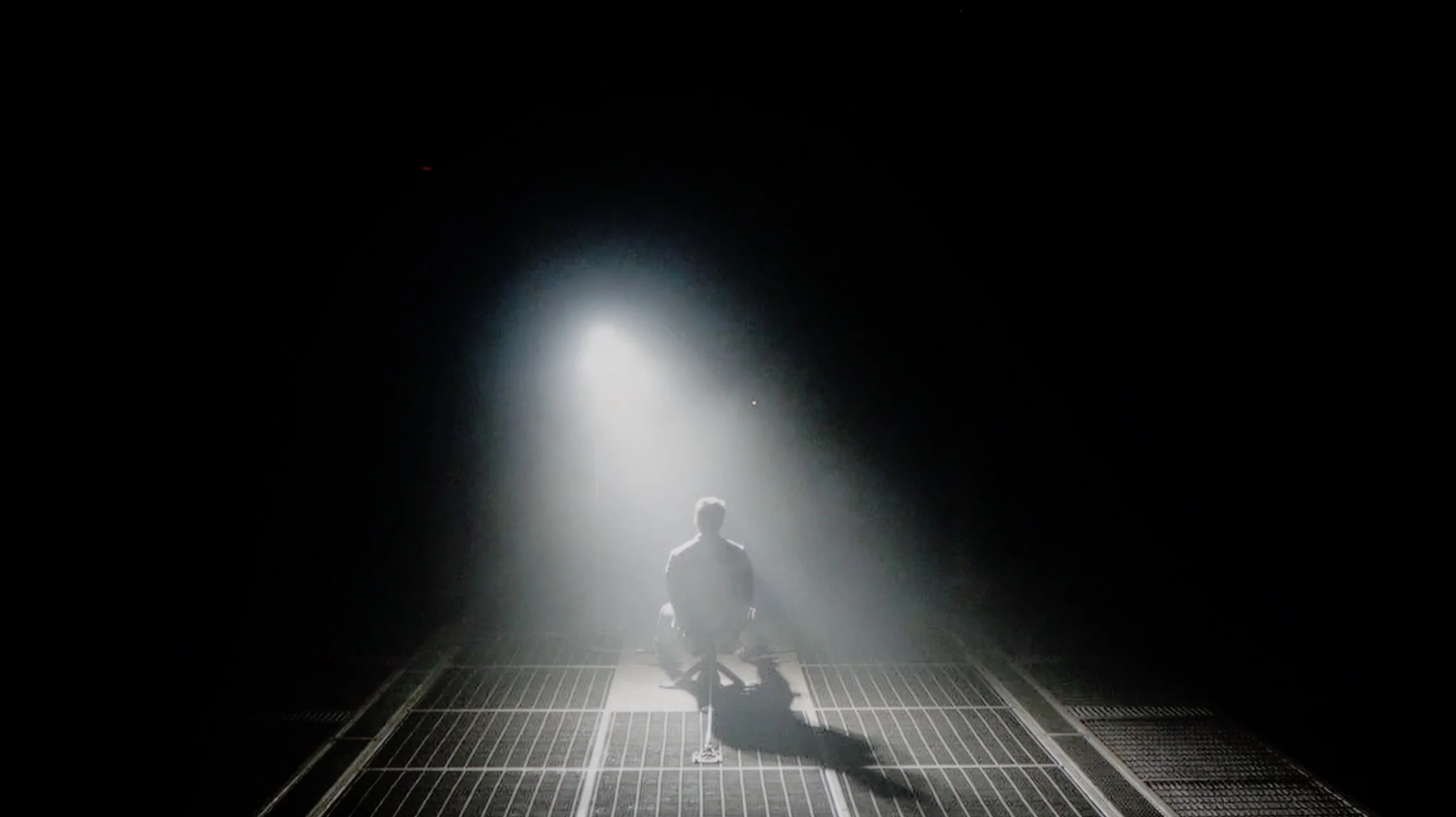
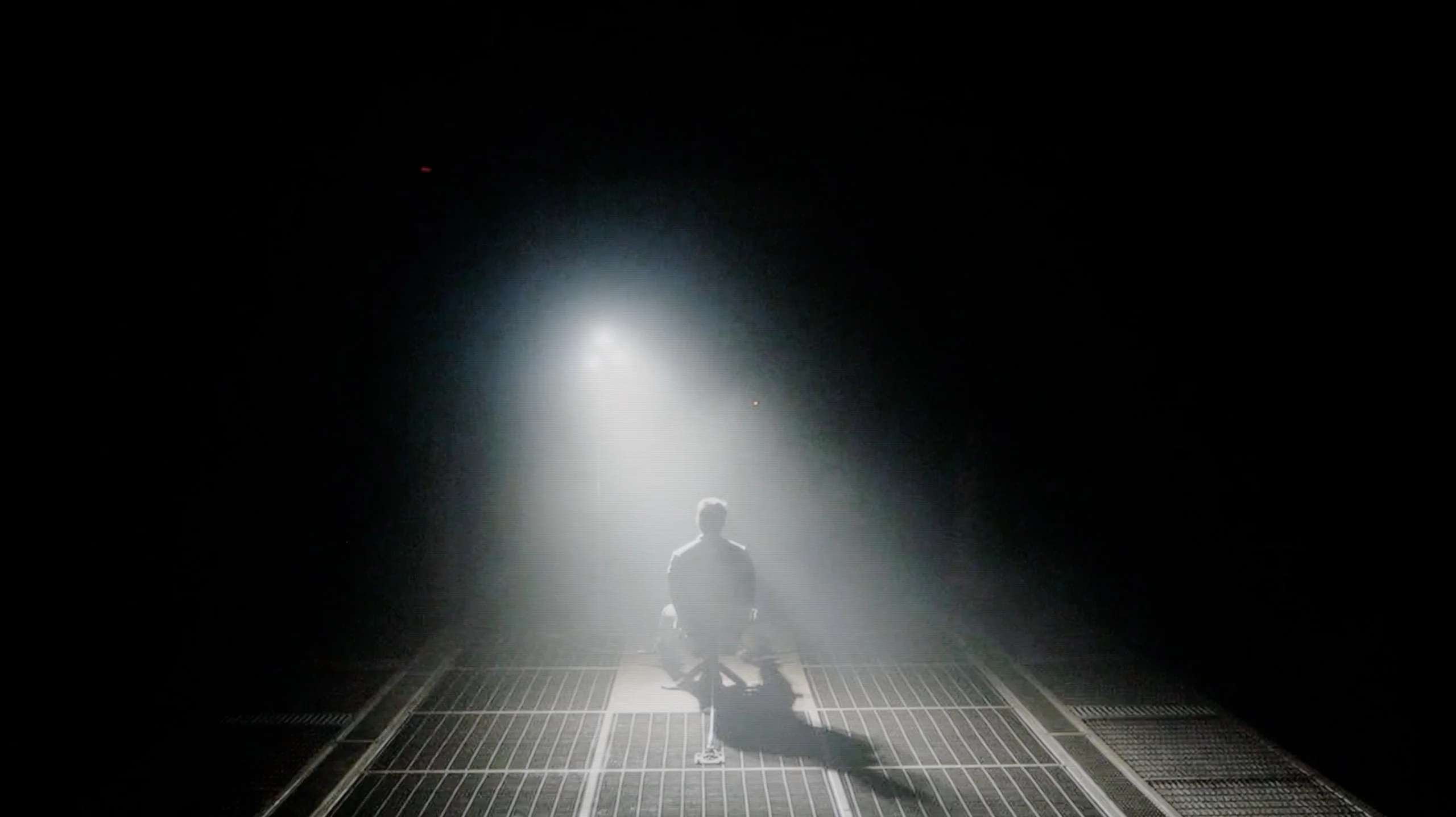
Check the visibility of bright lights on a dark background. Mini-LEDs often struggle with this. The photo does not compare black levels – that’s what the video below is for.
The video accurately shows differences in contrast and black levels between TVs, as well as potential issues: halo around bright objects or Mini-LED zone operation visible as brightness jumps.
The 50-inch TCL C7K that we tested surprised us right from the start – it’s the smallest model in the series, yet it comes equipped with a VA panel with MiniLED backlighting and – attention – as many as 336 dimming zones. For comparison: many significantly larger televisions from higher tiers would be eager to boast such a number. Here we have it in the 50-inch version. Sounds promising, doesn’t it? So how does this translate into real movie-watching experiences? In the vast majority of tested scenes – very well. The contrast was high enough that it reached even six-digit values in measurements, which practically means very deep blacks and well-separated highlights. In scenes from films like The Revenant or Oblivion, the effect was impressive, matching the best LCD screens in this class.
However, not everything went perfectly. Despite the impressive number of zones, managing them was not always exemplary. In more complex scenes, where small light sources or a high level of detail appeared, the television had issues with the so-called halo effect (a glowing halo around bright objects) or overly aggressive dimming of the image. In such situations, contrast could either collapse due to overexposure of certain zones or, conversely – details in bright areas disappeared because the zones suppressed the light too much. Nonetheless, it is worth noting that in the vast majority of scenes, the contrast was more than satisfactory. And taking into account the size of the television and the price, the final effect will satisfy not just average users.
The Sony BRAVIA 6, also known as the A65, uses an OLED panel, so in terms of black levels and contrast it deserves the highest marks. In all test scenes the black remained completely black, and the measured contrast was infinite. This is thanks to independent control of every pixel, which can be turned off entirely even if a very bright element is right next to it. In this respect the BRAVIA 6 even outperforms the best Mini LEDs. A few thousand backlight zones still do not provide the same precision as control over each of the more than 8 million pixels.
However, in the video below you can see that some dark parts of the image are slightly brightened. It is worth clarifying that this concerns the darkest shades of grey, not true black itself. The BRAVIA 6 tends to show them brighter than it should, so details in deep shadow can be overly emphasised. This does not change the panel’s ability to completely switch off black elements, so we do not lower the score in this category for that reason. We will return to this behaviour when assessing image reproduction and the effects of calibration.
HDR effect quality
5.4/10
5.7/10
Luminance measurements in HDR:

Result
1051 nit

Result
185 nit

Result
454 nit

Result
200 nit

Result
836 nit
Result
483 nit
Result
616 nit
Result
697 nit
Result
680 nit
Result
276 nit
Scene from the movie “Pan” (about 2800 nits)
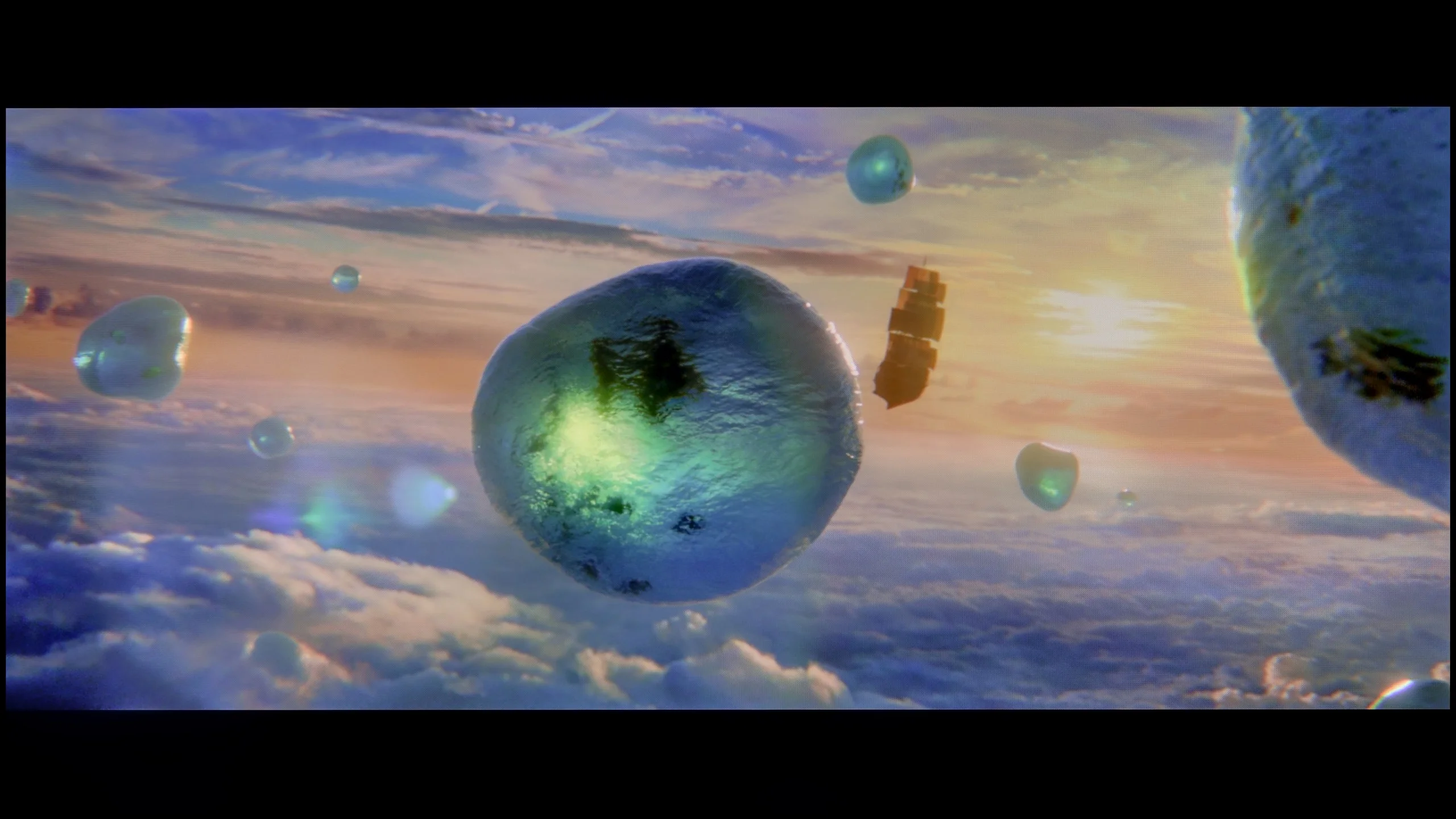
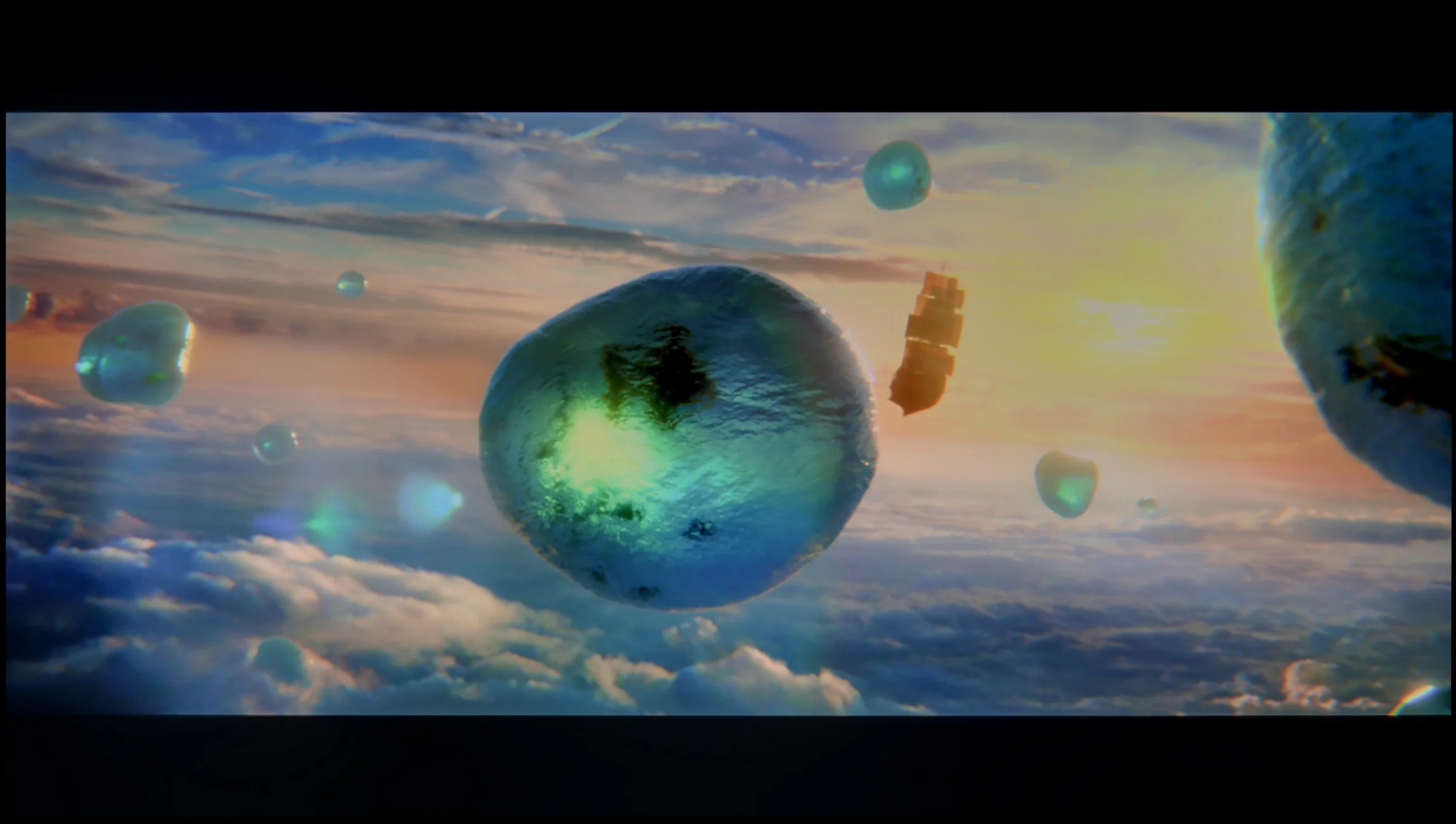
Scene from the movie “Billy Lynn” (about 1100 nits)
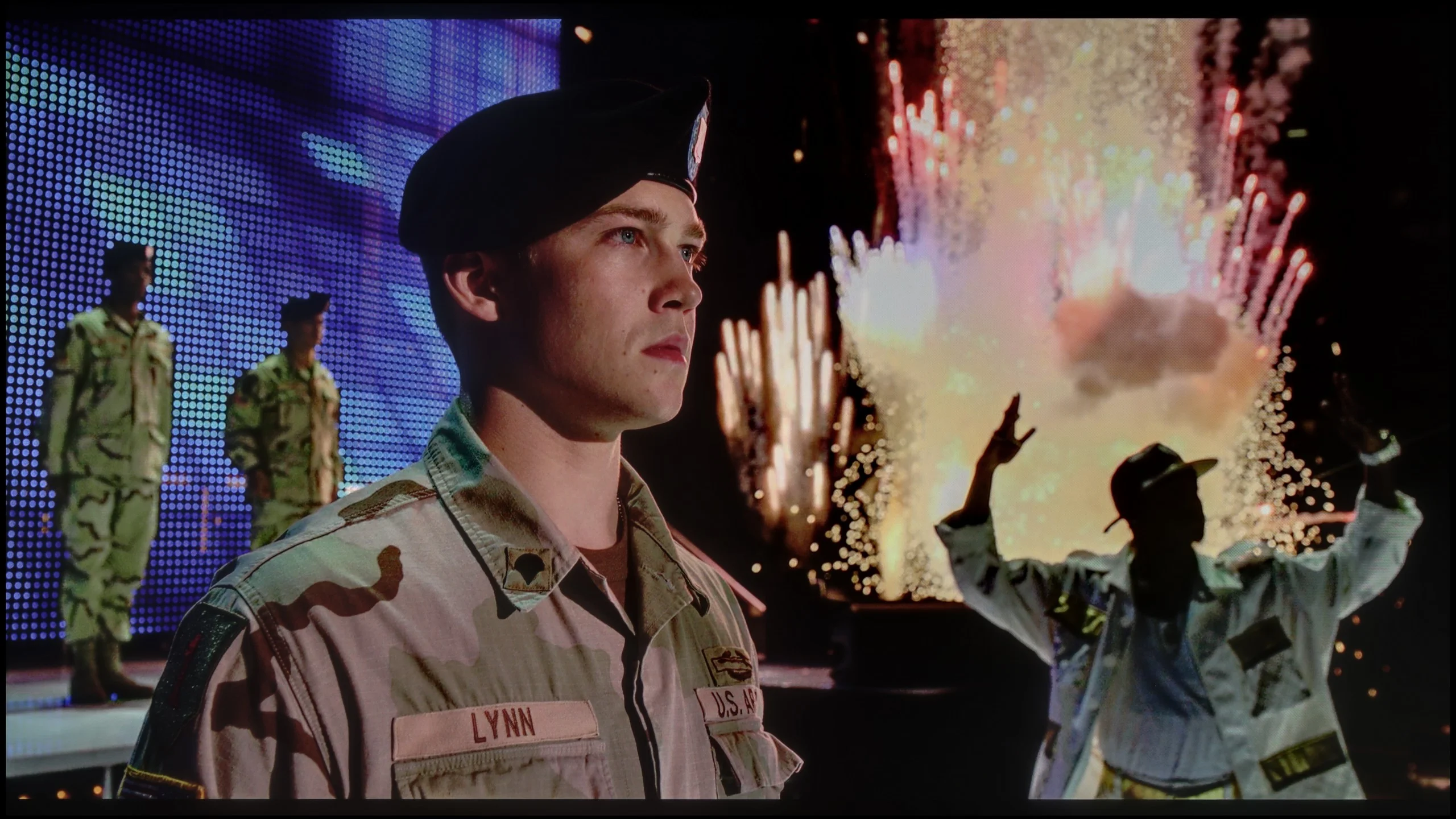
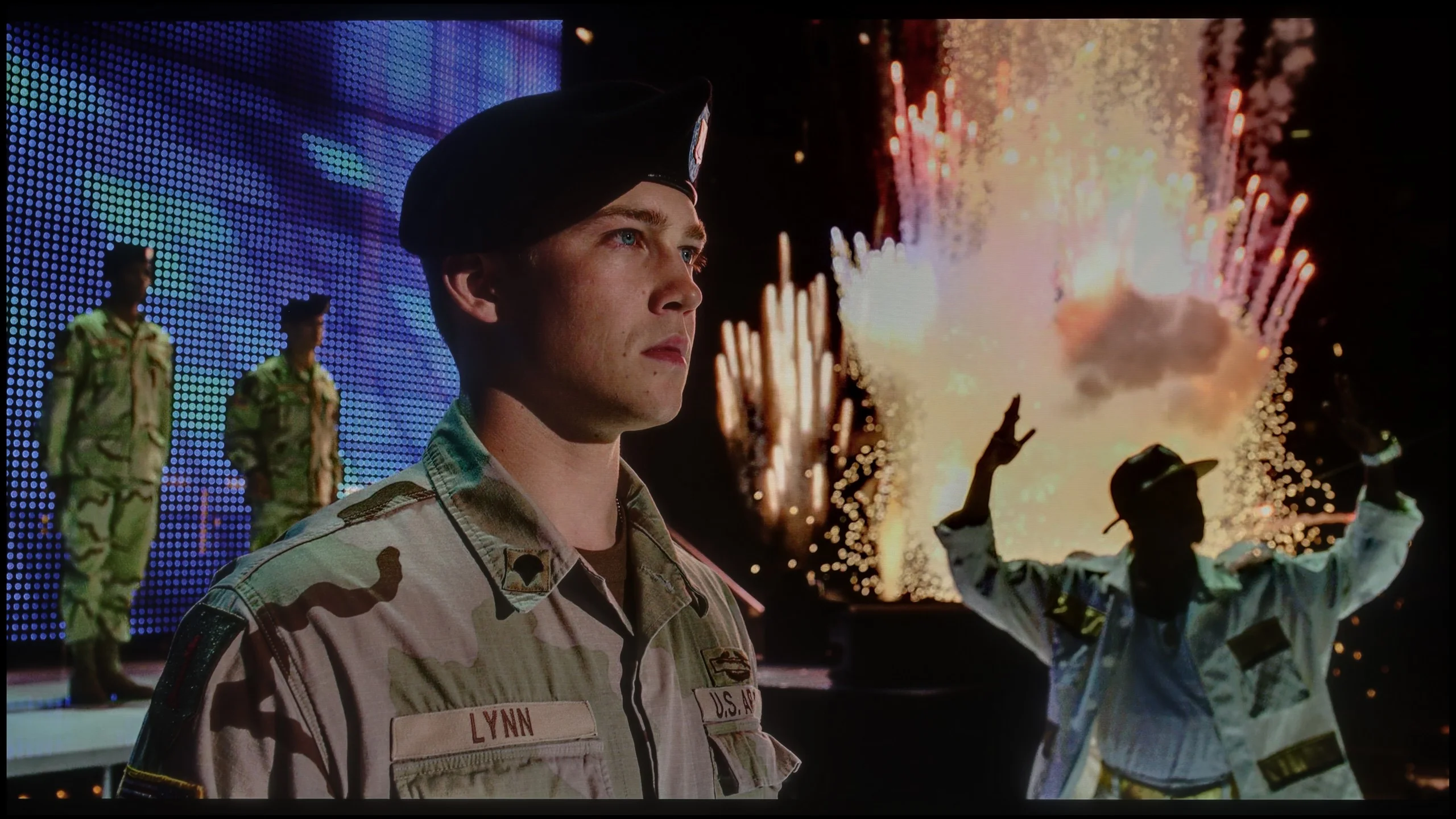
The photos show two HDR10 movies. 'Pan' is one of the brightest productions ever made, while 'Billy Lynn' (soldier) has brightness typical of streaming (Netflix, Prime, HBO MAX). Notice the intensity of effects and detail in whites.
Static HDR10

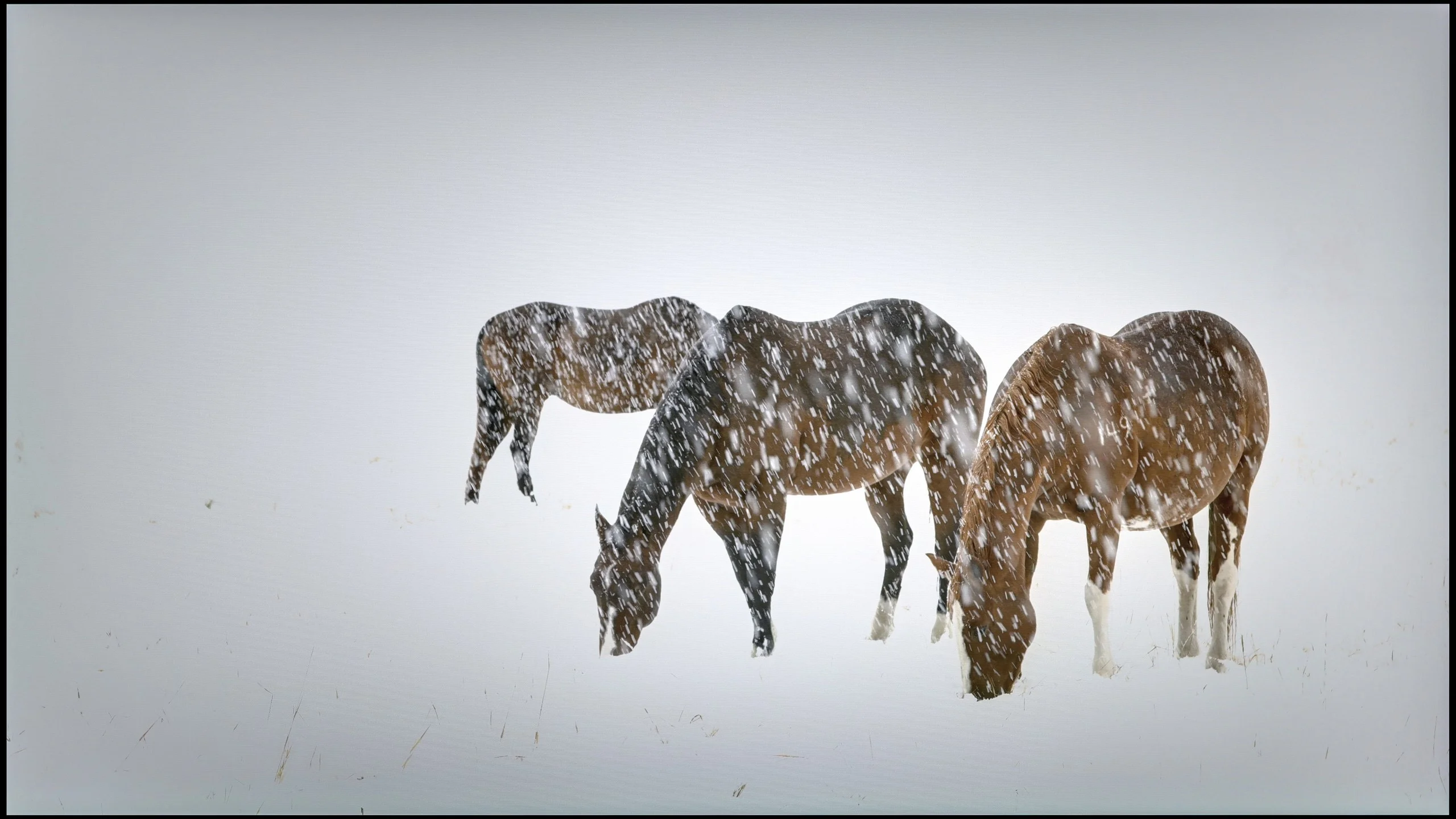
The photos present the visibility of white details in various HDR formats. They do not show brightness differences between TVs (these can be compared in the previous gallery).
Dynamic: Dolby Vision
Dynamic: Dolby Vision


The photos present the visibility of white details in various HDR formats. They do not show brightness differences between TVs (these can be compared in the previous gallery).
HDR luminance chart:
Sony BRAVIA 6 (A65)
TCL C7K / QM7K
Luminance of RGB colors
TCL C7K is one of the brightest MiniLED televisions in its price range. Under the best testing conditions, the screen managed to achieve over 1200 nits, resulting in impressive, at times almost blindingly bright scenes. And most importantly – this is not just a theory based on measurements. In practice, the brightest parts of films can shine with true cinematic grandeur. Fans of home HDR cinema should be truly satisfied.
The impression is excellent, especially in scenes with large areas of brightness – a white sky, explosions, sun reflections, or magical sunsets can surprise with an intensity of light that is rarely seen in this price range.
However, it gets a bit worse when more challenging scenarios appear on the screen, as described when discussing contrast – that is, images full of details, with small, bright elements on a dark background. In such cases, the C7K often decides to preserve black levels at the expense of brightness. An example? Scenes from the films Sicario 2 or Life of Pi, where small light sources (like a distant lantern) can become less visible, and details in the lights are simply dimmed or blend into the background.
For many viewers, this may be an acceptable compromise – as we achieve deep black levels and a pleasing plasticity of the image. Nevertheless, it is worth being aware that the visibility of small details in bright areas is not this model's strongest suit. It is simply a technological limitation that still exists – even with over 300 zones.
The Sony BRAVIA 6 is a moderately bright TV and, compared with today’s OLEDs, can even be classed among the darker models. It peaks at around 700 nits, but such values are seen mainly on small highlights set against a dark background. In brighter, mixed scenes the result is closer to 500 nits; for example, in the sunset shot from the film 'Life of Pi' we measured 483 nits. Combined with its perfect blacks, this delivers a pleasant HDR effect, especially in the evening, although it is hard to call the brightness spectacular. The limitations become even clearer when bright elements occupy most of the screen. That is when ABL comes into play, a mechanism that limits brightness under heavy OLED panel load. The BRAVIA 6 uses the panel’s capabilities fairly conservatively and in such shots brightness falls to about 250 to 280 nits. In the oil-rig scene we measured about 250 nits, so the bright sky no longer has the same punch as a single torch in darkness. It is in wide, sunlit landscapes or large flares that the lack of brightness headroom is most noticeable.
Colours
In terms of colours the BRAVIA 6 performs quite well. It covers around 95–96% of the DCI-P3 gamut, so it can reproduce most of the colours used in HDR films and series with appropriate saturation. It still trails the better WOLED panels, which approach full coverage of that gamut, but in day-to-day viewing this will not be a large difference. A larger gap separates it from QD-OLED screens when showing the most intense colours from the wider BT.2020 gamut. Sony covers about 71–72% of it, so exceptionally saturated reds or greens will not look as impressive as on organic panels with quantum dots or on SQD Mini-LED screens. Moreover, gamut coverage alone does not mean the TV can reproduce those colours at high brightness. On the BRAVIA 6 very bright, colourful effects have less punch, which further tones down the perceived HDR. In typical films colours still look good, but the greater limitation remains the screen’s brightness.
Factory color reproduction
6/10
6.9/10
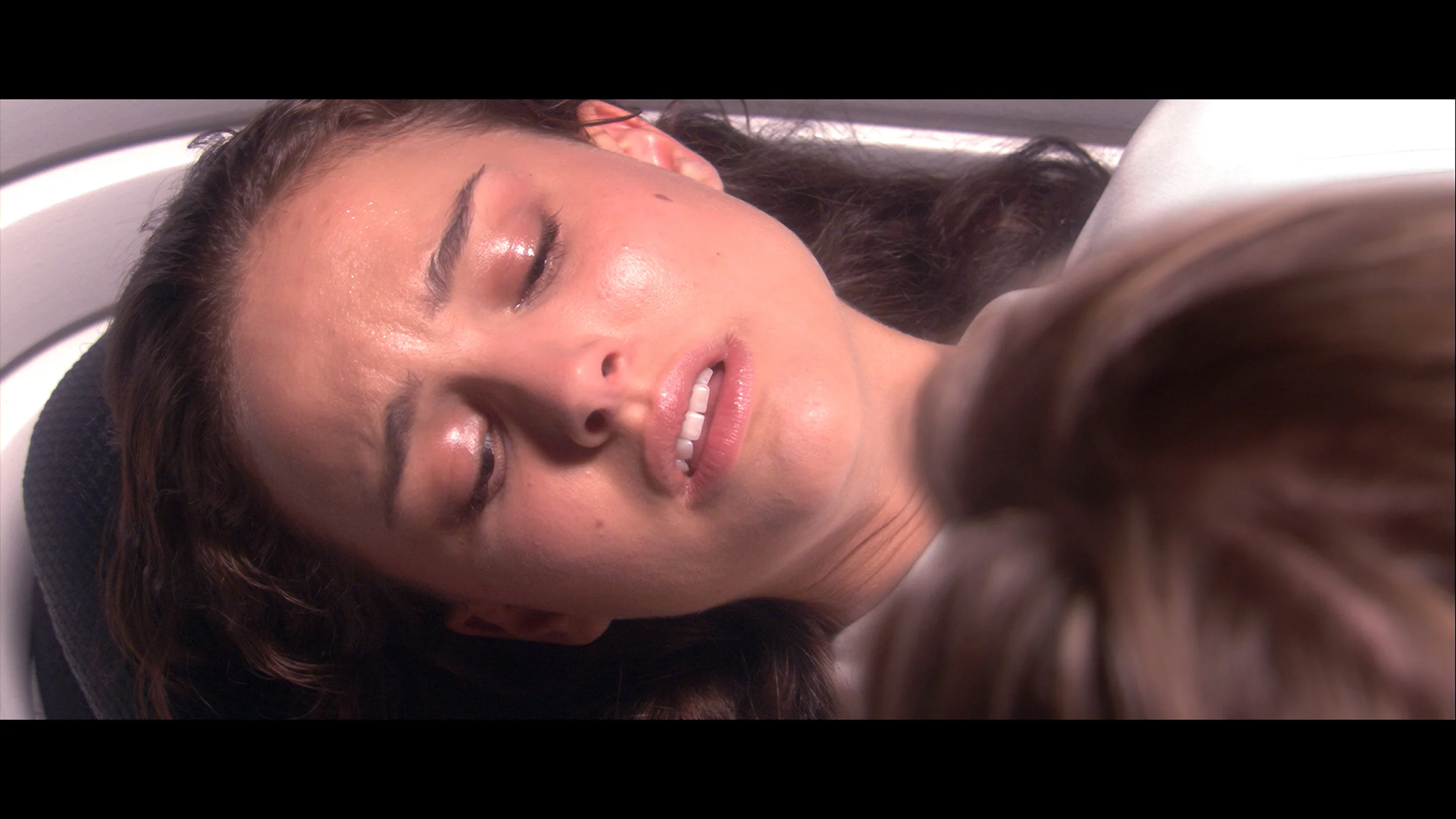
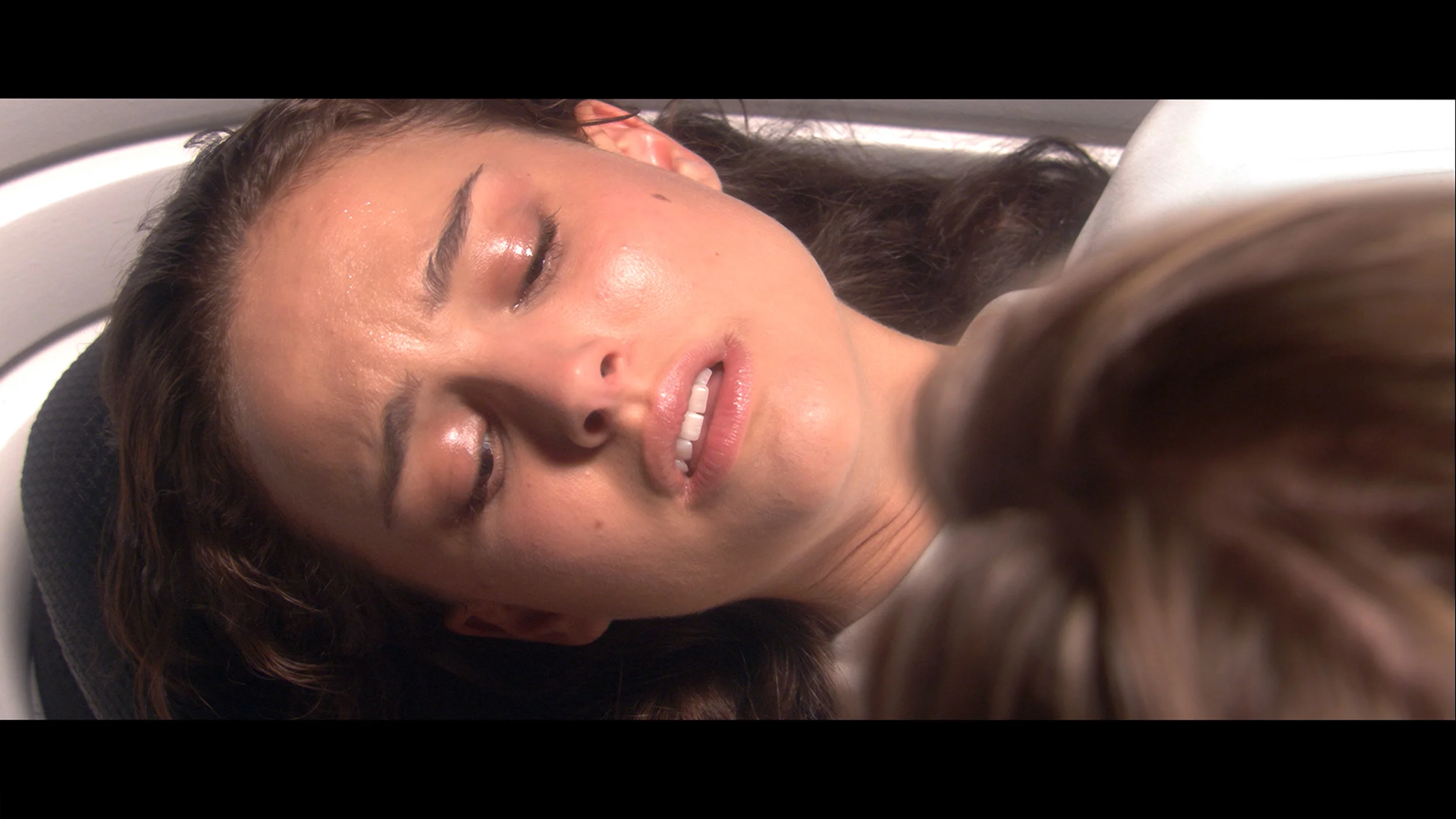
This illustrative image shows how colors change after professional calibration. If you can see the difference, you can order it from SkalibrujTV – it's our own service.
Factory mode
After calibration


This illustrative image shows how colors change after professional calibration. If you can see the difference, you can order it from SkalibrujTV – it's our own service.
Factory mode
After calibration
A new feature in TCL televisions for 2025 is the long-awaited Filmmaker mode, which until now has been found in most competing brands. This is great news, as this mode is considered to be the truest to the original vision of the creators and is often recommended by enthusiasts of good picture quality. Unfortunately, as is often the case, the mere presence of this mode does not guarantee perfection. The Filmmaker mode in the TCL C7K is not without its flaws. There can be criticism of the incorrect white balance, particularly a slight dominance of blue, which resulted in cool, somewhat greyish skin tones. But that was not the biggest issue. The main complaint was the excessive brightness exposure, which is clearly visible on the gamma and EOTF graphs. The image was simply too bright, at times even blown out, which affected not only the texture of scenes but also the overall viewing experience. Some details were simply lost, and the entire image looked as if someone had slightly overcooked the brightness slider. As always, we decided to check what could be extracted from this after calibration. And that’s where it started to get really interesting…
In Cinema mode the Sony BRAVIA 6 delivers a rather pleasant picture, although the factory settings give it a slightly too warm character. In SDR, that is when watching regular TV and older films, there is a dominance of red and a shortage of blue. The image can therefore take on a creamy, slightly pinkish tint, and faces look more flushed than they should. It is not a colour cast that completely changes the appearance of a film, but it is noticeable with neutral colours. On top of that there is a somewhat excessive darkening of the image in SDR. The gamma curve runs above the target value, which when watching results in darker elements of the scene. The picture may appear more contrasty, but subtle shadow detail becomes harder to distinguish.
In HDR the colours behave a little differently. The red dominance is smaller, but combined with a slight excess of blue and a lack of green it gives a delicate pink tint to bright, neutral surfaces. The luminance response remains close to the reference through much of the range, although the aforementioned brightening of tones just above black is visible. Because of this some background areas in night scenes are more visible than the filmmakers intended. Some midtones are also slightly lifted. Overall film mode provides a sensible starting point for viewing and is by far the best mode available, but the white balance and the way brightness is rendered still need fine-tuning.
Color reproduction after calibration
7.5/10
8/10
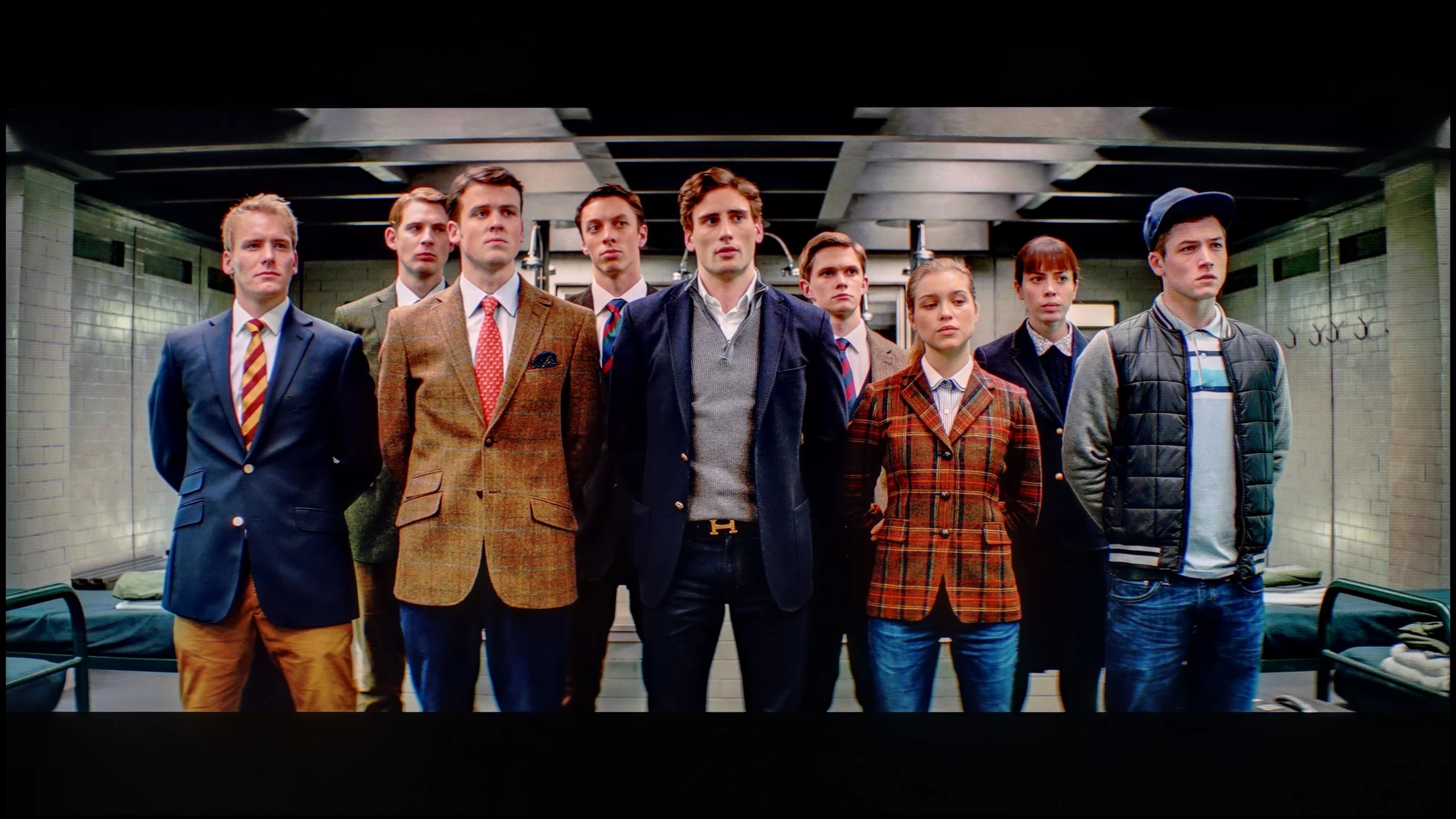
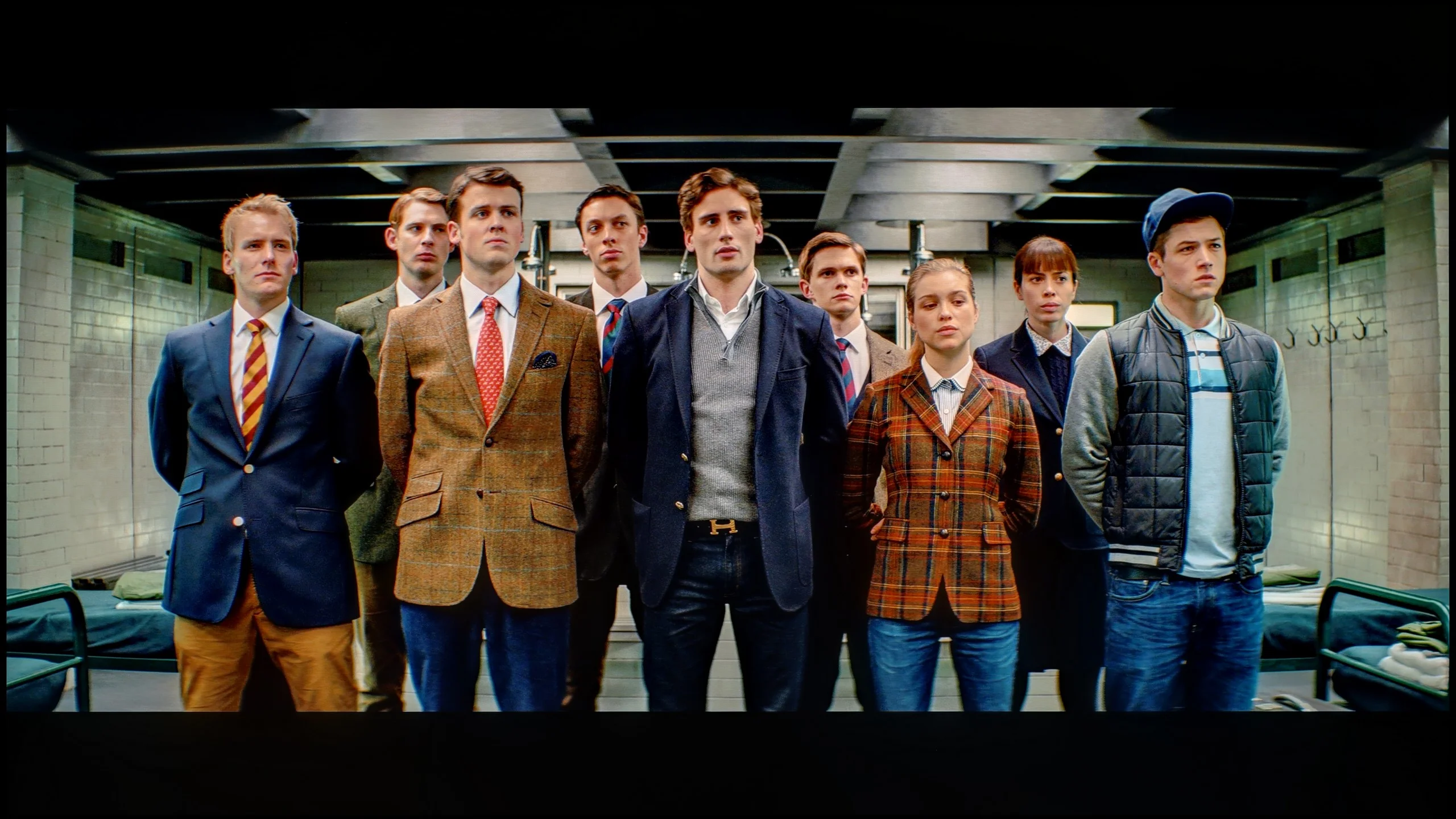
The photos show how movies look on the TV. Pay attention to black detail visibility, colors, and shadow tint.
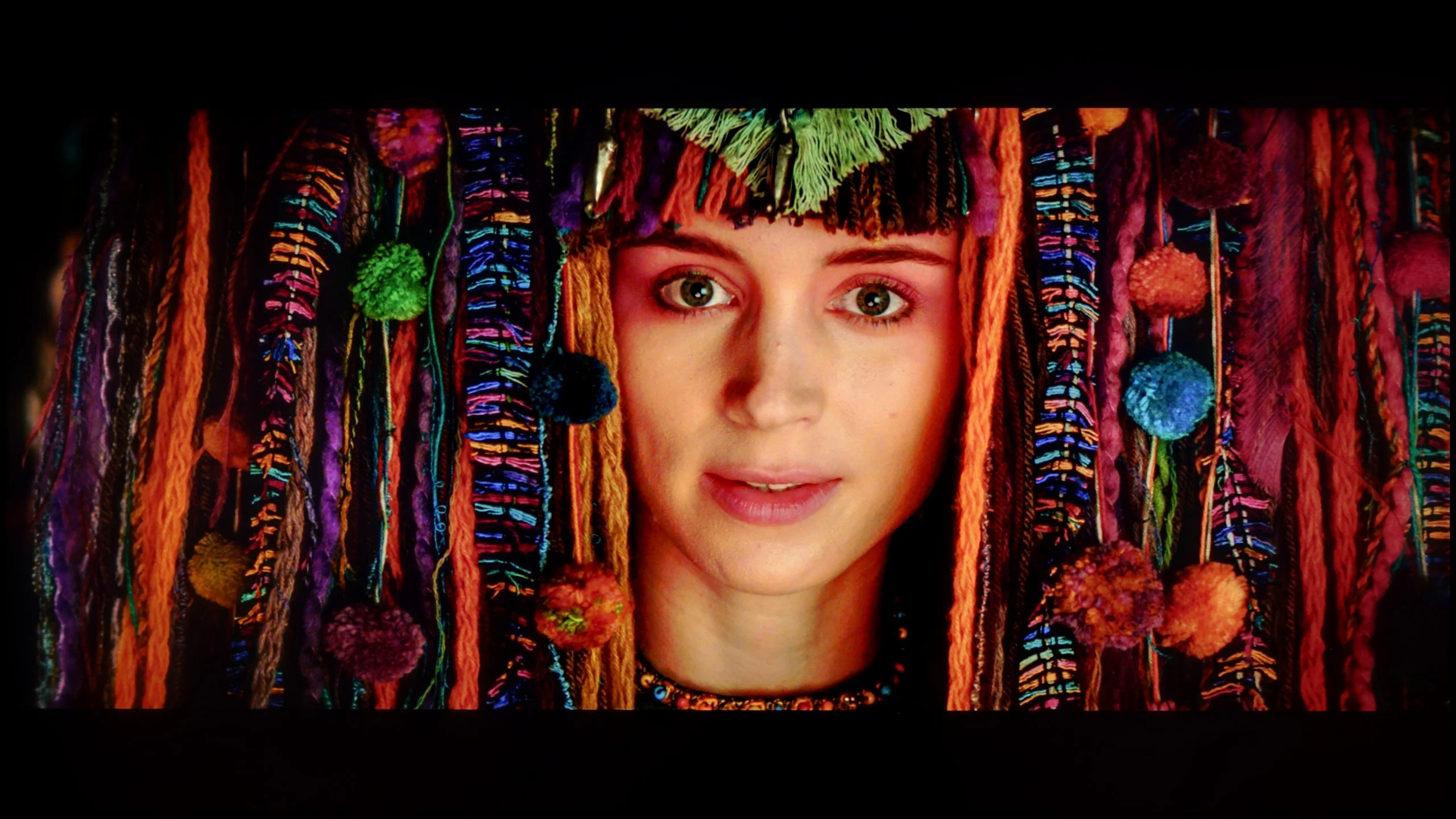

The photos show how movies look on the TV. Pay attention to black detail visibility, colors, and shadow tint.
After calibration, the TCL C7K showcased itself in a really good light, especially when it comes to SDR content. We managed to precisely tune the white balance, colour gamut, and brightness characteristics to the point that colour errors on the ColorChecker palette dropped below a value of 2. For the uninitiated – this is nearly a perfect result, which means that the image is very close to what the creators intended. Unfortunately, the situation was worse with 4K HDR content. Although we managed to gently stabilize the white balance and correct its previous errors, it was still evident that the television has certain "MiniLED traits," especially in brightness management. When we checked how the C7K handled the EOTF curve on actual film scenes, rather than just on synthetic test patterns, it turned out that the screen still tends to slightly brighten the entire image. This impacts the overall experience – blacks lose some depth, and the image becomes less contrasty than it should be. Despite these minor shortcomings in HDR content, the overall reception of materials – especially in SDR – is truly very good. After calibration, the C7K can display an image that can compete successfully with much more expensive models. Good colour tuning, natural skin tones, and pleasant brightness make movie sessions and everyday viewing of content more than satisfactory.
BRAVIA 6 responds well to picture calibration, although a large part of the user options is not available from the TV’s menu. In practice, apart from basic white balance and gamma adjustments in SDR it’s hard to get a grip on the other aspects of the image. Fortunately, those tweaks alone allow for significant improvement. In SDR it was possible to almost perfectly even out the white balance, removing the excessive warm tint and stopping faces from looking too ruddy. After correcting the gamma, darker details are also more visible. With regular broadcast TV or YouTube content the result is therefore noticeably better than the factory settings.
In HDR we also managed to reduce the tint, but a bigger problem here is the way the TV controls brightness. The BRAVIA 6 rather unusually varies it depending on the scene: it darkens some tones and brightens others, and the available settings do not allow this to be fully corrected. This is clear in measurements taken from film material, where the brightness trace shows how the EOTF curve differs between shots. The result is the previously mentioned lift of the deepest greys, which makes some night scenes look too bright. Calibration therefore makes sense and, especially in SDR, lets you achieve a natural, well-calibrated picture. Colour improvements are also visible in HDR, but they do not resolve the issues with brightness and the preservation of the brightest details. It’s a shame, because with greater control over what the TV does the panel’s capabilities could be put to better use.
Smoothness of tonal transitions
8.6/10
6.7/10
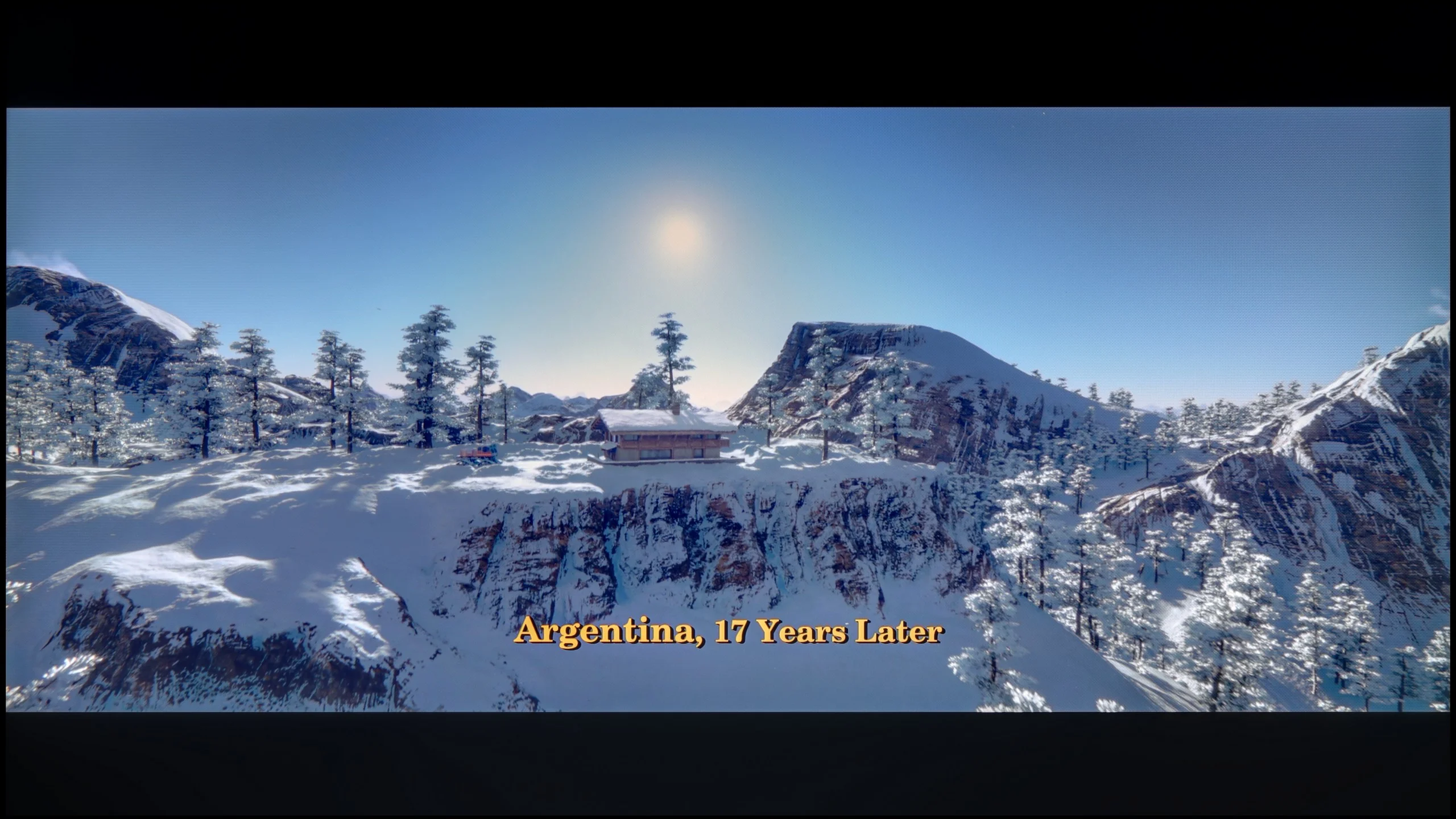
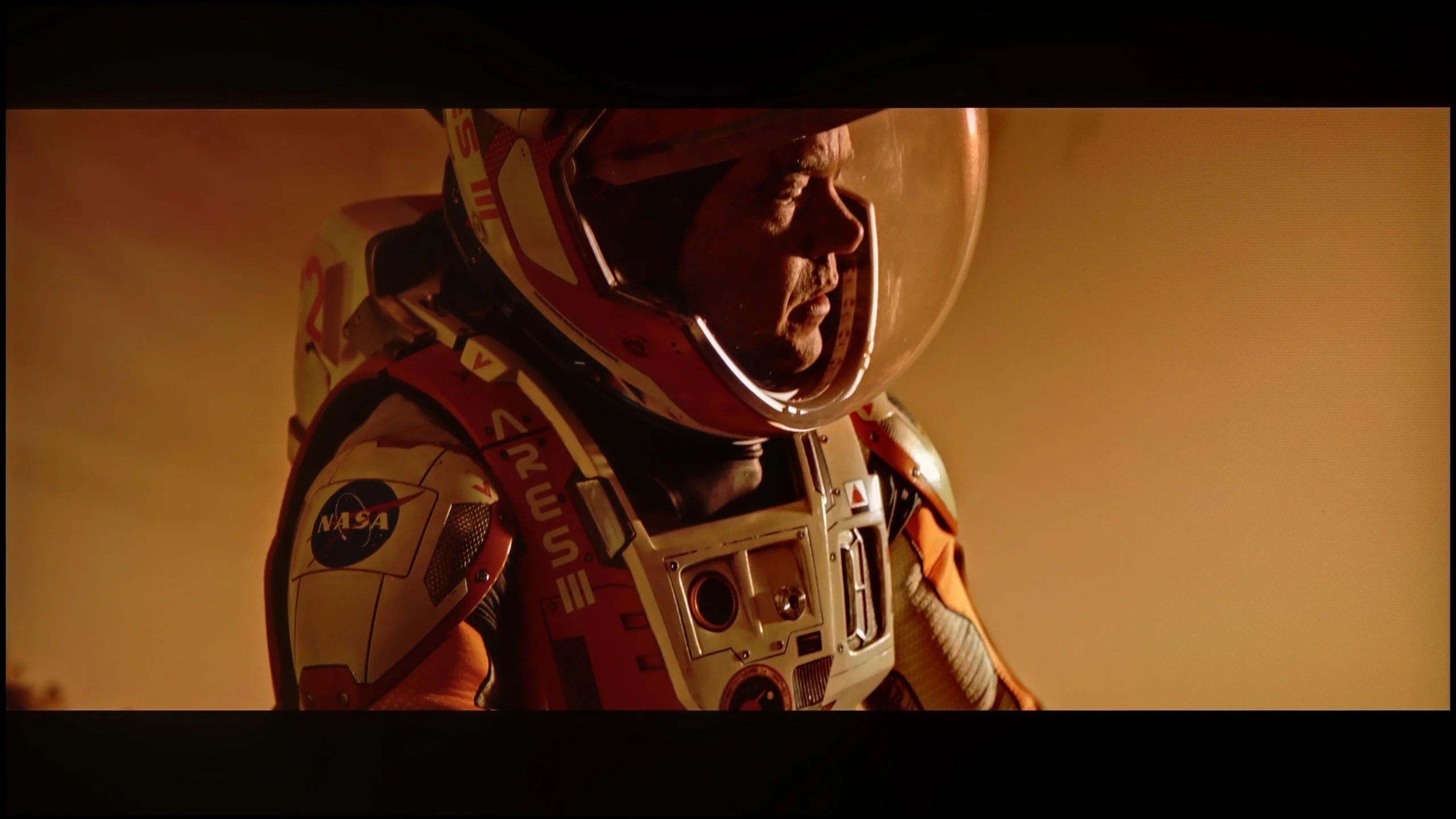
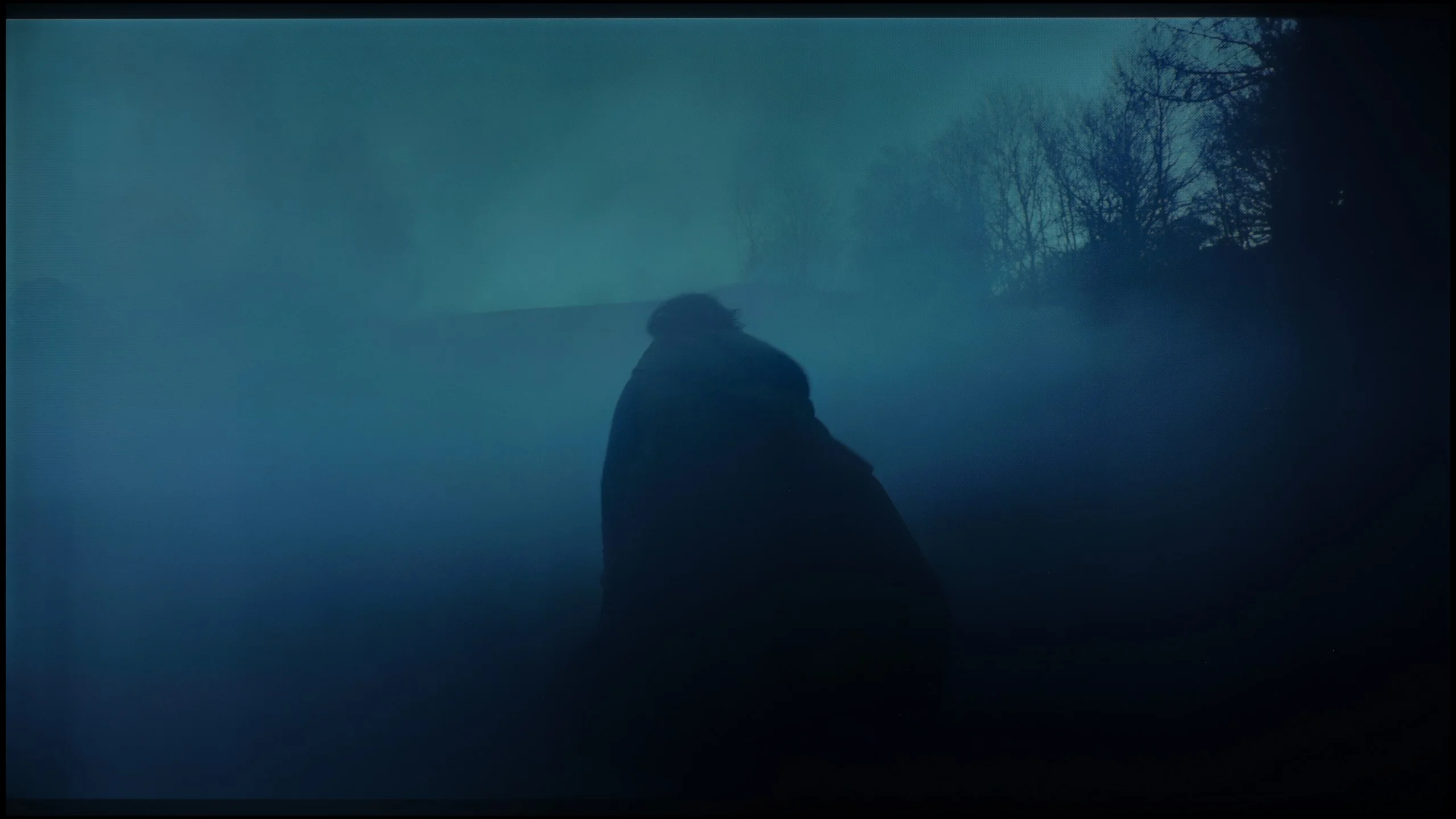
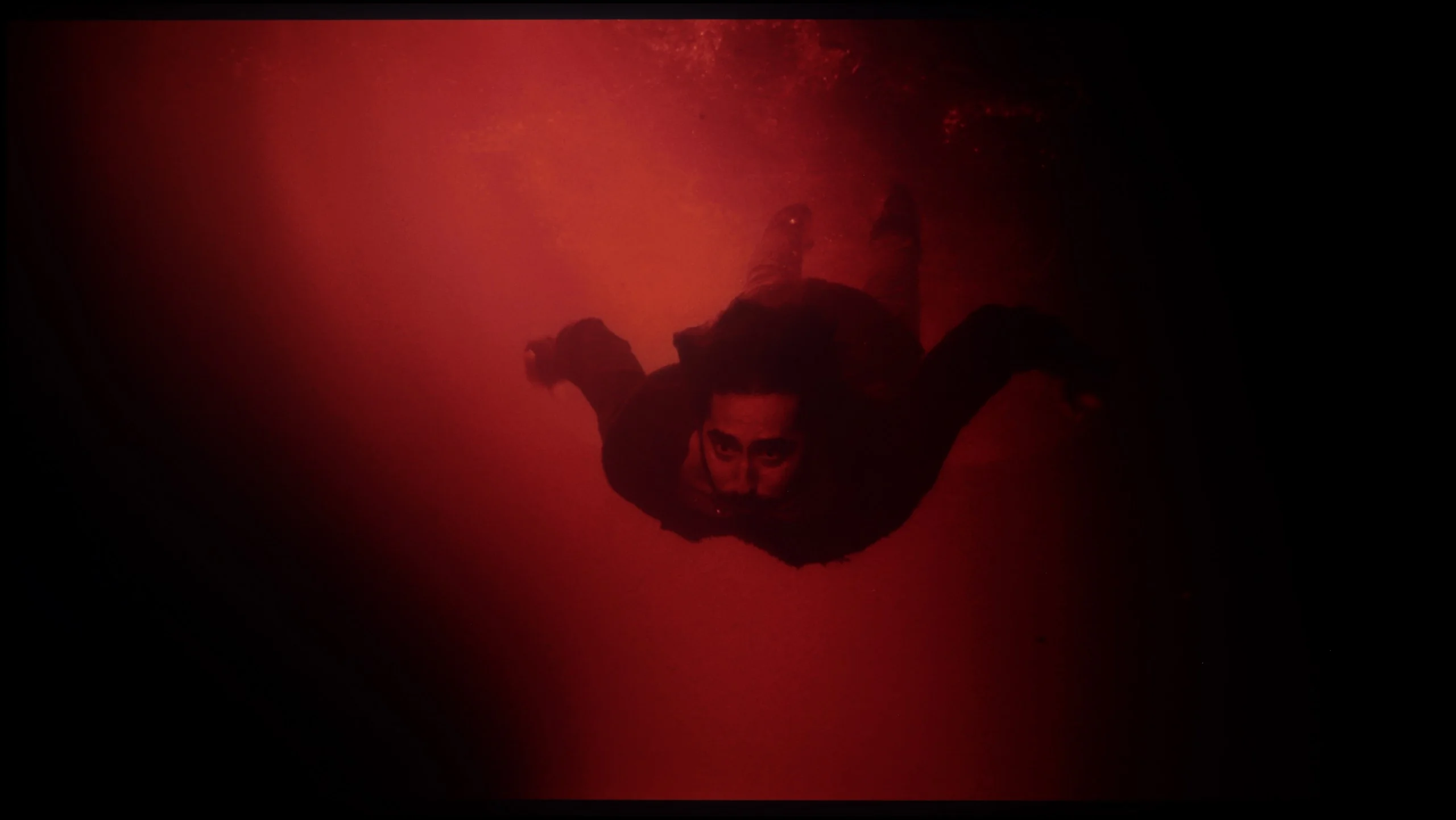
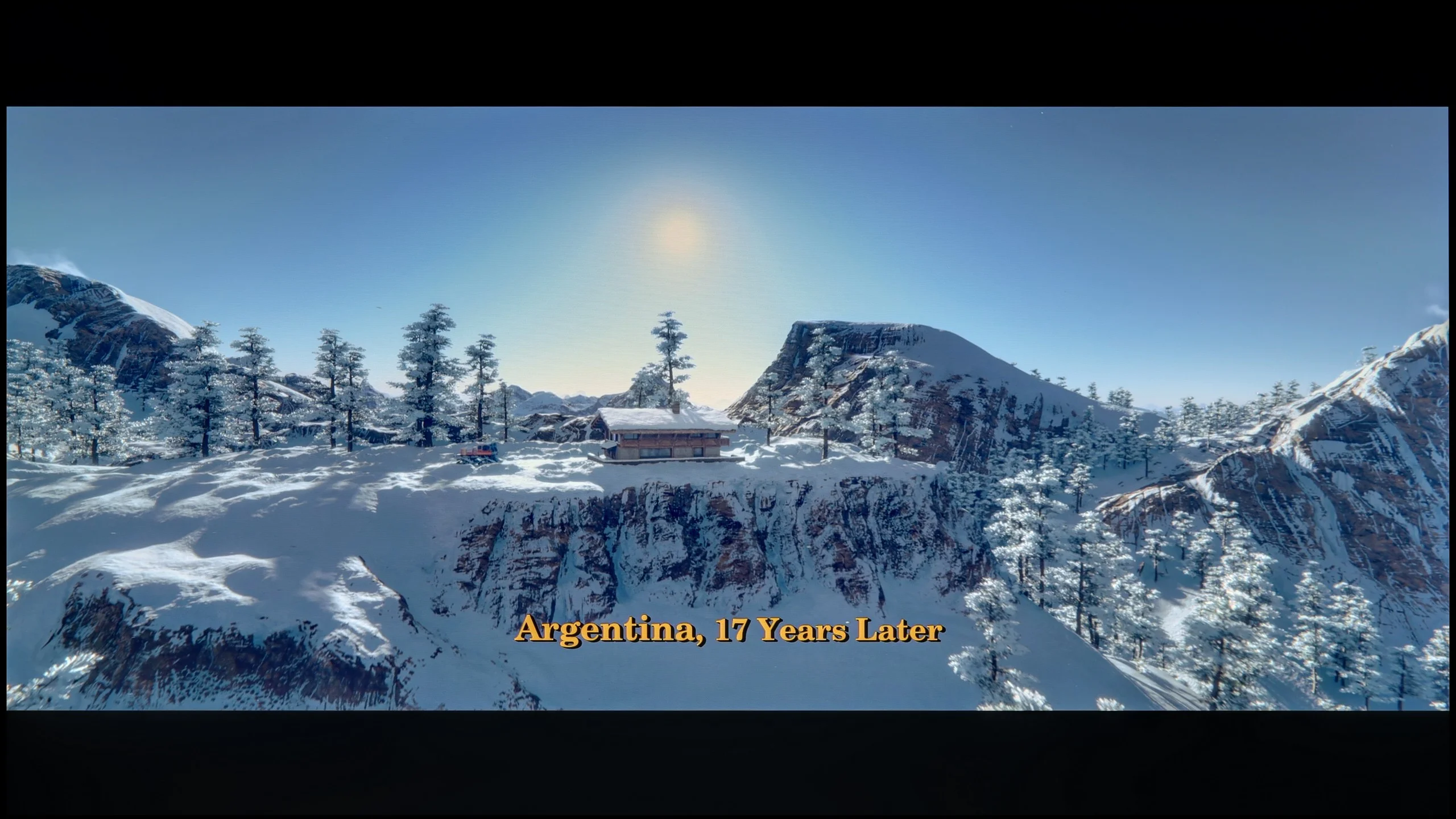
These are selected scenes that show smooth tonal transitions from one color to another. If you see distinct banding, it’s the TV panel’s fault.
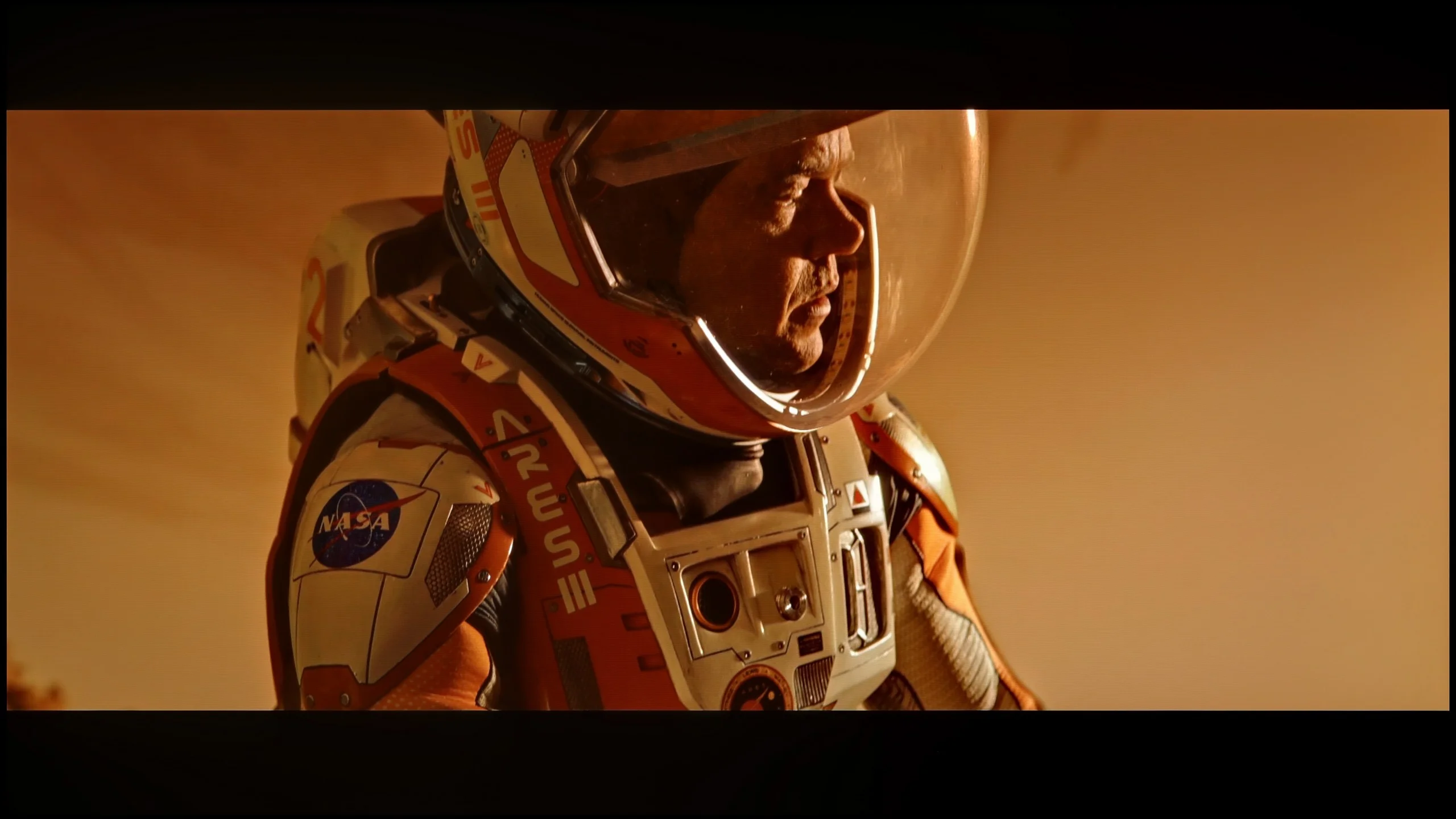
These are selected scenes that show smooth tonal transitions from one color to another. If you see distinct banding, it’s the TV panel’s fault.
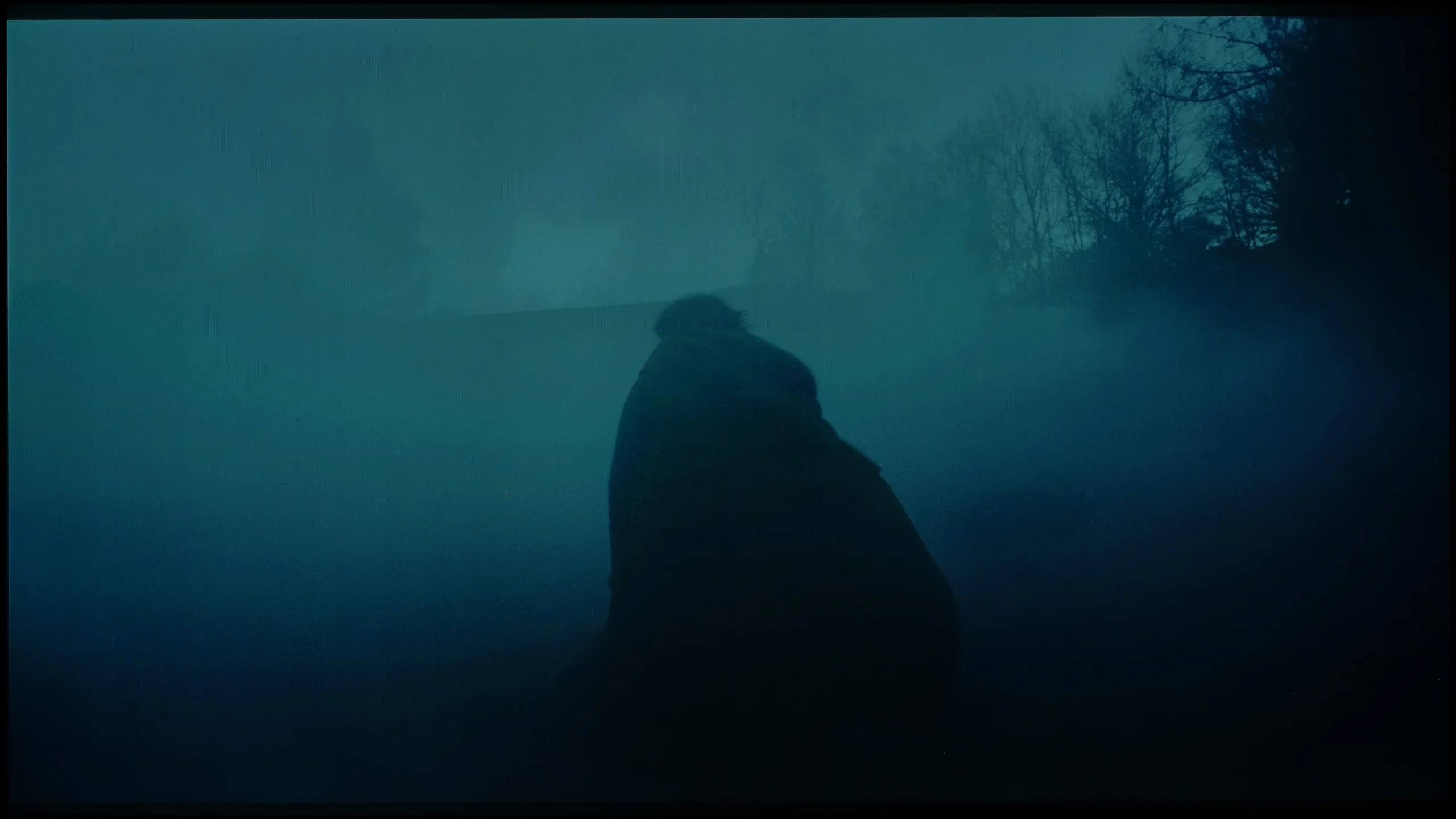
These are selected scenes that show smooth tonal transitions from one color to another. If you see distinct banding, it’s the TV panel’s fault.
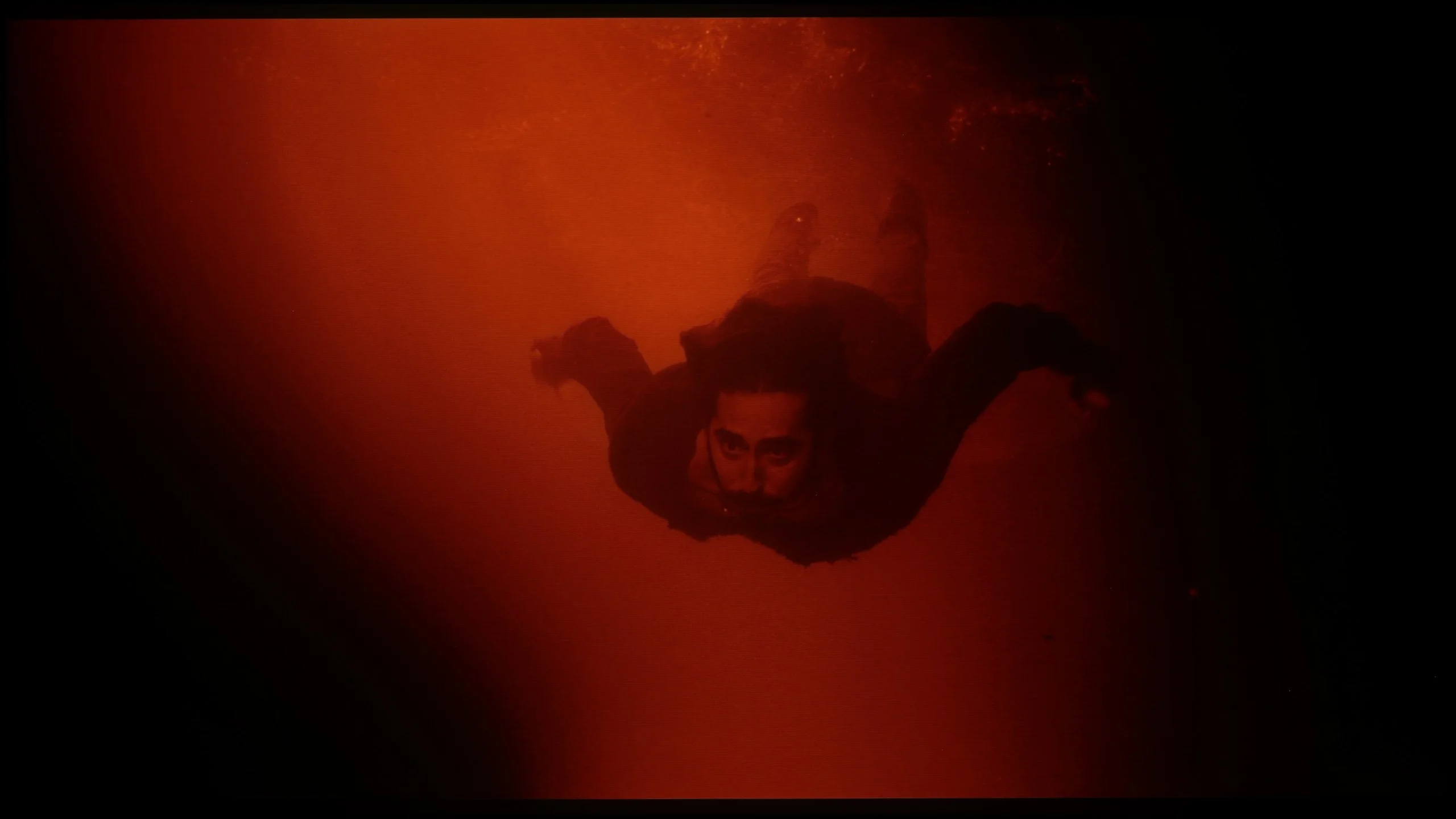
These are selected scenes that show smooth tonal transitions from one color to another. If you see distinct banding, it’s the TV panel’s fault.
The TCL C7K handles colour gradation very well – in most of the tested scenes, tonal transitions were smooth, and colours blended together without visible outlines or the artificial "blot" effect. In everyday use, it's hard to find anything to criticise – the picture looks natural, without annoying transitions or digital artifacts. Certain limitations only arise in very dark tones – particularly in a heavily muted grey palette, where the television may struggle to reproduce the ideal gradation. But this is absolutely understandable, as even many significantly more expensive models in this regard simply falter. Fortunately, these situations are rare and do not significantly impact the overall impression.
The smoothness of tonal transitions in the BRAVIA 6 is rather average. In every scene we checked you can notice small irregularities where one shade should gently blend into another. In bright shots they are subtle and easy to miss, while darker tones cause more issues. On a shadowed background the boundaries between them are more visible, so instead of a smooth transition you see distinct bands. We observed similar imperfections in other televisions we tested with an OLED SE panel. Interestingly, banding becomes slightly worse in Dolby Vision. These are not problems that spoil an entire viewing, but on uniform backgrounds and in darker scenes they can draw more attention to themselves.
Image scaling and smoothness of tonal transitions
5.5/10
6/10

Smooth transition function
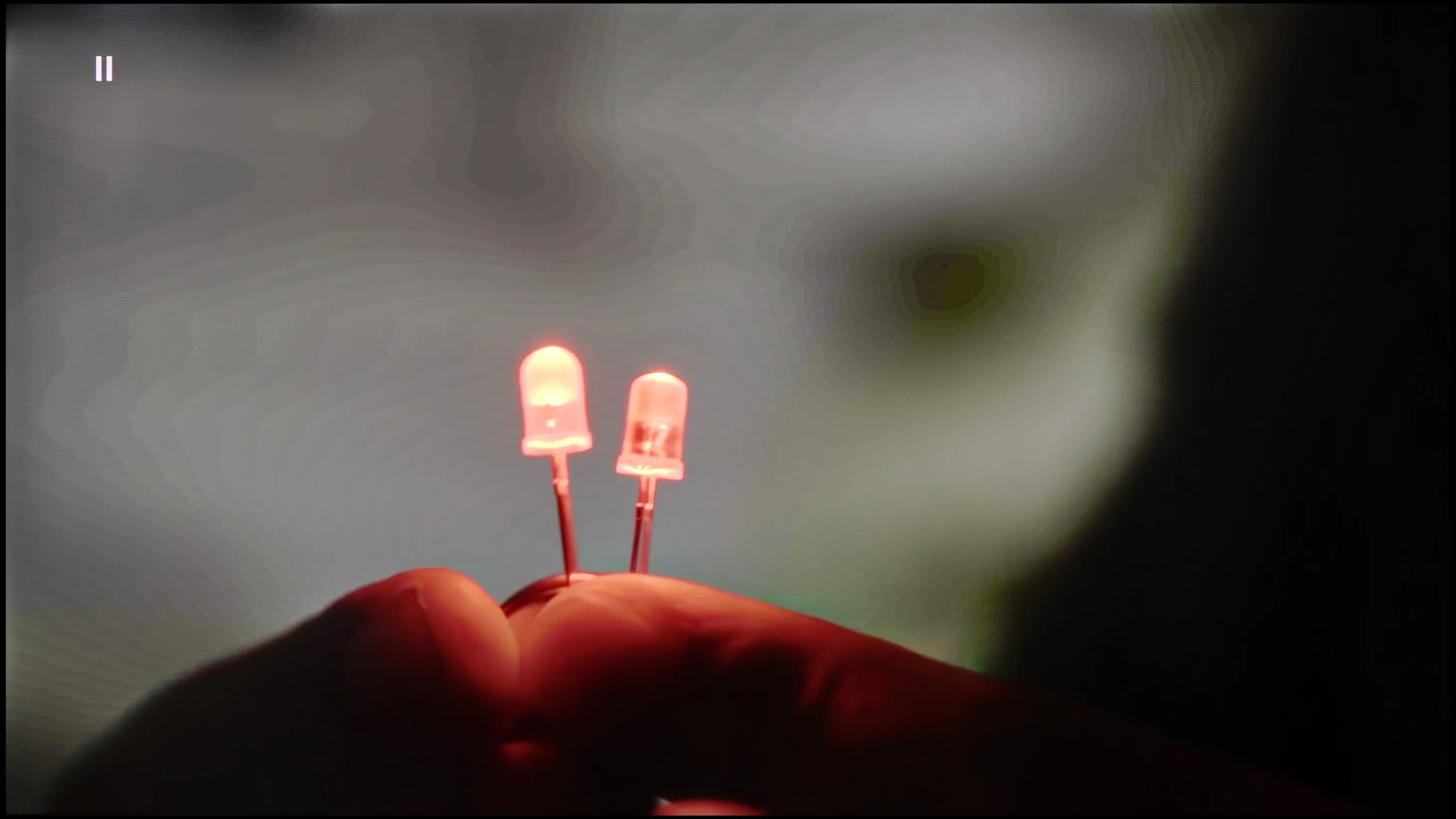
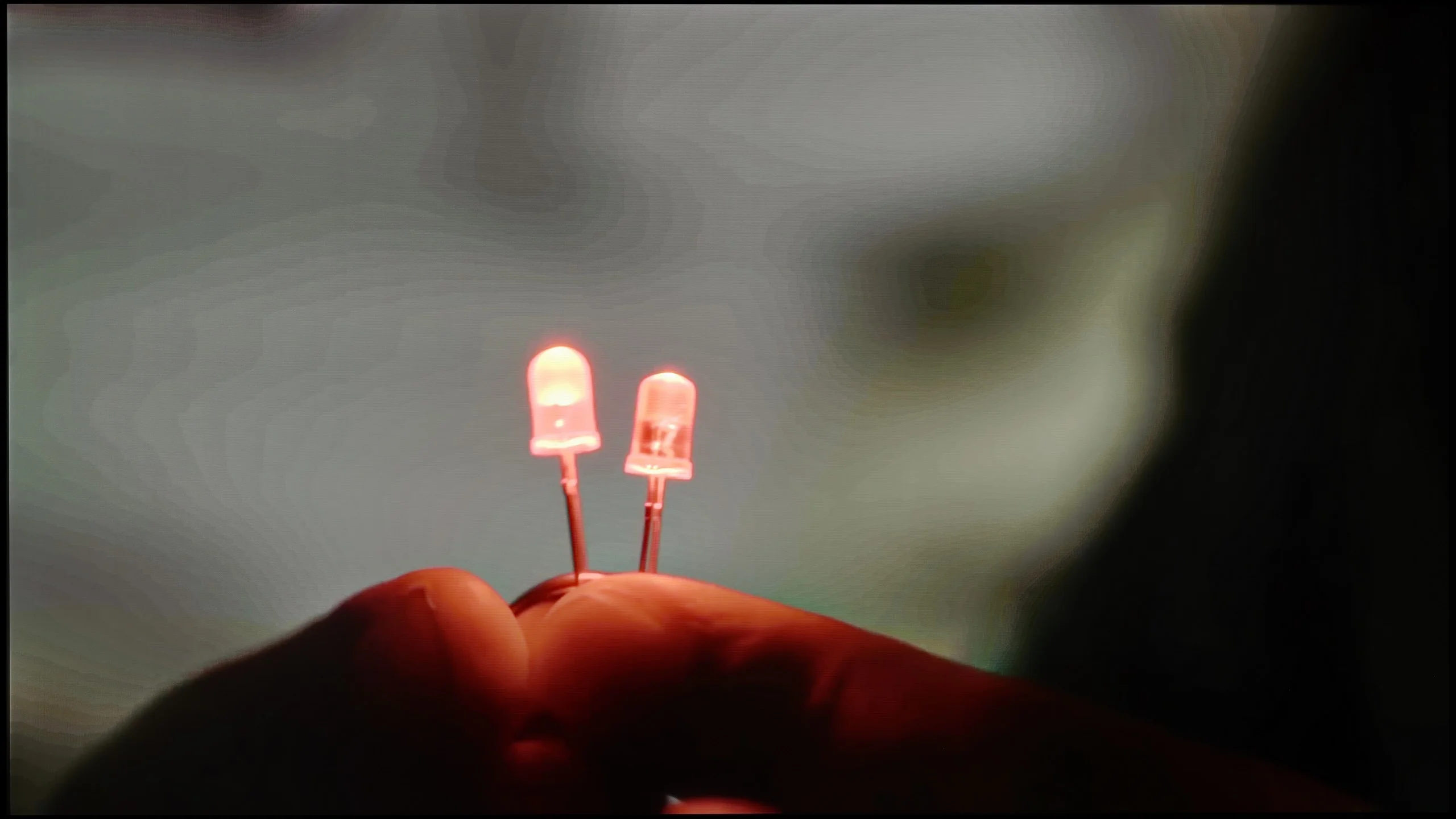
The match photo shows how the TV smooths weak tonal transitions in low-quality video.
Image scaling SD (576i)


The model photo shows how it handles upscaling of SD material.
TCL C7K is equipped with a feature that, according to the manufacturer, is meant to smooth out unwanted colour transitions – a sort of rescue for less successful tonal shifts. It is called "Gradual Smoothing" and… well, it sounds ambitious, but in practice it works very poorly. Regardless of whether we set it to a low or high level, the difference is minimal. Worst of all, the feature can cut out elements from the picture that should be there. Fortunately, film grain remains untouched, so at least it doesn’t smooth everything indiscriminately, but still – it’s better to simply turn this option off.
When it comes to scaling lower resolution content, it is somewhat better. SD and HD materials look quite decent, although at times we had the impression that the image loses sharpness and becomes too soft – as if something took away its definition. Fortunately, with very low sources (e.g. 576p), there was no overscan effect, meaning the picture was not artificially cropped – everything fit on the screen as it should.
The "magic" of image processing in Sony TVs has been talked about for years, and we've repeatedly confirmed its effectiveness in higher-end models. However, the BRAVIA 6 shows that the Japanese manufacturer's logo alone does not guarantee equally good results. Despite using the MediaTek Pentonic 800 processor, the TV does not handle smoothing of banding between tones in heavily compressed material particularly well. The available "De Contour" function set to medium helps a bit, but some uneven transitions remain visible. A positive is that we did not notice any significant blurring of details or additional artefacts. So it's worth using for lower-quality recordings, although its effectiveness is far from what we've come to expect from the manufacturer's TVs. Upscaling lower-resolution material performs better. The image is a little soft, but most fine detail remains clearly visible. In the scene with the model you can make out both the texture of the tree and the thin branches in the background, so this milder sharpening does not automatically mean a loss of detail. There is also no issue with overscan: the TV shows the entire frame, without cropping the edges even with an SD signal.
Blur and motion smoothness
8.1/10
8.5/10
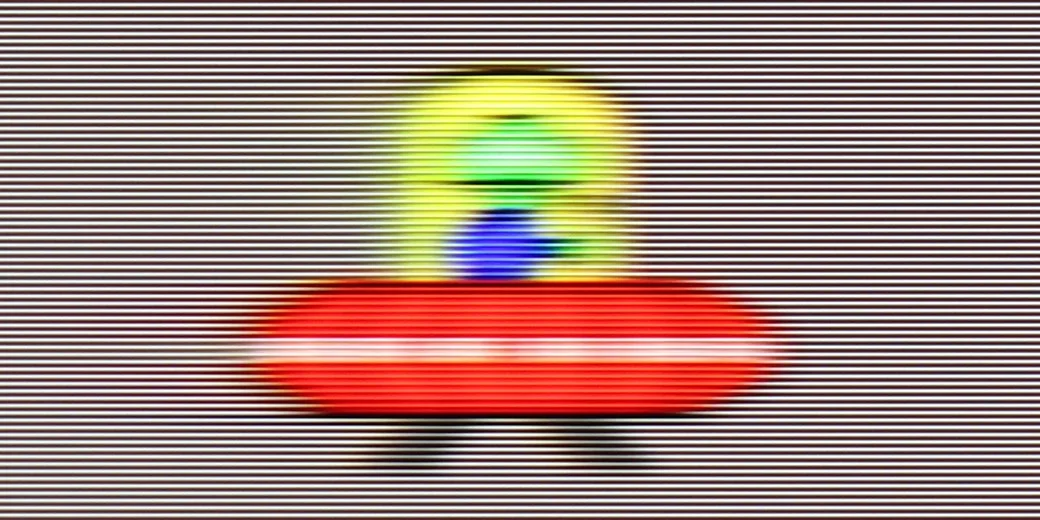
Blur (native resolution, maximum refresh rate):

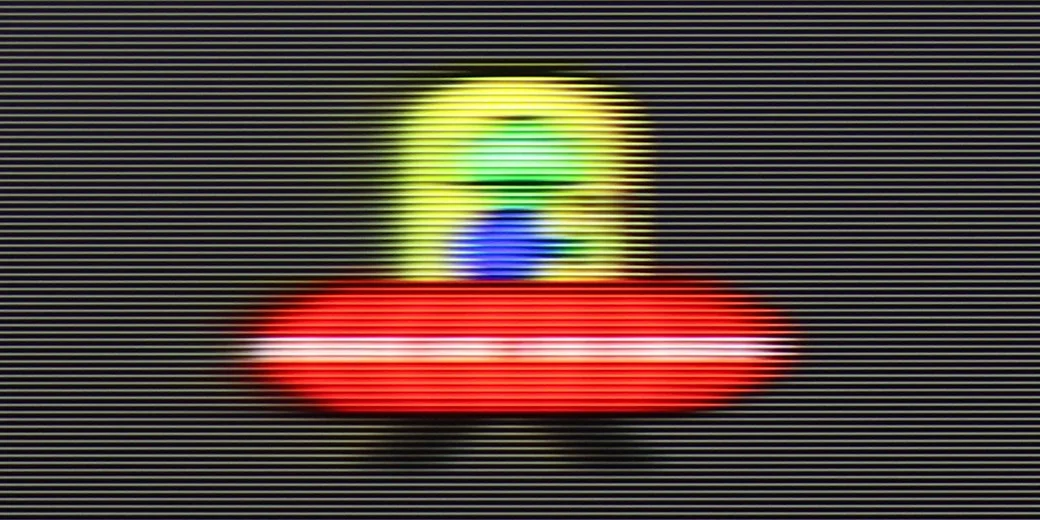



Blur (BFI function enabled):


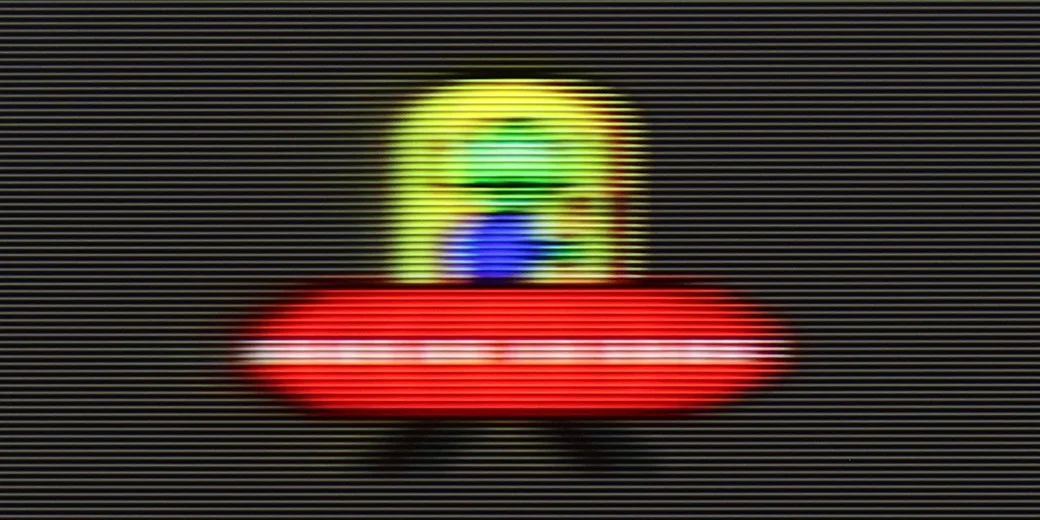
Blur (4K 144Hz):



Blur (4K@60Hz):



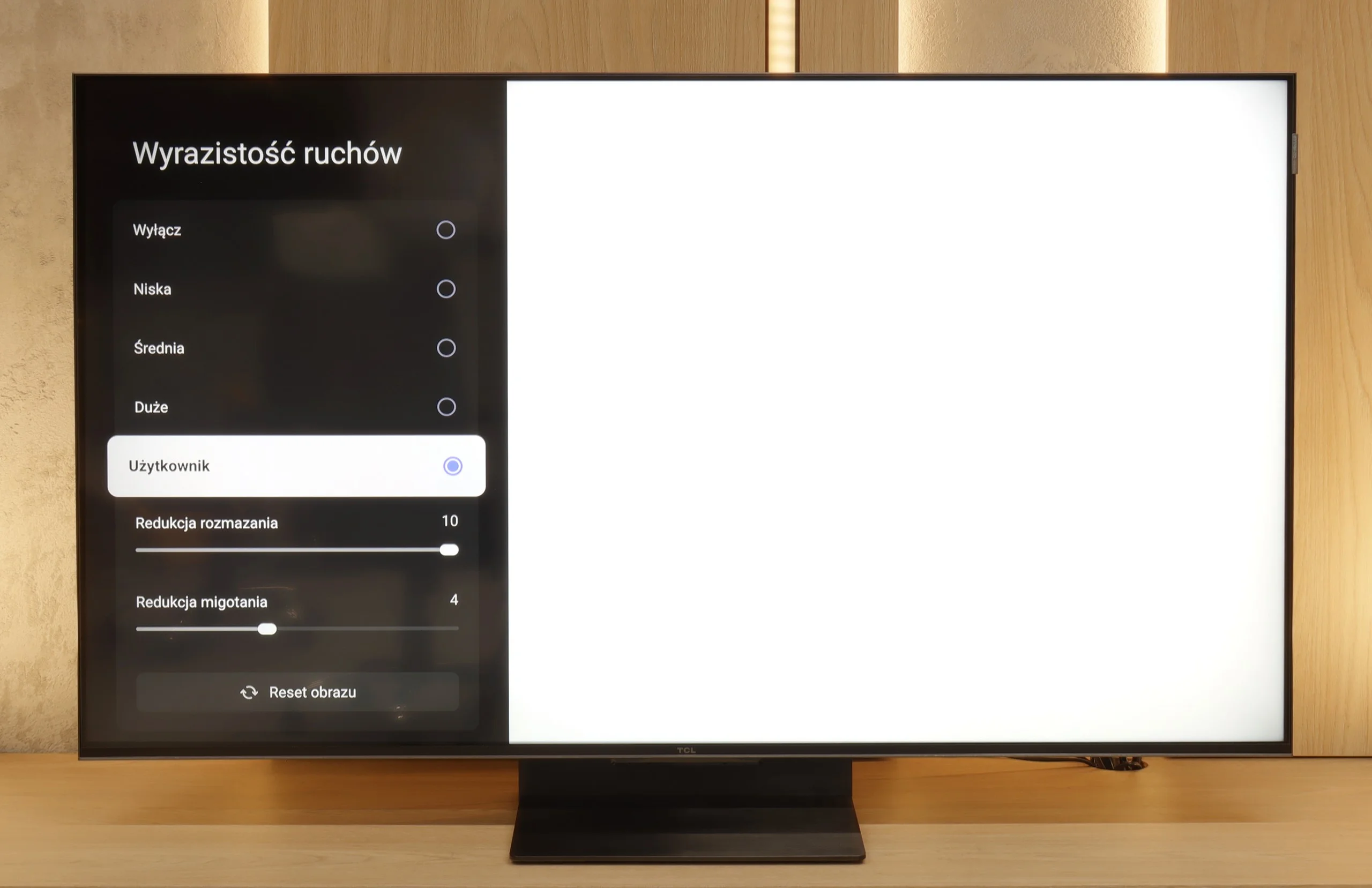
The TCL C7K handles motion fluidity really very well. The matrix used in it offers a refresh rate of 144 Hz, which in itself suggests that this television is more than just a regular "60 Hz" panel. Furthermore – if we connect the C7K to a computer and set the resolution to Full HD. But we'll write more about this in the paragraph about gamers and PC collaboration. Returning to everyday use – both sports and films look very good here. Thanks to the fast panel and well-functioning motion smoothing, the C7K is great for watching matches, but also for movie screenings. In the menu, we find two sliders – motion blur reduction and flicker reduction – which allow us to adjust the fluidity effect to our own preferences. At lower settings, we get a more cinematic effect, with slight stuttering motion. At higher settings – the picture becomes more theatrical, fluid to the point of excess. Everyone has their own preferences – anyone can set it to their liking.
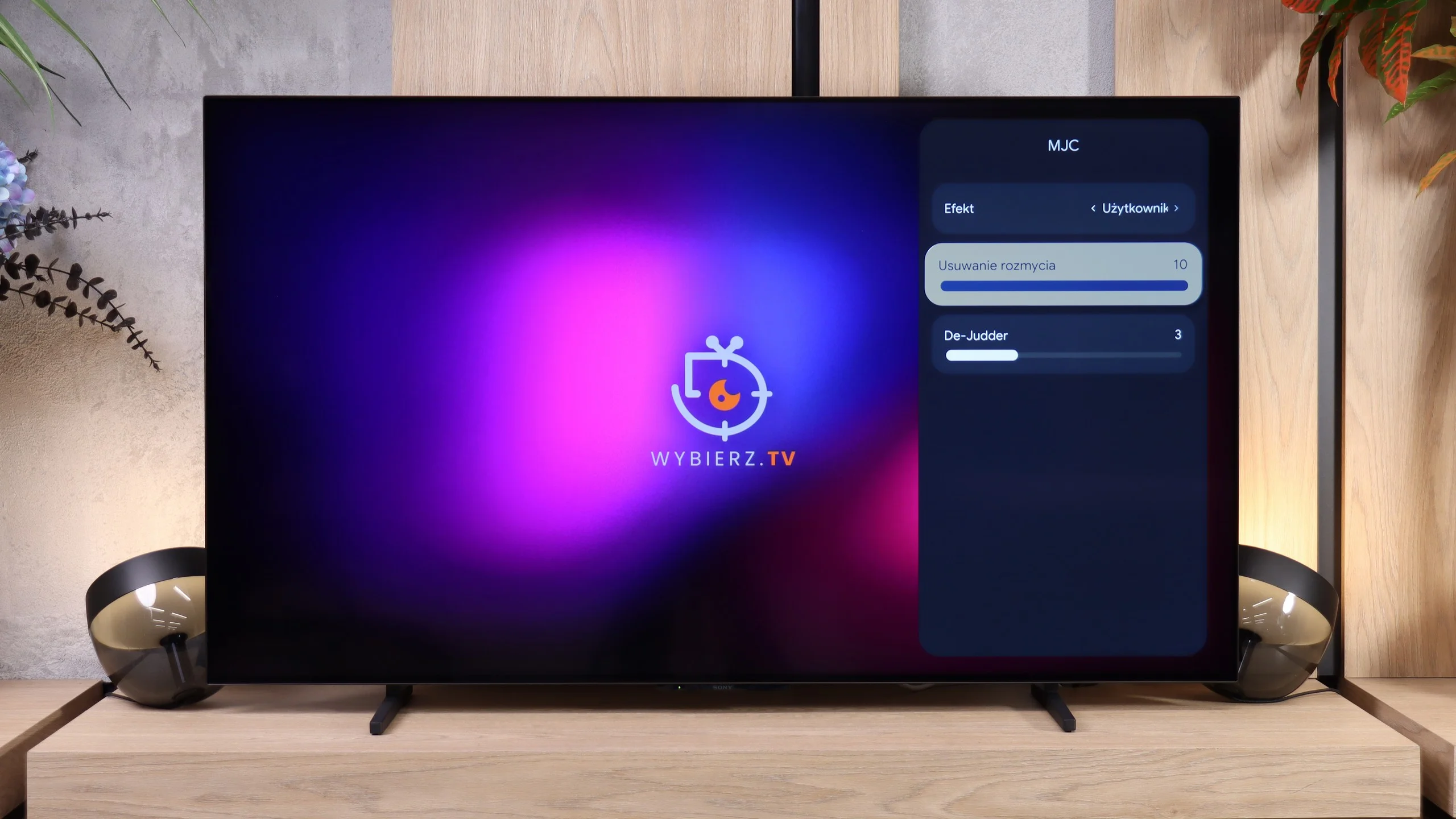
In dynamic scenes the BRAVIA 6 performs very well. The OLED panel responds almost instantly, so there is virtually no trailing behind moving objects, even on dark backgrounds. Combined with a 120 Hz refresh rate, this produces a clear picture when watching sport and gaming. In this respect the TV delivers exactly what we expect from an OLED.
Far less typical for Sony is the motion-smoothing settings menu. Instead of the familiar Motionflow system, there is a feature called "MJC", which in both appearance and naming more closely resembles solutions found in budget TVs from other brands. Two sliders are available: "Blur Reduction", which here is the equivalent of the "Smoothness - Film" setting, and "De-Judder", corresponding to the "Smoothness - Camera" adjustment on other Sony models. The motion smoothing itself works well and allows you to tailor motion to your own preferences, although people switching from another BRAVIA will be surprised by the new menu on the TV.
Console compatibility and gaming features
9.8/10
7.5/10
- ALLM
- VRR
- VRR range48 - 144Hz48 - 120Hz
- Dolby Vision Game Mode
- Correct implementation of HGIG

- 1080p@120Hz
- 1440p@120Hz
- 4K@120Hz
- Game bar
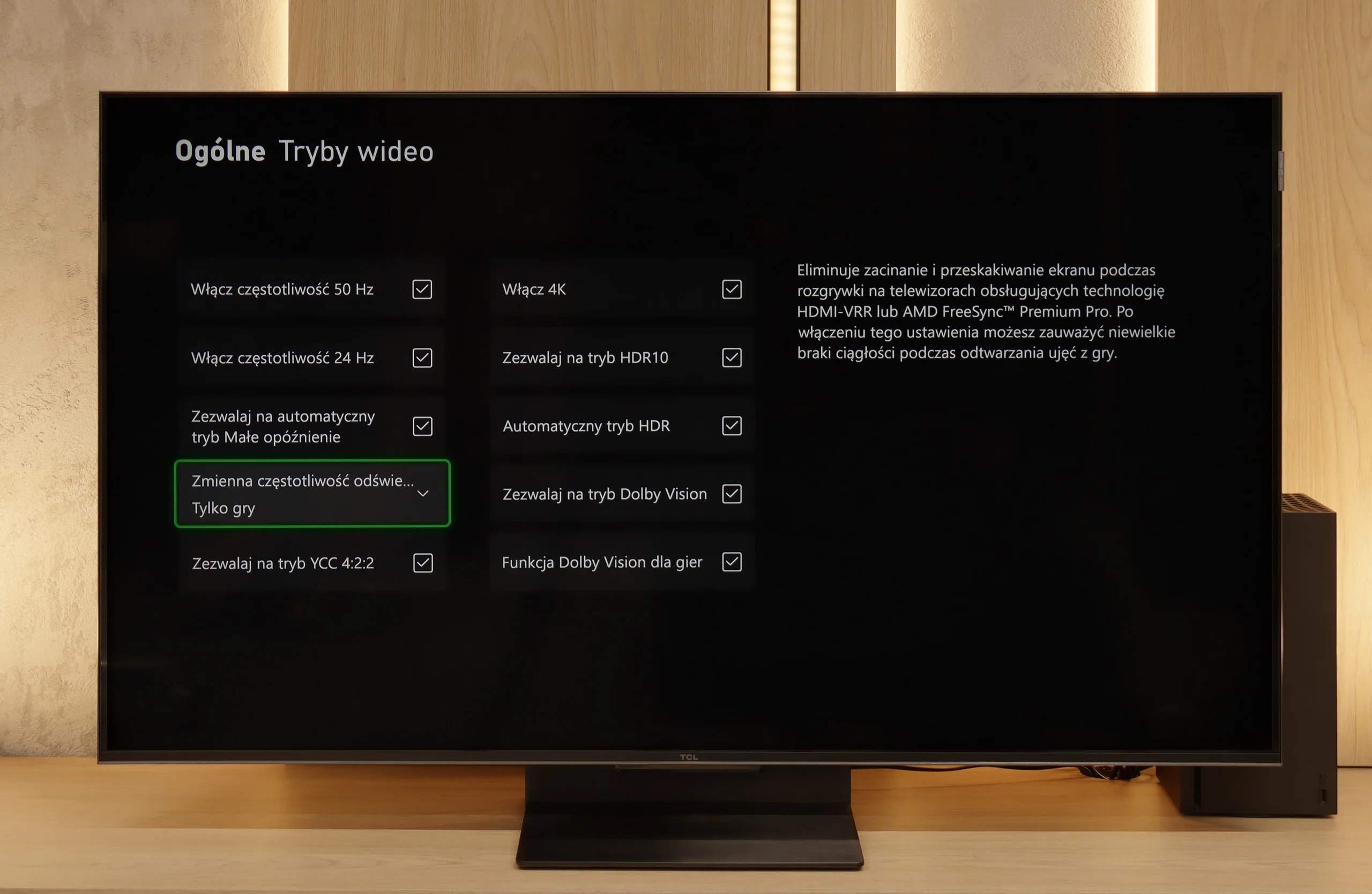
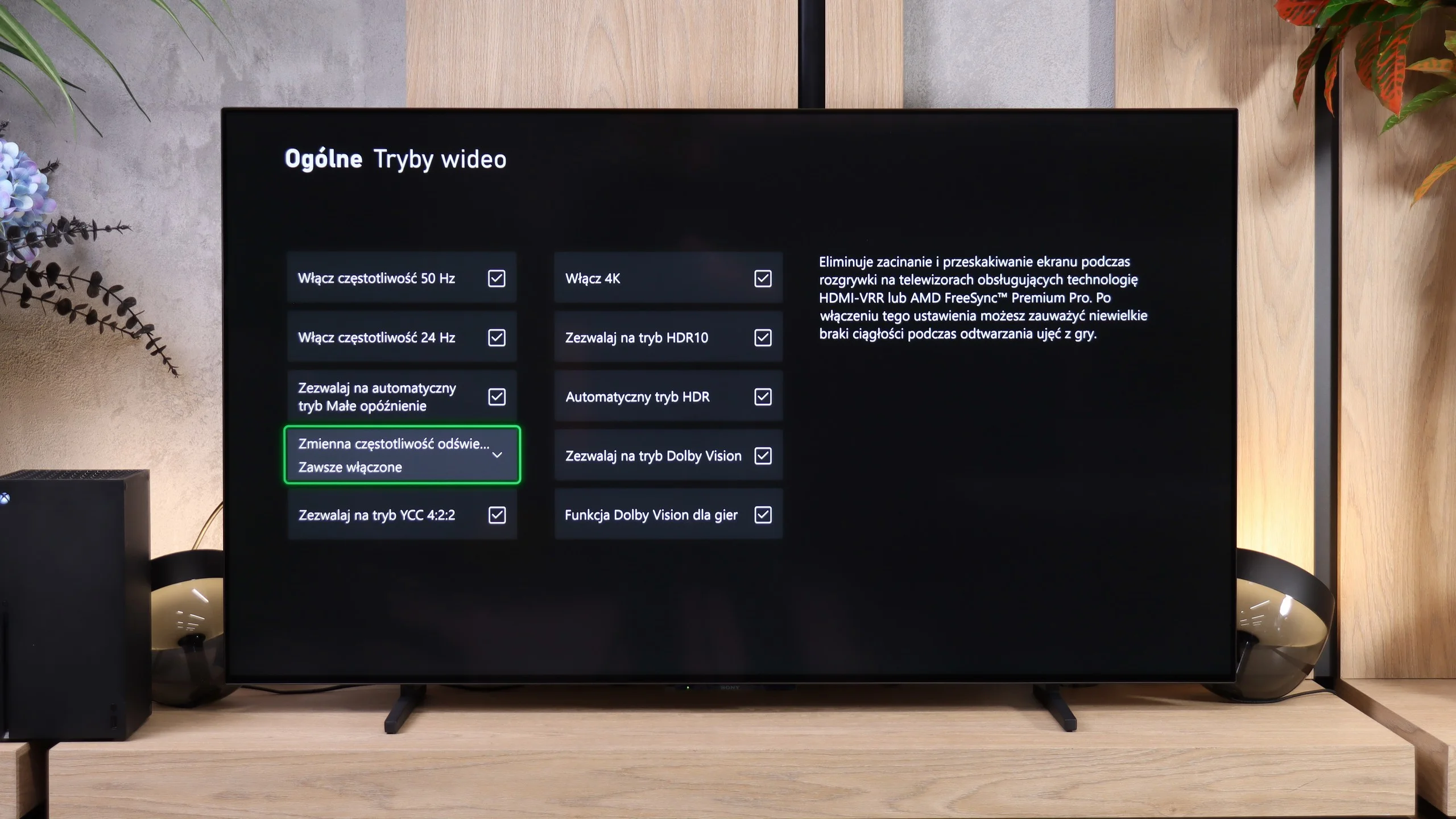
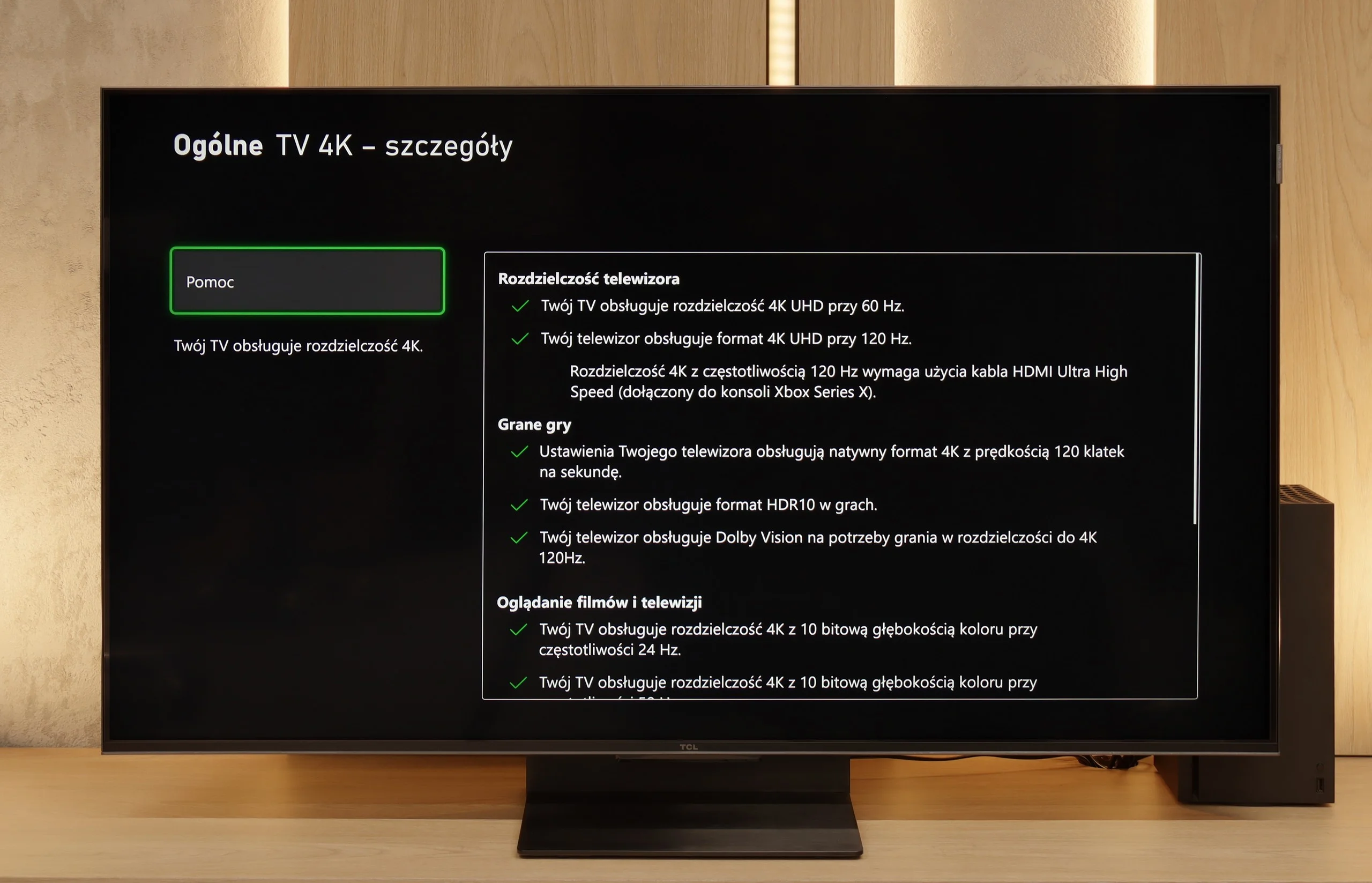
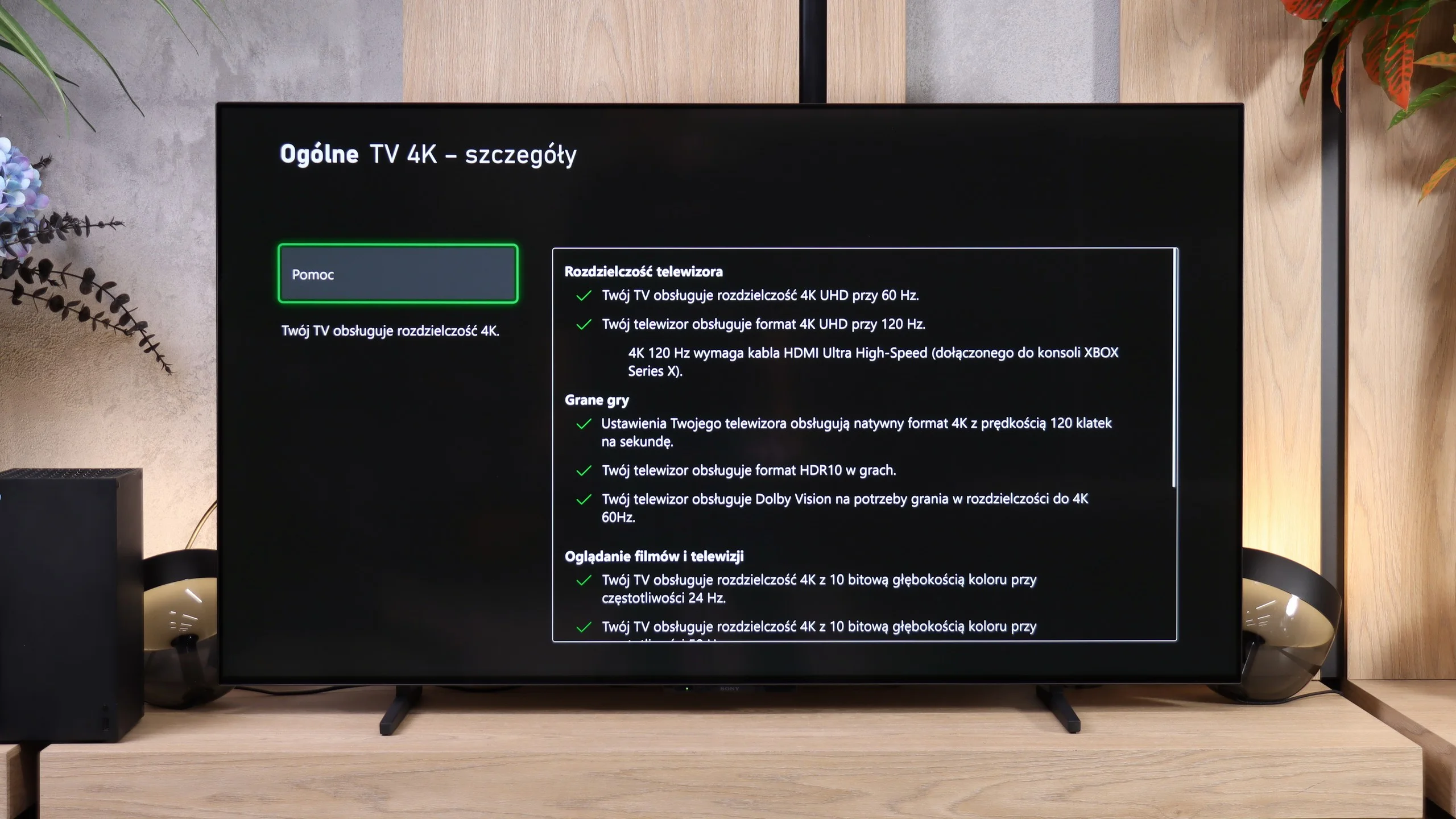
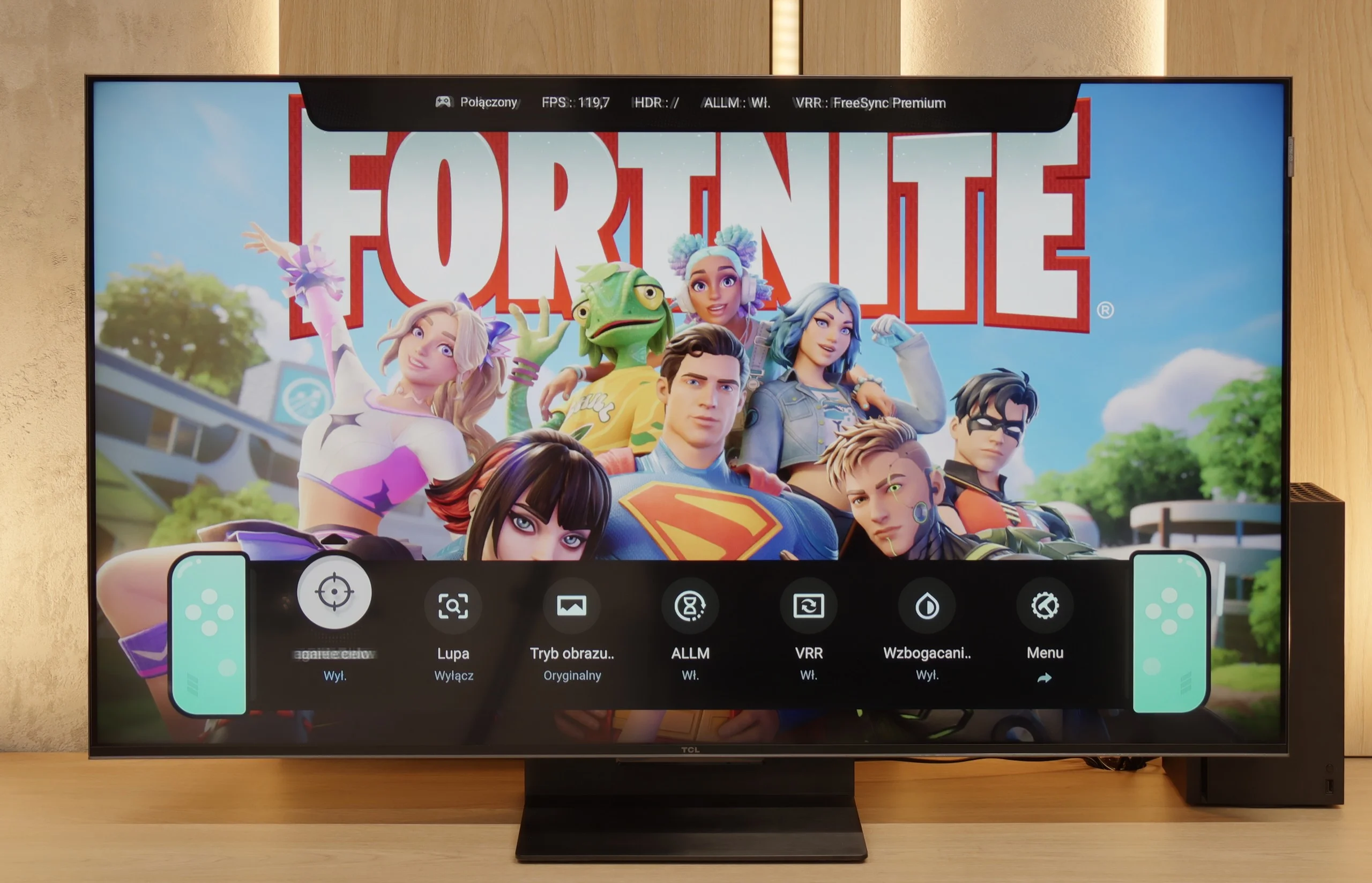
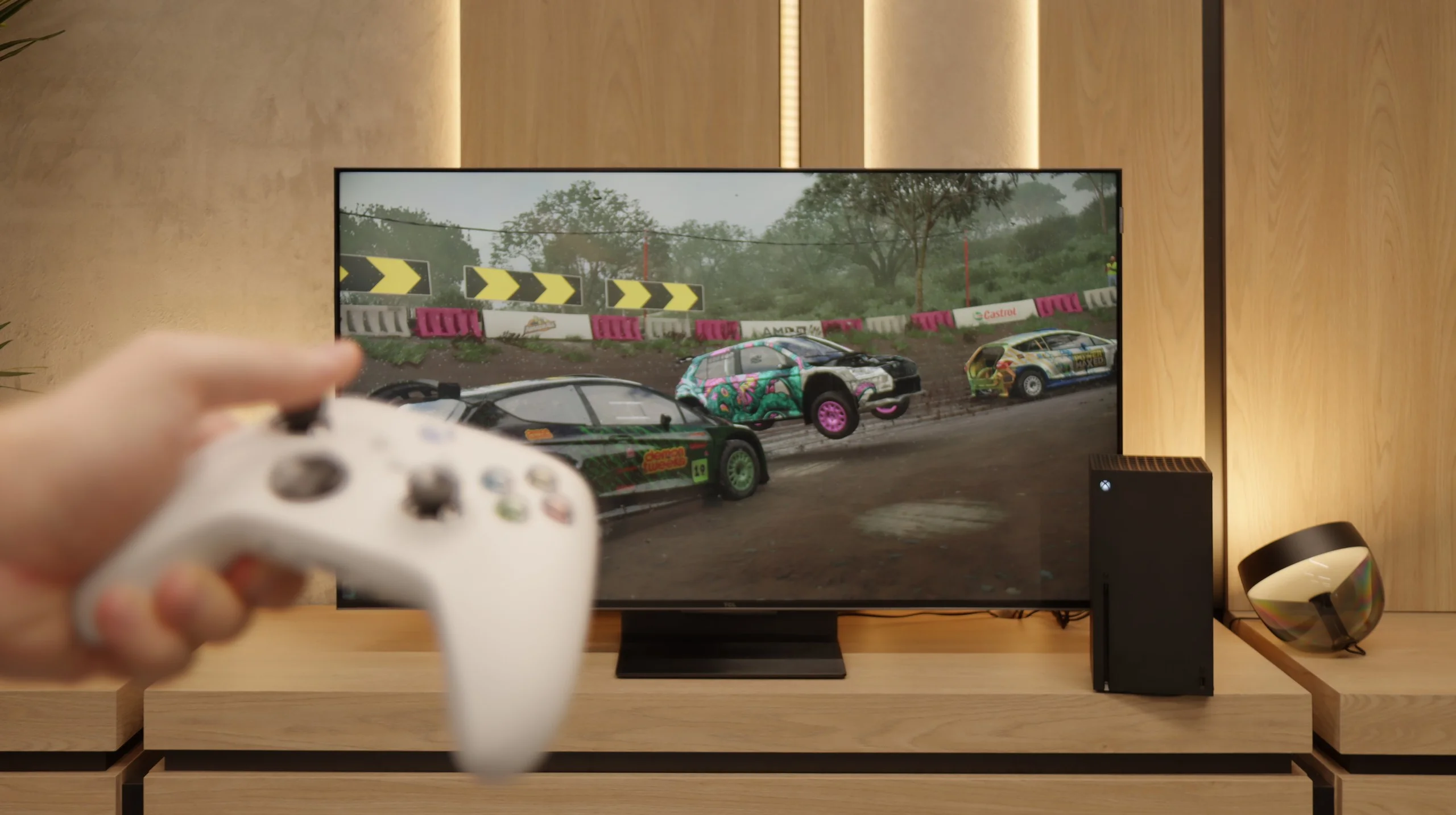
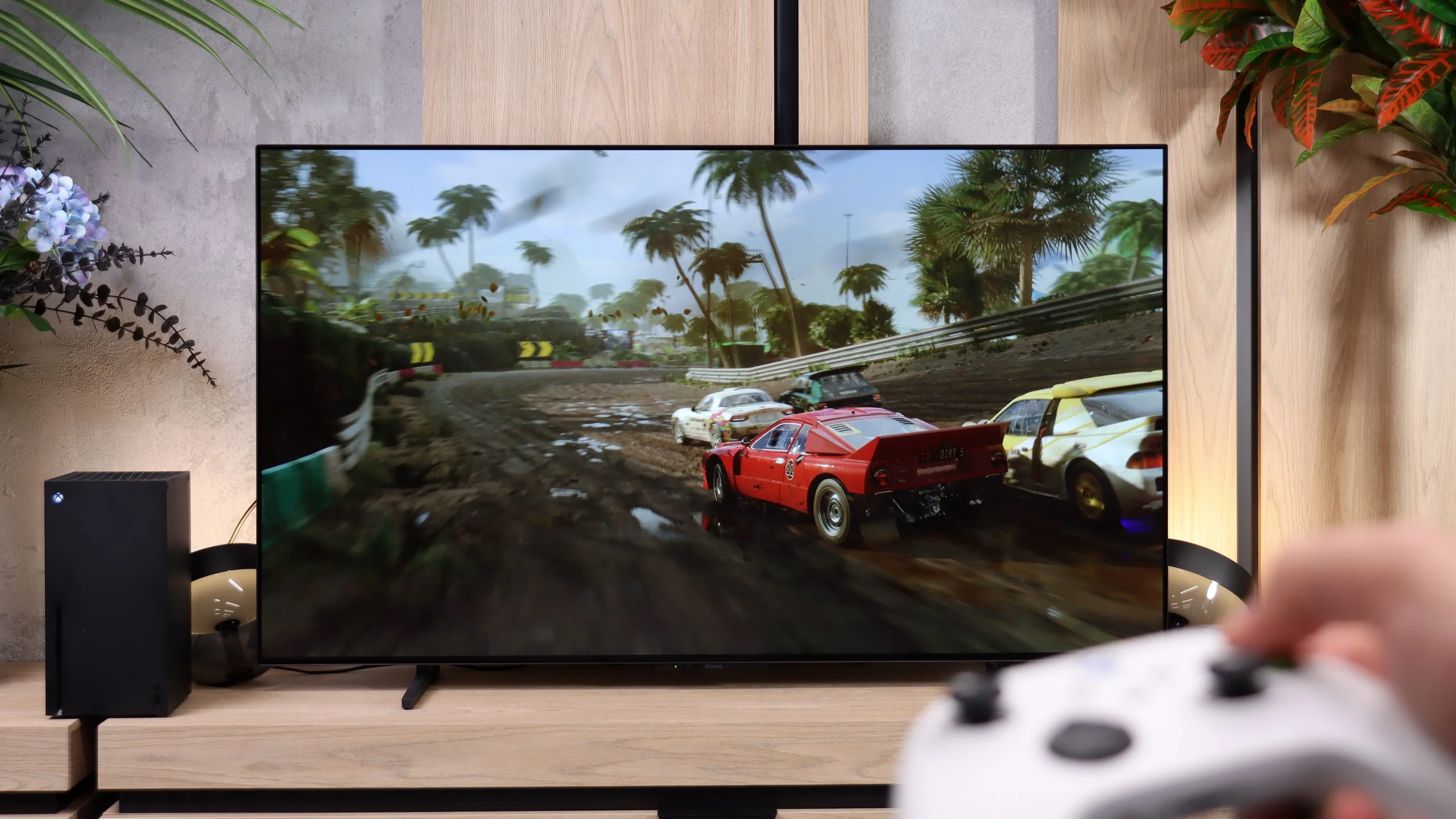
The TCL C7K is a television that on paper appears to be the dream equipment for gamers – and most importantly, it holds up in practice too. To start with good news: there are two full-bandwidth HDMI 2.1 ports, so we can easily connect both a console and a computer, taking advantage of all their capabilities. The panel itself supports a refresh rate of 144 Hz, which gives a significant advantage in dynamic games. There is also a complete set of gaming features: VRR (variable refresh rate), ALLM (automatic low-latency mode), and support for Dolby Vision in games. There is also the HGiG mode, which allows for HDR effects consistent with the creators' intentions. GameBar, an information bar for gamers. It works quickly, looks clear (like a Nintendo console👌), and shows what matters most: the current frame rate, VRR status, and even HDR parameters.
The Sony BRAVII 6 is very good for gaming. Good picture quality, fast OLED panel response and support for 4K at 120 Hz mean the TV also performs well with fast-paced titles. Gamers who expect more than just smooth performance will, however, quickly notice a few unusual omissions and shortcomings.
Let’s start with the biggest change compared with other SONY models: the BRAVIA 6 has four full HDMI 2.1 inputs with 48 Gb/s bandwidth, thanks to the new MediaTek Pentonic 800 platform. You can therefore connect several gaming devices and a soundbar without giving up high refresh on any source. Each port supports ALLM, which automatically enables low-latency mode, and VRR in the 48–120 Hz range, which synchronises the screen refresh with the game’s frame rate. Dolby Vision at 120 Hz also works with low input lag.
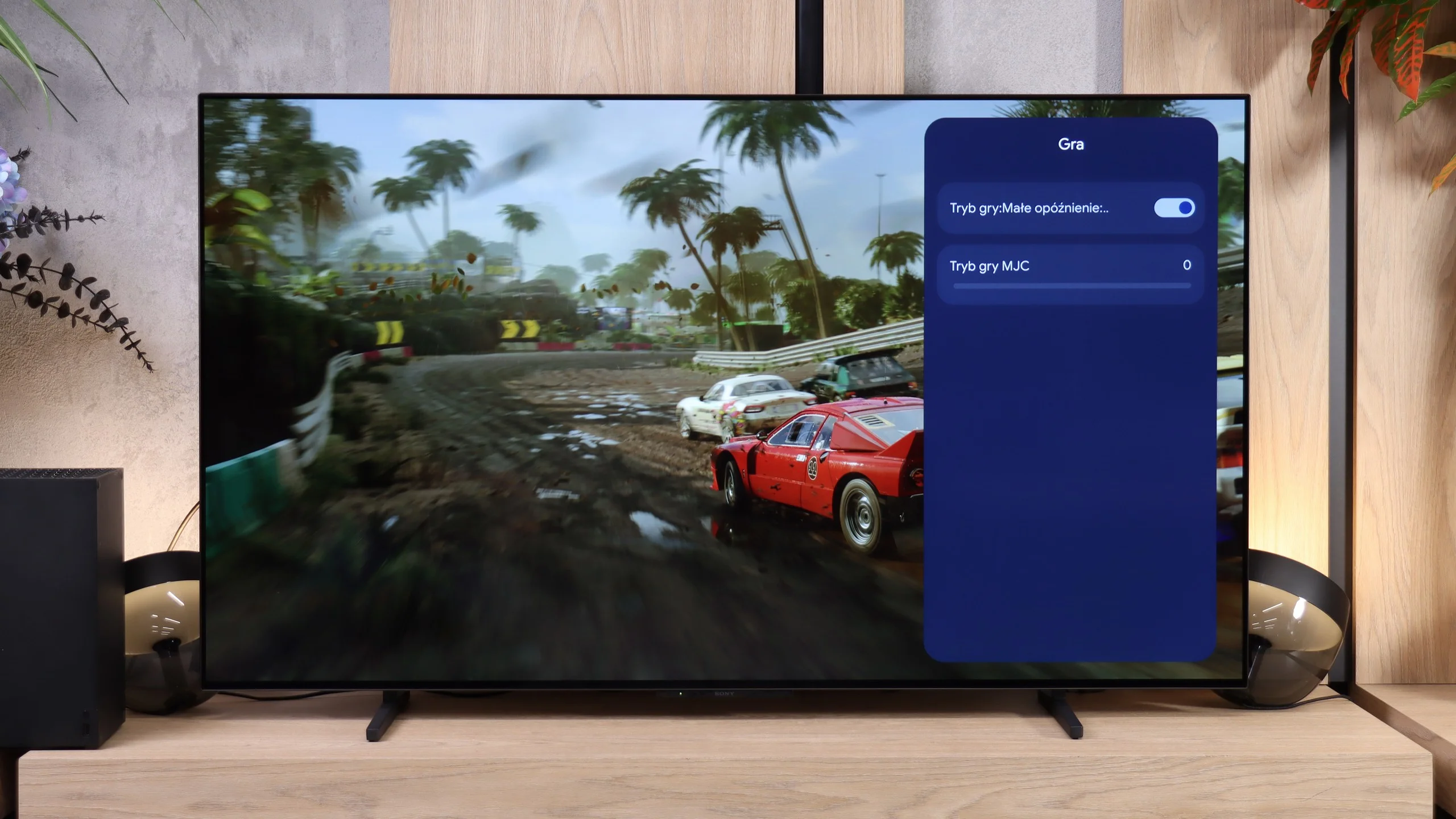
HDR setup is less convincing. There is no properly working HGiG, and the test checkerboard used during console calibration only disappears at around 1000 nits, even though the panel does not reach that brightness. Relying solely on that pattern can therefore lead to loss of detail in the brightest parts of a game. In the settings that let you specify brightness in nits it’s worth choosing about 700 nits, a value closer to the screen’s capabilities. We also couldn’t find a Game Bar, even though marketing materials suggest a basic version is present. On the unit we tested there was only a modest game settings menu. Added to that is the familiar lack of 1440p support at 120 Hz seen on other Sony sets. When gaming on a console in 4K this won’t be an issue. PC gamers, however, may feel the limitation if they want to use 1440p to get more frames than in 4K while retaining higher detail than Full HD.
Input lag
9.7/10
10/10
SDR
HDR
Dolby Vision
When it comes to delays, the C7K gives no reason for complaints. In games at 120 Hz, input lag is around 10 ms, which means the television responds really quickly. And interestingly – even in Dolby Vision mode, the result is very similar, which is not always the standard. Good job, TCL. At 60 Hz, the lag does increase a bit, but that's completely normal and affects virtually every television with a refresh rate of 120Hz and above. The most important thing is that everything still runs smoothly and there’s no feeling that something is not responding to our actions.
Latency on the BRAVII 6 is very low. At 60 Hz we measured 13 to 14 ms, and switching to 120 Hz brings it down to just 5 ms. This means the TV responds quickly to controller movements and doesn't interfere with gaming.
Compatibility with PC
8.4/10
7.6/10
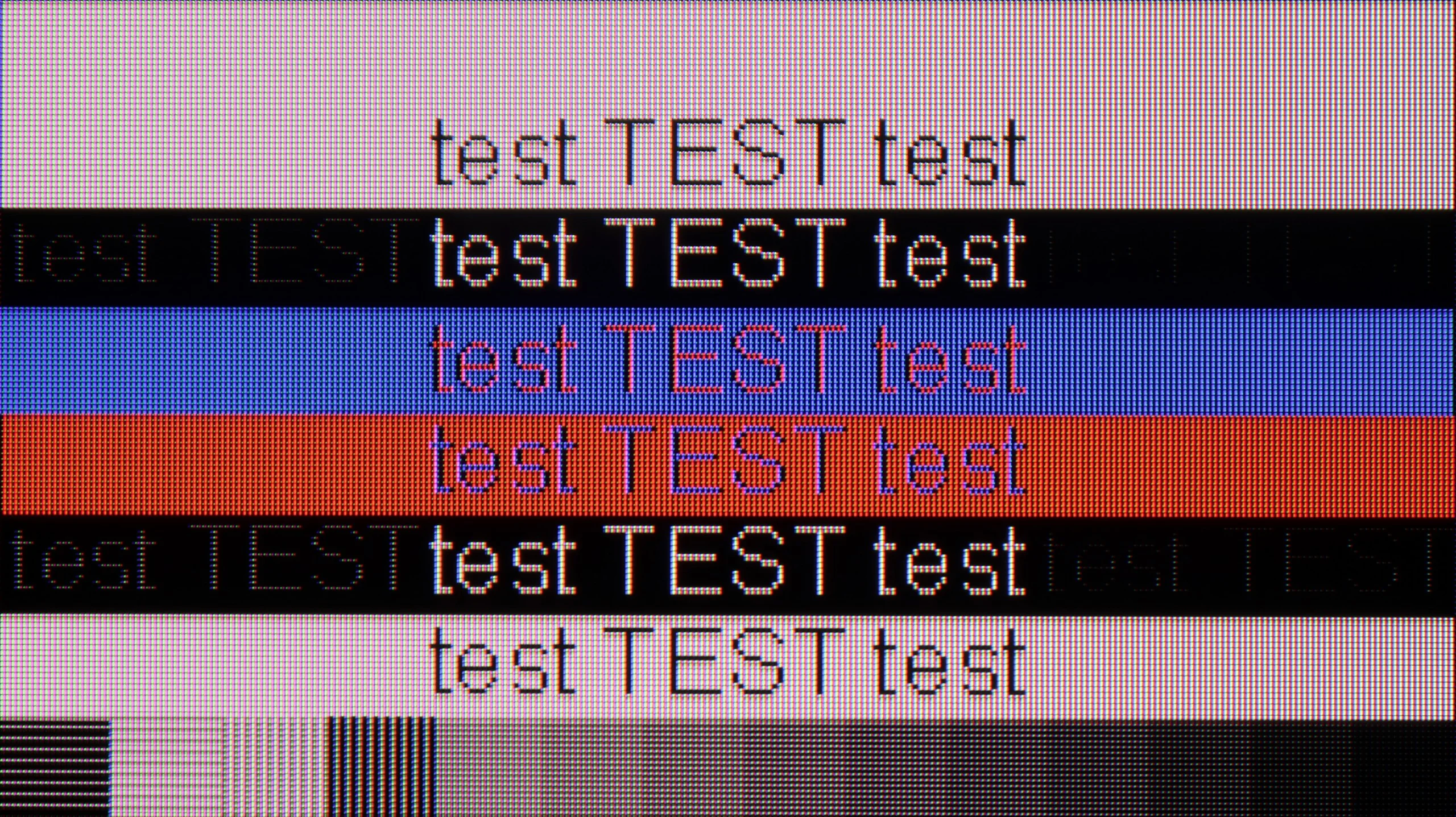
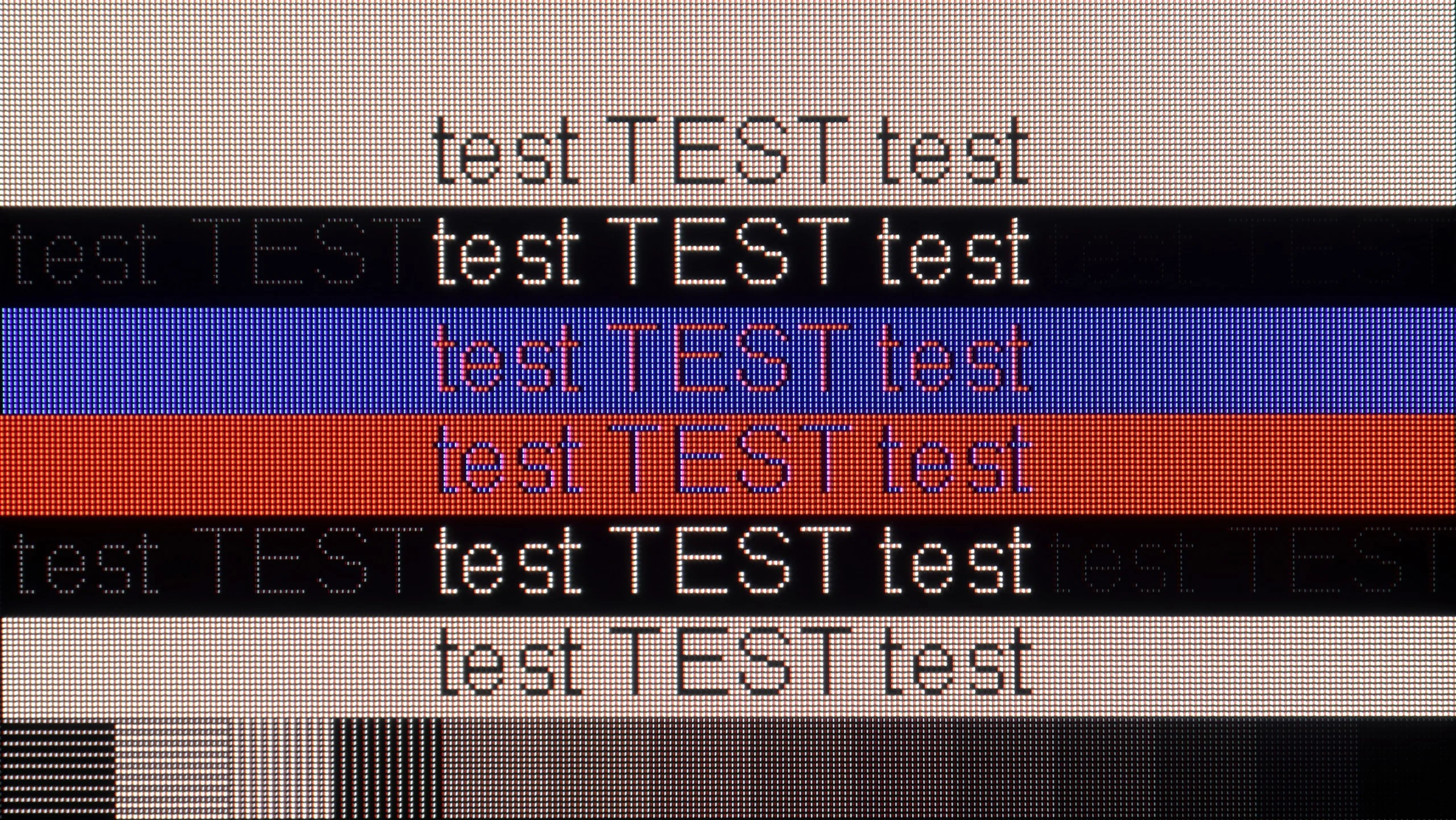
The photo shows the legibility of small fonts. Ideally, lines should be the same thickness on both light and dark text, with minimal pixel gaps.
If we are going to connect the C7K to a computer – especially for gaming – there is definitely a lot to play for. We have 4K at 144 Hz, which already sounds great, but if we lower the resolution, the television can even display up to 280 Hz. In e-sports, where every fraction of a second counts, this really makes a difference. On top of that, there is support for G-Sync and FreeSync, so regardless of which graphics card we have – the image will be smooth, without any stuttering or tearing.
However, if we plan to place the C7K on a desk and use it like a monitor, it’s a bit less "rosy." Yes, it supports chroma 4:4:4, so fonts should be sharp, but with very dark letters, there is slight blurriness and dimming of the edges. This is not something that immediately stands out during gaming or watching, but when working with text – it can be distracting. In everyday use – it’s probably nothing to worry about, but if we plan to place a 50-inch screen a meter from our face, it’s worth keeping this in mind.
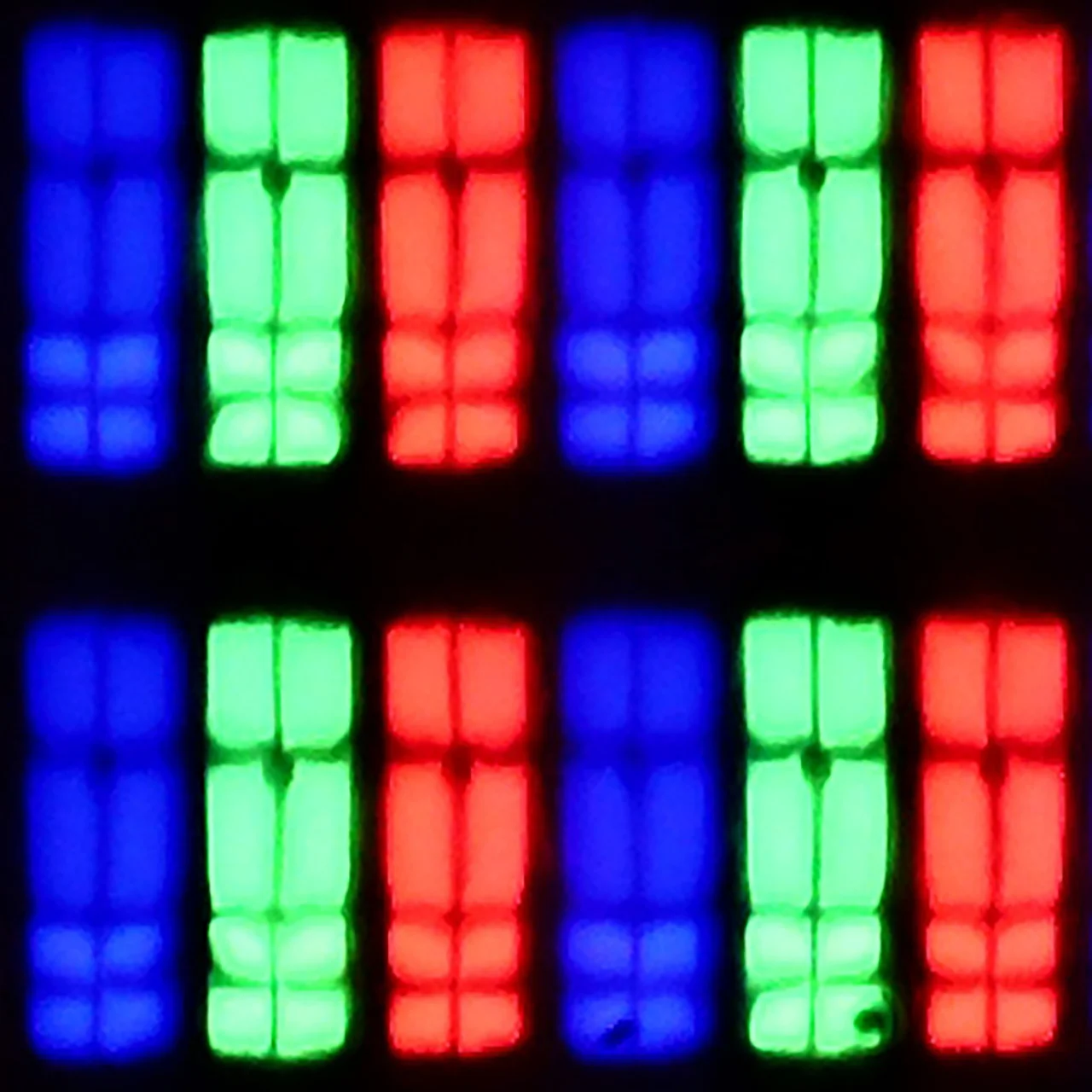
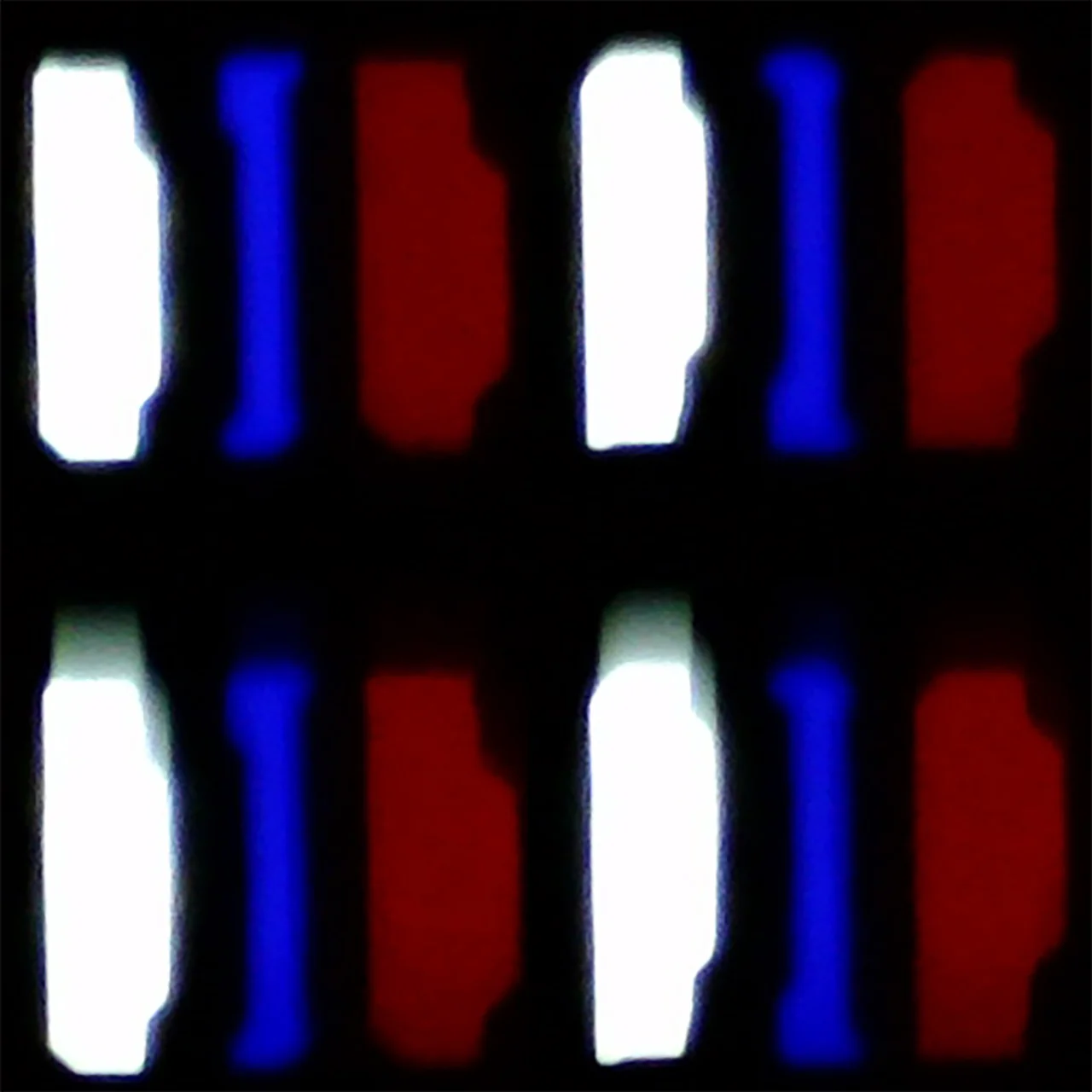
BRAVIA 6 performs well as a large screen for PC gaming. It supports 4K at 120 Hz, works with G-Sync and has an input lag of just 5 ms. Combined with a fast panel response this delivers very enjoyable gameplay with no annoying motion blur. The only thing missing is a higher refresh rate for those who want to use a powerful PC to game at more than 120 frames per second. As we mentioned earlier, you also can't use 1440p at 120 Hz. For text work it's good, though not perfect. The TV correctly handles 4:4:4 chroma even in 4K at the maximum refresh rate, so small letters remain legible and dark text doesn't lose parts of its edges. Up close you can, however, notice faint coloured fringing caused by the RGWB subpixel layout. They shouldn't be a major issue when browsing the web or doing occasional work, but if you plan to read documents for hours from a short distance, fonts won't look as clean as on a typical RGB-layout monitor.
Viewing angles
3.2/10
7.5/10
There are no surprises here – the C7K has classic viewing angles for a VA panel. That is: sitting directly in front – it’s excellent. The colours look good, the contrast is strong, everything is in place. But just shifting slightly to the side and it starts to get worse – the image loses saturation, blacks turn grey, and the overall impression diminishes a bit. So, if we plan to watch together with a few people or have a sofa that takes up half the living room – it’s worth seating everyone a bit more centrally. You can watch from the side, but don’t expect miracles – it’s simply a characteristic of VA panels.
The BRAVIA 6 can also be comfortably watched from the side. Blacks remain deep, and colours do not lose saturation as quickly as on LCD TVs with VA panels. At a 45-degree angle we measured a 31% drop in brightness, so the picture is a little darker than head-on but still looks good. With a wide sofa or when watching with a larger group you don't need to fight for a seat opposite the screen. 😉 In that respect, only QD-OLED screens are better.
Daytime performance
6.1/10
4.6/10
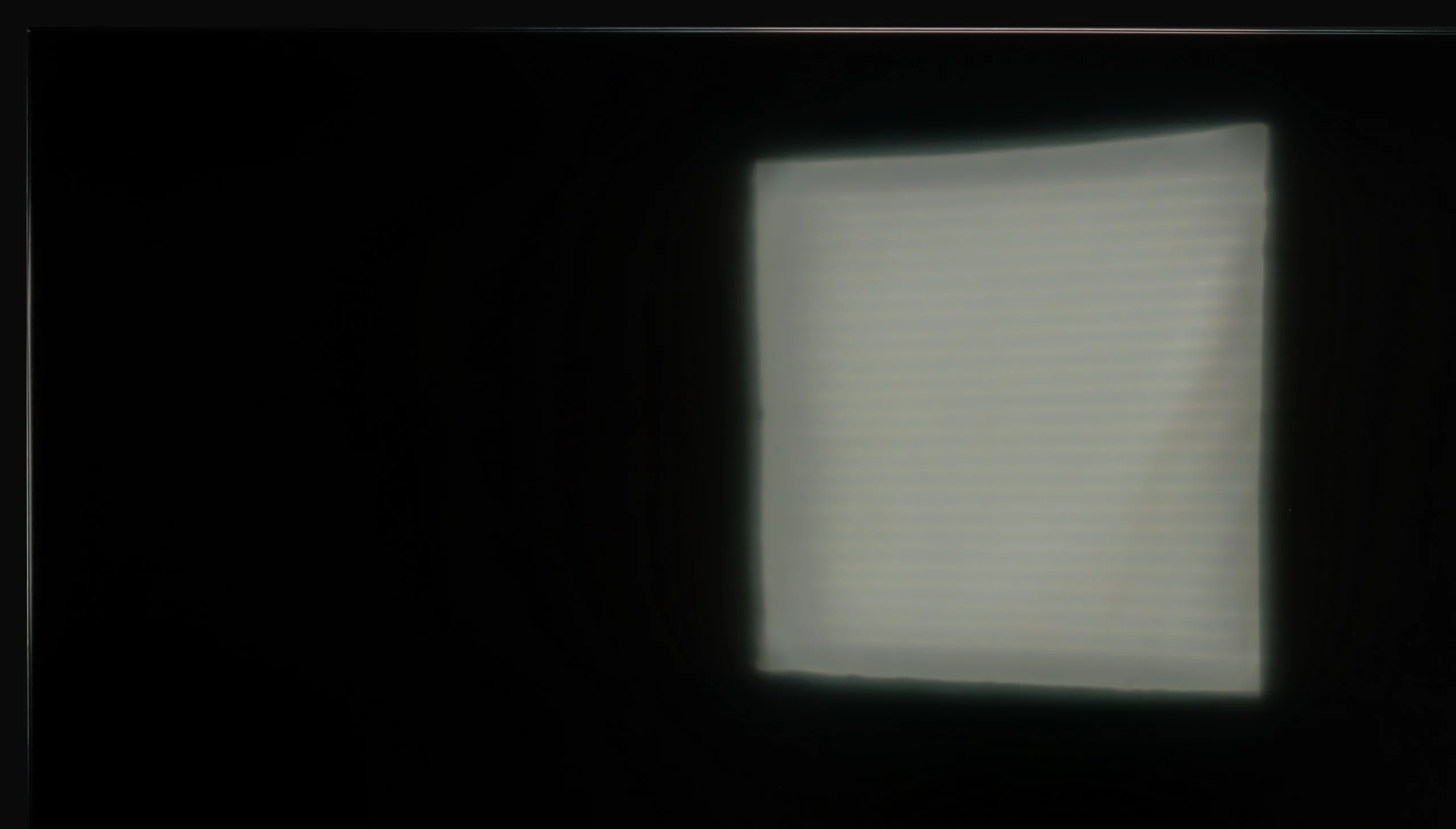
Panel brightness
Sony BRAVIA 6 (A65): 266 cd/m2
TCL C7K / QM7K: 475 cd/m2
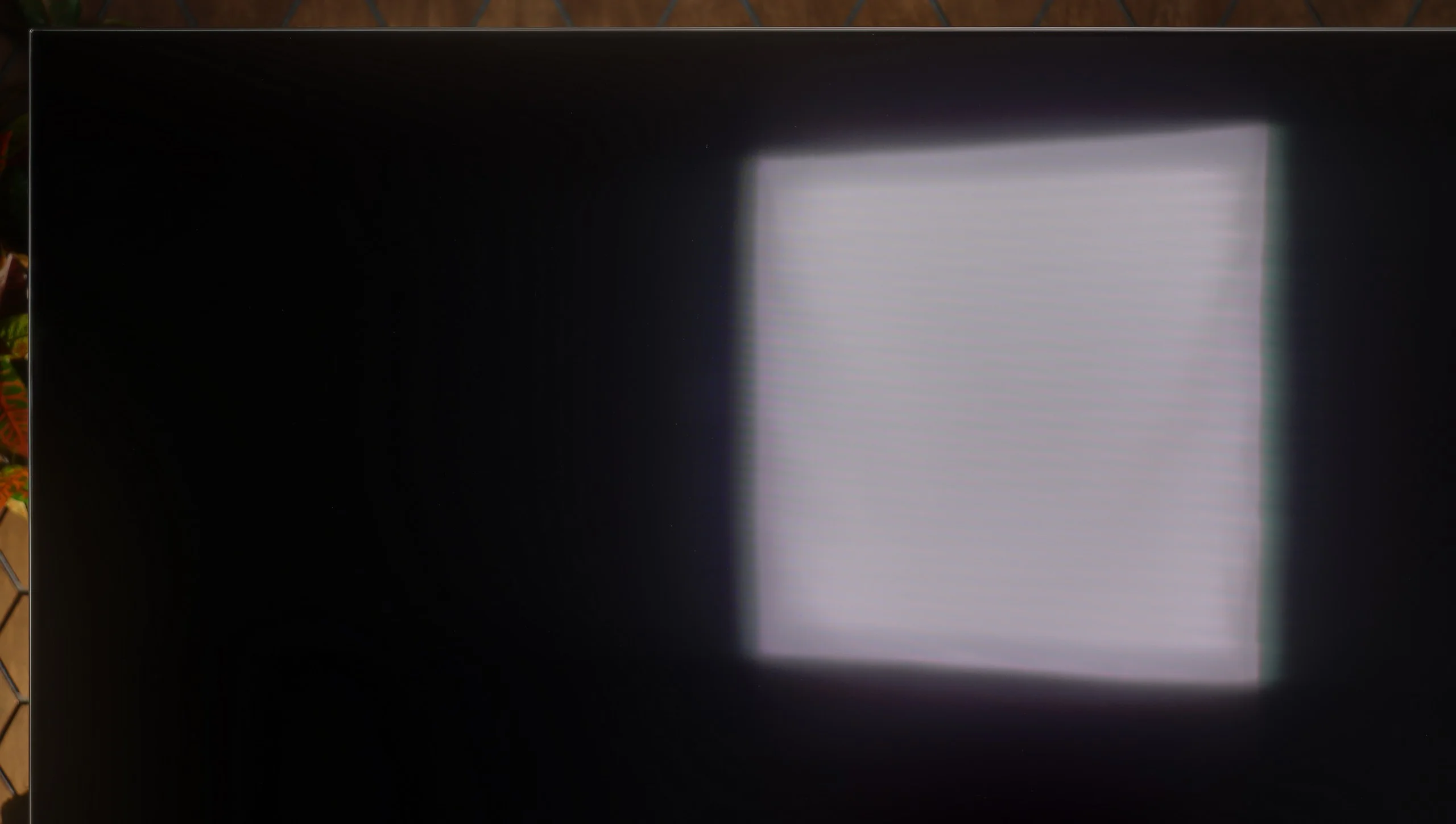
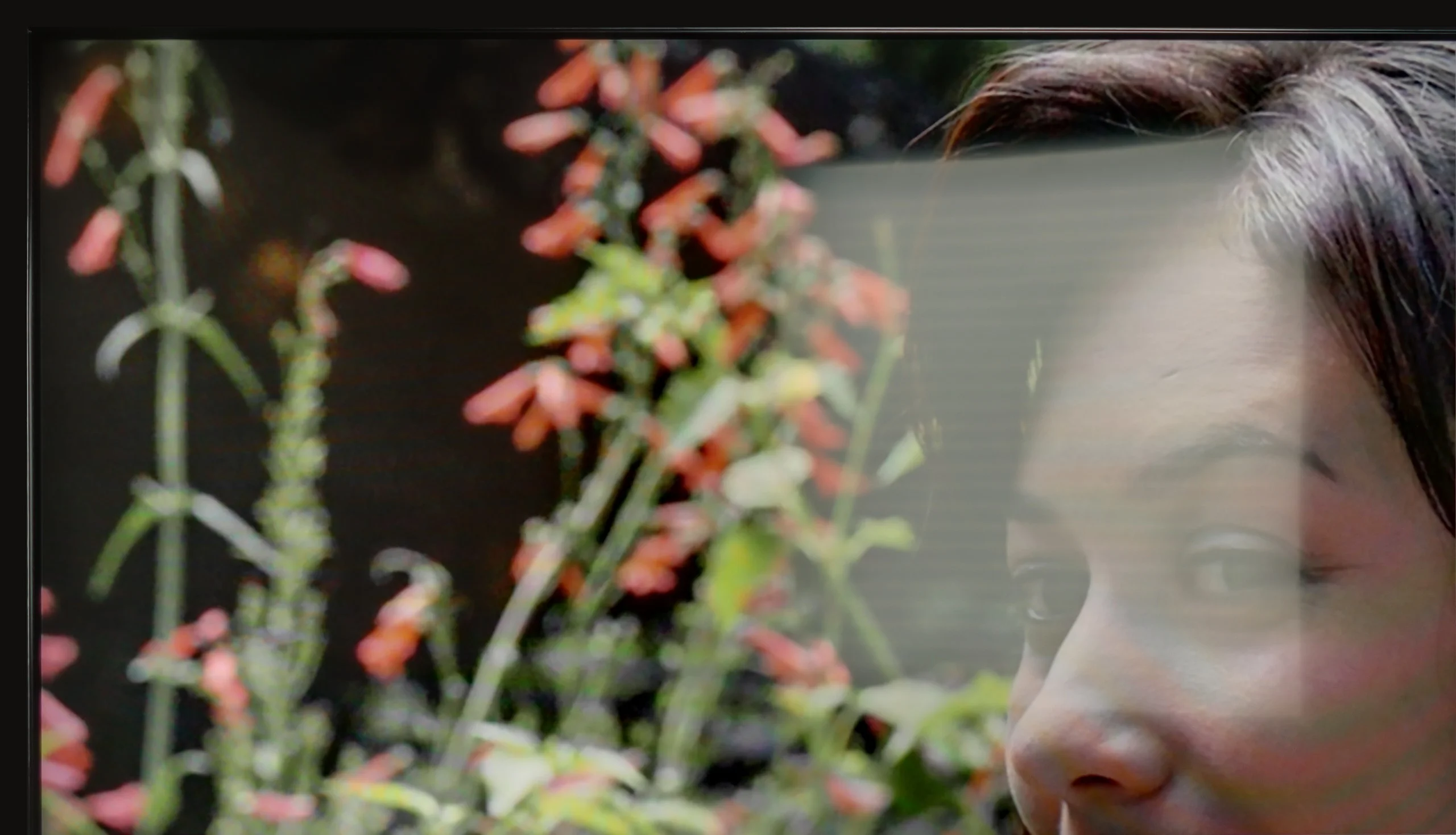
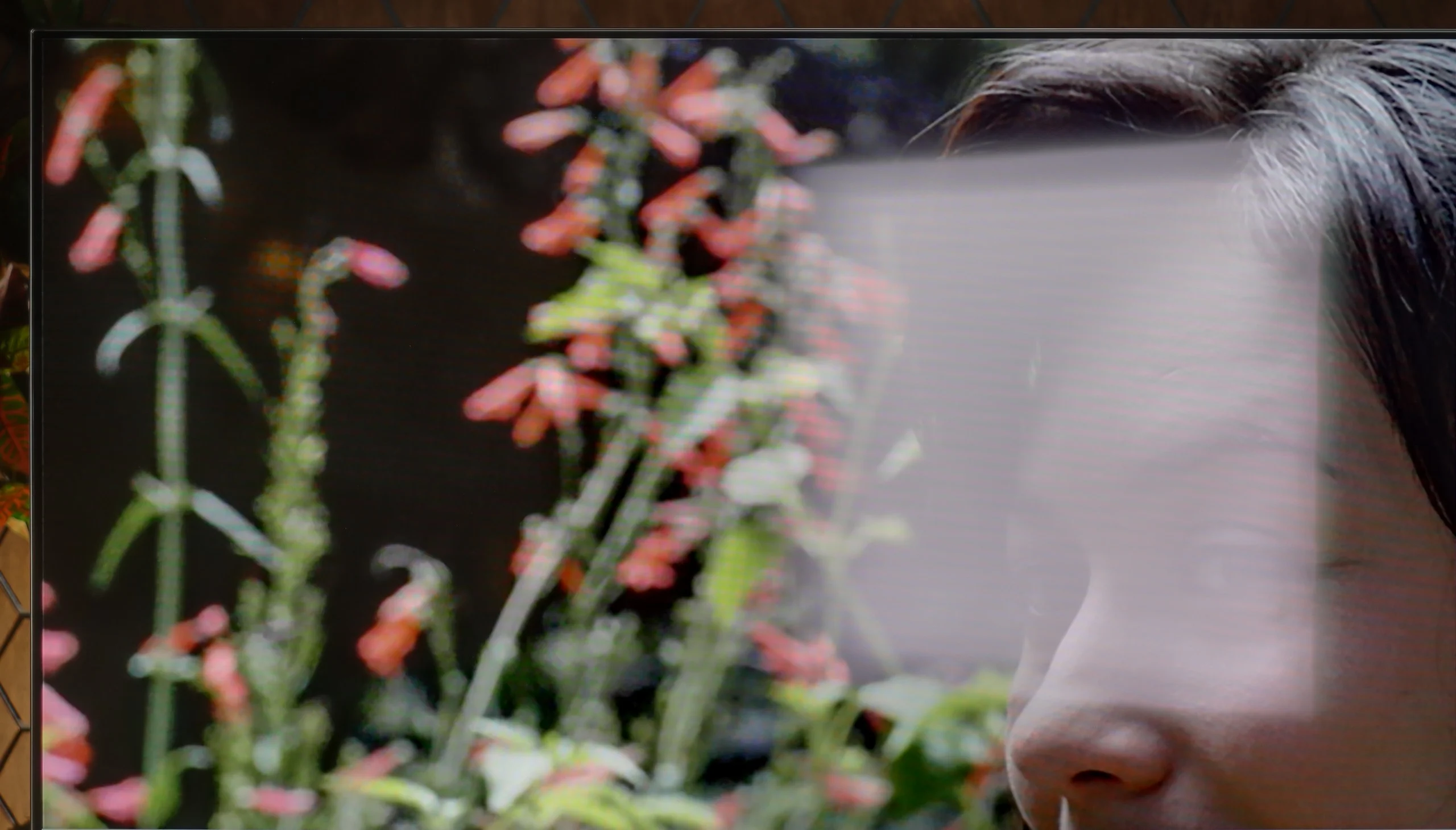
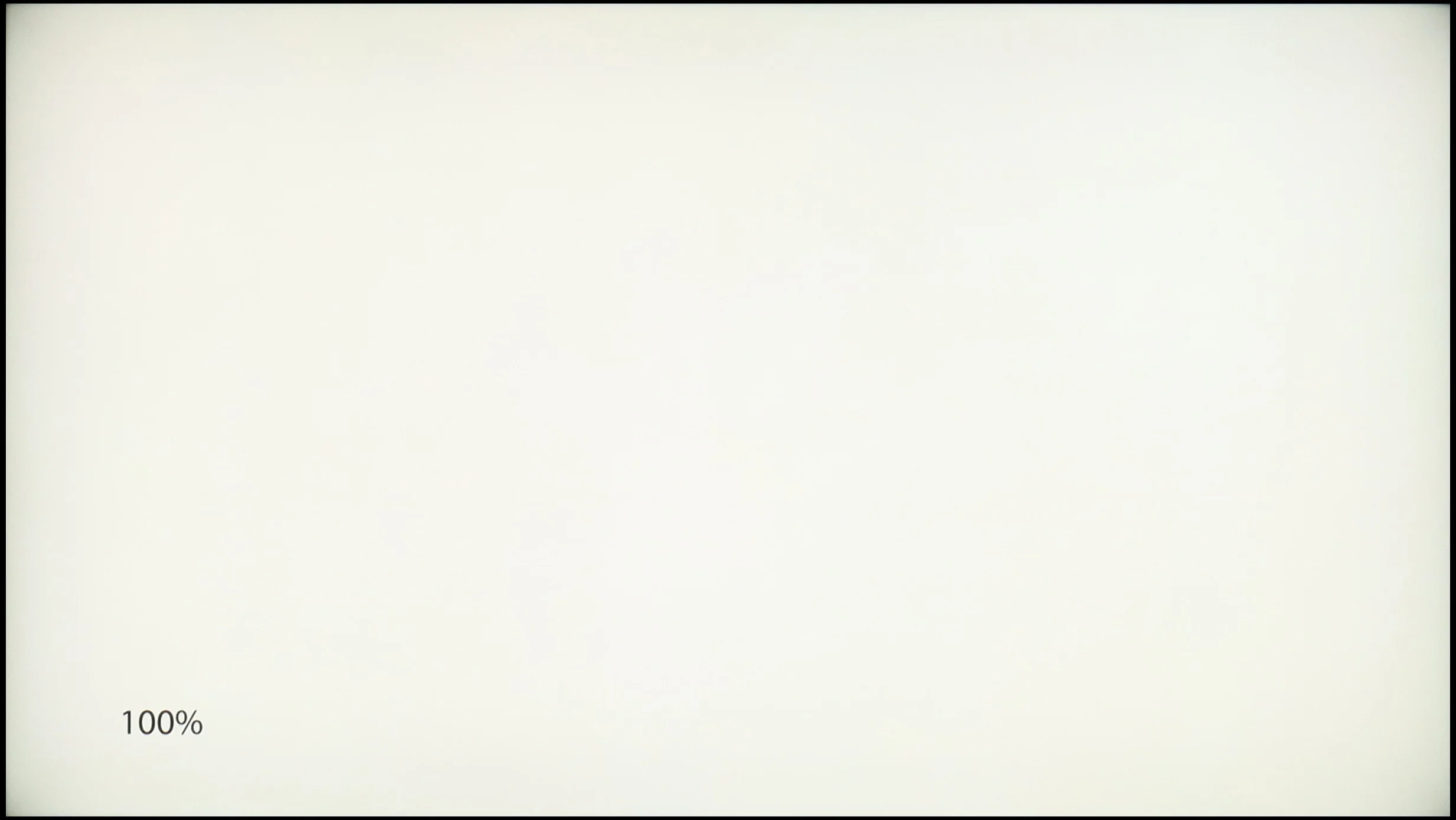
Fortunately, the TCL C7K performs quite well in bright rooms. The applied panel has a satin finish that effectively suppresses reflections, which means we don't have to worry about lamp or window reflections even on sunny days. Importantly, the colours maintain their intensity and do not wash out, as can happen with weaker matte panels. In terms of brightness, the average for content like YouTube or regular television is slightly below 500 nits. This is not a record-breaking result – for example, the MQLED85 (C765) performs better in this regard. However, for everyday viewing during the day, it should work without major issues, provided we do not plan to place it opposite a south-facing window without curtains.
Watching it in a bright room is one of the BRAVIA 6's biggest weaknesses. The average brightness in SDR is only 266 nits, and with a lot of white on-screen it drops even lower. In a sunlit living room the image simply lacks the punch to cut through the ambient light. With darker films you may find that comfortable viewing is difficult unless you close the curtains.
The OLED SE panel used doesn't help either, as it lacks a conventional polariser. Its satin finish only moderately suppresses direct reflections, so a window or lamp opposite the television remains clearly visible even while an image is displayed. The blacks themselves perform very well in a lit room, but the combination of poor reflection control and low brightness severely limits its suitability for bright-room viewing. The BRAVIA 6 therefore works best in a room where you can control the amount of light, or simply for evening viewing.
Panel details
Subpixel Structure:
Panel uniformity and thermal imaging:

TCL C7K / QM7K
Sony BRAVIA 6 (A65)
TV features
7.3/10
6.6/10
- SystemGoogle TVGoogle TV
- System performanceGoodAverage
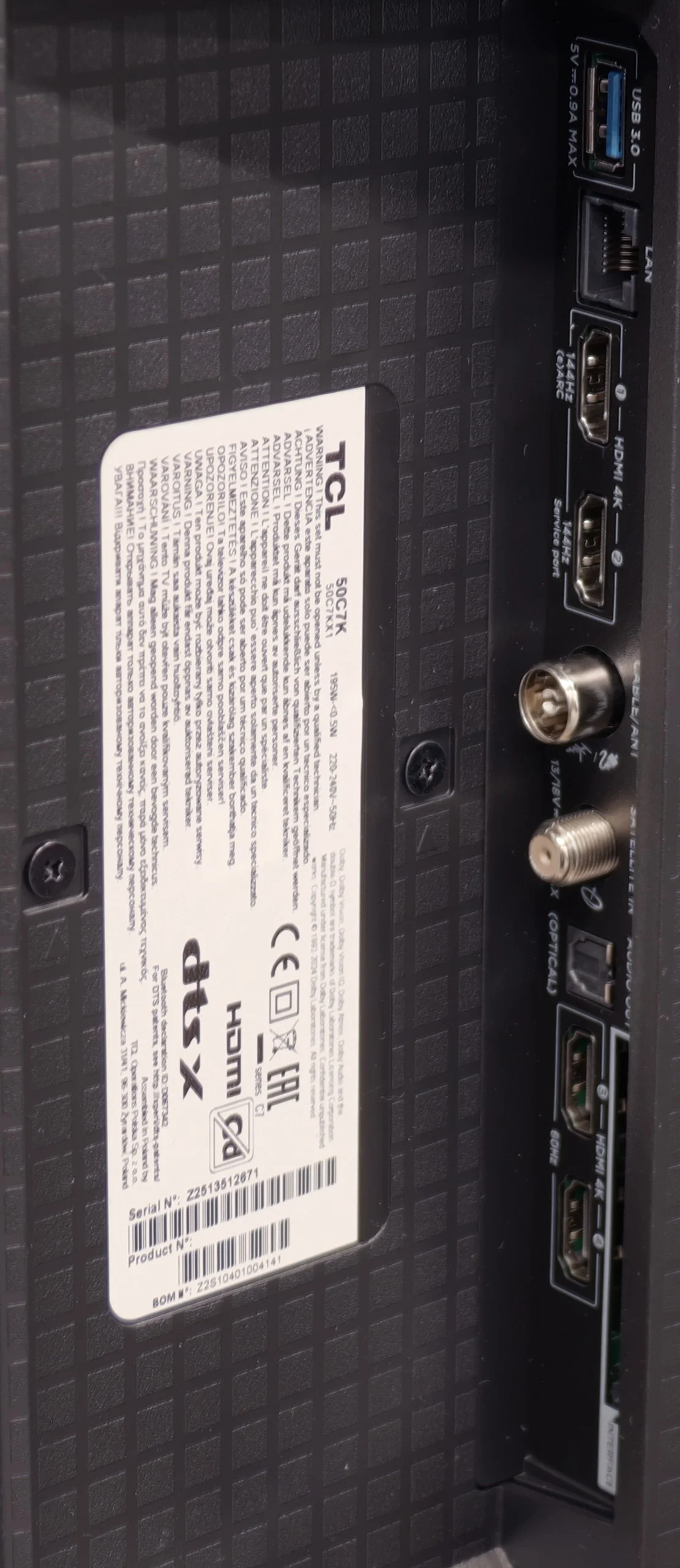
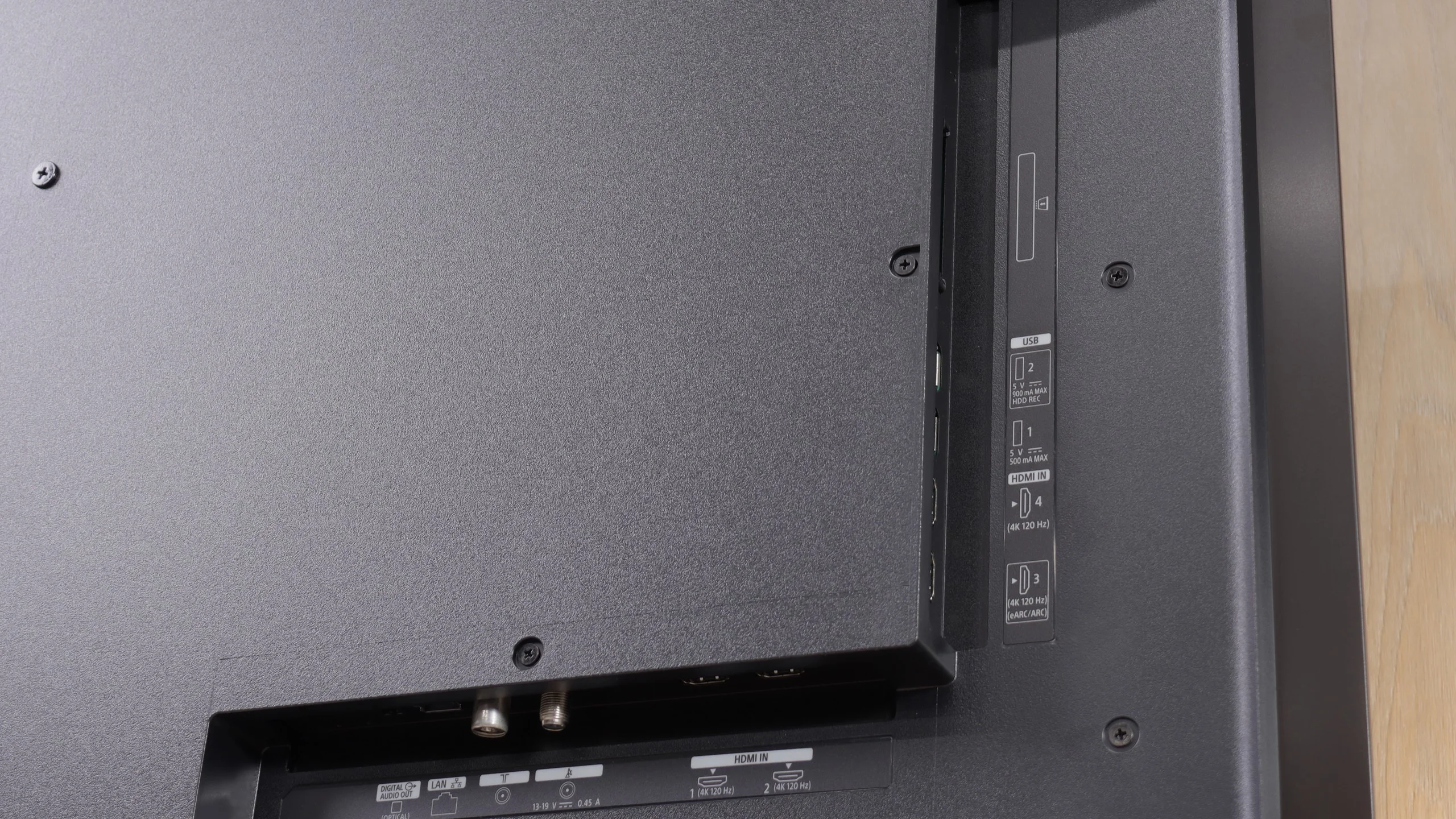
- HDMI inputs2 x HDMI 2.0, 2 x HDMI 2.1 48Gbps0 x HDMI 2.0, 4 x HDMI 2.1 48Gbps
- OutputsToslink (Optical audio), eARC (HDMI), ARC (HDMI)Toslink (Optical audio), eARC (HDMI), ARC (HDMI)
- Network InterfacesWi-Fi 2.4GHz, Wi-Fi 5GHz, Ethernet (LAN) 100MbpsWi-Fi 2.4GHz, Wi-Fi 5GHz, Ethernet (LAN) 100Mbps
- TV receptionDVB-T, DVB-T2, DVB-S, DVB-S2, DVB-CDVB-T, DVB-T2, DVB-S, DVB-S2, DVB-C
Classic features:
- Recording to USB (terrestrial TV)
- Recording programming
- Picture in Picture (PiP)
- RF remote control (no need to aim)
- Backlit remote control
- Teletext
- Audio only mode
- Bluetooth headphones support
- Simultaneous Bluetooth headphones & TV audio
Smart features:
- AirPlay
- Screen mirroring (Windows Miracast)
- Voice search
- Voice search in native language
- Ability to connect a keyboard and mouse
Sound connection options
- HDMI audioeARC (HDMI), ARC (HDMI)eARC (HDMI), ARC (HDMI)
- Other audio outputsToslink (Optical audio)Toslink (Optical audio)
- Wireless audioBluetoothBluetooth
Supported audio formats (external HDMI eARC audio):
- Dolby Digital Plus 7.1
- Dolby True HD 7.1
- Dolby Atmos in Dolby Digital Plus (JOC)
- Dolby Atmos in Dolby True HD
- DTS:X in DTS-HD MA
- DTS-HD Master Audio
Senior accessibility
- Numeric keyboard on TV
- Font size adjustment
- Audio description
SmartTV: GoogleTV
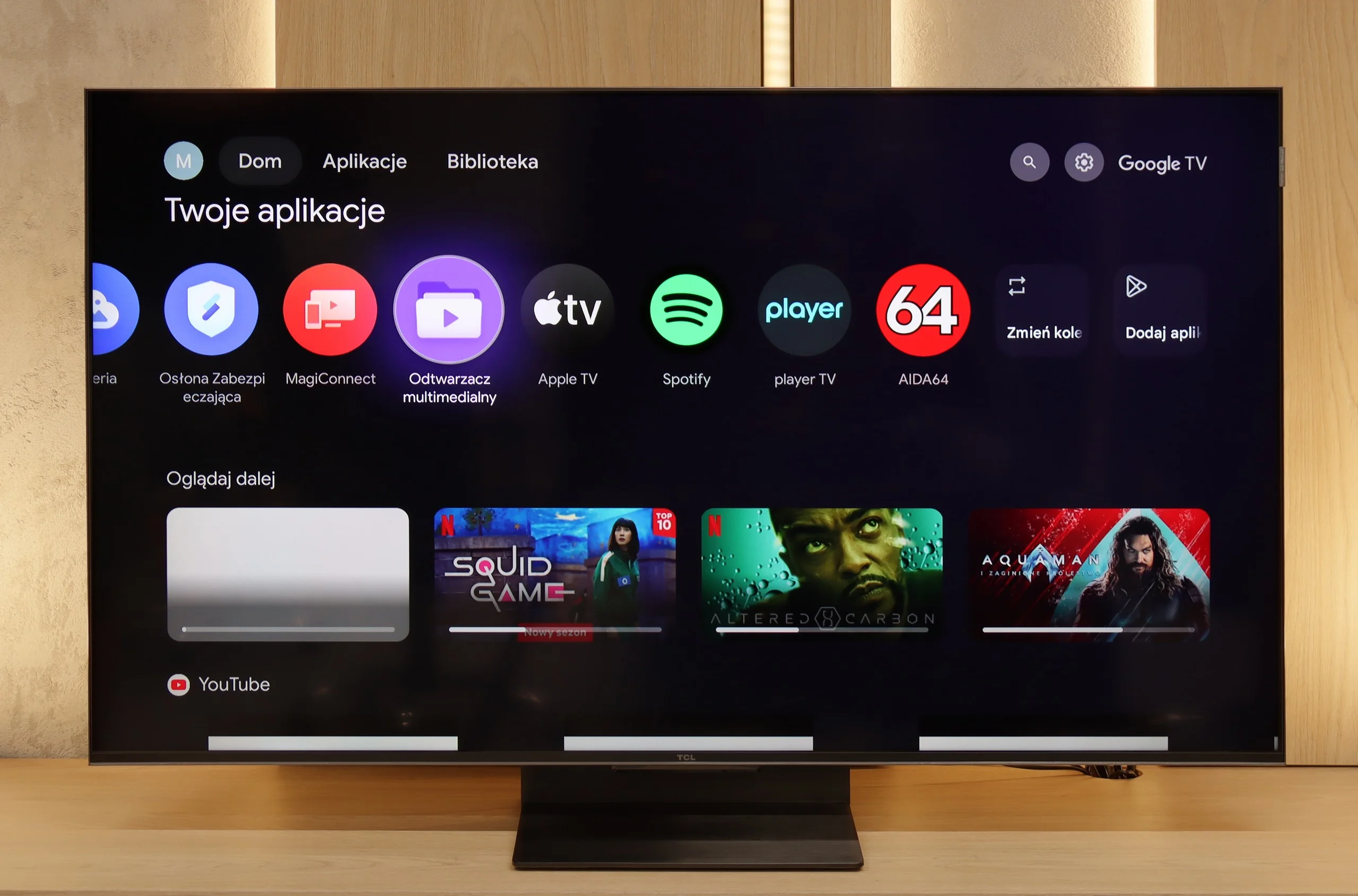
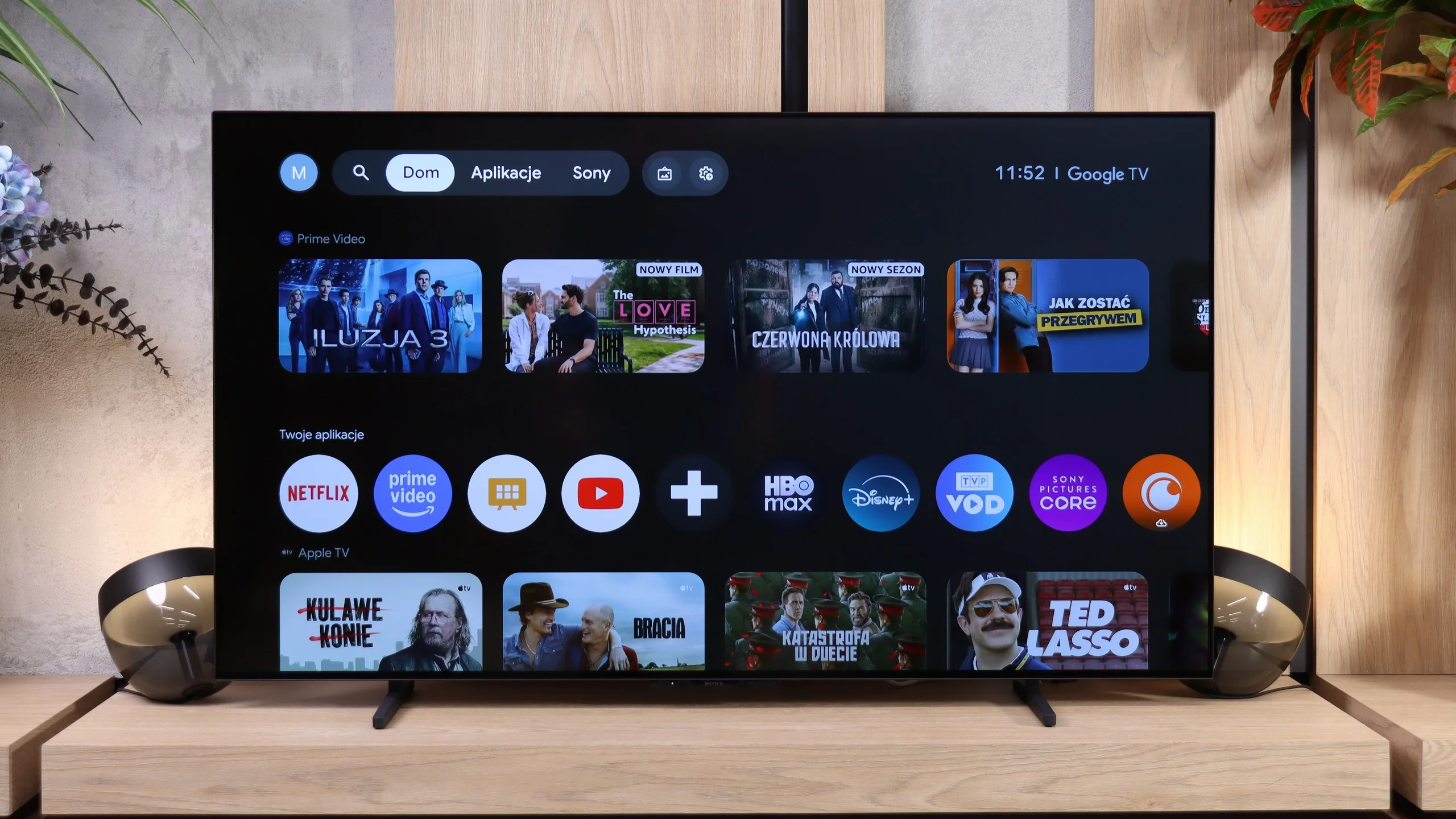
The greatest strength of the TCL C7K in everyday use is undoubtedly the Google TV system. Thanks to it, we have access to an almost endless library of applications, including some more niche ones that are often unavailable on other platforms. The built-in Google Assistant understands Polish, so we can easily ask what’s on TV, what the weather is like, and even issue a few voice commands to control the television. The presence of Chromecast and AirPlay, which work smoothly and make life easier, is also a plus.
User Functions
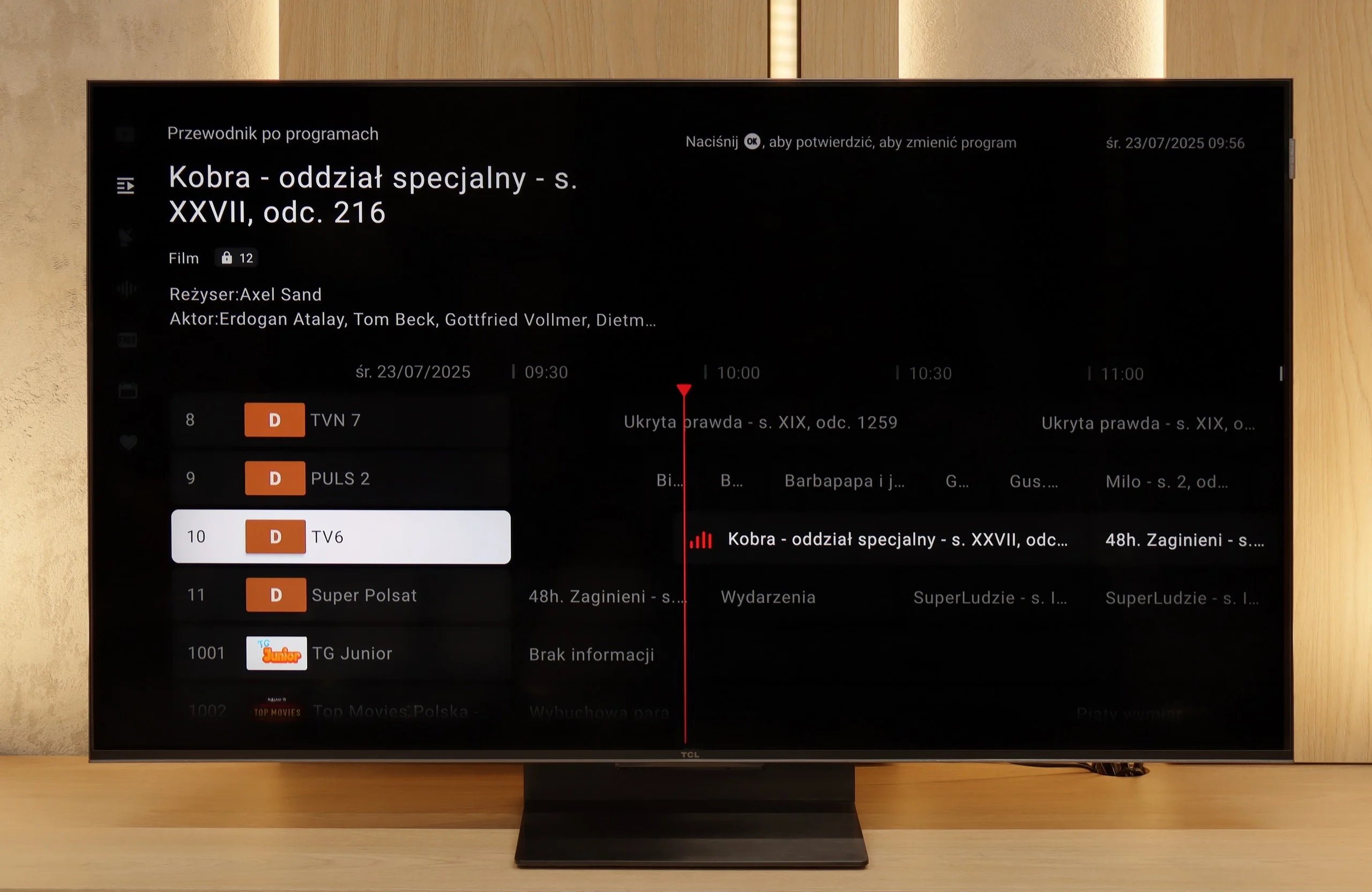
On the downside, the classic features are somewhat lacking. Of course, we have the basics – teletext, EPG, and the ability to connect headphones – but that’s about it. There is no USB recording feature or picture-in-picture (PiP) mode, which can still be found among competitors. It’s also worth remembering that Google TV in the TCL edition can sometimes have strangely translated parts of the menu or minor errors in the interface. These are not things that interfere with daily use, but those sensitive to details may notice them.
Google TV
BRAVIA 6 is currently the cheapest OLED with Google TV. That's a big plus, as there are plenty of apps and the system lets you install extra apps and search for content by voice in Polish. The only omission is AirPlay, which may bother iPhone users.
Unfortunately, during our tests the system caused quite a few problems. Navigating the menu itself was fast, but we encountered translation errors and frequent freezing. Some settings did not save the first time. We had to change them several times, and sometimes only cutting the power helped. To play videos and photos from a USB stick, we had to unplug the TV from the mains four times. The tested software simply looked unfinished. In this class of device that is hard to accept...
Remote and conventional features
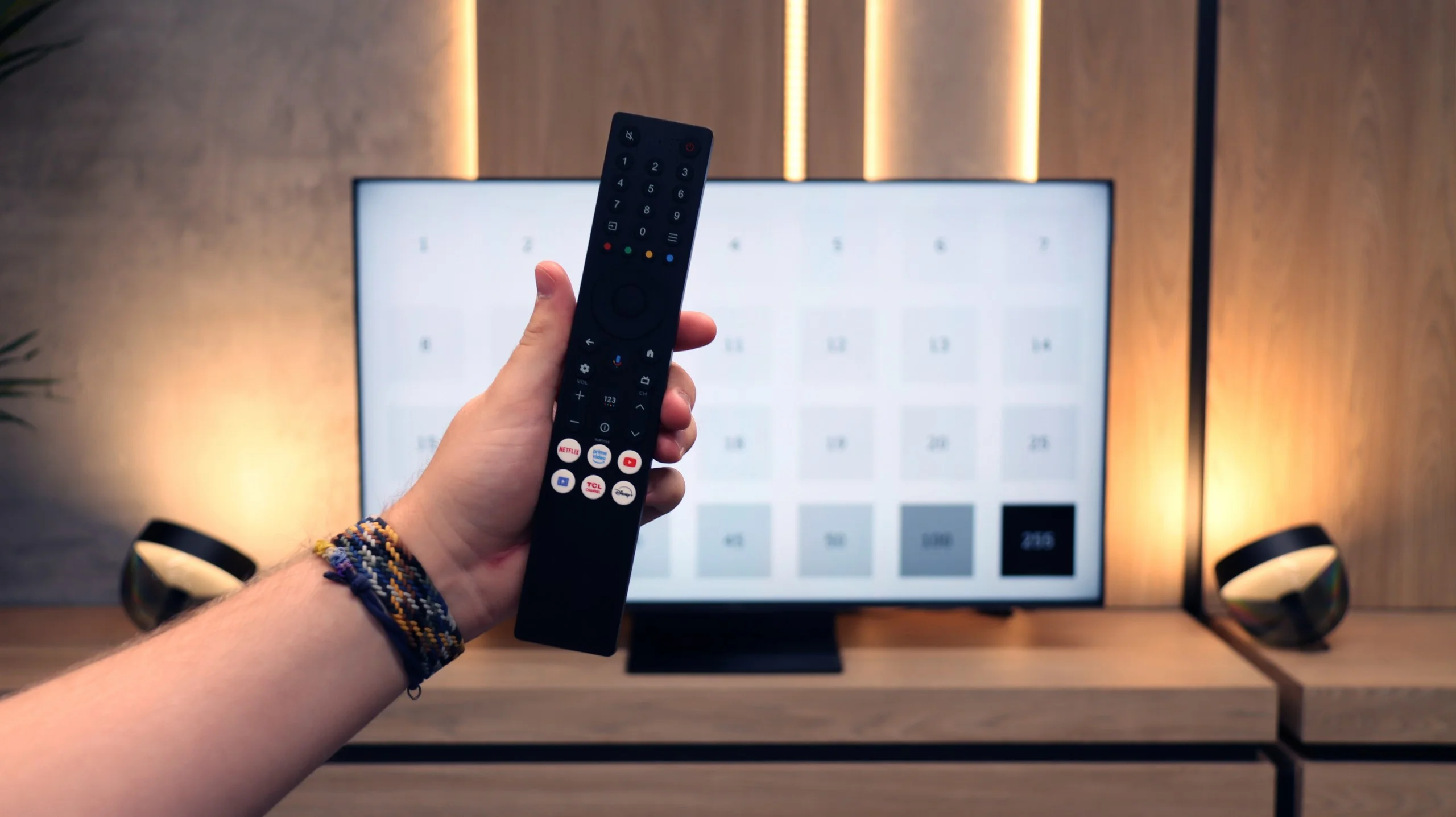
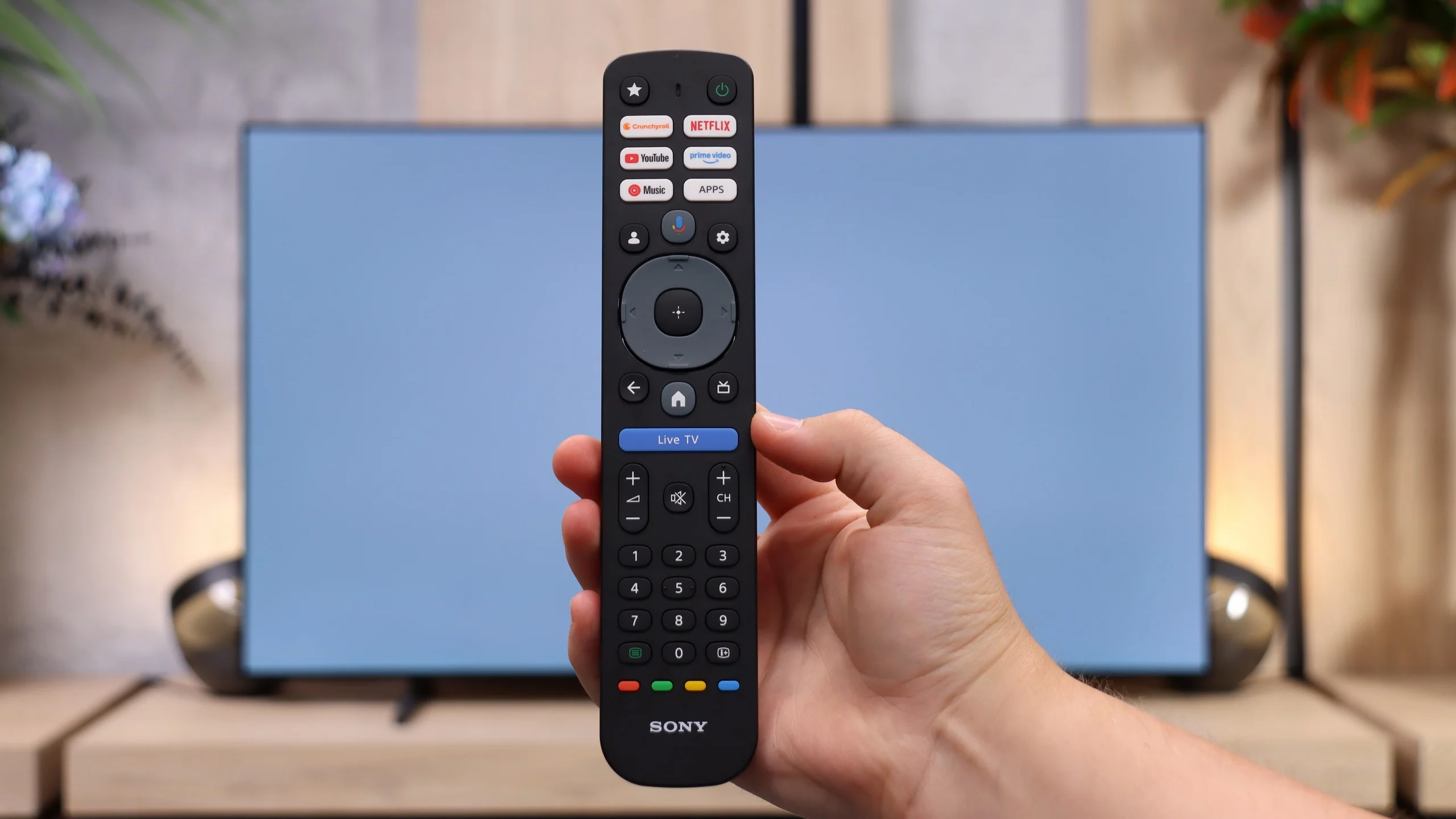
The set includes a brand-new remote with a large number of buttons and a full numeric keypad. This is a convenient solution for people who watch regular television, especially older users. The star button is programmable. The remote does not need to be pointed at the screen, but it lacks backlighting. Its build quality is fairly average, and the rubber buttons do not feel particularly robust.
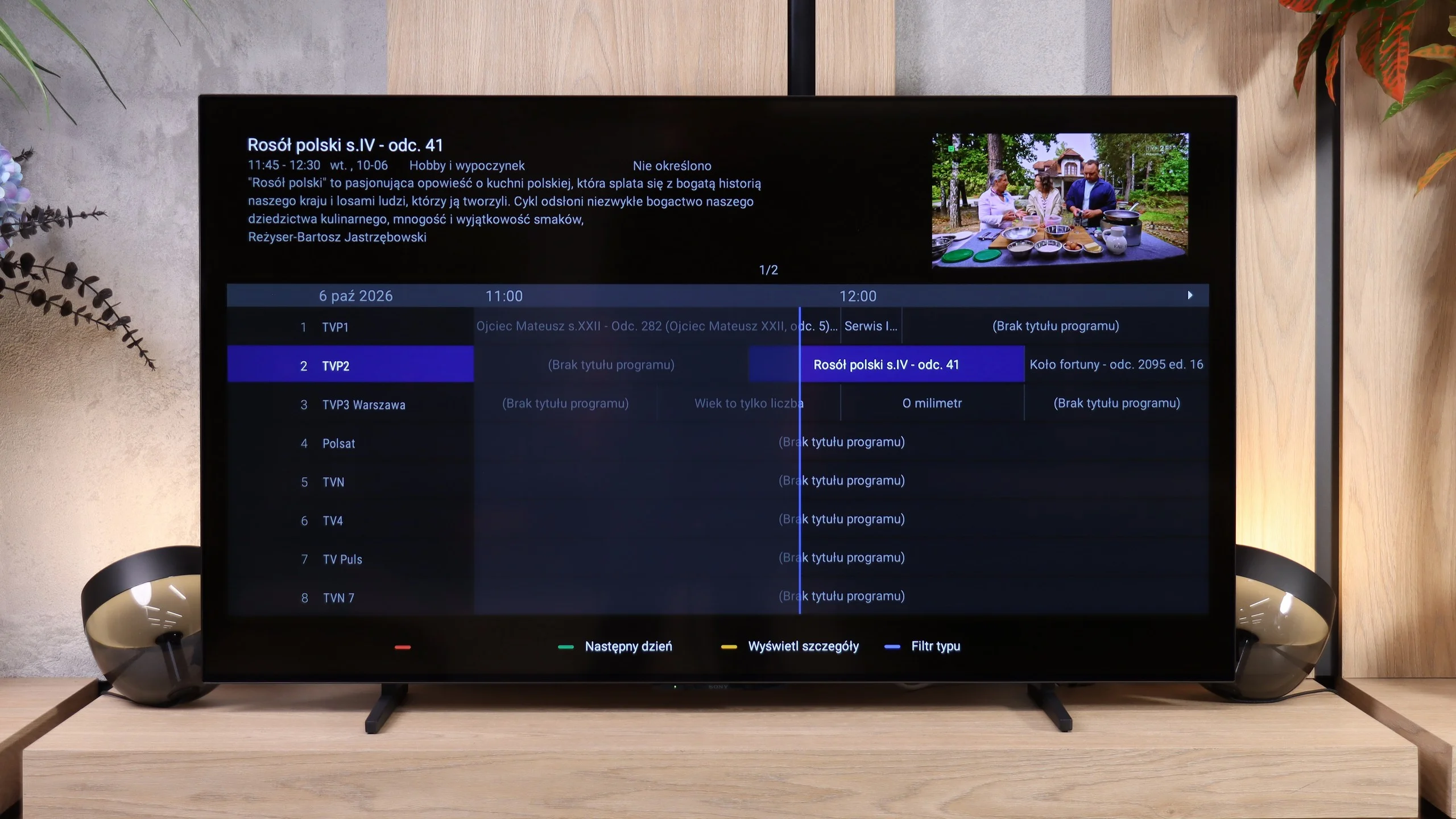
The TV features are basic. There is a clear programme guide (EPG) and teletext, but no USB recording or picture-in-picture. You can, however, use Bluetooth headphones and the TV's speakers at the same time. So the feature set is acceptable, but system problems significantly disrupt everyday use.
Apps
9.6/10
9.6/10






















Playing files from USB
9.2/10
9.5/10
Supported photo formats:
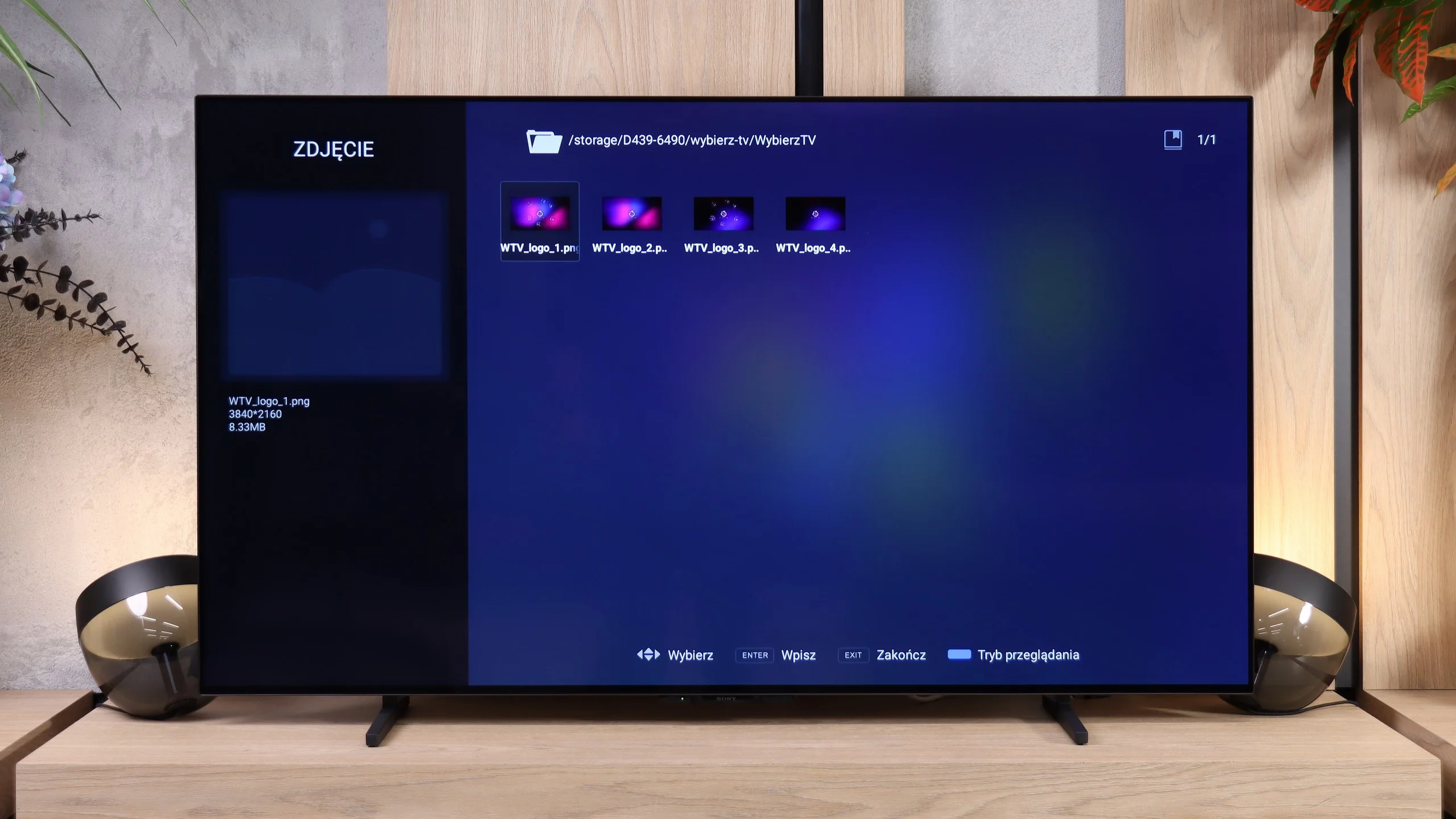
Maximum photo resolution:
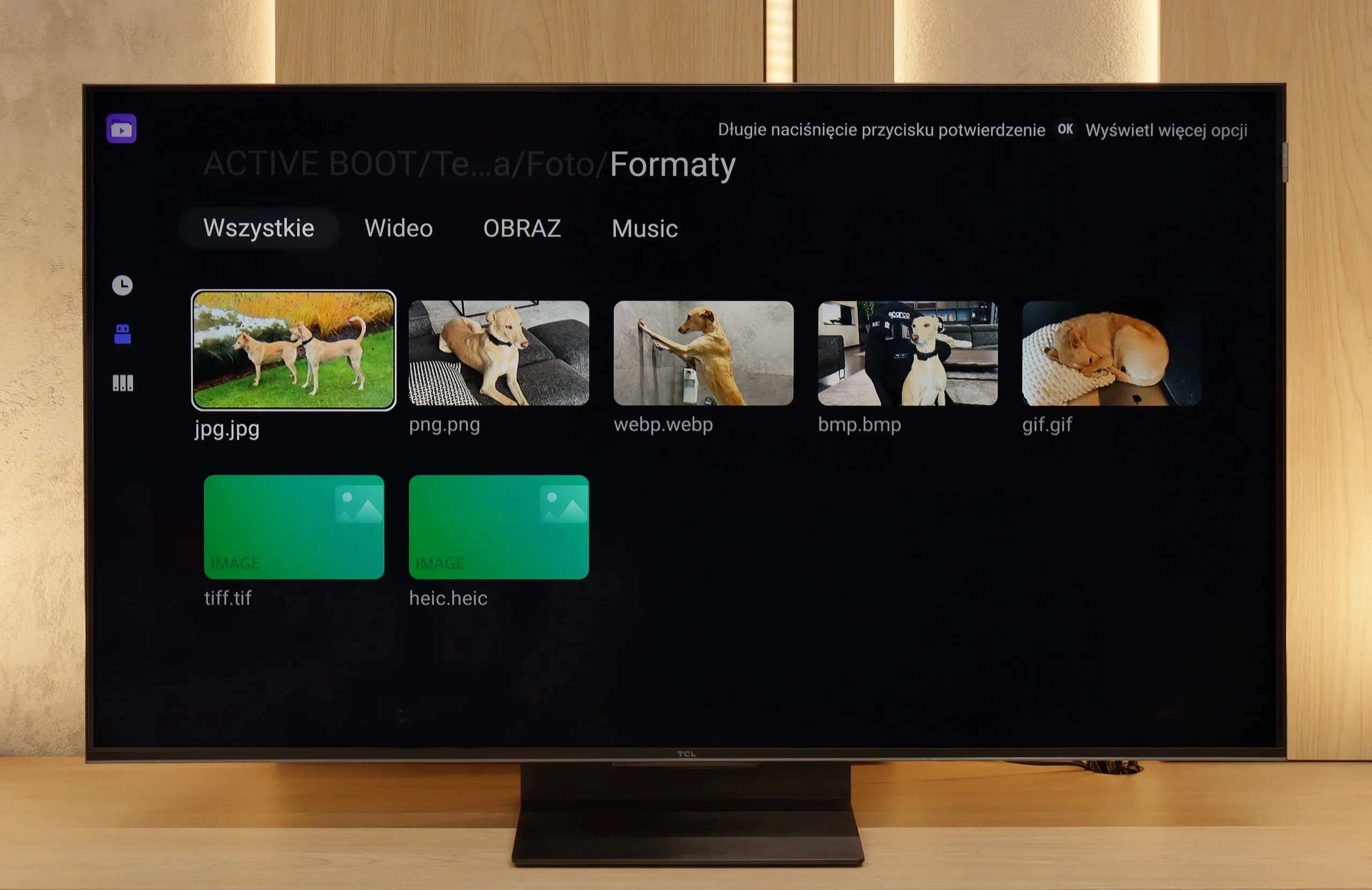
The built-in file player in the TCL C7K performs really very well. It supports most of the most popular audio and video formats, so if we want to quickly plug something in from a USB drive and play it – there should be no problem. Of course, as is usually the case, we can find some minor shortcomings – not every exotic codec will work (Apple's HEIC), not all subtitles will be perfectly synchronised (txt.). However, the biggest advantage of this television comes to the rescue, namely Google TV. Thanks to access to the Google Play store, we can easily install an alternative player, e.g. VLC, and then no files will be a concern for us.
BRAVIA 6 supports many popular video, music and photo formats. It also handled photographs with resolutions up to 32 MP, so in terms of file compatibility it performs very well. Unfortunately, there's a significant 'but' we mentioned when describing the system. Before the player began to correctly recognise videos and photos from a USB stick, we had to unplug the TV from the mains several times. In the end we managed to open most of the files, but it's hard to call that a convenient experience. The high rating in this category is due solely to the number of supported formats.
Sound
7/10
7/10
- Maximum volume76dB94dB
- Dolby Digital Plus 7.1
- Dolby True HD 7.1
- Dolby Atmos in Dolby Digital Plus (JOC)
- Dolby Atmos in Dolby True HD
- DTS:X in DTS-HD MA
- DTS-HD Master Audio
To be honest, we didn’t expect much from the sound of the 50-inch version of the C7K model. Typically, in such sizes, it’s hard to get anything more than thin, flat sound. But here – a pleasant surprise. The audio proved to be really enjoyable, with good clarity and even a slightly discernible bass. This is probably related to TCL's new collaboration with the Bang & Olufsen brand, which is a novelty for 2025. Whether the C7K actually uses the original transducers from the Danish premium brand – we cannot confirm. But the end result still deserves a thumbs up. For a television without a soundbar – it sounds quite pleasant.
Despite its modest 2.0 speaker setup with a total power of 20 W, the BRAVIA 6 sounds quite pleasant. The sound is fairly balanced, dialogue is clear, and for everyday viewing there’s no need to reach for extra speakers straight away. The TV can also play loudly, as confirmed by a result of 94 dB. However, it shares a familiar issue with other TVs: a lack of deep bass. In quieter scenes this is not particularly bothersome, but in action films and music you can hear that the sound lacks a bit of "weight". Explosions lack a strong punch, and lower frequencies are more indicated than felt. Such a setup is fine for series and everyday programmes, but a soundbar with a subwoofer will give films more power and a stronger sense of surround sound. Especially since the TV supports Dolby Atmos and DTS:X.
Sound Quality Test
No sound test video
Acoustic Measurements
76dBC (Max)
75dBC
94dBC (Max)
75dBC
Reader comments
Comments are provided by the external service Disqus (Zeta Global). Once loaded, Disqus may set cookies and process data about your activity.
We will remember your choice on this device. Provider's privacy policy