 Direct comparison
The Sony X75WL model is a television from 2023, which will continue into 2024 by the Japanese company Sony. It can offer many positive features. For example, thanks to the Google TV system, users can enjoy wide access to applications such as Netflix, YouTube, Amazon Prime Video and more! The applications are easily accessible, and full integration with the Play Store allows for downloading many additional applications, including games and media players, etc. The built-in Google Assistant adds even more functionality, enabling users to control the television using voice commands. Daily usage is supported by features such as the ability to record to USB or connect peripherals (e.g., mouse and keyboard, headphones). All of this makes it a very functional device, tailored for various users. Solid cooperation with PC, thanks to support for chroma 4:4:4 and low input lag, makes the Sony X75WL a great choice for office use or working from home. The sound quality is also a plus – gentle bass and sound clarity will satisfy most users, particularly those who appreciate audio quality without the need to invest in additional speakers. Nevertheless, this model also has some drawbacks. Very poor contrast and average HDR performance make it not the best choice for nighttime cinematic viewing, where black depth and detail quality are crucial. Thicker bezels may not appeal to everyone. Despite its flaws, the Sony X75WL is a solid choice, especially for those looking for a versatile and functional television at an affordable price. However, if we are not strongly attached to the brand, we recommend considering competitive models (comparison visible below) - which may offer a better price-to-quality ratio.
- Matching (Score) |
- Our verdict |
- TV appearance |
- Where to buy |
- Contrast and black detail |
- HDR effect quality |
- Factory color reproduction |
- Color reproduction after calibration |
- Smoothness of tonal transitions |
- Image scaling and smoothness of tonal transitions |
- Blur and motion smoothness |
- Console compatibility and gaming features |
- Input lag |
- Compatibility with PC |
- Viewing angles |
- Daytime performance |
- Panel details |
- TV features |
- Apps |
- Playing files from USB |
- Sound
P7L / P79L

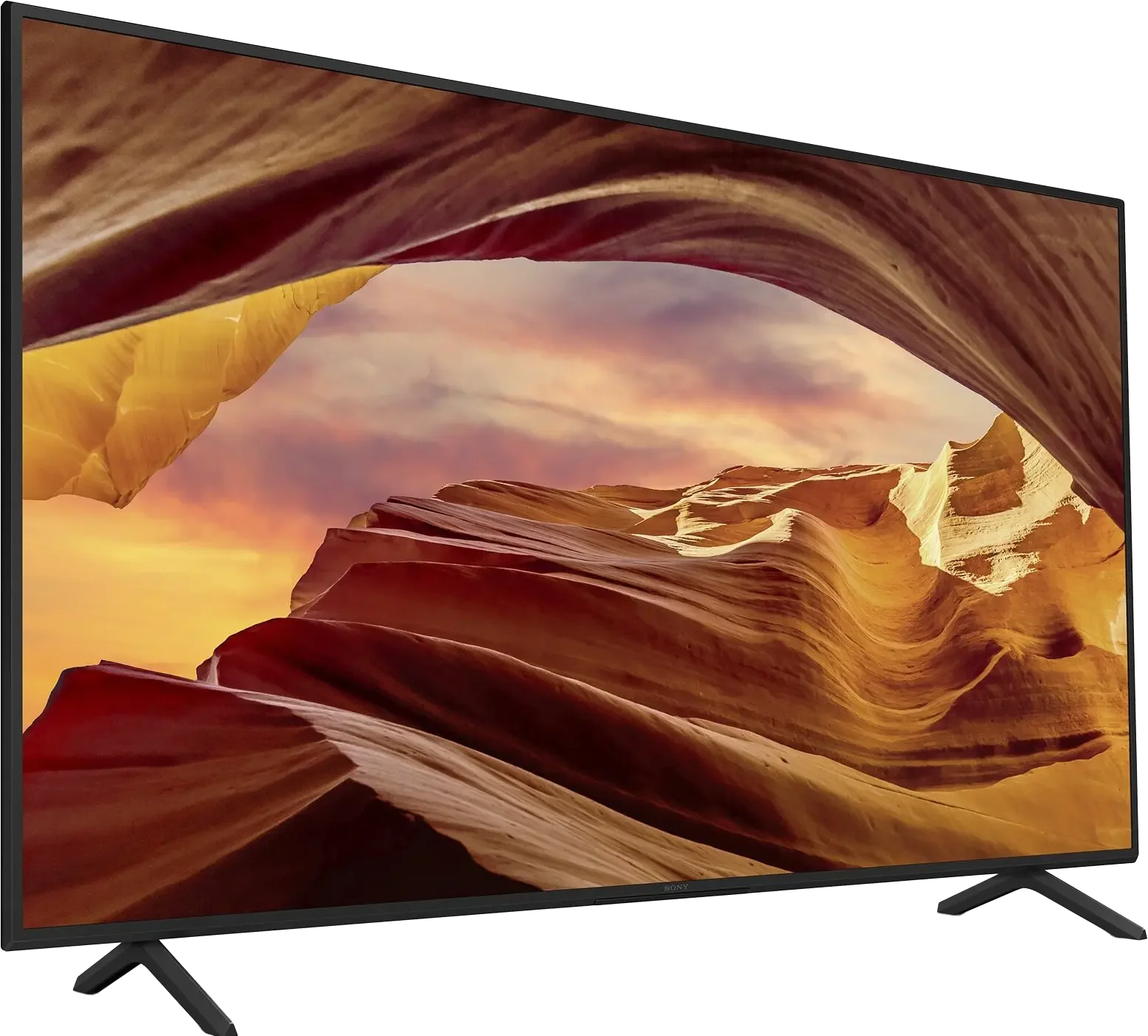
Panel type: LCD IPS
Resolution: 3840x2160
System: Google TV
Model year: 2023
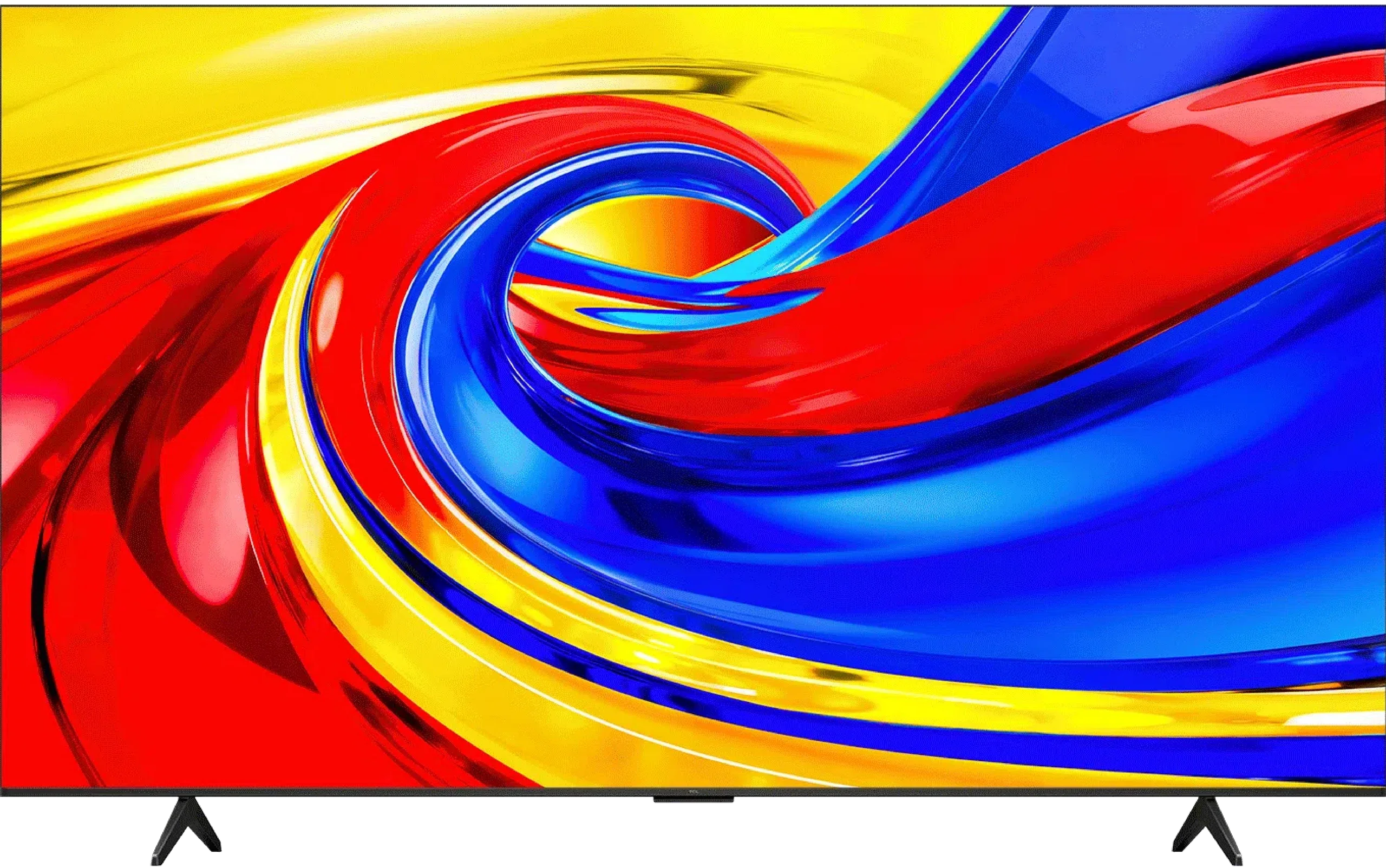
Panel type: LCD VA
Resolution: 3840x2160
System: Google TV
Model year: 2026
Check how well they match your needs
Take the surveyOverall rating
5.9
6.3
 Movies and series in UHD quality
5.6
5.8
 Classic TV, YouTube
5.3
6.0
 Sports broadcasts (TV and apps)
5.5
5.7
 Gaming on console
5.7
7.3
 TV as a computer monitor
6.0
5.8
 Watching in bright light
4.6
5.2
 Utility functions
7.7
7.0
 Apps
9.6
9.6
 Sound quality
6.9
6.2
Complete the survey to find out what fits your preferences
Advantages

Google TV system with convenient voice control and access to applications
Ability to record to an external USB drive and connect peripherals
Good viewing angles thanks to the IPS panel
Very good compatibility with PC (chroma 4:4:4, low input lag)
Pleasant, clear sound with a gentle bass
Adjustable leg spacing
Good contrast thanks to the VA panel
Rich colours: QLED (PFS)
Supports Dolby Vision and HDR10+
Supports audio formats Dolby Atmos and DTS:X
Extensive gaming features: VRR and ALLM
Low input lag
120 Hz support at lower resolutions
Google TV with a wide selection of apps
Disadvantages

Very weak contrast
Average colour palette coverage
Poor for gamers - lacking many features
Design - thick bezels will not appeal to most
Low brightness
Poor viewing angles
Average sound quality
Our verdict
TCL P7L is a successful budget television that shows you can get more than just a screen for basic viewing for a modest sum. It does not match pricier Mini LED or OLED models, but in its class it has a lot to offer. The VA panel delivers decent blacks and contrast, so during an evening session the picture does not look as flat as on many cheap IPS models. After calibration the colours are also good. For watching films and series it is a solid base, and Google TV provides access to a wide range of apps and streaming services. The biggest surprise is its gaming capabilities. The P7L responds quickly to controller input, supports VRR and switches automatically to game mode. There is even Dolby Vision Gaming and a Game Bar with settings at your fingertips. What is more, reducing the resolution to 1080p or 1440p allows you to play at 120 Hz. In 4K you are limited to 60 Hz, so you must choose between greater detail and smoother motion, but it is good that at this price you have that choice. TCL also handles lower-quality sources well. Lower-resolution material looks acceptable, and the tonal transition smoothing actually helps reduce visible banding between shades. The way it presents HDR is also commendable. The TV sensibly adapts content to its capabilities and tries to preserve highlight detail instead of turning it into blown-out whites. Dolby Vision helps here too, often delivering noticeably better results than HDR10. That does not mean the HDR effect itself is awe-inspiring. The biggest limitation of the P7L is brightness. Small highlights and reflections do not have the punch you see on more expensive screens, even if their detail remains visible. For the same reason the TV is less well suited to a very sunlit living room. It performs much better in a moderately lit room. So the P7L has its limitations, but it is hard to deny its strong value for money. It is suitable for everyday viewing, does not restrict you in app choice and offers surprising freedom in games. If you are looking for an inexpensive television and can accept its flaws, the TCL P7L is a model worth considering.
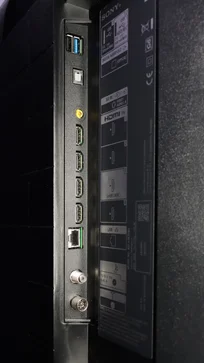
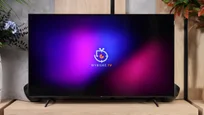
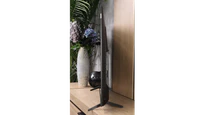
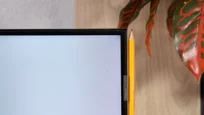
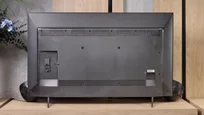
TV appearance


Contrast and black detail
2.4/10
6.1/10
Local dimming function: No
Local dimming function: No
Contrast:


Result
1,100:1

Result
1,200:1

Result
1,300:1

Result
1,400:1

Result
900:1
Result
7,550:1
Result
7,350:1
Result
5,150:1
Result
6,600:1
Result
4,250:1
Halo effect and black detail visibility:
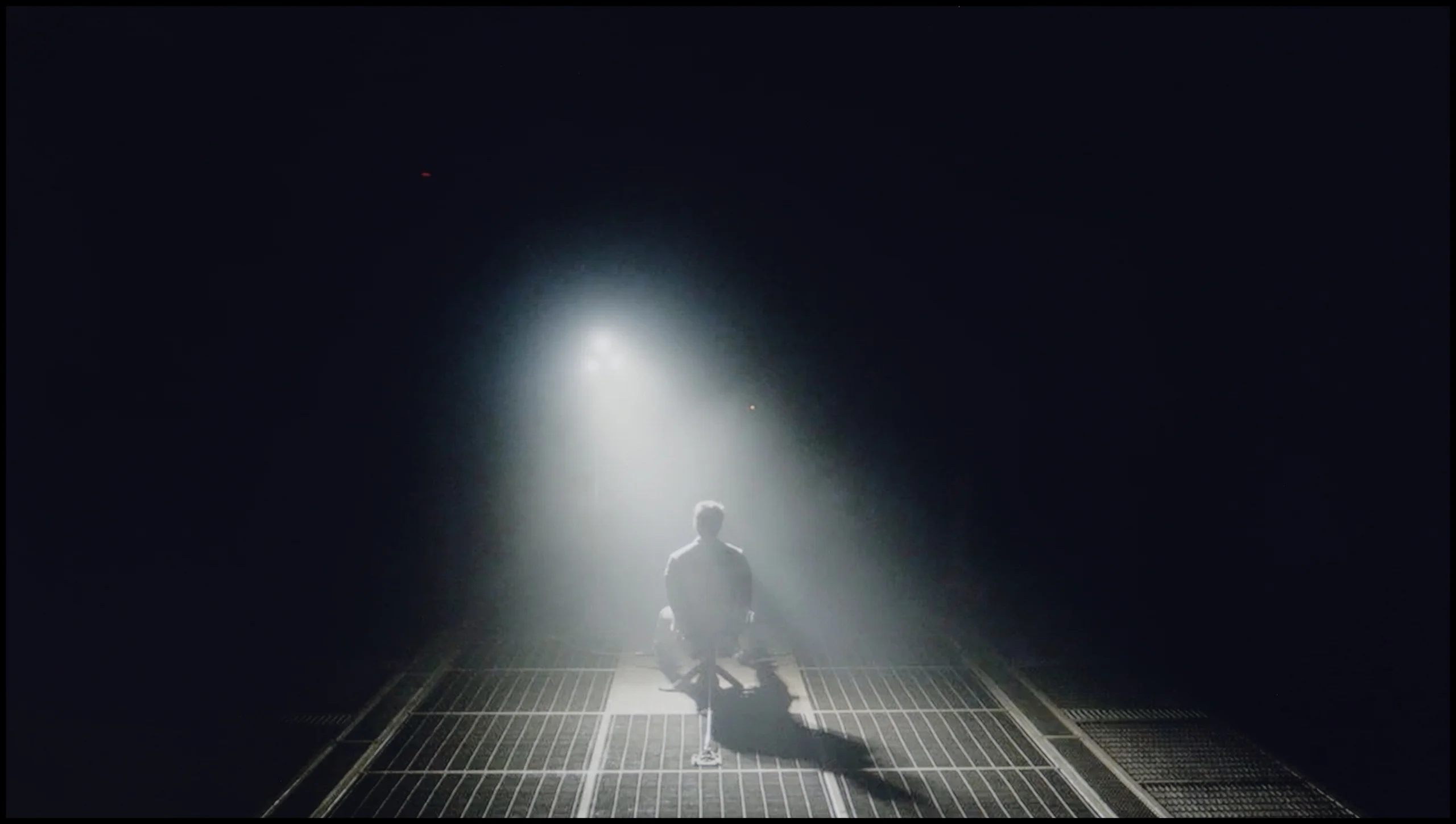
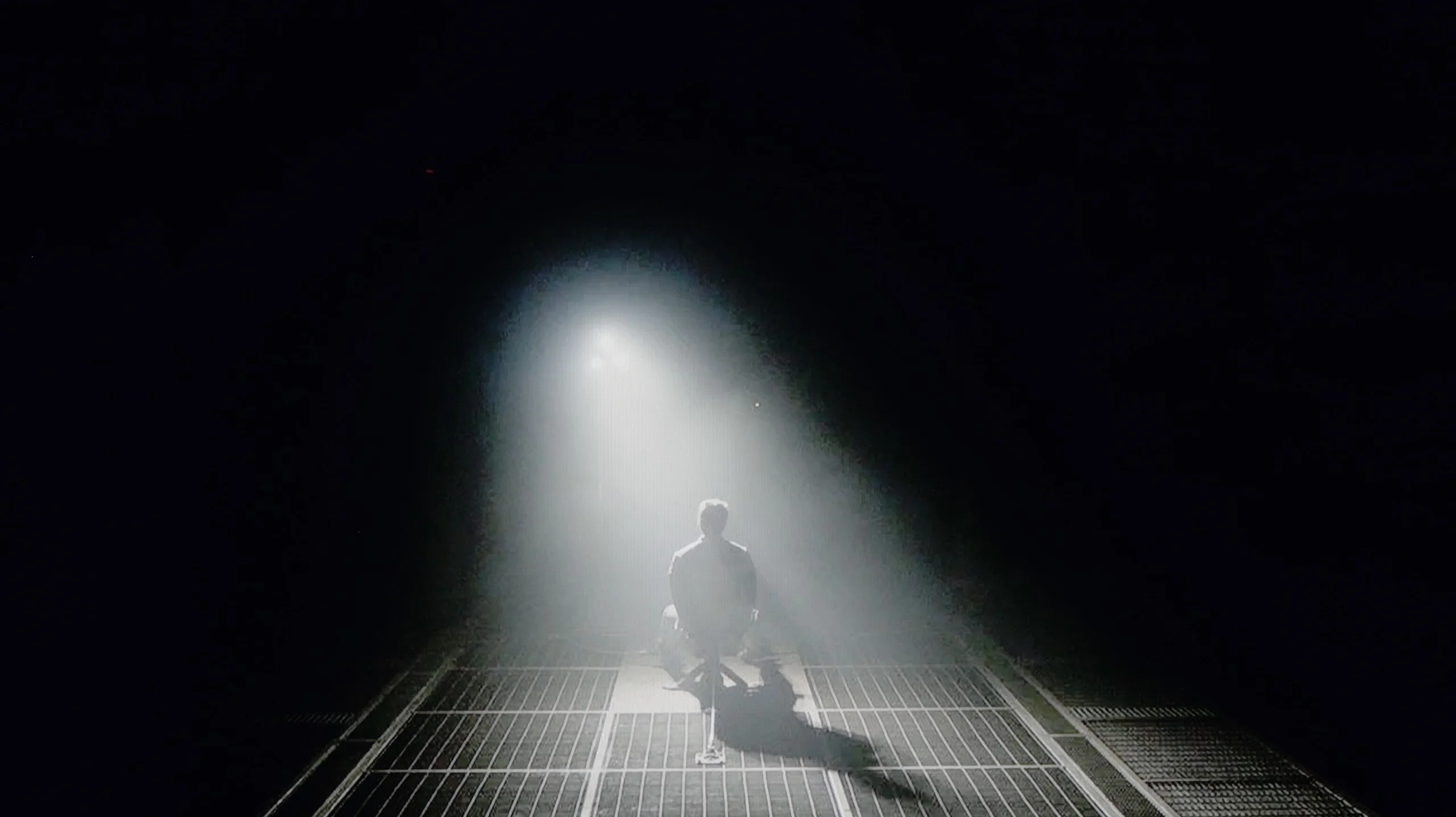
Check the visibility of bright lights on a dark background. Mini-LEDs often struggle with this. The photo does not compare black levels – that’s what the video below is for.
The tested model Sony X75WL is equipped with an IPS panel, which unfortunately negatively affects the quality of black levels and contrast. The black is shallow, and details in dark scenes are virtually invisible. In the film "Sicario 2", no details can be seen in the shadows. All of this makes the picture look poor and lacking in depth. The IPS panel used does not provide the level of contrast that more demanding users would expect, and the lack of detail in dark scenes significantly lowers the quality of the viewing experience when watching films. The X75WL television does not have local dimming functionality, which further complicates achieving the proper quality of black levels and contrast in this category.
The TCL P7L can surprise with quite respectable black levels, mainly thanks to its VA panel. The panel itself offers contrast of around 4500:1, which is clearly better than in typical IPS screens. The TV also uses global backlight control, so in darker scenes it can push black levels even lower, and in our measurements it achieved results that exceeded the panel's own capabilities.
However, this is not the local dimming found on Mini LED TVs. The P7L cannot dim small parts of the image independently, so when a bright element appears on screen the entire backlight has to operate at a similar level. In more demanding scenes the difference compared with models that use zoned dimming becomes apparent quite quickly, and in a completely dark room blacks can tend towards navy tones. Despite these limitations, we assess the P7L's overall contrast positively, especially given the segment it occupies.
HDR effect quality
5/10
4.5/10
Luminance measurements in HDR:

Result
285 nit

Result
308 nit

Result
343 nit

Result
345 nit

Result
358 nit
Result
250 nit
Result
300 nit
Result
368 nit
Result
297 nit
Result
347 nit
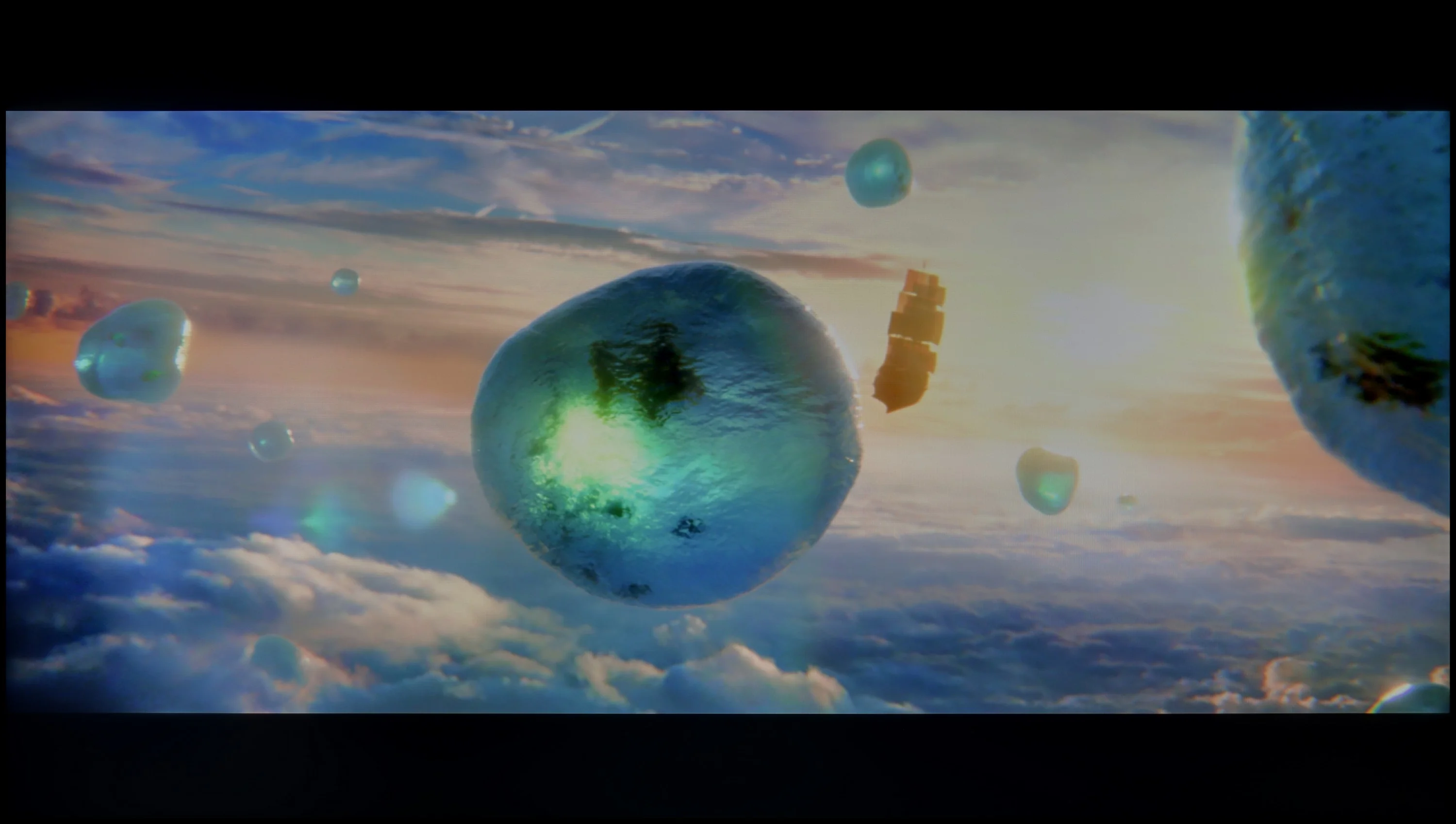
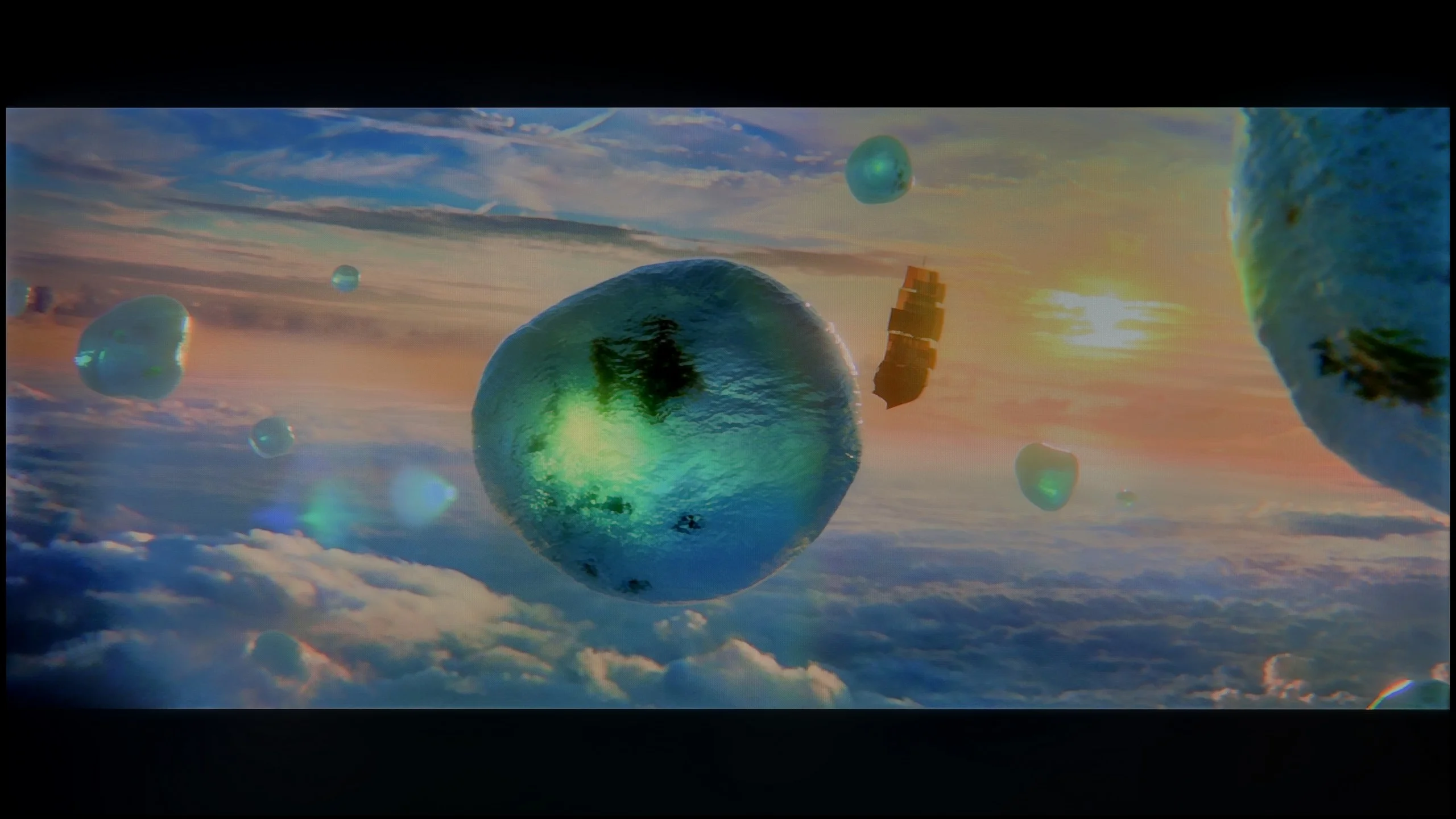
Scene from the movie “Pan” (about 2800 nits)
Scene from the movie “Billy Lynn” (about 1100 nits)
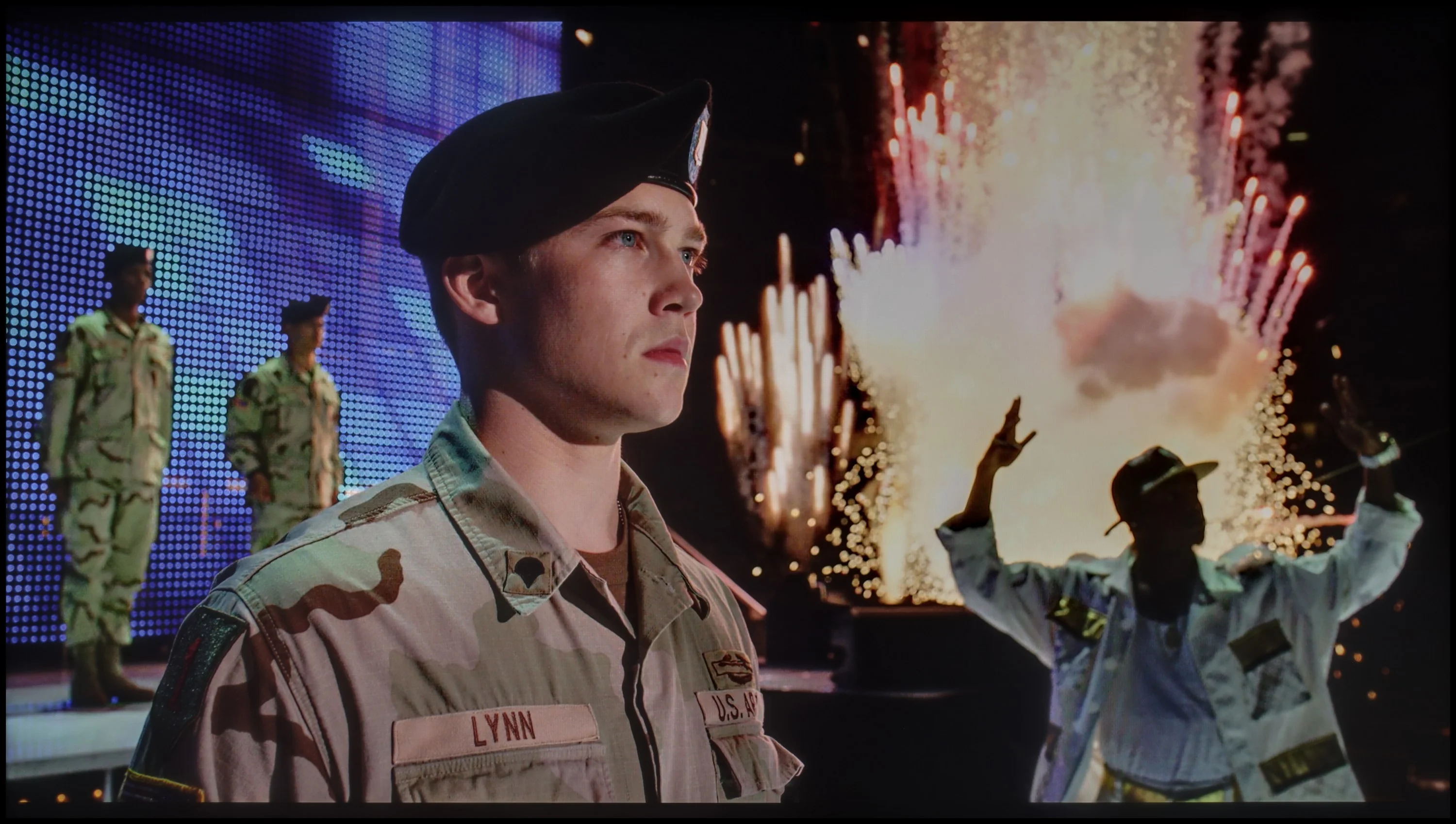
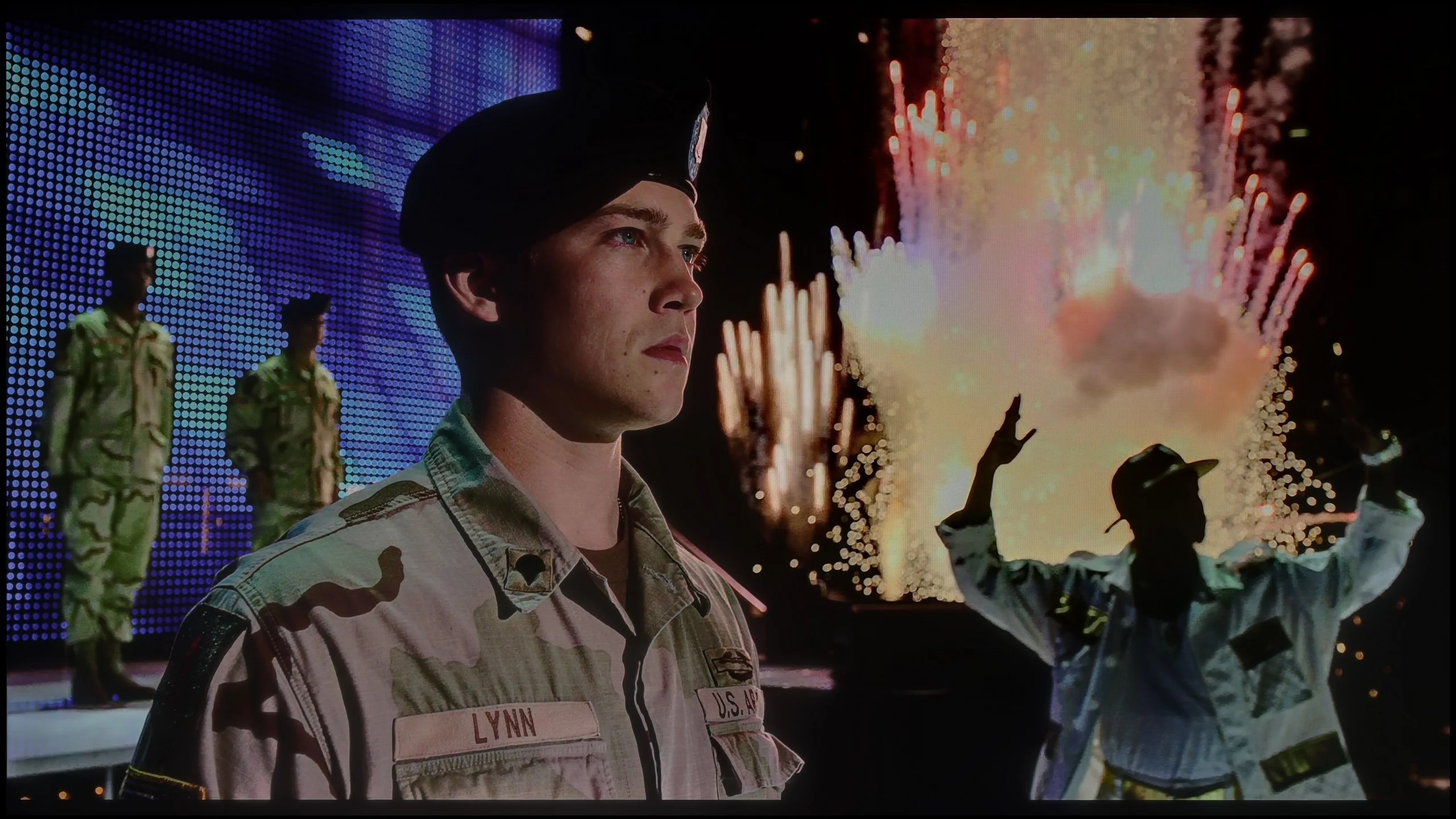
The photos show two HDR10 movies. 'Pan' is one of the brightest productions ever made, while 'Billy Lynn' (soldier) has brightness typical of streaming (Netflix, Prime, HBO MAX). Notice the intensity of effects and detail in whites.
Static HDR10


The photos present the visibility of white details in various HDR formats. They do not show brightness differences between TVs (these can be compared in the previous gallery).
Dynamic: Dolby Vision
Dynamic: Dolby Vision


The photos present the visibility of white details in various HDR formats. They do not show brightness differences between TVs (these can be compared in the previous gallery).
HDR luminance chart:
TCL P7L / P79L
Sony X75WL
The luminosity chart for the X75WL Sony television showed a maximum value of 350 nits, which is unfortunately not an impressive result. The television does not surprise with its brightness, and all the HDR scenes we tested lacked depth and the appropriate light effect that should accompany HDR content. Additionally, the poor coverage of the DCI-P3 colour gamut makes it difficult for the television to reproduce rich colours, which significantly affects the overall viewing experience of HDR content. The lack of adequate brightness and weak colour coverage mean that HDR effects are very limited in this model.
The biggest limitation of the TCL P7L in HDR is simply brightness. The TV does not have much luminance headroom, so strong highlights, the sun or small light sources can't clearly 'pop' out of the picture. As a result, even well-produced HDR material looks fairly restrained and, in terms of dynamics, is closer to good SDR than to what brighter models show. That does not mean the P7L completely fails at HDR. The issue is primarily a lack of backlight power.
Looking at colours, the situation is a little better. The TV covers around 91% of the DCI-P3 gamut and about 68% of the wide BT.2020 colour space, so for this price class the colour range is quite respectable. TCL markets this model as QLED, although the nature of the solution used is closer to backlighting that uses a PFS phosphor than to a classic quantum-dot layer. What matters most to the viewer, however, is the effect: more saturated colours are on offer.
Factory color reproduction
6.9/10
5.4/10
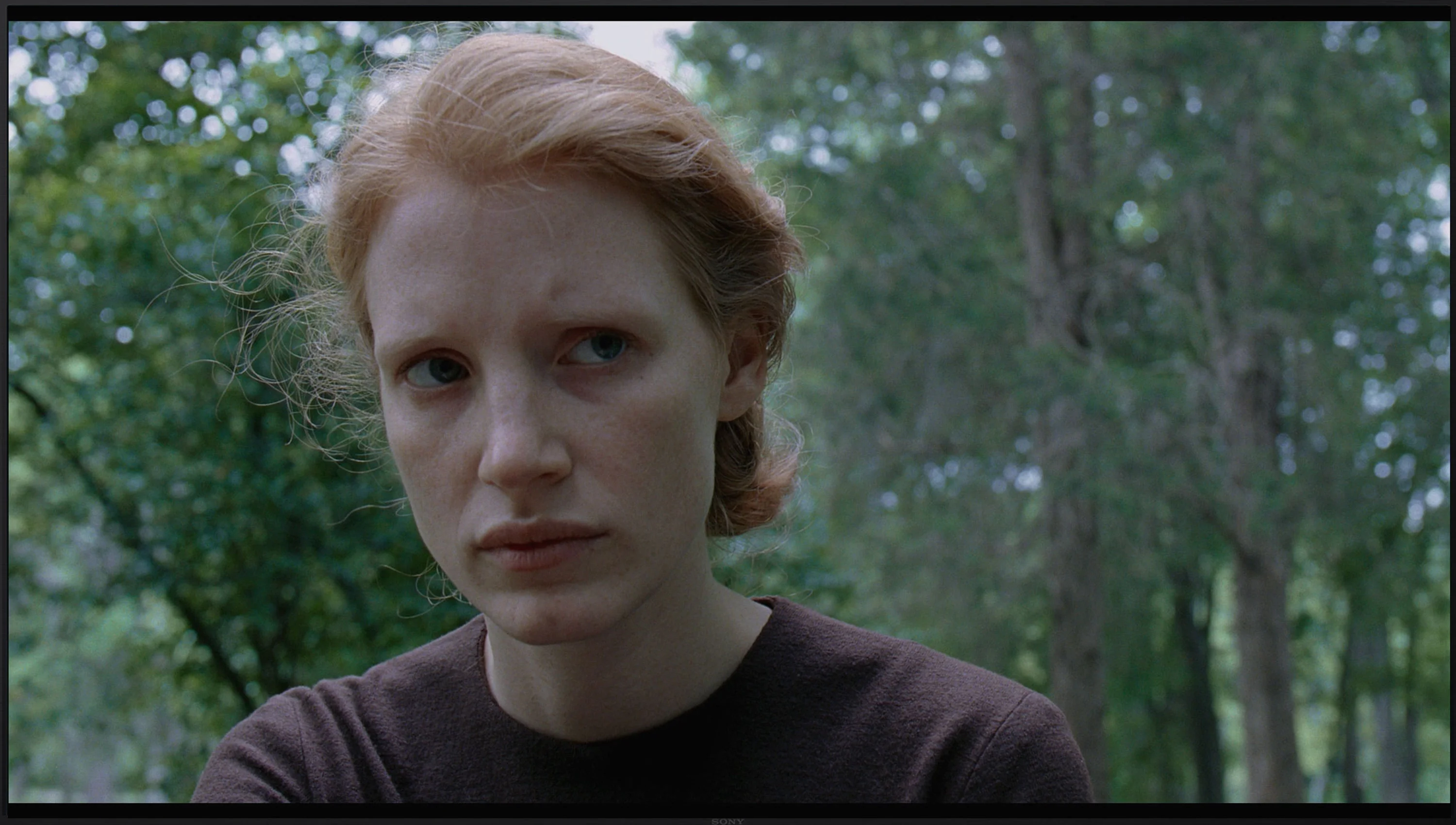
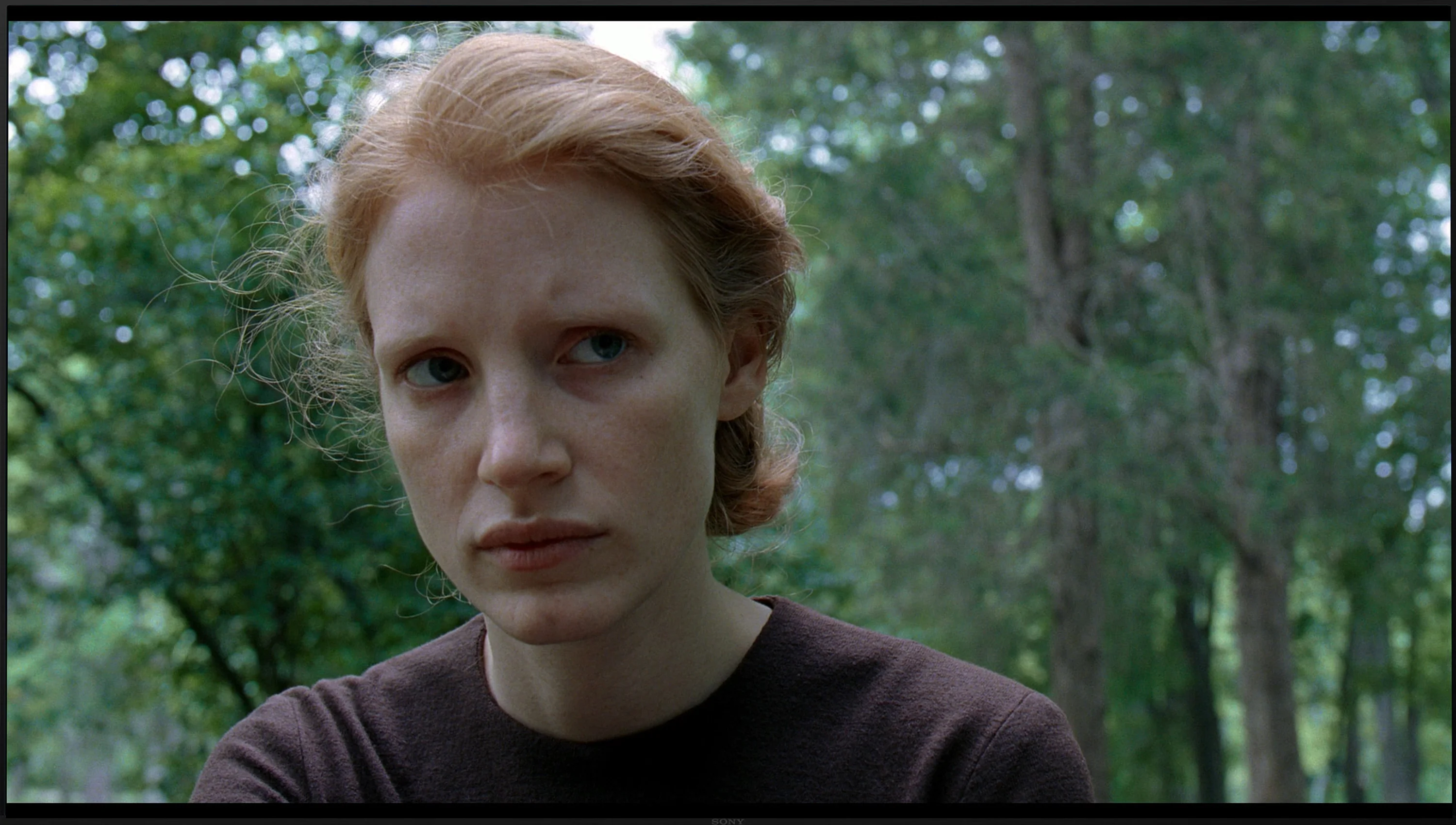
This illustrative image shows how colors change after professional calibration. If you can see the difference, you can order it from SkalibrujTV – it's our own service.
Factory mode
After calibration


This illustrative image shows how colors change after professional calibration. If you can see the difference, you can order it from SkalibrujTV – it's our own service.
Factory mode
After calibration
Colour reproduction tests for the model Sony X75WL are carried out in movie mode, which offers the best image settings, but it also has its flaws. The biggest problem with the X75WL Sony is the white balance – for both HD and 4K HDR content – which is characterised by a dominance of blue. As a result, the entire image feels too cold. The colour checker confirms these errors, showing that the colours lean towards cooler tones. In terms of brightness characteristics, the contrast gamma is at a fairly decent level, however, the same cannot be said for the EOTF curve. There are significant issues with maintaining appropriate brightness – the image is either overly bright or too dim, which impacts the visual perception of content.
In Film mode the TCL P7L performs quite respectably without major changes to the settings, particularly with ordinary SDR material. White balance is relatively even, though as brightness increases there is a slight rise in red and blue and a touch too little green. This does not, however, produce a strongly visible tint and most colours remain close to their reference points. The Colour Checker confirms this, with a large portion of errors falling below the level that should be particularly noticeable during normal viewing. We have more reservations about the gamma response. In the darkest parts of the image the TV runs it noticeably above the reference value, so some shadow detail can be a little too subdued. The characteristic then calms down and across much of the range it is close to the intended behaviour. As a result SDR generally looks natural, but in dark scenes the P7L can lose some subtlety.
In HDR the factory calibration is less precise. As brightness increases the excess of blue becomes more pronounced, which can make the image look cooler than it should. The number of larger colour deviations also grows, particularly in brighter hues. As for the EOTF curve itself, it is handled fairly conservatively, with the TV showing the image darker than the reference across much of the range. For such an inexpensive model, the factory Film mode settings are not bad.
Color reproduction after calibration
7.1/10
7/10
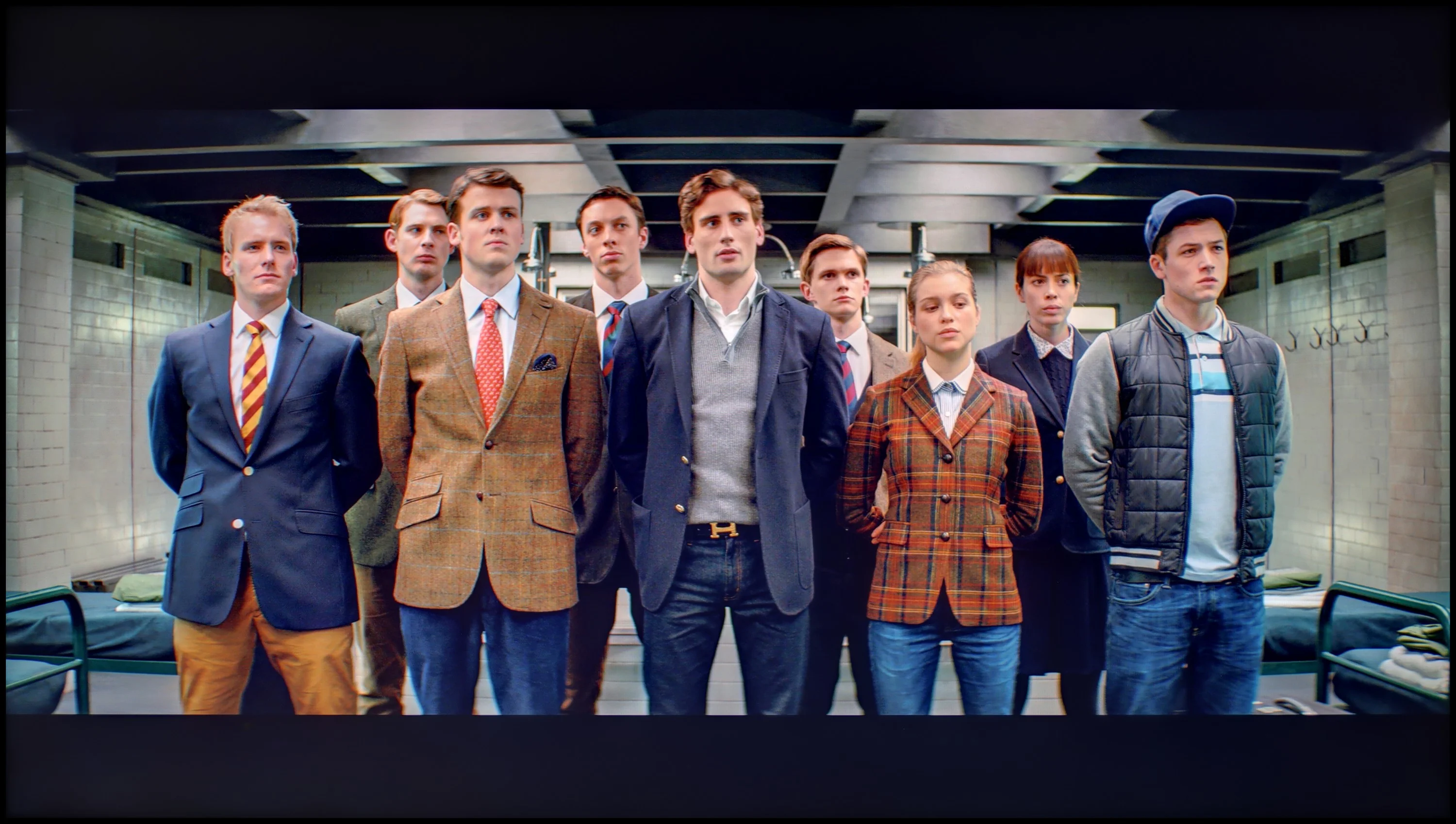
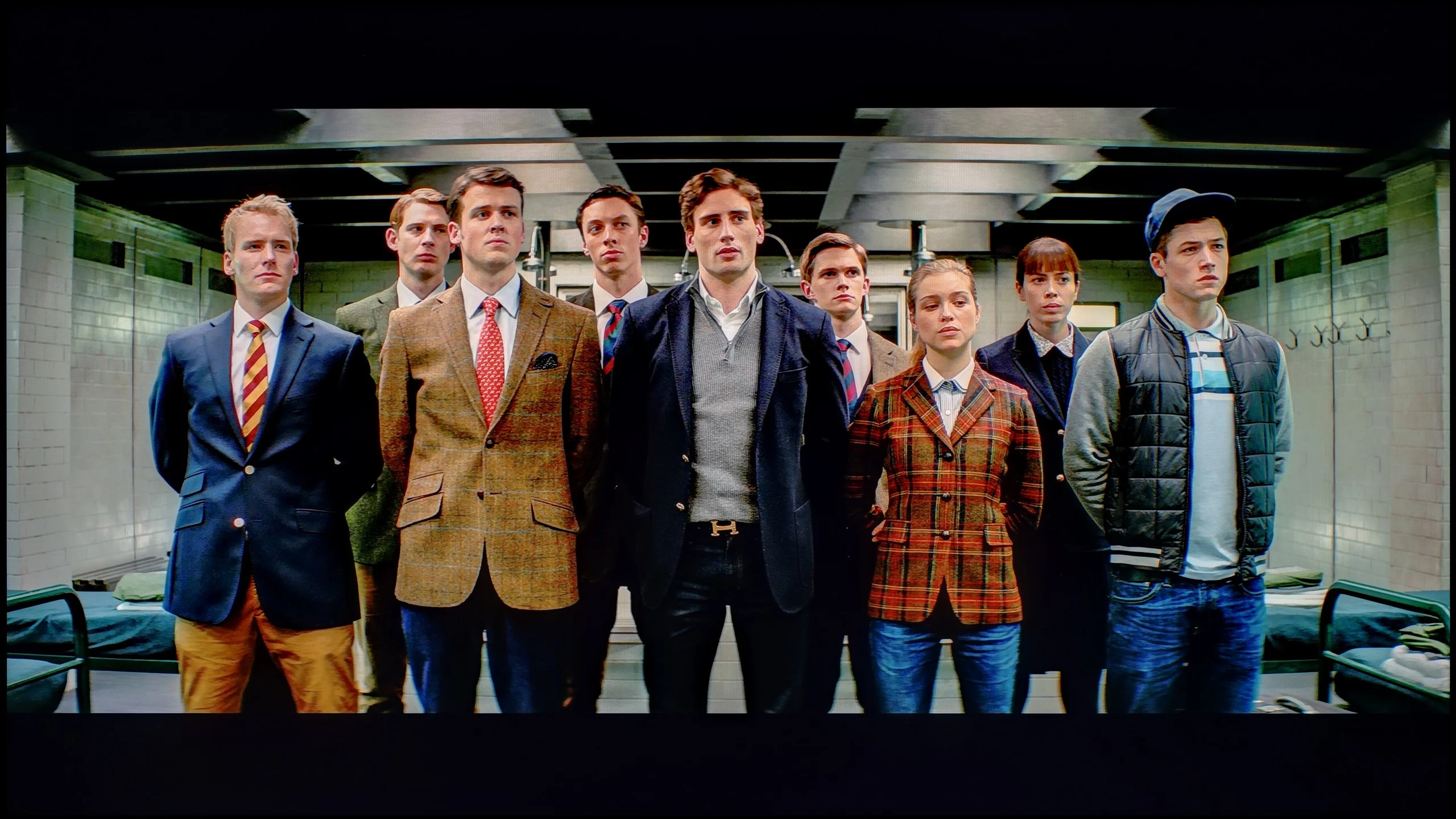
The photos show how movies look on the TV. Pay attention to black detail visibility, colors, and shadow tint.
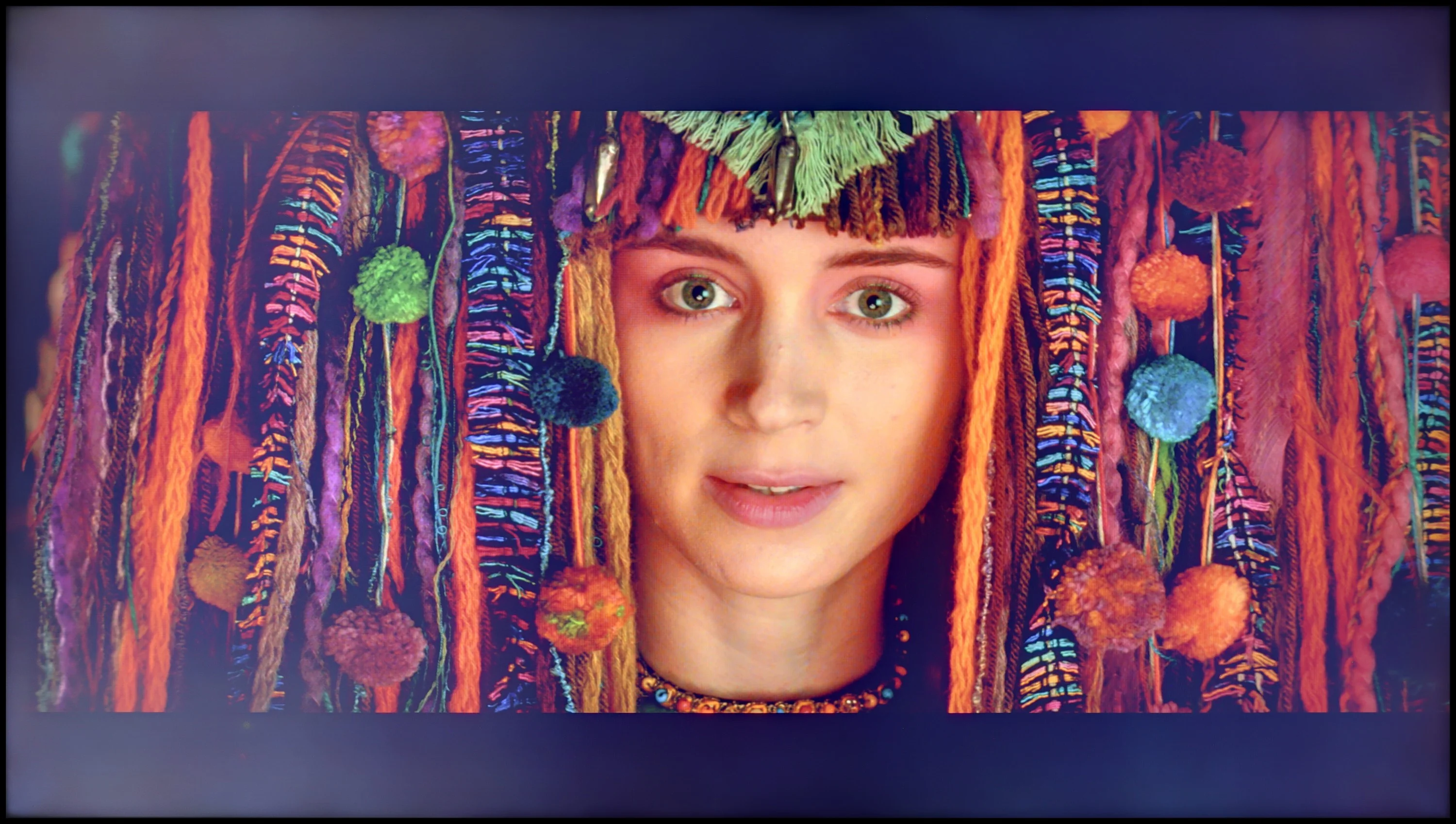
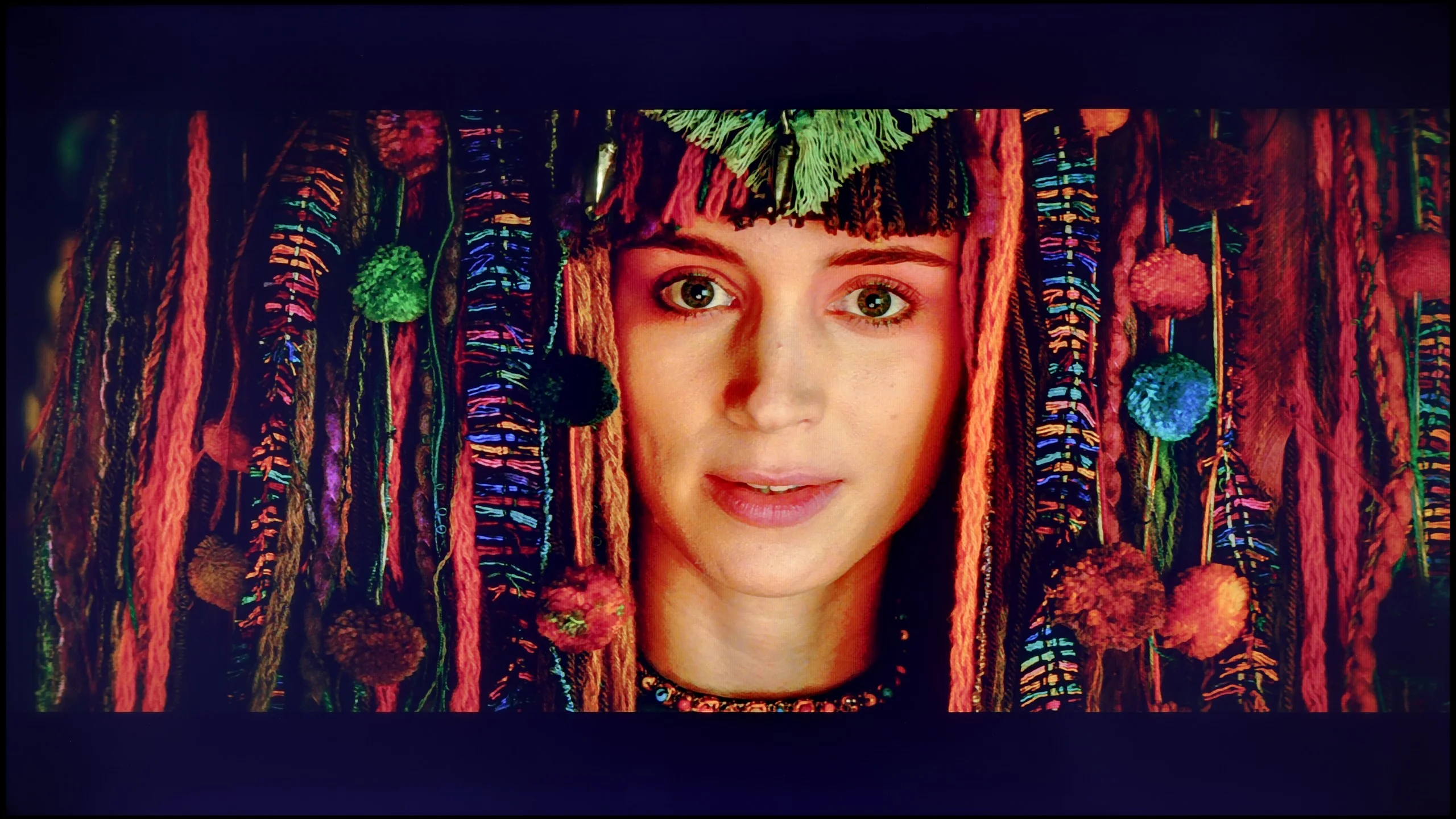
The photos show how movies look on the TV. Pay attention to black detail visibility, colors, and shadow tint.
X75WL Sony is one of those cases where image calibration may not be highly spectacular, but it offers a very good improvement in the perception of colours. The white balance, for both HD and 4K materials, has been significantly improved – there is no longer a strong dominance of cooler shades. The gamma curve also appears more stable, which translates into better image quality. However, the biggest issue remains the EOTF curve, which is responsible for brightness in 4K materials. Due to the technological limitations of the television (IPS panel and lack of local dimming technology), it is hard to speak of a significant improvement, as we cannot extract more from this model. Despite these limitations, the tonal quality of the image has been significantly enhanced.
After calibration the TCL P7L can deliver a genuinely pleasant picture, especially with conventional SDR material. We managed to even out the white balance very well, and the gamma curve now tracks close to the target value of 2.4. This is also reflected in the colour measurements: most errors have fallen noticeably, and in everyday viewing it is hard to point to any obvious inaccuracies. Films, series, YouTube and ordinary broadcast TV therefore look more natural, without unnecessary warmth or a cool tint. For a model in this price bracket the SDR performance is really very good.
With HDR the situation becomes more complicated. Calibration helped improve the white balance and tidy up some deviations, but here the panel's limitations become increasingly apparent. The P7L has relatively low brightness and cannot maintain adequate luminance for more saturated colours, so some errors remain even after careful tuning. In other words, settings can improve the way the TV interprets the signal, but they cannot overcome its physical limits. That is why calibration makes most sense for this model primarily in SDR.
Smoothness of tonal transitions
8.1/10
7/10
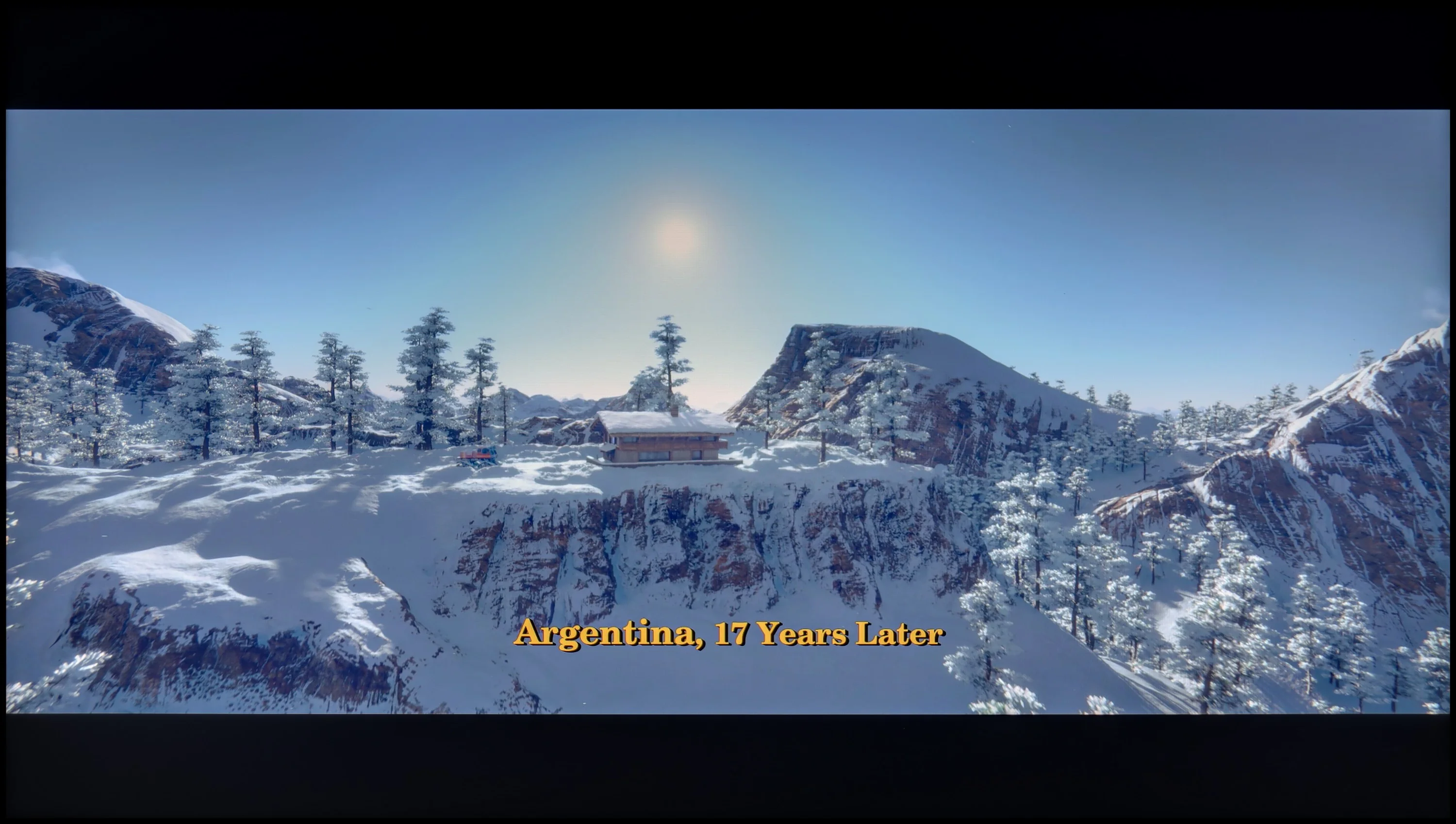
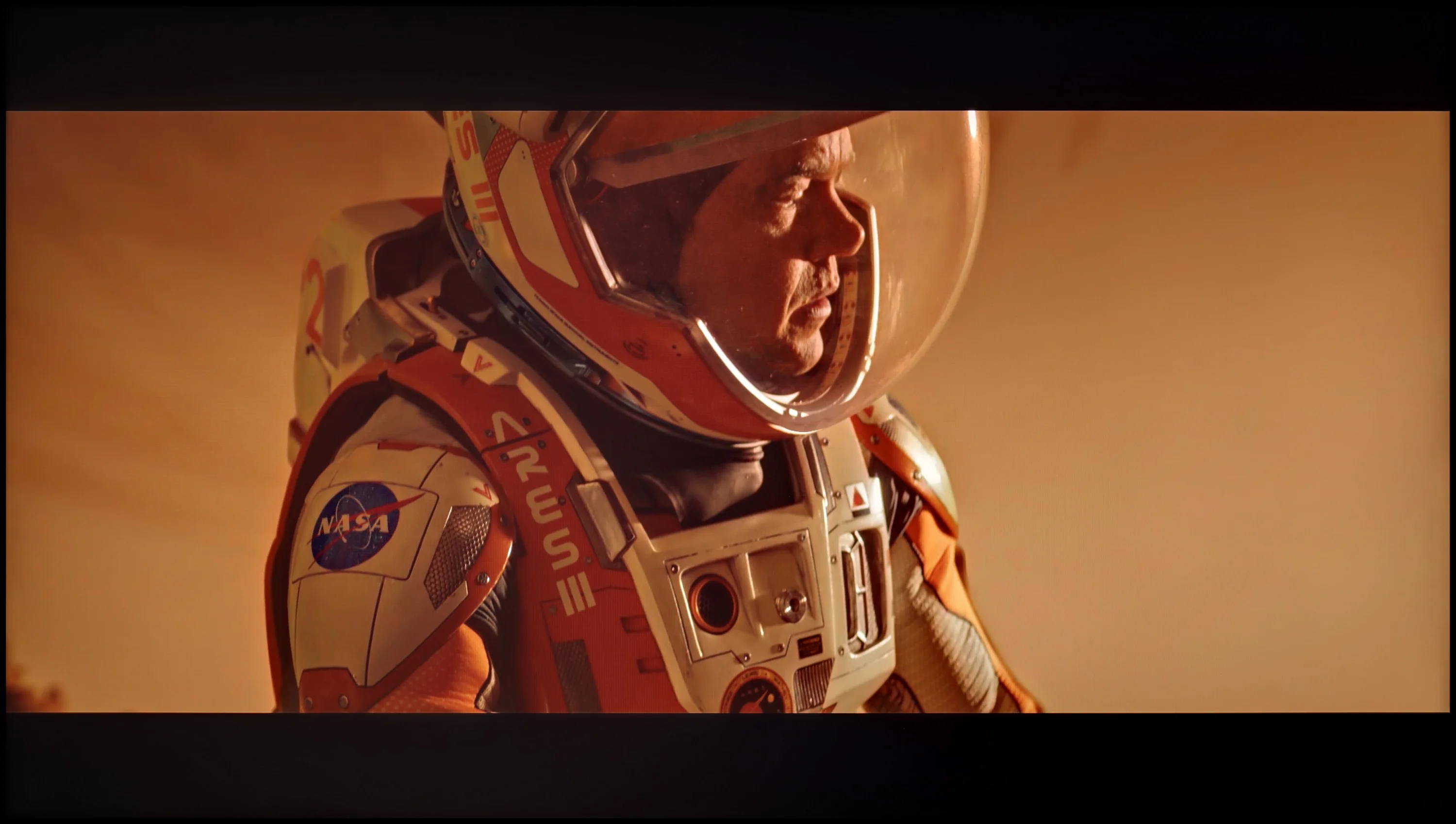
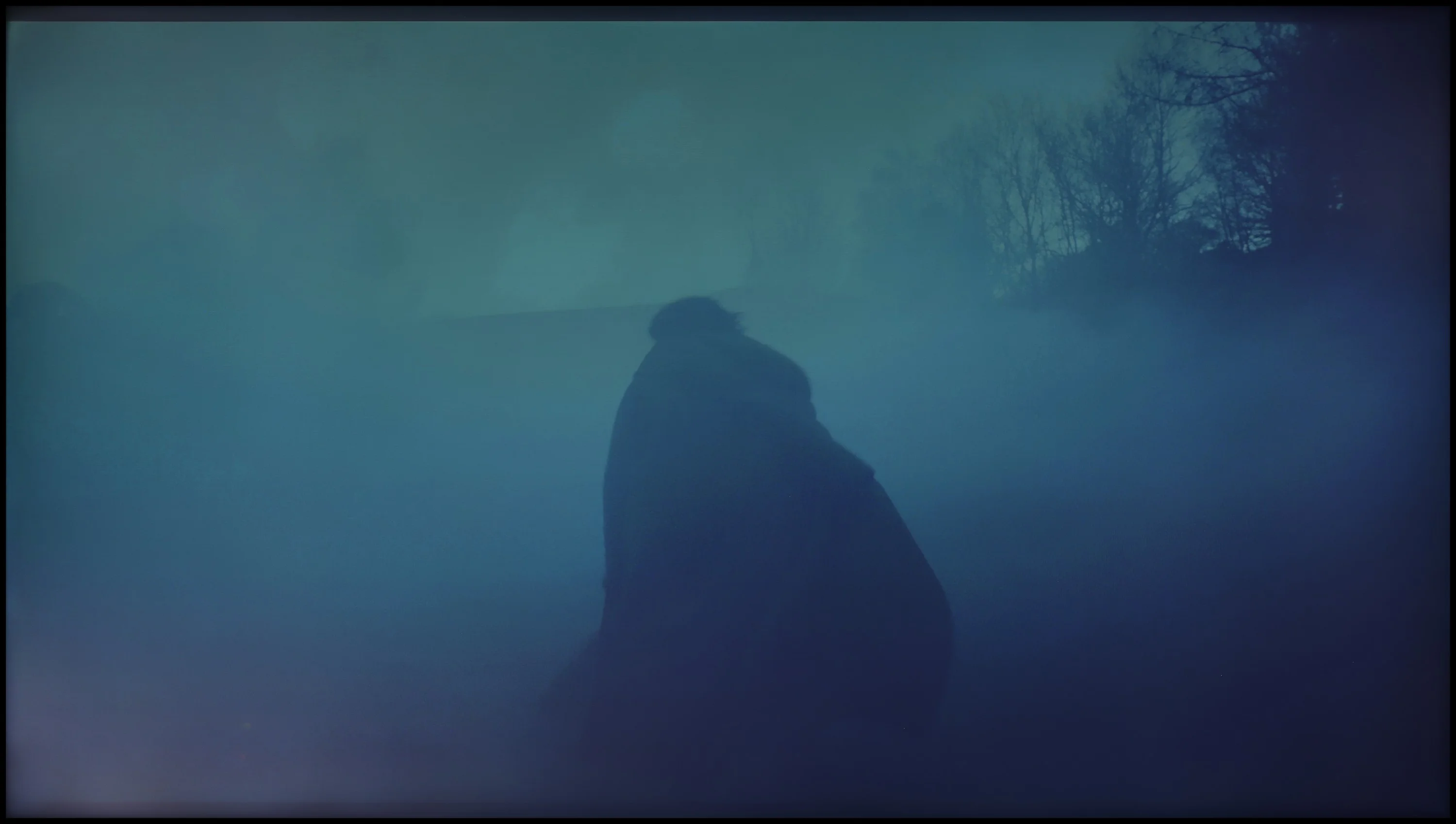
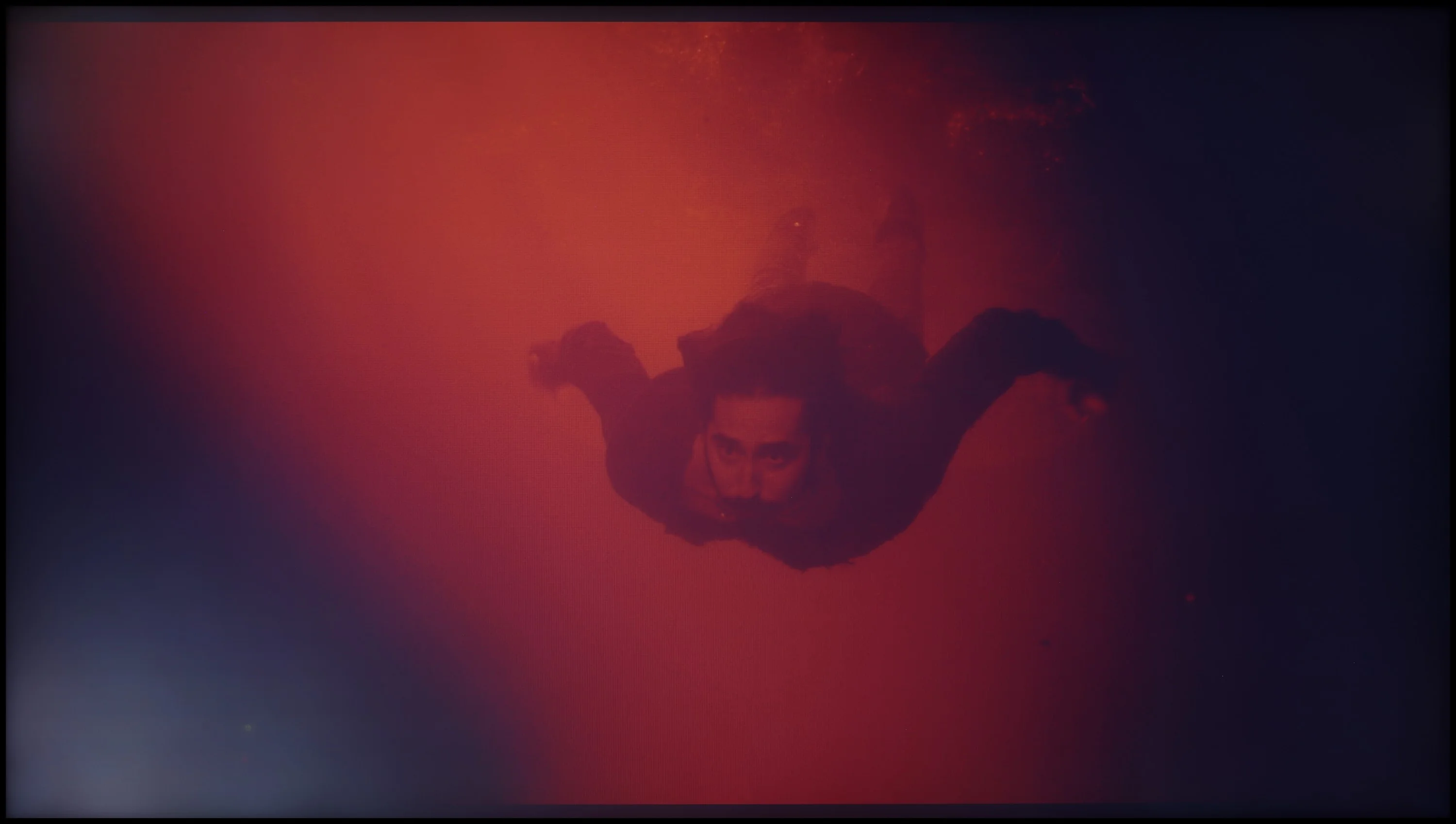
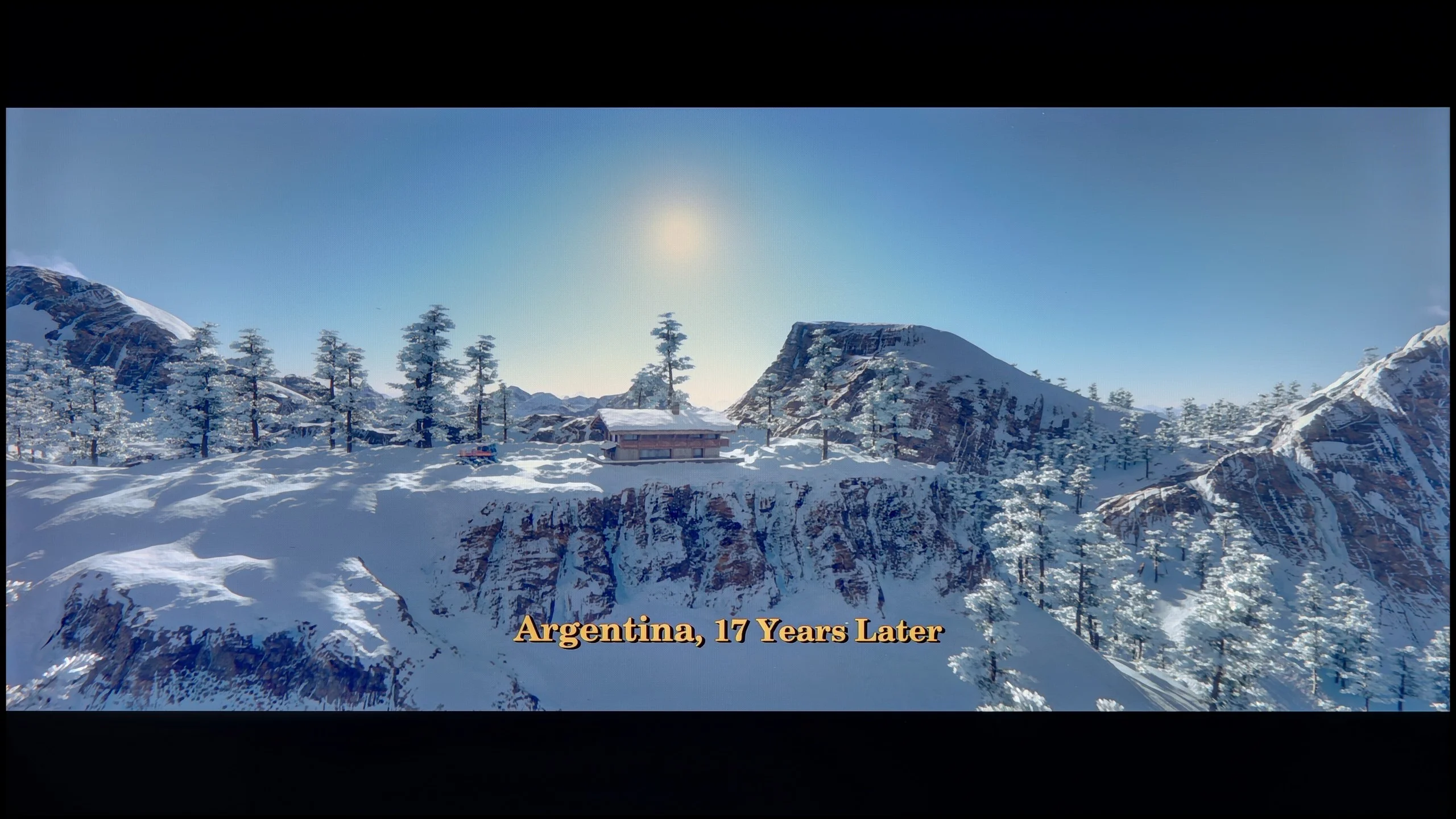
These are selected scenes that show smooth tonal transitions from one color to another. If you see distinct banding, it’s the TV panel’s fault.
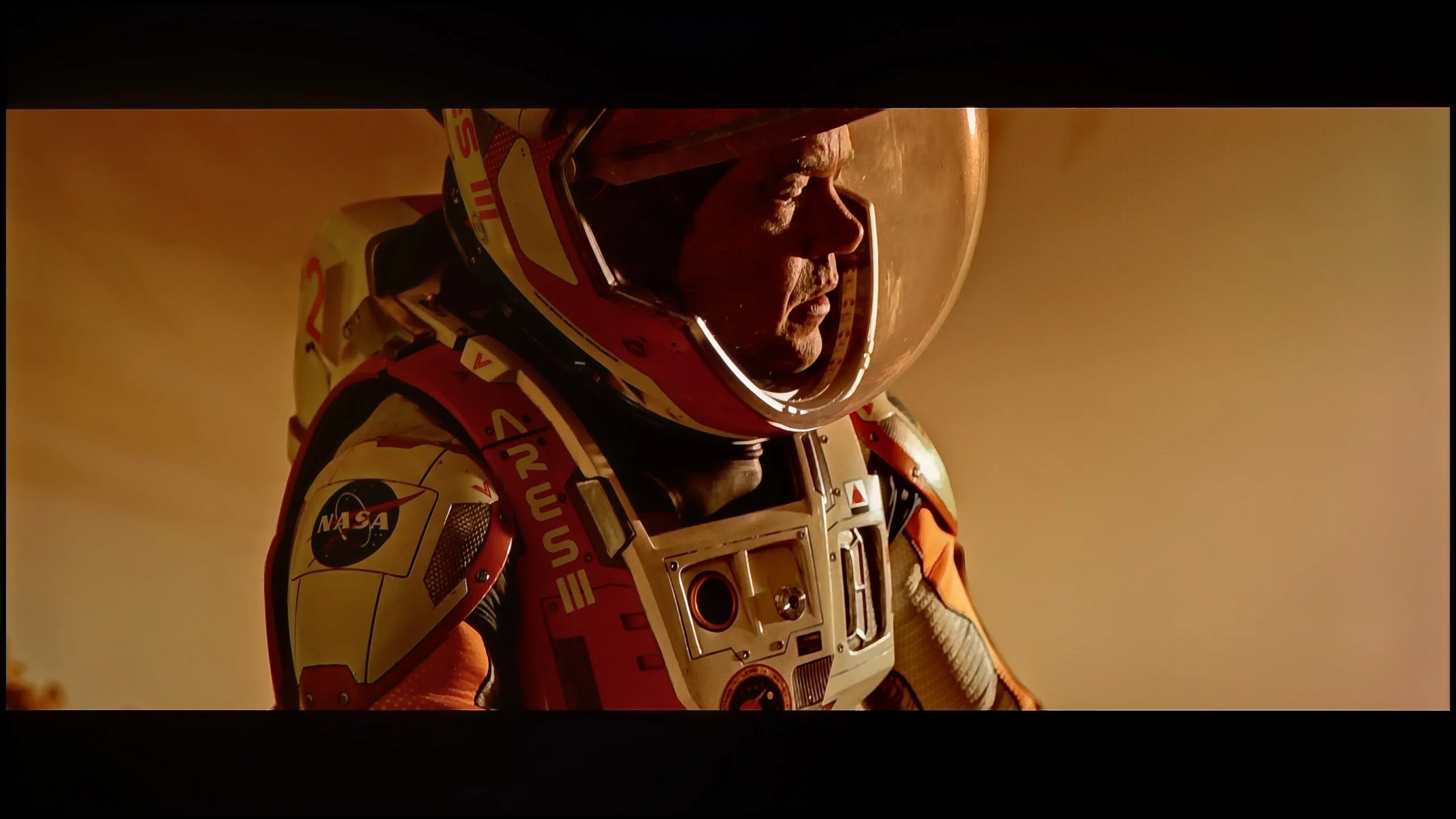
These are selected scenes that show smooth tonal transitions from one color to another. If you see distinct banding, it’s the TV panel’s fault.
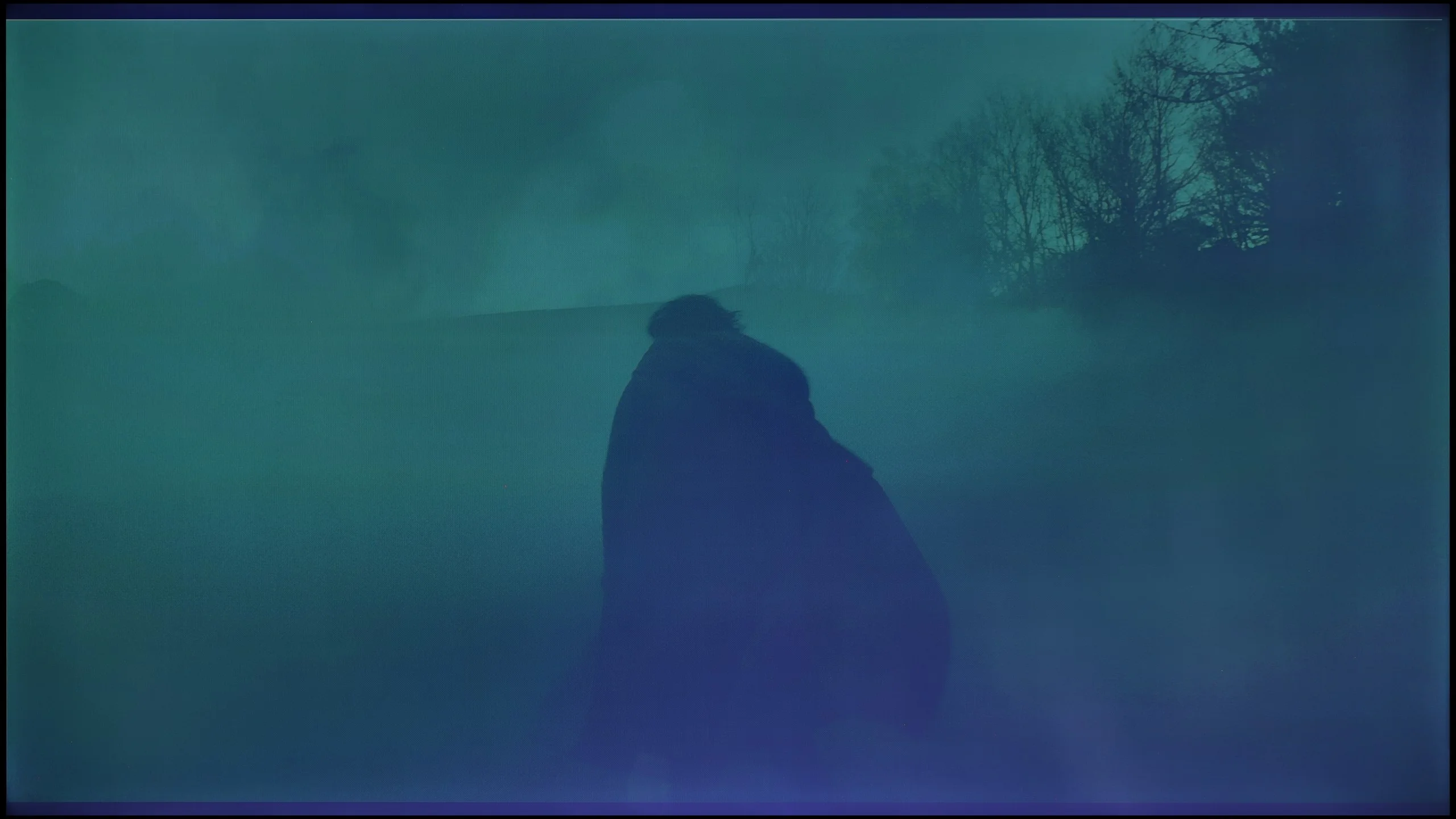
These are selected scenes that show smooth tonal transitions from one color to another. If you see distinct banding, it’s the TV panel’s fault.
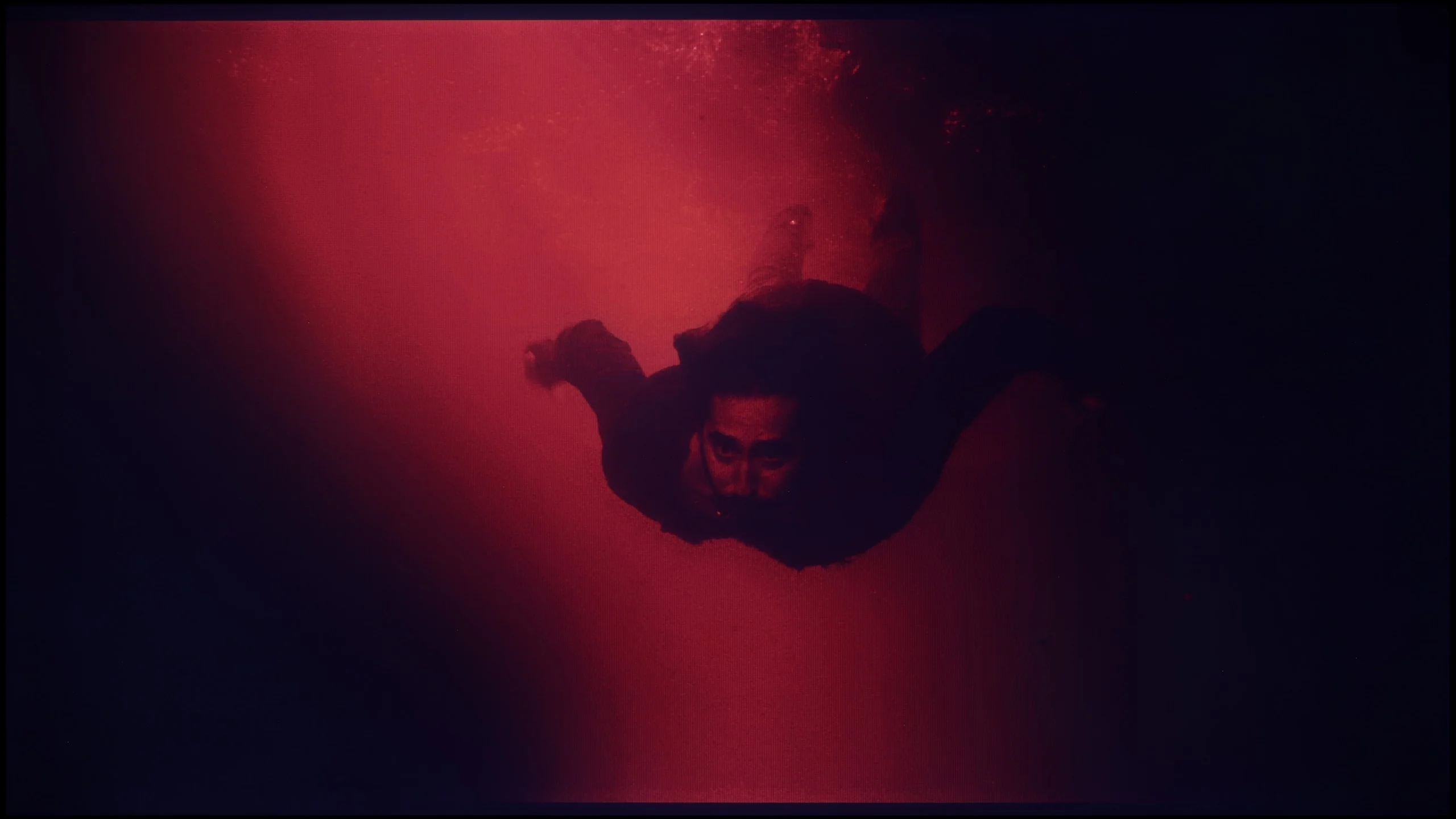
These are selected scenes that show smooth tonal transitions from one color to another. If you see distinct banding, it’s the TV panel’s fault.
In the model X75WL , the smoothness of tonal transitions performs very well. The gradation in the shadows is good, with no visible issues, positively affecting the quality of the image in darker areas. In brighter scenes, slight issues with smoothness can be noticed, but they are not clearly discernible and shouldn't affect viewing comfort. In a scene with vibrant red colour, slight clipping is noticeable, but it does not detract from the overall enjoyment of watching.
The smoothness of tonal transitions on the TCL P7L is quite good, but not in every scene. In brighter scenes the television performs very well, because changes between successive shades are gentle, and on the sky, bright walls or subtle gradients it's hard to spot anything that would noticeably disrupt viewing. It becomes worse in the darker areas of the image. It is there that visible joins between colours and successive grey levels appear more often. In dark scenes you can therefore notice characteristic banding or more pronounced 'steps' where the transition should be smoother. It's not an issue all the time, but with weaker source material or scenes with lots of mid-tones it can stand out.
Image scaling and smoothness of tonal transitions
6.1/10
7/10


Smooth transition function
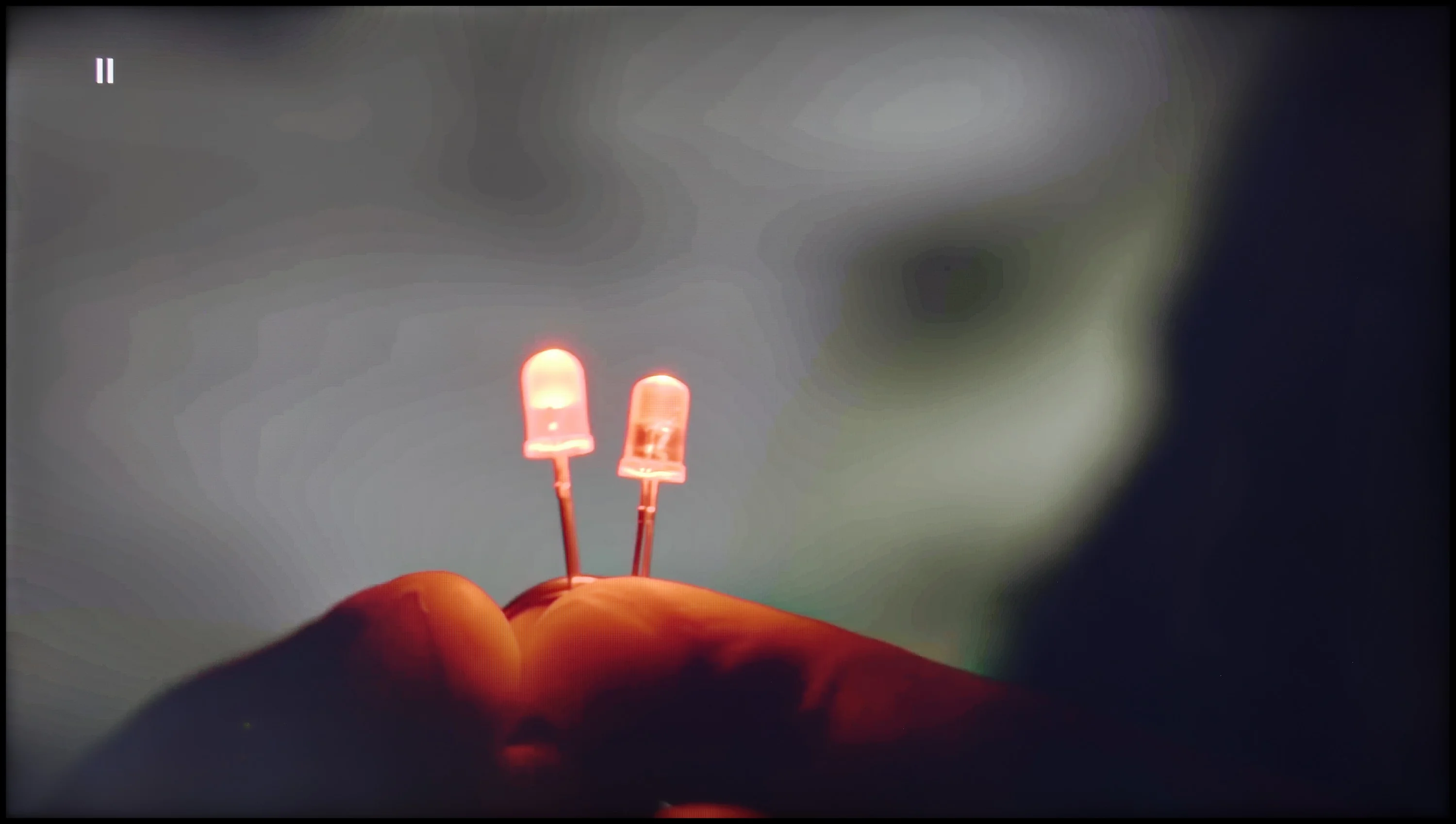
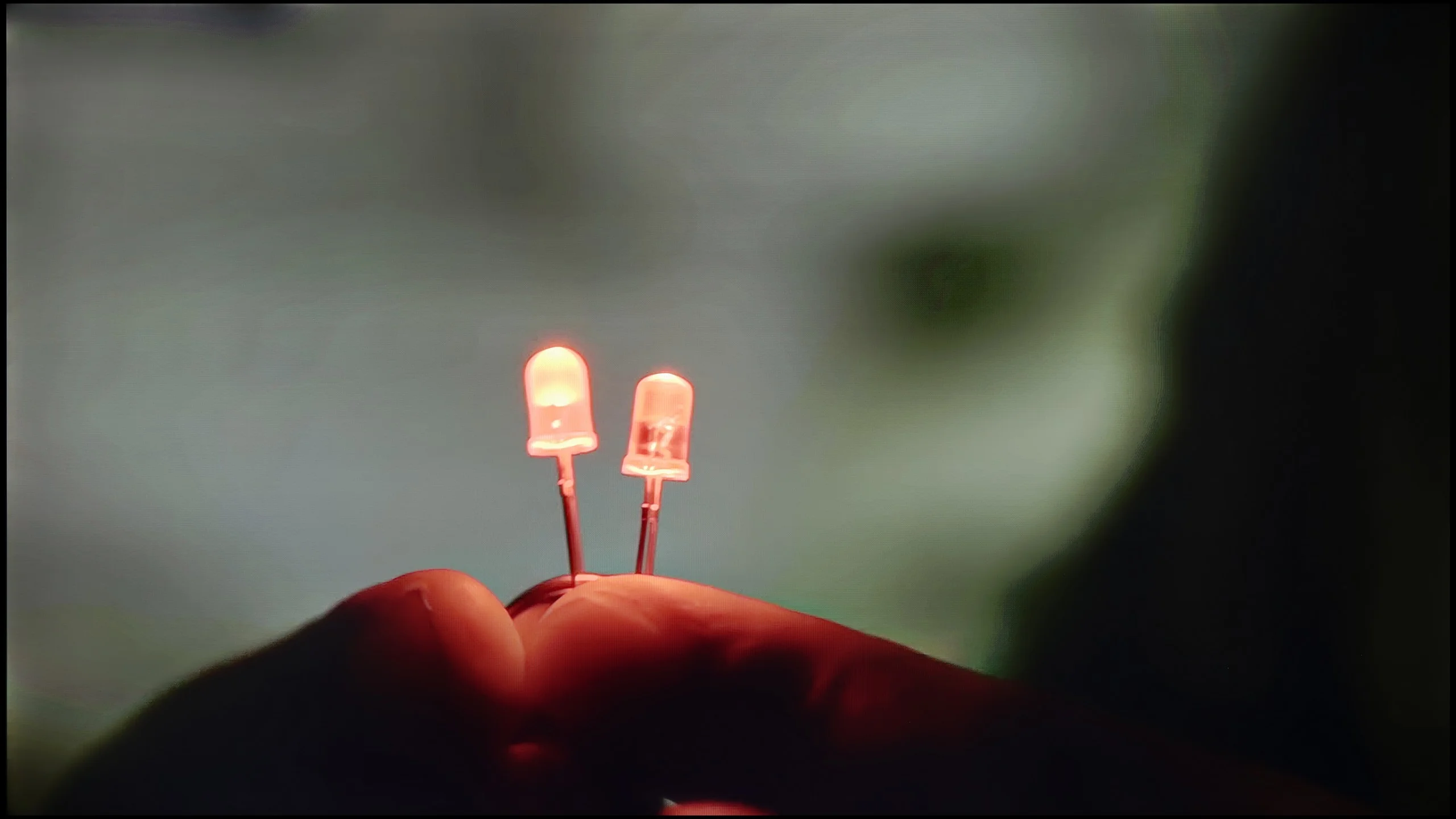
The match photo shows how the TV smooths weak tonal transitions in low-quality video.
Image scaling SD (576i)
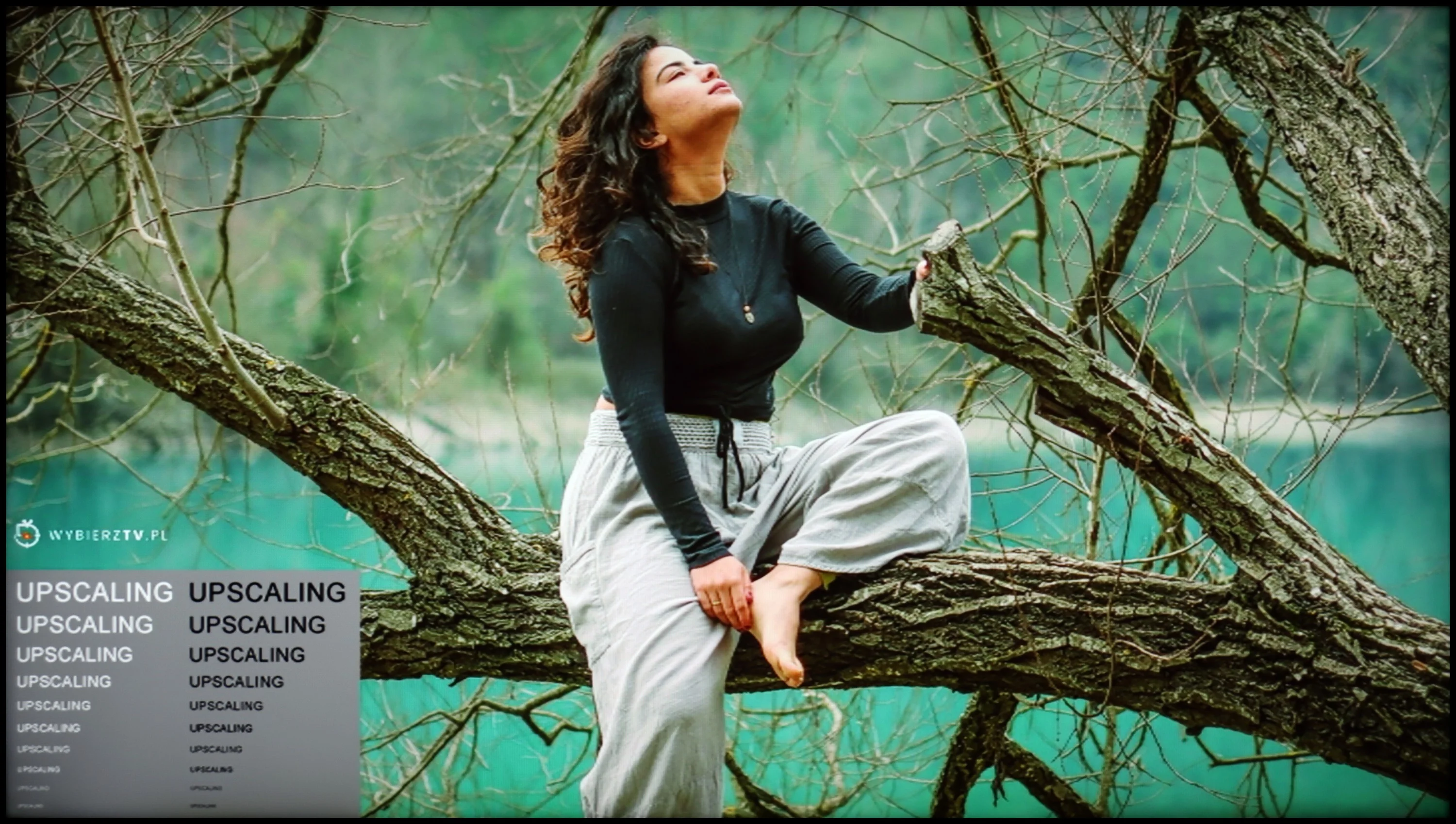

The model photo shows how it handles upscaling of SD material.
In the case of low-quality tonal transitions, the television Sony X75WL performs poorly. The lack of any feature to improve tonal transitions results in noticeable imperfections in colour gradation. However, one can credit the quite good digital processing – the image is displayed without overscan, and overall it looks relatively good thanks to the added slight sharpness, which some users may appreciate.
In this respect the TCL P7L performs surprisingly well, especially for such an inexpensive TV. The banding-reduction feature, which in many budget models does little or nothing, actually manages to improve the picture here. It does not remove all banding entirely, but it can noticeably reduce posterisation and make more challenging gradients look more natural. At this price point that’s a genuinely pleasant surprise. Upscaling itself also performs well. Lower-resolution material is scaled correctly, without over-sharpening or adding artificial outlines around objects. Of course the P7L won’t turn a very poor source into a 4K-quality image, but for regular TV the result is simply solid. For a model in this class there is little to criticise.
Blur and motion smoothness
4.9/10
5.5/10
Blur (native resolution, maximum refresh rate):
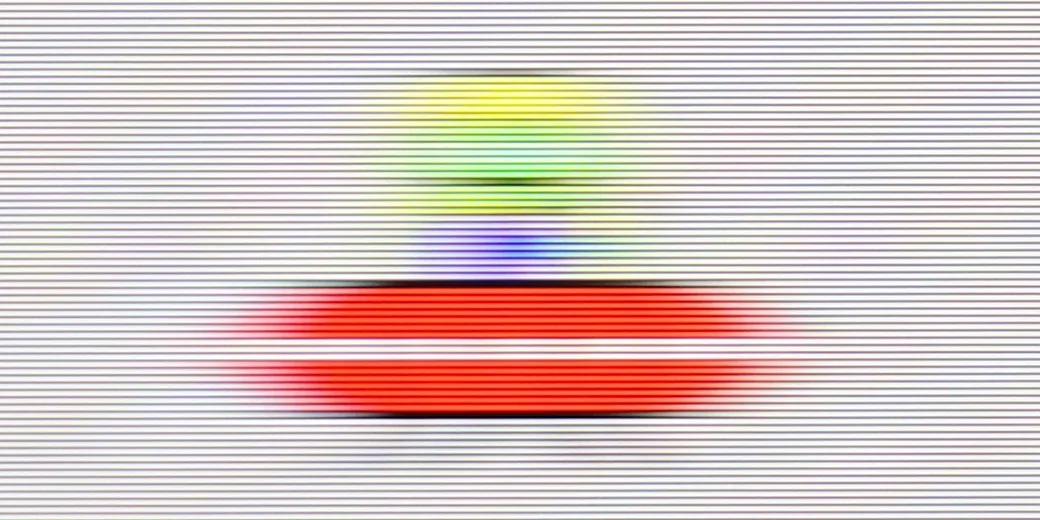
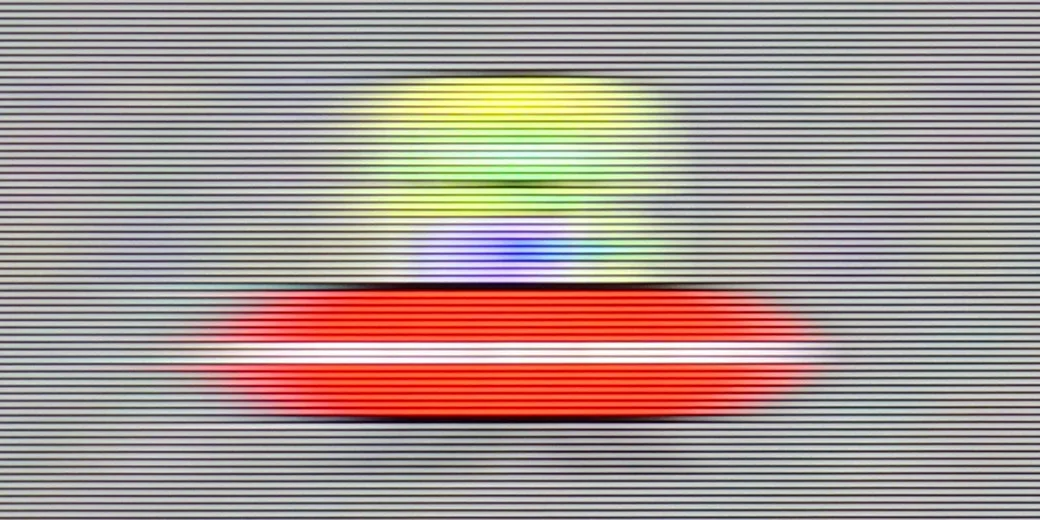
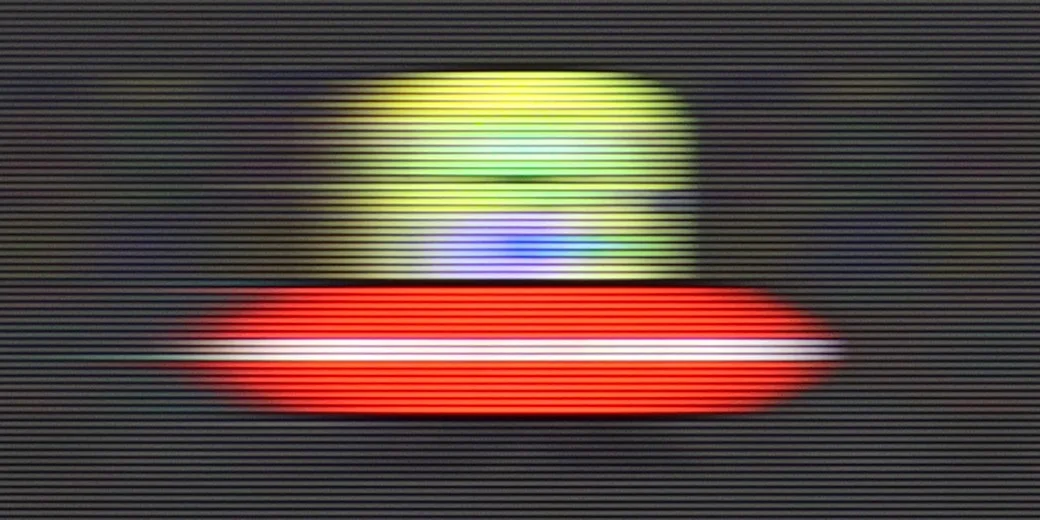
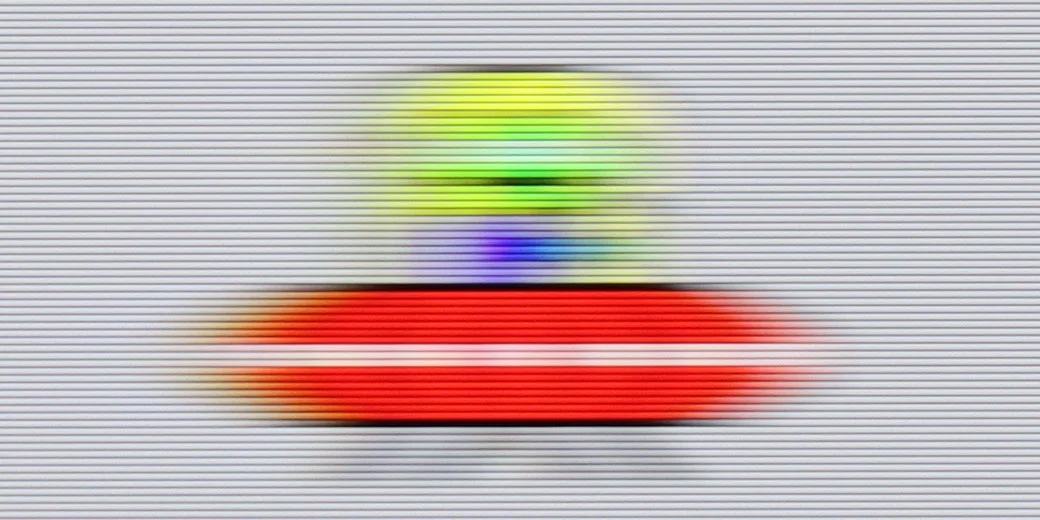
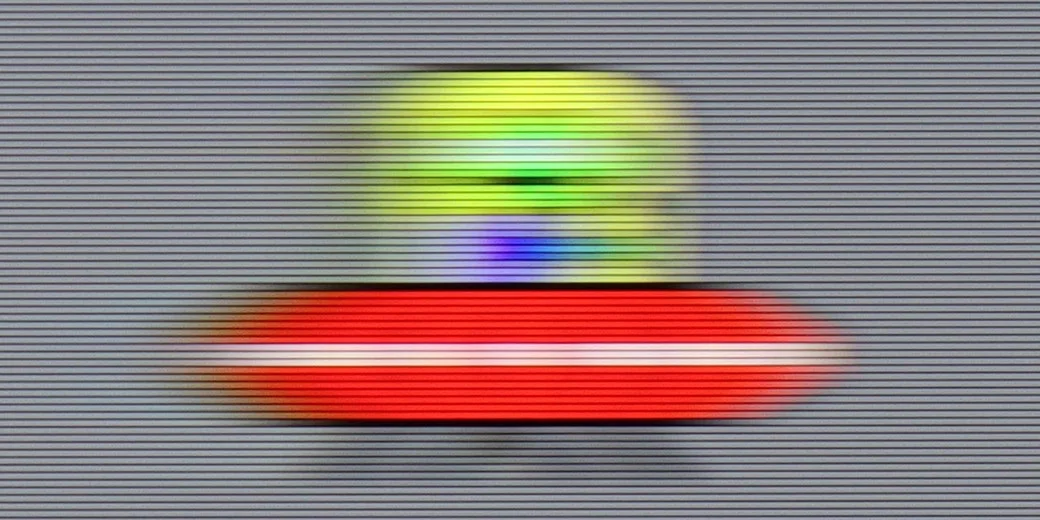
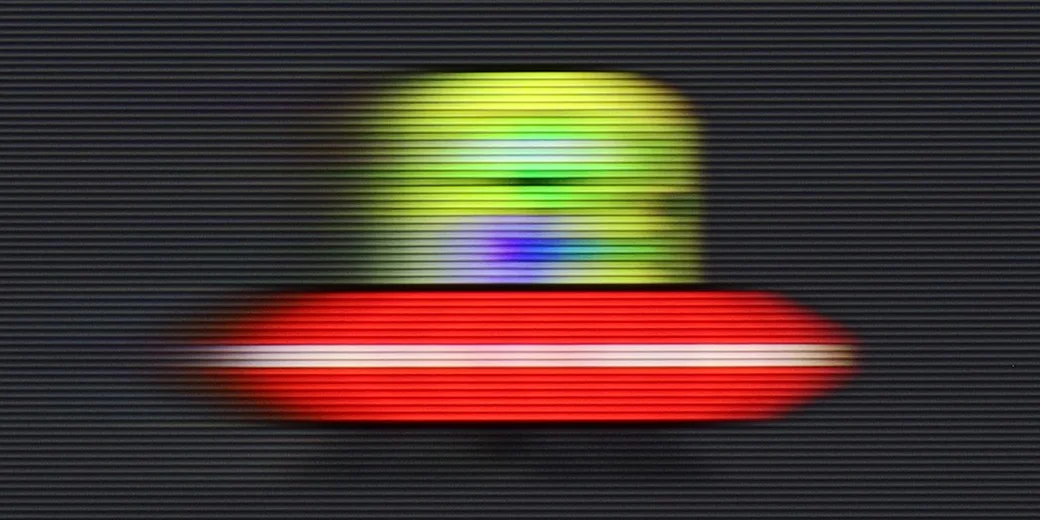
Blur (BFI function enabled):
Blur ():
Blur (1440p@120Hz):
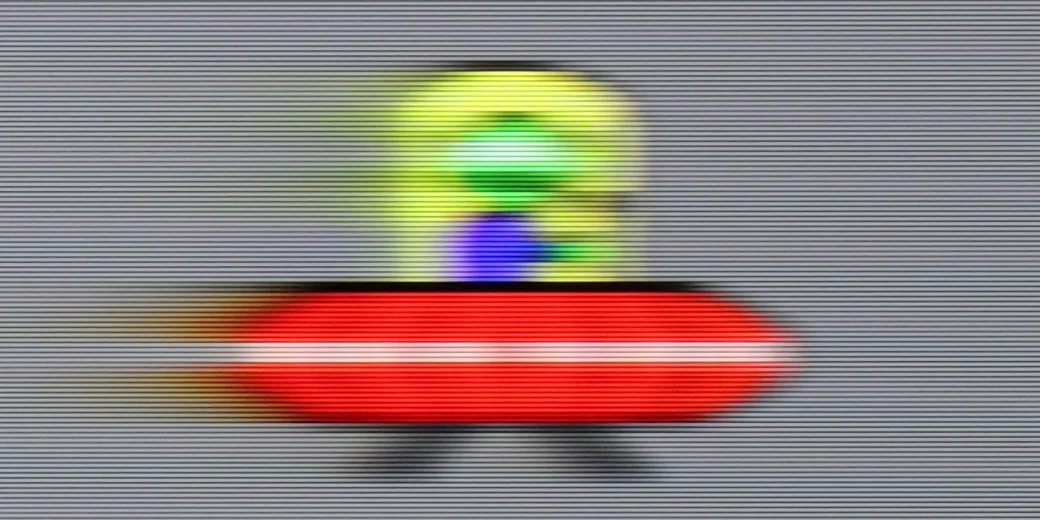
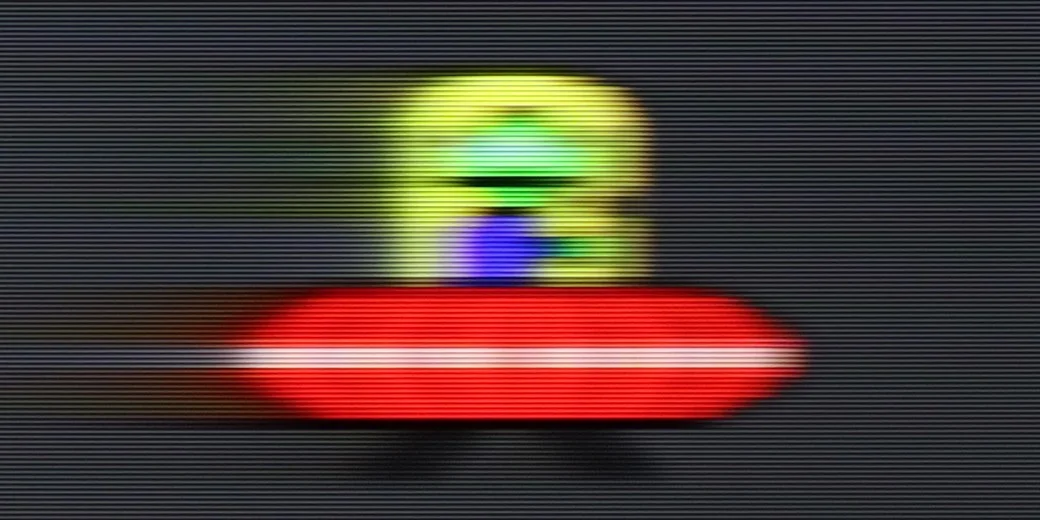
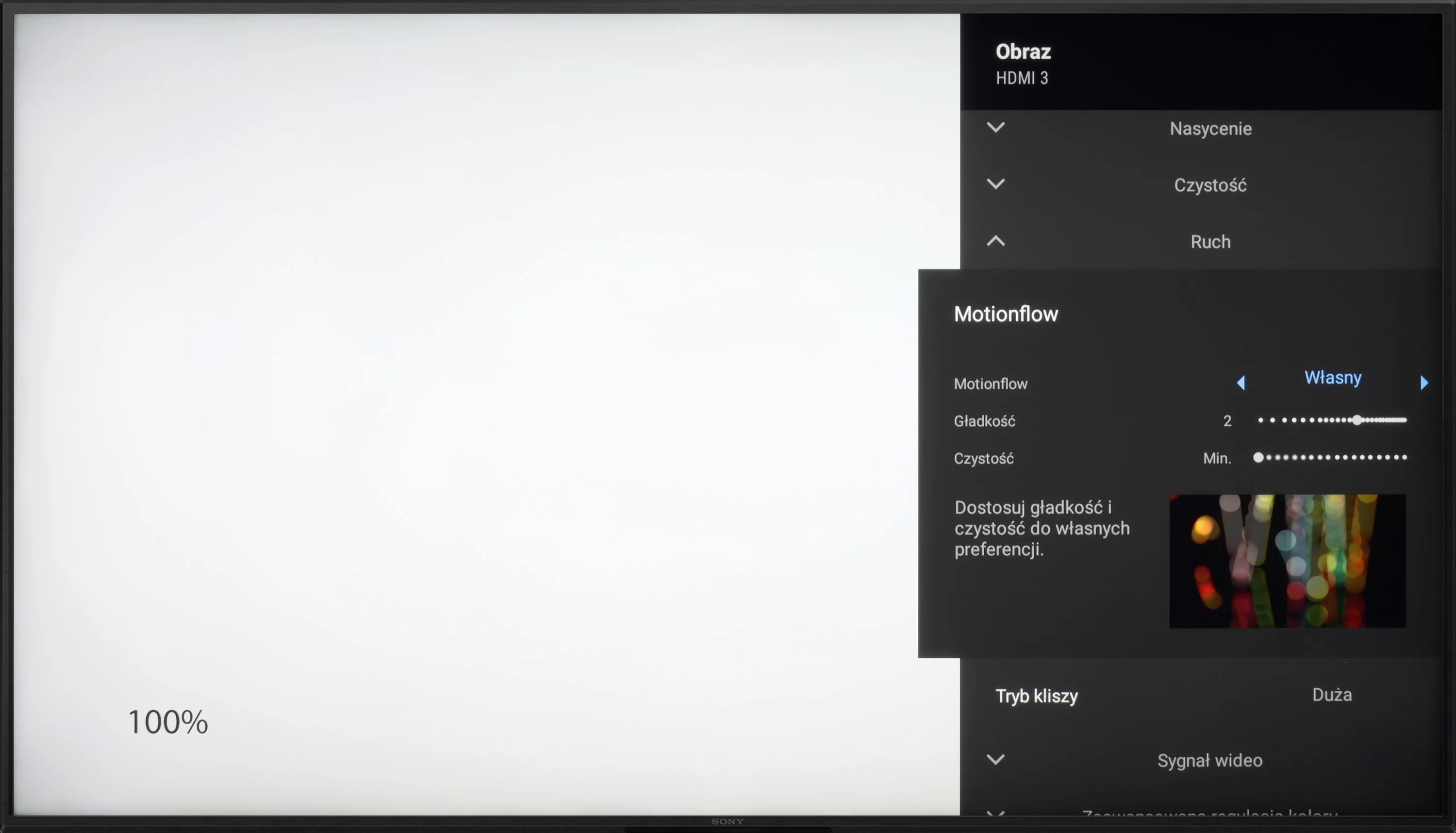
The X75WL Sony television is equipped with a 60 Hz panel, making it more suitable for watching films than for dynamic gaming. This model features a motion smoothing function called Motionflow, which allows the user to adjust the picture on a 10-point scale. Smoothness is responsible for adding intermediate frames, thereby increasing the fluidity of motion, while the image becomes more theatrical, minimising the cutting effect. Clarity reduces motion blur, which is particularly useful in fast scenes such as sports or dynamic actions in films. With this feature, users can adjust the fluidity and sharpness of motion to their own preferences.
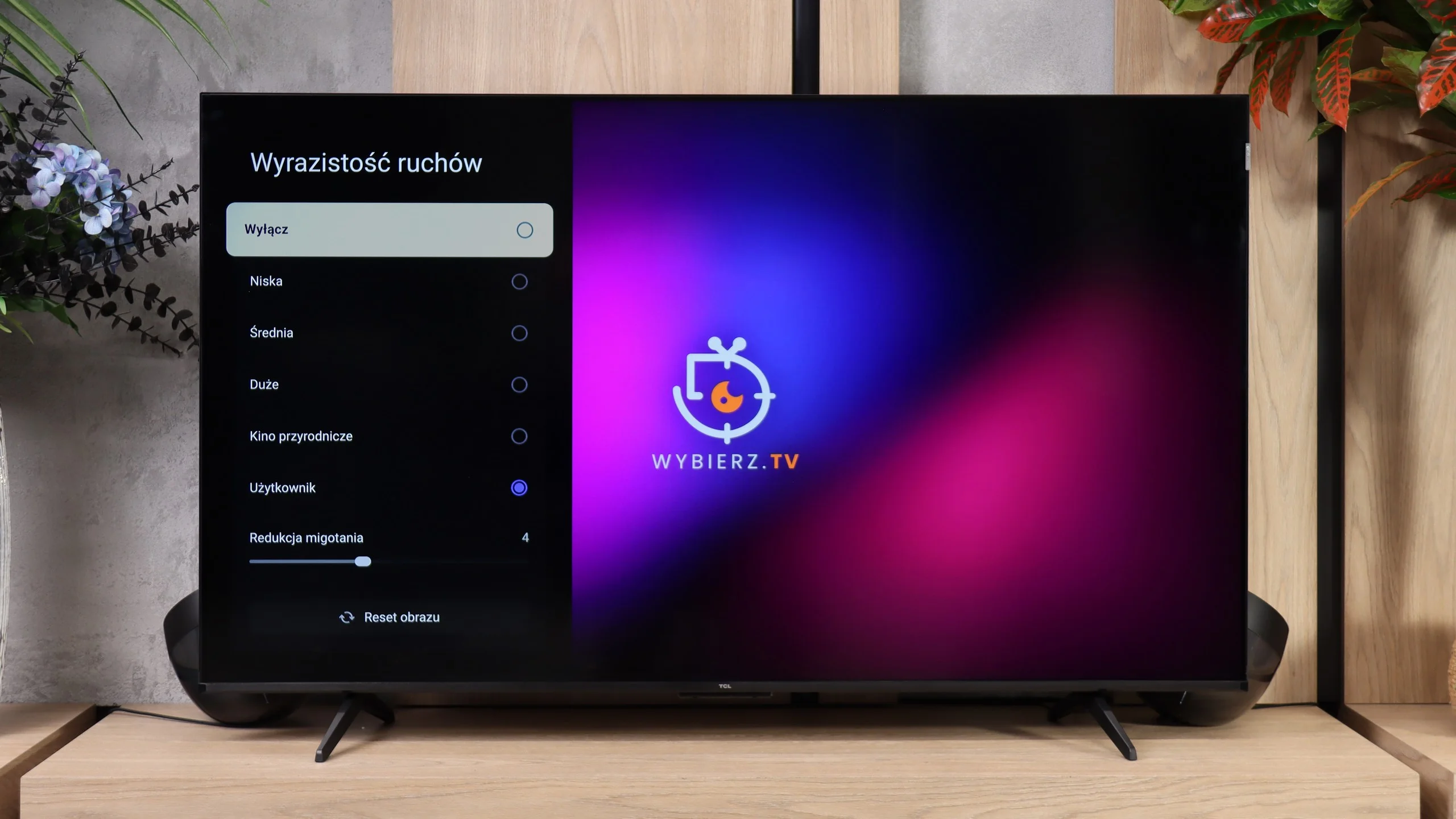
The TCL P7L uses a panel with a native 60 Hz refresh rate at 4K resolution, and that's how it should be regarded in everyday use. When watching films the TV mainly offers frame interpolation, so it can smooth motion and reduce the characteristic judder, but it does not deliver the fluidity typical of true 120 Hz panels.
Console compatibility and gaming features
3.6/10
6.7/10
- ALLM
- VRR
- VRR range 48 - 120Hz
- Dolby Vision Game Mode
 Yes, high input lag
- Correct implementation of HGIG
- 1080p@120Hz
- 1440p@120Hz
- 4K@120Hz
- Game bar
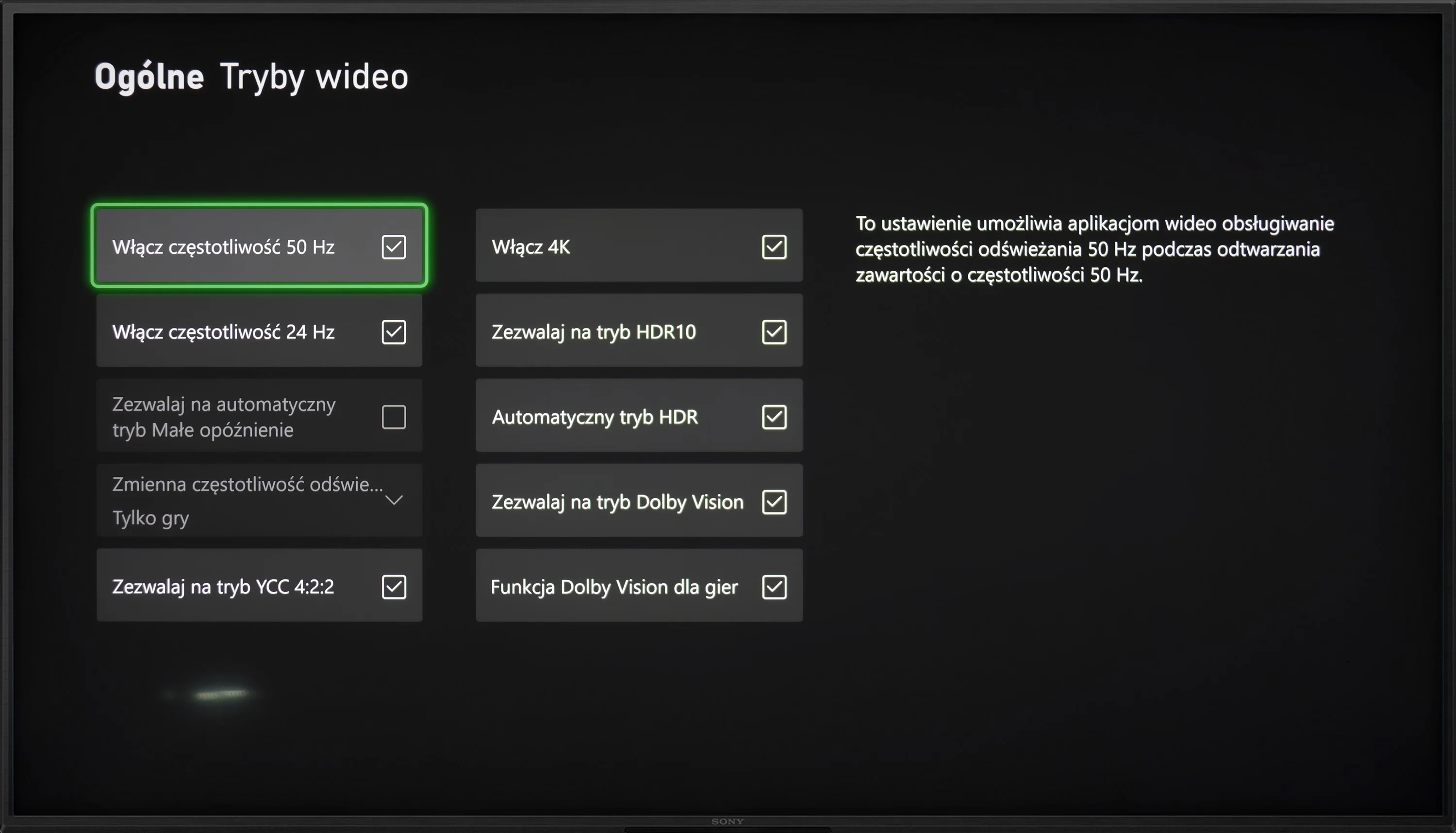
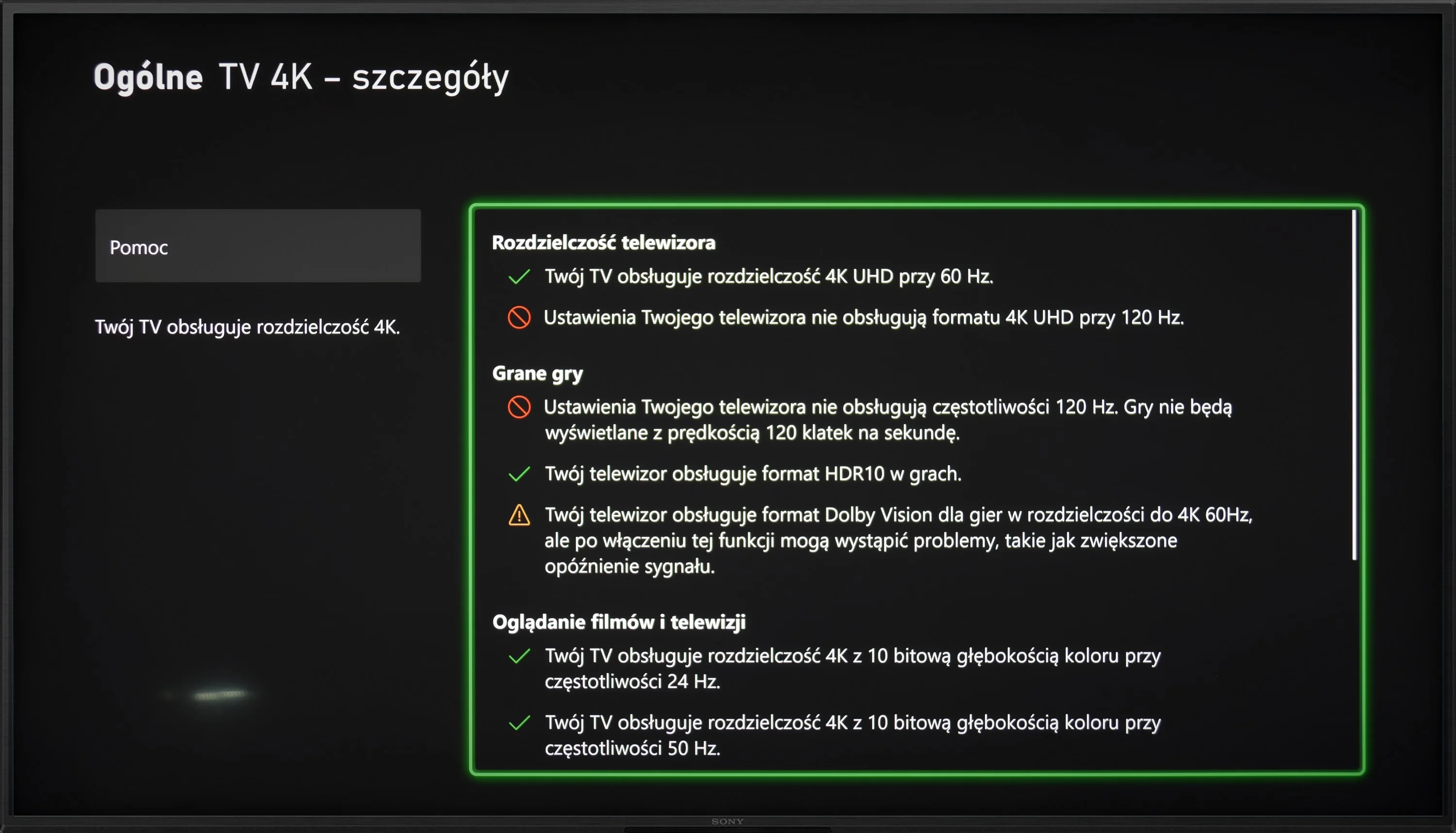
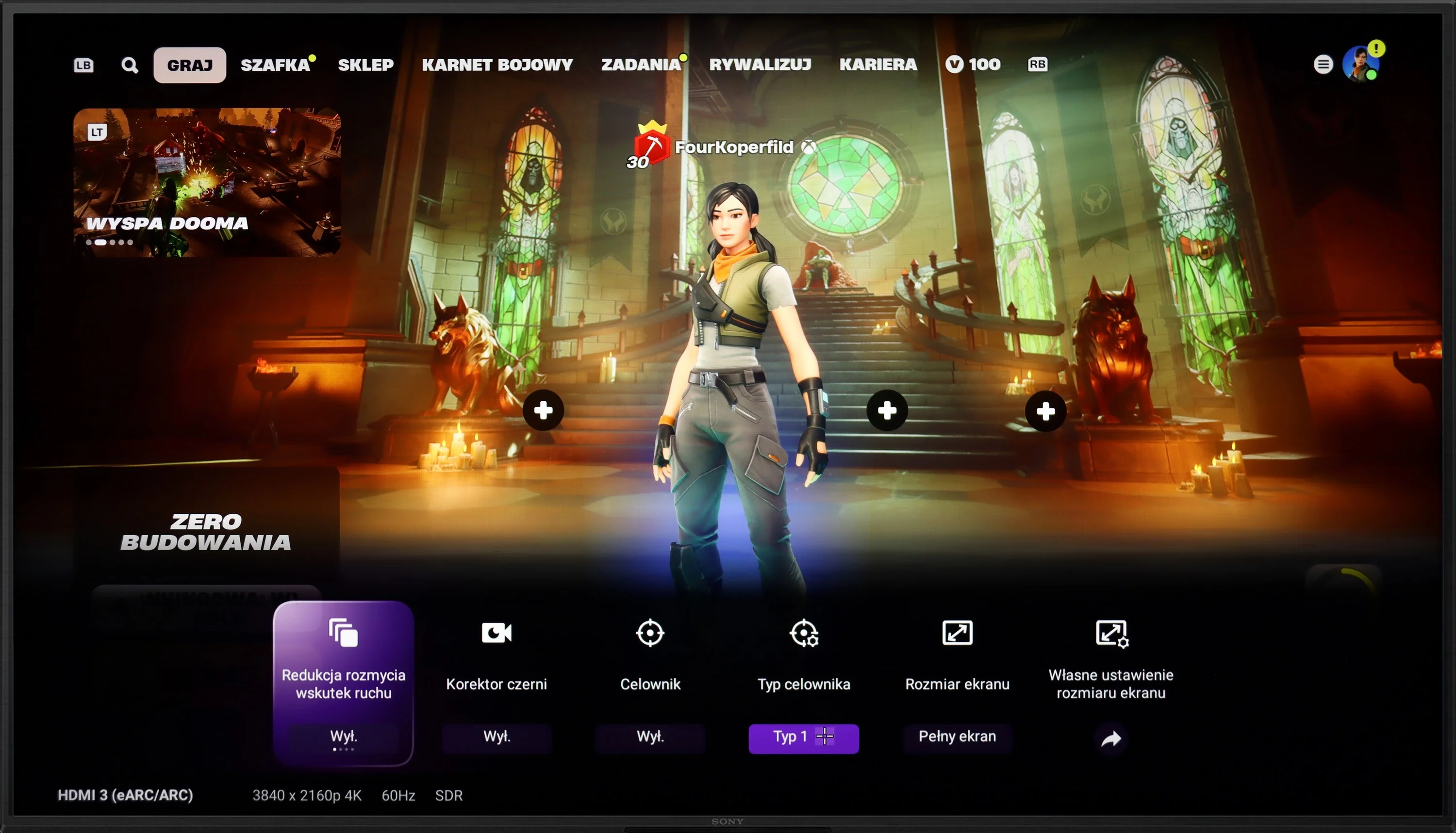
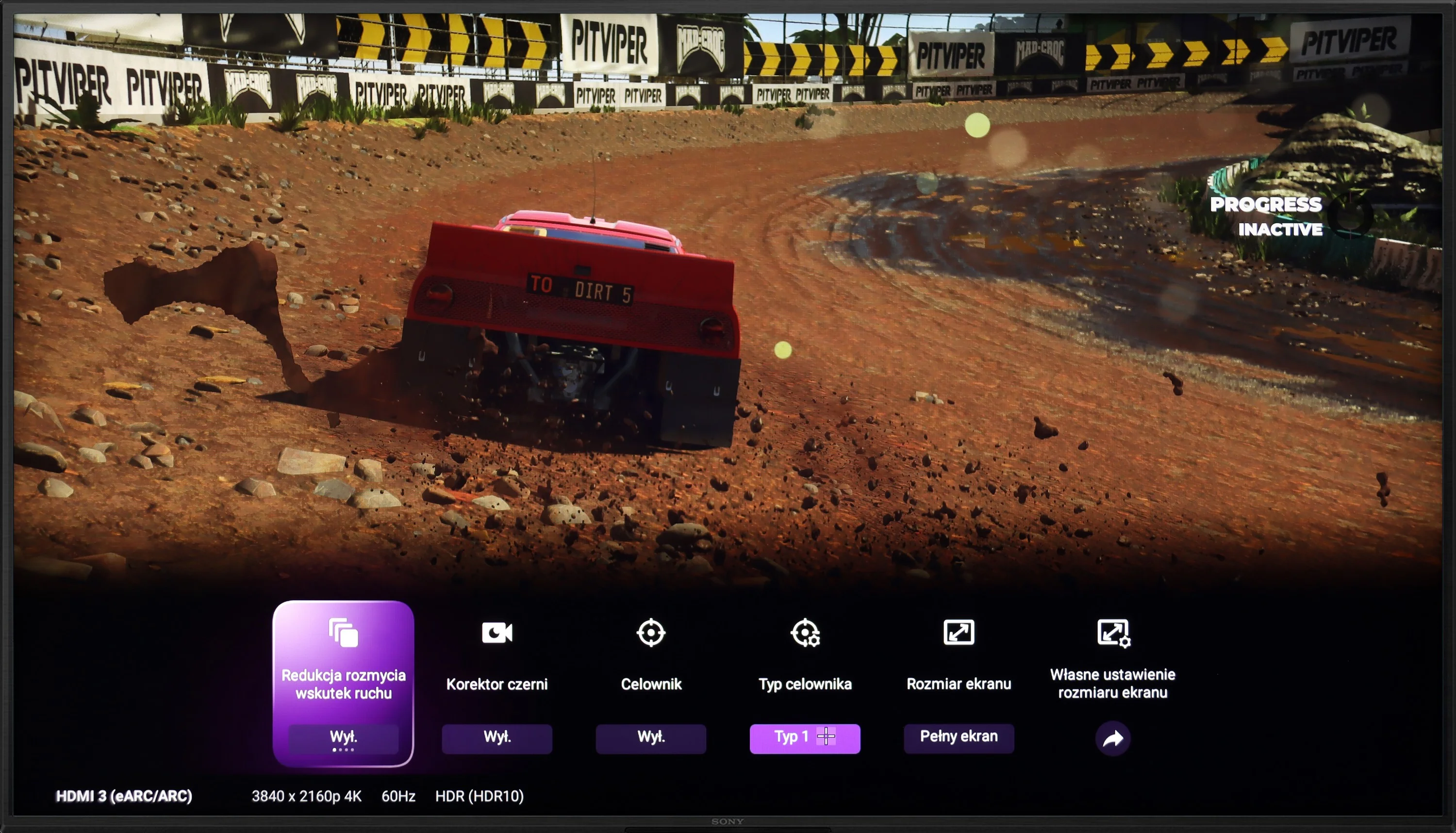
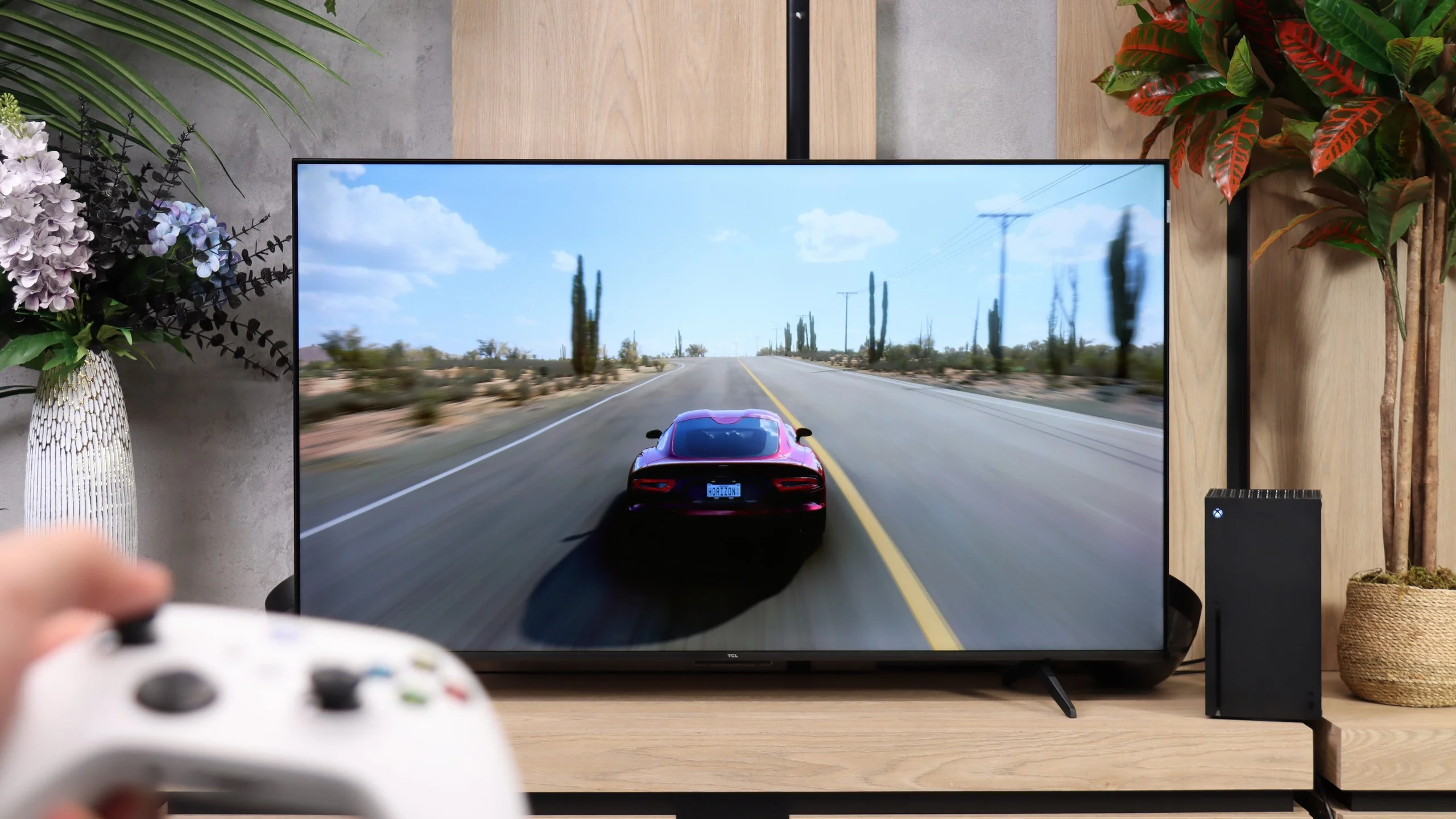
X75WL is not the best television for gamers. It only has the ALLM (Auto Low Latency Mode) feature and a basic Game Bar, which are not enough to satisfy more demanding users. In this price range, one could expect support for features like VRR or 120 Hz refresh rates - although in FULLHD, which are already standard - unfortunately, they are lacking here. This is a major downside for Sony, as the competition offers much more for gamers in a similar budget.
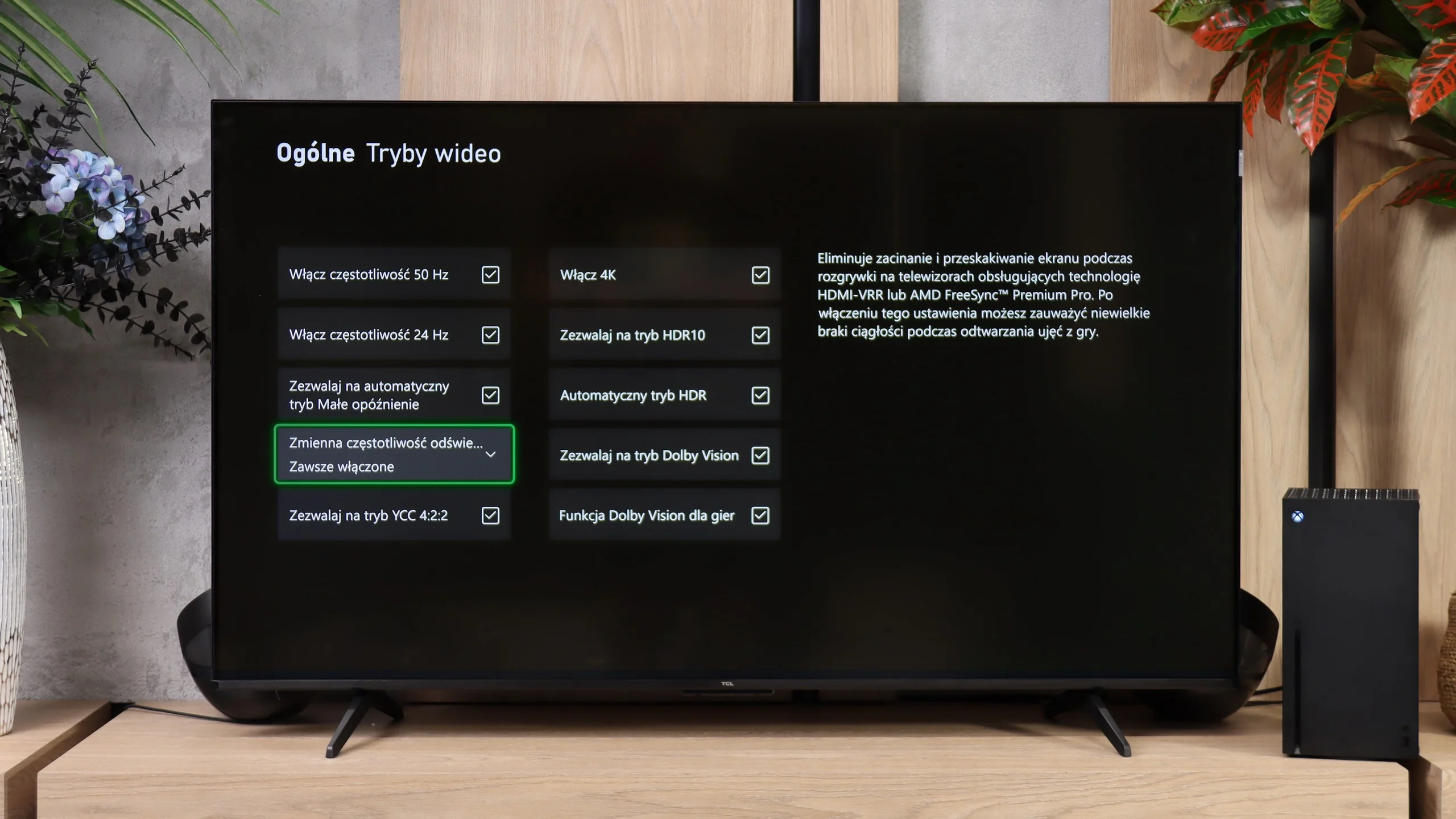
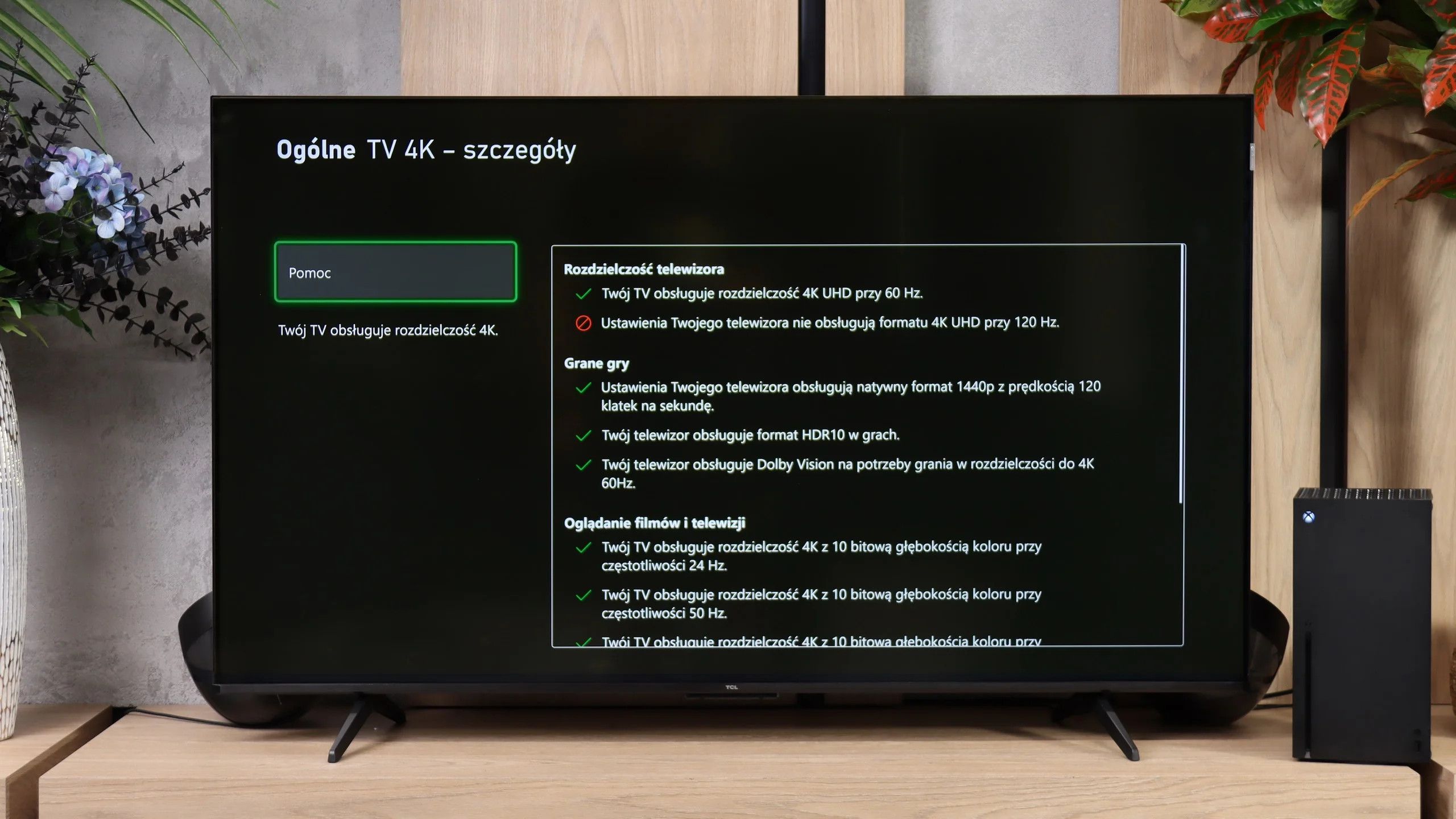
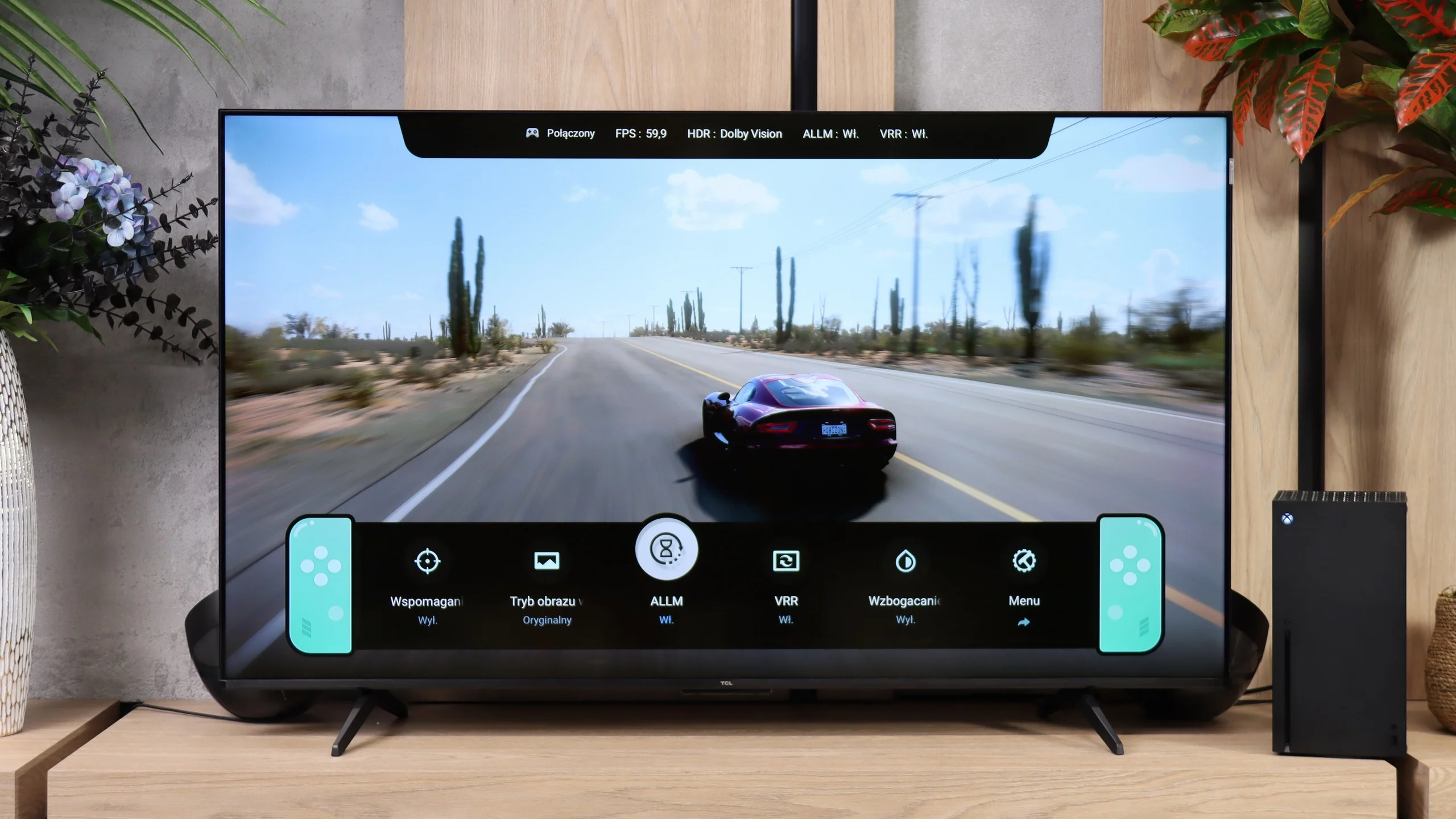
For such an inexpensive TV, the P7L has quite a lot to offer gamers. It has ALLM, VRR, Dolby Vision for gaming, and TCL also includes its Game Bar, which lets you quickly check the key information or change some settings without leaving the game. Not everything is perfect, though, because HGiG doesn’t work here as it should, but at this price point it’s hard to complain about the feature set. The most interesting part starts when you give up 4K. At that resolution the TV runs at up to 60 Hz, but at 1440p and 1080p it can display at 120 Hz. And that’s not just a line in the specs. In fast-paced games that support that frame rate you can really notice the improvement in smoothness, so if you value smoother motion more than maximum image detail, that mode can make a lot of sense. Of course, that doesn’t turn the P7L into a proper 120 Hz TV. Even so, those extra modes are exactly what make the P7L perform very well for gaming.
Input lag
8.5/10
10/10
SDR
HDR
Dolby Vision
Sony KD-43X75WL offers a very low input lag of 14 ms, which is a significant advantage for gamers expecting a quick response from the television to commands from the controller. However, an input lag of 130 ms in Dolby Vision mode completely disqualifies this mode from being used while gaming. This means that users using Dolby Vision must contend with significant latency, which greatly affects comfort and precision during gameplay.
In terms of latency the TCL P7L performs very well. With a 60 Hz signal the input lag is about 13 ms, regardless of whether you’re playing in SDR, HDR or Dolby Vision. That’s already a level at which the delay should be practically imperceptible during normal gameplay. It gets even better when you switch the TV to 120 Hz mode at a lower resolution. Then the input lag falls to about 9 ms, which nicely complements the modes described earlier. For gamers, that’s another argument that, despite the P7L’s budget nature, it is fairly well prepared in this respect.
Compatibility with PC
6/10
5.8/10
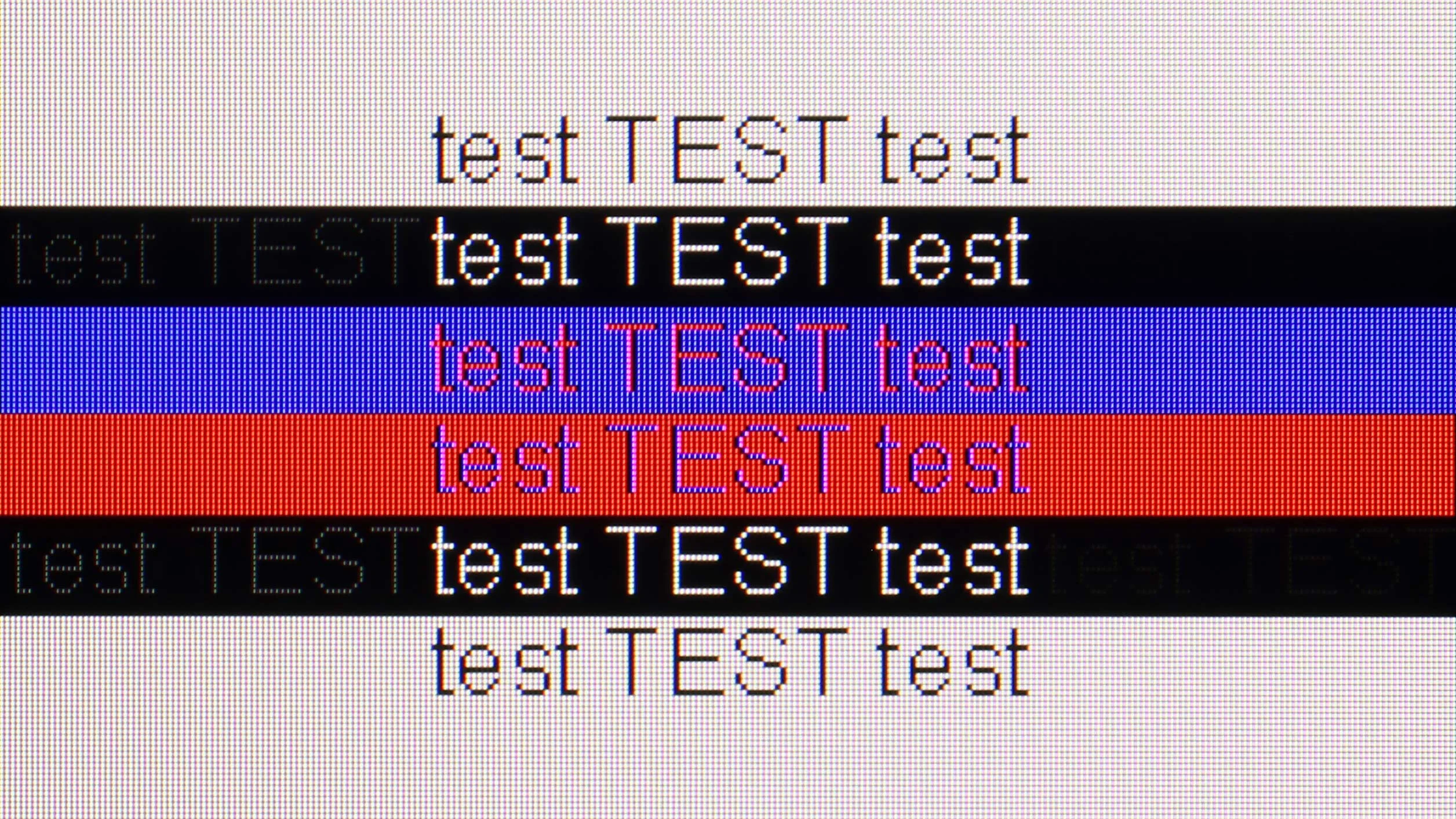
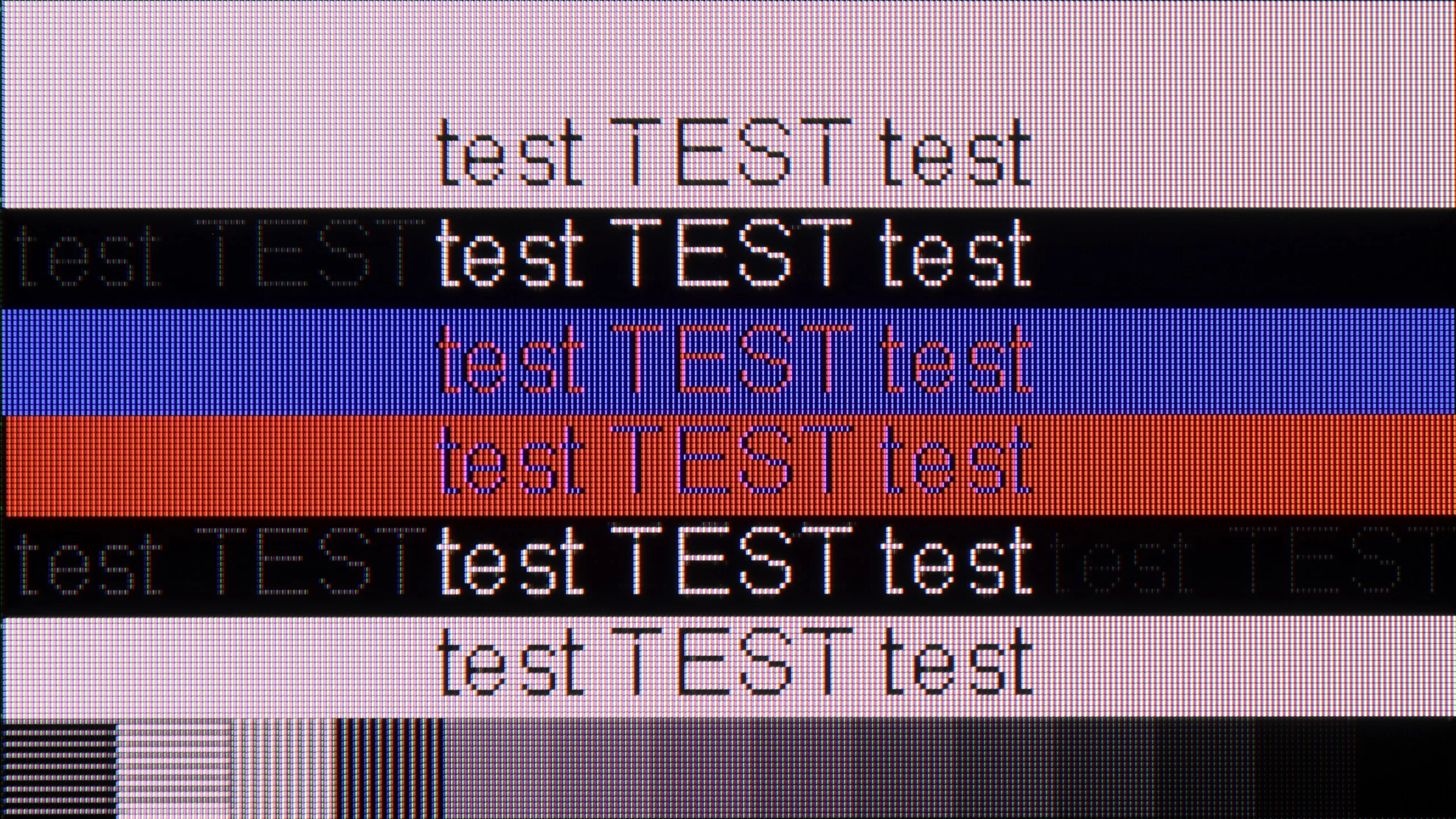
The photo shows the legibility of small fonts. Ideally, lines should be the same thickness on both light and dark text, with minimal pixel gaps.
The Sony X75WL model performs well as a computer monitor. With support for 4:4:4 chroma, text readability is very good, making text work on this television comfortable. Additionally, its low input lag ensures smooth and responsive functionality, making it enjoyable and convenient to use this model with a computer. The television is equipped with a 60 Hz panel and does not support G-Sync, which may be a downside for PC gamers. As a result, its rating in this category is lower – it works well for everyday computer tasks, but in games, especially fast-paced ones, there is a lack of fluidity that is crucial for smooth gameplay.
The TCL P7L is probably not the first choice for office work. The TV correctly supports 4:4:4 chroma, so text itself remains fairly sharp, but the BGR subpixel layout causes some issues with its appearance. On the vertical edges of letters you can notice small artefacts and characteristic "dots" that can be distracting when sitting close to the screen. For occasional browsing or working with documents this isn't a major problem, but as a monitor for daily text work the P7L performs rather averagely.
It looks much better for PC gaming. Low input lag, support for G-Sync and VRR mean the TV works well with the graphics card, and at lower resolutions you can also make use of 120 Hz. In 4K we're still limited to 60 Hz, but if the computer is intended mainly for gaming the P7L makes much more sense in that role than as a typical work monitor.
Viewing angles
6.8/10
3.2/10
The viewing angles in the model KD-43X75WL are quite decent, thanks to the IPS panel used. The image remains relatively true even when viewed at an angle, which can be beneficial in situations where the television is watched from different spots in the room. However, we have seen better models with this type of panel that offer more consistent colour and contrast quality at wider angles.
Viewing angles on the TCL P7L are rather poor, which is typical for a VA panel. It is precisely because of that panel that the TV offers higher contrast and better blacks, but the price for that is a noticeable fall in image quality when you view the screen from the side. You only have to move a little off axis for colours to start losing saturation and for blacks to turn greyer. For that reason the P7L performs best when you are sitting as directly in front of the screen as possible. On a larger sofa and when watching with several people, the seats at the sides will be noticeably less comfortable.
Daytime performance
4.6/10
5.2/10
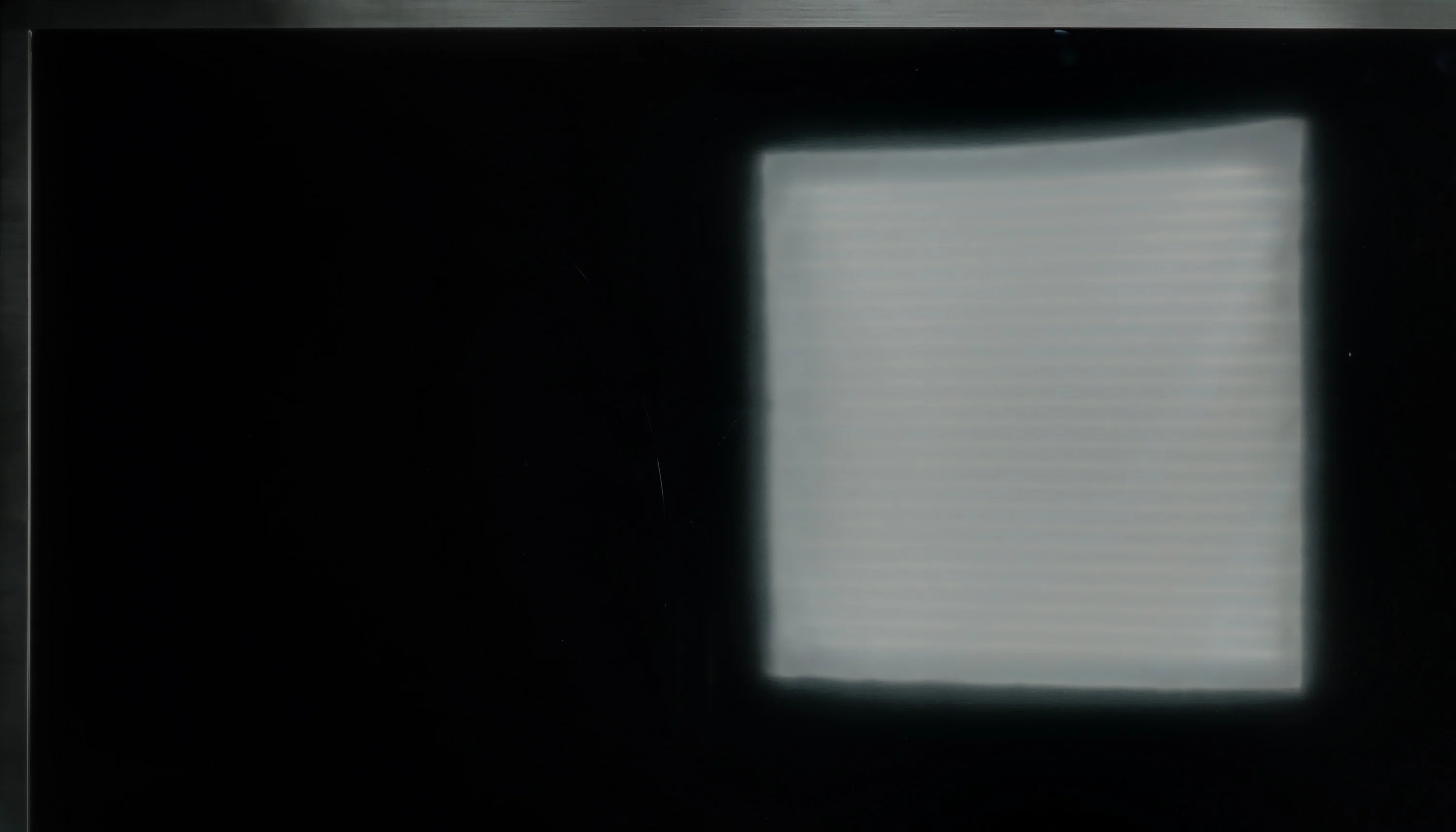
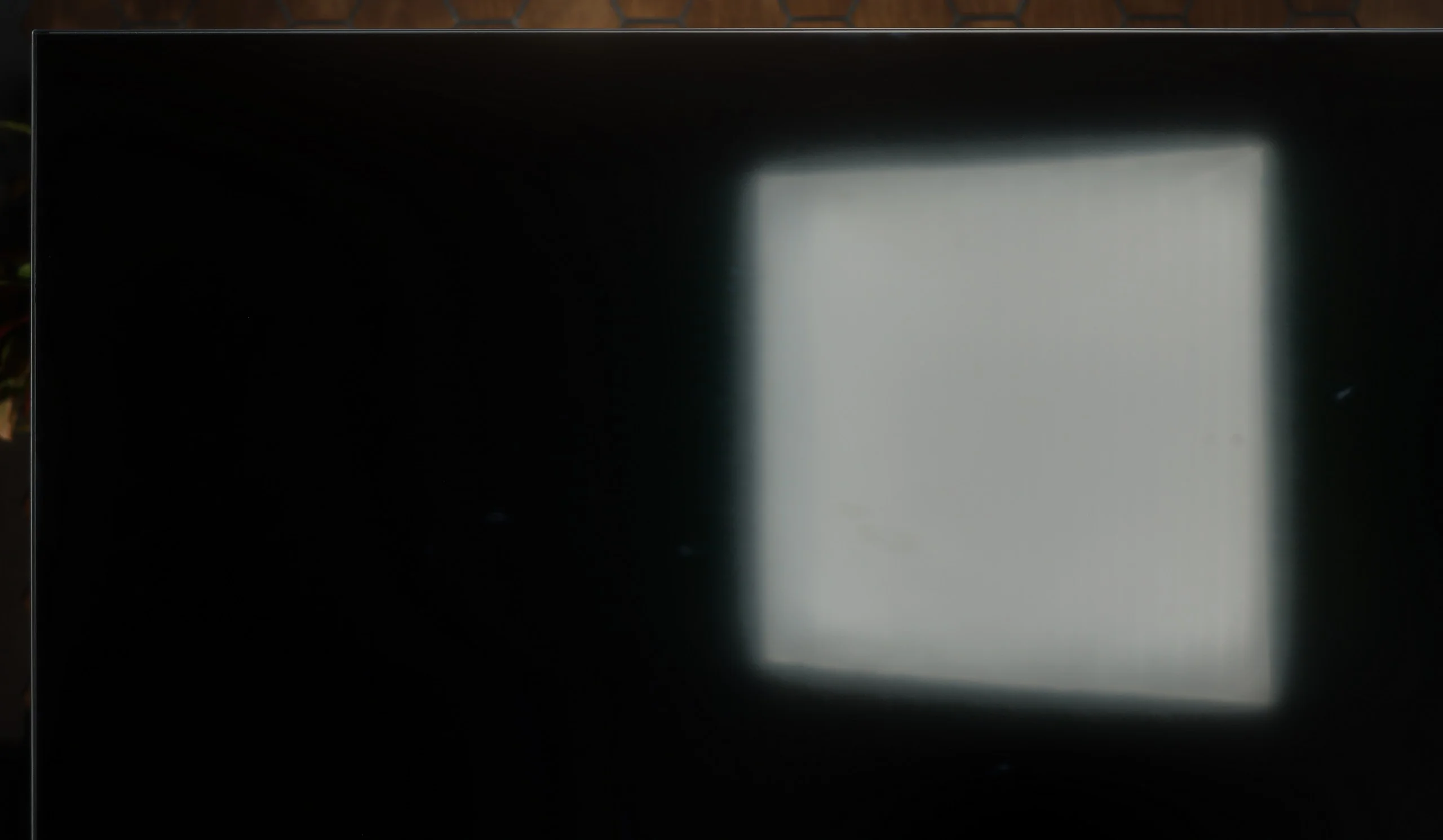
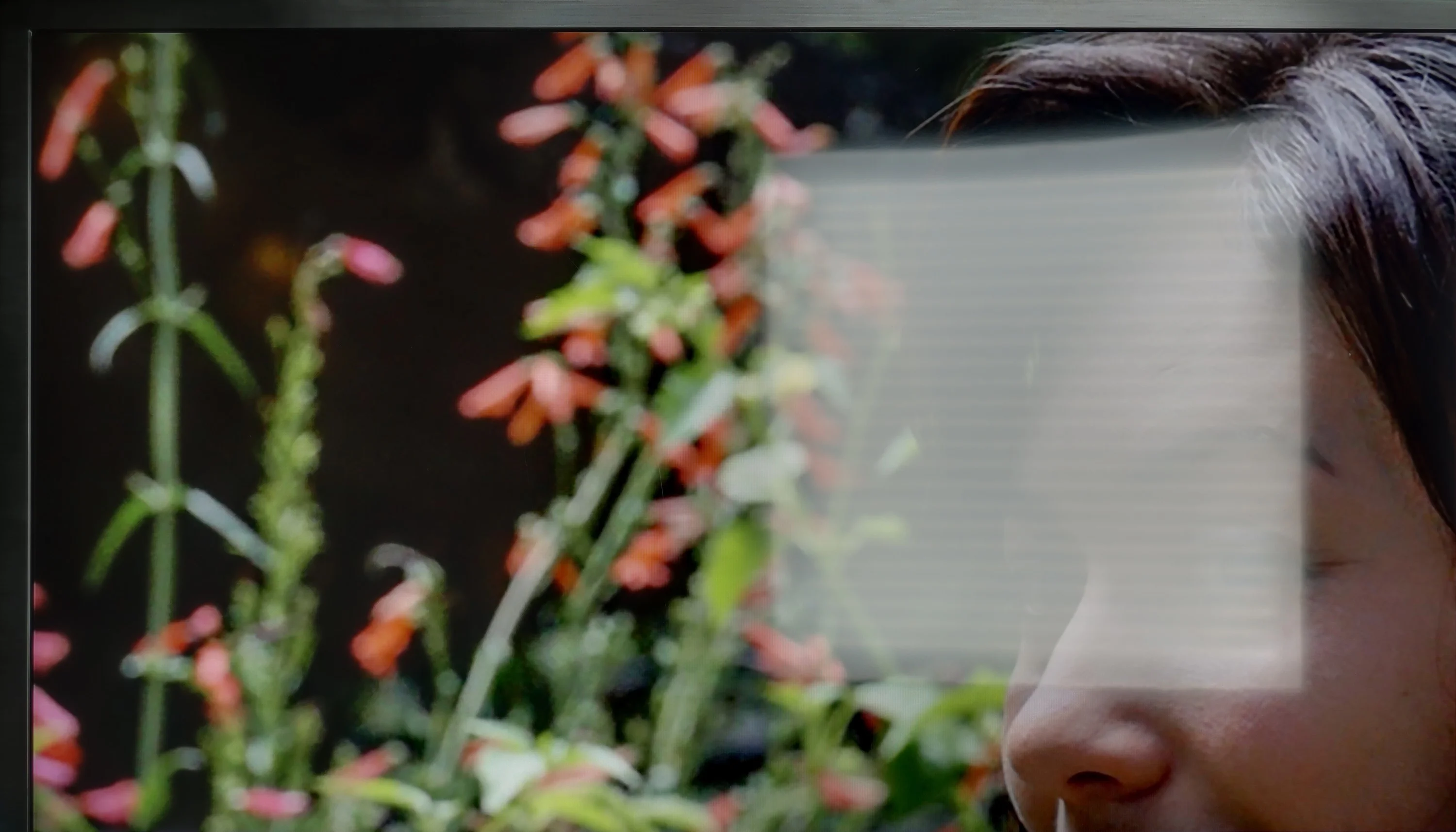
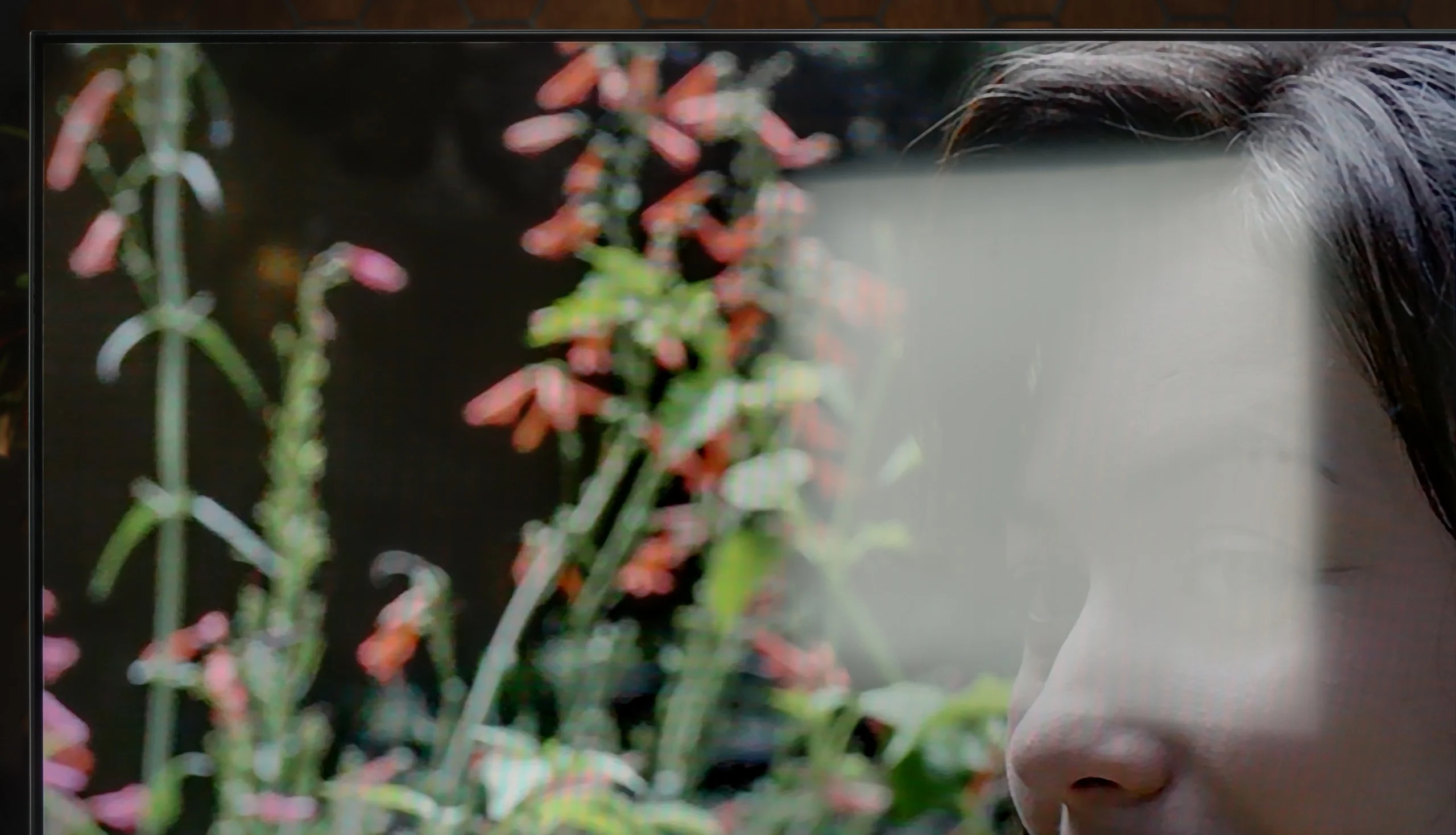
Panel brightness
TCL P7L / P79L: 364 cd/m2
Sony X75WL: 334 cd/m2
The rating of the television Sony X75WL during the day is average. The satin coating of the panel moderately dampens reflections, which means that in a bright room, glares can be visible and interfere with the viewing experience. Additionally, a brightness level of 330 cd/m² is not sufficient to provide a clear image in very sunny conditions, which limits its use in well-lit rooms.
By day the TCL P7L copes quite well, although much depends on the TV’s position relative to windows. The screen’s satin coating disperses reflections fairly effectively, so under normal living-room lighting the picture stays readable and doesn’t immediately turn into a mirror. Black levels also look good, and in daylight the blacks don’t lose too much depth. The limitation, however, is brightness. Around 360 nits is enough for normal viewing in a moderately bright room, but with strong sunlight falling directly on the screen the P7L starts to lose out to its surroundings. It will therefore be fine for a typical living room, but if the TV is to sit opposite a large window or you mainly watch in a very bright room, it’s worth bearing that in mind.
Panel details
Subpixel Structure:
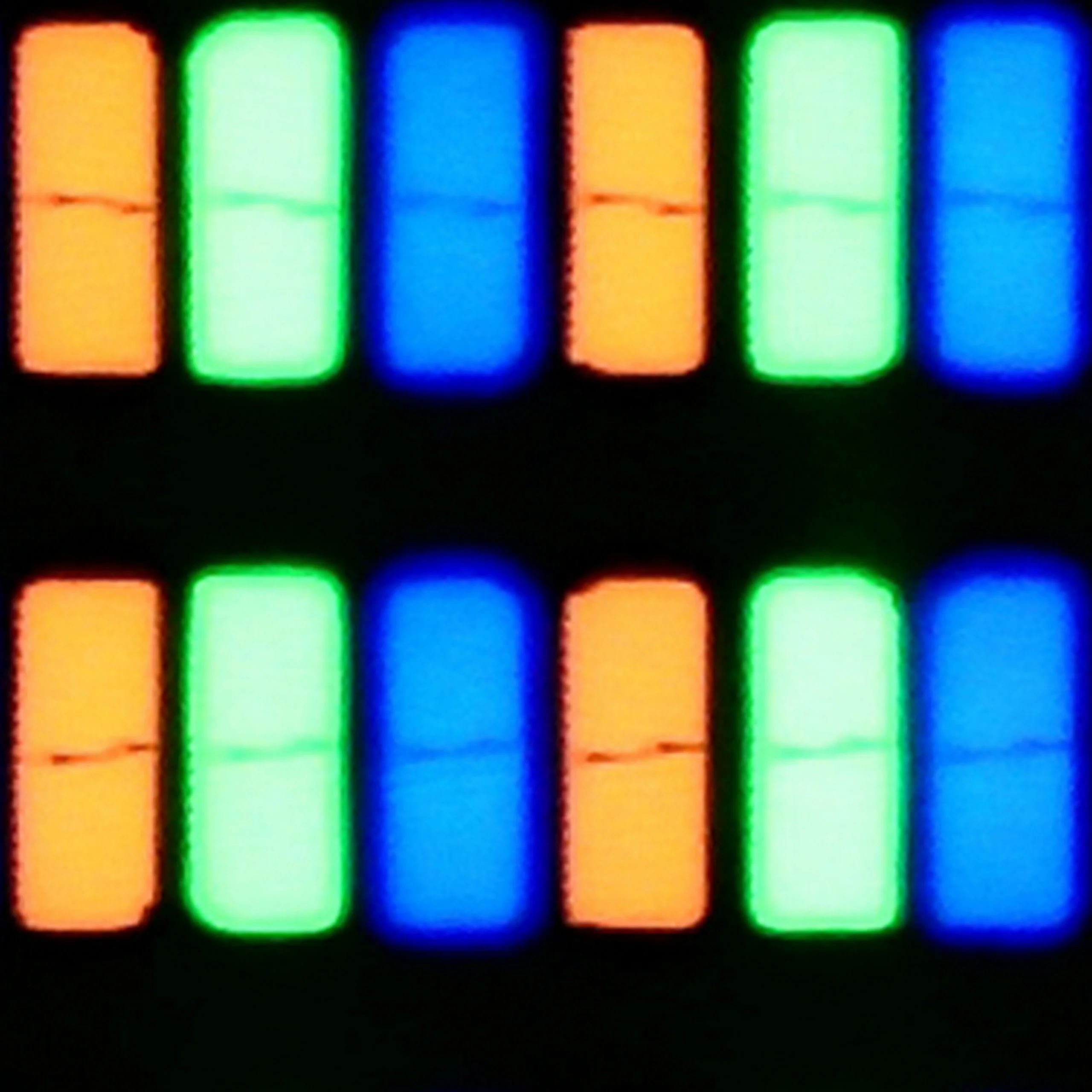
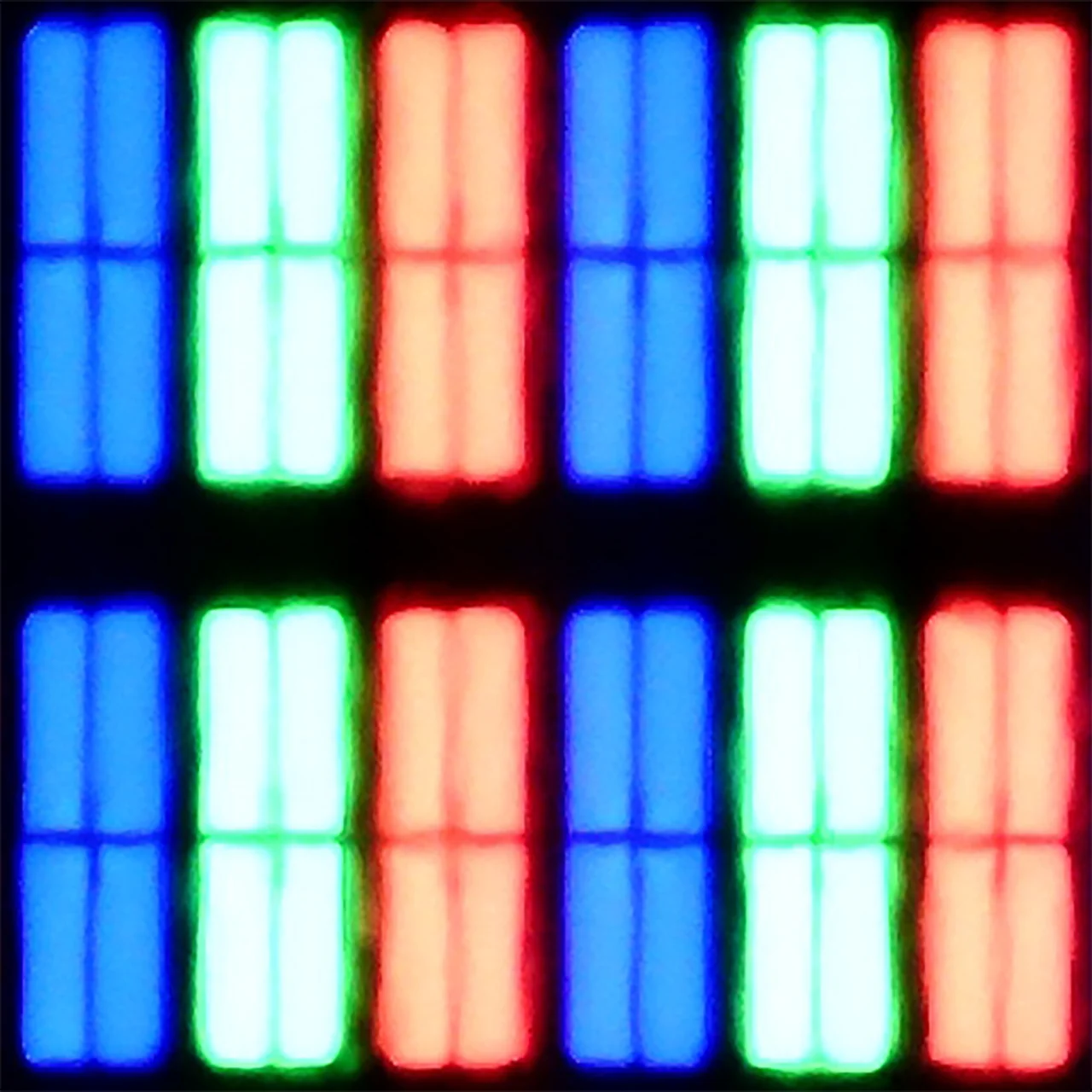
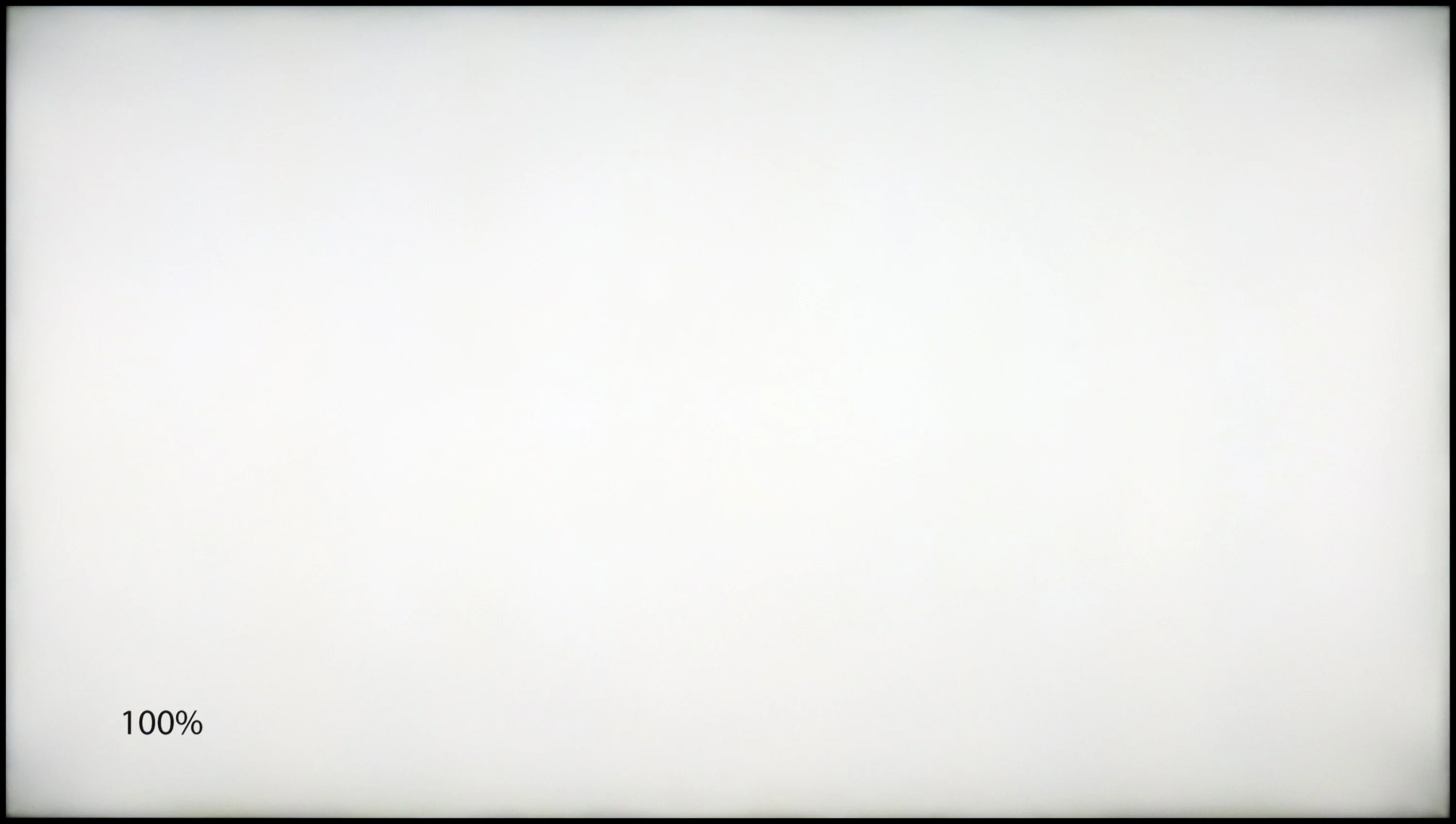
Panel uniformity and thermal imaging:

Sony X75WL
TCL P7L / P79L
TV features
7.7/10
7/10
- SystemGoogle TVGoogle TV
- System performanceDecentDecent
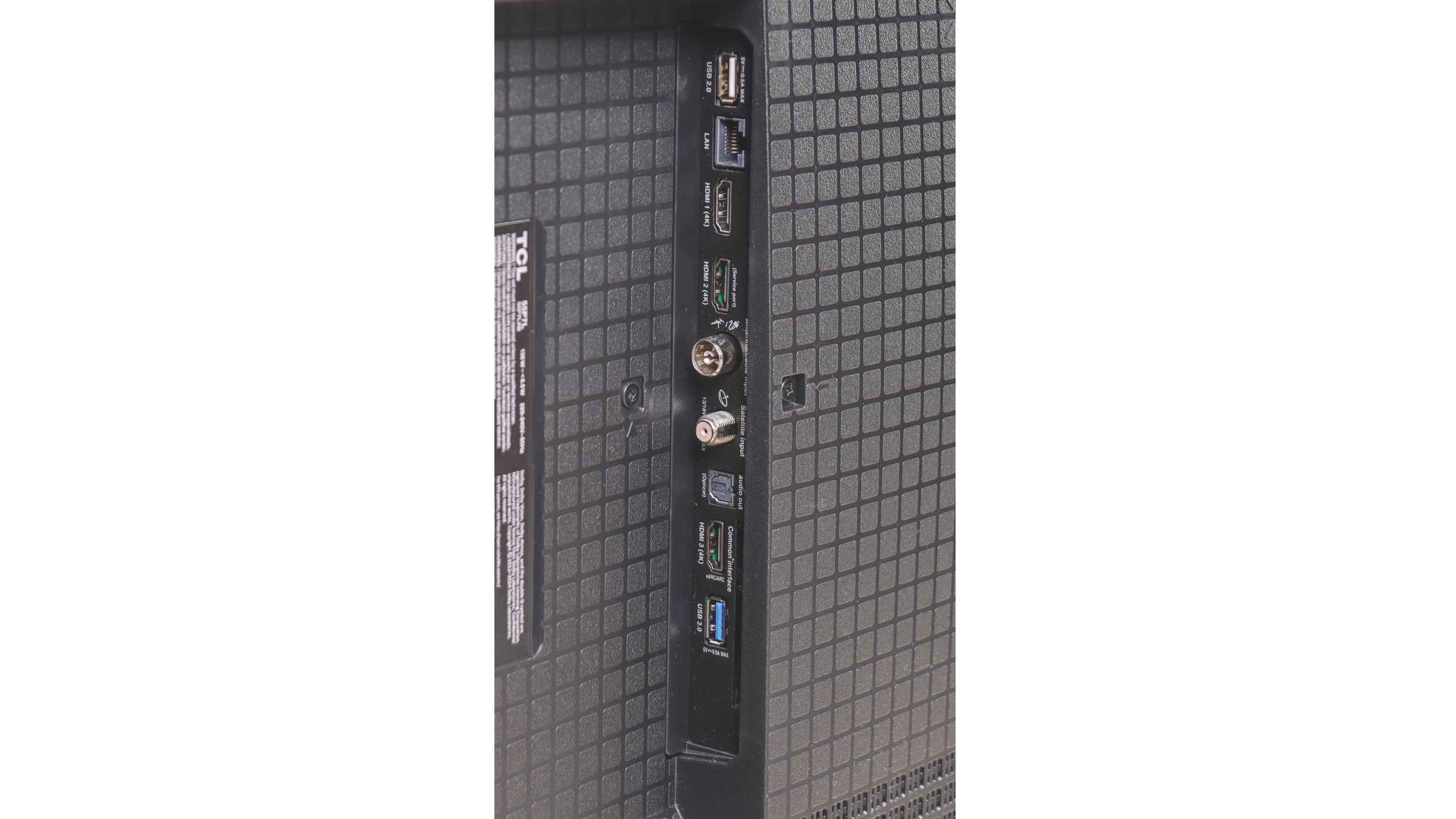
- HDMI inputs4 x HDMI 2.0, 0 x HDMI 2.13 x HDMI 2.0, 0 x HDMI 2.1
- Other inputsRCA (Chinch)
- OutputsToslink (Optical audio), eARC (HDMI), ARC (HDMI)Toslink (Optical audio), eARC (HDMI), ARC (HDMI)
- Network InterfacesWi-Fi 2.4GHz, Wi-Fi 5GHz, Ethernet (LAN) 100MbpsWi-Fi 2.4GHz, Wi-Fi 5GHz, Ethernet (LAN) 100Mbps
- TV receptionDVB-T, DVB-T2, DVB-S, DVB-S2, DVB-CDVB-T, DVB-T2, DVB-S, DVB-S2, DVB-C
Classic features:
- Recording to USB (terrestrial TV)
- Recording programming
- Picture in Picture (PiP)
- RF remote control (no need to aim)
- Backlit remote control
- Teletext
- Audio only mode
- Bluetooth headphones support
- Simultaneous Bluetooth headphones & TV audio
Smart features:
- AirPlay
- Screen mirroring (Windows Miracast)
- Voice search
- Voice search in native language
- Ability to connect a keyboard and mouse
Sound connection options
- HDMI audioeARC (HDMI), ARC (HDMI)eARC (HDMI), ARC (HDMI)
- Other audio outputsToslink (Optical audio)Toslink (Optical audio)
- Wireless audioBluetoothBluetooth
Supported audio formats (external HDMI eARC audio):
- Dolby Digital Plus 7.1
- Dolby True HD 7.1
- Dolby Atmos in Dolby Digital Plus (JOC)
- Dolby Atmos in Dolby True HD
- DTS:X in DTS-HD MA
- DTS-HD Master Audio
Senior accessibility
- Numeric keyboard on TV
- Font size adjustment
- Audio description
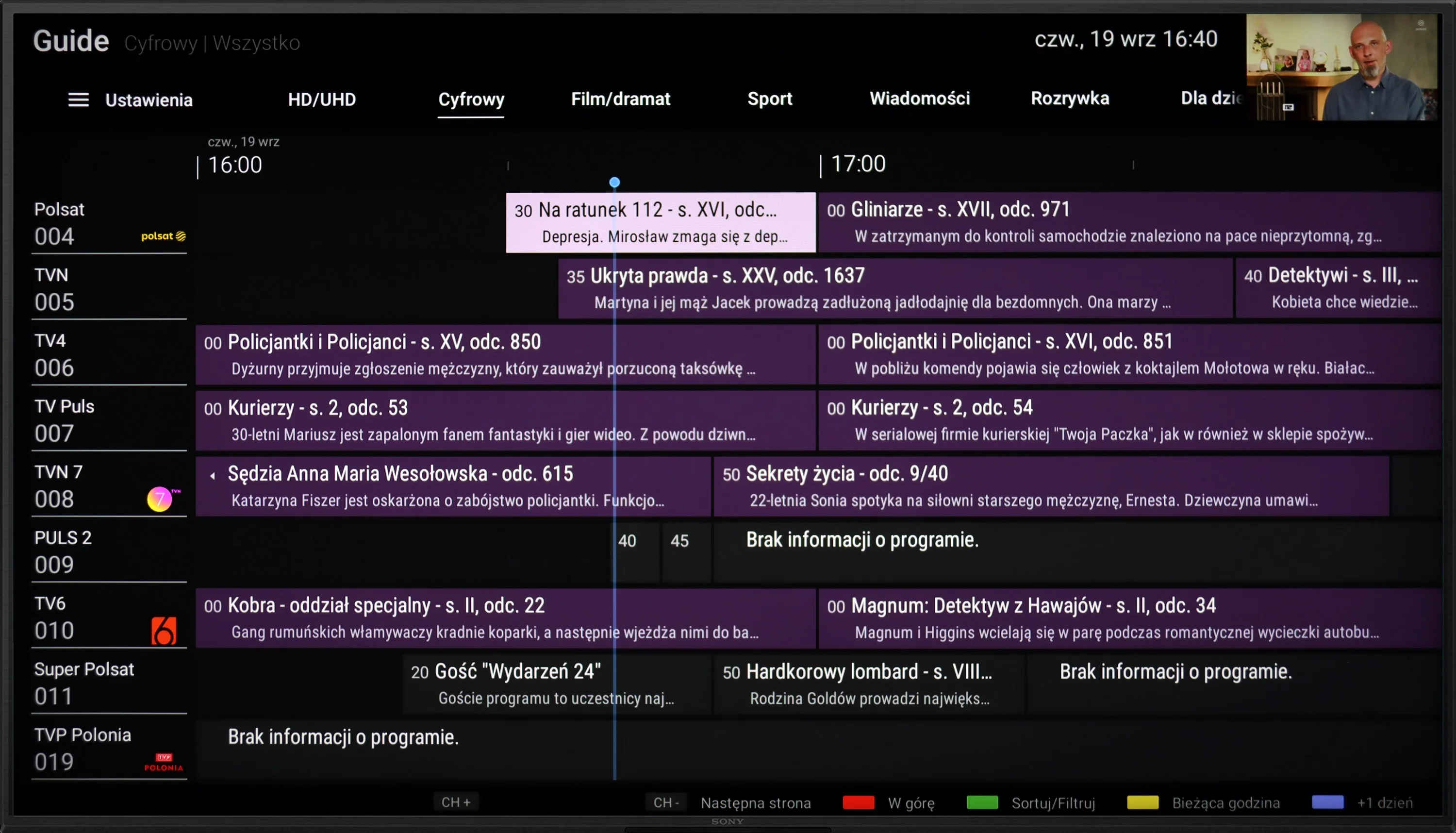
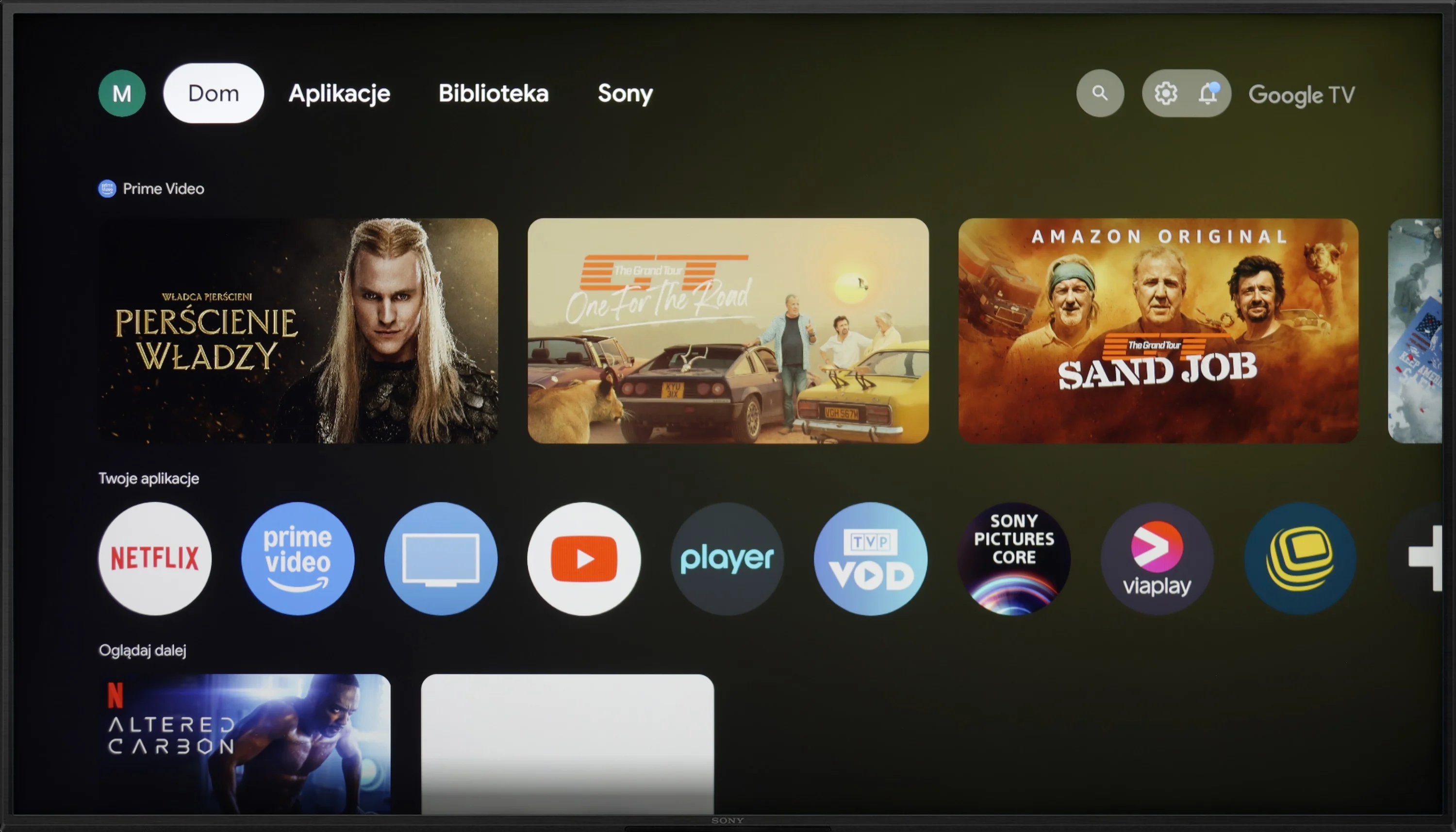
The model KD-43X75WL operates on the Google TV system, which is an extension of Android TV and offers a wide range of features that facilitate the use of the television. Google TV provides access to personalised recommendations based on user preferences and viewed content, making it even easier to find interesting programmes. The system also ensures smooth access to popular applications such as Netflix, YouTube, and Amazon Prime Video, as well as full integration with Google Play Store, allowing for the downloading of additional applications and games. With the built-in Google Assistant, the television can be controlled using voice commands, which is convenient and practical.
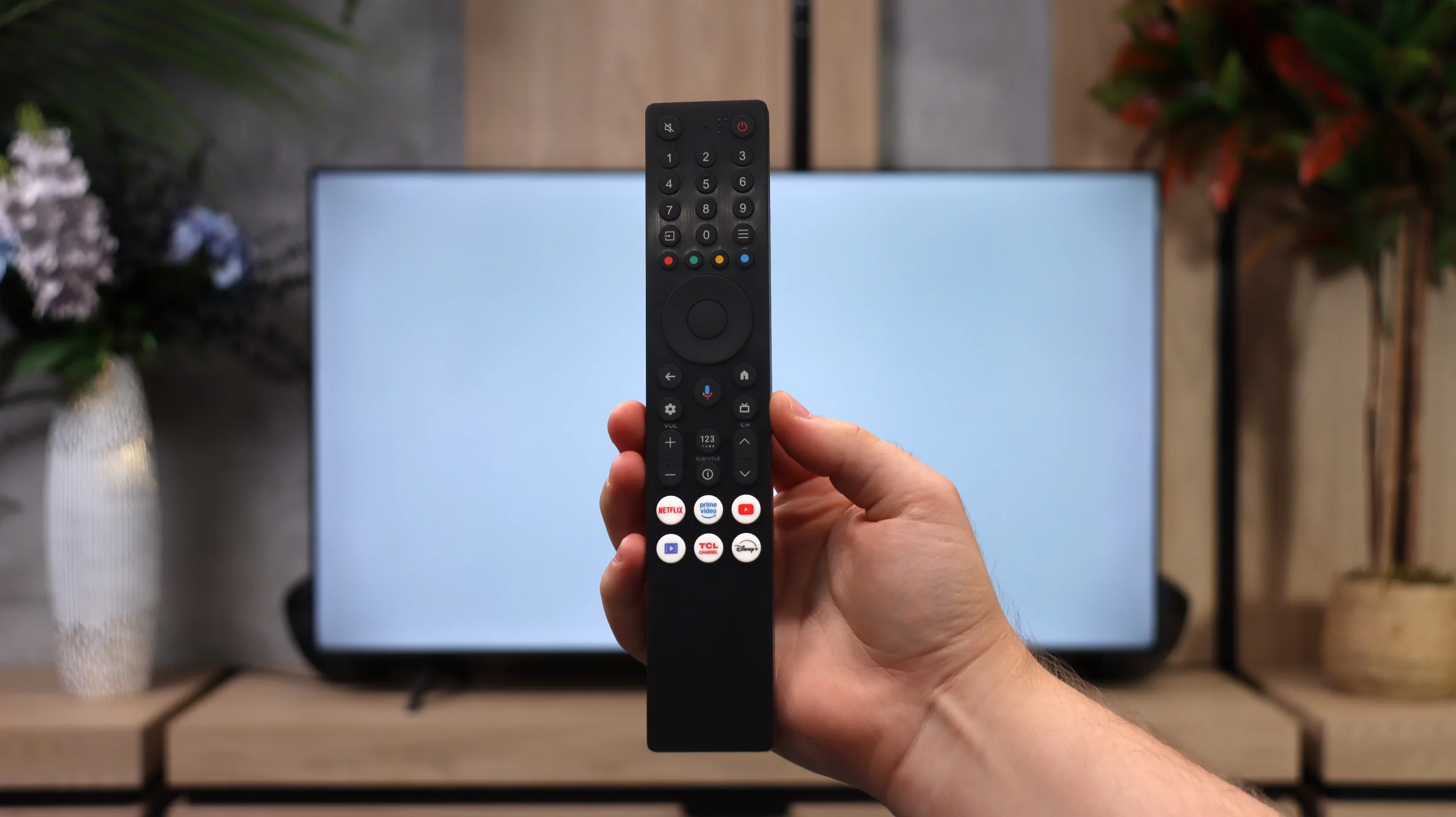
The television also offers a number of practical user features. The ability to record programmes onto an external USB drive allows for easy preservation of favourite content for later, which is particularly useful for live broadcasts. The model KD-43X75WL also enables the connection of various peripheral devices, such as keyboards, mice, or Bluetooth headphones, enhancing its functionality. The remote control included in the package operates on a radio communication basis, which means there's no need to aim at the screen to change channels or adjust the volume, making it a significant convenience for everyday use.
In terms of appearance, the model Sony X75WL presents itself solidly, although it cannot be called the slimmest television on the market. The bezels around the screen are not the thinnest, yet the overall look is aesthetically pleasing. It is worth noting the metal legs included in the package, which deserve praise for their sturdiness. These legs are adjustable, allowing for configuration even for very narrow furniture.
Smart TV
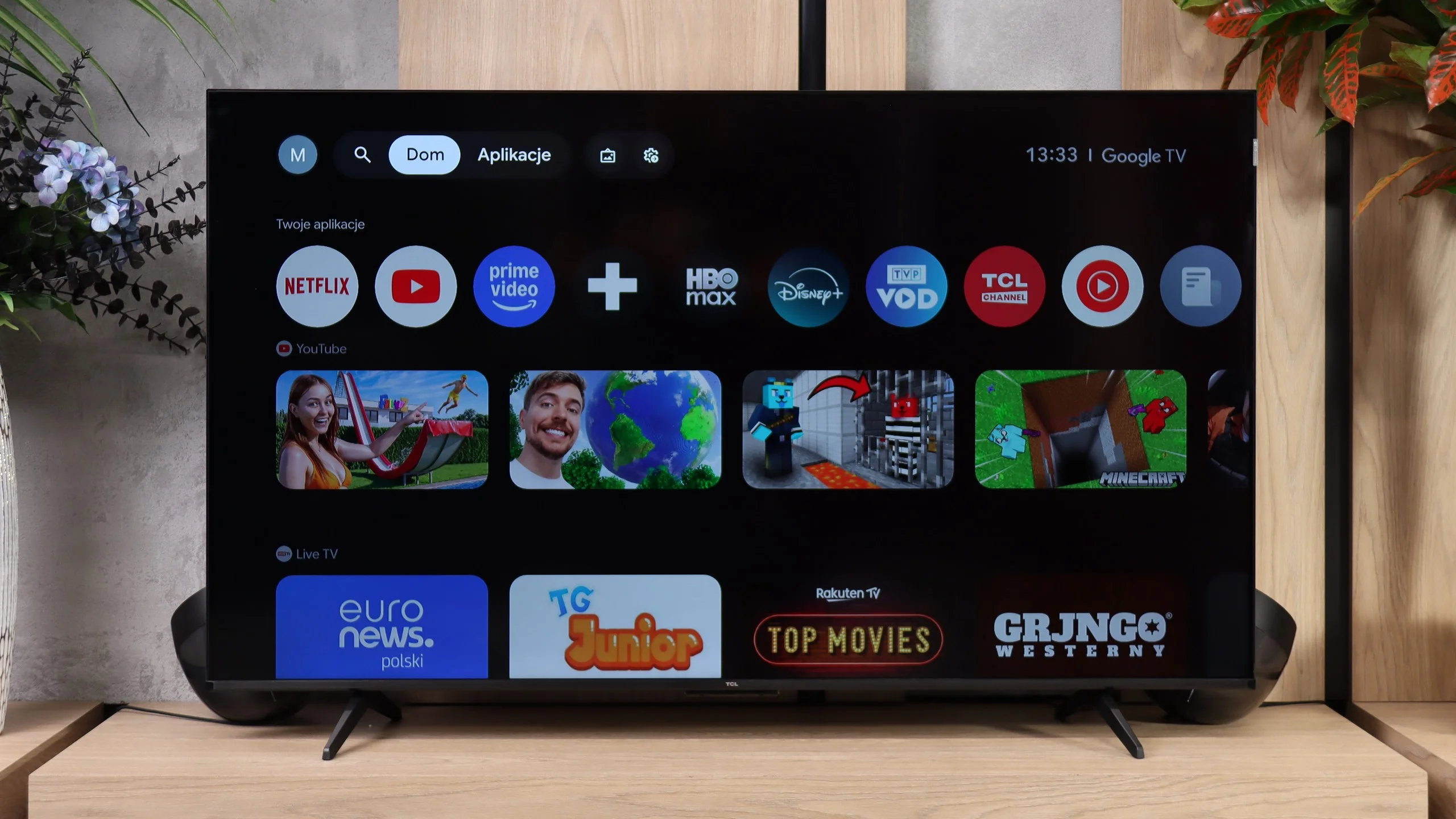
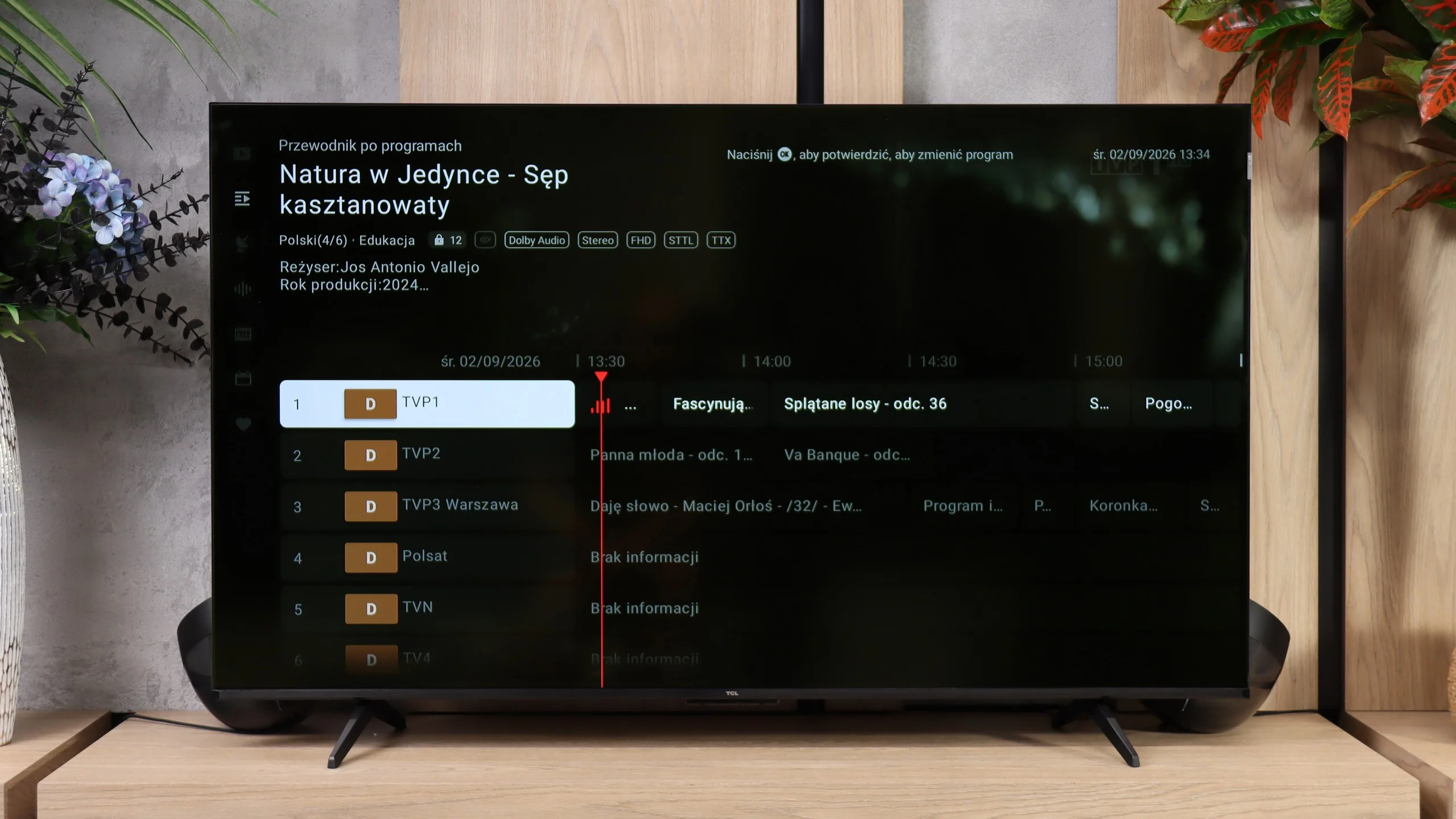
The TCL P7L runs on Google TV and that is definitely one of this model’s stronger points. The system provides access to virtually all popular streaming apps, and it also supports AirPlay, casting from other devices and voice search, including Polish. The interface itself performs decently, it isn’t as fast as on more expensive sets, but for everyday use it shouldn’t be particularly irritating.
TV features
When it comes to more traditional features the P7L is clearly a simpler television. It lacks recording to USB, scheduling recordings and picture-in-picture, so people used to those extras on older TVs may miss them. What remains are the basics: such as teletext, an audio-only mode, Bluetooth headphone support and the option to play audio simultaneously through the TV speakers and headphones. The remote uses radio signals, so you don’t have to point it directly at the screen, which is simply handy in everyday use.
Apps
9.6/10
9.6/10






















Playing files from USB
8.7/10
8.7/10
Supported photo formats:
Maximum photo resolution:
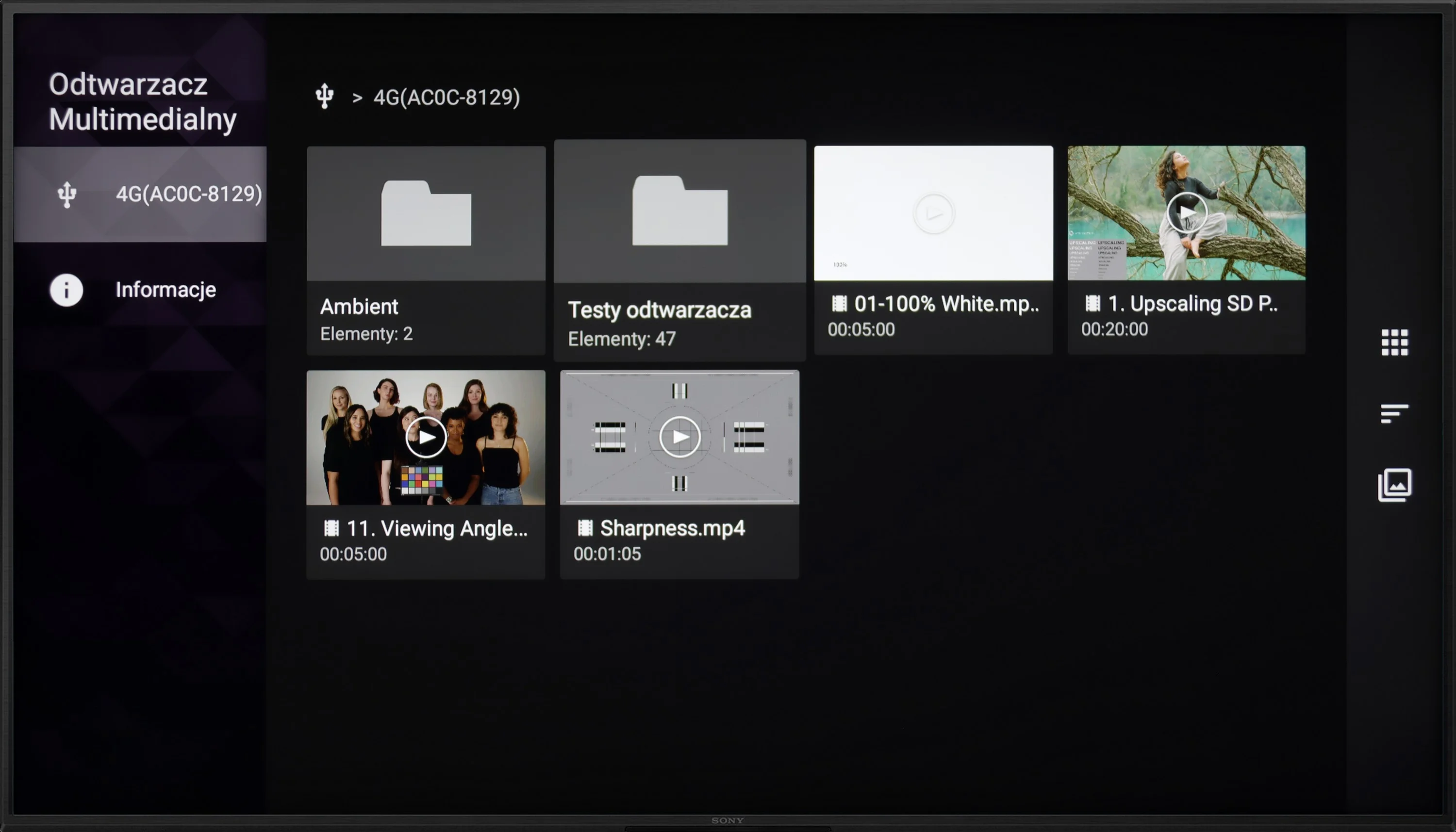
The built-in media player in the Sony X75WL model performs quite well, opening most popular video, audio, and photo formats. However, if we encounter issues with playing less common files, we can easily solve this problem by installing another player available on the Google Play Store, which allows for fuller use of the television's capabilities.
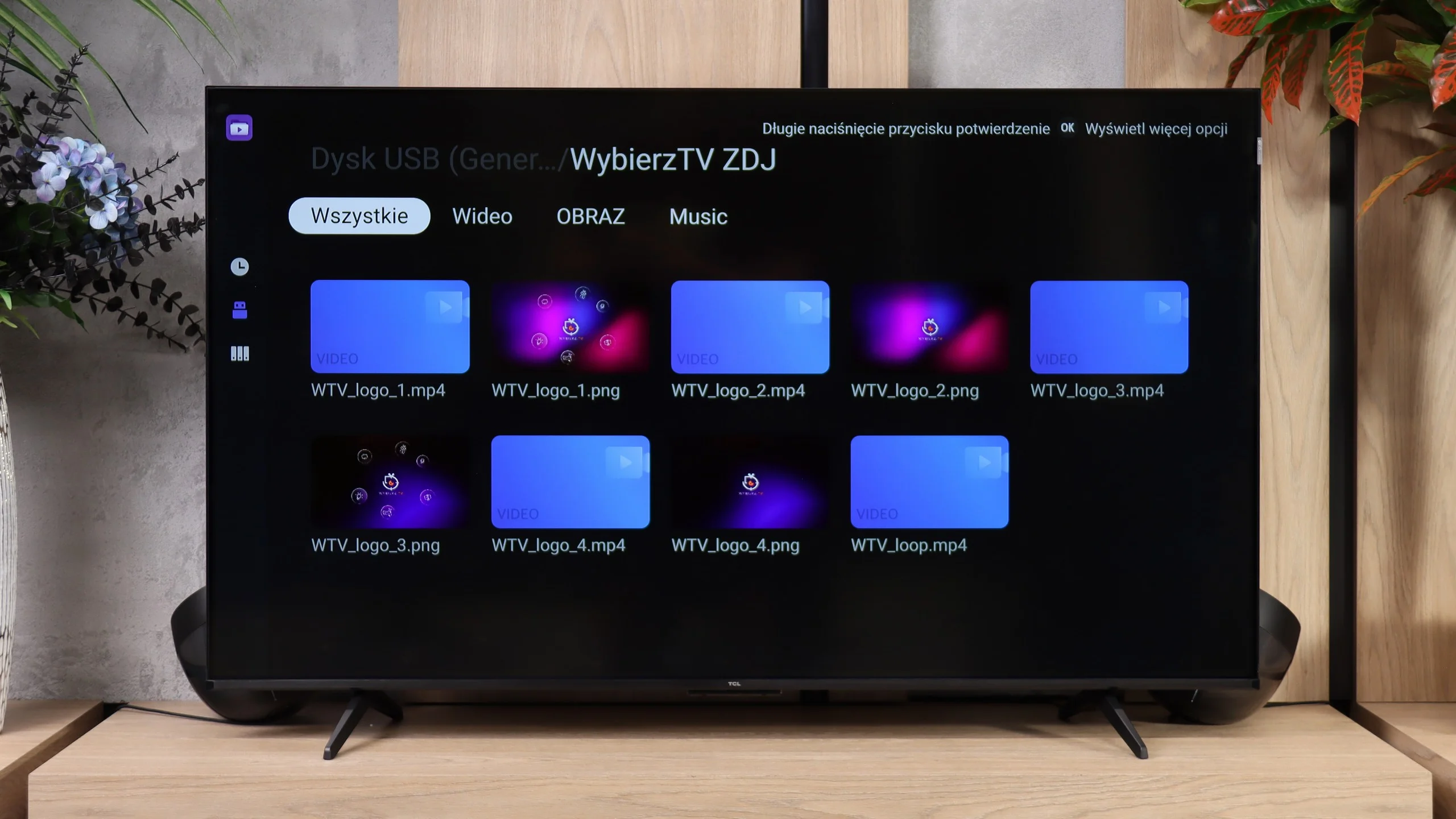
The built-in media player in the TCL P7L performs quite well. The TV handles most common video and subtitle formats and also easily plays 4K content encoded with newer codecs. It's perfectly adequate for occasional viewing of videos from a USB flash drive or external drive, and in that respect there's little to complain about. What proved most annoying, however, was displaying photos. The P7L did not always open higher-resolution files correctly and behaved somewhat selectively: some large photos worked, others did not. So if you plan to frequently browse photos on the TV straight from a camera or phone, it's worth bearing in mind.
Sound
6.9/10
6.2/10
- Maximum volume-89dB
- Dolby Digital Plus 7.1
- Dolby True HD 7.1
- Dolby Atmos in Dolby Digital Plus (JOC)
- Dolby Atmos in Dolby True HD
- DTS:X in DTS-HD MA
- DTS-HD Master Audio
The sound quality of the X75WL model is very pleasant, and for this class and size of Sony television, it is truly impressive. There is a subtle bass, and the sound appears clear, which positively affects the reception of multimedia content. The television performs well with both dialogue and sound effects.
The sound on the TCL P7L is fairly conventional for a budget TV. The speakers can get quite loud and dialogue is clear, but they lack depth and, above all, bass. For regular TV, YouTube or news that setup is more than adequate, but in films and music you’ll quickly notice the sound is rather flat and thin. On the plus side, it supports a wide range of formats, including Dolby Atmos and DTS. However, the TV itself can’t turn those into a full surround effect, so if you want a more powerful sound, especially in the low end, a soundbar is definitely the better option.
Sound Quality Test
No sound test video
Acoustic Measurements
No acoustic data
89dBC (Max)
75dBC
Reader comments
Comments are provided by the external service Disqus (Zeta Global). Once loaded, Disqus may set cookies and process data about your activity.
We will remember your choice on this device. Provider's privacy policy