 Direct comparison
The Sony X75WL model is a television from 2023, which will continue into 2024 by the Japanese company Sony. It can offer many positive features. For example, thanks to the Google TV system, users can enjoy wide access to applications such as Netflix, YouTube, Amazon Prime Video and more! The applications are easily accessible, and full integration with the Play Store allows for downloading many additional applications, including games and media players, etc. The built-in Google Assistant adds even more functionality, enabling users to control the television using voice commands. Daily usage is supported by features such as the ability to record to USB or connect peripherals (e.g., mouse and keyboard, headphones). All of this makes it a very functional device, tailored for various users. Solid cooperation with PC, thanks to support for chroma 4:4:4 and low input lag, makes the Sony X75WL a great choice for office use or working from home. The sound quality is also a plus – gentle bass and sound clarity will satisfy most users, particularly those who appreciate audio quality without the need to invest in additional speakers. Nevertheless, this model also has some drawbacks. Very poor contrast and average HDR performance make it not the best choice for nighttime cinematic viewing, where black depth and detail quality are crucial. Thicker bezels may not appeal to everyone. Despite its flaws, the Sony X75WL is a solid choice, especially for those looking for a versatile and functional television at an affordable price. However, if we are not strongly attached to the brand, we recommend considering competitive models (comparison visible below) - which may offer a better price-to-quality ratio.
- Matching (Score) |
- Our verdict |
- TV appearance |
- Where to buy |
- Contrast and black detail |
- HDR effect quality |
- Factory color reproduction |
- Color reproduction after calibration |
- Smoothness of tonal transitions |
- Image scaling and smoothness of tonal transitions |
- Blur and motion smoothness |
- Console compatibility and gaming features |
- Input lag |
- Compatibility with PC |
- Viewing angles |
- Daytime performance |
- Panel details |
- TV features |
- Apps |
- Playing files from USB |
- Sound
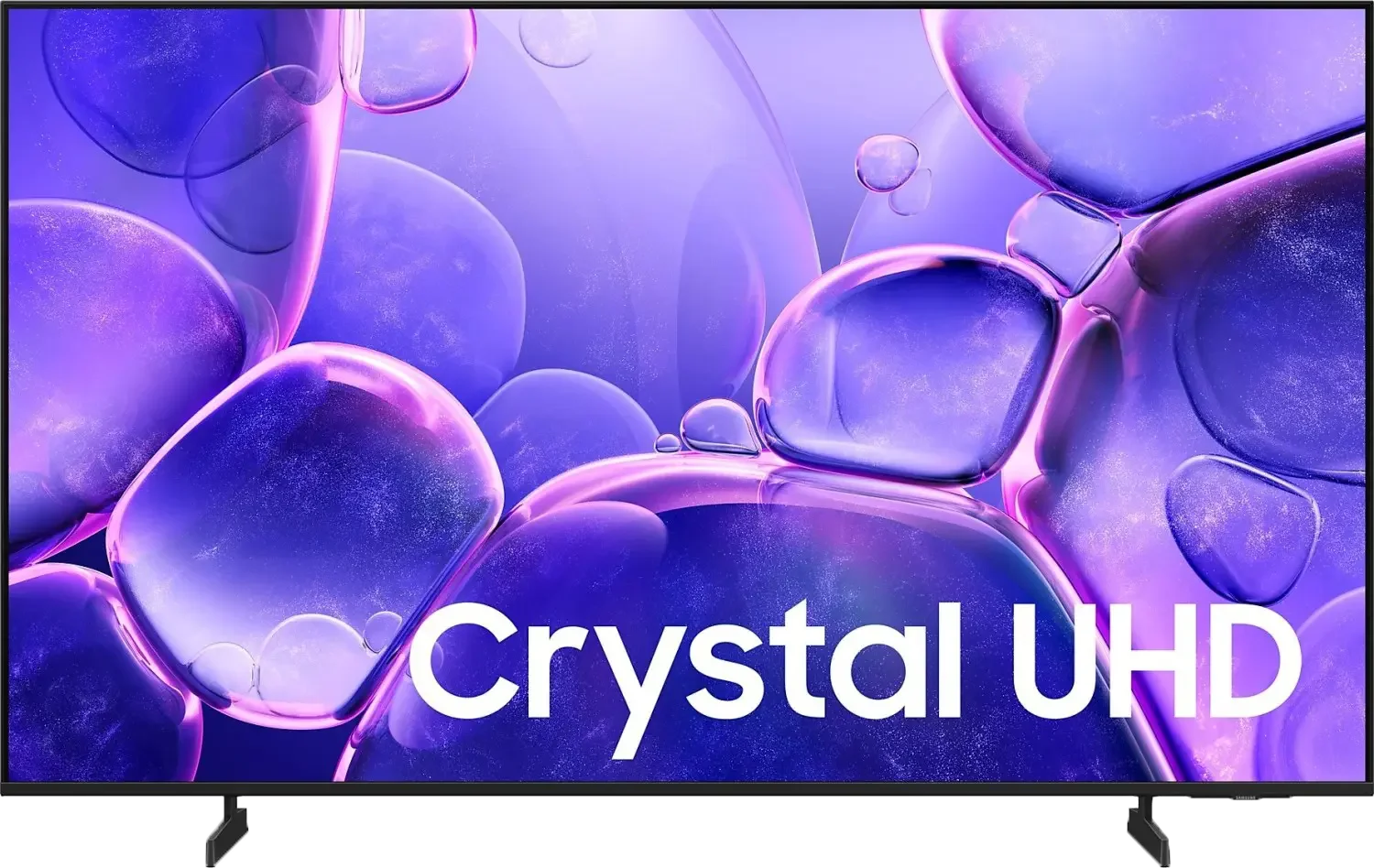
U8000F / U8092F

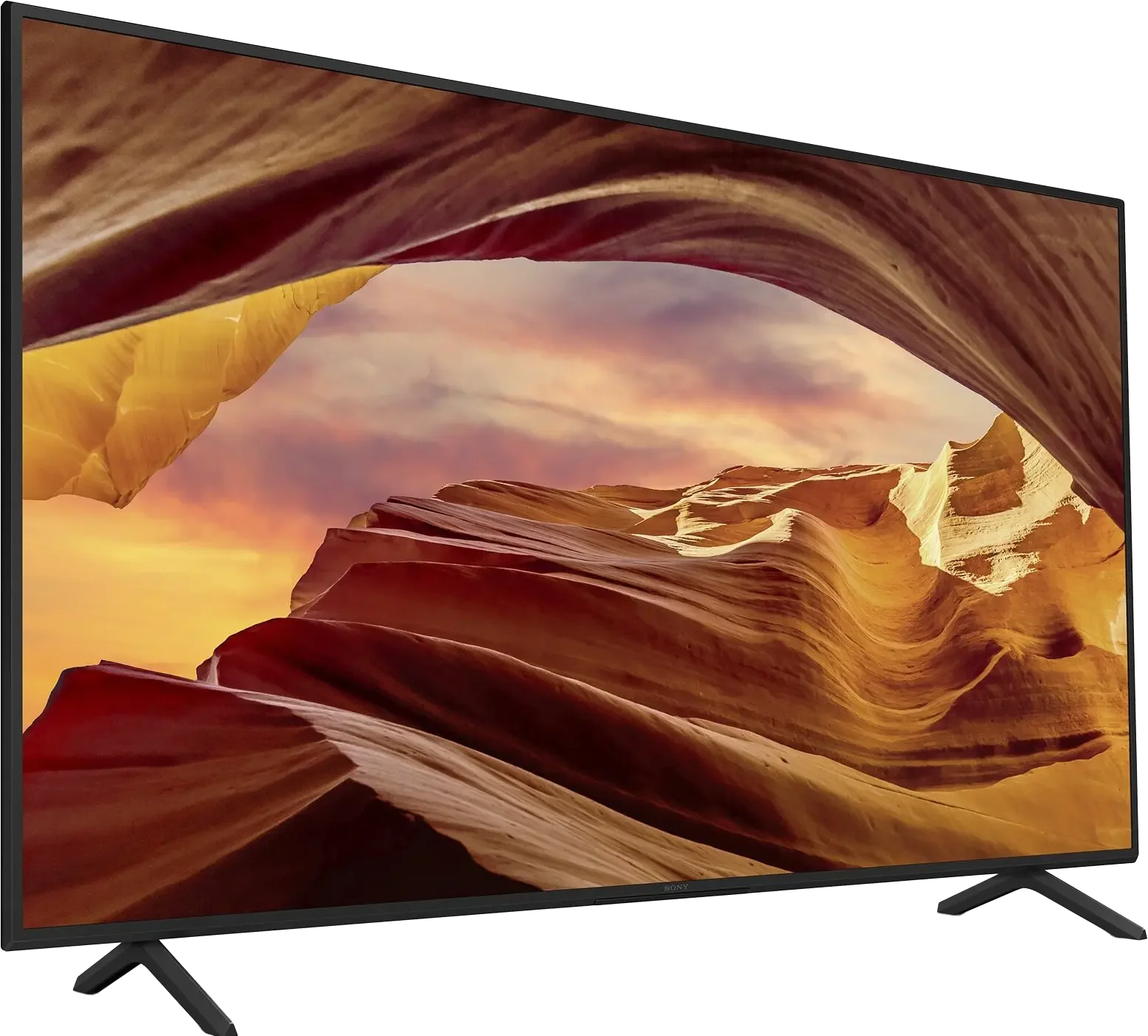
Panel type: LCD IPS
Resolution: 3840x2160
System: Google TV
Model year: 2023
Panel type: LCD IPS
Resolution: 3840x2160
System: Tizen
Model year: 2025
Check how well they match your needs
Take the surveyOverall rating
5.9
5.6
 Movies and series in UHD quality
5.6
5.7
 Classic TV, YouTube
5.3
5.9
 Sports broadcasts (TV and apps)
5.5
4.9
 Gaming on console
5.7
6.6
 TV as a computer monitor
6.0
6.0
 Watching in bright light
4.6
3.8
 Utility functions
7.7
5.3
 Apps
9.6
8.7
 Sound quality
6.9
5.7
Complete the survey to find out what fits your preferences
Advantages

Google TV system with convenient voice control and access to applications
Ability to record to an external USB drive and connect peripherals
Good viewing angles thanks to the IPS panel
Very good compatibility with PC (chroma 4:4:4, low input lag)
Pleasant, clear sound with a gentle bass
Adjustable leg spacing
Decent black and contrast (VA panel version)
Advanced Smart system: Tizen
Great for working with text - excellent font display
Basic functions for gamers - VRR and ALLM
Low input lag
Disadvantages

Very weak contrast
Average colour palette coverage
Poor for gamers - lacking many features
Design - thick bezels will not appeal to most
Low brightness
Worse viewing angles than the IPS matrix version (Obvious obviousness 😉)
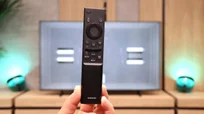
Infrared remote control
Worse appearance than its predecessor
Our verdict
Samsung U8000F with a VA panel is a television that can pleasantly surprise in its class – of course, if we know what to expect from it. The biggest advantage of this variant is certainly the quality of black levels. Compared to the version with an IPS panel, the difference is enormous – the image gains depth, contrast looks significantly better, and evening film sessions no longer feel like watching content through a grey filter. For a budget segment device, this is truly a nice surprise. The reliable Tizen system is also a plus, as it not only runs smoothly but also offers access to a full range of applications, support for SmartThings, and a voice assistant (via the app). The PC mode and console connection function flawlessly – fonts are clear and readable. Additionally, it includes basic features for gamers, such as VRR and ALLM, which – although they won’t transform this television into an e-sports machine – are completely sufficient for occasional gaming.
Of course, like any construction in this budget, the U8000F with a VA panel has its limitations. Viewing angles are not its strongest point – when watching from the side, it’s easy to notice a drop in quality. Nonetheless, it's hard to see this as a serious flaw – because something has to give. Better black levels always come at the cost of slightly less flexibility in positioning. When it comes to HDR, we have rather a symbolic approach – brightness is too low to speak of a true "wow" effect, and the colour palette is limited. But let’s face the truth – that’s not the reason one buys such a television. So if you are planning to purchase the U8000F, we definitely recommend opting for the variant with a VA panel. It’s still a very basic model, but in this version, it offers more than one might expect – especially in terms of black quality. And in this price bracket, that’s quite a lot.
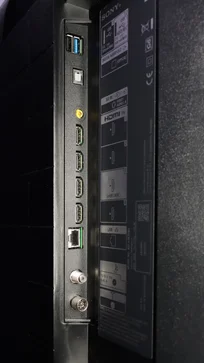
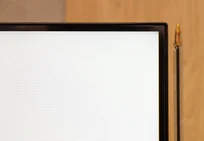
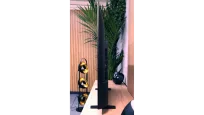
TV appearance


Contrast and black detail
2.4/10
5.3/10
Local dimming function: No
Local dimming function: No
Contrast:


Result
1,100:1

Result
1,200:1

Result
1,300:1

Result
1,400:1

Result
900:1
Result
4,600:1
Result
4,150:1
Result
3,900:1
Result
3,750:1
Result
3,400:1
Halo effect and black detail visibility:
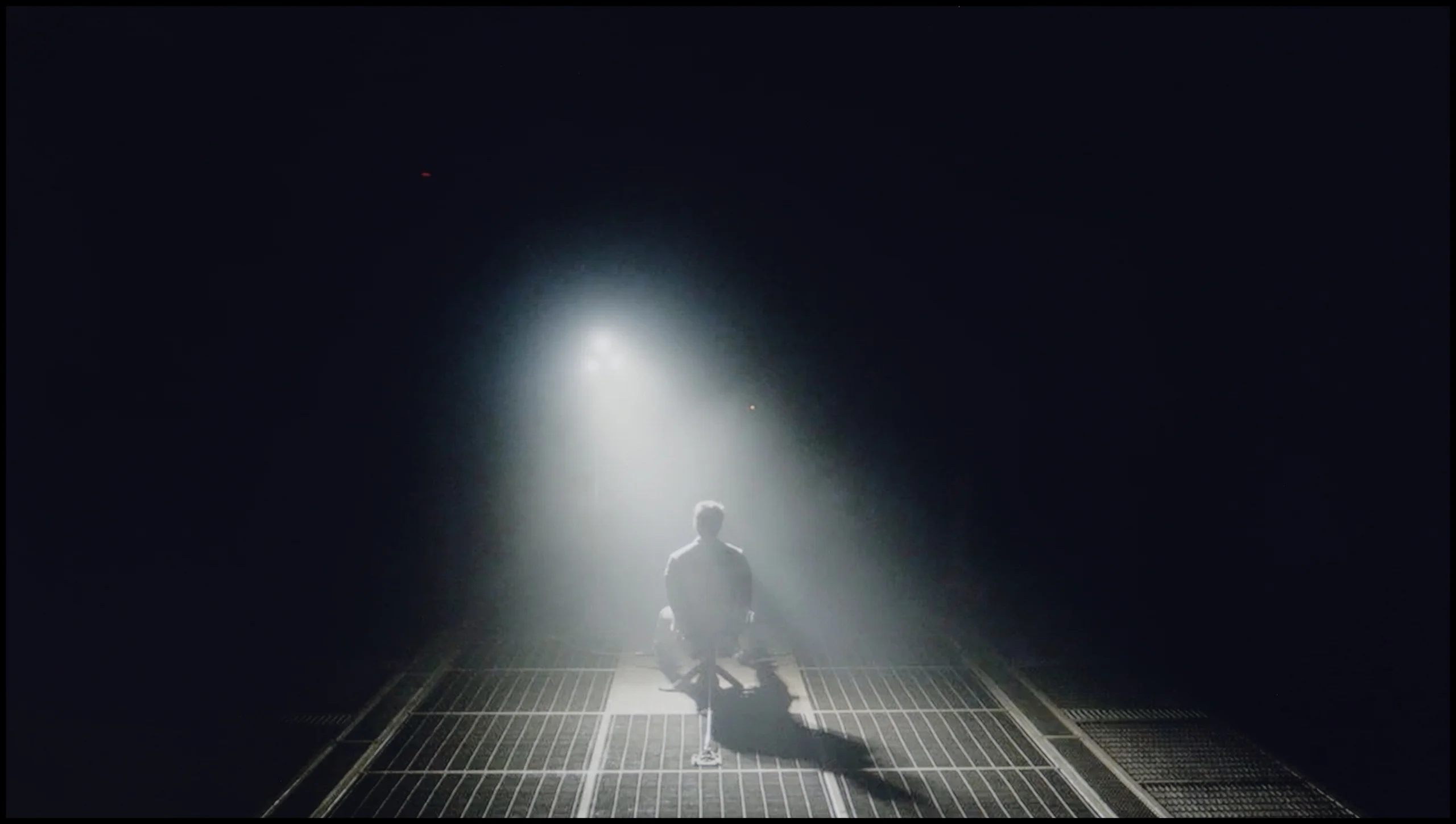
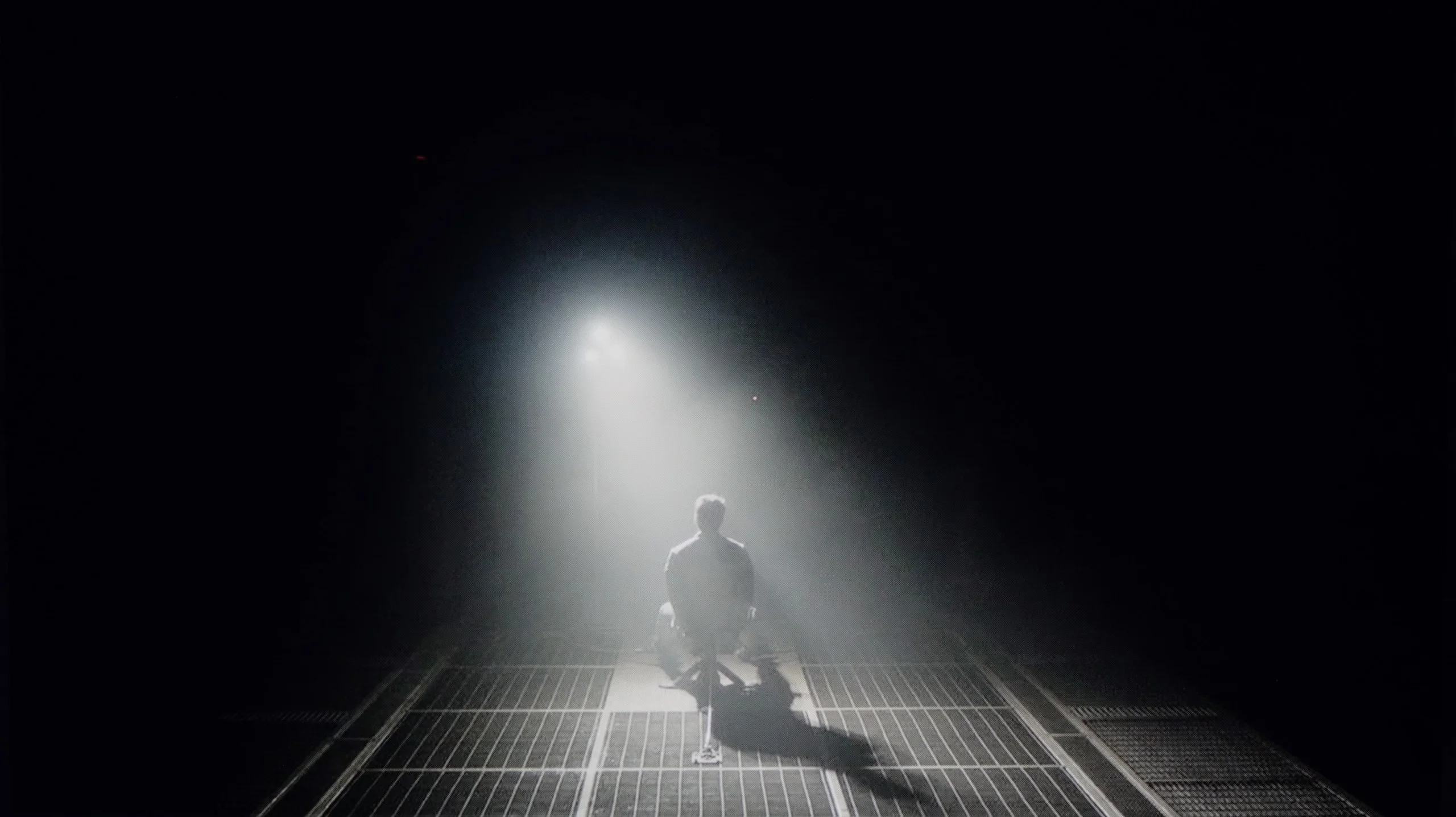
Check the visibility of bright lights on a dark background. Mini-LEDs often struggle with this. The photo does not compare black levels – that’s what the video below is for.
The video accurately shows differences in contrast and black levels between TVs, as well as potential issues: halo around bright objects or Mini-LED zone operation visible as brightness jumps.
The tested model Sony X75WL is equipped with an IPS panel, which unfortunately negatively affects the quality of black levels and contrast. The black is shallow, and details in dark scenes are virtually invisible. In the film "Sicario 2", no details can be seen in the shadows. All of this makes the picture look poor and lacking in depth. The IPS panel used does not provide the level of contrast that more demanding users would expect, and the lack of detail in dark scenes significantly lowers the quality of the viewing experience when watching films. The X75WL television does not have local dimming functionality, which further complicates achieving the proper quality of black levels and contrast in this category.
It is worth noting that the test concerns variants with a VA panel, which perform considerably better in terms of black levels and contrast than the 55-inch version equipped with an IPS panel. Thanks to the higher native contrast (although it is not a top result among VA panels), the tested scenes looked significantly better – without noticeable greyness or the typical washed-out shadows associated with IPS panels. The black levels in the U8092F model can be considered really good and satisfying, especially in this price range. Of course, we are not dealing with a construction equipped with local dimming, so it is difficult to expect spectacular results in very challenging scenes. On the other hand, we are talking about an exceptionally budget television that performs quite solidly within its category.
HDR effect quality
5/10
3.1/10
Luminance measurements in HDR:

Result
285 nit

Result
308 nit

Result
343 nit

Result
345 nit

Result
358 nit
Result
212 nit
Result
173 nit
Result
265 nit
Result
90 nit
Result
250 nit
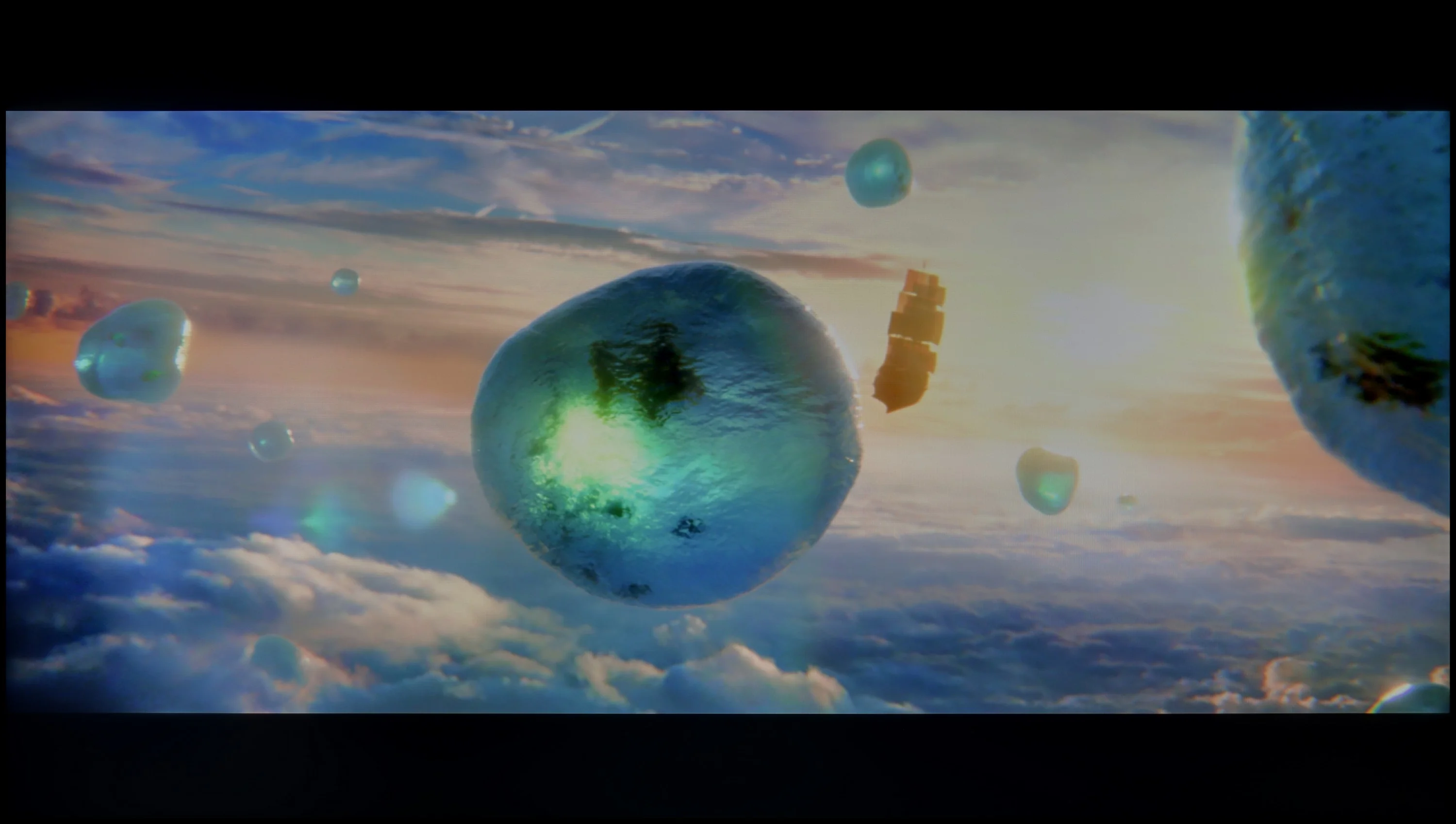
Scene from the movie “Pan” (about 2800 nits)
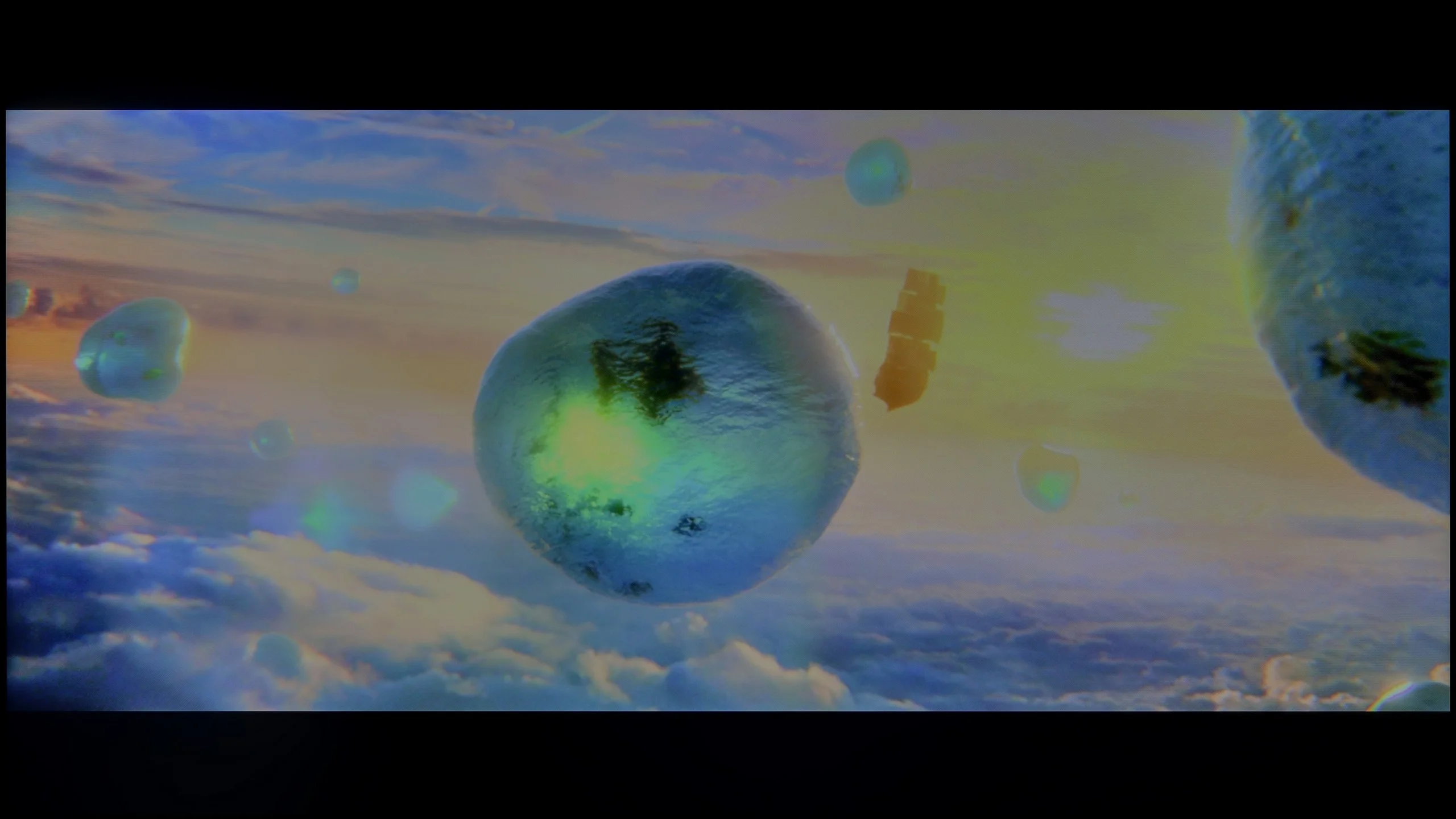
Scene from the movie “Billy Lynn” (about 1100 nits)

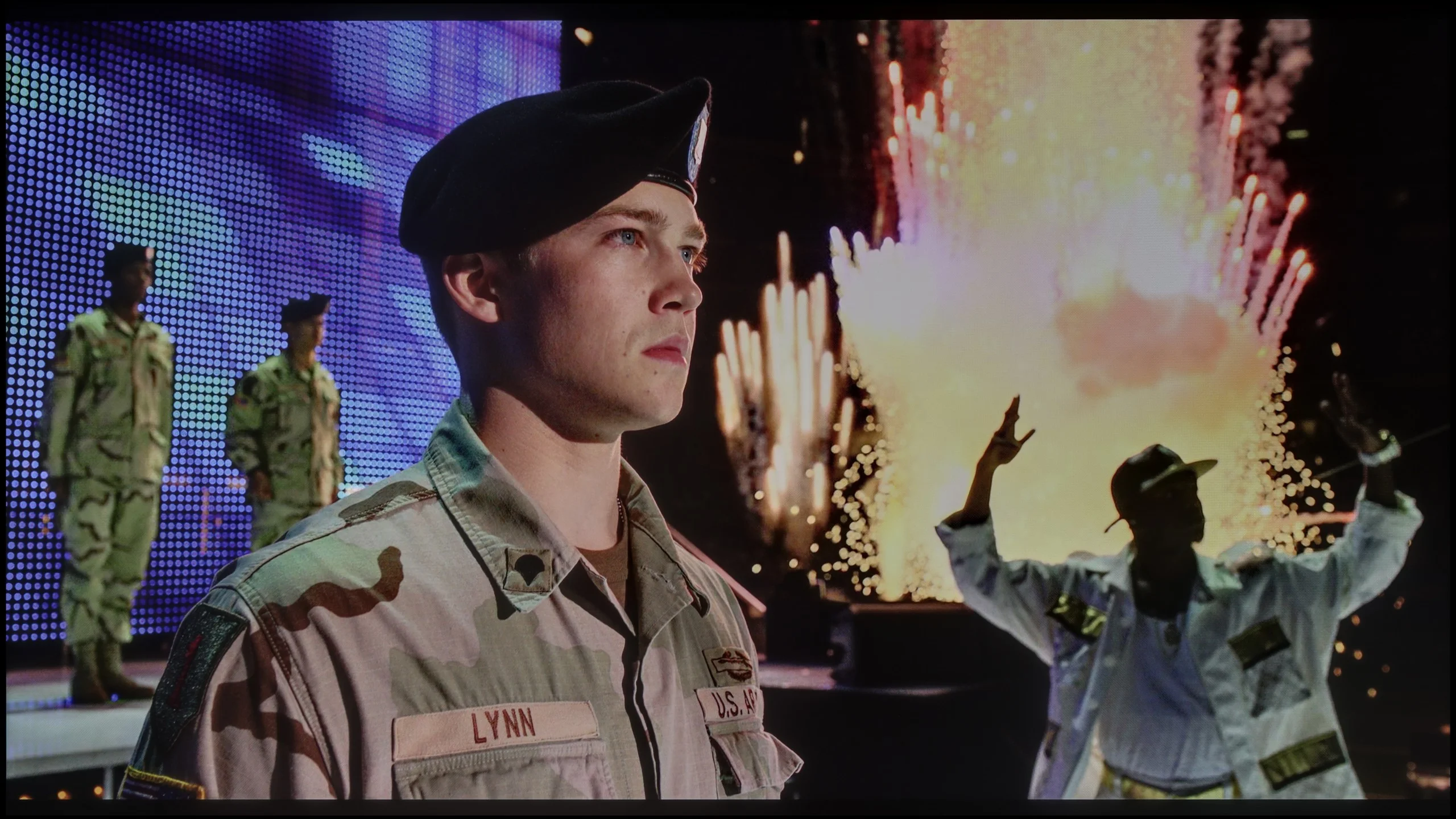
The photos show two HDR10 movies. 'Pan' is one of the brightest productions ever made, while 'Billy Lynn' (soldier) has brightness typical of streaming (Netflix, Prime, HBO MAX). Notice the intensity of effects and detail in whites.
Static HDR10


The photos present the visibility of white details in various HDR formats. They do not show brightness differences between TVs (these can be compared in the previous gallery).
Dynamic: Dolby Vision
Dynamic: HDR10+

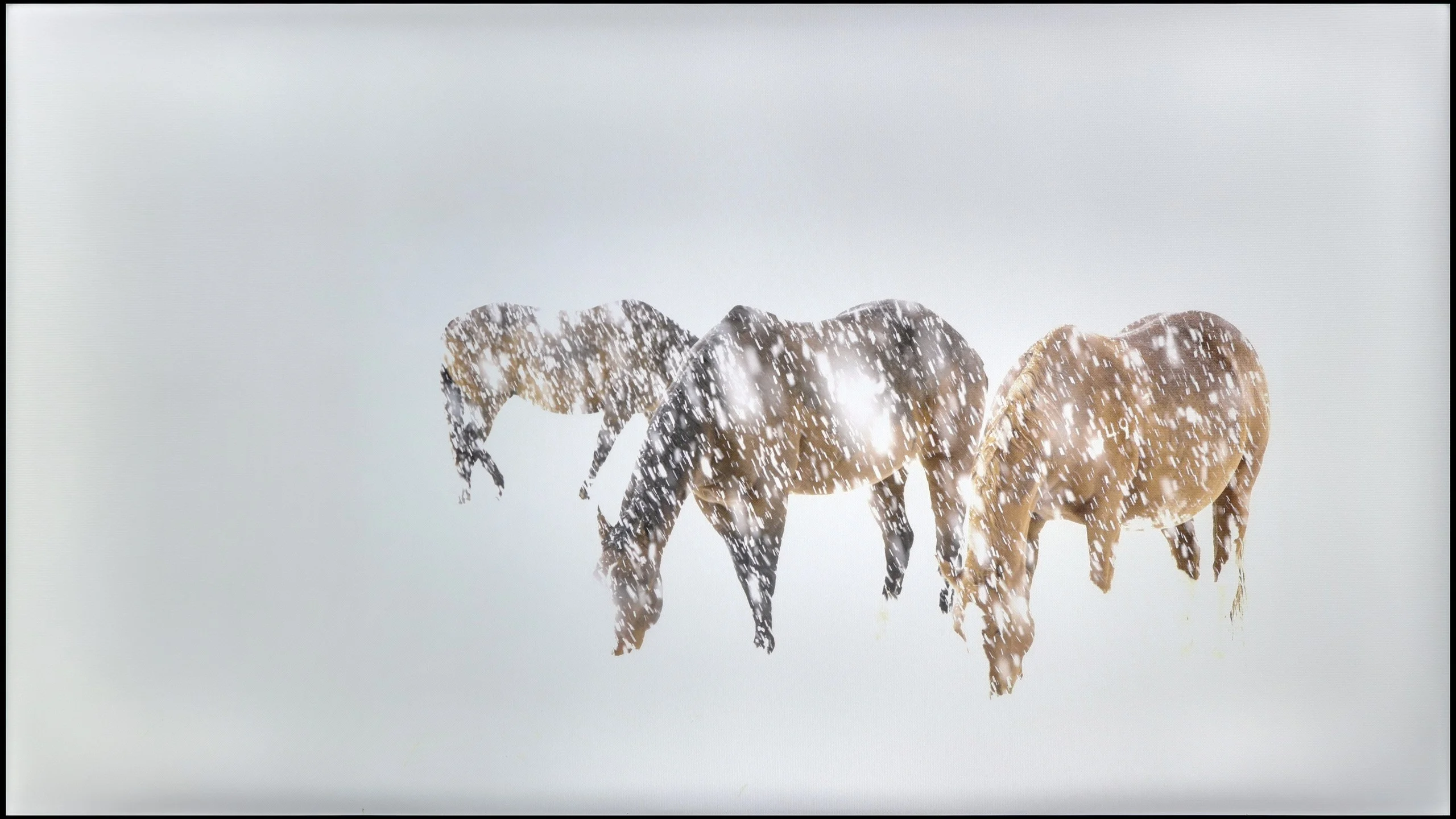
The photos present the visibility of white details in various HDR formats. They do not show brightness differences between TVs (these can be compared in the previous gallery).
HDR luminance chart:
Samsung U8000F (VA)
Sony X75WL
The luminosity chart for the X75WL Sony television showed a maximum value of 350 nits, which is unfortunately not an impressive result. The television does not surprise with its brightness, and all the HDR scenes we tested lacked depth and the appropriate light effect that should accompany HDR content. Additionally, the poor coverage of the DCI-P3 colour gamut makes it difficult for the television to reproduce rich colours, which significantly affects the overall viewing experience of HDR content. The lack of adequate brightness and weak colour coverage mean that HDR effects are very limited in this model.
While the U8000F with a VA panel can still be praised for decent blacks, there is no longer any reason to be enthusiastic about brightness – especially in HDR scenes. The television achieves a maximum of just under 250 nits, which is simply too low to speak of any impressive light effects. Bright elements appear pale, and scenes that should sparkle look rather flat. We observed an interesting situation during the test of a scene from the film Sicario 2 – the screen became noticeably darker, as if the television was trying to hide its limitations in displaying blacks. One might get the impression that the device artificially darkens the image to enhance contrast, but in practice, the effect makes very little difference, other than the fact that we see less on the screen. Furthermore, there is the issue of colours – the U8000F does not support a wide colour gamut, so one cannot count on the vibrant, saturated hues known from better models. The HDR image here resembles slightly brightened SDR and... perhaps that is even a good thing. With this model, it is not worth expecting a cinematic experience – it is better to treat HDR as a modest addition.
Factory color reproduction
6.9/10
6.5/10
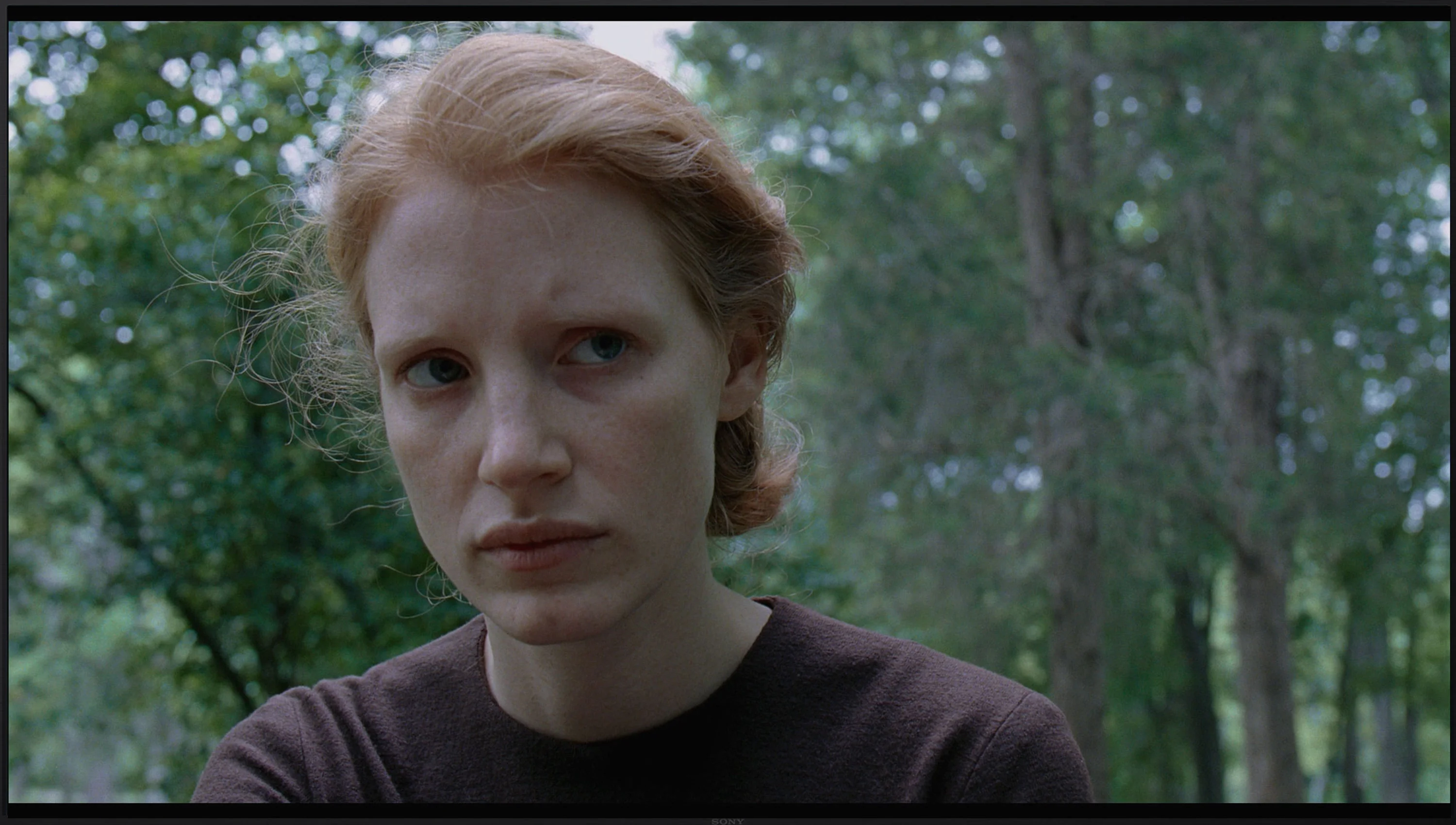
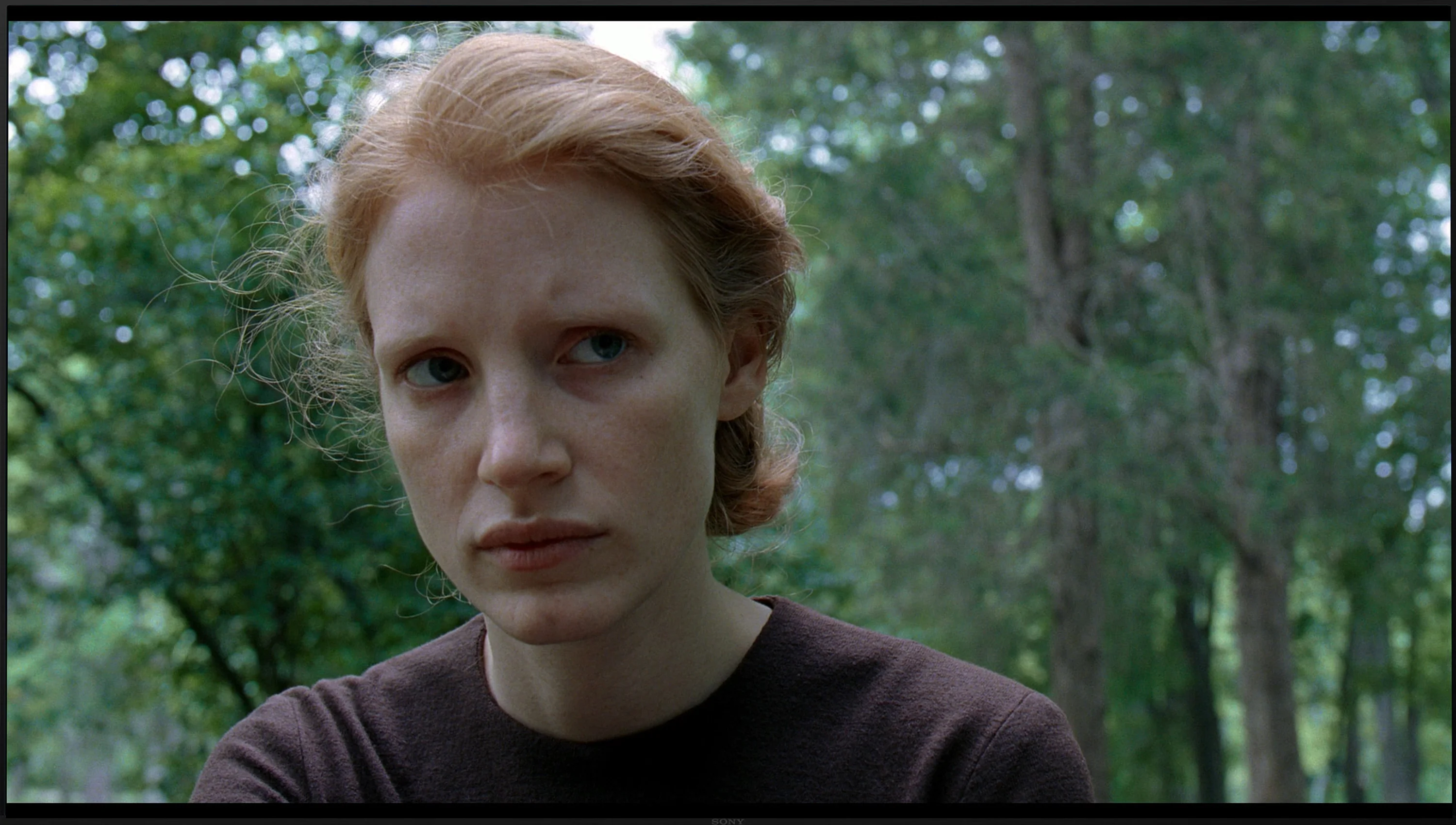
This illustrative image shows how colors change after professional calibration. If you can see the difference, you can order it from SkalibrujTV – it's our own service.
Factory mode
After calibration
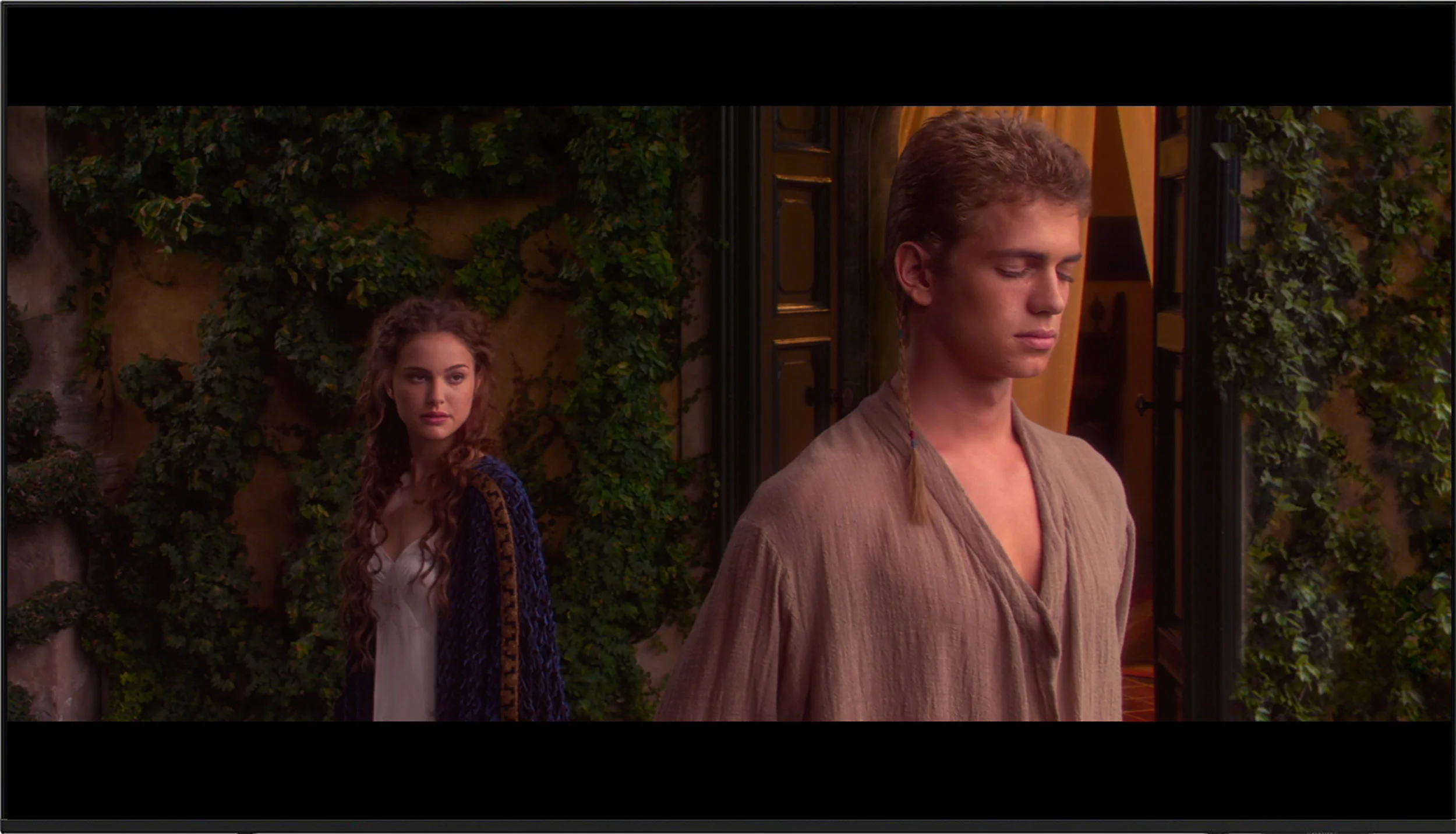
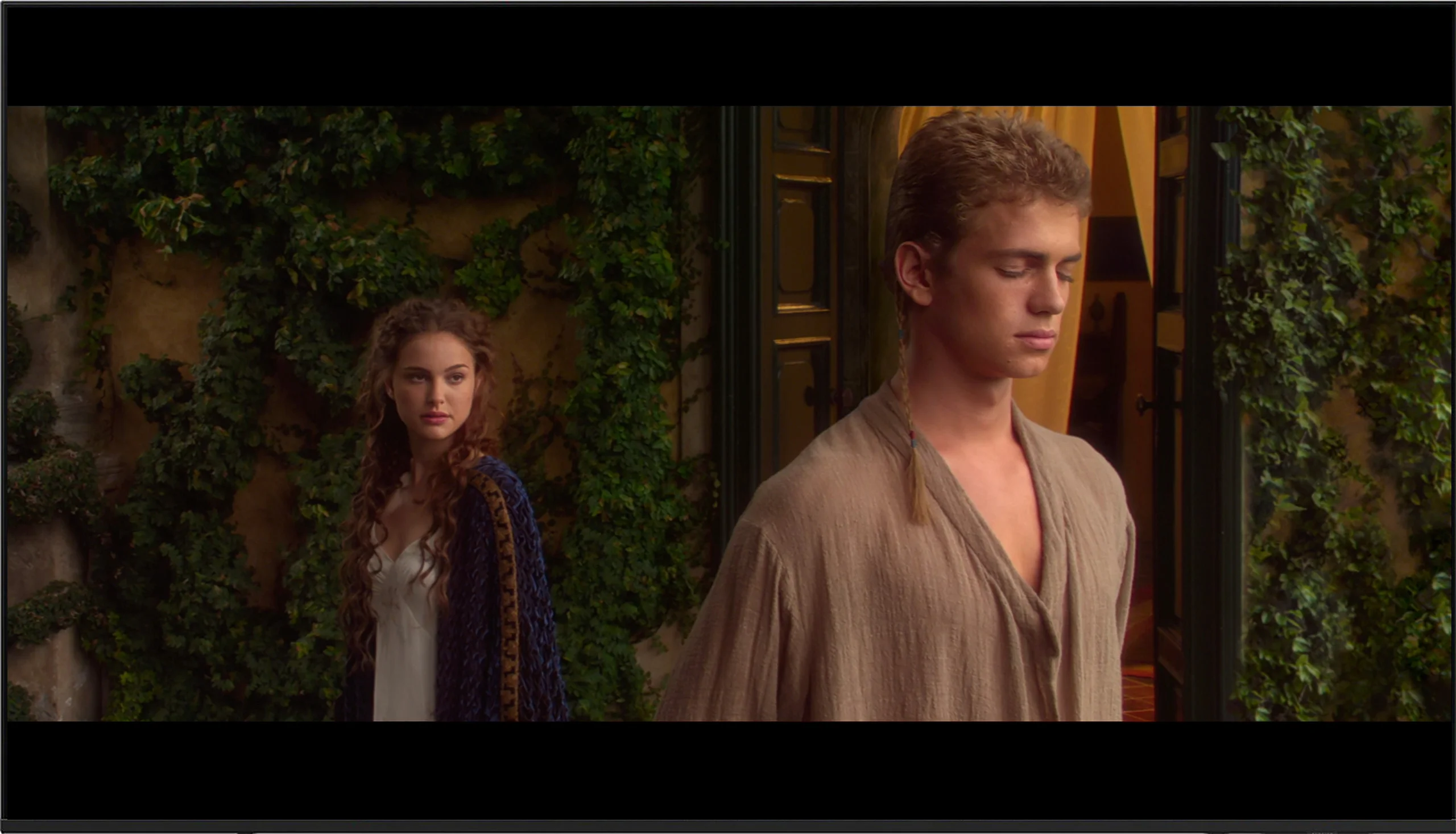
This illustrative image shows how colors change after professional calibration. If you can see the difference, you can order it from SkalibrujTV – it's our own service.
Factory mode
After calibration
Colour reproduction tests for the model Sony X75WL are carried out in movie mode, which offers the best image settings, but it also has its flaws. The biggest problem with the X75WL Sony is the white balance – for both HD and 4K HDR content – which is characterised by a dominance of blue. As a result, the entire image feels too cold. The colour checker confirms these errors, showing that the colours lean towards cooler tones. In terms of brightness characteristics, the contrast gamma is at a fairly decent level, however, the same cannot be said for the EOTF curve. There are significant issues with maintaining appropriate brightness – the image is either overly bright or too dim, which impacts the visual perception of content.
The Samsung U8000F has been tested by us in the best picture mode it offers out of the box – the Filmmaker Mode. This profile is theoretically meant to provide a neutral, cinematic image devoid of unnecessary enhancements and artificial beautifications. In the case of SDR content – primarily in HD or SD resolution – the television performed surprisingly decently right out of the box. The only noticeable flaw was brightness management. The gamma chart showed some deviations – slight brightening or dimming of certain tones – but in practice, this did not significantly affect the viewing experience. Considering the television's segment, it performs quite well.
However, the situation is much weaker in HDR mode. While the white balance was still acceptable, the colour inaccuracies were very apparent. In the Color Checker test, almost every sample was outside the target point, and the image itself appeared unnatural – the colours were shifted, sometimes too cool, other times simply dull and lifeless. The main problem lies in the hardware limitations – the U8000F does not support the wide colour gamut of DCI-P3, so it is physically incapable of reproducing the colours that the HDR standard anticipates. Unfortunately, this is evident in almost every more demanding scene.
Color reproduction after calibration
7.1/10
7.5/10


The photos show how movies look on the TV. Pay attention to black detail visibility, colors, and shadow tint.
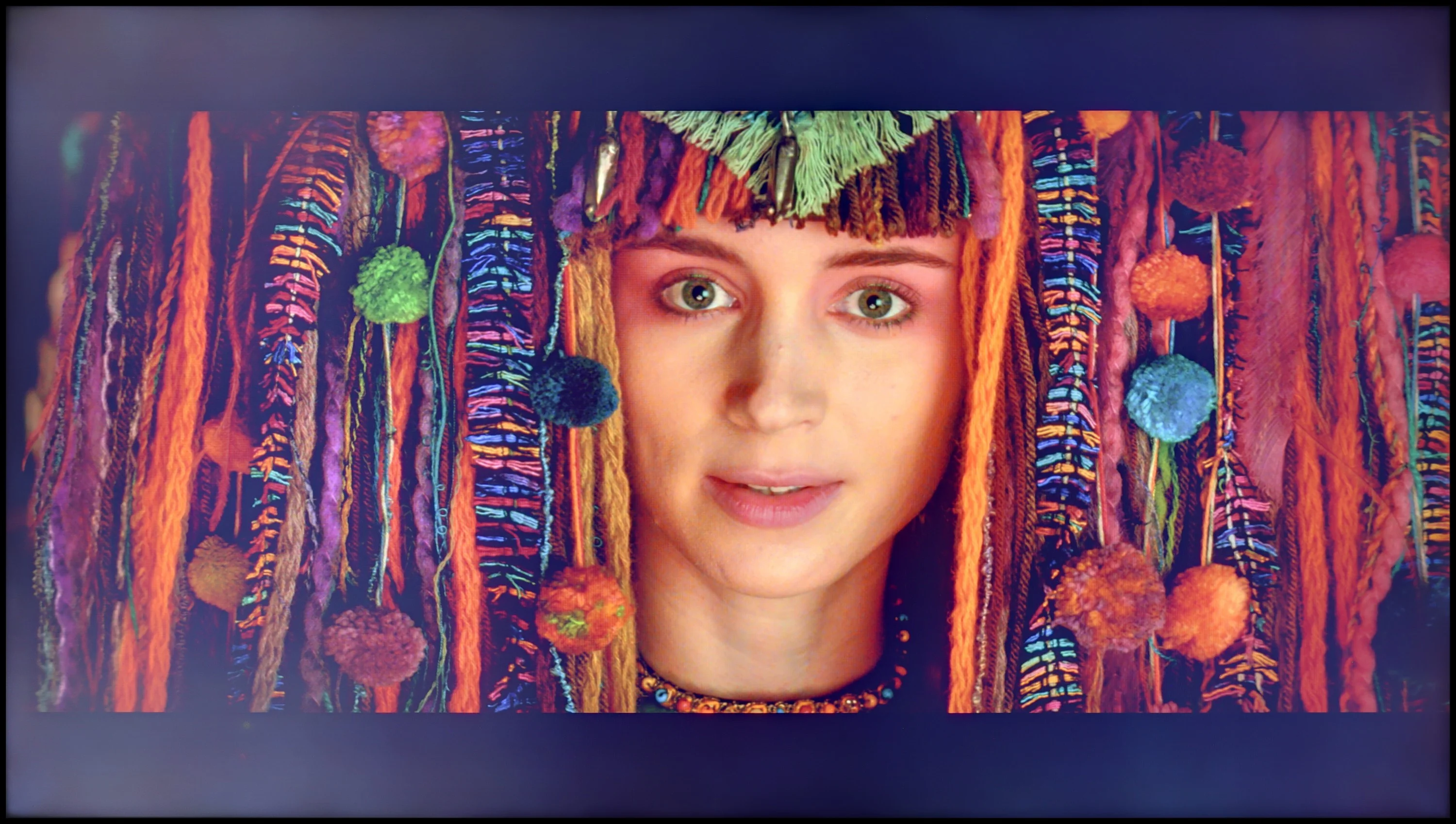
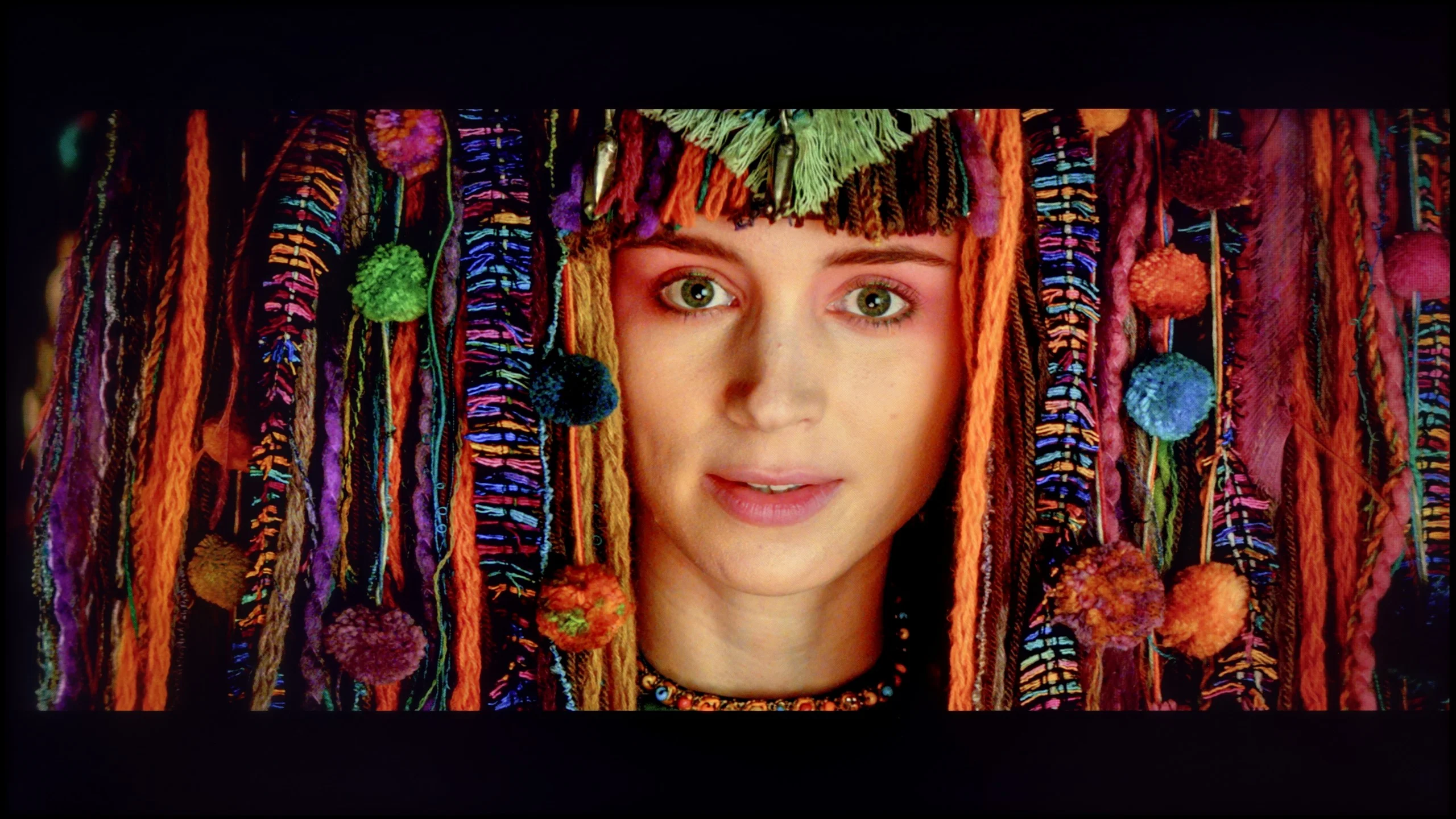
The photos show how movies look on the TV. Pay attention to black detail visibility, colors, and shadow tint.
X75WL Sony is one of those cases where image calibration may not be highly spectacular, but it offers a very good improvement in the perception of colours. The white balance, for both HD and 4K materials, has been significantly improved – there is no longer a strong dominance of cooler shades. The gamma curve also appears more stable, which translates into better image quality. However, the biggest issue remains the EOTF curve, which is responsible for brightness in 4K materials. Due to the technological limitations of the television (IPS panel and lack of local dimming technology), it is hard to speak of a significant improvement, as we cannot extract more from this model. Despite these limitations, the tonal quality of the image has been significantly enhanced.
Right out of the box, the U8000F offered quite a decent image in SDR for its price class. However, we managed to enhance it slightly – we reduced a subtle purple tint and improved the gamma characteristics, giving it a more natural curve. Despite these adjustments, the television still tends to overly brighten the brightest details – the gamma chart shows a clear inflection that cannot be completely corrected.
In HDR mode, however, it is noticeably weaker. It is hard to speak of any significant improvement here – despite attempts to adjust the settings, the image still presents considerable colour inaccuracies. A Delta E exceeding 7 signifies noticeable deviations that could not be effectively reduced. Unfortunately, this is a limitation of the construction itself – the U8000F simply was not designed for serious HDR. In everyday viewing in SDR, it performs quite well, but when it comes to HDR content... it's best not to have overly high expectations.
Smoothness of tonal transitions
8.1/10
9.5/10
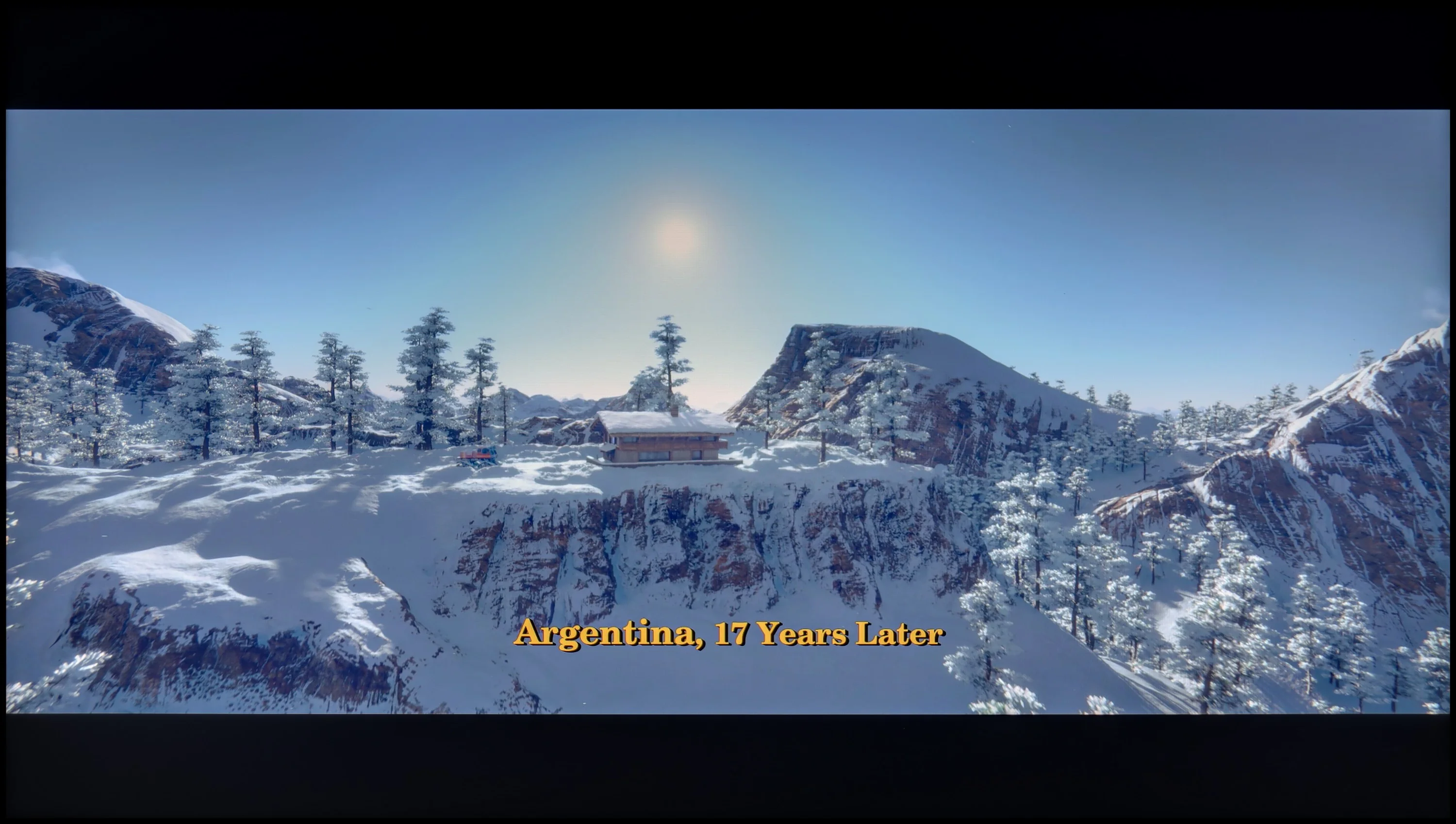

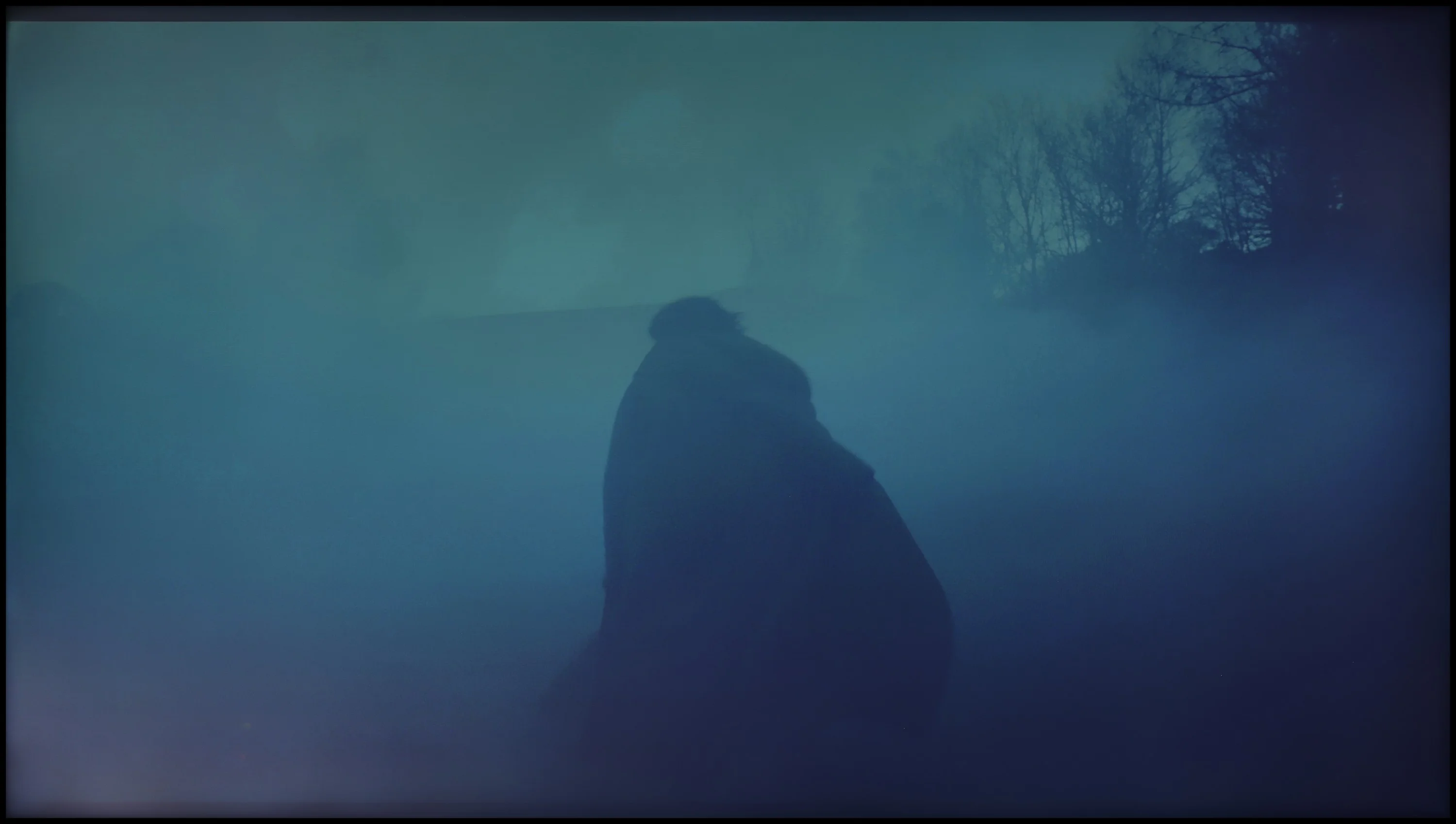
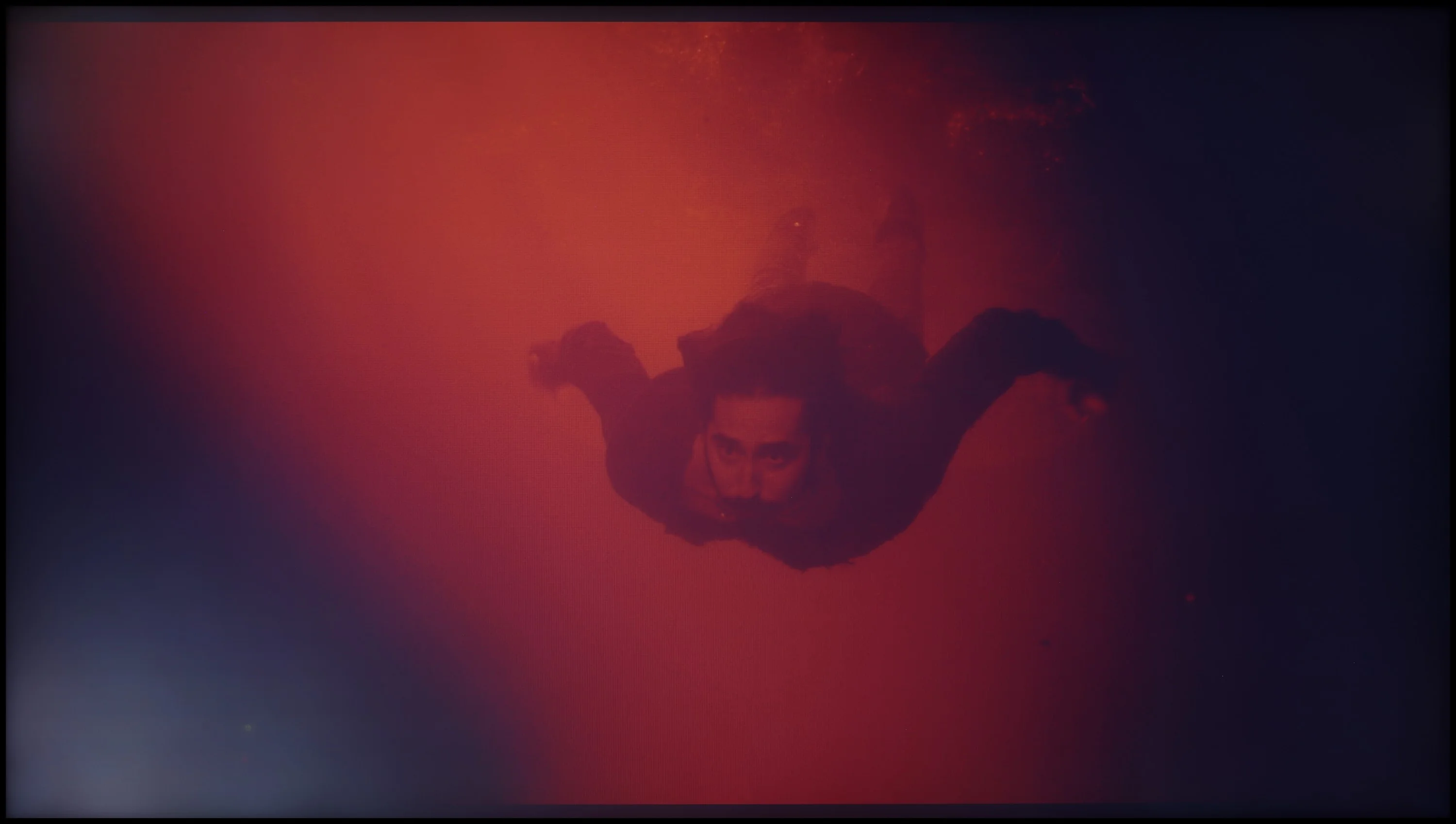
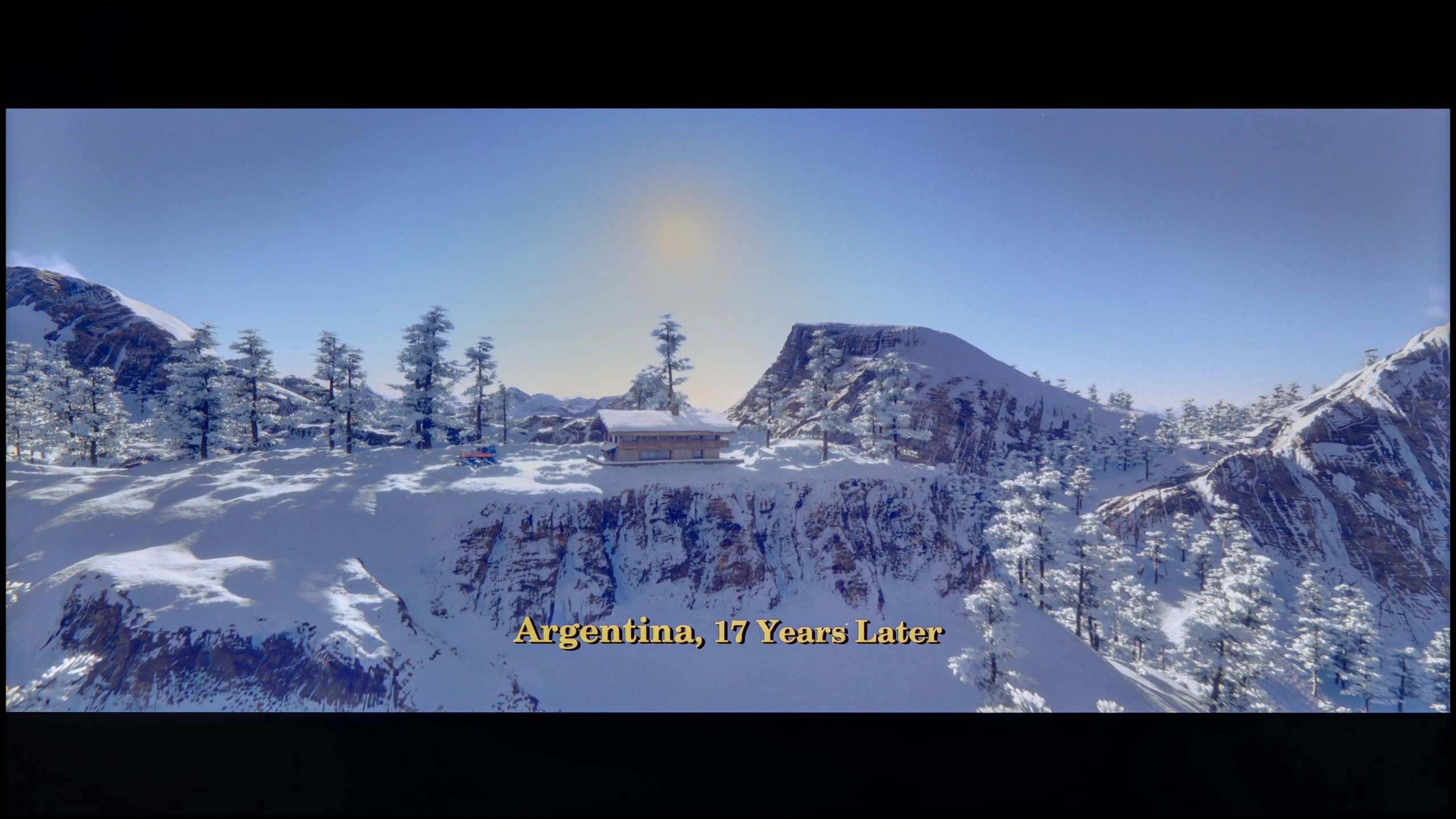
These are selected scenes that show smooth tonal transitions from one color to another. If you see distinct banding, it’s the TV panel’s fault.

These are selected scenes that show smooth tonal transitions from one color to another. If you see distinct banding, it’s the TV panel’s fault.
These are selected scenes that show smooth tonal transitions from one color to another. If you see distinct banding, it’s the TV panel’s fault.
These are selected scenes that show smooth tonal transitions from one color to another. If you see distinct banding, it’s the TV panel’s fault.
In the model X75WL , the smoothness of tonal transitions performs very well. The gradation in the shadows is good, with no visible issues, positively affecting the quality of the image in darker areas. In brighter scenes, slight issues with smoothness can be noticed, but they are not clearly discernible and shouldn't affect viewing comfort. In a scene with vibrant red colour, slight clipping is noticeable, but it does not detract from the overall enjoyment of watching.
One of the significant elements affecting the perception of the image is the way in which the television handles tonal transitions – that is, the blending of colours and shades without clear boundaries. In the case of the Samsung U8092F model, it performed really well. On the test screens, we did not observe visible banding or disturbances in the colour gradients. The image retains a natural character, without excessive digital interference, which unfortunately is often the norm in this class of equipment. Minimal imperfections appeared in very bright areas, but they are practically unnoticeable and do not affect everyday use of the television.
Image scaling and smoothness of tonal transitions
6.1/10
5/10


Smooth transition function
The match photo shows how the TV smooths weak tonal transitions in low-quality video.
Image scaling SD (576i)


The model photo shows how it handles upscaling of SD material.
In the case of low-quality tonal transitions, the television Sony X75WL performs poorly. The lack of any feature to improve tonal transitions results in noticeable imperfections in colour gradation. However, one can credit the quite good digital processing – the image is displayed without overscan, and overall it looks relatively good thanks to the added slight sharpness, which some users may appreciate.
When it comes to how the Samsung U8000F handles lower quality materials, we must admit that Samsung has made progress compared to its predecessor from last year – the DU7192 model, which theoretically occupies the same position in the lineup. This year's model has been equipped with a feature to improve the fluidity of tone transitions, which has been implemented much better than last year. Indeed, the television still utilizes quite strong algorithms that can distort details or remove film grain, but nonetheless – it can confidently be said that it works effectively. However, not everything has gone perfectly. The U8000F has noticeable issues with slightly cutting the image when watching very old content in very low resolution. If someone plans to play their old VHS tape, they must reckon with the fact that the image may appear slightly "cut off".
Blur and motion smoothness
4.9/10
4/10
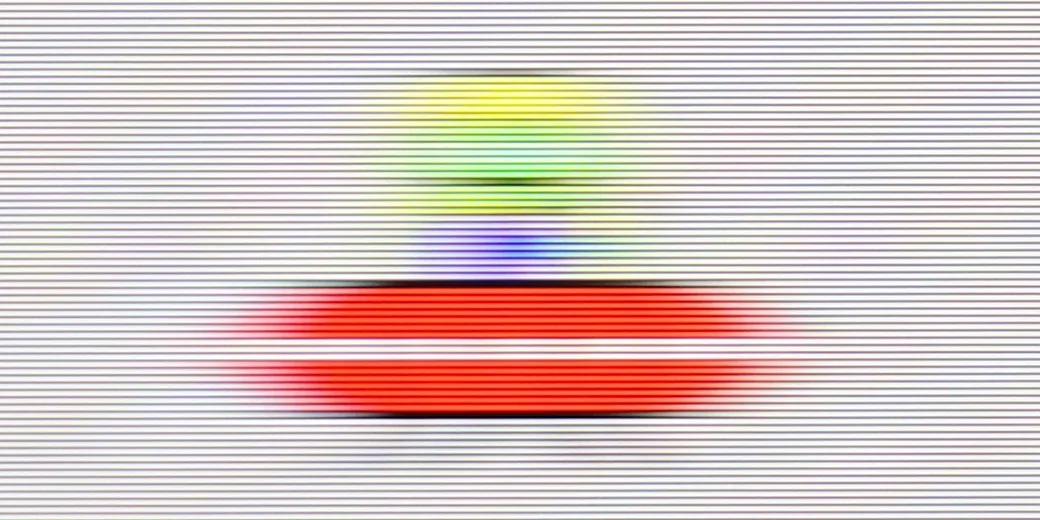
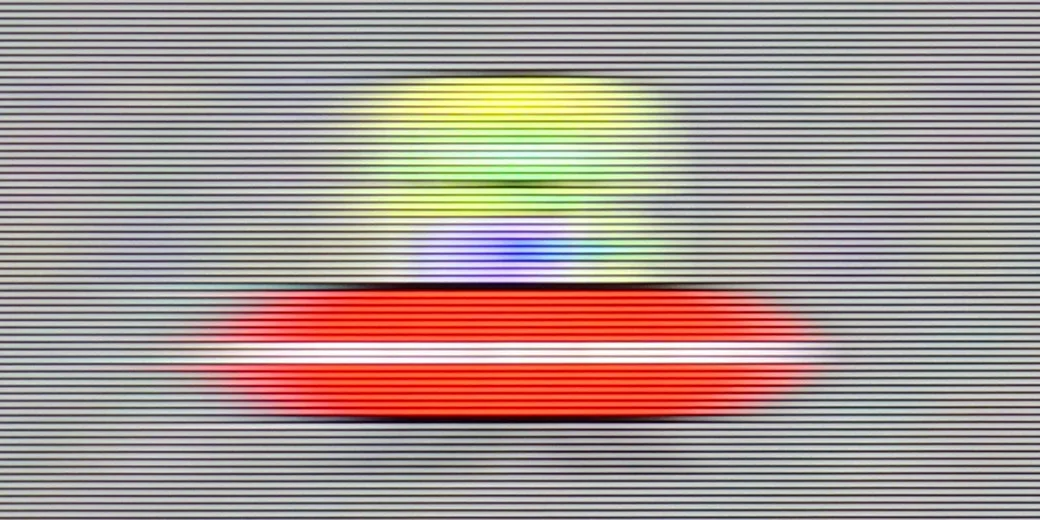
Blur (native resolution, maximum refresh rate):
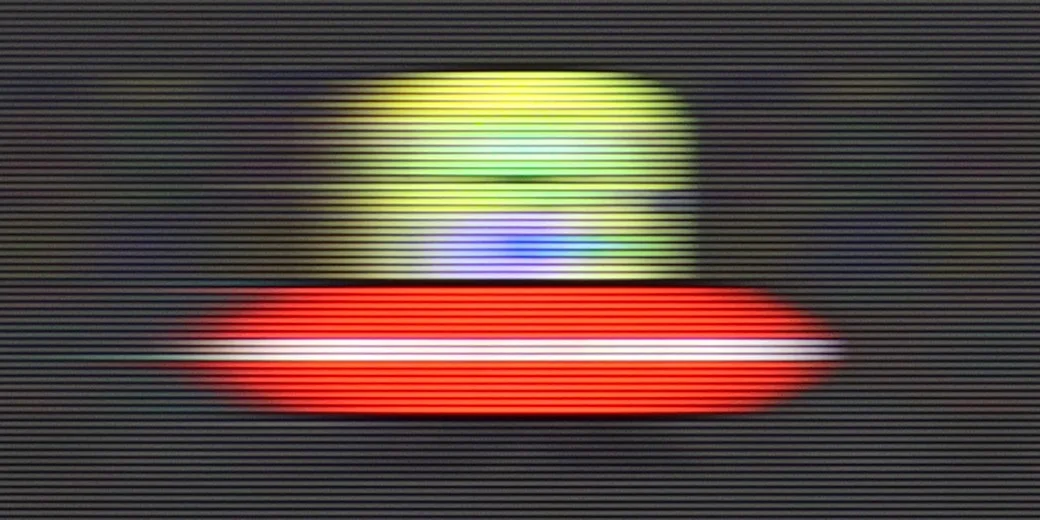
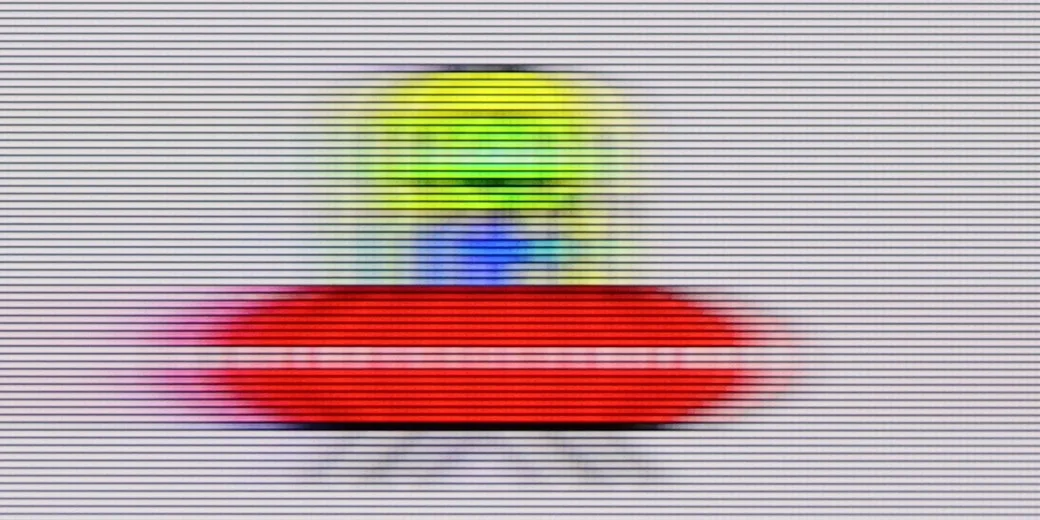
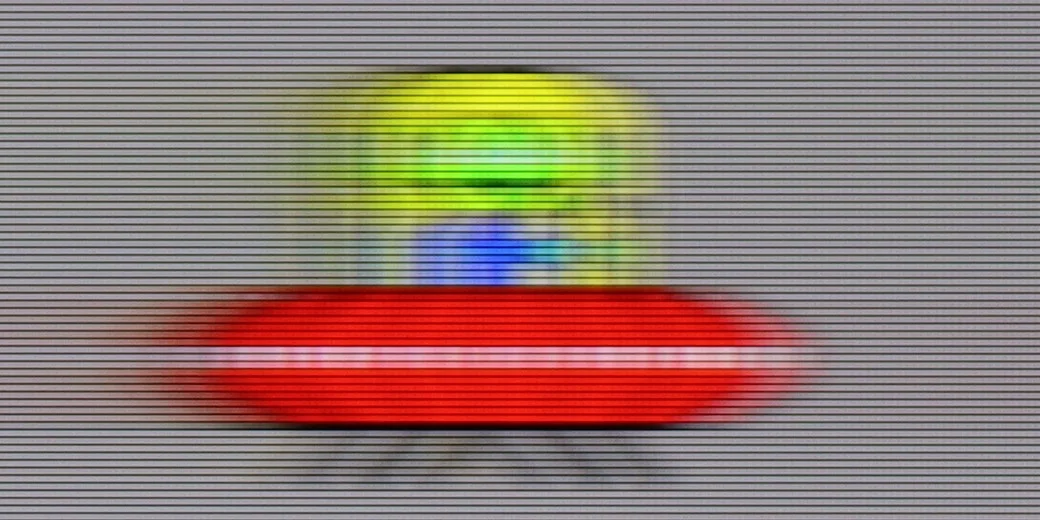
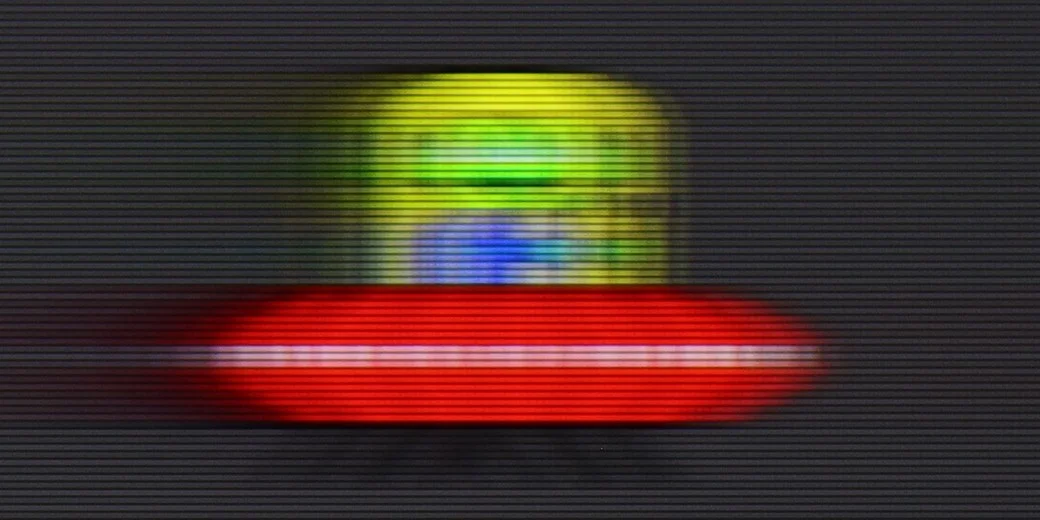
Blur (BFI function enabled):
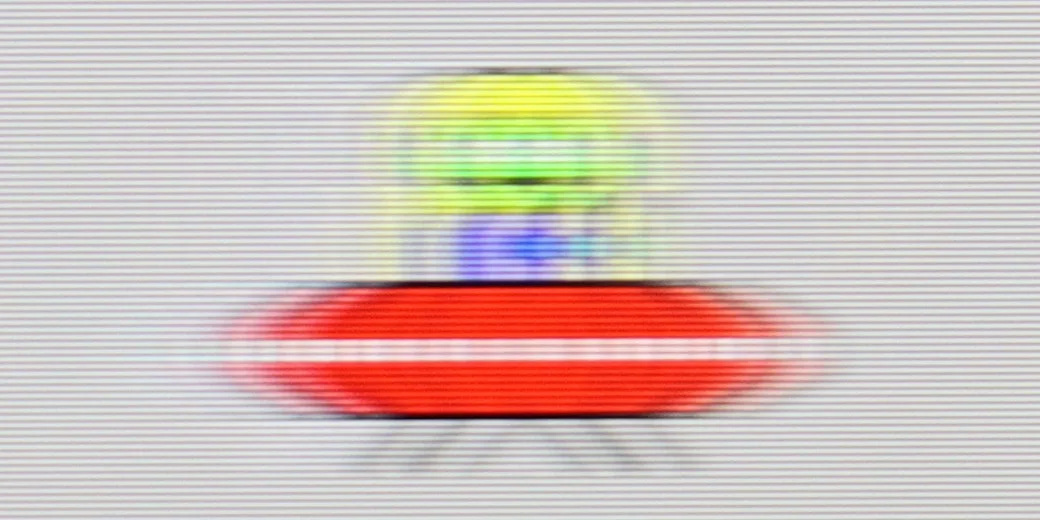
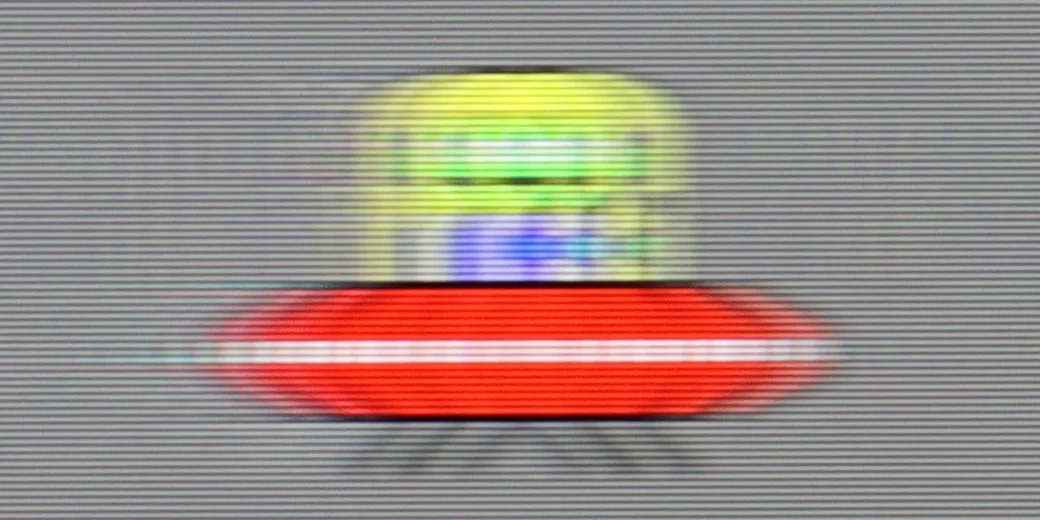
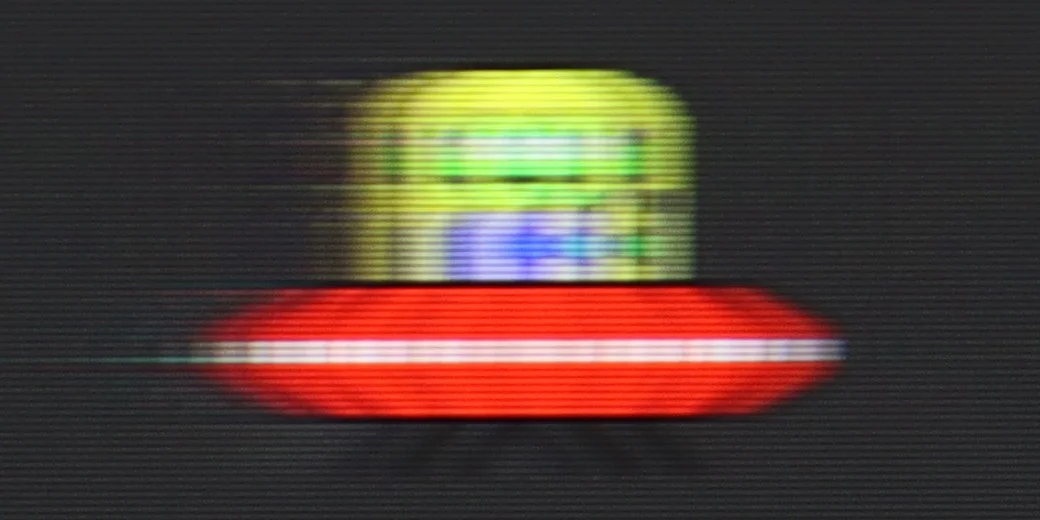
Image flickers in this mode

Blur ():
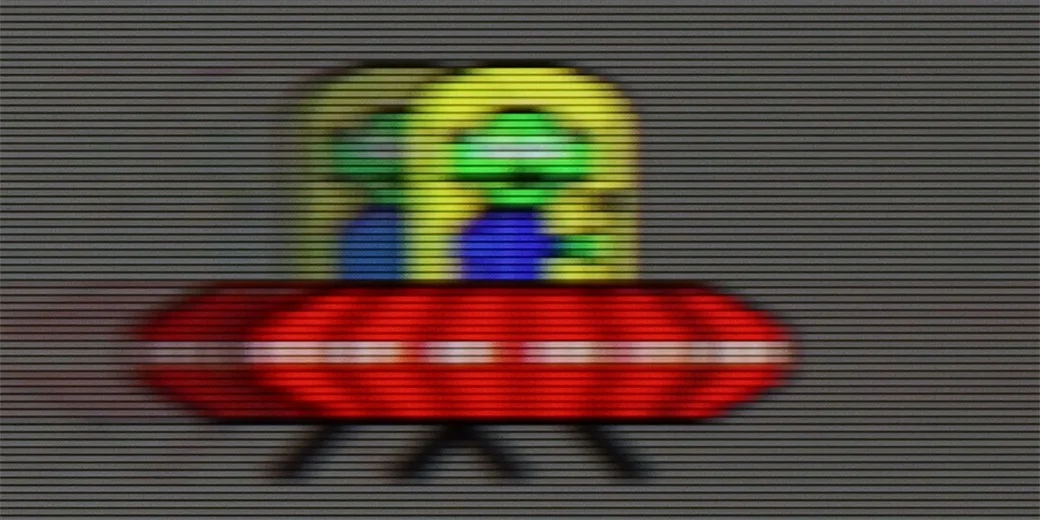
Blur (Upłynniacz ruchu 4K@60Hz):
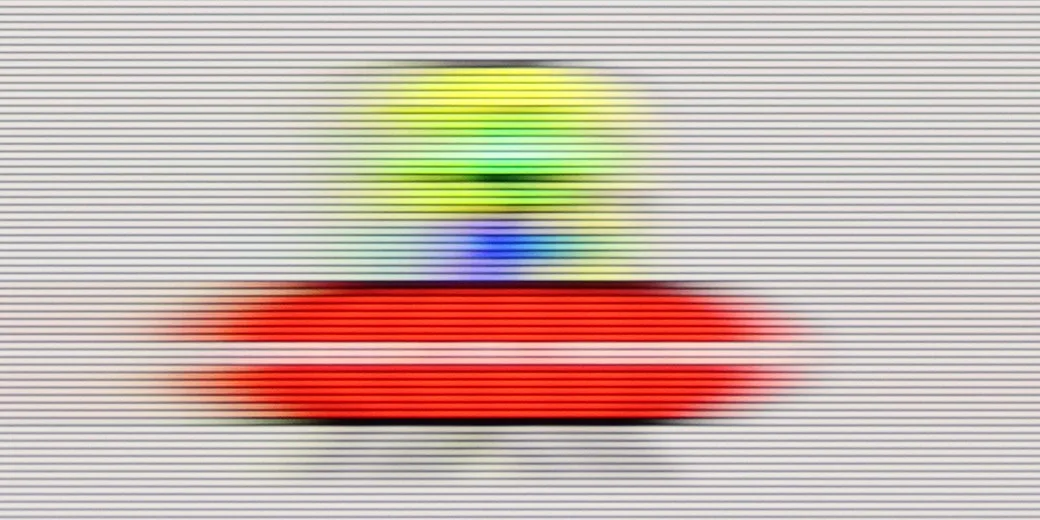
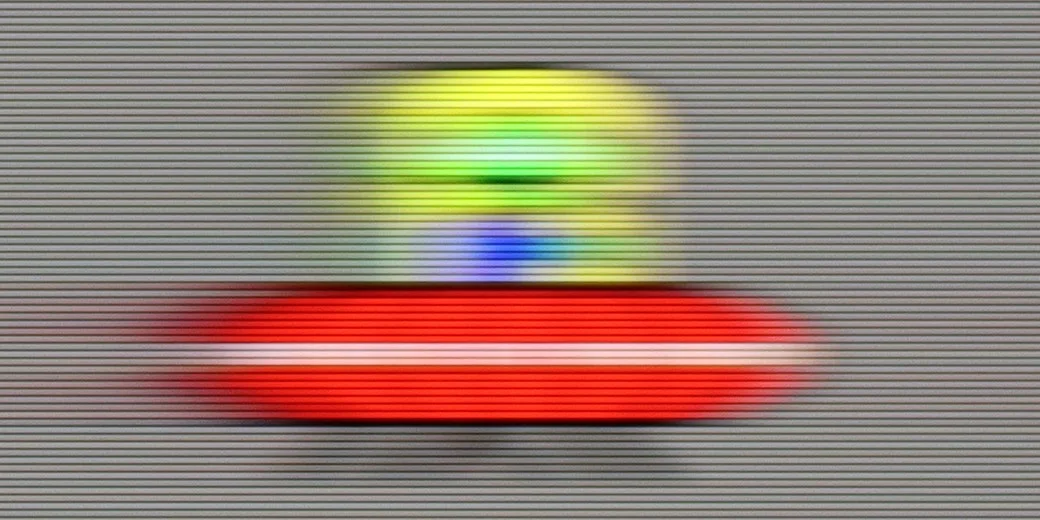
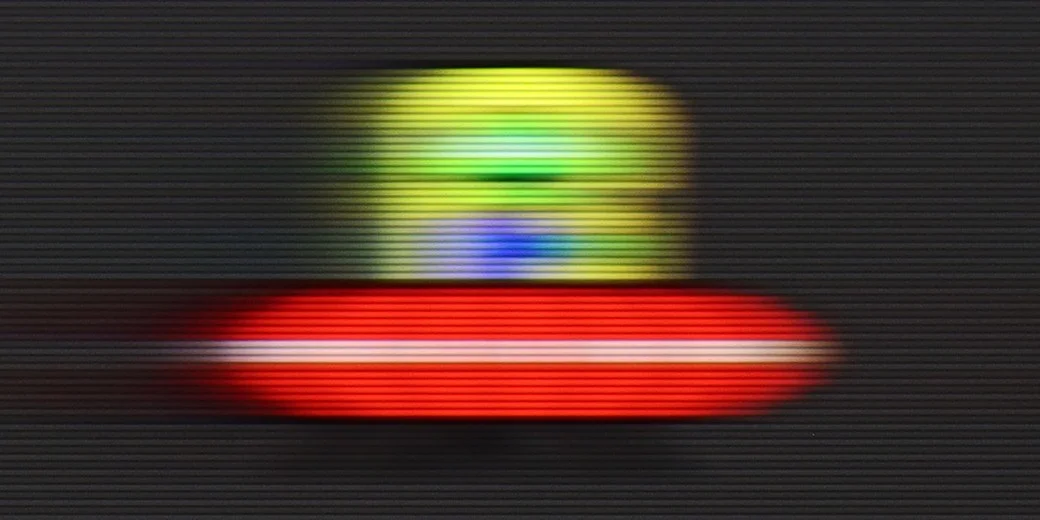
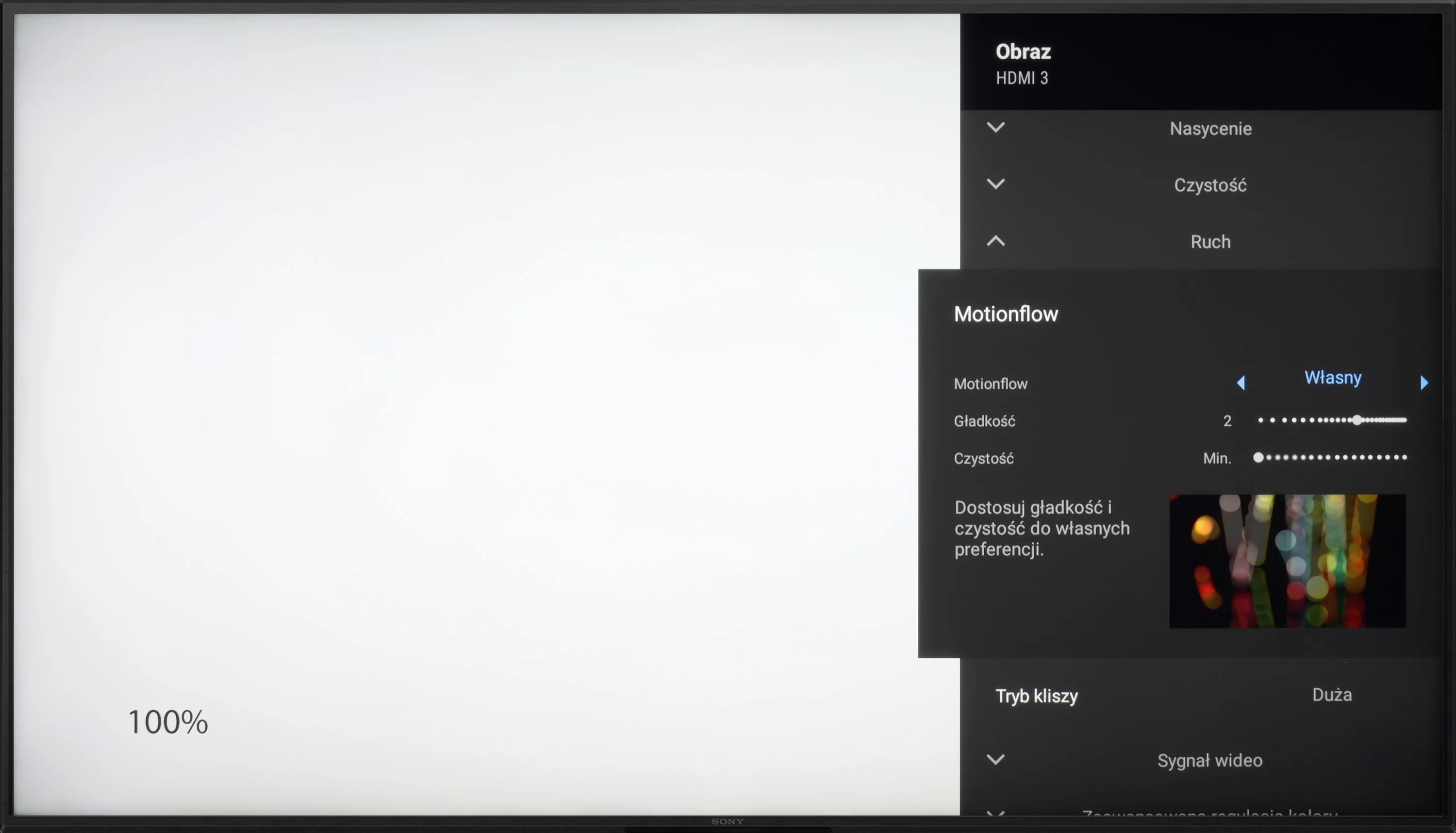
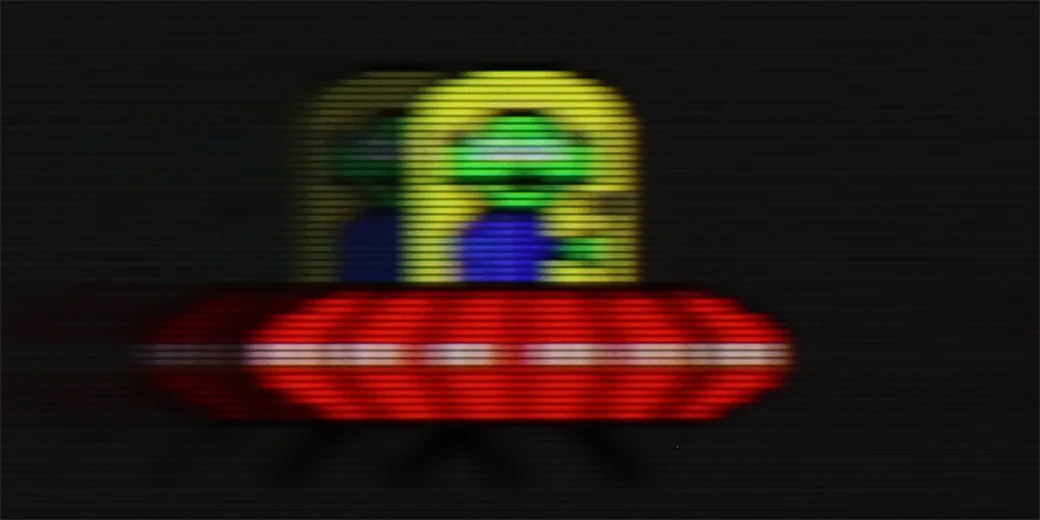
The X75WL Sony television is equipped with a 60 Hz panel, making it more suitable for watching films than for dynamic gaming. This model features a motion smoothing function called Motionflow, which allows the user to adjust the picture on a 10-point scale. Smoothness is responsible for adding intermediate frames, thereby increasing the fluidity of motion, while the image becomes more theatrical, minimising the cutting effect. Clarity reduces motion blur, which is particularly useful in fast scenes such as sports or dynamic actions in films. With this feature, users can adjust the fluidity and sharpness of motion to their own preferences.
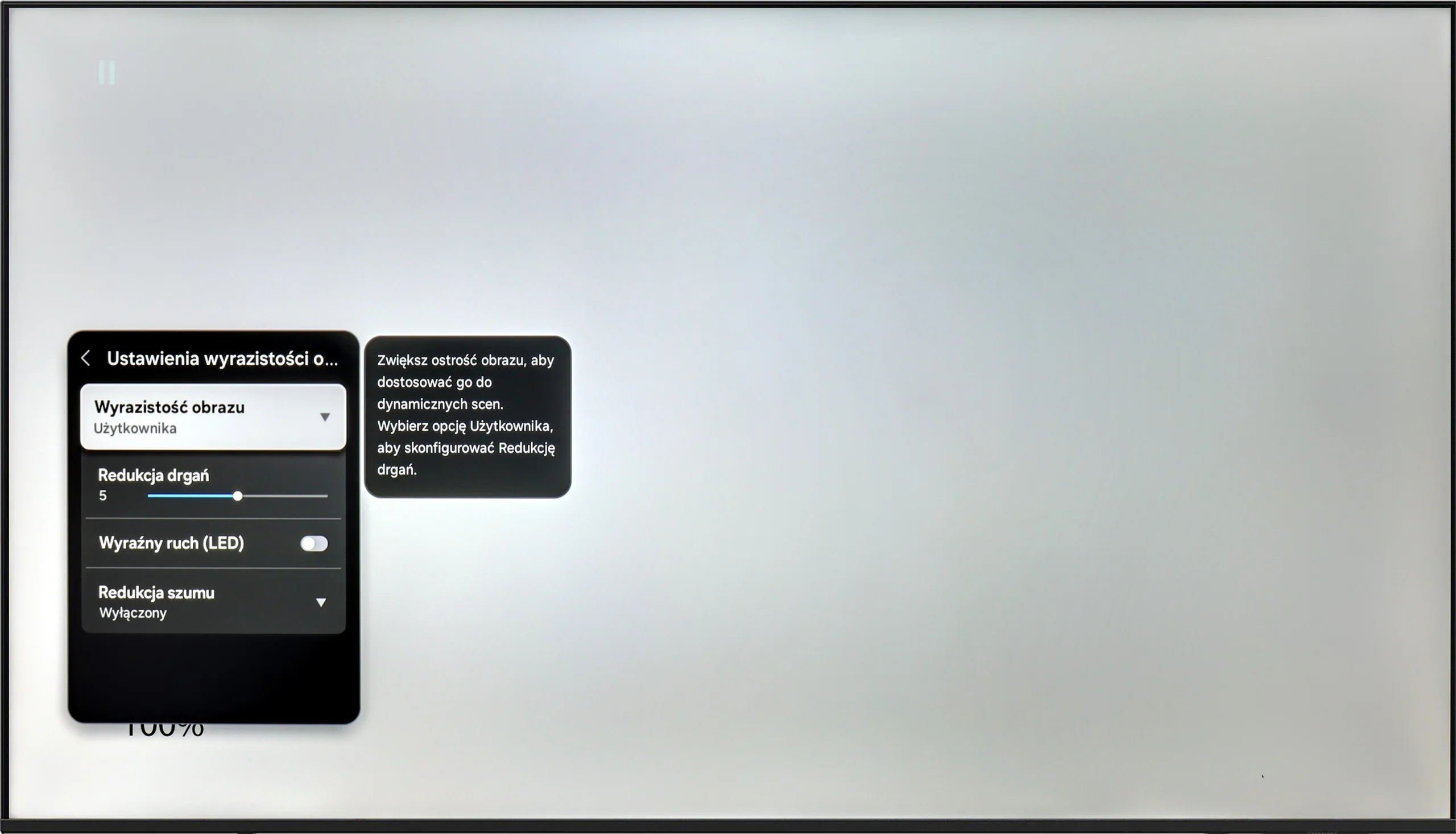
The Samsung U8000F is equipped with a 60 Hz panel, so it's clear right from the start that one shouldn't expect miracles. This is simply the standard in this class – adequate for everyday viewing, but without any fireworks. The television offers a single motion smoothing slider – a feature called "Motion Blur Reduction," which allows us to adjust the smoothness of the image in films. Higher settings produce a more "theatrical" and smoothed effect, while lower settings help retain the film's original character with a slight 24p effect. An interesting feature is "Clear Motion LED," which is the BFI mode – inserting black frames between image frames to improve motion clarity. In practice, however, the screen flickers heavily when this feature is activated and should rather be considered an experiment than something that genuinely enhances gaming comfort.
Console compatibility and gaming features
3.6/10
5.3/10
- ALLM
- VRR
- VRR range 48 - 60Hz
- Dolby Vision Game Mode
 Yes, high input lag
- Correct implementation of HGIG
- 1080p@120Hz
- 1440p@120Hz
- 4K@120Hz
- Game bar
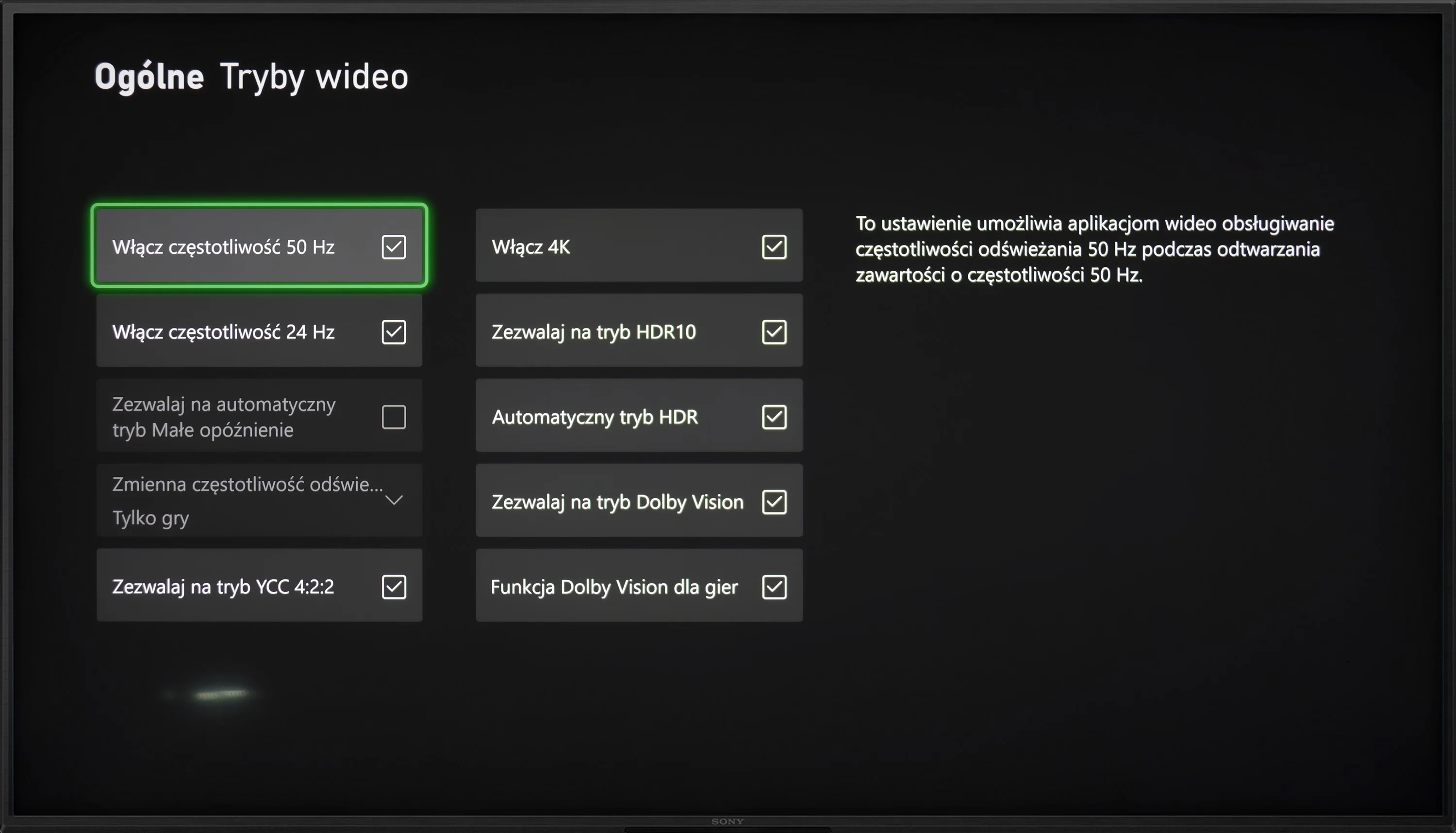
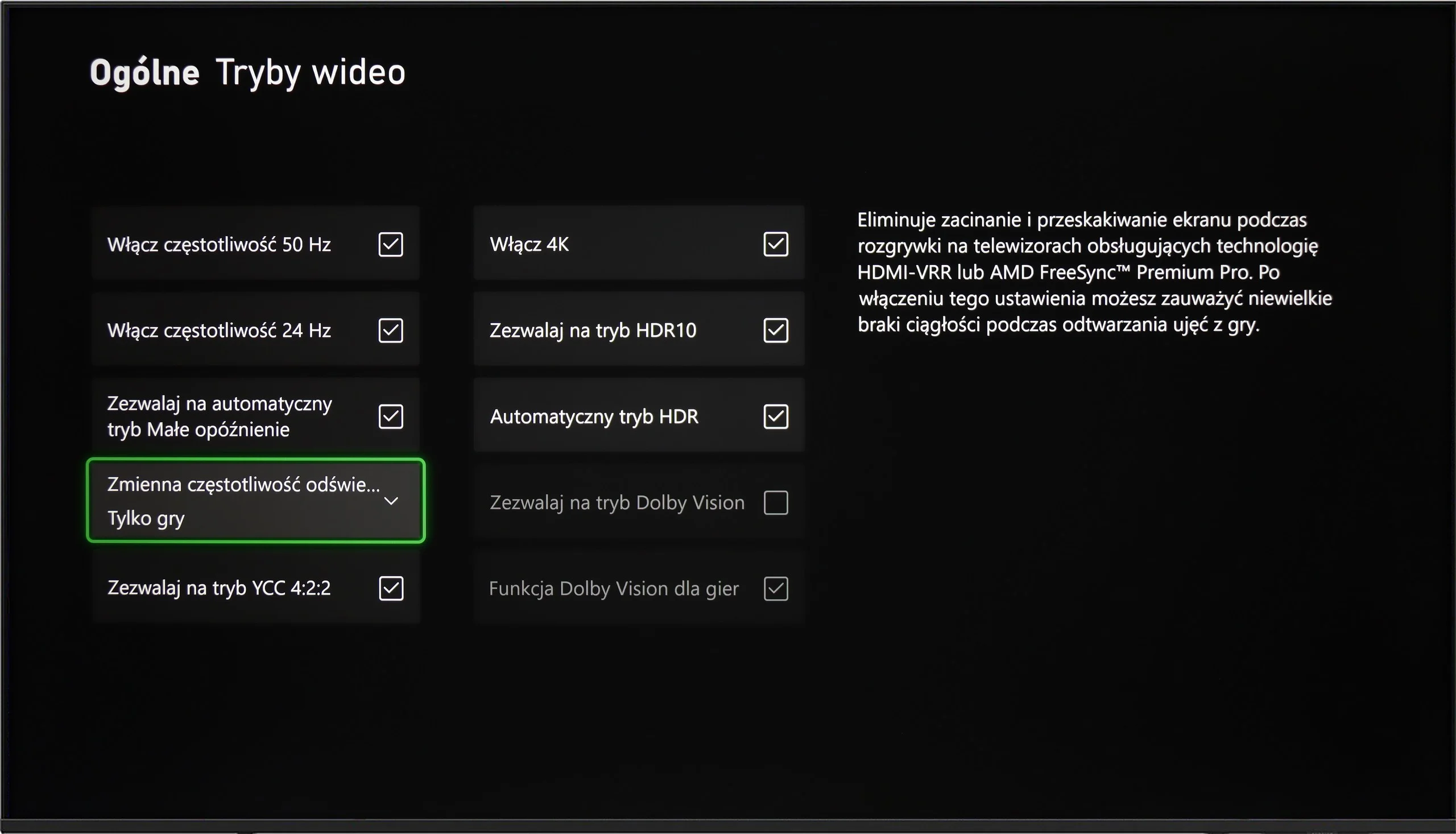
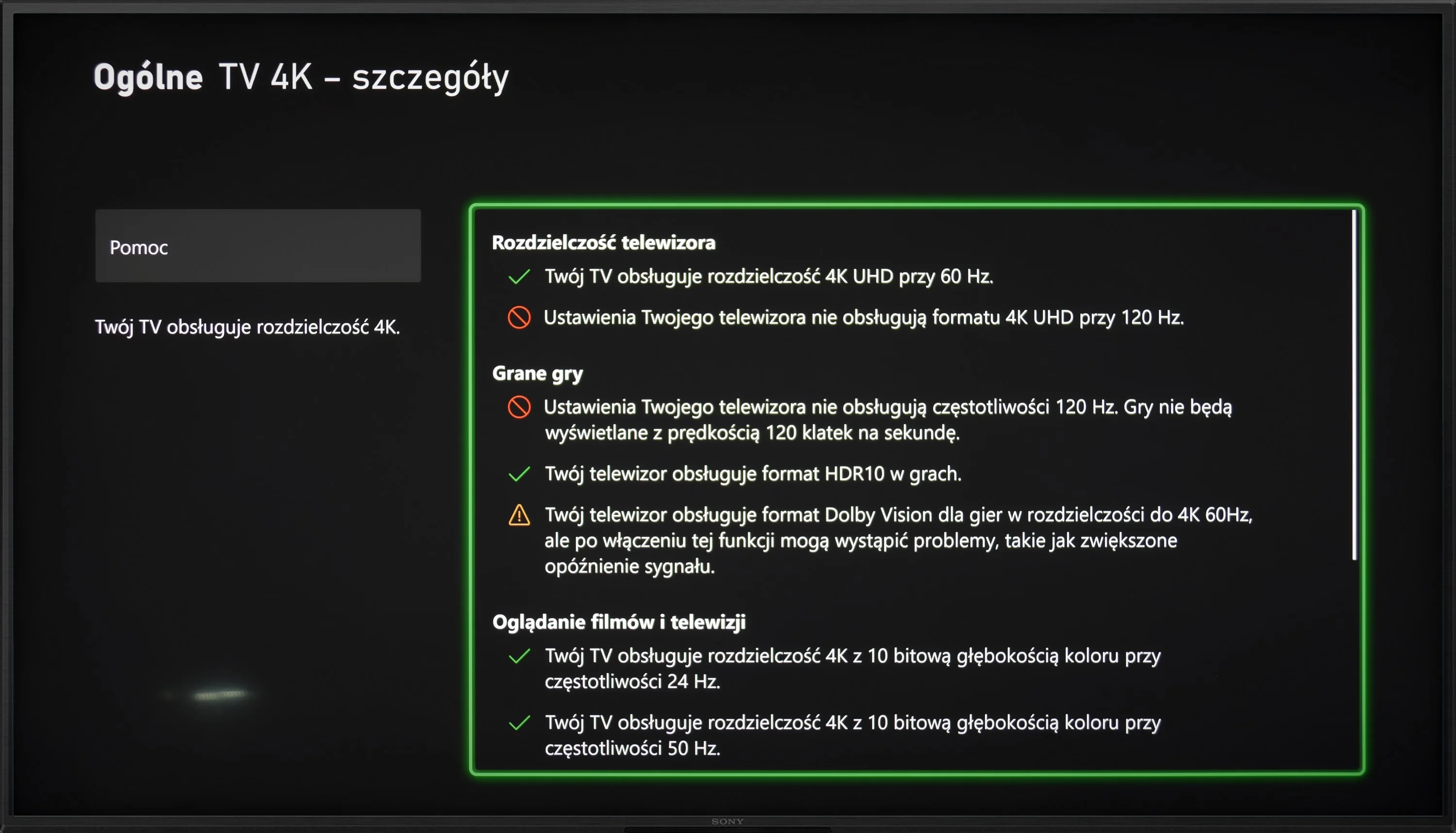
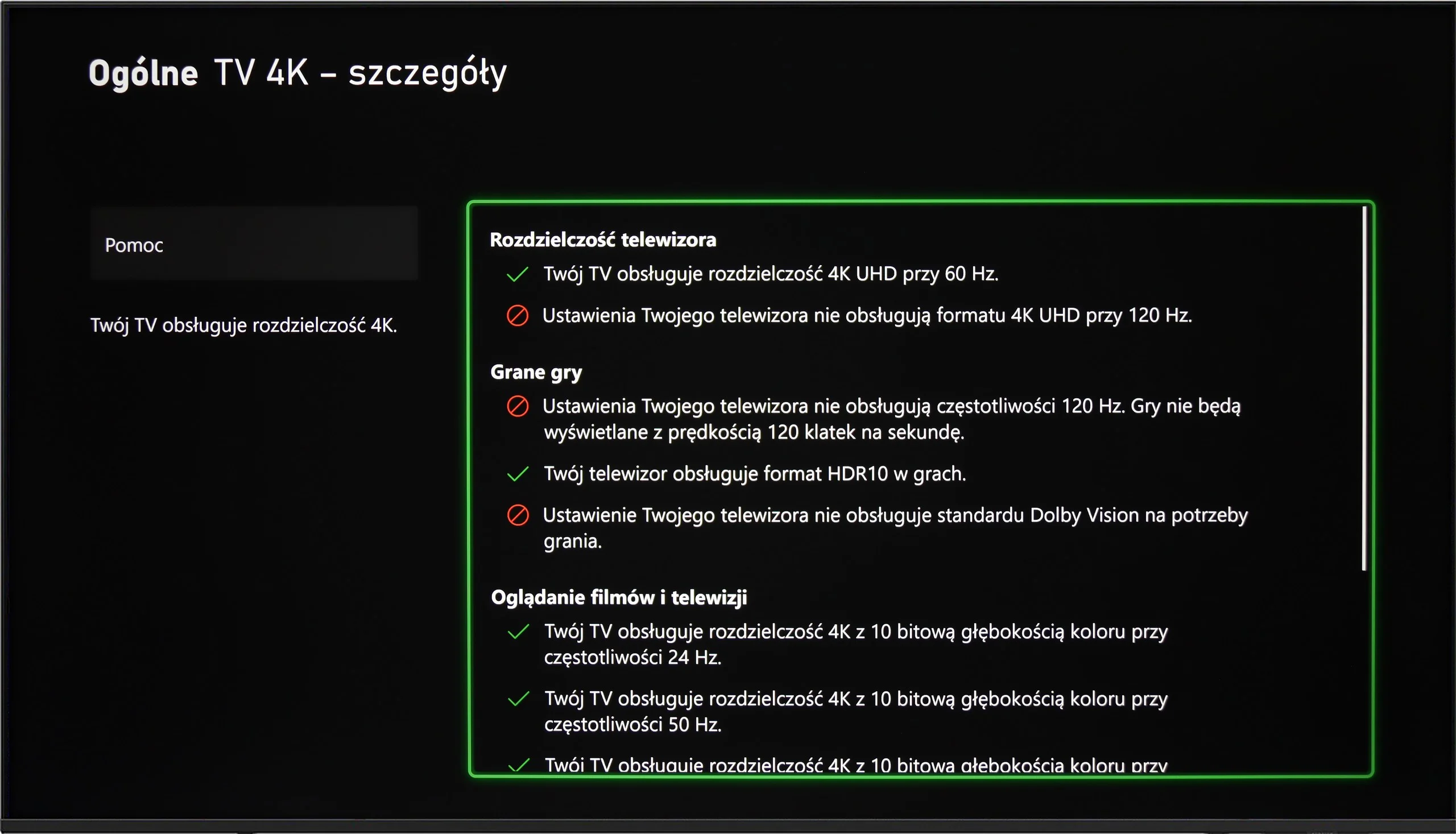
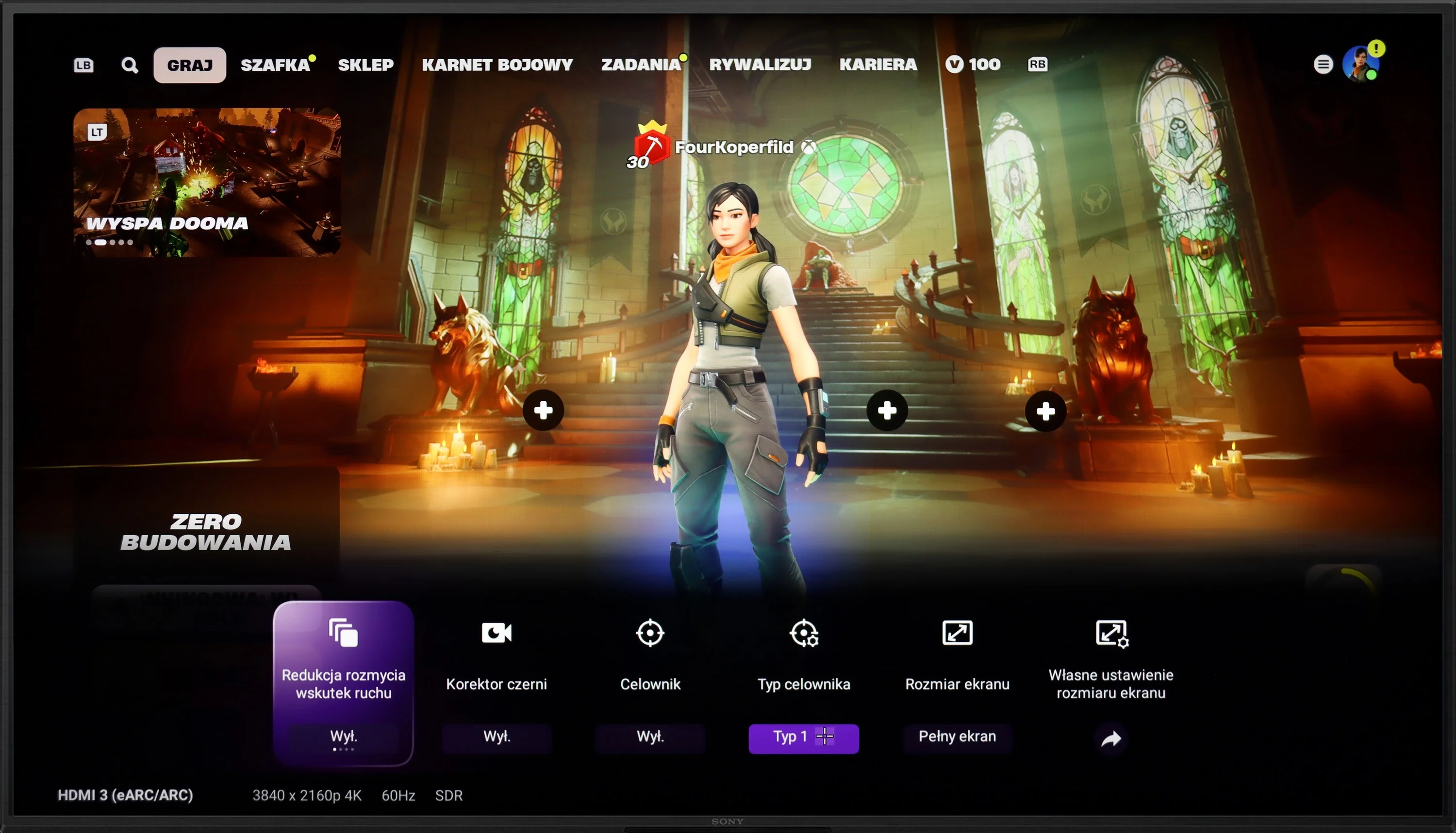
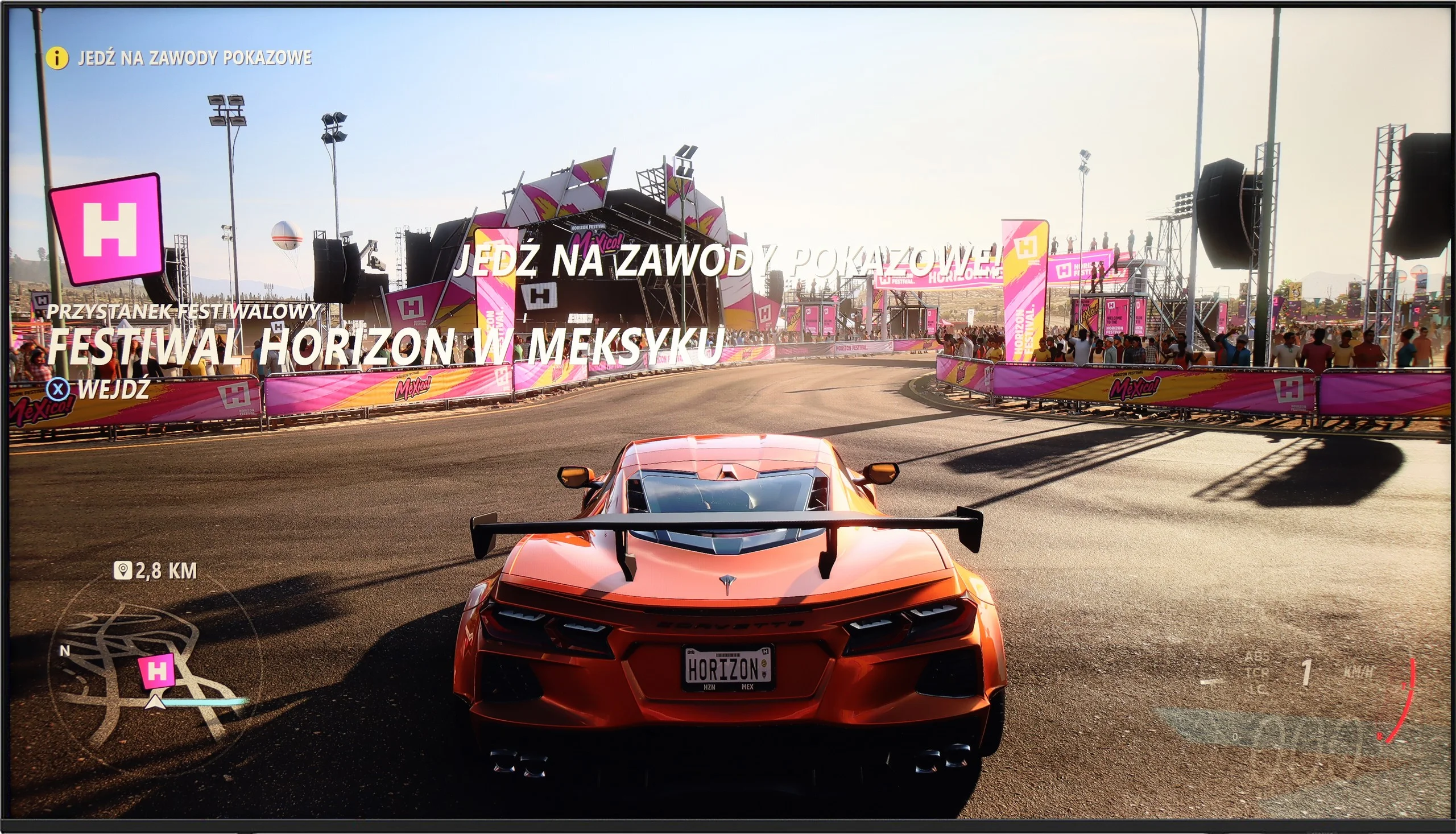
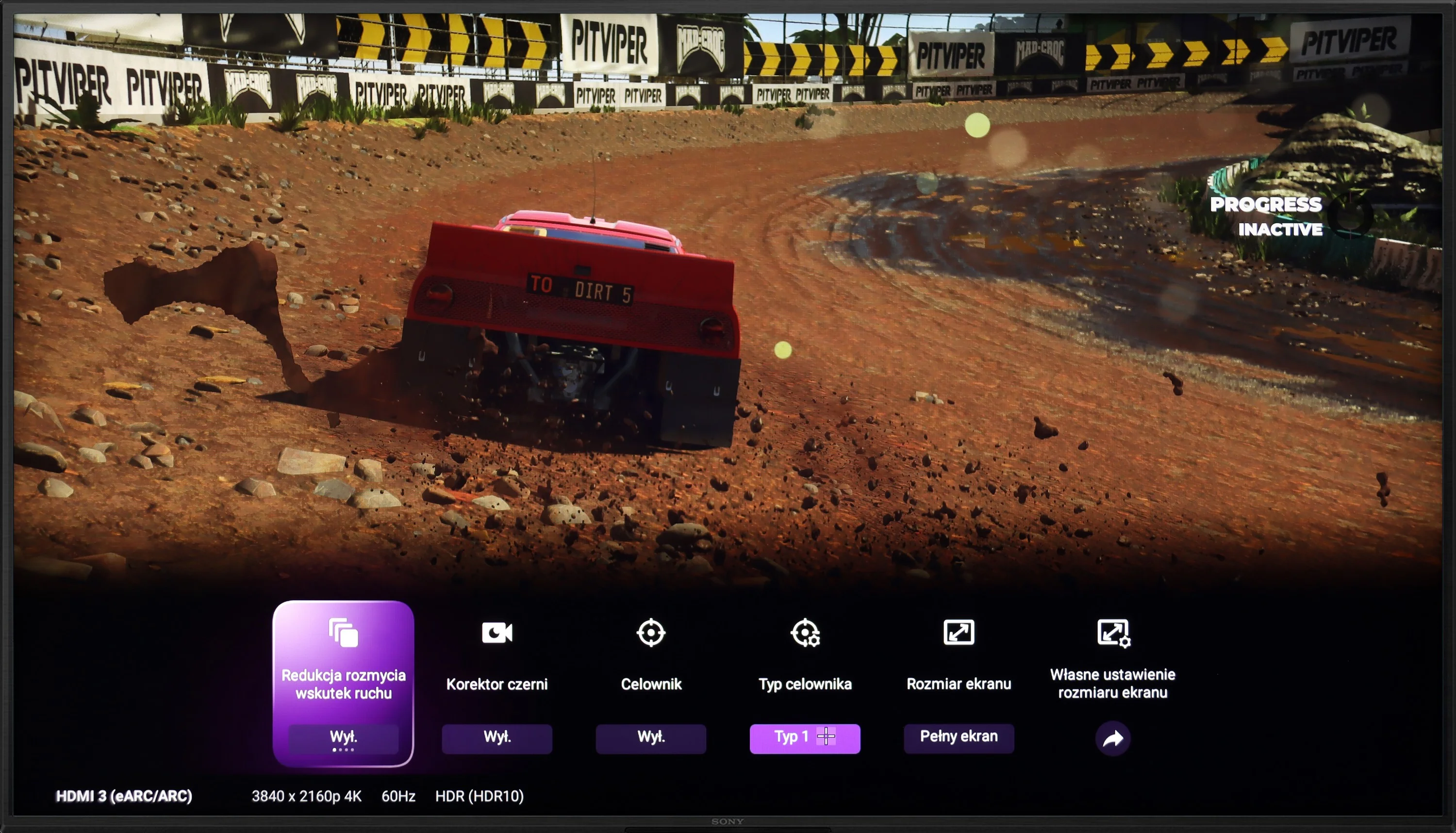
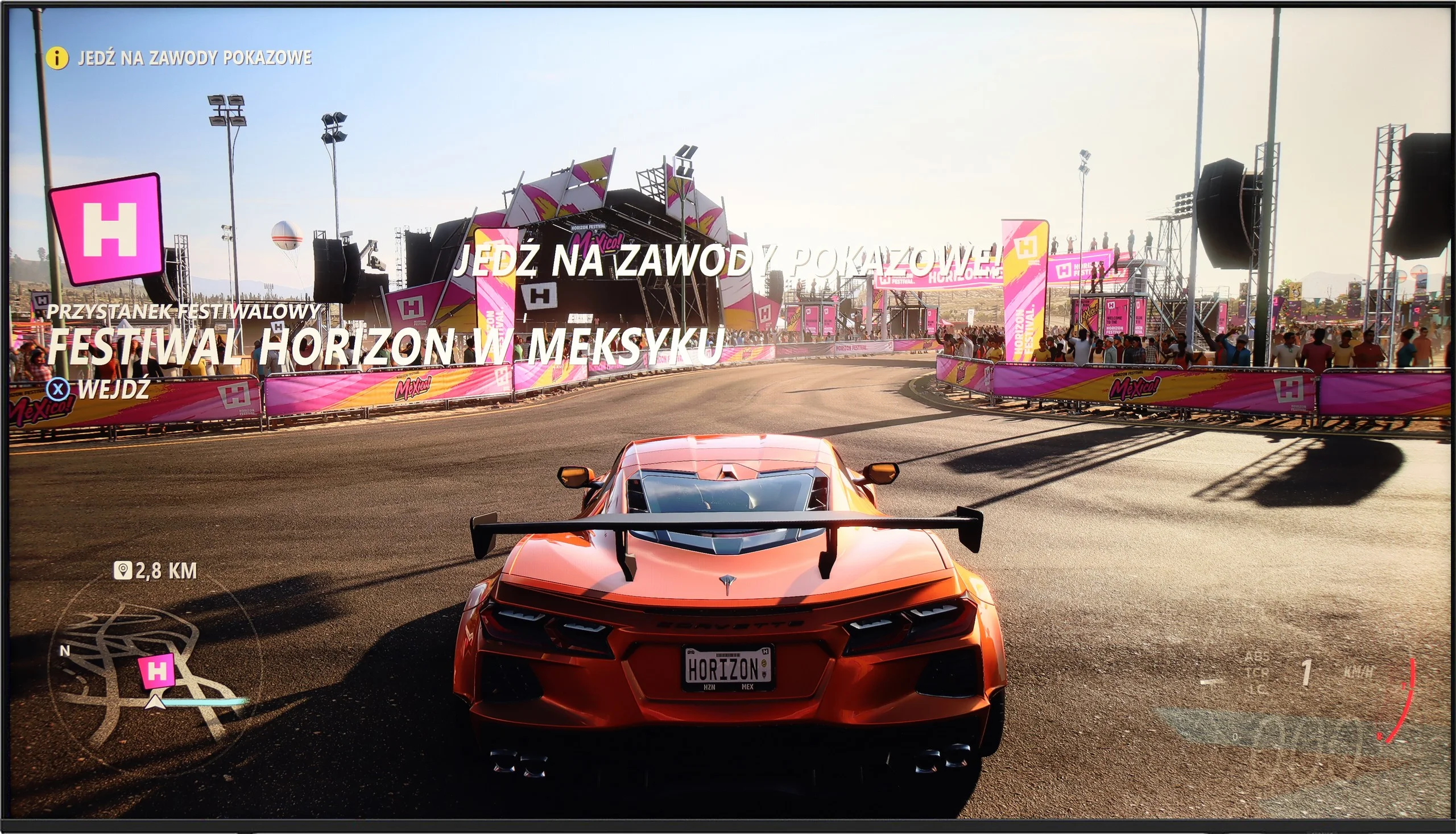
X75WL is not the best television for gamers. It only has the ALLM (Auto Low Latency Mode) feature and a basic Game Bar, which are not enough to satisfy more demanding users. In this price range, one could expect support for features like VRR or 120 Hz refresh rates - although in FULLHD, which are already standard - unfortunately, they are lacking here. This is a major downside for Sony, as the competition offers much more for gamers in a similar budget.
[UPDATE] We have updated our 2025 Samsung TV reviews following the release of firmware version 1131, which officially restores the essential HGiG (HDR Gaming Interest Group) support.
Samsung U8000F offers a basic set of features for gamers, which may still be sufficient for less demanding users. It includes an automatic game mode – when a game is launched on the console, the television automatically switches to low latency mode, significantly improving response times. There is also a VRR feature, or variable refresh rate, which operates in the range of 48 to 60 Hz. This means that both Xbox and PS5 will not produce the "tearing" effect – as long as we stay within this range.
Unfortunately, that’s about it for the advantages. Additions like Game Bar or higher refresh rates are reserved for higher-end Samsung models from the 2025 line. In theory, the television also supports the HGiG feature, which should adjust HDR imagery to the creators' intentions. Unfortunately – despite the fact that this feature appears in brochures and promotional materials – its configuration on the Xbox console turned out to be... impossible in practice.
Input lag
8.5/10
10/10
SDR
HDR
Dolby Vision
Sony KD-43X75WL offers a very low input lag of 14 ms, which is a significant advantage for gamers expecting a quick response from the television to commands from the controller. However, an input lag of 130 ms in Dolby Vision mode completely disqualifies this mode from being used while gaming. This means that users using Dolby Vision must contend with significant latency, which greatly affects comfort and precision during gameplay.
The Samsung U8092F performed phenomenally in our input lag tests. Regardless of the resolution, the results were very low, which is truly impressive for this price segment. One can confidently say that gaming on this television will not cause irritation due to large delays between what we do on the pad and what we see on the screen. For most gamers, even the more demanding ones, this result should be more than satisfactory.
Compatibility with PC
6/10
6/10
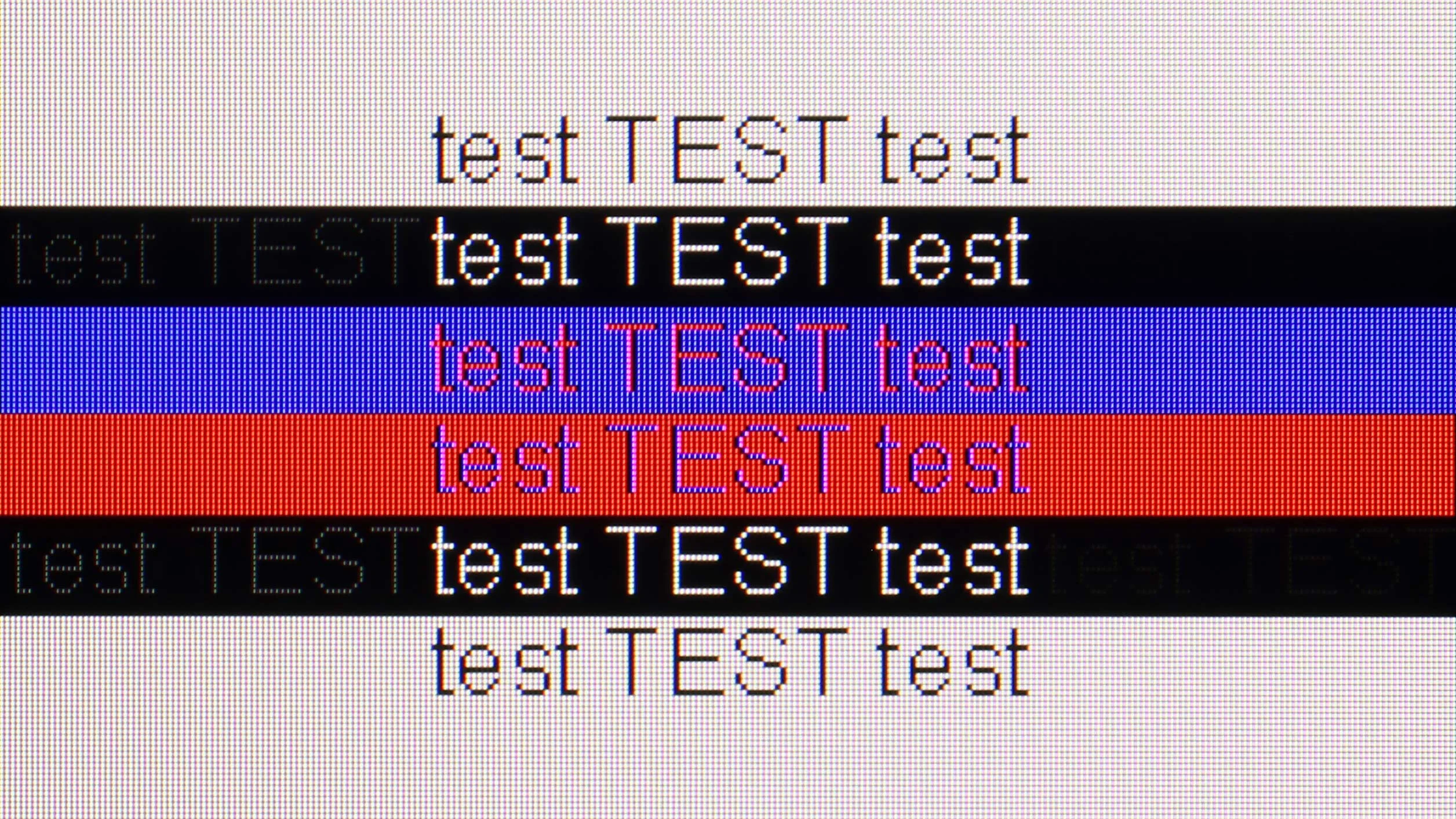
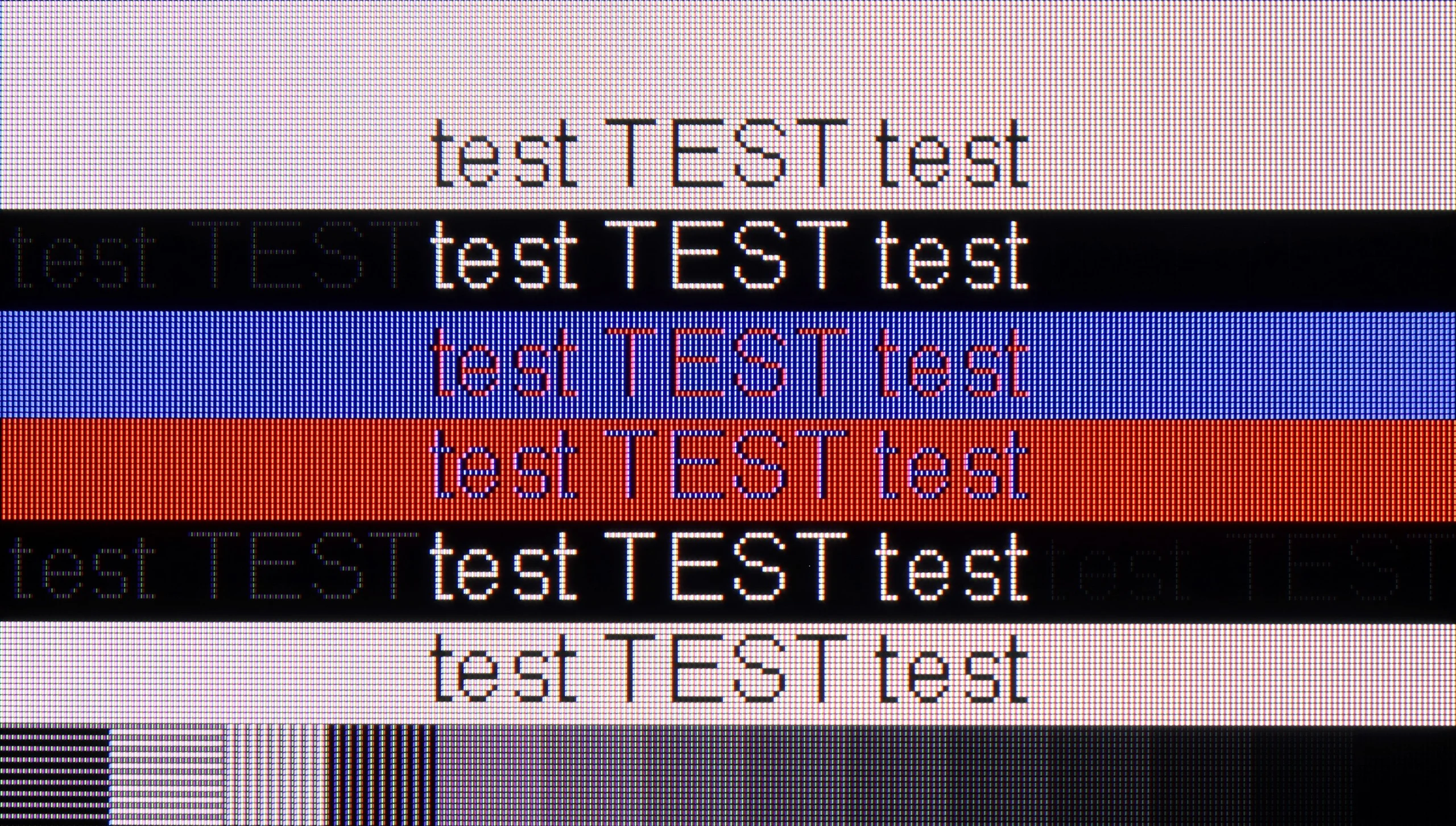
The photo shows the legibility of small fonts. Ideally, lines should be the same thickness on both light and dark text, with minimal pixel gaps.
The Sony X75WL model performs well as a computer monitor. With support for 4:4:4 chroma, text readability is very good, making text work on this television comfortable. Additionally, its low input lag ensures smooth and responsive functionality, making it enjoyable and convenient to use this model with a computer. The television is equipped with a 60 Hz panel and does not support G-Sync, which may be a downside for PC gamers. As a result, its rating in this category is lower – it works well for everyday computer tasks, but in games, especially fast-paced ones, there is a lack of fluidity that is crucial for smooth gameplay.
Working on a computer using this television is a true pleasure. The Samsung U8092F supports chroma 4:4:4, and despite being a VA panel, the text readability is very, very good. The television is also suitable for occasional gaming on PC, mainly due to its low input lag. However, it should be noted that the G-Sync feature does not work on this model, which is strange as VRR operated without problems when it came to consoles.
Viewing angles
6.8/10
3.7/10
The viewing angles in the model KD-43X75WL are quite decent, thanks to the IPS panel used. The image remains relatively true even when viewed at an angle, which can be beneficial in situations where the television is watched from different spots in the room. However, we have seen better models with this type of panel that offer more consistent colour and contrast quality at wider angles.
Daytime performance
4.6/10
3.8/10
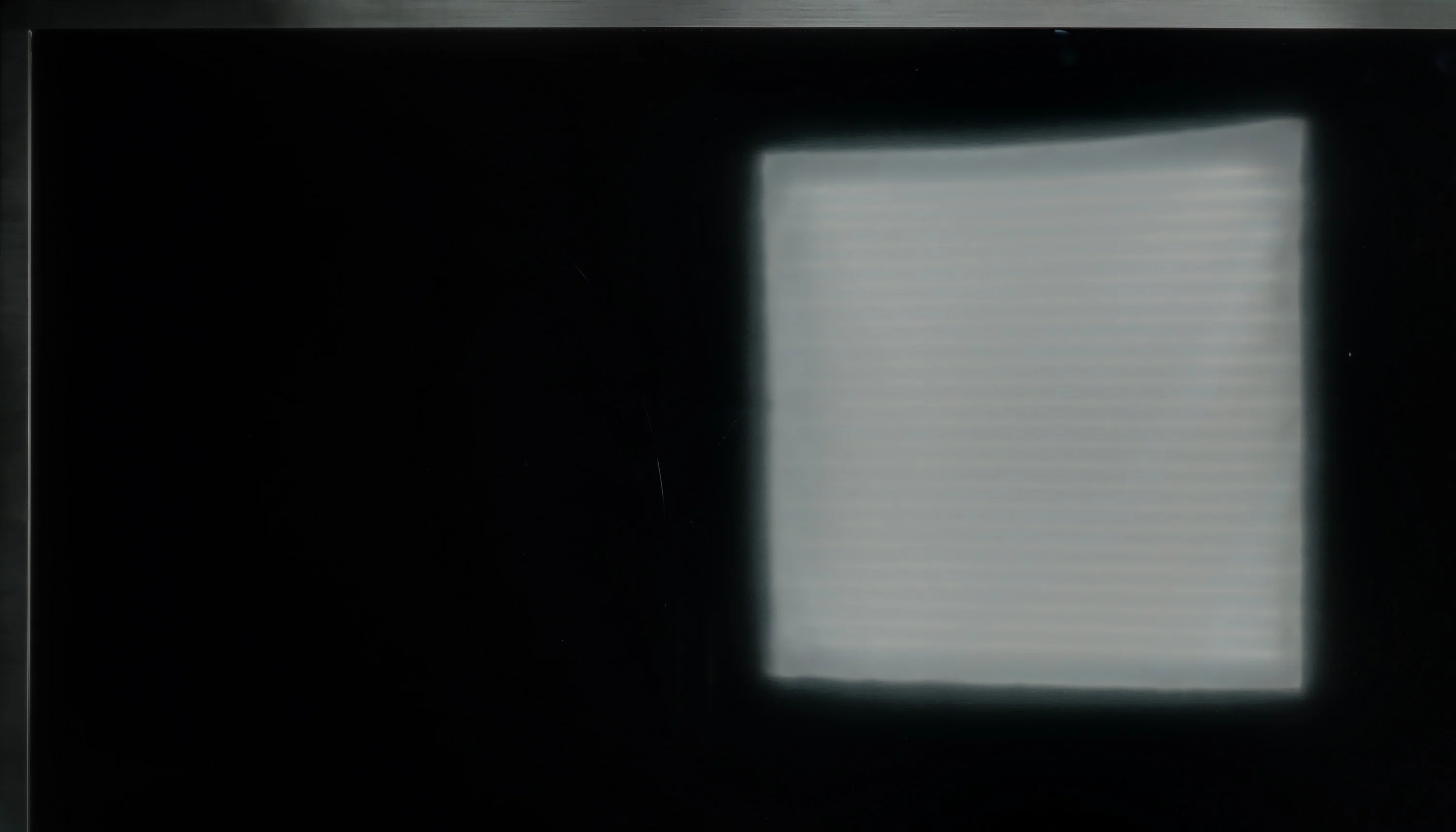
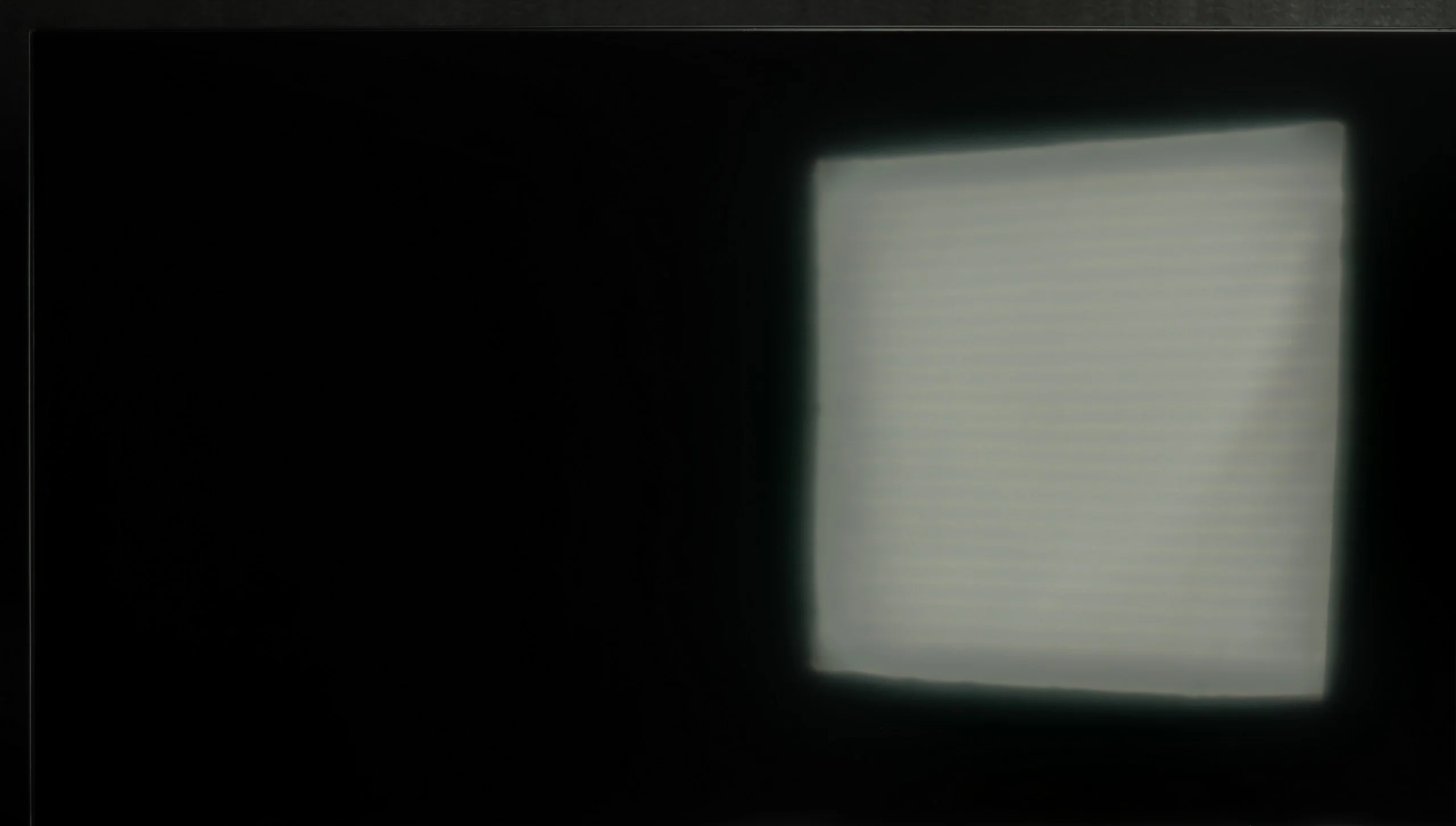
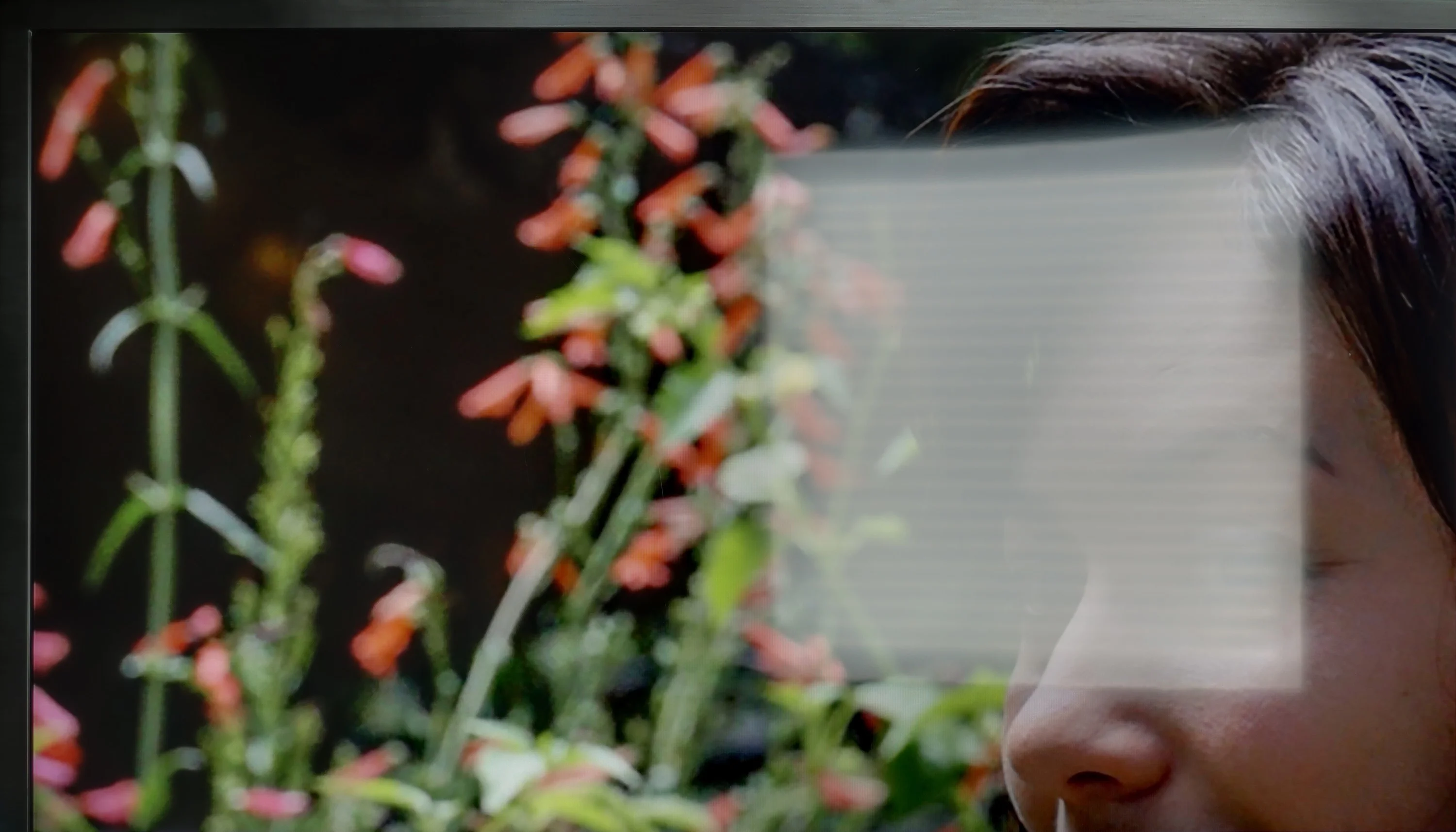
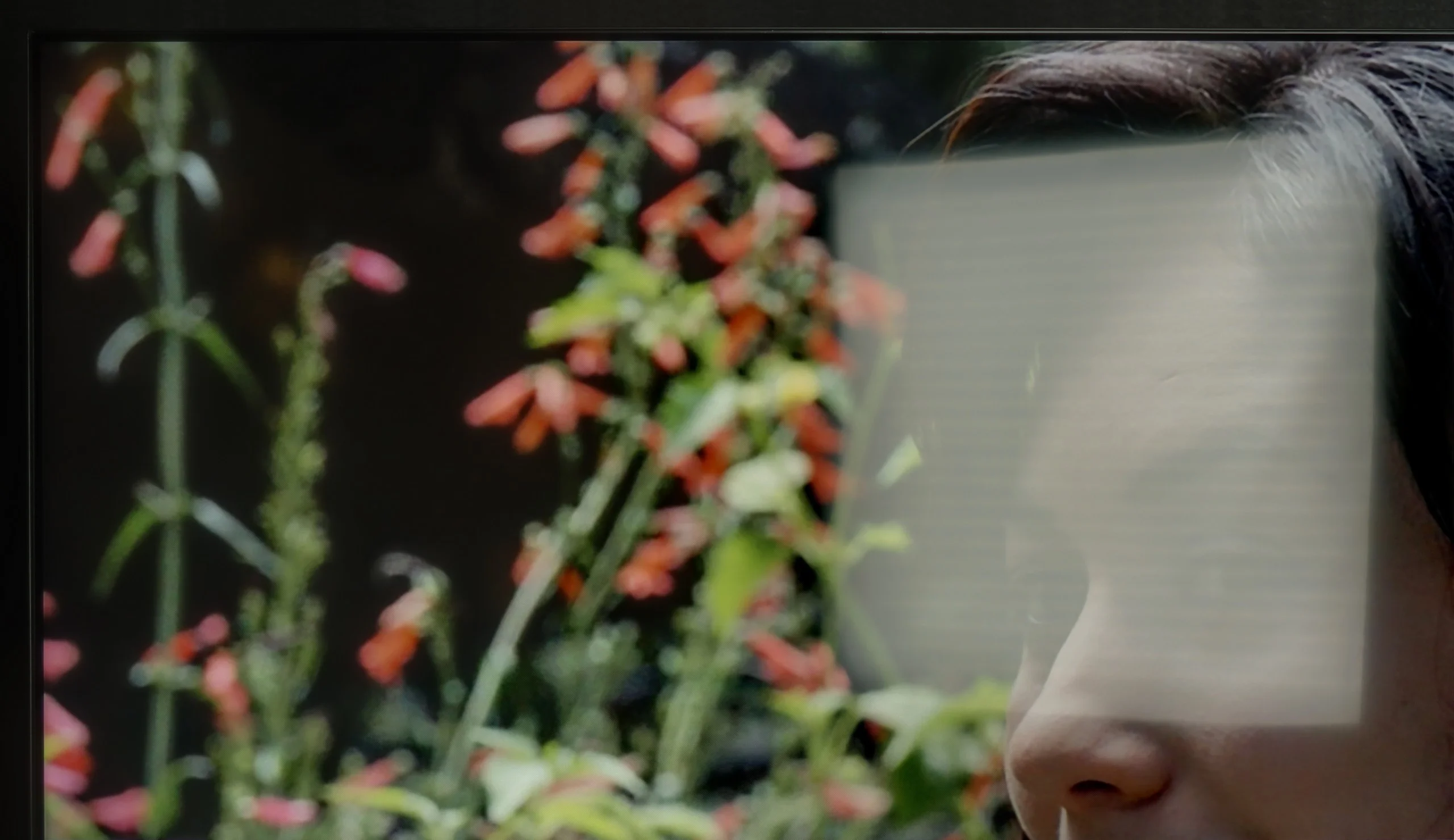
Panel brightness
Samsung U8000F (VA): 204 cd/m2
Sony X75WL: 334 cd/m2
The rating of the television Sony X75WL during the day is average. The satin coating of the panel moderately dampens reflections, which means that in a bright room, glares can be visible and interfere with the viewing experience. Additionally, a brightness level of 330 cd/m² is not sufficient to provide a clear image in very sunny conditions, which limits its use in well-lit rooms.
Thanks to the satin finish of the Samsung U8092F matrix, it handles glare quite well. The screen does not act like a mirror, and the colours – given the capabilities of this class of device – remain relatively saturated, even in slightly brighter conditions. Unfortunately, the coating itself won't work wonders. The television is simply too dark to effectively penetrate very difficult lighting conditions. If we place it facing a light source (e.g. a large window or a strong lamp) – unfortunately, one must consider that not everything will be clearly visible on it.
Panel details
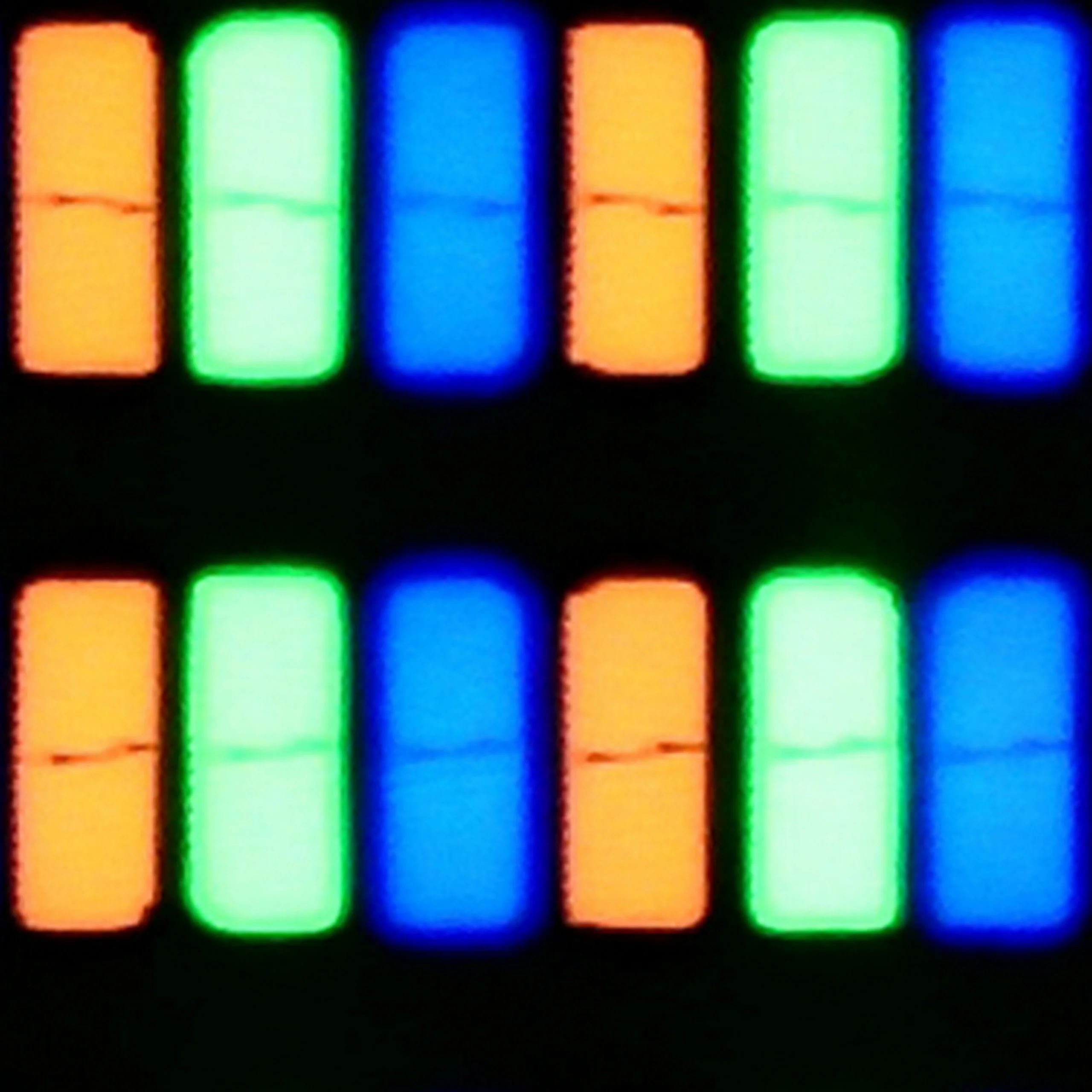
Subpixel Structure:
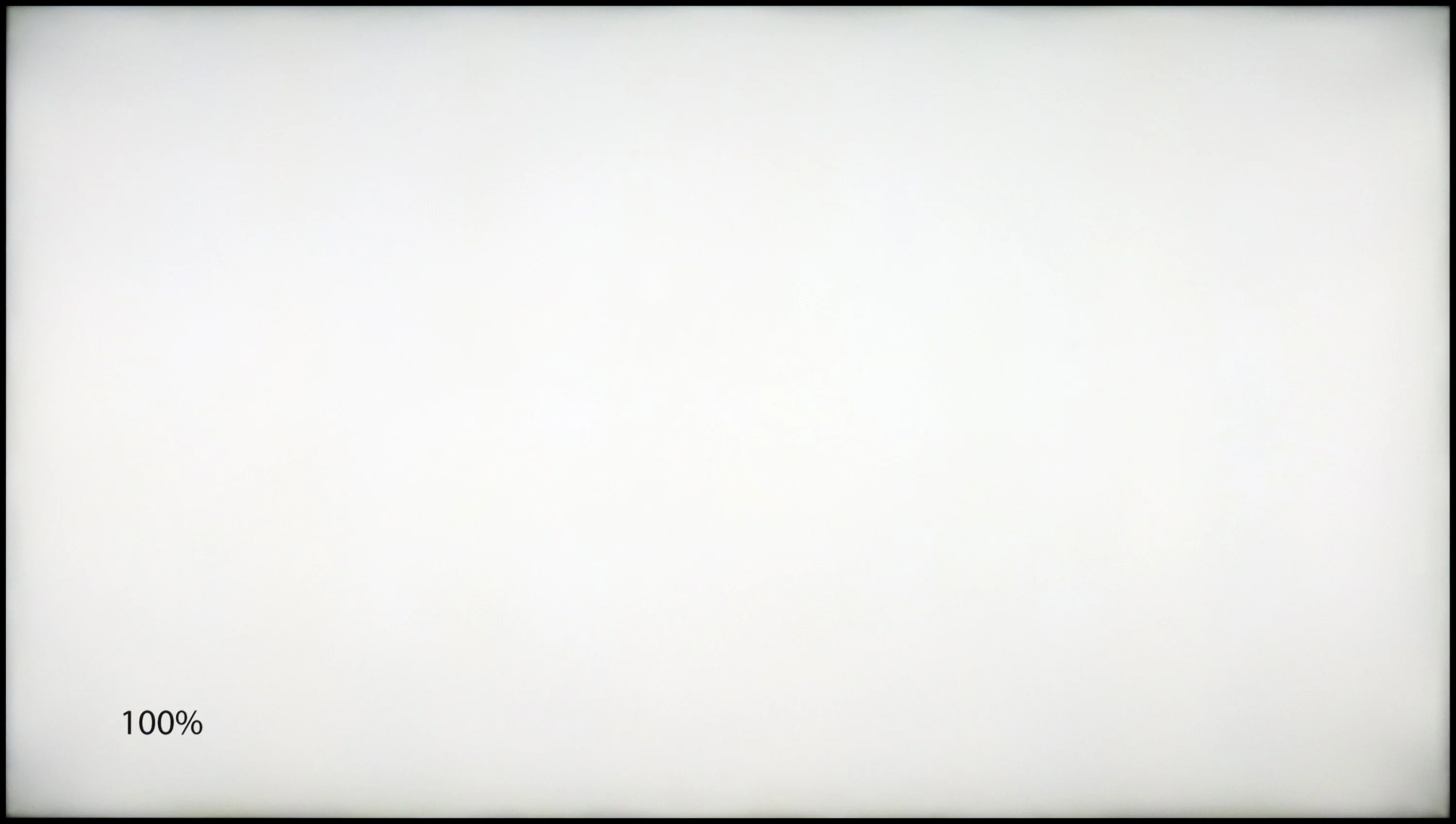
Panel uniformity and thermal imaging:
TV features
7.7/10
5.3/10
- SystemGoogle TVTizen
- System performanceDecentDecent
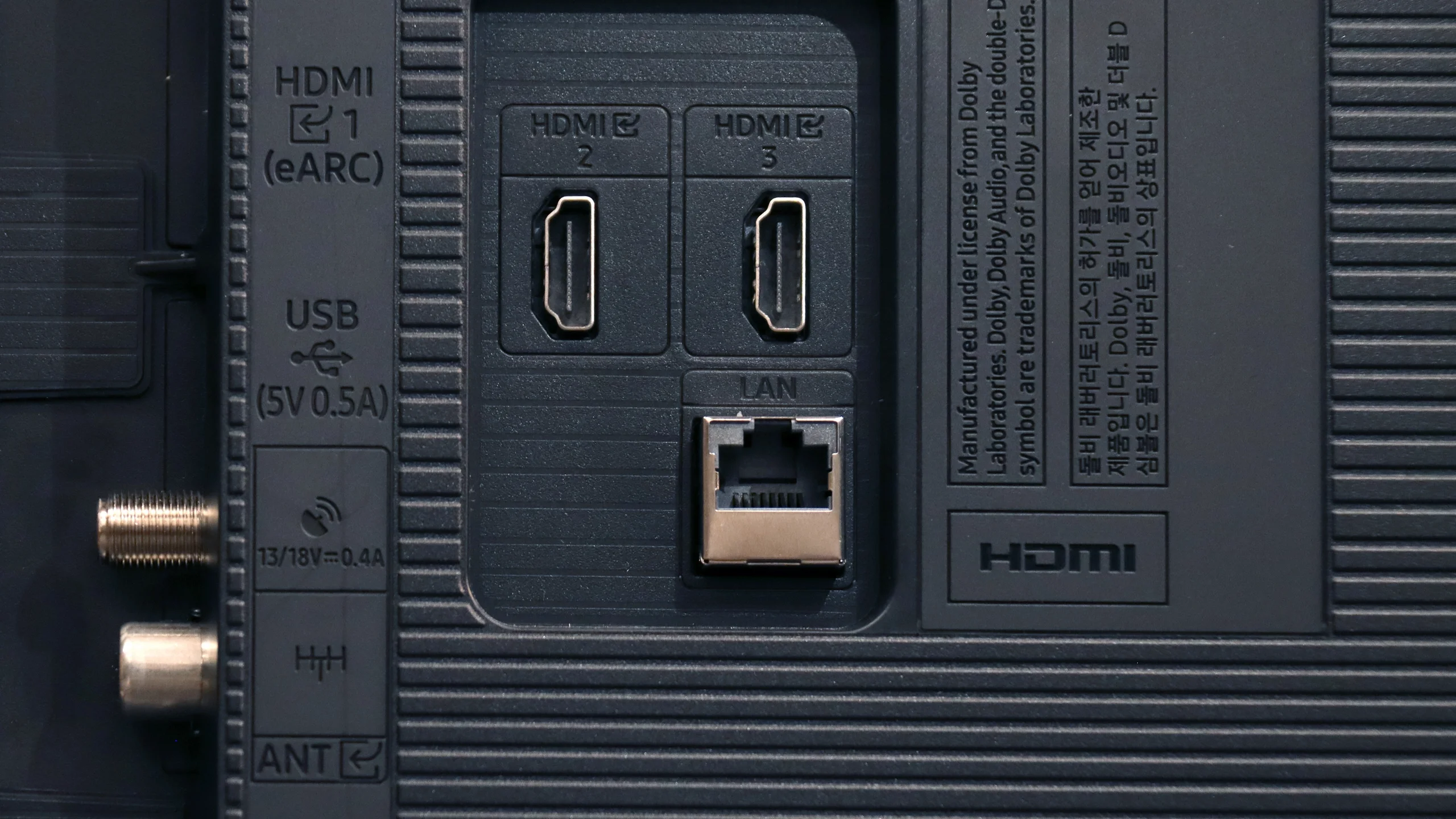
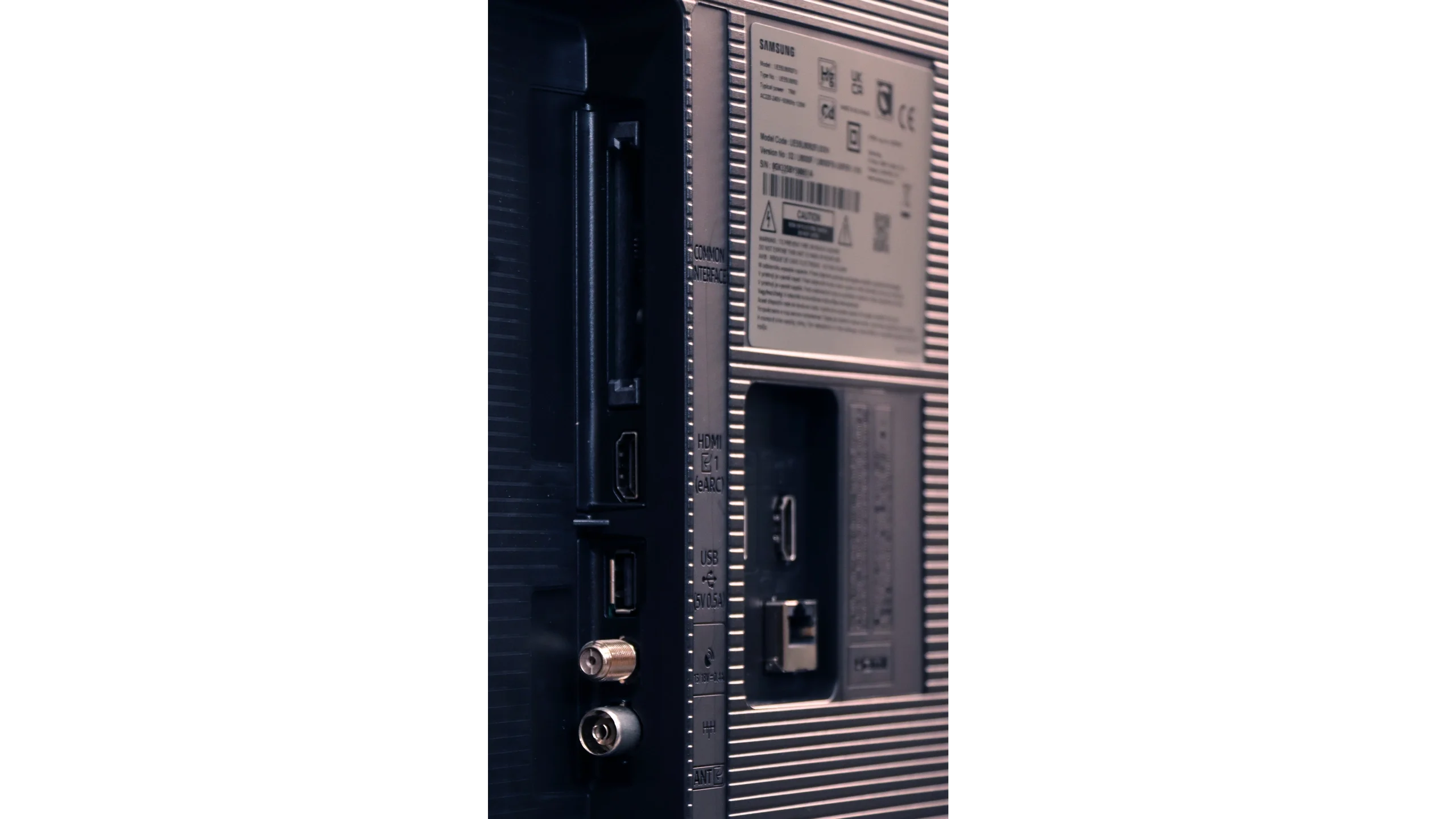
- HDMI inputs4 x HDMI 2.0, 0 x HDMI 2.13 x HDMI 2.0, 0 x HDMI 2.1
- Other inputsRCA (Chinch)
- OutputsToslink (Optical audio), eARC (HDMI), ARC (HDMI)eARC (HDMI), ARC (HDMI)
- Network InterfacesWi-Fi 2.4GHz, Wi-Fi 5GHz, Ethernet (LAN) 100MbpsWi-Fi 2.4GHz, Wi-Fi 5GHz, Ethernet (LAN) 100Mbps
- TV receptionDVB-T, DVB-T2, DVB-S, DVB-S2, DVB-CDVB-T, DVB-T2, DVB-S, DVB-S2, DVB-C
Classic features:
- Recording to USB (terrestrial TV)
- Recording programming
- Picture in Picture (PiP)
- RF remote control (no need to aim)
- Backlit remote control
- Teletext
- Audio only mode
- Bluetooth headphones support
- Simultaneous Bluetooth headphones & TV audio
Smart features:
- AirPlay
- Screen mirroring (Windows Miracast)
- Voice search
- Voice search in native language
- Ability to connect a keyboard and mouse
Sound connection options
- HDMI audioeARC (HDMI), ARC (HDMI)eARC (HDMI), ARC (HDMI)
- Other audio outputsToslink (Optical audio)
- Wireless audioBluetoothBluetooth
Supported audio formats (external HDMI eARC audio):
- Dolby Digital Plus 7.1
- Dolby True HD 7.1
- Dolby Atmos in Dolby Digital Plus (JOC)
- Dolby Atmos in Dolby True HD
- DTS:X in DTS-HD MA
- DTS-HD Master Audio
Senior accessibility
- Numeric keyboard on TV
- Font size adjustment
- Audio description
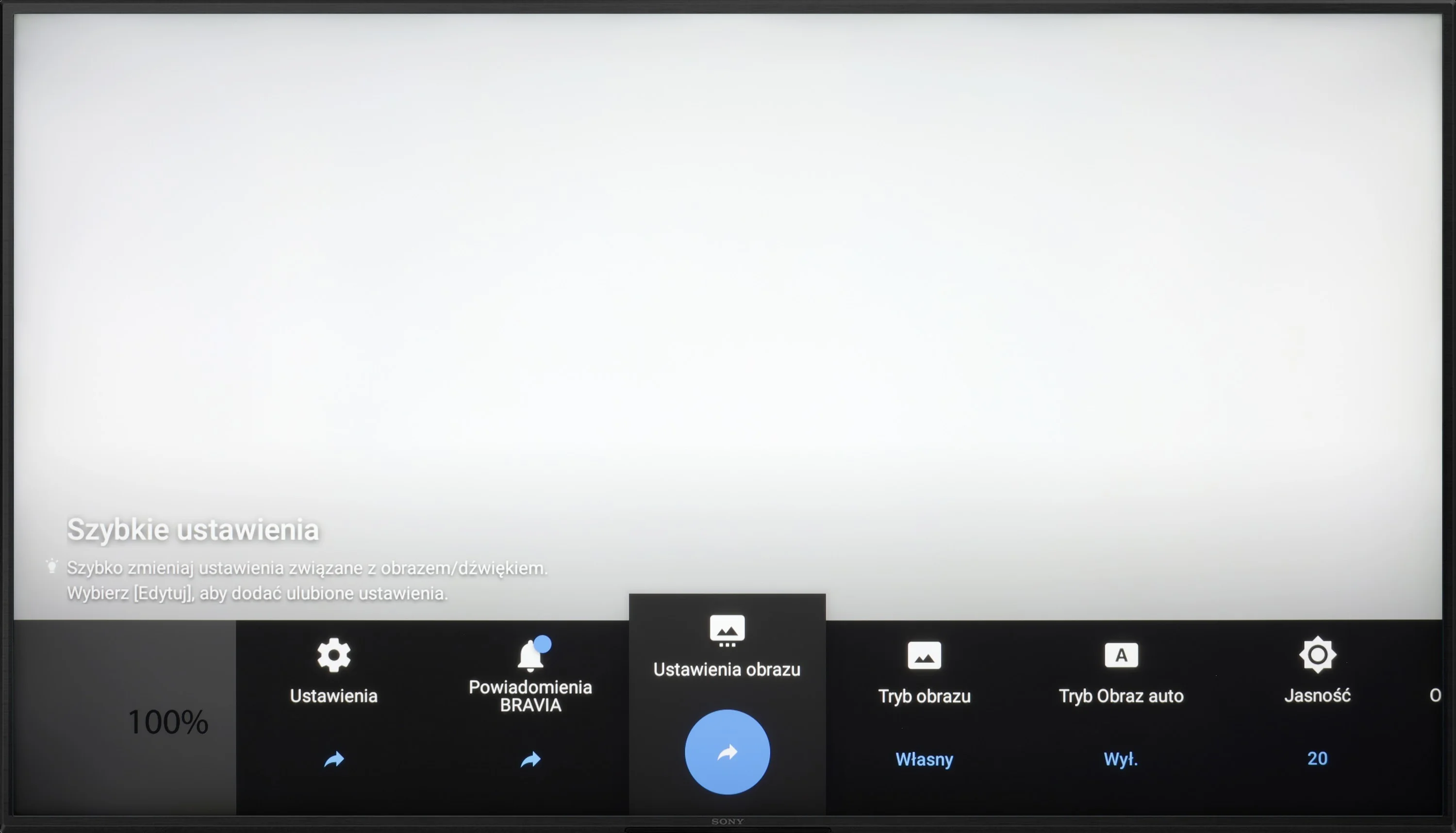
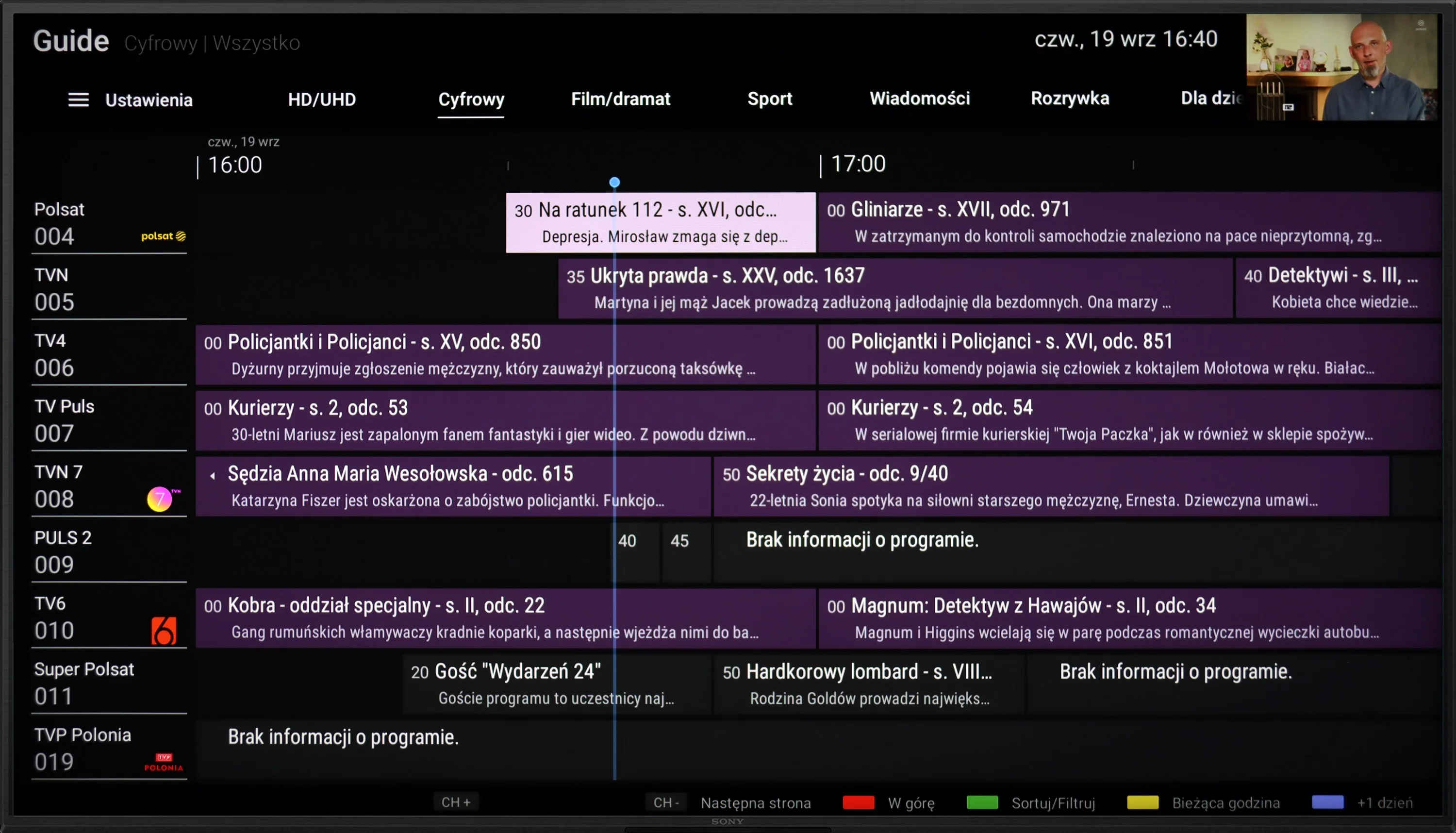
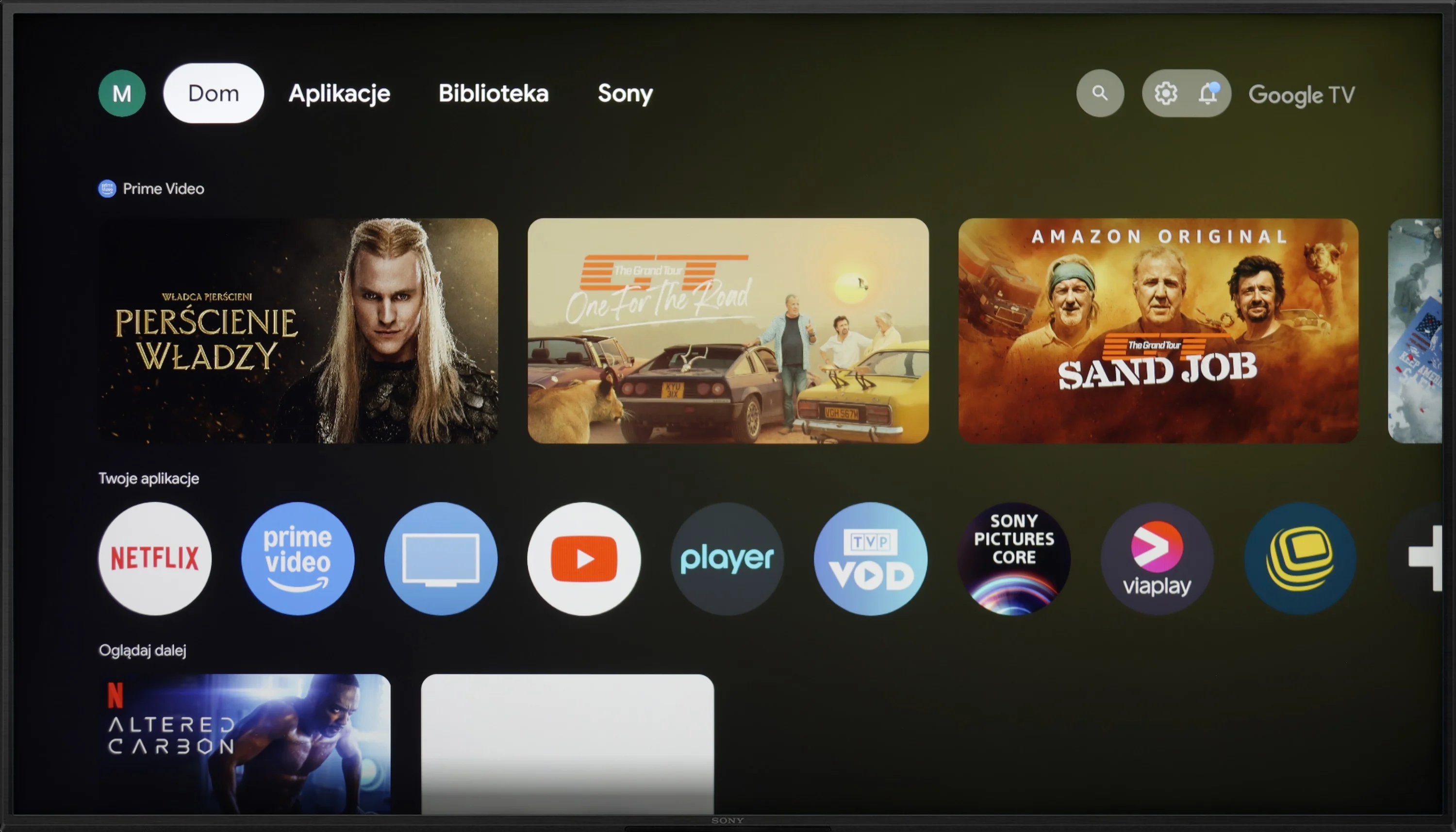
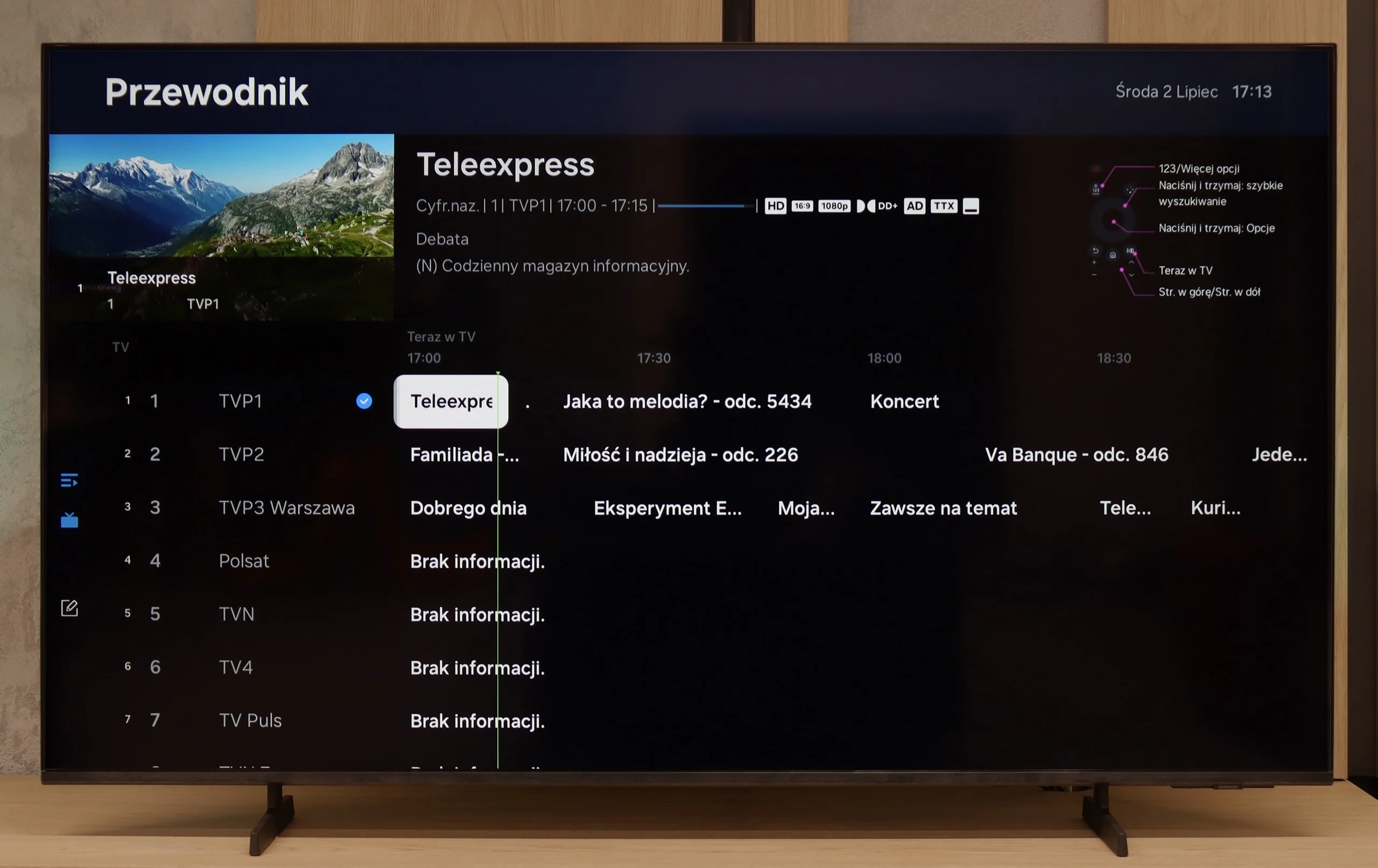
The model KD-43X75WL operates on the Google TV system, which is an extension of Android TV and offers a wide range of features that facilitate the use of the television. Google TV provides access to personalised recommendations based on user preferences and viewed content, making it even easier to find interesting programmes. The system also ensures smooth access to popular applications such as Netflix, YouTube, and Amazon Prime Video, as well as full integration with Google Play Store, allowing for the downloading of additional applications and games. With the built-in Google Assistant, the television can be controlled using voice commands, which is convenient and practical.
The television also offers a number of practical user features. The ability to record programmes onto an external USB drive allows for easy preservation of favourite content for later, which is particularly useful for live broadcasts. The model KD-43X75WL also enables the connection of various peripheral devices, such as keyboards, mice, or Bluetooth headphones, enhancing its functionality. The remote control included in the package operates on a radio communication basis, which means there's no need to aim at the screen to change channels or adjust the volume, making it a significant convenience for everyday use.
In terms of appearance, the model Sony X75WL presents itself solidly, although it cannot be called the slimmest television on the market. The bezels around the screen are not the thinnest, yet the overall look is aesthetically pleasing. It is worth noting the metal legs included in the package, which deserve praise for their sturdiness. These legs are adjustable, allowing for configuration even for very narrow furniture.
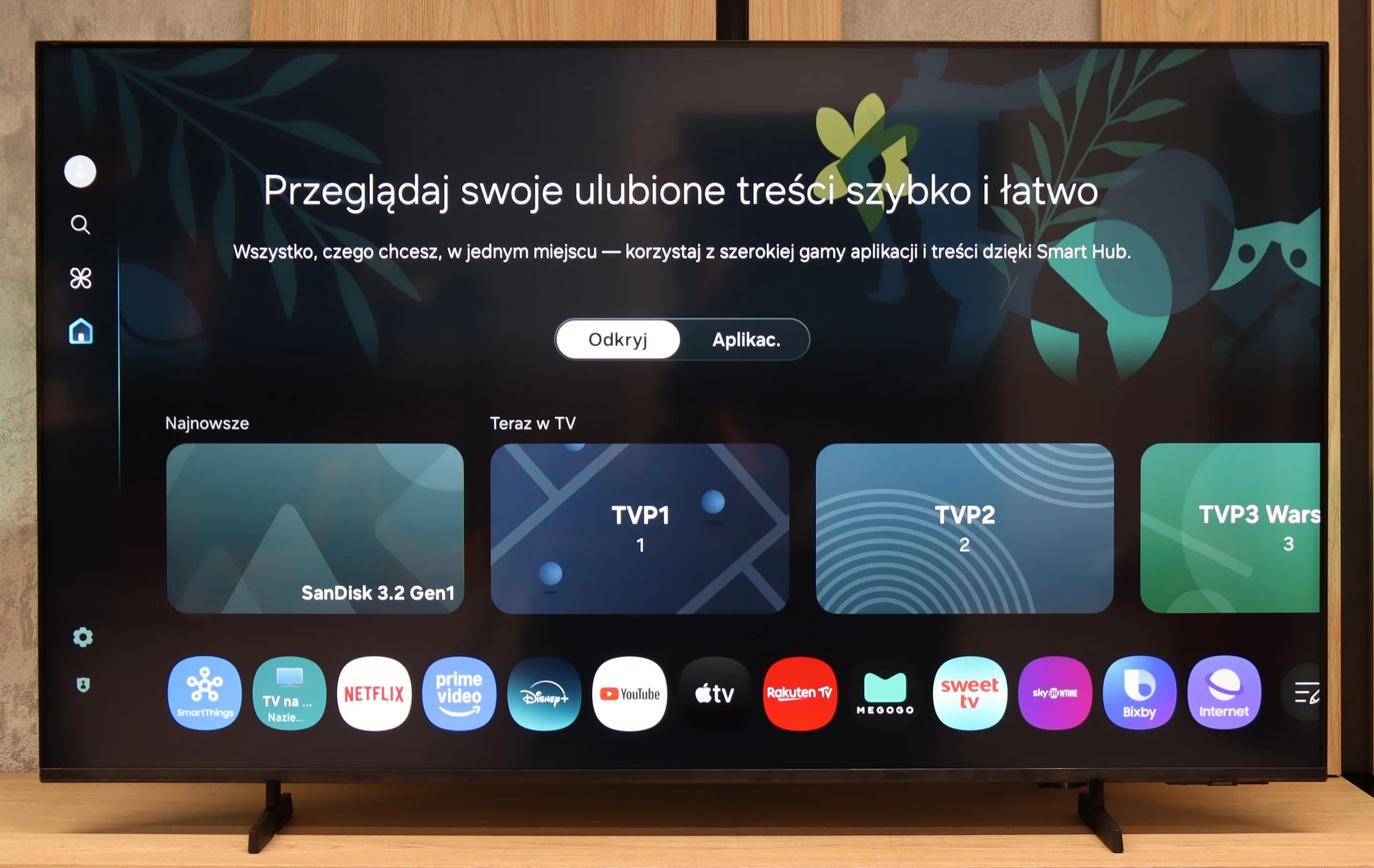
Samsung U8092F – like all this year's models from this brand – runs on the Tizen operating system. The system itself is really well developed: we have access to many applications (though not all), a well-developed smart home integration, and various add-ons, including exclusive Samsung applications. Features such as AirPlay and Chromecast are also available, allowing us to easily connect our phone to the television and share multimedia.
Unfortunately, since this is Samsung's cheapest series in 2025, the manufacturer did not choose to include a solar remote control. In the box, we find a classic infrared remote control that visually resembles a newer version, but unfortunately lacks voice functions. As for typical "television" add-ons – there is no recording feature or PiP (picture-in-picture) mode. On the positive side, the HDMI eARC works well, allowing easy control of devices like a decoder or soundbar with the bundled remote – and it indeed works seamlessly.
Apps
9.6/10
8.7/10






















Playing files from USB
8.7/10
9.3/10
Supported photo formats:
Maximum photo resolution:
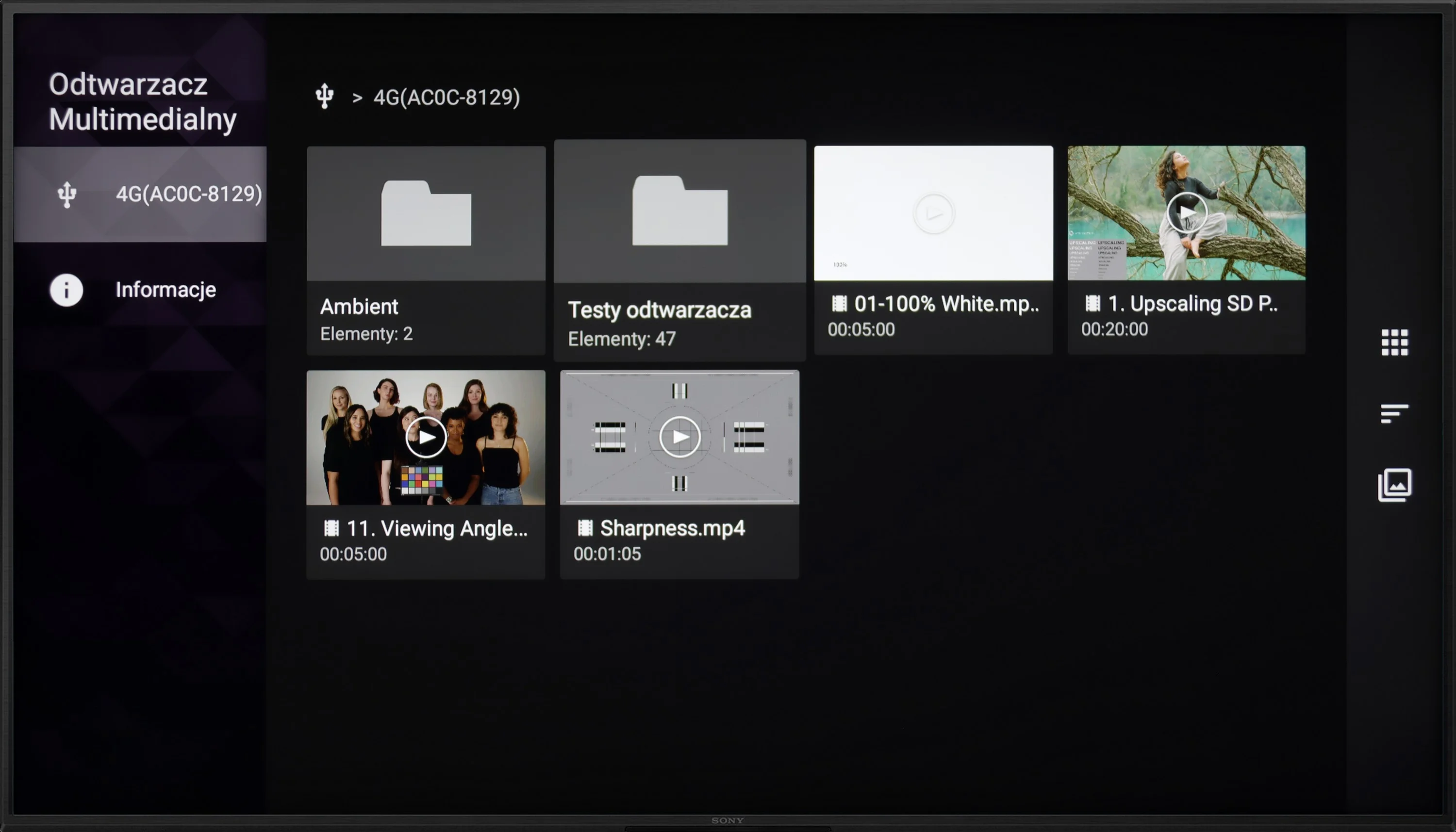
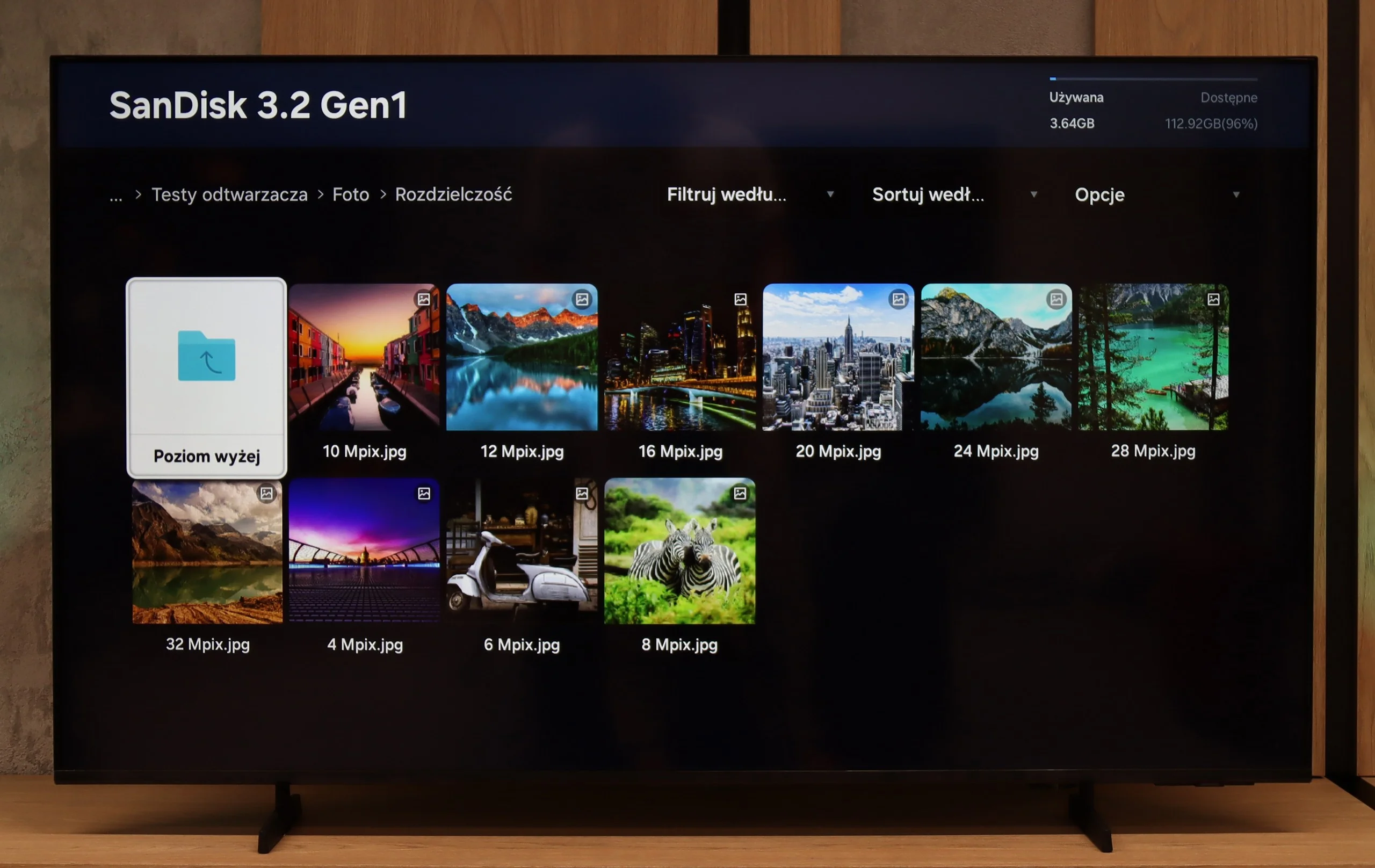
The built-in media player in the Sony X75WL model performs quite well, opening most popular video, audio, and photo formats. However, if we encounter issues with playing less common files, we can easily solve this problem by installing another player available on the Google Play Store, which allows for fuller use of the television's capabilities.
Samsung U8092F handles the playback of files quite seamlessly – the television supports most popular audio and video formats. Of course, it does not support Dolby Vision, but this is simply not found in any Samsung model.
Certain reservations can be made regarding the support for external text files – those that the user would like to add as subtitles to a film. During our tests, the television only played TXT files, while other extensions such as SRT or SUB unfortunately did not work. This may not be a problem for everyone, but it is worth knowing. Perhaps this is an issue to be improved in the future through a television operating system update.
Sound
6.9/10
5.7/10
- Maximum volume-81dB
- Dolby Digital Plus 7.1
- Dolby True HD 7.1
- Dolby Atmos in Dolby Digital Plus (JOC)
- Dolby Atmos in Dolby True HD
- DTS:X in DTS-HD MA
- DTS-HD Master Audio
The sound quality of the X75WL model is very pleasant, and for this class and size of Sony television, it is truly impressive. There is a subtle bass, and the sound appears clear, which positively affects the reception of multimedia content. The television performs well with both dialogue and sound effects.
U8092F does not pretend to have home cinema on board. We receive a standard set of 2 x 10 W, which sounds decent, but without much excitement, though with a slight bass. For everyday viewing, this audio setup is entirely sufficient. We were positively surprised that it managed to play a film with the built-in Dolby Atmos (JOC) codec – although of course, we are not talking about true surround sound here.
Sound Quality Test
No sound test video
Acoustic Measurements
No acoustic data
81dBC (Max)
75dBC
Reader comments
Comments are provided by the external service Disqus (Zeta Global). Once loaded, Disqus may set cookies and process data about your activity.
We will remember your choice on this device. Provider's privacy policy