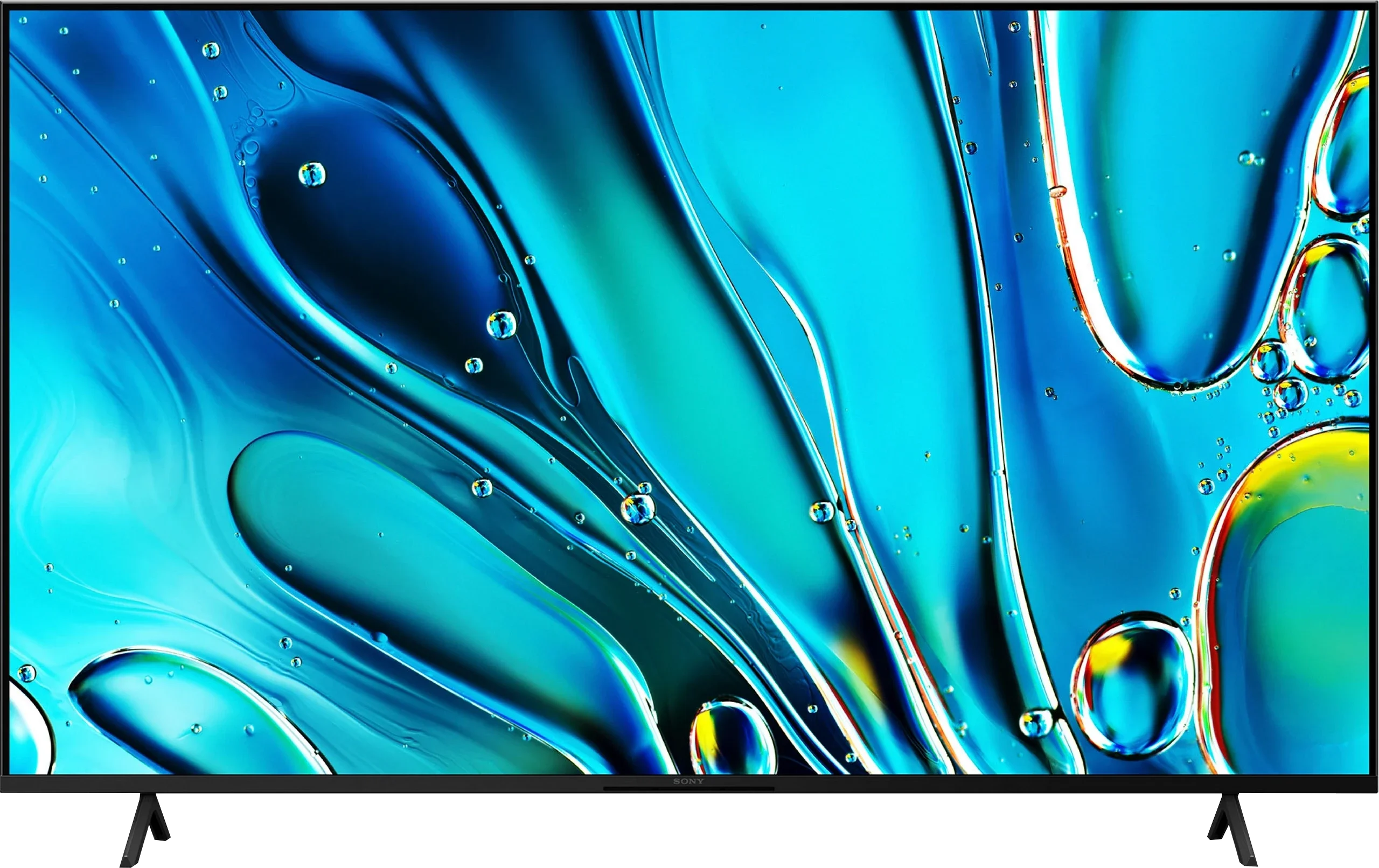
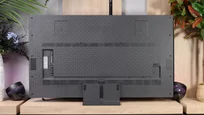
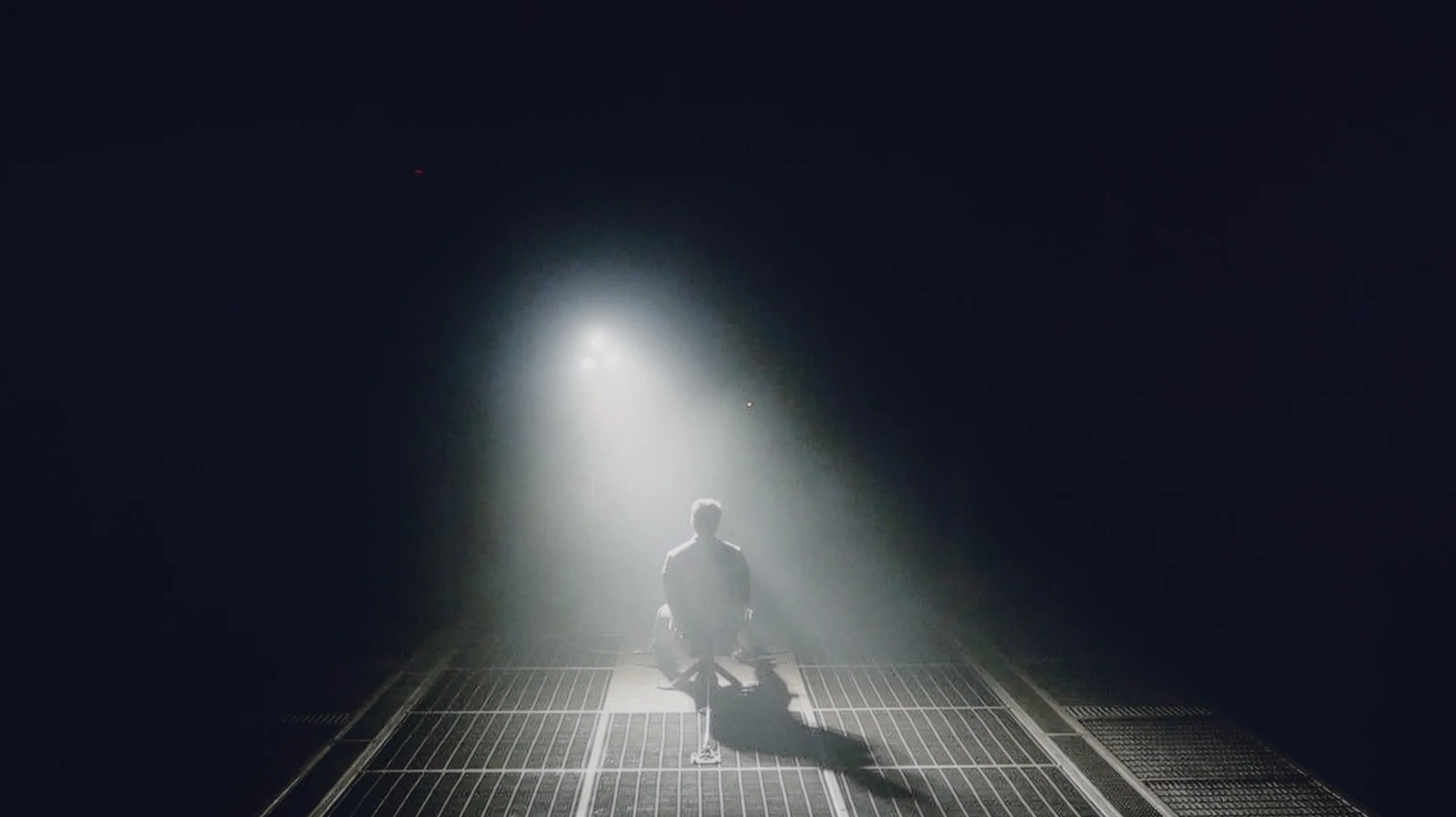
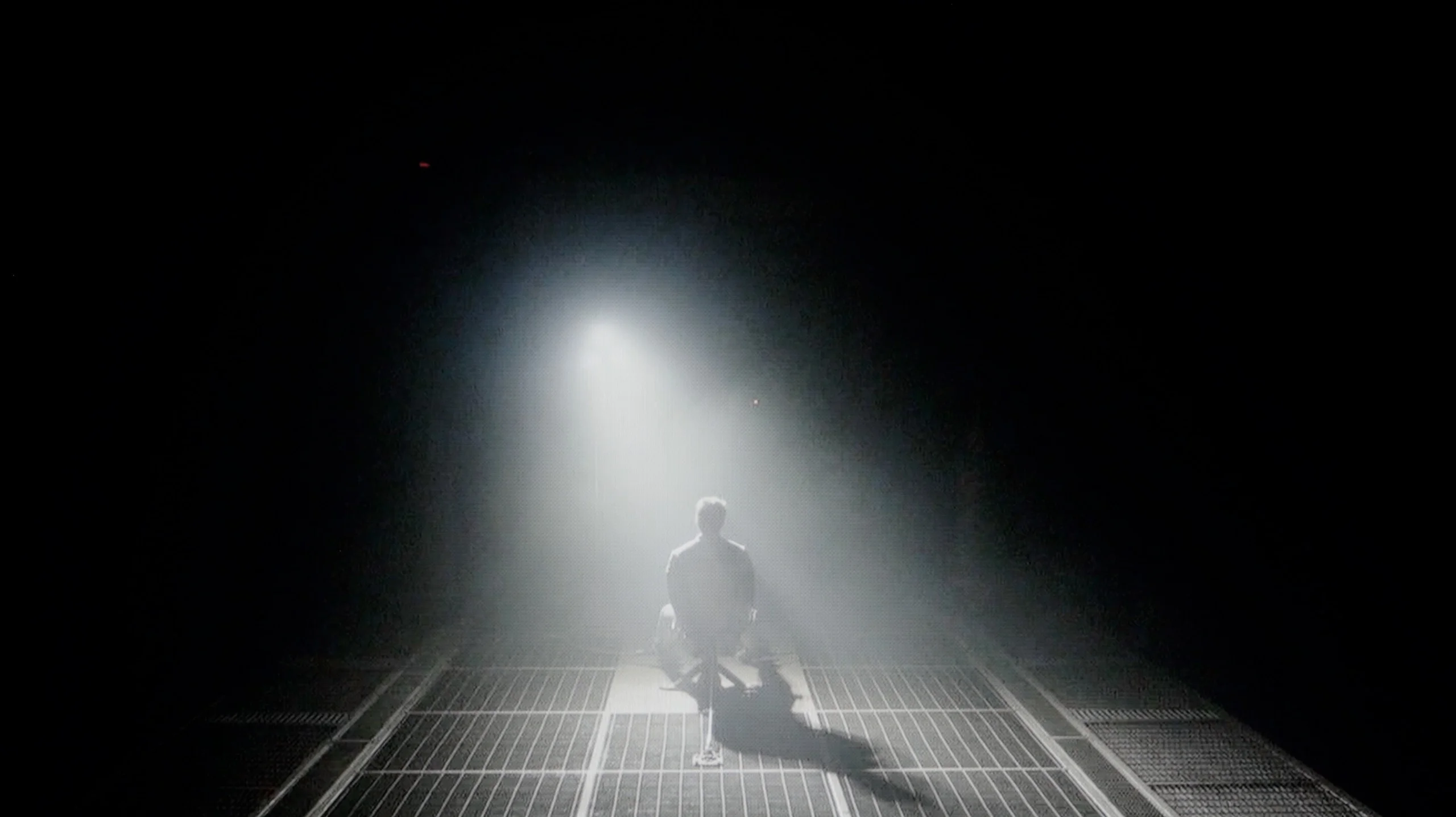
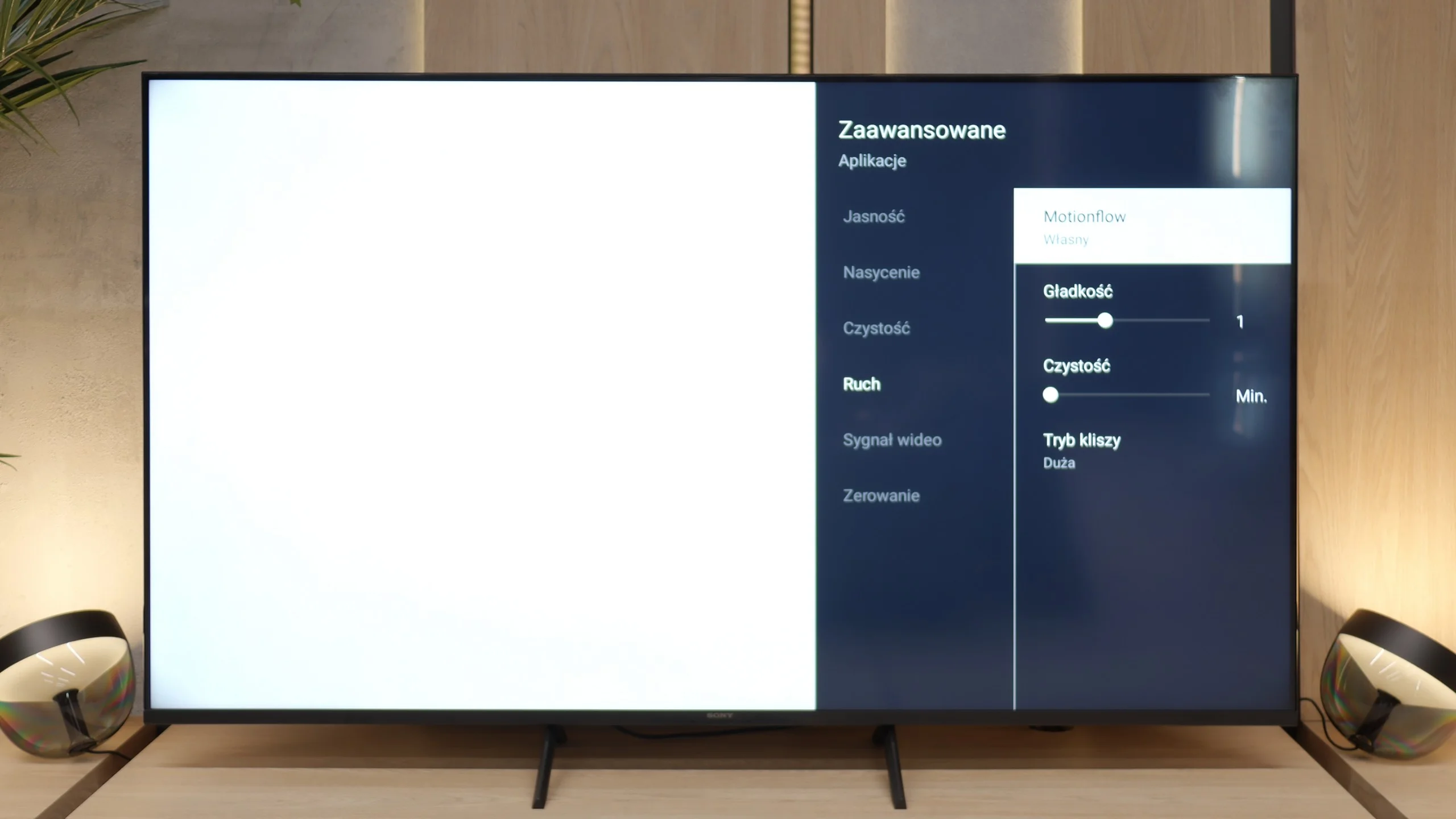
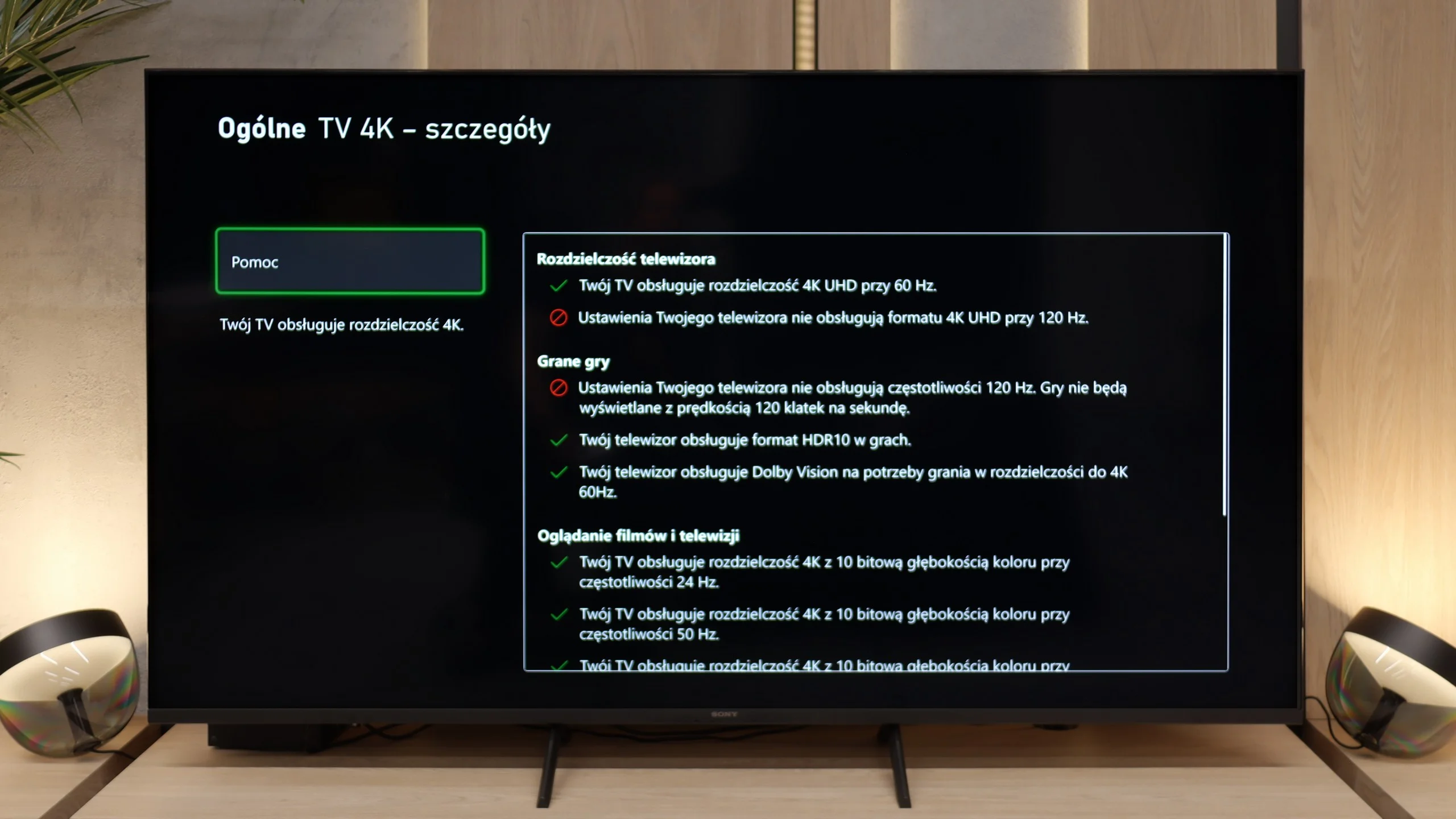
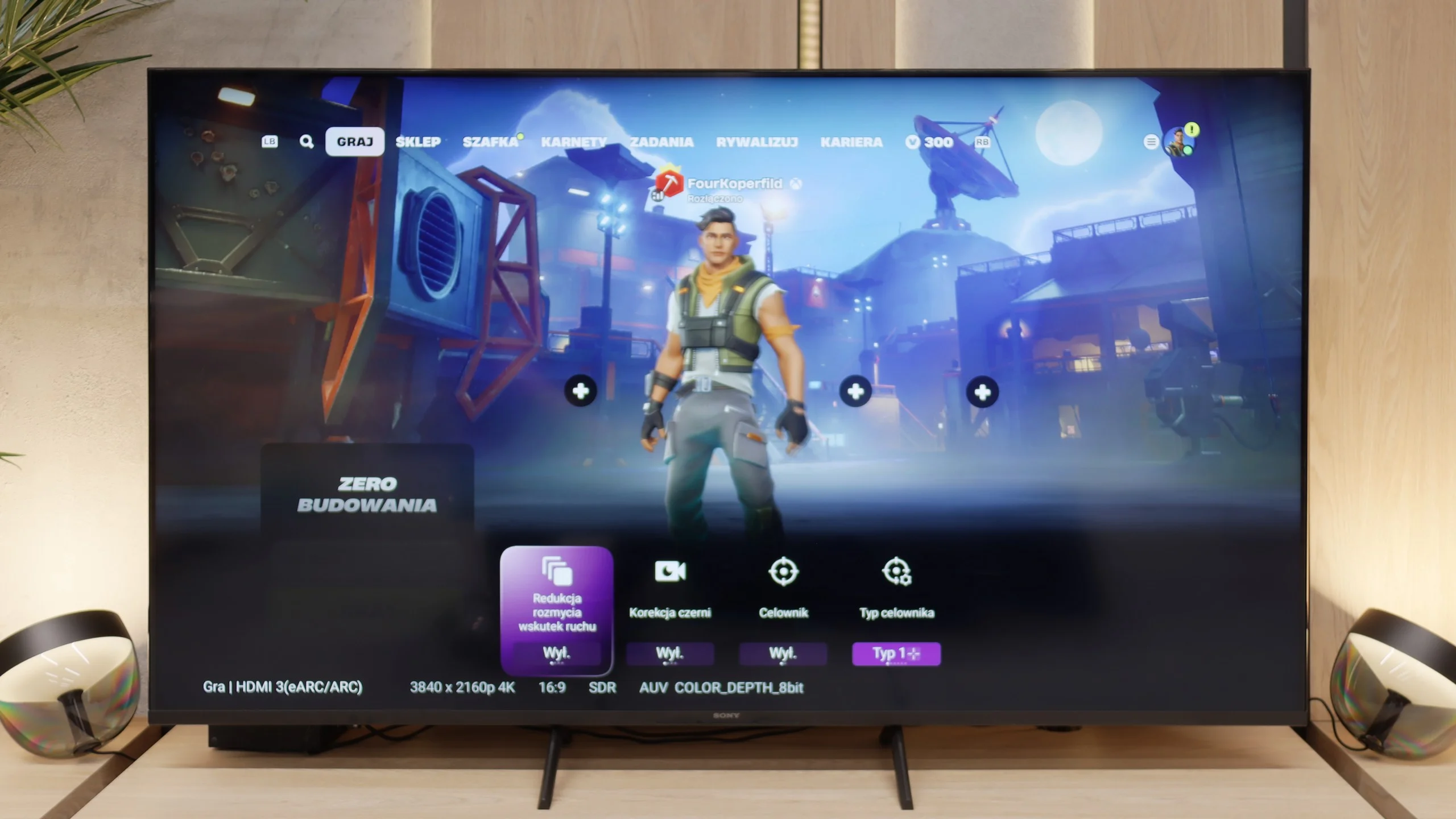
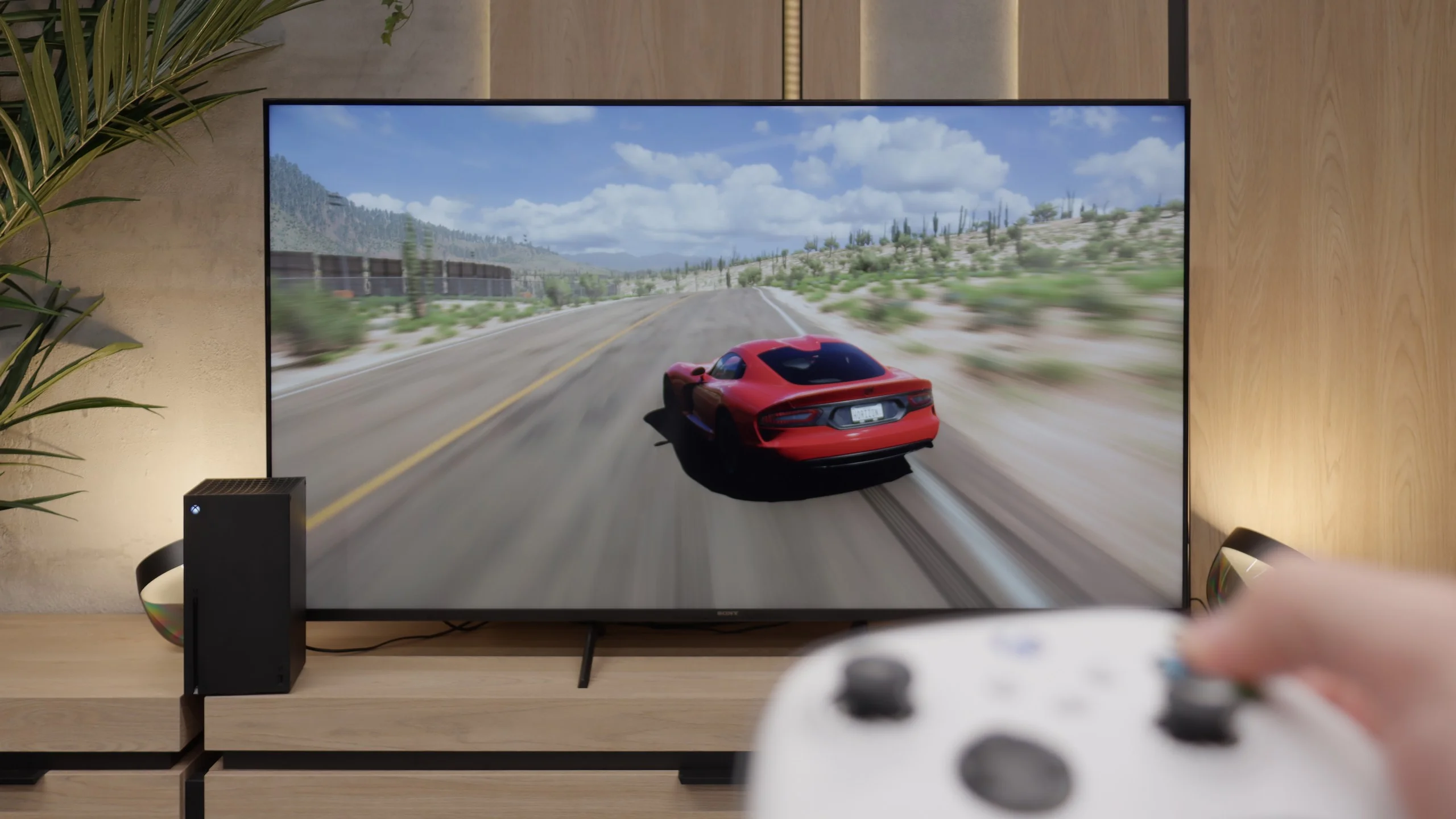
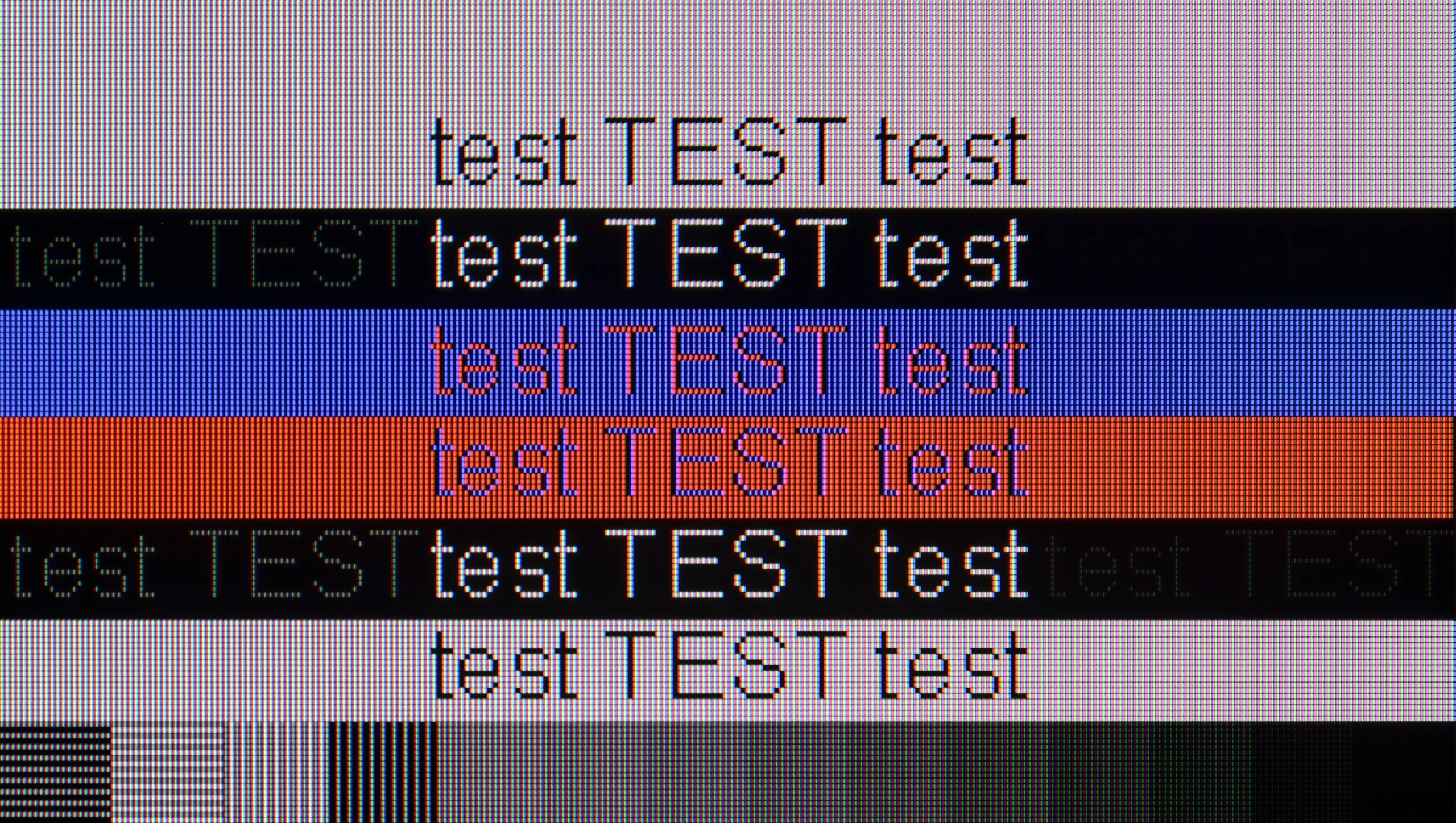
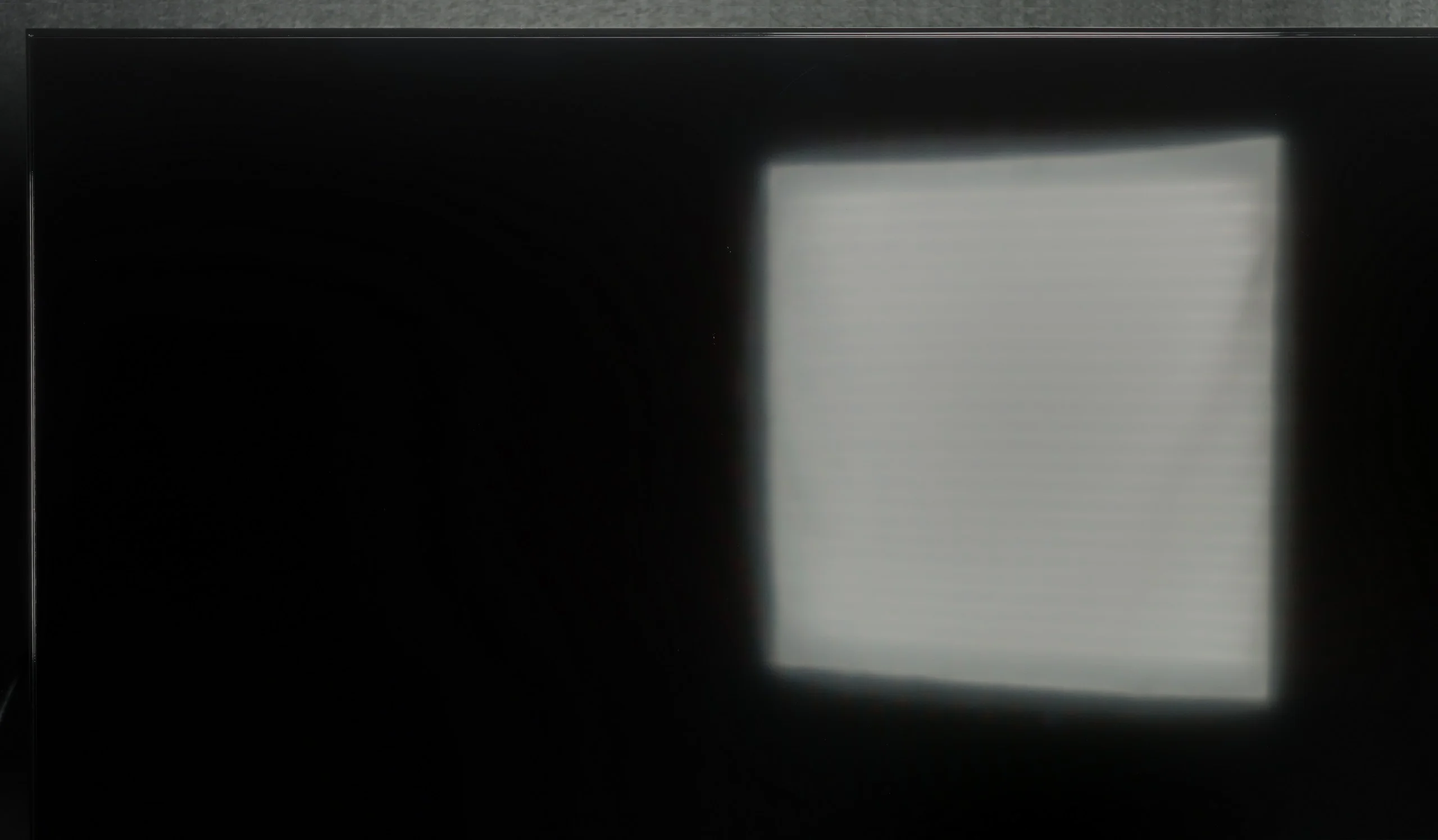
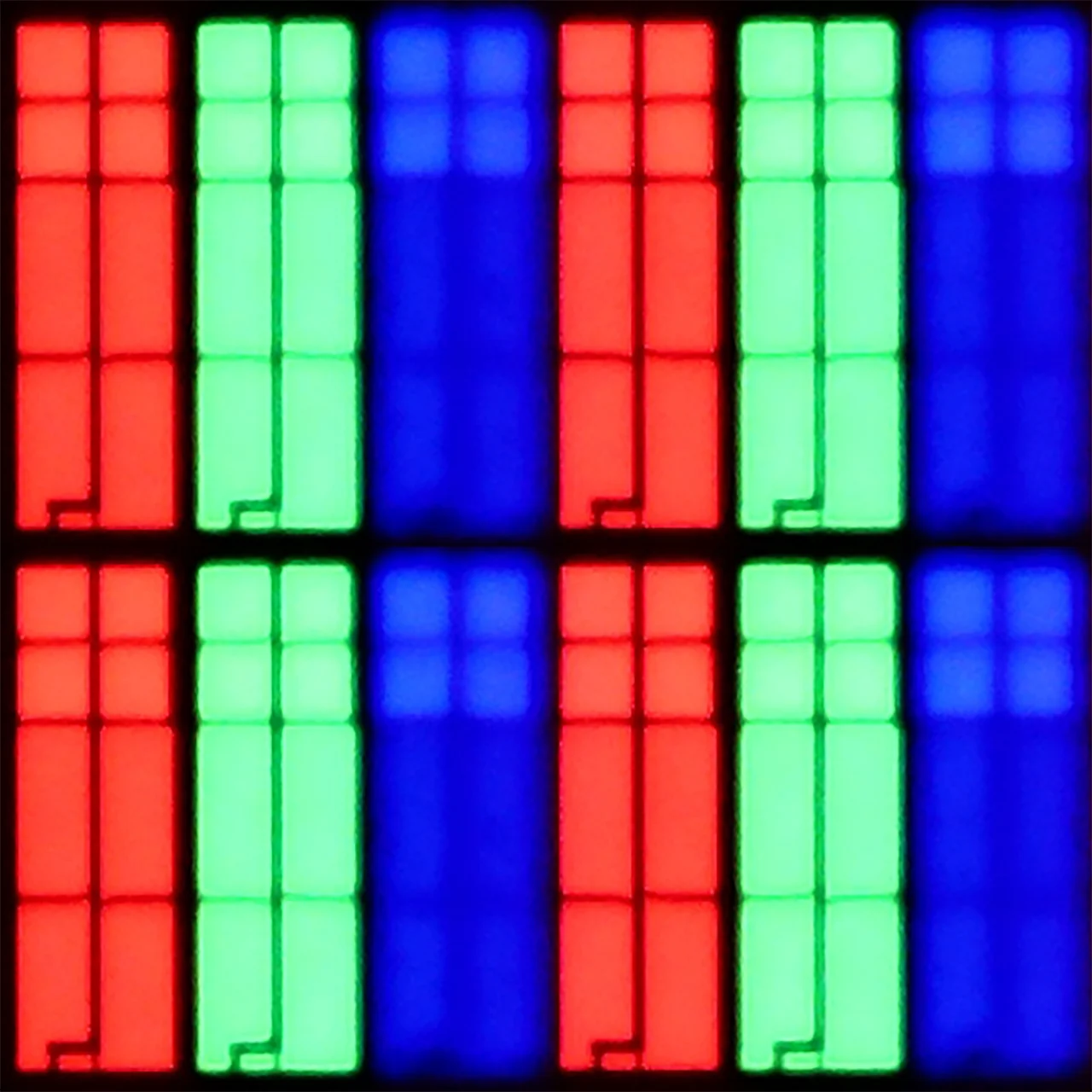
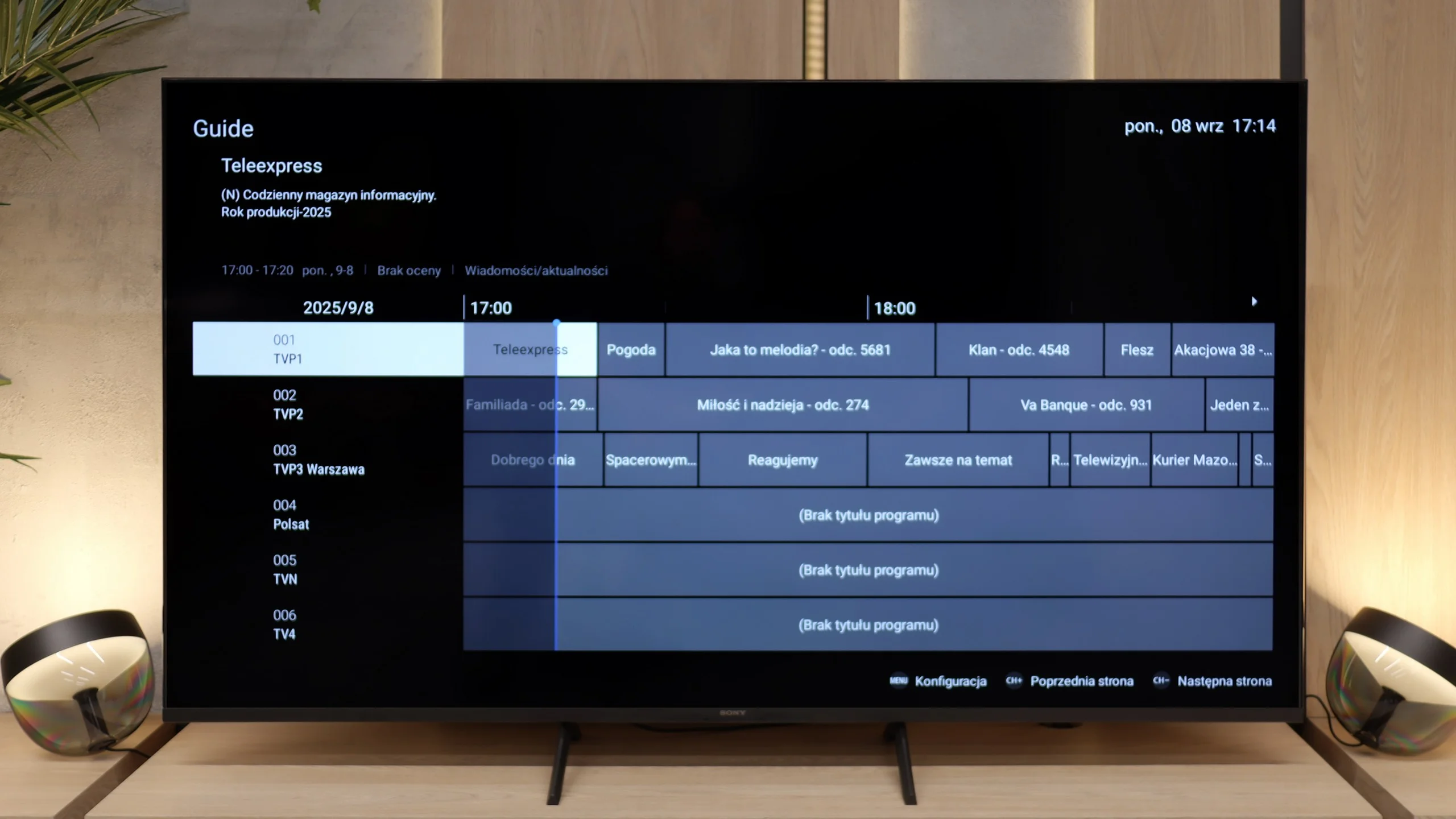
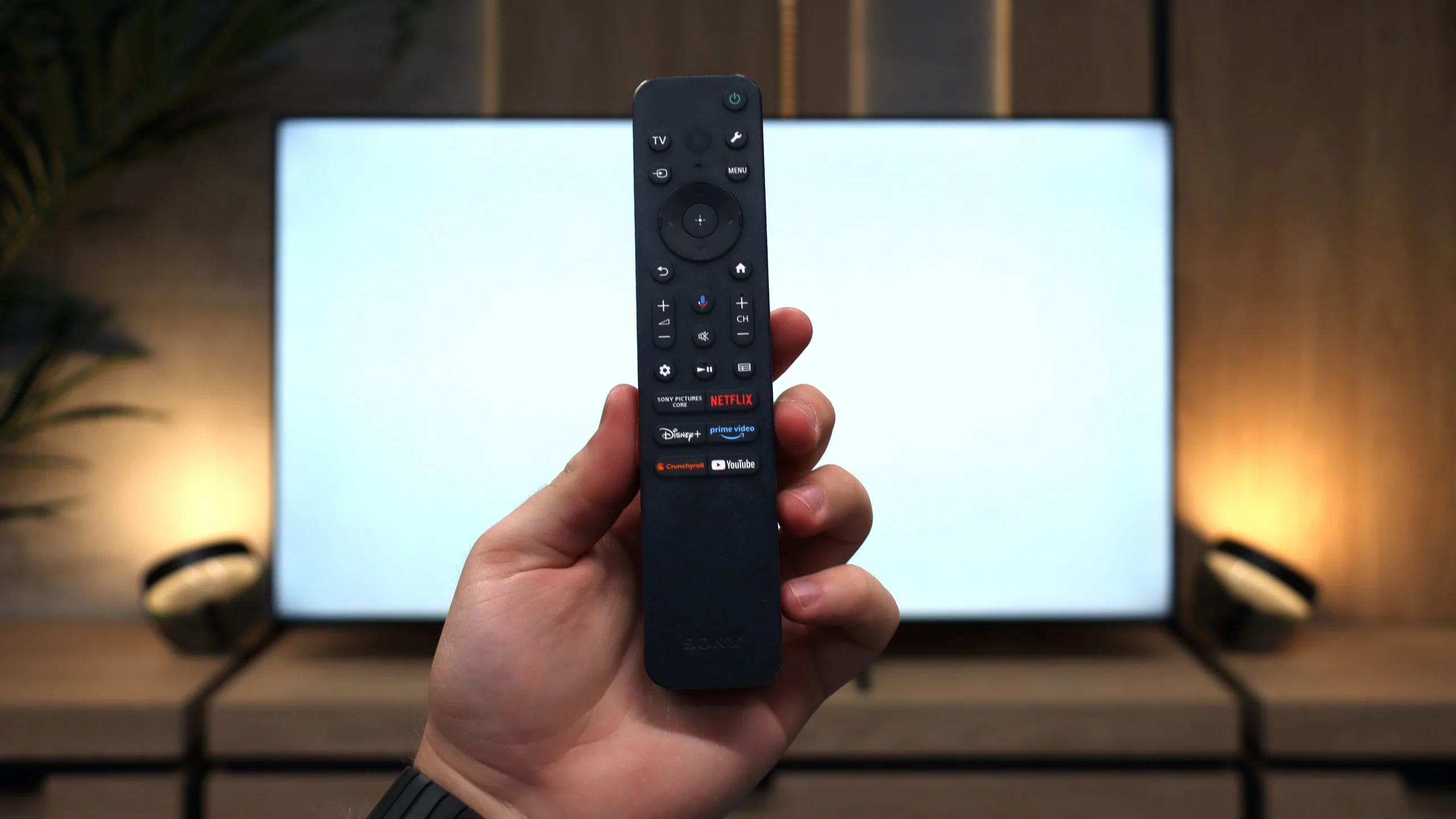
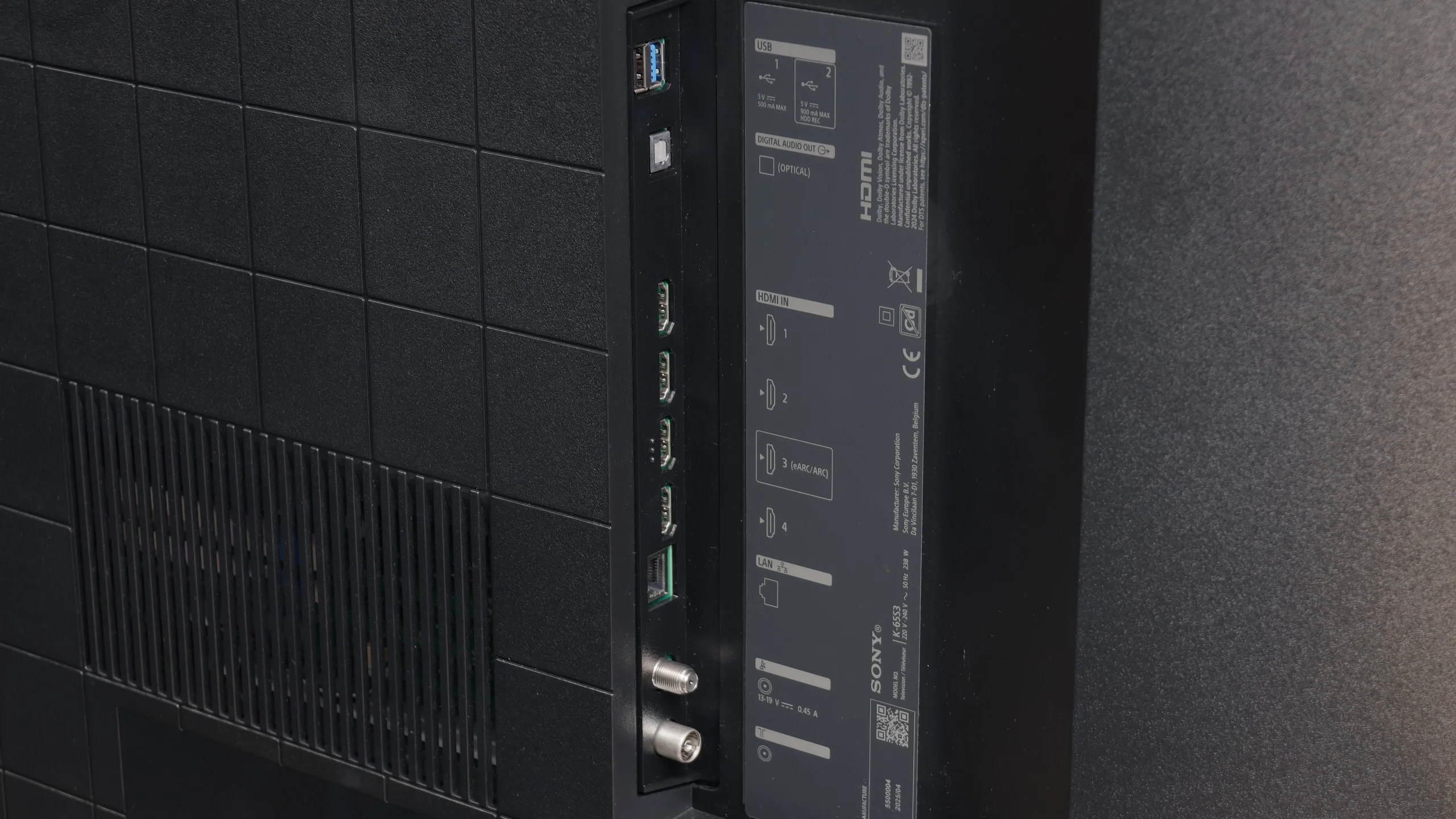
Sony Bravia 3 is a television that brings several important improvements over its predecessor, while remaining true to its core. The biggest change is the design – slim bezels and sturdy metal legs give it a modern appearance that fits much better in a living room than the X75WL. Improved colours thanks to the PFS filter and really good upscaling should also be noted. It is particularly in lower quality content, especially in classic SDR, that the Bravia 3 shows its best side – colours look pleasing, the image is clear, and thanks to the IPS panel, viewing angles are at a very good level. It is perfectly suited for the role of a “classic” television receiver, where the convenience of watching from different spots in the room and decent quality of everyday content matter. A huge advantage remains the Google TV system. During our tests, there were times when the interface did not always work as smoothly as we would have liked, and some features could freeze. However, despite these imperfections, the presence of Google TV is a significant plus – access to thousands of applications and a full streaming library compensates for minor shortcomings. Unfortunately, what was weak in the X75WL remains weak here as well. The IPS panel has very low contrast and does not offer local dimming, making watching films in a dark room quickly lose its appeal – black resembles grey and effectively detracts from the enjoyment of the viewing experience. Additionally, the option to record content to USB, which was available in its predecessor, has been dropped. It is hard not to notice this and not add it to the list of downsides.
So who is the Bravia 3 for? Primarily for those looking to enter the world of Sony televisions at a potentially low price and who also appreciate the Google TV system. However, it is not the most attractive option in its class – competitors in this budget can offer models with Mini-LED backlighting, whose images perform several times better in terms of contrast and HDR. Therefore, the Bravia 3 is worth keeping in mind, but mainly when a solid discount is available. At regular price, it will be very difficult to stand out against its more cost-effective rivals.
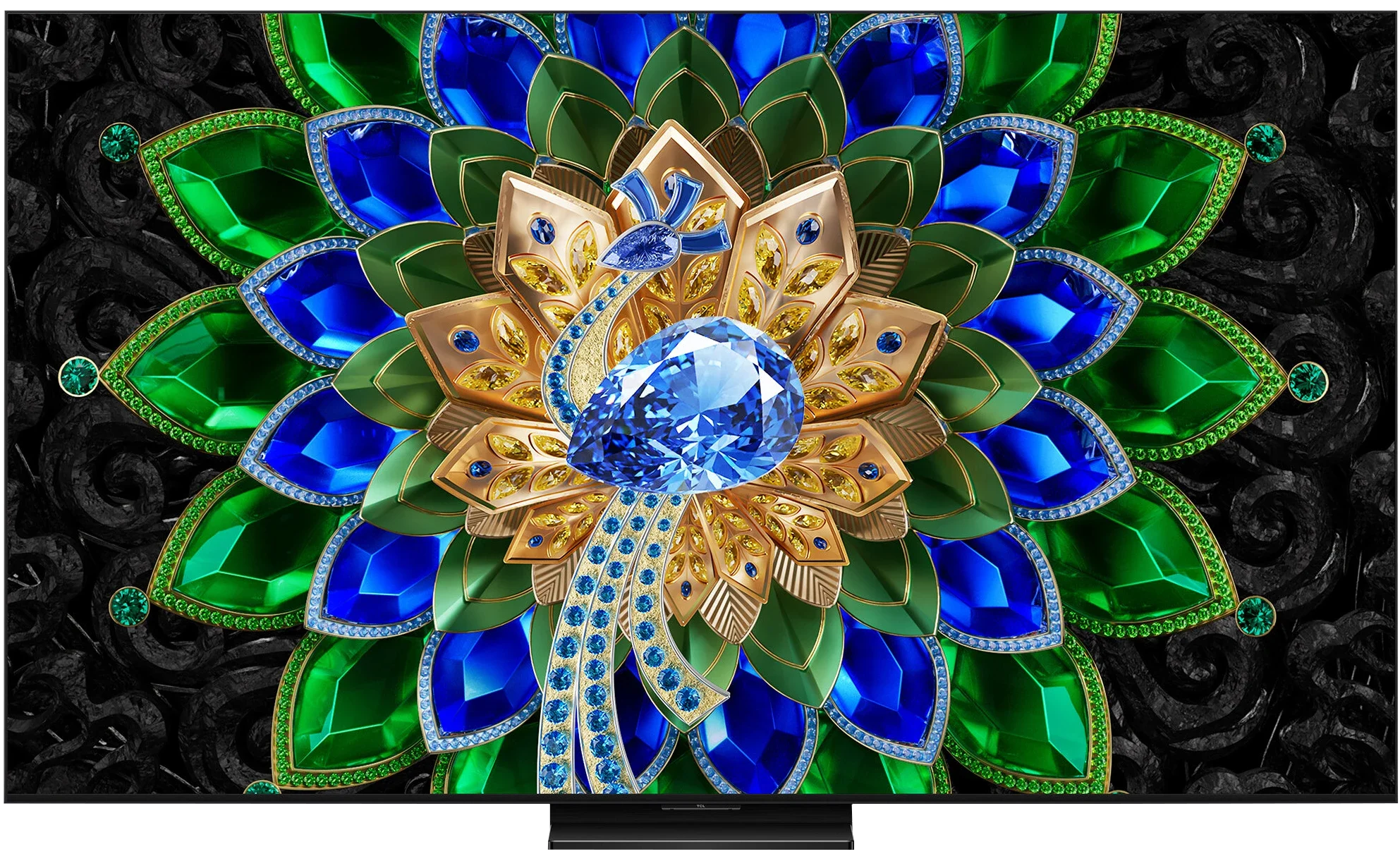
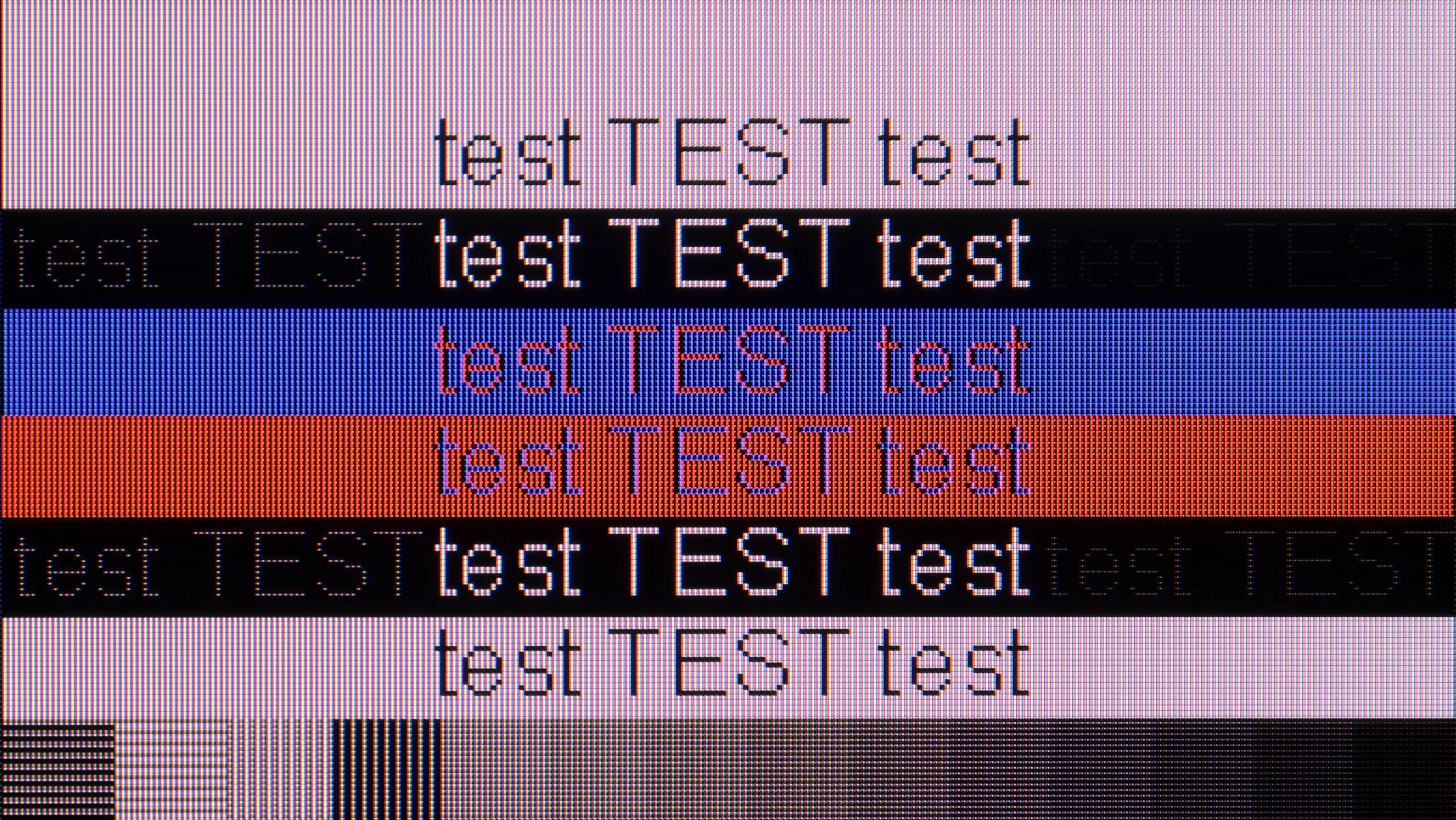
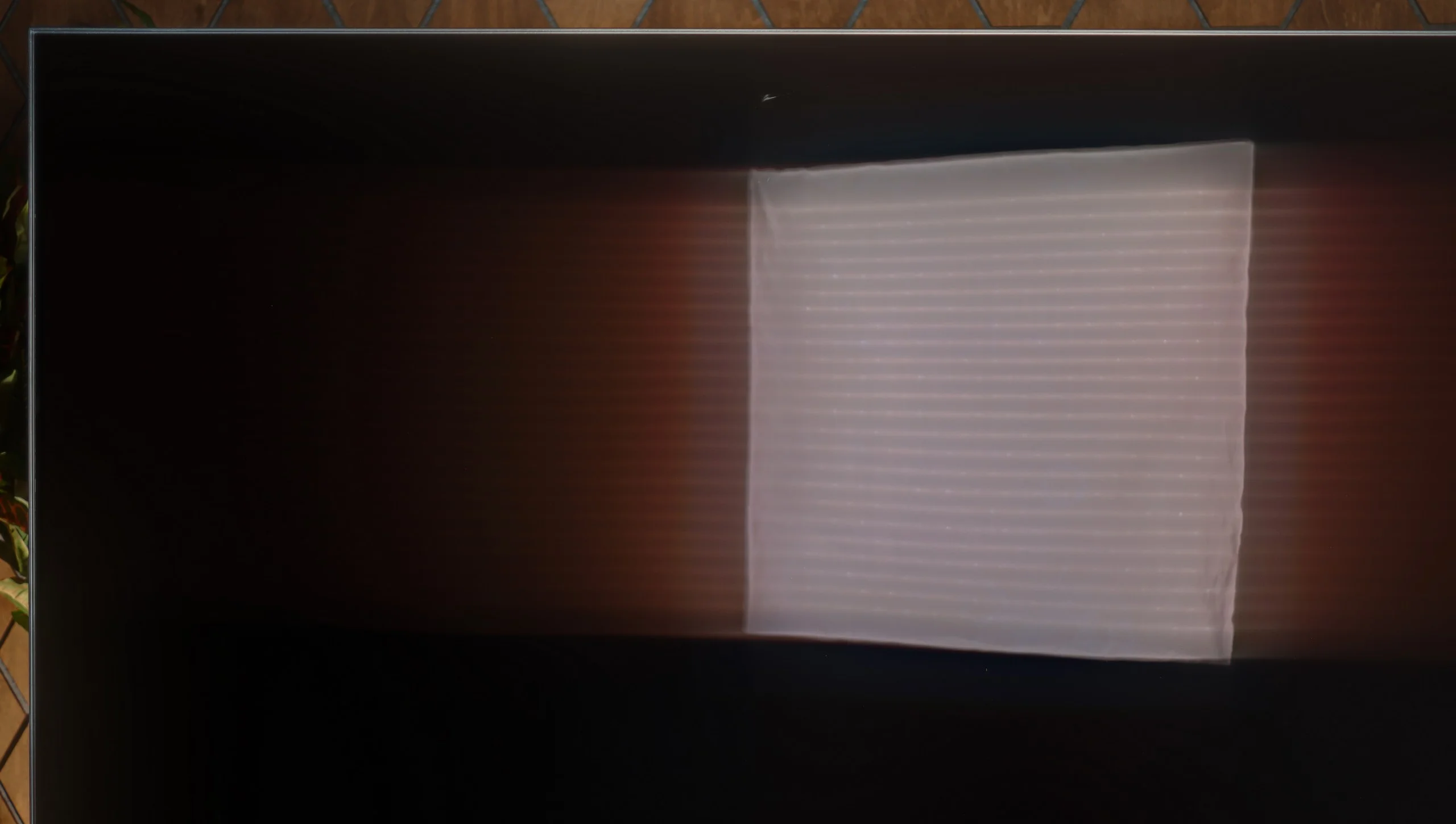
Is it worth buying the TCL A400U? Yes, because it’s one of those TVs where paying extra for a higher series doesn’t always make sense. In films you get what you normally expect from a good TV: very good blacks, a strong HDR effect and a natural picture, especially after calibration. Brightness won’t be lacking during the day either, although because of the glossy panel it’s better not to position it opposite a large window. The whole package is completed by a slim, well-made casing. The A400U doesn’t mimic a picture-on-the-wall as convincingly as some “wallpaper” TVs, but as an elegant living-room model it looks very good.
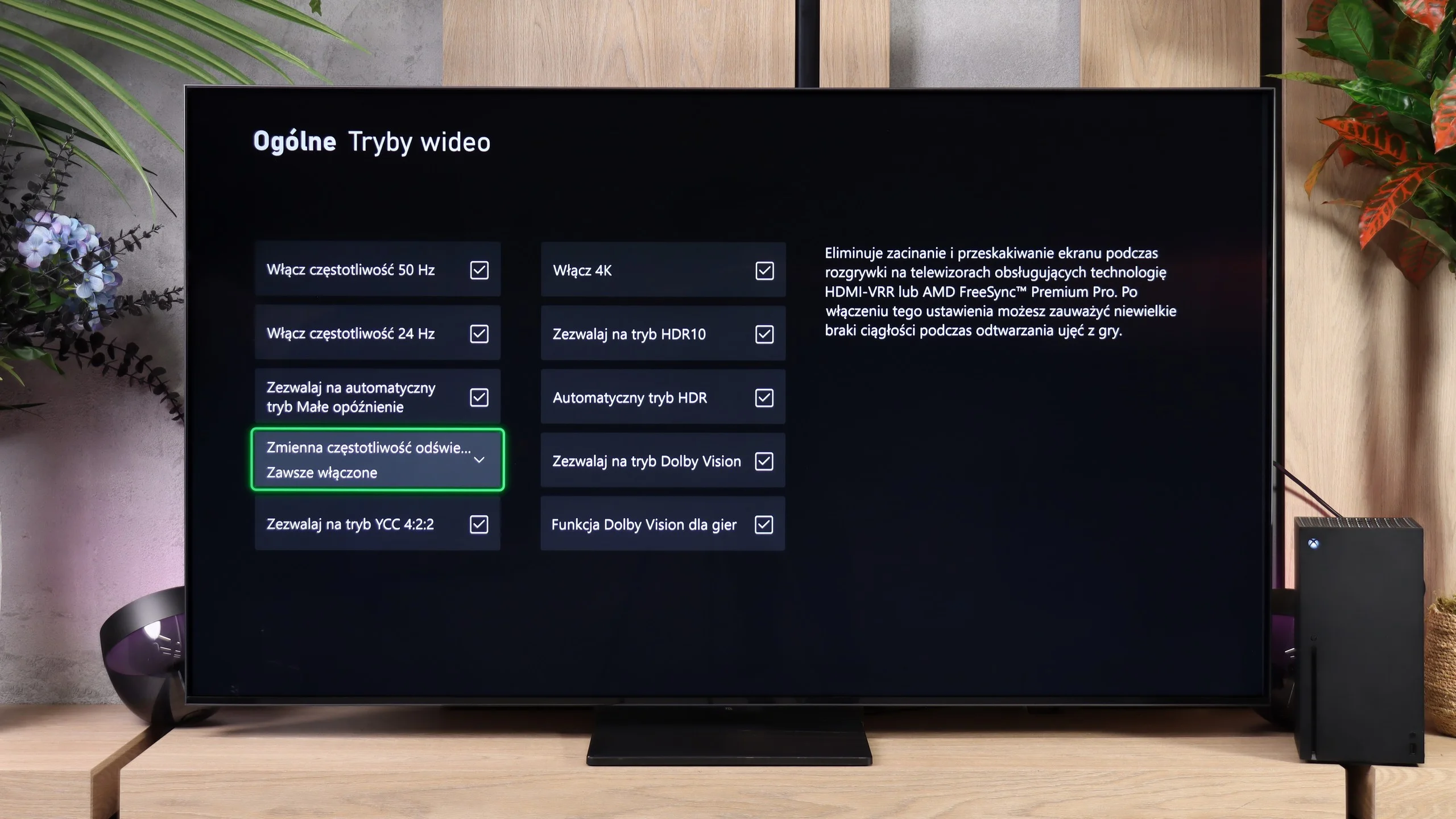
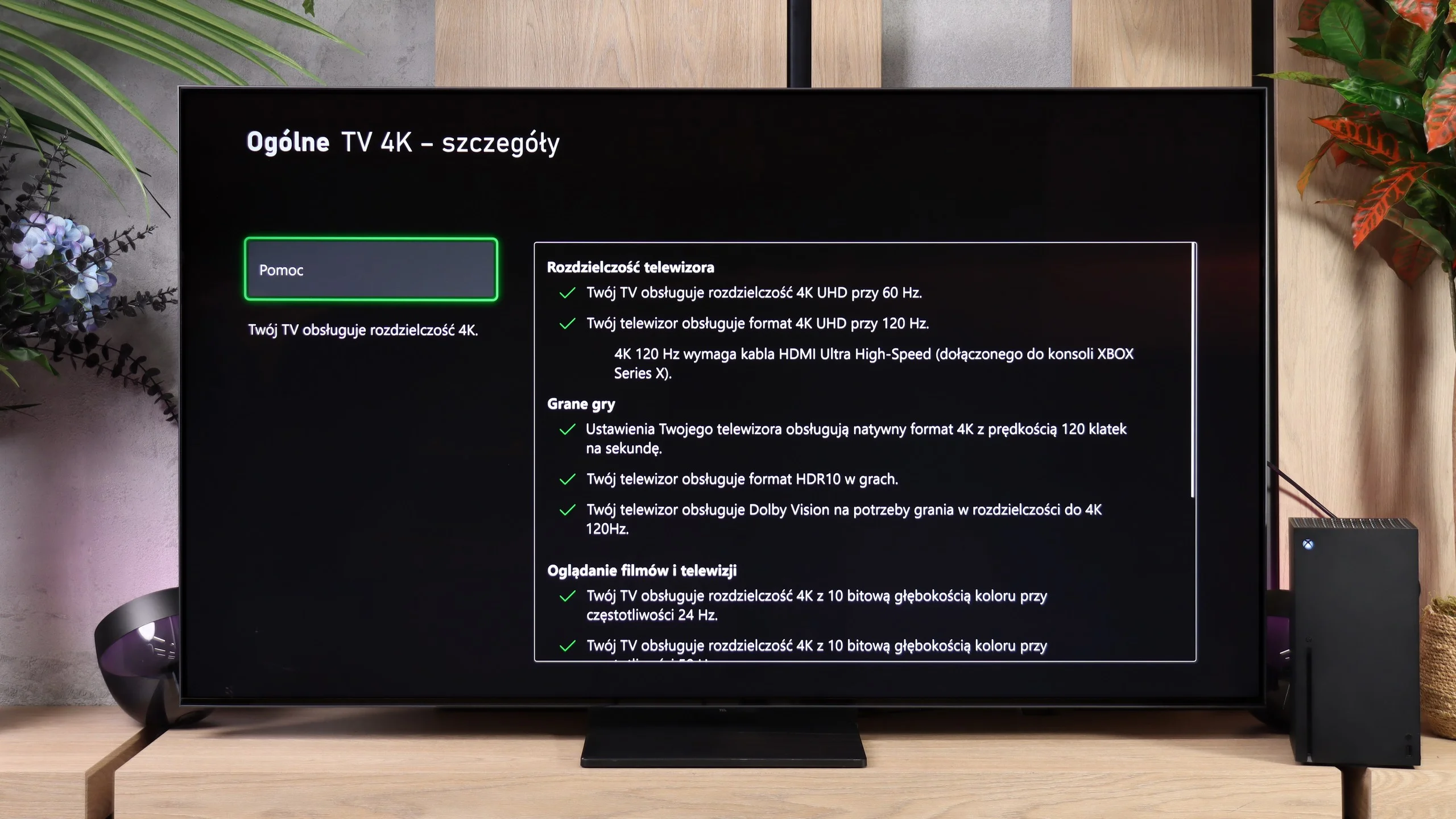
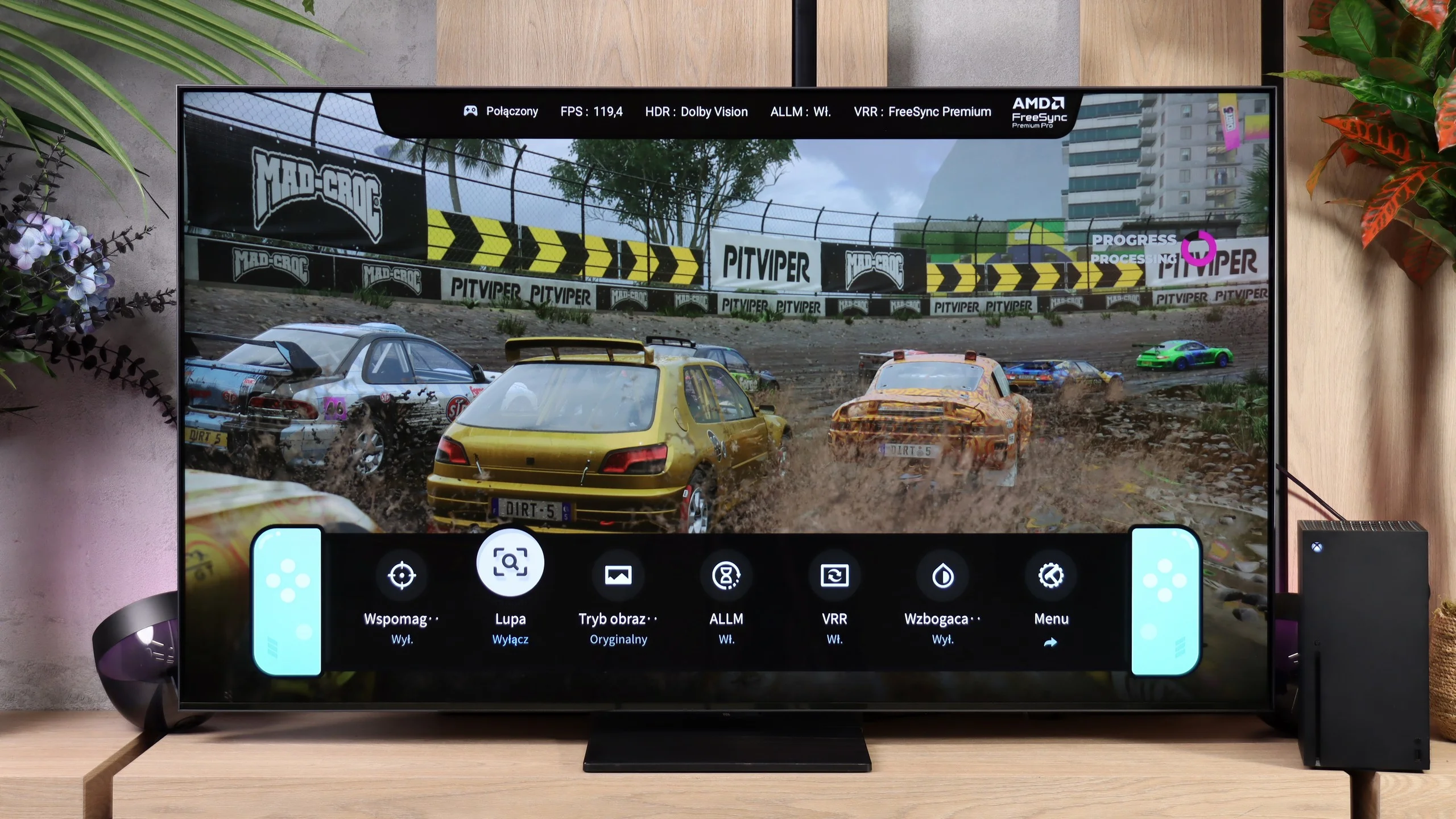
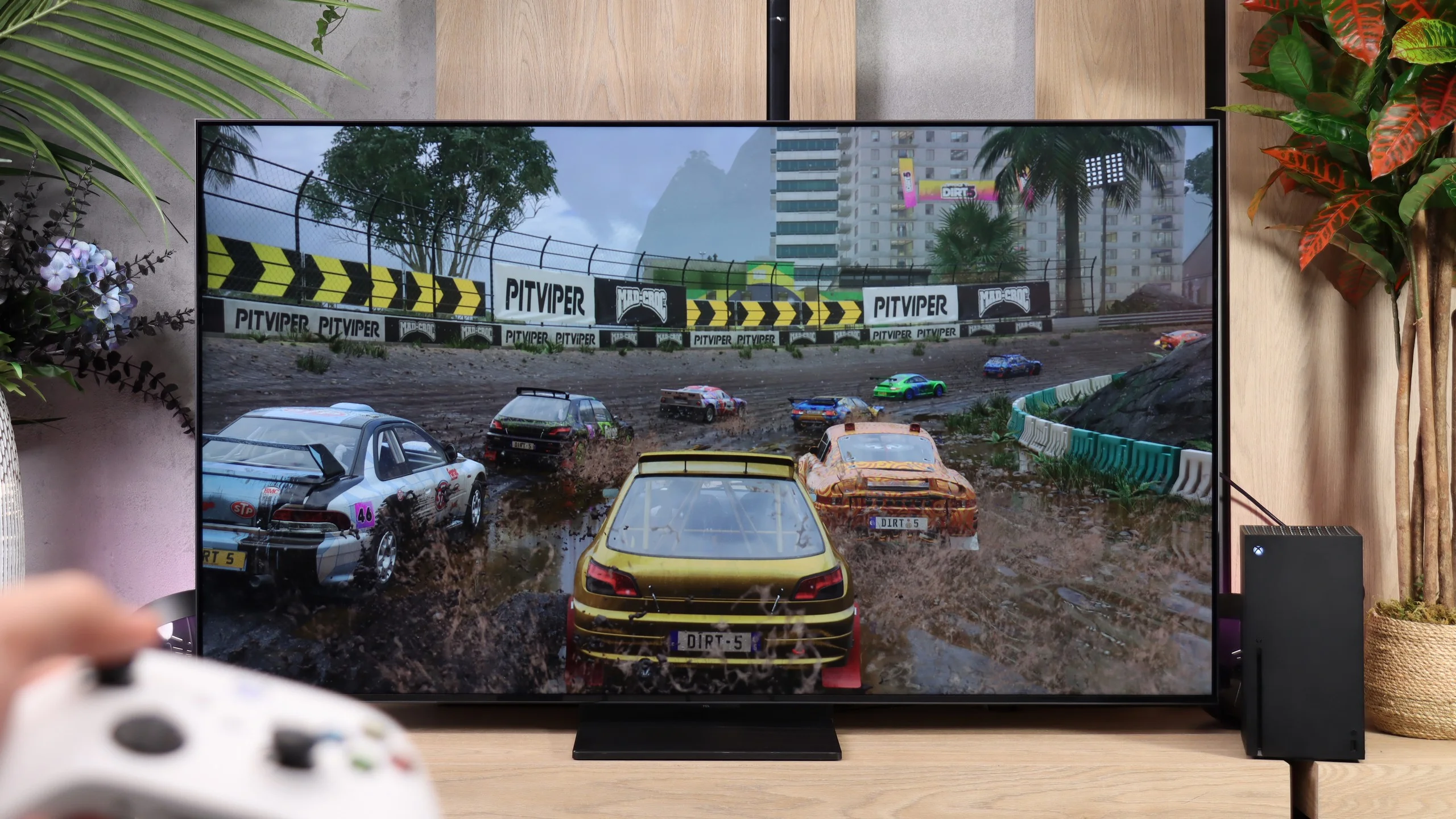
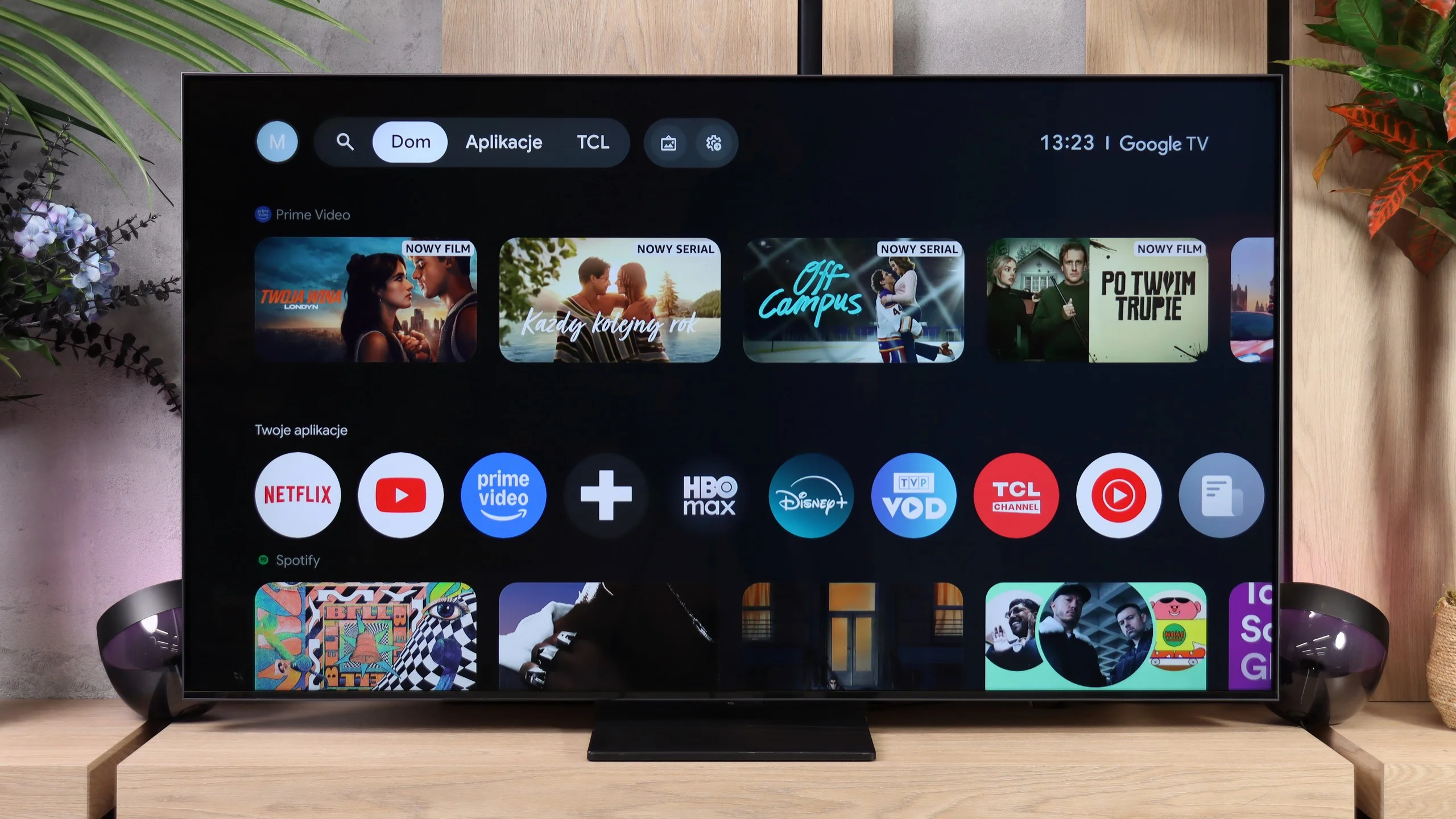
Buying it, you don’t have to choose between a TV for films and a screen for gaming. The A400U supports 4K at 120 Hz, including in Dolby Vision, and low input lag keeps controls quick and responsive. With a PC you can even use 144 Hz at 4K or 288 Hz in Full HD. That’s a level of capability at which it’s hard to justify paying more for a pricier model purely for gaming features. In everyday use the TV doesn’t disappoint either. Google TV runs smoothly, apps launch without annoying delays, and using the device is simply convenient.
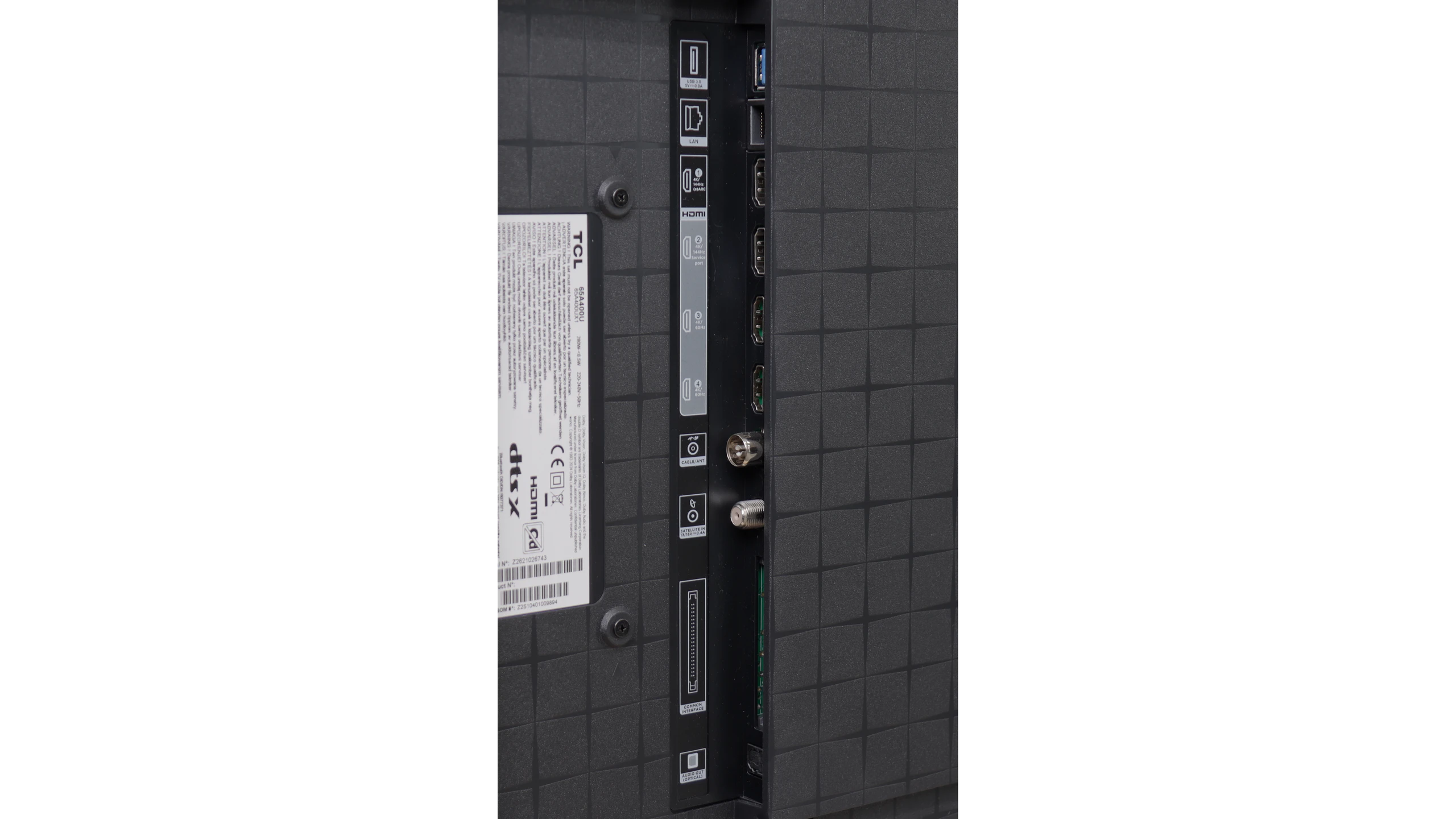
That doesn’t mean the A400U will suit every home. If you often watch broadcast TV or other lower-quality material, the Pentonic 700 processor won’t always improve it as much as you might expect. The slightly more expensive C7L has a similar limitation, so only moving up to a clearly higher series, such as the C8L, brings a noticeable change in this regard. Before buying it’s also worth checking how many devices you want to connect. Two HDMI 2.1 inputs, one of which is taken by eARC, may prove insufficient if you have two consoles and a soundbar. It’s sensible to include a soundbar in the budget anyway, because the built-in speakers clearly don’t match the capabilities of the picture.
However, if you’re mainly after a TV for films, streaming and gaming, the TCL A400U is one of the most convincing mid-range buys of 2026. More expensive models can do more, but not every one of those advantages will matter during everyday viewing. Here you get a very good picture, extensive features and excellent build quality, without having to pay for functions you may never see. That’s why the TCL A400U is, in our view, one of the most cost-effective TVs of 2026.
 Direct comparison