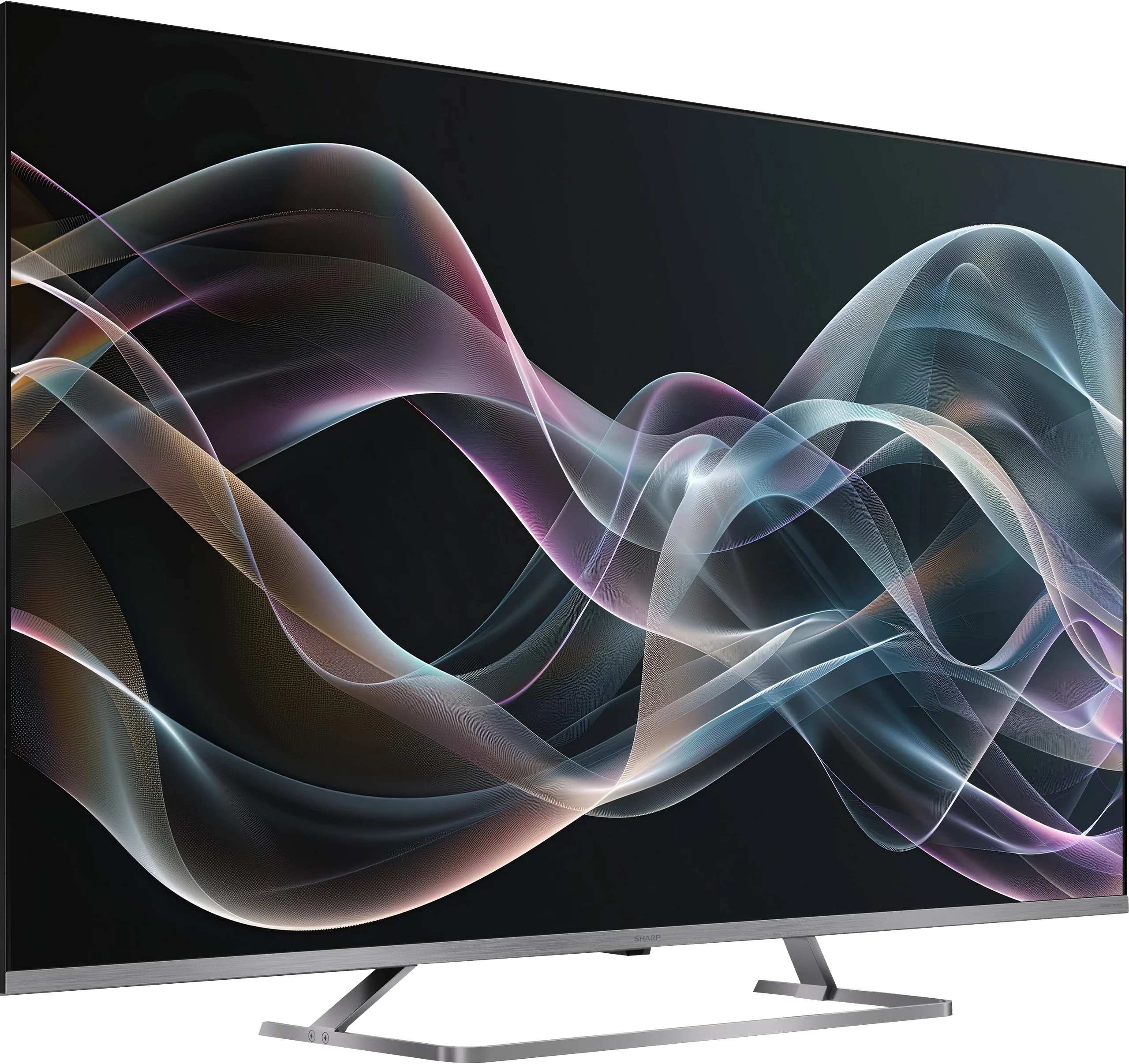
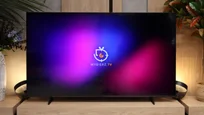
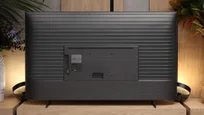
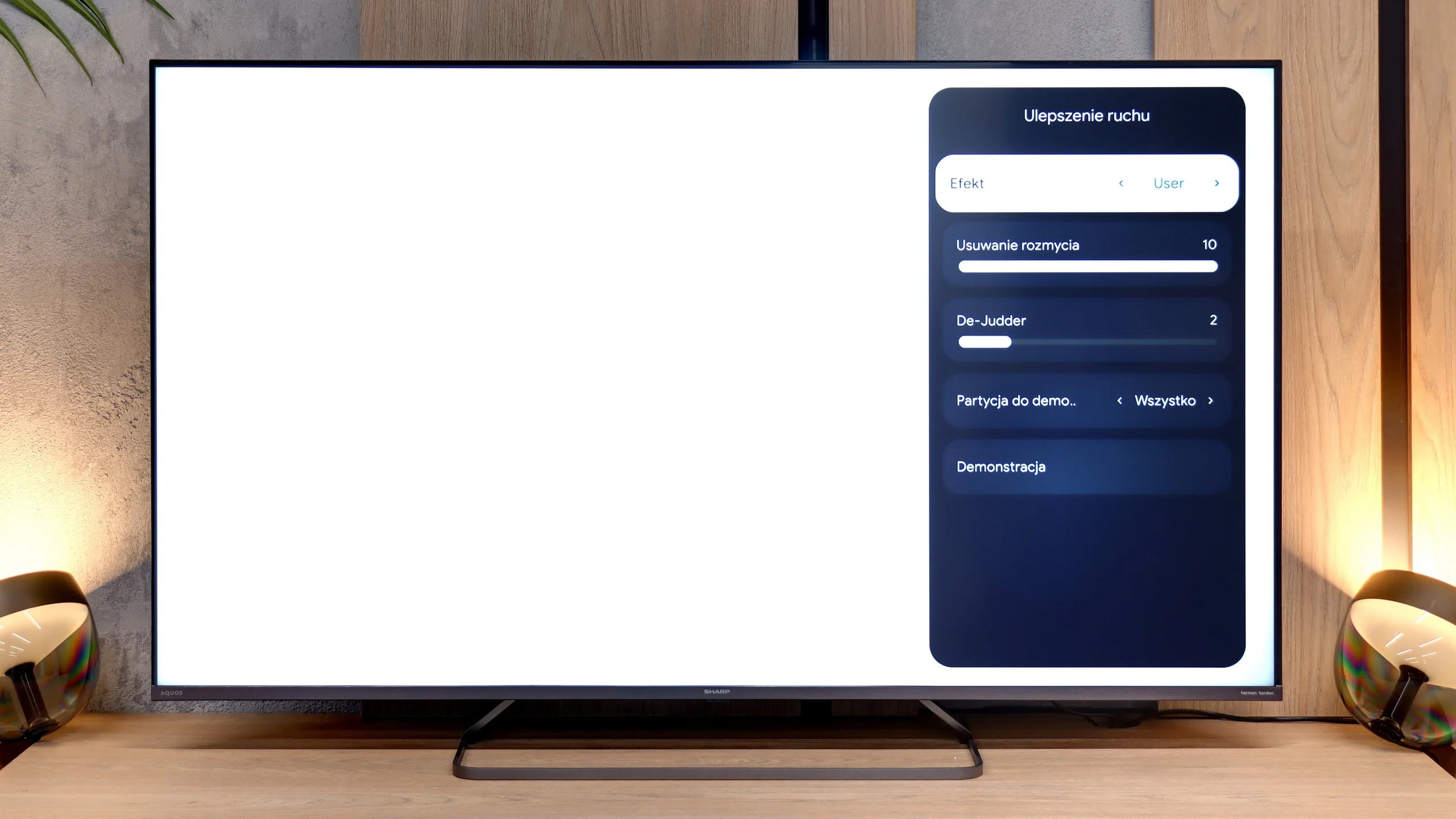
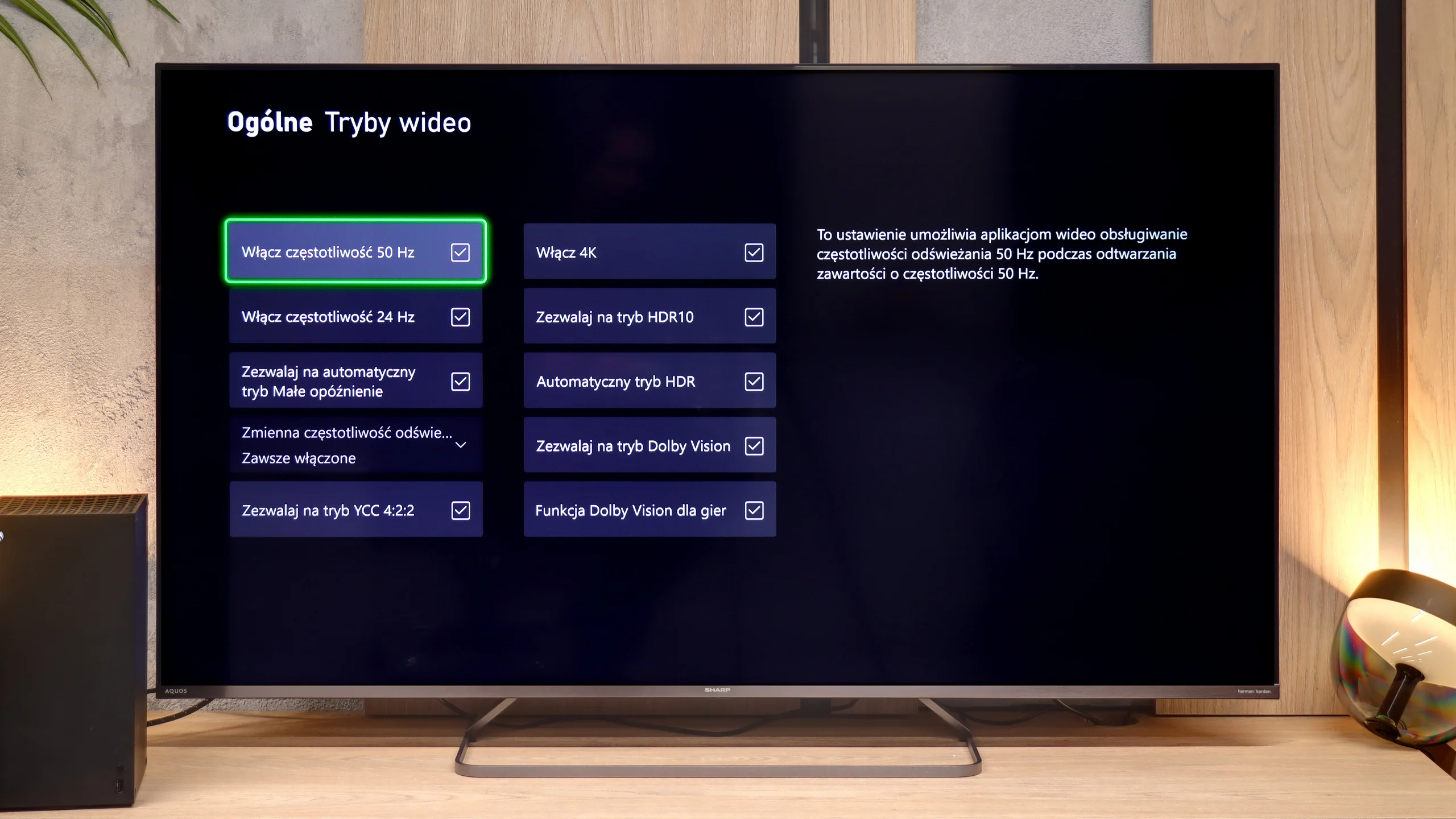
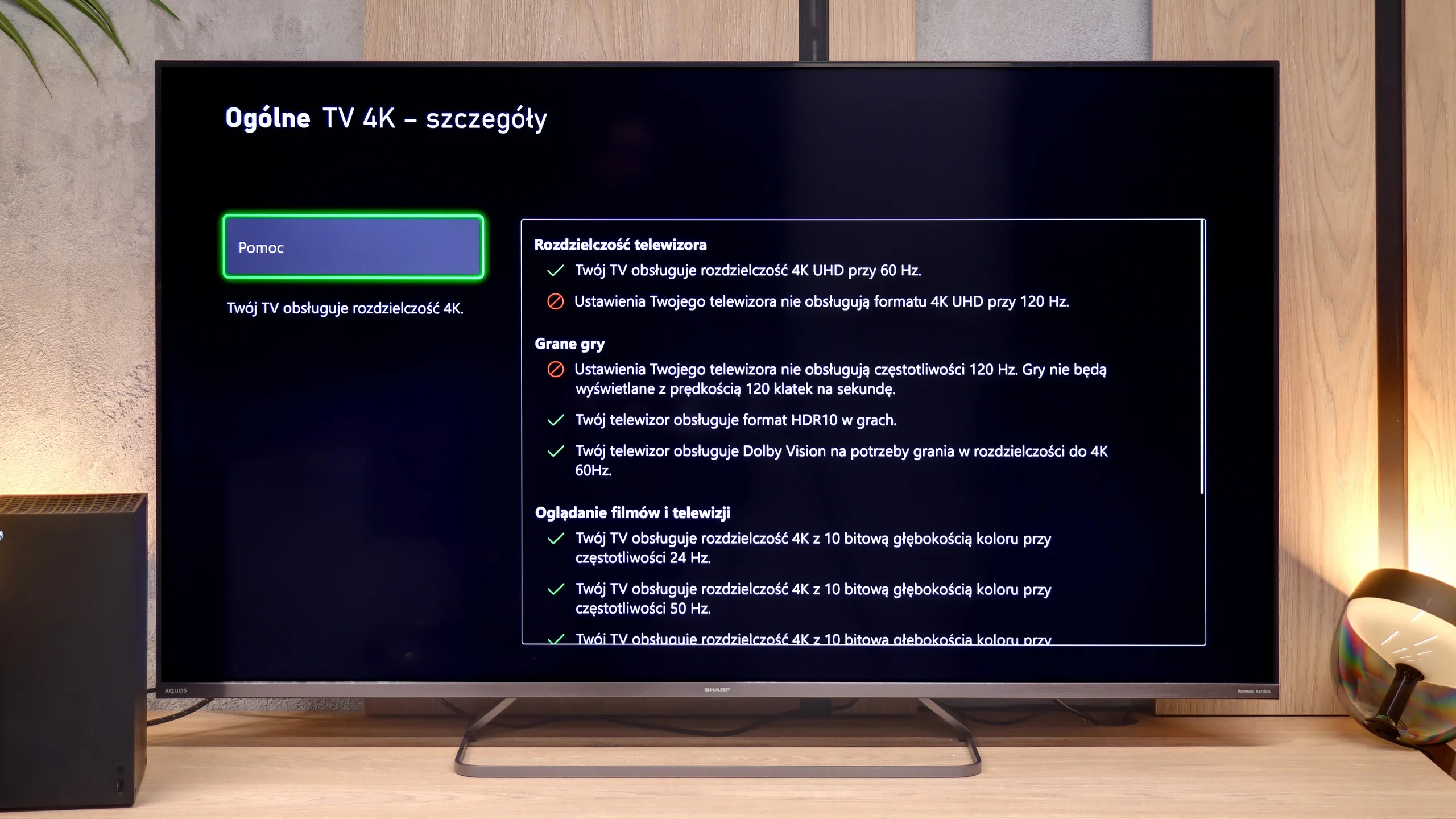
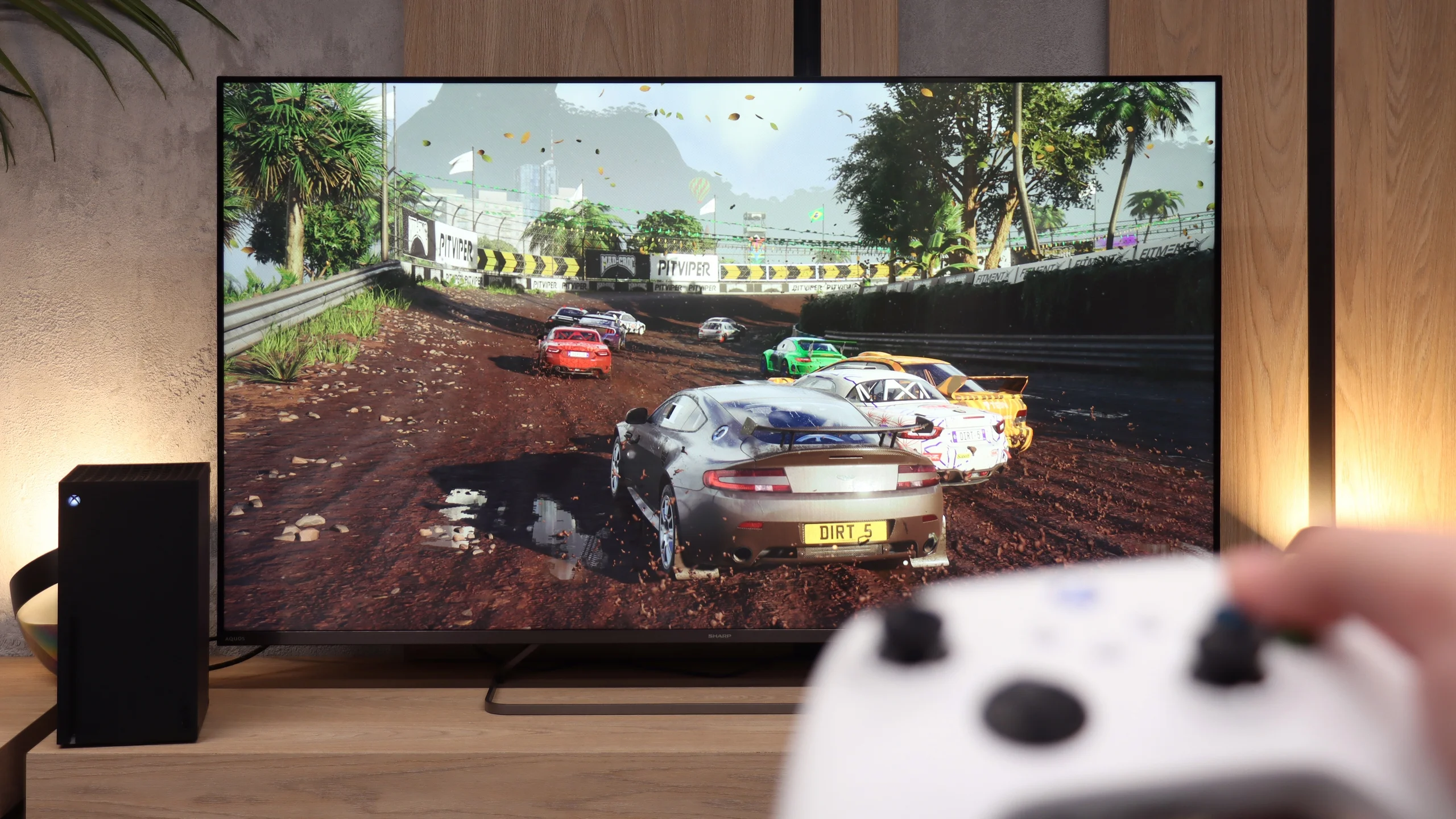
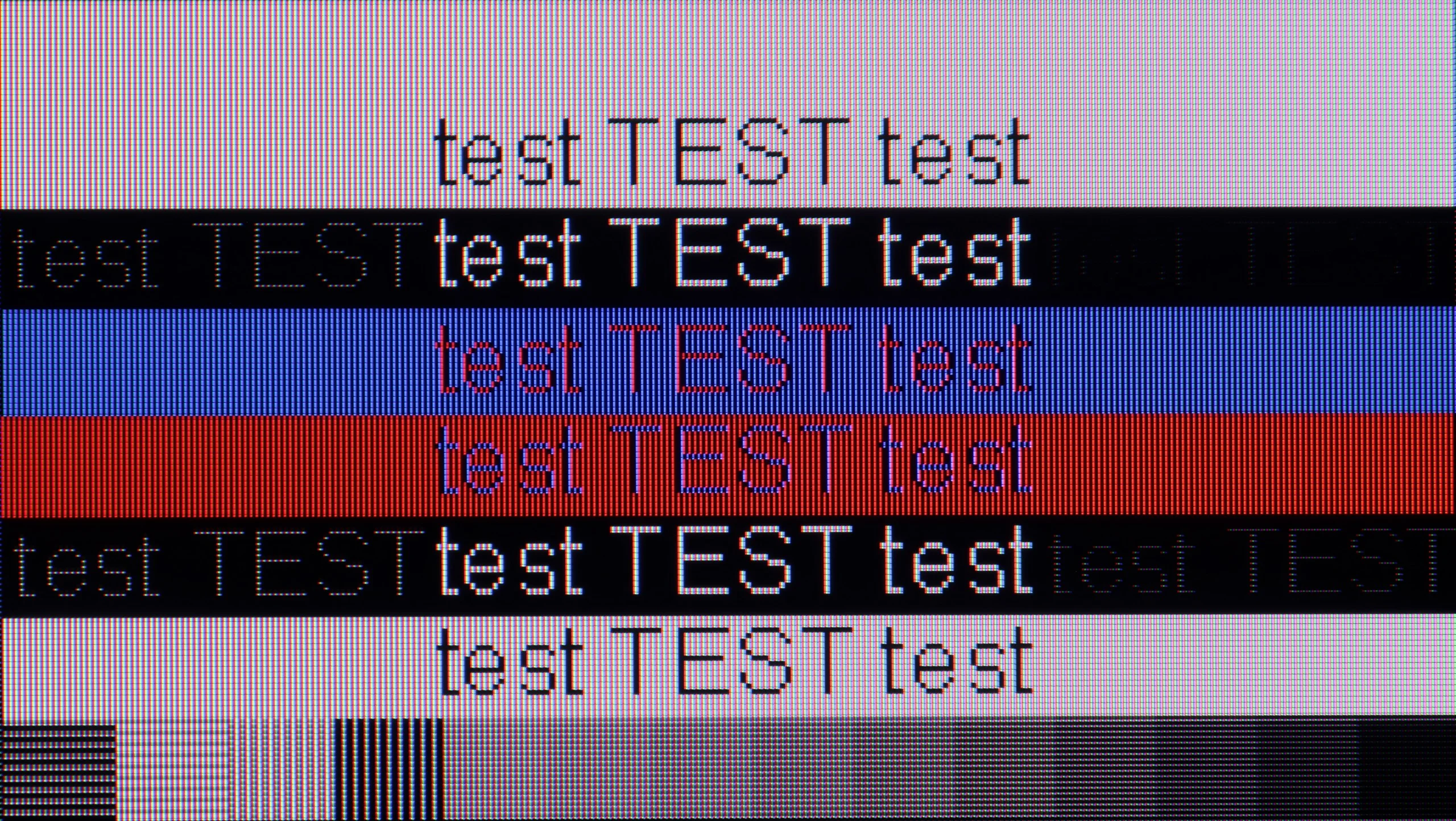
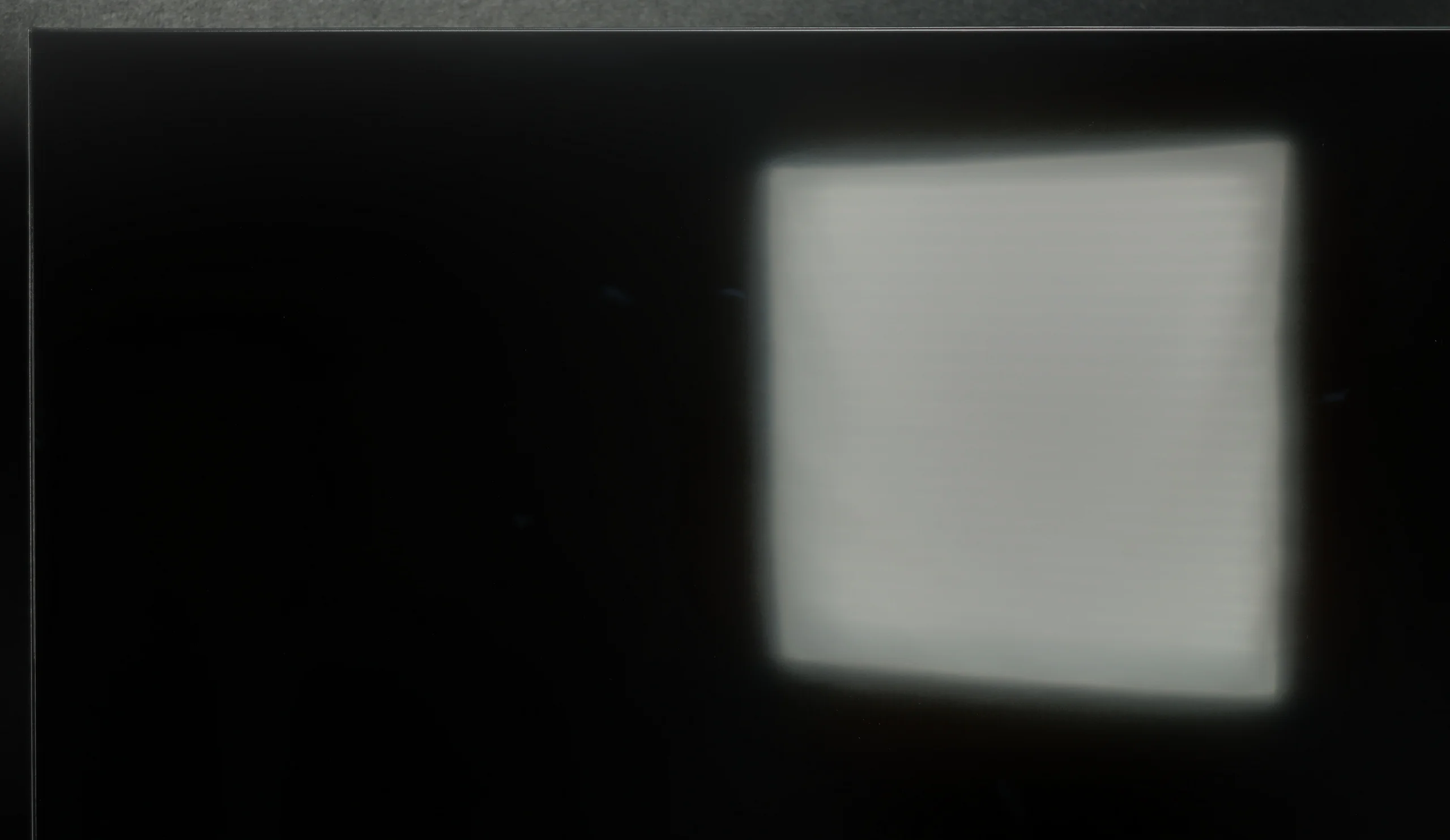
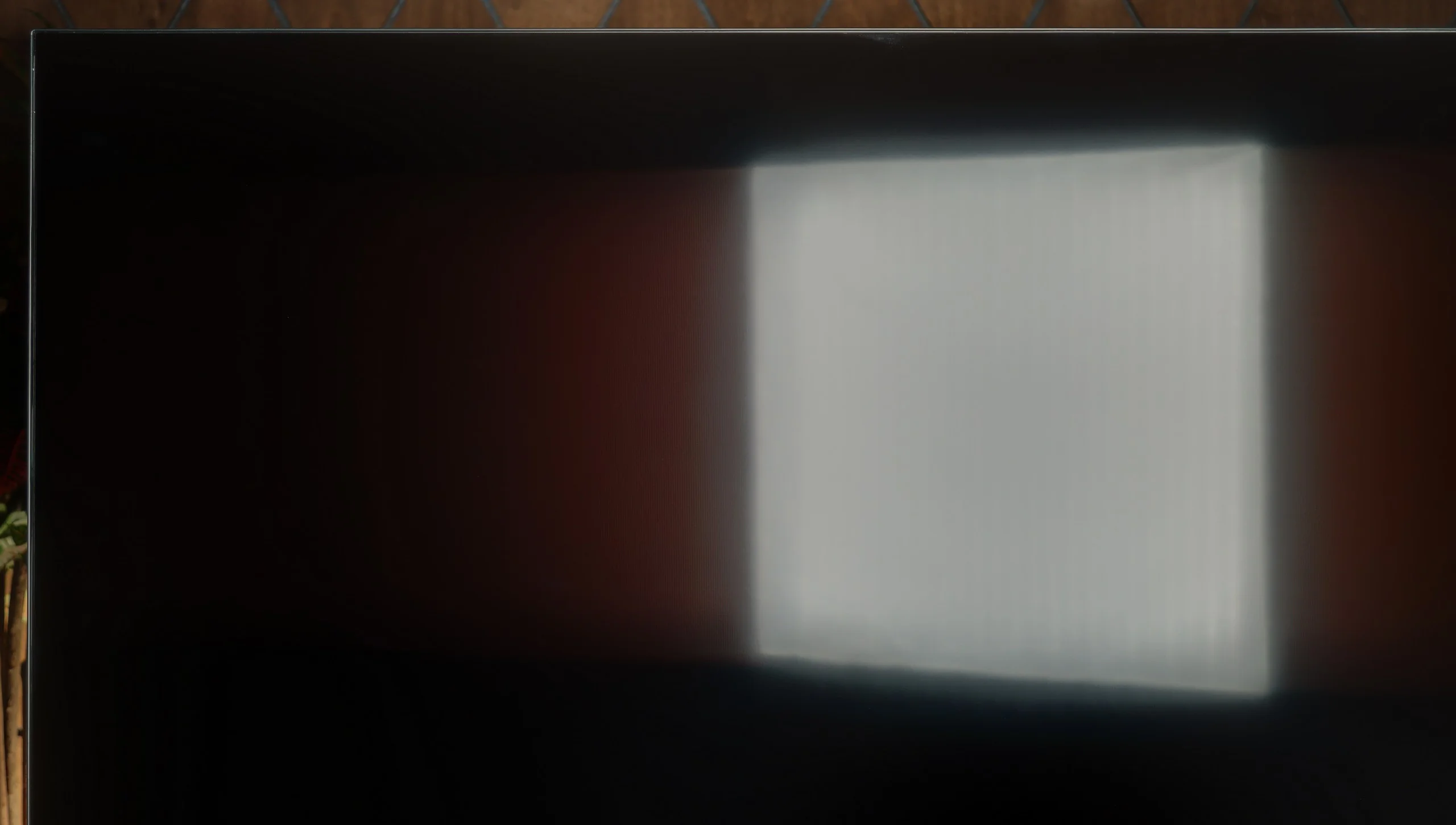
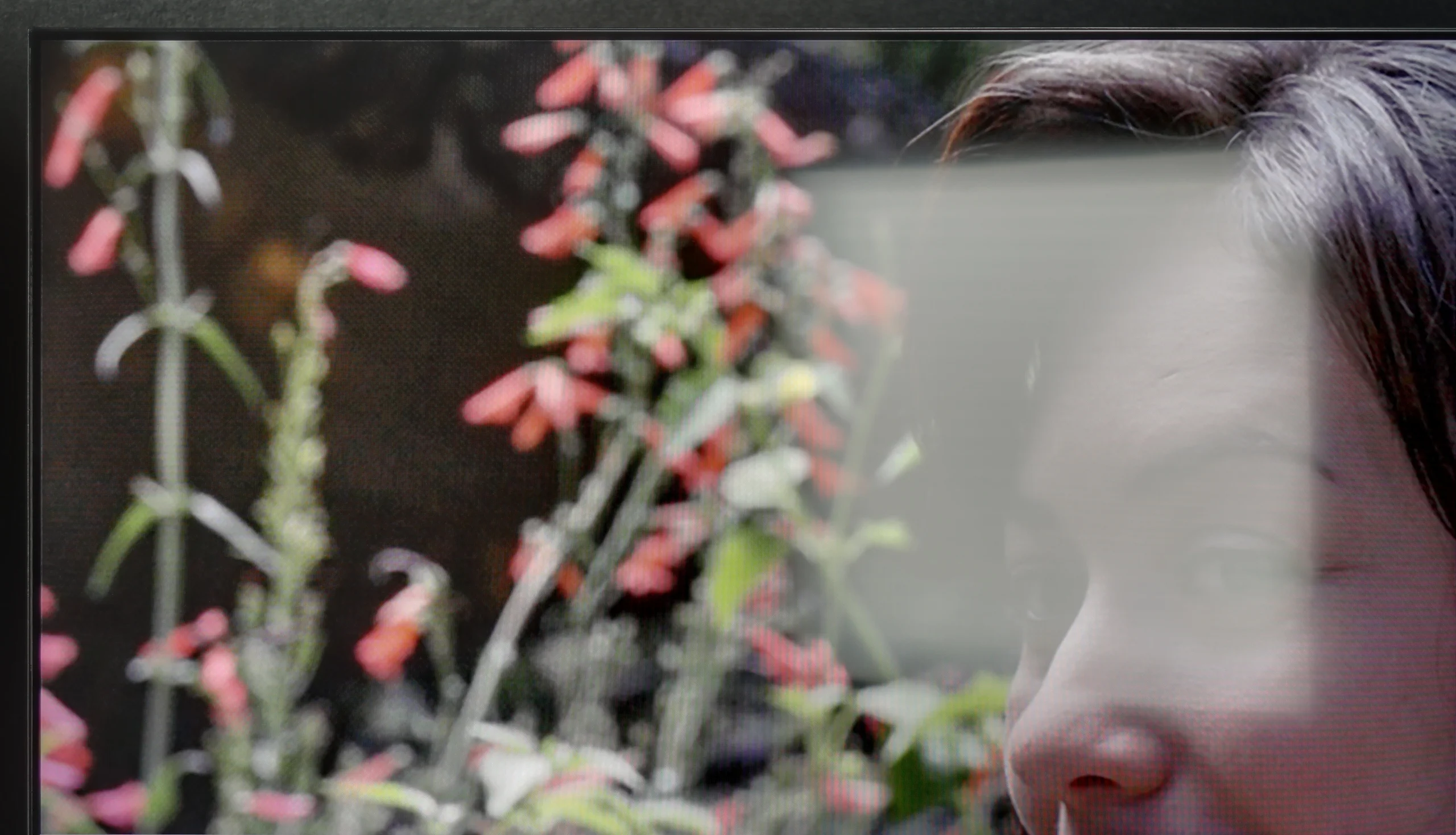
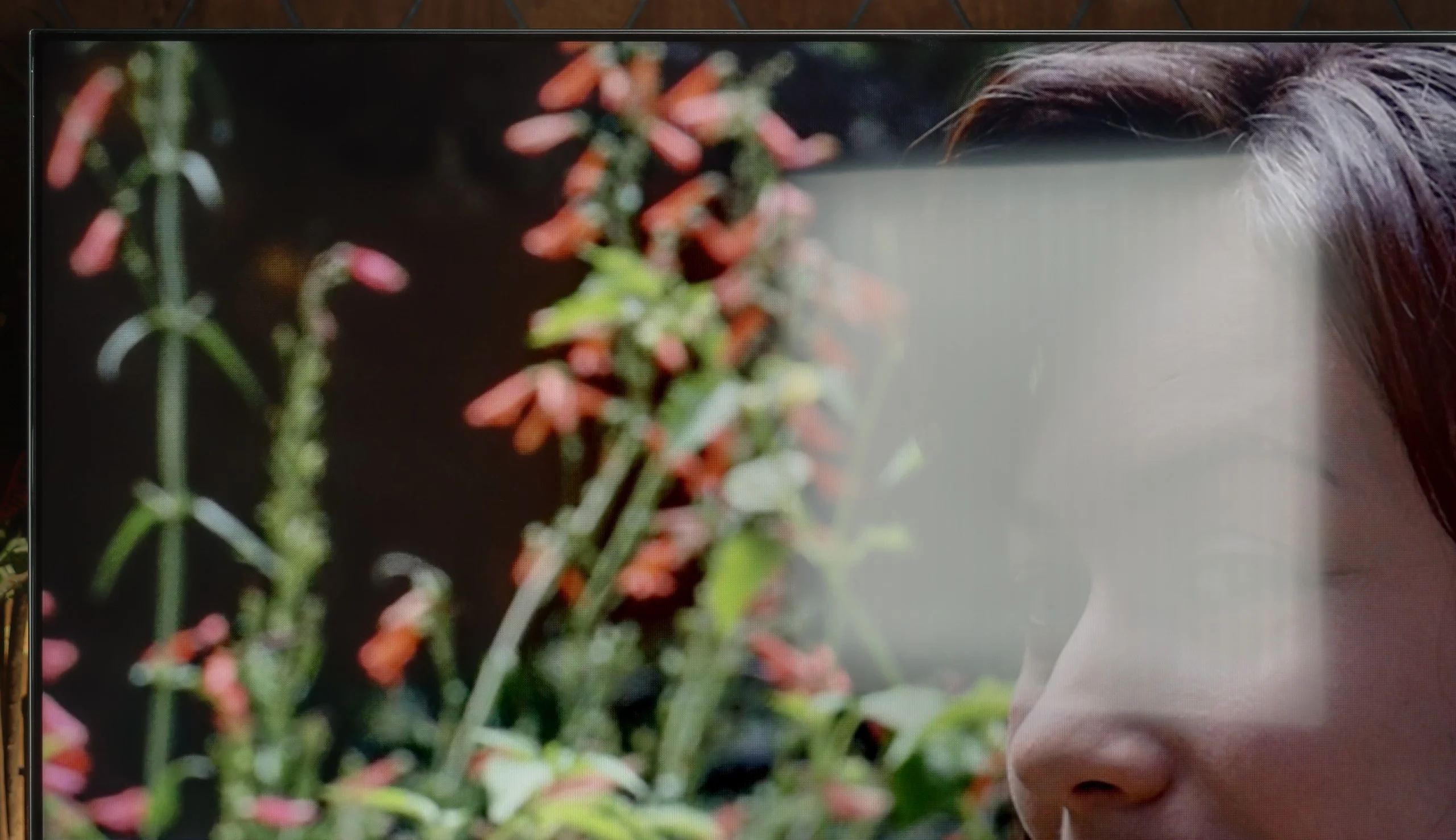
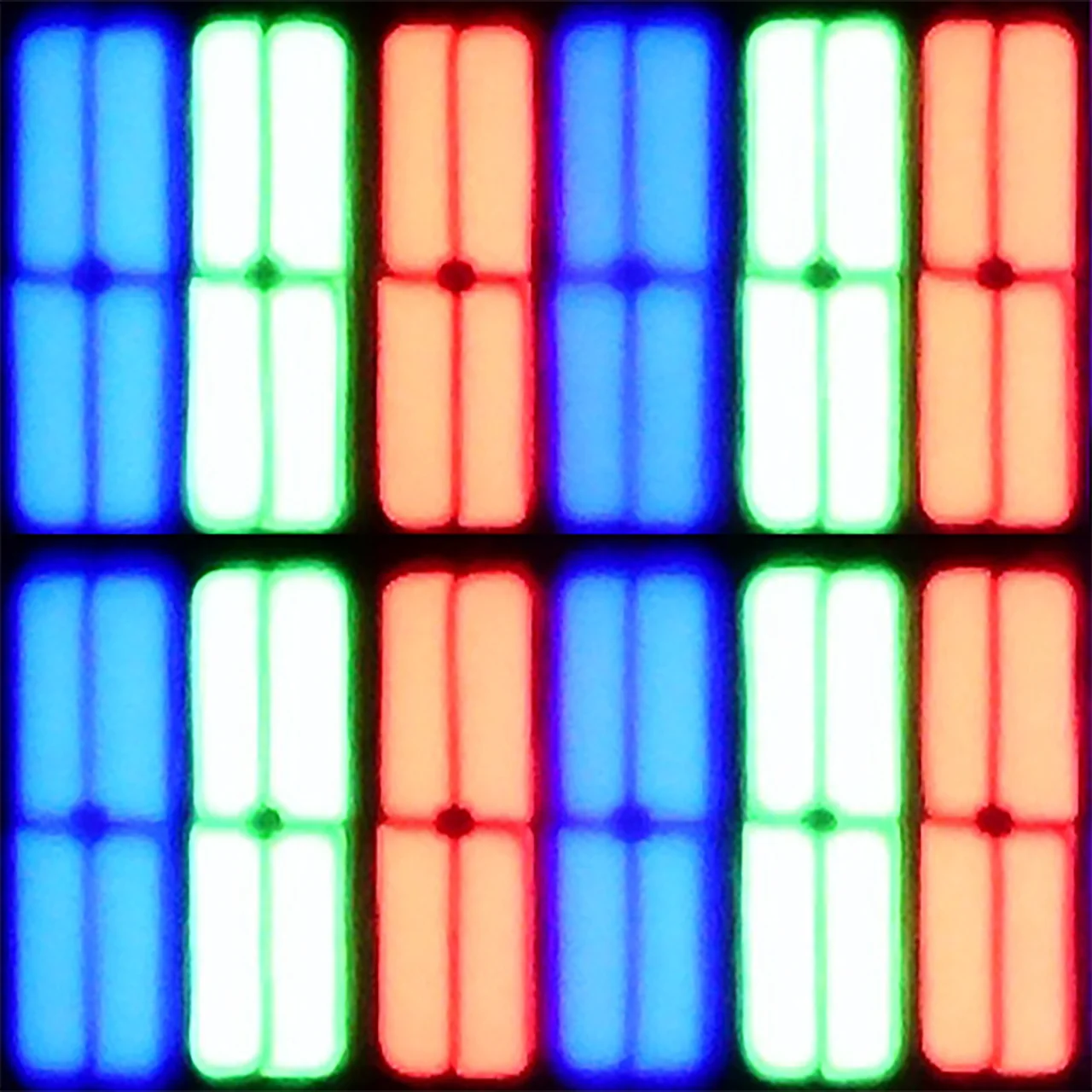
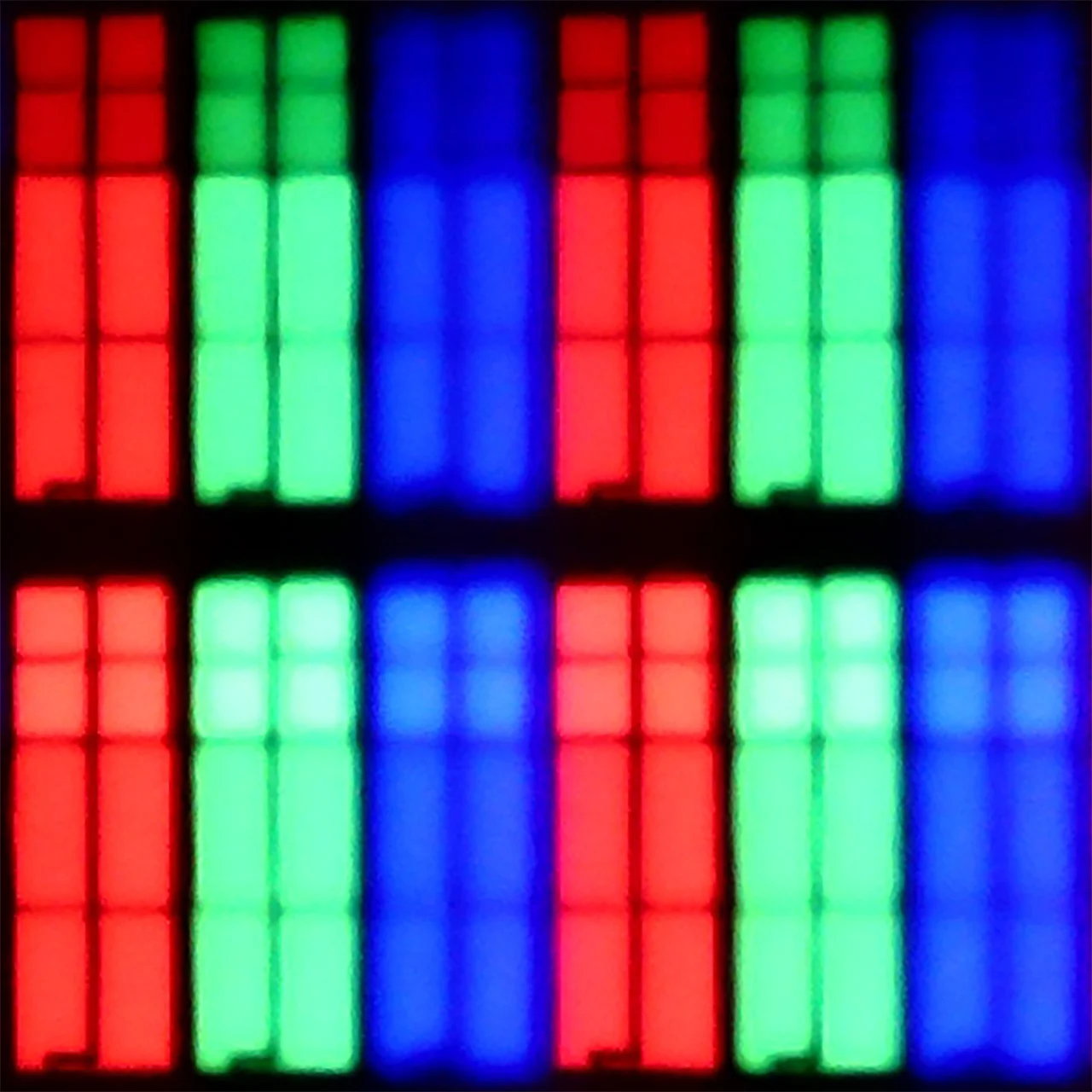
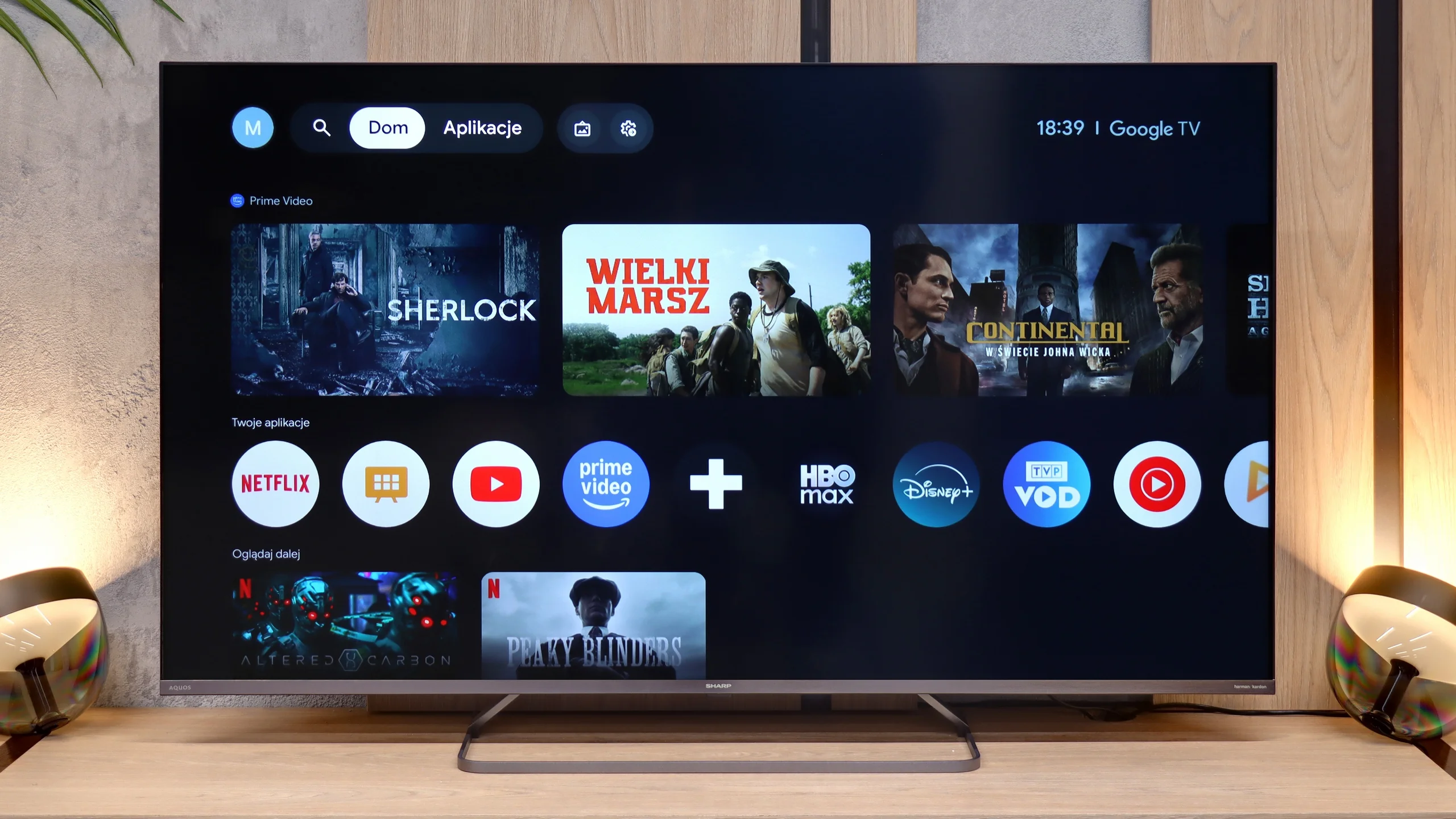
Sharp JP7765 is yet another offering in the market that attempts to prove that Mini-LED technology doesn’t have to cost a fortune. The low price comes hand in hand with an exceptionally high brightness – a peak of 1000 nits in HDR is a result that simply impresses in this price range. Although the proprietary processor doesn’t always manage the backlighting perfectly in demanding scenes, support for Dolby Vision effectively saves the situation. Thanks to dynamic metadata, the picture becomes plastic, deep, and simply attractive to the eye. Adding to this the Google TV system, extreme volume, and the now-rare jack headphone socket, we get a device that is a brilliant option for seniors or less demanding viewers transitioning from a regular, cheap LCD. In such a scenario, the Sharp JP7 presents itself as a really decent and cost-effective choice. However, it must be stated clearly: contrary to marketing slogans, this is not equipment for everyone. Gamers or sports fans will definitely not find themselves here. The biggest drawback of the JP7765 model is the slow, 60-hertz panel and significant motion blur, which essentially disqualifies this television for watching dynamic matches or playing fast-paced titles. The picture loses sharpness during rapid movements to such an extent that for a football or racing fan, it may be an unacceptable barrier.
So, for whom is the Sharp JP7765? It is a sensible choice for budget-conscious individuals who do not have high demands regarding motion fluidity but value a “kick” of brightness. By choosing the Sharp JP7, you will definitely make a better deal than purchasing basic (non-dimming) televisions from the competition. Rivals typically offer ordinary LCD panels for a similar price, which cannot compete with the capabilities of even such a basic Mini-LED model as the JP7. Ultimately, it comes down to a simple arrangement: you accept lower motion fluidity in exchange for powerful brightness, which is hard to find from other manufacturers at this price.
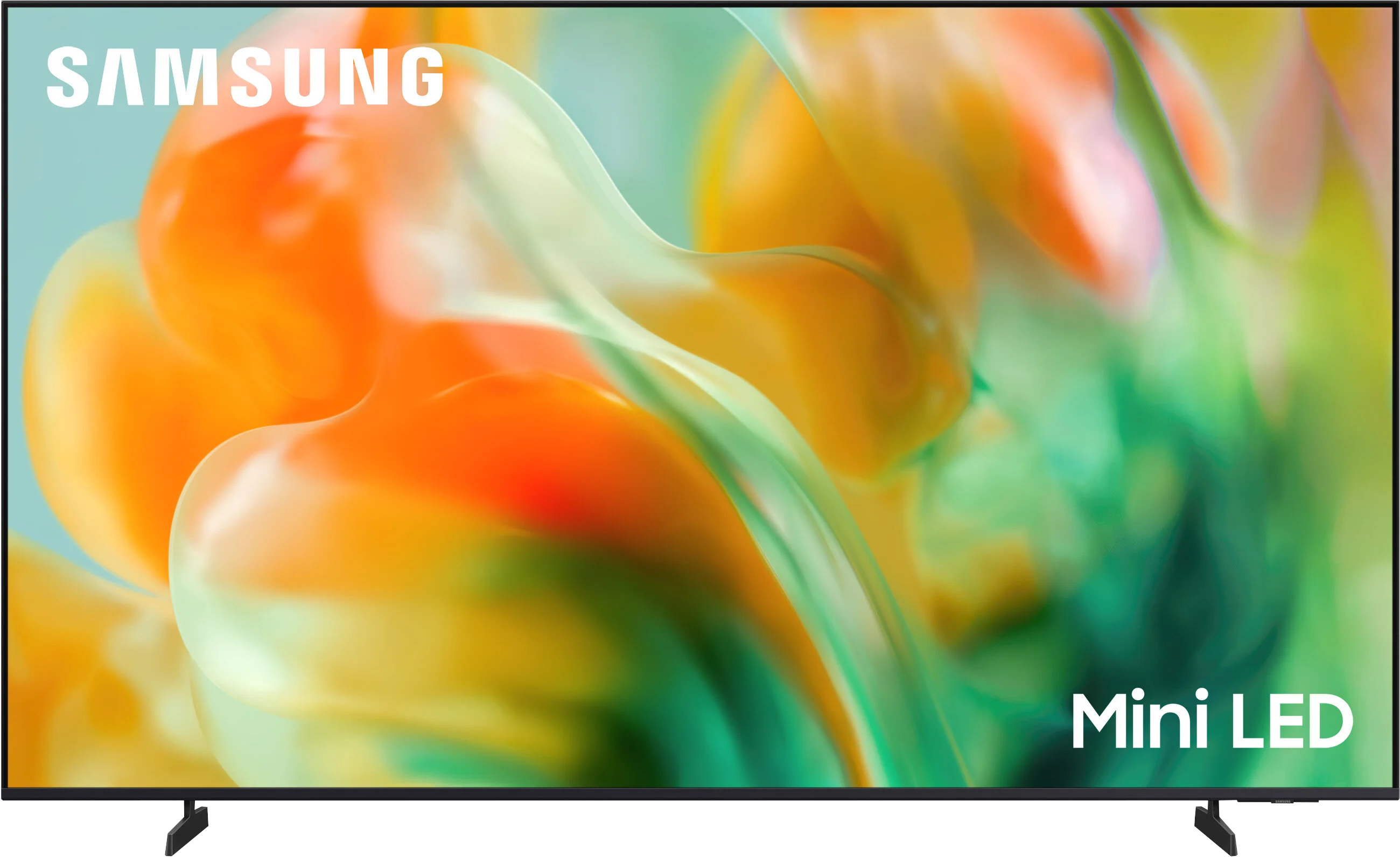
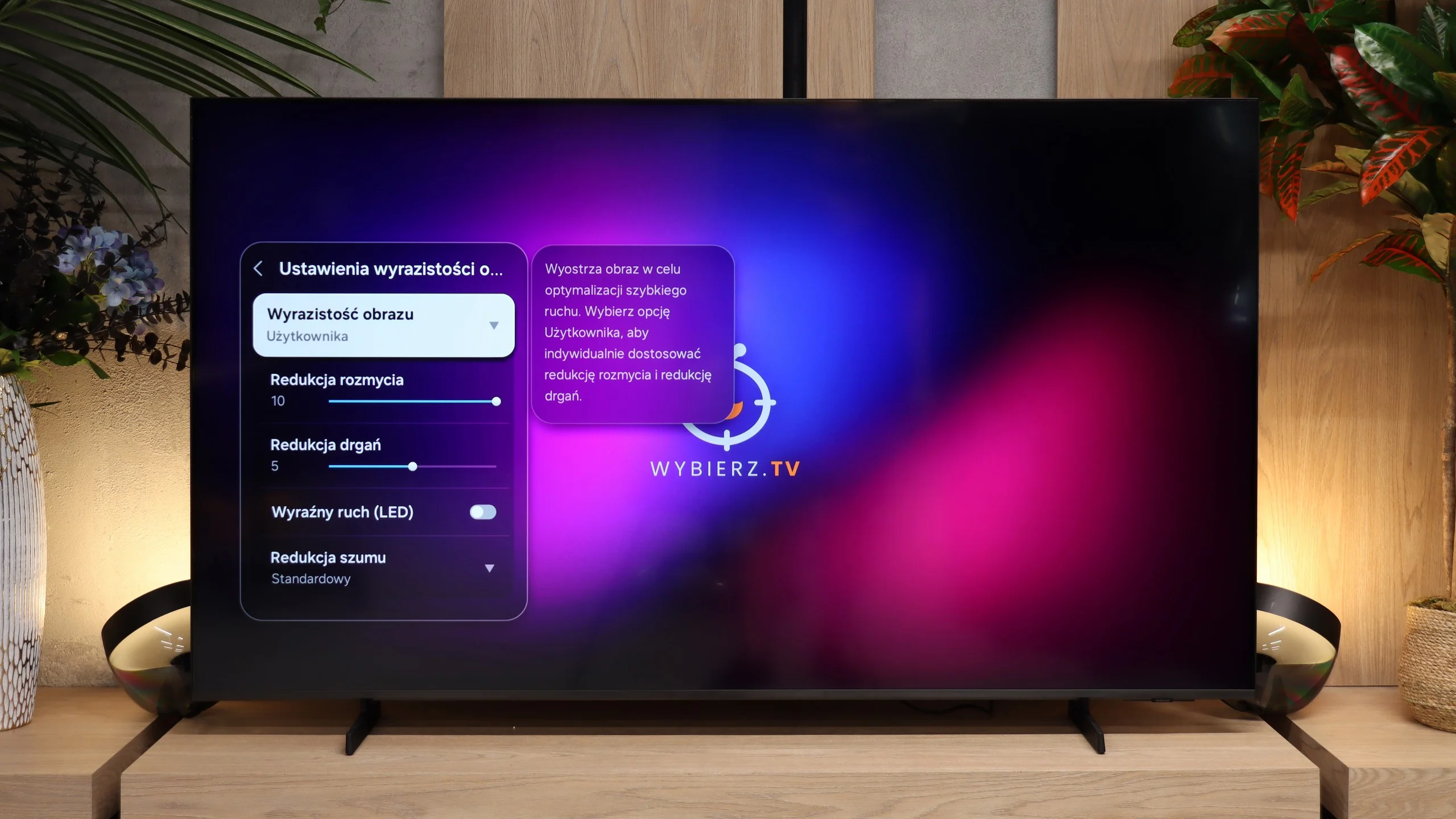
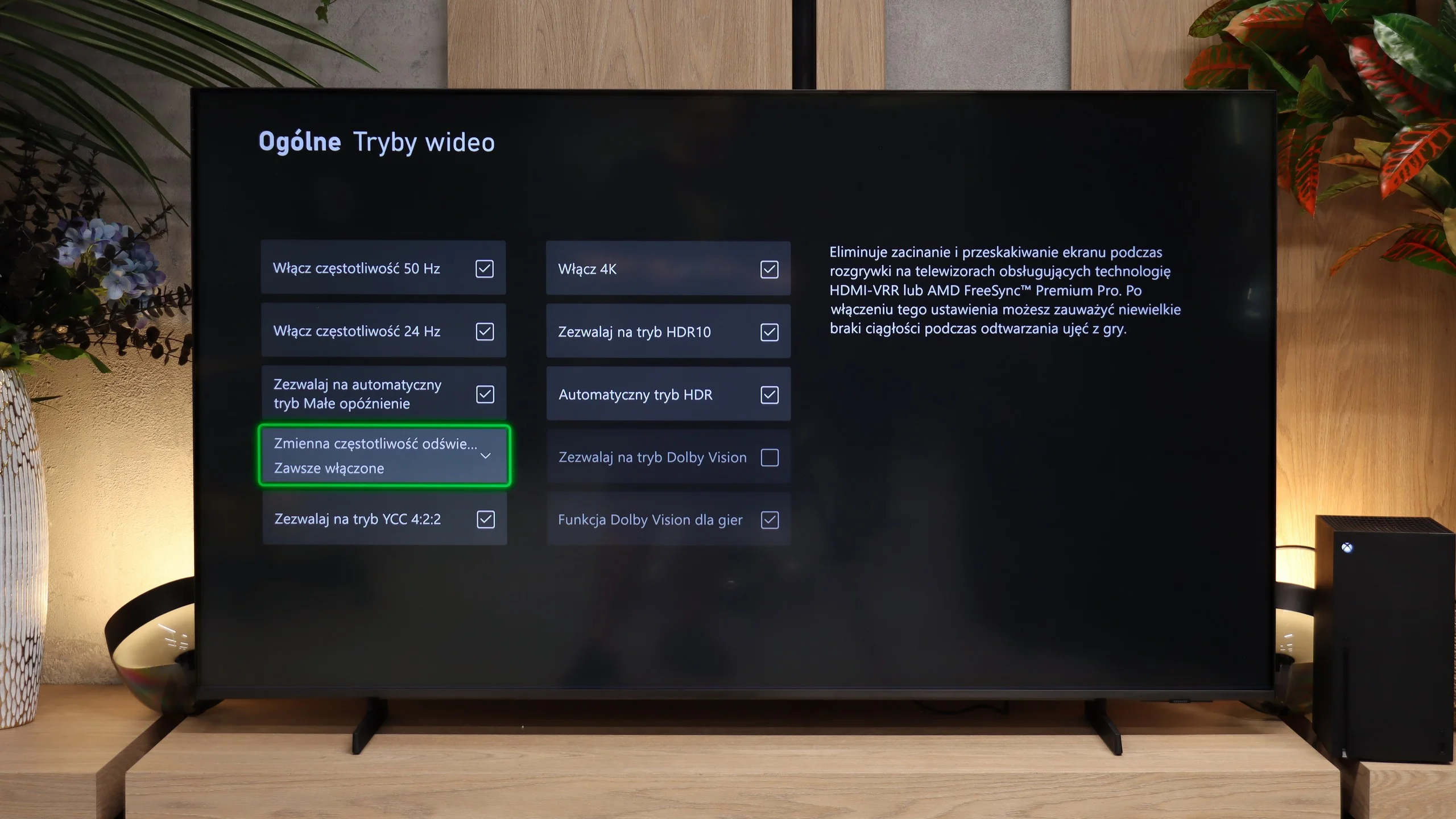
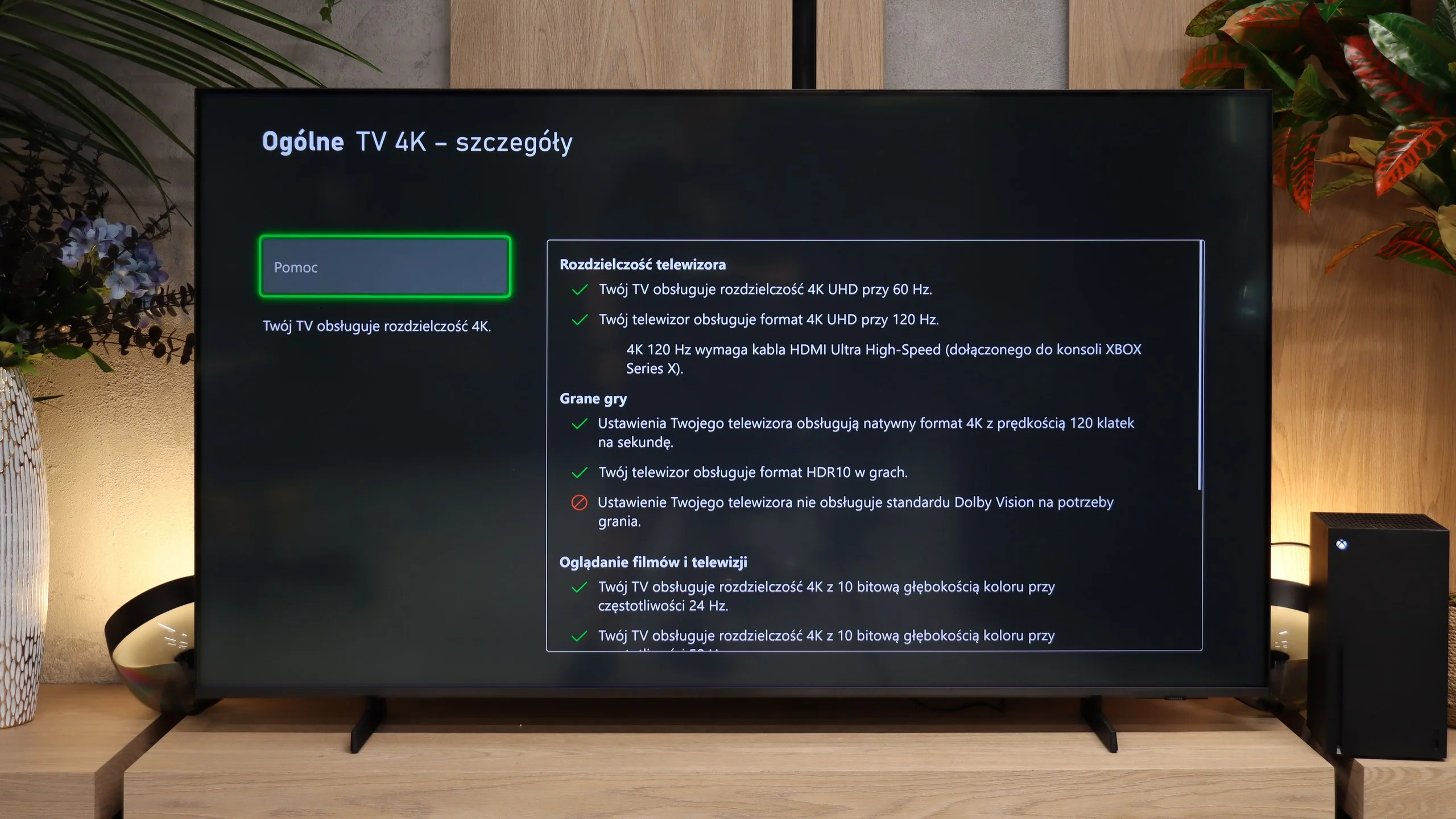
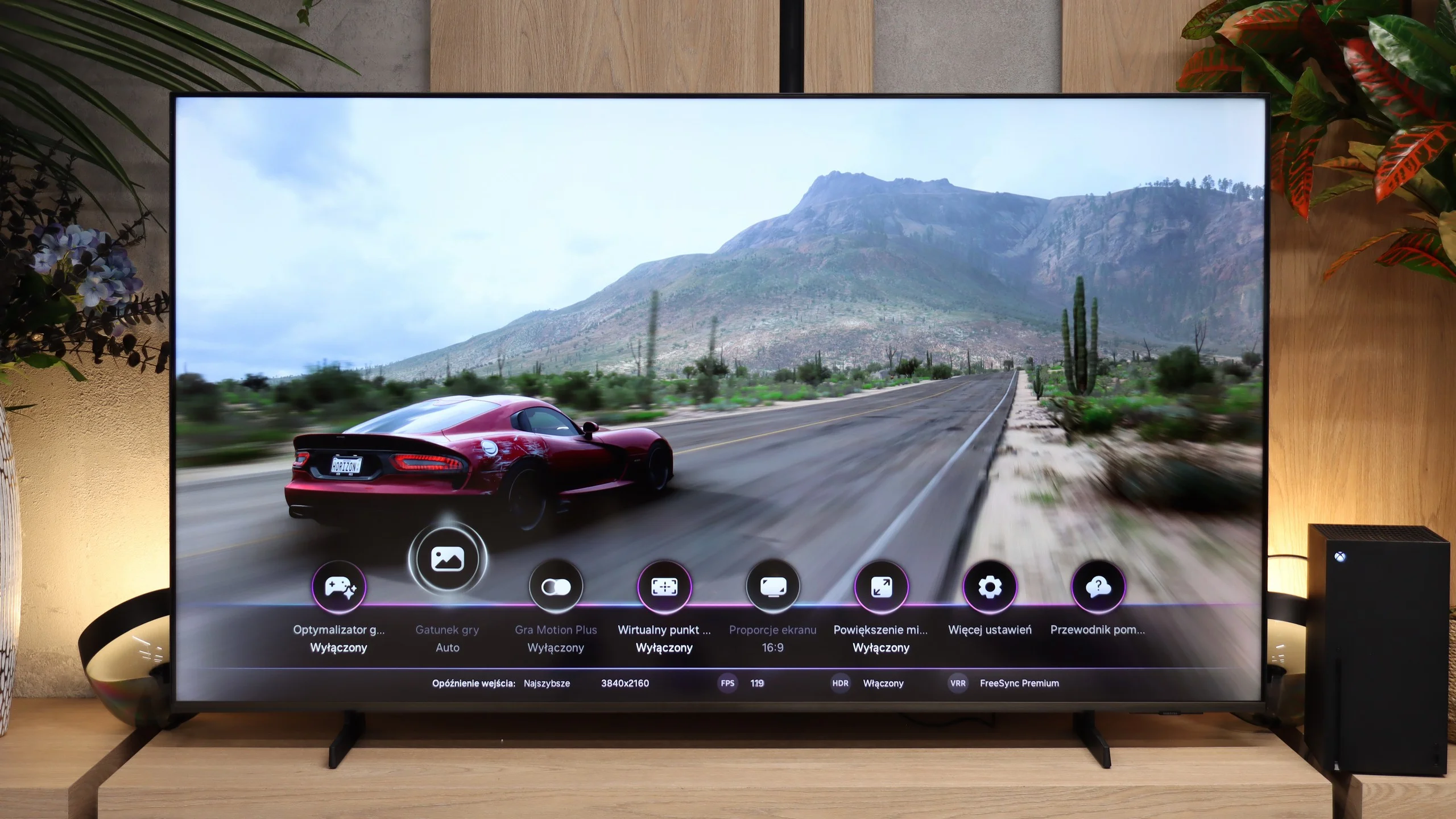
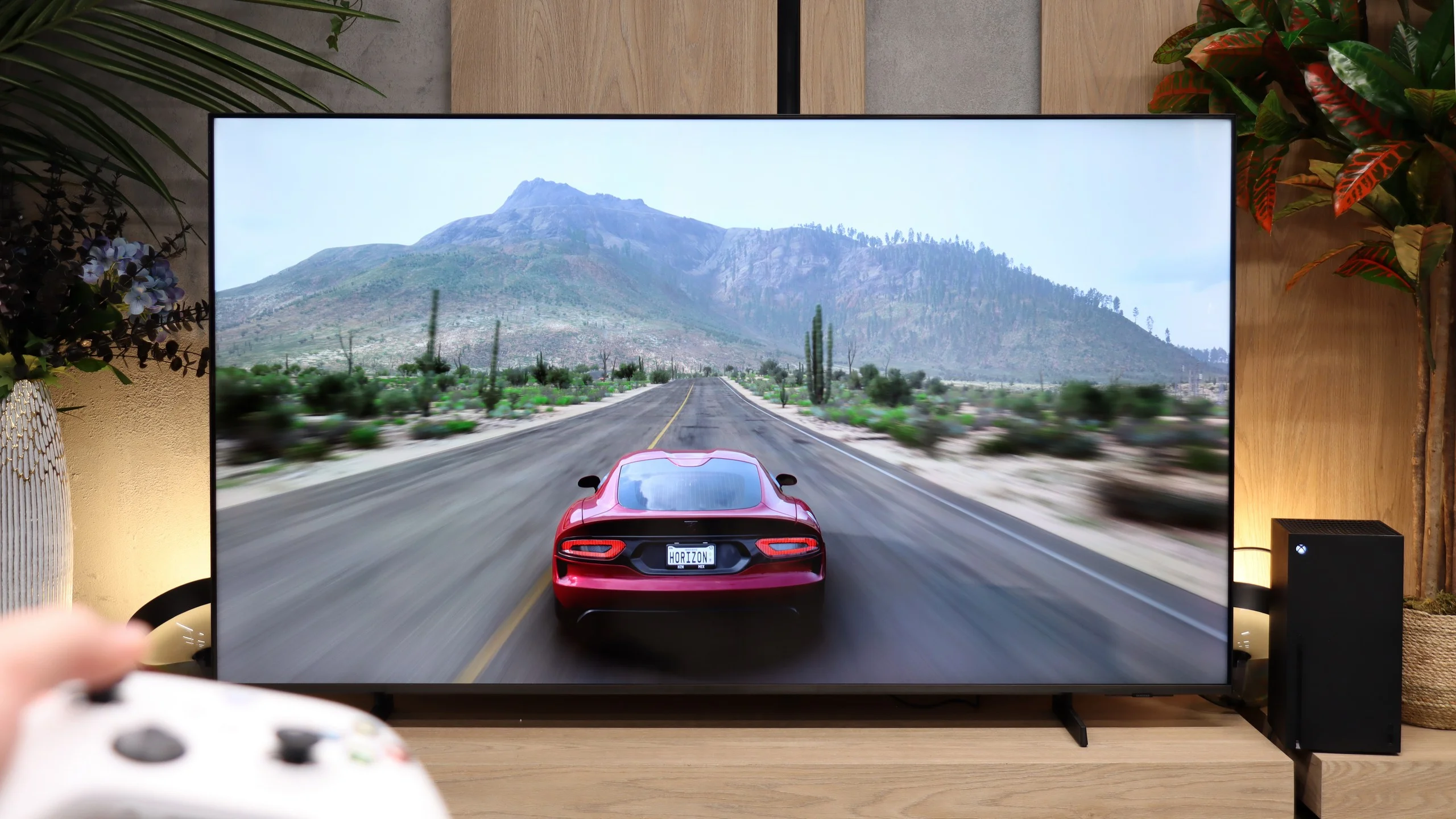
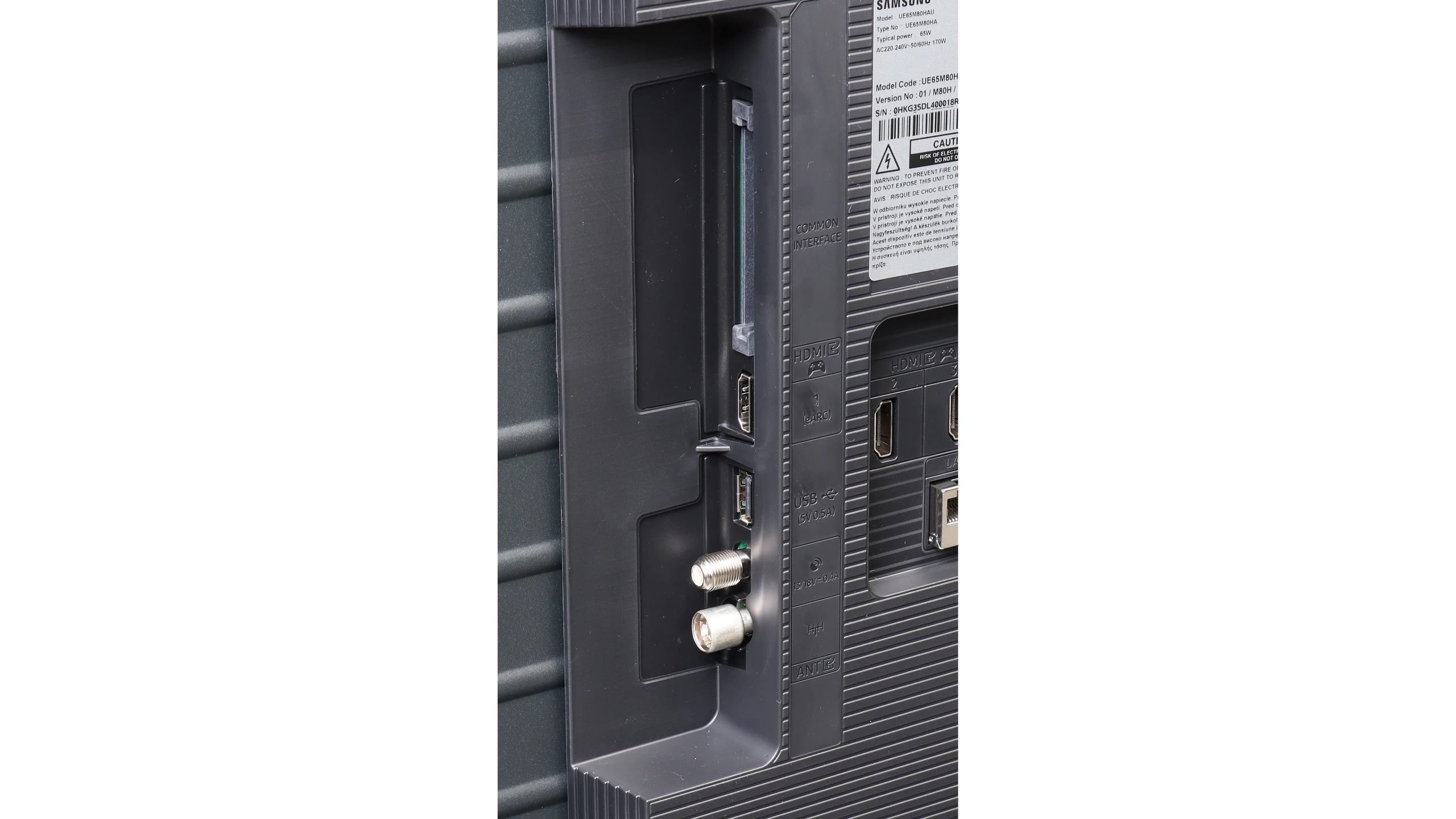
The M80H shows its strengths where motion matters most. A fast panel, refresh rate up to 144 Hz and relatively low motion blur mean sport and fast-paced games look really good on it. In this respect the TV can even outclass some much more expensive Samsung LCD models. Gamers also get low input lag, three full-bandwidth HDMI 2.1 ports and Game Motion Plus, which can improve the smoothness of games running at 30 or 60 frames per second. When connected to a PC you can also use a 240 Hz refresh rate, although only at Full HD. A considerable advantage of the M80H is the NQ4 AI Gen2 processor, until recently used in Samsung’s higher-tier ranges. It handles lower-resolution material well and can improve the appearance of weaker sports broadcasts or heavily compressed recordings. The additional picture-enhancing features do produce a noticeable effect, though at higher settings their action becomes too strong and starts to interfere with the natural look of the image. Even so, they are worth counting as positives, because in the cheapest TVs similar solutions often have far less impact.
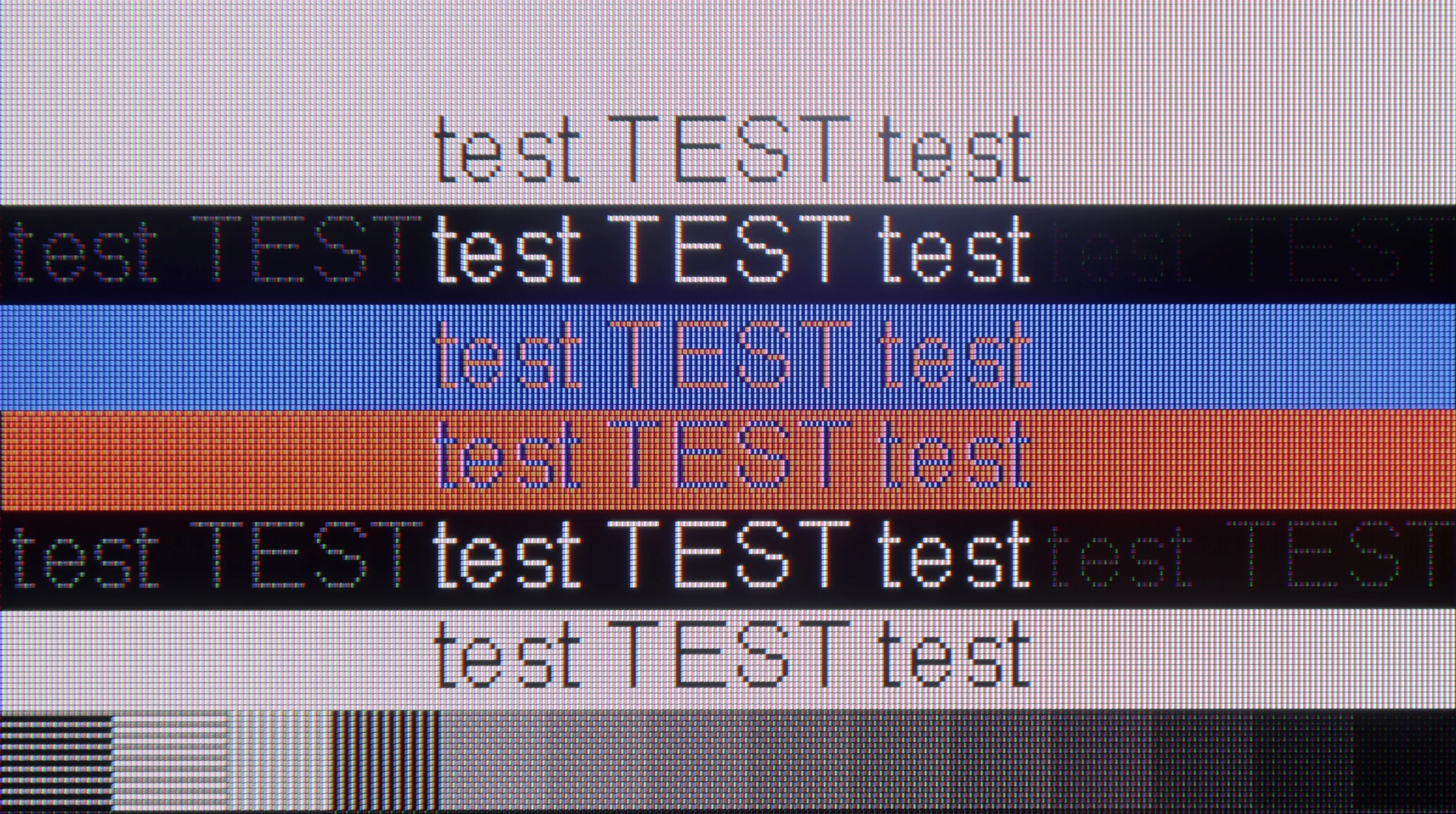
The biggest objection, however, is calling the M80H a Mini-LED television. There is no local dimming here, the feature that usually accounts for this technology’s main advantage. A peak brightness of around 350 nits also does not allow for particularly impressive HDR. In terms of picture quality the M80H therefore sits much closer to basic LCD TVs than to more elaborate Neo QLED models such as the QN80H. That does not mean films look bad on it. The VA panel provides decent contrast and the PFS filter delivers attractive, saturated colours. One should be aware, however, that the lack of local dimming clearly limits the TV’s picture-quality capabilities. The M80H is therefore not a model that reveals the full potential of Mini-LED backlighting.
It will perform much better in the hands of a gamer or a sports fan for whom panel speed, low input lag and extensive gaming features are the priorities. If its price remains noticeably lower than models equipped with local dimming, that compromise could be a perfectly sensible choice for those users.
 Direct comparison