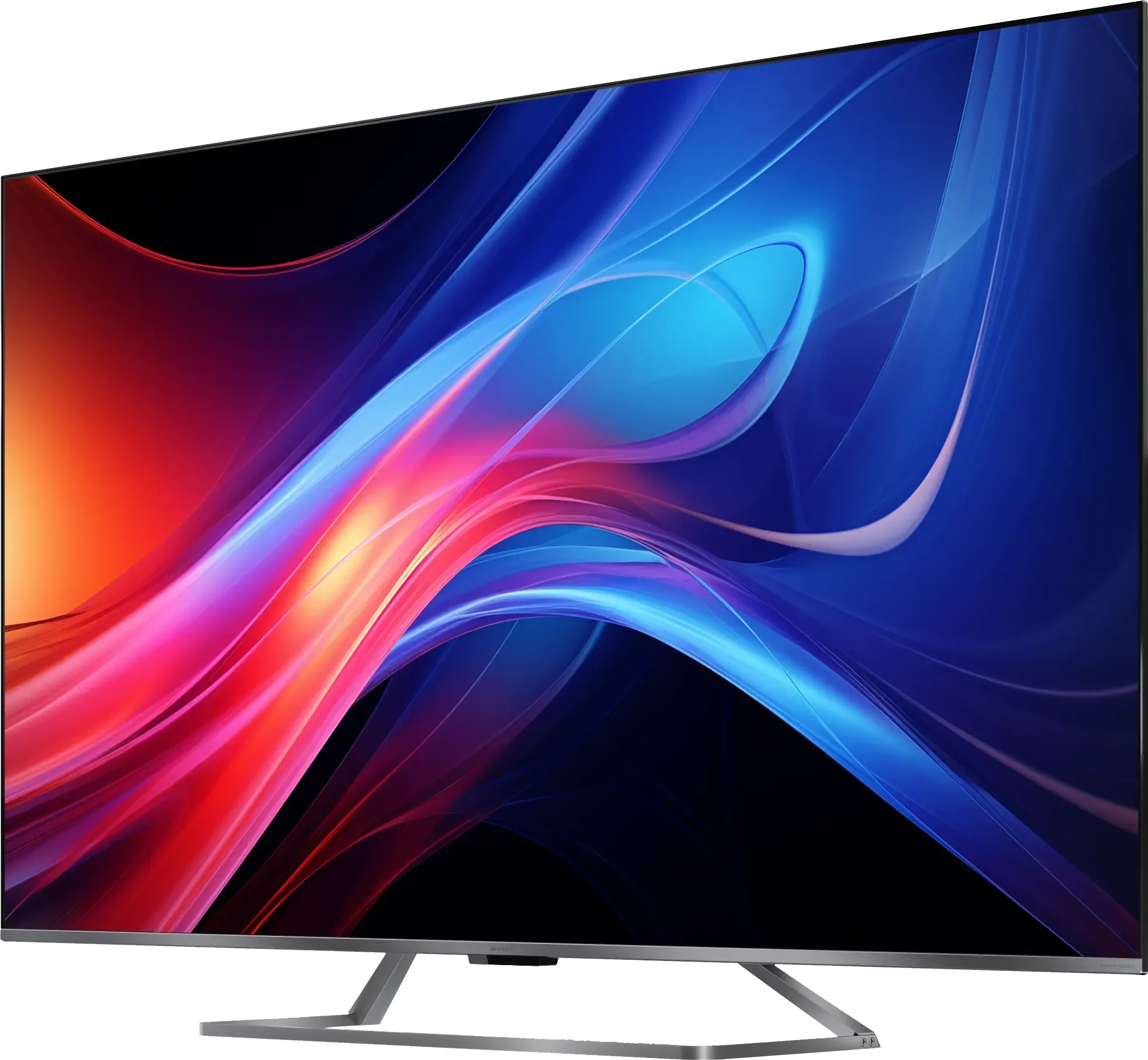
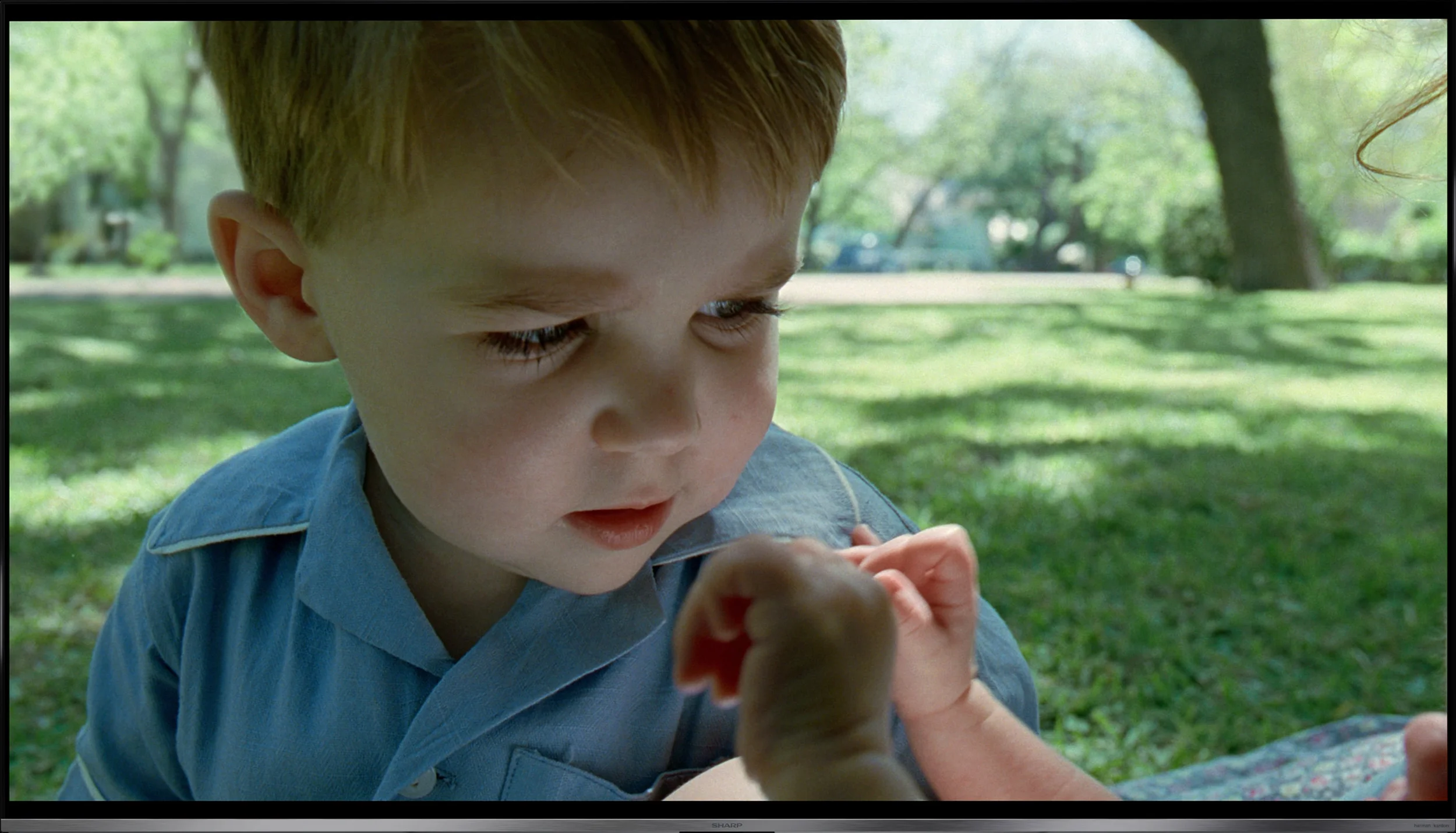
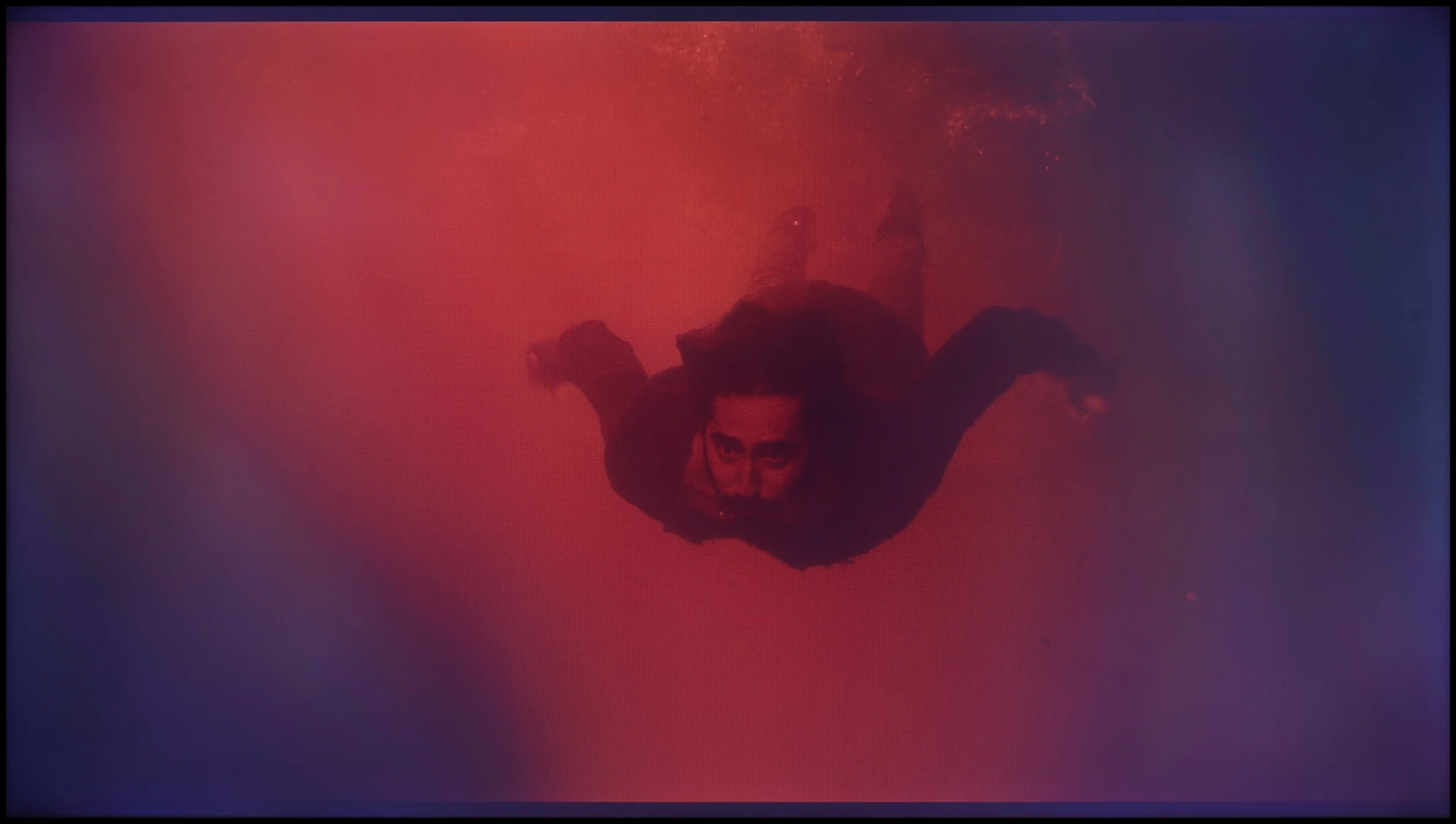
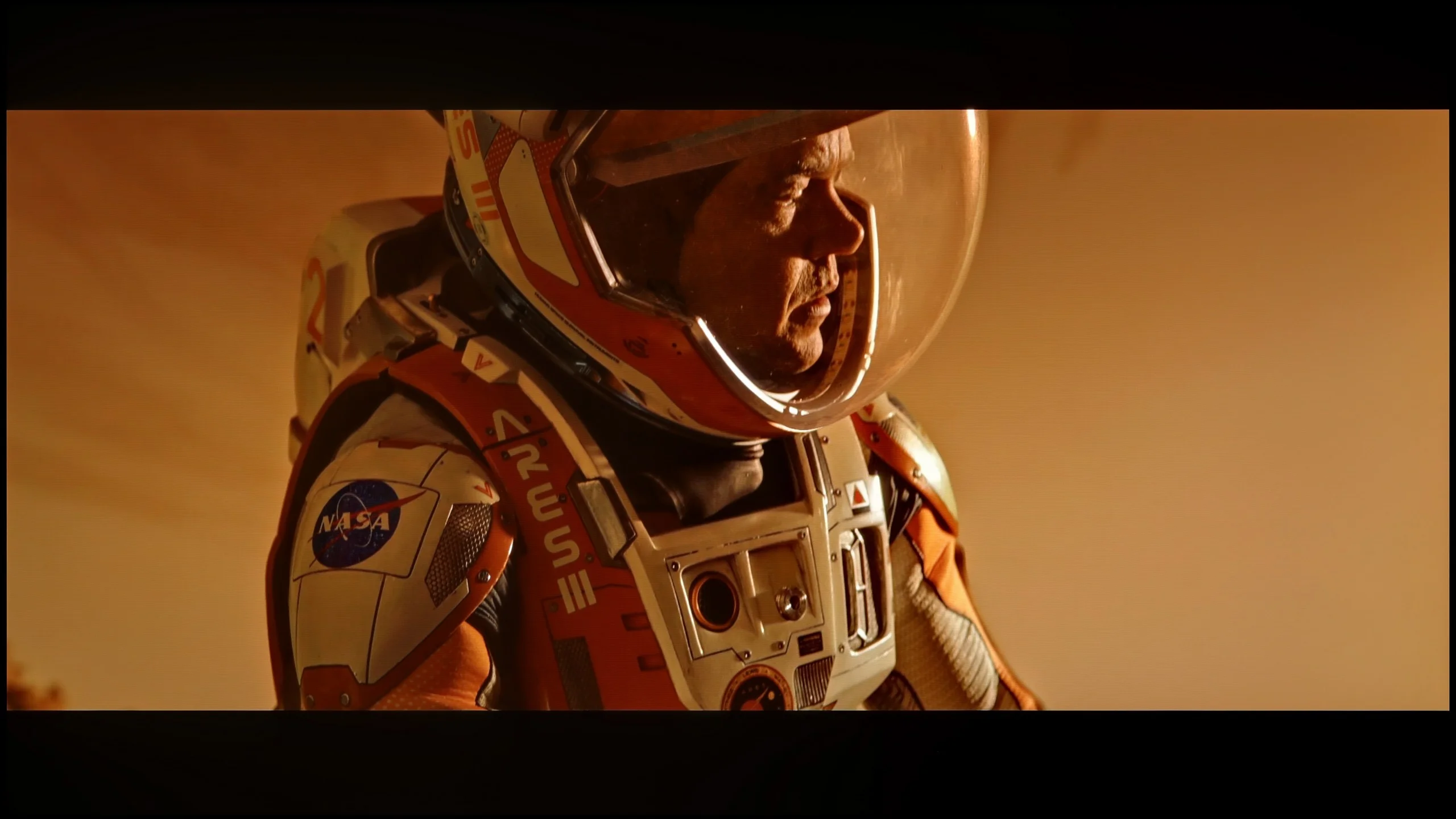
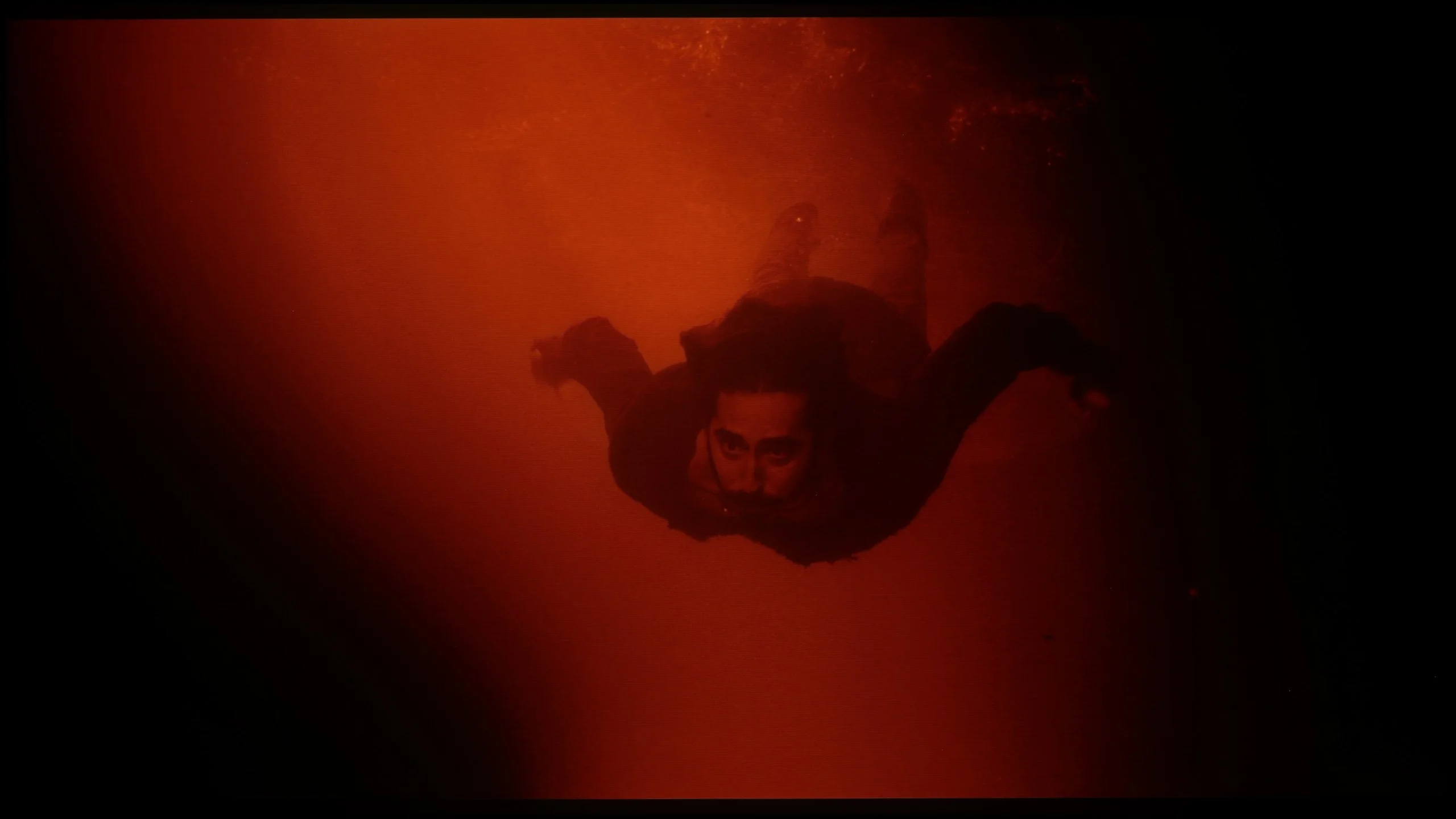
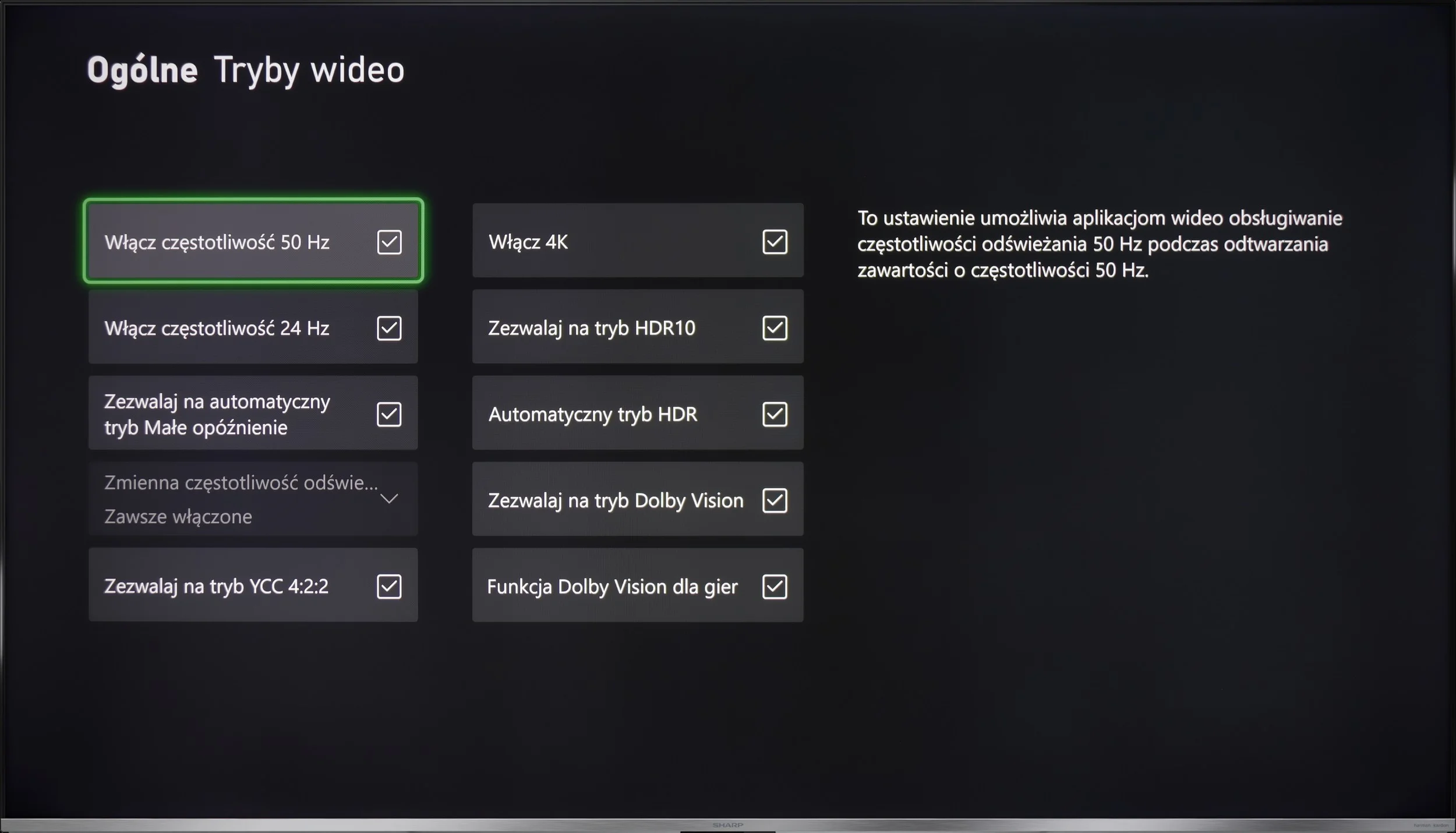
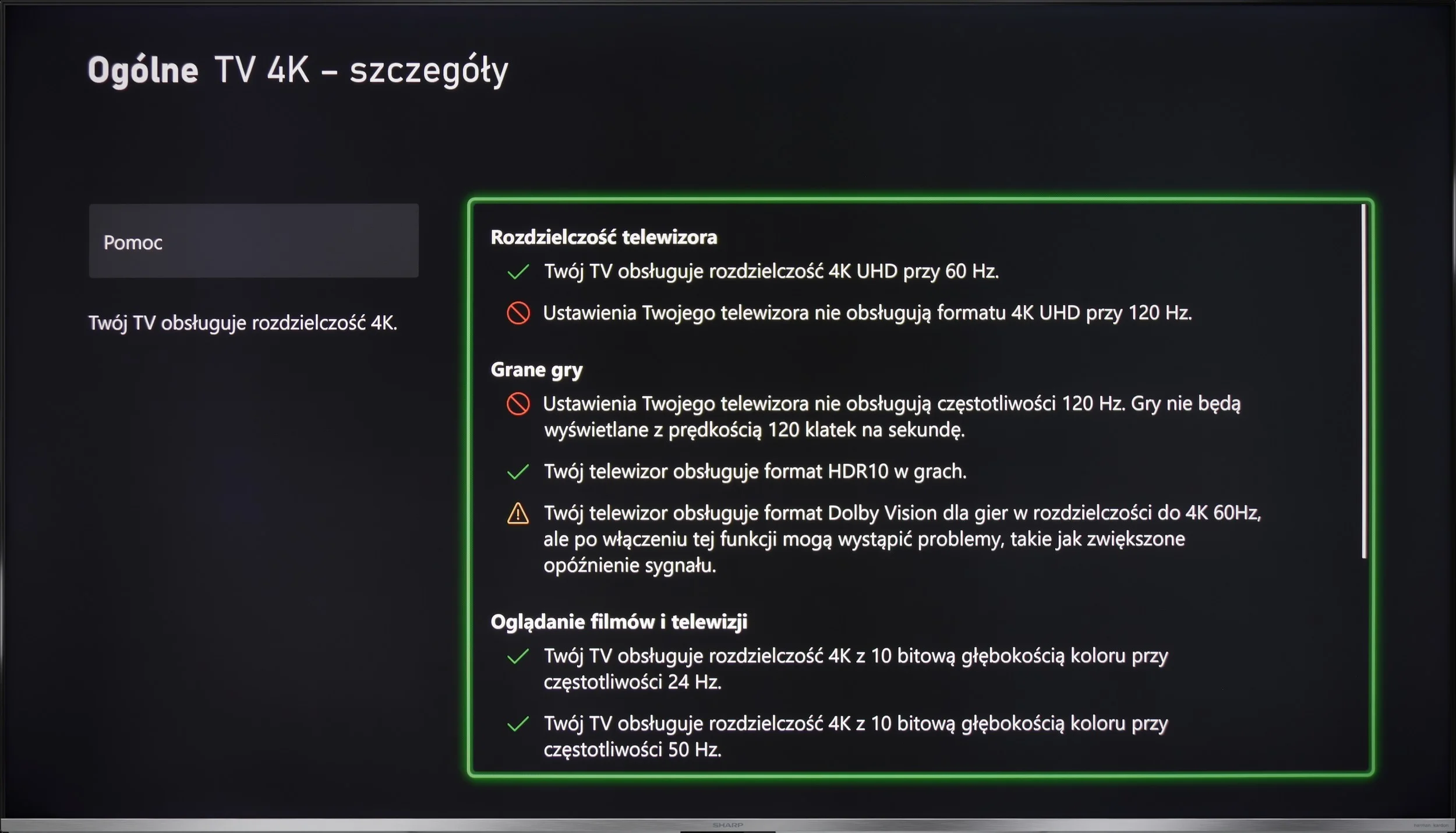
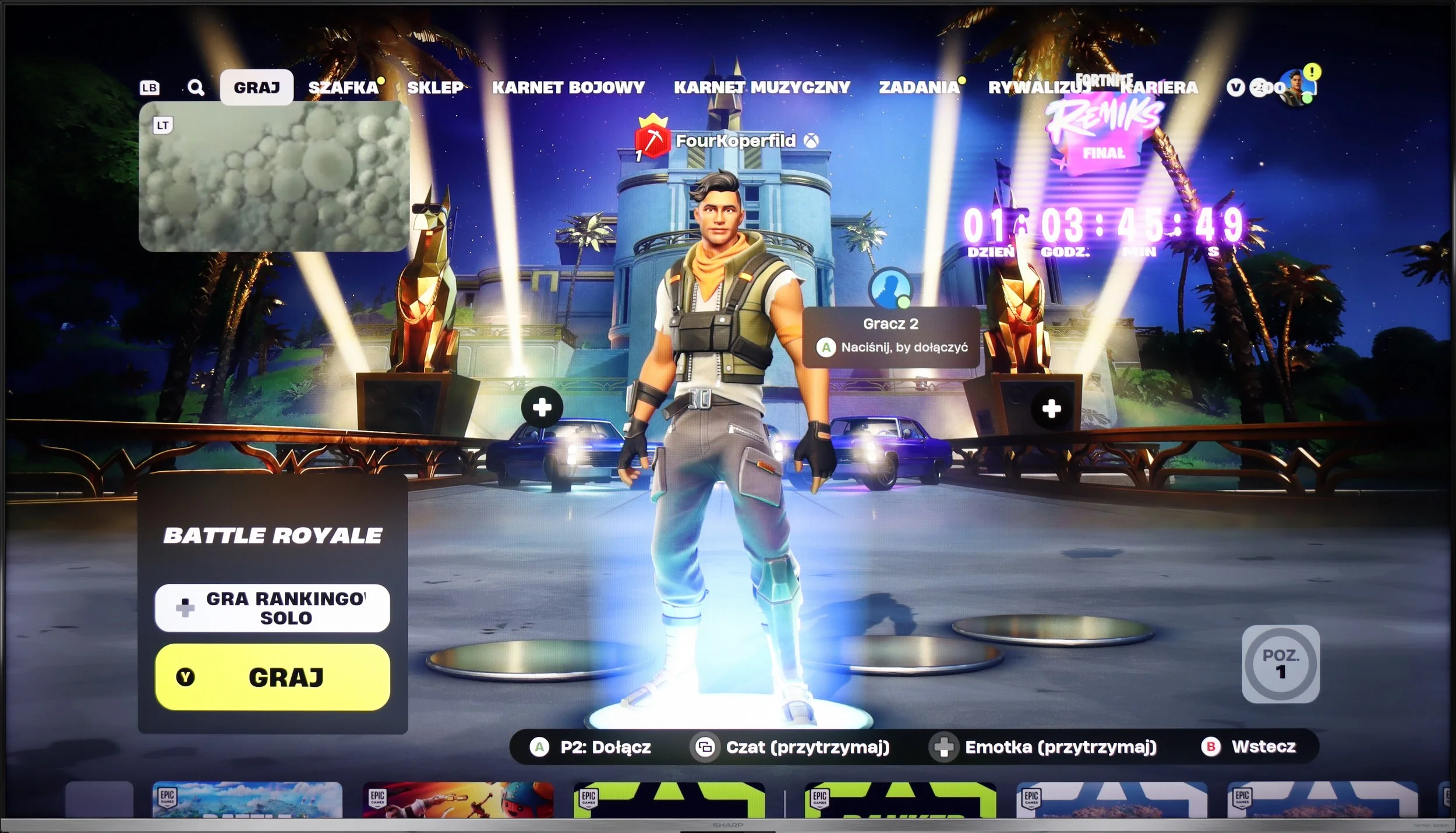
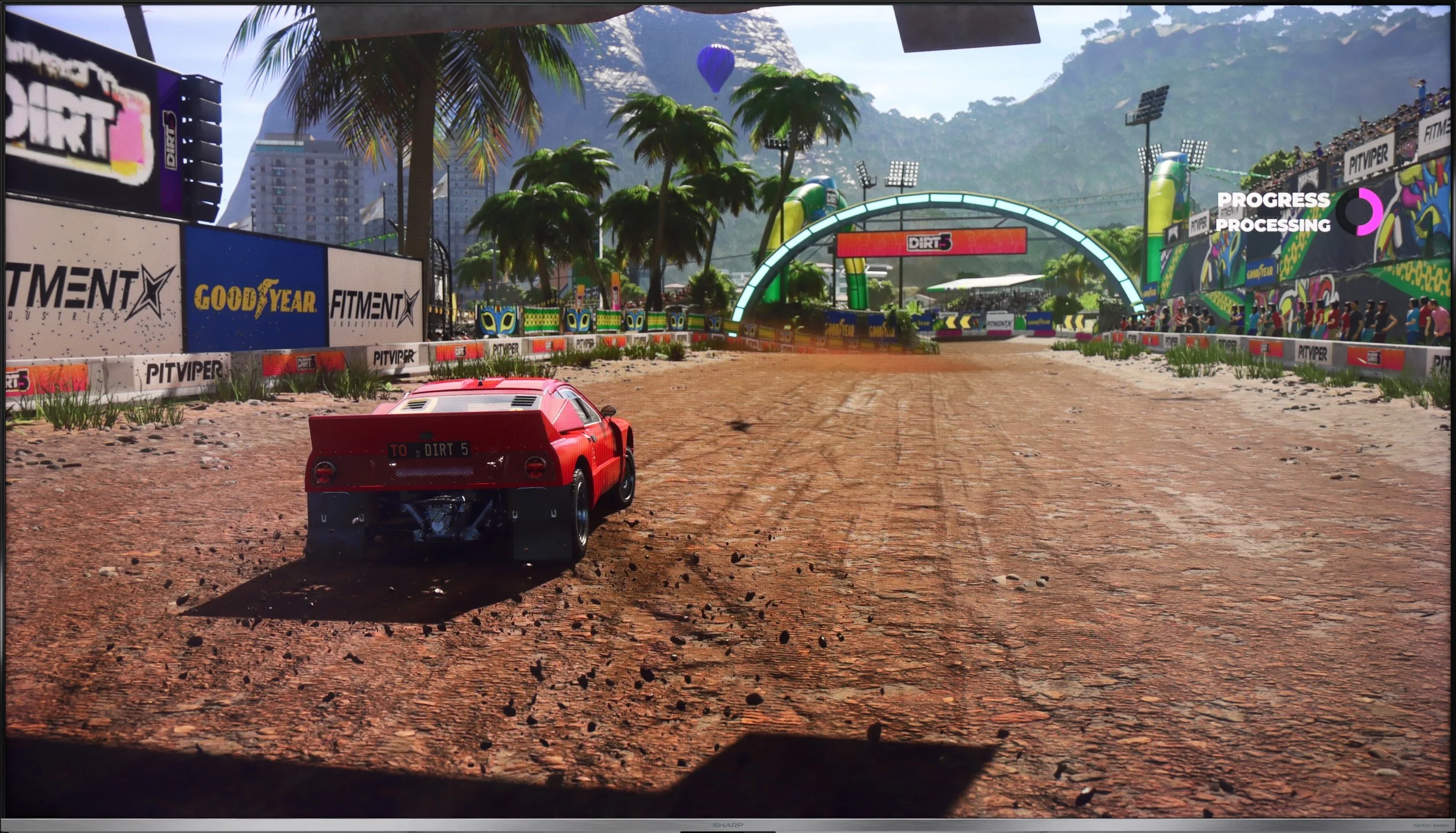
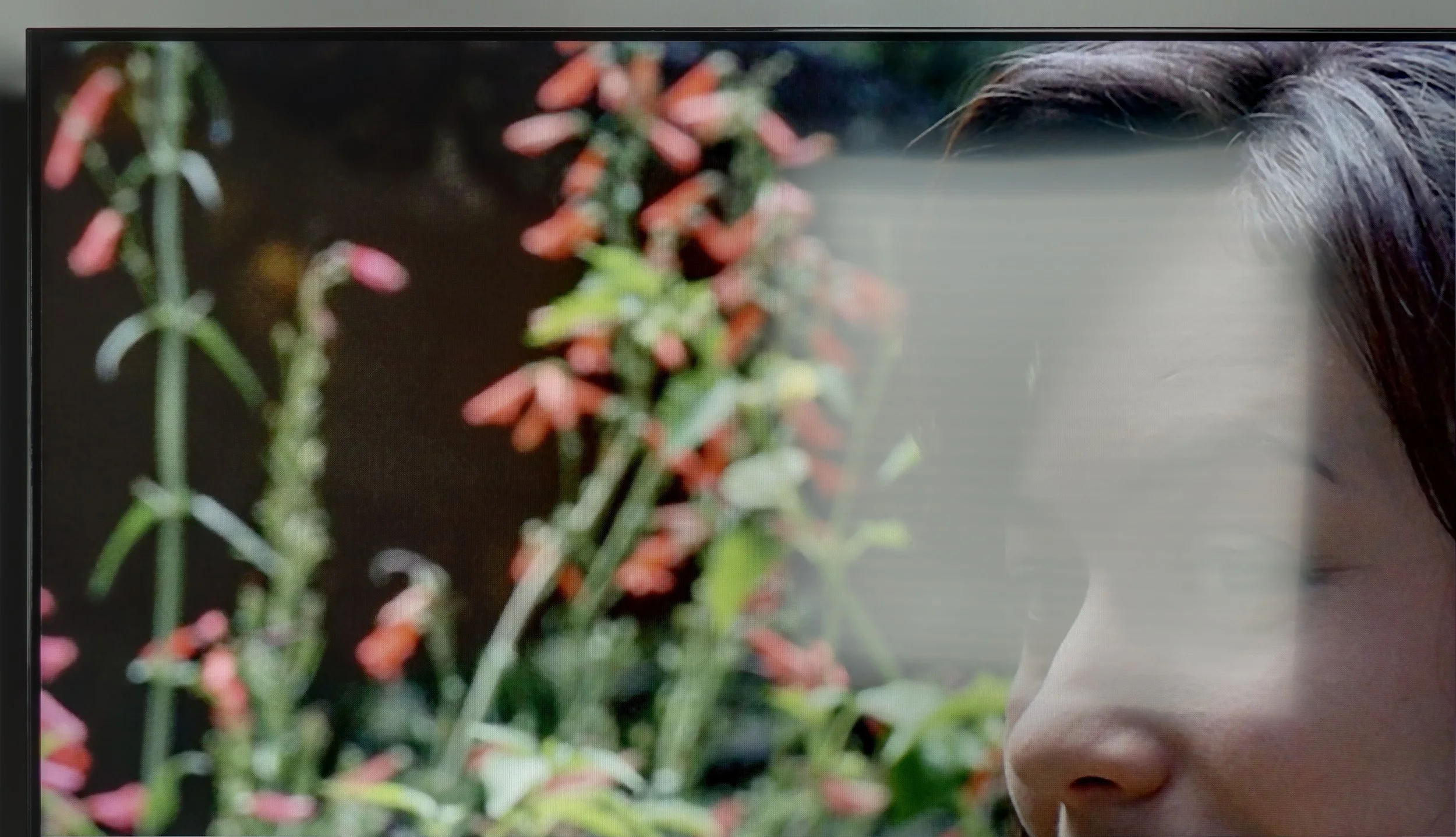
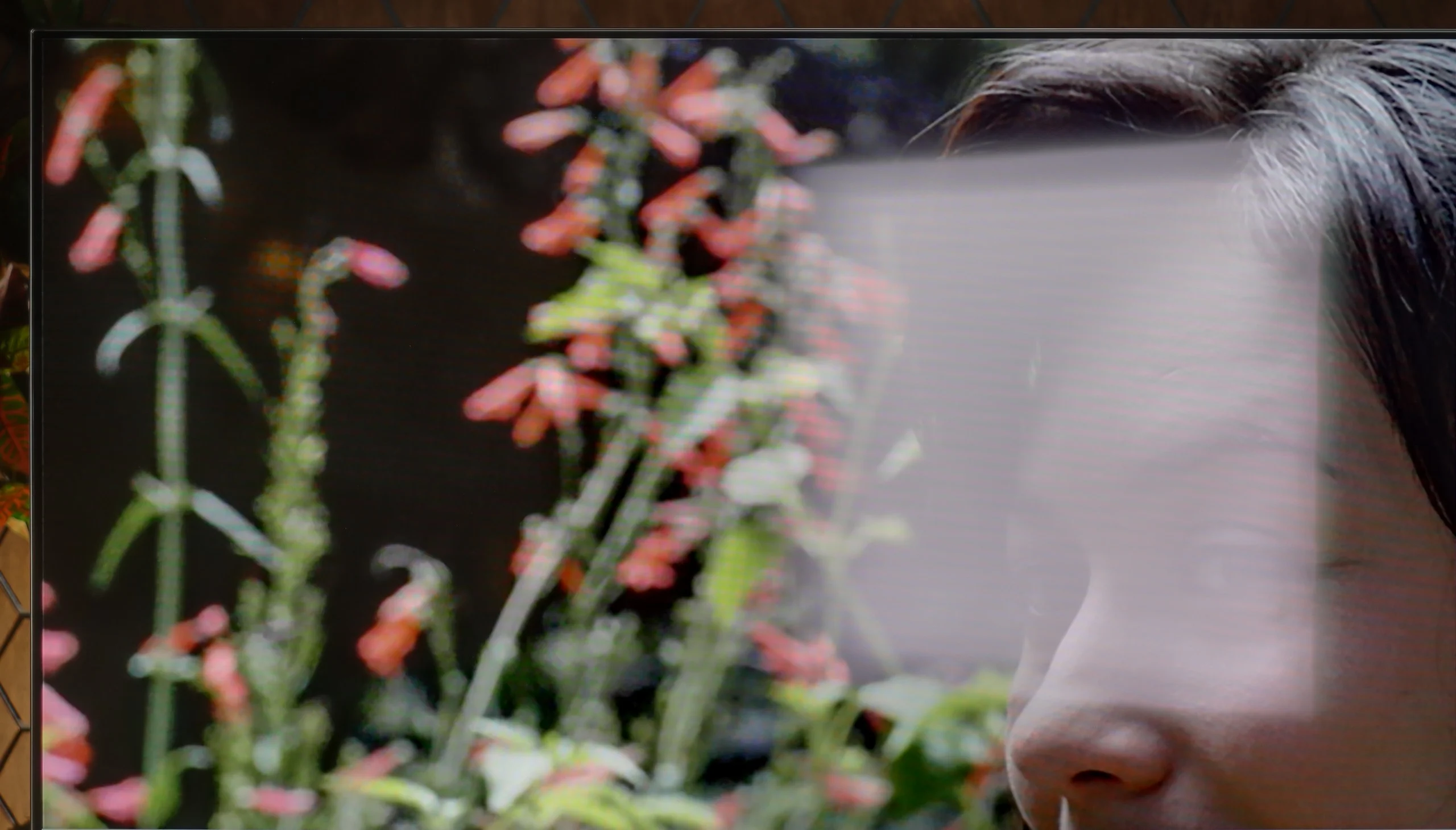
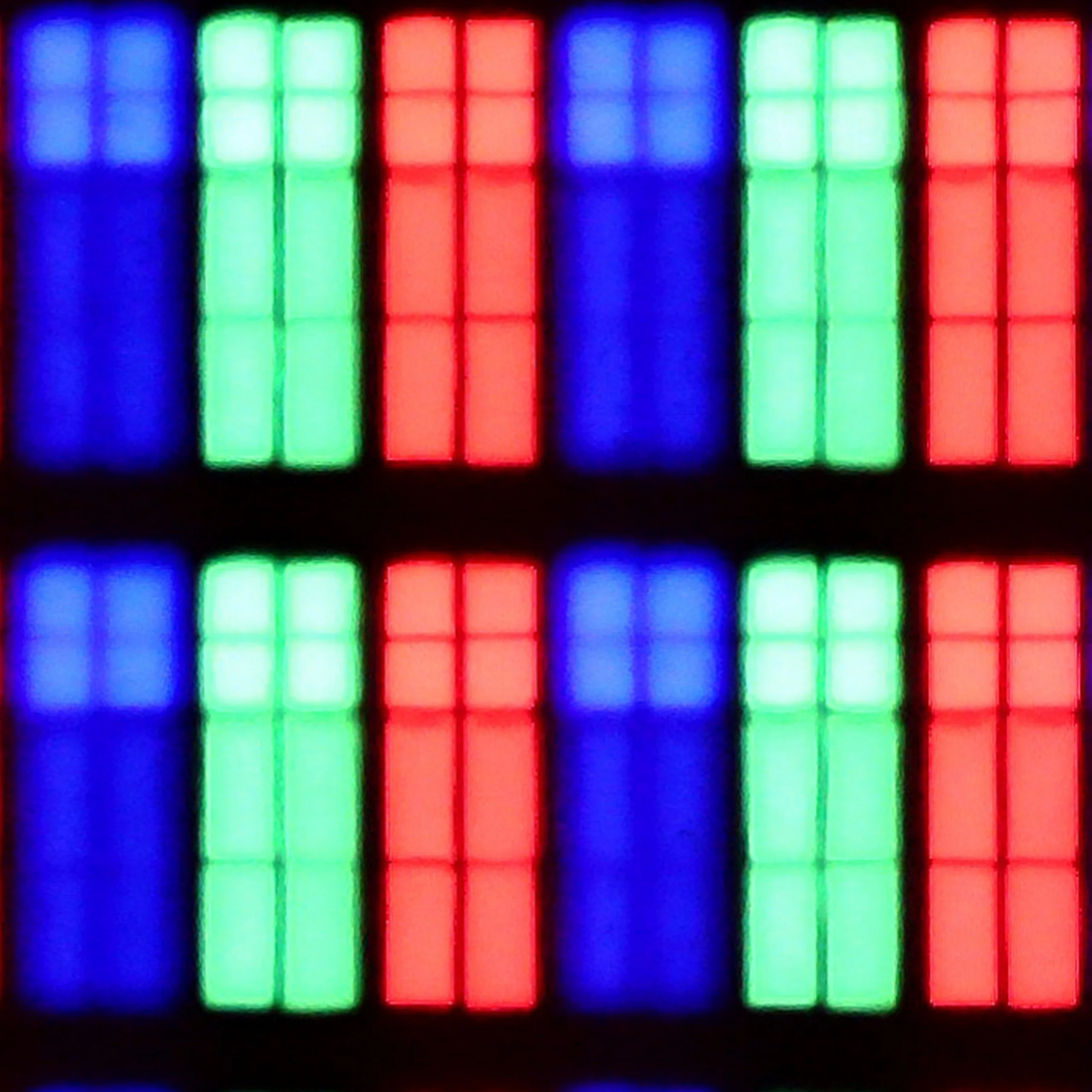
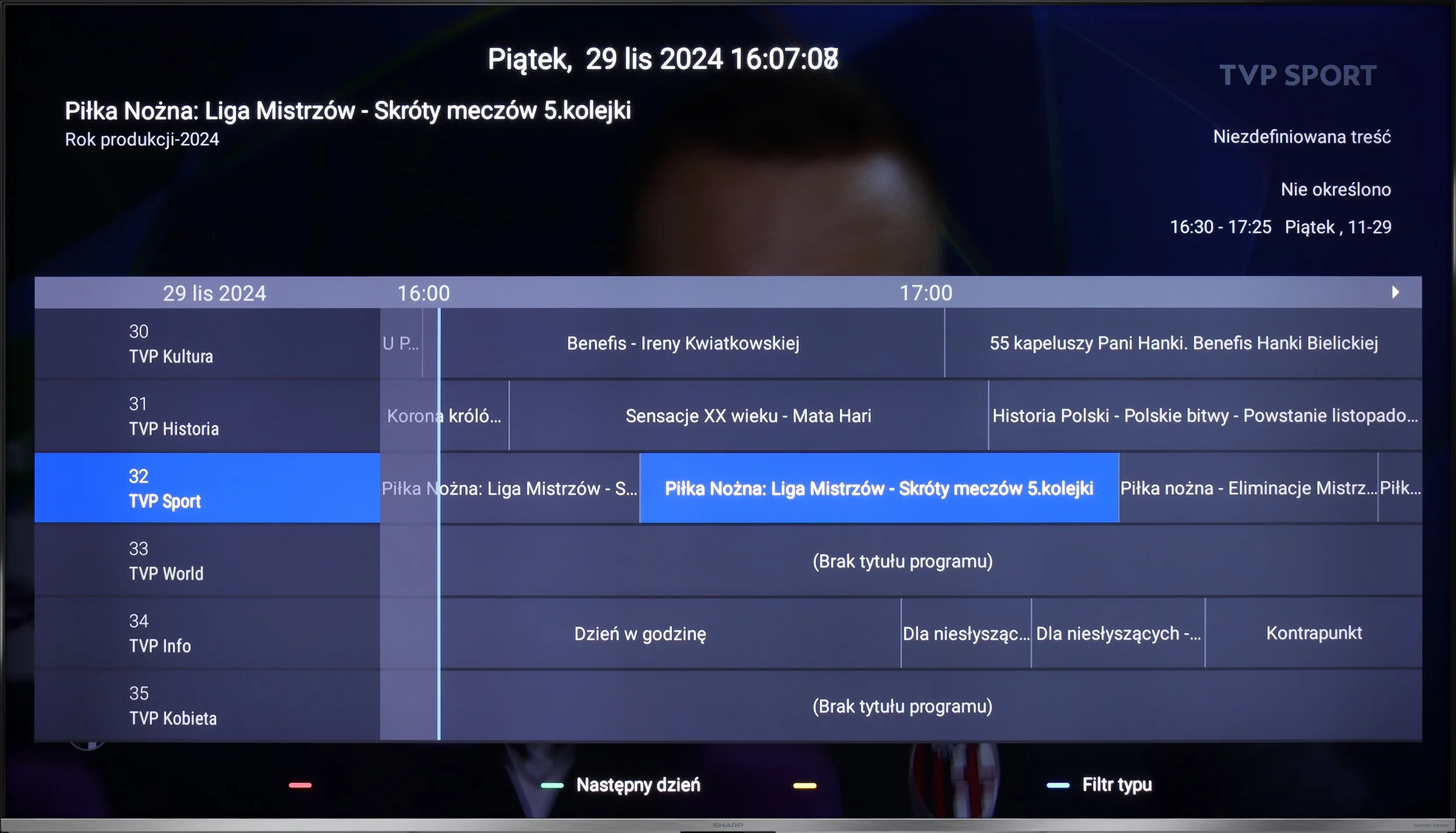
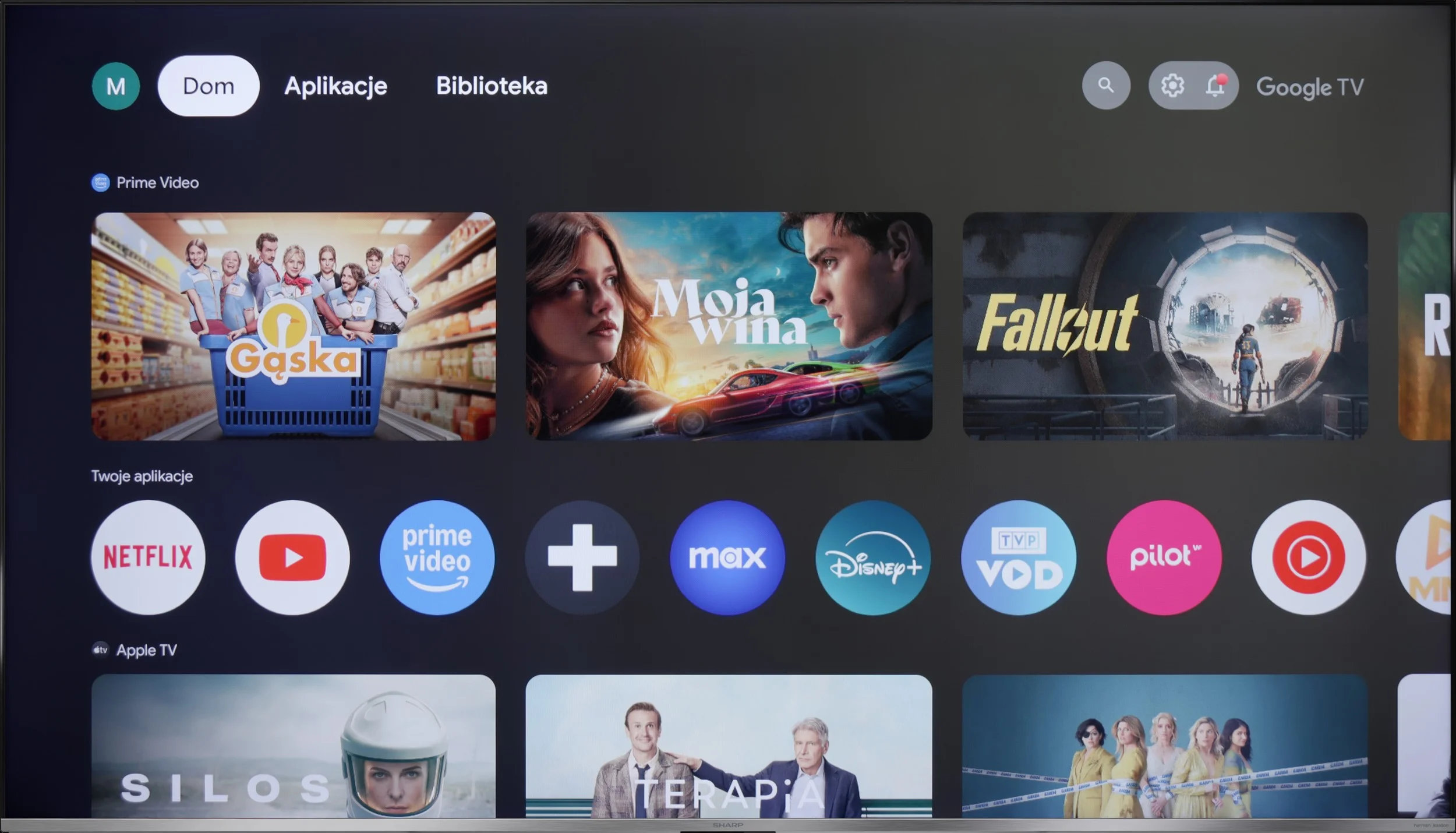
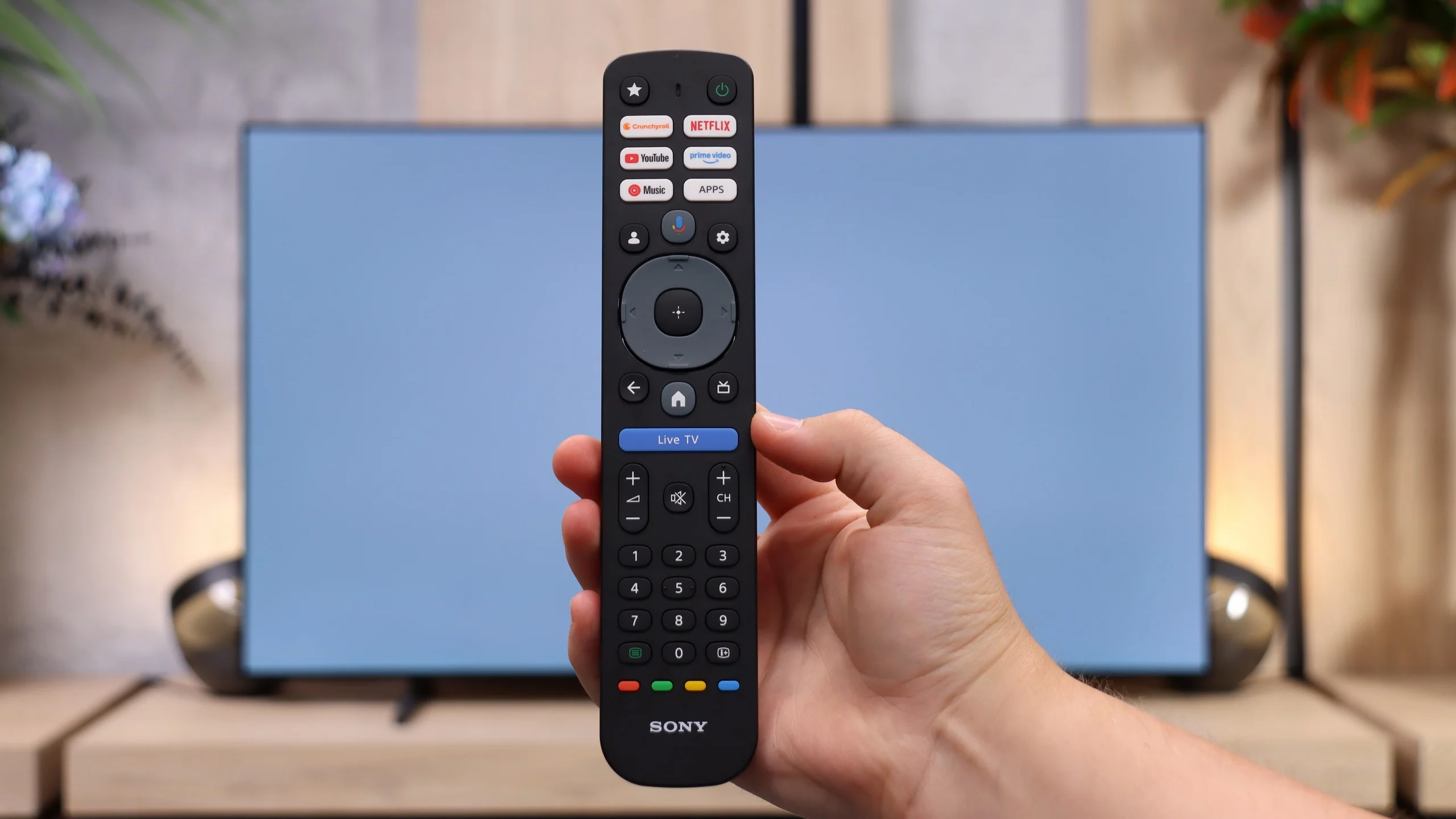
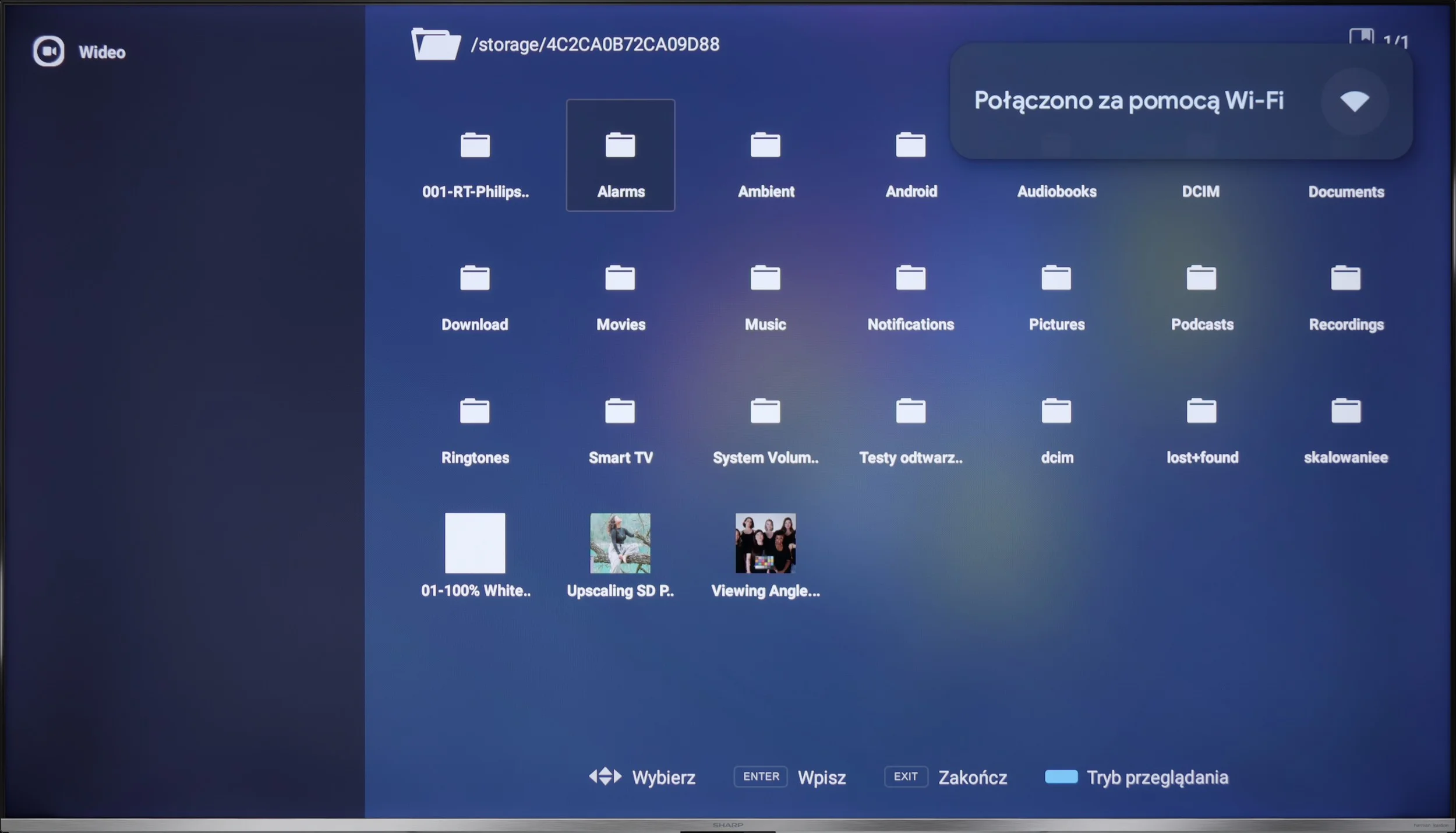
Sharp GP7 is a television that definitely has its strengths, but it isn’t without a few flaws. Is it perfect? No, but for its price, it does a really decent job and will serve as quite a nice choice in many homes. The biggest plus? The Google TV system. Here Sharp GP7 showcases its class – we have a vast selection of apps, probably the largest on the market. It doesn’t matter whether we want to watch Netflix, YouTube, or something less known – we can find everything in one place. Additionally, the interface is simple and intuitive, and if we don’t feel like clicking, we only need to speak to the remote about what we are searching for, as it supports voice commands in Polish. Google TV is definitely something that raises the value of this television because we do not feel like anything is missing. It simply works. When it comes to picture quality, it’s quite good as well. A brightness level of 500 nits combined with Dolby Vision holds up – movies look really solid for this price range. The colours thanks to the PFS (QLED) coating are vivid, the contrast from the VA panel gives depth to dark scenes, and the whole presentation simply "plays". This isn’t premium level, but for this price, you can’t really complain. It’s a good picture that will comfortably satisfy most users. Of course, there are weaker points. The television struggles somewhat with dynamic scenes – sports or video games won’t look perfect here. The 60 Hz panel and response time cannot provide the highest fluidity. Additionally, the manufacturer mentions HDMI 2.1, but the only thing we find here is the ALLM feature. VRR, G-Sync, or other features that could attract gamers are missing.
In summary – Sharp GP7 is a solid television for everyday watching of films and series. It’s not for gamers or fans of sports broadcasts, but for universal use – definitely. If we value access to a rich ecosystem of applications and good picture quality at a reasonable price, this model might just be for us.
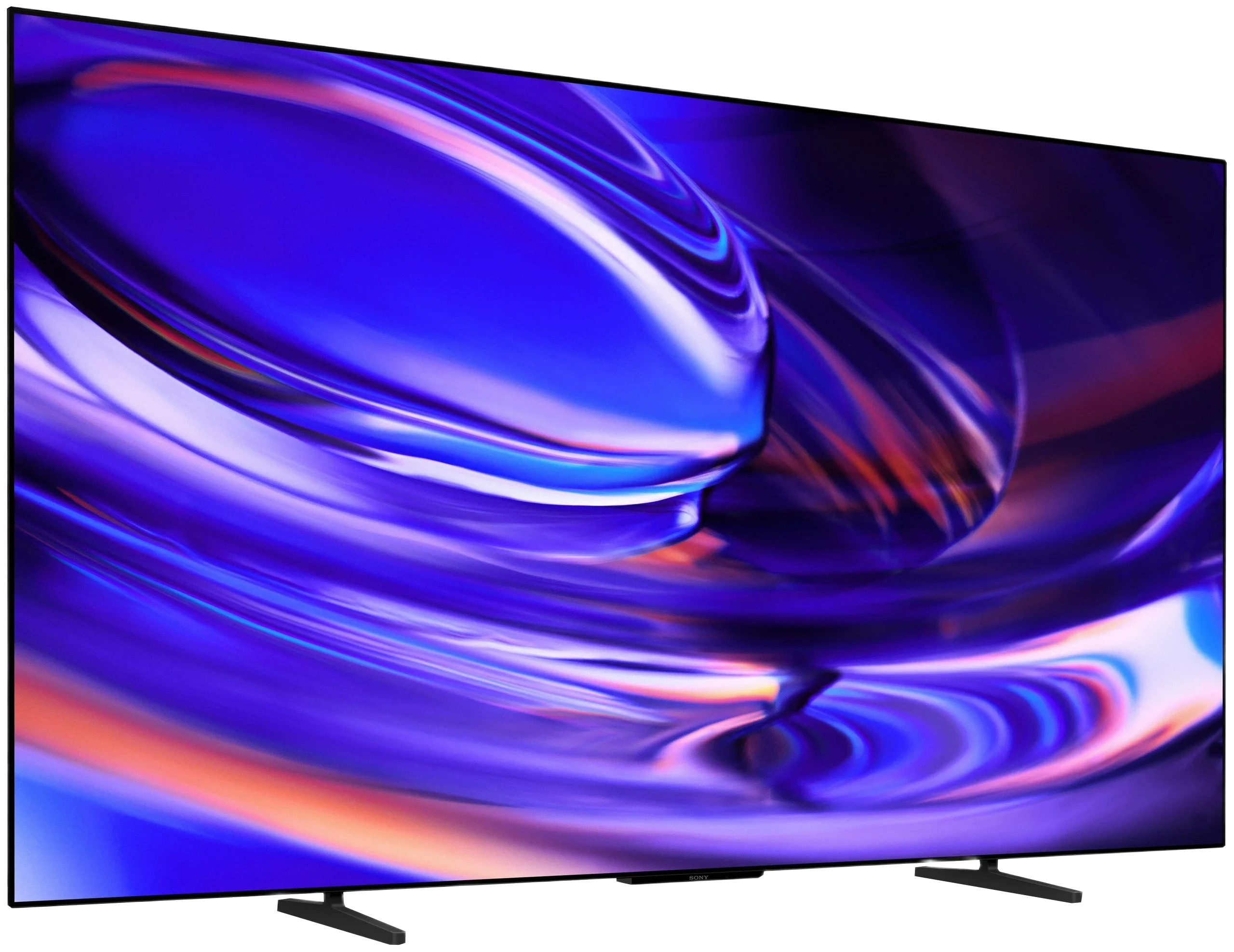
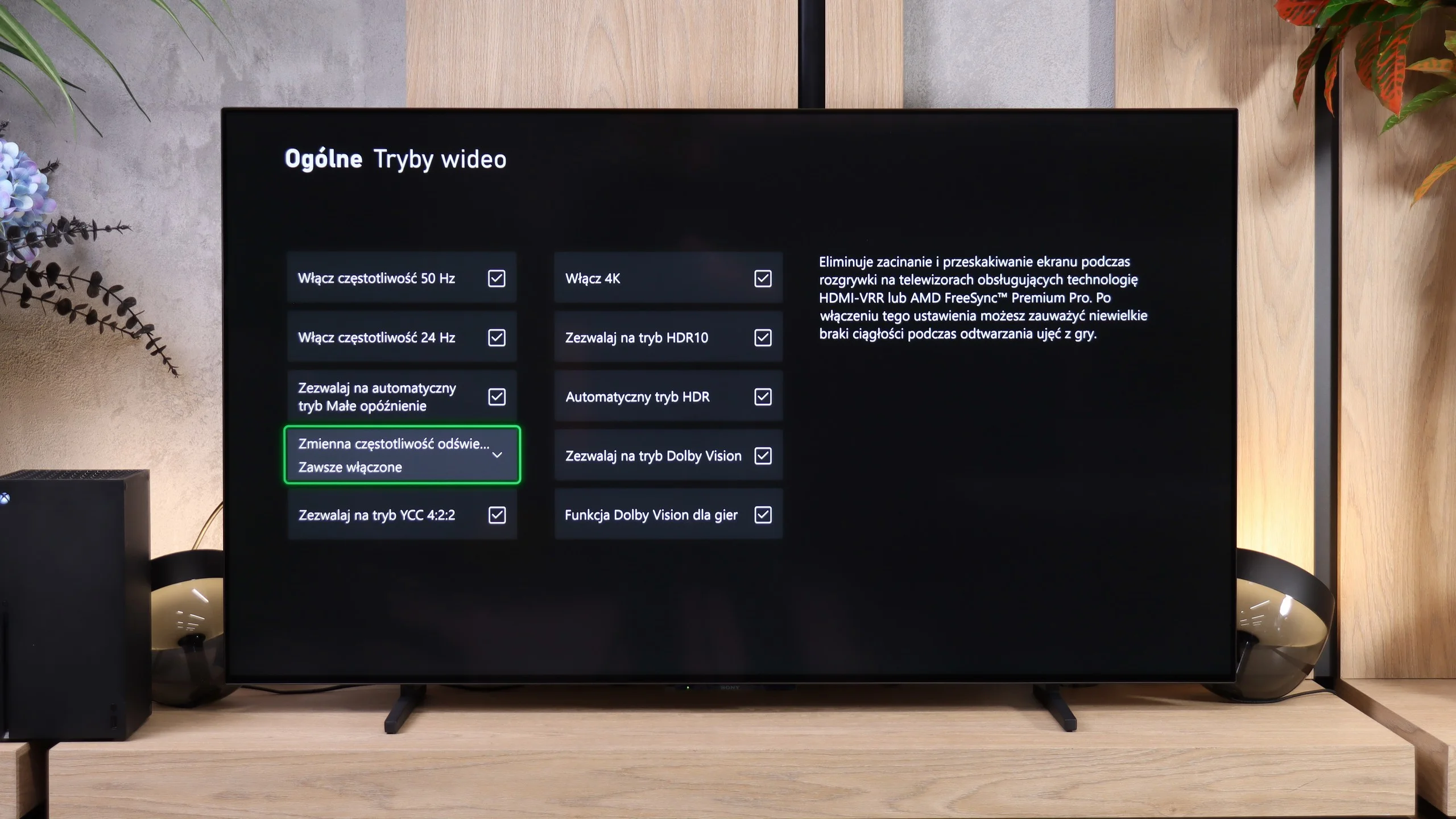
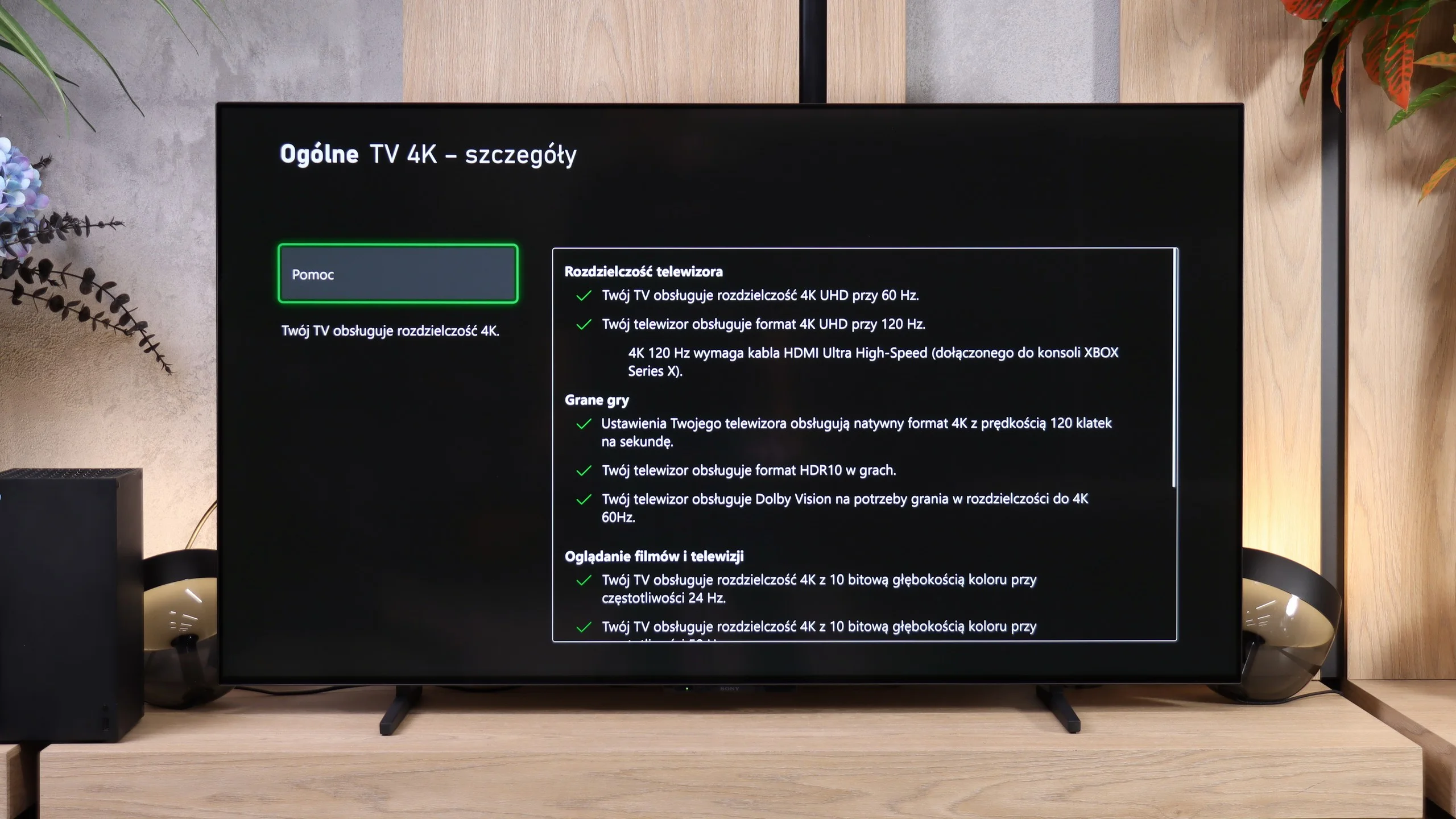
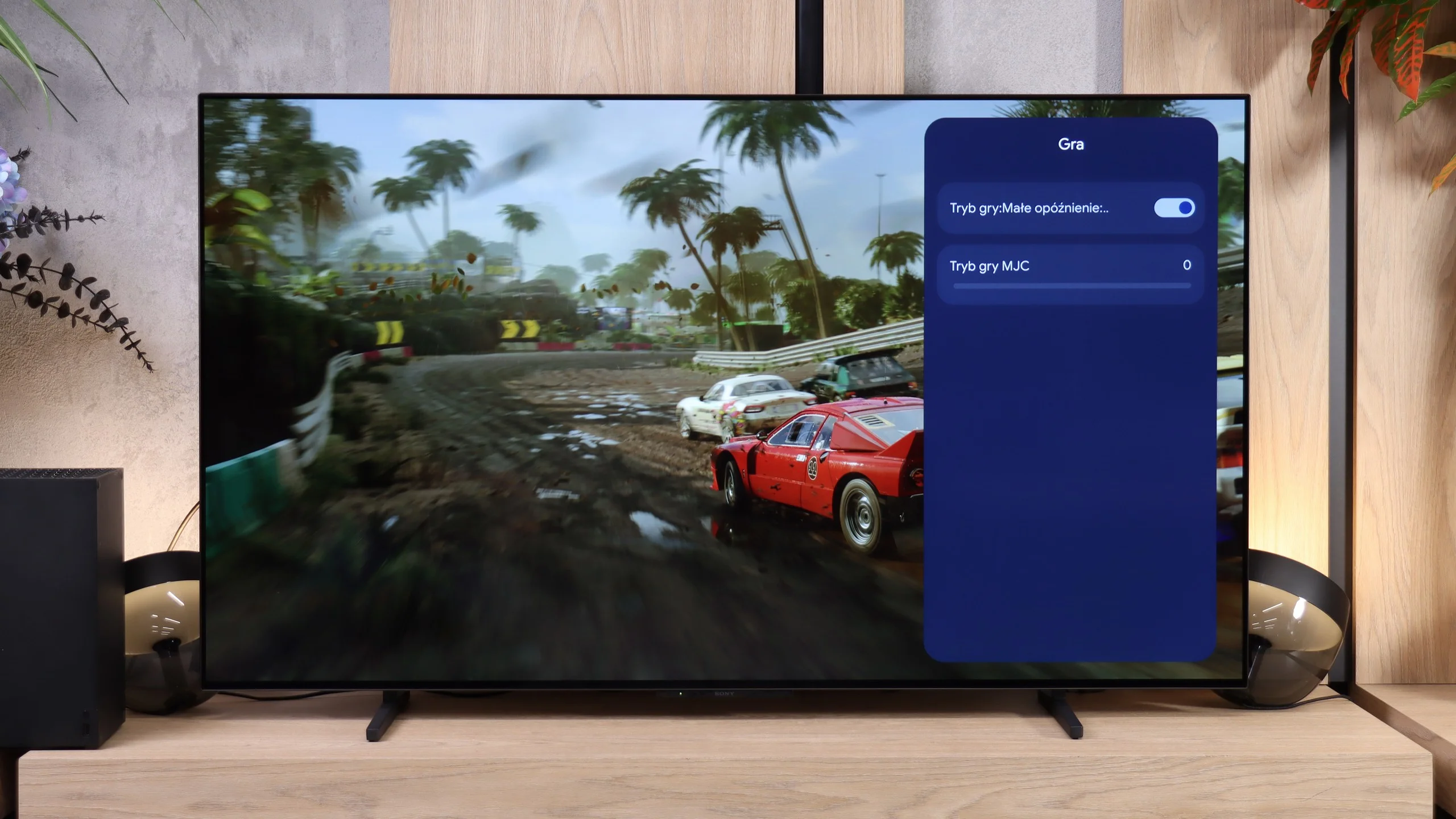
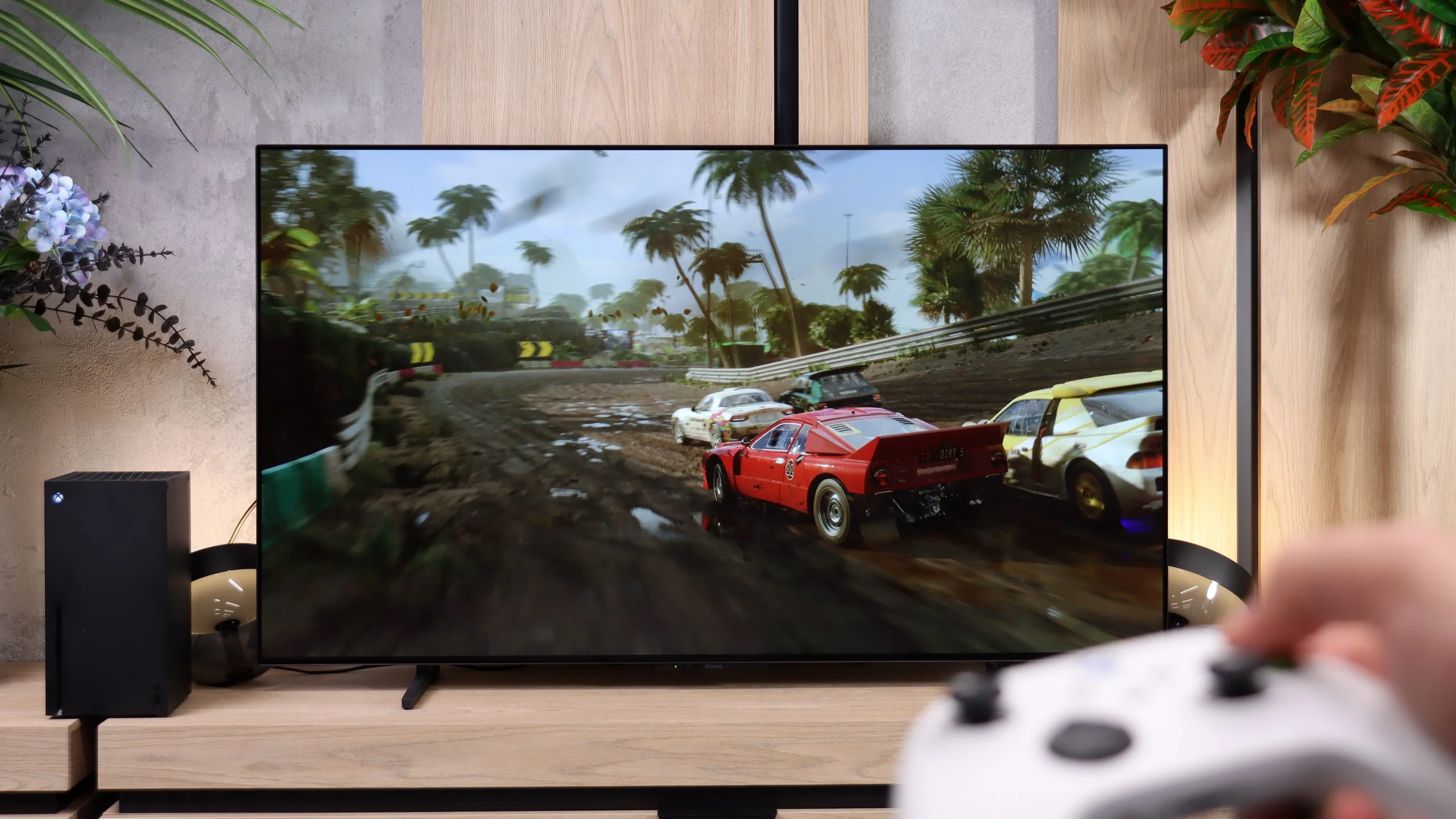
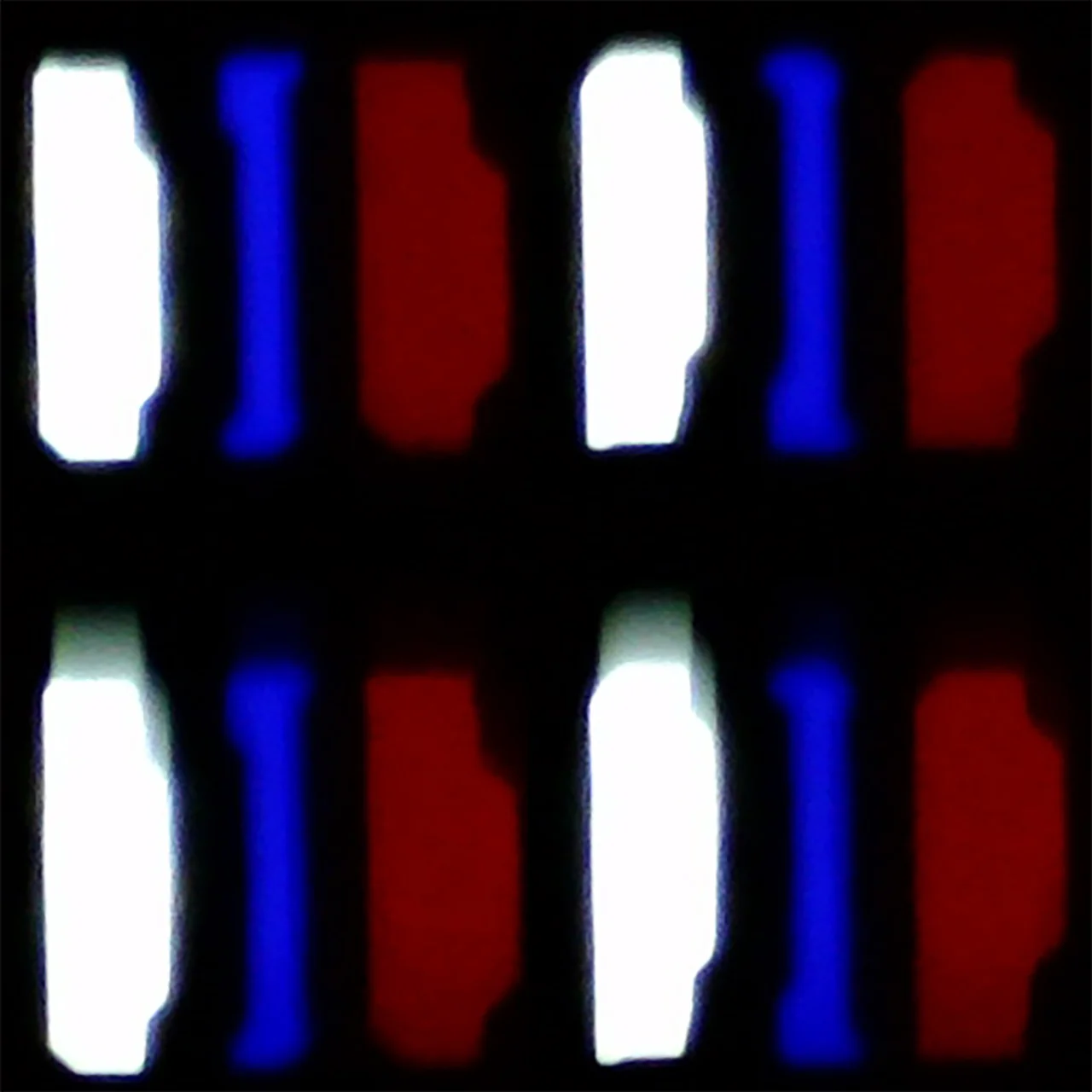
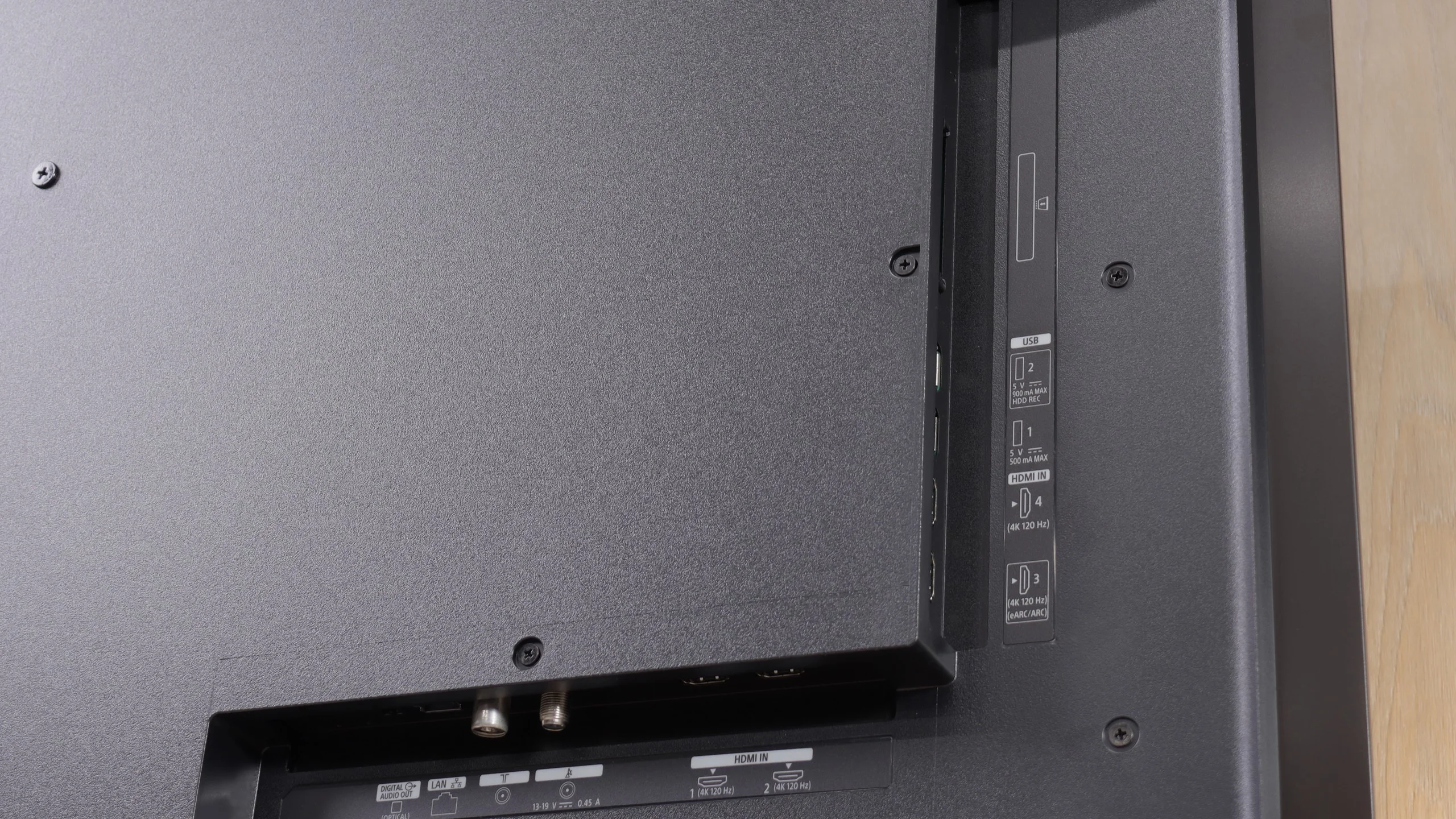
The BRAVIA 6 can provide a lot of viewing pleasure, especially in the evening when the strengths of the OLED panel are most apparent. Deep blacks, good contrast and natural colours after calibration mean that, with the right material, its picture is easy to appreciate. It also performs well with a console: it delivers smooth motion and responds quickly to controller inputs. It's pleasing to see four full HDMI 2.1 ports, which Sony has finally included. Thanks to them, connecting several devices is less of a problem than even with some more expensive models from the brand. The whole package is rounded off by solid build quality and an attractive design.
However, that's not enough to make it stand out among competing OLEDs. We've generally paid extra for Sony TVs, in part for better image processing, but it's hard to spot an advantage in that area with the BRAVIA 6. Weaker recordings look average, and in demanding HDR scenes details are lost in the bright parts of the picture. Dolby Vision helps a little, but it doesn't change the overall impression: you get an image that can be pleasing, yet it doesn't give a clear reason to choose Sony over another entry-level OLED.
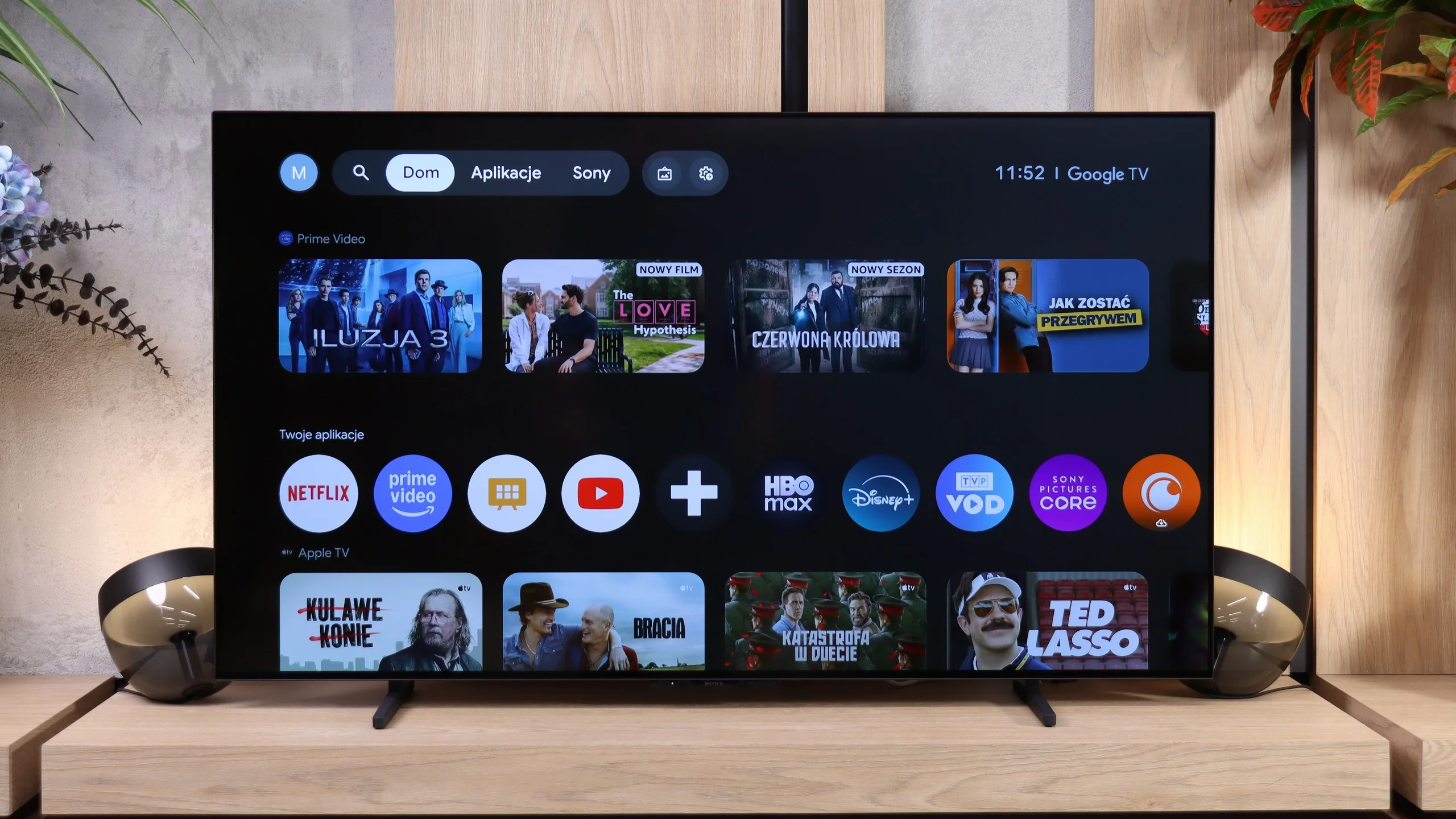
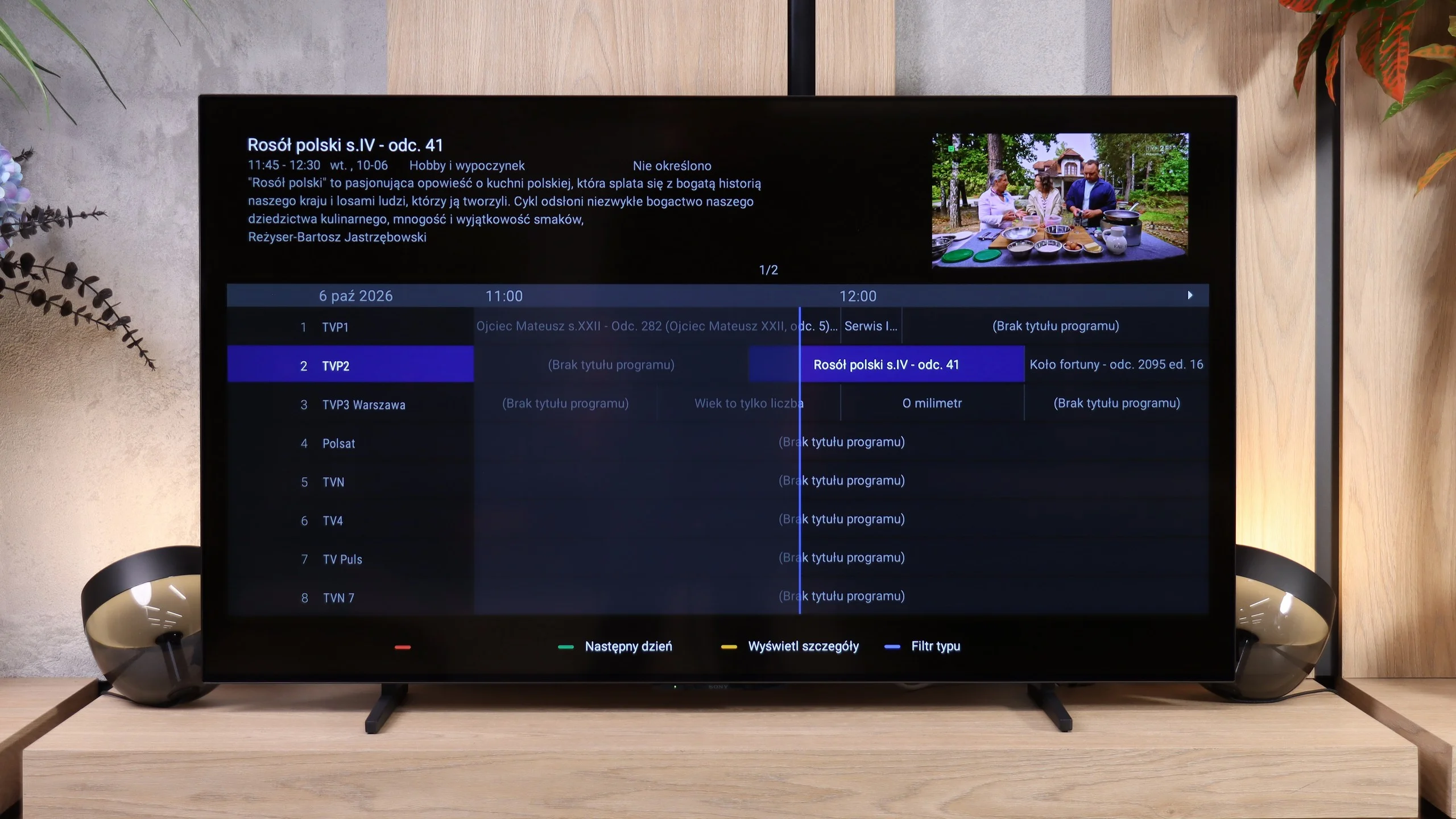
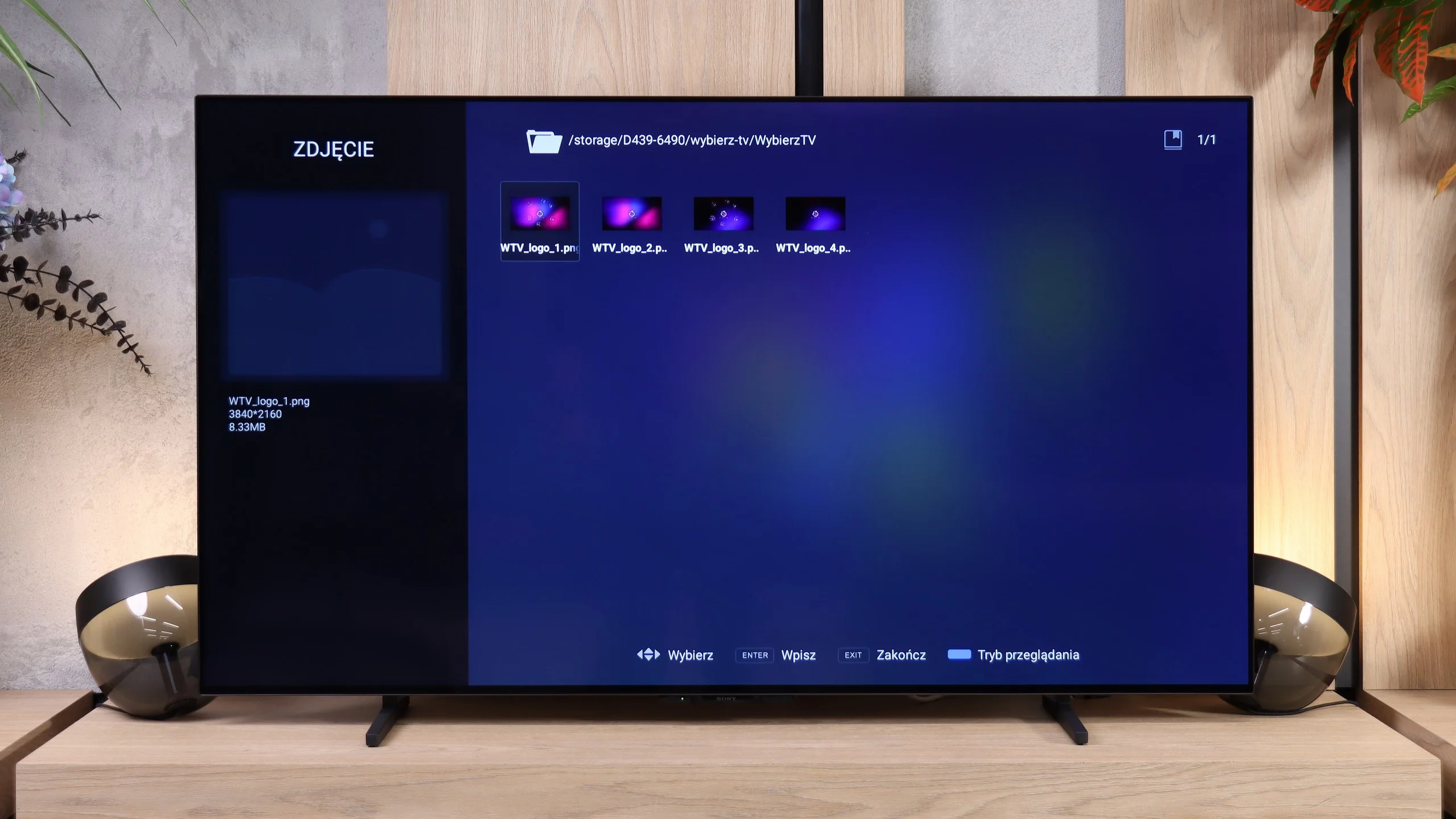
While the lack of such an advantage can be tolerated with a suitably low price, it's much harder to overlook problems in everyday use. Google TV offers a wide range of apps, but during our tests using the TV too often ended with having to... unplug it. Even playing a film from a USB stick could be problematic. It was at moments like these that we felt there was little... Sony in this BRAVIA. It lacks the refinement that used to be one of the reasons to pay more for a Sony TV.
In the end the BRAVIA 6 leaves a fair amount of disappointment. The OLED panel gives it a solid foundation, but the pleasure of watching too often gives way to frustration with operation. For that reason, in its current state we find it hard to recommend, even though it's one of the cheapest OLEDs on the market. An attractive price can make up for some image limitations, but it's hard to see that as a sufficient argument when basic functions fail. So before we can consider whether it's worth buying the BRAVIA 6, Sony needs to deliver the level of polish we expect.
 Direct comparison