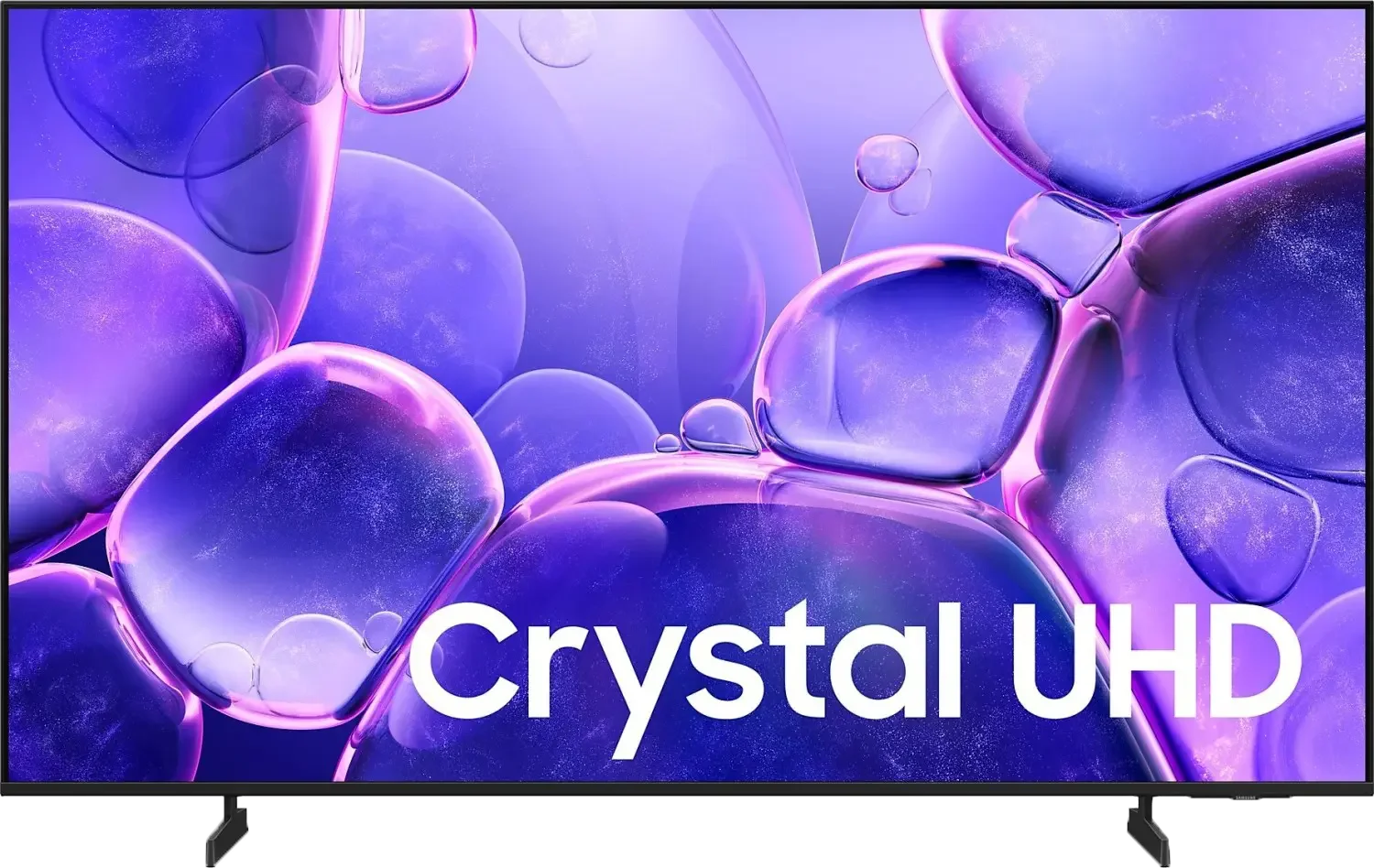
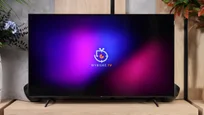
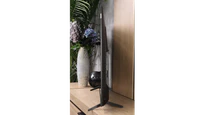
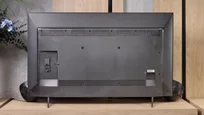
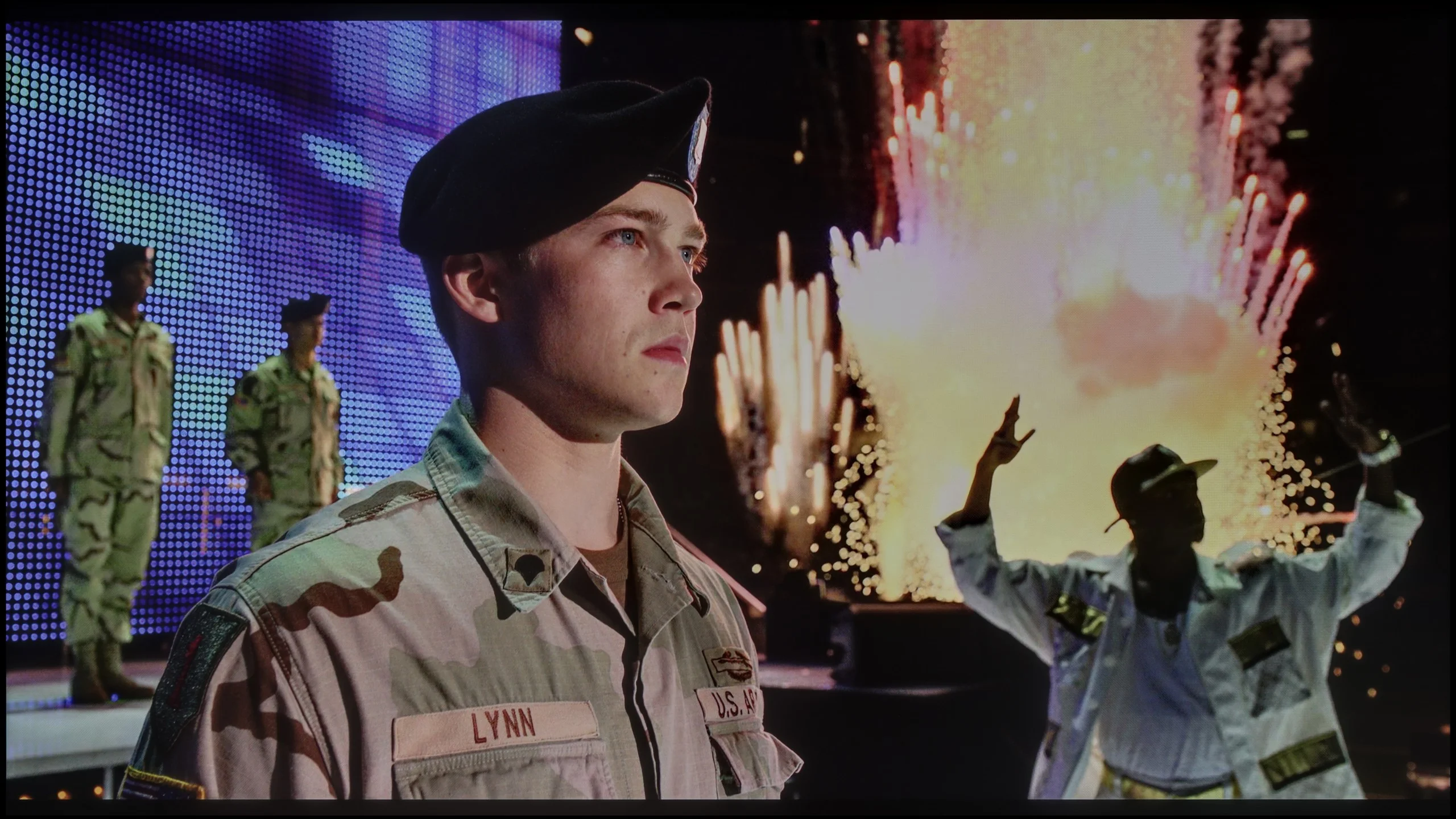
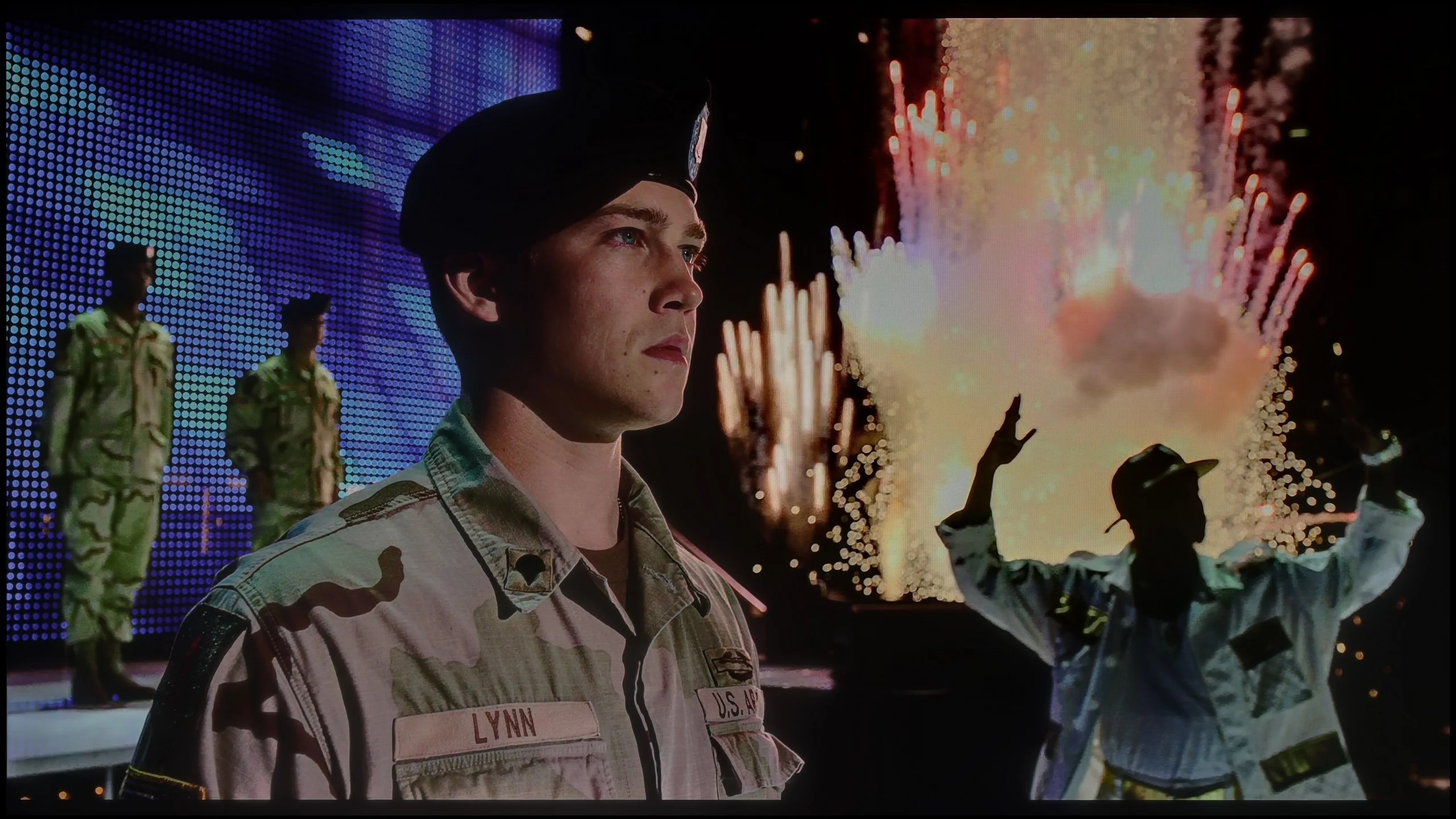
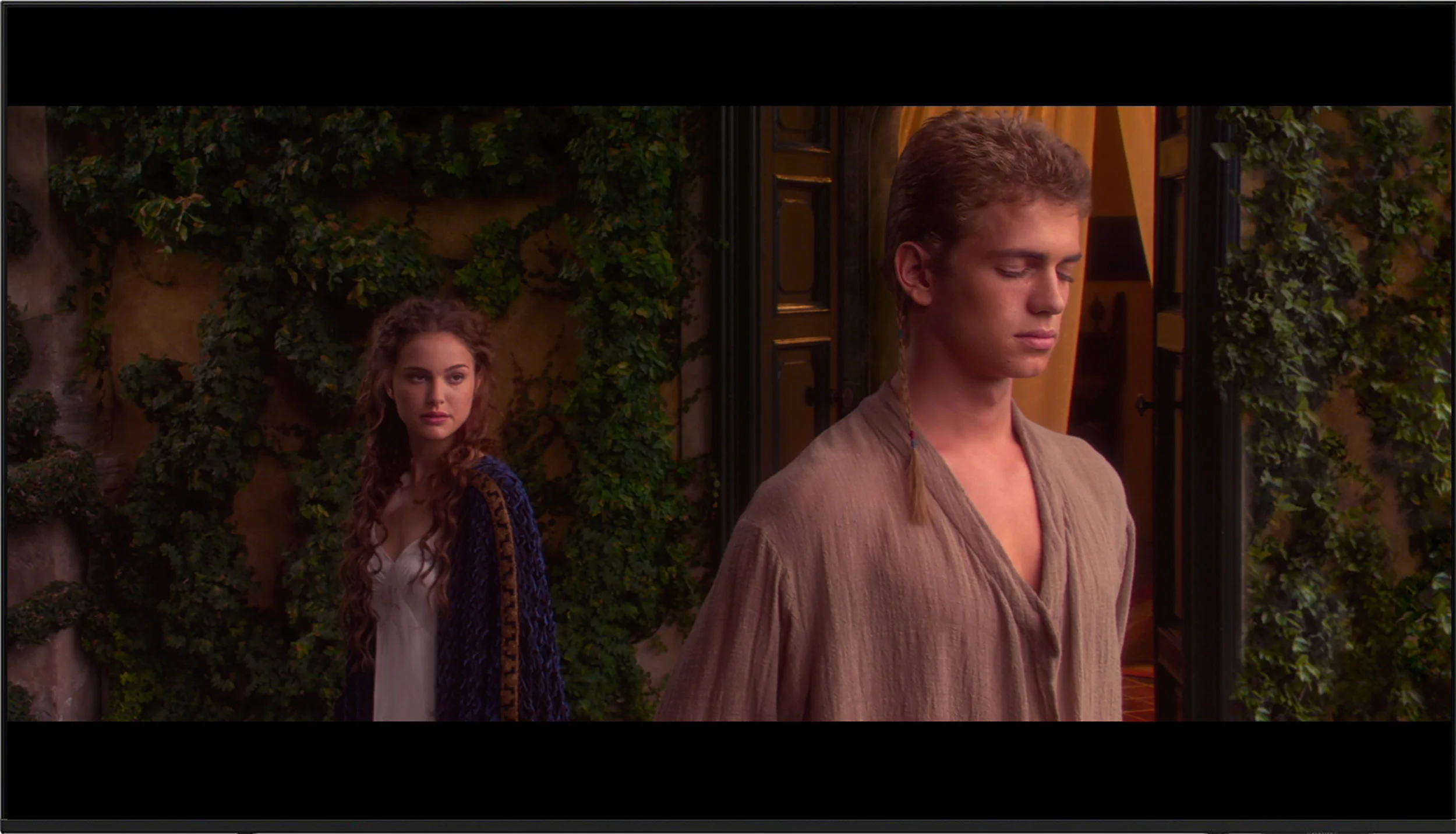
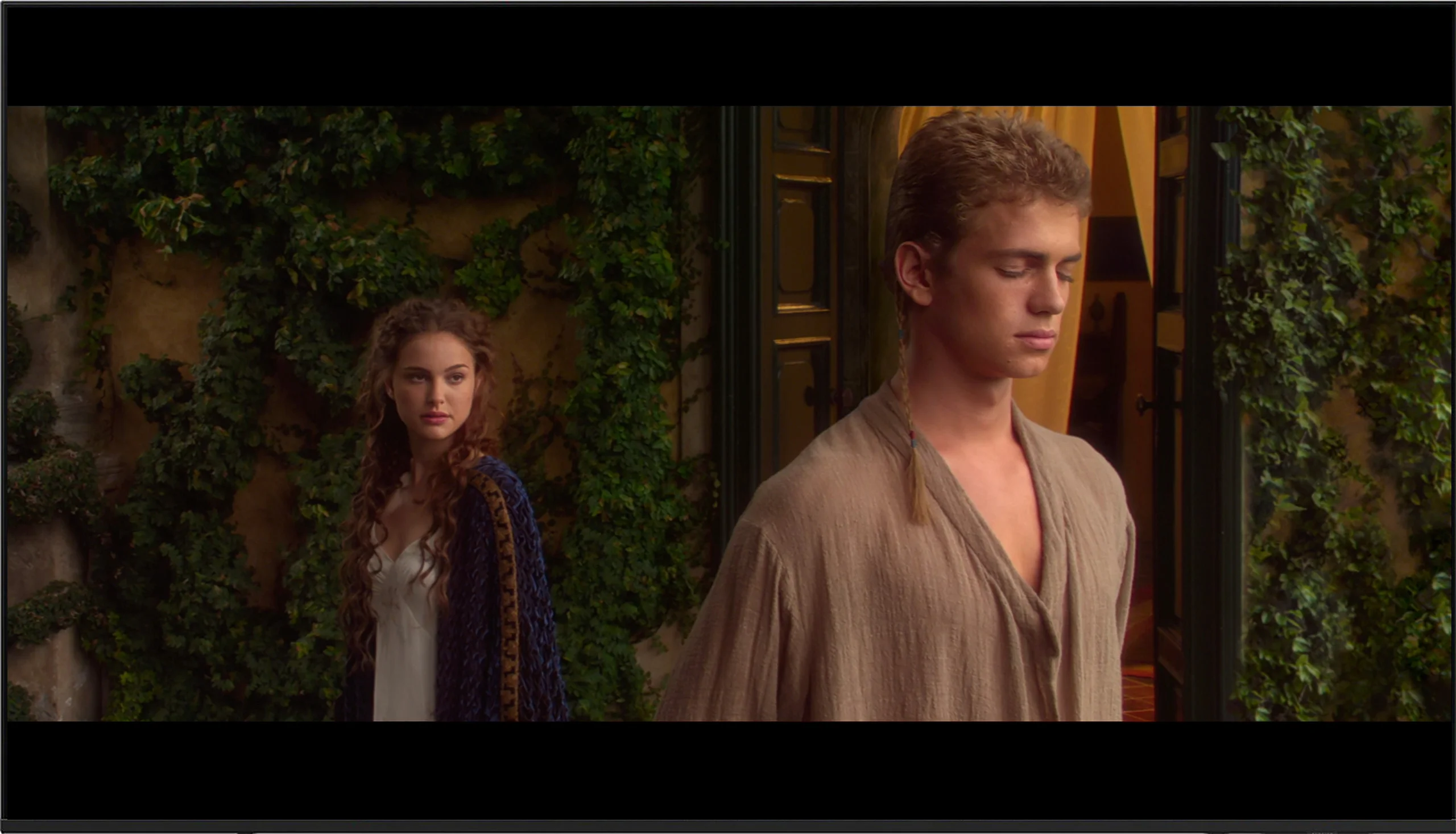
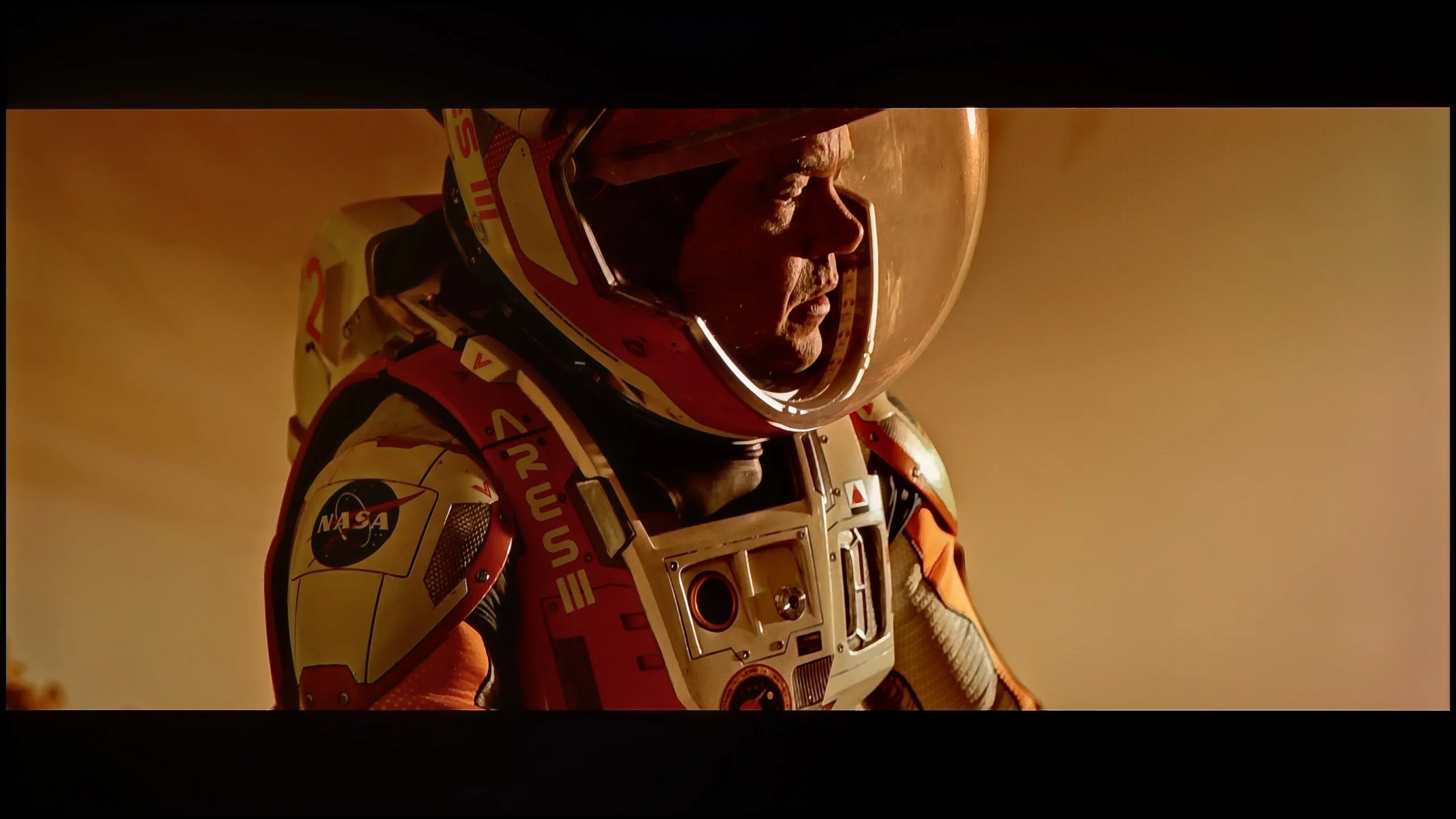
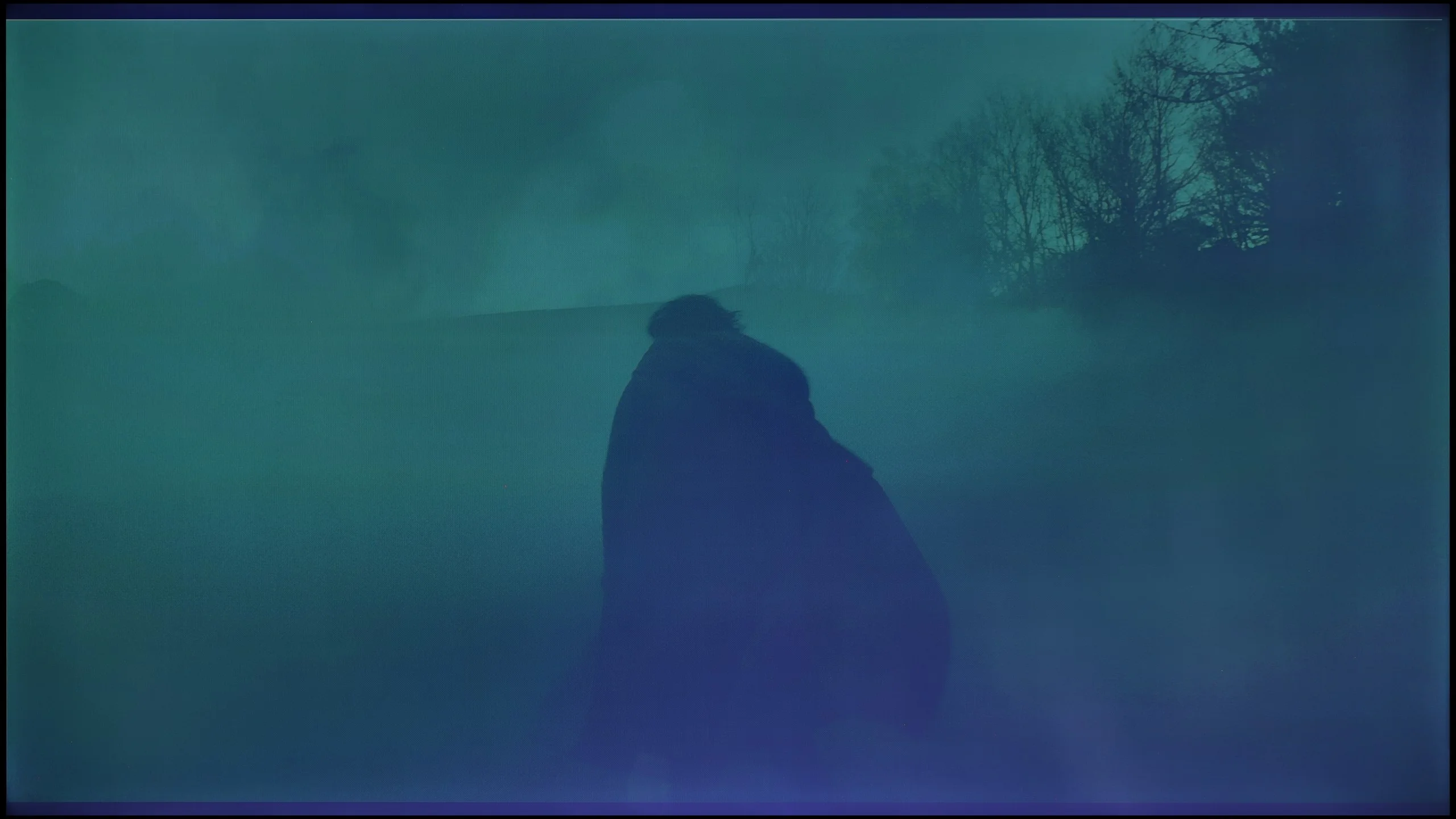
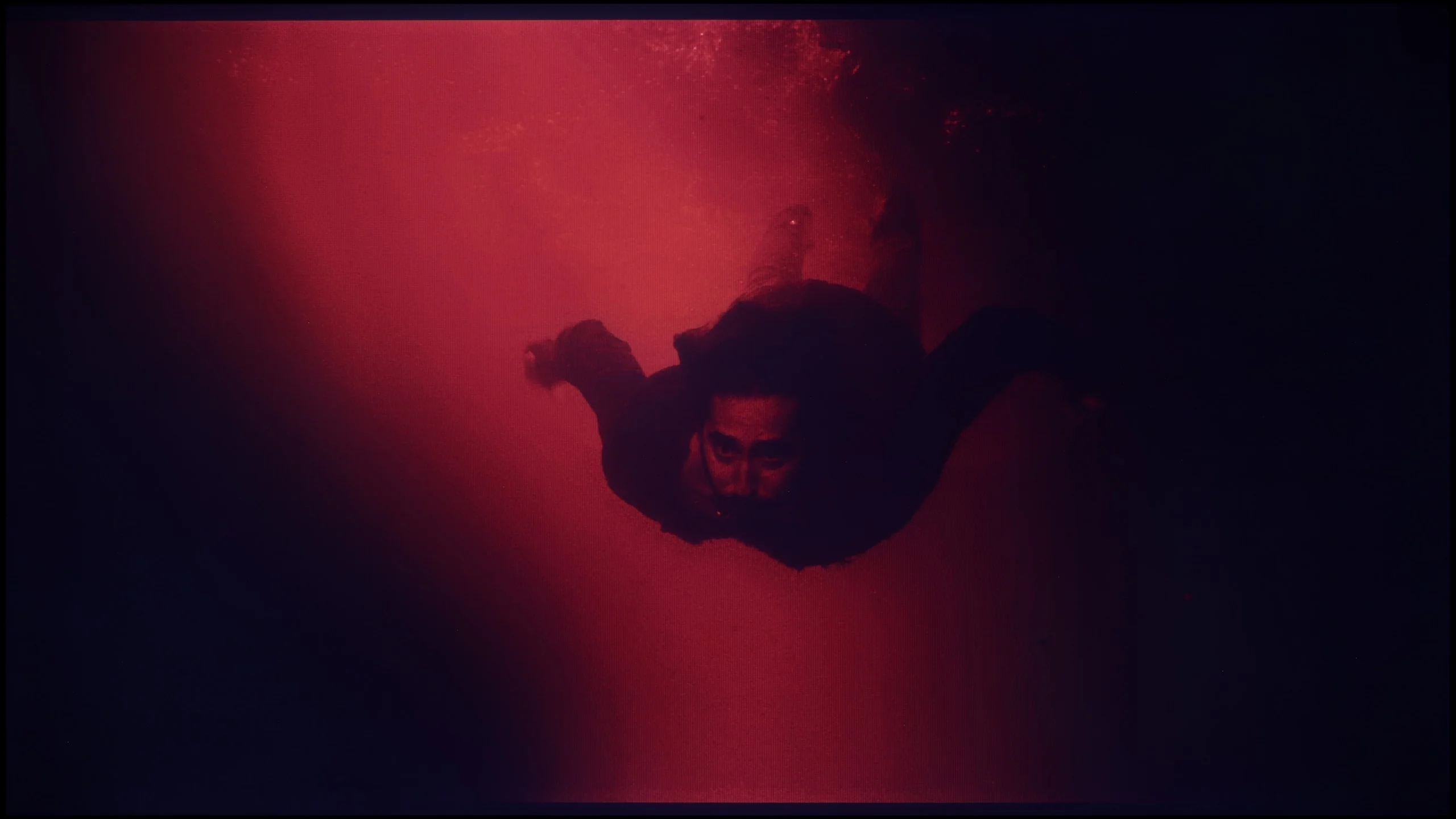
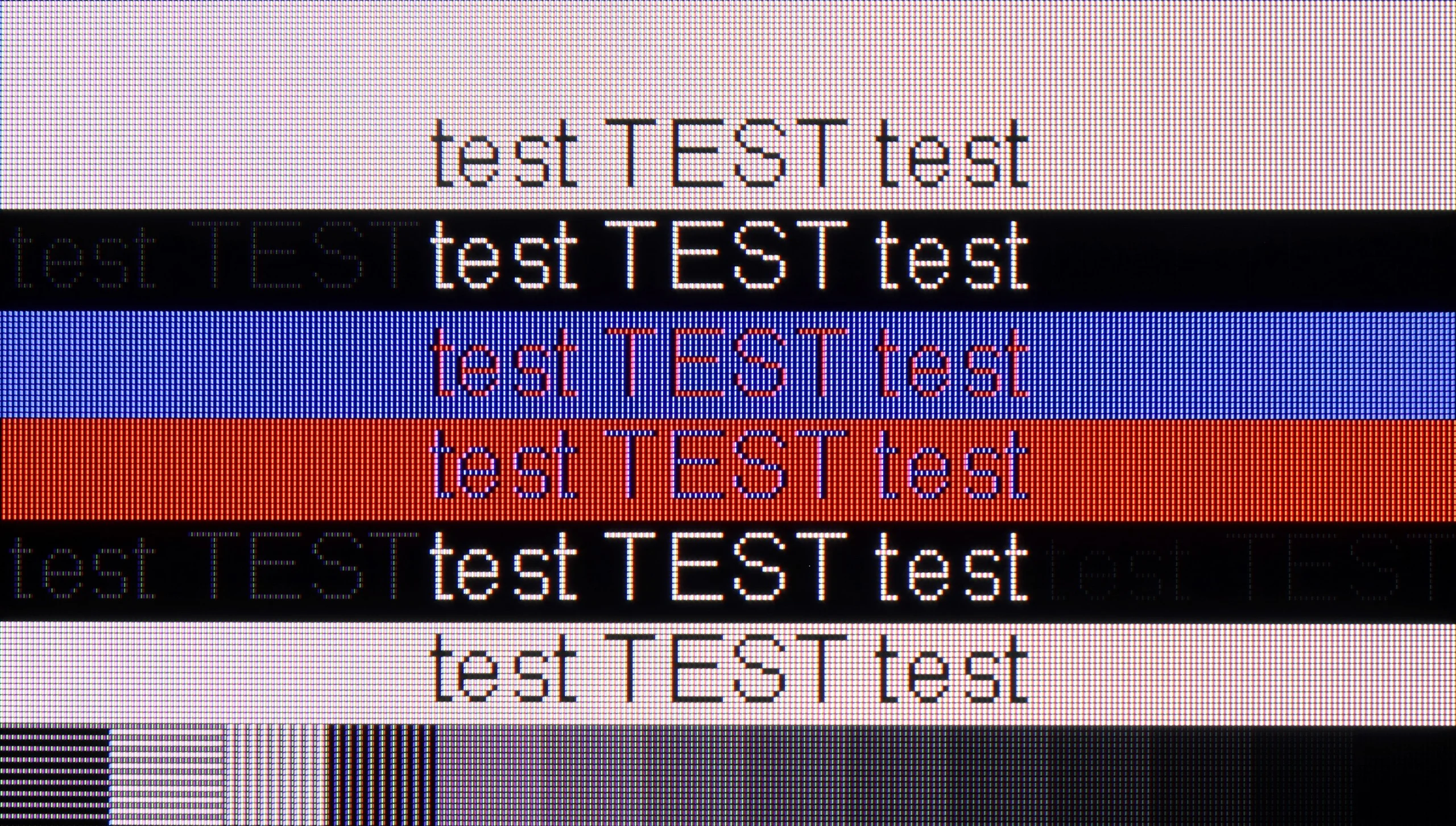
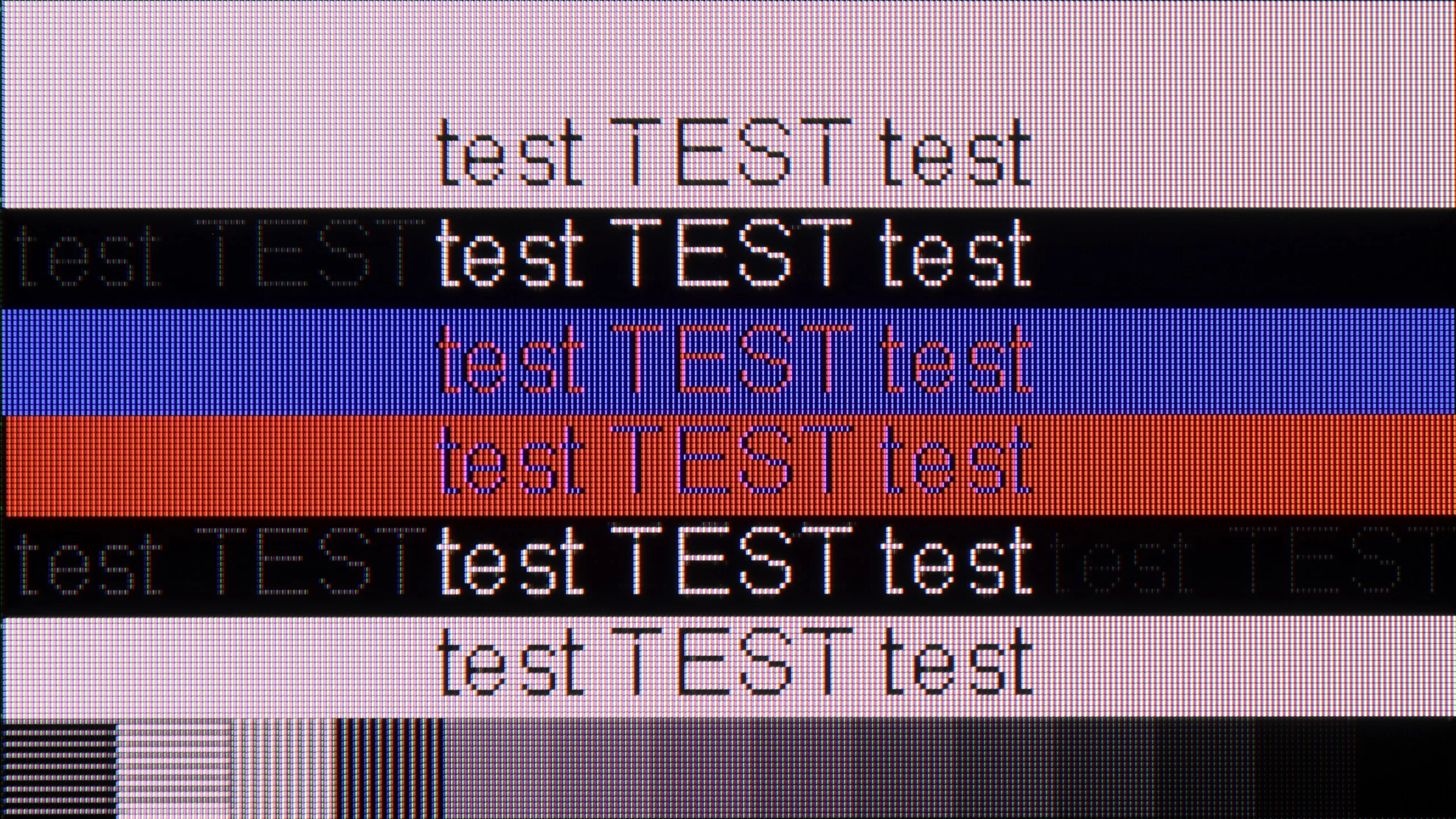
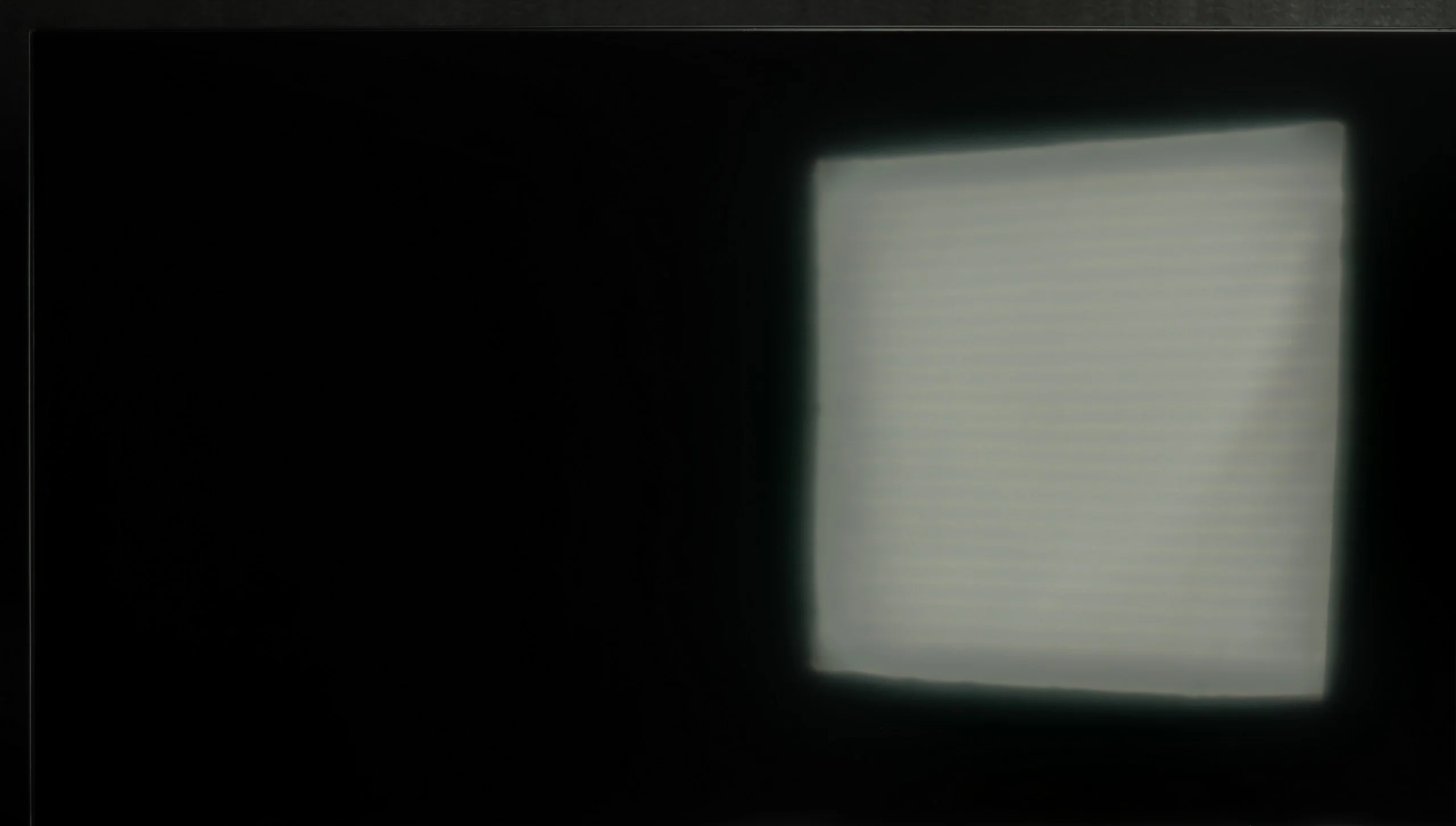
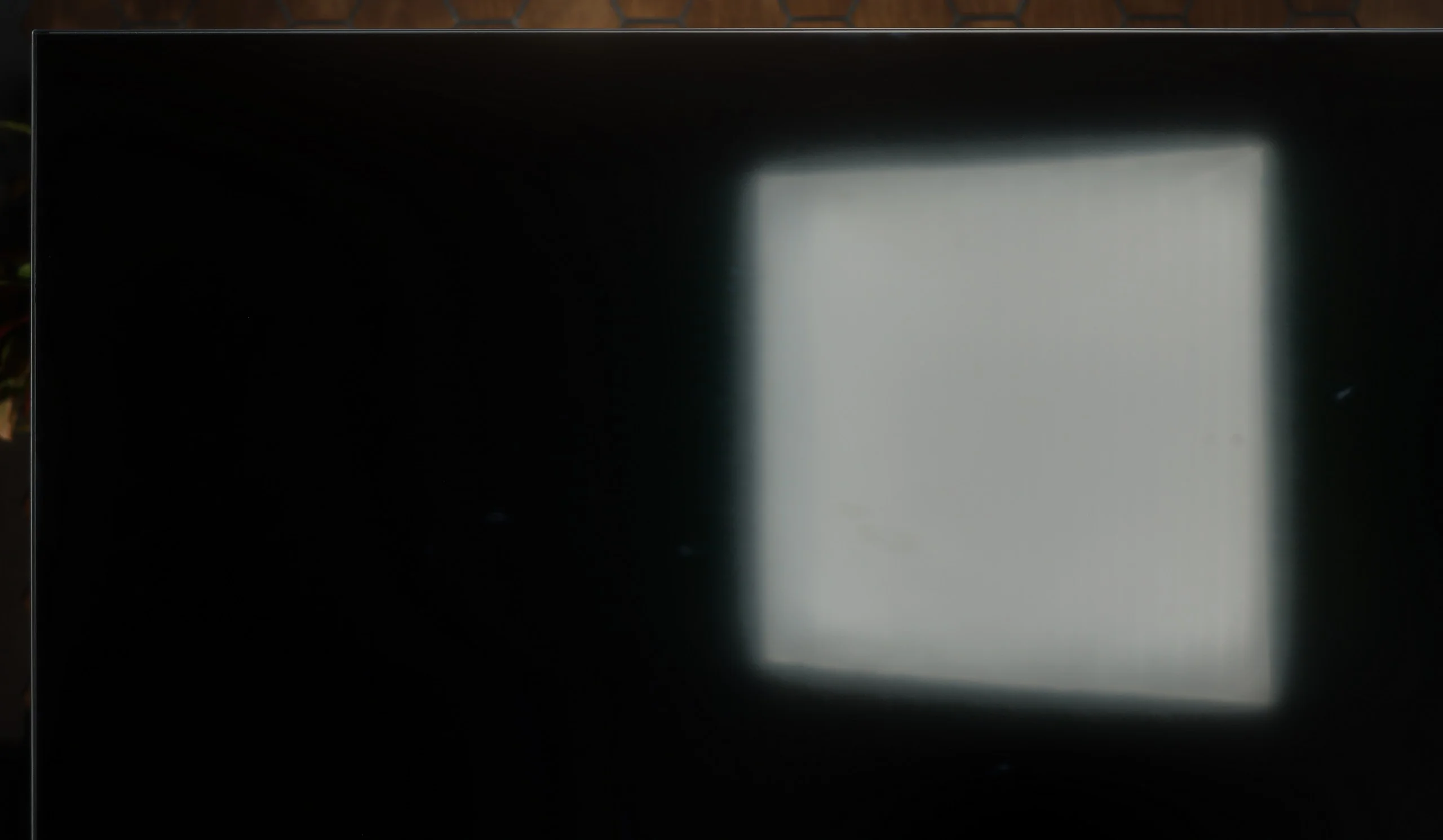
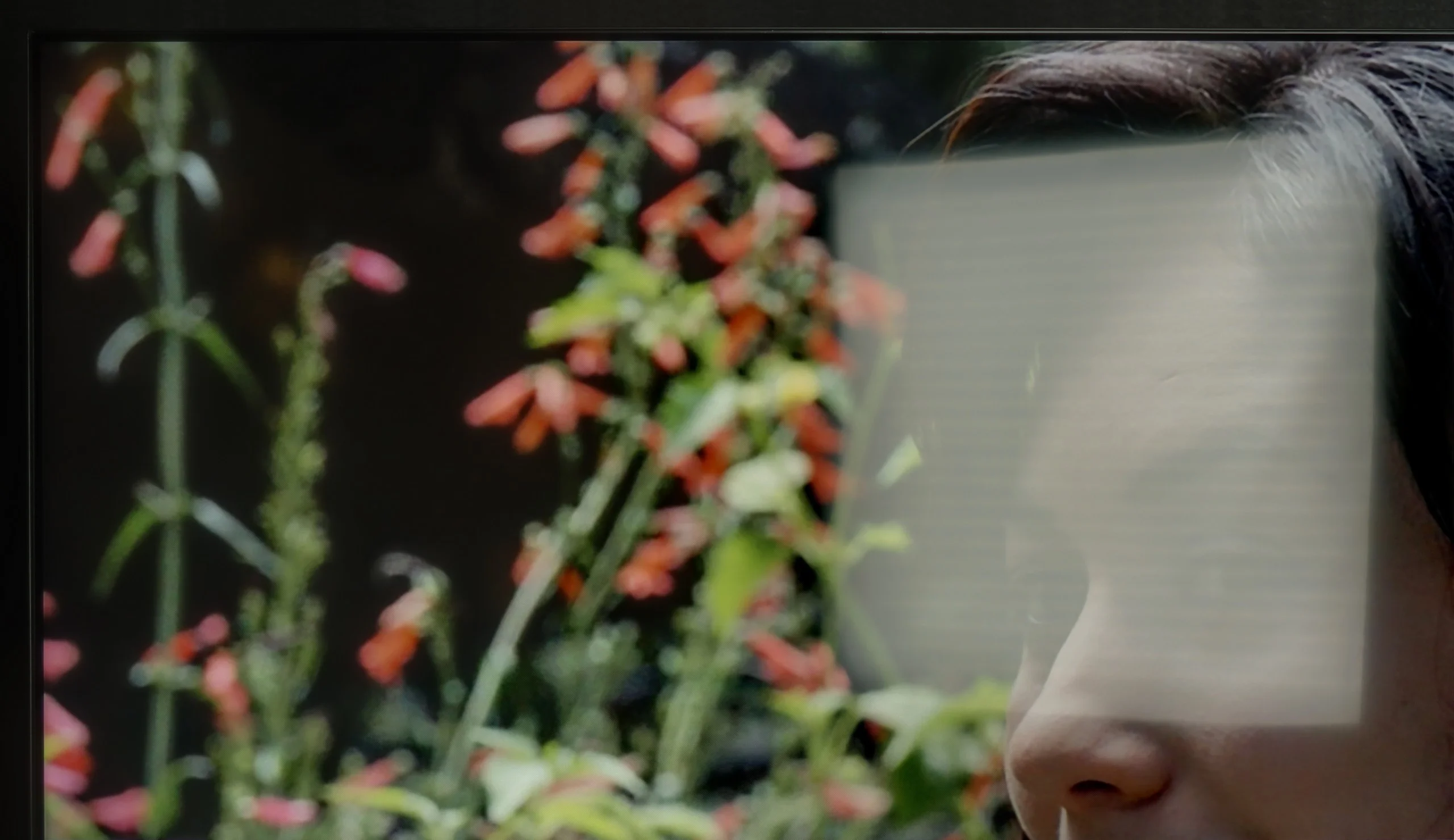
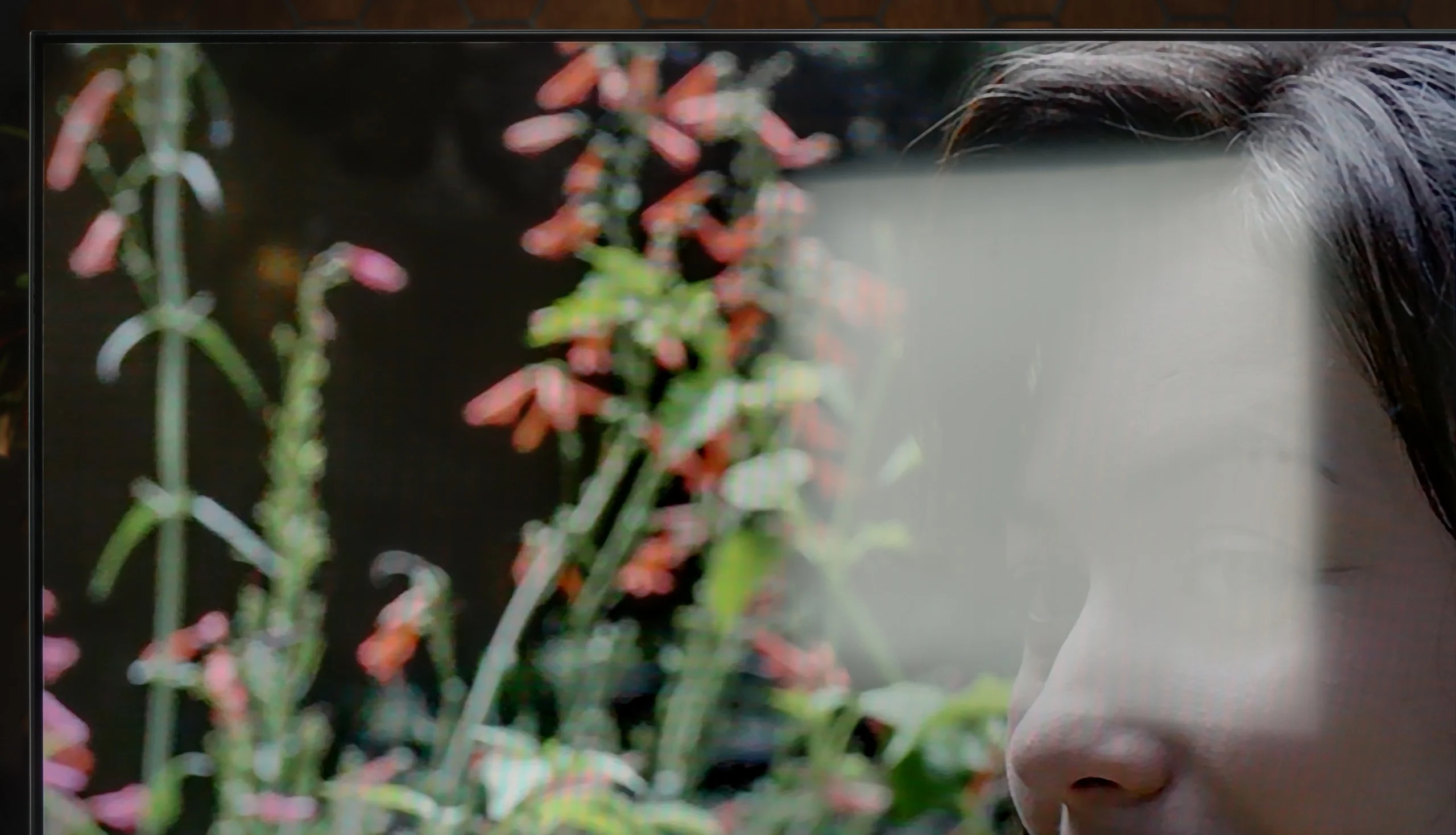
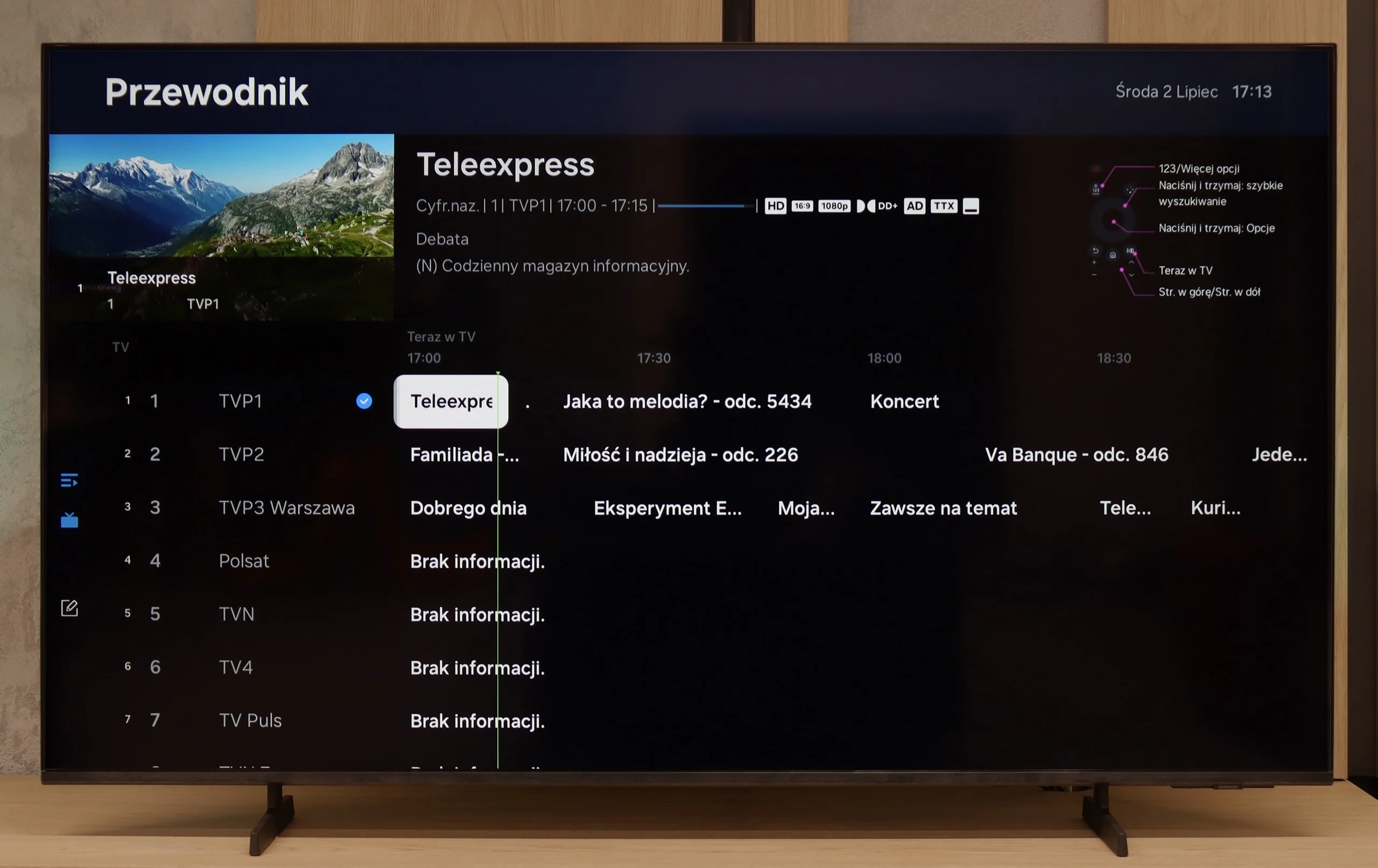
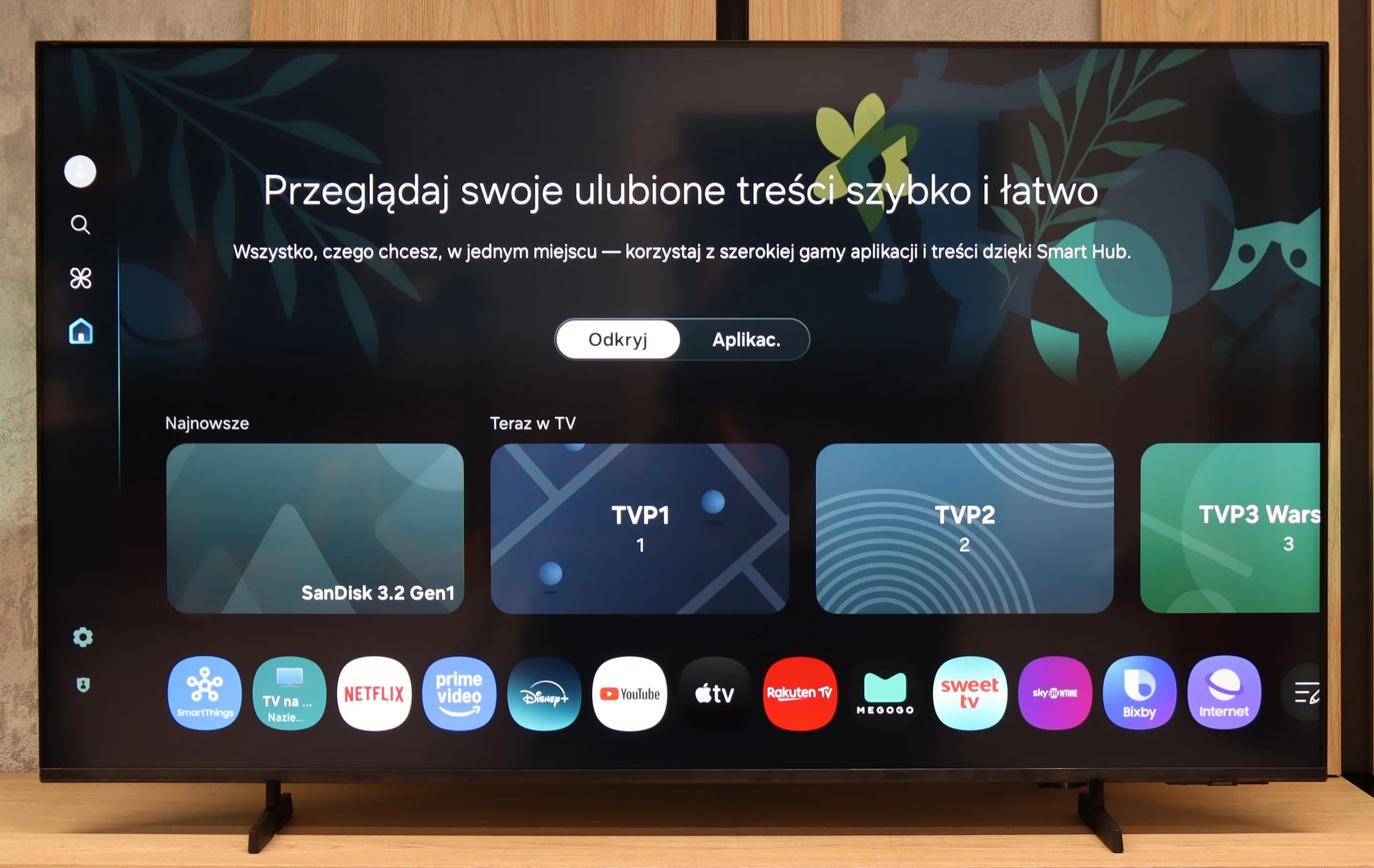
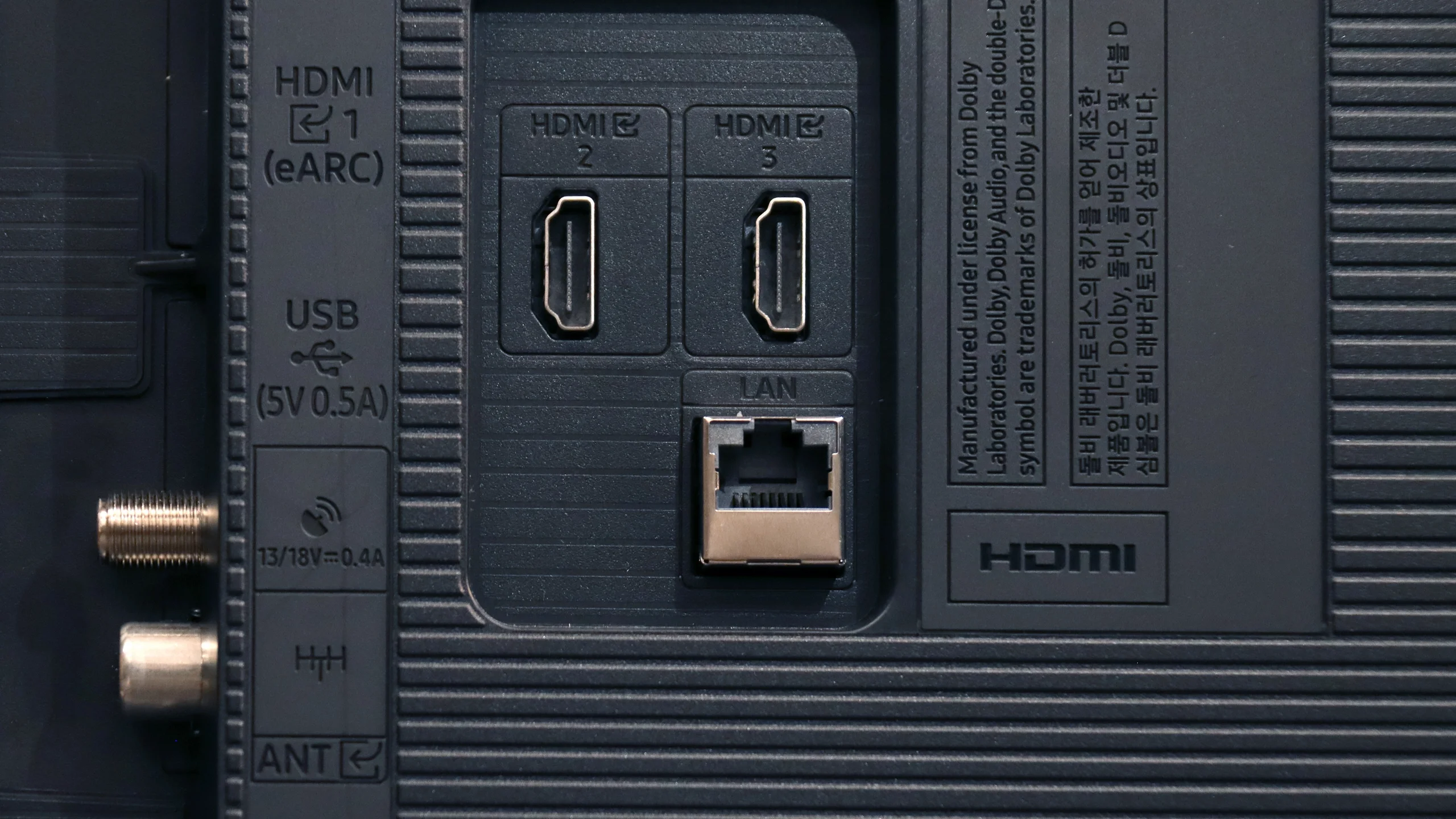
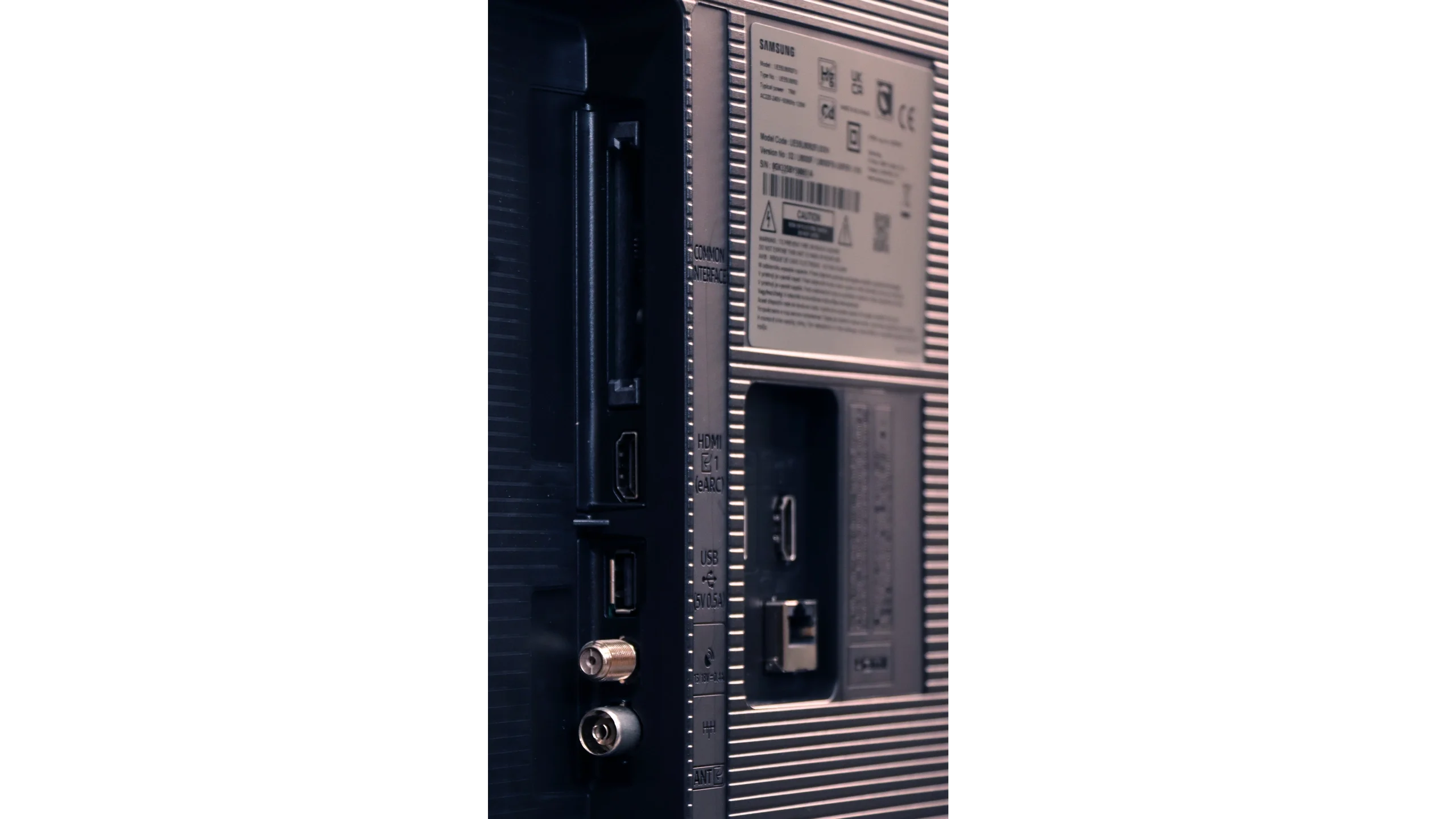
Samsung U8000F with a VA panel is a television that can pleasantly surprise in its class – of course, if we know what to expect from it. The biggest advantage of this variant is certainly the quality of black levels. Compared to the version with an IPS panel, the difference is enormous – the image gains depth, contrast looks significantly better, and evening film sessions no longer feel like watching content through a grey filter. For a budget segment device, this is truly a nice surprise. The reliable Tizen system is also a plus, as it not only runs smoothly but also offers access to a full range of applications, support for SmartThings, and a voice assistant (via the app). The PC mode and console connection function flawlessly – fonts are clear and readable. Additionally, it includes basic features for gamers, such as VRR and ALLM, which – although they won’t transform this television into an e-sports machine – are completely sufficient for occasional gaming.
Of course, like any construction in this budget, the U8000F with a VA panel has its limitations. Viewing angles are not its strongest point – when watching from the side, it’s easy to notice a drop in quality. Nonetheless, it's hard to see this as a serious flaw – because something has to give. Better black levels always come at the cost of slightly less flexibility in positioning. When it comes to HDR, we have rather a symbolic approach – brightness is too low to speak of a true "wow" effect, and the colour palette is limited. But let’s face the truth – that’s not the reason one buys such a television. So if you are planning to purchase the U8000F, we definitely recommend opting for the variant with a VA panel. It’s still a very basic model, but in this version, it offers more than one might expect – especially in terms of black quality. And in this price bracket, that’s quite a lot.
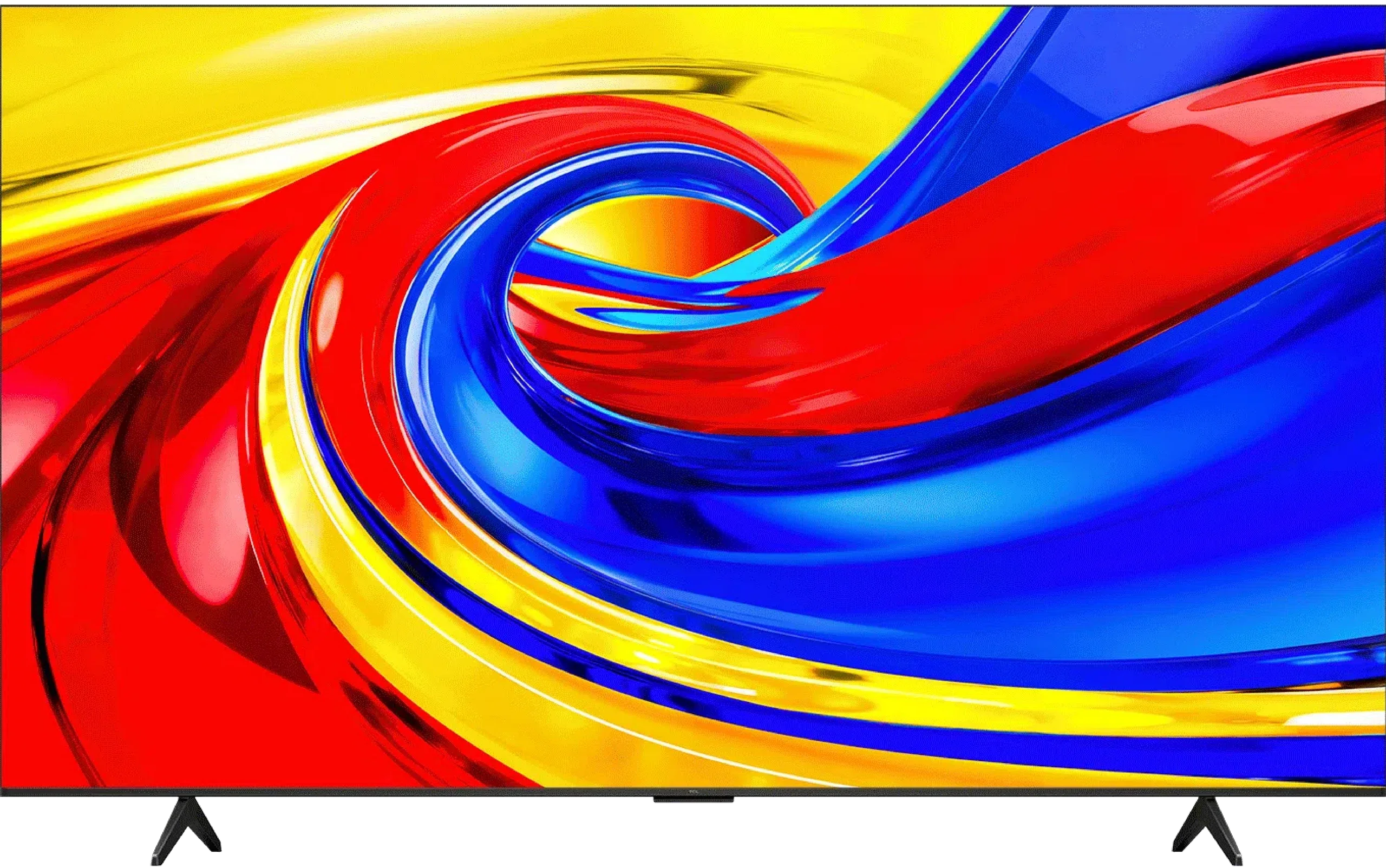
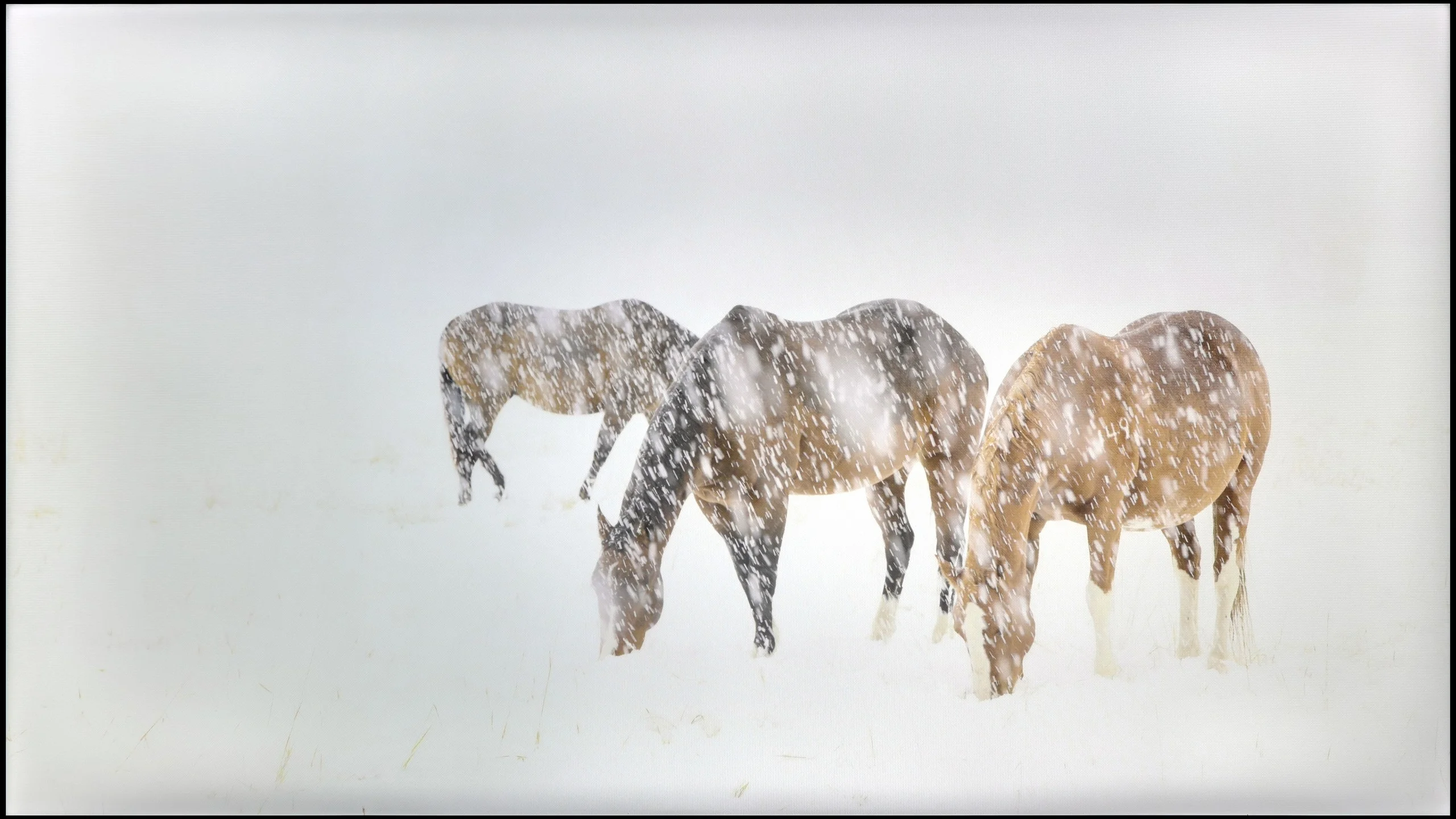
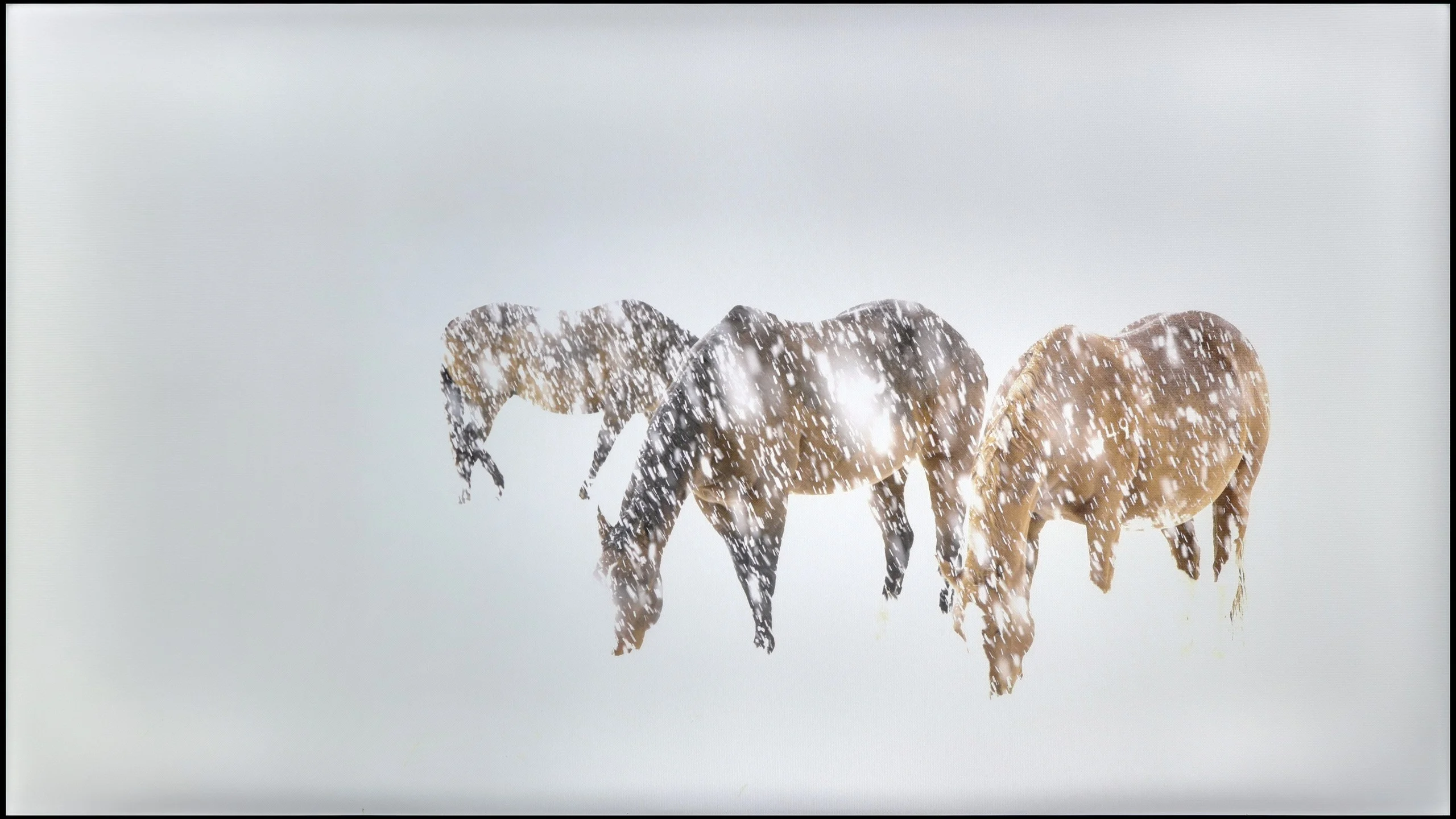
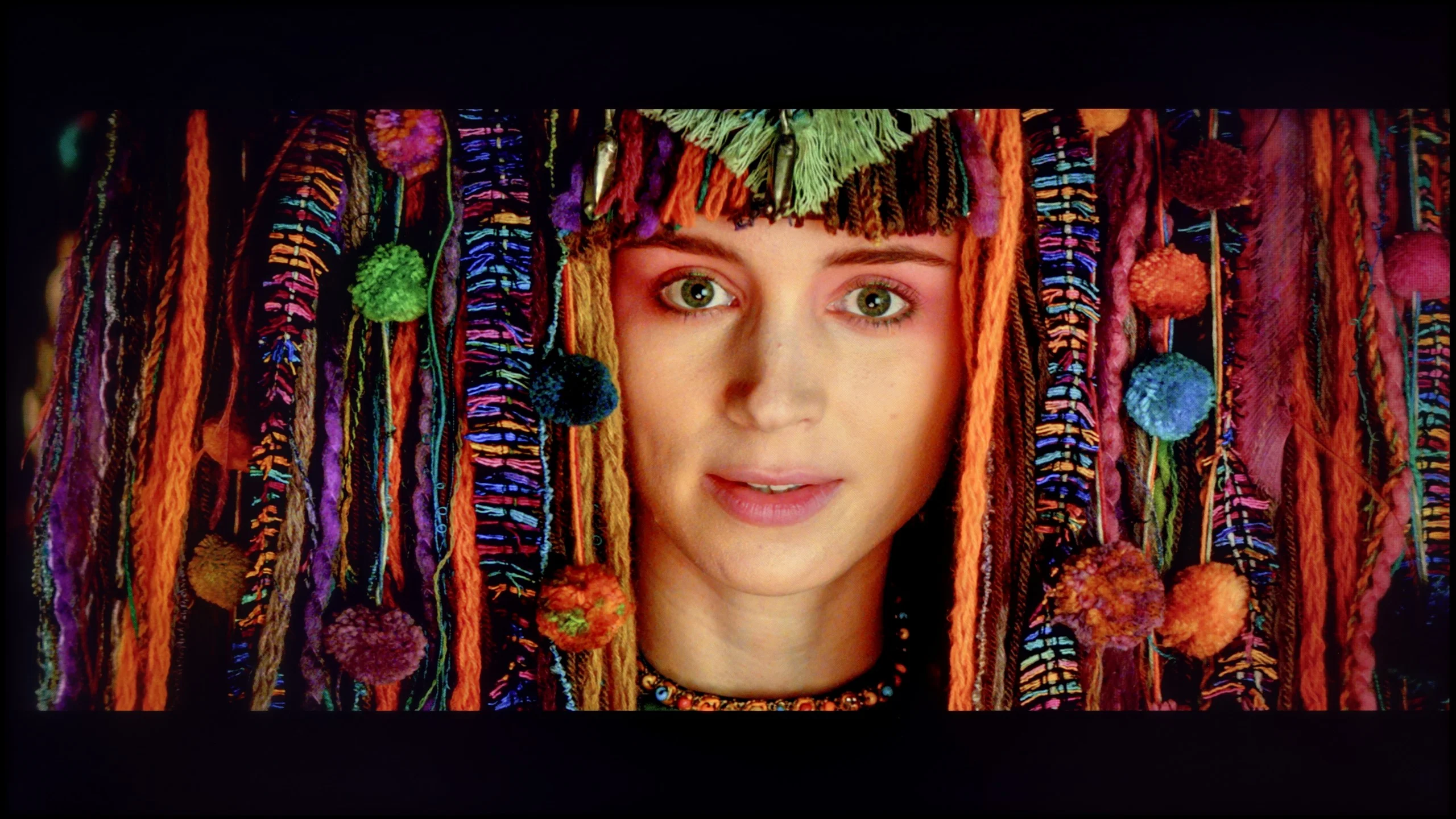
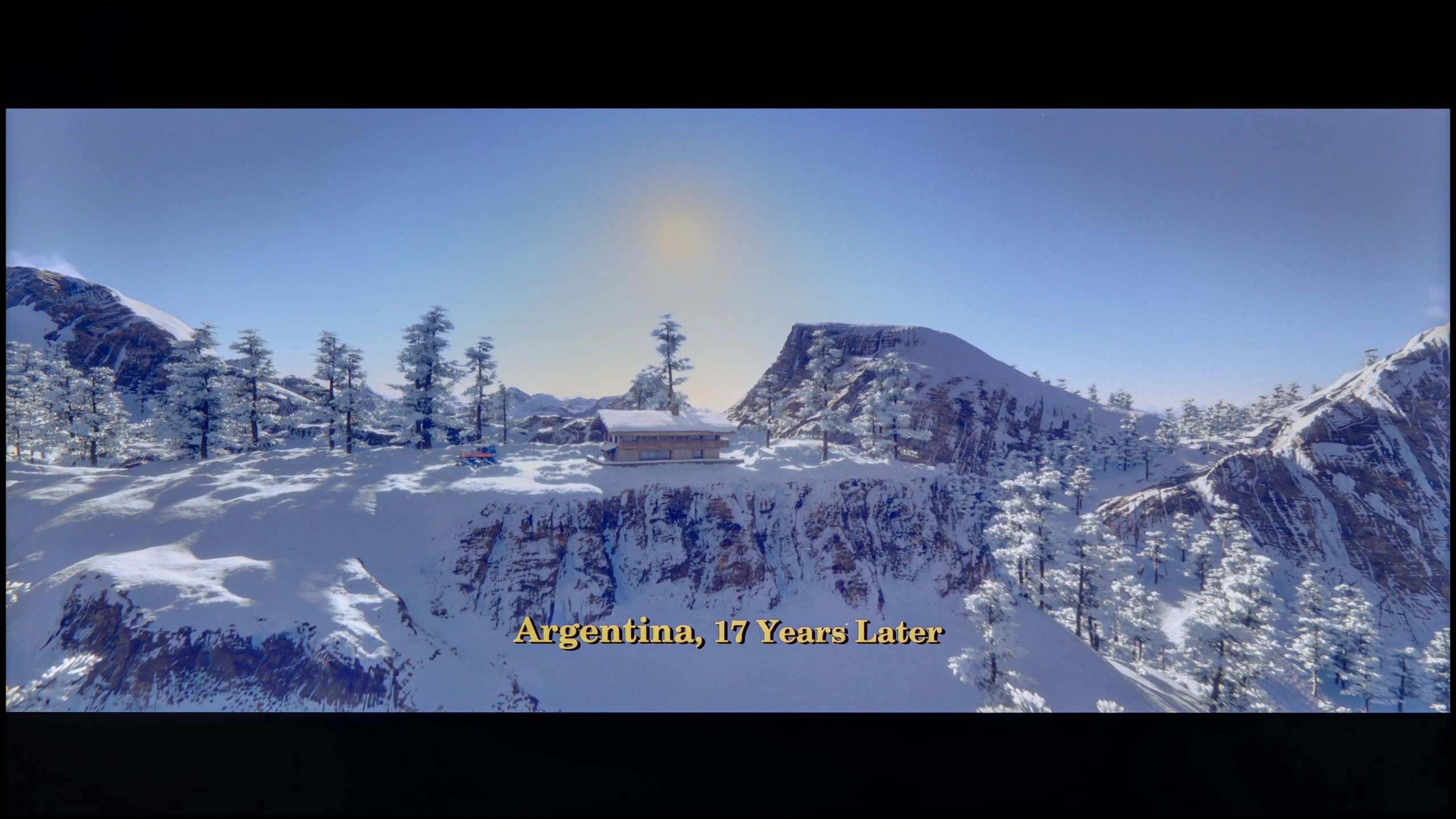
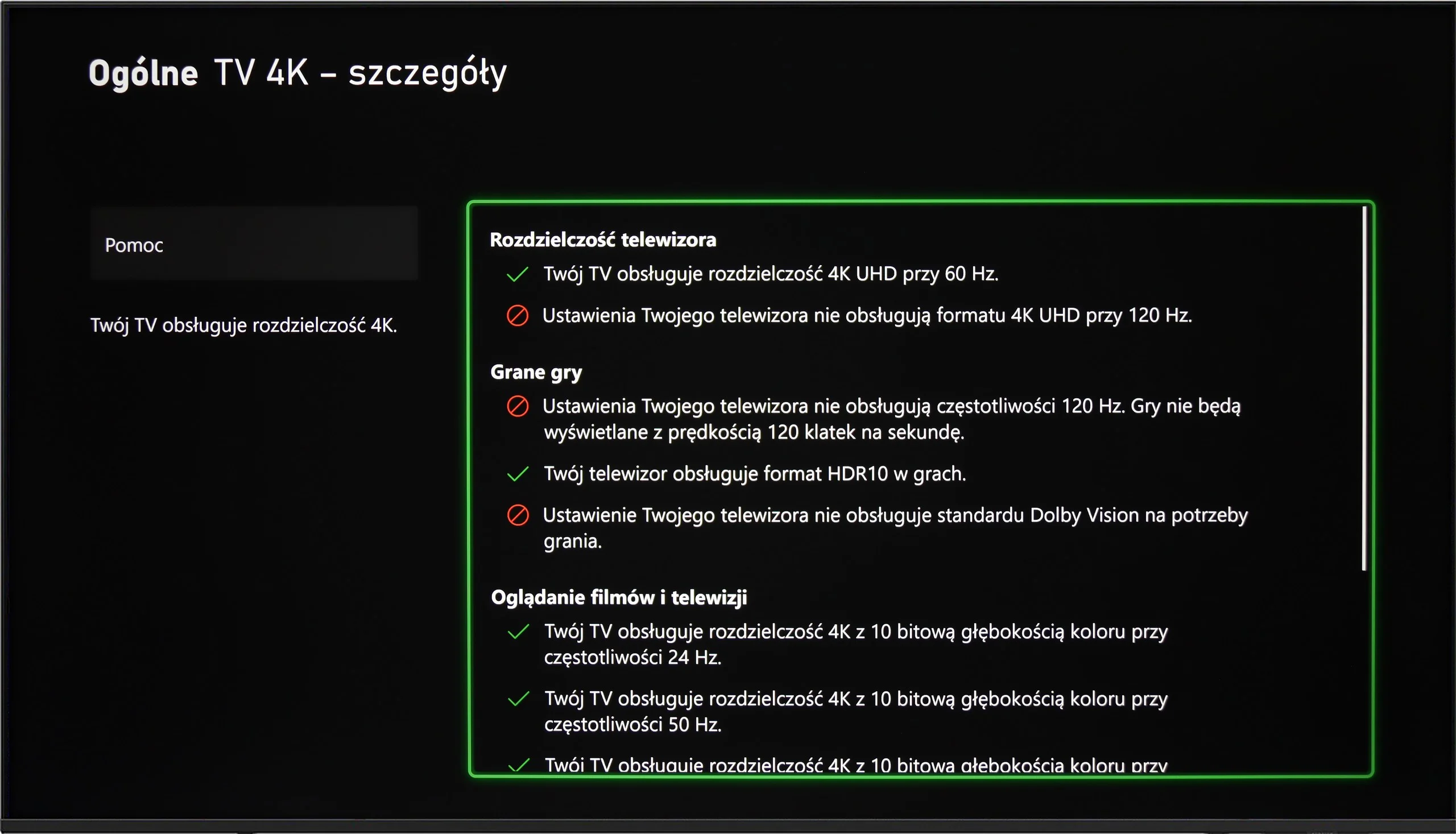
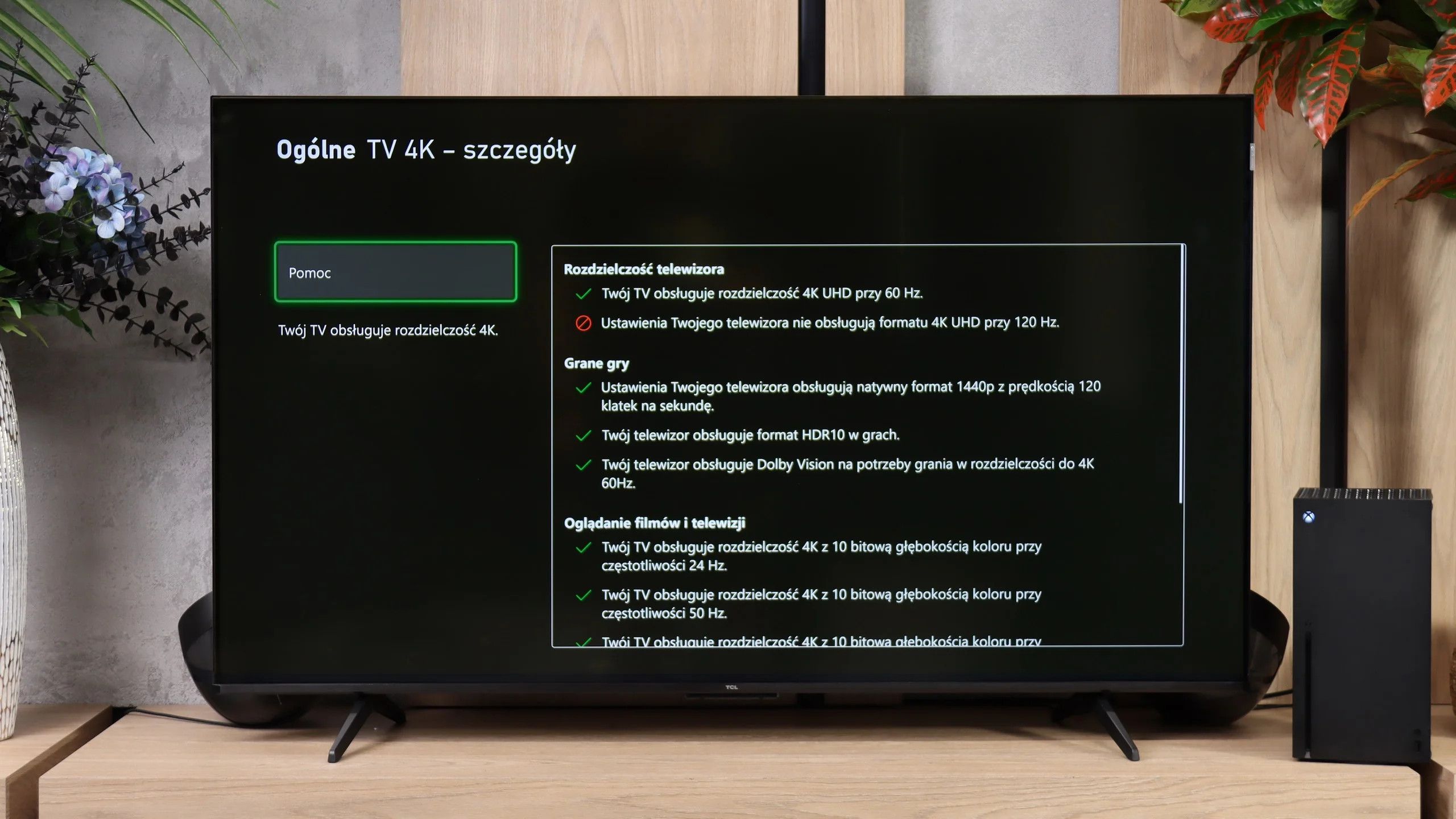
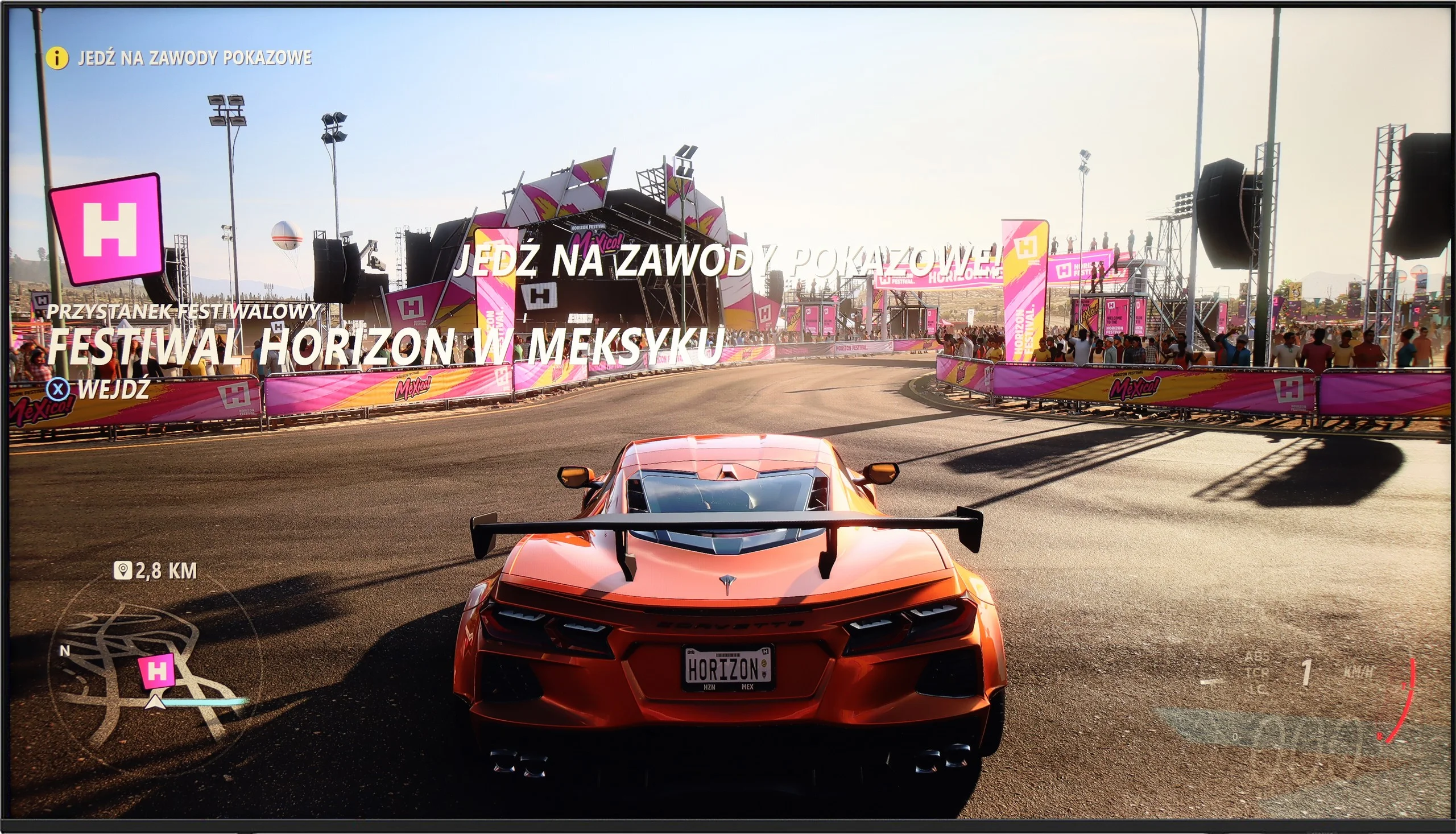
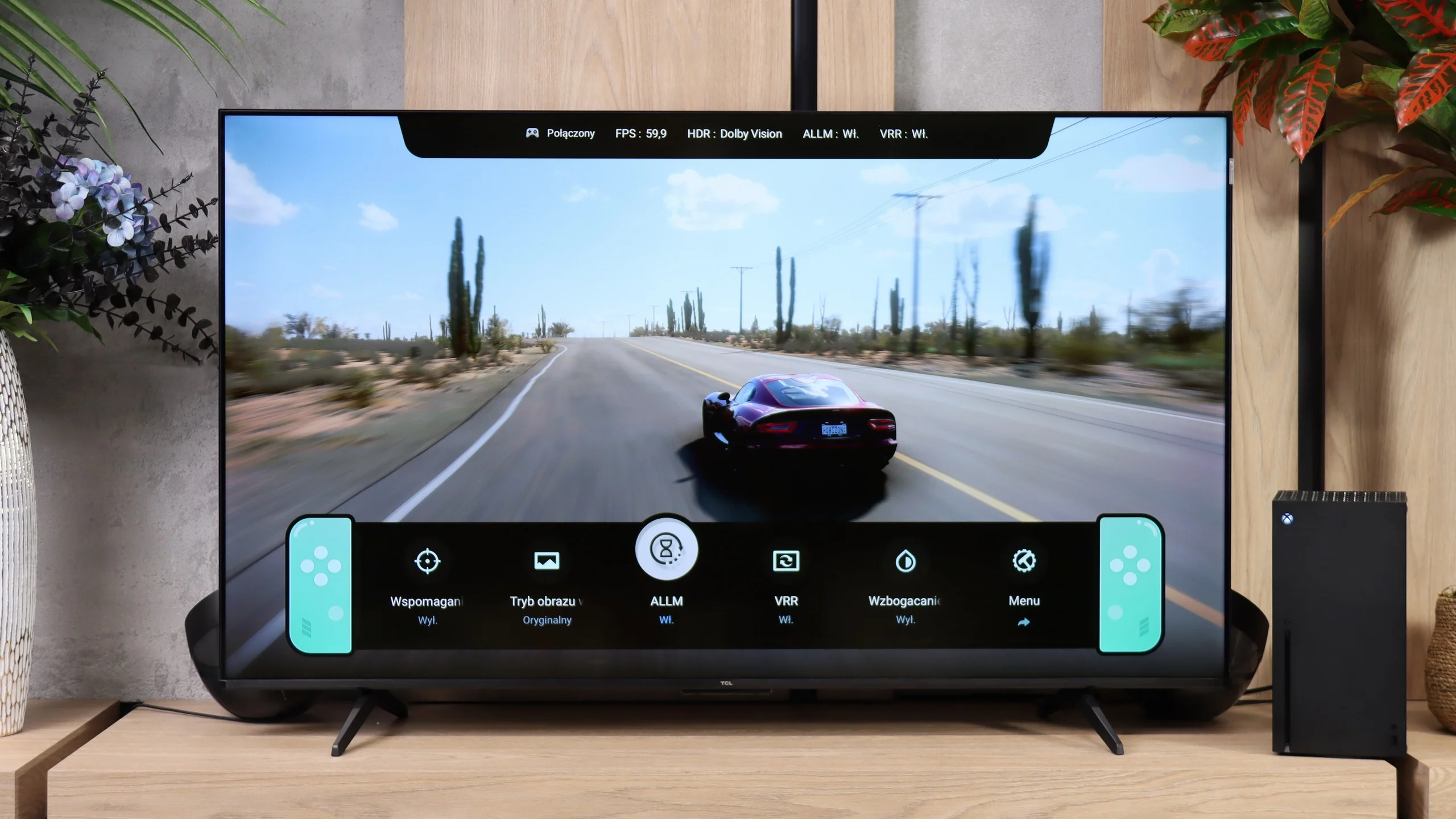
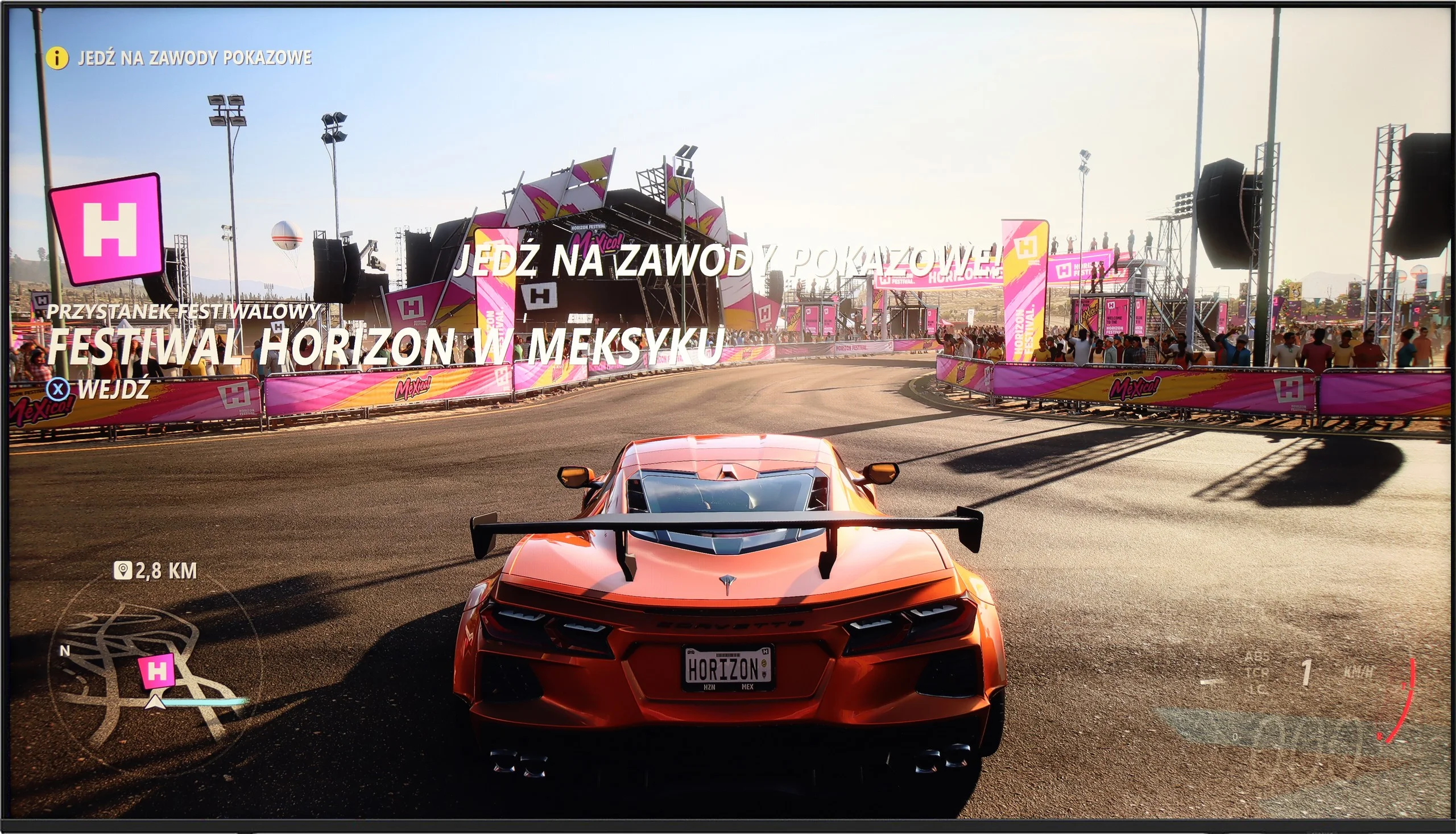
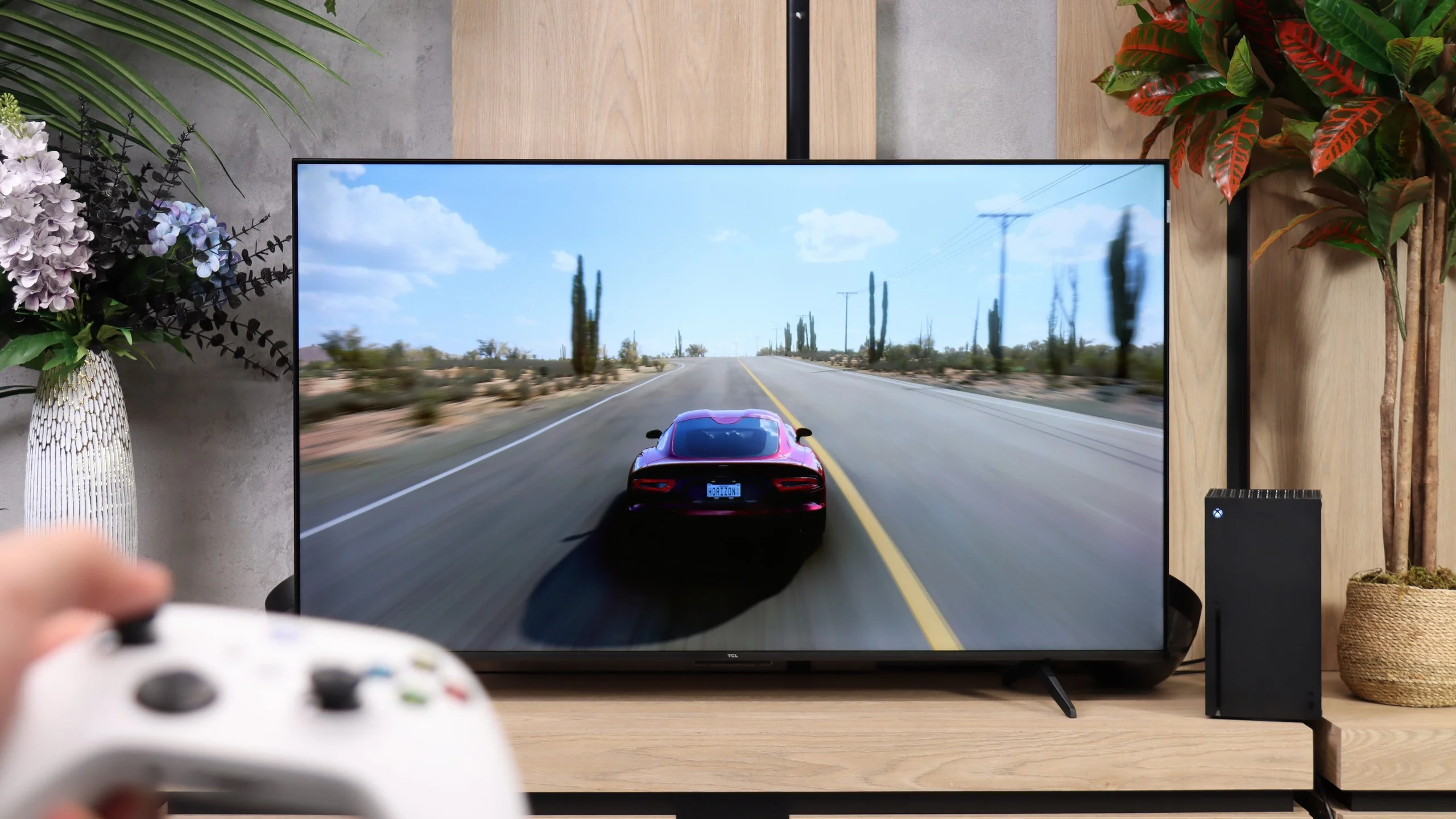
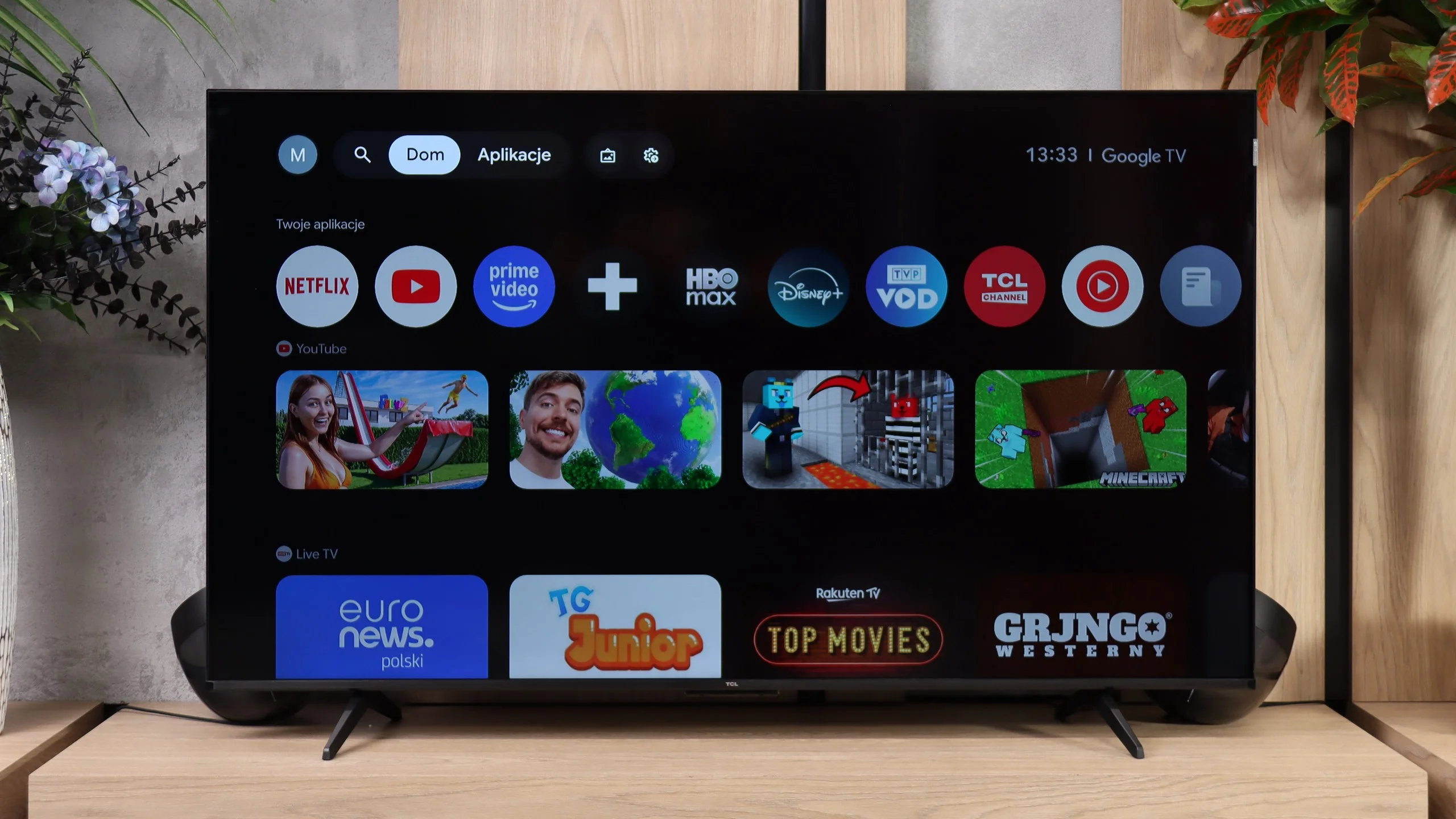
TCL P7L is a successful budget television that shows you can get more than just a screen for basic viewing for a modest sum. It does not match pricier Mini LED or OLED models, but in its class it has a lot to offer. The VA panel delivers decent blacks and contrast, so during an evening session the picture does not look as flat as on many cheap IPS models. After calibration the colours are also good. For watching films and series it is a solid base, and Google TV provides access to a wide range of apps and streaming services. The biggest surprise is its gaming capabilities. The P7L responds quickly to controller input, supports VRR and switches automatically to game mode. There is even Dolby Vision Gaming and a Game Bar with settings at your fingertips. What is more, reducing the resolution to 1080p or 1440p allows you to play at 120 Hz. In 4K you are limited to 60 Hz, so you must choose between greater detail and smoother motion, but it is good that at this price you have that choice. TCL also handles lower-quality sources well. Lower-resolution material looks acceptable, and the tonal transition smoothing actually helps reduce visible banding between shades. The way it presents HDR is also commendable. The TV sensibly adapts content to its capabilities and tries to preserve highlight detail instead of turning it into blown-out whites. Dolby Vision helps here too, often delivering noticeably better results than HDR10. That does not mean the HDR effect itself is awe-inspiring. The biggest limitation of the P7L is brightness. Small highlights and reflections do not have the punch you see on more expensive screens, even if their detail remains visible. For the same reason the TV is less well suited to a very sunlit living room. It performs much better in a moderately lit room. So the P7L has its limitations, but it is hard to deny its strong value for money. It is suitable for everyday viewing, does not restrict you in app choice and offers surprising freedom in games. If you are looking for an inexpensive television and can accept its flaws, the TCL P7L is a model worth considering.
 Direct comparison