 Direct comparison
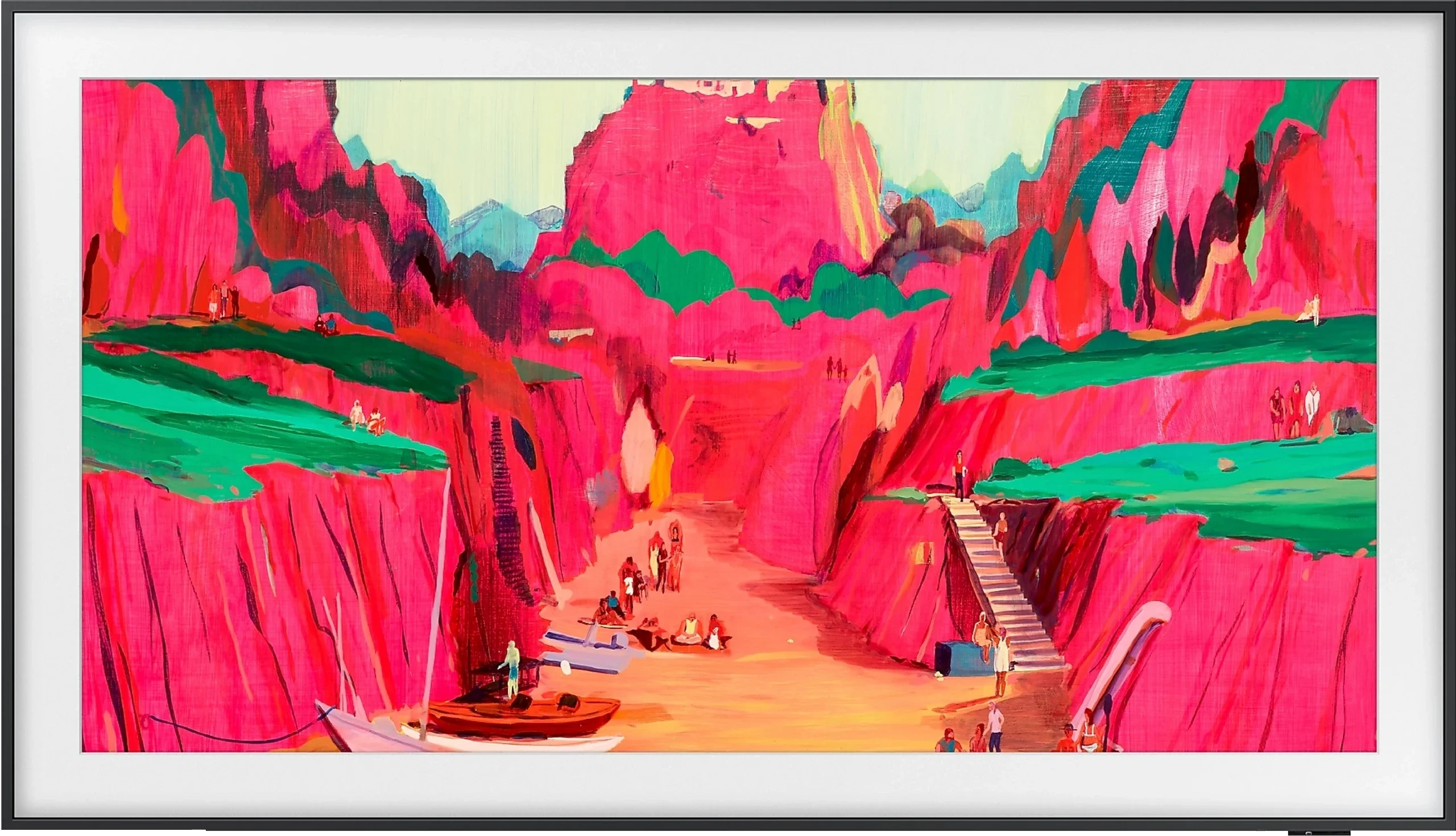
Samsung The Frame Pro 2025 is a television that brings a breath of fresh air to the lifestyle model segment. The design is, of course, the main highlight – a symmetrical frame, the possibility of easily changing decorative frames, and above all, the wall image effect thanks to the matte finish and special mount. In everyday use, it makes a great impression, and the Art Store feature combined with the high screen brightness means that the television performs well not only as a display for films and series but also as an element of interior decor. It's also hard not to appreciate the gadgety addition of the wireless One Connect module – the ability to hide the box with ports anywhere in the living room provides significant arrangement flexibility. In terms of image quality, The Frame Pro holds its own quite well. A brightness level of up to 900 nits in peak scenes allows for enjoying HDR effects even in brightly lit rooms, and the VA panel ensures stable yet solid contrast. However, there are quite a few question marks. First and foremost – the naming. The designation "Pro" and the addition of Mini-LED suggest that we are dealing with an advanced local dimming system. Meanwhile, in the 65-inch variant, we counted only 24 zones, all located at the bottom edge of the screen. You probably already know the effect after reading this review. The blacks and contrast are decent, but they are far from what the Mini-LED televisions with full, dense backlighting of the panel offer. The wireless module also raises mixed feelings. While it works fairly well for connecting an amplifier or decoder, gamers and PC users will quickly find that direct connection to the television via MICRO-HDMI is essential. Otherwise, they must reckon with high input lag and poorer font readability. Therefore, it's hard to call The Frame Pro "Pro" in a strictly technological sense – it would be more accurate to say it's "Frame Plus." A fantastic lifestyle television, polished and visually impressive, that would fit perfectly in a bright, modern living room, but at the same time, it doesn't quite meet the level of quality one might expect from a product labelled as Mini-LED. It's a device that will delight with its design and additional features but will leave a slight sense of disappointment for those who were expecting a true breakthrough in image quality.
- Matching (Score) |
- Our verdict |
- TV appearance |
- Where to buy |
- Contrast and black detail |
- HDR effect quality |
- Factory color reproduction |
- Color reproduction after calibration |
- Smoothness of tonal transitions |
- Image scaling and smoothness of tonal transitions |
- Blur and motion smoothness |
- Console compatibility and gaming features |
- Input lag |
- Compatibility with PC |
- Viewing angles |
- Daytime performance |
- Panel details |
- TV features |
- Apps |
- Playing files from USB |
- Sound
The Frame Pro / LS03FW
P7L / P79L

Panel type: LCD VA
Resolution: 3840x2160
System: Tizen
Model year: 2025
Complete the survey to find out the result
Panel type: LCD VA
Resolution: 3840x2160
System: Google TV
Model year: 2026
Complete the survey to find out the result
Overall rating
7.3
6.3
 Movies and series in UHD quality
6.8
5.8
 Classic TV, YouTube
6.6
6.0
 Sports broadcasts (TV and apps)
6.8
5.7
 Gaming on console
8.9
7.3
 TV as a computer monitor
8.4
5.8
 Watching in bright light
7.0
5.2
 Utility functions
7.7
7.0
 Apps
9.3
9.6
 Sound quality
6.4
6.2
Complete the survey to find out what fits your preferences
Advantages

Premium design – symmetrical frame, ability to customise interchangeable frames, effect of a real picture on the wall
Wire-free One Connect module – no visible cables by the television, easier arrangement of space
Matte screen coating – no reflections even in bright rooms
High brightness ratio – up to 900 nits
Wide colour gamut – QLED
Smooth tonal transitions, virtually no banding
High motion fluidity – 144 Hz panel
Features for gamers – VRR, ALLM, 144 Hz, Game Bar, low input lag (wired)
Tizen system – fast, intuitive, with a full suite of applications and support for AirPlay and voice assistant
Art Store – unique feature, television as a digital picture frame
Mount included
Good contrast thanks to the VA panel
Rich colours: QLED (PFS)
Supports Dolby Vision and HDR10+
Supports audio formats Dolby Atmos and DTS:X
Extensive gaming features: VRR and ALLM
Low input lag
120 Hz support at lower resolutions
Google TV with a wide selection of apps
Disadvantages

It's hard to call it a true Mini-LED – edge lighting
Poor viewing angles (they could be better for improved wall image effect)
Missing HGiG* feature
Flat sound, little bass. A soundbar will definitely come in handy
Issues with font readability and significant delays (input lag) when using the wireless One Connect module.
*The HGiG feature disappeared with the latest TV update. We are monitoring the situation closely and if anything changes in this regard, we will let you know.
Low brightness
Poor viewing angles
Average sound quality
Our verdict
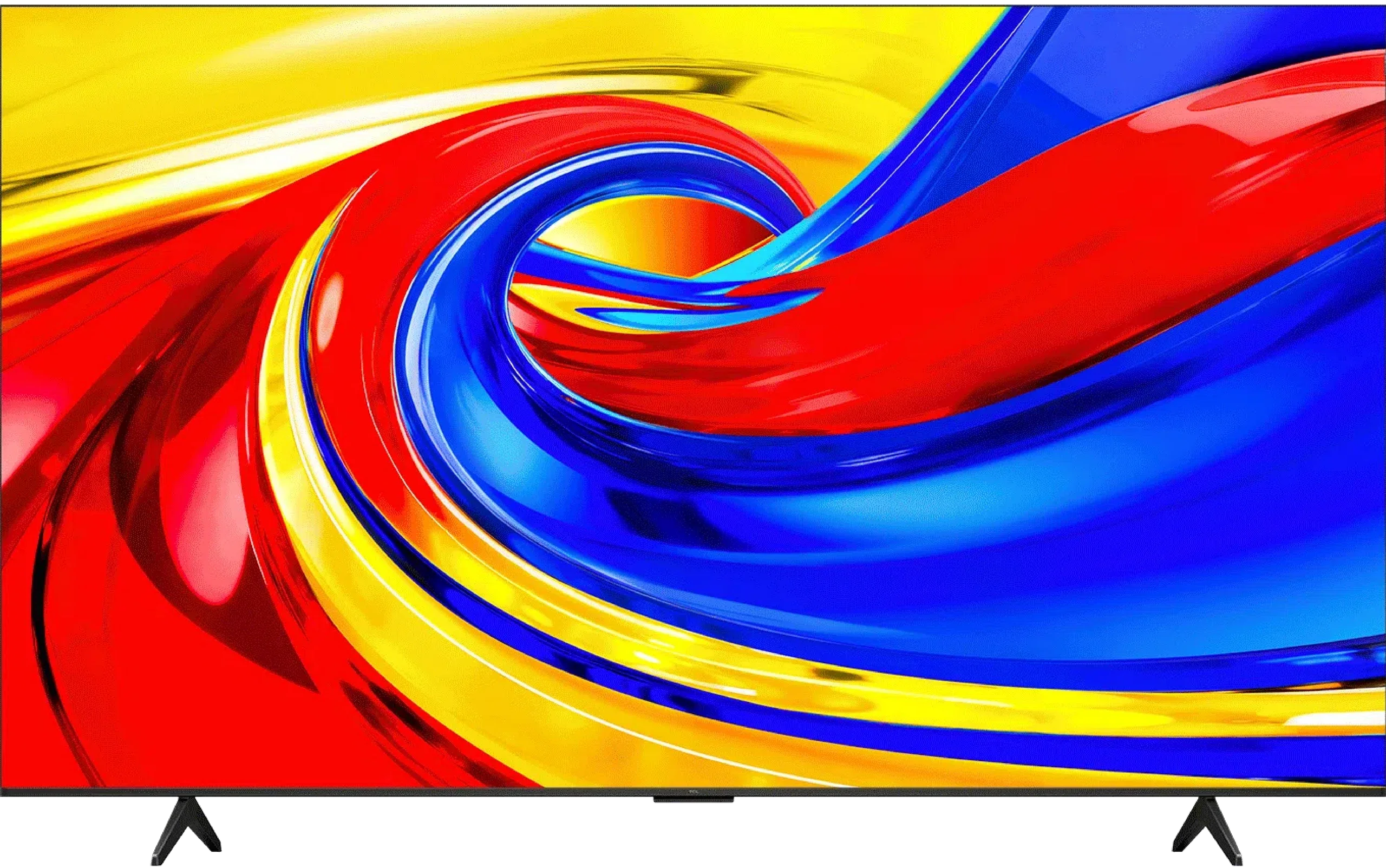
TCL P7L is a successful budget television that shows you can get more than just a screen for basic viewing for a modest sum. It does not match pricier Mini LED or OLED models, but in its class it has a lot to offer. The VA panel delivers decent blacks and contrast, so during an evening session the picture does not look as flat as on many cheap IPS models. After calibration the colours are also good. For watching films and series it is a solid base, and Google TV provides access to a wide range of apps and streaming services. The biggest surprise is its gaming capabilities. The P7L responds quickly to controller input, supports VRR and switches automatically to game mode. There is even Dolby Vision Gaming and a Game Bar with settings at your fingertips. What is more, reducing the resolution to 1080p or 1440p allows you to play at 120 Hz. In 4K you are limited to 60 Hz, so you must choose between greater detail and smoother motion, but it is good that at this price you have that choice. TCL also handles lower-quality sources well. Lower-resolution material looks acceptable, and the tonal transition smoothing actually helps reduce visible banding between shades. The way it presents HDR is also commendable. The TV sensibly adapts content to its capabilities and tries to preserve highlight detail instead of turning it into blown-out whites. Dolby Vision helps here too, often delivering noticeably better results than HDR10. That does not mean the HDR effect itself is awe-inspiring. The biggest limitation of the P7L is brightness. Small highlights and reflections do not have the punch you see on more expensive screens, even if their detail remains visible. For the same reason the TV is less well suited to a very sunlit living room. It performs much better in a moderately lit room. So the P7L has its limitations, but it is hard to deny its strong value for money. It is suitable for everyday viewing, does not restrict you in app choice and offers surprising freedom in games. If you are looking for an inexpensive television and can accept its flaws, the TCL P7L is a model worth considering.
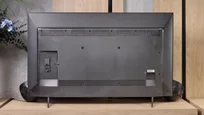
TV appearance

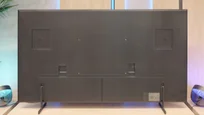
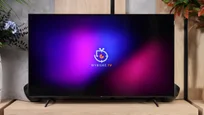
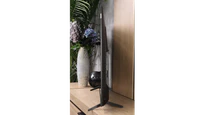

Contrast and black detail
5.7/10
6.1/10
Local dimming function: Yes, number of zones: 24 (1 x 24)
Local dimming function: No
Contrast:


Result
6,250:1

Result
5,100:1

Result
4,650:1

Result
4,350:1

Result
4,300:1
Result
7,550:1
Result
7,350:1
Result
5,150:1
Result
6,600:1
Result
4,250:1
Halo effect and black detail visibility:
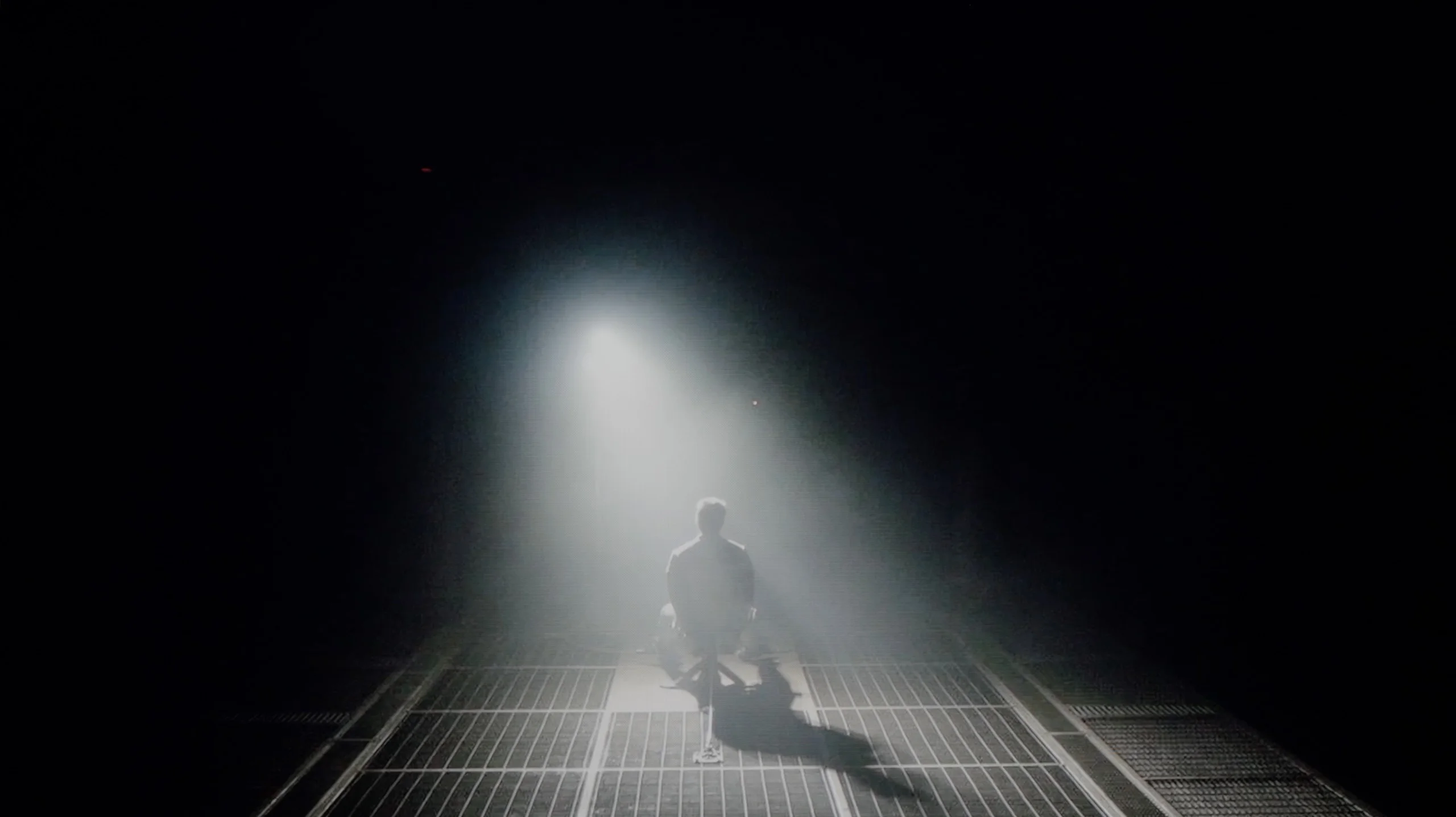
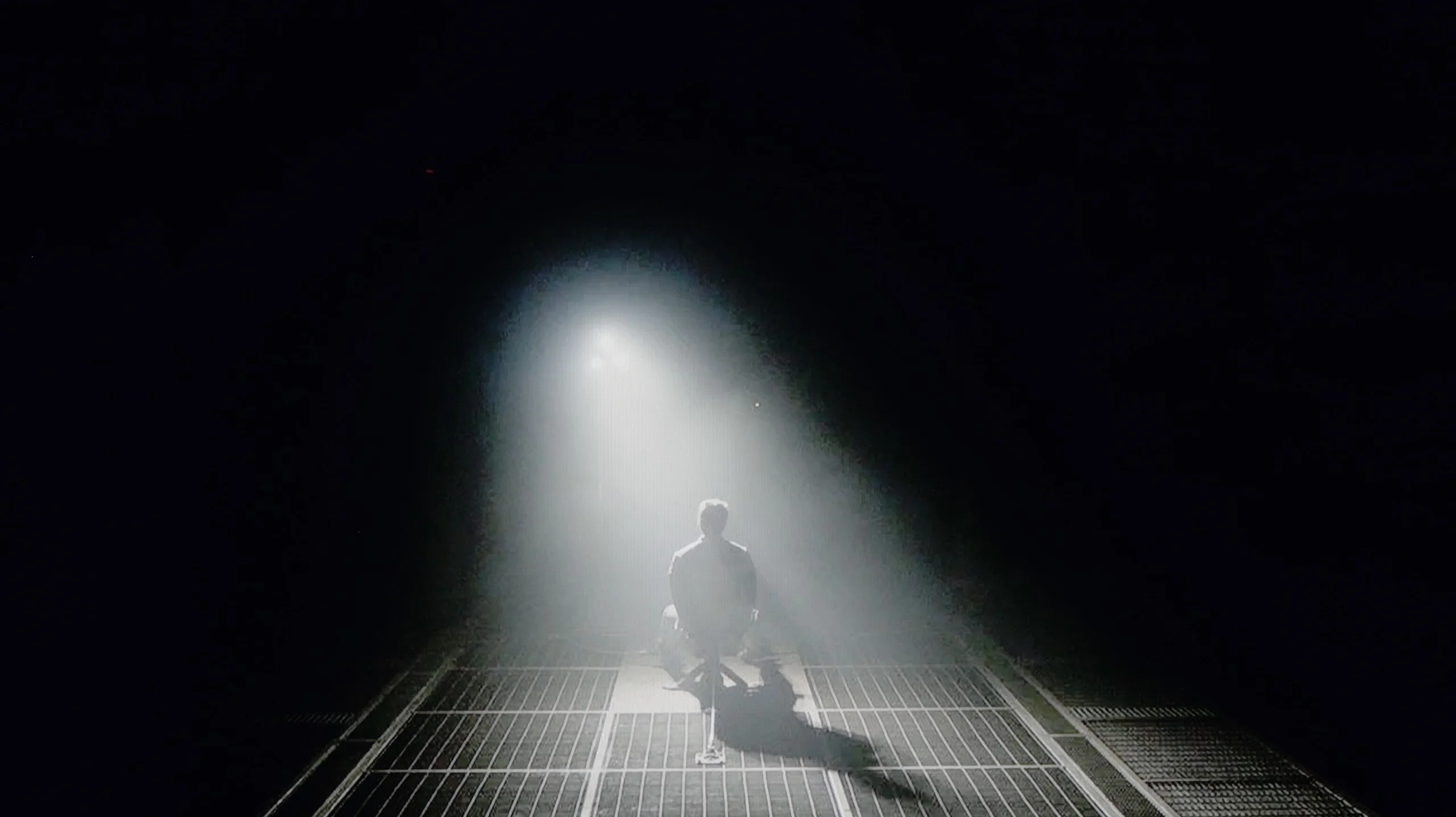
Check the visibility of bright lights on a dark background. Mini-LEDs often struggle with this. The photo does not compare black levels – that’s what the video below is for.
Samsung The Frame Pro has officially been marked as a Mini-LED backlit television, but… is that really the case? In the 65-inch variant we tested, we counted only 24 dimming zones. The number itself seems rather modest, but what's more important is their distribution – they are all located along the bottom edge of the screen. In practice, this means that The Frame Pro should be treated more as edge-lit rather than a fully-fledged Mini-LED with dense, direct local dimming. Samsung has used a similar tactic before, rebranding the Q70 series into Neo QLED televisions – mainly for marketing purposes. How does this translate to the picture? Black levels and contrast appear to be acceptable, but there are none of the effects known from televisions with advanced local dimming, such as in the QN80 series. A large part of this is due to the high-gamut VA panel, which inherently provides solid parameters – a contrast level of around 5000:1 looks good and, importantly, is stable, without significant fluctuations. However, if someone buys The Frame Pro hoping to experience a “true Mini-LED”, they may feel disappointed. We ourselves expected this model to significantly differentiate itself from the classic The Frame series in terms of contrast quality, yet the differences turned out to be smaller or virtually non-existent than one might suggest by the “Pro” designation.
The TCL P7L can surprise with quite respectable black levels, mainly thanks to its VA panel. The panel itself offers contrast of around 4500:1, which is clearly better than in typical IPS screens. The TV also uses global backlight control, so in darker scenes it can push black levels even lower, and in our measurements it achieved results that exceeded the panel's own capabilities.
However, this is not the local dimming found on Mini LED TVs. The P7L cannot dim small parts of the image independently, so when a bright element appears on screen the entire backlight has to operate at a similar level. In more demanding scenes the difference compared with models that use zoned dimming becomes apparent quite quickly, and in a completely dark room blacks can tend towards navy tones. Despite these limitations, we assess the P7L's overall contrast positively, especially given the segment it occupies.
HDR effect quality
5.8/10
4.5/10
Luminance measurements in HDR:

Result
745 nit

Result
458 nit

Result
476 nit

Result
446 nit

Result
660 nit
Result
250 nit
Result
300 nit
Result
368 nit
Result
297 nit
Result
347 nit
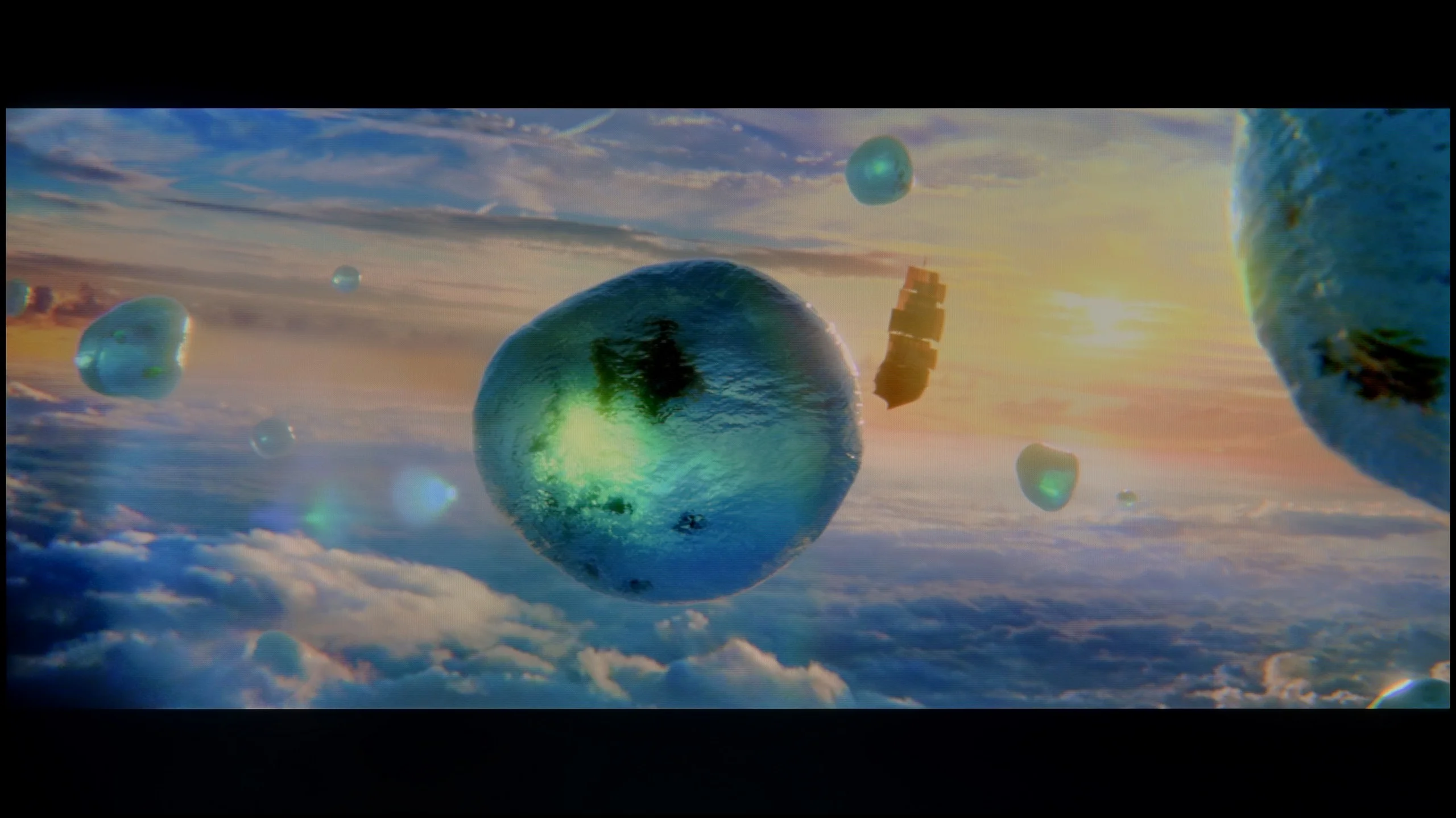
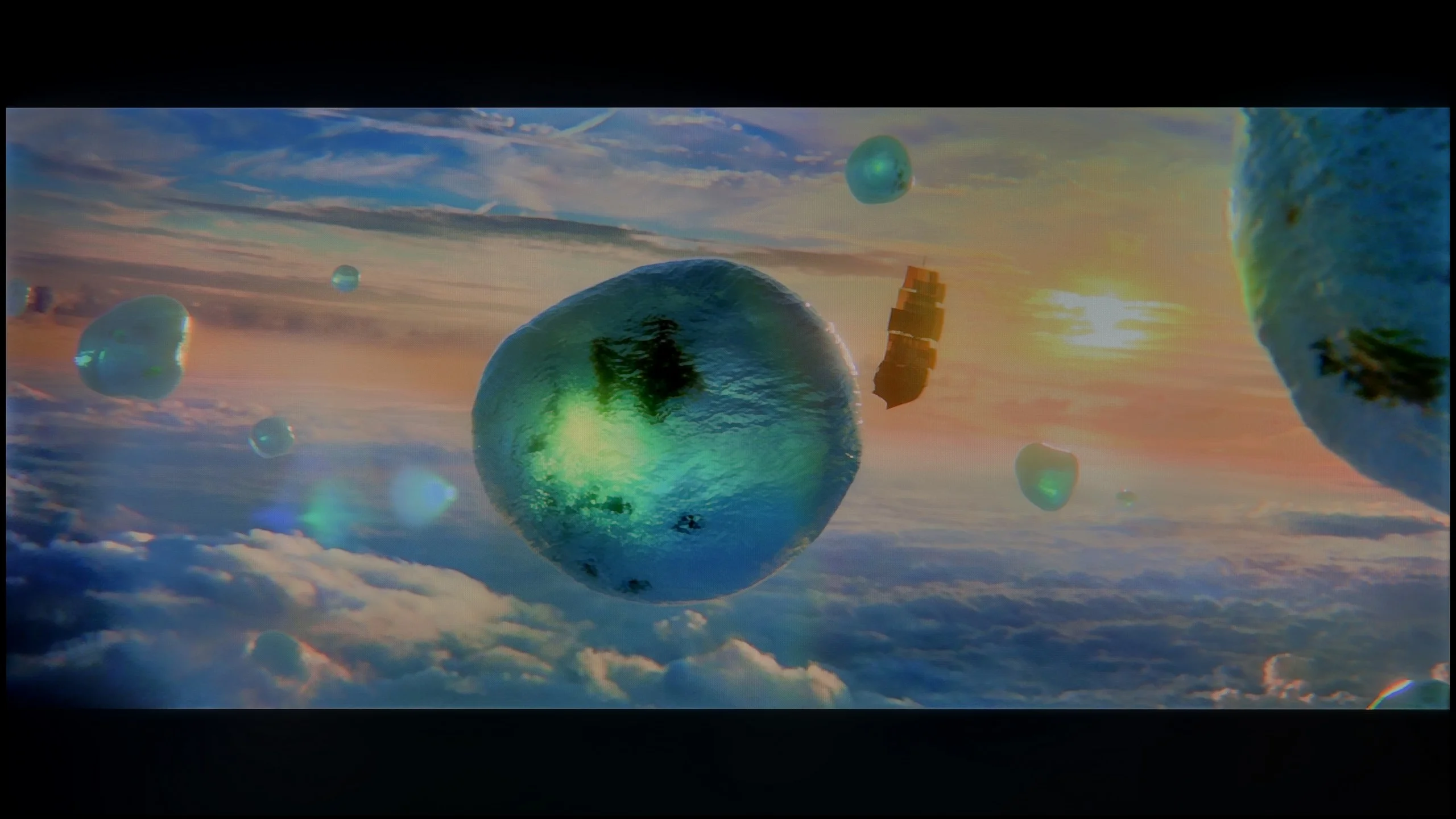
Scene from the movie “Pan” (about 2800 nits)
Scene from the movie “Billy Lynn” (about 1100 nits)
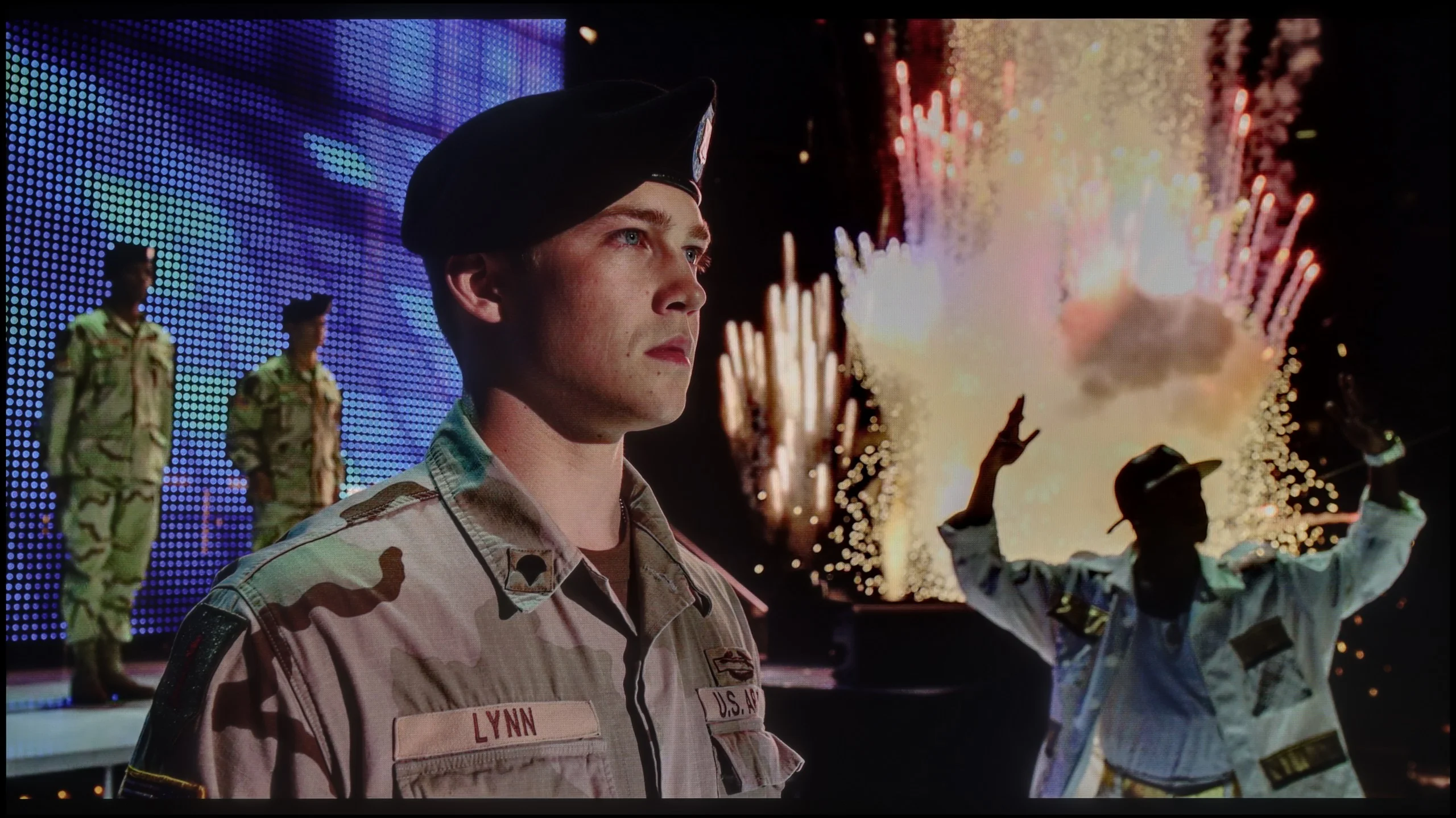
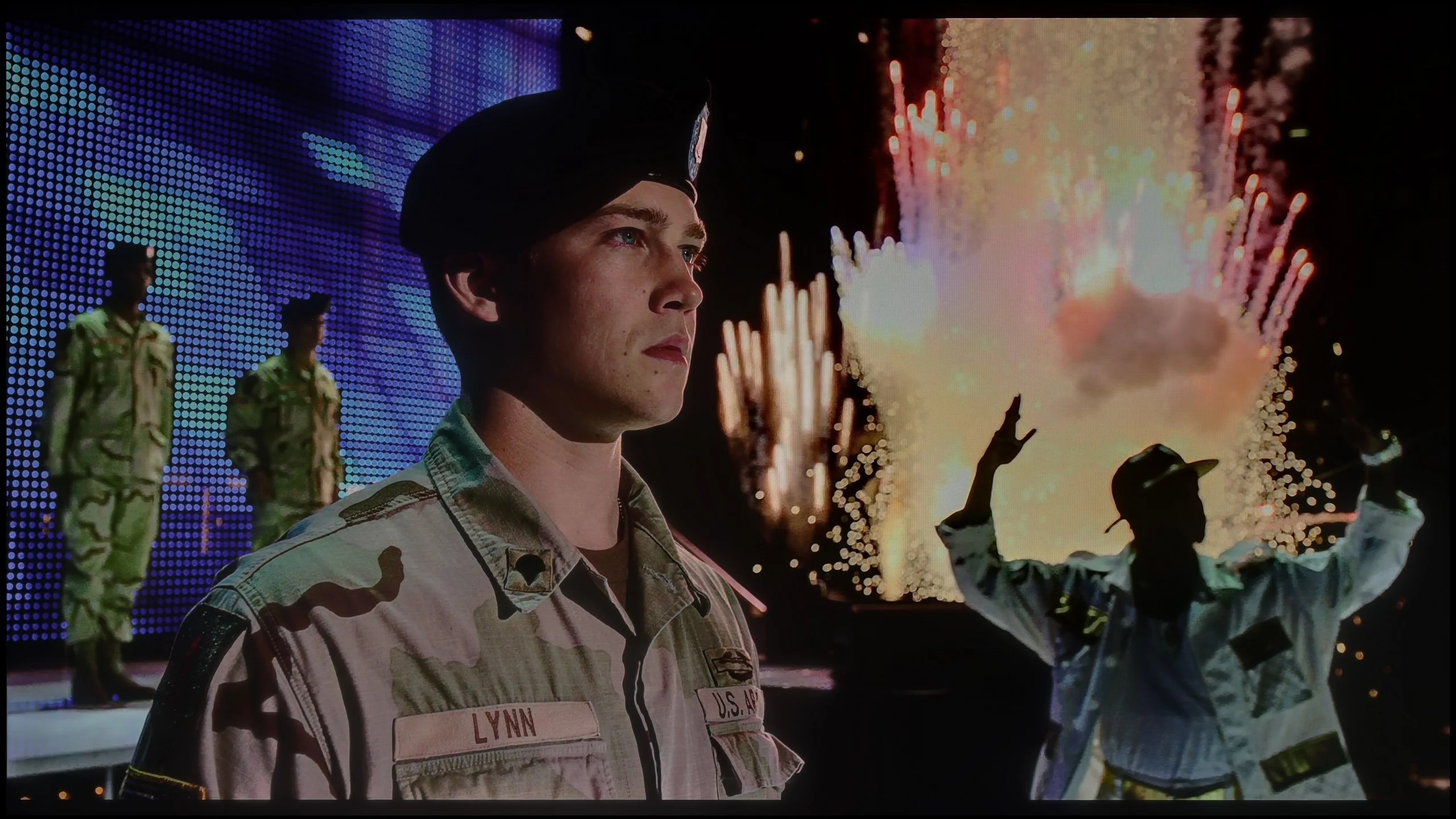
The photos show two HDR10 movies. 'Pan' is one of the brightest productions ever made, while 'Billy Lynn' (soldier) has brightness typical of streaming (Netflix, Prime, HBO MAX). Notice the intensity of effects and detail in whites.
Static HDR10


The photos present the visibility of white details in various HDR formats. They do not show brightness differences between TVs (these can be compared in the previous gallery).
Dynamic: HDR10+
Dynamic: Dolby Vision


The photos present the visibility of white details in various HDR formats. They do not show brightness differences between TVs (these can be compared in the previous gallery).
HDR luminance chart:
TCL P7L / P79L
Samsung The Frame Pro
Samsung The Frame Pro is one of the relatively bright televisions. In synthetic tests, we managed to achieve values around 900 nits, which is quite a respectable result for a lifestyle model. In full-screen scenes, such as the board from the film The Meg or the initial sequence in Life of Pi, brightness maintained a level of 700–800 nits. These values allow you to fully enjoy the HDR effects and convey their cinematic magic. However, the situation becomes complicated when smaller, point light sources appear on the screen. The edge lighting used here, equipped with the ability to locally dim entire strips, does not manage these well. Sometimes, small elements are overly dimmed, which weakens the effect, or conversely – they are significantly brightened, but at the cost of losing the depth of black in that part of the image. This can be compared to light beams reminiscent of a laser beam spreading in dense fog – the effect is noticeable and bright, yet at the same time, it is quite unnatural and distracting. Fortunately, the colour aspect performs better. Thanks to the use of a quantum dot filter (QLED), colours are saturated, and the reproduction of the DCI-P3 palette exceeds 92%. Generally, films or series watched in HDR on The Frame Pro showcase a rich colour palette, even if contrast and the functioning of the dimming algorithms can sometimes distract us.
The biggest limitation of the TCL P7L in HDR is simply brightness. The TV does not have much luminance headroom, so strong highlights, the sun or small light sources can't clearly 'pop' out of the picture. As a result, even well-produced HDR material looks fairly restrained and, in terms of dynamics, is closer to good SDR than to what brighter models show. That does not mean the P7L completely fails at HDR. The issue is primarily a lack of backlight power.
Looking at colours, the situation is a little better. The TV covers around 91% of the DCI-P3 gamut and about 68% of the wide BT.2020 colour space, so for this price class the colour range is quite respectable. TCL markets this model as QLED, although the nature of the solution used is closer to backlighting that uses a PFS phosphor than to a classic quantum-dot layer. What matters most to the viewer, however, is the effect: more saturated colours are on offer.
Factory color reproduction
5.5/10
5.4/10
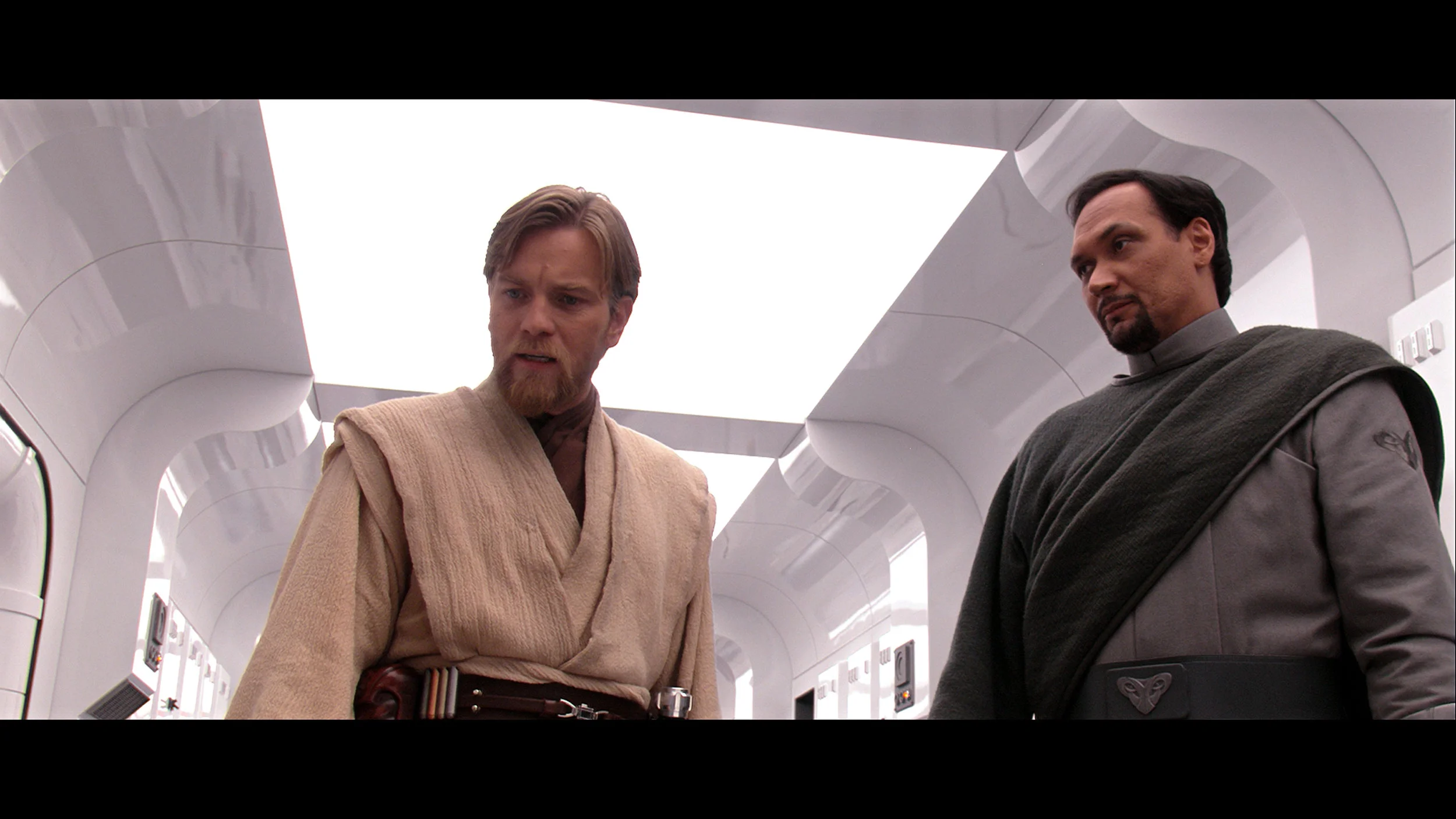

This gallery shows how colors change after professional TV calibration. If you notice the difference, we recommend ordering this service at SkalibrujTV.com.
Factory Mode
After calibration
We achieved the best results, of course, in Filmmaker mode, which immediately showed that Samsung had put effort into the factory settings. In SDR content – the type most commonly viewed – The Frame Pro performed really well. The white balance and gamma were almost perfectly matched, giving the image a natural and cohesive appearance. Admittedly, there were some noticeable errors, particularly in skin tones and reds, which could be overly saturated, giving everything a slightly "warmed-up" character, but this didn’t significantly detract from the viewing experience in everyday use. For HDR content, the situation was similar regarding the white balance. This was at a good level; however, the biggest issue turned out to be brightness management. The EOTF curve was set in such a way that in many scenes, the image appeared blown out, with the brightest areas losing detail and turning into uniform patches of light. This severely undermined realism and caused the colours to appear overly sharpened. Fortunately, Samsung provides the option for manual adjustment of the curve in their televisions, so we opted for calibration, and its results can be seen below.
In Film mode the TCL P7L performs quite respectably without major changes to the settings, particularly with ordinary SDR material. White balance is relatively even, though as brightness increases there is a slight rise in red and blue and a touch too little green. This does not, however, produce a strongly visible tint and most colours remain close to their reference points. The Colour Checker confirms this, with a large portion of errors falling below the level that should be particularly noticeable during normal viewing. We have more reservations about the gamma response. In the darkest parts of the image the TV runs it noticeably above the reference value, so some shadow detail can be a little too subdued. The characteristic then calms down and across much of the range it is close to the intended behaviour. As a result SDR generally looks natural, but in dark scenes the P7L can lose some subtlety.
In HDR the factory calibration is less precise. As brightness increases the excess of blue becomes more pronounced, which can make the image look cooler than it should. The number of larger colour deviations also grows, particularly in brighter hues. As for the EOTF curve itself, it is handled fairly conservatively, with the TV showing the image darker than the reference across much of the range. For such an inexpensive model, the factory Film mode settings are not bad.
Color reproduction after calibration
8.5/10
7/10
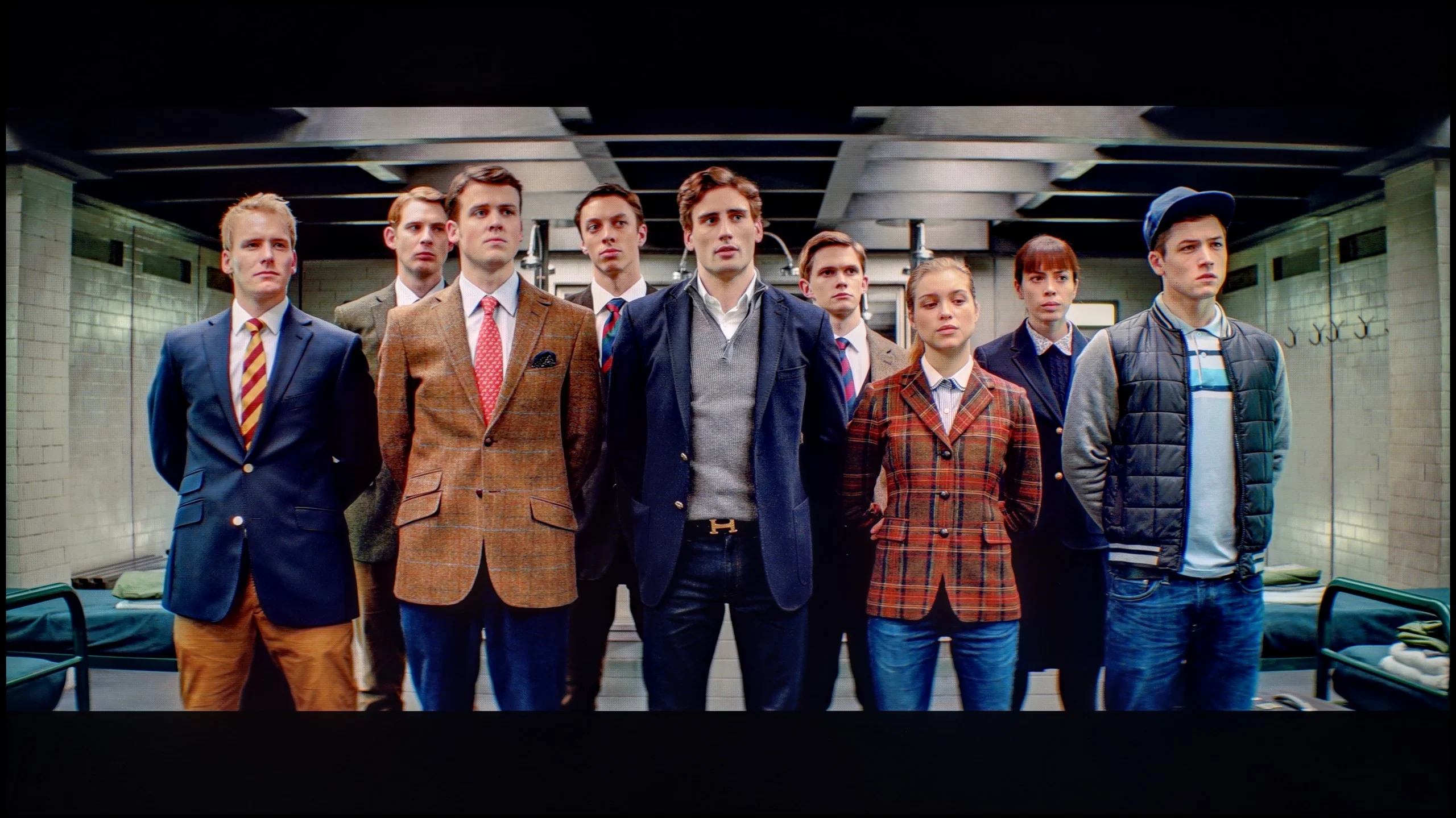
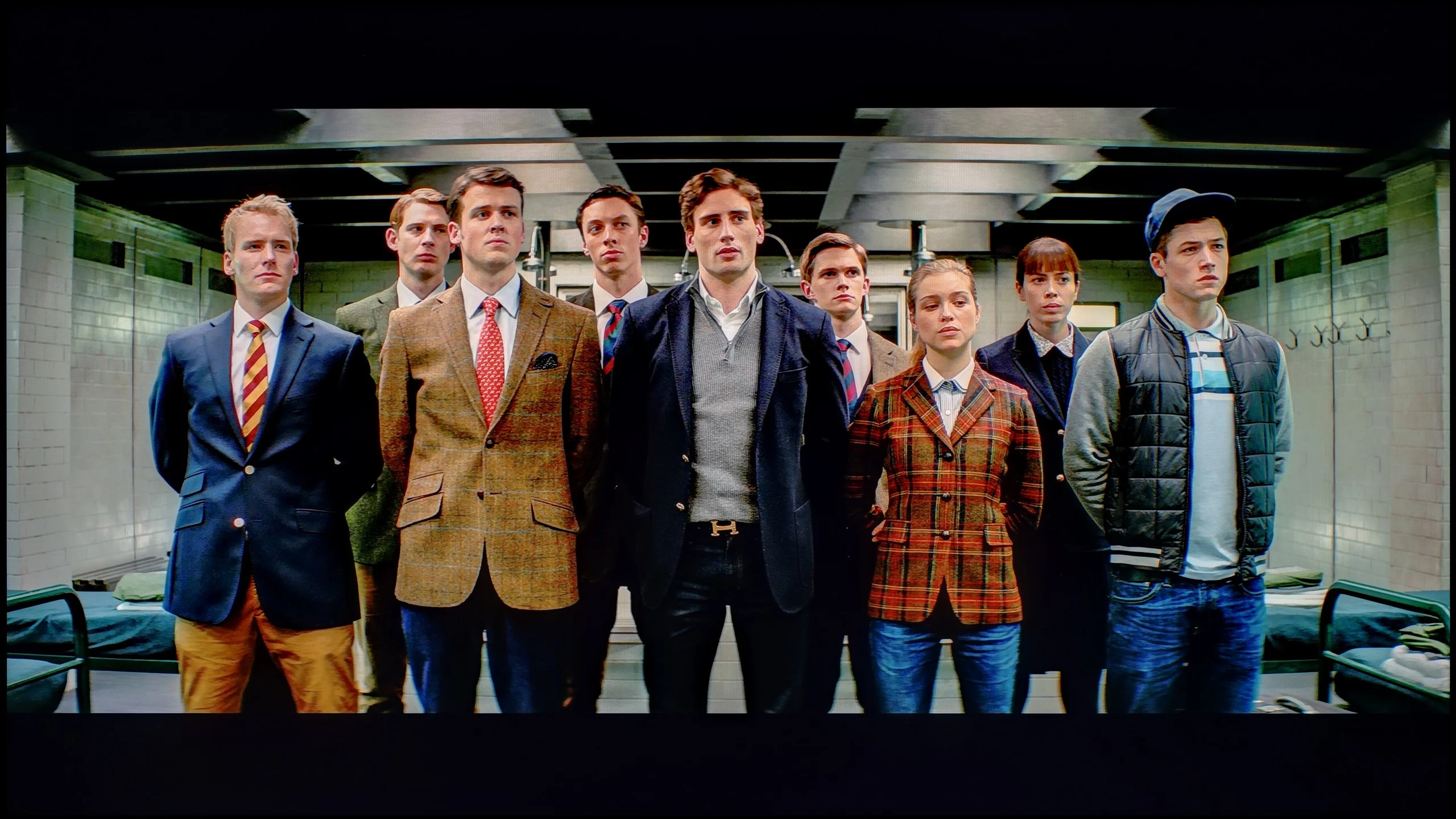
The photos show how movies look on the TV. Pay attention to black detail visibility, colors, and shadow tint.


The photos show how movies look on the TV. Pay attention to black detail visibility, colors, and shadow tint.
After calibration, the SDR mode looks absolutely perfect. We managed to eliminate the overly strong red saturation, which previously gave the image a somewhat excessively warm character. Colours have become more balanced, which resulted in a natural and pleasant reception of everyday content – from television to films and series from streaming or materials on YouTube. In HDR mode, the most work was required on the EOTF curve, which factory settings caused excessive brightening of the entire image. Calibration allowed us to largely "tame" this problem – the image stopped being overexposed, and details in bright areas became more visible. Of course, the limitations are set by the design of the television itself, as edge lighting reveals its constraints, and the smallest elements of light can still be overblown or blend into the background. However, this is a matter of technology, not just calibration. After the correction, The Frame Pro is significantly more enjoyable to watch, and it is certainly worth considering if you want to maximise the television's capabilities.
After calibration the TCL P7L can deliver a genuinely pleasant picture, especially with conventional SDR material. We managed to even out the white balance very well, and the gamma curve now tracks close to the target value of 2.4. This is also reflected in the colour measurements: most errors have fallen noticeably, and in everyday viewing it is hard to point to any obvious inaccuracies. Films, series, YouTube and ordinary broadcast TV therefore look more natural, without unnecessary warmth or a cool tint. For a model in this price bracket the SDR performance is really very good.
With HDR the situation becomes more complicated. Calibration helped improve the white balance and tidy up some deviations, but here the panel's limitations become increasingly apparent. The P7L has relatively low brightness and cannot maintain adequate luminance for more saturated colours, so some errors remain even after careful tuning. In other words, settings can improve the way the TV interprets the signal, but they cannot overcome its physical limits. That is why calibration makes most sense for this model primarily in SDR.
Smoothness of tonal transitions
9.5/10
7/10
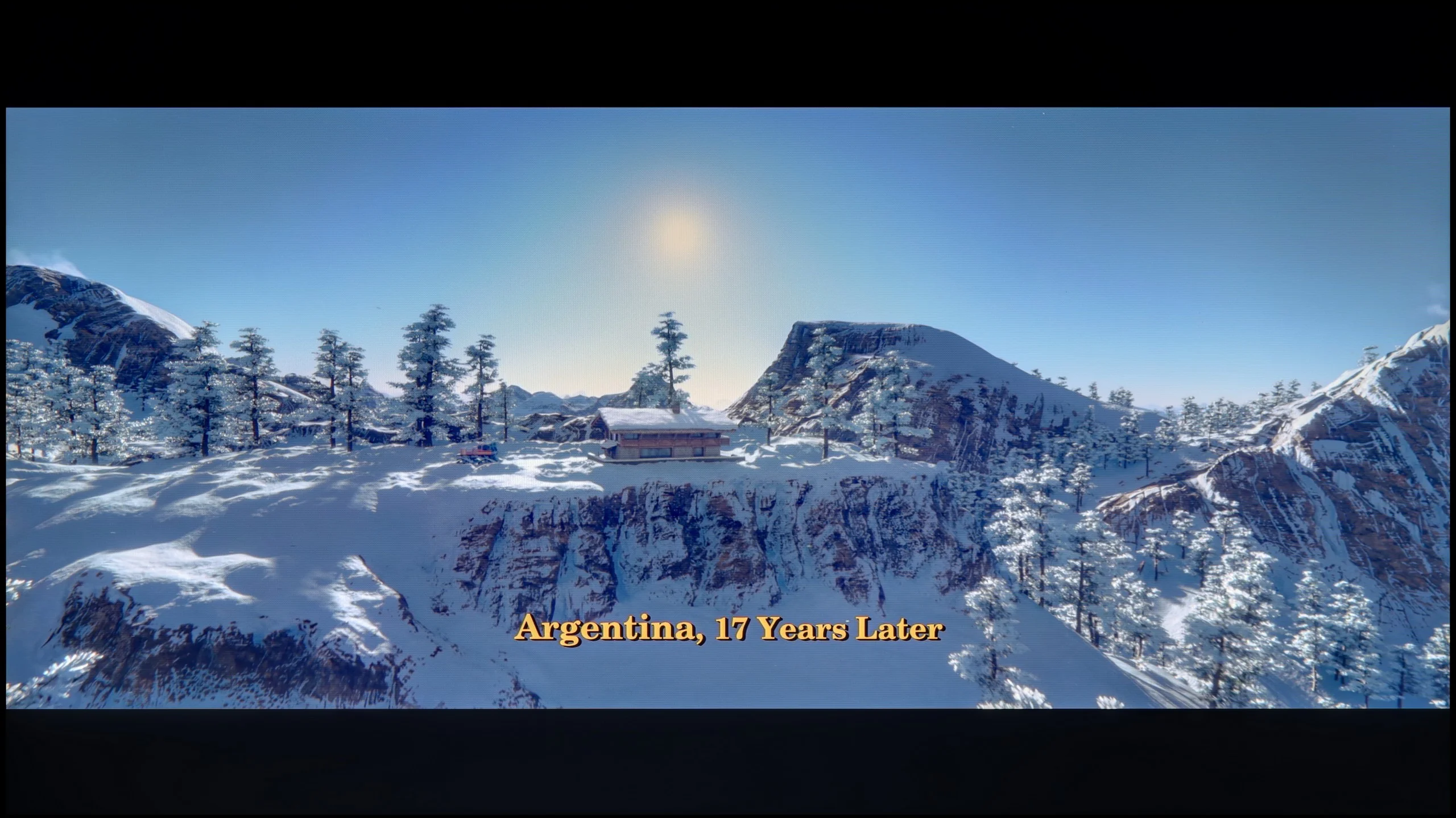
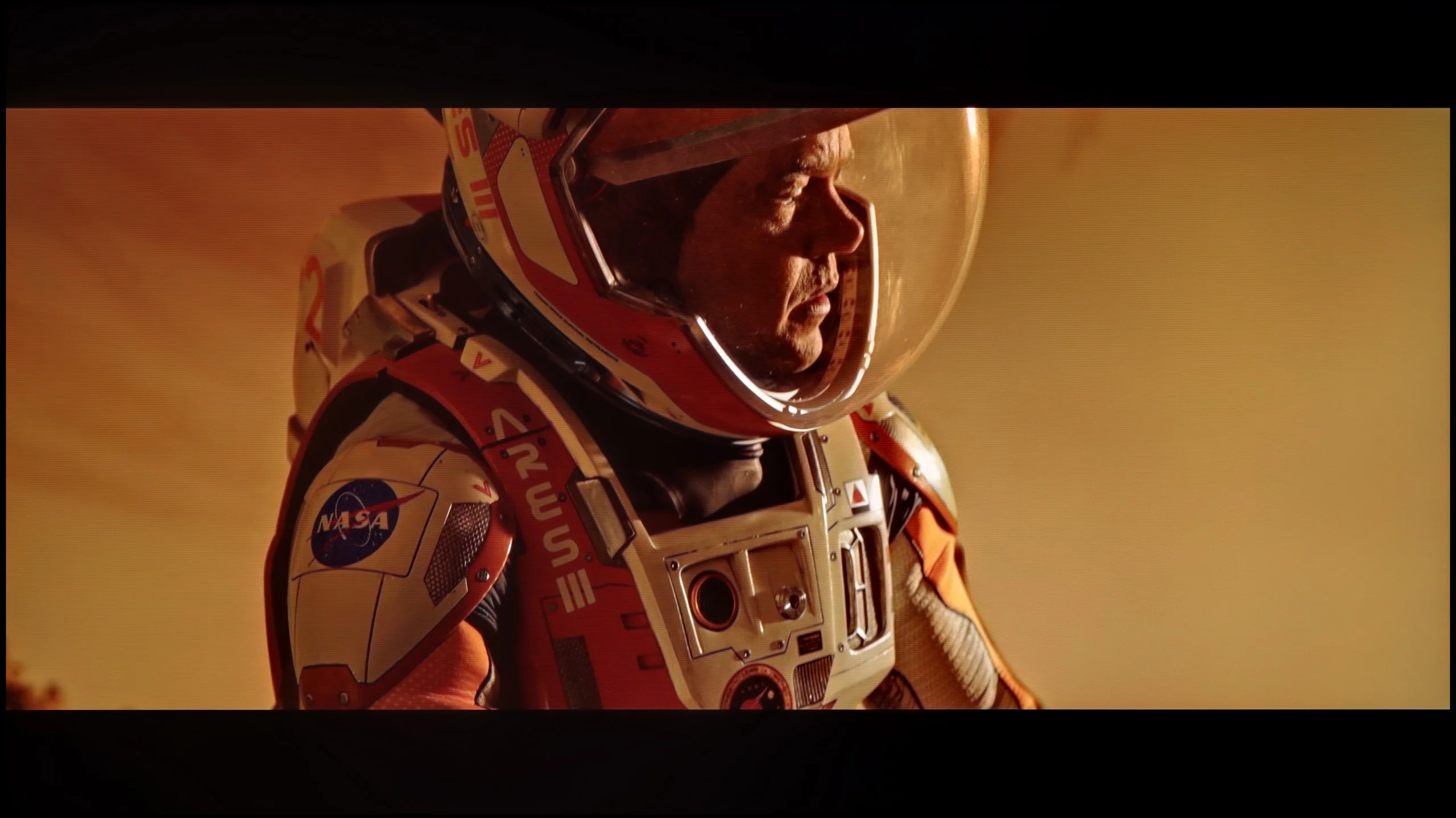
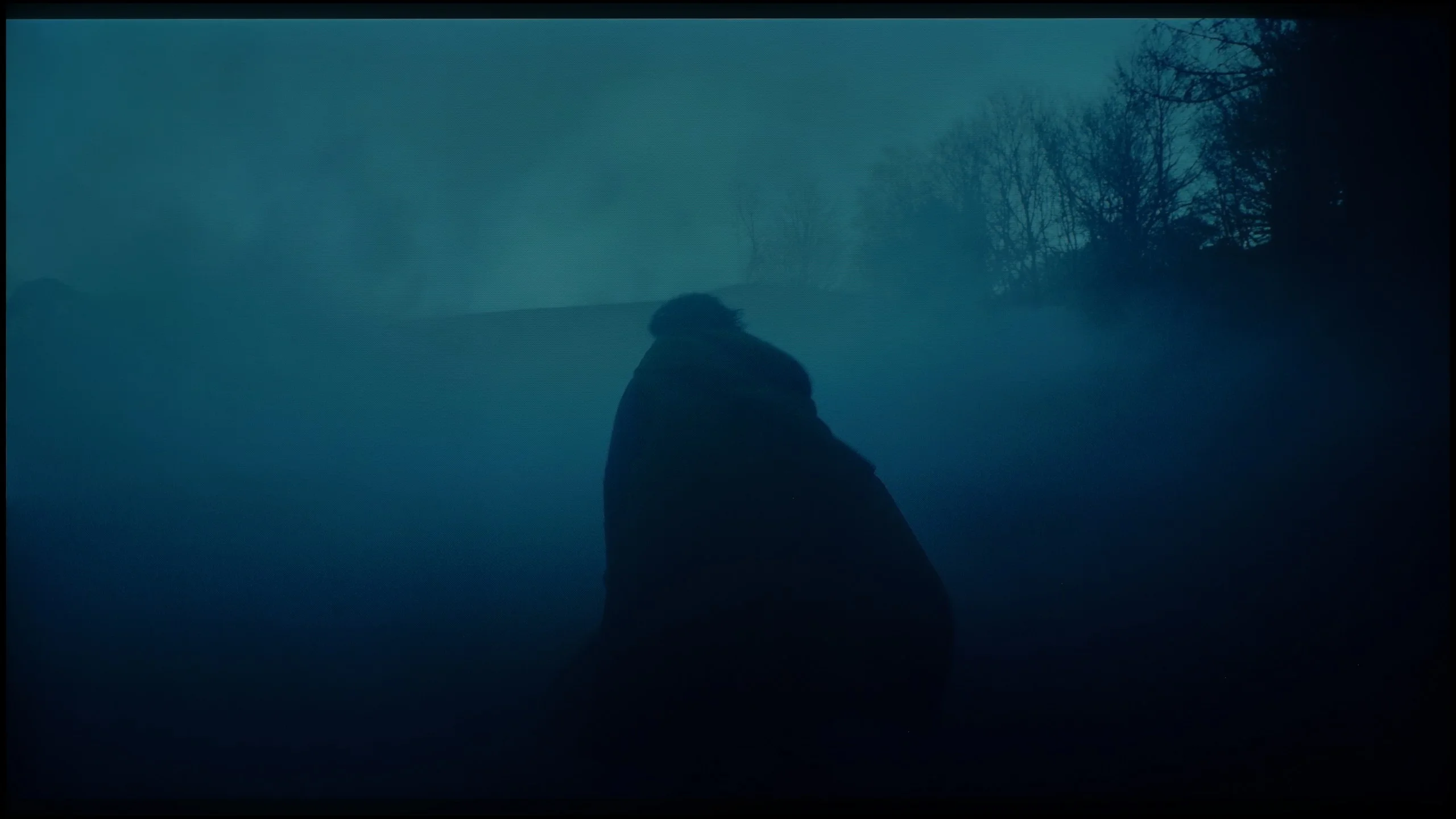
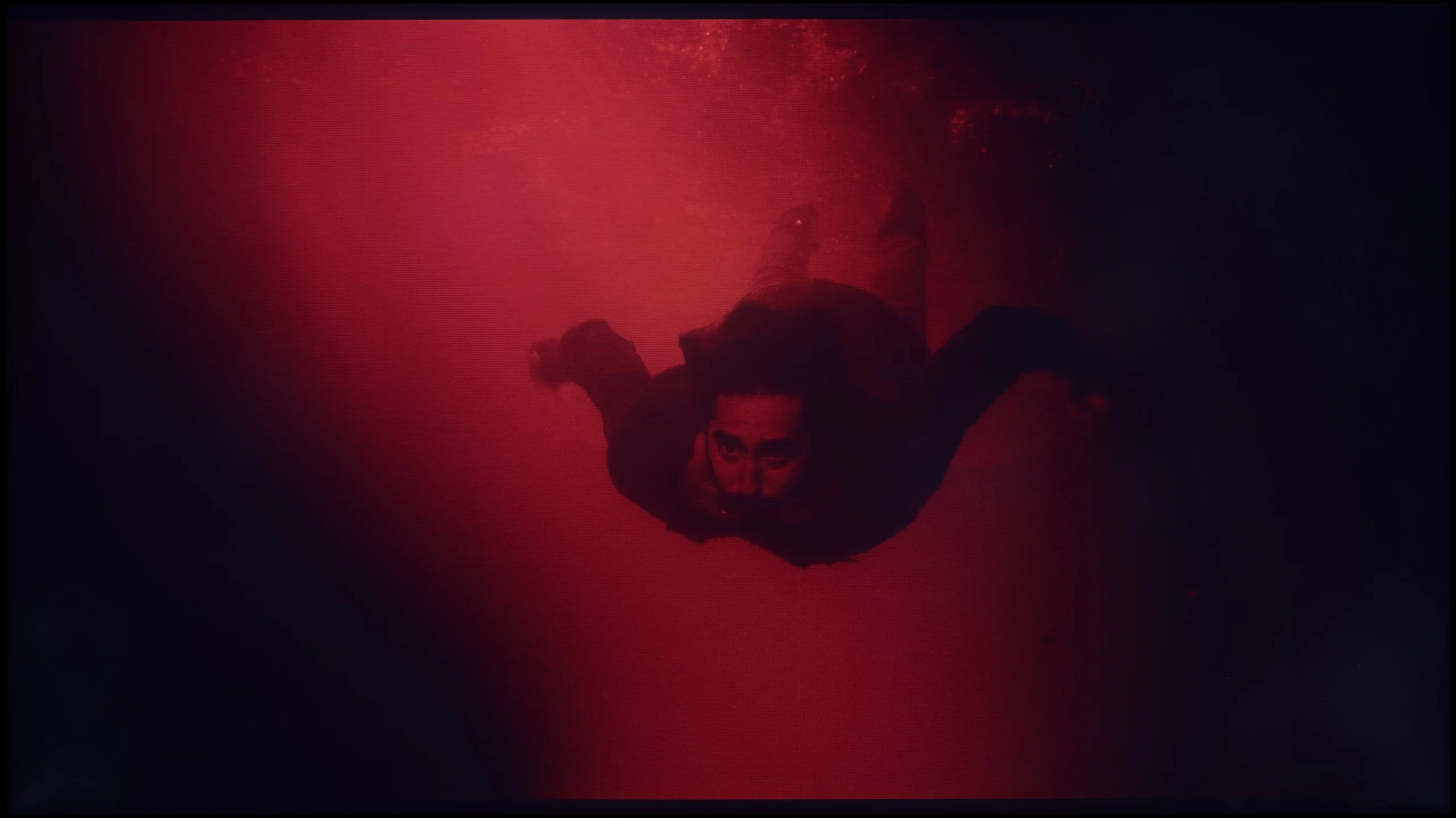
These are selected scenes that show smooth tonal transitions from one color to another. If you see distinct banding, it’s the TV panel’s fault.

These are selected scenes that show smooth tonal transitions from one color to another. If you see distinct banding, it’s the TV panel’s fault.
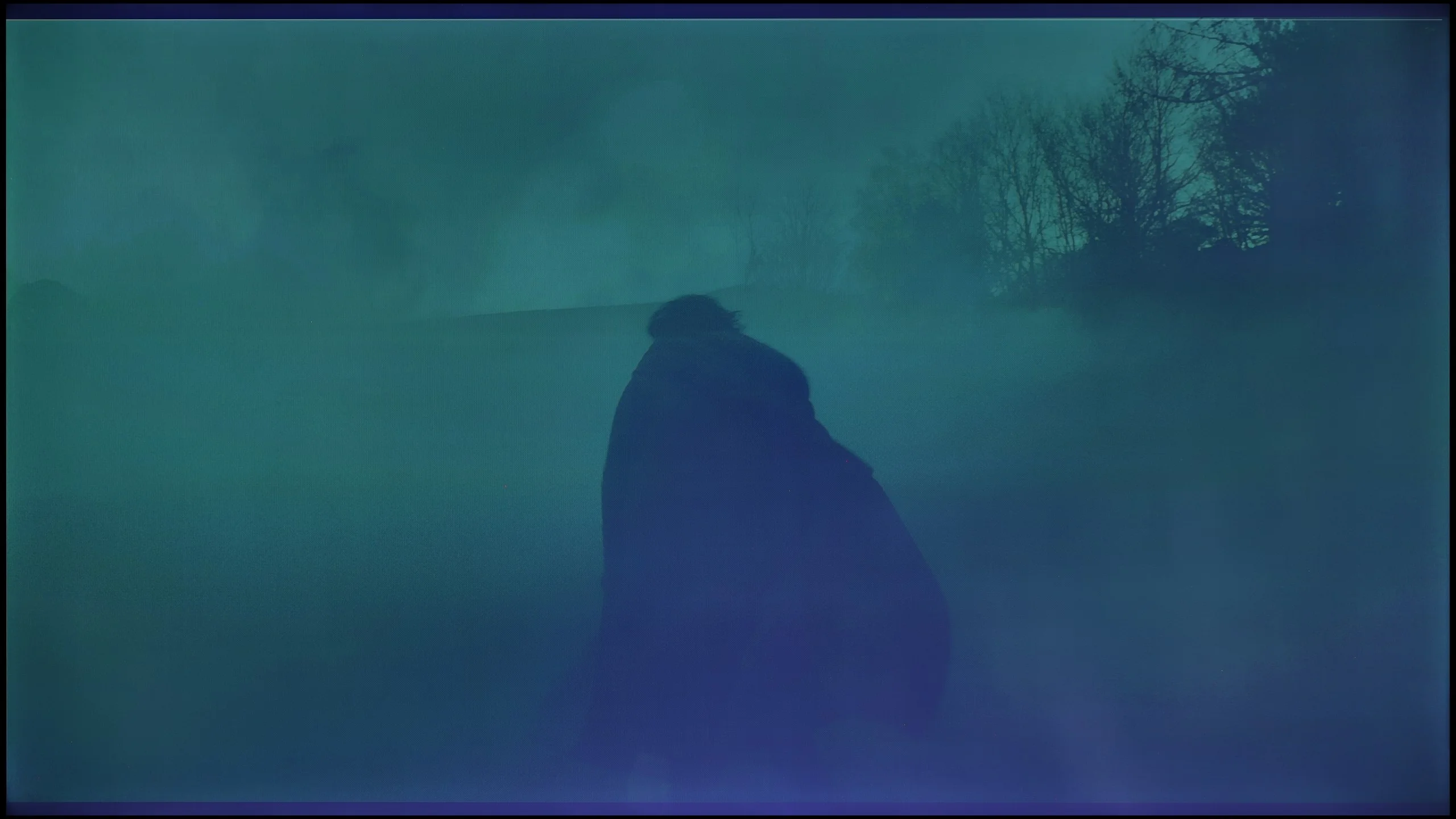
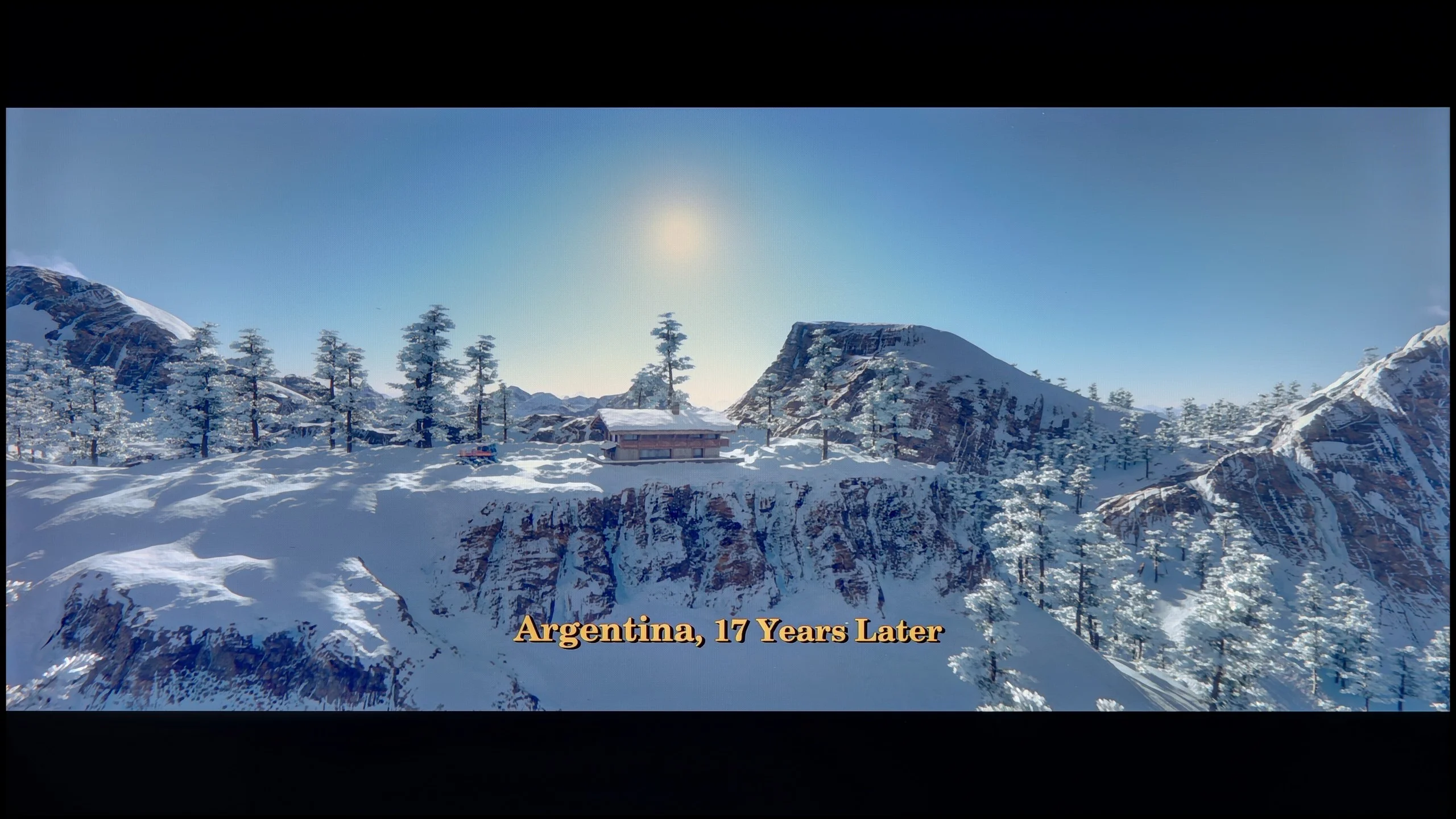
These are selected scenes that show smooth tonal transitions from one color to another. If you see distinct banding, it’s the TV panel’s fault.
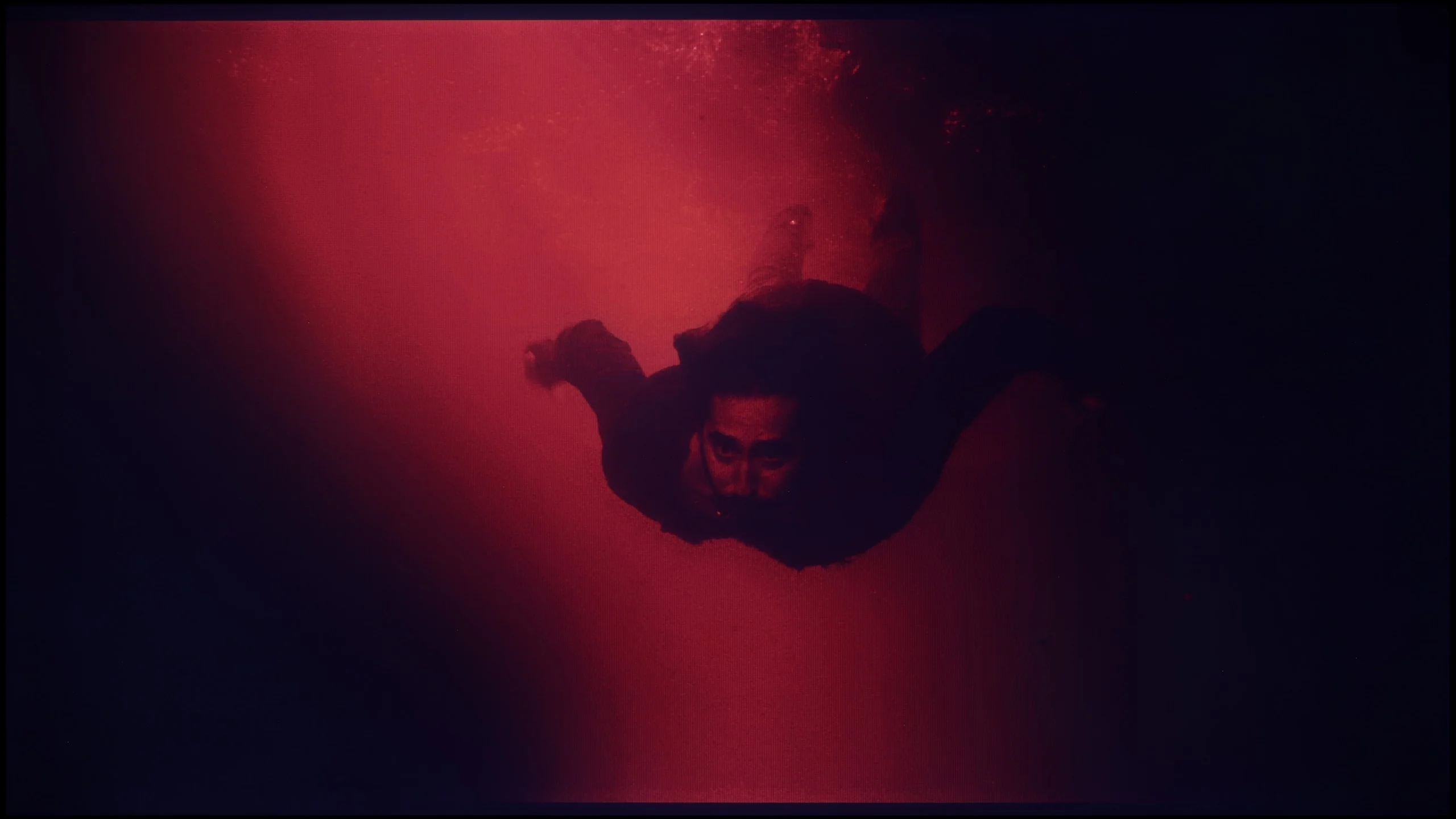
These are selected scenes that show smooth tonal transitions from one color to another. If you see distinct banding, it’s the TV panel’s fault.
Here Samsung really deserves huge applause. The Frame Pro has turned out to be one of the best televisions of this year when it comes to the smoothness of tonal transitions. During tests, we were practically unable to notice any clear issues with colour blending – the gradients looked smooth and natural, and the typical "banding" that many televisions present simply did not appear. Indeed, in very dark scenes, one can notice minimal imperfections, but you really have to squint to see them – even the trained eye of our editorial team had difficulty with this. Therefore, in everyday viewing, there is no chance that anything will disrupt your experience. This is a major plus, as it is in darker scenes that televisions most often struggle. You won't experience that here.
The smoothness of tonal transitions on the TCL P7L is quite good, but not in every scene. In brighter scenes the television performs very well, because changes between successive shades are gentle, and on the sky, bright walls or subtle gradients it's hard to spot anything that would noticeably disrupt viewing. It becomes worse in the darker areas of the image. It is there that visible joins between colours and successive grey levels appear more often. In dark scenes you can therefore notice characteristic banding or more pronounced 'steps' where the transition should be smoother. It's not an issue all the time, but with weaker source material or scenes with lots of mid-tones it can stand out.
Image scaling and smoothness of tonal transitions
7.5/10
7/10


Smooth transition function
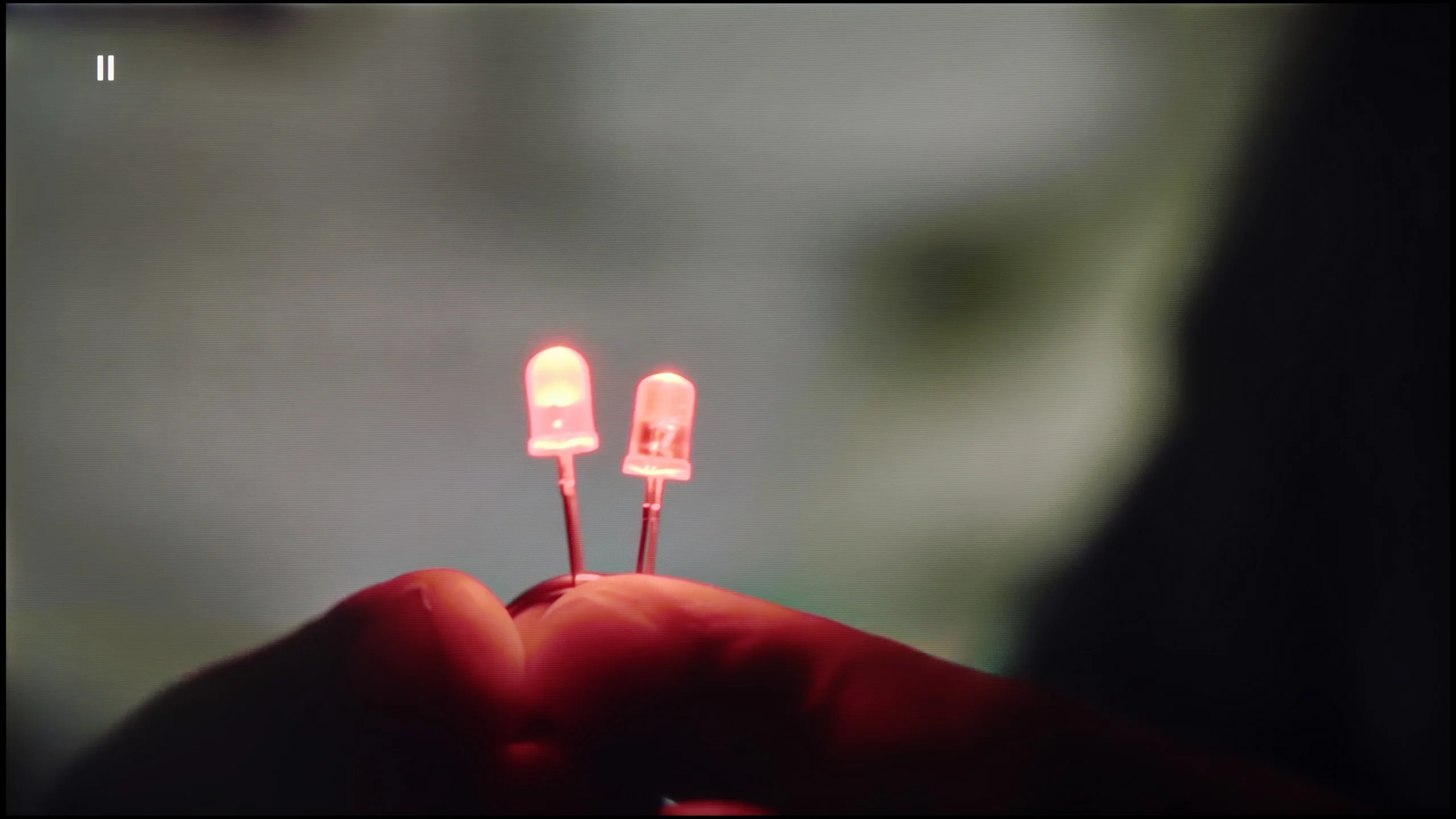
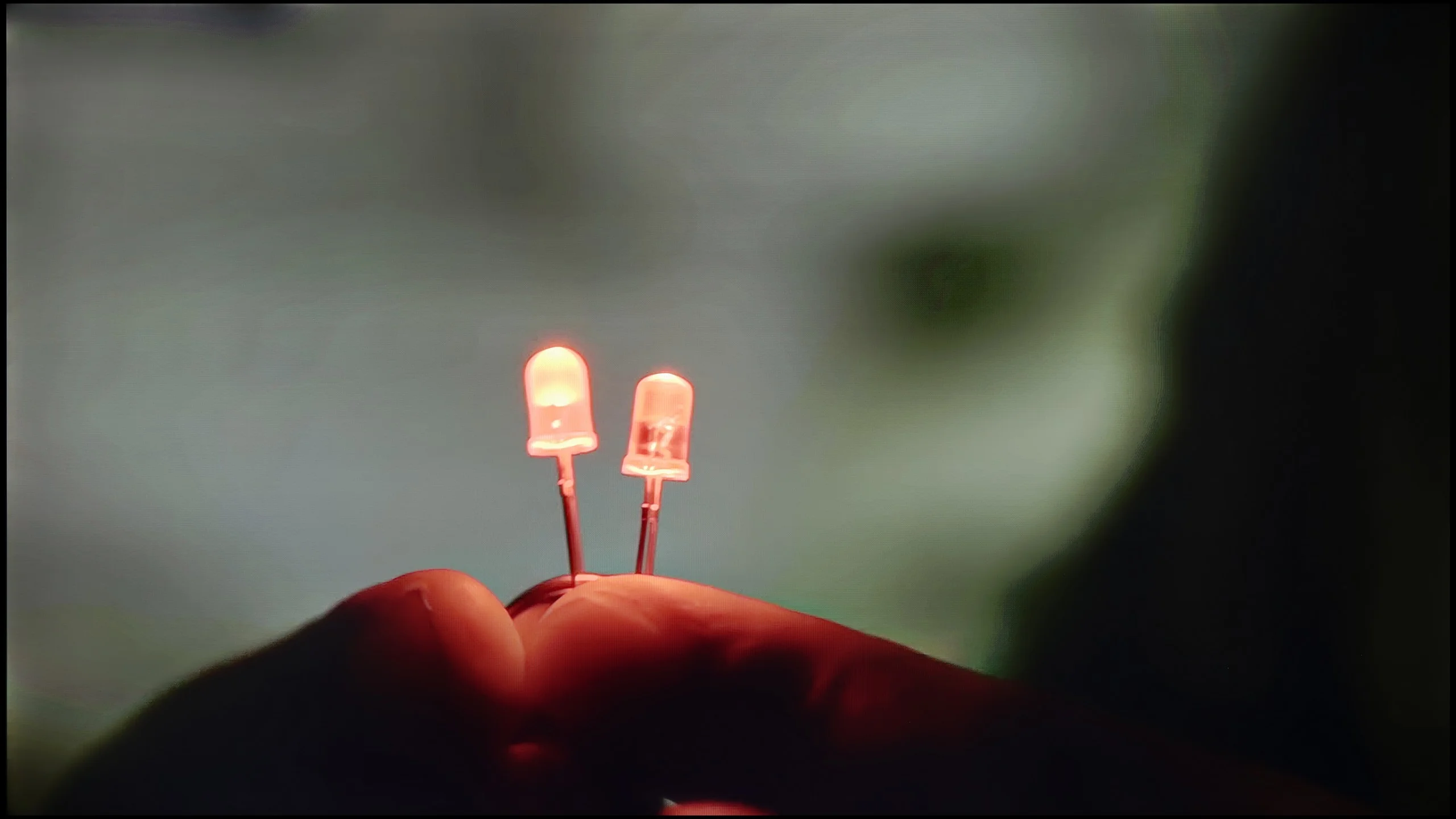
The match photo shows how the TV smooths weak tonal transitions in low-quality video.
Image scaling SD (576i)


The model photo shows how it handles upscaling of SD material.
Although the fluidity of tonal transitions in 4K HDR materials on The Frame Pro is not a problem at all, naturally, with a weaker signal - television, HD materials, or older Full HD films - imperfections may arise. Therefore, it is crucial how the television copes with these limitations thanks to its image processor. The noise reduction function works really effectively here. At the medium setting, it eliminates unwanted bands or artefacts, smoothing the image in a noticeable yet not excessive way. However, it's worth noting that Samsung tends to be aggressive in its approach - even at the lowest level of this function, it can "consume" film grain. So it's advisable to use it judiciously and adjust the settings to the material being viewed.
The upscaling itself is at a high level. The Frame Pro can effectively enhance older materials to a native 4K resolution while maintaining good sharpness and readability. Films and series in lower quality simply look better here. However, it should be mentioned that there is a minor drawback - typical for many Samsung televisions. With very old sources of poor quality, you may notice clipping of the image edges on the left side of the screen. It's not a problem that will ruin the viewing experience, but it's worth knowing that it might occur.
In this respect the TCL P7L performs surprisingly well, especially for such an inexpensive TV. The banding-reduction feature, which in many budget models does little or nothing, actually manages to improve the picture here. It does not remove all banding entirely, but it can noticeably reduce posterisation and make more challenging gradients look more natural. At this price point that’s a genuinely pleasant surprise. Upscaling itself also performs well. Lower-resolution material is scaled correctly, without over-sharpening or adding artificial outlines around objects. Of course the P7L won’t turn a very poor source into a 4K-quality image, but for regular TV the result is simply solid. For a model in this class there is little to criticise.
Blur and motion smoothness
7.8/10
5.5/10
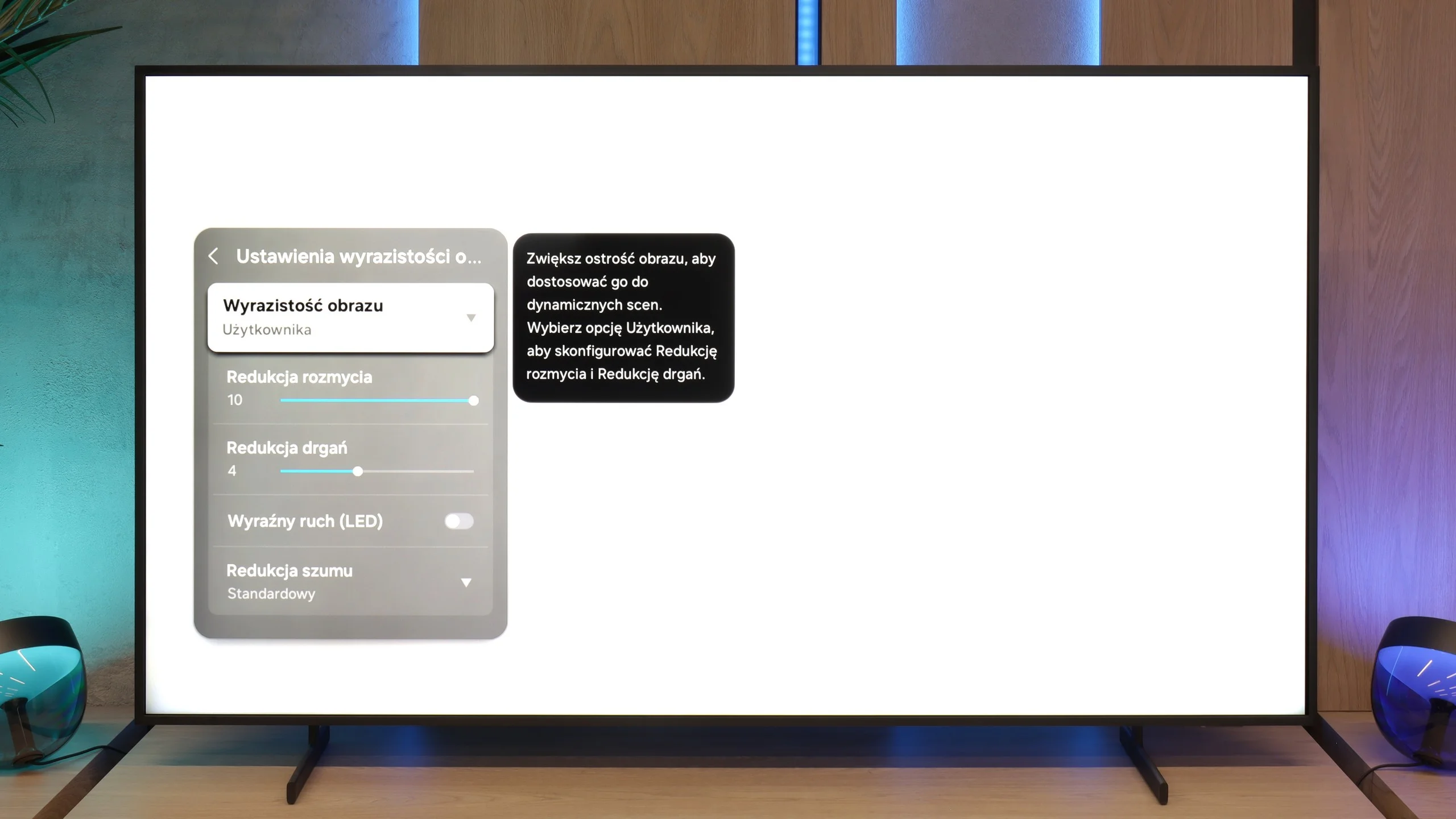
Blur (native resolution, maximum refresh rate):

Blur (BFI function enabled):
Image flickers in this mode



Blur (4K@144Hz):

Blur (1440p@120Hz):
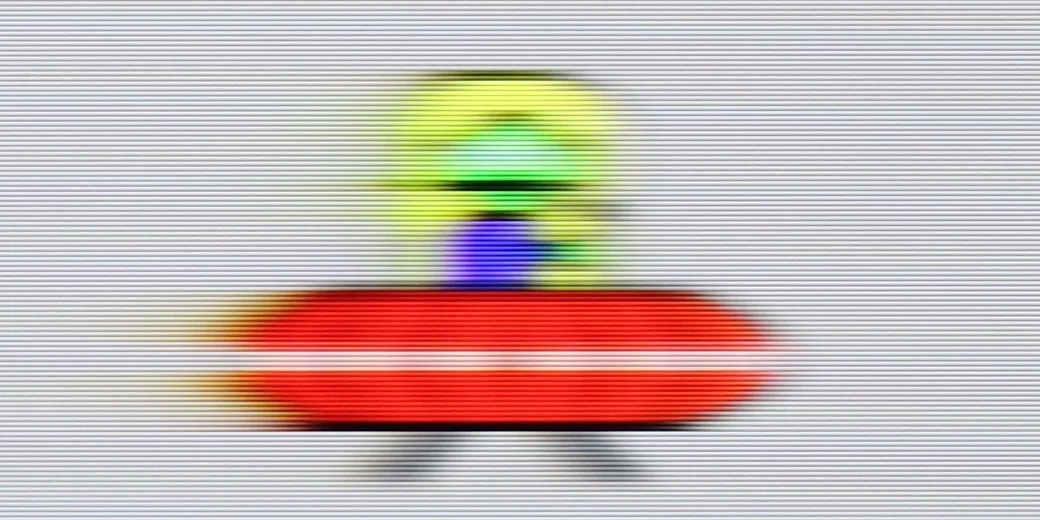
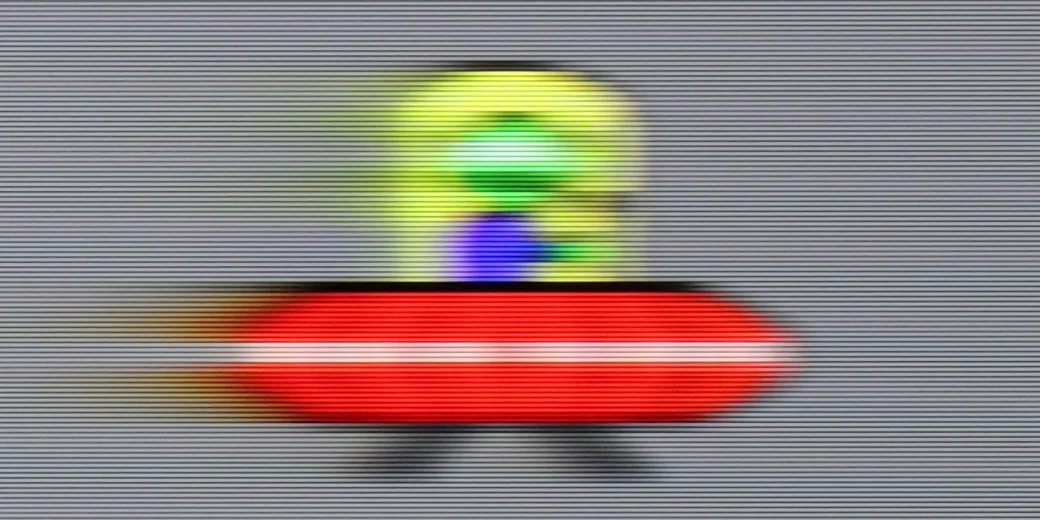
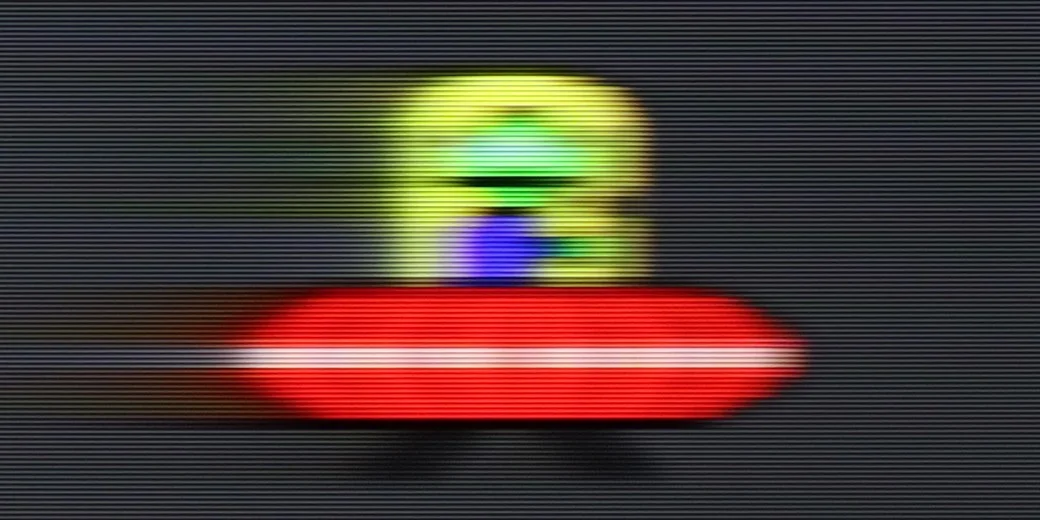
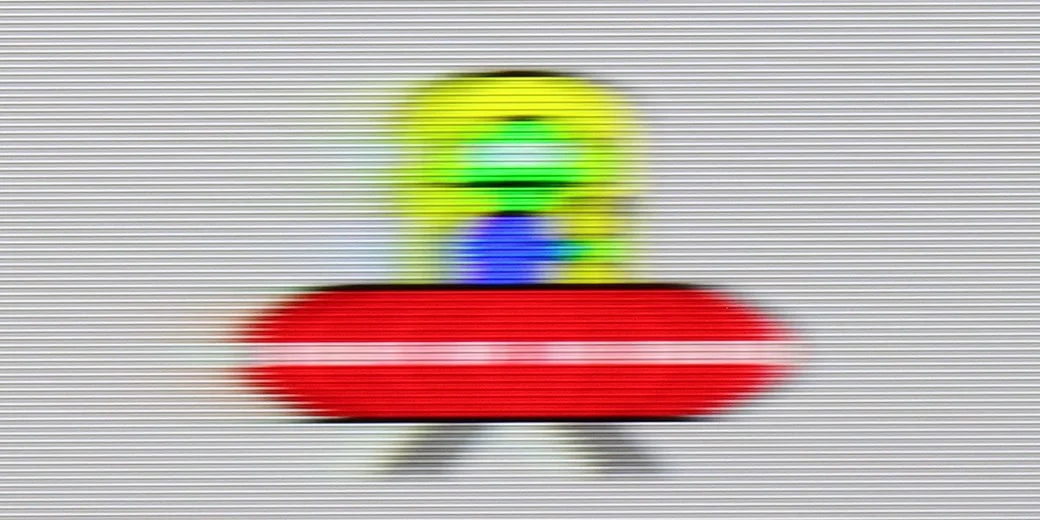
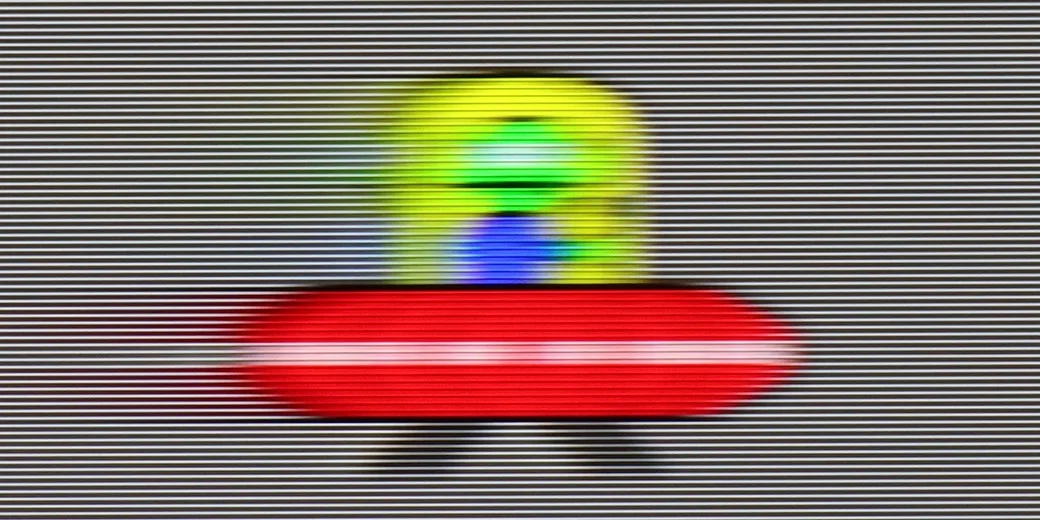
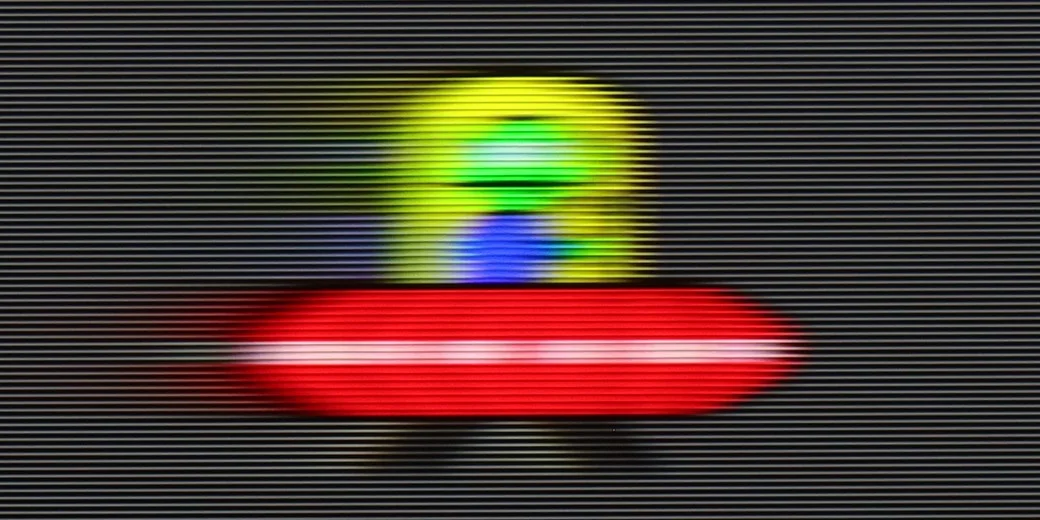
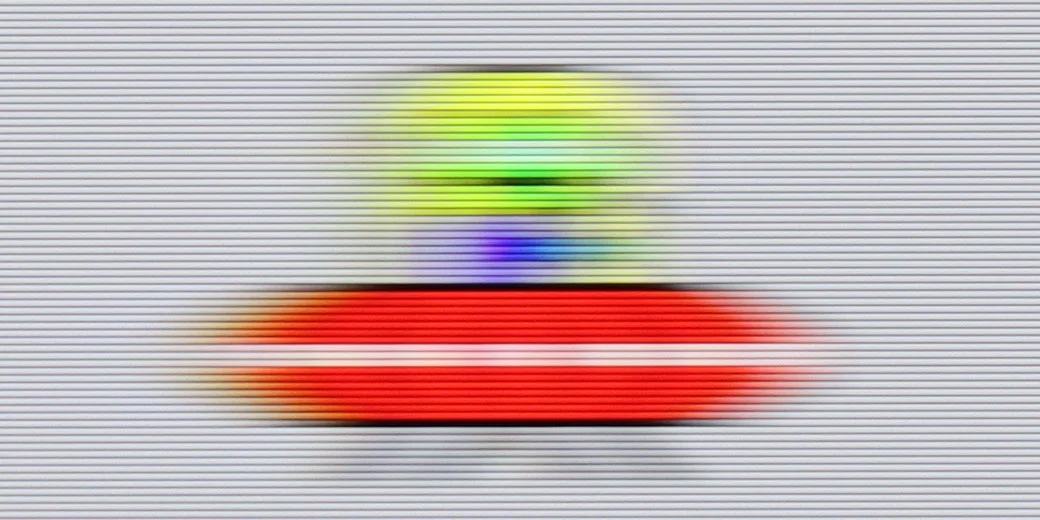
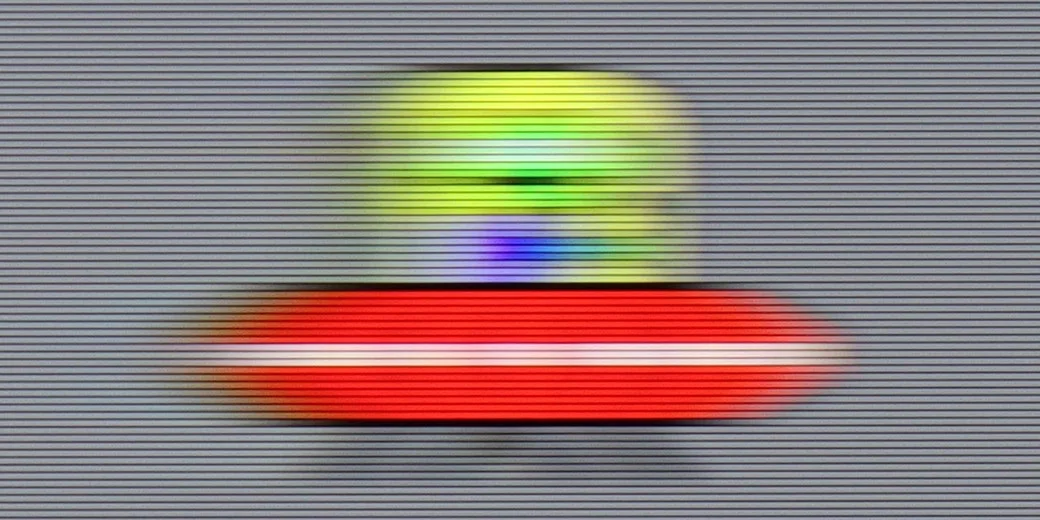
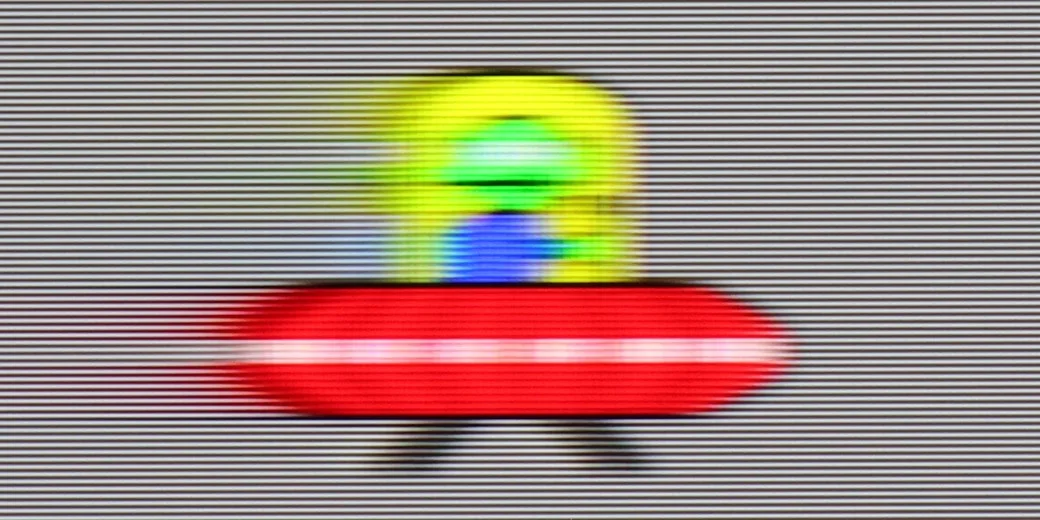
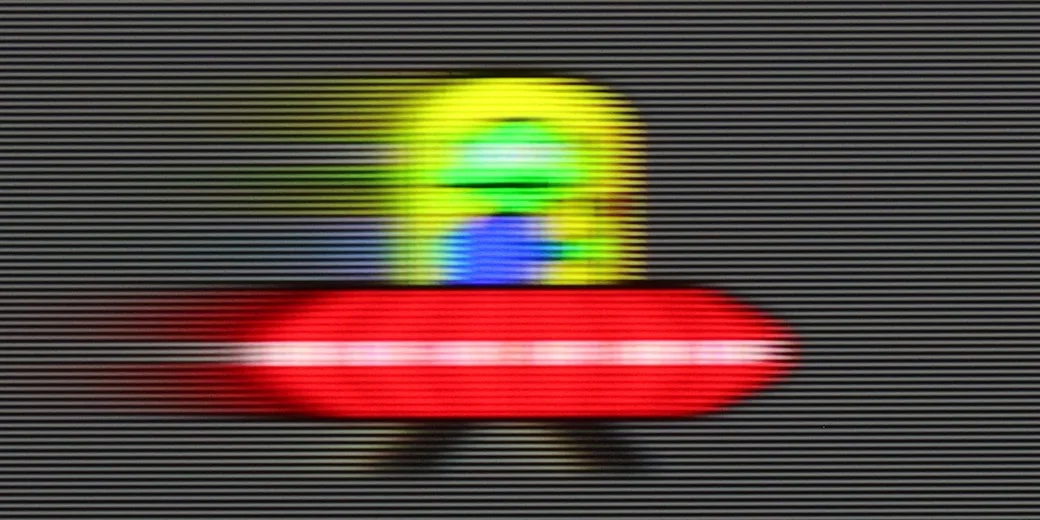
The smoothness of motion in The Frame Pro is not only due to the matrix, which operates with a refresh rate of up to 144 Hz, but also the image processor and the smoothing system. It is thanks to this that we can adjust the way films or sports broadcasts are displayed to our own preferences. There are sliders for reducing blurring and reducing judder – the first function improves the sharpness of fast movements, while the second helps to soften the effect of a "jumping" image during camera pans. So, everyone can choose between a cinematic motion character and a smoother, more "television" style.
The TCL P7L uses a panel with a native 60 Hz refresh rate at 4K resolution, and that's how it should be regarded in everyday use. When watching films the TV mainly offers frame interpolation, so it can smooth motion and reduce the characteristic judder, but it does not deliver the fluidity typical of true 120 Hz panels.
Console compatibility and gaming features
9.6/10
6.7/10
- ALLM
- VRR
- VRR range48 - 144Hz48 - 120Hz
- Dolby Vision Game Mode
- Correct implementation of HGIG
- 1080p@120Hz
- 1440p@120Hz
- 4K@120Hz
- Game bar
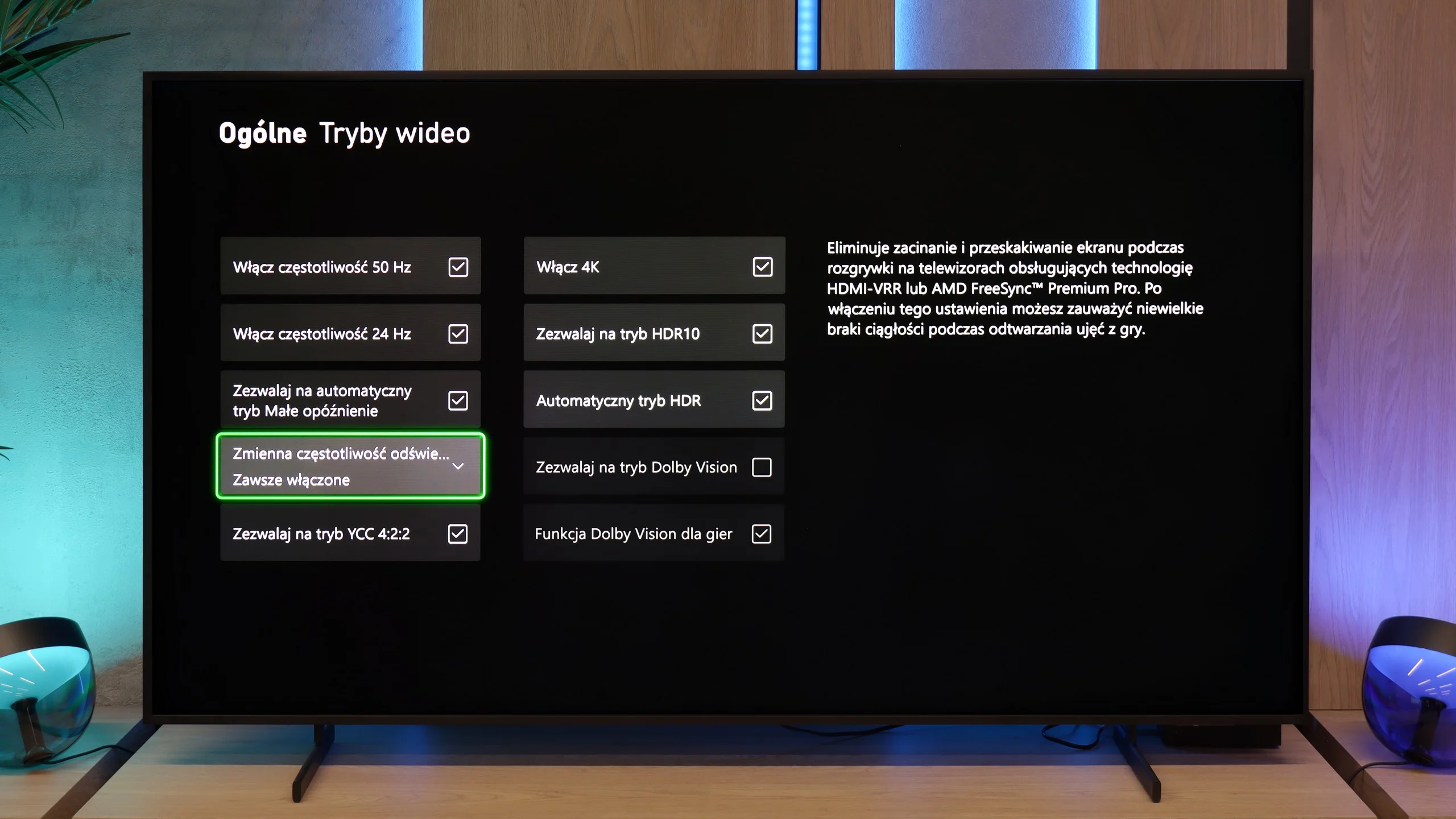
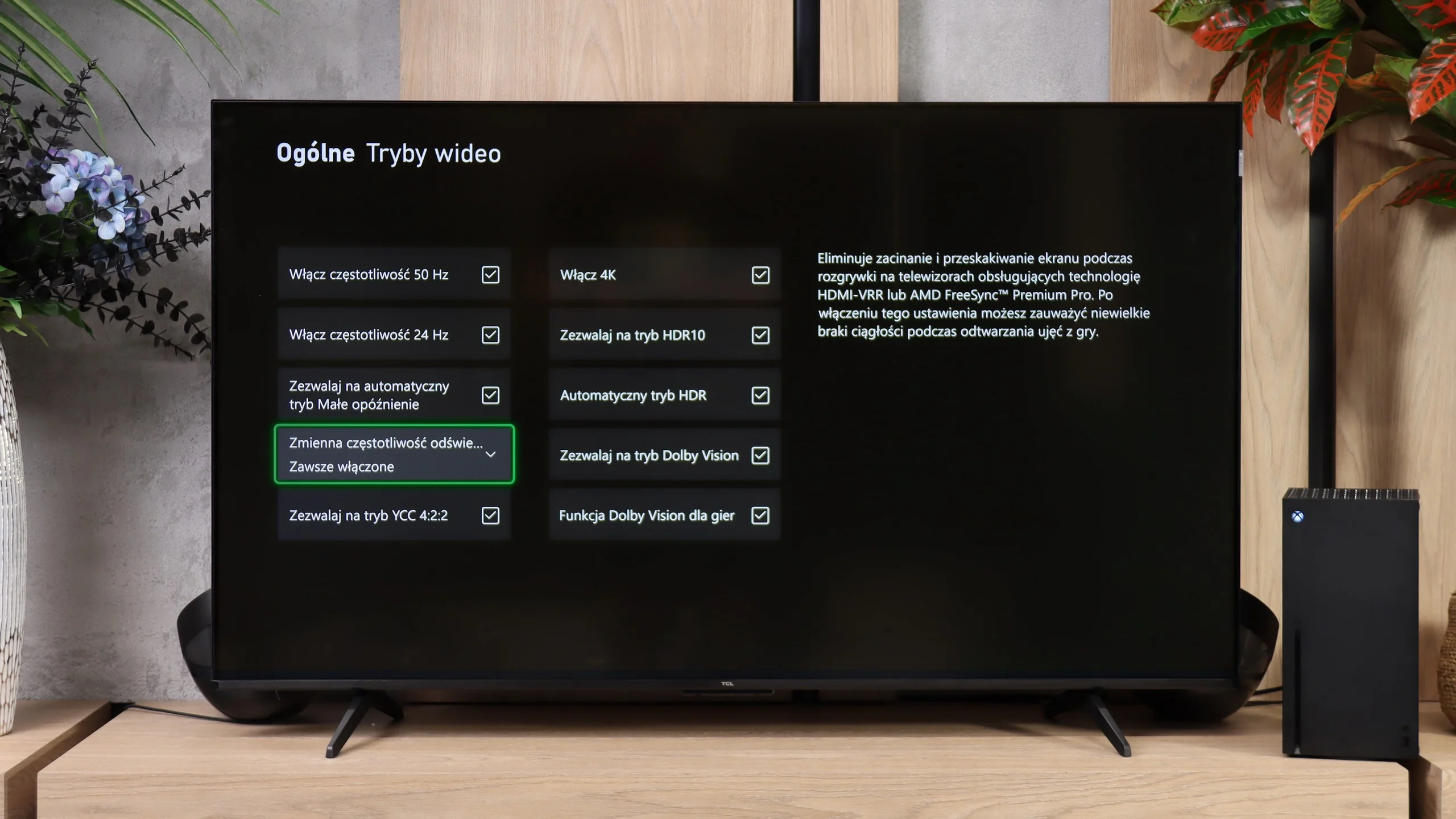
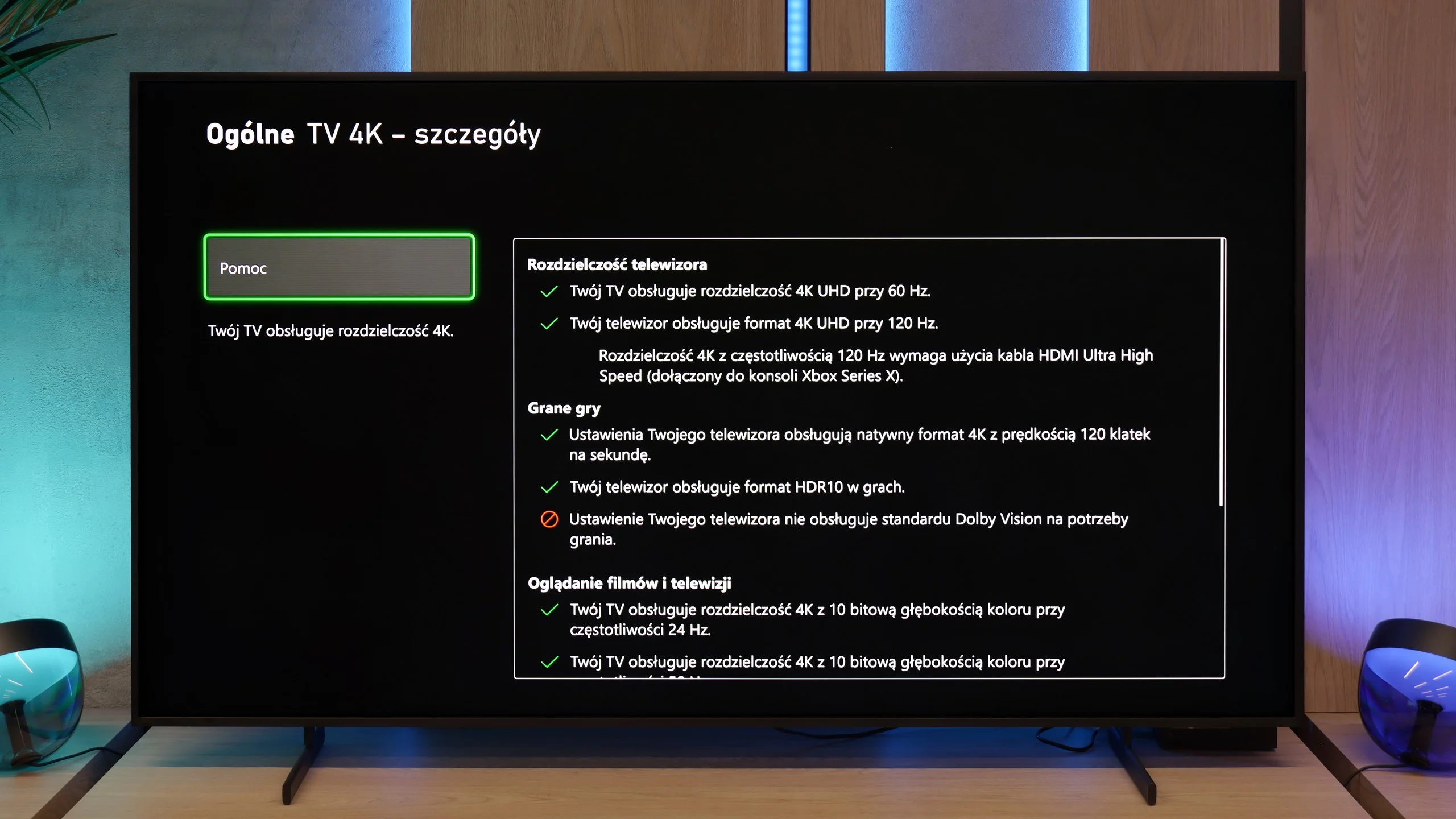
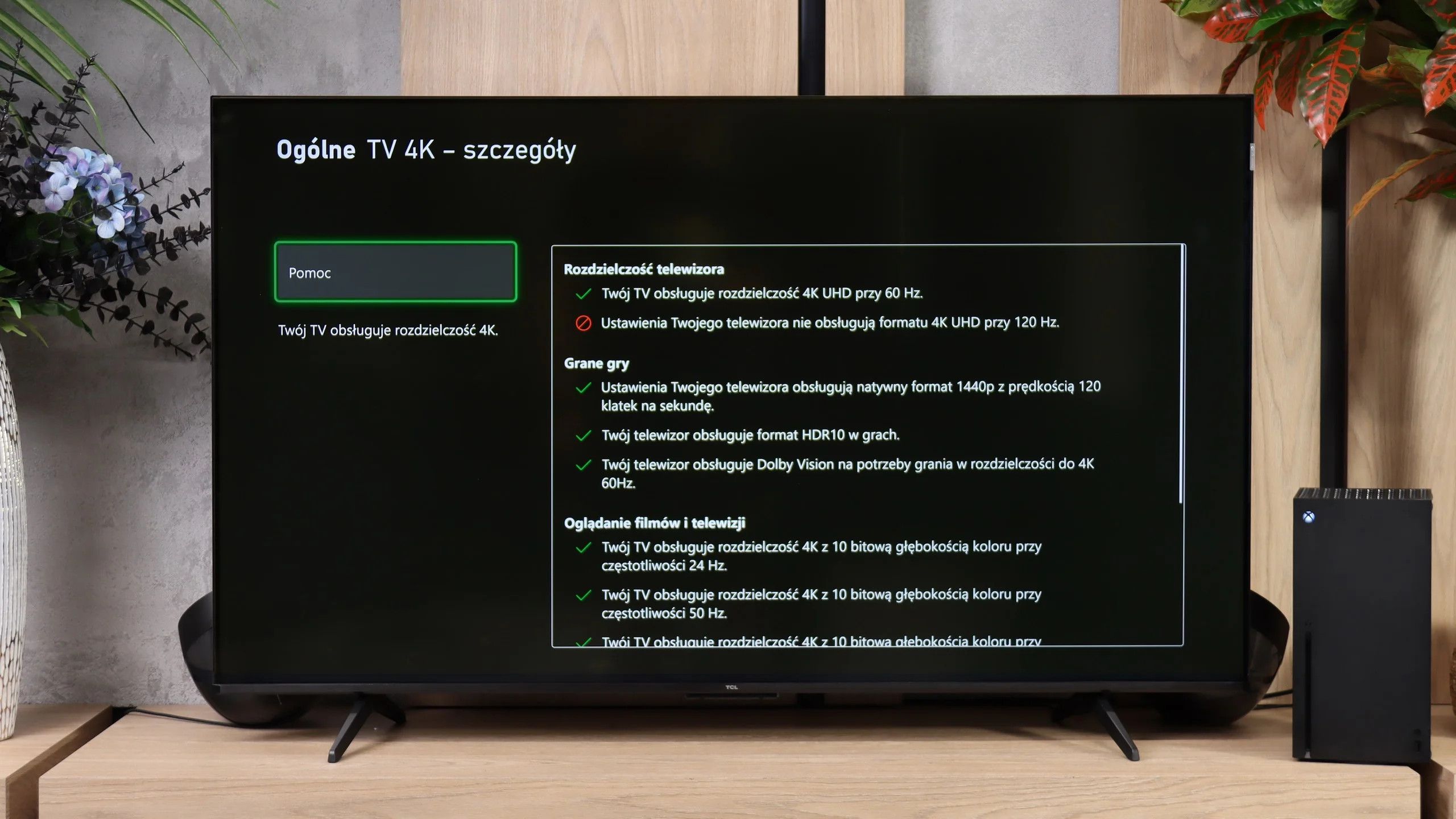
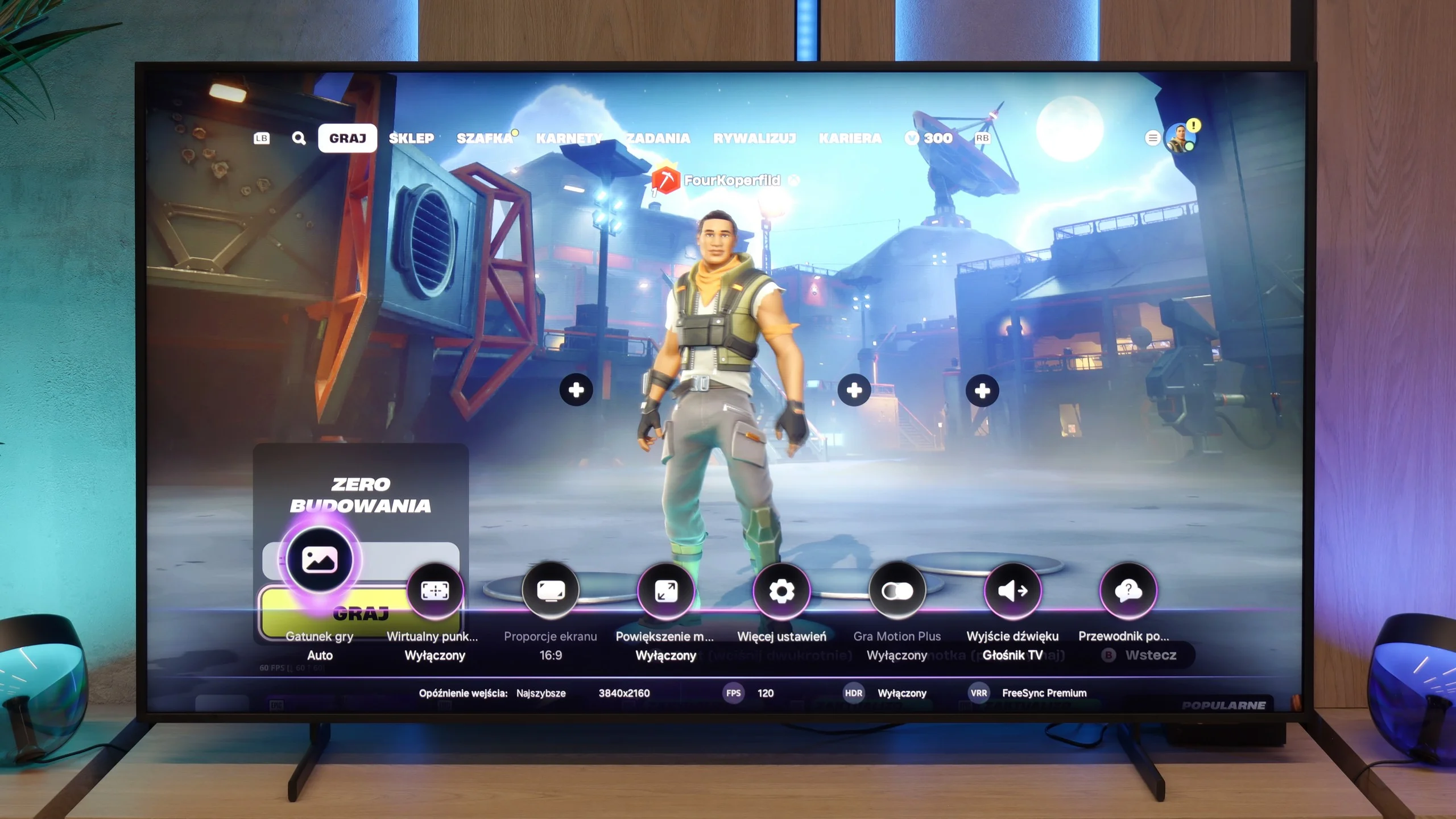
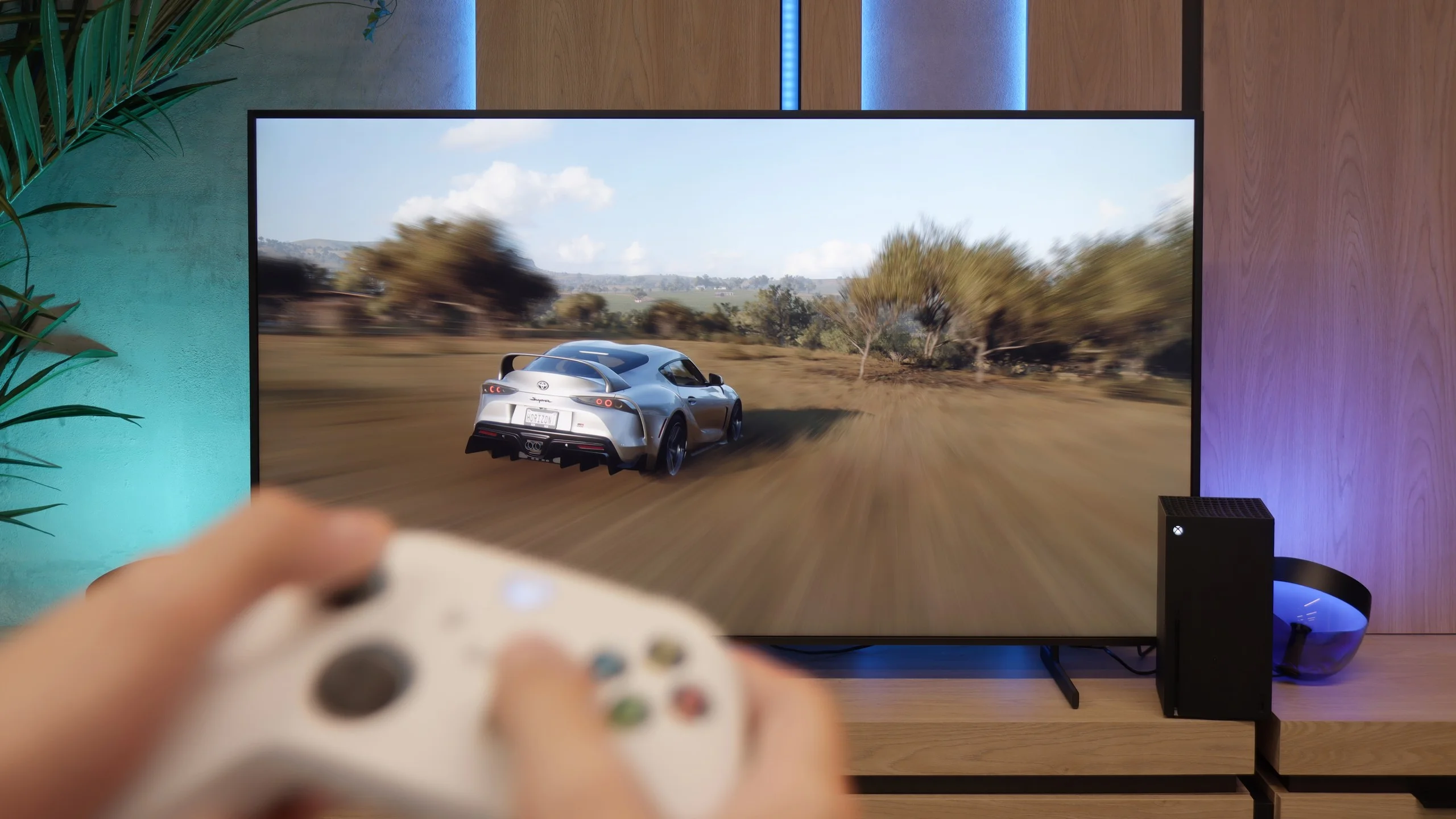
Samsung The Frame Pro does not pretend to be just a “living room” television; here, gamers will also find something for themselves. The manufacturer has ensured a full range of gaming features: we have support for variable refresh rate (VRR), automatic low latency mode (ALLM), refresh rates up to 144 Hz, and compatibility with both G-Sync and FreeSync Premium Pro. Additionally, there is the well-known Game Bar panel, which is a quick menu where key parameters can be checked on the fly—from refresh rates to enabled image processing modes. Are there any downsides? Indeed, The Frame Pro does not support Dolby Vision in game mode, but this is hard to consider a serious issue—most gamers use HDR10 anyway... which means HGIG mode. Exactly. The biggest surprise turned out to be the latest software update. Samsung… completely removed this option from The Frame PRO. In practice, this means that the television independently interprets HDR tone mapping in games, and the user has no way to enable settings developed for consoles. This is a step backwards that may disappoint more knowledgeable gamers hoping for full compliance with HGiG guidelines. We can only hope that this issue will be resolved quickly.
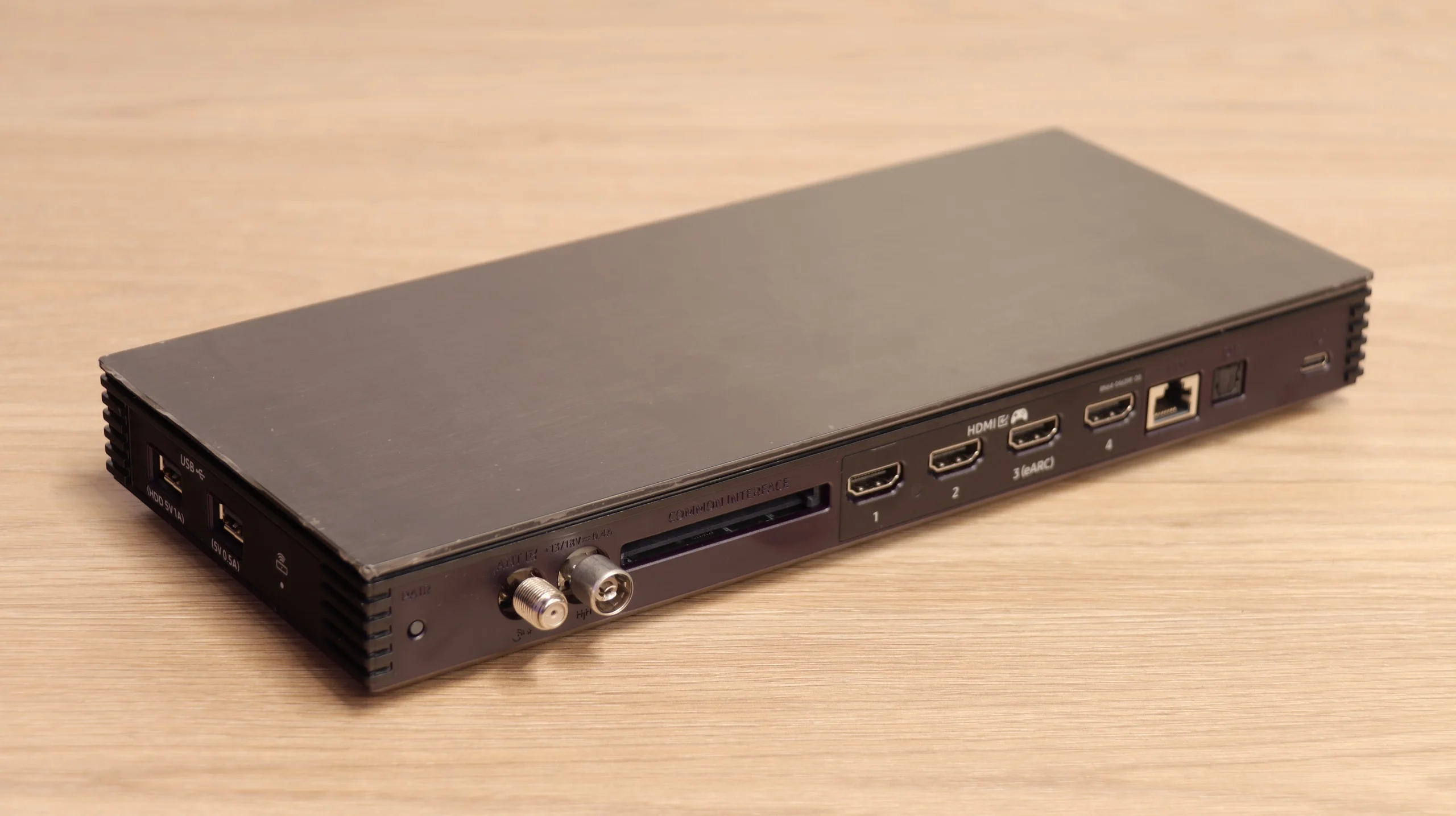
An interesting feature of The Frame Pro is also the unusual arrangement of HDMI 2.1 ports. There are as many as five available—four are located in the One Connect box, and the fifth, in micro HDMI version, is directly on the television. This is quite an unusual solution, but rather practical. Samsung clearly suggests that this is the port to which you should connect your console or computer. Why? Because it minimises potential delays associated with communication through the wireless One Connect, and in the case of gaming, every millisecond matters. We have written separately about input lag, but it can already be revealed here that by connecting equipment directly to the television, we achieve the absolute maximum in response speed.
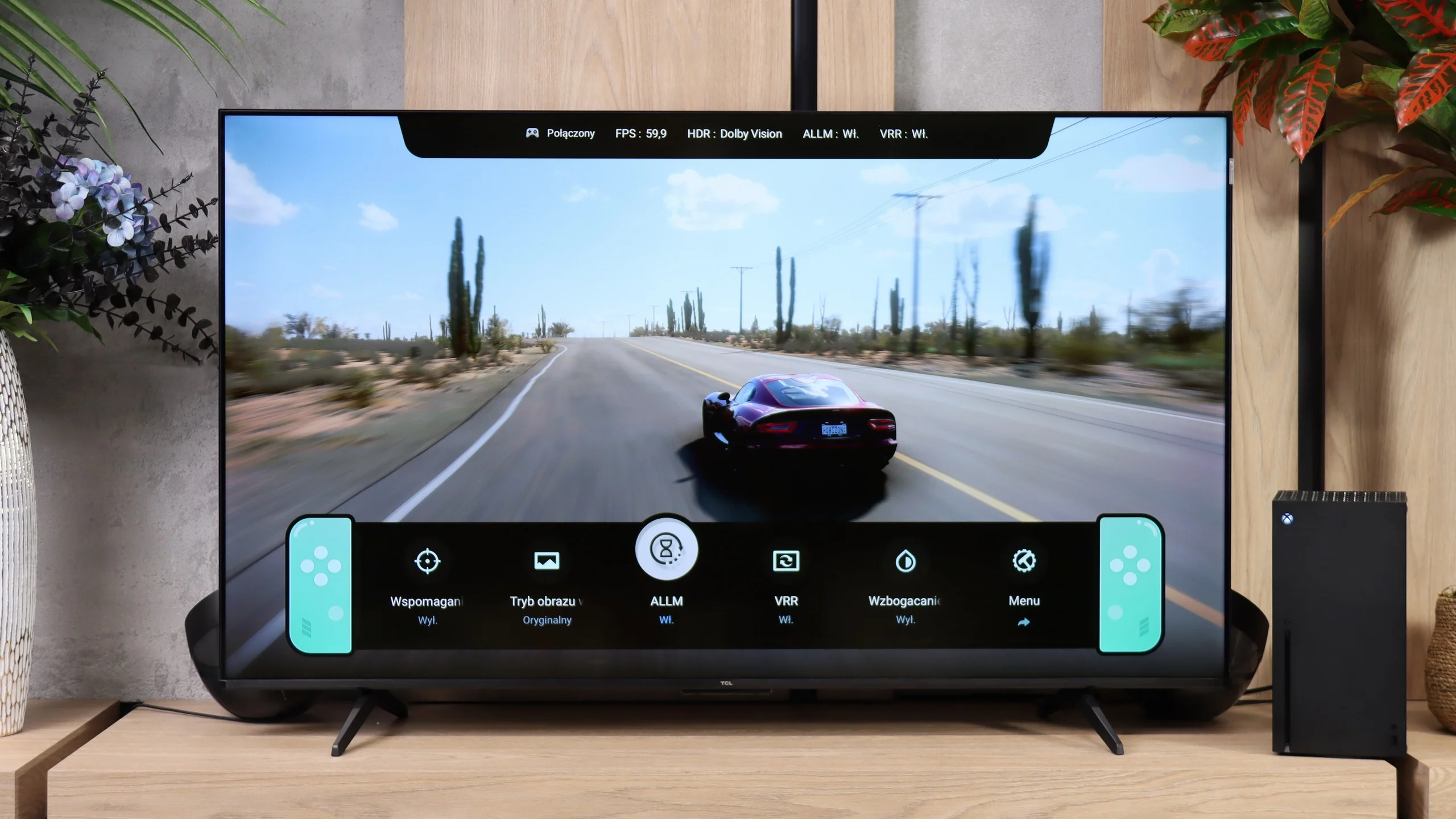
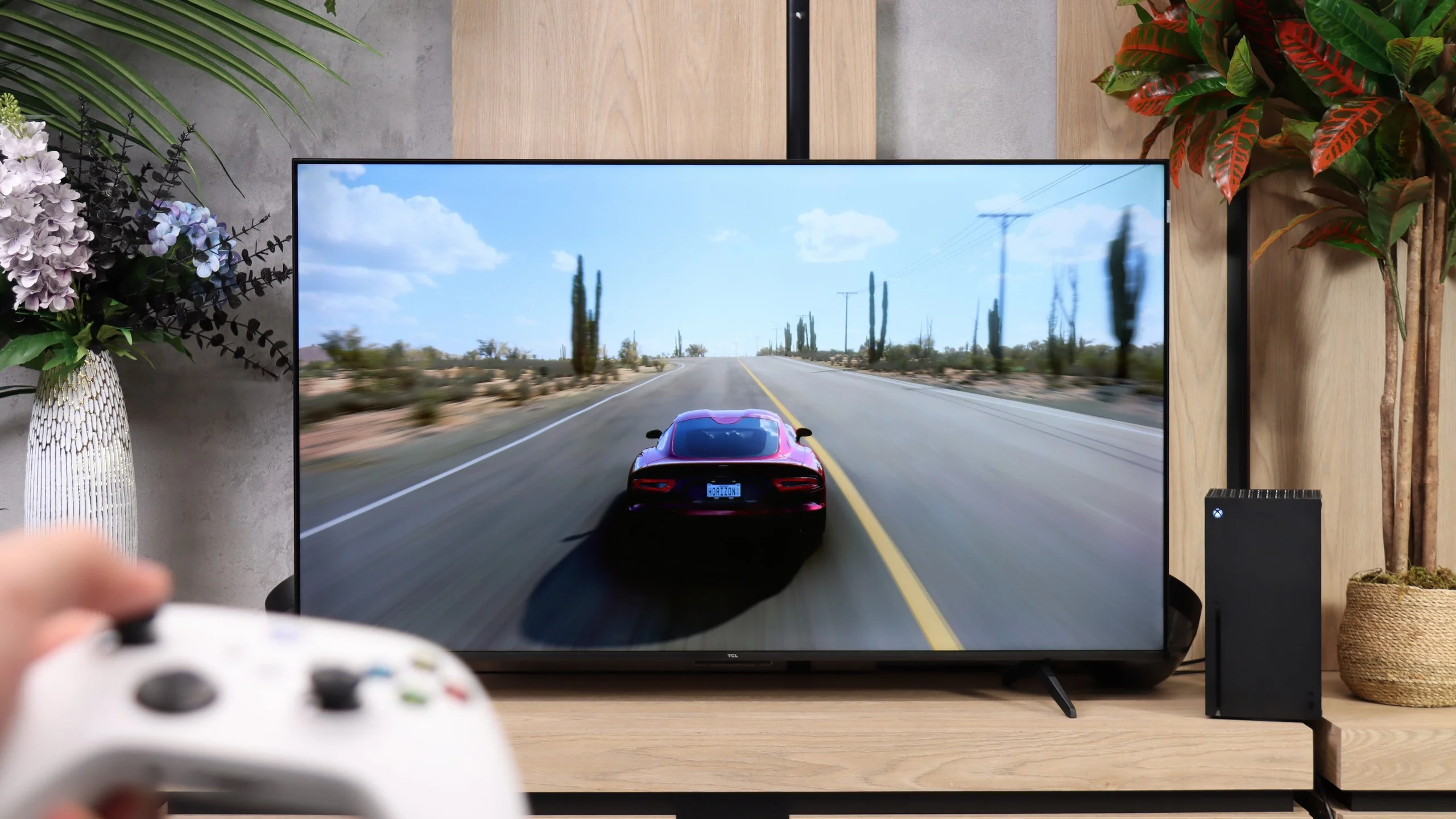
For such an inexpensive TV, the P7L has quite a lot to offer gamers. It has ALLM, VRR, Dolby Vision for gaming, and TCL also includes its Game Bar, which lets you quickly check the key information or change some settings without leaving the game. Not everything is perfect, though, because HGiG doesn’t work here as it should, but at this price point it’s hard to complain about the feature set. The most interesting part starts when you give up 4K. At that resolution the TV runs at up to 60 Hz, but at 1440p and 1080p it can display at 120 Hz. And that’s not just a line in the specs. In fast-paced games that support that frame rate you can really notice the improvement in smoothness, so if you value smoother motion more than maximum image detail, that mode can make a lot of sense. Of course, that doesn’t turn the P7L into a proper 120 Hz TV. Even so, those extra modes are exactly what make the P7L perform very well for gaming.
Input lag
9.9/10
10/10
SDR
HDR
Dolby Vision
The Frame Pro in wired mode records truly excellent results. Latencies range from 9 to 14 ms, providing smooth and immediate response in games. These are values that can easily be considered reference – even in dynamic titles, the action proceeds without delays, and the controls are precise and predictable. The situation changes when the wireless One Connect module comes into play. While it allows you to hide cables and enjoy greater freedom of arrangement in the room, it significantly worsens the input lag results. In tests conducted at a distance of 2–3 meters from the television, with no furniture obstructing the path, the values jumped to 50 ms. While this is acceptable when watching films because input lag does not concern us at all, it becomes problematic in games and severely detracts from the experience. It’s a bit of a paradox – on one hand, we have a television that in wired mode offers some of the best results on the market, while on the other, Samsung promotes a solution that proves to be quite detrimental for gamers. After all, the console is one of the key devices we usually connect to the television...
For the record, here are our wireless measurements from a distance of 2-3m:
SDR | HDR |
|---|---|
1080p60 Hz: 39 | 2160p60 Hz HDR: 40 |
1080p120 Hz: 25 | 2160p120 Hz HDR: 25 |
2160p60 Hz: 40 | |
2160p120 Hz: 25 |
In terms of latency the TCL P7L performs very well. With a 60 Hz signal the input lag is about 13 ms, regardless of whether you’re playing in SDR, HDR or Dolby Vision. That’s already a level at which the delay should be practically imperceptible during normal gameplay. It gets even better when you switch the TV to 120 Hz mode at a lower resolution. Then the input lag falls to about 9 ms, which nicely complements the modes described earlier. For gamers, that’s another argument that, despite the P7L’s budget nature, it is fairly well prepared in this respect.
Compatibility with PC
8.4/10
5.8/10
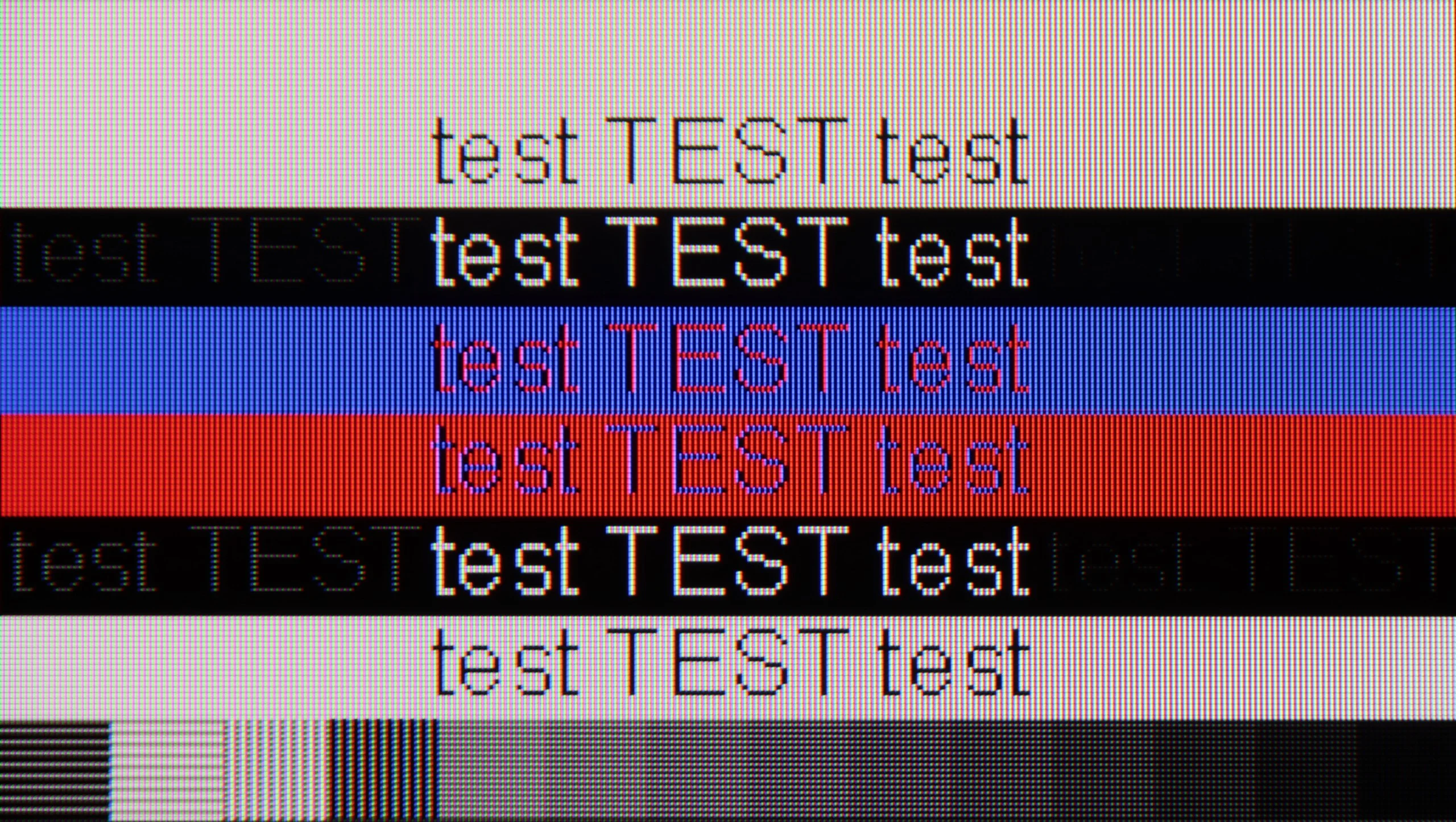
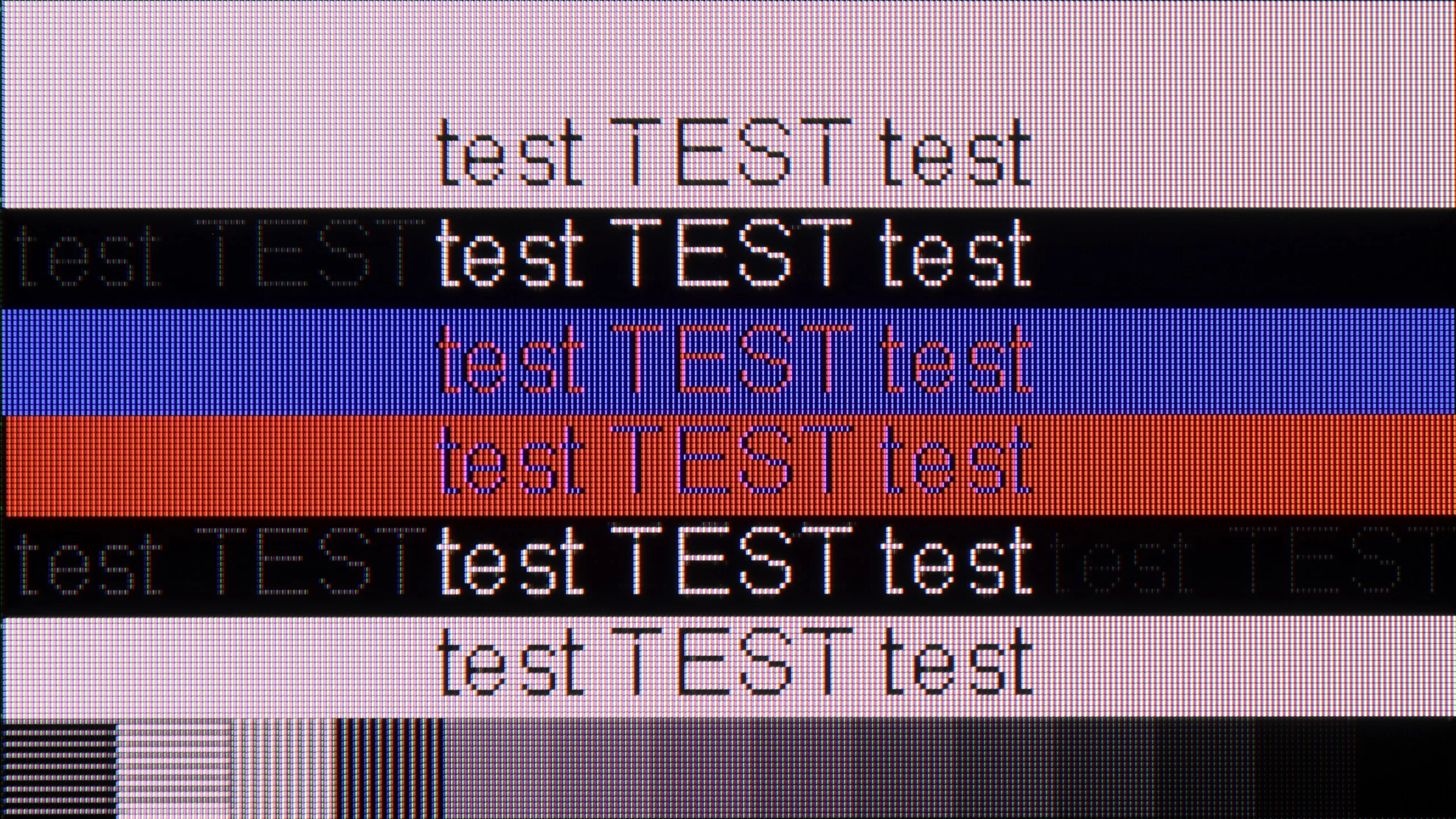
The photo shows the legibility of small fonts. Ideally, lines should be the same thickness on both light and dark text, with minimal pixel gaps.
Connecting The Frame Pro to a computer via cable is basically no philosophy - it works as it should. The image is clear, the fonts look good, you can comfortably manage daily tasks in Word or Excel, and then launch a game, and it’s still fine. However, the real fun begins when we use the wireless module. And here the whole paradox of this television emerges again - a solution that was supposed to make life easier in theory can actually complicate it quite a bit in practice. It’s not just about the aforementioned delays that can be immediately felt when using the mouse, but also about the overall readability of the image. The fonts start to look simply worse, at times you can see what seem like slight stripes, and the letters lose their sharpness, making text work quite exhausting. And it’s really strange that such a simple thing as displaying letters on the screen can fall apart here due to the wireless module. Therefore, if someone plans to use The Frame Pro with a computer - whether for work or gaming - it’s really worth connecting it via cable from the start. Otherwise, you can quickly become frustrated and instead of enjoying a large screen, you’ll feel like your eyes are fighting with the television for every paragraph of text.
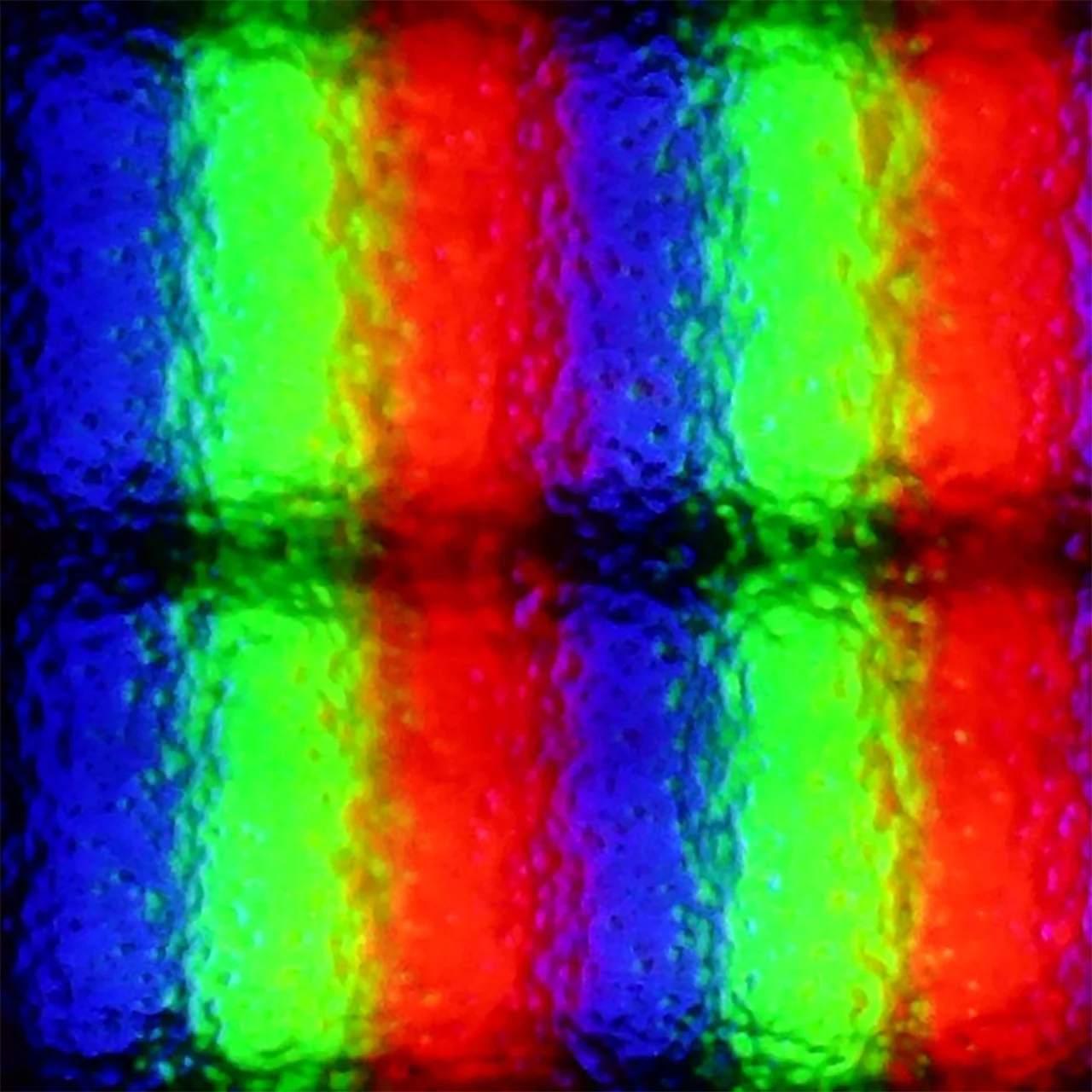
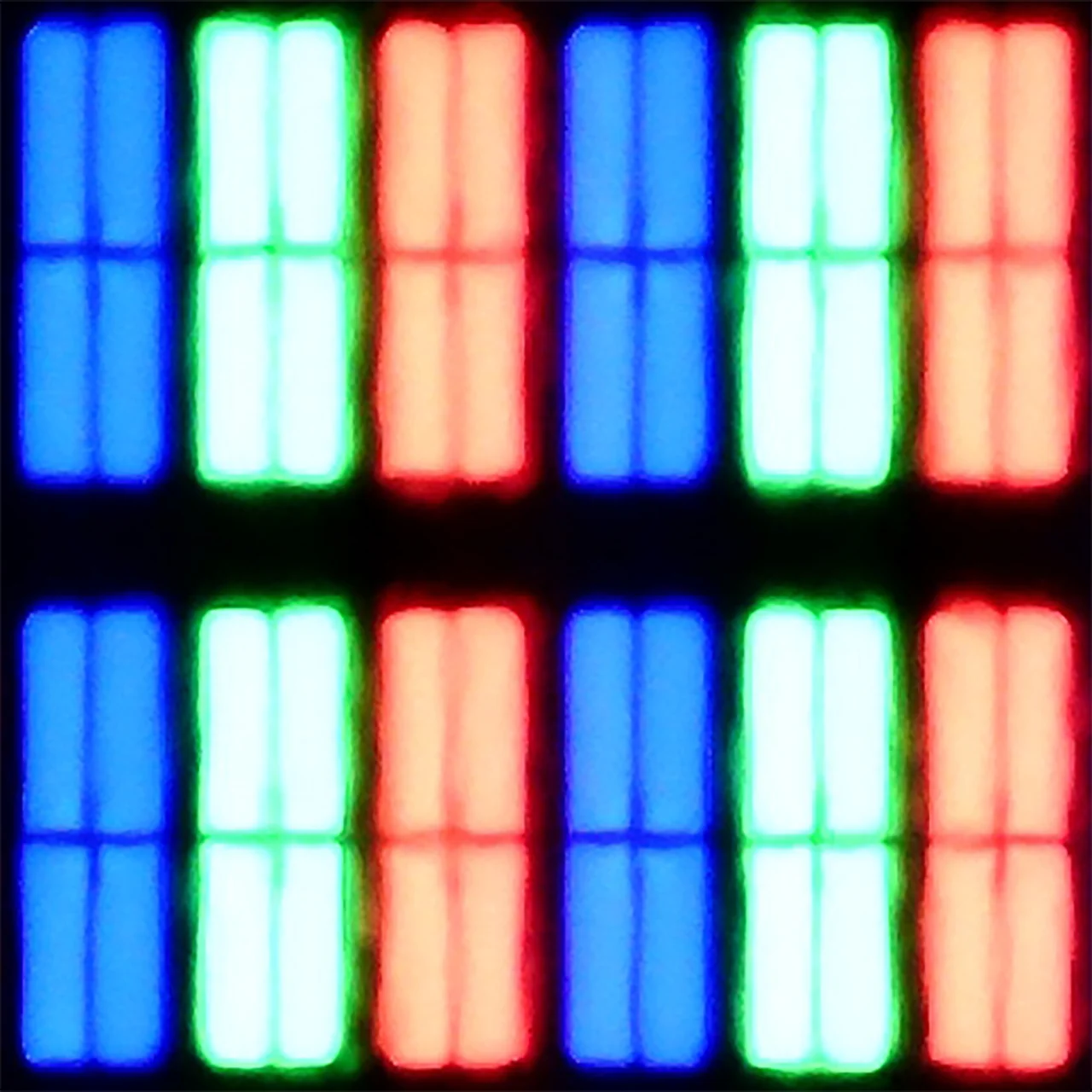
The TCL P7L is probably not the first choice for office work. The TV correctly supports 4:4:4 chroma, so text itself remains fairly sharp, but the BGR subpixel layout causes some issues with its appearance. On the vertical edges of letters you can notice small artefacts and characteristic "dots" that can be distracting when sitting close to the screen. For occasional browsing or working with documents this isn't a major problem, but as a monitor for daily text work the P7L performs rather averagely.
It looks much better for PC gaming. Low input lag, support for G-Sync and VRR mean the TV works well with the graphics card, and at lower resolutions you can also make use of 120 Hz. In 4K we're still limited to 60 Hz, but if the computer is intended mainly for gaming the P7L makes much more sense in that role than as a typical work monitor.
Viewing angles
3.1/10
3.2/10
The Frame Pro features a VA panel, which immediately means that viewing angles are not its strong point. Just sitting a bit to the side reveals how the screen starts to lose quality – brightness drops, colours fade, and blacks, which look solid from a central perspective, suddenly resemble more of a dark grey velvet than deep tar. This is most noticeable at around a 40–45 degree angle – there, the image clearly brightens, and colour saturation decreases significantly. Overall, this is nothing new, as most LCD televisions with VA panels behave this way. At the cost of better blacks compared to IPS panels, we get worse viewing angles.
Viewing angles on the TCL P7L are rather poor, which is typical for a VA panel. It is precisely because of that panel that the TV offers higher contrast and better blacks, but the price for that is a noticeable fall in image quality when you view the screen from the side. You only have to move a little off axis for colours to start losing saturation and for blacks to turn greyer. For that reason the P7L performs best when you are sitting as directly in front of the screen as possible. On a larger sofa and when watching with several people, the seats at the sides will be noticeably less comfortable.
Daytime performance
7/10
5.2/10
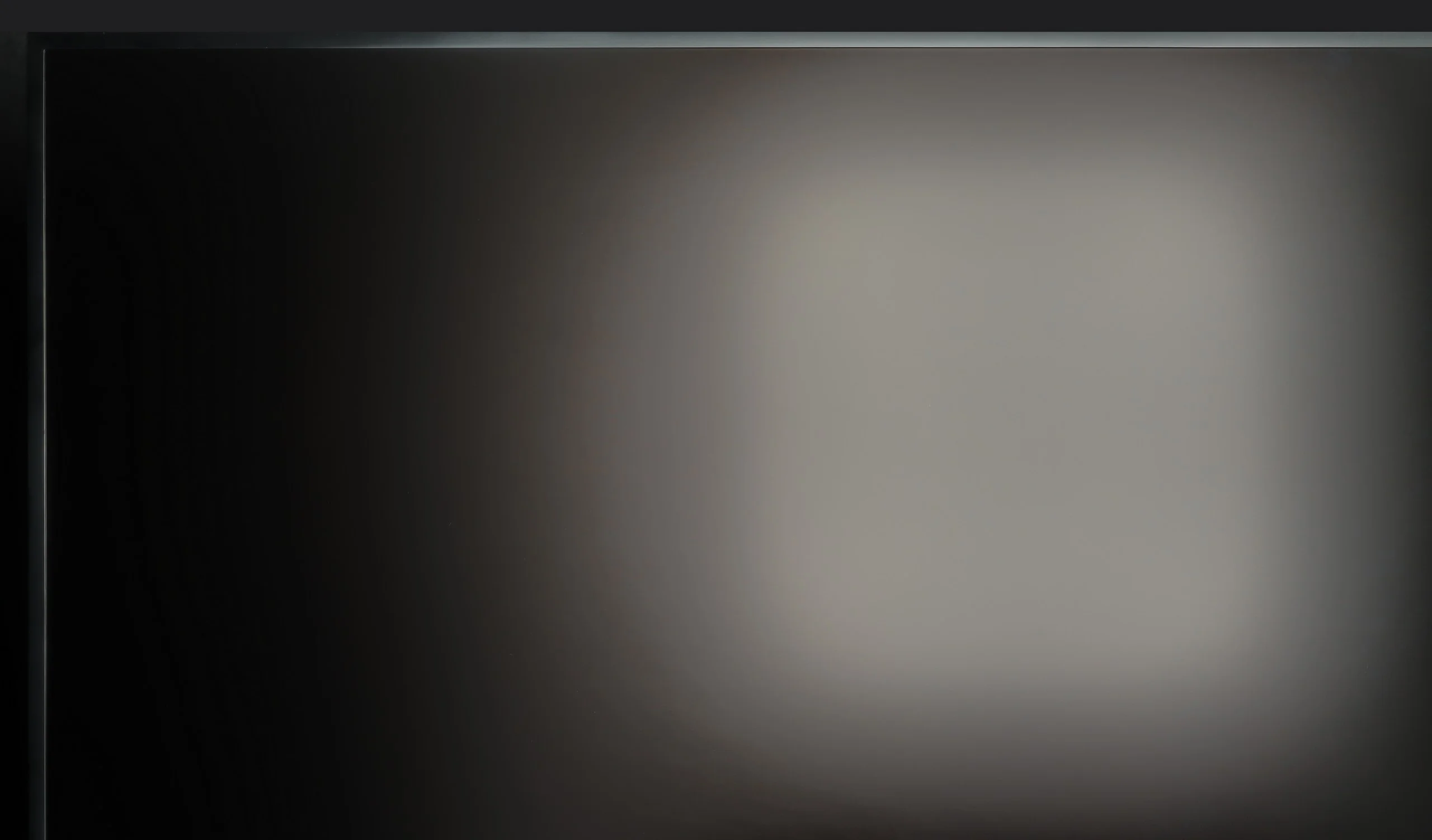
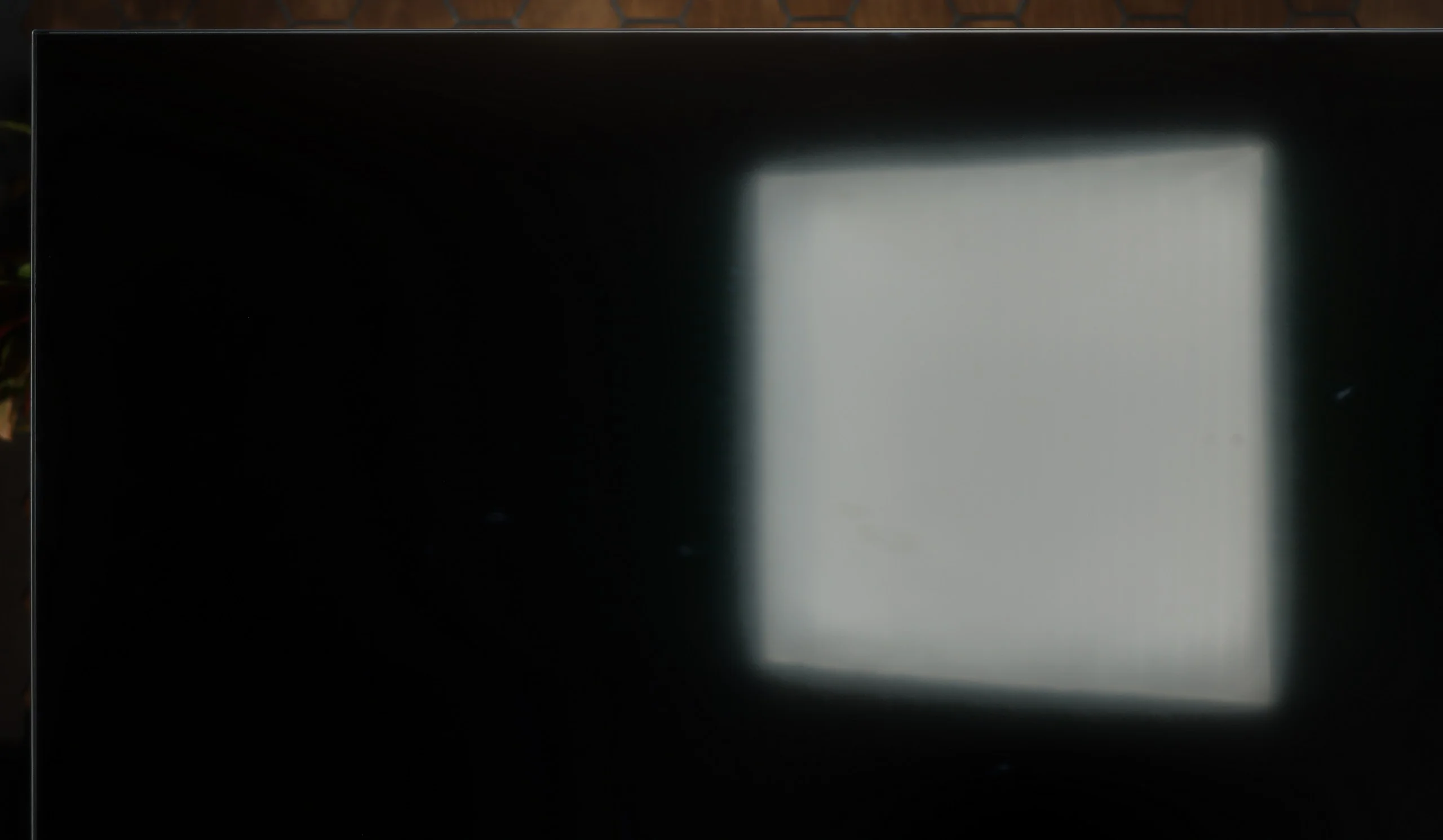
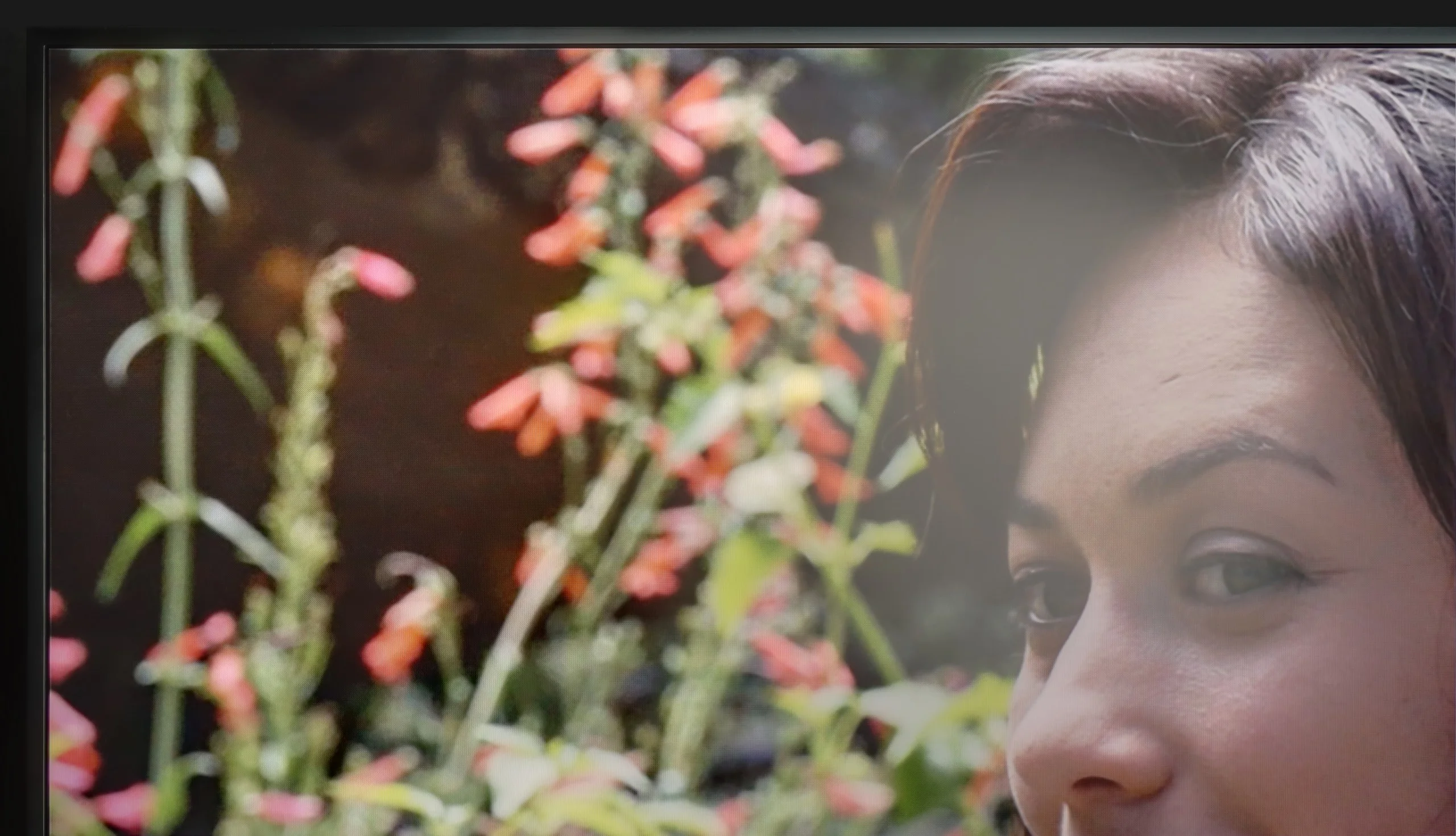
Panel brightness
TCL P7L / P79L: 364 cd/m2
Samsung The Frame Pro: 614 cd/m2
The Frame series has been distinguished by its matte screen coating for several years, and The Frame Pro from 2025 is no exception. It is thanks to this that you can rest assured that light reflections will not irritate you even in a brightly lit living room. Samsung has refined this technology to near perfection over the years, and today it can confidently be said that it is the best matte screen available in televisions. The colours still look good and do not drastically lose saturation, as is the case with cheaper, Chinese designs. The blacks also remain at a decent level, although it must be admitted that in extremely bright lighting conditions, the colours can slightly flatten and lose depth. However, this is a small price to pay for the complete lack of reflections on the screen – and this can be priceless in everyday use. The brightness must also be noted as a plus – around 600 nits in SDR mode ensures that the image cuts through daylight effortlessly and will look satisfactory in most rooms.
By day the TCL P7L copes quite well, although much depends on the TV’s position relative to windows. The screen’s satin coating disperses reflections fairly effectively, so under normal living-room lighting the picture stays readable and doesn’t immediately turn into a mirror. Black levels also look good, and in daylight the blacks don’t lose too much depth. The limitation, however, is brightness. Around 360 nits is enough for normal viewing in a moderately bright room, but with strong sunlight falling directly on the screen the P7L starts to lose out to its surroundings. It will therefore be fine for a typical living room, but if the TV is to sit opposite a large window or you mainly watch in a very bright room, it’s worth bearing that in mind.
Panel details
Subpixel Structure:
Panel uniformity and thermal imaging:
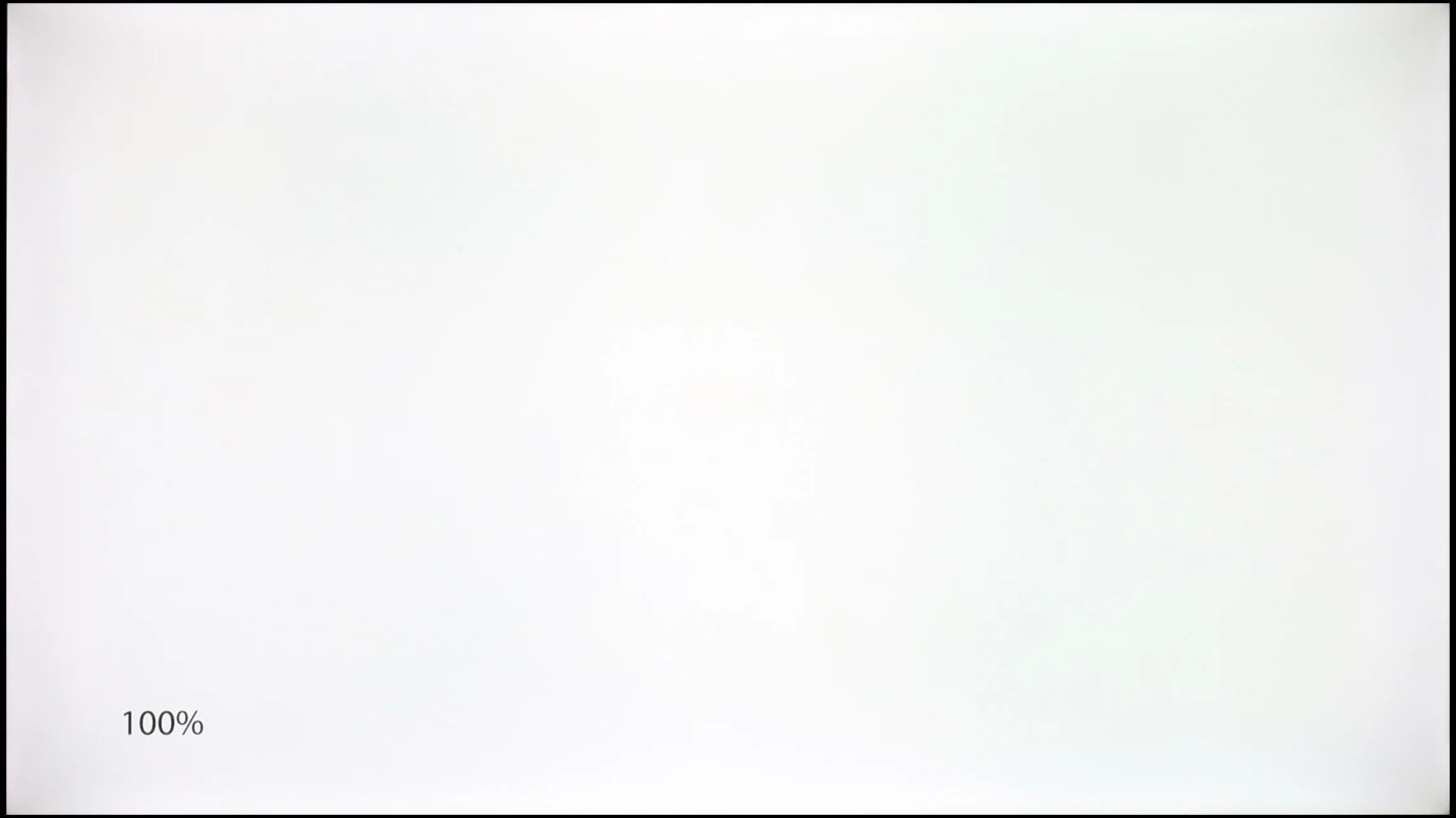
Samsung The Frame Pro
TCL P7L / P79L
TV features
7.7/10
7/10
- SystemTizenGoogle TV
- System performanceGoodDecent
- HDMI inputs0 x HDMI 2.0, 5 x HDMI 2.1 48Gbps3 x HDMI 2.0, 0 x HDMI 2.1
- OutputsToslink (Optical audio), eARC (HDMI), ARC (HDMI)Toslink (Optical audio), eARC (HDMI), ARC (HDMI)
- Network InterfacesWi-Fi 2.4GHz, Wi-Fi 5GHz, Ethernet (LAN) 100MbpsWi-Fi 2.4GHz, Wi-Fi 5GHz, Ethernet (LAN) 100Mbps
- TV receptionDVB-T, DVB-T2, DVB-S, DVB-S2, DVB-CDVB-T, DVB-T2, DVB-S, DVB-S2, DVB-C
Classic features:
- Recording to USB (terrestrial TV)
- Recording programming
- Picture in Picture (PiP)
- RF remote control (no need to aim)
- Backlit remote control
- Teletext
- Audio only mode
- Bluetooth headphones support
- Simultaneous Bluetooth headphones & TV audio
Smart features:
- AirPlay
- Screen mirroring (Windows Miracast)
- Voice search
- Voice search in native language
- Ability to connect a keyboard and mouse
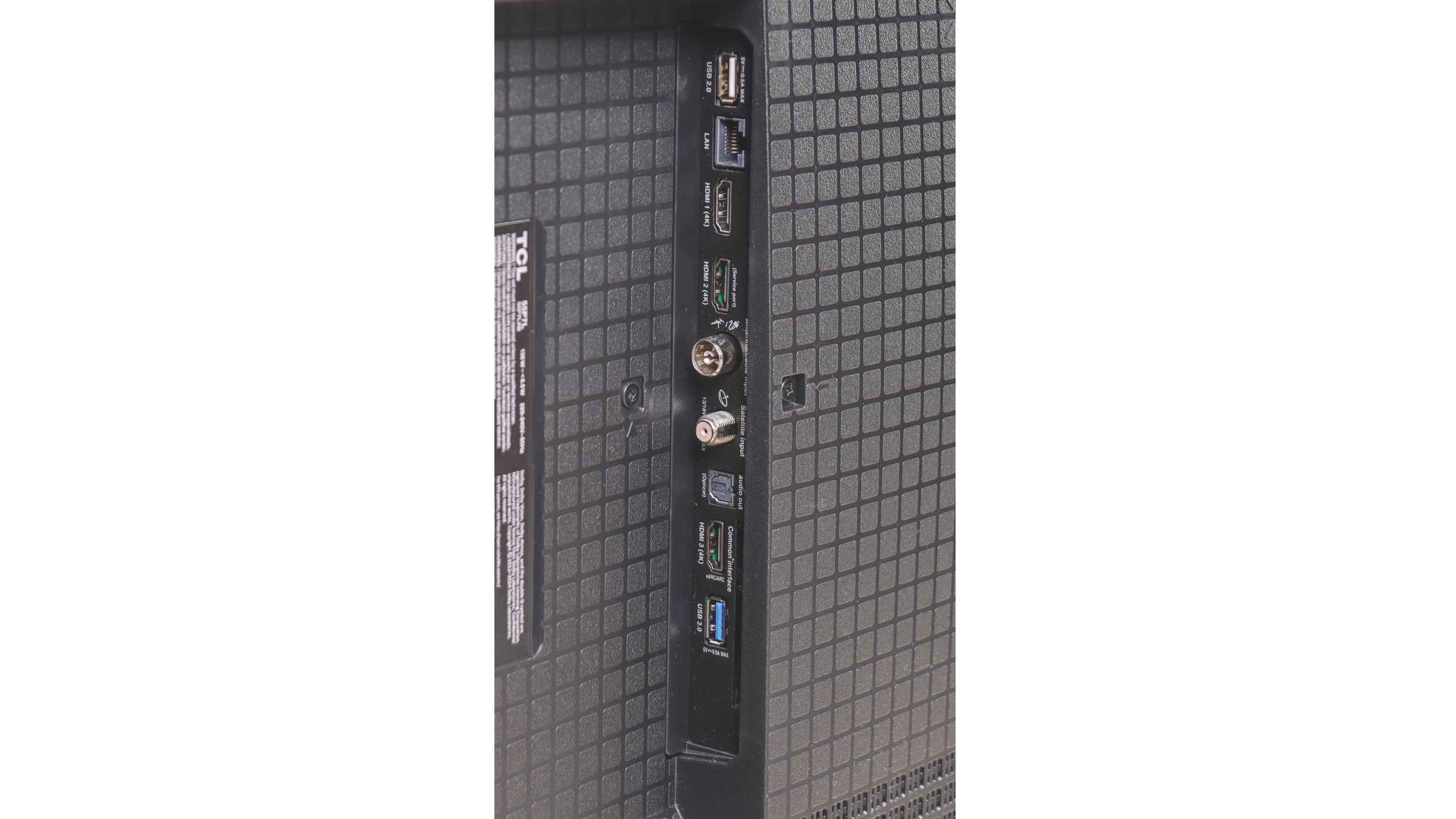
Sound connection options
- HDMI audioeARC (HDMI), ARC (HDMI)eARC (HDMI), ARC (HDMI)
- Other audio outputsToslink (Optical audio)Toslink (Optical audio)
- Wireless audioBluetooth, Samsung Q-Symphony (Speaker extension)Bluetooth, Samsung Q-Symphony (Speaker extension)
Supported audio formats (external HDMI eARC audio):
- Dolby Digital Plus 7.1
- Dolby True HD 7.1
- Dolby Atmos in Dolby Digital Plus (JOC)
- Dolby Atmos in Dolby True HD
- DTS:X in DTS-HD MA
- DTS-HD Master Audio
Senior accessibility
- Numeric keyboard on TV
- Font size adjustment
- Audio description
Smart Features
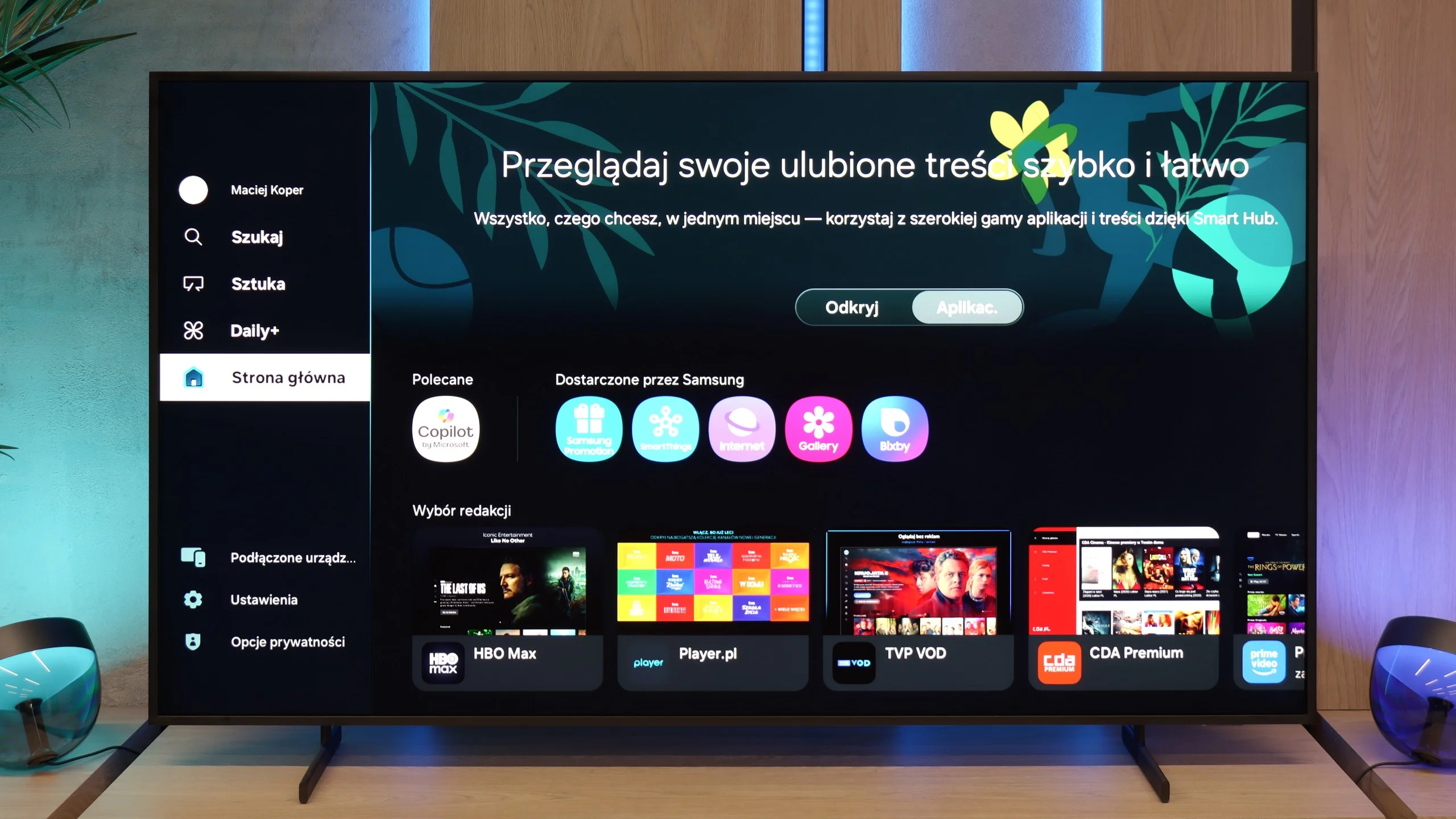
Samsung The Frame Pro runs on the Tizen operating system, which has long been a hallmark of the Korean manufacturer. It is one of the most refined smart TV environments – fast, stable, and intuitive. Practically all popular streaming applications are available here, and the interface operates smoothly with minimal delays. It also supports features such as AirPlay 2, screen mirroring, and the ability to control the television using voice commands via Bixby, Alexa, or Google Assistant.
Television Functions
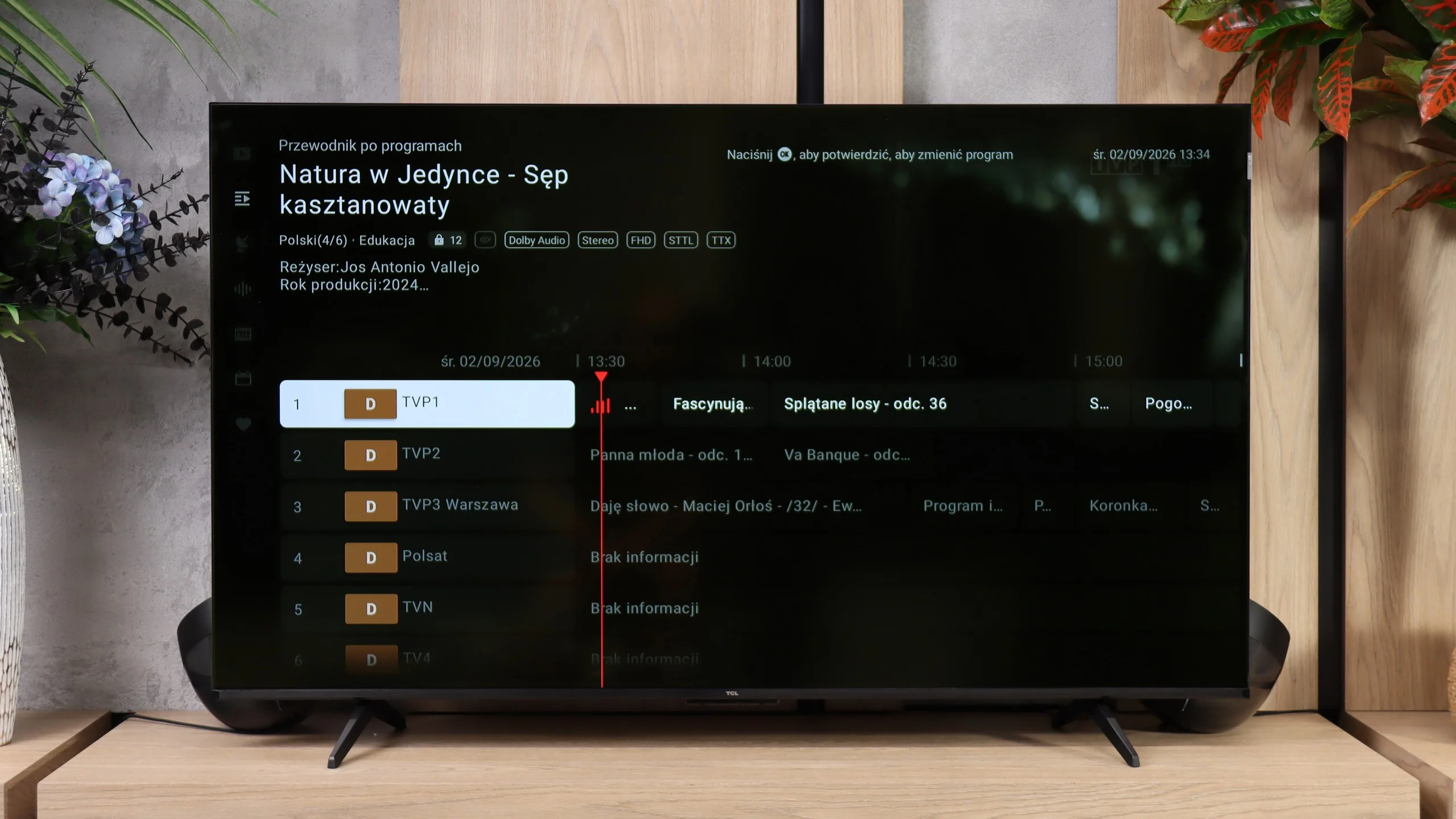
As for classic television functions – as is the case with almost every Samsung – this is not the device's strongest suit. We receive a clear EPG guide, teletext support, the ability to connect headphones via Bluetooth, and that’s about it. More advanced tools known from televisions (e.g. recording to USB or PiP) are not to be found here. However, this is standard in Samsung's offering. The manufacturer has been setting trends for several years and focuses mainly on smart features, while traditional television is treated somewhat neglectfully.
Art Store and Interchangeable Frames – a Unique Element of the Series
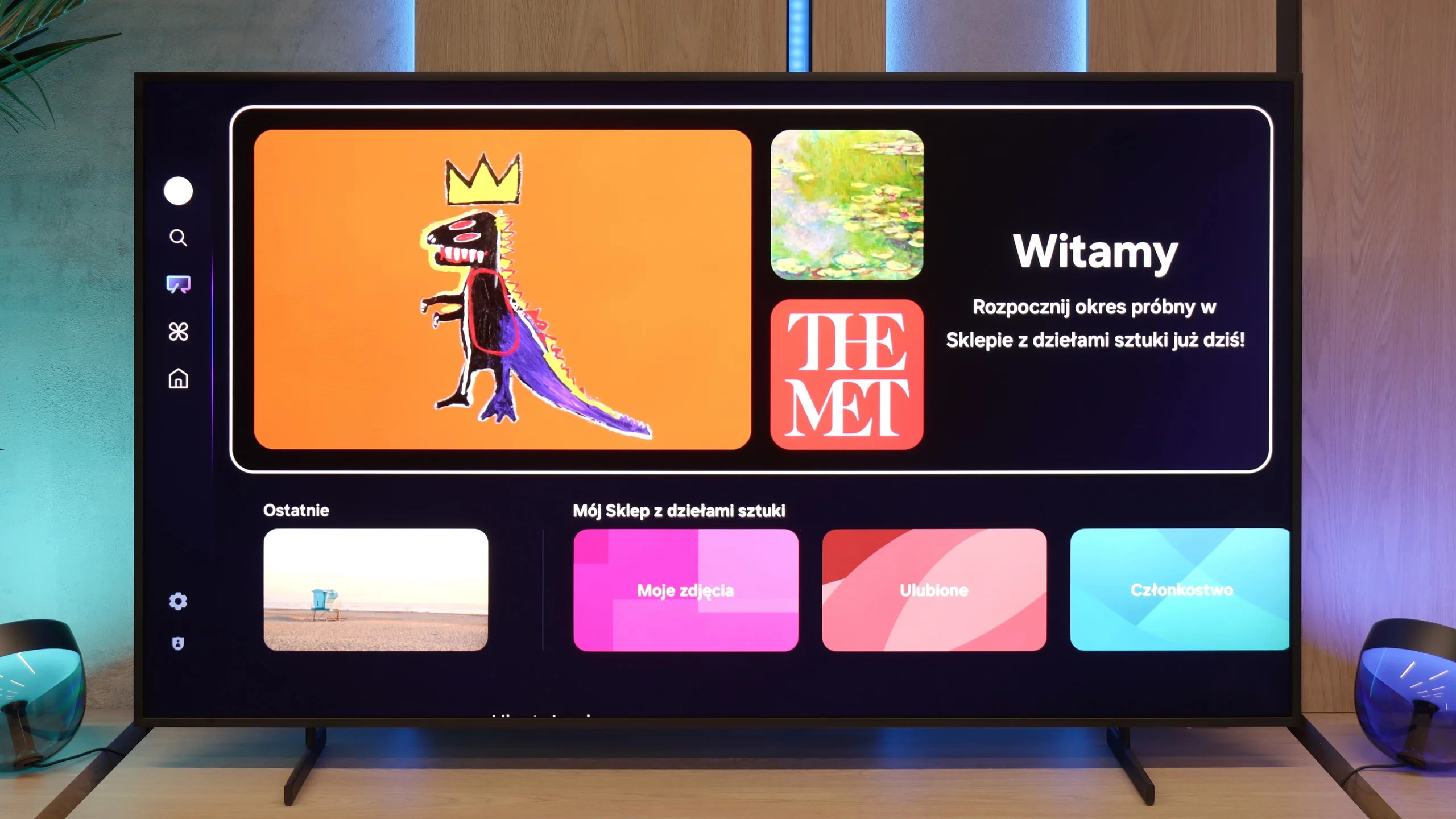
What has distinguished the The Frame series from the very beginning of its existence is the Art Mode and the Art Store application. Thanks to it, we can display reproductions of artworks on the screen, from classics to modern graphics. The service is indeed paid (in the form of a subscription or a one-off annual fee), but it ensures that the materials are prepared in the highest quality, making the displayed images look almost like they were painted. This element, along with the option of exchanging the television's frames, makes The Frame Pro serve a dual purpose as a television as well as a design element in the interior.
Wireless One Connect Module
The second unique element of The Frame PRO is the One Connect wireless module, which houses all HDMI ports and other connections. Thanks to this, the television itself can hang on the wall almost like a real painting, while all the electronics and cables can be placed in a separate box set even a few meters away. The device is powered via USB-C and handles all of the television's "thinking" processes. While this solution has its limitations for gamers or those using PCs (delays, deterioration of font quality), it works excellently for connecting an amplifier, decoder, or individual multimedia devices. It is a very "gadgety" solution, but in everyday use, it proves to be simply convenient and allows for better space arrangement in the living room.
Smart TV
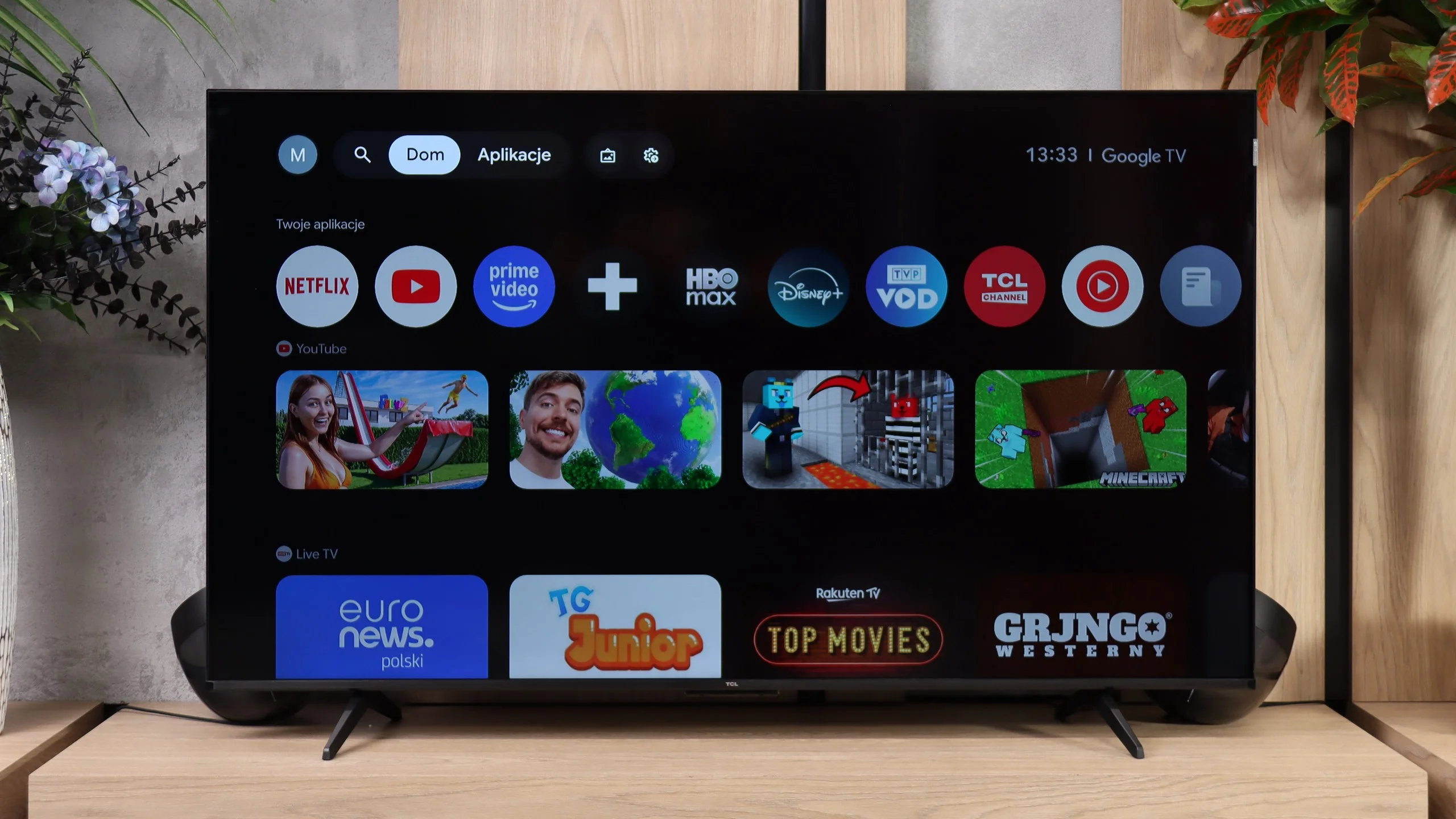
The TCL P7L runs on Google TV and that is definitely one of this model’s stronger points. The system provides access to virtually all popular streaming apps, and it also supports AirPlay, casting from other devices and voice search, including Polish. The interface itself performs decently, it isn’t as fast as on more expensive sets, but for everyday use it shouldn’t be particularly irritating.
TV features
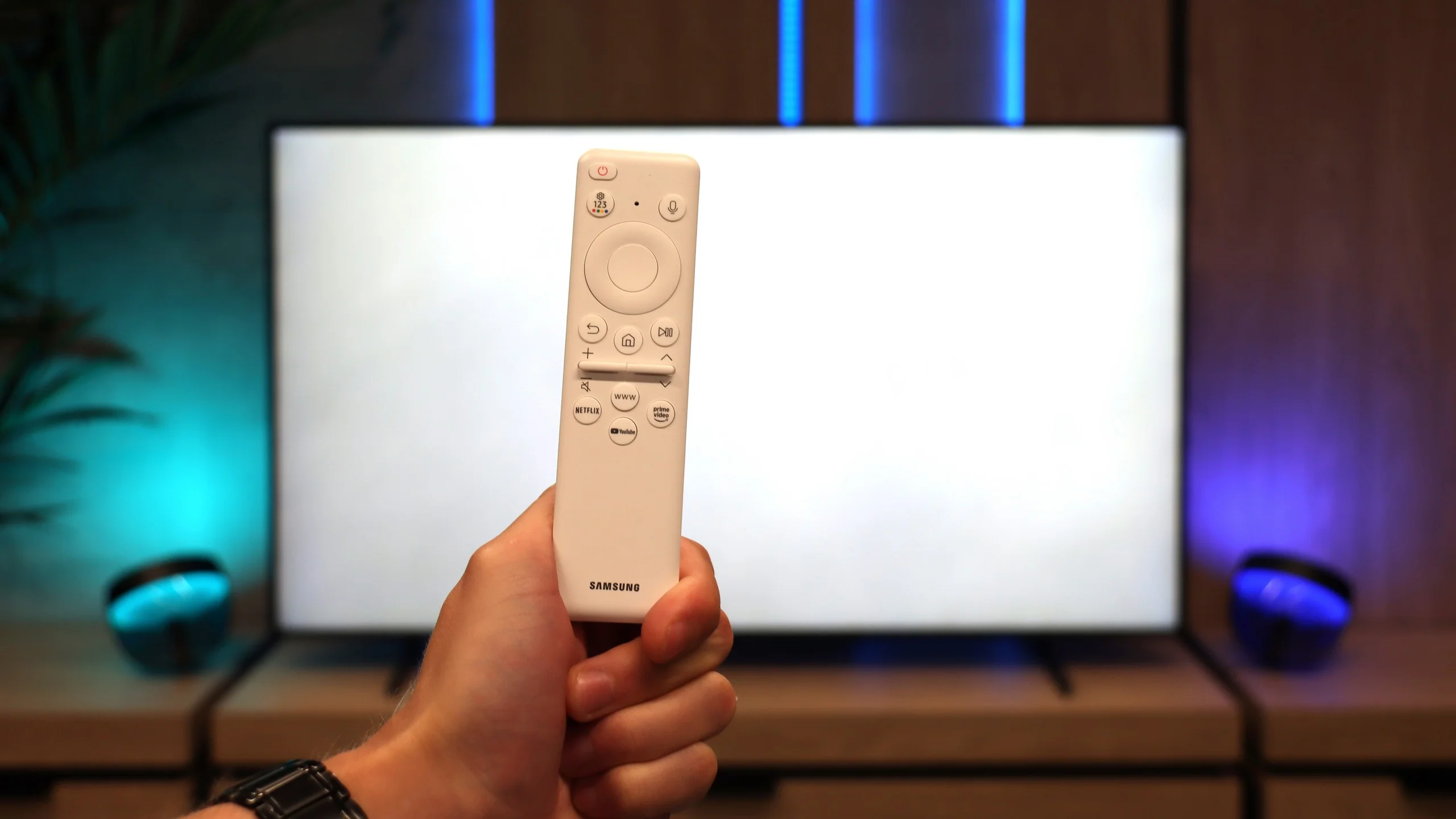
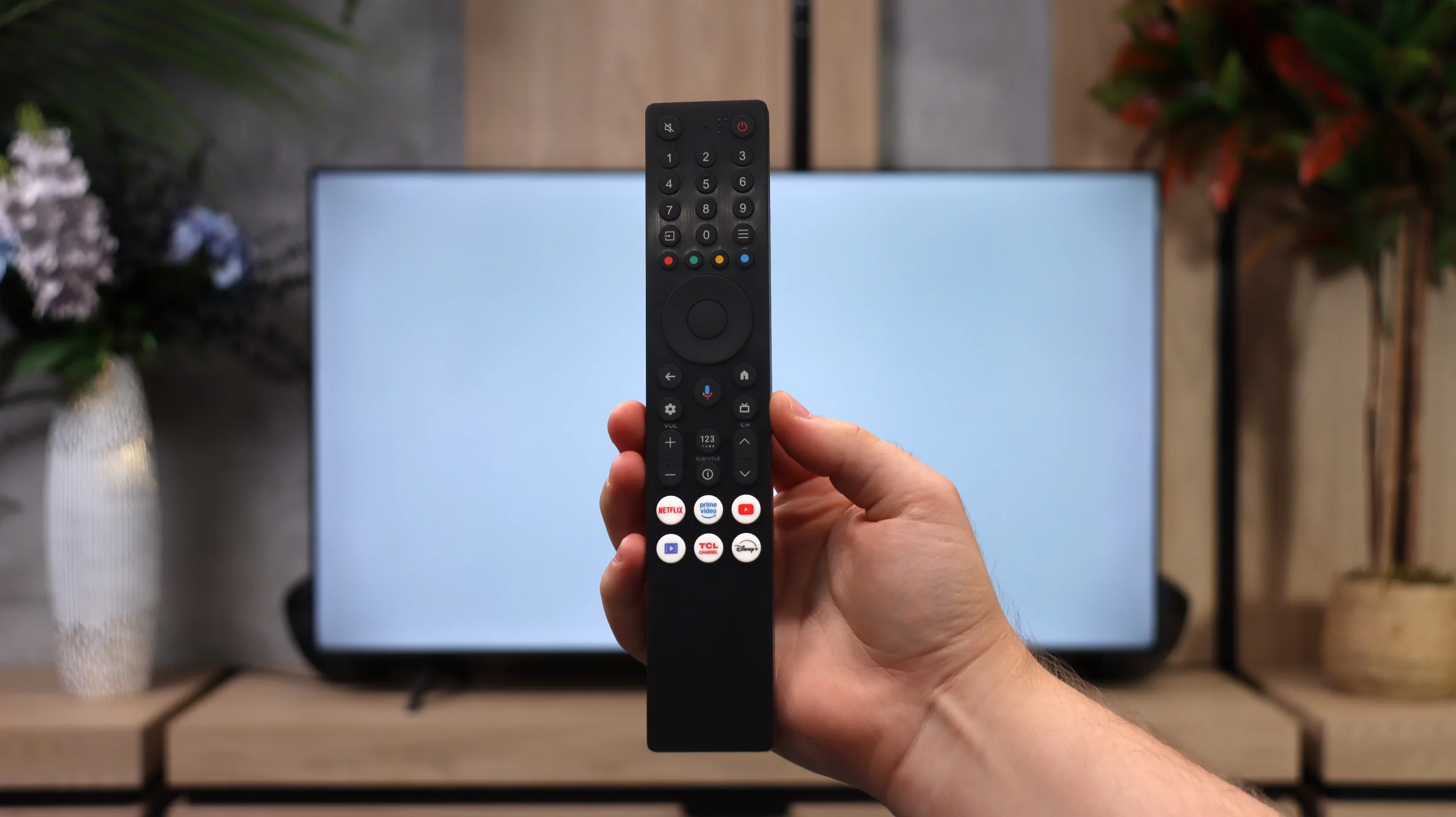
When it comes to more traditional features the P7L is clearly a simpler television. It lacks recording to USB, scheduling recordings and picture-in-picture, so people used to those extras on older TVs may miss them. What remains are the basics: such as teletext, an audio-only mode, Bluetooth headphone support and the option to play audio simultaneously through the TV speakers and headphones. The remote uses radio signals, so you don’t have to point it directly at the screen, which is simply handy in everyday use.
Apps
9.3/10
9.6/10






















Playing files from USB
9.1/10
8.7/10
Supported photo formats:
Maximum photo resolution:
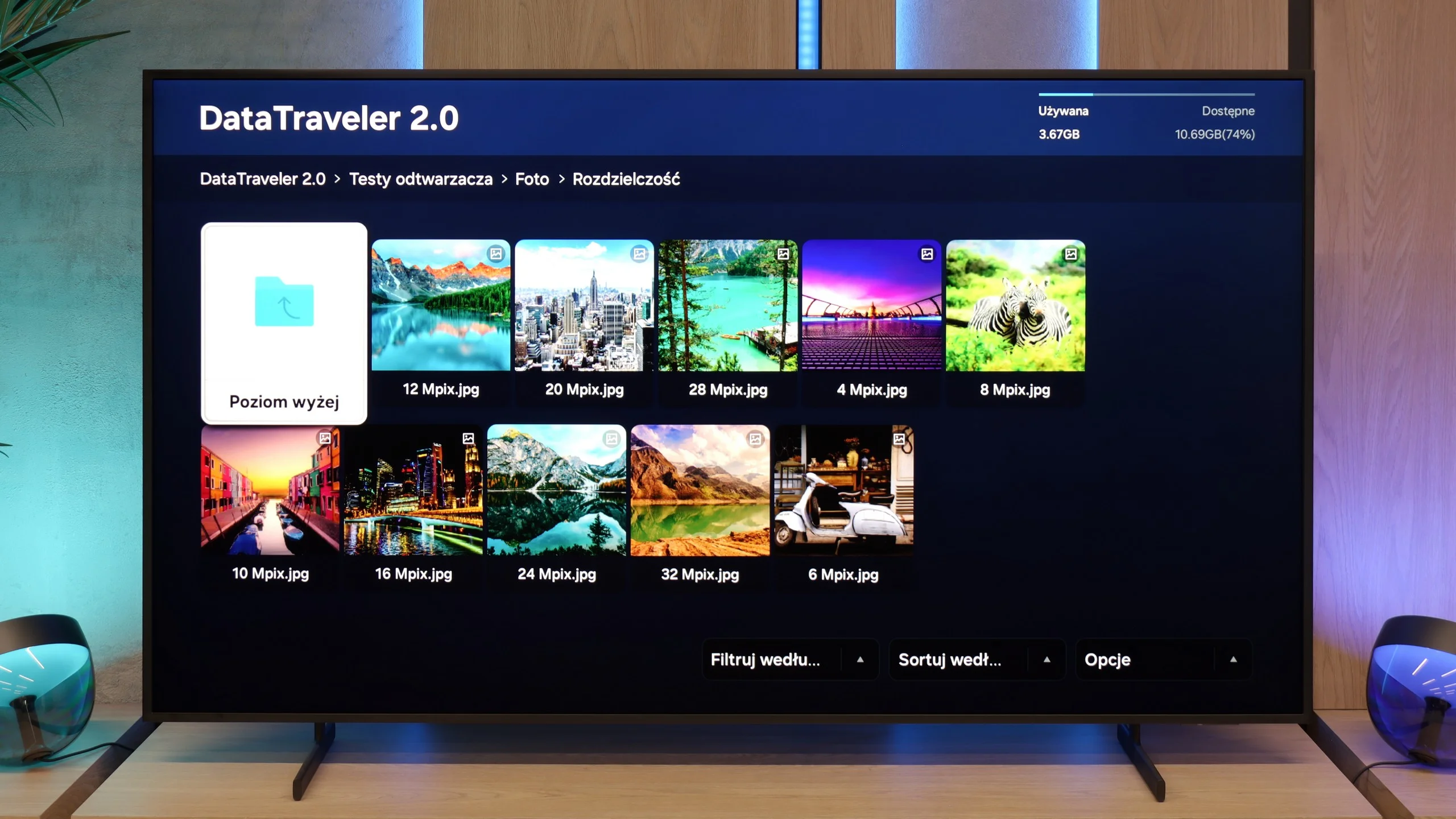
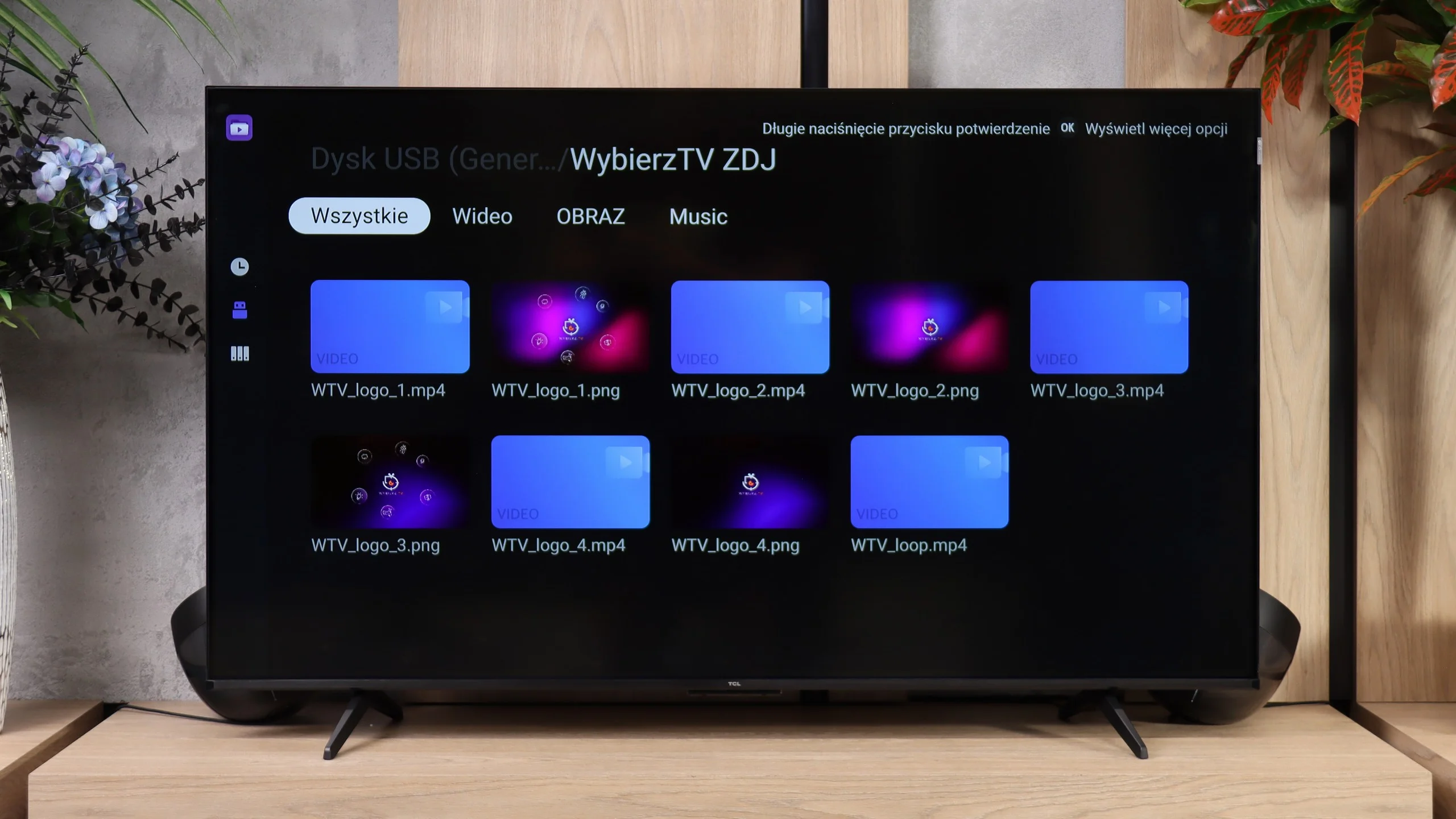
The Frame Pro handles multimedia playback from USB memory correctly. Most popular formats for films, music, or photos work without major issues and the television manages them efficiently. During testing, we noticed only one inconvenience – HEIC format files, which is a standard used by Apple, do not open even though the system sees them and displays them in the player. For those who frequently transfer photos from an iPhone, this might be a slight annoyance, but apart from that, the player performs its task well and it is hard to have any significant complaints about it.
The built-in media player in the TCL P7L performs quite well. The TV handles most common video and subtitle formats and also easily plays 4K content encoded with newer codecs. It's perfectly adequate for occasional viewing of videos from a USB flash drive or external drive, and in that respect there's little to complain about. What proved most annoying, however, was displaying photos. The P7L did not always open higher-resolution files correctly and behaved somewhat selectively: some large photos worked, others did not. So if you plan to frequently browse photos on the TV straight from a camera or phone, it's worth bearing in mind.
Sound
6.4/10
6.2/10
- Maximum volume84dB89dB
- Dolby Digital Plus 7.1
- Dolby True HD 7.1
- Dolby Atmos in Dolby Digital Plus (JOC)
- Dolby Atmos in Dolby True HD
- DTS:X in DTS-HD MA
- DTS-HD Master Audio
The sound on the Frame Pro is not one of the television's strengths. The slim casing means there is virtually no bass, which makes it sound rather flat and average. On the other hand, the television plays loudly – it can easily fill a medium or even larger living room. Dialogues are clear, but when it comes to special effects or music, there is a lack of depth. This is definitely a piece of equipment for which it is worth purchasing a soundbar, preferably from the designer Samsung S series. Thanks to the decorative frames, it can be matched to the decor along with the Frame Pro.
The sound on the TCL P7L is fairly conventional for a budget TV. The speakers can get quite loud and dialogue is clear, but they lack depth and, above all, bass. For regular TV, YouTube or news that setup is more than adequate, but in films and music you’ll quickly notice the sound is rather flat and thin. On the plus side, it supports a wide range of formats, including Dolby Atmos and DTS. However, the TV itself can’t turn those into a full surround effect, so if you want a more powerful sound, especially in the low end, a soundbar is definitely the better option.
Sound Quality Test
Acoustic Measurements
84dBC (Max)
75dBC
89dBC (Max)
75dBC
Reader comments
Comments are provided by the external service Disqus (Zeta Global). Once loaded, Disqus may set cookies and process data about your activity.
We will remember your choice on this device. Provider's privacy policy