 Direct comparison
The QN80F is the first "eighty" from Samsung to enter the series of televisions with Mini LED backlighting. And it does this very well. Although the number of dimming zones isn't particularly impressive, the quality of black levels is solid, and combined with high brightness, it allows for a very decent picture in HDR content. Additionally, there's a 144Hz panel that ensures excellent motion fluidity, and the set of gaming features – VRR, ALLM, Game Motion Plus – makes the QN80F a model practically designed for those gaming on consoles or PC. The television operates quickly and responsively, and the Tizen system runs like lightning – whether you're searching for apps or switching sources. Is there anything to criticise? Of course, as always – there are shortcomings in the system (like USB recording), there's no DTS support, and Mini LED isn't without its limitations. But the QN80F is a fantastic television for everyday use – versatile, refined, and... with great pricing potential. Because looking at the history of this series, we can expect that this "eighty" will mix things up significantly once it hits the first sensible promotions. At that point, it could be virtually unmatched in its price range – especially if Samsung resolves the minor teething issues.
- Matching (Score) |
- Our verdict |
- TV appearance |
- Where to buy |
- Contrast and black detail |
- HDR effect quality |
- Factory color reproduction |
- Color reproduction after calibration |
- Smoothness of tonal transitions |
- Image scaling and smoothness of tonal transitions |
- Blur and motion smoothness |
- Console compatibility and gaming features |
- Input lag |
- Compatibility with PC |
- Viewing angles |
- Daytime performance |
- Panel details |
- TV features |
- Apps |
- Playing files from USB |
- Sound
QN80F
BRAVIA 2 II / S25M2
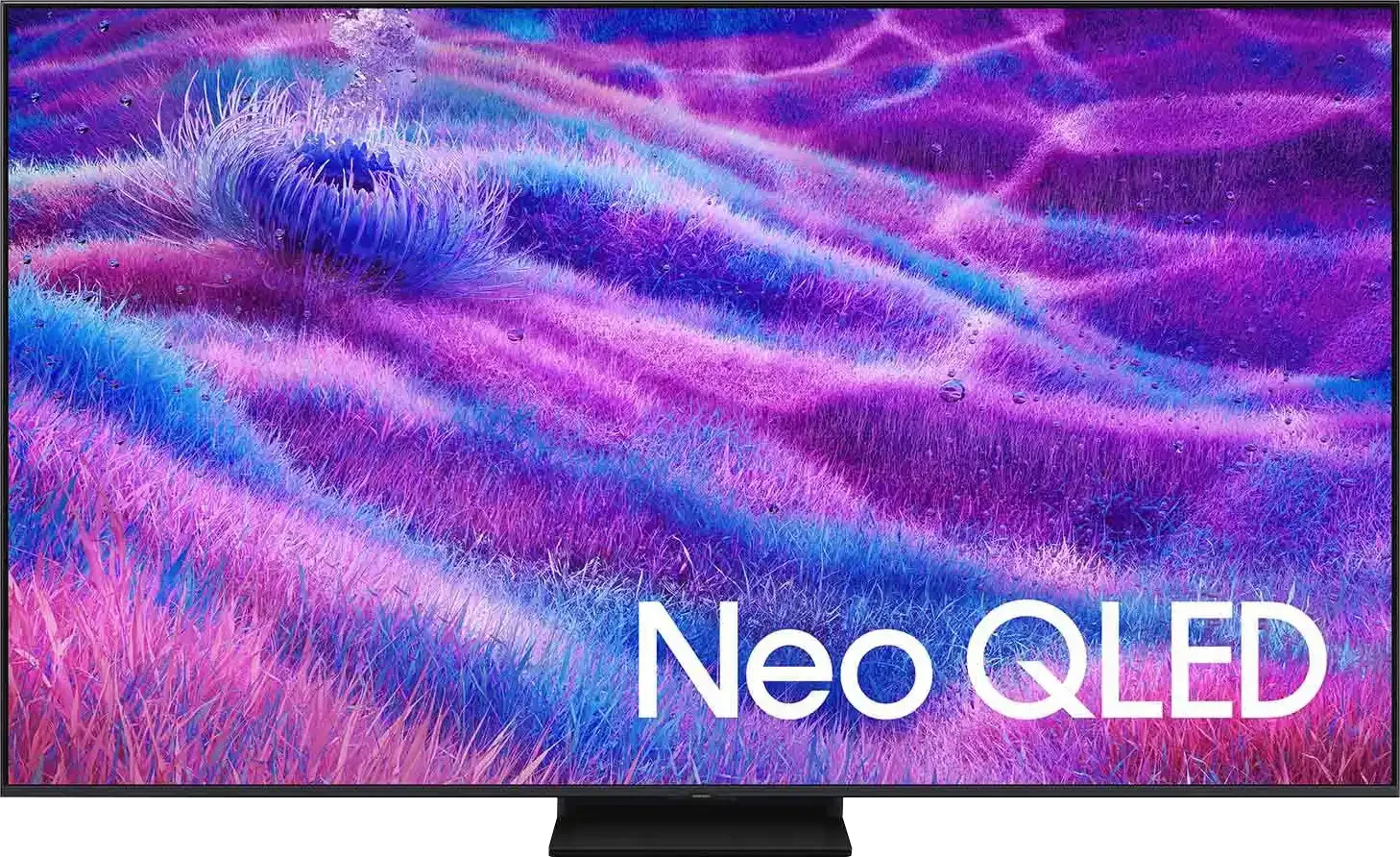
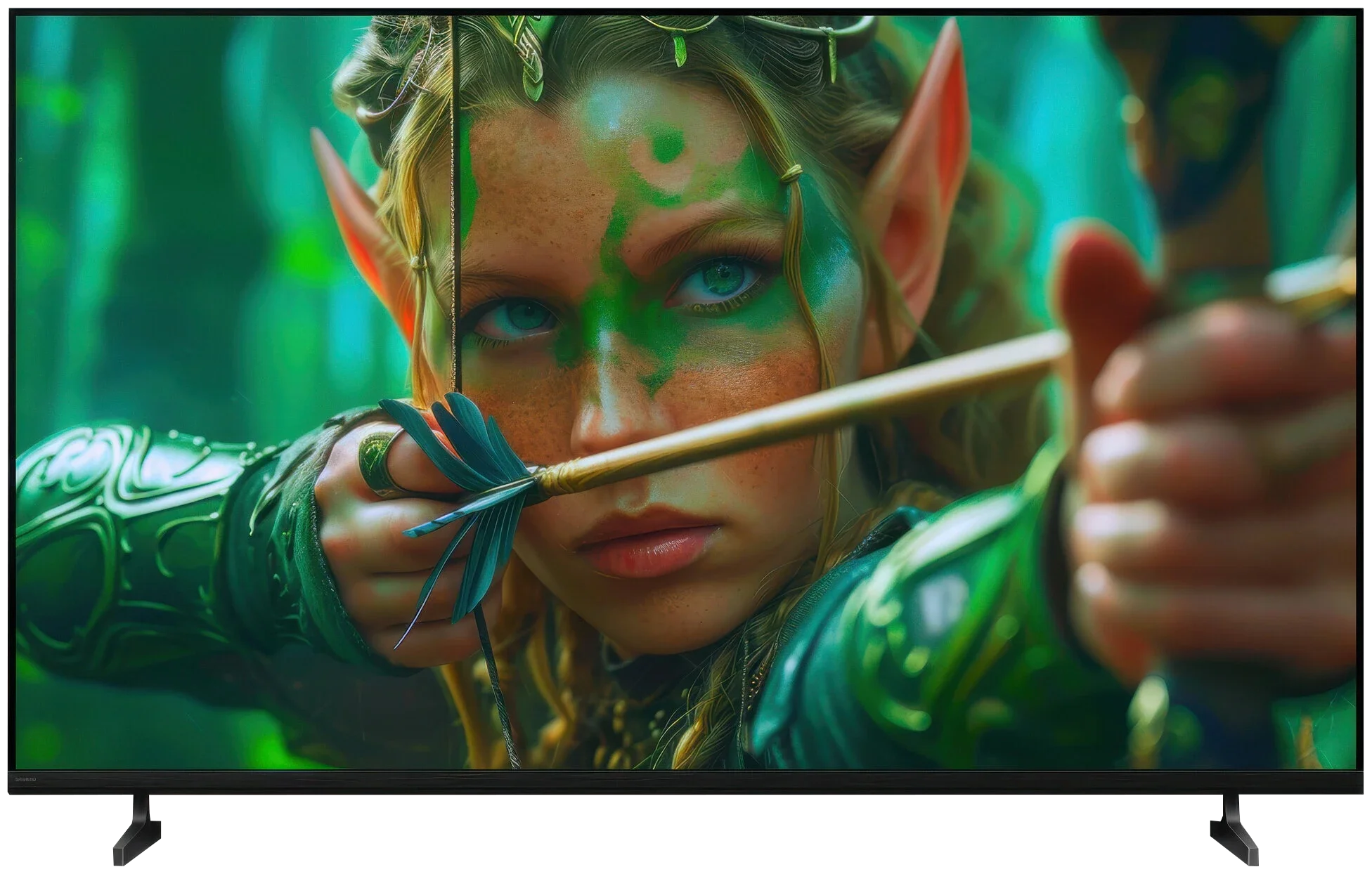
Panel type: LCD VA
Resolution: 3840x2160
System: Tizen
Model year: 2025
Panel type: LCD IPS
Resolution: 3840x2160
System: Google TV
Model year: 2026
Check how well they match your needs
Take the surveyOverall rating
7.4
5.8
 Movies and series in UHD quality
6.9
5.2
 Classic TV, YouTube
6.8
5.2
 Sports broadcasts (TV and apps)
6.7
5.5
 Gaming on console
8.9
6.2
 TV as a computer monitor
8.8
6.0
 Watching in bright light
6.6
4.8
 Utility functions
7.7
6.6
 Apps
9.3
9.6
 Sound quality
6.7
6.1
Complete the survey to find out what fits your preferences
Advantages

Impressive blacks and contrast - VA panel combined with MINI-LED backlighting.
Great brightness - up to 1000 nits in HDR
Fast and responsive panel - 144 Hz
Rich support for gamers - 4xHDMI 2.1, VRR, ALLM, GameBar, Game Motion Plus
Very good usability in daylight
Advanced Tizen operating system
Simple operation
PiP function
Very good viewing angles (IPS panel)
Google TV with a vast selection of apps
Chromecast and AirPlay
Low input lag
Very good USB media player
Supports audio formats: Dolby (Atmos, TrueHD, Digital), DTS (X, HD)
Two remotes included
Disadvantages

No support for DTS format – a limitation when connecting a home cinema
No recording function to USB
Relatively few dimming zones
Too high a price for what it offers!
Very poor blacks and low contrast (IPS panel)
Low brightness of around 320 nits
No support for dynamic HDR formats (Dolby Vision, HDR10+)
Only a 60 Hz panel
Very limited gaming capabilities
Our verdict
The Sony Bravia 2 II is a television that performs best in simple, everyday use. And we suspect many people will choose it mainly because of Google TV. The system provides access to a huge number of apps and streaming services, and it also includes Chromecast, AirPlay and convenient voice search. The set itself may not run as quickly as more expensive Sony models, but in terms of features there is little to complain about. Importantly, for ordinary viewing the picture quality is quite decent. The Bravia 2 II handles SDR material particularly well, meaning regular TV, YouTube and much of older films and series. The factory Cinema mode is already fairly well tuned, colours look natural and, without much fiddling with the settings, you can simply start watching. And in our view this is where the Bravia 2 II shows its best side, as a simple Smart TV for everyday use rather than a television that aims to impress with the panel's capabilities.
However, you should remember that the word "Bravia" on the casing does not automatically mean excellent picture quality. The Bravia 2 II uses an IPS panel with very low contrast, and that is its biggest problem. During the day this is not such a big issue, but switch the lights off in the evening and the blacks start to look more like dark grey. Of course, in return you get good viewing angles, so if the TV sits in a large living room and is watched by several people from different positions, IPS has its advantage. But that comes at the cost of weak blacks. This is also not a television made with HDR impact or more demanding gamers in mind. About 300 nits of brightness and a narrow colour gamut mean HDR material does not show much more than what we see in SDR. The 60 Hz panel and the lack of broader gaming features also clearly show that gaming is not a priority for this model.
And it wouldn't really be a big problem, because we expected exactly that from an entry-level Sony model. However, the biggest issue for the Bravia 2 II is its price. For similar money you can easily find competing TVs, especially from Korean and Chinese brands, that already offer much more, from 120 Hz panels to Mini-LED backlighting with local dimming. So the Bravia 2 II is not a bad television in itself. It's simply too expensive for what it offers. If its price were noticeably lower, as a simple TV for everyday viewing it would make much more sense.
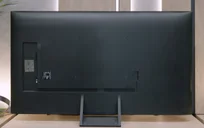
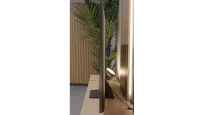
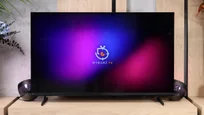
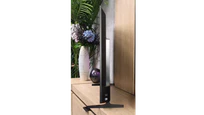
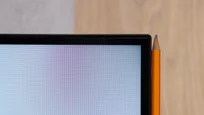
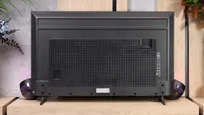
TV appearance

Contrast and black detail
6.8/10
2.7/10
Local dimming function: Yes, number of zones: 88 (8 x 11)
Local dimming function: No
Contrast:


Result
34,100:1

Result
8,200:1

Result
32,500:1

Result
4,550:1

Result
3,800:1
Result
1,150:1
Result
1,200:1
Result
1,450:1
Result
1,400:1
Result
1,100:1
Halo effect and black detail visibility:
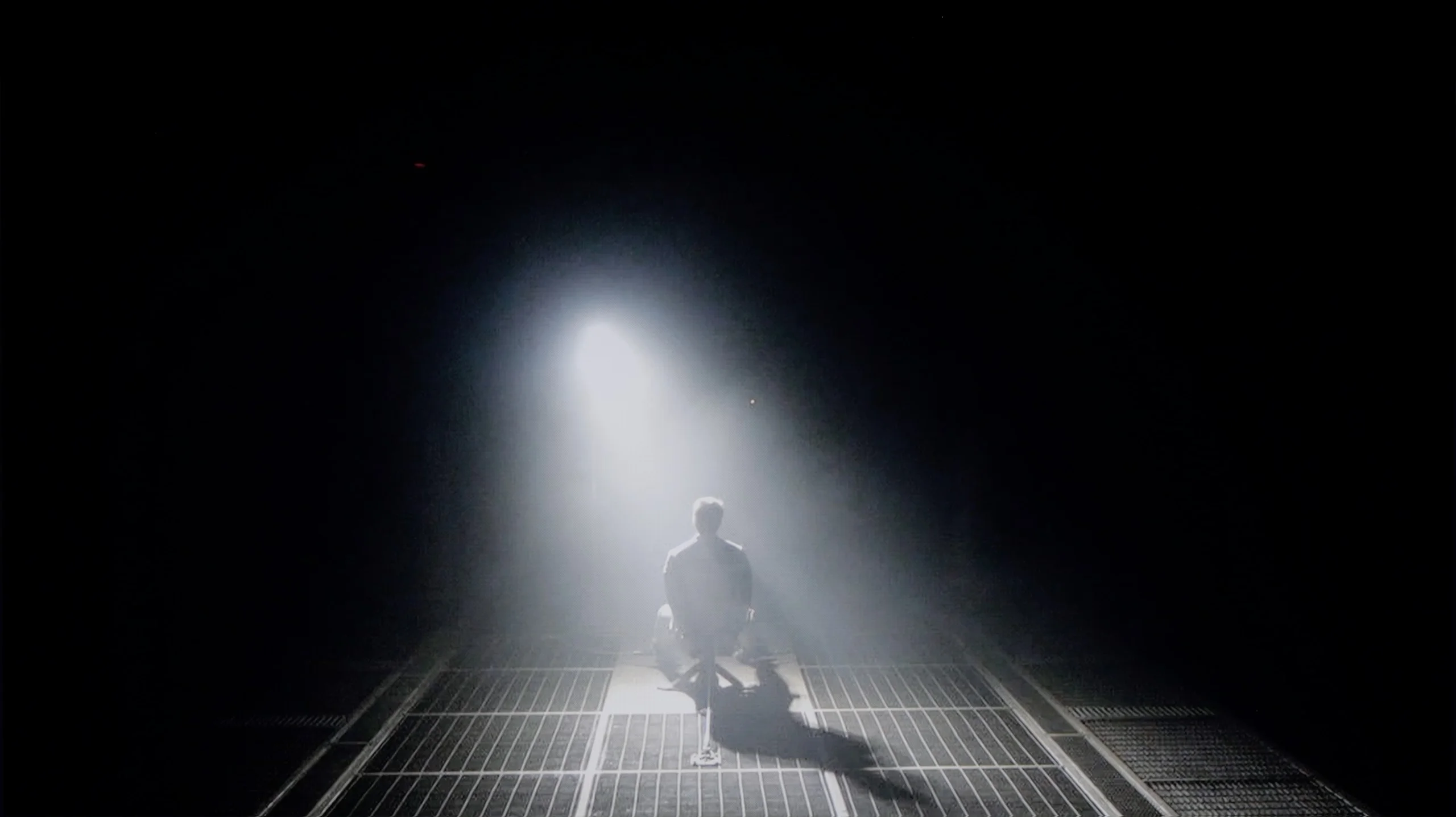
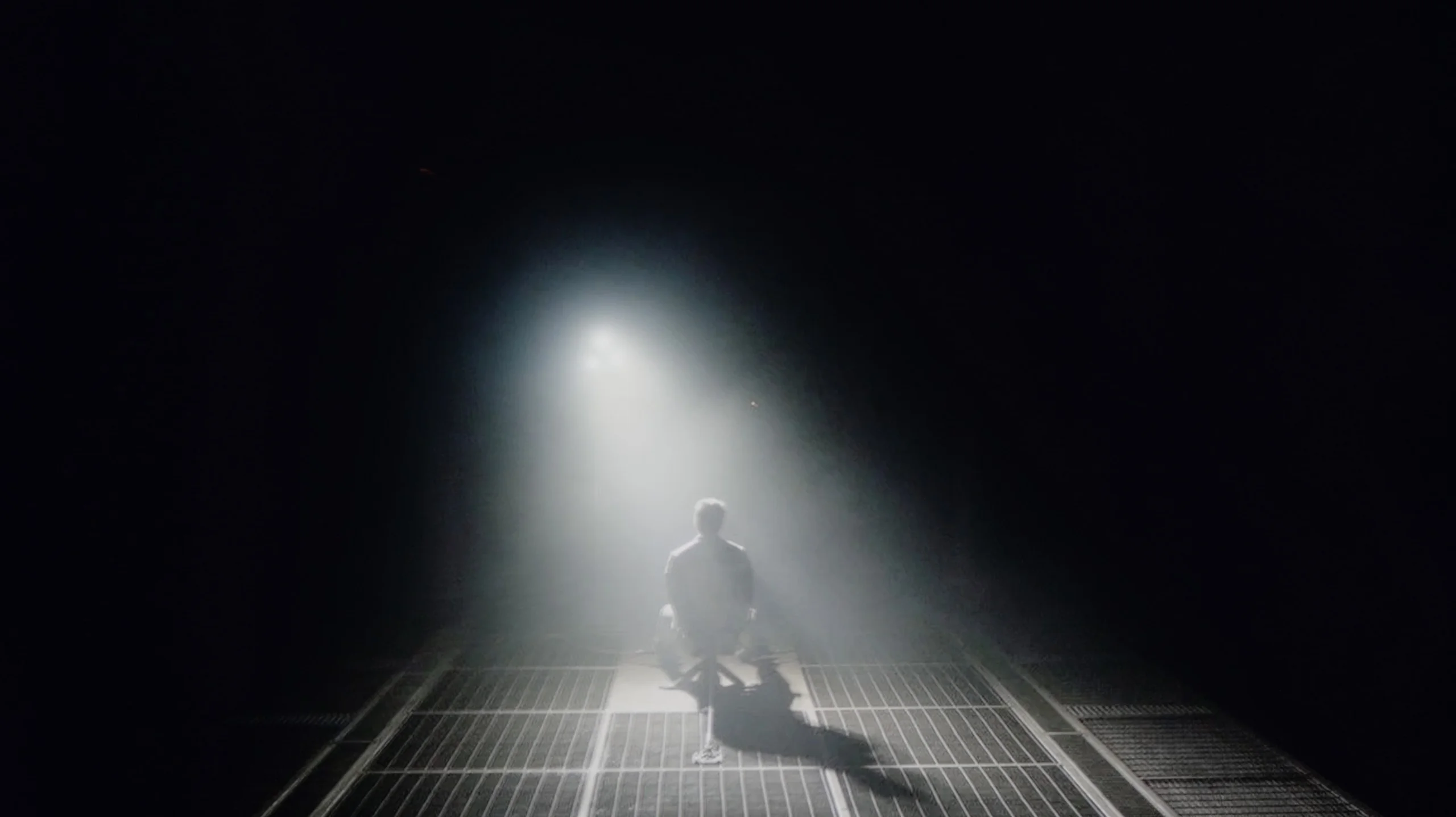
Check the visibility of bright lights on a dark background. Mini-LEDs often struggle with this. The photo does not compare black levels – that’s what the video below is for.
The video accurately shows differences in contrast and black levels between TVs, as well as potential issues: halo around bright objects or Mini-LED zone operation visible as brightness jumps.
QN80F is a representative of the Neo QLED series, meaning it is a television with Mini LED backlighting. Unlike its cheaper cousin, the QN70F model, the diodes here are placed directly behind the panel (rather than at the edges), which gives it a solid advantage right from the start when it comes to contrast control. In the 65-inch variant we tested, we counted 88 dimming zones – a result that may not be particularly impressive, but as it turned out, sufficient to achieve quite decent results.
In tests based on scenes from films such as Oblivion and The Meg, the QN80F performed well – blacks were deep, and the overall image consistency was visually appealing. However, in more demanding moments (e.g., scenes with a large number of bright details on a dark background), a halo effect appeared. This is where the limitation of the number of zones becomes evident – bright elements could bleed into one another, and some details in the dark areas lost visibility. In one scene featuring a helicopter (The Meg), we even noticed slight brightness flickering, as if the television was trying its best to maintain detail visibility at the expense of black depth.
However, these issues are not exclusive to this model – halo effects or drops in contrast during very complex scenes are challenges faced by most Mini LED televisions, even the more expensive ones. In its class, the QN80F performs positively and offers significantly better contrast than the QN70F model with edge backlighting. For most users, this will be a level more than sufficient – although not perfect.
When it comes to black levels, the Bravia 2 II unfortunately doesn't have much to offer. Sony has used an IPS panel here, a solution that delivers one of the lowest native contrast ratios among all LCD panels. In our measurements we recorded values of around 1100–1450:1, and unfortunately this becomes very noticeable when watching. Additionally, the TV has no local dimming system, so it cannot dim only those parts of the screen that really should remain dark. In practice this means that once the lights are turned off, blacks very quickly start to shift towards grey and dark blue. In scenes such as Oblivion or Sicario 2, instead of a deep backdrop we get a noticeably brightened image, which greatly undermines the atmosphere of evening viewings. Of course, the IPS panel also has the advantage of better viewing angles, but in this respect it's hard to see that as any real compensation. If you're looking for a television primarily for watching films in the evening, the Bravia 2 II simply isn't a model we could recommend.
HDR effect quality
5.8/10
4/10
Luminance measurements in HDR:

Result
799 nit

Result
533 nit

Result
717 nit

Result
245 nit

Result
656 nit
Result
294 nit
Result
307 nit
Result
329 nit
Result
330 nit
Result
325 nit
Scene from the movie “Pan” (about 2800 nits)
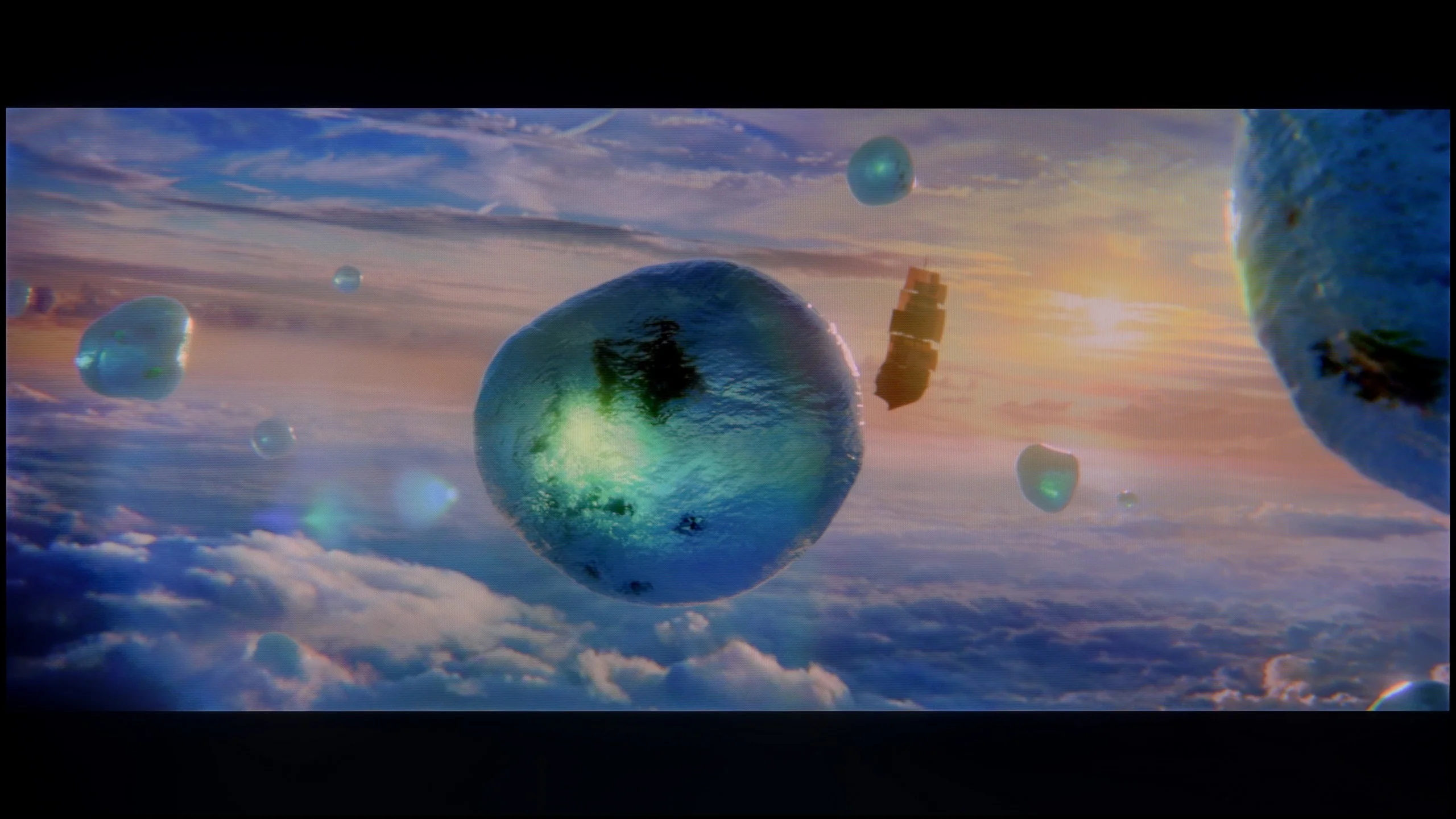
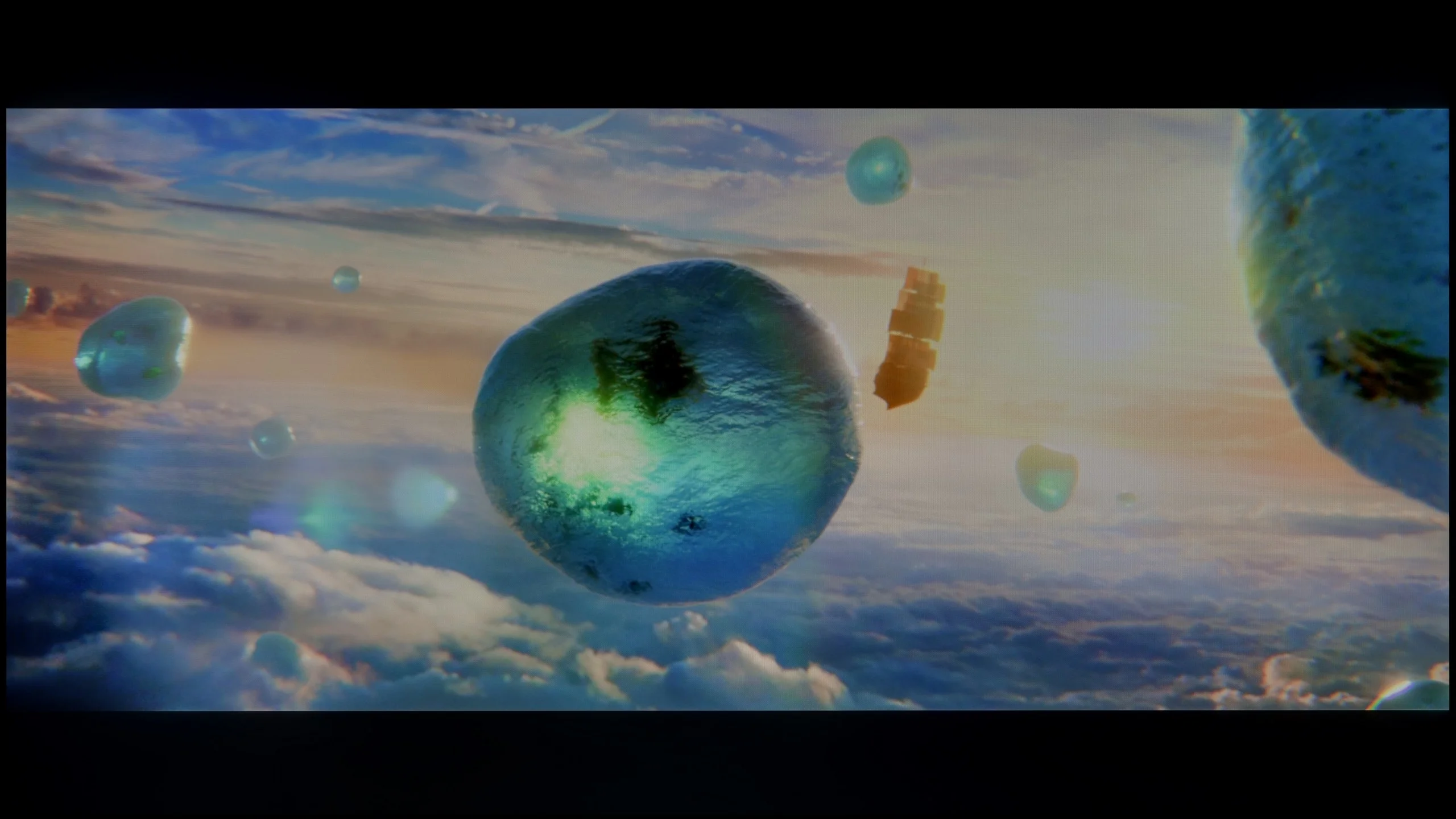
Scene from the movie “Billy Lynn” (about 1100 nits)
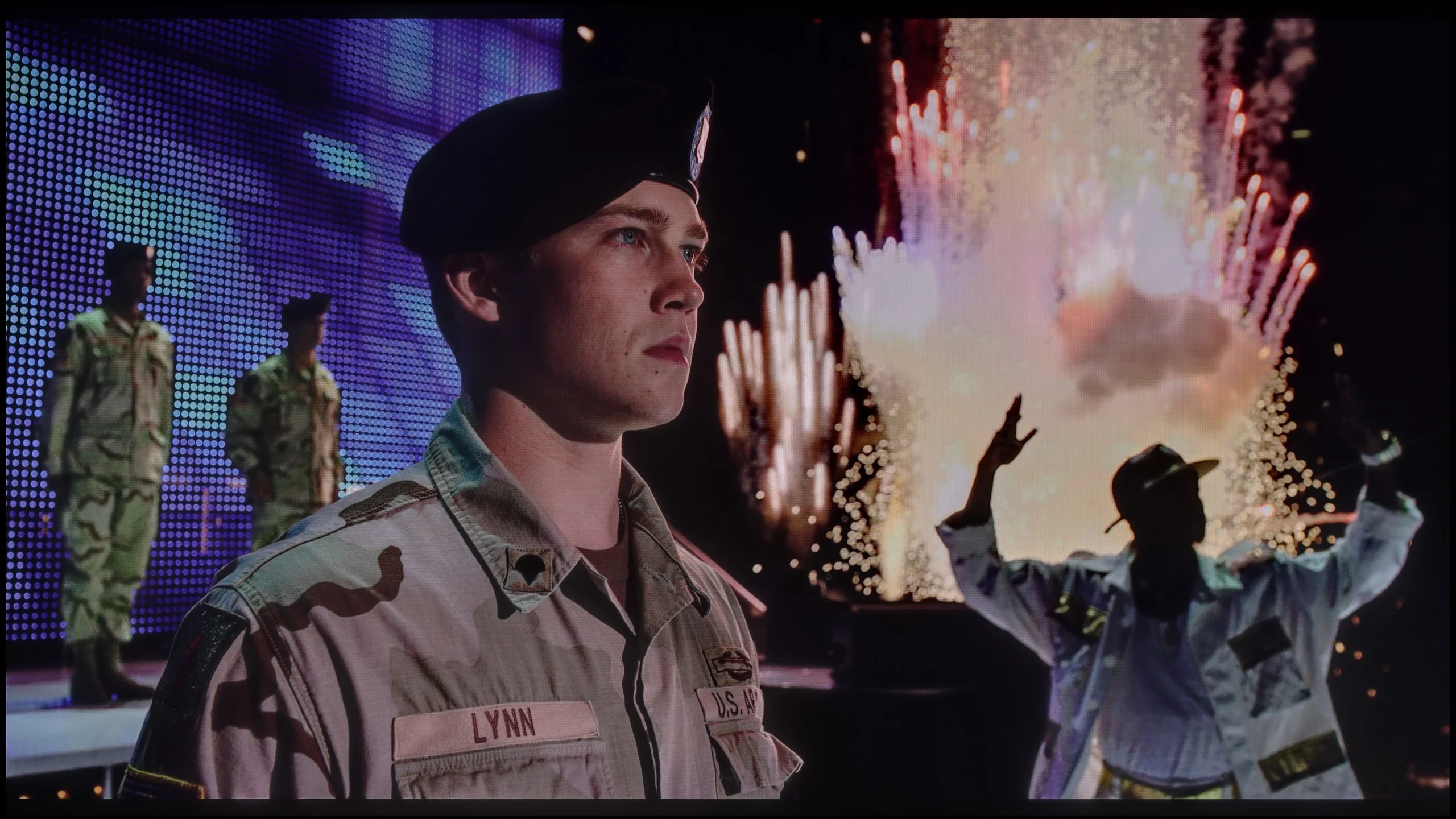
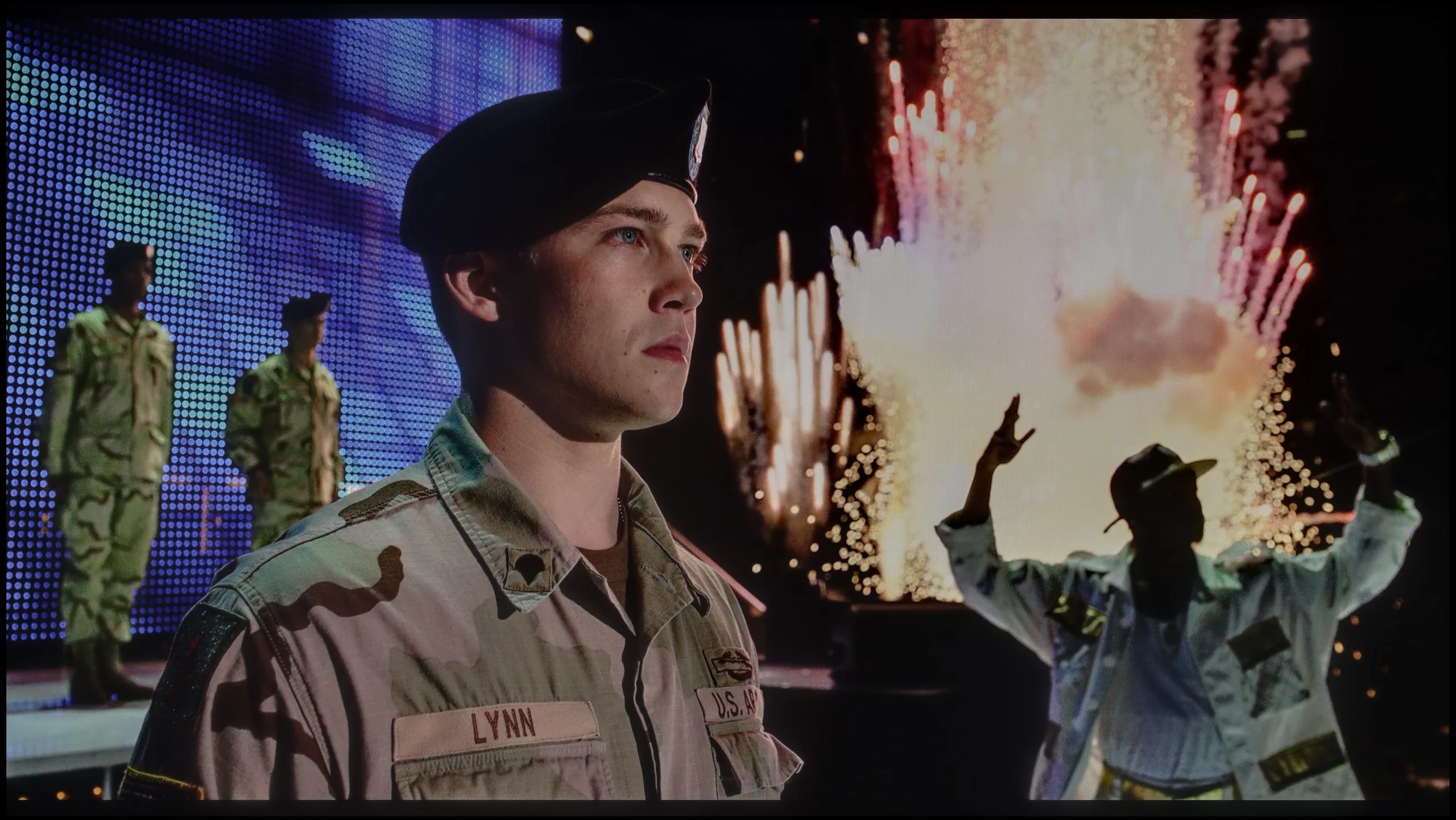
The photos show two HDR10 movies. 'Pan' is one of the brightest productions ever made, while 'Billy Lynn' (soldier) has brightness typical of streaming (Netflix, Prime, HBO MAX). Notice the intensity of effects and detail in whites.
Static HDR10

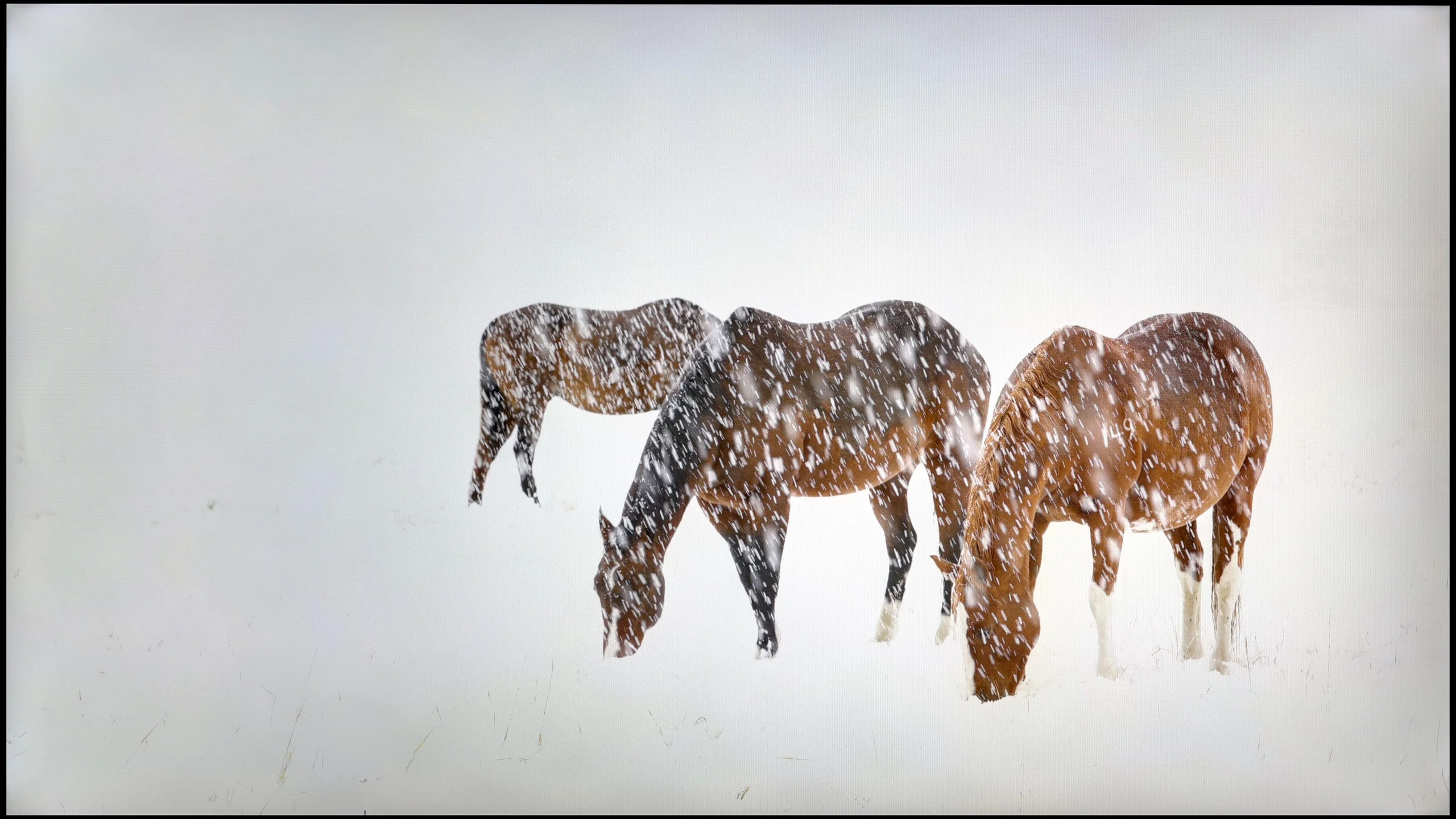
The photos present the visibility of white details in various HDR formats. They do not show brightness differences between TVs (these can be compared in the previous gallery).
HDR luminance chart:
Sony BRAVIA 2 II (S25M2)
Samsung QN80F
QN80F is quite a bright screen – in synthetic tests, it achieved nearly 1000 nits, which allows for justified expectations regarding HDR content. And indeed, in many scenes, the television can truly shine. Sequences with a lot of light – like shots from the film Life of Pi or wide, bright surfaces in The Meg – look impressive. Brightness remains around 700 nits, which provides a solid effect, sufficient to feel the true "HDR magic." Unfortunately, not every scene looks that good. In materials with small, bright details on a dark background, such as in Sicario 2, the television has issues – it can significantly dim certain elements, sometimes to the point where they disappear from the image. This is the result of a limited number of dimming zones, which forces the device to make compromises: either maintain inky blacks or sacrifice some detail. QN80F usually chooses the former. As a consolation, there is quite decent coverage of a wide colour gamut – DCI-P3 at 93%. This is not the highest score on the market, but it is more than adequate for most content on streaming platforms.
The Sony Bravia 2 II is not a very bright TV and unfortunately that is immediately apparent in HDR. In our measurements brightness stayed around 300 to 330 nits, which is clearly too low for the brightest parts of the image to look truly impressive. In practice, HDR here does not differ that much from standard SDR. Bright highlights, the sun or lamps are of course visible, but they lack the intensity you would expect from HDR material. The Bravia 2 II therefore performs much better with standard SDR content, and in that use its limited brightness will be least noticeable.
Colour gamut coverage
The Sony Bravia 2 II is also not impressive in terms of colour. The TV does not use any additional gamut‑expanding filter, such as the quantum dots found in QLED TVs or a PFS phosphor layer. In our measurements coverage of the DCI‑P3 gamut was about 78%, and the very wide BT.2020 roughly 57%. That's definitely too little to talk about truly saturated colours in HDR material. More intense reds, greens or turquoises will simply be less striking than on TVs with an expanded colour gamut. The Bravia 2 II therefore performs much better in the Rec.709 standard, the gamut used for films, series and television in SDR.
Factory color reproduction
6/10
5.3/10


This illustrative image shows how colors change after professional calibration. If you can see the difference, you can order it from SkalibrujTV – it's our own service.
Factory mode
After calibration
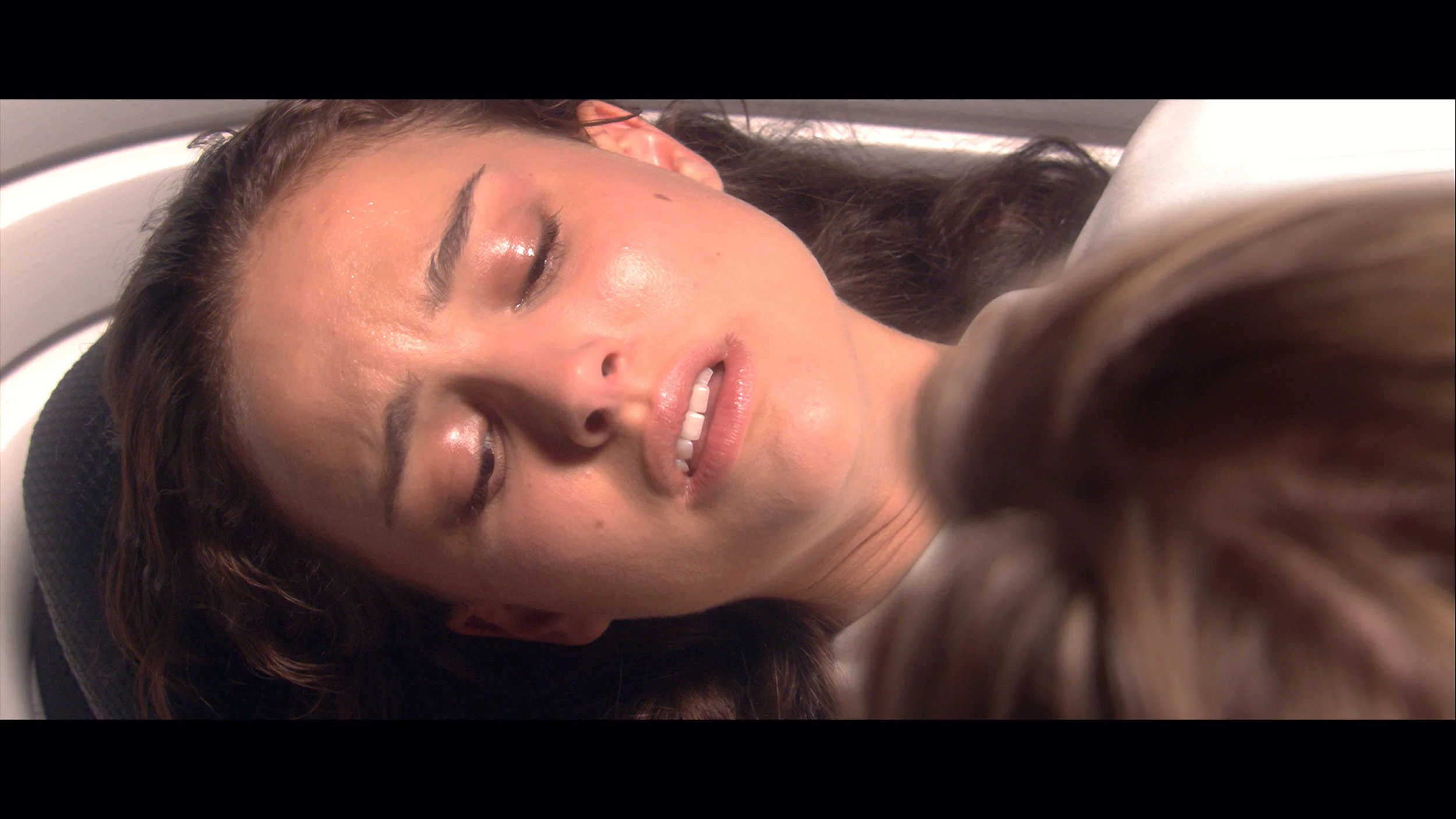
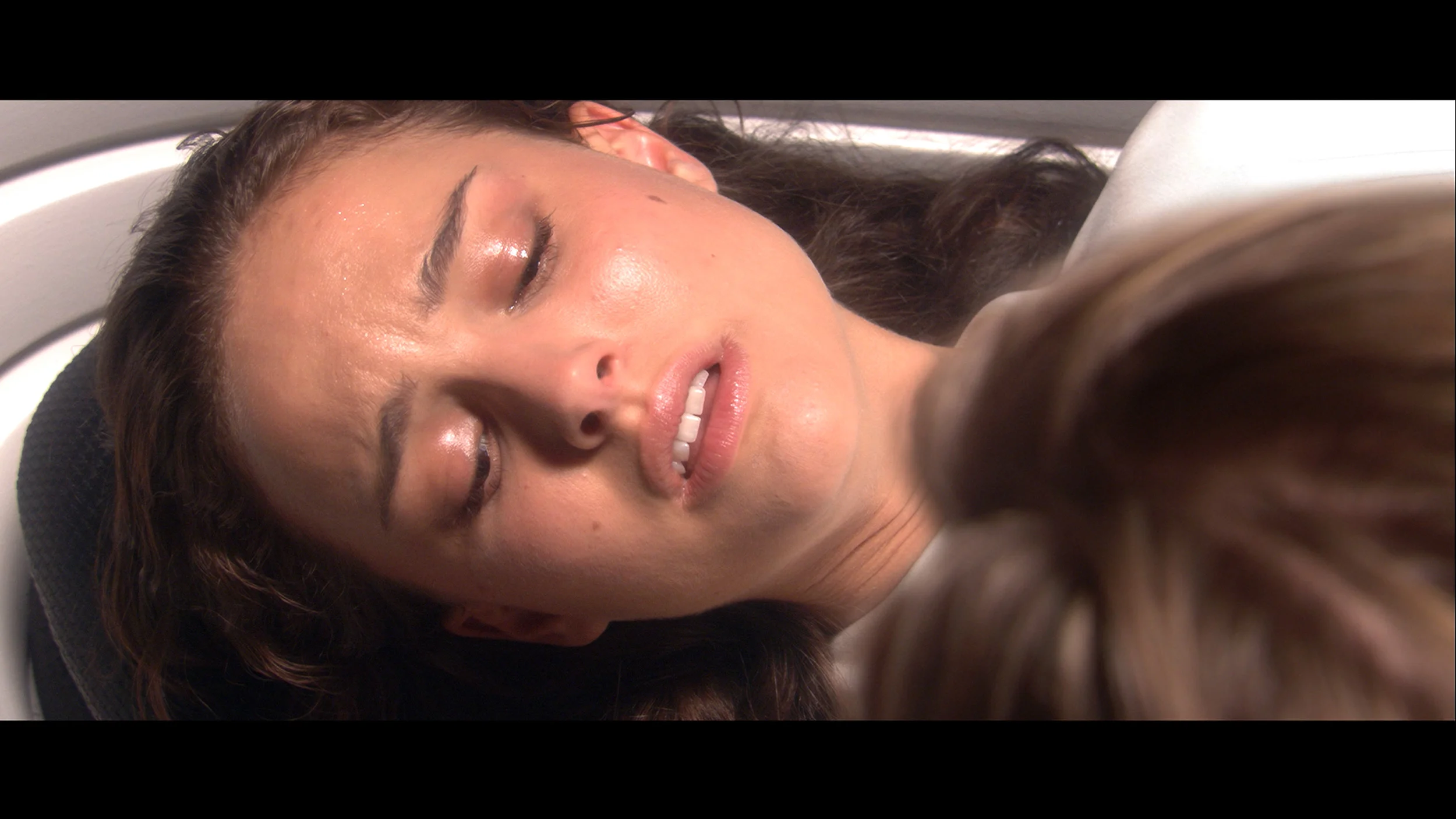
This illustrative image shows how colors change after professional calibration. If you can see the difference, you can order it from SkalibrujTV – it's our own service.
Factory mode
After calibration
We test televisions always in the best available factory mode – in the case of the Samsung QN80F, this is the Filmmaker mode, and indeed, it is this mode that offers settings closest to the creators' intentions. However, this does not mean that everything looks perfect. In SDR content, the biggest problem turned out to be an unbalanced white balance – slight deficiencies in green and a noticeable excess of red led to discernible colour errors, one could even say a pinkish tint on the screen. This was well demonstrated in the colour checker test, where the colours 'escaped' beyond their target fields – to the extent that even a sensitive viewer's eye could catch this without the aid of a meter.
In HDR content, the white balance was much better, but another issue arose – brightness management. The EOTF curve resulted in an overly bright image for most of the time, which could affect the perception of contrast and caused the screen to subtly 'flicker' during dynamic light changes. We have already written more about this in the paragraphs on black levels and HDR. Fortunately, Samsung leaves the user with plenty of options. The QN80F offers a rich set of calibration options, including a 20-point white balance – therefore, we decided to check what this television is really capable of after proper calibration.
The out-of-the-box colour reproduction in Cinema mode was actually quite good, at least for ordinary SDR material. The Bravia 2 II had a slight tendency to boost reds, so some colours shifted to slightly warmer, at times faintly pinkish, tones. However, this wasn’t a major fault and during normal viewing the picture still looked fairly natural. There was a bit more happening with image brightness. Looking at the gamma curve, you can see Sony doesn’t stick perfectly to the reference value. The darkest areas are slightly lifted, while as brightness increases the gamma gradually rises and a larger part of the picture becomes darker than it should. That said, it’s not such a large difference as to be very distracting in everyday viewing. Overall, SDR straight out of the box performs quite respectably.
The situation is considerably worse in HDR. We’ve already mentioned the limited colour gamut, but in addition the Bravia 2 II noticeably manipulates image brightness here. The EOTF curve sits below the reference value for a large part of its range, which means the TV renders most mid and brighter parts of a scene darker than the source material intends. Only towards the very end of the range does the curve flatten out, as the panel reaches the limits of its capabilities. Combined with a peak brightness of around 300 nits, this results in HDR that not only lacks much brightness, but can also simply look too dark.
Color reproduction after calibration
8.3/10
7/10
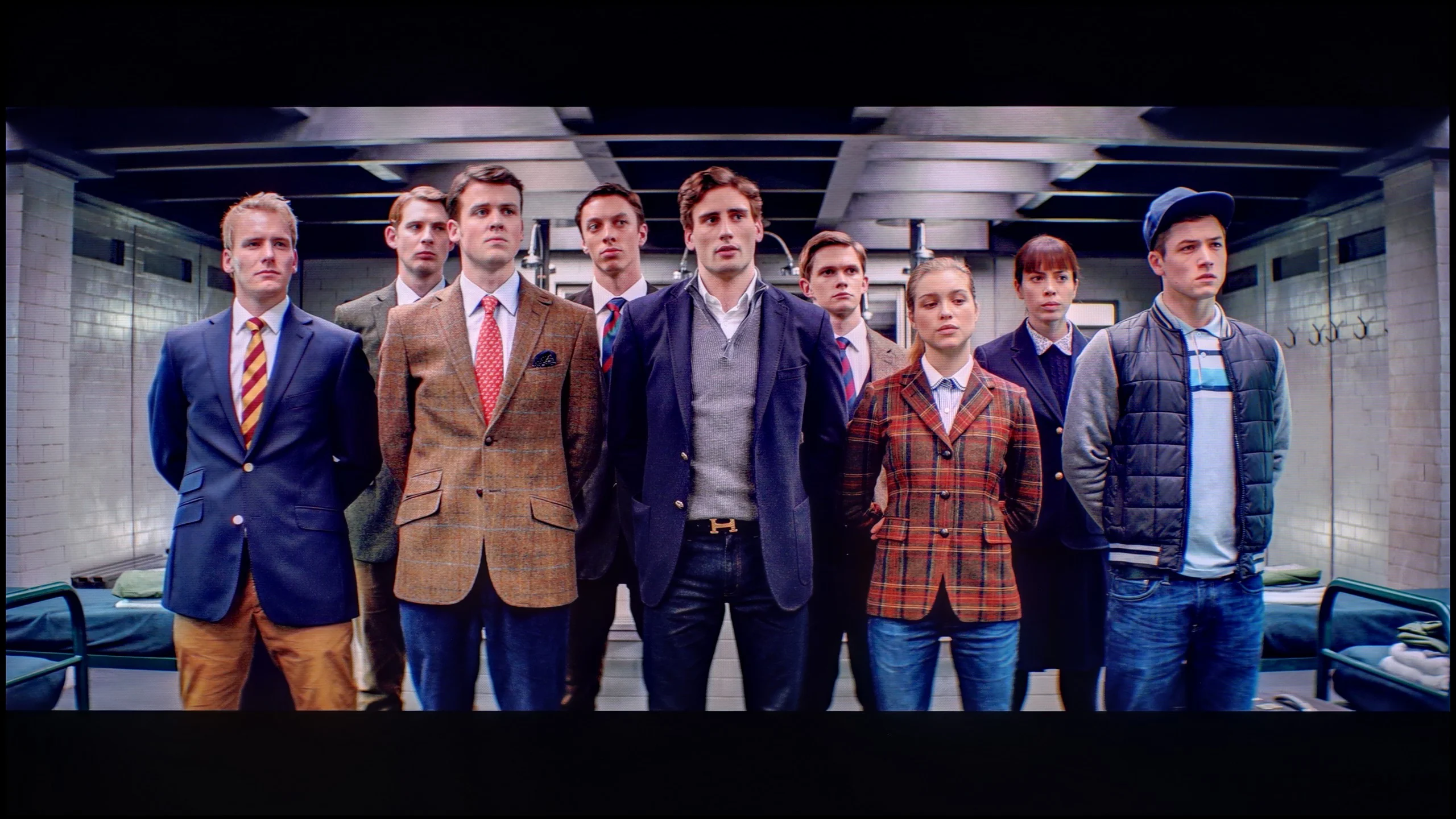
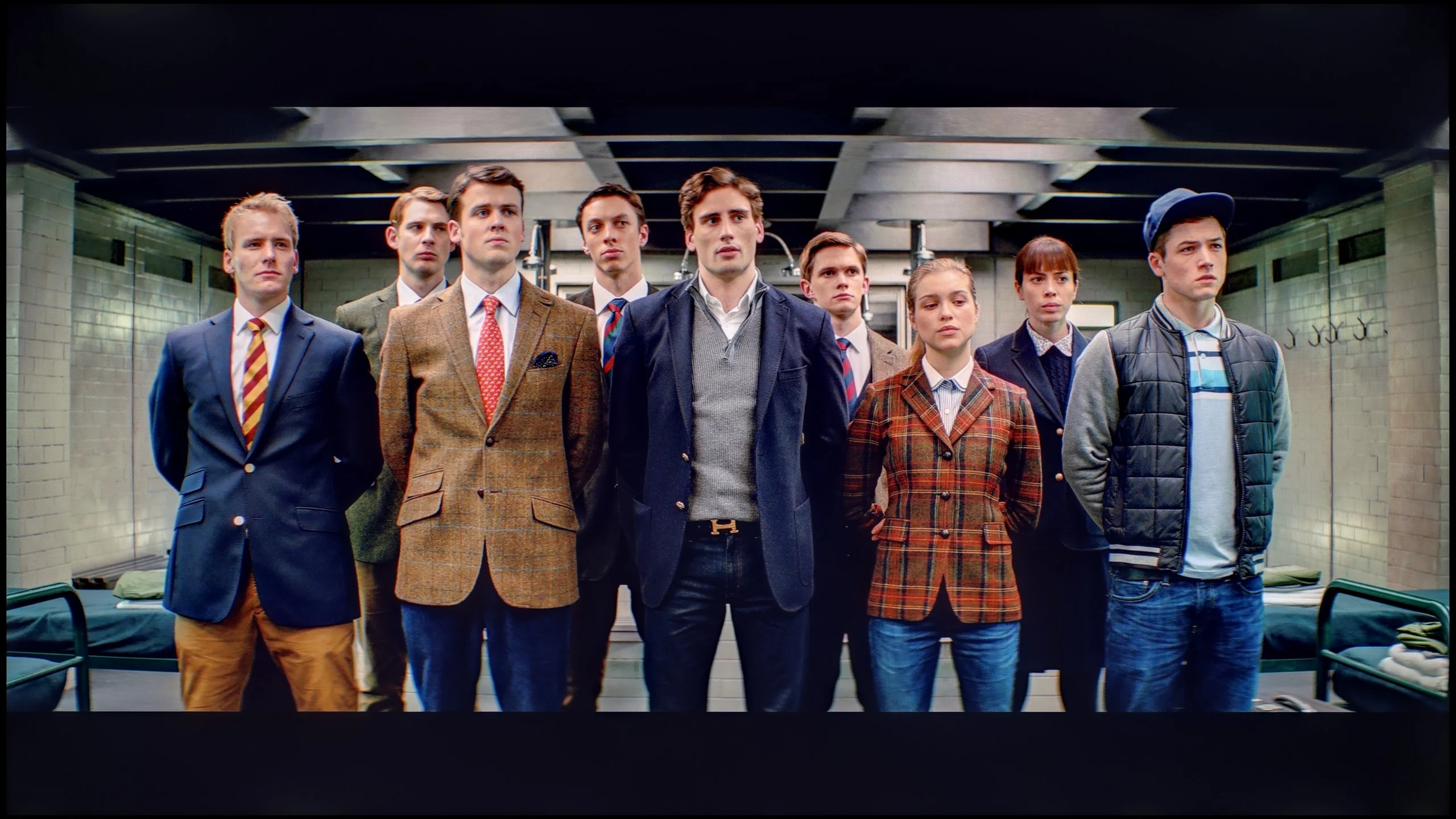
The photos show how movies look on the TV. Pay attention to black detail visibility, colors, and shadow tint.
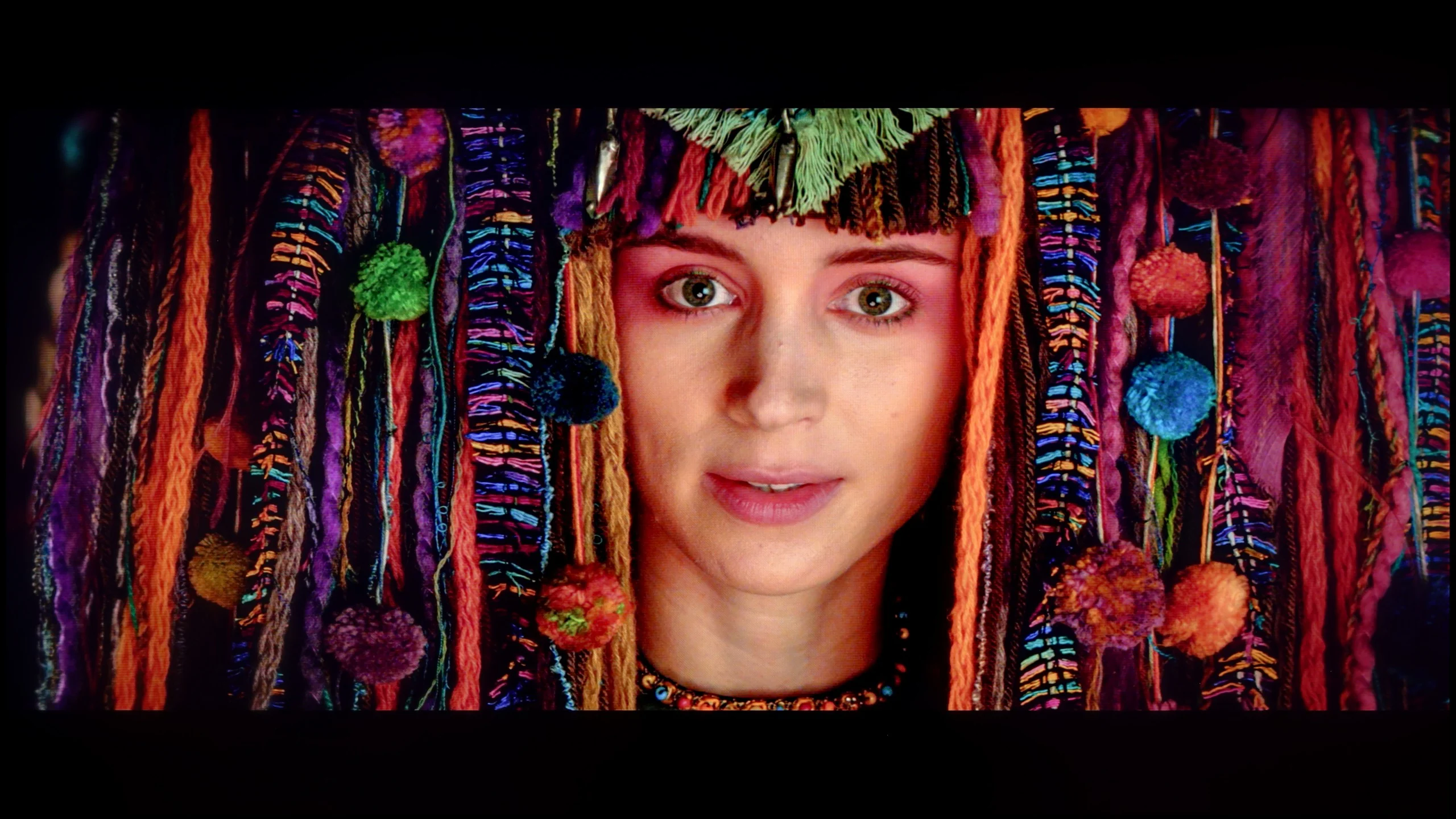
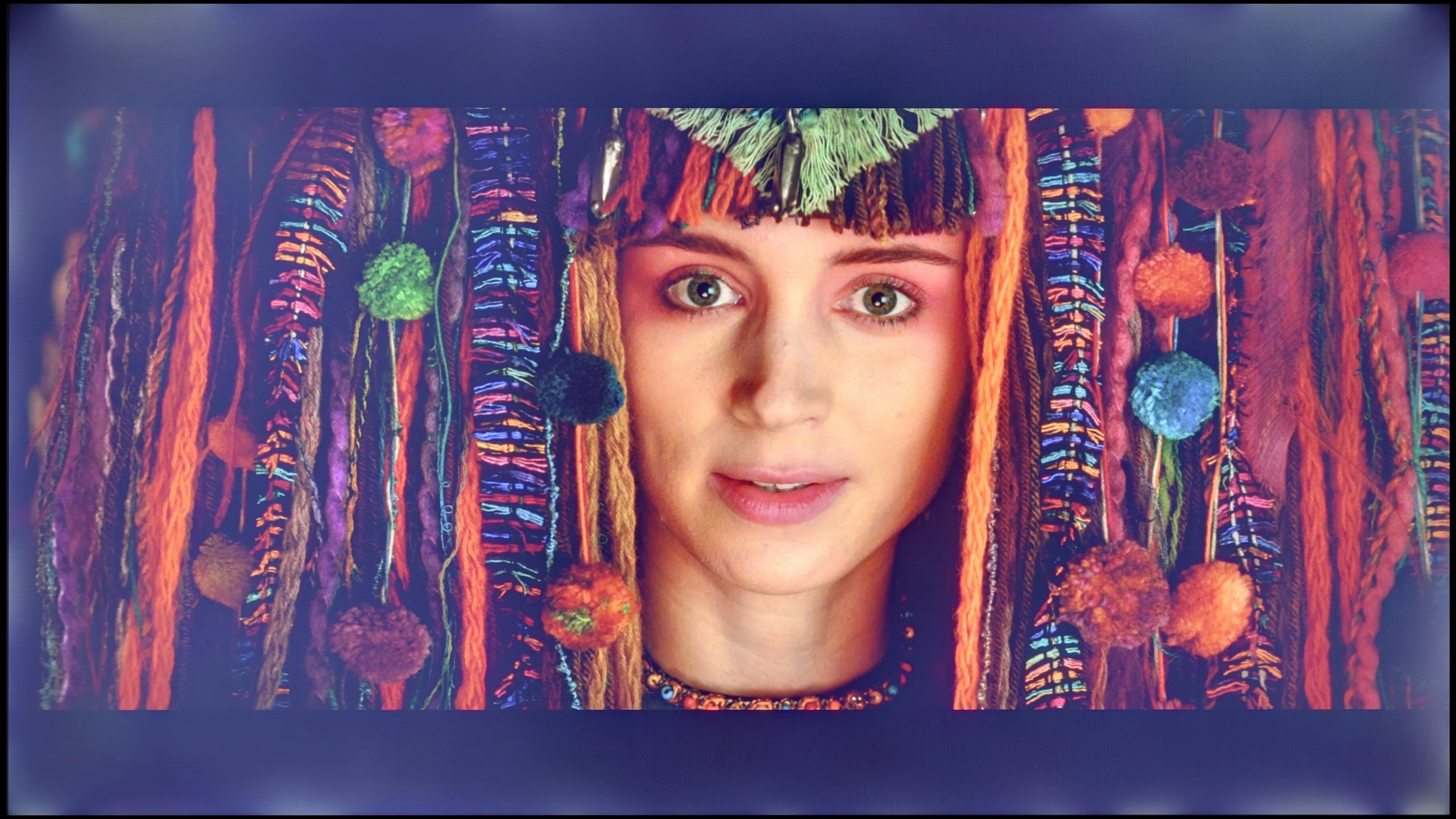
The photos show how movies look on the TV. Pay attention to black detail visibility, colors, and shadow tint.
After conducting a thorough calibration, it was possible to bring most of the image parameters to a really good level. The white balance in both SDR and HDR is nearly perfect – the picture is natural, neutral and devoid of the previously noticeable redness. The colours have gained depth, and the overall visual reception has become more pleasant and cohesive. It was also possible to partially master the brightness management, which in the factory version could be problematic. The EOTF chart shows that the television performs significantly better with brightness after calibration – there is no longer excessive dimming of certain elements. In films, it can still be noticed that the QN80F has a tendency to slightly brighten the smallest, light details – however, this is the effect of the device's design and the limited number of dimming zones. In short: not everything can be overcome, but what could be has been improved. After calibration, the QN80F makes a really good impression; it simply looks more mature and professional.
Calibration did a lot for the Bravia 2 II, particularly with SDR content. Above all, we managed to even out the white balance and tidy up the gamma, which now follows the reference value much more closely. As a result, the image no longer has the previous pink cast, and the brightness across different areas is much better organised. You can also see this in the colour errors, which after calibration fell to a very low level (with slight issues in the most saturated reds). We also partially managed to rein in the Bravia 2 II in HDR, especially in the way the television handles image brightness. However, there is one thing no calibration can fix: the capabilities of the panel itself. A narrow colour gamut means the television is physically unable to reproduce the most saturated colours present in HDR material. On top of that, the low contrast of the IPS panel means darker scenes are veiled by a grey haze, which robs colours of some of their depth. So we can improve how the Bravia 2 II makes use of its capabilities, but unfortunately we cannot overcome the panel's inherent limitations.
Smoothness of tonal transitions
9/10
8/10
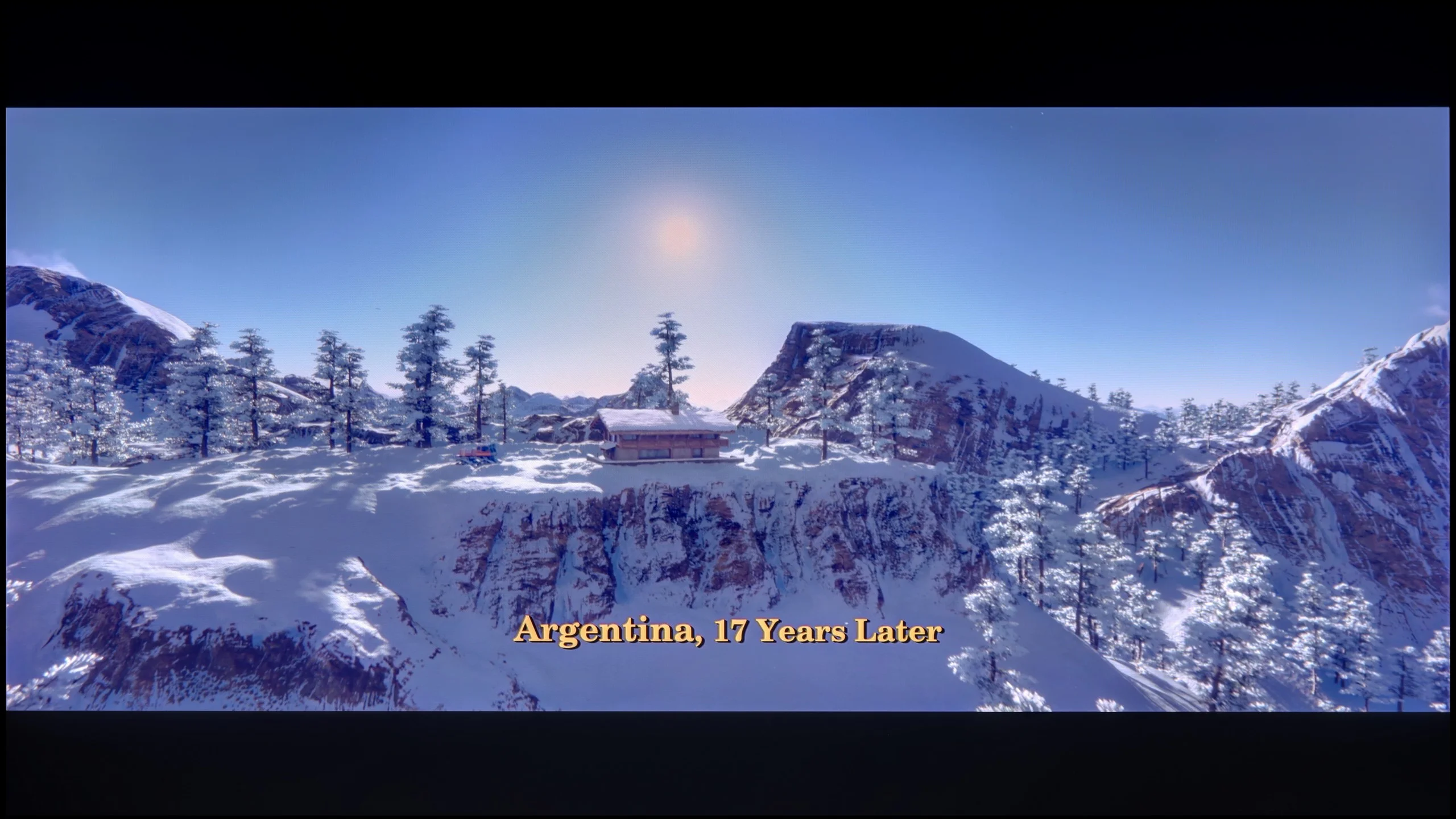
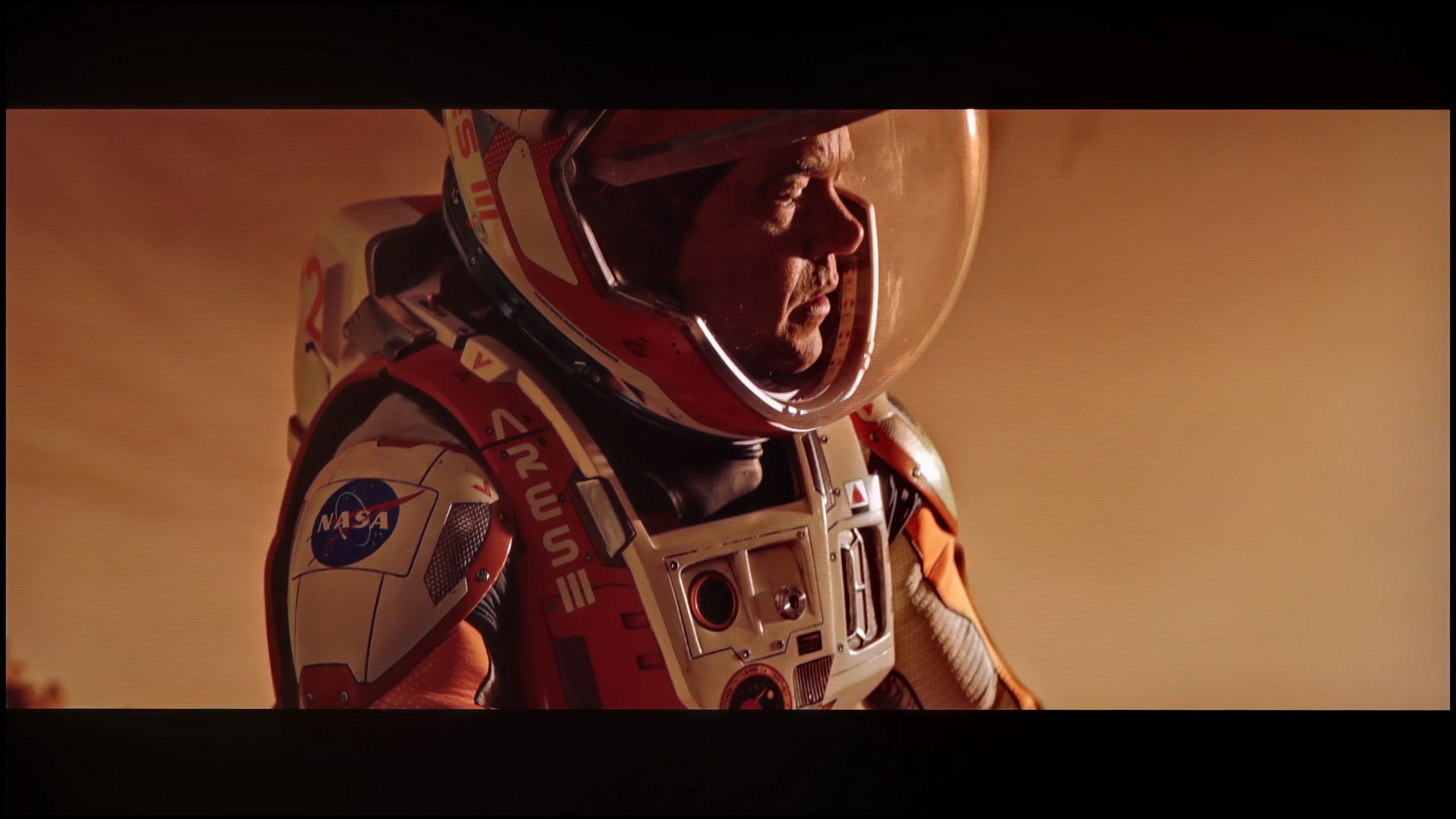
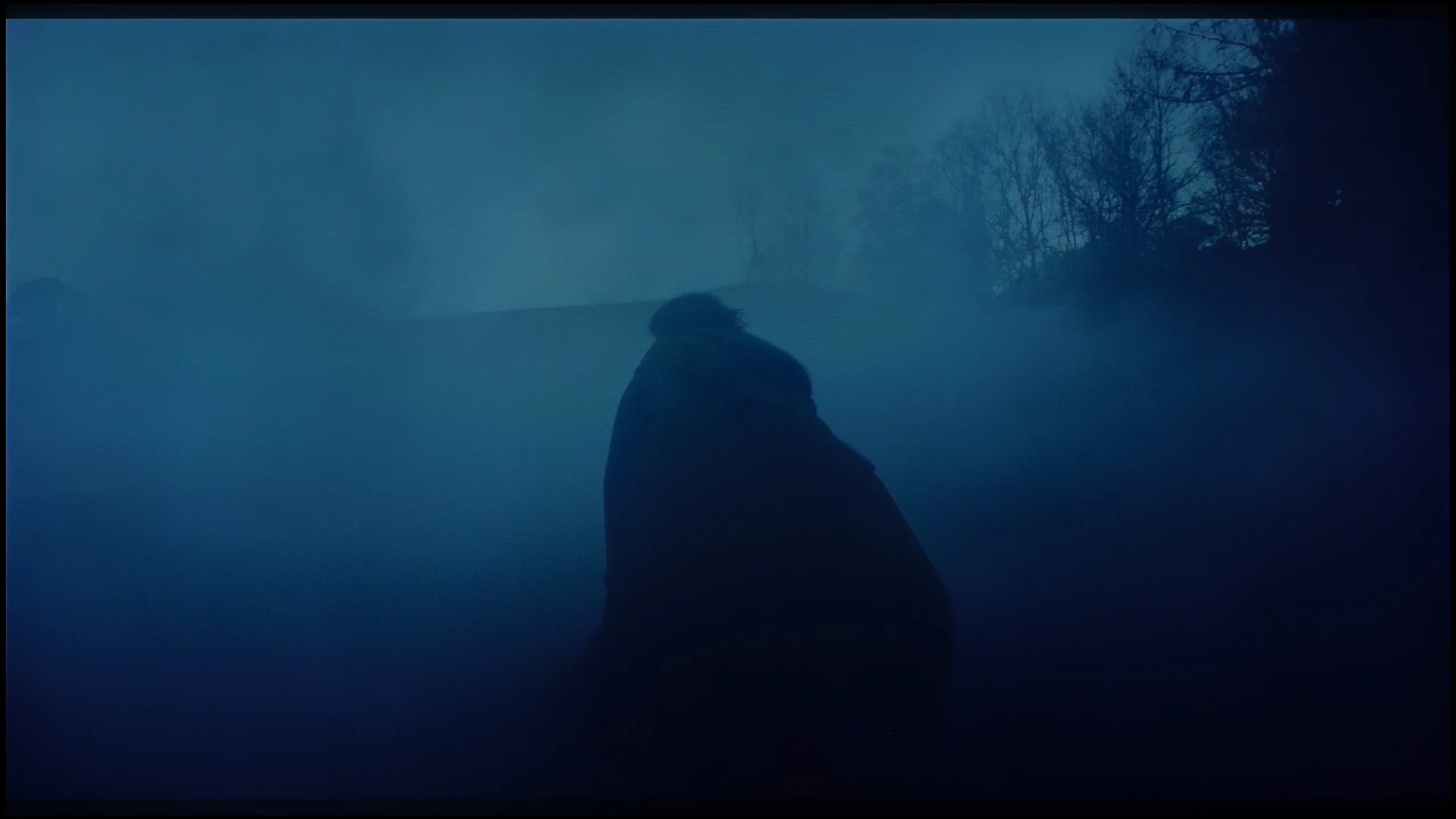
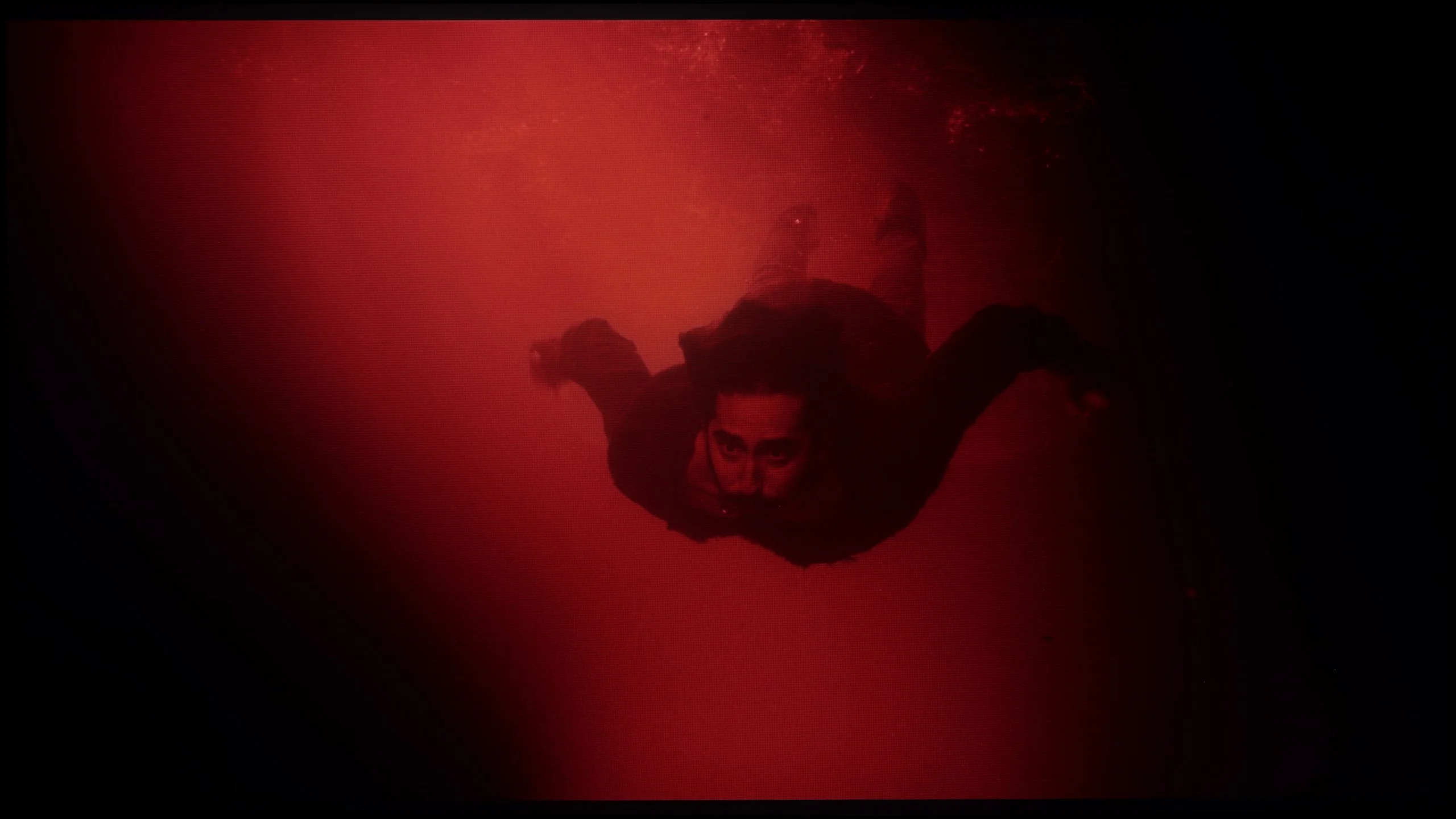
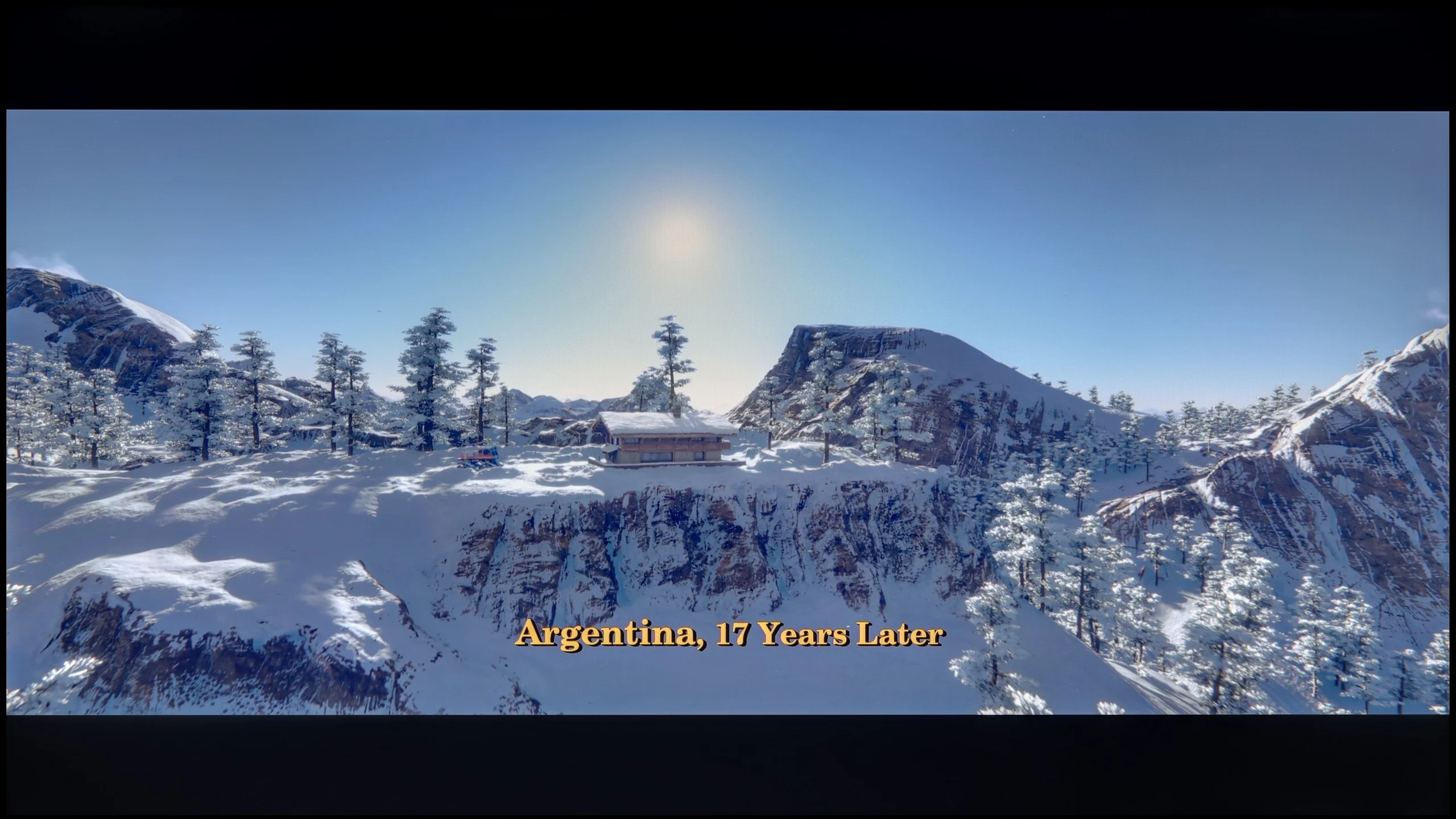
These are selected scenes that show smooth tonal transitions from one color to another. If you see distinct banding, it’s the TV panel’s fault.
These are selected scenes that show smooth tonal transitions from one color to another. If you see distinct banding, it’s the TV panel’s fault.
These are selected scenes that show smooth tonal transitions from one color to another. If you see distinct banding, it’s the TV panel’s fault.
These are selected scenes that show smooth tonal transitions from one color to another. If you see distinct banding, it’s the TV panel’s fault.
In this respect, the QN80F truly impresses. The transitions between colours are smooth, nothing is torn, and there are no annoying stripes in the sky or strange blotches in the shadows. Film scenes in darker tones performed particularly well – and this is where most televisions tend to struggle. If one is very determined, they may notice slight banding in the brightest sections, but that is really stretching for an issue. In everyday viewing, no one should have a problem with this. To put it plainly: the tonal transitions are so good that one can forget about them – and simply enjoy the film.
The smoothness of tonal transitions on the Bravia 2 II is quite good, although it depends a lot on the scene. In bright parts of the image the gradation is smooth and it’s hard to spot any major issues. It gets worse in very dark shots. In scenes with many dark shades distinct banding between successive tones was already visible. So it’s not perfect, but for most everyday content the problem shouldn’t be particularly noticeable.
Image scaling and smoothness of tonal transitions
7/10
6/10


Smooth transition function
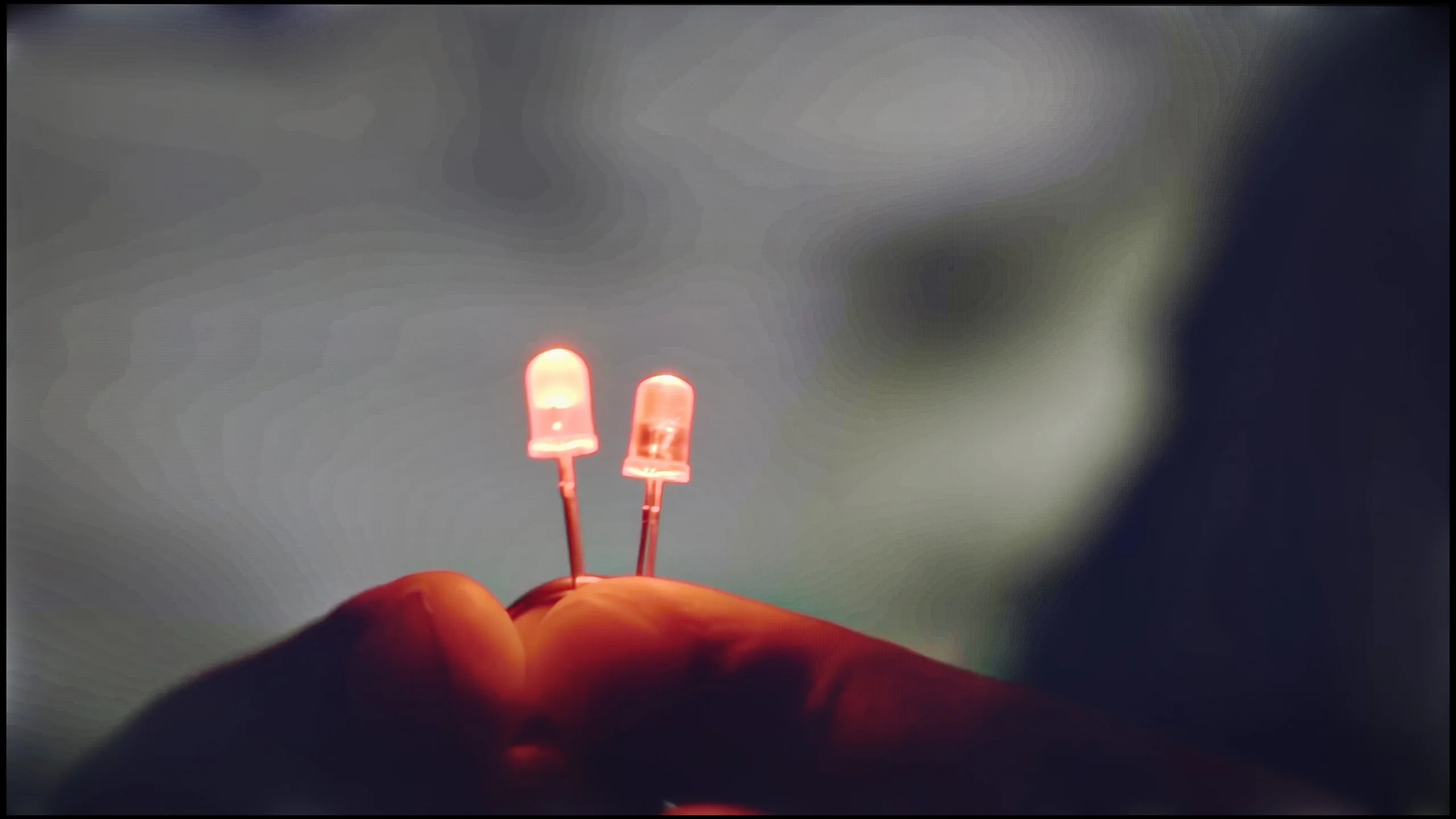
The match photo shows how the TV smooths weak tonal transitions in low-quality video.
Image scaling SD (576i)


The model photo shows how it handles upscaling of SD material.
If, while watching lower quality materials – for example from YouTube – we notice strange colour transitions or unwanted artefacts, it's worth checking the settings and turning on the noise reduction feature. In our opinion, the best setting is at “medium” – it effectively smooths out problematic colour transitions while not blurring the entire image too much. However, one must know this: this option tends to remove film grain. If someone cares about preserving this effect (e.g. in older films), it’s better to simply turn it off – regardless of the level, the grain always disappears.
When it comes to resolution scaling (or so-called upscaling), Samsung – as usual – performs very well in this area. The QN80F may not compete with top models costing tens of thousands, but for its price class, it really does impress. Materials of very low quality (e.g. from SD television or older video files) are noticeably improved and look surprisingly decent. The only noticeable drawback is the typical Samsung issue with overscan – that is, slight cropping of the image edges in very low resolutions, e.g. 576p.
The upscaling on the Bravii 2 II is quite good and, in that respect, the TV matches the standard Sony has set. Lower-resolution content is sensibly upscaled to 4K, and the image is slightly smoothed in the process without excessive edge sharpening. The situation is worse when it comes to improving footage with visible compression artefacts. This is handled by the "Digital Noise Reduction" function, which at the "High" setting can indeed smooth out some unpleasant tonal banding. The problem is that it does this rather aggressively and, along with the imperfections, it also removes a lot of fine detail, including natural film grain. What is more, when there is more motion on screen its effectiveness drops sharply and any improvement is then minimal. For everyday use we therefore tended not to use this function.
Blur and motion smoothness
7.5/10
5/10
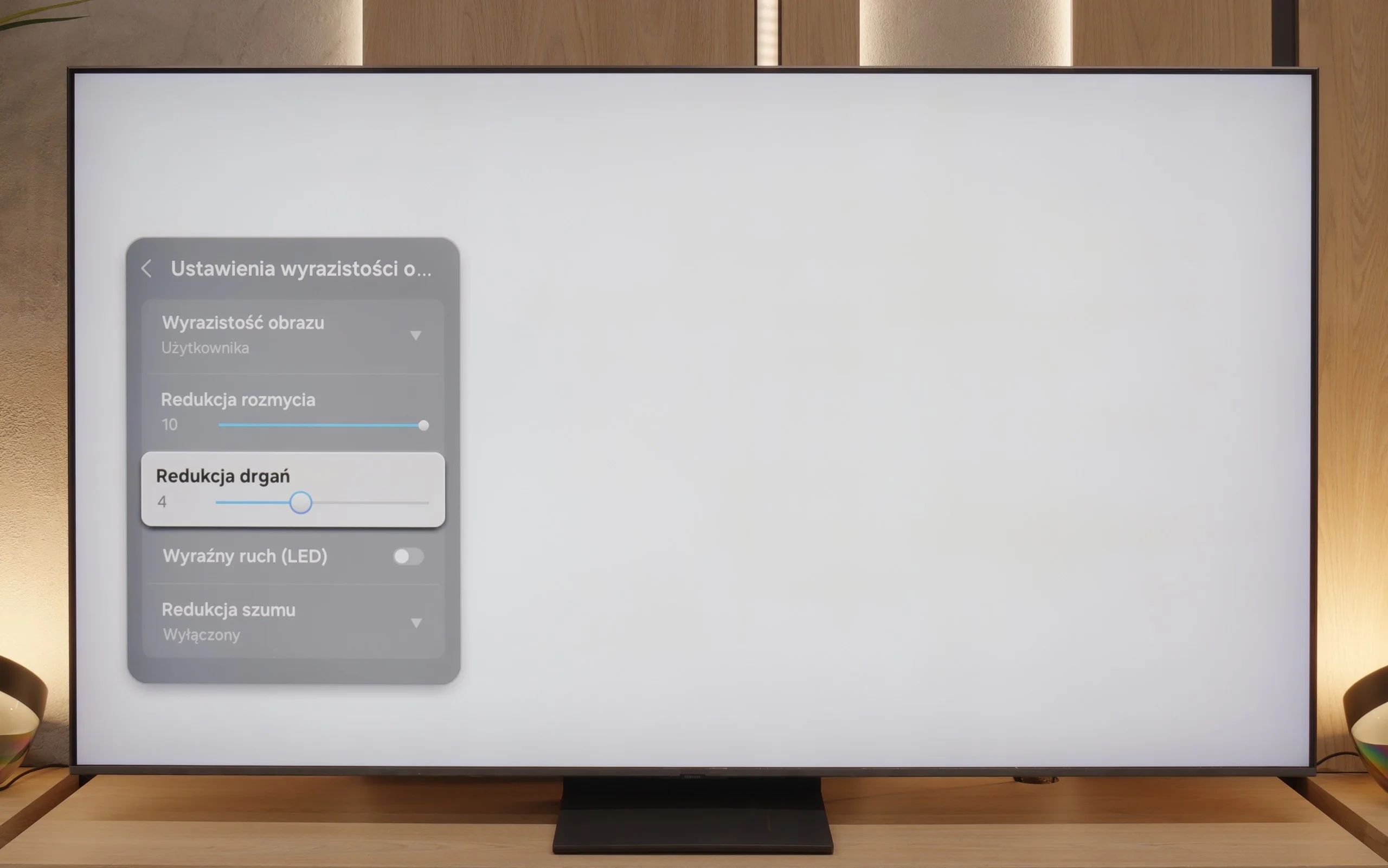
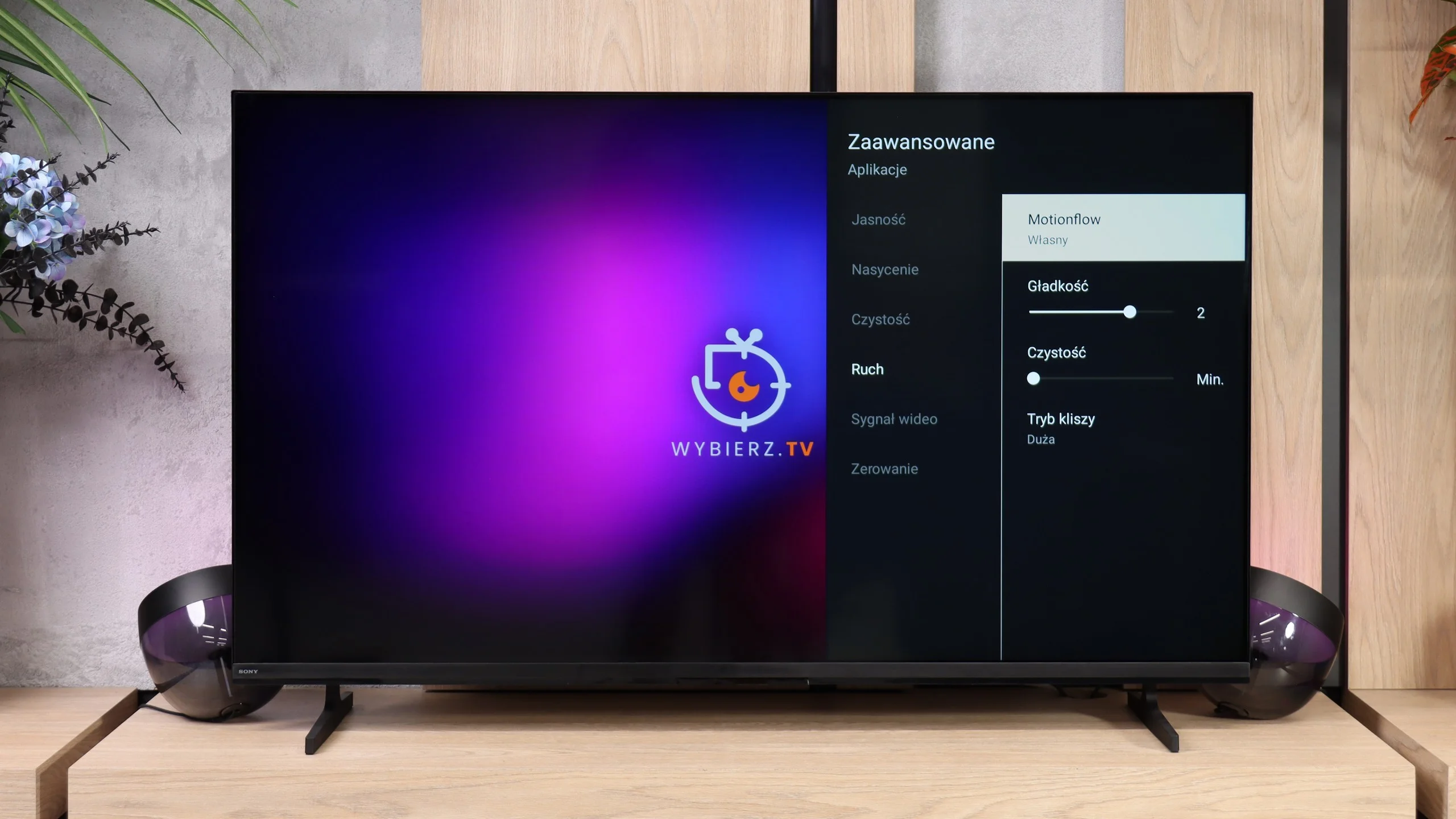
Blur (native resolution, maximum refresh rate):
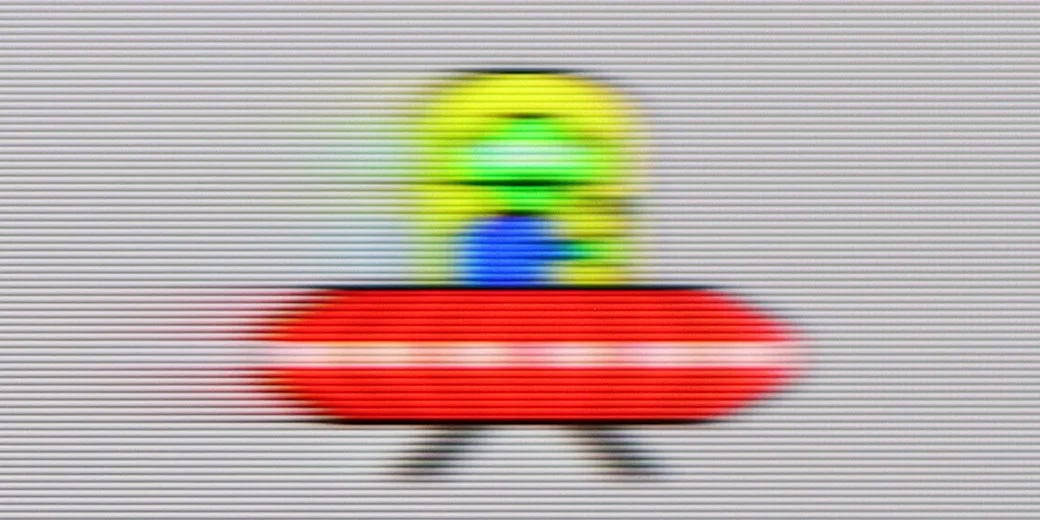
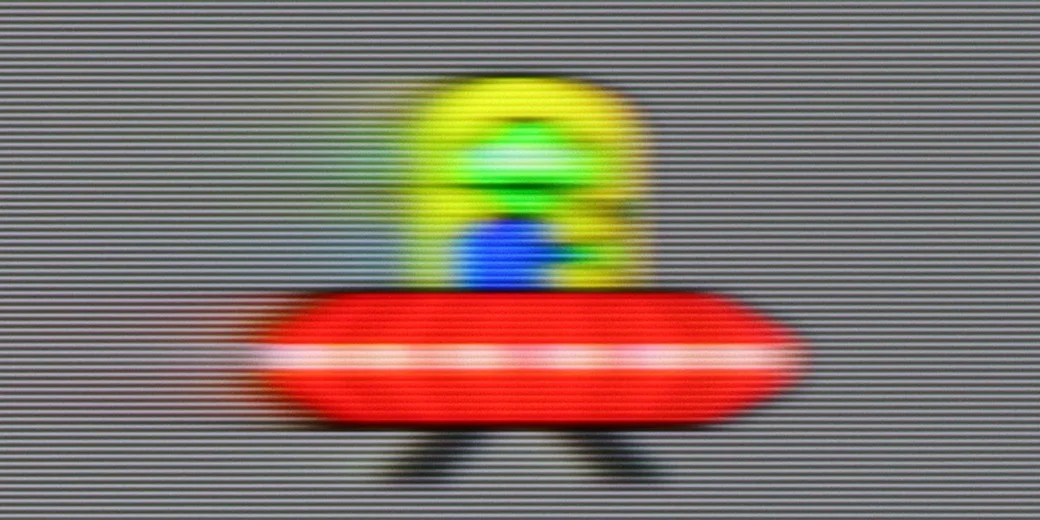
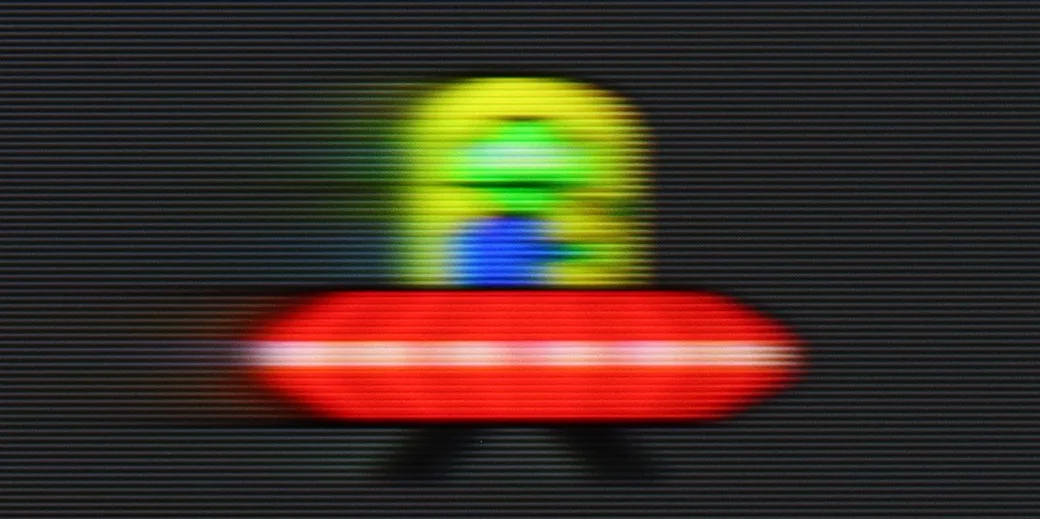
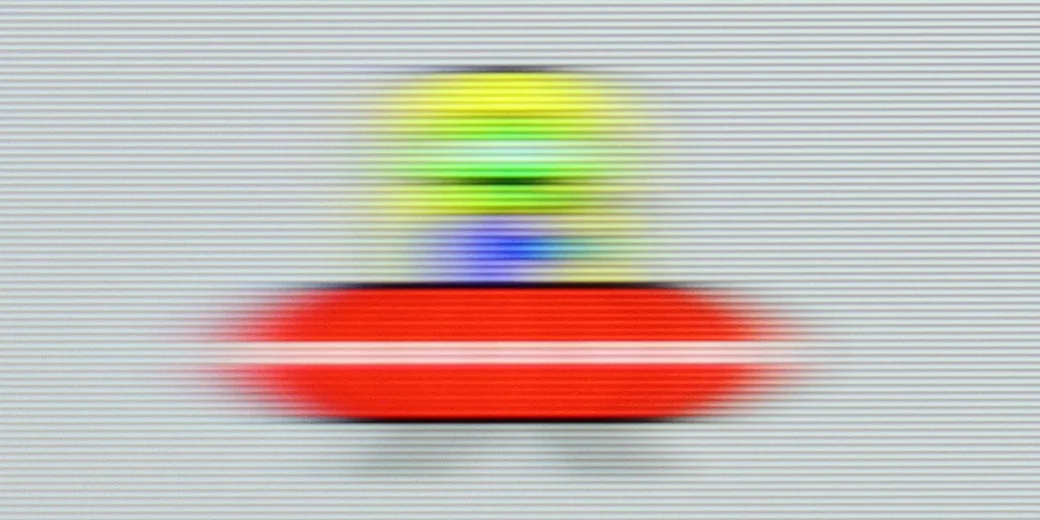
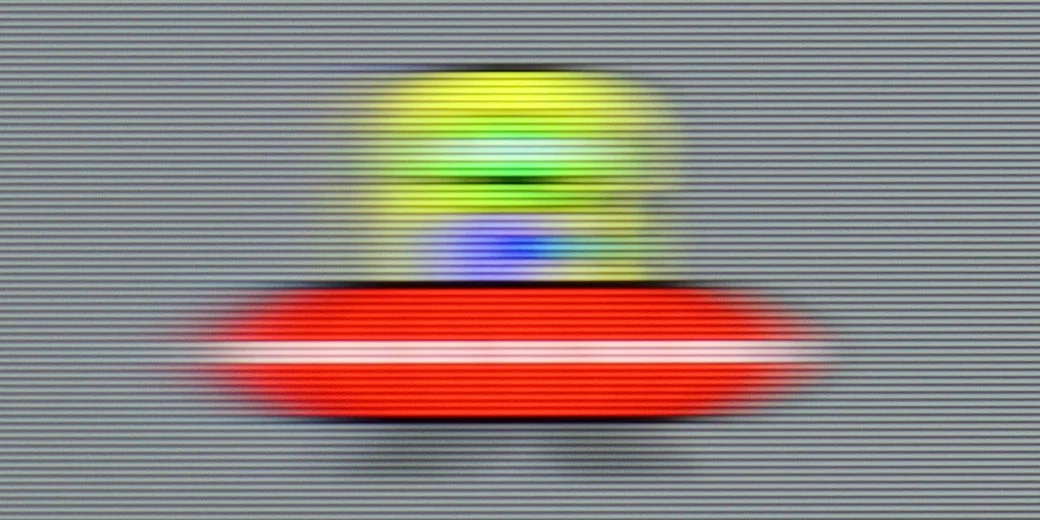
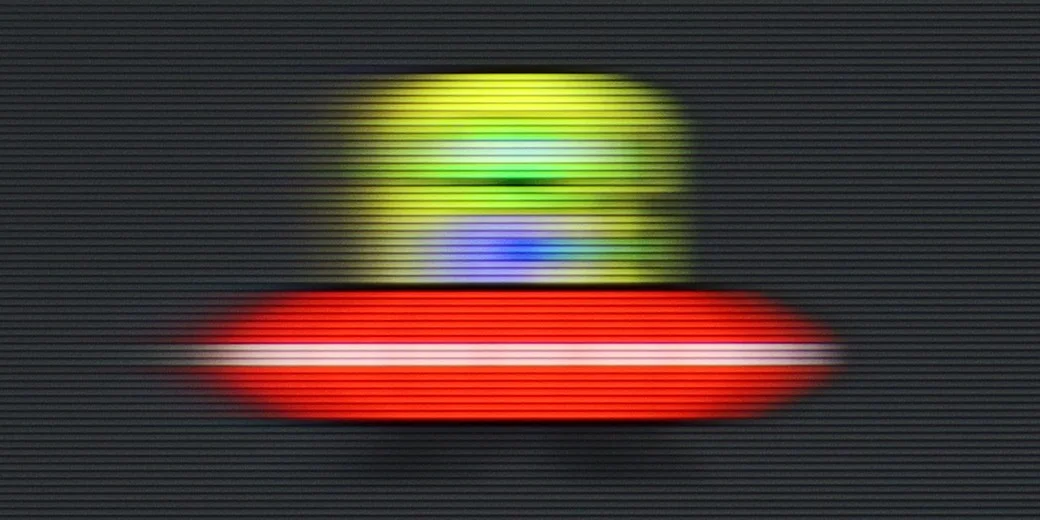
Blur (BFI function enabled):
Image flickers in this mode

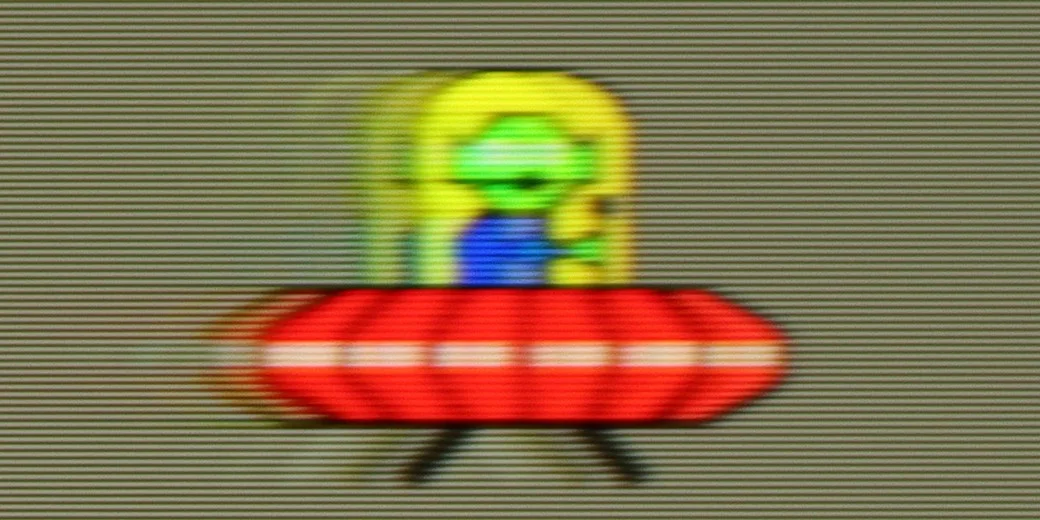
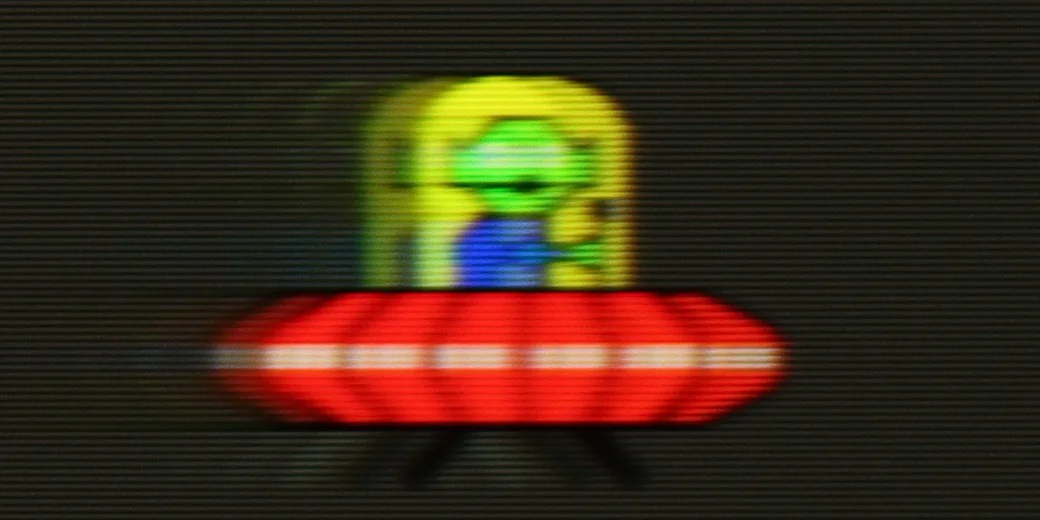
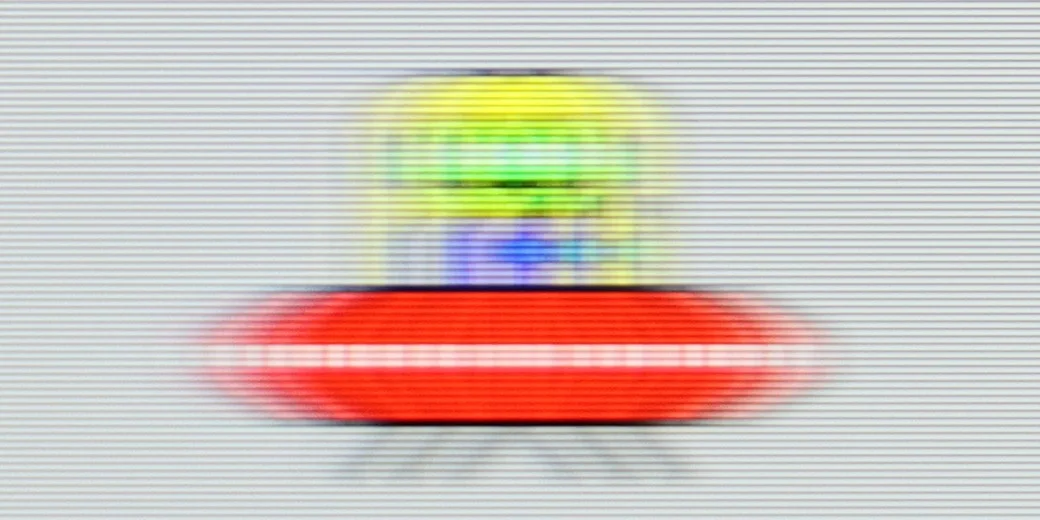
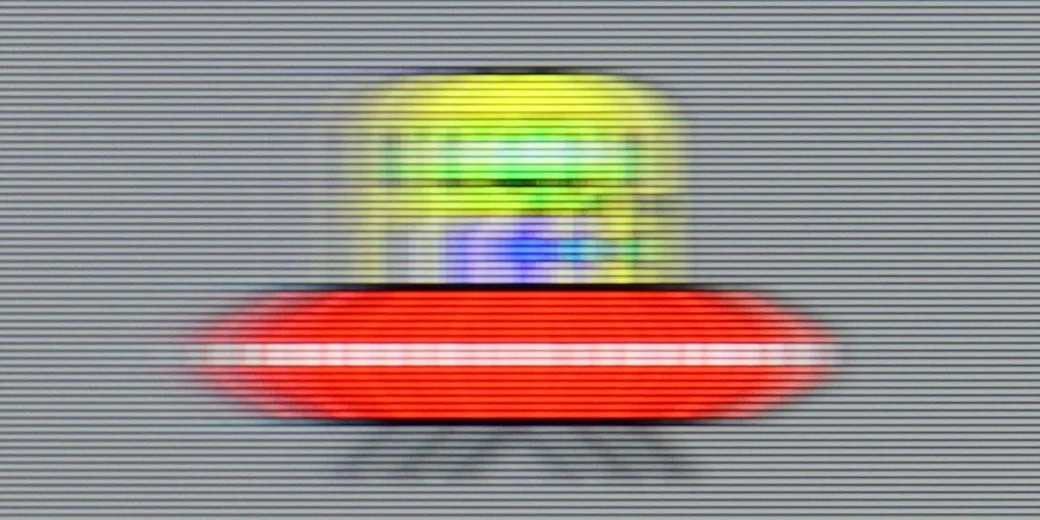
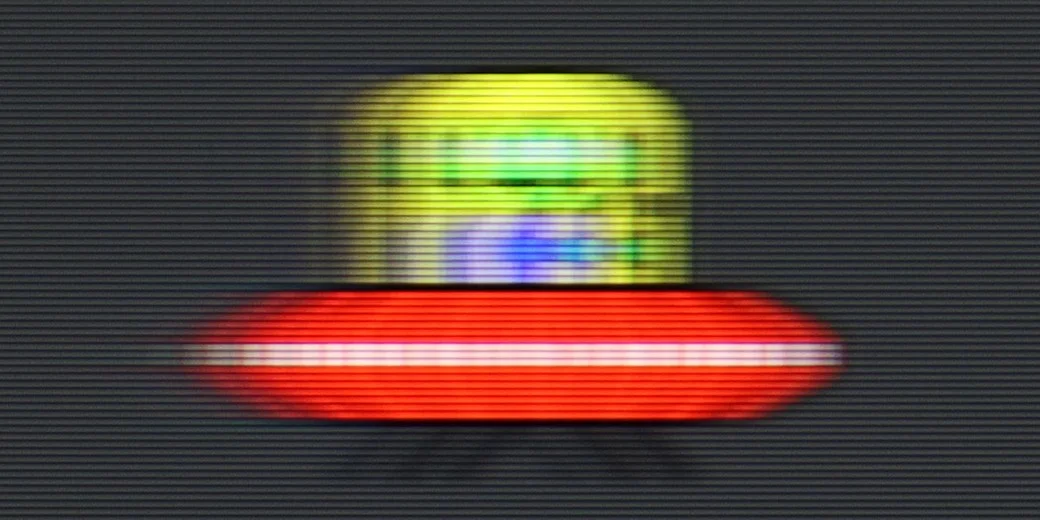
QN80F is truly a "fast" television. The applied panel offers a refresh rate of up to 144 Hz, which in practice means that the screen keeps up with the action – whether we're watching a film, playing games, or browsing dynamic content online. The image doesn’t stutter, isn’t excessively smeared, and overall looks simply smooth and pleasing to the eye. Of course, the manufacturer hasn’t forgotten about cinema fans – in the settings, we’ll find an option to adjust motion smoothness, allowing us to tailor the effect to our personal preferences. We can maintain a more "framey" appearance (for those who enjoy the classic cinematic vibe) or ramp up the smoothness to a higher level for a theatrical smoothing effect. Importantly, the choice is ours. Watching films and playing on the QN80F is simply a delight.
Bravia 2 II uses a 60 Hz panel and, given its capabilities, handles motion quite well. However, bear in mind that it is a basic panel and its limitations are already clearly visible, especially during sports. The TV cannot interpolate 50/60 fps material to a higher refresh rate, so it cannot further improve the sharpness of fast-moving objects. For films and series, however, it offers a conventional motion smoothing feature that can reduce the characteristic judder of material shot at 24 fps.
Console compatibility and gaming features
9.6/10
3.3/10
- ALLM
- VRR
- VRR range48 - 144Hz
- Dolby Vision Game Mode
- Correct implementation of HGIG
- 1080p@120Hz
- 1440p@120Hz
- 4K@120Hz
- Game bar
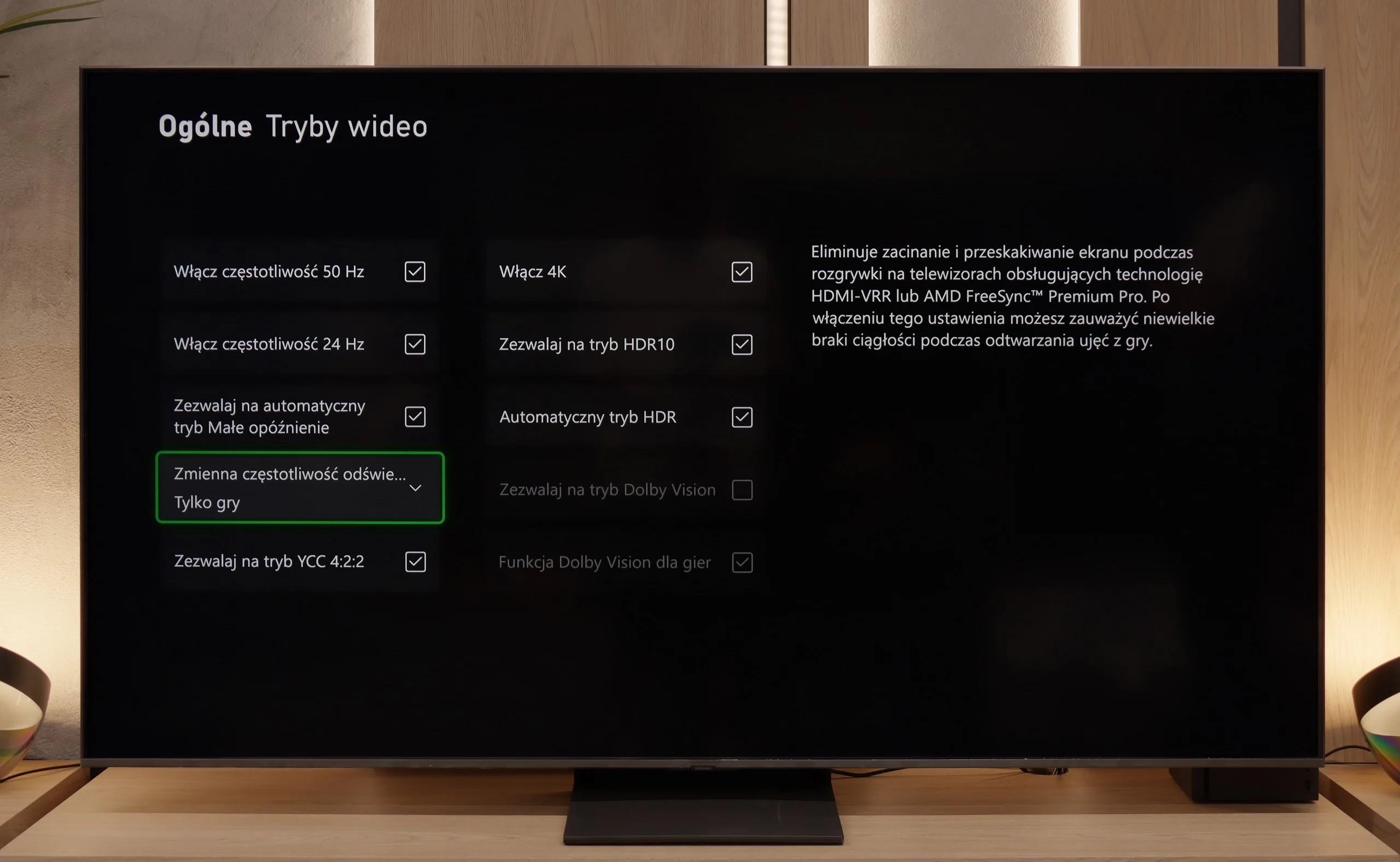
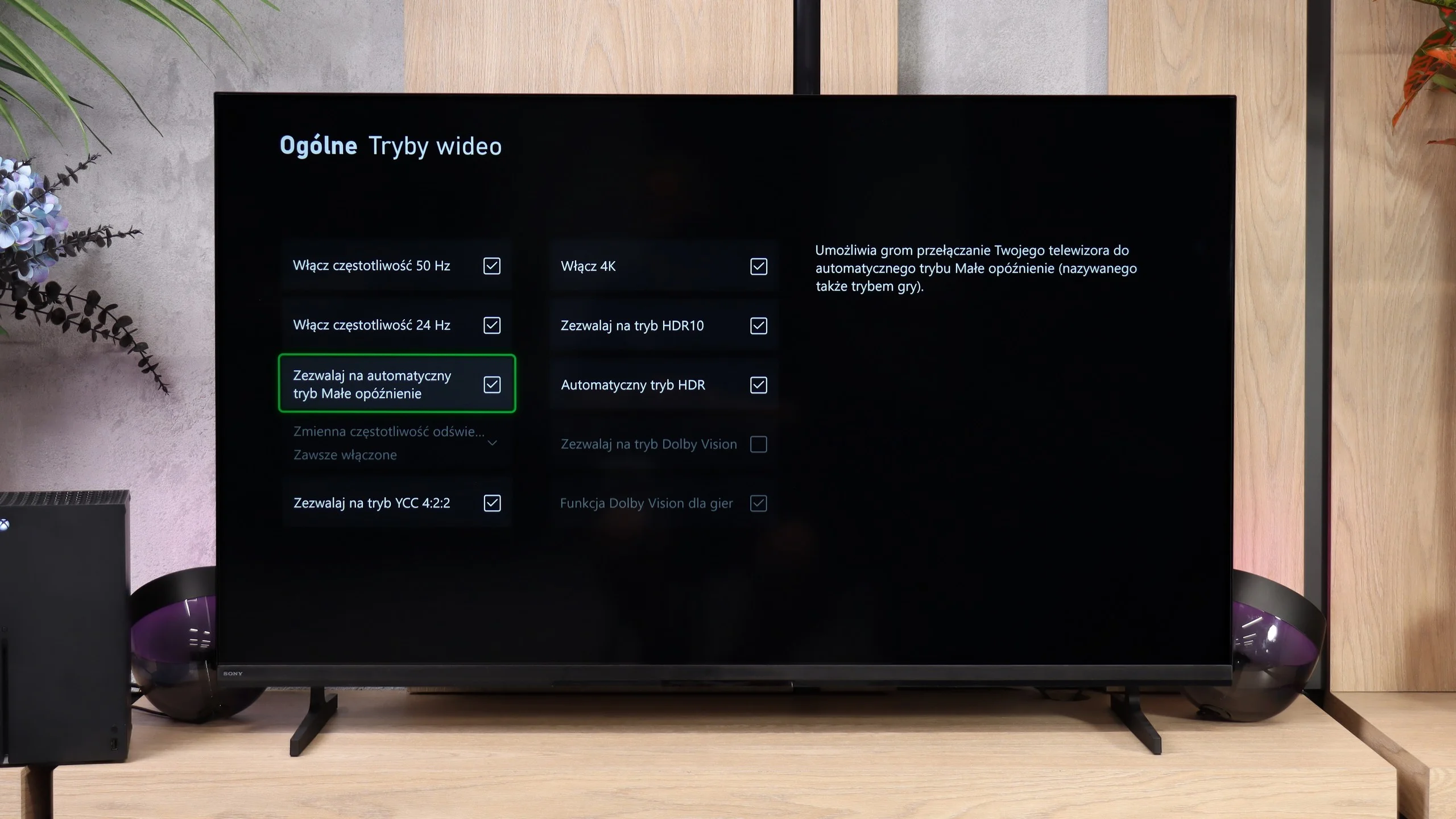
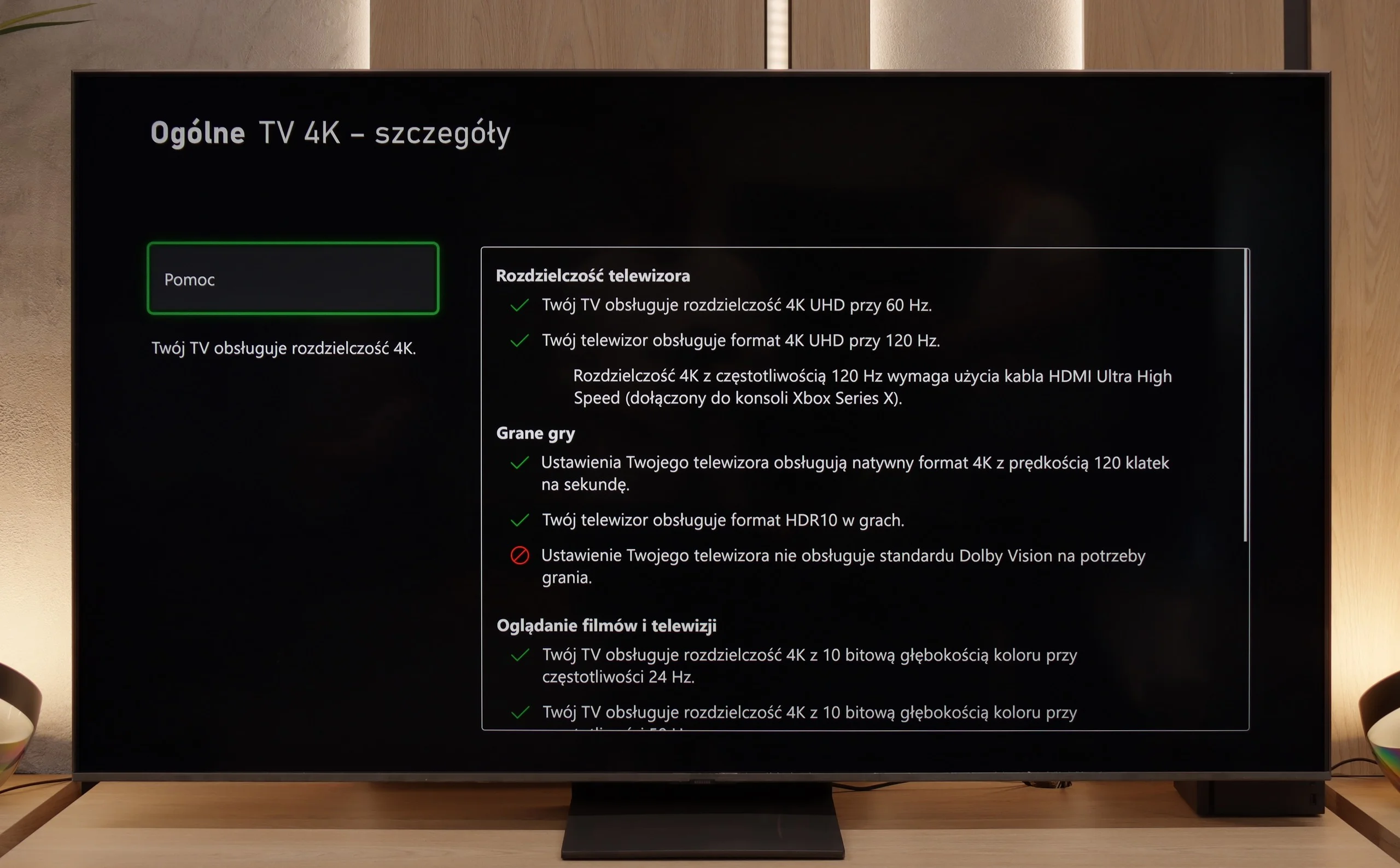
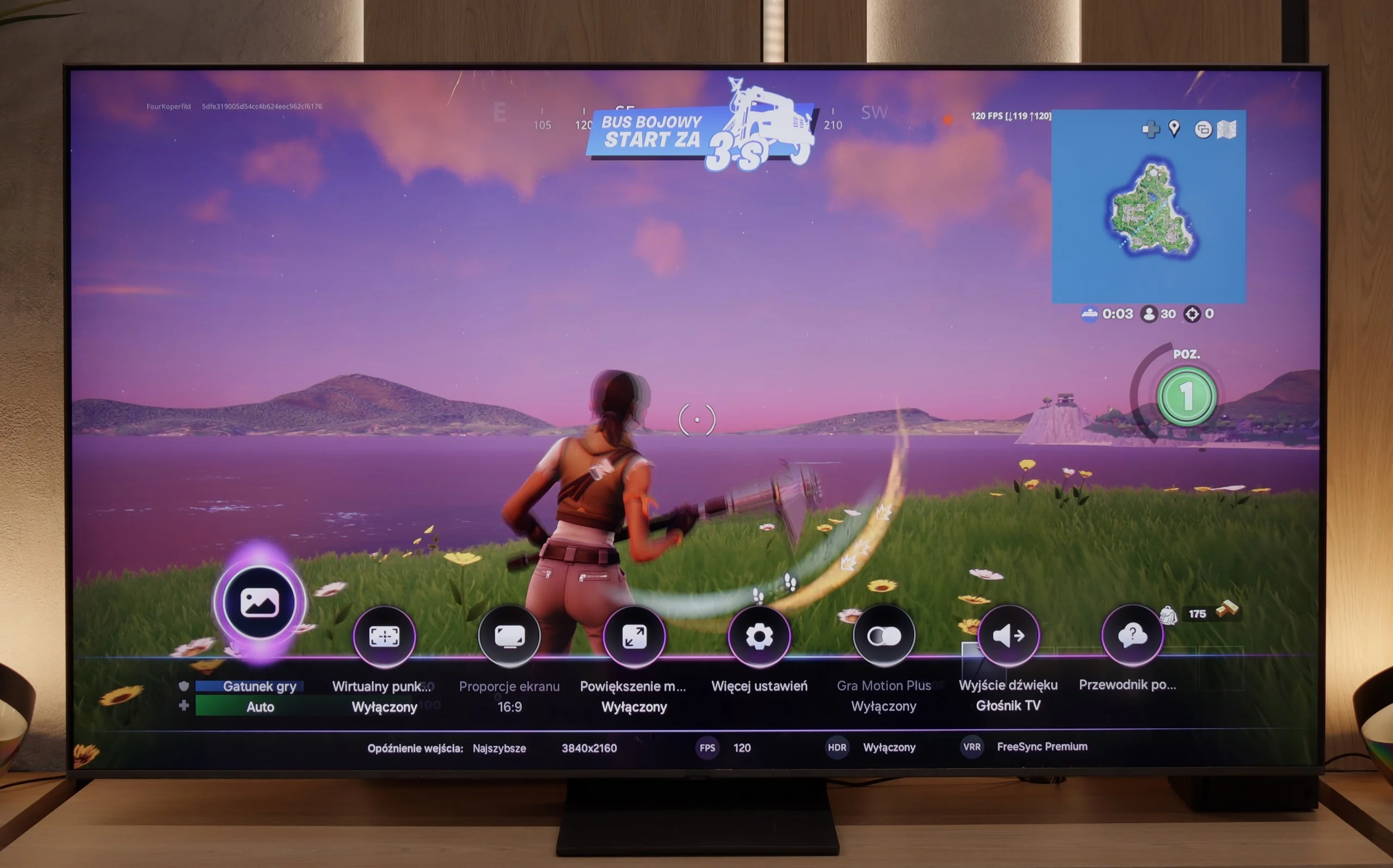
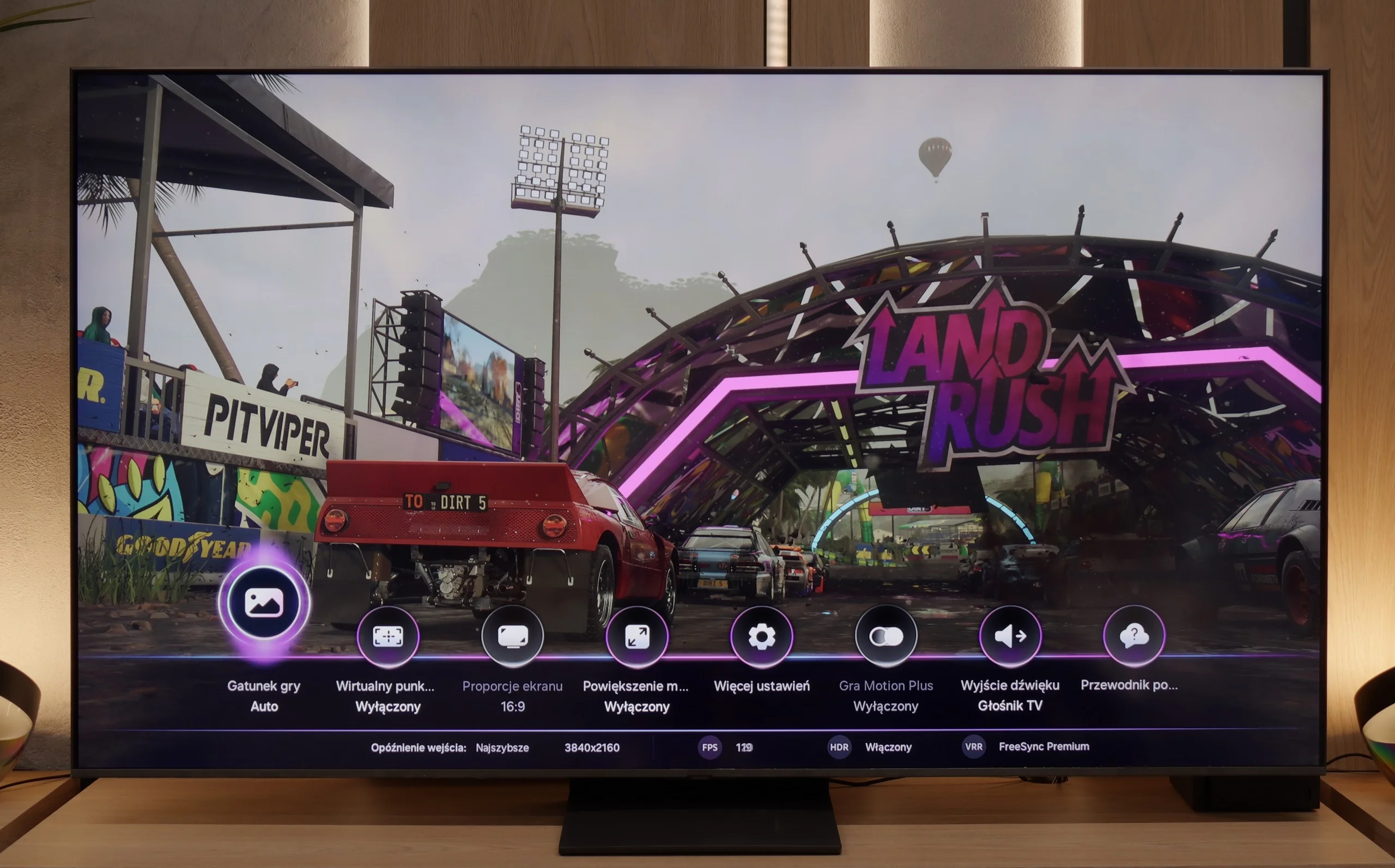
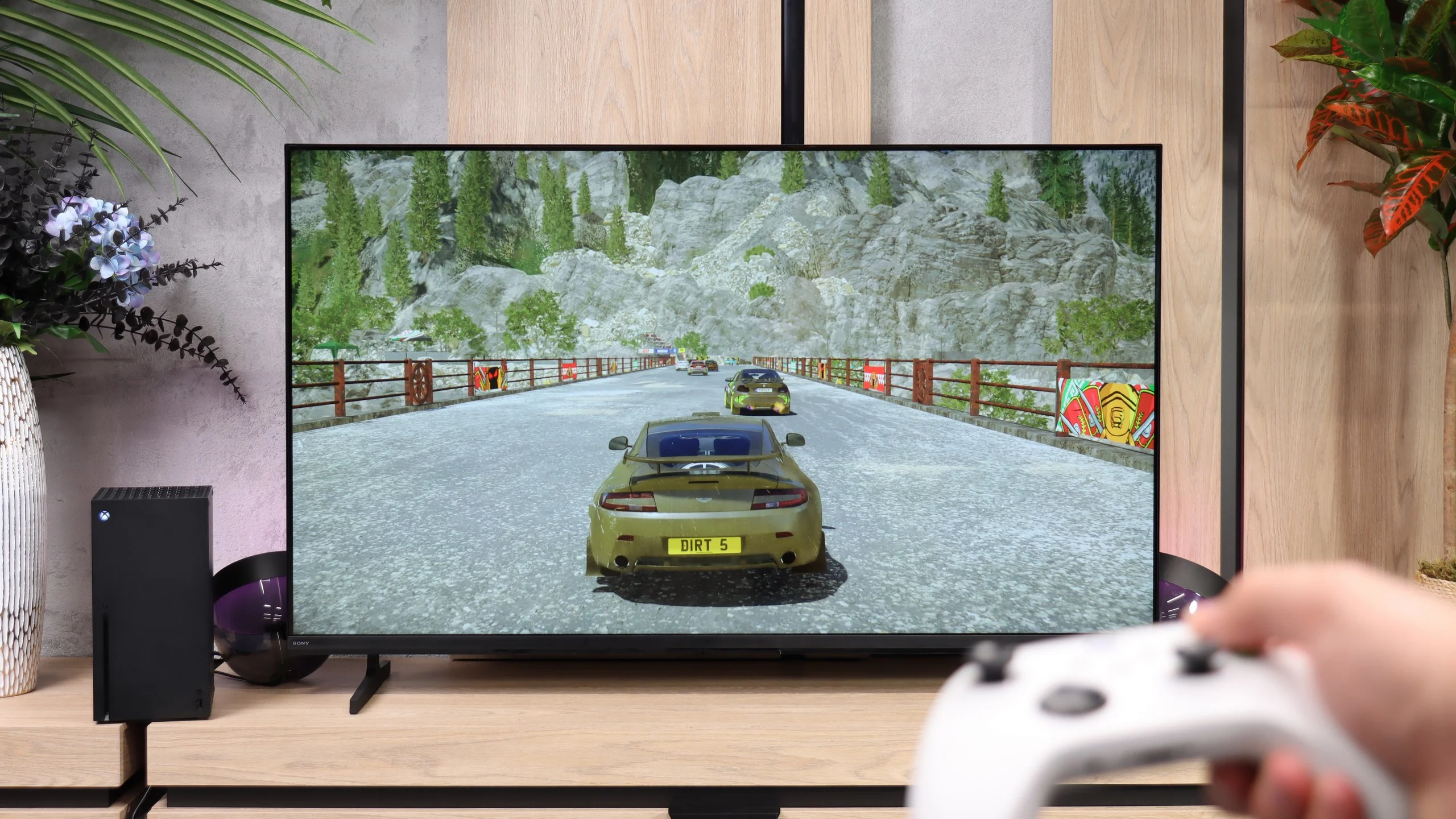
Samsung QN80F is a television that delivers on almost every front when it comes to gaming. We have a 144 Hz panel, four fully-fledged HDMI 2.1 ports, support for gamers in the form of Variable Refresh Rate (VRR), Auto Low Latency Mode (ALLM), and even one of the best-designed game bars on the market. The cherry on top is the motion smoother, which – uniquely in the world – works in games without significantly increasing input lag. Sounds like an almost perfect television for gamers? And indeed, it is almost that.
[UPDATE] We have updated our reviews of Samsung televisions from the 2025 model year due to the release of firmware version 1131, which restored the critical gaming feature HGiG.
As usual, Samsung does not support Dolby Vision in games, but that no longer surprises anyone. However, it is much more surprising that... the HGIG function has disappeared – the system that allows the console (e.g. PlayStation 5 or Xbox Series X) to precisely adapt HDR tone mapping to the capabilities of the television. In the latest firmware update for the 2025 models, this option simply vanished. It looks more like a mistake than a deliberate move, but it must be honestly noted that at the time of writing the review, the HGIG function is simply not available.
And it is precisely because of this one absence that the QN80F shifts from being nearly perfect for gamers to being 'almost' perfect. It's a shame – because everything else suggested that Samsung could raise the bar very high again in this generation.
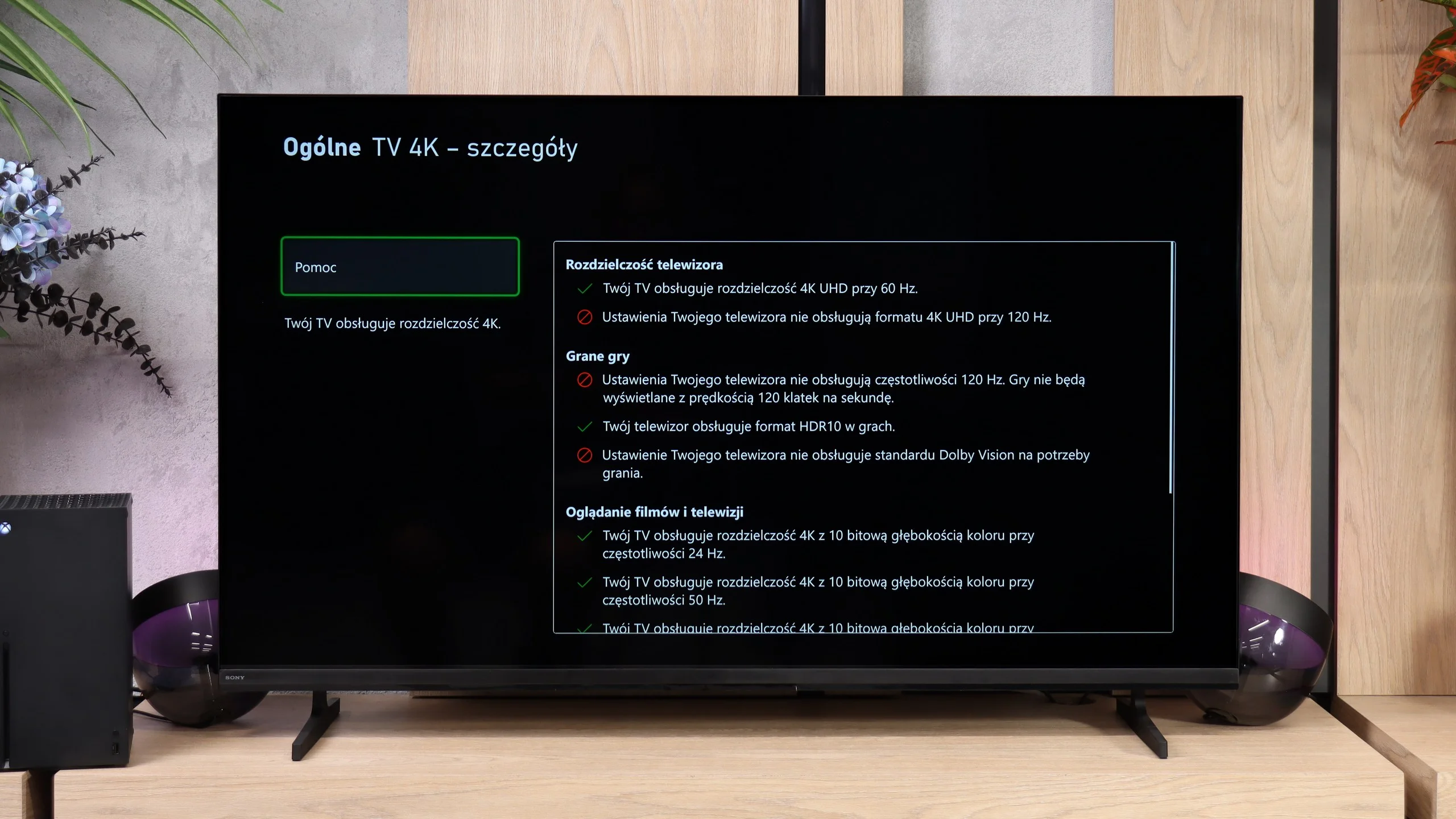
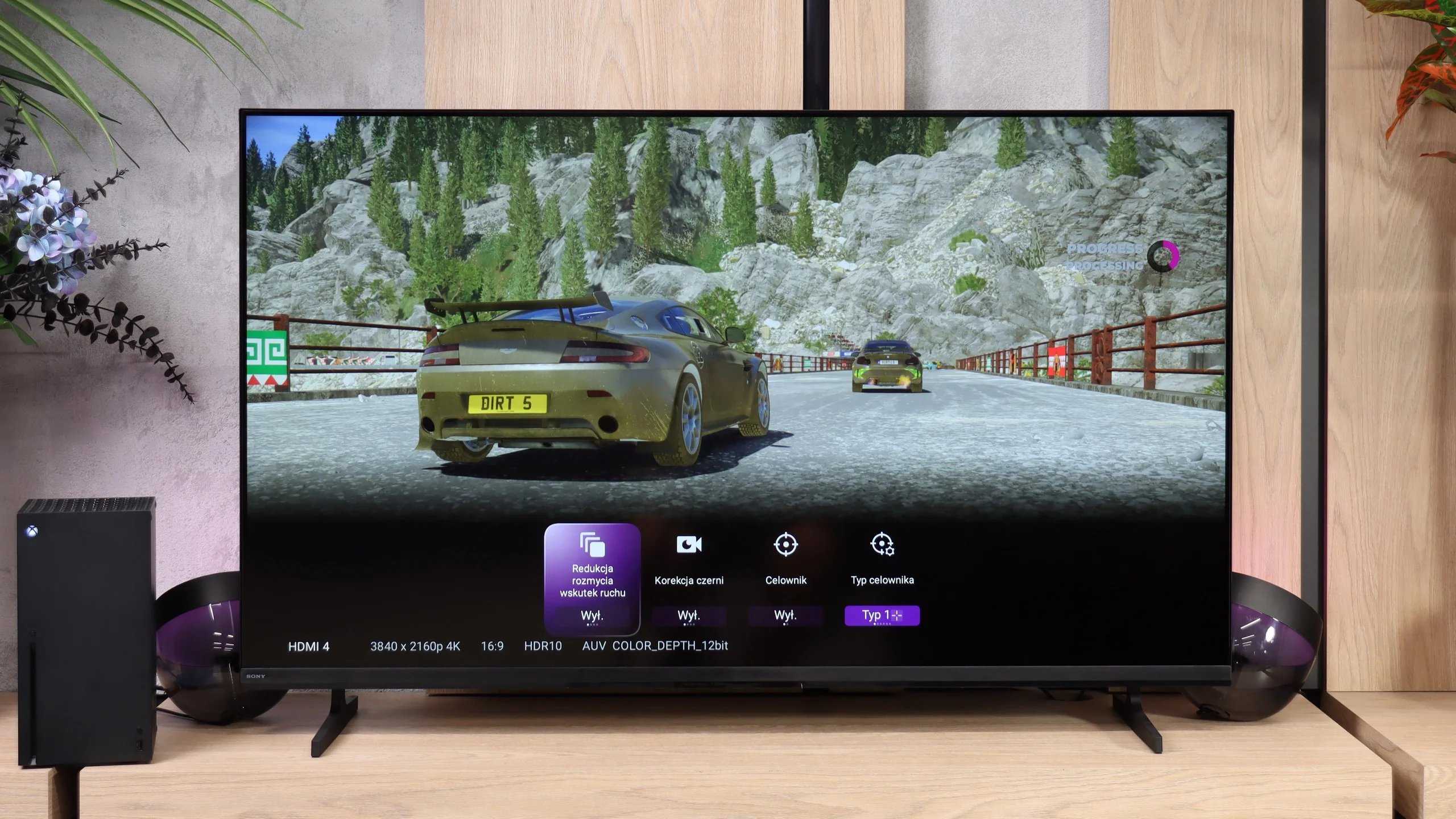
The Bravia 2 II is not a television that lends itself well to gaming, and the list of features shows that quite quickly. You essentially only get the automatic low-latency mode ALLM and a simple Game Bar that lets you view basic signal information and change a few settings. But that is where the list of strengths ends. The TV does not support VRR or 120 Hz (not even at lower resolutions), and on top of that it has problems with a proper implementation of the HDR HGIG format. It is suitable for occasional console gaming, and thanks to low input lag controls remain responsive, but if someone is looking for a TV primarily for games, the Bravia 2 II will simply be a rather limited choice.
Input lag
9.8/10
10/10
SDR
HDR
Dolby Vision
The QN80F does not disappoint when it comes to response time. The input lag for 120 Hz content drops below 10 ms, which can be considered an almost perfect result – it is hard to expect more in this class of TVs. Gaming is smooth, responsive, and without delays that could annoy even the most sensitive players. For 60 Hz materials, the lag is higher, around 19 ms, but this is a completely natural phenomenon and still falls within comfortable limits.
Here the Bravia 2 II performs markedly better. The input lag is only about 11 ms, which is low enough that delays are practically unnoticeable when gaming. Even with a modest set of gaming features, the TV will therefore handle regular console play without any major problems.
Compatibility with PC
8.8/10
6/10
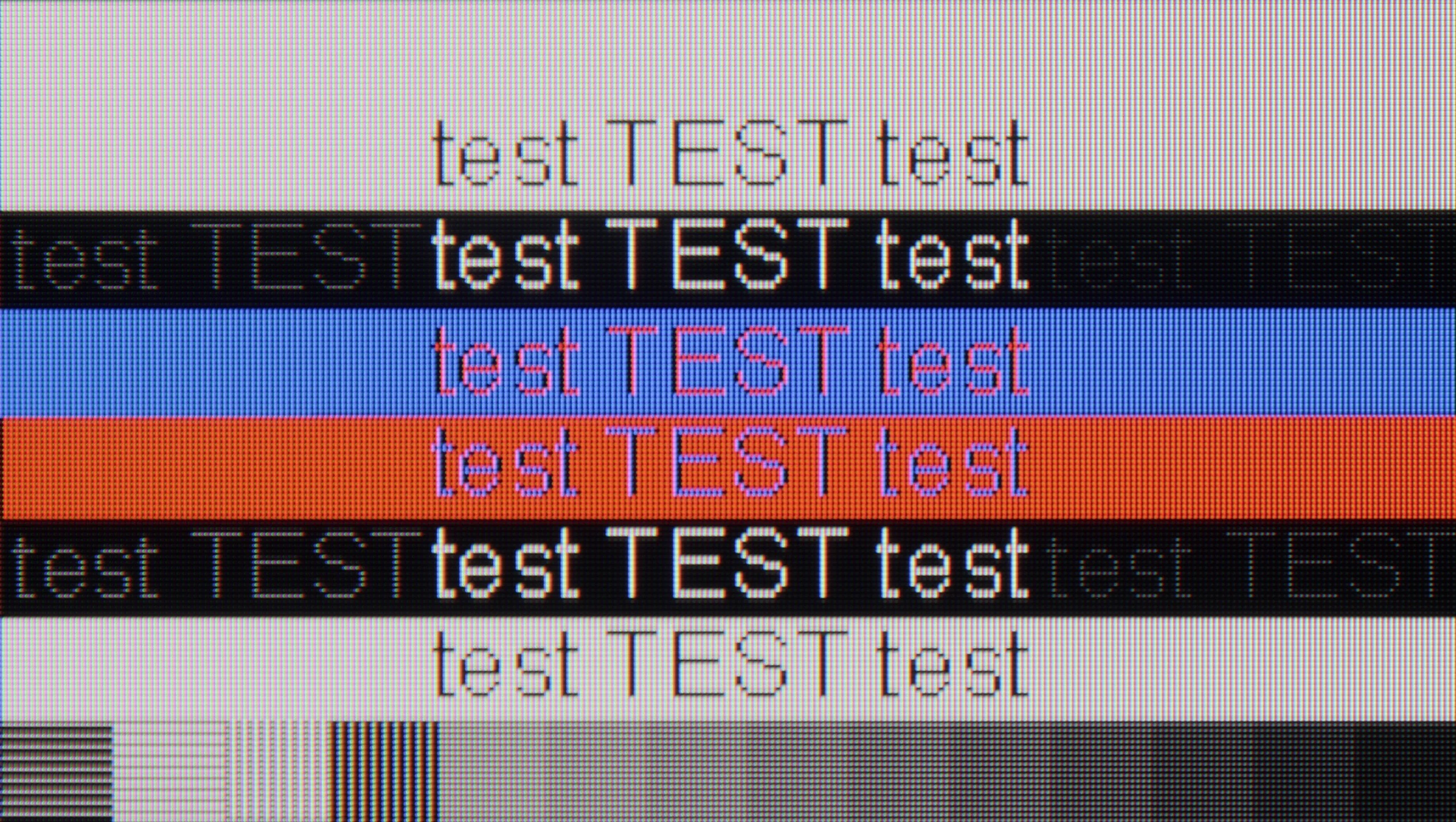
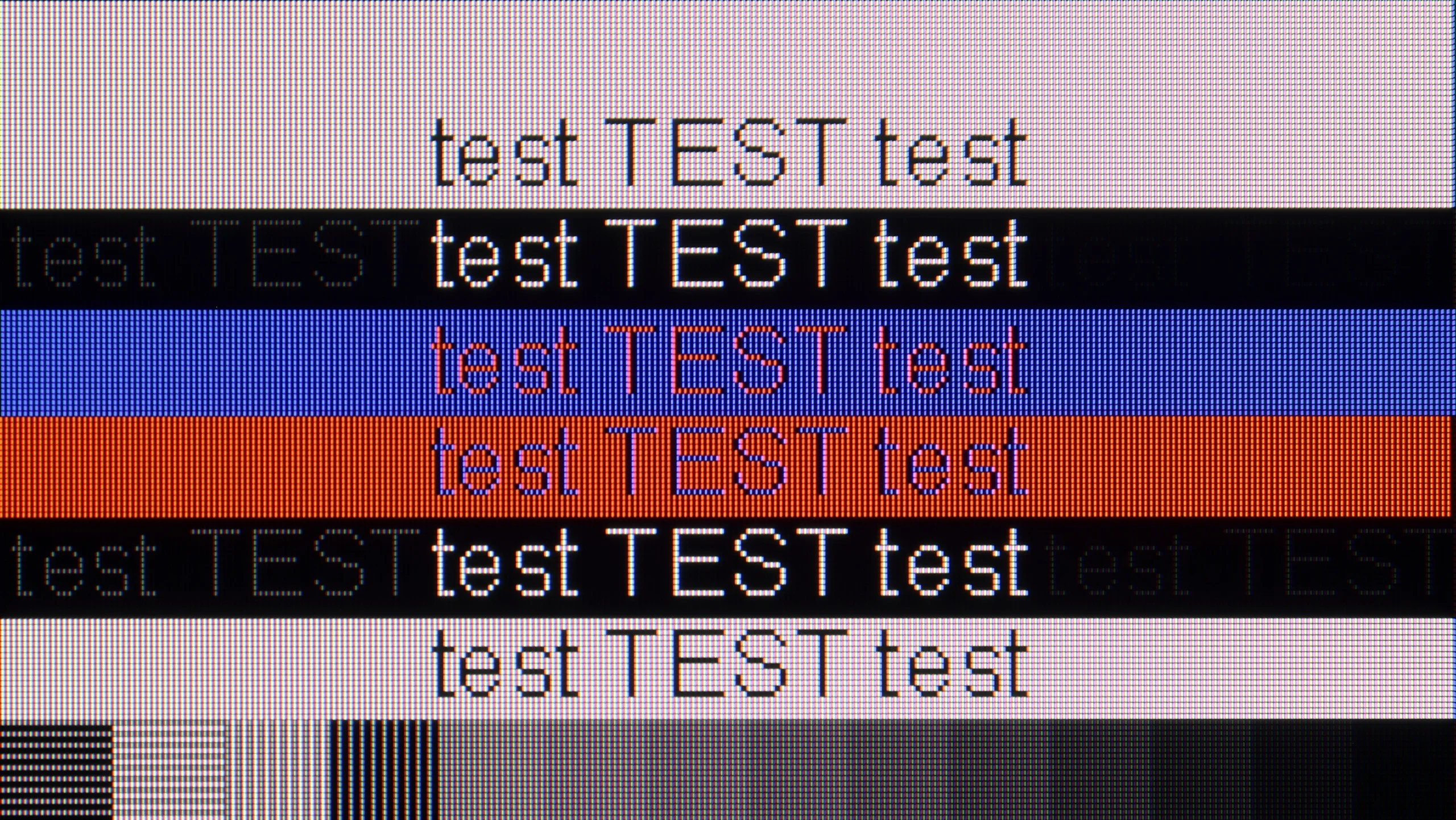
The photo shows the legibility of small fonts. Ideally, lines should be the same thickness on both light and dark text, with minimal pixel gaps.
Playing on the QN80F with a connected computer is pure pleasure. The television effortlessly works with NVIDIA graphics cards (thanks to G-Sync support) and AMD (thanks to FreeSync Premium), and the 144 Hz refresh rate only enhances comfort during dynamic gameplay. Everything works immediately, without unnecessary fiddling with settings – exactly as it should.
When it comes to work, it is also very good. The readability of fonts is at a high level, and texts appear sharp and clear. With very thin horizontal lines, some minor imperfections in shading can be noticed, but honestly – you really have to look closely. Unless, like us, you sometimes enjoy looking at the screen with a magnifying glass… then you might spot something 😉.
The Bravia 2 II handles a computer very well, at least if you think of it as a screen for work. Thanks to its IPS panel and correct 4:4:4 chroma reproduction, text is sharp and legible regardless of size, shape or colour. That's good news, especially for those considering buying the smaller model and placing it on their desk instead of a conventional monitor. It's much worse, however, when it comes to gaming. The TV does not offer 120 Hz, VRR or other features that might interest more demanding PC gamers. So it performs very well for office work or for watching content from a computer, but as a gaming display it has quite a few limitations.
Viewing angles
3.1/10
6.5/10
QN80F, like most TVs with a VA panel, does not impress in terms of viewing angles. All it takes is a slight lean to the side to notice a significant drop in brightness and lost colour saturation. The picture loses its "depth" and "vibrancy", and darker scenes may appear slightly washed out. However, this is a typical characteristic of VA panels, which provide significantly better native contrast than IPS panels in return. In short: something for something. If you are sitting directly in front of the screen, there will be no problem. But when watching together in a larger group, it is worth keeping this in mind.
Viewing angles are, in turn, one of the strengths of the Bravia 2 II. Thanks to the IPS panel, the picture retains accurate colours and brightness for quite a long time even when you are not sitting directly in front of the TV. In this respect Sony recoups some of the points it lost earlier on blacks and contrast. The Bravia 2 II can therefore be better suited to a larger living room or a room where some people watch the TV from the side, especially if it is mainly intended for everyday television viewing.
Daytime performance
6.6/10
4.8/10
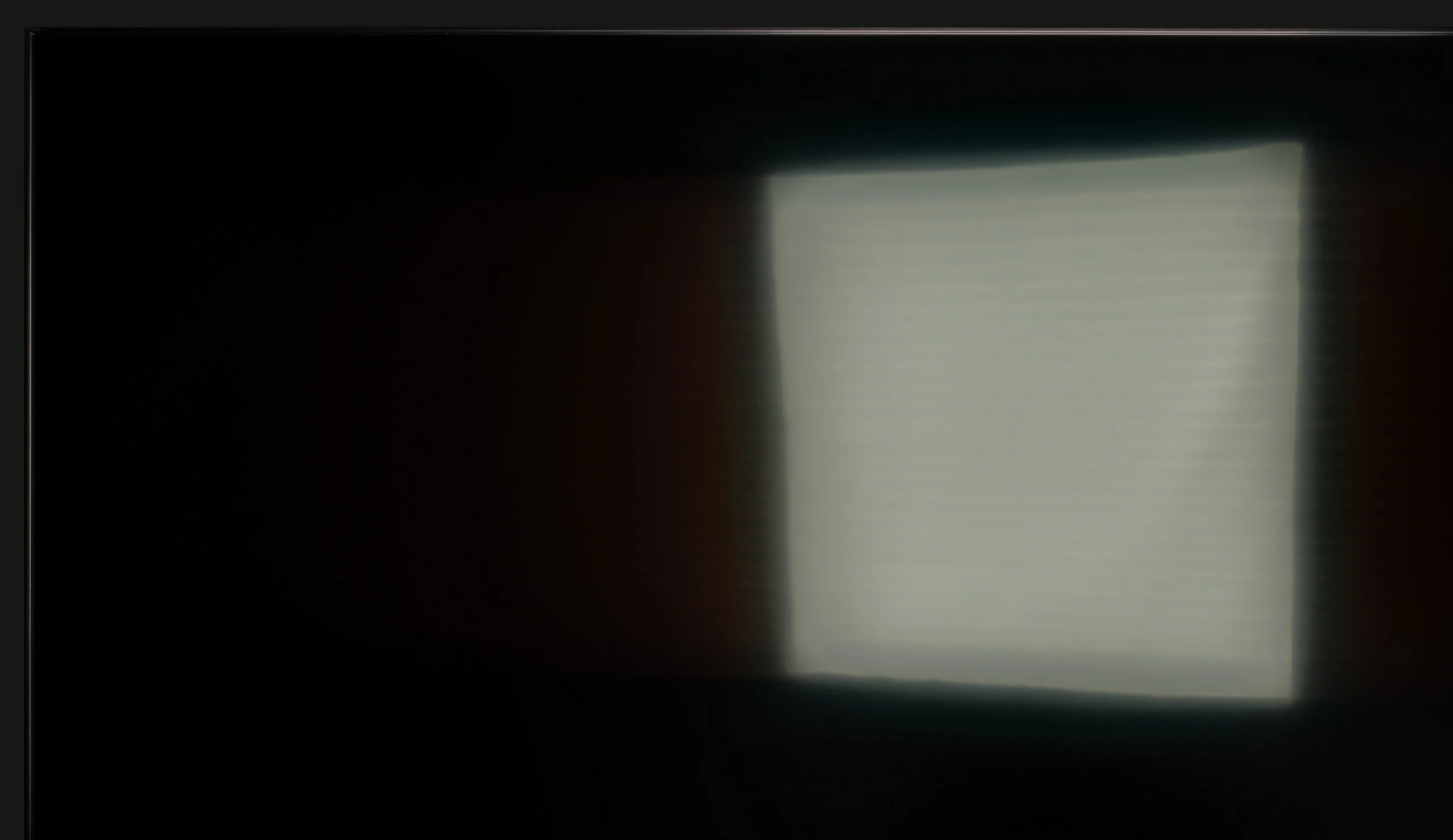
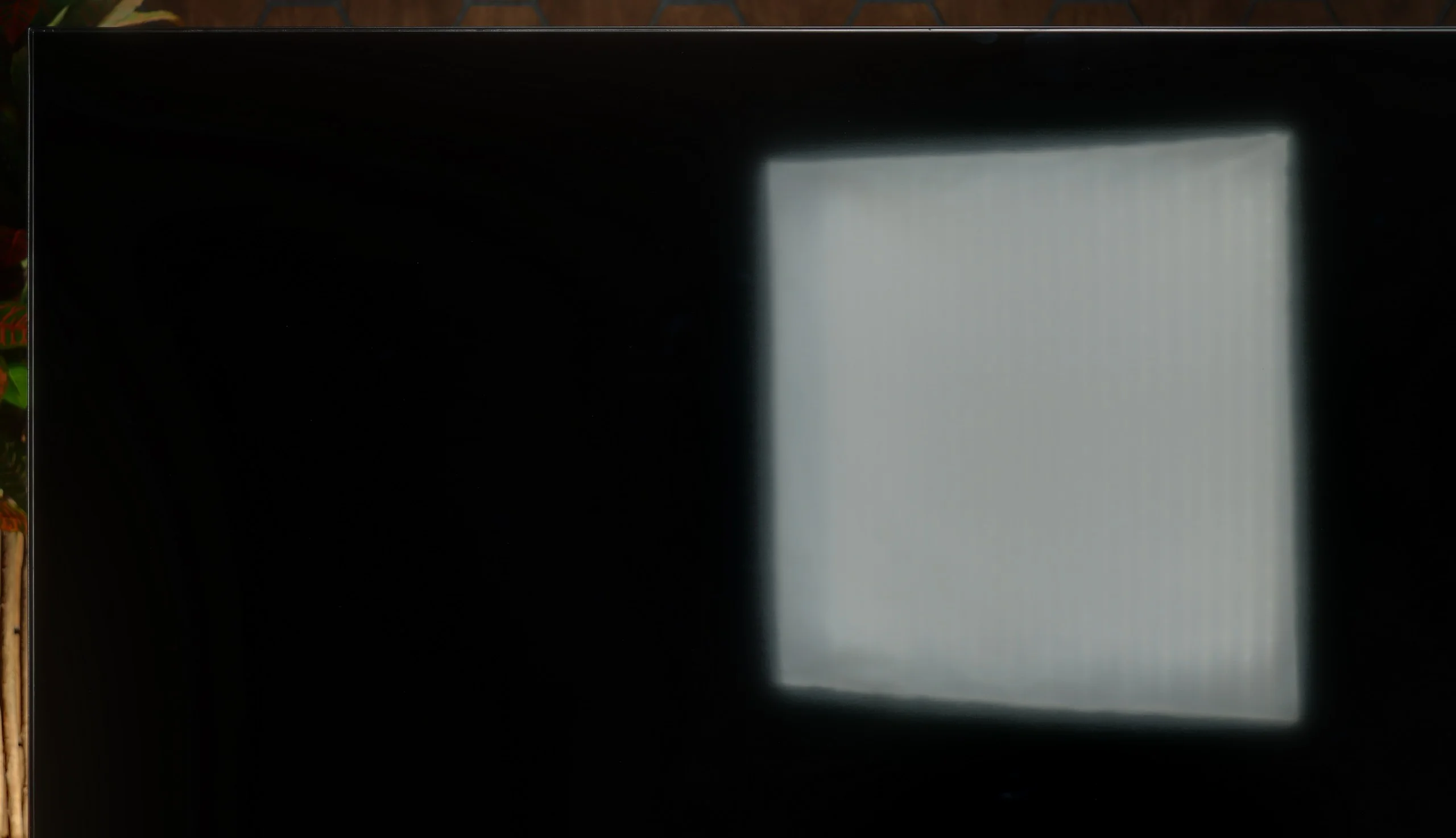
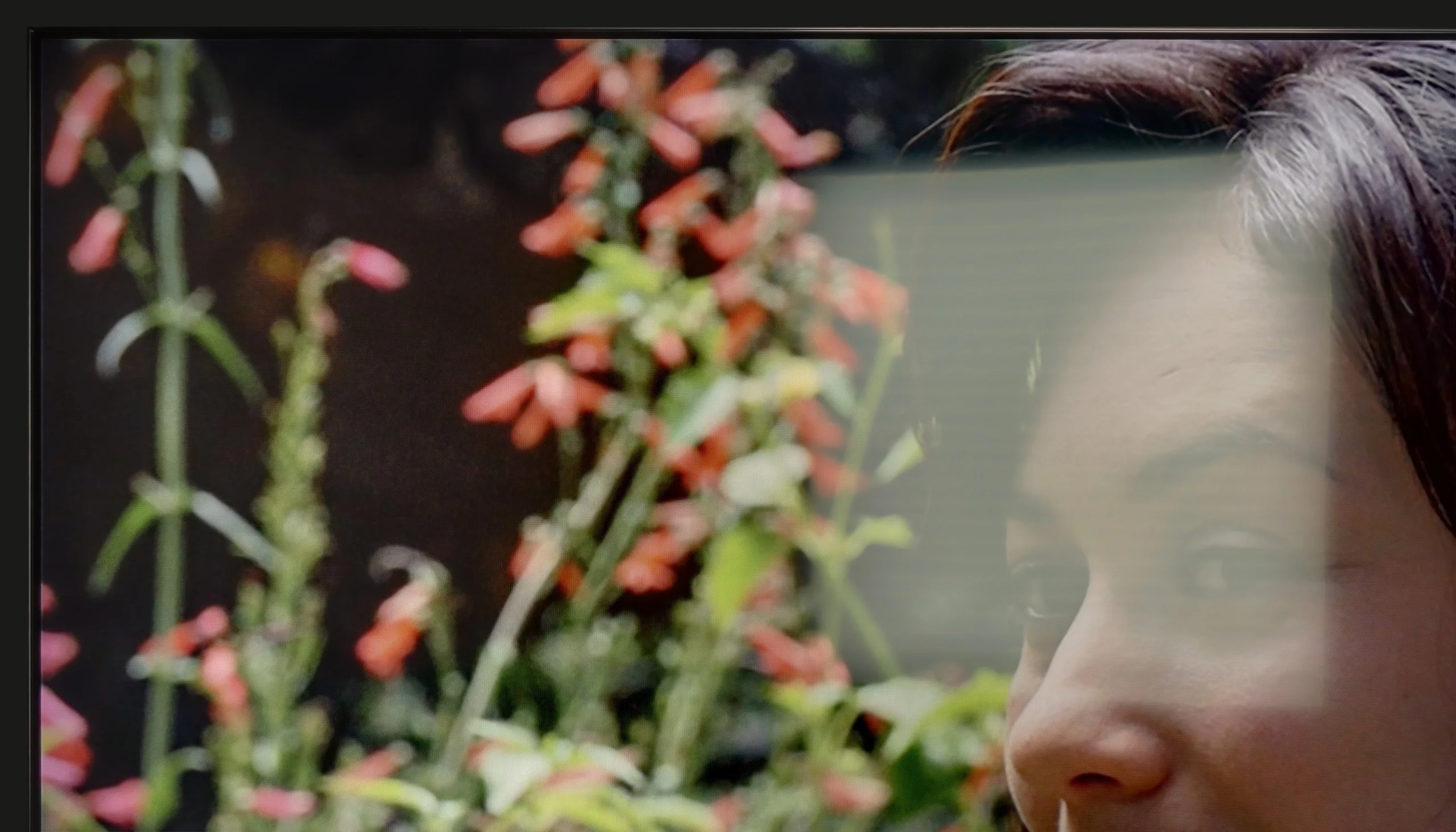
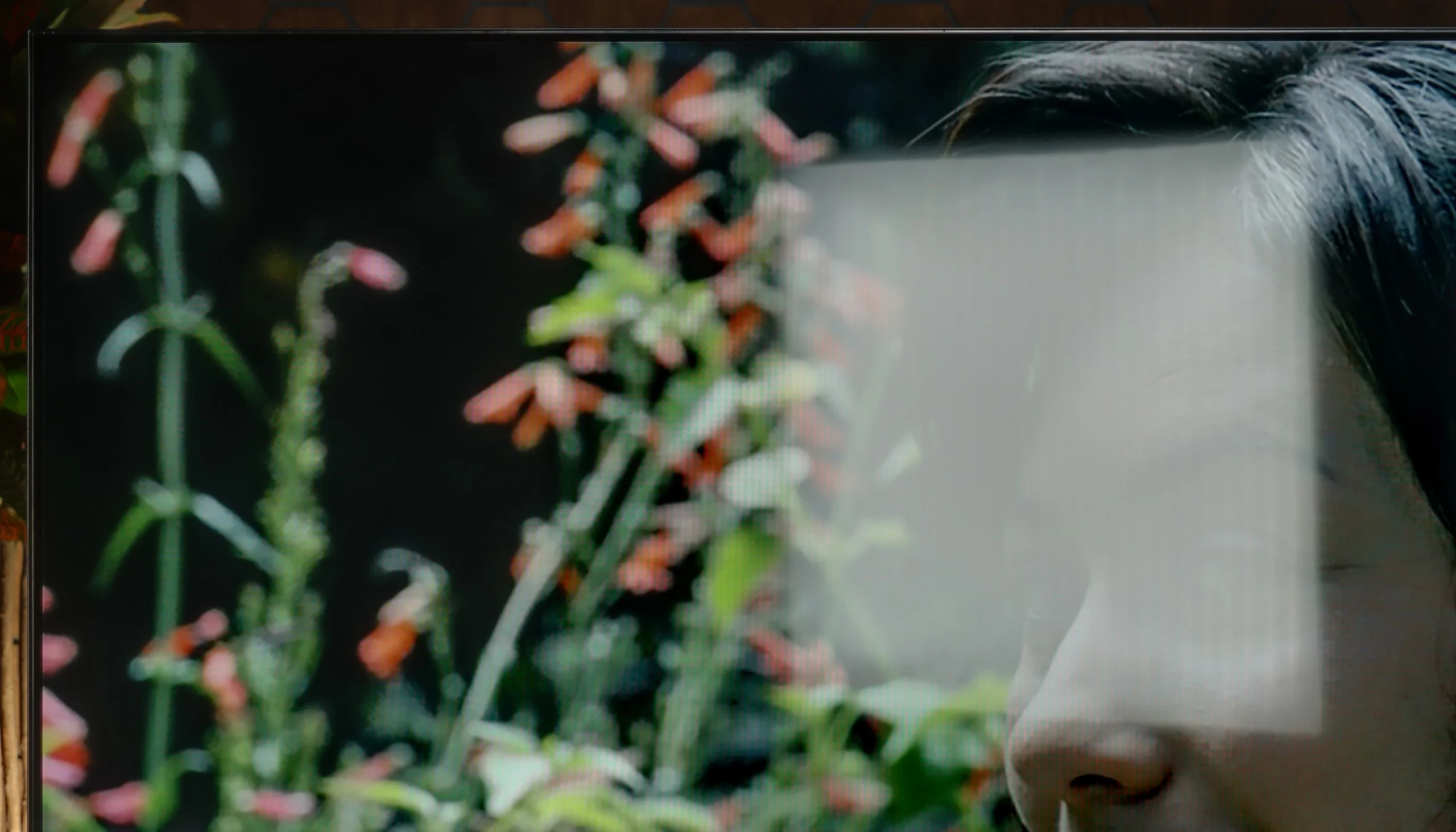
Panel brightness
Sony BRAVIA 2 II (S25M2): 319 cd/m2
Samsung QN80F: 543 cd/m2
The QN80F is truly a bright television. The average brightness in SDR content is around 550 nits, regardless of the scene, which in practice means that you can comfortably watch content even in a well-lit room – and you don’t have to close the blinds every time you turn on a film. The new satin coating on the panel also deserves praise, as it performs significantly better at reducing reflections compared to last year’s QN80D. Glare is less bothersome, and the screen maintains readability in various lighting conditions. It’s hard to find fault here – the QN80F performs simply excellently during the day.
By day the Bravia 2 II is rather average. Brightness of around 320 nits doesn't leave much headroom, but in a typical, moderately bright living room it's still enough to keep the picture readable. The matt screen coating does a decent job of limiting reflections, though it can't eliminate them completely. With strong light falling directly on the screen there's simply not enough brightness to effectively punch through the reflections. So it'll be fine for ordinary daytime viewing, but in a very bright room with lots of windows you may already notice the limitations of this model.
Panel details
Subpixel Structure:
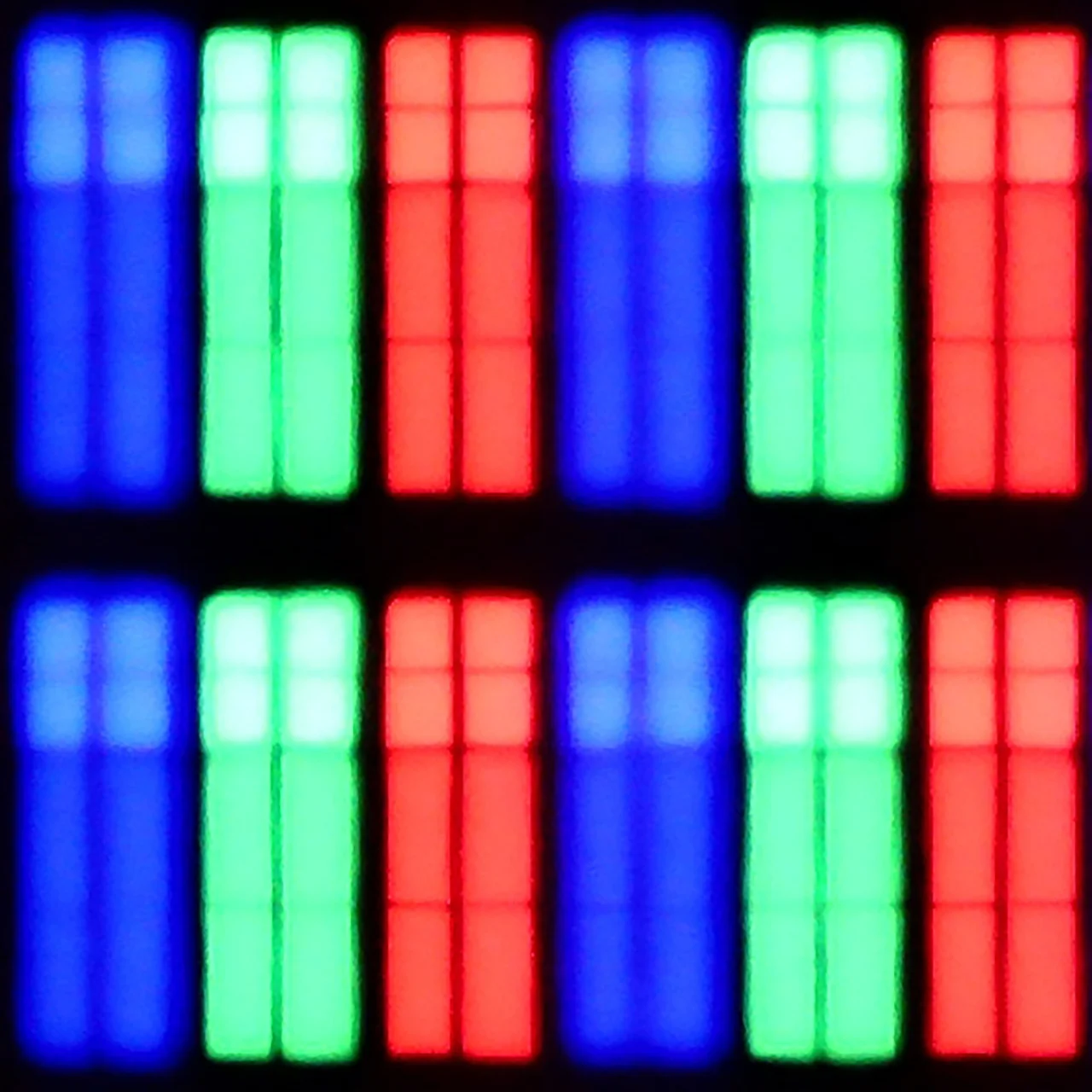
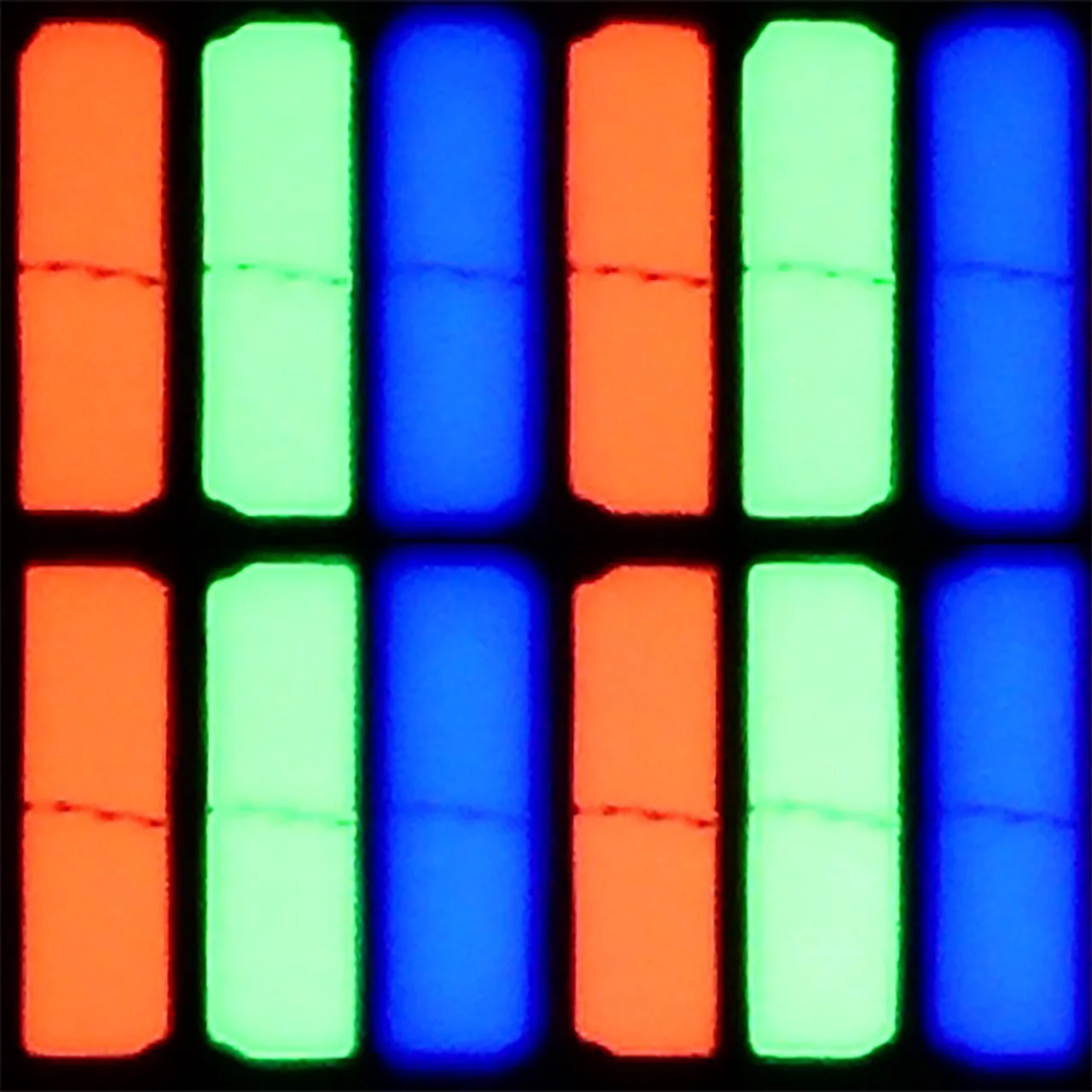
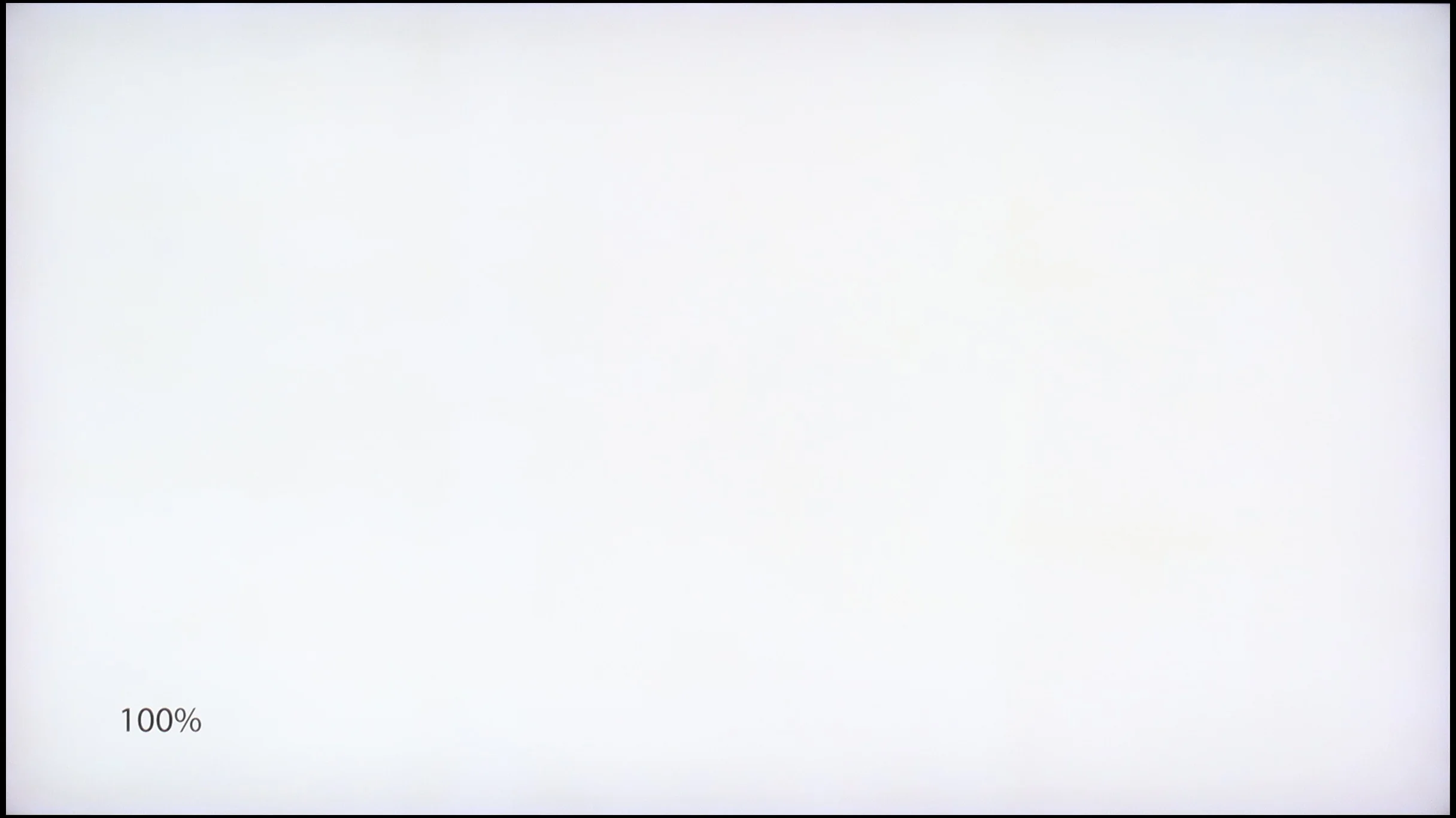
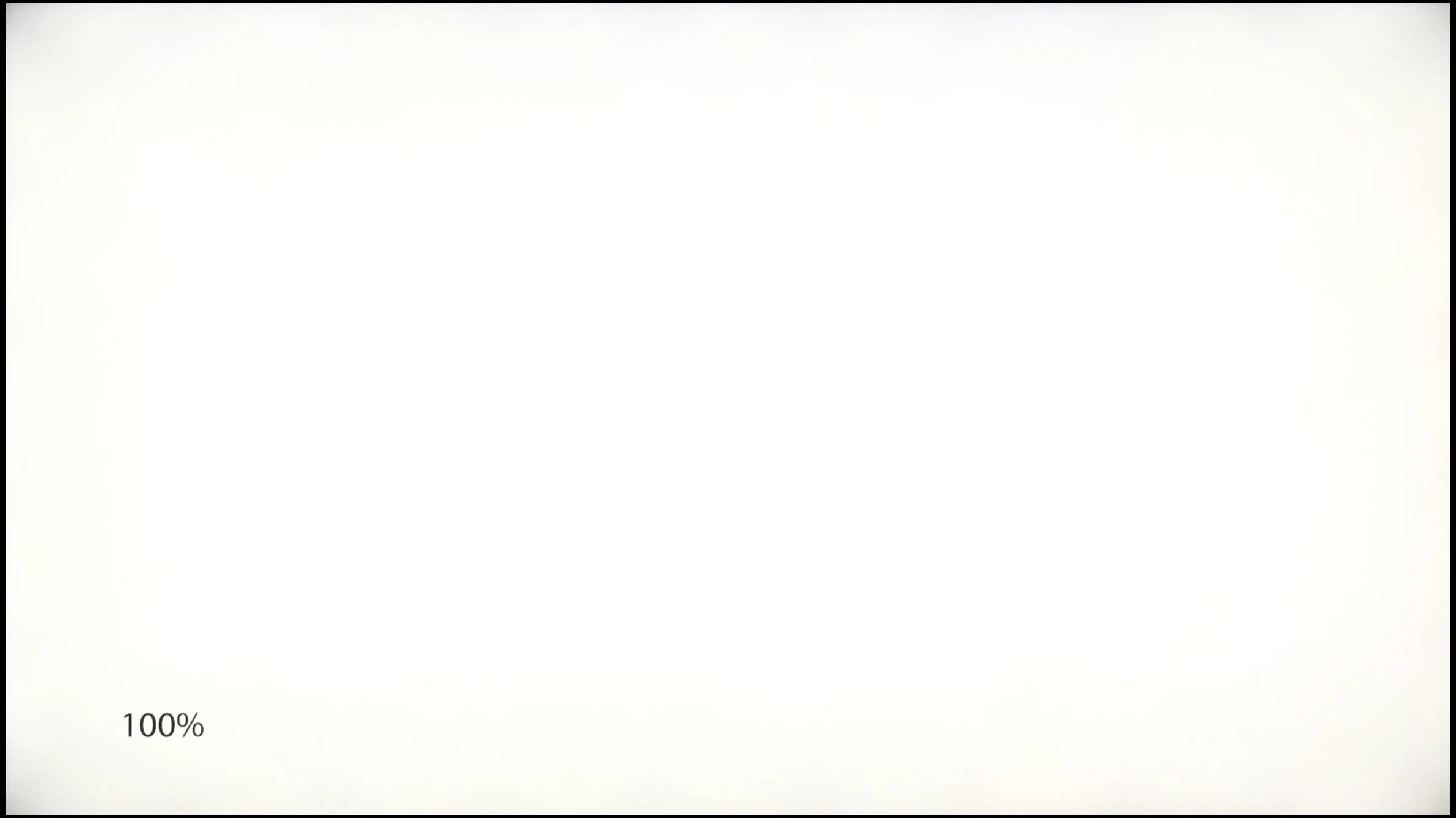
Panel uniformity and thermal imaging:
Samsung QN80F
Sony BRAVIA 2 II (S25M2)
TV features
7.7/10
6.6/10
- SystemTizenGoogle TV
- System performanceVery goodDecent
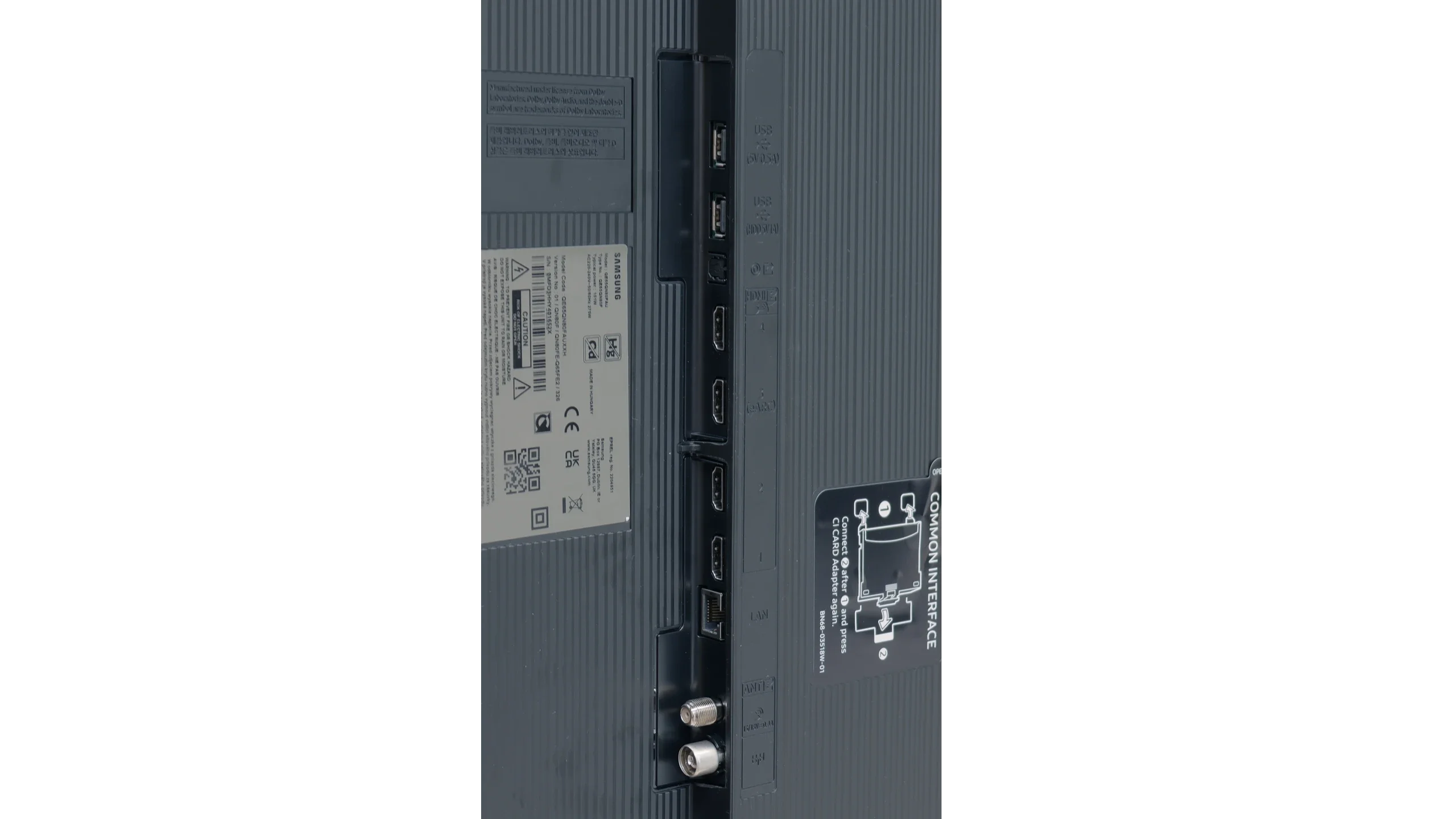
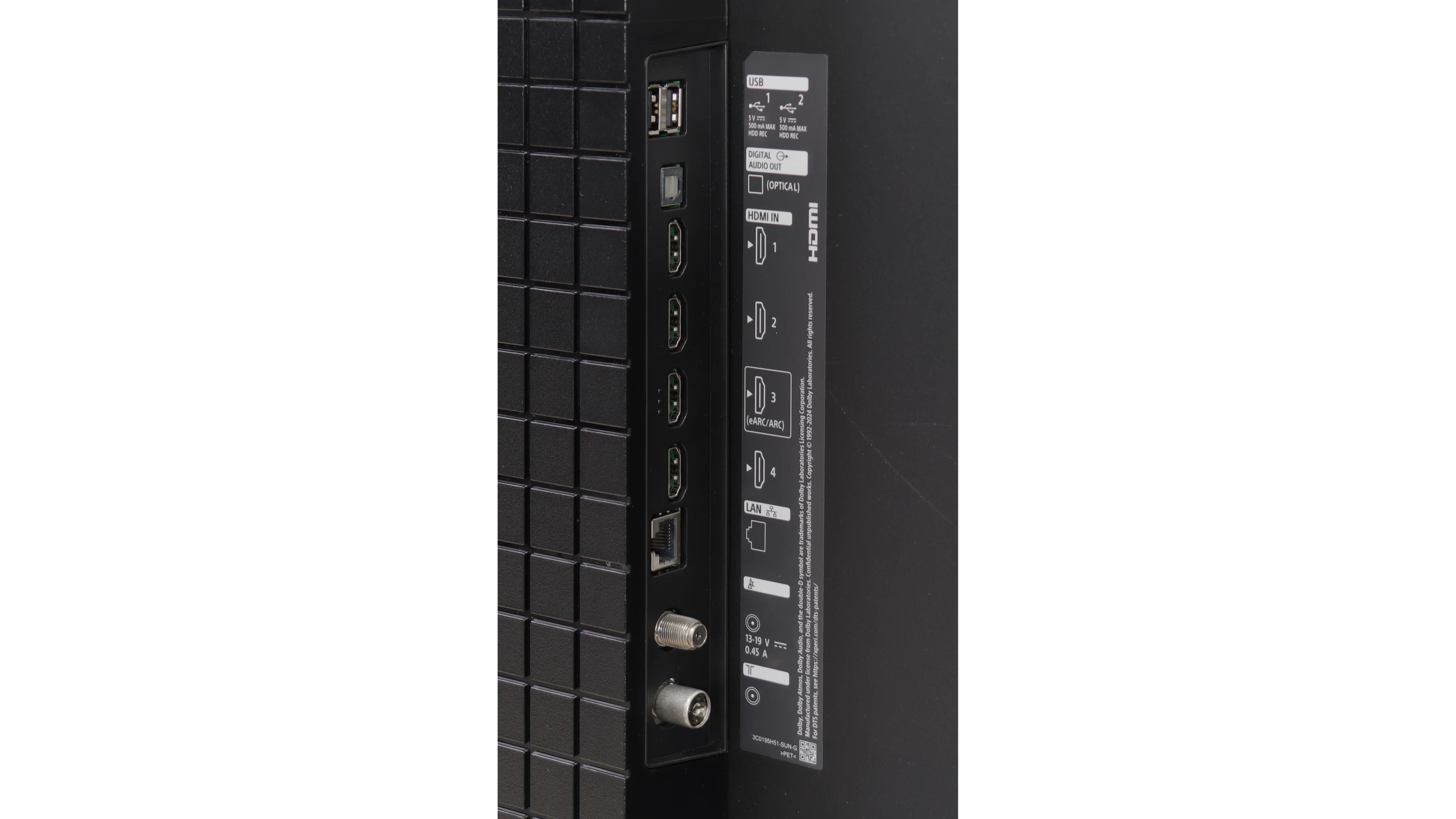
- HDMI inputs0 x HDMI 2.0, 4 x HDMI 2.1 48Gbps4 x HDMI 2.0, 0 x HDMI 2.1
- OutputsToslink (Optical audio), eARC (HDMI), ARC (HDMI)Toslink (Optical audio), eARC (HDMI), ARC (HDMI)
- Network InterfacesWi-Fi 2.4GHz, Wi-Fi 5GHz, Ethernet (LAN) 100MbpsWi-Fi 2.4GHz, Wi-Fi 5GHz, Ethernet (LAN) 100Mbps
- TV receptionDVB-T, DVB-T2, DVB-S, DVB-S2, DVB-CDVB-T, DVB-T2, DVB-S, DVB-S2, DVB-C
Classic features:
- Recording to USB (terrestrial TV)
- Recording programming
- Picture in Picture (PiP)
- RF remote control (no need to aim)
- Backlit remote control
- Teletext
- Audio only mode
- Bluetooth headphones support
- Simultaneous Bluetooth headphones & TV audio
Smart features:
- AirPlay
- Screen mirroring (Windows Miracast)
- Voice search
- Voice search in native language
- Ability to connect a keyboard and mouse
Sound connection options
- HDMI audioeARC (HDMI), ARC (HDMI)eARC (HDMI), ARC (HDMI)
- Other audio outputsToslink (Optical audio)Toslink (Optical audio)
- Wireless audioBluetooth, Samsung Q-Symphony (Speaker extension)Bluetooth, Samsung Q-Symphony (Speaker extension)
Supported audio formats (external HDMI eARC audio):
- Dolby Digital Plus 7.1
- Dolby True HD 7.1
- Dolby Atmos in Dolby Digital Plus (JOC)
- Dolby Atmos in Dolby True HD
- DTS:X in DTS-HD MA
- DTS-HD Master Audio
Senior accessibility
- Numeric keyboard on TV
- Font size adjustment
- Audio description
SmartTV QN80F: Tizen
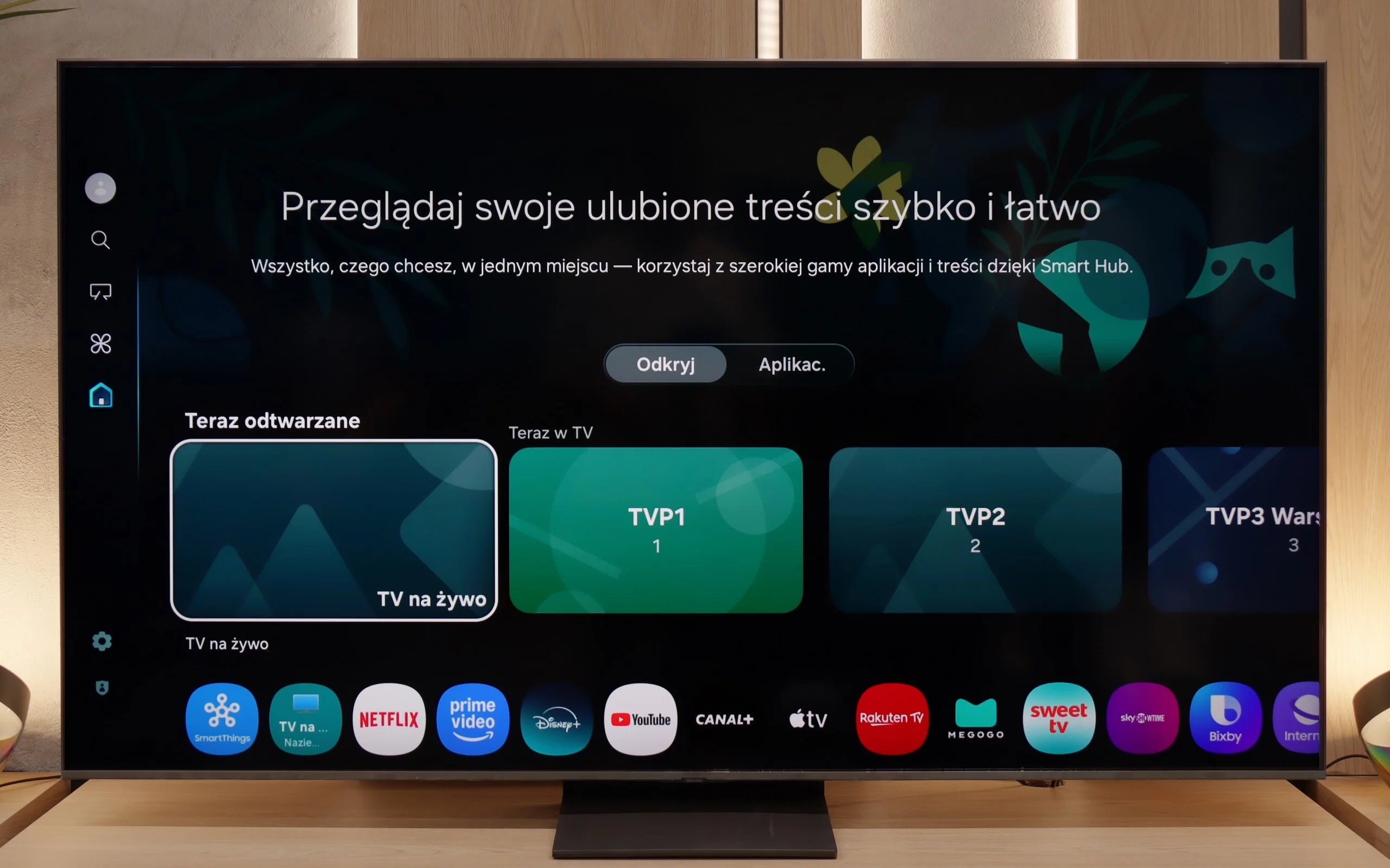
In terms of smart features, the QN80F has nothing to be ashamed of. On the contrary – Tizen is one of the richest operating systems when it comes to functionality. We have voice search, support for AirPlay, Miracast, and all the major streaming platforms at our fingertips. But Samsung's true advantage reveals itself in the smart home – SmartThings. Here you can not only synchronise light bulbs and vacuum robots but also integrate devices from other manufacturers, thanks to support for the Matter standard. And suddenly it turns out that the QN80F can serve as a home command centre. There is just one "but" – Tizen is a closed system, so we may not find a few lesser-known applications. Although in practice it has everything that 99% of users need.
Classic TV features:
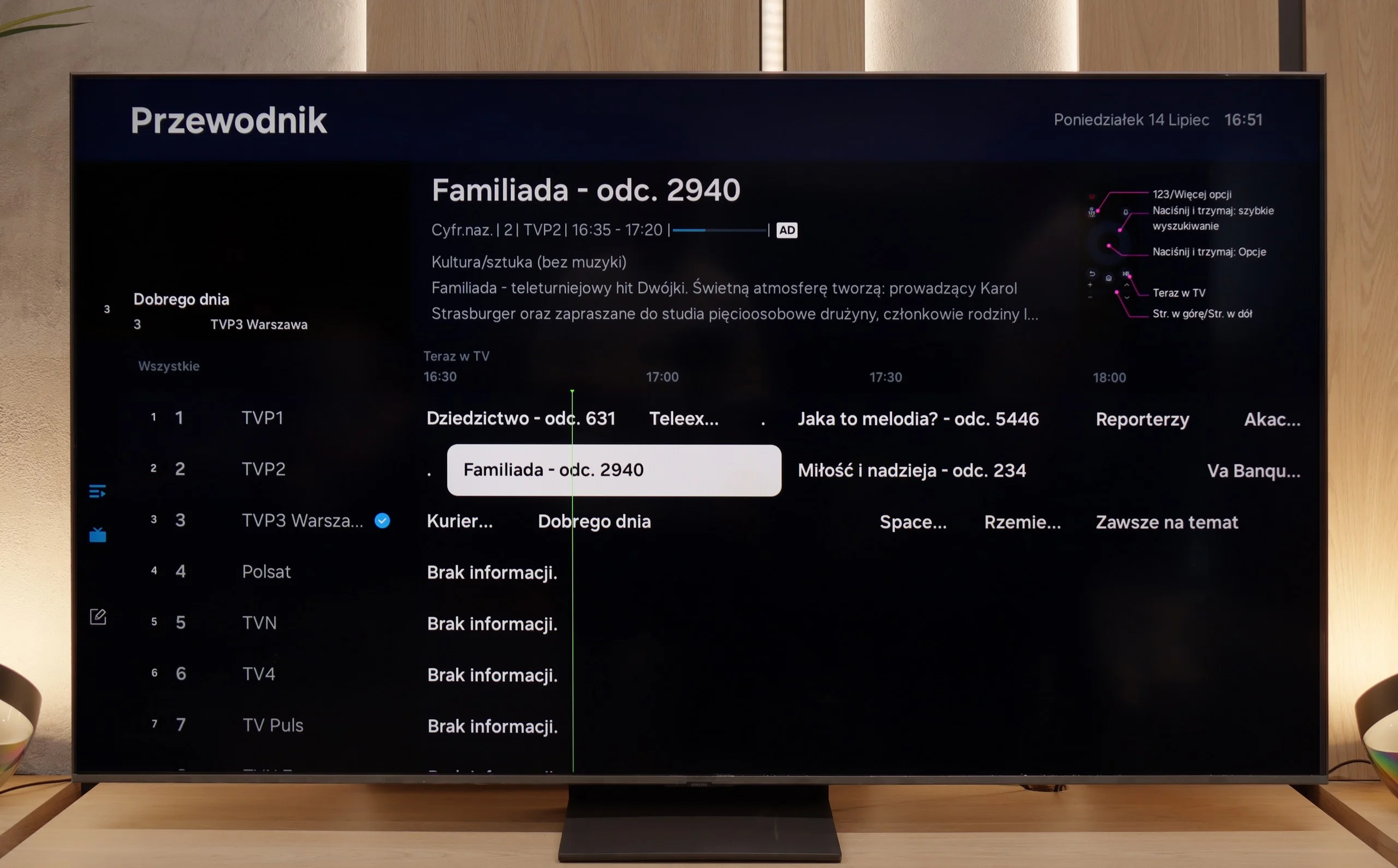
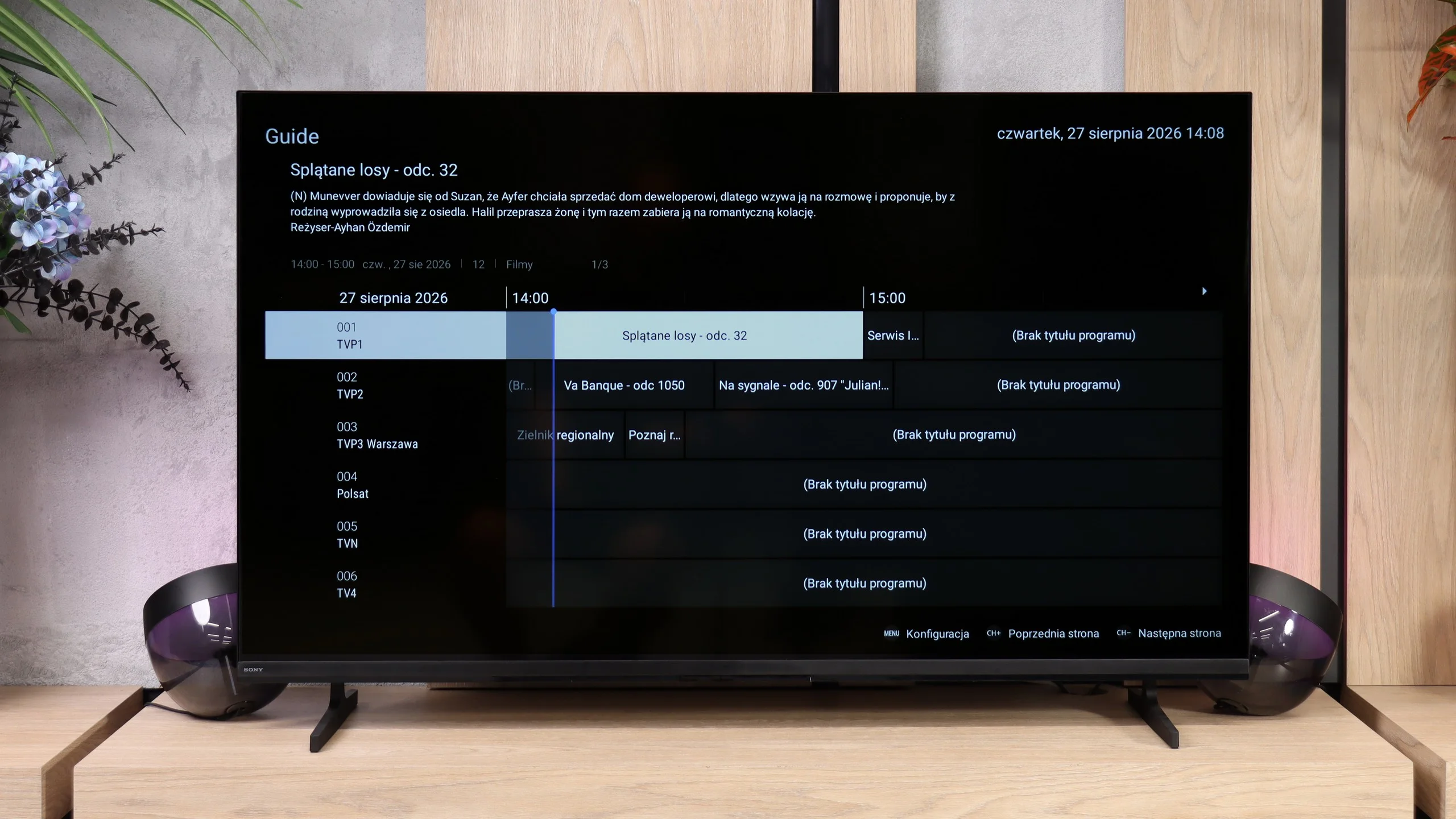
When it comes to classic features, it is just as good – well, almost. The QN80F supports picture-in-picture, which is a rarely seen but still useful PiP function. We can easily find the EPG, good old teletext (yes, it works!), and the ability to connect external devices via Bluetooth – whether it's headphones or a soundbar. Unfortunately, there is a lack of the option to record to USB from the built-in tuners. This is a minor setback, especially since the competition at a similar price increasingly offers this feature. It may not be a must-have function, but since everything else works so well, it's a pity that this feature is missing a dot over the i.
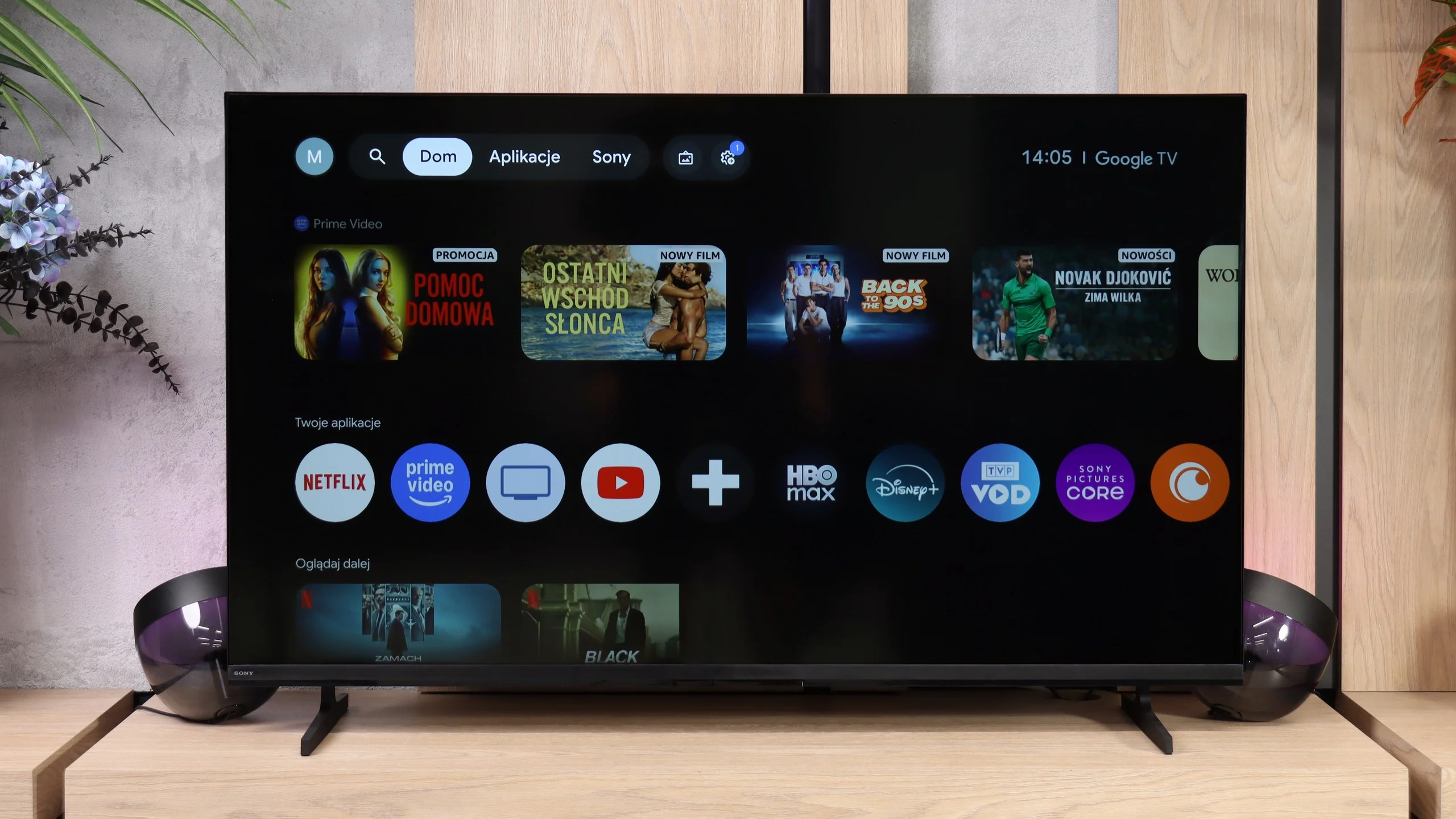
Google TV
Bravia 2 II runs on Google TV, which is definitely one of this model's stronger points. First and foremost we get a huge selection of apps, so there’s no problem accessing popular streaming services. There’s also Chromecast and AirPlay, which make it easy to cast content from your phone or other devices. Voice search with Google Assistant/Gemini also works very well, including in Polish. The system itself is not, admittedly, one of the fastest versions of Google TV we’ve tried, and sometimes you have to wait a moment for a response, but overall it performs decently. In terms of capabilities there’s little to complain about, especially for one of Sony’s cheapest TVs.
TV features
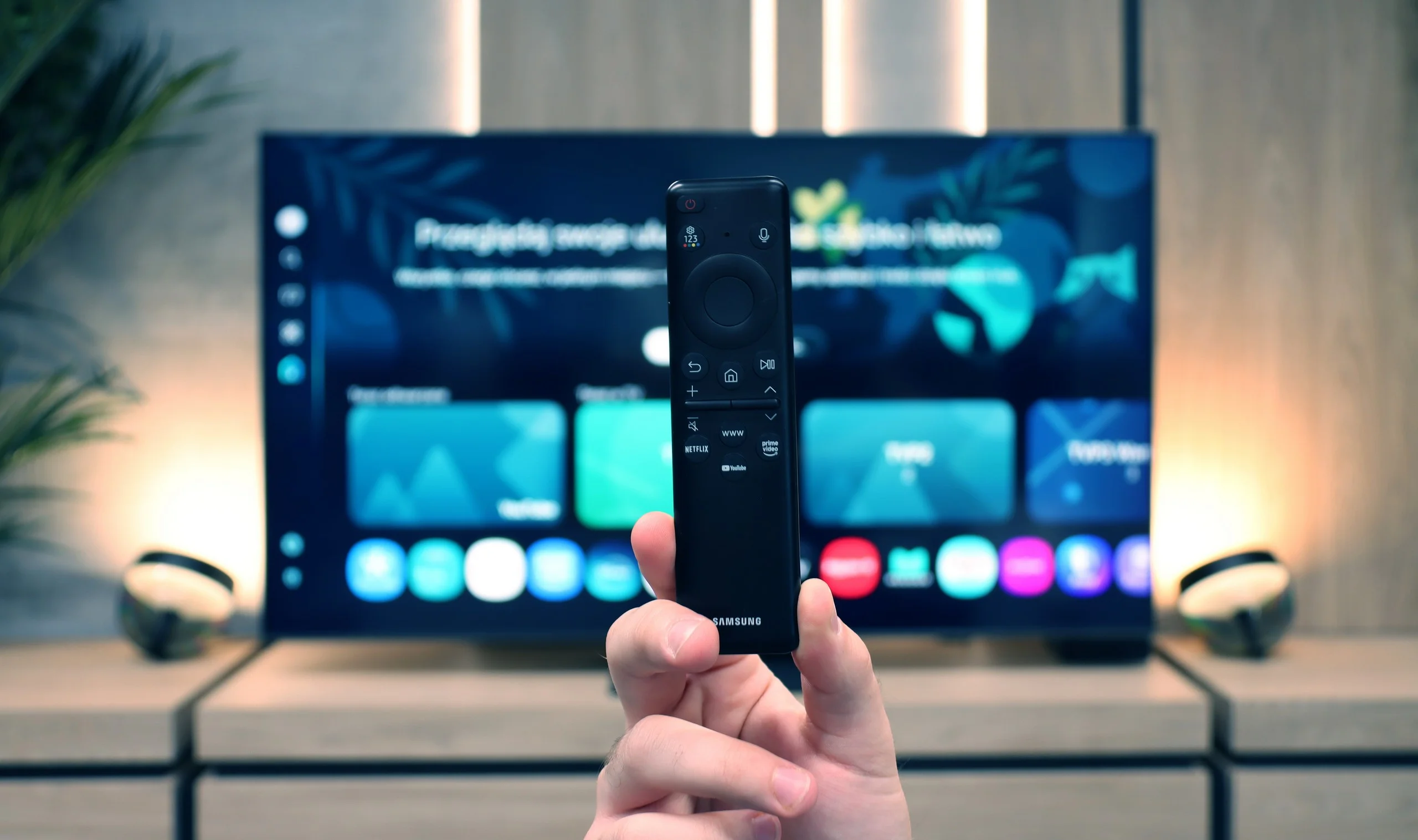
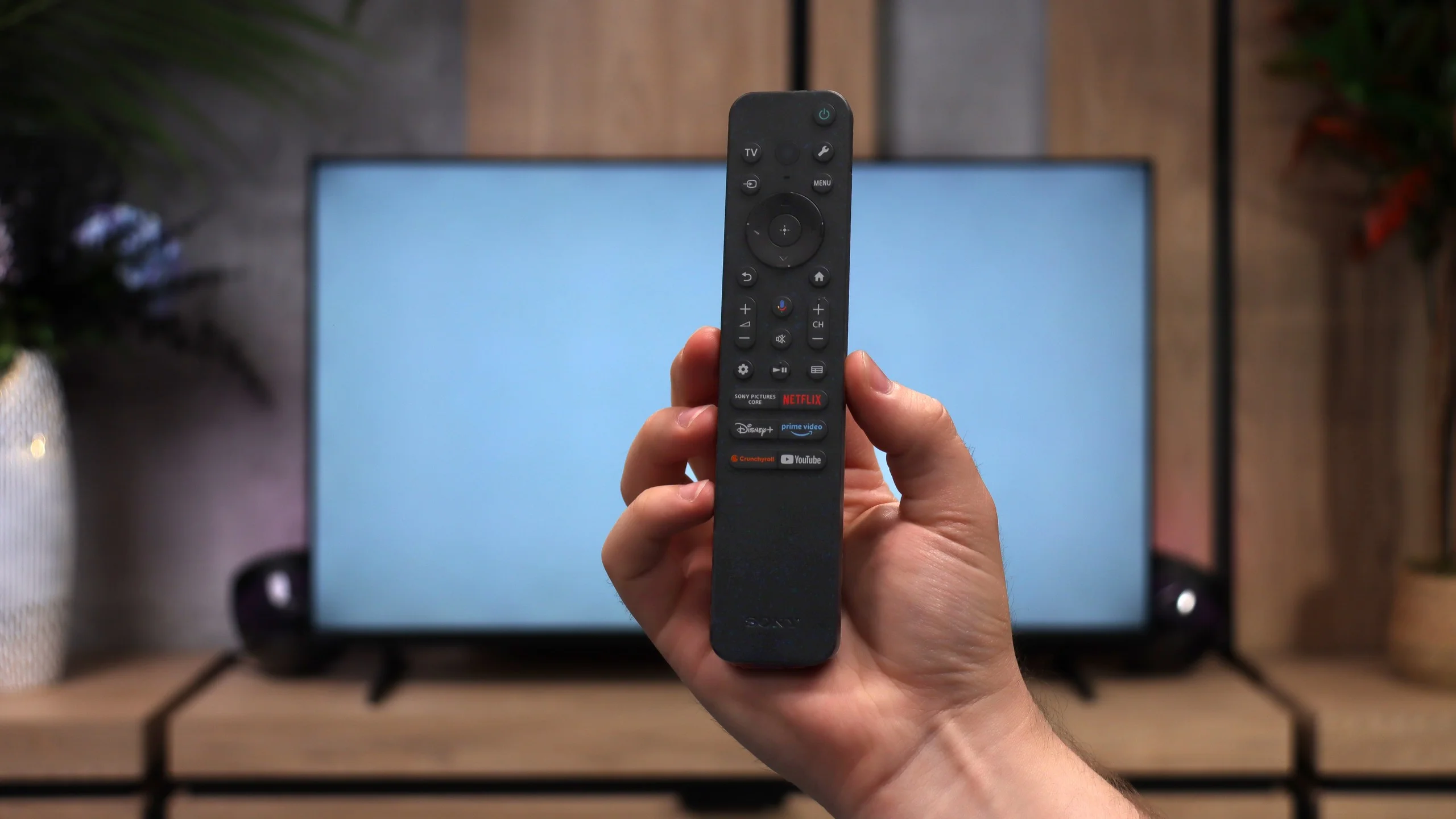
When it comes to conventional TV features, the Bravia 2 II is rather modest. You won't find, for example, USB programme recording or other more advanced extras here, so in that respect it's fairly basic. On the plus side, it does come with two remotes. One is a modern, simpler remote intended mainly for operating the Smart TV, and the other is a classic remote with more buttons, which may be more comfortable for people who frequently use traditional television. The smaller one operates via radio, so you don't have to point it directly at the screen, which is simply convenient in everyday use.
Apps
9.3/10
9.6/10






















Playing files from USB
9/10
9.4/10
Supported photo formats:
Maximum photo resolution:
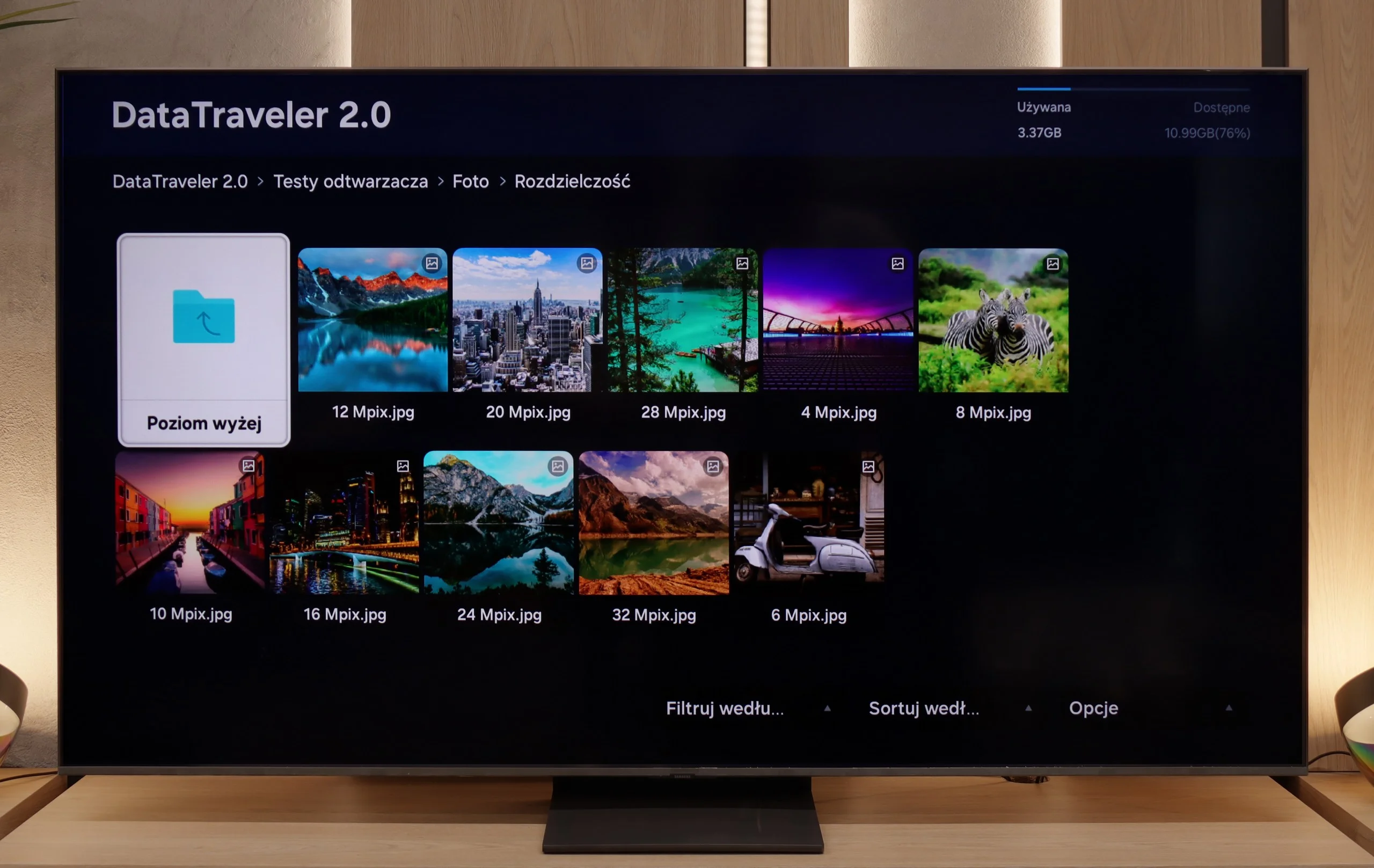
The built-in media player in the QN80F handles most popular video formats – from classic MP4 to slightly more demanding containers. It may not be a powerhouse like VLC, but it's perfectly adequate for home use. The situation is less impressive with photographs – here, unfortunately, it's rather modest. Support is mainly limited to the JPG format, but hey, at least that's the most important one 👌. During our tests, there was also a slight issue with subtitles. The QN80F could only handle the simple text format .txt – other, more advanced formats (like .srt or .sub) were unfortunately not recognised.
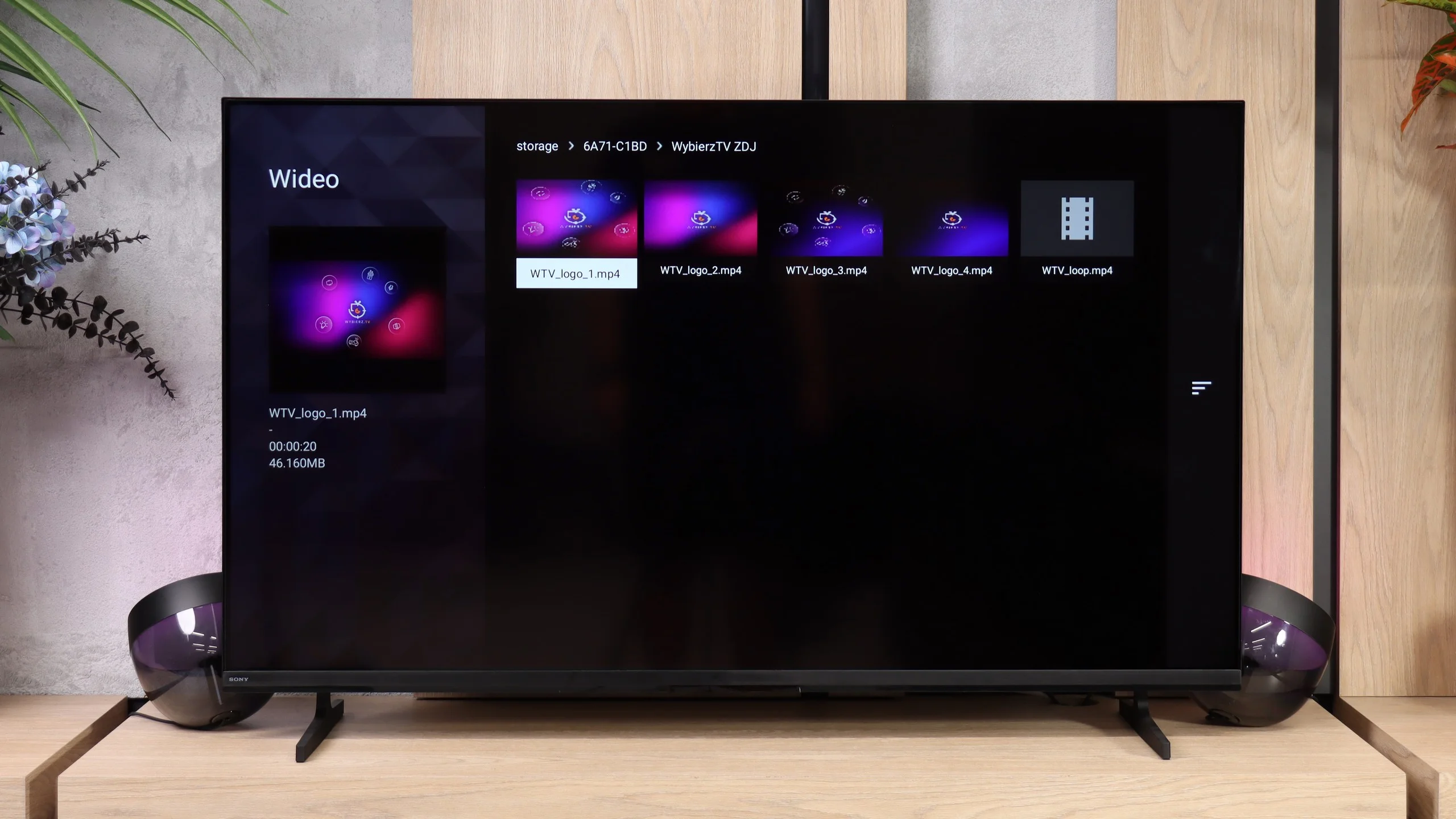
The built-in file player performs very well. The Bravia 2 II opens almost anything you throw at it, from common video files and subtitles to photos and music. Importantly, it also has no trouble with more demanding 4K material encoded in HEVC or AV1. Of course, there are a few isolated formats the TV does not support, such as VVC or some less common audio and image files. These are mostly things few people will try to play directly on the TV.
Sound
6.7/10
6.1/10
- Maximum volume87dB92dB
- Dolby Digital Plus 7.1
- Dolby True HD 7.1
- Dolby Atmos in Dolby Digital Plus (JOC)
- Dolby Atmos in Dolby True HD
- DTS:X in DTS-HD MA
- DTS-HD Master Audio
For a television of this class, the QN80F sounds surprisingly good. It supports the Dolby Atmos format, which is worth noting, as this is still not a given in many models in this range. Unlike the thinner QN70F, here you can even feel a slight bass – all thanks to the thicker casing, which simply provides more space for the sound to "breathe." It's perfectly adequate for everyday viewing and series, and with the right settings, one can even be tempted to listen to music without the need for external equipment. However – as is often the case with Samsung, there is unfortunately a lack of support for the DTS:X format, so if we are using audio devices that support this format, we will first need to connect them to the amplifier and only then to the television.
The sound on the Bravia 2 II is simply adequate for an entry-level TV. It’s perfectly fine for watching regular television, such as the news, but as is common with this kind of design it mainly lacks bass. That becomes apparent quite quickly with music and even more so in action films, where explosions and other heavy effects lack weight. Sony does deserve praise for its support of audio formats. When you connect a soundbar or a home cinema system the TV will pass the main formats via eARC without issue, including Dolby Atmos, Dolby TrueHD, DTS-HD Master Audio and DTS:X. It’s particularly pleasing to see DTS included, which you cannot always take for granted on competitors’ TVs, even the most expensive models.
Sound Quality Test
Acoustic Measurements
87dBC (Max)
75dBC
92dBC (Max)
75dBC
Reader comments
Comments are provided by the external service Disqus (Zeta Global). Once loaded, Disqus may set cookies and process data about your activity.
We will remember your choice on this device. Provider's privacy policy