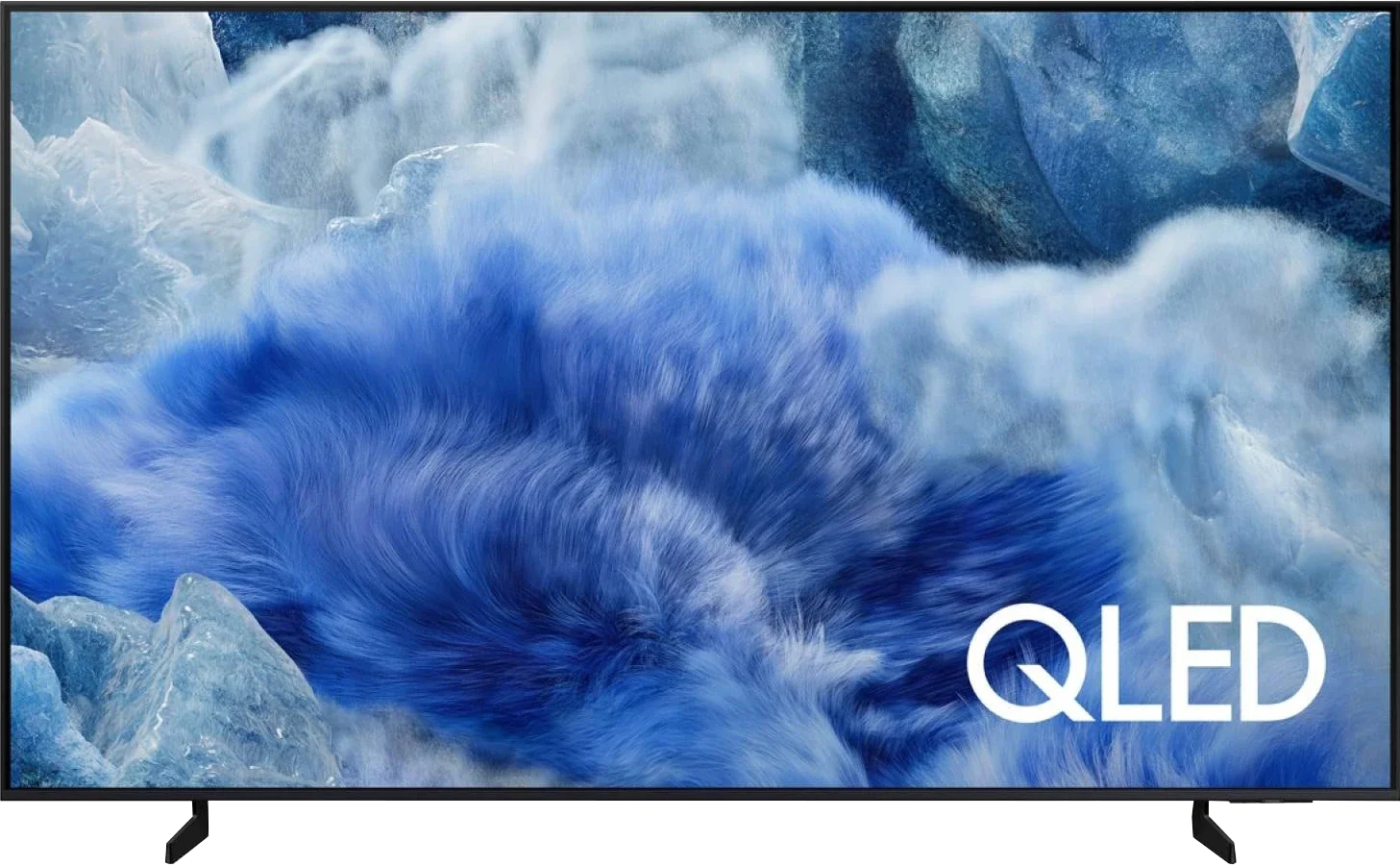
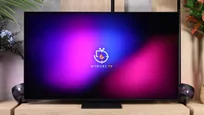
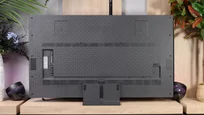
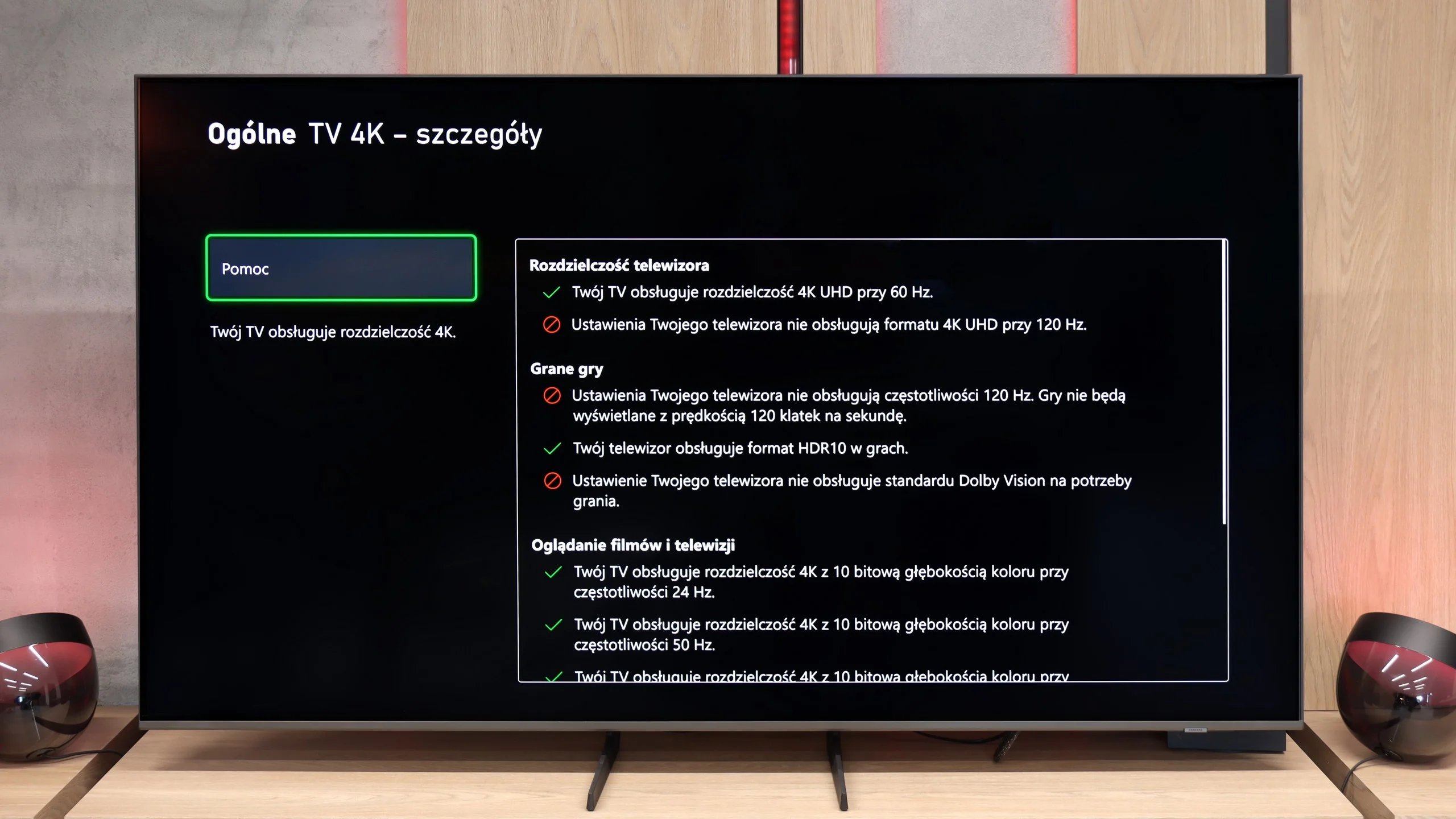
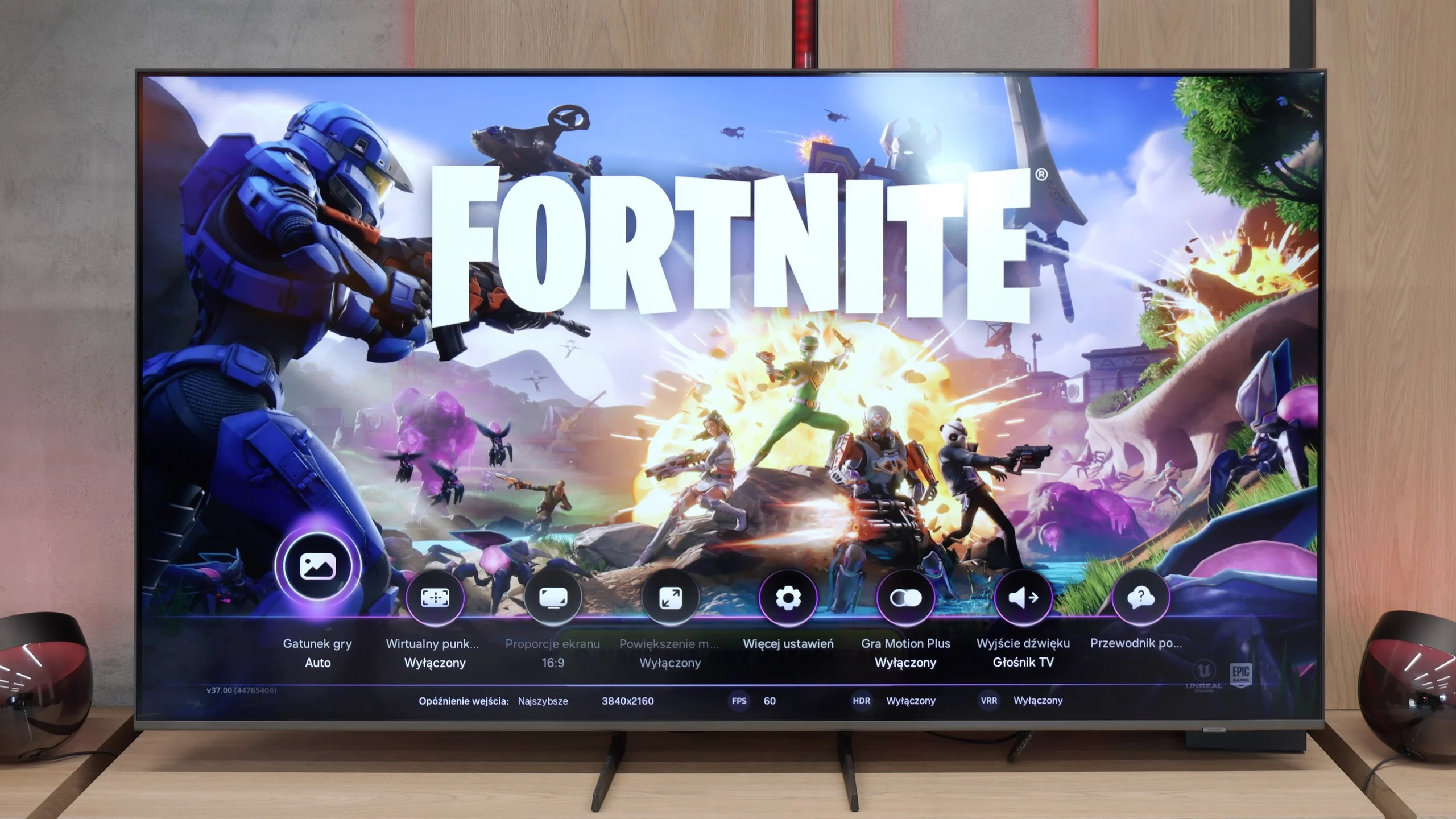
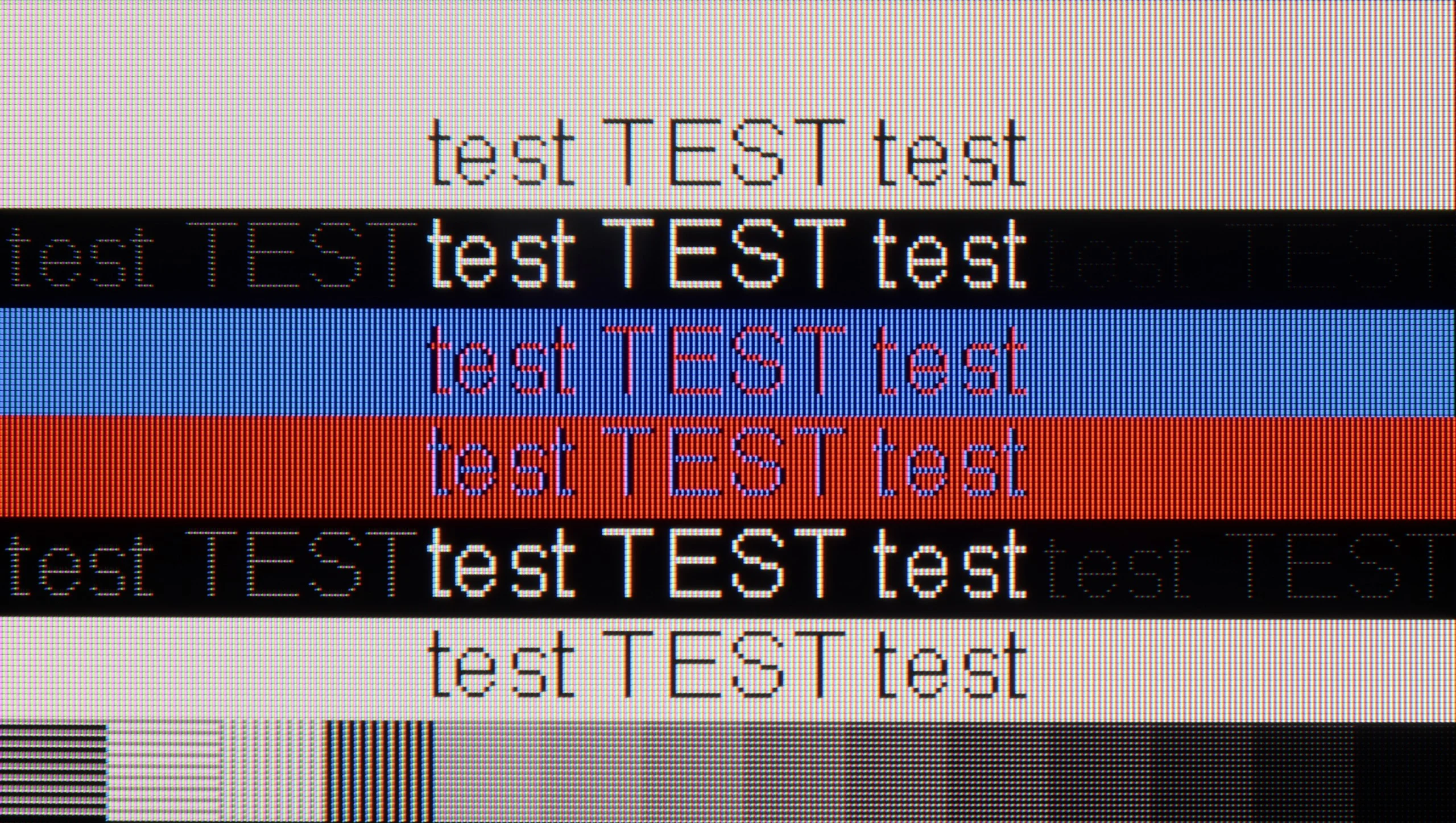
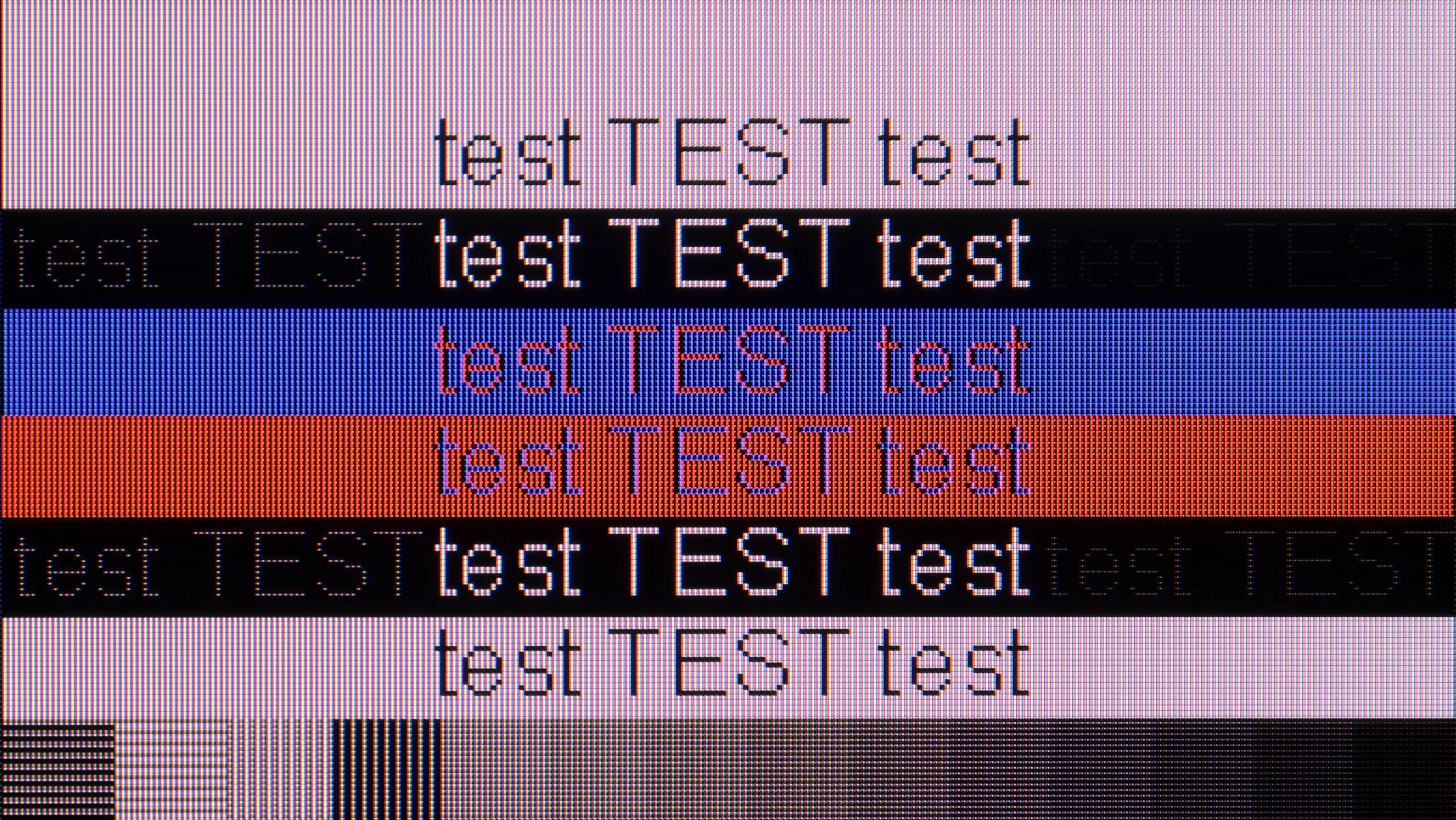
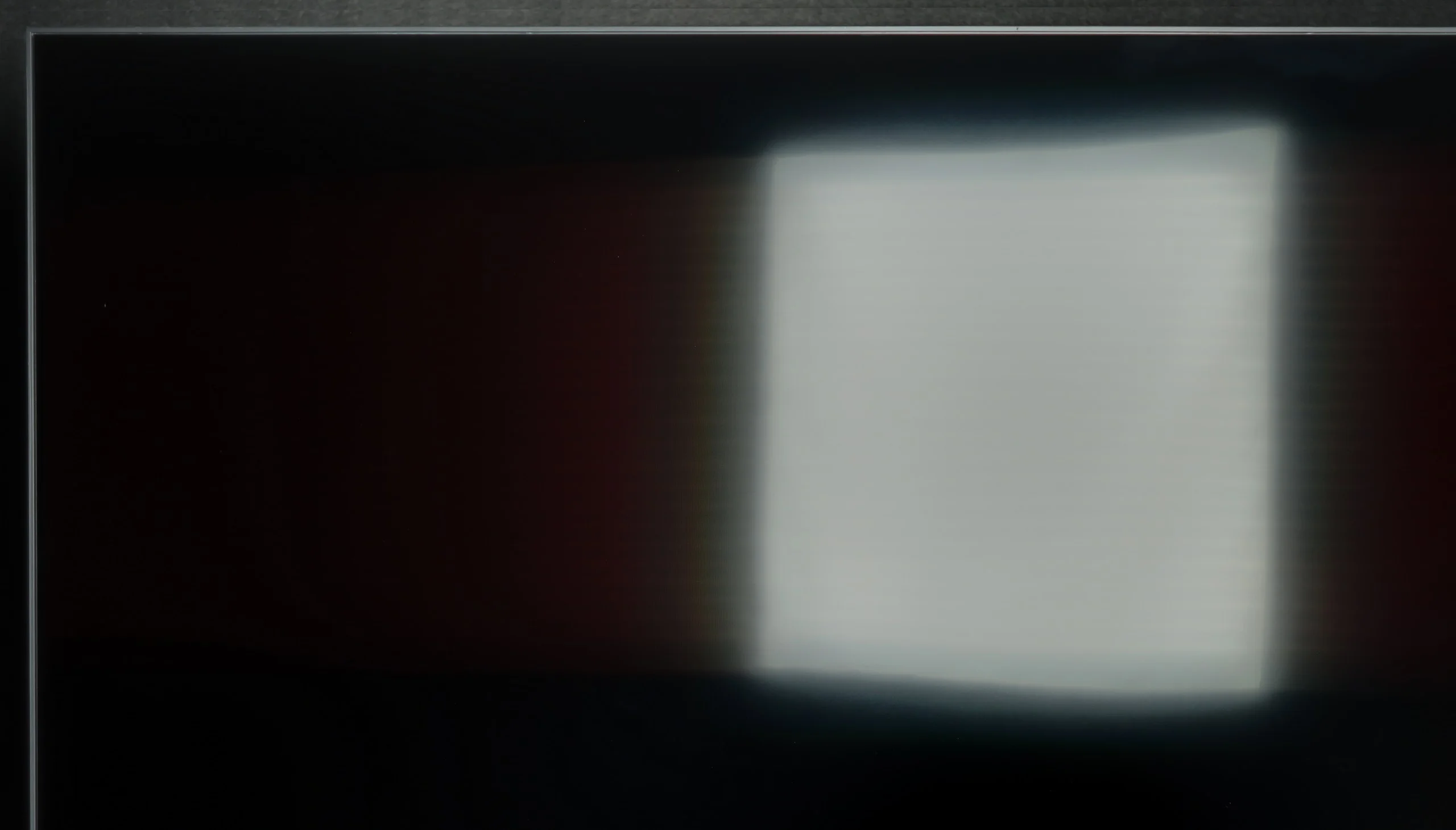
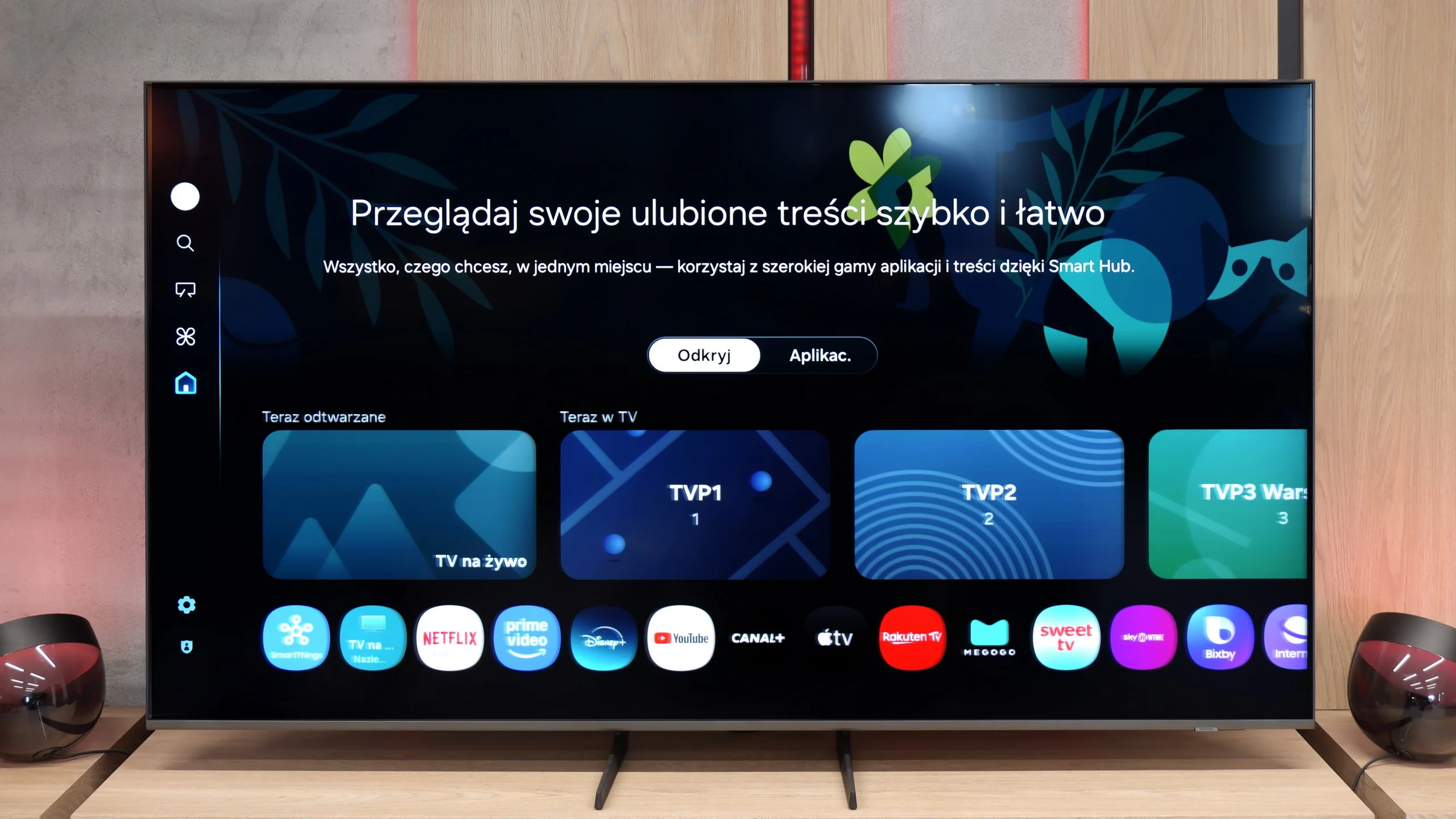
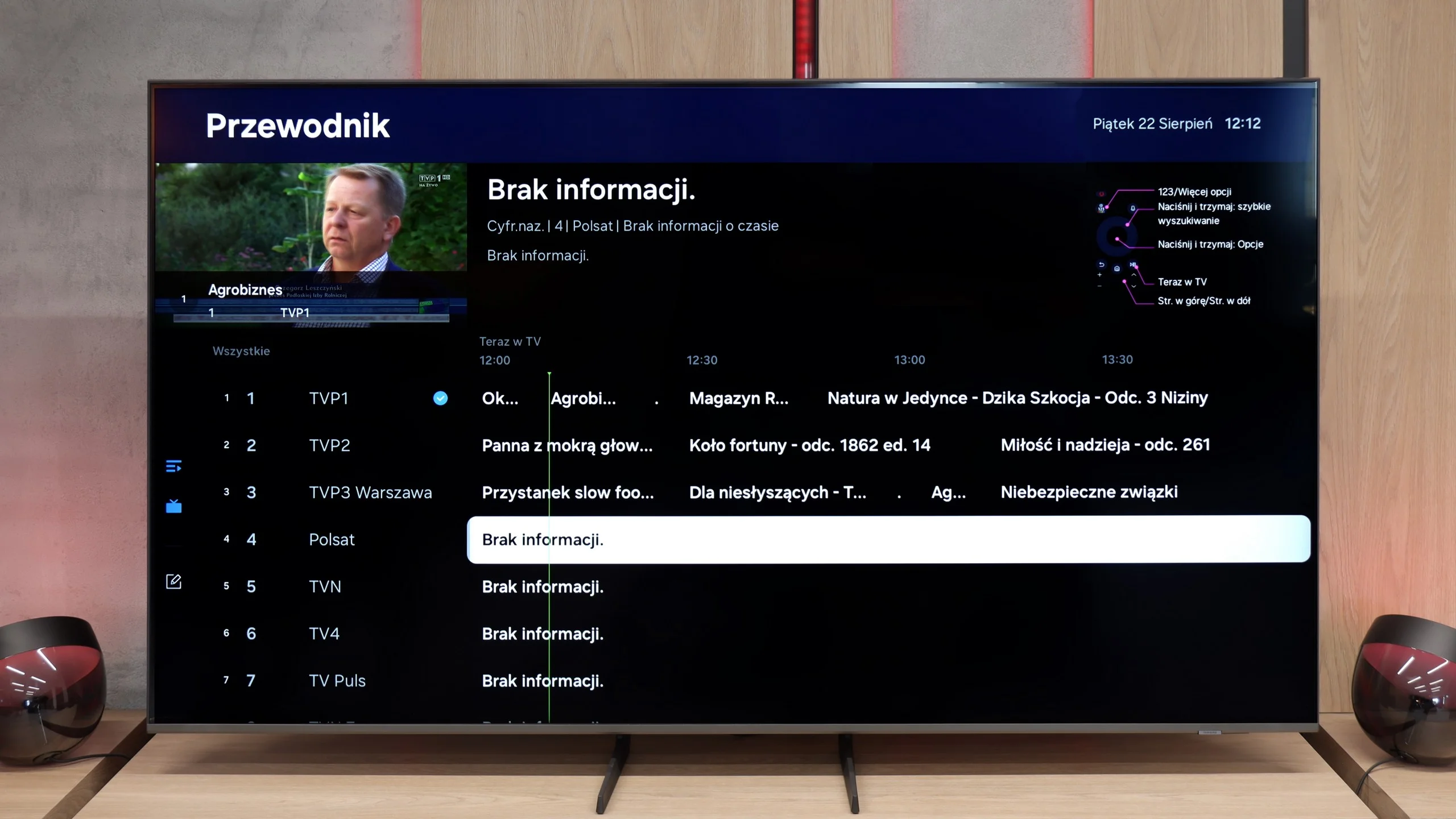
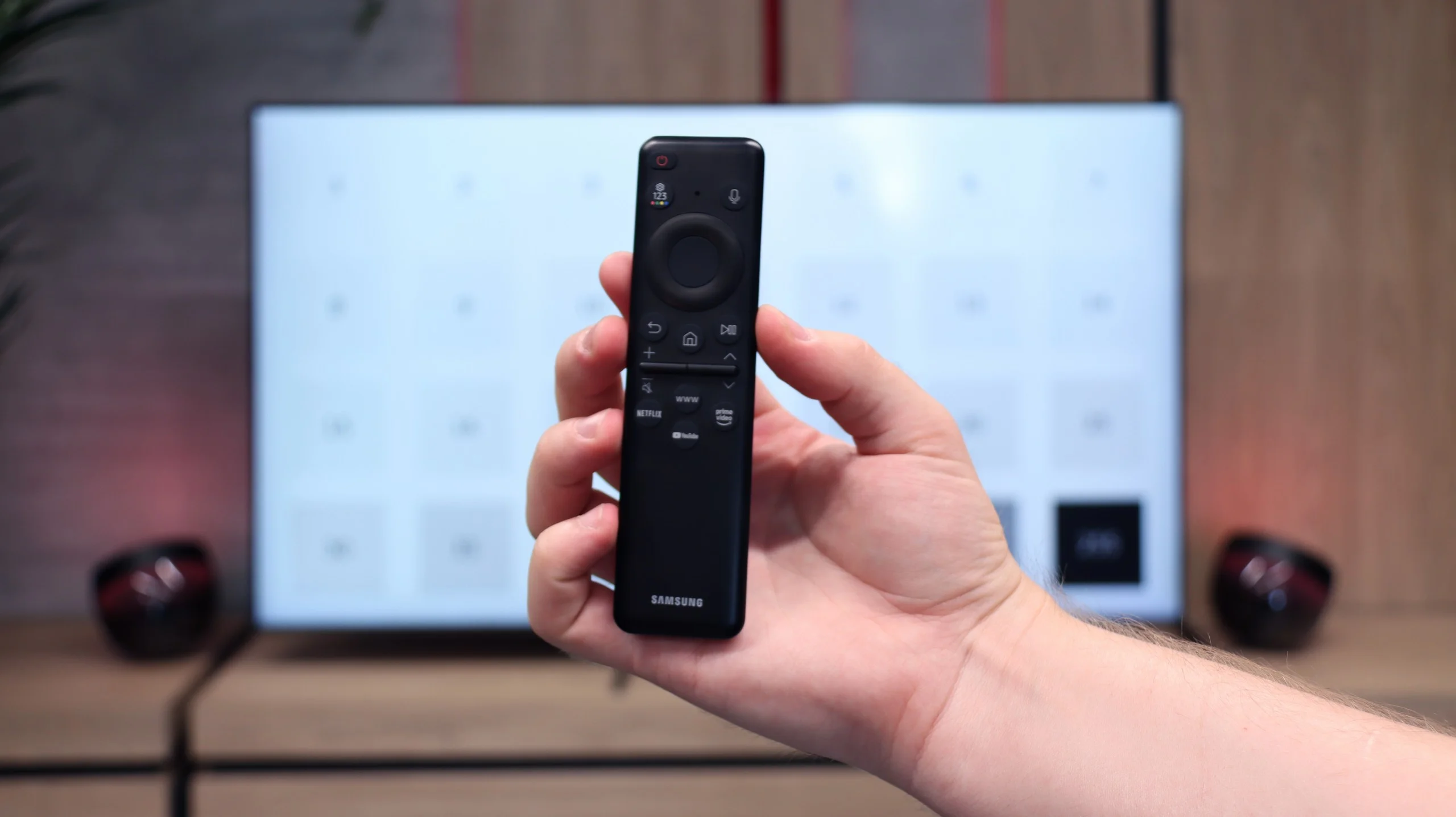
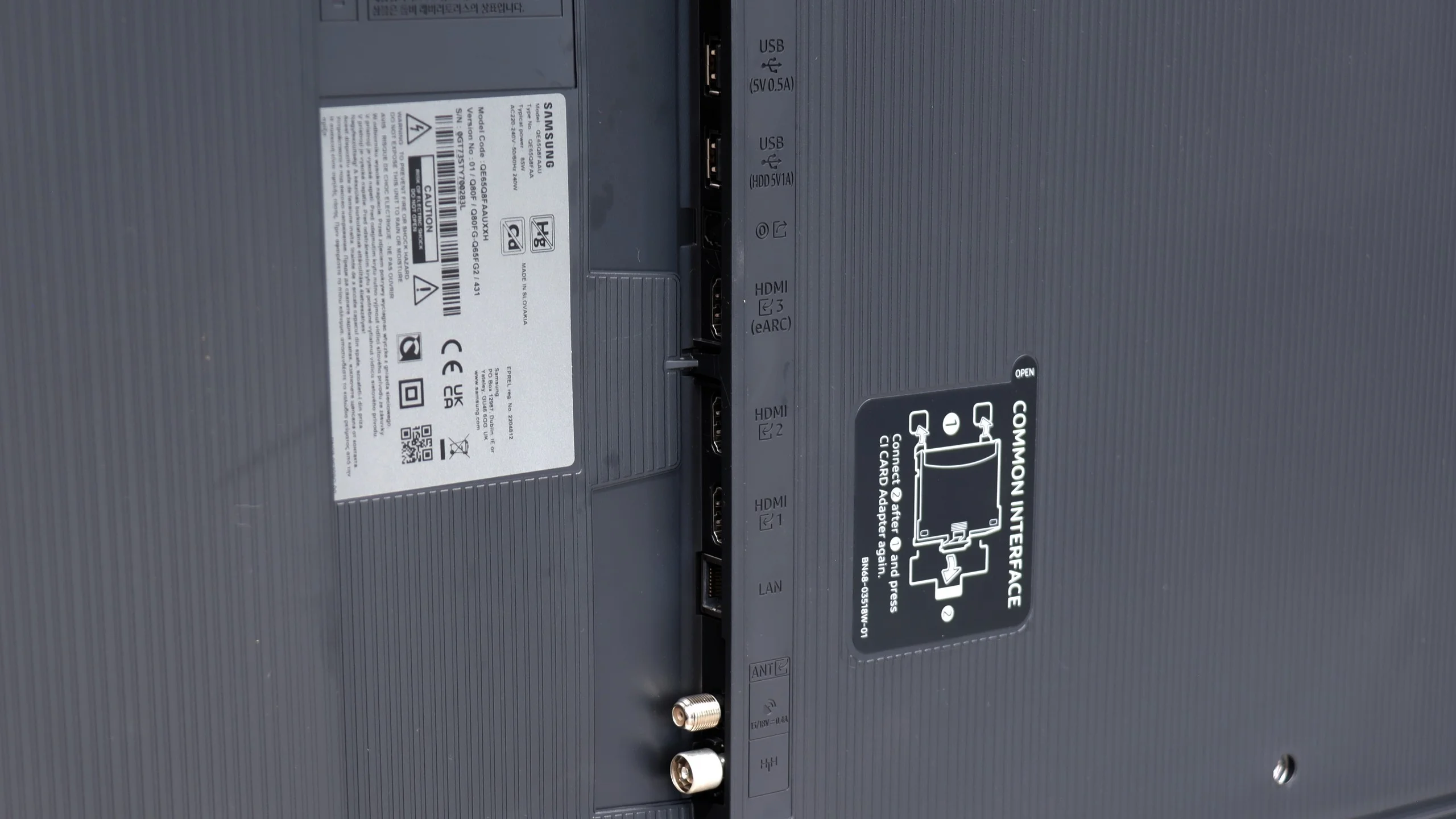
Samsung Q8F is quite a successful continuation of the Q67D model. It offers similar image quality in HDR content, and with a brightness of around 500 nits, it can create an effect that is hard to call average. The support for the HDR10+ format also helps, as it has been realistically competing with Dolby Vision for some time and delivers comparable experiences in many productions. The contrast is another positive aspect – for a VA panel, it performs solidly and allows for enjoyable blacks in films and series. However, the greatest advantage of the Q8F remains the operating system. Tizen operates quickly, provides access to many applications, and works well with the SmartThings ecosystem, allowing the television to easily integrate into a larger network of home devices. Interestingly, the Q8F also has a niche application – thanks to its very good font readability, it performs excellently as a screen for working with text. Additionally, there is an adjustable stand that allows the television to be set on practically any desk or narrower TV cabinet. The biggest drawback, in our opinion, is not the image quality itself – as it is difficult to expect miracles in this price range – but rather what has happened to the gaming features. Options such as VRR and HGiG have disappeared with updates, which were available even in simpler constructions in previous generations. Indeed! The manufacturer even boasts about the availability of these features in its catalogue. This makes it difficult to recommend the Q8F to anyone today who plans to connect a console and expects full support for new technologies. Thus, the Q8F is a television that can be appealing – primarily for its design, above-average image quality, and efficient Tizen system. But at the same time, one can see a step backward compared to its predecessor. Let us hope that Samsung will manage to quickly rectify these shortcomings, as otherwise even such a successful 'everyday' television may leave some users with a sense of dissatisfaction.
[UPDATE] We have updated our 2025 Samsung TV reviews following the release of firmware version 1131, which officially restores the essential HGiG (HDR Gaming Interest Group) support.
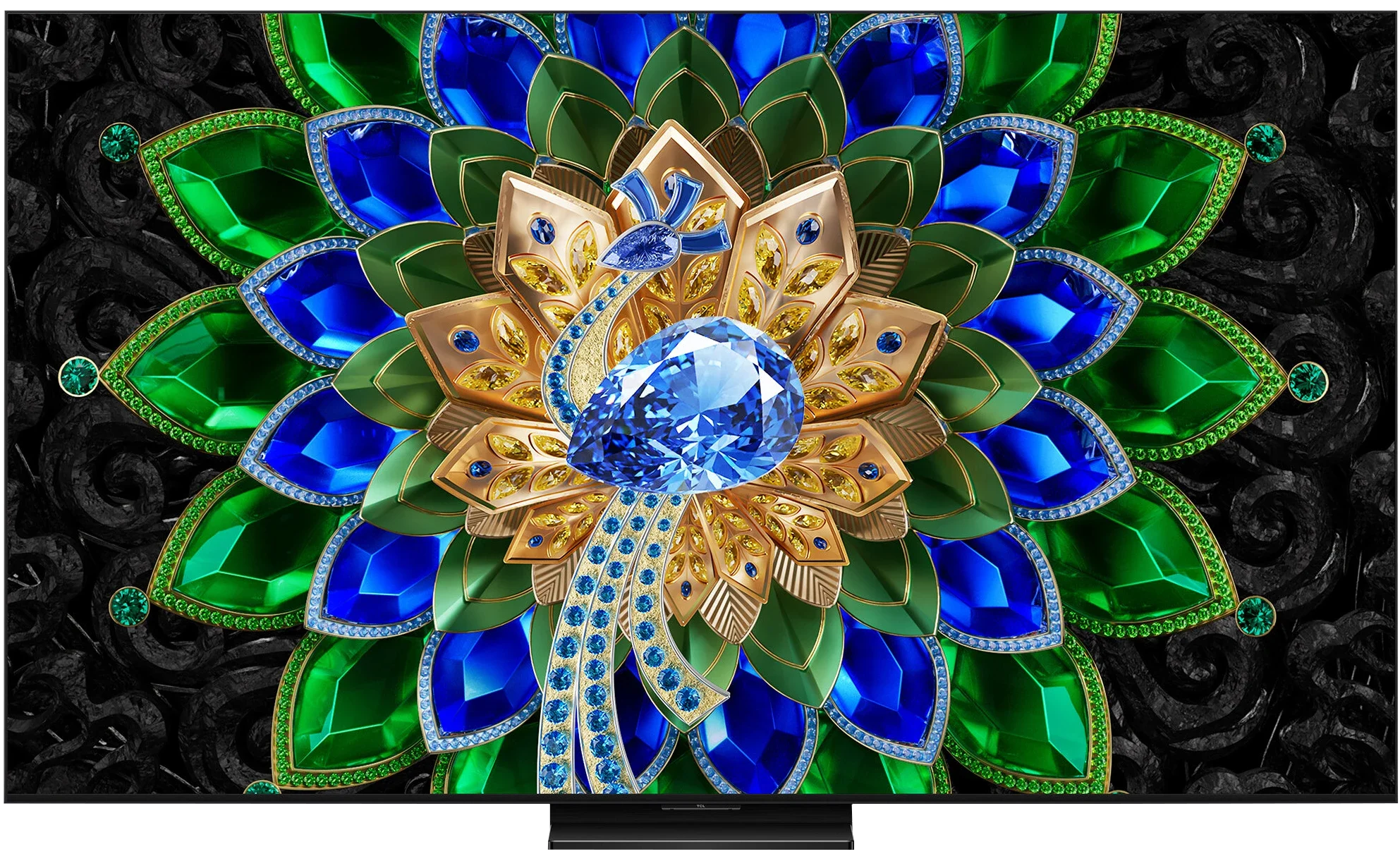
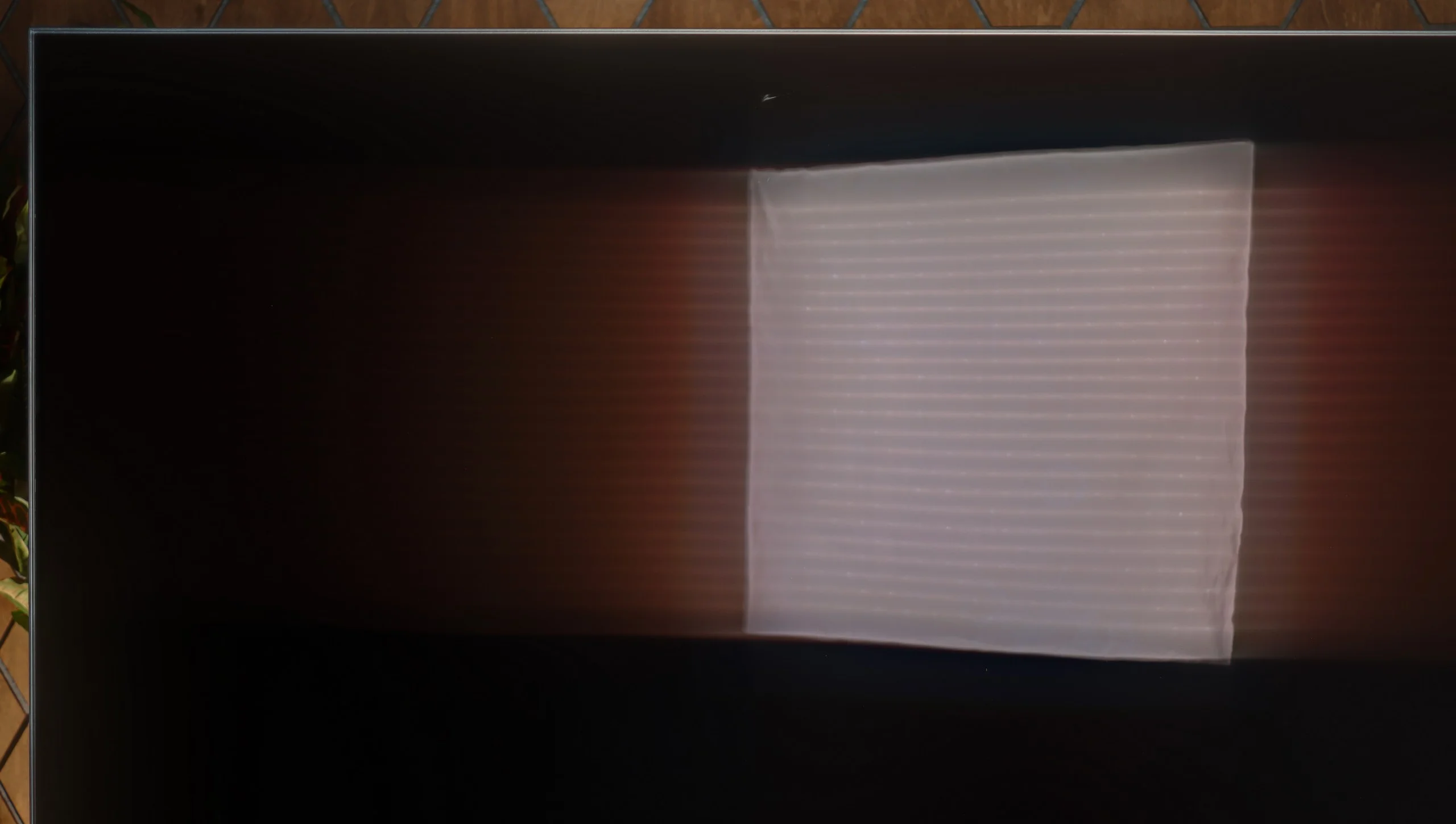
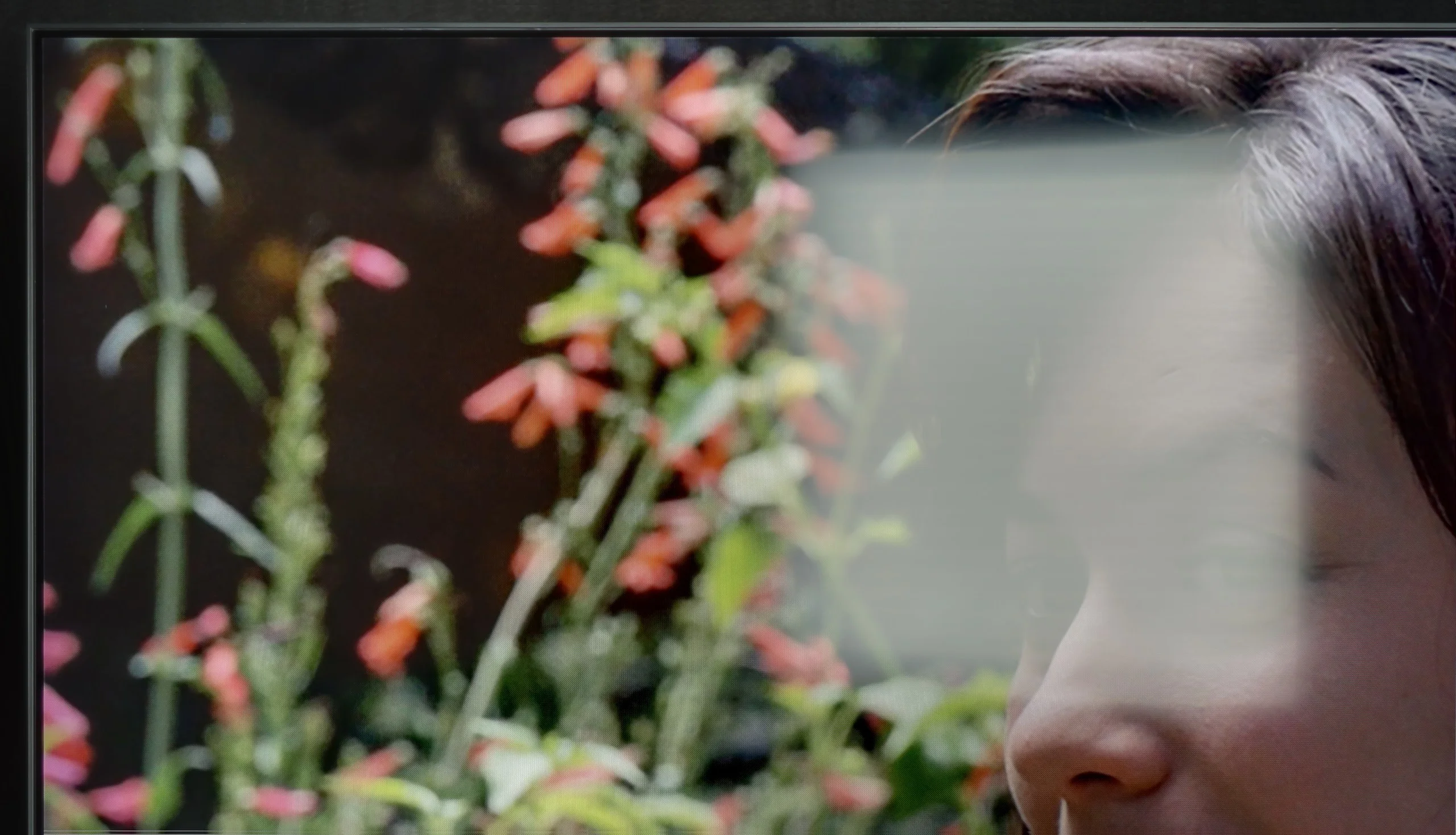
Is it worth buying the TCL A400U? Yes, because it’s one of those TVs where paying extra for a higher series doesn’t always make sense. In films you get what you normally expect from a good TV: very good blacks, a strong HDR effect and a natural picture, especially after calibration. Brightness won’t be lacking during the day either, although because of the glossy panel it’s better not to position it opposite a large window. The whole package is completed by a slim, well-made casing. The A400U doesn’t mimic a picture-on-the-wall as convincingly as some “wallpaper” TVs, but as an elegant living-room model it looks very good.
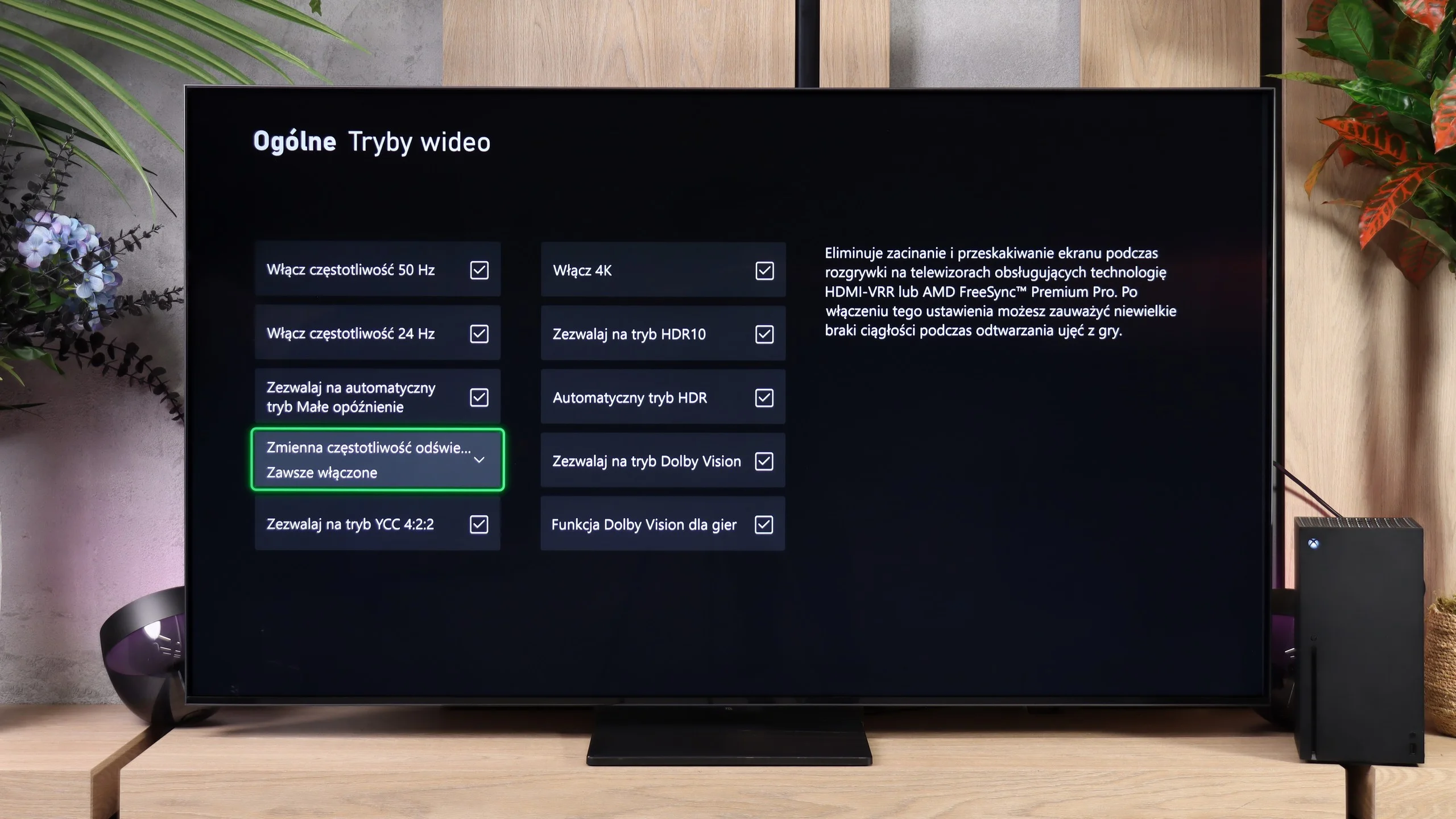
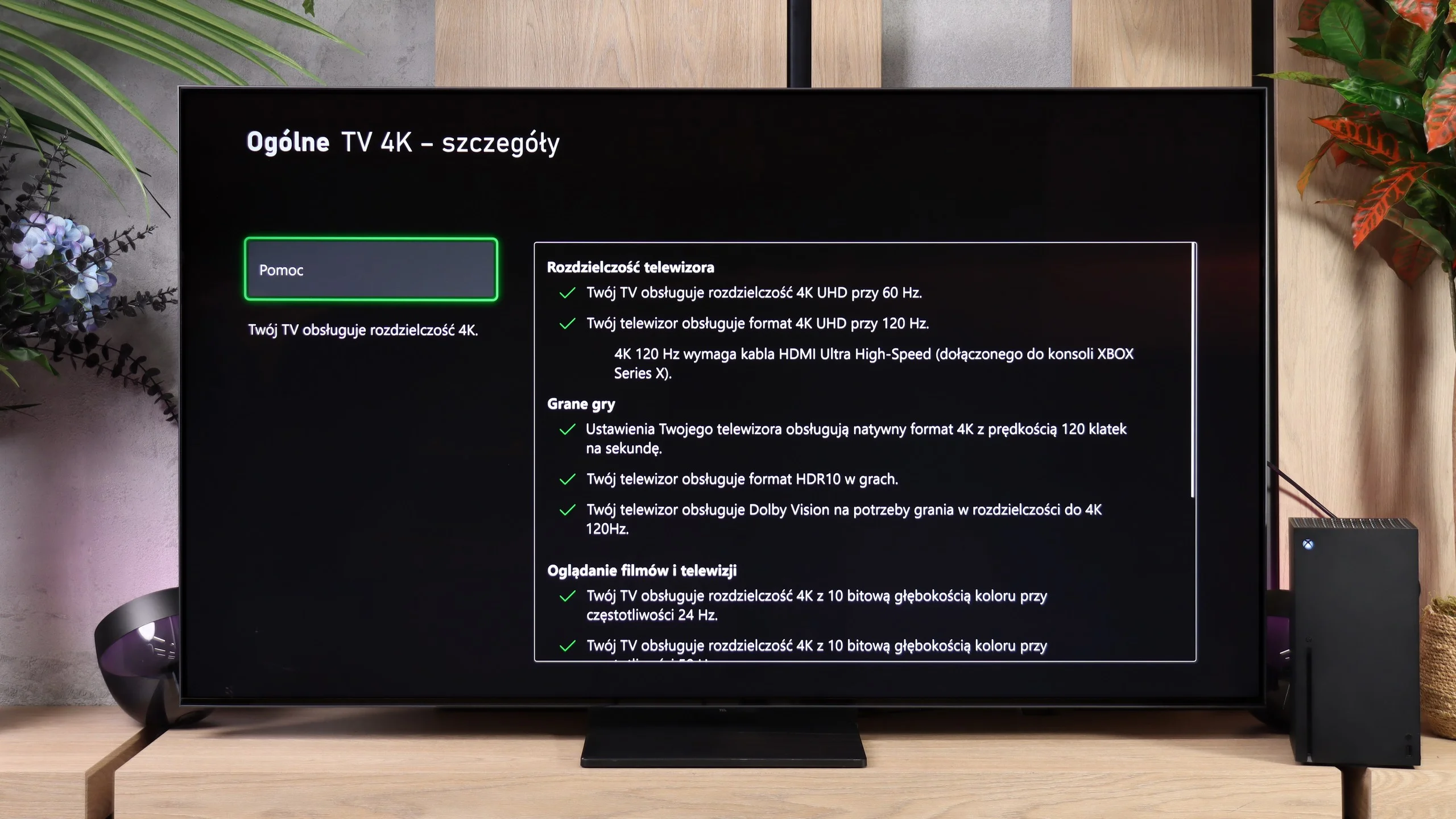
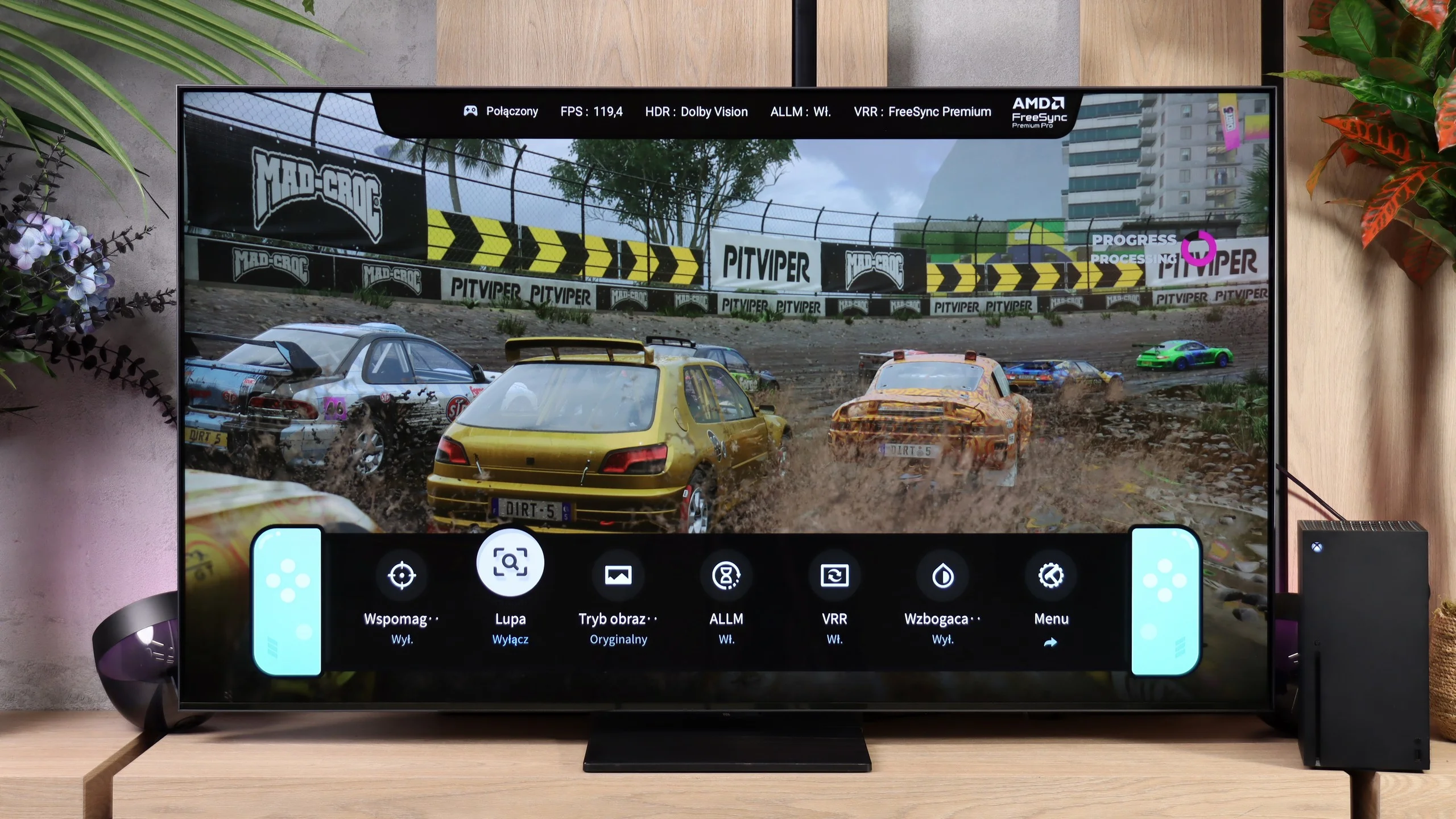
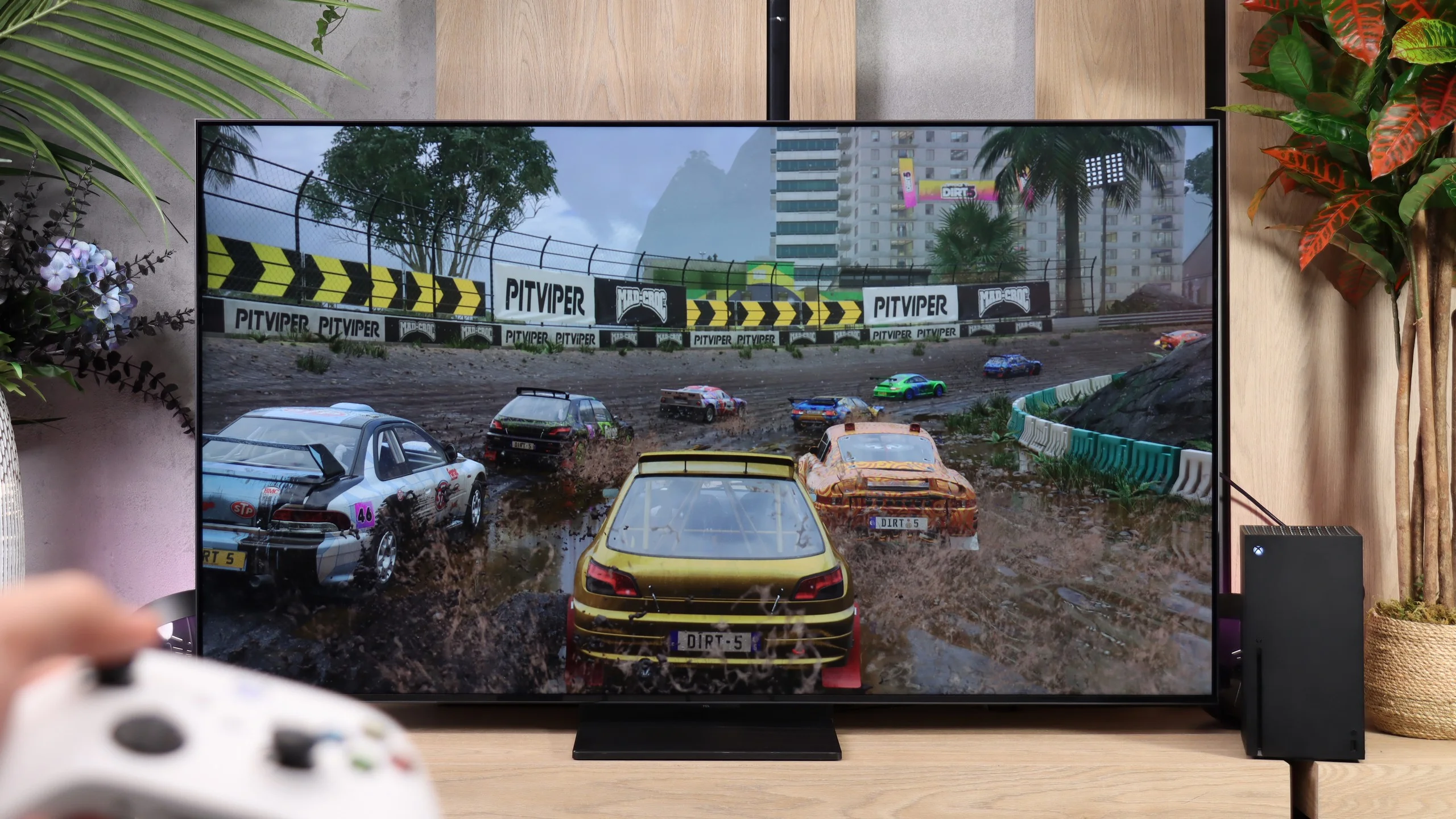
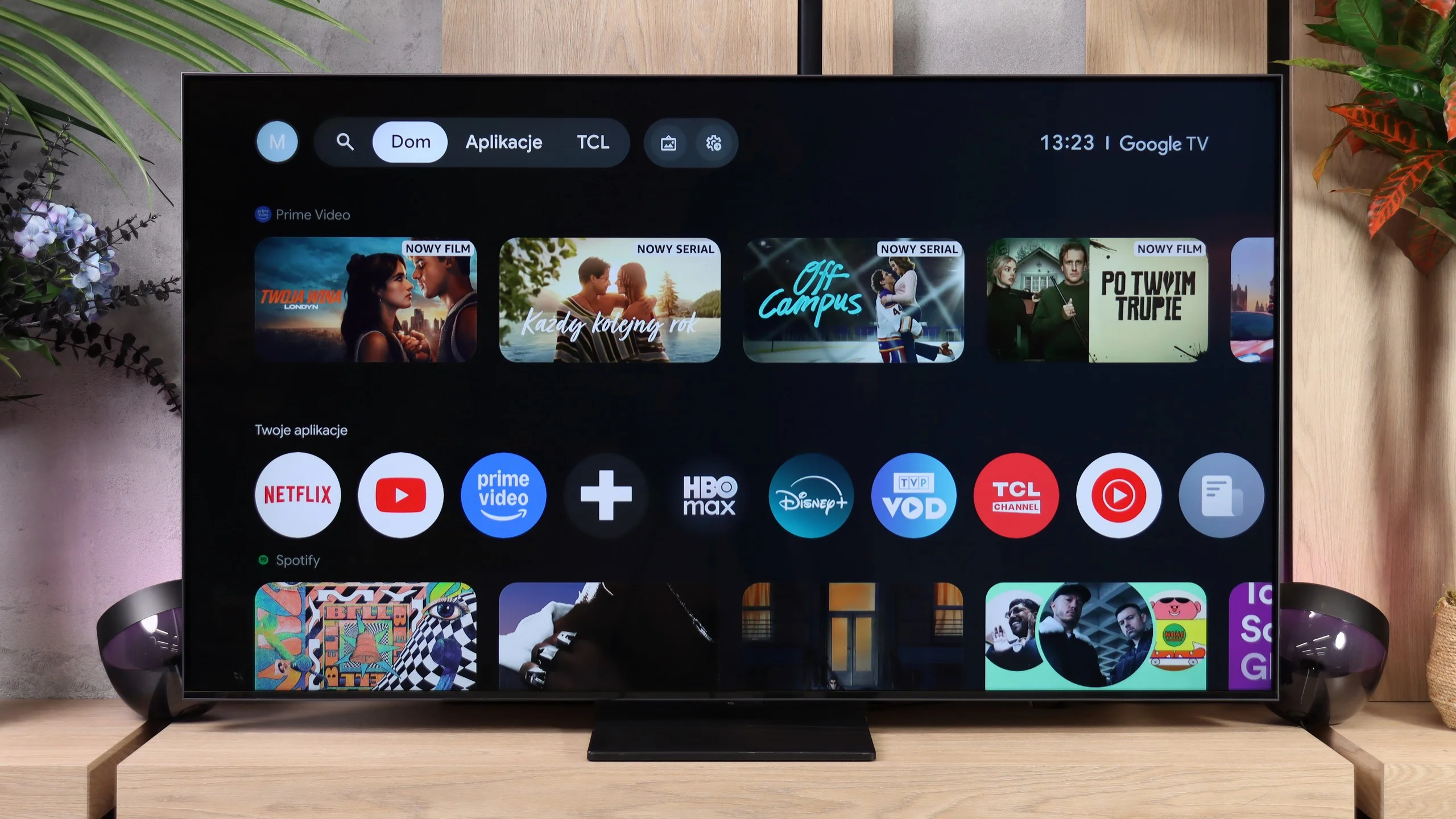
Buying it, you don’t have to choose between a TV for films and a screen for gaming. The A400U supports 4K at 120 Hz, including in Dolby Vision, and low input lag keeps controls quick and responsive. With a PC you can even use 144 Hz at 4K or 288 Hz in Full HD. That’s a level of capability at which it’s hard to justify paying more for a pricier model purely for gaming features. In everyday use the TV doesn’t disappoint either. Google TV runs smoothly, apps launch without annoying delays, and using the device is simply convenient.
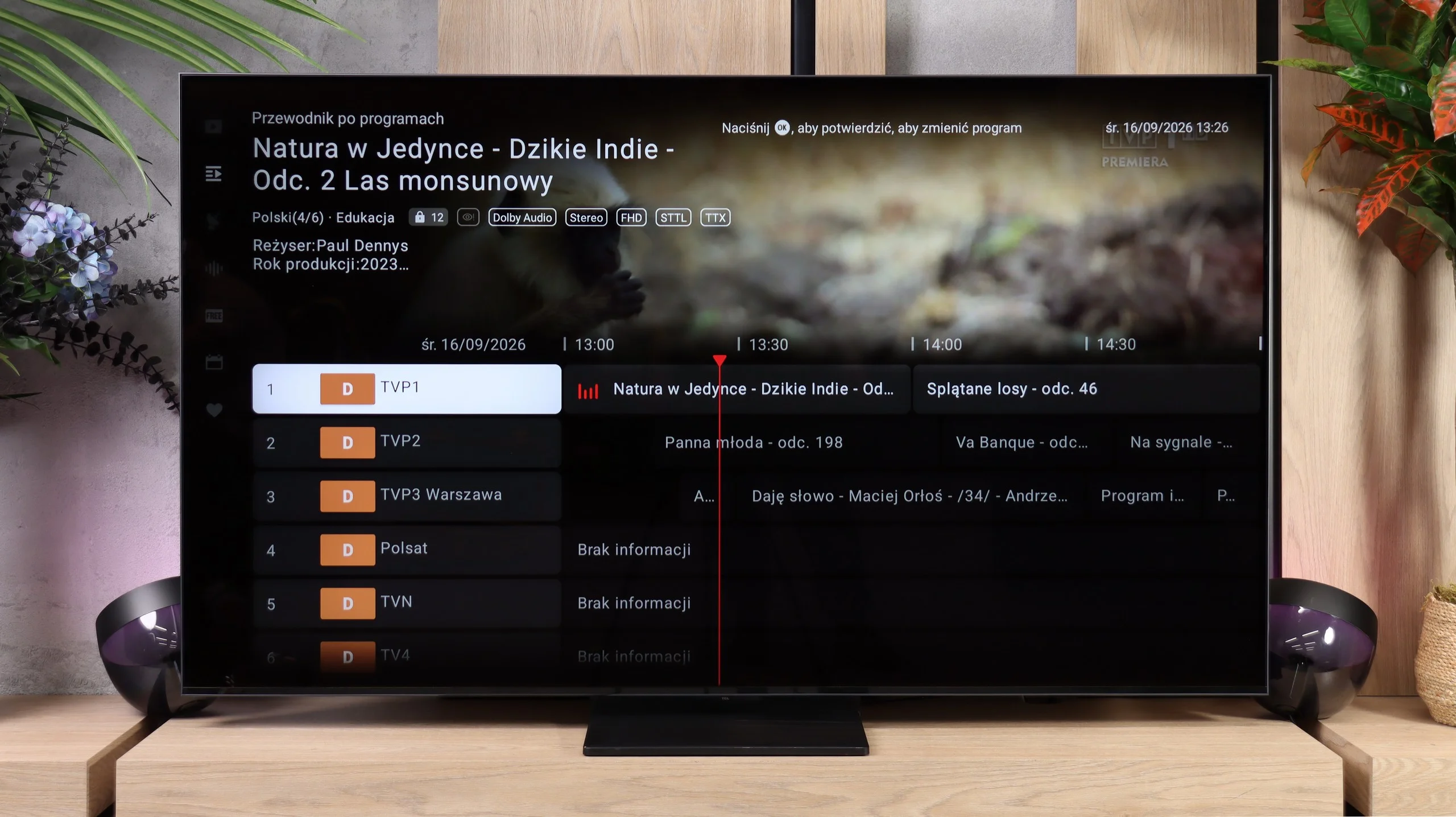
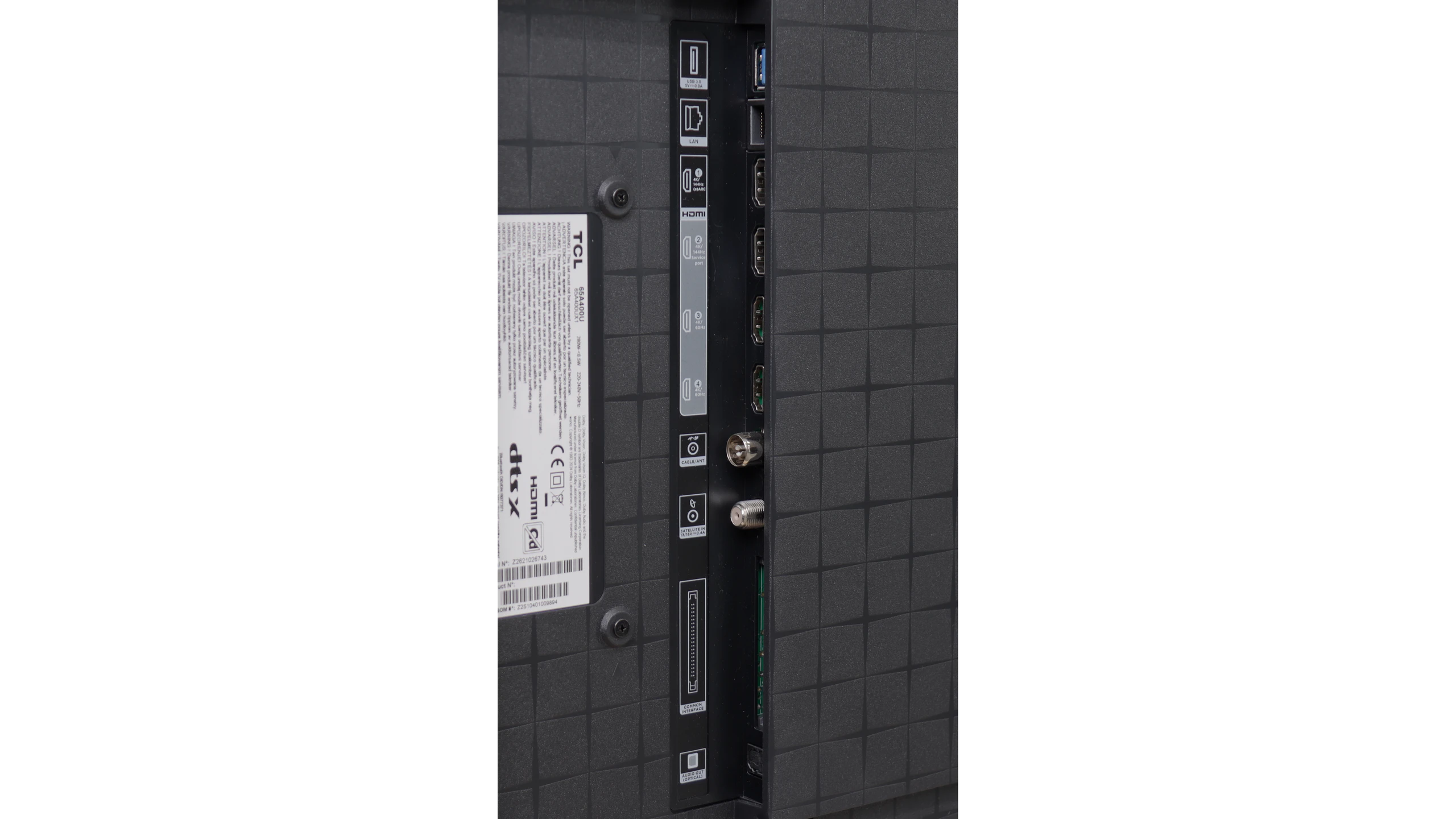
That doesn’t mean the A400U will suit every home. If you often watch broadcast TV or other lower-quality material, the Pentonic 700 processor won’t always improve it as much as you might expect. The slightly more expensive C7L has a similar limitation, so only moving up to a clearly higher series, such as the C8L, brings a noticeable change in this regard. Before buying it’s also worth checking how many devices you want to connect. Two HDMI 2.1 inputs, one of which is taken by eARC, may prove insufficient if you have two consoles and a soundbar. It’s sensible to include a soundbar in the budget anyway, because the built-in speakers clearly don’t match the capabilities of the picture.
However, if you’re mainly after a TV for films, streaming and gaming, the TCL A400U is one of the most convincing mid-range buys of 2026. More expensive models can do more, but not every one of those advantages will matter during everyday viewing. Here you get a very good picture, extensive features and excellent build quality, without having to pay for functions you may never see. That’s why the TCL A400U is, in our view, one of the most cost-effective TVs of 2026.
 Direct comparison