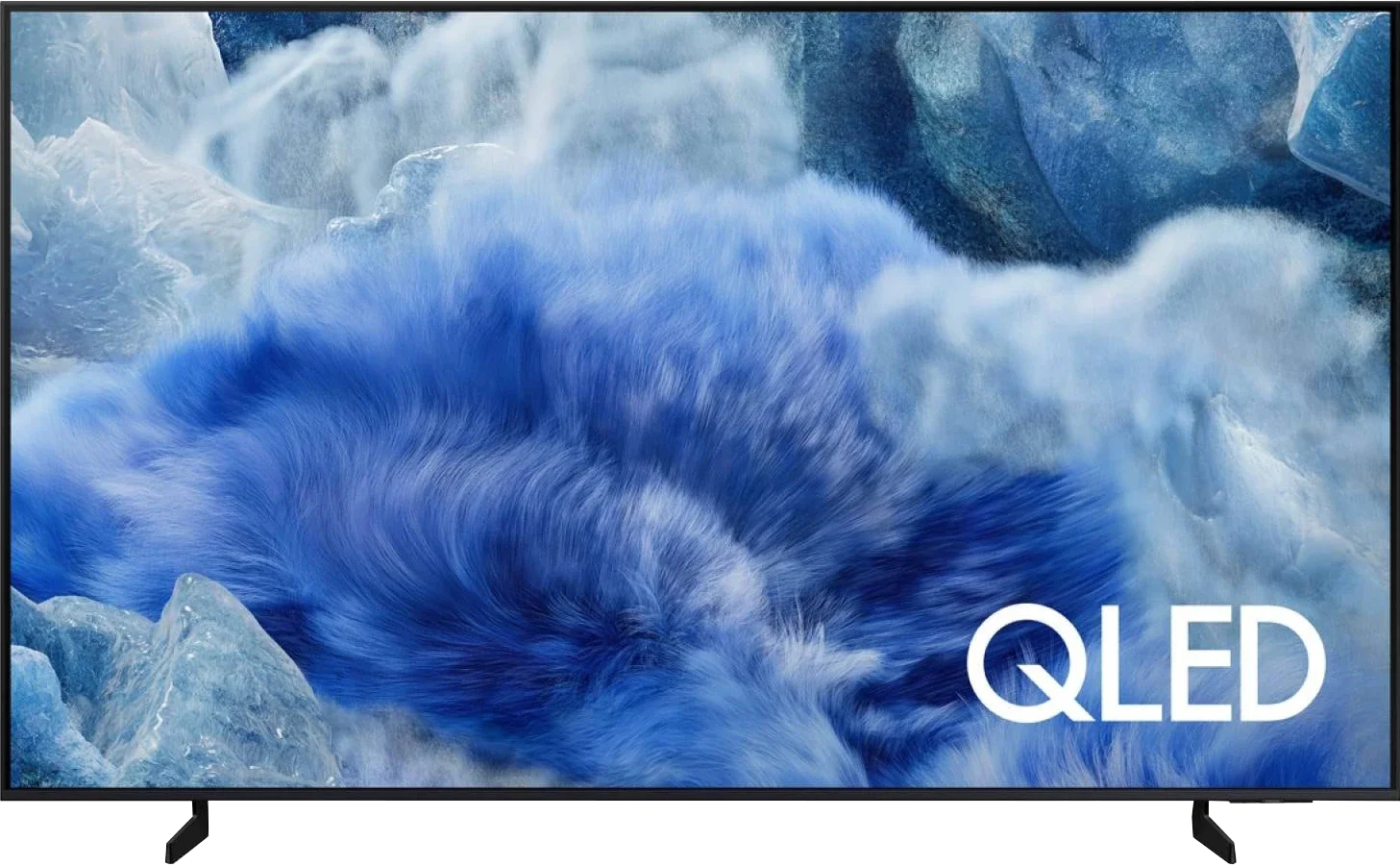
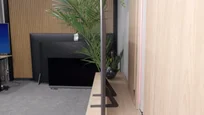
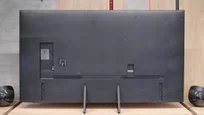
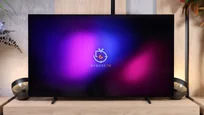
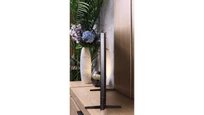
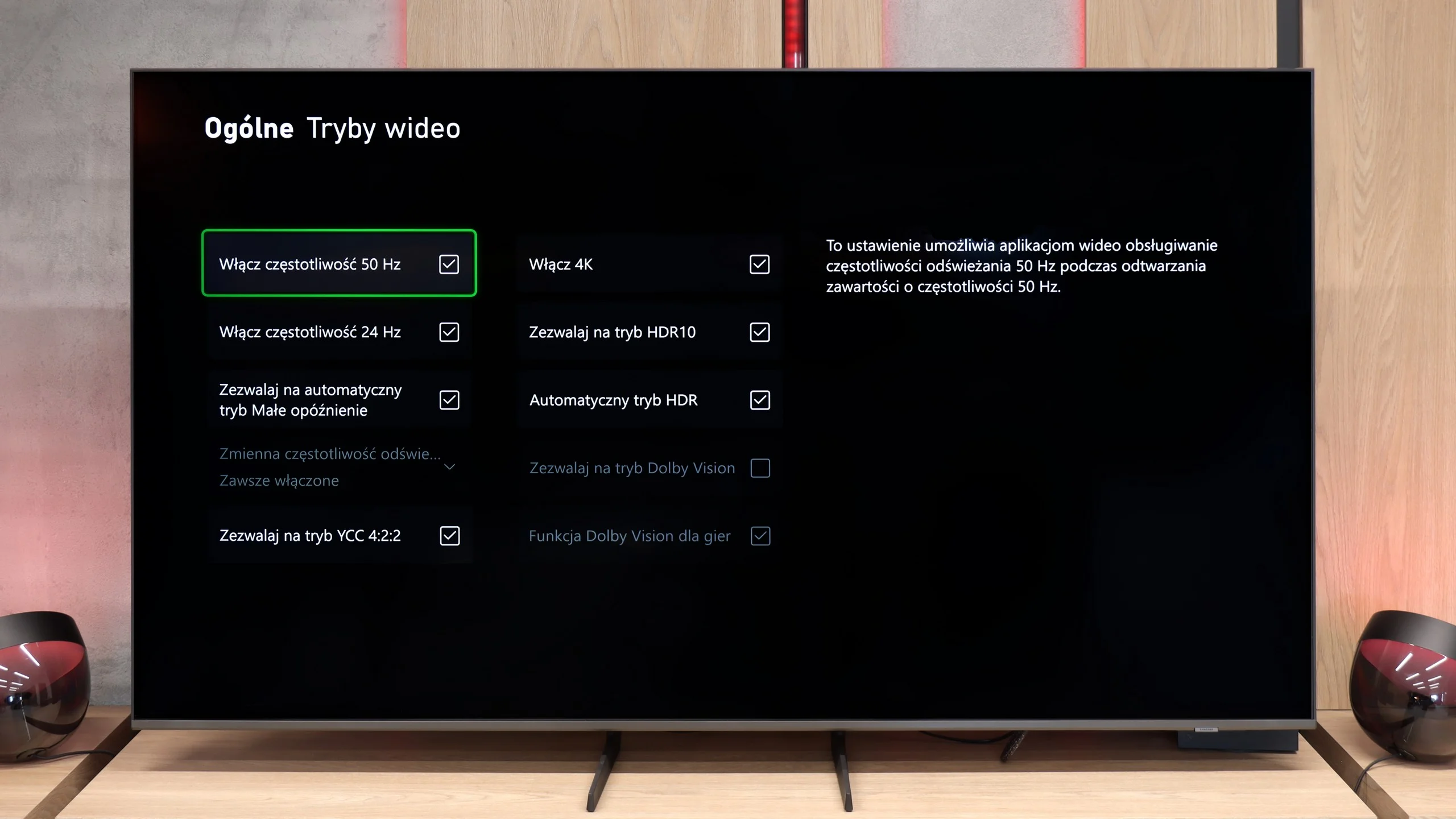
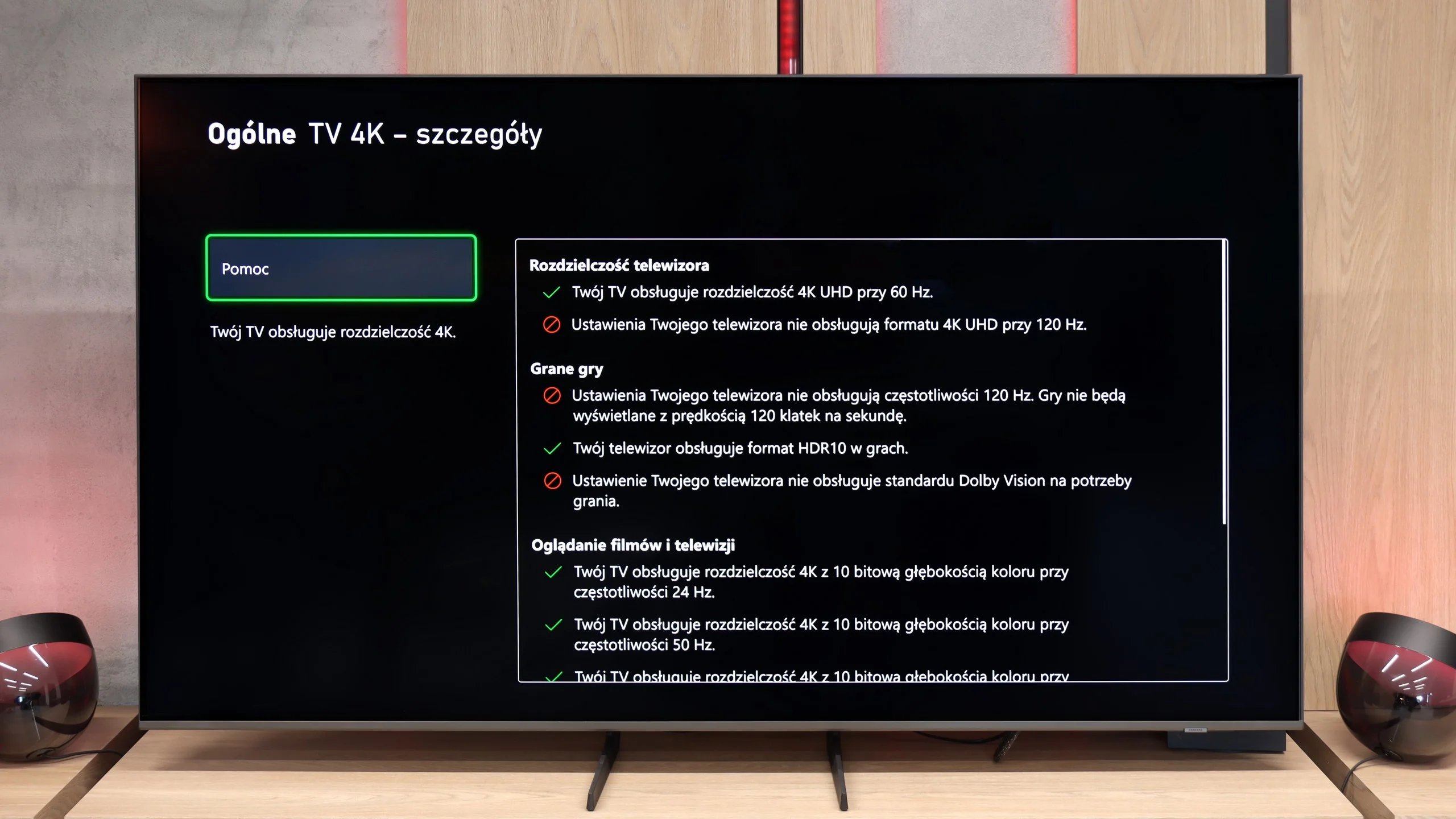
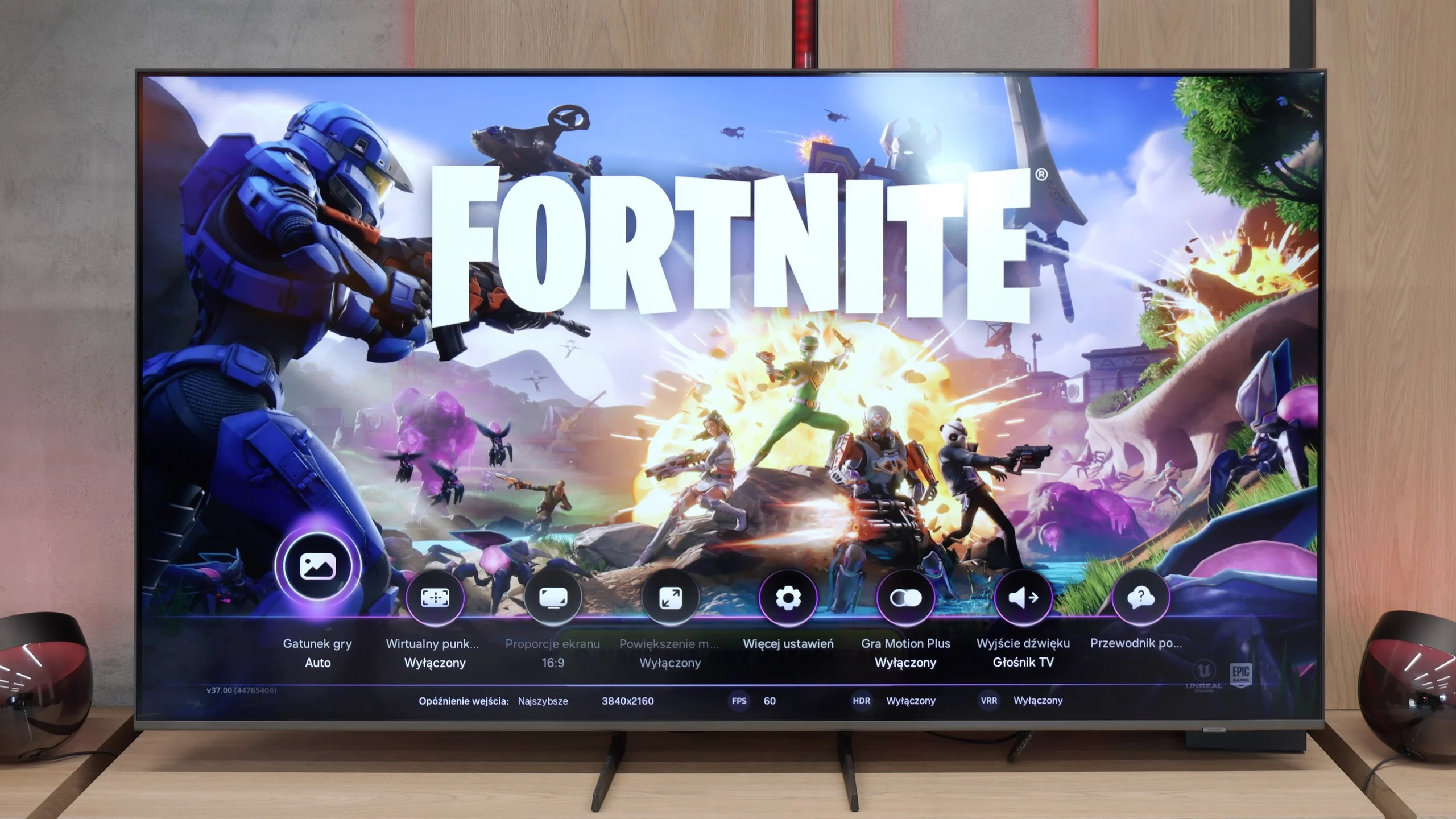
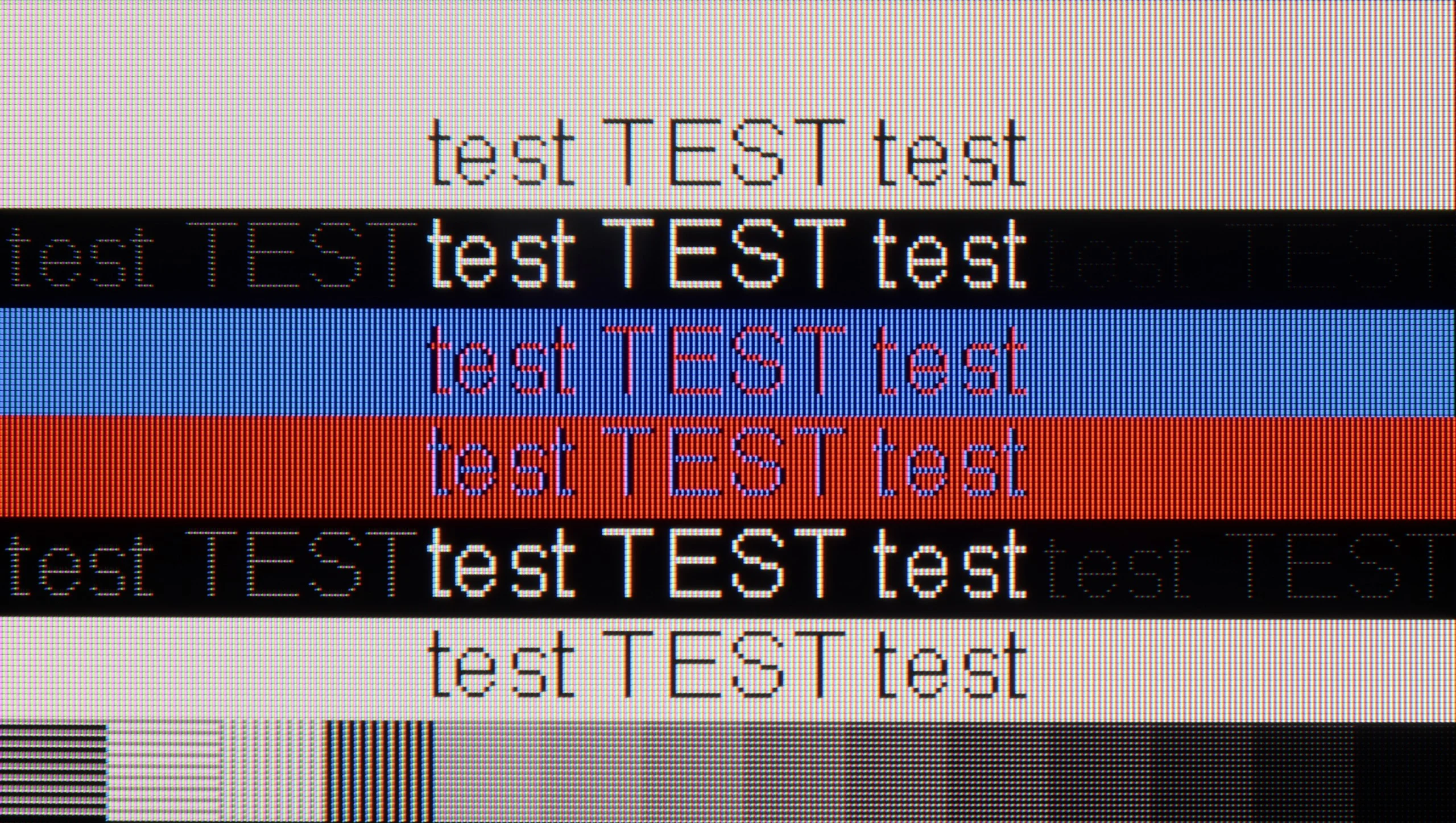
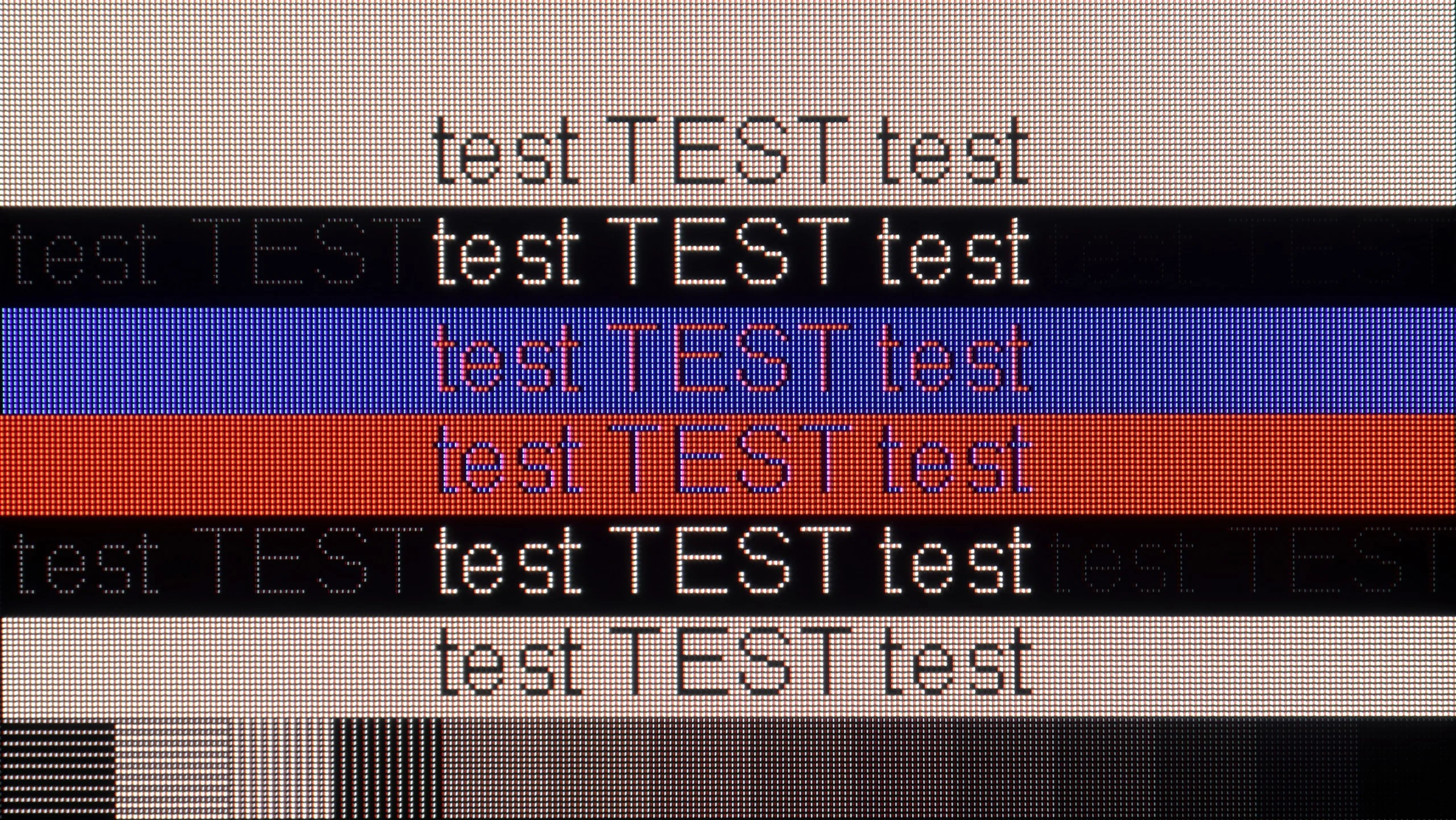
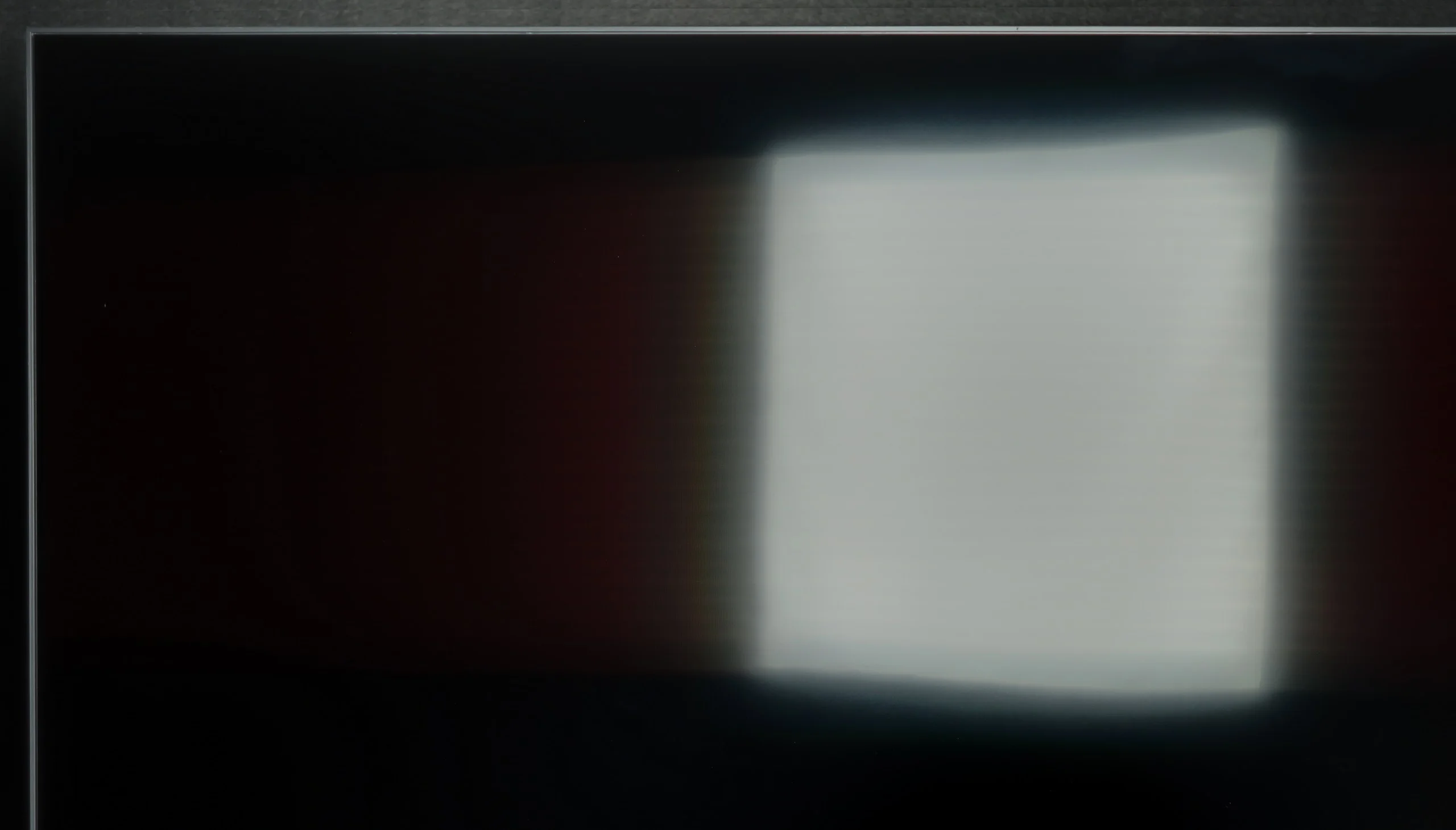
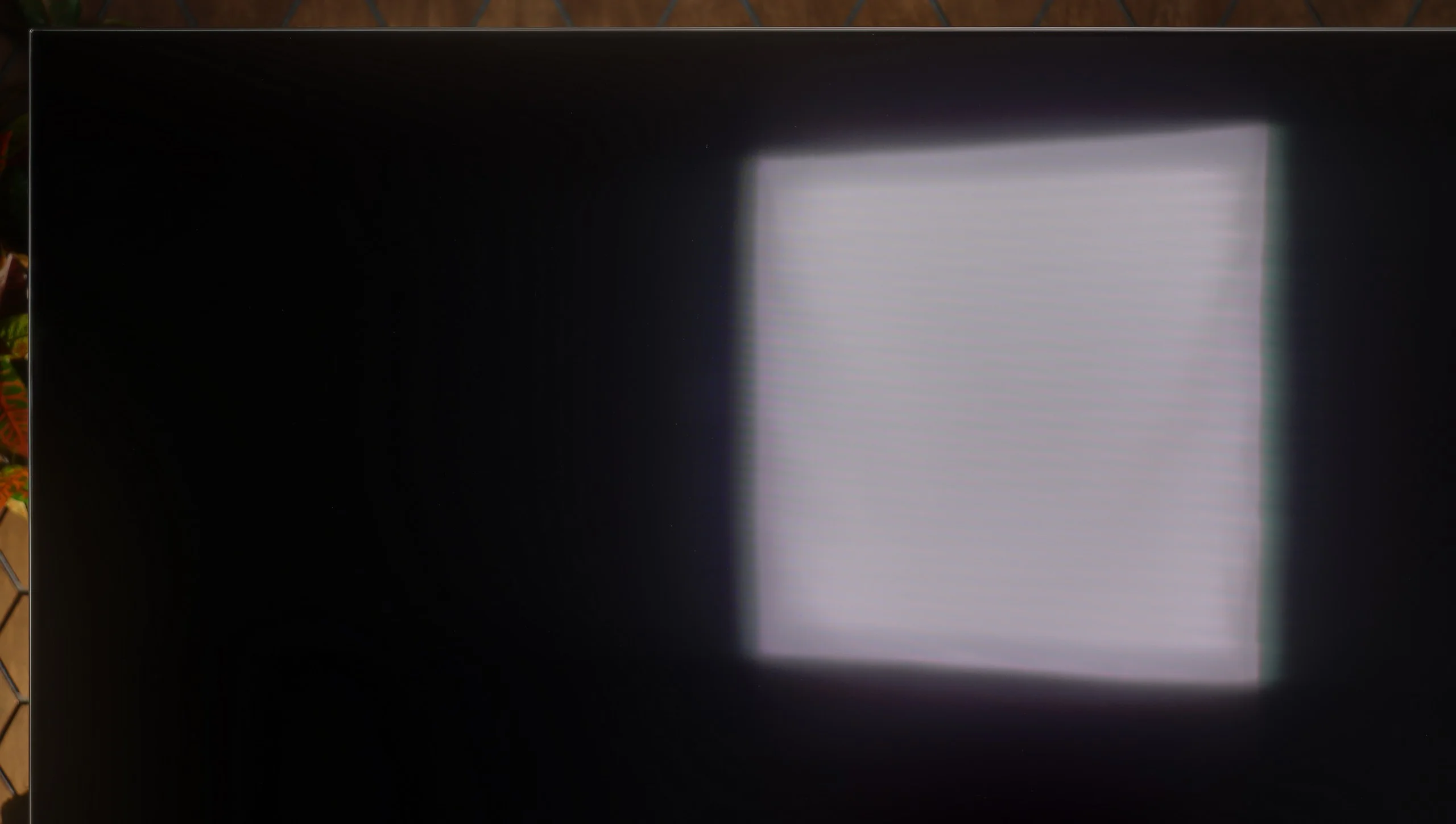
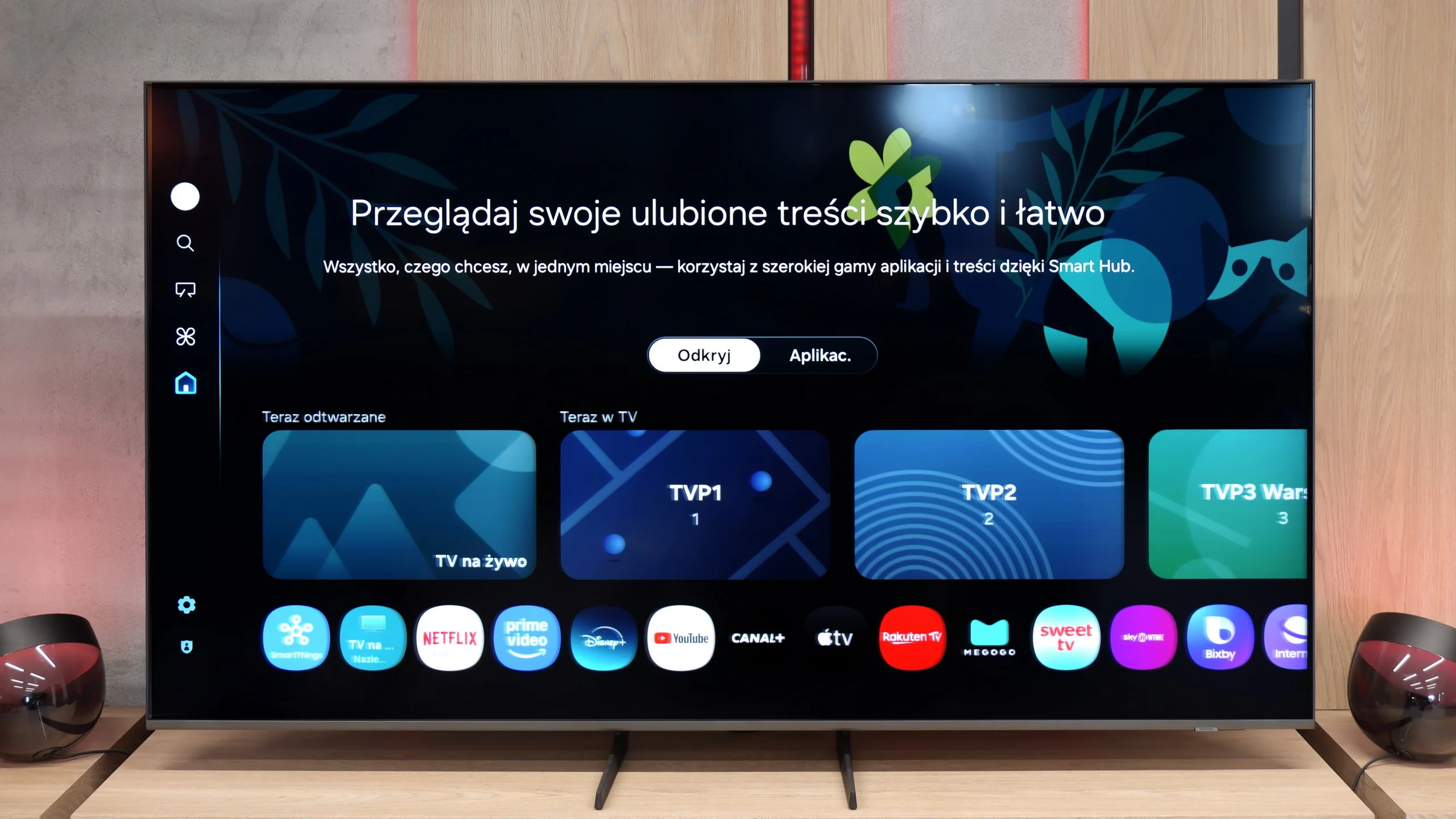
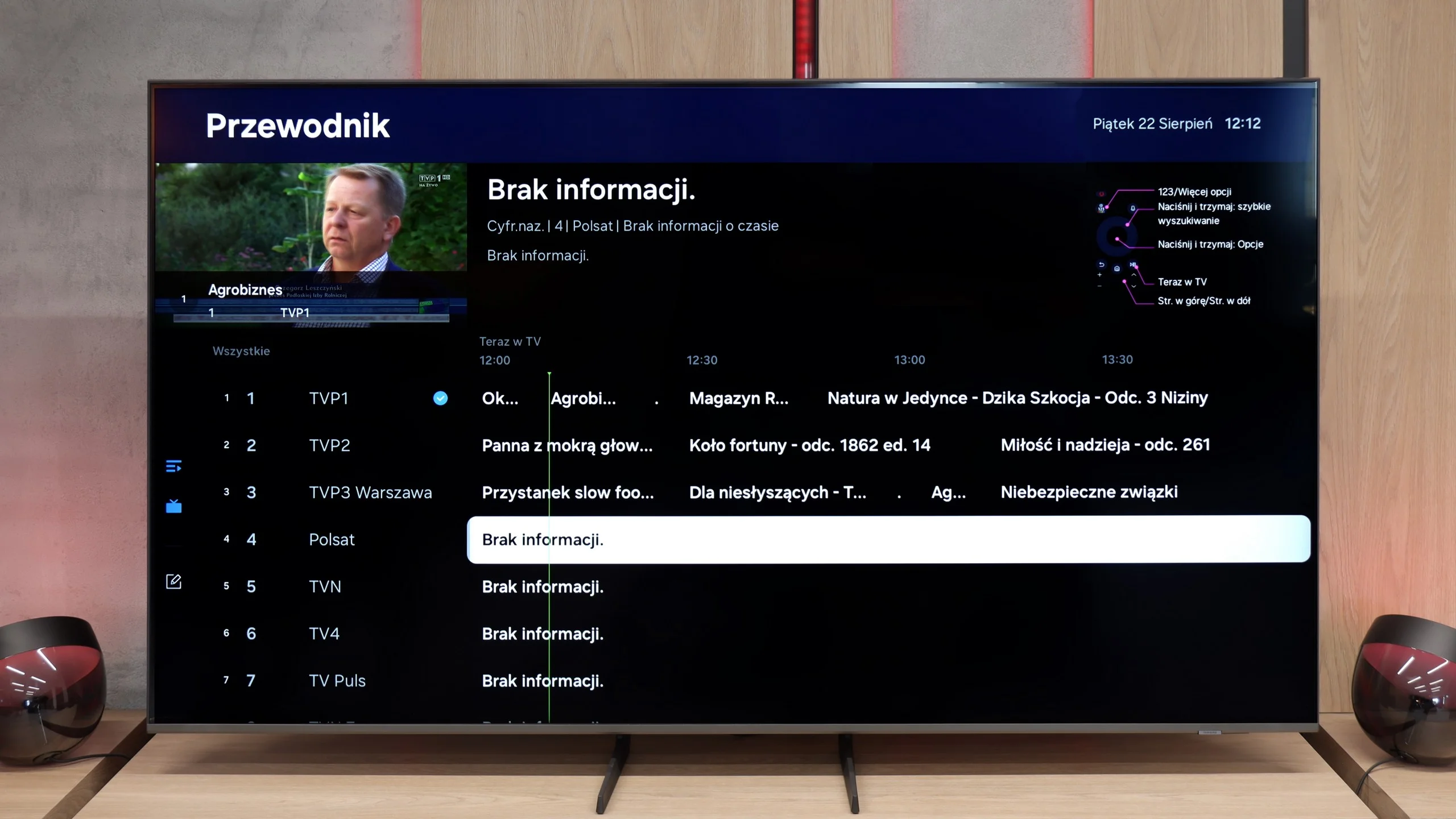
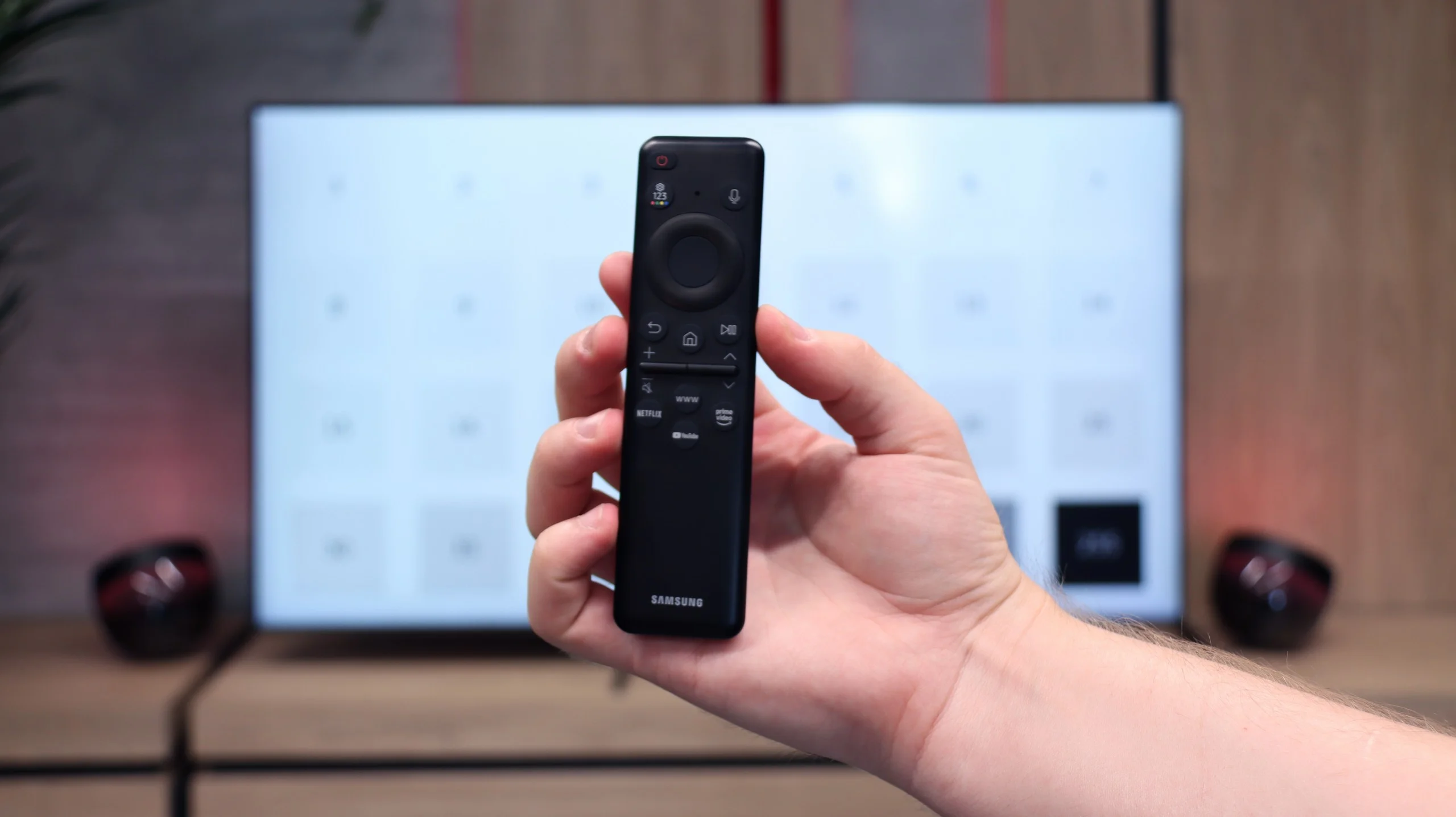
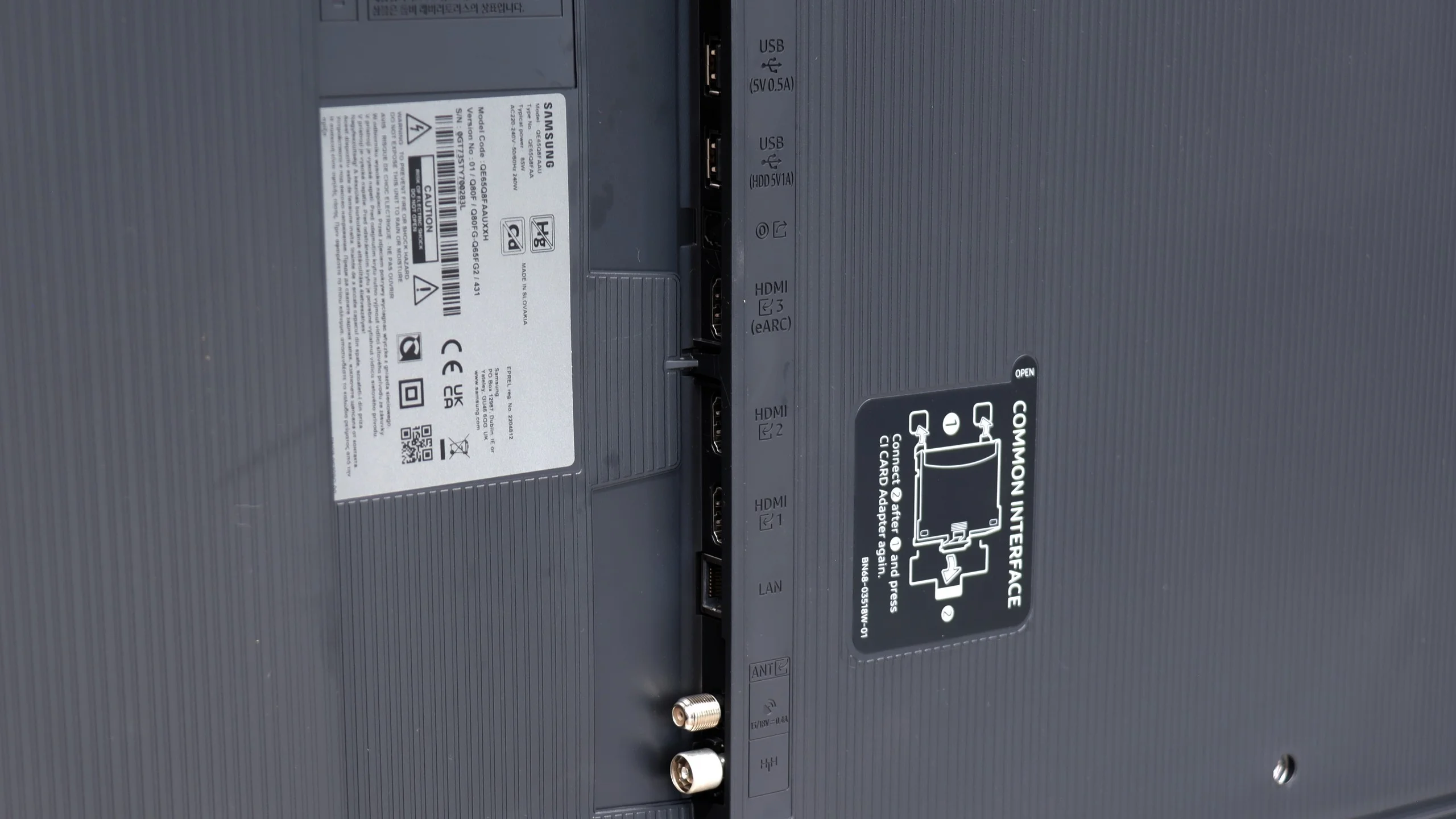
Samsung Q8F is quite a successful continuation of the Q67D model. It offers similar image quality in HDR content, and with a brightness of around 500 nits, it can create an effect that is hard to call average. The support for the HDR10+ format also helps, as it has been realistically competing with Dolby Vision for some time and delivers comparable experiences in many productions. The contrast is another positive aspect – for a VA panel, it performs solidly and allows for enjoyable blacks in films and series. However, the greatest advantage of the Q8F remains the operating system. Tizen operates quickly, provides access to many applications, and works well with the SmartThings ecosystem, allowing the television to easily integrate into a larger network of home devices. Interestingly, the Q8F also has a niche application – thanks to its very good font readability, it performs excellently as a screen for working with text. Additionally, there is an adjustable stand that allows the television to be set on practically any desk or narrower TV cabinet. The biggest drawback, in our opinion, is not the image quality itself – as it is difficult to expect miracles in this price range – but rather what has happened to the gaming features. Options such as VRR and HGiG have disappeared with updates, which were available even in simpler constructions in previous generations. Indeed! The manufacturer even boasts about the availability of these features in its catalogue. This makes it difficult to recommend the Q8F to anyone today who plans to connect a console and expects full support for new technologies. Thus, the Q8F is a television that can be appealing – primarily for its design, above-average image quality, and efficient Tizen system. But at the same time, one can see a step backward compared to its predecessor. Let us hope that Samsung will manage to quickly rectify these shortcomings, as otherwise even such a successful 'everyday' television may leave some users with a sense of dissatisfaction.
[UPDATE] We have updated our 2025 Samsung TV reviews following the release of firmware version 1131, which officially restores the essential HGiG (HDR Gaming Interest Group) support.
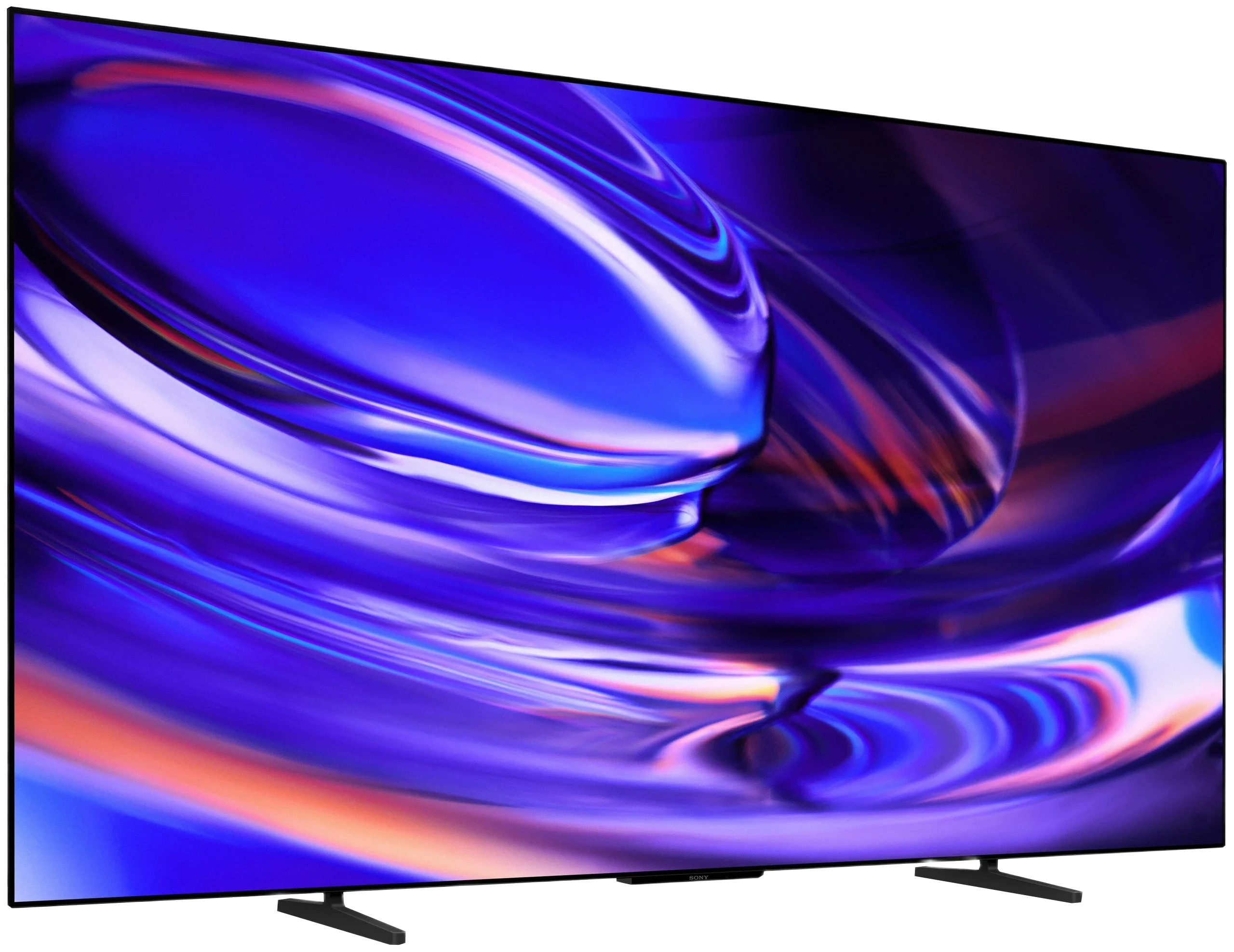
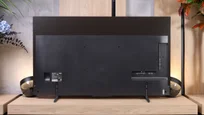
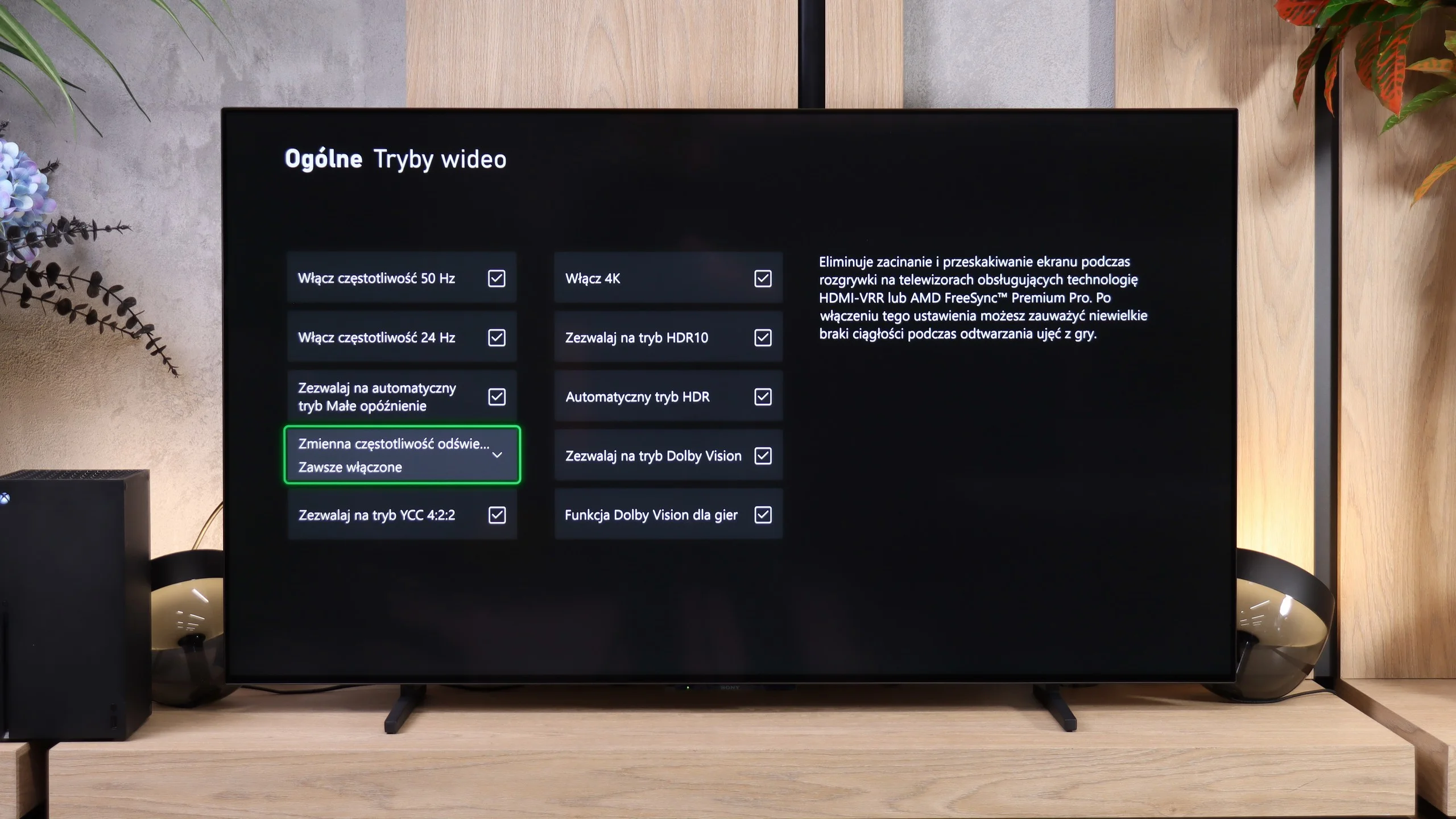
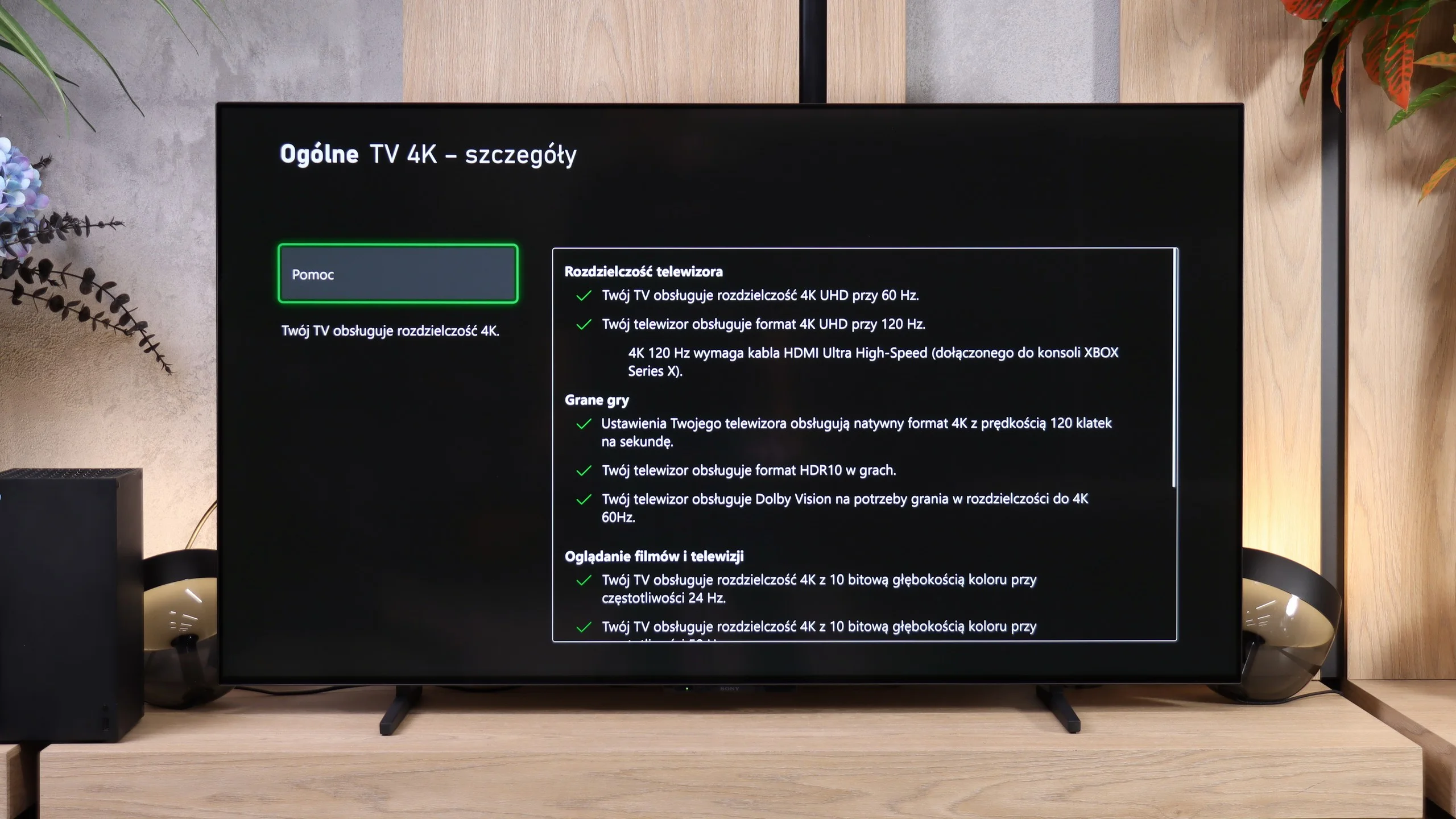
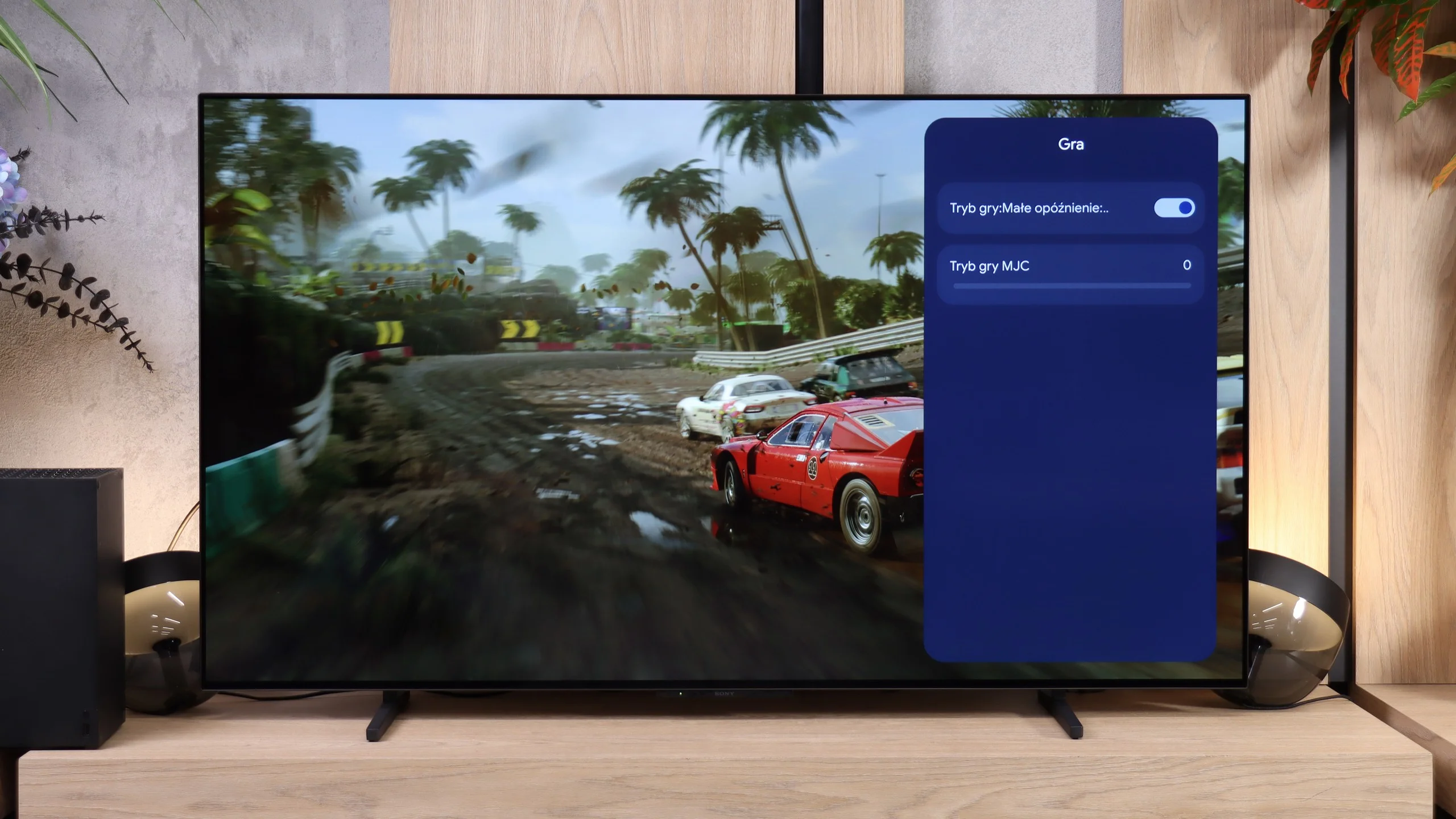
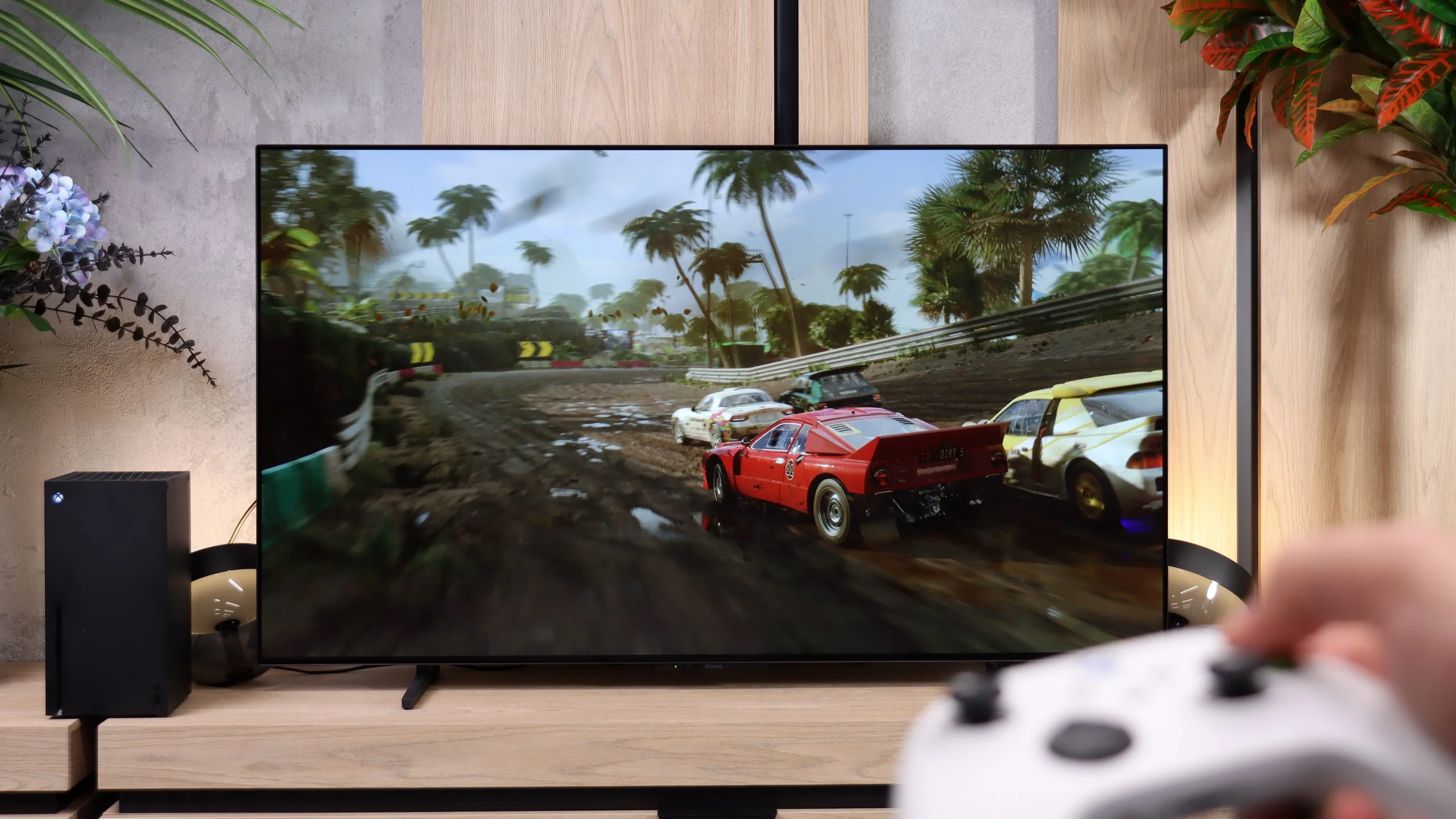
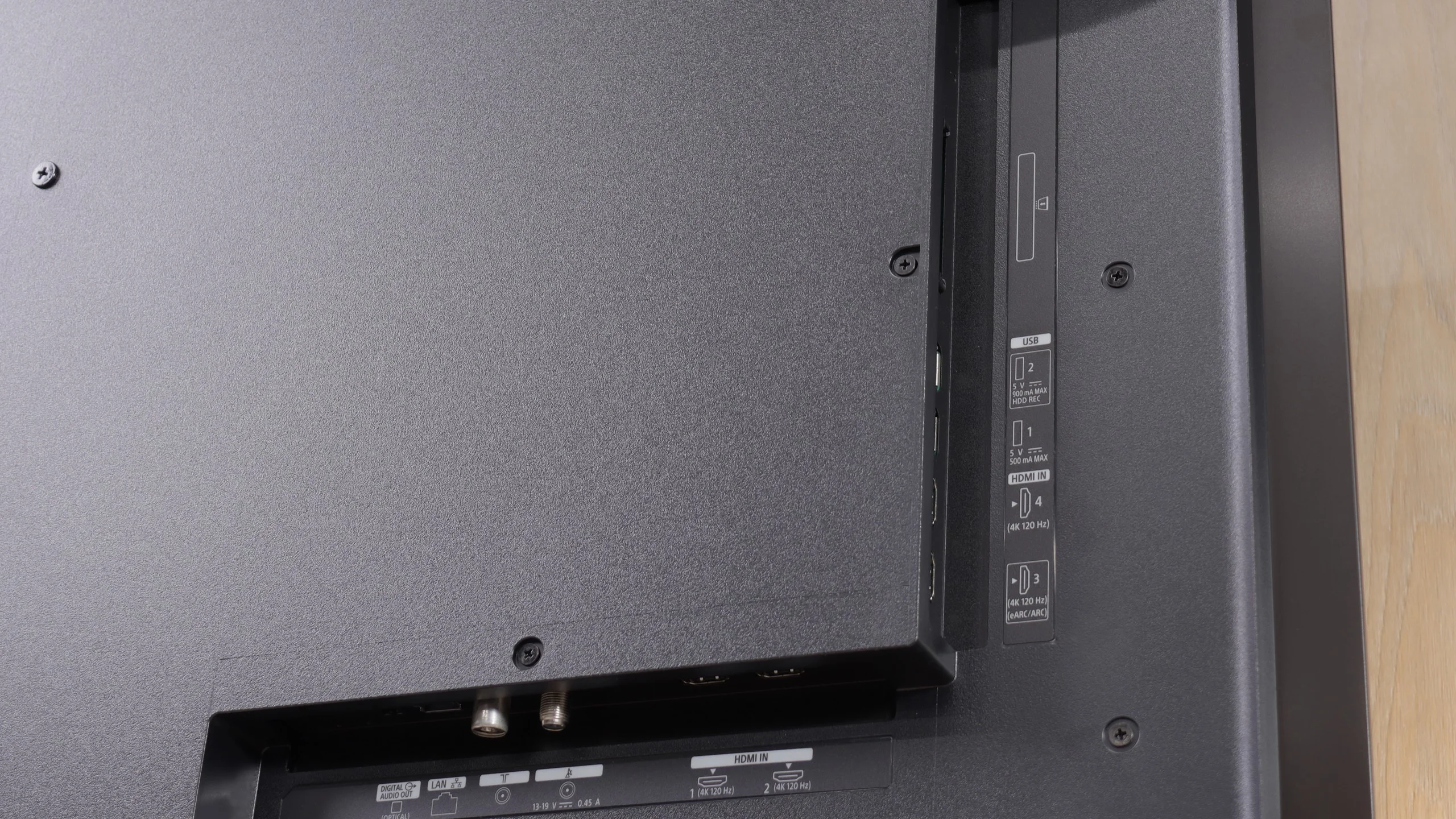
The BRAVIA 6 can provide a lot of viewing pleasure, especially in the evening when the strengths of the OLED panel are most apparent. Deep blacks, good contrast and natural colours after calibration mean that, with the right material, its picture is easy to appreciate. It also performs well with a console: it delivers smooth motion and responds quickly to controller inputs. It's pleasing to see four full HDMI 2.1 ports, which Sony has finally included. Thanks to them, connecting several devices is less of a problem than even with some more expensive models from the brand. The whole package is rounded off by solid build quality and an attractive design.
However, that's not enough to make it stand out among competing OLEDs. We've generally paid extra for Sony TVs, in part for better image processing, but it's hard to spot an advantage in that area with the BRAVIA 6. Weaker recordings look average, and in demanding HDR scenes details are lost in the bright parts of the picture. Dolby Vision helps a little, but it doesn't change the overall impression: you get an image that can be pleasing, yet it doesn't give a clear reason to choose Sony over another entry-level OLED.
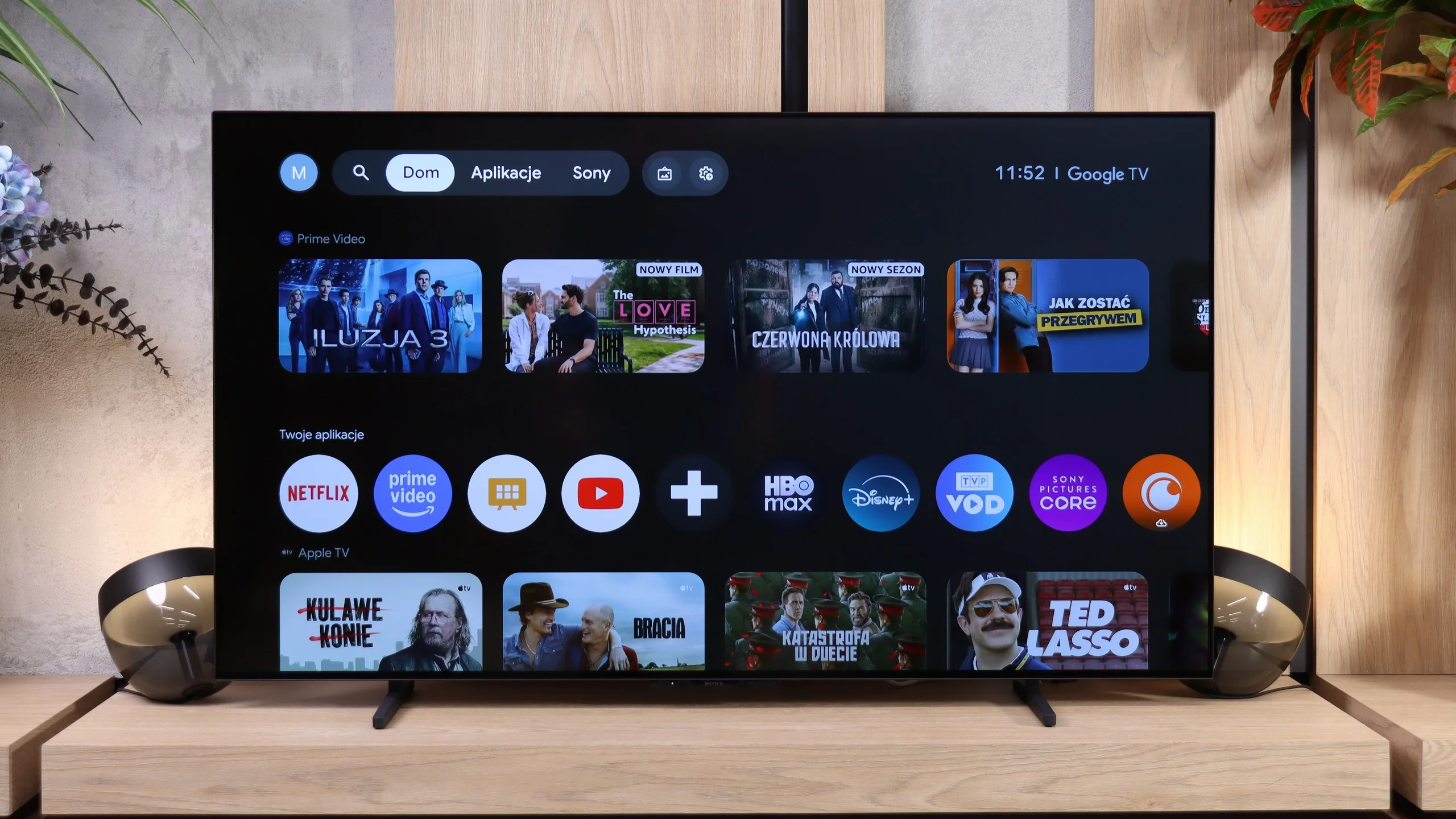
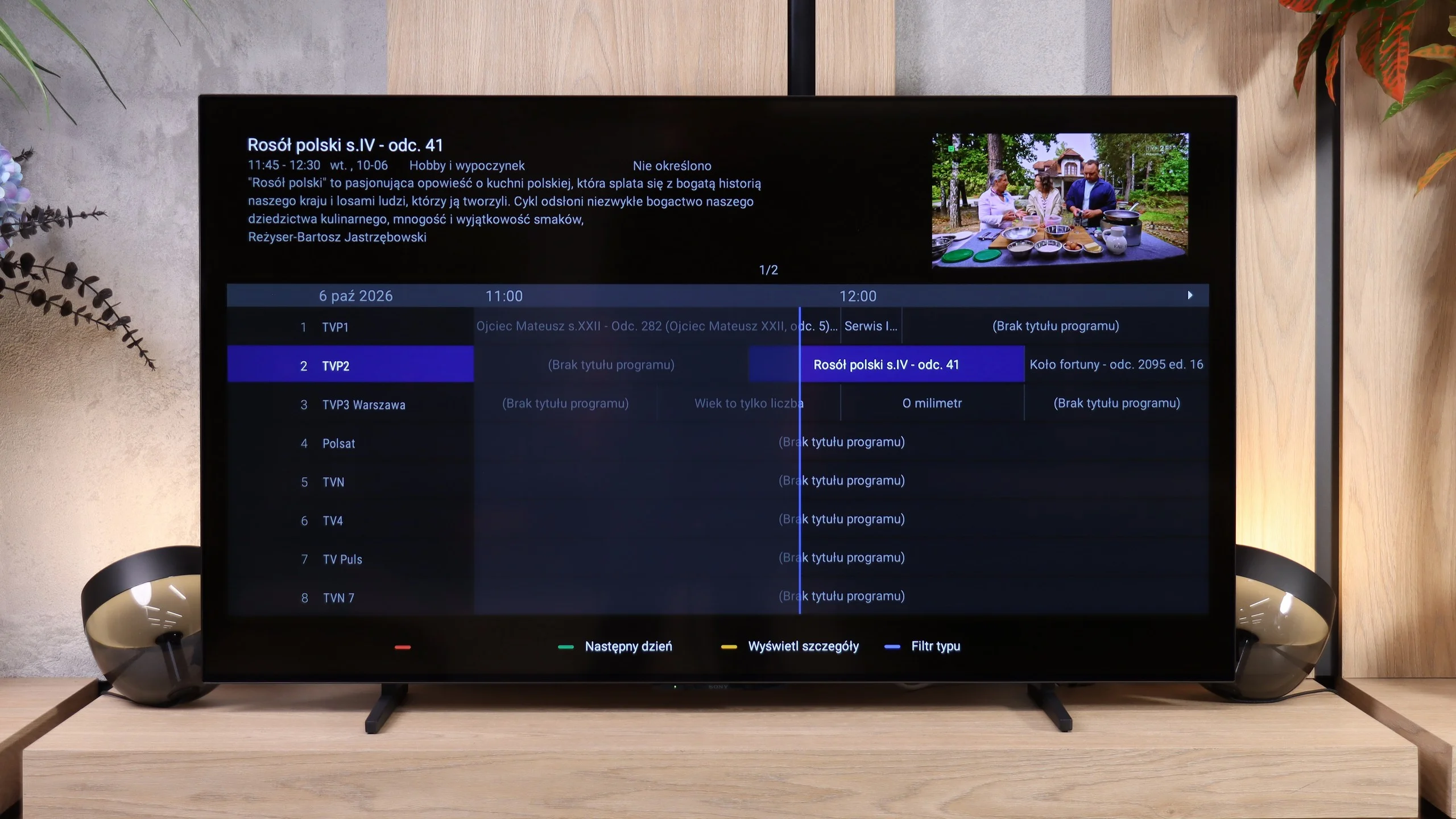
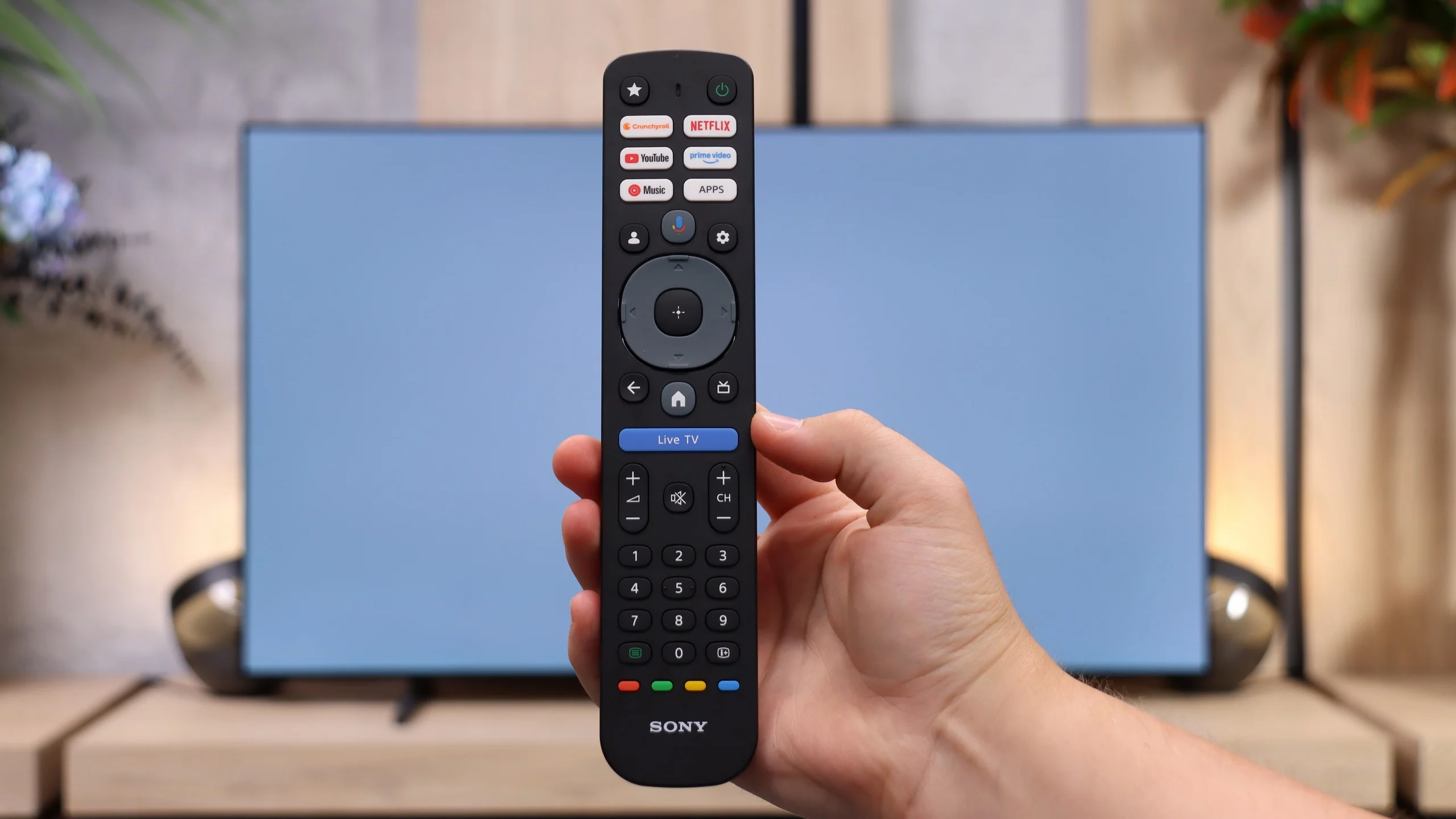
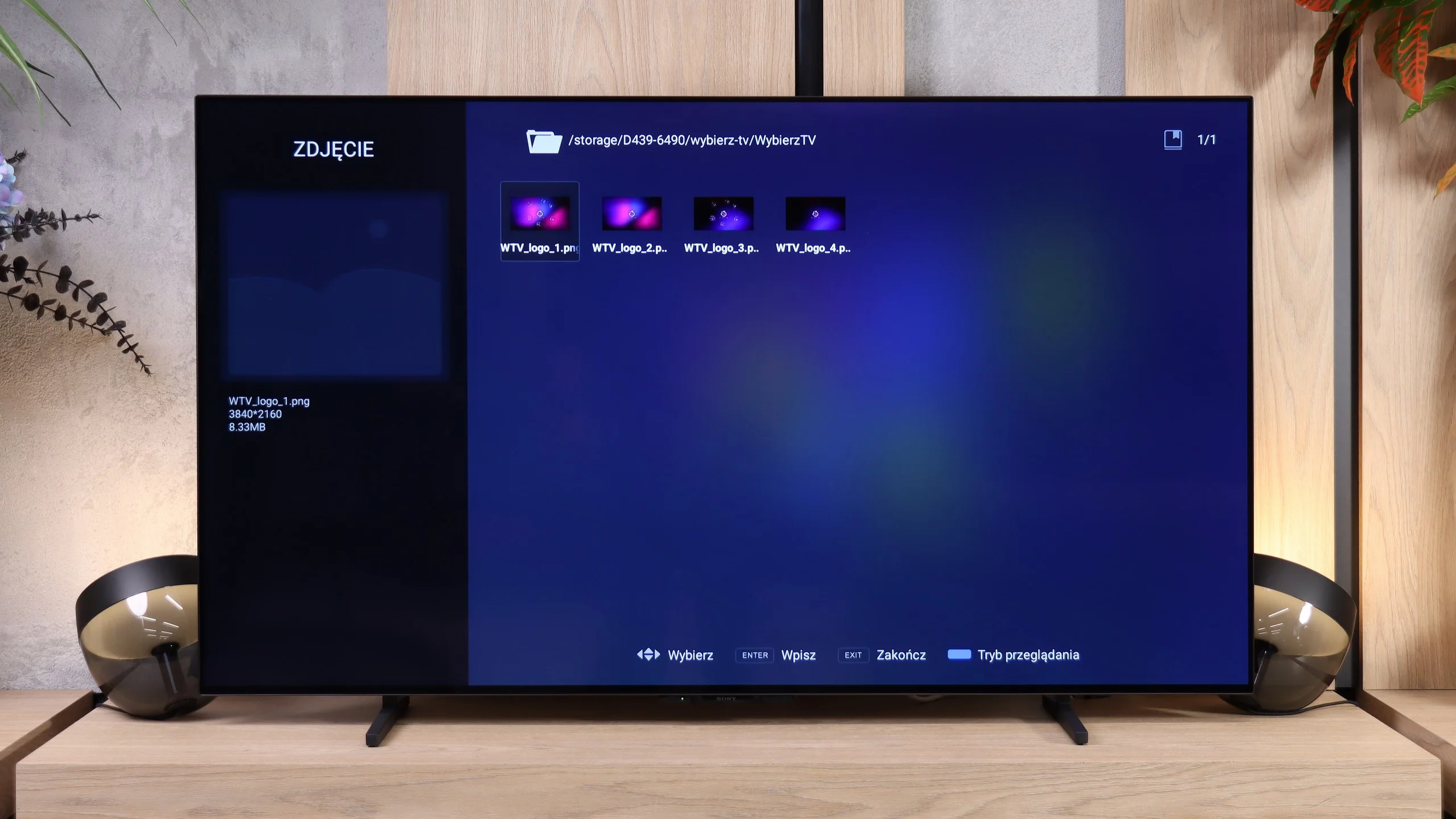
While the lack of such an advantage can be tolerated with a suitably low price, it's much harder to overlook problems in everyday use. Google TV offers a wide range of apps, but during our tests using the TV too often ended with having to... unplug it. Even playing a film from a USB stick could be problematic. It was at moments like these that we felt there was little... Sony in this BRAVIA. It lacks the refinement that used to be one of the reasons to pay more for a Sony TV.
In the end the BRAVIA 6 leaves a fair amount of disappointment. The OLED panel gives it a solid foundation, but the pleasure of watching too often gives way to frustration with operation. For that reason, in its current state we find it hard to recommend, even though it's one of the cheapest OLEDs on the market. An attractive price can make up for some image limitations, but it's hard to see that as a sufficient argument when basic functions fail. So before we can consider whether it's worth buying the BRAVIA 6, Sony needs to deliver the level of polish we expect.
 Direct comparison