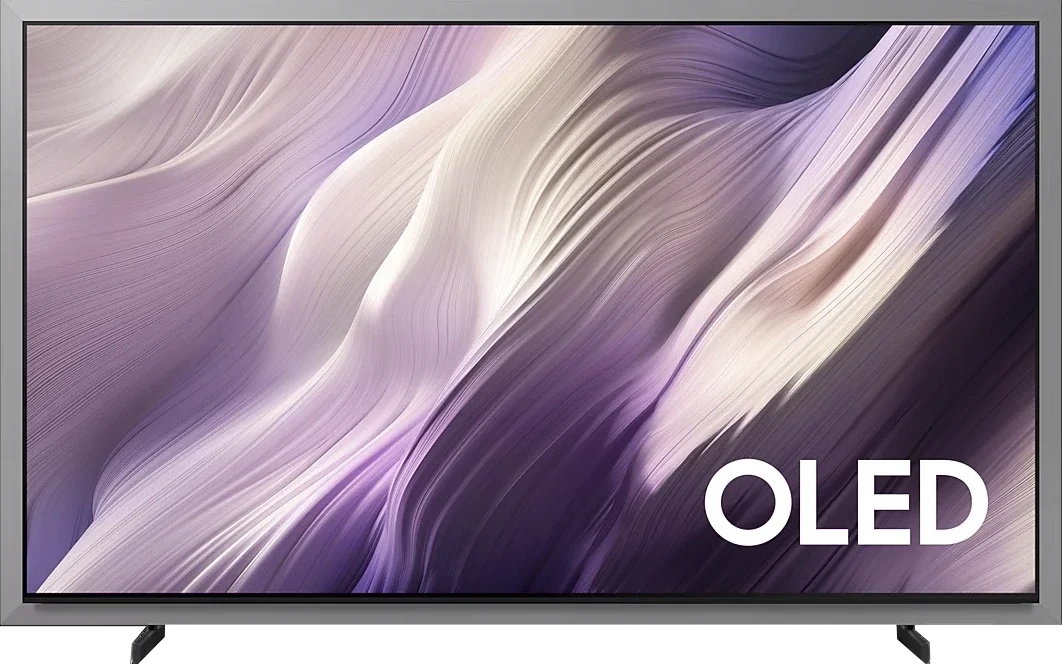
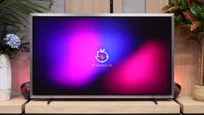
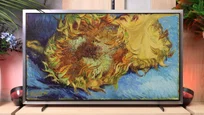
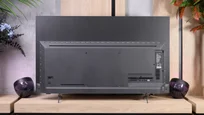
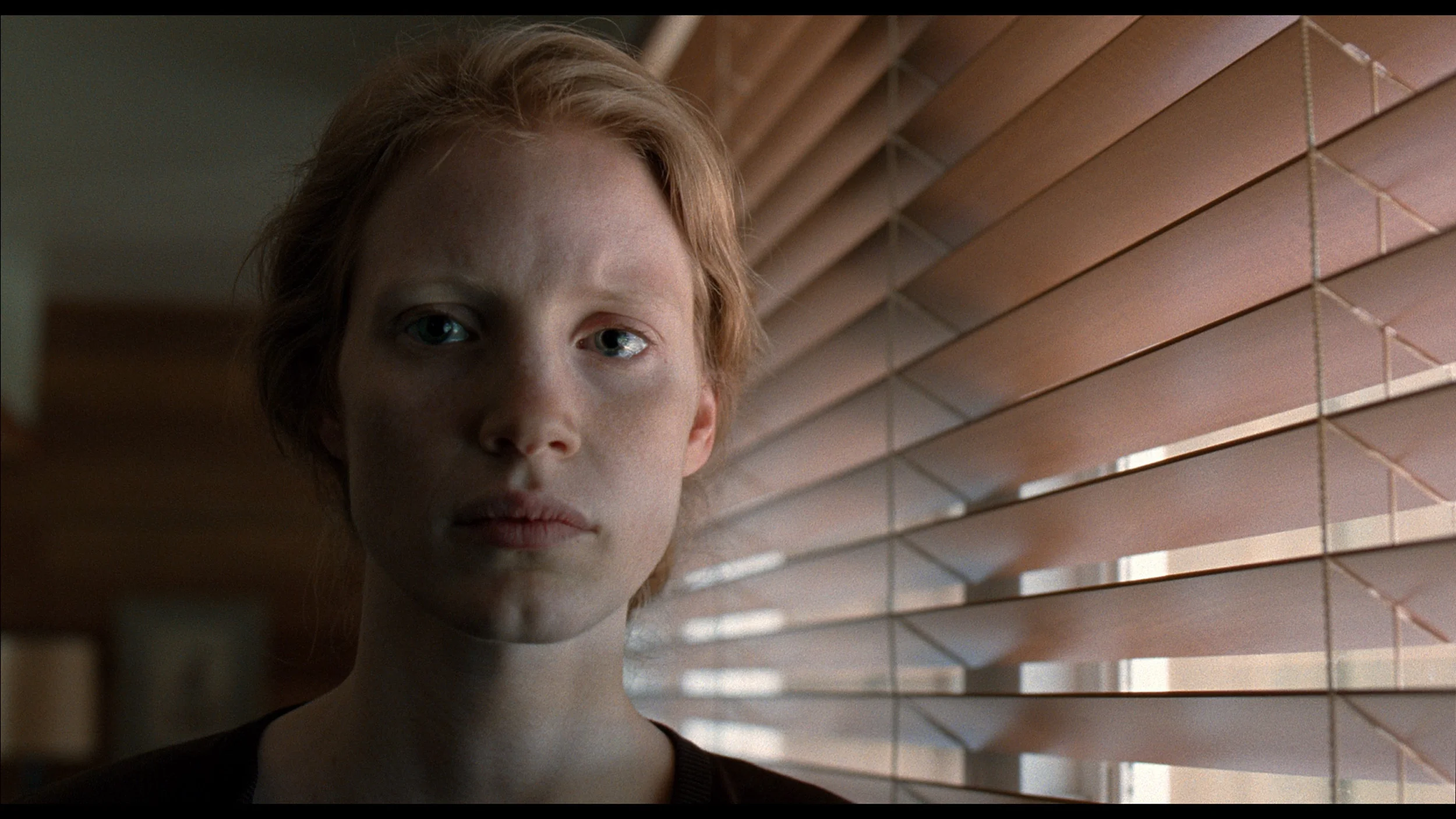
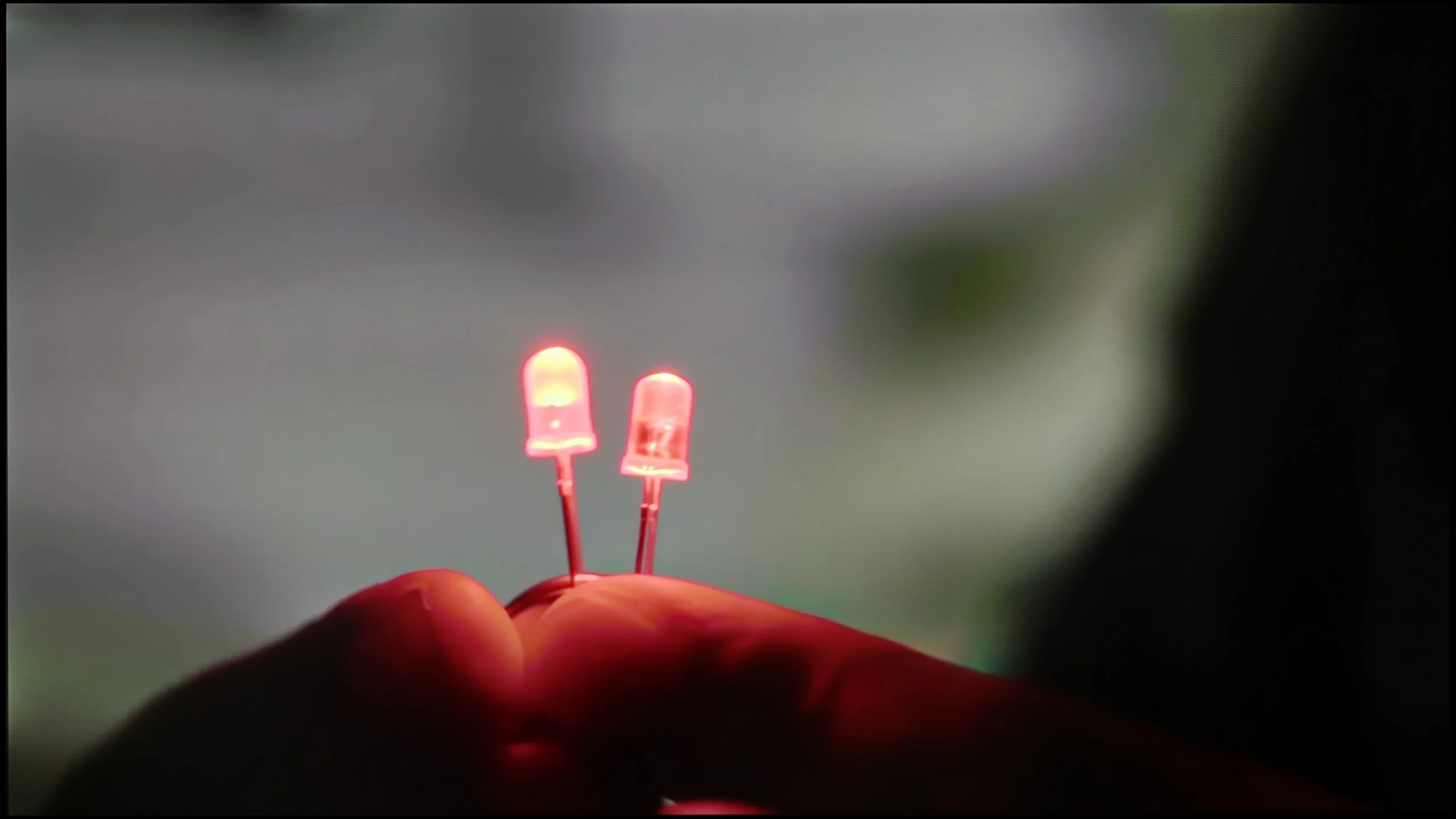
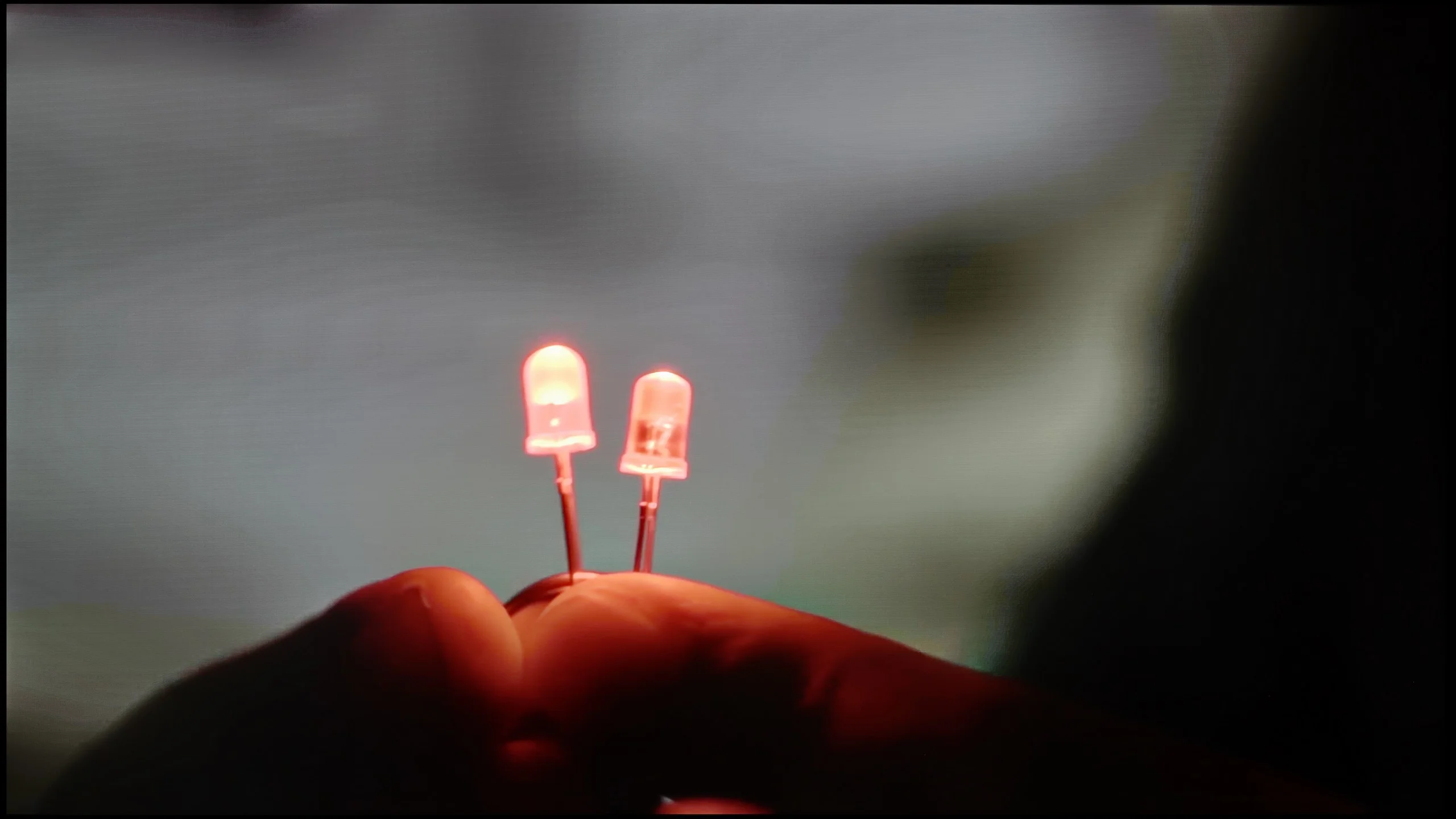
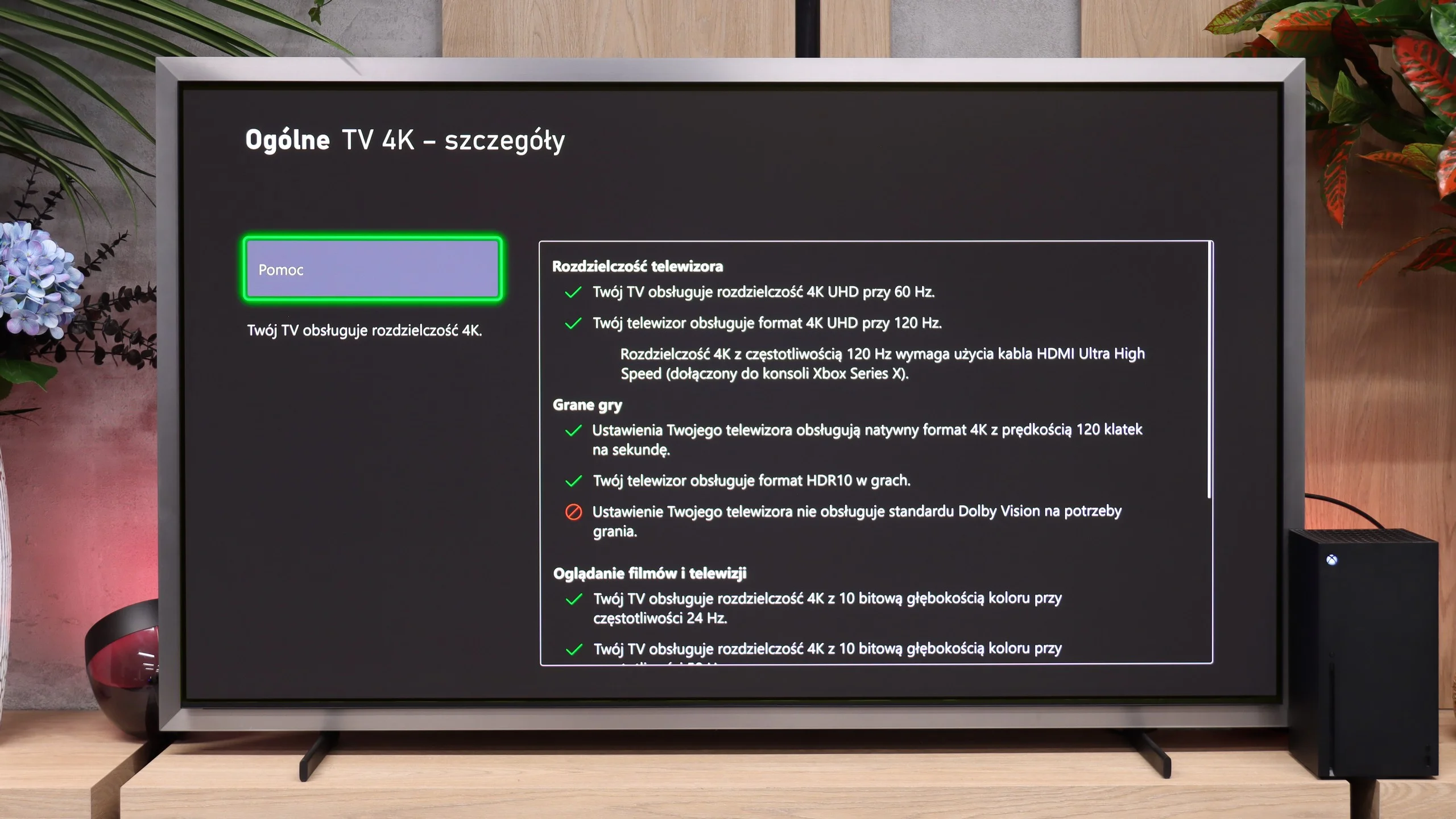
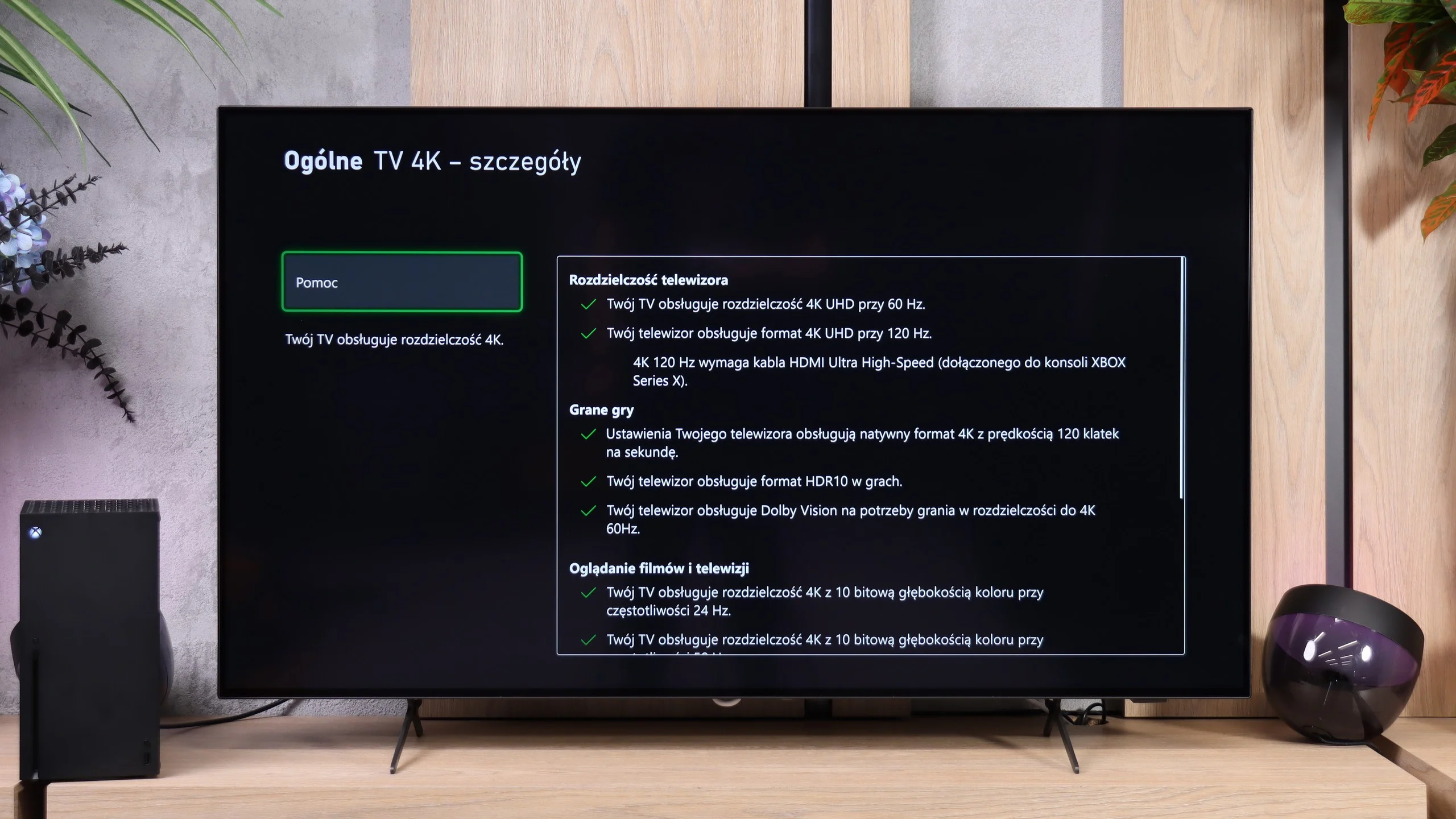
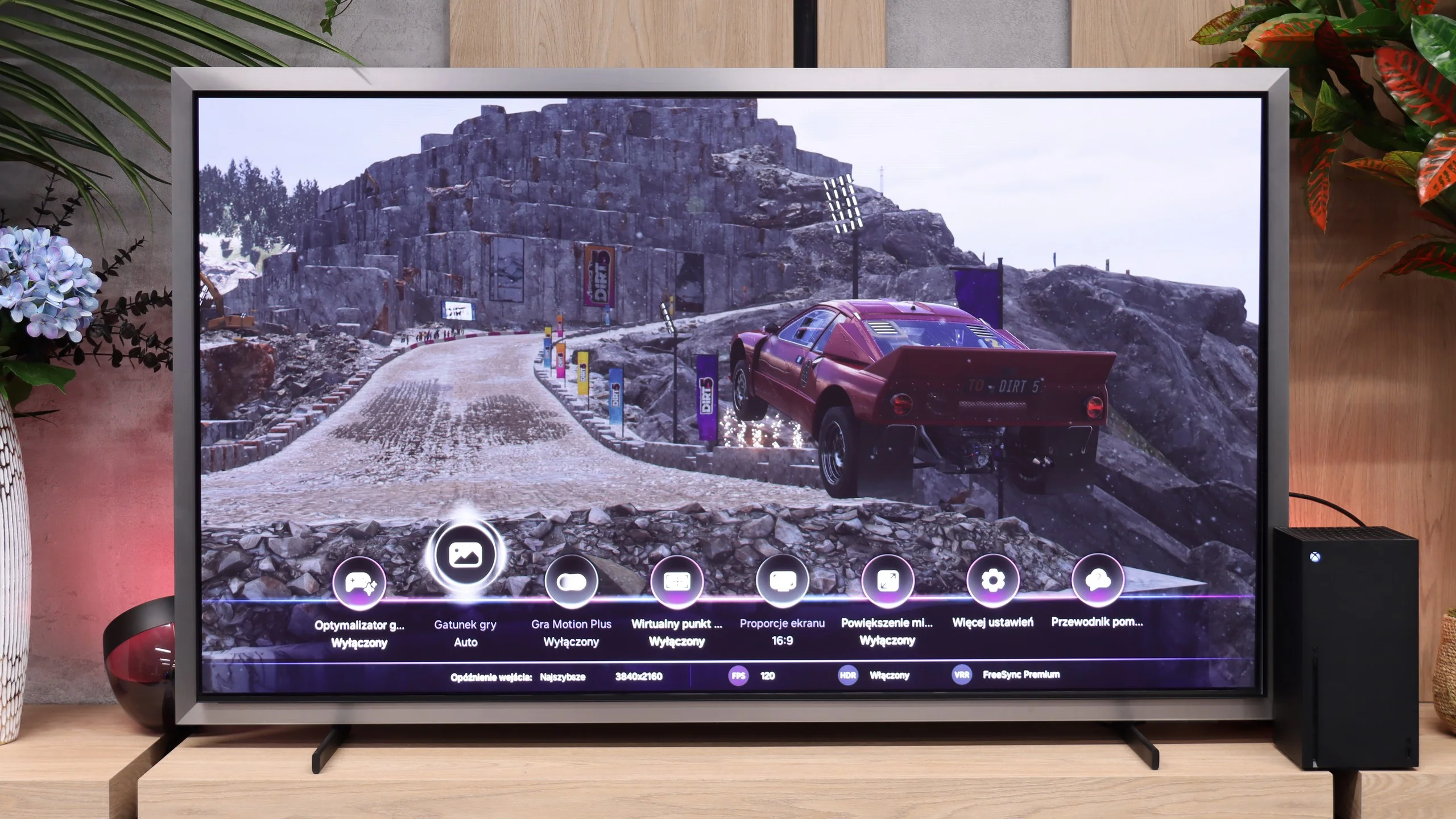
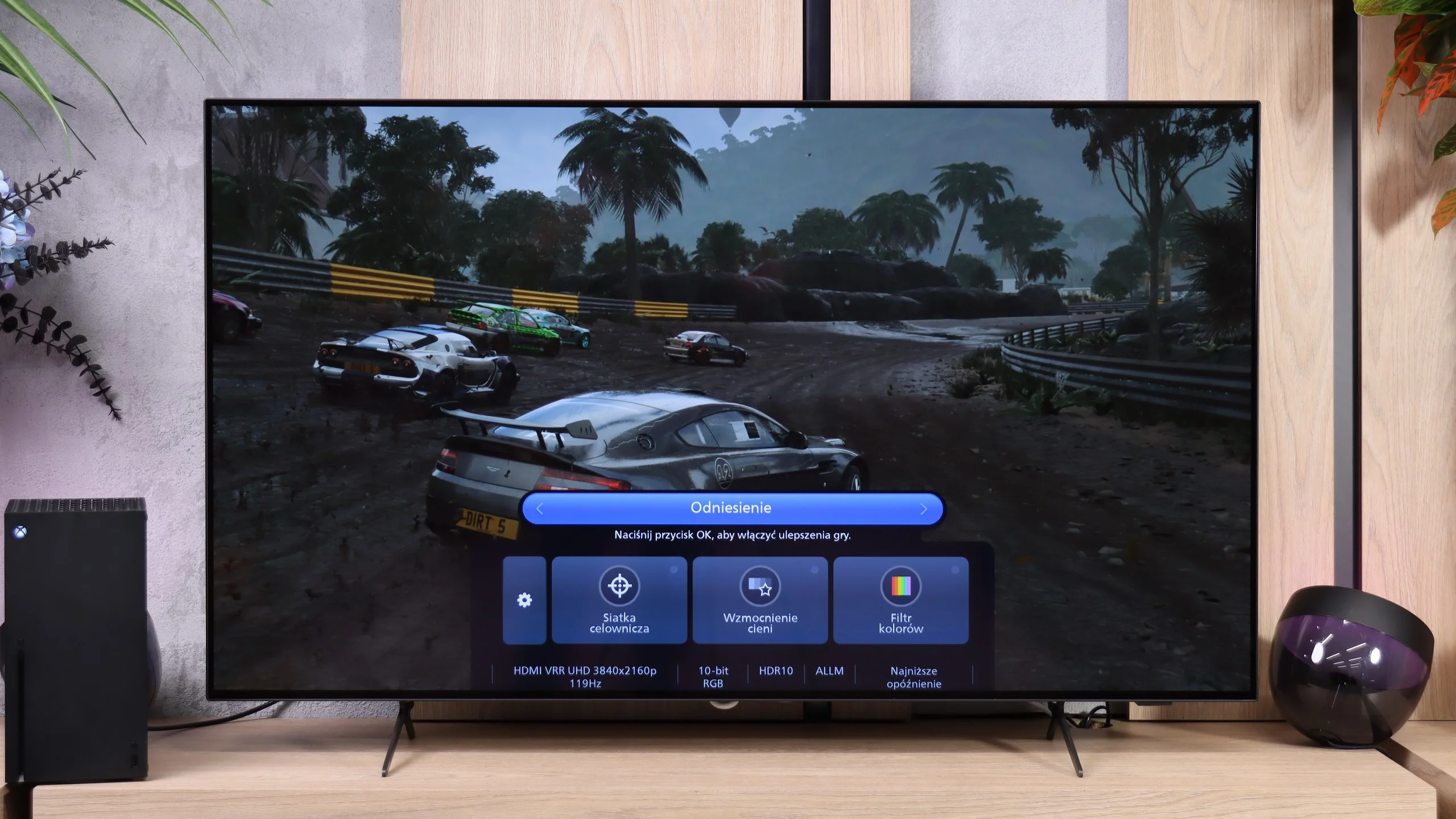
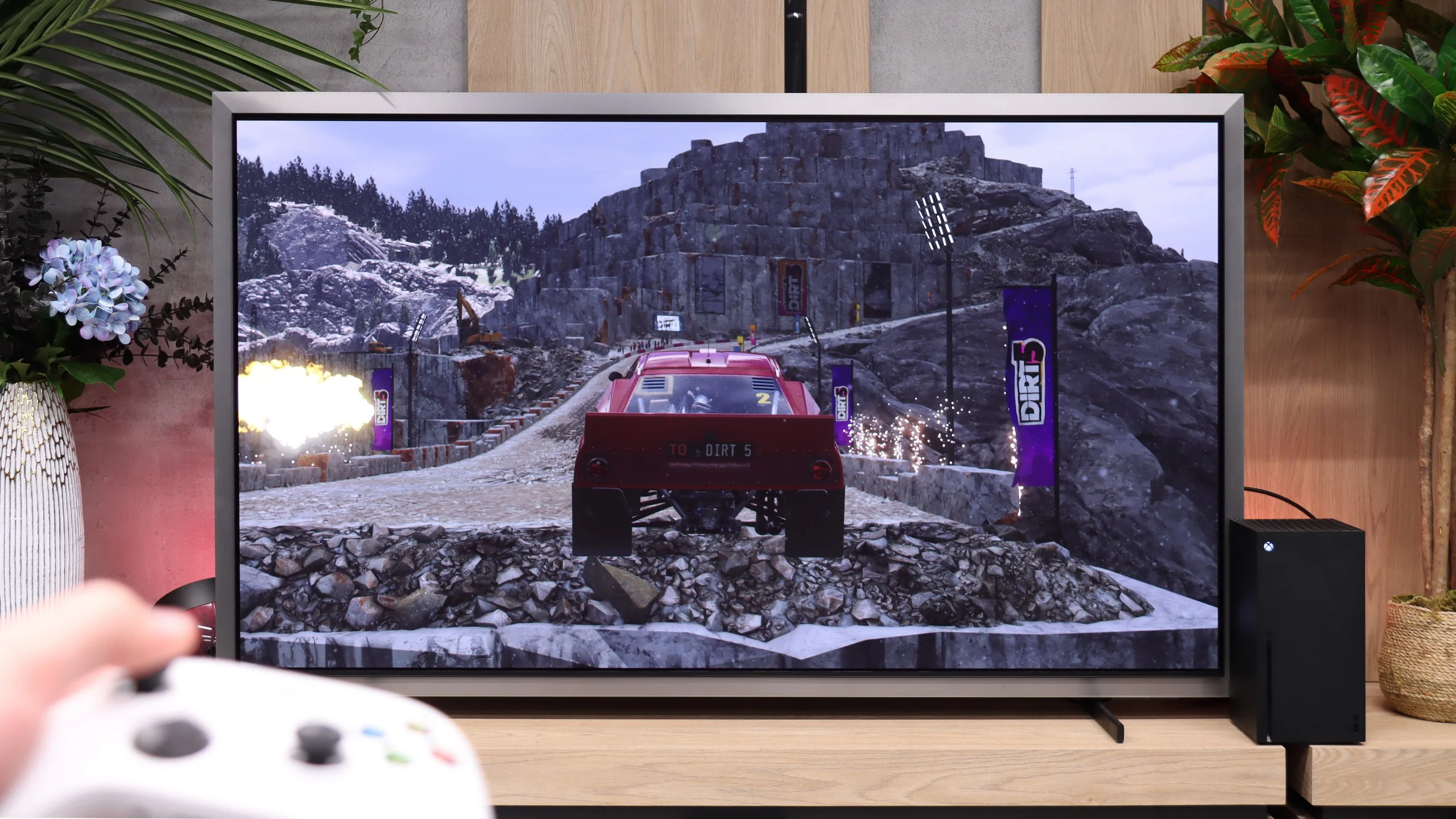
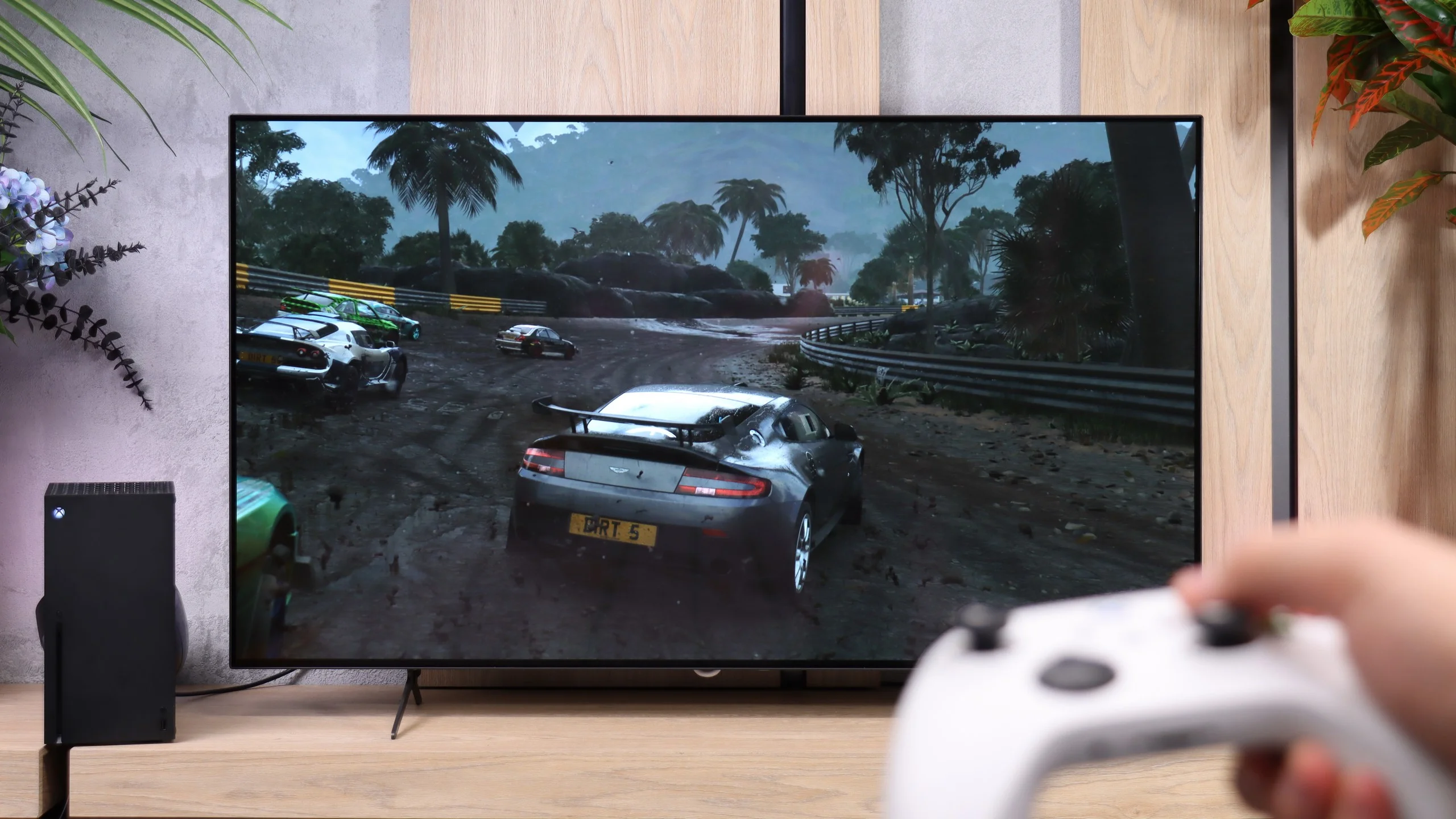
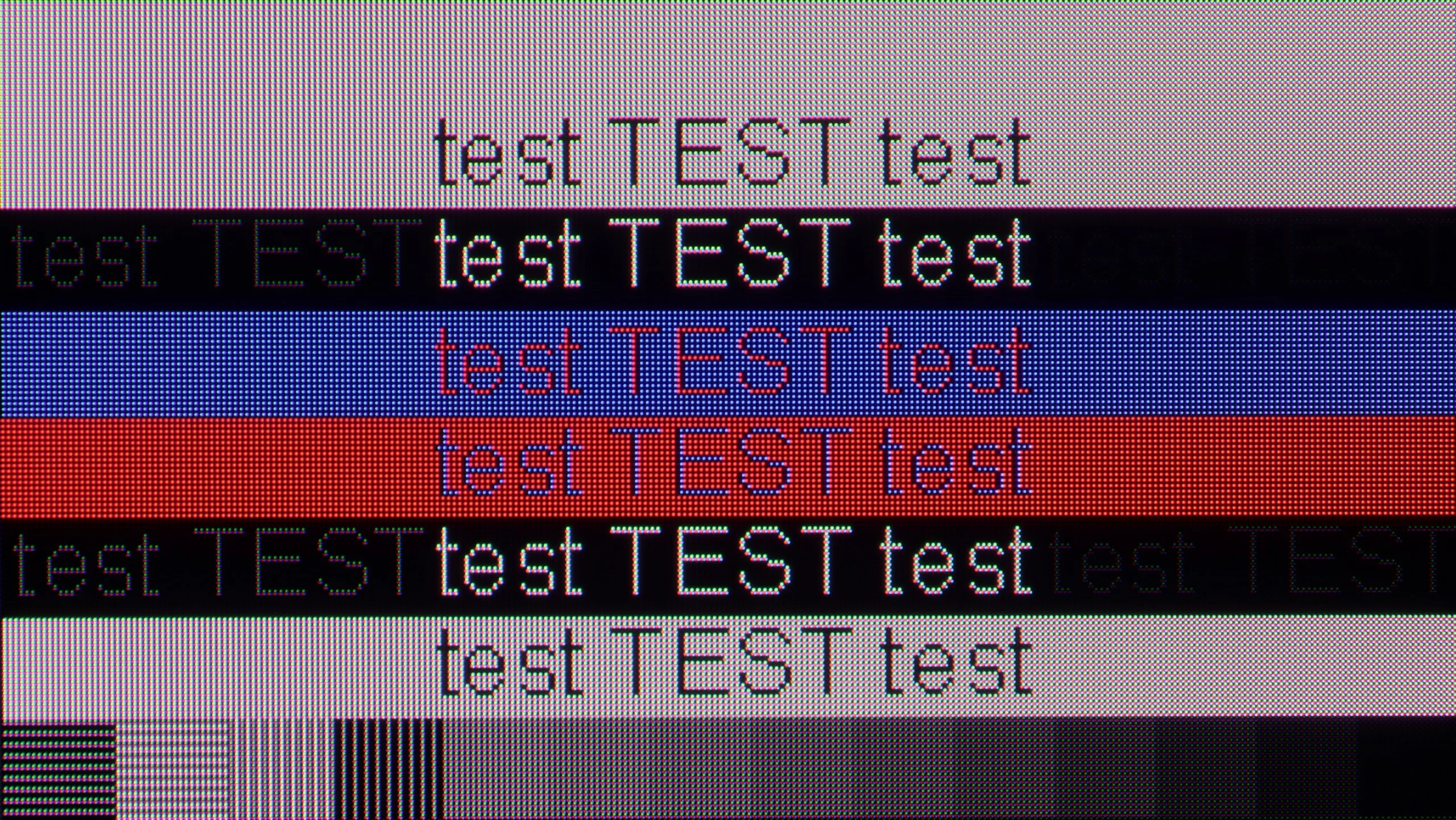
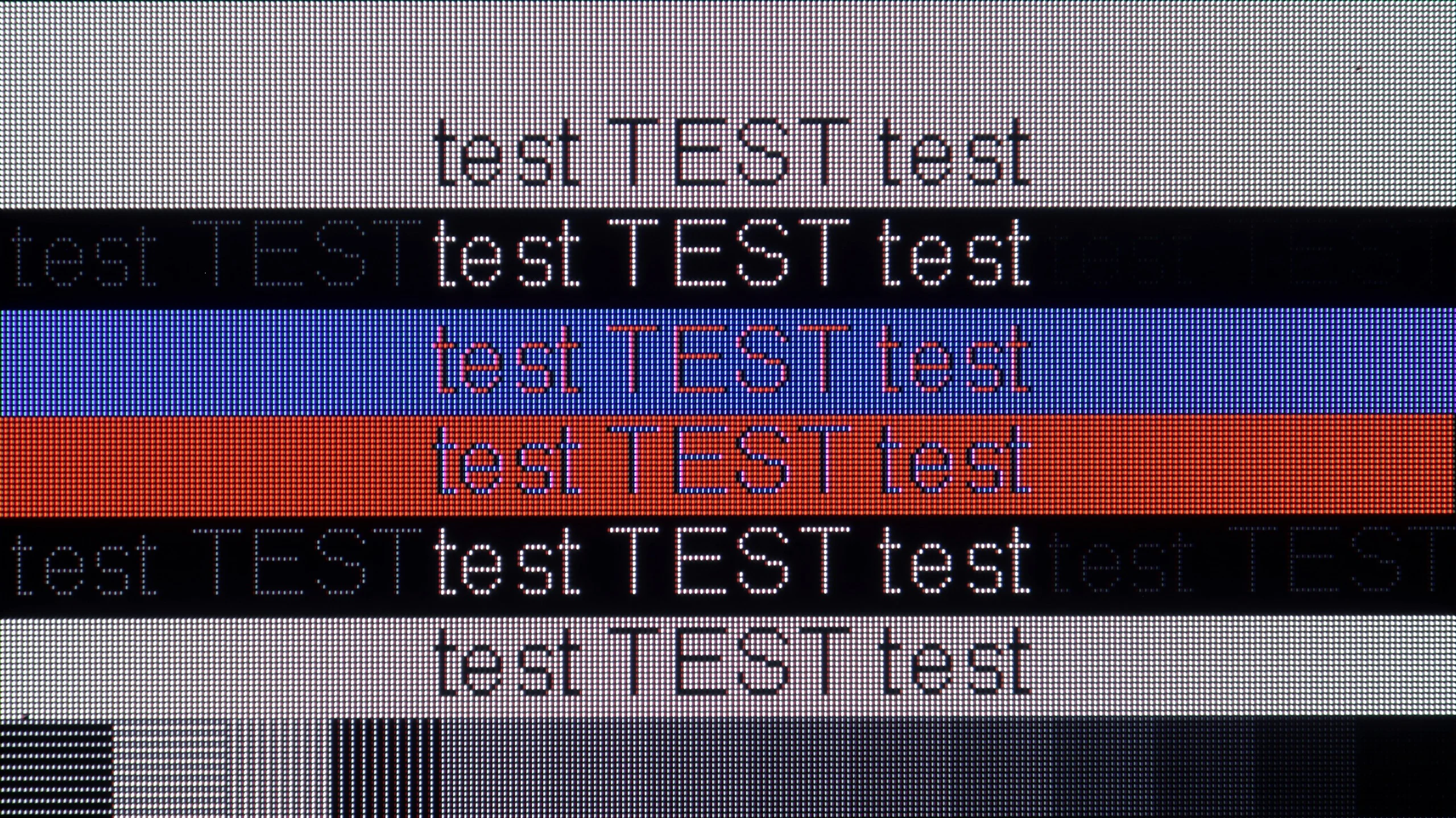
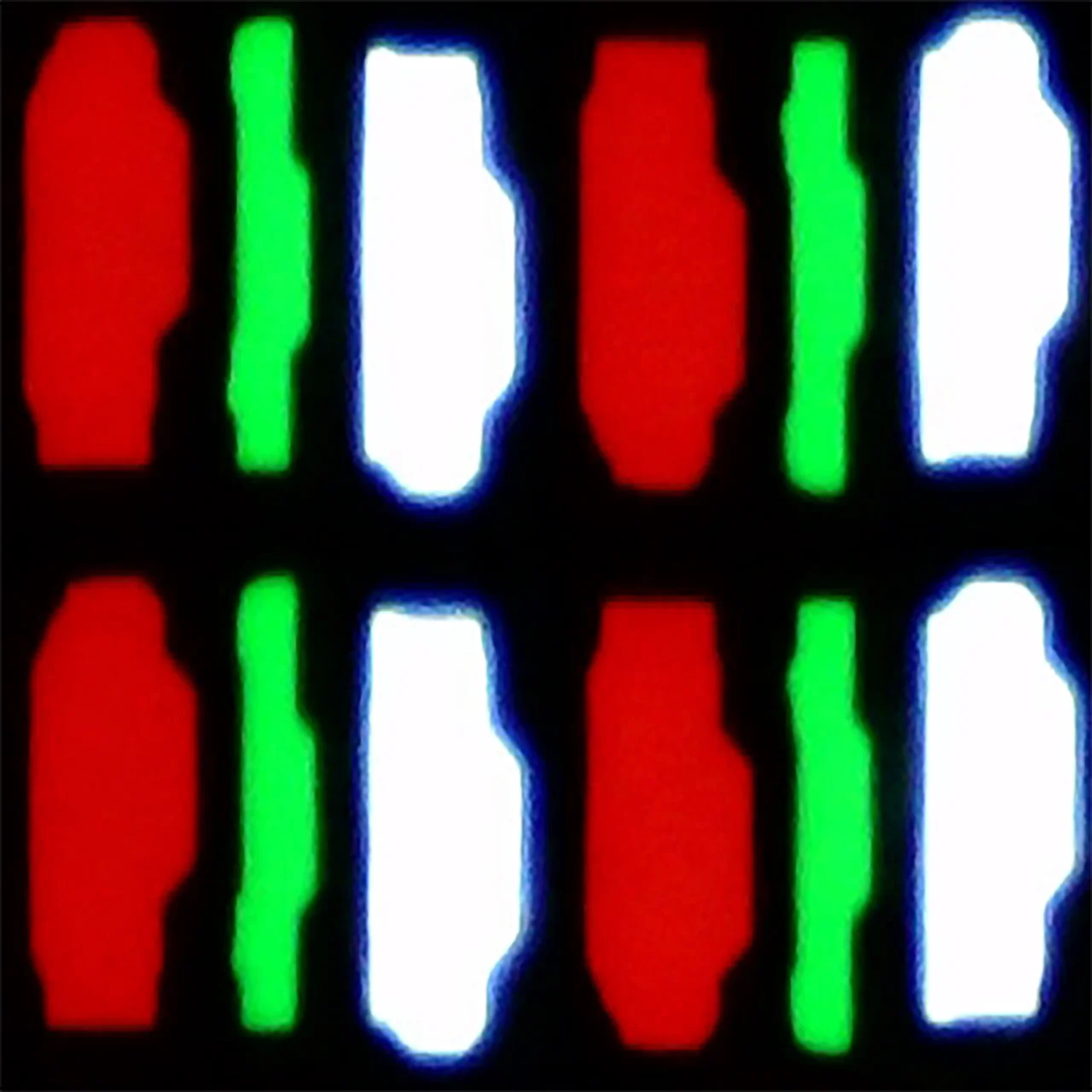
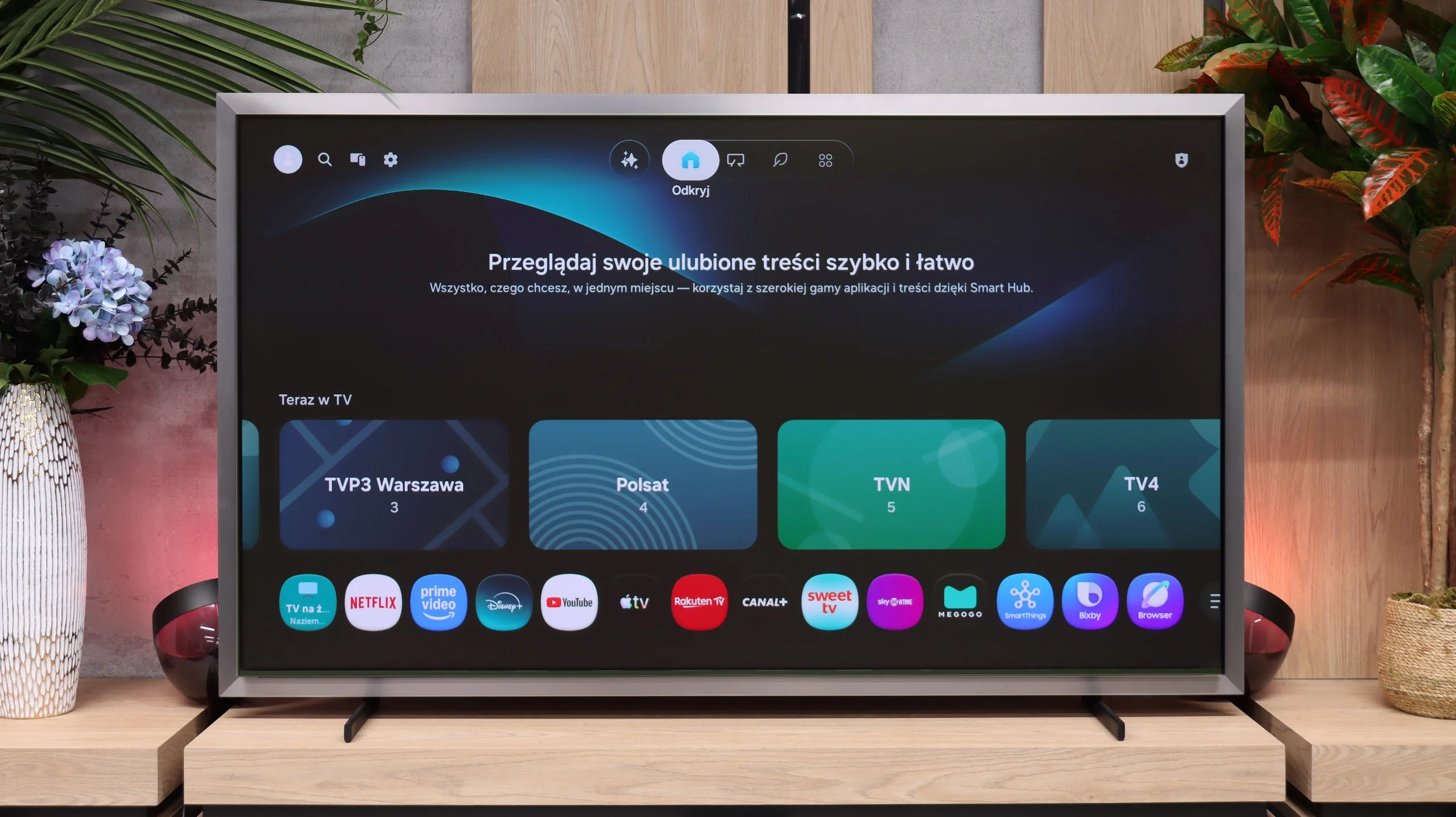
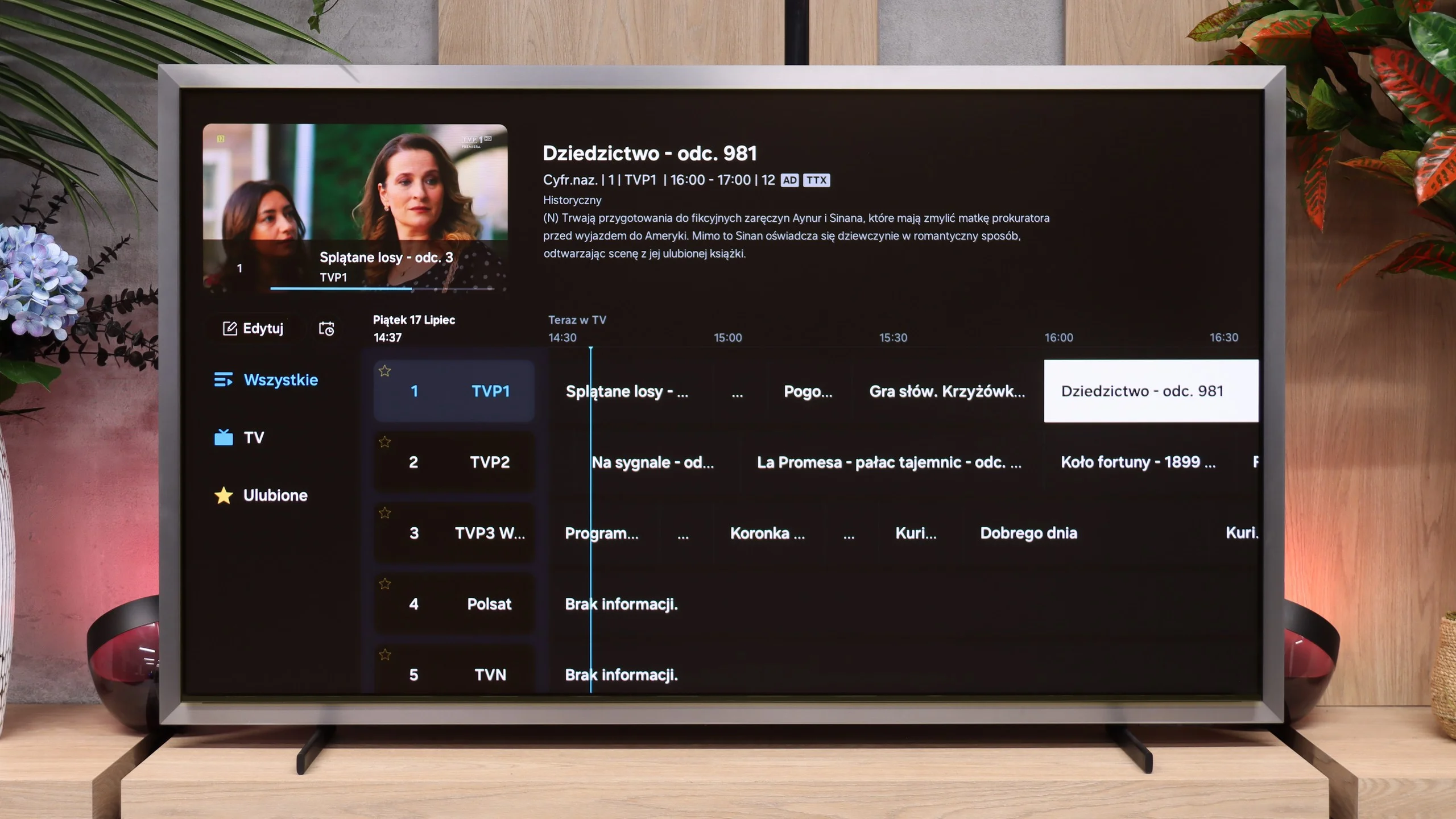
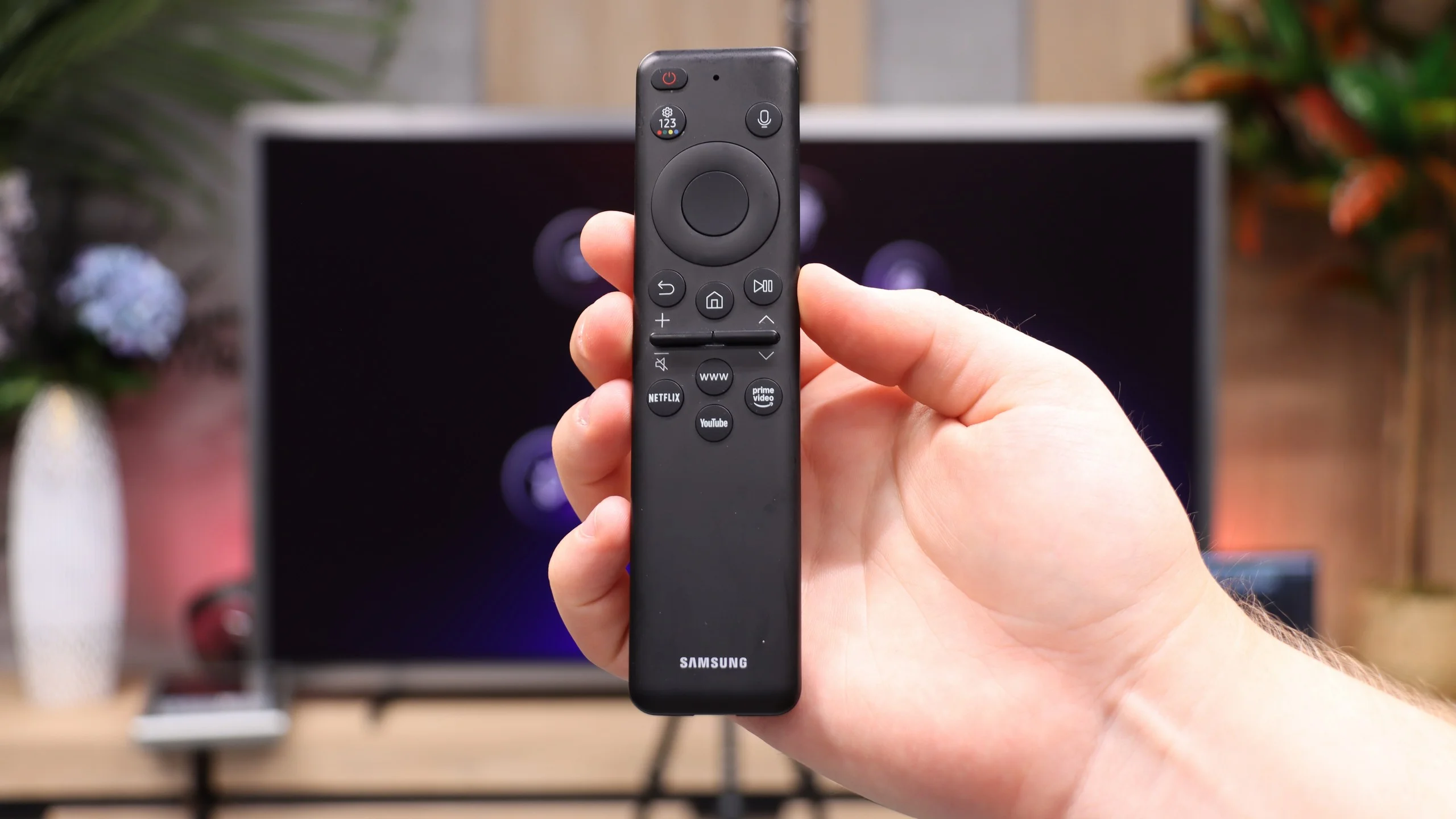
The Samsung S99H is probably the best OLED TV we've tested so far, and certainly Samsung's best OLED in many years. In terms of picture quality it's genuinely hard to find a weak point. Blacks are perfect, as befits an organic panel, and the HDR effect impresses with its brightness and colour saturation. The use of a QD-OLED panel delivers an image that in many scenes looks almost reference-grade. Virtually every parameter related to display quality performs excellently here. It's also hard to deny that the S99H is simply a device that's a pleasure to use every day. Tizen runs quickly, has access to all the major apps and is covered by seven years of update support. On top of that there are brilliant features for gamers, which translated into one of the highest scores in this category on our site. The S99H will therefore perform well in practically any conditions, whether we're watching films in the evening, following regular TV in a bright living room, or spending several hours playing on a console.
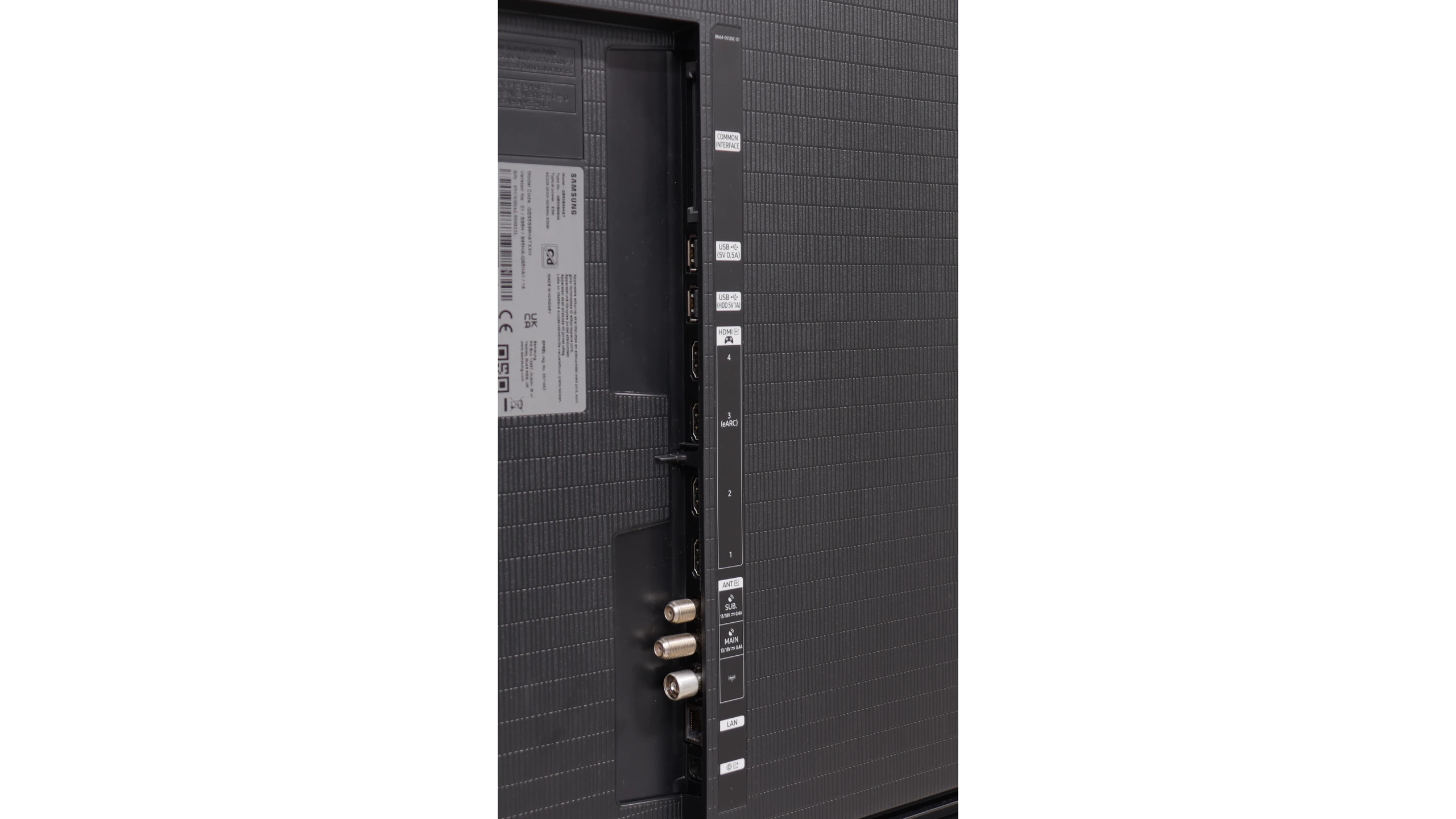
So is it the perfect TV? Not entirely. The design is, of course, the most controversial aspect. The unique look with its wide bezel means this TV is something you'll either love straight away or completely dislike, and that's purely a matter of personal taste. We can, however, judge the equipment, and in that respect Samsung has left something to be desired. In a model designed primarily for wall mounting there is no dedicated mounting bracket, nor a One Connect module. Granted, Samsung allows you to buy its wireless version, the Wireless One Connect, but for a product at this price point both items should, in our opinion, be included.
However, these are not flaws that should rule this model out. The Samsung S99H's main defence is its picture, and it is simply phenomenal. If we like its appearance and are looking for the best possible TV, it's hard to point to a better choice today. At the moment the Samsung S99H is the strongest contender for the title of best TV of 2026.
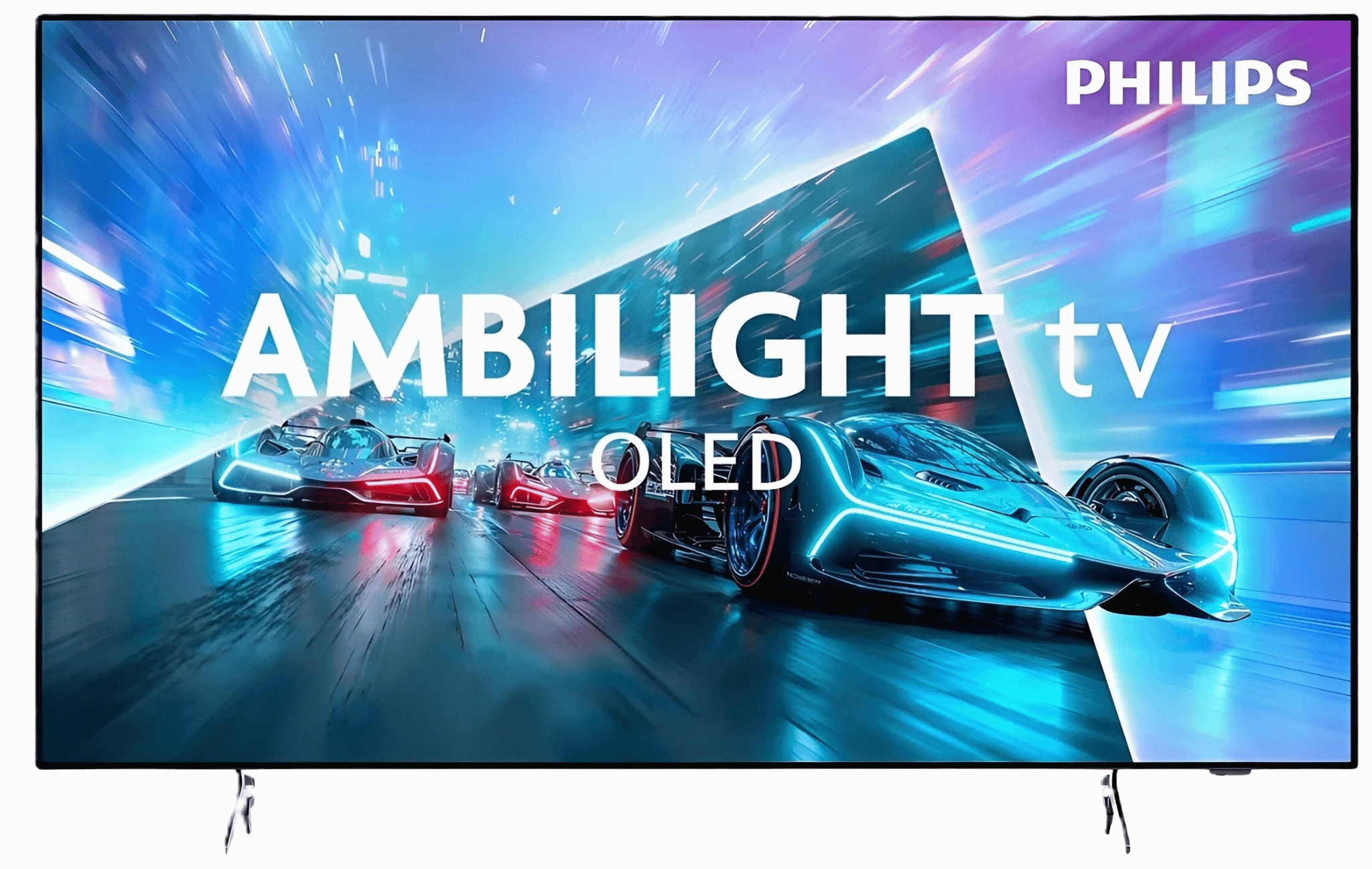
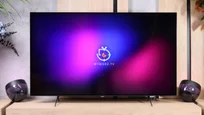
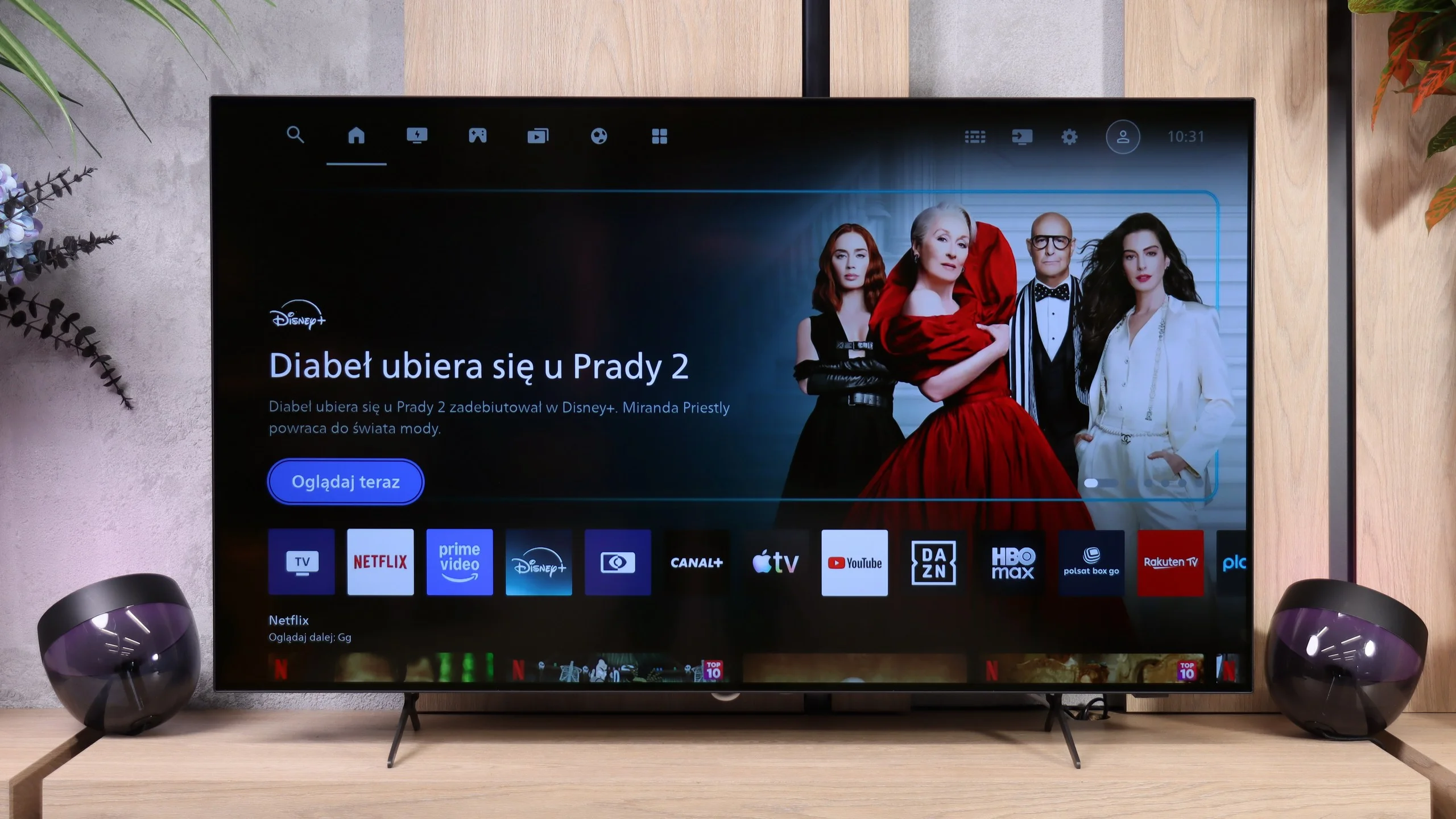
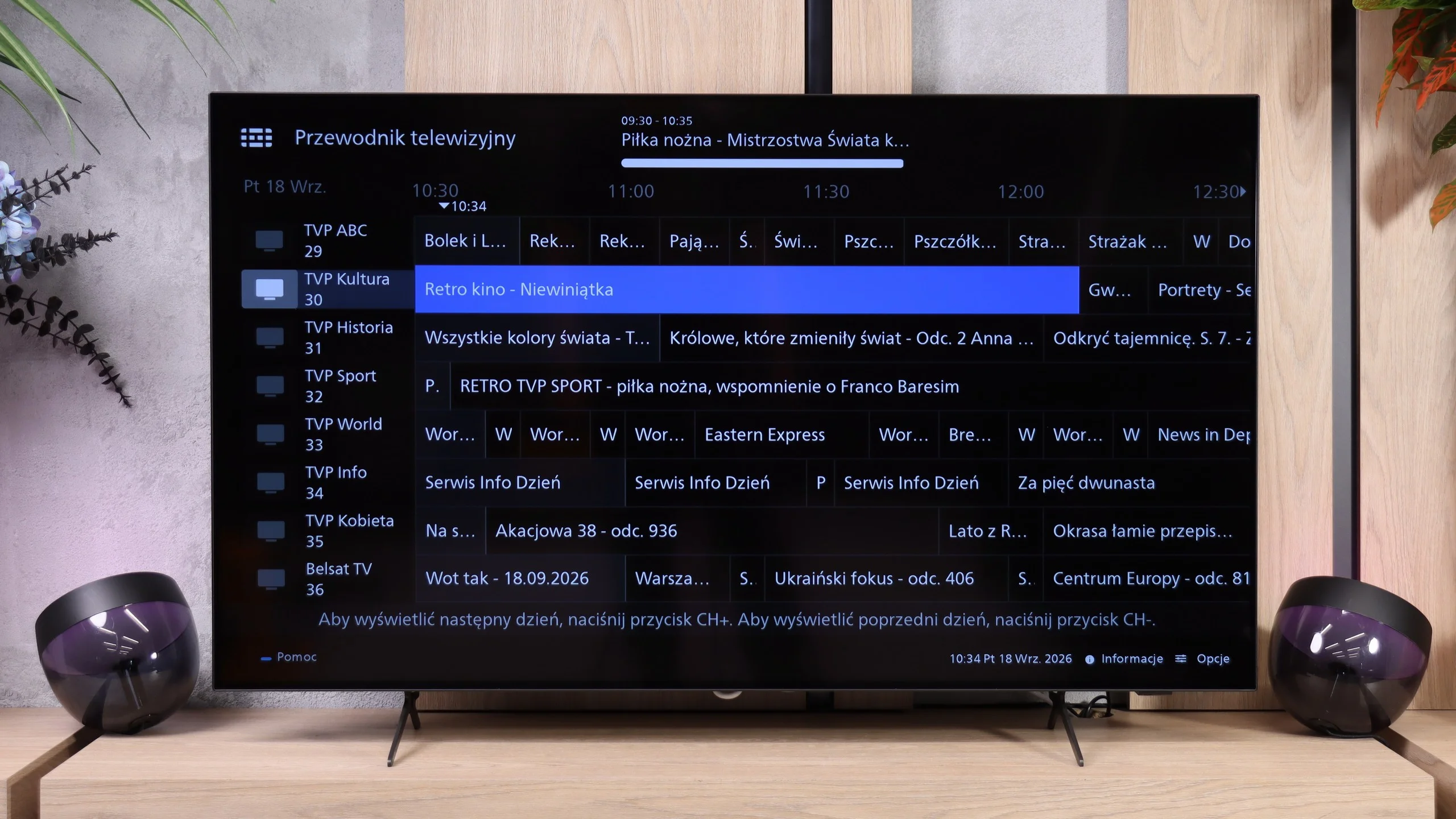
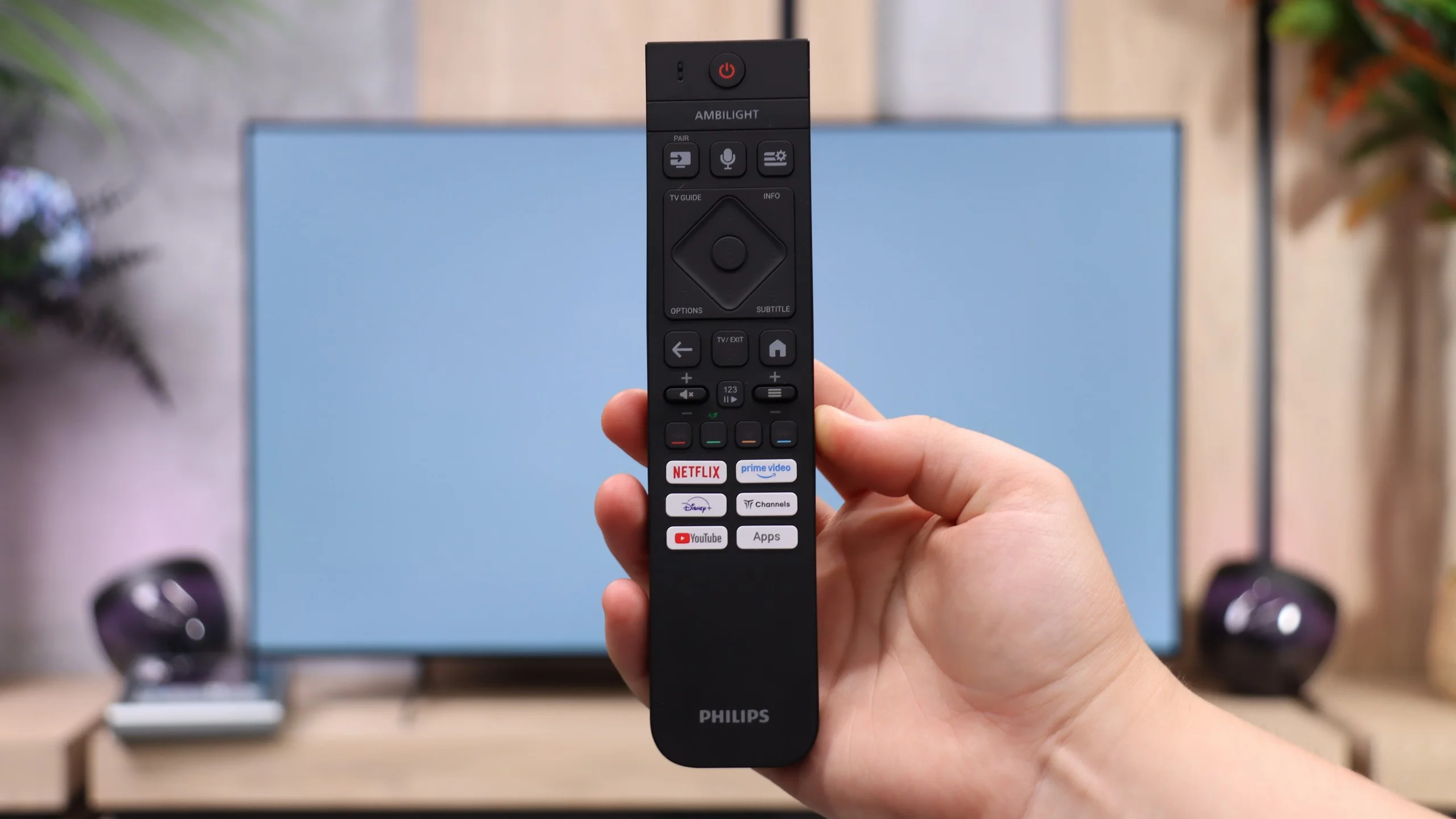
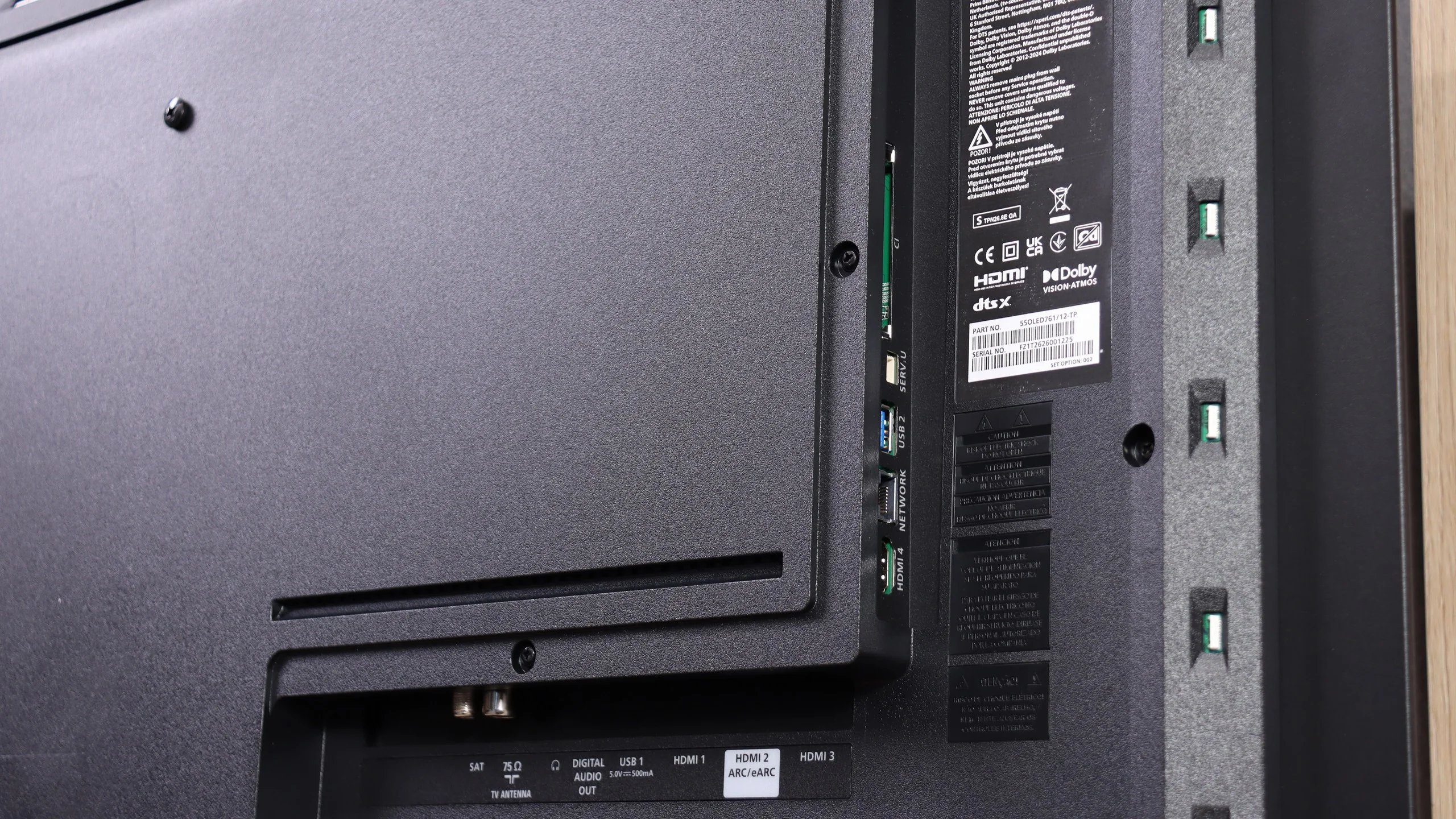
The Philips OLED761 shows that the brand’s entry-level OLED can be a very solid choice for watching films. It performs best in the evening, when perfect blacks and striking HDR let you appreciate the strengths of the panel. After calibration, very accurate colours add to that, so it’s hard to fault the picture itself for normal viewing. It doesn’t always handle the brightest highlights as well in demanding HDR10 films, but Dolby Vision helps in those scenes. It’s a TV that can make a real impression when you watch with the lights off. A big part of that experience is Ambilight. If you like a backlight on the wall behind the screen, the OLED761 gives you a clear reason to consider Philips. You don’t have to pay extra for higher-end models to combine this feature with a good OLED picture. This model is also good for gaming: the 120 Hz panel and four HDMI 2.1 ports let you use it as a screen for films, a console or a PC. That’s important, because even the cheapest OLED in the lineup should be a versatile purchase, not a TV that’s only good for evening viewing. Before buying, it’s worth looking at two limitations. The first is viewing in a bright room. The OLED761 is a little dimmer than rivals using a similar panel, and the lack of a polariser in the OLED SE panel further reduces its performance in bright conditions. The second is Titan OS. The system runs more smoothly than in earlier versions, but it still offers a more limited selection of apps than the competition. Improved smoothness is welcome, but it won’t replace access to the services you use every day, so it’s best to check app availability before buying. We also disliked the remote. Although it’s backlit and has a full set of useful buttons, it requires precise aiming at the screen. Ultimately the Philips OLED761 makes most sense for people who mainly watch in the evenings and want Ambilight. In those conditions it can confidently compete with the Samsung S85H or the LG B6 in terms of picture, and the choice between them will come down more to price, the operating system and personal habits. Philips doesn’t have a clear advantage in every use case, but it shouldn’t be dismissed as a lesser alternative just because it opens the brand’s OLED range. At the right price it’s a good buy, provided the available apps meet your needs.
 Direct comparison