 Direct comparison
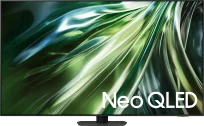
Samsung offers two top models with 4K resolution when it comes to MiniLED technology. In this test, we took a closer look at the perhaps not so "high-end" QN95D, but rather the QN90D, which can also be found under the name QN92D. Samsung proudly calls its MiniLED televisions the NeoQLED series. It is precisely because of this technology that the television offers excellent contrast and high brightness, making movie watching an experience reminiscent of a true cinema. During everyday use, the Tizen system performed excellently. It is fast, intuitive, and allows seamless switching between applications. We also appreciated how well the television managed lower quality materials – traditional television and older films looked better than we expected, and the advanced image processing algorithms did their job. This is a television that truly enhances the reception of content that is not always in high resolution. The solar remote was a pleasant surprise for us. Although minimalist and with a limited number of buttons, it proved to be very practical – allowing us to control not only the television but also other devices, such as the decoder (Canal+) and the soundbar. This meant we could reduce the number of remotes on the table, which immediately improved usability. Additionally, solar charging – a simple idea that eliminates the need for battery replacements and aligns with ecological trends. As for the picture in different conditions, the television performs well in both bright and dark rooms. High brightness and numerous dimming zones handle most content, although sometimes in contrasty scenes a halo effect is visible. The colours are vibrant and natural, and the QLED coating adds intensity to them. For even better results, we opted for calibration – after which the picture looked even more detailed and natural, which only reinforced our belief that the QN92/QN90 is an excellent choice. And what about motion on the screen? It is absolutely smooth. The 144 Hz panel performs excellently with dynamic scenes – fast actions, sports, games – everything looks natural and without blurring. We particularly appreciated the Auto Motion Plus Game feature, which makes games running at 30 frames per second look smoother, resembling 45 frames, and at 60 Hz, motion becomes even more natural, as if operating at 90 Hz. For gamers, this is a significant advantage, especially since low input lag and features like game bar further enhance the gaming experience. This is a television that will perform well in any situation – from evening screenings to gaming marathons. The QN92D is a practical television, well-designed, and offering picture quality that is truly hard to ignore. An ideal choice for those looking for something more than just an ordinary screen for everyday content.
- Matching (Score) |
- Our verdict |
- TV appearance |
- Where to buy |
- Contrast and black detail |
- HDR effect quality |
- Factory color reproduction |
- Color reproduction after calibration |
- Smoothness of tonal transitions |
- Image scaling and smoothness of tonal transitions |
- Blur and motion smoothness |
- Console compatibility and gaming features |
- Input lag |
- Compatibility with PC |
- Viewing angles |
- Daytime performance |
- Panel details |
- TV features |
- Apps |
- Playing files from USB |
- Sound
Neo QLED / QN92D / QN90D

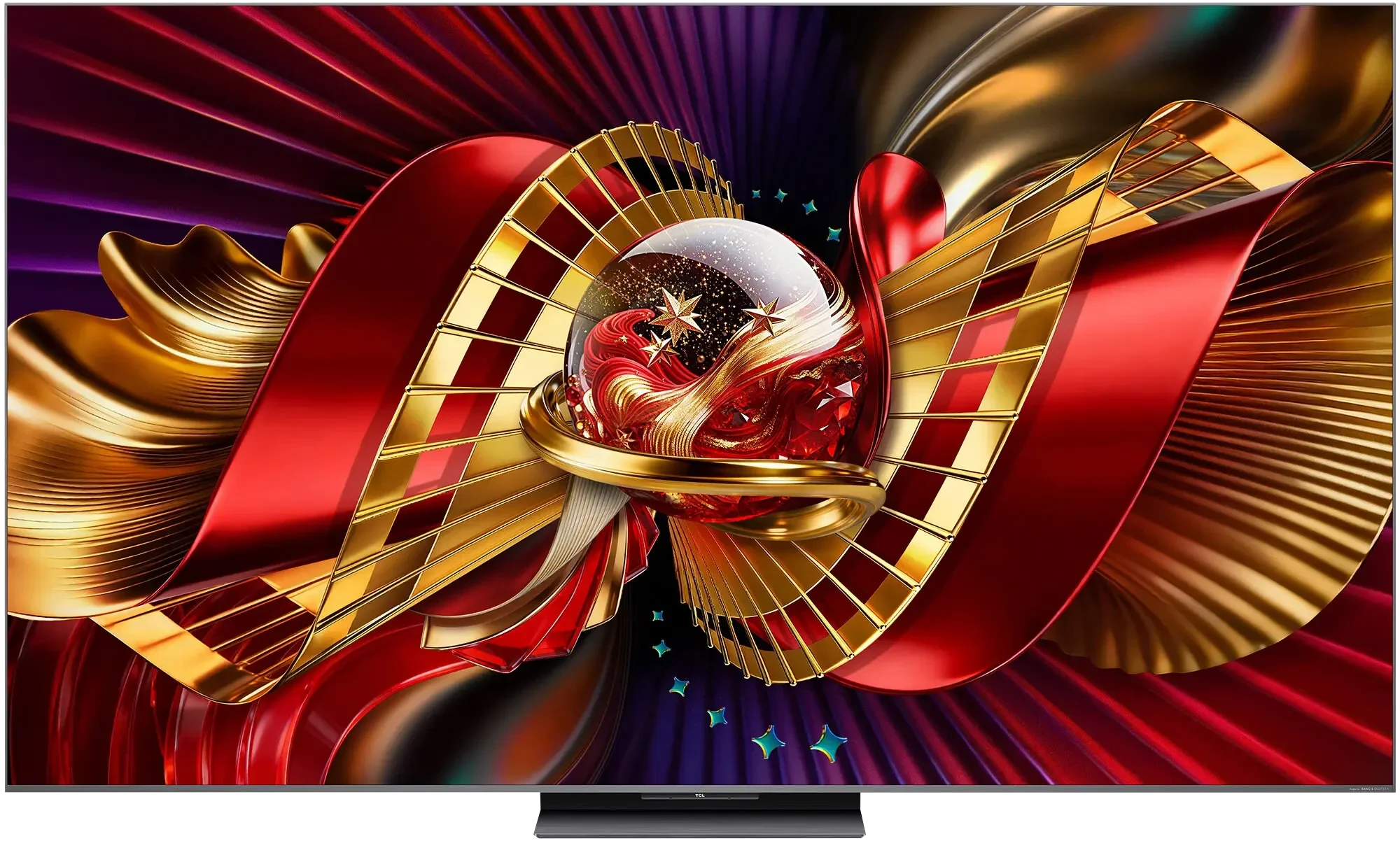
C8L / QM8L
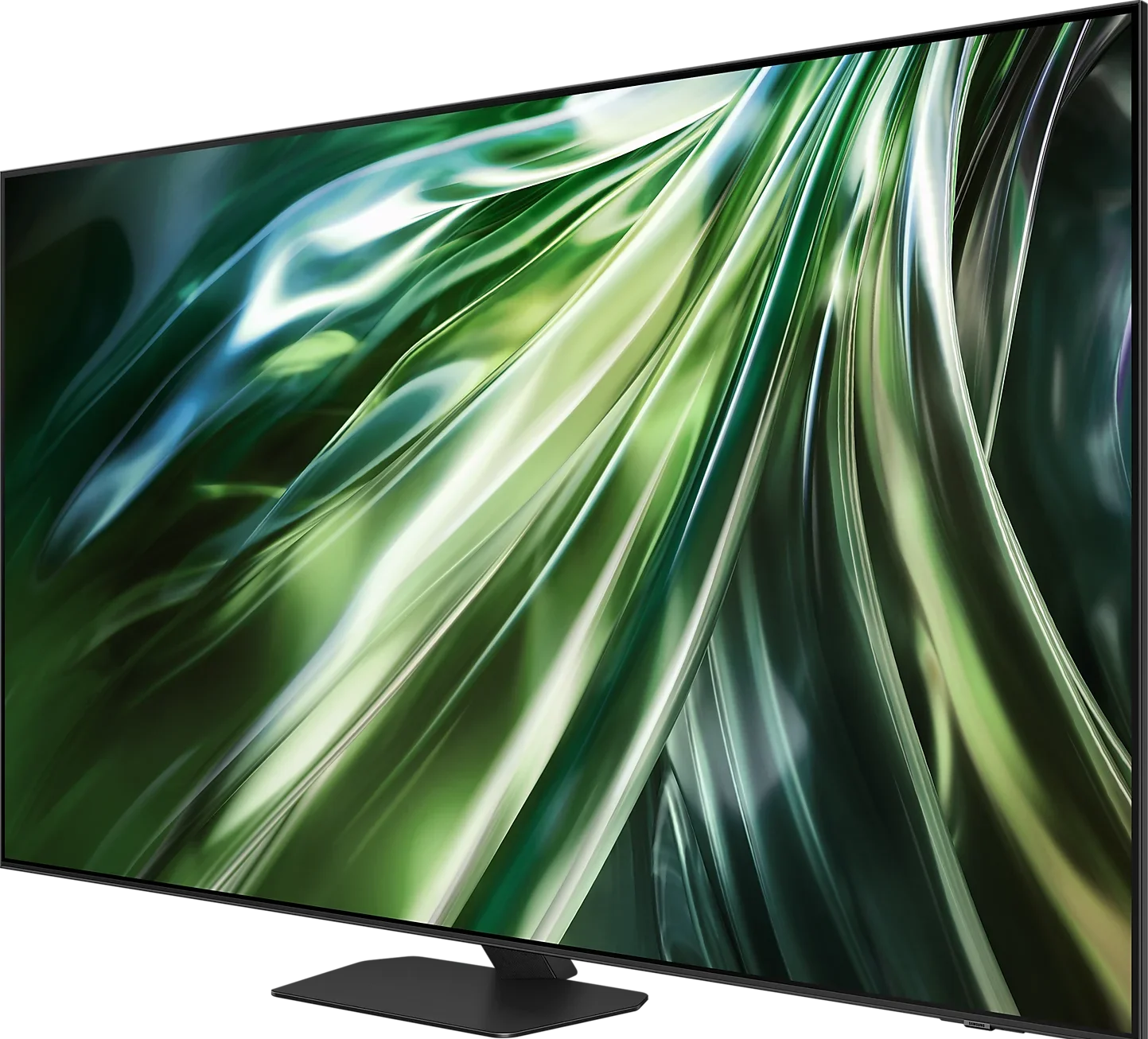
Panel type: LCD VA (wide viewing angle)
Resolution: 3840x2160
System: Tizen
Model year: 2024
Complete the survey to find out the result
Panel type: LCD VA
Resolution: 3840x2160
System: Google TV
Model year: 2026
Complete the survey to find out the result
Overall rating
7.8
8.3
 Movies and series in UHD quality
7.9
7.7
 Classic TV, YouTube
7.9
7.5
 Sports broadcasts (TV and apps)
7.7
7.2
 Gaming on console
9.1
8.9
 TV as a computer monitor
8.6
8.6
 Watching in bright light
6.4
10.0
 Utility functions
7.4
8.3
 Apps
9.3
9.6
 Sound quality
6.9
8.1
Complete the survey to find out what fits your preferences
Advantages

High brightness
Good contrast
Intuitive Tizen operating system
Great for gamers and sports fans (HDMI 2.1, 144Hz, low input lag)
Wide viewing angles - unusual for VA panels
Very good black levels: Mini-LED backlighting
High peak brightness: results reaching nearly 5000 nits
Excellent daytime performance: the powerful backlight easily cuts through reflections on the panel
Very good colours: new SQD quantum dots
Pentonic 800 processor: a noticeable quality leap in upscaling and the performance of digital features
Four full HDMI 2.1 ports
Excellent specs for gamers: exceptionally low input lag (below 10 ms), refresh rates up to 288 Hz with VRR, and support for HGiG and Dolby Vision Gaming
Google TV: the system runs quickly and allows installation of a large number of apps
Good sound: audio branded by premium Bang & Olufsen
Disadvantages

No recording function
No DTS format support - this may be problematic for those using Blu-ray
Not faithful to the creator's intent: the TV tends to boost brightness
Slight smearing
Our verdict
TCL C8L is undoubtedly one of the most intriguing Mini-LED televisions that has entered our laboratory this year. This model stands out primarily due to its excellent price-to-performance ratio. TCL has already accustomed us to aggressive pricing for its screens, but in the case of the C8 series, the manufacturer has managed to push the boundaries even further. For the amount that often only allows the purchase of mid-range models or two such models like C8K in the competitive market, here we receive equipment and specifications equal to top models. The new image processor, four full HDMI 2.1 ports, support for extreme refresh rates, and powerful peak brightness thanks to a vast number of dimming zones are arguments that are hard to overlook.
However, analysing the whole picture, one must honestly summarise the character of this television. The C8L is equipment designed more for displaying “spectacular” images rather than rigorously faithful ones. What do we mean by this? The software and algorithms managing the Mini-LED backlight zones have been tuned to favour visual appeal – the image is meant to be bright, contrasty, and striking in saturation. And what does this mean? The television has a tendency to autonomously interpret images instead of adhering to certain studio standards. For most users looking for “greater” emotions in films or games, this effect will likely be an advantage. On the other hand, purists and fans of perfectly natural images (such as us 😉) may find this behaviour too aggressive and not in line with the director's intent. Hence, we leave the final assessment on this matter to you.
Generally speaking, despite this specificity, the TCL C8L is a television that we can, and indeed must, wholeheartedly recommend. It is primarily a premium-class product, doing literally everything right... to a fault. Certain imperfections we would simply treat as features of this device rather than flaws – mainly due to the technological limitations that all Mini-LED televisions from any manufacturer on the market have accustomed us to. Ultimately, the software refinement has brought a lot to the new model, resulting in a mature, confident, and nearly complete piece of equipment.
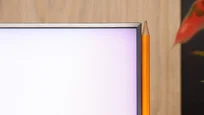
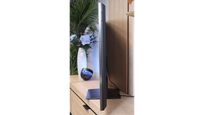
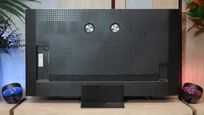
TV appearance

Contrast and black detail
7.9/10
8/10
Local dimming function: Yes, number of zones: 504 (36 x 14)
Local dimming function: Yes, number of zones: 2040 (34 x 60)
Contrast:


Result
∞:1

Result
69,000:1

Result
∞:1

Result
5,500:1

Result
2,700:1
Result
156,600:1
Result
59,250:1
Result
17,400:1
Result
23,650:1
Result
9,250:1
Halo effect and black detail visibility:
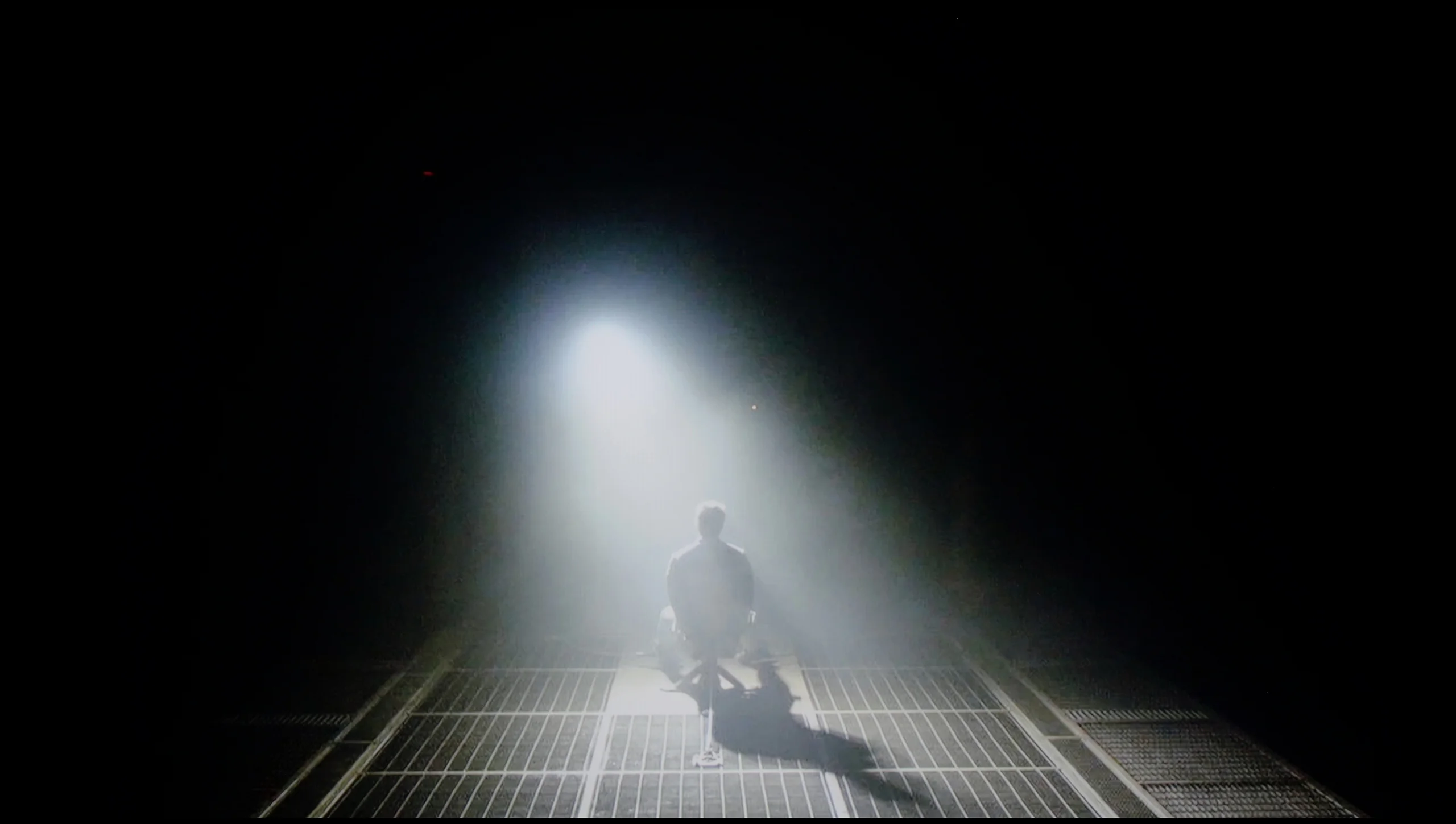
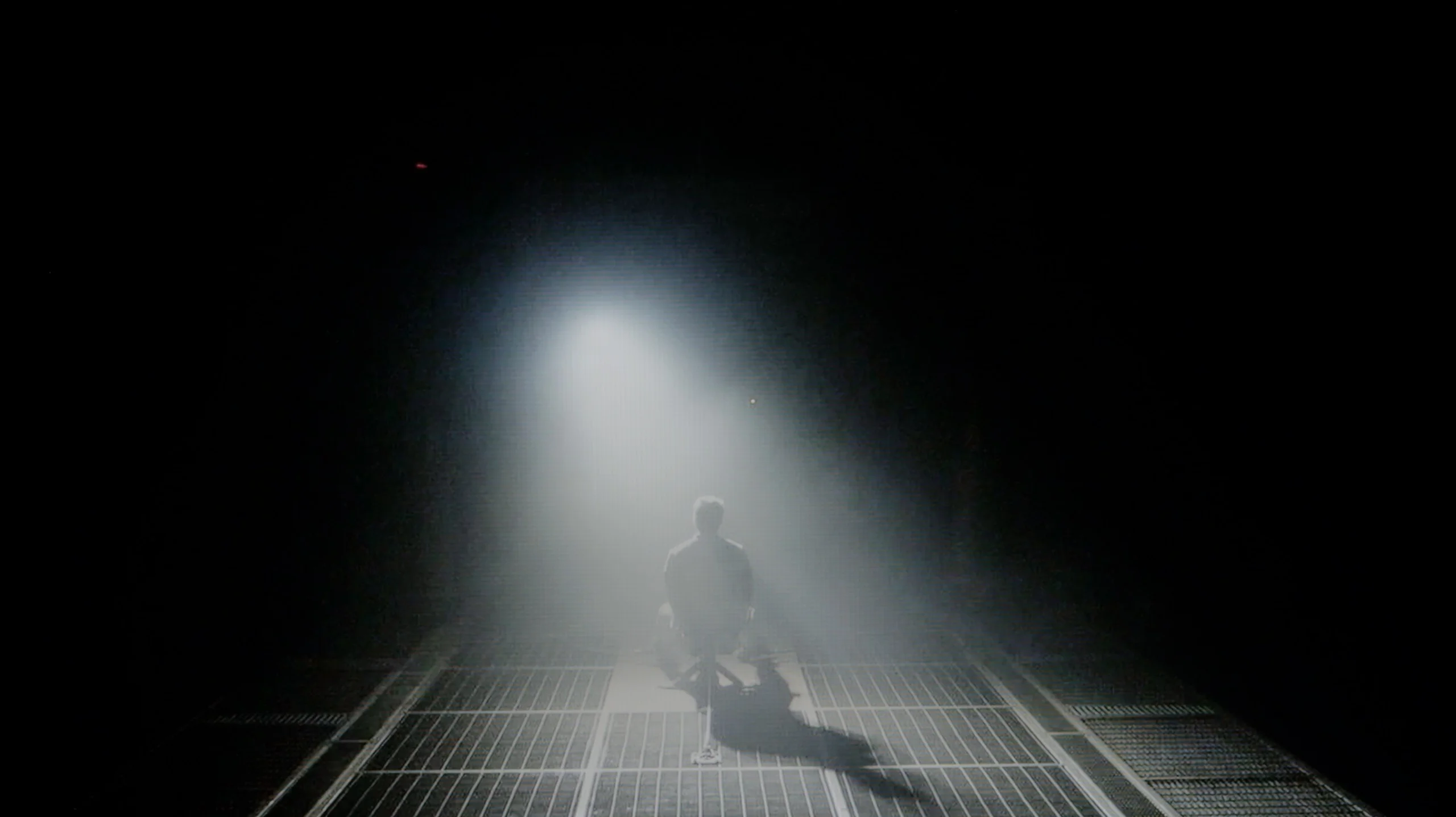
Check the visibility of bright lights on a dark background. Mini-LEDs often struggle with this. The photo does not compare black levels – that’s what the video below is for.
The video accurately shows differences in contrast and black levels between TVs, as well as potential issues: halo around bright objects or Mini-LED zone operation visible as brightness jumps.
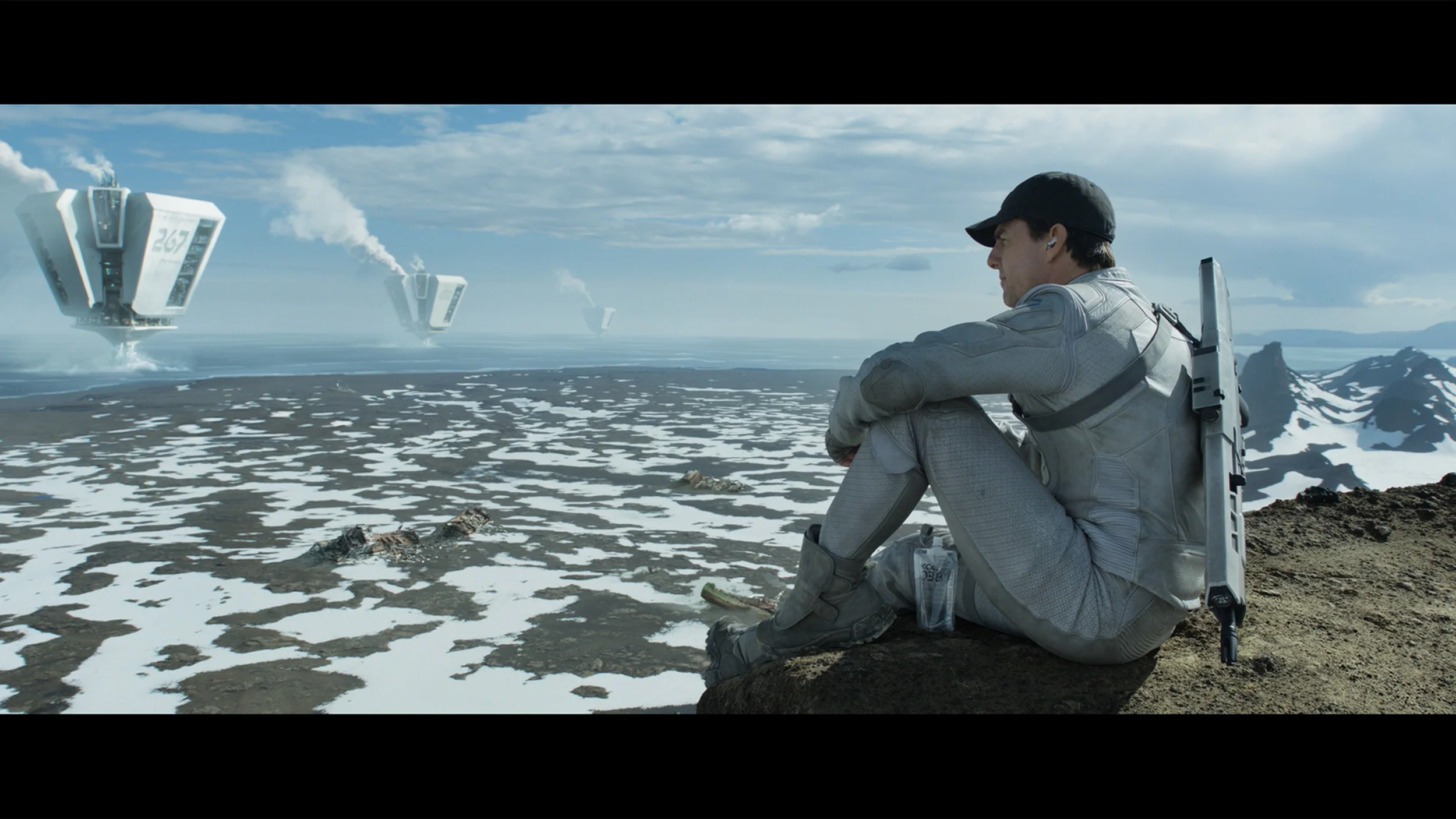
Samsung QN92D is one of the highest models of NeoQLED 4K (mini LED) from the Korean manufacturer for 2024. Although it does not offer as many local dimming zones as its more refined sibling Samsung QN92D, the number of 504 dimming zones in the 55-inch version is still impressive. The VA panel works well with this solution, providing excellent results in terms of contrast. The contrast in Samsung QN92D is outstanding for a non-OLED television. Even in challenging scenes, like those from the films "Oblivion" or "Arrival", the contrast is nearly infinite and can compete with the best televisions in the OLED segment, which is quite rare among LED-backlit televisions. However, mini LED technology has its limitations compared to organic panels, which can lead to certain issues. For example, on the latest test pattern from Pioneer, the television struggles significantly. This may be due to a very aggressive dimming algorithm, causing the mini LED lights to sometimes be unable to "decide" what to do – whether to illuminate certain elements or maintain black levels. Despite these shortcomings, Samsung QN92D is one of the best LCD televisions in terms of contrast and black levels.
The C8L model certainly cannot be denied one thing: an impressive specification. In the 65-inch variant we tested: the manufacturer packed in as many as 2040 independent local dimming zones (this number, of course, increases or decreases with the screen diagonal). Such a dense packing of light points has a direct impact on the depth of black. The contrast measured by us in film scenes reached impressive five- and six-digit values to one, which is a remarkable result in the LCD world. Is the algorithm perfect? Not entirely. On small, bright elements displayed against a dark background, the trained eye can still discern a slight halo effect and moments when the zones come to life, which is a natural feature of Mini-LED technology. Interestingly, in our test scene with a helicopter, the background was noticeably brighter than on competing screens. Unfortunately, TCL manipulates the brightness curve in a specific way, artificially boosting certain plans, over which we do not have full control from the device's menu. This is an evident weakness of this model that needs to be taken into account. That said, the black levels on this model will be more than satisfactory for most viewers.
HDR effect quality
6.7/10
7.3/10
Luminance measurements in HDR:

Result
1947 nit

Result
617 nit

Result
738 nit

Result
271 nit

Result
1479 nit
Result
1637 nit
Result
701 nit
Result
1428 nit
Result
405 nit
Result
1728 nit
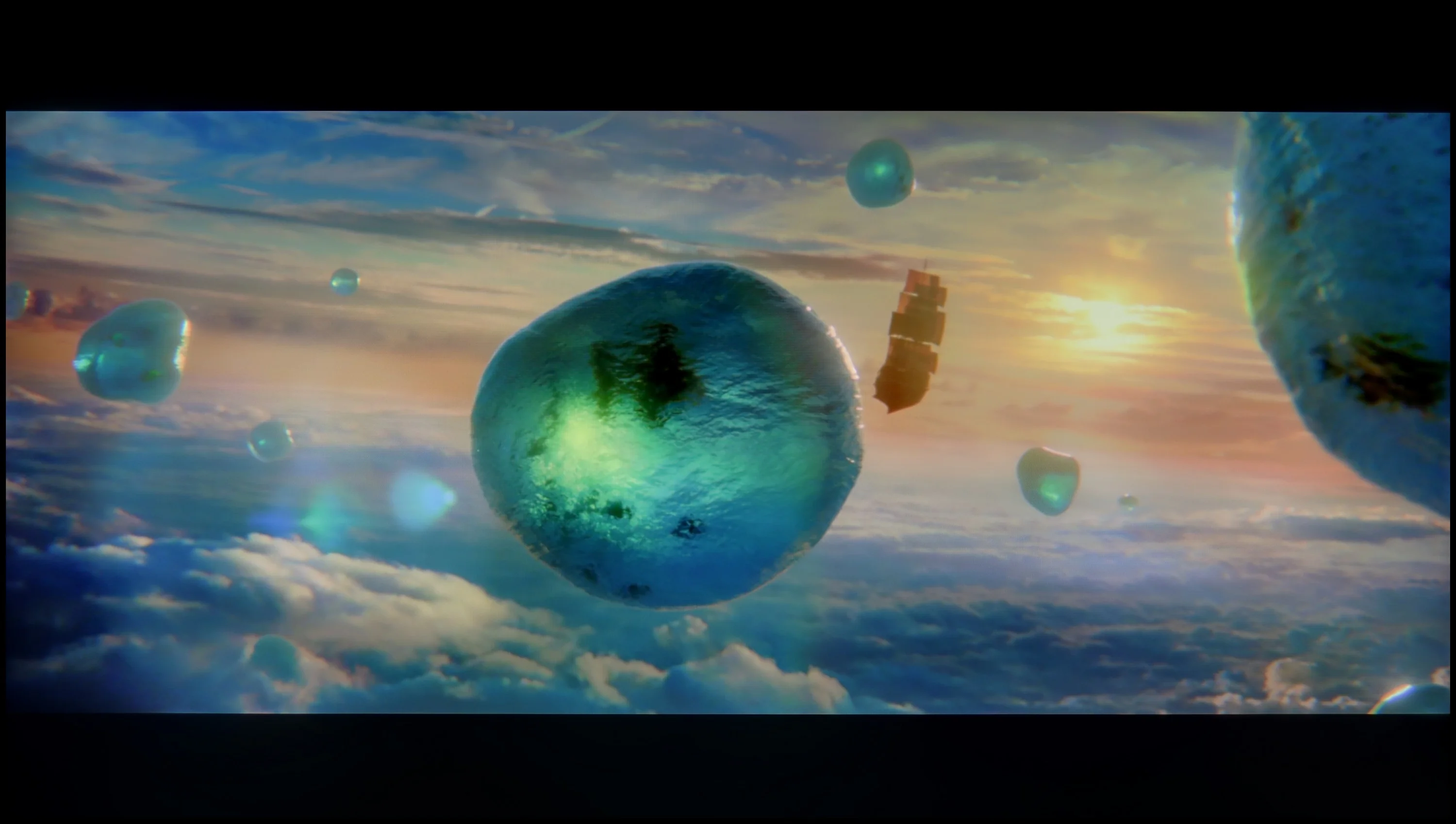
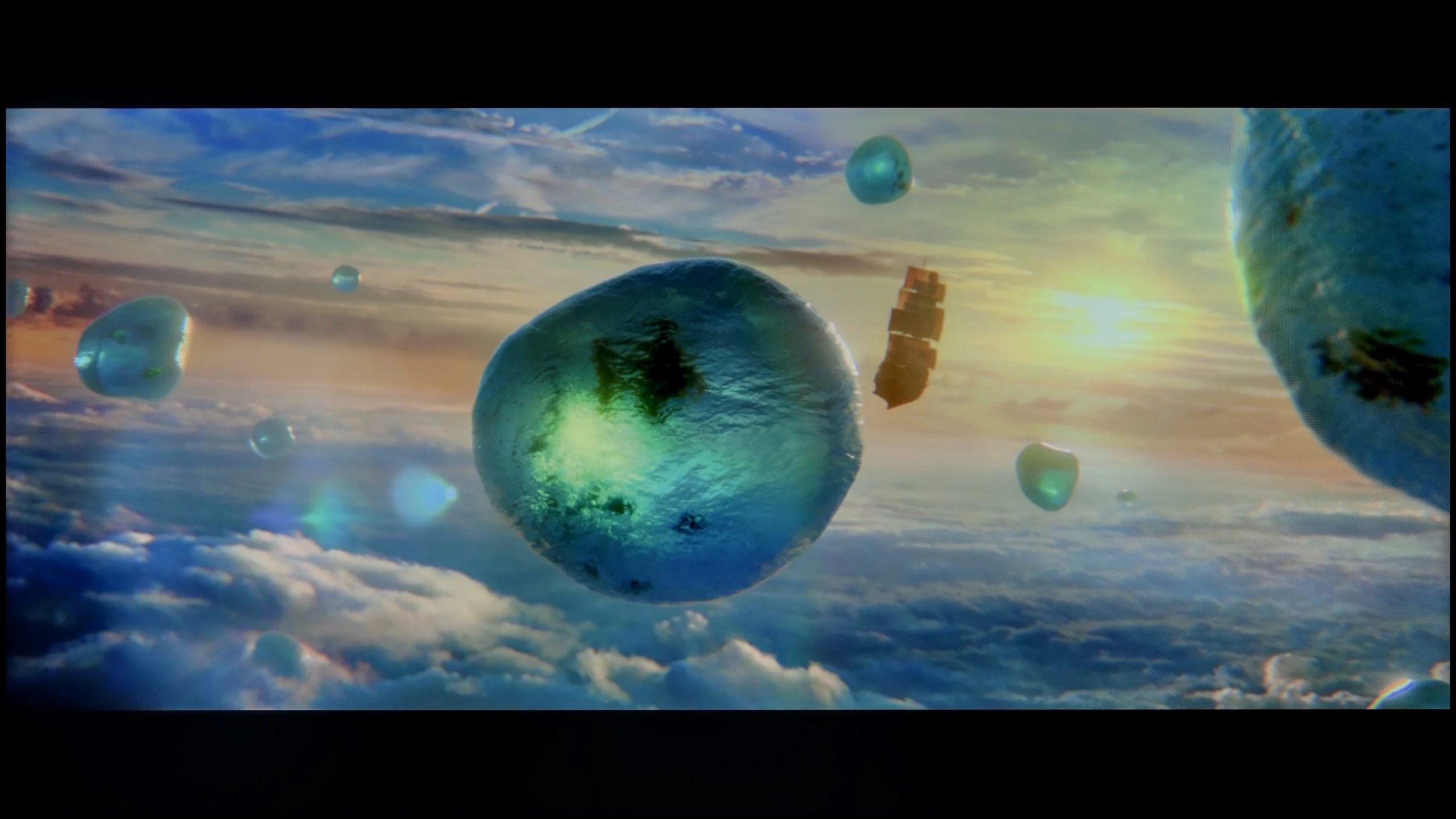
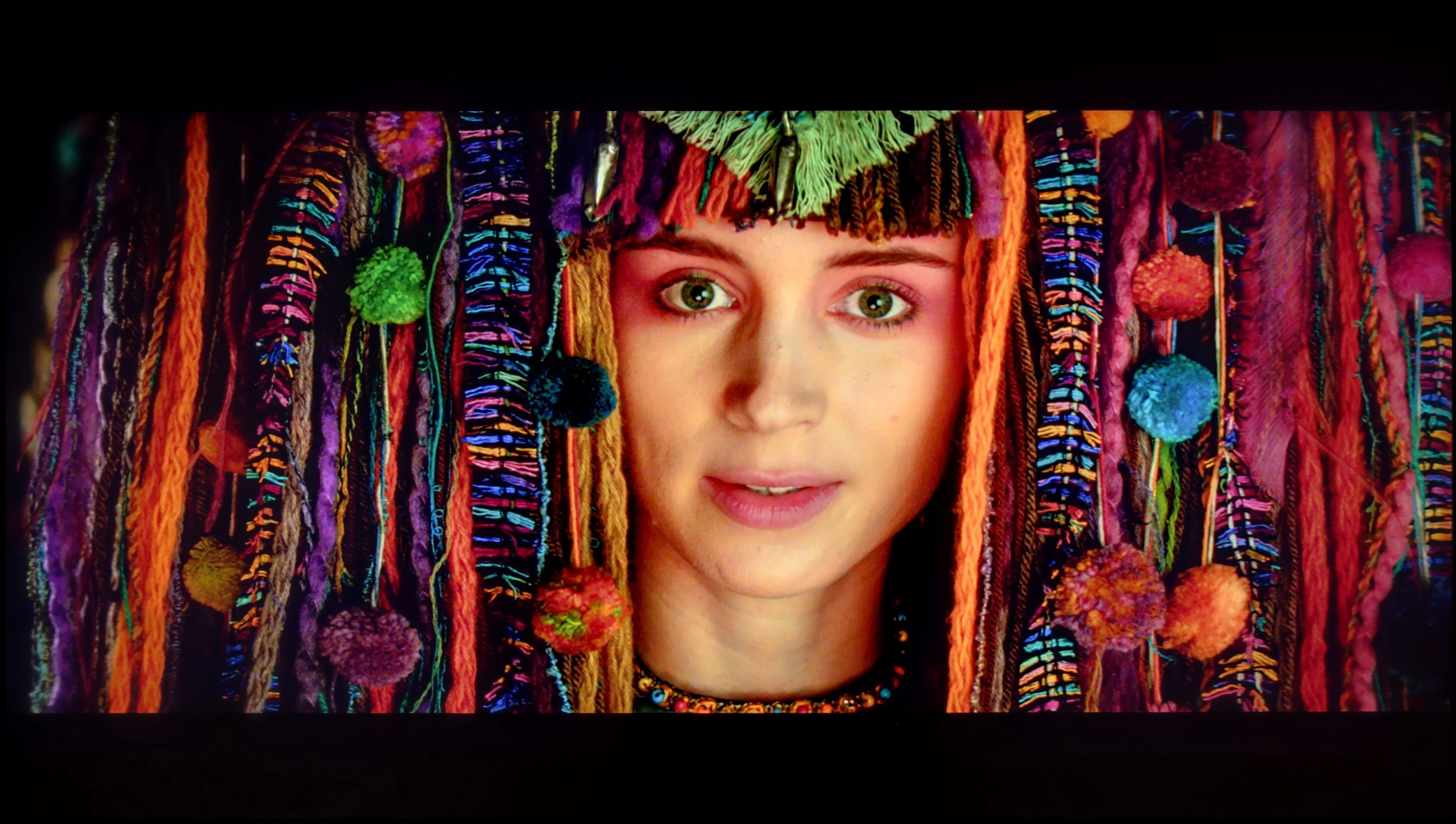
Scene from the movie “Pan” (about 2800 nits)
Scene from the movie “Billy Lynn” (about 1100 nits)
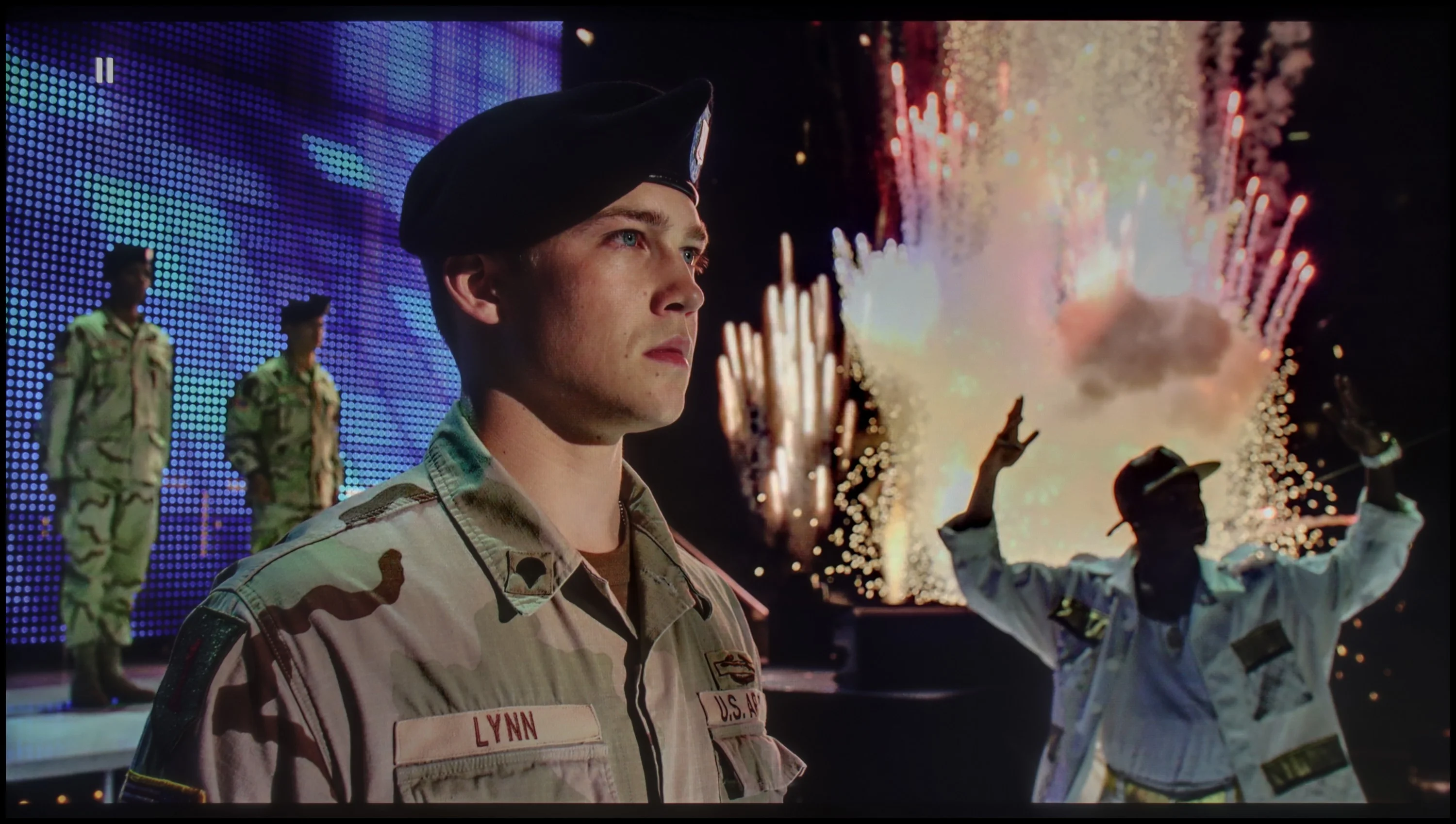
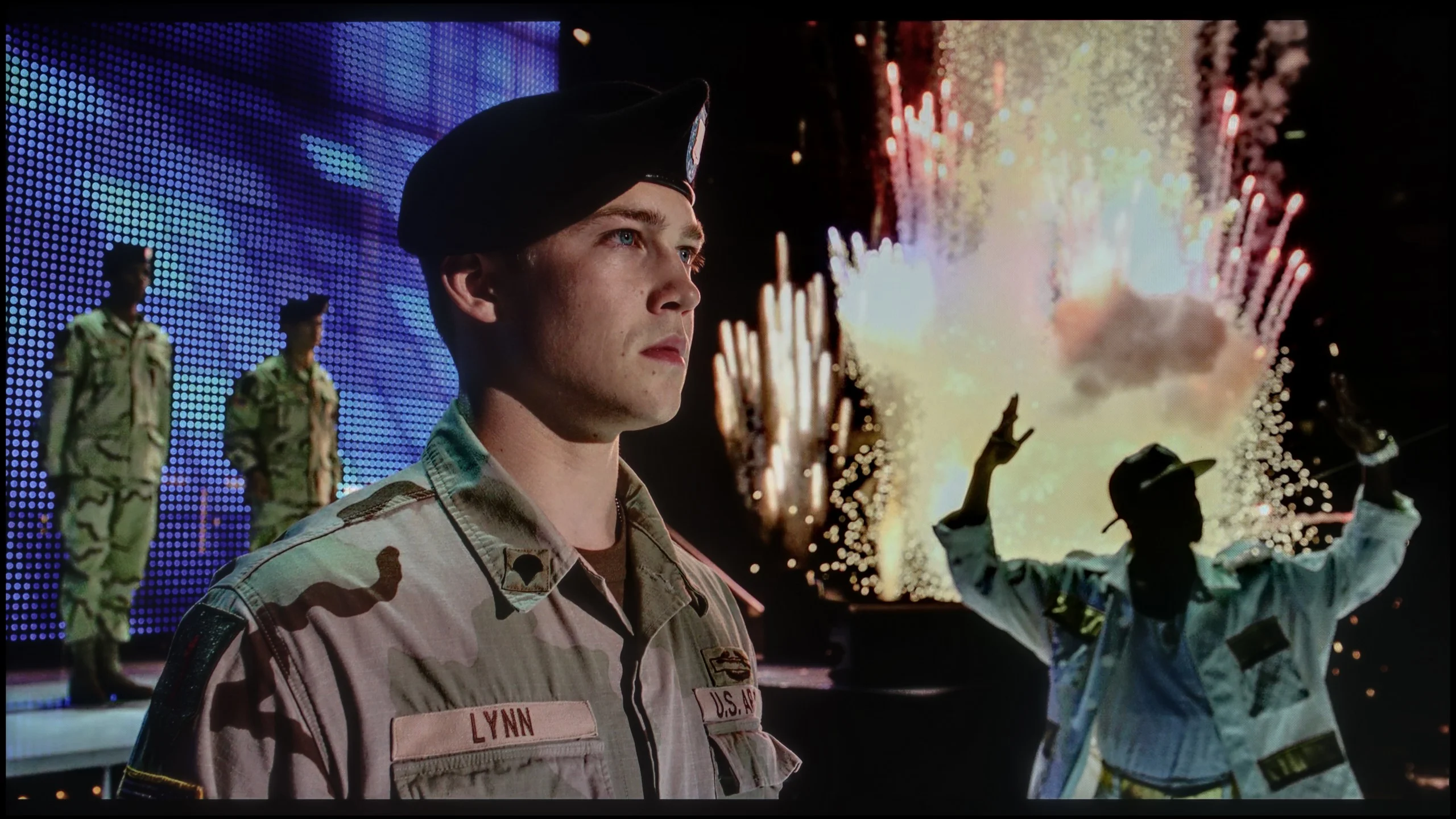
The photos show two HDR10 movies. 'Pan' is one of the brightest productions ever made, while 'Billy Lynn' (soldier) has brightness typical of streaming (Netflix, Prime, HBO MAX). Notice the intensity of effects and detail in whites.
Static HDR10


The photos present the visibility of white details in various HDR formats. They do not show brightness differences between TVs (these can be compared in the previous gallery).
Dynamic: HDR10+
Dynamic: Dolby Vision


The photos present the visibility of white details in various HDR formats. They do not show brightness differences between TVs (these can be compared in the previous gallery).
HDR luminance chart:
TCL C8L / QM8L
Samsung Neo QLED QN90D / QN92D
During synthetic tests, Samsung QN92D displayed its incredible capabilities in terms of brightness. The graphs clearly indicate that the television can achieve an impressive 2000 nits, giving it a solid power base to compete with the best models on the market. Such a result places it at the forefront, especially in the context of displaying HDR content, where brightness plays a crucial role. However, what happens when we transfer the tests to real film scenes? Under favourable conditions, such as the first scene from the film Life of Pi or the last scene where the image is entirely flooded with light, Samsung QN92D can achieve nearly laboratory results, impressing with its brightness. The situation looks different, however, when small, bright objects appear on a dark background, as in the fourth scene from the film Sicario. In such cases, the television does not perform as well – brightness drops several times, and the maximum values under the best conditions are around 600 NITS. Similar to the case with contrast, these limitations arise from the use of an aggressive local dimming algorithm. This algorithm aims to reduce the 'halo' effect around bright objects on a dark background, but often at the expense of overall brightness. As a result, while the television excels in brightly lit scenes, its ability to display full brightness is limited when it comes to small, vivid elements.
In terms of HDR, the TCL C8L turns out to be a hellishly bright television – quite literally. On a synthetic test pattern sized at 5%, our measurement equipment indicated a result exceeding 4500 nits. This is a truly astronomical result, considering that reference monitors used by directors, which we often refer to in our materials, typically operate around 4000 nits. Does this mean that the C8L breaks barriers and climbs to the technological peak of Mini-LED? Not quite. Dry synthetic tests are one thing, while real cinematic images are another. In real, varied scenes, the C8L peaks at around 1600 nits. This is still a very good result, ensuring a very high level of HDR dynamics, but it is also clearly lower than what the manufacturer boasts in the specifications. The problems begin with very small bursts of light – at that point, brightness can drastically drop to around 600 nits. The algorithm tries at all costs to maintain deep blacks and minimise the halo effect, but this comes at the expense of HDR impact. This is perfect evidence that laboratory test patterns rarely align with what we ultimately see on the screen.
However, huge praise is due for colour reproduction, thanks to the new generation of SQD (Super Quantum Dot) quantum dots. The DCI-P3 colour gamut coverage reaches 97%, but the truly jaw-dropping measurements come from the extremely demanding BT.2020 space. The C8L achieves an impressive 90% in this space, placing it alongside today's top screens equipped with RGB backlighting. Importantly, unlike some screens with Micro/Mini RGB backlighting, this effect is stable regardless of the scene displayed. Of course, it’s worth remembering that content mastered for such a wide gamut in films or series is still rare. However, the very fact that the panel has such a "colour reserve" deserves tremendous admiration.
Factory color reproduction
6.1/10
5.3/10
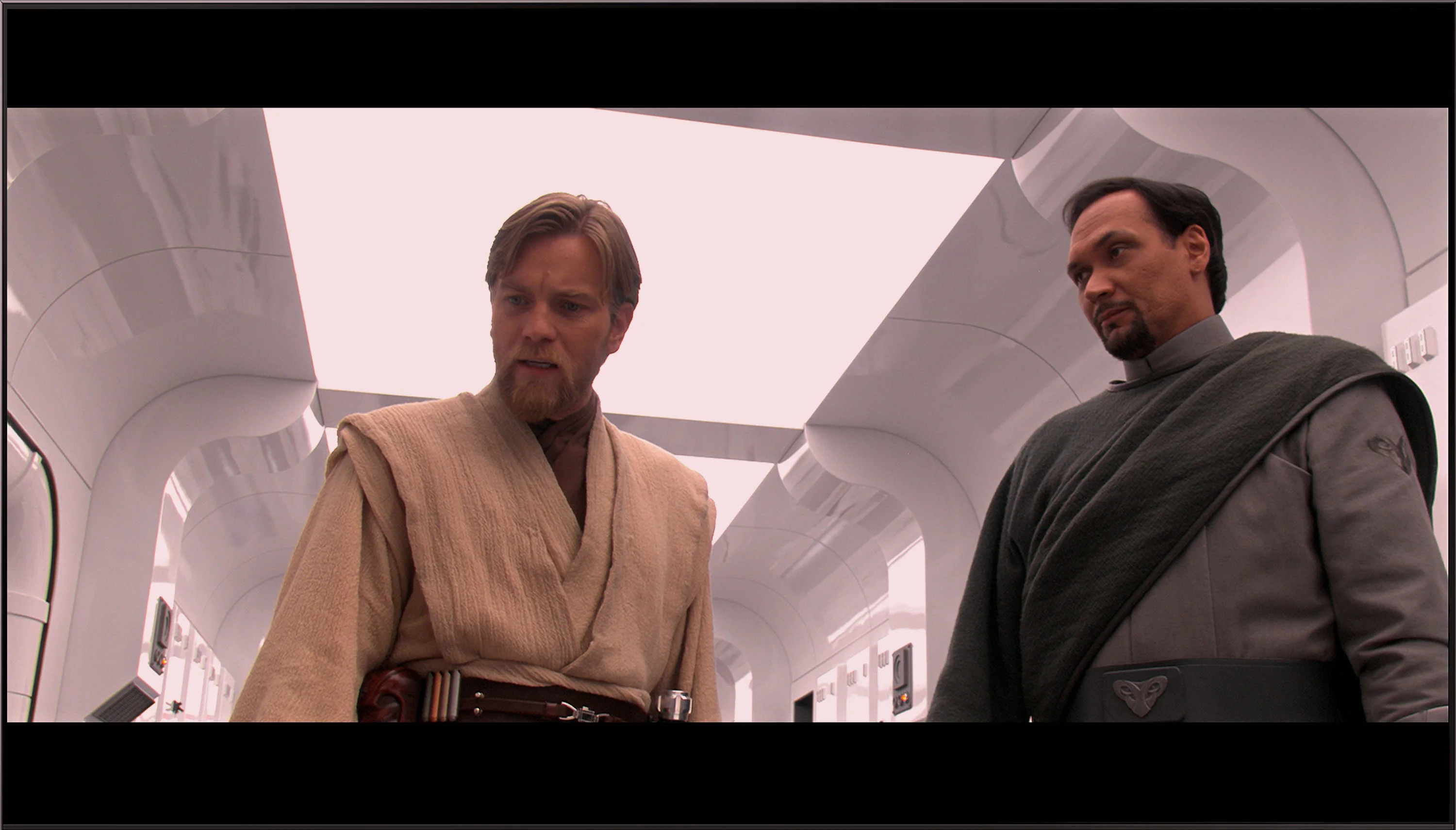
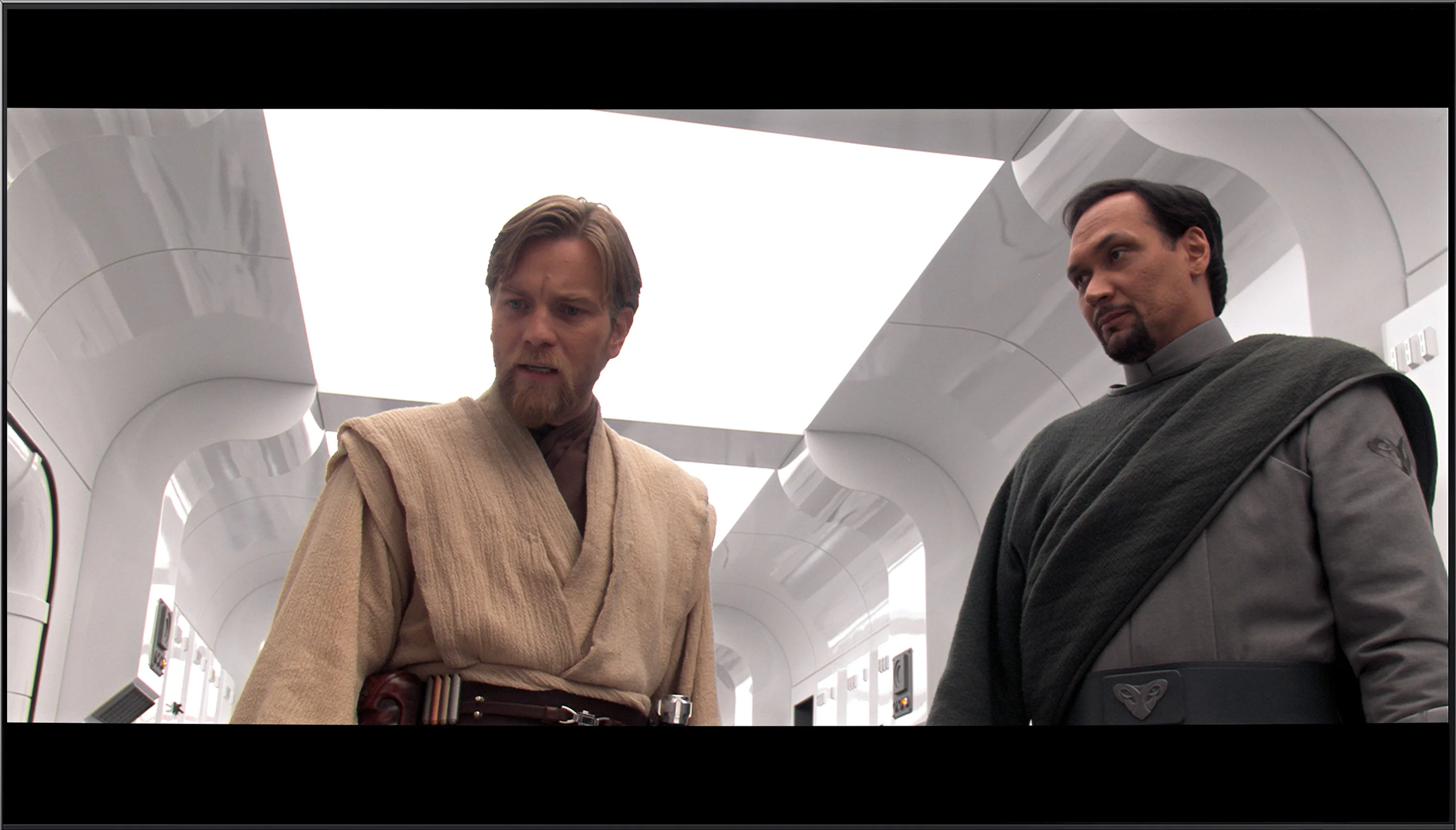
This gallery shows how colors change after professional TV calibration. If you notice the difference, we recommend ordering this service at SkalibrujTV.com.
Factory Mode
After calibration
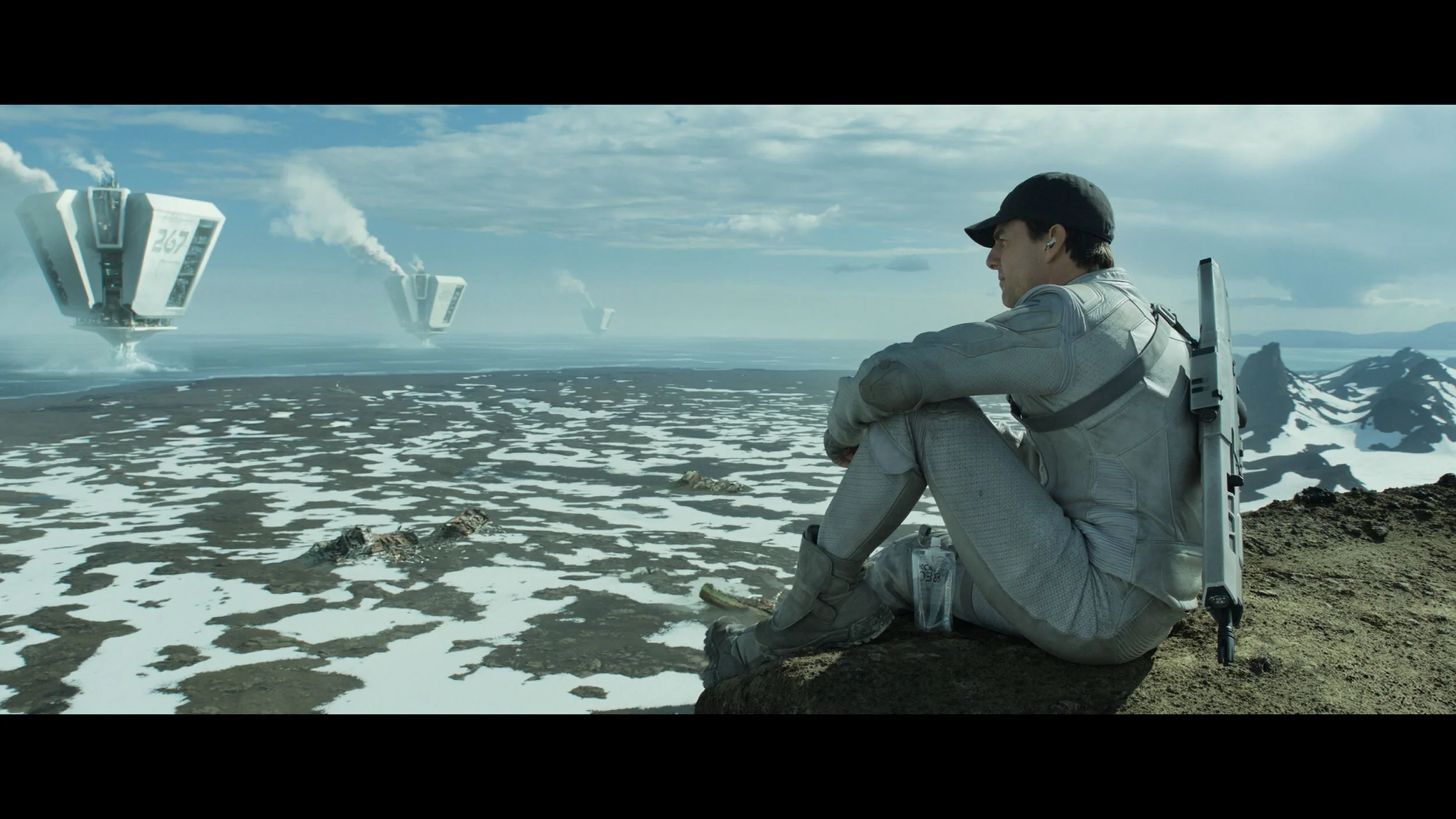
This gallery shows how colors change after professional TV calibration. If you notice the difference, we recommend ordering this service at SkalibrujTV.com.
Factory Mode
After calibration
The best mode that consistently reproduces colours on the Samsung QN92D is, as it has been for years, the Filmmaker mode. Although it generally offers decent colour quality, it is not without significant issues. Let’s start with the analysis of images in HD/SDR quality. The biggest challenge here is white balance – the graphs show considerable instability, with a pronounced red dominance, making the image too warm. This distortion causes shades to be unnaturally shifted towards warmer tones, which can negatively affect the perception of materials with natural colours. The contrast, based on the gamma graph, although not the worst, remains far from ideal, impacting the overall image quality, especially in darker scenes.
This problem persists with 4K materials, such as series or movies of higher quality. In this case, the white balance also proves faulty, with noticeable deficiencies in blue and red colour, leading to tonal shifts. Tests using the Colour Checker tool confirm these issues – all colours tend to shift towards yellow tones, further distorting the natural appearance of the image. Although the Filmmaker mode is one of the best available modes for watching cinematic content, it still requires improvements, especially concerning colour accuracy and white balance.
We tested the TCL C8L in the best factory mode available in the TV’s menu for image fidelity. That’s of course Filmmaker Mode, which only arrived in this brand’s software relatively recently (a year ago in the "K" series). It allows the average user to achieve quite decent colour reproduction straight out of the box, though it is certainly not perfectly tuned. Looking at the unit’s out-of-the-box white balance — in both SDR and HDR material — the red component was clearly lacking, which made the image noticeably cooler and slightly shift towards blue‑green tints. The issue of brightness management also looks ambiguous, as we mentioned earlier. While the gamma linearity in SDR content is really good and stays steadily at the reference value of 2.4, the situation in HDR is much worse. Tracking the EOTF curve clearly shows the TV has a noticeably boosted brightness across the entire range, so the final image can be excessively bright and inconsistent with the creators’ intent, and this is in a mode that by definition should avoid that. Of course, as with every sample in our lab, we subjected this one to professional calibration, and you can find the results below.
Color reproduction after calibration
8.7/10
7.5/10
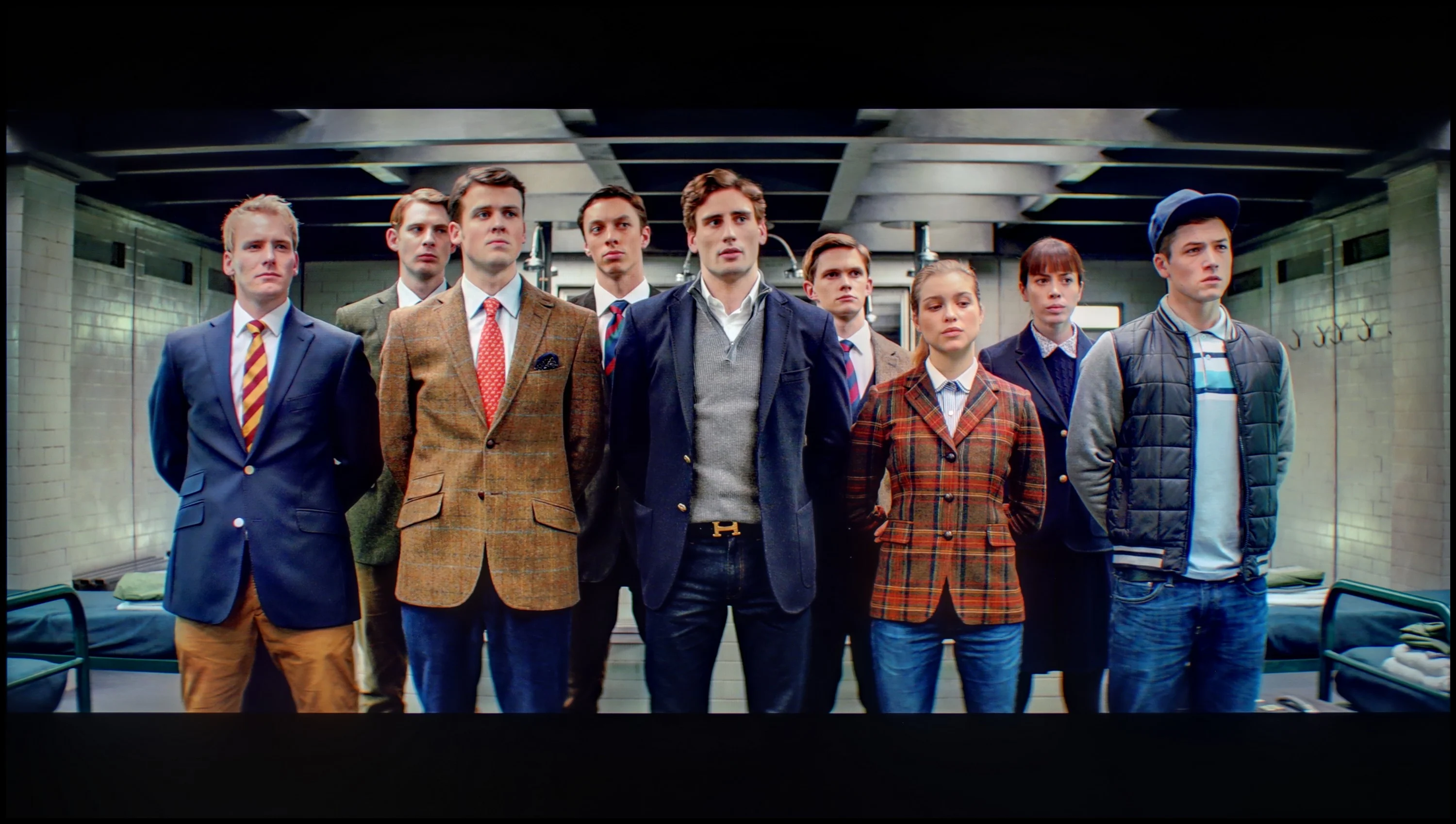
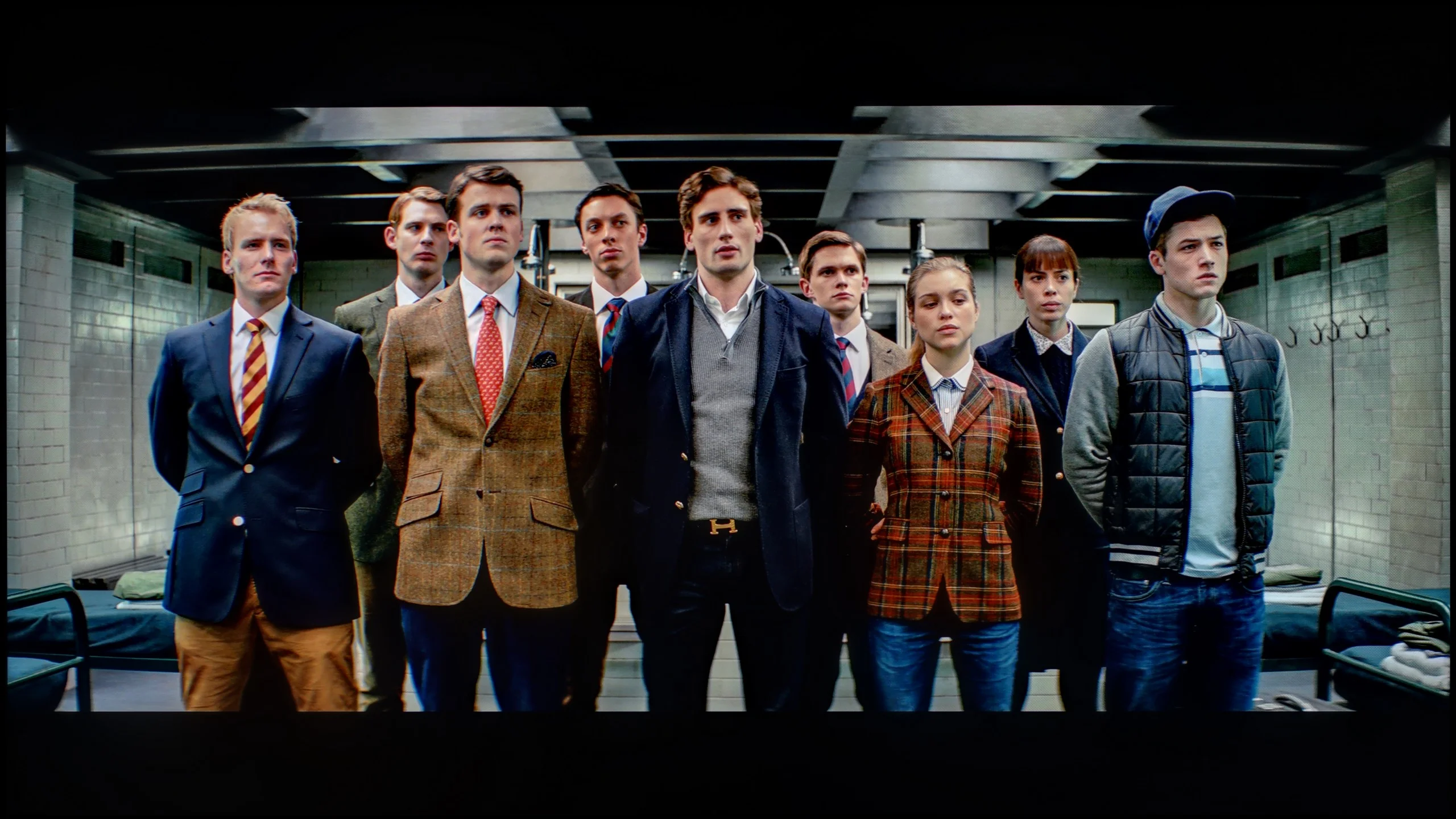
The photos show how movies look on the TV. Pay attention to black detail visibility, colors, and shadow tint.
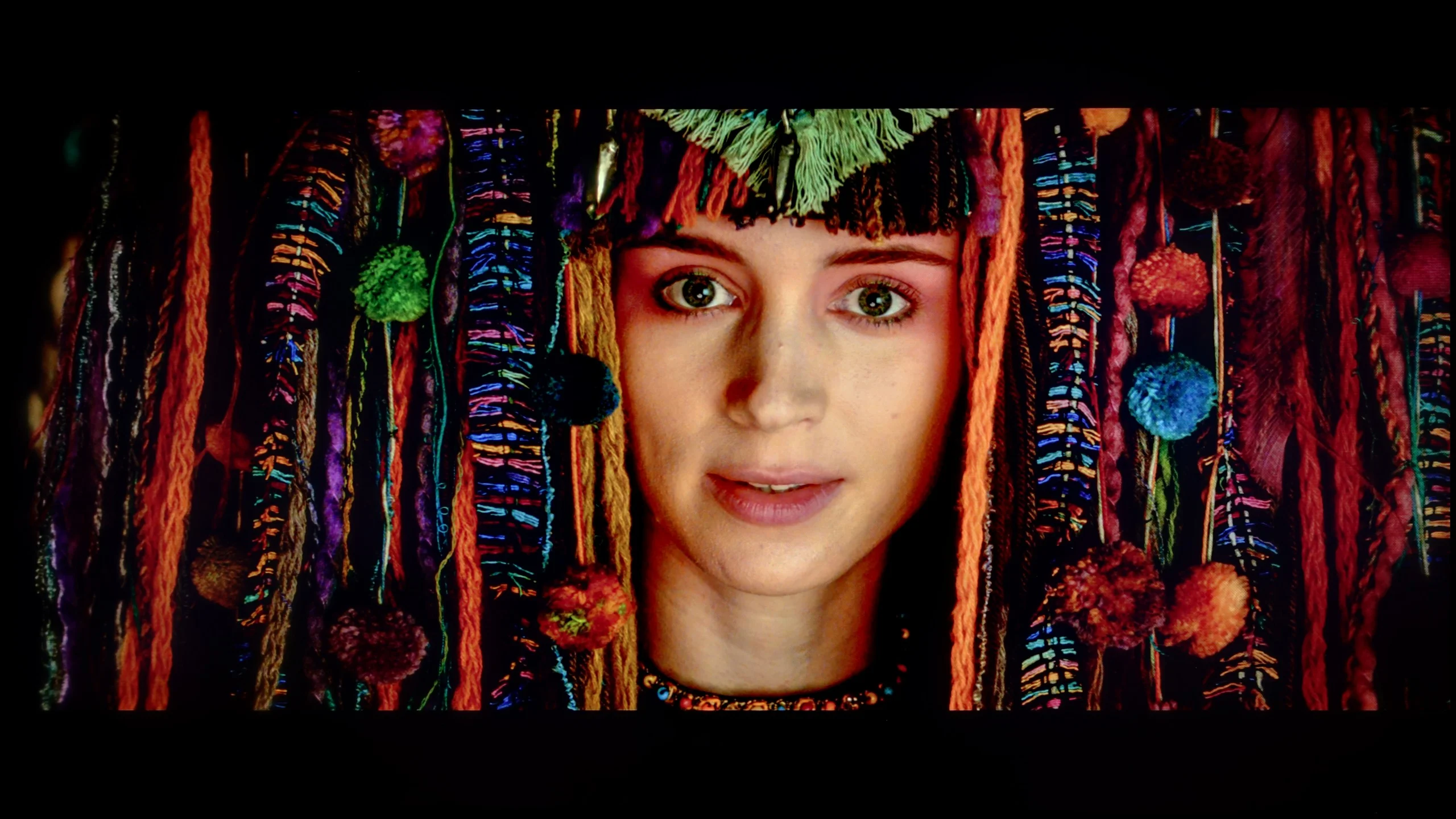
The photos show how movies look on the TV. Pay attention to black detail visibility, colors, and shadow tint.
After calibration, the Filmmaker mode on the Samsung QN92D television shows significant improvement, particularly in terms of SDR content. The white balance has been greatly enhanced – the previous colour misalignment and dominance of red have been eliminated, resulting in a more natural colour reproduction. In terms of brightness, although the gamma chart did not require significant adjustments, it has been stabilised, which affects overall picture quality.
Regarding high-quality materials, the white balance has also improved in this case. However, it is important to note the contrast. The EOTF curve, which illustrates values in this area, initially seems correct. However, when we look at the details, the television struggles to maintain appropriate contrast in film materials. The EOTF curve reveals certain discrepancies, suggesting that despite advancements, there are still areas needing improvement in this aspect. The television still strives for excellence in contrast reproduction. One advantage of this television is colour saturation. Skin tones are rendered very well, and although some colours can be slightly oversaturated, the final effect looks truly appealing – the colours appear rich and vibrant.
Despite some shortcomings in contrast, after calibration, the Filmmaker mode on the Samsung QN92D offers excellent picture quality, with natural colour reproduction, making it a great choice for watching films.
As you can see, the results of a professional calibration of the TCL C8L are truly promising, thanks to the comprehensive calibration controls the manufacturer has provided in the menu. Above all, we managed to fully correct the white balance, eliminating the red deficiency, so the image finally stopped drifting into unwanted cool tones. After that adjustment, the errors in the ColorChecker test fell to near-reference values, consistently sitting below a Delta E threshold of 2, i.e. below the visibility threshold for the human eye.
If test patterns look so perfect, you may ask us why the final score in this category is lower. The answer lies in the brightness management described earlier. Although the menu includes sliders that let you precisely straighten the EOTF curve on synthetic signals, when faced with real film material (I recommend enabling the EOTF filter when watching films), it becomes clear that the TV, in most scenarios, still responds to HDR metadata in its own way. As a result, the picture can be slightly over-bright and not faithful to the filmmakers' intent, and it is precisely for this lack of consistency with real films that we had to take a few points off the C8L's score.
Smoothness of tonal transitions
9/10
9/10
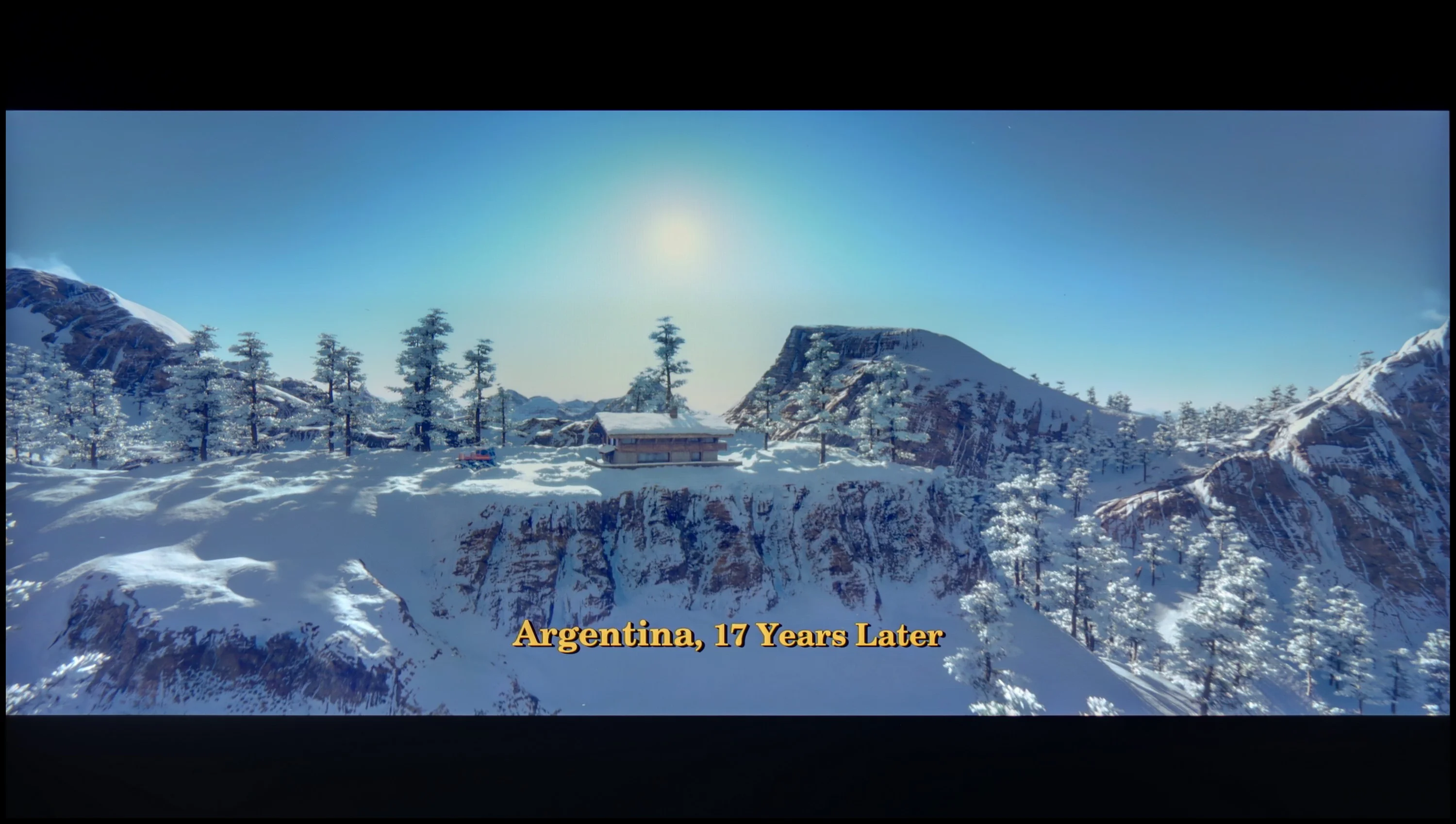

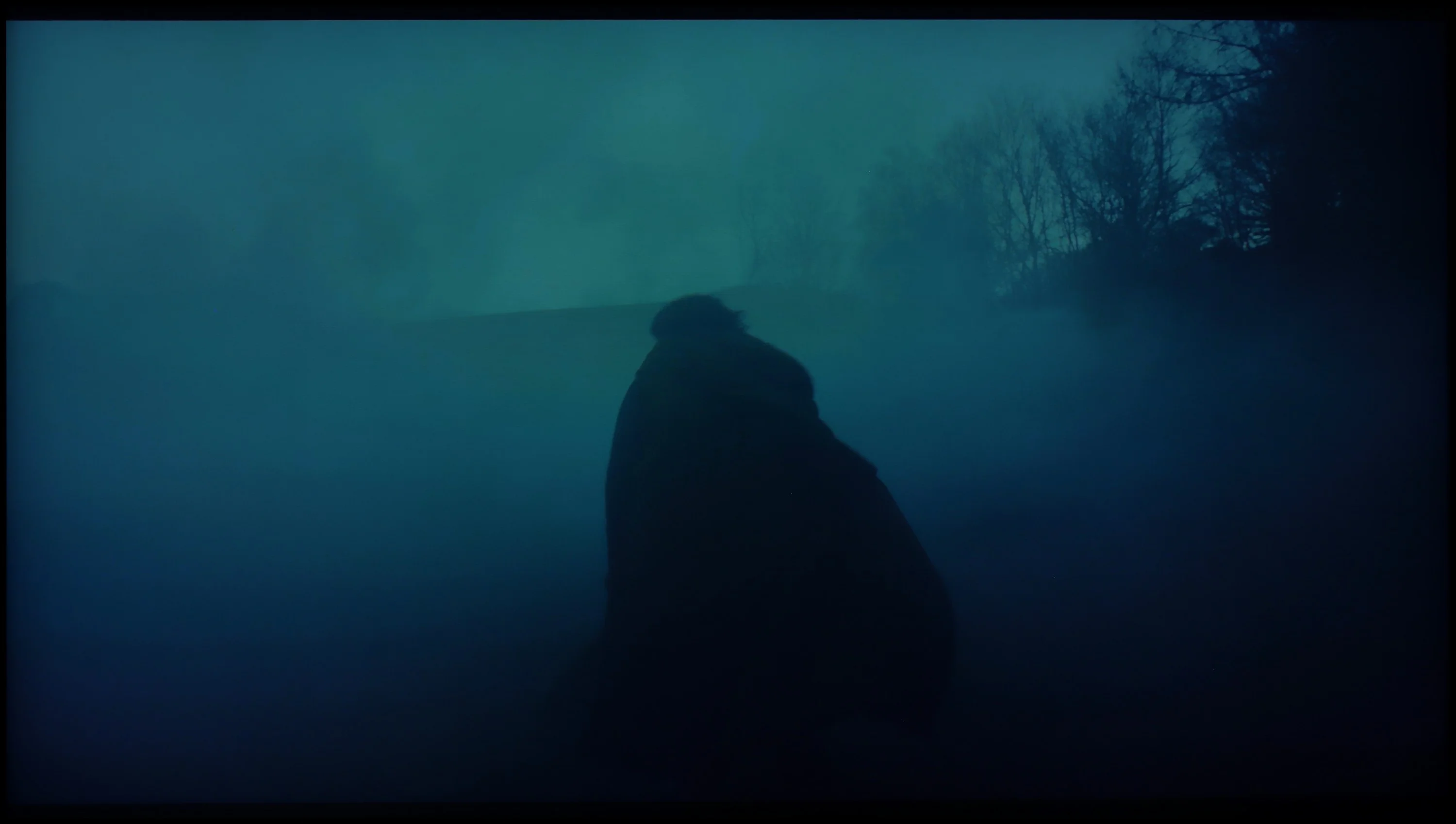
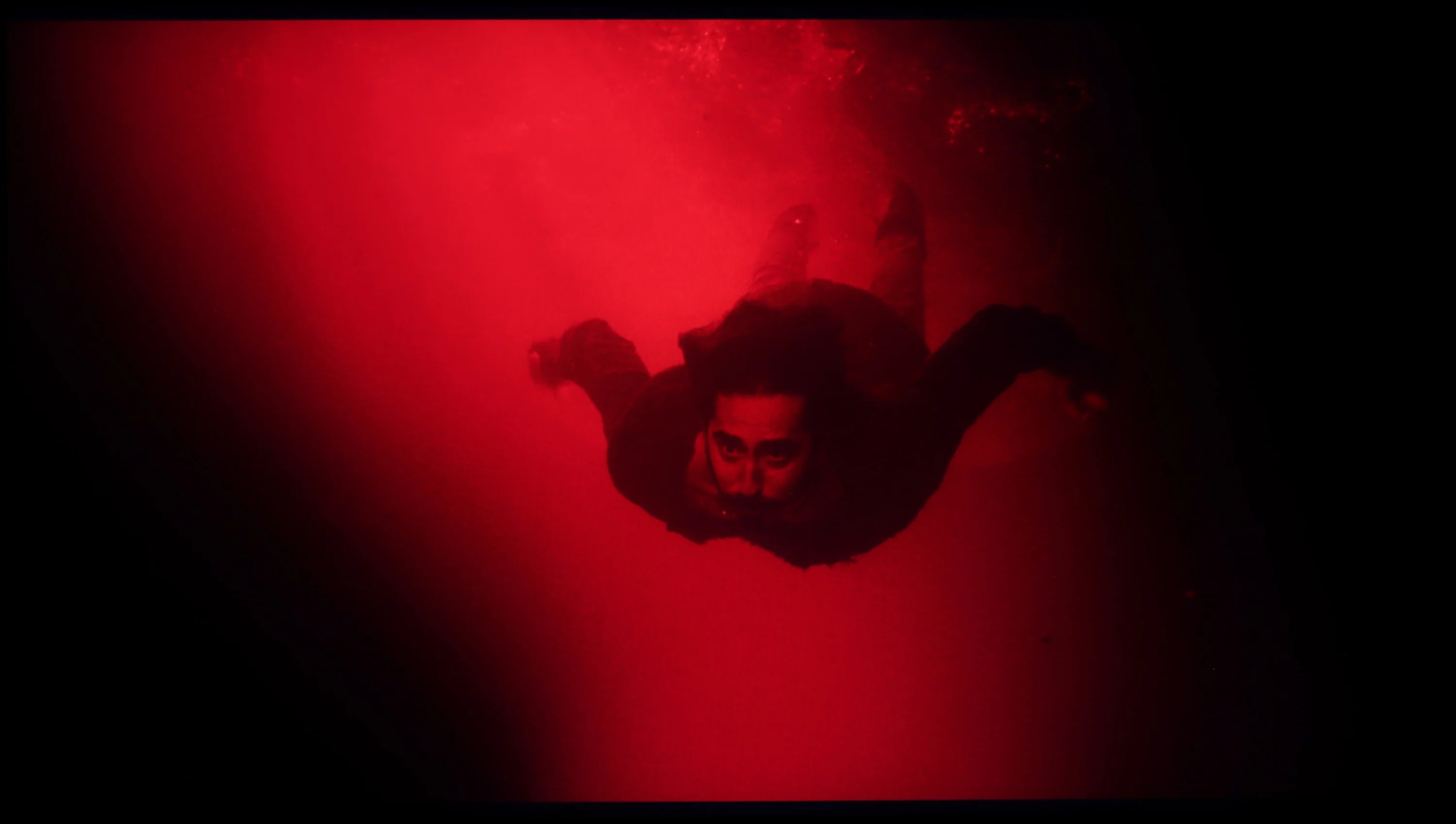
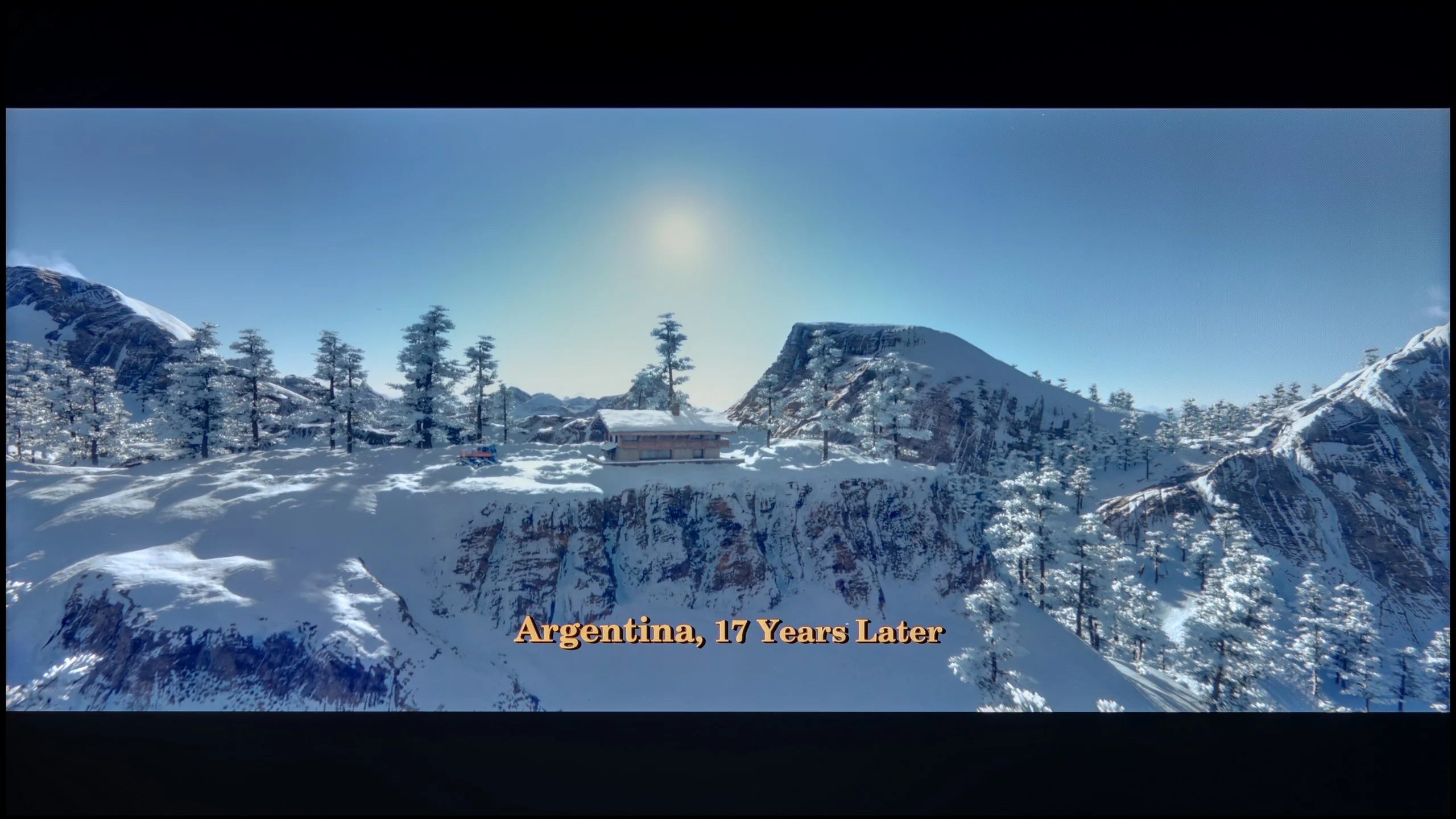
These are selected scenes that show smooth tonal transitions from one color to another. If you see distinct banding, it’s the TV panel’s fault.
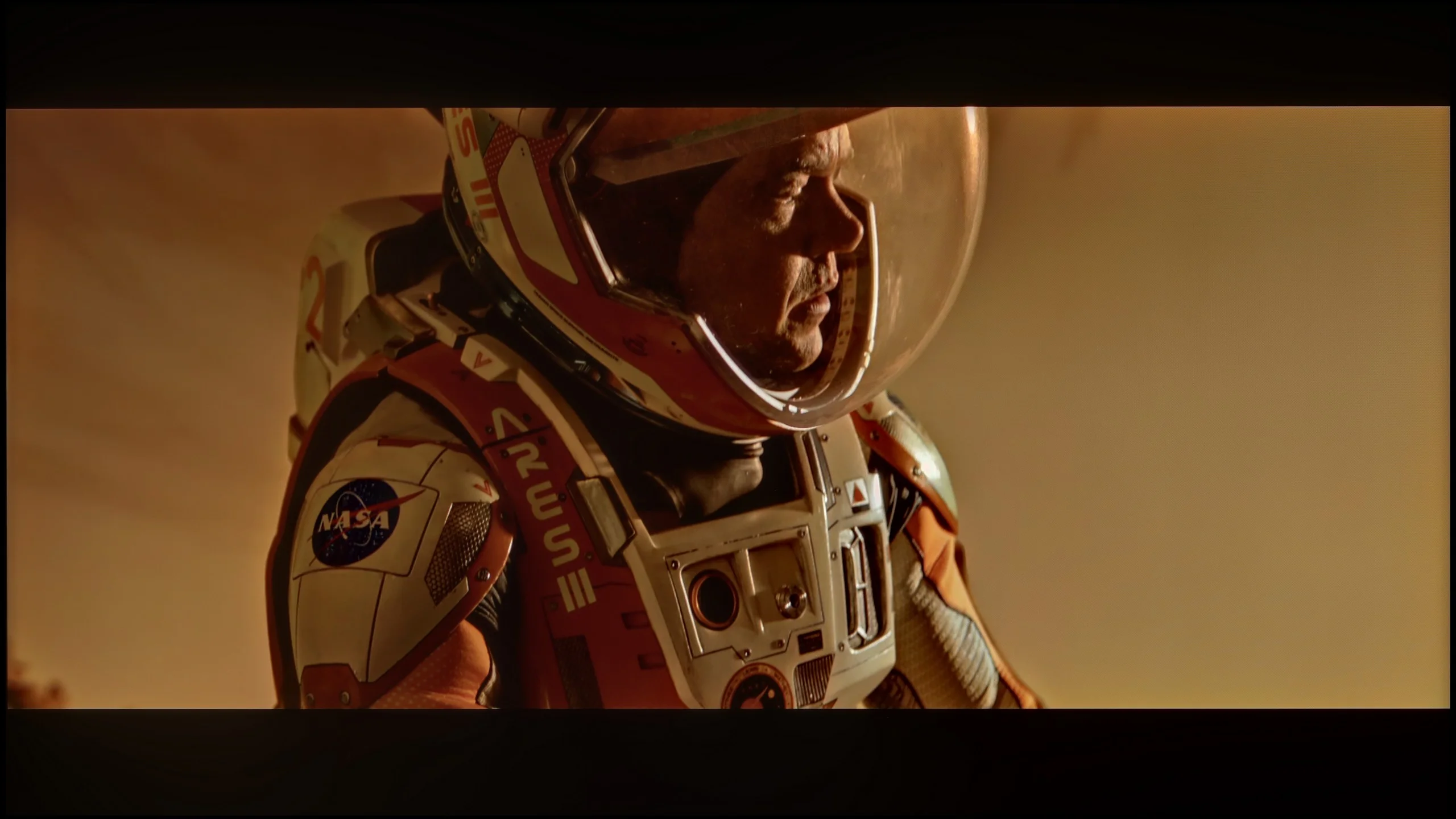
These are selected scenes that show smooth tonal transitions from one color to another. If you see distinct banding, it’s the TV panel’s fault.
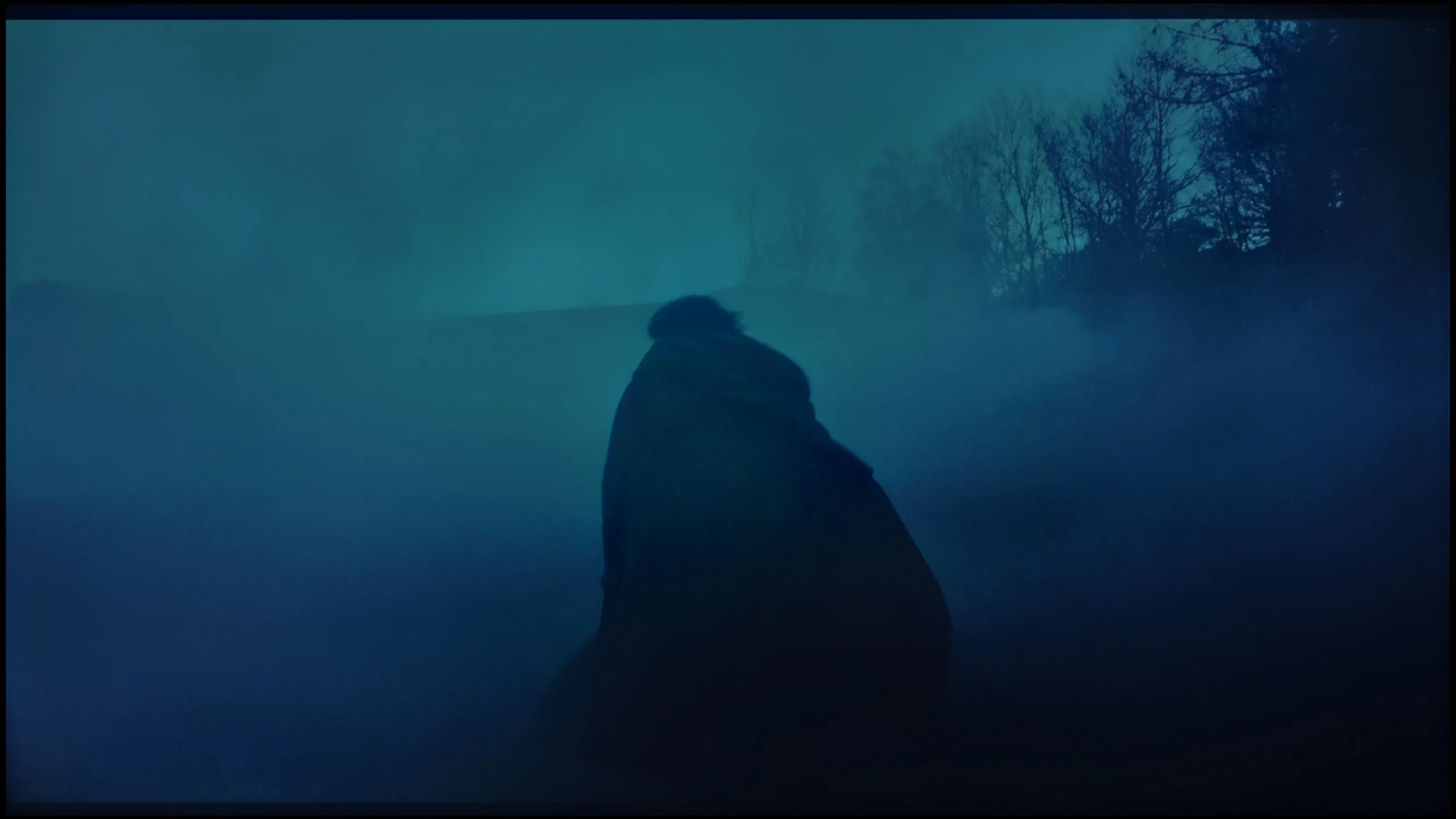
These are selected scenes that show smooth tonal transitions from one color to another. If you see distinct banding, it’s the TV panel’s fault.
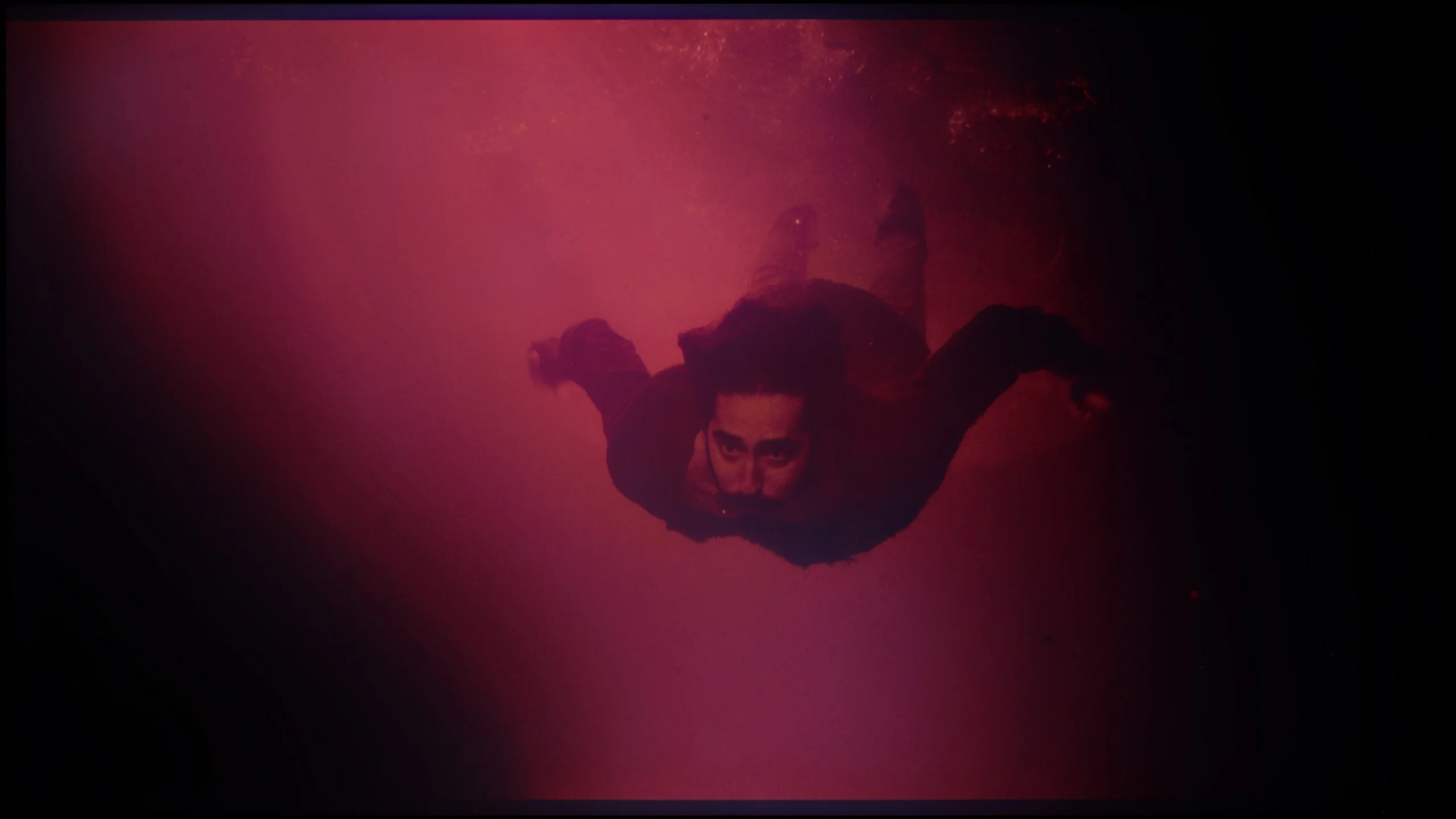
These are selected scenes that show smooth tonal transitions from one color to another. If you see distinct banding, it’s the TV panel’s fault.
The fluidity of tonal transitions in the TV Samsung QN92D is excellent, making the image appear remarkably natural, without noticeable disturbances. In scenes with complex colour gradations, the TV performs superbly, ensuring smooth and uniform transitions. Competing OLED TVs in a similar price range can successfully take a cue from this, as the Samsung QN92D offers quality that places it on par with models equipped with QD-OLED matrices.
We judge the tonal transitions in the C8L to be almost exemplary. The well-tuned panel and accompanying algorithms mean the TV handles posterization, the ugly, stepped separation of individual shades, very well. Subtle, minimal errors and slight inconsistencies in tone gradation are noticeable only in extremely dark, demanding scenes. Overall, however, when watching good-quality content at native resolution, the transitions between colours are exceptionally smooth and natural-looking.
Image scaling and smoothness of tonal transitions
7.2/10
8/10

Smooth transition function
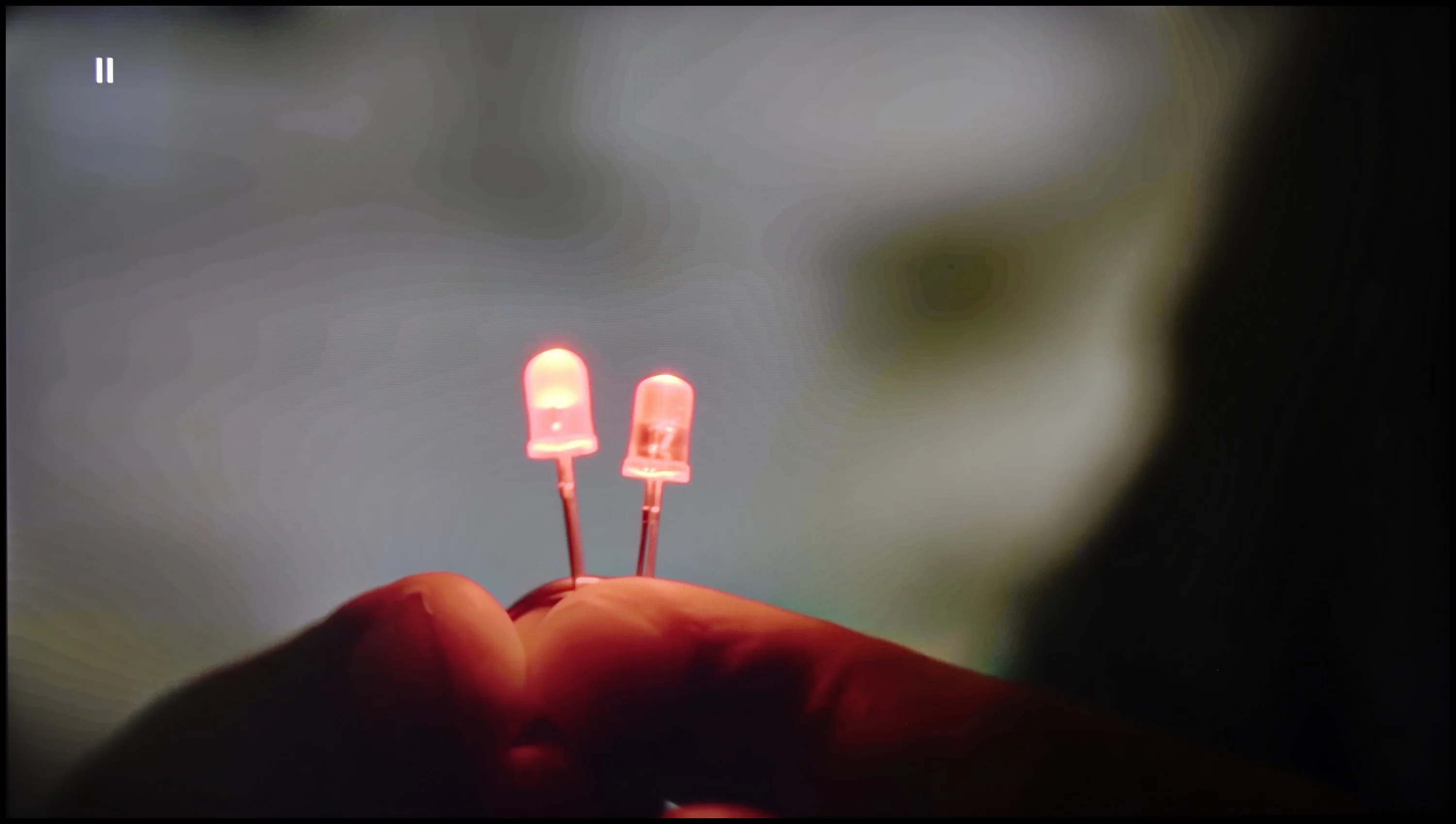
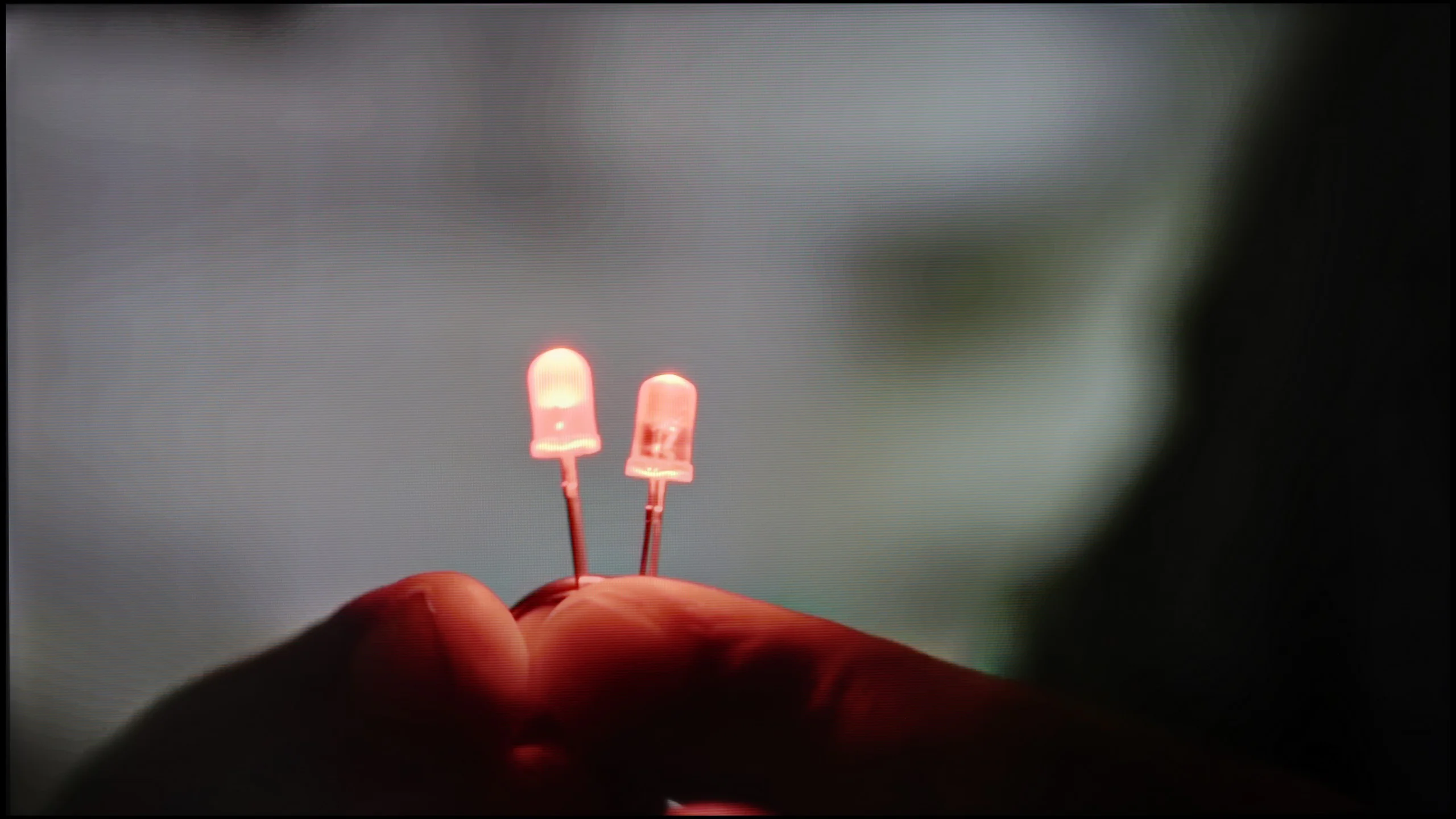
The match photo shows how the TV smooths weak tonal transitions in low-quality video.
Image scaling SD (576i)
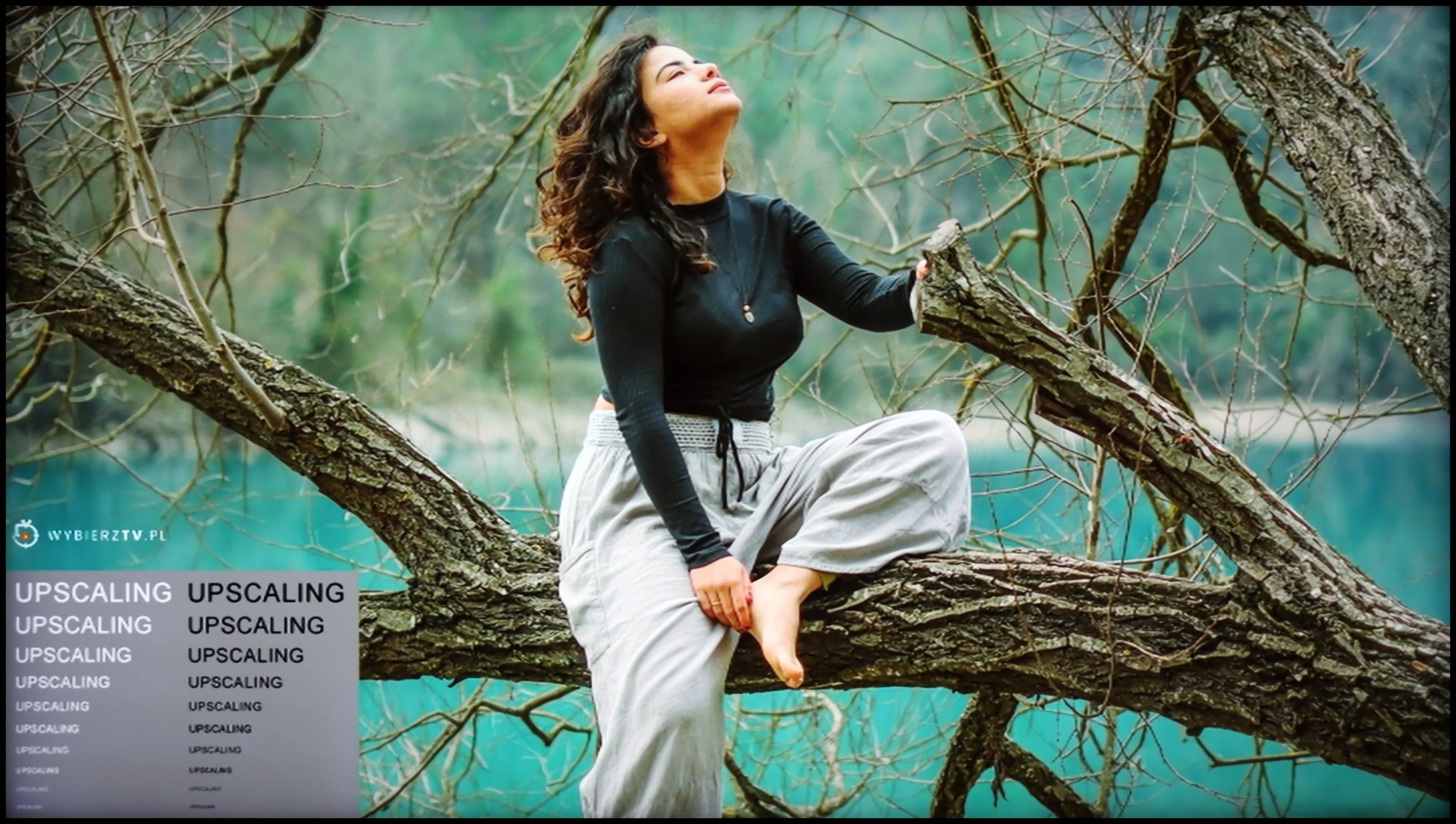

The model photo shows how it handles upscaling of SD material.
Let’s check how the Samsung QN92D television performs with tonal transitions in very poor quality materials. The noise reduction feature demonstrates good effectiveness, improving the smoothness of tonal transitions even in challenging conditions. However, it should be noted that, as with other Samsung televisions, the effectiveness of this feature may lead to the removal of desirable elements, such as film grain, which can sometimes affect the authenticity of the image.
Regarding digital processing, the Samsung QN92D television also performs excellently. During testing, the image was presented very well, with the model shown in a natural and correct manner. Details such as branches in the background were reproduced with great precision, highlighting the television's ability to enhance the quality of low-resolution materials.
This year the C8 series and the higher-end models have probably received the biggest and most eagerly awaited upgrade in TCL’s history, and it concerns digital picture processing. The C8L is the entry-level model in the manufacturer's line-up that has been equipped with the latest flagship chip MediaTek Pentonic 800 (listed in the menu as MT9655). It is thanks to its computing power that the feature called "Gradual Smoothing" finally works as it should. The algorithm effectively removes unwanted posterization (ugly tonal transitions / colour banding) from the image, doing so intelligently enough that it does not degrade the sharpness of other details.
The processor also handles upscaling lower-resolution content to 4K very well. Although assessing this element can be largely academic, because the differences between today’s TVs in this class are very subtle. The most important takeaway is that TCL finally has nothing to be ashamed of compared with the competition.
Blur and motion smoothness
7.5/10
7.7/10
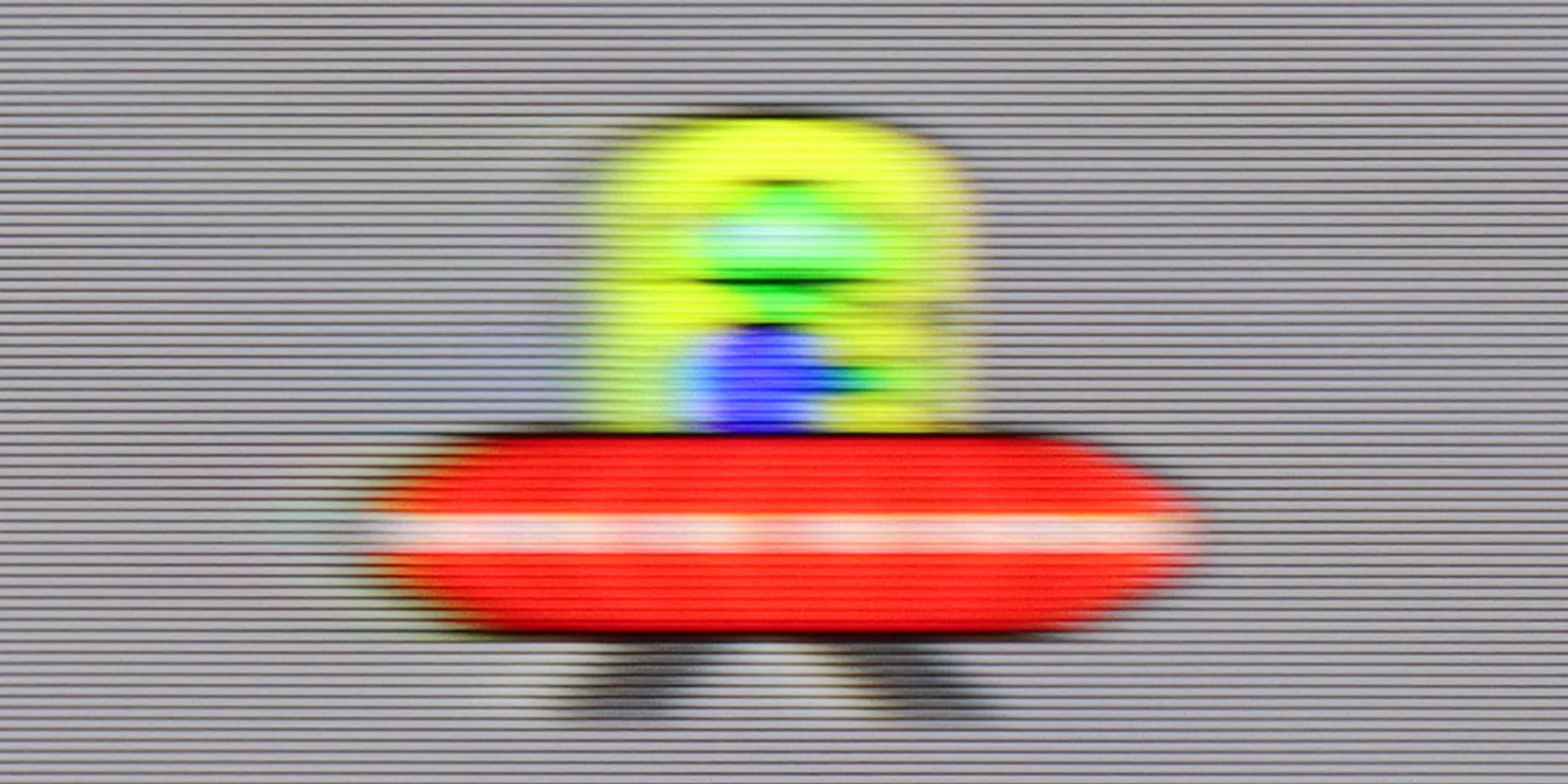
Blur (native resolution, maximum refresh rate):

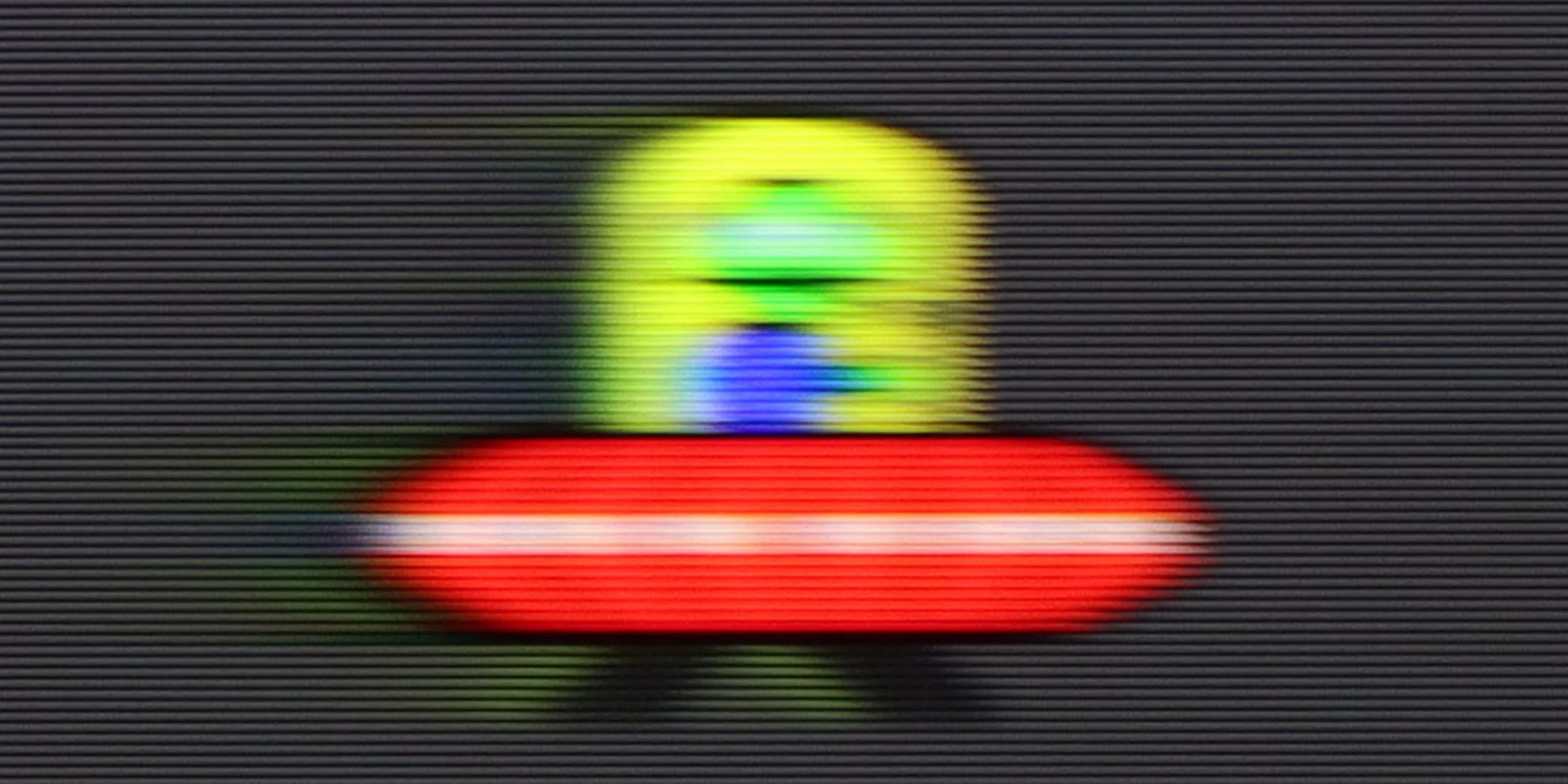
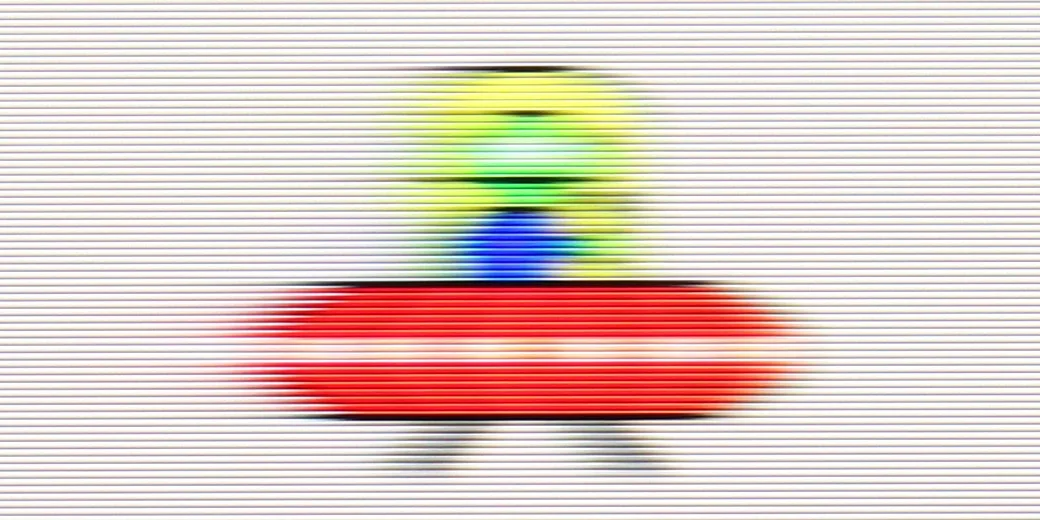
Blur (BFI function enabled):
Image flickers in this mode





Blur ():
Blur (1080p@288Hz):


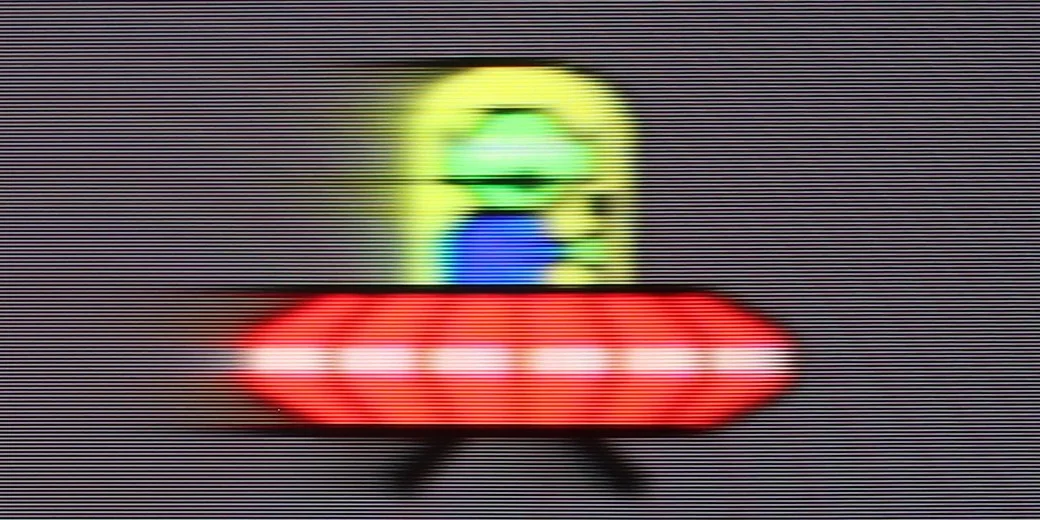
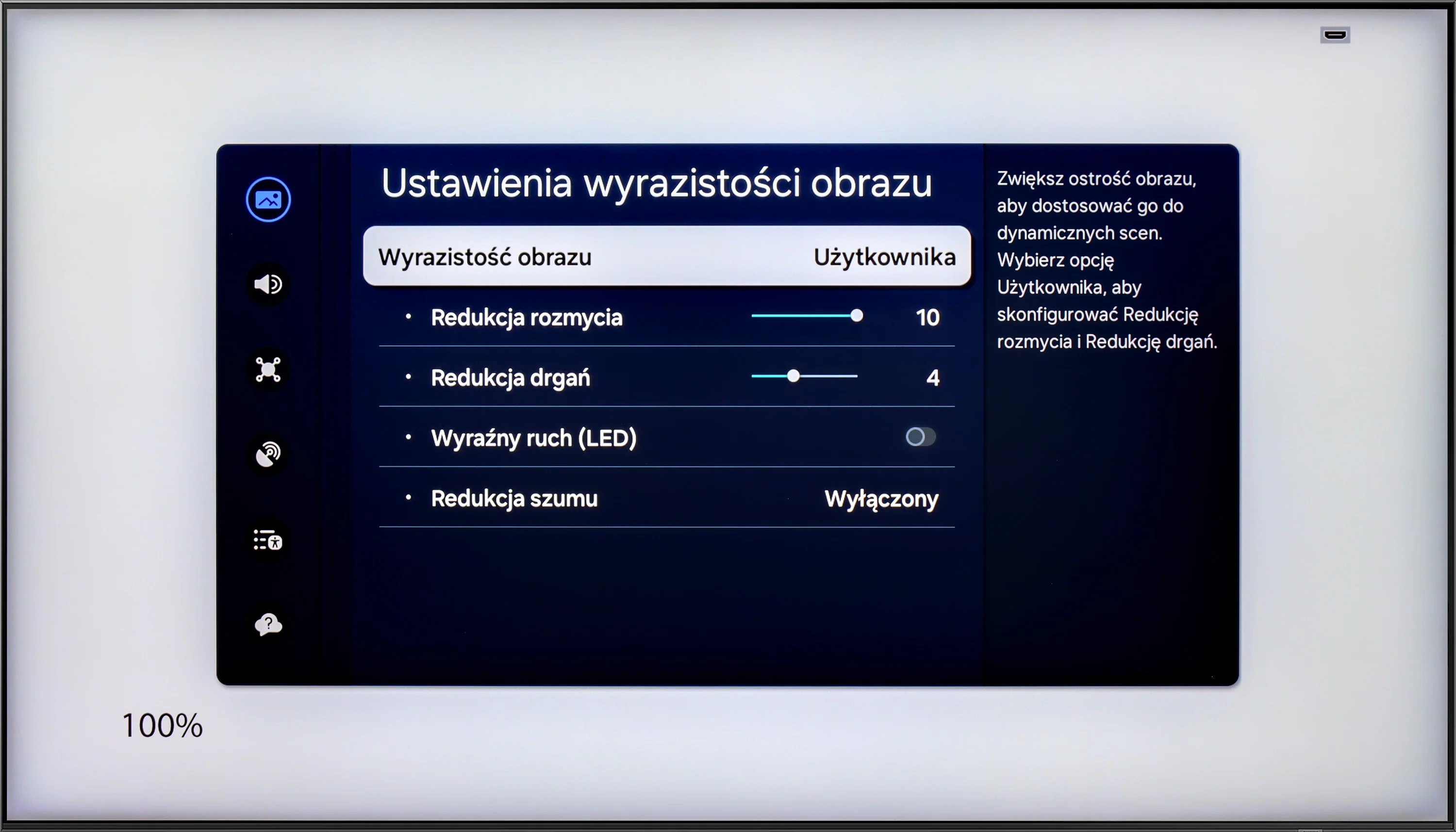
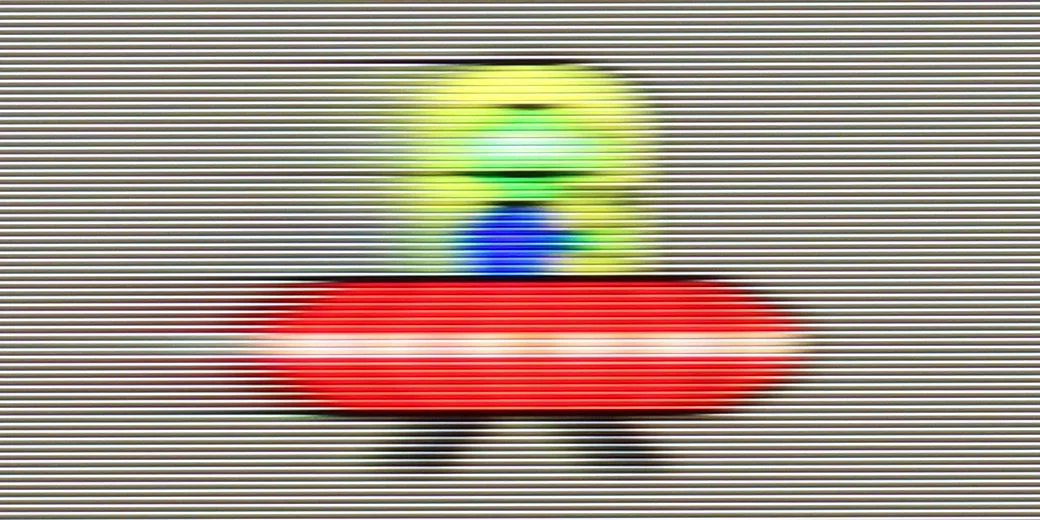
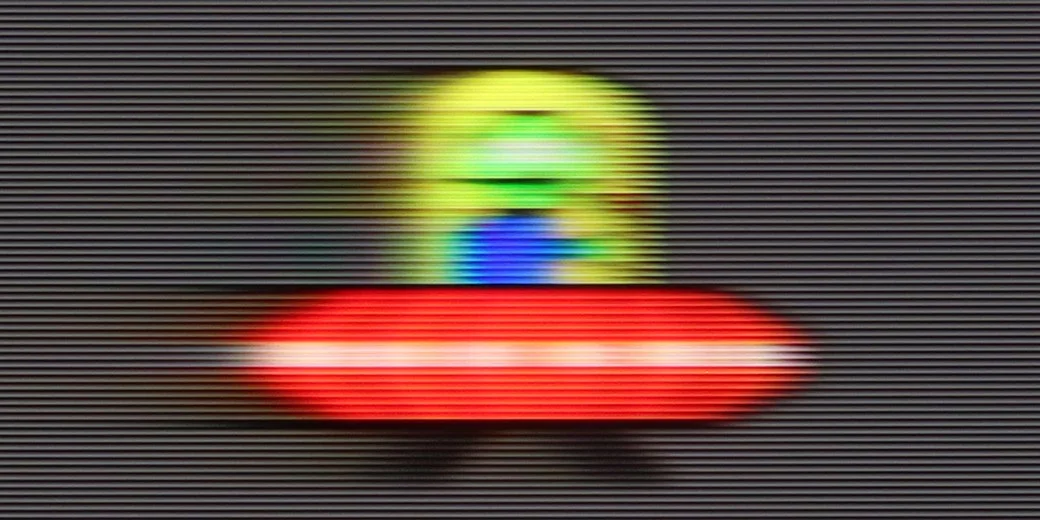
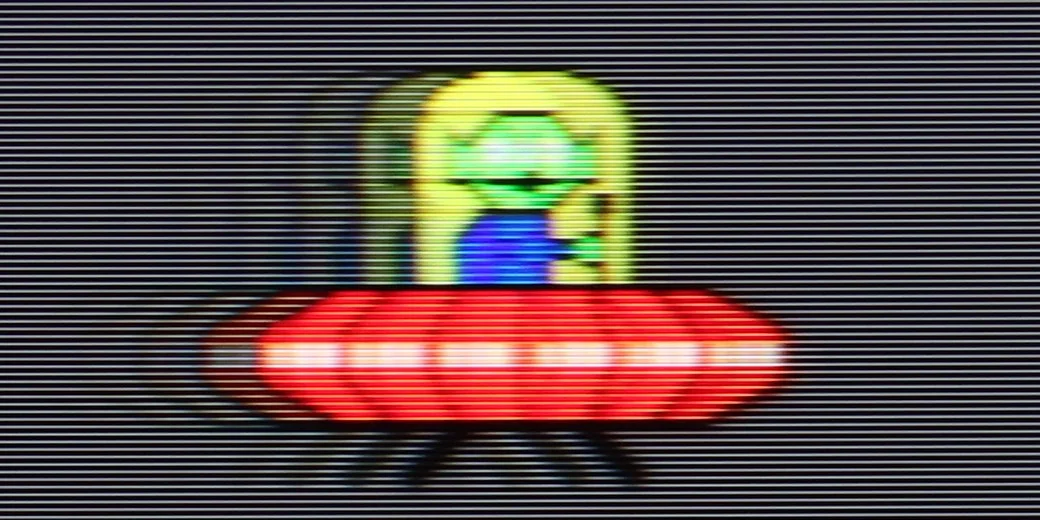
The Samsung QN92D television is equipped with a 144 Hz panel; however, when watching content using the smoothness feature, the maximum refresh rate is 120 Hz. This means that both gamers and those who watch a lot of sports will be satisfied with the picture quality. It is also worth mentioning the available image enhancement options, such as the "blur and judder reduction" feature, which allows users to adjust the smoothness to individual preferences on a 10-point scale. Blur reduction is responsible for increasing the sharpness of quickly moving objects, while judder reduction smooths motion, eliminating the "stutter" effect. Thanks to these advanced settings, optimal visual experiences can be achieved, making the Samsung QN92D ideal for both dynamic scenes and intense gaming sessions.
In terms of motion blur, the television performs really well, and it is hard to find anything to criticise. The only comment we might have is a slight overshoot effect noticeable on dark backgrounds during our test with "Ufoludkiem". Nevertheless, with the advanced smoothness settings, the Samsung QN92D is perfect for both dynamic scenes and intense gaming sessions.
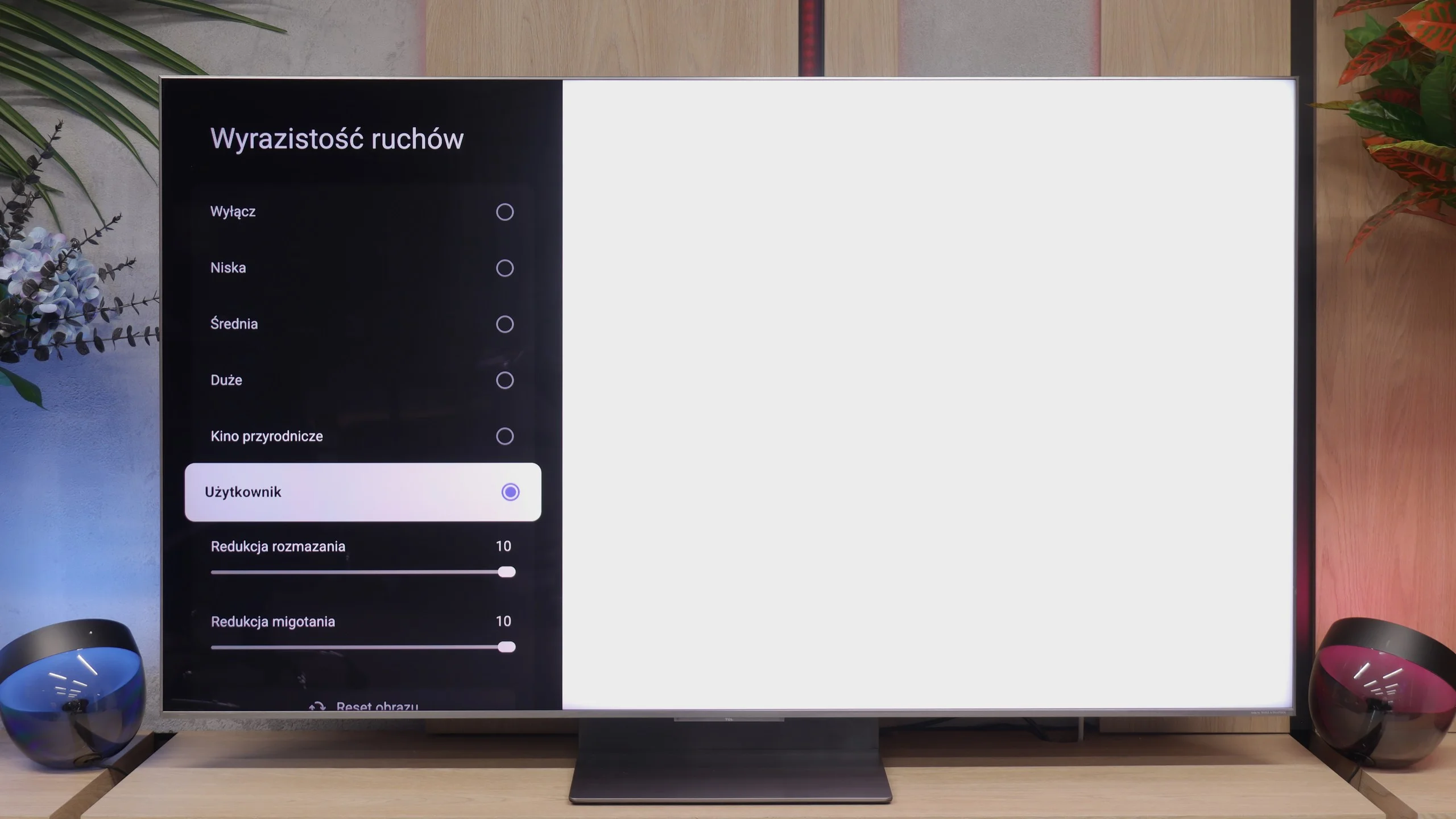
The TCL C8L is equipped with a fast panel with a native refresh rate of 144 Hz. This specification will be most appreciated by demanding PC gamers, while most users, who rely on consoles or TV broadcasts, will make use of a stable 120 Hz. It is at 120 Hz that the motion-processing algorithms take care of image processing (in films, series and sports). In the TV menu you'll find a "Motion Clarity" tab that allows you to tailor the motion smoothing to your own preferences. The algorithms cope well with both cinematic productions at 24 or 30 frames per second and with fast-paced sports broadcasts at 50 or 60 frames per second, ensuring appropriate smoothness.
Console compatibility and gaming features
9.5/10
9.8/10
- ALLM
- VRR
- VRR range48 - 144Hz48 - 288Hz
- Dolby Vision Game Mode

- Correct implementation of HGIG
- 1080p@120Hz
- 1440p@120Hz
- 4K@120Hz
- Game bar
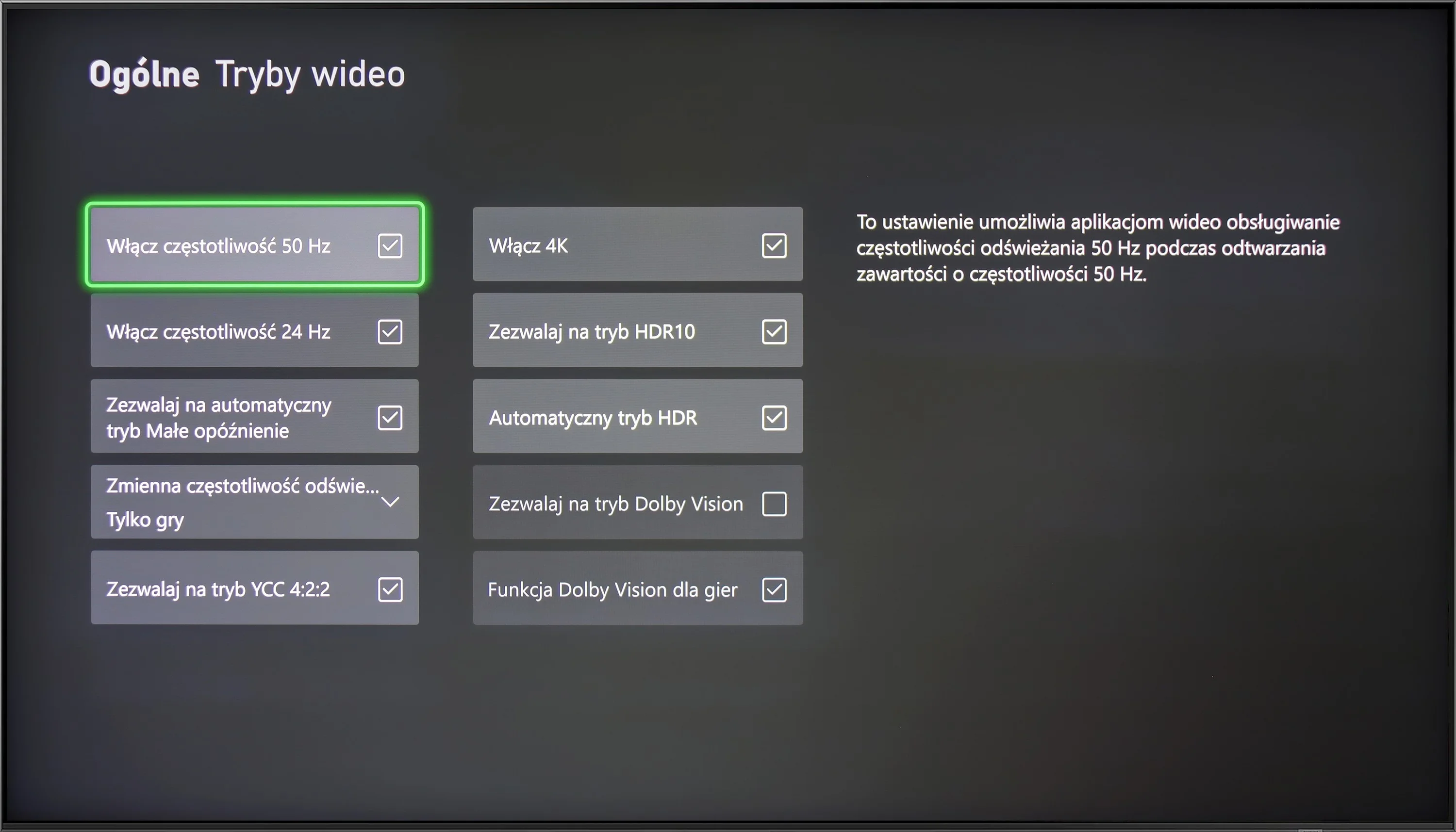
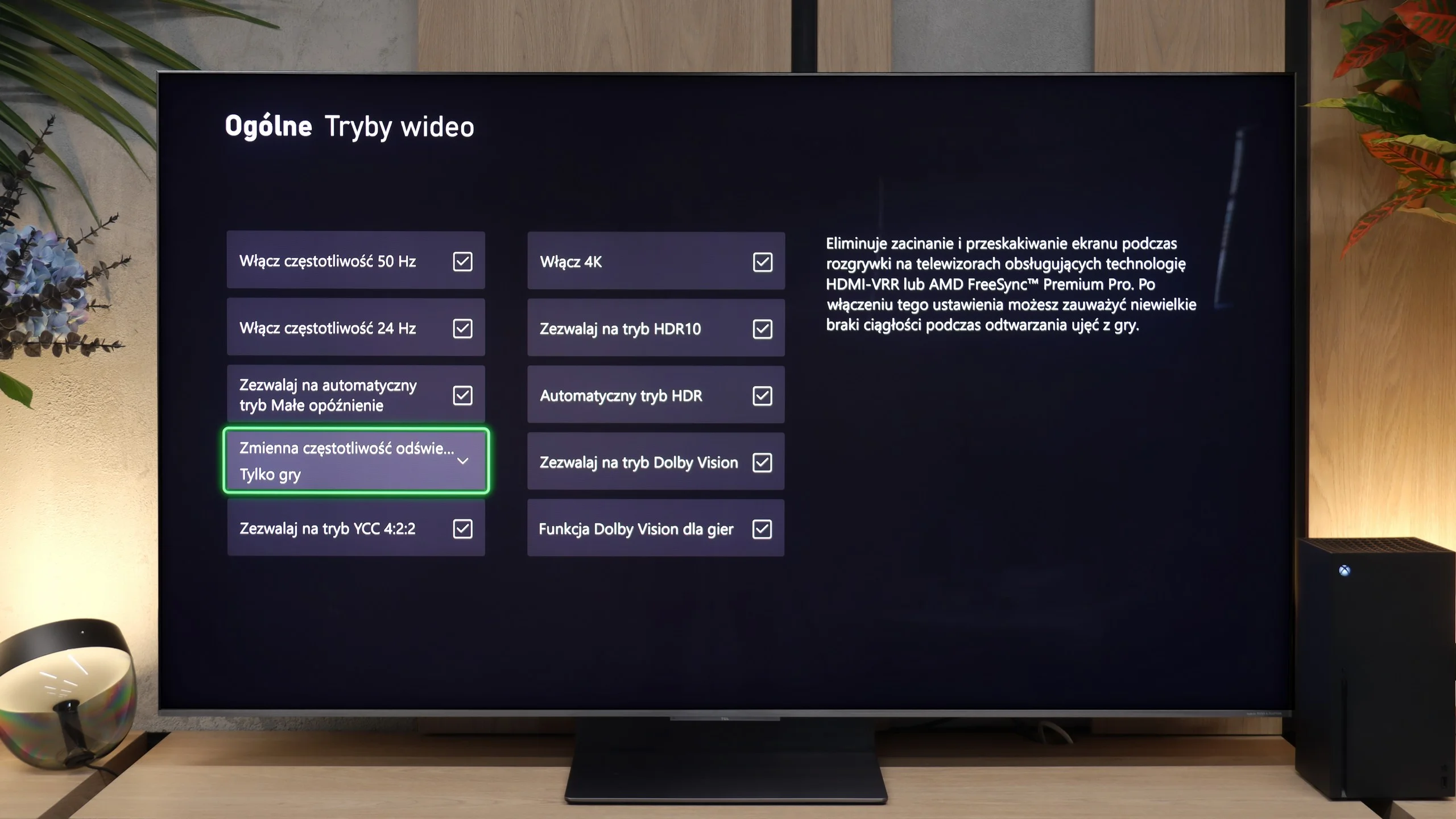
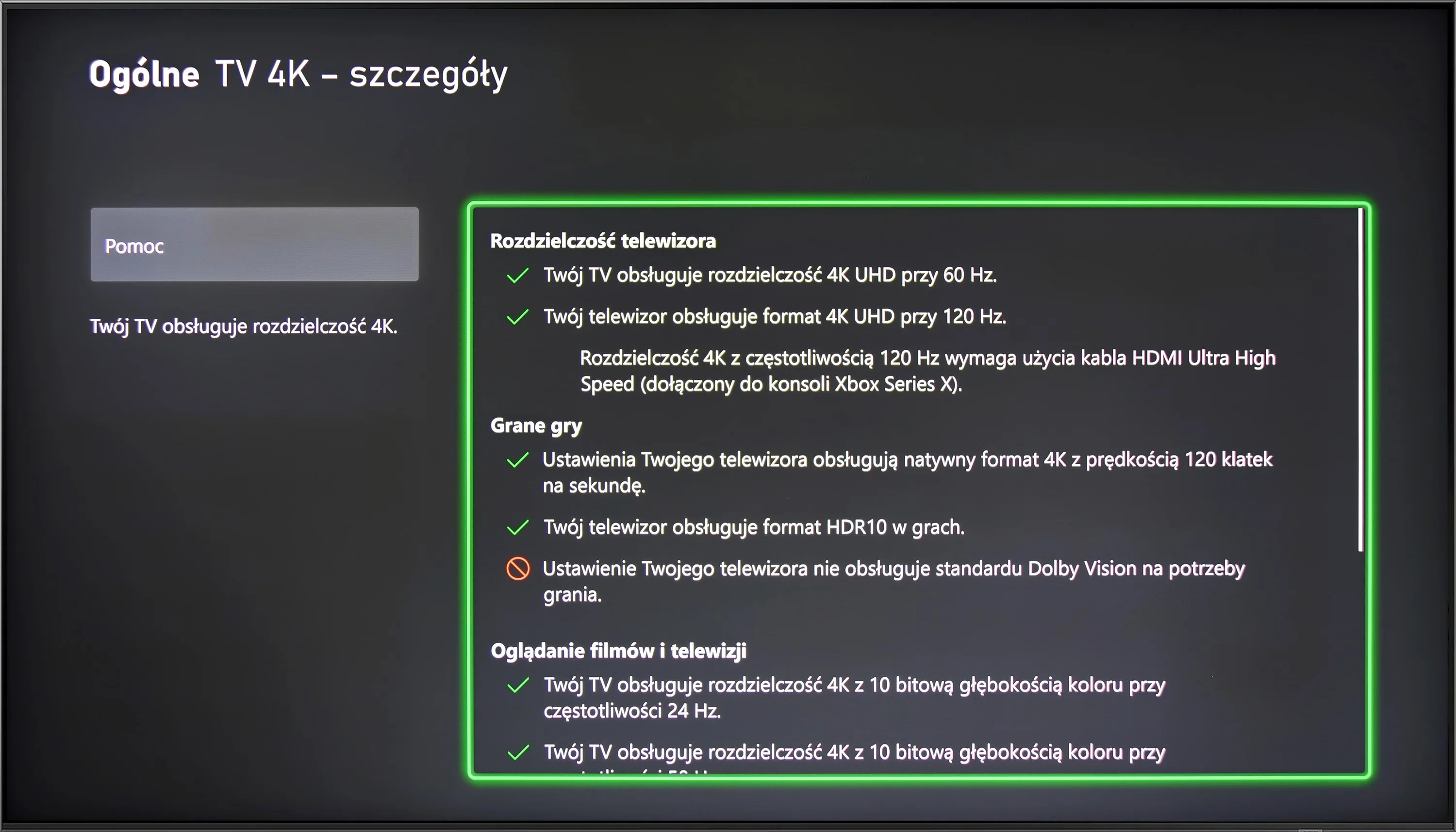
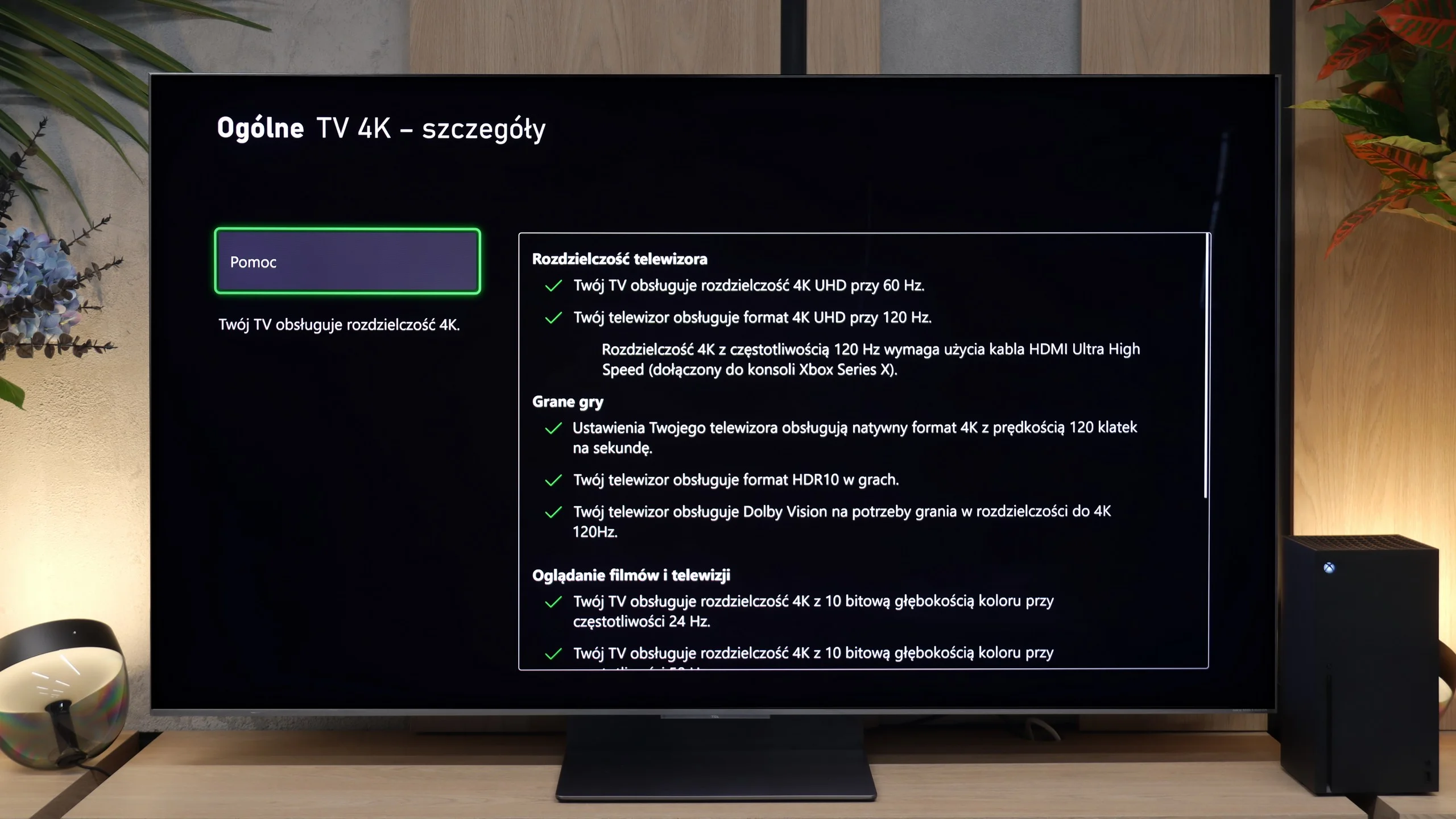
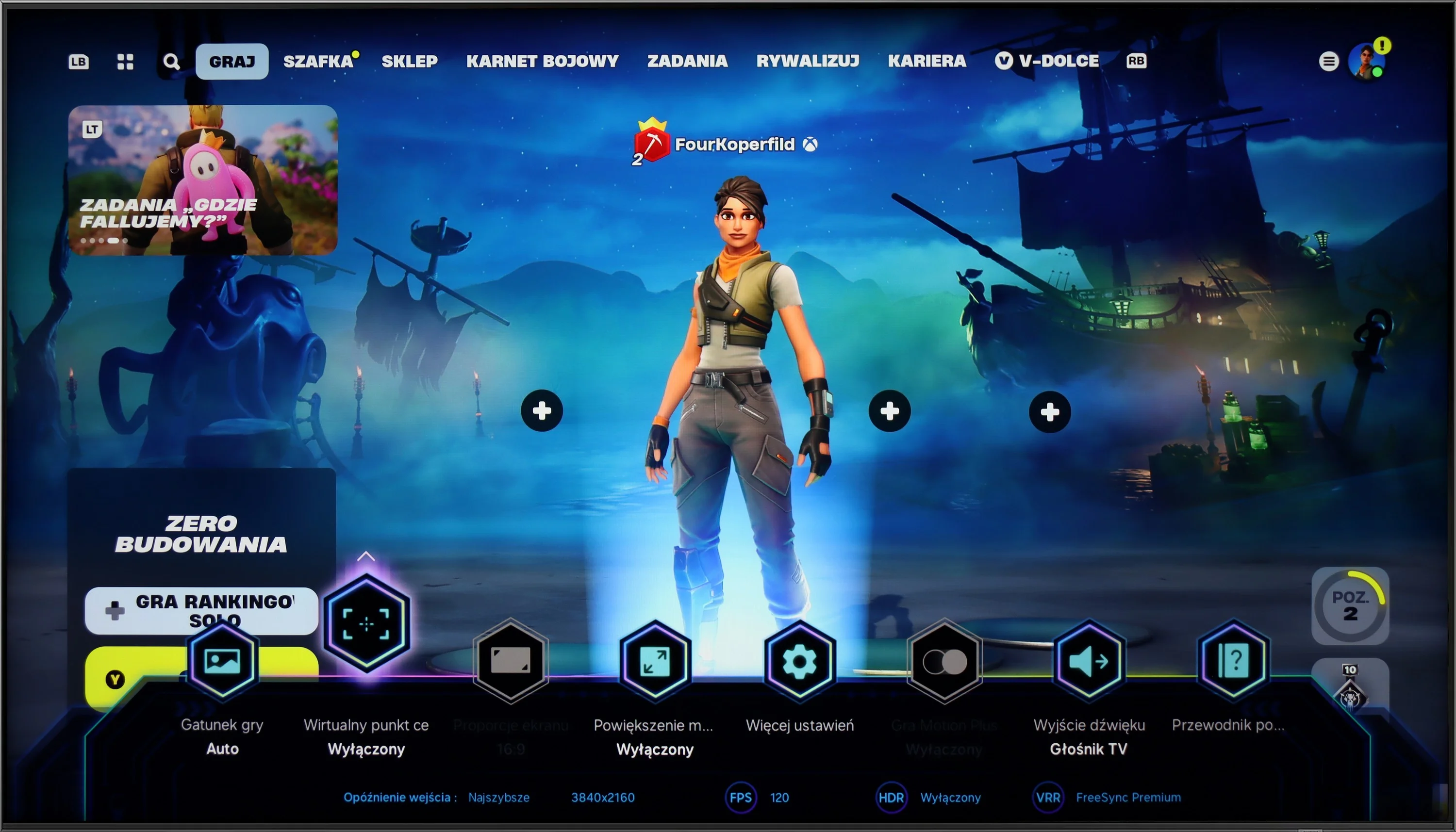
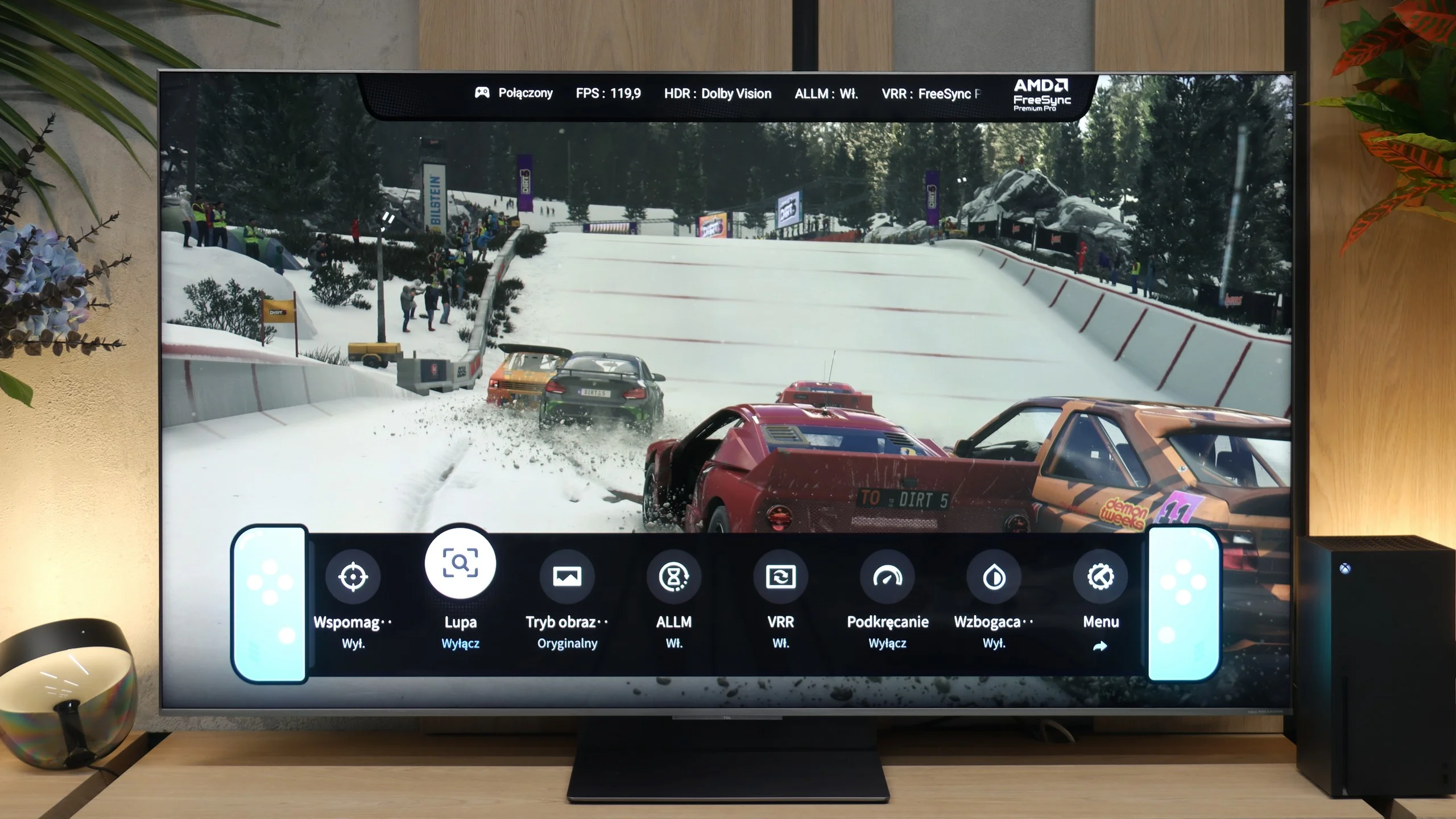
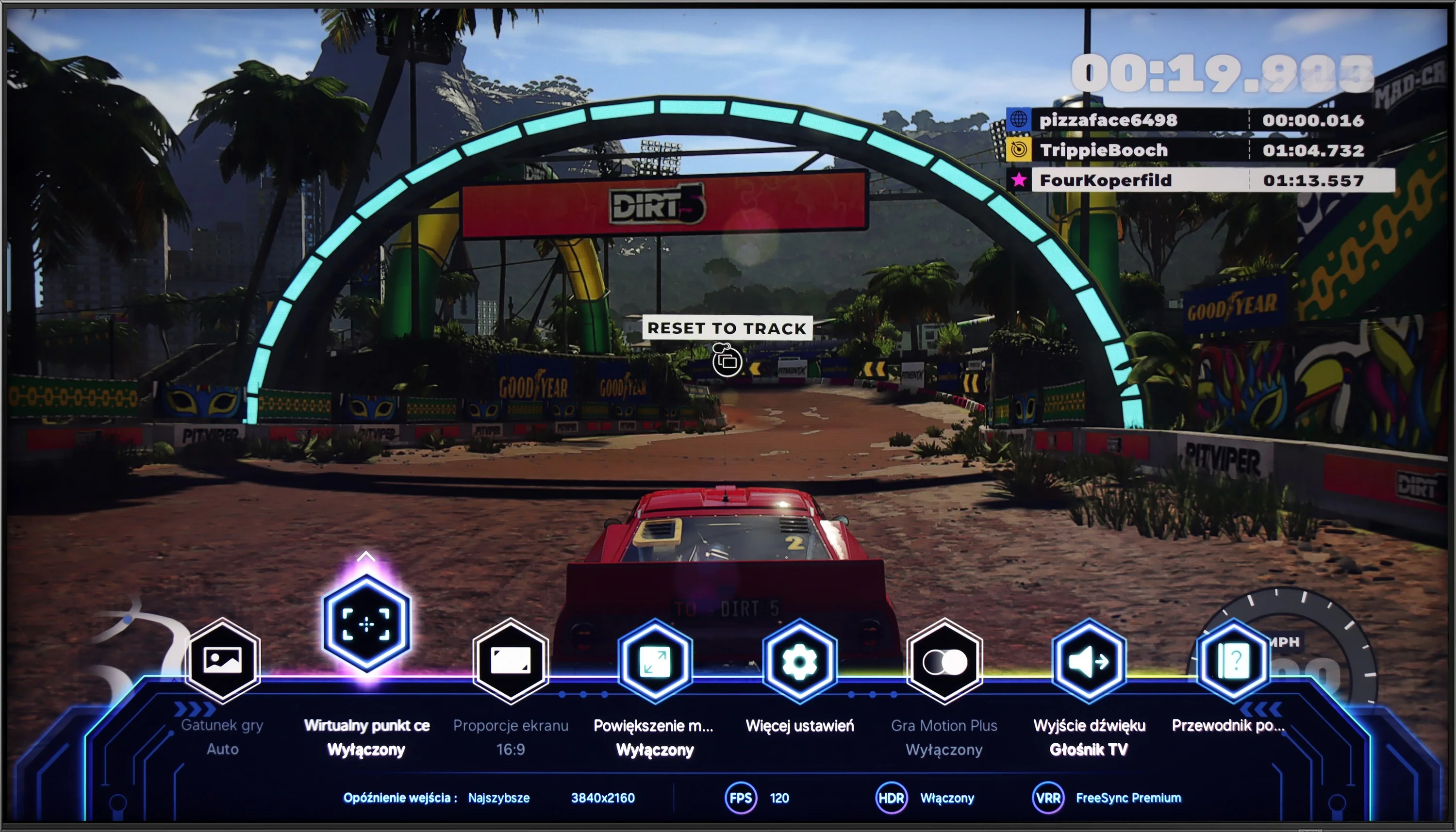
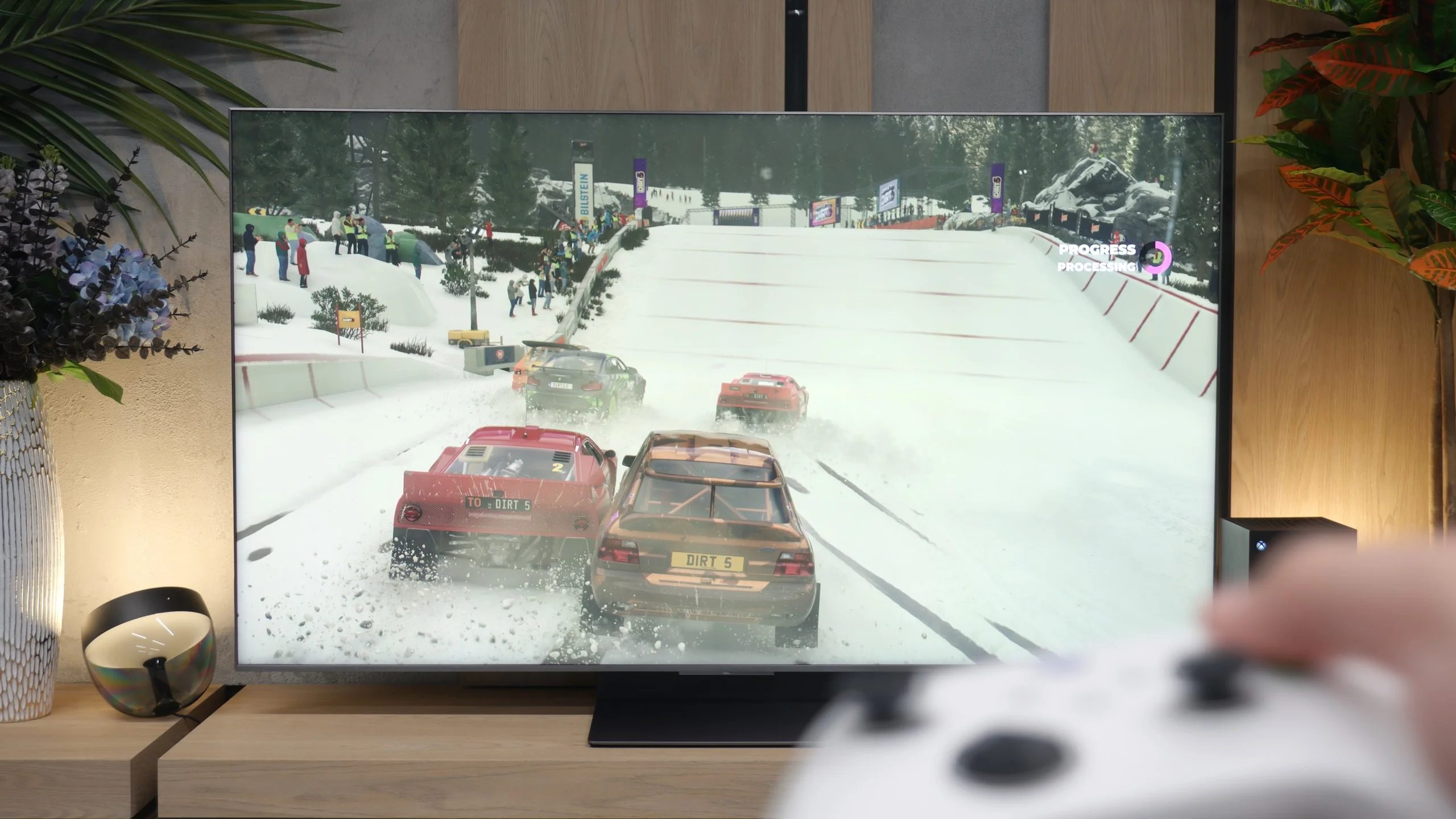
The Samsung QN92/QN90 television is an excellent choice for avid gamers, worthy of the highest recommendations. This model offers virtually all the features available on the market in terms of gaming, making gameplay even more exciting. One of its key features is the 120 Hz panel, which provides exceptional motion smoothness, vital during dynamic action games. The television also has low input lag, ensuring lightning-fast responses to player commands. Additionally, technologies such as VRR (Variable Refresh Rate) and ALLM (Auto Low Latency Mode) adjust the refresh rate and automatically switch the television to game mode, enhancing the gaming experience even further. An additional advantage is the Xbox app, which allows playing favourite titles directly on the television, eliminating the need for a console. This is a typical feature of Samsung televisions, which makes them unique in the gaming world.
Auto Motion Plus Game is a feature that truly deserves praise for Samsung. It is a motion smoother that performs excellently in games, allowing for the perception of a higher frame rate – a 30 frames per second image looks like 45, and 60 Hz becomes close to 90 Hz. Importantly, this feature does not introduce significant lag (input lag does not exceed 25 ms), so it does not negatively affect gaming comfort, unlike many other motion smoothers available on the market. As a result, players can enjoy a significantly smoother image without compromising on responsiveness.
For gamers – and especially for owners of powerful PCs and several consoles simultaneously – the TCL C8L is a true monster. It is the first model in this manufacturer's lineup to feature as many as four full HDMI 2.1 ports with a maximum bandwidth of 48 Gbps. This is directly attributable to the use of the new Pentonic 800 processor, which we discussed earlier. Additionally, the television seamlessly supports practically every gaming feature. We have an automatic game mode (ALLM) that reduces latency to minimal levels, and full frame synchronization (VRR) operating in an impressive range of up to 288 Hz. There's also talk of standards such as G-Sync or FreeSync from Nvidia and AMD. When it comes to display standards, there are no compromises either: the C8L offers complete support for HDR formats in games, including gaming Dolby Vision and the HGiG profile. We can conveniently manage all of these features from a very readable player bar (Game Bar), which we can personalise to our own preferences. From a purely gaming perspective, there's really nothing to fault the C8L on – well, maybe aside from the previously mentioned slight blurring. But other than that? It's a no-nonsense machine for gamers.
Input lag
9.9/10
10/10
SDR
HDR
Dolby Vision
The input lag category is crucial for gamers, and the Samsung QN90D performs exceptionally well in this aspect. Input lag values below 13 ms are impressive, which means that the delay between pressing a button on the controller and the response on the screen is minimal. Such a low value allows for smooth and responsive gaming experiences, which is sure to please both casual gamers and professionals for whom every millisecond of reaction time counts. This makes the Samsung QN92D an excellent choice for those who value precision and speed in gameplay.
In our laboratory tests we measured Input Lag of below 10 ms. For a gamer this means a completely imperceptible delay. Importantly, this result can be improved further by forcing the PC to use a refresh rate above 120 Hz. A big plus is the Dolby Vision Game mode; latency there is just as low as in standard SDR and HDR10 modes.
Compatibility with PC
8.6/10
8.6/10
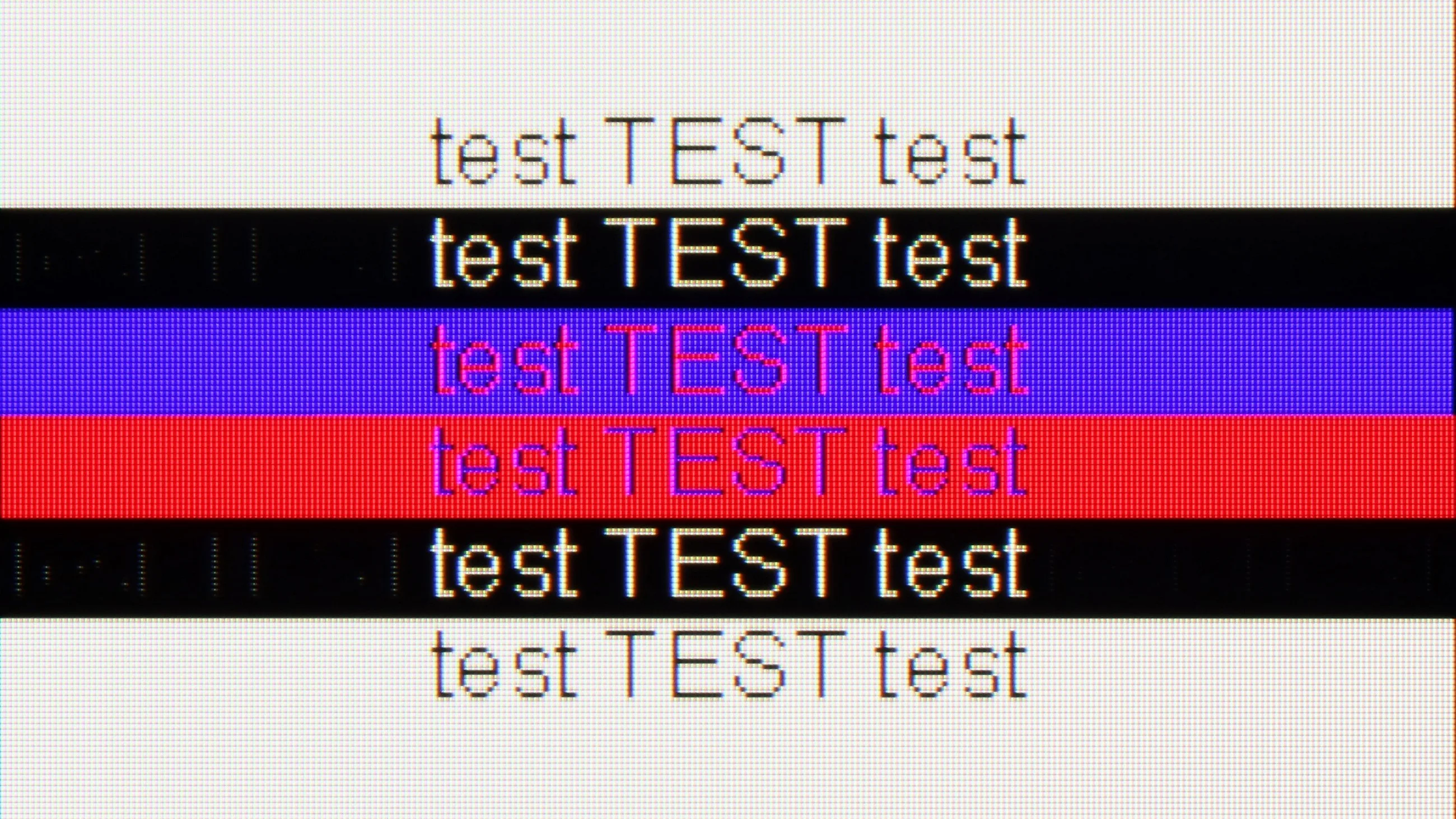
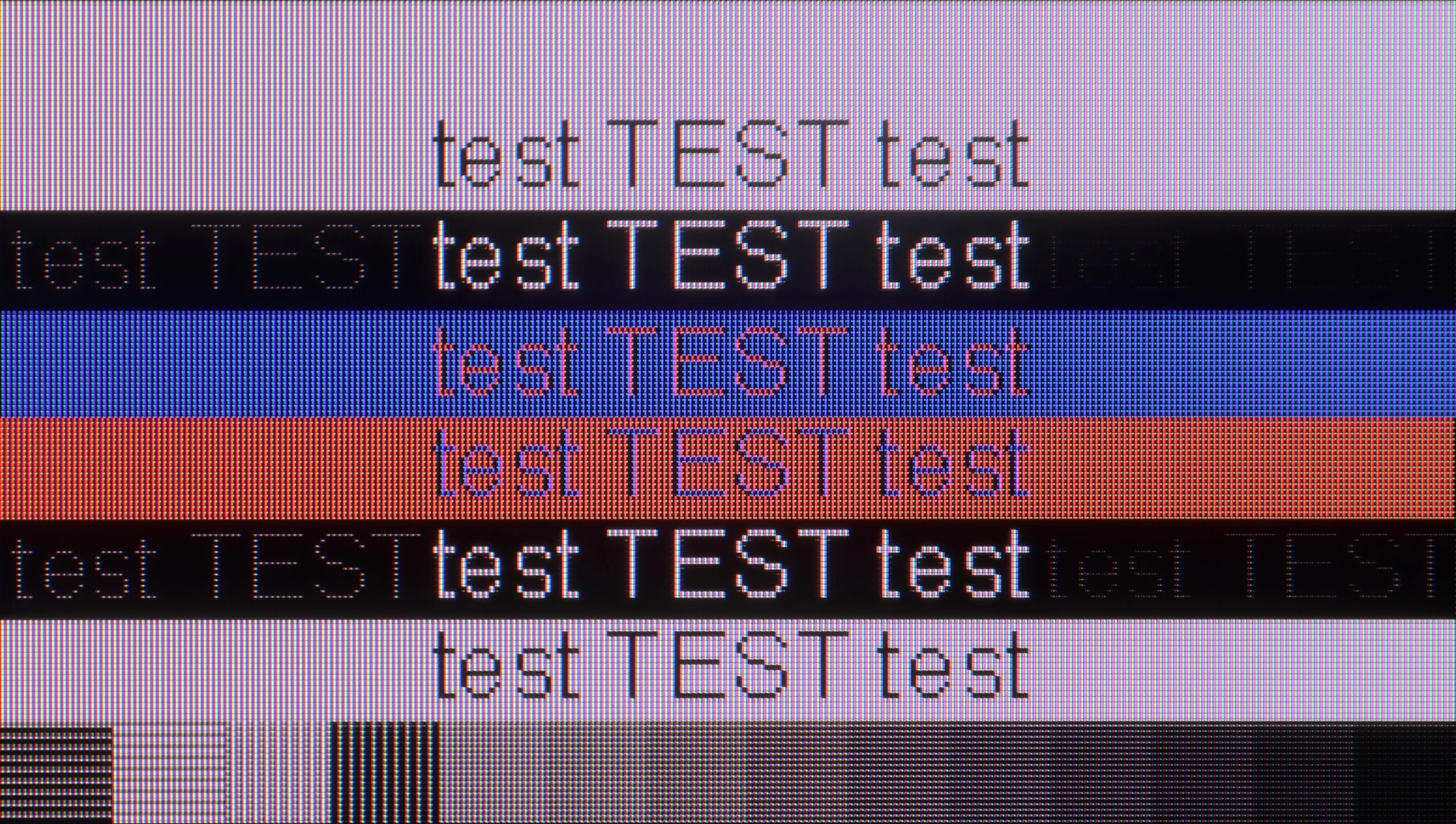
The photo shows the legibility of small fonts. Ideally, lines should be the same thickness on both light and dark text, with minimal pixel gaps.
The television stands out with high performance, supporting chroma 4:4:4 and offering exceptionally low input lag. These features allow users to enjoy fluidity and responsiveness, making it an excellent choice for office work and everyday applications. However, one noticeable drawback is the poor visibility of horizontal lines on dark backgrounds. On the test pattern, the letters on the right appear more like vertical lines, which can be frustrating for some users. Nevertheless, the television generally works well with computers, providing comfort in performing daily tasks. It is also worth mentioning in this paragraph the "Remote PC" feature; thanks to Microsoft's collaboration with the Korean giant, we can pair Windows PCs seamlessly and use Office 360 applications.
The TCL C8L is very well suited to use as a large-format monitor. The TV supports refresh rates up to 288 Hz at Full HD resolution, which will be appreciated by fans of e-sports titles and by owners of less powerful graphics cards in AAA games. The TV also works seamlessly with frame synchronisation systems AMD FreeSync and NVIDIA G-Sync. Importantly for text work, the C8L renders most fonts correctly and legibly. Up close you can notice minor errors in the rendering of letter edges and a slight grain around them, but the issue largely disappears (or rather becomes less noticeable) when you sit at a normal, recommended distance from the screen.
Viewing angles
7.1/10
4.5/10
In the case of TVs with VA panels, one can usually expect limited viewing angles; however, Samsung QN90D surprises in this category. Thanks to the applied coating that widens the viewing angles, the television offers truly good performance, which is rarely seen in devices with this type of panel. Although VA panels are not usually the best in this regard, in this model the picture remains clear and vibrant even when viewed from the side, making it an excellent choice for larger rooms and group viewing.
TCL C8L uses a VA-type panel, which by nature is not known for wide viewing angles. In this case, however, the manufacturer used a proprietary WHVA 2.0 panel from TCL CSOT. Therefore the viewing angles are decidedly better than in average VA panels, which is undoubtedly a plus. Colours and contrast do not degrade as drastically when moving slightly off-axis as is the case with most LCD screens. Overall, it is still at a lower level than IPS panels, and even more so OLED screens, but for a VA LCD panel the improvement is fairly noticeable.
Daytime performance
6.4/10
10/10
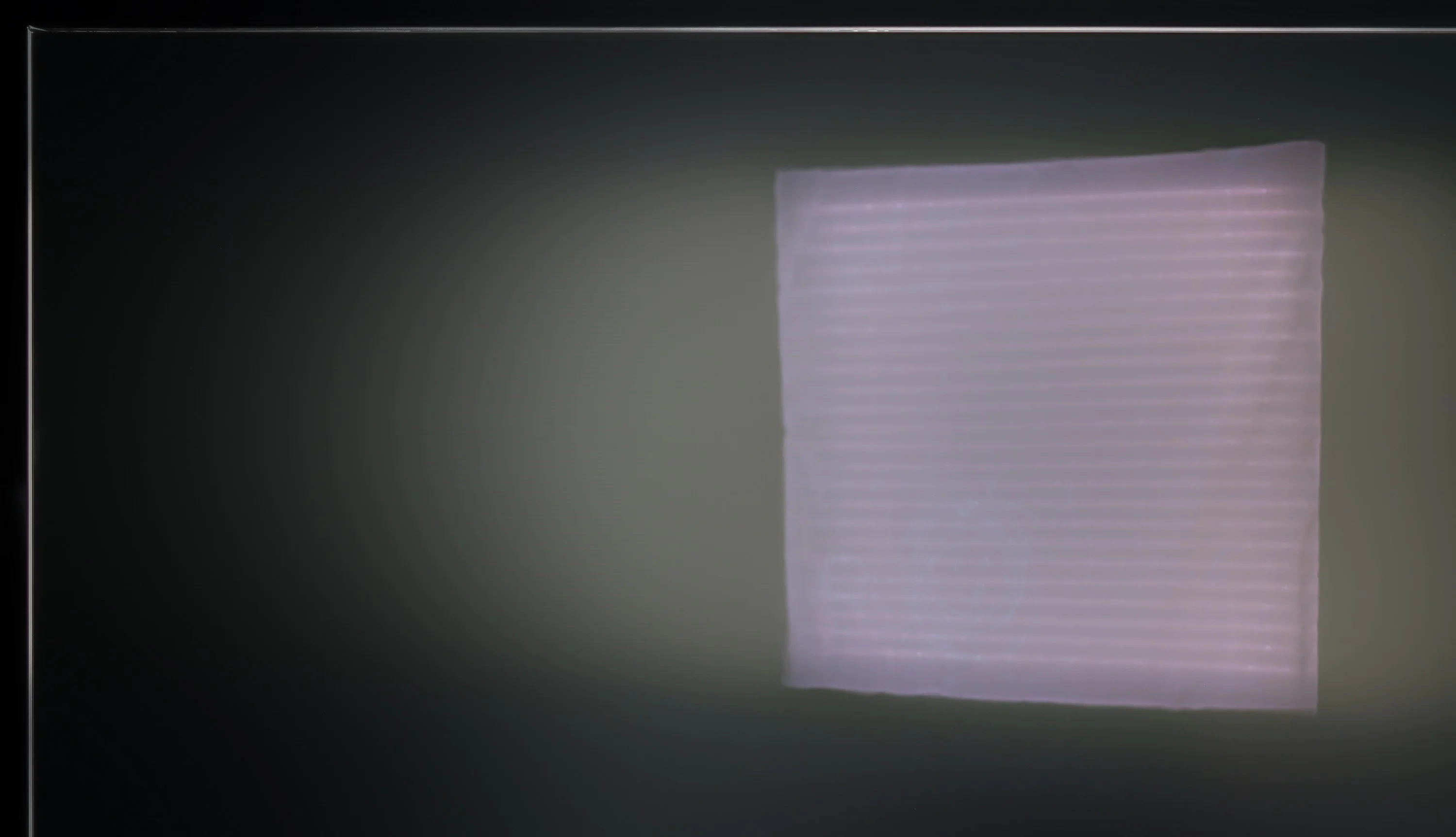
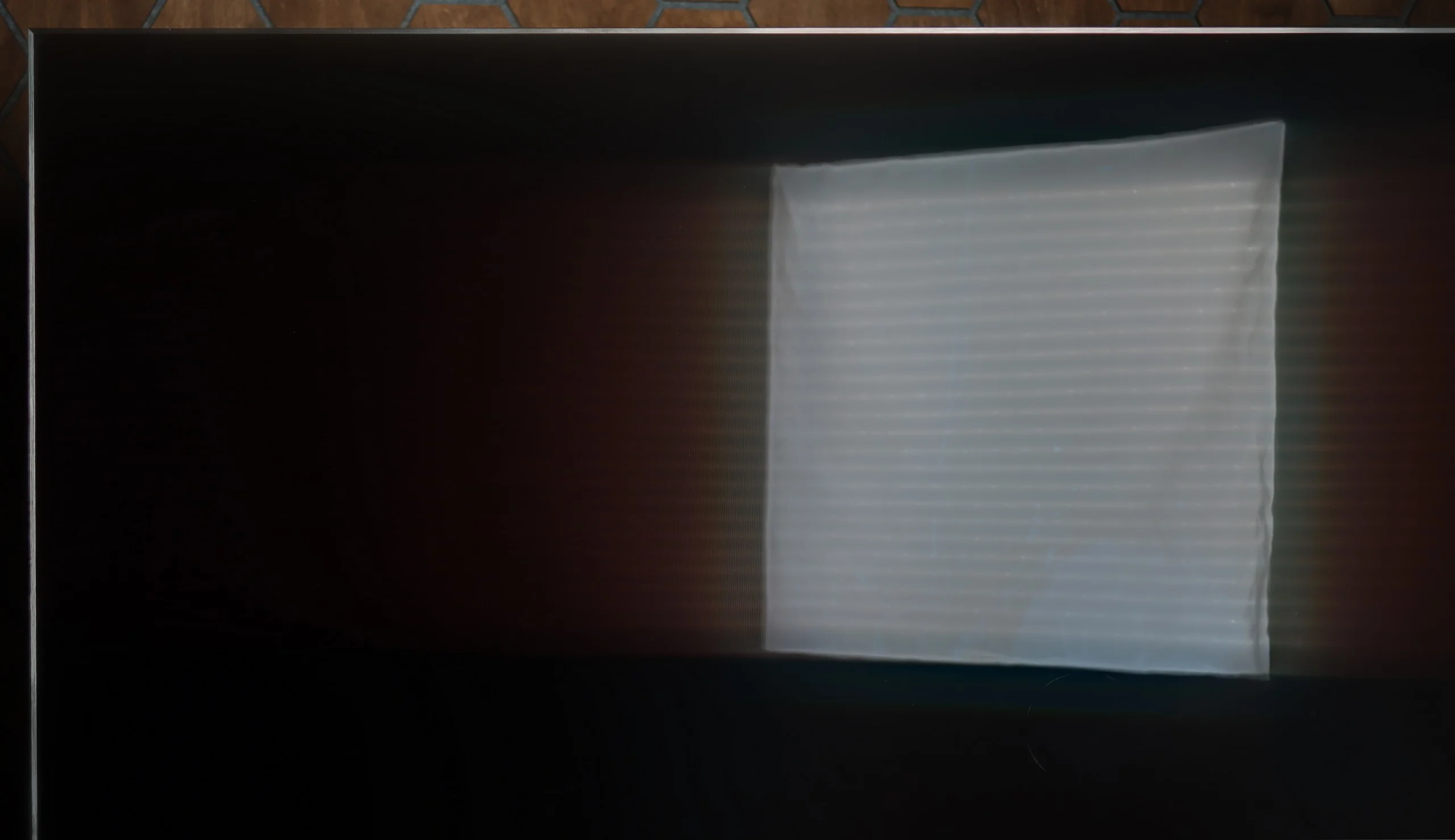
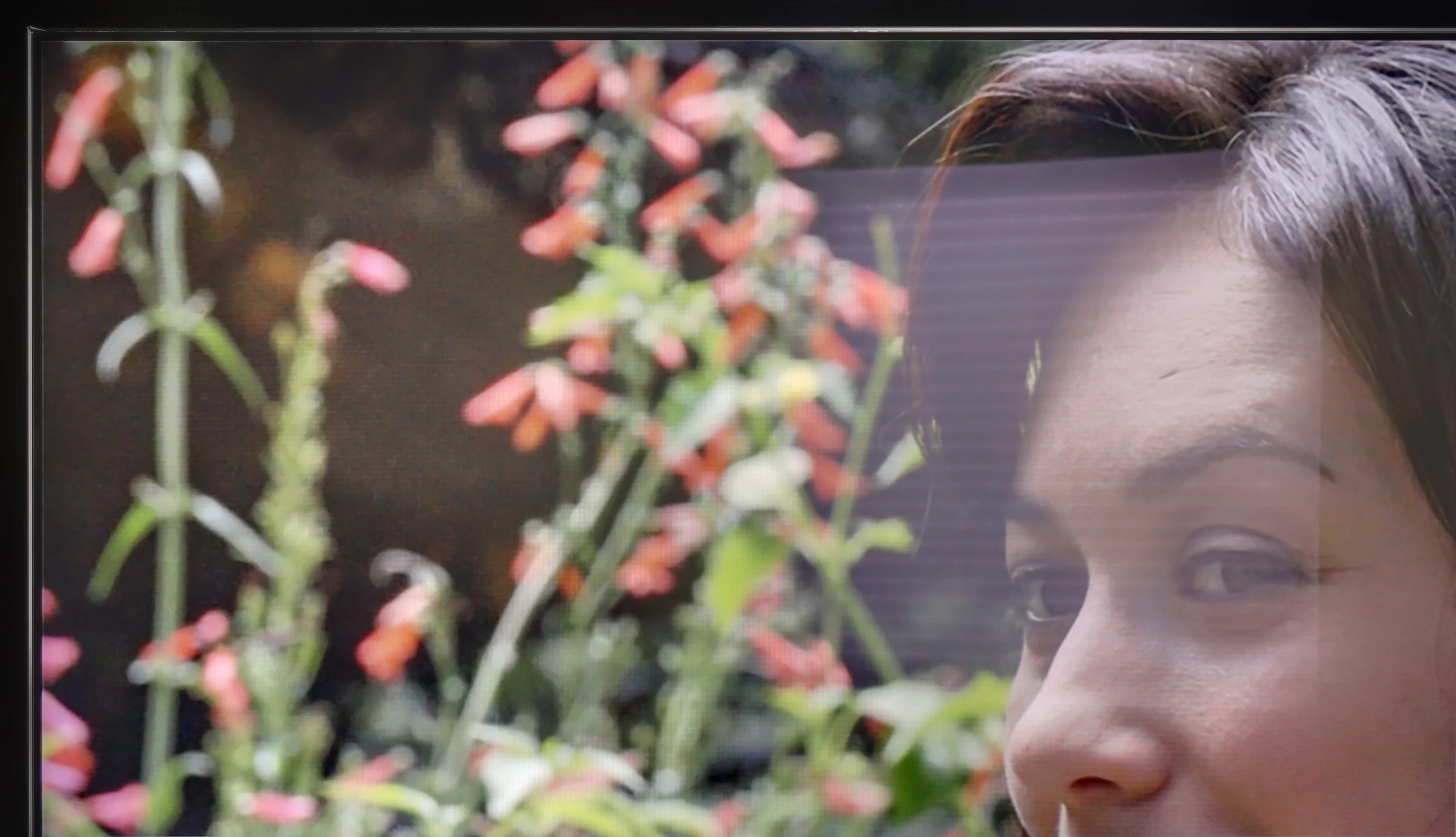
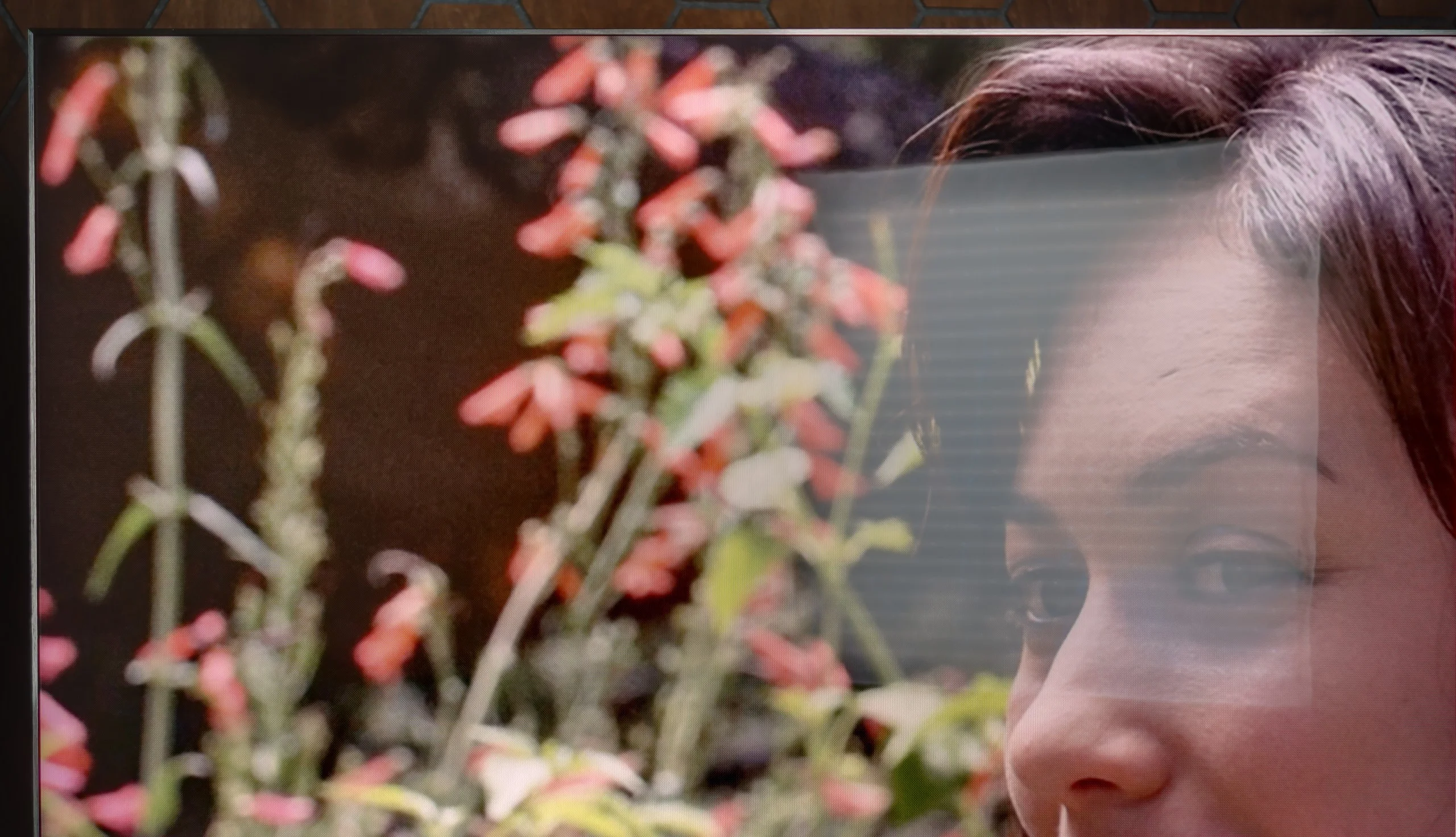
Panel brightness
TCL C8L / QM8L : 1651 cd/m2
Samsung Neo QLED QN90D / QN92D: 629 cd/m2
The television performs excellently in bright rooms due to its high brightness, especially when watching standard television. A constant brightness level of 600 nits ensures excellent visibility even in intense daylight. Unfortunately, despite the use of a satin finish, handling reflections is average, which may affect viewing comfort. An additional downside is the matrix that improves viewing angles, which causes reflections of sunlight to spread vertically, potentially further reducing viewing comfort in a bright environment.
The TCL C8L is one of the brightest TVs we’ve tested so far. As you can see from the brightness chart (or rather, you might not) its peak brightness reaches an astronomical 5,000 nits (exactly 4,862). Although that falls to around 600 nits with a full-screen white field, the TV’s overall daytime performance means you can confidently call it practically ideal for very bright, sunlit living rooms. While the glossy panel used here does not suppress reflections as aggressively as matte screens, the screen’s sheer output can cut through most unwanted reflections coming from windows or other artificial light sources such as lamps.
Panel details
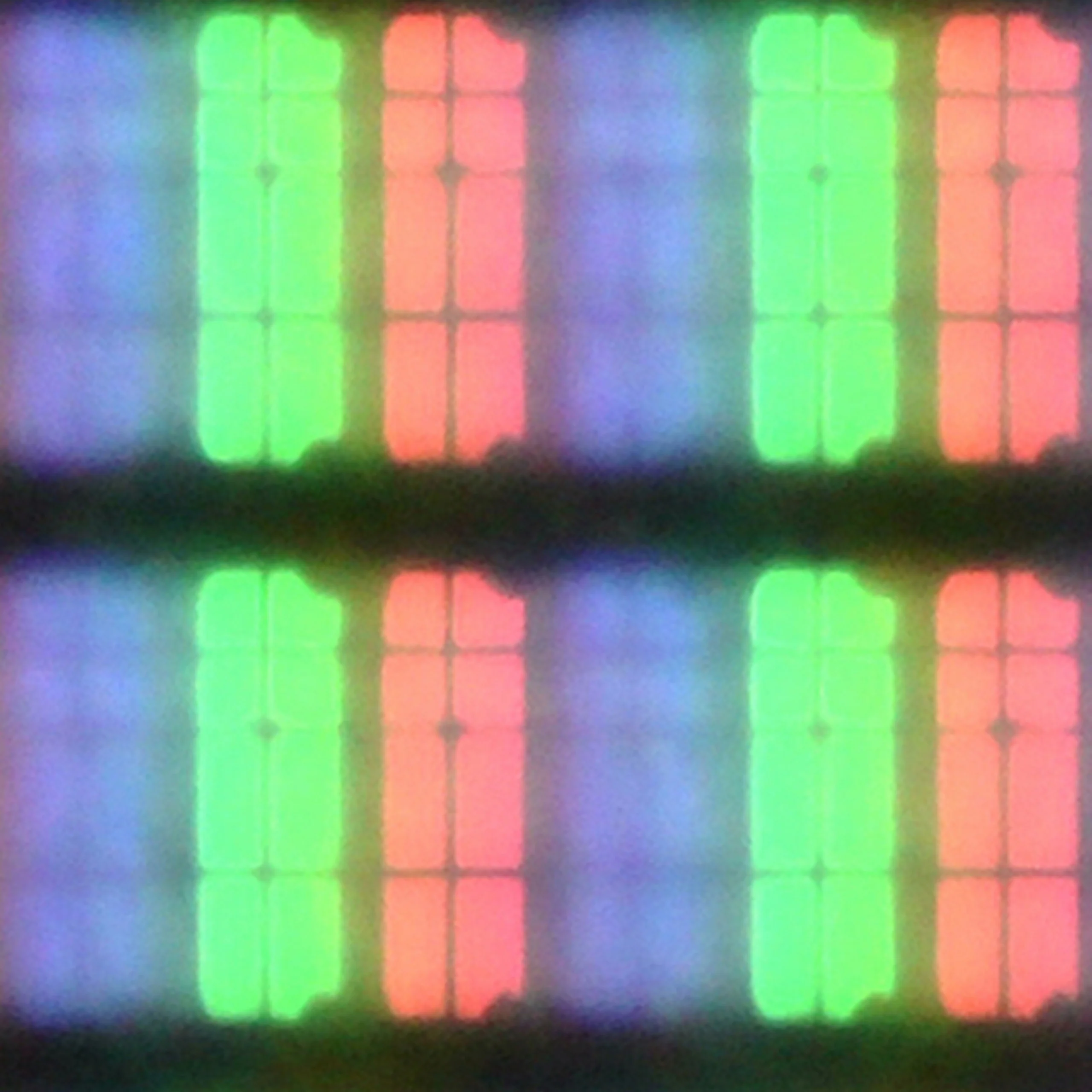
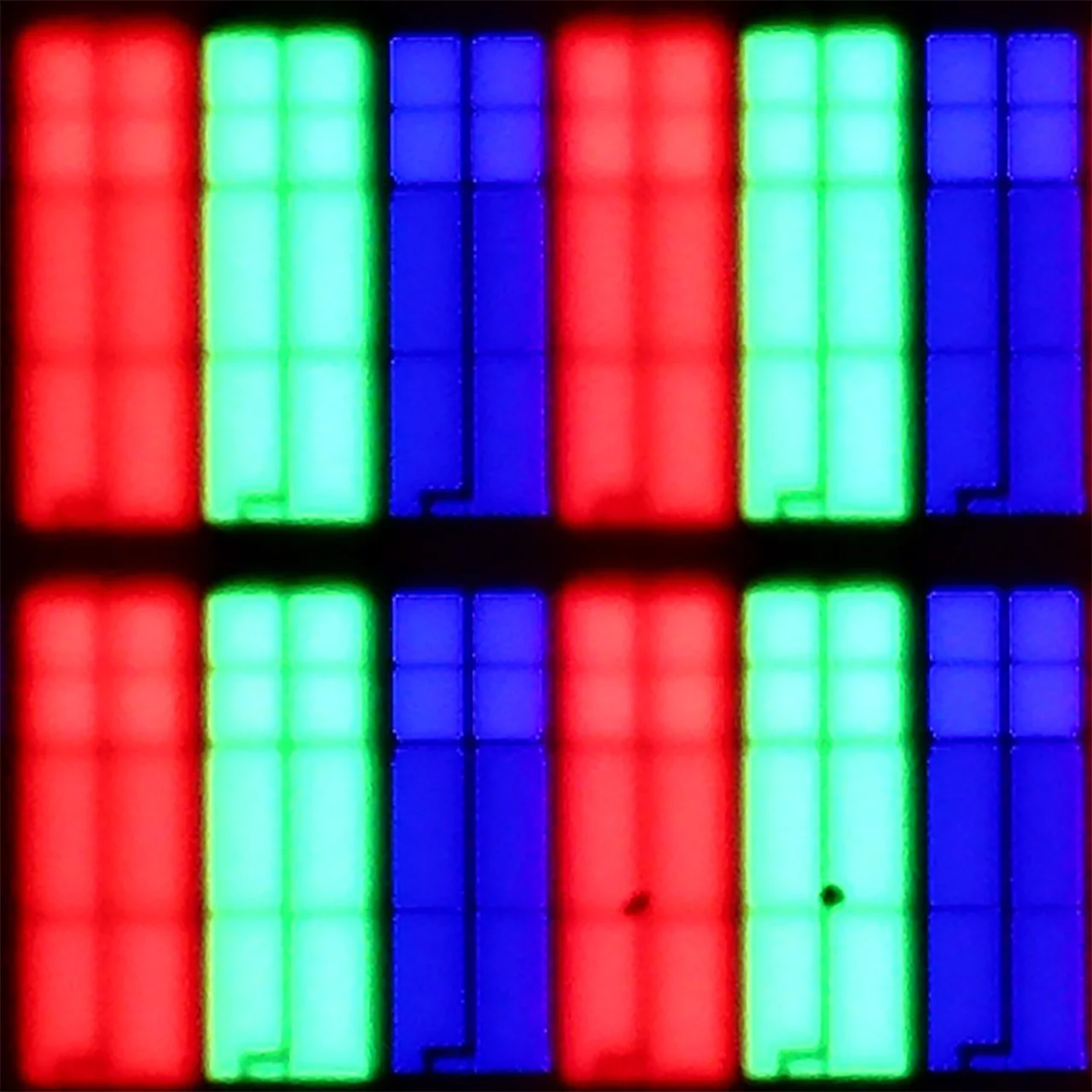
Subpixel Structure:
Panel uniformity and thermal imaging:
Samsung Neo QLED QN90D / QN92D
TCL C8L / QM8L
TV features
7.4/10
8.3/10
- SystemTizenGoogle TV
- System performanceVery goodVery good
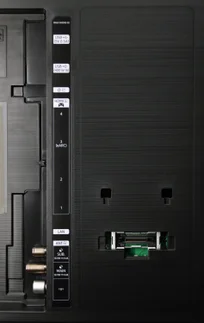
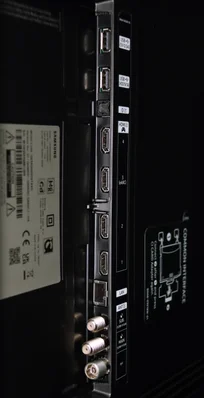
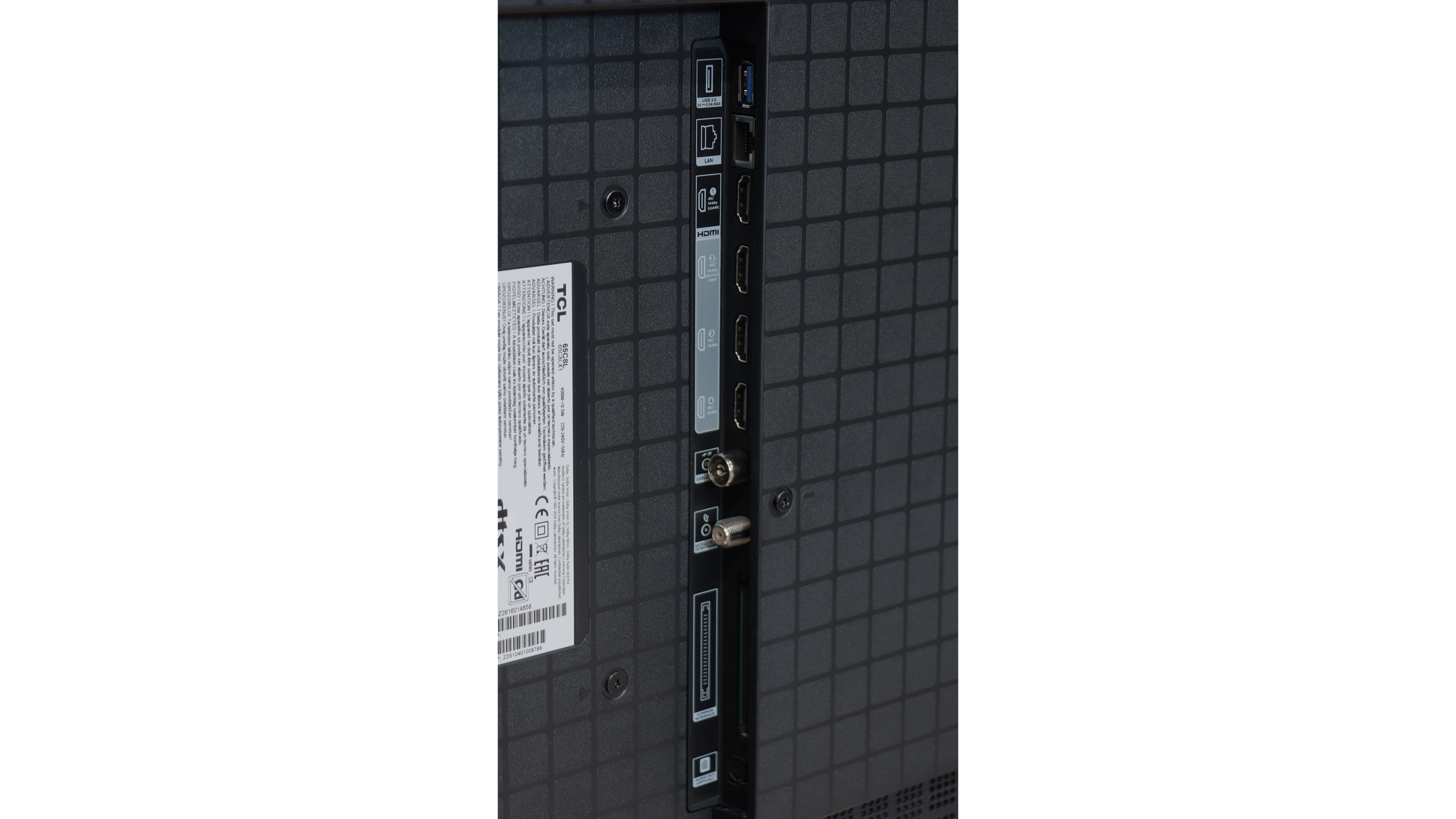
- HDMI inputs0 x HDMI 2.0, 4 x HDMI 2.1 48Gbps0 x HDMI 2.0, 4 x HDMI 2.1 48Gbps
- OutputsToslink (Optical audio), eARC (HDMI), ARC (HDMI)Toslink (Optical audio), eARC (HDMI), ARC (HDMI)
- Network InterfacesWi-Fi 2.4GHz, Wi-Fi 5GHz, Ethernet (LAN) 100MbpsWi-Fi 2.4GHz, Wi-Fi 5GHz, Ethernet (LAN) 100Mbps
- TV receptionDVB-T, DVB-T2, DVB-S, DVB-S2, DVB-CDVB-T, DVB-T2, DVB-S, DVB-S2, DVB-C
Classic features:
- Recording to USB (terrestrial TV)
- Recording programming
- Picture in Picture (PiP)
- RF remote control (no need to aim)
- Backlit remote control
- Teletext
- Audio only mode
- Bluetooth headphones support
- Simultaneous Bluetooth headphones & TV audio
Smart features:
- AirPlay
- Screen mirroring (Windows Miracast)
- Voice search
- Voice search in native language
- Ability to connect a keyboard and mouse
Sound connection options
- HDMI audioeARC (HDMI), ARC (HDMI)eARC (HDMI), ARC (HDMI)
- Other audio outputsToslink (Optical audio)Toslink (Optical audio)
- Wireless audioBluetoothBluetooth
Supported audio formats (external HDMI eARC audio):
- Dolby Digital Plus 7.1
- Dolby True HD 7.1
- Dolby Atmos in Dolby Digital Plus (JOC)
- Dolby Atmos in Dolby True HD
- DTS:X in DTS-HD MA
- DTS-HD Master Audio
Senior accessibility
- Numeric keyboard on TV
- Font size adjustment
- Audio description
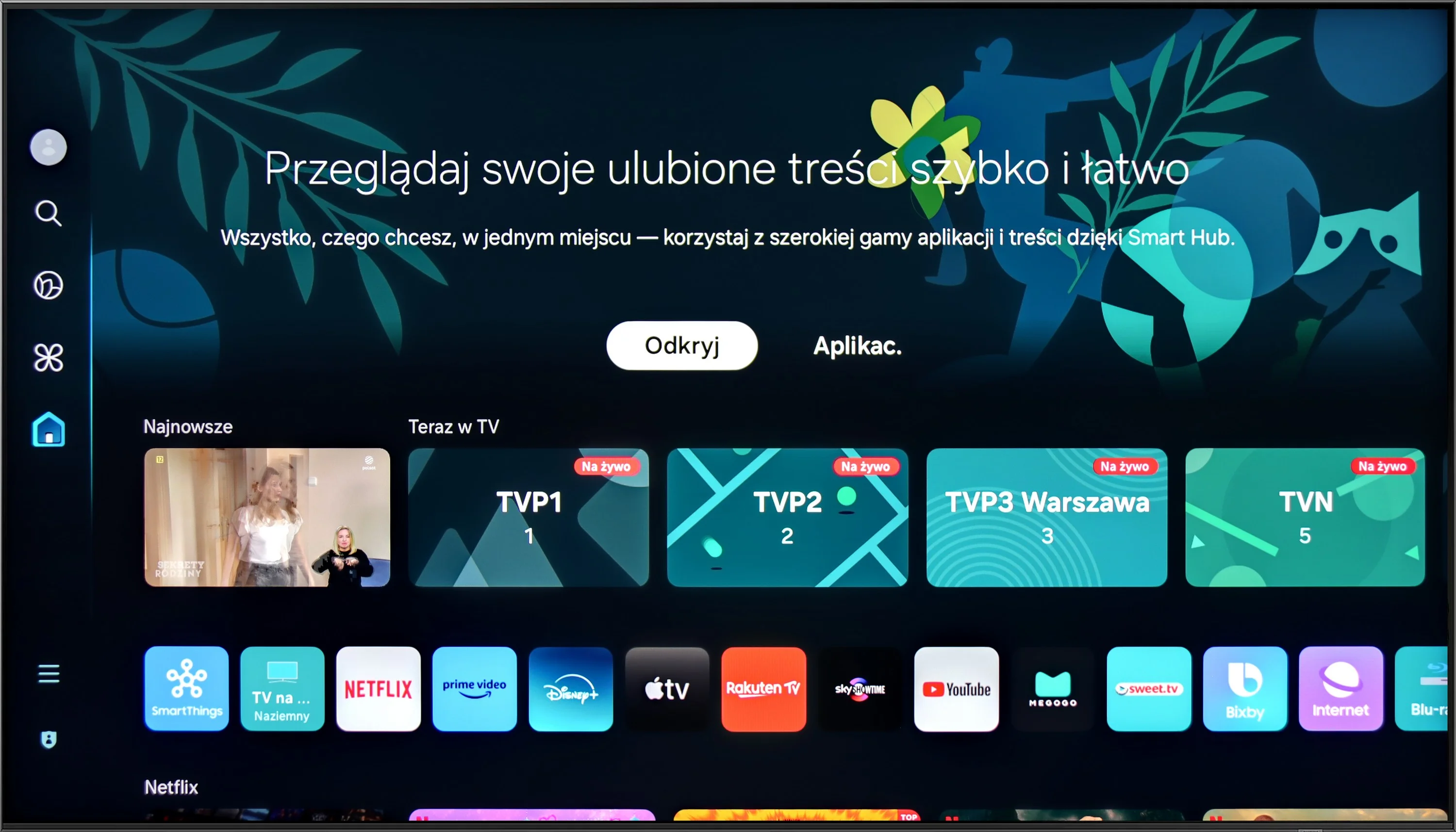
The Samsung QN92D television stands out with its modern Tizen operating system, which offers users an intuitive and visually pleasing environment. Tizen ensures smooth and quick browsing of applications, significantly enhancing the comfort of using the television. With its extensive ecosystem, users can easily connect the QN92D to other devices. The television supports numerous features that facilitate everyday use, such as controlling set-top boxes with the remote, eliminating the need for multiple remotes. Thanks to the AirPlay feature, Apple device users can seamlessly stream media from their iPhone. Additionally, there is a remote PC function that allows users to utilise their computer on a large screen, as well as the Office 365 application, making the QN92D an ideal solution for both work and entertainment.
Furthermore, like many Samsung televisions, the QN92D offers an Ambient Mode feature that allows users to customise the appearance of the television to blend with the surroundings. Users can display a variety of images or information, making the television an elegant part of interior decor even when not in use. Speaking of decor, it is certainly worth mentioning the device's appearance. It is truly very slim, around 2cm at its thickest point, which is impressive. The metal frame undoubtedly gives the impression of a premium device, and the stand included in the package is sturdy.
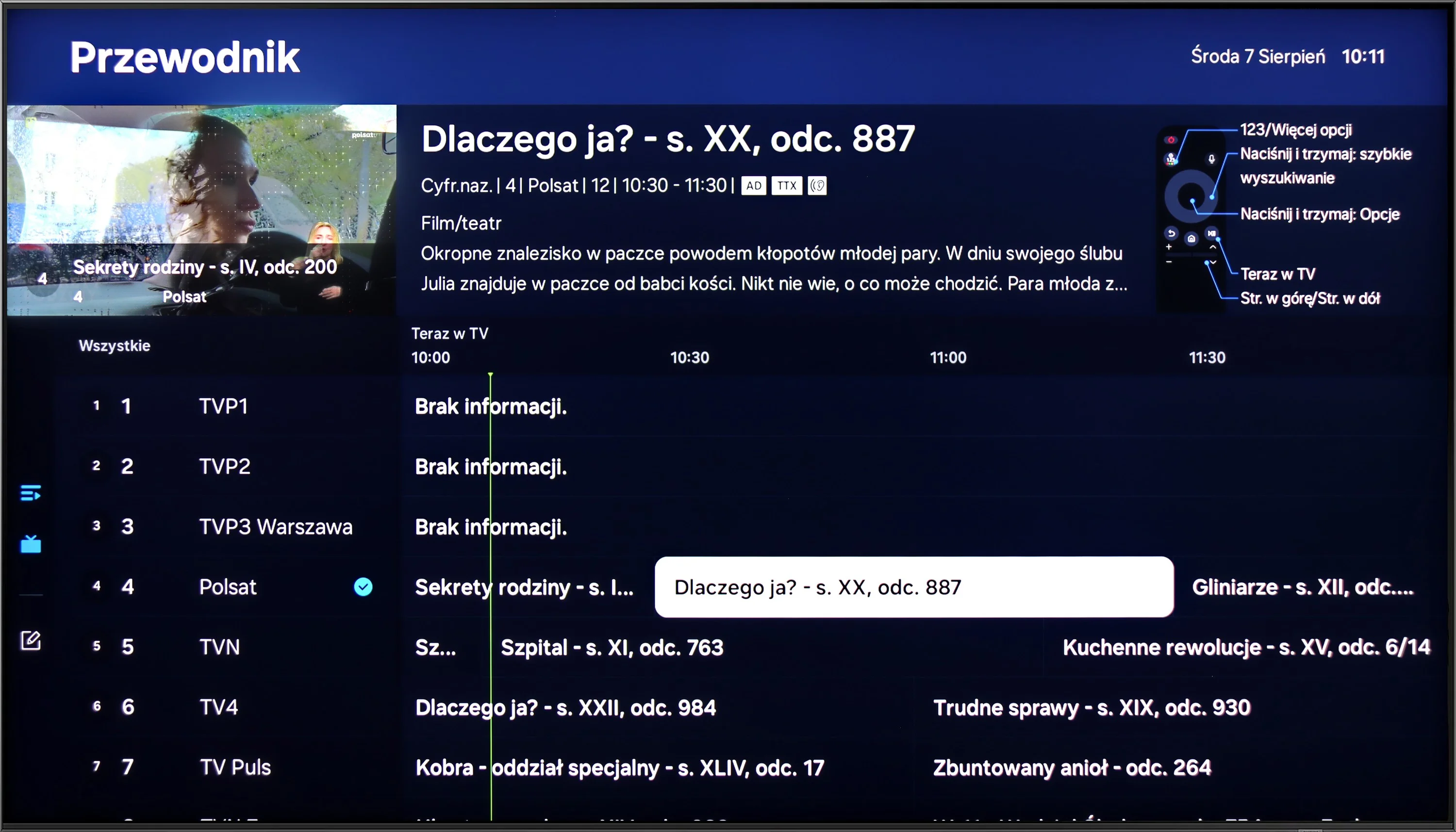
However, for those using traditional television, the QN92D may prove to be somewhat disappointing, as the Polish market lacks the feature for recording television programmes. Nevertheless, the television offers a PiP (Picture-in-Picture) function that allows simultaneous viewing of two programmes at the same time. The Samsung QN92D is a richly functional television that meets the needs of both gaming enthusiasts and multimedia users, while also aesthetically fitting into modern interiors.
Smart TV: Google TV
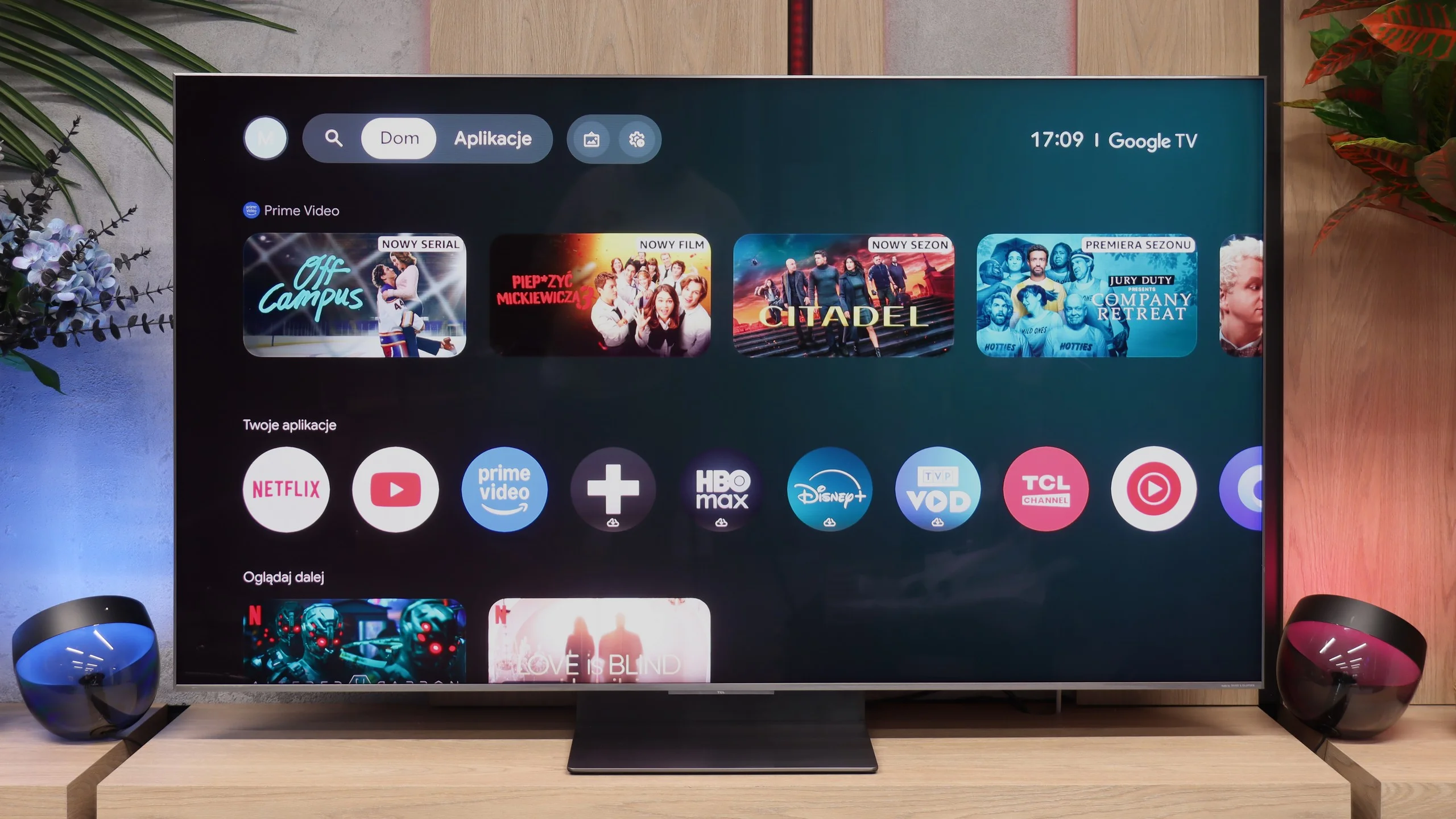
On the internet you can still come across older opinions about the TCL brand where users complained about sluggish performance or occasional freezes of the Google TV interface. In the case of the C8L model, however, there is a significant step forward. Thanks to the new processor and certain stability fixes, Google TV's responsiveness and speed are at a very high level. We can easily compare this system's level of polish with closed systems such as Tizen or webOS found in rival flagship models. The set comes with a full suite of features, led by the updated Gemini voice system.
Television features
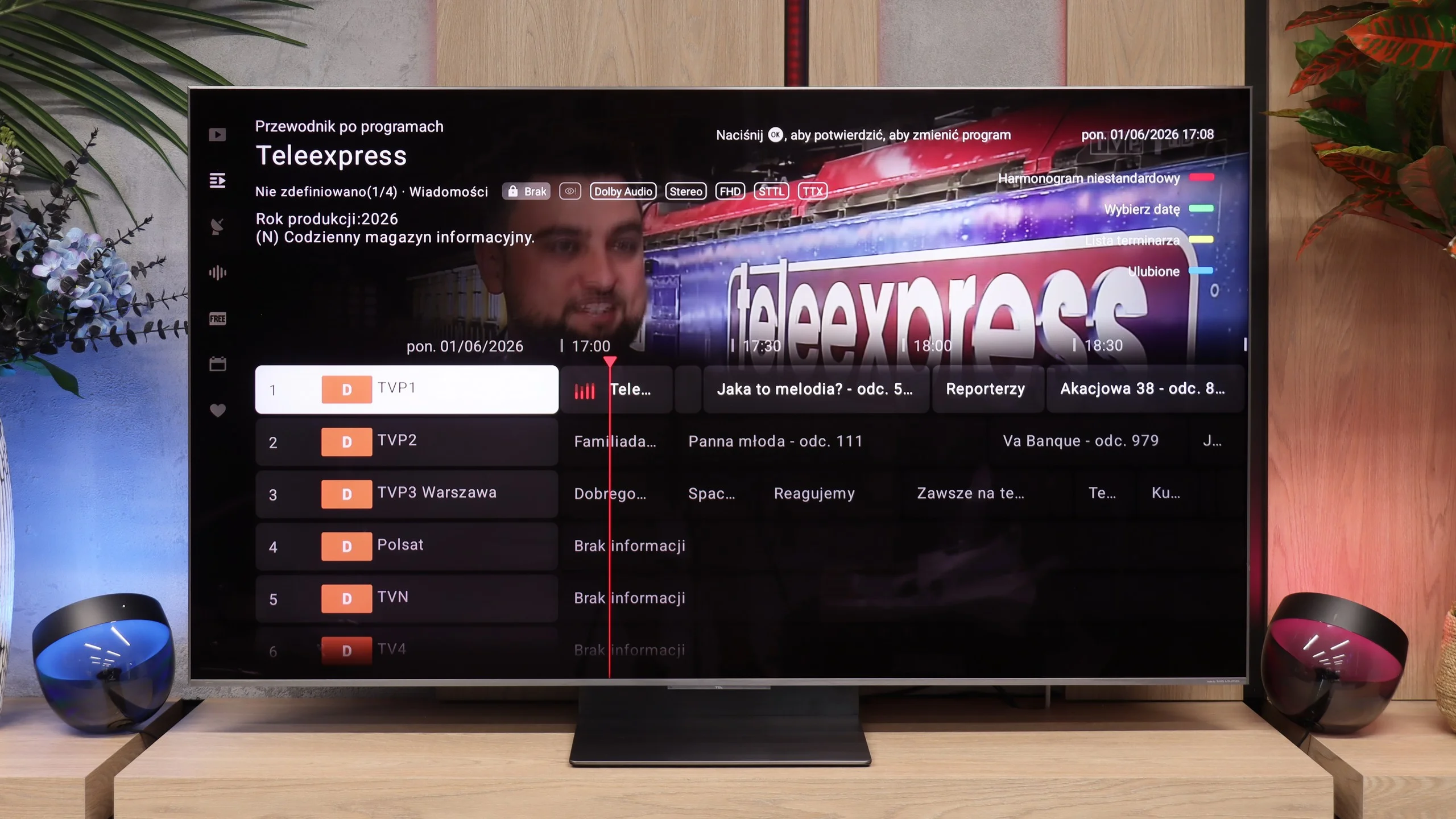
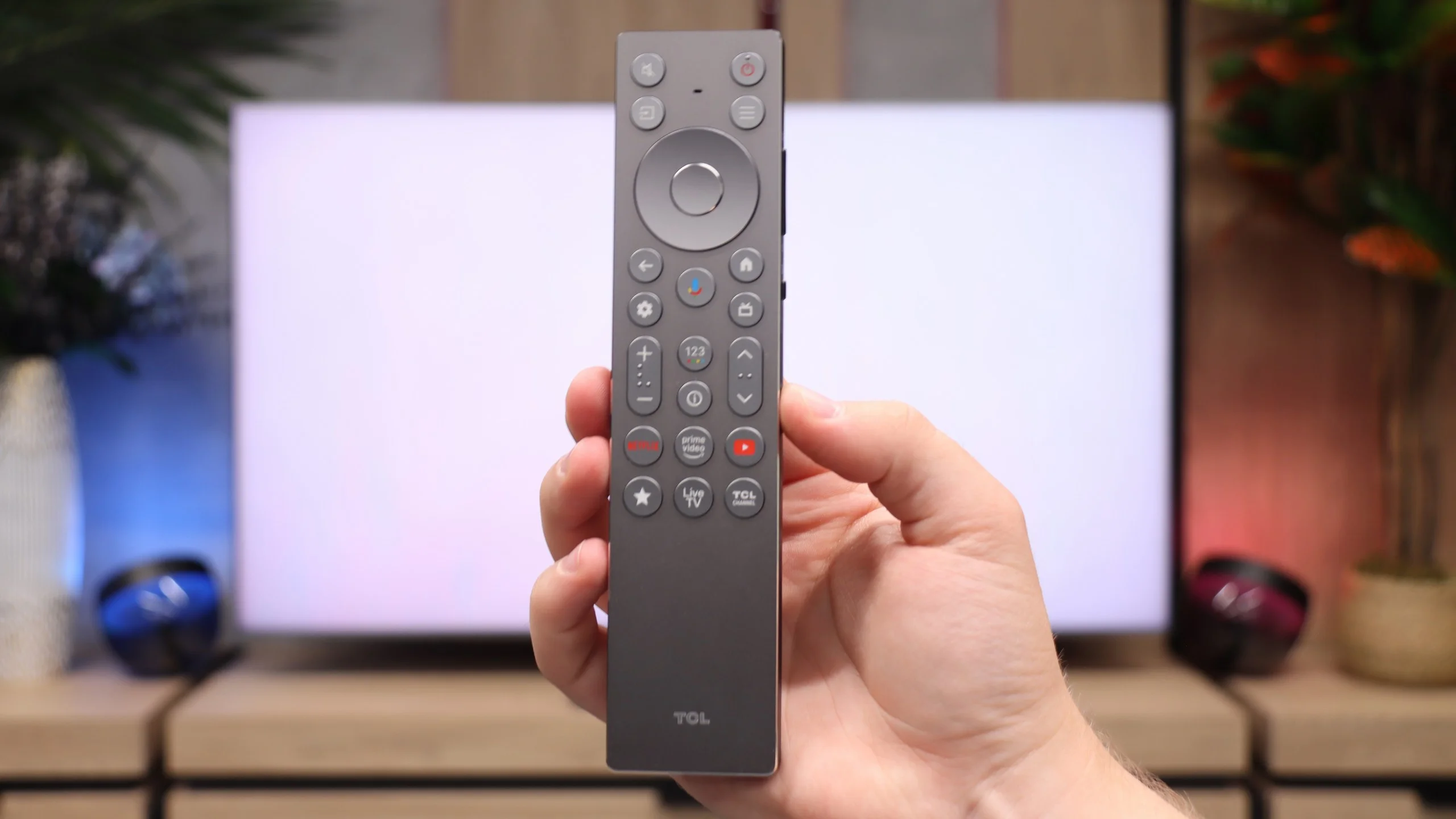
On strictly TV matters the C8L simply does its job reliably as a television 😉. You'll find the usual standard features, such as a Bluetooth module for quick pairing of wireless headphones and the still-present teletext for use with the built-in tuners. It is, however, clearly designed primarily for modern streaming platforms. This is evident from the minimalist, modern remote control, which, unlike the cheaper C7L, does not feature a traditional numeric keypad.
Apps
9.3/10
9.6/10






















Playing files from USB
9.1/10
9.4/10
Supported photo formats:
Maximum photo resolution:
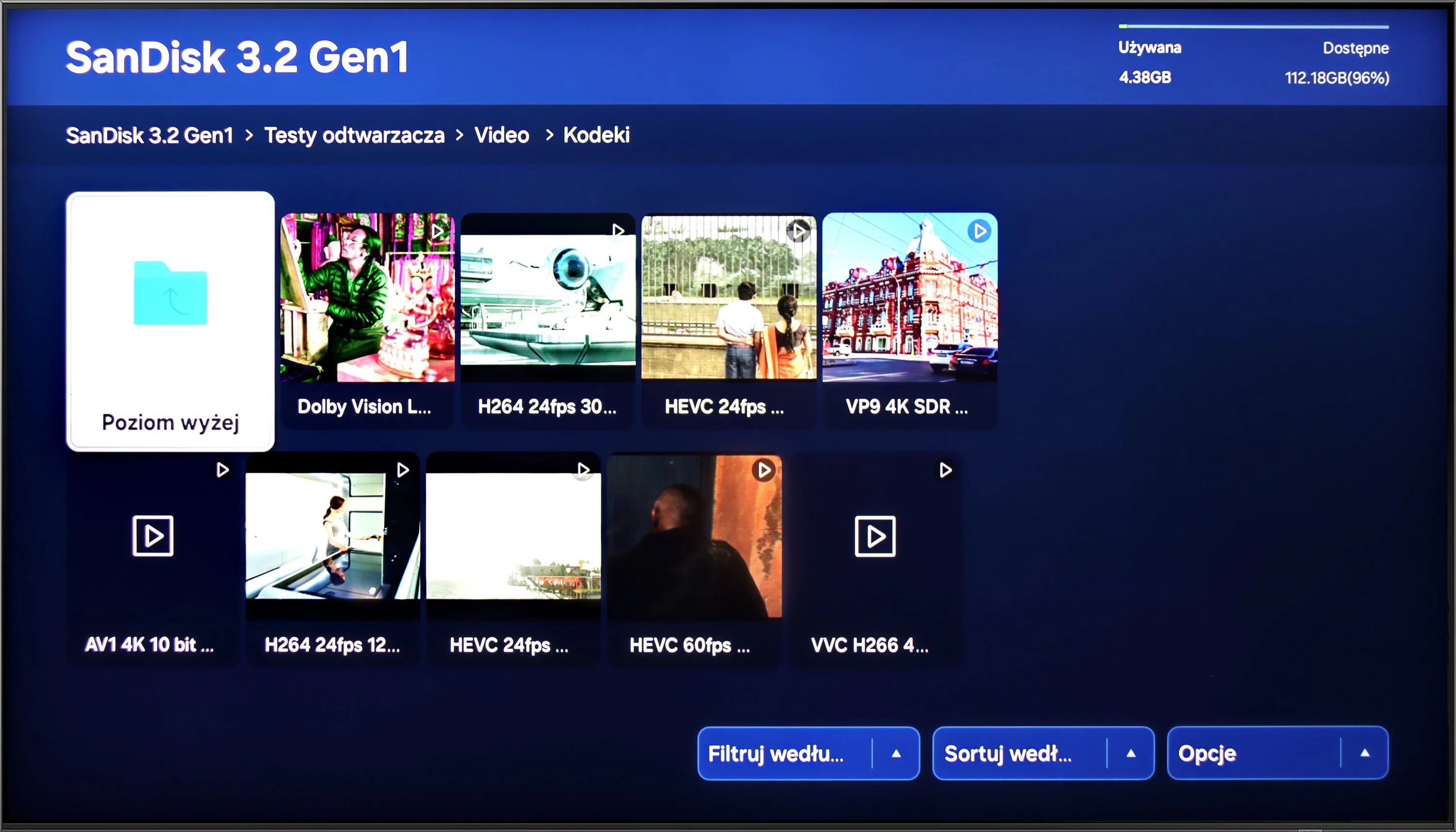
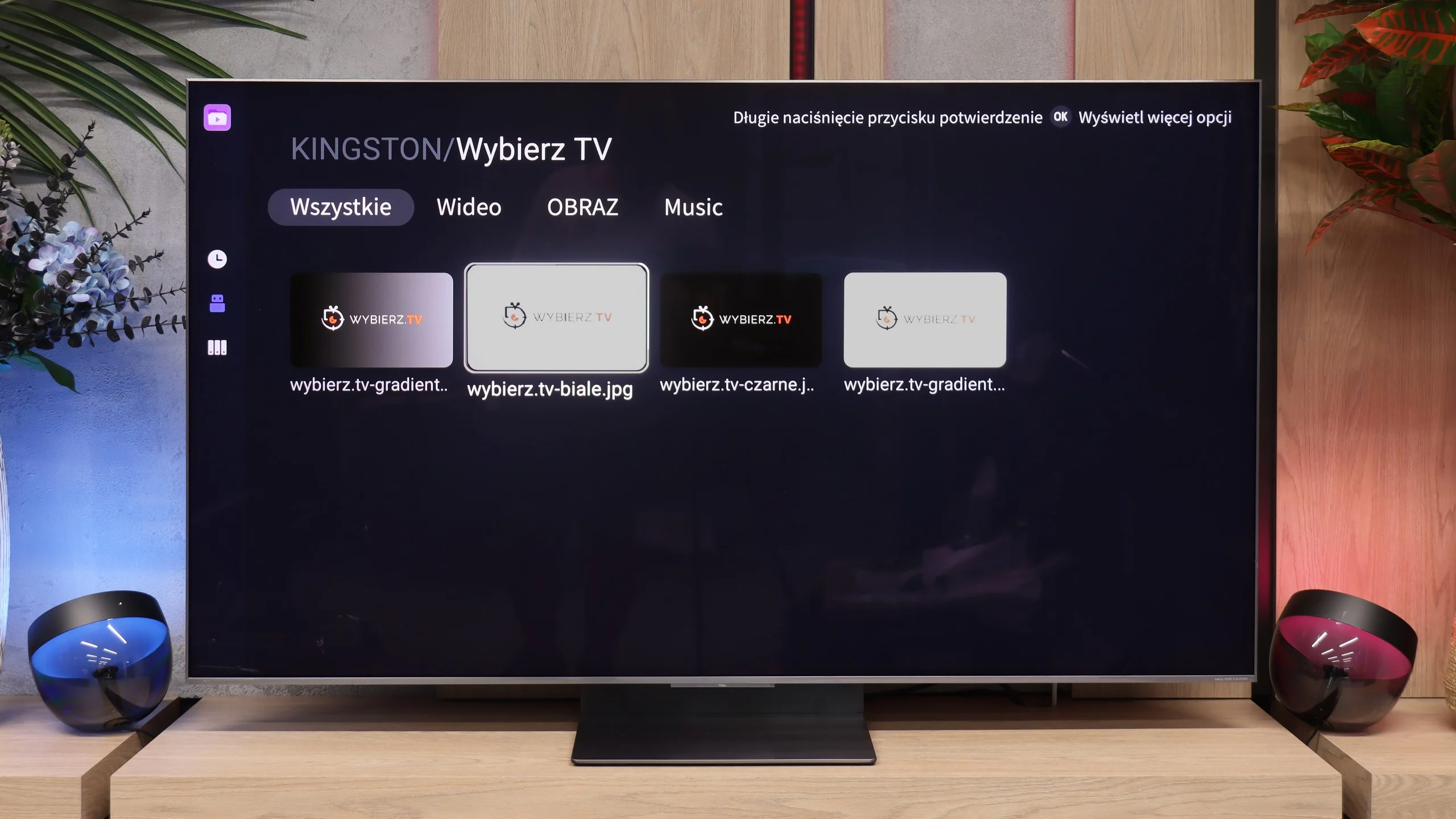
The built-in player in QN90D should satisfy a large portion of users. It will easily play most popular video and audio formats. However, more demanding users may notice some shortcomings – it is not possible to play photos in HEIC format, popular on Apple devices, as well as a few other, less widespread photo formats.
The built-in USB media player handles our everyday tests with no problems. It's good to see that the TV natively and smoothly opens even less common image formats, such as Apple's HEIC. We did encounter a few formats that the built-in app couldn't cope with, but with Google TV that's no obstacle. A major advantage of this platform is the ability to install any third-party player (for example VLC) directly from the Google Play store, which often completely solves file compatibility issues.
Sound
6.9/10
8.1/10
- Maximum volume-78dB
- Dolby Digital Plus 7.1
- Dolby True HD 7.1
- Dolby Atmos in Dolby Digital Plus (JOC)
- Dolby Atmos in Dolby True HD
- DTS:X in DTS-HD MA
- DTS-HD Master Audio
The television is equipped similarly to the QN95 with a 4.2.2 speaker system with a total power of 70W (the exception here is the 50' variant with a 2.2 layout and the 43' with a 2.0 layout). Despite its very slim casing, the television delivers loud and clear sound, and the overall balance is good. We deducted points as standard, just like with any other Samsung model, for the lack of DTS format support. It is also worth mentioning the proprietary Q-Symphony feature, which allows synchronising the television sound with Samsung's soundbar.
It might seem that in terms of sound the TCL C8L will perform exactly the same as last year's C8K. After all, it again features a Bang & Olufsen audio system in a 6.2.2 configuration, with the same power and the same system features, namely Beosonic technology. Nothing could be further from the truth. The new generation sounded noticeably better in our listening tests. Why is that? To be honest, from a purely hardware point of view we don't know, but it's clear on the graphs from our measurements. Perhaps TCL has simply managed to improve the speakers' behaviour with a firmware update and better speaker tuning.
But as we always say, they are still the TV's speakers. We believe anyone who wants to fully enjoy this TV's potential will still have to buy a good soundbar or a home cinema system. The C8L offers full support for audio codecs such as Dolby Atmos and the niche DTS. Only by connecting an external audio setup will you be able to squeeze real, spatial sound from films or games and complete what you see on this TV.
Sound Quality Test
No sound test video
Acoustic Measurements
No acoustic data
78dBC (Max)
75dBC
Reader comments
Comments are provided by the external service Disqus (Zeta Global). Once loaded, Disqus may set cookies and process data about your activity.
We will remember your choice on this device. Provider's privacy policy