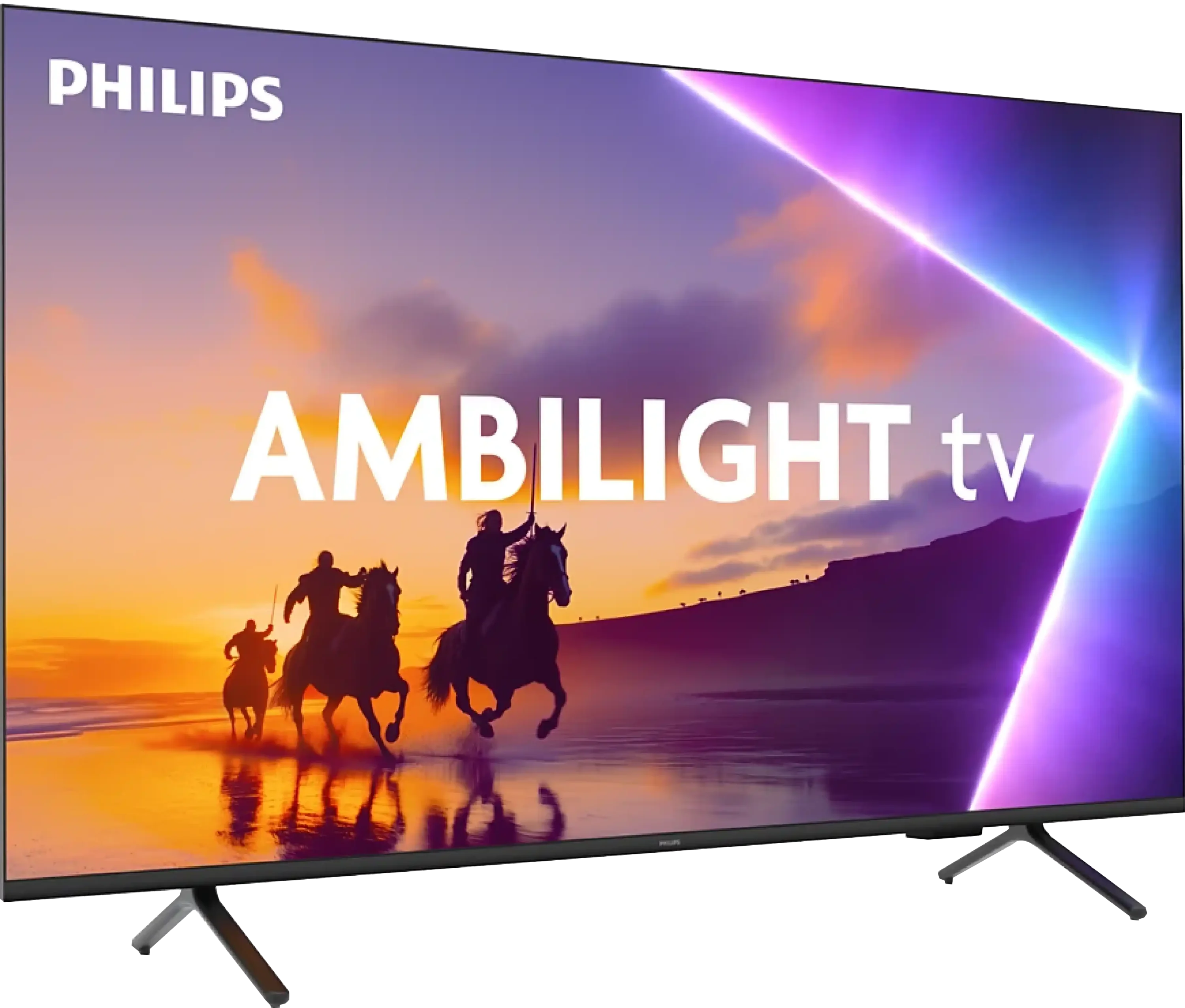
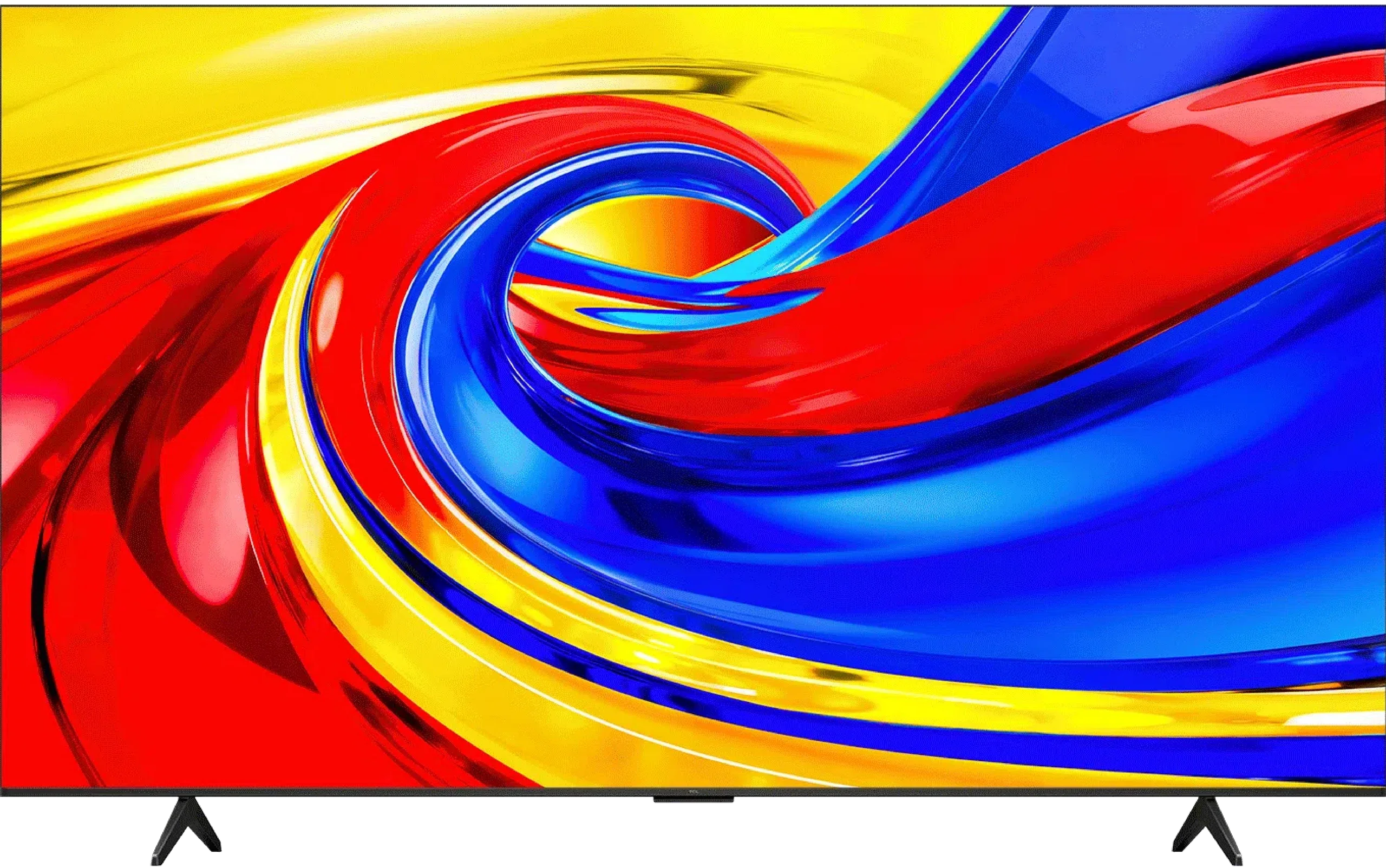
Philips PUS8500 vs TCL P7L / P79L

Direct comparison

PUS8500 / PUS8560 / PUS8510 / PUS8600

Info

P7L / P79L

Info

Available screen sizes: 43”50”55”65”75”85”

Available screen sizes: 43”50”55”65”75”85”

Review Philips PUS8500  Main photo
Review TCL P7L / P79L Main photo

Panel type: LCD VA

Resolution: 3840x2160

System: Titan OS

Model year: 2025

Complete the survey to find out the result

Panel type: LCD VA

Resolution: 3840x2160

System: Google TV

Model year: 2026

Complete the survey to find out the result

Overall rating

5.8

6.3

  • Movies and series in UHD quality

    5.6

    5.8

  • Classic TV, YouTube

    6.2

    6.0

  • Sports broadcasts (TV and apps)

    5.3

    5.7

  • Gaming on console

    6.7

    7.3

  • TV as a computer monitor

    5.6

    5.8

  • Watching in bright light

    4.9

    5.2

  • Utility functions

    4.8

    7.0

  • Apps

    6.7

    9.6

  • Sound quality

    6.2

    6.2

Advantages

  • Ambilight System

  • High native contrast - VA panel

  • Low input lag

  • Basic gaming features: ALLM and VRR

  • Full support for audio formats: Dolby Atmos and DTS

  • Backlit remote control with numeric keypad

  • Good contrast thanks to the VA panel

  • Rich colours: QLED (PFS)

  • Supports Dolby Vision and HDR10+

  • Supports audio formats Dolby Atmos and DTS:X

  • Extensive gaming features: VRR and ALLM

  • Low input lag

  • 120 Hz support at lower resolutions

  • Google TV with a wide selection of apps

Disadvantages

No like
  • Average panel brightness

  • The TitanOS system seems unfinished (some features do not work, missing applications)

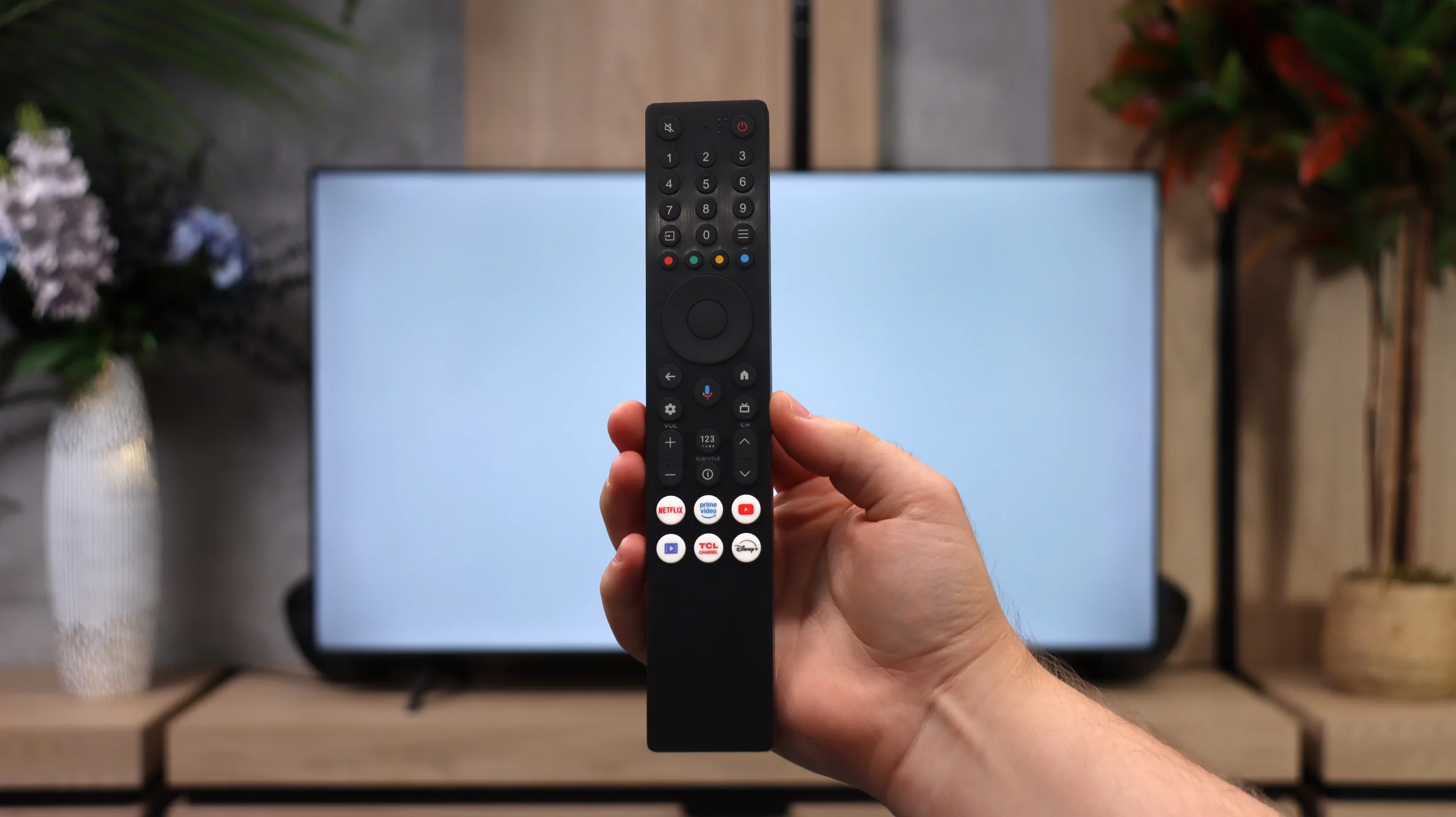
  • Infrared remote control

  • Issues with font readability (PC)

  • Low brightness

  • Poor viewing angles

  • Average sound quality

Our verdict

Ambilight, as this is what we need to start with, is the biggest reason why it's worth buying the PUS8500. The three-sided backlighting of the television looks fantastic, especially in the evening. It creates an atmosphere, masks contrast shortcomings, and makes watching a film simply more enjoyable. Even if the black levels aren't perfect, the native VA panel offers decent performance at high contrast. Additionally, there’s quite a good input lag and several features for gamers such as ALLM and VRR. Although HDMI 2.1 and a 120Hz panel are absent, playing casually should be a pleasure. Especially since it feels responsive and without delays. Let’s also mention the full support for audio formats – both Dolby Atmos and DTS are included, so soundbar owners can also rejoice.

However, we won't sugarcoat it – this is still a budget television, and at times it’s clearly evident. The brightness is average – not weak enough to prevent viewing, but on an exceptionally sunny day, watching without curtains can be problematic. Nevertheless, in our opinion, the biggest disappointment of the PUS8560 is the Titan OS operating system. Despite the fact that the system debuted some time ago, certain functions simply refused to work – for instance, screen mirroring from a phone despite the manufacturer claiming that such a feature is present. There are fewer apps than in the competition, and the system itself operates rather clumsily. Generally, while it does have some features, it evidently lacks refinement.

Of course, this isn’t a television meant to compete with top models. But if someone is looking for something simple, with a great atmosphere provided by the Ambilight system, it is quite a fair proposition. You just have to know what to expect and accept the numerous compromises present here.

TCL P7L is a successful budget television that shows you can get more than just a screen for basic viewing for a modest sum. It does not match pricier Mini LED or OLED models, but in its class it has a lot to offer. The VA panel delivers decent blacks and contrast, so during an evening session the picture does not look as flat as on many cheap IPS models. After calibration the colours are also good. For watching films and series it is a solid base, and Google TV provides access to a wide range of apps and streaming services. The biggest surprise is its gaming capabilities. The P7L responds quickly to controller input, supports VRR and switches automatically to game mode. There is even Dolby Vision Gaming and a Game Bar with settings at your fingertips. What is more, reducing the resolution to 1080p or 1440p allows you to play at 120 Hz. In 4K you are limited to 60 Hz, so you must choose between greater detail and smoother motion, but it is good that at this price you have that choice. TCL also handles lower-quality sources well. Lower-resolution material looks acceptable, and the tonal transition smoothing actually helps reduce visible banding between shades. The way it presents HDR is also commendable. The TV sensibly adapts content to its capabilities and tries to preserve highlight detail instead of turning it into blown-out whites. Dolby Vision helps here too, often delivering noticeably better results than HDR10. That does not mean the HDR effect itself is awe-inspiring. The biggest limitation of the P7L is brightness. Small highlights and reflections do not have the punch you see on more expensive screens, even if their detail remains visible. For the same reason the TV is less well suited to a very sunlit living room. It performs much better in a moderately lit room. So the P7L has its limitations, but it is hard to deny its strong value for money. It is suitable for everyday viewing, does not restrict you in app choice and offers surprising freedom in games. If you are looking for an inexpensive television and can accept its flaws, the TCL P7L is a model worth considering.

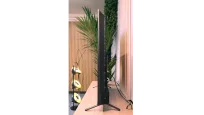
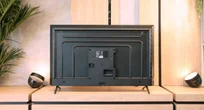
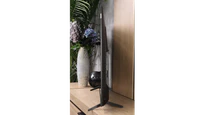
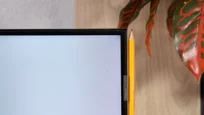
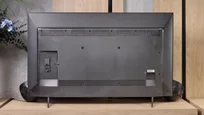
TV appearance

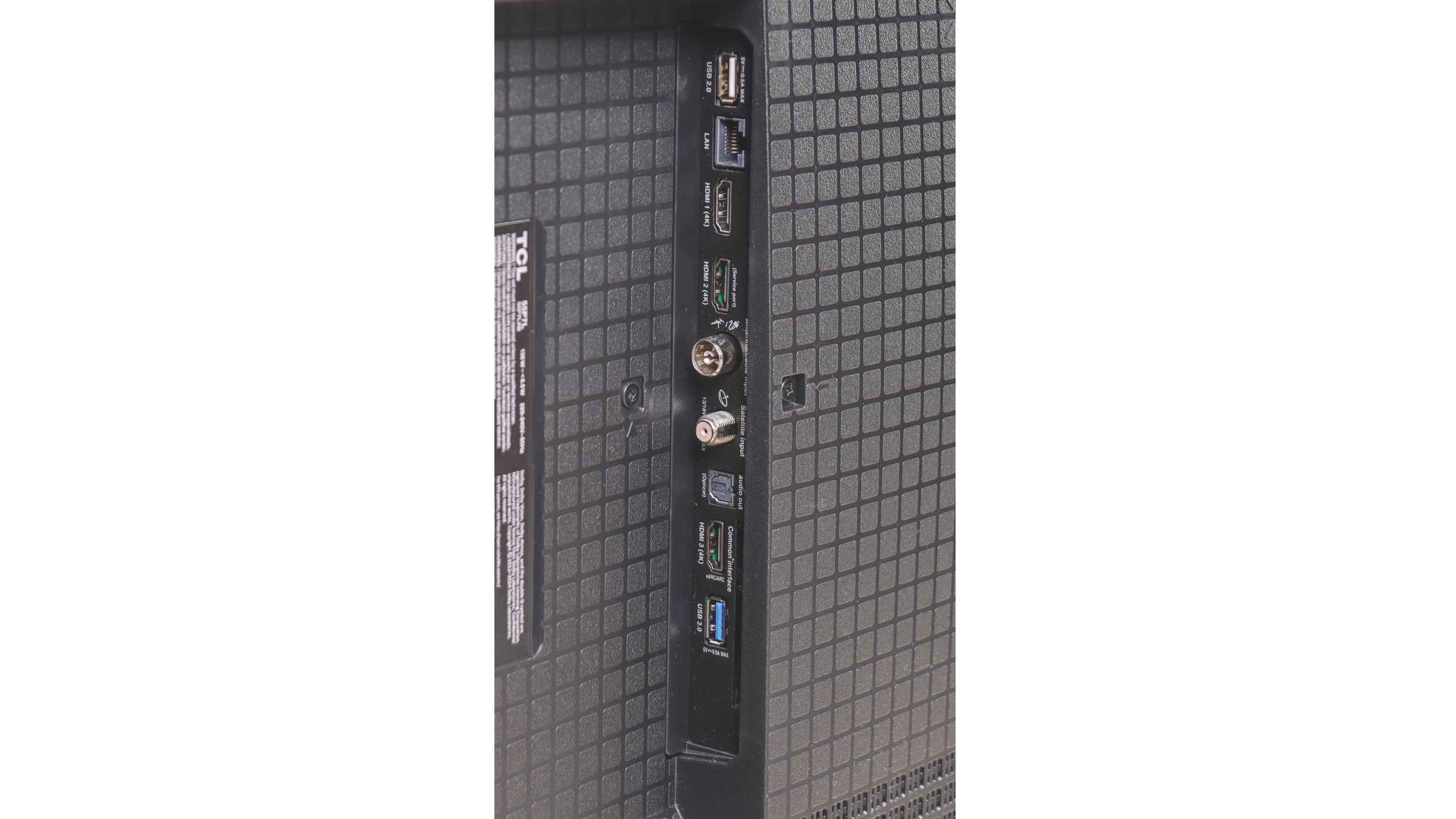
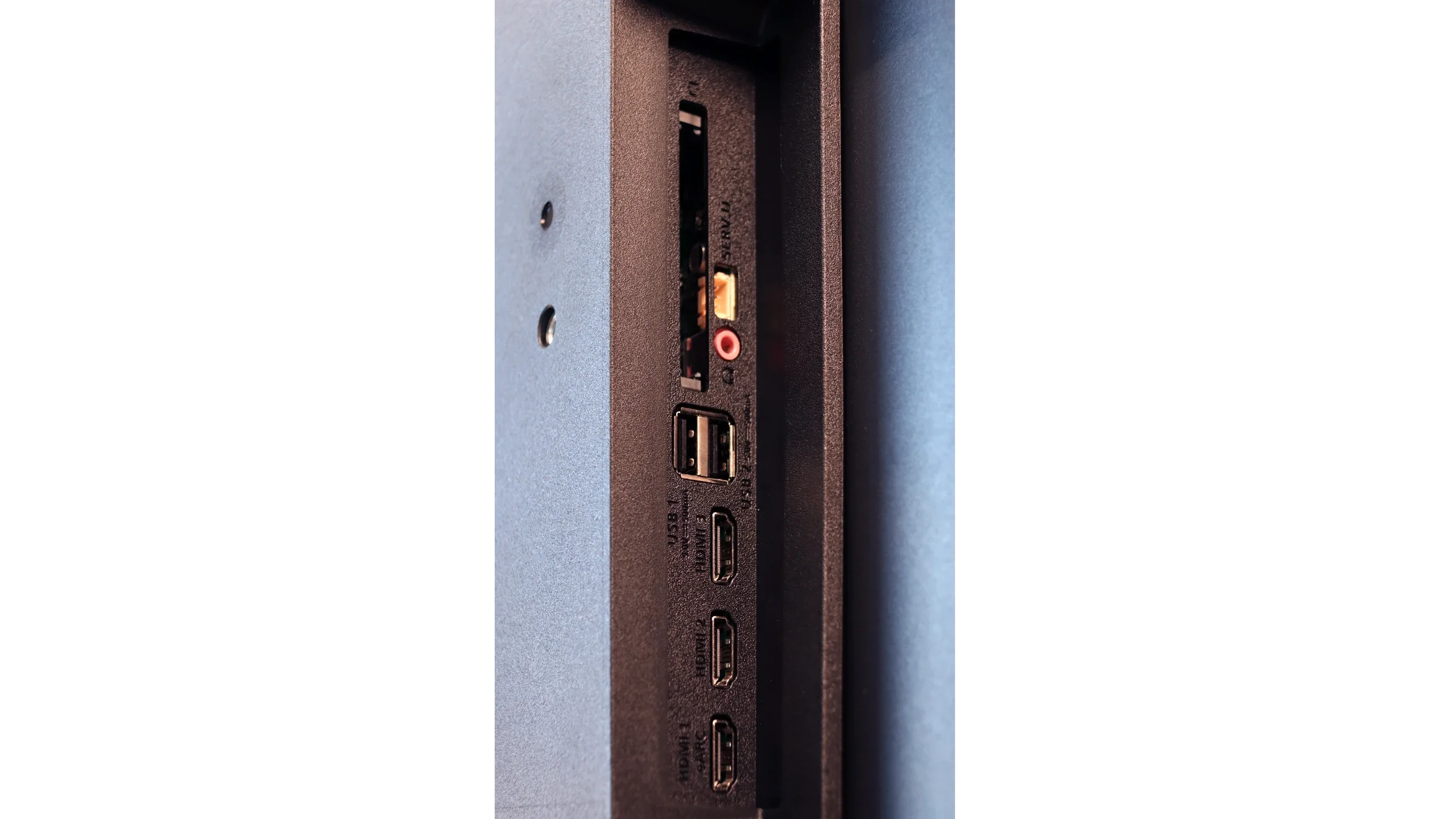
HDMI inputs
3 x HDMI 2.0, 0 x HDMI 2.1
Other inputs
Outputs
Toslink (Optical audio), eARC (HDMI), ARC (HDMI), Mini-Jack (Headphones)
Toslink (Optical audio), eARC (HDMI), ARC (HDMI)
Network Interfaces
Wi-Fi 2.4GHz, Wi-Fi 5GHz, Ethernet (LAN) 100Mbps
Build quality
Average
Average
Stand type
Legs
Legs
Bezel color
Graphite
Graphite
Stand
Base adjustment
Fixed
Accessories
Stand
Stand

Contrast and black detail

6.1/10

6.1/10

Local dimming function: No

Local dimming function: No

Contrast:

Review Philips PUS8500  Contrast and black detail

Result

6,000:1

Review Philips PUS8500  Contrast and black detail

Result

5,950:1

Review Philips PUS8500  Contrast and black detail

Result

6,250:1

Review Philips PUS8500  Contrast and black detail

Result

5,950:1

Review Philips PUS8500  Contrast and black detail

Result

5,750:1

Review TCL P7L / P79L Contrast and black detail

Result

7,550:1

Review TCL P7L / P79L Contrast and black detail

Result

7,350:1

Review TCL P7L / P79L Contrast and black detail

Result

5,150:1

Review TCL P7L / P79L Contrast and black detail

Result

6,600:1

Review TCL P7L / P79L Contrast and black detail

Result

4,250:1

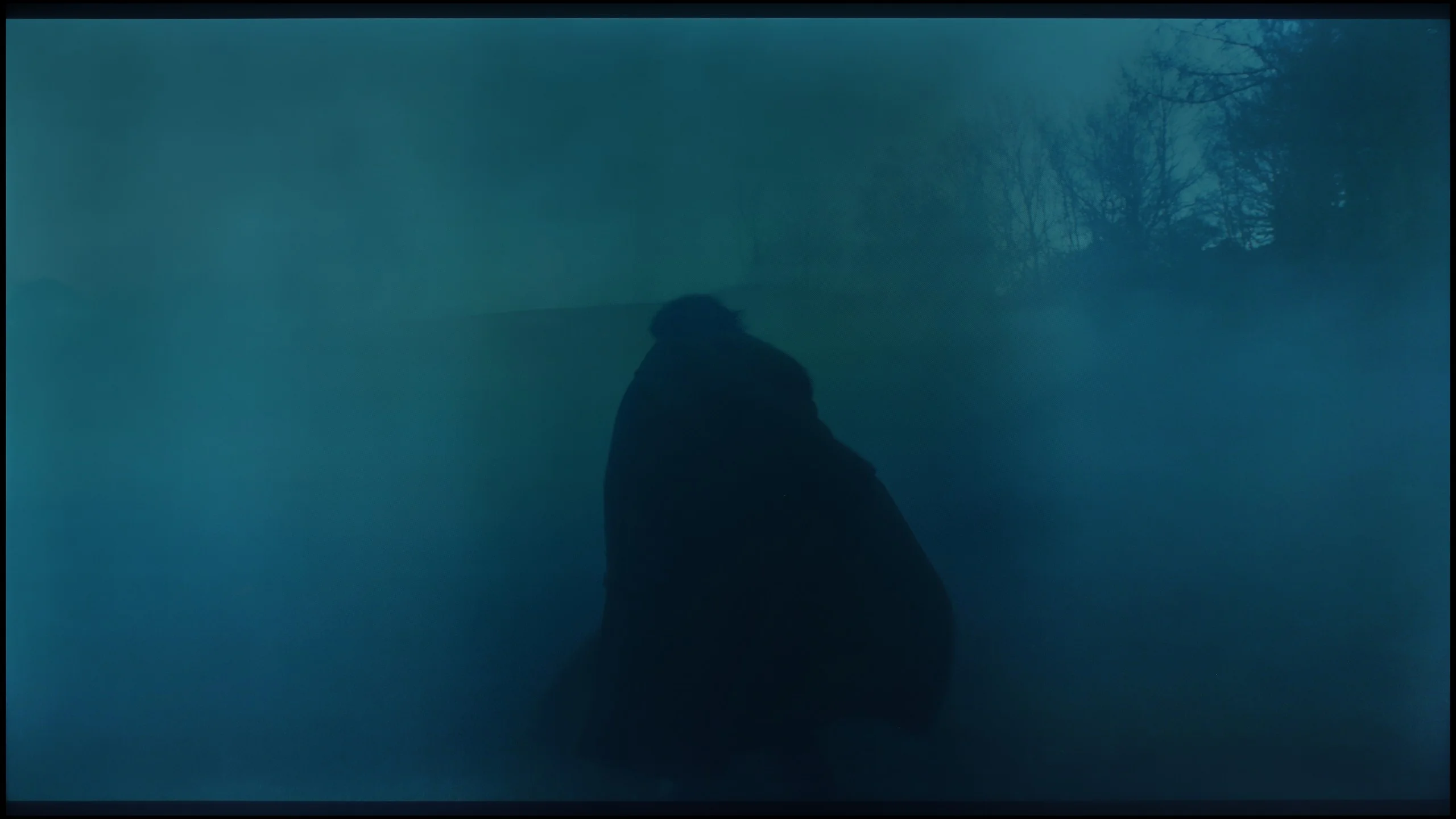
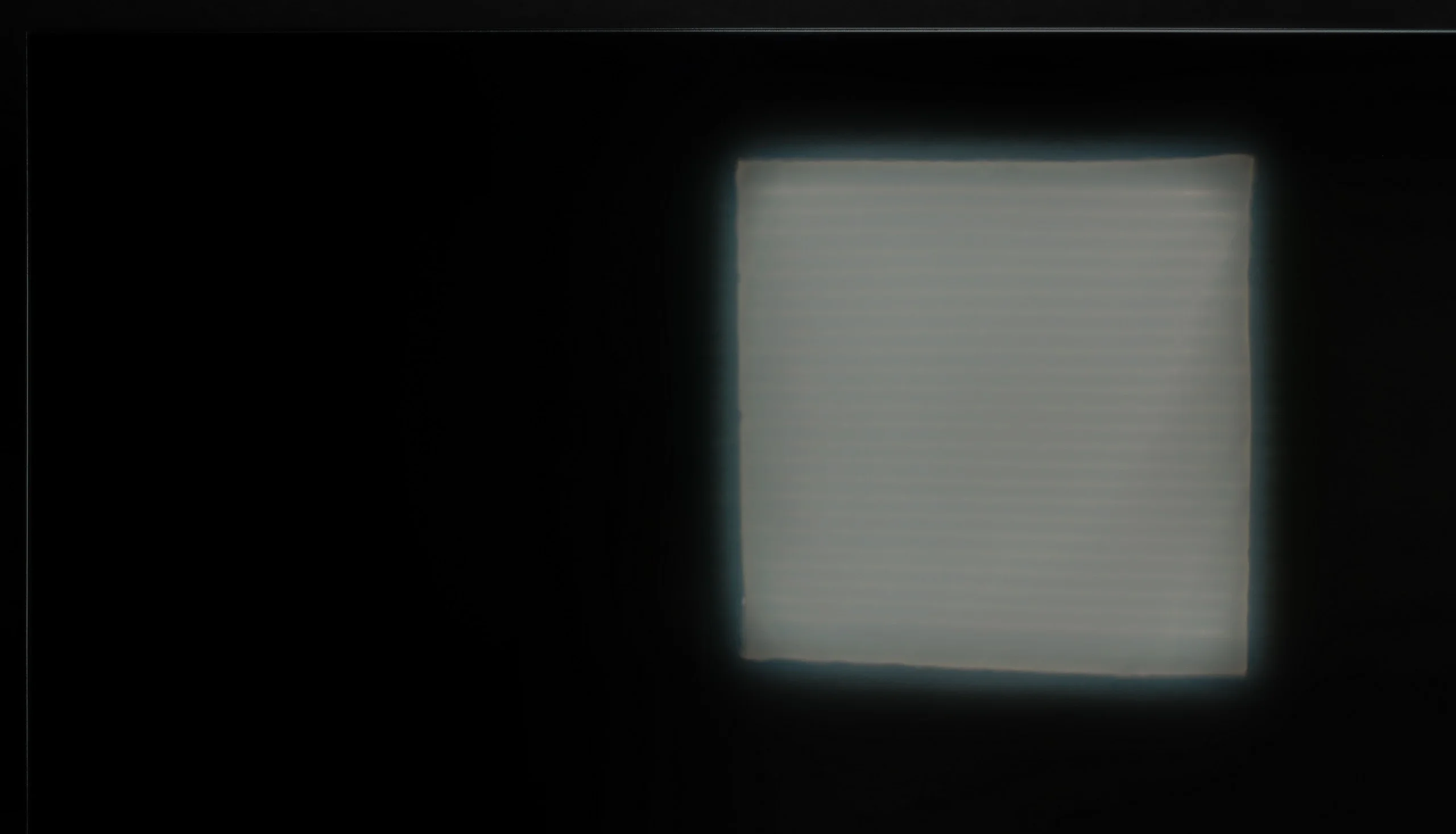
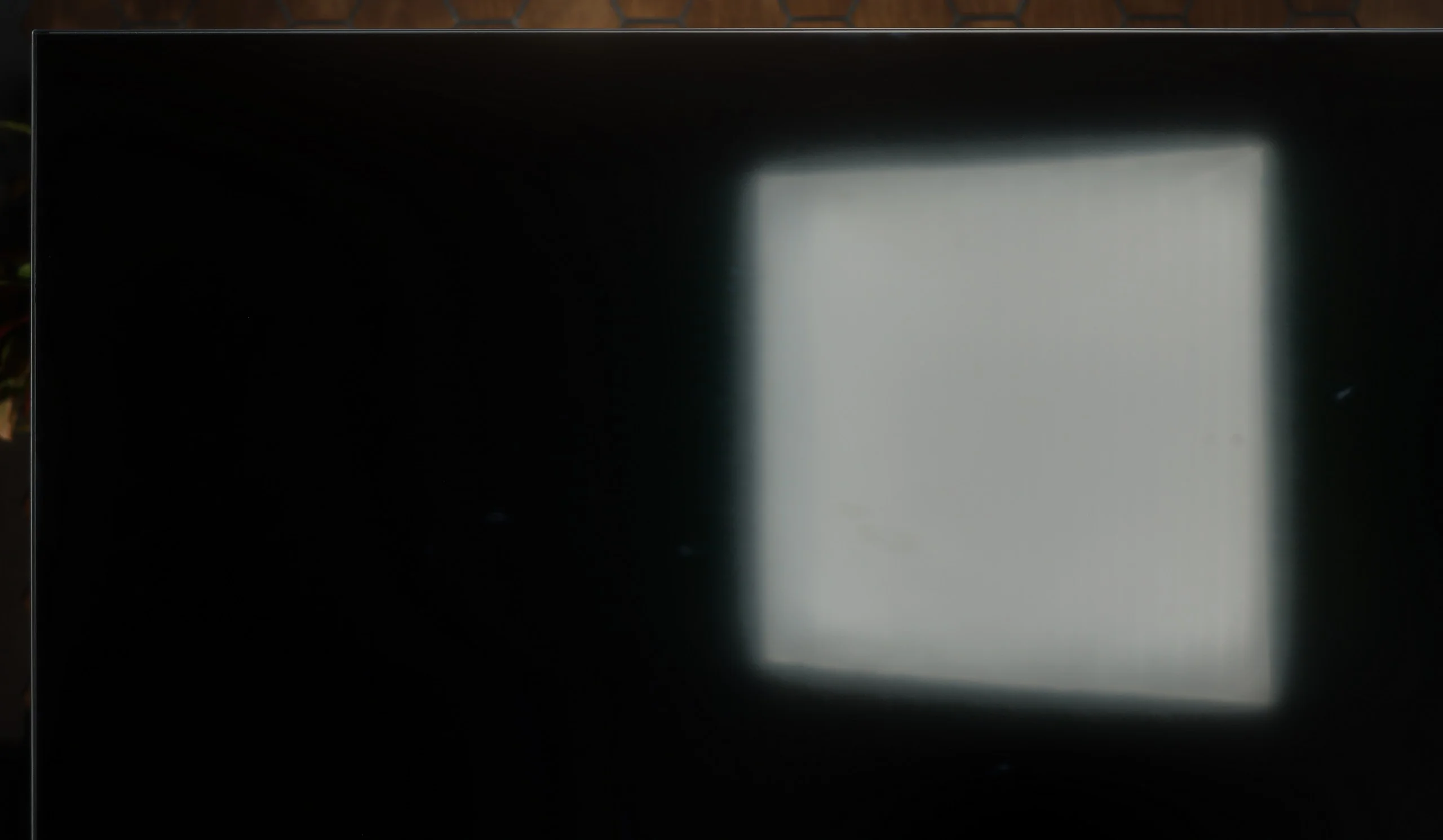
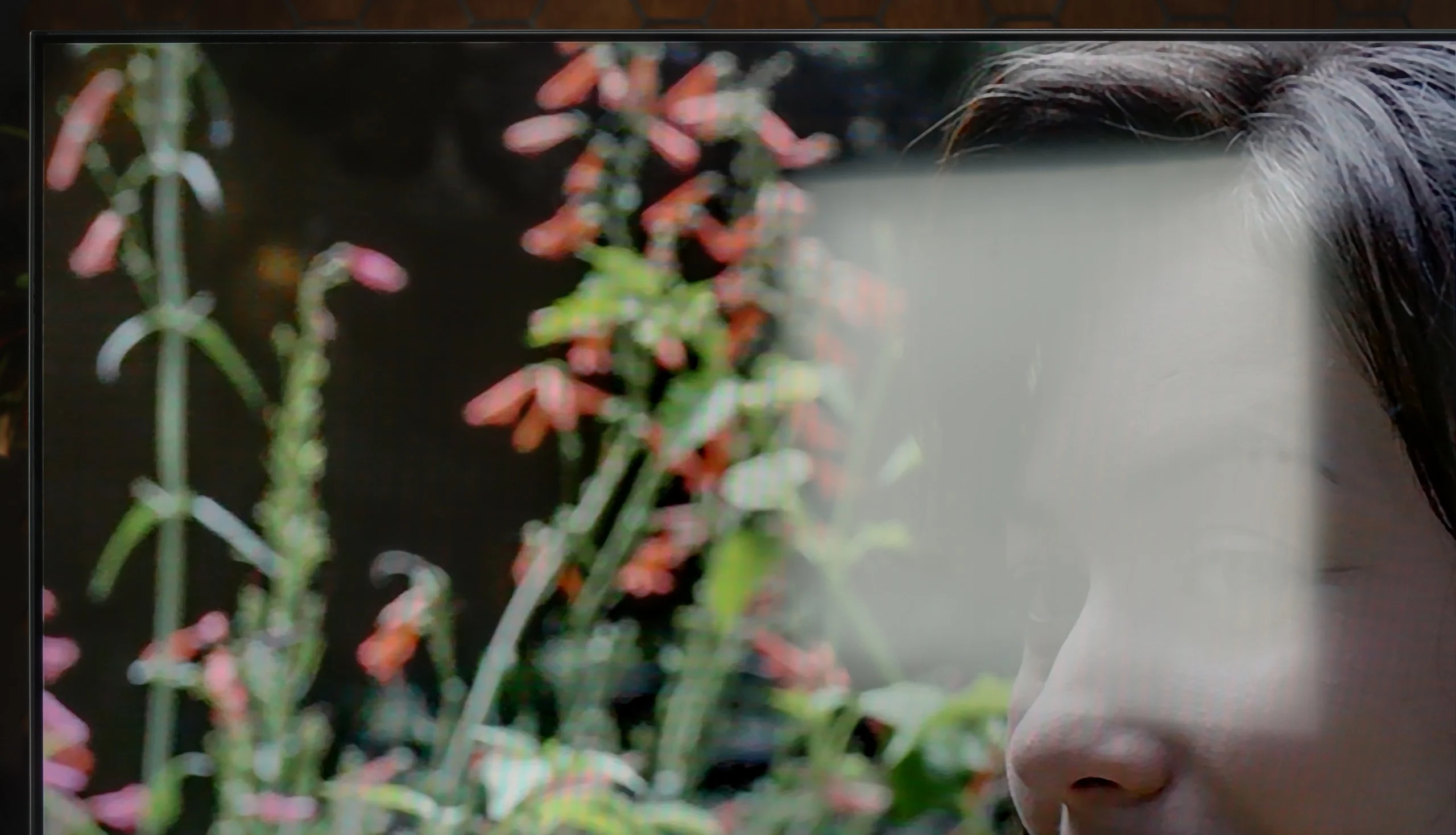
Halo effect and black detail visibility:

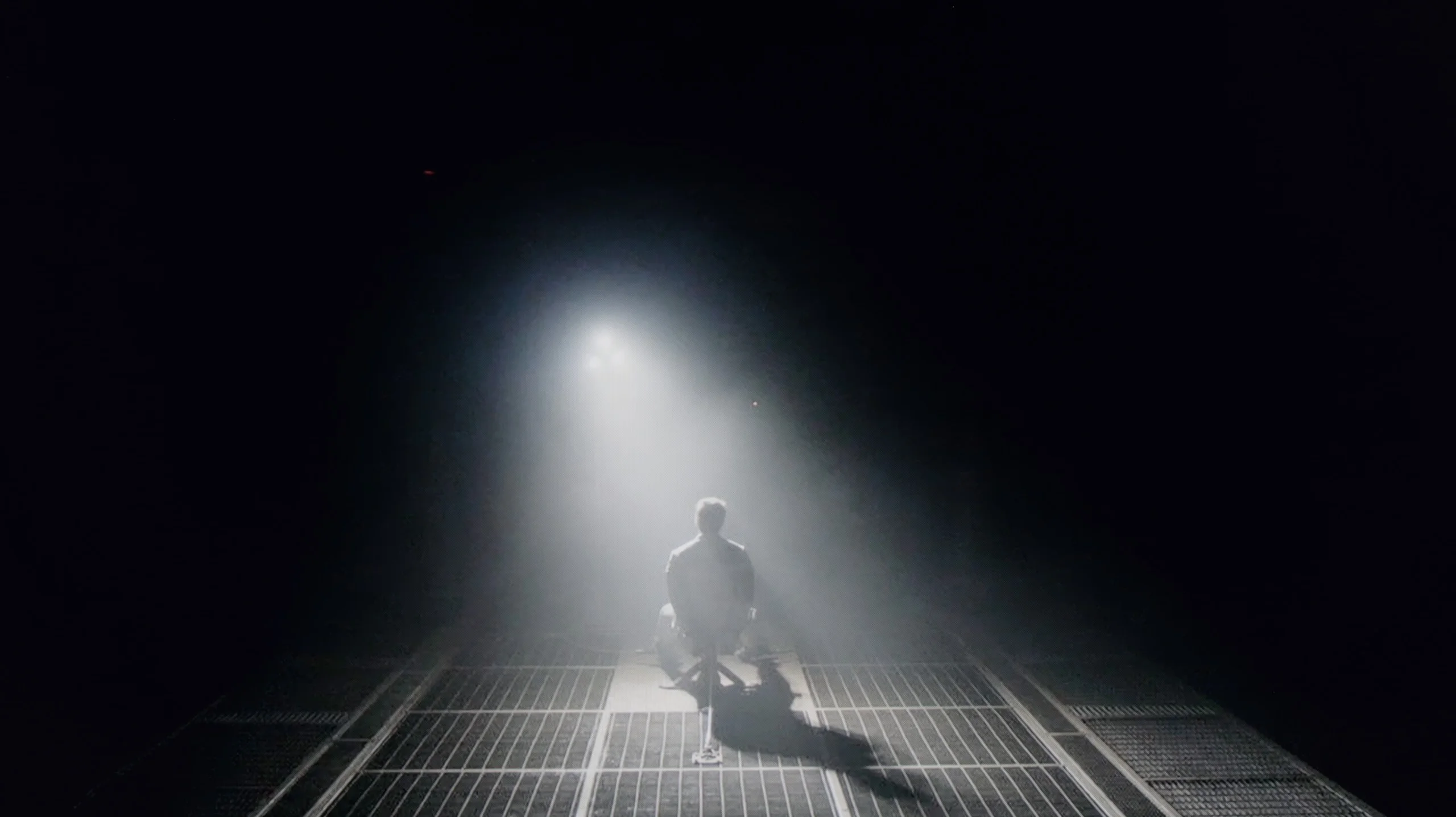
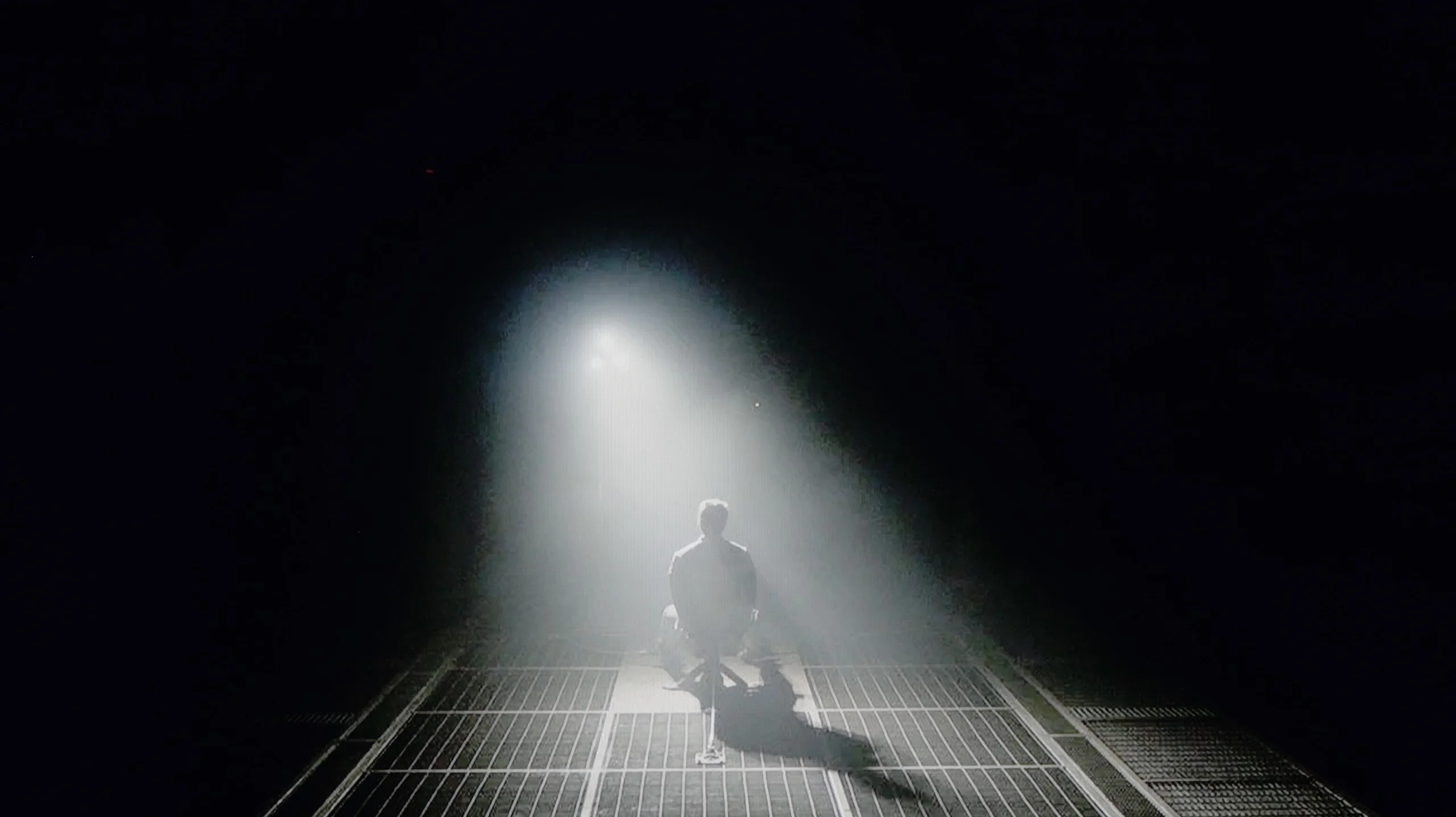
Check the visibility of bright lights on a dark background. Mini-LEDs often struggle with this. The photo does not compare black levels – that’s what the video below is for.

The Philips PUS8560 in the size we tested is equipped with a VA panel. As a result, black levels – as far as LCD televisions go – can be deemed decent. And that is exactly the case with this model. Both black levels and the overall impression of contrast in the film scenes we tested were really quite good – the image does not bleed, and details are visible even in challenging sections.

But the panel alone is not everything. Unfortunately, the PUS8500 does not come with local dimming (which is a given considering the television segment), so one must be aware that in completely dark conditions, the black can resemble shades of navy more than true black. On the other hand – and here’s a plus for Philips – the Ambilight system does an excellent job. The backlighting genuinely affects the perception of contrast. Therefore, even if technically the black is not perfect, subjectively the viewing experience becomes much more pleasurable. For many people, this is enough to make an evening screening truly impressive.

The TCL P7L can surprise with quite respectable black levels, mainly thanks to its VA panel. The panel itself offers contrast of around 4500:1, which is clearly better than in typical IPS screens. The TV also uses global backlight control, so in darker scenes it can push black levels even lower, and in our measurements it achieved results that exceeded the panel's own capabilities.

However, this is not the local dimming found on Mini LED TVs. The P7L cannot dim small parts of the image independently, so when a bright element appears on screen the entire backlight has to operate at a similar level. In more demanding scenes the difference compared with models that use zoned dimming becomes apparent quite quickly, and in a completely dark room blacks can tend towards navy tones. Despite these limitations, we assess the P7L's overall contrast positively, especially given the segment it occupies.

HDR effect quality

4.8/10

4.5/10

Supported formats
HDR10, HDR10+, HLG
HDR10, HDR10+, Dolby Vision, HLG
Color gamut coverage
DCI P3: 90.4%, BT.2020: 65.8%
DCI P3: 91.6%, BT.2020: 70.0%

Luminance measurements in HDR:

Review Philips PUS8500  Brightness measurement

Result

273 nit

Review Philips PUS8500  Brightness measurement

Result

300 nit

Review Philips PUS8500  Brightness measurement

Result

324 nit

Review Philips PUS8500  Brightness measurement

Result

343 nit

Review Philips PUS8500  Brightness measurement

Result

334 nit

Review TCL P7L / P79L Brightness measurement

Result

250 nit

Review TCL P7L / P79L Brightness measurement

Result

300 nit

Review TCL P7L / P79L Brightness measurement

Result

368 nit

Review TCL P7L / P79L Brightness measurement

Result

297 nit

Review TCL P7L / P79L Brightness measurement

Result

347 nit

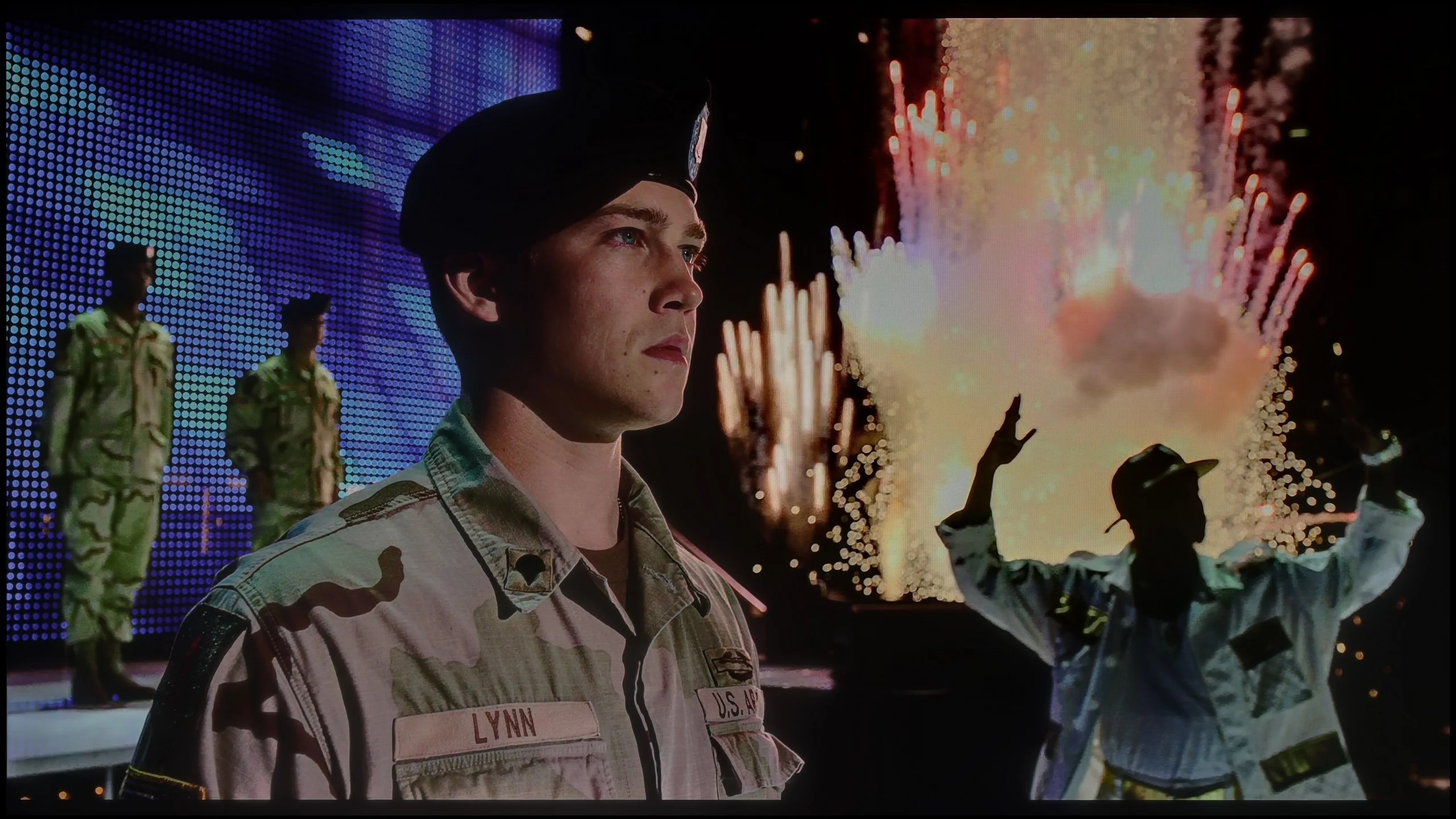
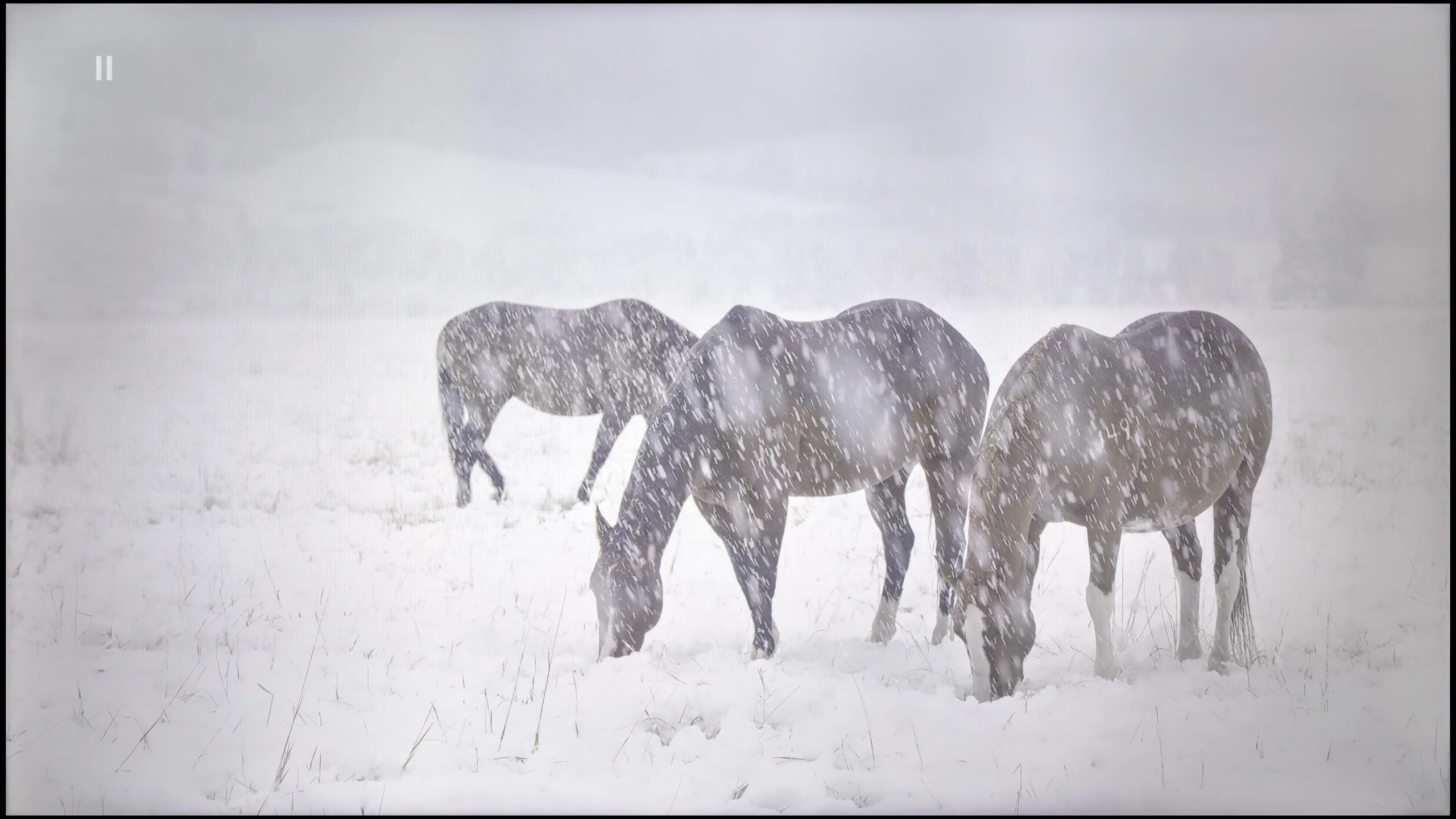
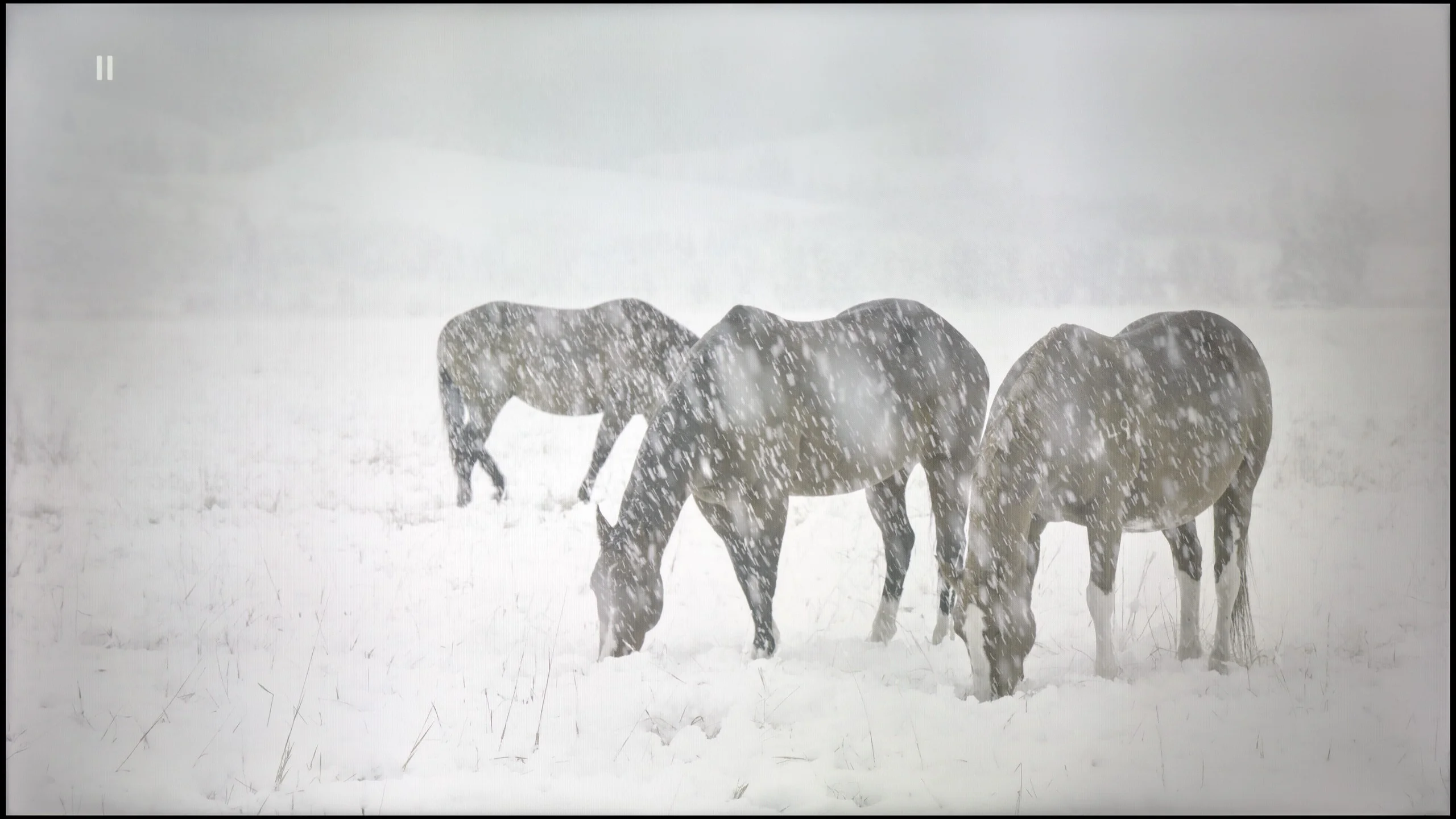
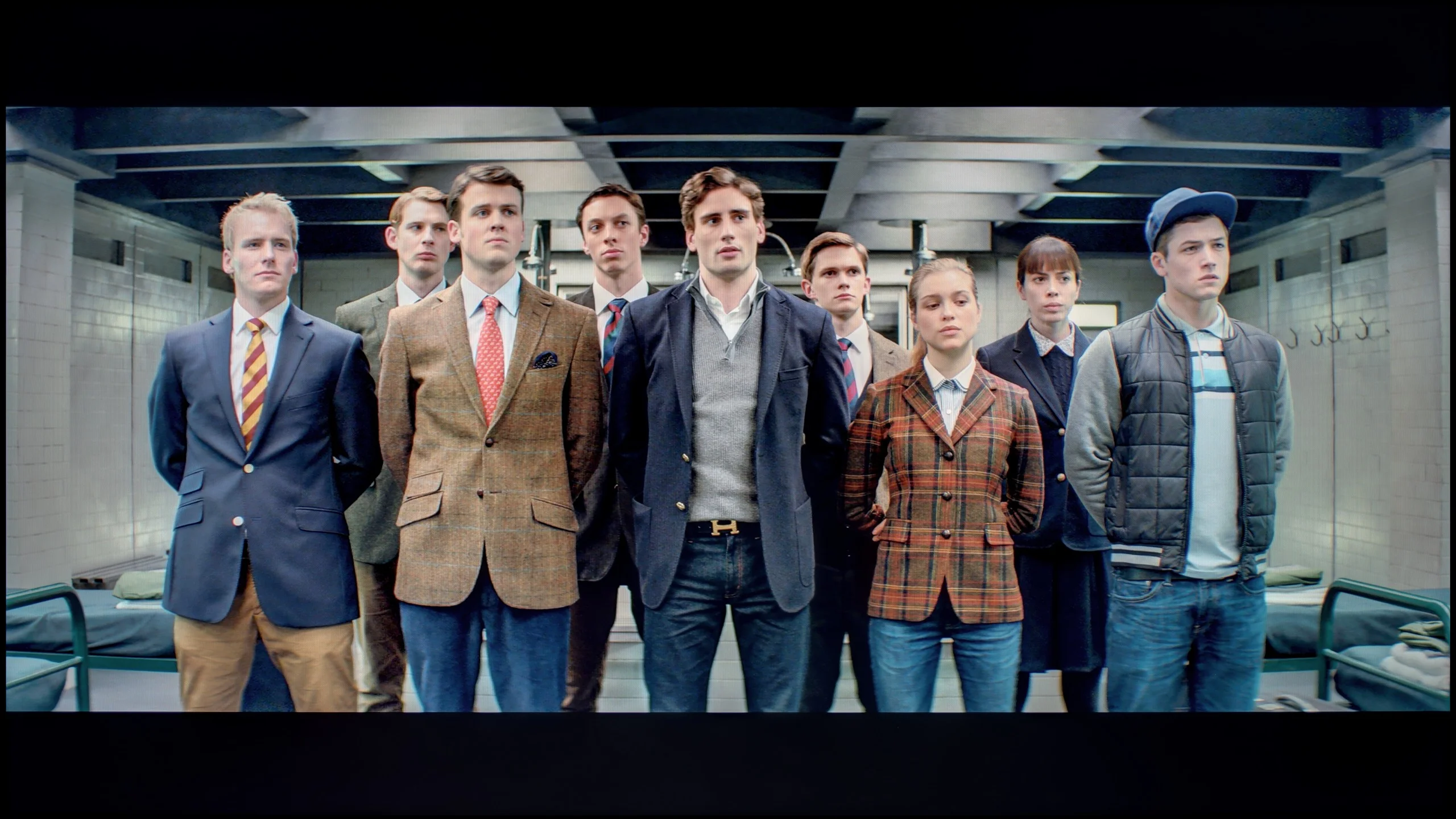
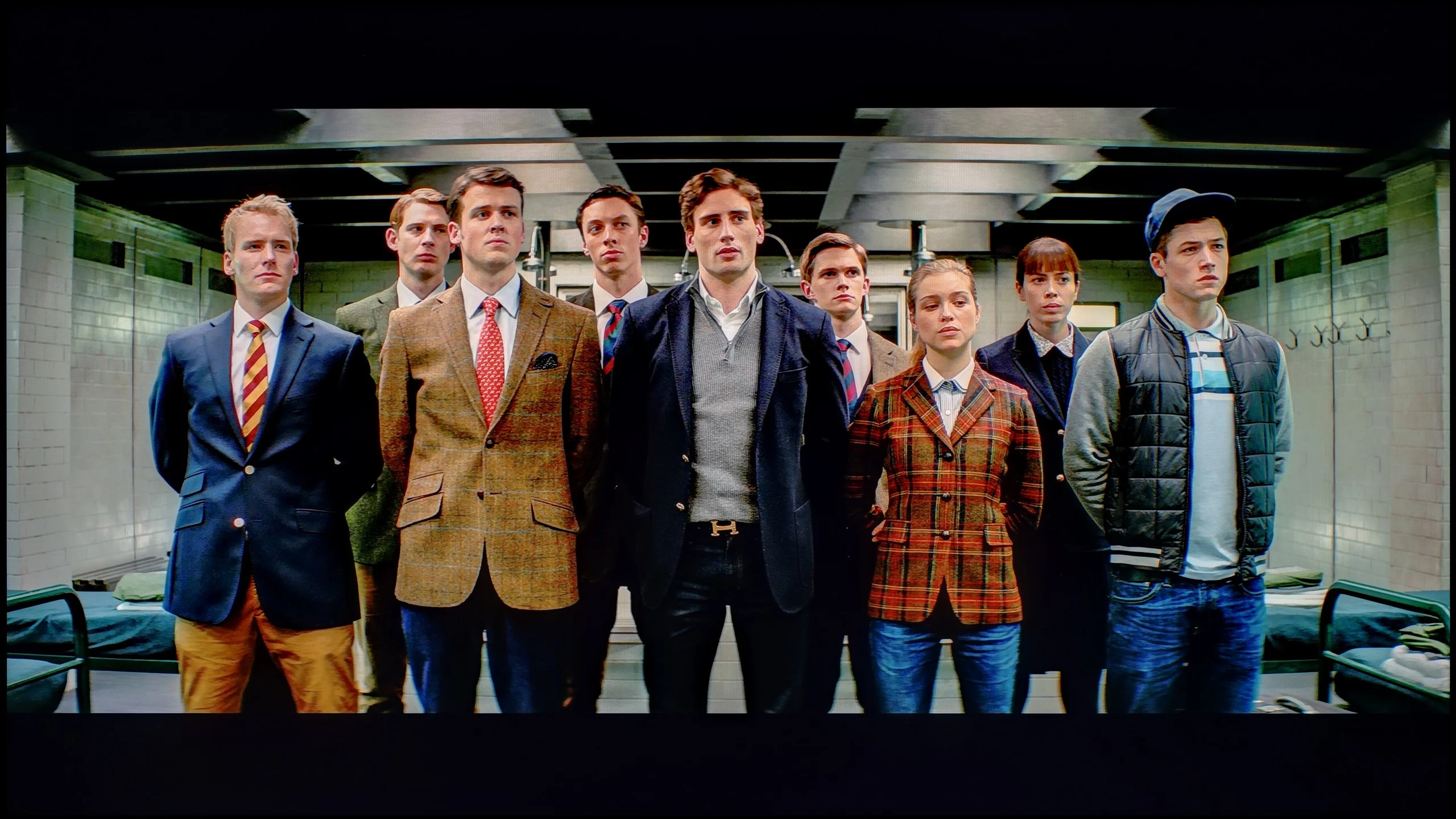
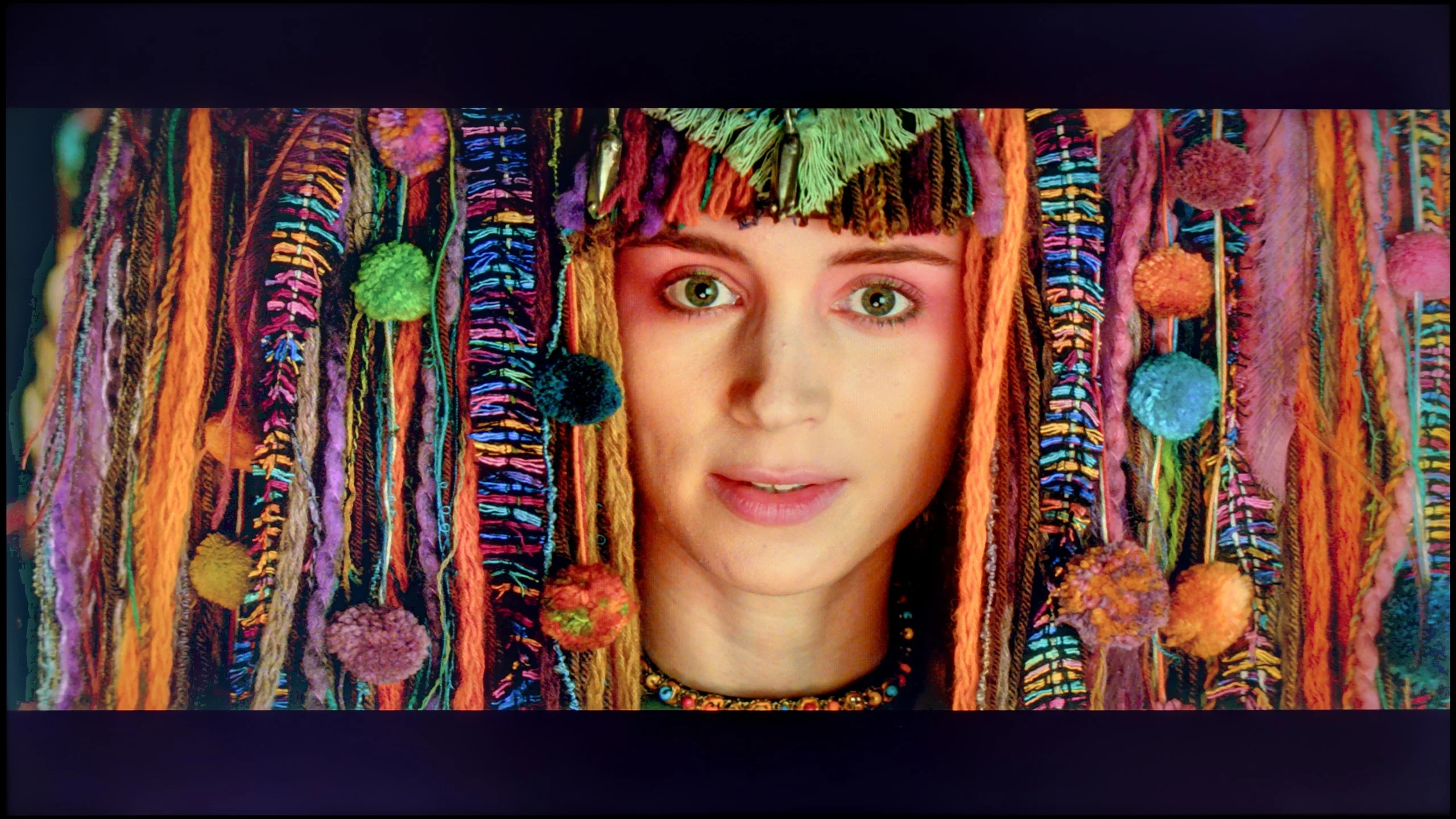
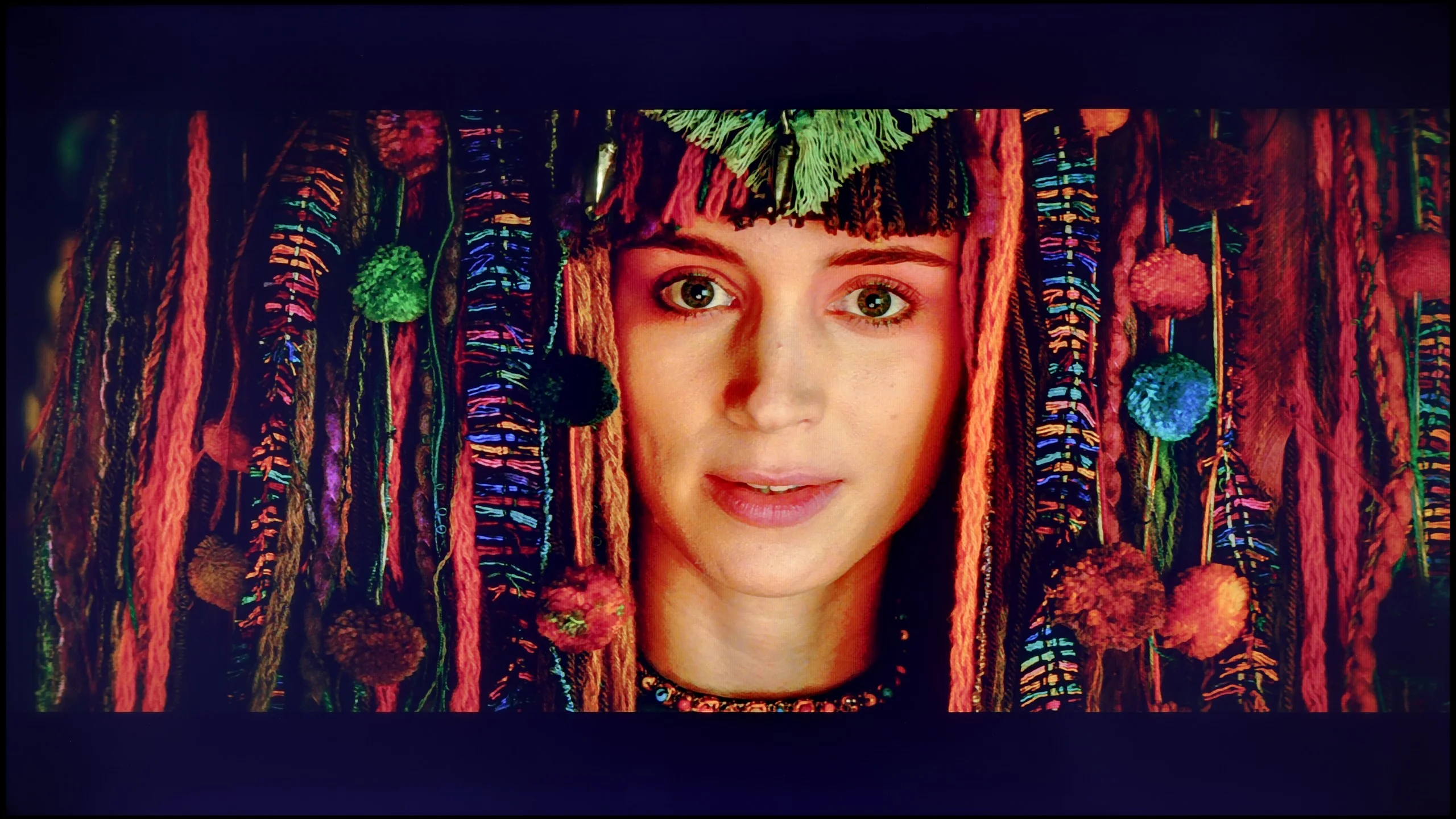
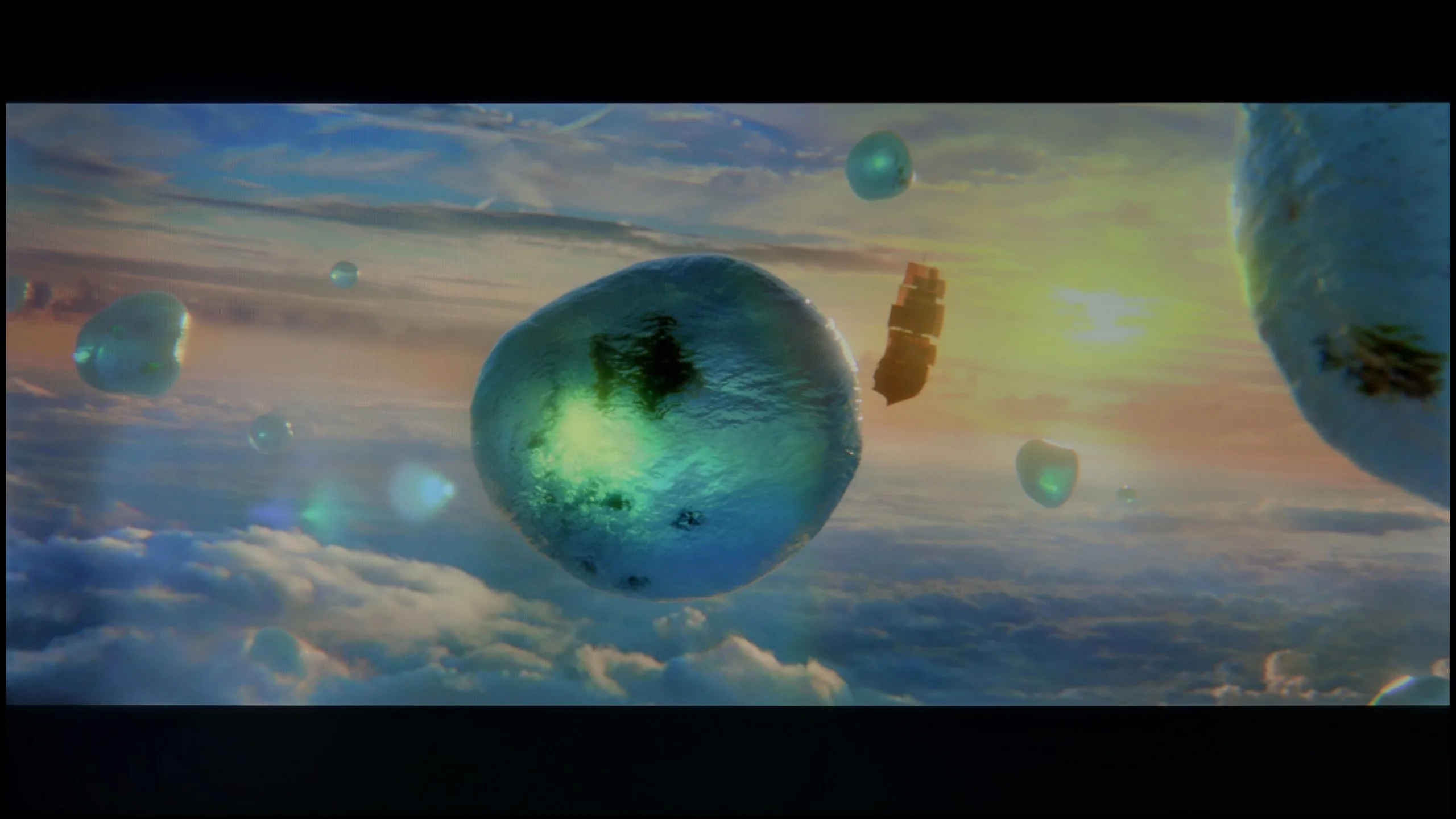
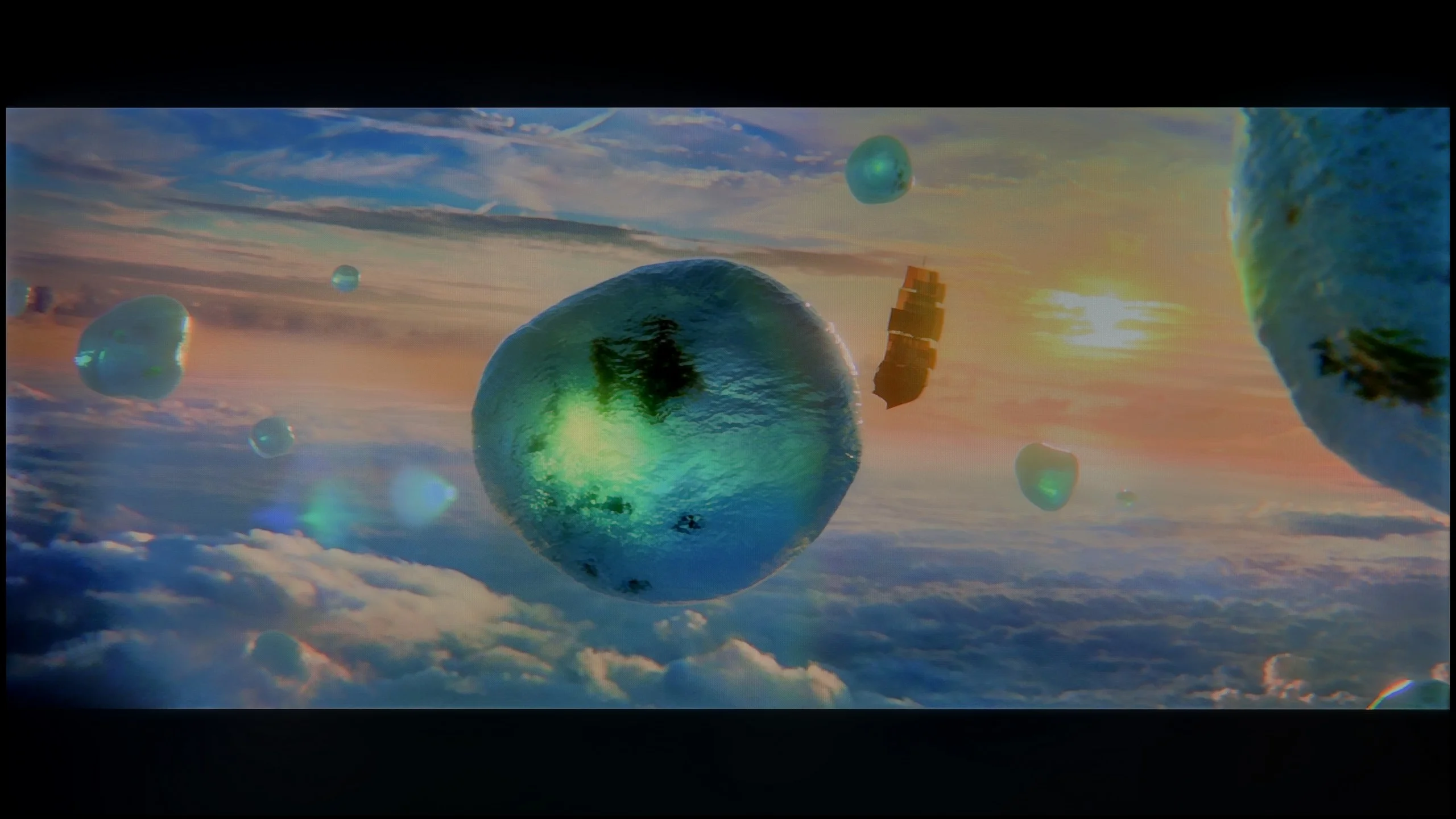
Scene from the movie “Pan” (about 2800 nits)

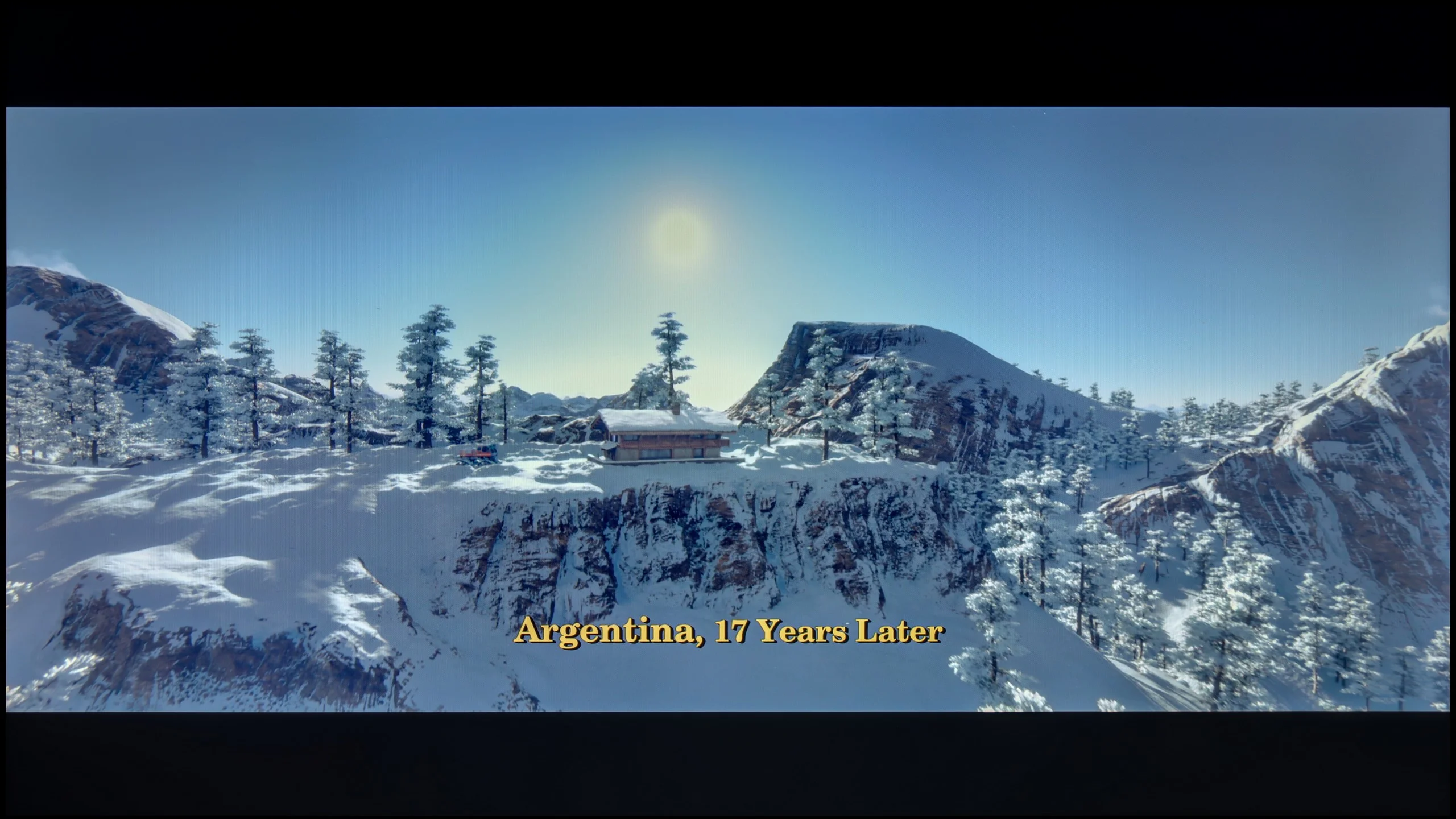
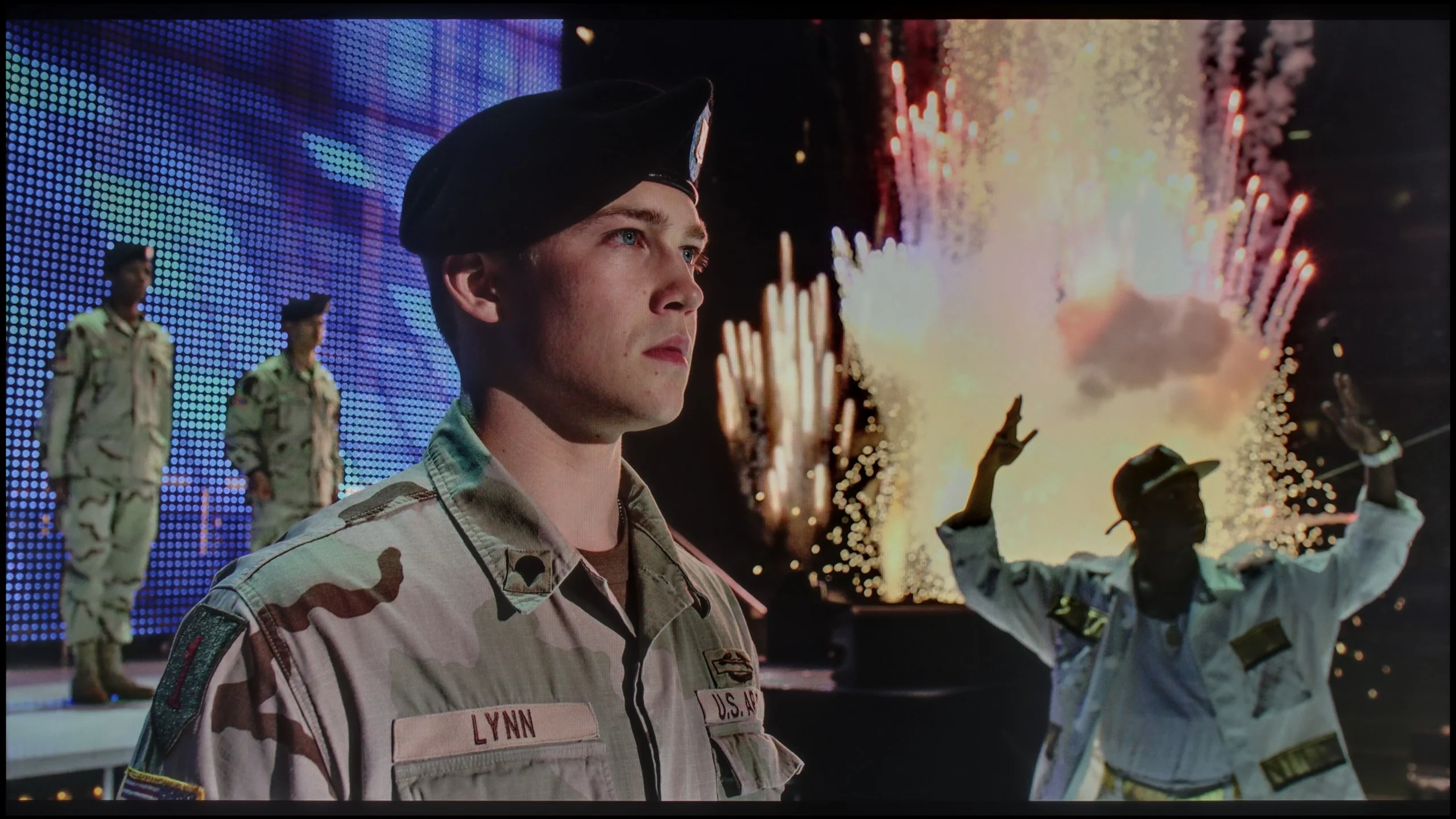
Scene from the movie “Billy Lynn” (about 1100 nits)

The photos show two HDR10 movies. 'Pan' is one of the brightest productions ever made, while 'Billy Lynn' (soldier) has brightness typical of streaming (Netflix, Prime, HBO MAX). Notice the intensity of effects and detail in whites.

Static HDR10

The photos present the visibility of white details in various HDR formats. They do not show brightness differences between TVs (these can be compared in the previous gallery).

Dynamic: HDR10+

Dynamic: Dolby Vision

The photos present the visibility of white details in various HDR formats. They do not show brightness differences between TVs (these can be compared in the previous gallery).

HDR luminance chart:

TCL P7L / P79L

Philips PUS8500

When it comes to the HDR effect on the PUS8560, it can fairly confidently be stated that it is very average. The panel brightness is around 350 nits, which we consider to be the absolute minimum for watching content in this format. However, this is not a result that will astonish a viewer searching for the best possible picture.

On the plus side, it is worth noting that the PUS8500 series – including the PUS8560/12 we tested – is advertised as a QLED television. And indeed, we can expect a wider colour spectrum here. This model is equipped with an additional filter (PFS), and a DCI-P3 colour coverage of around 90% should suffice for the majority of users. This filter works very similarly to quantum dots. As a result, the colours are quite well saturated. It is not an outstanding result, but it is entirely sufficient for watching films and series from streaming platforms.

The biggest limitation of the TCL P7L in HDR is simply brightness. The TV does not have much luminance headroom, so strong highlights, the sun or small light sources can't clearly 'pop' out of the picture. As a result, even well-produced HDR material looks fairly restrained and, in terms of dynamics, is closer to good SDR than to what brighter models show. That does not mean the P7L completely fails at HDR. The issue is primarily a lack of backlight power.

Looking at colours, the situation is a little better. The TV covers around 91% of the DCI-P3 gamut and about 68% of the wide BT.2020 colour space, so for this price class the colour range is quite respectable. TCL markets this model as QLED, although the nature of the solution used is closer to backlighting that uses a PFS phosphor than to a classic quantum-dot layer. What matters most to the viewer, however, is the effect: more saturated colours are on offer.

Factory color reproduction

6.2/10

5.4/10

This gallery shows how colors change after professional TV calibration. If you notice the difference, we recommend ordering this service at SkalibrujTV.com.

Factory Mode

After calibration

This gallery shows how colors change after professional TV calibration. If you notice the difference, we recommend ordering this service at SkalibrujTV.com.

Factory Mode

After calibration

We tested the television with the best available factory settings, namely in Film/Filmmaker mode – this is the mode we recommend for everyday viewing. Unfortunately, it is not without its flaws. Both in HD and HDR content, the image had a noticeable tendency to a pink tint, caused by an excessive amount of red and blue in the white balance. Another issue turned out to be excessive brightness in the image, which was confirmed by both the gamma chart and the EOTF curve. This feature was responsible for loss of detail and washed-out colours in more challenging HDR scenes that we mentioned earlier. The overall result led to significant colour reproduction errors – in extreme cases, the delta E value exceeded 7, while the threshold for visible errors for the human eye is around 3. This situation can be improved with calibration, and you can read about its effects below.

In Film mode the TCL P7L performs quite respectably without major changes to the settings, particularly with ordinary SDR material. White balance is relatively even, though as brightness increases there is a slight rise in red and blue and a touch too little green. This does not, however, produce a strongly visible tint and most colours remain close to their reference points. The Colour Checker confirms this, with a large portion of errors falling below the level that should be particularly noticeable during normal viewing. We have more reservations about the gamma response. In the darkest parts of the image the TV runs it noticeably above the reference value, so some shadow detail can be a little too subdued. The characteristic then calms down and across much of the range it is close to the intended behaviour. As a result SDR generally looks natural, but in dark scenes the P7L can lose some subtlety.

In HDR the factory calibration is less precise. As brightness increases the excess of blue becomes more pronounced, which can make the image look cooler than it should. The number of larger colour deviations also grows, particularly in brighter hues. As for the EOTF curve itself, it is handled fairly conservatively, with the TV showing the image darker than the reference across much of the range. For such an inexpensive model, the factory Film mode settings are not bad.

Color reproduction after calibration

8.4/10

7/10

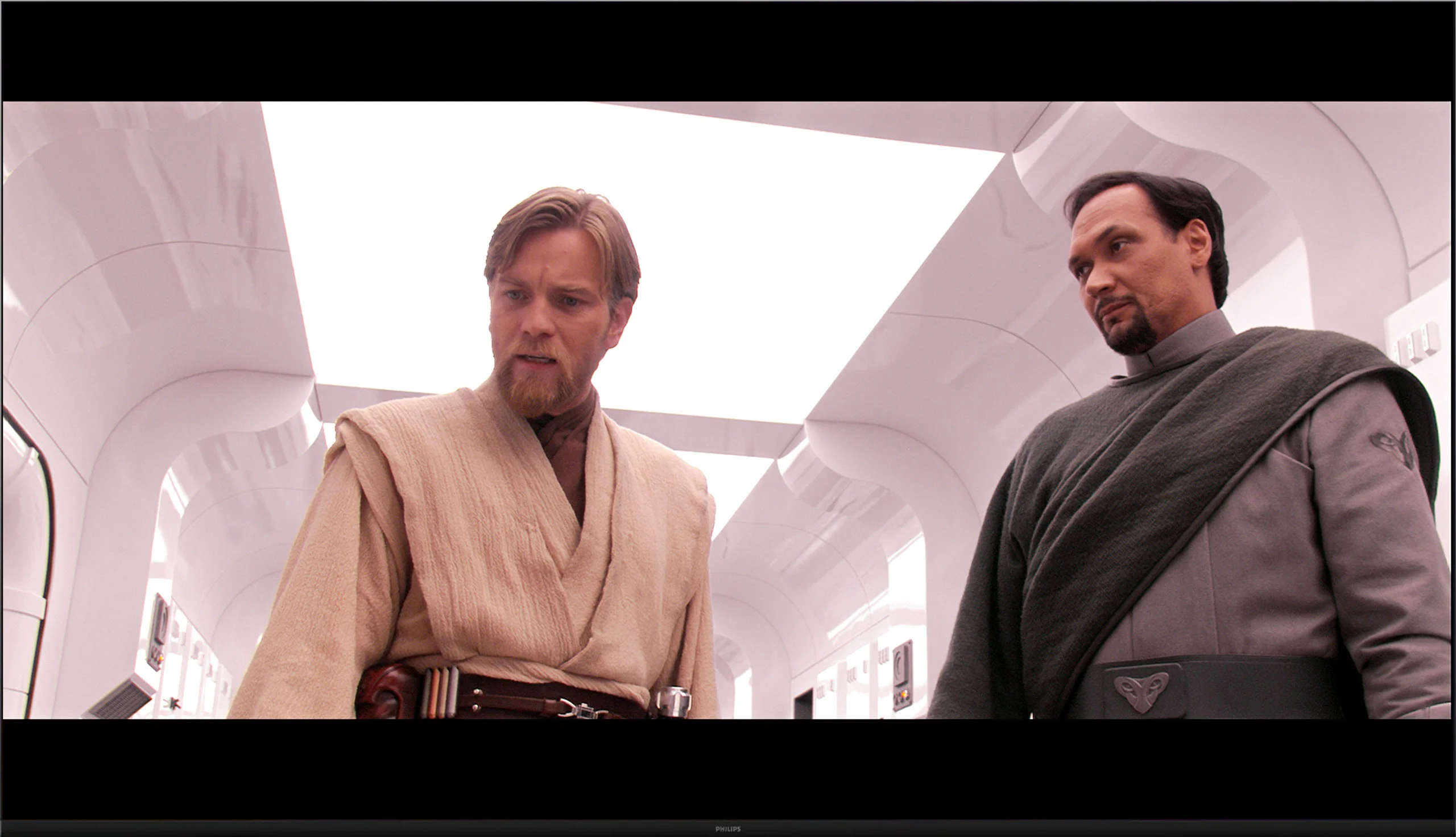
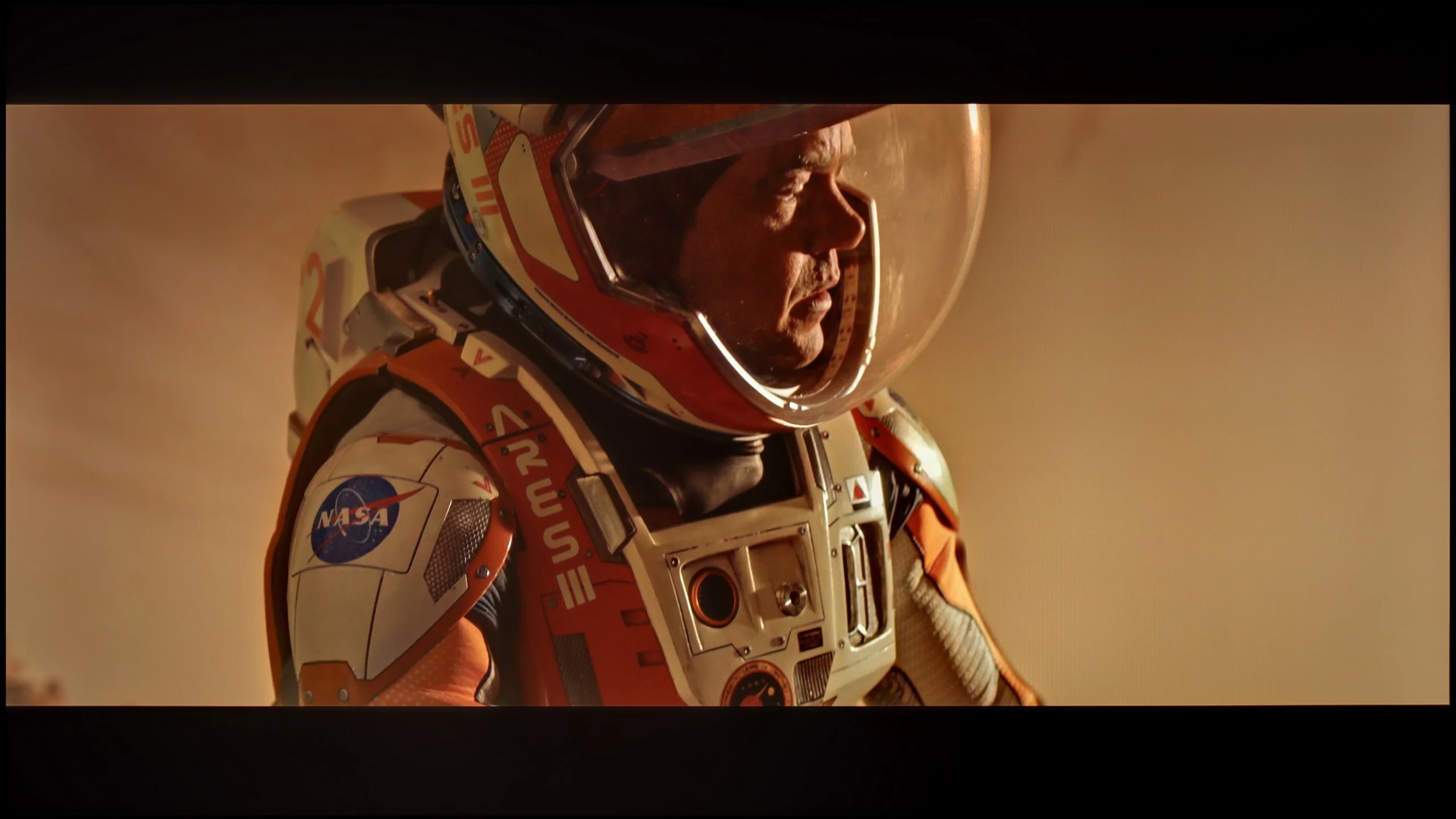
The photos show how movies look on the TV. Pay attention to black detail visibility, colors, and shadow tint.

The photos show how movies look on the TV. Pay attention to black detail visibility, colors, and shadow tint.

The Dutch manufacturer offers quite a sizable amount of settings in its products, so as usual, we decided to tinker with them a bit. The effects are immediately noticeable – we managed to correct the white balance, which made the image stop appearing excessively pink. The brightness characteristic has also been partially evened out, of course, within the limits set by the television itself. The image is no longer overly exaggerated, and the overall reception after calibration is definitely better than in the factory settings of the Filmmaker mode.

One could only critique the EOTF curve characteristic, which still indicates that the image has a tendency to brighten HDR materials. Despite our efforts, the darkest parts of scenes are still sometimes too bright, and the brightest ones do not always achieve their full contrast potential. However, it must be clearly stated that we are dealing with a typically budget construction – one cannot expect reference-level reproduction of HDR content from it.

Calibration has definitely helped this model – it improved the balance, toned down the aggressive colour palette, and brought the image closer to what one might expect from a well-configured movie mode. However, there are certain limitations that cannot be overcome.

After calibration the TCL P7L can deliver a genuinely pleasant picture, especially with conventional SDR material. We managed to even out the white balance very well, and the gamma curve now tracks close to the target value of 2.4. This is also reflected in the colour measurements: most errors have fallen noticeably, and in everyday viewing it is hard to point to any obvious inaccuracies. Films, series, YouTube and ordinary broadcast TV therefore look more natural, without unnecessary warmth or a cool tint. For a model in this price bracket the SDR performance is really very good.

With HDR the situation becomes more complicated. Calibration helped improve the white balance and tidy up some deviations, but here the panel's limitations become increasingly apparent. The P7L has relatively low brightness and cannot maintain adequate luminance for more saturated colours, so some errors remain even after careful tuning. In other words, settings can improve the way the TV interprets the signal, but they cannot overcome its physical limits. That is why calibration makes most sense for this model primarily in SDR.

Smoothness of tonal transitions

6.3/10

7/10

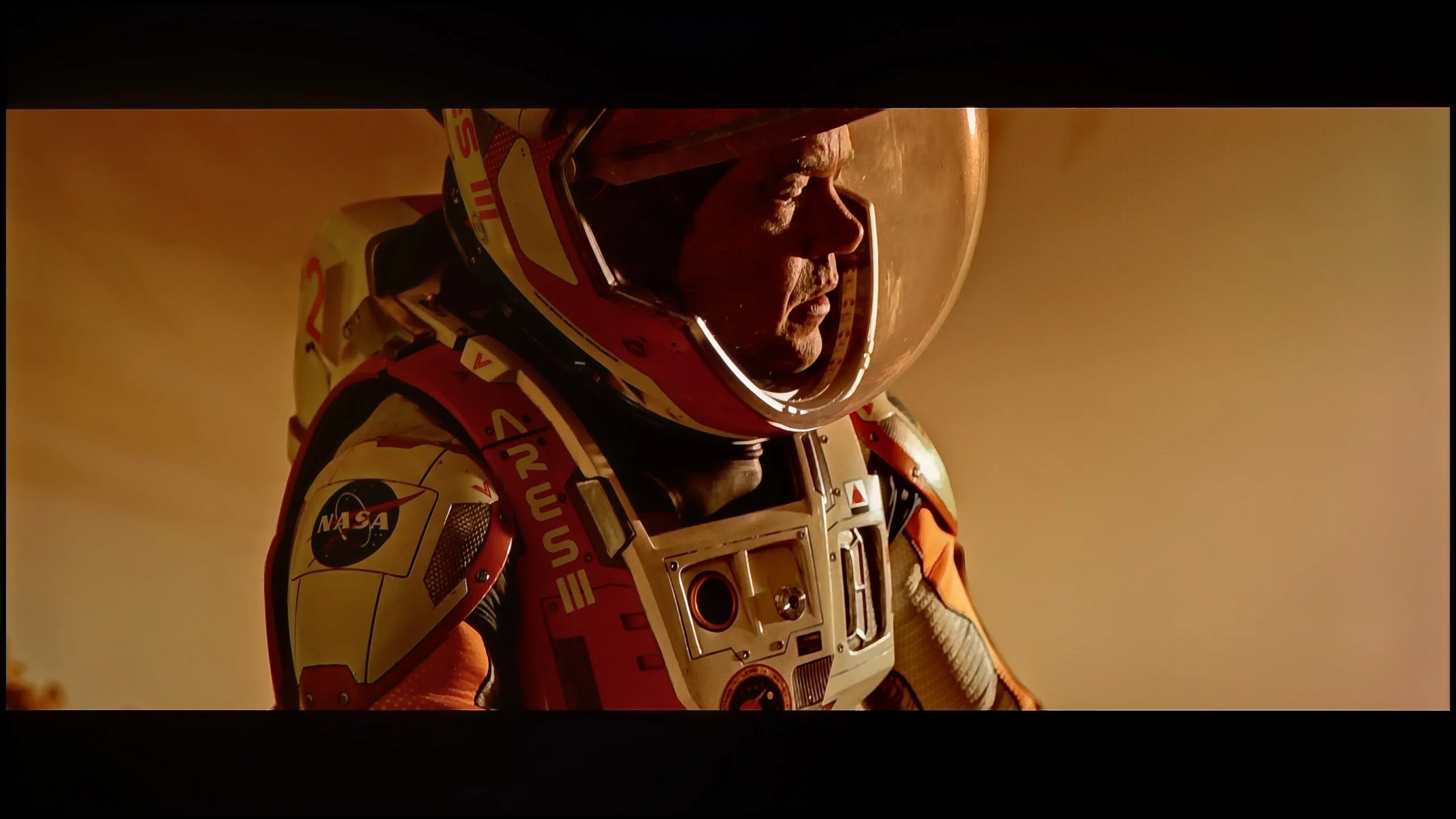
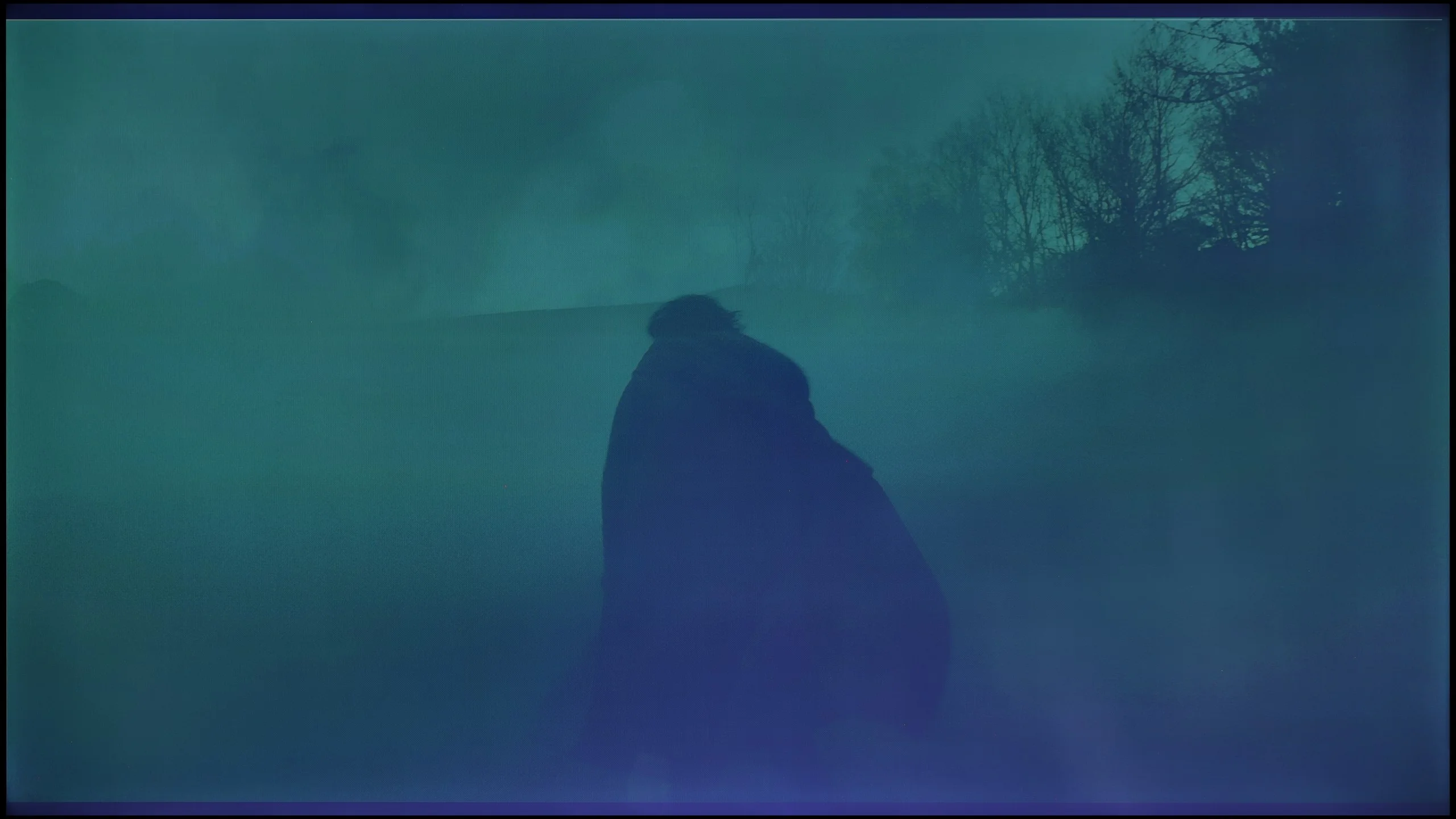
These are selected scenes that show smooth tonal transitions from one color to another. If you see distinct banding, it’s the TV panel’s fault.

These are selected scenes that show smooth tonal transitions from one color to another. If you see distinct banding, it’s the TV panel’s fault.

These are selected scenes that show smooth tonal transitions from one color to another. If you see distinct banding, it’s the TV panel’s fault.

These are selected scenes that show smooth tonal transitions from one color to another. If you see distinct banding, it’s the TV panel’s fault.

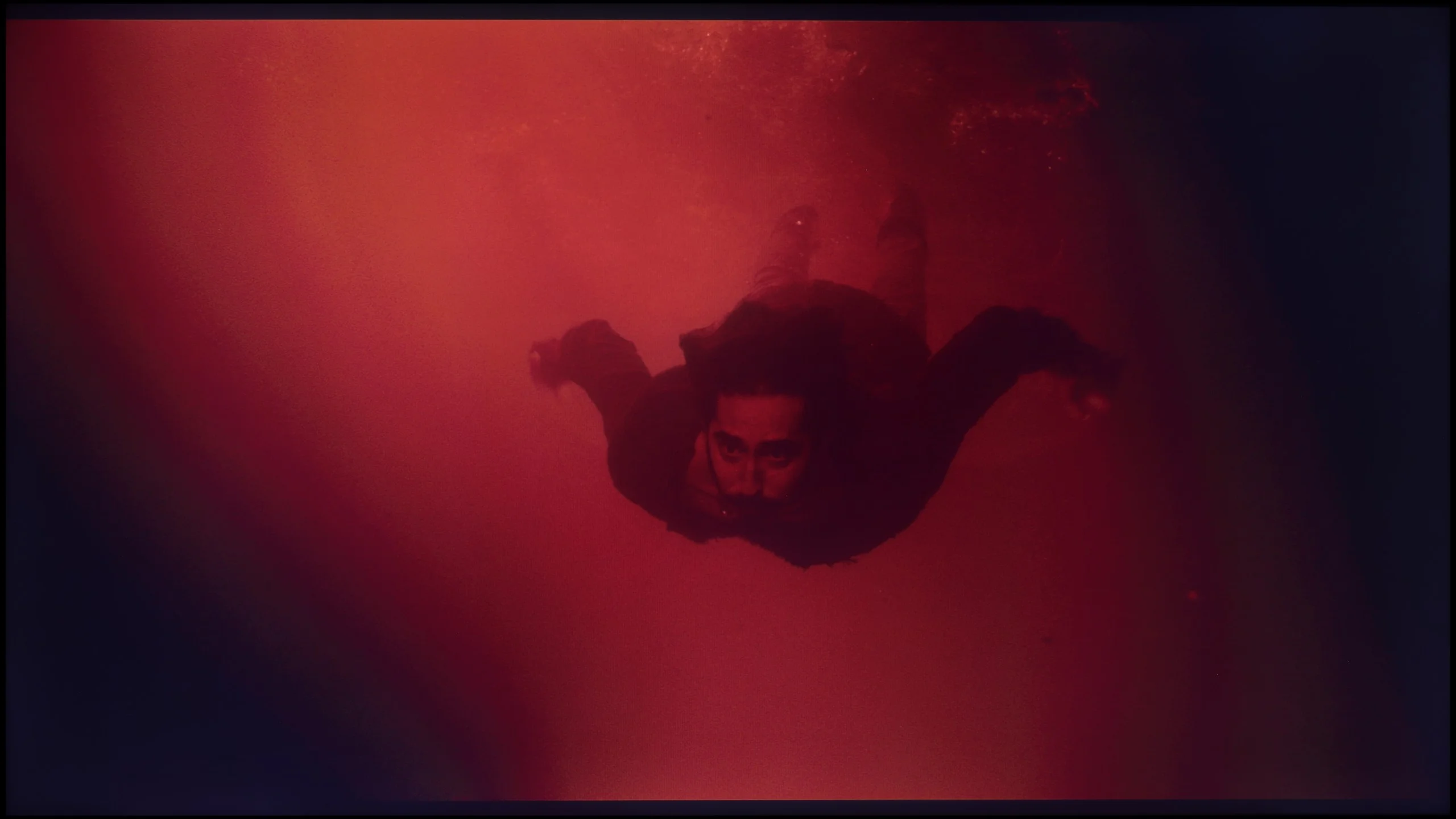
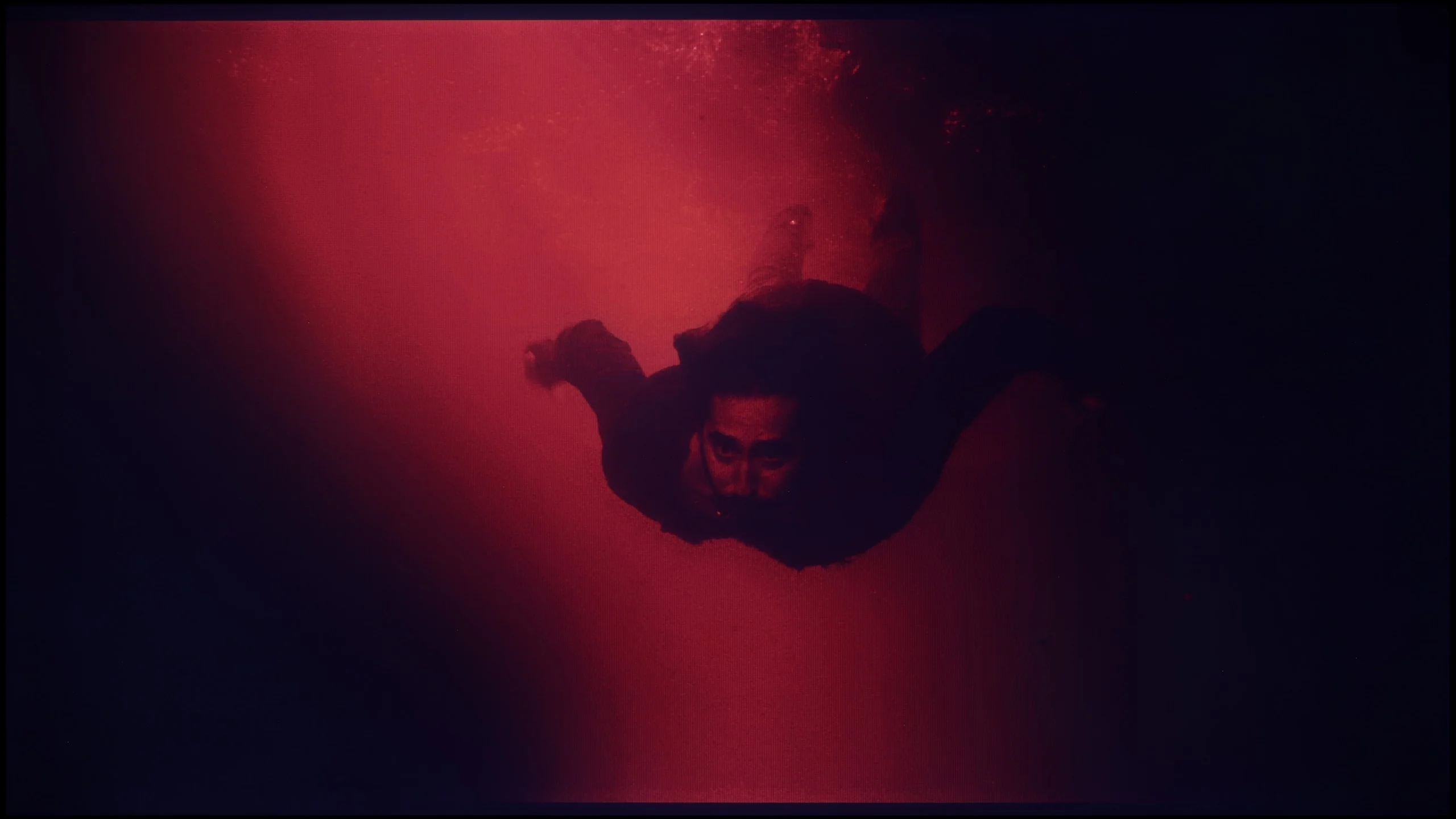
The PUS8560 handles colour transitions into smooth gradients very well. During tests, the image appeared coherent and natural, and serious issues with tonal transitions occurred only in very dark scenes – for example, in a shot with red water, where subtle cuts between colours could be noticed. However, these are rather exceptions that do not spoil the reception of most content. It is worth mentioning another phenomenon that more significantly affects the quality of the image – the so-called dithering, which refers to a slight "tingling" visible on uniform backgrounds. This effect can be particularly noticeable in high-quality materials and can somewhat spoil the impression of image clarity. It is for this flaw that we deducted some points in our evaluation.

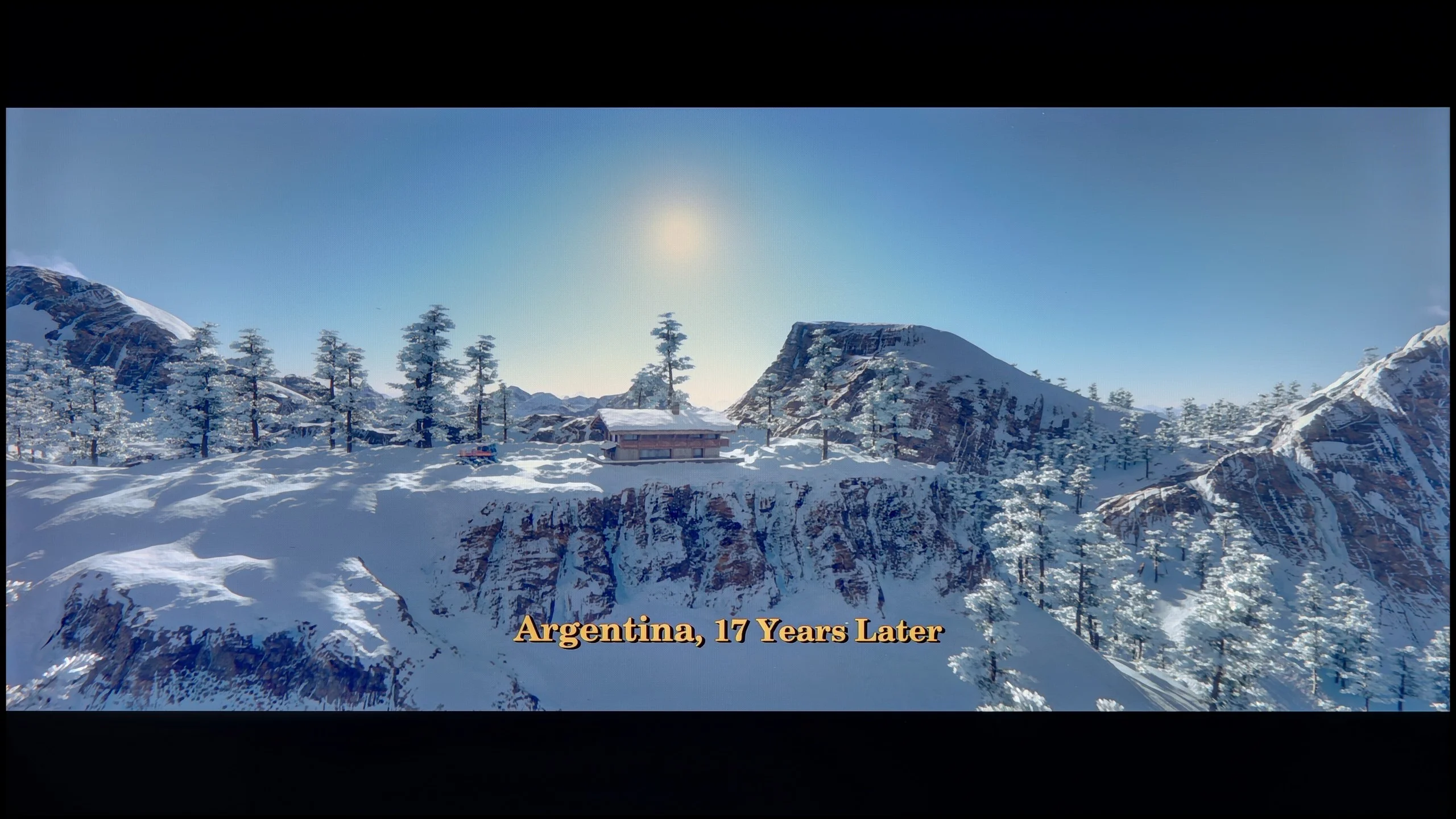
The smoothness of tonal transitions on the TCL P7L is quite good, but not in every scene. In brighter scenes the television performs very well, because changes between successive shades are gentle, and on the sky, bright walls or subtle gradients it's hard to spot anything that would noticeably disrupt viewing. It becomes worse in the darker areas of the image. It is there that visible joins between colours and successive grey levels appear more often. In dark scenes you can therefore notice characteristic banding or more pronounced 'steps' where the transition should be smoother. It's not an issue all the time, but with weaker source material or scenes with lots of mid-tones it can stand out.

Image scaling and smoothness of tonal transitions

6.5/10

7/10

Image without overscan on the SD signal
OK
OK
Smooth transition function
OK
OK

Smooth transition function

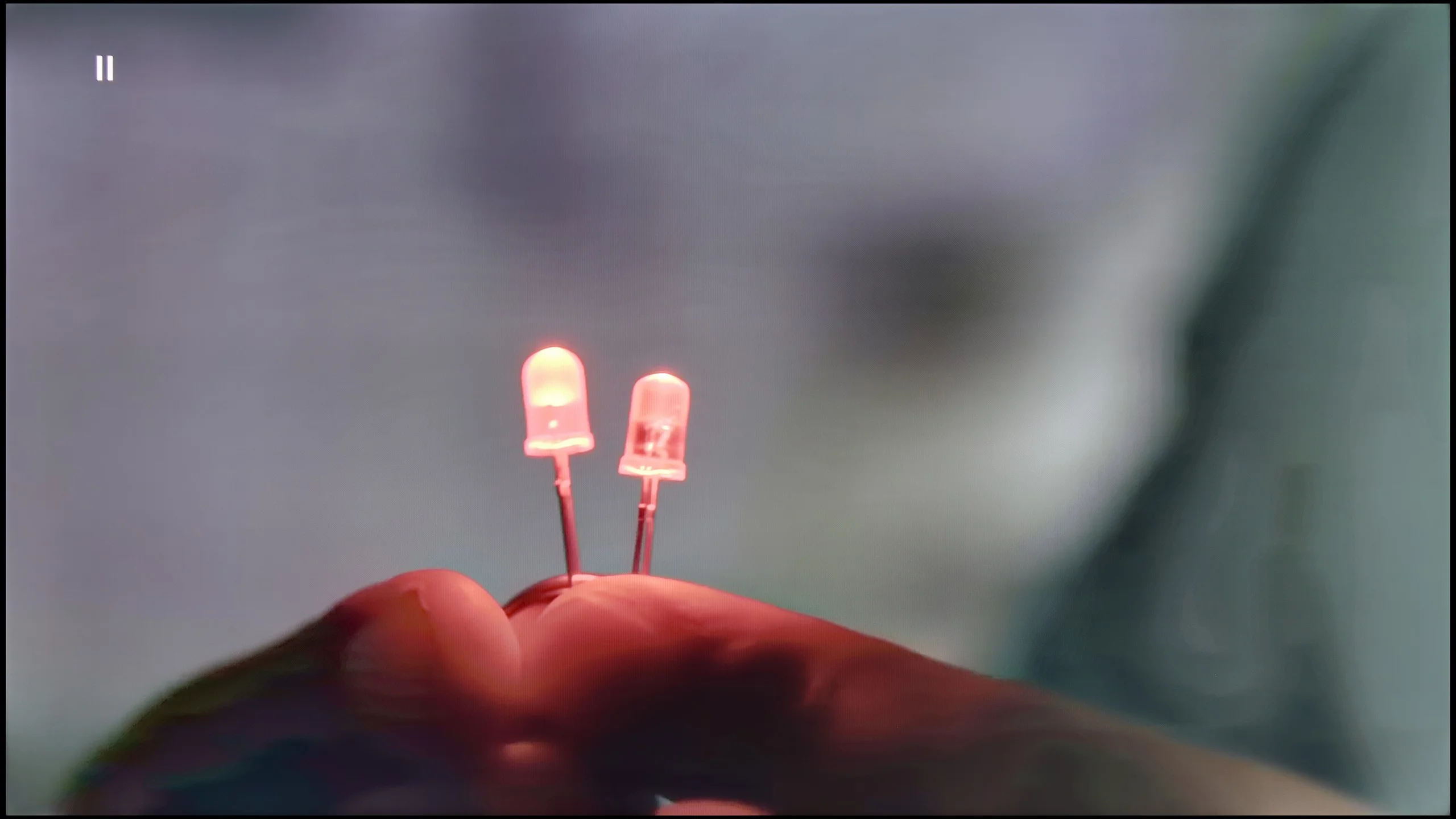
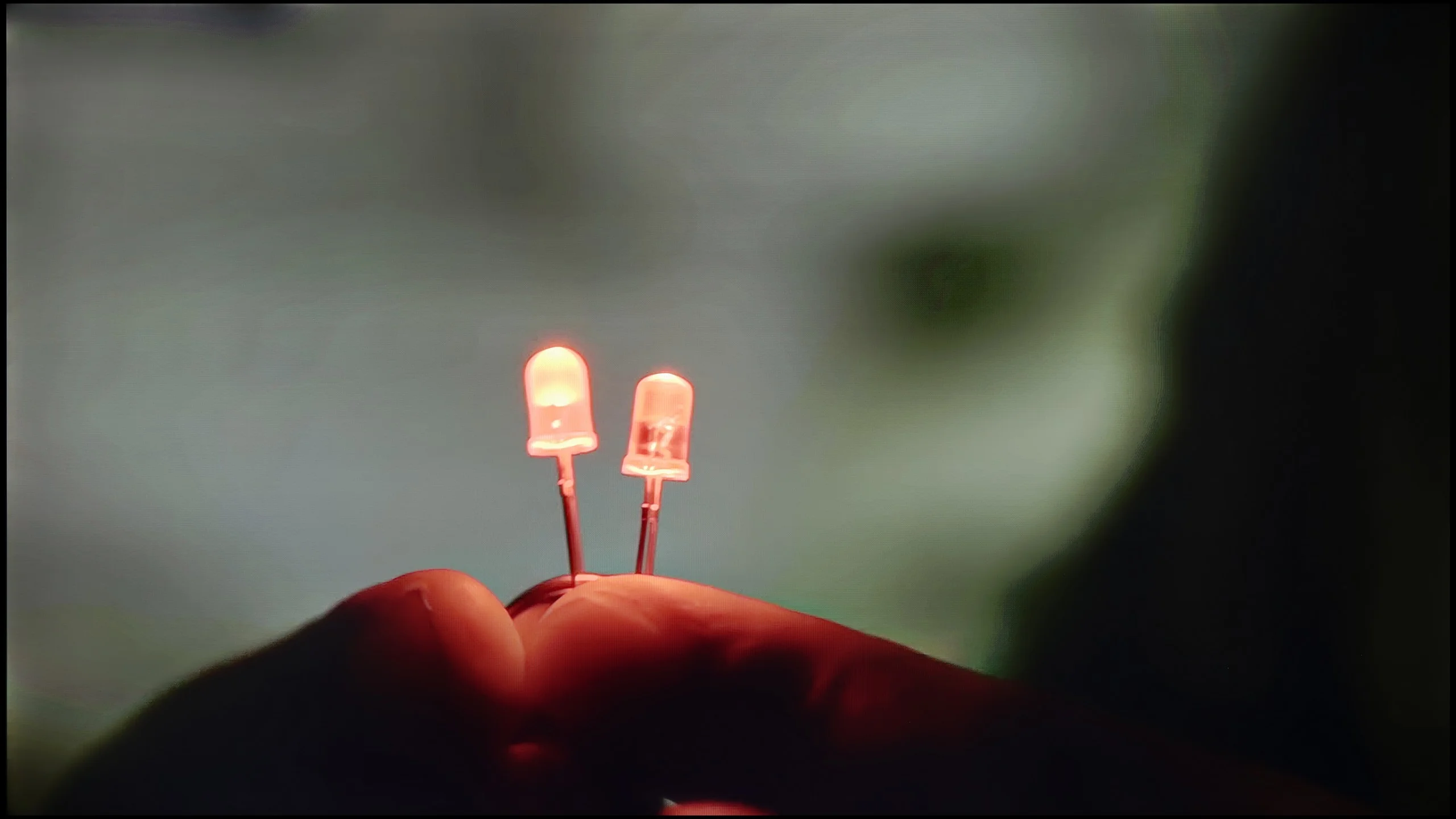
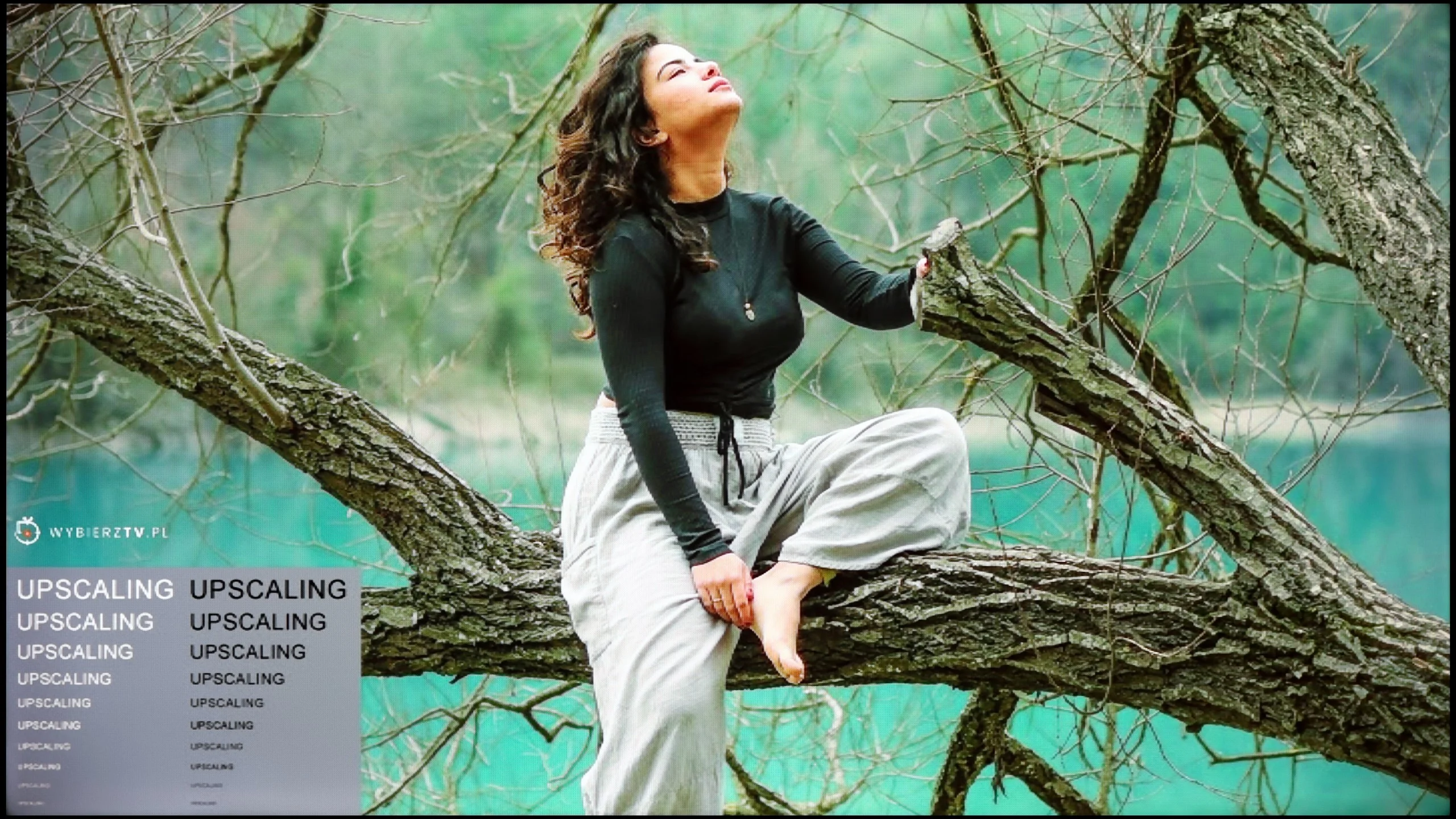
The match photo shows how the TV smooths weak tonal transitions in low-quality video.

Image scaling SD (576i)

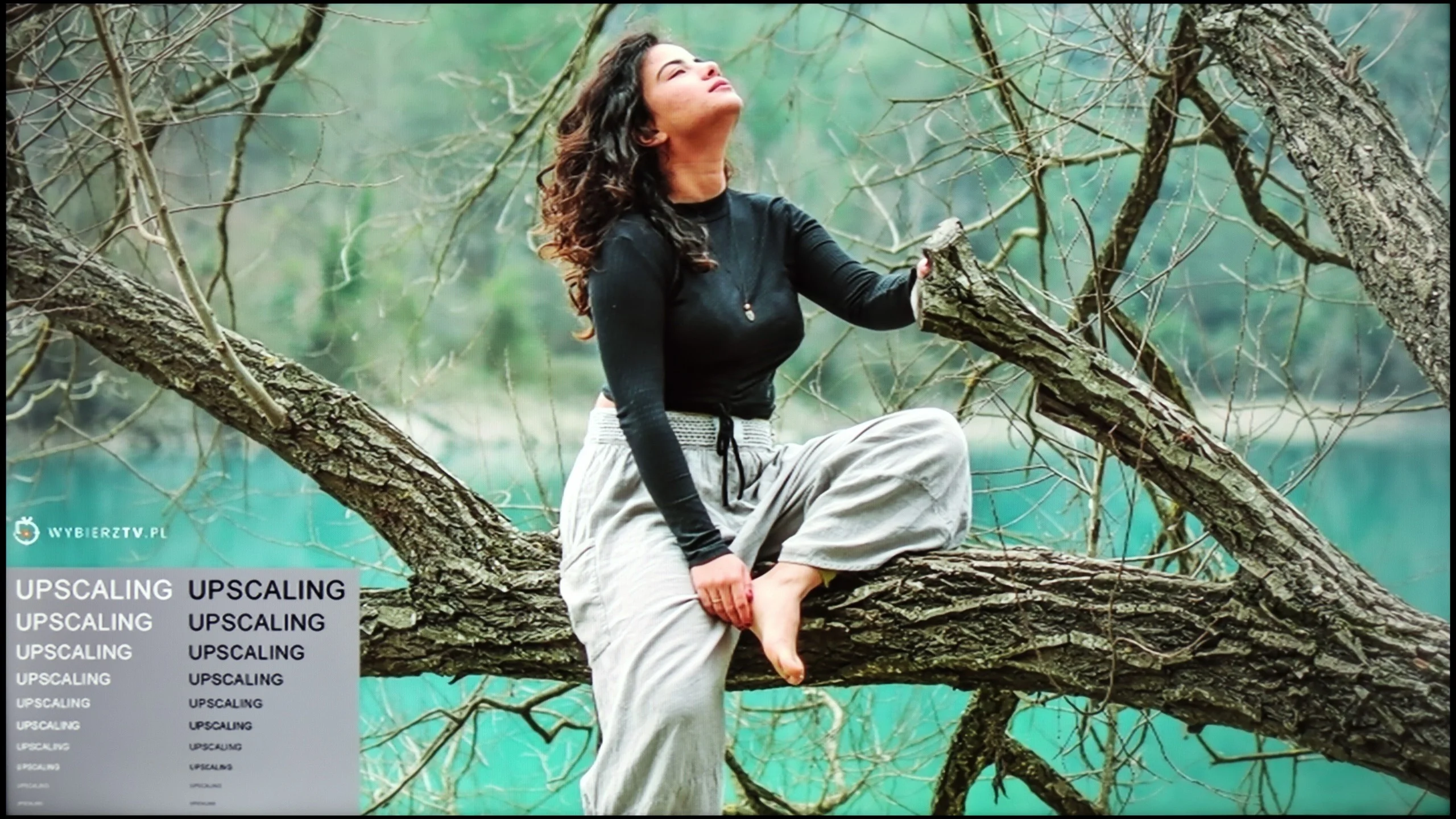
The model photo shows how it handles upscaling of SD material.

Philips PUS8560 offers a function for reducing posterization, hidden under the name "distortion reduction". And although it indeed fulfills its role by smoothing out problematic tonal transitions, it works a bit too broadly. In practice, it affects not only colourful gradients but also softens faces, the textures of clothing, and the surfaces of furniture. This compromises the authenticity of the image – especially in films where natural texture is very important. However, if someone is looking for smoothing at all costs, it's best to set this option to "Low". For cinema image enthusiasts – we definitely do not recommend it.

On the positive side, the quality of upscaling older materials is noteworthy – the PUS8560 model handles them surprisingly well. The image retains its natural softness, without artificially boosted sharpness. It is also worth mentioning that the television correctly displays content with very low resolution, avoiding issues with image edge cutting (so-called overscan).

In this respect the TCL P7L performs surprisingly well, especially for such an inexpensive TV. The banding-reduction feature, which in many budget models does little or nothing, actually manages to improve the picture here. It does not remove all banding entirely, but it can noticeably reduce posterisation and make more challenging gradients look more natural. At this price point that’s a genuinely pleasant surprise. Upscaling itself also performs well. Lower-resolution material is scaled correctly, without over-sharpening or adding artificial outlines around objects. Of course the P7L won’t turn a very poor source into a 4K-quality image, but for regular TV the result is simply solid. For a model in this class there is little to criticise.

Blur and motion smoothness

4/10

5.5/10

Maximum refresh rate of the panel
60Hz
60Hz
Film motion smoothing option
No
OK
Blur reduction option
No
No
BFI function 60Hz
No
No
BFI function 120Hz
No
No
Brightness drop with BFI
-%
-%

Blur (native resolution, maximum refresh rate):

Blur ():

Blur (1440p@120Hz):

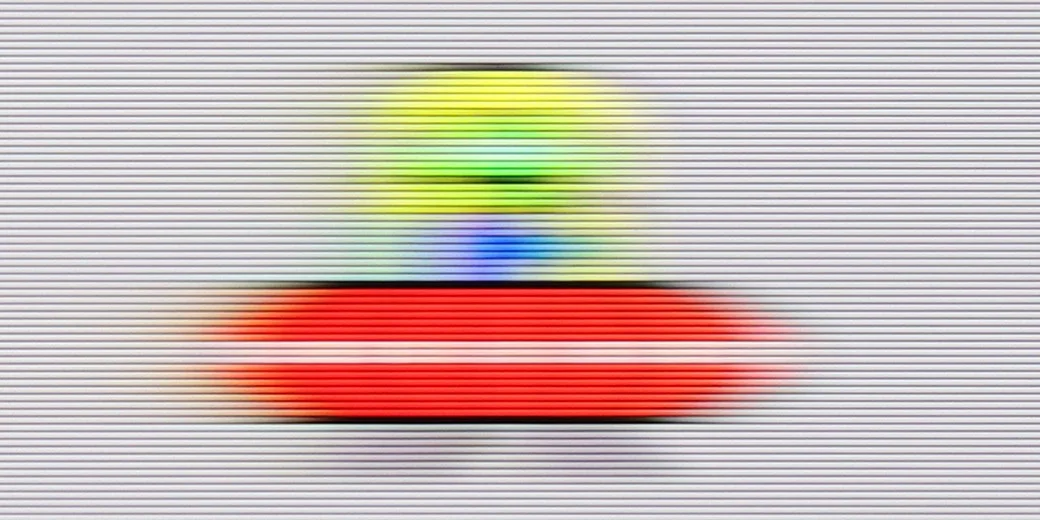
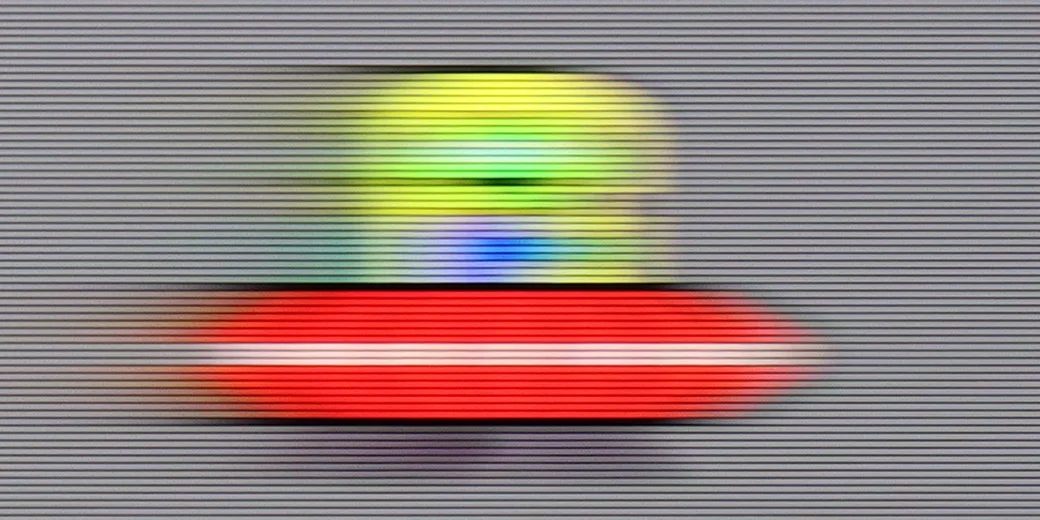
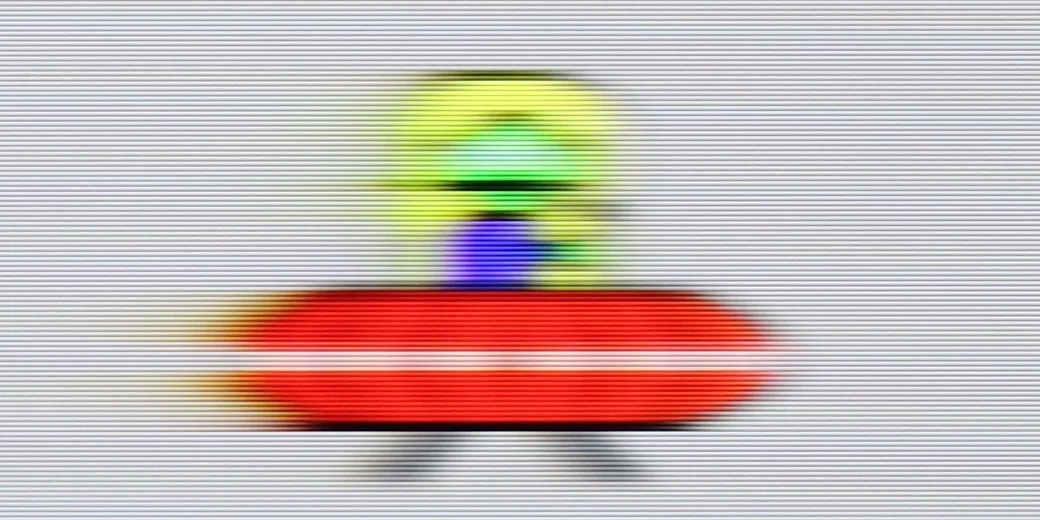
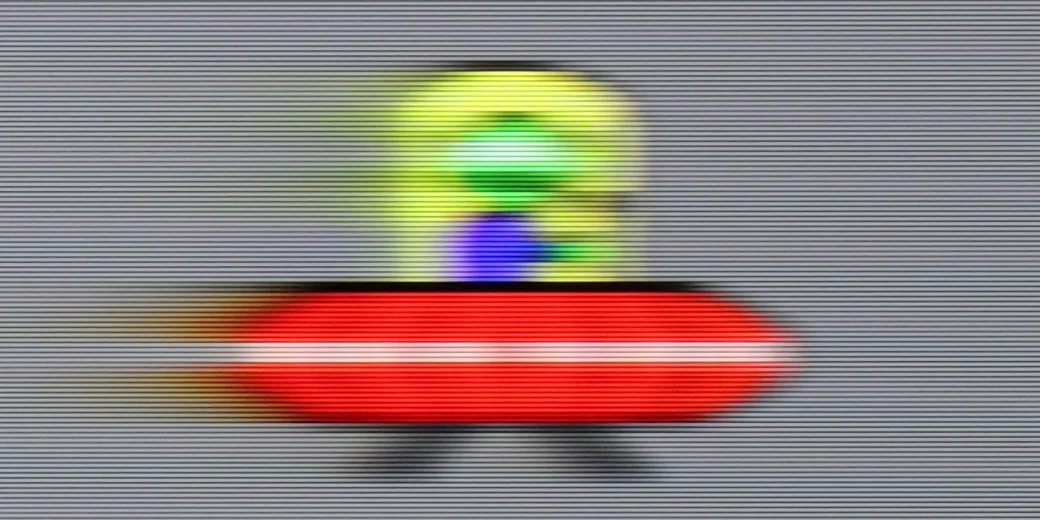
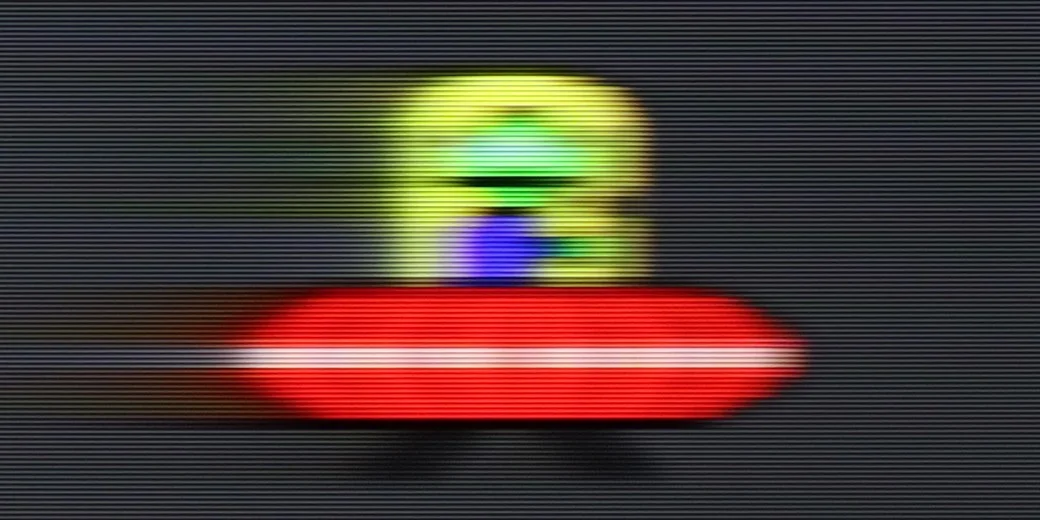
The Philips PUS8560 is a television equipped with a panel featuring a refresh rate of 60 Hz, which immediately limits its capabilities in terms of displaying dynamic content. Watching sports or playing on a console is not particularly enjoyable. The situation is further worsened by the lack of any option to improve the smoothness of films. In the menu, we won't find settings that would allow us to enable a motion smoother or even a slight motion smoothing for films recorded at 24 frames per second. You can imagine the effect. The image can appear jerky, especially in shots with panoramic camera movements.

The TCL P7L uses a panel with a native 60 Hz refresh rate at 4K resolution, and that's how it should be regarded in everyday use. When watching films the TV mainly offers frame interpolation, so it can smooth motion and reduce the characteristic judder, but it does not deliver the fluidity typical of true 120 Hz panels.

Console compatibility and gaming features

4.7/10

6.7/10

  • ALLM
    Yes
    Yes
  • VRR
    Yes
    Yes
  • VRR range
    48 - 60Hz
    48 - 120Hz
  • Dolby Vision Game Mode
    No
    Yes
  • Correct implementation of HGIG
    No
    No
  • 1080p@120Hz
    No
    Yes
  • 1440p@120Hz
    No
    Yes
  • 4K@120Hz
    No
    No
  • Game bar
    Yes
    Yes

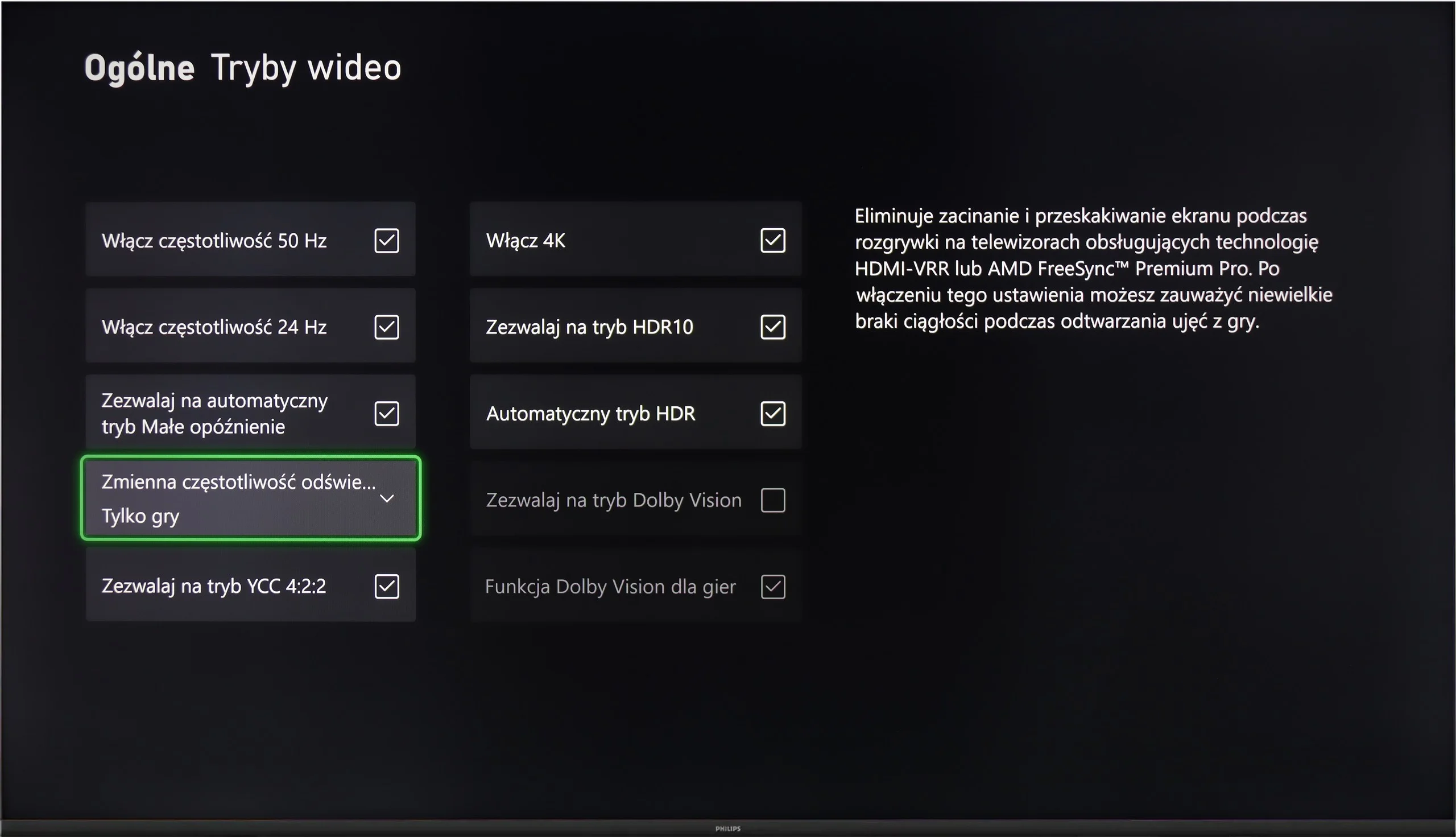
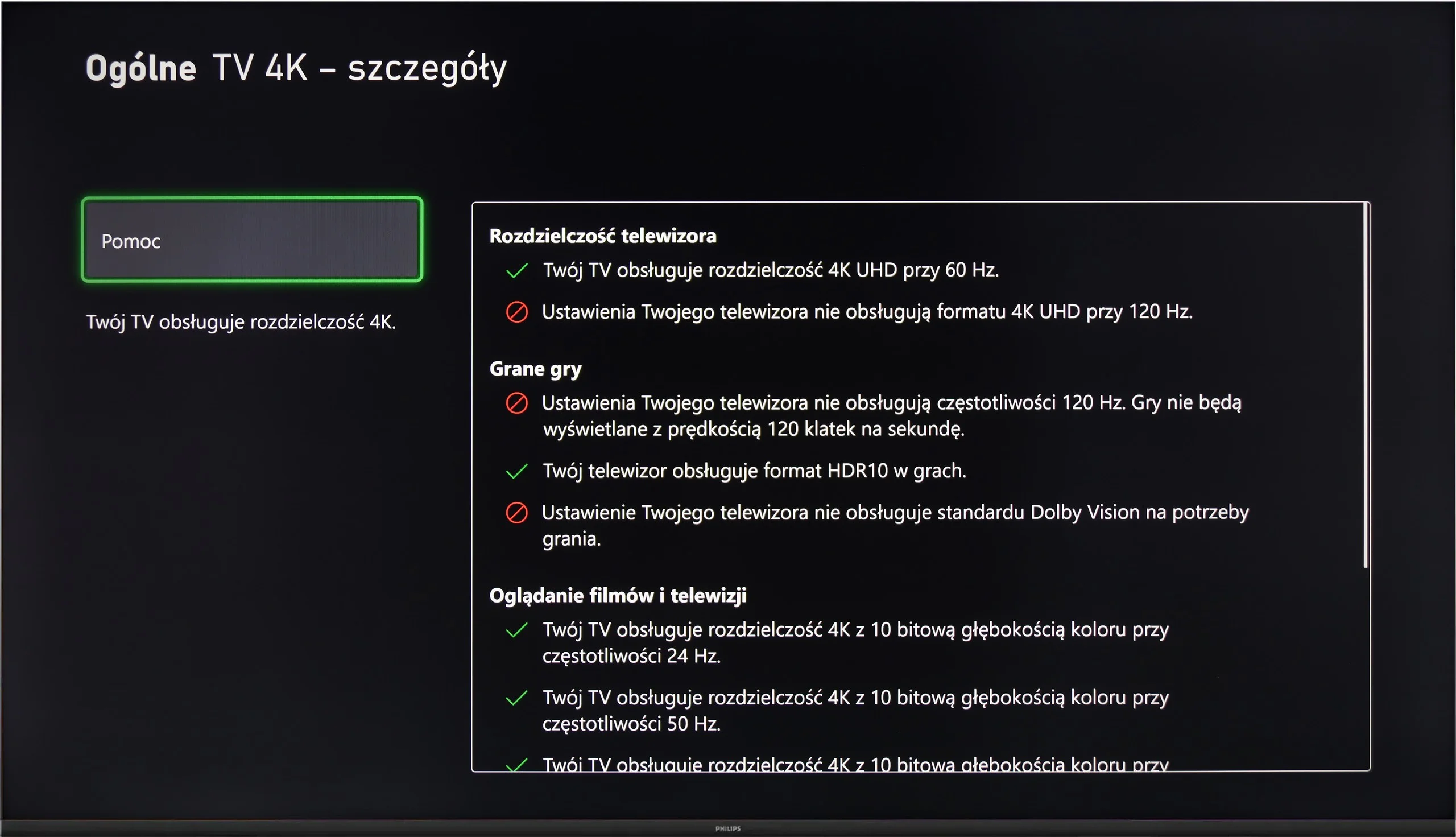
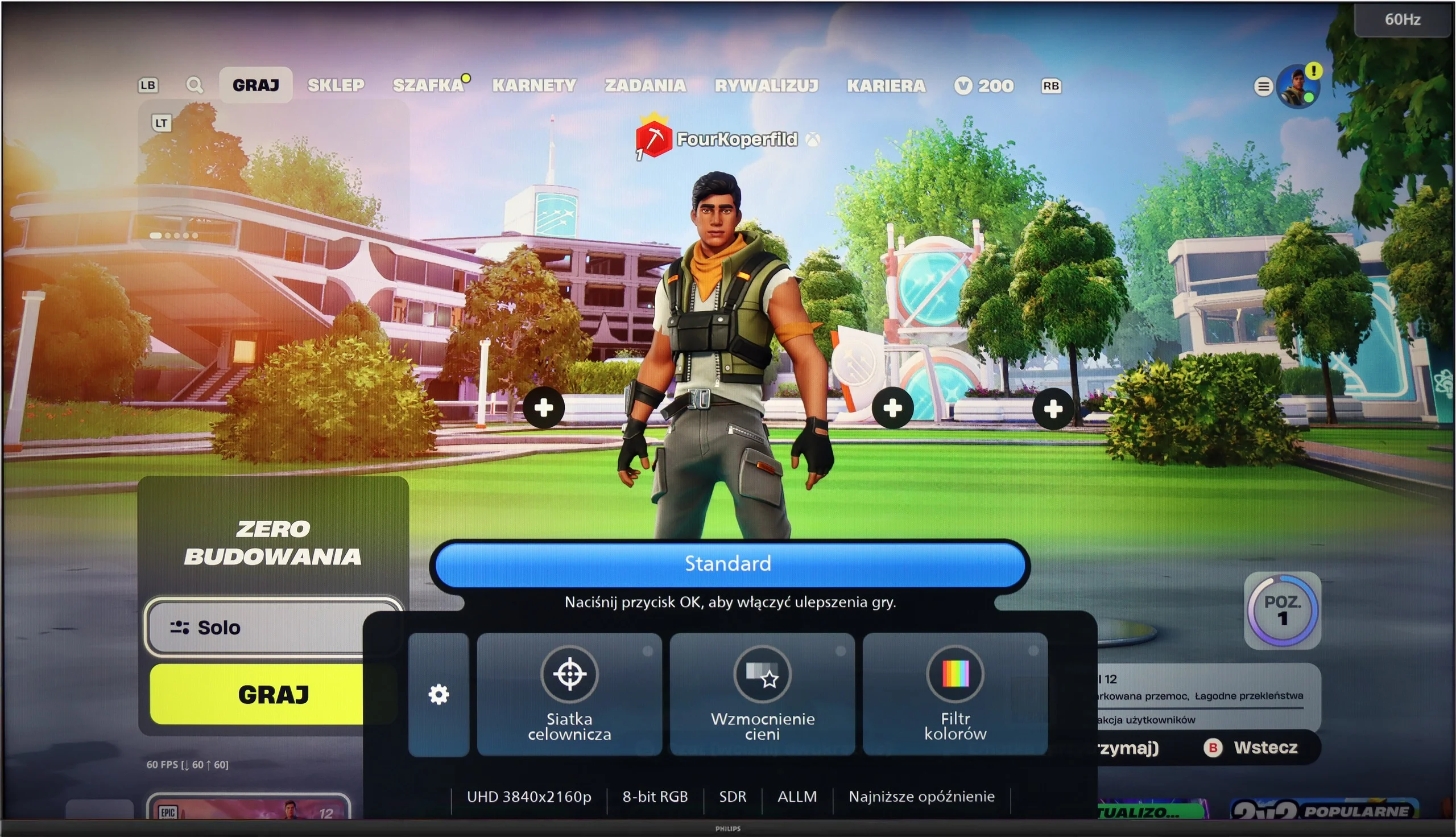
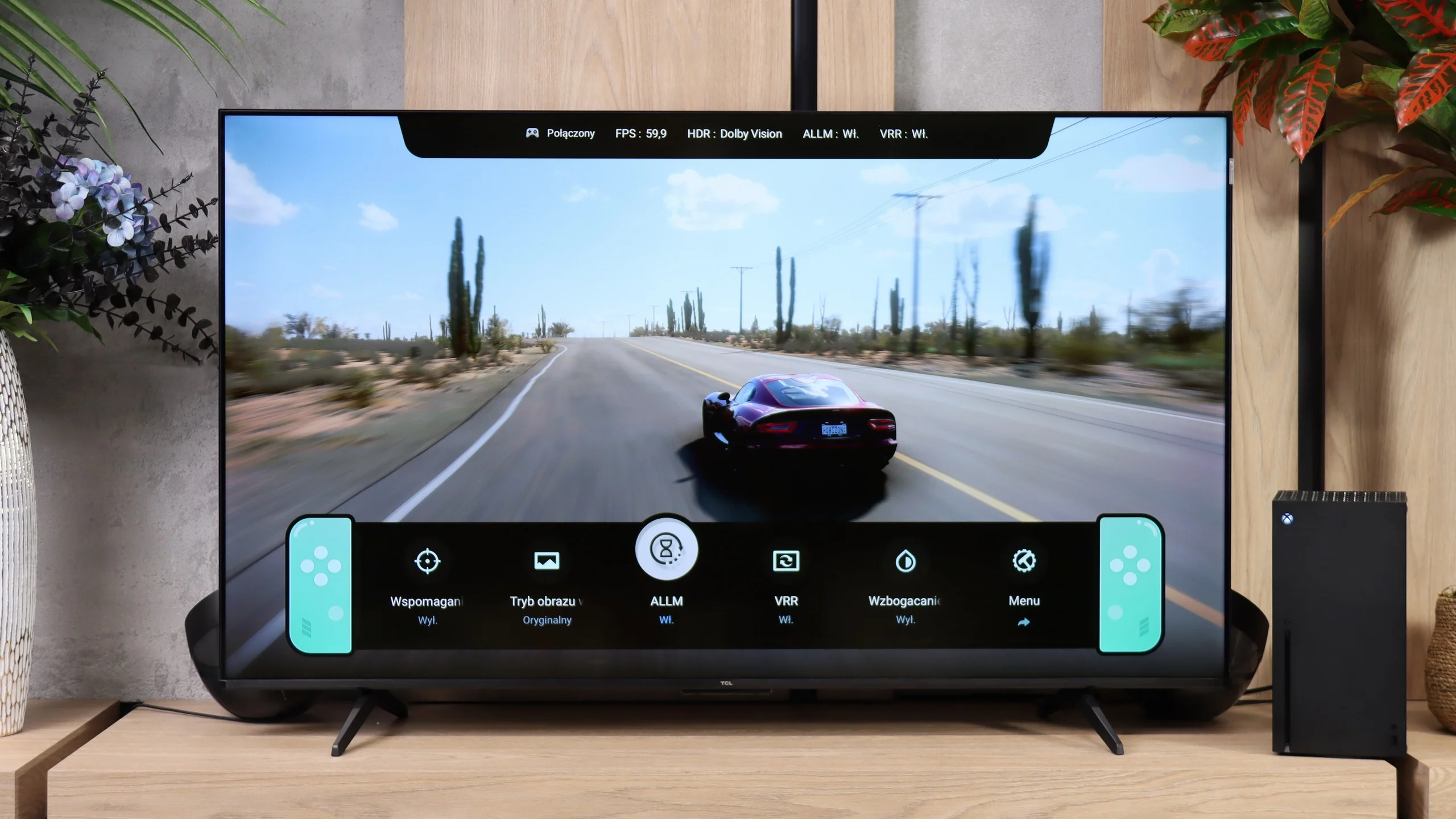
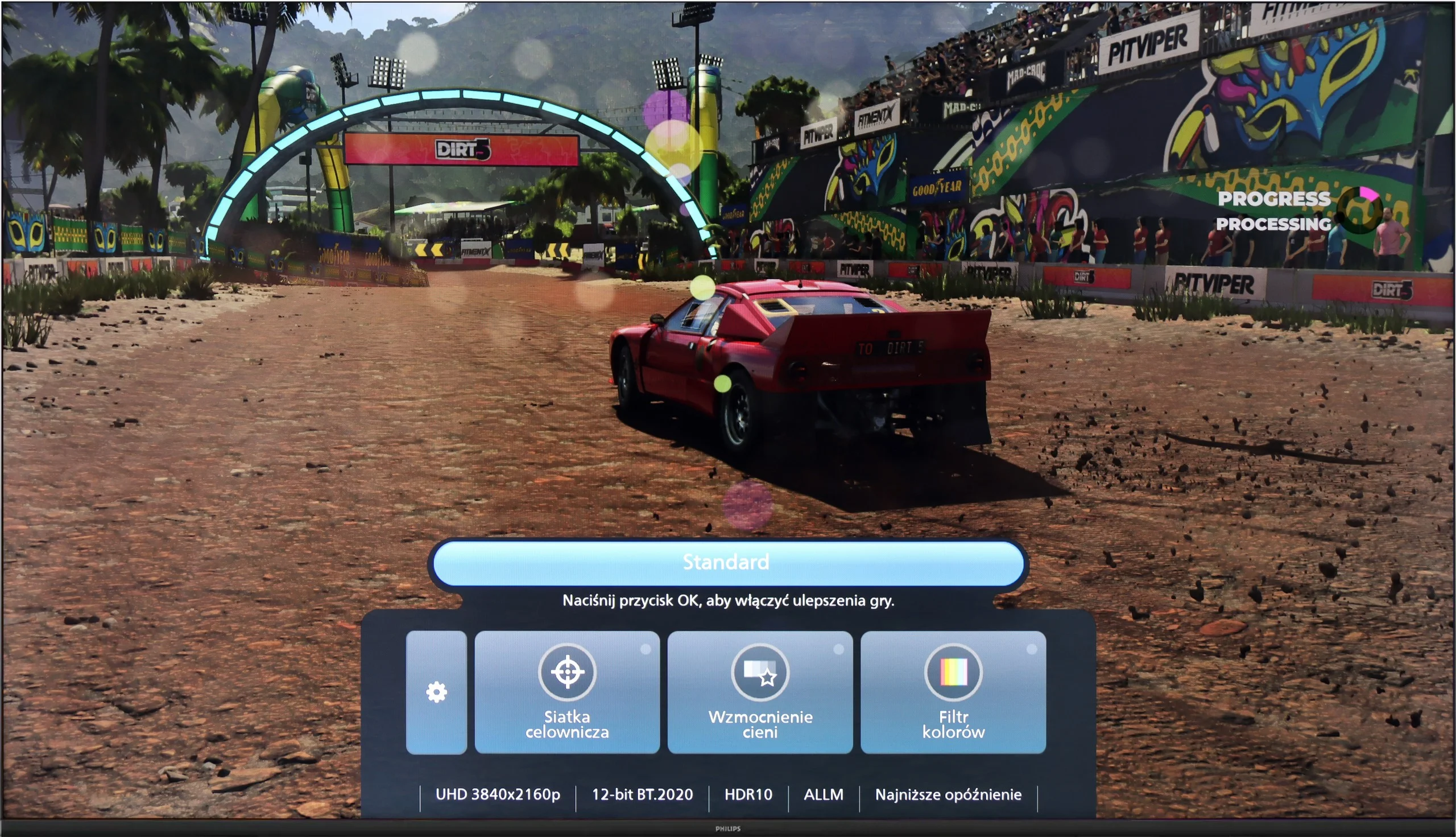
Although the Philips PUS8560 is not designed with gamers in mind, the manufacturer has decided to equip it with a few features that may prove useful when connecting a console. On board, we find automatic switching to game mode (ALLM), as well as a simple connection status information bar – the so-called Game Bar. It does not make a particularly strong visual impression, but it serves its purpose. The presence of variable refresh rate (VRR), operating in the range of 48 to 60 Hz, may come as a surprise. While this is not a wide range, in the case of less demanding games or titles with unstable frame rates, VRR can help reduce screen tearing. However, this is the only element that could be considered beyond the minimum.

It must be made clear that the PUS8560 is not equipment for gamers looking for a responsive screen and full support for modern console features. It lacks HDMI 2.1 ports, the refresh rate is limited to 60 Hz, and the response time of the panel is not among the fastest. This model may be suitable at most for casual gamers who want to enjoy the Ambilight system.

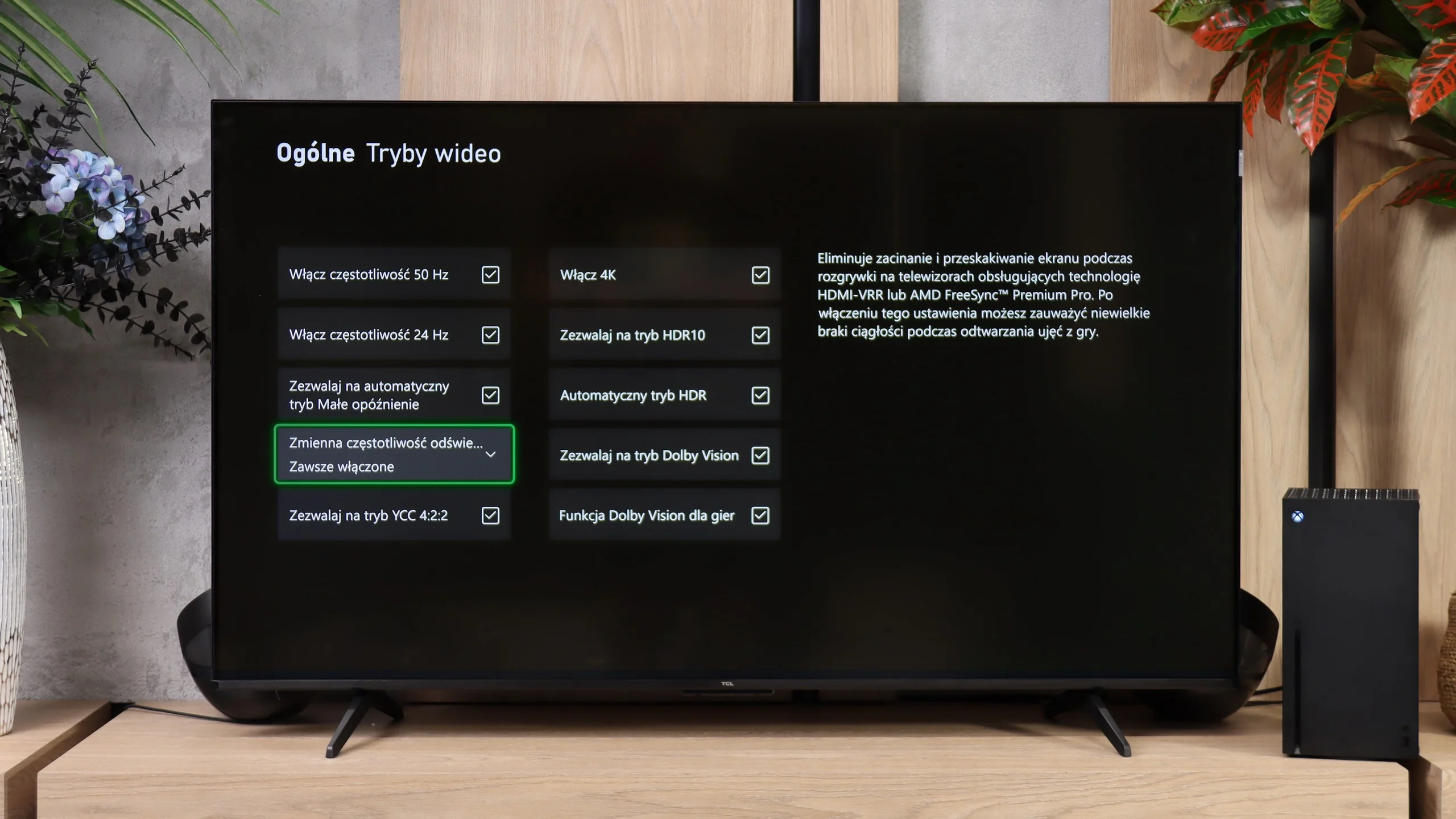
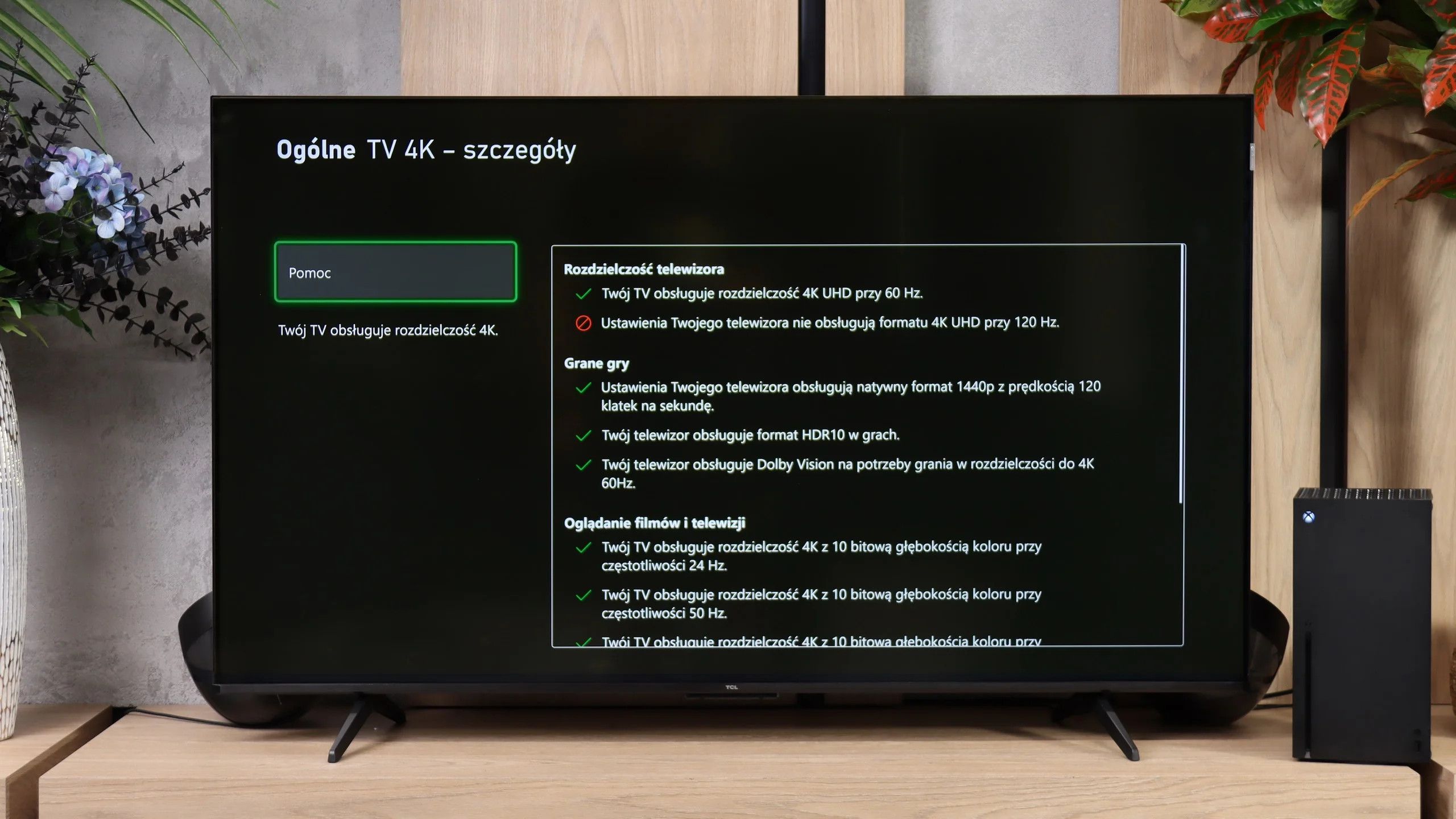
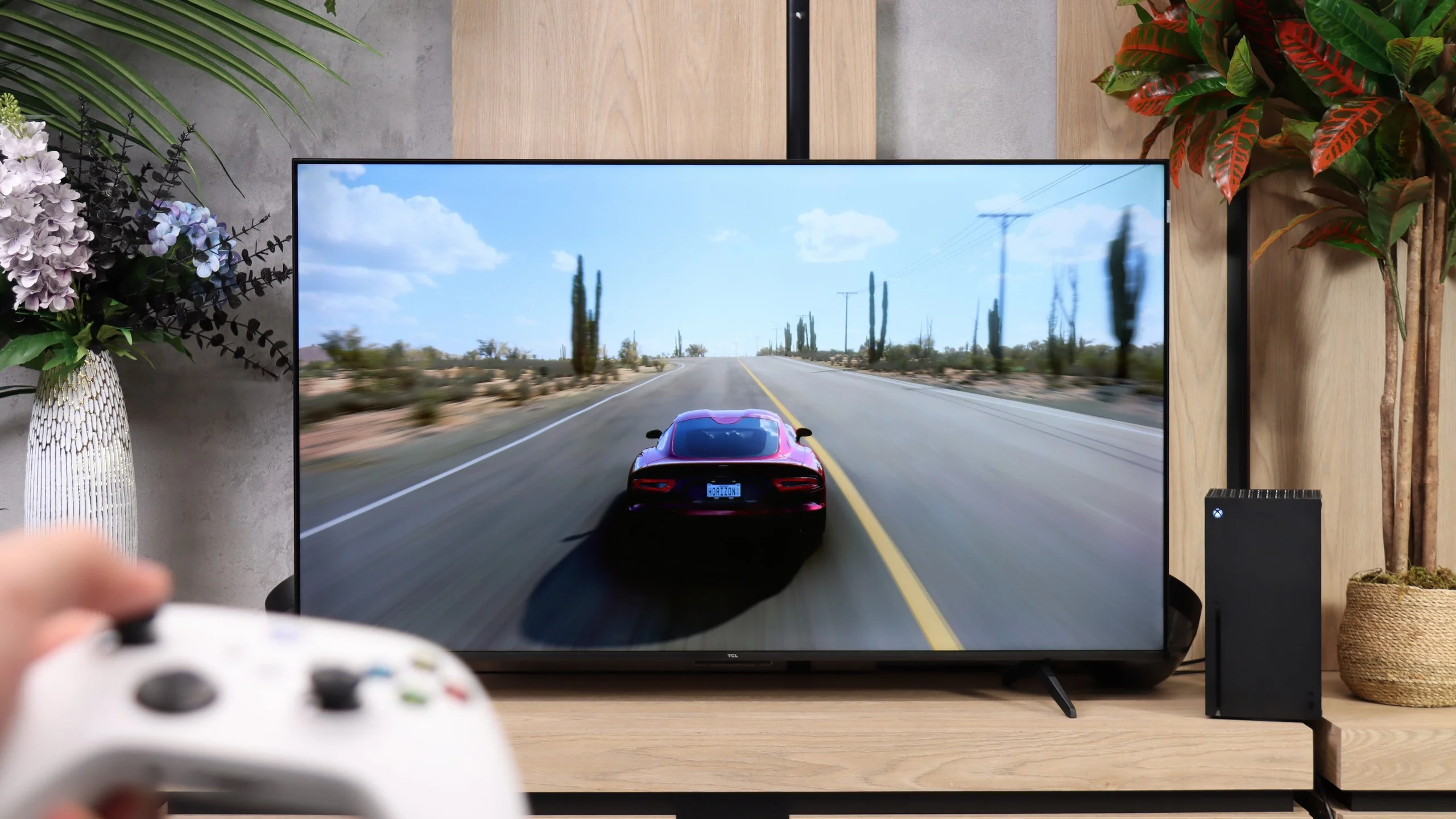
For such an inexpensive TV, the P7L has quite a lot to offer gamers. It has ALLM, VRR, Dolby Vision for gaming, and TCL also includes its Game Bar, which lets you quickly check the key information or change some settings without leaving the game. Not everything is perfect, though, because HGiG doesn’t work here as it should, but at this price point it’s hard to complain about the feature set. The most interesting part starts when you give up 4K. At that resolution the TV runs at up to 60 Hz, but at 1440p and 1080p it can display at 120 Hz. And that’s not just a line in the specs. In fast-paced games that support that frame rate you can really notice the improvement in smoothness, so if you value smoother motion more than maximum image detail, that mode can make a lot of sense. Of course, that doesn’t turn the P7L into a proper 120 Hz TV. Even so, those extra modes are exactly what make the P7L perform very well for gaming.

Input lag

10/10

10/10

SDR

1080p60
13 ms
13 ms
1080p120
9 ms
2160p60
13 ms
13 ms
2160p120

HDR

2160p60
12 ms
13 ms
2160p120
4320p60

Dolby Vision

2160p60 DV
13 ms
2160p120 DV

The input lag on the PUS8560 is very good. When we previously mentioned that this screen is rather for the "casual gamer," there is nothing to be ashamed of in this regard – even when compared to screens aimed at gamers. Results around 12 ms are truly outstanding, allowing for an enjoyable responsive gameplay experience. It doesn't matter whether we are playing in Full HD or 4K – the lag remains equally low, so if you value a quick response time, the PUS8560 will definitely not disappoint in this aspect.

In terms of latency the TCL P7L performs very well. With a 60 Hz signal the input lag is about 13 ms, regardless of whether you’re playing in SDR, HDR or Dolby Vision. That’s already a level at which the delay should be practically imperceptible during normal gameplay. It gets even better when you switch the TV to 120 Hz mode at a lower resolution. Then the input lag falls to about 9 ms, which nicely complements the modes described earlier. For gamers, that’s another argument that, despite the P7L’s budget nature, it is fairly well prepared in this respect.

Compatibility with PC

5.6/10

5.8/10

Chroma 444 (max. resolution and refresh rate)
Yes
Yes
Font clarity
Very Good
Good
Readability of dark text and shapes
Poor
Average
Input lag in PC mode (4K, max. refresh rate)
13ms
13ms
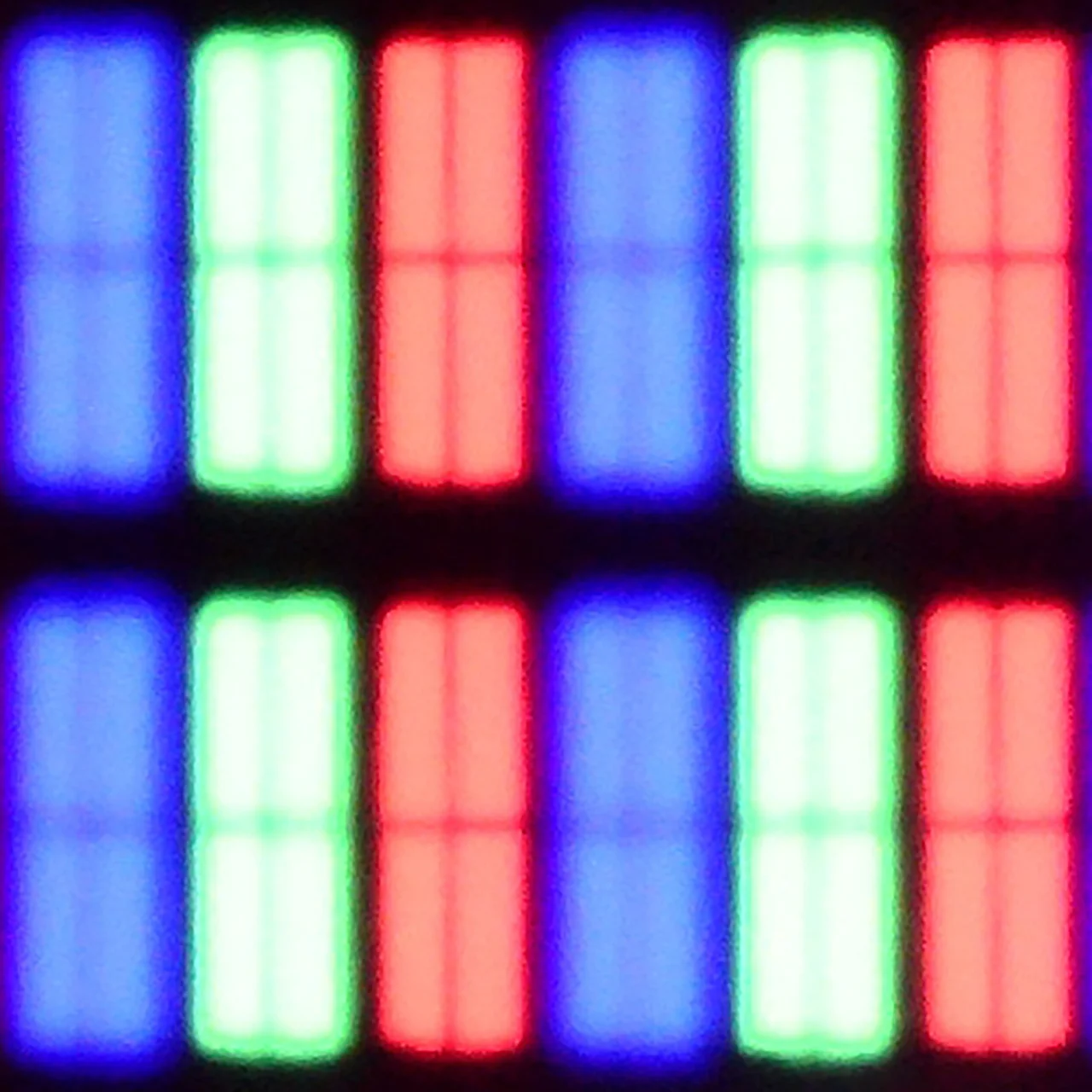
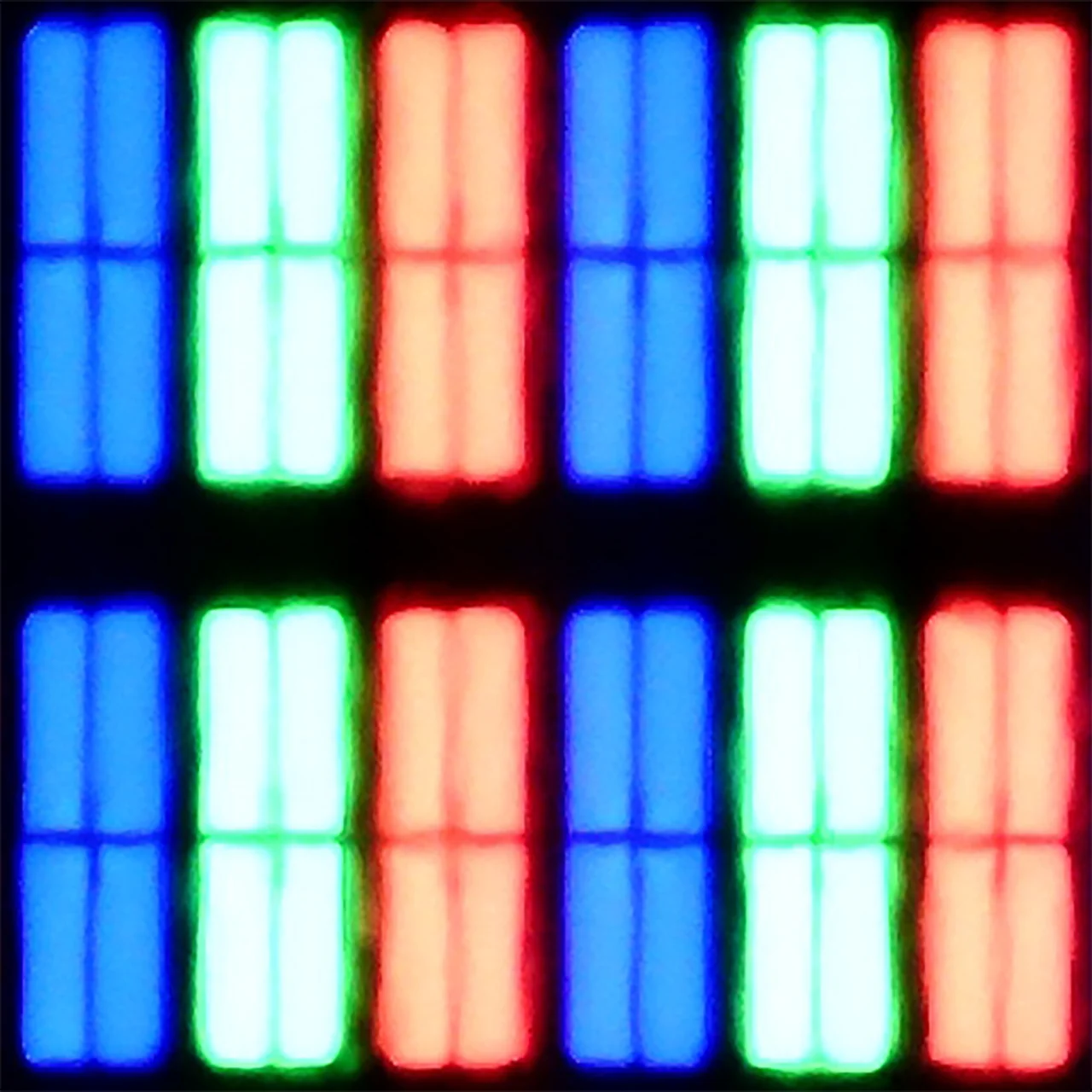
Matrix subpixel arrangement
BGR
BGR
Max refresh rate
60Hz
60Hz
G-Sync
No
Yes

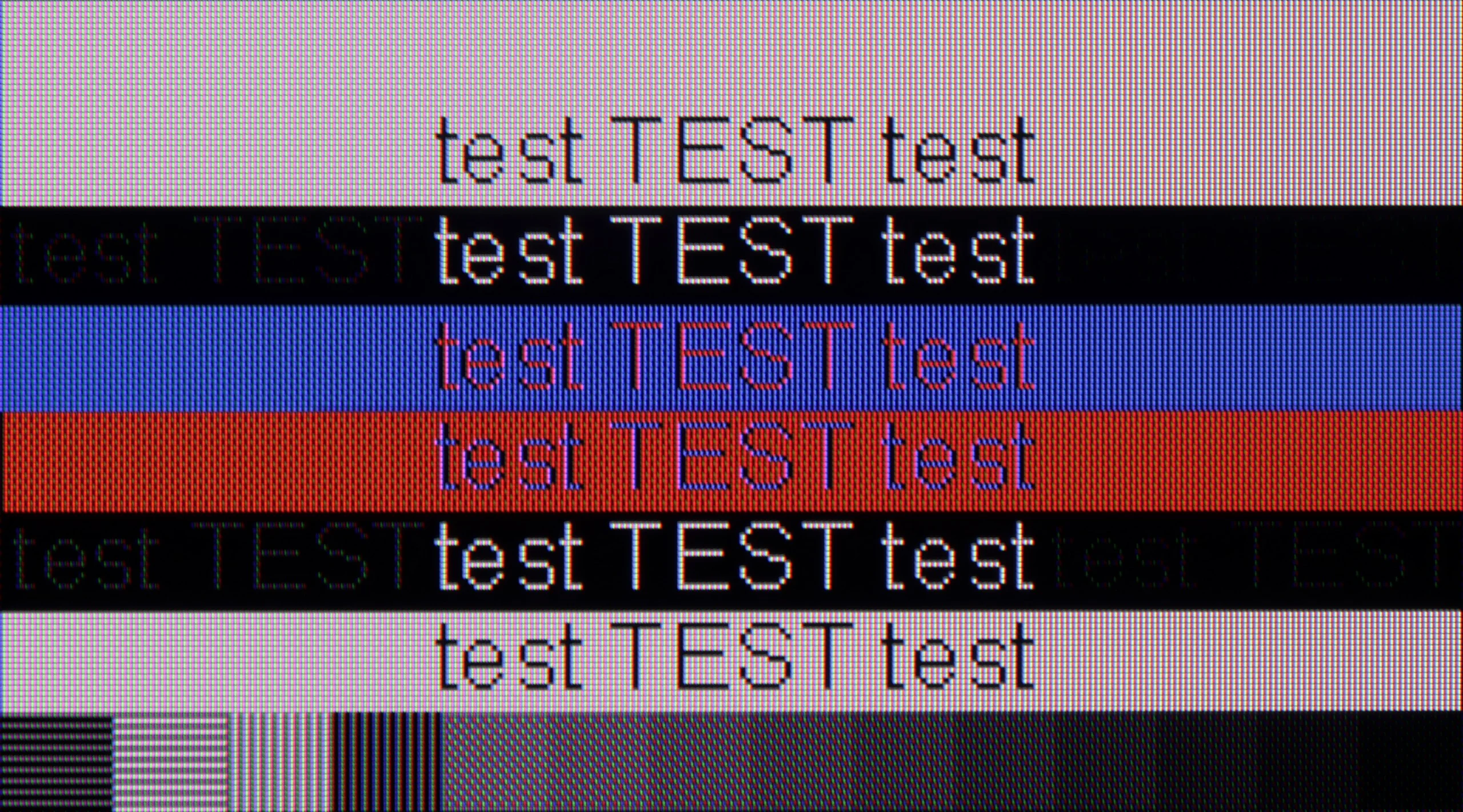
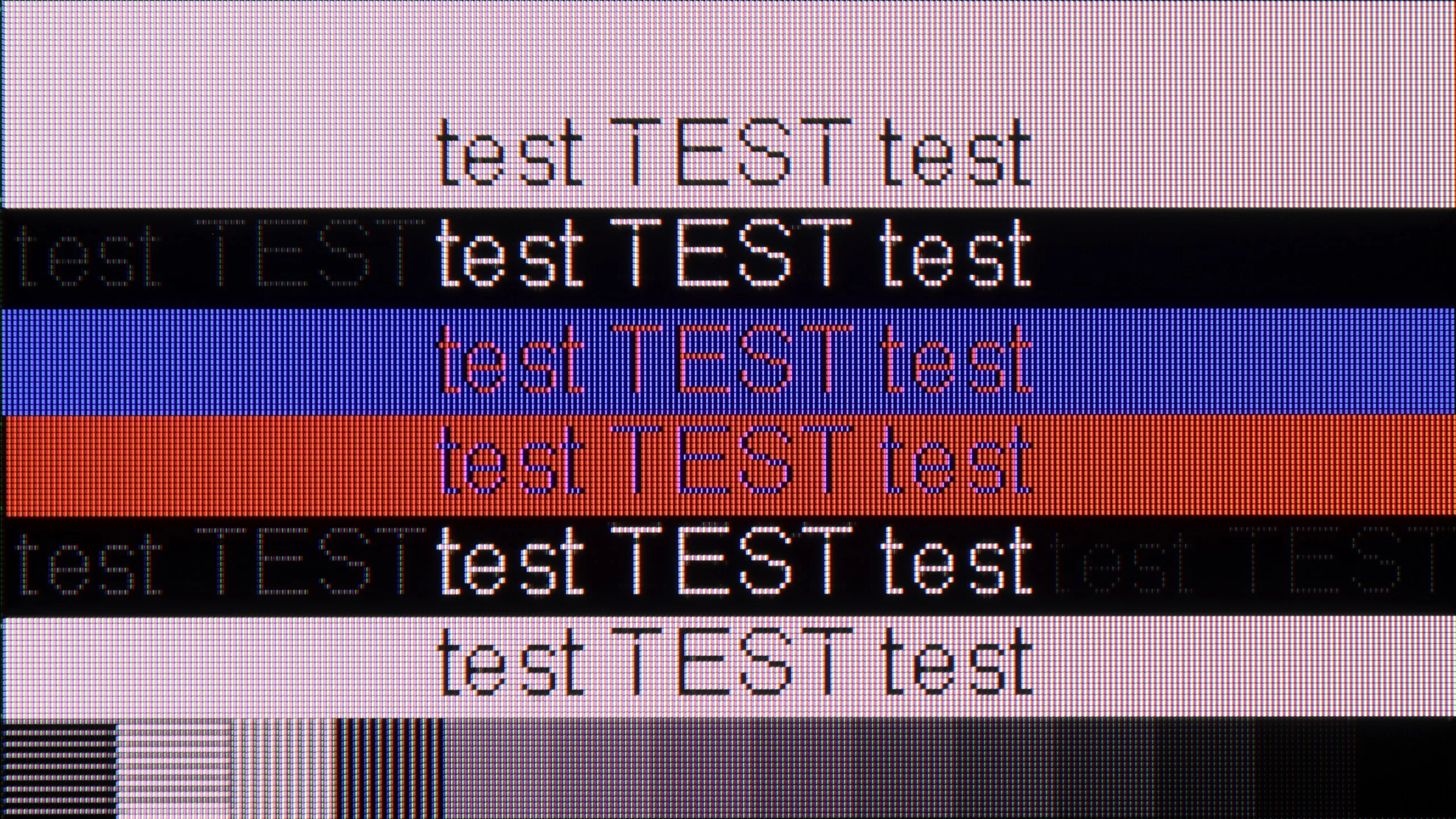
The photo shows the legibility of small fonts. Ideally, lines should be the same thickness on both light and dark text, with minimal pixel gaps.

When it comes to working with a PC on the PUS8560, it looks... quite strange. Chroma 4:4:4 is present in "Monitor" mode, but there is a problem with grey fonts – not all subpixels are lit, which results in the text appearing jagged. On the other hand, in "Game" mode – chroma 4:4:4 disappears, but the grey fonts look correct. In practice, we are therefore forced to juggle settings if we want to have perfectly readable text at all times. And what about gaming on the computer? Our opinion remains the same as for consoles – it is doable, but without fireworks. There is no variable refresh rate for G-SYNC graphics cards, and the refresh rate itself remains relatively low. However, we can once again highlight the very low input lag, which saves the situation in dynamic games.

The TCL P7L is probably not the first choice for office work. The TV correctly supports 4:4:4 chroma, so text itself remains fairly sharp, but the BGR subpixel layout causes some issues with its appearance. On the vertical edges of letters you can notice small artefacts and characteristic "dots" that can be distracting when sitting close to the screen. For occasional browsing or working with documents this isn't a major problem, but as a monitor for daily text work the P7L performs rather averagely.

It looks much better for PC gaming. Low input lag, support for G-Sync and VRR mean the TV works well with the graphics card, and at lower resolutions you can also make use of 120 Hz. In 4K we're still limited to 60 Hz, but if the computer is intended mainly for gaming the P7L makes much more sense in that role than as a typical work monitor.

Viewing angles

3.3/10

3.2/10

Brightness drop at an angle of 45 degrees
68%
84%

The viewing angles on the PUS8560 are precisely what one would expect from a VA panel - it's not the best. The image loses quality even with a slight shift off-axis – colours become washed out and black begins to resemble a dark navy. This is, of course, the price paid for the better contrast that VA offers when viewed directly. In the case of our 55-inch model, this is still acceptable, especially if the television is positioned perfectly opposite the sofa. However, with larger screen sizes or a less central placement in the living room – it could become a problem for comfortable viewing.

Viewing angles on the TCL P7L are rather poor, which is typical for a VA panel. It is precisely because of that panel that the TV offers higher contrast and better blacks, but the price for that is a noticeable fall in image quality when you view the screen from the side. You only have to move a little off axis for colours to start losing saturation and for blacks to turn greyer. For that reason the P7L performs best when you are sitting as directly in front of the screen as possible. On a larger sofa and when watching with several people, the seats at the sides will be noticeably less comfortable.
Daytime performance

4.9/10

5.2/10

Panel finish
Satin
Satin
Reflection suppression
Decent
Decent
Black levels during daytime
Good
Good

Panel brightness

TCL P7L / P79L: 364 cd/m2

Philips PUS8500 : 331 cd/m2

The PUS8560 performs moderately during the day. The satin matrix coating quite effectively dampens reflections, which means that light from windows or lamps does not interfere too much. The blacks also look decent for a VA panel – even in daylight, there are no significant losses in contrast. However, all the charm fades when it gets really bright. The panel's brightness is around 300 nits, which is definitely too little to speak of full comfort in a heavily lit room. In such conditions, the PUS8560 simply needs to be aided by blinds – otherwise, the image begins to look rather pale.

By day the TCL P7L copes quite well, although much depends on the TV’s position relative to windows. The screen’s satin coating disperses reflections fairly effectively, so under normal living-room lighting the picture stays readable and doesn’t immediately turn into a mirror. Black levels also look good, and in daylight the blacks don’t lose too much depth. The limitation, however, is brightness. Around 360 nits is enough for normal viewing in a moderately bright room, but with strong sunlight falling directly on the screen the P7L starts to lose out to its surroundings. It will therefore be fine for a typical living room, but if the TV is to sit opposite a large window or you mainly watch in a very bright room, it’s worth bearing that in mind.
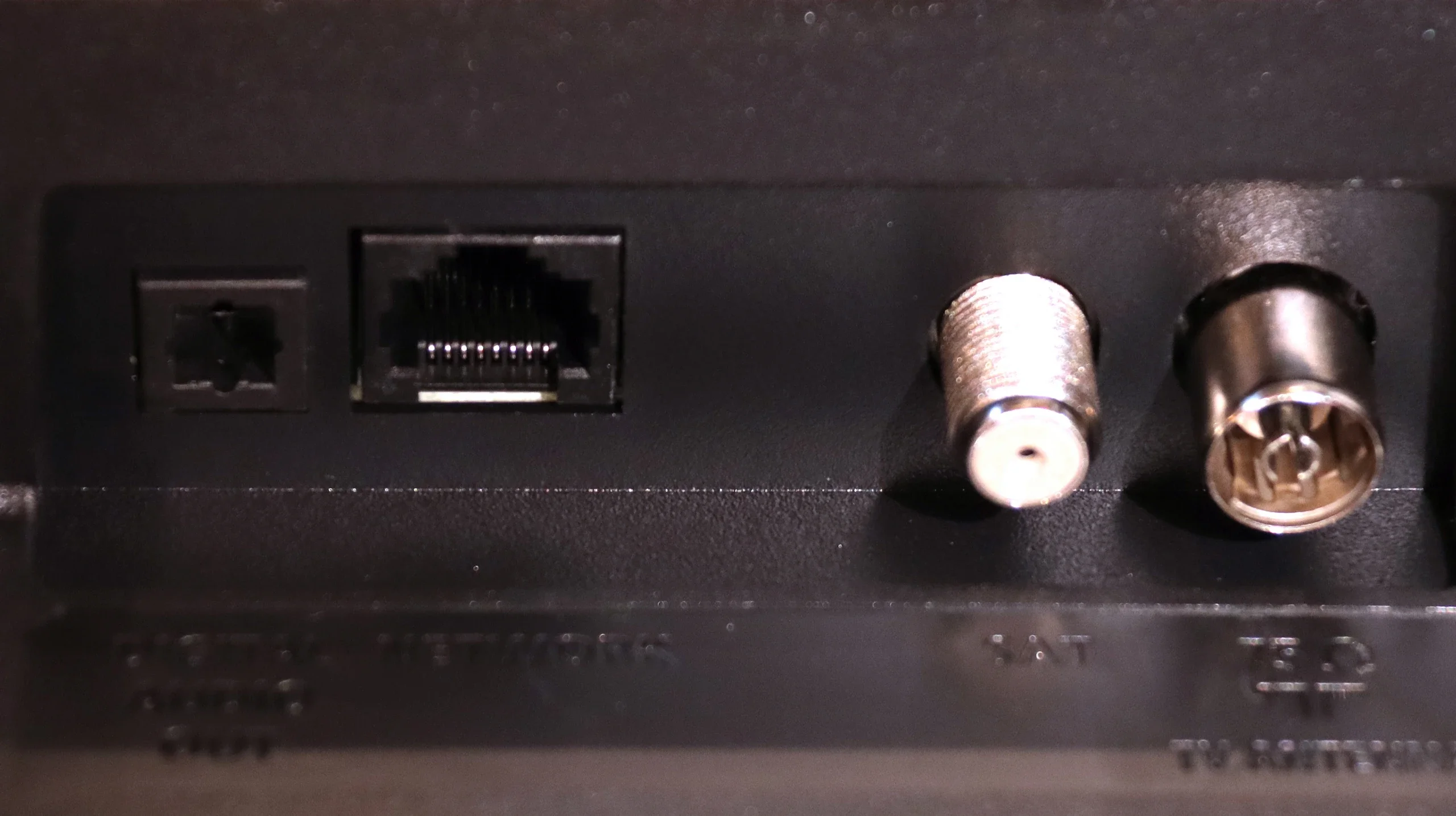
Panel details

Backlight Type
PFS LED
PFS LED
Software version during testing
TPN256E_V056.002.127.051
v8-0008t01-lf1v534.002065
Image processor

Subpixel Structure:

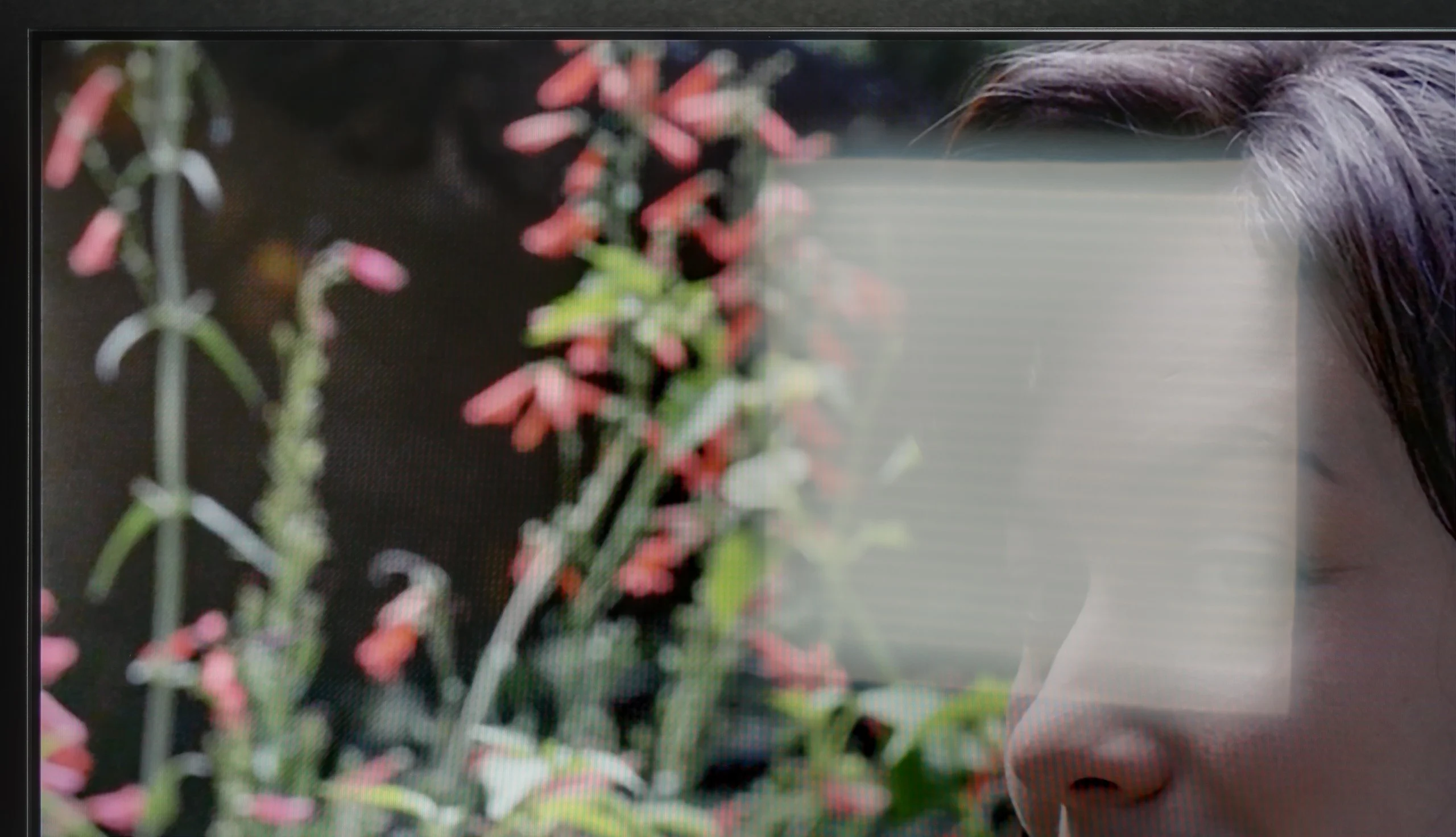
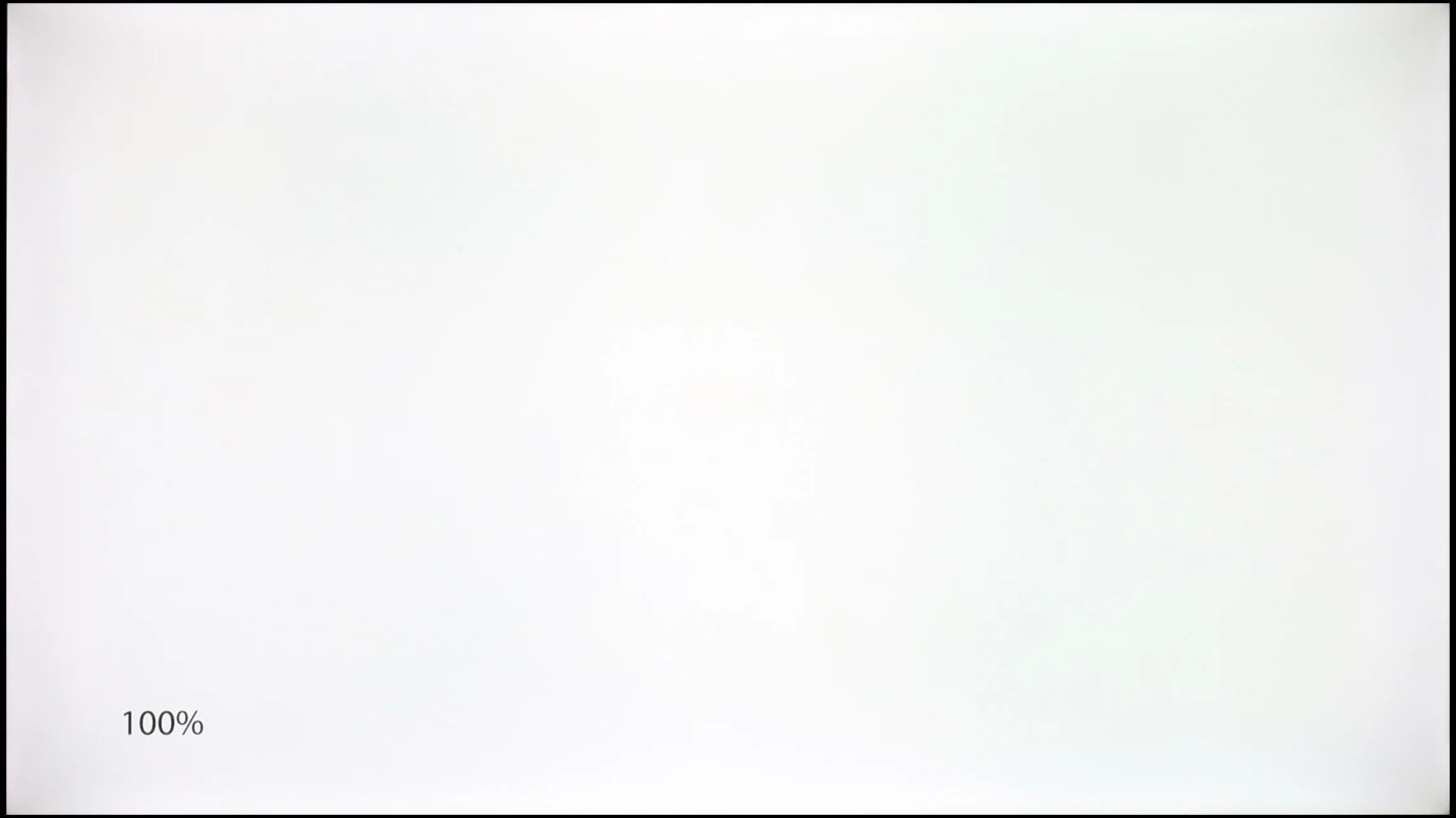
Panel uniformity and thermal imaging:

Review Philips PUS8500 TV Panel details
Review TCL P7L / P79L TV Panel details

Philips PUS8500

TCL P7L / P79L

TV features

4.8/10

7/10

  • System
    Titan OS
    Google TV
  • System performance
    Average
    Decent
  • HDMI inputs
    3 x HDMI 2.0, 0 x HDMI 2.1
    3 x HDMI 2.0, 0 x HDMI 2.1
  • Outputs
    Toslink (Optical audio), eARC (HDMI), ARC (HDMI), Mini-Jack (Headphones)
    Toslink (Optical audio), eARC (HDMI), ARC (HDMI)
  • Network Interfaces
    Wi-Fi 2.4GHz, Wi-Fi 5GHz, Ethernet (LAN) 100Mbps
    Wi-Fi 2.4GHz, Wi-Fi 5GHz, Ethernet (LAN) 100Mbps
  • TV reception
    DVB-T, DVB-T2, DVB-S, DVB-S2, DVB-C
    DVB-T, DVB-T2, DVB-S, DVB-S2, DVB-C

Classic features:

  • Recording to USB (terrestrial TV)
    No
    No
  • Recording programming
    No
    No
  • Picture in Picture (PiP)
    No
    No
  • RF remote control (no need to aim)
    No
    Yes
  • Backlit remote control
    Yes
    No
  • Teletext
    Yes
    Yes
  • Audio only mode
    Yes
    Yes
  • Bluetooth headphones support
    Yes
    Yes
  • Simultaneous Bluetooth headphones & TV audio
    No
    Yes

Smart features:

  • AirPlay
    No
    Yes
  • Screen mirroring (Windows Miracast)
    No
    Yes
  • Voice search
    Yes
    Yes
  • Voice search in native language
    No
    Yes
  • Ability to connect a keyboard and mouse
    Yes
    Yes
Review Philips PUS8500  TV features
Review TCL P7L / P79L TV features

Sound connection options

  • HDMI audio
    eARC (HDMI), ARC (HDMI)
    eARC (HDMI), ARC (HDMI)
  • Other audio outputs
    Toslink (Optical audio), Mini-Jack (Headphones)
    Toslink (Optical audio)
  • Wireless audio
    Bluetooth
    Bluetooth

Supported audio formats (external HDMI eARC audio):

  • Dolby Digital Plus 7.1
    Yes
    Yes
  • Dolby True HD 7.1
    Yes
    No
  • Dolby Atmos in Dolby Digital Plus (JOC)
    Yes
    Yes
  • Dolby Atmos in Dolby True HD
    Yes
    No
  • DTS:X in DTS-HD MA
    Yes
    Yes
  • DTS-HD Master Audio
    Yes
    Yes

Senior accessibility

  • Numeric keyboard on TV
    Yes
    Yes
  • Font size adjustment
    No
    No
  • Audio description
    Yes
    Yes

Classic TV Features:

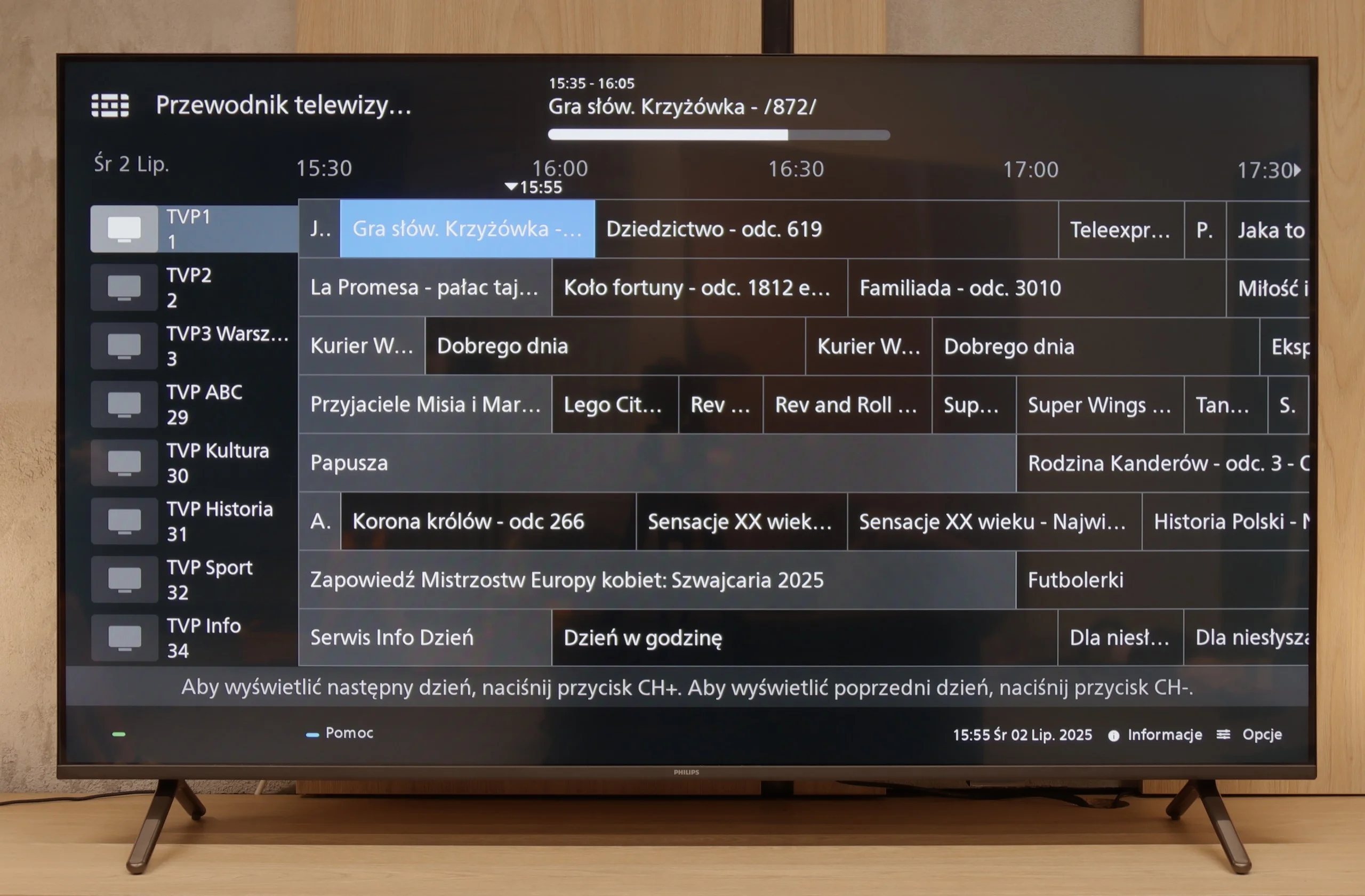
If you are looking for a television that "works" in the most basic sense – the PUS8560 will fulfil that role. In terms of classic features, we have a rather minimalist set. On the plus side, there is an electronic programme guide (EPG), teletext, a backlit remote control with a classic numeric keypad, and a headphone jack input. It sounds a bit like a dream set for seniors – and there is some truth to that. However, it must be stated clearly: this is a television with very limited capabilities. We will not find recording functions from DVB tuners to USB here, nor is there a PiP mode or other conveniences known from more expensive models.

Smart TV:

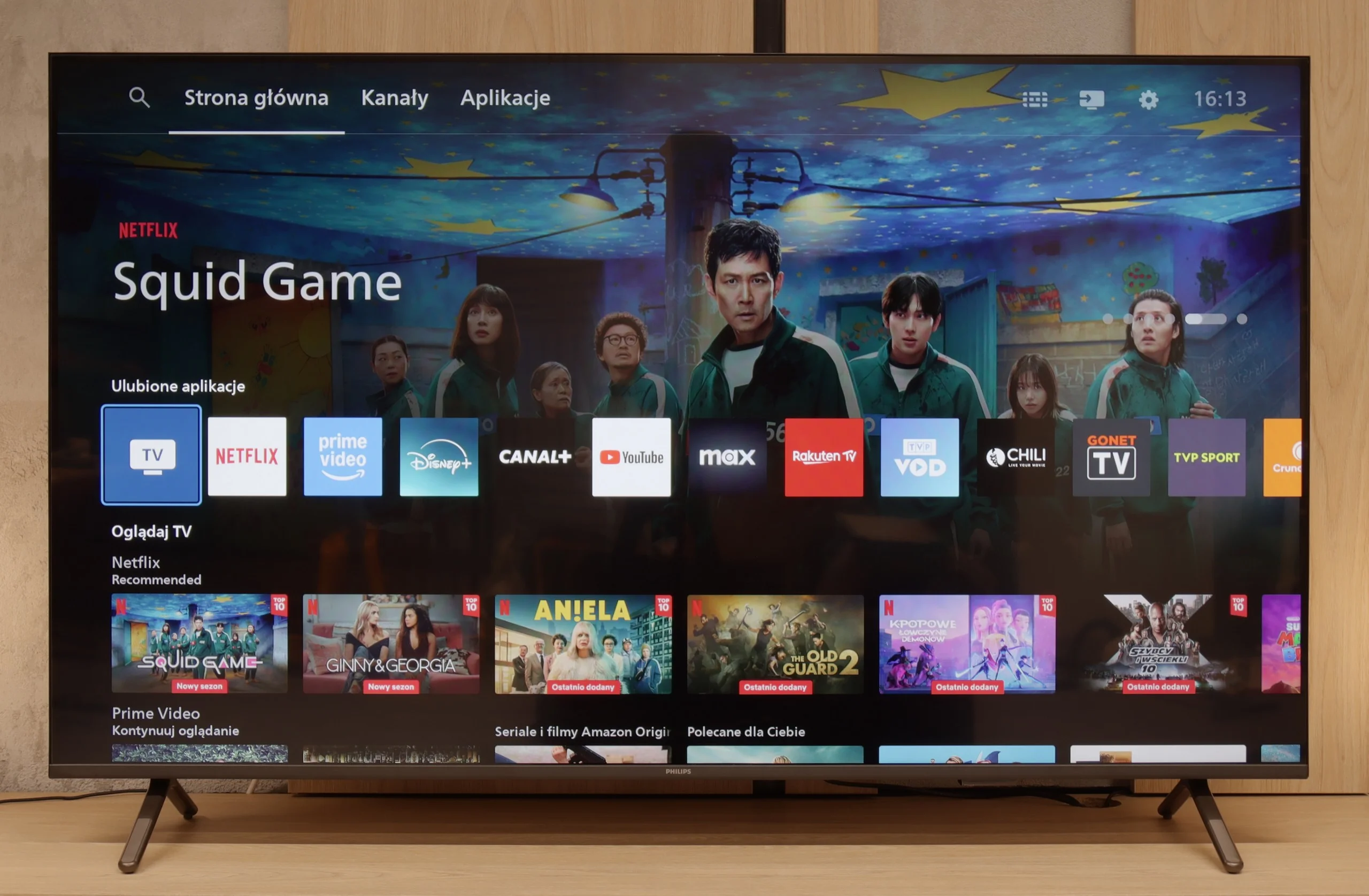
How does the SmartTV perform on the PUS8560? Well, this is where it gets a bit more complicated. The PUS8560 runs on the Titan OS, which in this particular implementation posed significant problems. Some features, although present "on paper," simply did not work. For example: Wireless screen mirroring functions, such as Chromecast or Miracast – we tried to activate them from several different phones and laptops… without success. Perhaps this will be fixed in the future, but at the time of testing – it did not work. Additionally, the system's speed left much to be desired – switching between applications or home screens was simply slow. A considerable portion of the menu functions seems to be well hidden in the depths of a poorly organised system. To make matters worse, the library of available applications is quite limited. Even though the situation with applications is better than last year, it is still far from ideal. The situation tries to be salvaged by a modern remote – slim, elegant, backlit, and really well made. Unfortunately, it operates on classic infrared, so you have to aim it at the screen. The only exception is voice control, which works via Bluetooth… it’s just a pity that it doesn’t support Polish.

Smart TV

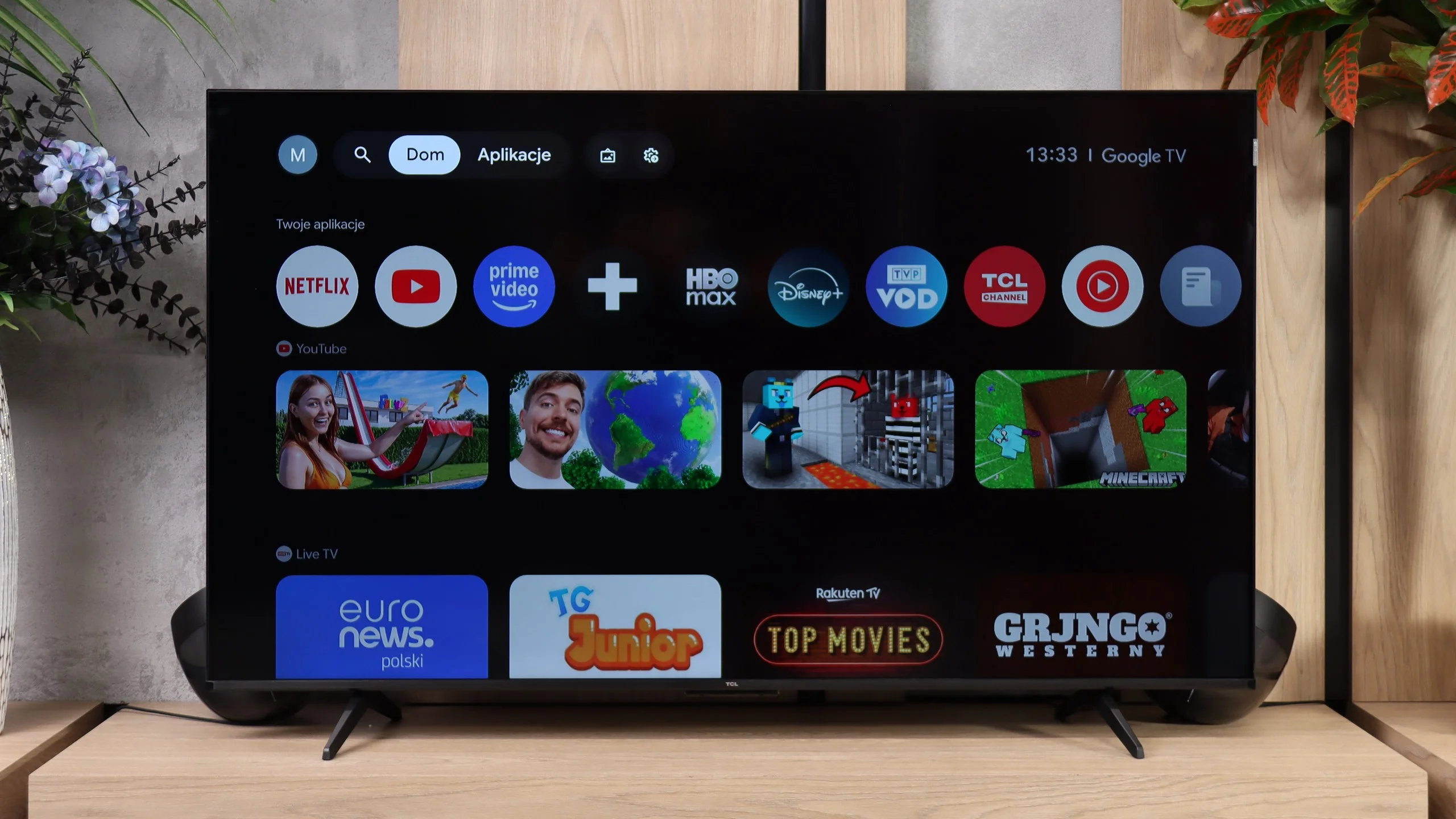
The TCL P7L runs on Google TV and that is definitely one of this model’s stronger points. The system provides access to virtually all popular streaming apps, and it also supports AirPlay, casting from other devices and voice search, including Polish. The interface itself performs decently, it isn’t as fast as on more expensive sets, but for everyday use it shouldn’t be particularly irritating.

TV features

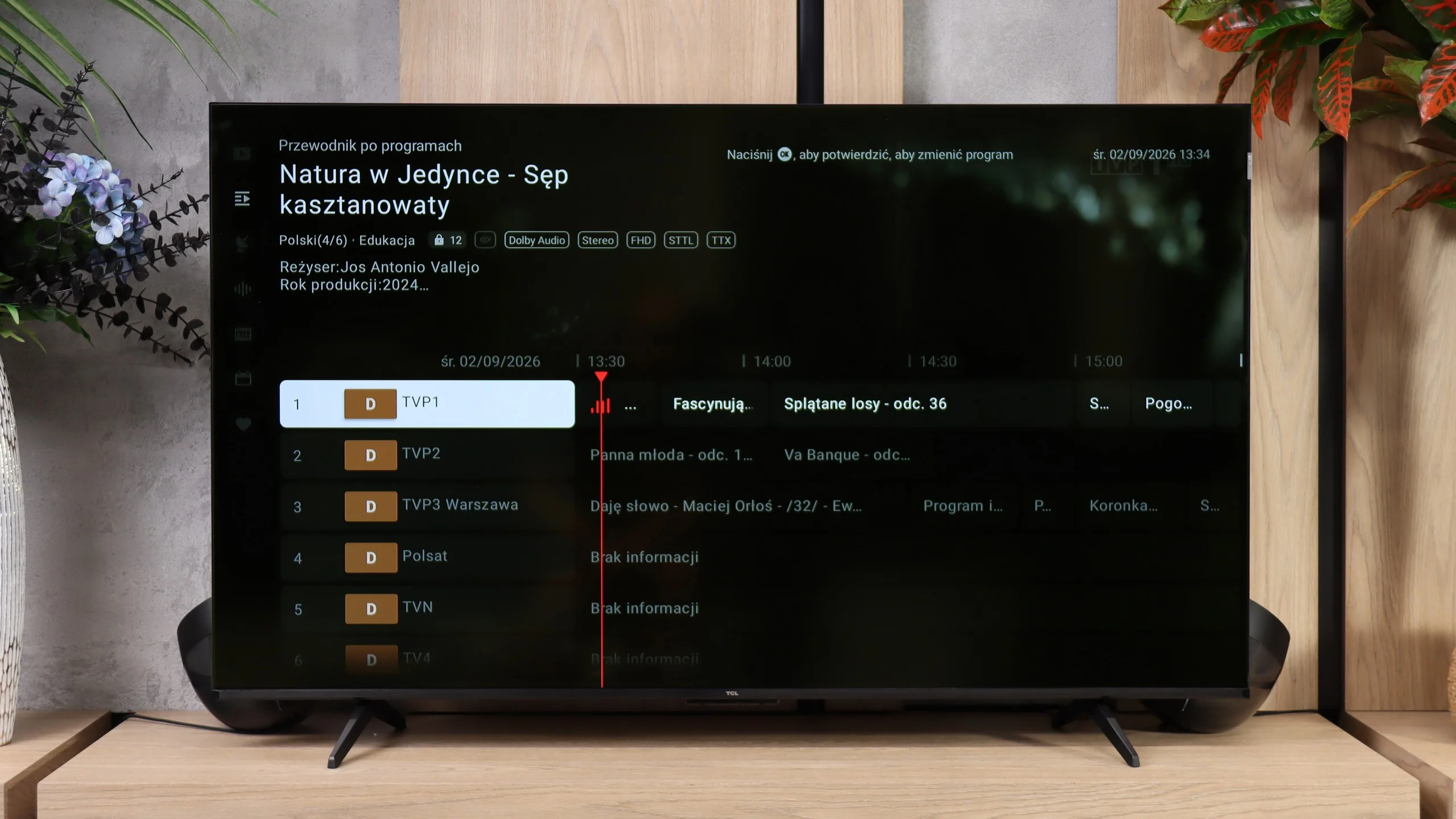
When it comes to more traditional features the P7L is clearly a simpler television. It lacks recording to USB, scheduling recordings and picture-in-picture, so people used to those extras on older TVs may miss them. What remains are the basics: such as teletext, an audio-only mode, Bluetooth headphone support and the option to play audio simultaneously through the TV speakers and headphones. The remote uses radio signals, so you don’t have to point it directly at the screen, which is simply handy in everyday use.

Apps

6.7/10

9.6/10

OK
Disney_Plus
OK
Amazon_Prime_Video
OK
Player_TVN
OK
Polsat_Box_Go
OK
Canal_Plus_Online
OK
TVP_VOD
No
Apple_TV_Plus
No
SkyShowtime
OK
Rakuten
OK
CDA_Premium_Browser
No
Spotify
No
Tidal
OK
Netflix
OK
YouTube
OK
HBO_MAX
No
Kodi
No
Apple_music
No
Eleven_sports
No
Xbox Game Pass
No
GeForce NOW
No
Amazon Luna
OK
Boosteroid
No
Steam Link
OK
Disney_Plus
OK
Amazon_Prime_Video
OK
Player_TVN
OK
Polsat_Box_Go
OK
Canal_Plus_Online
OK
TVP_VOD
OK
Apple_TV_Plus
OK
SkyShowtime
OK
Rakuten
OK
CDA_Premium_Browser
OK
Spotify
OK
Tidal
OK
Netflix
OK
YouTube
OK
HBO_MAX
OK
Kodi
No
Apple_music
OK
Eleven_sports
No
Xbox Game Pass
OK
GeForce NOW
No
Amazon Luna
OK
Boosteroid
OK
Steam Link

Playing files from USB

8/10

8.7/10

Supported photo formats:

JPEG
Yes
Yes
HEIC
No
No
PNG
Yes
Yes
GIF
Yes
Yes
WebP
No
No
TIFF
No
Yes
BMP
Yes
Yes
SVG
No
No

Maximum photo resolution:

4 Mpix
Yes
Yes
6 Mpix
Yes
Yes
8 Mpix
Yes
Yes
10 Mpix
No
No
12 Mpix
No
No
16 Mpix
Yes
Yes
20 Mpix
No
No
24 Mpix
No
No
28 Mpix
No
No
32 Mpix
Yes
Yes

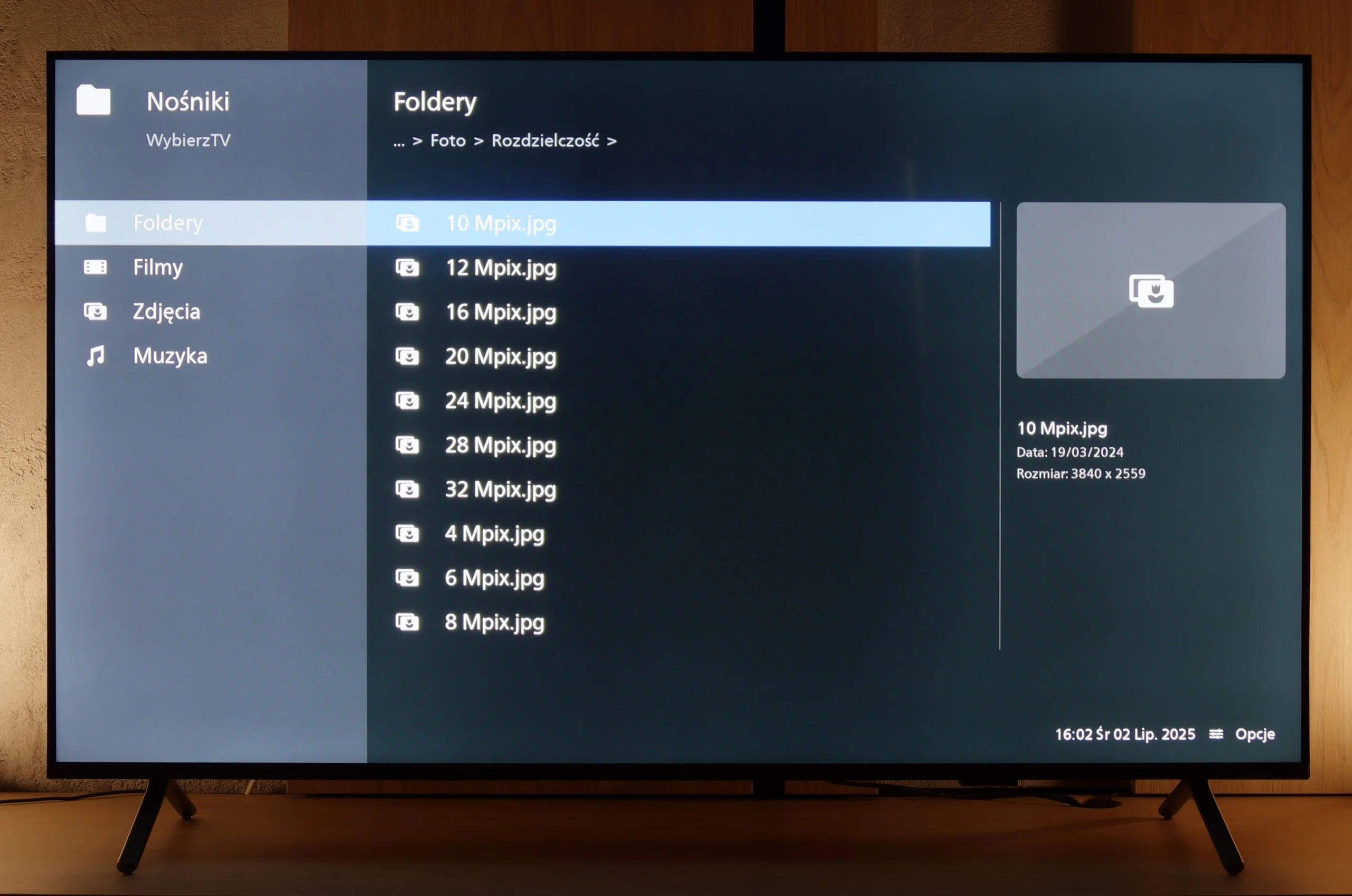
The PUS8560 handles the playback of most popular video and audio formats from a USB memory stick without any major issues, so there’s no point in detailing the compatibilities one by one. In everyday use, it should simply work – and it does. The only thing worth noting is the handling of images. Although the television easily recognises popular file extensions, there are instances when some images simply do not display when the graphic files have very high resolutions. This may not be a huge problem, but it’s good to keep it in mind, especially if we want to view photographs straight from the camera. Apart from that, the PUS8560 shouldn’t pose any significant issues with playing files from USB.

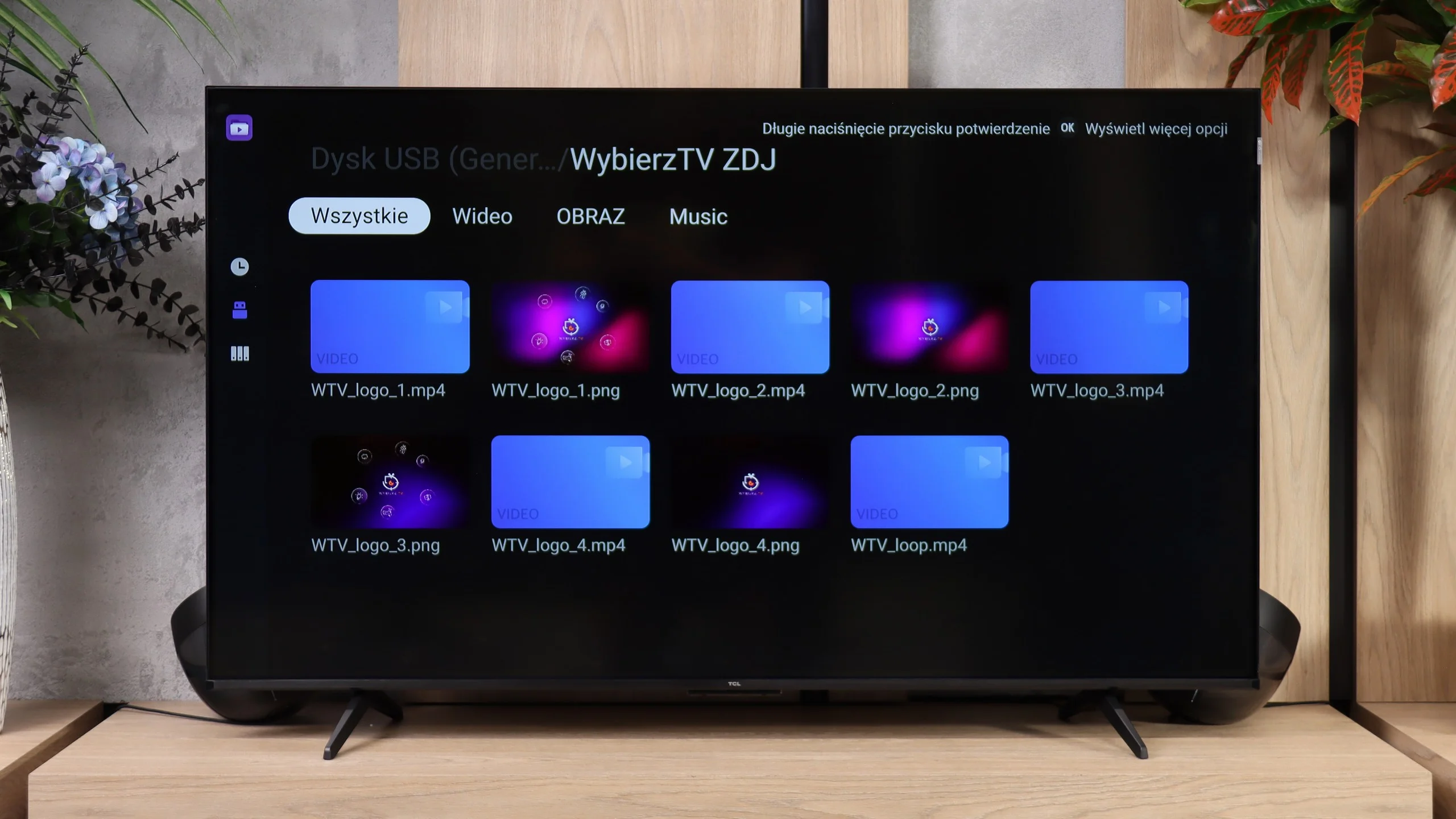
The built-in media player in the TCL P7L performs quite well. The TV handles most common video and subtitle formats and also easily plays 4K content encoded with newer codecs. It's perfectly adequate for occasional viewing of videos from a USB flash drive or external drive, and in that respect there's little to complain about. What proved most annoying, however, was displaying photos. The P7L did not always open higher-resolution files correctly and behaved somewhat selectively: some large photos worked, others did not. So if you plan to frequently browse photos on the TV straight from a camera or phone, it's worth bearing in mind.

Sound

6.2/10

6.2/10

  • Maximum volume
    -
    89dB
  • Dolby Digital Plus 7.1
    Yes
    Yes
  • Dolby True HD 7.1
    Yes
    No
  • Dolby Atmos in Dolby Digital Plus (JOC)
    Yes
    Yes
  • Dolby Atmos in Dolby True HD
    Yes
    No
  • DTS:X in DTS-HD MA
    Yes
    Yes
  • DTS-HD Master Audio
    Yes
    Yes

The television sounds quite pleasant and can confidently be regarded as having sufficient sound levels for most users – both for watching everyday programmes and for an evening viewing of a series. Moreover, a pleasant surprise is that even in this budget-friendly series, Philips has chosen to acquire licenses for full audio formats such as Dolby Atmos and DTS. This is great news for owners of home cinemas and soundbars, as it means full compatibility and no need to "fiddle around" with connecting external devices.

The sound on the TCL P7L is fairly conventional for a budget TV. The speakers can get quite loud and dialogue is clear, but they lack depth and, above all, bass. For regular TV, YouTube or news that setup is more than adequate, but in films and music you’ll quickly notice the sound is rather flat and thin. On the plus side, it supports a wide range of formats, including Dolby Atmos and DTS. However, the TV itself can’t turn those into a full surround effect, so if you want a more powerful sound, especially in the low end, a soundbar is definitely the better option.

Sound Quality Test

No sound test video

Acoustic Measurements

No acoustic data

89dBC (Max)

75dBC

Reader comments

Comments are provided by the external service Disqus (Zeta Global). Once loaded, Disqus may set cookies and process data about your activity.

We will remember your choice on this device. Provider's privacy policy