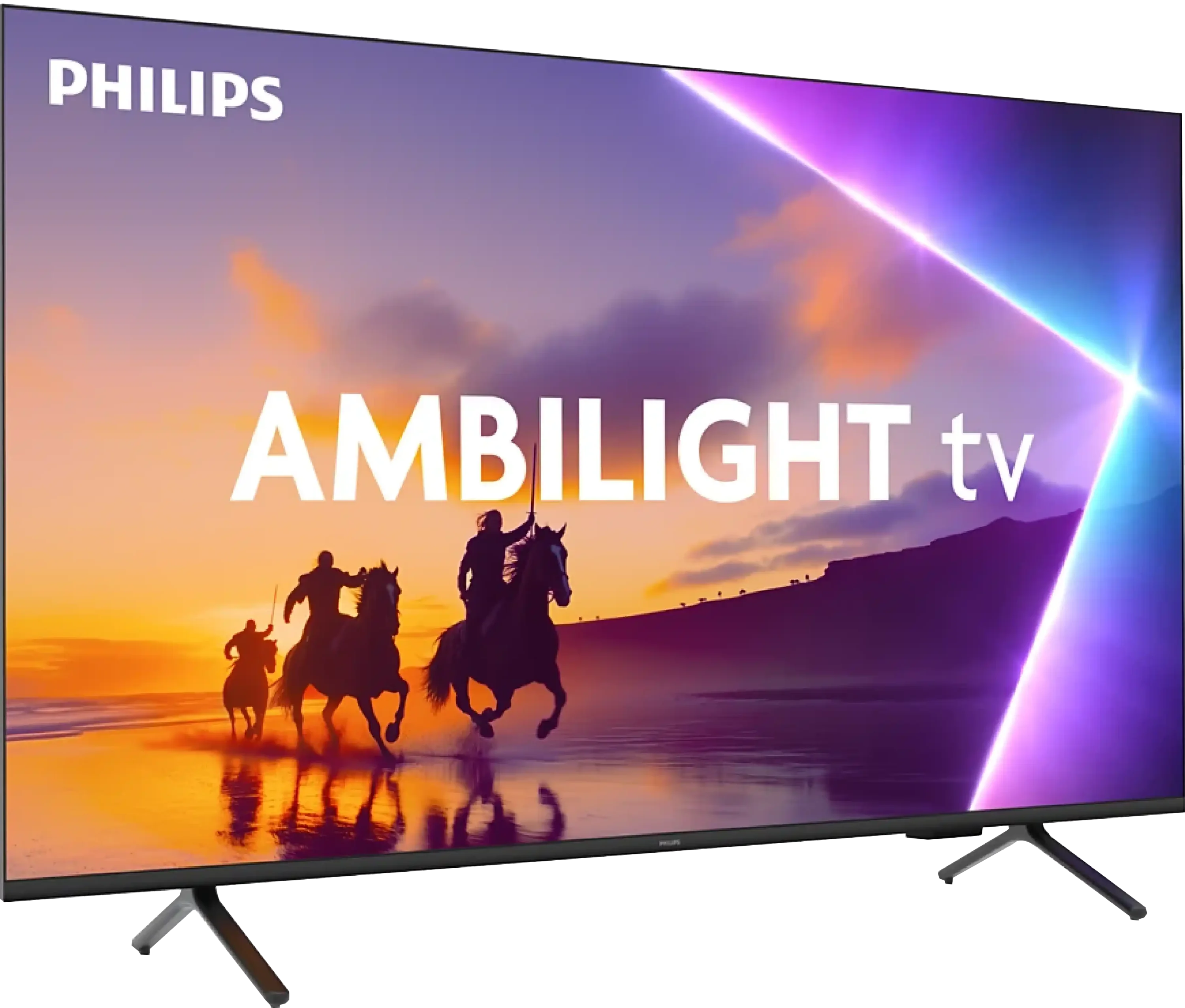
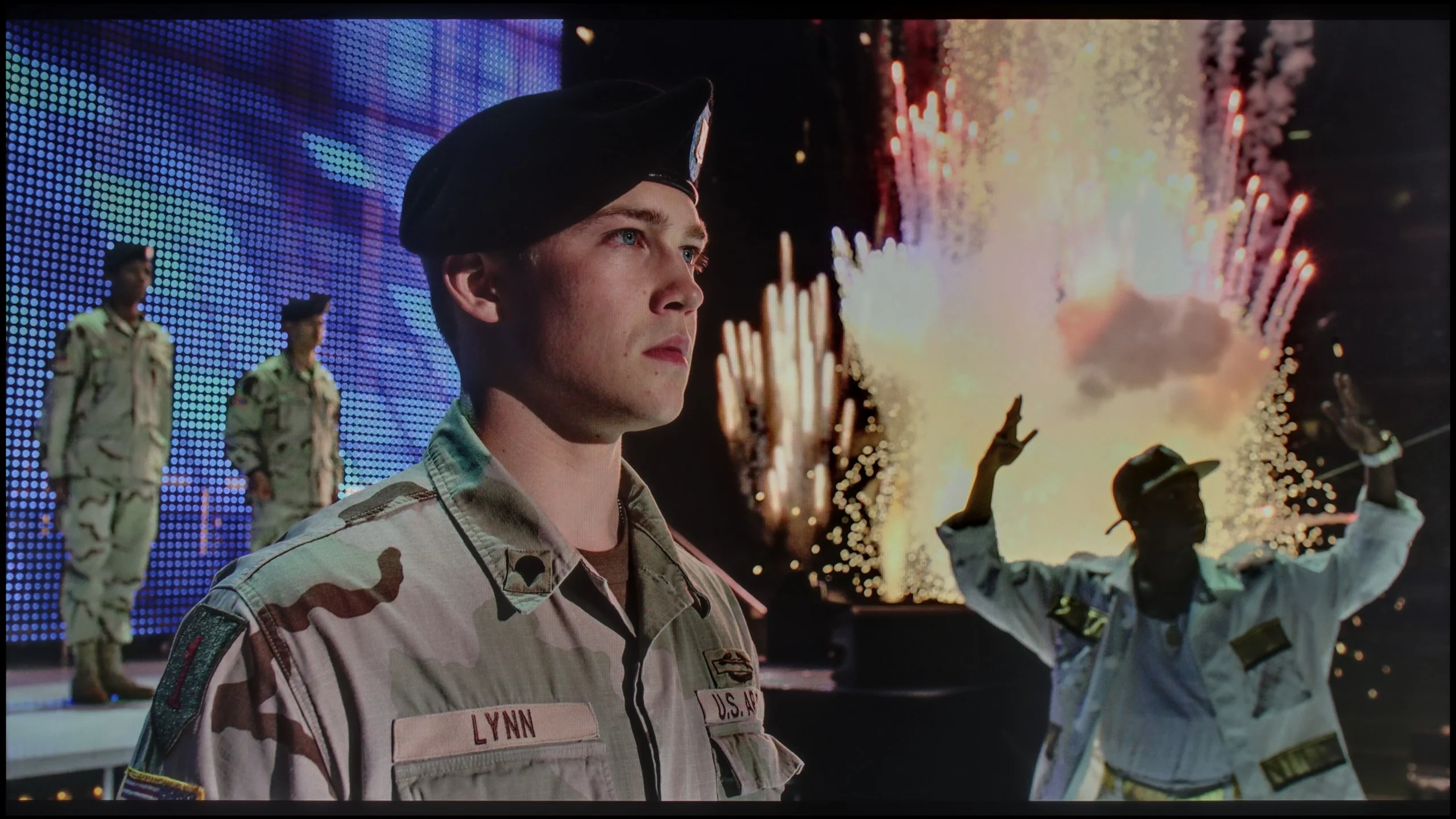
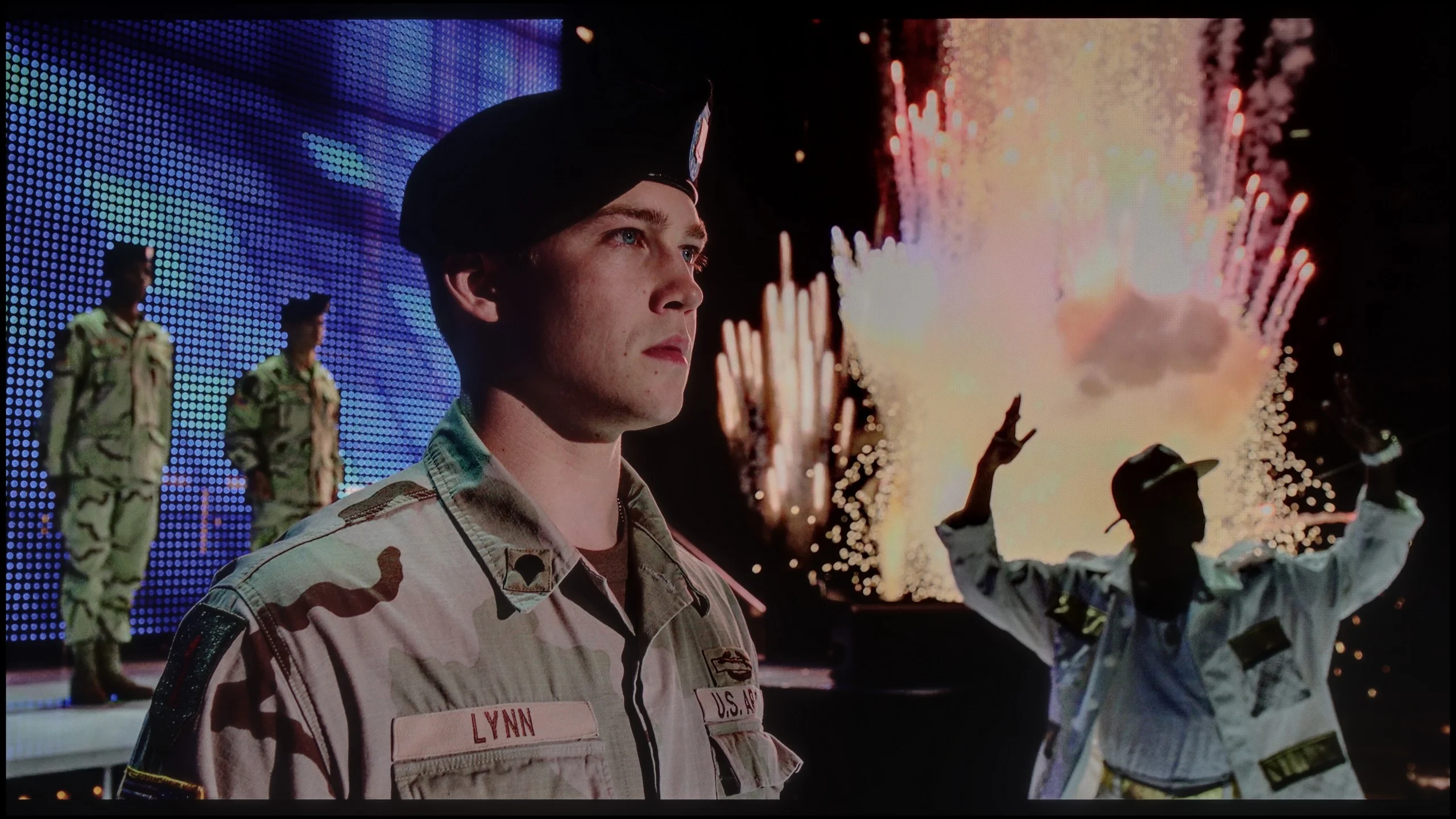
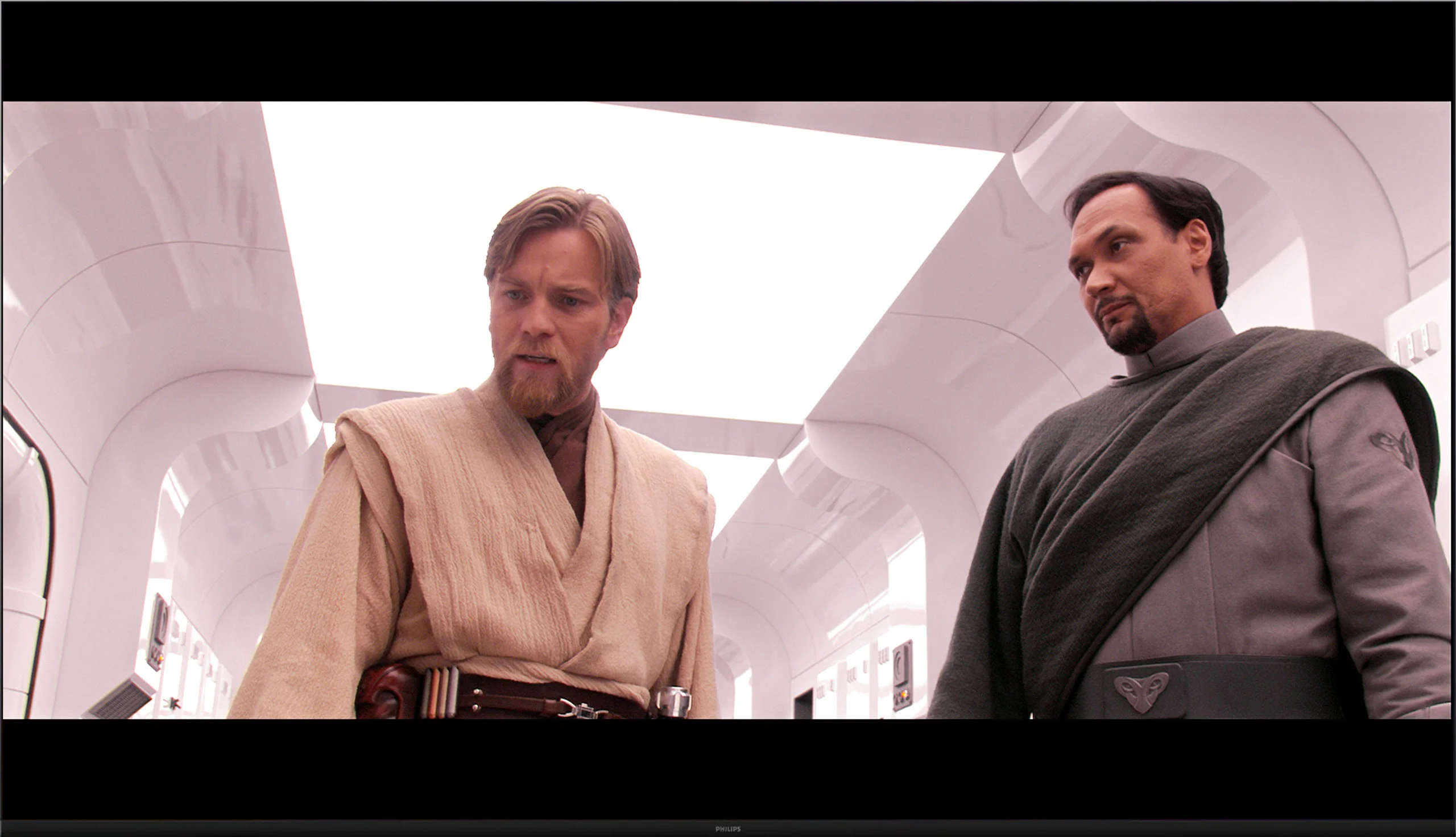
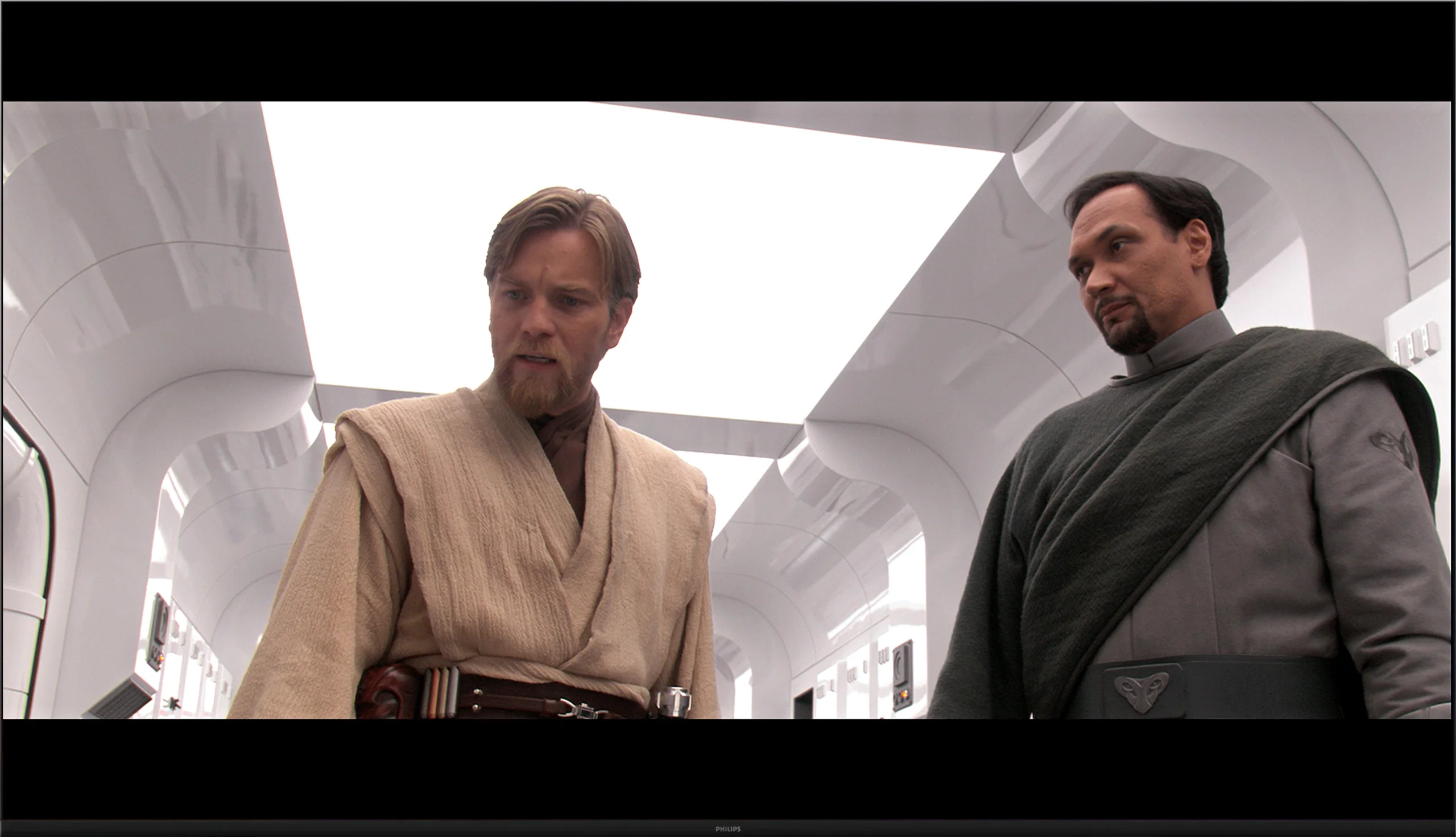
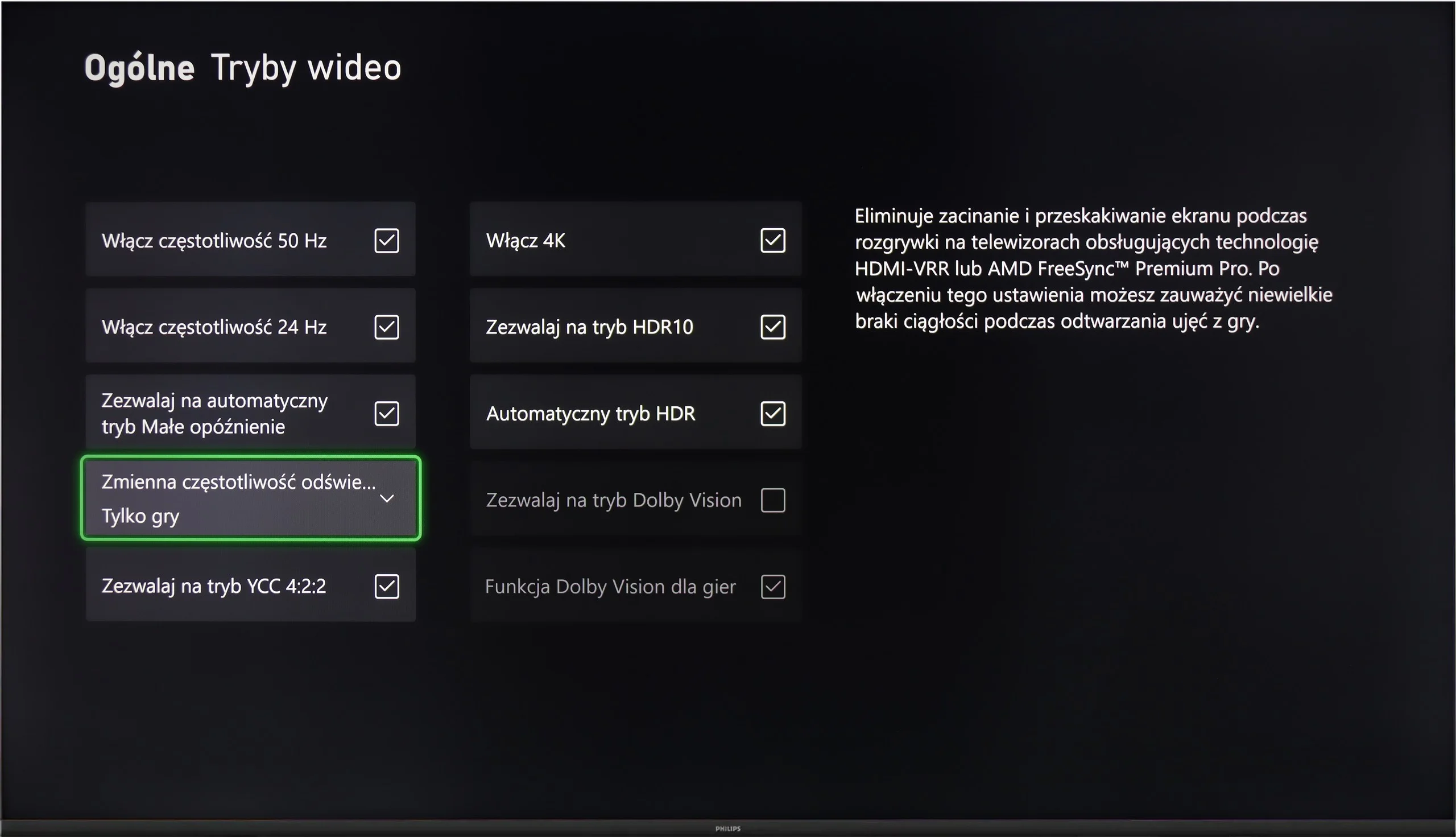
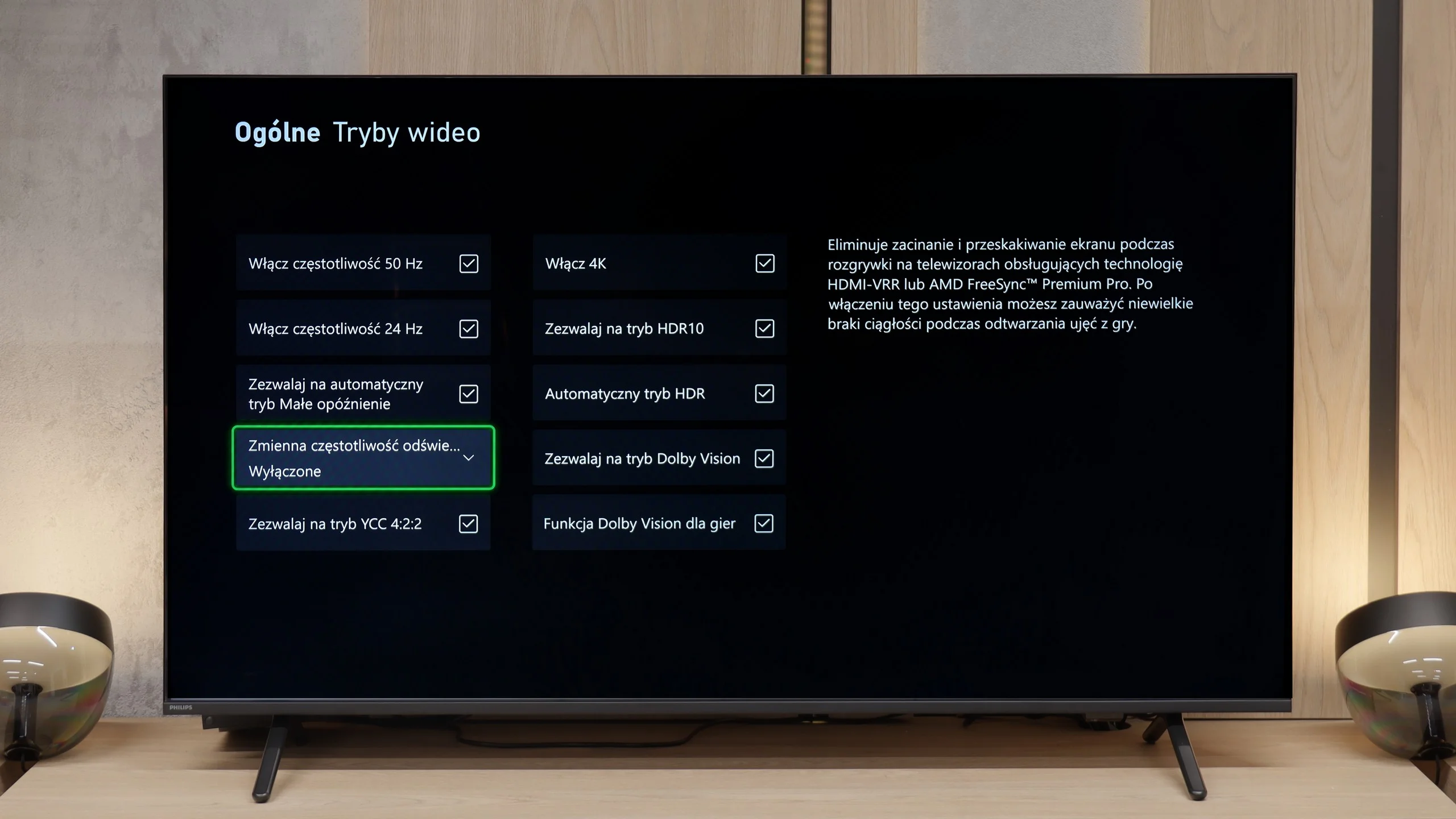
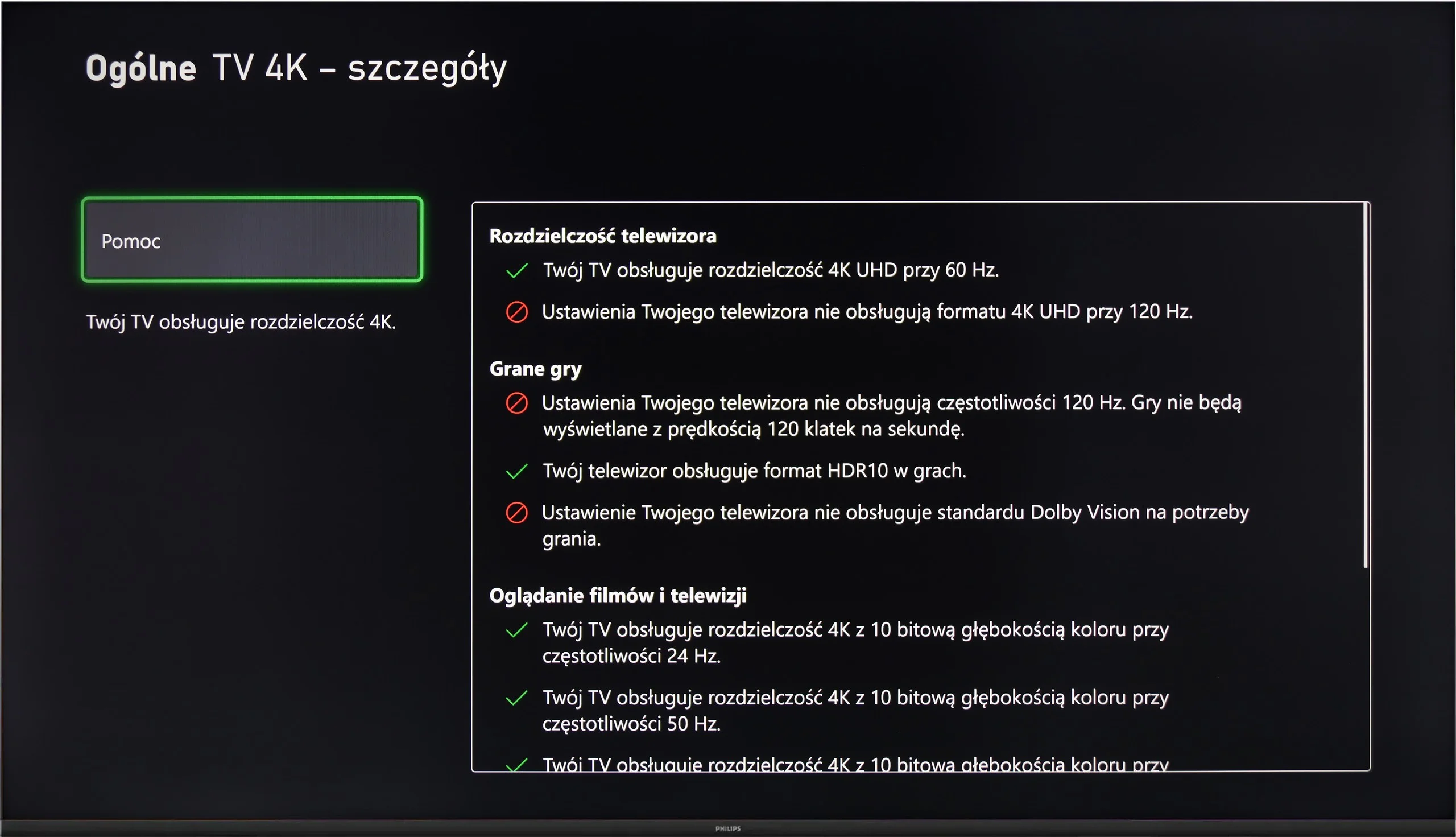
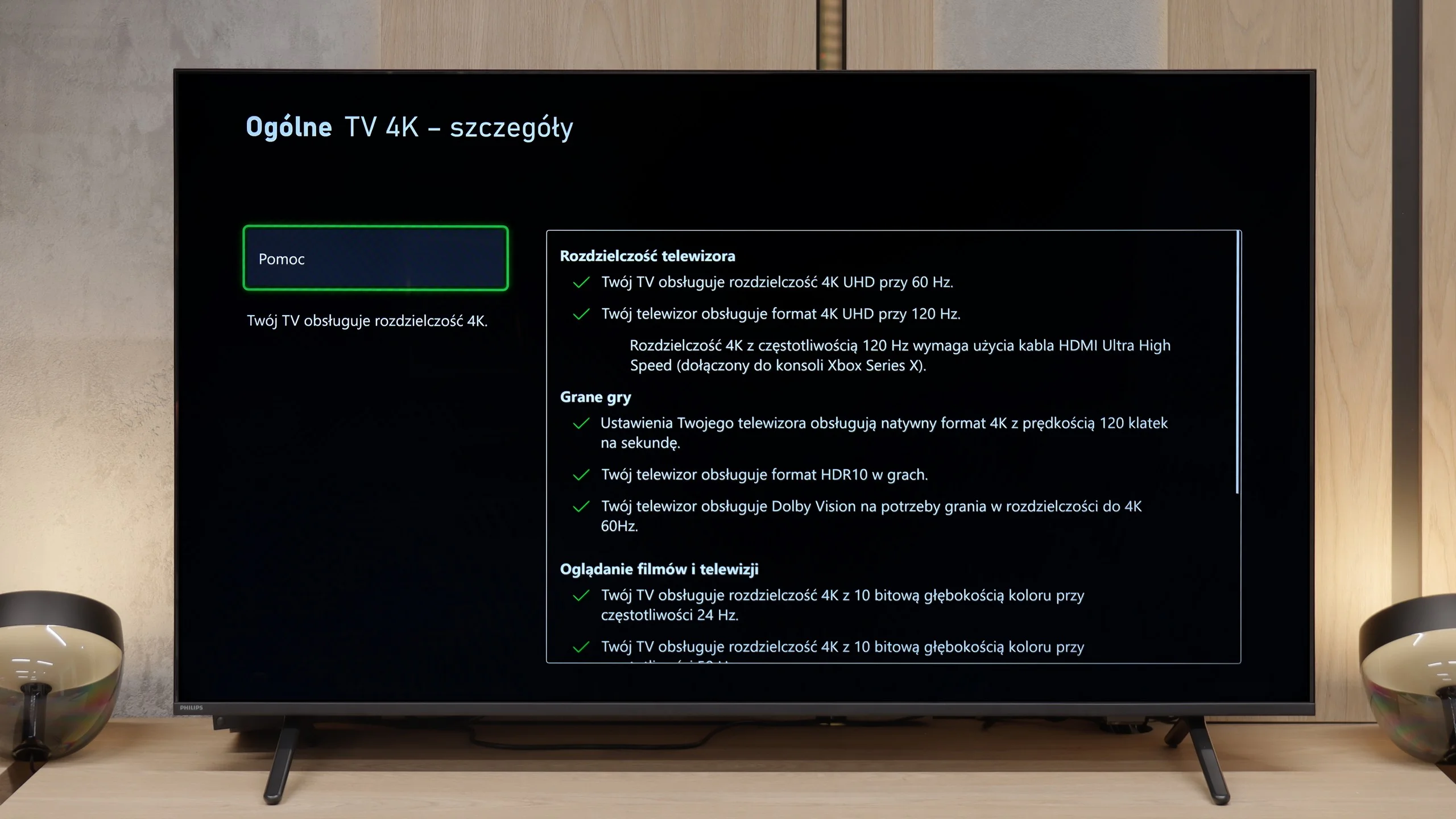
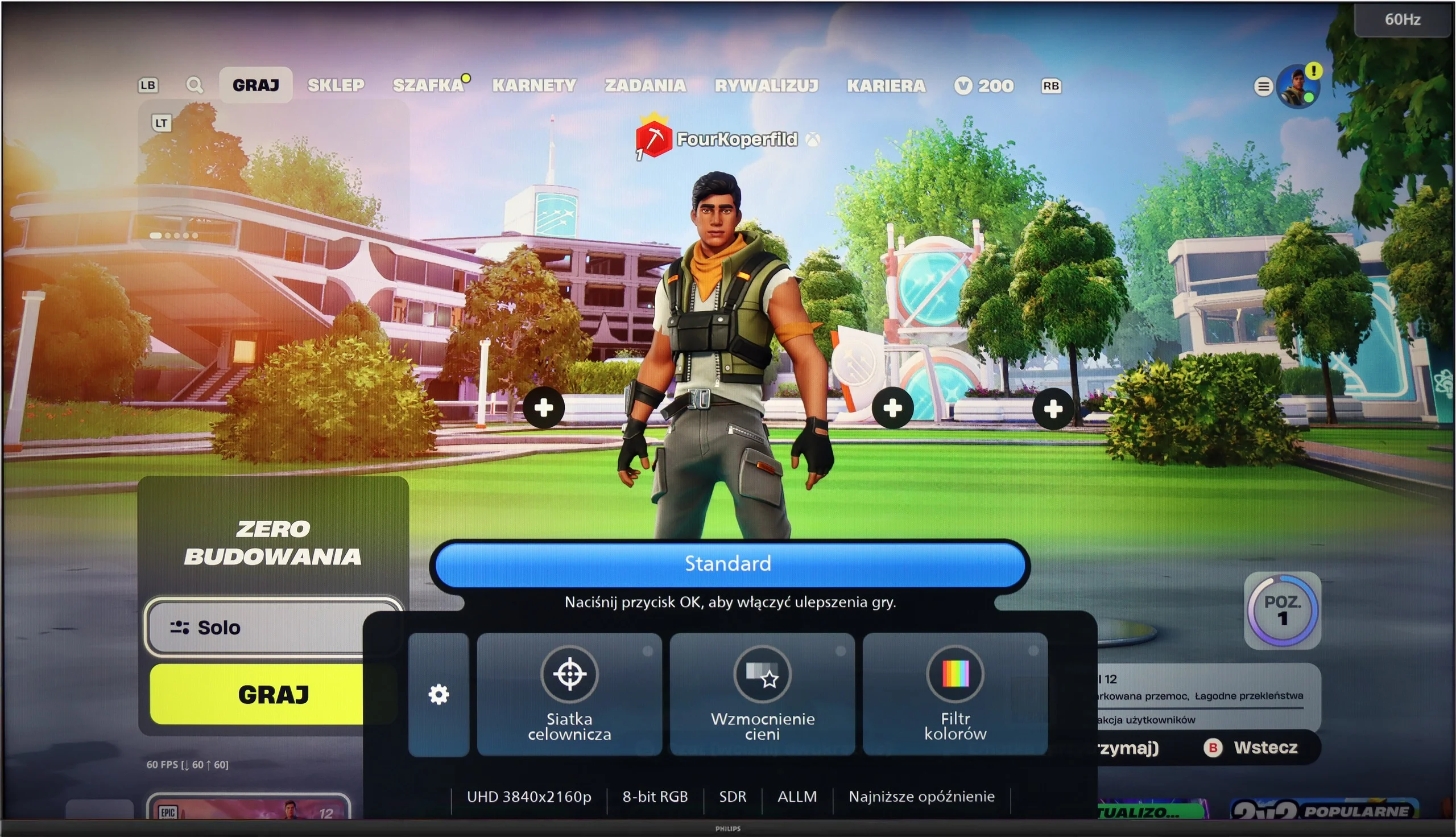
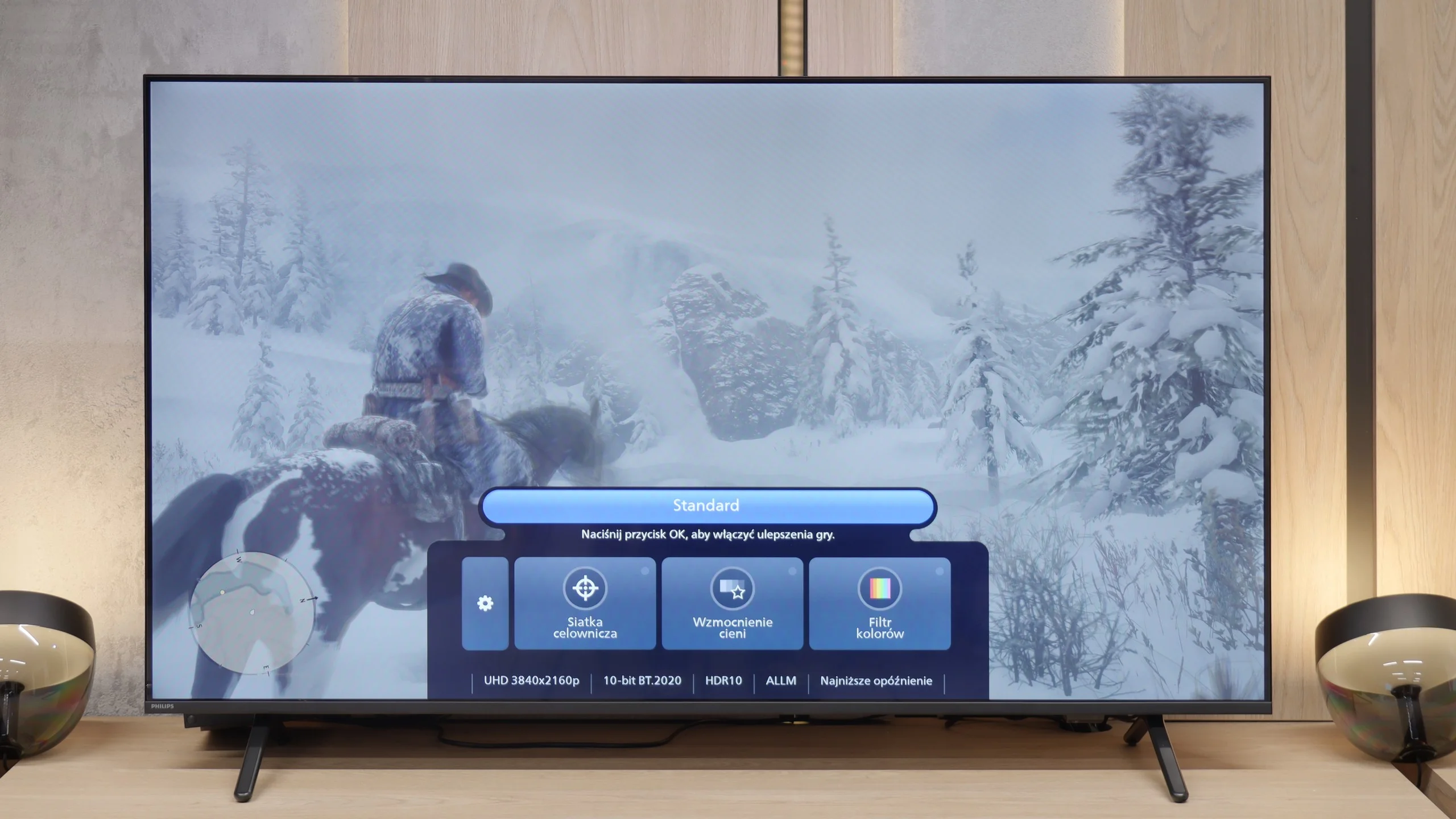
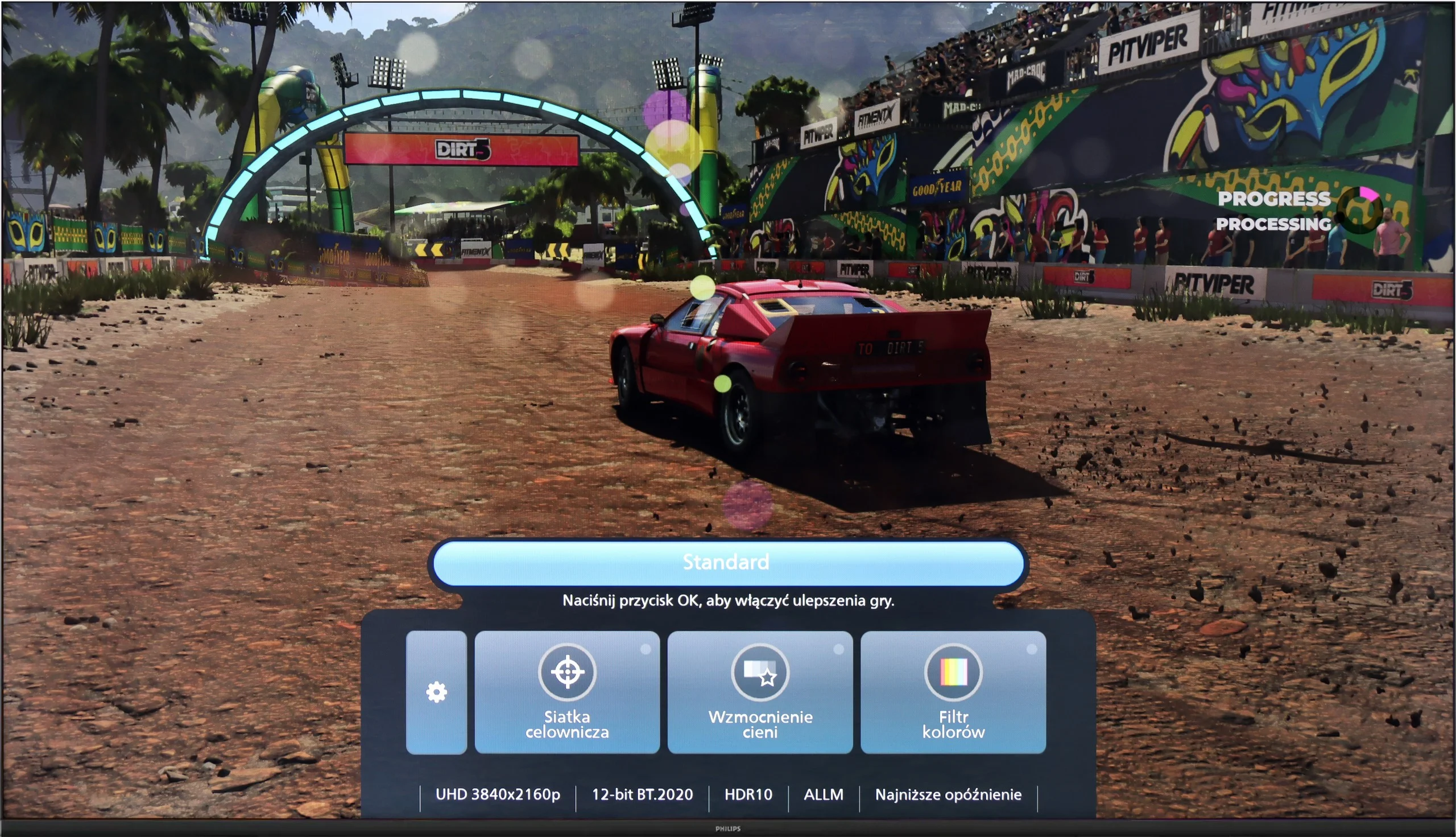
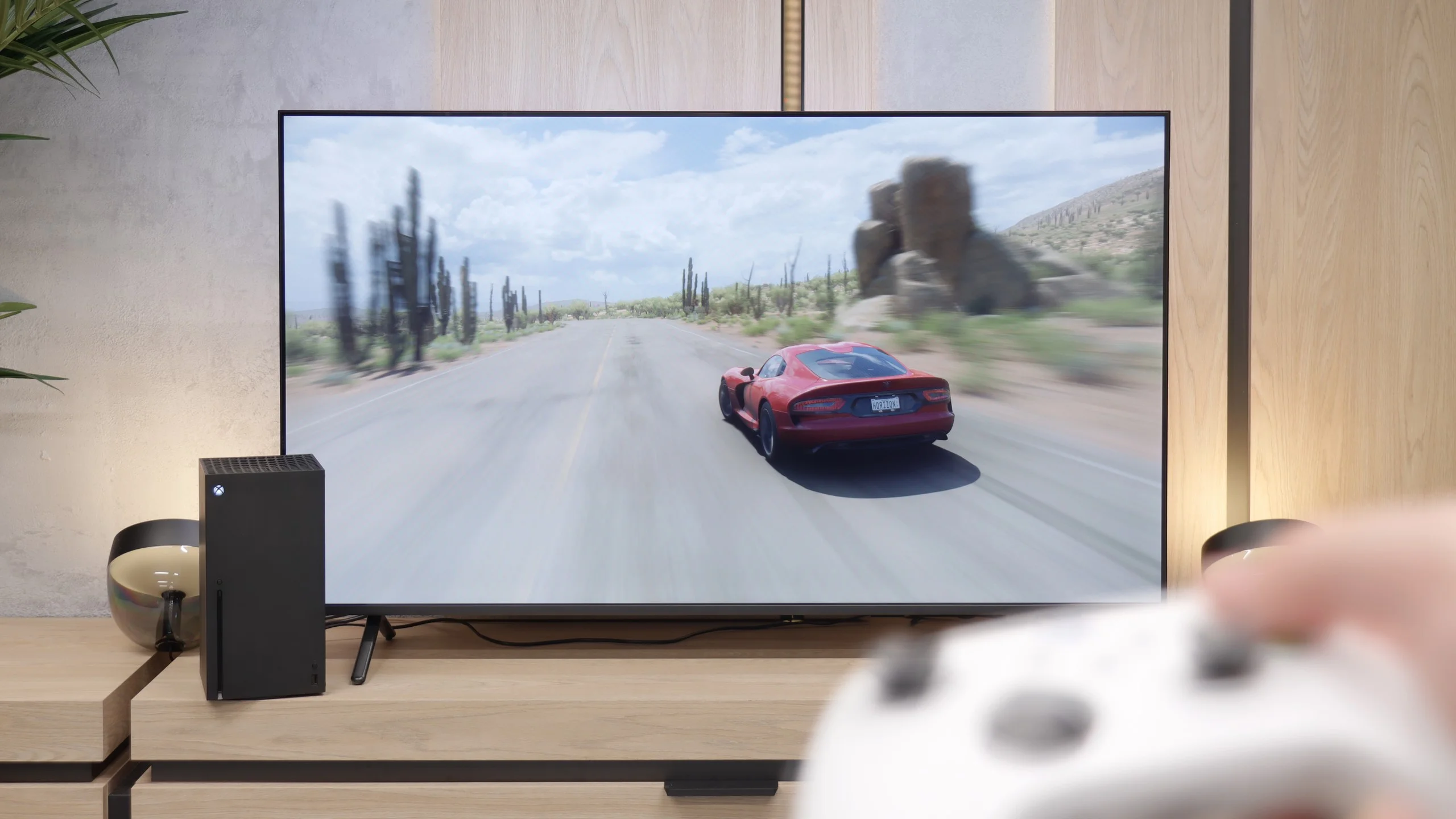
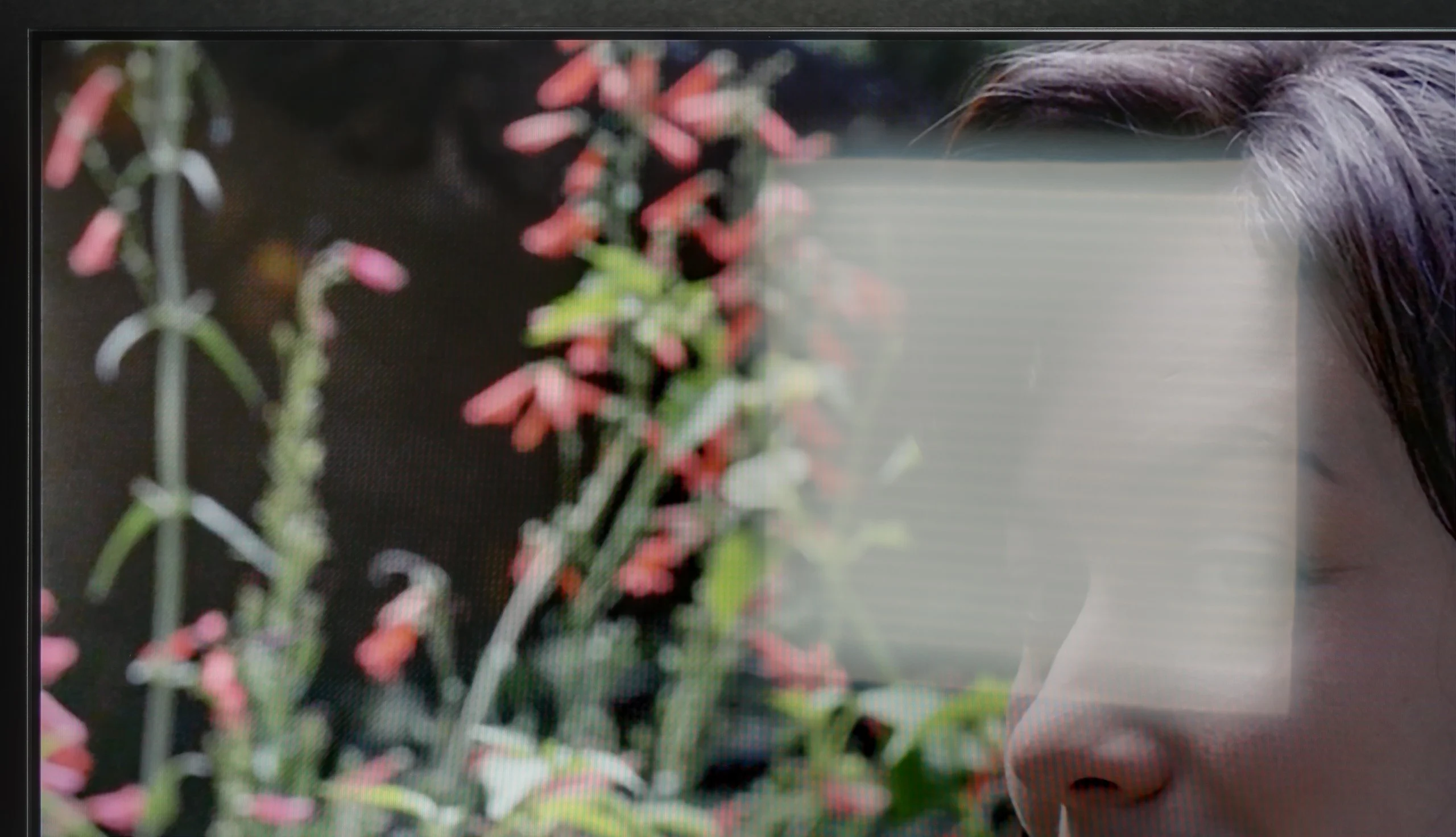
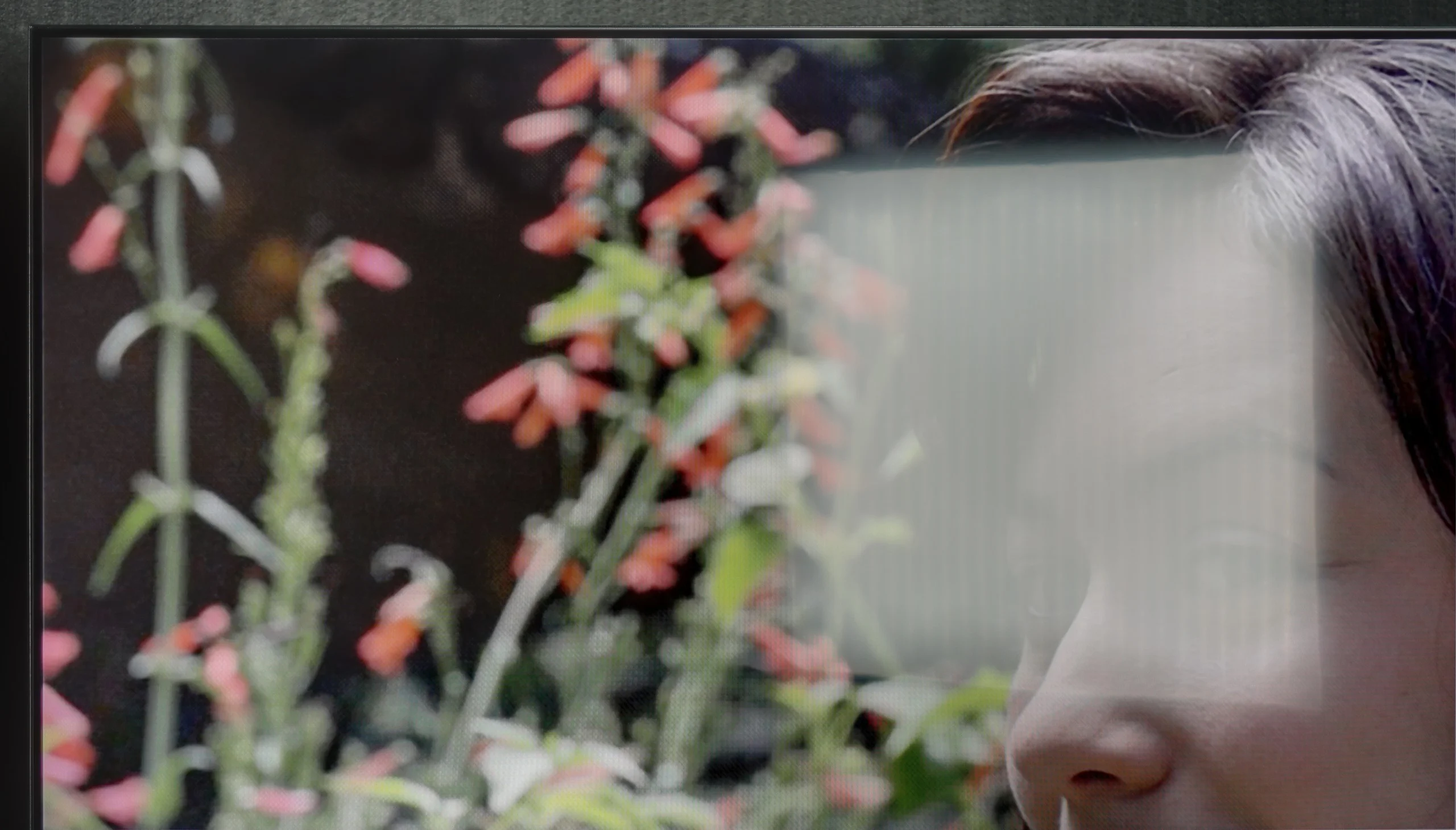
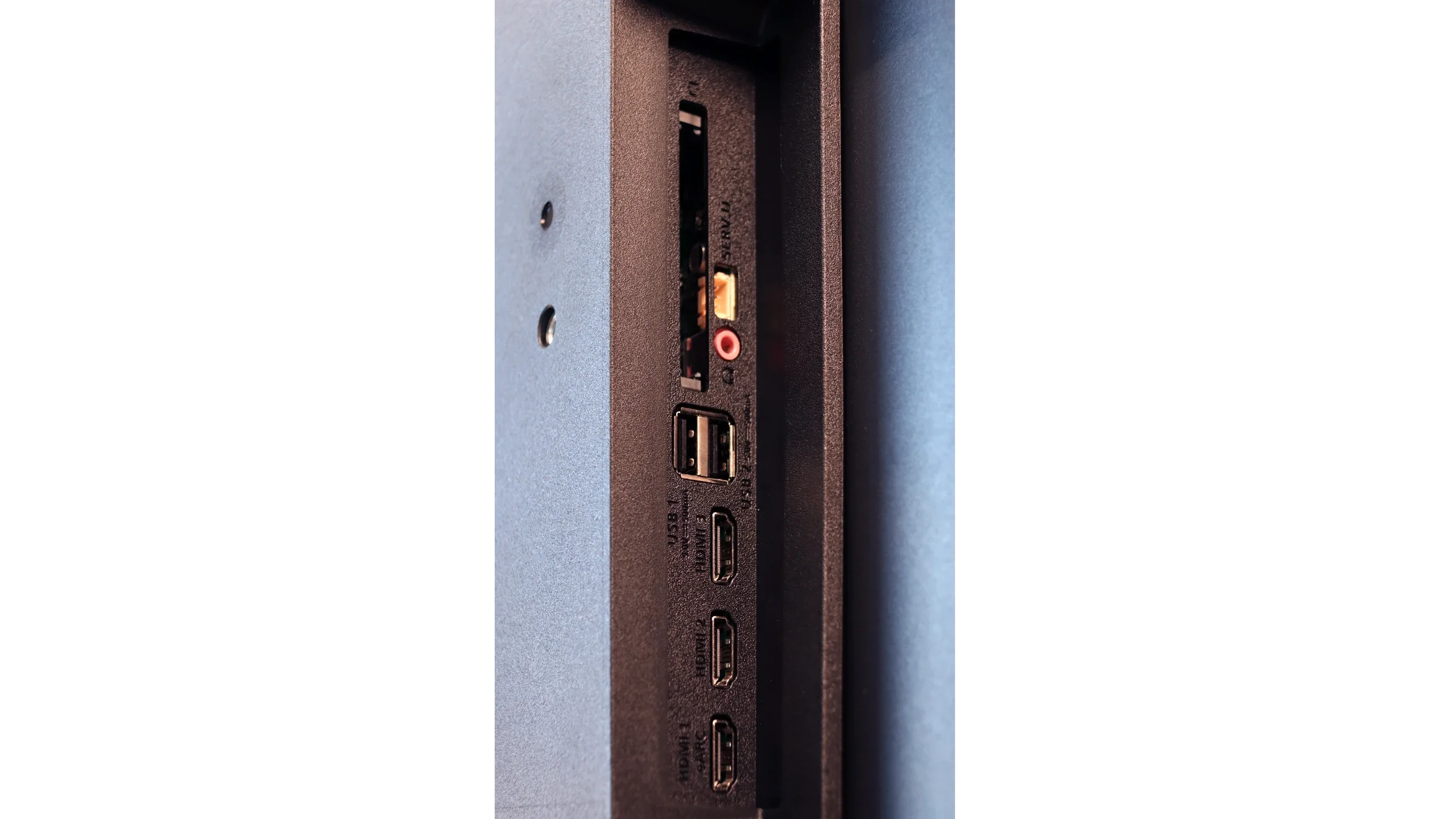
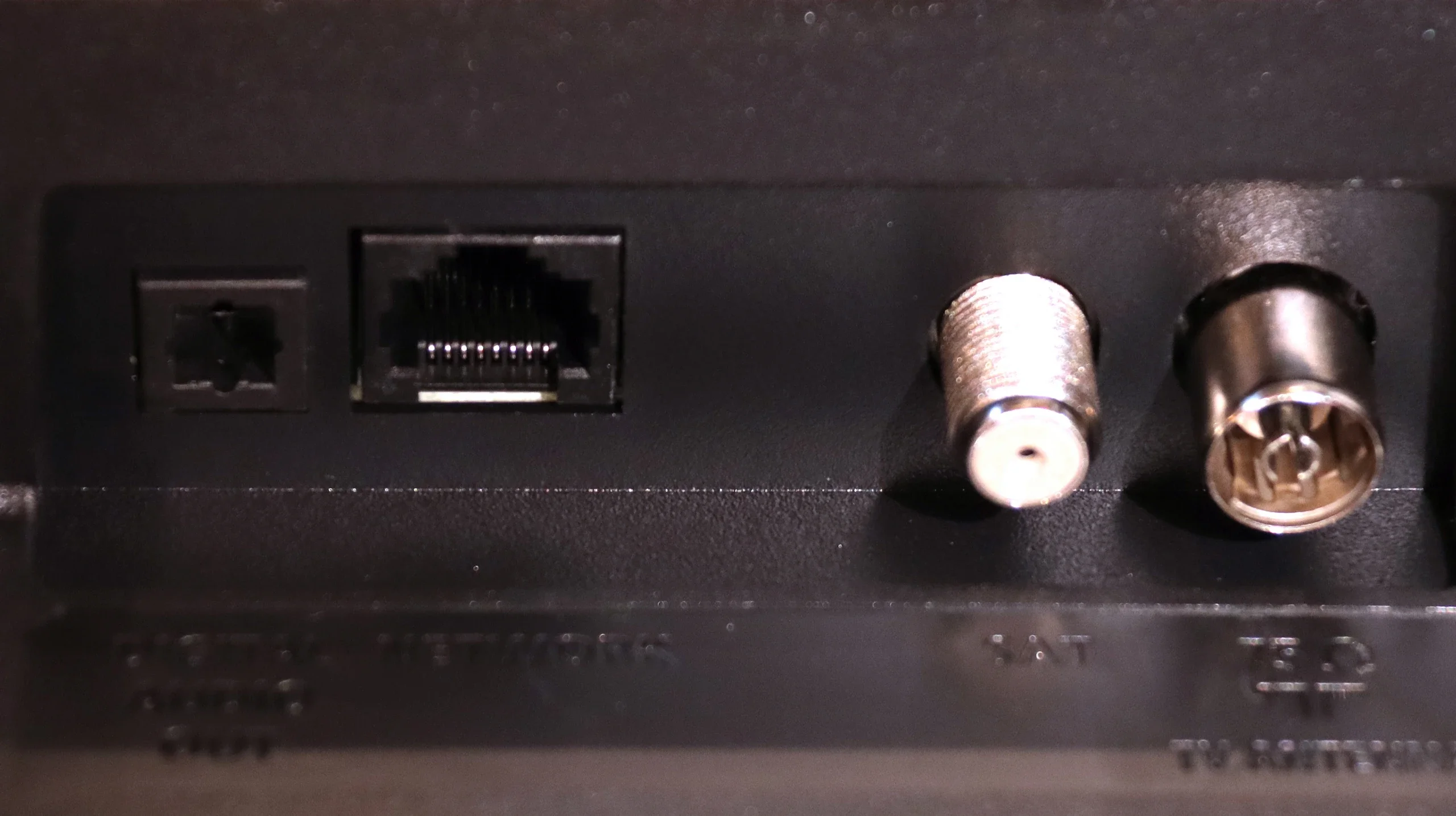
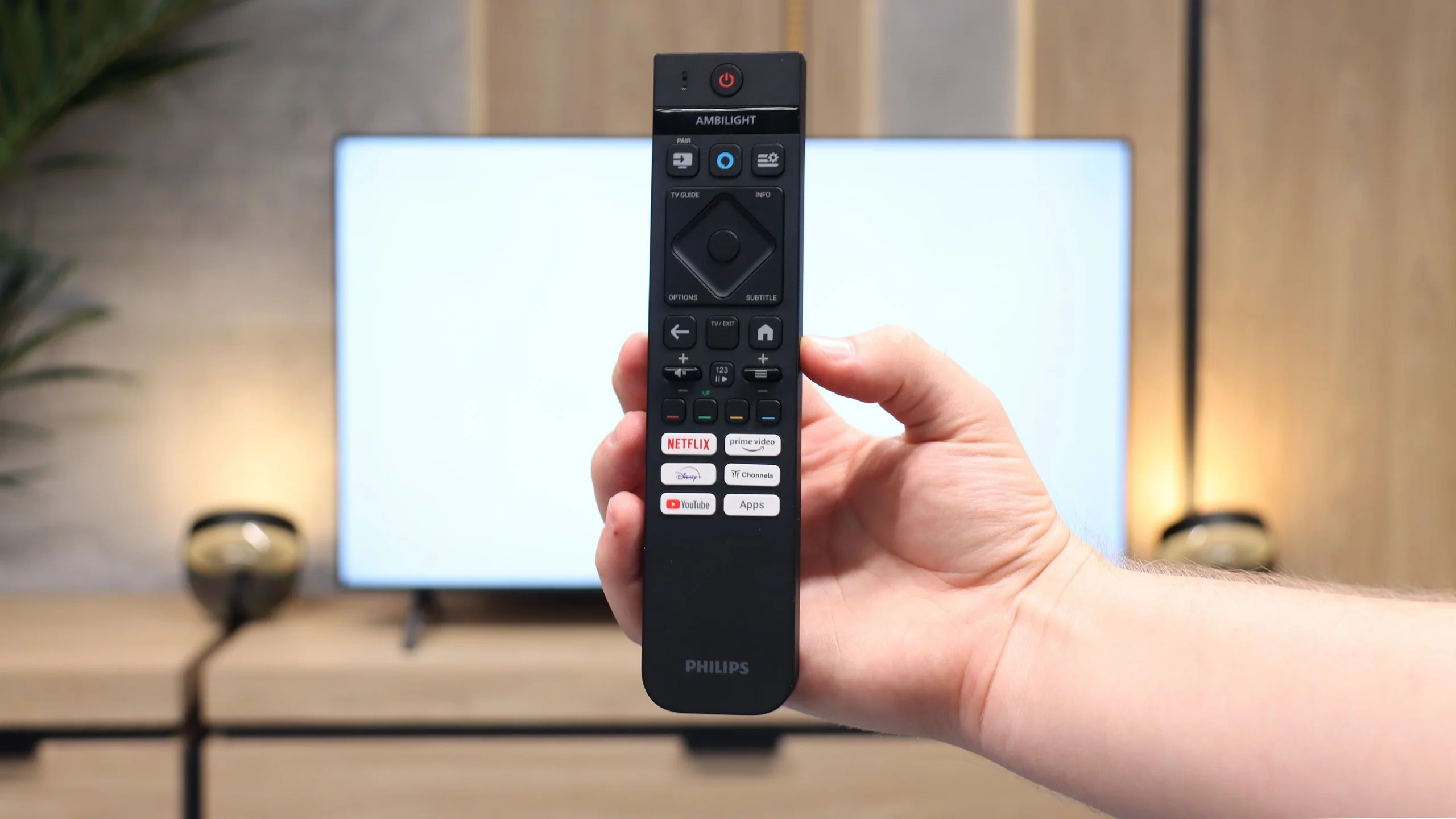
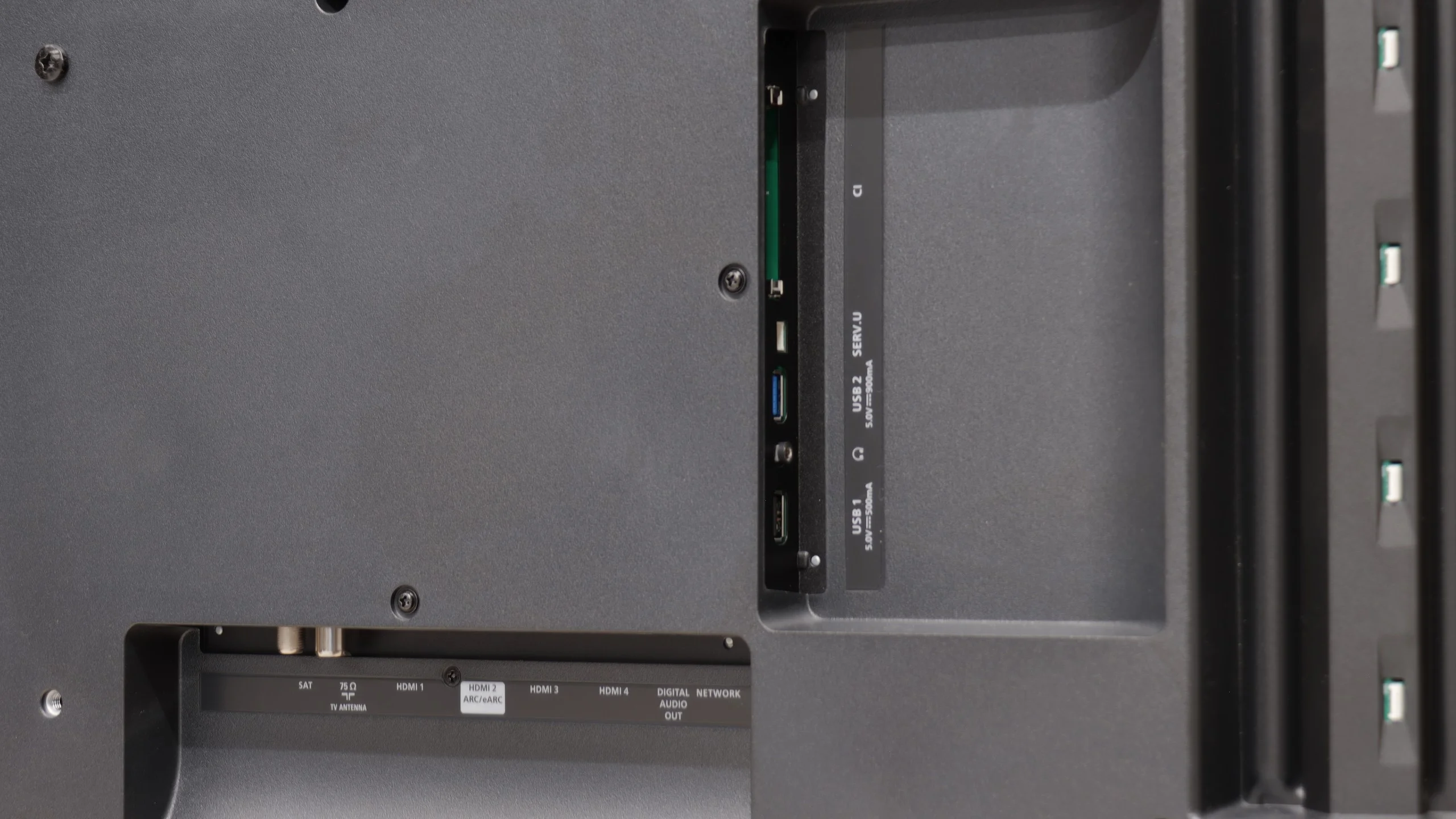
Ambilight, as this is what we need to start with, is the biggest reason why it's worth buying the PUS8500. The three-sided backlighting of the television looks fantastic, especially in the evening. It creates an atmosphere, masks contrast shortcomings, and makes watching a film simply more enjoyable. Even if the black levels aren't perfect, the native VA panel offers decent performance at high contrast. Additionally, there’s quite a good input lag and several features for gamers such as ALLM and VRR. Although HDMI 2.1 and a 120Hz panel are absent, playing casually should be a pleasure. Especially since it feels responsive and without delays. Let’s also mention the full support for audio formats – both Dolby Atmos and DTS are included, so soundbar owners can also rejoice.
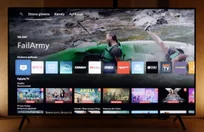
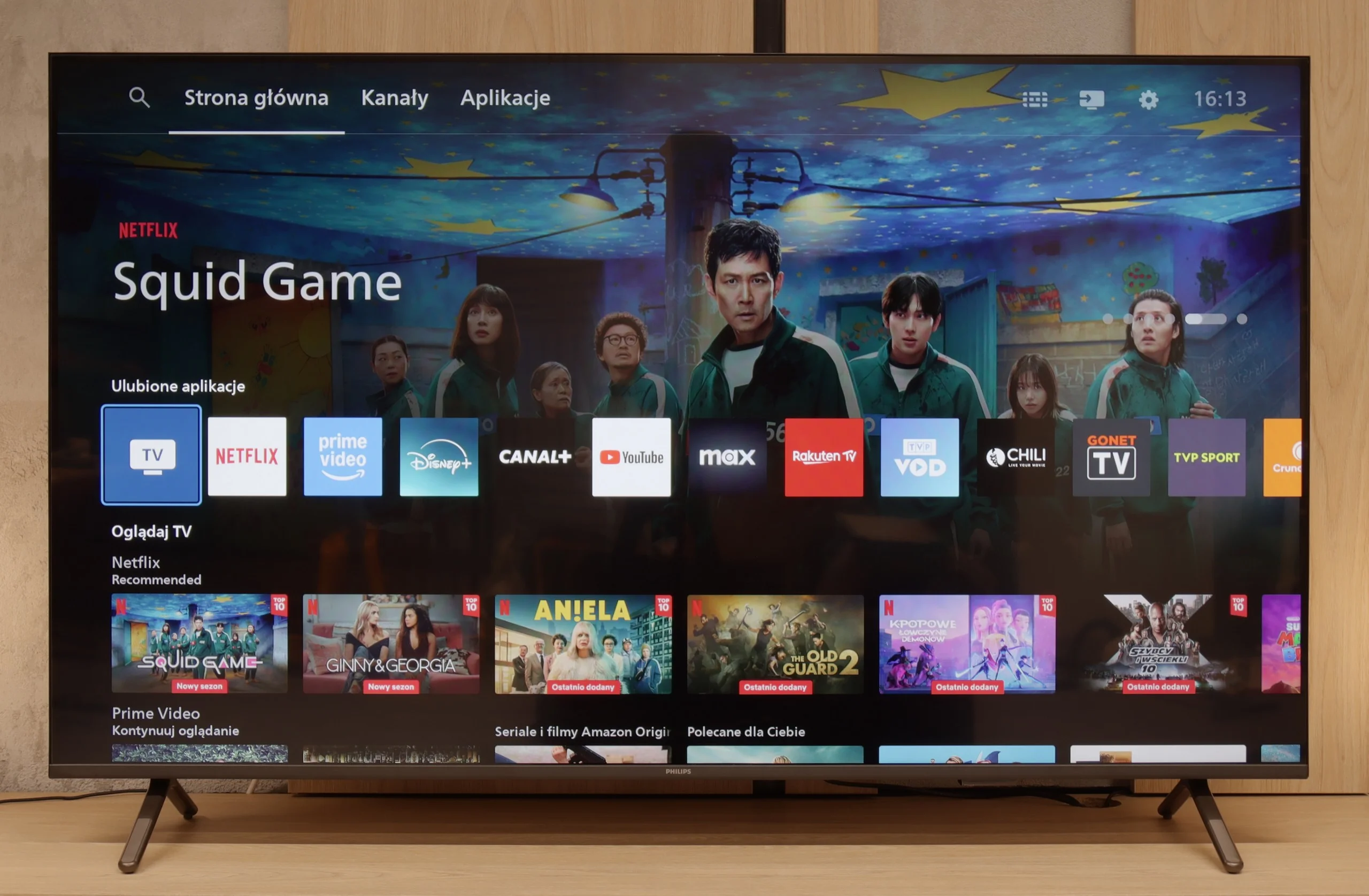
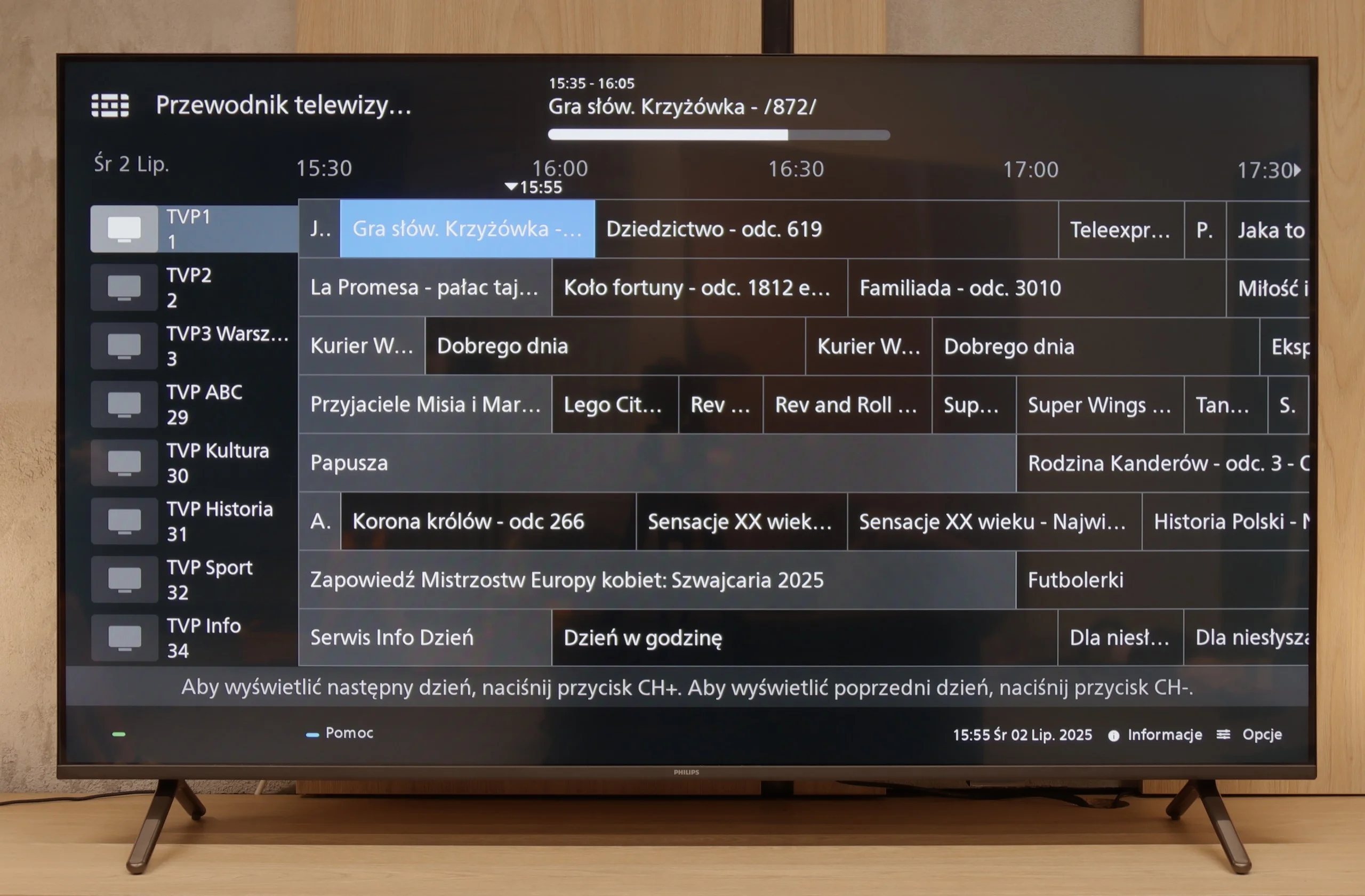
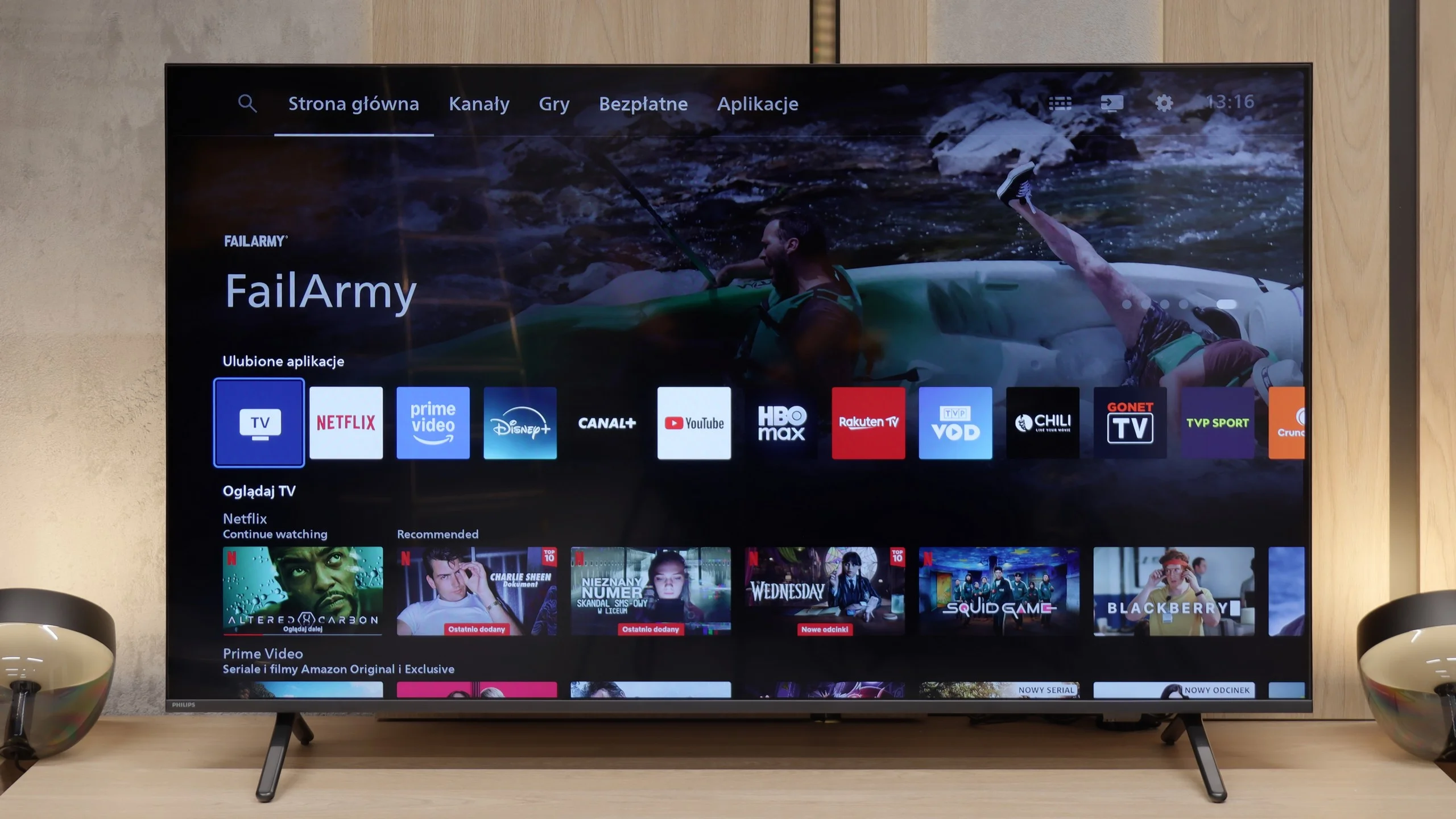
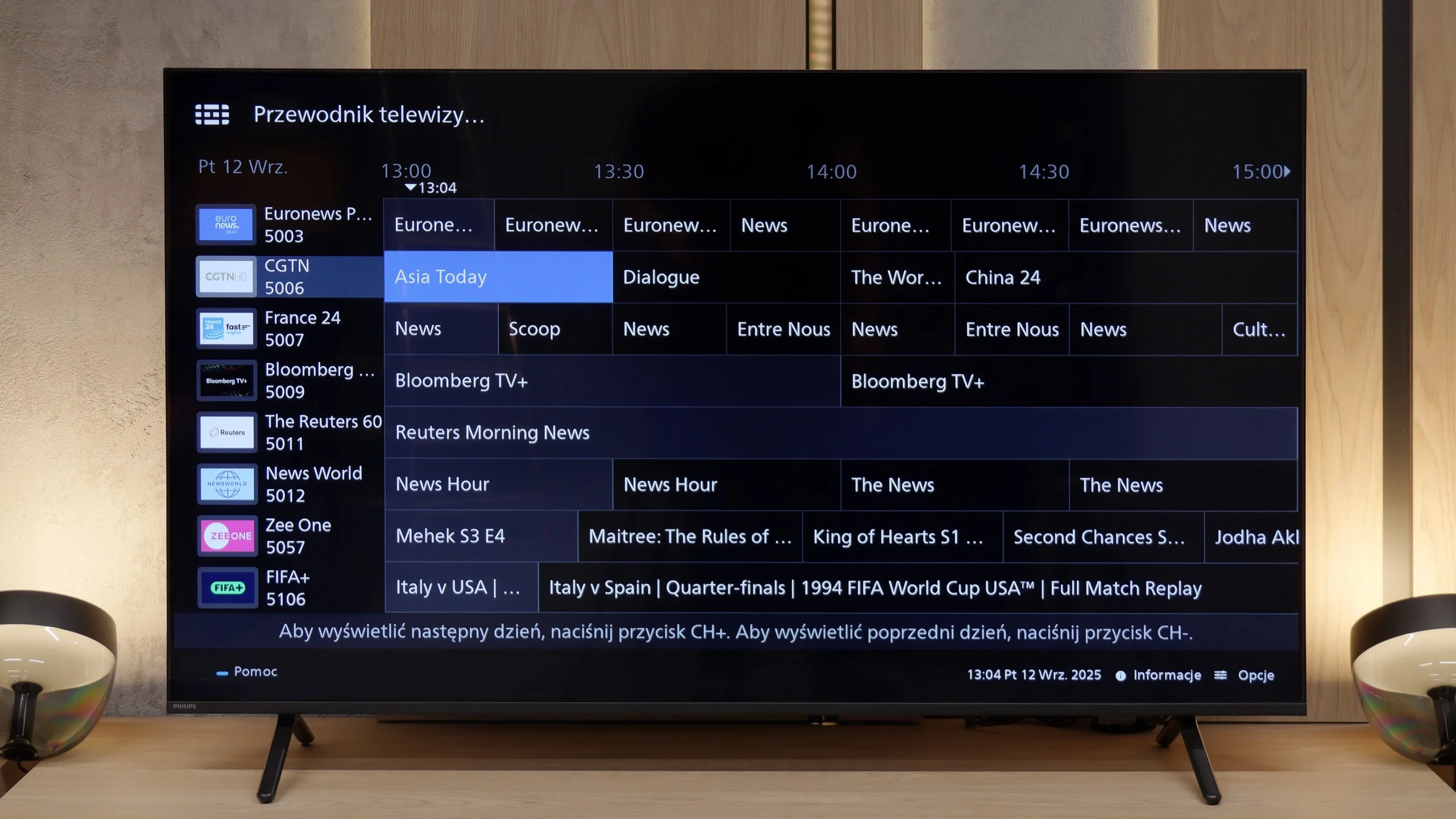
However, we won't sugarcoat it – this is still a budget television, and at times it’s clearly evident. The brightness is average – not weak enough to prevent viewing, but on an exceptionally sunny day, watching without curtains can be problematic. Nevertheless, in our opinion, the biggest disappointment of the PUS8560 is the Titan OS operating system. Despite the fact that the system debuted some time ago, certain functions simply refused to work – for instance, screen mirroring from a phone despite the manufacturer claiming that such a feature is present. There are fewer apps than in the competition, and the system itself operates rather clumsily. Generally, while it does have some features, it evidently lacks refinement.
Of course, this isn’t a television meant to compete with top models. But if someone is looking for something simple, with a great atmosphere provided by the Ambilight system, it is quite a fair proposition. You just have to know what to expect and accept the numerous compromises present here.
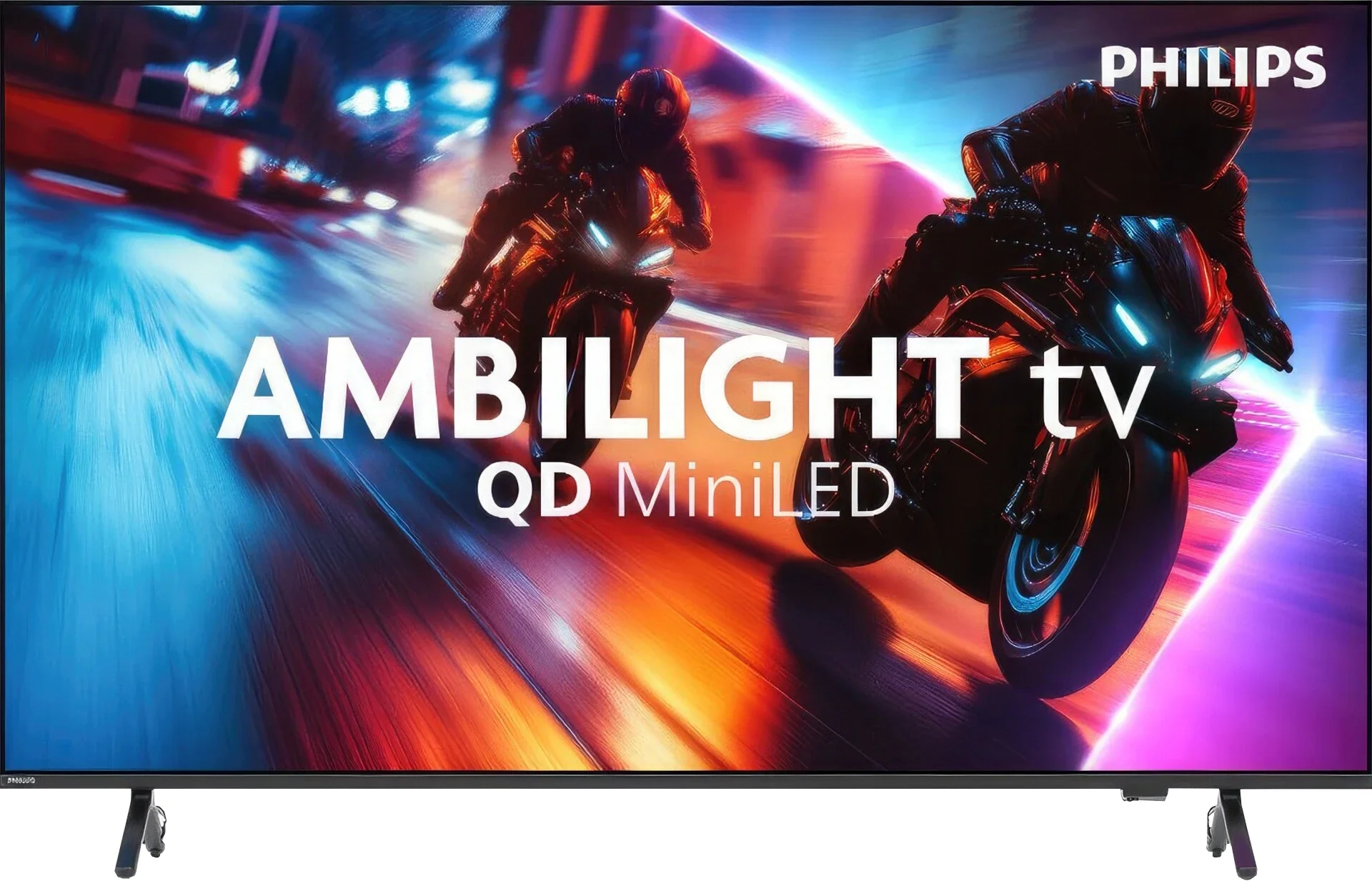
The Philips MLED920 is a natural continuation of last year's model PML9000, but it is not a repetition of the past. It is clear that the manufacturer has done their homework – primarily, the local dimming algorithms have been improved, which last year could significantly ruin the viewing experience. Now, blacks and contrast look much better, and with Dolby Vision present here, even HDR content appears quite decent. The picture can sometimes shine where it should, without straining the eyes during difficult scenes. Undoubtedly, the biggest asset of the MLED920 is its unique Ambilight system. The three-sided backlighting can give films and games a completely new atmosphere – the screen seems to extend beyond its borders, and the entire room becomes part of the viewing experience. This is something that not only cinema enthusiasts will appreciate but also gamers, who, alongside the lights, receive a full set of features typical for modern gaming TVs: 144 Hz, VRR, ALLM, and Dolby Vision Gaming. In this regard, Philips has a lot to offer. However. Indeed, there is a significant however – here we reach the most difficult part of this verdict – it is still a dual-purpose device. On one hand, we have a strong picture and a unique Ambilight feature, while on the other, there are hardware limitations that are hard to ignore. Titan OS in its current form is a considerable hindrance, full of bugs and deficiencies, which cause the television to lag behind the competition. On top of that, the price is not low at all given the offered capabilities. Therefore, it is difficult to recommend it unambiguously to everyone. However, if you are looking for the brightest Philips screen at a reasonable price, with Ambilight, a full set of gamer features, and basic applications – the MLED920 will be quite a suitable choice.
 Direct comparison