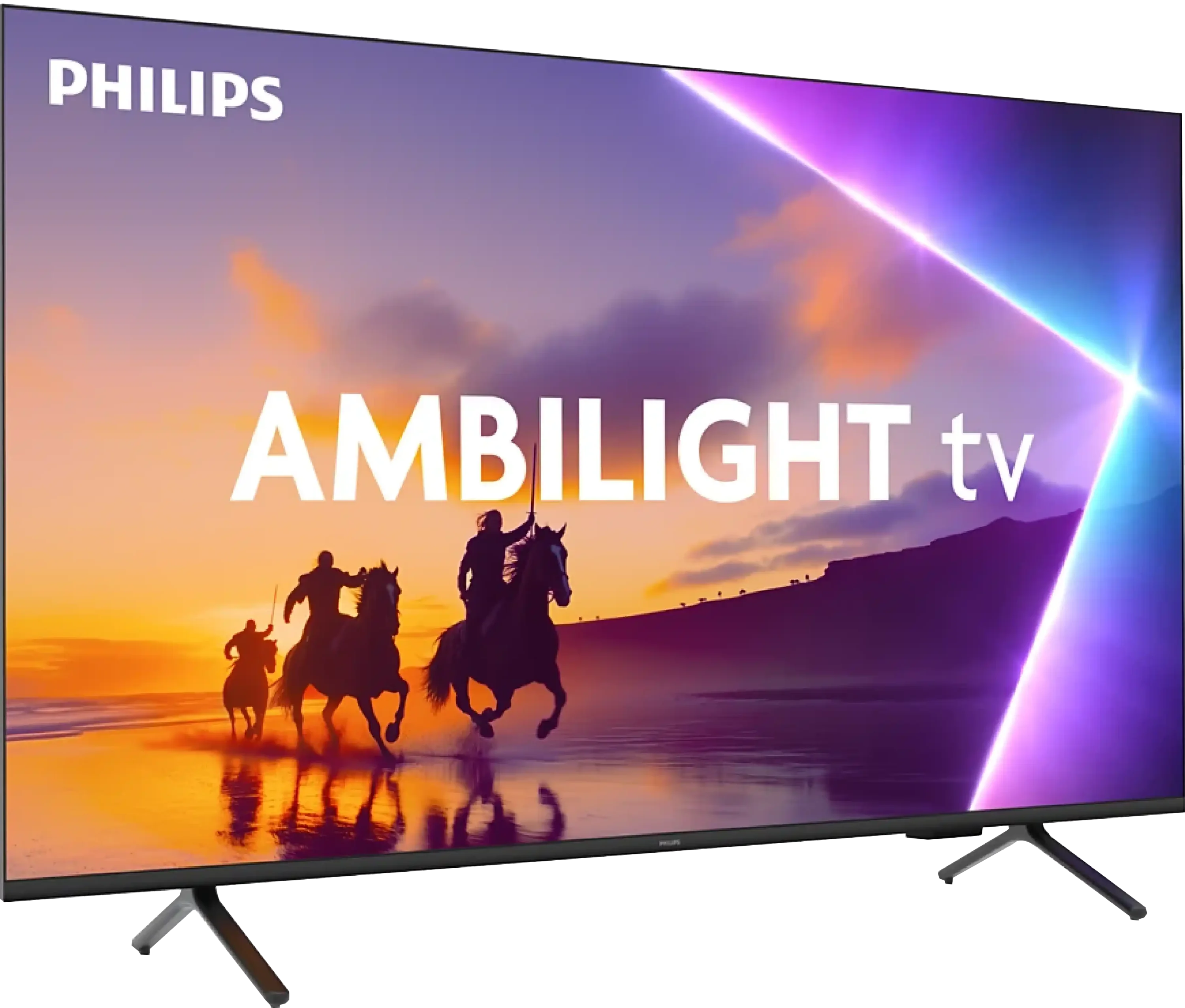
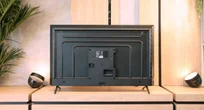
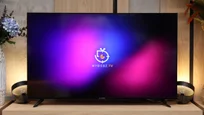
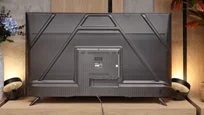
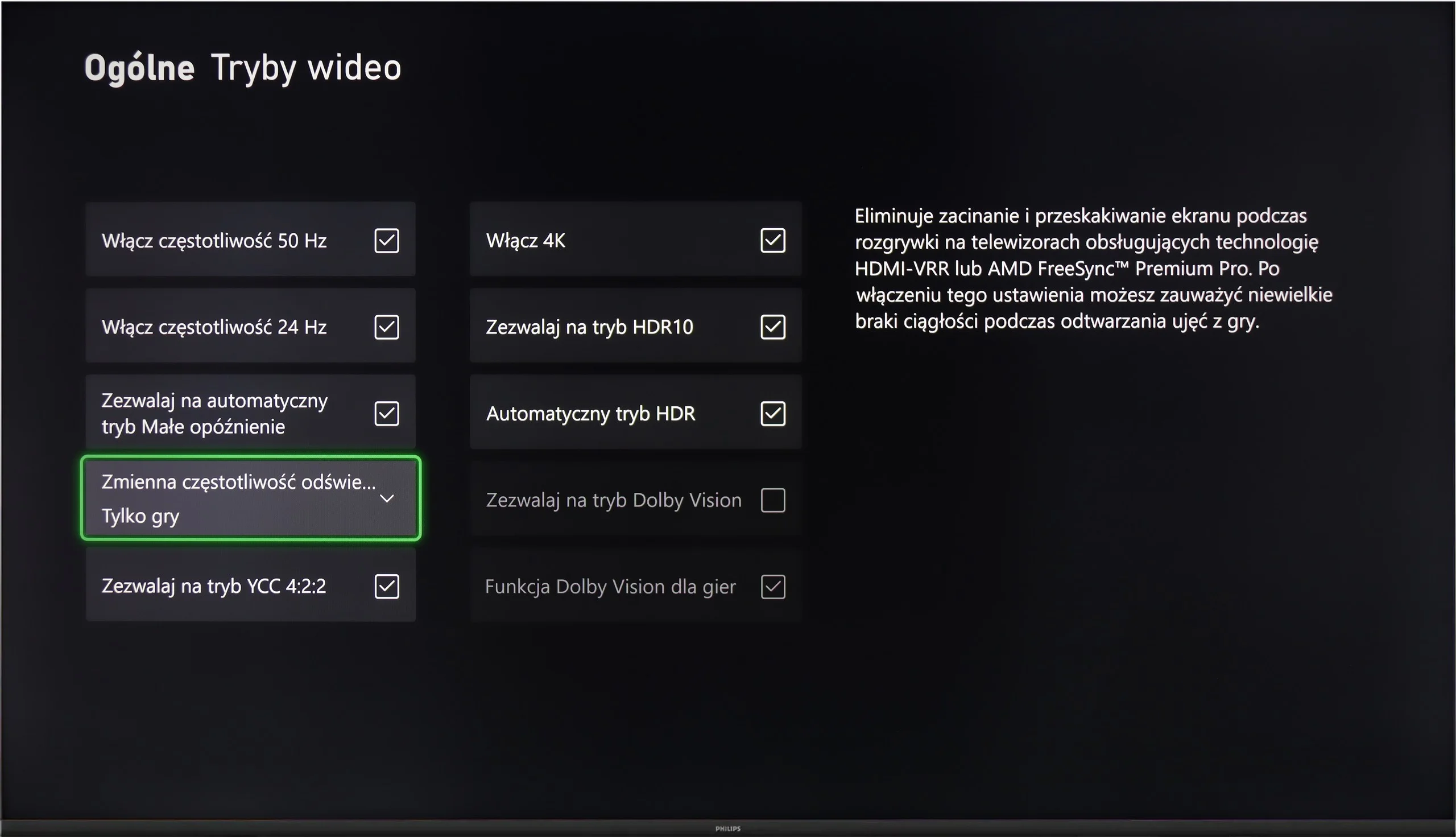
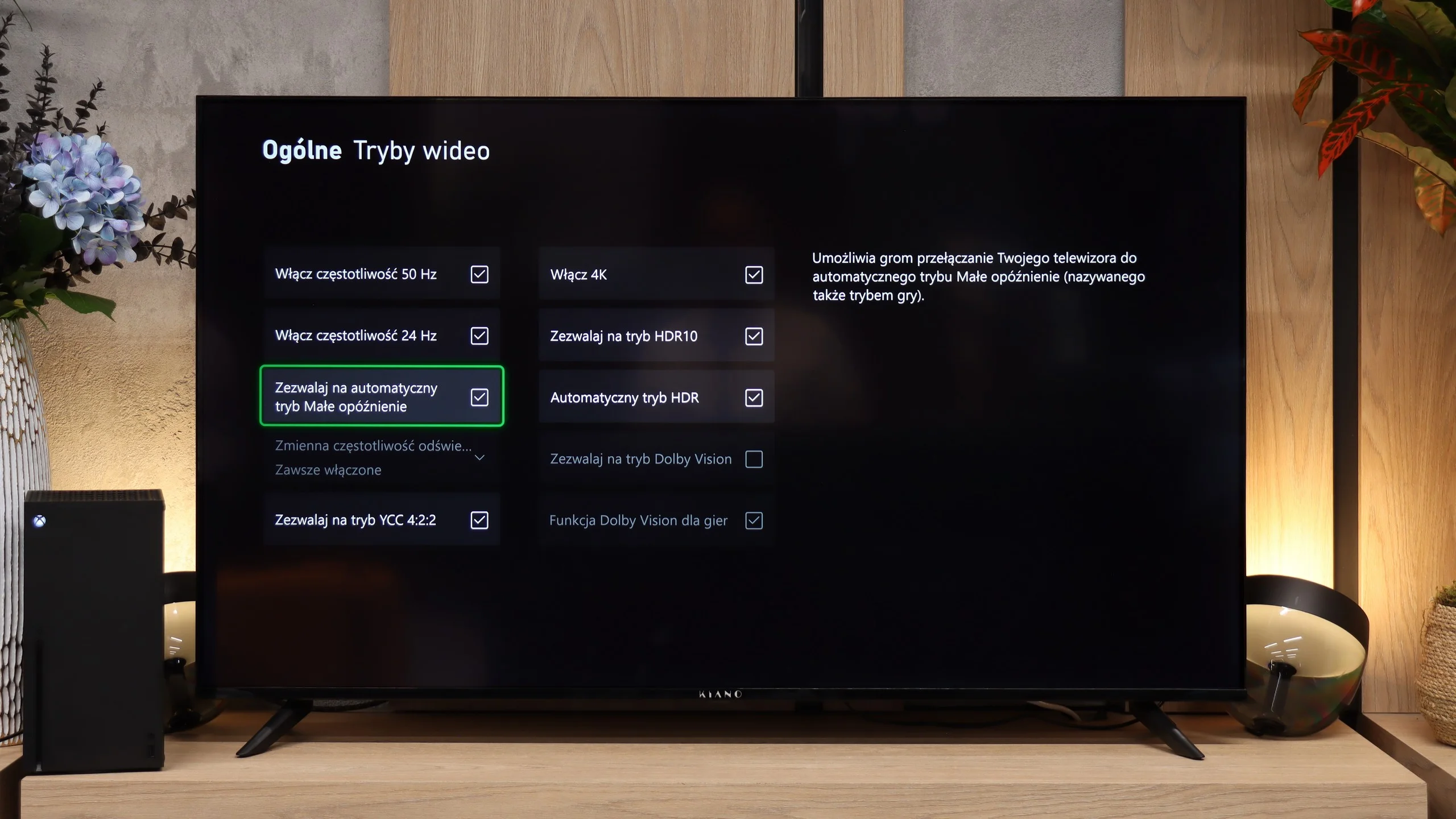
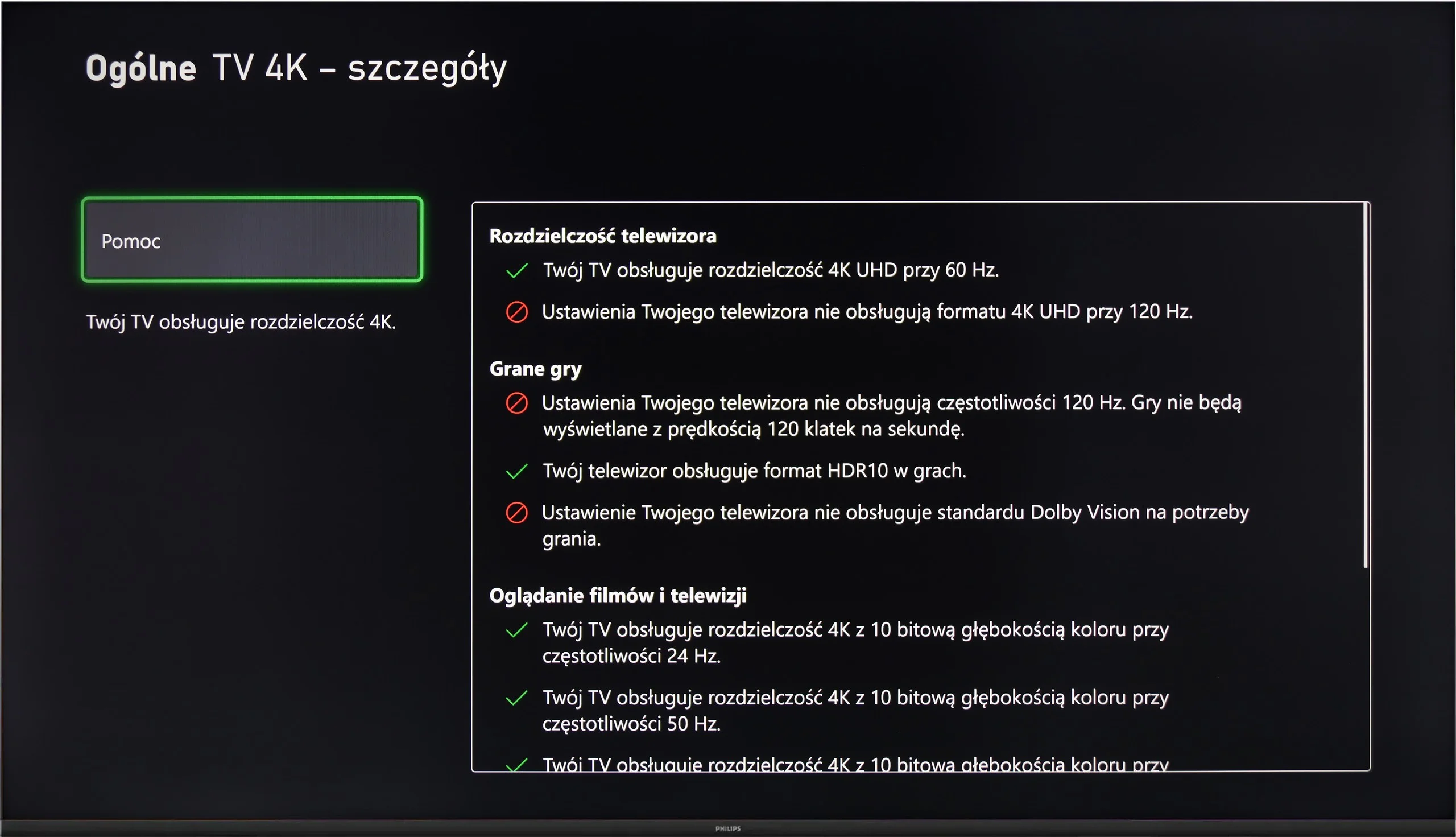
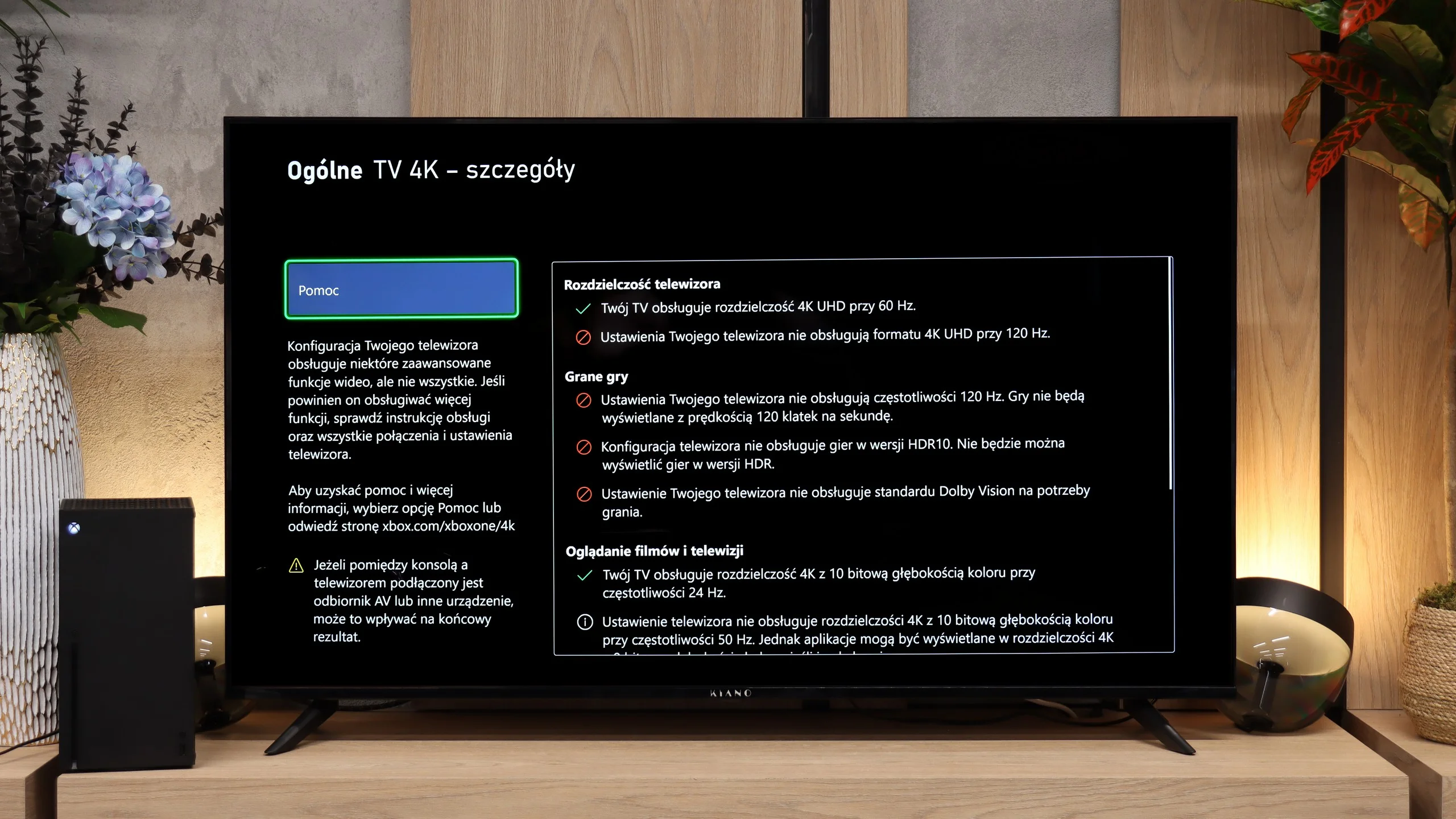
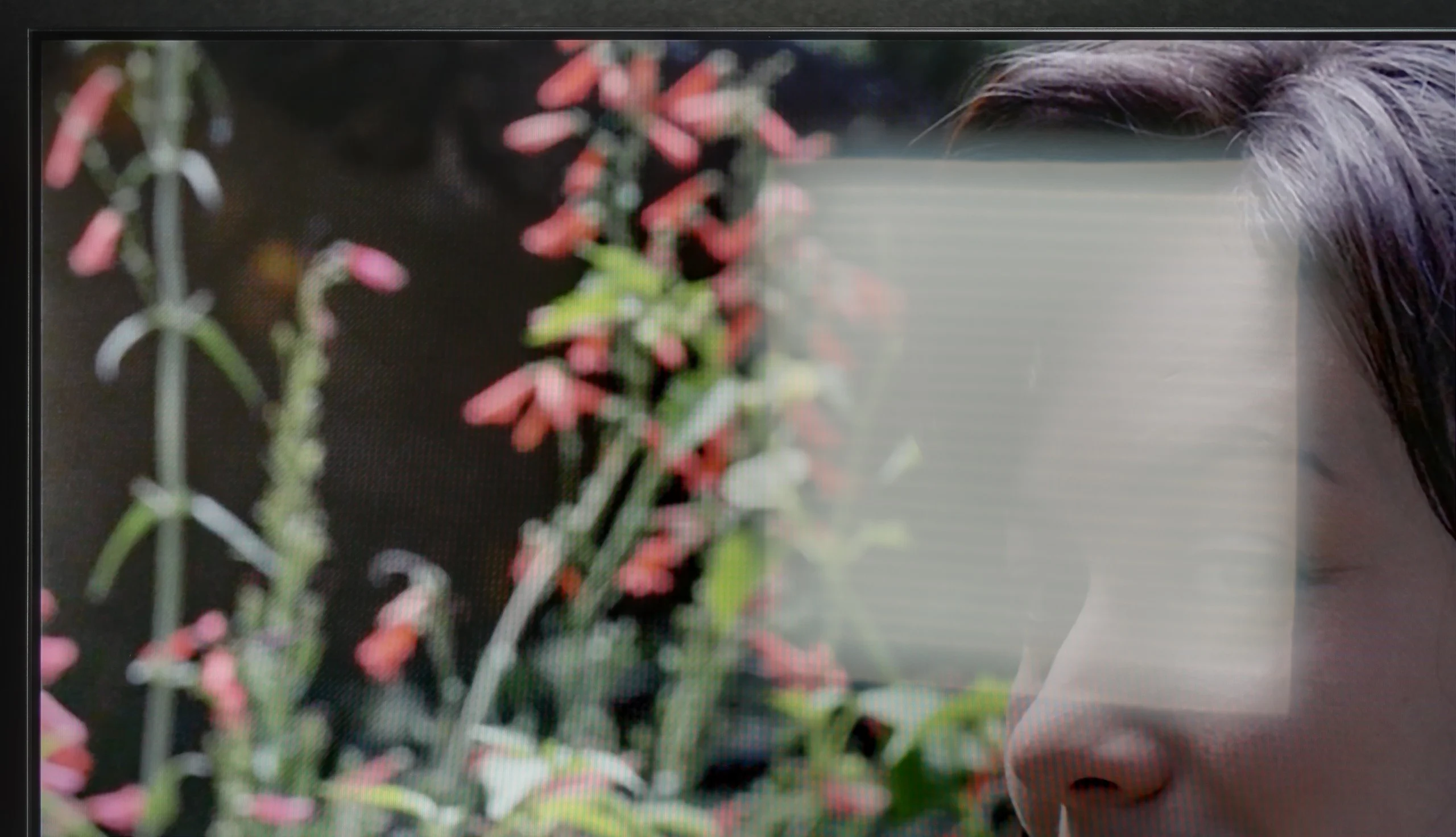
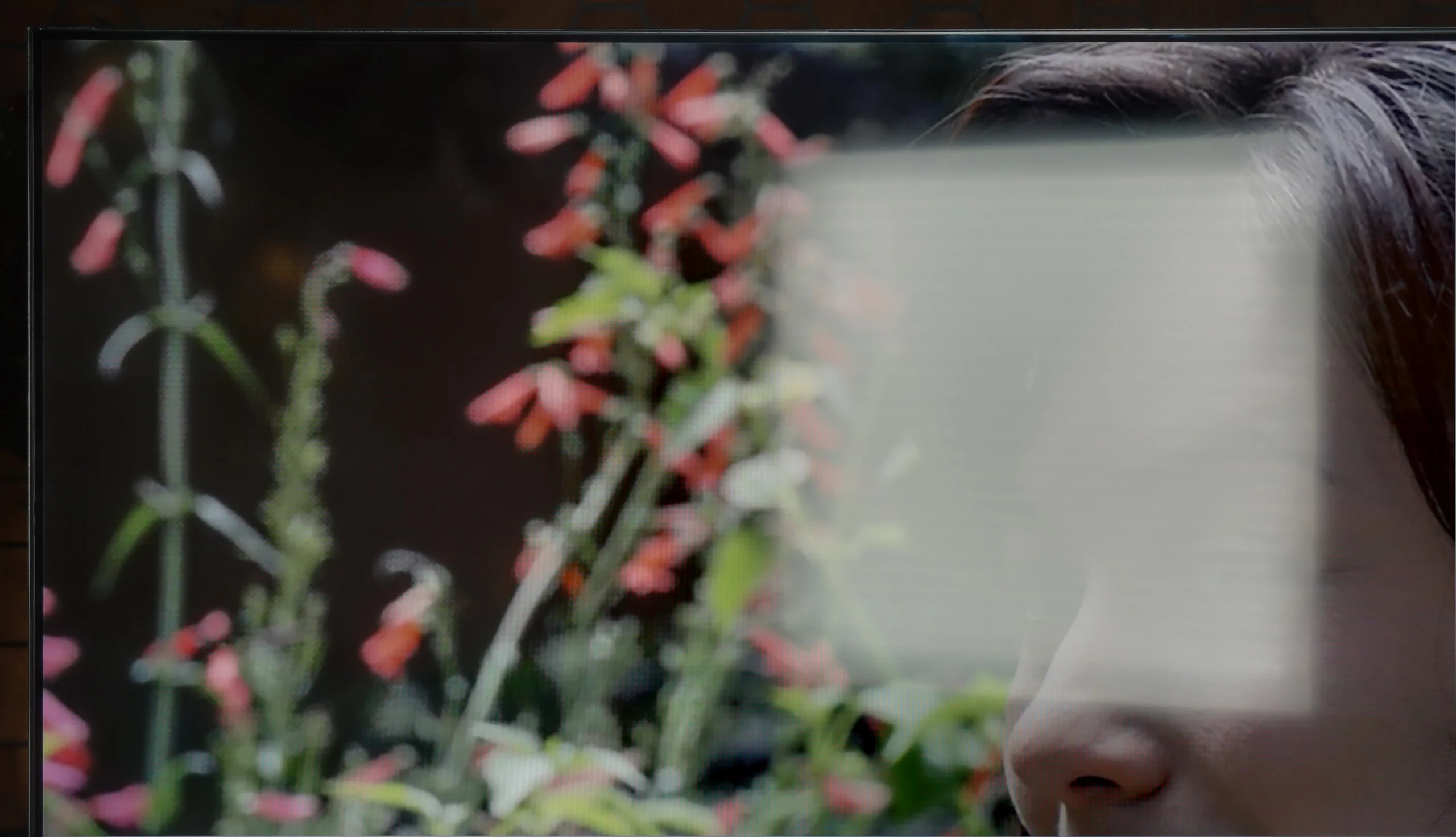
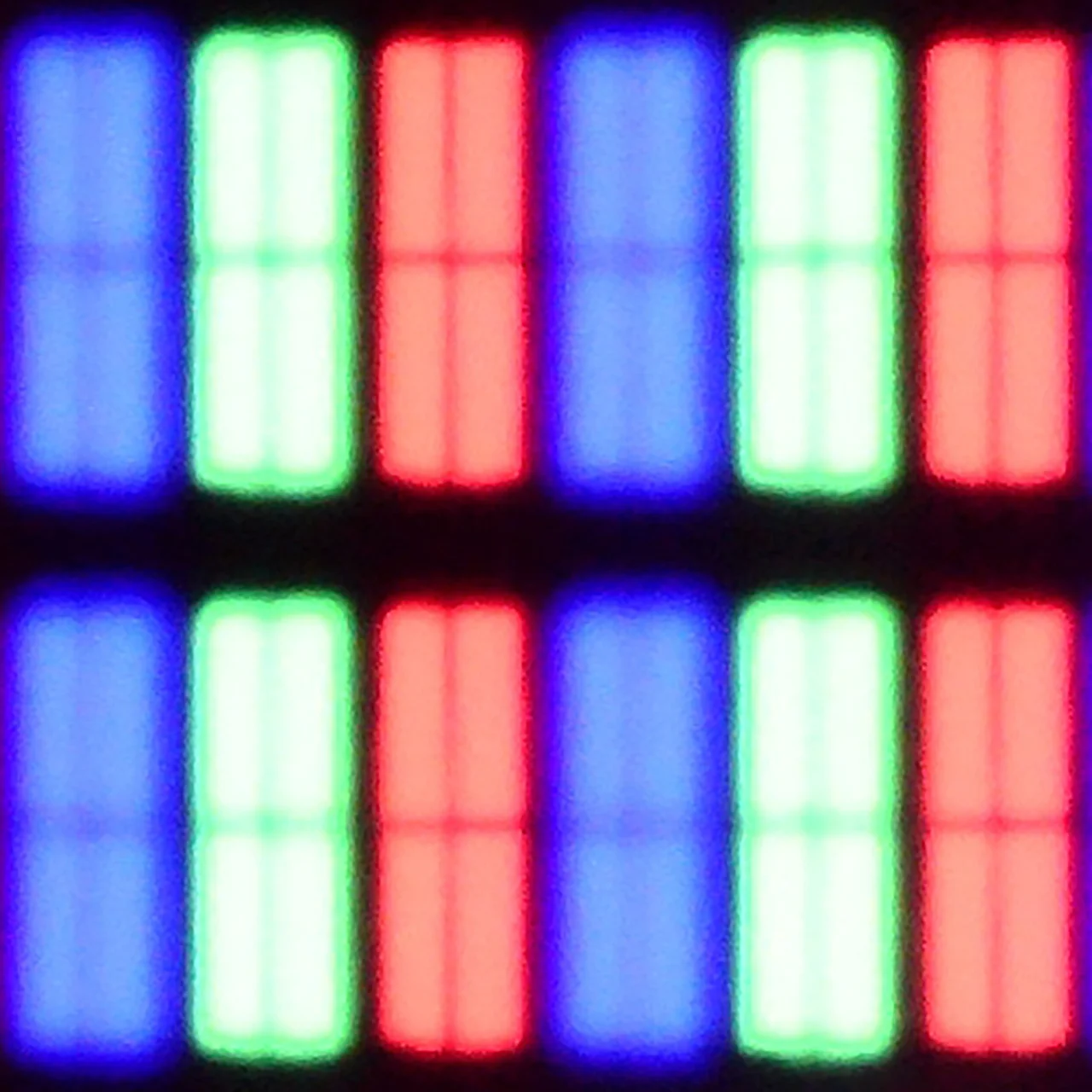
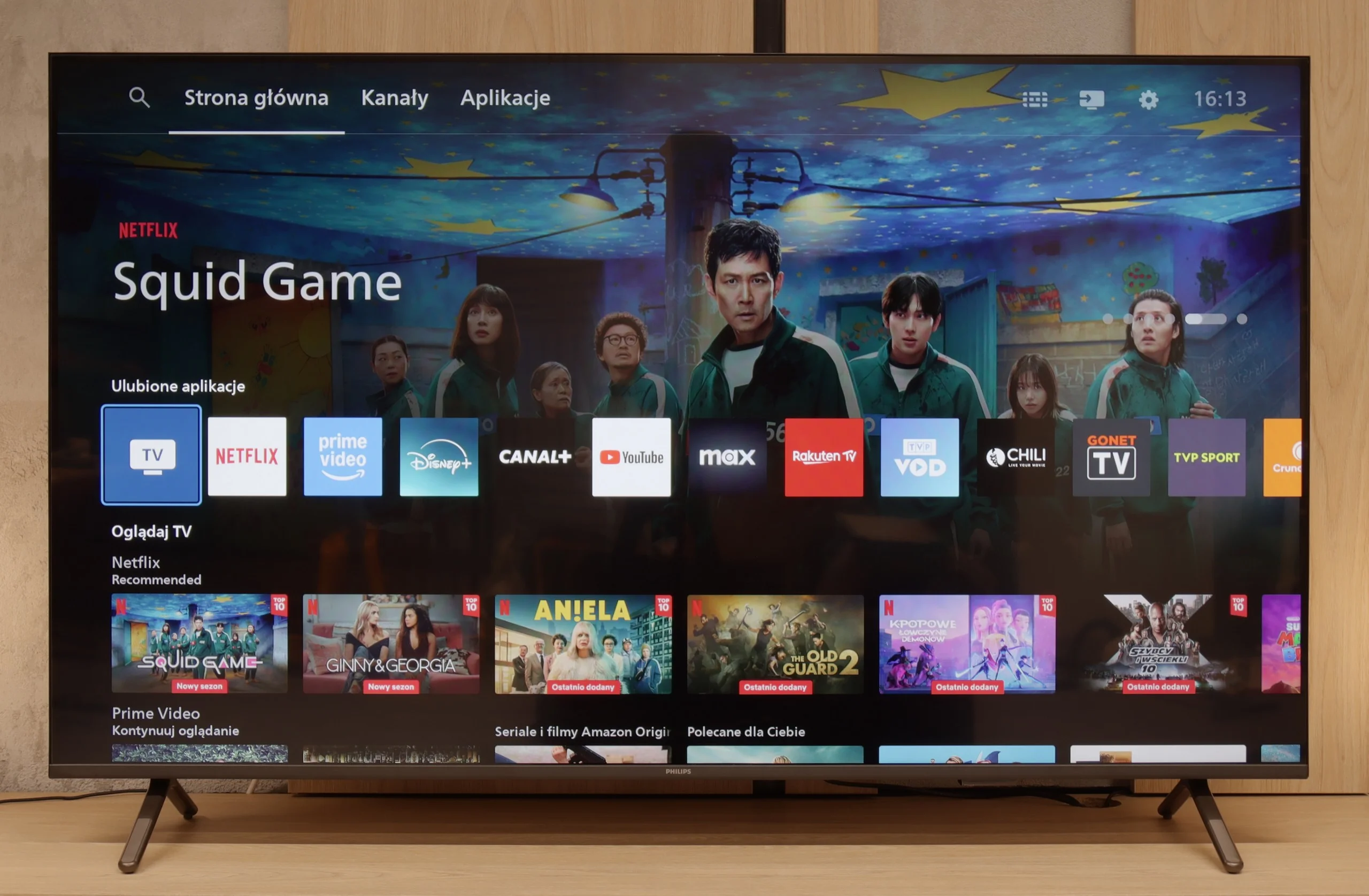
Ambilight, as this is what we need to start with, is the biggest reason why it's worth buying the PUS8500. The three-sided backlighting of the television looks fantastic, especially in the evening. It creates an atmosphere, masks contrast shortcomings, and makes watching a film simply more enjoyable. Even if the black levels aren't perfect, the native VA panel offers decent performance at high contrast. Additionally, there’s quite a good input lag and several features for gamers such as ALLM and VRR. Although HDMI 2.1 and a 120Hz panel are absent, playing casually should be a pleasure. Especially since it feels responsive and without delays. Let’s also mention the full support for audio formats – both Dolby Atmos and DTS are included, so soundbar owners can also rejoice.
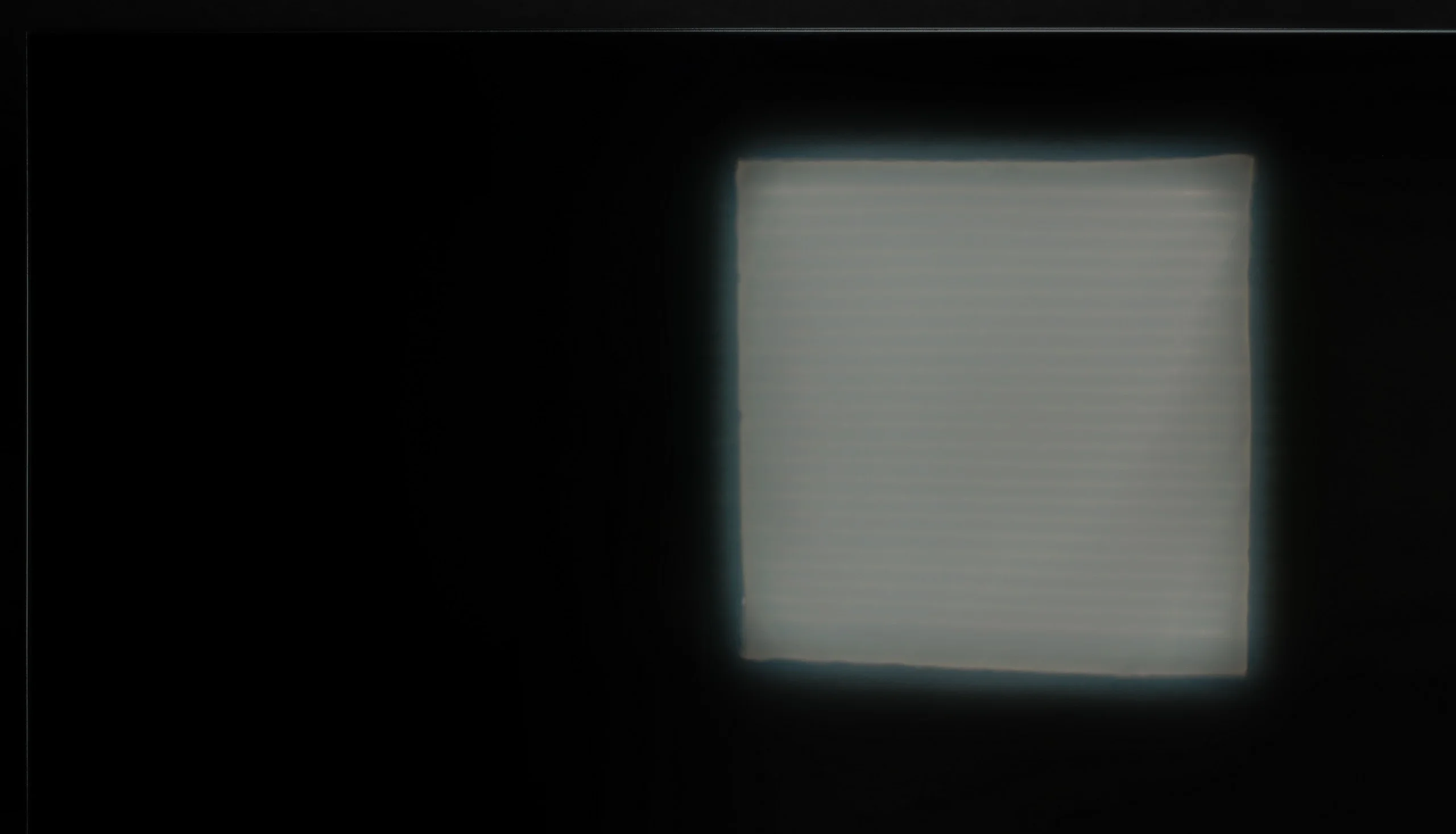
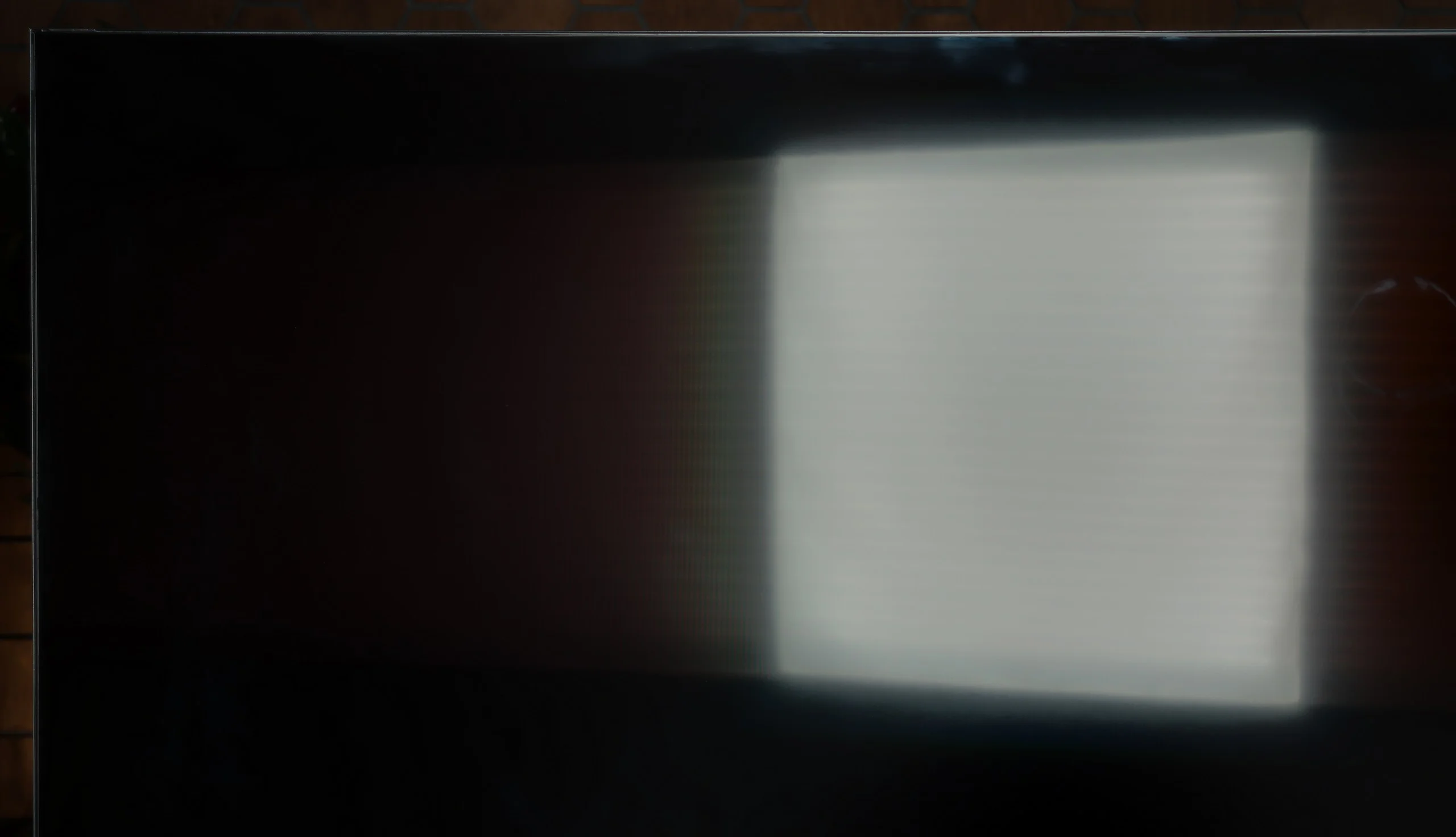
However, we won't sugarcoat it – this is still a budget television, and at times it’s clearly evident. The brightness is average – not weak enough to prevent viewing, but on an exceptionally sunny day, watching without curtains can be problematic. Nevertheless, in our opinion, the biggest disappointment of the PUS8560 is the Titan OS operating system. Despite the fact that the system debuted some time ago, certain functions simply refused to work – for instance, screen mirroring from a phone despite the manufacturer claiming that such a feature is present. There are fewer apps than in the competition, and the system itself operates rather clumsily. Generally, while it does have some features, it evidently lacks refinement.
Of course, this isn’t a television meant to compete with top models. But if someone is looking for something simple, with a great atmosphere provided by the Ambilight system, it is quite a fair proposition. You just have to know what to expect and accept the numerous compromises present here.
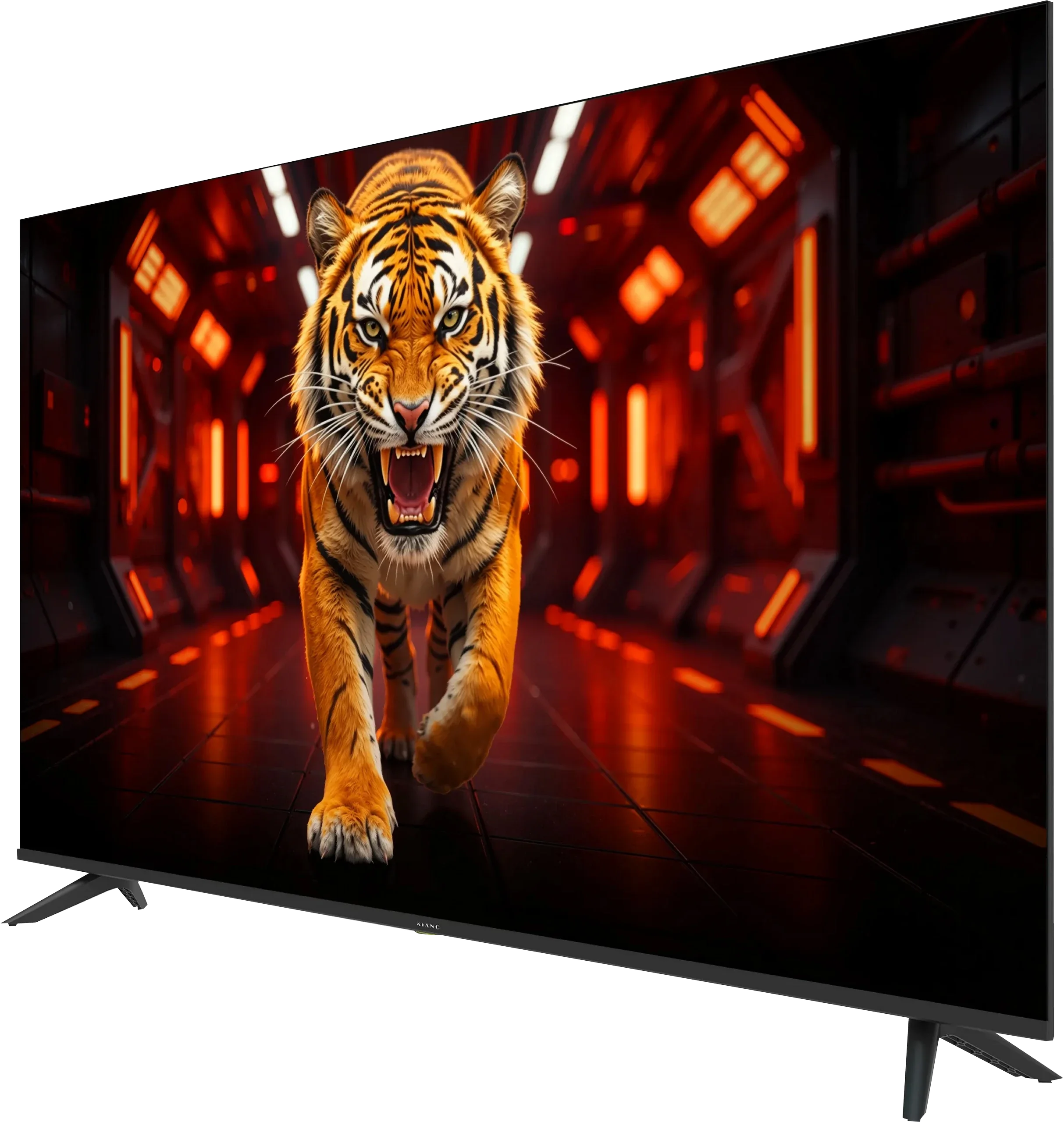
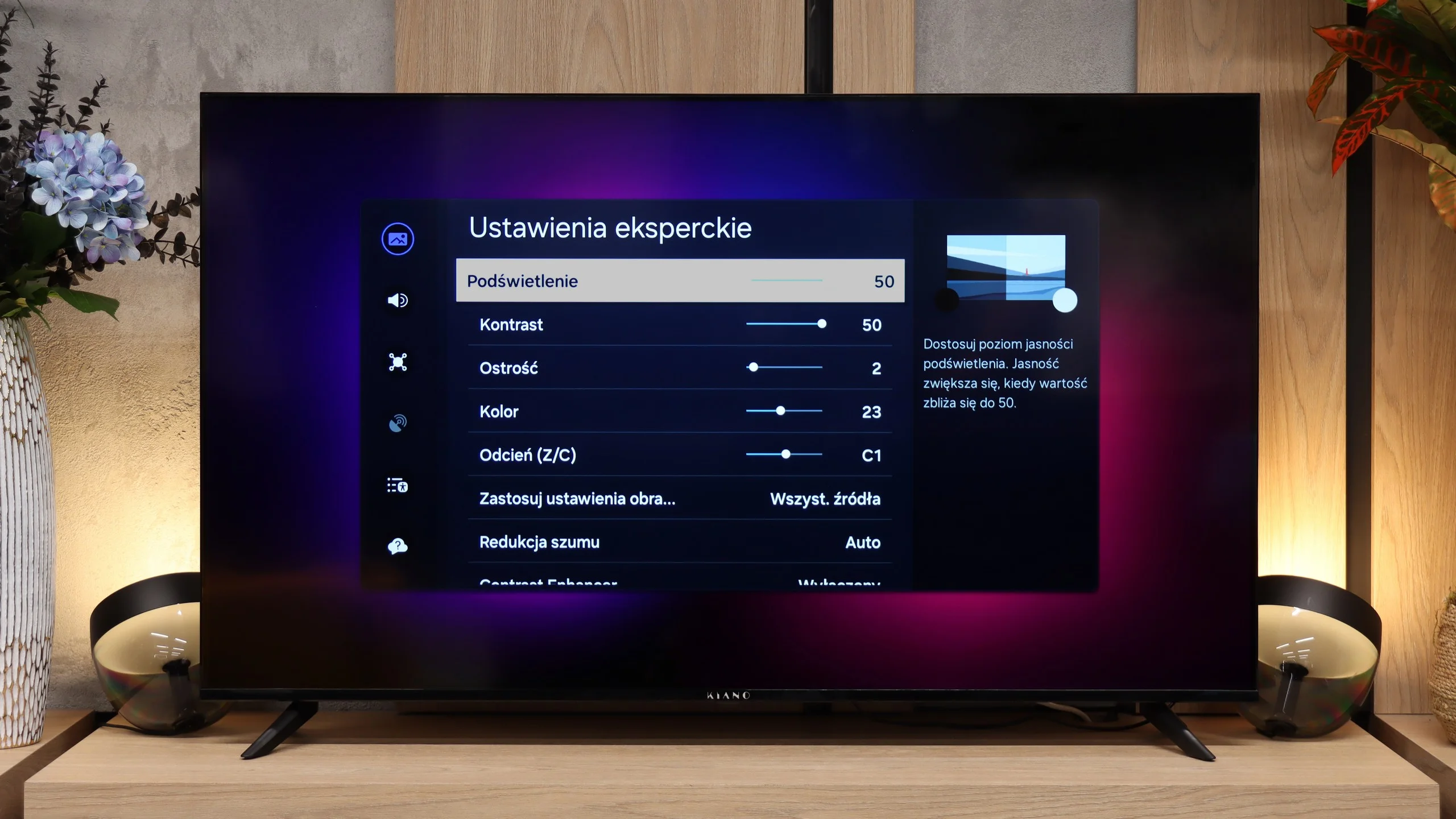
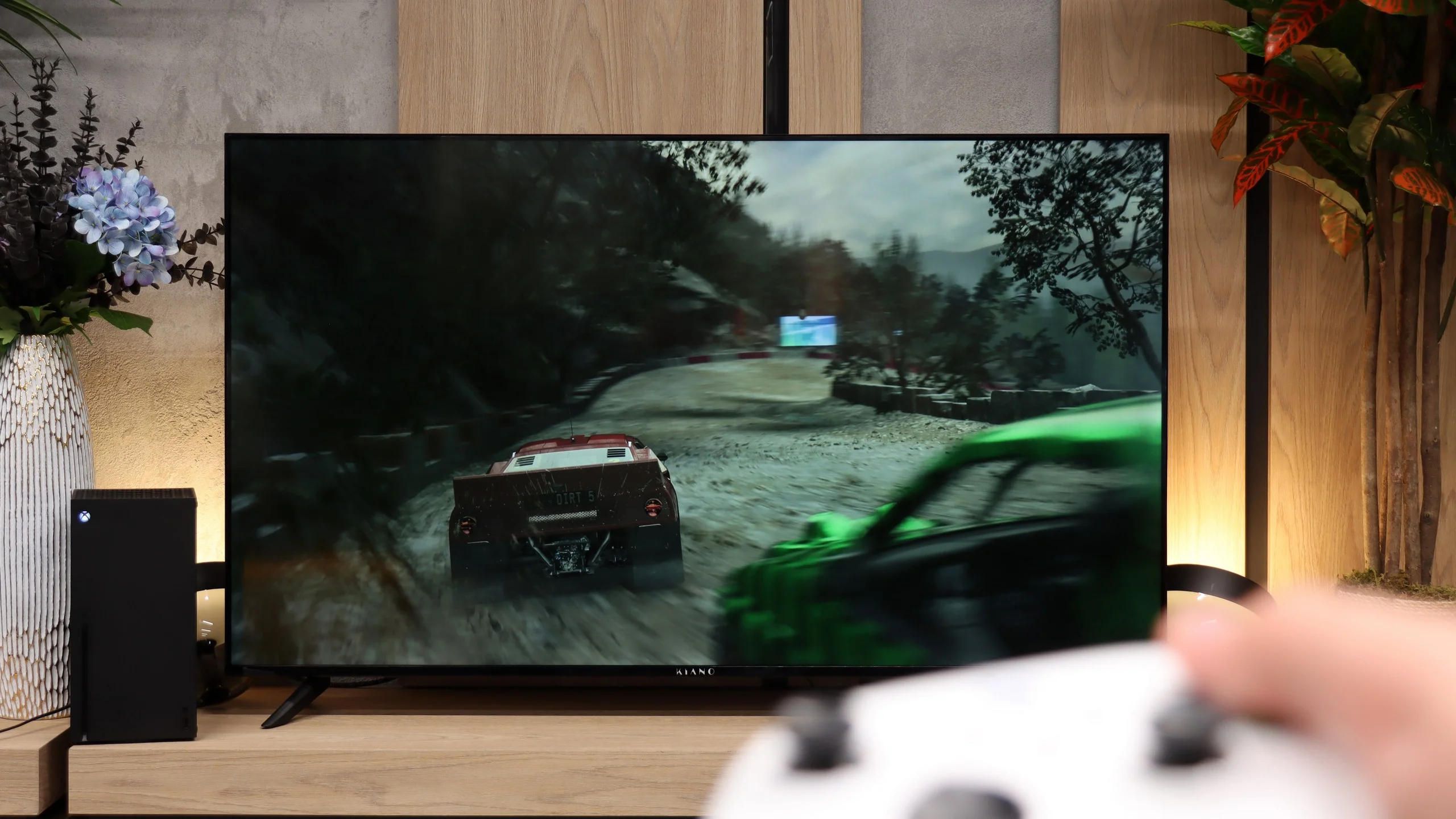
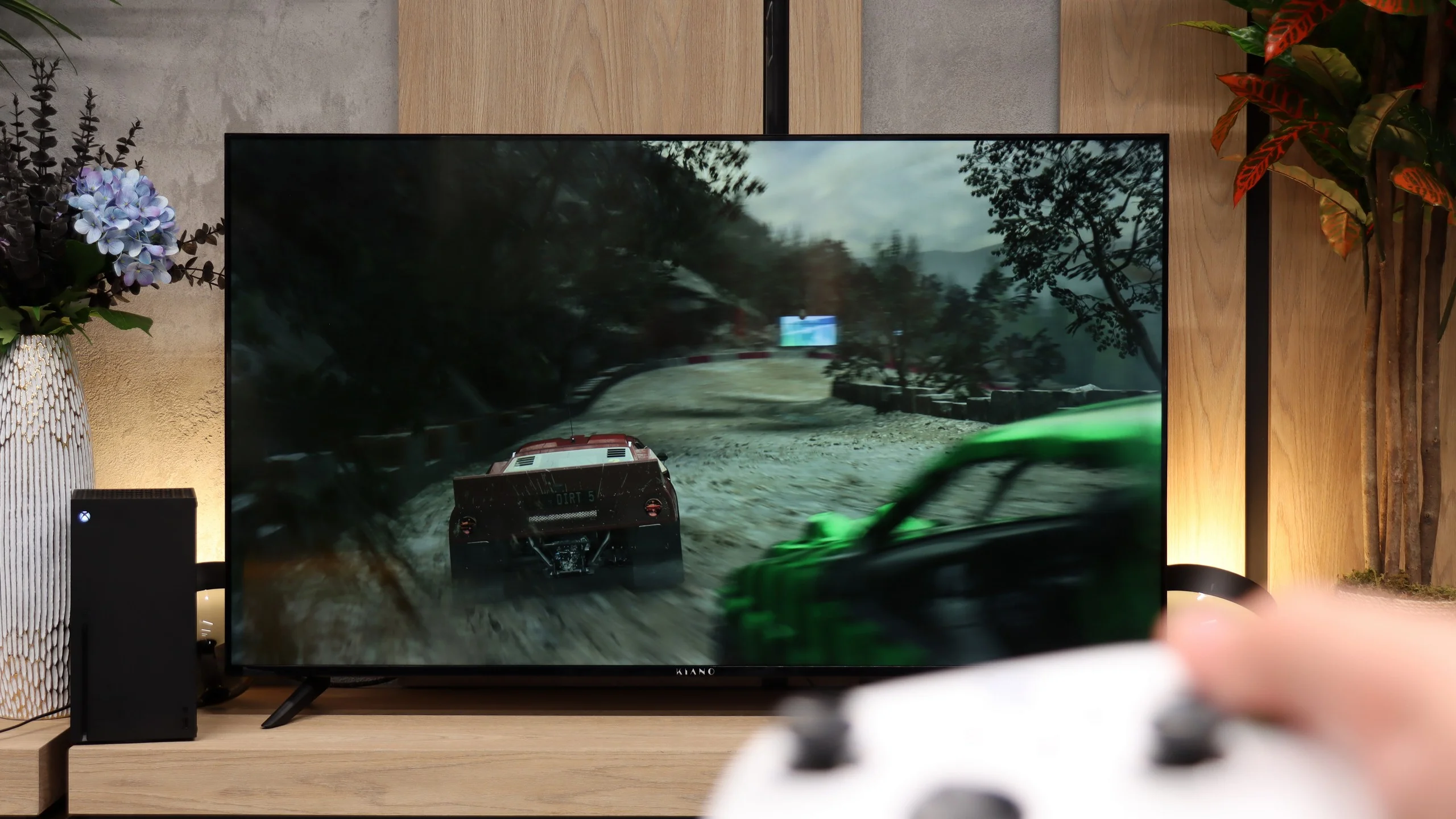
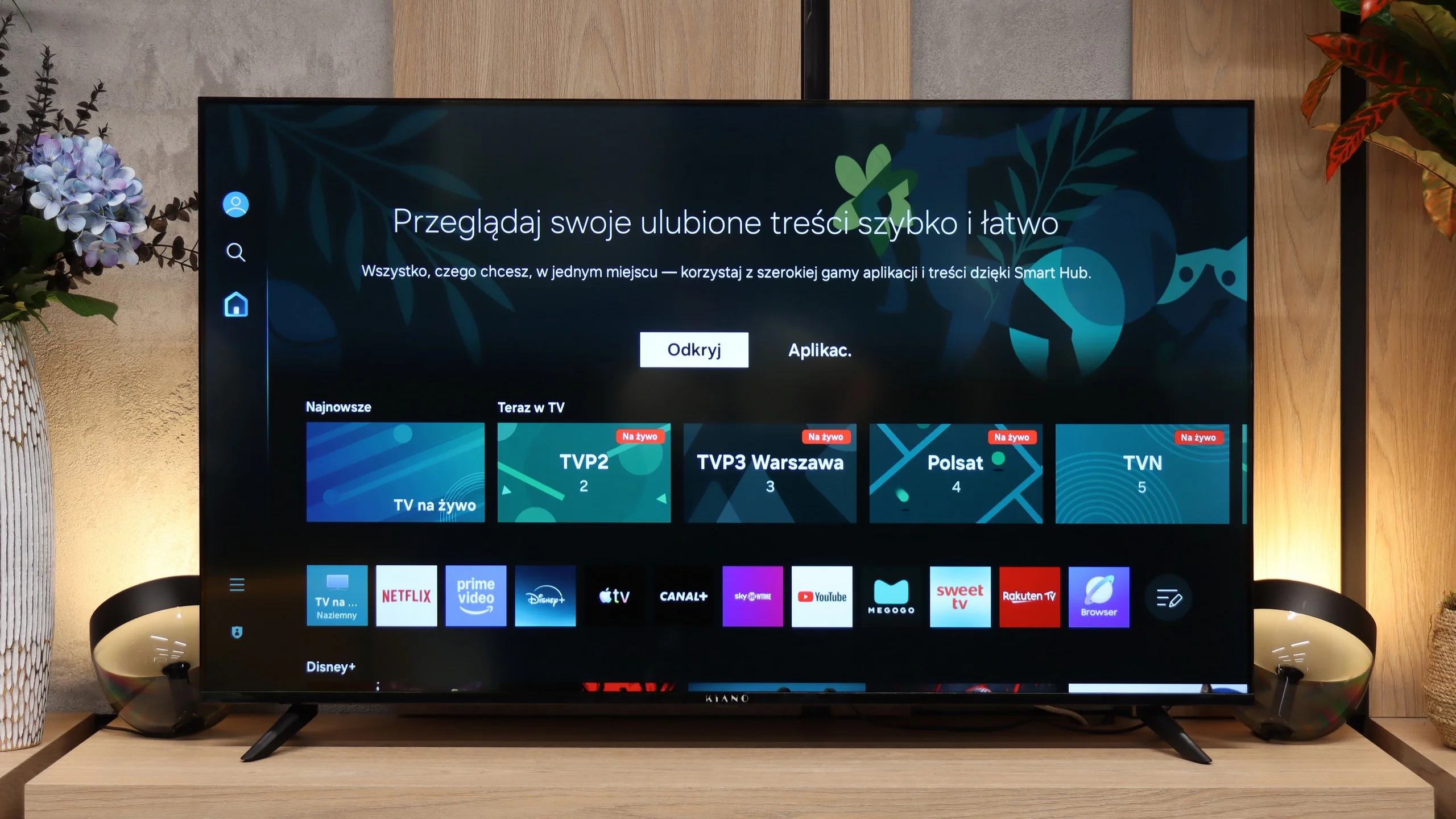
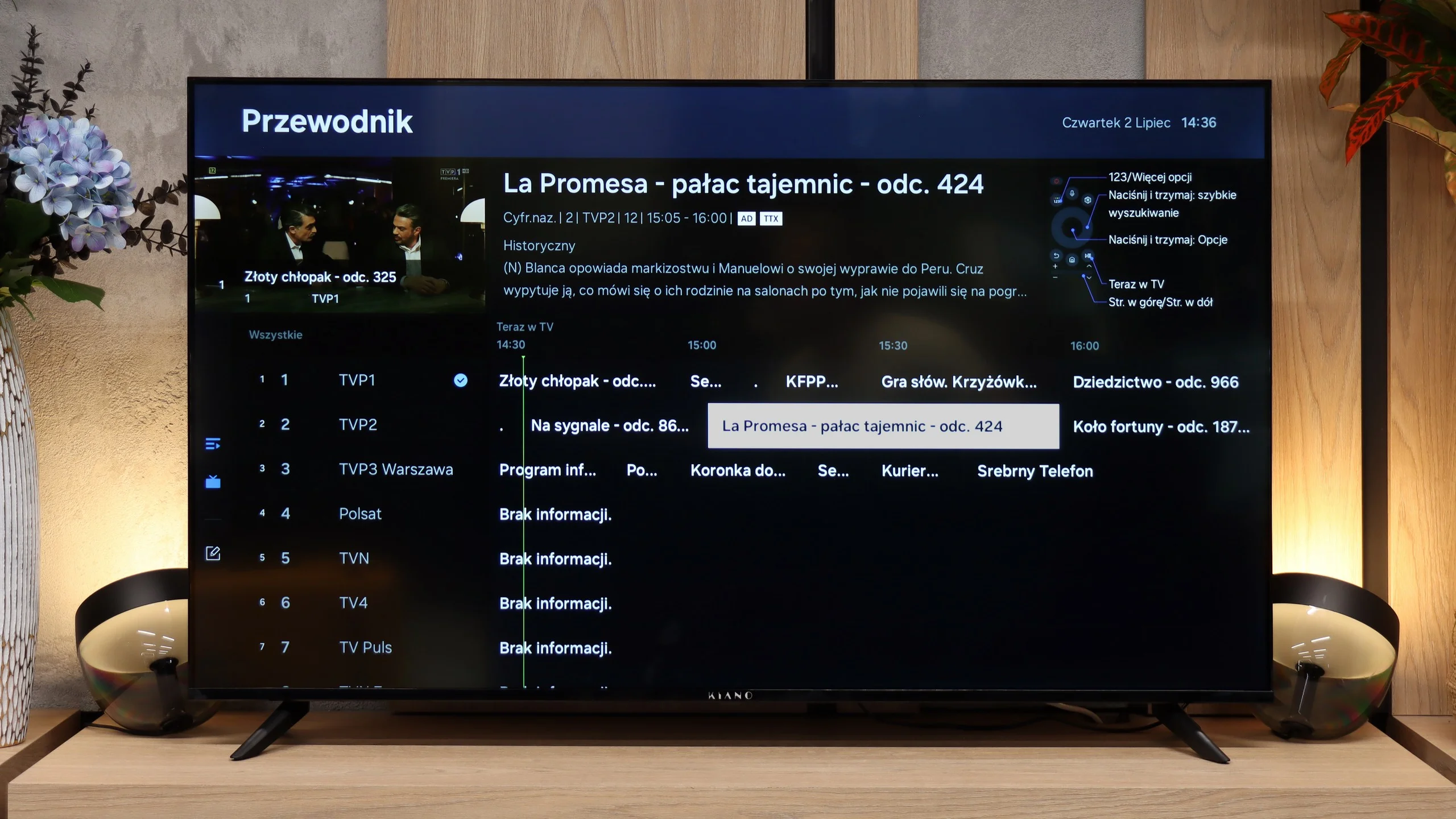
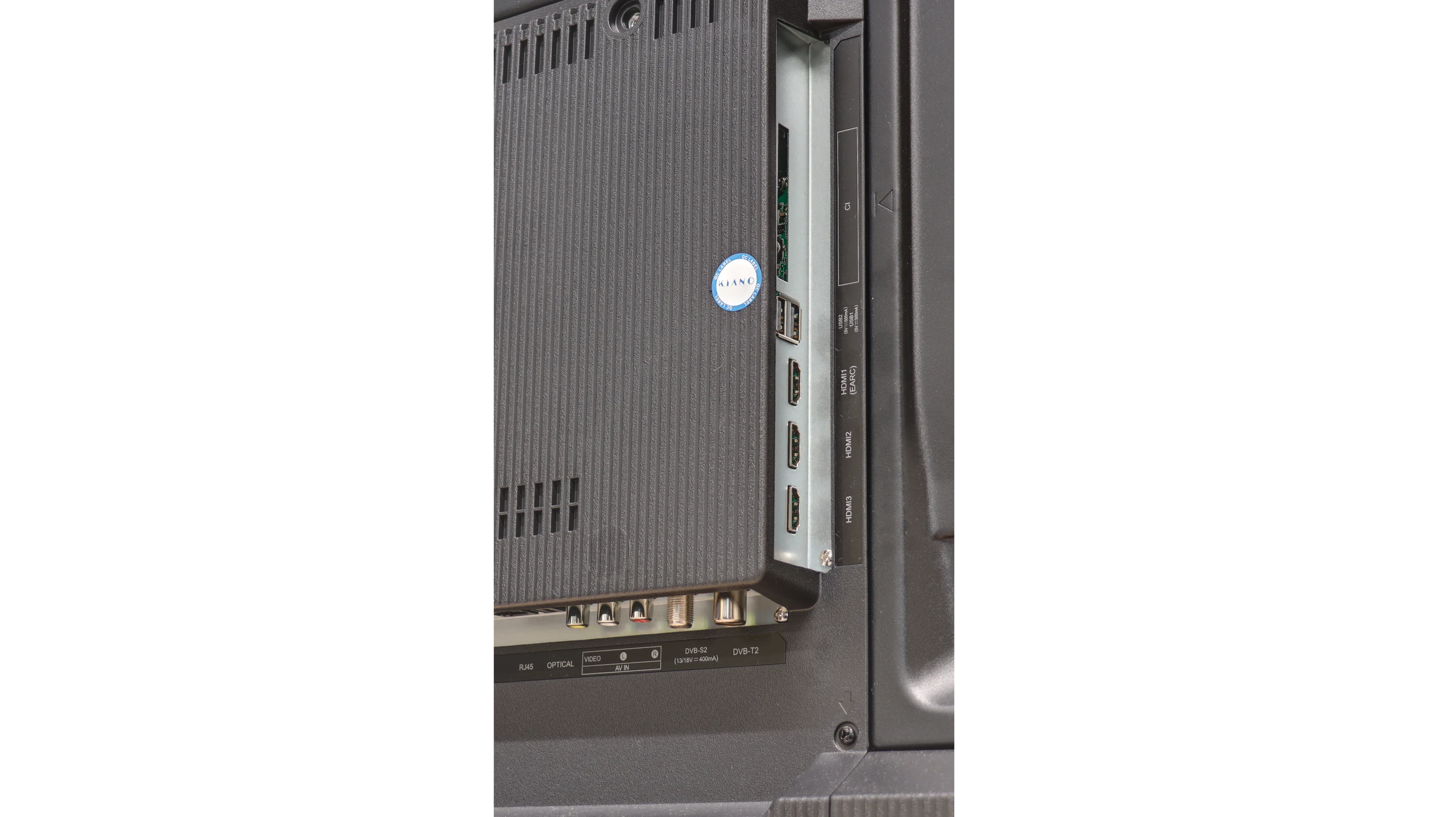
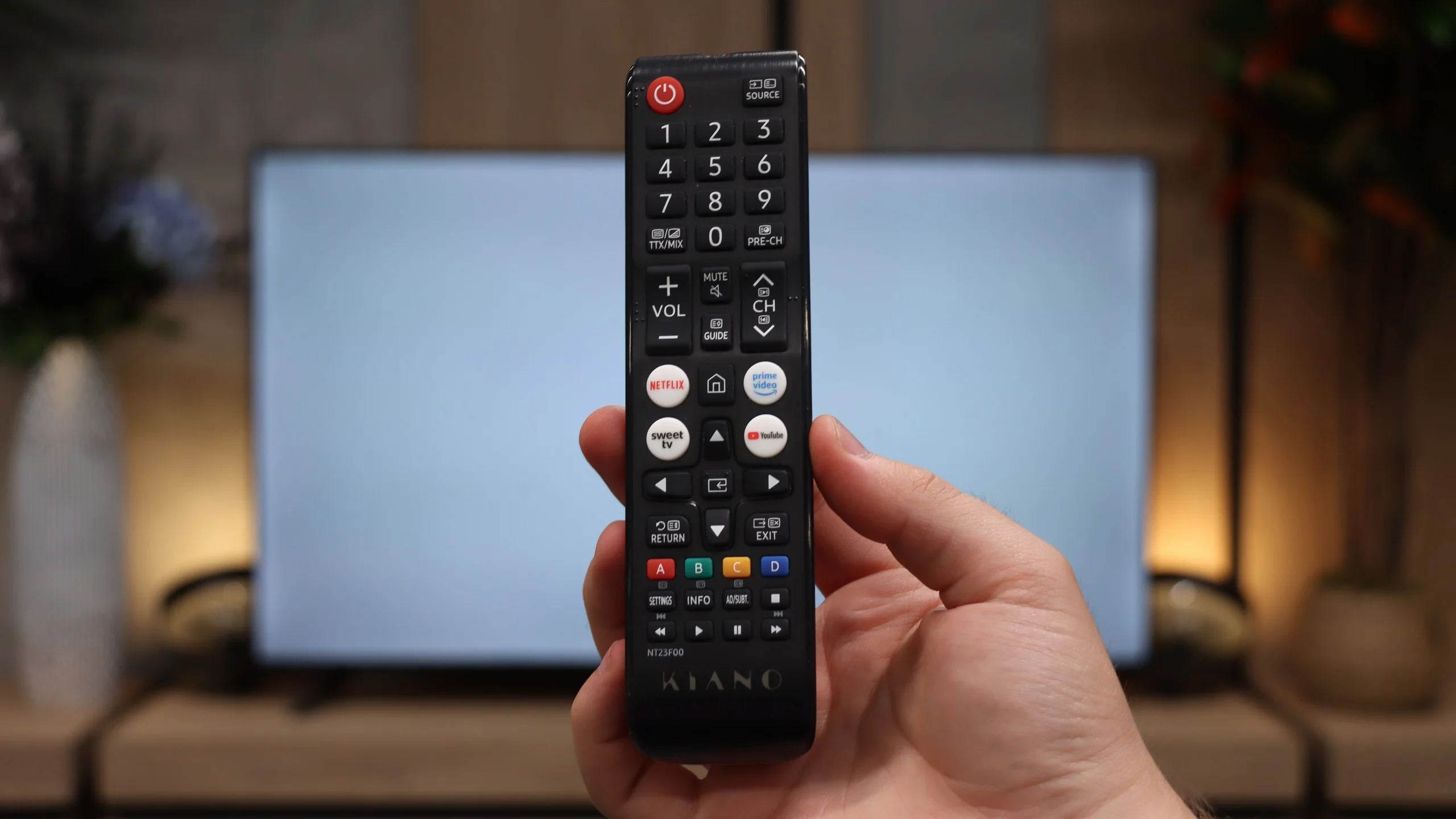
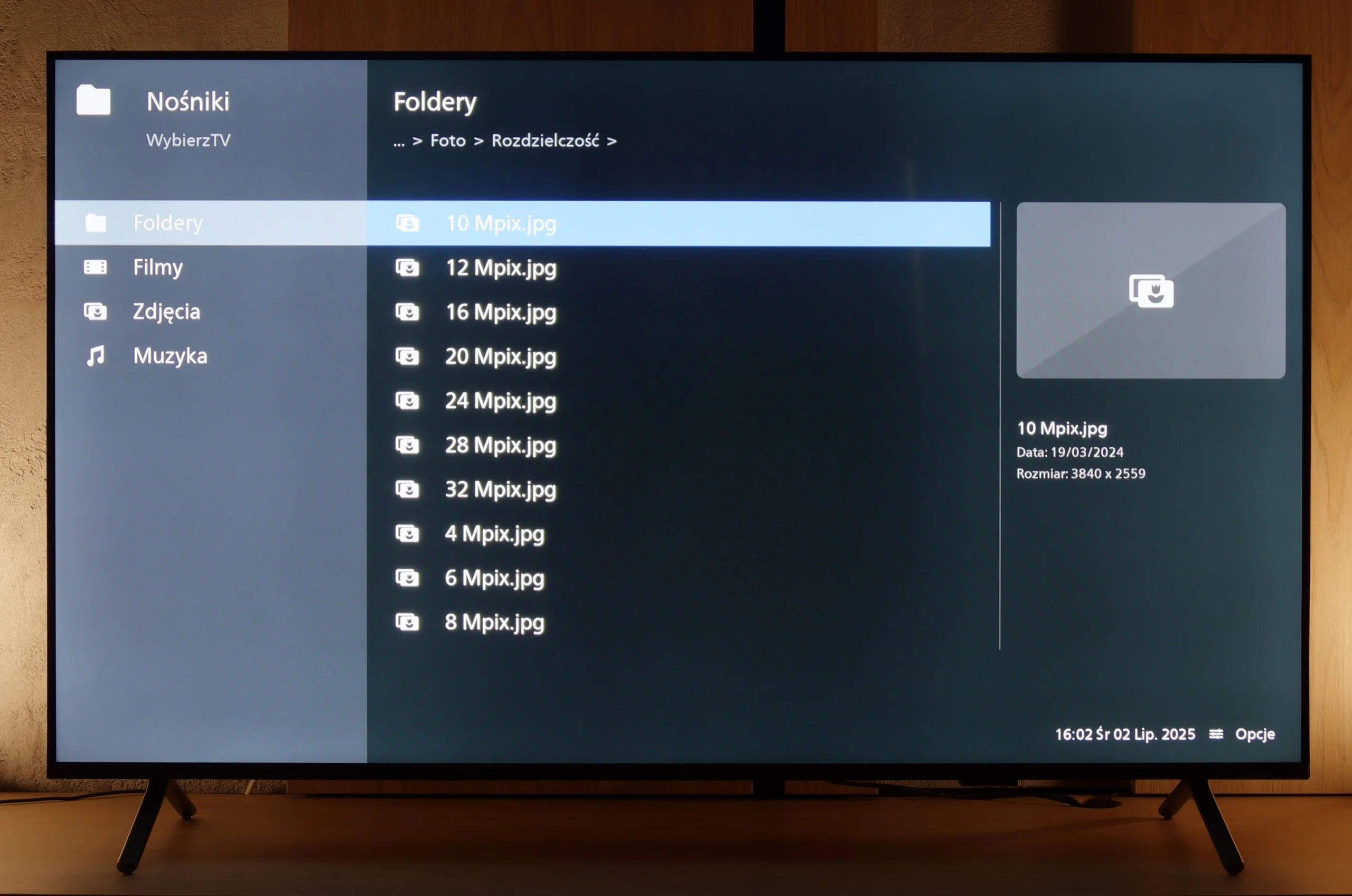
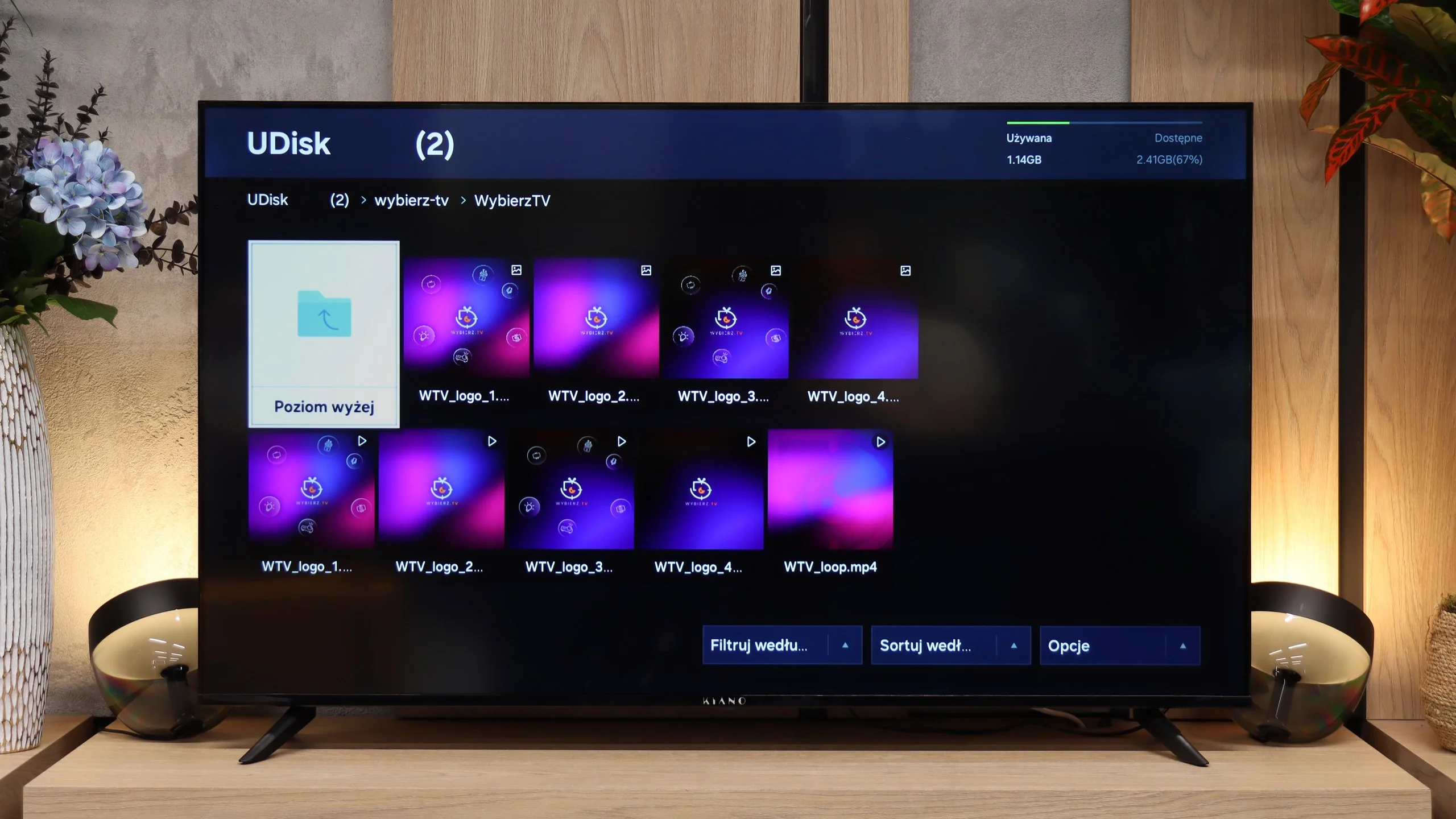
Kiano Elegance is primarily an option for people who want to spend as little as possible on a TV while still having convenient access to popular apps. The use of Tizen is a big plus here, because you get a system well known from Samsungs and you do not have to immediately buy a streaming stick to watch films or series. At a low enough price this could be a sufficient reason to consider this model. The digital video processing is also worthy of praise; in operation it resembles the solutions found in entry-level Samsungs. Kiano quite effectively smooths unwanted banding between colours in weaker sources, so heavily compressed footage looks better. It is, of course, not perfect, but remember the very low budget we are dealing with. The mere fact that this feature actually helps is commendable. Unfortunately the operating system does not make the Kiano run as smoothly as Samsung TVs. You sometimes have to wait for a response, and the USB player can take a long time to open files. The savings are also visible in the build quality and the screen’s capabilities. Low brightness makes viewing in a sunny room difficult and prevents it from delivering impressive HDR, while motion blur is noticeable during faster movement. Add weak sound to that, and buying separate speakers can quickly become another expense. That is why the Kiano Elegance really makes sense only if it is noticeably cheaper than the competition. It may be enough for everyday programmes or as a second TV in the home, but if you are only a small amount short of the price of a base model from a better-known manufacturer, we think it is worth paying the extra. Tizen and the decent video processing are strengths of this Kiano, but they do not compensate for all the cost-cutting. It is better to compare final prices than to assume that a TV with Samsung’s system will provide the same level of user comfort.
 Direct comparison