 Direct comparison
Philips PUS8079 is currently the cheapest model from the manufacturer, featuring multicolour Ambilight backlighting, which has a significant fan base. Operating with a small budget for the device, this will certainly be an advantage and a considerable added value. However, by opting for such a budget, we must also reckon with certain compromises that will be inherent in all televisions of this class. This television is primarily dedicated to those who mostly watch television during the day. Why? Primarily, the main reason is the contrast results, which, for a VA panel, were extremely low, as well as the television's luminance, hovering around 200 nits. Such brightness suggests that it will not be suitable for materials with a broad colour palette, namely streaming platforms at the highest packages. However, it is also worth noting the positives of the television, as it would be unfair not to point them out. This refers mainly to the fairly high tonal fidelity in materials significantly exceeding the television's capabilities and smooth gradation. The latter is the strongest point of the tested television, as it is practically hard to find fault with it, and if one were to try, it would be nitpicking. If we occasionally connect a console, we can expect low input lag, allowing for comfortable Sunday gaming. The contentious issue is the operating system itself. It is incredibly simple and sufficient for those who only need YouTube or Netflix, although in every other case, it may prove inadequate. So who is Philips PUS8079 for? Primarily for those looking for something that distinguishes a unit in this price range. And that something is certainly Ambilight.
- Matching (Score) |
- Our verdict |
- TV appearance |
- Where to buy |
- Contrast and black detail |
- HDR effect quality |
- Factory color reproduction |
- Color reproduction after calibration |
- Smoothness of tonal transitions |
- Image scaling and smoothness of tonal transitions |
- Blur and motion smoothness |
- Console compatibility and gaming features |
- Input lag |
- Compatibility with PC |
- Viewing angles |
- Daytime performance |
- Panel details |
- TV features |
- Apps |
- Playing files from USB |
- Sound
A400U / Premium Wallpaper
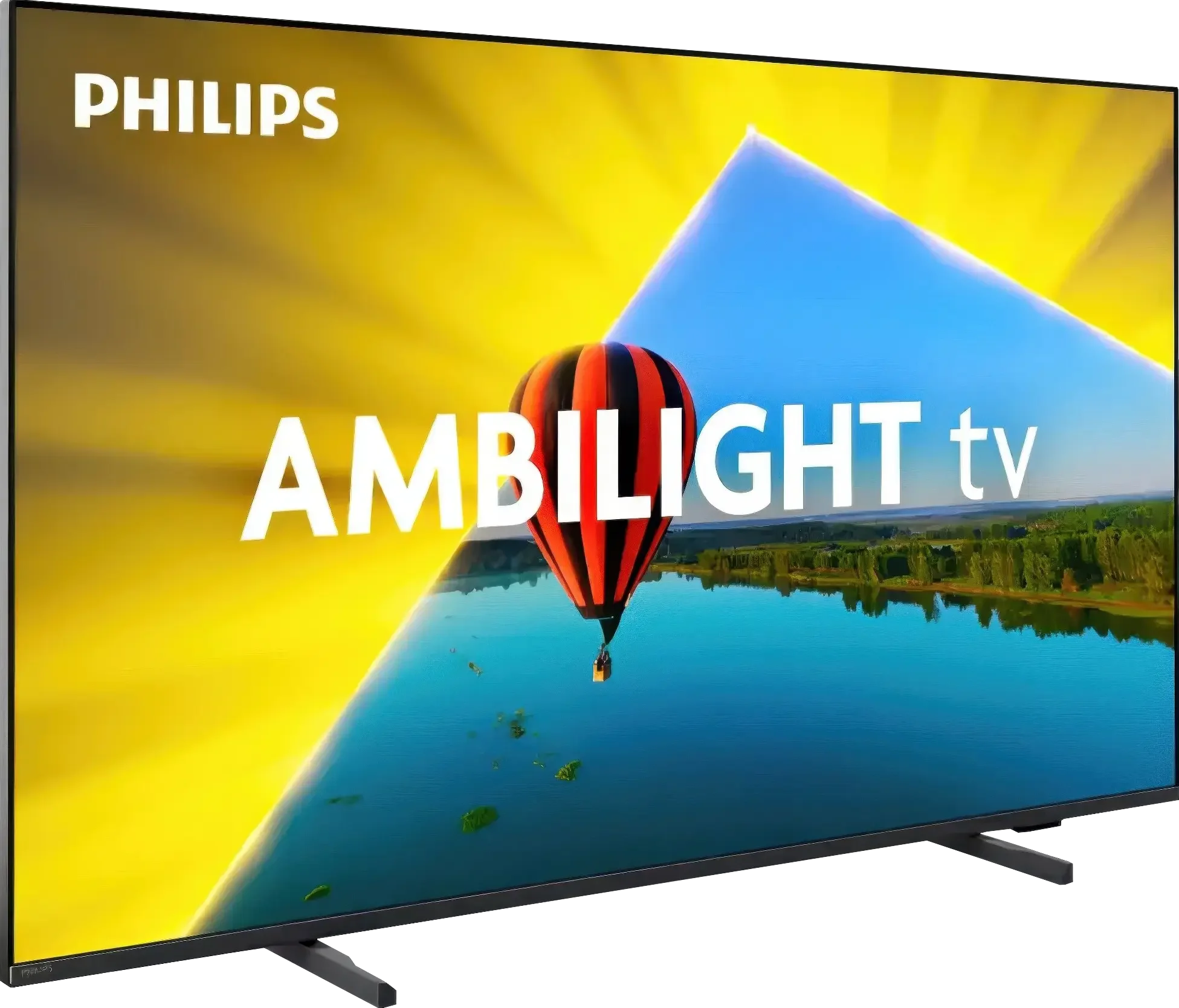
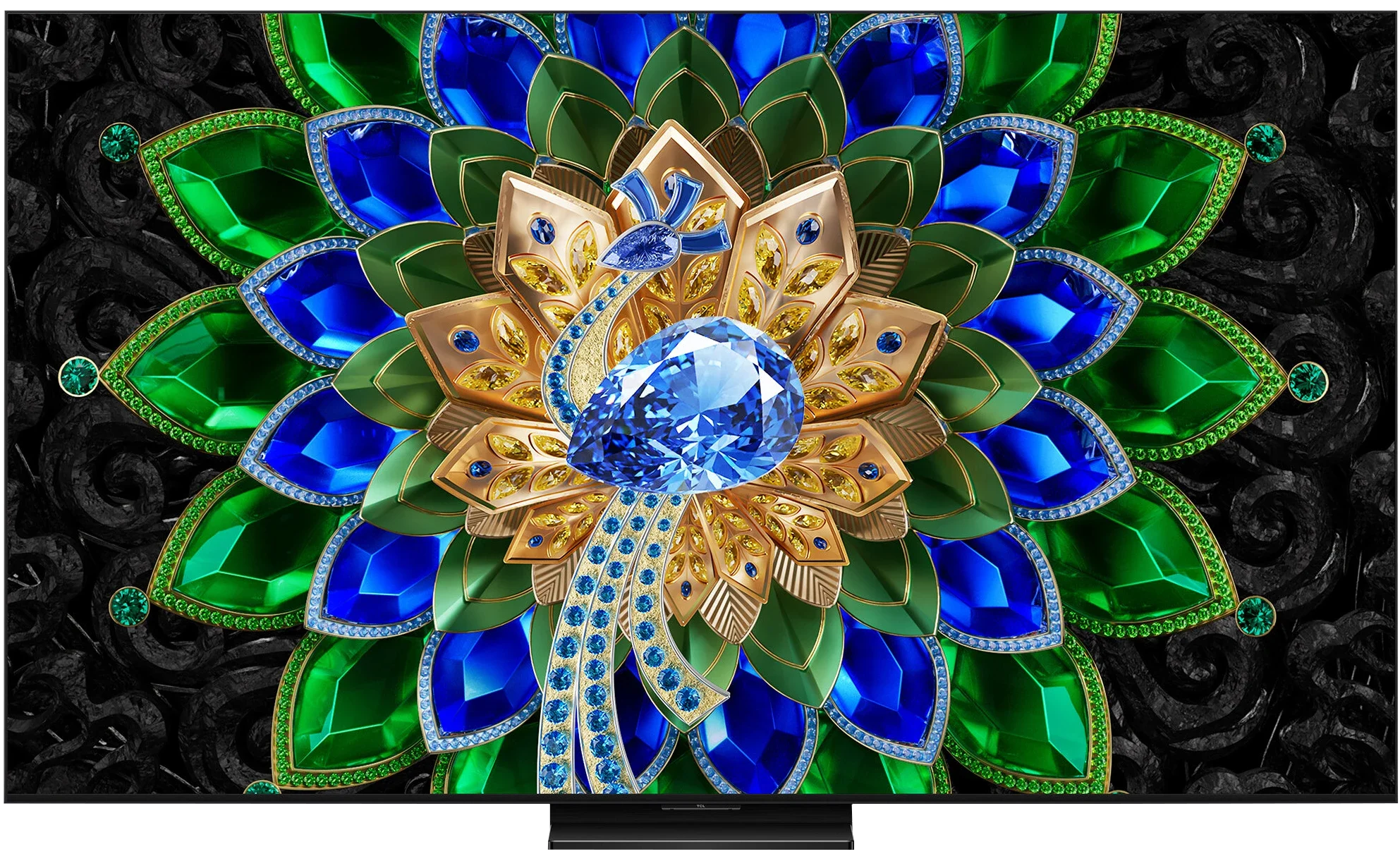
Panel type: LCD VA
Resolution: 3840x2160
System: Titan OS
Model year: 2024
Complete the survey to find out the result
Panel type: LCD VA
Resolution: 3840x2160
System: Google TV
Model year: 2026
Complete the survey to find out the result
Overall rating
4.6
7.8
 Movies and series in UHD quality
4.3
7.5
 Classic TV, YouTube
4.9
7.3
 Sports broadcasts (TV and apps)
4.5
7.0
 Gaming on console
6.2
8.8
 TV as a computer monitor
2.0
8.5
 Watching in bright light
2.6
8.5
 Utility functions
4.7
7.8
 Apps
6.7
9.6
 Sound quality
5.1
6.7
Complete the survey to find out what fits your preferences
Advantages

Unique Ambilight system
Excellent smoothness of tonal transitions
Low input lag values
Good built-in file player
Support for DTS audio
Excellent value for money
Very good black levels and high contrast thanks to Mini LED backlighting and a VA panel
High brightness delivering impressive HDR and comfortable daytime viewing
Accurate image reproduction after calibration
Extensive gaming features: VRR, ALLM, low input lag
High refresh rates up to 144 Hz at 4K and 288 Hz at Full HD when connected to a PC
Google TV with a wide selection of apps
Slim, flat casing and very good build quality
Disadvantages

Low display brightness
No Dolby Vision
IR remote - requires aiming at the screen
TitanOs system - limited number of applications
Poor digital image processing due to the use of the older MediaTek Pentonic 700 processor
Only two HDMI 2.1 inputs, one of which is shared with eARC
The glossy screen does a poor job of suppressing reflections
Limited viewing angles
Flat sound
Our verdict
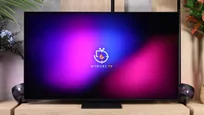
Is it worth buying the TCL A400U? Yes, because it’s one of those TVs where paying extra for a higher series doesn’t always make sense. In films you get what you normally expect from a good TV: very good blacks, a strong HDR effect and a natural picture, especially after calibration. Brightness won’t be lacking during the day either, although because of the glossy panel it’s better not to position it opposite a large window. The whole package is completed by a slim, well-made casing. The A400U doesn’t mimic a picture-on-the-wall as convincingly as some “wallpaper” TVs, but as an elegant living-room model it looks very good.
Buying it, you don’t have to choose between a TV for films and a screen for gaming. The A400U supports 4K at 120 Hz, including in Dolby Vision, and low input lag keeps controls quick and responsive. With a PC you can even use 144 Hz at 4K or 288 Hz in Full HD. That’s a level of capability at which it’s hard to justify paying more for a pricier model purely for gaming features. In everyday use the TV doesn’t disappoint either. Google TV runs smoothly, apps launch without annoying delays, and using the device is simply convenient.
That doesn’t mean the A400U will suit every home. If you often watch broadcast TV or other lower-quality material, the Pentonic 700 processor won’t always improve it as much as you might expect. The slightly more expensive C7L has a similar limitation, so only moving up to a clearly higher series, such as the C8L, brings a noticeable change in this regard. Before buying it’s also worth checking how many devices you want to connect. Two HDMI 2.1 inputs, one of which is taken by eARC, may prove insufficient if you have two consoles and a soundbar. It’s sensible to include a soundbar in the budget anyway, because the built-in speakers clearly don’t match the capabilities of the picture.
However, if you’re mainly after a TV for films, streaming and gaming, the TCL A400U is one of the most convincing mid-range buys of 2026. More expensive models can do more, but not every one of those advantages will matter during everyday viewing. Here you get a very good picture, extensive features and excellent build quality, without having to pay for functions you may never see. That’s why the TCL A400U is, in our view, one of the most cost-effective TVs of 2026.
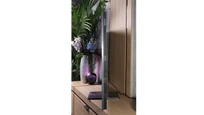
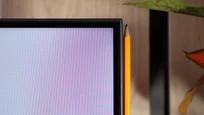
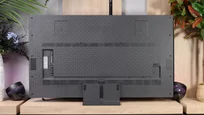
TV appearance

Contrast and black detail
4.3/10
8/10
Local dimming function: No
Local dimming function: Yes, number of zones: 576 (18 x 32)
Contrast:


Result
2,750:1

Result
2,550:1

Result
2,150:1

Result
2,350:1

Result
2,350:1
Result
170,250:1
Result
41,700:1
Result
24,500:1
Result
22,550:1
Result
8,550:1
Halo effect and black detail visibility:
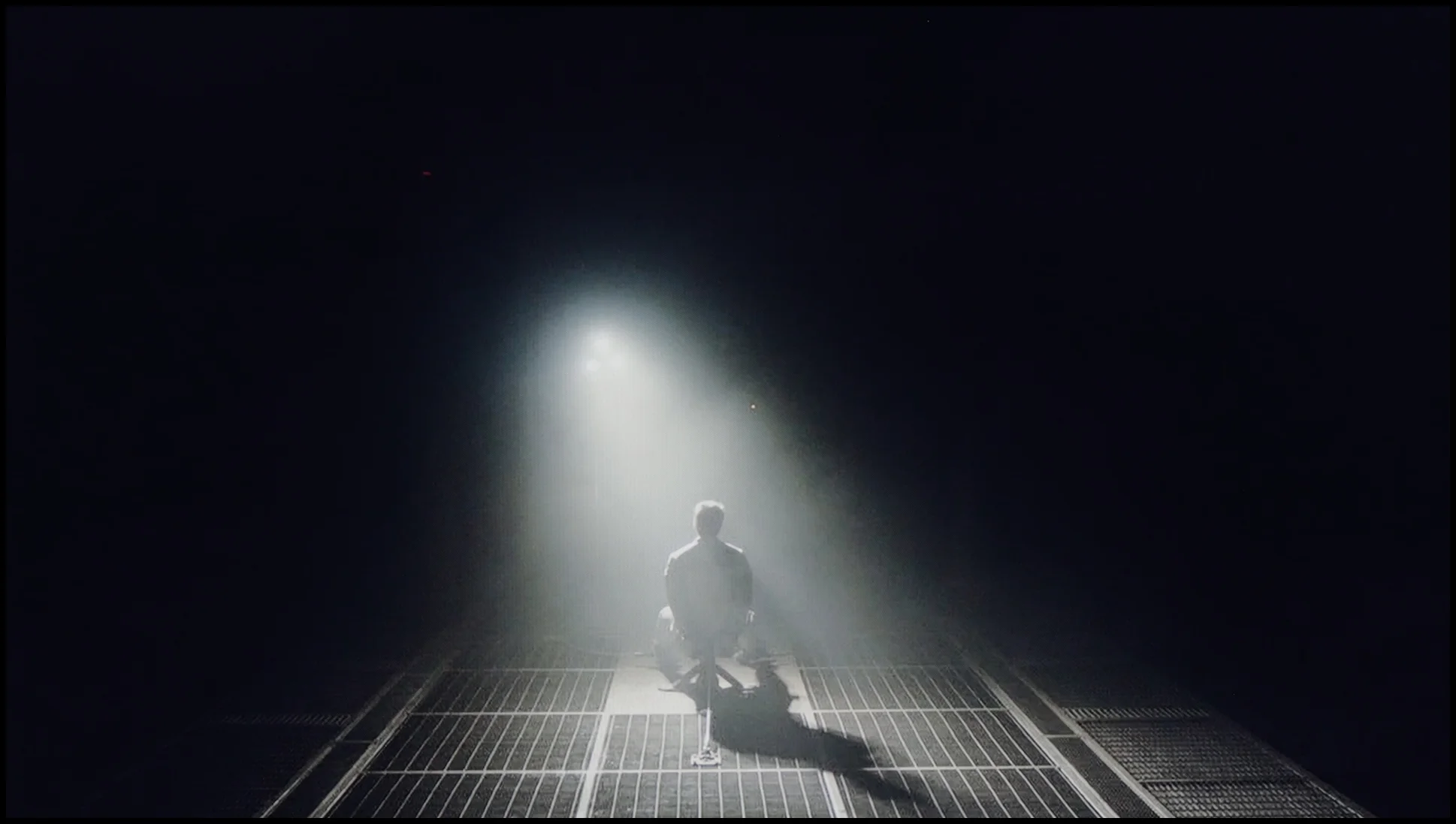
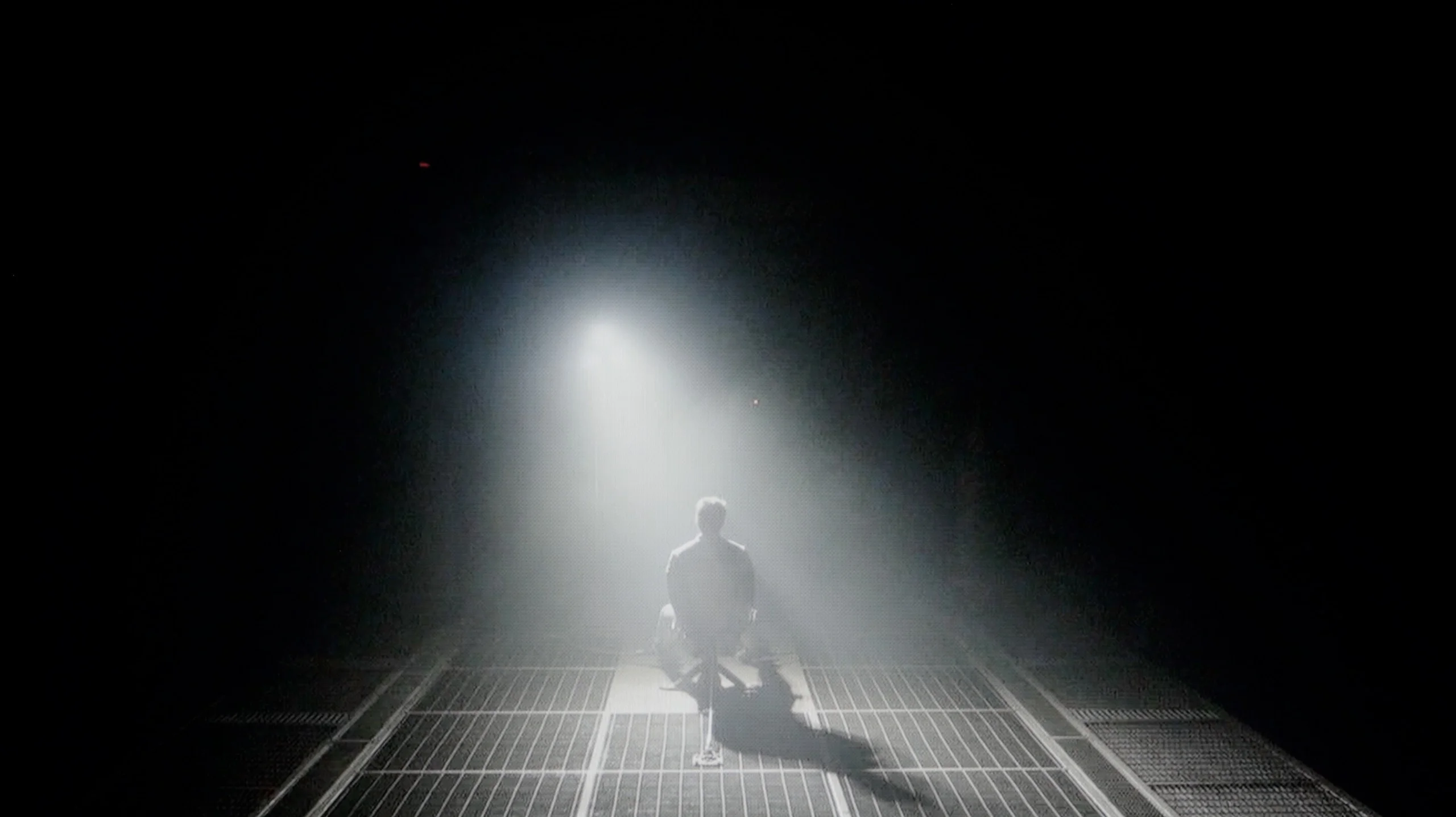
Check the visibility of bright lights on a dark background. Mini-LEDs often struggle with this. The photo does not compare black levels – that’s what the video below is for.
The video accurately shows differences in contrast and black levels between TVs, as well as potential issues: halo around bright objects or Mini-LED zone operation visible as brightness jumps.
The Philips PUS8079 television features a VA panel. It is worth noting that the size we tested is 43", as this manufacturer often changes the panel depending on the size. Although this type of panel should provide at least good blacks, since we are dealing with a very budget-friendly unit, the results are rather predictable. Results at around 2300:1 are among the lowest for this type of panel. More advanced units achieve results that are 2-3 times better in this regard. However, the current state of affairs should not overly surprise us, as we are dealing with a device that is very, very budget-friendly. We should also mention that in this case we have direct backlighting (Direct), whose only advantage is the uniformity of the backlight. Unfortunately, it has not been divided into any zones, which is not surprising given the low class of the device. On the positive side, light separation was noted in the test with the film "Oblivion".
The black in the TCL A400U performs excellently, even surprisingly so. The 65-inch sample we tested uses 576 local dimming zones, which effectively separate bright objects from a dark background. In most of our scenes the contrast ratio ranged from about 22,500:1 to 41,700:1, and in the most favourable shot it exceeded 170,000:1. That gives the image very good depth in the evening, and the blacks do not resemble the grey glow common to ordinary LCD screens without local dimming. Interestingly, the C7L we tested in the same size had over 1,000 zones, yet the contrast results were very similar, in places even worse. The A400U therefore shows that the number of zones alone does not determine the effect. Equally important is how the TV controls them, and here TCL has done a very good job.
Of course there are scenes in which the backlight reaches its limits. When a lot of small bright elements appear on a black background, you can notice a halo effect around them, a luminous rim. The zones cover too large an area to illuminate every such detail without brightening its surroundings. In our most difficult shot the contrast fell to about 9,000:1, but even then it did not look bad. It is not perfect black in every situation, however for most of a viewing session the A400U gives plenty of reasons to be pleased in this respect.
HDR effect quality
2.9/10
6.1/10
Luminance measurements in HDR:

Result
179 nit

Result
177 nit

Result
202 nit

Result
164 nit

Result
193 nit
Result
1226 nit
Result
264 nit
Result
636 nit
Result
217 nit
Result
1434 nit
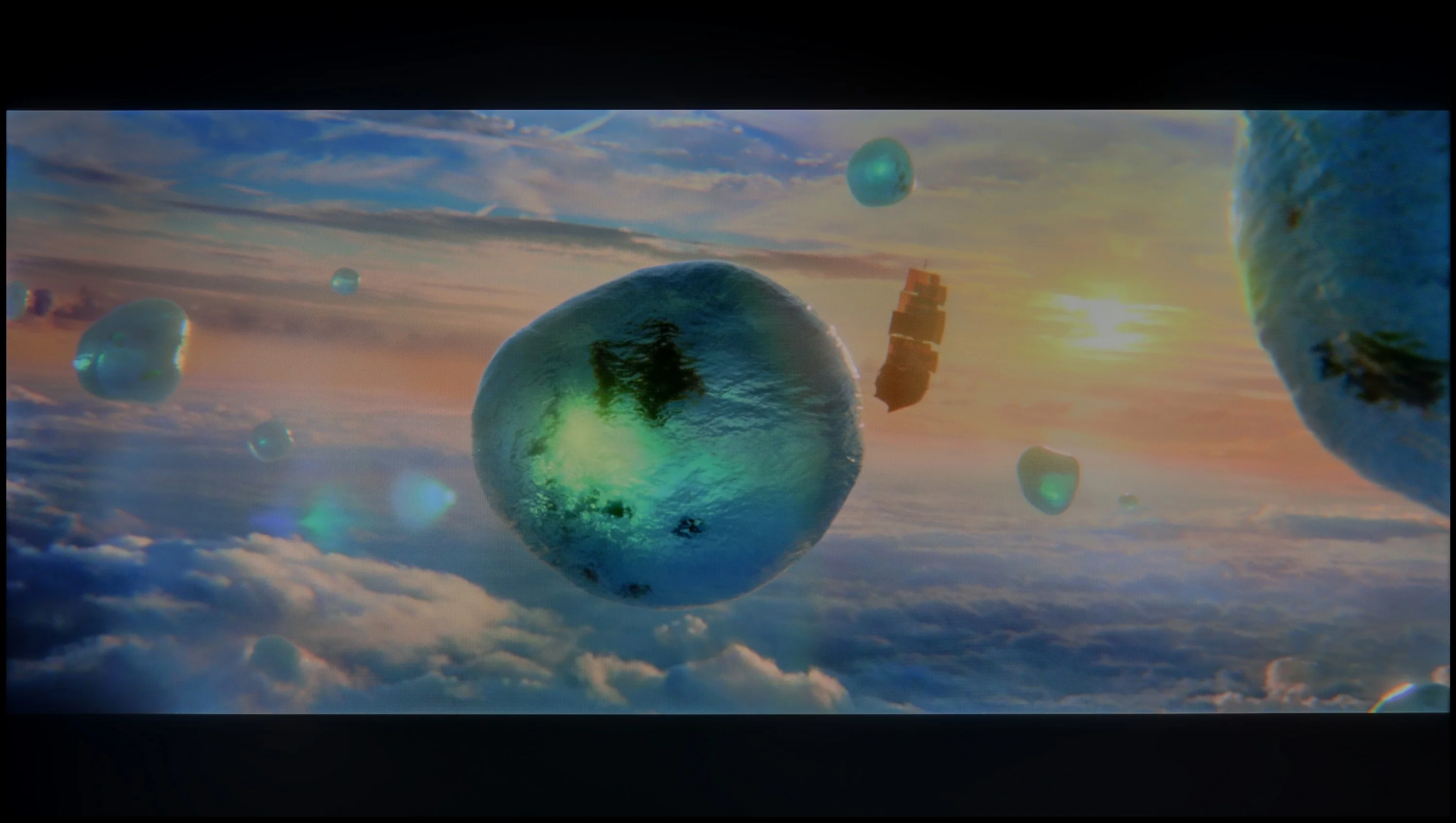
Scene from the movie “Pan” (about 2800 nits)

Scene from the movie “Billy Lynn” (about 1100 nits)
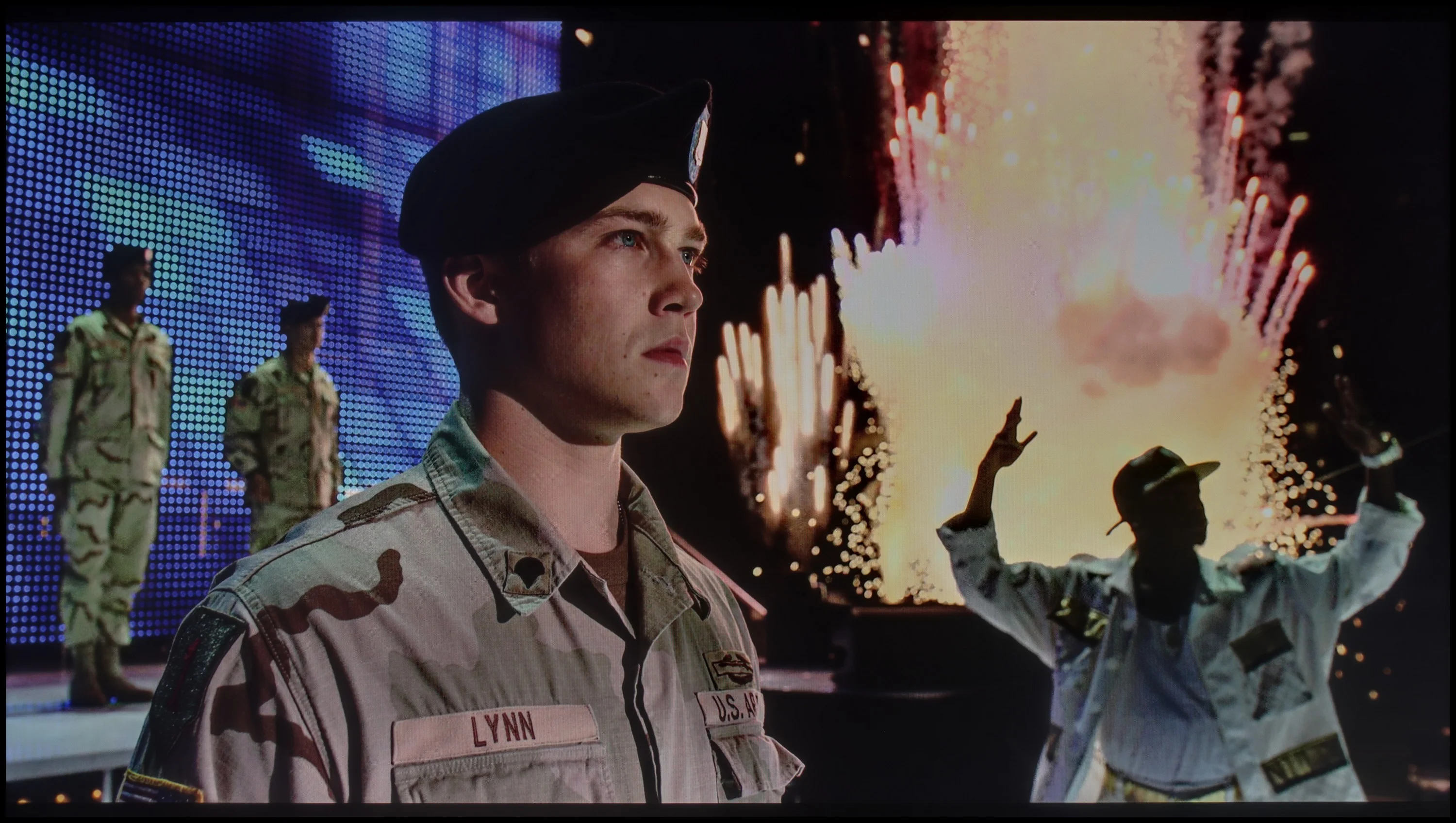
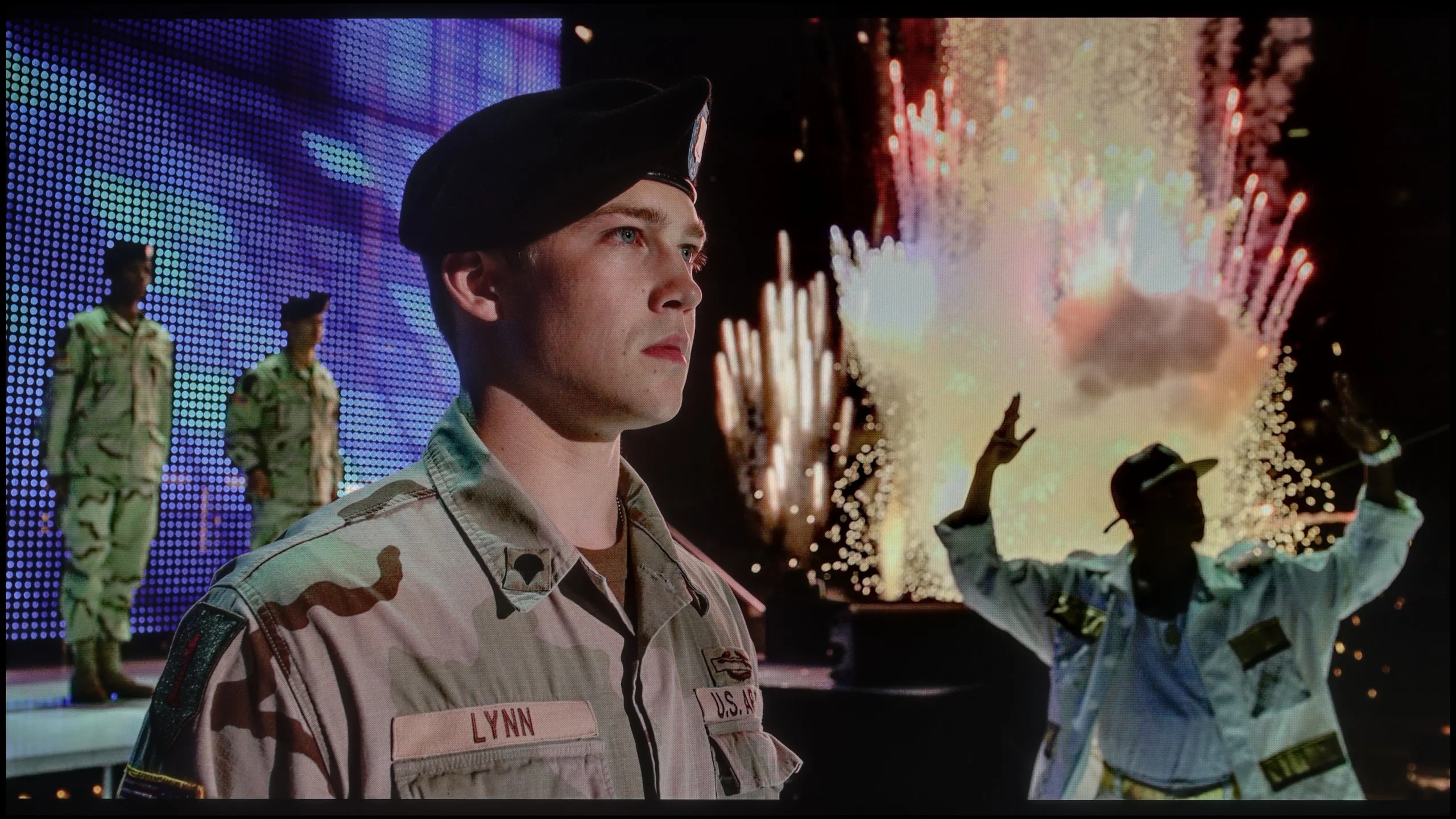
The photos show two HDR10 movies. 'Pan' is one of the brightest productions ever made, while 'Billy Lynn' (soldier) has brightness typical of streaming (Netflix, Prime, HBO MAX). Notice the intensity of effects and detail in whites.
Static HDR10


The photos present the visibility of white details in various HDR formats. They do not show brightness differences between TVs (these can be compared in the previous gallery).
Dynamic: HDR10+
Dynamic: Dolby Vision


The photos present the visibility of white details in various HDR formats. They do not show brightness differences between TVs (these can be compared in the previous gallery).
HDR luminance chart:
TCL A400U
Philips PUS8079
The maximum brightness in content with a wide tonal range at a level of 202 nits is extremely low and, in practice, does not allow for watching films and series on streaming platforms in the highest quality. It is worth mentioning that in this case, the use of the HDR format equipped with dynamic metadata will not help either. Why won't it help? Because the only such format implemented in the television is HDR10+, which is extremely unpopular, and films recorded in this format are scarce. It is also worth noting that PUS8079 utilises WLED backlighting, which unfortunately is not the best solution, resulting in a coverage of the wide DCI-P3 colour gamut of only 80%. The result of this situation is significantly less intense colours in HDR content.
TCL A400U can deliver very strong HDR. On test patterns peak brightness reaches around 2000 nits, and in brighter film scenes we measured from about 1200 to over 1400 nits. Those are very good figures, translating into intense sun reflections and a noticeable glow on bright parts of the image. In such shots there is little to complain about in terms of power. It is not always equally dramatic, though. When small lights appear on a dark background the algorithm has to decide how much to illuminate the zones that contain them. Higher brightness would also mean a more visible halo around objects, so the A400U opts to preserve deep blacks. In our toughest scenes the small lights therefore reached only about 220 to 260 nits. They remain visible, but lose the intensity we would expect from such a bright TV. It is a compromise typical of many Mini LEDs in this price range. The backlight has plenty of power, but the number of zones limits how precisely it can be used. You can also see the C7L's advantage here, which, thanks to a greater number of zones, can render some of those elements brighter.
Colours
Colours perform well, though they do not achieve the same saturation as the new SQD Mini LED models. The A400U uses a PFS phosphor and covers roughly 94% of the DCI-P3 gamut and 74% of BT.2020. In HDR films this yields rich, well-saturated tones. DCI-P3, which contains most of the colours used in them, is almost fully covered. Some shortcomings are most evident in the most saturated greens. They will not be as intense as on screens able to display a wider gamut, but in most films it will be hard to notice. The difference is easier to spot in games with heavily saturated, neon colours that often exceed the panel's capabilities.
Factory color reproduction
1.8/10
6.2/10
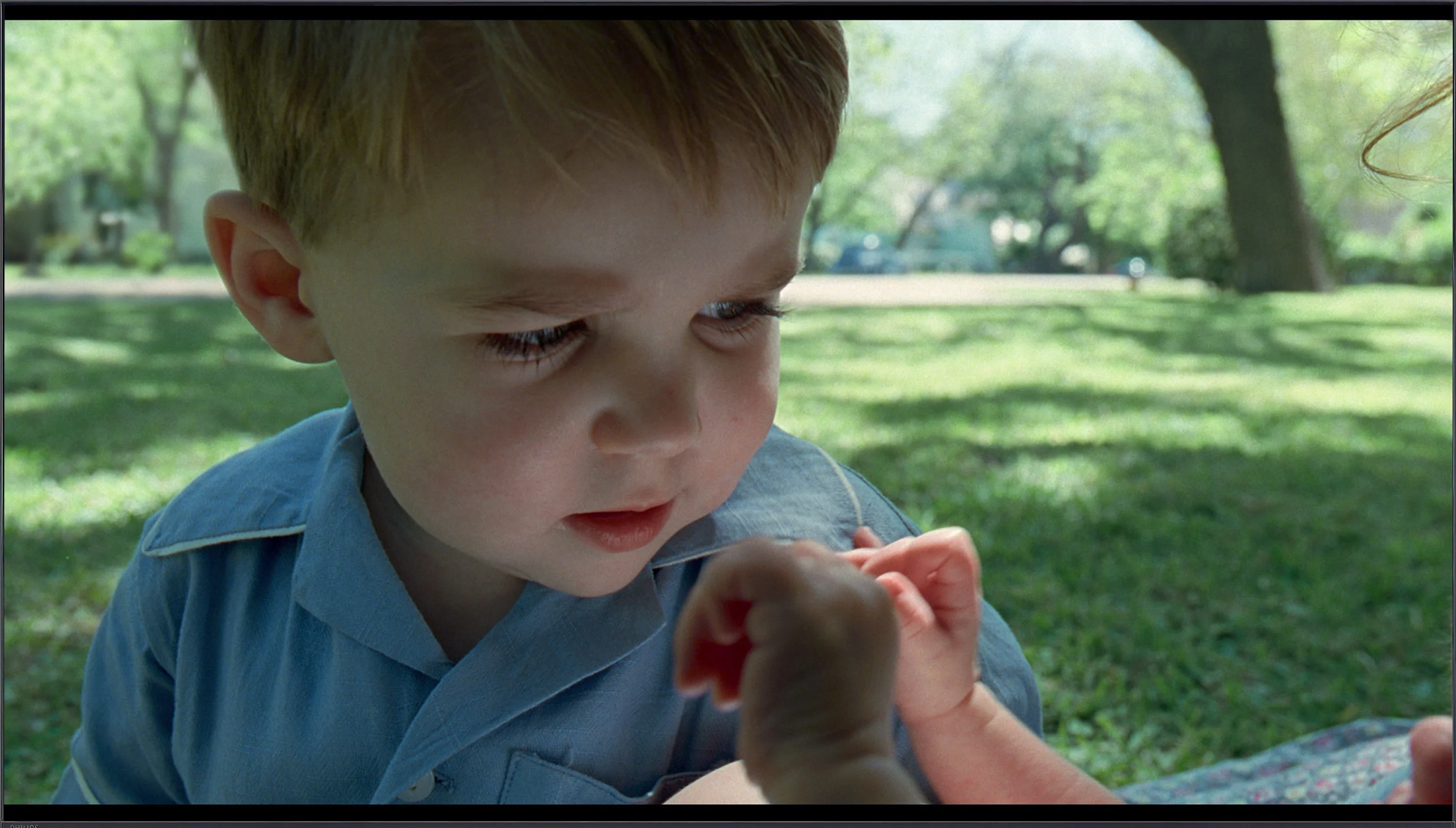
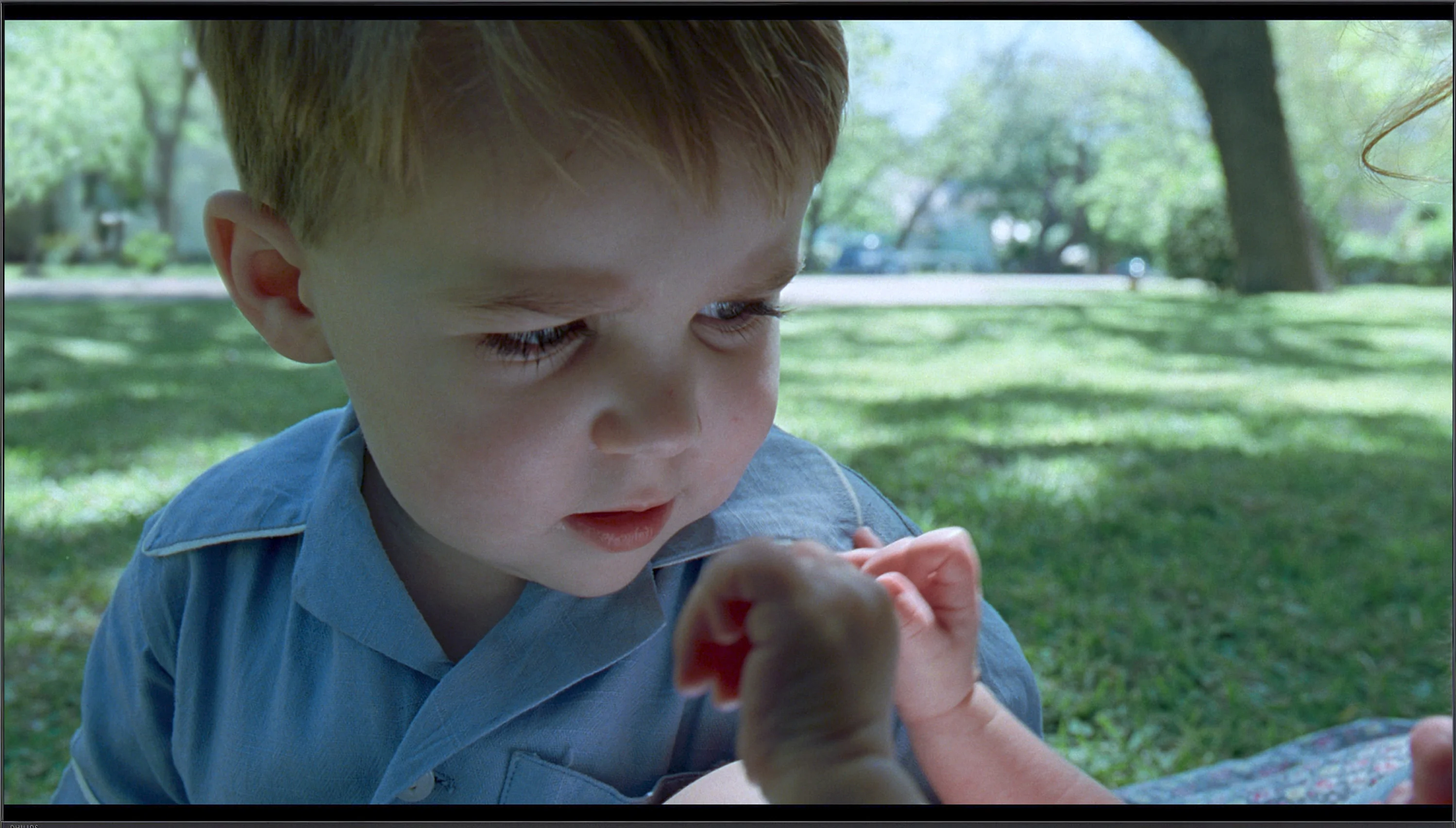
This gallery shows how colors change after professional TV calibration. If you notice the difference, we recommend ordering this service at SkalibrujTV.com.
Factory Mode
After calibration
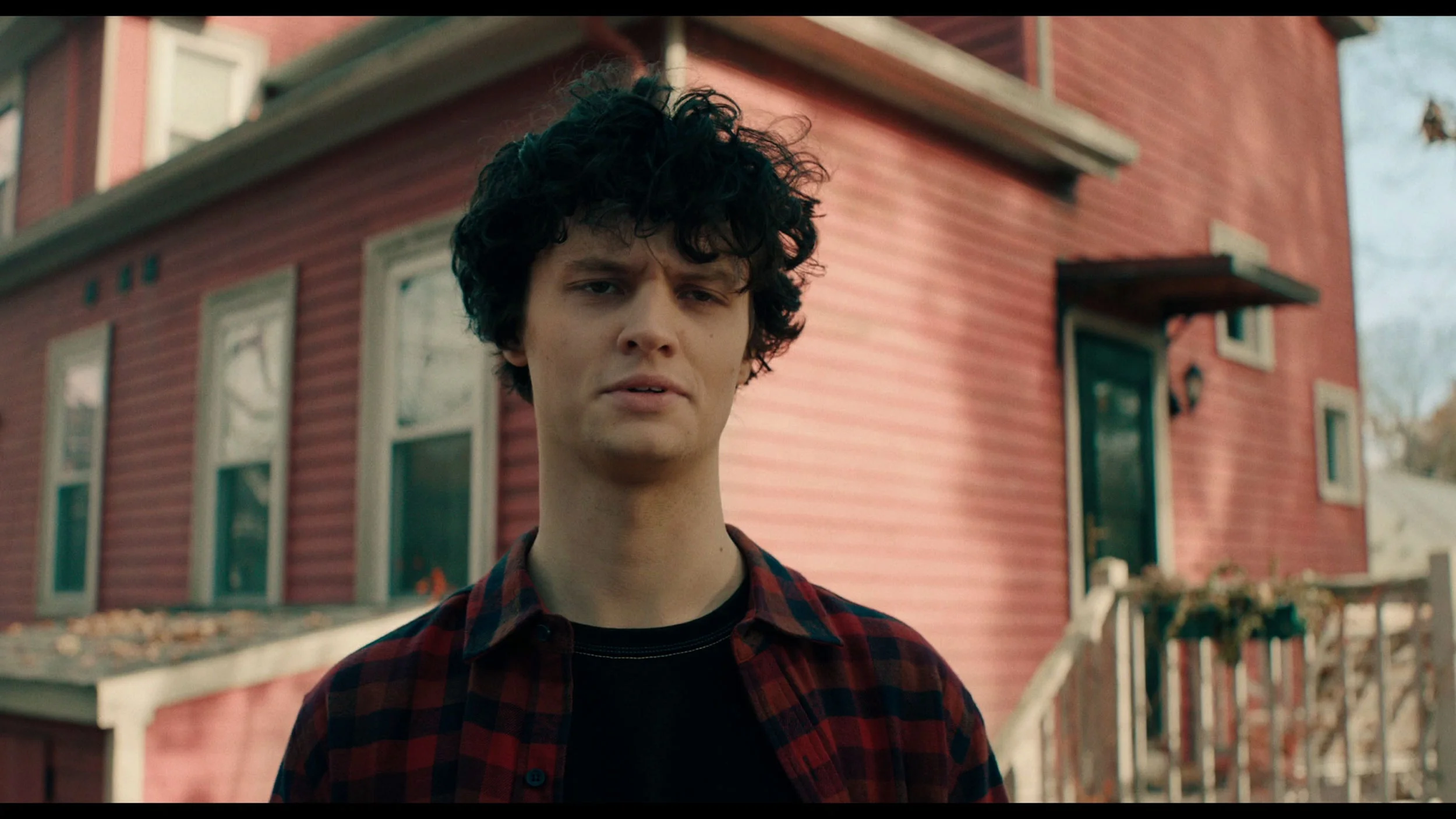

This gallery shows how colors change after professional TV calibration. If you notice the difference, we recommend ordering this service at SkalibrujTV.com.
Factory Mode
After calibration
The best factory mode in terms of colour reproduction and fidelity to the director's vision was "Film". Admittedly, it was the best among the pre-defined modes, although it had significant discrepancies between what the film's author wanted to convey and what the tested television displayed. Both in SDR and HDR materials (though to a lesser extent in the latter), the white balance, which is the most fundamental element responsible for image purity, turned out to be somewhat of a repeat of the vivid mode, with the blue tint known from displays on shop shelves. Moving directly to SDR materials and what is responsible for contrast, namely gamma, we see that it is significantly reduced. This leads to cutting down on an already limited contrast range and brightening the entire image. In the EOTF curve, which is responsible for the increase in brightness pace in HDR materials, we observe a sharp drop below the reference line, which, given the limited light output of the television, had a significant impact on the perception of these contents, which were even darker. We will not separate the assessments of the colours themselves, as in both cases they achieved astronomical deltaE values, being simply completely different from what they should be.
In its factory settings, Filmmaker mode on the A400U performs quite well, especially for regular TV and SDR films. However, there is a slight lack of red. Whites therefore have a faint greenish cast and faces can look a little too pale. It is not strongly noticeable in every scene, but in shots with a lot of white or red the tint is easier to spot. There are also small luminance inconsistencies. Dark areas are slightly lifted, while some brighter tones are overly subdued. It is perfectly watchable, though there is room for improvement.
There are more comments regarding HDR. Out of the box the TV brightens the image too much, which is clearly visible on the EOTF chart. This is not about highlights such as the sun or lamps, which should be intense. Faces and surroundings also become brighter, when in the film they were meant to look more restrained. As a result the scene loses some depth and looks as if someone had cranked up its brightness. On top of that the brightest whites tend to take on a slightly cool hue. The most needed change is therefore to tidy up HDR rendering, because in its factory Filmmaker settings the A400U adds “more” than it should.
Color reproduction after calibration
4.8/10
8.9/10
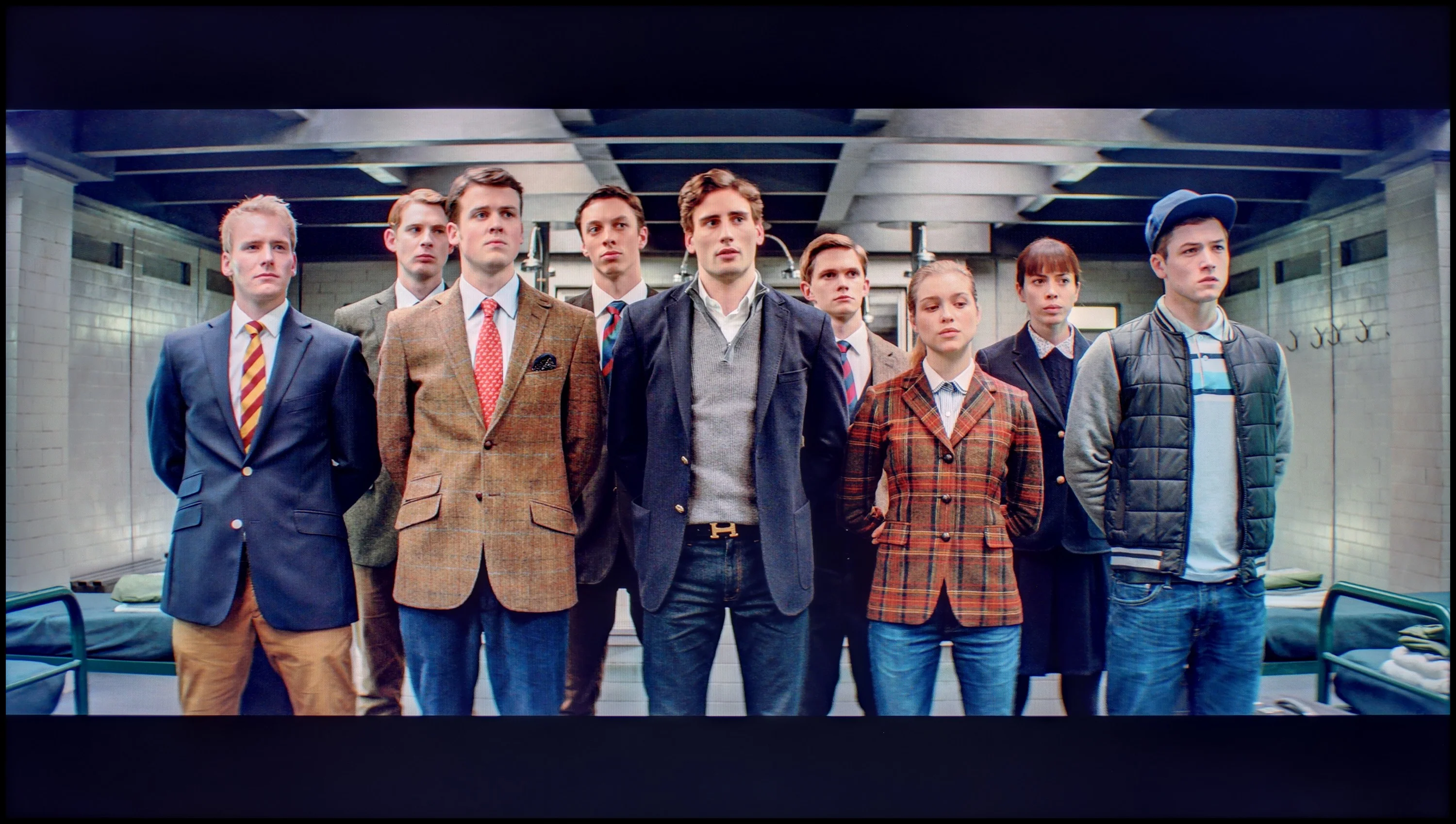
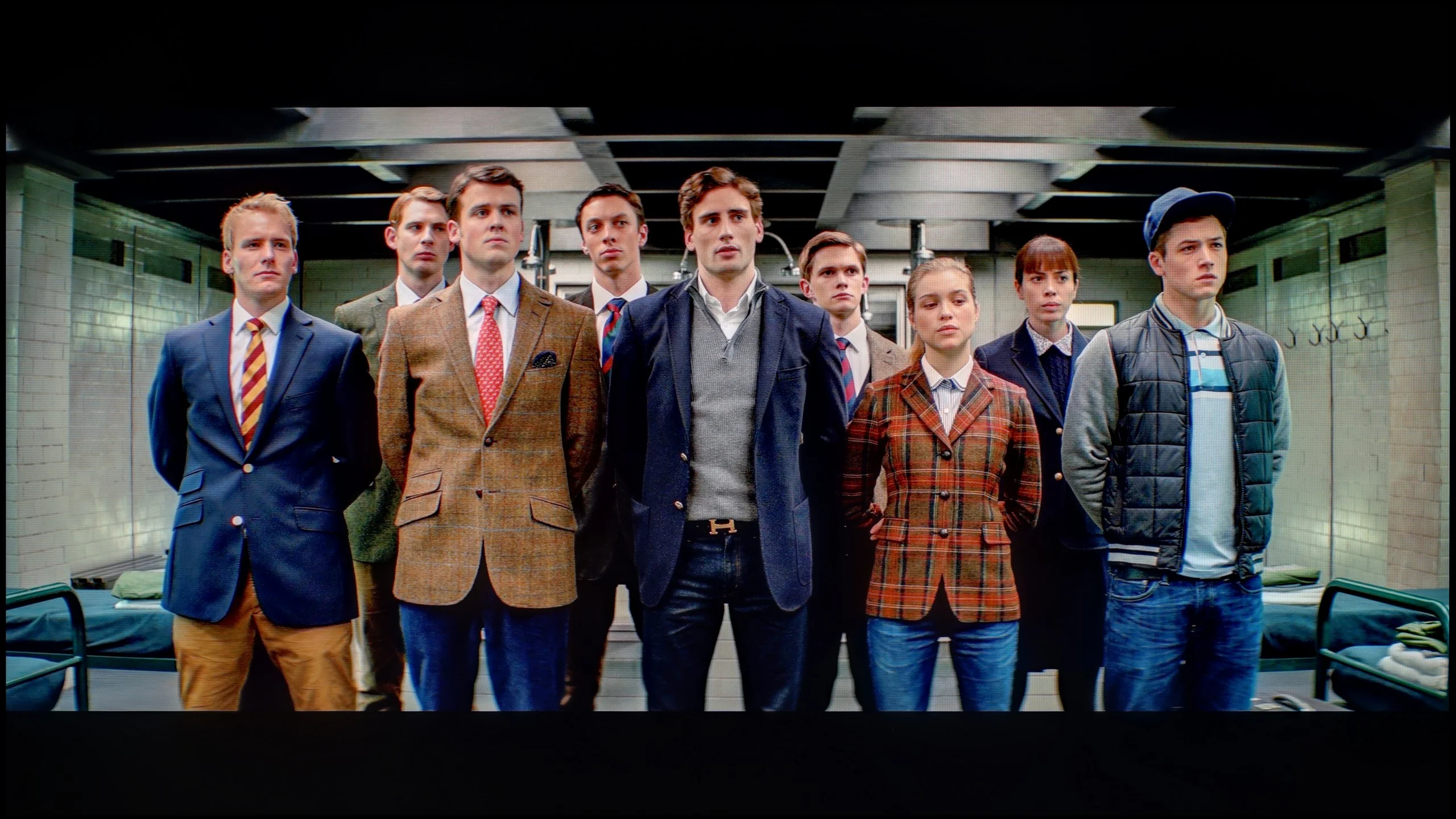
The photos show how movies look on the TV. Pay attention to black detail visibility, colors, and shadow tint.


The photos show how movies look on the TV. Pay attention to black detail visibility, colors, and shadow tint.
Fortunately, Philips implements advanced image correction tools in all its televisions. SDR materials benefited the most here, and the enormous deltaE errors were significantly corrected, both white balance and gamma underwent considerable reshaping. Although one cannot speak of a reference image here, it is definitely better, and films or series can be watched without causing headaches, and above all, eye strain. Naturally, HDR materials, due to the very low luminance of the television, could not be corrected to the same extent as those with a standard colour palette; however, the EOTF curve and white balance were roughly straightened out. Unfortunately, that was all we managed to squeeze out of our unit, although it should be noted that each unit is different and has completely different errors, smaller or larger.
The TCL A400U responds very well to calibration and allows most of the shortcomings of the Filmmaker mode in factory settings to be corrected. In SDR it was possible to almost perfectly correct the white balance. The lack of red has gone, so whites and greys no longer have a greenish tint and faces have regained a natural look. Brightness rendering has also improved. Apart from minor deviations in the darkest and brightest parts, the TV sticks to the reference, without unnecessary brightening or dimming of the image.
The most important change, however, concerns HDR. Thanks to the available peak brightness adjustment, the brightening seen in the factory settings could be tamed. Measurements in film scenes, not just on test patterns, confirm this. Faces and backgrounds are no longer artificially overlit, while bright elements still retain the appropriate intensity. Errors in the Color Checker test in HDR are mostly below 2, which is a very good result. Not everything is perfect — the very brightest whites retain a slightly cool tint, but overall the image is much more faithful. This is the improvement we described earlier when comparing scenes from 'Pan' and 'Billy Lynn'. The A400U allows HDR to be fine-tuned so that both detail and the correct overall scene brightness are preserved. This option was missing in other TCL models, where peak brightness adjustment was not possible. Here the manufacturer has made it available to the user, and it is clear it was needed. After calibration the A400U shows film without unnecessary boosting of the image.
Smoothness of tonal transitions
7.5/10
9.4/10
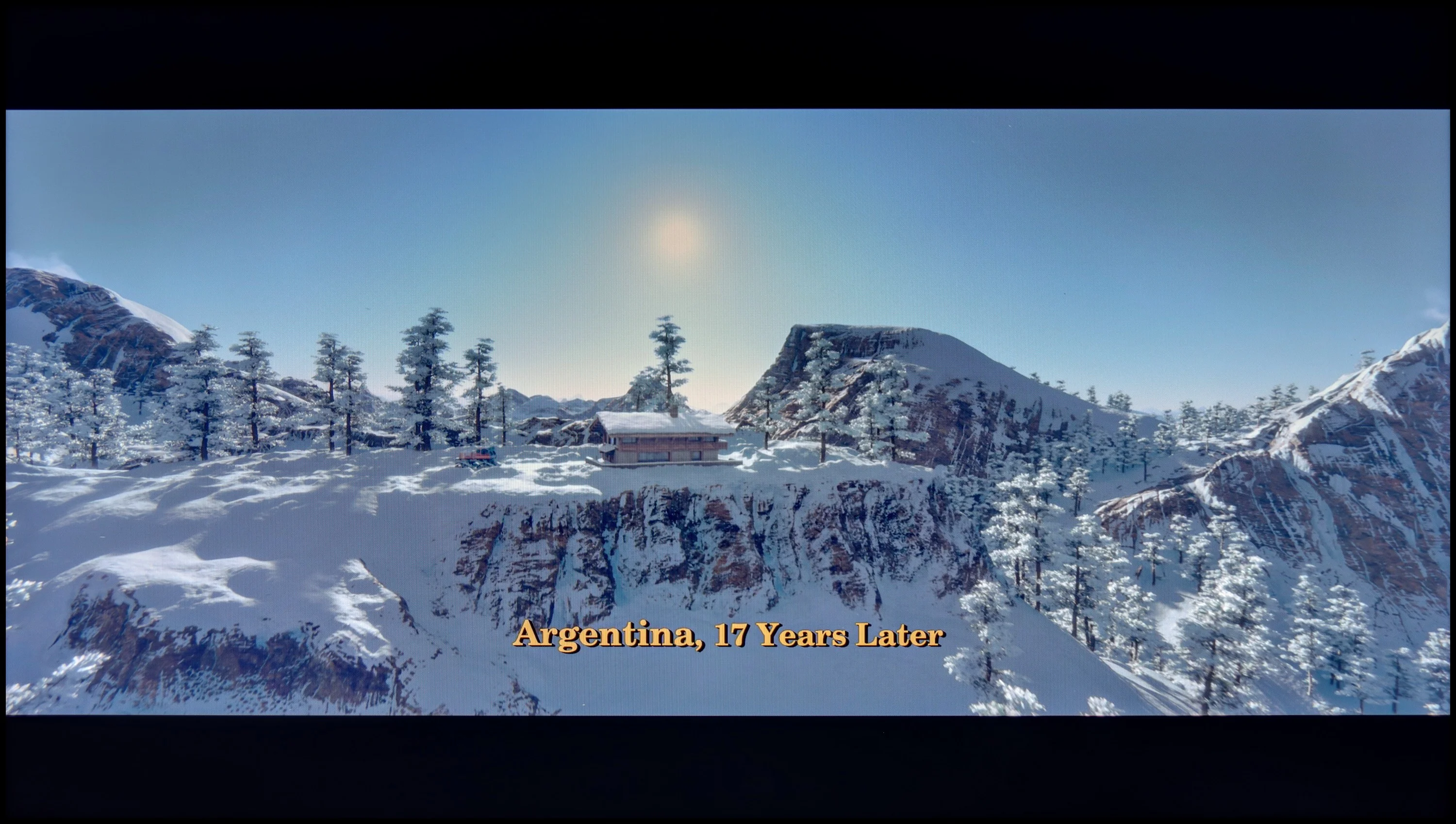

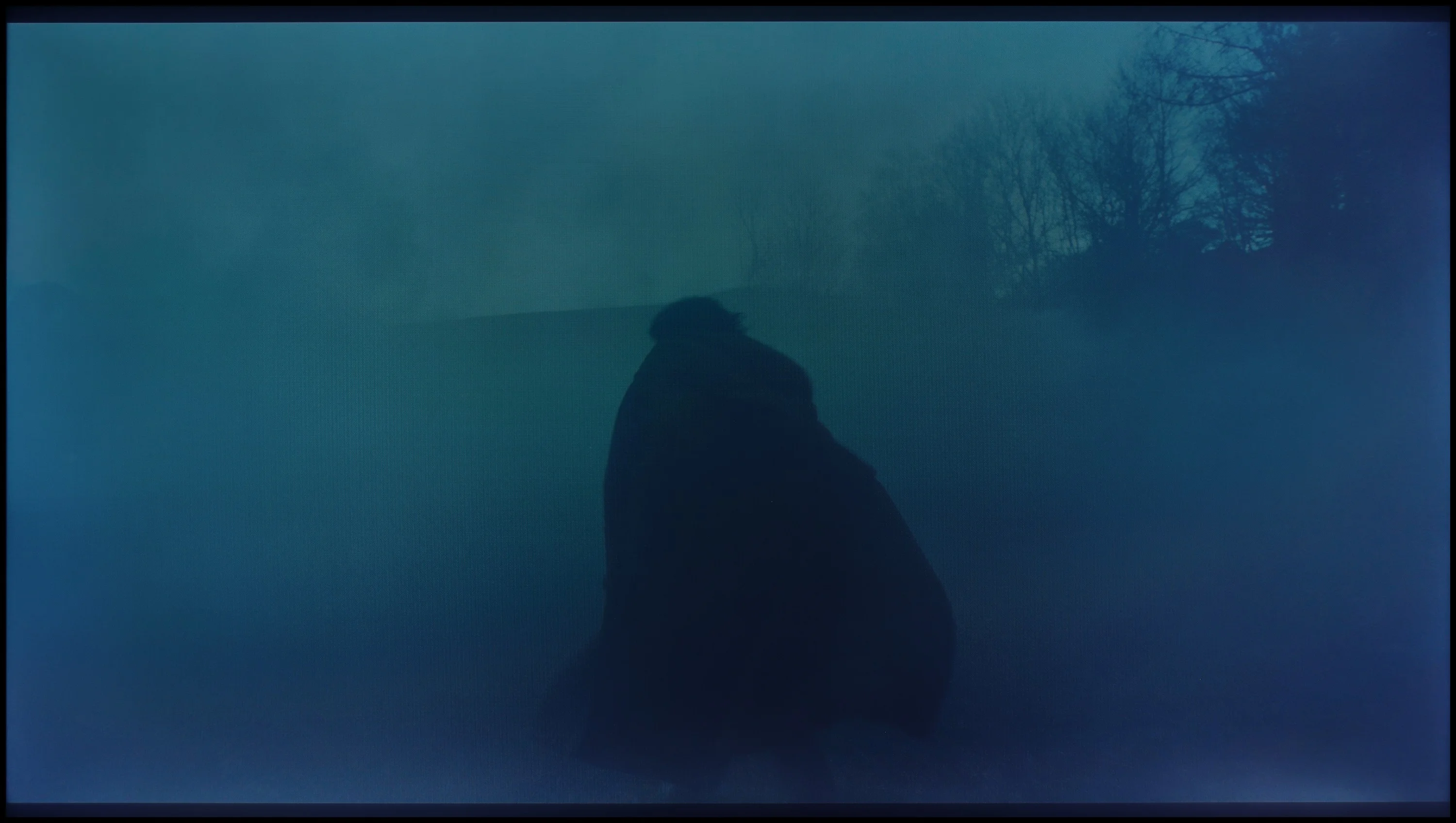
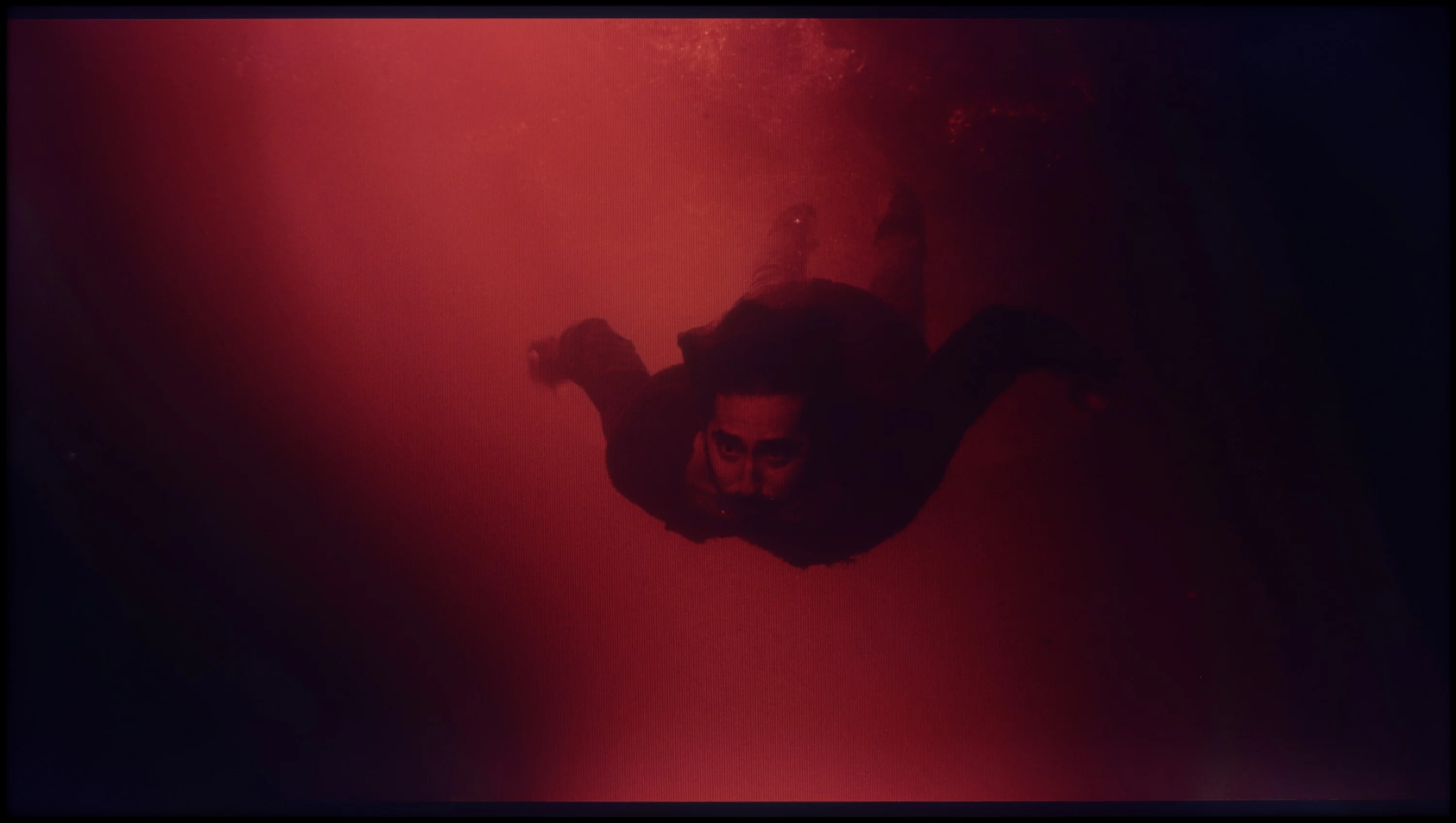
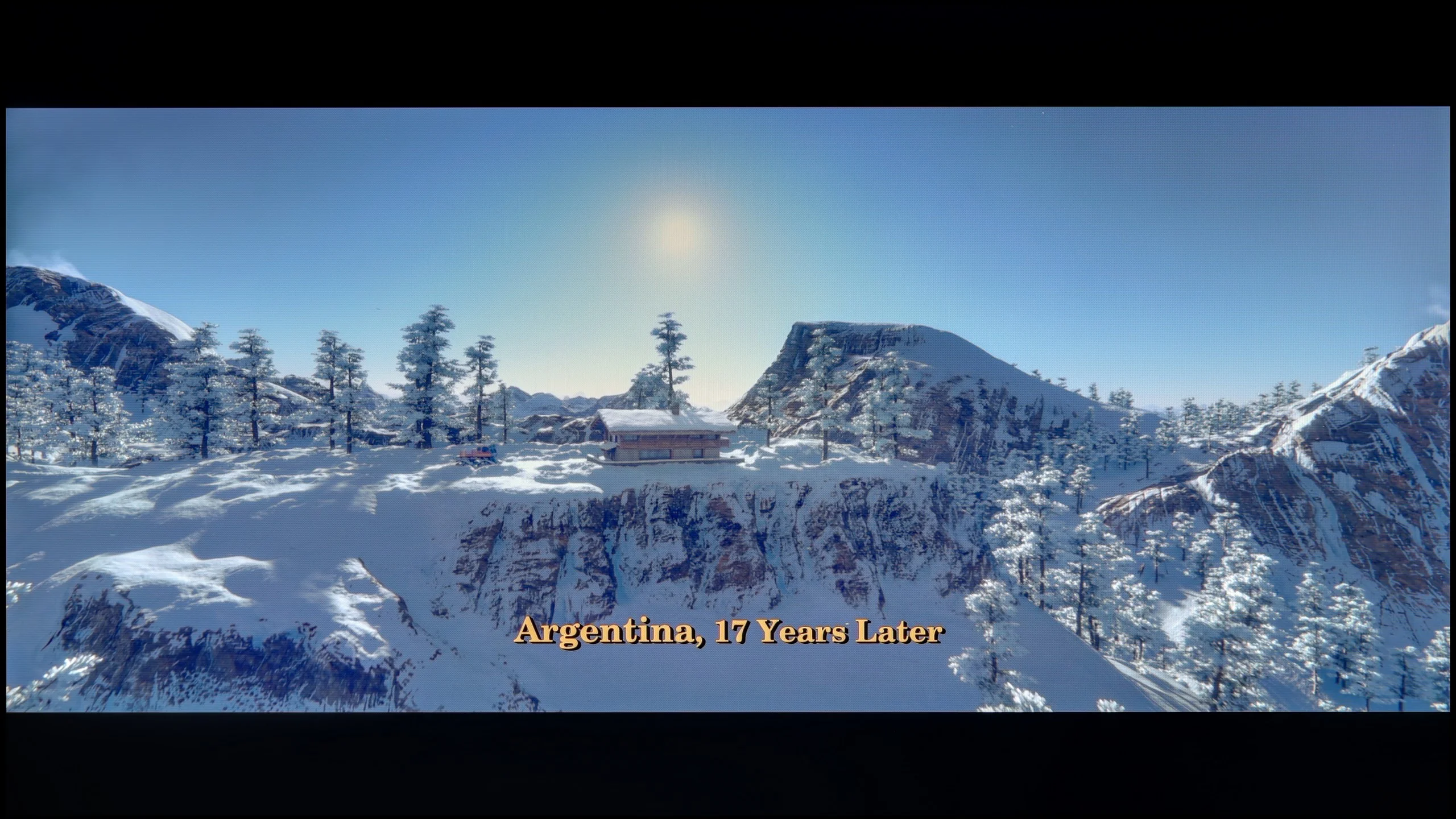
These are selected scenes that show smooth tonal transitions from one color to another. If you see distinct banding, it’s the TV panel’s fault.

These are selected scenes that show smooth tonal transitions from one color to another. If you see distinct banding, it’s the TV panel’s fault.
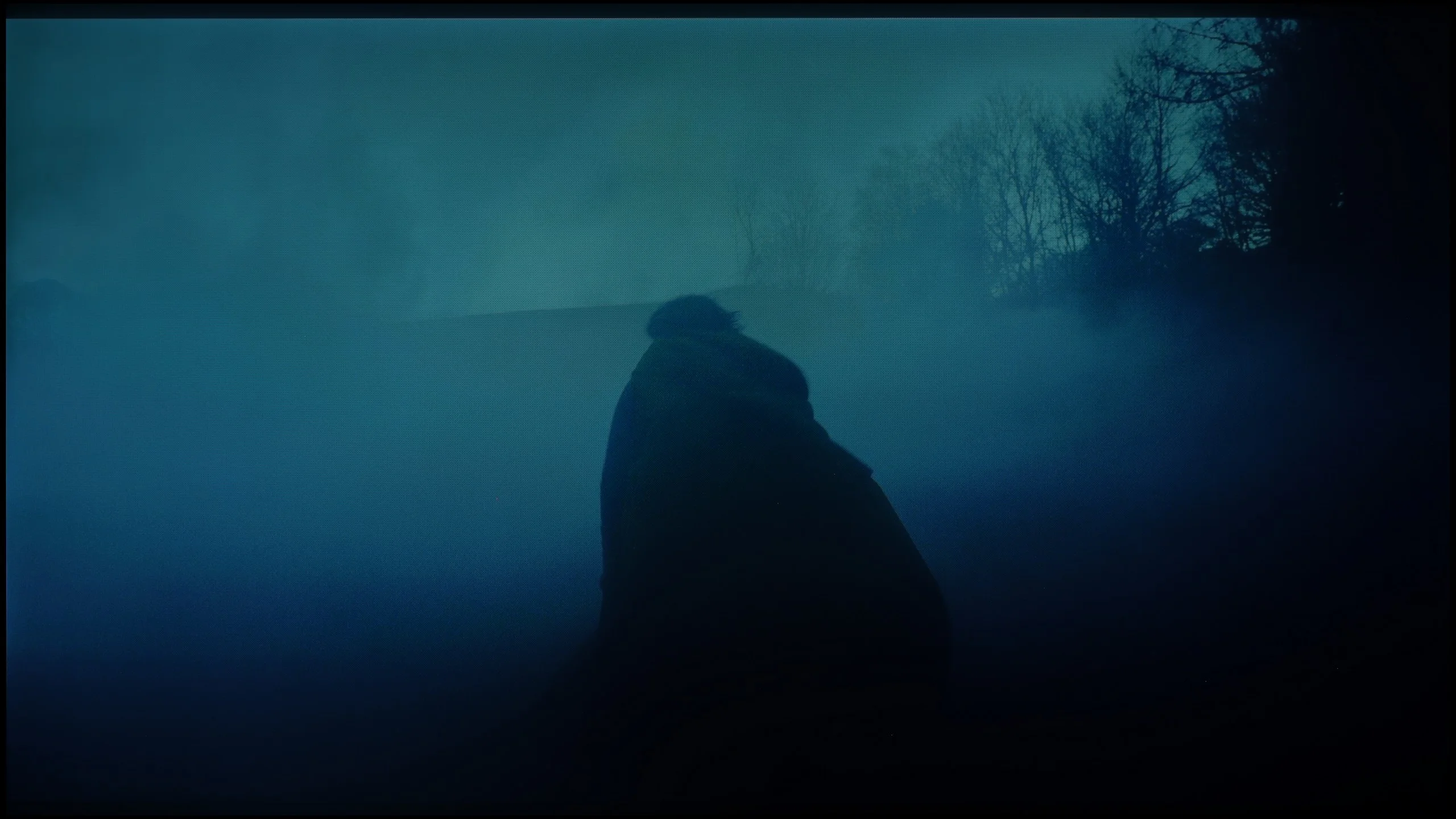
These are selected scenes that show smooth tonal transitions from one color to another. If you see distinct banding, it’s the TV panel’s fault.
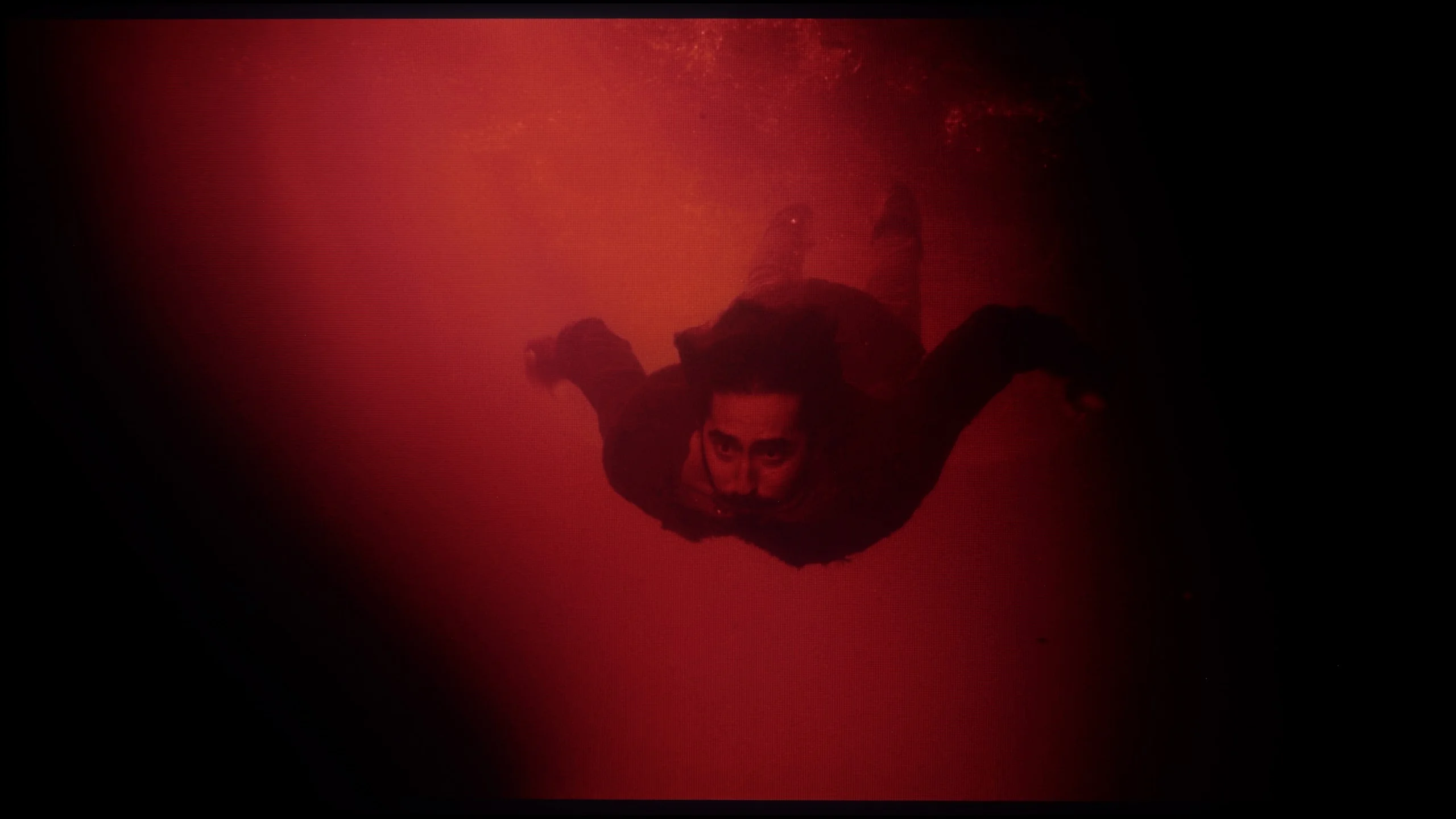
These are selected scenes that show smooth tonal transitions from one color to another. If you see distinct banding, it’s the TV panel’s fault.
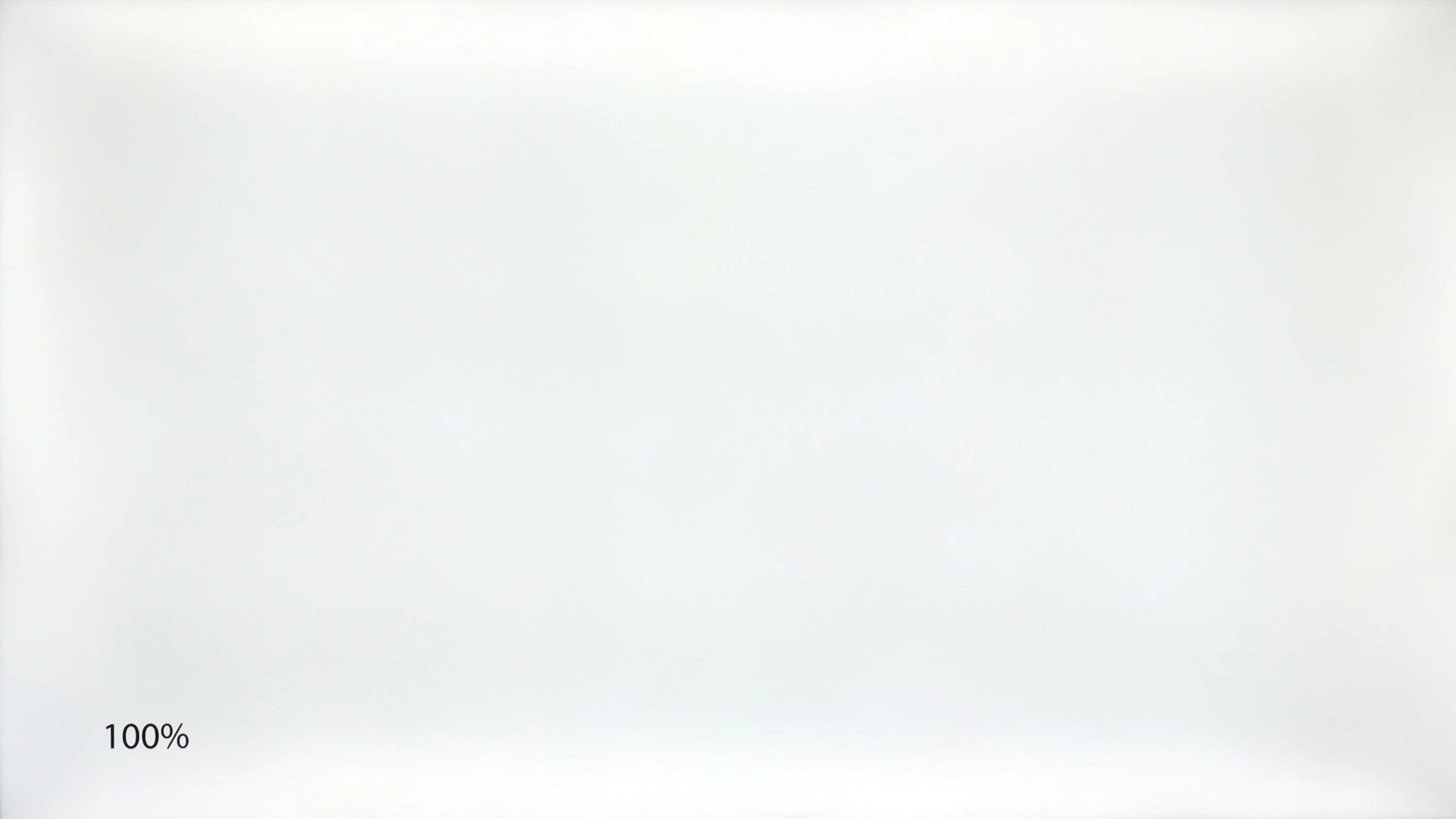
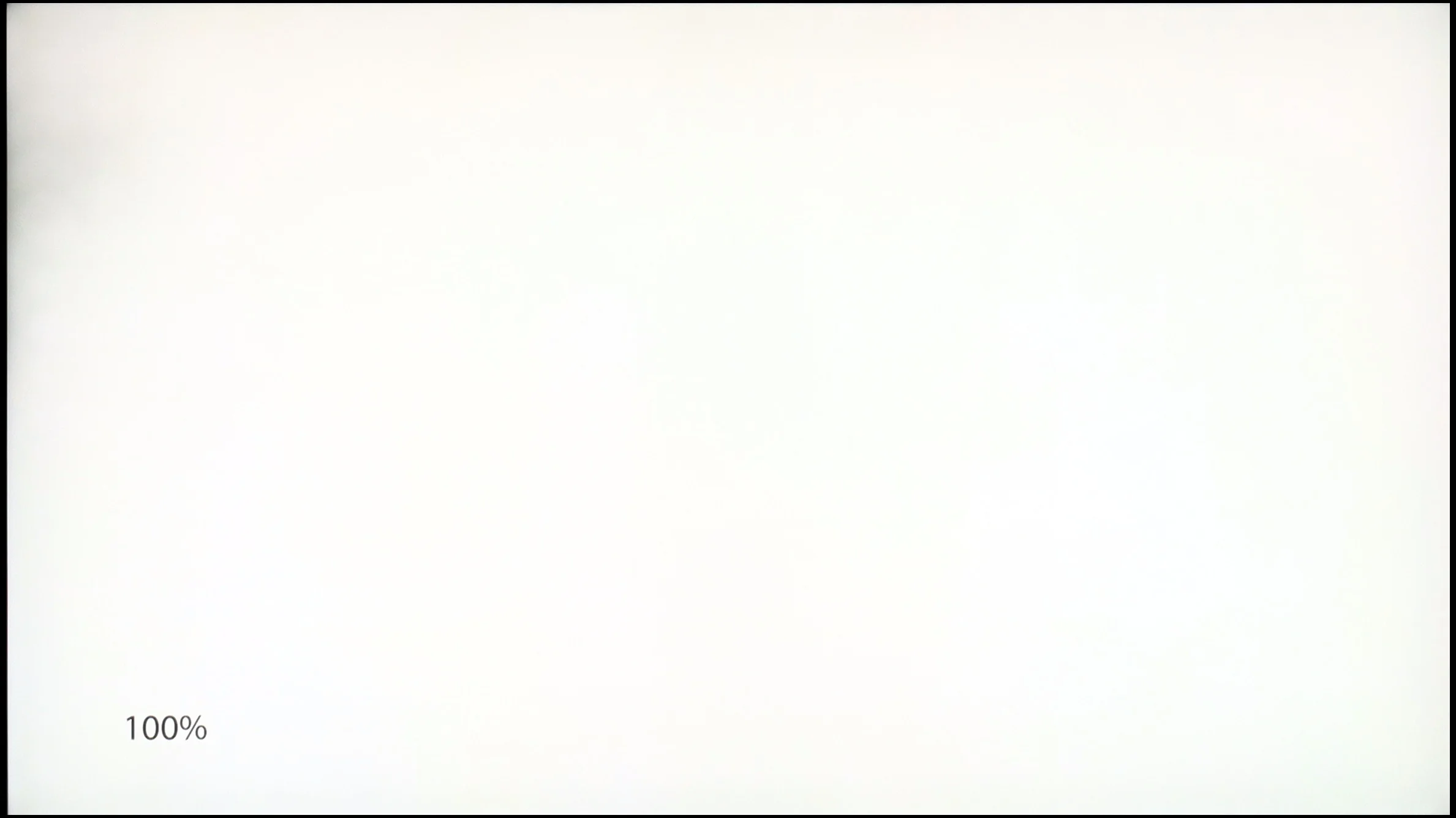
It seems that the fluidity of tonal transitions will be the greatest advantage of the tested television. Practically in each of the scenes, they were at a very satisfactory level. The only moments where it is insufficient are in dark scenes, but even in these areas, it is quite good, and the overall experience can still be rated very positively, especially considering the price of the tested device. An issue not related to the fluidity of tonal transitions, but clearly visible in the pictures, is the noticeable backlight bleed in the corners. This is a matter of the technology itself, but it is worth bearing in mind that these cheaper units may be more prone to a visible effect.
The TCL A400U handles tonal transitions in 4K material very well. In bright scenes it’s hard to find any issues. The sky or the subtle halo around the sun look smooth, without visible banding or seams between shades. Colours flow smoothly from one to another, so nothing distracts from the film. Minor imperfections only appear in the darkest scenes, near black. You can spot slight banding there, but you have to look closely to notice it. During normal viewing it is unlikely to be noticeable. It’s a very good result and one of the A400U’s stronger points.
Image scaling and smoothness of tonal transitions
6.3/10
5.5/10

Smooth transition function
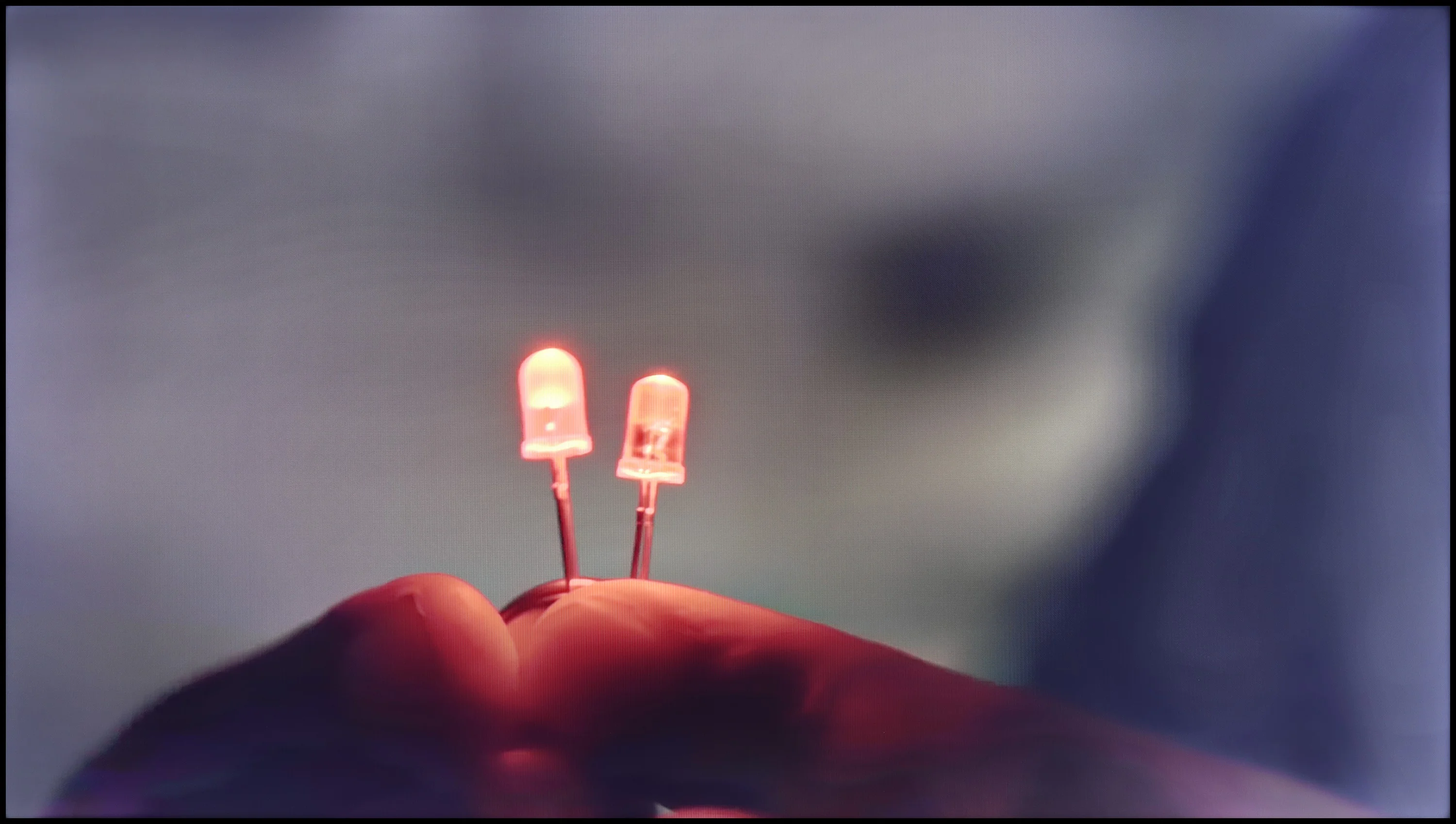
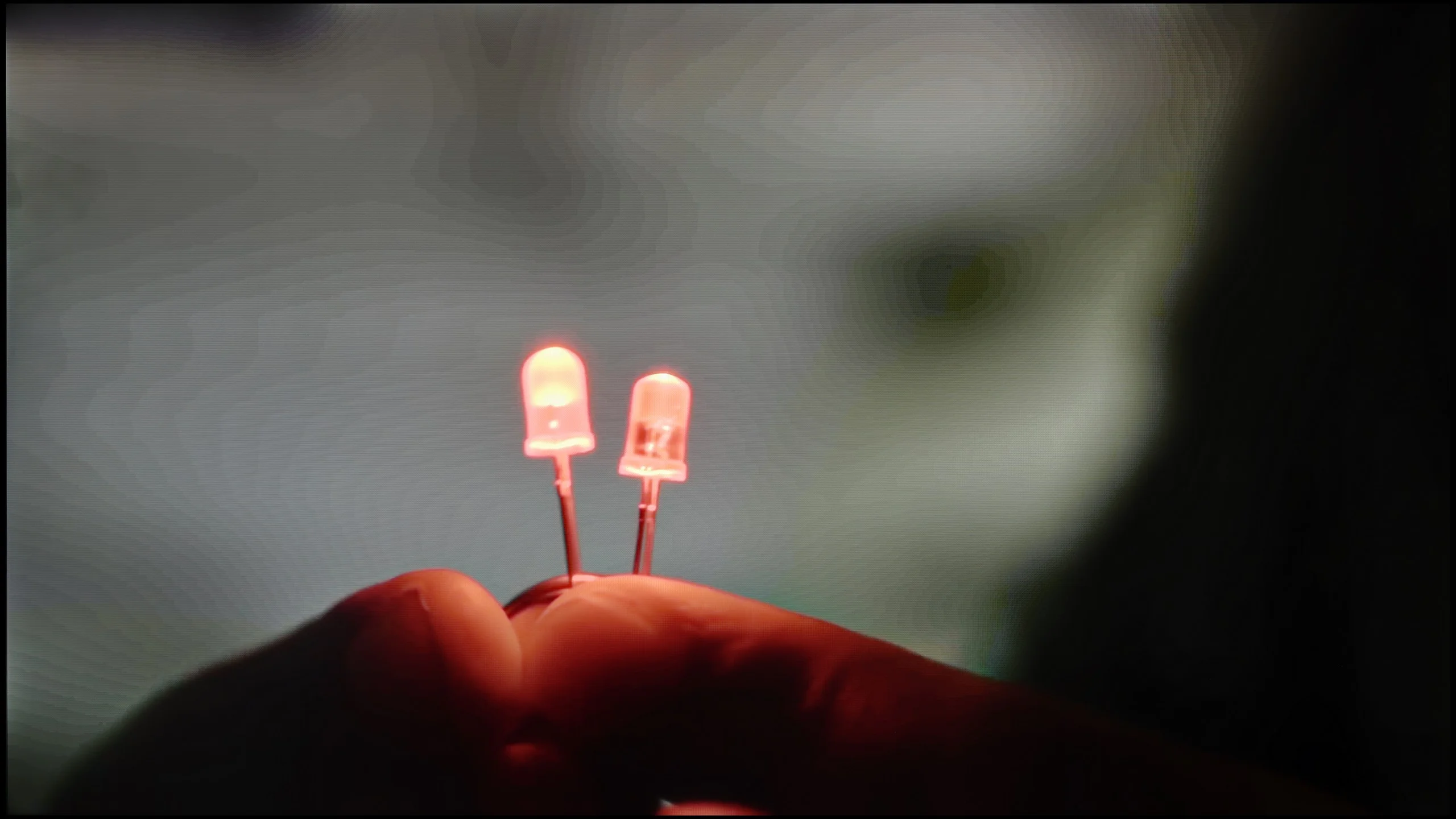
The match photo shows how the TV smooths weak tonal transitions in low-quality video.
Image scaling SD (576i)
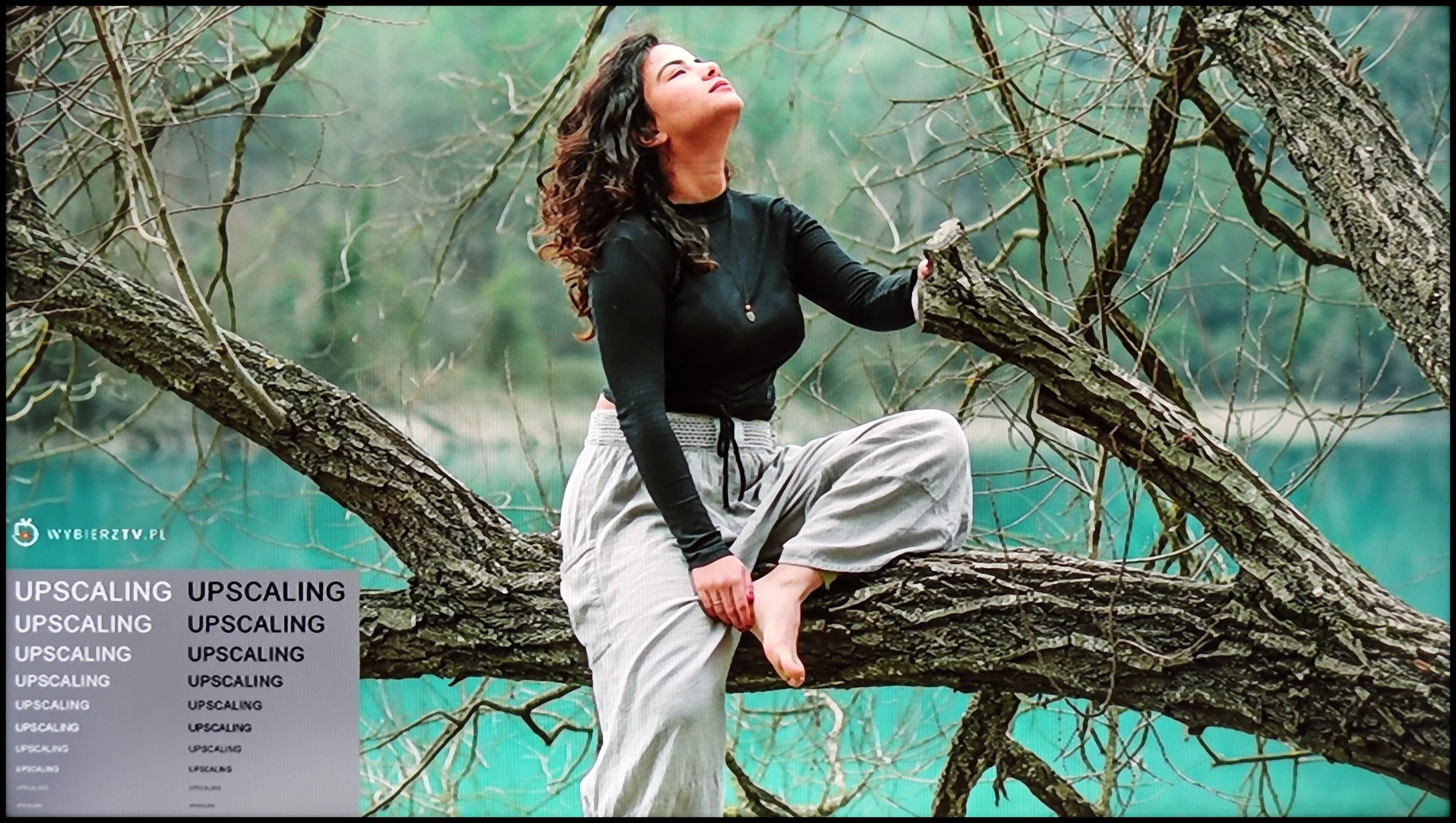
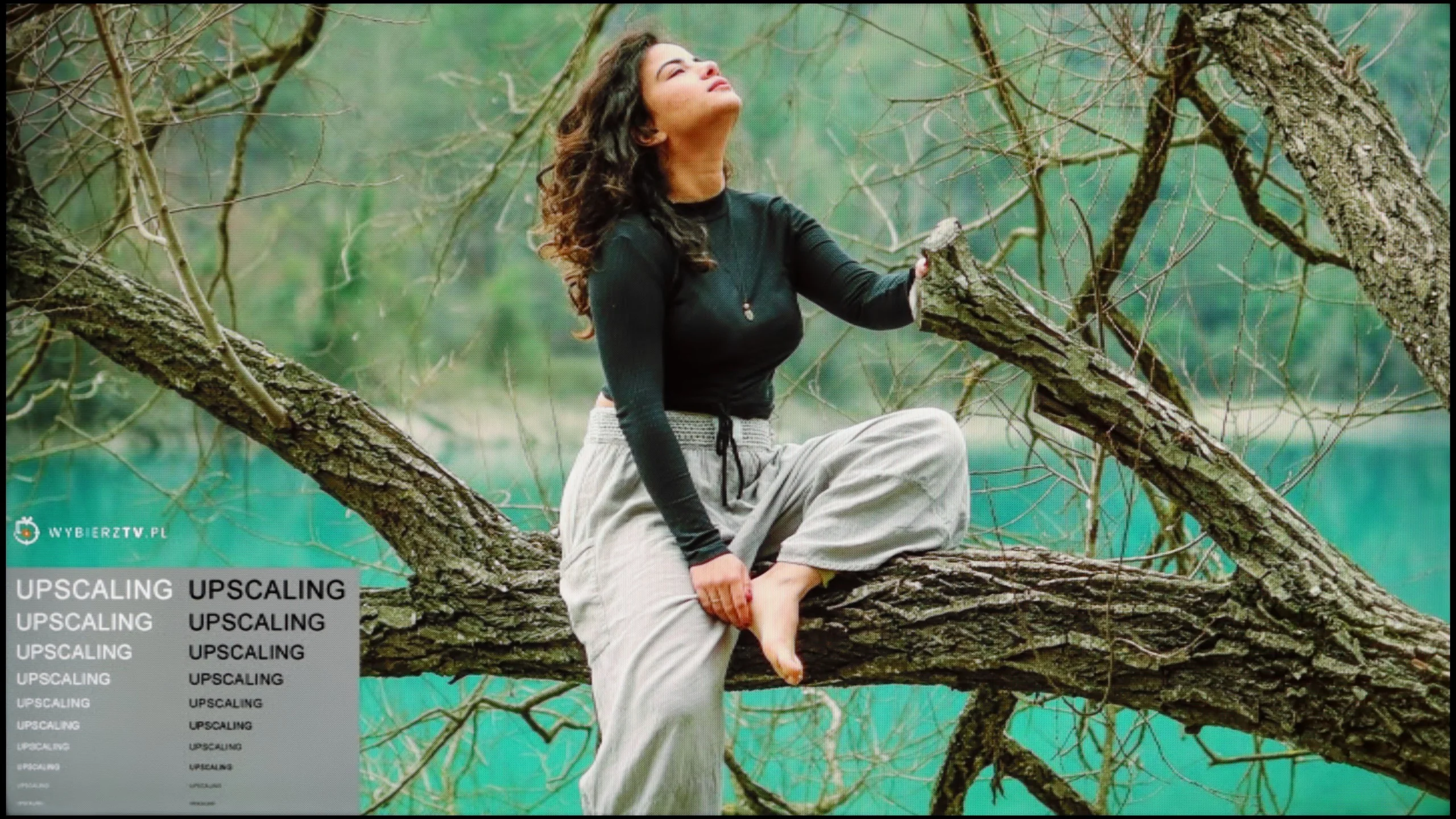
The model photo shows how it handles upscaling of SD material.
We will return once more to the issue of tonal transitions but in the context of the overall improvement of image quality. As we can observe in the photograph on the left side, the enhancement function for gradation works brilliantly. Moreover, it offers several settings, and each of them, even the lowest one, provides beneficial effects, and what’s more, it does not soften the effect of film grain. We will reiterate that this function is the greatest advantage of the tested television.
Next, we will take a look at image scaling. Here, the tested television performed worse. We can primarily notice severely jagged fine details and a characteristic white halo around the figures. One must not forget about the considerable artificial sharpening of the image.
The TCL A400U properly upscales lower-resolution sources to 4K. Edges are well defined and fine details remain discernible, so older films and regular broadcast TV look quite good. There’s also no problem with overscan, meaning the edges of the picture aren’t cropped. Even with very low-resolution material the TV shows the entire frame.
It fares much worse at removing imperfections from heavily compressed footage. The A400U, like the C7L, uses the older Pentonic 700 chip. The tone-smoothing feature is available, but in practice it achieves very little. Visible bands between shades remain on screen, and enabling it can introduce additional artefacts. This is one of the weaker points of the model. High-quality material looks smooth, as noted earlier, but if imperfections are already encoded in the recording the A400U can do little about them.
Blur and motion smoothness
4.2/10
7.7/10

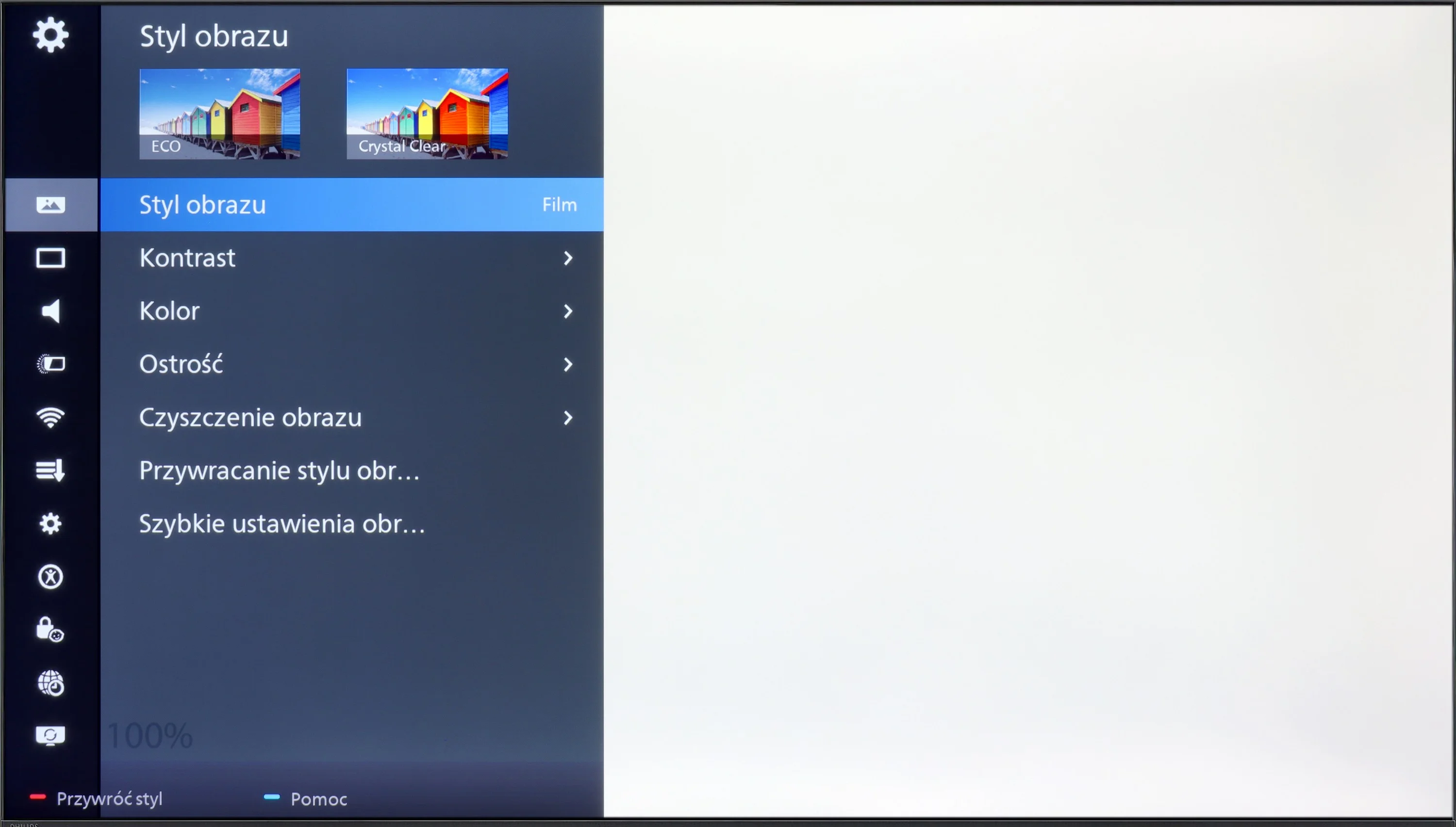
Blur (native resolution, maximum refresh rate):



Blur (BFI function enabled):


Blur ():
Blur (1080p@288Hz):


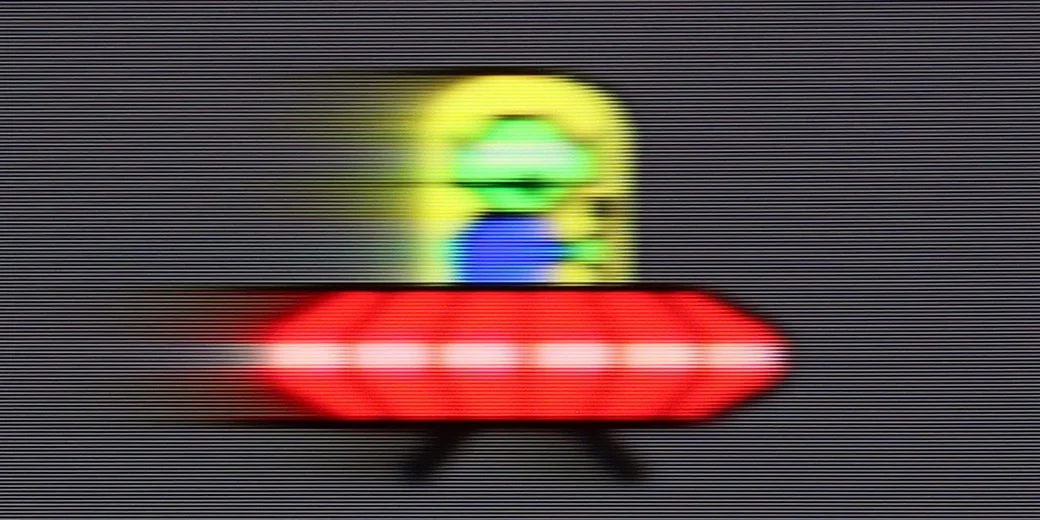
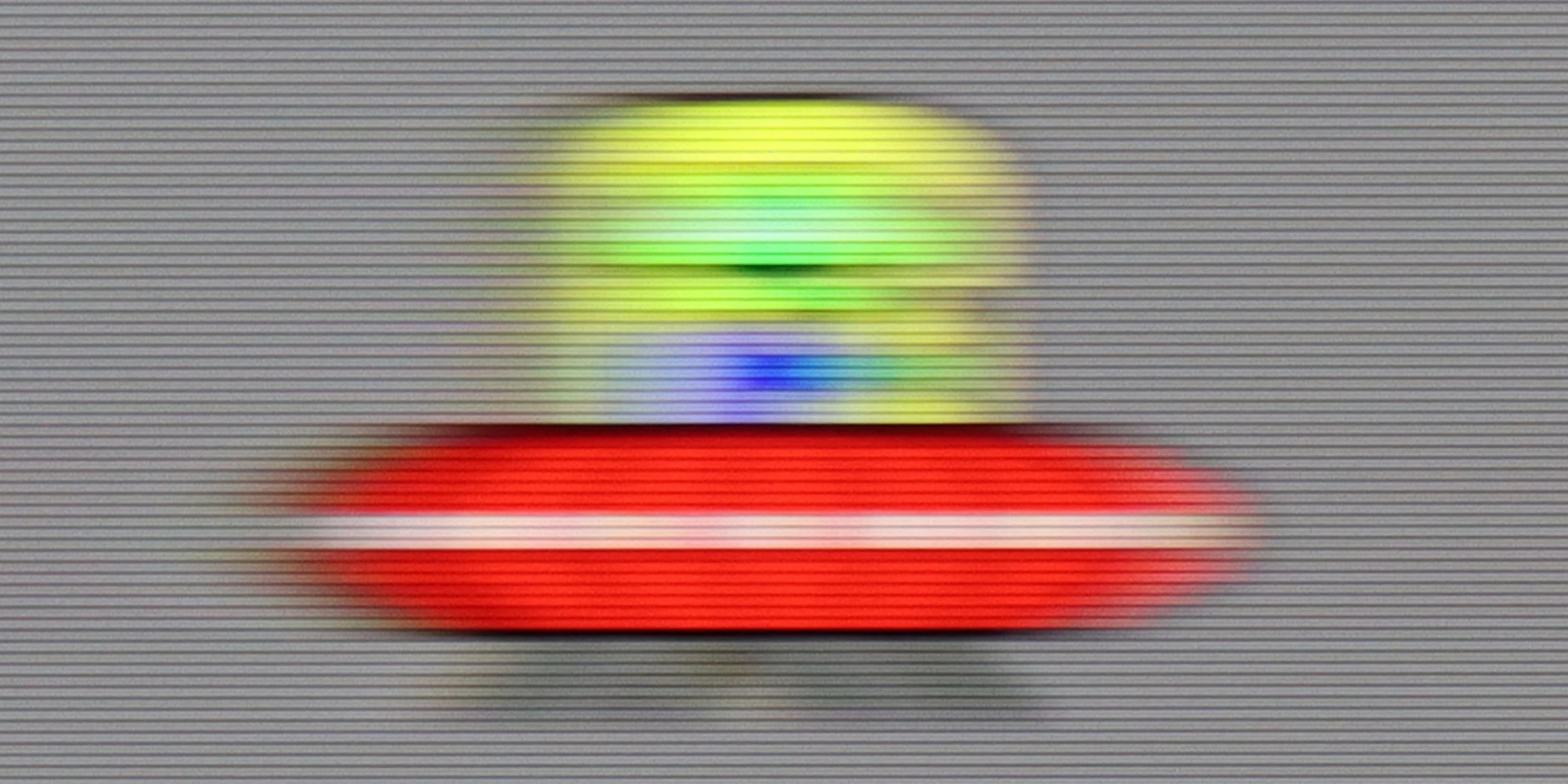
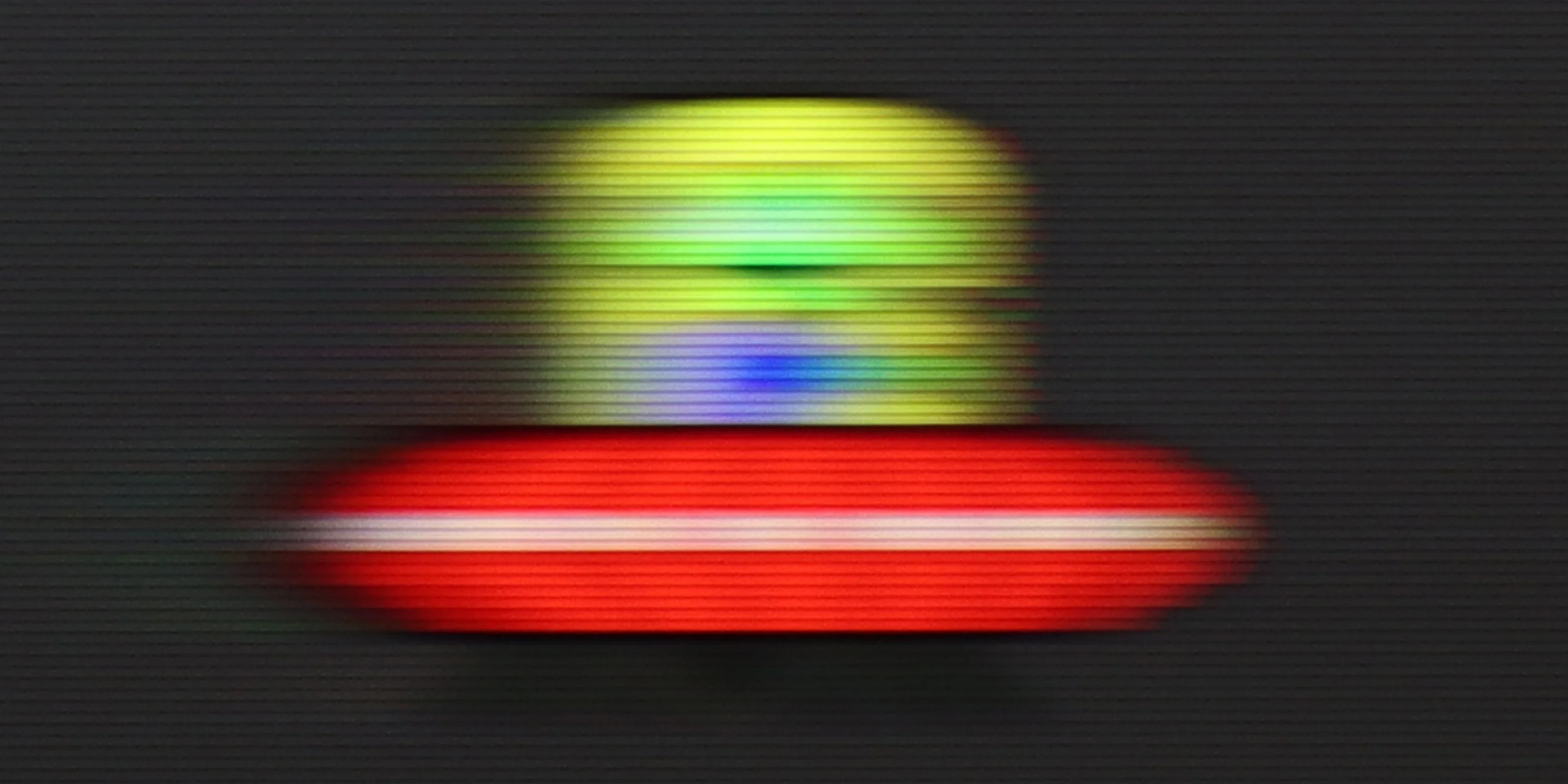
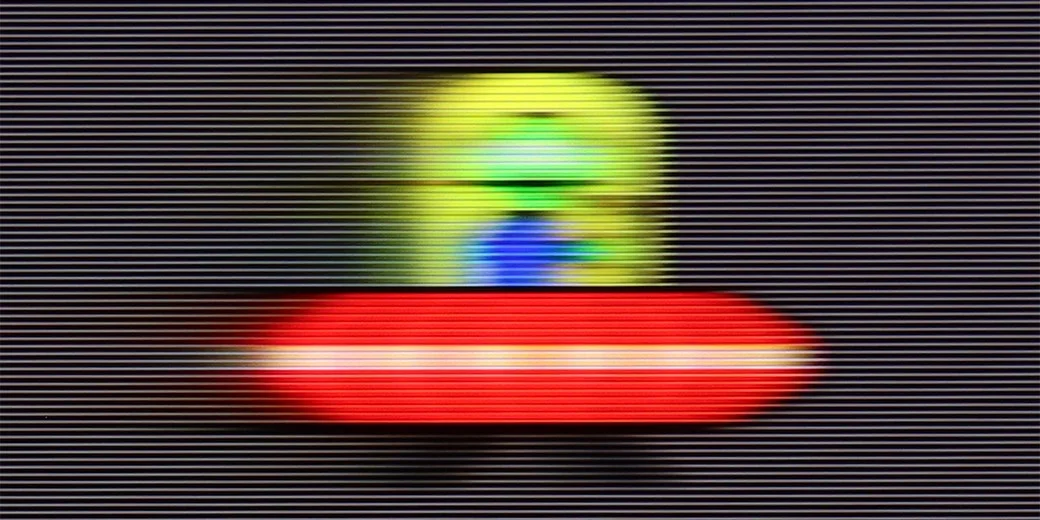
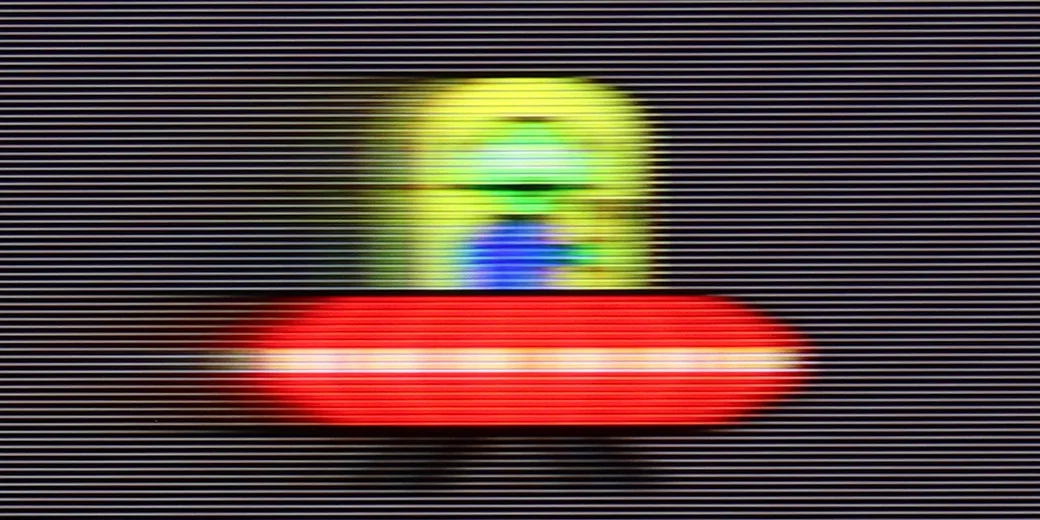
This paragraph, unlike the others, will be extremely short. The reason for this state of affairs is the lack of implementation of even the most basic motion smoothing function, which was to be expected, considering the price of the device. We also note that we are dealing with a VA panel, which in itself will not have the best sharpness under the sun. This type of panel is primarily associated with high contrast, which goes hand in hand with quite slow response times, as we can clearly read from the matrix analysis results. As you can see, from the photos taken in quick motion, the image is typically blurred for this type of panel. Although it will not be the ideal option, it can conditionally be used for watching sports, keeping in mind the less than optimal sharpness in motion. It is worth mentioning that movies will be characterised by judder, as the television does not have any, even the simplest, motion smoother.
The TCL A400U has a 144 Hz panel, so it’s well suited to sports and gaming. In films you can further tweak motion smoothness using the "Motion Clarity" settings. There are two sliders: "Blur Reduction" and "Flicker Reduction". They help improve the legibility of fast motion and soften abrupt camera shifts. You don’t need to set them high straight away, especially if you want to preserve a cinematic look.
The panel’s response time is decent, though VA smearing is noticeable. In the UFO test at 120 Hz a blurred trail remains behind the object and its fine details lose sharpness. They’re not very long trails, but it’s certainly not on a par with the best LCD panels on the market. BFI, which uses short interruptions in the displayed image to improve perceived motion clarity, doesn’t change much here. Instead double contours appear, so it’s hard to consider it particularly useful. However, the brightness drop when it’s enabled is small, around 14%, so it’s worth experimenting with yourself.
Console compatibility and gaming features
4.7/10
9.8/10
- ALLM
- VRR
- VRR range48 - 60Hz48 - 288Hz
- Dolby Vision Game Mode
- Correct implementation of HGIG
- 1080p@120Hz
- 1440p@120Hz
- 4K@120Hz
- Game bar
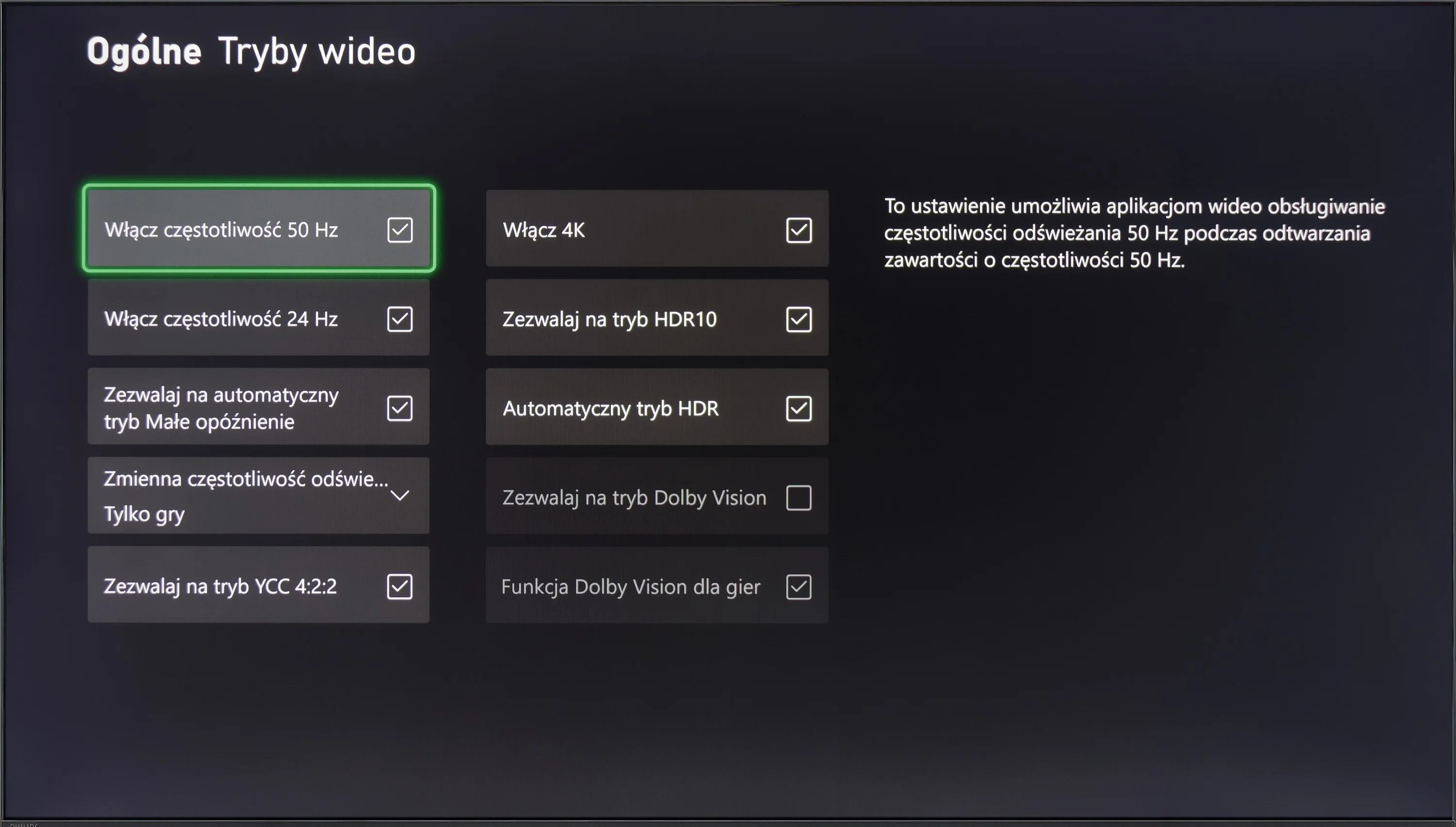
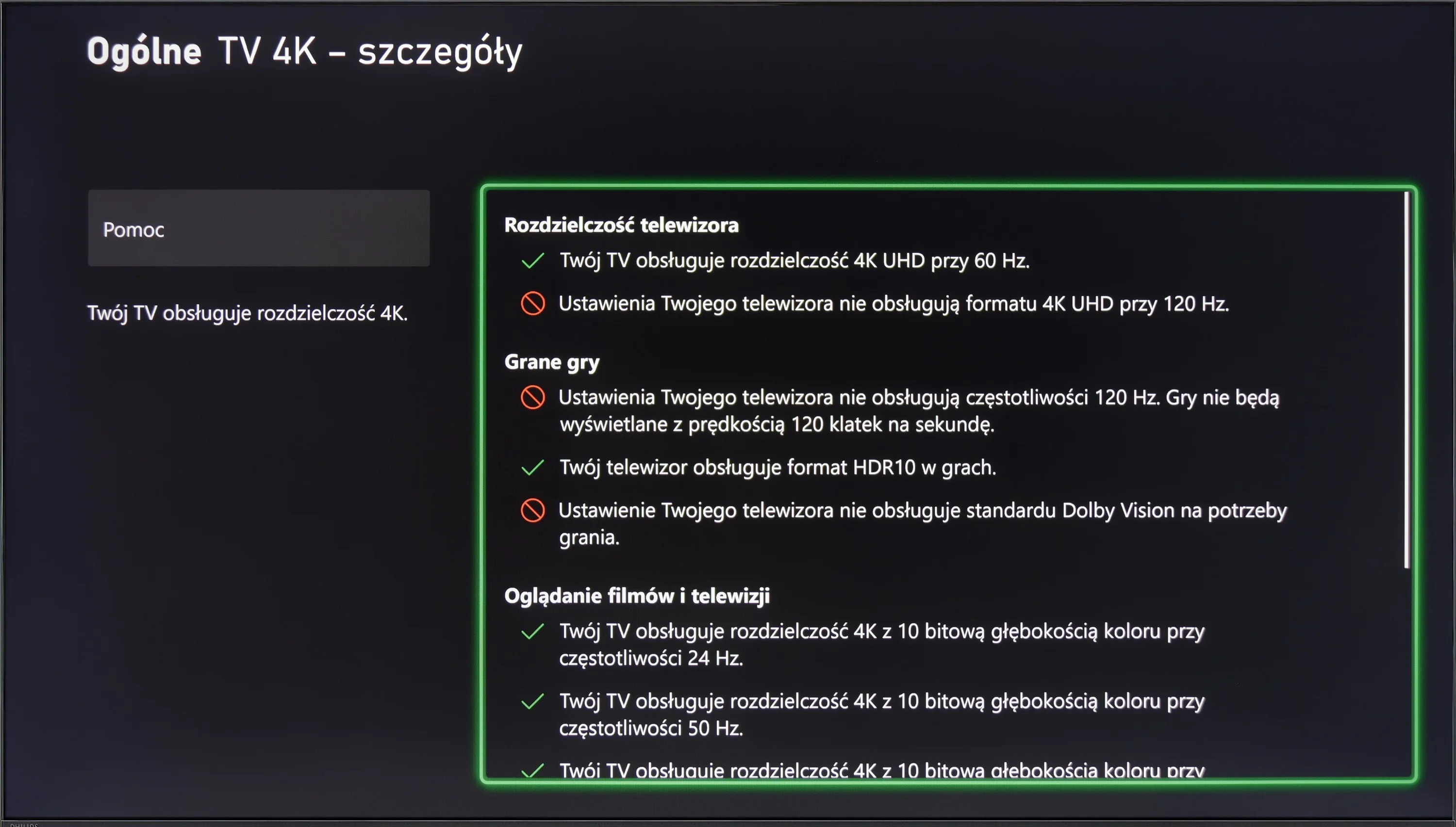
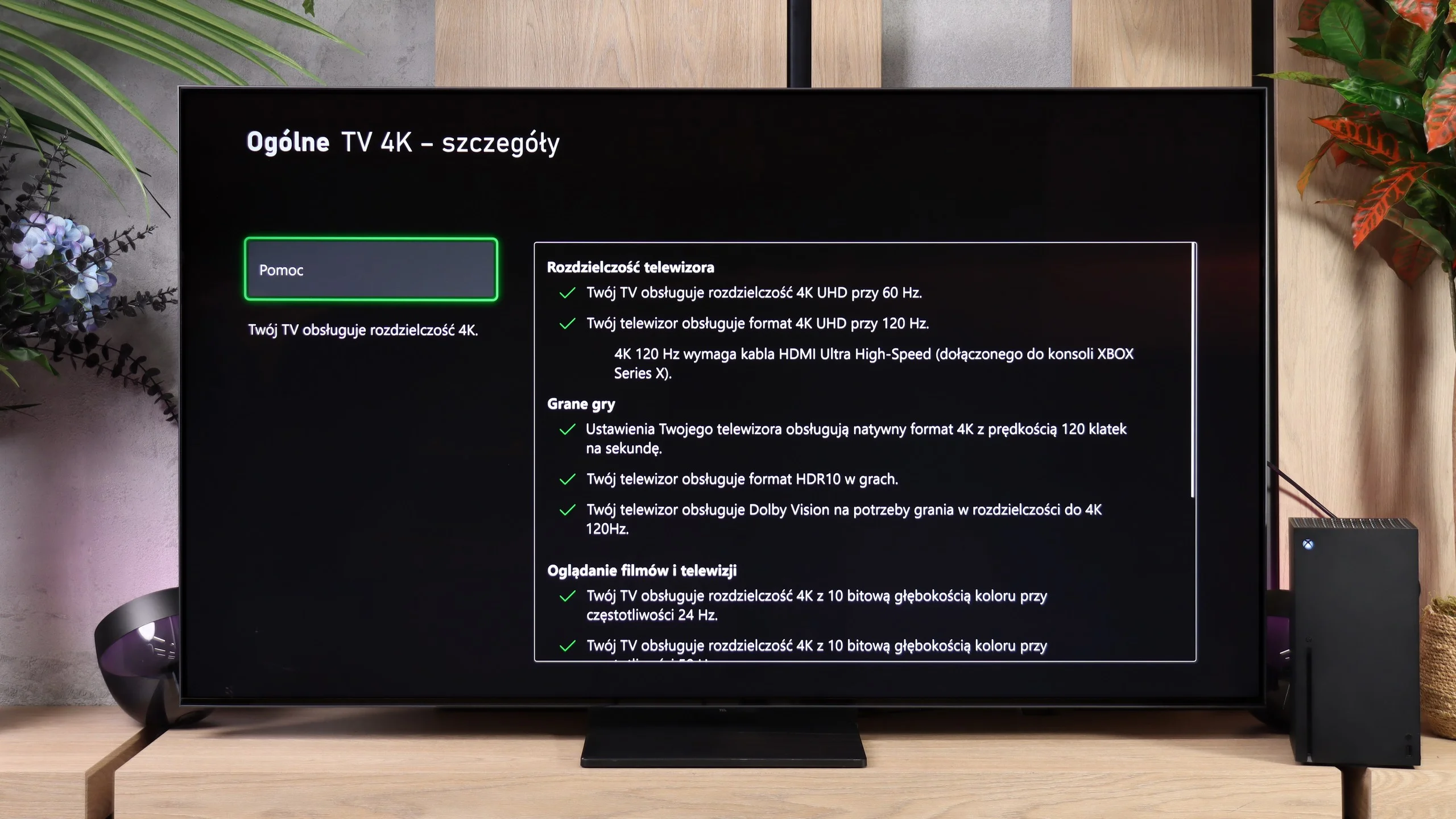
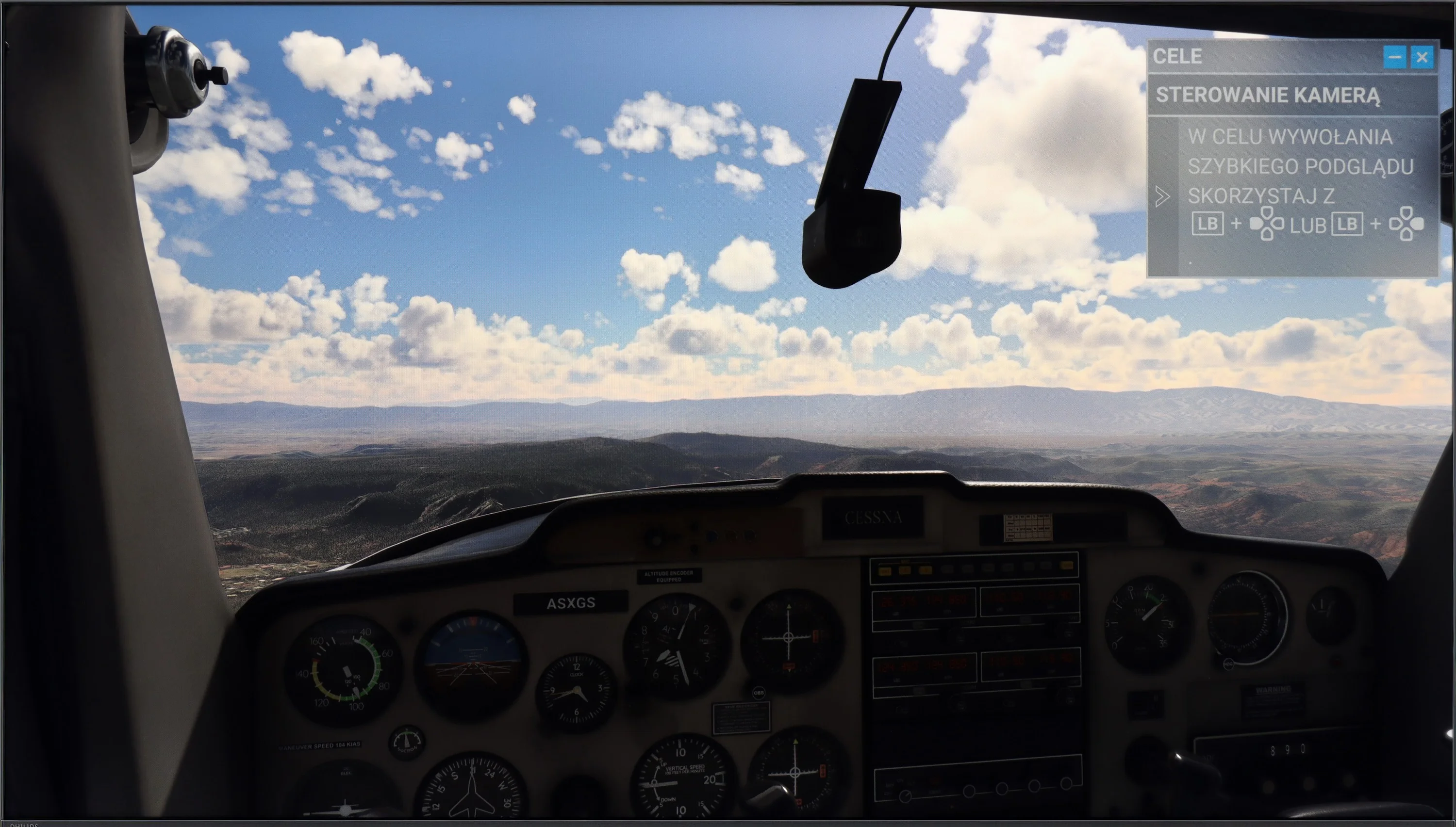
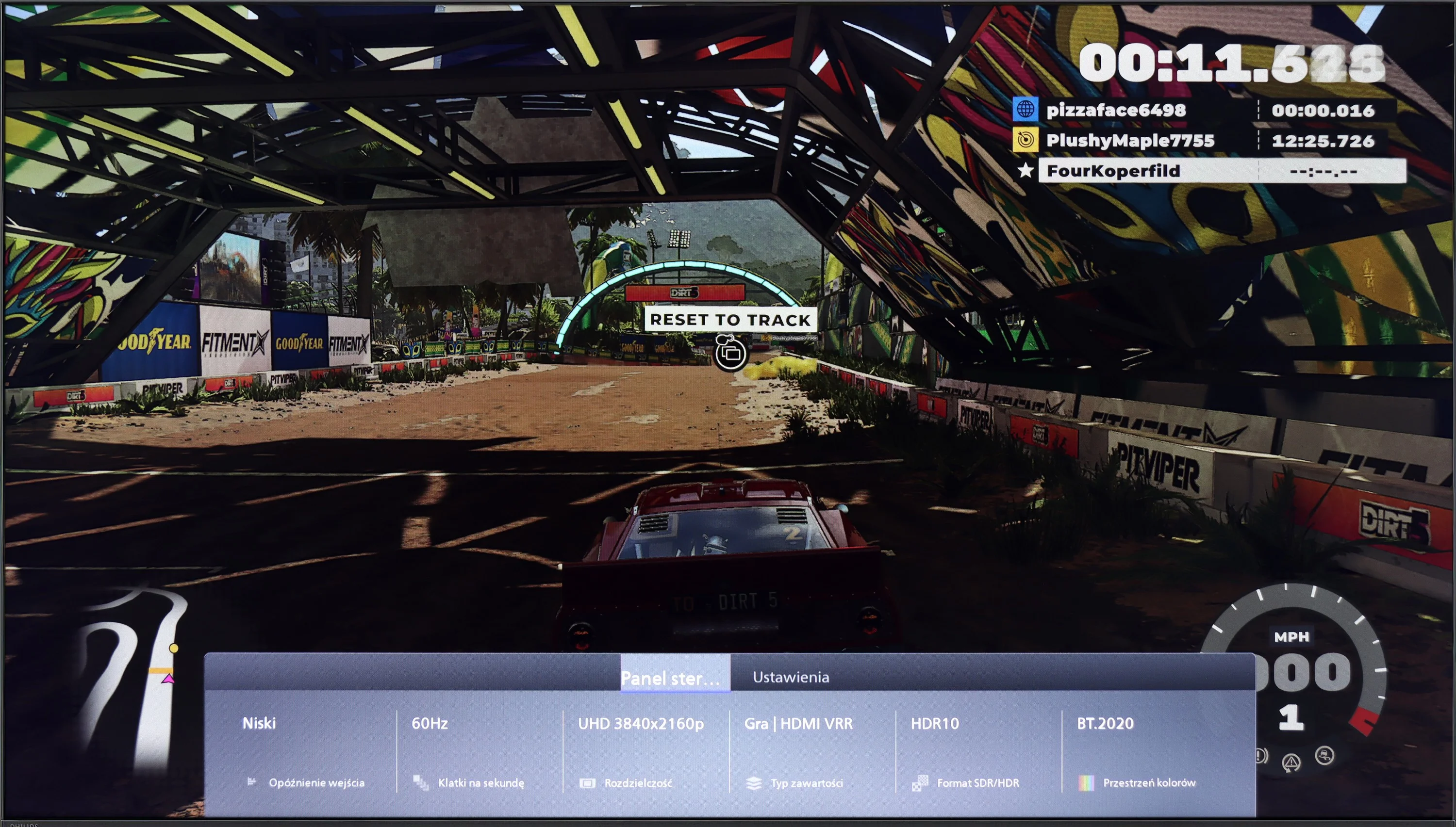
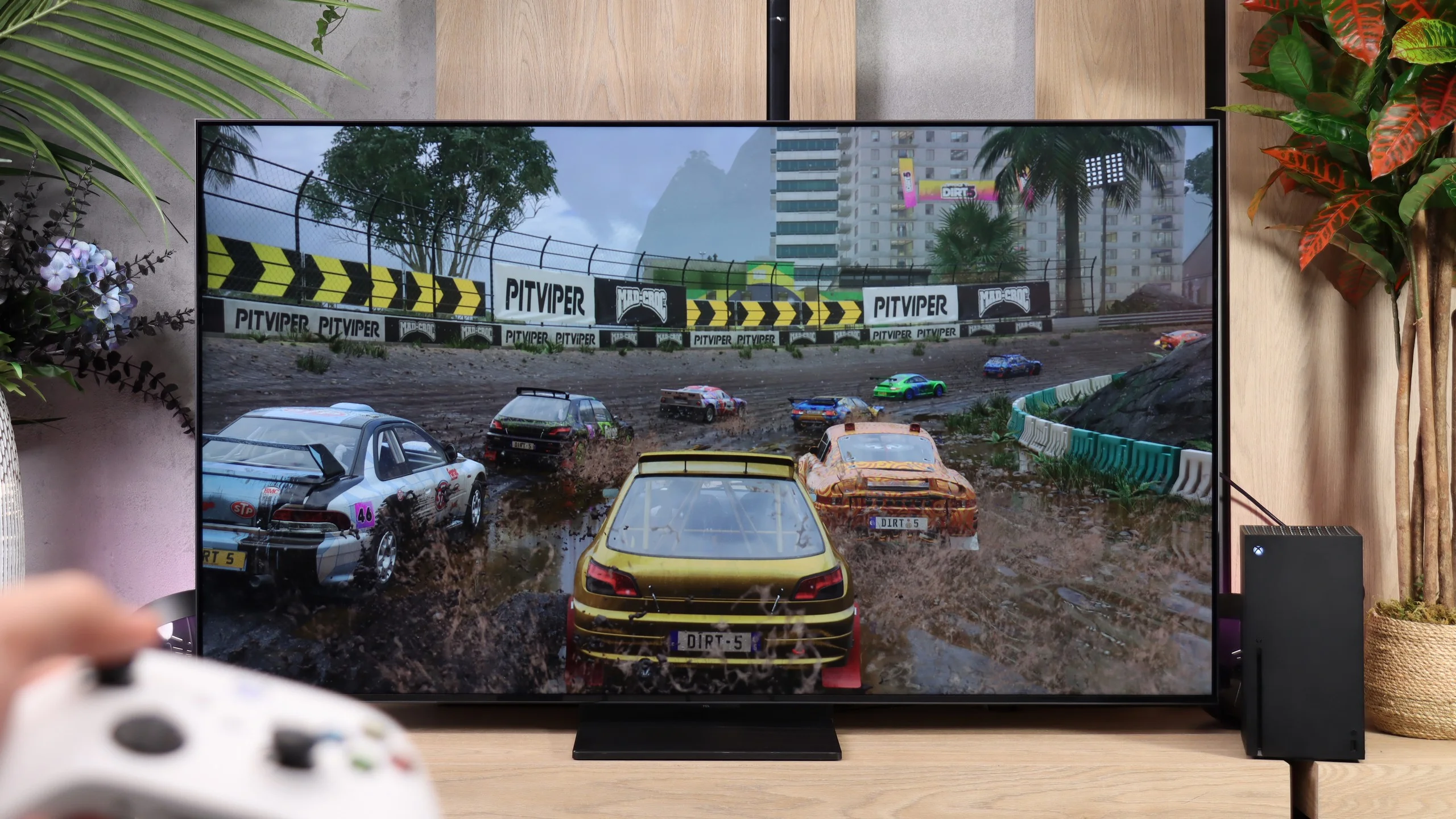
Philips PUS8079 offers only the most basic support for gaming in the form of ALLM, VRR, and a Game Bar. The most important information is that thanks to the implementation of the feature responsible for dynamic frequency changing, the picture is actually quite smooth for this price range and does not suffer from tearing.
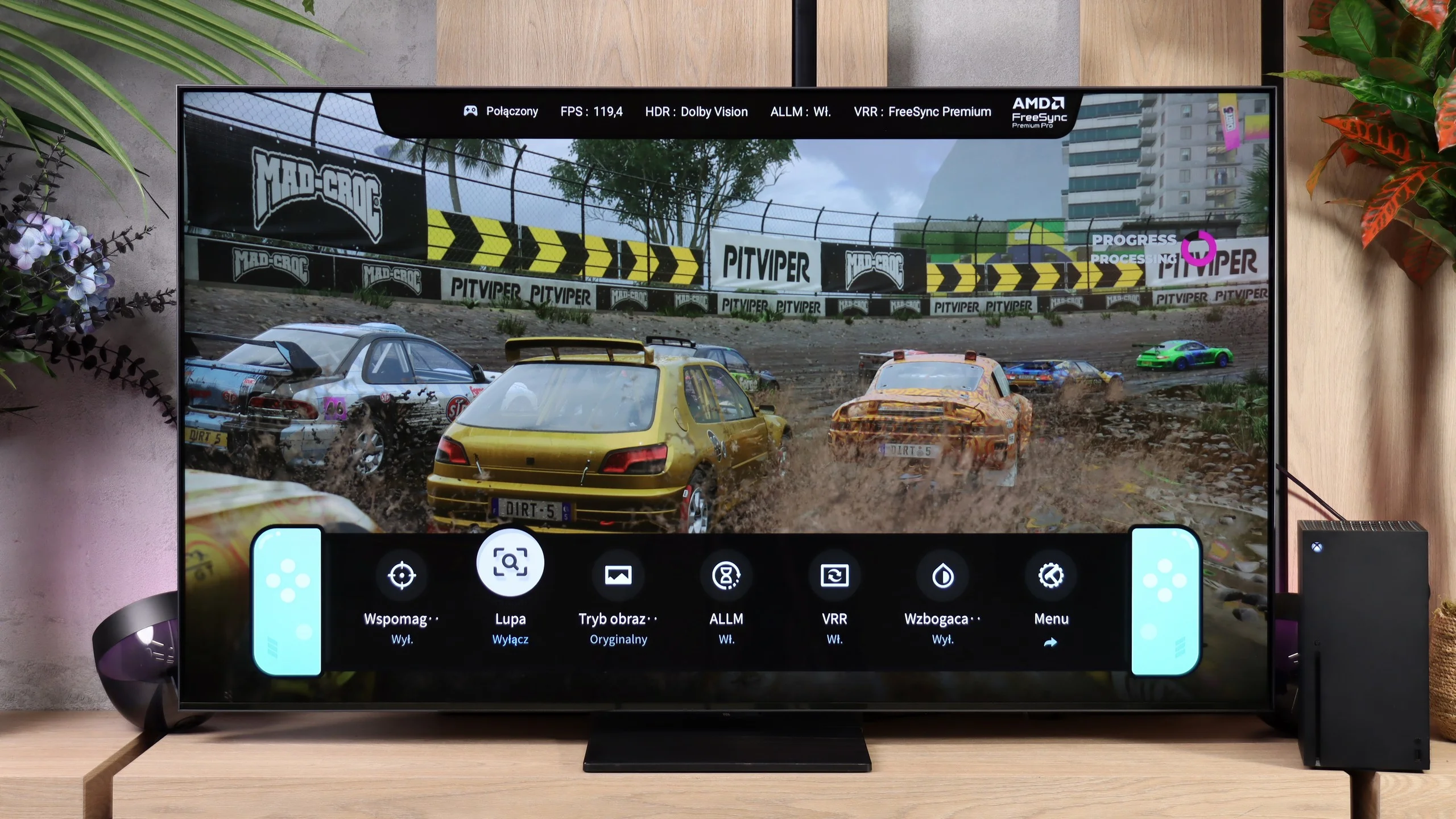
A slightly greater nod towards gamers is the introduction of the Game Bar, allowing for real-time editing of settings. This means we won't have to exit the game to make any changes to the picture. Importantly, it has not been stripped of options known from higher models. Thus, we will find features such as shadow enhancement for better visibility in dark areas and a colour filter for players with visual impairments.
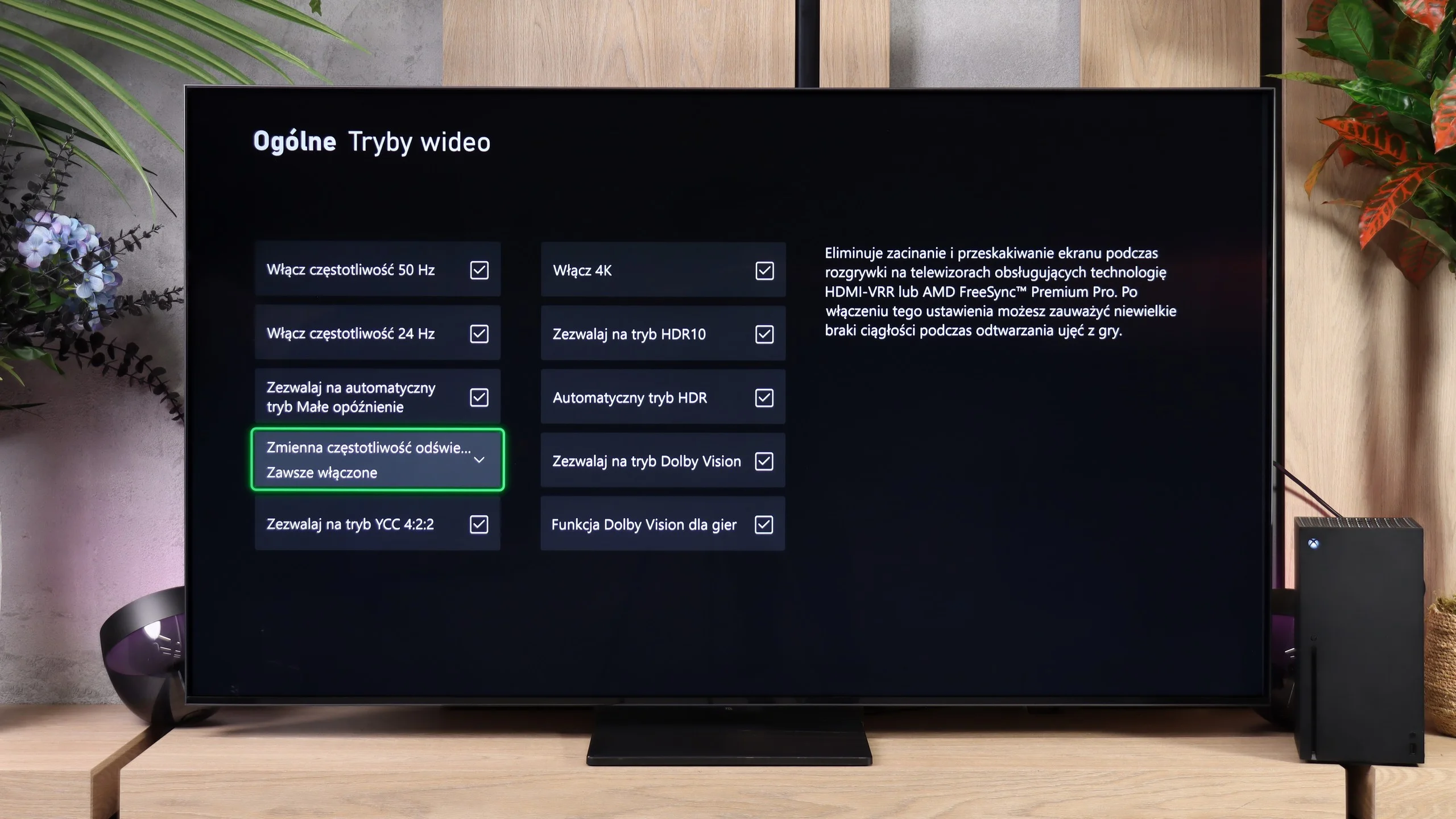
TCL A400U has very extensive features for gamers, even though its appearance suggests a TV for an elegant living room. It supports 120 Hz in Full HD, 1440p and 4K, so it lets you use the high-speed modes available on consoles. When connected to a PC you can get 144 Hz at 4K or even 288 Hz at Full HD. In fast-paced games this gives plenty of freedom to choose between image detail and smoothness. It also has VRR, which adjusts the refresh rate to the frame rate and reduces screen tearing when a game doesn’t maintain steady performance. Its range is 48–288 Hz, with the highest value applying to Full HD. ALLM automatically switches the screen to game mode, and Xbox users can use Dolby Vision at 120 Hz as well. HGiG, which works correctly, is worth praising. It allows you to set HDR on the console without the TV additionally changing the look of the test pattern and making it hard to judge when the test pattern should disappear. That doesn’t mean the picture brightness in game mode is ideal, as we noted during calibration, but the HDR setup proceeds correctly. The package is completed by a clear Game Bar. You can quickly check the frame rate, the active HDR format or VRR status, and access additional tools such as a crosshair and a magnifier. The most important options are to hand without having to go into the full settings menu.
Input lag
9.9/10
10/10
SDR
HDR
Dolby Vision
The results of input lag measurements in the Philips PUS8079 are at a high level, regardless of the signal or resolution. All gamers will certainly appreciate the efforts of the manufacturer, which ensure that a game running at 4K60Hz with HDR has only 13 ms of latency, which is practically unnoticeable even in online games.
A400U responds to controller input very quickly. At 60 Hz latency is 13–14 ms, and at 120 Hz it drops to 8–9 ms in SDR and HDR10. These are excellent results, also for fast shooters and online games. Dolby Vision performs just as well: 14 ms at 60 Hz and 10 ms at 120 Hz means using this format does not result in any noticeable degradation of control. When it comes to input lag, there's little to criticise here.
Compatibility with PC
2/10
8.5/10
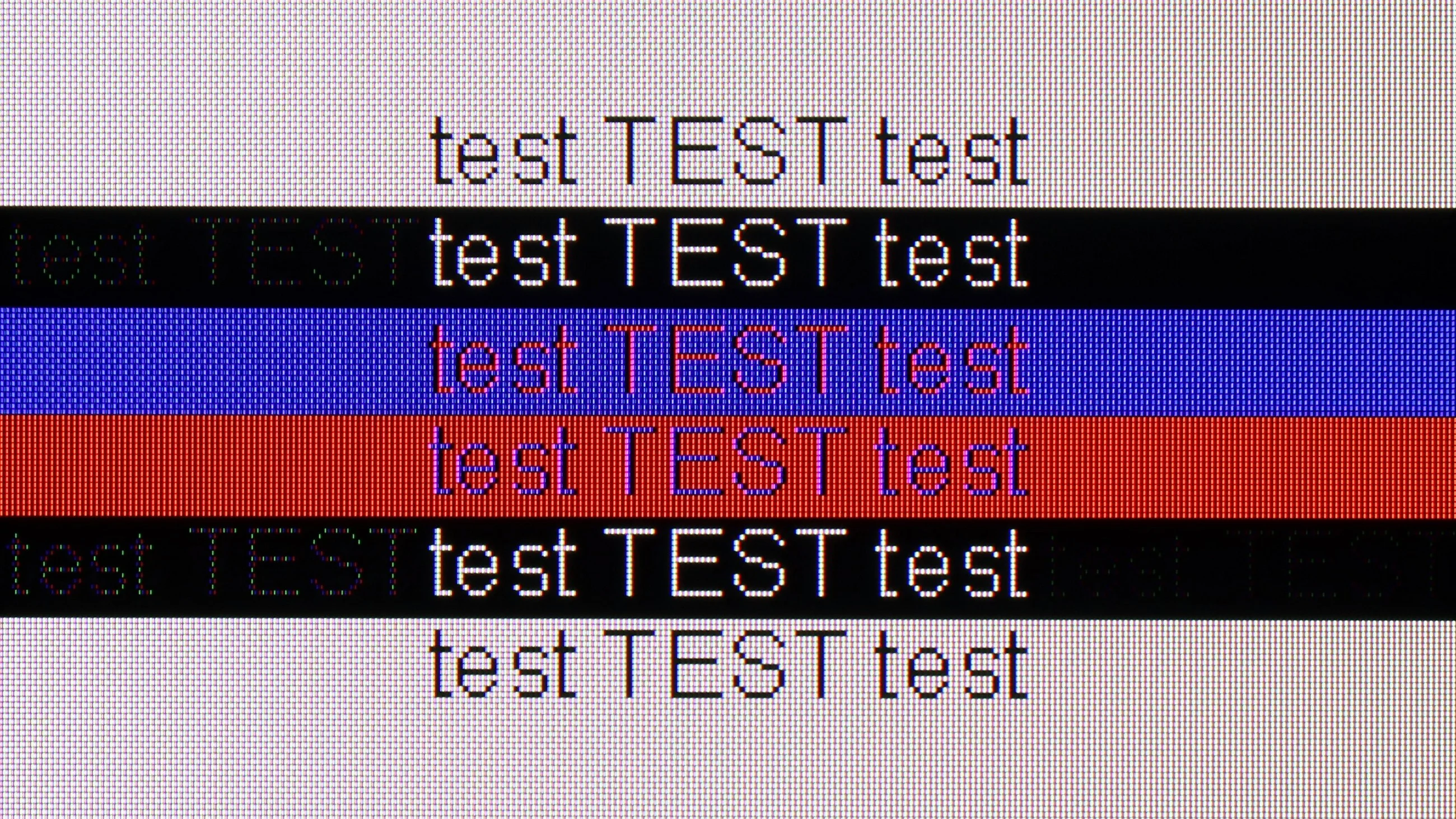
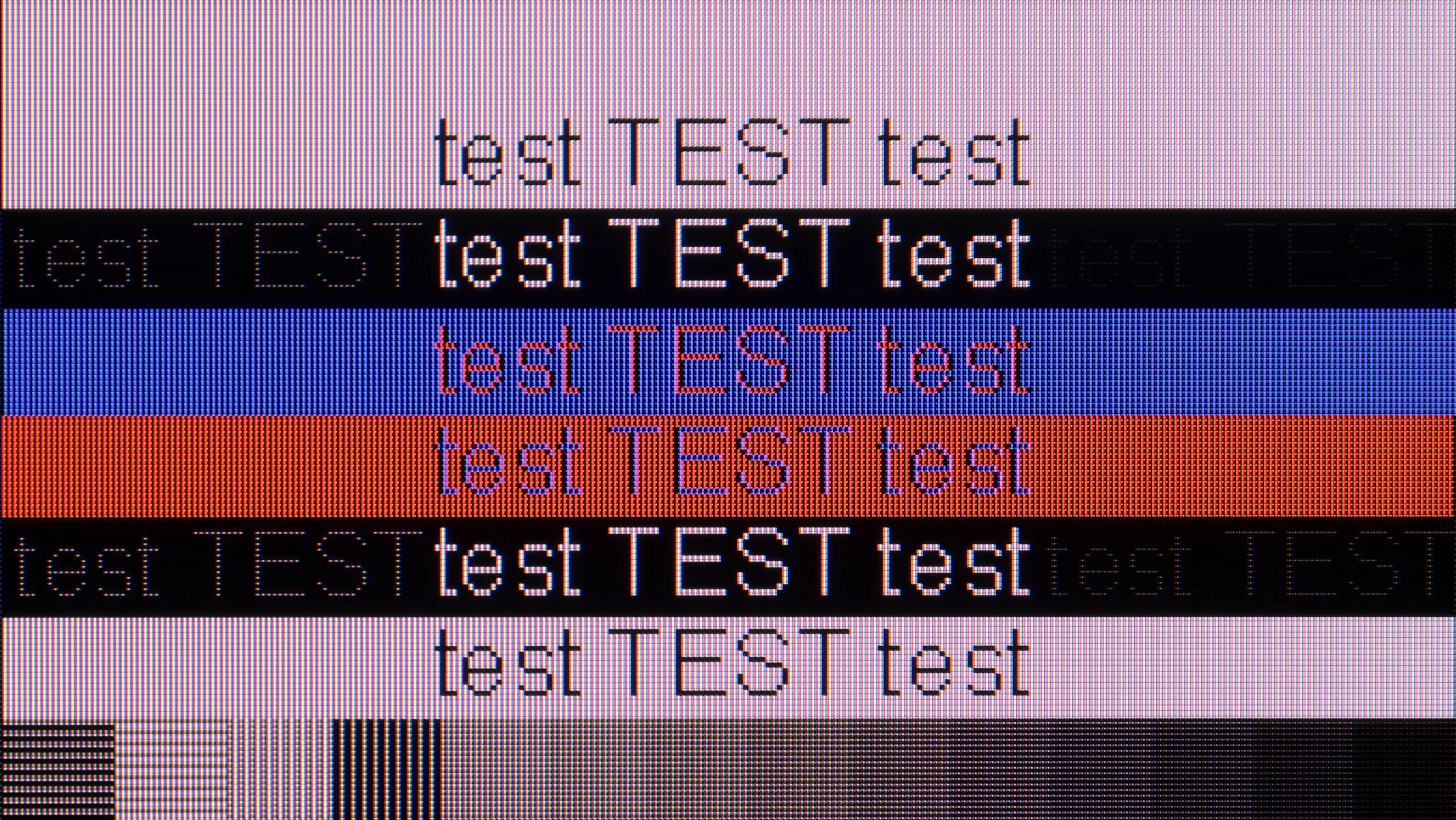
The photo shows the legibility of small fonts. Ideally, lines should be the same thickness on both light and dark text, with minimal pixel gaps.
After connecting the television to the computer and wishing to use it as a monitor, we can expect a low input lag of 14 ms, which is practically unnoticeable on the mouse-screen-eye line. Unfortunately, the readability of the fonts is at a very low level, which practically excludes the use of Philips PUS8079 as a monitor. Why? If you take a closer look at the picture of the grey text, you will notice the phenomenon of so-called dithering. It is clearly visible that not all subpixels are illuminated on the adjacent pixels, while all should be active during the display of grey. Therefore, the text will be unbearably blurry and will effectively hinder work.
TCL A400U works very well with a computer, primarily thanks to its extensive gaming capabilities. Support for 4K at 144 Hz or 288 Hz in Full HD, working G-Sync and an input lag of 9 ms let you comfortably play even fast-paced titles.
Text legibility, however, depends on the selected refresh rate. At 120 Hz fonts look nearly perfect, regardless of size or colour. Switching to 144 Hz introduces an issue with horizontal strokes in letters, especially the darker ones. They are noticeably dimmer than the vertical strokes, which makes small text appear uneven despite maintaining chroma 4:4:4. If the A400U is also to be used as a work monitor, it's best to stick to 120 Hz and enable higher refresh rates for gaming. It's an annoyance, but it mainly affects people who sit close to the screen and work with small type. When gaming or using the computer from the sofa it won't be a major problem.
Viewing angles
3.8/10
3.6/10
The biggest and most common flaw of VA panels is their viewing angles. This particularly applies to units without angle coatings, which would make a significant difference in this regard. Interestingly, the tested hero performed considerably better than, for instance, the PML9009 we recently evaluated. Nevertheless, even a slight deviation from the axis leads to a strong degradation of colours and a drop in contrast.
Viewing angles are not the strongest suit of the TCL A400U. The VA panel handles blacks well when viewed straight on, but colours lose saturation from the side and the image loses contrast. It's not the worst performance among TVs with a VA panel, but with a wider sofa layout the difference between a seat in the centre and one at the edge will be noticeable. It is clearly inferior to IPS panels, and even more so to OLEDs. The A400U is therefore best viewed straight on if you want to preserve full colour saturation and deep blacks.
Daytime performance
2.6/10
8.5/10
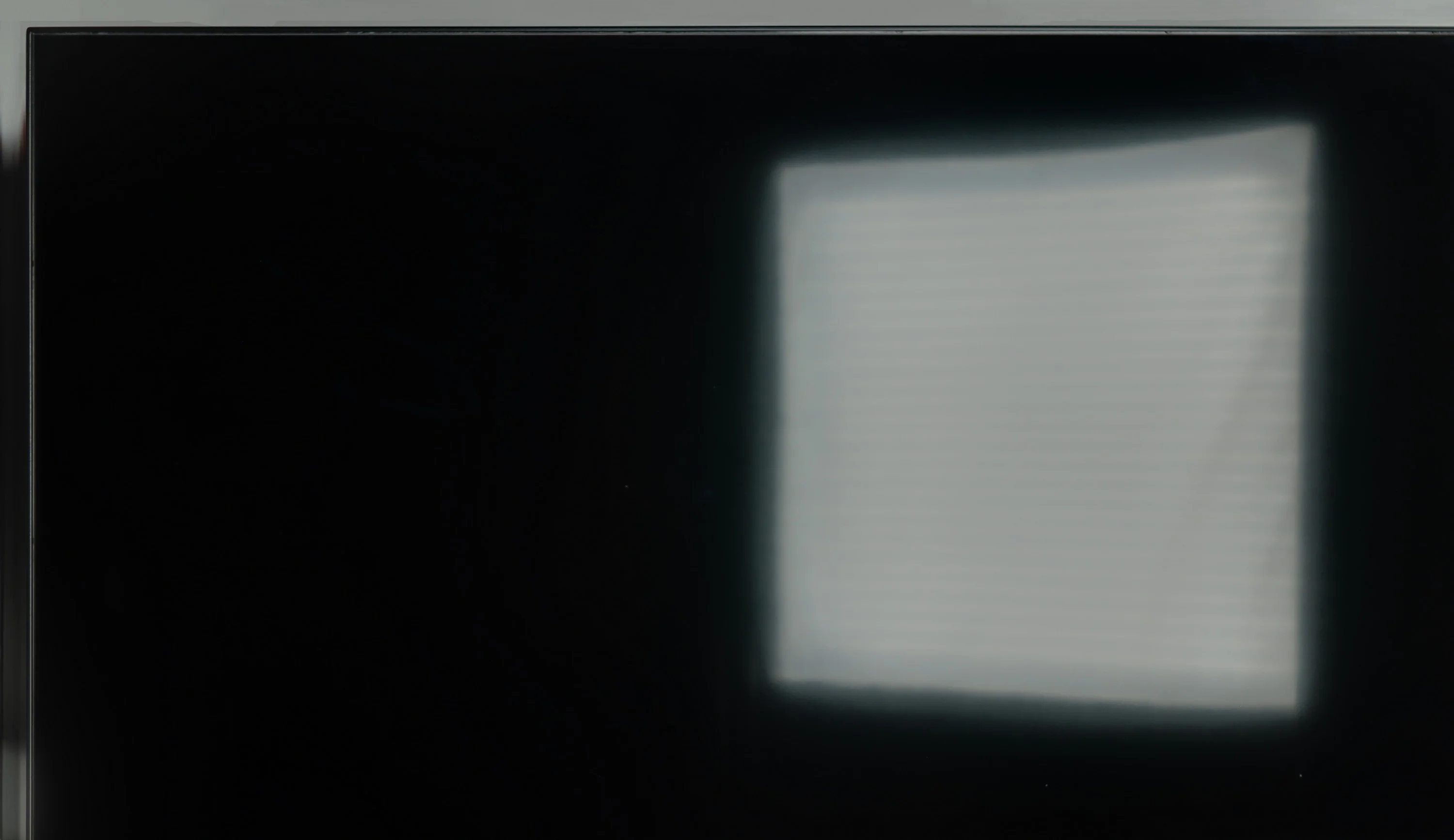
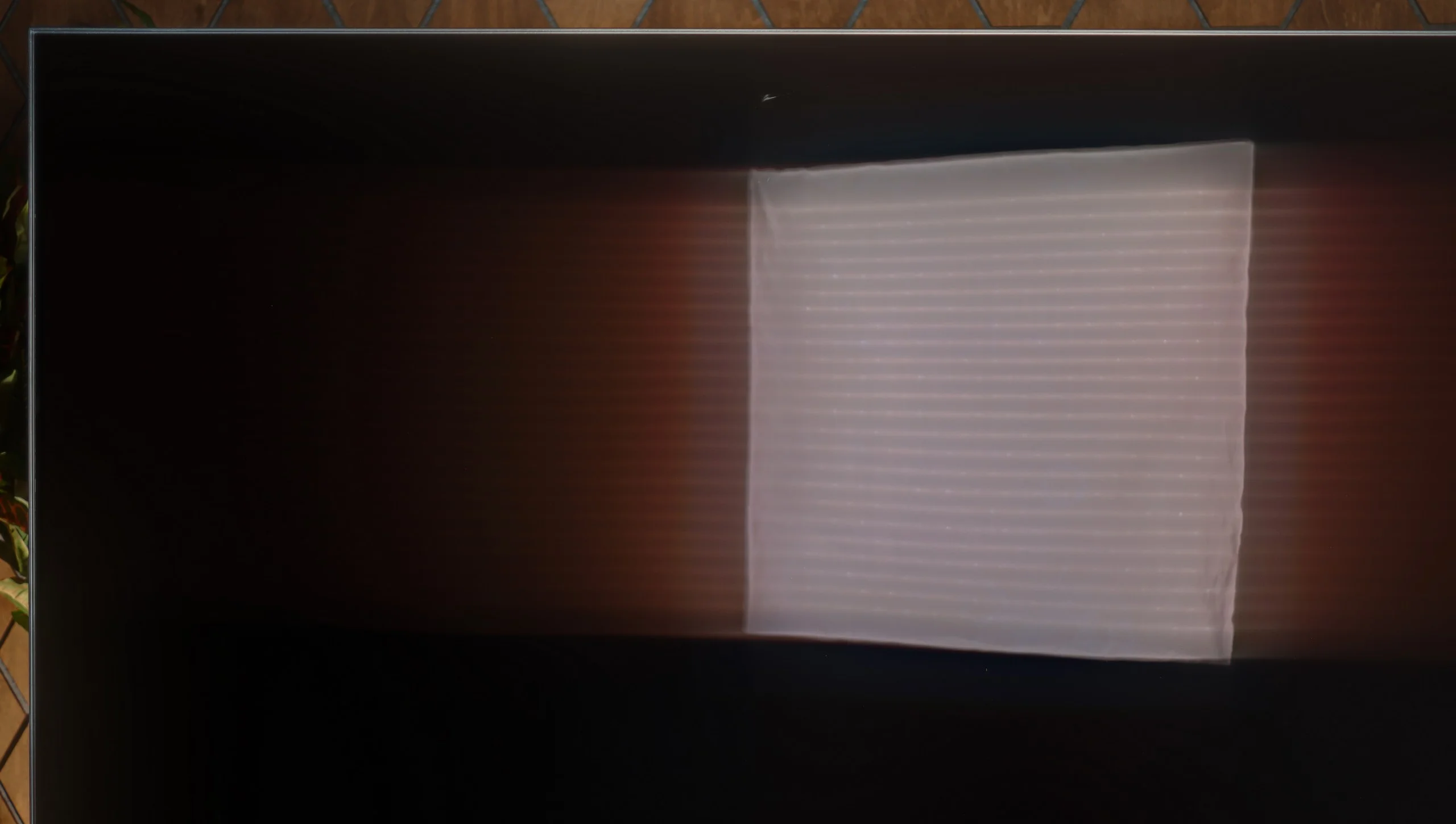
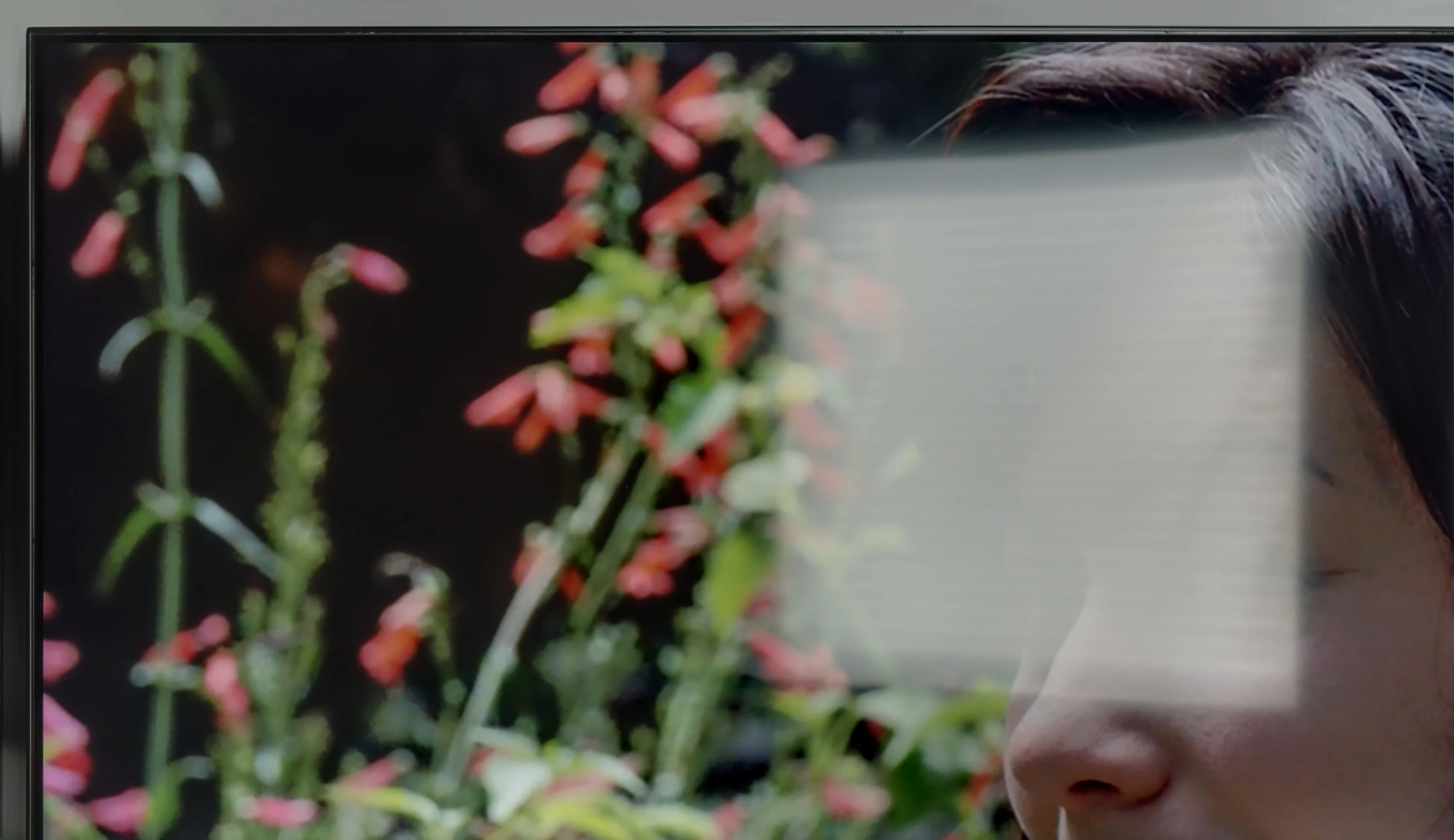
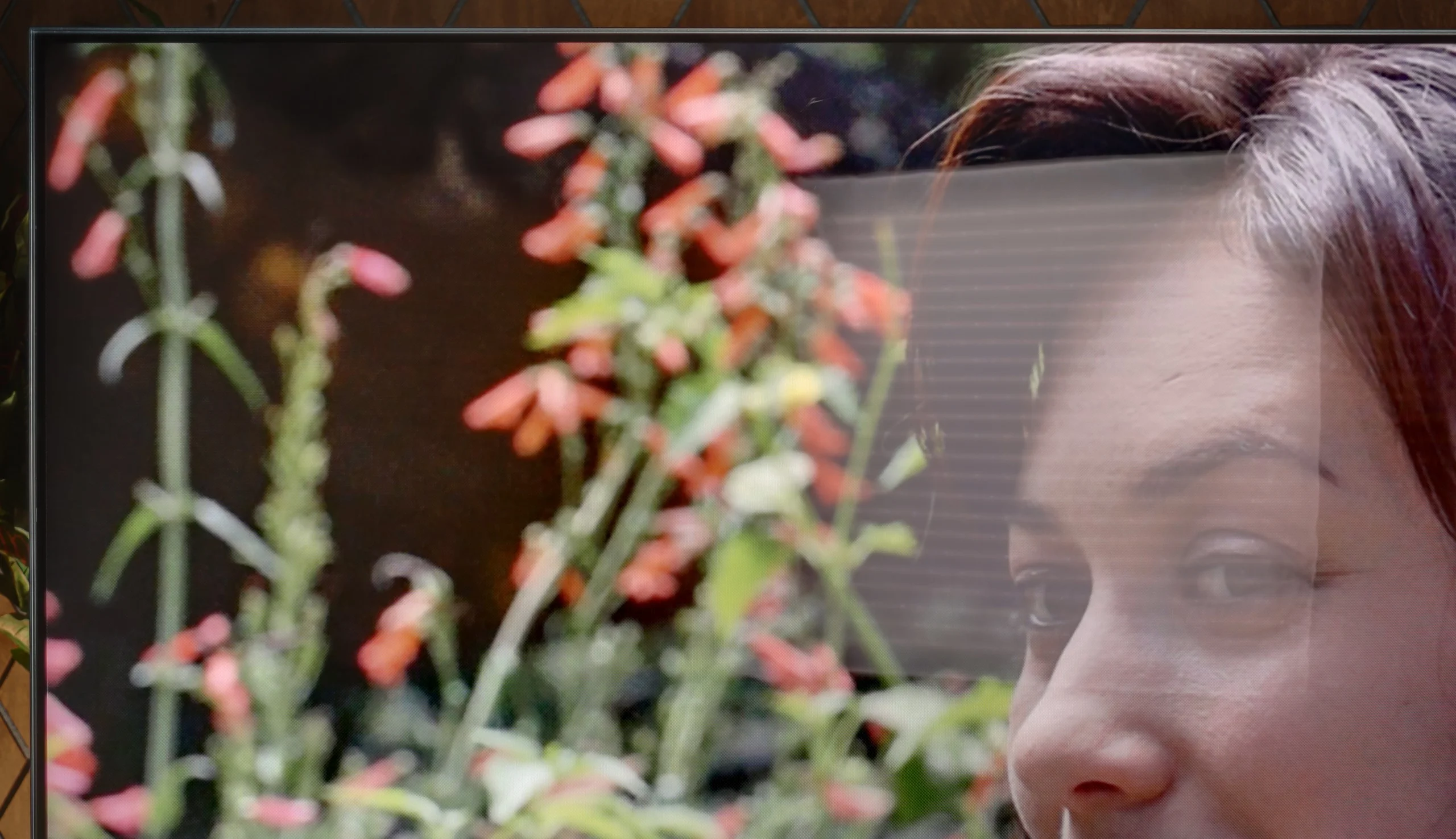
Panel brightness
TCL A400U: 1227 cd/m2
Philips PUS8079: 192 cd/m2
In our test sequence, there was also an opportunity to check the performance of the television during daytime viewing. Moreover, we suggest such an operational scenario, considering the insufficient contrast. However, returning to the point: the application of the satin coating yielded poor results, which, combined with the low luminance of the television across all models, effectively disqualifies it for viewing in a sunny room.
In televisions meant to serve as interior decoration you often find matte screens that reduce reflections and help achieve a picture-on-the-wall look. The TCL A400U goes a different way. It has a fully glossy coating that unfortunately shows clear reflections of windows and lamps. You can also see this while watching, especially when a bright reflection falls on a darker part of a film. On the plus side, black levels and colours hold up well in a lit room. The image does not become milky and colours remain nicely saturated. The A400U’s biggest asset in daylight, however, is brightness. The average of our measurements was about 1,300 nits, and even with the whole screen filled with white the TV maintained around 700 nits. That’s a very good result, allowing comfortable viewing even in a brightly lit living room. You just need to position the screen sensibly. The A400U has enough power to cope with a bright environment, but it will not eliminate the reflection of a large window positioned directly opposite it.
Panel details
Subpixel Structure:
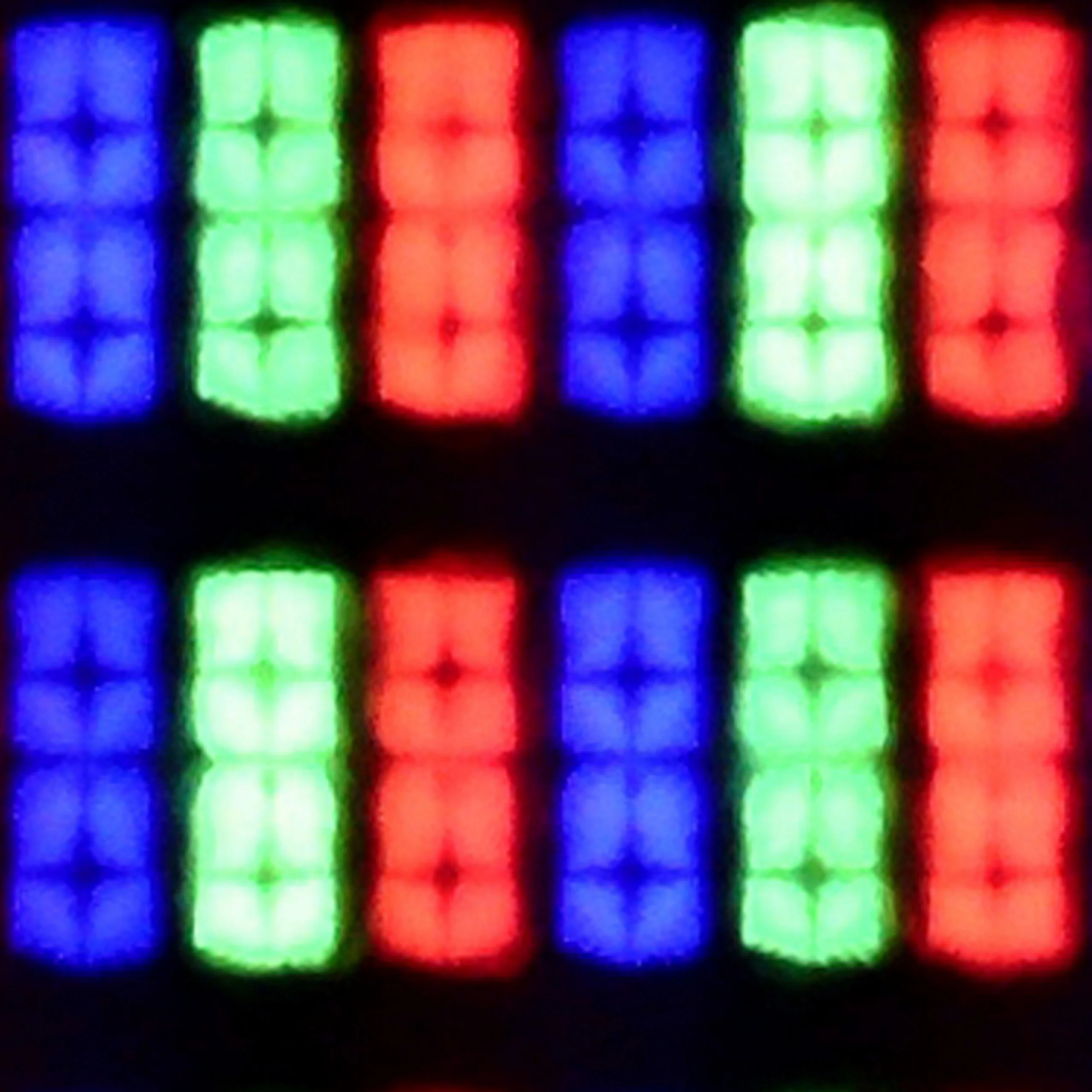
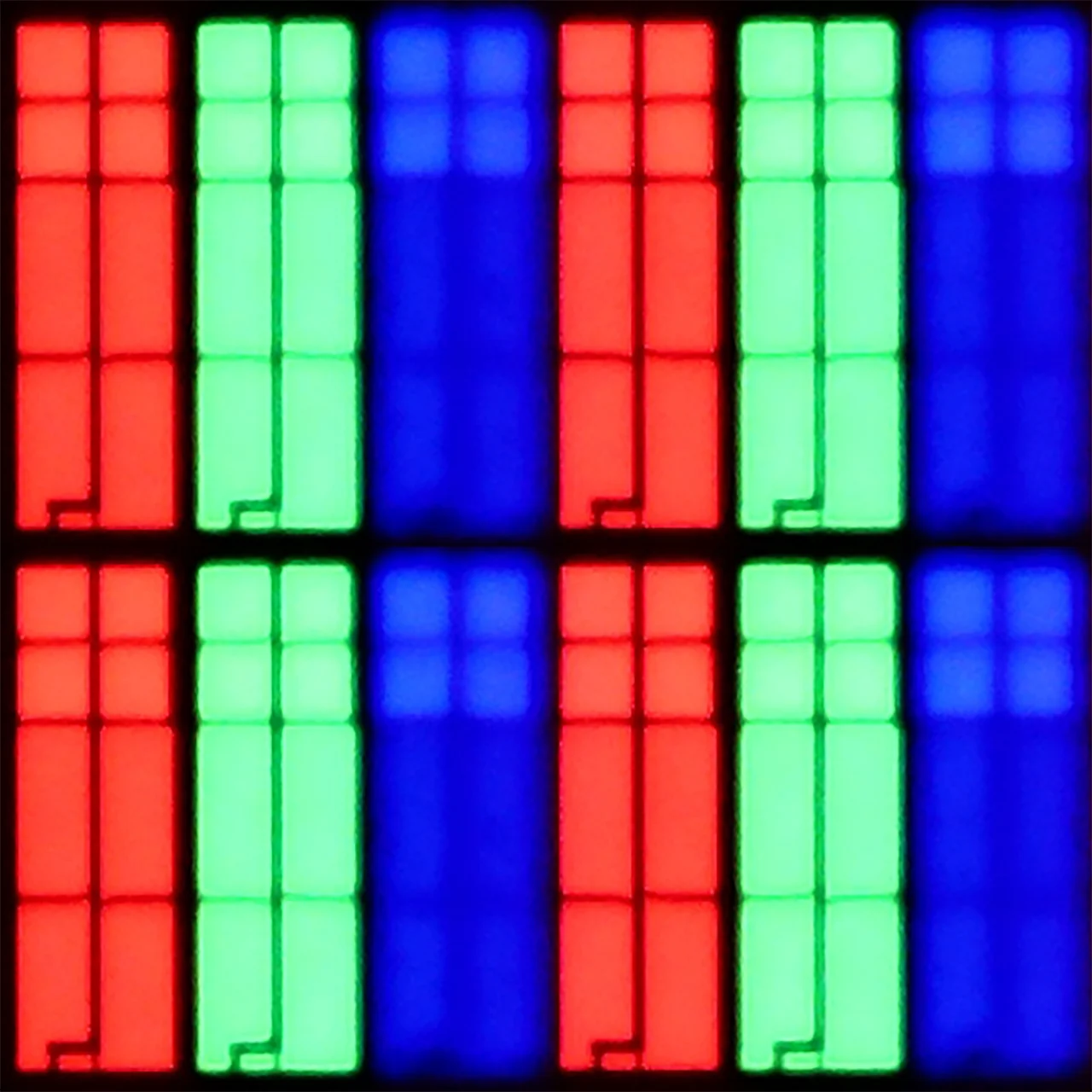
Panel uniformity and thermal imaging:
Philips PUS8079
TCL A400U
TV features
4.7/10
7.8/10
- SystemTitan OSGoogle TV
- System performancePoorGood
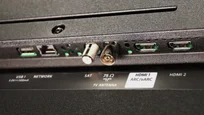
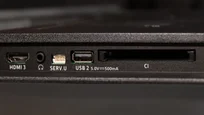
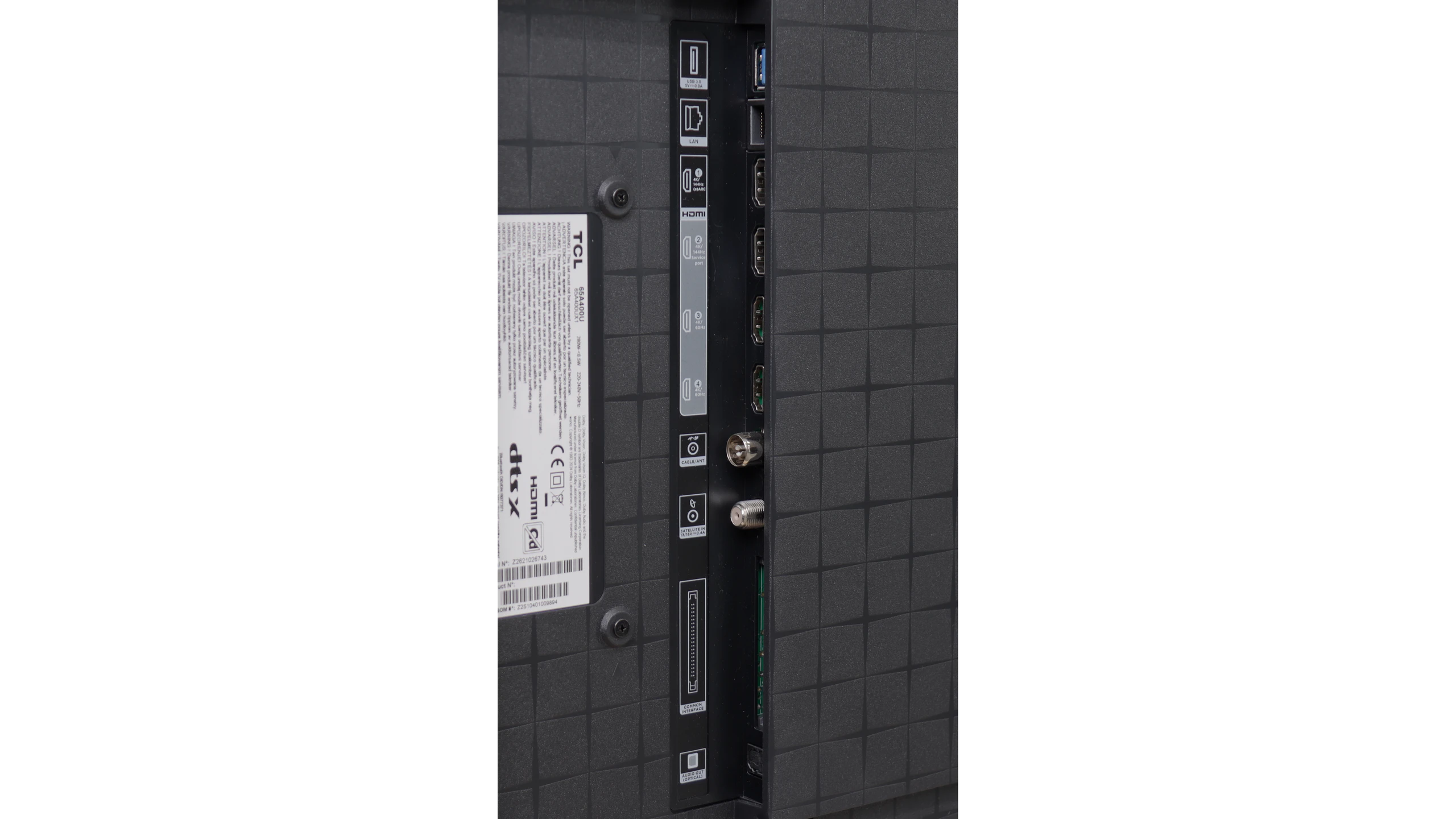
- HDMI inputs3 x HDMI 2.0, 0 x HDMI 2.12 x HDMI 2.0, 2 x HDMI 2.1 48Gbps
- OutputseARC (HDMI), ARC (HDMI), Mini-Jack (Headphones)Toslink (Optical audio), eARC (HDMI), ARC (HDMI)
- Network InterfacesWi-Fi 2.4GHz, Wi-Fi 5GHz, Ethernet (LAN) 100MbpsWi-Fi 2.4GHz, Wi-Fi 5GHz, Ethernet (LAN) 100Mbps
- TV receptionDVB-T, DVB-T2, DVB-S, DVB-S2, DVB-CDVB-T, DVB-T2, DVB-S, DVB-S2, DVB-C
Classic features:
- Recording to USB (terrestrial TV)
- Recording programming
- Picture in Picture (PiP)
- RF remote control (no need to aim)
- Backlit remote control
- Teletext
- Audio only mode
- Bluetooth headphones support
- Simultaneous Bluetooth headphones & TV audio
Smart features:
- AirPlay
- Screen mirroring (Windows Miracast)
- Voice search
- Voice search in native language
- Ability to connect a keyboard and mouse
Sound connection options
- HDMI audioeARC (HDMI), ARC (HDMI)eARC (HDMI), ARC (HDMI)
- Other audio outputsMini-Jack (Headphones)Toslink (Optical audio)
- Wireless audio
Supported audio formats (external HDMI eARC audio):
- Dolby Digital Plus 7.1
- Dolby True HD 7.1
- Dolby Atmos in Dolby Digital Plus (JOC)
- Dolby Atmos in Dolby True HD
- DTS:X in DTS-HD MA
- DTS-HD Master Audio
Senior accessibility
- Numeric keyboard on TV
- Font size adjustment
- Audio description
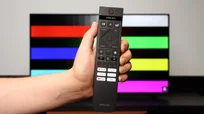
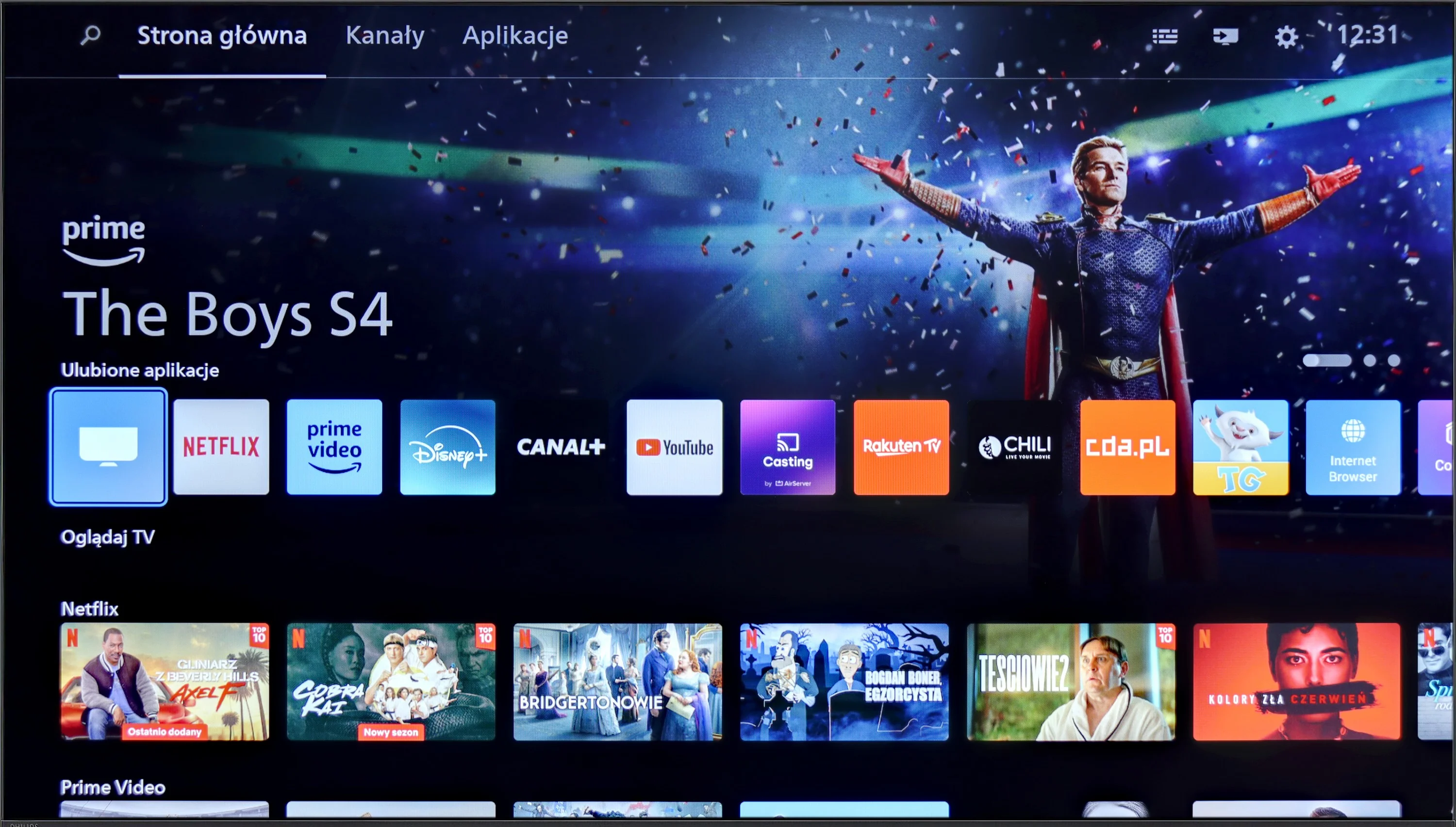
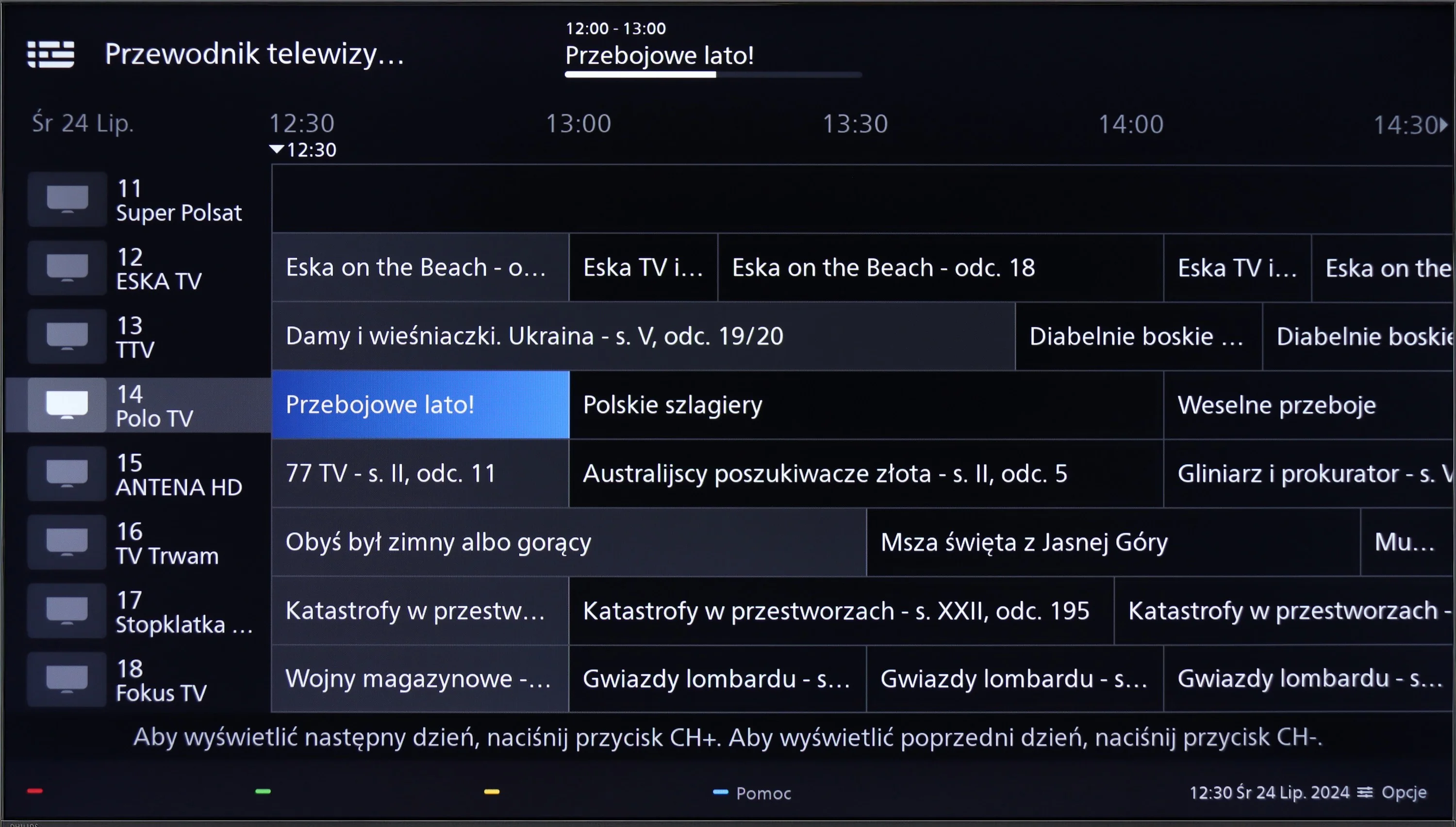
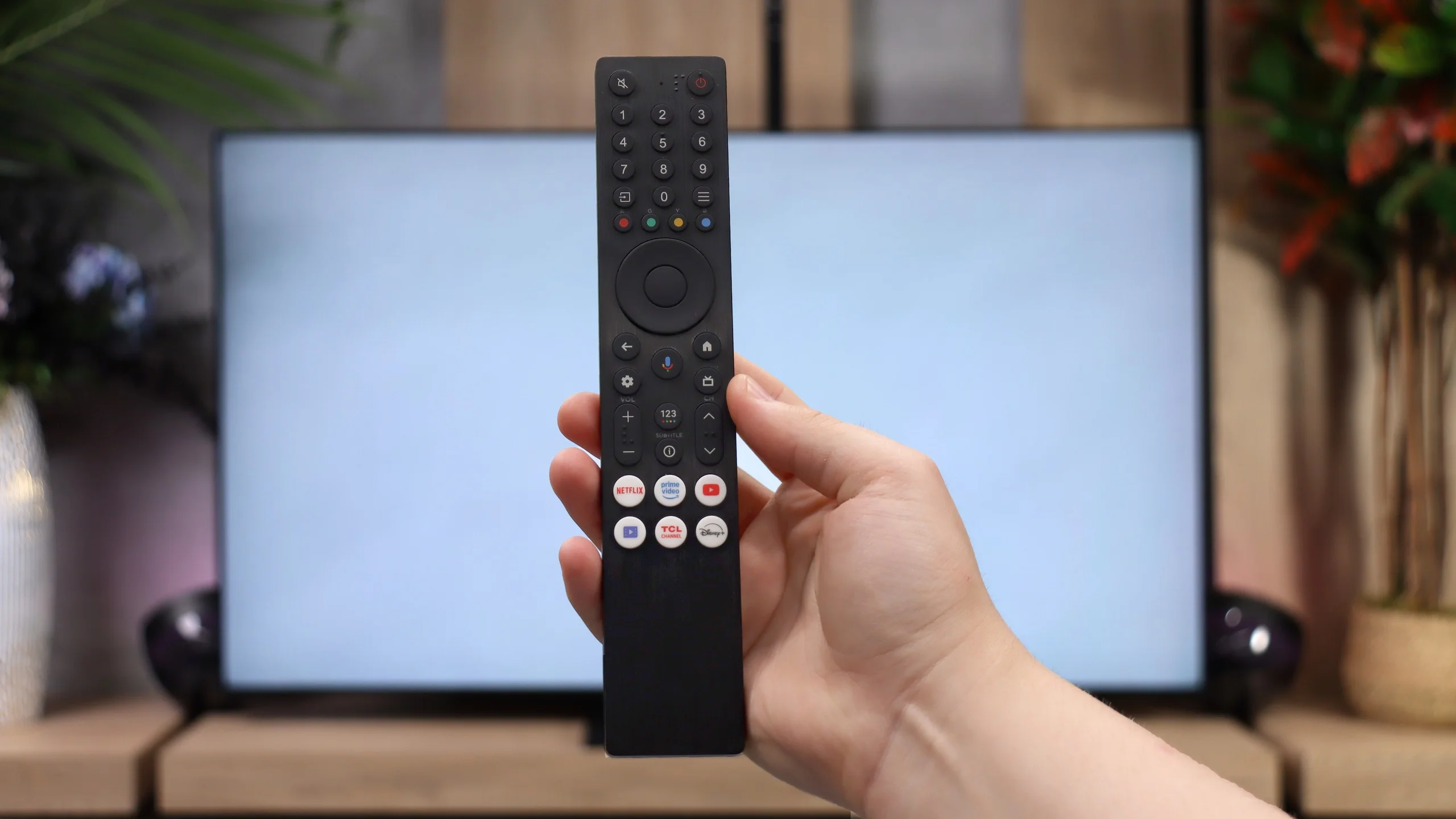
It is impossible not to mention the biggest distinguishing feature of the manufacturer's televisions first. We are of course talking about the multicoloured Ambilight backlighting, which placed on the rear casing of the device projects colours adapted to what is happening on the screen, often allowing for an even greater experience of immersion. The operating system responsible for the television's functionality is Philips's proprietary system charmingly named TitanOs. It is definitely more closed and limited in terms of application resources than in the case of televisions from this manufacturer based on the GoogleTV system. Besides the lack of significant applications, its closed nature is also manifested in another way. We will not be able to perform basic tasks such as programming recordings or recording to USB. Those using devices from Apple may also feel disappointed by the lack of AirPlay functionality, which allows for easy screen streaming. Fortunately, there is the option to connect a keyboard and mouse for smoother navigation through the television's menu. It is worth mentioning that the possibility to connect headphones exists, but only wired ones. If we plug them in, we can also play sound from the television's speakers. It should also be added that the television is controlled via IR, not Bluetooth, which is quite inconvenient in these times.
In summary: TitanOs has quite a few "buts", especially when we are aware users needing and using many streaming platforms. This is rather an option for those limiting themselves to the so-called holy trinity, namely Netflix, YouTube, and CDA.
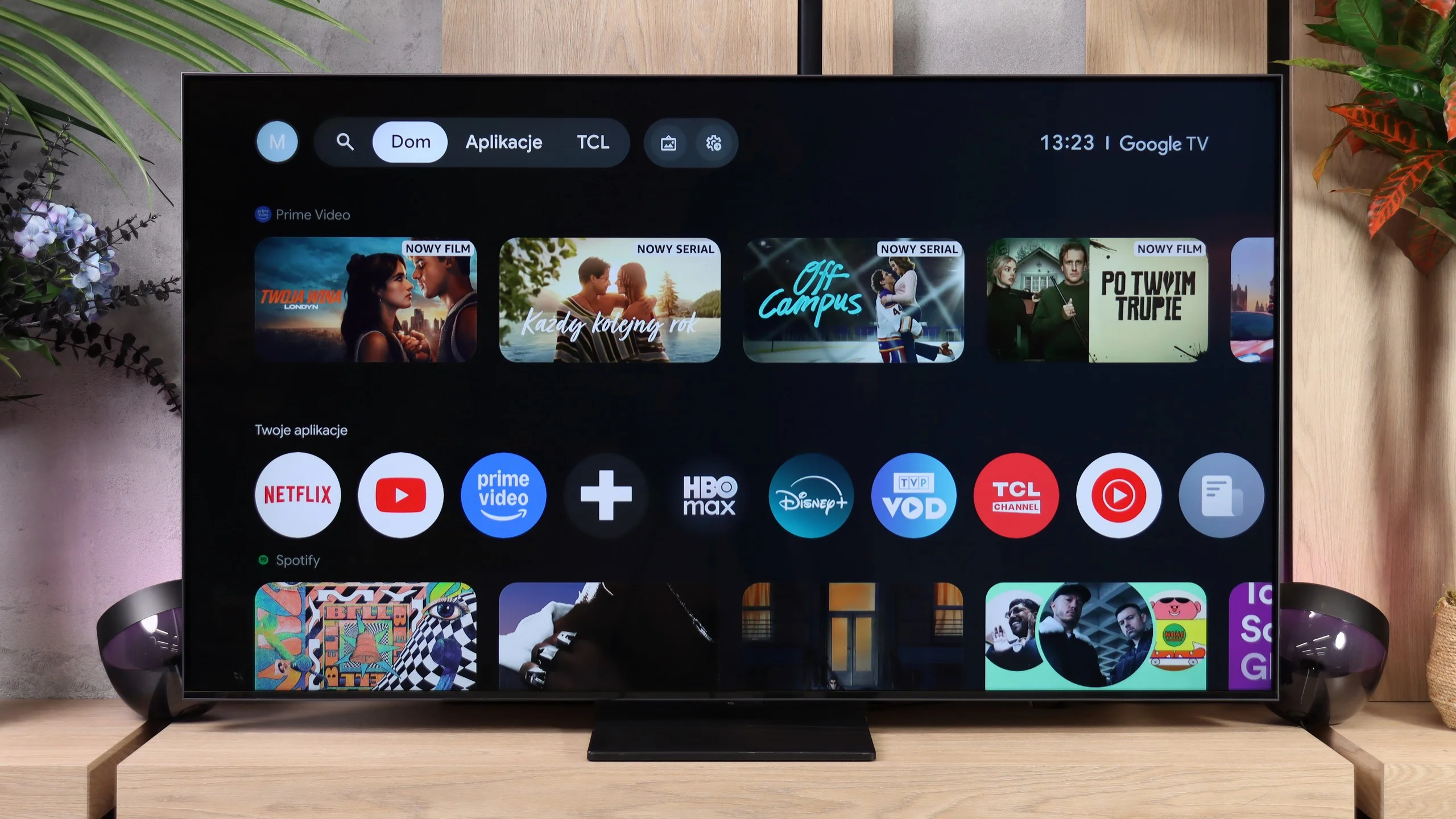
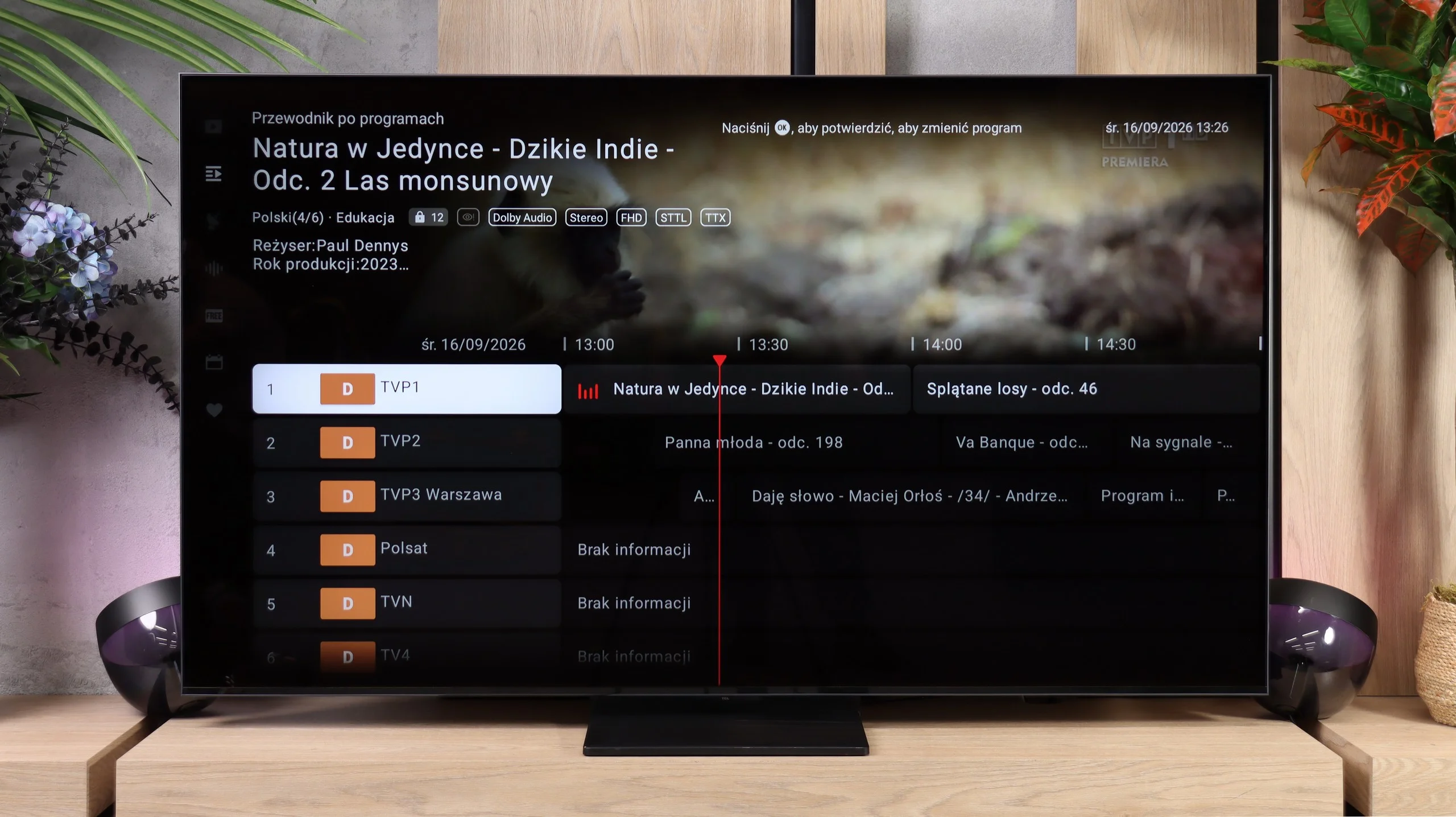
Google TV
Google TV on the A400U runs smoothly and lets you use the TV conveniently without an external streamer. The selection of apps is wide, so it's easy to find something to watch, and when searching for a specific film Polish voice search comes in handy. Instead of tediously selecting individual letters with the remote, just say the title. You can also cast content from your phone to the screen without much fuss. Those watching traditional TV get slightly fewer options. The lack of USB recording means you can't save a favourite programme for later without an external set-top box.
Practical features
The A400U has several practical features. For example, you can connect Bluetooth headphones while keeping the TV speakers on. However, there are some drawbacks, especially for viewers of traditional broadcast TV. You can't record programmes to USB, and there is no picture-in-picture mode to display two sources at once. It's also worth considering how you connect additional equipment. Of the four HDMI inputs, only two support high refresh rates at 4K, and one of them is also used for connecting audio via eARC. If you use that one for a soundbar, you'll be left with only one such input for a console or PC. With a single console that's no problem, but a more elaborate setup may run out of ports.
Remote
With such a refined look for the A400U it's a pity the same attention wasn't paid to the remote. The large plastic casing with lots of buttons looks rather ordinary next to such a well-made TV. A more minimalist remote, like the one on the C8L, would suit the character of this model much better. The A400U is, of course, the cheaper model, but if styling is one of its main selling points, why not? 😉 The remote itself works well and does not require pointing at the screen, although button backlighting would be useful in the evening.
Apps
6.7/10
9.6/10






















Playing files from USB
8/10
9.4/10
Supported photo formats:
Maximum photo resolution:
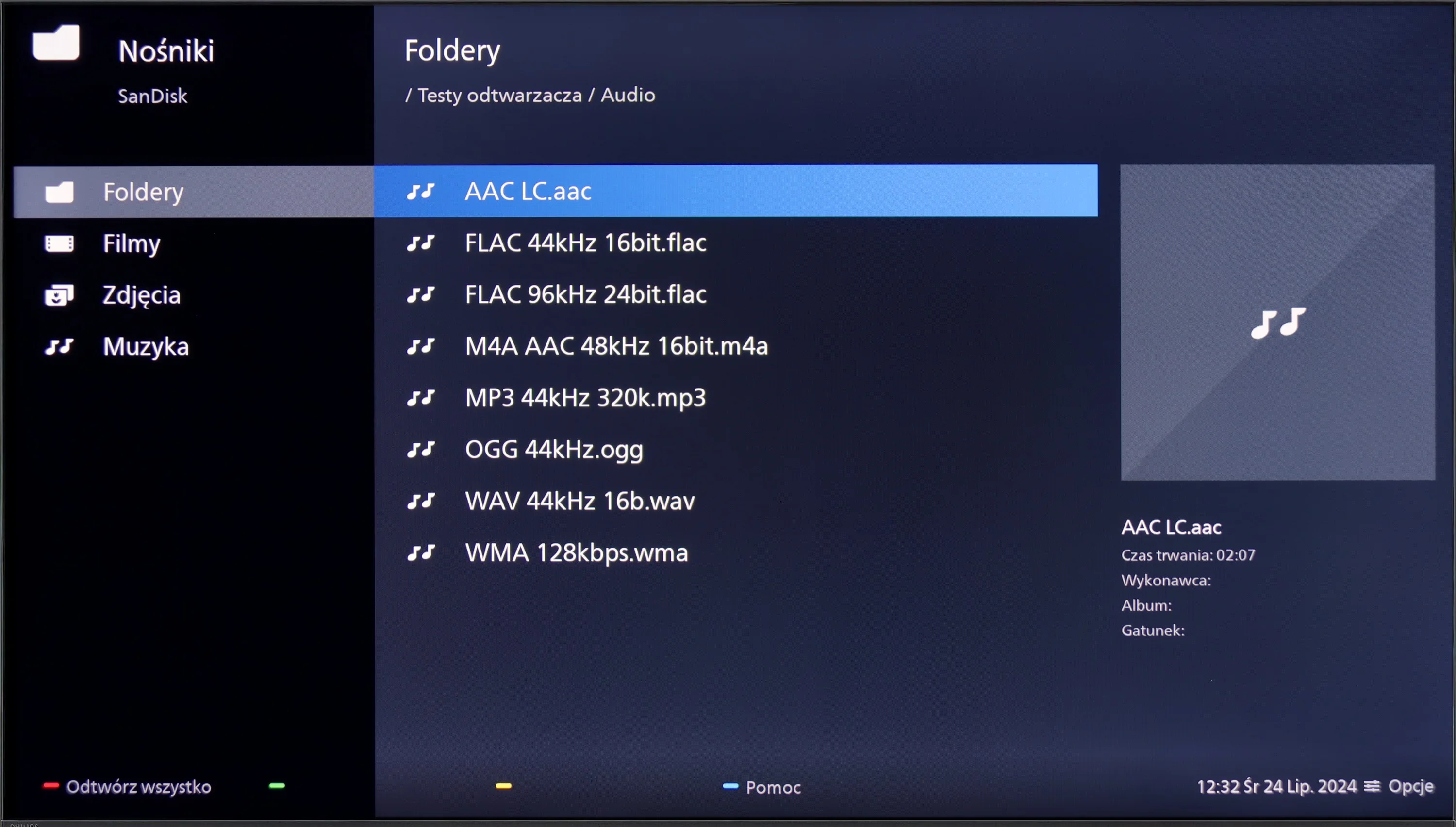
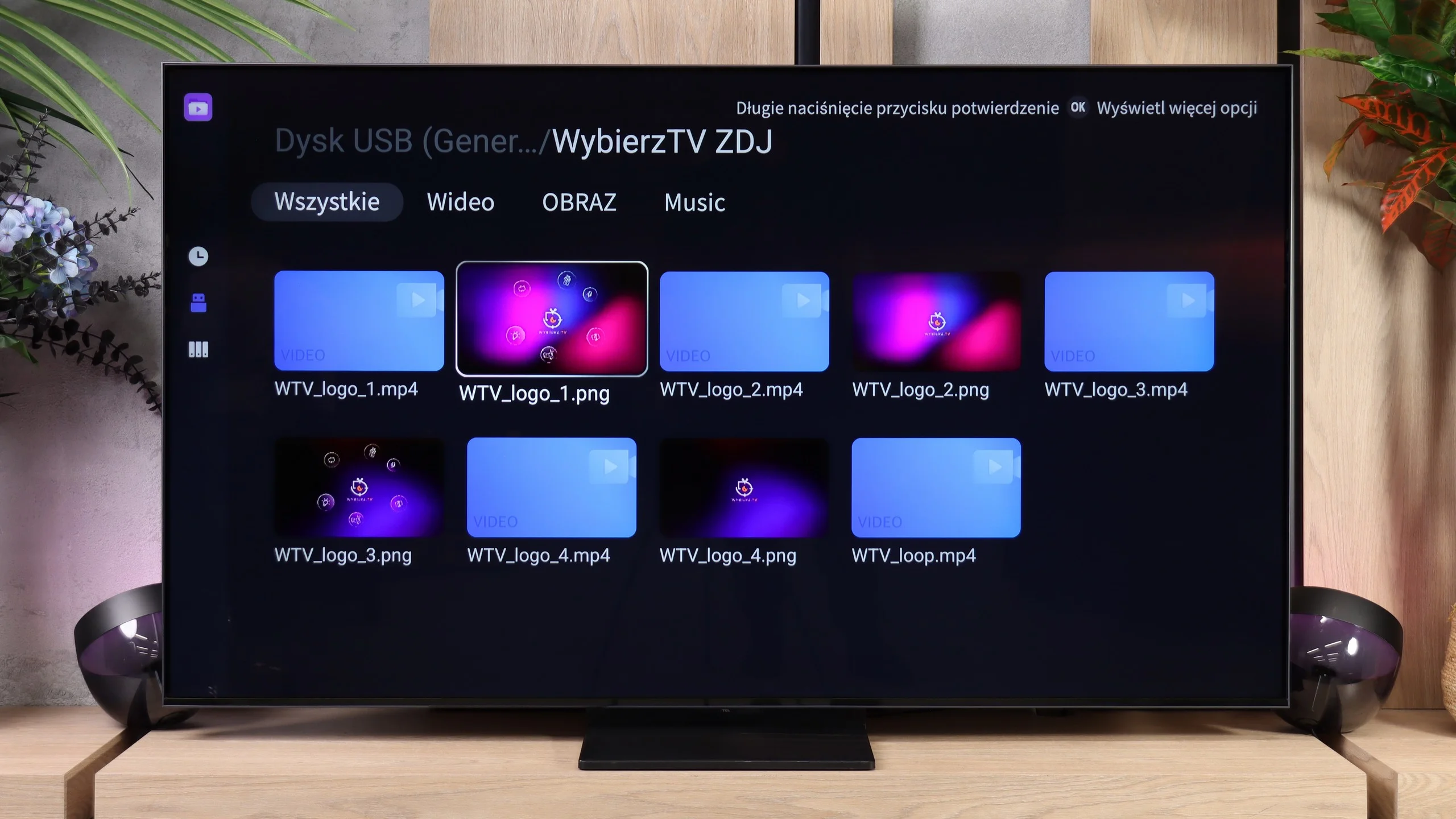
The default media player built into Philips PUS8079 offers quite a wide range of capabilities, but it also has its limitations. It plays virtually all video formats, with the obvious exception of Dolby Vision and the less obvious .asf, which is not commonly encountered. However, the issues lie in the absence of the H.265 HEVC codec at high bitrate and support for .sub files, which are quite popular. When it comes to photos, the player performs adequately, but it lacks support for some popular resolutions and formats, such as HEIC, which is used on Apple devices. The player performs best with audio, where it cannot be faulted. Unfortunately, due to system limitations, there is no possibility of expanding the functionalities, which means we are left with what the manufacturer has prepared.
The built-in USB player in the TCL A400U performs very well. It opened almost all the video files, photos and music tracks we tested, so to play your own content from a USB stick what the TV offers straight out of the box is usually enough. One small caveat is the lack of support for subtitles in .txt format. If you have an older collection of films with such subtitles, you may need to convert them or install a different player. There is no problem with the popular .srt and .sub formats.
Sound
5.1/10
6.7/10
- Maximum volume-82dB
- Dolby Digital Plus 7.1
- Dolby True HD 7.1
- Dolby Atmos in Dolby Digital Plus (JOC)
- Dolby Atmos in Dolby True HD
- DTS:X in DTS-HD MA
- DTS-HD Master Audio
The best thing that can be said about the sound system in Philips PUS8079 is that it is present. There is practically a lack of midtones and bass. However, the high tones stand out in an unpleasant way. Interestingly, it features a complete set of the most important audio codecs, including Dolby Atmos and DTS-HD Master Audio. As a result, connecting our home theatre system will be just a formality.
Unfortunately, the sound in the TCL A400U is as flat as its casing. The built-in 2.0 speakers with 20 W of power are sufficient for watching the news or standard television programmes, but for films and music they clearly lack bass. Explosions don't have the necessary impact, and music sounds rather thin. The slim design has its price, so for movie nights it's worth considering a soundbar, preferably one with a separate subwoofer. The TV supports Dolby Atmos and DTS, so additional audio equipment will also let you make better use of spatial soundtracks.
Sound Quality Test
No sound test video
Acoustic Measurements
No acoustic data
82dBC (Max)
75dBC
Reader comments
Comments are provided by the external service Disqus (Zeta Global). Once loaded, Disqus may set cookies and process data about your activity.
We will remember your choice on this device. Provider's privacy policy