 Direct comparison
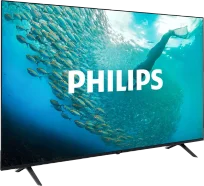
Philips PUS7009 is a model that is best suited for simple, everyday use. Thanks to its IPS matrix, it offers wide viewing angles, which means that the picture looks good even if we are not sitting directly in front of it. This device is mainly suitable for watching television, browsing photos or using basic applications. For gamers, PUS7009 has several interesting options, such as ALLM, VRR and Game Bar. It is not equipment for those who expect top-notch fluidity or quality, but it is perfectly sufficient for occasional console gaming. A significant advantage is also the readability of fonts – if someone plans to connect a computer and work with text, the television performs quite well. As for the picture quality, it is not ideal here. The blacks are rather grey, the contrast is low, and the brightness is limited. If we want to watch something in a brightly lit room, we may be disappointed. And what about HDR? It’s better to forget about it, as the lack of Dolby Vision support and limited technical capabilities mean that HDR content does not make much of an impression. The biggest downside is probably the operating system, TitanOS. It has few applications and works quite clumsily – sometimes it stutters, and the interface can be irritating. If someone has previously used Android TV, TitanOS may seem like a step backwards. Philips PUS7009 is a television that performs well in basic tasks – watching television, simple gaming or browsing photos. However, if we care about good picture quality or an efficient operating system, it is better to look for another model. This is equipment for people who do not need fancy features but simply want a solid television for everyday use.
- Matching (Score) |
- Our verdict |
- TV appearance |
- Where to buy |
- Contrast and black detail |
- HDR effect quality |
- Factory color reproduction |
- Color reproduction after calibration |
- Smoothness of tonal transitions |
- Image scaling and smoothness of tonal transitions |
- Blur and motion smoothness |
- Console compatibility and gaming features |
- Input lag |
- Compatibility with PC |
- Viewing angles |
- Daytime performance |
- Panel details |
- TV features |
- Apps |
- Playing files from USB |
- Sound
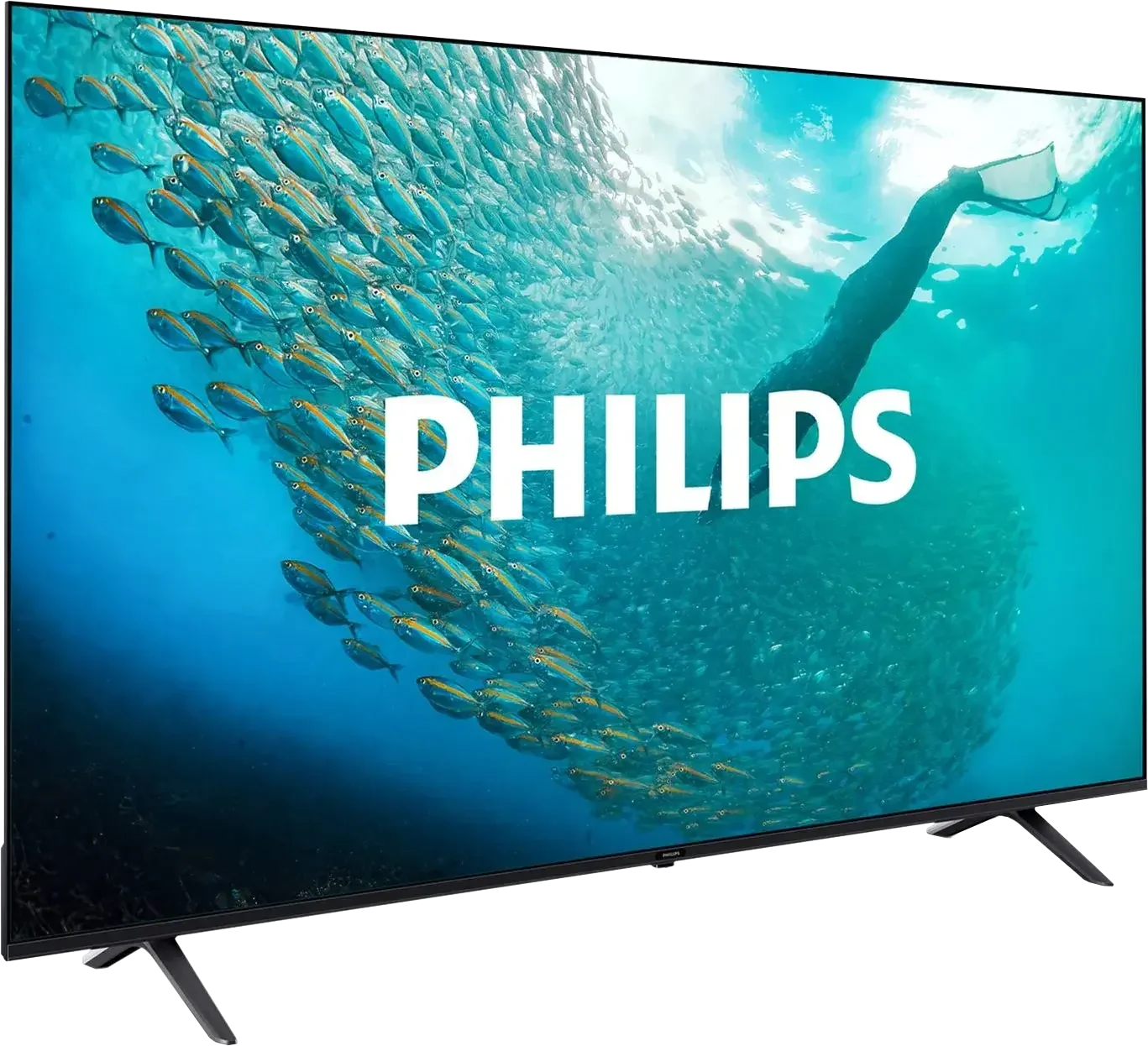
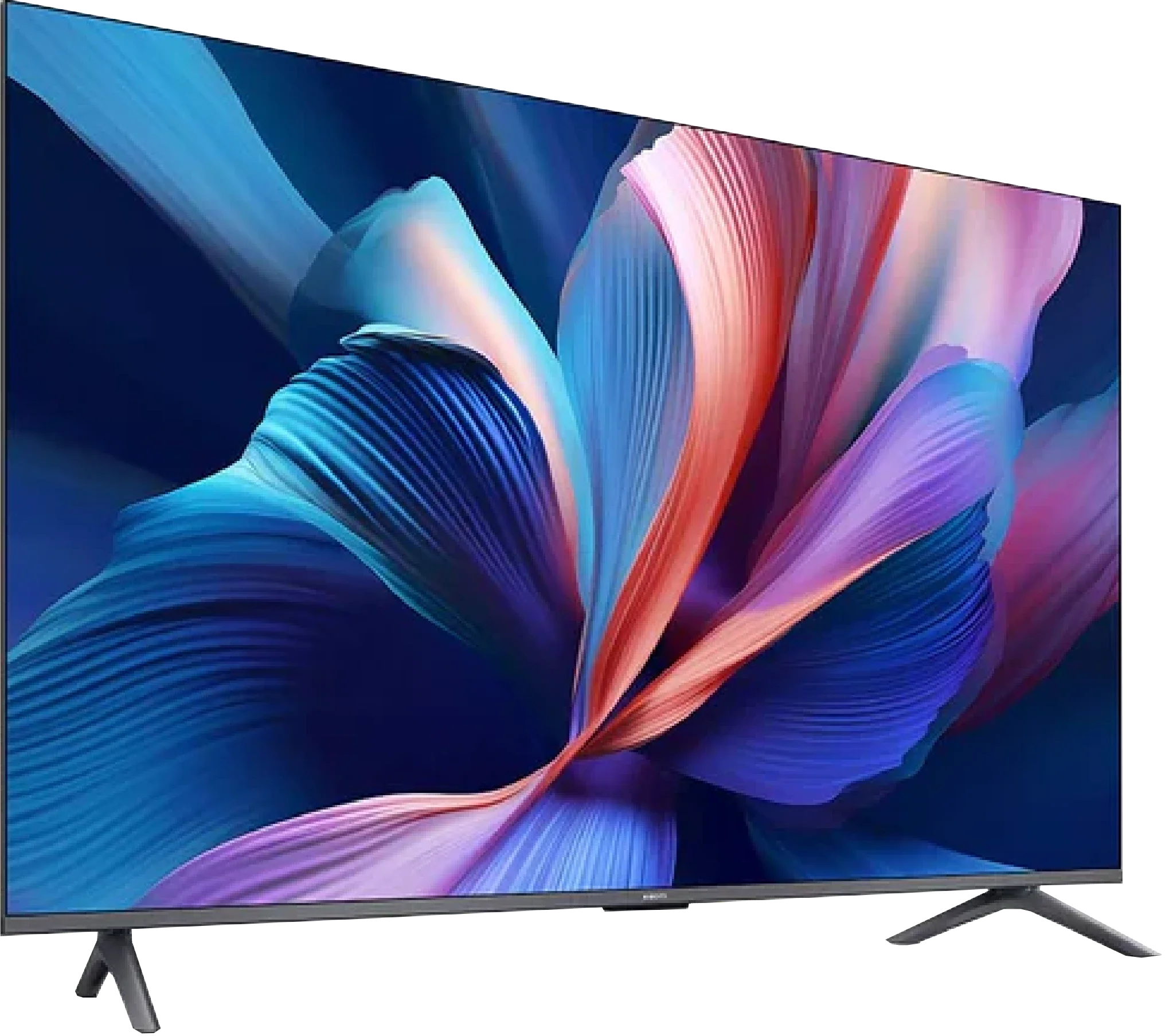
Panel type: LCD IPS
Resolution: 3840x2160
System: Titan OS
Model year: 2024
Complete the survey to find out the result
Panel type: LCD VA
Resolution: 3840x2160
System: Google TV
Model year: 2025
Complete the survey to find out the result
Overall rating
5.5
5.6
 Movies and series in UHD quality
5.1
6.0
 Classic TV, YouTube
5.3
5.7
 Sports broadcasts (TV and apps)
5.4
4.7
 Gaming on console
6.4
6.2
 TV as a computer monitor
5.0
2.0
 Watching in bright light
4.5
4.9
 Utility functions
6.3
6.1
 Apps
6.7
9.6
 Sound quality
5.6
5.0
Complete the survey to find out what fits your preferences
Advantages

Good viewing angles (IPS) - much better than the VA panel variant
The dynamic tone mapping feature improves image quality in demanding scenes
Okay for casual gamers - VRR, ALLM, low input lag
Support for all popular audio formats, including Dolby and DTS
Good font readability when connected to a PC
VA matrix with good native contrast and decent blacks
Support for Game Boost mode at 120 Hz in 1080p and 1440p
Low input lag in 120 Hz mode
Google TV – a vast selection of apps and services
Wide colour gamut coverage (approx. 94% DCI-P3)
Decent colours after SDR mode calibration
Support for popular audio formats (Dolby Atmos, DTS:X)
Large, clear remote with a numeric keypad – convenient for seniors
Disadvantages

Flat black and poor contrast due to the use of an IPS panel
Very poor brightness (250 nits)
Poorly developed operating system - TitanOS
Lack of support for Dolby Vision
No motion smoothing feature for films
Low brightness
No real support for HDR10+ and other more advanced HDR formats (e.g. Dolby Vision)
Significant limitations when working with PC – lack of chroma 4:4:4, strong dithering, poor font readability
Poor viewing angles (typical for VA)
Clunky construction, legs mounted in plastic with screws
Weird system issues – stuttering, errors with Miracast and sound switching
Upscaling and digital image processing are practically non-existent
Very weak sound, virtually no bass (we felt it performed worse than the "2025" model)
Our verdict
Xiaomi A Pro 2026 is a television that at first glance does not reveal significant changes compared to its predecessor. Someone might even think it is simply a copy of last year's model with a different label. And there is some truth to that, as the main new feature, or rather the only noticeable difference, is the 120 Hz mode at lower resolutions. Credit must be given to Xiaomi, as this addition really does make a difference – it is not a solution for professional gamers, but a nod towards those looking for a smoother image during casual gaming. This is where the A Pro 2026 can shine – with a simple yet clever idea that distinguishes it in the “super-budget” segment. Unfortunately, when we begin to look at the television more broadly, excitement quickly dwindles. Even though the year has changed on the calendar, most of the issues known from the A Pro 2025 have remained – the system can still experience strange stutters, and the occasional errors can be quite irritating. Additionally, there is a lack of any serious tools for digital image processing, which worked quite decently last year. As a result, there are many limitations in the design that the competition at a similar price point is already attempting to mask. In terms of picture quality, we will not deceive you either. A brightness level of 200–300 nits does not stand a chance against more demanding materials. Yes, with simpler streaming content, one can manage to watch something, but with high-budget productions, it is immediately evident why the television costs what it does. The impression of watching a flattened image stripped of details accompanies us almost every time. And here we get to the crux of the matter. The Xiaomi A Pro 2026 is a television for those who really require very little. As a daily screen for series, news, or YouTube – it works quite well, especially thanks to its operating system, which is GoogleTV. Also, if someone is looking for budget equipment and additionally would like a taste of smoother gameplay in games due to the 120 Hz mode, they may even be satisfied. But anyone expecting at least average picture quality, a stable system, and proper functionality will quickly notice that there are other budget models on the market that simply perform better.
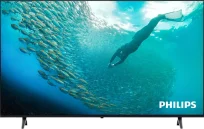
TV appearance

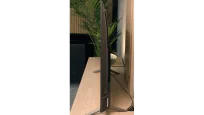
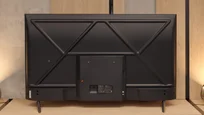

Contrast and black detail
3.1/10
6.1/10
Local dimming function: No
Local dimming function: No
Contrast:


Result
1,550:1

Result
1,650:1

Result
1,400:1

Result
1,650:1

Result
1,250:1
Result
5,000:1
Result
6,550:1
Result
7,300:1
Result
6,600:1
Result
4,900:1
Halo effect and black detail visibility:
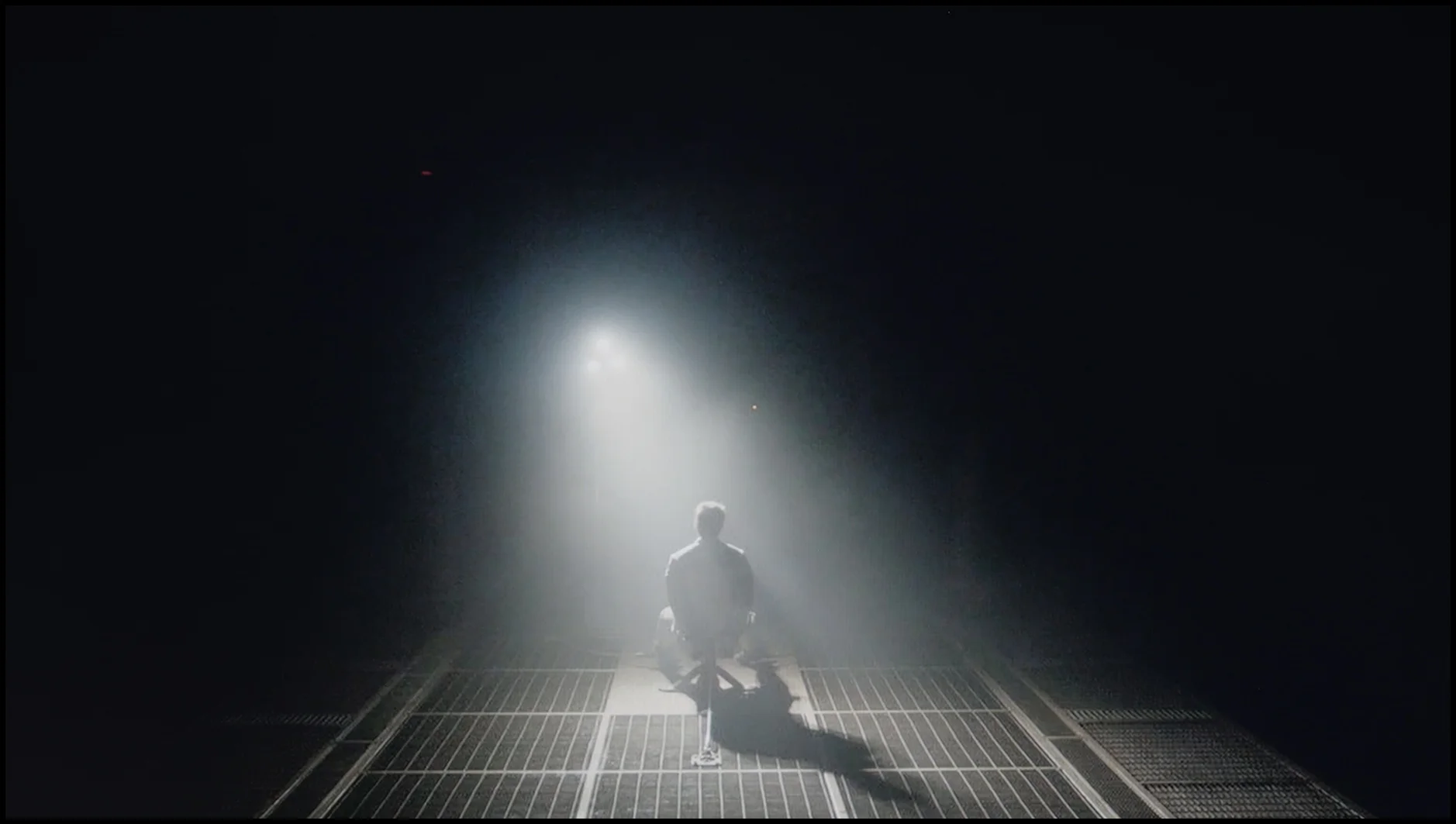
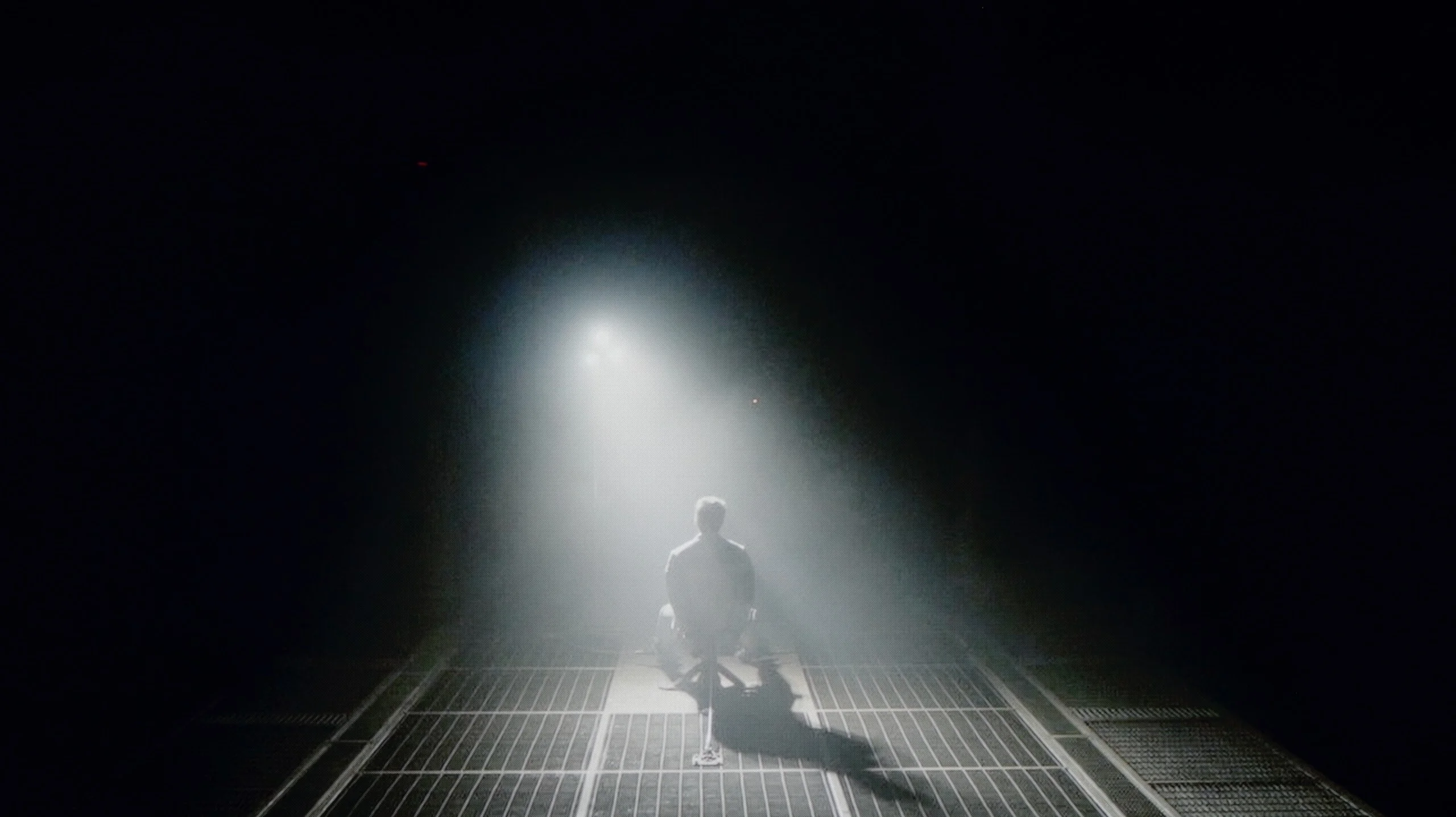
Check the visibility of bright lights on a dark background. Mini-LEDs often struggle with this. The photo does not compare black levels – that’s what the video below is for.
The video accurately shows differences in contrast and black levels between TVs, as well as potential issues: halo around bright objects or Mini-LED zone operation visible as brightness jumps.
The Philips PUS7009 television, available in 43" and 55" variants, is equipped with an IPS panel, which unfortunately does not bode well for achieving deep blacks. The results are exceptionally poor, and the television simply does not meet expectations in this aspect. Due to the limitations of the panel, the blacks resemble more shades of grey, which makes the picture quality in darker scenes leave much to be desired. For this reason, we do not recommend this model for watching at night with the lights turned off, as the lack of adequate contrast spoils the experience of movie screenings. It is possible that the situation could be improved by the Ambilight system, which can trick the perceived contrast, but unfortunately, it is not available in this model.
One of the biggest advantages of even a budget model like the Xiaomi A Pro 2026 is the use of a VA panel. It is responsible for quite a decent contrast, which in our measurements oscillated around 5000:1 – 7000:1. On the screen, this translates to a stable image with a fairly deep black – something that is difficult to find in competitive models with an IPS panel without local dimming. Xiaomi has also added a feature for global dimming of the entire panel. It sounds good, but… we advise you to turn it off immediately. Why? Because the screen begins to behave very strangely in darker scenes – sometimes it dims so much that practically nothing is visible, while at other times it brightens so much that the already dark blue black turns into a bright blue. At that moment, we felt as if the television was simply damaged. Fortunately, without this feature, the contrast looks really solid. It is definitely not on the level of advanced televisions with local dimming, but in its price range, it will comfortably satisfy most users – especially if you are not watching in a completely dark room, but have at least a little light in the background, which effectively masks the imperfections of the "blue black".
HDR effect quality
4.2/10
4.1/10
Luminance measurements in HDR:

Result
237 nit

Result
216 nit

Result
281 nit

Result
230 nit

Result
268 nit
Result
220 nit
Result
248 nit
Result
322 nit
Result
315 nit
Result
326 nit
Scene from the movie “Pan” (about 2800 nits)


Scene from the movie “Billy Lynn” (about 1100 nits)


The photos show two HDR10 movies. 'Pan' is one of the brightest productions ever made, while 'Billy Lynn' (soldier) has brightness typical of streaming (Netflix, Prime, HBO MAX). Notice the intensity of effects and detail in whites.
Static HDR10


The photos present the visibility of white details in various HDR formats. They do not show brightness differences between TVs (these can be compared in the previous gallery).
Dynamic: HDR10+
Dynamic: HDR10+


The photos present the visibility of white details in various HDR formats. They do not show brightness differences between TVs (these can be compared in the previous gallery).
HDR luminance chart:
XIAOMI A PRO 2026
Philips PUS7009 (IPS)
In terms of HDR effect quality, PUS7009 (IPS) performs very poorly. A brightness level of 250 nits does not allow for enjoyment of HDR effects, and the image resembles a more standard SDR. There is no talk of dynamic effects or vivid bursts of light. The coverage of the DCI-P3 colour gamut is only 75%, which is decidedly insufficient. The lack of full colour coverage means that the colours are not as vibrant as they should be, resulting in a flat and unconvincing image. There are no aspects for which this model could be praised in the context of HDR.
If you are hoping for a cinema-grade HDR effect in the new Xiaomi A Pro 2026, you better cool your expectations quickly. This television is simply too dim to fully showcase the capabilities of contemporary films or series designed for the highest image quality. Our measurements showed brightness in the range of 200–300 nits, which is more akin to SDR content than ambitious HDR productions. In practice, this means that while most films may look fine, they certainly won't evoke that "wow" effect that other televisions are known for. Fortunately, not everything is lost – we must credit the PFS LED filter used here, which is a solution similar to the quantum dot technology found in QLEDs. Thanks to this, the coverage of the DCI-P3 colour palette reaches about 94%, resulting in vibrant, saturated colours in the vast majority of materials.
Factory color reproduction
4/10
3.5/10


This gallery shows how colors change after professional TV calibration. If you notice the difference, we recommend ordering this service at SkalibrujTV.com.
Factory Mode
After calibration


This gallery shows how colors change after professional TV calibration. If you notice the difference, we recommend ordering this service at SkalibrujTV.com.
Factory Mode
After calibration
The television was tested in film mode, which – despite its name – does not provide accurate image display. The white balance in both 4K HDR and HD/SDR content is characterised by drops in red, causing the image to appear cooler and the colours to lose their natural warmth. The gamma brightness characteristics and the EOTF curve confirm that the television has issues maintaining appropriate brightness – it heavily boosts it, resulting in an unnaturally washed-out image. This effect can be seen in the comparisons below, where the entire image appears as if it has a milky filter applied. Additionally, the limited coverage of a wide colour gamut also does not favour quality – colour checker tests indicate significant colour variations, making it difficult to achieve faithful image reproduction.
What we saw in Filmmaker mode took us by surprise – and unfortunately not in a good way. The mode advertised as Hollywood standard resembled more of a shop window display. The white balance was shifted towards blue, leading to significant colour mistakes and burnt-out scenes in SDR content. It was slightly better, though still not perfect, in HDR materials. There were also issues there – the colour saturation and the entire palette consistently drifted towards cooler tones, resulting in an image that had more of an artificial, cold tint instead of a cinematic character. In other words: even in Filmmaker mode, which should showcase this television, we got an effect far from expectations.
Color reproduction after calibration
5.7/10
7/10


The photos show how movies look on the TV. Pay attention to black detail visibility, colors, and shadow tint.


The photos show how movies look on the TV. Pay attention to black detail visibility, colors, and shadow tint.
After calibration, the picture has significantly improved, especially in terms of white balance, which is now more stable, and the shades have taken on a natural quality, eliminating the previous impression of a picture that was too cool. Calibration has brought noticeable benefits in terms of tonality – shadows and midtones are now more realistic, and the overall effect seems more harmonious. Unfortunately, hardware limitations still affect the quality of the image. The brightness characteristics remain problematic, despite our efforts, and due to the poor coverage of the DCI-P3 and BT.2020 colour gamut, delta E errors are still at a high level. Although calibration has improved some aspects, the television still does not allow for complete satisfaction.
Although Xiaomi is not a brand associated with top-tier televisions, it must be acknowledged that even in a budget model like the A Pro 2026, the manufacturer left plenty of calibration settings. After a few adjustments, the SDR image gained a completely new look. Colours stopped drifting towards blue tones, whites took on a more natural quality, and most errors dropped to a practically invisible level. As a result, SDR content looked very good, surprisingly so for this price range.
It was somewhat different with HDR materials. Here, it was immediately evident what we had already mentioned – clipping in bright scenes and issues with balance control. Calibration helped only partly, as the limitations of the panel itself played a role. However, it must be emphasized that for SDR, the television had transformed beyond recognition and in a decidedly positive direction.
Smoothness of tonal transitions
8.9/10
9.3/10

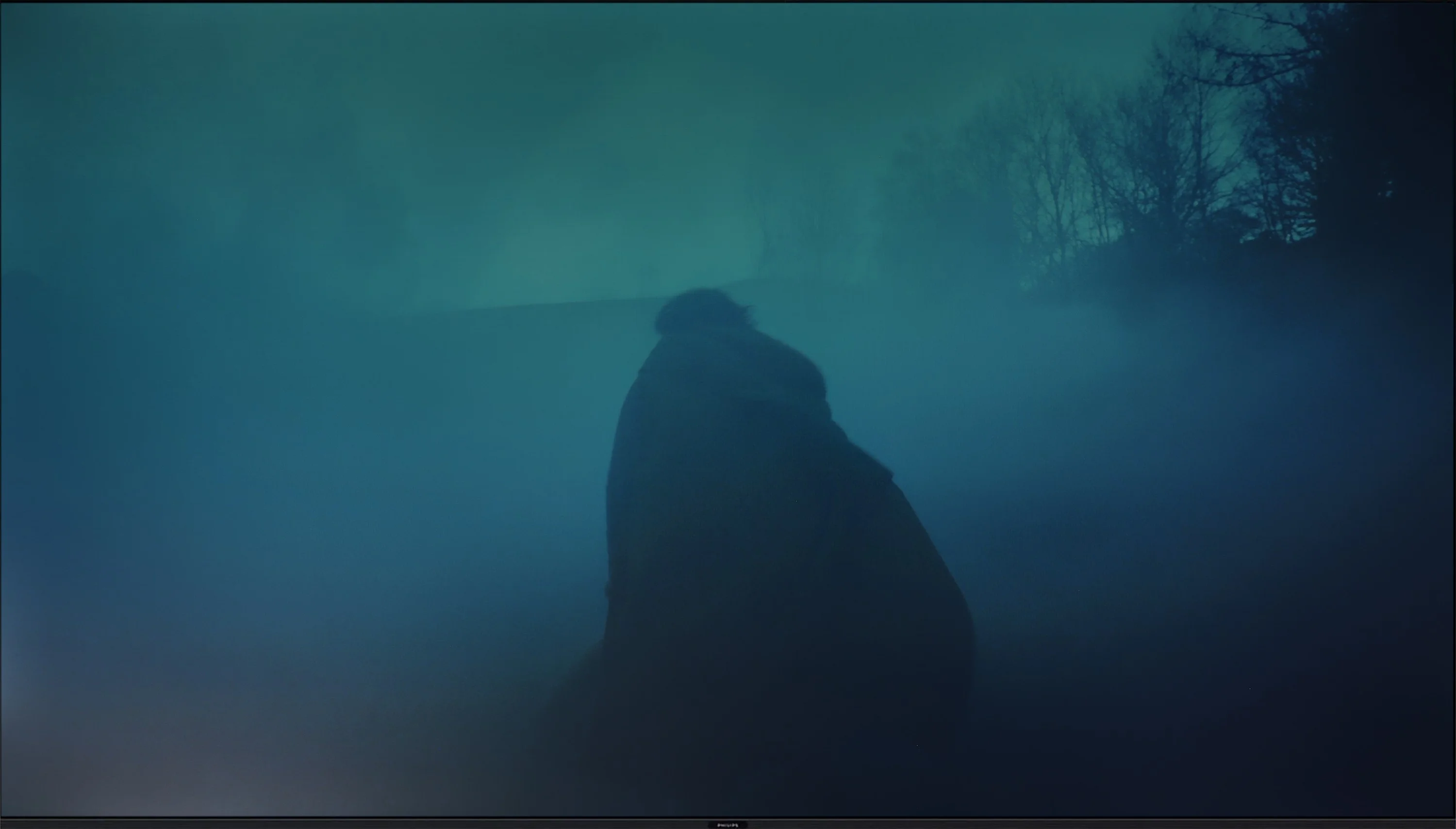

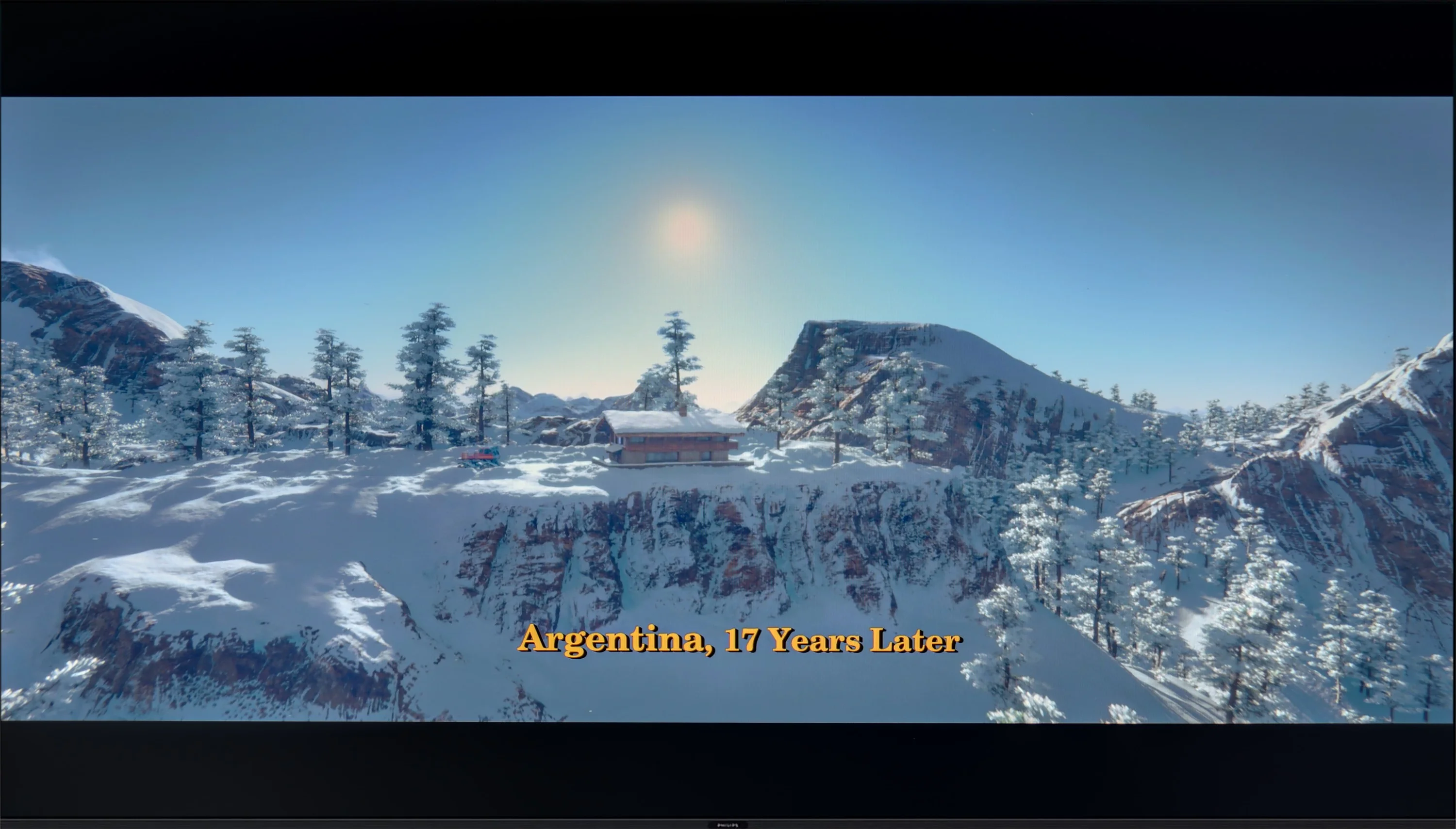

These are selected scenes that show smooth tonal transitions from one color to another. If you see distinct banding, it’s the TV panel’s fault.

These are selected scenes that show smooth tonal transitions from one color to another. If you see distinct banding, it’s the TV panel’s fault.

These are selected scenes that show smooth tonal transitions from one color to another. If you see distinct banding, it’s the TV panel’s fault.

These are selected scenes that show smooth tonal transitions from one color to another. If you see distinct banding, it’s the TV panel’s fault.
The tonal gradient transitions in Philips PUS7009 are at a good level, without apparent issues that could negatively affect the reception of content. With careful viewing, one can notice some minor imperfections in the bright, colourful transitions; however, they are subtle enough not to pose a problem for most users.
The television really handles colour blending well, and in most scenes, it's difficult to spot any imperfections. This is most evident in the bright segments of films, where tonal transitions look almost perfect; the image is then smooth and natural. Darker scenes present slightly worse, where characteristic banding can be noticed. Fortunately, this is not a flaw that stands out prominently, and for most viewers, it will remain practically unnoticed.
Image scaling and smoothness of tonal transitions
6/10
3/10


Smooth transition function
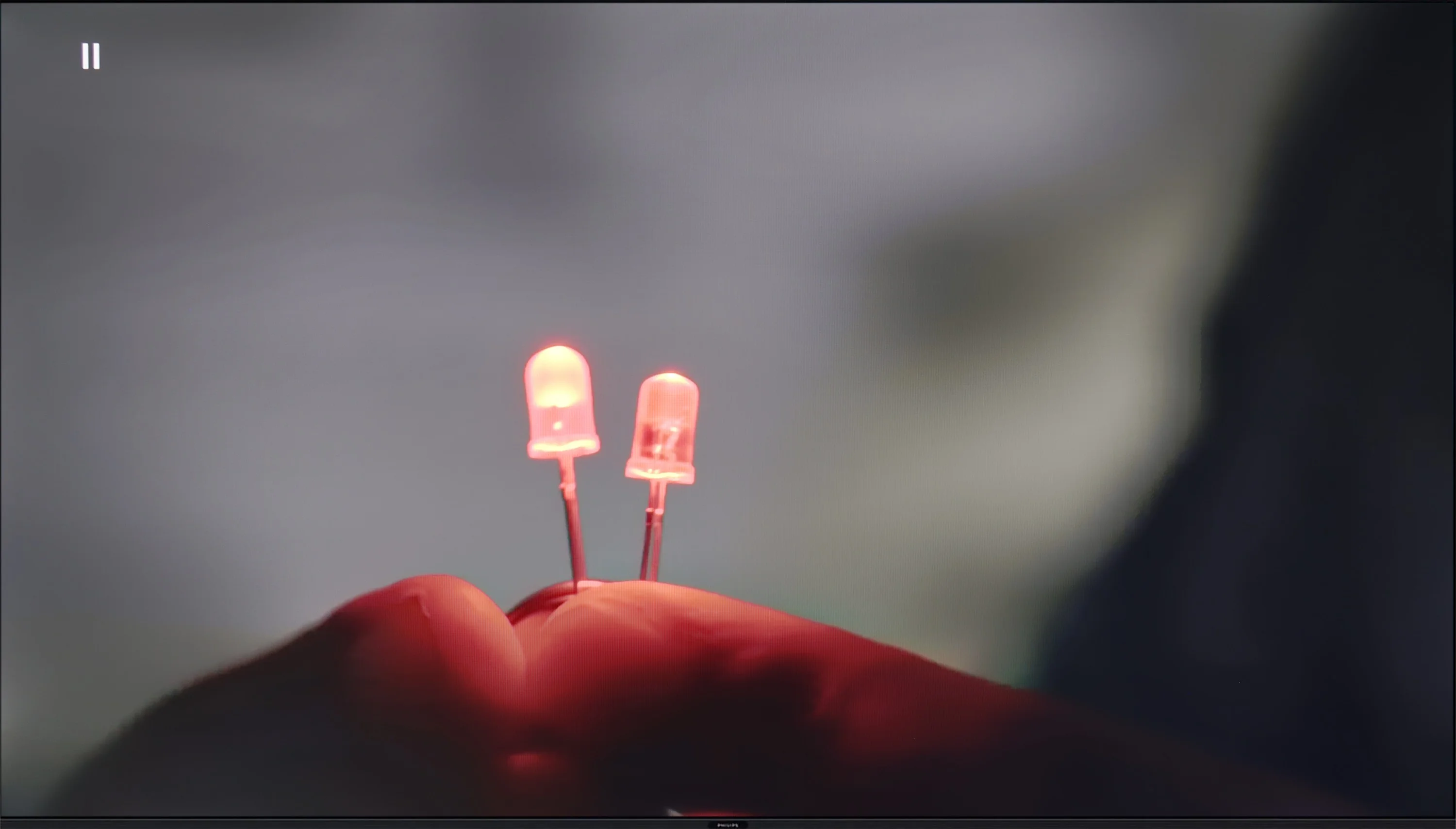
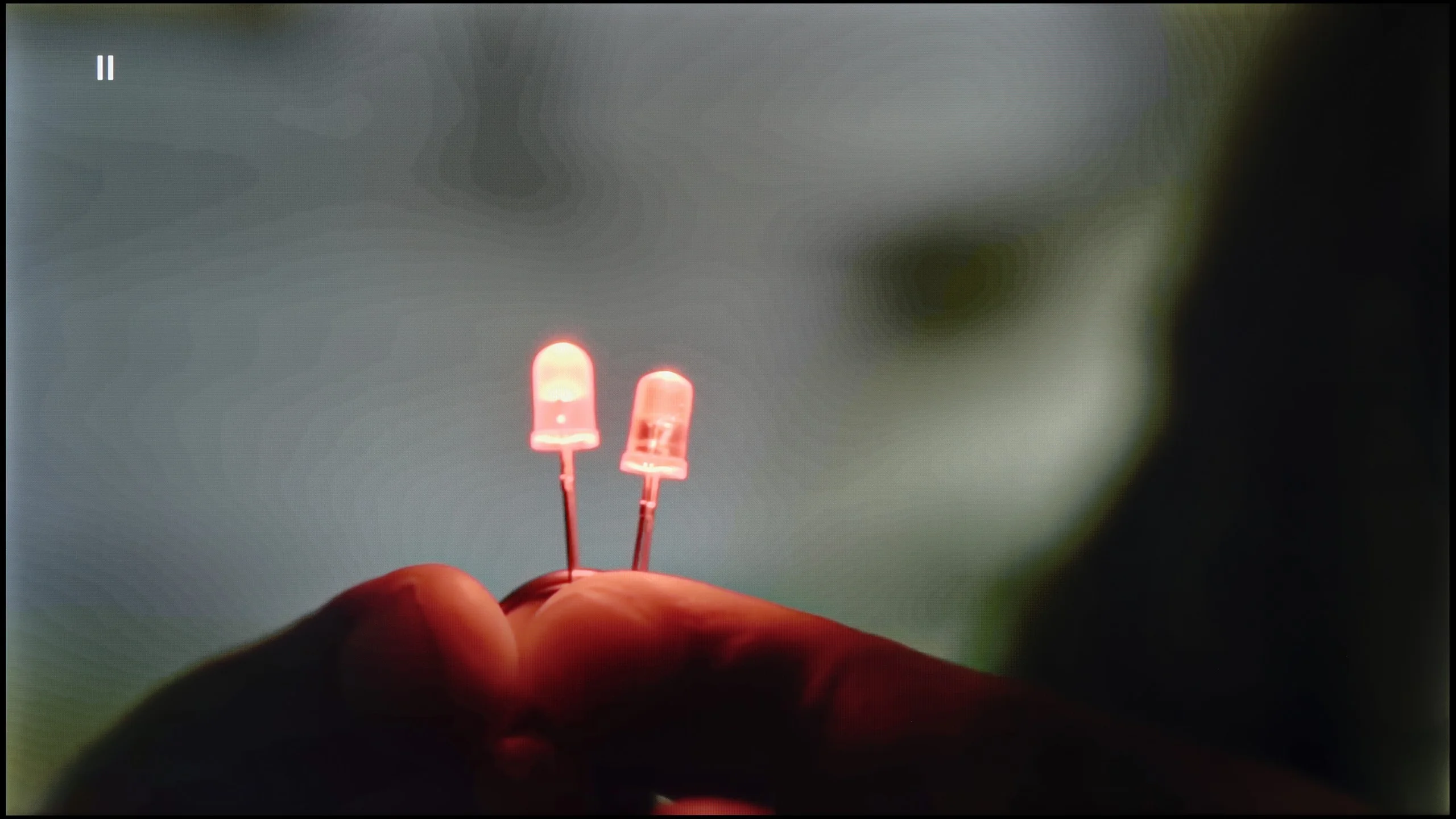
The match photo shows how the TV smooths weak tonal transitions in low-quality video.
Image scaling SD (576i)


The model photo shows how it handles upscaling of SD material.
When it comes to tonal transitions in low-quality material, a feature named "Distortion Reduction" (set to "minimum") effectively improves gradation, eliminating ugly tonal transitions. However, this setting on Philips televisions is quite aggressive – while it does not blur the grain or good-quality material, it can introduce undesirable effects and blur elements that should remain sharp when the signal is poorer.
In terms of image scaling, Philips PUS7009 performs reasonably well. A significant advantage is the absence of cropped image edges, meaning no overscan, which allows for the display of the full frame without loss. The image is noticeably enhanced, making characters and backgrounds, such as the model or branches in the background, appear quite detailed and natural, even with lower quality signals. Although scaling is not perfect, as it can remove desirable details in the distance, the results are good enough to satisfy most users.
Upscaling and digital image processing in the Xiaomi A Pro 2026 are not among the strengths of this model. One might expect that since the television was not designed to achieve record brightness levels, the manufacturer would focus on a more robust processor and a set of features that would "enhance" lower-quality images. Unfortunately – and here we are also faced with significant disappointment. On the positive side, we can note reasonably good upscaling, which handles HD materials and boosts them up to 4K in an acceptable manner. However, this is where the list of advantages ends. The television does not offer any features that improve tonal transitions or smooth out digital imperfections, so in most cases, we get a raw image, exactly as we deliver from an external source. On a large screen, such a lack of support makes lower-quality materials simply look bland. An additional problem is the phenomenon of overscan. When watching older materials, it happens that part of the image gets cut off, which only amplifies the impression that Xiaomi still has a lot of ground to make up in this category.
Blur and motion smoothness
5/10
4.5/10
Blur (native resolution, maximum refresh rate):






Blur ():
Blur (1440p@120Hz):



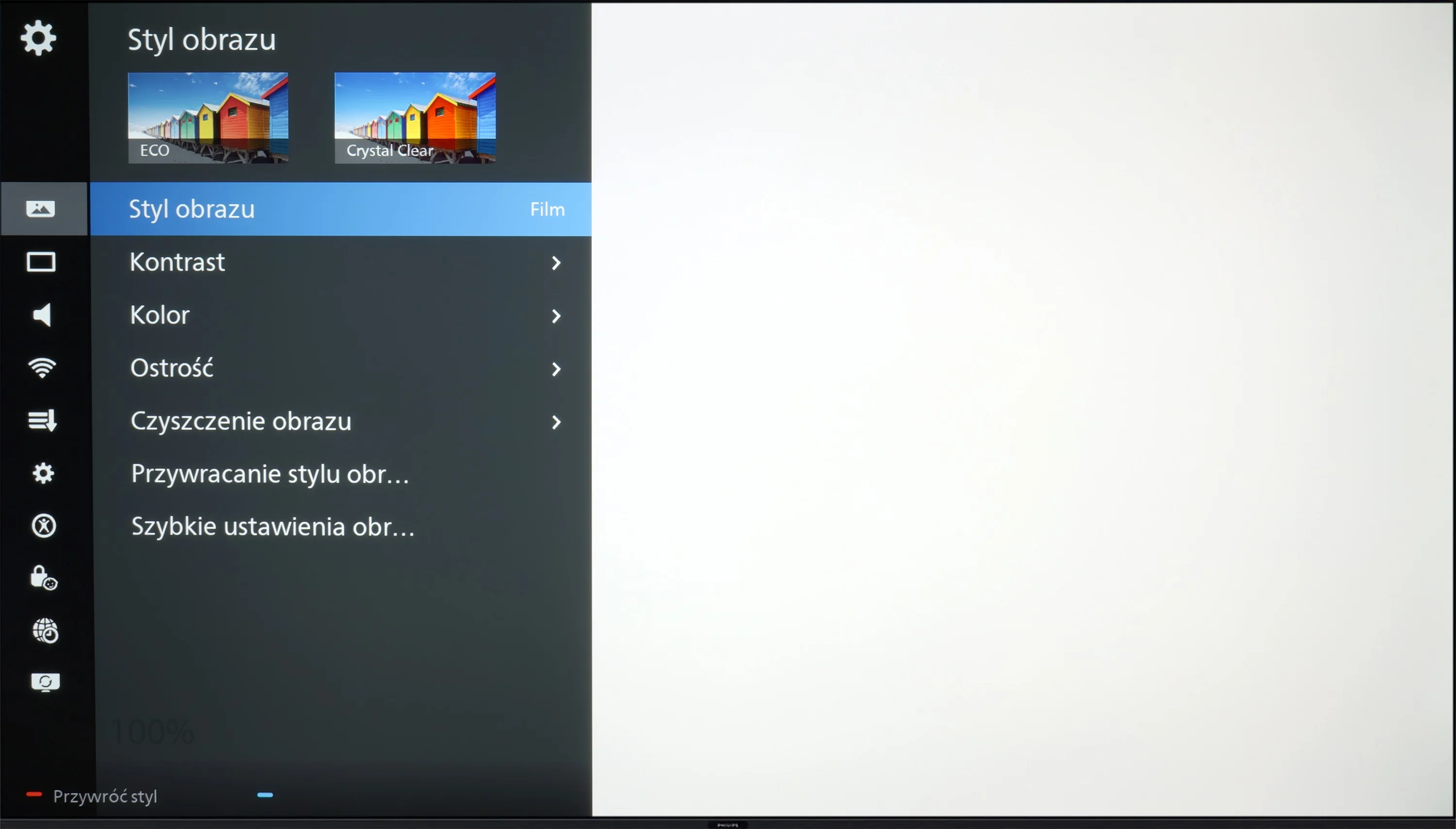
Philips PUS7009 does not have any motion smoothing features for films, which means we cannot choose whether the picture should be more choppy or more cinematic. These features could improve more dynamic scenes. As for motion blur, despite using a 60Hz IPS panel, the situation looks quite good. The response time between pixels is better than in versions with a VA panel, which keeps motion blur at an acceptable level and does not significantly affect the comfort of watching dynamic scenes.
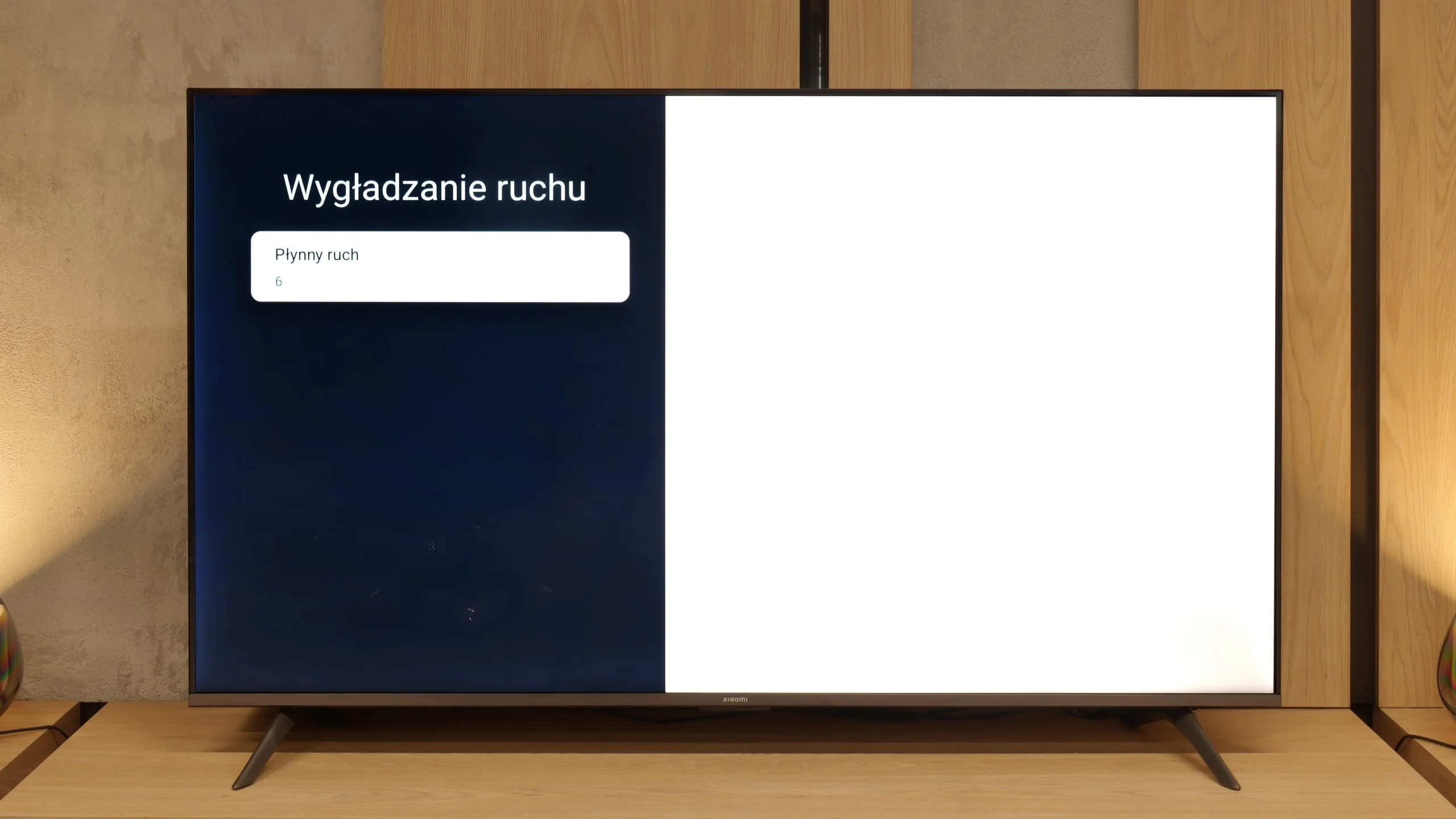
The fluidity of motion in the Xiaomi A Pro 2026 is an interesting compromise that arises from the hybrid matrix used here. At its native 4K resolution, the maximum refresh rate is 60 Hz – sufficient for those who mainly watch films and series. It is precisely with them in mind that the manufacturer has added a motion smoother, allowing users to adjust the image to their own preferences – opting for greater fluidity or leaving more "cinematic" frames depending on the settings.
Console compatibility and gaming features
4.7/10
3.6/10
- ALLM
- VRR
- VRR range48 - 60Hz
- Dolby Vision Game Mode
- Correct implementation of HGIG
- 1080p@120Hz
- 1440p@120Hz
- 4K@120Hz
- Game bar
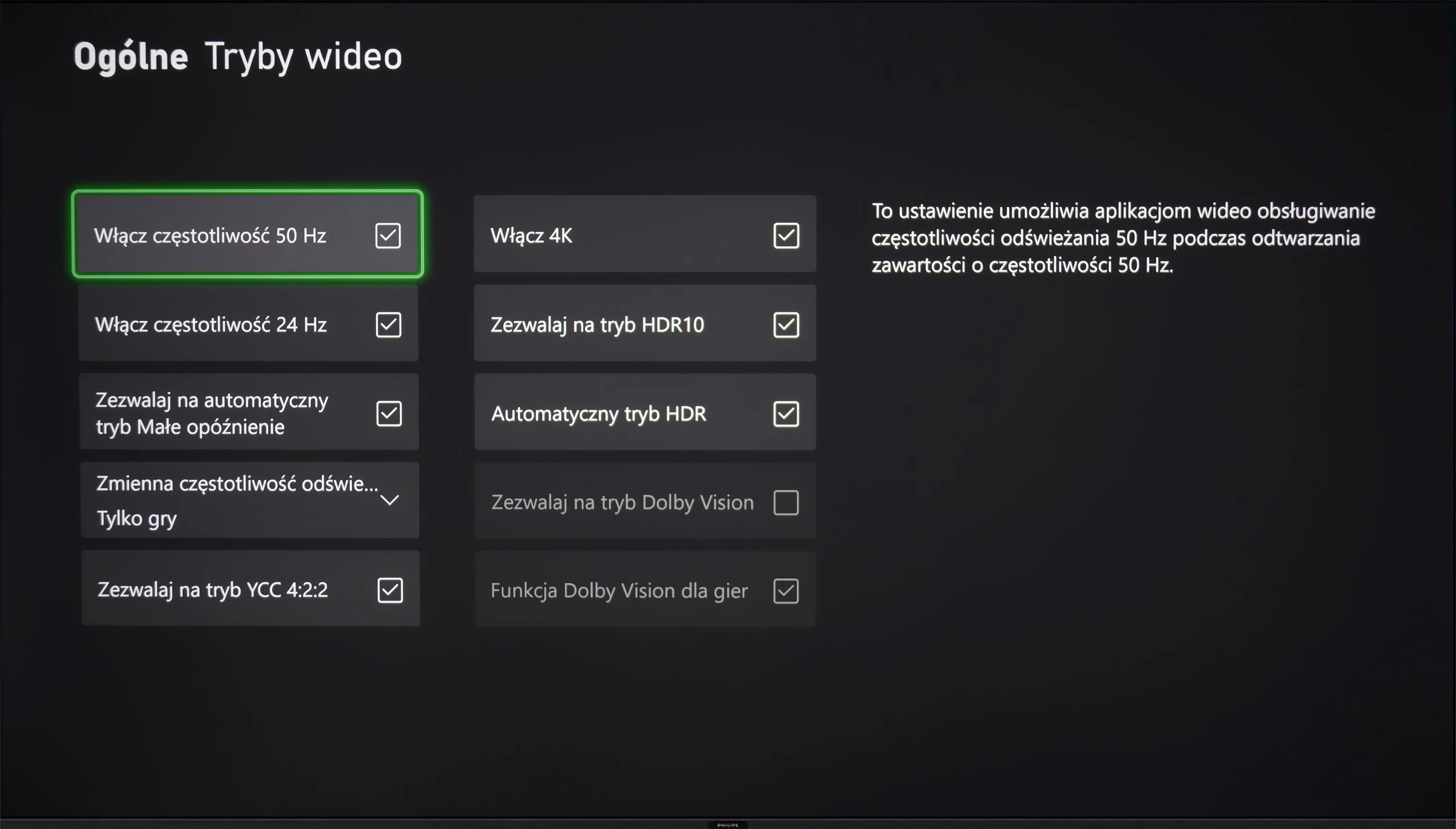
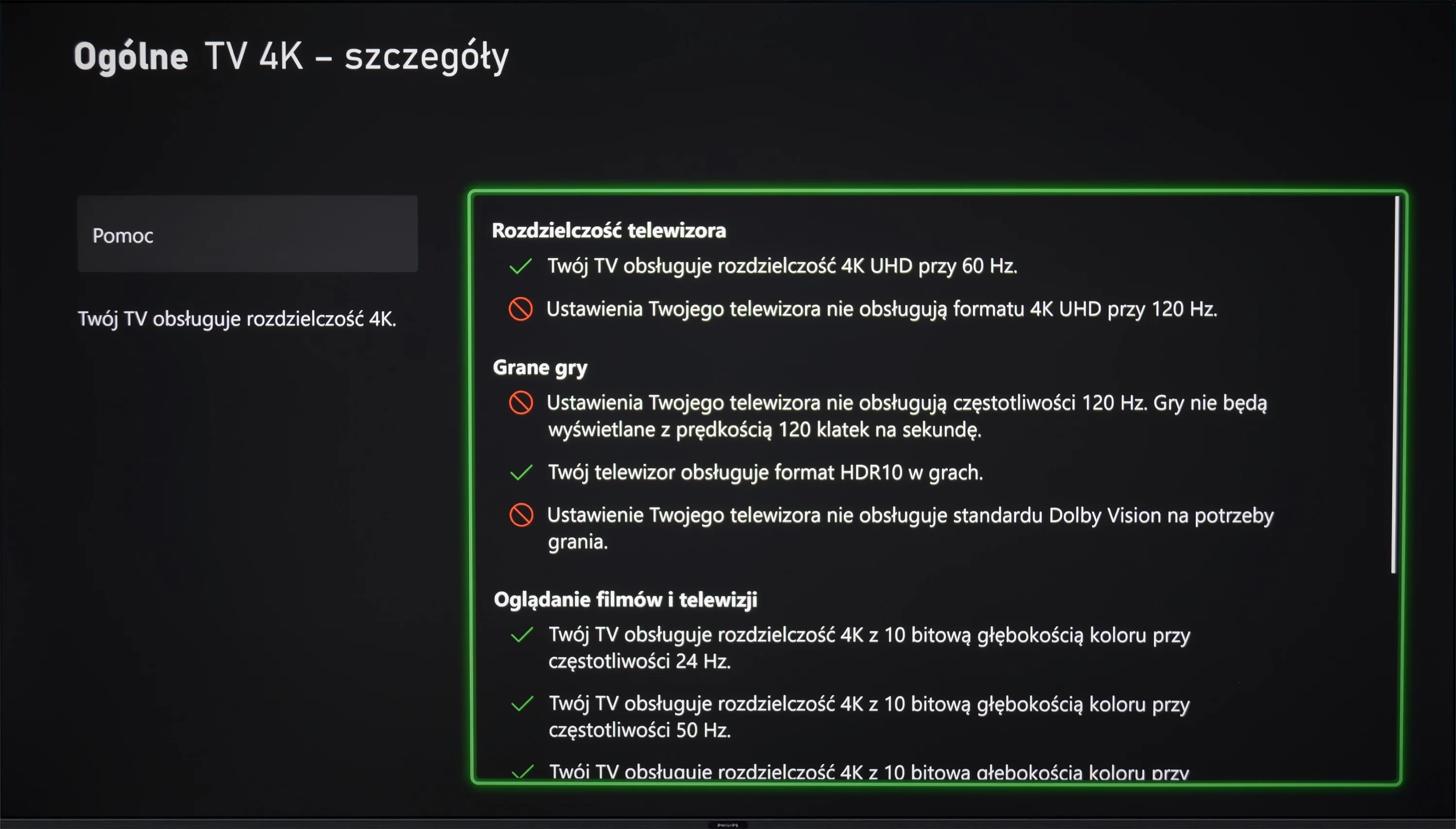
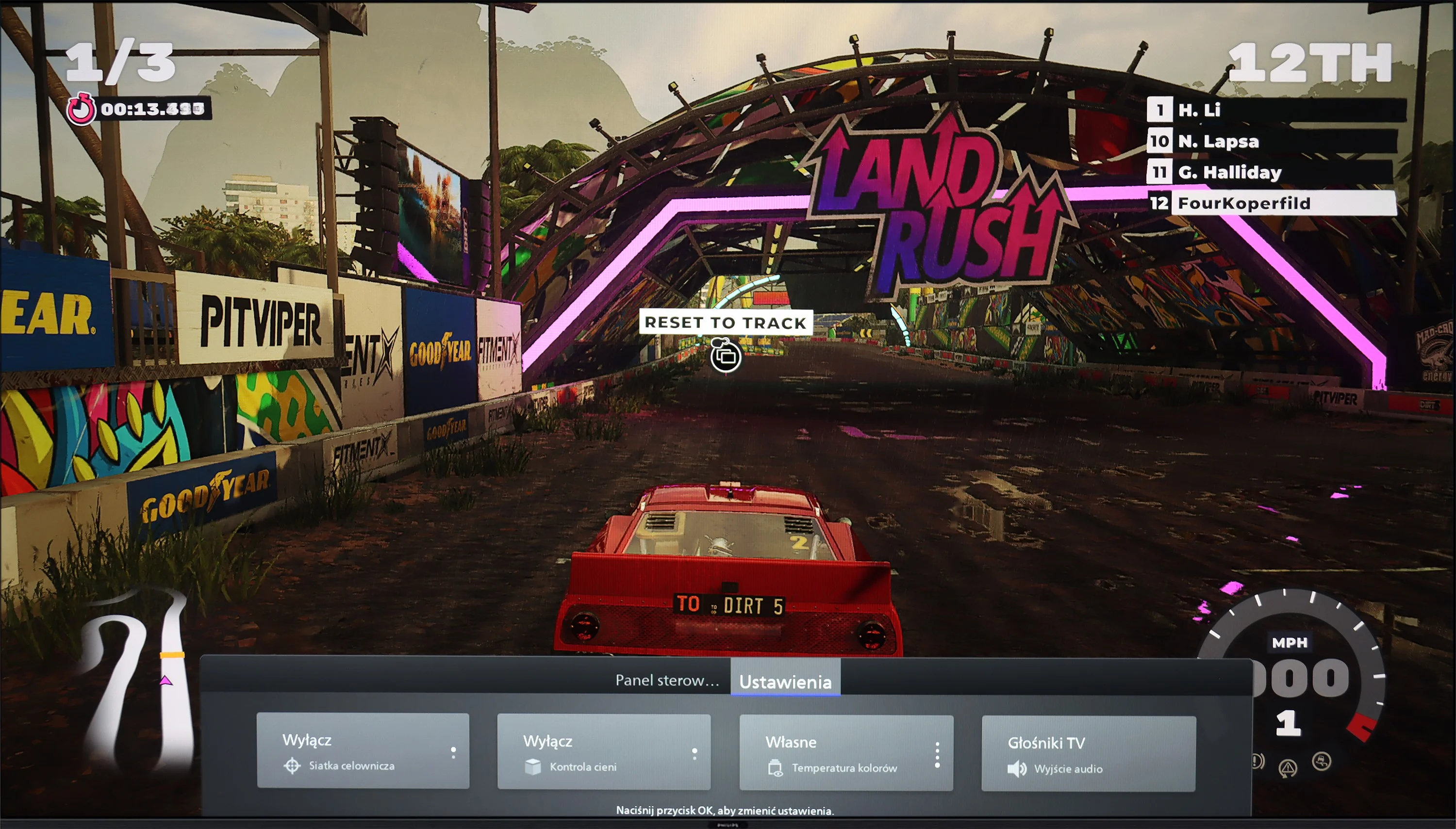
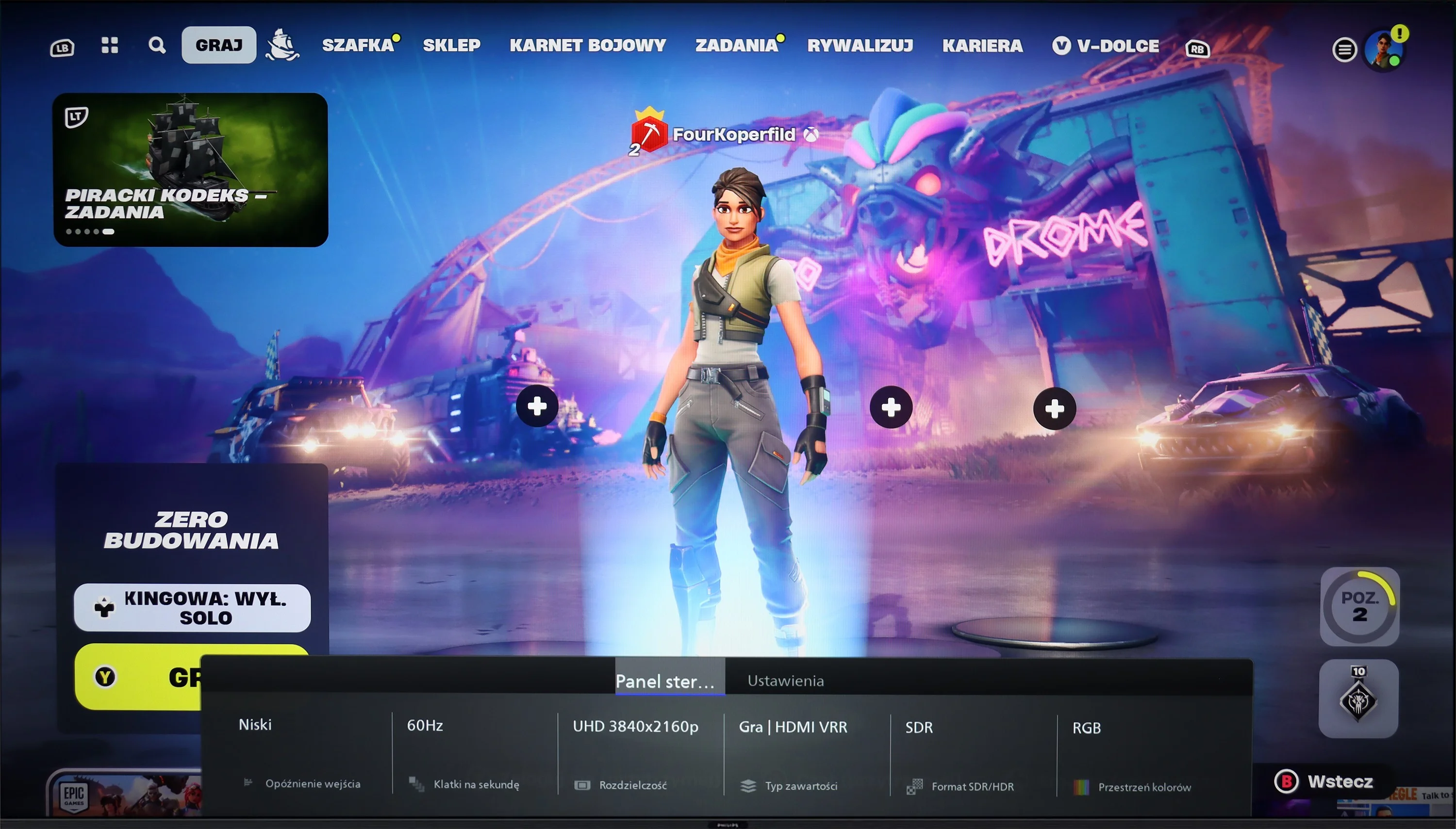
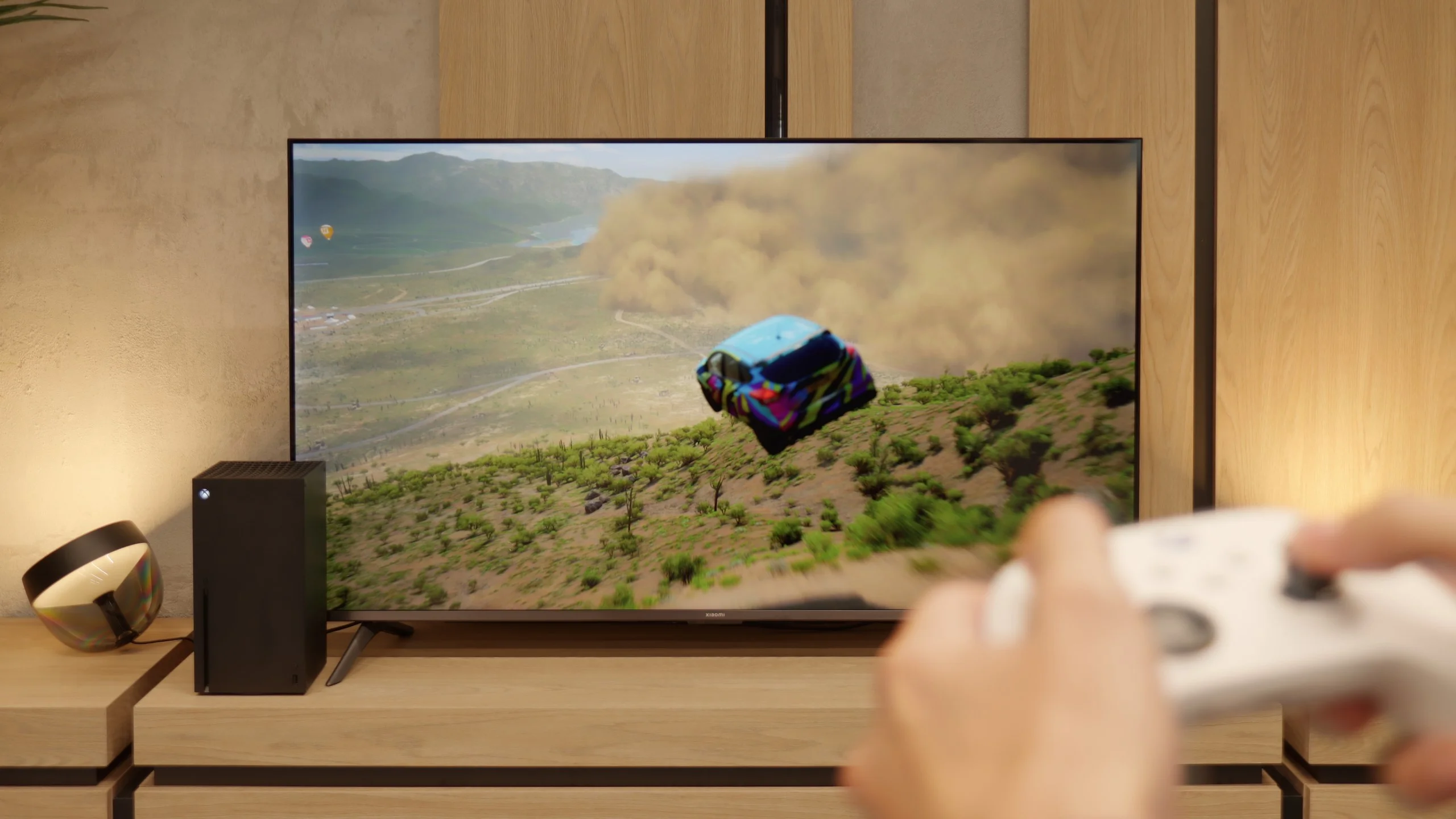
In terms of compatibility with consoles, Philips PUS7009 is suitable for casual gamers. Despite the use of HDMI 2.0, the television offers access to features such as ALLM (Auto Low Latency Mode), VRR (Variable Refresh Rate), and Game Bar. ALLM automatically switches the television to low latency mode, allowing for quicker response times during gameplay, while VRR dynamically adjusts the refresh rate to reduce the tearing effect. Game Bar is a tool that provides quick access to game settings and real-time monitoring of parameters - although we believe it appears the weakest compared to competing Game Bars.
Unfortunately, more demanding gamers may be disappointed. The Philips PUS7009 does not support advanced HDR formats in games or high refresh rates, due to the use of a 60 Hz panel. The lack of support for these features limits the television's ability to deliver smooth and fully detailed experiences during dynamic gameplay.
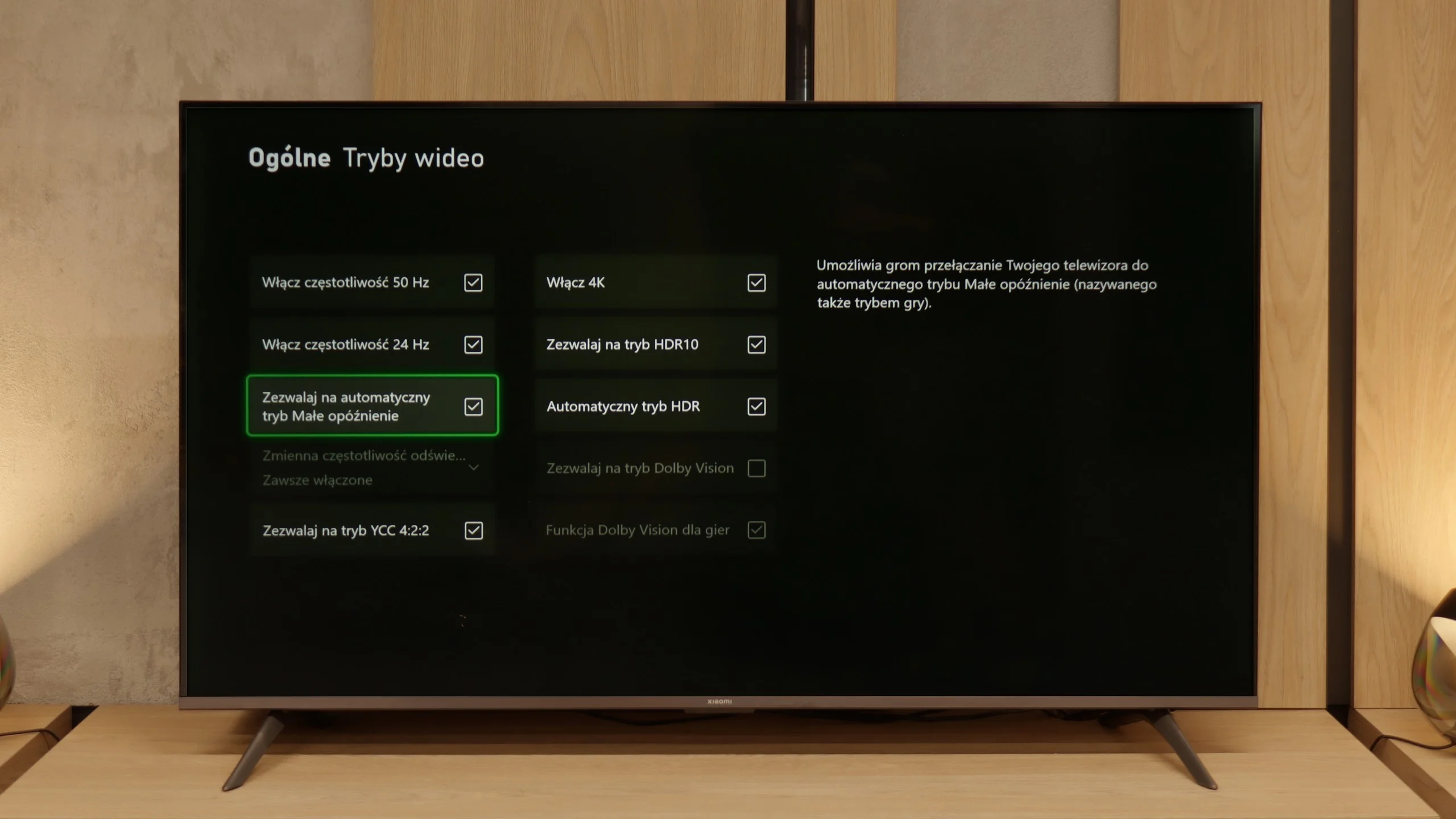
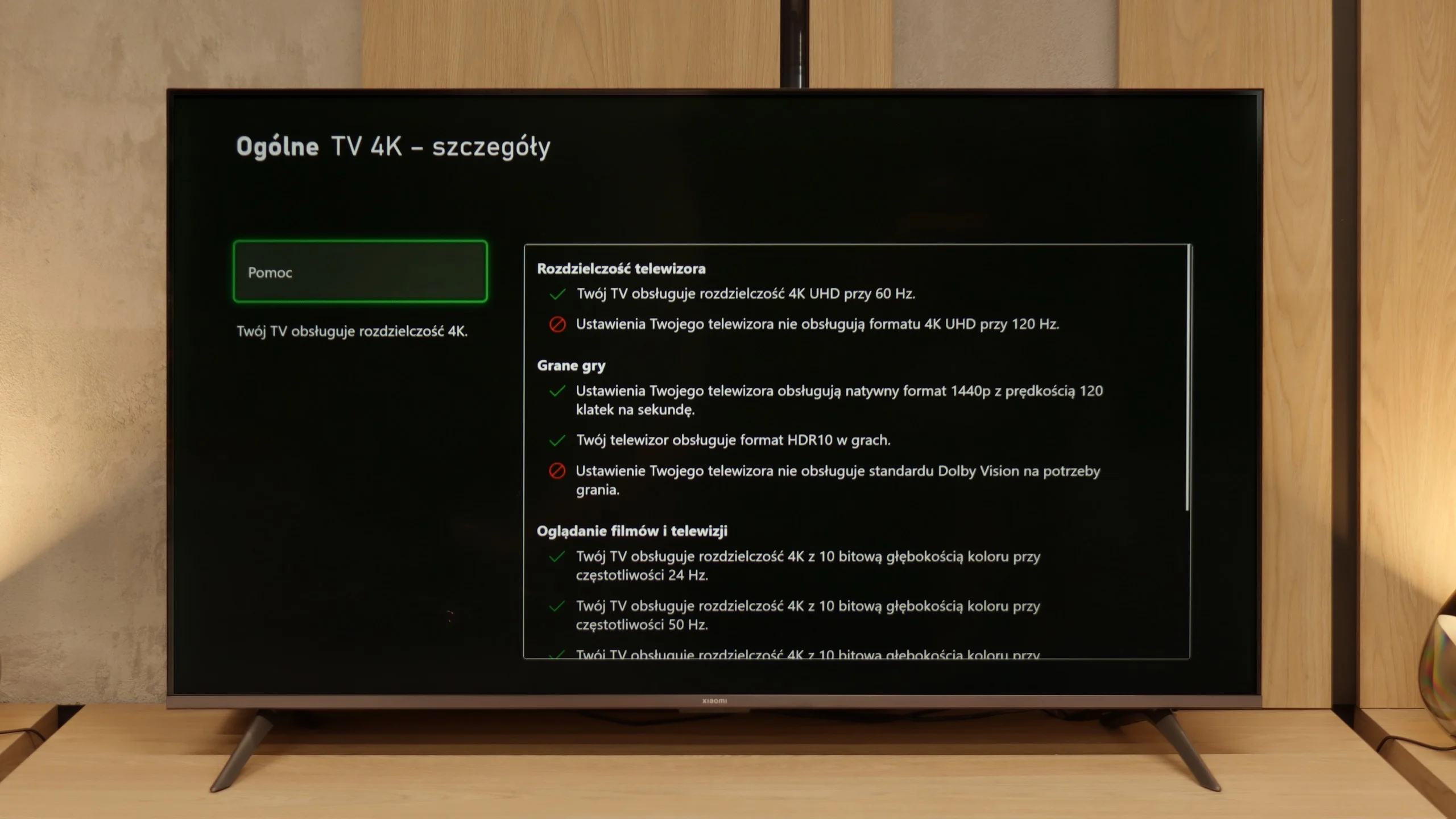
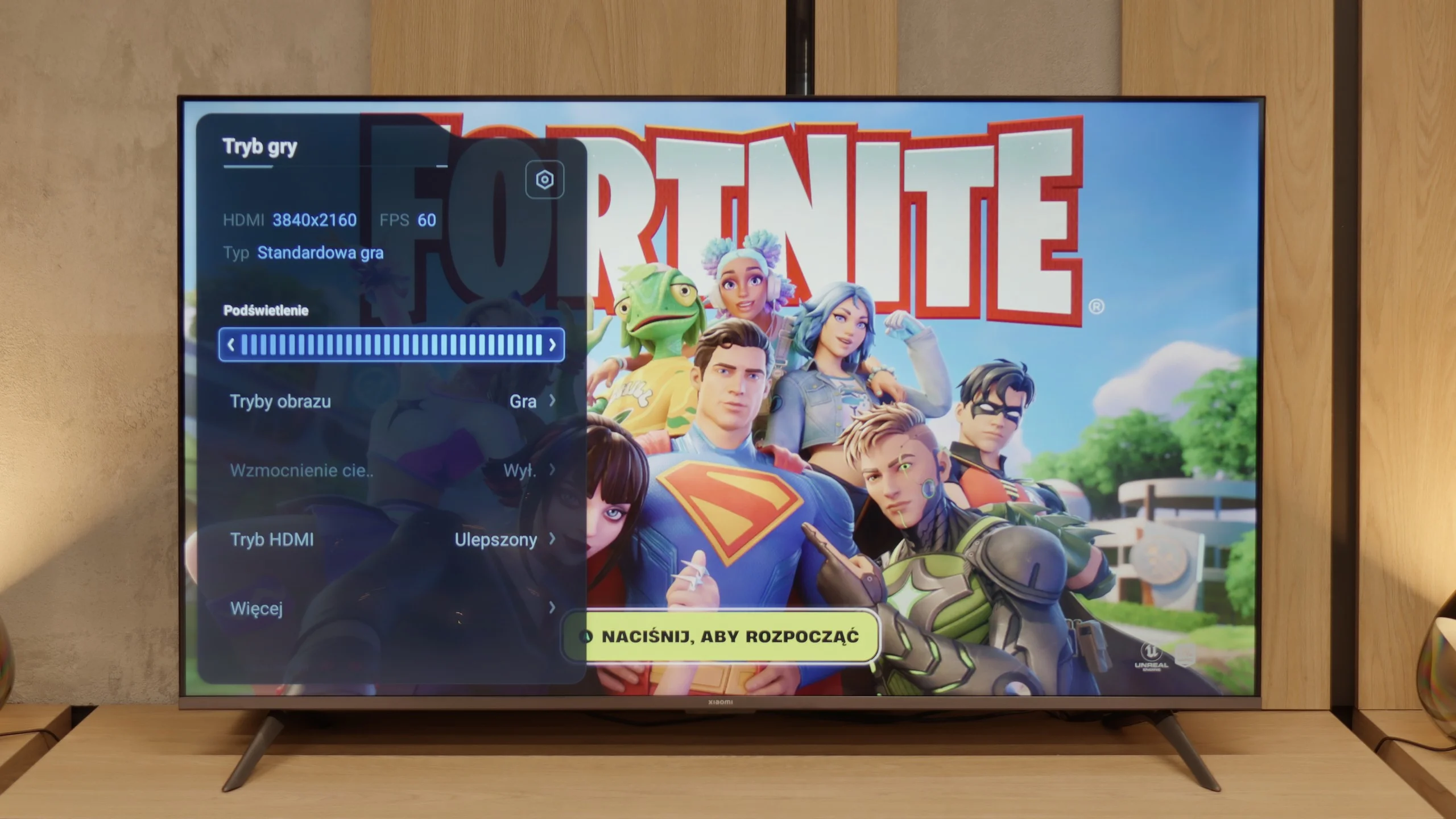
Exactly – since Xiaomi has included the "Game Boost 120 Hz" feature, one might expect that they would follow up with a solid gaming package. Unfortunately, reality quickly dampens this enthusiasm. Aside from this mode (which, it must be admitted, is a great addition in a budget design), we only have a rather odd player panel. It's hard to call it a full-fledged "game bar" – it’s more of a simple overlay on the TV Menu with limited capabilities. And that would be about it. There’s a lack of ALLM, so the TV won’t automatically switch to game mode. There’s no VRR, so you can forget about smooth frame sync. We also won’t find support for Dolby Vision in games or the HGiG format, which are becoming increasingly standard on consoles. In short: besides the Game Boost 120 Hz, which actually allows for a more enjoyable experience at 1080p or 1440p, the Xiaomi A Pro 2026 offers nothing that could particularly attract gamers.
Input lag
10/10
9.5/10
SDR
HDR
Dolby Vision
The input lag in PUS7009 is at a very good level – it is only 11 ms for supported resolutions. For most gamers, this low level of latency should be satisfactory, providing smooth and responsive experiences during gameplay.
The input lag on the Xiaomi A Pro 2026 is quite decent and definitely not its weak point. The best results were achieved in 1080p@120 Hz and 1440p@120 Hz modes – in those, the television goes below 10 ms, which can easily be described as an outstanding result, and more than sufficient even for the more demanding gamers. The situation changes with 60 Hz content – the input lag then rises to around 25 ms. While these may not be the best figures on the market, they are perfectly acceptable for casual gaming or firing up a console in the evening. Especially since in most cases, it's still worthwhile to enable the 120 Hz mode, which is the most advantageous for gamers.
Compatibility with PC
5/10
2/10
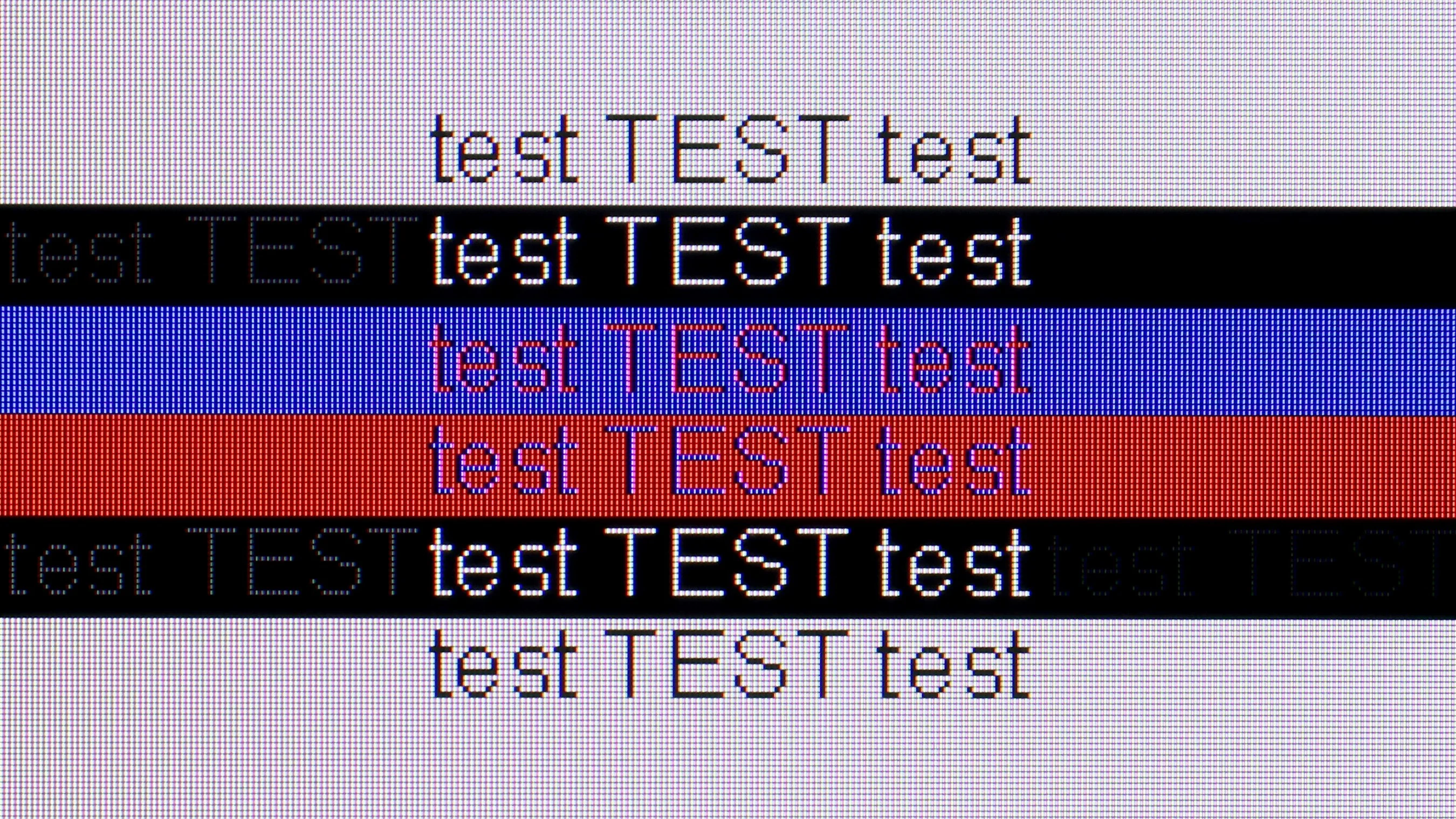
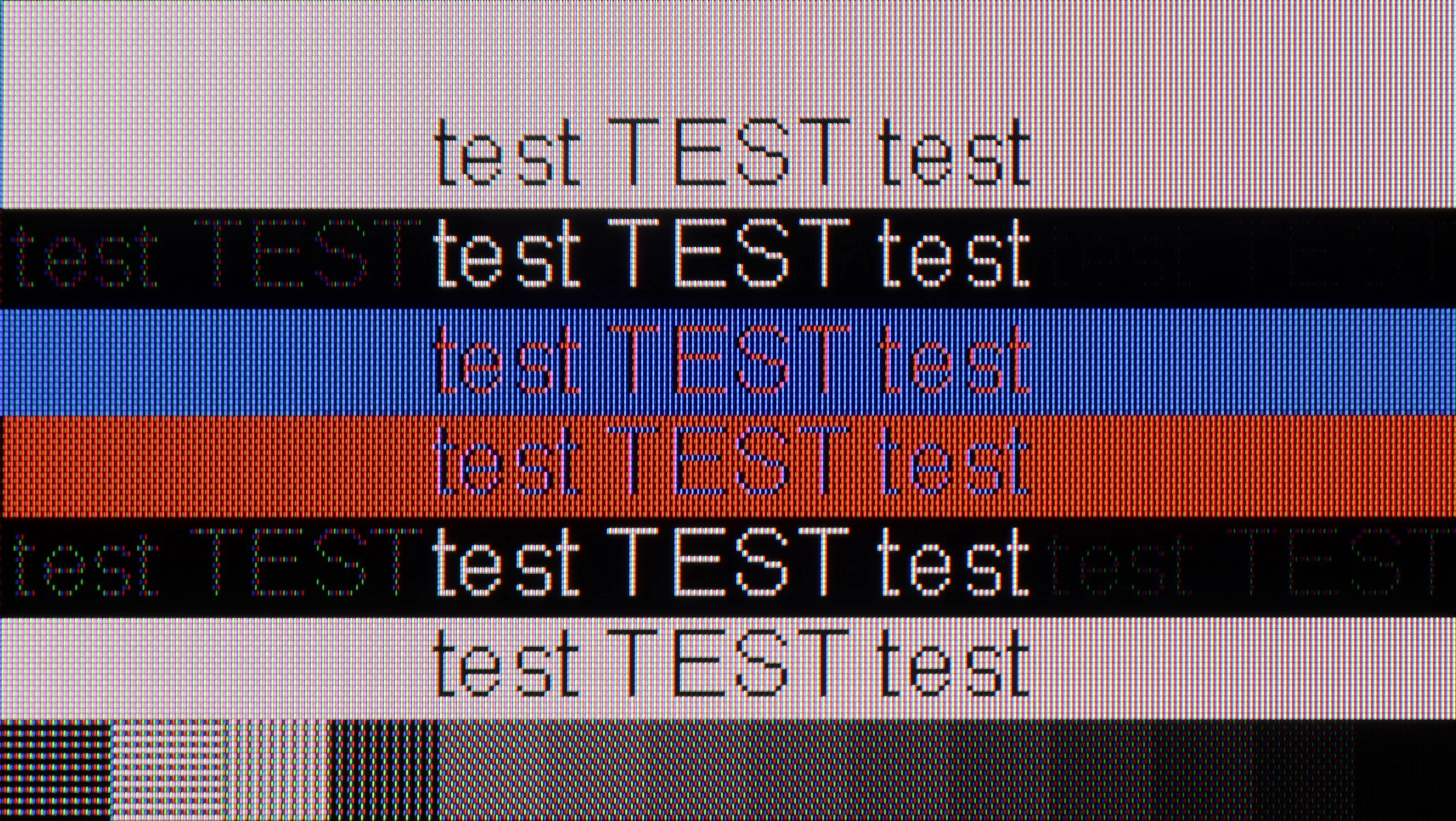
The photo shows the legibility of small fonts. Ideally, lines should be the same thickness on both light and dark text, with minimal pixel gaps.
Philips PUS7009 is one of the better choices as a monitor for office work. The readability of the fonts is very good, regardless of the background – both on light and dark backgrounds, the text remains clear and easy to read. In daily work, especially with text and office tasks, this television performs excellently. However, computer gamers may be somewhat disappointed – the input lag in "Monitor" mode, at 43 ms, is too high to ensure comfortable gameplay in fast-paced games requiring quick reactions. The use of a 60 Hz panel and lack of support for G-Sync means that the television does not meet the standards expected by PC gamers. Therefore, the rating in this category is lower, although the device performs well for everyday computer use for work.
Xiaomi A Pro 2026 as a computer monitor? There's no point beating around the bush – it's very bad. While the 120 Hz mode can still be used in games at lower resolutions, for daily work the television is completely unsuitable. There's a lack of full support for chroma 4:4:4, meaning fonts are blurred and sometimes even rainbow-like. Additionally, there's significant dithering, causing the image to appear uneven – some pixels shine brighter, others dimmer, and vertical lines can even break apart. In practice, this means that text (especially coloured and on a dark background) becomes hard to read. Light text manages to hold up somewhat, but it’s hard to talk about any comfort here. In this category, we give the Xiaomi A Pro 2026 a score of 2/10 (+1 for the additional high refresh rate mode), and there’s really no point in dwelling on this further.
Viewing angles
6.8/10
3/10
Philips PUS7009, thanks to the use of an IPS panel, offers fairly good viewing angles. The image remains relatively clear and uniform even when viewed from a larger angle, which is definitely a better result compared to the variant with a VA panel, where there is usually a rapid deterioration in image quality with deviations from the axis.
Xiaomi A Pro 2026 uses a VA panel, which immediately suggests that viewing angles are not its strong suit. When looking at the screen from the side, we quickly notice a loss of quality – colours noticeably fade, and the whole image appears washed out. The drop in brightness may not be as drastic as in some constructions based on similar technology, but that does not change the fact that this is clearly a weak point of this model. If we plan to use it as a large, cheap screen for the living room, we need to reckon with this limitation.
Daytime performance
4.5/10
4.9/10
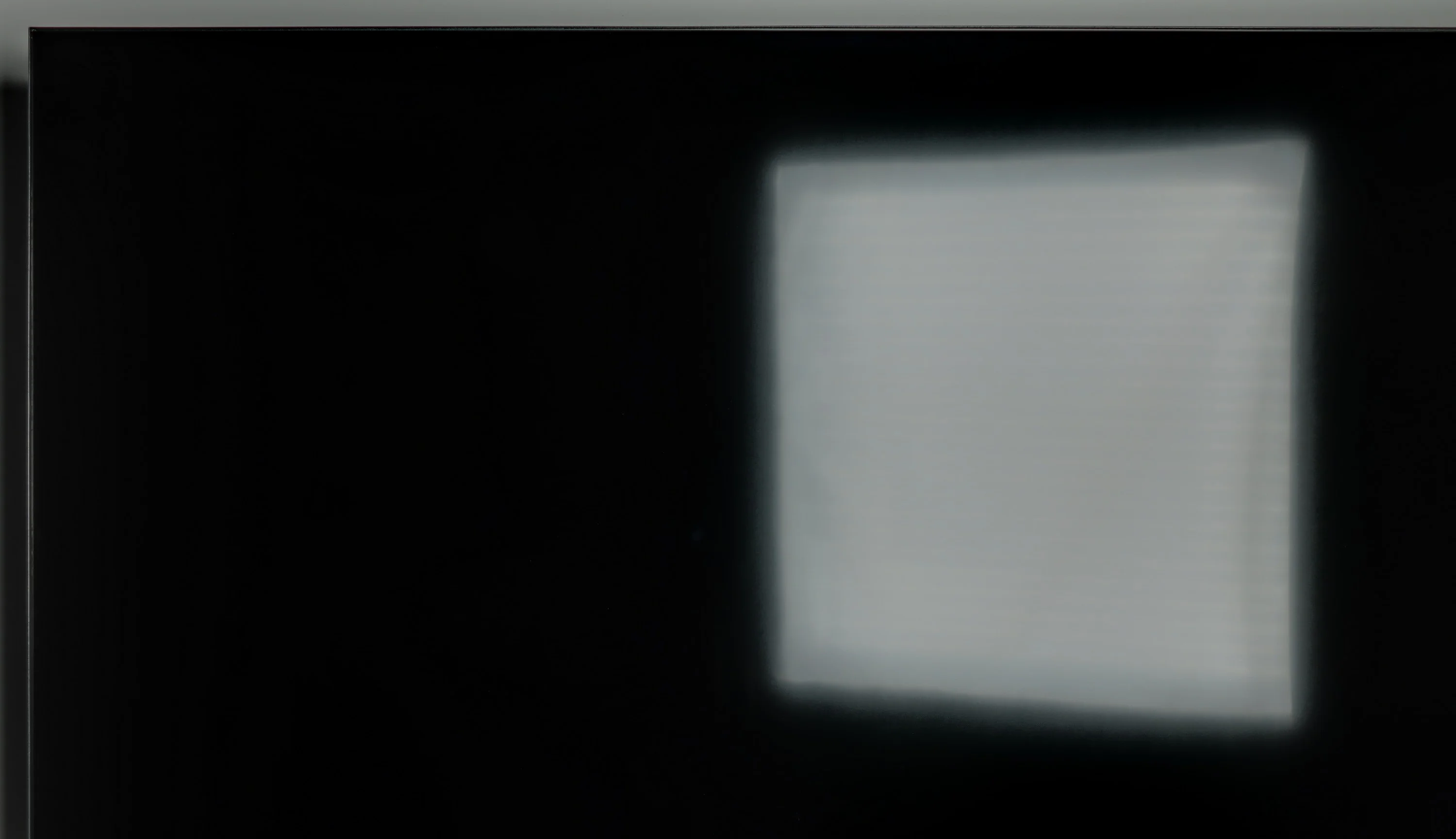
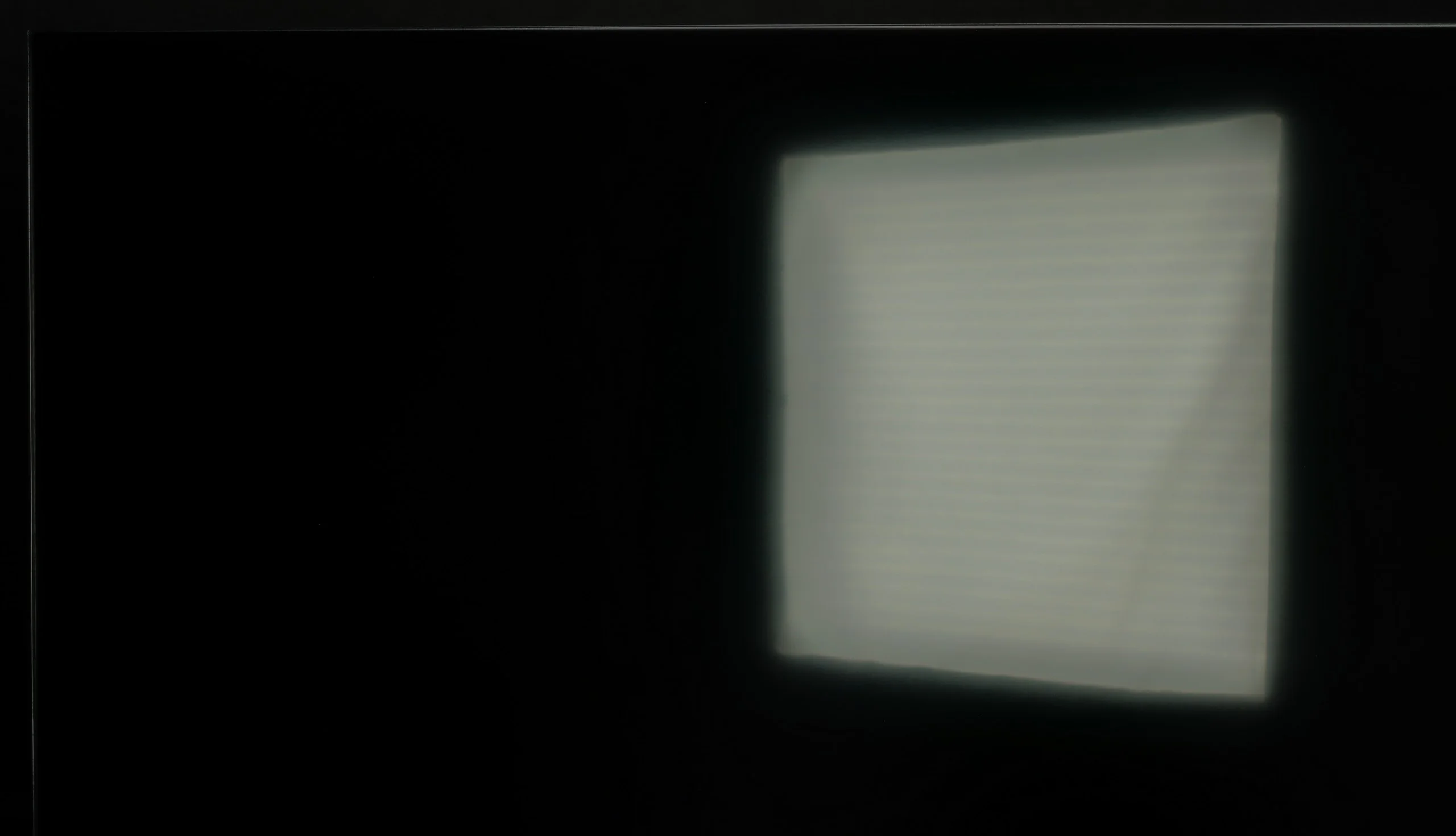
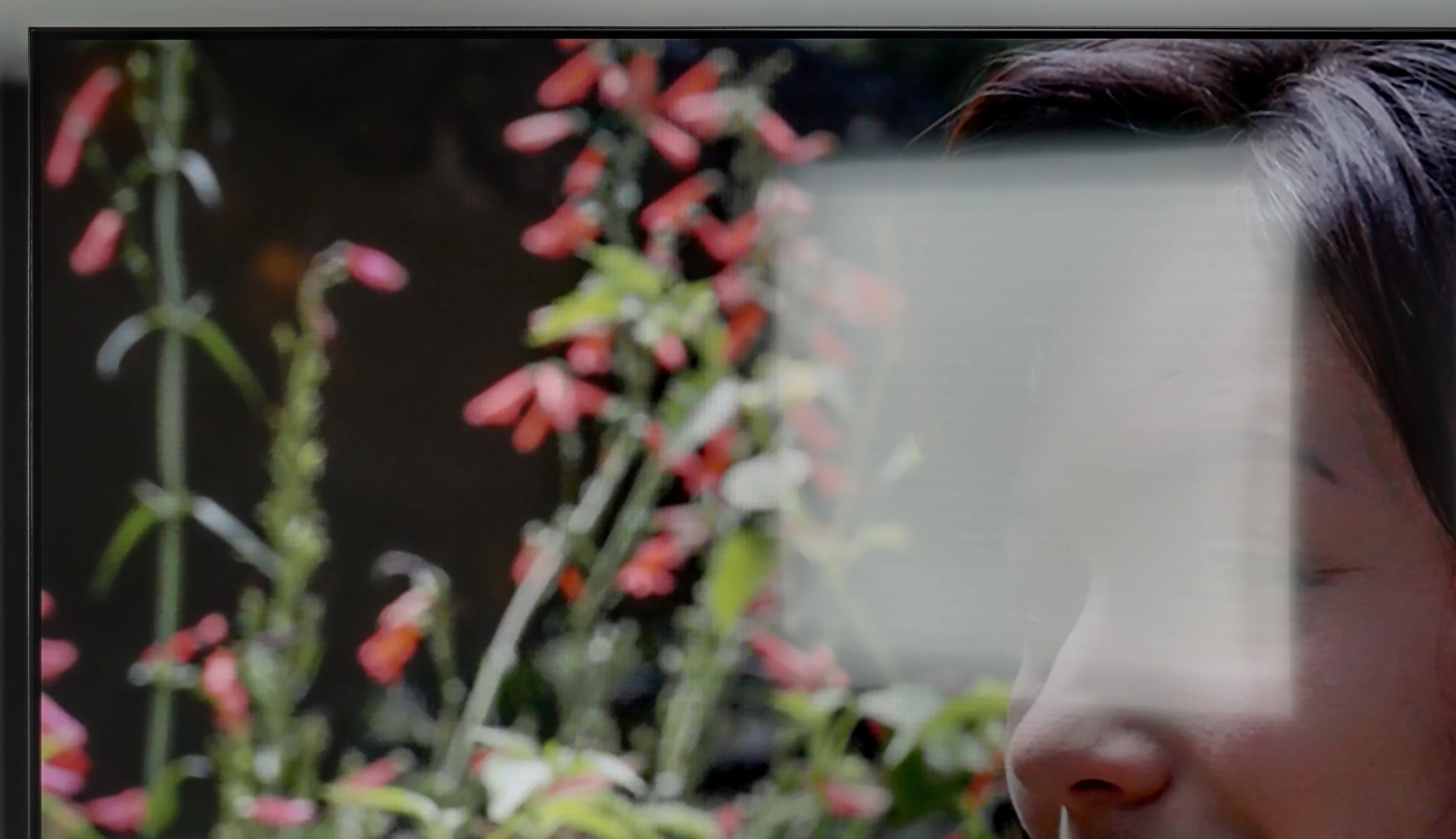
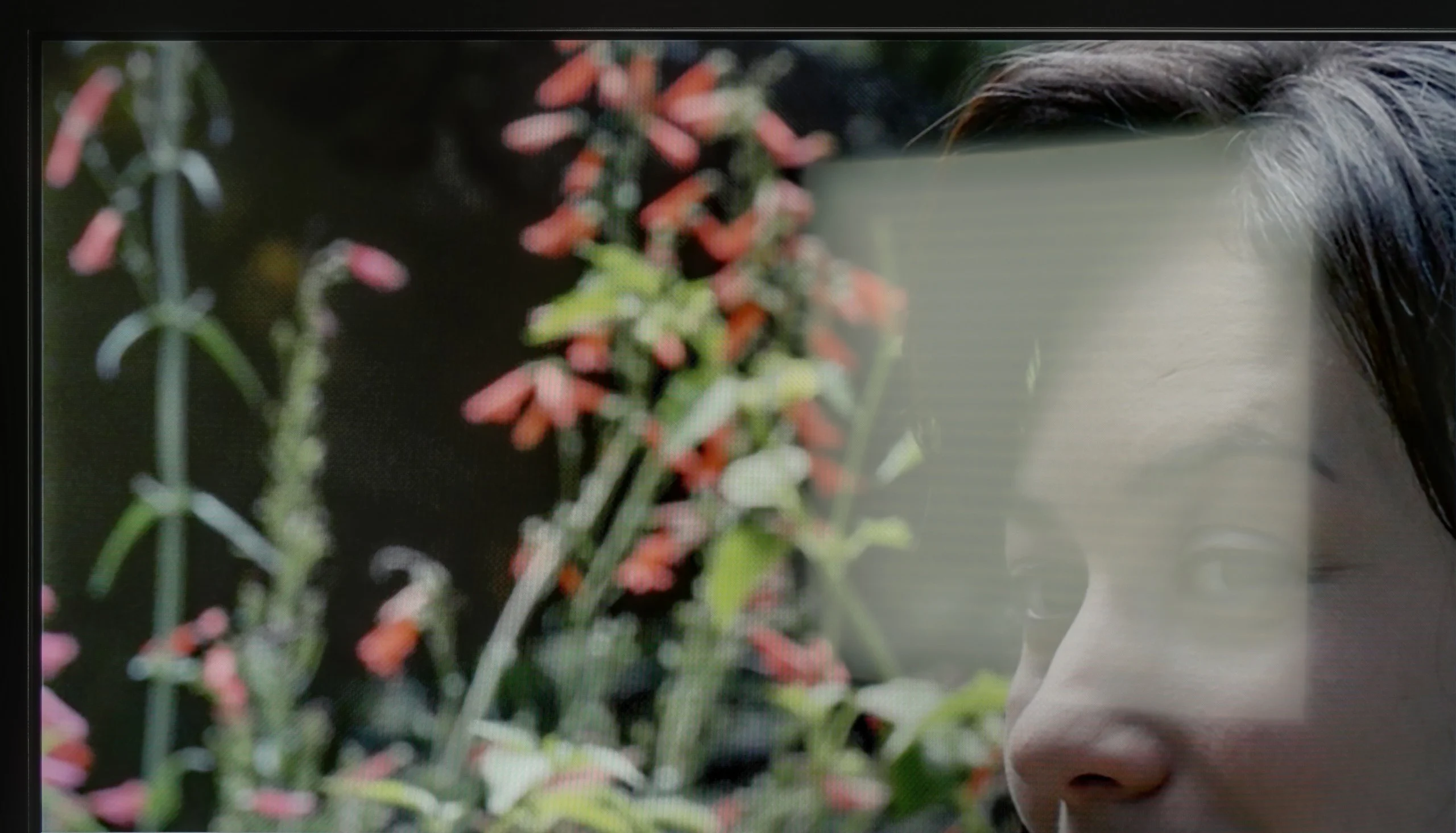
Panel brightness
XIAOMI A PRO 2026: 334 cd/m2
Philips PUS7009 (IPS): 286 cd/m2
Although the panel in the PUS7009 has been equipped with a satin coating that effectively suppresses reflections, the brightness level of 280 nits in SDR mode is simply too low for the television to perform well in brightly lit rooms. As a result, in heavily sunlit conditions, details on the screen may be difficult to discern, which reduces user comfort during the day.
Xiaomi A Pro 2026 performs quite well during the day. The display has a satin coating that manages to dull reflections somewhat, so the colours do not lose their vibrancy, even when the room is bright. Just remember that it is not an extremely bright screen – the average brightness is around 350 nits. In a typical, moderately sunlit living room, it is sufficient, but if you have large windows and plenty of sunshine coming in, it might simply be difficult without blinds or curtains.
Panel details
Subpixel Structure:
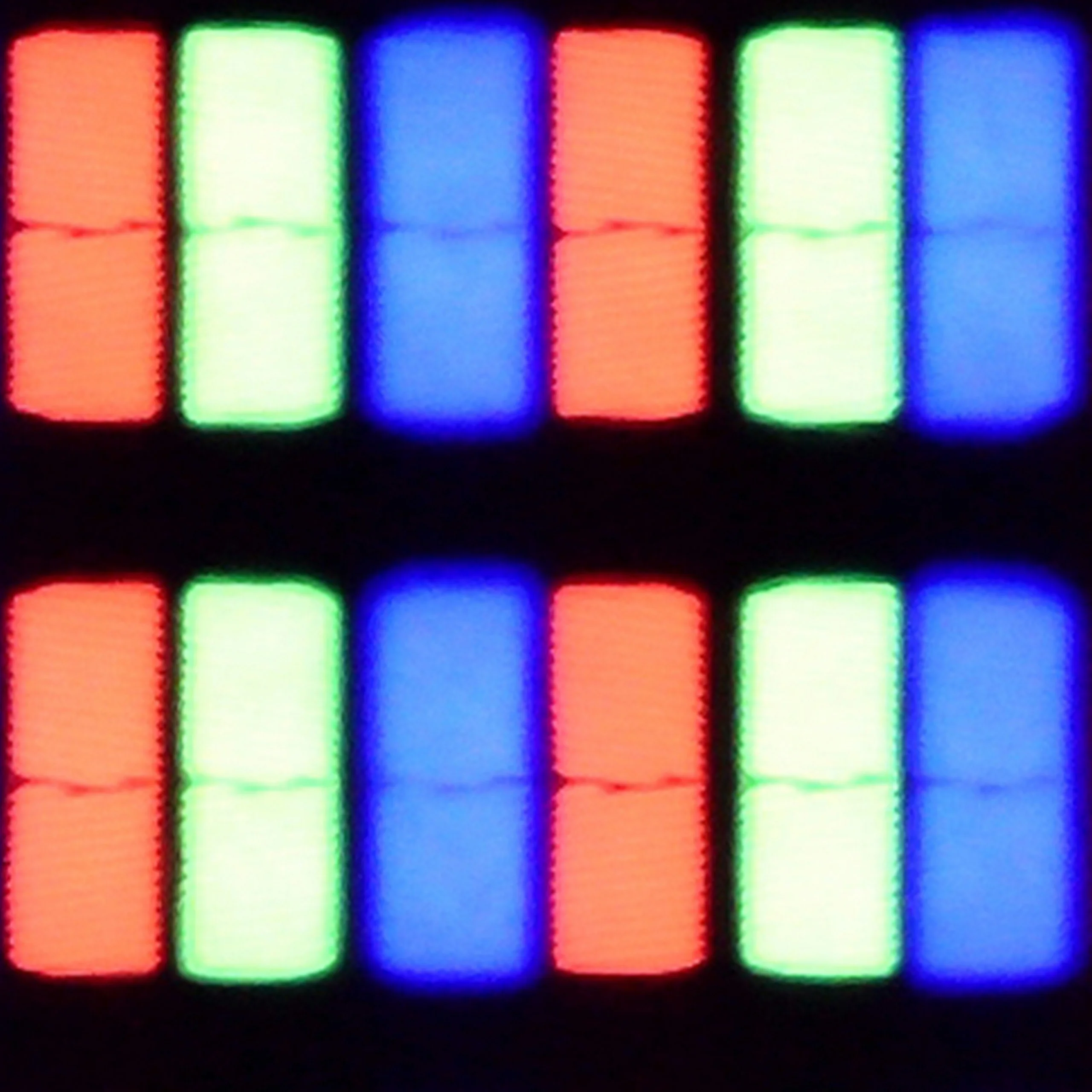
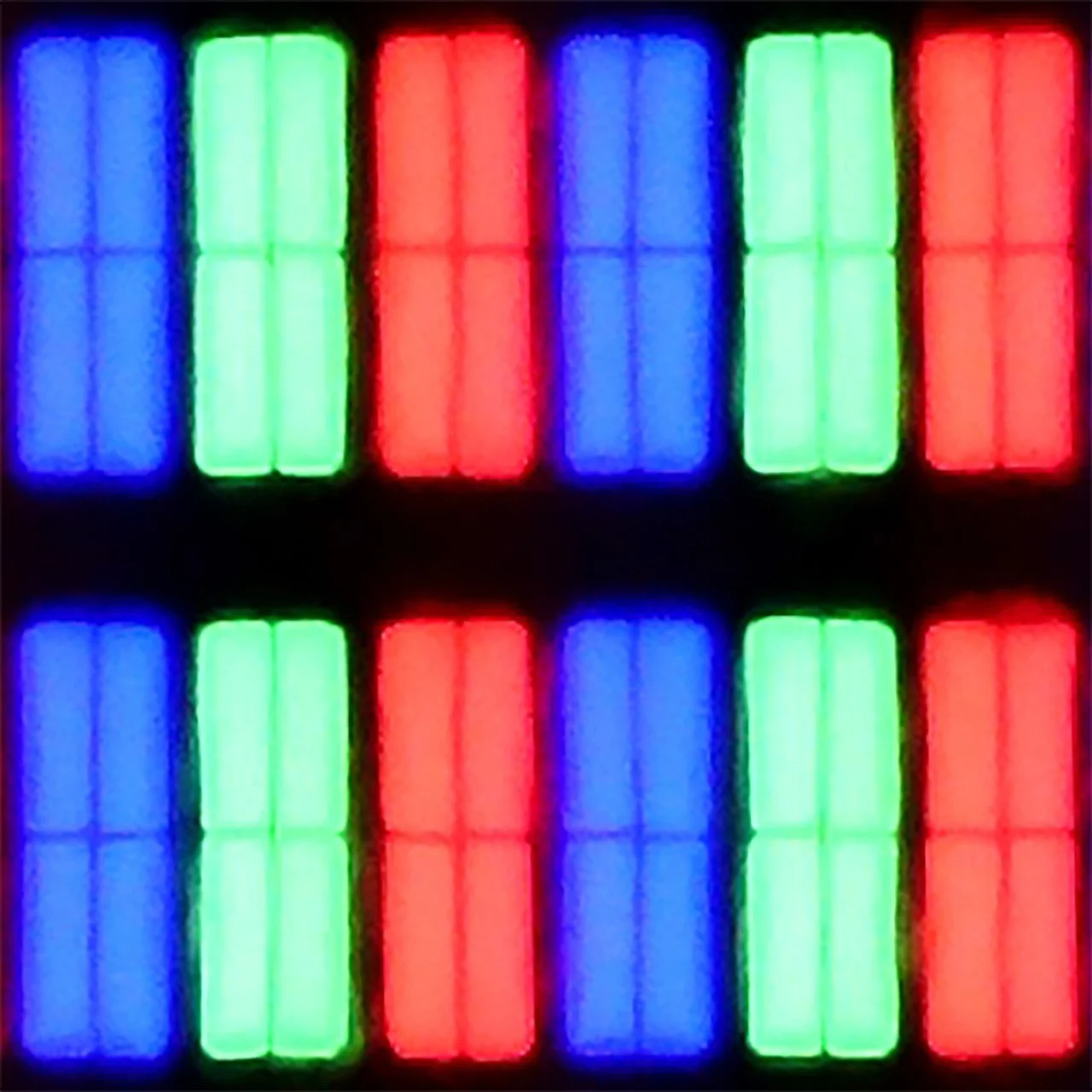
Panel uniformity and thermal imaging:


Philips PUS7009 (IPS)
XIAOMI A PRO 2026
TV features
6.3/10
6.1/10
- SystemTitan OSGoogle TV
- System performancePoorPoor
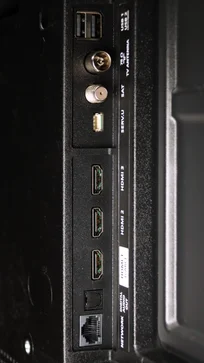
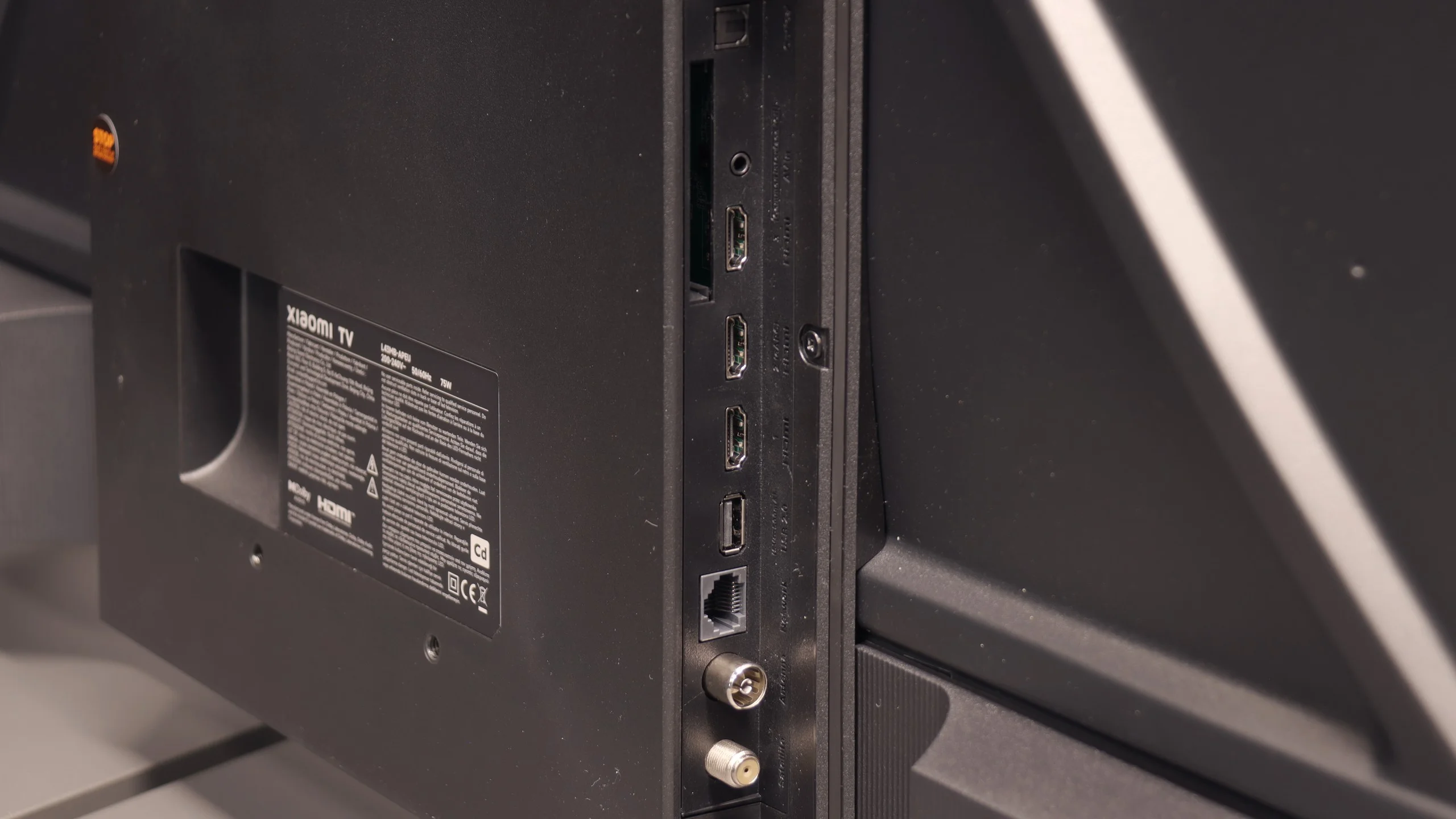
- HDMI inputs3 x HDMI 2.0, 0 x HDMI 2.13 x HDMI 2.0, 0 x HDMI 2.1
- Other inputsRCA (Chinch)
- OutputsToslink (Optical audio), eARC (HDMI), ARC (HDMI)Toslink (Optical audio), eARC (HDMI), ARC (HDMI), Mini-Jack (Headphones)
- Network InterfacesWi-Fi 2.4GHz, Wi-Fi 5GHz, Ethernet (LAN) 100MbpsWi-Fi 2.4GHz, Wi-Fi 5GHz, Ethernet (LAN) 100Mbps
- TV receptionDVB-T, DVB-T2, DVB-S, DVB-S2, DVB-CDVB-T, DVB-T2, DVB-S, DVB-S2, DVB-C
Classic features:
- Recording to USB (terrestrial TV)
- Recording programming
- Picture in Picture (PiP)
- RF remote control (no need to aim)
- Backlit remote control
- Teletext
- Audio only mode
- Bluetooth headphones support
- Simultaneous Bluetooth headphones & TV audio
Smart features:
- AirPlay
- Screen mirroring (Windows Miracast)
- Voice search
- Voice search in native language
- Ability to connect a keyboard and mouse
Sound connection options
- HDMI audioeARC (HDMI), ARC (HDMI)eARC (HDMI), ARC (HDMI)
- Other audio outputsToslink (Optical audio)Toslink (Optical audio), Mini-Jack (Headphones)
- Wireless audioBluetoothBluetooth
Supported audio formats (external HDMI eARC audio):
- Dolby Digital Plus 7.1
- Dolby True HD 7.1
- Dolby Atmos in Dolby Digital Plus (JOC)
- Dolby Atmos in Dolby True HD
- DTS:X in DTS-HD MA
- DTS-HD Master Audio
Senior accessibility
- Numeric keyboard on TV
- Font size adjustment
- Audio description
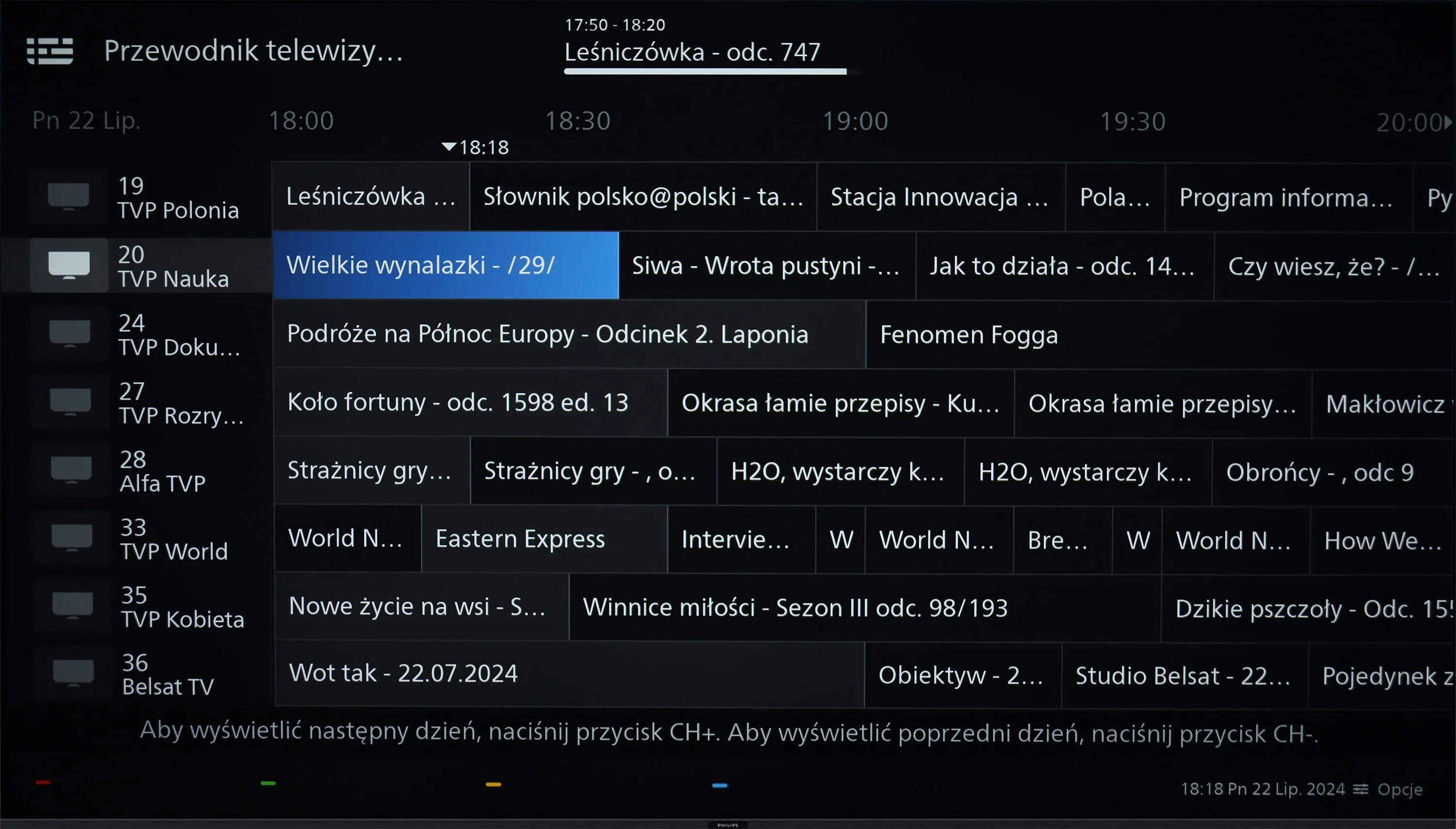
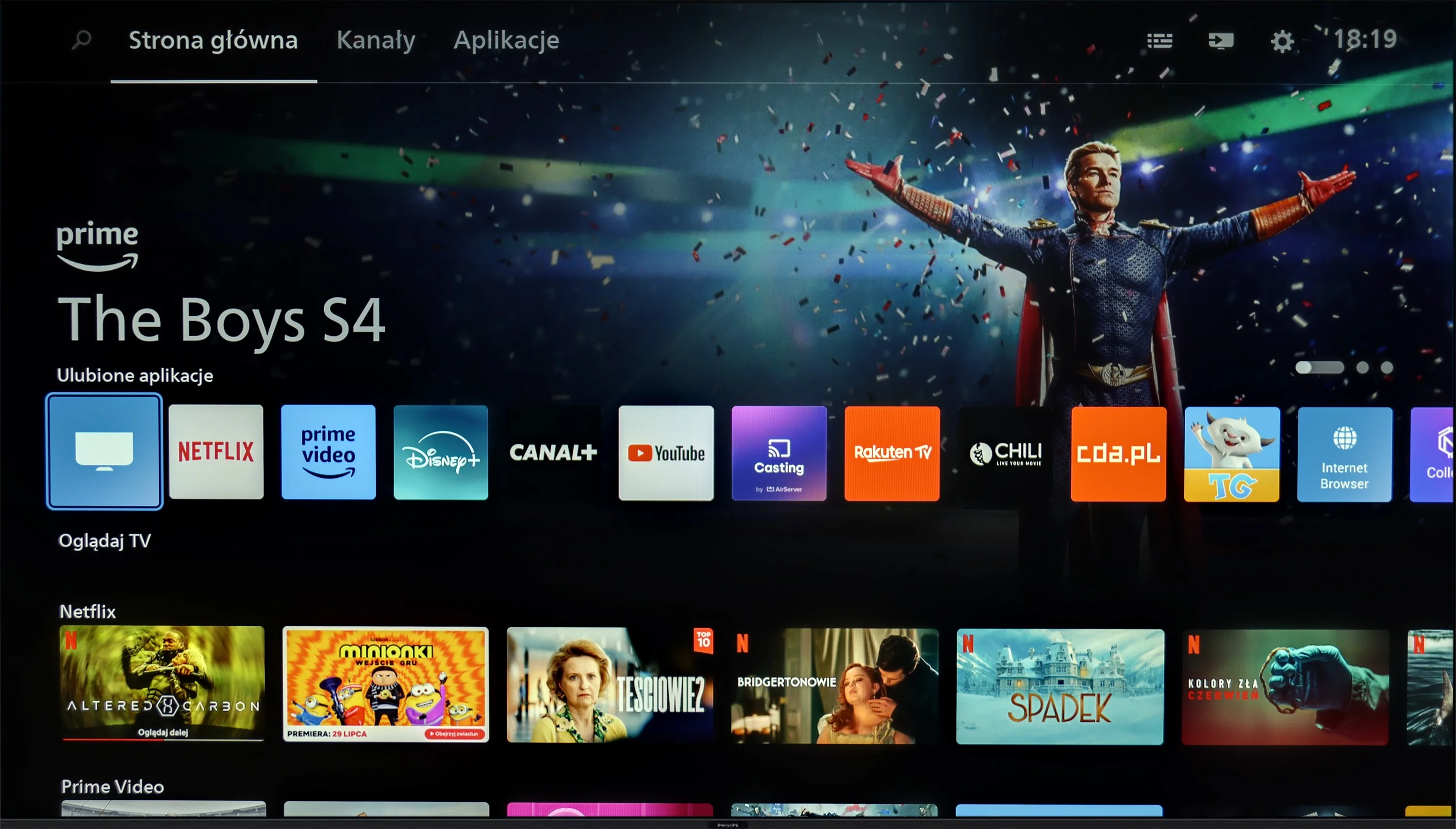
Philips has decided this year to change its approach to the operating system, replacing the previous open system GoogleTV with its own TitanOS. As is often the case with new solutions, TitanOS is struggling with typical teething problems. Currently, it offers only basic applications, and the app store leaves much to be desired, which may disappoint users expecting a rich programme offering. Additionally, the lack of support for AirPlay and the inability to record to USB are further limitations that may affect the overall user experience.
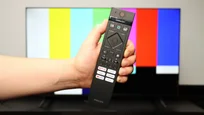
A curiosity in the models with the TitanOS system is the new remote control, which, thanks to its backlighting, is very convenient to use. Unfortunately, its wireless functionality is not entirely consistent. The hybrid design means that sometimes you need to aim at the television, while other times you don’t – it depends on the buttons being used. This is simply annoying.
However, one positive aspect is the support for Bluetooth, which allows for the connection of a mouse or other peripheral devices. This is particularly useful when using the browser, which may serve as an alternative due to the limited availability of applications in the TitanOS app store.
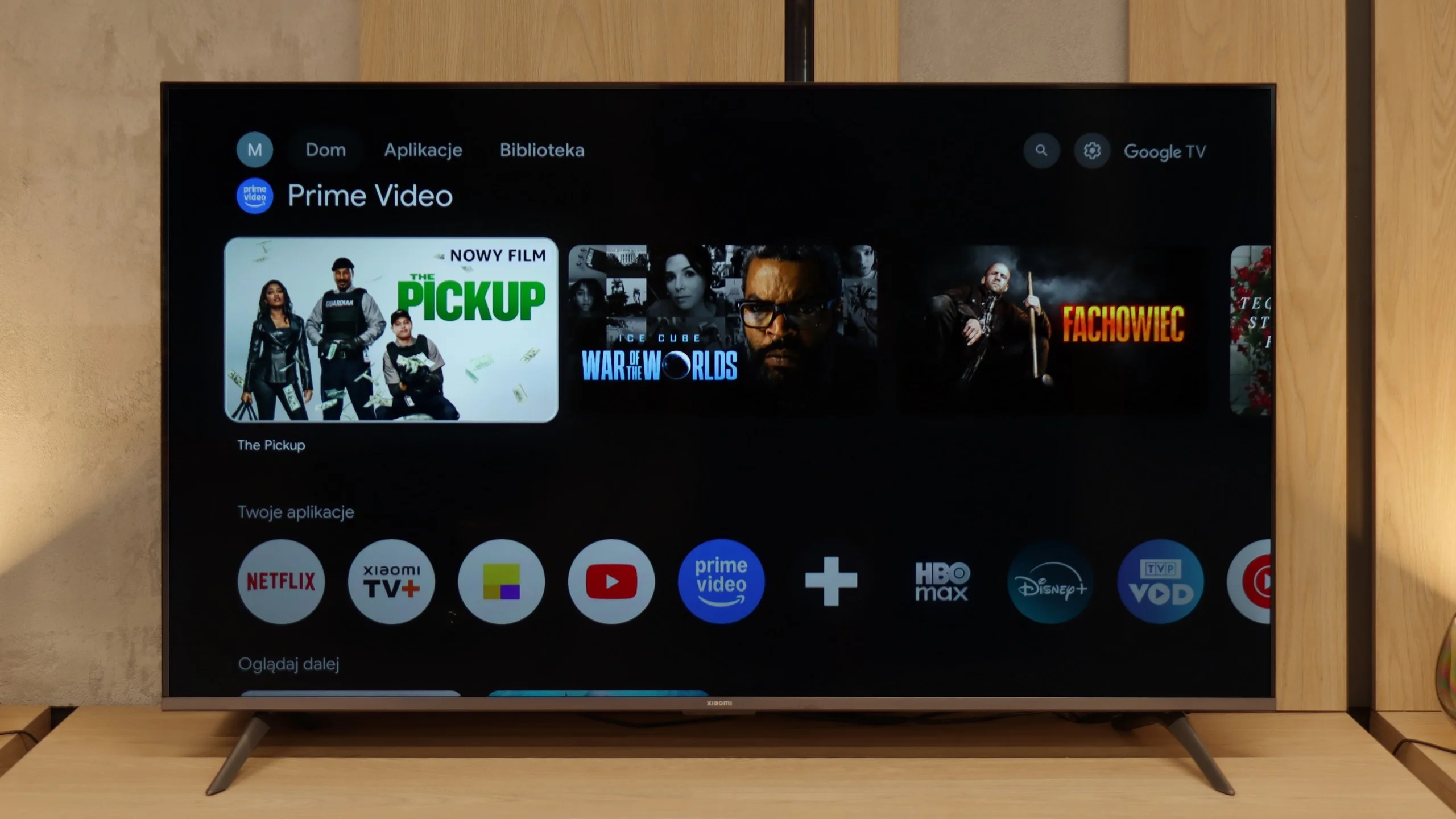
SmartTV - Google TV
The biggest advantage of the Xiaomi A Pro 2026 is the Google TV system. It is what gives the television a second life – you can run practically any application on it, from Netflix and YouTube to music services and lesser-known programmes from the Google Play Store. We are not limited to what the manufacturer has pre-installed, as is the case with other budget televisions. Additionally, we have AirPlay, voice search via Google Assistant, and even integration with Gemini. We did encounter a few minor hiccups – for example, streaming from a laptop did not always want to work – but despite these shortcomings, Google TV is a huge plus in this setup.
Classic TV Functions
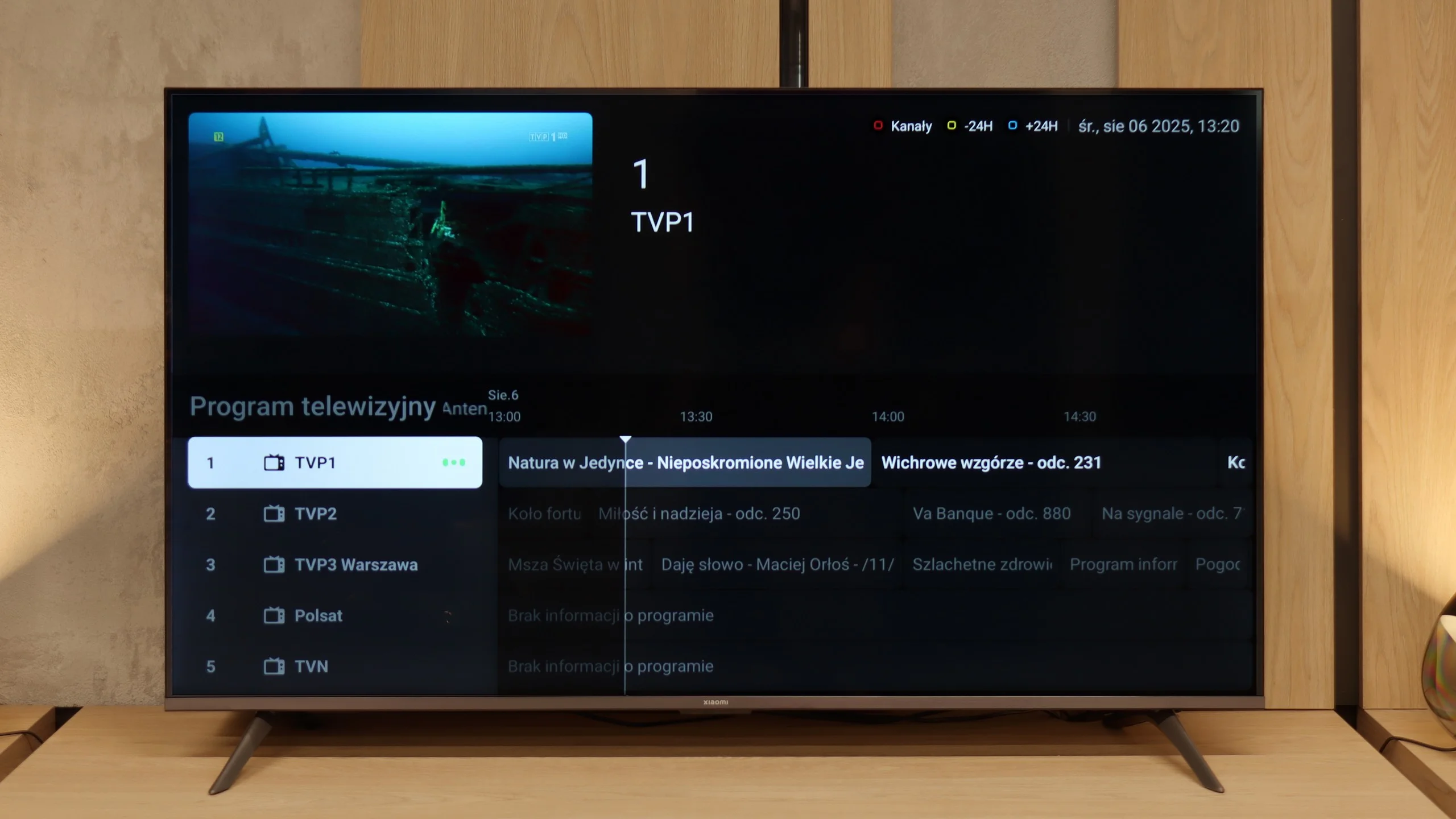
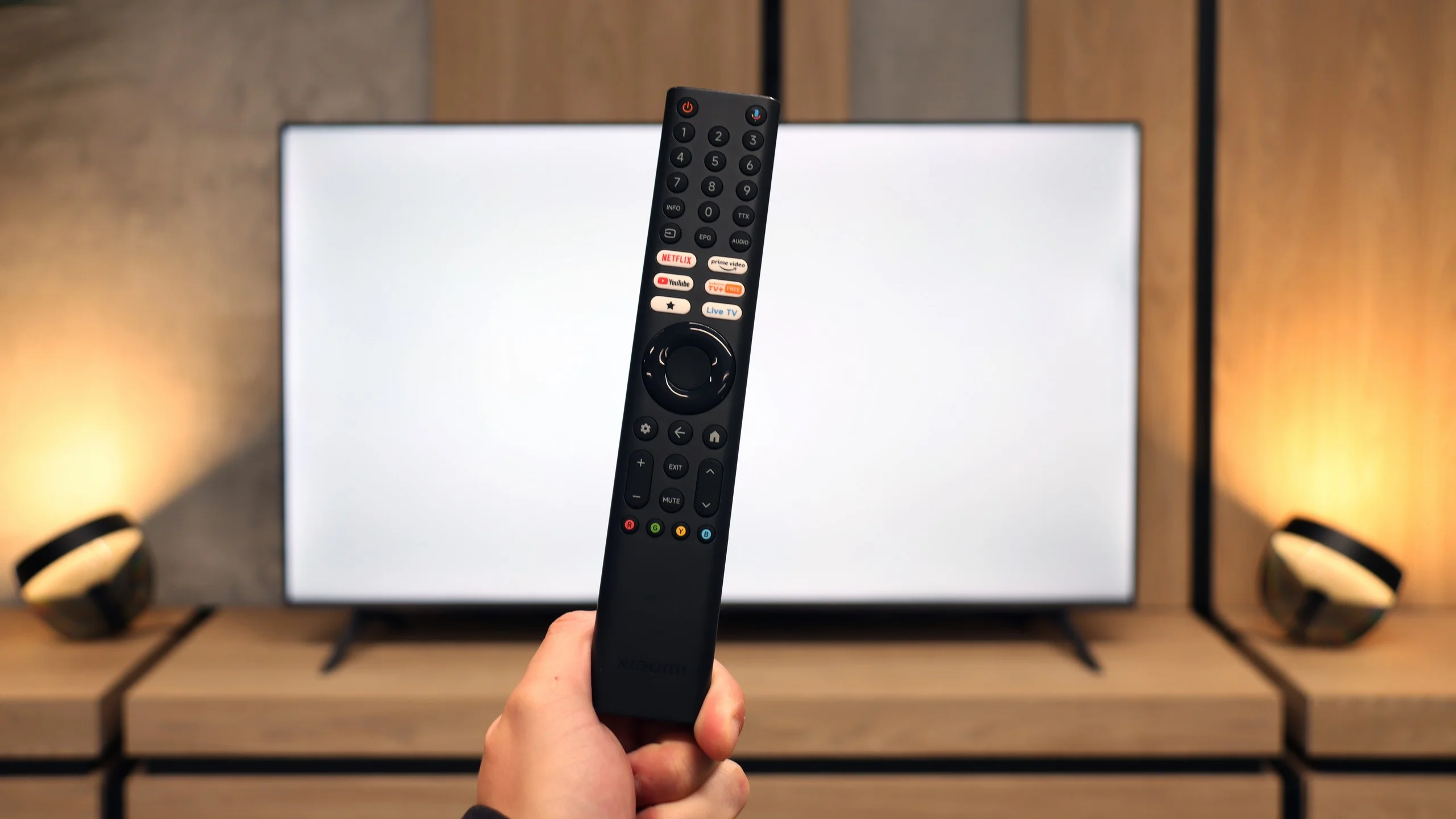
The Xiaomi A Pro 2026 can be termed a 'senior-friendly' television. The large remote control with a numerical keypad and a considerable number of physical buttons makes it intuitive to operate. Support for teletext and a clear EPG interface facilitate the use of classic television functions. We will not find many advanced features such as USB recording or the PiP function, but the presence of an analogue headphone jack output can be surprisingly practical for some users. It gives the impression of a set of features tailored to the needs of the most traditional viewers.
System Stability
However, not everything works as it should. During testing, we encountered irritating system lags, problems with Miracast, and issues when switching audio sources. There were even instances where it was necessary to reset the television by disconnecting it from the power supply. This simply shows that although Google TV offers huge possibilities, the stability in such a budget-friendly construct can still be quite problematic.
Apps
6.7/10
9.6/10






















Playing files from USB
8/10
6.8/10
Supported photo formats:
Maximum photo resolution:
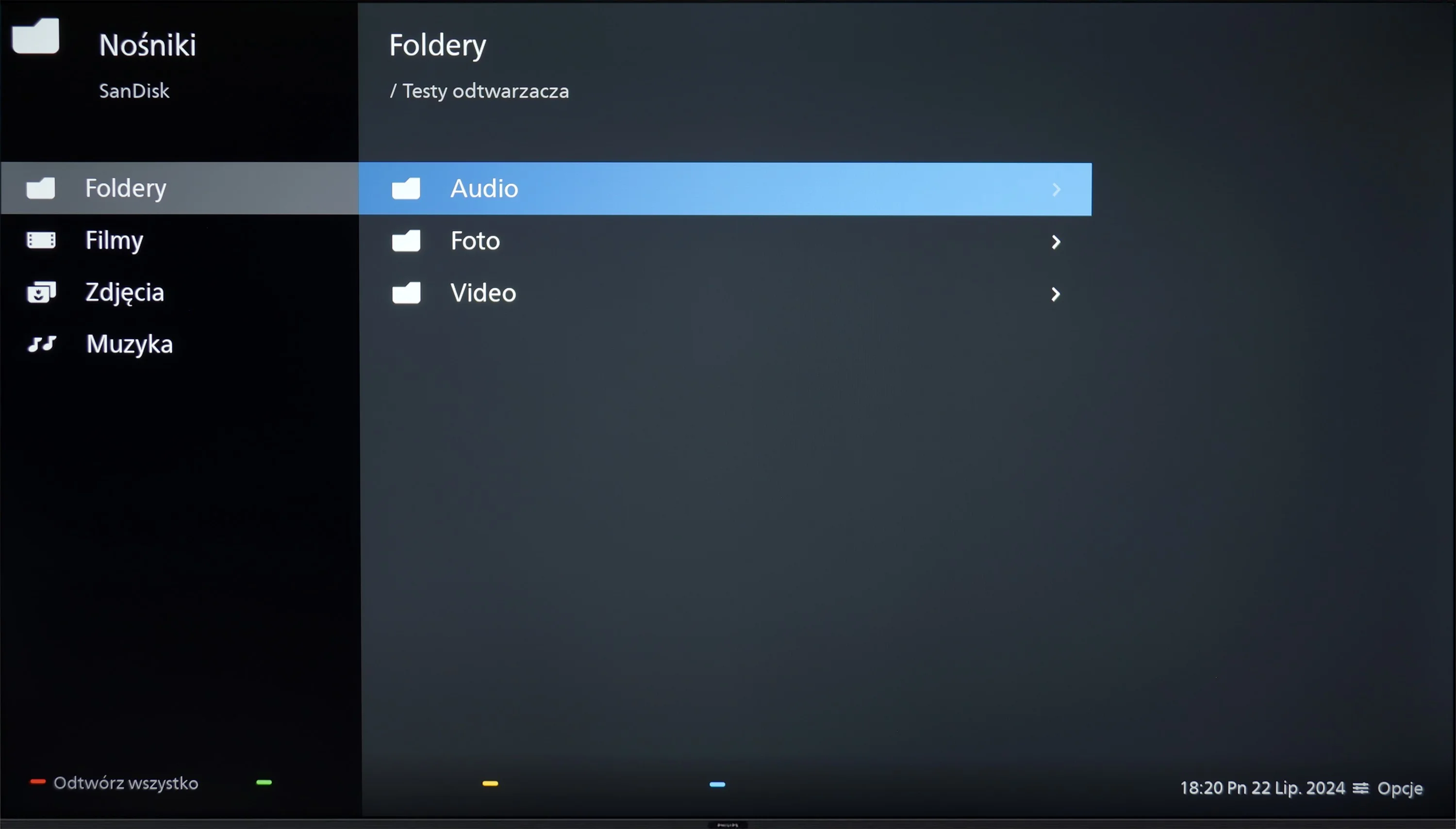
In terms of playing files from USB, Philips PUS7009 performs quite decently. The television plays most popular formats of images, audio, and video, and an additional plus is the support for Polish subtitles and the ability to change fonts. Unfortunately, it has issues with playing certain resolutions of images.
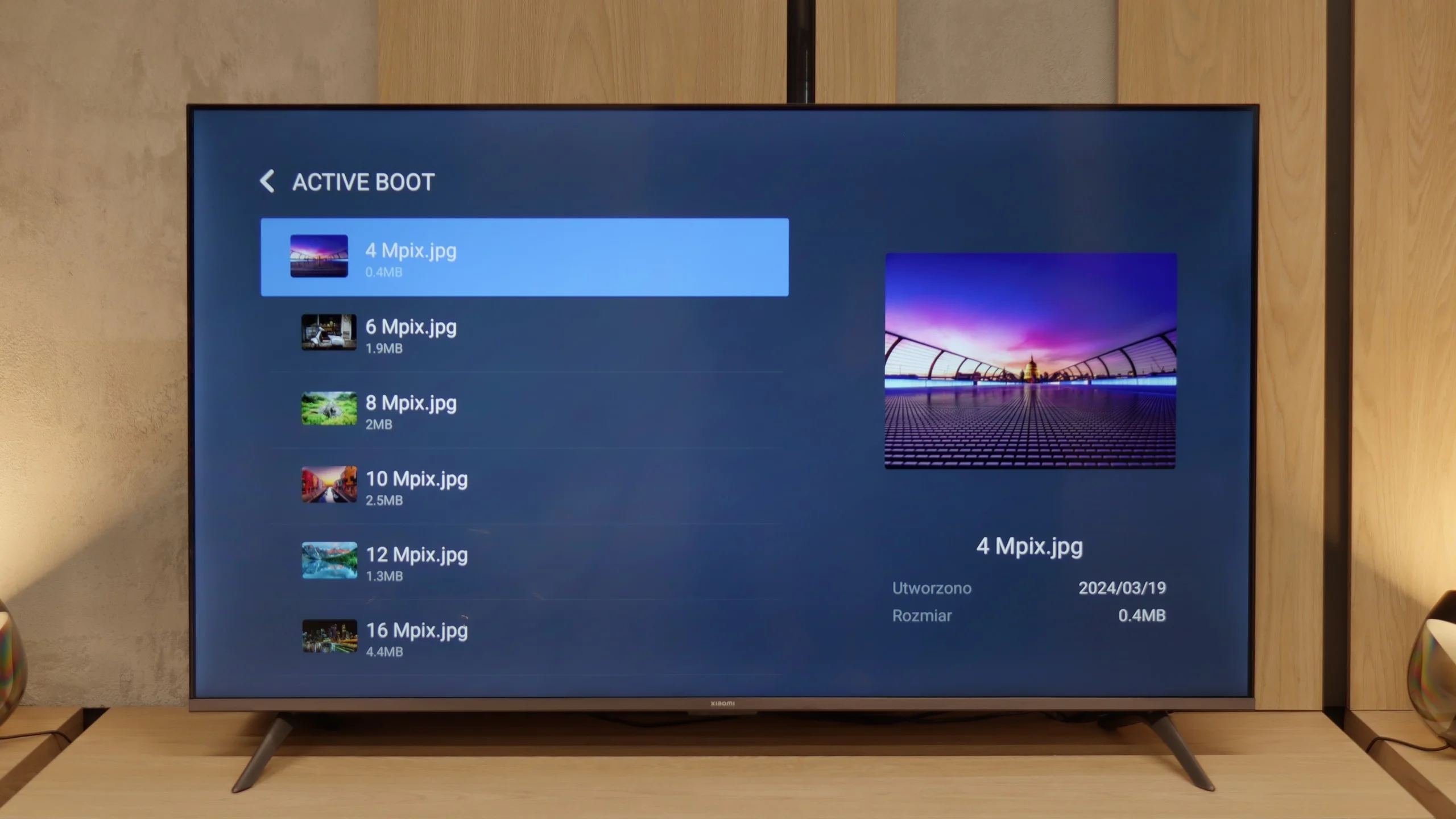
The built-in media player in the Xiaomi A Pro 2026 is a real enigma. On one hand, it plays most popular audio and video formats without major issues. On the other hand, it can struggle with basic things like Polish characters. Files with letters such as ą, ł, ć or ś in their names often refuse to open or are displayed incorrectly. This looks strange, as we seemingly have codec support, yet the television simply gets lost on simple matters related to the alphabet. Fortunately, this is not a huge problem, as thanks to Google TV we can simply install another player, e.g. VLC. Then the issue with Polish characters disappears completely, and using multimedia becomes hassle-free.
Sound
5.6/10
5/10
- Maximum volume-81dB
- Dolby Digital Plus 7.1
- Dolby True HD 7.1
- Dolby Atmos in Dolby Digital Plus (JOC)
- Dolby Atmos in Dolby True HD
- DTS:X in DTS-HD MA
- DTS-HD Master Audio
The sound on the Philips PUS7009 is rather flat and does not stand out compared to other televisions. Nevertheless, it is worth noting that the television supports all popular audio formats, including Dolby and DTS, which is a plus in terms of compatibility with various audio sources.
Last year, the Xiaomi A Pro 2025 surprised us with really decent sound, considering it is a super budget television. Unfortunately, this year's edition – the A Pro 2026, has let us down across the board. The sound resembles the sensation of the equipment playing from underwater: flat, devoid of any bass or depth. The only upside remains the wide support for audio formats, such as Dolby Atmos or DTS:X, but in practice, it changes very little. If you are considering this television, you must immediately factor in a soundbar, as without it the audio experience will be quite disappointing.
Acoustic Measurements
No acoustic data
81dBC (Max)
75dBC
Reader comments
Comments are provided by the external service Disqus (Zeta Global). Once loaded, Disqus may set cookies and process data about your activity.
We will remember your choice on this device. Provider's privacy policy